What You Can See From Tunnel View On A Clear Day
Yosemite National Park, a UNESCO World Heritage Site located in the Sierra Nevada mountains of California, is a treasure trove of natural wonders. Among its many renowned viewpoints, Tunnel View stands out as one of the most awe-inspiring locations to take in the park's grandeur.
Yosemite National Park, a UNESCO World Heritage Site located in the Sierra Nevada mountains of California, is a vista point you should not miss. Among Yosemite’s many renowned viewpoints, Tunnel View stands out as one of the most awe-inspiring locations to take in the park's grandeur. On a clear day, this iconic spot offers a sweeping panoramic view of Yosemite Valley that will leave you speechless. In this artilce, we'll explore the breathtaking sights you can expect to encounter when you visit Tunnel View.
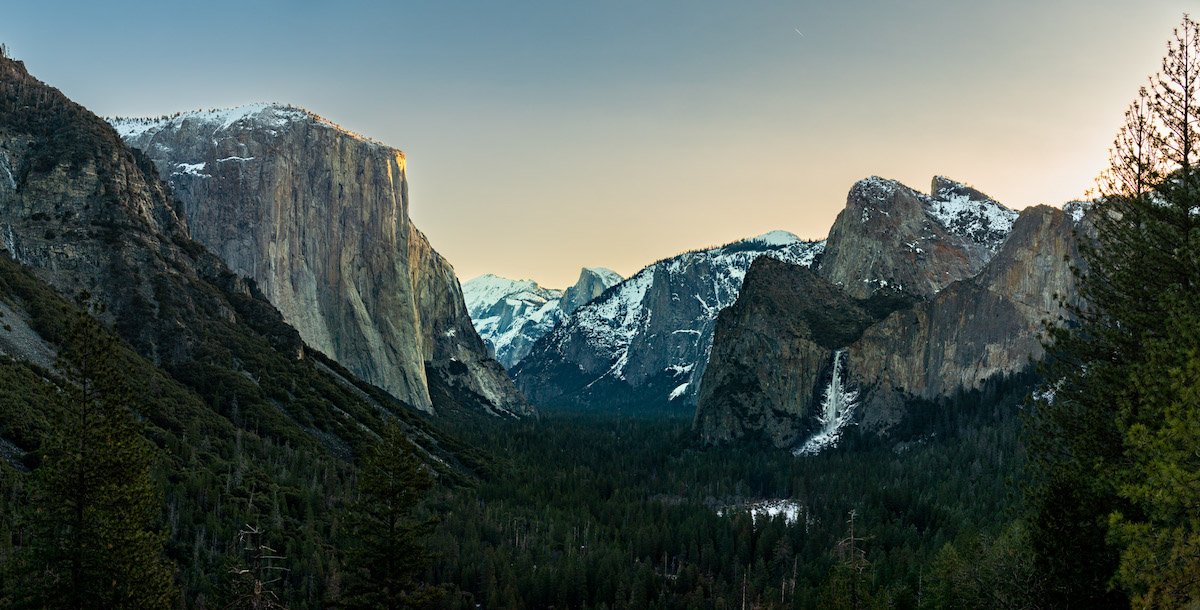
Tunnel View just before the sun pokes over the horizon. Photo by Dalton Johnson
El Capitan: The Majestic Monolith
As you arrive at Tunnel View and cast your gaze to the left (north), the first breathtaking sight that greets you is El Capitan. This colossal granite monolith is a symbol of Yosemite and a mecca for rock climbers from around the world.
Rising approximately 3,000 feet from the valley floor, El Capitan's sheer rock face is an awe-inspiring testament to the forces of nature that shaped this landscape over millions of years. The play of light and shadow on its surface throughout the day is a spectacle in itself, making it a favorite subject for photographers.
Clouds Rest: A Majestic Backdrop
Beyond El Capitan, you'll notice the regal presence of Clouds Rest. This distinctive mountain peak, standing tall behind Half Dome, adds depth and character to the valley's landscape. Its unique shape and commanding presence make it a perfect backdrop for capturing the beauty of Yosemite.
Half Dome: An Iconic Wonder
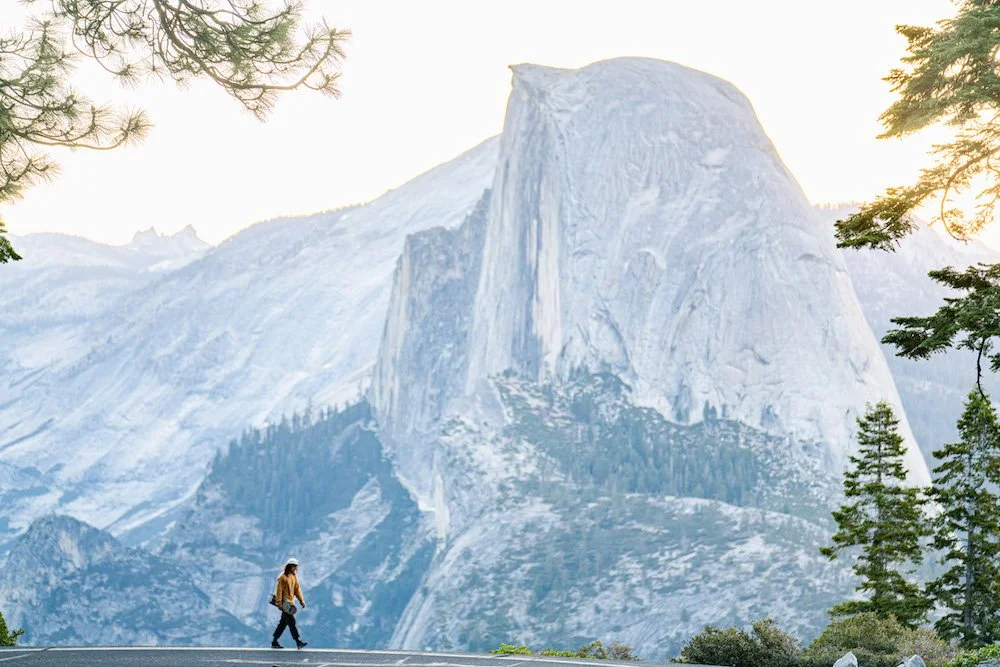
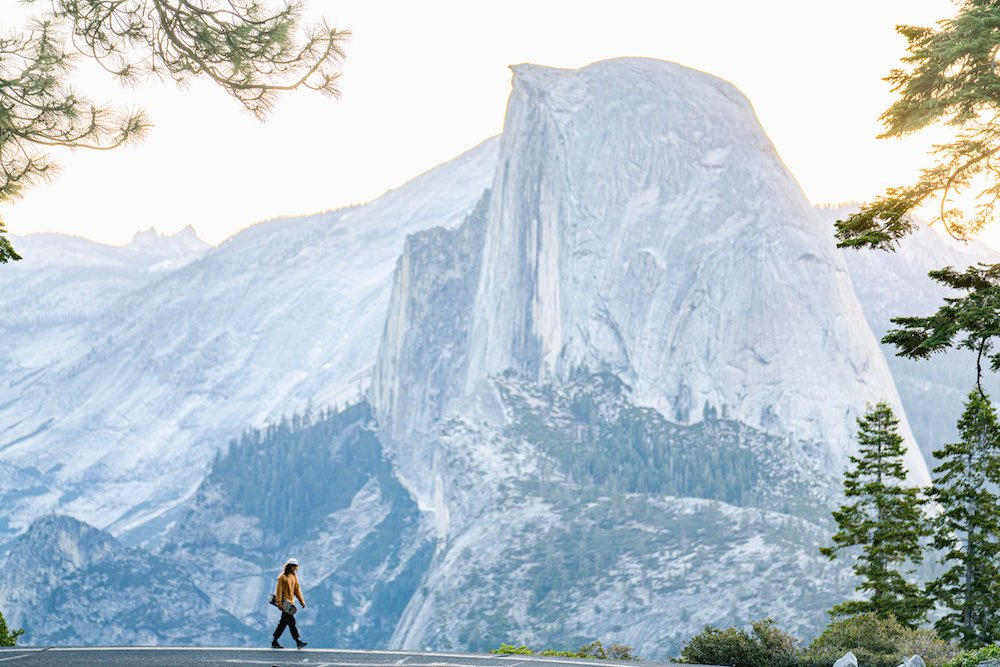
No visit to Tunnel View would be complete without taking in the iconic Half Dome. With its unmistakable, sheer granite face, Half Dome is the quintessential symbol of Yosemite National Park.
The sight of this majestic monolith rising dramatically above the valley floor is a humbling and awe-inspiring experience. Hikers from around the world dream of conquering its challenging ascent, but even if you don't plan to make the climb, the view from Tunnel View is a sight to behold.


Sentinel Dome: A 360-Degree Vista
As your gaze continues to sweep across the valley, you'll come upon Sentinel Dome. This prominent dome, reachable by a rewarding hike, offers a 360-degree view of the park's stunning landscape. Standing atop Sentinel Dome, you'll feel like you're on top of the world, surrounded by the natural beauty that Yosemite is famous for.
Cathedral Rocks: Towering Spires of Granite
Cathedral Rocks, a series of towering granite spires, adds another layer of drama to the valley's skyline. These majestic rock formations are a testament to the geological forces that shaped Yosemite's landscape over eons. The interplay of light and shadow on Cathedral Rocks throughout the day creates a dynamic and ever-changing spectacle for visitors.
Glacier Point: The Distant Marvel
Though not visible from Tunnel View itself, Glacier Point often serves as a point of reference. It's another famous viewpoint in Yosemite, offering its own breathtaking vistas of the valley. While you're at Tunnel View, you can imagine the perspective from Glacier Point, which offers a unique angle on the valley's wonders, including an unparalleled view of Half Dome.
Bridalveil Fall: A Graceful Cascade
Completing the panorama, on the right side of the valley, you'll find Bridalveil Fall. This delicate waterfall plunges gracefully from the cliffs above, often creating a fine mist that catches the sunlight.
In the right conditions, this mist can give rise to ethereal rainbows, adding an extra layer of enchantment to the scene. Bridalveil Fall is a reminder of the park's ever-flowing natural beauty and the interconnectedness of its elements.
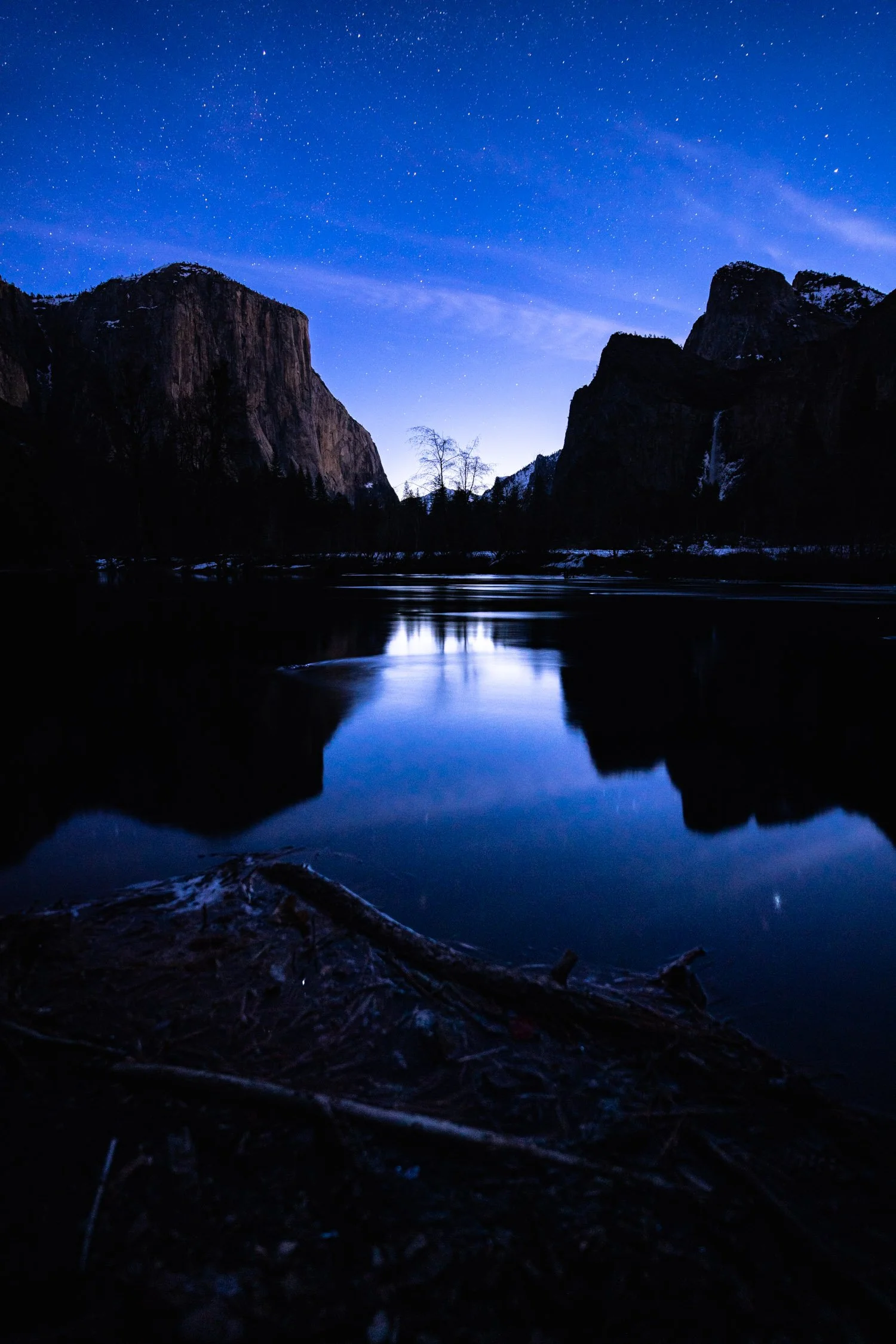
The milky way over Tunnel View. Photo by Dalton Johnson
All of these natural landmarks come together to create a scene of unparalleled beauty. The lush pine-carpeted valley, crisscrossed by the tranquil Merced River, provides a striking contrast to the rugged cliffs and towering granite formations. This juxtaposition of natural elements is what makes Tunnel View such a unique and captivating destination within Yosemite National Park.
Whether you're an avid photographer, a nature enthusiast, or simply someone seeking awe-inspiring vistas, Tunnel View offers an unforgettable glimpse into the heart of Yosemite. It's a place where you can stand in awe of the Earth's geological history, marvel at the forces that shaped this landscape, and appreciate the ongoing beauty of nature. So, the next time you find yourself in Yosemite National Park on a clear day, make sure to set aside some time to visit Tunnel View and witness the majesty that awaits.
Discover more Adventures




Is Tunnel View Worth The Visit?
In this blog, we'll take you on a virtual journey through Tunnel View's awe-inspiring beauty while delving into the practical aspects of your visit. We'll explore the undeniable allure of this iconic viewpoint and the potential drawbacks you might encounter along the way. Whether you're an avid outdoor enthusiast, a passionate photographer, or simply a traveler seeking a memorable Yosemite experience, this guide will help you decide if visiting Tunnel View is truly worth it.
Nestled within the heart of Yosemite National Park lies a breathtaking vista that has captivated the hearts of nature enthusiasts and photographers for generations. Tunnel View, with its iconic panoramic view of Yosemite Valley, El Capitan, Bridalveil Fall, and Half Dome, is a destination that often finds its way onto the bucket lists of travelers from around the world. But before you embark on your journey to experience this natural wonder, it's essential to weigh the pros and cons of visiting Tunnel View.
In this blog, we'll take you on a virtual journey through Tunnel View's awe-inspiring beauty while delving into the practical aspects of your visit. We'll explore the undeniable allure of this iconic viewpoint and the potential drawbacks you might encounter along the way. Whether you're an avid outdoor enthusiast, a passionate photographer, or simply a traveler seeking a memorable Yosemite experience, this guide will help you decide if visiting Tunnel View is truly worth it.
So, pack your sense of adventure, camera, and curiosity as we unravel the enchanting story of Tunnel View, one frame at a time.
Tunnel View at sunrise on a chilly winter morning. Photo by Dalton Johnson
PROS
Breathtaking Views: Tunnel View offers some of the most iconic and awe-inspiring views of Yosemite Valley and its famous granite formations, making it a must-visit for nature enthusiasts and photographers.
All-Weather Attraction: Tunnel View is open year-round, providing visitors with the opportunity to witness the park's beauty in different seasons, from the lush spring to the snowy winter.
Lush Spring: Spring in Yosemite National Park is characterized by mild temperatures and blooming wildflowers. The valley is alive with cascading waterfalls, creating a vibrant and colorful landscape.
Warm Summer: Summers are warm and dry, ideal for hiking and outdoor activities. The park's iconic granite cliffs and formations stand out against the clear blue skies.
Colorful Fall: Fall brings a burst of vibrant colors as the park's foliage turns shades of red, orange, and yellow. The cooler temperatures make it a pleasant time for exploring without the summer crowds.
Snowy Winter: Winter transforms Yosemite into a winter wonderland with snow-covered landscapes. While some areas may be inaccessible, Tunnel View provides a unique opportunity to witness the valley's serene beauty under a blanket of snow.
Accessibility: The viewpoint is easily accessible by car, with a parking lot just off the Wawona Road (California State Route 41). This makes it accessible to a wide range of visitors, including those with limited mobility.
Photography Opportunities: Photographers flock to Tunnel View to capture the incredible scenery, especially during sunrise and sunset when the lighting is optimal. The viewpoint provides numerous angles and compositions for stunning photos.
Golden Hours: Capture the magic of Tunnel View during sunrise and sunset when the soft, warm light bathes the valley's granite cliffs, creating stunning compositions.
Iconic Landmarks: Frame your shots with iconic Yosemite landmarks, such as El Capitan, Bridalveil Fall, and Half Dome, providing a powerful focal point for your photography.
Seasonal Variation: Explore the changing seasons to add diversity to your portfolio, from the lush greenery of spring to the snowy landscapes of winter, each offering a unique photographic experience.
Versatile Angles: Experiment with a variety of angles and vantage points to create different perspectives of the same breathtaking scenery, allowing for endless creative possibilities.
Astrophotography: After dusk, use Tunnel View as a backdrop for capturing the night sky, including Milky Way shots above the iconic valley, creating awe-inspiring astrophotography.
Educational Signage: There are informational signs at the viewpoint that provide insights into the geological history and natural features of the area, enhancing the educational aspect of the visit.
CONS
Crowds: Due to its accessibility and popularity, Tunnel View can get extremely crowded, especially during peak tourist seasons. This can make it challenging to find parking and enjoy the view without large crowds. But, you can avoid the crowds by:
Early Arrival: Plan to visit Tunnel View at sunrise when the crowds are minimal, allowing you to enjoy the serene beauty and capture stunning photographs without distractions.
Midweek Visits: Opt for a midweek visit rather than weekends, as it tends to be less crowded, providing a more peaceful experience.
Off-Season Exploration: Consider visiting during the park's off-season, such as late fall or winter, when visitor numbers are lower. Be prepared for possible road closures due to weather, but if accessible, you'll likely have Tunnel View almost to yourself.
Limited Amenities: While there is a parking lot, there are limited amenities at Tunnel View. There are no restrooms or food vendors on-site, so visitors should plan accordingly.
Road Conditions: The drive to Tunnel View involves a winding mountain road, and in winter, it can be subject to icy or snowy conditions. Visitors need to exercise caution and may need tire chains during winter visits.
Viewing Restrictions: The viewpoint is relatively small, and visitors may have to jockey for a prime spot to get unobstructed views, especially during peak times. The good news, there are alternative viewing spots that might be better:
Artist Point: Located a short drive from Tunnel View, Artist Point offers a unique perspective of Yosemite Valley and its iconic landmarks. This viewpoint provides a quieter alternative for those seeking a different angle of the valley's beauty.
Inspiration Point: Just a bit further down the Wawona Road, Inspiration Point offers spectacular views of Yosemite Valley, including El Capitan and Bridalveil Fall. It's a less crowded option for those looking to escape the bustling crowds at Tunnel View.
Sentinel Dome: For a more active alternative, consider hiking to Sentinel Dome. The moderate trail leads you to the top of the dome, providing a 360-degree view of Yosemite's stunning landscape, including a unique perspective of Half Dome.
Washburn Point: Situated along Glacier Point Road, Washburn Point offers a quieter viewing experience compared to Glacier Point itself. Here, you can take in breathtaking vistas of the valley, Half Dome, and other iconic features of Yosemite, often with fewer visitors.
Environmental Impact: The high visitation can lead to environmental degradation if visitors do not follow Leave No Trace principles. It's essential to stay on designated paths and pack out all trash.
As we wrap up our exploration of Tunnel View and its undeniable allure, it's clear that this iconic viewpoint within Yosemite National Park is a destination that can leave a lasting imprint on your heart and camera roll. Whether you're a passionate photographer seeking the perfect shot, a nature enthusiast craving a moment of serenity, or simply a traveler looking to connect with the breathtaking beauty of the natural world, Tunnel View offers something for everyone.
The all-weather accessibility ensures that Tunnel View remains an enchanting attraction year-round, each season painting a different masterpiece on the canvas of Yosemite Valley. From the lush greens of spring to the snowy tranquility of winter, there's no wrong time to visit.
While Tunnel View may draw crowds, strategic planning, such as early morning visits or exploring alternative viewpoints, can help you savor the experience with fewer distractions.
In the end, the pros of visiting Tunnel View – the unrivaled views, photography opportunities, and the chance to witness Yosemite's ever-changing beauty – undoubtedly outweigh the cons. So, if you're contemplating whether to make the journey, our advice is simple: go for it. Witness the grandeur, capture the memories, and let the magic of Tunnel View leave an indelible mark on your Yosemite adventure. After all, sometimes the most iconic destinations are iconic for a reason.
Discover more of Yosemite National Park


Is Inspiration Point Worth the Hike?
Just a few miles up from Tunnel View is a similar view called Inspiration Point. Some people swear it is better, while others say the hike is not worth the trek. They are both correct. Yosemite Valley has tons of view points that are all similar with just a little bit of difference. Some views are slightly more aligned and some are a bit higher than others, but provide the “same” view. But, that is only if you care about the view at the destination. If you are in Yosemite Valley to hike and explore different spots, taking in the changing views as they come, then does it really matter what the end view is?
Just a few miles up from Tunnel View is a similar view called Inspiration Point. Some people swear it is better, while others say the hike is not worth the trek. They are both correct. Yosemite Valley has tons of view points that are all similar with just a little bit of difference. Some views are slightly more aligned and some are a bit higher than others, but provide the “same” view. But, that is only if you care about the view at the destination. If you are in Yosemite Valley to hike and explore different spots, taking in the changing views as they come, then does it really matter what the end view is?
Inspiration Point is a 2.6 mile hike that starts and ends at Tunnel View along the Ponoho Trail. This vista point is regarded as one of the premier photography locations in Yosemite National Park, but many say the hike is not worth it, as the view from Tunnel View is just as good. Well, everyone is correct. If you are only interested in the view, there is no need to hike up 1000 vertical feet, for the view is practically the same. However, if you are interested in a better experience, fewer people, a great hike, and stellar views, then the hike to Inspiration Point is one of the best hikes in Yosemite Valley.
Read on to discover the hike details, the difference between Artist point and Inspiration Point, how hard the hike is to Inspiration Point, and so much more!
Inspiration Point, all to myself, overlooking Yosemite Valley on a sunny winter day. Photograph by Dalton Johnson
Hiking to Inspirtaion point overview:
Distance: 2.6 miles round trip
Elevation Gain: 990 feet of gain
Trailhead: Ponoho Trail at Tunnel View
Average time to hike to Inspiration Point: 1.5 to 2 hours round trip
What is the difference between artist point and Inspiration point?
Artist Point and Inspiration Point are both older iconic stops that were utilized before the Wowana Tunnel was built and opened. Both of these view points were well known among travelers of the past, but have been fading in popularity as they now require hiking several miles to reach. Artist Point is a shorter hike, so many hikers stop here, meanwhile the more dedicated hikers continue up the trail to Inspiration Point. Both view point have a similar view, but they are different.
The biggest differences between Artist Point and Inspiration Point is the tree growth reclaiming the vista. As the years pass and the trees continue to grow, both of these views are starting to get “blocked”, which is why most claim Tunnel View is best. However, each point, Artist and Inspiration, offer unique views that are slightly different.
Artist Point is more slanted and towards the southern valley wall. This makes the spot a bit cooler as it stays in the shade longer. Also, this spot is more integrated into the slope of the cliff, providing only standing space in dirt for those who hike to Artist Point.
Meanwhile, Inspiration Point is squared to Yosemite Valley and sits on a granite outcropping. This allows more space and a solid surface to hikers to stay longer. Additionally, Inspiration Point is the highest of all the points, so it gives the most dramatic view in terms of feeling elevated in the sky.
What is the difference between tunnel view and inspiration point?
There is a hot debate between the differences of Tunnel View and Inspiration Point, but what really are the differences? To be honest, not much, but it is rooted in the history of Yosemite Valley. Before the Wowana Tunnel was built, getting down into the valley was a difficult and dead challenge for travelers as the slopes and roads were not conducive to travel via cart and buggy. However, along the way, there were gorgeous view points that stood out to most travelers. One of those views was Inspiration Point. However, after the tunnel was opened, travelers stopped visiting Inspiration Point because a new vista was created, Tunnel View. That is when the Tunnel View vs Inspiration Point debate started.
Now, I know that doesn’t answer the question, “What is the difference between Tunnel View and Inspiration Point?” So, let me dive in.
Tunnel View is a convenient outlook with a stunning view. At Tunnel View, you put your car in park, step out of the vehicle and take a look at an iconic view surrounded by 50 to 100, sometimes more, people all gwaking at that same view. I do it too!
Meanwhile, Inspiration Point used to be that same thing, until Wowana Tunnel was built. Since the opening of the tunnel, Inspiration Point has been a hiking destination for those looking to escape the crowds and enjoy the same view. Yup, that is right, it is the same view, just a different experience. So, head up to Inspiration Point and stand there like you just traveled here via horse and buggy.
Now, if you want to dive into the nitty gritty, the difference between Inspiration Point and Tunnel View is mainly the angle and tree growth. Tunnel View does not have any tree blockage, meanwhile Inspiration Point has a few trees in the way. Also, Inspiration point is slightly more squared to Yosemite Valley and elevated, compared to Tunnel View, so the showcases the valley floor better.
How hard is the hike to Inspiration point?
Hiking to Inspiration Point, in Yosemite Valley takes a little bit of grit, if you do not hike regularly. The trail is steep with several switchbacks and often takes about an hour to reach Inspiration Point. If you hike regularly, at least once a week, this hike will be a moderate outing. The 2.6 mile round trip journey climbs about 1000 feet and offers great views of Yosemite Valley without the crowds.
From time to time, when hiking to this look out I ran out of breath, but the good news, there are several places to stop. Yup, that is right, almost every switchback has a great place to sit and enjoy the view. For many, you don’t even need to go all the way to Inspiration Point because the views along the way are good enough. With that said, I suggest making the trek to the look out becasue there wont be very many people.
History of Inspiration Point in Yosemite
Early in Yosemite’s history, the routes into the park were quite different from those today. The two primary routes, Old Big Oak Flat Road and Old Wawona Road, took higher paths with a steeper descent into the valley. These dusty stagecoach roads sufficed for sporadic, slow-moving horse-drawn carriages, but they never would have managed today’s automobile traffic – many sections of Old Big Oak Flat Road have vanished under rock slides, so there’s that too.
But like today, those roads featured turnouts that allowed stunning “welcome to Yosemite” views that incoming travelers enjoyed the same way people today enjoy Tunnel View. However, when the park service completed the “new” Wawona Road in 1933, the old road, along with its popular viewpoints, quietly sank into obscurity, leaving its once-popular viewpoints abandoned.
Tunnel View assumed the mantle of “quintessential Yosemite Valley viewpoint” as Inspiration and Artists Points were relegated primarily to hikers. And today, you can reap the benefits of the relative obscurity of both spots to enjoy views that are, in some ways, superior to Tunnel View all while also basking in relative silence and solitude.
**this block comes from Modern Hiker, which is a great additional resource for hikers
Other great hikes near inspiration point:
Yosemite Valley has countless wonderful great hikes, but here a select few that are worth hiking:
Half Dome via the Cables
Dewey Point
Four Mile Trail to Glacier Point
Taft Point
Now that you have discovered the hike details, the difference between Artist Point and Inspiration Point, and how hard the hike is to Inspiration Point, it is your turn to get outside and enjoy this incredible hike in Yosemite Valley. Please, if you found this article to be helpful, or you have additional information that would/could be helpful to other, drop a comment below!
Discover more of Yosemite Valley

Best Views of Yosemite Valley
The natural beauty of Yosemite is so incredible that it inspired an entire 19th-century conservation movement, which resulted in the valley’s protection as a national park in 1890. Naturalists led by John Muir (1838–1914) and artists like photographer Ansel Adams (1902–1984) found inspiration for their life’s work here. When planning your trip to Yosemite National Park, checking out the best views of Yosemite Valley ahead of time are critical to the Yosemite experience.
Immersing yourself in the natural wonder that is Yosemite is akin to stepping into a living masterpiece, a canvas of unparalleled beauty that ignited a 19th-century conservation movement. In 1890, the valley's breathtaking landscapes prompted the establishment of Yosemite as a national park, an enduring testament to the visionaries like John Muir and artistic pioneers such as photographer Ansel Adams. Their profound connection to this sanctuary laid the groundwork for a legacy that continues to inspire seekers of beauty and tranquility.
As you embark on your journey to Yosemite National Park, navigating its expansive terrain becomes a crucial aspect of the Yosemite experience. The park's vastness, intertwined with circular driving routes, demands careful planning to ensure you capture the essence of Yosemite without losing precious hours to unexpected detours. To guide you through this natural marvel, we've curated a list of iconic views that deserve a coveted spot on your must-see list. These vistas, easily accessible from both paved roads and hiking trails, promise to leave first-time visitors breathless, offering glimpses of Yosemite's heart-stopping beauty.
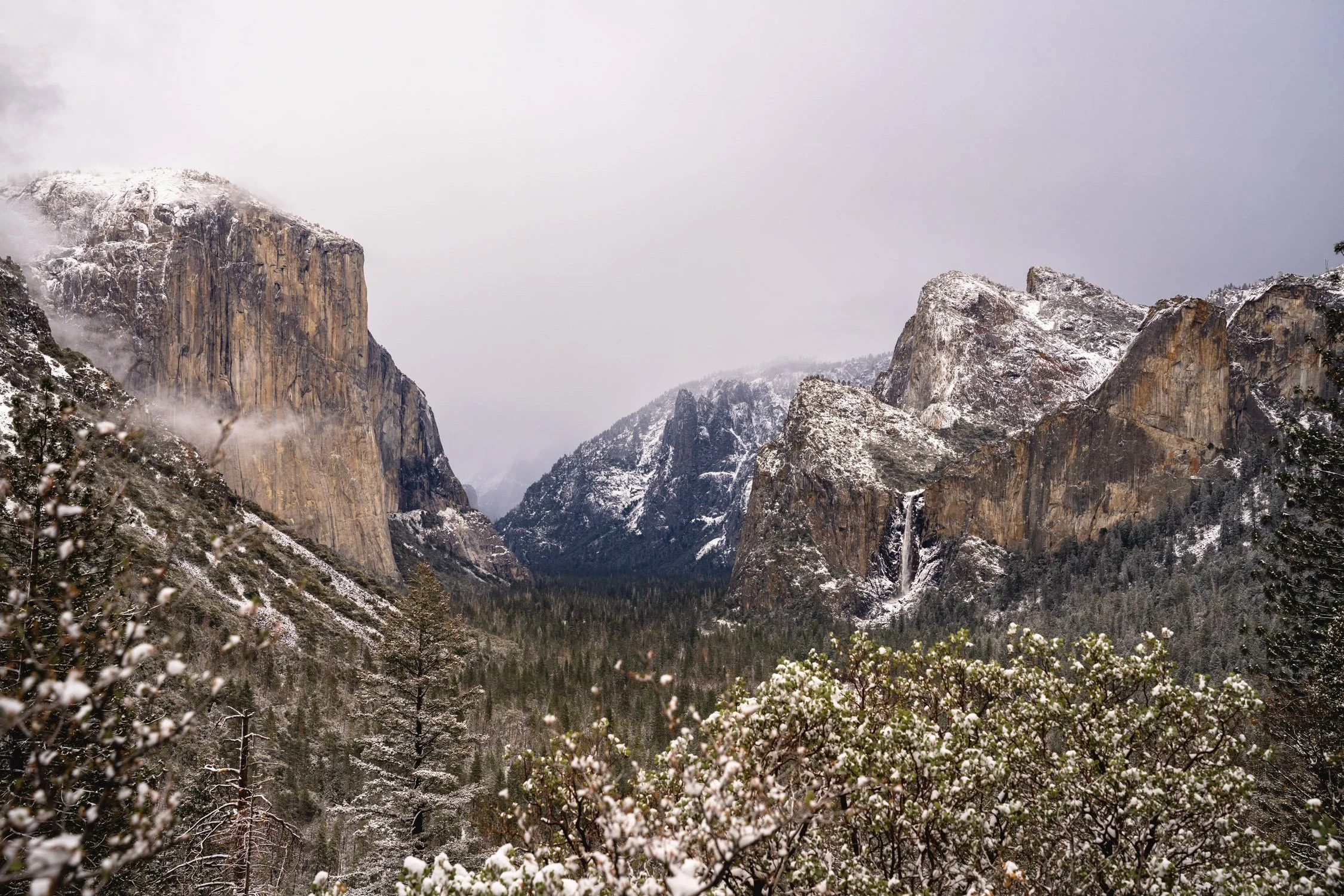
El Capitan and Bridalveil Fall as seen from Tunnel View during the winter. Photograph by Dalton Johnson Media.
TUNNEL VIEW:
Location and Accessibility: Located at the east end of the Wawona Tunnel along Wawona Road (Highway 41), Tunnel View is a mere 30-minute drive south from Yosemite Village. Accessible to all, this iconic viewpoint is conveniently situated just steps away from the parking area, making it a must-visit stop for every Yosemite traveler.
What to Expect: At Tunnel View, prepare to be awe-struck by the majestic beauty of Yosemite Valley. From this vantage point, you'll be treated to panoramic views showcasing Yosemite's most renowned landmarks, including the towering granite monoliths of El Capitan and Half Dome, as well as the graceful cascade of Bridalveil Fall.
Experience and Activities: The hike to Tunnel View is virtually effortless, taking less than a minute from the parking lot to the viewpoint itself. Despite its accessibility, this popular spot is often bustling with visitors eager to soak in the breathtaking scenery. For a more secluded experience, venture a short distance along the trail for additional viewing areas, where you can capture the splendor of Yosemite from different perspectives.
5 Reasons to Visit Tunnel View: Tunnel View isn't just a roadside attraction – it's a quintessential Yosemite experience that belongs on every traveler's itinerary. Beyond its iconic vistas, Tunnel View offers a glimpse into the diverse tapestry of visitors who flock to Yosemite National Park each year. Consider packing a picnic to savor the scenery and soak in the atmosphere of this legendary location.
Iconic Vistas: At Tunnel View, nature unfurls its grandeur, showcasing the iconic granite giants – El Capitan, Half Dome, and the ethereal Bridalveil Fall. These towering landmarks form the backbone of Yosemite's distinctive landscape, and witnessing them from this vantage point is a visual symphony that resonates with the park's profound beauty.
A Glimpse into Diversity: Beyond its breathtaking scenery, Tunnel View serves as a microcosm of Yosemite's diverse tapestry. Here, you'll encounter fellow travelers from all walks of life, united by their shared awe for the natural wonders that surround them. It's a communal experience that emphasizes the universal allure of Yosemite, where people from across the globe converge to witness the spectacle that is Tunnel View.
Embracing Tranquility: Consider packing a picnic and immersing yourself in the tranquil ambiance that permeates Tunnel View. Spread a blanket on the grass, indulge in local delights, and allow the scenery to become the backdrop for moments of quiet reflection. As you savor the flavors of your picnic, you'll find a profound connection with the land, creating memories that extend beyond the visual feast.
Capturing Timeless Moments: Tunnel View isn't just a snapshot; it's a canvas of timeless moments waiting to be captured. The changing hues of the day and the interplay of light and shadows on the granite cliffs create a dynamic and ever-evolving landscape. Seize the opportunity to freeze these fleeting moments with your camera, allowing yourself to become a part of the narrative written by the sun's gentle descent over Yosemite Valley.
Immersive Atmosphere: More than a viewpoint, Tunnel View immerses you in an atmosphere that transcends the ordinary. It's a space where the whispers of wind through the trees, the distant rumble of waterfalls, and the collective gasps of admiration from fellow visitors blend harmoniously. Absorb the energy of this legendary location, and let it become a vivid memory etched in your Yosemite journey.
Tips for Photographers: To fully capture the grandeur of Tunnel View, equip yourself with an easy-to-use camera or a wide-angle lens. Whether you're a seasoned photographer or a casual snap-shooter, Tunnel View provides endless opportunities to capture Yosemite's timeless beauty in vivid detail.
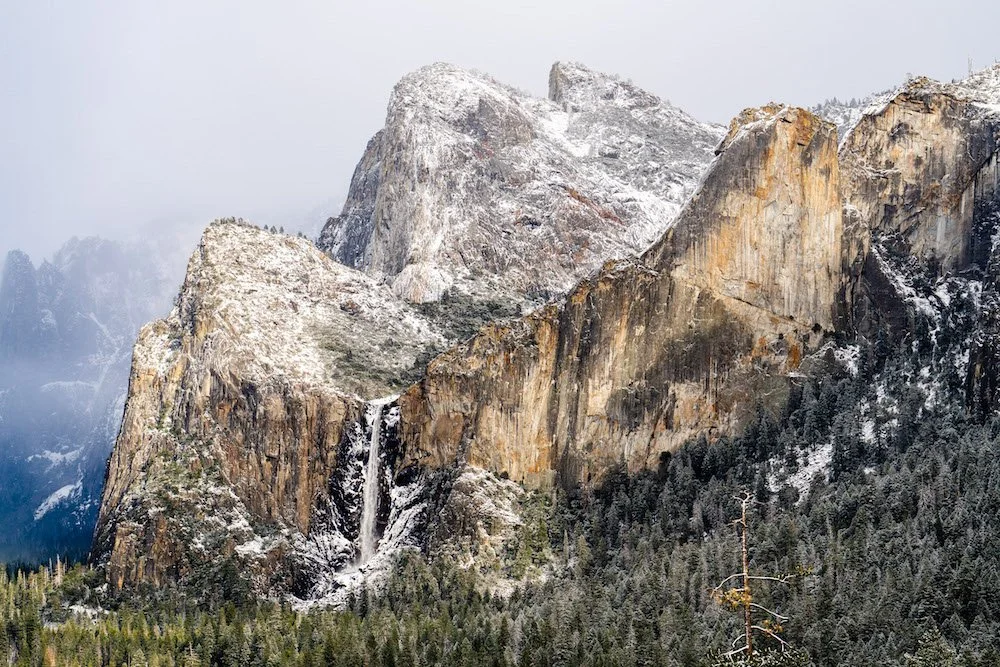
A frozen Bridalveil Fall photographed from during the winter in Yosemite Valley. Photograph by Dalton Johnson Media.
BRIDALVEIL FALL
Location and Accessibility: Embark on a journey to witness the awe-inspiring Bridalveil Fall, the majestic 620-foot cascade that greets visitors entering Yosemite Valley. Easily accessible, the fall is a short drive from the valley, and you can get detailed directions to Bridalveil Fall to ensure a seamless experience. Recent renovations are transforming the path into a wheelchair-accessible route, making it even more inclusive for all.
Spectacular Sight: At Bridalveil Fall, prepare to be mesmerized by a breathtaking display of nature's power as 620 feet of water plunges to the earth, creating a spectacle that resonates with both the thunderous energy of spring and the graceful, swaying flow characteristic of the rest of the year. The fall's name is derived from this ethereal movement, resembling a bridal veil dancing in the wind.
Hiking Experience: The journey to Bridalveil Fall unfolds along a paved path with a gentle incline, ensuring a leisurely hike suitable for all fitness levels. Taking approximately 10 minutes, the trail grants access to captivating viewpoints. For a more immersive experience, venture off the path onto a rocky trail leading to the base of the fall. Here, you'll not only feel the magnitude of the waterfall but also have the chance to capture the essence of Bridalveil Fall up close.
Why Visit Bridalveil Fall: As the first waterfall greeting those entering Yosemite Valley, Bridalveil Fall holds a special place in the hearts of visitors. Its grandeur is a spectacle to behold, from the thunderous roar in spring to the gentle, swaying flow throughout the year. The symbolism of a bridal veil in motion adds an extra layer of charm to this natural wonder, making it an essential stop on your Yosemite itinerary.
Versatile Perspectives: Bridalveil Fall offers two distinct ways to be experienced — up-close or from afar. Hike the trail to the waterfall's base for an immersive encounter, feeling the mist and power firsthand. Alternatively, savor the view from the meadow across the trailhead or the iconic Tunnel View for a picturesque perspective ideal for photography.
What to Bring: While the hike is short, the allure of Bridalveil Fall might encourage you to linger. Pack a daypack to carry essentials and ensure a comfortable experience. If you choose to venture close to the falls, consider bringing a rain jacket to stay dry and protected, enhancing your overall enjoyment of this captivating natural spectacle. Bridalveil Fall beckons, inviting you to embrace the harmony of nature and create lasting memories amid its breathtaking beauty.
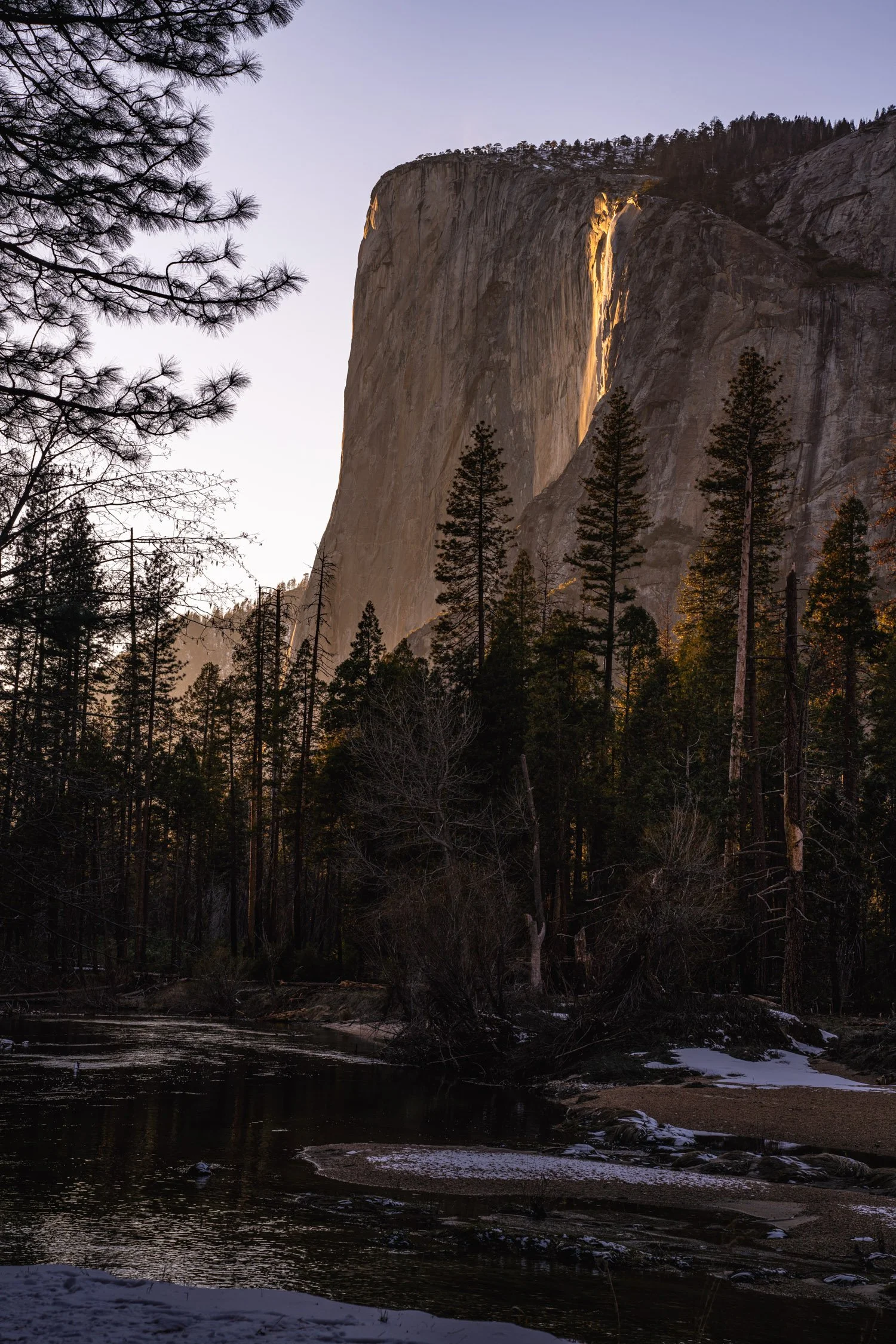
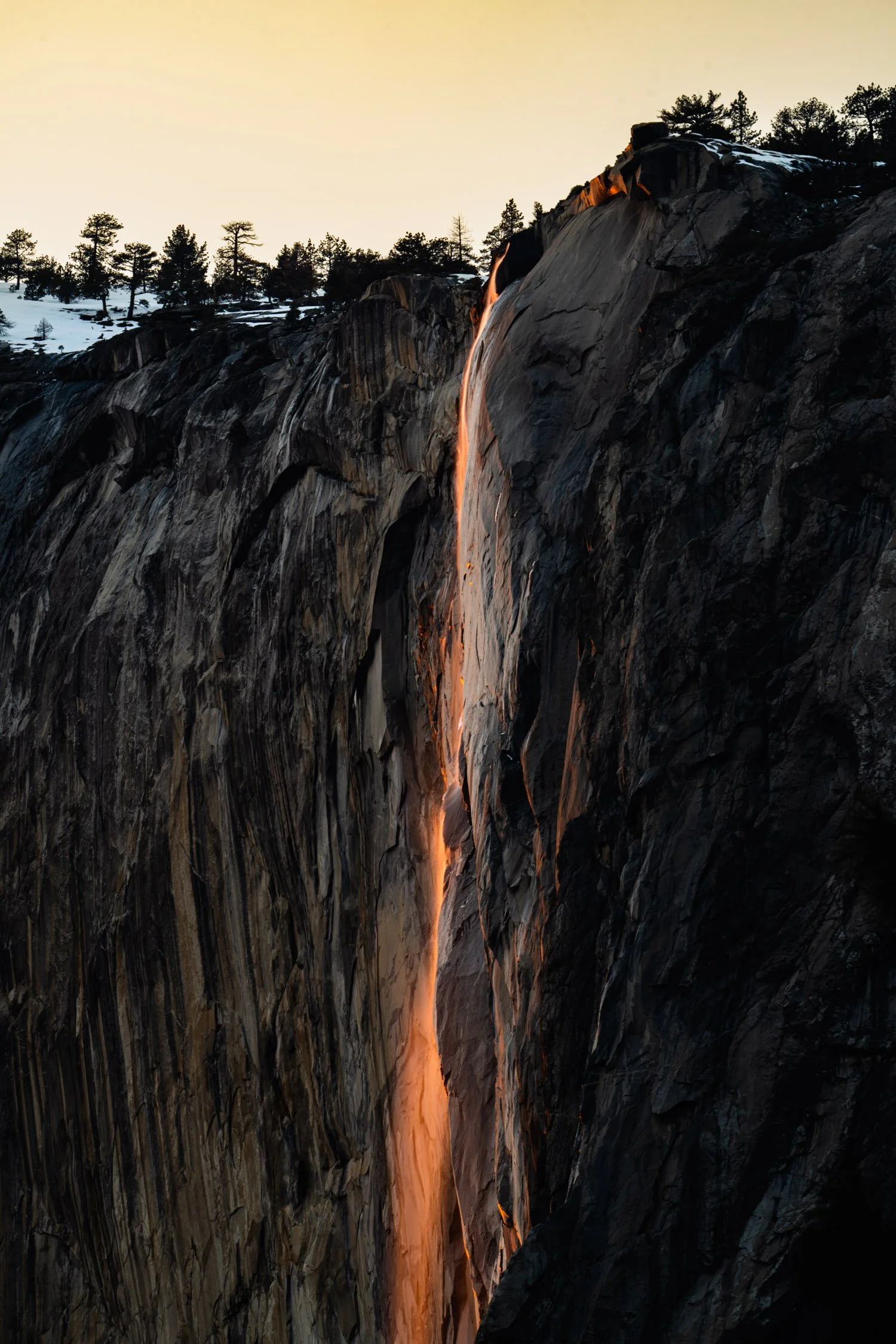
Yosemite Valley’s natural wonder Firefalls glow bright during late-February. Photograph by Dalton Johnson Media.
FIREFALLS
Location and Seasonal Spectacle: Embark on an extraordinary journey to witness Firefalls, an enchanting phenomenon also known as Horsetail Fall, set against the backdrop of Yosemite's majestic landscapes. While you can't hike directly to Firefalls, you can experience its magical glow from various vantage points throughout the park. To ensure you're in the right place at the right time, plan your visit in mid to late February when the seasonal flow, influenced by the year's snowpack, transforms the cascade into a radiant red waterfall at sunset.
Why Witness Firefalls: Firefalls is not merely a waterfall; it's a natural wonder of the world that requires a perfect alignment of elements. For this captivating spectacle to unfold, you need to be in Yosemite at the right time of year, with California having experienced a bountiful snow season. Adding Firefalls to your must-see list is a testament to embracing the unpredictable beauty of nature, where molten-like cascades create a surreal, once-in-a-lifetime experience.
Understanding the Magic: Most of the year, Horsetail Fall may blend into the Yosemite landscape, with a modest flow originating from the top of El Capitan. However, during mid to late February, the scene transforms dramatically. The small stream, fed exclusively through snowmelt and run-off, metamorphoses into a radiant cascade resembling molten lava, offering a unique and ephemeral spectacle that captivates those fortunate enough to witness it.
What to Bring: As you prepare to witness Firefalls in the crisp, late-winter air of mid to late February, be mindful of the cold temperatures. Pack a cozy puffy jacket and warm gloves to ensure your comfort as you soak in the mesmerizing display. The ethereal glow of Firefalls, set against a winter backdrop, is an experience that transcends the ordinary, making your venture into Yosemite's embrace an unforgettable odyssey.
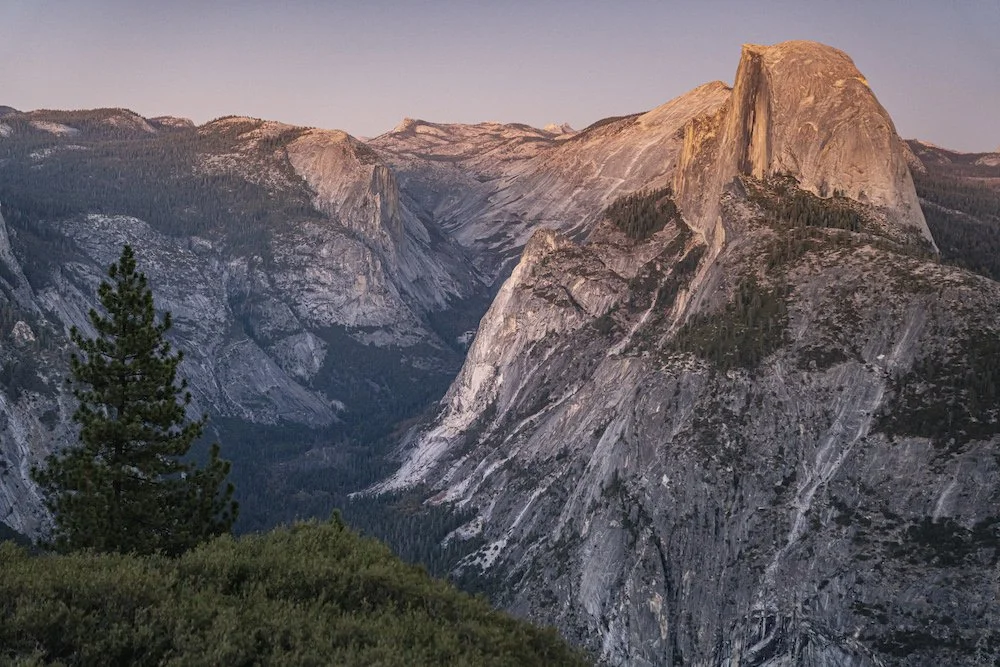
Half Dome glowing in the last light as seen from Glacier Point in Yosemite Valley, California. Photograph by Dalton Johnson Media.
HALF DOME FROM GLACIER POINT
Location and Accessibility: Embark on an extraordinary journey to Yosemite's pinnacle of panoramic grandeur — Glacier Point. Begin your quest by securing precise directions to Glacier Point, ensuring a seamless traverse to this elevated vantage point. The journey will lead you to a realm where the iconic sights of Yosemite Valley unfold before your eyes.
Captivating Vistas: At Glacier Point, the majesty of Yosemite reveals itself in a captivating dance of nature. Witness the breathtaking allure of Half Dome, the lofty Sierra Nevada range, the cascading beauty of Vernal Fall, the regal arches of Royal Arches, and the timeless cascade of Yosemite Falls. This panoramic spectacle, set against the backdrop of the high country, paints an awe-inspiring tapestry that encapsulates the essence of Yosemite's unparalleled beauty.
Hiking Experience: Embark on a scenic 15-20 minute walk from the Glacier Point trailhead parking to immerse yourself in the unfolding splendor. The paved and wheelchair-accessible trail leads you to a point where the landscape opens up, revealing a visual symphony that transcends the ordinary. Beyond the visitor center and overlook, the path may become unpaved, offering a more rustic and immersive experience for those eager to venture further.
Why Visit Glacier Point: Inscribing Glacier Point onto your Yosemite itinerary is a non-negotiable, offering an elevated perspective of the upper valley and an unrivaled view of Half Dome. As the sun sets, witness the mesmerizing transformation of Half Dome, bathed in hues of glowing red. Set the stage for an unforgettable evening by arriving for sunset, relishing a picnic, and marveling at the celestial display as the Milky Way graces the night sky over Half Dome. Glacier Point, with its magical ambiance and smaller crowds due to the more extended drive, stands as an essential pilgrimage within Yosemite National Park.
Spectacular End to the Road: At the terminus of Glacier Point Road, approximately an hour's drive from the valley, lies arguably the most spectacular view in the park. Here, the Sierra Nevada high country unfolds, with the iconic silhouette of Half Dome taking center stage, etching an indelible memory in the hearts of all who behold it.
Essentials to Pack: Ensure you capture the brilliance of Glacier Point's sunset view by packing essential photography gear. A sturdy tripod and a DSLR camera are your companions for preserving the stunning visual symphony that unfolds before you. This is not just a view; it's a visual masterpiece that deserves to be frozen in time.
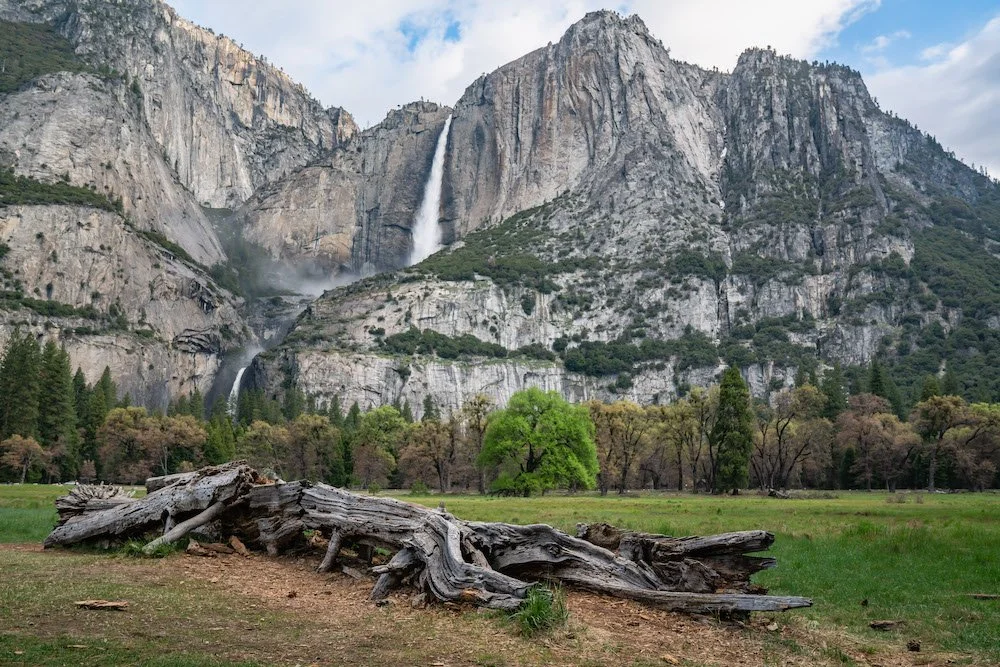
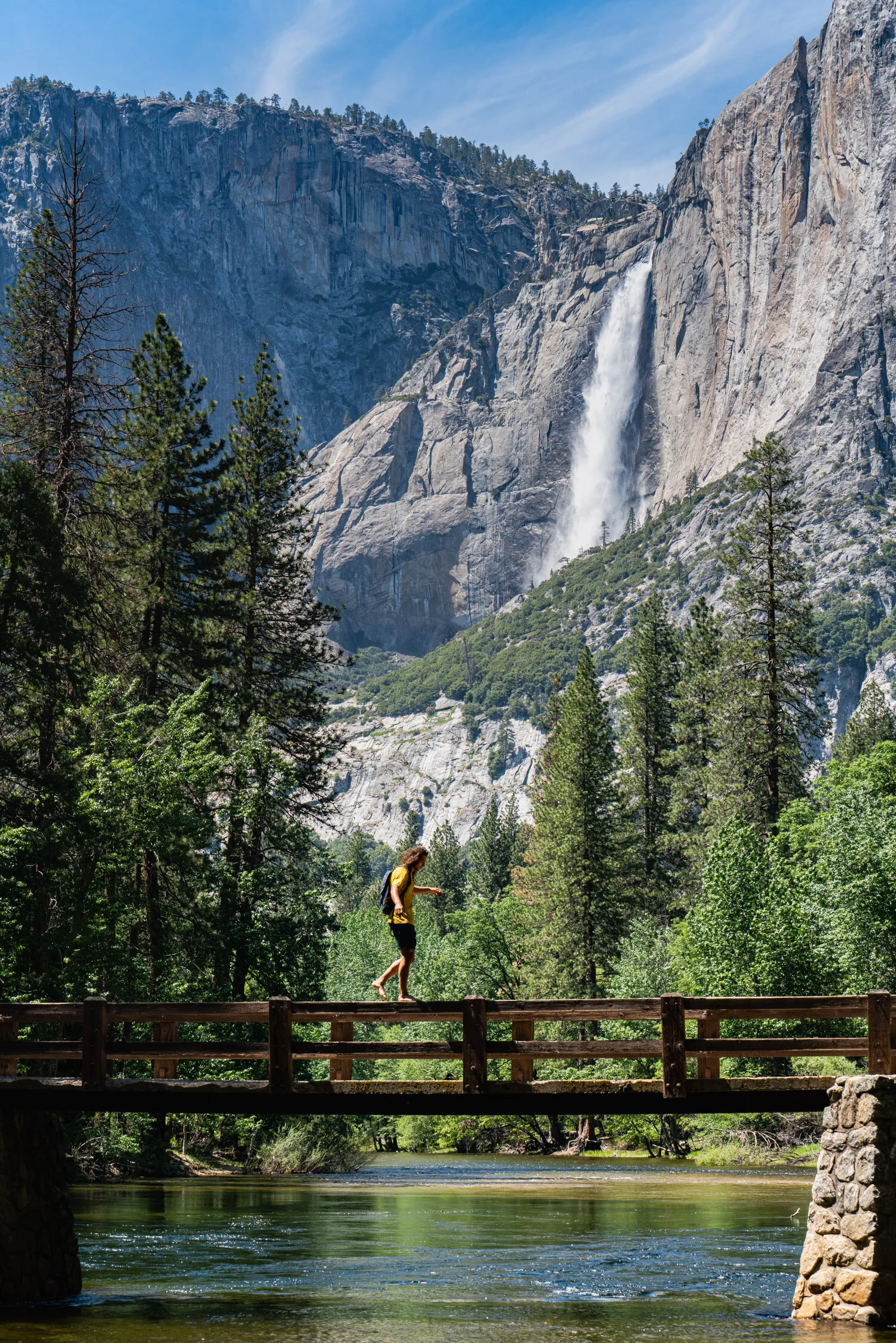
Yosemite Falls flowing during a spring day after a good snow year in California. Photograph by Dalton Johnson Media.
YOSEMITE FALLS
Navigating to the Cascades: Embark on an enchanting journey to Yosemite Falls, a majestic masterpiece tucked within the heart of Yosemite National Park. Secure precise directions to Yosemite Falls to ensure a seamless venture to witness the breathtaking dance of water against the granite canvas of the valley.
Cascading Wonders: Yosemite Falls reveals its grandeur in two acts — the Lower Yosemite Fall and the challenging ascent to the Upper Yosemite Fall. The base of the Lower Falls beckons with a challenging hike, demanding 1-2 hours for a round trip. Meanwhile, the Upper Yosemite Fall, a more strenuous endeavor, unfolds over 6-8 hours round trip. As you embark on this adventure, ensure to carry ample water and snacks, as dehydration poses a risk on the trail, leading to occasional rescues.
Why Conquer Yosemite Falls: Yosemite Falls, a vertical tapestry comprised of the Upper Fall, middle cascades, and Lower Fall, descends a staggering 2,425 feet (740 meters), securing its place among the tallest waterfalls in the United States. Make this remarkable feat a priority on your Yosemite itinerary if you yearn to witness the sheer power and beauty of one of nature's most awe-inspiring spectacles. The challenging climb is generously rewarded with close-up views of the Upper Yosemite Fall and distant panoramas featuring Half Dome and the majestic Sierra mountain peaks. Traverse the trail to relish bird's eye perspectives of Yosemite Valley's meadows and the serpentine Merced River.
Seasonal Unveilings: Timing your visit to Yosemite Falls is key, with the spring offering the most robust water flow. Late summer, however, may witness a more subdued cascade. Don't miss the extraordinary spectacles that Yosemite Falls presents, such as the elusive moonbow, gracing the night sky in April and May.
Essentials for the Ascent: Prepare for the arduous yet rewarding climb to the Upper Yosemite Fall by donning sturdy hiking boots. Equip yourself for the journey with footwear like the suggested boots, ensuring comfort and support on the long and challenging trail.
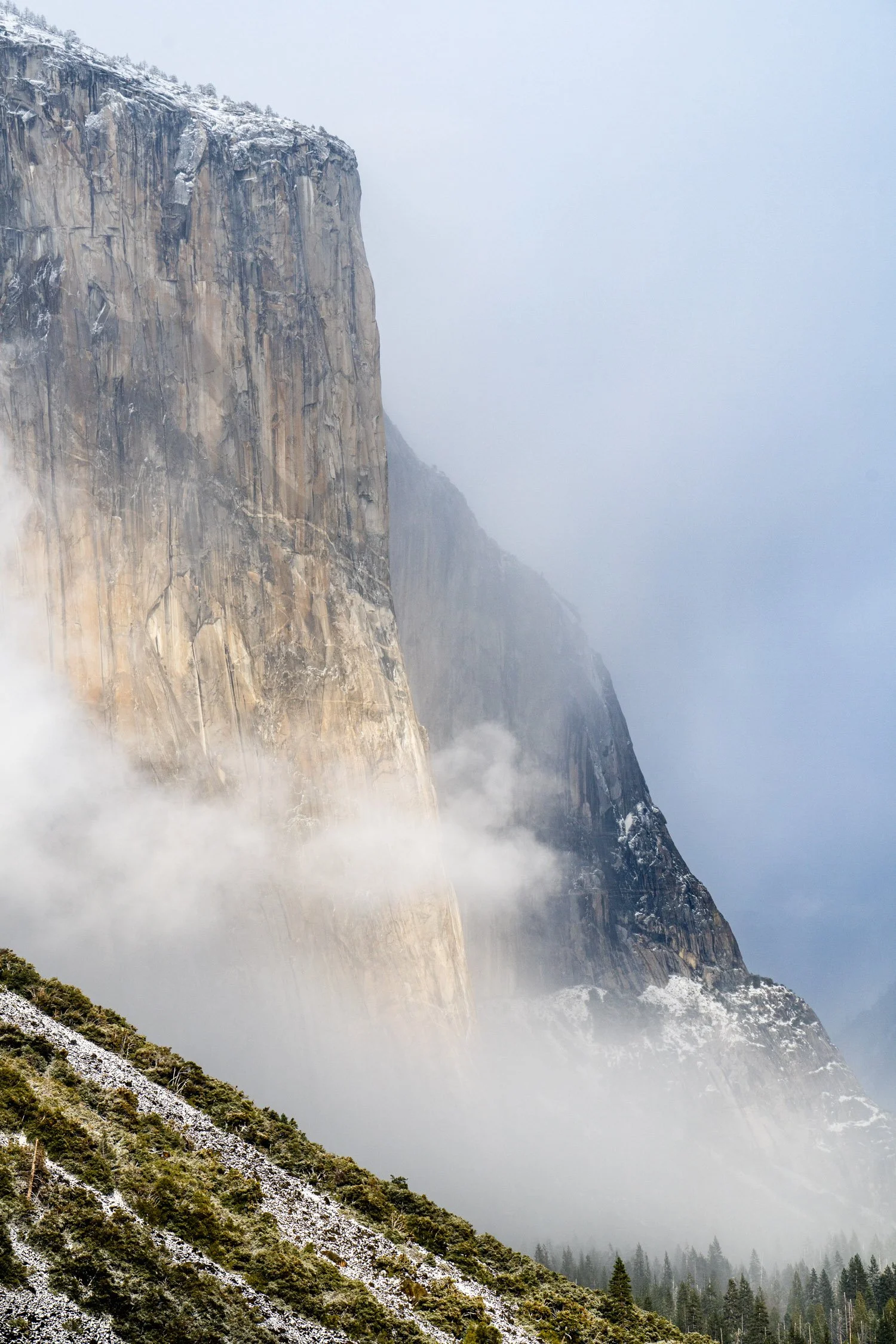
EL CAPITAN
Embarking on the Journey: Set your sights on Yosemite's iconic El Capitan, a colossal granite monolith that stands as a testament to nature's grandeur. Begin your adventure by securing precise directions to El Capitan, ensuring a seamless journey to witness the awe-inspiring spectacle that awaits.
Spectacles Within the Granite Realm: As you approach El Capitan, prepare to be captivated by a scene where rock climbers dance against the massive granite wall, creating a mesmerizing ballet of skill and determination. The sheer magnitude of El Capitan is a sight to behold, punctuated by the enchanting presence of Horsetail Falls and the ethereal phenomenon of firefalls during the right season.
Navigating the Trails: Embark on a 30-minute round trip hike to the base of El Capitan, where the sheer verticality of the granite wall becomes palpable. For the intrepid explorers seeking an elevated perspective, venture further by taking the Yosemite Falls trail, a challenging 12-15 hour round trip trek to the top of the granite giant. The view from the summit promises a panoramic reward that will etch itself into your memory.
Why El Capitan Demands Your Presence: Rising more than 3000 vertical feet from the floor of Yosemite Valley, El Capitan is an imposing force of nature that demands attention. Beyond its sheer size, El Capitan holds a storied history and, more recently, a surge in rock climbing popularity. The acclaimed documentary "Free Solo," featuring Alex Honnold's awe-inspiring ascent without a rope, attests to the audacity of those who conquer this monumental wall. To stand at the base and look up is to comprehend the magnitude of their feat.
The Timeless Majesty: Driving through Yosemite Valley, the presence of El Capitan is impossible to ignore. Stretching over a mile long and towering at 3200 feet, it remains a perennial attraction, leaving an indelible impression whether it's your first visit or your hundredth. After a storm, witness a postcard-perfect moment as sunlight bathes El Capitan, creating a play of clouds that imbues the mountain with a mystical aura.
Essentials for the Observer: To fully appreciate the climbers scaling El Capitan, bring along a pair of binoculars like the suggested NOCS and a camp chair. Find a vantage point in the El Cap meadow, where you can sit and marvel at the audacious climbers making their ascent up this monumental rock wall.
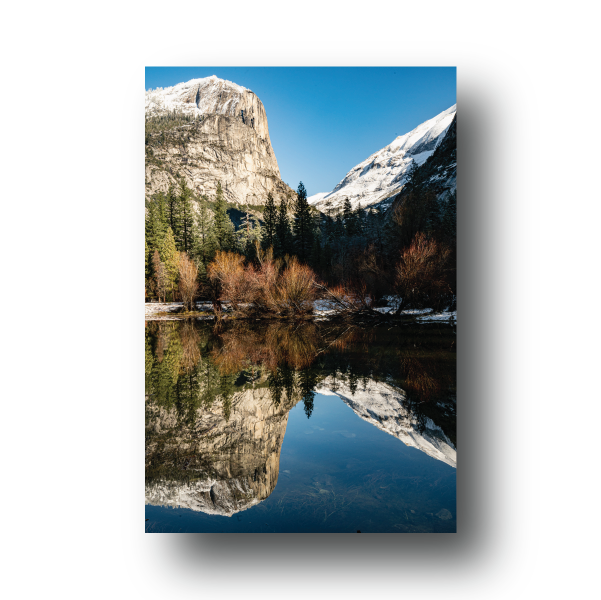
MIRROR LAKE
Navigating to Reflections: Embark on a serene journey to Mirror Lake, nestled within the embrace of Yosemite National Park. Ensure a seamless transition into this reflective haven by securing detailed directions to Mirror Lake, unlocking the path to an enchanting escape.
Visions Reflected: As you arrive at Mirror Lake, prepare to be captivated by the pristine reflections of Mount Watkins and the iconic Half Dome shimmering upon the tranquil waters. This pristine mirror, nestled in the heart of nature's grandeur, promises a visual symphony that harmonizes with the surrounding granite giants.
Hiking the Scenic Trail: Embark on a scenic hike to Mirror Lake, where the journey along the paved path can be a leisurely one-hour stroll. However, the allure of this picturesque landscape often beckons explorers to meander along side trails and pause at captivating viewpoints, extending the hike to a more leisurely 2-3 hours.
Why Pause at Mirror Lake: Gazing up at Half Dome from the base takes on a fresh perspective at Mirror Lake, offering rewarding views of Tenaya Canyon, Mount Watkins, Washington Column, and beyond. This reflective pool, whether brimming with water in spring or transformed into a tranquil meadow in dryer months, invites contemplation and connection with the natural wonders surrounding it. Pack a sack lunch and a journal, and take a moment for some well-deserved TLC amidst this magical setting.
Nature's Ephemeral Art: Mirror Lake undergoes a transformation throughout the seasons, often resembling more of a Mirror Meadow than a lake. Spring and early summer witness the resurgence of its shallow lake, providing stunning reflections of the encircling cliffs when the water is calm. Beyond hiking, Mirror Lake offers a delightful biking option, with bikes permitted along the majority of the trail, except for the final 1/4 mile.
Optimizing Your Visit: To fully savor your Mirror Lake experience, take the scenic route during early spring, strolling past the lake to discover a quiet spot away from the clouds. Capture the essence of Mirror Lake with a wide-angle lens if you're inclined to photography, ensuring you immortalize the breathtaking beauty that unfolds within this serene sanctuary.
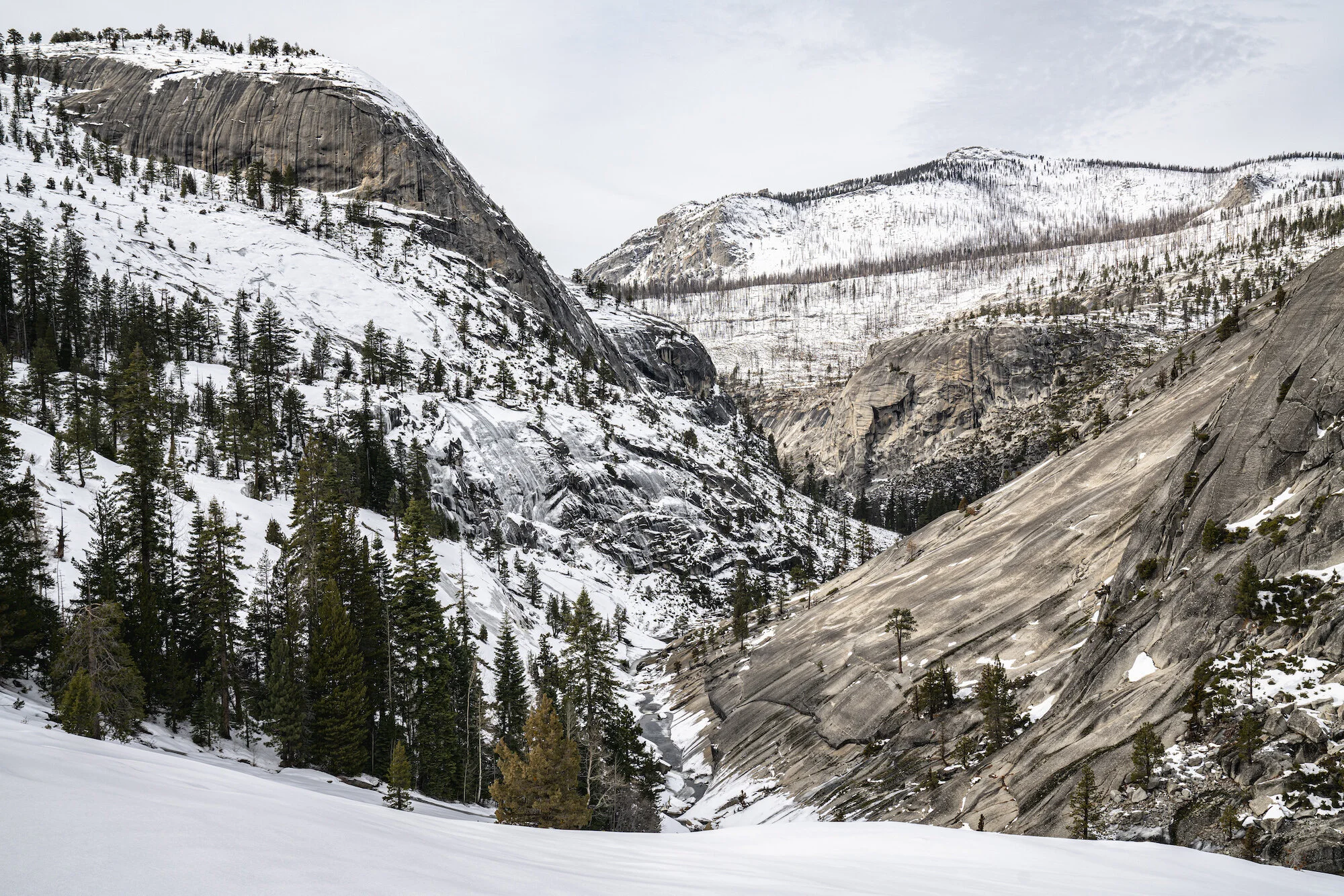
LITTLE YOSEMITE VALLEY
Embarking on the Trail: Chart a course to the heart of Yosemite's wilderness by securing precise directions to Little Yosemite Valley, a sought-after gateway to nature's untamed wonders. Navigate the journey that unfolds amidst towering peaks and cascading falls.
Panoramas Unveiled: As you arrive at Little Yosemite Valley, prepare to be immersed in a landscape adorned with the grandeur of Vernal Fall, the majestic cascade of Nevada Fall, the iconic silhouette of Half Dome, and the rugged charm of Mount Broderick. Each step through this pristine valley unveils panoramic vistas that echo the untamed beauty of Yosemite.
Trekking Through Time: The trek to Little Yosemite Valley, often an overnight odyssey for many, also beckons day hikers to indulge in an 8-10 hour round trip adventure. This trailhead is not just a path; it's an invitation to traverse through the heart of Yosemite's wilderness and savor the allure of the surrounding peaks.
Reasons to Roam in Little Yosemite Valley: Little Yosemite Valley stands as the most popular region in Yosemite's wilderness, primarily due to its convenient access to the legendary Half Dome. Whether you embark on the challenge of summiting Half Dome or seek a demanding hike complemented by a refreshing swim in the Merced River, this valley is a haven for those craving both adventure and solitude. Venture beyond, and the crowds thin, revealing the pristine beauty of this wilderness escape.
Insights into Exploration: For those yearning to witness Little Yosemite Valley without embarking on the hike, Glacier Point offers an alternative. Drive to Glacier Point to catch glimpses of Vernal Fall and Nevada Fall, providing a unique perspective into the high country. While not a substitute for the hike, it offers a glimpse into the rugged grandeur that awaits those who venture deeper.
Optimizing the Experience: For hikers ready to embrace the Mist Trail and the challenge that lies beyond, bring along swim trunks. The Merced River invites a refreshing dip, offering a delightful respite on your journey to the summit of Nevada Fall and beyond.
Essentials for the Wilderness Odyssey: If the call of Little Yosemite Valley beckons you to backpack into its embrace, secure your wilderness permit in advance. Pack your backpacking essentials, and don't forget a reliable sleeping bag, with a suggested 15-degree rating to ensure a cozy night's rest at the elevation of approximately 6500 feet.