

Ribbon Fall | Yosemite Valley Waterfall Guide
When you arrive in Yosemite Valley, one thing you will immediately notice are the waterfalls. In every direction, you will find waterfalls that can, and will, take your breath away as you stare at their beauty. Many of them have names and one of my favorites is Ribbon Fall near El Capitan. This waterfall is often “hidden” in plain sight as Ribbon Fall is often in the shadow of El Capitan. However, once you start to spend some time in Yosemite National Park, you will realize this delicate waterfall dances with the wind and shimmers in the sunset light, unlike any other waterfall in Yosemite.
When you arrive in Yosemite Valley, one thing you will immediately notice are the waterfalls. In every direction, you will find waterfalls that can, and will, take your breath away as you stare at their beauty. Many of them have names and one of my favorites is Ribbon Fall near El Capitan. This waterfall is often “hidden” in plain sight as Ribbon Fall is often in the shadow of El Capitan. However, once you start to spend some time in Yosemite National Park, you will realize this delicate waterfall dances with the wind and shimmers in the sunset light, unlike any other waterfall in Yosemite.
Ribbon Fall is a delicate waterfall, found to the left of El Capitan, that is best observed from March until June and boasts being the North America’s longest, single-drop waterfall. The water plummeting off of Ribbon Fall drops 1,612 feet without hitting any objects. That is incredible!
Read on to discover what Ribbon Fall looks like, where to find it, the best time of year to see the fall, and so much more!
Ribbon Fall just after sunset showing off that orange glow that the walls of of Yosemite Valley exude. Photograph by Dalton Johnson
WHERE IS RIBBON FALL?
Ribbon Fall is a delicate waterfall, found to the left of El Capitan, that runs for a couple of months every year as the snow melts. Many often confuse Ribbon Fall with Horsetail Fall when they are visiting Yosemite Valley to watch Firefalls (aka Horsetail Fall at sunset in February).
CLICK HERE to discover which waterfall is Ribbon Fall
BEST SEASON FOR RIBBON FALL:
The best season to watch Ribbon Fall is during the spring months, March until June. On a high snow year, Ribbon Fall will run throughout the year, but on a low snow year, Ribbon Fall will dry up. So, if you want to see the longest free falling waterfall in North America at its peak, head to Yosemite Valley during the spring and watch the water of Ribbon Fall plunge over the edge and free fall for 1,612 feet.
Funny Story About Ribbon Fall:
Besides a handful of waterfalls in Yosemite Valley, like Bridaveil Fall and Yosemite Falls, most people can not spot most named waterfalls. Heck, there are so many waterfalls in Yosemite Valley that every direction you turn in the spring time there seems to be water flowing off of the granite walls. Well, I’ll admit, before I dedicated time to being in and learning about Yosemite Valley, I was a person who couldn’t spot a single waterfall. This was actually comical!
During one of my early visits to Yosemite Valley in the winter, I was wandering the valley admiring the snowy landscapes, take back by the raw beauty. As I walked around, doing my best not to slip and fall on the ice, I came across a few really kid humans near the Bridalveil Fall trailhead and overhead their conversation:
“Do you think Firefalls is going to happen tonight?” one asked their friend.
“I am not sure, but I am excited to see it.” the other responded.
In a very honest manner, I approached and asked, “What is firefall? That sounds very exciting.”
“You haven’t heard of this? Do you live under a rock?”
“Sorry. My friend forgets not everyone is a national park geek like us. Firefalls is when Horsetail Fall turns red at sunset. If you are short on time, you can actually watch it from the meadow behind you.” The kinder friend pointed said to me.
“Awesome, well thank you!” I said an went on my way to grab a chair to post up so I could watch this spectacle.
Little did I know that while you can see Firefalls from Hanging Valley meadow, it is not obvious if you don’t know where to look.
So, there I was, at sunset staring up at Ribbon Fall watching the sunset fade over my left shoulder. Brilliant oranges were glowing and El Capitan was glowing, but the waterfall that I was looking at, Ribbon Fall, was tucked into a bowl shape rock out-cropping that cocooned the waterfall, blocking any of this brilliant glow.
Then, I received a tap on my shoulder. “Are you trying to watch Firefall?” A random human asked.
“Yeah, I was told I could see it from here, but it doesn’t look like it is going to happen I guess.” I claimed.
“Right now, you are looking at Ribbon Fall. Firefall will is actually about to start. Come over here and look through these trees, you’ll be able able to see it through my camera.”
Embarrassed, I got up and headed over to the random photographers camera to see what this was all about.
“Wow! I was about to miss that!” I said allowed, “That is incredible, thank you for showing me!”
So, long story short, it is easy to get all of the waterfalls mixed up in Yosemite Valley. But, the good news is that you have taken the time to read this blog and learn a little bit more about Ribbon Fall.
BEST PLACES TO SEE RIBBON FALL:
Ribbon Fall is tucked away in the shadow of El Capitan, making it difficult to see when walking around Yosemite Valley. However, there are several great places to see Ribbon Fall like:
El Cap Meadow
Bridalveil Fall Trailhead
Northside Drive
CAN YOU HIKE TO RIBBON FALL?
Ribbon Fall does not have an established trail to the base, nor the top, but you can still enjoy fantastic hiking around Ribbon Fall.
To get to the base of Ribbon Fall, you will need to scramble off of a trail, potentially on loose rock, to reach the base or top of the waterfall. Please be careful if you decide to make this hike. If you are a rock climber, there are a few iconic climbs in the area with some climbers trails leading to the climbs.
To reach the top of Ribbon Fall, you will need to hike off trail over dangerous terrain for several miles. This is not well advised.
FUN FACTS ABOUT RIBBON FALL:
While Yosemite Falls is the tallest, Ribbon Fall has something it doesn’t. It’s the highest free-leaping fall in all of North America. Primarily fed by snowmelt over granite rock, this is a great one to see in early spring.
Total Height of Ribbon Fall: 1,612 feet
Ribbon Fall is the longest single drop waterfall in North America
Many visitors often confuse Ribbon Fall for Horsetail Fall during the Firefalls season in Yosemite Valley
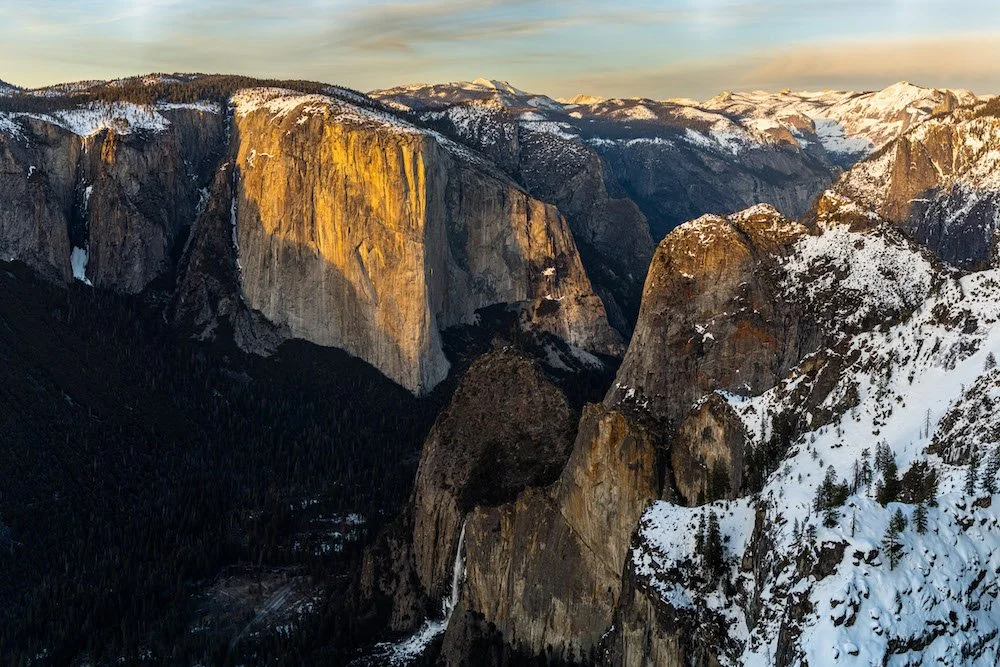
Ribbon Fall is located on the very left side of this image and is about half the size of El Capitan. Photograph by Dalton Johnson
Now that you have discovered what Ribbon Fall looks like, where to find it, and the best time of year to see the fall, it is your turn to get outside and experience this grand waterfall for yourself. Please, drop a comment below with any additional information, or updates, that would be helpful for the community to know when visiting Ribbon Fall.
Discover More of Yosemite Valley

Four Reasons to Road Trip to Moab, Utah
Red dirt, a history of cowboys, landscapes stretching as far as the eye can see, and sandstone towers reaching towards the sky are all iconic concepts of the American West. However, there are few cities that demand the respect of adventurers alike more than Moab, Utah. It is here, in this desert oasis, where you will find an adult playground that will blow your mind when you visit for the first, or the 10,000th, time.
Red dirt, a history of cowboys, landscapes stretching as far as the eye can see, and sandstone towers reaching towards the sky are all iconic concepts of the American West. However, there are few cities that demand the respect of adventurers alike more than Moab, Utah. It is here, in this desert oasis, where you will find an adult playground that will blow your mind when you visit for the first, or the 10,000th, time.
Hiking, rock climbing, canyoneering, and adventure photography are just four, of the many reasons, to road trip to Moab, Utah. Moab is an adult playground where you can seek out new adventures daily, for an entire lifetime, and never cover all that Moab has to offer. Because of the ample amounts of adventures, you should pack your car and start a road trip to Moab today.
Read on to discover where to hike, which rock climbs to try, which landscapes to no miss, and so much more about Moab, Utah.
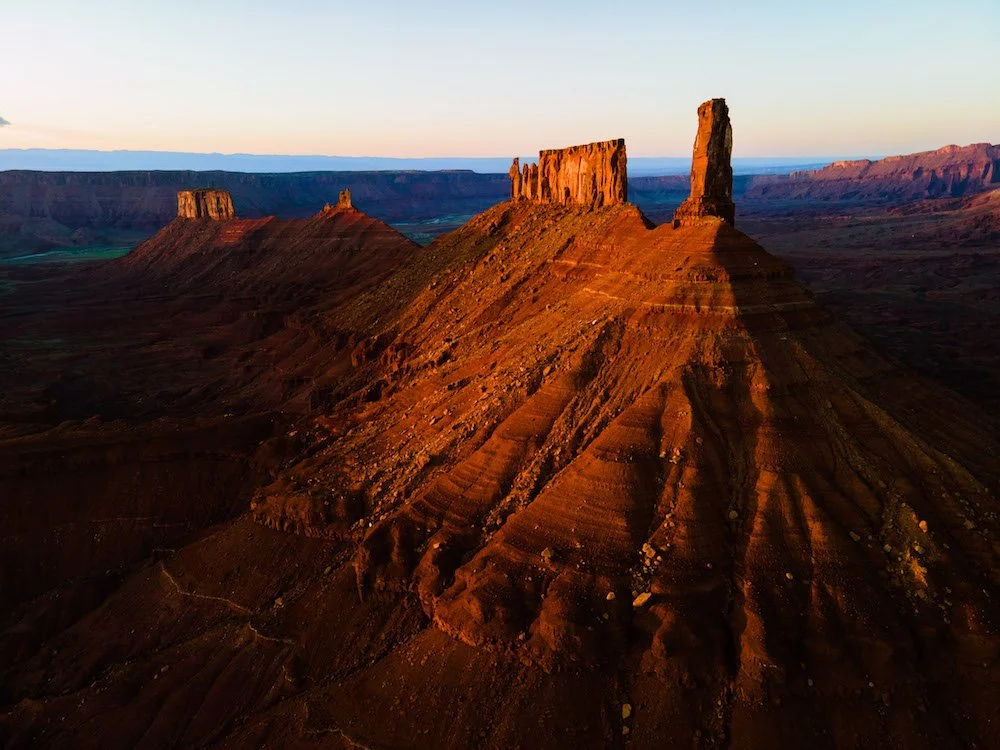
Castletone Tower glowing bright red in the sunset light of Moab, Utah. Photograph by Dalton Johnson
Hiking and Trail Running
Whether you are into short hikes, or ultra marathons, Moab has it all. When I say that, I truly mean you can run the Moab 240 (yes, that is a 240 miles race) or you can hike .4 of a mile to the base of the Windows arches in Arches National Park. Of course, there is everything in-between as well. As the topography of Moab is relatively level, most hikes do not have significant climbs.
Another beautiful part of adventuring around is the trail system. As the desert environment is fragile, the trails often follow erosion-resistant paths such as slick rock. At times, the slick rock trails can be difficult to follow for those not accustom to cairns, but you will learn quickly.
For myself, I found packing a day pack, ideally one with a hydration system like the Arrio 24, to be the best way to hit the trail. Often, these hikes are gorgeous and the trails have offshoots that take you to great views not listed on the maps. If you have that curiosity and want to explore deeper, the desert can be a hot place, so make sure to have water with you at all times!
Trail Run Suggestions:
Landscape Arch in Arches National Park
Aztec Butte in Needle District of Canyonlands
Canyoneering
Do you have a fear of heights or tight places and are looking to outgrow that? If so, you should look into canyoneering! Canyoneering is one of those awesome adventures where the difficulty ranges from non-technical canyons to very-technical canyons where you will be repelling in waterfalls using not-the-most-inspiring natural anchors.
Sometimes you need a wetsuit to endure the cold, while there are canyons that get sun for most of the day. Regardless of the adventure you chose, you are bound to have a great time and get a new perspective on the outdoors.
Canyoneering Suggestions:
Elephant Butte
U-Turn Canyon
Not Tierdrop
Rock Climbing
As if Utah didn’t already have enough to offer in terms of climbing, but between Moab proper, Canyonlands National Park, Arches National Park, Joe’s Valley, and Indian Creek there are over 2,500 routes to choose from.
Now, the question is, “what do you like to climb?” If you want to plug gear and summit a few towers, then Indian Creek is your spot. If you want to pull hard, but stay close to the ground, check out Joe’s Valley for some bouldering. Are you a bolt clipper? If so, check out Potash road just outside of Moab. Luckily, there is climbing for all… even those aid climbers!
Rock Climbing Suggestions:
Neat on Optimtor Wall
Blue Sun on Way Rambo Wall
Spaghetti Western on Pistol Whipped Wall
Astro Photography in Arches National Park
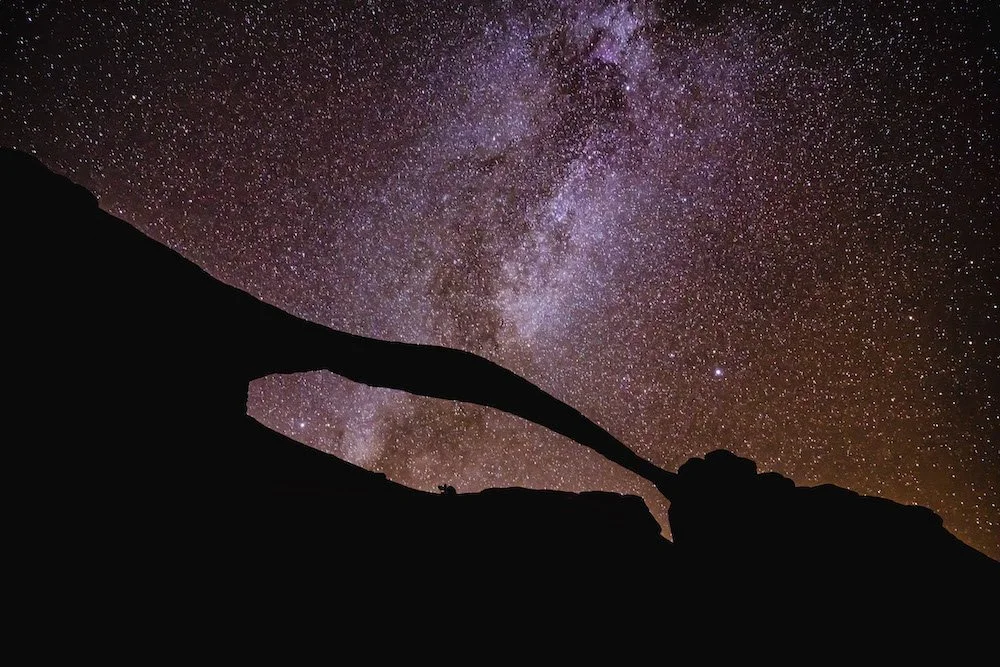
As Arches National Park is a registered International Dark Sky Park, meaning the light pollution from the surrounding cities is so minimal (a combination of low-population and blue-light regulation) that the possibilities with astro photography is literally out of this world!
While Arches may get the fame for the area, if you venture into Castle Valley or down to Looking Glass Road, the skies are equally as clear and there are less people.
Astrophotography Ideas:
Behind an arch
Next to a desert tower
In a slot canyon
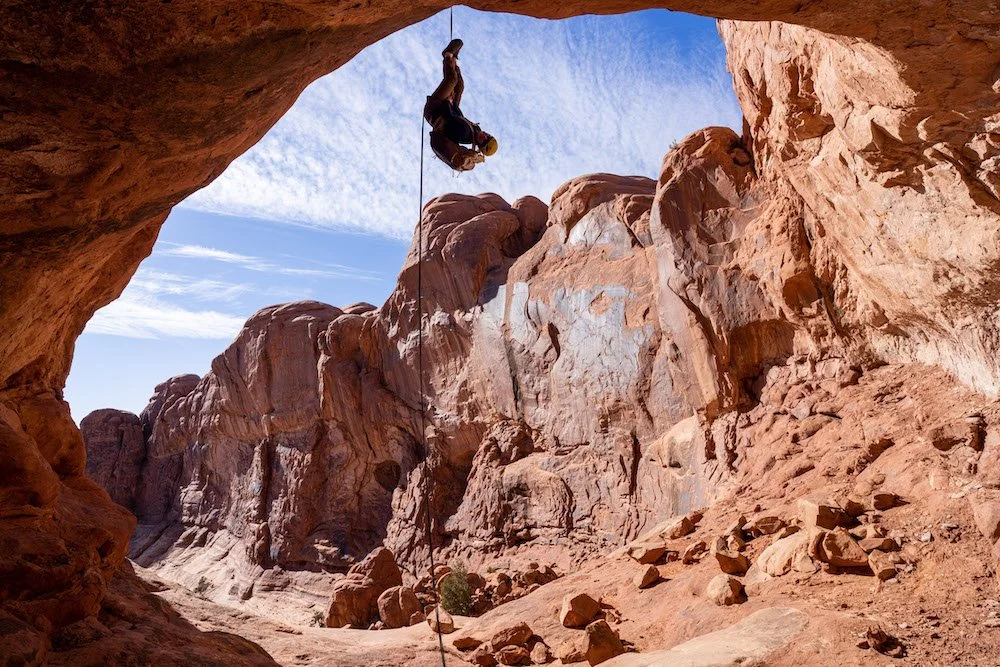
A massive rappel from the center of Hourglass Arch to set up a rope swing near Moab, Utah. Photograph by Dalton Johnson
Now that you have discovered where to hike, which rock climbs to try, and the landscapes not to miss in Moab, Utah it is your turn to get out and discover the wonderful adventures that Moab has to offer. Please, drop a comment below to share additional information with other readers that could be helpful to them!
Discover More of the American Southwest

Surfing in Santa Cruz
What better thing to do during the weekend than go surfing. Austin Smith Ford and I did just that. Heading north four miles out of Santa Cruz to surf a fun, local wave. We avoided the crowds, we had an epic surf session during the sunset even though the waves were small.
What better thing to do during the weekend than go surfing? Well, Austin Smith Ford and I did just that. Heading north four miles out of Santa Cruz to surf a fun, local wave. We avoided the crowds and had an epic surf session during the sunset even though the waves were small.
Best Places to Surf in Santa Cruz, California
Santa Cruz, California is spotted with excellent surfing spanning the entire coastline of the city, and beyond. So what are these spots? Below is a list of the best places in Santa Cruz to surf.
Steamer Lane
Pleasure Point
26th Avenue
Cowells
The Hook
Four Mile
The Harbor
Jack’s
When is the Best time of year to surf in Santa Cruz, CA?
Generally speaking, the best time of the year to surf in Santa Cruz are the winter months, November until March, because it is during these months that the waves are the most consistent and the largest. One of the downsides of surfing during the winter is that the water is cold, with an average low of 53F to 55F.
Discover More Adventures Along Highway One



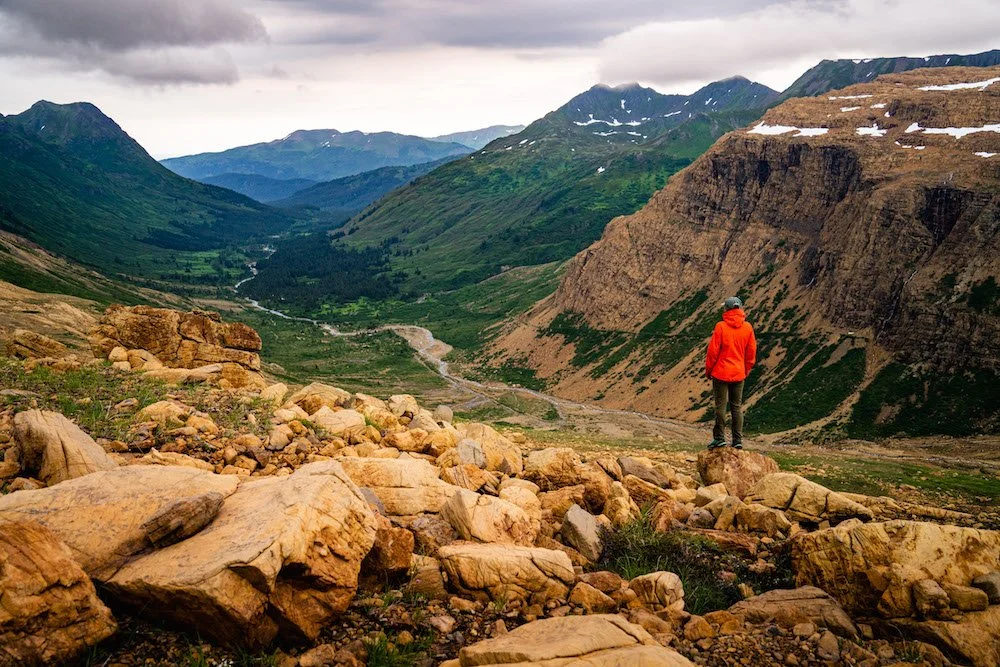
The Best Summer Hikes in Alaska
Covering more than 665,000 square miles, Alaska is massive. Earning the number one spot for being the largest state in the United States, Alaska’s landscape is still untouched and remote, accounting for two-thirds of the country’s national parklands, roughly 80% of wildlife refuges and houses the two largest national forests. For most, these numbers are incomprehensible, so, to put it simply, Alaska offers more outdoor adventures than any other state. Making Alaska one of the most diverse places to hike in the United States. But, which hikes should you start with?
Covering more than 665,000 square miles, Alaska is massive. Earning the number one spot for being the largest state in the United States, Alaska’s landscape is still untouched and remote, accounting for two-thirds of the country’s national parklands, roughly 80% of wildlife refuges and houses the two largest national forests. For most, these numbers are incomprehensible, so, to put it simply, Alaska offers more outdoor adventures than any other state. Making Alaska one of the most diverse places to hike in the United States. But, which hikes should you start with?
The best summer hikes in Alaska are:
Byron Glacier Ice Cave Hike
Grewingk Glacier Lake Hike
Rainbow Lakes Hike near Kenai Lake
Chutes and Ladders Hike
Exit Glacier and Harding Icefield Hike
Read on to discover where these hikes are located, how long they take, and an overview of the best summer hikes in Alaska.
Seeing the entrance to the ice cave of Byron Glacier for the first time while hiking in Alaska. Photograph by Dalton Johnson
Byron Glacier Ice Cave Hike
Hiking Byron Glacier during the summer is a treat. From the trailhead, the cool breeze from the glacier and the rushing river sounds draw you into a mystical mindset as you approach the ice cave. After hiking for a 1.5 miles, you reach the entrance to the cave. Looking dark and daunting, as you enter, your eyes quickly adjust and reveal the magic that is the Byron Glacier Ice Cave hike.
Where is Byron Glacier?
Byron Glacier is located in Girdwood, Alaska on the Kenia Peninsula. Sitting adjacent to Portage Lake and Portage Glacier, this ice cave hike is often paired with a visit to Portage Lake.
Click here for direction to Byron Glacier Trailhead
How long does it take to hike Byron Glacier Ice Cave?
Hiking to the ice cave of Byron Glacier will take 20-30 minutes along a flat dirt trail. Several people stay for 2-3 hours as they explore deep into the ice cave.
Byron Glacier Ice Cave Hike Overview:
Distance: 1.6 miles round trip
Time needed: 1-2 hours
Elevation change: 100 feet
Type of terrain: Maintained trail to rocky river bed in the ice cave
Difficulty of hike: Easy
Interested in learning more about the Byron Glacier Ice Caves? I wrote a full article about how to hike and explore the ice caves at Byron Glacier safely.
Grewingk Glacier Lake Hike
Stepping off the boat onto solid ground, the Grewingk Glacier Lake hike begins. Up a wooden ladder to a vertical trail, the start to this hike can be brutal. However, once you are over the hump it’s all downhill to Grewingk lake. Arriving at Grewingk Lake is a special event as the beach often has ice chunks and iceburgs floating close to shore.
Where is Grewingk Glacier Lake?
Gerwingk Glacier Lake is located in Kachemak Bay across the from Homer, Alaska. To reach the trailhead, you will need to charter a water taxi, I suggest Mako Water Taxi, across the bay.
Click here for direction to Grewingk Glacier Lake Trailhead
How long does it take to hike Grewingk Glacier Lake?
Hiking Grewingk Glacier Lake takes about 6 hours to hike out and back and the water taxi is roughly 1 hour, so this hike is a full day adventure. With that said, several hikers bring camping supplies and stay at Grewingk Glacier Lake for 1 to 2 nights.
Grewingk Glacier Lake Hike Overview:
Distance: 12.6 miles round trip
Time needed: 5-6 hours
Elevation change: 2,100 feet
Type of terrain: Well maintained trail
Difficulty of hike: Strenuous
Rainbow lakes Hike near Kenai Lake
Rainbow Lakes are a hidden gem between Kenai Lake and Cooper Lake. This chain of lakes is not very large, but Rainbow Lakes offers wonderful views—especially at sunset— and short hikes accessible to all. The trails are maintained and many of the lakes have a bench you can sit at to enjoy the view. Additionally, there is camping and fishing at all of these lakes, so bring a tent and stay for the weekend.
Where Are Rainbow Lakes?
Rainbow Lakes are located halfway between Kenai Lake and Cooper Lake. The nearest town is Cooper’s Landing, AK on the Kenai Peninsula. To reach Rainbow Lakes you will need to drive down a dirt road for a long while, between 30-40 minutes. The pullout for this chain of lakes comes upon you quickly, so keep your eyes peeled for the forest service sign.
Click here for direction to Rainbow Lakes Trailhead
How long does it take to hike Rainbow Lakes?
Rainbow Lakes offers several short hikes that are all less than a mile and take roughly 10 to 20 minutes. However, many hikers visiting Rainbow Lakes come for the views and easy access to the lakes for swimming and fishing.
Rainbow Lakes Hike Overview:
Distance: 1 mile round trip
Time needed: 10-20 minutes
Elevation change: 30 feet
Type of terrain: Maintained trail
Difficulty of hike: Easy
Chutes and Ladders Hike
Just outside of Anchorage, AK in town called Girdwood there is a local waterfall hike called Chutes and Ladders. This incredible waterfall hike is tricky to find, as it is unmarked on any map and there are no trail signs to get there. However, once you find the first rope, leading down into the canyon, the fun begins.
Where is Chutes and Ladder?
The Chutes and Ladders hike in Girdwood begins and ends at the Winner Creek Gorge Trailhead. This loop hike has a large parking lot, a pit toilet, and it is easy to find the initial trail, but getting to Chutes & Ladders can be difficult because there is not a marked trail that will lead you to the start.
Click here for direction to Chutes and Ladders Trailhead
How long does it take to hike Chutes and Ladder?
Chutes and Ladders in Girdwood, Alaska is a quick hike, 30 minutes round trip, but most hikers take between 90-120 minutes to complete. This waterfall hike is unique and technical, so hikers prefer to take their time to increase their safety and enjoy the journey of the hike. I suggest taking your time, Chutes and Ladders is a lot of fun!
Chutes and Ladder Hike Overview:
Distance: 2.5 miles
Time needed: 1-2 hours
Elevation change: 350 feet
Type of terrain: Non-maintained trail, wet rock
Difficulty of hike: Moderate, but technical
Exit Glacier and Harding Icefield Hike
The Exit Glacier and Harding Icefield hike is a one-two hit combo in the Kenai Fjord National Park just outside of Seward, Alaska. Most hikers decide to day hike to Exit Glacier to see this massive frozen river up close, but few push onward and upward to the Harding Icefield. If you have the time and energy, you should hike up the switchbacks to the Harding Icefield so you can soak in the United States largest icefield.
Where is Exit Glacier and Harding Icefield?
Exit Glacier and the Harding Icefield trail begins outside of Seward, Alaska at the Kenai National Park Nature Center.
Click here for direction to Exit Glacier and Harding Icefield Trailhead
How long does it take to hike Exit Glacier and Harding Icefield?
Hiking both Exit Glacier and Harding Icefield will take 6-7 hours, so make sure to pack some water and snacks for the trail. If you are only interested in hiking to Exit Glacier, this 2.2 mile hike will take about an hour to complete.
Exit Glacier and Harding Icefield Hike Overview:
Distance: 9.2 miles round trip
Time needed: 6-7 hours
Elevation change: 3,600 feet
Type of terrain: Maintained trail
Difficulty of hike: Hard
Also consider these other Amazing ALaskan Summer hikes:
Red Mountain near Homer
Kenai Lake beach walk
Portage Pass
An avid hiker takes a look at where she came from while hiking Red Mountain along the Kenai Peninsula in Alaska. Photograph by Dalton Johnson
Now that you have discovered where these hikes are located, how long they take, and an overview of the best summer hikes in Alaska it is your turn to start exploring the trails of Alaska.
Discover More of Alaska



Vernal Fall | Yosemite Valley Waterfall Guide
Vernal Fall is an awe inspiring waterfall to watch upclose, or from afar. If you would like to get intimate with Vernal Fall, I suggest hiking the Mist Trail to get up close and personal with this misty falls. If you would like to see Vernal Fall from afar and understand how it is woven into the landscape, I suggest checking Vernal Fall out from Glacier Point or the John Muir Trail.
Yosemite Valley is home to more than 25 rushing waterfalls, but few are as powerful and memorable as Vernal Fall. This wonderful waterfall releases a cooling mist to all the visitors who hike to its base, or summit, via the Mist Trail. A year round splendid mixture of granite and water makes this 318 foot waterfall a must see.
Vernal Fall is a 318 foot waterfall, located in Yosemite National Park, that can be hiked to via the difficult Misty Trail. Leaving from Happy Isles trailhead, hiking Vernal Fall will take 3-5 hours round trip and offers some of the most spectacular year round views in Yosemite Valley. Yup, that is right, Vernal Fall flows year round, with its strongest flow during the spring season.
Read on to discover where Vernal Fall is at, the best season to visit Vernal Fall as well as how to hike to the top, and the best places to see Vernal Fall.
Water plunging over the lip of Vernal Fall in Yosemite National Park. Photograph by Dalton Johnson
WHERE IS VERNAL FALL?
Vernal Fall is located 2.4 miles along the Mist Trail when hiking from Happy Isles in Yosemite Valley. This very popular hike offers spectacular, up-close views Vernal Fall and is a must see for all visitors of Yosemite Valley.
CLICK HERE to discover which waterfall is Vernal Fall
BEST SEASON FOR VERNAL FALL:
The best season to watch Vernal Fall is during the spring months, because the flow will be at its strongest. However, this popular Yosemite waterfall runs year round, even during the winter.
Spring time has the highest flow
Summer time is great because the mist while hiking the iconic Mist Trail will cool you down
BEST PLACES TO SEE VERNAL FALL:
Vernal Fall is an awe inspiring waterfall to watch upclose, or from afar. If you would like to get intimate with Vernal Fall, I suggest hiking the Mist Trail to get up close and personal with this misty falls. If you would like to see Vernal Fall from afar and understand how it is woven into the landscape, I suggest checking Vernal Fall out from Glacier Point or the John Muir Trail.
Hiking the Mist Trail
Hiking the John Muir Trail
CAN YOU HIKE TO VERNAL FALL?
Hiking to Vernal Falls is a difficult and often wet 2.4 mile hike that acsends 1000 feet from Yosemite Valley via the Mist Trail. Often taking hikers 2-3 hours to complete this hike, Vernal Fall is well worth the challenge.
Quick details on hiking to Vernal Fall:
Distance: 2.4 mi (3.9 km) round trip (via Mist Trail)
Elevation gain: 1000 ft (300 m)
Difficulty: Strenuous
Time: 3 hours
FUN FACTS ABOUT VERNAL FALL
Just below the frothy Nevada fall is Vernal Fall. The first of the waterfalls in the legendary Mist Trail. Especially in the spring, you’ll truly understand why this hike is called the “Mist Trail.” In short, be sure to bring a raincoat even if it’s sunny. These two mighty waterfalls form a cascade in which the Merced River flows down into the valley and create what is called the “giant staircase.”
Total Height of Vernal Fall: 317 feet
Vernal Fall is the 860th tallest waterfall in the world
Atop Vernal Fall there is a chain of pools you can swim in
The Vernal Fall hike is the shortest waterfall hike in Yosemite
Vernal Fall flows year round
An icy Vernal Fall flowing during the winter in Yosemite Valley, CA. Photograph by Dalton Johnson
Now that you have discovered where Vernal Fall is at, the best season to visit Vernal Fall as well as how to hike to the top, and the best places to see Vernal Fall it is your turn to check out this magnificent Yosemite Valley waterfall. If this blog helped you out, please leave a comment below. Additionally, if you know of some other helpful information others should know about Vernal Fall, please let them know in the comments below!
Discover More of Yosemite Valley

Best Waterfalls of Yosemite Valley
Bridalveil and Yosemite Falls are two of the most famous Yosemite waterfalls, but there are several others you’ll want to check out when you visit Yosemite National Park. Plunging hundreds of feet into rivers and creeks below, the waterfalls at Yosemite National Park thunder past a smooth granite backdrop.
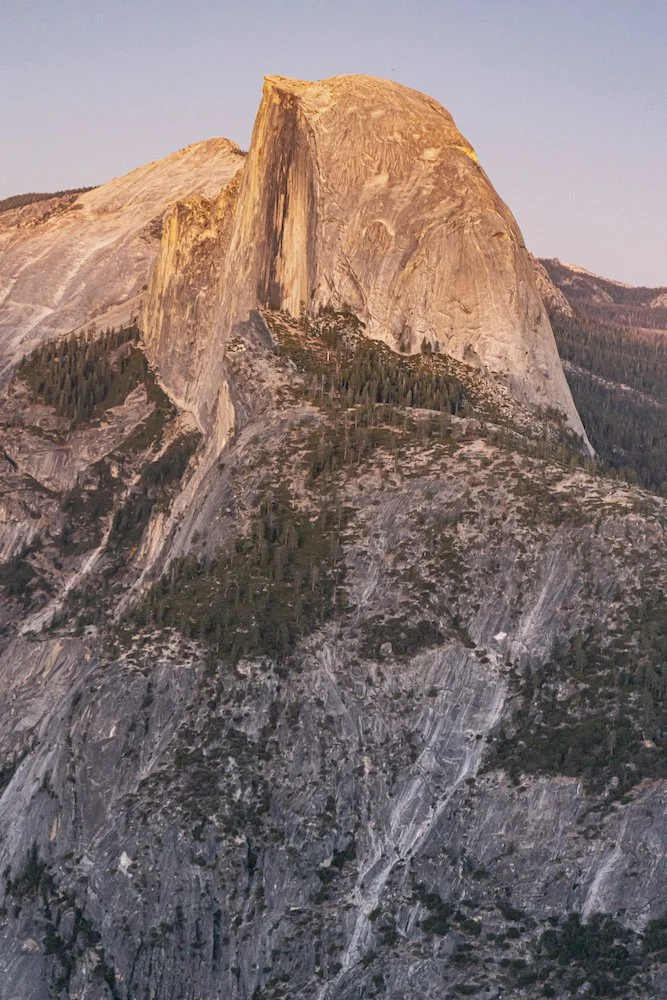
While Yosemite National Park is forever linked to Half Dome, the massive granite monolith immortalized by landscape photographer Ansel Adams, it’s also home to many fabulous flowing waterfalls. Bridalveil and Yosemite Falls are two of the most famous Yosemite waterfalls, but there are several others you’ll want to check out when you visit Yosemite National Park. Plunging hundreds of feet into rivers and creeks below, the waterfalls at Yosemite National Park thunder past a smooth granite backdrop.
The best Yosemite waterfalls are powered by melting snow and spring rains, so the flowing falls are at their prime in May. Most of the waterfalls in Yosemite Valley are easily spotted from designated viewpoints, or after a short walk along paved paths. While it’s difficult to see all of the waterfalls in Yosemite, the most spectacular waterfalls to add to your Must See List are:
Nevada Fall
Vernal Fall
Bridalviel Fall
Yosemite Fall
Illilouette Falls
Ribbon Fall
Sentinel Fall
Silver Strand Fall
Royal Arch Falls
Horsetail Falls (Aka Firefalls)
Read on to discover which waterfalls are worth seeing, the best season for the waterfall, how to get there, and so much more about each Yosemite waterfalls.
Bridalveil Fall as seen from Tunnel View during a chilly winter morning. Photograph by Dalton Johnson
BRIDALVEIL FALL
Where is BRIDALVEIL FALL?
CLICK HERE to discover which waterfall is Bridalveil Fall
Best Season for BRIDALVEIL FALL:
The best season to watch Bridalveil Fall is during the spring months, however this Yosemite waterfall runs year round.
Spring time has the highest flow for Bridalveil Fall
In the winter, this falls is often coated with ice, making the sight aesthetically pleasing
Best Places to see BRIDALVEIL FALL:
Bridalveil Fall is a spectacular waterfall that you can see from several places throughout Yosemite Valley. The most popular place to see Bridalveil Fall is from Tunnel View, however there are several other places to see this gorgeous falls:
Bridalveil Fall trailhead
Valley View
Southside Drive
Can you hike to BRIDALVEIL FALL?
Yes, you can easily hike to Bridalveil Fall. This hike is short, roughly a mile round trip, on a paved path. There is a gentle uphill slope rising 200 feet, but this should not deter you as most hikers wont notice the incline.
Hiking to the base of Bridalveil Fall
Distance: 1.2 miles round trip
Elevation gain: 200 feet
Difficulty: Easy
Time: 15 to 20 minutes
FUN FACTS ABOUT BRIDALVEIL FALL:
As you enter Yosemite Valley from Tunnel View, one of the first falls you’ll see if Bridalveil. It should come as no surprise it's one of the most prominent within the granite walls of the valley. As the name describes it, when there’s a breeze flowing, the mist that wafts off it creates something that would be similar to a 'bride's veil' and thus the name Bridalveil.
Total Height of Bridalveil Fall: 620 feet
Yosemite Falls rushing in the background while walking to the Merced River bank to hang with friends. Photograph by Dalton Johnson
YOSEMITE FALLS
Where is YOSEMITE FALLS?
CLICK HERE to discover which waterfall is Yosemite Falls
Best Season for YOSEMITE FALLS:
The best season to watch Yosemite Falls is during the spring months, however this Yosemite waterfall runs year round.
Spring time has the highest flow
Best Places to see YOSEMITE FALLS:
You can see Yosemite Falls from almost everywhere in Yosemite Valley, but here are some of my favorite places to sit back and enjoy the views of this magnificent waterfall.
Merced River Bank
Yosemite Chapel
Looking over your should while hiking the 4 Mile Trail
Can you hike to YOSEMITE FALLS?
Yes, you can hike to all three waterfalls that make up Yosemite Falls.
FUN FACTS ABOUT YOSEMITE FALLS:
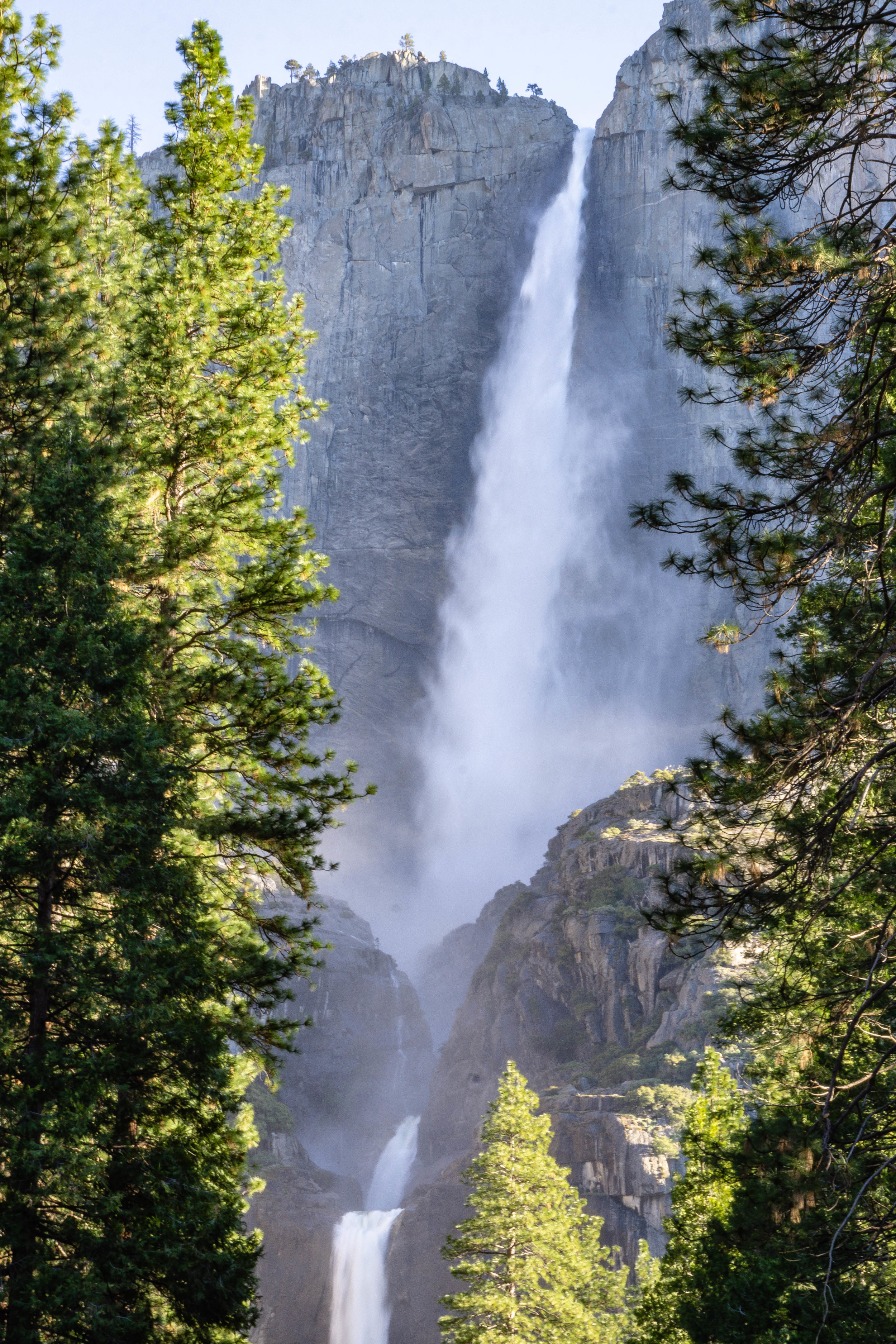
Yosemite Falls can be seen throughout a large portion of Yosemite Valley including from the Yosemite Chapel, Merced River Bank Yosemite Valley Lodge and even high above the valley from Glacier Point. One of the tallest waterfalls in the world at a total of 2425 feet and the tallest in all of North America, it is actually made up of three separate drops:
Upper Yosemite Fall (1,430 feet)
Middle Cascades (675 feet)
Lower Yosemite Fall (320 feet)
Total Height of Yosemite Falls: 2,425 feet
Tallest waterfall in North America
5th tallest waterfall in the World
VERNAL FALL
Where is VERNAL FALL?
CLICK HERE to discover which waterfall is Vernal Fall
Best Season for VERNAL FALL:
The best season to watch Vernal Fall is during the spring months, however this Yosemite waterfall runs year round.
Spring time has the highest flow
Summer time is great because the mist while hiking the iconic Mist Trail will cool you down
Best Places to see VERNAL FALL:
Hiking the Mist trail
Hiking the John Muir Trail
Glacier Point
Can you hike to VERNAL FALL?
Yes, you can hike to Vernal Falls via the Mist trail. Mist trail details below:
Hiking to the Top of Vernal Fall
Distance: 2.4 mi (3.9 km) round trip (via Mist Trail)
Elevation gain: 1000 ft (300 m)
Difficulty: Strenuous
Time: 3 hours
FUN FACTS ABOUT VERNAL FALL
Just below the frothy Nevada fall is Vernal Fall. The first of the waterfalls in the legendary Mist Trail. Especially in the spring, you’ll truly understand why this hike is called the “Mist Trail.” In short, be sure to bring a raincoat even if it’s sunny. These two mighty waterfalls form a cascade in which the Merced River flows down into the valley and create what is called the “giant staircase.”
Total Height of Vernal Fall: 317 feet
Atop Vernal Falls there is a chain of pools you can swim in
The Vernal Falls hike is the shortest waterfall hike in Yosemite
Illilouette Falls
Where is Illilouette Falls?
CLICK HERE to discover which waterfall is Illilouette Falls
Best Season for Illilouette Falls:
The best season to watch Illilouette Falls is during the spring months, however this Yosemite waterfall runs year round.
Spring time has the highest flow
Best Places to see Illilouette Falls:
Hiking the Mist trail
Hiking the John Muir Trail
Glacier Point
Panorama Trail
Can you hike to Illilouette Falls?
You can hike to the top of Illilouette Falls using the Panormama Trail. Here are the details for hiking to the top of Illilouette Falls:
Hiking to the Top of Illilouette Falls
Distance: 4 miles round trip
Elevation gain: 1400 ft (3420 m)
Difficulty: Medium
Time: 2-4 hoursThere is no trail to safely walk to the base of the Illilouette Falls
FUN FACTS ABOUT Illilouette Falls:
Another one of our hidden gems in Yosemite, Illilouette Fall can be glimpsed from the legendary Mist Trail, but to really get a good view of it, you need to do some hiking. From Glacier Point, you’ll descend down about two miles to get to the top of the falls. But be forewarned. The trek back up to Glacier Point is quite the climb.
Total Height of Illilouette Falls: 370 feet
The origin and meaning of the waterfall's name has been lost to time
Illilouette Falls is one of the least visited falls in Yosemite Valley
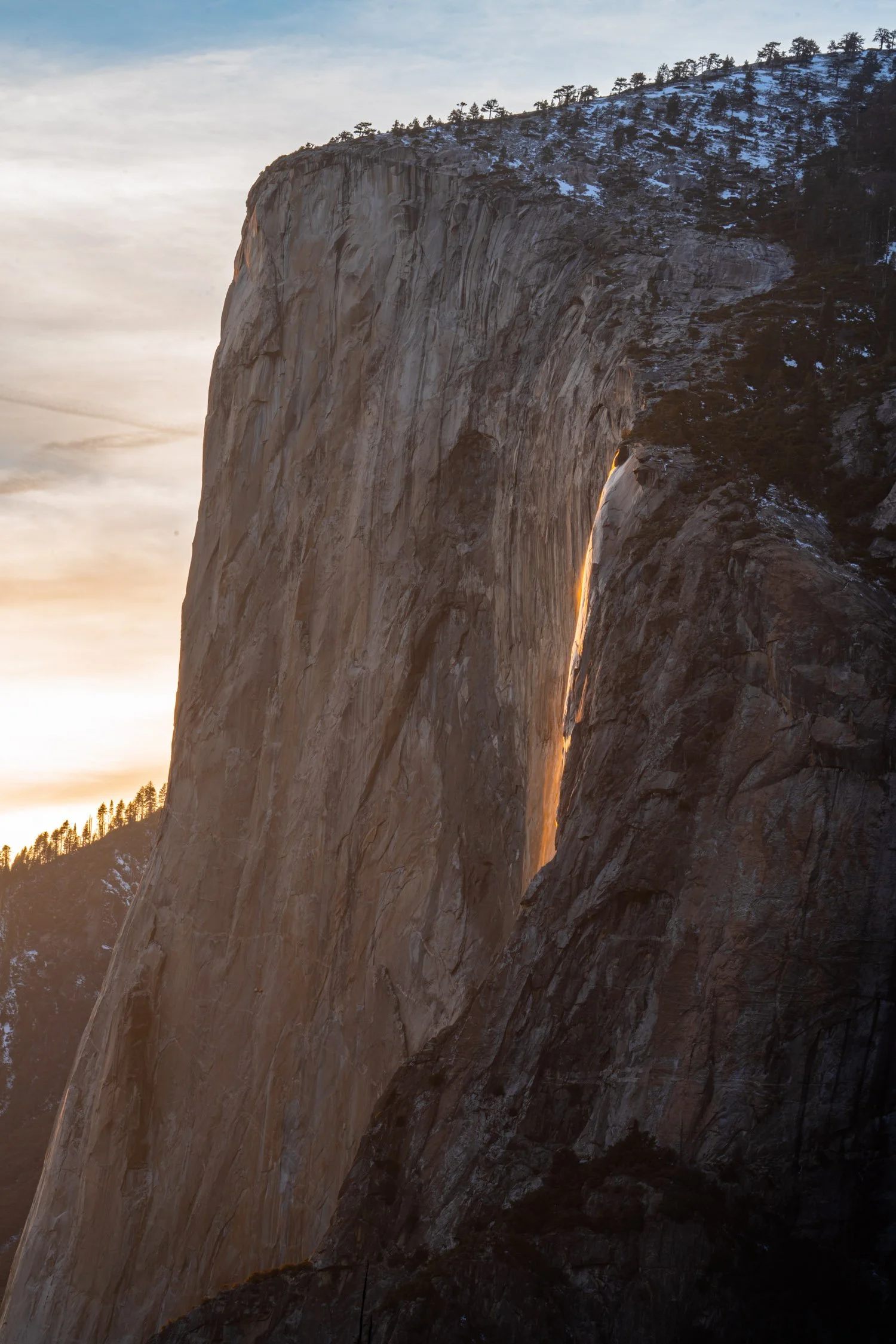
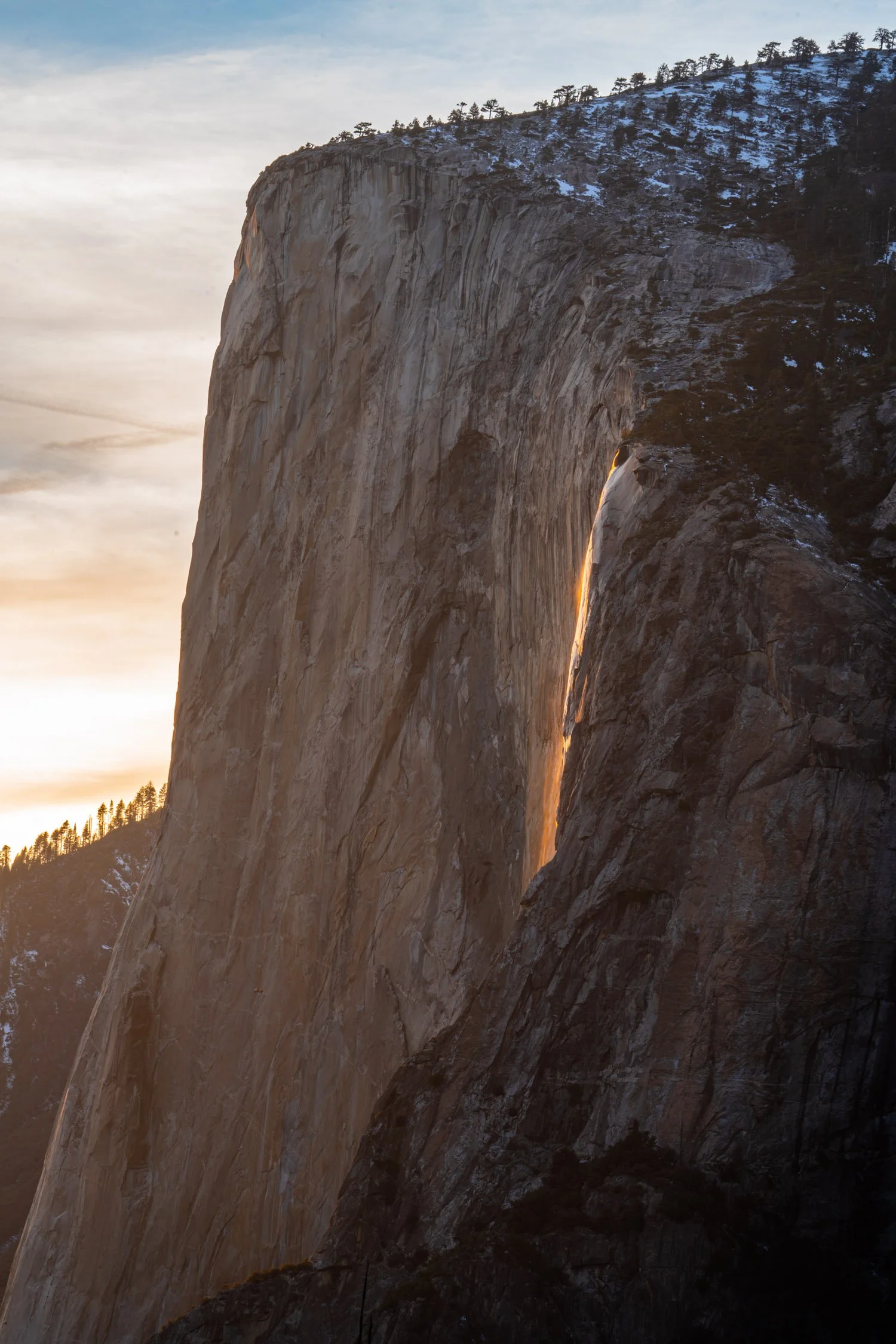
Fire falls, a waterfall in Yosemite Valley, glowing red during sunset in February. Photograph by Dalton Johnson
HORSETAIL FALL (AKA FIRE FALL)
Where is HORSETAIL FALL?
CLICK HERE to discover which waterfall is to Horsetail Fall
Best Season for HORSETAIL FALl:
The best season to watch Horsetail Fall is during the winter months. This Yosemite waterfall does not flow year round as it depends on snowmelt to flow. If there is a light snow year in California, Horsetail Fall might now be running come summer.
Winter season after a snow storm to guarantee Horsetail Fall is flowing
For the last two weeks of February, Horsetail Fall, at sunset flows lava red creating Fire Falls
Spring season if California has a hardy snow year
Best Places to see HORSETAIL FALl:
Four Mile Trail
Glacier Point
El Cap Meadow
Can you hike to HORSETAIL FALl?
There is no established trail to the base, or top, of Horsetail Fall. I would not suggest trying to hike to this falls unless you have a good plan of action and experience blazing your own trail.
FUN FACTS ABOUT HORSETAIL FALLS:
Horsetail Fall's claim to fame is the legend of the Horsetail Fall Event. It's a natural phenomenon that occurs typically in mid-February when all meteorological and hydrological formations align to create what looks like a ribbon of fire when the rays of the setting winter sun light up the water and mist first golden and then fiery red Horsetail Fall drops off the east side of El Capitan and was known in Ansel Adams's time as El Capitan Fall. Now, this event is called Firefall.
Total Height of Horsetail Fall: 1,000 Feet
Fire Fall only occurs during the last two weeks of February
Horesetail Falls is second highest fully airborne waterfall in Yosemite
Sentinel Falls
Where is Sentinel Falls?
CLICK HERE to discover which waterfall is Sentinel Falls:
Best Season for Sentinel Falls:
The best season to watch Sentinel Falls is during the spring months. This Yosemite waterfall does not flow year round as it depends on snowmelt to flow. If there is a light snow year in California, Sentinel Falls might now be running come summer.
Early spring season, Sentinel Falls has a strong flow
Winter season, after a snow storm to guarantee Sentinel Falls is flowing
Best Places to see Sentinel Falls:
The best places to see Sentinel Falls is from Yosemite Valley floor on the opposite side of the glacially carved Sentinel Dome. Some of the best places to see Sentinel Falls are:
Yosemite Valley Loop Trail
Merced River Bank
Can you hike to Sentinel Falls?
Hiking to Sentinel Falls can be done if the trails are open due to winter conditions. Since Sentinel Falls do not flow year round, on certain years the falls will stop before you can hike to the top. However, if you can hike to the top of you will take the 4 Mile Trail and hike towards Taft Point:
Hiking to the Top of Sentinel Falls
Distance: 14.3 miles round trip
Elevation gain: 4,900 feet
Difficulty: Strenuous
Time: 9.5 hours
FUN FACTS ABOUT Sentinel Falls:
Just west of Sentinel Rock, this precipitous peak of rocks was named by the Whitney Party because of the high tower-like position it occupies. This long series of cascades consists of six major drops with the largest being over 500 feet tall. Despite its immense height, in most years it’s usually dry by the end of July.
Total Height of Sentinel Falls: 2,000 feet
Nevada and Vernal Falls as seen from Glacier Point in Yosemite Valley. Photograph by Dalton Johnson
Ribbon Fall
Where is Ribbon Fall?
CLICK HERE to discover which waterfall is Ribbon Fall
Best Season for Ribbon Fall:
The best season to watch Ribbon Fall is during the spring months, however this Yosemite waterfall runs year round.
Spring time has the highest flow for Ribbon Fall
Best Places to see Ribbon Fall:
Ribbon Fall is tucked away in the shadow of El Capitan, making it difficult to see when walking around Yosemite Valley. However, there are several great places to see Ribbon Fall like:
El Cap Meadow
Bridalveil Fall Trailhead
Northside Drive
Can you hike to Ribbon Fall?
Ribbon Fall does not have an established trail to the base, nor the top. To get there, you will need to scramble off of a trail, potentially on loose rock, to reach the base or top of the waterfall. Please be careful if you decide to make this hike.
FUN FACTS ABOUT Ribbon Fall:
While Yosemite Falls is the tallest, Ribbon Fall has something it doesn’t. It’s the highest free-leaping fall in all of North America. Primarily fed by snowmelt over granite rock, this is a great one to see in early spring.
Total Height of Ribbon Fall: 1,612 feet
Silver Strand Fall
Where is Silver Strand Fall?
CLICK HERE to discover which waterfall is Silver Strand Fall
Best Season for Silver Strand Fall:
The best season to watch Silver Strand Fall is during the spring months. This Yosemite waterfall does not flow year round as it depends on snowmelt to flow. If there is a light snow year in California, Silver Strand Fall might now be running come summer.
Early spring season, Silver Strand Fall has a strong flow
Winter season, after a snow storm to guarantee Silver Strand Fall is flowing
Best Places to see Silver Strand Fall:
Silver Strand Fall is “hidden” in plain sight, as most people do not look over their shoulder at Tunnel View to see this fall.
Artist Point
Can you hike to Silver Strand Fall?
You can hike to Silver Strand Falls, but be ready for a long one! To reach Silver Strand, you will take the Pohono Trail to either Old Inspiration Point or Stanford Point.
Hiking to the Top of Silver Strand Fall
Distance: 9 miles round trip
Elevation gain: 3,415 feet
Difficulty: Strenuous
Time: 5-6 hours
FUN FACTS ABOUT Silver Strand Fall:
In a valley with so many amazing falls there’s of course going to be a few that are overlooked. One of them that’s on the top of this list is the Silver Strand Falls. Due to its location when visitors peer from the Tunnel View Overlook their gaze focuses on El Capitan and Bridalveil Fall. If you do make it this spot made famous by Ansel Adams be sure to look up above the Wawona Tunnel and you’ll be gifted an opportunity most others miss – the Silver Strand Falls.
Total Height of Silver Strand Fall: 574 feet
NEVADA FALL
Where is NEVADA FALL?
CLICK HERE to discover which waterfall is Nevada Fall
Best Season for Nevada Fall:
The best season to watch Nevada Fall is during the spring months, however this Yosemite waterfall runs year round.
Spring time has the highest flow for Nevada Fall
Best Places to see Nevada Fall:
To see Nevada Fall up close, you will need to put in a lot of effort as the hike to the base of Nevada Fall takes 5-6 hours round trip. Meanwhile, if you drive and walk to the Glacier Point vista, you can easily see Nevada Fall from a distance.
While hiking the Mist Trail
While hiking the John Muir Trail
Glacier Point
Can you hike to Nevada Fall?
Yes, you can hike to the top of Nevada Falls. Hiking details are below:
Hiking to the Top of Nevada Fall
Distance: 5.4 mi (8.7 km) round trip (via Mist Trail)
Elevation gain: 2000 ft (610 m)
Difficulty: Strenuous
Time: 5-6 hours
FUN FACTS ABOUT NEVADA FALL:
The pinnacle of the Mist Trail, it is one part of what many call nature’s “giant staircase.” Located below the giant granite dome known as Liberty Cap, Nevada’s unique shape is one that will help you identify it quickly. The first third of the water falls freely finishing off on a steep slick-rock slope. The water hits the granite with such a force creating a turbulent, whitewater appearance and a great deal of mist... which led to its current name (Nevada is a Spanish word meaning "snowy").
Total Height of Nevada Fall: 594 feet
Royal Arch Cascade
Where is Royal Arch Cascade?
CLICK HERE to discover which waterfall is Royal Arch Cascade
Best Season for Royal Arch Cascade:
The best season to watch Royal Arch Cascade is during the spring months. This Yosemite waterfall does not flow year round as it depends on snowmelt to flow. If there is a light snow year in California, Royal Arch Cascade might now be running come summer.
Early spring season, Royal Arch Cascade has a strong flow
Winter season, after a snow storm to guarantee Royal Arch Cascade is flowing
Best Places to see Royal Arch Cascade:
Royal Arch Cascade is a unique waterfall as it is “hidden” in comparison to most waterfalls in Yosemite Valley. The best place to see this waterfall is from afar, along the valley rim, like Glacier Point. However, there are several places to see this 1,250 foot cascading waterfall like:
Glacier Point
Stoneman Meadow
Ahwahnee Hotel
Can you hike to Royal Arch Cascade?
You can hike to the base of the Royal Arch Cascade, however this waterfall is best observed from afar. To reach the cascade, there is no trail and you will need to scramble across a large, steep, and slippery boulder field. I would not recommend this unless you are experienced at this kind of things.
FUN FACTS ABOUT Royal Arch Cascade:
Within walking distance of the famous Ahwahnee Hotel typically a stringy ephemeral fall that lightly dances it way down a granite wall. If you’re lucky enough to visit during a heavy thunderstorm be sure to head here. The sudden downpour can expand this normally tranquil and ephemeral fall to where it takes up the majority of the granite wall it resides on. A sight to behold that’s for sure!
Total Height of Royal Arch Cascade: 1,250 feet
Upper Yosemite Fall frozen on a cold winter day in Yosemite National Park. Photograph by Dalton Johnson
Now that you have discovered which waterfalls are worth seeing, the best season for the waterfall, and how to get to the best waterfalls of Yosemite Valley it is your turn to visit this magical place. Please, leave a comment below if this article was helpful, or if there is additional information that others should know.
Discover More of Yosemite Valley

Driving in Baja Mexico
Driving in Baja Mexico became accessible to all drivers with the completion of Mexico Federal Highway 1, also called, Trans-Peninsula Highway. While the old highway was more of a dirt path with steep cliffs and boulder filled arroyos, Mexico Highway 1 is a two lane asphalt road that bounces from coast to coast and town to town. For those of us who love to explore the Baja Peninsula, driving the Trans-Peninsula Highway no longer requires nerves of steel.
Driving in Baja Mexico became accessible to all drivers with the completion of Mexico Federal Highway 1, also called, Trans-Peninsula Highway. While the old highway was more of a dirt path with steep cliffs and boulder filled arroyos, Mexico Highway 1 is a two lane asphalt road that bounces from coast to coast and town to town. For those of us who love to explore the Baja Peninsula, driving the Trans-Peninsula Highway no longer requires nerves of steel.
There are two major roads when driving in Baja Mexico: Highway 1 (crossing from Tijuana all the way south to Cabo) and Highway 5 (crossing from Mexicali). Both highways have potholes and narrow, so be sure to take it slow. The best practices for driving in Baja Mexico are to drive during the day, obey the speed limit, follow the road signs, pay close attention on corners, and don’t use your phone. Following those best practices while road tripping Baja Mexico you will be safe.
Read on to learn about the road conditions, who can drive in Baja, where to get gas, and so much more about driving in Baja.
Driving down a dirt road on a clear morning in Baja Mexico. Photograph by Dalton Johnson
HOW ARE THE ROAD CONDITIONS WHEN DRIVING in baja Mexico?
The road conditions in Baja Mexico are vary greatly. When you are on the highway, the overall condition is safe, fully asphalted, occasional pot holes, and has some modern safety features. However, as time progresses, the lack of regular maintenance is causing the roads to degrade. I have noticed an increase in maintenance over the last few years, but several roads are heavily pot holed. Once off of the highway, let go of any expectations of a road. Some of the roads will be amazing, better than the highway, and some of them will be a washboard dirt road.
Can American’s Drive in baja mexico?
Driving in Baja is legal for any international driver with a license. The rules of the road in Baja are similar to that of the United States, but image a wild west version. Local drivers are recommended to get a license, but it is not the same process as it is in America.
Note for American drivers: the speed limits and distances while driving are in kilometers, not miles.
DO I NEED TO KNOW SPANISH TO drive in BAJA?
After a full day of driving in Baja Mexico, it is nice to make a campfire on the beach. Photograph by Dalton Johnson
To drive in Baja, you do not need to speak Spanish, however, if you know the language, the experience will be better! Below is a list of common words you should know while driving in Baja Mexico:
ALTO - STOP
TOPE - SPEED BUMP
PELIGROSO - DANGEROUS
CUIDADO - CAUTION
DESPACIO - SLOW
DERECHA - RIGHT
IZQUIERDO - LEFT
DERECHO - STRAIGHT
ENTRADA - ENTRANCE
SALIDA - EXIT
DESVIACION - DETOUR
CURVA PELIGROSA - DANGEROUS CURVE
CRUSE DE PEATONES - PEDESTRIAN CROSSING
ZONA ESCOLAR - SCHOOL ZONE
ZONA DE GUANDO - LIVESTOCK ZONE
NO UTILIZAR FRENO CON MOTOR - NO ENGINE BREAKING
NO MANEJE - DO NOT DRIVE WHEN TIRED
NO MALTRATE LAS SENALES - DO NOT DISREGARD THE SIGNS
NO TIRAR BASURA - DO NOT THROW TRASH
NO HAY PASO - ROAD CLOSED
NO REBASE - NO PASSING
PROHIBIDO EL PASO - DO NOT PASS
GUARDE SU DISTANCIA - WATCH YOUR DISTANCE
DISMINUYA SU VELOCIDAD - SLOW DOWN
REDUCTOR DE VELOCIDAD - REDUCE YOUR SPEED
RESPETE LIMITE DE VELOCIDAD - RESPECT THE SPEED LIMIT
IS DRIVING IN BAJA MEXICO SAFE?
Driving in Baja Mexico is less safe than driving in the United States, but it is not unsafe to drive in Baja. Your safety while driving in Baja Mexico is mostly dependent on your approach to driving. When you drive the speed limit, during the day, follow the road signs, pay close attention on corners, and stay focused on the road, you will be safe. However, if you are distracted by the views, or your phone, at any point while driving in Baja, just know that you are decreasing your own safety.
Not all cops are corrupt in Baja, regardless getting pulled over in Baja Mexico isn't fun, but it does happen from time to time. Photograph by Dalton Johnson
ARE THE POLICE CORRUPT IN BAJA?
Should you be stopped for a traffic violation, you will be asked for your driver’s license, registration and told what you did wrong. My advice is to try to talk your way out of it. If that doesn’t work, you will need to go to the police station where you will pay a fine and get your license back. For minor traffic infractions, there is the Mexican ‘mordita.’ Simply put, it is a bribe and technically, you shouldn’t do it. However, you will not be arrested for trying it, like in the States. Discreetly show the officer 100 or 200 pesos and see what they do. They will either take it, or not. I’ve been stopped twice in Baja. My Mexican friend was able to talk the officers out of the tickets, one included a mordita and one did not.
What are the Military Checkpoint for when driving in Baja?
There are 4 or 5 military checkpoints along the Baja Peninsula. Don’t let the sight of uniforms and machine guns alarm you. These are young military men whose job it is to deter crime. They will ask you where you are from and where you are going. Have your answer prepared: "Hello, I am from California and I’m a tourist driving to La Paz." They will ask you to step out of the vehicle so they can perform a routine inspection. Take your wallet and/or purse with you, secure or remove any pets, and casually watch your belongings as they inspect. Be courteous and cooperative and you will be on your way in no time.
Where to get gas while driving in Baja Mexico?
Mexico has several gas stations but the most prominent, and typically the cheapest, is PeMex. This gas station is run by the government and is focused on keeping gas prices low for Mexican residents. If you decide to stop at Chevron, or an American company, expect to pay more for your fuel.
If you are going to drive through Cataviña, make sure to have extra gas with you. This stretch of road goes 200 miles without a gas station!
Cataviña is a 200 mile stretch without gas stations along the Baja Peninsula, occasionally you will see trucks like this, selling gas to those in need. Photograph by Dalton Johnson
How Much extra gas should I carry with me while driving in Baja?
When driving in Baja Mexico, try to carry 50 to 100 miles worth of gas. The extra fuel will give you peace of mind while traveling and allow you to explore any side roads that look of interest to you.
Is Insurance required to drive in Baja Mexico?
When driving in Mexico, it is a law that you have Mexican Insurance. There are several companies out there, but the most prominent is Baja Bound. Baja Bound is based in San Diego and offer several different plans for American drivers who wish to venture into Baja Mexico with their own vehicle.
If you drive into Baja, and only Baja, you do not need an temporary import permit, or TIP. However, if you plan to visit the mainland of Mexico, you will need a TIP.
Why do people avoid driving in Baja at night?
In preparation for my first Baja trip, I read everything I could about driving in Mexico. Every article said, ‘don’t drive after dark’ but no one ever said why. I thought if I drove at night, I might be kidnapped, given all the negative press I’d read. I carefully planned my stops so that I would not be driving at nighttime. But, my last two nights on the road, I had to drive after dark. That is when I learned the real reason for the caution. It’s not kidnappers, it is cows! Highway 1 runs through rural areas where livestock freely roam. The heat of the day makes grazing more comfortable at night. If you come over a hill to encounter a small group of cows, you will be in trouble, not to mention the cows. It is a terrible sight to see a dead horse on the side of the road, hit by a traveler the night before. There are no street lights, so it is impossible to see your surroundings, therefore, avoid driving after dark, but let go of the fear of the big, bad kidnapper in the bushes!
Is Highway 1 in Baja a narrow road to drive?
A major challenge of Baja’s Highway 1 is that it is very narrow. It is the north – south road for the entire 1000 miles, traveled by 18 wheelers delivering goods from the north, as well as Aquila buses, the Mexican equivalent of Greyhound. It is frightful when an enormous vehicle comes straight at you on a narrow road, or goes around a curve at the bottom of a mountain at the same time you do. I recommend adjusting your speed to avoid driving around curves or cliffs at the same time as an oncoming large vehicle. In addition, it is not uncommon to encounter cyclists sharing the road with you, weighted down with gear that all but topples them over. Encounters like these are amplified at night time.
A stickered road sign covering up the name to a popular surfing destination in Baja, Mexico. Photograph by Dalton Johnson
Now that you have learned about the road conditions, who can drive in Baja, where to get gas, and so much more about driving in Baja the time has come for you to plan your road trip down the Baja Peninsula. If this blog has helped you, I would love to hear what was useful in the comments below. Additionally, if you have any additional information that would be helpful, drop it in the comment section for others! Have a great trip and be safe.
Discover More of Baja Mexico


The Best Day Hikes Of Yosemite National Park
Embarking on a journey to Yosemite National Park is a dream for adventure travelers seeking the ultimate hiking experience. Yosemite, renowned for its breathtaking landscapes, iconic granite cliffs, and cascading waterfalls, offers an array of exhilarating day hikes that cater to every adventurer's desire. Whether you find yourself in the iconic Yosemite Valley or the serene Tuolumne Meadows, this guide is tailored for those asking, "Which hikes should I do in Yosemite?" Let's lace up our boots and explore the best hikes this national treasure has to offer.
Embarking on a journey to Yosemite National Park is a dream for adventure travelers seeking the ultimate hiking experience. Yosemite, renowned for its breathtaking landscapes, iconic granite cliffs, and cascading waterfalls, offers an array of exhilarating day hikes that cater to every adventurer's desire. Whether you find yourself in the iconic Yosemite Valley or the serene Tuolumne Meadows, this guide is tailored for those asking, "Which hikes should I do in Yosemite?" Let's lace up our boots and explore the best hikes this national treasure has to offer.
While day hiking on the Yosemite Valley Loop trail make sure to soak in views of Yosemite Falls. Photograph by Dalton Johnson
Best HIkes of Yosemite Valley
1) SENTINEL DOME TRAIL:
Distance: Approximately 2.2 miles round trip.
Time to Hike: Allow 1.5 to 2 hours.
Difficulty: Moderate.
Trailhead: Sentinel Dome trailhead is located near Glacier Point Road. Begin at the trailhead, and follow the well-marked path.
Embark on the Sentinel Dome Trail for a captivating Yosemite experience. This moderate 2.2-mile hike leads to a summit offering a mesmerizing 360-degree panorama. Marvel at the majesty of Half Dome and El Capitan, two of Yosemite's most iconic granite formations. The trail winds through a fragrant forest, gradually revealing breathtaking views as you ascend. Once atop Sentinel Dome, visitors are rewarded with a vast, uninterrupted spectacle of Yosemite Valley and the High Sierra peaks. The unique perspective of Half Dome, seemingly at arm's reach, makes this hike an essential adventure for those seeking a moderate yet rewarding trek in the heart of Yosemite.
2) UPPER YOSEMITE FALLS TRAIL:
Distance: Approximately 7.2 miles round trip.
Time to Hike: Allow 6 to 8 hours.
Difficulty: Strenuous.
Trailhead: Begin at the Lower Yosemite Fall trailhead, continuing to the Upper Yosemite Falls Trail.
Prepare for an awe-inspiring journey on the Upper Yosemite Falls Trail, a strenuous 7.2-mile round trip ascent. As you ascend, the roaring cascade of North America's tallest waterfall accompanies your climb. The trail unveils stunning vistas of Yosemite Valley, Half Dome, and the surrounding wilderness. Be immersed in the thundering sounds of Yosemite Falls and experience the grandeur of the granite cliffs. This challenging hike promises a sense of accomplishment as you reach the summit, where unparalleled views await. Upper Yosemite Falls Trail stands as a testament to the raw power and beauty of Yosemite's natural wonders, making it a must for those seeking a physically demanding adventure.
3) MIST TRAIL TO VERNAL AND NEVADA FALLS:
Distance: Approximately 3 miles round trip to Vernal Fall, 7 miles round trip to Nevada Fall.
Time to Hike: Allow 2 to 4 hours depending on the destination.
Difficulty: Moderate to Strenuous.
Trailhead: Begin at the Happy Isles trailhead in Yosemite Valley.
Embark on the Mist Trail, a captivating journey through lush scenery and cascading waterfalls. This moderate to strenuous trail begins at Happy Isles and leads hikers to the base of Vernal Fall, where mist from the powerful cascade envelops the surroundings. Continue to Nevada Fall for a higher vantage point, reveling in panoramic views of the valley and distant peaks. The Mist Trail lives up to its name, offering a refreshing and immersive experience as you navigate misty staircases and rocky terrain. Witness the breathtaking beauty of two iconic waterfalls, surrounded by vibrant greenery, making this trail a memorable and invigorating adventure for those seeking the essence of Yosemite's natural splendor.
4) MIRROR LAKE LOOP:
Distance: Approximately 2 miles round trip.
Time to Hike: Allow 1 to 1.5 hours.
Difficulty: Easy.
Trailhead: The trailhead is located at Shuttle Stop #17 in Yosemite Valley.
Discover tranquility on the Mirror Lake Loop, an easy 2-mile round trip journey. Nestled in the heart of Yosemite Valley, this family-friendly trail unveils Mirror Lake, a serene water body reflecting the majesty of Half Dome. The flat and well-maintained path takes hikers through lush meadows and shaded woodlands, providing a peaceful escape from the bustling valley. Immerse yourself in the mirrored reflections of granite peaks and enjoy the crisp mountain air. Mirror Lake Loop offers a perfect blend of accessibility and scenic beauty, making it an ideal choice for a leisurely stroll or a serene moment of contemplation in the midst of Yosemite's iconic landscapes.
5) FOUR-MILE TRAIL:
Distance: Approximately 9.6 miles one way.
Time to Hike: Allow 6 to 8 hours.
Difficulty: Strenuous.
Trailhead: Begin at the Four-Mile Trailhead near Sentinel Bridge.
Challenge your senses on the Four-Mile Trail, a strenuous 9.6-mile journey renowned for its sweeping vistas. Ascend through dense forests and rocky terrain, each step revealing new perspectives of Yosemite Valley, El Capitan, and Sentinel Rock. The trail's steep switchbacks lead to Glacier Point, providing a bird's-eye view of Half Dome and the surrounding peaks. Experience the thrill of conquering elevation as you reach higher ground, capturing the grandeur of Yosemite's granite monoliths. Four-Mile Trail offers a physically demanding yet immensely rewarding adventure, making it a top choice for those seeking a challenging hike with unparalleled panoramic rewards.
6) LOWER YOSEMITE FALL TRAIL:
Distance: Approximately 1 mile round trip.
Time to Hike: Allow 30 minutes to 1 hour.
Difficulty: Easy.
Trailhead: Begin at the Lower Yosemite Fall trailhead.
Embark on the Lower Yosemite Fall Trail, an easy 1-mile round trip hike delivering a close-up encounter with the iconic Lower Yosemite Fall. The trail begins near Yosemite Lodge, guiding visitors through lush forested pathways with the powerful sound of cascading water growing louder with each step. As you approach the base of the fall, feel the refreshing mist on your face and witness the sheer force of nature. This family-friendly stroll provides a captivating introduction to Yosemite's natural wonders, offering a brief yet immersive experience with one of the park's most iconic waterfalls.
7) COOKS MEADOW LOOP:
Distance: Approximately 1 mile round trip.
Time to Hike: Allow 30 minutes.
Difficulty: Easy.
Trailhead: Begin at the Lower Yosemite Fall trailhead.
Embark on the Lower Yosemite Fall Trail, an easy 1-mile round trip hike delivering a close-up encounter with the iconic Lower Yosemite Fall. The trail begins near Yosemite Lodge, guiding visitors through lush forested pathways with the powerful sound of cascading water growing louder with each step. As you approach the base of the fall, feel the refreshing mist on your face and witness the sheer force of nature. This family-friendly stroll provides a captivating introduction to Yosemite's natural wonders, offering a brief yet immersive experience with one of the park's most iconic waterfalls.
Looking down at the Mist Trail day hike from Glacier Point. Photograph by Dalton Johnson
Best Hikes of Tuolumne Meadows
1) LEMBERT DOME TRAIL:
Distance: Approximately 2.8 miles round trip.
Time to Hike: Allow 2 to 3 hours.
Difficulty: Moderate.
Trailhead: The Lembert Dome trailhead is located near the Tuolumne Meadows Visitor Center. Begin your journey from here and follow the well-marked path to the dome's summit.
Embark on the Lembert Dome Trail for a moderate 2.8-mile round trip adventure in Tuolumne Meadows. This scenic hike begins near the Tuolumne Meadows Visitor Center and gradually ascends to the summit of Lembert Dome. The highlight of this trail is undoubtedly the breathtaking panoramic views of the High Sierra peaks and the vast expanse of Tuolumne Meadows. As you reach the dome's summit, the landscape unfolds, revealing a tapestry of meadows, alpine lakes, and rugged peaks. Lembert Dome Trail offers a perfect balance of challenge and reward, making it an ideal choice for those seeking stunning vistas in the heart of Yosemite's high country.
2) GLEN AULIN TRAIL:
Distance: Approximately 11 miles round trip.
Time to Hike: Allow 5 to 7 hours.
Difficulty: Moderate.
Trailhead: Start your adventure at the Lembert Dome trailhead, continuing on the Glen Aulin Trail. The trailhead is easily accessible near the Tuolumne Meadows Visitor Center.
Explore the beauty of Tuolumne Meadows on the Glen Aulin Trail, a moderate 11-mile round trip adventure. Starting at the Lembert Dome trailhead, this trail meanders along the Tuolumne River, treating hikers to picturesque riverside views. The highlight of this journey is the Glen Aulin High Sierra Camp, where hikers can rest and admire the surrounding waterfalls and cascades. The trail's moderate difficulty ensures an enjoyable experience as you traverse through meadows adorned with wildflowers. Glen Aulin Trail stands as a testament to the pristine beauty of Tuolumne Meadows, offering a perfect blend of riverside serenity and alpine grandeur.
3) CATHEDRAL LAKES TRAIL:
Distance: Approximately 7 miles round trip.
Time to Hike: Allow 4 to 6 hours.
Difficulty: Moderate.
Trailhead: The trail begins near the Tuolumne Meadows Visitor Center, taking hikers on a picturesque journey through alpine landscapes.
Embark on the Cathedral Lakes Trail, a moderate 7-mile round trip hike that unveils the stunning alpine landscapes beneath Cathedral Peak. Starting near the Tuolumne Meadows Visitor Center, the trail ascends through pine forests, eventually opening up to reveal Lower and Upper Cathedral Lakes. These pristine alpine lakes, surrounded by granite peaks and vibrant meadows, create a postcard-worthy scene. The moderate difficulty of this trail allows hikers to savor the breathtaking beauty of Cathedral Lakes while immersing themselves in the tranquility of Yosemite's high country. This trail is a must for those seeking alpine serenity and captivating mountain vistas in Tuolumne Meadows.
4) POTHOLE DOME TRAIL:
Distance: Approximately 2.5 miles round trip.
Time to Hike: Allow 1.5 to 2 hours.
Difficulty: Easy to Moderate.
Trailhead: Begin your exploration near the Tuolumne Meadows Visitor Center. The trailhead is easily accessible, starting hikers on a journey to the summit of Pothole Dome.
Discover the unique landscapes of Tuolumne Meadows on the Pothole Dome Trail, an easy to moderate 2.5-mile round trip adventure. Beginning near the Tuolumne Meadows Visitor Center, this trail leads to the summit of Pothole Dome, offering panoramic views of the surrounding meadows and distant peaks. The highlight of this hike is the exploration of unique granite formations, including the iconic "potholes" that dot the landscape. Pothole Dome Trail is a family-friendly option, allowing hikers to marvel at the geological wonders of Yosemite's high country while enjoying a manageable and visually rewarding journey.
5) ELIZABETH LAKE TRAIL:
Distance: Approximately 4.8 miles round trip.
Time to Hike: Allow 3 to 4 hours.
Difficulty: Moderate.
Trailhead: Begin near the Tuolumne Meadows Campground, embarking on a picturesque journey through meadows and peaks.
Embark on the Elizabeth Lake Trail, a moderate 4.8-mile round trip adventure that leads to a remote alpine lake nestled amidst meadows and peaks. Starting near the Tuolumne Meadows Campground, this trail takes hikers through picturesque landscapes, offering views of granite peaks and vibrant wildflowers. The highlight of the journey is reaching Elizabeth Lake, where the serene waters reflect the surrounding beauty. This moderate hike allows for a deeper immersion into the tranquility of Yosemite's high country, making it an excellent choice for those seeking a more secluded and rewarding alpine experience.
6) TUOLUMNE MEADOWS TO LYELL CANYON:
Distance: Approximately 8 miles round trip.
Time to Hike: Allow 4 to 6 hours.
Difficulty: Moderate.
Trailhead: Begin near the Tuolumne Meadows Visitor Center, starting your journey through expansive meadows.
Embark on the Tuolumne Meadows to Lyell Canyon hike, a moderate 8-mile round trip adventure that unveils the expansive meadows and the Lyell Fork of the Tuolumne River. Beginning near the Tuolumne Meadows Visitor Center, this trail winds through pristine meadows, offering unobstructed views of the surrounding granite peaks. The highlight of this hike is the Lyell Fork, where hikers can enjoy the soothing sounds of the river and the breathtaking beauty of the High Sierra. The moderate difficulty of the trail allows for a leisurely exploration of Yosemite's high country, providing an opportunity to connect with nature in a serene and expansive alpine setting.
Additional Yosemite National Park Hiking Gems
1) CLOUDS REST TRAIL:
Distance: Approximately 14.5 miles round trip.
Time to Hike: Allow 7 to 9 hours.
Difficulty: Strenuous.
Trailhead: The Clouds Rest trailhead begins at Tenaya Lake, offering a challenging yet rewarding ascent to the granite peak.
Embark on the Clouds Rest Trail for an exhilarating and strenuous adventure. This 14.5-mile round trip hike takes you to the summit of a granite peak adjacent to Half Dome, providing unparalleled and breathtaking views of Yosemite Valley, Half Dome, and the High Sierra. The strenuous climb is met with the ultimate reward as you stand on the precipice of Clouds Rest, offering a unique perspective of the iconic Half Dome and the vast expanse of Yosemite's wilderness.
2) TEN LAKES TRAIL:
Distance: Approximately 12 miles round trip.
Time to Hike: Allow 6 to 8 hours.
Difficulty: Strenuous.
Trailhead: The Ten Lakes Trailhead is located near Yosemite Creek Campground, leading hikers to the remote backcountry lakes.
Explore the pristine beauty of Yosemite's backcountry on the Ten Lakes Trail. This strenuous 12-mile round trip journey takes you through the remote wilderness, unveiling a series of stunning backcountry lakes and providing panoramic vistas of the surrounding landscapes. Immerse yourself in the tranquility of nature as you navigate challenging terrain, and be rewarded with the serenity of remote alpine lakes, making the Ten Lakes Trail a must for those seeking a strenuous and immersive backcountry experience in Yosemite.
3) MONO PASS TRAIL:
Distance: Approximately 8 miles round trip.
Time to Hike: Allow 5 to 7 hours.
Difficulty: Strenuous.
Trailhead: The Mono Pass trailhead starts at the Mono/Parker Pass Trailhead near Tioga Road.
Venture off the beaten path on the Mono Pass Trail, a strenuous 8-mile round trip journey that unveils the beauty of alpine landscapes. This trail takes hikers through rugged terrain, showcasing breathtaking views of high mountain peaks and providing glimpses of Mono Lake in the distance. The strenuous climb is well-rewarded with expansive vistas, making the Mono Pass Trail a hidden gem for those seeking a challenging and less-traveled route in Yosemite's wilderness.
4) GAYLOR LAKES TRAIL:
Distance: Approximately 2.5 miles round trip.
Time to Hike: Allow 2 to 3 hours.
Difficulty: Moderate.
Trailhead: Begin your adventure at the Gaylor Lakes trailhead near the Tioga Pass Entrance Station.
Discover the secluded beauty of the Gaylor Lakes Trail, a moderate 2.5-mile round trip journey that takes hikers through alpine meadows and unveils stunning views of the Cathedral Range. The trail offers a perfect blend of accessibility and scenic reward, showcasing alpine lakes surrounded by rugged peaks. Gaylor Lakes Trail provides a serene and less crowded alternative, making it an ideal choice for those seeking a moderately challenging hike with captivating views in Yosemite's high country.
5) LOWER CATHEDRAL LAKE TRAIL:
Distance: Approximately 3.5 miles round trip.
Time to Hike: Allow 2 to 3 hours.
Difficulty: Easy to Moderate.
Trailhead: The Lower Cathedral Lake trailhead is located near the Tuolumne Meadows Visitor Center.
Experience the beauty of Lower Cathedral Lake Trail, an easy-to-moderate 3.5-mile round trip hike that offers family-friendly terrain with stunning lake views. This accessible trail takes you through meadows adorned with wildflowers and leads to the tranquil Lower Cathedral Lake. Ideal for families, the trail provides a perfect balance of ease and scenic beauty, making it an excellent choice for those seeking a relaxing and rewarding hike in Yosemite's high country.
6) LOWER CHILNUALNA FALLS TRAIL:
Distance: Approximately 2.6 miles round trip.
Time to Hike: Allow 1.5 to 2 hours.
Difficulty: Easy to Moderate.
Trailhead: The Lower Chilnualna Falls trailhead is situated in Wawona, near the historic Wawona Hotel.
Embark on the Lower Chilnualna Falls Trail, an easy-to-moderate 2.6-mile round trip hike that offers cascading waterfall views and family-friendly terrain. This scenic trail provides a gentle ascent through a lush forest, leading to the base of Chilnualna Falls. The soothing sounds of the waterfall and the ease of the trail make it an excellent choice for families, providing a delightful and accessible nature experience in Yosemite's enchanting landscapes.
Marie about to enter the spray zone while day hiking the Mist Trail in Yosemite Valley. Photograph by Dalton Johnson
In the heart of Yosemite National Park, a tapestry of trails awaits adventure travelers seeking to forge a deeper connection with the natural wonders of this iconic destination. From the granite peaks of Yosemite Valley to the pristine meadows of Tuolumne, each trail tells a story of grandeur, challenge, and breathtaking beauty. As we've journeyed through the best day hikes, uncovering hidden gems and well-trodden paths, the essence of Yosemite's diverse landscapes comes to life.
For those yearning for elevated perspectives, the strenuous trails to Sentinel Dome, Upper Yosemite Falls, Clouds Rest, and Mono Pass promise unparalleled vistas. The moderate paths, such as Mist Trail to Vernal and Nevada Falls, Glen Aulin Trail, Cathedral Lakes Trail, and Gaylor Lakes Trail, invite hikers into the heart of alpine landscapes and serene lakes.
Family-friendly excursions to Mirror Lake, Lower Cathedral Lake, and Lower Chilnualna Falls ensure that the wonders of Yosemite are accessible to all. And for those seeking remote backcountry adventures, the Ten Lakes, Elizabeth Lake, and Tuolumne Meadows to Lyell Canyon trails beckon with their pristine wilderness.
As your footsteps echo through these trails, may the memories of sweeping panoramas, cascading waterfalls, and tranquil lakes linger. Yosemite National Park, with its diverse trails, invites every adventurer to carve their own path, weaving unforgettable stories amid the granite cliffs and alpine meadows. Whether you're conquering a summit or strolling through a meadow, Yosemite's beauty remains, an eternal testament to the untamed wonders of the great outdoors. So, lace up your boots, breathe in the mountain air, and let Yosemite's trails become the chapters of your own remarkable journey.
Discover More of Yosemite National Park

Hiking Eagle Falls in Lake Tahoe
Hiking Eagle Falls in Lake Tahoe is special because the sunrise view is extraordinary when the waterfall is flowing. A golden glow, few people, the grandiose blue waters of Lake Tahoe, and the brisk air make a splendid combination for all hikers visiting Eagle Falls. Also, as you walk around Eagle Falls, you will notice a few spots that make the falls look as though the cascading water pours directly into Emerald Bay… mind blowing!

Overview for hiking Eagle Falls in Lake Tahoe
DISTANCE: .25 MILE
DIFFICULTY: EASY
AVERAGE TIME TO HIKE: 5 to 10 minutes
WHAT DO YOU SEE WHILE: YOSEMITE FALLS, HALF DOME, MERCED RIVER, SENTINEL PEAK
WHERE CAN YOU SEE THIS EAGLE FALLS IN LAKE TAHOE VIEW?
Eagle Falls is a cascading waterfall that can been seen from the road, or hiked to, from the Eagle Lake trailhead.
Hiking Eagle Falls for sunrise in Lake Tahoe, CA. Photograph by Dalton Johnson
BEST SEASON TO hike EAGLE FALLS in Lake Tahoe?
The best season to hike Eagle Falls is in the spring. Eagle Falls flow is created by snow melt, making spring season (February to April) the best time to see Eagle Falls flowing into Emerald Bay of Lake Tahoe.
HOW LONG IS THE HIKE TO SEE EAGLE FALLS IN LAKE TAHOE?
The hike to Eagle Falls is about .5 of a mile and takes 5-10 minutes depending on where you park. Hiking to Eagle Falls in the Eastern Sierra Mountains is a well maintained trail that is easy to hike. With that said, this hike is not wheelchair accessible.
The parking lot and road side parking fills up fast, so make sure to get there early if you want a get a spot.
THE BEST TIME OF DAY TO Hike to EAGLE FALLS IN LAKE TAHOE?
My favorite time to hike Eagle Falls in Lake Tahoe is at sunrise. Why sunrise? If you look at the image above, the sun rises off in the distance, creating a golden glow on the waterfall. This effect makes sunrise special. Additionally, if you arrive for sunrise there will be very few people at Eagle Falls.
WHAT MAKES HIKING EAGLE FALLS IN LAKE TAHOE SPECIAL?
Hiking Eagle Falls in Lake Tahoe is special because the sunrise view is extraordinary when the waterfall is flowing. A golden glow, few people, the grandiose blue waters of Lake Tahoe, and the brisk air make a splendid combination for all hikers visiting Eagle Falls. Also, as you walk around Eagle Falls, you will notice a few spots that make the falls look as though the cascading water pours directly into Emerald Bay… mind blowing!
Discover More of Lake Tahoe

Day Hike the Yosemite Valley Loop
If you want to hike the entirety of Yosemite Valley, the Yosemite Valley Loop is your ideal trail. Fully paved, the Valley Loop Trail was created to allow visitors a path to explore the entire valley by foot, or bike. While on this hike, you will find hidden gems along the Merced River, wildlife, and be able to soak in the gorgeous granite views Yosemite offers.
If you want to hike the entirety of Yosemite Valley, the Yosemite Valley Loop is your ideal trail. Fully paved, the Valley Loop Trail was created to allow visitors a path to explore the entire valley by foot, or bike. While on this hike, you will find hidden gems along the Merced River, wildlife, and be able to soak in the gorgeous granite views Yosemite offers.
The Yosemite Valley Loop Trail is a choose your own adventure day hike that is often explored in small sections to see the exquisite sites Yosemite Valley offers. However, some hikers take on the 21.1 miles which make up the entire Loop trail, so they can see all of the sights in a single day. Day hiking the Yosemite Valley Loop offers up-close views of Yosemite Falls, El Capitan, Sentinel Rocks, Ribbon Falls, the famous Valley View, and many other iconic views. So, what are you waiting for? Put on your hiking boots and get walking.
Read on to discover the best views of this day hike, quick facts about the trail, how long the trail will take, and more use information on day hiking the Yosemite Valley Loop.
Enjoying the view from one of the many bridge views while day hiking the Yosemite Valley Loop Trail. Photograph by Dalton Johnson
HOW LONG IS THE VALLEY LOOP TRAIL DAY HIKE?
The Valley Loop trail is just short of a full marathon, totaling 21.1 miles.
WHAT IS THE ELEVATION GAIN OF THE VALLEY LOOP TRAIL DAY HIKE?
The Yosemite Valley Loop has no significant hills to climb, but the elevation gain is 1,335 feet as the trail ungulates up and down with hills.
HOW LONG DOES IT TAKE TO DAY HIKE THE VALLEY LOOP TRAIL?
The Yosemite Valley loop trail typically takes 7 hours and 23 minutes on average to walk. Since this trail is flat and fully paved, some people chose to trail run this in a single day, so they can see the entire Yosemite Valley in just a few hours.
On a snowy visit to Yosemite, I went to the Three Brothers view while day hiking along the Yosemite Valley Loop Trail. Photograph by Dalton Johnson
HOW HARD IS THE YOSEMITE VALLEY LOOP TRAIL DAY HIKE?
The Yosemite Valley Loop trail is the easiest trail to walk on in Yosemite Valley. Walking the entire loop is difficult, but walking a short section is a great way to immerse yourself in the beautiful nature Yosemite offers.
Are there Bathrooms along the Yosemite Valley Loop?
While day hiking the Yosemite Valley Loop you will come across several bathrooms. Most of the bathrooms are pit toilets, but there are a few hotels and shops you can stop at that have running water.
Why Hike the Yosemite Valley Loop?
The Yosemite Valley Loop is the ideal day hike for the visitor who is looking to see ALL of Yosemite Valley. Walking the full loop will take time, but you will have the opportunity to see the largest waterfalls in North America, in addition to wildlife, the Merced River, and so much more. In addition to the amazing views, this day hike is accessible to all, which means there wont be any huffing and puffing up a large hill! Instead, you will be able to leisurely explore Yosemite Valley in its full grandeur!
What To See along the Yosemite Valley Loop?
While day hiking the Yosemite Valley Loop, you will be able to see the most stunning views Yosemite Valley has to offer. Now, what are those amazing views? Below are 7 must see views while hiking the Yosemite Valley Loop:
El Capitan from the El Cap Meadow
Half Dome from the Sentinel Bridge
Yosemite Falls from Cook’s Meadow
Yosemite Valley View
Bridalveil Falls
Mirror Lake Reflection
Ribbon Falls
Three Brother’s View along the Merced
Yosemite Falls rushing during the spring while day hiking on the Yosemite Valley Loop Trail. Photograph by Dalton Johnson
Now that you have discover the best views of this day hike, quick facts about the trail, how long the trail will take, and so much more, it is time for you to hit the trail and start hiking. If you found any of this information helpful, or if you feel something should be added to this blog, let me know in the comments below.
Discover More of Yosemite Valley
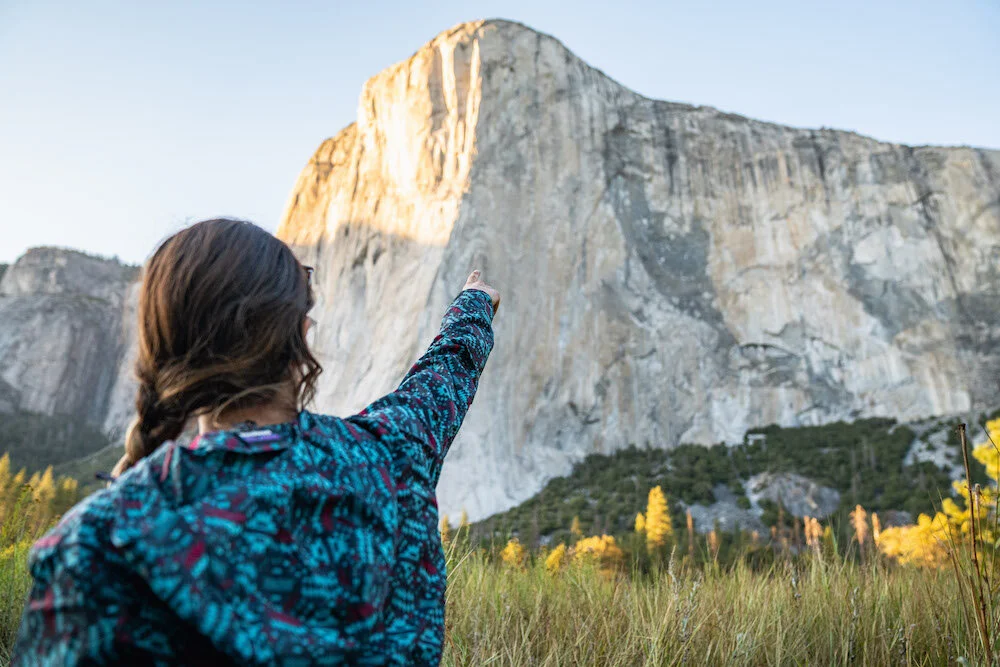
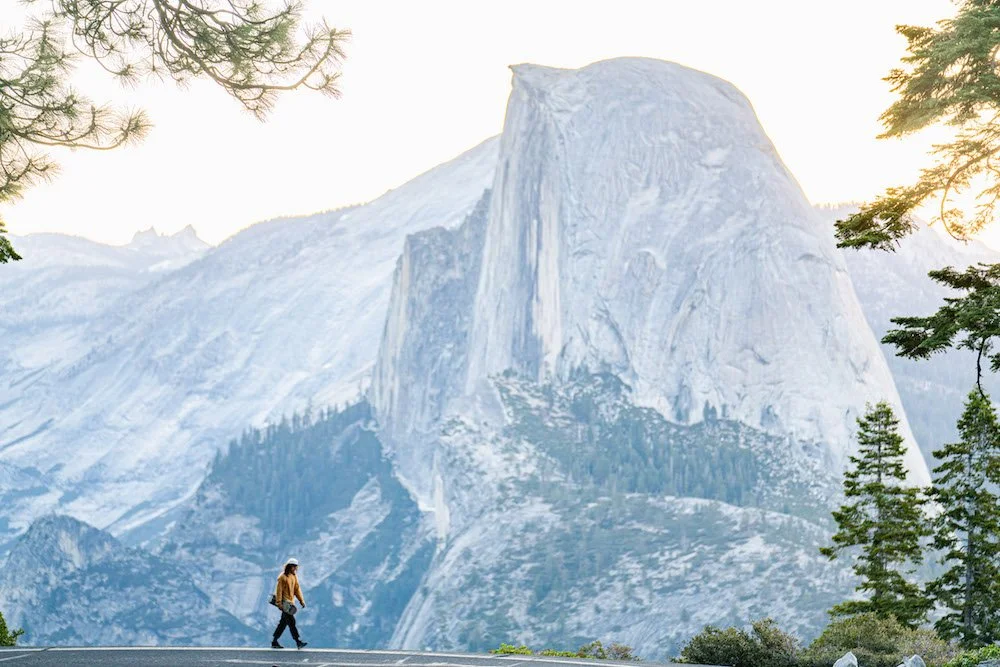
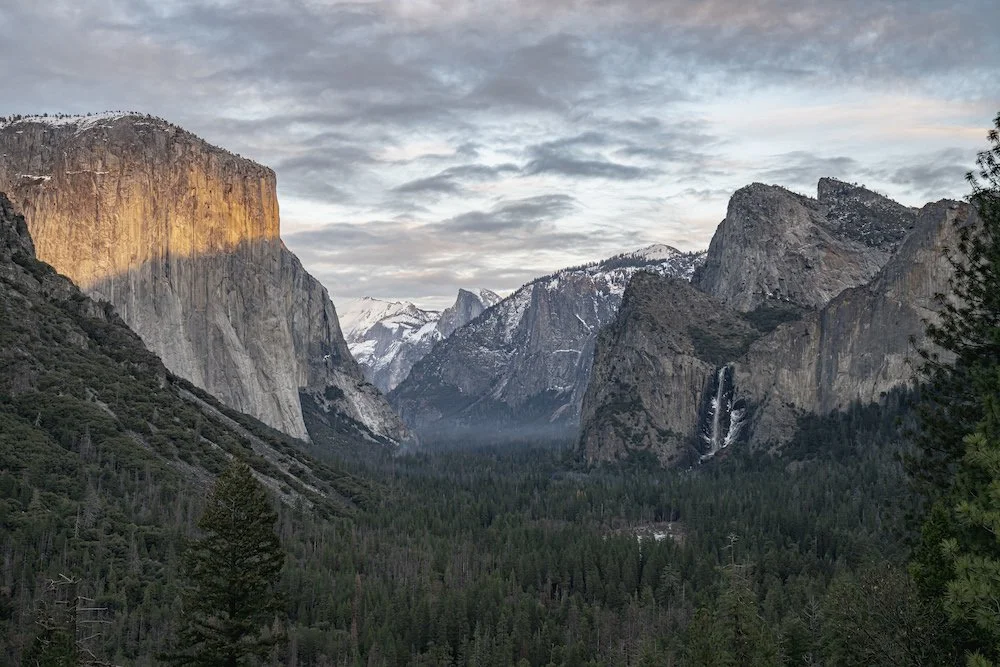
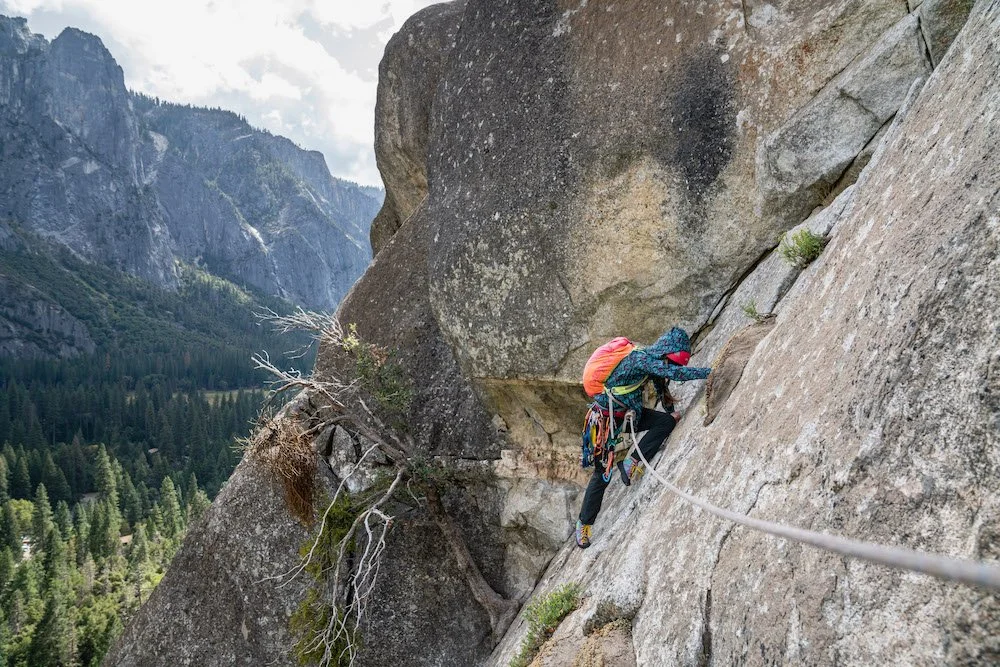
The Surprise 10a | Route Beta, Accessible Yosemite Rock Climb, Five Open Books
The rock climb The Surprise (5.10a) is a stellar first Yosemite Valley 10 rock climb. Why? Well, if you are looking to break into the 5.10 climbing in Yosemite Valley as one of your “To-Do’s” while you visit, this crack climb is perfect because you get a few warm up pitches to get your head screwed on. Then, you start up the final finger crack all the way to the top.
Taylor coming across the traverse pitch of The Surprise while rock climbing in Yosemite Valley. Photograph by Dalton Johnson
THE SURPRISE (5.10A)
The rock climb The Surprise (5.10a) is a stellar first Yosemite Valley 10 rock climb. Why? Well, if you are looking to break into the 5.10 climbing in Yosemite Valley as one of your “To-Do’s” while you visit, this crack climb is perfect because you get a few warm up pitches to get your head screwed on. Then, you start up the final finger crack all the way to the top.
Topping out The Surprise is an exciting time in a climbing career because you open the door to a new milestone in a rock climbing. The finger crack was really fun and what a surprise, hence the route’s name The Surprise, it is when the crack just disappears for a hot second and you make a few moves across some slab to a jug.
Taylor on the 5.8 hand crack before the money pitch of The Surprise. Photograph by Dalton Johnson
WHERE IS THE ROCK CLIMB SURPRISE LOCATED?
The Surprise is located on the Five Open Books
Who were the climbers who established The Surprise?
In 1965, Pete Spoecker & Steve Herrero established the first ascent of The Surprise
RECOMMENDED CLIMBING RACK:
Double cams .4 to 3 and one set of nuts, bring extra slings
HOW MANY PITCHES IS THE SURPRISE?
The Surprise can be done in 3 long pitches, but 5 are recommended
Pitch One of The Surprise: Climb a 5.6 corner up to tree anchor.
Pitch Two of The Surprise: Traverse 5.5 right and down to a flake/stem below the splitter. You can link P1 and P2 but committing for the follower as they pull out gear.
Pitch Three of The Surprise: Climb 5.8 face/stem and hand crack to a single bolt. I suggest linking P2 and P3 since this is a better spot to belay and less committing for the follower on the traverse.
Pitch Four of The Surprise: Excellent 5.10a tight hands/fingers splitter to a bouldery face move to a ledge and tree anchor.
Pitch Five of The Surprise: Starting left of the tree, climb 5.7 stem to 4th class to the top.
HOW LONG DOES IT TAKE TO CLIMB THE SURPRISE (INCLUDING THE APPROACH AND DESCENT)?
The Surprise will take 4-7 hours to climb from car to car for a new climber
The Surprise will take 2.5-5 hours to climb from car to car for a seasoned climber
What is the descent Route for The Surprise rock climb?
The descent takes about 15 minutes back to the base (not fun in climbing shoes). Walk west and a little down for a few hundred yards on a climbers’ trail until you reach the open slabs area. Continue west across the slabs to a 3rd/4th class descent trail. Consider rappelling this section when wet with one 60m rope (or 50m rope by staying a bit to the left at the bottom). Below the slabs, follow the trail east and downward along the base, then slightly back uphill to the last carabiner post at the start of Munginella. Reverse the approach.
OTHER Yosemite Rock CLIMBS CLOSE TO THE SURPRISE:
Discover more of Yosemite Valley
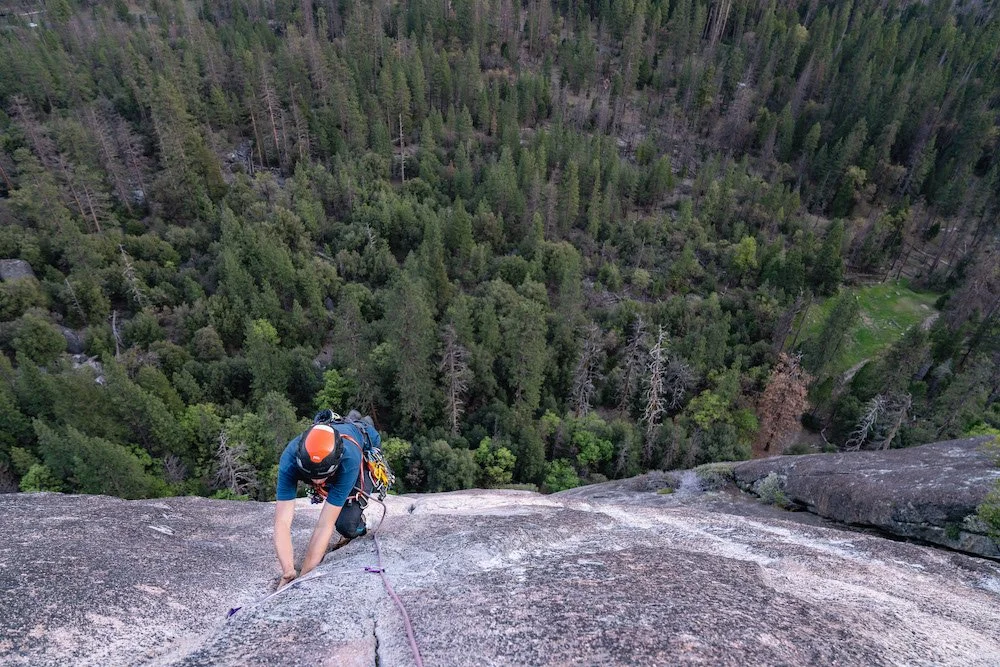
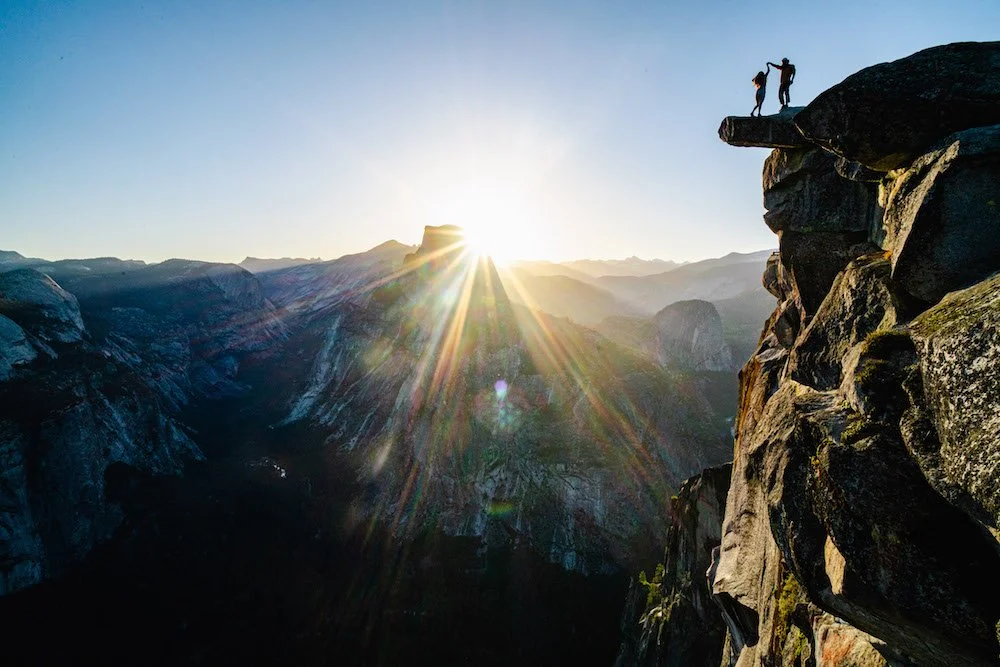
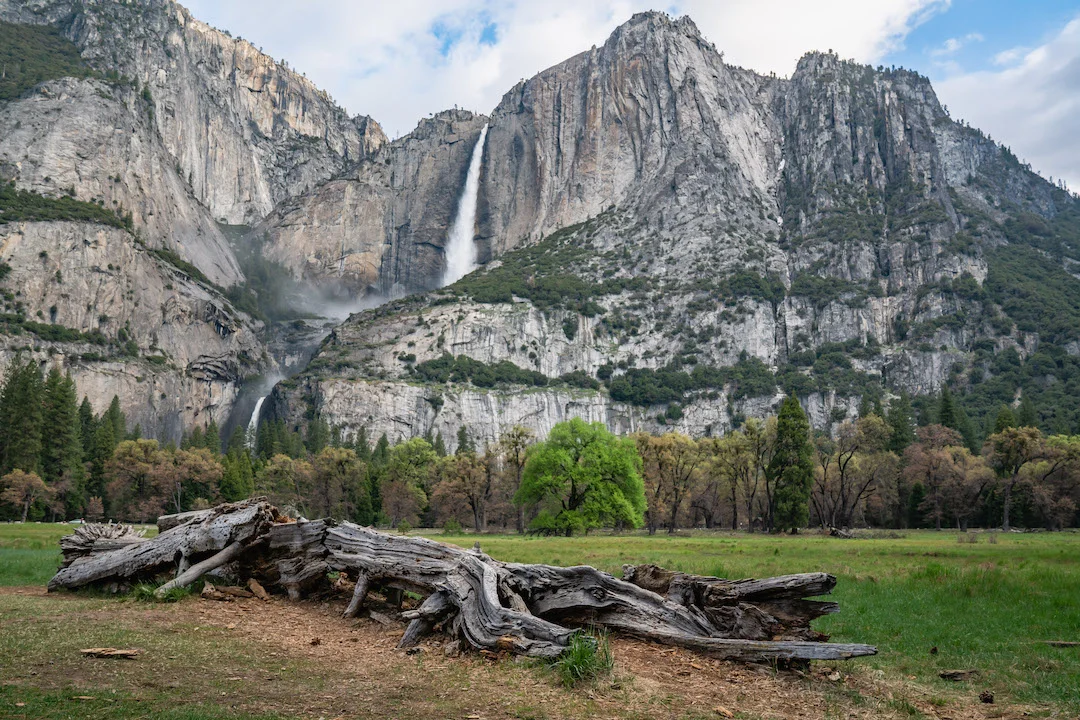
What To Do in Alaska During Summer
Going to Alaska during the summer is the best time to visit because the weather is great, the wild life is active, and the days are long. One of the first things you will notice when you arrive for summer in Alaska is the length of the days, which are 20-22 hours long. These long summer days give the time needed to explore the largest state. So, what should you do during a summer trip to Alaska?
Going to Alaska during the summer is the best time to visit because the weather is great, the wild life is active, and the days are long. One of the first things you will notice when you arrive for summer in Alaska is the length of the days, which are 20-22 hours long. These long summer days give the time needed to explore the largest state. So, what should you do during a summer trip to Alaska?
Alaska offers more activities than one can do in a lifetime, so trying several activities will be key to having a great trip to Alaska during the summer. Your options vary drastically based on your fitness level, however there will be something for everyone at all levels of fitness. I suggest you hike, go on wildlife tour, climb a mountain, see a glacier, and go kayaking while visiting Alaska in the summer.
Keep reading this article to discover your hiking option, wildlife viewing opportunities, how to itch your mountain climbing urges, where to see a glacier, and how to go kayaking during the Alaskan summer.
hiking to a swing with a waterfall view on the Kenai Peninsula in Alaska during the summer. Photograph by Dalton Johnson
Hiking During the Alaskan Summer
Alaska's vast and pristine landscapes beckon adventurers to embrace the untamed allure of its wilderness, especially during the enchanting summer months. The remoteness and sparse population of the state contribute to a hiking experience that is truly unparalleled, setting Alaska apart from the more trail-laden terrains found in the lower 48.
In the lower 48, hiking often follows established trail systems, providing convenient paths for enthusiasts to traverse. However, Alaska defies such norms. With its rugged terrains and well-protected lands, the Last Frontier offers a unique freedom to explore the wilderness, allowing hikers to chart their own course. Once the snow retreats in the summer, a vast expanse of open land becomes a canvas for adventure.
Alaska's distinctive hiking culture encourages a primal connection with the environment. There's no need to meticulously plan routes or adhere to designated trails. Instead, visitors are encouraged to tap into their instinctual wanderlust and embark on a journey where the path unfolds with every step. It's a liberating experience that beckons hikers to discover hidden gems and scenic vistas off the beaten track.
For those venturing into the wild for the first time, the prospect of choosing a starting point might seem daunting. The truth is, there's no need to overthink it. Simply step outside, breathe in the crisp Alaskan air, and let the vastness of the landscape guide your exploration. Whether you're on the iconic Kenai Peninsula or amidst the rugged terrains of Denali, each step is an opportunity to discover the untouched beauty that defines Alaska.
However, a word of caution resonates through the wild: be prepared. Alaska's wilderness is as unforgiving as it is captivating. As you set out on your expedition, ensure you carry essentials like bear spray—your steadfast companion in the presence of Alaska's majestic wildlife. While the prospect of wandering into the unknown is exhilarating, safety should always be a priority.
So, embrace the spirit of the Alaskan summer, where every hike is a journey into the heart of true wilderness. Allow the rugged landscapes to guide your footsteps, and let the untamed beauty of Alaska captivate your adventurous spirit. After all, in the Last Frontier, the best hikes are the ones where you simply let the wilderness be your guide.
A whale tail splashing in the Kenai Fjords during the summer in Alaska. Photograph by Dalton Johnson
Viewing Alaskan Wildlife During Summer
As the brief Alaskan summer emerges, it orchestrates a symphony of natural events that beckon both seasoned adventurers and curious travelers. This fleeting season, spanning mid-May to mid-July, becomes a crucial period for wildlife in the Last Frontier. Against the backdrop of blooming berries, surging salmon, and relatively "warm" waters, Alaska's inhabitants engage in a race against time, fervently consuming resources to fortify themselves for the impending winter.
Understanding the urgency of this seasonal feast provides visitors with a unique opportunity to witness Alaska's diverse wildlife in action. The rugged landscapes become a stage for a remarkable display of survival instincts and natural rhythms, making wildlife viewing a quintessential experience during an Alaskan summer sojourn.
With the brevity of the summer season, animals diligently seize the chance to replenish the pounds shed during the harsh winter months. The lush vegetation and teeming waterways become a banquet, attracting a myriad of creatures, from majestic bears to agile otters and playful dolphins.
For those seeking to partake in this extraordinary spectacle, there are two primary avenues: guided tours or independent exploration. Opting for a guided tour ensures not only safety but also insider knowledge from experienced guides who know where to find the best wildlife viewing opportunities. Many reputable services operate in key wildlife hotspots, providing a seamless and enriching experience.
Alternatively, the adventurous spirit may choose to blaze their own trail, armed with research and a keen sense of adventure. While this option allows for a more personalized experience, it comes with the responsibility of ensuring safety in the unpredictable wilderness.
Among the recommended experiences, a sea tour stands out as an immersive way to witness Alaska's marine and coastal wildlife. Aboard these excursions, participants may marvel at the grandeur of breaching whales, the charming antics of sea otters, the acrobatics of dolphins, and the comical flights of puffins. The vastness of the ocean becomes a canvas for nature's spectacle, an experience often difficult to replicate independently, especially for those without access to a boat.
Reflecting on personal experiences, the yearning for a bear viewing tour surfaces, a sentiment shared by many visitors. While glimpsing a grizzly bear from a distance provides a taste of the wild, a dedicated bear viewing tour can offer an intimate encounter with these majestic creatures, allowing for a deeper connection with the untamed beauty of Alaska.
In essence, exploring Alaska's wildlife during the summer is an invitation to witness the dance of nature, a symphony of survival and abundance that paints the Last Frontier in hues of wonder and awe. Whether guided or independent, on land or at sea, the opportunity to observe Alaska's wildlife in their natural habitat is an indelible part of the Alaskan summer narrative, an experience that resonates long after the season fades into the crisp embrace of approaching winter.
Climb a Mountain in Alaska During Summer
Alaska, a realm of towering peaks and untamed wilderness, invites intrepid souls to embark on a summer adventure that transcends the ordinary—the challenging yet exhilarating pursuit of mountain climbing. At the forefront of this lofty endeavor stands Denali, a colossus that proudly claims the title of the highest summit in North America and a member of the esteemed 7 Summits, a collection of the tallest peaks on each continent. Often mentioned in the same breath as Everest, Denali presents an unparalleled mountaineering challenge, and for those seeking the pinnacle of summer mountain objectives, this iconic peak beckons.
Strapping on your boots becomes a symbolic initiation into a realm where the air is thin, the vistas are breathtaking, and the journey unfolds over a span of 15 to 20 intense days. Climbing Denali is not merely a physical feat; it's a profound journey of endurance, resilience, and connection with the raw beauty of the Alaskan wilderness. The ascent requires meticulous planning, skillful navigation through unpredictable weather, and a tenacious spirit to conquer the formidable challenges that Denali presents.
For a glimpse into the realities of scaling Denali, one can delve into personal stories, each narrative woven with triumphs, setbacks, and the indomitable human spirit striving to touch the sky. These tales encapsulate the essence of Alaskan mountaineering and offer a vicarious experience for those who dare to dream of conquering the towering giant.
However, recognizing that Denali's mighty summit may be a goal for the most seasoned climbers, there are alternative summits on the Kenai Peninsula that beckon to those seeking awe-inspiring vistas and a taste of mountaineering glory. The Kenai Peninsula, adorned with climbable mountains, offers a more approachable yet equally gratifying experience. As you ascend these peaks, panoramic views of the Harding Icefield and the vast expanse of the ocean unfold, creating a sensory tapestry that captures the essence of Alaska's untamed beauty.
Here, the mountains become both a challenge and a reward, providing a sense of accomplishment as you stand atop their summits, surrounded by the rugged landscapes that define the Alaskan wilderness. The Kenai Peninsula's climbable peaks serve as gateways to the extraordinary, offering a glimpse into the heart of Alaska's grandeur without the prolonged commitment required for Denali.
In essence, climbing a mountain in Alaska during the summer transcends a mere physical feat—it becomes a transformative journey, an intimate dance with the elements, and an opportunity to touch the sky in a land where mountains stand as timeless sentinels, silently witnessing the bold spirit of those who dare to ascend.
Kayaking to Portage Glacier is a splendid way of seeing a glacier in Alaska. Photograph by Dalton Johnson
How to See a Glacier While in Alaska During the Summer
In the rugged expanse of Alaska's wilderness, where nature's grandeur takes center stage, the allure of glaciers stands as a testament to the Earth's ancient and awe-inspiring legacy. With 664 named glaciers and countless more unnamed, this pristine landscape offers a canvas upon which these frozen giants etch their majestic tales. Experiencing a glacier in Alaska during the summer is not just a sightseeing adventure; it's an encounter with a dynamic force of nature, a frozen river in perpetual motion, forever changing and evolving.
The sheer scale and majesty of Alaska's glaciers redefine one's perspective on the planet. Whether it's your first encounter or you're adding to a repertoire of glacier experiences, each sighting leaves an indelible mark on the soul. Witnessing the monumental ice fields, sometimes referred to as frozen rivers, imparts a profound appreciation for the forces that have sculpted and shaped these colossal formations over millennia.
During the Alaskan summer, a variety of options unfold for those eager to commune with glaciers. One of the most exhilarating choices is glacial flightseeing. Soar above the Alaskan landscape in a small aircraft, and marvel at the expansive sheets of ice beneath you. Glacial flightseeing provides a panoramic perspective that showcases the vastness and intricate details of these frozen wonders, revealing crevasses, seracs, and the timeless beauty of glacial landscapes.
For those who prefer to ground themselves in the midst of this frozen splendor, glacier hiking presents an intimate and immersive experience. The Kenai Peninsula, in particular, offers opportunities to lace up your boots and embark on a journey that leads to the very feet of these ancient ice masses. Guided glacier hikes provide insights into the geology, history, and ecology of the glaciers, transforming each step into a narrative of the Earth's enduring legacy.
Alternatively, the cool embrace of an ocean breeze and the rhythmic dance of the waves set the stage for glacial encounters through ocean cruises. Sail along the Alaskan coastline, where glaciers cascade into the sea, creating a dynamic spectacle that reverberates with the echoes of nature's grandeur. The juxtaposition of icy blue against the ocean's depths is a visual symphony that captivates the senses.
For those seeking a more hands-on approach, kayaking to a glacier offers an intimate connection with the glacial environment. Paddle through serene waters, navigating among icebergs and witnessing the towering glacier face from the unique vantage point of the sea. The rhythmic paddling becomes a harmonious dance with nature, providing an experience that is both invigorating and humbling.
In Alaska's summer, the options to witness glaciers are as diverse as the glaciers themselves. Whether soaring above in a small aircraft, hiking to their icy toes, cruising along the coastline, or paddling through glacial waters, each avenue unveils a unique facet of these frozen wonders. Whichever option you choose, rest assured that the encounter with an Alaskan glacier is not just a visual spectacle; it's an immersion into the timeless beauty of a world shaped by the relentless dance of ice and time.
Go Kayaking During the Summer in Alaska
As summer unfolds its vibrant tapestry across Alaska, a symphony of kayaking opportunities emerges, transforming the Last Frontier into a haven for paddlers seeking diverse and unparalleled experiences. What sets Alaska apart as a kayaking paradise is the harmonious blend of flat-water, ocean, and white-water kayaking, a trifecta rarely found in a single destination. This convergence creates a kayaking utopia, offering enthusiasts a spectrum of aquatic wonders to explore.
Flat-Water Kayaking: Embark on tranquil waters that mirror the surrounding beauty of the Alaskan landscape. Whether gliding through serene lakes or meandering down gentle rivers, flat-water kayaking provides a peaceful immersion into the pristine wilderness. The stillness of the water allows for contemplative moments, where the majestic scenery unfolds at a leisurely pace.
Ocean Kayaking: Alaska's extensive coastline becomes a playground for ocean kayakers, where the rhythmic ebb and flow of the tides accompany each paddle stroke. Explore hidden coves, navigate through archipelagos, and witness the untamed beauty of the open sea. The ocean kayaking experience in Alaska offers encounters with diverse marine life, from playful otters to majestic whales, creating a dynamic and awe-inspiring journey.
White-Water Kayaking: For those seeking an adrenaline-fueled adventure, Alaska's rivers present exhilarating white-water kayaking opportunities. Rushing through narrow canyons and navigating tumultuous rapids, kayakers can feel the pulse of nature's raw energy. The challenge and thrill of white-water kayaking in Alaska add an electrifying dimension to the summer paddling experience.
Glacial Kayaking: A crowning jewel of kayaking in Alaska during the summer lies in the unique access to glaciers. Paddling through pristine waters, kayakers can approach iconic glaciers such as Portage Glacier and Grewingk Glacier. These frozen giants become a backdrop to the kayaking journey, offering an unmatched panorama of icy grandeur. Witnessing the distant calving of a glacier into the water is an awe-inspiring spectacle, a reminder of the ever-changing dynamics of Alaska's glacial landscapes.
The accessibility of glacial kayaking adds a distinctive layer to the Alaskan paddling experience. Navigating through glacial waters, surrounded by towering ice walls and floating icebergs, creates a sense of communion with the forces that shape the wilderness. The juxtaposition of the kayak against the colossal backdrop of a glacier is a visual testament to the indomitable spirit of exploration that defines Alaska's summers.
In essence, kayaking in Alaska during the summer is not merely a recreational activity; it's a voyage into the heart of a pristine wilderness, where every paddle stroke unveils a new facet of nature's grandeur. Whether seeking tranquility on flat waters, embracing the challenges of white-water rapids, or marveling at the majesty of glaciers, the Alaskan kayaking experience transcends the ordinary, offering a liquid pathway to unforgettable adventures.
Roped together we begin our 15 day journey to summit Denali. Photograph by Dalton Johnson
So there you have it! When you visit Alaska this summer you now know where your hiking options are, what kind of wildlife viewing opportunities are out there, how to itch your mountain climbing urges, where to see a glacier (maybe even an ice-cave), and how to go kayaking during the Alaskan summer. Thank you for reading and make sure to leave a comment below with any additional thoughts about what to do during the Alaskan summer.
Discover More of Alaska


Hiking Cook's Meadow Loop in Yosemite Valley
The best time of day to hike Cook’s Meadow Loop is late morning into the afternoon. During sunrise and sunset, Yosemite Falls is in the shade, so to have the best view of Yosemite Falls in full light, hike the Cook’s Meadow Loop around 9 or 10am.
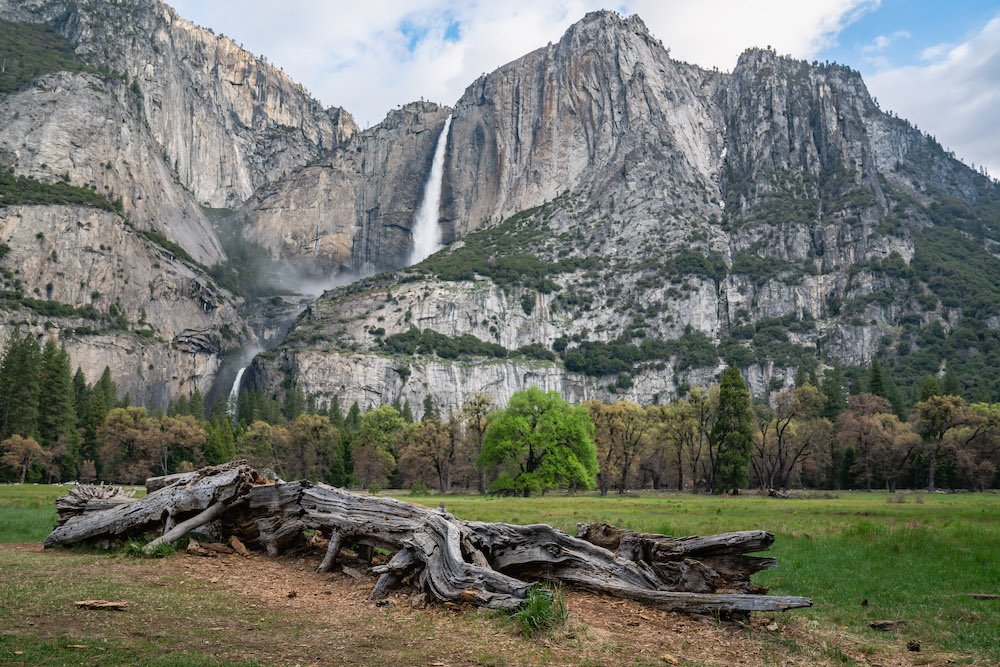
Yosemite Falls from Cook's Meadow Loop. Photograph by Dalton Johnson
Cook’s Mead Loop Overview:
Distance: 1 mile
Difficulty: Easy
Average time to hike: 1 to 2 hours stopping for views
What do you see while: Yosemite Falls, Half Dome, Merced River, Sentinel Peak
Where the cook meadows loop?
Cook Meadows is located in the heart of Yosemite Valley with splendid views of Yosemite Falls.
Click here for directions to Cook Meadow
Best Season to Hike Cook Meadow:
The best seasons to enjoy this hike around Cook Meadow is during the spring season. During the spring months, the snow melts and creates a small flood filling the pond centered in Cook Meadow creating a breathtaking reflection of Yosemite Falls.
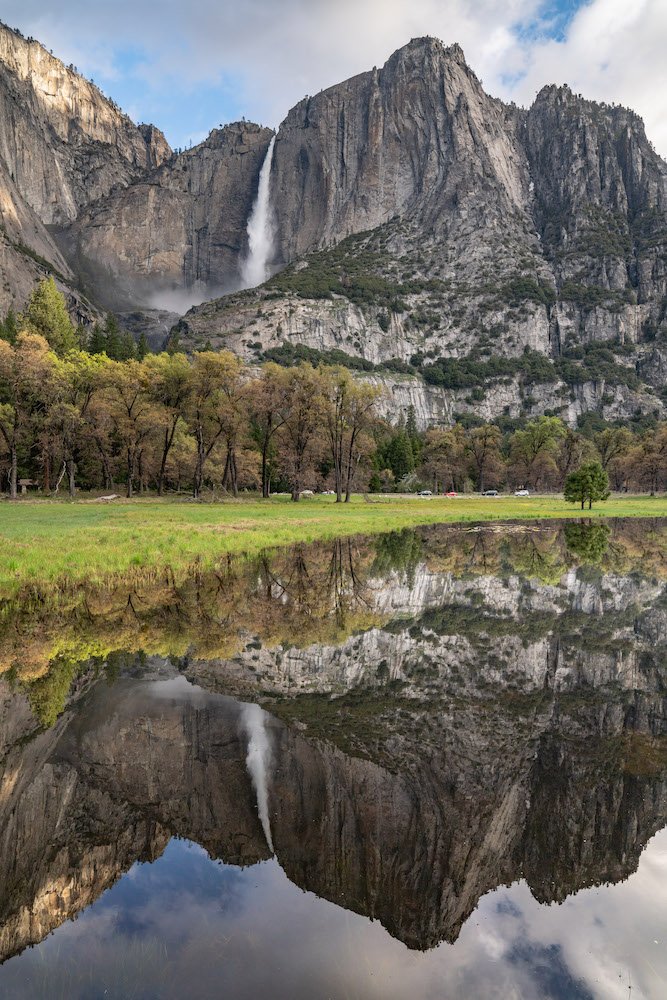
Yosemite Falls reflected in a seasonal pond while hiking Cook's Meadow Loop in Yosemite Valley. Photograph by Dalton Johnson
What can you see while hiking cook’s Meadow Loop?
During high snow years, Yosemite Valley floods creating pools of water that often reflect Yosemite Falls. While you hike the Valley Loop trail into Cook Meadow, this reflection will leave you breathless.
If you are facing Yosemite Falls, look over your right shoulder and Half Dome will be peaking out just above the treeline.
Across the Merced River, in the opposite direction from Yosemite Falls, Sentinel Peak will be standing tall.
How long is the hike to Cook Meadow Pond?
You can access this seasonal pond in Cook Meadow several different ways, but the hike, regardless of where you park, should not take more than 30 minutes. With that said, most people hiking Cook’s Meadow Loop often stop to take in the magnificent views.
The hike is 1 mile long, flat, and paved path circling Cook’s Meadow. This loop is wheel chair accessible.
The best Time of Day to hike cook’s meadow loop:
The best time of day to hike Cook’s Meadow Loop is late morning into the afternoon. During sunrise and sunset, Yosemite Falls is in the shade, so to have the best view of Yosemite Falls in full light, hike the Cook’s Meadow Loop around 9 or 10am.
What makes hiking Cook’s Meadow loop special?
Yosemite National Park is a national icon that attracts a record number of tourists annually. Luckily, most tourists enjoy their morning cup of coffee, warm shower, and time with a significant other. If you are chasing the sights, skip the shower, convince your partner to join you, and hike with your coffee to see the beautiful reflections that are abundant during a flood year in the late spring of Yosemite Valley. Most likely, you will only see a few others who brave the morning chill.
Discover More in Yosemite Valley

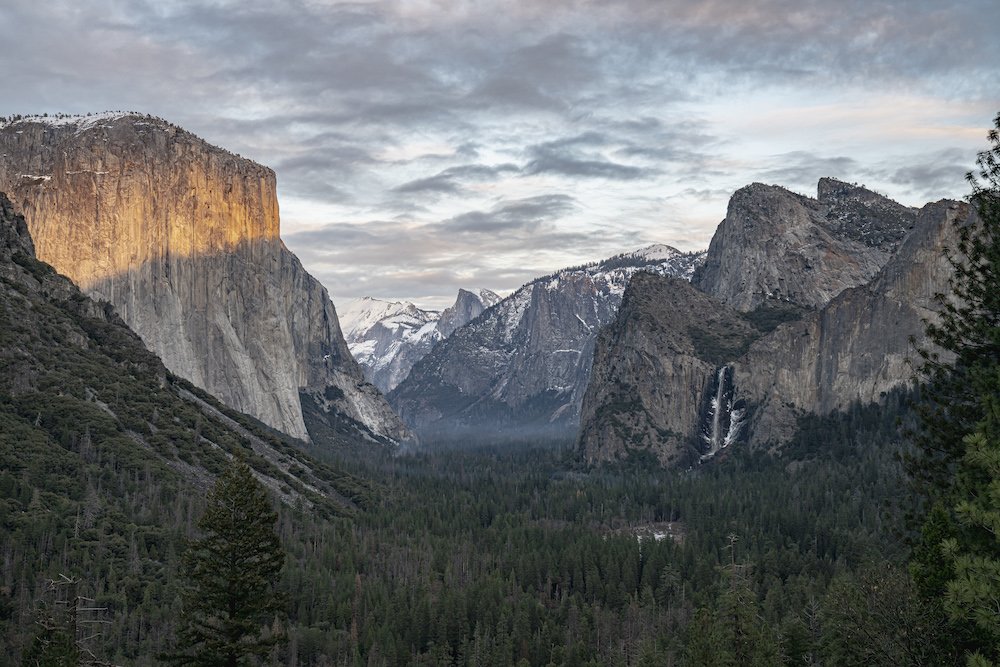
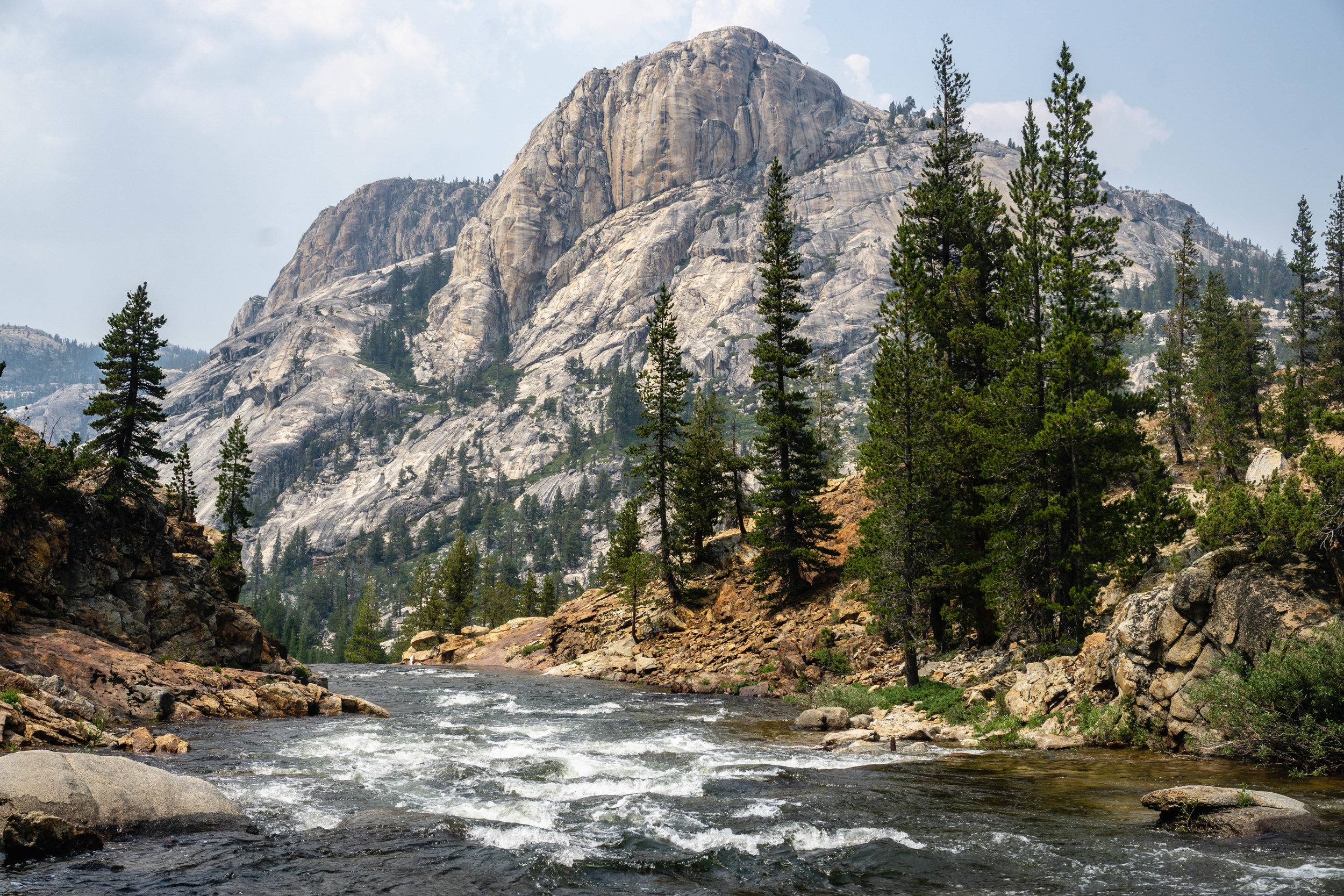

Bikepacking Freel Peak to Mount Whitney | Day 2
Five years have passed since my last cycle tour, it was new again. Pavement moved under me as I zipped downhill. Wind froze my hands. Trees and a river whipped passed at 15 miles an hour. Freedom, smiles, energy pumping through my body I have not felt in years. I’m where I am supposed to be.
Waking up on top of Freel Peak, I wanted to watch the sunrise, but altitude sickness got me. After throwing up about five times, I headed down from the summit of Freel Peak, the tallest peak in Lake Tahoe, to my van at the trail head. After lumbering back to the van I got on my bicycle and began the bikepacking section of the Freel Peak to Mount Whitney Challenge.
Bikepacking in California from Lake Tahoe to Mount Whitney. This article covers the second day of a five day bikepacking ride from Freel Peak to Mount Whitney. Additionally, this blog dives into the essential bikepacking gear and definition of bikepacking for a beginner looking to begin their first ride.
Since this trip is supported (by the lovely Kristin Riegel in the van), I was able to cycle 52 miles and climb Monitor Pass on my bicycle. As this was the first day of cycling on this trip, my legs and butt where not used to the saddle. Towards the end of the day, I became very tired.
From the Journal
Rushing out of my tent before the sun had risen, I projectile vomited, then again, and again. My hands on my knees, I stand, wipe my mouth, and go back to my sleeping bag for the warmth I didn’t get all night.
My plan was to enjoy a slow morning, capture some content at sunrise, then head down to my bicycle to start the bicycle touring section of the trip.
That didn’t happen.
Instead, I vomited another time, stuffed my backpack as quickly as possible, and began walking back to the van defeated. Was this trip going to be done before it even started? I thought to myself as I lumbered down from the summit.
“What could be the reason for this sickness?” I asked myself, confused and curious.
Nothing
Three miserable hours later, I was back at the van and met up with Kristin. Coffee, some breakfast, and settling on the idea of altitude sickness, I couldn’t give up. Bike packing from Freel Peak to Mount Whitney was my idea, my vacation, I had turned down jobs to do this, and I wanted to push myself. Sitting there in the van, misable, I continually thought to myself what I could do to make my life better. There was nothing. I just needed to suck it up and get on my way.
Two hours passed while I sat roadside in the van, working up my courage. I packed my bike. Exhausted, I focused on a mental shift and set off into the relative unknown, swooshing down Luther Pass headed towards Monitor Pass.
Five years have passed since my last cycle tour, it was new again. Pavement moved under me as I zipped downhill. Wind froze my hands. Trees and a river whipped passed at 15 miles an hour. Freedom, smiles, energy pumping through my body I have not felt in years. I’m where I am supposed to be.
Quickly, I realized the level of attention I needed to regain as I missed my first turn. Cars passed me and I was getting distracted. All I wanted to do was cycle in the middle of the road without hands and feel the wind in my face, but I needed focus. There wasn’t cellphone service on the road, so I had to read signs. I forgot to download Google maps for offline viewing. Collecting my head, I found the correct turn and met some uphill. My legs were not happy.
The good news about an uphill, the downhill. Clocking in at 35 miles per hour, I passed Markleeville and started to see signs for Monitor Pass, a 3,000 foot climb that I was hoping to tackle today.
Then… my chain fell off my bike.
Not a big deal, but I am sure happy the chain fell off when it did. I came to a quick stop, pulled off, and got the chain back in working order. Nothing was wrong with it, just a slip while shifting. I am not the smoothest shifter. With everything back in working order, I turned legft and befgan my journey of climbing Monitor Pass.
I cursed. I sang. I succeeded in not pushing my bike up the hill. I danced at the summit.
As my body began to bonk from a lack of calories, I scarfed down some food. A sandwich. Then, hopped back on my bike and started the downhill section. Speeding past signs reading “curve ahead 25MPH” I am a daredevil. Leaning into the curves as if I was in a full leather suit on a motorcycle, I took each bend like a champ. Risking my skin to the asphalt. Looking down at my watch, I was zipping past these turns between 35-38mph. I was estatic.
4:30pm hit. Soon, Kristin would pick me up. My watch read 37 miles on the day, I wanted to get to 40. My ego wanted to be able to say I rode 40 miles, my body didn’t. My butt didn’t. But, I pushed on to feed my ego.
4:56pm my phone buzzed, “I’ll be a bit late,” Kristin said. So, I checked her location and my watch, she was roughly 50 minutes away. Could I make 50 miles before she arrived?
Turns out, I made it 52 miles.
Kristin and the sun are insync. She arrived as the light faded from the sky and the darkness set in.
Loading my bike into the van, I moaned and growned; my body hurt. Good thing a hot spring was in my near future :-)
Enjoying the view while bikepacking around New Zealand’s South Island.
What is Bike packing:
Bikepacking is a new style of travel within adventure cycle-touring or expedition touring that involves exploring remote regions of the world on sturdy bicycles designed for the purpose. Off-road adventure cycling with lightweight gear, and often a rackless system, is now known as bikepacking. Bikepacking is not a new phenomenon though, as lightweight, soft-luggage touring has been in use for well over a century.
If you are still confused on what Bikepacking is, here is the definition created by Bikepacking.com: “Simply put, bikepacking is the synthesis of all-terrain cycling and self-supported backpacking. It evokes the freedom of multi-day backcountry hiking and travel off the beaten path, but with the range and thrill of riding a nimble bicycle. It’s about venturing further into places less traveled, both near and far, via singletrack trails, gravel, and forgotten dirt roads, carrying the essential gear, and not much more.”
Bikepacking vs Cycle-touring
There are many definitions of what bikepacking is and what your bike set up should look like. Because of this you will often find the water is muddied between cycle-touring and bikepacking, however there is an obvious difference; what is your bike capable of doing. If you can go off paved roads, maybe down single track, you have a bikepacking set up. If you are restricted to cycling on the road, you are cycle-touring.
Bike packing Essentials:
When you go Bikepacking the goal, at least for myself, is to bring as little as possible to rekindle the connection I have with mother nature, without sacrificing, too much, comfort. This balance between to much gear and not enough is a serious issue, but it shouldn’t be if you plan well. Why? Well, you never want your bike to be too heavy, but you also don’t want to freeze/go hungry, so do your research and find that middle ground. Here are some of the bikpacking essentials I suggest you always consider bringing with you:
Going very light on a supported bikepacking trip.
Bicycle
Bike bags
Tent
Sleeping bag
Cooking
Warm Jacket
Rain Gear
Coffee
Bikeshorts
Water Purifier
Sleeping pad
Discover other BikePacking Adventures


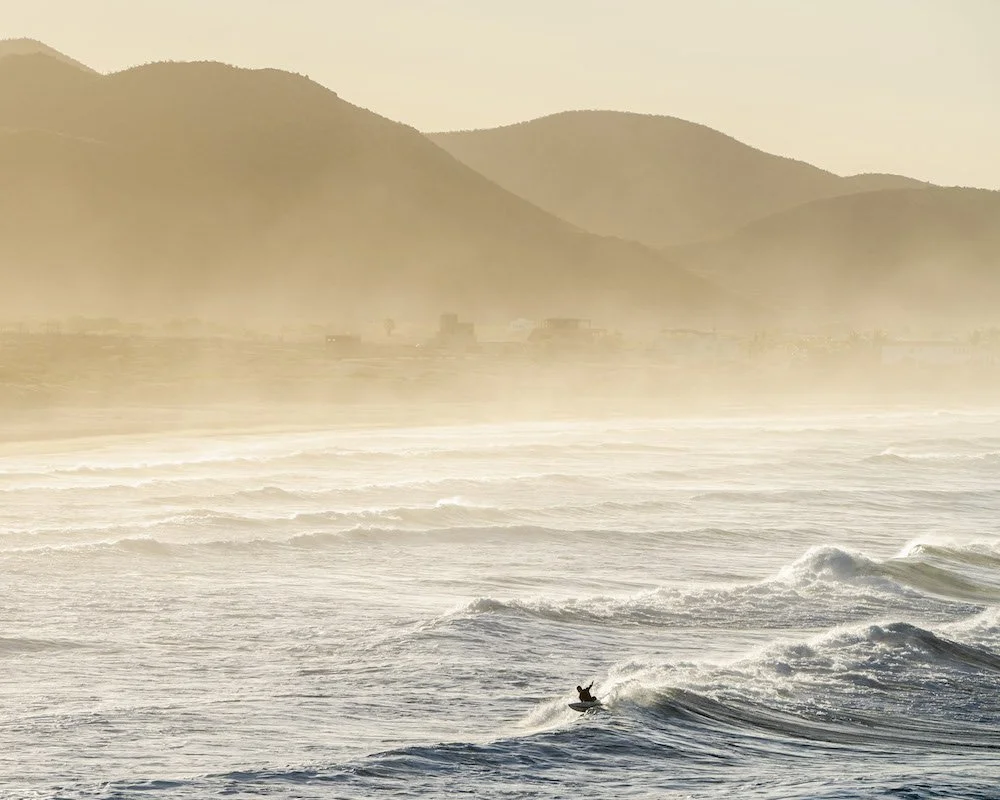
Best Surf Spots in Baja California Mexico
Baja California has been a surfing hub since the 1940s, where both the northern and southern tips of the 1000 mile peninsula offer incredible right-hand swells and barreling beach breaks. And the best bit? Despite worldwide recognition, lineups still remain beautifully empty. So, whether you’re new to surfing or a wave-riding veteran, here’s where you should be heading for the best surf breaks in Baja California Mexico.
Baja California has been a surfing hub since the 1940s, where both the northern and southern tips of the 1000 mile peninsula offer incredible right-hand swells and barreling beach breaks. And the best bit? Despite worldwide recognition, lineups still remain beautifully empty. So, whether you’re new to surfing or a wave-riding veteran, here’s where you should be heading for the best surf breaks in Baja California Mexico.
In this blog, I take on the challenge of sharing the best breaks in both Baja Norte and Baja Sur. Overall, there are 11 breaks outlined in this article. Now, there are several more breaks throughout the Baja Peninsula, but these are the best breaks that I have surfed while in Baja. The goal here is to share some of needed formation for you to visit and surf waves while down in Baja.
Read on to discover the best surf spots in all of Baja.
A surfer sitting alone on a big wave while surfing in Baja, Mexico at a secluded break. Photograph by Dalton Johnson
Best Surfing in Baja Norte:
Baja California Norte may not have the glamour and glitz of the south, but it has something even better: uncrowded lineups, year-round surf and the biggest waves on the peninsula. Remote beaches, fast point breaks and epic reef breaks make northern Baja the perfect spot for intermediate to experienced surfers. The water here can be pretty chilly all year round and facilities limited, so you’ll need to come prepared with your own wetsuit, board and, in some cases, camping gear. Here are the best surf spots of Baja Norte:
Baja Malibú
Known for constant beach breaks and some of the biggest waves along the peninsula, Baja Malibu beach is the first popular surfing hotspot once you cross the border. Located in Rosarito just 18 miles south of the US-Mexico border, Baja Malibu is a quick day trip from San Diego. When all the elements line up, the beach is known as a world-class surfing spot for intermediate and advanced surfers. Winter months are when the waves really shine with huge barrels thanks to northwest swells. Summer months can see decent, albeit inconsistent, beach breaks. Most surfers bypass Baja Malibu for the classic Baja spots like K38, La Fonda and San Miguel 30 minutes south meaning the water is never overly crowded and there is always room in the lineup.
K-38
This famous cluster of excellent surf breaks is known as K-38 because it is located at Kilometer 38 of the Baja Highway 1. January is the best month for K-38 where according to the Surf Forecast about half of the time the waves hold up well for longer rides in prevailing cross-offshore, offshore or light wind conditions. That said, the exposed reef break produces surf-able waves year round. Because K-38 is famous for its consistent, high-quality waves, the beach is known to get packed during weekends. A midweek Baja surf trip is ideal if you don’t want to fight for waves.
One downfall is the rocky surfaces. Booties to protect feet from rocks, reef and sea urchins are always a good idea. Also, try to find secure parking at a hotel or paid parking lot with a security guard. The area is known for break-ins and vehicle theft.
Rosarito
With a long stretch of varied beach breaks, Rosarito is a great option if you want surf suitable for all levels. The biggest waves – which will keep even the experienced surfer entertained – break at the south end of the bay, but there are also some fun beginner waves on the north side. In the summer, Rosarito is one of Northern Baja’s most popular tourist beaches. This means that, whilst you may not have the place to yourself, there’ll be a lively nightlife scene and plenty of board shops, restaurants and places to stay nearby.
San Miguel
For those brave enough to take it on, San Miguel offers some of the best right-hand point breaks in Mexico. Waves here are consistently fast and break over a reef, so should only be tackled by experienced surfers. Despite its difficulty – or maybe because of it – San Miguel sees a lot of surfers, particularly during July and August. However, compared to lineups in US waters, this is still relatively quiet. Please note there is no board rental here and only a very basic campsite, so come prepared and stock up on supplies from the nearest town, Ensenada.
Isla Todos Santos
Directions to Isla Todos Santos
Swell Report for Isla Todos Santos
Not to be confused with the town of Todos Santos at the southern tip of Baja, Isla Todos Santos is an island 10 miles off the coast of Ensenada. Waves here are not for the casual surfer. The break—known as Killers—produces some of the most powerful waves in the world. Waves in the area can reach a potential of 50-foot faces. Strong currents, rocks and huge waves make the water unsuitable for anyone but the most experienced big wave riders. The infamous point-break can only be accessed by boat.
The best time to surf Todos Santos’ Killers is early in the morning from November through March. Even if you are not a big wave surfer, hopping a charter boat from Ensenada to watch surfers battle the big waves is a great way to spend a day.
Scorpion Bay
In recent years the small fishing village of San Juanico, better known as Scorpion Bay, has transformed into a classic Baja surf spot. The long, sweeping beach has four point breaks that produce vastly different types of waves making the spot perfect for groups of surfers with varying degrees of skill levels. The first and second points are typically smaller waves making it exceptional for beginner surfers and longboarders. The third and fourth breaking points are steeper creating long barrels where surfers can ride waves for a minute or more.
When all the conditions are on point the bay can produce world-class waves, although Scorpion Bay is known for inconsistent surf conditions. In general, spring and summer offer the most consistent surf. If waves are not pumping, charter a fishing boat and go fishing with local fishermen. Because of its remote location, the water is never overly crowded. Nearby campsites and one hotel house overnight guests.
If you want to learn more about surfing, camping, and hanging out in San Juanico, I wrote a full blog on San Juanico (the town’s actual name of Scorpion Bay).

A surfer enjoying the last light while surfing one of Baja California Mexico’s best surf spots. Photograph by Dalton Johnson
Best Surfing in Baja Sur:
If you’re looking for warmer waters, a lively surf scene, and luxury accommodation options, Southern Baja is your ticket. The south is also a better option for beginners and improvers, as there are smaller, slower beach breaks on offer. Be warned though: with a growing number of tourists every year, expect busier lineups and pricier accommodation. Here are the best surf spots of Baja Sur:
Cerritos Beach
Swell Report for Cerritos Beach
About 20 minutes from the popular artist town of Todos Santos is Playa Los Cerritos. The long sandy beach butts up next to the rocky point of a cliff. The beach is known for its highly constant surf making every day of the year a great day to go surfing. Because of the consistency, surf schools gravitate towards this beach to teach newbie surfers how to catch a wave.
The beach caters to both beginners and experienced surfers depending on how big the swell is. Because of increasing tourism in the area the beach can get quite crowded. To escape the crowds, head away from the rocky point to a secluded area on the northside of the beach. Despite the crowded water, the area still maintains a laid-back, friendly vibe. The sunsets are a spectacular reason to stick around after a long day of surfing.
If you want to learn more about surfing, camping, and hanging out in Cerritos beach, I wrote a full blog on Cerritos Beach that you can find here.
Isla Natividad
Swell Report for Isla Nativadad
For those hardcore surfers in search of the perfect empty wave in the middle of nowhere, Isla Natividad is the answer. If conditions are right, you’ll be met by one of the best beach barrels in the world, known as Open Doors. However, you’ll have to work for it: the wave can only be accessed by a small private plane or boat ride. The break here is extremely powerful, fast, hollow and can reach up to double overhead, so it goes without saying – this is strictly for the pros.
Punta Abreojos
Swell Report for Punta Abreojos
Known for its epic right reef breaks and 200m-long (656ft) rides, Punta Abreojos is always on the top of every Baja surf veteran’s list. If you’re just starting out, there are also some easier beach breaks here. After your surf, make sure you stop by the local fishermen boats to buy the fresh catch of the day for your barbecue back at the campsite.
Playa La Pastora
Directions to Playa La Pastora
Swell Report for Playa La Pastora
Known as Cabo San Lucas’ premier big wave, La Pastora has been known to reach triple overhead. In other words, huge – and usually reserved for the pros. Those who do manage to take on this break, however, say it’s absolutely perfect. The best time to surf here is during mid-low tide. Expect both left and right breaks over a sandy bottom.
East Cape
In the far south of the Baja California peninsula, where the Pacific meets the tranquil Sea of Cortez, East Cape is famous for its right point breaks. They’re so popular you can expect to wait your turn to catch them – especially between December and April, when tourists flood into the big resorts in San Jose del Cabo and Cabo San Lucas. From June to August things are quieter, with the best surf, but with ever more condos and a burgeoning expat population, it’s never quiet.

Now that you have discover the best surf spots in all of Baja, it is your turn to hit the road and start surfing these breaks! Please, if you found this blog helpful, or have something to add, please drop it in the comments below for other surfers headed to Baja.
Discover more of Baja Mexico
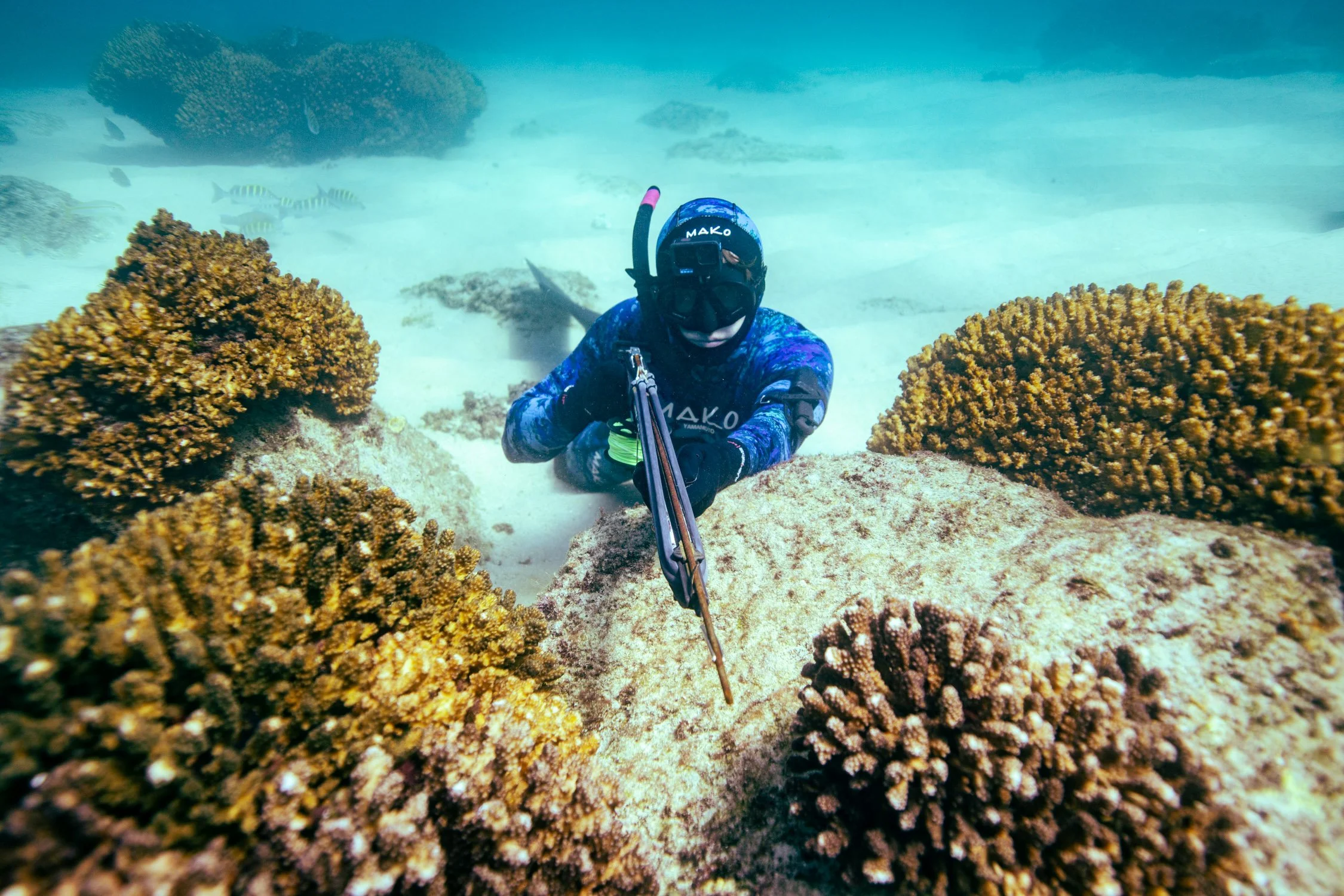
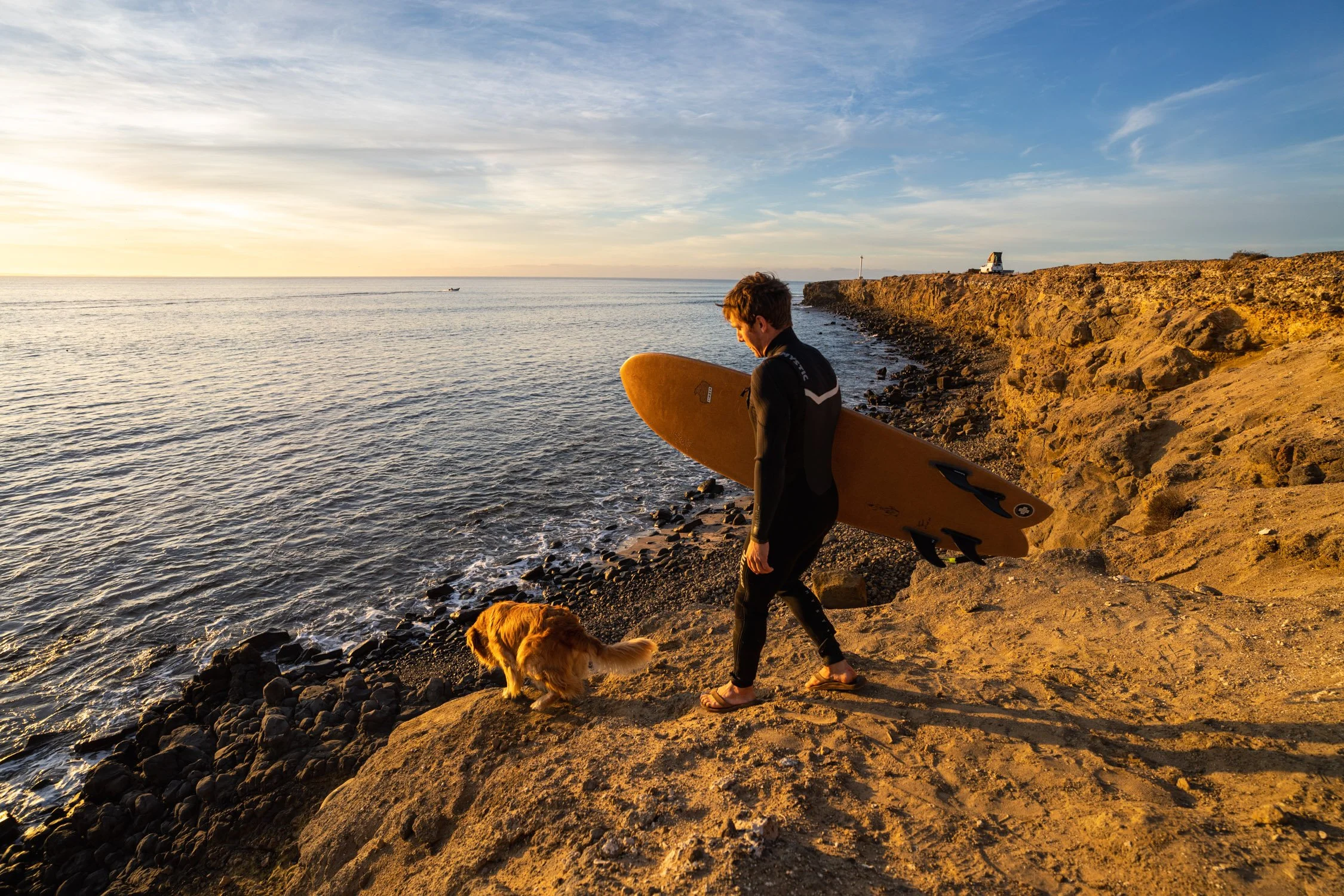
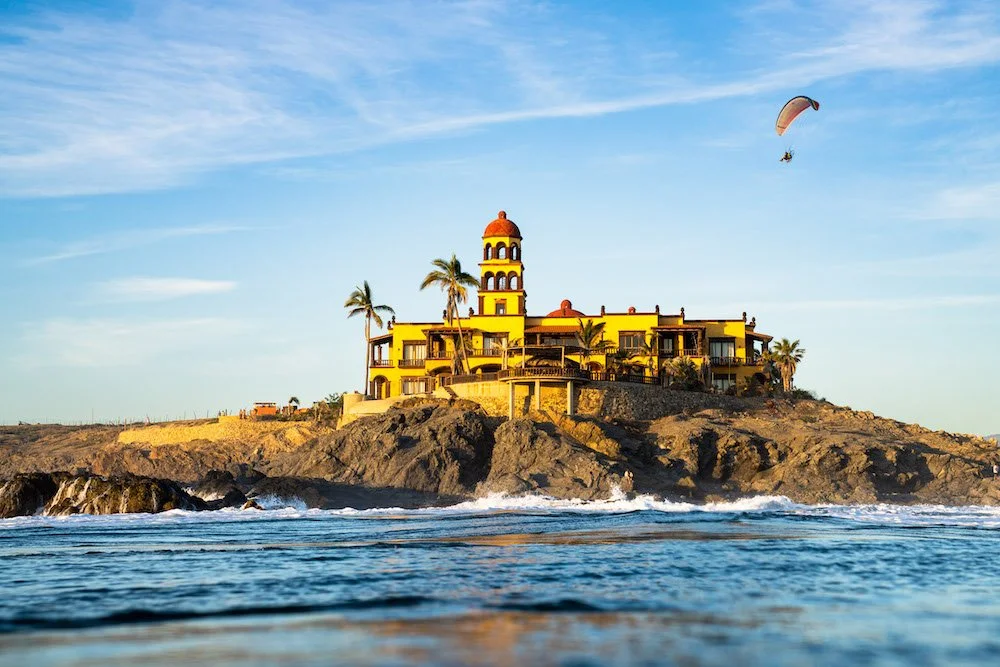
Is Cerritos Beach Swimmable?
Cerritos Beach, also known as Playa Los Cerritos, is the perfect place for swimming while in Baja Sur. The water is warm in comparison to the beaches of the United States, but still chilly to the touch. This long sandy beach is family friendly and is growing in popularity as a boom in vacation rentals grows beyond Cabo San Lucas. The safety of Cerritos Beach has continued to improve with the growth of the town by adding life-guards (Juan and Carlos), an ambulance station, and safety flags.
Cerritos Beach, also known as Playa Los Cerritos, is the perfect place for swimming while in Baja Sur. The water is warm in comparison to the beaches of the United States, but still chilly to the touch. This long sandy beach is family friendly and is growing in popularity as a boom in vacation rentals grows beyond Cabo San Lucas. The safety of Cerritos Beach has continued to improve with the growth of the town by adding life-guards (Juan and Carlos), an ambulance station, and safety flags.
Swimming at Cerritos Beach In Baja
Where can i swim at Cerritos Beach?
When you arrive to Cerritos Beach, you will find a long sandy beach that is friendly to all level of swimmers. The water is shallow for a long ways, so one can walk into the ocean gradually. For those looking to swim at Playa los Cerritos make sure to notice the three distinct parts of the the beach; the cove, the waves, and the rip-current.
The Cove: The cove is the closest area to the big yellow hotel on the point (you can’t miss this). This is the safest area to swim at Cerritos Beach as the water is shallow, the waves are friendly, and you will be accompanied be several others enjoying the ocean.
The Waves: This area is outside of the cove and becomes deep enough that you wont be able to touch the ground. Here you will find break waves perfect for swimming, body surfing, boogey boarding, and surfing.
The Rip-current: This area is on the hand side of the beach, denoted with a red flag, which is not safe for swimming as the water is flowing out into the open ocean. If you find yourself moving towards this area, please exit the ocean and walk back to safety.
Is Playa Los Cerritos a Safe beach?
Cerritos Beach is safe to swim for even the most inexperienced swimmer as the long sandy beach allows a person to walk into the ocean waist deep safely. Additionally, the safety of Cerritos Beach has continued to improve with the growth of the town by adding life-guards (Juan and Carlos), an ambulance station, and safety flags. All together, this makes Playa Los Cerritos a safe beach to swim at.
Hanging out and enjoying the water at Playa los Cerritos. Photograph by Dalton Johnson
Direction to Cerritos Beach
Play de Cerritos is an hours drive north of Cabo San Lucas and a 15 minute drive south from Todos Santos. Once you turn off the highway to Cerritos Beach, the road is dirt.
How to Get to Cerritos beach from Todos Santos?
Driving from Todos Santos to Cerritos Beach will take roughly 15 to 20 minutes. To get there in your car, access highway 19 south and drive for 14 kilometers. You will have three entrances to on your right side (the ocean side), all will take you to Cerritos Beach via a dirt road. I suggest you take the second one as it is the quickest and straightest shot to the beach.
How to Get to Cerritos Beach from Cabo San Lucas?
Driving from Cabo San Lucas to Cerritos Beach will take roughly a 60to 90 minutes. To get there in your car, access highway 19 north and drive for 60.2 kilometers. You will have three entrances to on your left side (the ocean side), all will take you to Cerritos Beach via a dirt road. I suggest you take the second one as it is the quickest and straightest shot to the beach.
NOTE: If you reach the town of El Pescadero, you have gone too far.
Discover more of Baja Mexico


Best Views of Yosemite Valley
The natural beauty of Yosemite is so incredible that it inspired an entire 19th-century conservation movement, which resulted in the valley’s protection as a national park in 1890. Naturalists led by John Muir (1838–1914) and artists like photographer Ansel Adams (1902–1984) found inspiration for their life’s work here. When planning your trip to Yosemite National Park, checking out the best views of Yosemite Valley ahead of time are critical to the Yosemite experience.
Immersing yourself in the natural wonder that is Yosemite is akin to stepping into a living masterpiece, a canvas of unparalleled beauty that ignited a 19th-century conservation movement. In 1890, the valley's breathtaking landscapes prompted the establishment of Yosemite as a national park, an enduring testament to the visionaries like John Muir and artistic pioneers such as photographer Ansel Adams. Their profound connection to this sanctuary laid the groundwork for a legacy that continues to inspire seekers of beauty and tranquility.
As you embark on your journey to Yosemite National Park, navigating its expansive terrain becomes a crucial aspect of the Yosemite experience. The park's vastness, intertwined with circular driving routes, demands careful planning to ensure you capture the essence of Yosemite without losing precious hours to unexpected detours. To guide you through this natural marvel, we've curated a list of iconic views that deserve a coveted spot on your must-see list. These vistas, easily accessible from both paved roads and hiking trails, promise to leave first-time visitors breathless, offering glimpses of Yosemite's heart-stopping beauty.
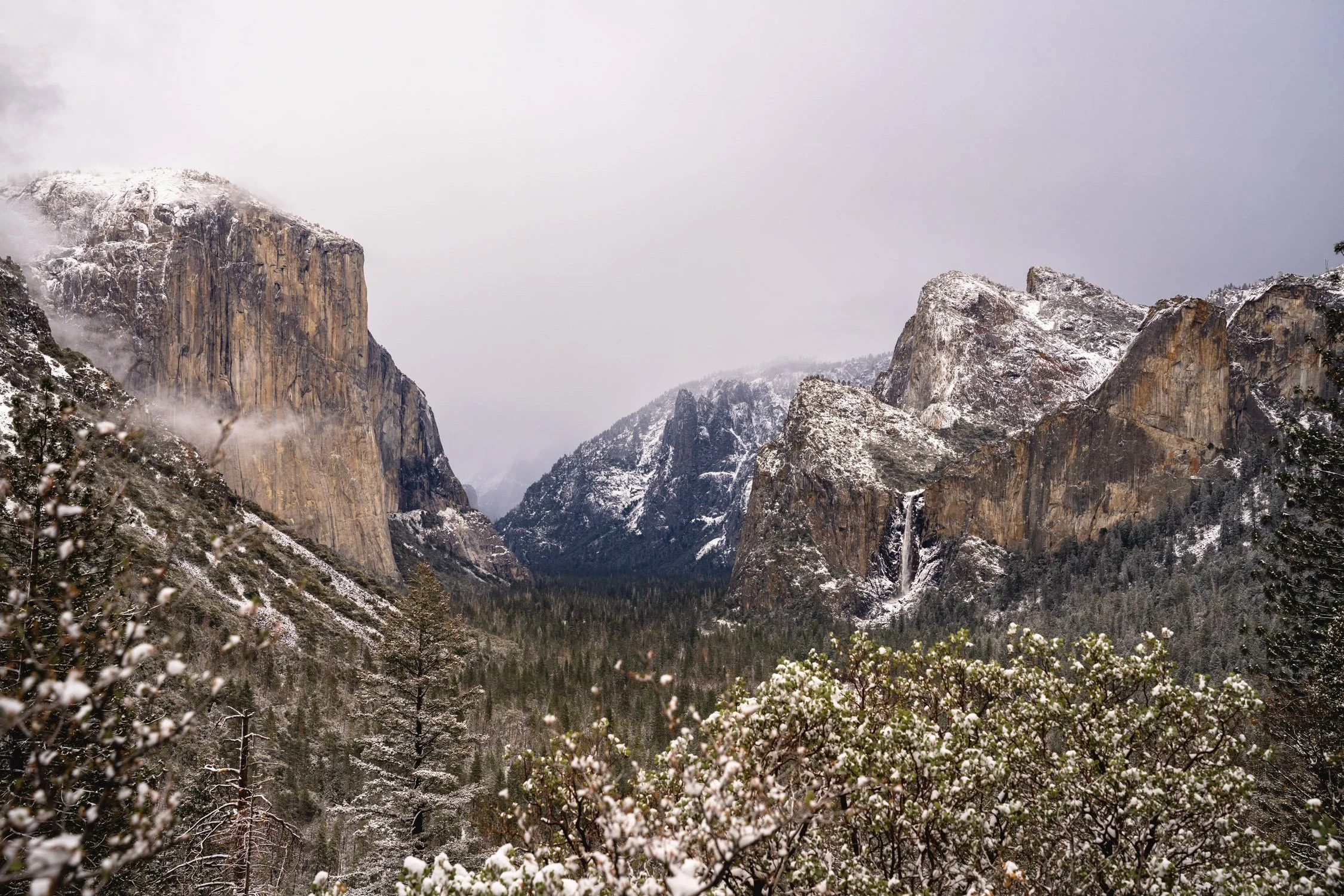
El Capitan and Bridalveil Fall as seen from Tunnel View during the winter. Photograph by Dalton Johnson Media.
TUNNEL VIEW:
Location and Accessibility: Located at the east end of the Wawona Tunnel along Wawona Road (Highway 41), Tunnel View is a mere 30-minute drive south from Yosemite Village. Accessible to all, this iconic viewpoint is conveniently situated just steps away from the parking area, making it a must-visit stop for every Yosemite traveler.
What to Expect: At Tunnel View, prepare to be awe-struck by the majestic beauty of Yosemite Valley. From this vantage point, you'll be treated to panoramic views showcasing Yosemite's most renowned landmarks, including the towering granite monoliths of El Capitan and Half Dome, as well as the graceful cascade of Bridalveil Fall.
Experience and Activities: The hike to Tunnel View is virtually effortless, taking less than a minute from the parking lot to the viewpoint itself. Despite its accessibility, this popular spot is often bustling with visitors eager to soak in the breathtaking scenery. For a more secluded experience, venture a short distance along the trail for additional viewing areas, where you can capture the splendor of Yosemite from different perspectives.
5 Reasons to Visit Tunnel View: Tunnel View isn't just a roadside attraction – it's a quintessential Yosemite experience that belongs on every traveler's itinerary. Beyond its iconic vistas, Tunnel View offers a glimpse into the diverse tapestry of visitors who flock to Yosemite National Park each year. Consider packing a picnic to savor the scenery and soak in the atmosphere of this legendary location.
Iconic Vistas: At Tunnel View, nature unfurls its grandeur, showcasing the iconic granite giants – El Capitan, Half Dome, and the ethereal Bridalveil Fall. These towering landmarks form the backbone of Yosemite's distinctive landscape, and witnessing them from this vantage point is a visual symphony that resonates with the park's profound beauty.
A Glimpse into Diversity: Beyond its breathtaking scenery, Tunnel View serves as a microcosm of Yosemite's diverse tapestry. Here, you'll encounter fellow travelers from all walks of life, united by their shared awe for the natural wonders that surround them. It's a communal experience that emphasizes the universal allure of Yosemite, where people from across the globe converge to witness the spectacle that is Tunnel View.
Embracing Tranquility: Consider packing a picnic and immersing yourself in the tranquil ambiance that permeates Tunnel View. Spread a blanket on the grass, indulge in local delights, and allow the scenery to become the backdrop for moments of quiet reflection. As you savor the flavors of your picnic, you'll find a profound connection with the land, creating memories that extend beyond the visual feast.
Capturing Timeless Moments: Tunnel View isn't just a snapshot; it's a canvas of timeless moments waiting to be captured. The changing hues of the day and the interplay of light and shadows on the granite cliffs create a dynamic and ever-evolving landscape. Seize the opportunity to freeze these fleeting moments with your camera, allowing yourself to become a part of the narrative written by the sun's gentle descent over Yosemite Valley.
Immersive Atmosphere: More than a viewpoint, Tunnel View immerses you in an atmosphere that transcends the ordinary. It's a space where the whispers of wind through the trees, the distant rumble of waterfalls, and the collective gasps of admiration from fellow visitors blend harmoniously. Absorb the energy of this legendary location, and let it become a vivid memory etched in your Yosemite journey.
Tips for Photographers: To fully capture the grandeur of Tunnel View, equip yourself with an easy-to-use camera or a wide-angle lens. Whether you're a seasoned photographer or a casual snap-shooter, Tunnel View provides endless opportunities to capture Yosemite's timeless beauty in vivid detail.
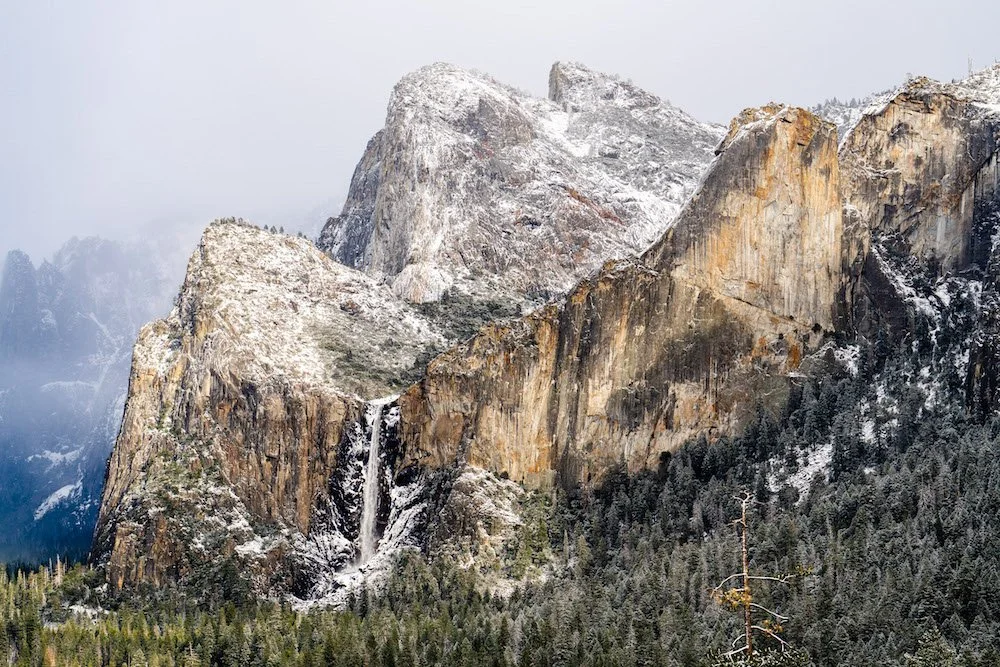
A frozen Bridalveil Fall photographed from during the winter in Yosemite Valley. Photograph by Dalton Johnson Media.
BRIDALVEIL FALL
Location and Accessibility: Embark on a journey to witness the awe-inspiring Bridalveil Fall, the majestic 620-foot cascade that greets visitors entering Yosemite Valley. Easily accessible, the fall is a short drive from the valley, and you can get detailed directions to Bridalveil Fall to ensure a seamless experience. Recent renovations are transforming the path into a wheelchair-accessible route, making it even more inclusive for all.
Spectacular Sight: At Bridalveil Fall, prepare to be mesmerized by a breathtaking display of nature's power as 620 feet of water plunges to the earth, creating a spectacle that resonates with both the thunderous energy of spring and the graceful, swaying flow characteristic of the rest of the year. The fall's name is derived from this ethereal movement, resembling a bridal veil dancing in the wind.
Hiking Experience: The journey to Bridalveil Fall unfolds along a paved path with a gentle incline, ensuring a leisurely hike suitable for all fitness levels. Taking approximately 10 minutes, the trail grants access to captivating viewpoints. For a more immersive experience, venture off the path onto a rocky trail leading to the base of the fall. Here, you'll not only feel the magnitude of the waterfall but also have the chance to capture the essence of Bridalveil Fall up close.
Why Visit Bridalveil Fall: As the first waterfall greeting those entering Yosemite Valley, Bridalveil Fall holds a special place in the hearts of visitors. Its grandeur is a spectacle to behold, from the thunderous roar in spring to the gentle, swaying flow throughout the year. The symbolism of a bridal veil in motion adds an extra layer of charm to this natural wonder, making it an essential stop on your Yosemite itinerary.
Versatile Perspectives: Bridalveil Fall offers two distinct ways to be experienced — up-close or from afar. Hike the trail to the waterfall's base for an immersive encounter, feeling the mist and power firsthand. Alternatively, savor the view from the meadow across the trailhead or the iconic Tunnel View for a picturesque perspective ideal for photography.
What to Bring: While the hike is short, the allure of Bridalveil Fall might encourage you to linger. Pack a daypack to carry essentials and ensure a comfortable experience. If you choose to venture close to the falls, consider bringing a rain jacket to stay dry and protected, enhancing your overall enjoyment of this captivating natural spectacle. Bridalveil Fall beckons, inviting you to embrace the harmony of nature and create lasting memories amid its breathtaking beauty.
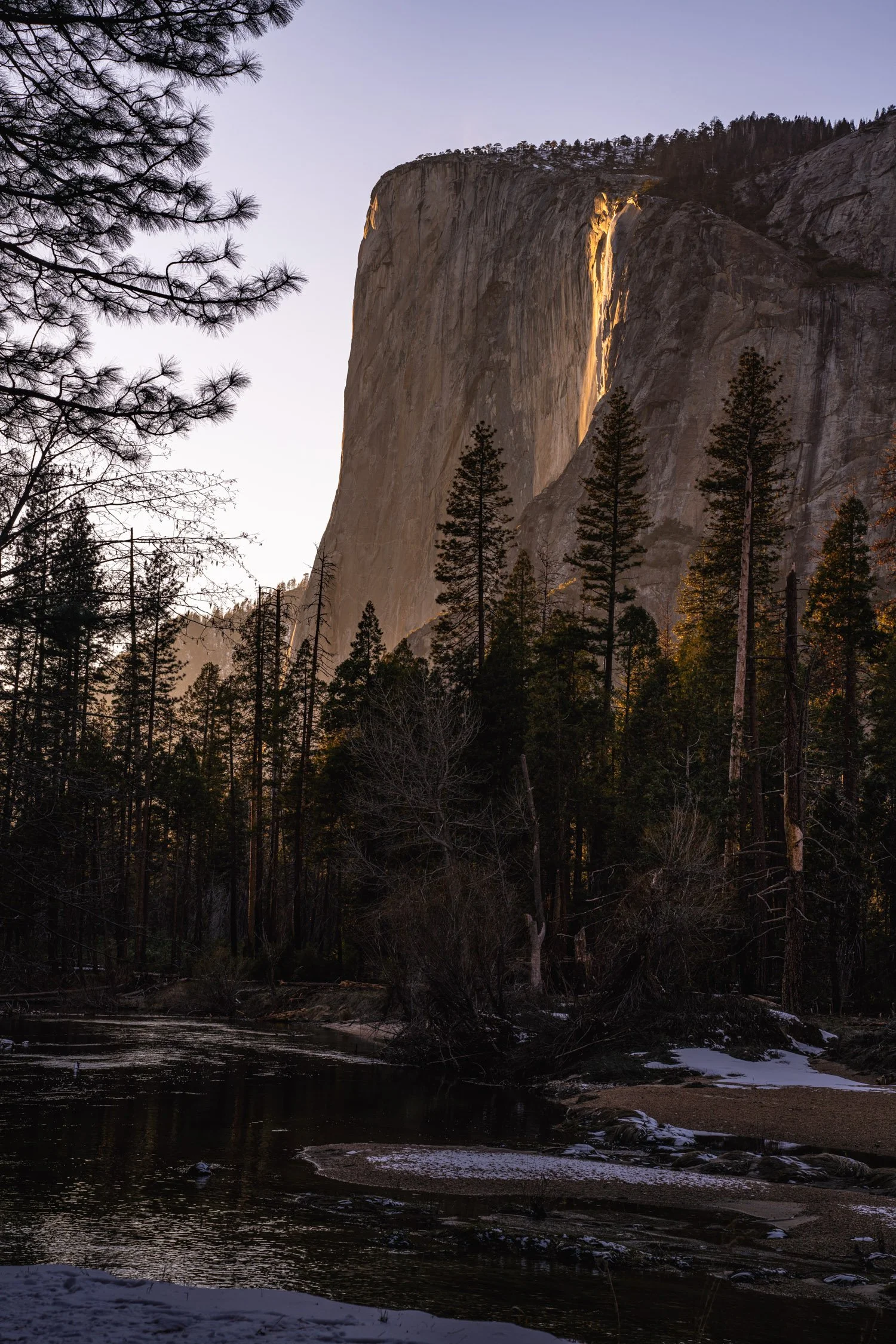
Yosemite Valley’s natural wonder Firefalls glow bright during late-February. Photograph by Dalton Johnson Media.
FIREFALLS
Location and Seasonal Spectacle: Embark on an extraordinary journey to witness Firefalls, an enchanting phenomenon also known as Horsetail Fall, set against the backdrop of Yosemite's majestic landscapes. While you can't hike directly to Firefalls, you can experience its magical glow from various vantage points throughout the park. To ensure you're in the right place at the right time, plan your visit in mid to late February when the seasonal flow, influenced by the year's snowpack, transforms the cascade into a radiant red waterfall at sunset.
Why Witness Firefalls: Firefalls is not merely a waterfall; it's a natural wonder of the world that requires a perfect alignment of elements. For this captivating spectacle to unfold, you need to be in Yosemite at the right time of year, with California having experienced a bountiful snow season. Adding Firefalls to your must-see list is a testament to embracing the unpredictable beauty of nature, where molten-like cascades create a surreal, once-in-a-lifetime experience.
Understanding the Magic: Most of the year, Horsetail Fall may blend into the Yosemite landscape, with a modest flow originating from the top of El Capitan. However, during mid to late February, the scene transforms dramatically. The small stream, fed exclusively through snowmelt and run-off, metamorphoses into a radiant cascade resembling molten lava, offering a unique and ephemeral spectacle that captivates those fortunate enough to witness it.
What to Bring: As you prepare to witness Firefalls in the crisp, late-winter air of mid to late February, be mindful of the cold temperatures. Pack a cozy puffy jacket and warm gloves to ensure your comfort as you soak in the mesmerizing display. The ethereal glow of Firefalls, set against a winter backdrop, is an experience that transcends the ordinary, making your venture into Yosemite's embrace an unforgettable odyssey.
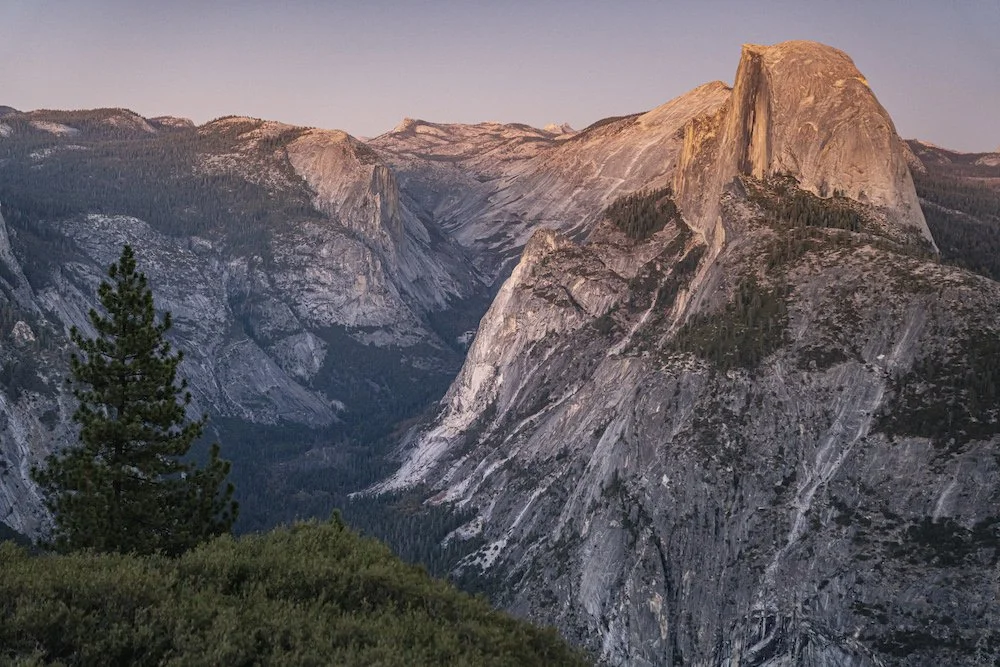
Half Dome glowing in the last light as seen from Glacier Point in Yosemite Valley, California. Photograph by Dalton Johnson Media.
HALF DOME FROM GLACIER POINT
Location and Accessibility: Embark on an extraordinary journey to Yosemite's pinnacle of panoramic grandeur — Glacier Point. Begin your quest by securing precise directions to Glacier Point, ensuring a seamless traverse to this elevated vantage point. The journey will lead you to a realm where the iconic sights of Yosemite Valley unfold before your eyes.
Captivating Vistas: At Glacier Point, the majesty of Yosemite reveals itself in a captivating dance of nature. Witness the breathtaking allure of Half Dome, the lofty Sierra Nevada range, the cascading beauty of Vernal Fall, the regal arches of Royal Arches, and the timeless cascade of Yosemite Falls. This panoramic spectacle, set against the backdrop of the high country, paints an awe-inspiring tapestry that encapsulates the essence of Yosemite's unparalleled beauty.
Hiking Experience: Embark on a scenic 15-20 minute walk from the Glacier Point trailhead parking to immerse yourself in the unfolding splendor. The paved and wheelchair-accessible trail leads you to a point where the landscape opens up, revealing a visual symphony that transcends the ordinary. Beyond the visitor center and overlook, the path may become unpaved, offering a more rustic and immersive experience for those eager to venture further.
Why Visit Glacier Point: Inscribing Glacier Point onto your Yosemite itinerary is a non-negotiable, offering an elevated perspective of the upper valley and an unrivaled view of Half Dome. As the sun sets, witness the mesmerizing transformation of Half Dome, bathed in hues of glowing red. Set the stage for an unforgettable evening by arriving for sunset, relishing a picnic, and marveling at the celestial display as the Milky Way graces the night sky over Half Dome. Glacier Point, with its magical ambiance and smaller crowds due to the more extended drive, stands as an essential pilgrimage within Yosemite National Park.
Spectacular End to the Road: At the terminus of Glacier Point Road, approximately an hour's drive from the valley, lies arguably the most spectacular view in the park. Here, the Sierra Nevada high country unfolds, with the iconic silhouette of Half Dome taking center stage, etching an indelible memory in the hearts of all who behold it.
Essentials to Pack: Ensure you capture the brilliance of Glacier Point's sunset view by packing essential photography gear. A sturdy tripod and a DSLR camera are your companions for preserving the stunning visual symphony that unfolds before you. This is not just a view; it's a visual masterpiece that deserves to be frozen in time.
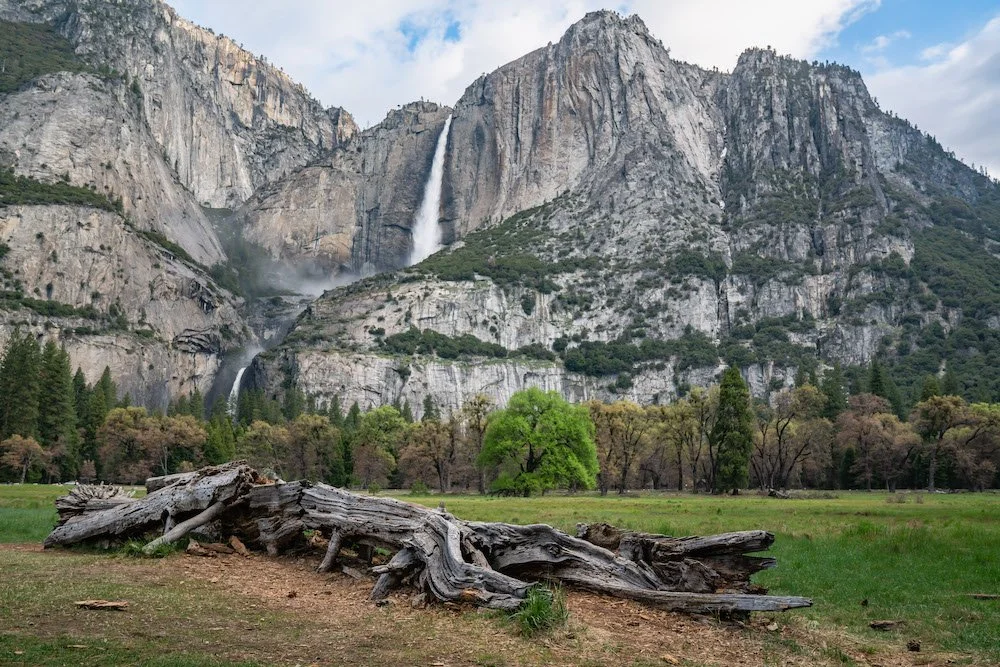
Yosemite Falls flowing during a spring day after a good snow year in California. Photograph by Dalton Johnson Media.
YOSEMITE FALLS
Navigating to the Cascades: Embark on an enchanting journey to Yosemite Falls, a majestic masterpiece tucked within the heart of Yosemite National Park. Secure precise directions to Yosemite Falls to ensure a seamless venture to witness the breathtaking dance of water against the granite canvas of the valley.
Cascading Wonders: Yosemite Falls reveals its grandeur in two acts — the Lower Yosemite Fall and the challenging ascent to the Upper Yosemite Fall. The base of the Lower Falls beckons with a challenging hike, demanding 1-2 hours for a round trip. Meanwhile, the Upper Yosemite Fall, a more strenuous endeavor, unfolds over 6-8 hours round trip. As you embark on this adventure, ensure to carry ample water and snacks, as dehydration poses a risk on the trail, leading to occasional rescues.
Why Conquer Yosemite Falls: Yosemite Falls, a vertical tapestry comprised of the Upper Fall, middle cascades, and Lower Fall, descends a staggering 2,425 feet (740 meters), securing its place among the tallest waterfalls in the United States. Make this remarkable feat a priority on your Yosemite itinerary if you yearn to witness the sheer power and beauty of one of nature's most awe-inspiring spectacles. The challenging climb is generously rewarded with close-up views of the Upper Yosemite Fall and distant panoramas featuring Half Dome and the majestic Sierra mountain peaks. Traverse the trail to relish bird's eye perspectives of Yosemite Valley's meadows and the serpentine Merced River.
Seasonal Unveilings: Timing your visit to Yosemite Falls is key, with the spring offering the most robust water flow. Late summer, however, may witness a more subdued cascade. Don't miss the extraordinary spectacles that Yosemite Falls presents, such as the elusive moonbow, gracing the night sky in April and May.
Essentials for the Ascent: Prepare for the arduous yet rewarding climb to the Upper Yosemite Fall by donning sturdy hiking boots. Equip yourself for the journey with footwear like the suggested boots, ensuring comfort and support on the long and challenging trail.
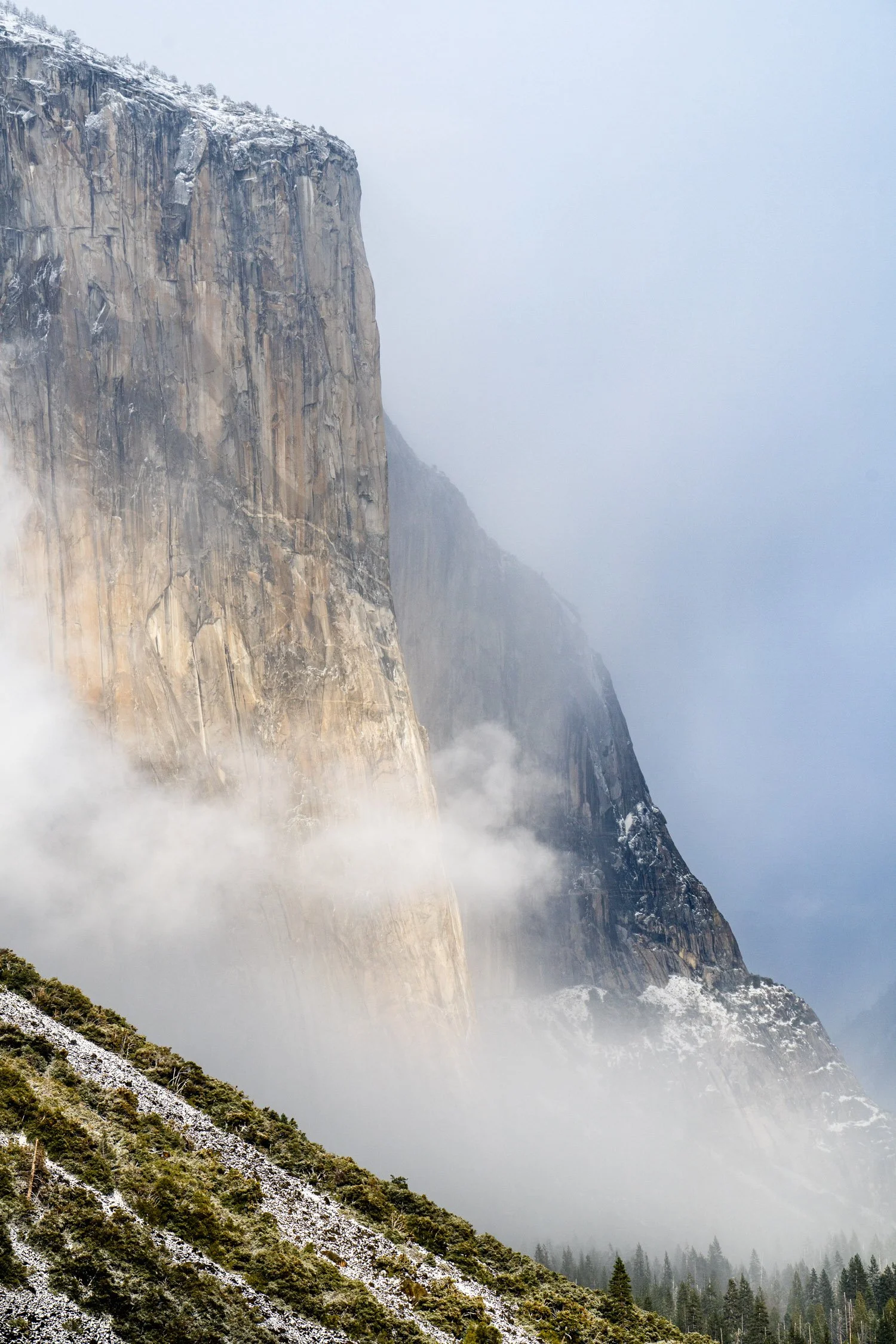
EL CAPITAN
Embarking on the Journey: Set your sights on Yosemite's iconic El Capitan, a colossal granite monolith that stands as a testament to nature's grandeur. Begin your adventure by securing precise directions to El Capitan, ensuring a seamless journey to witness the awe-inspiring spectacle that awaits.
Spectacles Within the Granite Realm: As you approach El Capitan, prepare to be captivated by a scene where rock climbers dance against the massive granite wall, creating a mesmerizing ballet of skill and determination. The sheer magnitude of El Capitan is a sight to behold, punctuated by the enchanting presence of Horsetail Falls and the ethereal phenomenon of firefalls during the right season.
Navigating the Trails: Embark on a 30-minute round trip hike to the base of El Capitan, where the sheer verticality of the granite wall becomes palpable. For the intrepid explorers seeking an elevated perspective, venture further by taking the Yosemite Falls trail, a challenging 12-15 hour round trip trek to the top of the granite giant. The view from the summit promises a panoramic reward that will etch itself into your memory.
Why El Capitan Demands Your Presence: Rising more than 3000 vertical feet from the floor of Yosemite Valley, El Capitan is an imposing force of nature that demands attention. Beyond its sheer size, El Capitan holds a storied history and, more recently, a surge in rock climbing popularity. The acclaimed documentary "Free Solo," featuring Alex Honnold's awe-inspiring ascent without a rope, attests to the audacity of those who conquer this monumental wall. To stand at the base and look up is to comprehend the magnitude of their feat.
The Timeless Majesty: Driving through Yosemite Valley, the presence of El Capitan is impossible to ignore. Stretching over a mile long and towering at 3200 feet, it remains a perennial attraction, leaving an indelible impression whether it's your first visit or your hundredth. After a storm, witness a postcard-perfect moment as sunlight bathes El Capitan, creating a play of clouds that imbues the mountain with a mystical aura.
Essentials for the Observer: To fully appreciate the climbers scaling El Capitan, bring along a pair of binoculars like the suggested NOCS and a camp chair. Find a vantage point in the El Cap meadow, where you can sit and marvel at the audacious climbers making their ascent up this monumental rock wall.
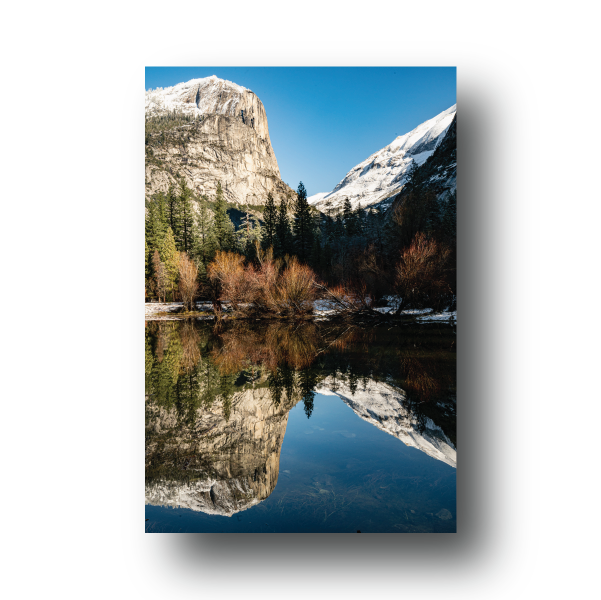
MIRROR LAKE
Navigating to Reflections: Embark on a serene journey to Mirror Lake, nestled within the embrace of Yosemite National Park. Ensure a seamless transition into this reflective haven by securing detailed directions to Mirror Lake, unlocking the path to an enchanting escape.
Visions Reflected: As you arrive at Mirror Lake, prepare to be captivated by the pristine reflections of Mount Watkins and the iconic Half Dome shimmering upon the tranquil waters. This pristine mirror, nestled in the heart of nature's grandeur, promises a visual symphony that harmonizes with the surrounding granite giants.
Hiking the Scenic Trail: Embark on a scenic hike to Mirror Lake, where the journey along the paved path can be a leisurely one-hour stroll. However, the allure of this picturesque landscape often beckons explorers to meander along side trails and pause at captivating viewpoints, extending the hike to a more leisurely 2-3 hours.
Why Pause at Mirror Lake: Gazing up at Half Dome from the base takes on a fresh perspective at Mirror Lake, offering rewarding views of Tenaya Canyon, Mount Watkins, Washington Column, and beyond. This reflective pool, whether brimming with water in spring or transformed into a tranquil meadow in dryer months, invites contemplation and connection with the natural wonders surrounding it. Pack a sack lunch and a journal, and take a moment for some well-deserved TLC amidst this magical setting.
Nature's Ephemeral Art: Mirror Lake undergoes a transformation throughout the seasons, often resembling more of a Mirror Meadow than a lake. Spring and early summer witness the resurgence of its shallow lake, providing stunning reflections of the encircling cliffs when the water is calm. Beyond hiking, Mirror Lake offers a delightful biking option, with bikes permitted along the majority of the trail, except for the final 1/4 mile.
Optimizing Your Visit: To fully savor your Mirror Lake experience, take the scenic route during early spring, strolling past the lake to discover a quiet spot away from the clouds. Capture the essence of Mirror Lake with a wide-angle lens if you're inclined to photography, ensuring you immortalize the breathtaking beauty that unfolds within this serene sanctuary.
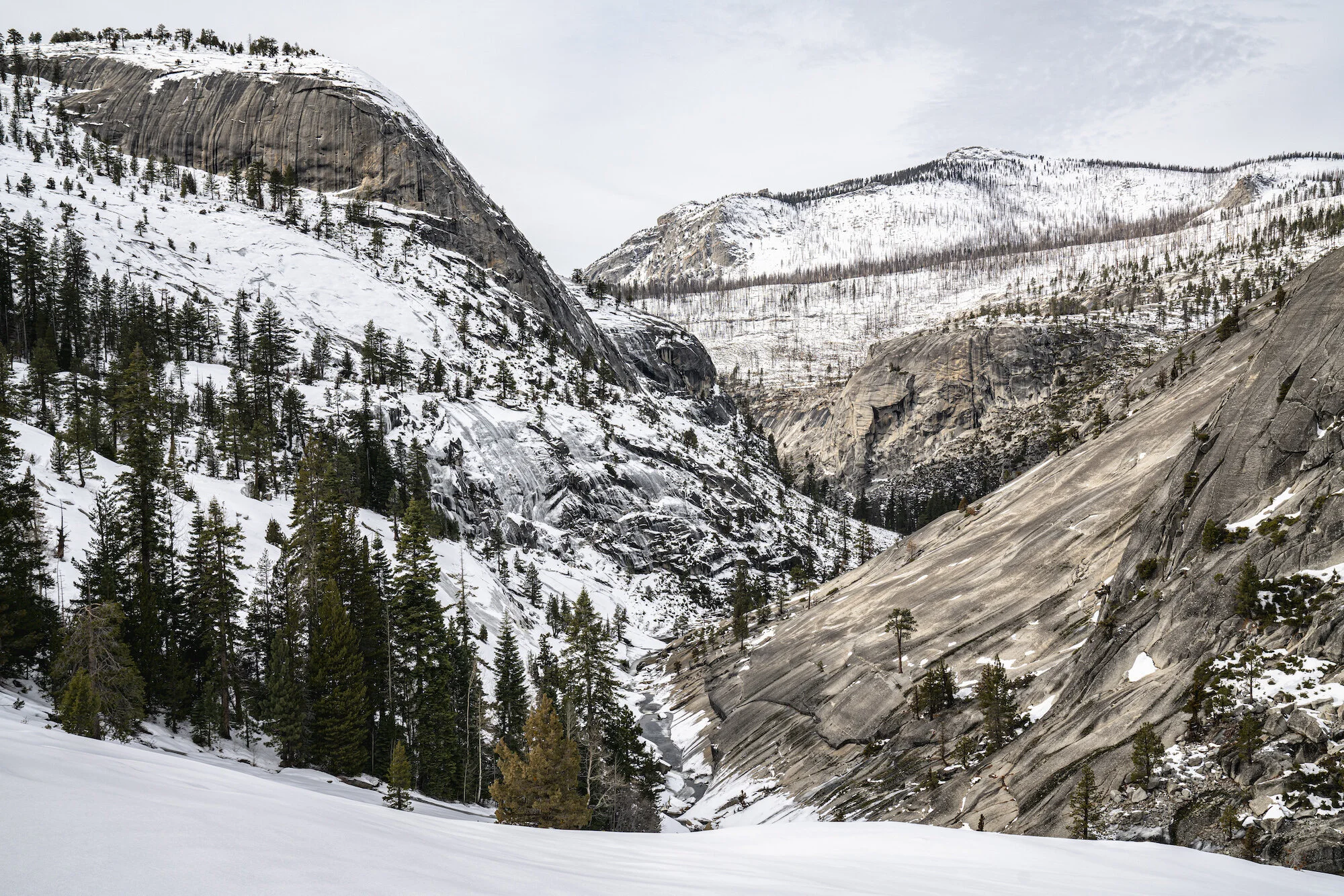
LITTLE YOSEMITE VALLEY
Embarking on the Trail: Chart a course to the heart of Yosemite's wilderness by securing precise directions to Little Yosemite Valley, a sought-after gateway to nature's untamed wonders. Navigate the journey that unfolds amidst towering peaks and cascading falls.
Panoramas Unveiled: As you arrive at Little Yosemite Valley, prepare to be immersed in a landscape adorned with the grandeur of Vernal Fall, the majestic cascade of Nevada Fall, the iconic silhouette of Half Dome, and the rugged charm of Mount Broderick. Each step through this pristine valley unveils panoramic vistas that echo the untamed beauty of Yosemite.
Trekking Through Time: The trek to Little Yosemite Valley, often an overnight odyssey for many, also beckons day hikers to indulge in an 8-10 hour round trip adventure. This trailhead is not just a path; it's an invitation to traverse through the heart of Yosemite's wilderness and savor the allure of the surrounding peaks.
Reasons to Roam in Little Yosemite Valley: Little Yosemite Valley stands as the most popular region in Yosemite's wilderness, primarily due to its convenient access to the legendary Half Dome. Whether you embark on the challenge of summiting Half Dome or seek a demanding hike complemented by a refreshing swim in the Merced River, this valley is a haven for those craving both adventure and solitude. Venture beyond, and the crowds thin, revealing the pristine beauty of this wilderness escape.
Insights into Exploration: For those yearning to witness Little Yosemite Valley without embarking on the hike, Glacier Point offers an alternative. Drive to Glacier Point to catch glimpses of Vernal Fall and Nevada Fall, providing a unique perspective into the high country. While not a substitute for the hike, it offers a glimpse into the rugged grandeur that awaits those who venture deeper.
Optimizing the Experience: For hikers ready to embrace the Mist Trail and the challenge that lies beyond, bring along swim trunks. The Merced River invites a refreshing dip, offering a delightful respite on your journey to the summit of Nevada Fall and beyond.
Essentials for the Wilderness Odyssey: If the call of Little Yosemite Valley beckons you to backpack into its embrace, secure your wilderness permit in advance. Pack your backpacking essentials, and don't forget a reliable sleeping bag, with a suggested 15-degree rating to ensure a cozy night's rest at the elevation of approximately 6500 feet.
Additional Yosemite Blogs
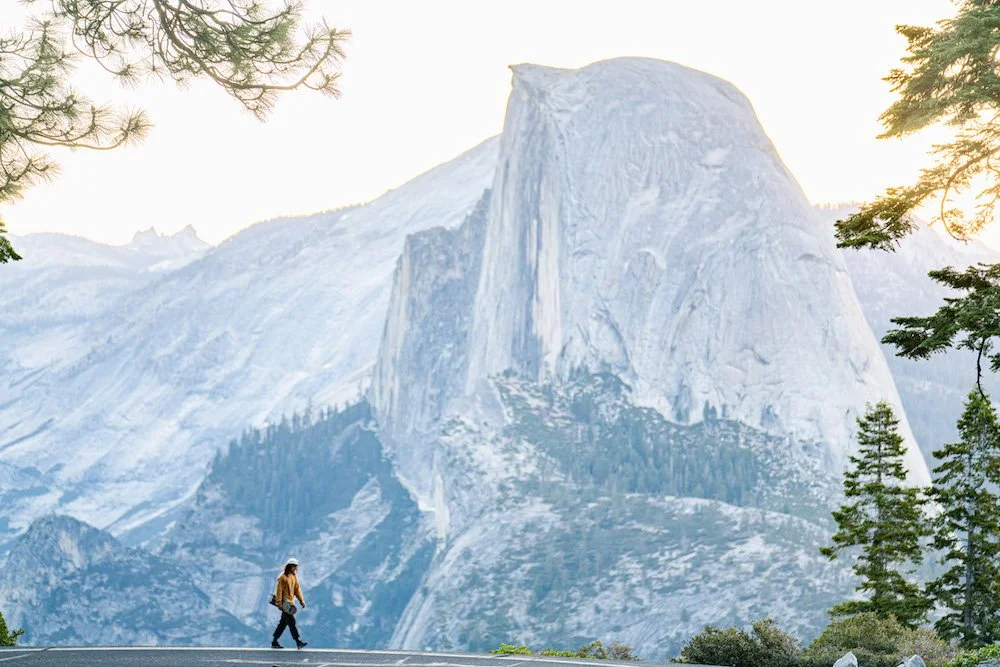
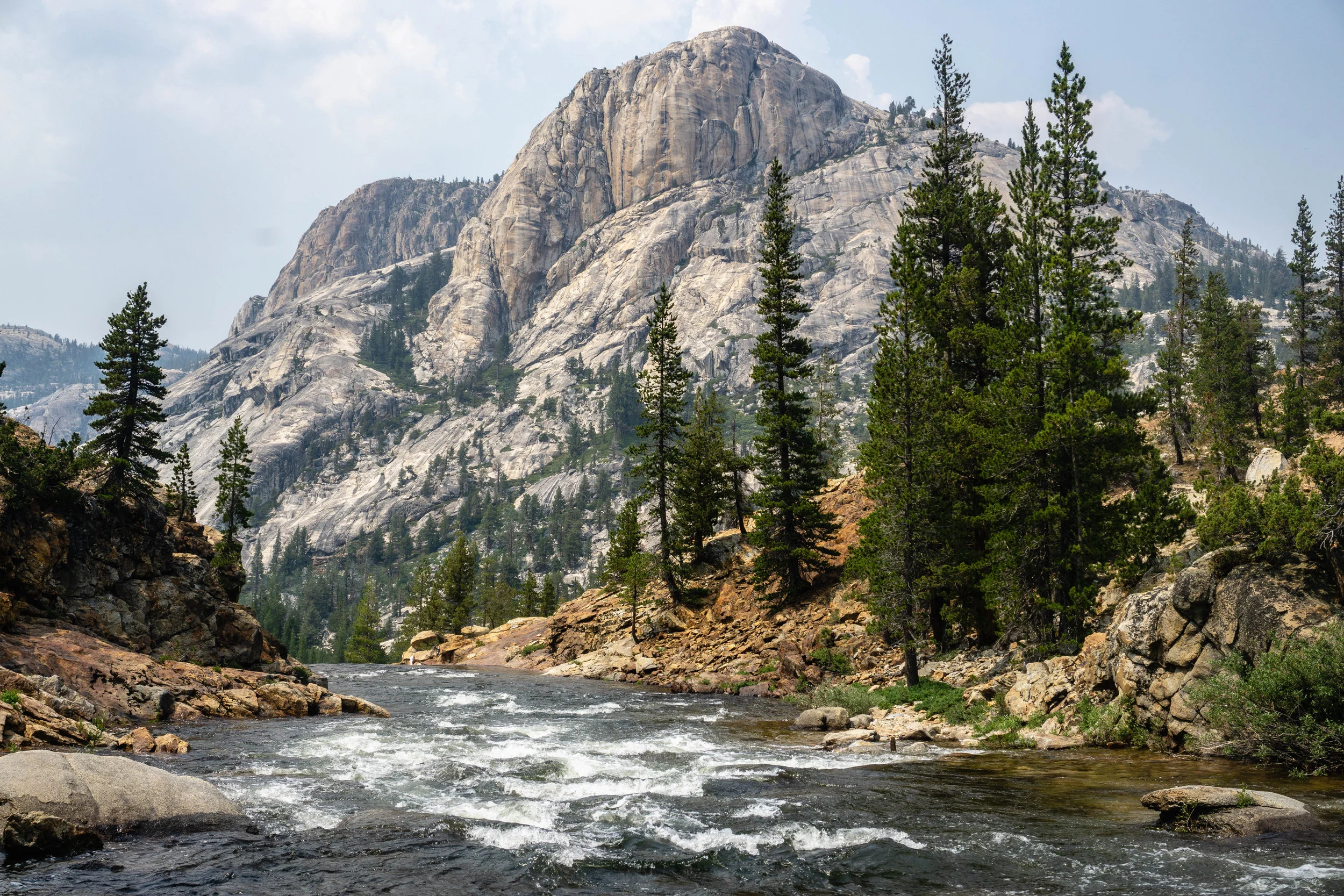
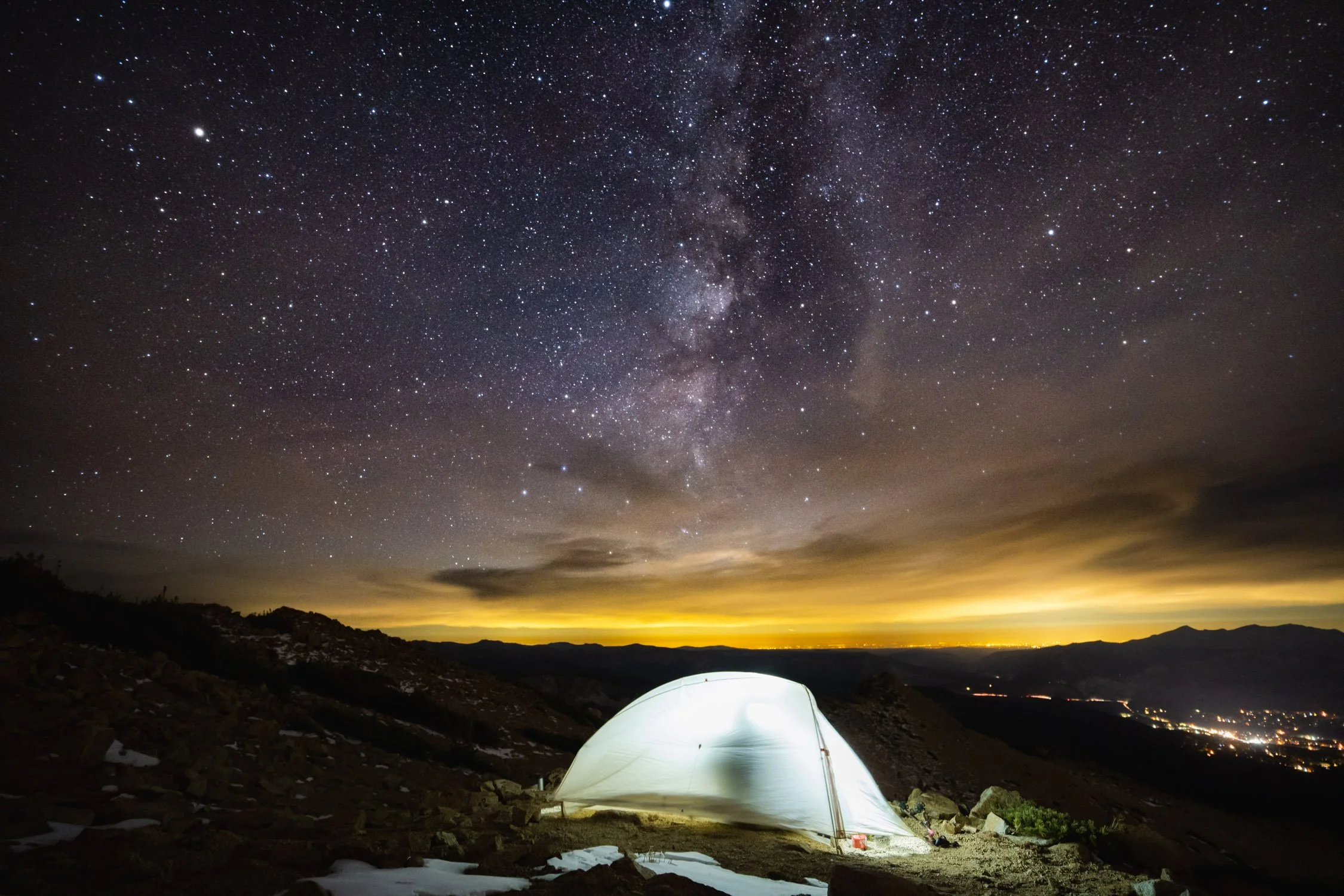
How To Hike Lake Tahoe's Tallest Summit Freel Peak
Arriving in South Lake Tahoe to begin a personal challenge of a supported bike packing adventure from South Lake Tahoe to Mount Whitney, I started the trip with hiking Freel Peak. My goal was to start at the Freel Peak trailhead and hike to the top for sunset, but that didn't happen. Getting a late start, my journey to the tallest peak in Lake Tahoe ended in the dark, but that is okay, I brought a head lamp. By the way, the sunset while on the hiking trail to the summit of Freel Peak was phenomenal!
Updated: Sept. 20, 2024
Rising to an elevation of 10,886 feet (3,318 meters), Freel Peak proudly claims the title of the tallest summit in the Lake Tahoe Basin. This iconic peak offers a challenging and rewarding physical experience, captivating the attention of hikers, backpackers, peak baggers, and trail runners alike. With its stunning vistas, challenging uphills, and sense of peace while standing atop the summit, it is no wonder hiking Freel is a popular Lake Tahoe hike. Although popular, not many visitors take on the challenge because this peak requires a half, to full, day for most hikers. The panoramic views of Lake Tahoe to the north, Carson Valley to the east, and the surrounding Sierra Nevada Mountains to the south, and east, make hiking Freel an unforgettable option to soak in the Lake Tahoe views. So, let’s dive into how you can successfully hike Freel Peak in South Lake Tahoe.
Pros:
Spectacular Views: Freel Peak offers breathtaking panoramic views of Lake Tahoe, the surrounding mountains, and the Carson Valley, making it a must-visit for nature enthusiasts and photographers.
Variety of Trails: There are multiple trails to reach the summit of Freel Peak, catering to hikers of various skill levels and preferences. You can choose from shorter, steeper routes or longer, more gradual ascents.
Wildlife Viewing: The area around Freel Peak is home to diverse wildlife, and you may have the chance to spot birds, deer, and other animals along the trail.
Solitude: Compared to some of the more popular trails in the Lake Tahoe area, Freel Peak tends to be less crowded, providing a more peaceful and immersive outdoor experience.
Wildflowers: Depending on the season, you may encounter a variety of wildflowers along the trail, adding to the natural beauty of the hike.
Physical Challenge: If you're looking for a physically challenging hike, Freel Peak offers a good workout, especially if you choose one of the steeper routes.
Cons:
Elevation Gain: The hike to Freel Peak involves a significant elevation gain, which can be challenging for inexperienced hikers and those not acclimated to high altitudes.
Weather Variability: Weather conditions in the Lake Tahoe area can change rapidly, even during the summer months. Be prepared for sudden changes in temperature, wind, and the possibility of afternoon thunderstorms.
Trail Difficulty: Some of the trails leading to Freel Peak can be steep and rocky, requiring proper footwear and hiking gear. Inexperienced hikers may find certain routes challenging.
Limited Facilities: There are limited facilities along the trail, such as restrooms and water sources. Ensure you carry enough water and supplies for your hike.
Trailhead Accessibility: Some trailheads to Freel Peak may require driving on unpaved roads, sometimes requiring 4x4, which could be a challenge for some vehicles.
Wildlife Encounters: While wildlife viewing can be a pro, it can also be a con if you encounter potentially dangerous animals like bears or mountain lions. Be aware of wildlife safety precautions.
Hiking Freel Peak Need to Know:
The hike up to Freel Peak is a hard, primitive, sandy and rocky trail. Located in the Carson Range in the Sierra Nevada near South Lake Tahoe, the hike offers great views of Lake Tahoe, High Meadow, Crystal Range and Desolation Wilderness.
Distance: 9.7 miles
Elevation Gain: 3763 ft
Route Type: Out and Back
Water: A couple of seasonal streams, make sure to bring your own water
Time to hike to Freel Peak Summit: 3 hours average
Time to hike Freel Peak car to car: 5-6 hours average
What to bring when day hiking Freel Peak:
Hiking Freel Peak is a serious hike in the Lake Tahoe area which takes you above 10,000 feet in elevation. While most people will be okay with reaching this summit, even if they are coming from sea level, some people might experience the altitude. Don’t let that scare you away though! Hiking Freel peak is a fun, full day adventure. If you are a fit human, or an avid trail runner, you can complete this hike in just a couple of hours. For those who are looking for a challenging hike in Lake Tahoe, this hike is for you. With that said, make sure you bring the essentials:
Hiking shoes like the Merrell Moab OR trail runners like La Sportiva Ultra Raptor
3 liters of water
500 calories of snacks
Hiking poles, my go-to are the Leki Khumbu (these save your knees)
A camera, like the Sony a6600 to capture gorgeous images
Best Time of Year to Hike Freel Peak:
The best time of year to hike Freel Peak largely depends on your personal preferences and what you hope to experience during your hike. Here's a breakdown of the different seasons to help you choose the optimal time for your adventure:
Spring (Late May to Early June):
Wildflowers: Spring is an excellent time to witness the Sierra Nevada's wildflower bloom. The hillsides around Freel Peak come alive with vibrant colors, adding to the scenic beauty.
Cooler Temperatures: While some snow may still linger on the higher elevations in late spring, temperatures are generally comfortable for hiking.
Limited Crowds: Spring is less crowded compared to the summer months, providing a more tranquil hiking experience.
Summer (Late June to Early September):
Warmer Weather: Summer offers the warmest temperatures for hiking, making it the most accessible time for many visitors.
Clear Skies: You can expect clear, sunny days for most of the summer, providing excellent visibility for panoramic views.
Longer Days: The longer daylight hours in summer give you more time to complete the hike and enjoy the summit.
Wildlife Sightings: Summer is a prime time for wildlife sightings, with animals becoming more active as they forage for food.
Fall (Late September to Early November):
Cooler Temperatures: Fall offers comfortable hiking temperatures with cooler days, making it an ideal season for those who prefer milder weather.
Fall Foliage: The aspen trees in the area turn brilliant shades of yellow and orange in the fall, creating a stunning contrast against the evergreen forests.
Fewer Crowds: Similar to spring, fall sees fewer hikers on the trails, providing solitude and a more peaceful experience.
Less Chance of Thunderstorms: Unlike summer, fall typically has fewer afternoon thunderstorms, reducing the risk of encountering inclement weather.
Winter (December to April):
Snow Sports: While not suitable for traditional hiking, Freel Peak and the surrounding area become a playground for winter sports enthusiasts. Backcountry skiing and snowshoeing are popular activities during this time.
Winter Wonderland: The landscape takes on a serene and enchanting quality under a blanket of snow, offering a different kind of beauty for those who enjoy snow-covered landscapes.


Where is Freel Peak?
Freel Peak is indeed the tallest peak in the Lake Tahoe region, but it is not located in South Lake Tahoe, California. Instead, it is situated in the Sierra Nevada mountain range to the southeast of Lake Tahoe, and it is closer to the town of Meyers, California. The Armstrong Pass Trailhead is one of the popular starting points for hiking Freel Peak, and it provides access to various trails leading to the peak. While South Lake Tahoe is relatively close by, the actual location of Freel Peak is not within the city limits of South Lake Tahoe. While this is a technicality, what you need to know is that the road to the trailhead can require 4x4 during certain times of the year. The road is dirt, often pitted out, and has a gate that closes for the winter.
Directions to trailhead: Armstrong Pass Trailhead
Fun Facts about Freel Peak:
Tallest Peak in Tahoe: Freel Peak is the tallest peak in Lake Tahoe at 10,886 feet above sea level.
Mountain Range: Freel Peak is part of the Sierra Nevada mountain range, which stretches across California and Nevada and is known for its rugged terrain and stunning landscapes.
Named After: Freel Peak is named after James Freel, an early settler in the area. It's interesting to note that the peak is sometimes misspelled as "Frel Peak."
Snow-Covered Winters: Due to its high elevation, Freel Peak often retains snow well into the spring and even early summer, offering opportunities for snowshoeing and backcountry skiing.
Hiking Variety: In addition to being a great first 10,000-foot summit, Freel Peak is also a popular destination for snowshoers and backcountry skiers during the winter months.
Wildlife: While hiking Freel Peak, you may come across various wildlife species native to the Sierra Nevada, including mule deer, chipmunks, and various bird species.
Geological Significance: The rock formations and geology of Freel Peak and the surrounding area are fascinating for geology enthusiasts, showcasing the geological history of the region.
Sunrise and Sunset: Hiking Freel Peak during sunrise or sunset can be a magical experience, as the changing light casts different hues on Lake Tahoe and the surrounding landscape.
Stargazing: The clear, high-altitude skies near Freel Peak make it an excellent spot for stargazing and astrophotography on clear nights.
Is there cell service on Freel Peak?
Yes, there is cell service at the summit of Freel Peak. However, it's important to note that you should not expect to have cell service at the trailhead or while hiking along the trail leading to the summit. Cell reception can be quite limited or non-existent in the backcountry areas of the Sierra Nevada, so it's advisable to plan accordingly by informing someone of your plans and expected return time before starting your hike and to carry any necessary offline maps or emergency communication devices if needed.
Can You Backpack to Freel Peak?
Yes, you can backpack to Freel Peak, and it's a stunning experience sleep near the top to watch sunrise in the morning. Also, for outdoor enthusiasts looking to extend their stay in the beautiful Sierra Nevada wilderness, backpacking Freel Peak gives you more time to enjoy the area. Here's some information to help you plan your backpacking trip to Freel Peak:
Overnight Permits: Backpacking in the area typically requires an overnight permit. You can easily obtain these permits online through the appropriate agencies responsible for managing the land. It's essential to check the current permit requirements and regulations, as they can vary depending on the specific trail and jurisdiction.
Camping Options: While it's technically possible to camp on the summit of Freel Peak, most backpackers choose to camp at lower elevations, where it's less windy and more sheltered. There are suitable camping spots along the trails leading to Freel Peak, such as the Armstrong Pass Trail. These sites offer a comfortable and scenic place to spend the night.
Water Availability: One crucial consideration when backpacking to Freel Peak is water availability. There are no reliable water sources along the trail, especially during the dry summer months when temperatures can be hot. It's essential to carry enough water to sustain yourself during your hike and overnight stay. Consider using a water filter or purification method if you plan to collect water from streams or creeks.
Seasonal Considerations: The best time for backpacking to Freel Peak depends on your preferences and tolerance for weather conditions. Summer offers longer daylight hours and warmer temperatures but can be hot, while spring and fall offer milder weather and fewer crowds. Winter backpacking is also an option for experienced winter sports enthusiasts.
Leave No Trace: As with any outdoor adventure, practicing Leave No Trace principles is essential when backpacking to Freel Peak. Be sure to pack out all trash, minimize your impact on the environment, and follow established backcountry camping guidelines to preserve the area's natural beauty.
Navigation and Safety: Backpackers should be prepared with appropriate navigation tools, first aid supplies, and knowledge of the trail and terrain. The high-altitude environment can present unique challenges, so it's crucial to be well-prepared and informed about potential hazards.
Backpacking to Freel Peak can provide a more immersive and extended experience in the stunning Sierra Nevada region. Whether you choose to camp near the summit or at lower elevations, careful planning and adherence to outdoor ethics will help ensure a safe and enjoyable backpacking adventure.
Other Great Hikes that are close to Freel Peak:
Finishing the hike to the summit of Freel Peak in Lake Tahoe, California. Photograph by Dalton Johnson
Hiking Freel Peak in Lake Tahoe is an adventure that encapsulates the very essence of the Sierra Nevada wilderness. With its towering summit, pristine alpine lakes, and breathtaking vistas, this trail beckons both novice and seasoned hikers to explore its diverse landscapes and immerse themselves in the natural beauty of the region. Whether you seek the thigh burning euphoria of standing on top of the tallest peak in the Lake Tahoe Basin, or simply yearn for a peaceful escape into nature for an overnight trip, Freel Peak offers an unforgettable experience that leaves a lasting imprint.