

Guide to Rock Climbing in South Lake Tahoe
Nestled amidst the awe-inspiring Sierra Nevada Mountains, South Lake Tahoe emerges as a haven for adventurers seeking an adrenaline-fueled escape into the world of rock climbing. As you step foot into this mesmerizing destination, you'll find yourself surrounded by an unparalleled natural beauty that seamlessly blends serene lake views with towering granite cliffs. South Lake Tahoe offers a diverse array of climbing experiences, from tackling classic crack climbs at Lover's Leap to scaling the surreal formations of Phantom Spires and exploring the intimate playground of Luther Spires.
Nestled amidst the awe-inspiring Sierra Nevada Mountains, South Lake Tahoe emerges as a haven for adventurers seeking an adrenaline-fueled escape into the world of rock climbing. As you step foot into this mesmerizing destination, you'll find yourself surrounded by an unparalleled natural beauty that seamlessly blends serene lake views with towering granite cliffs. South Lake Tahoe offers a diverse array of climbing experiences, from tackling classic crack climbs at Lover's Leap to scaling the surreal formations of Phantom Spires and exploring the intimate playground of Luther Spires.
Rock climbing in South Lake Tahoe promises an extraordinary adventure for thrill-seekers and nature enthusiasts alike. With its abundant granite cliffs and diverse range of climbing routes, it caters to climbers of all skill levels, from beginners to seasoned experts. The combination of challenging ascents, breathtaking scenery, and the opportunity to immerse yourself in the stunning wilderness of the region makes South Lake Tahoe a premier destination for rock climbing enthusiasts from around the globe.
So, whether you're a seasoned climber seeking new challenges or a beginner ready to take your first vertical steps, South Lake Tahoe is waiting to offer you an unparalleled rock climbing adventure.
Placing a piece of gear just after the lip on the direct start of Surrealistic Pillar. Photo by Dalton Johnson
Pros
Breathtaking Scenery: The unparalleled natural beauty of South Lake Tahoe sets the stage for an awe-inspiring climbing experience. As you ascend the granite cliffs, you'll be treated to breathtaking views of the crystal-clear lake, majestic mountains, and lush forests, creating an unforgettable backdrop for your climbs.
Diverse Climbing Opportunities: South Lake Tahoe caters to climbers of all levels, making it an ideal destination for both beginners and seasoned climbers. With a wide range of routes, from moderate to challenging, you'll have ample opportunities to test your skills, improve your technique, and push your limits.
Iconic Climbing Areas: The region boasts world-renowned climbing areas such as Lover's Leap, Phantom Spires, and Luther Spires. Each location offers its unique challenges and allure, adding a sense of adventure and exploration to your climbing journey.
Community and Resources: South Lake Tahoe has a vibrant climbing community with experienced climbers, local guides, and climbing schools. Whether you're a beginner seeking guidance or an experienced climber looking for partners, you'll find ample support and resources to enhance your climbing experience.
Year-Round Destination: Thanks to its favorable climate, South Lake Tahoe is a year-round climbing destination. Spring, summer, and fall offer pleasant weather for climbing, while winter provides opportunities for ice climbing and indoor training.
Cons
Seasonal Crowds: South Lake Tahoe can experience higher tourist influxes during peak seasons, leading to crowded climbing areas and limited camping spots. To avoid the crowds, consider planning your climbing trip during less busy times.
Weather Variability: While South Lake Tahoe generally enjoys pleasant weather, it's essential to be prepared for sudden changes. Weather conditions in the mountains can shift rapidly, leading to unexpected rain or storms that may disrupt climbing plans.
Rockfall Hazard: Like any climbing area, there is a risk of rockfall, especially on popular routes. It's crucial to stay vigilant and wear proper safety gear, such as helmets, to minimize the risk of injury.
Limited Indoor Climbing Facilities: While South Lake Tahoe offers abundant outdoor climbing opportunities, the availability of indoor climbing gyms may be limited. If you prefer indoor training during inclement weather or to improve specific techniques, research gym options in advance.
Environmental Impact: As a popular climbing destination, South Lake Tahoe faces challenges with environmental impact and conservation. Climbers must adhere to Leave No Trace principles, respecting the natural environment and ensuring the preservation of these pristine areas.
Lover's Leap: A Climbing Paradise
Located just a short drive from South Lake Tahoe, Lover's Leap is a rock climbing paradise that beckons climbers from far and wide. This iconic climbing area is renowned for its massive granite walls, which soar up to 600 feet in height. Lover's Leap is ideal for both traditional and sport climbers, offering a diverse range of routes to suit various skill levels.
The Main Wall at Lover's Leap boasts classic crack climbs, providing an excellent opportunity for trad climbers to test their crack climbing skills. Experienced climbers will relish the chance to ascend classics like "Corrugation Corner" and "Traveler Buttress," which have become legendary among the climbing community.
For those looking for a more adrenaline-fueled experience, the East Wall delivers a series of thrilling sport climbs. With its steeper faces and well-bolted routes, this area challenges climbers with technical moves and exciting sequences.
Lover's Leap not only offers exceptional climbing opportunities but also treats visitors to breathtaking views of Desolation Wilderness and the Sierra Nevada mountains. So, if you're seeking an unforgettable climbing adventure in a picturesque setting, Lover's Leap is the place to be.
Phantom Spires: Where Fantasy Meets Reality
Prepare to enter a realm where fantasy meets reality at Phantom Spires, a hidden gem nestled in the Eldorado National Forest. This otherworldly climbing destination is characterized by its unique and striking rock formations, resembling something out of a surreal dream.
Phantom Spires is renowned for its high-quality granite and offers a mix of traditional and sport climbing routes. The spires themselves stand like sentinels, and climbers are treated to an exhilarating feeling of scaling these mystical towers. The routes here often require creative climbing techniques and provide a true adventure for those willing to explore.
One of the standout features of Phantom Spires is the "Eagle Lake Buttress," featuring an array of moderate to difficult routes. Climbers can ascend the prominent buttress and be rewarded with sweeping views of nearby Lake Tahoe, adding an extra layer of awe to their climbing experience.
The enchanting ambiance, coupled with the challenging climbs, makes Phantom Spires a favorite among seasoned climbers looking for an extraordinary and magical climbing journey.
Luther Spires: A Climber's Playground
Luther Spires offers an unforgettable climbing playground for those seeking a variety of routes and an intimate climbing experience. Situated near Echo Summit, these beautiful granite spires provide a secluded and serene setting away from the more crowded climbing areas.
Luther Spires caters to climbers of all levels, making it an excellent choice for family outings or mixed groups with varying skills. The lower angles of the spires offer pleasant routes for beginners to practice their technique, while the steeper sections provide more challenging options for seasoned climbers.
The "Central Wall" is a popular section of Luther Spires, offering an array of moderate routes that are perfect for introducing newcomers to the thrill of outdoor climbing. Additionally, the "Hogsback" presents opportunities for more experienced climbers to push their limits on harder lines.
Besides the fantastic climbing opportunities, Luther Spires grants visitors a sense of tranquility and an up-close encounter with nature. Surrounded by tall pines and a peaceful atmosphere, climbers will find a true escape from the hustle and bustle of everyday life.


The Playground of Granite Giants
South Lake Tahoe is blessed with an abundance of magnificent granite cliffs, making it a paradise for rock climbers of all levels. Whether you're a beginner or an experienced climber, you'll find a plethora of routes to challenge your skills and push your limits. Some of the most iconic climbing spots in the area include Lover's Leap, Phantom Spires, and Luther Spires. Each location offers a unique experience, from crack climbs to face climbs, ensuring there's something for everyone.
Climbing for All Skill Levels
One of the most appealing aspects of South Lake Tahoe's climbing scene is its inclusivity. It caters to climbers of all skill levels, making it an ideal destination for families, friends, and solo adventurers. Local climbing guides and schools provide excellent opportunities for beginners to learn the ropes in a safe and supportive environment. If you're a seasoned climber, you'll be delighted by the sheer variety of challenging routes that will put your skills to the test.
Unbeatable Scenery
Imagine climbing to the top of a towering granite cliff and being rewarded with sweeping views of the crystal-clear Lake Tahoe below. The breathtaking beauty of the surroundings enhances the climbing experience, making it even more memorable. South Lake Tahoe boasts a perfect blend of adrenaline-pumping ascents and serene natural beauty, a combination that will leave you in awe at every turn.
Embracing Adventure Responsibly
While rock climbing is an adventure sport, safety should always be the top priority. It's crucial to be aware of your limits, wear appropriate gear, and climb with a partner or in a group whenever possible. Additionally, respecting the environment and following Leave No Trace principles are essential to preserve the pristine beauty of the area for future generations of climbers to enjoy.
Beyond Climbing: Other Activities
South Lake Tahoe is a year-round destination, offering a plethora of activities beyond rock climbing. After a day of conquering granite walls, unwind with a relaxing dip in the lake's clear waters, go hiking in the surrounding trails, or simply enjoy a campfire under the starlit sky. The area's vibrant nightlife and charming restaurants add a perfect touch to your climbing adventure.
Middle spire standing tall as you enter the Phantom Spires area. Photo by Dalton Johnson
Rock climbing in South Lake Tahoe is an unforgettable experience that will leave you with memories to cherish for a lifetime. From the adrenaline rush of scaling granite cliffs to the awe-inspiring beauty of Lake Tahoe's surroundings, this destination has it all. So, pack your climbing gear, bring your adventurous spirit, and get ready to embrace the challenge and beauty that South Lake Tahoe has to offer.
Discover more of Lake Tahoe

Eastern Sierra Road Trip: Lake Tahoe to Mount Whitney
The Eastern Sierra region of California is a hidden gem that offers awe-inspiring landscapes, picturesque vistas, and unforgettable experiences. Spanning from the iconic Lake Tahoe to the majestic Mount Whitney, this road trip promises an unforgettable journey through the heart of nature's grandeur.
The Eastern Sierra region of California is a hidden gem that offers awe-inspiring landscapes, picturesque vistas, and unforgettable experiences. Spanning from the iconic Lake Tahoe to the majestic Mount Whitney, this road trip promises an unforgettable journey through the heart of nature's grandeur.
Road tripping from Lake Tahoe to Mount Whitney tours California's Eastern Sierra region. This scenic journey takes you through stunning landscapes, from the shimmering waters of Lake Tahoe to the towering heights of Mount Whitney, the highest peak in the contiguous United States. Enjoy outdoor adventures, picturesque vistas, and a deep connection with nature on this epic road trip.
Buckle up as we embark on an adventure through the Eastern Sierra, a land of diverse beauty, outdoor thrills, and tranquil serenity.
Playing in Alabama Hills at last light before going heading up to Mount Whitney. Photo by Dalton Johnson
Pros
Diverse Beauty: The road trip from Lake Tahoe to Mount Whitney offers a diverse range of stunning landscapes, from the sparkling waters of Lake Tahoe to the majestic heights of Mount Whitney. Nature lovers and outdoor enthusiasts will be enthralled by the scenic beauty along the journey.
Outdoor Adventures: Throughout the Eastern Sierra, there are numerous opportunities for outdoor adventures, including water sports on Lake Tahoe, skiing and snowboarding in Mammoth Lakes, hiking in the John Muir Wilderness, and even summiting Mount Whitney for the more adventurous souls.
Serenity and Tranquility: The Eastern Sierra region provides a peaceful escape from the hustle and bustle of daily life, allowing travelers to connect with nature and find serenity amidst the breathtaking wilderness.
Rich History: The journey includes places of historical significance, such as the Manzanar National Historic Site, which offers a poignant reminder of the past and the opportunity for reflection.
Photographic Opportunities: From the stunning landscapes of the Alabama Hills to the unique rock formations in the Buttermilks, photographers will find endless opportunities to capture breathtaking shots.
COns
Seasonal Limitations: Certain activities and attractions may be limited by the season. For example, winter weather can restrict access to higher elevations and make some roads impassable, while some hiking trails may be inaccessible due to snow or trail closures.
Permit Requirements: Summiting Mount Whitney requires permits, which can be limited and competitive to obtain, so proper planning and preparation are necessary for those intending to tackle this challenge.
Distance and Travel Time: The road trip covers considerable distances, and driving times between destinations can be substantial. Travelers should be prepared for long hours on the road and plan accordingly to avoid fatigue.
Crowds: During peak tourist seasons, popular spots like Lake Tahoe and Mammoth Lakes can become crowded, potentially detracting from the serenity and tranquility of the journey.
Weather Uncertainty: The Eastern Sierra's mountainous terrain means that weather conditions can change rapidly. Travelers should stay updated on weather forecasts and be prepared for unexpected weather changes, particularly during the winter months.
Lake Tahoe - A Shimmering Gem:
Our journey begins at the stunning Lake Tahoe, renowned for its crystal-clear waters and surrounding snow-capped mountains. Nestled between the border of California and Nevada, Lake Tahoe boasts an abundance of recreational activities year-round. In summer, indulge in water sports like kayaking, paddleboarding, or simply bask in the sun on one of the many pristine beaches. As autumn arrives, the landscape transforms into a breathtaking palette of golden hues, making it a perfect time for scenic hikes and mountain biking along the shoreline.
THree Must-Do Adventures in Lake Tahoe:
Mammoth Lakes - Nature's Playground:
Heading south, we arrive at Mammoth Lakes, an adventurer's paradise. This picturesque mountain town is a gateway to numerous natural wonders, including the Devil's Postpile National Monument and the Rainbow Falls. If you're visiting during winter, Mammoth Mountain offers some of the best skiing and snowboarding in the country. In summer, explore the vast network of hiking trails that lead to alpine lakes, hot springs, and sweeping vistas of the Sierra Nevada. Not to mention a plethora of free hot springs to soak your sore muscles.
THree Must-Do Adventures in Mammoth Lakes:
Bishop - A Haven for Outdoor Enthusiasts:
As we venture further south, we reach Bishop, a small town with a big outdoor spirit. Surrounded by the towering peaks of the Eastern Sierra, Bishop is a favorite among rock climbers, hikers, and fishing enthusiasts. The Buttermilks and the Volcanic Tablelands offer world-class bouldering opportunities, while the nearby John Muir Wilderness beckons hikers to explore its rugged beauty. For anglers, the Owens River and numerous alpine lakes are teeming with trout, making it an angler's dream.
THree Must-Do Adventures in Bishop:


Lone Pine - Gateway to Mount Whitney:
Continuing our journey, we reach Lone Pine, a quaint town that serves as the gateway to Mount Whitney, the highest peak in the contiguous United States. Even if you're not a seasoned mountaineer, you can still enjoy the scenic beauty of the Alabama Hills, famous for its unique rock formations, which have been featured in numerous Hollywood films. Additionally, a trip to the Manzanar National Historic Site offers a poignant reminder of the internment of Japanese Americans during World War II.
THree Must-Do Adventures around Lone Pine:
Mount Whitney - Reaching New Heights:
The pinnacle of our road trip is Mount Whitney itself. Standing at an elevation of 14,505 feet (4,421 meters), conquering this majestic peak requires preparation and permits. Check out this blog on how to climb Mount Whitney in a single day. However, for those who aren't up to the challenge of summiting, there are several less strenuous trails around the base that still offer unparalleled views of this mighty mountain. Remember, safety should always be a priority when exploring the wilderness, so be sure to check for weather conditions and obtain the necessary permits.
Enjoying the sunset along HWY 395 after a long day of driving. Photo by Dalton Johnson
The Eastern Sierra road trip from Lake Tahoe to Mount Whitney is a journey that showcases the diverse beauty of California's wilderness. From the tranquility of Lake Tahoe to the rugged majesty of Mount Whitney, this road trip offers a lifetime's worth of memories and experiences. Whether you're an outdoor enthusiast seeking adventure or a nature lover yearning for serenity, the Eastern Sierra has something to offer for everyone. So, pack your bags, hit the road, and get ready for an unforgettable adventure through this breathtaking region of the United States.
Discover more of Eastern Sierra

10 Tips For Maintaining Hygiene and Sanitation During Vanlife
The freedom of the open road, breathtaking landscapes, and a nomadic lifestyle – vanlife offers a unique and adventurous way to experience the world. Whether you're a digital nomad, an outdoor enthusiast, or simply seeking a break from the traditional routine, living in a van can be an incredible journey. However, with the absence of conventional amenities, ensuring hygiene and sanitation becomes essential for a safe and enjoyable vanlife experience.
The freedom of the open road, breathtaking landscapes, and a nomadic lifestyle – vanlife offers a unique and adventurous way to experience the world. Whether you're a digital nomad, an outdoor enthusiast, or simply seeking a break from the traditional routine, living in a van can be an incredible journey. However, with the absence of conventional amenities, ensuring hygiene and sanitation becomes essential for a safe and enjoyable vanlife experience.
Maintaining hygiene during vanlife requires careful planning and eco-friendly practices. Use biodegradable cleaning supplies, establish a regular cleaning routine, and invest in portable toilets for waste disposal. Prioritize personal hygiene, stay organized in the kitchen, and choose campsites with amenities. Remember to handle waste responsibly and maintain a healthy diet for a safe and enjoyable vanlife experience.
In this blog, we'll explore practical tips and essential practices to maintain cleanliness and sanitation while living on the road.
Snacking and warming up after an ocean dip while on a vanlife trip. Photo by Dalton Johnson
Pros
Health and Well-being: Proper hygiene practices promote good health, reduce the risk of illnesses, and enhance overall well-being during vanlife.
Comfortable Living Space: Regular cleaning and organization create a clean and comfortable environment inside the van, making it a pleasant living space.
Environmental Responsibility: Using biodegradable products and responsible waste disposal minimizes the environmental impact, contributing to sustainable vanlife.
Minimal Pest Problems: Keeping a clean van reduces the likelihood of attracting pests, making your living space more enjoyable and free from unwanted visitors.
Improved Mood and Productivity: A clean and organized space positively affects mental health, leading to better focus, productivity, and a happier vanlife experience.
Cons
Limited Space and Resources: The confined space of a van may pose challenges in storing cleaning supplies and finding water for sanitation.
Time-Consuming: Maintaining hygiene in a small space requires consistent effort and time, taking away from other vanlife activities.
Dependency on Amenities: Relying on campgrounds or public facilities for showers and toilets can limit the freedom of spontaneous travel.
Water Management: Managing water usage becomes crucial, as filling up tanks and finding safe water sources may be challenging in remote locations.
Cost: Some eco-friendly cleaning products can be expensive, adding to the overall cost of vanlife. However, the investment contributes to environmental conservation.
1. Plan for Proper Storage
The limited space inside a van requires thoughtful organization. Invest in storage solutions such as bins, baskets, and hanging organizers to keep your belongings in order. Separate clean clothes from dirty ones to avoid contamination, and keep hygiene products easily accessible.
2. Carry Biodegradable Cleaning Supplies
To minimize your environmental impact, choose biodegradable cleaning products. Stock up on eco-friendly dish soap, laundry detergent, and all-purpose cleaners. These products are not only safer for the environment, but they also help you maintain cleanliness without harming nature.
3. Regular Cleaning Routine
Establish a regular cleaning routine to prevent clutter and dirt buildup. Clean surfaces, wipe down countertops, and sweep the floors daily. This practice will ensure a comfortable living space and prevent pests from making your van their home.
4. Utilize Portable Toilets and Waste Disposal
Invest in a portable toilet or a compact camping toilet for your sanitary needs. Proper waste disposal is crucial during vanlife, as it ensures you leave no trace behind and maintain a good relationship with the environment and other travelers.
5. Mindful Personal Hygiene
Maintaining personal hygiene is essential for your well-being during vanlife. Plan for regular showers, whether at campgrounds, gyms, or with the help of portable shower setups. Carry hand sanitizers, wet wipes, and use them before meals or after outdoor activities.



6. Stay Organized in the Kitchen
The kitchen area can quickly become a breeding ground for bacteria. Practice good kitchen hygiene by washing your hands before cooking, using separate cutting boards for raw and cooked foods, and cleaning dishes promptly after meals.
7. Choose Your Campsites Wisely
Selecting appropriate campsites is vital for your hygiene and sanitation efforts. Opt for designated campgrounds that offer amenities like restrooms and showers. If wild camping, choose locations away from water sources and wildlife habitats to reduce the risk of contamination.
8. Regularly Empty and Clean Water Tanks
Keep your water supply fresh and uncontaminated by regularly emptying and cleaning your water tanks. Carry a water filter to ensure that the water you fill is safe to drink.
9. Handle Waste Responsibly
Dispose of waste responsibly, whether it's trash, recyclables, or hazardous materials. Be conscious of the impact you have on the environment and aim to leave the places you visit cleaner than you found them.
10. Maintain a Healthy Diet
Eating a balanced diet can significantly impact your overall well-being during vanlife. Fresh fruits, vegetables, and proper food storage are essential to avoid foodborne illnesses.
When a river cleaning turns into a water fight. Photo by Dalton Johnson
Embracing the vanlife journey doesn't mean compromising on hygiene and sanitation. With thoughtful planning, eco-friendly practices, and a proactive approach, you can maintain a clean and safe living space while roaming the world in your van. By respecting the environment and prioritizing hygiene, you'll be able to fully immerse yourself in the beauty of nature without leaving a negative trace behind. Happy vanlife adventures!
Discover more of vanlife

What to Expect When Camping in Baja Mexico
Baja California, Mexico, is a paradise for adventurers and nature lovers. With its stunning beaches, rugged landscapes, and vibrant culture, it's no wonder that beach camping in Baja has become a popular choice for travelers seeking a unique and immersive experience. If you're considering a beach camping trip to this beautiful region, there are several things you should know to ensure your journey is safe, enjoyable, and unforgettable.
Baja California, Mexico, is a paradise for adventurers and nature lovers. With its stunning beaches, rugged landscapes, and vibrant culture, it's no wonder that beach camping in Baja has become a popular choice for travelers seeking a unique and immersive experience. If you're considering a beach camping trip to this beautiful region, there are several things you should know to ensure your journey is safe, enjoyable, and unforgettable.
Beach camping in Baja Mexico offers a blissful fusion of nature, adventure, and culture. Expect breathtaking campsites along the coastline, primitive camping conditions with limited amenities, diverse weather conditions, and the chance to embrace local customs and cuisines. Respect for nature and wildlife is essential, and safety precautions should be taken. Prepare for enchanting stargazing experiences, away from city lights, making your trip unforgettable.
In this blog, we'll guide you through what to expect when beach camping in Baja, Mexico.
Solo beach camping in Baja Mexico just outside of La Ventana. Photo by Dalton Johnson
Pros
Spectacular Scenery: Enjoy breathtaking views of the coastline, turquoise waters, and stunning sunsets, providing a picturesque backdrop for your camping adventure.
Immersive Nature Experience: Embrace the raw beauty of nature with primitive camping, allowing you to disconnect from modern distractions and reconnect with the environment.
Diverse Camping Spots: Choose from an array of camping spots, from tranquil coves to lively beaches near charming fishing villages, catering to various preferences.
Rich Local Culture: Engage with friendly locals, learn about their customs, and savor delicious Mexican cuisine, enhancing your cultural experience.
Stargazing Opportunities: Experience awe-inspiring stargazing sessions with minimal light pollution, offering a clear view of the night sky.
Abundant Wildlife: Observe diverse marine and land animals, such as sea turtles, dolphins, and desert critters, adding to the allure of the natural surroundings.
Adventure Activities: Engage in water sports, fishing, and hiking, making it an exciting destination for adventure enthusiasts.
Cons
Primitive Amenities: Prepare for basic camping conditions with limited access to modern amenities, requiring thorough preparation and self-sufficiency.
Extreme Weather: Be mindful of varying weather conditions, with scorching temperatures in summer and potential chilly nights in winter, necessitating appropriate gear.
Safety Concerns: Although generally safe, practice caution in secluded areas and secure belongings to avoid any potential risks.
Environmental Impact: Beach camping can leave a footprint on the delicate ecosystem if not conducted responsibly, so adhere to eco-friendly practices.
Language Barrier: Limited English proficiency in some areas might pose challenges for communication, making basic Spanish knowledge beneficial.
Distance from Services: Some camping spots are far from towns or emergency services, requiring adequate planning and preparation for any contingencies.
Seasonal Crowds: Popular spots may attract larger crowds during peak seasons, impacting the serene and secluded experience.
Finding the Perfect Campsite
Baja offers an abundance of breathtaking camping spots along its coastline. From serene, secluded coves to lively beaches near fishing villages, you'll find a range of options to suit your preferences. One popular destination is Bahía Concepción, known for its calm, turquoise waters and stunning sunsets . Research and plan ahead to determine which spot aligns with your interests, whether it's swimming, fishing, or simply unwinding on the sandy shores.
Be Prepared for Primitive Camping
Beach camping in Baja often involves primitive camping, where you'll have little to no access to modern amenities. While this provides an unparalleled sense of immersion in nature, it also means you should come well-prepared. Pack all essential camping gear, including a reliable tent, sleeping bags, cooking equipment, and plenty of water. Additionally, bring a first aid kit, extra batteries, and a portable charger, as you may not find power sources nearby.
Tips for Primitive Camping:
Research and Plan Ahead: Before embarking on your primitive camping trip, research the area thoroughly. Understand the local weather conditions, terrain, and potential hazards. Plan your route, identify available water sources, and check if permits or reservations are required.
Pack Essential Camping Gear: As primitive camping lacks modern amenities, it's crucial to pack all the necessary gear. Include a high-quality tent, warm sleeping bags, durable camping stove or cooking equipment, food supplies, and plenty of water. Don't forget to bring a reliable map, compass, or GPS device for navigation.
Practice Campsite Leave-No-Trace Principles: Respect the environment by following leave-no-trace principles. Pack out all trash, dispose of waste properly, and avoid damaging or disturbing natural surroundings. Leave your campsite as pristine as you found it to preserve the beauty for future campers.
Bring First Aid and Safety Supplies: Pack a comprehensive first aid kit, including items like bandages, antiseptic ointment, pain relievers, and any personal medications. Additionally, carry safety supplies such as a flashlight, portable charger, multi-tool, and emergency communication device in case of unexpected situations.
Learn Basic Wilderness Skills: Acquire basic wilderness skills such as building a fire, purifying water, and identifying edible plants (if applicable). Knowledge of these skills enhances self-sufficiency and ensures you can handle unexpected challenges effectively.
Weather Considerations
Baja's climate can be diverse, depending on the time of year and your location. During the summer months, temperatures can soar, so it's crucial to bring adequate sun protection, such as sunscreen, hats, and lightweight, breathable clothing. In the winter, especially during the evenings and nights, temperatures can drop significantly, so be sure to pack warm layers to stay comfortable during your trip.
Respect Nature and Wildlife
One of the most important aspects of beach camping in Baja is practicing responsible eco-tourism. Respect the natural environment, refrain from littering, and avoid disturbing local wildlife. Baja is home to various marine and land animals, including sea turtles, dolphins, and desert critters. Observe them from a distance and refrain from feeding or touching them to maintain the delicate ecological balance.
Embrace the Local Culture
The people of Baja are warm, friendly, and eager to share their culture with visitors. Engage with locals, try out some basic Spanish phrases, and respect their customs and traditions. You might even have the opportunity to savor delicious local cuisine, including fresh seafood and traditional Mexican dishes.
Safety and Security
While Baja is generally safe for travelers, it's essential to take some precautions. Camp in well-traveled areas, especially if you're a first-time visitor. Keep your belongings secure, and avoid leaving valuables unattended. Furthermore, be mindful of local laws and regulations to ensure a trouble-free experience.
Safety Tips While in Baja
Choose Well-Traveled Areas: Opt for established camping spots that are popular among tourists and locals. These areas are more likely to have a sense of community and added security measures.
Keep Valuables Secure: Avoid leaving valuable items unattended in your tent or vehicle. Invest in a small lockbox or waterproof pouch to safeguard important documents, money, and electronics.
Travel in Groups: Whenever possible, camp with a group of friends or fellow campers. Traveling in a group enhances safety and deters potential thieves or unwanted intruders.
Inform Someone About Your Plans: Before setting off for your beach camping adventure, inform a family member or friend about your itinerary, including the campsite location and expected return date. Regularly check in with them to provide updates on your trip's progress.
Stay Informed about Local Conditions: Keep abreast of weather updates, potential hazards, and any travel advisories issued for the region. Be aware of any wildlife or environmental dangers that might require caution during your stay.
Stargazing Delight
Beach camping in Baja offers a unique chance to witness some of the most mesmerizing night skies. Far from city lights, the remote locations provide excellent opportunities for stargazing. Grab a blanket, lay back, and enjoy the dazzling display of stars above you – an experience that will stay with you forever.
Sunrise view from a roof top tent in Baja, Mexico. Photo by Dalton Johnson
Beach camping in Baja, Mexico, promises a fusion of nature, adventure, and culture that few other destinations can match. From finding the perfect campsite to embracing the local culture and respecting the environment, your experience will be enriched by the rugged beauty of this unique region. So pack your bags, leave behind the hustle and bustle of everyday life, and venture into the enchanting realm of Baja's beach camping – an experience you won't soon forget. Happy camping!
Discover more of Baja Mexico

Everything You Need to Know to Road Trip Along the Baja Peninsula
Embarking on a road trip along the stunning Baja Peninsula is an adventure like no other. Located in northwestern Mexico, this 1,200-mile stretch of picturesque coastline offers breathtaking landscapes, vibrant culture, and incredible wildlife encounters. Whether you're a nature enthusiast, a food lover, or a history buff, the Baja Peninsula has something for everyone.
Embarking on a road trip along the stunning Baja Peninsula is an adventure like no other. Located in northwestern Mexico, this 1,200-mile stretch of picturesque coastline offers breathtaking landscapes, vibrant culture, and incredible wildlife encounters. Whether you're a nature enthusiast, a food lover, or a history buff, the Baja Peninsula has something for everyone.
To road trip along the Baja Peninsula, choose the best time to visit based on your preferences. The shoulder seasons of spring and fall offer fewer crowds, while summer is ideal for warm weather and winter for whale watching. Plan your itinerary, ensuring you allocate enough time for must-visit destinations like Tijuana, Ensenada, La Paz, and Cabo San Lucas, and be prepared for both paved and unpaved roads. Take safety precautions, such as securing travel insurance, traveling in a group, and carrying necessary supplies. Explore the stunning natural wonders, indulge in local cuisine, and immerse yourself in the vibrant culture of the region for an unforgettable experience.
In this blog post, we'll cover everything you need to know to plan an unforgettable road trip along the Baja Peninsula.
Soaking in the morning sun while road tripping Baja. Photo by Dalton Johnson
Pros
Breathtaking Landscapes: The Baja Peninsula boasts stunning natural landscapes, including pristine beaches, rugged coastlines, desert vistas, and majestic mountains, offering endless opportunities for scenic road trips and outdoor adventures.
Rich Cultural Heritage: Traveling along the Baja Peninsula allows you to immerse yourself in the vibrant Mexican culture. From exploring charming towns and interacting with friendly locals to experiencing traditional festivals and trying authentic cuisine, the cultural richness of the region is a definite highlight.
Wildlife Encounters: The Baja Peninsula is home to an array of unique wildlife. From whale watching in Magdalena Bay and swimming with sea lions in the Sea of Cortez to spotting dolphins, turtles, and various bird species, the opportunity for unforgettable wildlife encounters is abundant.
Delicious Cuisine: Food lovers will rejoice in the Baja Peninsula's culinary delights. Indulge in fresh seafood, world-famous fish tacos, ceviche, and regional specialties. The region is also known for its wineries, offering a chance to taste exceptional wines and indulge in farm-to-table experiences.
Scenic Drives: Driving along the Baja Peninsula's highways, such as Highway 1, provides stunning coastal views, picturesque desert landscapes, and breathtaking sunsets. The scenic drives offer a sense of freedom and allow you to take in the beauty of the surroundings at your own pace.
Cons
Road Conditions: While the main highways are generally well-maintained, some sections of the Baja Peninsula may have unpaved roads, potholes, or rough surfaces. This can make driving more challenging, requiring caution and slower speeds, especially in remote areas.
Long Distances: The Baja Peninsula is vast, and distances between destinations can be significant. This means that road trips may require longer travel times and more planning to ensure adequate time is allocated for each stop along the way.
Limited Infrastructure: In more remote areas, amenities and services may be limited compared to urban centers. It's important to be prepared with extra supplies, including water, food, and fuel, to account for potential shortages.
Language Barrier: While many locals in popular tourist destinations speak English, there may be language barriers in more rural or less tourist-oriented areas. It can be helpful to have basic Spanish language skills or a translation app to facilitate communication.
Safety Concerns: While the Baja Peninsula is generally safe for travelers, it's important to remain vigilant, especially in more isolated areas. Adhering to local laws, avoiding driving at night, and taking necessary safety precautions, such as traveling in a group, can help mitigate potential risks.
Choosing the Right Time to Visit:
The Baja Peninsula enjoys a mild climate throughout the year, making it a desirable destination for road trips. However, the best time to visit depends on your preferences. If you're looking to avoid the crowds, consider traveling during the shoulder seasons of spring or fall. Summer offers warm weather but attracts more tourists, while winter is ideal for whale watching along the coast.
Planning Your Itinerary:
The Baja Peninsula offers a plethora of attractions and activities, so it's essential to plan your itinerary accordingly. Start by researching the must-visit destinations such as Tijuana, Ensenada, La Paz, and Cabo San Lucas. Determine the duration of your road trip and the number of stops you'd like to make along the way. Remember to allocate sufficient time to explore each location and leave room for unexpected discoveries.
Navigating the Roads:
The Baja Peninsula is well-connected by Highway 1, which stretches from Tijuana to Cabo San Lucas. While the main highway is paved, you may encounter sections of unpaved roads and potholes, especially in more remote areas. It's advisable to rent a sturdy vehicle like an SUV or a 4x4 to ensure a comfortable and safe journey. Additionally, keep an eye out for topes (speed bumps) in towns and villages.
Safety Precautions:
While the Baja Peninsula is generally safe for travelers, it's always wise to take some precautions. Secure comprehensive travel insurance that covers medical emergencies and vehicle breakdowns. Stay updated on travel advisories and follow local laws and regulations. It's also advisable to travel in a group, particularly when exploring remote areas. Carry a spare tire, necessary tools, and extra water and food supplies in case of unforeseen circumstances.




Exploring Natural Wonders:
The Baja Peninsula is renowned for its breathtaking natural wonders. Be sure to visit Bahía de los Ángeles, a picturesque bay offering opportunities for kayaking, snorkeling, and fishing. Isla Espíritu Santo, a UNESCO World Heritage Site near La Paz, is home to stunning turquoise waters and diverse marine life. The iconic El Arco rock formation in Cabo San Lucas is a must-see attraction. Don't miss the chance to witness the annual migration of gray whales in Magdalena Bay during winter.
Indulging in Local Cuisine:
No road trip along the Baja Peninsula is complete without savoring the region's delectable cuisine. Try the iconic fish tacos, freshly caught seafood, and local specialties like ceviche and chiles rellenos. Ensenada is famous for its street food scene, while Valle de Guadalupe offers exquisite wineries and farm-to-table restaurants. Don't forget to sample the region's unique tequilas and mezcals.
Immersing in Culture:
Immerse yourself in the rich cultural heritage of the Baja Peninsula by visiting vibrant towns and engaging with the locals. Explore the historic center of La Paz, stroll through the Malecón boardwalk in Ensenada, and experience the lively atmosphere of Tijuana's Avenida Revolución. Take part in traditional festivals and celebrations to witness the region's colorful traditions and customs.
Few things are better than a sunset over the ocean with friends. Photo by Dalton Johnson
A road trip along the Baja Peninsula is an extraordinary adventure filled with natural beauty, cultural richness, and unforgettable experiences. By considering the tips mentioned in this blog post, you can ensure a smooth and memorable journey. So, pack your bags, hit the road, and prepare to be captivated by the enchanting landscapes and warm hospitality of the Baja Peninsula.
Discover more of Baja MExico

An Epic 10-Day Baja Road Trip Itinerary
Embarking on a road trip along the Baja Peninsula is an adventure unlike any other. With its stunning coastline, rugged desert landscapes, charming towns, and vibrant culture, Baja California offers a mesmerizing blend of natural beauty and rich heritage. Whether you're seeking thrilling outdoor activities, delicious cuisine, or simply the joy of exploration, a Baja road trip promises an unforgettable experience.
Embarking on a road trip along the Baja Peninsula is an adventure unlike any other. With its stunning coastline, rugged desert landscapes, charming towns, and vibrant culture, Baja California offers a mesmerizing blend of natural beauty and rich heritage. Whether you're seeking thrilling outdoor activities, delicious cuisine, or simply the joy of exploration, a Baja road trip promises an unforgettable experience.
Embark on a 10-day road trip adventure through Baja Mexico, exploring its stunning coastline, charming towns, and captivating desert landscapes. Start your journey in Tijuana, then head south to Ensenada and the famous wine region of Valle de Guadalupe. Continue to La Paz, visit Espiritu Santo Island, explore Loreto and the Sierra de la Giganta, and end your trip in the bohemian oasis of Todos Santos and the vibrant city of Cabo San Lucas. Experience the diverse beauty and rich cultural heritage of Baja California on this unforgettable 10-day road trip itinerary.
Join us as we take you on a journey from coast to desert, highlighting the must-see destinations and attractions along the way.
Keep an eye on your gas tank… you don’t want to run out of fuel. Photo by Dalton Johnson
Pros
Scenic Beauty: Baja Mexico is renowned for its stunning landscapes, from picturesque coastlines and pristine beaches to rugged deserts and towering mountains. Road tripping allows you to immerse yourself in the breathtaking scenery and discover hidden gems along the way.
Cultural Exploration: Baja Mexico boasts a rich cultural heritage, with vibrant towns and cities showcasing traditional Mexican culture. From the lively streets of Tijuana to the historic missions of Loreto, road tripping offers opportunities to explore local traditions, sample authentic cuisine, and interact with friendly locals.
Flexibility and Freedom: Road trips provide the freedom to create your own itinerary and explore at your own pace. You can stop wherever you please, linger in places that captivate you, and deviate from the beaten path to discover lesser-known attractions. The flexibility allows for a personalized and unique travel experience.
Adventure and Outdoor Activities: Baja Mexico is a paradise for adventure enthusiasts. Whether it's surfing along the coast, snorkeling in crystal-clear waters, hiking through stunning natural landscapes, or exploring remote islands, there are endless opportunities for thrilling outdoor activities during your road trip.
Affordability: Road tripping can be a cost-effective way to travel through Baja Mexico. Accommodation options range from budget-friendly hotels to beach camping, and dining at local eateries and street vendors often offers delicious meals at reasonable prices. Additionally, you can control your expenses by choosing activities and attractions that fit your budget.
Cons
Road Conditions: While major highways in Baja Mexico are well-maintained, some secondary roads may be rough or unpaved. It's important to plan accordingly and be prepared for potentially challenging driving conditions, especially in more remote areas.
Language Barrier: Although many locals in popular tourist areas speak English, some proficiency in Spanish can be beneficial, especially when venturing off the beaten path. Communication may become more challenging in rural areas where English is less commonly spoken.
Safety Concerns: While Baja Mexico is generally safe for travelers, it's essential to exercise caution and take necessary precautions. It's advisable to research current travel advisories, be aware of your surroundings, and secure your belongings to minimize the risk of theft or other safety issues.
Long Distances and Driving Fatigue: Baja Mexico is a long peninsula, and driving from one destination to another can involve considerable distances. It's important to plan your itinerary accordingly, allowing for breaks and rest to avoid driving fatigue.
Limited Services in Remote Areas: In more remote parts of Baja Mexico, particularly in the desert regions, access to services such as fuel stations, accommodations, and medical facilities may be limited. It's crucial to plan ahead and ensure you have sufficient supplies and resources for these stretches of your journey.
Day 1: San Diego, California to Tijuana, Mexico
Begin your adventure by crossing the border from San Diego into Tijuana, Mexico. Spend the day exploring Tijuana's vibrant food scene, bustling markets, and lively cultural attractions. Indulge in street tacos, visit the Tijuana Cultural Center, and experience the lively atmosphere of Avenida Revolución. Spend the night in Tijuana or continue south to Rosarito Beach for some relaxation on the pristine shores of the Pacific Ocean.
Three Wild Ideas to Consider
Explore the Local Food Scene: Tijuana is known for its diverse and delicious cuisine. Take the opportunity to try street tacos, seafood, and regional specialties like Baja-style fish tacos. Venture beyond tourist areas to discover hidden culinary gems and savor the flavors of authentic Mexican cuisine.
Visit Cultural Hotspots: Immerse yourself in the vibrant culture of Tijuana by visiting cultural attractions such as the Tijuana Cultural Center (CECUT) and the Pasaje Rodriguez. These places offer art exhibitions, live performances, and a glimpse into the city's artistic and historical heritage.
Experience Avenida Revolución: Take a stroll down Avenida Revolución, Tijuana's most famous street. Enjoy the lively atmosphere, browse through shops selling local crafts and souvenirs, and stop by traditional cantinas to taste Mexican spirits like tequila or mezcal.
Day 2-3: Ensenada and the Wine Valley
Head further south along the scenic Highway 1 to Ensenada, a coastal gem known for its delicious seafood and vibrant nightlife. Explore the charming waterfront area and visit the famous fish market, where you can savor freshly caught delicacies. Take a scenic drive into the nearby Valle de Guadalupe, Mexico's premier wine region, and indulge in wine tasting at world-class vineyards. Spend the night in Ensenada or opt for a unique glamping experience in the wine valley.
Three Wild Ideas to Consider
Sample Wines in Valle de Guadalupe: Explore the Valle de Guadalupe wine region and indulge in wine tasting at renowned wineries. Research and plan your visits in advance to experience the diversity of wines produced in the area, from robust reds to crisp whites.
Savor Fresh Seafood: Ensenada is a seafood lover's paradise. Don't miss the opportunity to try fresh ceviche, fish tacos, and other seafood delicacies at local eateries and food stalls. The iconic Mercado Negro offers a wide variety of seafood options to choose from.
Enjoy the Coastal Beauty: Take a scenic drive along the coast, enjoying breathtaking views of the Pacific Ocean. Stop at scenic spots like La Bufadora, a natural blowhole, or visit Playa Hermosa for a relaxing beach experience. Embrace the coastal charm and soak in the natural beauty of the region.
Day 4-5: La Paz and Espiritu Santo Island
Continue your journey south to La Paz, the capital of Baja California Sur. Enjoy the laid-back atmosphere of this picturesque city, stroll along the Malecón, and visit the historic Cathedral of Our Lady of La Paz. From La Paz, take a boat trip to Espiritu Santo Island, a UNESCO World Heritage Site famous for its crystal-clear waters, breathtaking beaches, and abundant marine life. Snorkel, kayak, or simply relax on the pristine beaches, surrounded by stunning natural beauty.
Three Wild Ideas to Consider
Discover La Paz's Malecón: Take a leisurely stroll along the Malecón, La Paz's waterfront promenade. Enjoy stunning views of the sea, visit local shops and art galleries, and sample the delicious street food offered by vendors along the way.
Explore Espiritu Santo Island: Embark on a boat tour to Espiritu Santo Island, a pristine natural sanctuary. Go snorkeling or diving to witness the vibrant marine life, swim with sea lions, and relax on secluded beaches. Don't forget to bring sunscreen, water, and snorkeling gear for an unforgettable experience.
Visit the Cathedral of Our Lady of La Paz: Immerse yourself in the city's history and culture by visiting the Cathedral of Our Lady of La Paz. Admire the architecture, attend a mass, and appreciate the serene ambiance of this important religious landmark.
Day 6-7: Loreto and Sierra de la Giganta
Travel northeast along Highway 1 to Loreto, a charming town nestled between the sea and the Sierra de la Giganta mountain range. Discover the rich history and colonial architecture of Loreto, including the iconic Mission of Our Lady of Loreto, the first mission in Baja California. Explore the nearby Sierra de la Giganta, where you can hike through dramatic canyons, spot unique wildlife, and marvel at ancient cave paintings. Don't miss the opportunity to enjoy fresh seafood while taking in the picturesque views of the Sea of Cortez.
Three Wild Ideas to Consider
Visit the Mission of Our Lady of Loreto: Explore the historic Mission of Our Lady of Loreto, the first mission in Baja California. Learn about its rich history, admire the beautiful architecture, and discover the cultural significance of this landmark.
Hike in Sierra de la Giganta: Embark on a hiking adventure in the stunning Sierra de la Giganta mountain range. Follow scenic trails, marvel at breathtaking views, and keep an eye out for unique wildlife. Don't forget to carry water, snacks, and appropriate hiking gear.
Experience Fresh Seafood with a View: Dine at waterfront restaurants in Loreto and enjoy fresh seafood dishes while taking in panoramic views of the Sea of Cortez. Sample local specialties like fish tacos, shrimp ceviche, or grilled seafood platters for a delightful culinary experience.
Day 8-9: Todos Santos and Cabo San Lucas
Make your way south to Todos Santos, a bohemian oasis renowned for its art galleries, boutique hotels, and surf culture. Stroll through the town's charming streets, sample delicious cuisine, and visit the iconic Hotel California. From Todos Santos, head to Cabo San Lucas, a vibrant resort city known for its stunning beaches and lively nightlife. Take a boat tour to the famous El Arco rock formation, enjoy water activities like snorkeling and paddleboarding, and dance the night away at one of the many clubs and bars.
Three Wild Ideas to Consider
Explore Historic San Jose del Cabo: Visit the charming town of San Jose del Cabo, known for its colonial architecture and art galleries. Explore the historic center, stroll through the colorful streets, and immerse yourself in the town's cultural heritage.
Relax on East Cape Beaches: Escape the crowds and unwind on the serene beaches of the East Cape. Playa Palmilla and Playa Costa Azul are popular spots for sunbathing, swimming, and enjoying water activities such as snorkeling or kayaking.
Indulge in Fresh Seafood in Los Barriles: Stop by the laid-back town of Los Barriles and savor delicious seafood at local restaurants. Try the catch of the day, enjoy shrimp dishes, or feast on ceviche while enjoying the relaxed beach vibes.
Enjoying the dirt roads of central Baja. Photo by Dalton Johnson
A Baja road trip is an epic adventure that takes you from the vibrant cities and picturesque coastal towns to the breathtaking desert landscapes of the peninsula. From the bustling streets of Tijuana to the serene beaches of Todos Santos, and from the wine valleys of Ensenada to the remote islands of Espiritu Santo, Baja California offers a diverse range of experiences to satisfy every traveler's wanderlust. So pack your bags, hit the open road, and prepare to be captivated by the awe-inspiring beauty and rich cultural heritage that awaits you on this unforgettable journey through Baja.
Discover more of Baja Mexico

Chasing Waves in Baja: When and Where to Score the Best Surf
Baja California, located along the beautiful coast of Mexico, is renowned for its stunning beaches and world-class surfing conditions. From beginners to seasoned professionals, surfers from around the globe flock to Baja to ride its legendary waves. However, timing plays a crucial role in ensuring the ultimate surfing experience.
Baja California, located along the beautiful coast of Mexico, is renowned for its stunning beaches and world-class surfing conditions. From beginners to seasoned professionals, surfers from around the globe flock to Baja to ride its legendary waves. However, timing plays a crucial role in ensuring the ultimate surfing experience.
The best time to surf in Baja, Mexico varies depending on your skill level and preferences. Winter (November to February) offers powerful swells for experienced surfers, while spring (March to May) provides a balance of wave quality and favorable weather. Summer (June to September) is ideal for beginners with smaller, mellow waves, while fall (October) offers a mix of different wave conditions to cater to surfers of various skill levels.
In this blog post, we'll explore the best time to surf in Baja, taking into account the factors that contribute to optimal wave conditions.
Finding a solo peak while surfing in Baja Sur. Photo by Dalton Johnson
Pros
World-Class Waves: Baja is renowned for its world-class waves, attracting surfers from around the globe. Whether you're a beginner or an experienced rider, Baja offers a wide variety of breaks suitable for all skill levels.
Beautiful Scenery: Baja's coastline is blessed with breathtaking natural beauty. From stunning beaches to rugged cliffs and desert landscapes, the scenery adds an extra element of enjoyment to your surfing experience.
Uncrowded Waves: While Baja is a popular surf destination, it still offers plenty of uncrowded breaks, especially if you venture away from the more touristy areas. You can find secluded spots where you can enjoy the waves without the crowds often associated with other popular surf destinations.
Affordable Travel: Compared to some other well-known surf destinations, Baja offers more affordable travel options. This makes it an attractive choice for surfers on a budget, as you can find reasonably priced accommodations, dining options, and surf camps.
Cultural Experience: Baja provides an opportunity to immerse yourself in Mexican culture. From delicious local cuisine to vibrant festivals and friendly locals, you can enjoy a unique cultural experience alongside your surfing adventures.
Cons
Crowds in Popular Spots: While Baja offers uncrowded breaks, some popular spots can become crowded during peak seasons, particularly around well-known surf breaks and tourist areas. This can lead to competition for waves and a less peaceful surfing experience.
Inconsistent Wave Conditions: Baja's wave conditions can be inconsistent at times, especially during the summer months when swells tend to be smaller. Depending on the time of year and specific locations, you may encounter days with less-than-ideal surf conditions.
Water and Weather Factors: Baja's water temperature can vary throughout the year, requiring the use of wetsuits during colder months. Additionally, strong winds can be a factor, affecting wave quality and making certain surf spots less enjoyable.
Limited Amenities in Remote Areas: Baja is known for its vast, untouched landscapes, but this also means that some surf spots are located in remote areas with limited amenities. Accommodations and facilities may be basic, and access to services such as restaurants, shops, and medical facilities can be limited in certain regions.
Seasonal Considerations:
Baja California experiences distinct surf seasons, each offering unique advantages and challenges. Understanding these seasonal patterns will help you plan your surf trip effectively.
Winter (November to February):
Winter brings powerful swells and larger waves to Baja. If you're an experienced surfer seeking challenging conditions, this is the time to visit. The Pacific coast witnesses massive swells generated by winter storms in the North Pacific, creating powerful, hollow waves that attract experienced surfers. However, it's important to note that winter swells can also be accompanied by colder water temperatures, so make sure to pack a wetsuit.
Spring (March to May):
Spring is an excellent time for intermediate and advanced surfers to visit Baja. As winter transitions into spring, the ocean swells become more consistent, and the water begins to warm up. This period offers a great balance of wave quality, size, and favorable weather conditions. Additionally, the crowds tend to be smaller compared to the peak winter months.
Summer (June to September):
Summer is ideal for beginners and those looking for smaller, mellow waves. The Pacific Ocean's swells tend to decrease during these months, making the waves more manageable for less experienced surfers. Baja's coastline also benefits from south swells generated by hurricanes in the southern hemisphere, providing additional surf opportunities. Warm water temperatures and sunny weather make it a pleasant time to explore the region, but be prepared for occasional afternoon winds.
Fall (October):
Fall marks the transitional period between summer and winter, offering a mix of both worlds. While the summer swells begin to fade, the winter swells gradually start to arrive, resulting in a diverse range of wave sizes and conditions. Fall can be an exciting time to surf in Baja, catering to surfers of various skill levels.



Local Factors:
Apart from seasonal considerations, several local factors can impact the quality of waves in Baja. Familiarize yourself with these elements to make the most of your surfing adventures:
Swell Direction and Size: Baja's coastline is exposed to swells from different directions, leading to variations in wave quality across its numerous breaks. Pay attention to the swell direction and size forecasts, as they determine which surf spots will be firing at a given time. Websites, surf reports, and local knowledge can provide valuable information to help you choose the right beach for the day.
Tides: Understanding the influence of tides is crucial for selecting the optimal time to surf. Some surf spots in Baja work best at low tide, while others prefer high tide. Research the tide charts or consult local surfers to identify the ideal time to hit the water.
Wind Conditions: Wind greatly affects wave quality. In Baja, the early morning hours often provide clean offshore conditions with lighter winds. As the day progresses, the wind may pick up, creating choppy or blown-out waves. Plan your surf sessions accordingly, aiming to be in the water during the optimal wind window.

A perfect sunrise barrel unridden in Baja, Mexico. Photo by Dalton Johnson
Determining the best time to surf in Baja depends on a variety of factors, including the season, local conditions, and your skill level. Whether you seek the thrill of challenging winter swells or the mellow waves of summer, Baja offers something for everyone. Researching local surf reports, monitoring swell forecasts, and seeking advice from experienced surfers will greatly enhance your chances of scoring epic waves. So pack your board, wax up, and get ready to ride the exhilarating waves of Baja California.
Discover more of Baja

Is Driving Tioga Road Worth It?
Nestled within the stunning Sierra Nevada Mountains of California, Tioga Road, also known as California State Route 120, is a scenic drive that winds through Yosemite National Park. Renowned for its breathtaking vistas, alpine meadows, and pristine lakes, this iconic roadway beckons adventure seekers and nature enthusiasts alike. However, before embarking on this journey, one may wonder if the drive along Tioga Road is truly worth the time and effort.
Nestled within the stunning Sierra Nevada Mountains of California, Tioga Road, also known as California State Route 120, is a scenic drive that winds through Yosemite National Park. Renowned for its breathtaking vistas, alpine meadows, and pristine lakes, this iconic roadway beckons adventure seekers and nature enthusiasts alike. However, before embarking on this journey, one may wonder if the drive along Tioga Road is truly worth the time and effort.
Driving Tioga Road through Yosemite National Park is absolutely worth it for nature enthusiasts and adventure seekers. The scenic route offers breathtaking vistas, access to stunning landmarks such as Tenaya Lake and Tuolumne Meadows, and ample opportunities for outdoor activities like hiking and photography. Despite seasonal closures, the exclusivity and unspoiled beauty of Tioga Road make it an unforgettable experience for those who embark on this captivating drive.
In this blog, we'll delve into the beauty and allure of Tioga Road, allowing you to decide for yourself whether this captivating drive is worth every moment.
Soaking in the views while driving Tioga Pass. Photo by Dalton Johnson
Pros
Breathtaking Scenery: Tioga Road offers stunning vistas of the Sierra Nevada Mountains, granite cliffs, waterfalls, and picturesque valleys. The drive is a feast for the eyes, providing ample opportunities for sightseeing and photography.
Outdoor Adventure Opportunities: The road provides access to numerous hiking trails, allowing you to explore Yosemite National Park's diverse ecosystems, alpine meadows, and pristine lakes. Fishing, kayaking, and camping opportunities abound, catering to outdoor enthusiasts.
Serenity and Exclusivity: Due to seasonal closures, Tioga Road offers a chance to experience the park's less crowded areas, providing a sense of tranquility and a deeper connection with nature. The road is ideal for those seeking a more intimate and peaceful Yosemite experience.
Cons
Seasonal Closures: Tioga Road is subject to closures during late fall through late spring or early summer due to snowfall. Visitors must plan their trip accordingly, potentially limiting access to the road and certain attractions.
Limited Services: Along the road, services such as gas stations, restaurants, and accommodations are limited. It's important to stock up on supplies and plan accordingly to ensure a comfortable journey.
Time and Distance: Driving Tioga Road requires time and patience, as it covers a significant distance and can be slow-paced due to winding roads and scenic pull-offs. Travelers should allocate ample time for the drive to fully enjoy the experience.
Natural Splendor at Every Turn:
Tioga Road boasts an abundance of natural wonders that will leave you in awe. As you traverse this picturesque route, you'll encounter jaw-dropping vistas of towering granite cliffs, cascading waterfalls, and lush valleys. The drive also provides access to notable landmarks like Tenaya Lake, Tuolumne Meadows, and Olmsted Point, each offering unique and captivating views. The opportunity to witness the grandeur of Yosemite National Park's diverse ecosystems and geological formations makes the drive along Tioga Road a truly unforgettable experience.
Outdoor Adventures:
One of the primary reasons people venture to Tioga Road is to partake in the myriad outdoor activities it offers. Hiking enthusiasts will find themselves in paradise, with a multitude of trails that cater to various skill levels. From the enchanting Lembert Dome hike to the challenging trek up Mount Dana, the possibilities for exploration are endless. Additionally, the road provides access to some of the park's most pristine lakes, allowing visitors to engage in fishing, kayaking, and simply enjoying the serene beauty of the surroundings. For those seeking adventure and a deeper connection with nature, Tioga Road is an ideal destination.


Scenic Photography Opportunities:
If you're a photography enthusiast, Tioga Road will present you with an abundance of opportunities to capture stunning images. The constantly changing scenery along the drive offers an array of landscapes, from crystal-clear lakes and wildflower-strewn meadows to towering granite peaks and ancient forests. Whether you're a professional or an amateur, the sheer beauty of Tioga Road will inspire you to capture breathtaking shots that you'll treasure for years to come.
Seasonal Considerations:
It's important to note that Tioga Road is subject to seasonal closures due to snowfall. Typically, the road is closed from late fall through late spring or early summer. However, during the open season, the road provides access to some of Yosemite's less crowded areas, allowing you to immerse yourself in nature without the hustle and bustle of the more popular spots. The closure period adds an element of exclusivity, making the drive all the more special for those who get to experience it.
Rock climbing off Tioga Road in Yosemite National Park. Photo by Dalton Johnson
In the end, whether driving along Tioga Road is worth it depends on your appreciation for natural beauty, outdoor activities, and the serenity that comes with exploring unspoiled landscapes. If you're seeking a unique and awe-inspiring adventure through one of America's most iconic national parks, Tioga Road is an absolute must-visit. The road's breathtaking vistas, access to stunning natural landmarks, and opportunities for outdoor recreation make it an experience that will stay with you for a lifetime. So, pack your camera, plan your visit during the open season, and get ready to embark on an unforgettable journey along Tioga Road!
Discover more of Yosemite National Park

Navigating the Biggest Challenges of Vanlife
The idea of vanlife has captivated the imaginations of many individuals seeking freedom, adventure, and a simpler way of living. The allure of traveling the open road, waking up to breathtaking views, and embracing a nomadic lifestyle is undeniably appealing. However, like any unconventional lifestyle, vanlife comes with its own set of challenges.
The idea of vanlife has captivated the imaginations of many individuals seeking freedom, adventure, and a simpler way of living. The allure of traveling the open road, waking up to breathtaking views, and embracing a nomadic lifestyle is undeniably appealing. However, like any unconventional lifestyle, vanlife comes with its own set of challenges.
Vanlife presents several challenges, including limited space, adapting to weather conditions, and finding safe overnight parking. Living in a small space requires creative organization and a minimalist mindset. Dealing with unpredictable weather and securing suitable parking spots while adhering to local laws can also be challenging.
In this blog, we will explore some of the biggest obstacles that vanlifers face and shed light on how to overcome them.
Enjoying the freedom of vanlife while surfing in Baja, Mexico. Photo by Dalton Johnson
Pros
Freedom and Adventure: Vanlife offers the freedom to travel and explore new places on a whim. You can wake up to breathtaking views, change your scenery as often as you like, and embrace a nomadic lifestyle full of exciting experiences.
Cost Savings: Living in a van can significantly reduce living expenses. With minimal or no rent or mortgage payments, lower utility costs, and the ability to cook your own meals, vanlife can be a more budget-friendly option compared to traditional housing.
Minimalist Lifestyle: Embracing vanlife encourages minimalism and a focus on experiences over material possessions. Living with limited space forces you to declutter, simplify, and appreciate the essentials, leading to a more intentional and fulfilling lifestyle.
Connection with Nature: Vanlife allows you to immerse yourself in nature and enjoy stunning landscapes. From waking up to ocean views to camping in national parks, van life offers a unique opportunity to connect with the natural world and foster a deeper appreciation for the environment.
Cons
Limited Space: Living in a small van means having limited living space. The lack of room for personal belongings, limited kitchen and bathroom facilities, and confined sleeping quarters can be challenging for those accustomed to larger living spaces.
Adaptability to Weather: Van dwellers face the challenge of adapting to various weather conditions. Extreme temperatures, heavy rain, or strong winds can impact comfort and safety. Proper insulation, ventilation, and weather monitoring become essential for a comfortable living environment.
Lack of Amenities: Vanlife often means sacrificing certain amenities and conveniences. Access to showers, laundry facilities, and reliable internet connections may be limited, especially in remote areas. Adapting to self-sufficiency and finding alternative solutions becomes necessary.
Social Isolation: The transient nature of vanlife can lead to feelings of loneliness and isolation. Building and maintaining social connections require extra effort, as you may be constantly on the move and away from a permanent community. Staying connected through online communities, attending van life gatherings, or seeking local interactions can help alleviate this challenge.
Limited Space:
Living in a van means downsizing your possessions and adapting to a much smaller living area. The lack of space can be a significant challenge, especially if you're used to the comfort and convenience of a traditional home. Simple tasks like cooking, sleeping, and getting dressed require creative solutions to maximize space utilization. Staying organized and minimizing clutter becomes crucial. It's essential to embrace a minimalist mindset and prioritize the items that truly add value to your vanlife experience.
Adaptability to Weather Conditions:
One of the exhilarating aspects of vanlife is the ability to chase favorable weather conditions and explore diverse landscapes. However, this flexibility also exposes van dwellers to the unpredictable forces of nature. Extreme temperatures, sudden rainstorms, or intense winds can pose challenges, affecting both comfort and safety. Insulating your van properly, investing in a good heating or cooling system, and having adequate ventilation can help regulate the temperature inside the vehicle. Additionally, staying updated on weather forecasts and being prepared for unexpected weather changes is essential.
Finding Safe and Legal Overnight Parking:
Securing a safe and legal place to park and sleep overnight is a top concern for van lifers. While some opt for campgrounds or RV parks, others prefer more remote and off-grid locations. However, it's crucial to research local regulations and respect private property rights. Many cities have specific restrictions on overnight parking, and fines or even towing can become an unwelcome reality. Building a network with fellow van lifers, utilizing dedicated apps or websites, and seeking advice from online communities can help you find suitable parking spots while adhering to local laws.


Maintaining Hygiene and Sanitation:
Living in a van doesn't mean compromising on cleanliness and personal hygiene. However, it does require careful planning and resourcefulness. Access to showers and laundry facilities may not always be readily available, especially in more remote areas. Investing in portable camping showers, water storage solutions, and eco-friendly toiletries can go a long way. Regularly emptying and maintaining waste tanks, managing trash responsibly, and practicing good hygiene habits become essential to ensure a comfortable and sustainable living environment.
Loneliness and Social Connection:
While van life can be an incredibly freeing experience, it also means sacrificing the familiarity and comfort of a permanent community. The transient nature of this lifestyle can lead to feelings of loneliness and isolation. Building and maintaining social connections become paramount. Attending van life gatherings, connecting with other travelers on social media platforms, or joining local communities along the way can help combat these feelings. Additionally, maintaining regular communication with friends and family through technology can provide a sense of belonging and support.
Soaking in the views while on a vanlife road trip to Yellowstone National Park. Photo by Dalton Johnson
Vanlife offers a unique opportunity to escape the conventional and embrace a life of freedom, exploration, and self-discovery. However, it's important to acknowledge the challenges that come with this alternative lifestyle. By adopting a resourceful and adaptable mindset, vanlifers can navigate through the limitations of space, weather conditions, parking concerns, hygiene maintenance, and the need for social connection. With proper planning and a willingness to embrace the uncertainties, the challenges of vanlife can transform into rewarding experiences that enrich the journey.
Discover more About vanlife living

Unveiling the Best Adventures Along Lake Tahoe's West Shore
Lake Tahoe is a breathtaking destination known for its crystal-clear waters, scenic beauty, and an abundance of outdoor adventures. While the entire lake offers a myriad of experiences, the west shore stands out for its serene ambiance, stunning vistas, and an array of thrilling activities.
Lake Tahoe is a breathtaking destination known for its crystal-clear waters, scenic beauty, and an abundance of outdoor adventures. While the entire lake offers a myriad of experiences, the west shore stands out for its serene ambiance, stunning vistas, and an array of thrilling activities.
From thrilling watersports like kayaking, paddleboarding, and waterskiing on the crystal-clear waters to captivating hikes through scenic trails such as the Rubicon Trail and Eagle Falls Trail, there's no shortage of excitement and natural beauty to explore. Embrace the adrenaline rush of skiing at Homewood Mountain Resort and be sure to catch the mesmerizing sunsets that paint the sky with vibrant hues, making Lake Tahoe's west shore a paradise for outdoor enthusiasts.
Join us as we embark on a journey to discover the best adventures awaiting you on Lake Tahoe's west shore.
Preparing to go kayaking on Emerald Bay. Photo by Dalton Johnson
Pros
Breathtaking Scenery: Lake Tahoe's west shore boasts stunning natural beauty, including crystal-clear waters, majestic mountains, and picturesque forests, providing a captivating backdrop for your adventures.
Diverse Activities: From hiking and biking to watersports and skiing, the west shore offers a wide range of activities for all seasons, ensuring there's something for everyone.
Serene Ambiance: Whether you're exploring the trails, gliding on the water, or witnessing the sunset, the west shore offers a peaceful and tranquil atmosphere that allows you to connect with nature and find moments of serenity.
Accessibility: The west shore is easily accessible, with various entry points and well-maintained trails, making it convenient for outdoor enthusiasts of all skill levels.
Abundance of Options: With numerous trails, ski resorts, beaches, and state parks, Lake Tahoe's west shore provides endless opportunities for adventure and exploration, ensuring you'll never run out of things to do.
Cons
Crowded during Peak Season: Lake Tahoe's popularity means that the west shore can get crowded, especially during peak seasons, leading to limited parking, congested trails, and busy beaches.
Weather Variability: Lake Tahoe's weather can be unpredictable, with sudden changes in temperature and occasional storms, so it's important to be prepared and check weather conditions before heading out on your adventures.
Limited Amenities: While the west shore offers a range of activities, the amenities such as restaurants, shops, and accommodations may be more limited compared to the more developed areas around the lake.
High Season Prices: During peak seasons, prices for accommodations, rentals, and activities may be higher, making it important to plan and budget accordingly.
Environmental Impact: With the increasing popularity of Lake Tahoe, it's important to practice Leave No Trace principles and be mindful of your impact on the delicate ecosystem, ensuring that future generations can continue to enjoy the beauty of the west shore.
Hiking Along Lake Tahoe's West Shore: Unveiling Nature's Treasures
Nestled along the western edge of Lake Tahoe, the west shore is a hiker's paradise, offering an abundance of stunning trails that showcase the region's natural beauty. From tranquil lakeshores to awe-inspiring mountain vistas, hiking along Lake Tahoe's west shore is an experience that will leave you in awe. Lace up your boots, breathe in the fresh alpine air, and get ready to embark on a journey that will rejuvenate your senses and connect you with the wonders of nature.
Why Hike Lake Tahoe's West Shore?
If you crave breathtaking scenery, peaceful serenity, and a sense of awe-inspiring adventure, Lake Tahoe's west shore is the place for you. The trails in this region offer a diverse range of landscapes, from towering pine forests to rugged mountain ridges. As you hike along the west shore, you'll witness the crystal-clear waters of Lake Tahoe, explore hidden coves, and discover pristine alpine meadows. Whether you're an avid hiker or a casual nature enthusiast, the west shore's trails cater to all skill levels, making it an accessible and rewarding destination for everyone.
Five Must-Hike Trails:
Rubicon Trail: This iconic trail follows the shoreline of Lake Tahoe, offering stunning views at every turn. With options for both short and long hikes, you can explore hidden beaches, admire granite cliffs, and take a dip in the inviting waters of the lake.
Eagle Falls Trail: Beginning at Emerald Bay, this trail takes you on a journey through a picturesque forest, leading you to the breathtaking Eagle Falls. Continue your adventure to Eagle Lake, a tranquil alpine oasis that rewards hikers with mesmerizing views of the surrounding peaks.
Paige Meadows Loop: Perfect for those seeking a peaceful escape, this loop trail meanders through expansive meadows dotted with wildflowers. As you wander through the serene landscape, soak in panoramic views of Lake Tahoe and the surrounding mountains.
Mount Tallac Trail: For those seeking a more challenging hike, the Mount Tallac Trail is a must. Ascend to the summit of Mount Tallac, standing at 9,735 feet, and be rewarded with awe-inspiring panoramic views of the entire Lake Tahoe basin.
Ellis Peak Trail: Offering a less crowded experience, the Ellis Peak Trail rewards hikers with sweeping views of the lake and surrounding peaks. This moderate to challenging trail takes you through fragrant forests and opens up to stunning vistas that make the effort well worth it.
Watersports Galore:
When it comes to watersports, Lake Tahoe's west shore is an absolute playground for adventure seekers. With its sparkling blue waters and stunning mountain backdrop, this region offers a plethora of thrilling activities to satisfy water enthusiasts of all ages and skill levels. Whether you're looking to paddle, surf, or sail, the west shore of Lake Tahoe is the perfect destination for an unforgettable watersports experience.
Why Choose Watersports on Lake Tahoe's West Shore?
The combination of the crystal-clear waters and the breathtaking natural beauty surrounding Lake Tahoe's west shore creates an unparalleled setting for watersports. Imagine gliding across the surface of the lake on a kayak, paddleboard, or even a sailboat, with the majestic mountains reflecting on the water. The serene ambiance and the clean, pristine environment make the west shore an ideal location to immerse yourself in the wonders of watersports.
Five Must-Try Watersports Activities:
Kayaking: Rent a kayak and explore the hidden coves and secluded beaches along the west shore. Paddle at your own pace, take in the breathtaking views, and feel a sense of tranquility as you connect with the serene beauty of Lake Tahoe.
Stand-Up Paddleboarding (SUP): Challenge your balance and core strength as you paddle atop a SUP board. Enjoy the calm waters and take in the panoramic vistas of the surrounding mountains while experiencing the thrill of gliding across the lake's surface.
Waterskiing/Wakeboarding: For those seeking an adrenaline rush, waterskiing and wakeboarding on Lake Tahoe's west shore are a must. Feel the wind in your face as you carve through the water, and enjoy the exhilaration of these high-speed water sports.
Jet Skiing: Rent a jet ski and experience the thrill of zipping across the lake's surface. Explore the nooks and crannies of Lake Tahoe's west shore, and feel the excitement as you navigate the waves and take in the stunning scenery.
Swimming and Snorkeling: Take a refreshing dip in the crystal-clear waters of Lake Tahoe, and discover the underwater world by snorkeling along the shoreline. The clarity of the lake allows you to observe the fascinating marine life and explore submerged rock formations.
Biking Adventures:
If you're an avid cyclist or simply enjoy the exhilaration of biking through stunning landscapes, Lake Tahoe's west shore offers a wealth of biking adventures. With its diverse terrain, breathtaking views, and well-maintained trails, this region is a paradise for biking enthusiasts of all levels. Whether you prefer leisurely rides or heart-pounding descents, the west shore of Lake Tahoe promises unforgettable biking experiences that will leave you yearning for more.
Why Choose Biking on Lake Tahoe's West Shore?
The combination of picturesque scenery and well-marked trails makes the west shore of Lake Tahoe an ideal destination for biking adventures. From cruising through towering pine forests to conquering challenging mountain ascents, this region offers a range of biking options to cater to every preference. The breathtaking views of Lake Tahoe, the fresh mountain air, and the sense of freedom as you pedal through the alpine landscape create an immersive and invigorating biking experience.
Five Must-Try Biking Trails:
General Creek Trail: Ideal for beginners or those seeking a relaxed ride, the General Creek Trail offers a gentle 6-mile path through serene forests and alongside picturesque creeks. Immerse yourself in nature's beauty and enjoy the tranquility of this scenic trail.
Paige Meadows Loop: This intermediate-level trail takes you through expansive meadows dotted with wildflowers, offering stunning views of Lake Tahoe and the surrounding mountains. The 7-mile loop provides a perfect balance of beauty and adventure, making it a favorite among bikers.
Tahoe Rim Trail: For experienced riders seeking a challenge, the Tahoe Rim Trail delivers a thrilling biking adventure. The section along the west shore offers exhilarating singletrack trails with breathtaking views of Lake Tahoe and the Sierra Nevada Mountains. Prepare for a memorable ride as you navigate the undulating terrain.
Stanford Rock Trail: This advanced trail is perfect for thrill-seekers and experienced riders looking for an adrenaline rush. The technical singletrack and challenging climbs lead you to the iconic Stanford Rock, where you'll be rewarded with panoramic vistas of Lake Tahoe and the surrounding peaks.
Ellis Peak Trail: Prepare for an epic mountain biking experience on the Ellis Peak Trail. This advanced trail takes you through rugged terrain and offers jaw-dropping views of the lake and the Desolation Wilderness. Get ready for a thrilling ride that will test your skills and leave you in awe of the natural beauty that surrounds you.
Unforgettable Skiing:
When winter blankets Lake Tahoe's west shore in a layer of pristine snow, the region transforms into a skier's paradise. Boasting world-class ski resorts and breathtaking alpine scenery, the west shore offers unforgettable skiing experiences for all levels of enthusiasts. Whether you're a seasoned pro or a beginner eager to learn, the powdery slopes and stunning vistas of Lake Tahoe's west shore promise an unforgettable winter adventure on skis.
Why Choose Skiing on Lake Tahoe's West Shore?
The combination of abundant snowfall, diverse terrain, and stunning natural beauty makes the west shore of Lake Tahoe an ideal destination for skiing. The region is home to renowned ski resorts such as Homewood Mountain Resort, which offers a mix of challenging runs and breathtaking lake views. From carving through fresh powder to enjoying après-ski with a backdrop of snow-capped peaks, skiing on the west shore provides an immersive and exhilarating winter experience.
Five Must-Try Skiing Trails:
Homewood Mountain Resort: Known for its stunning lake views, Homewood offers a variety of trails for skiers of all levels. From gentle slopes for beginners to challenging runs for advanced skiers, this resort combines breathtaking scenery with a diverse range of terrain.
Alpine Meadows: With over 2,400 acres of skiable terrain, Alpine Meadows is a paradise for powder enthusiasts. Explore its vast network of trails, ranging from wide-open bowls to tree-lined glades, and experience the thrill of skiing in one of Lake Tahoe's most picturesque settings.
Squaw Valley: As one of the largest ski resorts in the area, Squaw Valley offers something for everyone. From gentle slopes to steep chutes, this iconic resort hosted the 1960 Winter Olympics and continues to attract skiers with its diverse terrain and panoramic vistas.
Sugar Pine Point State Park: For a unique skiing experience, venture into Sugar Pine Point State Park. This park offers groomed cross-country ski trails that wind through towering pines and along the shores of Lake Tahoe, providing a peaceful and scenic winter escape.
West Shore Backcountry: For those seeking backcountry skiing adventures, the west shore is a gateway to endless possibilities. With its rugged terrain and untouched snow, this region beckons experienced skiers to explore the backcountry and carve their own paths through the winter wonderland.
Captivating Sunsets:
As the sun begins its descent behind the majestic peaks of Lake Tahoe's west shore, a mesmerizing spectacle unfolds. The region is renowned for its captivating sunsets, where vibrant hues paint the sky and reflect off the shimmering waters of the lake. If you're seeking moments of tranquility and natural beauty, experiencing the breathtaking sunsets along Lake Tahoe's west shore is an absolute must. Let the awe-inspiring colors and serene ambiance transport you to a world of wonder and leave you with memories that will last a lifetime.
Why Choose Sunsets on Lake Tahoe's West Shore?
The west shore of Lake Tahoe offers the perfect canvas for nature's masterpiece – the sunset. The combination of the crystal-clear waters, majestic mountains, and unobstructed views create an idyllic setting to witness the vibrant transformation of the sky. The west shore's picturesque landscapes, with its secluded coves, pristine beaches, and towering pines, provide the perfect vantage points to immerse yourself in the captivating beauty of the setting sun.
Five Must-Visit Sunset Spots:
Emerald Bay State Park: Witness the sunset from the iconic Emerald Bay overlook and be captivated by the beauty of the bay as the sun's last rays illuminate the granite cliffs and shimmering waters below. This spot offers a dramatic view that will leave you in awe.
D.L. Bliss State Park: Head to Lester Beach or Calawee Cove Beach within D.L. Bliss State Park to experience a stunning sunset. The golden hues reflecting off the calm waters of the lake and the silhouettes of the surrounding trees create a truly magical ambiance.
Meeks Bay: Nestled on the western shore, Meeks Bay is known for its pristine sandy beaches. Find a cozy spot along the shore, relax, and watch as the sun dips below the horizon, casting vibrant colors across the sky and transforming the lake into a shimmering mirror.
Sugar Pine Point State Park: Take a leisurely stroll along the shoreline of Sugar Pine Point State Park and enjoy the tranquil beauty as the sun sets. The park's serene atmosphere and unobstructed views make it a prime location for capturing breathtaking sunset photographs.
Homewood Mountain Resort: Enjoy panoramic views of the lake and the surrounding mountains from the deck of Homewood Mountain Resort. Savor the sunset while sipping on a warm beverage, and let the beauty of nature leave you in awe.
Backpacking in Desolation Wilderness: A Wilderness Escape
For those seeking a more immersive and remote adventure, backpacking in Desolation Wilderness is an experience like no other. Located on the southwest edge of Lake Tahoe's west shore, Desolation Wilderness spans over 63,000 acres of rugged terrain, pristine alpine lakes, and granite peaks. Here, backpackers can disconnect from the outside world and immerse themselves in the untouched beauty of nature.
With over 130 miles of trails, Desolation Wilderness offers a wide range of backpacking routes catering to all skill levels. Whether you're a seasoned backpacker or a beginner, there's a trail that will capture your imagination. One popular option is the Velma Lakes Loop, a moderate 20-mile trek that takes you past shimmering lakes and stunning vistas. The breathtaking views of the surrounding peaks and the sense of solitude make this journey truly memorable.
As you venture deeper into Desolation Wilderness, you'll discover pristine alpine lakes that beg to be explored. Imagine waking up to the tranquil waters of Lake Aloha, surrounded by majestic peaks and a sense of serenity. Set up camp and spend your days exploring the numerous lakes, swimming, and fishing for trout. The wilderness permits a limited number of visitors, ensuring a sense of seclusion and preserving the pristine environment.
Backpacking in Desolation Wilderness is not only an opportunity to connect with nature but also a chance to challenge yourself. As you navigate the granite slopes and negotiate the rugged terrain, you'll build resilience and gain a deeper appreciation for the wild landscapes. The rewards are plentiful, with breathtaking panoramic views at every turn and the chance to witness wildlife in their natural habitat, including deer, marmots, and even the elusive black bear.
One of the many stunning views while backpacking in Desolation Wilderness. Photo by Dalton Johnson
Lake Tahoe's west shore is a destination that truly encompasses the spirit of adventure and natural beauty. From the exhilarating hiking trails that wind through pristine forests and lead to stunning vistas, to the thrilling watersports and captivating sunsets that unfold on the sparkling waters of the lake, this region offers an array of unforgettable experiences. Whether you choose to hike, bike, ski, or simply bask in the serenity of nature, Lake Tahoe's west shore has something to offer every outdoor enthusiast.
Immerse yourself in the tranquility of the wilderness as you embark on a backpacking journey through Desolation Wilderness, where pristine alpine lakes and rugged terrain await. Indulge your sense of adventure with thrilling watersports, from kayaking and paddleboarding to waterskiing and jet skiing, on the crystal-clear waters of Lake Tahoe. Traverse the scenic trails on a bike, exploring the beauty of the west shore's landscapes, from tranquil meadows to awe-inspiring mountain vistas. And let the captivating sunsets paint the sky with vibrant hues as you witness the magical transition from day to night.
Lake Tahoe's west shore is a place that invites you to connect with nature, challenge yourself, and create cherished memories. So, pack your gear, embark on an unforgettable journey, and let the wonders of Lake Tahoe's west shore unfold before your eyes. Whether you're seeking adventure, tranquility, or a taste of natural beauty, the west shore of Lake Tahoe promises to deliver an extraordinary experience that will leave a lasting impression on your heart and soul.
Discover more of Lake Tahoe
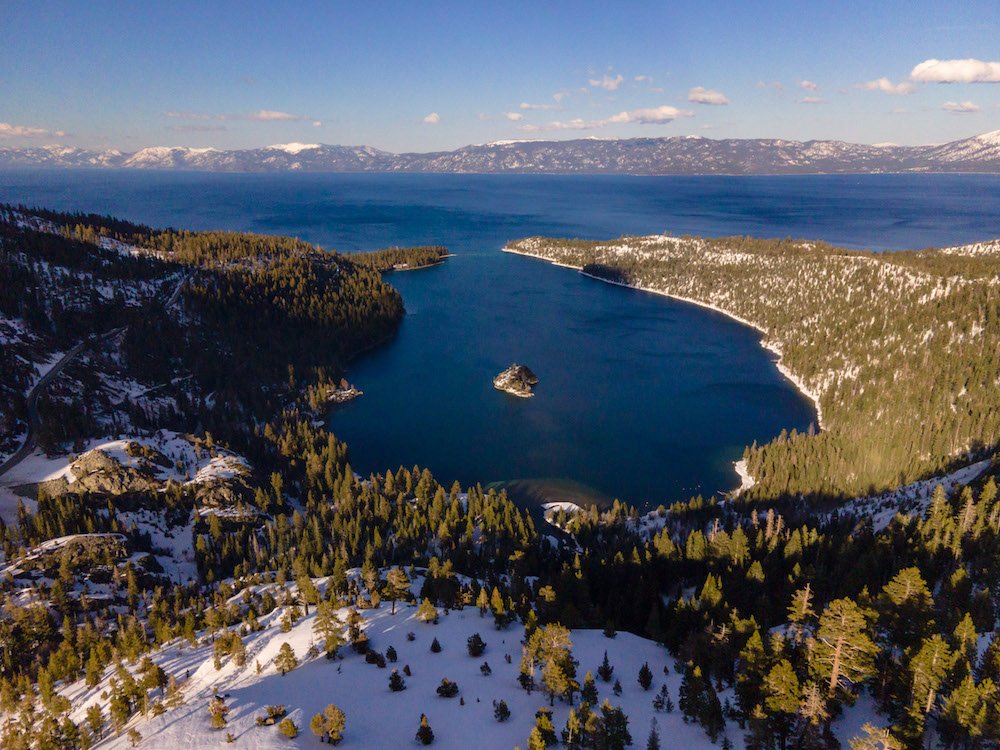
Discovering Lake Tahoe's Most Breathtaking Roads
Lake Tahoe, nestled in the Sierra Nevada mountains, is a true gem of natural beauty. With its crystal-clear blue waters, majestic mountains, and picturesque landscapes, Lake Tahoe offers a paradise for nature enthusiasts and road trip enthusiasts alike. Embarking on a scenic drive around Lake Tahoe allows you to immerse yourself in the region's breathtaking beauty, unveiling stunning vistas and hidden treasures along the way.
Lake Tahoe, nestled in the Sierra Nevada mountains, is a true gem of natural beauty. With its crystal-clear blue waters, majestic mountains, and picturesque landscapes, Lake Tahoe offers a paradise for nature enthusiasts and road trip enthusiasts alike. Embarking on a scenic drive around Lake Tahoe allows you to immerse yourself in the region's breathtaking beauty, unveiling stunning vistas and hidden treasures along the way.
Embark on unforgettable road trips around Lake Tahoe to witness its stunning beauty. Discover the awe-inspiring Emerald Bay State Park, where emerald waters and towering cliffs create a picturesque setting. Take a thrilling journey along Kingsbury Grade, a mountainous road offering breathtaking views of the lake.
In this blog, we will explore some of the most awe-inspiring scenic drives that will leave you in awe of Lake Tahoe's wonders.
After driving Donner Pass road, stop in at the free docks along Donner Lake for a stellar sunset lakeside. Photo by Dalton Johnson
Pros
Breathtaking Scenery: Road tripping around Lake Tahoe offers unparalleled natural beauty. From the crystal-clear blue waters of the lake to the majestic surrounding mountains, every drive is a feast for the eyes.
Diverse Landscapes: Lake Tahoe's road trips take you through diverse landscapes, including lush forests, alpine meadows, and granite peaks. The ever-changing scenery provides a captivating experience, with each turn revealing a new and awe-inspiring vista.
Outdoor Activities: Road tripping around Lake Tahoe opens up a world of outdoor activities. You can stop for hiking, biking, fishing, or simply enjoying a picnic in one of the many scenic spots along the way. The region offers abundant opportunities to connect with nature and enjoy various recreational pursuits.
Accessibility: Lake Tahoe is easily accessible from major cities in California and Nevada, making it a convenient road trip destination. Whether you're starting from Sacramento, San Francisco, or Reno, you can reach Lake Tahoe within a few hours' drive, making it ideal for weekend getaways or longer vacations.
Cons
Seasonal Crowds: Lake Tahoe is a popular tourist destination, especially during peak seasons like summer and winter. The roads can become congested, and popular viewpoints or attractions may be crowded. Planning your road trip during off-peak times or weekdays can help mitigate this issue.
Weather Conditions: The weather around Lake Tahoe can be unpredictable, especially during winter months. Snowstorms and icy roads can make driving challenging. It's important to check weather forecasts and road conditions before setting out on a road trip and to be prepared for possible delays or detours.
Limited Parking: During peak tourist seasons, finding parking can be challenging, particularly in popular areas or attractions. It's advisable to arrive early or consider alternative transportation options like shuttles or public transportation to avoid parking difficulties.
Higher Costs: Accommodation and dining options around Lake Tahoe can be relatively expensive, especially in popular tourist areas. Planning your budget and making advance reservations can help manage costs during your road trip.
Emerald Bay State Park:
The drive to Emerald Bay State Park on the west shore of Lake Tahoe is an absolute must for anyone seeking a truly enchanting experience. As you navigate the winding road that descends toward the bay, you'll be greeted by breathtaking vistas that will leave you in awe. The emerald waters of Lake Tahoe framed by towering granite cliffs create a scene straight out of a postcard.
Once you arrive at Emerald Bay, take some time to explore the many attractions this park has to offer. One of the highlights is Vikingsholm Castle, a stunning Scandinavian-style mansion nestled on the shores of the bay. This architectural marvel, surrounded by lush greenery, offers guided tours during the summer months. Stepping inside, you'll be transported back in time as you admire the intricate details and learn about the fascinating history of the castle.
For nature enthusiasts, a hike to Eagle Falls is a must. The trail takes you through a lush forest, with the sound of rushing water accompanying you as you ascend to the falls. Witnessing the cascading water against the backdrop of the lake is a sight to behold. The hike continues to Eagle Lake, a hidden gem that rewards you with tranquility and stunning views. Take a moment to soak in the serenity and enjoy a picnic on the lake's peaceful shores.
Overall, the drive to Emerald Bay State Park is a true feast for the senses. From the scenic vistas along the road to the captivating attractions within the park, it offers a remarkable experience that showcases the natural splendor of Lake Tahoe. Be sure to bring your camera, as you'll undoubtedly want to capture the magical moments that await you at every turn.
Mount Rose Scenic Byway:
The Mount Rose Scenic Byway drive is a breathtaking journey that takes you from the northeastern side of Lake Tahoe to the majestic Mount Rose Summit. As you ascend along this scenic route, you'll be treated to awe-inspiring vistas that showcase the beauty of the lake and the surrounding mountains. The drive offers a diverse range of landscapes, from dense forests to alpine meadows adorned with vibrant wildflowers, providing a truly immersive experience in nature.
Reaching an elevation of over 8,900 feet, the Mount Rose Summit offers panoramic views that will leave you speechless. From this vantage point, you can take in the grandeur of Lake Tahoe and the sprawling Sierra Nevada range. The glistening waters of the lake contrasted against the rugged mountain peaks create a mesmerizing sight that captures the essence of this alpine paradise.
Along the Mount Rose Scenic Byway, there are several opportunities to stop and explore the surrounding beauty. Consider taking a hike on one of the numerous trails that branch off from the main road. These trails lead you deeper into the wilderness, allowing you to discover hidden lakes, cascading waterfalls, and pristine alpine landscapes. Don't forget to pack a picnic and take a moment to savor the tranquility of this stunning natural setting.
The Mount Rose Scenic Byway drive is a captivating experience that immerses you in the unparalleled beauty of Lake Tahoe. Whether you're driving in the summer when wildflowers carpet the meadows or during autumn when the foliage bursts into vibrant hues, each season offers a unique and captivating perspective. As you wind your way through this scenic route, be prepared to be awed by the splendor of Lake Tahoe's natural wonders at every turn.
Kingsbury Grade:
The Kingsbury Grade drive is an exhilarating journey that connects Carson Valley to South Lake Tahoe. This mountainous road offers an unforgettable road trip experience, combining breathtaking scenery with a touch of adrenaline. As you navigate the twists and turns of Kingsbury Grade, you'll be rewarded with captivating views of Lake Tahoe and the surrounding majestic mountains.
The drive along Kingsbury Grade takes you through a landscape that transitions from dense forests to open meadows, providing a diverse and ever-changing backdrop. The road itself offers a thrilling experience with its hairpin turns and steep slopes. Adventure seekers will find themselves immersed in the thrill of the drive, as they ascend and descend the mountains while being treated to panoramic vistas of Lake Tahoe below.
While driving along Kingsbury Grade, be sure to make stops at designated viewpoints to fully appreciate the stunning scenery. These vantage points offer opportunities to capture breathtaking photographs that showcase the grandeur of Lake Tahoe. Take a moment to soak in the serenity and tranquility of the surroundings, allowing yourself to be fully immersed in the natural beauty that unfolds before you.
The Kingsbury Grade drive is a truly remarkable experience, blending the excitement of a thrilling mountain road with the unparalleled beauty of Lake Tahoe. It's a road trip that will leave you with lasting memories and a deep appreciation for the wonders of nature. So buckle up, embrace the adventure, and get ready to be amazed as you embark on this captivating drive into the heart of Lake Tahoe.
Donner Pass Road:
The Donner Pass drive near Lake Tahoe takes you on a captivating journey through the historic and scenic landscapes of the Sierra Nevada mountains. This route offers a glimpse into the rich history of the region, while also treating you to breathtaking views of the surrounding peaks and valleys. As you wind your way along the Donner Pass Road, you'll be immersed in both the natural beauty and the stories of the past.
One of the highlights of the drive is the opportunity to visit Donner Memorial State Park. This park commemorates the ill-fated Donner Party, a group of pioneers who faced tragic circumstances while attempting to cross the Sierra Nevada in the 19th century. Explore the Visitor Center to learn about their struggles and the challenges they encountered in this rugged terrain. The park also features beautiful hiking trails that meander through forests and along the shores of Donner Lake, providing a chance to appreciate the area's natural splendor.
As you continue the drive, you'll be captivated by the panoramic views of the surrounding mountains and valleys. The Donner Pass Road offers glimpses of sweeping vistas that showcase the grandeur of the Sierra Nevada range. These scenic viewpoints provide the perfect opportunity to pause, take in the beauty, and capture memorable photographs that encapsulate the majesty of the region.
The Donner Pass drive near Lake Tahoe seamlessly weaves together history, natural beauty, and awe-inspiring landscapes. It invites you to reflect on the challenges faced by pioneers while immersing you in the breathtaking vistas of the Sierra Nevada. Whether you're a history enthusiast, a nature lover, or simply seeking an enriching road trip experience, the Donner Pass drive offers a unique blend of captivating stories and stunning scenery that will leave a lasting impression.
After driving down Mount Rose scenic byway, continue along the east shore towards Bonsai Rock for some of the best paddle-boarding in Lake Tahoe. Photo by Dalton Johnson
Embarking on a road trip around Lake Tahoe is an extraordinary experience that immerses you in the breathtaking beauty of this natural wonder. From the scenic drives along the Emerald Bay State Park and the Mount Rose Scenic Byway to the thrilling adventure of the Kingsbury Grade and the historical significance of the Donner Pass drive, each route offers a unique perspective on the region's splendor.
As you navigate these scenic drives, you'll be captivated by the ever-changing landscapes, from pristine forests and alpine meadows to towering cliffs and crystal-clear waters. The panoramic vistas of Lake Tahoe and the surrounding mountains will leave you in awe and inspire a sense of wonder.
Take the time to explore the attractions along the way, whether it's visiting Vikingsholm Castle, hiking to Eagle Falls, or learning about the history of the Donner Party. These stops provide opportunities to deepen your connection with the natural and cultural heritage of the area.
Ultimately, road tripping around Lake Tahoe is a journey of discovery and appreciation for the remarkable beauty that nature has to offer. So, pack your bags, hit the road, and embark on an adventure that will create memories to last a lifetime. Lake Tahoe's scenic drives await, ready to unveil their breathtaking beauty and create an unforgettable experience for all who embark on this remarkable exploration.
Discover more of lake tahoe

Exploring Off-the-Beaten-Path Destinations: Hidden Gems for Vanlifers
Vanlife has become an increasingly popular way of exploring the world, offering the freedom to travel at your own pace and embrace a nomadic lifestyle. While iconic destinations like national parks and bustling cities are often at the top of every traveler's list, there's something truly enchanting about discovering hidden gems off the beaten path.
Vanlife has become an increasingly popular way of exploring the world, offering the freedom to travel at your own pace and embrace a nomadic lifestyle. While iconic destinations like national parks and bustling cities are often at the top of every traveler's list, there's something truly enchanting about discovering hidden gems off the beaten path.
Discover the hidden gems of the United States for vanlifers seeking unique adventures. Explore the enchanting Hoh Rainforest in Washington, with its lush greenery and glistening waterfalls. Experience the surreal landscapes of White Sands National Monument in New Mexico, perfect for sandboarding and stargazing. Embark on an off-the-beaten-path journey and uncover these lesser-known destinations that will leave vanlifers in awe.
In this blog post, we'll take you on a journey across the United States, exploring lesser-known destinations that are perfect for vanlifers seeking unique adventures and authentic experiences.
Pros
Authenticity: Off-the-beaten-path vanlife spots offer a more authentic and immersive experience, allowing vanlifers to connect with local culture, nature, and communities in a deeper and more meaningful way.
Serenity and Solitude: These hidden gems often provide a tranquil and peaceful environment, away from the crowds and tourist hotspots. Vanlifers can enjoy a sense of solitude, surrounded by nature's beauty and the freedom to explore without the usual hustle and bustle.
Unique Experiences: Off-the-beaten-path destinations offer unique and memorable experiences that are not typically found in popular tourist areas. From discovering hidden trails and secret viewpoints to encountering rare wildlife, vanlifers can create unforgettable moments that are truly one-of-a-kind.
Cons
Limited Amenities: Off-the-beaten-path locations may have limited amenities and infrastructure, making it important for vanlifers to be self-sufficient and prepared. Access to necessities like water, electricity, and proper facilities might be more challenging, requiring careful planning and resource management.
Lack of Services: Unlike popular tourist destinations, off-the-beaten-path spots may have fewer services such as restaurants, shops, and accommodations. Vanlifers should be prepared to stock up on supplies in advance or be flexible with their needs, as they may need to travel longer distances to find essential services.
Connectivity Challenges: Remote locations may have limited or no cellular reception or internet connectivity. While this can be an advantage for those seeking a digital detox, it may pose challenges for vanlifers who rely on consistent connectivity for work or communication.
Taos, New Mexico:
Nestled in the heart of the enchanting Sangre de Cristo Mountains, Taos awaits as a captivating destination for vanlifers seeking a unique and culturally rich experience. As you drive through the scenic landscapes, you'll be captivated by the adobe architecture, vibrant art scene, and the warm hospitality that permeates the air. Taos offers a blend of natural beauty, artistic expression, and a rich cultural heritage that is sure to leave a lasting impression.
Taos is a haven for artists and creatives, attracting those who seek inspiration from its breathtaking surroundings. Discover the renowned Taos Pueblo, a UNESCO World Heritage Site and one of the oldest continuously inhabited communities in the United States. Immerse yourself in the rich Native American history and culture, as you explore the traditional adobe structures and witness traditional ceremonies. Taos is also home to a thriving art scene, with numerous galleries and studios showcasing the works of talented local artists.
Beyond its cultural offerings, Taos is surrounded by magnificent natural landscapes. The nearby Taos Ski Valley offers year-round outdoor adventures, from exhilarating skiing and snowboarding in winter to scenic hikes and mountain biking in summer. Embark on a journey to the Rio Grande Gorge Bridge, where you can witness breathtaking views of the deep canyon carved by the mighty river. Explore the rugged landscapes, soak in natural hot springs, and revel in the tranquility that nature provides.
Outer Banks, North Carolina:
A string of pristine barrier islands stretching along the Atlantic Coast, where endless sandy beaches meet the untamed beauty of the ocean. Welcome to the Outer Banks, a vanlifer's dream destination that offers a perfect blend of tranquility, natural wonders, and rich history. As you drive along the scenic coastal roads, you'll be captivated by the charm and allure of this hidden gem.
The Outer Banks is a paradise for vanlifers seeking a beachfront getaway. Park your van along the shore, wake up to the soothing sound of crashing waves, and witness stunning sunrises and sunsets painting the sky with a vivid palette of colors. Explore the iconic lighthouses that dot the coastline, offering breathtaking views of the ocean and the surrounding islands. Immerse yourself in the local culture, savor fresh seafood, and feel the warmth of the Outer Banks community.
Beyond the beaches, the Outer Banks boasts a rich history waiting to be discovered. Visit the Wright Brothers National Memorial in Kitty Hawk, where the first powered flight took place, and pay homage to the pioneers of aviation. Explore the historic towns of Nags Head, Duck, and Corolla, each with its own unique charm and character. Engage in water sports such as surfing, kayaking, and paddleboarding, or embark on a thrilling dolphin-watching tour.
In your van, you have the freedom to navigate the diverse landscapes and hidden treasures of the Outer Banks. Whether you choose to relax on the sandy shores, explore the vibrant marine life, or delve into the region's fascinating history, this coastal haven offers an idyllic setting for your vanlife adventure. So pack your bags, embrace the laid-back beach lifestyle, and let the Outer Banks become your sanctuary of relaxation and exploration.
White Sands National Monument, New Mexico:
Picture a vast expanse of glistening white sand dunes stretching as far as the eye can see. Welcome to White Sands National Monument, a surreal and captivating destination that beckons vanlifers to experience a truly unique adventure. As you drive through the rugged desert landscape, you'll be mesmerized by the ethereal beauty of the white sands, creating a serene and otherworldly atmosphere.
White Sands National Monument offers a one-of-a-kind experience for vanlifers seeking tranquility and natural wonder. Park your van amidst the rolling dunes and immerse yourself in the soft, cool sand. Witness the interplay of light and shadow as the sun dances across the landscape, creating an ever-changing canvas of colors. Explore the dunes on foot or try your hand at sandboarding, gliding down the slopes with exhilaration.
Beyond the captivating scenery, White Sands offers a unique opportunity for stargazing. As night falls, the absence of light pollution allows the night sky to come alive with a breathtaking display of stars. Set up a campfire, lay back, and marvel at the celestial wonders above. It's an experience that will leave you in awe of the vastness of the universe.
In your van, you have the freedom to fully immerse yourself in the tranquil beauty of White Sands National Monument. Whether you choose to explore the dunes, capture mesmerizing photographs, or simply find solace in the stillness of the desert, this hidden gem is sure to leave an indelible mark on your vanlife journey. Surrender to the enchantment of White Sands and let its ethereal beauty create memories that will last a lifetime.
Olympic Peninsula, Washington:
Imagine a place where lush rainforests meet rugged coastlines, where snow-capped mountains reflect in crystal-clear lakes. Welcome to the Olympic Peninsula in Washington, a vanlifer's paradise that offers a tapestry of natural wonders waiting to be explored. As you traverse the winding roads, you'll be enchanted by the majestic old-growth forests, cascading waterfalls, and the serene beauty of the Olympic Mountains towering above you.
The Olympic Peninsula is a haven for outdoor enthusiasts and nature lovers alike. Strap on your hiking boots and embark on unforgettable adventures through the Hoh Rainforest, where ancient trees draped in moss create a mystical ambiance. Discover hidden hot springs nestled in the wilderness, allowing you to soak in the tranquility of nature. Take a stroll along the wild and rugged coastline, where crashing waves and sea stacks create a breathtaking spectacle.
One of the highlights of the Olympic Peninsula is the stunning Olympic National Park, a UNESCO World Heritage Site. From the glacier-carved valleys of Hurricane Ridge to the pristine shores of Lake Crescent, the park offers endless opportunities for exploration. Camp in secluded spots, waking up to the songs of birds and the scent of nature. Capture incredible photographs of wildlife, such as Roosevelt elk and bald eagles, in their natural habitats.
Badlands National Park, South Dakota:
Picture a vast expanse of rugged beauty, where towering rock formations emerge from the prairie like ancient sentinels. Welcome to Badlands National Park, a mesmerizing destination that begs to be explored by vanlifers seeking an unforgettable adventure. As you navigate the winding roads through this dramatic landscape, you'll be greeted by a panorama of multicolored layers of rock, stark canyons, and abundant wildlife. It's a place where the past comes alive, with fossil-rich lands telling the stories of ancient creatures that once roamed the earth.
Badlands National Park offers vanlifers a unique blend of natural wonders and outdoor activities. Lace up your hiking boots and traverse the rugged trails, leading you to hidden viewpoints and breathtaking vistas. Explore the dramatic Badlands Wall, a geological marvel that stretches for miles, or venture into the lesser-known areas of the park for a more secluded experience. As night falls, be prepared to witness a celestial spectacle, as the vast expanse of the night sky reveals a dazzling array of stars, free from the light pollution of urban areas.
But it's not just about the landscapes; Badlands National Park is a place of discovery and adventure. Encounter the abundant wildlife that calls this unique habitat home, from bison and bighorn sheep to prairie dogs and elusive coyotes. Embrace the spirit of exploration as you uncover hidden valleys, discover fossil remnants, and let the untouched beauty of the park awaken your sense of wonder. In your van, you have the freedom to roam and immerse yourself in this extraordinary environment, where every turn presents a new opportunity for awe and discovery. Badlands National Park awaits, ready to ignite your spirit of adventure and leave an indelible mark on your vanlife journey.
Joshua Tree National Park, California:
Imagine a place where the rugged beauty of the desert meets surreal landscapes and breathtaking vistas. That place is Joshua Tree National Park, and it's calling out to the adventurous soul within you. Picture yourself driving through the vast open spaces, with the iconic Joshua Trees standing tall as if guarding the secrets of the desert. As you park your van amidst this natural wonder, you'll find yourself immersed in a world of awe-inspiring rock formations, captivating sunsets, and a night sky that will leave you breathless.
Joshua Tree National Park offers an unparalleled experience for vanlifers seeking a unique adventure. Embark on hikes that lead you to hidden oases, where lush vegetation thrives against the harsh desert backdrop. Scale the mesmerizing rock formations and witness panoramic views that stretch as far as the eye can see. Explore the Cholla Cactus Garden, a surreal landscape filled with thousands of prickly plants, or lose yourself in the maze-like Joshua Tree forests, feeling the connection between nature and your free-spirited vanlife journey.
But it's not just about the landscapes; Joshua Tree is a place of inspiration and creativity. Many artists, musicians, and writers have found solace and enlightenment within its boundaries. Allow the serene desert environment to ignite your creativity, whether it's capturing the perfect photograph, strumming a guitar under the starry sky, or simply finding inspiration in the silence and solitude of the desert. Joshua Tree National Park beckons you to embrace the spirit of adventure and self-discovery, and in your van, you have the freedom to explore this extraordinary destination at your own pace, creating memories that will last a lifetime.
Venturing off the beaten path allows vanlifers to discover hidden gems that showcase the diversity and beauty of the United States. From enchanting rainforests to surreal deserts, these lesser-known destinations offer unforgettable experiences for those seeking authentic adventures. So, pack your bags, hit the road, and let these off-the-beaten-path locations inspire your next vanlife journey. Remember to respect nature and leave no trace, ensuring thatfuture vanlifers can also enjoy these hidden gems for years to come.
Discover more of vanlife

How To Successfully Climb Mount Whitney In a Day
The tallest mountain in the Lower 48, Mount Whitney is a heavily sought-after hike to the summit that often takes between 20 to 23 hours. While most would likely prefer to tackle this peak over several days, the difficulty with permitting, established for conservation purposes, prevents many from overnight trips.
The tallest mountain in the Lower 48, Mount Whitney is a heavily sought-after hike to the summit that often takes between 20 to 23 hours. While most would likely prefer to tackle this peak over several days, the difficulty with permitting, established for conservation purposes, prevents many from overnight trips.
To climb Mount Whitney in a day, start early from the Whitney Portal trailhead, ensuring you have the necessary permits. Hike at a steady pace, taking short breaks for water and snacks, and maintain proper hydration and nutrition throughout. Be prepared for the physical demands, variable weather, and altitude effects, and carefully monitor your body for signs of altitude sickness.
Read on to discover everything you need to know about scaling the tallest peak in the lower 48.
Pros
Time efficiency: Climbing Mount Whitney in a day allows you to experience the challenge and beauty of the mountain without the need for an overnight stay, saving time and logistical planning.
Cost savings: By completing the climb in a day, you can avoid the expenses associated with camping or staying overnight, such as campground fees, permits, and additional gear.
Physical accomplishment: Climbing Mount Whitney in a day is a demanding physical challenge that can provide a great sense of achievement and personal fulfillment.
Flexibility: One-day climbs offer more flexibility in terms of scheduling, as you can choose a date that works best for you without the need for overnight camping reservations.
Less equipment needed: Since you won't be camping overnight, you can carry a lighter pack without the need for camping gear, making the ascent slightly easier.
Cons
Physical demands: Climbing Mount Whitney in a day requires a high level of fitness and endurance. The steep ascent and long-distance hiking can be physically taxing, especially if you're not adequately prepared.
Altitude-related risks: The rapid ascent to high altitude increases the risk of altitude sickness, such as headache, nausea, and dizziness. The limited time at altitude may not allow for proper acclimatization, making it important to monitor your body's response closely.
Limited time for enjoyment: Climbing Mount Whitney in a day leaves less time for leisurely exploration, rest breaks, or taking in the scenery. The focus is primarily on the ascent, which can be physically and mentally demanding.
Increased risk of accidents: The rush to complete the climb in a day may lead to a higher risk of slips, falls, and injuries, especially on the steep and rocky sections of the trail.
Standard Route:
Mount Whitney Trail
6,600 feet of vertical gain
21 miles round-trip
Hiking trail
Trailhead:
Los Angeles (LA) to Whitney Portal:
Take I-5 North to CA-14 North (Antelope Valley Freeway).
Continue on CA-14 North until you reach Mojave.
In Mojave, merge onto CA-14 North/US-395 North.
Stay on US-395 North for approximately 135 miles.
Take the exit toward CA-136 West/CA-190 West towards Lone Pine.
Merge onto CA-136 West/CA-190 West and continue for about 60 miles.
You will reach Lone Pine. From there, follow Whitney Portal Road (West Whitney Portal Road) for approximately 13 miles to reach Whitney Portal.
Bay Area to Whitney Portal:
From the Bay Area, take I-580 East or I-880 South to I-5 South.
Continue on I-5 South until you reach CA-14 North (in Santa Clarita).
Take CA-14 North/US-395 North towards Mojave.
Stay on US-395 North for approximately 135 miles.
Take the exit toward CA-136 West/CA-190 West towards Lone Pine.
Merge onto CA-136 West/CA-190 West and continue for about 60 miles.
You will reach Lone Pine. From there, follow Whitney Portal Road (West Whitney Portal Road) for approximately 13 miles to reach Whitney Portal.
Las Vegas to Whitney Portal:
Take I-15 North from Las Vegas.
Continue on I-15 North for approximately 125 miles.
Take exit 248 for CA-127 towards Death Valley/Jean/Riverside County.
Merge onto CA-127 North and continue for about 105 miles.
In Shoshone, turn left onto CA-178 West and continue for approximately 38 miles.
Turn right onto CA-127 North/CA-190 West and continue for about 26 miles.
In Lone Pine, turn left onto CA-136 West/CA-190 West and continue for approximately 12 miles.
Follow Whitney Portal Road (West Whitney Portal Road) for about 13 miles to reach Whitney Portal.
Lake Tahoe to Whitney Portal:
Take US-50 West from Lake Tahoe.
Continue on US-50 West for approximately 220 miles, passing through Placerville and Sacramento.
In West Sacramento, merge onto I-5 South.
Continue on I-5 South until you reach CA-14 North (in Santa Clarita).
Take CA-14 North/US-395 North towards Mojave.
Stay on US-395 North for approximately 135 miles.
Take the exit toward CA-136 West/CA-190 West towards Lone Pine.
Merge onto CA-136 West/CA-190 West and continue for about 60 miles.
You will reach Lone Pine. From there, follow Whitney Portal Road (West Whitney Portal Road) for approximately 13 miles to reach Whitney Portal.
Average Time to Climb:
1 day, typically taking 18-22 hours
Red Tape:
Permits for the Whitney Zone are a lottery system, so apply and cross your fingers you get something. Because of the permitting system, most people are forced to day hike this trail, as overnight permits are rare to win in the lottery.
If you don't win the lottery, you can always try for a “same-day” (or "walk-up") permit. The name of these permits is somewhat misleading as they're released the Sunday before online at recreation.gov.
Tentative Schedule for Climbing whitney in a day
Here's a sample schedule for climbing Mount Whitney in a single day. Please note that individual preferences, fitness levels, and trail conditions may vary, so it's important to adapt the schedule based on your own needs and abilities. This schedule assumes a starting point at Whitney Portal.
Early Morning Start:
2:00 AM: Arrive at Whitney Portal parking area, prepare gear, and ensure you have all necessary supplies.
2:30 AM: Begin hiking.
Ascent:
2:30 AM - 8:00 AM: Hike steadily and maintain a consistent pace during the ascent. Take short breaks for water, snacks, and to adjust layers if needed.
Trail Crest and Summit Push:
8:00 AM - 9:30 AM: Reach Trail Crest, the point where the trail crosses over to the east side of the ridge. Take a short break to rest, refuel, and enjoy the panoramic views.
9:30 AM - 11:30 AM: Begin the final push to the summit from Trail Crest. Ascend the switchbacks and traverse the ridge to reach the summit of Mount Whitney.
Summit Time:
11:30 AM - 12:30 PM: Spend time on the summit, taking in the views, capturing photos, and celebrating your achievement. Remember to adhere to Leave No Trace principles and respect the environment.
Descent:
12:30 PM - 4:00 PM: Start the descent from the summit, retracing your steps back along the trail. Be cautious and maintain a steady pace while descending to avoid accidents.
Return to Whitney Portal:
4:00 PM - 7:00 PM: Continue descending from the higher elevations, passing through Trail Crest, and descending the switchbacks. Take breaks as needed but aim to maintain a steady pace.
After the Climb:
7:00 PM - 8:00 PM: Arrive back at Whitney Portal. Take off your gear, change into comfortable clothes, and celebrate your successful climb.
8:00 PM onwards: Return to your accommodations or proceed with your onward travel plans.
Remember that this schedule is just a guideline, and individual factors such as fitness level, weather conditions, and altitude acclimatization should be taken into account. It's crucial to prioritize safety, listen to your body, and make adjustments as needed throughout the climb.
Gear List for a single day climb of mount whitney
Here's a quick and dirty essentials gear list for climbing Mount Whitney in a day:
Backpack: A comfortable and sturdy backpack to carry your gear.
Hiking Boots: Proper hiking boots with ankle support for traction and stability on the trail.
Layered Clothing: Dress in layers to accommodate changing weather conditions. Include moisture-wicking base layers, insulating mid-layers, and a waterproof and windproof outer layer.
Hat and Sunglasses: Protect yourself from the sun with a hat that shades your face and neck, and wear sunglasses with UV protection to shield your eyes.
Gloves: Lightweight gloves to protect your hands from cold temperatures and wind.
Headlamp: A reliable headlamp with extra batteries for early morning or late evening hiking.
Water and Hydration System: Carry enough water to stay hydrated throughout the hike. Consider a hydration bladder or water bottles with a filtration system.
Food and Snacks: Pack high-energy snacks and meals to fuel your climb, such as trail mix, energy bars, and sandwiches.
Navigation Tools: Bring a detailed map of the area, a compass, and/or a GPS device to navigate the trail.
Sunscreen: Apply sunscreen with a high SPF to protect your skin from the sun's rays.
First Aid Kit: Carry a basic first aid kit with essentials such as bandages, blister treatments, pain relievers, and any necessary personal medications.
Trekking Poles: Optional but beneficial for added stability and reducing strain on your knees and legs.
Emergency Supplies: Pack emergency items like a whistle, signaling mirror, emergency blanket, and a lightweight emergency shelter.
Portable Phone Charger: Ensure your phone is fully charged and carry a portable charger for emergencies. (optional)
Personal Items: Include essentials such as a camera, personal identification, cash, and a small trash bag for Leave No Trace principles.
Remember to check the weather forecast and trail conditions before your climb and adjust your gear accordingly. It's important to strike a balance between carrying essential items and keeping your pack as lightweight as possible for a comfortable climb.
What is the best time of year to climb Mount Whitney in a day?
The best time of year to climb Mount Whitney in a day is typically during the summer months, specifically from late June to early October. This period offers the most favorable weather conditions and reduced risk of snow and ice on the trail. However, it's essential to keep in mind that weather in the Sierra Nevada can be unpredictable, even during summer, so it's crucial to monitor forecasts and plan accordingly.
What are the risks and challenges of climbing Mount Whitney in a day?
Climbing Mount Whitney in a day presents several risks and challenges that climbers should be aware of:
Altitude sickness: Rapid ascent to high altitudes can increase the risk of altitude-related illnesses such as acute mountain sickness (AMS), high altitude pulmonary edema (HAPE), and high altitude cerebral edema (HACE). Symptoms can include headache, nausea, dizziness, fatigue, and difficulty breathing. Adequate acclimatization and proper monitoring of symptoms are essential to mitigate these risks.
Physical demands: Climbing Mount Whitney in a day requires a high level of physical fitness and endurance. The trail is steep, with significant elevation gain, and covers a long distance. The strenuous nature of the climb can lead to fatigue, muscle strains, and overall physical exhaustion.
Weather conditions: The Sierra Nevada Mountains are known for rapidly changing weather patterns. Thunderstorms, strong winds, and sudden drops in temperature can occur, especially in the afternoon. Being exposed to adverse weather conditions can increase the risk of hypothermia, lightning strikes, and hazardous trail conditions.
Time constraints: Attempting to complete the climb in a day means there is limited time to reach the summit and descend safely before darkness falls. Time pressure can lead to rushing, which can increase the risk of slips, falls, and accidents.
Lack of acclimatization time: Climbing Mount Whitney in a day does not provide ample time for proper acclimatization to the high altitude. This increases the risk of altitude sickness and can affect physical and cognitive abilities during the climb.
Crowded trail: Mount Whitney is a popular destination, and attempting a one-day climb means encountering a significant number of hikers on the trail. This can result in congestion, delays, and difficulty finding suitable resting spots along the way.
Technical sections: Certain sections of the trail, such as the infamous "97 Switchbacks," may present technical challenges. Steep and exposed sections can be challenging to navigate, especially for those without experience in alpine environments.
Limited access to emergency assistance: Climbing Mount Whitney in a day means there is limited access to immediate assistance in case of emergencies or injuries. It's essential to have proper communication devices, first aid supplies, and the necessary knowledge and skills to handle emergencies effectively.
To mitigate these risks and challenges, climbers should ensure they are adequately prepared physically, mentally, and in terms of equipment. They should have a solid understanding of the route, be knowledgeable about high-altitude risks, and closely monitor their own well-being throughout the climb.
Are there any alternative routes to consider for climbing Mount Whitney in a day?
Mountaineer's Route: This is a more challenging and less crowded route than the traditional Whitney Portal Trail. It involves scrambling and navigating steep slopes, but it provides a more adventurous experience for experienced climbers.
North Fork Lone Pine Creek: This route begins at the North Fork Trailhead and follows the North Fork of Lone Pine Creek. It offers scenic views and a less crowded experience compared to the Whitney Portal Trail. However, it requires navigation skills and can be more technically challenging.

Climbing Mount Whitney in a single day is a challenging and rewarding endeavor that requires careful planning, physical fitness, and an understanding of the risks involved. By following a well-prepared schedule, being aware of the potential challenges and hazards, and ensuring you have the appropriate gear and supplies, you can increase your chances of a safe and successful climb. Remember to prioritize safety, listen to your body, and make informed decisions throughout the journey, ultimately making your one-day ascent of Mount Whitney a memorable and fulfilling experience.
Discover more Mountain Adventures

Overcoming Adversity While Bikepacking Freel Peak to Mount Whitney | Day 4
The morning is cold and overcast, but I still wanted to soak in a hotspring before taking off on the bike once again. I’m feeling groggy, my legs are sore, and my butt has started to feel the pain of this trip, bikepacking from Lake Tahoe to Mount Whitney. It’s day four.
The morning is cold and overcast, but I still wanted to soak in a hotspring before taking off on the bike once again. I’m feeling groggy, my legs are sore, and my butt has started to feel the pain of this trip, bikepacking from Lake Tahoe to Mount Whitney. It’s day four.
Fueled up on coffee and after a quick soak in the Mammoth Hot Springs, I am ready to bounce down the dirt road back to the highway, so I can cover some serious ground. So, I loaded up the bike put on my gloves, and started pedaling down the road.
Sadly, less than a mile down the way, my tires were low on pressure. What the heck! I thought to myself as I recalled the day before when I get a flat. This is a brand new tube, maybe 20 miles on it, why is it flat already?!
Breaking out the pump, I inflated both the front and the back. They wouldn’t hold air and I was out of extra tubes.
Thankfully, Kristin had not gone far with the van, so I loaded my bike and hitched a ride back to the town of Mammoth instead of walking.
In the middle of a Starbucks parking lot, I poured fix a flat into both tires in hopes of getting back on the road ASAP. Nothing. ERRRRRR!! I was getting pissed. This happens everytime head out on an adventure like this it feels like!
All I want to do is ride, think, and enjoy the beauty. But, not right now.
As the morning is still early, I have to wait for a bike store to open and when it does, I snag a few tubes.
With the new tubes in hand, I mount my trusty stead and head south. I’m about three hours behind and need to make up some time… fast. So, I put my head down and grind away as the pavement zooms past under my perfectly inflated tires.
Thankfully Kristin was close that I could catch a ride, pushing my bike back to Mammoth would have been a b!@#$!
As the road blocks fall to the side and I reach a cruising speed, a smile returns to my face. There is nothing better than flying down a road on a bike.
Then it hits me. The wind. Strong. Very strong. So strong it almost forces me over and grinds my progress to a halt. What the heck! What kind of day is this? First, I have flat tires, next the wind, who knows what will come after all of this. But, for now, all I can do is continue pedaling. So, that is what I do.
In a comical manner, I pass a few construction workers fixing the road. I am not moving quickly, I am crouched down, and in my lowest gear pedaling as hard as I can. My speed was about 4 MPH. Laughable. Together the construction workers look at me and bump elbows to take a glance at the show I am putting on for them. At first, I was embarrassed, but then I started to laugh with them from behind my BUFF. If you can’t beat them, join them. Right?
After a few more hours of horrible head winds, I was granted easy passage making quick time to Bishop, CA winding through a variety of backroads and a short-and-sweet mountain pass.
As my belly rumbled, I knew it was time for me to take a break. So, I tucked into a church parking lot and snacked. There was still a long ways to go, that feeling of defeat was setting in, and doubt continued to creep in with every bite.
Looking at my watch, it was time to go. I was going to fall short of my goal for the day, but that is okay, at least I got out there and gave it my all.
Discover More Bikepacking

What To Do with 72 Hours in Yosemite National Park
Many of us dream of spending weeks gawking at the thundering waterfalls, rock climbing the towering granite walls, and hiking Half Dome or deep into the remote wilderness of Yosemite National Park, but, not everyone has the luxury of time. In fact, most visitors stay in Yosemite for 57 hours making us an anomaly if we get 72 hours, aka a long weekend, in the land of giants. So, how do you make the most of your 72 hours in Yosemite?
Many of us dream of spending weeks gawking at the thundering waterfalls, rock climbing the towering granite walls, and hiking Half Dome or deep into the remote wilderness of Yosemite National Park, but, not everyone has the luxury of time. In fact, most visitors stay in Yosemite for 57 hours making us an anomaly if we get 72 hours, aka a long weekend, in the land of giants. So, how do you make the most of your 72 hours in Yosemite?
With 72 hours in Yosemite National Park, you need to have a strategy to do everything you hope to do, knowing you can’t do it all, and still make time to sit back and soak in the stunning views that Yosemite Valley has to offer its visitors. For most, the planning will include selecting hikes, rock climbs, photo destinations, and searching for the hidden gems based on the time of year you are visiting.
Continue reading to learn how you can make the most of your 72 hours in Yosemite National Park.
Enjoying sunrise at Glacier Point and peeking down the 2000 foot cliff. Photo by Dalton Johnson
PROS
Natural Beauty: Yosemite is renowned for its breathtaking natural beauty, including towering granite cliffs, majestic waterfalls, pristine lakes, and lush meadows. Spending 72 hours allows you ample time to explore and appreciate the park's scenic wonders.
Hiking and Outdoor Activities: Yosemite offers an extensive network of hiking trails suitable for all skill levels. You can embark on hikes that lead to iconic landmarks like Half Dome, Yosemite Falls, or Glacier Point. Additionally, you can engage in activities like rock climbing, biking, fishing, and wildlife viewing.
Photography Opportunities: With its awe-inspiring landscapes and diverse wildlife, Yosemite presents endless photography opportunities. Whether you're a professional photographer or an amateur, the park offers numerous picturesque vistas and stunning subjects to capture.
Camping Experience: Yosemite has several campgrounds where you can immerse yourself in nature and enjoy a true outdoor experience. Spending multiple days allows you to fully embrace camping, star-gazing, and enjoying campfire meals.
Wildlife and Flora: Yosemite is home to various wildlife species, including black bears, mule deer, coyotes, and many others. Exploring the park over 72 hours increases your chances of encountering these animals and observing their natural behaviors. You can also appreciate the park's diverse plant life, including its famous giant sequoias.
CONS
Time Limitations: Yosemite is vast, covering an area of over 750,000 acres, and it's impossible to explore everything in just 72 hours. You may feel rushed and unable to fully immerse yourself in the park's offerings.
Crowds and Traffic: Yosemite attracts millions of visitors each year, and during peak seasons or weekends, it can get crowded. Popular trails, viewpoints, and attractions may be congested, limiting your solitude and tranquility.
Limited Amenities: While Yosemite has facilities like visitor centers, restaurants, and lodges, they may not meet everyone's expectations. The availability of amenities can vary based on the specific areas you visit within the park.
Weather Constraints: Weather conditions in Yosemite can be unpredictable, especially at higher elevations. It's essential to be prepared for sudden changes in weather, which may impact your outdoor activities and visibility.
Park Regulations: Yosemite has certain regulations in place to protect the park's natural resources and ensure visitor safety. It's crucial to familiarize yourself with these rules to avoid any inadvertent violations that could result in fines or penalties.
72 HOUR HIKING ITINERARY
DAY 1:
Morning: Start your day by visiting the Yosemite Valley Visitor Center to gather information, maps, and get oriented with the park.
Mid-morning: Begin your hike to Yosemite Falls, one of the tallest waterfalls in North America. Take the Yosemite Falls Trail to reach the Lower Falls and continue to the Upper Falls if you're up for a strenuous climb. If you are going to the Upper Falls, this can take a full day, so come prepared with a day hiking kit.
Afternoon: If you decided to turn around at the Lower Falls, after a quick bite to eat, explore the Valley Loop Trail, a 13-mile loop that takes you through meadows, along the Merced River, and offers stunning views of El Capitan and Half Dome. The best part of the Valley Loop Trail is that it is a chose your own adventure, so pick and chose the sections you would like!
Evening: Set up your camp at one of the Yosemite Valley campgrounds and enjoy a relaxing evening amidst nature.
DAY 2:
Morning: Rise early and embark on the Mist Trail, which leads to two spectacular waterfalls: Vernal Fall and Nevada Fall. The trail can be slippery due to mist, so prepare accordingly.
Mid-morning: If you are feeling up for a long adventure head to Glacier Point via the Four Mile Trail, a challenging but rewarding hike. Enjoy panoramic views of Yosemite Valley, Half Dome, and the High Sierra. If you are feeling fit, head from Glacier Point to Sentinel Dome or Taft Point for a long and gorgeous full day.
Afternoon: Descend from Glacier Point and return to Yosemite Valley finding a spot along the Merced River to soak your tired legs and enjoy a meal with friends and family.
Evening: Return to your campsite and spend the evening stargazing or relaxing by the campfire.
DAY 3:
Morning: Drive or take the park shuttle to Tuolumne Meadows, a picturesque high-country area. Begin your day with a hike to Cathedral Lakes, two stunning alpine lakes nestled beneath granite peaks.
Mid-morning: Continue to hike the John Muir Trail towards Sunrise Lakes. This trail rewards you with beautiful lakes and expansive views of the surrounding wilderness.
Afternoon: For more adventure, hike up to Clouds Rest, a prominent peak offering breathtaking views of Half Dome, Yosemite Valley, and the surrounding mountains.
Evening: After descending from Clouds Rest, head back to Tuolumne Meadows and spend your last night camping in this tranquil area.
72 HOUR ROCK CLIMBING ITINERARY
DAY 1:
Morning: Arrive at Yosemite Valley and check in at Camp 4, a renowned campground for climbers, to secure your spot.
Mid-morning: Start your climbing adventure by tackling the classic route "After Six" on Manure Pile Buttress. This is a moderate multi-pitch climb that offers beautiful views of the valley. Pro-tip: if After Six has a line at the start, do After Seven, it’s slightly harder but better.
Afternoon: Head to El Capitan Meadow and gaze up at the impressive El Capitan, one of the most iconic climbing destinations in the world. Take the opportunity to observe other climbers on their daring ascents.
Evening: Relax and unwind at Camp 4, where you can meet fellow climbers and share stories around a campfire.
DAY 2:
Morning: Rise early and make your way to Half Dome. Begin the challenging ascent via the Snake Dike route, a long and technical climb known for its stunning granite features and runout climbing. This climb requires a solid head space and willingness to push your body for 20 hours or longer if trying to climb in a single day.
Mid-morning to Afternoon: Spend the entire day conquering Half Dome and enjoying the incredible views from its summit. Take your time to savor this unforgettable experience.
Evening: Descend carefully and return to Yosemite Valley. Treat yourself to a hearty meal, if anything is still open, at one of the park's restaurants to celebrate your accomplishment.
DAY 3:
Morning: Pack up your bags and head for Tuolumne Meadows, a high-country area renowned for its granite domes and alpine scenery.
Afternoon: Venture to Cathedral Peak, an iconic granite spire in the area. Climb the Southeast Buttress route, which is considered a classic and offers an exhilarating experience. If you are feeling up for the challenge, try to tackle to Tuolumne Triple—Tioga Peak, Mathess Crest, and Cathedral Peak— in a single day.
Evening: Descend from Cathedral Peak, and if time allows, take a moment to enjoy the serene beauty of Tuolumne Meadows. Return to Yosemite Valley and reflect on your incredible rock climbing journey.
72 HOURS PHOTOGRAPHY ITINERARY
DAY 1:
Morning: Start your day at Tunnel View, a classic viewpoint that offers a stunning panoramic vista of Yosemite Valley, including El Capitan, Half Dome, and Bridalveil Fall. Capture the sunrise casting its golden light on the landscape.
Mid-morning: Head to Yosemite Valley and explore Cook's Meadow. This area provides great opportunities for photographing the iconic Yosemite Falls, with the meadow offering a beautiful foreground.
Afternoon: Visit Mirror Lake, especially during the spring and early summer when it reflects the surrounding granite cliffs. Experiment with capturing the reflections and the lush vegetation.
Evening: If you are feeling up for a drive, capture the sunset at Glacier Point, where you can witness the warm light bathing Half Dome and the valley below. Stay until twilight to photograph the stars over the horizon.
DAY 2:
Morning: Wake up early and make your way to Mariposa Grove, home to the park's giant sequoias. Capture the majestic trees in the morning light, experimenting with different compositions and capturing their grandeur.
Mid-morning: Explore the Mist Trail to photograph Vernal Fall and Nevada Fall. This trail offers several vantage points to capture the power and beauty of these impressive waterfalls.
Afternoon: Now that your legs are feeling a bit sore, hop in your car and head to Olmsted Point, a unique viewpoint along Tioga Road. Capture the granite formations and the panoramic views of the high country, including Clouds Rest and Tenaya Lake. Ideally, you stay around this area until sunset for the best light.
Evening: Make your way back to Valley View, a popular spot along the Merced River that offers a stunning reflection of El Capitan. Capture the sunset hues on the granite cliffs and the serene river. If you can, make the time to create some astrophotography shots as well while you are in Yosemite National Park.
DAY 3:
Morning: Wake up early so you can finish your 72 hours in Yosemite strong by venturing to Tuolumne Meadows and photograph the serene beauty of this high-country area. Capture the meandering Tuolumne River, the granite domes, and the wildflower-filled meadows.
Mid-morning: Hike to Cathedral Lakes, photographing the pristine alpine lakes surrounded by granite peaks. Explore different angles and compositions to showcase the natural beauty.
Afternoon: Drive to Tunnel View again, this time capturing the sunset and the changing light on the valley and the iconic landmarks. Experiment with long exposures or time-lapse photography.
Evening: End your photography journey at Sentinel Bridge, capturing the tranquil reflections of Half Dome and other surrounding features in the Merced River during the twilight hours.
OPTIONS TO STAY IN AND AROUND YOSEMITE NATIONAL PARK
There are several options for accommodations both within Yosemite National Park and in the surrounding areas. Here are some options to consider:
Lodges and Hotels in Yosemite Valley: Yosemite Valley has a range of lodging options, including iconic lodges like The Ahwahnee (now known as The Majestic Yosemite Hotel) and Yosemite Valley Lodge. These lodges offer comfortable rooms, restaurants, and proximity to major attractions. Reservations for these accommodations should be made well in advance.
Curry Village: Located in Yosemite Valley, Curry Village offers rustic cabins, tent cabins, and canvas tent accommodations. This is a more budget-friendly option that provides a unique camping experience without having to bring your own tent.
Campgrounds in Yosemite Valley: Yosemite Valley has several campgrounds that offer tent and RV camping. Camp 4 is a popular choice for climbers, while Upper Pines, Lower Pines, and North Pines campgrounds are more general-use campgrounds. These campgrounds can fill up quickly, so reservations are recommended.
Wawona: Wawona is a historic area located south of Yosemite Valley and offers the Wawona Hotel, a Victorian-style hotel with modern amenities. The area also has campgrounds and vacation rentals.
Tuolumne Meadows: Tuolumne Meadows is a high-country area in Yosemite and offers camping options such as Tuolumne Meadows Campground. It is a beautiful location with access to hiking trails and stunning views.
El Portal and Mariposa: These towns are located just outside the western entrance of Yosemite National Park and offer a variety of lodging options, including hotels, motels, and vacation rentals. They provide convenient access to the park while being slightly removed from the busy Yosemite Valley.
Groveland and Oakhurst: These towns are located outside the park's western and southern entrances, respectively. They offer a range of accommodations, including hotels, bed and breakfasts, and vacation rentals.
It's important to note that availability can vary depending on the time of year and demand, so it's advisable to make reservations well in advance, especially for popular dates. Additionally, camping in Yosemite National Park requires a camping permit, which can be obtained through the park's reservation system.
Attempting the Tuolumne Triple while out running a summer thunderstorm. Photo by Dalton Johnson
Spending 72 hours in Yosemite National Park provides a remarkable opportunity to immerse yourself in the unparalleled beauty of nature. With its towering granite cliffs, majestic waterfalls, serene meadows, and abundant wildlife, Yosemite offers a diverse range of experiences for outdoor enthusiasts, photographers, and adventure seekers.
While there are limitations to what can be explored in just 72 hours, careful planning and prioritizing key attractions can help maximize your time in the park. Whether it's hiking to iconic landmarks like Half Dome and Yosemite Falls, rock climbing on the granite walls of El Capitan, or capturing breathtaking landscapes through your camera lens, Yosemite never fails to leave a lasting impression.
It's important to be aware of the potential challenges, such as crowds during peak seasons and limited amenities within the park. However, with proper preparation, including checking weather conditions, trail closures, and making necessary reservations, you can navigate these obstacles and fully enjoy your time in Yosemite.
Ultimately, a 72-hour adventure in Yosemite National Park is a chance to connect with nature, witness awe-inspiring sights, and create lasting memories. So, whether you're seeking solitude amidst towering sequoias, adrenaline-pumping climbs on granite cliffs, or simply a place to recharge your spirit, Yosemite promises an unforgettable experience that will leave you yearning to return again and again.
Discover more of Yosemite National park

6 Thrilling South Lake Tahoe Summertime Adventures
Nestled in the breathtaking Sierra Nevada Mountains, South Lake Tahoe is a paradise for outdoor enthusiasts and adventure seekers. With its stunning alpine beauty, crystal-clear lake, and an array of thrilling activities, this destination offers an unforgettable experience during the summer months. Whether you're an adrenaline junkie or simply seeking to explore nature's wonders, South Lake Tahoe has something for everyone.
Nestled in the breathtaking Sierra Nevada Mountains, South Lake Tahoe is a paradise for outdoor enthusiasts and adventure seekers. With its stunning alpine beauty, crystal-clear lake, and an array of thrilling activities, this destination offers an unforgettable experience during the summer months. Whether you're an adrenaline junkie or simply seeking to explore nature's wonders, South Lake Tahoe has something for everyone.
Regardless if you are an extreme athlete looking for ultra-runs in the mountains or looking for a beach to chill at South Lake Tahoe is the perfect summertime adventure destination. From kayaking and paddleboarding on the crystal-clear waters to paragliding above the stunning landscape, South Lake Tahoe offers a wide range of thrilling activities for outdoor enthusiasts of all levels.
In this blog, we will highlight some of the most adventurous things to do in South Lake Tahoe that will make your summer truly remarkable.
Pros
Breathtaking Scenery: South Lake Tahoe is surrounded by stunning natural beauty, including picturesque mountains, crystal-clear lake waters, and lush forests. The backdrop for your adventures will be nothing short of breathtaking.
Abundance of Outdoor Activities: From hiking and mountain biking to water sports and rock climbing, South Lake Tahoe offers a wide range of adventurous activities to suit every interest and skill level. There's always something exciting to try.
Diverse Terrain: The region's diverse terrain caters to various adventure preferences. Whether you prefer challenging mountain trails, serene lakeside explorations, or thrilling water-based activities, South Lake Tahoe has it all.
Accessible Trails and Facilities: The area is well-developed for outdoor enthusiasts, with numerous well-maintained trails, rental shops, guided tours, and other amenities. It's easy to find the necessary equipment and support for your adventures.
Ideal Summer Weather: South Lake Tahoe enjoys warm and pleasant weather during the summer months, making it the perfect time to engage in outdoor activities. The clear skies and comfortable temperatures enhance the overall experience.
Cons
Crowded Tourist Season: South Lake Tahoe is a popular summer destination, and as a result, it can become crowded, especially during peak tourist season. The trails and popular spots may be more crowded, requiring additional planning and patience.
Limited Parking: Due to the high volume of visitors, parking can be challenging, particularly near popular trailheads and attractions. Arriving early or using alternative transportation options can help alleviate this issue.
High Costs: Engaging in adventure activities in South Lake Tahoe can be expensive, especially if you opt for guided tours or rent equipment. It's important to consider the associated costs and budget accordingly.
Weather Variability: While summer weather in South Lake Tahoe is generally pleasant, it's worth noting that mountain weather can be unpredictable. Sudden changes in weather conditions, including thunderstorms or high winds, may impact certain activities or require adjustments to plans.
Environmental Impact: With the growing popularity of South Lake Tahoe, it's crucial to be mindful of the environmental impact. Practicing Leave No Trace principles, respecting wildlife and ecosystems, and following designated trails and guidelines will help preserve the area for future generations.
Embark on a Scenic Hike:
South Lake Tahoe boasts an extensive network of hiking trails catering to all skill levels. Lace up your hiking boots and explore the iconic trails like Mount Tallac or Eagle Falls for awe-inspiring views of the surrounding mountains and shimmering lake. For a more challenging adventure, consider tackling the renowned Pacific Crest Trail or the breathtaking Desolation Wilderness.
Go Mountain Biking:
Experience the thrill of mountain biking amidst the stunning landscapes of South Lake Tahoe. The area offers an abundance of trails, ranging from gentle paths suitable for beginners to rugged terrain that will put your skills to the test. The Corral Loop and Flume Trail are popular choices, offering an exhilarating ride with panoramic vistas and breathtaking descents.
Take a Kayaking or Paddleboarding Excursion:
The crystal-clear waters of Lake Tahoe provide the perfect playground for water-based adventures. Rent a kayak or paddleboard and set out to explore the serene coves and hidden beaches along the shoreline. Don't miss the opportunity to paddle out to the famous Emerald Bay, where you can marvel at the picturesque Fannette Island.
Soar through the Sky on a Zipline:
Get a bird's-eye view of the stunning landscape by trying out the exhilarating zipline courses in South Lake Tahoe. Fly high above the treetops, taking in the panoramic vistas as you zip from one platform to another. This heart-pounding adventure is sure to give you a newfound appreciation for the region's natural beauty.
Experience Rock Climbing:
Challenge yourself mentally and physically by trying your hand at rock climbing in South Lake Tahoe. The area offers an array of world-class climbing spots, such as Lover's Leap and Phantom Spires, that cater to climbers of all skill levels. Whether you're a seasoned climber or a beginner, guided tours and lessons are available to help you conquer the vertical terrain.
Go Paragliding:
For the ultimate adrenaline rush, take to the skies and go paragliding over the stunning landscape of South Lake Tahoe. Launch from the mountainside and soar like a bird, taking in the panoramic views of the lake and surrounding mountains. Tandem flights with experienced pilots are available for those new to the sport.
Rock climbing at Lover’s Leap in South Lake Tahoe. Photo by Dalton Johnson
South Lake Tahoe is a playground for adventure enthusiasts, offering an incredible array of activities that cater to all levels of thrill-seekers. From hiking majestic peaks to gliding over the crystal-clear lake, this picturesque destination has it all. So, pack your bags, embrace the spirit of adventure, and immerse yourself in the thrilling experiences that await you in South Lake Tahoe during the summer months. Get ready for an unforgettable journey into the heart of nature's wonders.
Discover more of Lake Tahoe

The Art of Summer Picnicking: Inspiring Ideas for Outdoor Gatherings
Who doesn't love a delightful picnic? It's an opportunity to enjoy the great outdoors, savor delicious food, and create lasting memories with family and friends. However, to ensure a successful and enjoyable picnic, a little planning goes a long way.
Who doesn't love a delightful picnic? It's an opportunity to enjoy the great outdoors, savor delicious food, and create lasting memories with family and friends. However, to ensure a successful and enjoyable picnic, a little planning goes a long way.
To create a memorable picnic experience you’ll need to choose the perfect location, pack a delicious and easy-to-enjoy menu, and gather the necessary supplies. The key here is to keep things simple so you can enjoy your time with your company.
In this blog post, we will guide you through the process of planning for a perfect picnic, covering everything from selecting the ideal location to packing the essentials.
Pros
Outdoor Enjoyment: Picnicking allows you to soak up the beauty of nature, breathe in fresh air, and appreciate the surroundings. It provides an opportunity to escape the confines of indoor spaces and enjoy the great outdoors.
Social Bonding: Picnics bring people together and promote social bonding. Whether it's with family, friends, or even colleagues, picnics provide a relaxed and casual setting to connect, engage in conversations, and create lasting memories.
Food and Variety: Picnics offer the chance to indulge in delicious homemade or specially prepared meals. From sandwiches and salads to fruit platters and refreshing beverages, picnics allow for a wide range of food options and the flexibility to cater to different tastes and dietary preferences.
Cost-Effective: Picnics can be a cost-effective alternative to dining out at restaurants or engaging in other expensive recreational activities. With proper planning, picnics allow you to enjoy a delightful experience without breaking the bank. You have the flexibility to choose budget-friendly food options and can even save on entertainment costs by engaging in outdoor games or activities.
Cons
Weather Dependency: One of the biggest challenges of picnicking is its susceptibility to weather conditions. Unexpected rain, extreme heat, or strong winds can dampen the experience or even make it impossible. It's important to monitor the weather forecast and have a backup plan in case of unfavorable conditions.
Pests and Insects: Outdoor picnics can attract unwanted guests in the form of insects, mosquitoes, or even small animals. Dealing with bugs can be bothersome and may require the use of insect repellents or protective measures to keep them at bay.
Lack of Amenities: Unlike indoor spaces or restaurants, picnicking areas may lack certain amenities such as restrooms, running water, or seating arrangements. It may require improvisation and additional planning to ensure comfort and convenience for everyone attending the picnic.
Choose the Perfect Location:
The first step in planning a picnic is selecting a suitable location. Consider factors such as proximity, scenery, amenities, and activities available. Whether it's a local park, a serene beach, or a picturesque countryside spot, make sure it aligns with your preferences and the overall vibe you want to create.
Check Weather Conditions:
Keep an eye on the weather forecast before your picnic day. While we can't control the weather, we can certainly prepare for it. Ensure that the weather is conducive to an outdoor gathering and consider having a backup plan in case of unexpected rain or extreme heat.
Plan the Menu:
Next comes the exciting part: planning the menu! Opt for dishes that are easy to prepare, transport, and enjoy outdoors. Finger foods, sandwiches, salads, fruits, and refreshing beverages are popular picnic choices. Don't forget to accommodate any dietary restrictions or preferences of your guests and pack a variety of options for everyone to enjoy.
Ideal Picnic Menus:
Vegan Picnic Menu:
Quinoa Salad with Roasted Vegetables: A flavorful and nutritious salad featuring quinoa, roasted seasonal vegetables, fresh herbs, and a tangy vinaigrette.
Hummus and Veggie Wraps: Whole wheat wraps filled with creamy homemade hummus, crisp lettuce, sliced cucumbers, grated carrots, and avocado.
Fresh Fruit Skewers: Skewers loaded with an assortment of juicy fruits like watermelon, pineapple, berries, and grapes for a refreshing and naturally sweet treat.
Vegan Chocolate Chip Cookies: Satisfy your sweet tooth with vegan chocolate chip cookies made with plant-based butter and dairy-free chocolate chips.
Vegetarian Picnic Menu:
Caprese Skewers: Skewers alternating cherry tomatoes, fresh basil leaves, and mini mozzarella balls, drizzled with balsamic glaze for a delightful appetizer.
Mediterranean Pasta Salad: A colorful salad with cooked pasta, cherry tomatoes, cucumbers, olives, feta cheese, and a zesty lemon-herb dressing.
Stuffed Bell Peppers: Roasted bell peppers stuffed with a mixture of quinoa, sautéed vegetables, and melted cheese, baked to perfection.
Berry Parfait Cups: Layers of Greek yogurt, granola, and mixed berries in portable cups for a light and refreshing dessert.
Meat Lover Picnic Menu:
Grilled Chicken Skewers: Tender chunks of marinated chicken threaded onto skewers and grilled to juicy perfection, served with a tangy barbecue sauce.
Gourmet Sandwiches: Fresh baguettes filled with slices of roasted turkey, ham, Swiss cheese, lettuce, tomato, and a zesty mustard aioli.
Bacon and Cheddar Potato Salad: A creamy potato salad featuring crispy bacon, sharp cheddar cheese, green onions, and a tangy dressing.
Mini Cheesecakes: Indulge in mini cheesecakes with a buttery graham cracker crust and topped with a variety of fruit compotes or chocolate ganache.
Prepare and Pack Essentials:
To ensure a smooth picnic experience, gather the essential items ahead of time. Here's a checklist to help you pack:
Plates, cutlery, napkins, and cups
Portable grill or disposable barbecue (if desired)
Trash bags for easy cleanup
Extra layers or blankets in case of chilly weather
Organize Transportation:
Consider the amount of food, beverages, and equipment you're bringing and determine the most suitable mode of transportation. If the picnic spot is nearby, a car or bicycle might be sufficient. For longer distances or larger groups, you may need a cooler or insulated bags to keep the food fresh.
Creating an extraordinary Picnic Experience:
While picnics are often associated with a relaxed and carefree atmosphere, having a loose itinerary can enhance the overall experience and ensure that you make the most of your time outdoors. Here are some suggestions for planning activities and incorporating moments of relaxation into your picnic itinerary:
Engaging Outdoor Games: Include some fun and engaging outdoor games to keep everyone entertained. Pack a frisbee, a soccer ball, or a badminton set to enjoy some friendly competition and get everyone moving. These activities not only add excitement but also help create lasting memories and strengthen bonds with family and friends.
Nature Walks and Exploration: Take advantage of the natural surroundings by planning a leisurely nature walk. Research the picnic location in advance to identify any scenic trails or picturesque spots nearby. Encourage your companions to explore the surroundings, observe local flora and fauna, and take in the beauty of nature. This provides an opportunity to connect with the environment and appreciate its wonders.
Relaxation and Conversation: While activities are important, it's equally crucial to carve out time for relaxation and meaningful conversations. Allocate a portion of your picnic itinerary for simply lounging on blankets or picnic mats, taking in the view, and engaging in pleasant conversations with your companions. This allows for quality bonding time and provides a chance to catch up with each other's lives without the distractions of daily routines.
Enjoying the Scenery: Make sure to allocate ample time to soak in the natural beauty surrounding your picnic spot. Whether it's a serene lake, a lush green park, or a picturesque beach, take moments to appreciate the scenery. Encourage your companions to relax, read a book, sketch, or take photographs that capture the essence of the location. These quiet moments of reflection can enhance the overall picnic experience and provide a sense of tranquility.
Remember, the itinerary is meant to serve as a loose framework and not a rigid schedule. Allow room for spontaneity and adaptability. Flexibility is key to accommodating everyone's preferences and ensuring a memorable and enjoyable picnic experience for all.
Enjoy the Picnic:
Once you've arrived at your chosen spot and set up everything, it's time to sit back, relax, and enjoy your picnic. Unwind, share stories, play games, and savor the delicious food you've prepared. Capture precious moments with photos or sketches to commemorate the experience.
Planning a picnic requires a little effort, but the rewards are well worth it. By selecting the perfect location, preparing a delicious menu, and packing the essentials, you can create a memorable day filled with joy and relaxation. Remember to embrace the beauty of nature, cherish the company of loved ones, and have fun as you embark on your picnic adventure. Happy picnicking!
Discover more Adventures


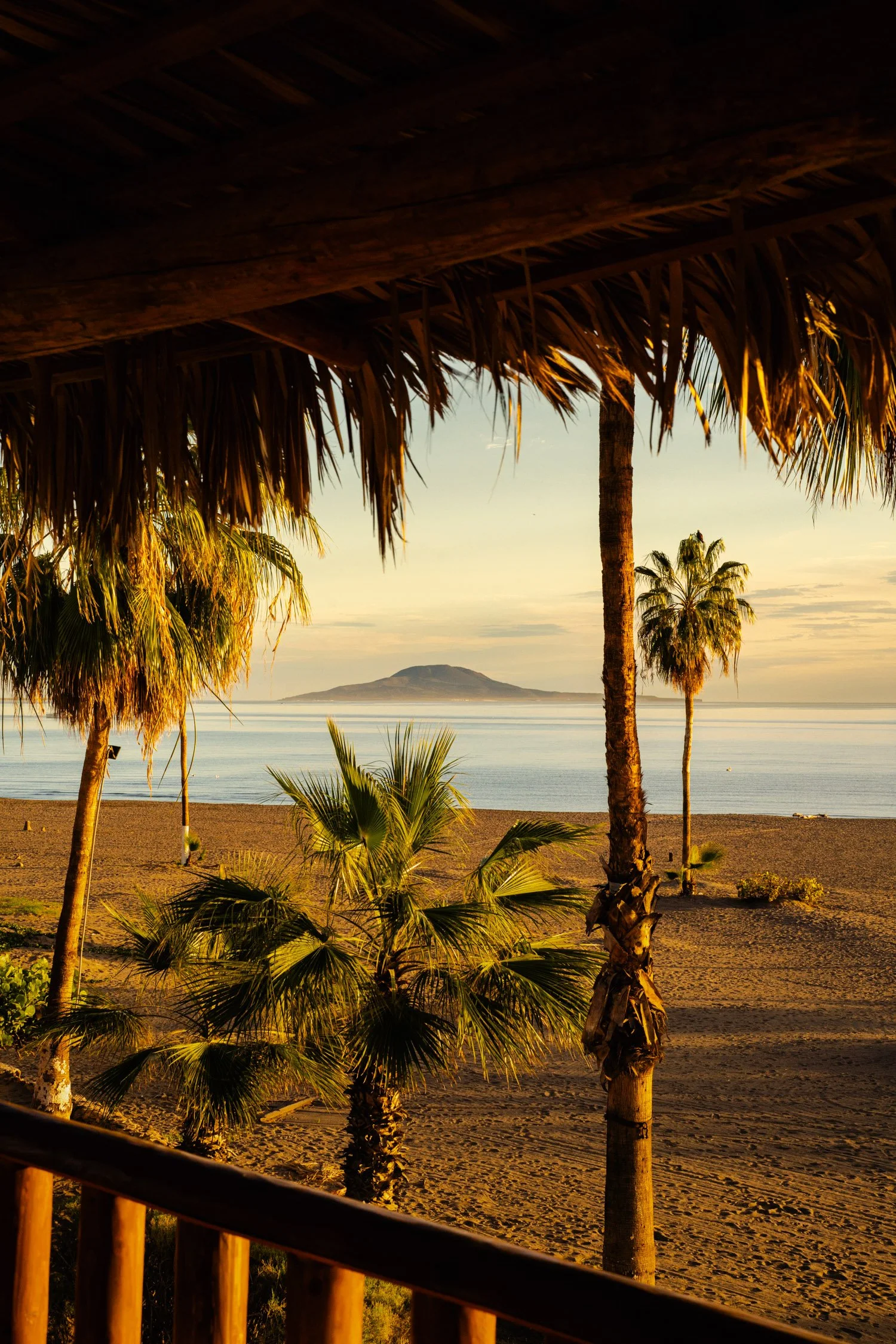
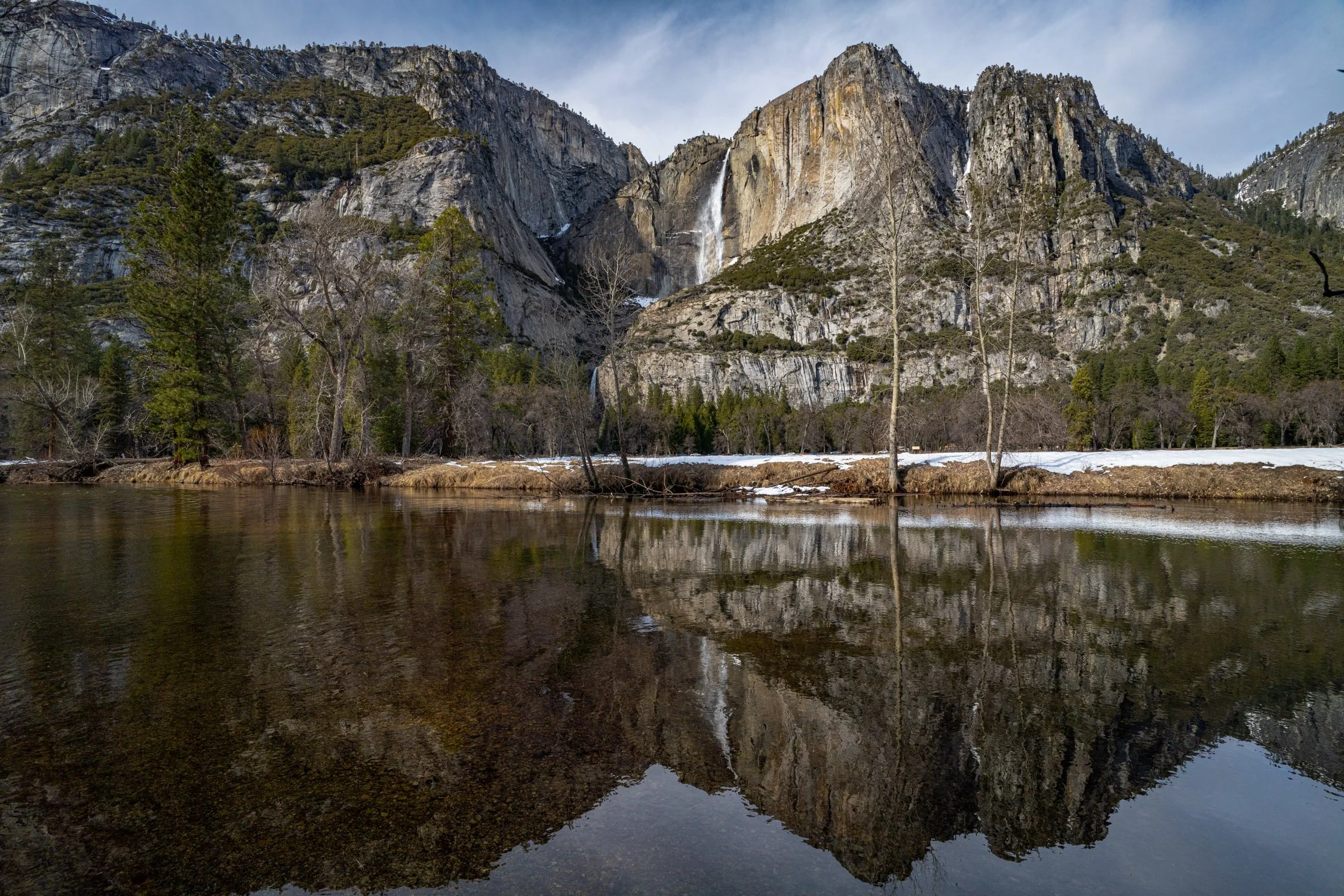
How to Enjoy the Merced River Bank in Yosemite National Park
Yosemite National Park is a treasure trove of breathtaking landscapes and natural wonders. Nestled within this majestic wilderness is Yosemite Valley, an enchanting destination that beckons visitors with its serene beauty. One of the Valley's hidden gems is the Merced River Bank, a haven where tranquility meets awe-inspiring views. While this river winds through the Valley in plain sight, most overlook the opportunity and life it brings to the experience of visiting Yosemite National Park.
Yosemite National Park is a treasure trove of breathtaking landscapes and natural wonders. Nestled within this majestic wilderness is Yosemite Valley, an enchanting destination that beckons visitors with its serene beauty. One of the Valley's hidden gems is the Merced River Bank, a haven where tranquility meets awe-inspiring views. While this river winds through the Valley in plain sight, most overlook the opportunity and life it brings to the experience of visiting Yosemite National Park.
In this blog, we will explore how to make the most of your time and truly enjoy the Merced River Bank experience.
Enjoying the flow of Yosemite Falls from the Merced River bank in Yosemite National Park. Photo by Dalton Johnson
Pros
Breathtaking Scenery: The Merced River Bank offers stunning views of granite cliffs, lush greenery, and the crystal-clear waters of the river, providing a picturesque backdrop for your visit.
Tranquil Environment: Escape the hustle and bustle of everyday life and immerse yourself in the serenity of the riverbank. The soothing sounds of the water and the peaceful ambiance create a calming atmosphere.
Recreational Opportunities: The Merced River Bank caters to various interests, with options for fishing, hiking, photography, and water activities. Whether you prefer a leisurely stroll, an adventurous hike, or simply lounging by the river, there's something for everyone.
Picnic Paradise: The riverbank offers ideal picnic spots where you can enjoy a delightful meal surrounded by nature's beauty. Whether you prefer a shaded area or a sunny spot, the tranquil ambiance enhances your dining experience.
Wildlife Encounters: Keep an eye out for wildlife along the riverbank. From deer to foxes and a variety of bird species, you might have the opportunity to witness the wonders of Yosemite's ecosystem up close.
Photography Opportunities: The Merced River Bank presents endless possibilities for capturing breathtaking photographs. The interplay of light and shadow, reflections on the water, and the ever-changing colors of the landscape provide a haven for photography enthusiasts.
Cons
Crowded during Peak Season: The Merced River Bank can get crowded, especially during peak tourist seasons. This may reduce the sense of tranquility and limit the privacy you can enjoy during your visit.
Weather Variations: Depending on the time of year, weather conditions can be unpredictable in Yosemite Valley. It's essential to check the forecast and be prepared for potential changes in temperature or precipitation during your visit.
Safety Concerns: The river's currents can be strong, especially during spring when snowmelt increases water flow. Visitors engaging in water activities should exercise caution and be aware of potential hazards.
Limited Access: Due to its popularity, parking near the Merced River Bank can be challenging, especially during busy times. It's advisable to arrive early or explore alternative transportation options within the park.
Environmental Responsibility: It's crucial to be mindful of your impact on the environment when visiting the Merced River Bank. Visitors should adhere to park regulations, avoid disturbing wildlife, and properly dispose of waste to help preserve the natural habitat.
Immerse Yourself in the Scenic Splendor:
As you approach the Merced River, prepare to be captivated by the harmonious blend of towering granite cliffs, lush greenery, and the crystal-clear waters of the river. Take a moment to soak in the grandeur of the surroundings, allowing yourself to connect with the natural beauty that envelops you.
Plan for a Picnic:
Pack a delightful picnic lunch and find a comfortable spot along the riverbank. With a backdrop of soaring cliffs and the gentle sound of water, you'll relish in the perfect setting for a memorable meal. Whether you choose a shaded area beneath the trees or a sunny spot with a view, embrace the tranquility and savor your surroundings.
Explore Nature's Playground:
The Merced River Bank offers an array of recreational activities to suit all interests. Fishing enthusiasts can cast a line into the river's waters, hoping to reel in a trout or two. Hiking trails meander along the river, providing opportunities for leisurely strolls or more challenging hikes. Keep an eye out for wildlife, such as deer, foxes, and a variety of bird species that call this area home.
Capture Moments to Last a Lifetime:
The Merced River Bank presents an abundance of picturesque scenes that beg to be captured on camera. Photography enthusiasts will find endless inspiration, with the interplay of light and shadow, reflections on the water, and the ever-changing hues of the landscape. Let your creative spirit soar as you document the beauty that unfolds before you.
Related Read: How to Take Memoriable Photographs on Your Next Road Trip
Embrace the Serenity:
Escape from the hustle and bustle of everyday life and revel in the tranquility of the Merced River Bank. Find a quiet spot along the river, away from the crowds, and let the soothing sounds of the water wash away your worries. This serene ambiance provides the perfect opportunity for introspection, meditation, or simply enjoying a moment of peaceful solitude.
Related Read: Become Mentally Strong By Day Hiking in Nature
Engage in Water Activities:
During the summer months, the Merced River Bank invites visitors to cool off and indulge in water-based activities. Wade in the shallow sections of the river, build sandcastles along the sandy shores, or rent an inflatable raft for a leisurely float downstream. Remember to prioritize safety and be aware of the river's currents and water levels.
Be Mindful of the Environment:
As you revel in the beauty of the Merced River Bank, it's crucial to be mindful of your impact on the environment. Respect the park's rules and regulations, dispose of waste responsibly, and refrain from disturbing the natural habitat. Let us all work together to preserve the pristine condition of this remarkable place for generations to come.
Stopping to take in the view from one of the many bridges crossing the Merced River in Yosemite National Park. Photo by Dalton Johnson
The Merced River Bank in Yosemite Valley offers a tranquil escape amidst the awe-inspiring grandeur of nature. Whether you engage in recreational activities, find solace in its serenity, or simply bask in the breathtaking scenery, this hidden gem promises an unforgettable experience. So, pack your picnic, bring your camera, and embark on a journey to the Merced River Bank—a place where you can reconnect with nature and find peace in its embrace.