
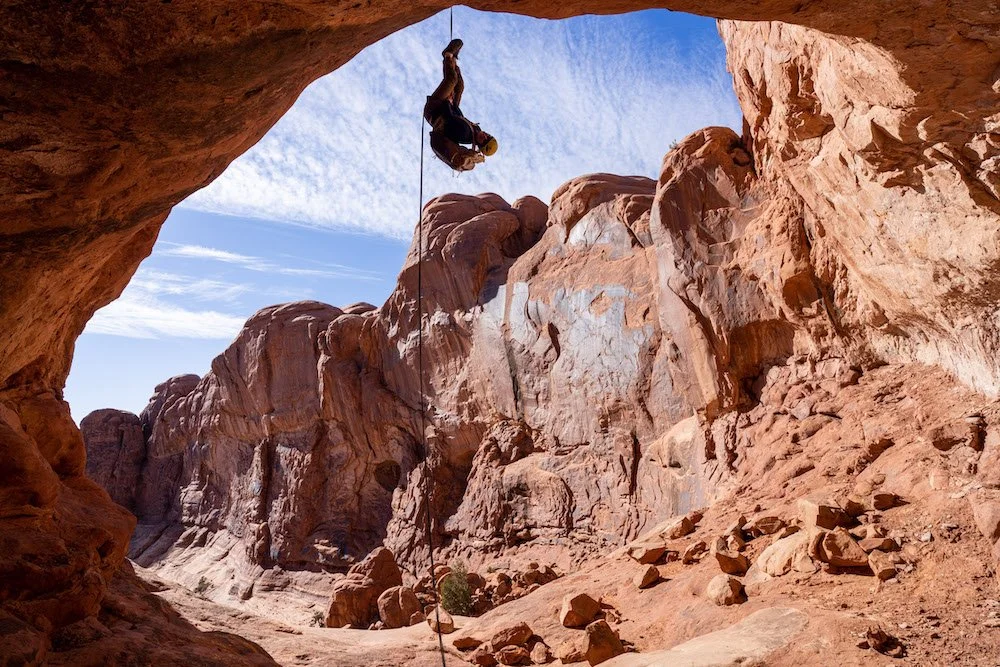
Canyoneering in Arches National Park
Arches National Park is a geological wonderland, showcasing nature's artistry in the form of iconic rock arches, towering spires, and labyrinthine canyons. While many visitors marvel at these breathtaking formations from viewpoints and trails, there's a thrilling way to experience the park's rugged beauty up close: canyoneering. This adventure sport combines hiking, scrambling, rappelling, and sometimes swimming to navigate through narrow slots and deep gorges, offering a unique and intimate exploration of the park's hidden gems. If you're ready to embark on an adrenaline-pumping journey amidst nature's sculptures, here's everything you need to know about canyoneering in Arches National Park.
Arches National Park is a geological wonderland, showcasing nature's artistry in the form of iconic rock arches, towering spires, and labyrinthine canyons. While many visitors marvel at these breathtaking formations from viewpoints and trails, there's a thrilling way to experience the park's rugged beauty up close: canyoneering. This adventure sport combines hiking, scrambling, rappelling, and sometimes swimming to navigate through narrow slots and deep gorges, offering a unique and intimate exploration of the park's hidden gems. If you're ready to embark on an adrenaline-pumping journey amidst nature's sculptures, here's everything you need to know about canyoneering in Arches National Park.

Getting inverted on the last rappel of Elephant Butte canyon. Photo by Dalton Johnson
PROS:
Unique Exploration: Canyoneering allows you to explore hidden areas of Arches National Park that are inaccessible by regular trails, providing a unique and intimate experience of the park's natural beauty.
Adrenaline Rush: Descending through slot canyons and rappelling down rock faces offer thrilling challenges for adventure seekers, adding an adrenaline-pumping element to your outdoor adventure.
Scenic Beauty: The canyons of Arches National Park boast stunning geological formations, intricate rock patterns, and hidden arches, creating picturesque backdrops for your canyoneering journey.
Connection with Nature: Immersing yourself in the rugged terrain of the canyons fosters a deeper connection with nature, allowing you to appreciate the geological processes that shaped the landscape over millions of years.
Skill Development: Canyoneering helps develop outdoor skills such as route finding, rappelling techniques, navigation, and teamwork, making it a rewarding experience for outdoor enthusiasts looking to expand their capabilities.
Guided Options: Hiring a canyoneering guide provides safety, expertise, and access to insider knowledge about the best routes and techniques, enhancing your overall experience and confidence.
CONS:
Technical Challenges: Canyoneering in Arches National Park requires technical skills such as rappelling, scrambling, and navigation, which may pose challenges for beginners or those unfamiliar with the terrain.
Permit Requirements: Some canyoneering routes, like Fiery Furnace, require permits for access, which need to be obtained in advance and may have limited availability, requiring early planning.
Weather Considerations: Weather conditions, especially during summer with high temperatures, can impact the feasibility and safety of canyoneering activities, requiring careful monitoring and preparation.
Physical Demands: Canyoneering involves physical exertion, including hiking, climbing, and rappelling, which may not be suitable for individuals with certain health conditions or fitness levels.
Equipment Needs: Proper canyoneering equipment, such as ropes, harnesses, helmets, and specialized footwear, is essential for safety and performance, adding to the overall cost and logistical considerations.
Environmental Impact: Canyoneering activities must be conducted responsibly to minimize environmental impact, including avoiding damage to delicate desert ecosystems and practicing Leave No Trace principles.
Why Choose Canyoneering in Arches National Park?
Canyoneering in Arches National Park isn't just about adrenaline; it's also about immersing yourself in a landscape that's been sculpted by millions of years of geological processes. As you descend into slot canyons and rappel down sheer rock walls, you'll witness the intricate layers of sandstone that tell the story of this region's ancient past. Every twist and turn in the canyon reveals a new perspective, from hidden alcoves to delicate rock formations shaped by wind and water. It's a journey that's as much about exploration as it is about adventure.
Best Time for Canyoneering
The best time for canyoneering in Arches National Park is during the spring and fall months. Spring (March to May) offers mild temperatures and blooming desert flora, while fall (September to November) brings cooler weather and vibrant foliage. Summer can be scorching hot, making outdoor activities challenging, and winter may bring snow and icy conditions that are not ideal for canyoneering. Always check weather conditions and park regulations before planning your adventure.


Popular Canyoneering Routes
Fiery Furnace: This maze-like area is a favorite among experienced canyoneers. Navigate through narrow sandstone fins, scramble over boulders, and discover hidden arches tucked away in this geological wonderland. Due to its complex terrain, a permit is required to enter Fiery Furnace, and guided tours are recommended for first-time visitors.
Ephedra's Grotto: Known for its breathtaking rappelling opportunities, Ephedra's Grotto offers a mix of technical descents and scenic beauty. Rappel down natural rock faces, explore hidden chambers, and marvel at the play of light and shadow in this enchanting canyon.
U-Turn: Perfect for beginners and those looking for a shorter adventure, U-Turn offers a quick half-day outing with manageable rappels and moderate hiking. It's a great introduction to canyoneering in Arches National Park, ideal for building confidence and honing your skills.
Elephant Butte: For intermediate canyoneers seeking a full-day adventure, Elephant Butte delivers stunning views and challenging descents. Traverse through narrow slots, conquer rappels of varying heights, and soak in the grandeur of this rugged landscape.
Canyoneering Guides and Equipment
While experienced canyoneers may choose to explore independently, hiring a canyoneering guide is highly recommended for beginners and those unfamiliar with the terrain. Guides provide essential safety briefings, equipment rentals, route navigation, and invaluable expertise that enhance your canyoneering experience. They also ensure minimal impact on the fragile desert ecosystem and adhere to Leave No Trace principles.
When it comes to equipment, here are the essentials for a successful canyoneering adventure:
Climbing Harness: Provides safety and support during rappels and descents.
Helmet: Protects against falling rocks and debris.
Ropes and Anchors: Essential for setting up rappels and belays.
Canyoneering Shoes: Designed for traction on slick rock surfaces and water crossings.
Dry Bags: Keep your gear and belongings dry during water sections.
Navigation Tools: Maps, GPS devices, and compass for route finding.
First Aid Kit: Essential for emergencies and minor injuries.
Always check with local outfitters or guides for specific gear recommendations based on the route and conditions.

Squeezing through a tight section while canyoneering in Arches National Park. Photo by Dalton Johnson
Canyoneering in Arches National Park offers a blend of adventure, exploration, and natural beauty that's unmatched. Whether you're a seasoned canyoneer looking for new challenges or a beginner eager to discover hidden wonders, Arches National Park's canyons have something to offer. From the intricate sandstone formations of Fiery Furnace to the adrenaline-pumping rappels of Ephedra's Grotto, each route promises an unforgettable experience amidst nature's grandeur. So pack your gear, hire a guide if needed, and get ready to embark on a canyoneering adventure like no other in one of America's most iconic national parks.
Discover More Destinations
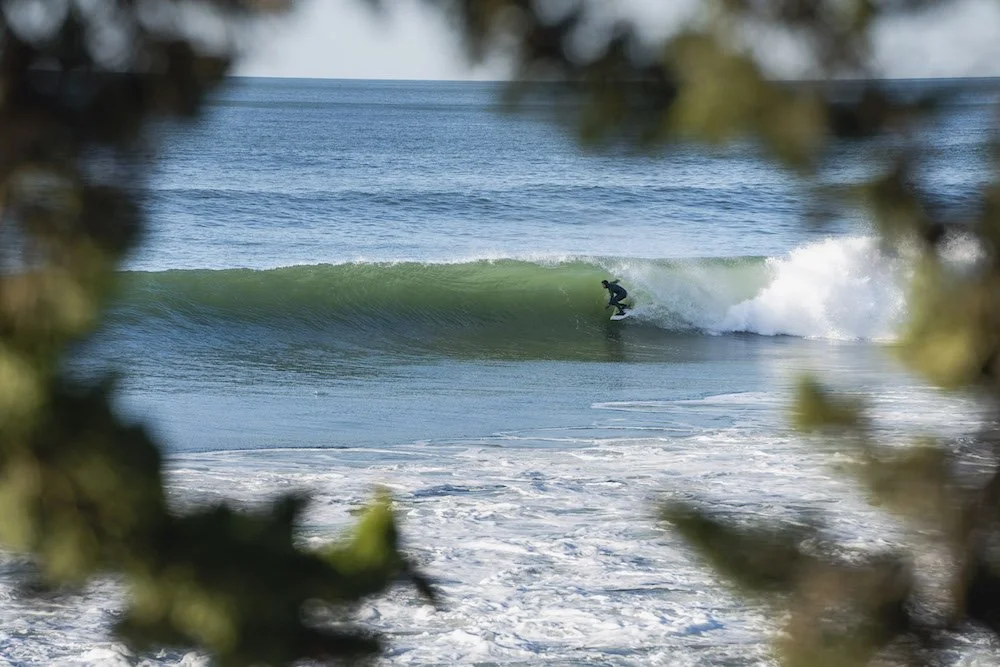
Beginner Tips for Aspiring Surf Photographers
Surf photography is a thrilling and dynamic art form that allows you to capture the beauty and excitement of waves and surfers in action. Whether you're a beginner looking to dive into this exciting field or an enthusiast wanting to improve your skills, here are some essential tips to get you started and help you capture stunning surf shots.
Surf photography is a thrilling and dynamic art form that allows you to capture the beauty and excitement of waves and surfers in action. Whether you're a beginner looking to dive into this exciting field or an enthusiast wanting to improve your skills, here are some essential tips to get you started and help you capture stunning surf shots.
Scoring a barrel in a line up all to himself in Santa Cruz, CA. Photo by Dalton Johnson
Pros
Exciting Subject Matter: Surfing captures dynamic and thrilling moments, making it an exciting subject for photography.
Scenic Locations: Surf spots are often located in picturesque coastal areas, providing stunning backdrops for your photos.
Variety of Shots: Surf photography offers a range of shots, from close-up action shots to wide-angle panoramic views.
Creative Opportunities: You can experiment with different angles, compositions, and lighting conditions to create unique and artistic images.
Connection with Nature: Being in the water or on the shore allows you to connect with nature and appreciate the beauty of the ocean.
Community Engagement: Sharing your surf photos can lead to engagement with a community of surfers, photographers, and ocean enthusiasts.
Potential for Income: With the right skills and marketing, surf photography can be monetized through print sales, stock photography, freelance work, and social media.
Cons
Weather Challenges: Unpredictable weather conditions, such as rain, wind, and fog, can affect the quality of your surf photos.
Equipment Costs: Waterproof camera gear, lenses, and accessories can be expensive, especially for high-quality professional setups.
Physical Demands: Shooting in the water requires swimming skills, endurance, and the ability to handle waves and currents safely.
Safety Risks: Surf photography involves risks such as getting hit by surfboards or caught in rough surf, requiring awareness and caution.
Crowded Locations: Popular surf spots can be crowded with other photographers, surfers, and beachgoers, making it challenging to find unique perspectives.
Environmental Impact: Be mindful of your environmental impact, such as disturbing marine life or contributing to beach congestion.
Competitive Industry: The field of surf photography is competitive, requiring dedication, skill development, and marketing efforts to stand out and succeed.
In-Water vs Out-of-Water Photography
One of the first decisions you'll face as a surf photographer is whether to shoot from the water or from the shore. Each perspective offers unique advantages:
In-Water Photography: Getting in the water puts you right in the heart of the action, allowing you to capture dramatic angles and close-up shots of surfers riding waves. To do this effectively, invest in a waterproof camera housing or a water-resistant camera like a GoPro. Practice swimming with your camera gear to ensure comfort and safety in the water.
Out-of-Water Photography: Shooting from the shore provides a broader view of the surfing area, ideal for capturing panoramic shots and showcasing the overall surf scene. Use a telephoto lens to zoom in on surfers from a distance and capture details even when you're not in the water.
Water Safety
Before diving into surf photography, prioritize water safety. Familiarize yourself with local surf conditions, currents, and tides. Always respect the ocean and be aware of potential hazards such as rocks, reefs, and strong currents. If shooting in the water, consider wearing a buoyancy aid or using a flotation device for added safety.


Camera Settings
Mastering camera settings is crucial for capturing high-quality surf photos:
Shutter Speed: Use a fast shutter speed (1/1000s or higher) to freeze fast-moving action and avoid blur in your shots.
Aperture: Choose a medium aperture (f/5.6 to f/8) for sharpness and depth of field, ensuring both the surfer and the wave are in focus.
ISO: Keep ISO low (around 100-400) in bright conditions to maintain image clarity and reduce noise.
Experiment with different settings to find the right balance for the lighting and motion of the waves.
Making Money in Surf Photography
If you're interested in turning your passion for surf photography into a source of income, consider these avenues:
Sell Prints: Create high-quality prints of your best surf photos and sell them online or at local art markets and galleries.
Stock Photography: Submit your surf images to stock photography websites for licensing opportunities.
Freelance Work: Offer your services to surf magazines, brands, and surfers for editorial and promotional shoots.
Social Media: Build a strong online presence by sharing your work on social media platforms like Instagram, attracting followers and potential clients.
Remember to respect surfers' privacy and get a signed model release before using their images for commercial purposes.
John Mel on a left at Mavericks. Photo by Dalton Johnson
By following these beginner tips and continuously honing your skills through practice and experimentation, you'll be well on your way to capturing breathtaking surf photography that tells compelling stories of the ocean's beauty and the thrill of surfing.
Discover more Adventures


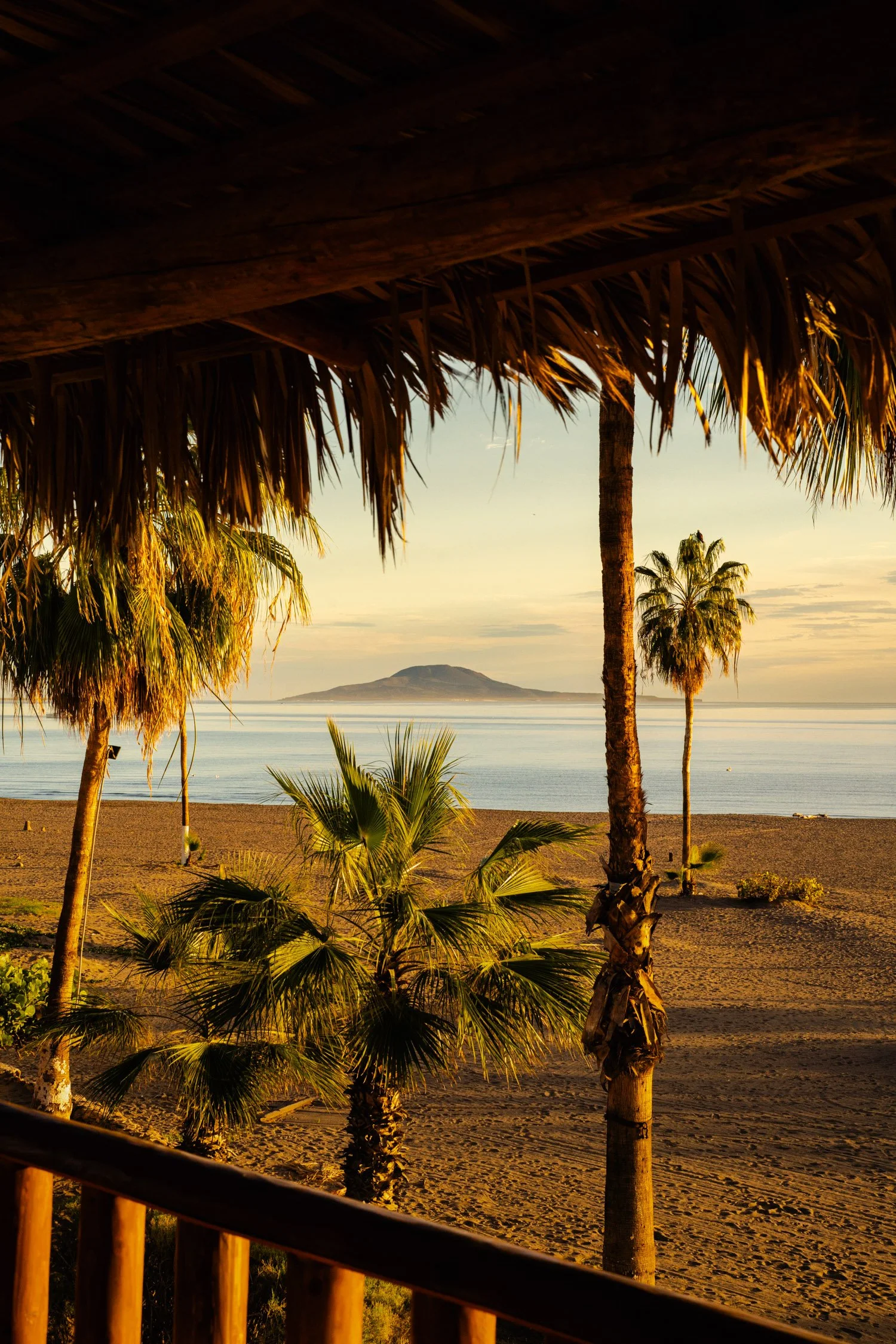

San Francisco Is Not Just A City, But An Adventure Hub
While San Francisco is known as the heart of Silicon Valley, the City of Love, and the iconic home of the Golden Gate Bridge, its adventure scene often goes unnoticed. Beneath the bustling city life lies an underground adventure culture that is thriving. From surfing to mountain biking, rock climbing to hiking, and everything in between, San Francisco offers a playground for outdoor enthusiasts seeking adrenaline-fueled experiences.
While San Francisco is known as the heart of Silicon Valley, the City of Love, and the iconic home of the Golden Gate Bridge, its adventure scene often goes unnoticed. Beneath the bustling city life lies an underground adventure culture that is thriving. From surfing to mountain biking, rock climbing to hiking, and everything in between, San Francisco offers a playground for outdoor enthusiasts seeking adrenaline-fueled experiences.
Surfing Ocean Beach during the winter swell season. Photo by Dalton Johnson
Surfing
San Francisco's surfing scene offers a thrilling experience for wave riders of all levels. Ocean Beach stands out as a prime location, boasting consistent waves that cater to beginners and seasoned surfers alike. The long stretch of sandy coastline and varying breaks make it an ideal spot to catch a wave and enjoy the thrill of surfing against the backdrop of the city skyline. For a more iconic surfing experience, Fort Point is a must-visit spot. Situated directly under the Golden Gate Bridge, surfers can ride the waves with one of the world's most famous landmarks as their backdrop, creating a truly unforgettable surfing session.
Surfing Locations in San Francisco:
Ocean Beach: Offers consistent waves suitable for all surfing levels.
Fort Point: Provides a unique surfing experience with the Golden Gate Bridge as a backdrop.
Mile Rock Beach: Located near Lands End, this hidden gem offers secluded waves and stunning coastal views, perfect for a peaceful surfing experience away from the crowds.
Baker Beach: Known for its scenic beauty and occasional good surf, Baker Beach provides a picturesque setting for surfers looking to enjoy the waves with the Golden Gate Bridge in the background.
Kelly's Cove: Situated near Ocean Beach, Kelly's Cove is favored by local surfers for its consistent waves and laid-back atmosphere, making it a popular spot for catching waves and soaking in the California sun.
Montara State Beach: Just a short drive south of San Francisco, Montara State Beach offers a more rugged surfing experience with waves that attract surfers looking for a challenge and a less crowded surf break.
Mountain Biking:
Mountain biking enthusiasts in San Francisco have a plethora of options to satisfy their adventurous spirit. One of the top destinations is Mount Sutro, a hidden gem nestled within the city limits. Here, bikers can explore a network of rugged trails that wind through dense eucalyptus forests and offer panoramic views of the cityscape below. The diverse terrain of Mount Sutro caters to riders of varying skill levels, from beginners seeking gentle slopes to experienced bikers craving technical challenges and adrenaline-pumping descents.
For those seeking a more challenging mountain biking experience, McLaren Park presents an ideal playground. This expansive park boasts rugged terrain, steep climbs, and thrilling descents that will put bikers' skills to the test. The trails at McLaren Park offer a mix of natural obstacles, including rock gardens, root sections, and narrow singletracks, providing an exhilarating ride for adrenaline junkies and experienced riders looking for a challenge.
In addition to Mount Sutro and McLaren Park, San Francisco offers several other mountain biking hotspots worth exploring:
Presidio: The Presidio features a network of scenic trails that wind through forests, coastal bluffs, and historic sites, providing bikers with a unique blend of natural beauty and cultural heritage.
Golden Gate Park: With miles of bike-friendly paths and trails, Golden Gate Park offers a diverse mountain biking experience, from leisurely rides around the park's lakes and meadows to more technical routes through wooded areas and hilly terrain.
Twin Peaks: For panoramic views of the city and a thrilling descent, mountain bikers can tackle the trails around Twin Peaks, enjoying both challenging climbs and rewarding downhill sections with stunning vistas of San Francisco and beyond.
Rock Climbing:
Rock climbing enthusiasts in San Francisco have a range of options to challenge their skills and experience the thrill of scaling vertical walls. For indoor climbing, Planet Granite in the Presidio stands out as a premier facility offering top-notch climbing walls, bouldering areas, and a supportive community of climbers. Whether you're a beginner learning the ropes or an experienced climber looking for new challenges, Planet Granite provides a safe and engaging environment to hone your climbing techniques and push your limits.
Another indoor climbing hotspot is Dogpatch Boulders, known for its innovative bouldering terrain and dynamic routes that cater to climbers of all levels. The creative setting at Dogpatch Boulders encourages climbers to think strategically, improve their technique, and enjoy a fun and social climbing experience with fellow enthusiasts.
For those craving outdoor rock climbing adventures, Castle Rock State Park is a must-visit destination just a short drive from San Francisco. Here, climbers can tackle a variety of challenging routes on granite rock formations, ranging from beginner-friendly climbs to more advanced and technical ascents. The scenic beauty of Castle Rock State Park, with its towering cliffs, lush forests, and sweeping views, adds an extra element of adventure and natural beauty to the rock climbing experience.
In addition to these rock climbing venues, San Francisco offers other notable spots for climbers to explore:
Mount Tamalpais: Located north of the city, Mount Tamalpais features classic Bay Area climbing routes with stunning views of the Pacific Ocean and the San Francisco Bay. Climbers can find both traditional and sport climbing opportunities amidst the rugged terrain of this iconic peak.
Pinnacles National Park: A bit further south, Pinnacles National Park offers a unique rock climbing experience among volcanic rock formations, caves, and spires. The park's diverse climbing routes cater to climbers of all abilities, from beginner-friendly routes to challenging multi-pitch climbs.
Mickey's Beach: Along the coast near Stinson Beach, Mickey's Beach is a hidden gem for bouldering enthusiasts, featuring granite boulders and challenging problems with ocean views.
Hiking:
Hiking enthusiasts in San Francisco are treated to a wealth of stunning landscapes and scenic trails that offer panoramic views of the city and its surrounding natural beauty. One of the must-visit hiking destinations is Lands End Trail, located along the rugged coastline of the city's northwest corner. This trail winds through cypress groves, offering dramatic views of the Pacific Ocean, the Golden Gate Bridge, and rocky cliffs that are perfect for whale watching during migration seasons. Hikers can explore historic landmarks like the Sutro Baths ruins and the Lands End Labyrinth while immersing themselves in the coastal beauty of San Francisco.
For a more elevated experience, Twin Peaks provides hikers with iconic panoramic views from the city's highest peaks. The Twin Peaks Trail leads to the summit of these twin hills, offering 360-degree vistas of San Francisco, the Bay Area, and beyond. Hikers can witness breathtaking sunrises or sunsets, capture stunning photographs of the city skyline, and marvel at the natural splendor that surrounds them.
Another unique hiking experience awaits at Telegraph Hill, known for its iconic staircases that wind through residential neighborhoods and lush gardens. The Filbert Street Steps and the Greenwich Steps lead hikers to Coit Tower, where they can enjoy sweeping views of the city, the bay, and Alcatraz Island. The climb up Telegraph Hill rewards hikers with a blend of urban exploration and natural beauty, making it a favorite among locals and visitors alike.
In addition to these hiking trails, San Francisco offers other noteworthy hikes for outdoor enthusiasts to explore:
Mount Davidson: San Francisco's highest peak, Mount Davidson, offers a challenging yet rewarding hike through eucalyptus forests to panoramic views from the summit, including vistas of downtown San Francisco and the Pacific Ocean.
Presidio Trails: The Presidio boasts a network of scenic trails that traverse historic sites, forests, and coastal bluffs, providing hikers with a mix of nature, culture, and stunning views of the Golden Gate Bridge and the bay.
Angel Island: A short ferry ride from San Francisco, Angel Island State Park features hiking trails that lead to breathtaking views of the bay, the city skyline, and the surrounding hillsides, making it an ideal day trip for hikers seeking scenic vistas and outdoor adventure.


Photography:
Photography enthusiasts flock to San Francisco to capture the essence of its diverse landscapes, vibrant culture, and iconic landmarks. One of the city's most photographed scenes is the iconic Painted Ladies, a row of colorful Victorian houses set against the backdrop of the city skyline and Alamo Square Park. These picturesque homes, with their intricate architectural details and vibrant hues, create a timeless and quintessentially San Francisco image that photographers flock to capture from various angles and perspectives.
For those drawn to urban photography and street art, the Mission District is a treasure trove of colorful murals, graffiti art, and vibrant cultural scenes. From the famous Women's Building mural to the Clarion Alley murals, photographers can immerse themselves in the vibrant street art scene, capturing the creativity, diversity, and social messages expressed through these colorful artworks.
Photographers seeking stunning sunset views and panoramic landscapes will find Battery Spencer a prime location. Perched on the Marin Headlands, Battery Spencer offers unobstructed views of the Golden Gate Bridge, San Francisco skyline, and the bay, especially during the golden hour when the setting sun bathes the city in warm, ethereal light. Photographers can capture the bridge's majestic silhouette against the colorful sky, creating captivating images that epitomize the beauty of San Francisco's natural and man-made landmarks.
In addition to these iconic photography spots, San Francisco offers countless other opportunities for photographers to explore and capture unique moments:
Palace of Fine Arts: This architectural marvel with its classical rotunda, Greco-Roman columns, and tranquil lagoon provides a picturesque setting for photography, especially during sunrise or sunset when the soft light enhances its beauty.
Golden Gate Park: With its expansive green spaces, botanical gardens, Japanese tea gardens, and scenic lakes, Golden Gate Park offers endless possibilities for nature photography, wildlife sightings, and tranquil landscapes within the city.
Coastal Trails: San Francisco's coastal trails, including Lands End, Baker Beach, and the Coastal Trail near the Cliff House, offer stunning views of the rugged coastline, dramatic cliffs, crashing waves, and the Pacific Ocean, making them ideal locations for seascape and coastal photography.
Sailing:
Sailing enthusiasts flock to San Francisco for the exhilarating experience of navigating the iconic waters of the San Francisco Bay. One of the best ways to enjoy sailing in the bay is by renting a sailboat from South Beach Harbor, conveniently located near the city's waterfront attractions. Here, sailors can choose from a variety of sailboat rentals, from sleek sloops to spacious catamarans, and set off on a personalized sailing adventure.
For those looking for a guided sailing experience, joining a sailing tour offers the perfect blend of relaxation and sightseeing. Several sailing tour companies operate in San Francisco, offering scenic cruises that showcase the city's famous landmarks from a unique perspective. As the sailboat glides across the bay, passengers can take in panoramic views of Alcatraz Island, the iconic Bay Bridge, and the dazzling city skyline, creating memorable moments and photo opportunities against the backdrop of the bay's sparkling waters and dramatic scenery.
In addition to admiring the cityscape and iconic landmarks, sailing in San Francisco Bay offers a chance to experience the bay's maritime heritage, with sailboats sharing the waters with ferries, cargo ships, and historic vessels. The bay's dynamic winds and currents provide an exciting sailing challenge for experienced sailors while offering a gentle introduction to sailing for beginners, making it an accessible and rewarding activity for all levels of expertise.
Other sailing experiences and destinations in and around San Francisco include:
Angel Island: Sailors can anchor or dock at Angel Island State Park and explore the island's hiking trails, historic sites, and scenic viewpoints, combining a sailing adventure with onshore exploration and picnicking.
Sausalito: Just across the bay from San Francisco, the charming waterfront town of Sausalito is a popular destination for sailors, offering marinas, waterfront dining, boutique shops, and stunning views of the bay and city skyline from the water.
Marin Headlands: Sailors can venture north of the Golden Gate Bridge to the Marin Headlands, where rugged cliffs, secluded coves, and scenic anchorages await, providing a serene and picturesque sailing experience away from the city's hustle and bustle.
Open Water Swimming:
Open water swimming enthusiasts flock to San Francisco for the exhilarating experience of plunging into the chilly waters of the bay while taking in stunning views of iconic landmarks like the Golden Gate Bridge. Aquatic Park, located near Fisherman's Wharf, is a popular destination for open water swimmers seeking a refreshing dip in the bay's cool waters. The protected cove of Aquatic Park provides a relatively calm and safe swimming environment, making it ideal for both seasoned swimmers and beginners looking to venture into open water swimming.
For those seeking a more expansive open water swimming experience, Crissy Field Beach offers a picturesque setting with panoramic views of the Golden Gate Bridge, Alcatraz Island, and the city skyline. Swimmers can brave the chilly waters of the bay while enjoying the beauty of San Francisco's coastal landscape, sandy shores, and kite-filled skies. Crissy Field Beach's wide beachfront and gentle waves make it a favorite spot for open water swimmers looking to challenge themselves or simply enjoy a refreshing swim in a scenic setting.
In addition to Aquatic Park and Crissy Field Beach, San Francisco offers other notable locations for open water swimming enthusiasts to explore:
Baker Beach: Located near the Golden Gate Bridge, Baker Beach offers swimmers a chance to experience open water swimming amidst breathtaking coastal views and dramatic cliffs. The beach's rugged beauty and secluded atmosphere make it a hidden gem for adventurous swimmers.
China Beach: Tucked away in a cove near Lands End, China Beach provides a tranquil and sheltered swimming spot with clear waters and views of the Marin Headlands, making it a serene escape for open water swimmers seeking a peaceful swim.
Ocean Beach: While Ocean Beach is known for its surfing waves, it also attracts open water swimmers looking to challenge themselves in the bay's open waters. Swimmers should exercise caution and be aware of strong currents and cold temperatures at Ocean Beach.
Fishing:
Fishing enthusiasts are drawn to San Francisco's diverse waters, offering opportunities to cast a line and reel in local favorites such as salmon, halibut, and Dungeness crab right within the city limits. The Municipal Pier, located near Fisherman's Wharf, is a popular spot for recreational fishing, providing anglers with a convenient and accessible location to try their luck at catching a variety of fish species. From the pier, fishermen can enjoy panoramic views of the bay, Alcatraz Island, and passing boats while casting their lines into the rich waters below.
For a more immersive fishing experience, joining a fishing charter offers anglers a chance to venture into deeper waters and target specific fish species under the guidance of experienced captains and crew. San Francisco's fishing charters cater to both novice and experienced fishermen, providing all the necessary equipment and expertise to reel in a memorable catch. Whether trolling for salmon, bottom fishing for halibut, or setting traps for Dungeness crab, fishing charters offer a rewarding and thrilling adventure on the bay.
In addition to the Municipal Pier and fishing charters, San Francisco offers other notable fishing spots and experiences for anglers to explore:
Ocean Beach: While known for its surfing waves, Ocean Beach also attracts surf fishermen and shore anglers looking to catch surfperch, striped bass, and other coastal species from the sandy shores.
Fort Point: Anglers can try their hand at fishing near Fort Point, especially during the incoming and outgoing tides, which can bring in schools of fish such as striped bass, rockfish, and flounder.
Golden Gate Bridge: Fishing from the shoreline near the Golden Gate Bridge can yield exciting catches, including lingcod, cabezon, and even the occasional salmon during the salmon migration seasons.
Additional Adventure Around San Francisco:
For all of you go getter out there who feel they have tapped out all of the above adventures, try some of these additional adventures, within driving distance, around San Francisco and the Bay Area:
1) Road Trip Highway One:
Embark on a scenic road trip along Highway One, also known as the Pacific Coast Highway. This iconic route takes you along the rugged California coastline, offering breathtaking ocean views, picturesque towns like Half Moon Bay and Carmel-by-the-Sea, and opportunities to stop at coastal viewpoints and beaches along the way.
2) Visit Yosemite National Park:
Just a few hours' drive from San Francisco, Yosemite National Park is a nature lover's paradise. Explore towering granite cliffs, cascading waterfalls like Yosemite Falls and Bridalveil Fall, and hike among ancient giant sequoias in Mariposa Grove. Yosemite offers a range of outdoor activities, from hiking and rock climbing to wildlife viewing and photography.
3) Explore Big Sur:
South of San Francisco, Big Sur is a coastal gem known for its dramatic cliffs, pristine beaches, and redwood forests. Take a scenic drive along Highway One through Big Sur, stopping at iconic spots like Bixby Creek Bridge, McWay Falls, Pfeiffer Beach, and Julia Pfeiffer Burns State Park for a taste of California's natural beauty.
4) Bouldering in Castle Rock State Park:
For rock climbing enthusiasts or those seeking a unique outdoor experience, Castle Rock State Park is a haven for bouldering. The park features challenging granite formations and scenic trails amidst a forested setting, offering both beginner-friendly and advanced bouldering routes.
4) Surfing in Santa Cruz:
Venture south to Santa Cruz for a surfing adventure along California's Central Coast. Santa Cruz is renowned for its consistent waves and surf culture, with popular surf spots like Steamer Lane, Pleasure Point, and Cowell Beach. Whether you're a seasoned surfer or a beginner looking to catch your first wave, Santa Cruz has waves for every skill level.
5) Skiing in Lake Tahoe:
In the winter months, Lake Tahoe beckons adventure seekers with its world-class ski resorts. Hit the slopes at resorts like Squaw Valley, Heavenly, Northstar, or Kirkwood for skiing, snowboarding, and other winter activities amidst the stunning backdrop of the Sierra Nevada mountains and the crystal-clear waters of Lake Tahoe.

Mountain biking in San Francisco near Twin Peaks. Photo by Dalton Johnson
San Francisco truly stands out as an adventure hub with its diverse array of outdoor activities, from surfing along its rugged coastlines to scaling its iconic landmarks for breathtaking views. Whether you're a thrill-seeker craving the adrenaline rush of rock climbing or a nature enthusiast seeking tranquility on scenic hiking trails, the City by the Bay offers something for everyone. With its vibrant street art, rich cultural heritage, and stunning landscapes, San Francisco invites adventurers to explore, discover, and immerse themselves in unforgettable experiences. From sailing across the bay to casting a line for local seafood delights, the city's outdoor offerings provide endless opportunities to connect with nature, challenge oneself, and create lasting memories in this dynamic and adventurous urban playground.
Discover More Destinations

A Photographic Perspective of Surfing Mavericks In Half Moon Bay, CA
Merrr… Merrr… Merrr… The rhythmic foghorn buzzed in the early morning like a time bomb, counting down as we prepared the jet skis. Sitting along the coast, 29 miles south of downtown San Francisco, Half Moon Bay is a sleepy beach town with a not-so-hidden big wave known as Mavericks. The word on the street, “Today will be a small one, but don’t let that fool you. Always keep an eye on the outside.”
Merrr… Merrr… Merrr… The rhythmic foghorn buzzed in the early morning like a time bomb, counting down as we prepared the jet skis. Sitting along the coast, 29 miles south of downtown San Francisco, Half Moon Bay is a sleepy beach town with a not-so-hidden big wave known as Mavericks. The word on the street, “Today will be a small one, but don’t let that fool you. Always keep an eye on the outside.”

Sunrise colors paint the sky as the fog lifts and we prepare the jet skis to leave the marina’s protection towards the thundering Mavericks. Photo by Dalton Johnson
Chuckling to myself as I double-check my camera settings are correct for surf photography and latch down my Aquatech waterproof camera housing, I guess 20 to 30 feet is a small day, huh? Sitting on the curb in my wetsuit, tightening the screws to the pistol grip, triple-checking the leash’s velcro is strong, spitting on the glass port, and giving it a sloppy lick, I was in the flow state just waiting for the green light to hop on the ski and zip out into the danger zone.
If I owned business cards, my title would read Adventure Photographer. The job description is vague but typically goes as such: An adventure photographer travels the world in search of people pushing the limits in places few dare venture. I’m not much of a daredevil, so I don’t know how I ended up here, but 8 years into this career I couldn’t image doing anything else.
“Kid, you ready to head out there?” My chauffeur asks me. For the past two seasons, he has called me kid. I’m certainly the young gun with a camera trying to put in my reps. Honestly, I only sarcastically use the word chauffeur because I don’t own a jet ski and am grateful for the ride out there. Paddling out didn't go so well one time, but that is a story for another time. Typically, he drops me off in the channel and I use a longboard to snap images. Paddling back and forth to change my angle, sometimes standing up when the conditions are right. From time to time I get in a sticky situation when the wind is at my back, blowing me towards a set wave. If I got caught inside, it would be a kook of the day moment or worse.
“I am ready.”


The sun is now high in the sky. A bluebird morning filled with waves thundering, spiting, and spraying. Locals catching their fill, one wave after another. Some, going deep on the occasional outside bomb while others shoulder hop snagging their first big waves of the season. The predicted favorable conditions even drew a crowd of newbies hoping to prove themselves. By early afternoon the line-up was thick. Twenty to thirty people jocking for position. Trying to find a wave for themselves. Yet, the vibe remained lively.
One of the locals zips past me after getting picked up by the safety crew, “Great wave! How is it out there?” I shout to Peter Mel.
“So much FUN!” Mel shouts fun as he rips his head back with an ear-to-ear grin and shakes a hang-loose my way. “Everyone is just here to have fun today. It’s perfect!”
Hearing the egos are checked at the marina makes me happy, but I still want to get a shot that makes me proud. My shooting today has been reserved. Sitting atop my longboard in the channel, trying to read the waves. It’s time to settle in and paddle to the barreling left. My back will be to the wind the entire time. I understand the risks and paddle around.


Out and around the line-up I paddle. Keeping an eye on the horizon, I take a wide birth around the surfers so I don’t get caught by a set wave, sending me over the falls on a nose-riding longboard holding my camera. Then, I hear Woot woot! Yeah! No Way! Do it! Send it! The line-up shouts as they all paddle towards me. I guess I just have bad timing. A set wave is here.
Thankfully, my extra paddling paid off and as I look back at the wave crashing it dawns on me the entire line-up got caught inside. That could have been me. Nobody made it to the other side. Boards scattered everywhere. Carnage.
The radios buzzed and the safety crew went to work. Plucking surfer after surfer. Several stuck on the inside gasping for a breath and collecting their boards. Thankfully, nobody was tombstoned and several were able to quickly paddle into the channel, reaching safety before the next wave came.
While all of that happened I continued my paddle to the left and sat. There is nothing I can do. Sadly, that is part of this game some of us call work. The wind at my back, pushing me forward, into the monster. With each barrel, I would stare at its eye and imagine what would be like if I were to misjudge and be stuck inside, tossed around like a rag doll trying to hold onto my camera so it doesn't smash my head open. In total, the camera and housing weigh around 10 pounds and are attached to my arm with a one-foot leash. Not pretty. Physically shaking my head I refocus, I am determined to snag a shot of a local tucking into a barrel.
John Mel dragging his hand on a barelling left at Mavericks. Photo by Dalton Johnson
Snap, snap, snap, snap… the shutter fires at 10 frames a second as John Mel, son of Peter Mel from earlier, drops in, drags his hand, and stalls under the lip on a left. Gliding towards me, John makes this wave look casual and graceful. I’m holding my breath. This is the shot of the day, I say to myself. John pumps his board, gaining speed and drawing a higher line for the barrel forming overhead. The top of his head kisses the inside of the barrel. Spiting John out he whips his long hair around and kicks out into the shoulder as if it was a movie scene.
For him, it was just another day at Mavericks. No words, no shouts, just the desire for another wave just like it.
As the tide drops and rises again, it’s time to head back in. No food and no water has left me in need of refueling, just at the perfect time. The swell has started to fade as quickly as it arrived. Soon, this green monster will be more like a lake, hidden in the deep water canyon below, waiting to come out again when the time is right. While I’m still the new kid on the block, I look forward to more reps in the danger zone.
Discover more Adventures

The Best Adventures In Arches National Park
Arches National Park, a mesmerizing wonderland of red rock formations and natural arches, beckons adventure seekers from around the globe. Situated near Moab, Utah, this iconic destination promises a plethora of outdoor activities that cater to every explorer's soul. Whether you're an avid hiker, a thrill-seeking rock climber, a photography enthusiast, or a stargazing aficionado, Arches National Park offers a playground like no other. Let's delve into the heart of this majestic landscape and uncover the thrilling adventures awaiting those who venture into its embrace.
Arches National Park, a mesmerizing wonderland of red rock formations and natural arches, beckons adventure seekers from around the globe. Situated near Moab, Utah, this iconic destination promises a plethora of outdoor activities that cater to every explorer's soul. Whether you're an avid hiker, a thrill-seeking rock climber, astrophotography enthusiast, or a stargazing aficionado, Arches National Park offers a playground like no other. Let's delve into the heart of this majestic landscape and uncover the thrilling adventures awaiting those who venture into its embrace.
Embracing that gut dropping feeling while zipping down the rope during a canyoneering outing. Photo by Dalton Johnson
Discovering Arches National Park
Before diving into the adventures, it's crucial to understand the essence of Arches National Park itself. Spanning over 76,000 acres, the park boasts over 2,000 natural stone arches, making it a geological marvel. The landscape is a masterpiece of red rock canyons, towering spires, and arches sculpted by centuries of natural forces. Here, every turn reveals a new spectacle, from delicate sandstone arches to rugged desert terrain, creating an immersive experience for outdoor enthusiasts.
Canyoneering:
For those seeking an adrenaline rush and a deeper connection with the rugged terrain, canyoneering in Arches National Park is an unparalleled adventure. Delve into hidden slot canyons, navigate through narrow passages, and rappel down natural rock faces for an experience like no other. Canyoneering allows you to explore parts of the park that are off the beaten path, immersing you in its raw beauty and offering a unique perspective of the geological formations.
Recommendations: Before embarking on a canyoneering adventure, ensure you have the necessary skills and equipment or opt for guided tours led by experienced professionals. Popular routes include:
Fiery Furnace, a labyrinthine maze of sandstone fins
Ephedra's Grotto, offering breathtaking rappelling opportunities
U-Turn, a quick half-day outing for confident canyoneers who know the basics
Elephant Butte, a full day adventure for the intermediate canyoneer
Hiking:
Arches National Park boasts a diverse range of hiking trails, catering to all skill levels and preferences. From short, family-friendly walks to challenging backcountry hikes, there's a trail for everyone to savor the park's natural splendor. Lace up your boots and embark on a journey of discovery as you traverse through towering arches, overlooks with panoramic views, and hidden alcoves.
Recommendations:
Delicate Arch Trail is a must-do
For a longer adventure, the Devil's Garden Trail offers a loop showcasing several arches, including Landscape Arch
Rock Climbing:
Arches National Park presents a rock climber's paradise, with its sheer sandstone walls and challenging routes. Test your skills and conquer vertical faces while enjoying unparalleled views of the surrounding landscape. Whether you're a beginner or a seasoned climber, the park offers routes that cater to various abilities, ensuring an exhilarating experience for all.
Recommendations: If you're new to rock climbing, consider hiring a guide or joining a climbing tour to learn the ropes safely. Popular climbing areas inside and out of Arches National Park include Wall Street, known for its accessible routes and stunning views of the Colorado River, and Owl Rock, offering challenging ascents and a sense of accomplishment at the summit. Respect park regulations and minimize impact on the rock surfaces to preserve the climbing experience for future generations.
Photography:
Arches National Park is a photographer's dream, offering a canvas of colors, textures, and natural formations that beg to be captured. From sunrise to sunset, the play of light on the red rock landscapes creates a mesmerizing spectacle that unfolds before your lens. Whether you're a professional photographer or a hobbyist, the park provides endless opportunities for striking compositions and memorable shots.
Recommendations: For optimal photography conditions, plan your visit during the golden hours of sunrise and sunset when the soft light bathes the rock formations in warm hues. Iconic photography spots include:
Mesa Arch, framing the distant La Sal Mountains at sunrise
Balanced Rock, a striking formation that stands out against the sky
The Windows, perfect for mid-day shooting with a subject
Double Arch, make sure to bring your wide angle
If you are traveling to Arches National Park for photography, check out our Photography Guide For Arches National Park.
Stargazing:
Stargazing in Arches National Park is a breathtaking experience that unfolds as daylight fades, revealing a celestial wonderland. The park's minimal light pollution and clear desert skies create an ideal setting for observing the night sky in all its glory. As darkness descends, visitors are treated to a mesmerizing display of the Milky Way, constellations, and shooting stars, making it a must-visit destination for astronomy enthusiasts and nature lovers alike.
For the best stargazing experience, consider joining ranger-led stargazing programs offered in the park. These programs provide a guided tour of the night sky, along with fascinating insights into celestial phenomena, adding a deeper dimension to your stargazing adventure. Additionally, two prime locations within the park stand out as ideal spots for observing the night sky:
Delicate Arch Viewpoint: This iconic viewpoint not only offers stunning vistas of Delicate Arch but also provides an unobstructed view of the celestial sphere. As night falls, the arch serves as a natural frame for the stars above, creating a magical ambiance for stargazing.
Panorama Point: Situated at an elevation, Panorama Point provides panoramic views of the surrounding landscape during the day and transforms into an excellent stargazing spot at night. Its elevated position offers a clear view of the horizon and the expansive sky, allowing you to witness celestial wonders in all directions.
Remember to bring a red flashlight for stargazing outings, as it helps preserve your night vision and allows you to navigate without disturbing others. With these recommendations and the vast celestial canvas of Arches National Park, prepare to immerse yourself in the enchanting beauty of the desert night sky.
Embracing Sustainable Practices
While indulging in outdoor adventures, it's vital to prioritize sustainable practices to protect the fragile ecosystem of Arches National Park. Here are some tips for responsible exploration:
Leave No Trace: Pack out all trash, minimize campfire impacts, and stay on designated trails to avoid damaging delicate vegetation.
Conserve Water: Carry reusable water bottles and refill at designated stations to reduce plastic waste and conserve water resources.
Respect Wildlife: Observe wildlife from a distance, avoid feeding or approaching animals, and refrain from disrupting their natural behaviors.
Stay Informed: Familiarize yourself with park regulations, trail conditions, and weather forecasts to ensure a safe and enjoyable experience.
Why Choose Arches National Park?
Arches National Park isn't just a destination; it's an invitation to connect with nature's grandeur, challenge your limits, and create unforgettable memories. Whether you seek heart-pounding adventures or serene moments of contemplation, the park offers a diverse range of experiences that cater to every adventurer's spirit. From canyoneering through narrow slot canyons to capturing the magic of a desert sunset, each activity in Arches National Park is a testament to the wonders of the natural world.
So, why should you choose Arches National Park for your next outdoor adventure? Because here, amidst the towering arches and ancient landscapes, you'll discover a sense of awe and wonder that transcends the ordinary. It's a journey of exploration, discovery, and reverence for the beauty that surrounds us—a journey that begins with a single step into the heart of this extraordinary wilderness.

Landscape arch and the Milky Way meeting in the dead of night. Photo by Dalton Johnson
Arches National Park beckons with a promise of adventure, beauty, and connection with nature. As you embark on your road trip to the Moab area, seize the opportunity to immerse yourself in the outdoor wonders of this iconic park. Whether you're canyoneering through narrow passages, hiking to majestic arches, capturing breathtaking photos, scaling rock faces, or stargazing under pristine skies, Arches National Park invites you to embrace the thrill of exploration and create lasting memories in one of nature's greatest masterpieces.
Discover More Destinations

A Road Tripper's Guide To Arches National Park
Road tripping to Arches National Park is a journey into the heart of one of nature's most captivating wonders. Nestled in the red rock desert of southeastern Utah, this iconic park beckons road trippers, van lifers, and adventure seekers with its stunning natural arches, unique rock formations, and boundless opportunities for outdoor exploration. In this comprehensive guide, we'll delve into why you should visit Arches National Park, what to do during your visit, whether it's worth the trip, ideal length of stay, a sample itinerary, and the pros and cons of this awe-inspiring destination.
Road tripping to Arches National Park is a journey into the heart of one of nature's most captivating wonders and a step back in time all in a single road trip stop. Nestled in the red rock desert of southeastern Utah, this iconic park beckons road trippers, van lifers, and adventure seekers with its stunning natural arches, unique rock formations, and boundless outdoor adventures. In this comprehensive guide, we'll delve into why you should visit Arches National Park, what to do during your visit, whether it's worth the trip, ideal length of stay, a sample itinerary, and the pros and cons of this awe-inspiring destination.
Photographing sunrise at the top of Elephant Butte after a morning of canyoneering. Photo by Dalton Johnson
PROS:
Unparalleled natural beauty with iconic arches and rock formations.
Diverse hiking trails suitable for all levels of adventurers.
Photographic opportunities abound, especially during sunrise and sunset.
Educational programs and ranger-led activities enrich the experience.
Camping facilities offer a chance to immerse in the park's nocturnal charm.
CONS:
Peak seasons can be crowded; plan and reserve accommodations early.
Limited amenities and services within the park, including dining options.
Extreme temperatures in summer and occasional harsh weather conditions.
Some trails may be challenging for individuals with mobility limitations.
Why Visit Arches National Park?
Arches National Park is a playground for geology enthusiasts, photographers, hikers, and nature lovers alike. Here are compelling reasons to include it in your road trip itinerary:
Spectacular Natural Arches and Rock Formations: The park boasts over 2,000 natural stone arches, including the famous Delicate Arch, Landscape Arch, and Double Arch, creating a surreal landscape that's perfect for exploration and photography.
Unique Geological Features: Marvel at towering sandstone fins, spires, and balanced rocks sculpted by millions of years of erosion and geological forces, showcasing nature's incredible artistry.
Outdoor Adventures: From easy strolls to challenging hikes, Arches offers a variety of trails catering to all skill levels. Don't miss the adrenaline rush of Devil's Garden Trail or the panoramic views from Balanced Rock Trail.
Biodiversity and Wildlife: Despite its arid environment, the park supports a surprising array of plant and animal life. Keep your eyes peeled for desert bighorn sheep, coyotes, and a variety of birds soaring above the red cliffs.
Cultural and Historical Significance: Explore ancient rock art panels left by Native American cultures, and learn about the area's rich history, including its role as a filming location for classic Western movies.
What to Do in Arches National Park?
Hiking Trails: Lace up your hiking boots and embark on unforgettable adventures along trails like Delicate Arch Trail, offering stunning views of the iconic arch against a backdrop of distant mountains.
Scenic Drives: Take a leisurely drive along Arches Scenic Drive, stopping at viewpoints like Park Avenue and Windows Section to marvel at the park's natural wonders without leaving your vehicle.
Photography Opportunities: Capture the magic of sunrise or sunset illuminating the red rock formations, or focus your lens on the intricate textures and shapes of the arches for breathtaking photographs.
Camping and Stargazing: Extend your stay by camping within the park, where clear night skies provide the perfect canvas for stargazing and experiencing the tranquility of the desert at night.
Ranger Programs and Educational Activities: Engage with park rangers through guided hikes, talks, and workshops, gaining insights into the park's geology, wildlife, and conservation efforts.
Ideal Length of Visit and Sample Itinerary
For a fulfilling experience, plan to spend 2-3 days exploring Arches National Park. Here's a sample itinerary to make the most of your visit:
Day 1: Arrive and settle into your campground or accommodation. Catch the sunset at Delicate Arch for a mesmerizing introduction to the park's beauty.
Day 2: Rise early for a sunrise hike or photography session at Landscape Arch. Spend the day driving through scenic spots like Park Avenue and the Windows Section, with stops for short hikes and photo ops. In the afternoon, explore Devil's Garden for a taste of rugged terrain and arch marvels.
Day 3: Opt for a ranger-led activity or join a guided tour to deepen your understanding of Arches' natural and cultural heritage. Depart in the afternoon, carrying memories of a remarkable adventure.
Getting inverted while canyoneering in Arches National Park. Photo by Dalton Johnson
Arches National Park stands as a testament to the Earth's ancient forces and a playground for modern-day explorers. Whether you're chasing sunrises, hiking among towering arches, or simply marveling at nature's grandeur, a visit to Arches promises unforgettable moments and a deep connection with the natural world. Plan your road trip, pack your sense of adventure, and prepare for a journey into the heart of Utah's red rock wonderland. Arches National Park awaits, ready to inspire and captivate your spirit of exploration.
Discover More Destinations

Xero Shoes Introduces 5 Fresh Options This Spring
Xero Shoes is stepping into spring with a lineup of innovative footwear designed to keep you connected to the ground while exploring the great outdoors. Whether you're living the van life, hitting the hiking trails, or relaxing on the beach, Xero Shoes has something for every adventure enthusiast. Let's dive into the exciting new options they have in store.
Xero Shoes is stepping into spring with a lineup of innovative footwear designed to keep you connected to the ground while exploring the great outdoors. Whether you're living the van life, hitting the hiking trails of Yosemite National Park, or relaxing on the beach in Baja, Xero Shoes has something for every adventure enthusiast. Let's dive into the exciting new options they have in store.
Scrambler Mid II WP Hiking Boot ($189.99)
The Scrambler Mid II WP Hiking Boot ($189.99) from Xero Shoes boasts a range of key features that make it a must-have for outdoor enthusiasts. With Michelin Fiberlite Technology and waterproof eVent® BIO technology, this boot offers unparalleled performance in wet conditions, ensuring your feet stay dry and comfortable. Its ultra-breathable design enhances airflow, while the durable protection and wider foot-shaped toe box provide comfort and stability on rugged terrains. The zero-drop sole further connects you to the ground, offering a natural feel and enhancing your overall hiking experience. If you're looking for a lightweight, durable hiking boot that can handle diverse terrain and keep your feet happy, the Scrambler Mid II WP is the perfect choice.
Key Features:
Michelin Fiberlite Technology
Waterproof eVent® BIO technology
Ultra-Breathable design
Durable Protection
Natural Design with a wider foot-shaped toe box and zero-drop sole
Scrambler Mid II Hiking Boot ($169.99)
The Scrambler Mid II Hiking Boot ($169.99) has undergone key updates, including an upgraded abrasion-resistant and breathable upper, along with a welded sidewall. This updated version of Xero Shoes' top-of-the-line boot elevates your hiking adventures by providing improved durability and enhanced support, ensuring a more comfortable and reliable experience during your outdoor journeys.
Key Updates:
Upgraded abrasion-resistant
Breathable upper and welded sidewall
Ridgeway Mesh Low Trail Shoe ($119.99)
The Ridgeway Mesh Low Trail Shoe ($119.99) boasts key features such as a tough yet lightweight construction, a breathable mesh design, and a natural design with a wider toe box and zero-drop sole. This versatile and comfortable trail shoe is ideal for hiking, trail running, or everyday wear, offering excellent traction, breathability, and a natural feel to enhance your outdoor activities and daily adventures.
Key Features:
Tough and Light construction
Breathable Mesh design
Natural Design with a wider toe box
Zero-drop sole
H-Trail Sandal ($79.99)
The H-Trail Sandal ($79.99) offers key features including a Huarache-style sport design, fully adjustable lacing, and a thin foam layer for sensory feedback and protection. This sport sandal provides the freedom of movement and natural feedback, making it perfect for active days spent at the beach, park, or wherever your adventures lead you.
Key Features:
Huarache-style sport sandal
Fully adjustable lacing
Thin foam layer for sensory feedback and protection
Dillon Canvas Slip-on Sneaker ($74.99)
The Dillon Canvas Slip-on Sneaker ($74.99) is defined by its stylish slip-on design, durable cotton canvas construction, and wider foot-shaped toe box for enhanced comfort. This versatile sneaker allows you to transition seamlessly from outdoor adventures to urban settings, providing a perfect blend of style, durability, and foot-friendly design for all-day comfort and mobility.
Key Features:
Stylish slip-on design
Durable cotton canvas construction
Wider foot-shaped toe box for enhanced comfort

For those living on the road via van life or happily in a house yet seeking footwear that aligns with their active lifestyle, Xero Shoes' new offerings are a perfect fit. With lightweight designs, durable materials, and a zero-drop sole that connects you to the earth, these shoes are your go-to companions for adventures on the road, trails, or beach. Explore the world with Xero Shoes and feel the difference with every step.
Discover More Gear

Case Knives Launches New Bridgeline Series
Case Knives has unveiled its latest Bridgeline series, marking a significant step in bridging the gap between traditional and modern everyday carry (EDC) knives. The Bridgeline series introduces two distinct styles: the Longhouse and Highbanks, both designed to meet the demands of knife enthusiasts seeking exceptional performance and functionality. One standout feature of these knives is their impressive edge retention, attributed to the use of CPM20CV steel, ensuring durability and long-lasting sharpness.
Case Knives has launched its groundbreaking Bridgeline series, heralding a new era in the fusion of traditional craftsmanship and modern utility for everyday carry (EDC) knives. This innovative series debuts two unique styles, the Longhouse and Highbanks, meticulously crafted to exceed the expectations of discerning knife enthusiasts seeking unparalleled performance and versatility. Setting a new standard in edge retention, these knives employ CPM20CV steel, guaranteeing enduring durability and razor-sharp precision through extended use.
Case
Here's a closer look at each style:
1. Longhouse:
The Longhouse model features a front flipper design, enhancing ease of use and quick access. It is equipped with a clip blade and a reliable liner lock mechanism, providing secure handling during various tasks and activities.
2. Highbanks:
On the other hand, the Highbanks model boasts a modified Wharncliffe blade, incorporating a cutout nail knick and a half stop for added safety and precision. This design element enhances control and makes it ideal for detailed cutting tasks.
Initial Thoughts
Case Knives has launched an exceptional addition to its lineup, catering to the needs of adventure travelers and everyday carry enthusiasts alike. The Longhouse™ stands out as an all-around knife designed to meet the demands of modern lifestyles while drawing inspiration from traditional patterns.
One of the standout features of the Longhouse™ is its modified Clip blade, crafted from CPM20CV steel. This material not only ensures excellent edge retention but also provides rust prevention, making it a reliable companion for outdoor adventures and daily tasks. The blade's design strikes a perfect balance between versatility and performance, catering to a wide range of cutting needs.
The Longhouse™ is not just about functionality; it's also about aesthetics and durability. The handle options include lightweight aluminum frames and bolsters, along with premium materials like Micarta® and rosewood. Among these, the OD Green Canvas Micarta® stands out for its exceptional durability, scratch resistance, and a tactile feel that enhances grip and comfort during use.
Micarta® has gained popularity in the knife industry for its ability to withstand rigorous use without compromising on aesthetics or performance. Its inclusion in the Longhouse™ reinforces the knife's status as a contemporary favorite among those who value both style and substance in their everyday carry gear.

Case
Whether you're embarking on outdoor adventures or simply navigating urban landscapes, the Longhouse™ from Case Knives is designed to be your trusted companion. Discover the perfect blend of heritage craftsmanship, modern materials, and versatile functionality in this all-around knife, now available for your next journey.
Discover More Gear

The Opal Tadpole Webcam Is Revolutionizing Digital Nomad Meetings
In the dynamic world of remote work and digital nomadism, staying connected through online meetings is essential. However, finding the right tools to maintain a professional image while embracing a nomadic lifestyle can be challenging. Enter the Opal Tadpole webcam, a game-changing device designed to elevate your Skype meetings and redefine the way you work remotely.
In the dynamic world of remote work and digital nomadism, staying connected through online meetings is essential. However, finding the right tools to maintain a professional image while embracing a nomadic lifestyle can be challenging. Enter the Opal Tadpole webcam, a game-changing device designed to elevate your Skype meetings and redefine the way you work remotely.
PROS:
Compact Size: The Opal Tadpole webcam is incredibly small and lightweight, making it highly portable and convenient for digital nomads who work remotely from various locations.
Superior Audio Quality: With a category-first directional microphone, the webcam effectively cancels out ambient noise, ensuring clear and professional audio during online meetings.
Intuitive Controls: The one-tap mute button and easy-to-use features make managing audio and video settings seamless, enhancing the overall user experience.
CONS:
Price: At $129, the Opal Tadpole webcam may be considered relatively expensive compared to other webcams on the market, which could be a drawback for budget-conscious users.
Limited Features: While the webcam excels in portability and audio quality, it may lack some advanced features found in higher-priced models, such as 4K resolution or built-in privacy shutters.
Compatibility: Users should ensure that the webcam is compatible with their devices and operating systems, as compatibility issues could arise with certain setups, potentially limiting its usability for some individuals.
Priced at $129, the Opal Tadpole is more than just a webcam; it's a must-have tech essential for modern professionals on the move. Its compact size and innovative features make it the perfect companion for digital nomads seeking seamless connectivity from any location, whether it's a bustling cafe, a serene beach, or the tranquil desert.
The standout feature of the Opal Tadpole is its compact design, earning it the title of the "smallest webcam ever built." At just 35 grams and dimensions of 35mm x 45mm, this webcam sets a new standard for portability without compromising on performance. Its sleek and minimalist appearance adds a touch of sophistication to your setup, reflecting your professional image during virtual meetings.
One of the key challenges faced by remote workers and digital nomads is dealing with ambient noise during online meetings. The Opal Tadpole addresses this issue with a category-first directional microphone that effectively cancels out background noise, ensuring crystal-clear audio quality even in noisy environments. This feature is particularly valuable for those taking calls in public settings or outdoor locations.
The webcam's superior video quality is powered by a mirrorless Sony sensor, delivering sharp and vibrant visuals that enhance your presence on screen. Whether you're showcasing a presentation, engaging in team discussions, or participating in client meetings, the Opal Tadpole ensures that your video feed is professional and polished.
One of the standout functionalities of the Opal Tadpole is its intuitive controls, including a one-tap mute button for quick and seamless audio management during calls. This simple yet effective feature allows you to maintain professionalism and privacy without interrupting the flow of your meetings.
Behind the innovation of the Opal Tadpole is a team of industry experts with backgrounds in companies like Uber, Google, and Plaid. Their collective experience in design and technology has culminated in a webcam that meets the evolving needs of remote workers and digital nomads, blending cutting-edge functionality with user-friendly convenience.
The Opal Tadpole webcam redefines the way digital nomads approach online meetings on Skype. Its compact size, superior audio and video capabilities, and intuitive controls make it a must-have accessory for professionals who prioritize flexibility, mobility, and excellence in their remote work setups. Say goodbye to bulky webcams and hello to seamless connectivity wherever your nomadic journey takes you.
Take your online meetings to the next level and purchase your Opal Tadpole today.
Discover More Gear
This Is What You Need To Know About Small Ship Cruising
When planning a vacation, especially for those who love the outdoors and seek unique experiences, the idea of a small ship cruise often comes into consideration. But what exactly is a small ship cruise, and why might it be the perfect choice for your next adventure? Let's delve into what defines a small ship cruise and why it's gaining popularity among adventure seekers.
When planning a vacation, especially for those who love the outdoors and seek unique experiences, the idea of a small ship cruise often comes into consideration. But what exactly is a small ship cruise, and why might it be the perfect choice for your next adventure? Let's delve into what defines a small ship cruise and why it's gaining popularity among adventure seekers.
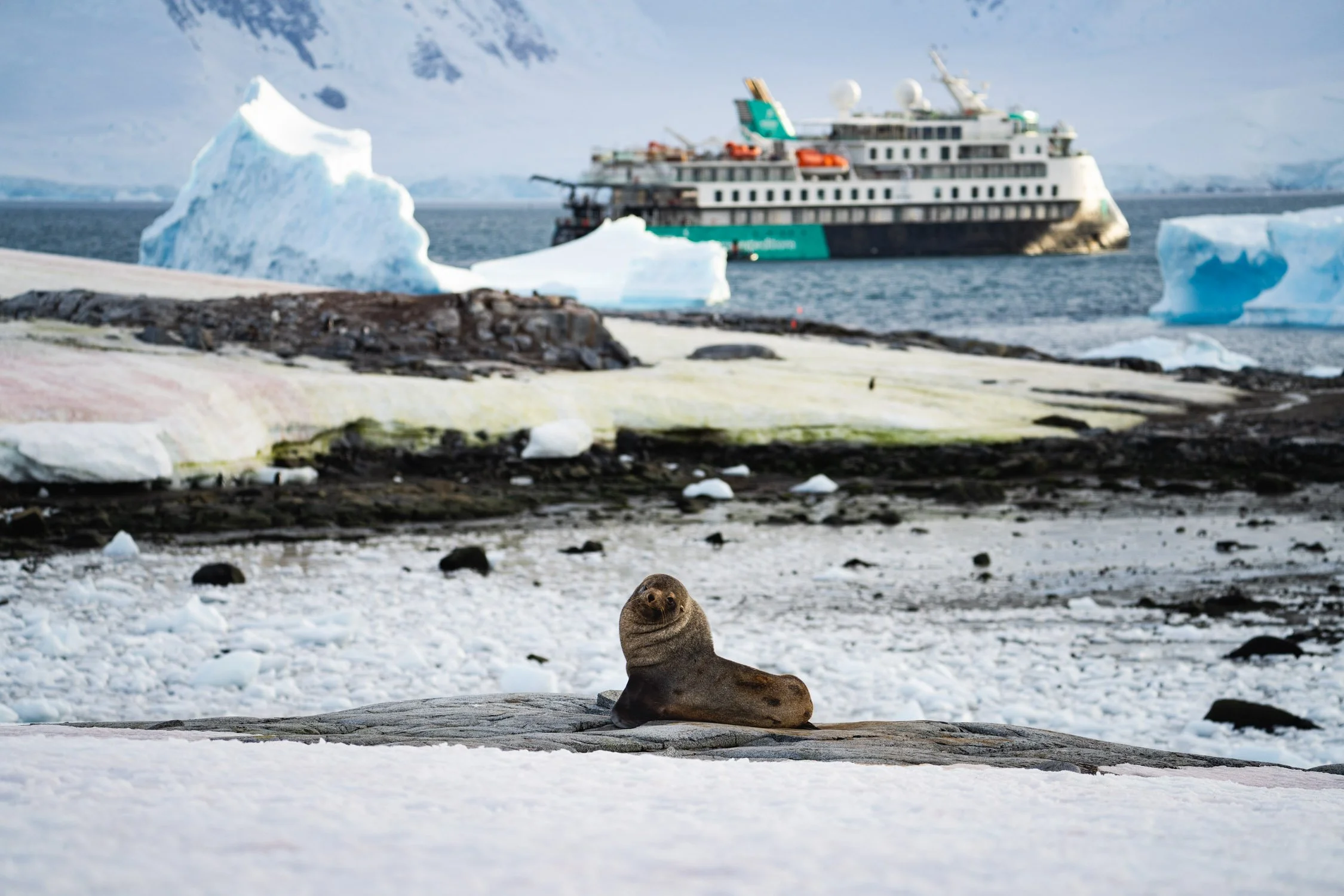
Exploring the Antarctic Peninsula with Aurora Expeditions via AdventureSmith Explorations. Photo by Dalton Johnson
Pros
Intimate Experience: With fewer passengers on board, small ship cruises provide a more intimate and personalized experience. You can expect attentive service, personalized interactions with crew members, and a strong sense of camaraderie among fellow travelers.
Access to Remote Locations: Small ships can access remote and off-the-beaten-path destinations that larger cruise liners cannot reach. This means you'll have the opportunity to explore pristine wilderness areas, secluded beaches, and hidden coves that are inaccessible to larger vessels.
Close Encounters with Nature: Small ship cruises often focus on wildlife and nature experiences. You'll have the chance to observe wildlife up close, from whales and dolphins to exotic bird species, enhancing the educational and immersive aspects of your journey.
Flexibility in Itineraries: Unlike fixed schedules on large cruise ships, small ship itineraries are often flexible and adaptable. Captains can adjust routes based on weather conditions, wildlife sightings, and guest preferences, allowing for spontaneous adventures and unique experiences.
Active and Adventure-Focused: Small ship cruises cater to adventure seekers with a variety of active excursions such as kayaking, snorkeling, hiking, and Zodiac expeditions. These activities allow you to engage directly with the environment and add an element of thrill to your journey.
Cultural Immersion: Many small ship cruises prioritize cultural immersion by offering onboard lectures, cultural demonstrations, and opportunities to interact with local communities during port visits. This enhances your understanding of the destinations visited and adds depth to your travel experience.
Cons
Higher Cost: Small ship cruises tend to have a higher price tag compared to mainstream cruises. The smaller capacity, personalized service, and exclusive experiences contribute to the elevated cost, which may be a deterrent for budget-conscious travelers.
Limited Onboard Amenities: While small ships offer comfort and essential amenities, they may lack the extensive facilities and entertainment options found on larger cruise liners. If you prioritize onboard amenities like multiple dining options, theaters, and shopping malls, a small ship cruise may not fully meet your expectations.
Less Variety in Dining Options: Due to space limitations, small ships may have fewer dining venues and cuisine choices compared to larger cruise ships. While meals are often of high quality and locally sourced, you may have less variety to choose from during your voyage.
Potential for Motion Sickness: Small ships are more susceptible to ocean swells and rough seas, leading to a higher risk of motion sickness for sensitive passengers. If you're prone to seasickness, it's important to consider this factor and take necessary precautions or choose a larger, more stable vessel.
Limited Onboard Entertainment: While small ship cruises focus on active and immersive experiences, they may have limited onboard entertainment options such as live shows, casinos, or large-scale musical performances. If you enjoy a wide range of entertainment choices during your cruise, a small ship may not offer as much variety in this aspect.
Defining Small Ship Cruises
Small ship cruises, also known as expedition cruises, offer a more intimate and immersive experience compared to traditional large cruise ships. These cruises typically accommodate fewer passengers, ranging from around 50 to 300 guests, allowing for a more personalized and flexible journey. Unlike mega-cruise liners that focus on onboard amenities and entertainment, small ship cruises prioritize exploration, adventure, and connecting with nature.
Expedition and Adventure Travel
One of the key features of small ship cruises is their emphasis on expedition and adventure travel. Instead of simply cruising from port to port, these cruises are designed to take travelers to remote and breathtaking locations that larger ships cannot access. Imagine kayaking through pristine fjords, snorkeling in vibrant coral reefs, or capturing stunning wildlife photography in untouched wilderness.
Intimate Encounters with Nature
Small ship cruises excel in providing intimate encounters with nature. Passengers have the opportunity to observe wildlife up close, from majestic whales and playful dolphins to rare bird species and exotic marine life. Naturalist guides often accompany these cruises, offering insightful knowledge about the local ecosystem and enhancing the overall educational experience.
Flexibility and Customization
Unlike fixed itineraries on large cruise ships, small ship cruises offer greater flexibility and customization. Captains and expedition leaders can adapt the schedule based on weather conditions, wildlife sightings, and guest preferences. This flexibility allows for spontaneous adventures like impromptu beach landings, scenic hikes, or evening wildlife watching sessions.
Activities and Excursions
Small ship cruises offer a diverse range of activities and excursions tailored to adventurous travelers. Whether you're keen on kayaking along rugged coastlines, hiking through lush rainforests, or embarking on Zodiac expeditions to hidden coves, there's always an opportunity for active exploration. Snorkeling, diving, and photography workshops are also popular onboard activities.
Personalized Service and Atmosphere
With fewer passengers on board, small ship cruises provide a more personalized service and intimate atmosphere. Crew members often know guests by name, creating a sense of camaraderie and community throughout the journey. Dining experiences feature locally sourced cuisine, reflecting the regions visited and adding to the cultural immersion.
Why Choose a Small Ship Cruise?
For travelers who value authentic experiences, connection with nature, and adventure-filled journeys, a small ship cruise offers the ideal blend of exploration and comfort. It's an opportunity to escape the crowds, discover hidden gems, and create lasting memories in some of the world's most spectacular locations.
Intimate Experience: Small ship cruises offer a more intimate and personalized experience with fewer passengers on board, allowing for attentive service, personalized interactions, and a strong sense of community among travelers.
Access to Remote Destinations: Small ships can reach remote and off-the-beaten-path destinations that larger cruise liners cannot access, providing opportunities to explore pristine wilderness areas, secluded beaches, and hidden gems.
Close Encounters with Nature: These cruises focus on wildlife and nature experiences, offering close encounters with wildlife such as whales, dolphins, exotic bird species, and marine life, enhancing the educational and immersive aspects of the journey.
Flexibility and Adventure: Small ship itineraries are flexible and adaptable, allowing for spontaneous adventures based on weather conditions, wildlife sightings, and guest preferences. Activities like kayaking, snorkeling, hiking, and Zodiac expeditions add an element of adventure to the voyage.
Touching soil on the Antarctic continent, the seventh and final continent for most to visit, only made possible by a small ship cruise. Photo by Dalton Johnson
A small ship cruise is more than just a mode of transportation; it's a gateway to unparalleled adventures and unforgettable moments in nature's playground. Whether you're an avid kayaker, wildlife enthusiast, or photography lover, embarking on a small ship expedition cruise promises a voyage of discovery and excitement.
Discover more Adventures

If You've Been Considering A Small Ship Cruise, Here's Your Green Light
Imagine stepping outside onto the balcony of your cabin, feeling the gentle breeze against your face as you cruise along the vast expanse of the ocean. You close your eyes, taking in the moment, savoring every second of this extraordinary experience. This is the allure of a small ship cruise, an adventure like no other, where luxury meets exploration, and every moment is a treasure waiting to be discovered.
Imagine stepping outside onto the balcony of your cabin, feeling the gentle breeze against your face as you cruise along the vast expanse of the ocean. You close your eyes, taking in the moment, savoring every second of this extraordinary experience. You want to pinch yourself, to make sure it’s not a dream — pinch — you’re still here. You really are here. This is the allure of a small ship cruise, an adventure like no other, where luxury meets exploration, and every moment is a treasure waiting to be discovered.

Sea kayaking in Antarctica on a small ship cruise. Photo by Dalton Johnson
Pros
Intimate Atmosphere: With fewer passengers onboard, small ship cruises offer a more relaxed and exclusive ambiance, fostering meaningful connections with fellow travelers.
Access to Remote Destinations: Small ships can navigate narrow waterways and shallow harbors, providing access to off-the-beaten-path destinations that larger ships cannot reach.
Personalized Service: The smaller scale allows for personalized attention from the crew, including attentive service, customized experiences, and tailored excursions.
Luxurious Amenities: Small ships often feature upscale amenities such as spacious cabins, gourmet dining, onboard spas, and enrichment activities.
Flexibility and Freedom: Unlike larger cruise ships with fixed schedules, small ships offer flexibility in itinerary planning, allowing for spontaneous adventures and adjustments based on traveler preferences.
Cultural Immersion: Small ship cruises focus on authentic cultural experiences, with opportunities to engage with local communities, traditions, and cuisines.
Adventure Opportunities: Activities like kayaking, snorkeling, hiking, and wildlife encounters are common on small ship cruises, catering to adventure-minded travelers.
Environmental Impact: Smaller ships generally have a lower environmental footprint compared to larger cruise liners, making them a more sustainable choice for eco-conscious travelers.
Cons
Limited Onboard Facilities: Small ships may have fewer onboard amenities and entertainment options compared to larger cruise ships, leading to a quieter onboard atmosphere.
Higher Cost: Small ship cruises often come with a higher price tag due to the exclusivity, personalized service, and luxury amenities they offer.
Limited Dining Options: While small ships prioritize quality dining experiences, they may have fewer dining venues and menu options compared to larger vessels.
Limited Cabin Choices: Cabin selection on small ships may be more limited, with fewer cabin categories and configurations available.
Potential for Motion Sensitivity: Smaller ships may experience more motion in rough seas, potentially causing discomfort for passengers prone to seasickness.
Less Onboard Entertainment: Small ship cruises typically offer fewer onboard entertainment options such as theaters, casinos, and nightlife compared to larger cruise liners.
Limited Shopping Opportunities: Small ships may have limited onboard shopping options, with fewer boutiques and shops available for passengers.
Weather Dependency: Smaller ships may be more susceptible to itinerary changes or delays due to adverse weather conditions, impacting planned activities and port visits.
Small ship cruises offer a unique and intimate way to explore the world's oceans and waterways. Unlike large cruise ships that can accommodate thousands of passengers, small ship cruises are designed to host a limited number of guests, typically ranging from 50 to 300 passengers. This smaller scale creates a host of advantages and benefits that make a small ship cruise an exceptional choice for adventure travelers seeking a more personalized and immersive experience.
One of the primary advantages of a small ship cruise is the intimate atmosphere it provides. With a limited number of passengers onboard, you'll enjoy a more relaxed and exclusive ambiance, free from the crowds and congestion often associated with larger cruise ships. This creates an opportunity to connect more deeply with your fellow travelers, fostering meaningful relationships and camaraderie throughout your journey.
Moreover, small ship cruises offer unparalleled access to remote and off-the-beaten-path destinations. These vessels are designed to navigate narrow waterways, shallow harbors, and secluded coves that larger ships simply cannot reach. As a result, you'll have the chance to explore hidden gems and discover untamed landscapes that are inaccessible to mass tourism, creating a sense of adventure and discovery at every port of call.
The benefits of a small ship cruise extend beyond the destinations themselves. Onboard amenities and services are often tailored to provide a higher level of luxury and personalized attention. From spacious cabins with private balconies to gourmet dining experiences featuring locally sourced cuisine, small ship cruises prioritize quality and comfort, ensuring that every aspect of your journey is memorable and enjoyable.
Furthermore, small ship cruises offer a range of enrichment activities and excursions that cater to adventurous spirits. Whether you're interested in wildlife encounters, cultural immersion, or outdoor adventures like kayaking, snorkeling, and hiking, there are endless opportunities to engage with the natural wonders and cultural treasures of each destination. Experienced guides and naturalists are on hand to provide insight and expertise, enhancing your understanding and appreciation of the places you visit.
Another advantage of small ship cruises is the flexibility and freedom they afford travelers. Unlike larger cruise ships with fixed schedules and itineraries, small ships can adapt to changing conditions and unexpected opportunities. This means that your journey is not bound by rigid timetables, allowing for spontaneous discoveries and personalized experiences tailored to your interests and preferences.
For adventure travelers seeking authentic and immersive experiences, a small ship cruise offers the perfect blend of luxury, exploration, and cultural discovery. Whether you're cruising along the rugged coastlines of Alaska, exploring the pristine waters of the Galapagos Islands, or navigating the ancient rivers of Europe, a small ship cruise promises unforgettable moments and lifelong memories.
Heading back to Aurora Expeditions Sylvia Earle in Antarctica after photographing penguins. Photo by Dalton Johnson
The advantages of going on a small ship cruise are clear and compelling. From the intimate atmosphere and exclusive access to remote destinations to the luxury amenities and personalized experiences, a small ship cruise offers a truly unique and rewarding adventure for discerning travelers. Whether you're a seasoned explorer or embarking on your first cruise experience, consider the benefits of a small ship cruise for your next adventure on the high seas.
Discover more Adventures

The Adventure of Peak Bagging
Peak bagging is not just a hobby; it's a passion, a challenge, and a pursuit that drives adventurers to conquer some of the tallest and most majestic mountains in the world. At its core, peak bagging involves climbing mountains, particularly focusing on 14ers, which are peaks that reach an elevation of 14,000 feet or higher. This activity is popular among mountaineers and outdoor enthusiasts who seek the thrill of reaching a summit and the satisfaction of ticking off another peak from their list.
Peak bagging is not just a hobby; it's a passion, a challenge, and a pursuit that drives adventurers to conquer some of the tallest and most majestic mountains in the world. At its core, peak bagging involves climbing mountains, particularly focusing on 14ers in the United States, which are peaks that reach an elevation of 14,000 feet or higher. This activity is popular among mountaineers and outdoor enthusiasts who seek the thrill of reaching a summit and the satisfaction of ticking off another peak from their list.

Tagging summits for sunrise. Photo by Dalton Johnson
Pros
Physical Fitness: Peak bagging is a fantastic way to stay physically fit and active. Climbing mountains requires strength, endurance, and cardiovascular fitness, contributing to overall health and well-being.
Adventure and Exploration: It provides a sense of adventure and exploration as climbers discover new trails, stunning vistas, and diverse ecosystems while ascending mountains.
Personal Growth: Conquering challenging peaks fosters personal growth, resilience, and a sense of accomplishment. It pushes individuals beyond their comfort zones and helps build confidence and determination.
Connection with Nature: Peak bagging allows climbers to immerse themselves in nature, appreciate its beauty, and develop a deeper connection with the natural world.
Community and Camaraderie: Climbers often form bonds and share experiences with like-minded individuals, creating a supportive community and fostering friendships based on shared passions.
Cons
Physical Demands: Climbing mountains can be physically demanding and strenuous, requiring adequate fitness levels and preparation. It may pose challenges for individuals with certain health conditions or fitness limitations.
Weather and Safety: Mountain weather can be unpredictable, with conditions changing rapidly. This can increase the risk of exposure to extreme temperatures, storms, and other hazards, necessitating careful planning and preparedness.
Time and Commitment: Peak bagging requires time and commitment, especially for climbing multiple peaks or tackling challenging routes. It may not be feasible for individuals with busy schedules or limited availability.
Costs: The cost of peak bagging can add up, including expenses for gear, permits (where required), travel, accommodations, and potentially guided trips or training courses. It's essential to budget accordingly.
Environmental Impact: Intensive use of popular trails and mountains can lead to environmental degradation, such as trail erosion, littering, and habitat disturbance. Climbers must practice Leave No Trace principles and minimize their impact on fragile ecosystems.
One of the most renowned regions for peak bagging is Colorado, home to a vast array of 14ers that attract climbers from all over the globe. These peaks offer a diverse range of challenges, from gentle slopes to rugged terrain, requiring varying levels of skill and experience. Some of the iconic 14ers in Colorado include Longs Peak, Mount Elbert, and Pikes Peak, each offering its own unique set of obstacles and rewards.
California is another hotspot for peak bagging, boasting iconic peaks such as Mount Whitney, the highest summit in the contiguous United States, and Mount Shasta, a majestic volcano that attracts climbers seeking both challenge and breathtaking views. Washington state also offers a plethora of 14ers, including Mount Rainier, an iconic glaciated peak that tests climbers with its steep slopes and unpredictable weather.
The allure of peak bagging lies not only in the physical challenge of scaling mountains but also in the sense of accomplishment and connection with nature that it brings. Climbers often describe the experience of standing on a summit, surrounded by vast wilderness and panoramic views, as nothing short of awe-inspiring. It's a moment of triumph, resilience, and appreciation for the natural world.
However, peak bagging is not without its risks and considerations. Mountaineers must be well-prepared and equipped with the necessary gear, including proper clothing, navigation tools, and emergency supplies. Weather conditions can change rapidly in mountainous regions, posing additional challenges and requiring climbers to exercise caution and good judgment.
Despite the challenges, peak bagging offers a myriad of rewards for those who embark on this adventure. It fosters a sense of camaraderie among climbers, as they share stories, tips, and encouragement along the way. It also encourages physical fitness, mental resilience, and a deep connection with the outdoors.
For many, peak bagging is not just about conquering mountains but also about embracing the journey, learning from each ascent, and cultivating a deeper appreciation for the natural world. It's a pursuit that fuels the spirit of exploration, adventure, and discovery, drawing individuals to seek out new summits and reach new heights both physically and metaphorically.
Summiting 14ers in the Eastern Sierra of Calirfornia. Photo by Dalton Johnson
peak bagging is more than just climbing mountains; it's a lifestyle, a passion, and a pursuit of personal growth and exploration. Whether in Colorado, California, Washington, or beyond, the allure of reaching new summits and pushing personal limits continues to inspire adventurers to embark on this exhilarating journey of peak bagging.
Discover more Summits

Conquering Colorado's Sawatch 14ers with Altra Lone Peak 8 In A Single Push
Colorado's Sawatch Range boasts some of the most iconic peaks in the Rockies, challenging adventurers with steep ascents and breathtaking views. For those seeking to conquer these majestic 14ers, the Altra Lone Peak 8 trail running shoe is a game-changer. Designed for versatility and performance, this shoe is the perfect companion for tackling rugged terrain while maintaining comfort and agility.
Colorado's Sawatch Range boasts some of the most iconic peaks in the Rockies, challenging adventurers with steep ascents and breathtaking views. For those seeking to conquer these majestic 14ers, the Altra Lone Peak 8 trail running shoe is a game-changer. Designed for versatility and performance, this shoe is the perfect companion for tackling rugged terrain while maintaining comfort and agility.
Celebrating the final tick of all the 14er summits in the Sawatch Mountains. Photo by Dalton Johnson
PROS:
Exceptional Traction: The Altra Lone Peak 8 offers outstanding grip, making it ideal for challenging terrain and steep ascents.
Comfortable Design: The shoe's Altra EGO™ midsole foam provides a cushioned yet responsive ride, reducing fatigue during long hikes or trail runs.
Durable Construction: With a rugged ripstop mesh upper and MaxTrac™ outsole, the Lone Peak 8 is built to withstand rough trails and rocky environments.
Versatile Performance: Whether summiting 14ers or enjoying casual trail days, these shoes excel in various outdoor activities.
Wide Toe Box and Zero-Drop Design: These features promote natural foot movement, prevent discomfort, and accommodate wider feet comfortably.
Lightweight and Breathable: The shoe's construction ensures breathability and keeps feet cool, even during extended wear.
CONS:
Limited Daily Wear: While great for outdoor adventures, the Altra Lone Peak 8 may not be as suitable for everyday use due to its specialized design.
Minimal Ankle Support: Trail runners seeking extra ankle support for rugged terrain may find the Lone Peak 8 lacking in this aspect.
Potential Debris Entry: The wide toe box, while comfortable, may allow small rocks or debris to enter the shoe on rocky trails.
Style Preference: Some users may prefer a more traditional or urban aesthetic, which the Lone Peak 8's trail-focused design may not fully cater to.
Price Point: Depending on the budget, the cost of the Lone Peak 8 may be a consideration for some outdoor enthusiasts.
Break-In Period: Like many trail shoes, the Lone Peak 8 may require a break-in period for optimal comfort, which could be a minor inconvenience for some users.
One of the standout features of the Altra Lone Peak 8 is its exceptional traction, making it an ideal choice for climbing 14ers and navigating challenging trails. As a trail runner who recently embarked on a mission to summit all the Sawatch 14ers in Colorado, I relied on the Lone Peak 8 for its grip and stability, especially on rocky and uneven surfaces. Over 18 days of intense hiking, trail running, and peak bagging, these shoes proved their worth, clocking in over 250 miles without compromising on performance.
The rugged ripstop mesh upper of the Lone Peak 8 offers durability and protection against debris, essential for long days on the trail. Whether scrambling over boulders or traversing scree fields, I felt confident in the shoe's ability to handle varied terrain. The MaxTrac™ outsole provided a sticky grip, ensuring traction even on slippery slopes and loose gravel.
What sets the Lone Peak 8 apart is its comfort, even during extended use. The Altra EGO™ midsole foam offers a responsive yet cushioned ride, reducing fatigue and impact on joints. The zero-drop design promotes a natural foot strike, enhancing stability and proprioception on challenging terrain. Additionally, the roomy toe box allows for toe splay, preventing discomfort and blisters commonly associated with narrow footwear.
While the Lone Peak 8 excels on technical ascents and descents, its versatility extends to casual trail days. I found myself reaching for these shoes not just for epic summit bids but also for leisurely hikes and explorations. The lightweight construction and breathable materials make them suitable for all-day wear, ensuring comfort from trailhead to summit and back.
As someone with wide feet, I appreciate the generous toe box and zero-drop design of the Lone Peak 8. These features promote natural foot movement and alleviate pressure points, making them my go-to choice for outdoor adventures. While they may not be my everyday shoes, they have earned a permanent place in my gear arsenal for their performance and reliability on the trail.
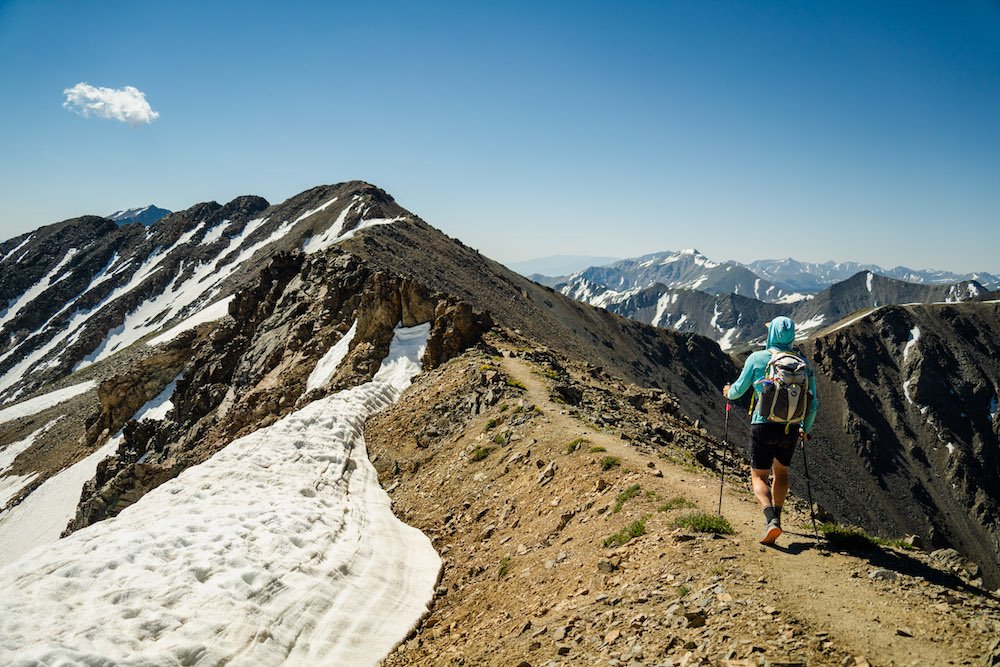
Walking the ridge to bag the summit of Missouri Peak in the Sawatch Range. Photo by Dalton Johnson
The Altra Lone Peak 8 is a trail runner's dream, especially when tackling the rugged challenges of Colorado's Sawatch 14ers. With exceptional traction, comfort, and durability, these shoes empower adventurers to push their limits and embrace the thrill of peak bagging. Lace up a pair of Altra Lone Peak 8s and embark on your own mountain conquest with confidence and style.
Discover More Gear
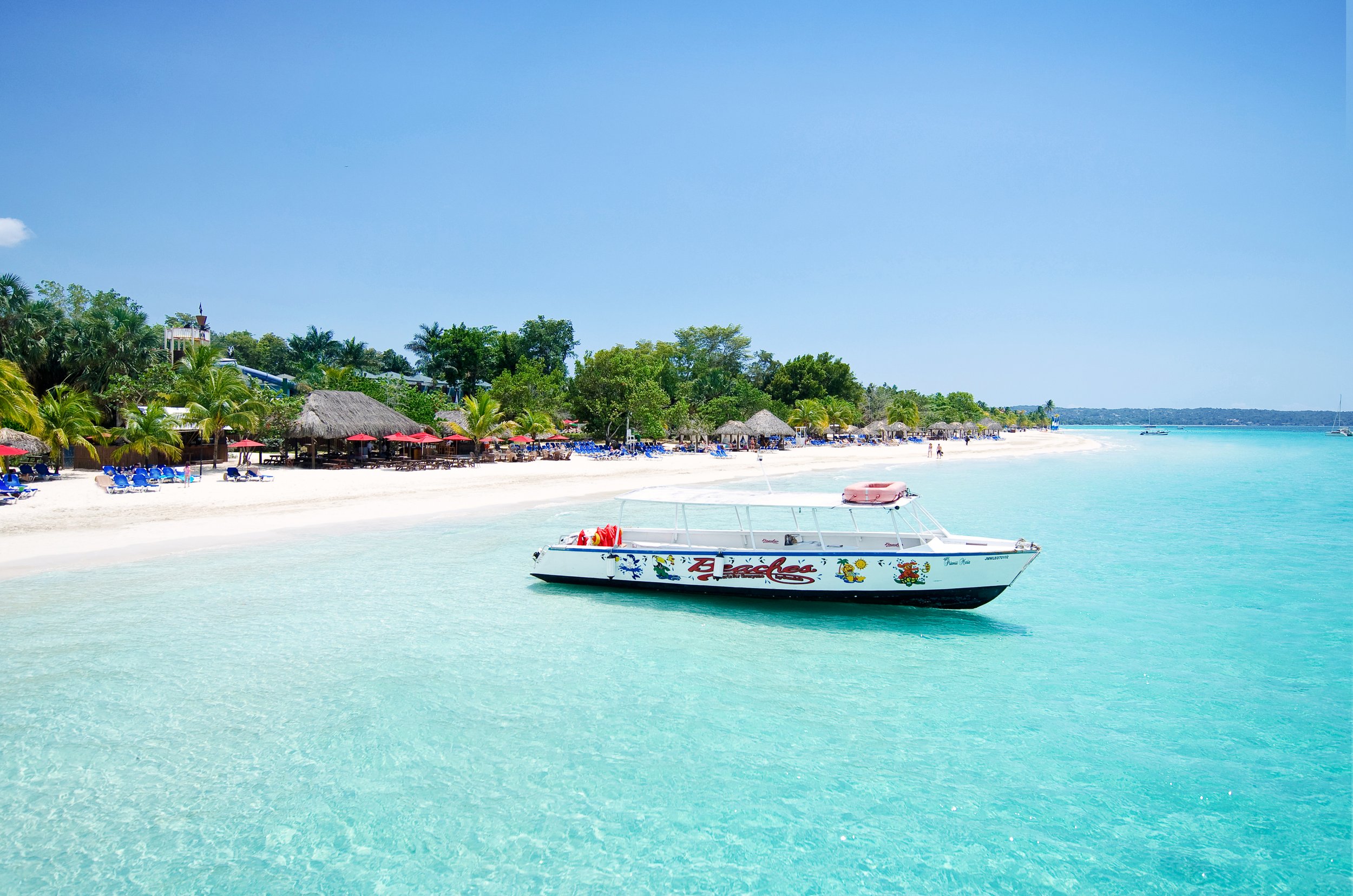
Spoil Your Mom This Mother's Day With One Of These Adventures
Mother's Day is a special occasion to show appreciation for the incredible women in our lives. Instead of traditional gifts, why not surprise your mom with an unforgettable adventure? From soaring above scenic landscapes to indulging in luxurious spa treatments, here are five adventurous ways to spoil your mom this Mother's Day.
Mother's Day is a special occasion to show appreciation for the incredible women in our lives. Instead of traditional gifts, why not surprise your mom with an unforgettable adventure? From soaring above scenic landscapes to indulging in luxurious spa treatments, here are five adventurous ways to spoil your mom this Mother's Day.

A water healing session at Le Barthélemy Hotel & Spa in St. Barts
1. The Maine Hotel Flying Moms Over Acadia National Park via Biplane
Imagine your mom's delight as she takes to the skies in a vintage biplane, soaring over the breathtaking Acadia National Park. The Claremont Hotel in Maine offers the "Meet Me Above Acadia" package, including a Frenchman Bay Biplane flight, a couples massage at Botanica Spa, a gourmet dinner at Little Fern Restaurant, and more. With stunning views and luxurious amenities, this adventure is sure to create lasting memories.
2. A Private Chef Mother’s Day Breakfast-in-Bed Experience
For a more intimate and personalized experience, consider treating your mom to a private chef-prepared breakfast in bed. Club Wyndham resorts across the U.S. offer a special promotion where guests can enjoy a farm-to-table meal served in-suite by a private chef. Whether overlooking serene ocean views or vibrant cityscapes, this breakfast-in-bed experience is a delightful way to start Mother's Day.
Only available at these locations:
Club Wyndham Oceanside Pier Resort – Oceanside, California
Club Wyndham Atlanta – Atlanta, Georgia
Club Wyndham Palm-Aire – Pompano Beach, Florida
Club Wyndham Cypress Palms – Kissimmee, Florida
Club Wyndham Smoky Mountains – Sevierville, Tennessee
Club Wyndham Branson at the Meadows – Branson, Missouri
Club Wyndham Pagosa – Pagosa Springs, Colorado
Club Wyndham Patriots’ Place – Williamsburg, Virginia
Club Wyndham Park City – Park City, Utah
3. Water Healing and La Mer Soaks for Mom in St. Barts’
For moms in need of relaxation and rejuvenation, Le Barthélemy Hotel & Spa in St. Barts offers the ultimate wellness experience. The Complete Wellness Experience includes exclusive skin treatments using La Mer products, water healing sessions like Atma Janzu, and Aquatic Tibetan Sound Healing therapy. Surrounded by ocean views and luxurious amenities, this spa retreat is perfect for pampering your mom.
4. An All-Inclusive Vacation at Beaches Resorts
Give your mom the gift of a stress-free vacation at Beaches Resorts in Jamaica or Turks & Caicos. With world-class restaurants, waterparks, and activities for all ages, Beaches Resorts offer relaxation and fun for the whole family. While mom enjoys spa treatments at Red Lane Spa, kids can have a blast at the XBOX lounge or Kids’ Club. With new Sesame Street activities, Beaches Resorts are perfect for multigenerational families.
5. Book Mom Her Dream Cruise, At Half Price
Surprise your mom with a dream cruise experience through Holland America Line's Anniversary Sale. With discounts on cruise fares, onboard credits, and free accommodations for kids, this sale makes it easier to treat mom to a memorable cruise vacation. Whether exploring Alaska's glaciers or Europe's picturesque countryside, Holland America Line offers luxury and relaxation at sea.
This Mother's Day, go beyond flowers and chocolates and give your mom the gift of adventure and relaxation. Whether she's soaring above scenic landscapes, indulging in spa treatments, or enjoying quality time with family, these adventurous experiences will make her day truly special.
Discover More Destinations

Three Reasons You Need To Visit Switzerland This Summer
Switzerland is a dream destination for many travelers, and summer is the perfect time to experience its natural beauty and adventure. Here are three compelling reasons why you should plan a trip to Switzerland this summer:
Switzerland is a dream destination for many travelers, and summer is the perfect time to experience its natural beauty and adventure. Here are three compelling reasons why you should plan a trip to Switzerland this summer:
PROS:
Stunning Natural Beauty: Switzerland boasts breathtaking landscapes, from majestic mountains to crystal-clear lakes, making it a paradise for nature lovers.
Outdoor Adventures: Summer offers a wide range of outdoor activities such as hiking, biking, paragliding, and water sports, perfect for adventure enthusiasts.
Wellness Retreats: Luxurious spa resorts and wellness retreats nestled in serene surroundings provide the ultimate relaxation experience.
Clean Air: Switzerland's pristine environment and fresh mountain air contribute to a healthy and rejuvenating atmosphere.
Cultural Heritage: Explore charming towns, historic sites, and cultural events to immerse yourself in Switzerland's rich heritage.
Excellent Infrastructure: The country's efficient transportation system, including scenic train routes, makes it easy to explore various regions.
Safety: Switzerland is known for its safety and security, making it a comfortable destination for solo travelers and families alike.
Delicious Cuisine: Indulge in Swiss delicacies like cheese fondue, chocolate, and traditional Alpine dishes for a gastronomic delight.
CONS:
High Cost of Living: Switzerland is known for being expensive, with high costs for accommodation, dining, and activities.
Crowds: Popular tourist destinations can get crowded during the summer months, especially in iconic places like Interlaken and Zermatt.
Weather Variability: While summer generally offers pleasant weather, it can also be unpredictable, with occasional rain showers or heatwaves.
Language Barrier: While English is widely spoken, some rural areas may have language barriers, particularly in remote villages.
Tourist Season: Peak tourist season in summer means higher prices, busy attractions, and the need for advance bookings.
Limited Parking: Driving in Swiss cities can be challenging due to limited parking spaces and strict traffic regulations.
Alpine Hazards: Outdoor activities in the Alps come with risks such as altitude sickness, weather changes, and challenging terrain, requiring caution and preparation.
Environmental Impact: Popular tourist spots may face environmental pressures due to increased visitor numbers, necessitating responsible tourism practices.
1) Wellness Travel Amidst Stunning Nature:
Switzerland is renowned for its wellness retreats nestled in breathtaking natural landscapes. From luxurious spa resorts to rustic mountain retreats, you can indulge in rejuvenating experiences surrounded by serene lakes, lush forests, and majestic mountains. Imagine starting your day with a refreshing yoga session overlooking the tranquil waters of Lake Geneva or enjoying a soothing massage in a cozy chalet nestled in the Swiss Alps. Wellness activities such as hiking, cycling, and meditation in the midst of pristine nature are not only relaxing but also invigorating for the mind, body, and soul. Switzerland's clean air and serene environment create the ideal setting for a rejuvenating wellness escape.
2) Adventure Travel in the Swiss Alps:
For adrenaline junkies and outdoor enthusiasts, Switzerland offers a plethora of thrilling adventures amidst its iconic Swiss Alps. Whether you're a seasoned mountaineer or a novice hiker, there are trails and activities suited to every skill level. Embark on a scenic trek to the top of the Matterhorn for awe-inspiring views of snow-capped peaks and glaciers. Experience the rush of paragliding over Interlaken's picturesque landscapes, or test your skills at rock climbing in the Grindelwald region. The Swiss Alps are also a paradise for mountain bikers, with well-maintained trails winding through stunning valleys and alpine meadows. From white-water rafting in mountain rivers to zip-lining across breathtaking gorges, Switzerland offers an adrenaline-packed adventure like no other.
3) Immerse Yourself in Nature's Beauty:
Switzerland's pristine natural beauty is a sight to behold, especially during the summer months when the meadows burst into bloom and the alpine lakes glisten under the sun. Take a leisurely hike through the enchanting forests of the Swiss National Park, where you can spot diverse wildlife and rare alpine flora. Explore the enchanting Lauterbrunnen Valley, dotted with cascading waterfalls and charming alpine villages. For a truly unique experience, embark on a scenic train journey on the Glacier Express, passing through dramatic mountain landscapes, quaint villages, and ancient glaciers. Switzerland's commitment to environmental conservation ensures that you can immerse yourself in nature's splendor responsibly, making it a perfect destination for eco-conscious travelers.
In addition to these three reasons, Switzerland also offers a rich cultural heritage, delectable cuisine, and charming towns waiting to be explored. Whether you seek relaxation, adventure, or simply a connection with nature, Switzerland's diverse offerings make it an ideal summer destination. So pack your bags, breathe in the fresh mountain air, and embark on an unforgettable Swiss adventure this summer!
Discover More Destinations

Four Switzerland Escapes To Recharge Your Batteries
Switzerland is renowned for its breathtaking landscapes, precision timepieces, and exquisite chocolates. Beyond these delights, it offers a sanctuary for wellness seekers looking to recharge their batteries amidst nature's splendor. Here are four exceptional escapes in Switzerland that promise a harmonious blend of relaxation, rejuvenation, and cultural enrichment.
Switzerland is renowned for its breathtaking landscapes, precision timepieces, and exquisite chocolates. Beyond these delights, it offers a sanctuary for wellness seekers looking to recharge their batteries amidst nature's splendor. Here are four exceptional escapes in Switzerland that promise a harmonious blend of relaxation, rejuvenation, and cultural enrichment.

Grand Resort Bad Ragaz | Bad Ragaz, Switzerland
For those seeking a major reset, the Grand Resort Bad Ragaz in Bad Ragaz, Switzerland, presents an unparalleled wellness experience. Steeped in ancient bathing traditions, this resort is a haven for holistic healing and rejuvenation. Spanning a vast 143,000 square feet, its world-class thermal spa offers a comprehensive range of wellness facilities. These include a medical center and clinic, two golf courses, and seven exquisite restaurants, including two Michelin-starred options and one Green Michelin-starred restaurant.
Guests can indulge in innovative wellness packages designed to reset their mind, body, and spirit. The Food Package focuses on resetting metabolism, while the Microbiome Package addresses gut health. For detoxification and immune system enhancement, the Detox and Health Cleansing Package is ideal. Moreover, the resort's dedicated Spa Suites offer a luxurious retreat, featuring modern amenities and private spa areas with freestanding whirlpool baths and steam baths.

Valbella Resort | Lenzerheide, Switzerland
Nestled in the Grisons Mountains, the Valbella Resort in Lenzerheide is a paradise for multi-generational travelers seeking wellness and adventure. The resort's five-story wellness tower, Tor da Lenn, is a marvel of relaxation. It houses saunas, steam baths, salt and ice peeling stations, and a plunge pool with panoramic mountain views. The spa also offers unique treatments like the Flower Stamp Lifting Facial, Alkaline Foot Bath, and Kidsmassage.
Beyond wellness, guests can enjoy indoor lap pools, tennis courts, and a fully-equipped fitness room. The culinary experience at Valbella Resort is equally enticing, with fresh Alpine cuisine infused with international flavors. Whether exploring snowy activities in winter or hiking and swimming in summer, this resort offers a holistic wellness escape for all ages.
Hotel Schweizerhof | Lenzerheide, Switzerland
For those seeking something unique, Hotel Schweizerhof in Lenzerheide stands out with its distinctive offerings. While its 16,000-square-foot BergSpa boasts traditional spa treatments and facilities, the hotel goes beyond conventional wellness experiences. Guests can participate in "Poetry on the Mountains," enjoying storytelling in nature, or join a spring yoga retreat complete with rejuvenating sessions and gourmet meals.
The hotel's dedication to Swiss culture is evident in its Alpine chic rooms and scenic views. Dining at Scarlotta’s Terroir, awarded a Green Michelin Star, is a culinary journey showcasing regional and natural ingredients. Whether immersing in nature's beauty or indulging in wellness activities, Hotel Schweizerhof offers a blend of serenity and cultural enrichment.

7132 Hotel | Vals, Switzerland
For those seeking isolation and introspection, the 7132 Hotel in Vals provides a serene retreat. Built around natural thermal baths designed by architect Peter Zumthor, this hotel is a masterpiece of tranquility. The thermal baths, crafted from 60,000 slabs of Vals quartzite, offer a unique ambiance and highly mineralized water from the St. Peter spring at a comfortable 86°F.
Beyond its spa and dining experiences, 7132 Hotel invites guests to slow down and reconnect with themselves. It's an ideal destination for those desiring a personalized wellness journey at their own pace.
Switzerland's wellness escapes offer a perfect blend of luxury, nature, and holistic well-being. Whether seeking a major reset, multi-generational relaxation, unique experiences, or isolation, these destinations cater to diverse wellness needs. Embark on a journey of rejuvenation in Europe's wellness haven, and rediscover harmony amid Switzerland's breathtaking landscapes.
Discover More Destinations
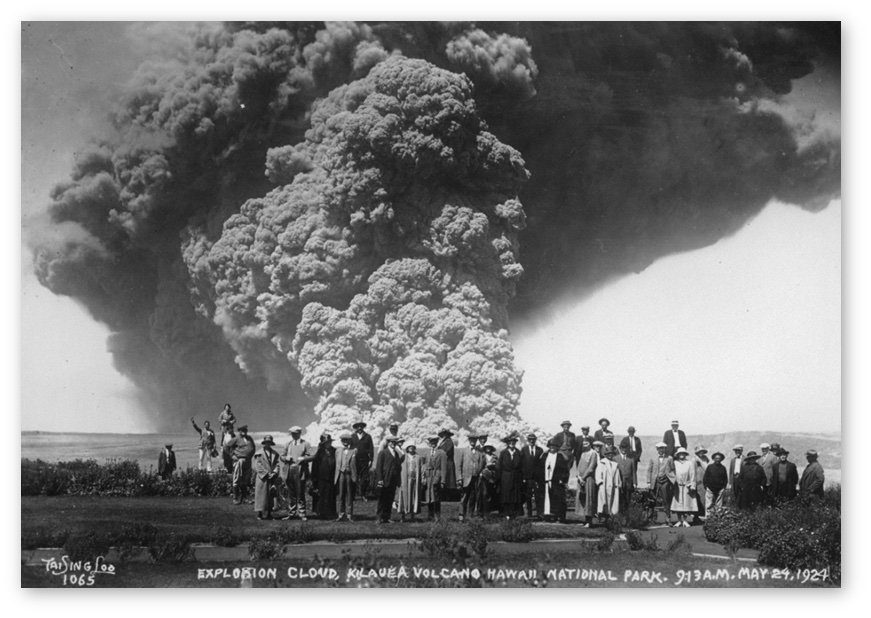
Honoring a Century And Reflecting on Sixteen Explosive Days at Kīlauea in May 1924
In May 1924, the Big Island of Hawaiʻi witnessed a series of unprecedented volcanic eruptions that shook the region and left a lasting impact on the landscape. Over the course of sixteen days, Kīlauea, one of the world's most active volcanoes, unleashed more than 50 explosive events that reverberated across the island chain.
In May 1924, the Big Island of Hawaiʻi witnessed a series of unprecedented volcanic eruptions that shook the region and left a lasting impact on the landscape. Over the course of sixteen days, Kīlauea, one of the world's most active volcanoes, unleashed more than 50 explosive events that reverberated across the island chain.
The eruptions originated from Halemaʻumaʻu, a crater within the larger Kīlauea caldera, and sent volcanic ash raining down from South Hilo to South Kona. The sheer force of the explosions propelled rocks weighing up to 12 tons, creating a spectacle of destruction as they crashed to the ground in the caldera.
Accompanying the explosions were intense electrical storms and torrential rain, adding to the chaos and spectacle of nature's fury. The summit of Kīlauea was repeatedly shaken by earthquakes, further highlighting the volatile nature of the volcanic activity.
Don Swanson, a geologist emeritus at the US Geological Survey's Hawaiian Volcano Observatory (USGS HVO), and Ben Gaddis, a volunteer at USGS HVO, offer insights into the events leading up to this eventful month a century ago. They delve into the geological processes that culminated in such explosive eruptions, shedding light on the forces at play beneath the Earth's surface.
One intriguing aspect of the 1924 eruptions is the speculation surrounding why similar explosive events did not occur during the partial collapse of the caldera in 2018. This comparison between historical eruptions and more recent volcanic activity prompts questions about the evolving nature of Kīlauea and how it responds to geological stressors over time.
This historical recap of the 1924 eruptions is part of Hawai‘i Volcanoes National Park's ongoing "After Dark in the Park" programs, co-sponsored by the Friends of Hawaiʻi Volcanoes National Park. The event is free to attend, although regular park entrance fees apply.
For those interested in delving into the fascinating history of Kīlauea and understanding the dynamics of volcanic activity, mark your calendars for Tuesday, May 14 at 7 p.m. The event will take place at the Kīlauea Visitor Center auditorium, providing a unique opportunity to learn from experts and explore the geological wonders of Hawaiʻi's volcanic landscapes.
As we reflect on the tumultuous events of May 1924, we are reminded of the awe-inspiring power of nature and the ongoing efforts to study and understand volcanic activity for the benefit of science and society.
Discover More Destinations

How To Know When To Take A Break On A Road Trip
Embarking on a road trip is an exhilarating adventure filled with scenic views, memorable pit stops, and the freedom of the open road. However, amidst the excitement, it's crucial to prioritize road trip safety, especially when it comes to knowing when to stop driving and take a break. Ignoring signs of fatigue can lead to decreased alertness, impaired judgment, and an increased risk of accidents. In this article, we'll discuss how to recognize these signs and offer practical tips for staying safe and alert during your road trip.
We have all been there on a road trip, the GPS says “48 more minutes,” but you are nodding off behind the wheel. Of course, we tell ourselves we can make it, but can we really? Embarking on a road trip is an exhilarating adventure filled with scenic views, memorable pit stops, and the freedom of the open road. However, amidst the excitement, it's crucial to prioritize road trip safety, especially when it comes to knowing when to stop driving and take a break. Ignoring signs of fatigue can lead to decreased alertness, impaired judgment, and an increased risk of accidents. In this article, we'll discuss how to recognize these signs and offer practical tips for staying safe and alert during your road trip.

Taking a coffee break when on a road trip. Photo by Dalton Johnson
Recognizing Signs of Fatigue
Yawning and Eye Discomfort: If you find yourself yawning frequently or experiencing eye discomfort such as itching or dryness, it's a clear indication that you may be tired and in need of rest.
Difficulty Focusing: Struggling to maintain focus on the road or feeling easily distracted by minor things can signal fatigue. Your ability to concentrate diminishes when you're tired, increasing the likelihood of accidents.
Impaired Reaction Time: Fatigue slows down your reflexes and reaction time, making it harder to respond quickly to unexpected situations on the road.
Frequent Blinking and Heavy Eyelids: Excessive blinking, heavy eyelids, or finding it challenging to keep your eyes open are signs that your body is craving rest.
Drifting Between Lanes: If you notice your vehicle drifting between lanes or onto rumble strips, it's a red flag indicating that you're not fully focused on driving.
Road Trip Safety Tips
Plan Your Route and Schedule: Before hitting the road, plan your route and schedule breaks at regular intervals. Aim to stop every 2-3 hours to stretch, rest, and recharge.
Prioritize Restful Sleep: Ensure you get adequate sleep before starting your road trip. Lack of sleep can significantly impact your driving performance and increase the risk of accidents.
Stay Hydrated and Snack Smart: Dehydration and hunger can contribute to fatigue. Keep water and healthy snacks like nuts, fruits, and granola bars handy to stay hydrated and maintain energy levels.
Use Caffeine Wisely: While caffeine can provide a temporary energy boost, rely on it judiciously. Avoid excessive caffeine consumption, especially close to bedtime, as it can interfere with your sleep schedule.
Take Turns Driving: If you're traveling with others, share the driving responsibilities. Switching drivers allows each person to rest and stay alert, reducing the overall fatigue of the journey.
Listen to Your Body: Pay attention to how your body feels. If you're experiencing signs of fatigue, don't hesitate to pull over and take a short nap or break. Even a 20-minute power nap can make a significant difference in your alertness.
Avoid Driving During Peak Fatigue Hours: Plan your driving schedule to avoid times when you're naturally more tired, such as late at night or early in the morning. Opt for driving during daylight hours when visibility is better.
Use Technology Wisely: Take advantage of technology to enhance safety. Utilize GPS devices with fatigue detection features that remind you to take breaks based on your driving behavior.
A power nap before hitting the roads of Baja while on a surfing road trip. Photo by Dalton Johnson
Knowing when to stop driving on a road trip is paramount to your safety and the safety of others on the road. By recognizing signs of fatigue, planning breaks strategically, prioritizing restful sleep, and sharing driving responsibilities, you can enjoy a smooth and safe journey. Remember, it's better to take a break and arrive at your destination refreshed than to push through exhaustion and risk accidents. Stay vigilant, stay safe, and make the most of your road trip adventure!