

Best Outdoorsy Activities In South Lake Tahoe
When it comes to outdoor adventures, South Lake Tahoe is a paradise waiting to be explored. Nestled in the Sierra Nevada mountains and straddling the California-Nevada border, this scenic destination offers a wide range of activities for outdoor enthusiasts. Whether you're into rock climbing, hiking, swimming, trail running, kayaking, or simply soaking in breathtaking views, South Lake Tahoe has something for everyone. Let's dive into the top outdoor activities you can enjoy in this beautiful area.
When it comes to outdoor adventures, South Lake Tahoe is a paradise waiting to be explored. Nestled in the Sierra Nevada mountains and straddling the California-Nevada border, this scenic destination offers a wide range of activities for outdoor enthusiasts. Whether you're into rock climbing, hiking, swimming, trail running, kayaking, or simply soaking in breathtaking views, South Lake Tahoe has something for everyone. Let's dive into the top outdoor activities you can enjoy in this beautiful area.
Bouldering in South Lake Tahoe with views of the lake. Photo by Dalton Johnson
1. Rock Climbing
South Lake Tahoe boasts a variety of rock climbing spots suitable for climbers of all skill levels. From beginner-friendly routes to challenging climbs for seasoned climbers, you'll find granite walls and boulders that offer thrilling experiences. Lover's Leap is a popular destination known for its multi-pitch routes and stunning vistas of Desolation Wilderness. Other notable climbing areas include Eagle Lake Cliff, Luther Spires, and Pie Shop.
2. Hiking
The region around South Lake Tahoe is a hiker's paradise with trails that lead to alpine lakes, scenic overlooks, and majestic peaks. Cascade Falls Trail is a favorite among visitors, offering a moderate hike with rewarding views of a cascading waterfall. For a more challenging trek, consider tackling Mount Tallac, which rewards hikers with panoramic views of Lake Tahoe from its summit. Other noteworthy hikes include Eagle Lake Trail, Rubicon Trail, and the Tahoe Rim Trail segment near Echo Lakes.
3. Swimming
With crystal-clear waters and numerous beaches, South Lake Tahoe is ideal for a refreshing swim during the warmer months. Sand Harbor Beach on the Nevada side is famous for its turquoise waters and sandy shores, perfect for sunbathing and swimming. If you prefer a quieter spot, check out Secret Cove Beach or Baldwin Beach for a more secluded experience. Emerald Bay State Park also offers opportunities for swimming near its scenic cove.


4. Trail Running
For runners seeking scenic trails and challenging terrain, South Lake Tahoe delivers an exceptional experience. The Tahoe Rim Trail features sections that are perfect for trail running, offering panoramic views of the surrounding mountains and Lake Tahoe. Runners can explore sections near Spooner Summit or Brockway Summit for varying distances and difficulties. The Flume Trail is another favorite, known for its singletrack and stunning vistas along the ridgeline.
5. Kayaking
Exploring Lake Tahoe by kayak is a must-do activity for outdoor enthusiasts. Rent a kayak or bring your own to paddle along the clear waters of the lake, taking in views of the surrounding mountains and shoreline. Emerald Bay is a popular kayaking destination, known for its scenic beauty and opportunities to paddle near Fannette Island. For a more adventurous experience, consider kayaking to secluded coves or exploring the lake's hidden gems.
6. Backpacking the Tahoe Rim Trail
For avid backpackers, tackling the Tahoe Rim Trail is an unforgettable adventure. This 165-mile loop traverses through forests, meadows, and high alpine terrain, offering breathtaking views of Lake Tahoe and the surrounding mountains. Plan a multi-day backpacking trip to experience the diverse landscapes and serene wilderness along this iconic trail.
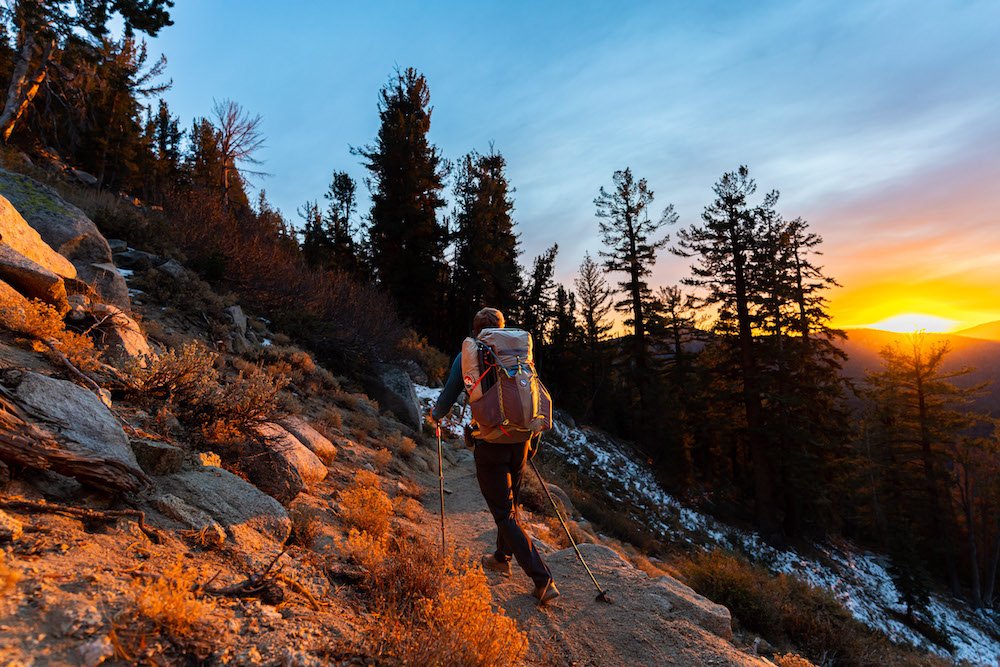
Backpacking the Tahoe Rim Trail near Freel Peak at sunset. Photo by Dalton Johnson
South Lake Tahoe offers a plethora of outdoor activities for nature lovers and adventure seekers alike. Whether you're scaling granite walls, hiking scenic trails, swimming in crystal-clear waters, trail running through forests, or kayaking on Lake Tahoe, the possibilities for outdoor exploration are endless in this stunning region. Plan your outdoor adventure in South Lake Tahoe and immerse yourself in the beauty of the Sierra Nevada mountains and the iconic Lake Tahoe.
Discover More Destinations

Sport Climbing vs. Traditional Climbing, What Is The Difference
Rock climbing is a diverse and exhilarating activity that offers various styles and techniques for climbers to explore. Two popular forms of rock climbing are sport climbing and traditional climbing, each with its own set of characteristics, challenges, and appeal. In this article, we delve into the differences between sport climbing and traditional climbing, shedding light on their distinct features and what sets them apart in the world of outdoor rock climbing.
Rock climbing is a diverse and exhilarating activity that offers various styles and techniques for climbers to explore. Two popular forms of rock climbing are sport climbing and traditional climbing, each with its own set of characteristics, challenges, and appeal. In this article, we delve into the differences between sport climbing and traditional climbing, shedding light on their distinct features and what sets them apart in the world of outdoor rock climbing.
Sam sport climbing in Pine Creek near Bishop, CA. Photo by Dalton Johnson
What is Sport Climbing?
Sport climbing is a style of rock climbing where climbers ascend routes that are equipped with fixed anchors and bolts for protection. These routes are typically found in climbing areas specifically designated for sport climbing, such as climbing gyms or outdoor sport climbing crags. The emphasis in sport climbing is on the physical challenge of climbing, with less focus on placing gear for protection.
Pros
Accessibility: Sport climbing is often more accessible to beginners compared to traditional climbing. With fixed protection in place, climbers do not need to carry and place their own gear, making it easier to get started.
Safety: The presence of fixed bolts and anchors in sport climbing routes provides a higher level of safety compared to traditional climbing. This can be reassuring for climbers, especially those who are new to the sport.
Skill Development: Sport climbing allows climbers to focus on developing movement techniques, such as footwork, balance, and route reading. It offers a structured environment for honing climbing skills and progressing through difficulty levels.
Consistency: Sport climbing routes often have standardized difficulty ratings, making it easier for climbers to gauge their progress and challenge themselves accordingly. This consistency in grading can be motivating for climbers striving to improve.
Community and Infrastructure: Sport climbing areas, such as climbing gyms and outdoor crags, often have a supportive community of climbers and well-developed infrastructure. This includes amenities like rest areas, equipment rentals, and instructional resources.
Cons
Dependency on Fixed Gear: Sport climbers rely on fixed bolts and anchors for protection, which can create a dependency on these fixed features. This reliance may limit the ability to climb in areas without established routes or require transitioning to traditional climbing for exploration.
Route Limitations: Sport climbing routes are typically limited to areas specifically designated for climbing, such as climbing gyms or sport climbing crags. This can restrict the variety of climbing experiences compared to traditional climbing, which can take place in a wider range of environments.
Less Emphasis on Gear Skills: Because sport climbers do not place their own protection, they may have less experience and proficiency in gear placement and management compared to traditional climbers. This can be a drawback when transitioning to more adventurous climbing styles.
Route Maintenance: Sport climbing routes require regular inspection and maintenance of fixed gear to ensure safety. This responsibility falls on route setters, land managers, and climbers who contribute to route upkeep, adding an element of maintenance work to the climbing community.
Risk Perception: While sport climbing is generally considered safe when practiced with proper technique and equipment, the perception of risk may vary among climbers. Some climbers may prefer the added challenge and self-reliance of traditional climbing, viewing sport climbing as less adventurous or engaging.
Key Features of Sport Climbing:
Fixed Protection: Sport climbing routes feature pre-placed bolts and anchors that climbers clip into as they ascend. This fixed protection reduces the need for climbers to carry and place their own gear, making it accessible to beginners and experienced climbers alike.
Difficulty Ratings: Sport climbing routes are graded based on their difficulty using the Yosemite Decimal System (e.g., 5.10a, 5.11b). These grades take into account factors such as the steepness of the climb, the size and frequency of holds, and the overall technical challenge.
Focus on Movement: Sport climbers often focus on perfecting movement techniques, such as footwork, body positioning, and efficient use of strength. The emphasis is on completing challenging sequences of moves to reach the top of the route.



What is Traditional Climbing?
Traditional climbing, also known as trad climbing, is a style of rock climbing where climbers place and remove their own protection as they ascend. Unlike sport climbing, where fixed bolts are used for protection, trad climbers rely on a variety of removable gear, such as cams, nuts, and hexes, to safeguard their progress.
Pros:
Versatility: Trad climbing allows climbers to explore a wide range of climbing environments, including remote and undeveloped areas where fixed protection is not available. This versatility opens up opportunities for adventure and exploration.
Self-Reliance: Trad climbers rely on their own gear placements for protection, fostering a sense of self-reliance and independence in managing risk. This aspect appeals to climbers seeking a more engaging and hands-on climbing experience.
Problem-Solving: Trad climbing involves route finding, gear placement, and problem-solving skills as climbers navigate natural features and assess the best protection placements. This mental challenge adds depth and complexity to the climbing experience.
Adventure and Exploration: Traditional climbing often takes climbers into less-traveled and scenic locations, offering opportunities for adventure, exploration, and discovery of new climbing routes.
Gear Skills Development: Trad climbers develop expertise in gear selection, placement techniques, and anchor building, honing valuable skills that are transferable to other forms of climbing and outdoor activities.
Cons:
Higher Risk: Trad climbing involves a higher level of risk compared to sport climbing due to the reliance on removable gear for protection. Improper gear placements or anchor setups can increase the consequences of a fall.
Gear Management: Trad climbers must carry a rack of gear, including cams, nuts, hexes, and slings, which adds weight and complexity to the climbing experience. Managing gear efficiently and effectively becomes crucial, especially on long multi-pitch climbs.
Skill and Experience Required: Traditional climbing requires climbers to have a solid understanding of climbing techniques, gear placements, and risk management. Beginners may find the learning curve steep and benefit from mentorship or guided instruction.
Route Finding Challenges: Trad climbers often encounter complex and varied terrain, requiring advanced route-finding skills and the ability to assess rock quality, features, and potential hazards.
Environmental Impact: Traditional climbing can have a greater environmental impact compared to sport climbing, especially in fragile or pristine climbing areas. Proper Leave No Trace practices and conservation efforts are essential for preserving climbing resources.
Key Features of Traditional Climbing:
Gear Placement: Trad climbers must carry a rack of gear and place it into cracks, crevices, and other natural features of the rock to create anchors and protection points. This aspect requires knowledge of gear placement techniques and a solid understanding of rock types and features.
Route Finding: Traditional climbing often involves navigating complex and varied terrain, requiring climbers to assess the rock and choose suitable placements for gear. This aspect adds a puzzle-solving element to the climbing experience.
Risk Management: Because trad climbers rely on their placements for protection, there is a higher level of risk management involved. Properly placed gear can reduce the consequences of a fall, but it also requires skill and experience to assess the safety of each placement.
Contrasting Sport Climbing and Traditional Climbing:
Protection: The primary difference between sport climbing and traditional climbing lies in the method of protection. Sport climbing uses fixed bolts, while trad climbing relies on removable gear placed by the climber.
Accessibility: Sport climbing is often more accessible to beginners due to the presence of fixed protection and standardized difficulty ratings. Traditional climbing requires a higher level of technical skill, gear knowledge, and route-finding ability.
Style and Focus: Sport climbing emphasizes physical movement and challenging sequences on well-defined routes, while traditional climbing places a greater emphasis on route finding, gear placement, and problem-solving skills.
Environment: Sport climbing areas are often designated and developed specifically for climbing, with established routes and infrastructure. Traditional climbing can take place in a wider range of environments, including remote and undeveloped areas where climbers must navigate natural features.
Aid climbing on the headwall of El Capitan. Photo by Dalton Johnson
Sport climbing and traditional climbing offer distinct experiences within the realm of outdoor rock climbing. Sport climbing appeals to those seeking physical challenges on well-equipped routes, while traditional climbing attracts climbers who enjoy the adventure, problem-solving, and self-reliance involved in placing their own protection. Both styles contribute to the rich tapestry of rock climbing, offering opportunities for climbers of all levels to explore and push their limits in different ways.
Discover more Adventures



Transitioning from Indoor to Outdoor Rock Climbing
Rock climbing is a thrilling and rewarding activity that challenges both the body and mind. Whether you're a seasoned indoor climber looking to venture into the great outdoors or a beginner eager to experience nature's vertical playground, transitioning from indoor to outdoor rock climbing requires careful preparation, skills acquisition, and an understanding of the unique challenges and rewards that outdoor climbing presents. In this guide, we'll explore the essential tips and skills you need to successfully make this transition.
Rock climbing is a thrilling and rewarding activity that challenges both the body and mind. Whether you're a seasoned indoor climber looking to venture into the great outdoors or a beginner eager to experience nature's vertical playground, transitioning from indoor to outdoor rock climbing requires careful preparation, skills acquisition, and an understanding of the unique challenges and rewards that outdoor climbing presents. In this guide, we'll explore the essential tips and skills you need to successfully make this transition.

Sport climbing in Wild Iris. Photo by Dalton Johnson
Pros
Natural Beauty: Outdoor climbing allows you to experience breathtaking natural landscapes and rock formations that indoor gyms cannot replicate.
Challenge and Variety: Outdoor routes offer a wide range of challenges, including different rock types, angles, and features, providing a more diverse climbing experience.
Adventure and Exploration: Climbing outdoors opens up opportunities for adventure and exploration as you discover new climbing areas and routes.
Skill Development: Transitioning to outdoor climbing helps develop essential skills such as route finding, anchor building, risk assessment, and climbing in diverse conditions.
Connection with Nature: Climbing outdoors allows you to connect with nature, appreciate the environment, and practice responsible outdoor ethics.
Community and Camaraderie: Outdoor climbing fosters a sense of community and camaraderie among climbers, encouraging collaboration and shared experiences.
Freedom and Independence: Outdoor climbers have the freedom to choose their routes, set their pace, and explore the outdoors at their own rhythm.
Cons
Weather Dependence: Outdoor climbing is weather-dependent, and adverse conditions such as rain, wind, or extreme temperatures can affect climbing plans.
Access and Logistics: Accessing outdoor climbing areas may require travel, permits, and knowledge of local regulations, adding logistical challenges compared to indoor gyms.
Safety Concerns: Outdoor climbing poses additional safety concerns such as loose rock, unpredictable terrain, wildlife encounters, and limited access to immediate medical assistance.
Skill and Experience Requirements: Transitioning to outdoor climbing requires acquiring new skills, experience, and knowledge about outdoor-specific techniques, gear, and safety practices.
Environmental Impact: Outdoor climbers must practice Leave No Trace principles, minimize environmental impact, and respect local regulations to preserve natural areas.
Cost: Outdoor climbing gear, travel expenses, and courses/clinics can be costly compared to indoor climbing memberships.
Less Controlled Environment: Unlike indoor gyms with controlled conditions, outdoor climbers must adapt to changing weather, rock conditions, and environmental factors during climbs.
Understanding the Differences
The first step in transitioning to outdoor climbing is recognizing the differences between indoor and outdoor environments. Indoors, routes are typically well-marked, holds are manufactured, and safety measures like padded floors and controlled environments prevail. Outdoors, climbers encounter natural rock formations with unpredictable surfaces, varying weather conditions, and potential hazards such as loose rocks and wildlife.
Essential Skills for Outdoor Climbing
Anchor Building: In outdoor climbing, you'll often need to build your anchors using natural features like trees, boulders, or rock horns. Learn how to tie secure knots, equalize anchors, and assess the stability of your placements.
Lead Climbing: If you've been top-roping indoors, transitioning to lead climbing outdoors is a significant step. Practice lead climbing in controlled environments first, then gradually move to outdoor settings under the guidance of experienced climbers.
Route Finding: Unlike indoor gyms where routes are preset, outdoor climbing requires you to read the rock, identify potential routes, and plan your ascent accordingly. Develop your route-finding skills by studying guidebooks, watching experienced climbers, and practicing on different types of rock.
Risk Assessment: Outdoor climbing involves assessing and mitigating various risks, including loose rock, weather changes, wildlife encounters, and route-specific hazards. Learn to evaluate these risks and make informed decisions about your climbing objectives.
Climbing Etiquette: Respect for the environment, other climbers, and local regulations is crucial in outdoor climbing. Familiarize yourself with climbing ethics, Leave No Trace principles, and the specific rules of the climbing areas you visit.
Common Mistakes to Avoid
Underestimating Outdoor Challenges: Many climbers underestimate the challenges of outdoor climbing, assuming that indoor experience directly translates to outdoor success. Be prepared for new challenges and take a gradual approach to outdoor climbing.
Neglecting Safety Practices: Safety should always be a priority. Double-check your gear, communicate effectively with your belayer, and practice proper climbing techniques to reduce the risk of accidents.
Ignoring Environmental Impact: Outdoor climbers must minimize their impact on the natural environment. Avoid damaging vegetation, follow established trails, pack out your waste, and respect wildlife habitats.
Overlooking Route Planning: Plan your climbs carefully, considering factors like route difficulty, weather conditions, time of day, and access issues. Rushing into climbs without adequate planning can lead to difficulties and safety concerns.
How to Prepare for Outdoor Climbing
Training: Improve your climbing strength, endurance, and technique through regular training sessions. Focus on exercises that simulate outdoor climbing movements and conditions.
Gear: Invest in high-quality climbing gear suitable for outdoor use, including ropes, harnesses, helmets, climbing shoes, and protective gear. Ensure your gear is well-maintained and appropriate for the type of climbing you'll be doing.
Education: Take outdoor climbing courses or clinics to learn essential skills from experienced instructors. Practice new techniques in controlled environments before attempting them outdoors.
Partner Up: Climbing with experienced partners enhances safety and learning. Find mentors or join climbing clubs/groups to connect with experienced climbers and learn from their expertise.
Navigating a widening crack in Indian Creek. Photo by Dalton Johnson
Transitioning from indoor to outdoor rock climbing is an exciting journey that requires dedication, skill development, and a deep respect for the outdoors. By understanding the differences between indoor and outdoor climbing, acquiring essential skills, avoiding common mistakes, and preparing thoroughly, you can enjoy the thrill of climbing in natural settings while staying safe and responsible. Embrace the challenges, seek guidance from experienced climbers, and savor the adventures that outdoor climbing has to offer.
Discover more Adventures

How To Improve Your Outdoor Rock Climbing
Learning outdoor rock climbing techniques is an exciting journey that opens up a world of adventure and challenge. Whether you're a beginner looking to start your climbing journey or an intermediate climber aiming to improve your skills and tackle more challenging routes, mastering outdoor rock climbing techniques is essential. In this article, we'll explore how you can learn and improve your outdoor rock climbing skills, from basic techniques to advanced strategies, so you can climb confidently and safely.
Learning outdoor rock climbing techniques is an exciting journey that opens up a world of adventure and challenge. Whether you're a beginner looking to start your climbing journey or an intermediate climber aiming to improve your skills and tackle more challenging routes, mastering outdoor rock climbing techniques is essential. In this article, we'll explore how you can learn and improve your outdoor rock climbing skills, from basic techniques to advanced strategies, so you can climb confidently and safely.

Jason climbing on Intersection Rock in Joshua Tree National Park. Photo by Dalton Johnson
Understanding Outdoor Rock Climbing
Before delving into specific techniques, it's crucial to understand the basics of outdoor rock climbing. Outdoor climbing differs from indoor climbing in various ways, including:
Natural Elements: Outdoor climbs involve real rock formations, which can vary in texture, shape, and difficulty.
Environmental Factors: Weather conditions, such as wind, rain, and temperature, play a significant role in outdoor climbing.
Route Finding: Unlike indoor gyms with marked routes, outdoor climbs require you to navigate and find your way up the rock.
Essential Outdoor Rock Climbing Techniques
Basic Climbing Moves:
Footwork: Focus on placing your feet precisely on footholds to maintain balance and conserve energy.
Handholds: Learn different types of handholds, including crimps, jugs, slopers, and pockets, and practice using them effectively.
Body Positioning: Keep your body close to the rock, use your legs to push upward, and maintain a balanced and relaxed posture.
Belaying and Rope Management:
Belaying Techniques: Master belaying techniques for lead climbing and top-rope climbing, including proper use of belay devices and communication with your climbing partner.
Rope Management: Learn how to manage your rope efficiently, including coiling, flaking, and tying knots correctly.
Anchoring and Safety:
Anchor Building: Understand how to build solid anchors using natural features or artificial gear, such as cams, nuts, and slings.
Safety Protocols: Familiarize yourself with safety protocols, including checking gear, conducting partner checks, and communicating effectively while climbing.
Route Reading and Strategy:
Route Reading: Develop the ability to read climbing routes, identify key holds and sequences, and plan your ascent strategically.
Resting and Pacing: Learn when and how to rest on the route, manage your energy, and pace yourself for sustained climbing.
Steps to Improve Your Outdoor Climbing Skills
Take a Climbing Course: Enroll in a climbing course or hire a certified climbing guide to learn essential outdoor climbing skills, safety protocols, and techniques.
Practice Regularly: Dedicate time to practice climbing regularly, both indoors and outdoors, to build strength, technique, and confidence.
Climb with Experienced Partners: Climb with experienced climbers who can provide guidance, mentorship, and feedback on your technique and progress.
Focus on Technique: Work on refining your climbing technique, including footwork, hand placements, body positioning, and route reading.
Gradually Increase Difficulty: Progressively challenge yourself by climbing routes of increasing difficulty, focusing on improving specific skills with each climb.
Learn from Mistakes: Embrace mistakes as learning opportunities, analyze your climbs, identify areas for improvement, and adjust your approach accordingly.
Cross-Train: Incorporate cross-training activities such as strength training, flexibility exercises, and cardio workouts to enhance your overall fitness for climbing.
Stay Safe: Prioritize safety at all times by using proper climbing gear, checking equipment regularly, following safety protocols, and communicating effectively with your climbing partner.
Types of Outdoor Rock Climbing
Sport Climbing: Climbing routes with pre-placed bolts for protection, focusing on movement and technique.
Traditional (Trad) Climbing: Placing your own protection, such as cams and nuts, as you ascend, requiring advanced skills in anchor building and gear placement.
Bouldering: Climbing short, challenging routes without ropes, focusing on strength, technique, and problem-solving.
Multi-Pitch Climbing: Climbing longer routes that require multiple rope lengths and intermediate belay stations, emphasizing endurance and route-finding skills.
Climbing Style and Progression
Your climbing style evolves as you gain experience and skills. Focus on:
Efficiency: Minimize unnecessary movements and conserve energy for sustained climbs.
Fluidity: Develop a smooth and fluid climbing style, transitioning seamlessly between holds and movements.
Problem-Solving: Approach climbs as puzzles, analyzing sequences, and finding creative solutions to challenging sections.
Adaptability: Adapt your climbing style to different rock types, angles, and conditions encountered outdoors.
Placing a number one while pulling the lip on the direct line of Surrealistic Pillar at Lover’s Leap in Lake Tahoe, CA. Photo by Dalton Johnson
Learning outdoor rock climbing techniques is a rewarding and ongoing process that combines physical skills, mental focus, and technical knowledge. By understanding fundamental techniques, practicing regularly, seeking mentorship, and challenging yourself progressively, you can become a confident and proficient outdoor rock climber. Embrace the adventure, stay safe, and enjoy the exhilarating experience of climbing in nature's playground.
Discover more Adventures

Understanding The Six Types Of Rock Climbing Routes
Rock climbing is an exhilarating outdoor activity that challenges both body and mind, offering a unique experience of conquering natural rock formations. For beginners entering the world of rock climbing, understanding the different types of outdoor rock climbing routes is essential. Each route type presents its own set of challenges and techniques, making it crucial to grasp the nuances before venturing onto the rock. In this guide, we'll explore the various types of outdoor rock climbing routes, providing insights for novice climbers to start their journey safely and confidently.
Rock climbing is an exhilarating outdoor activity that challenges both body and mind, offering a unique experience of conquering natural rock formations. For beginners entering the world of rock climbing, understanding the different types of outdoor rock climbing routes is essential. Each route type presents its own set of challenges and techniques, making it crucial to grasp the nuances before venturing onto the rock. In this guide, we'll explore the various types of outdoor rock climbing routes, providing insights for novice climbers to start their journey safely and confidently.
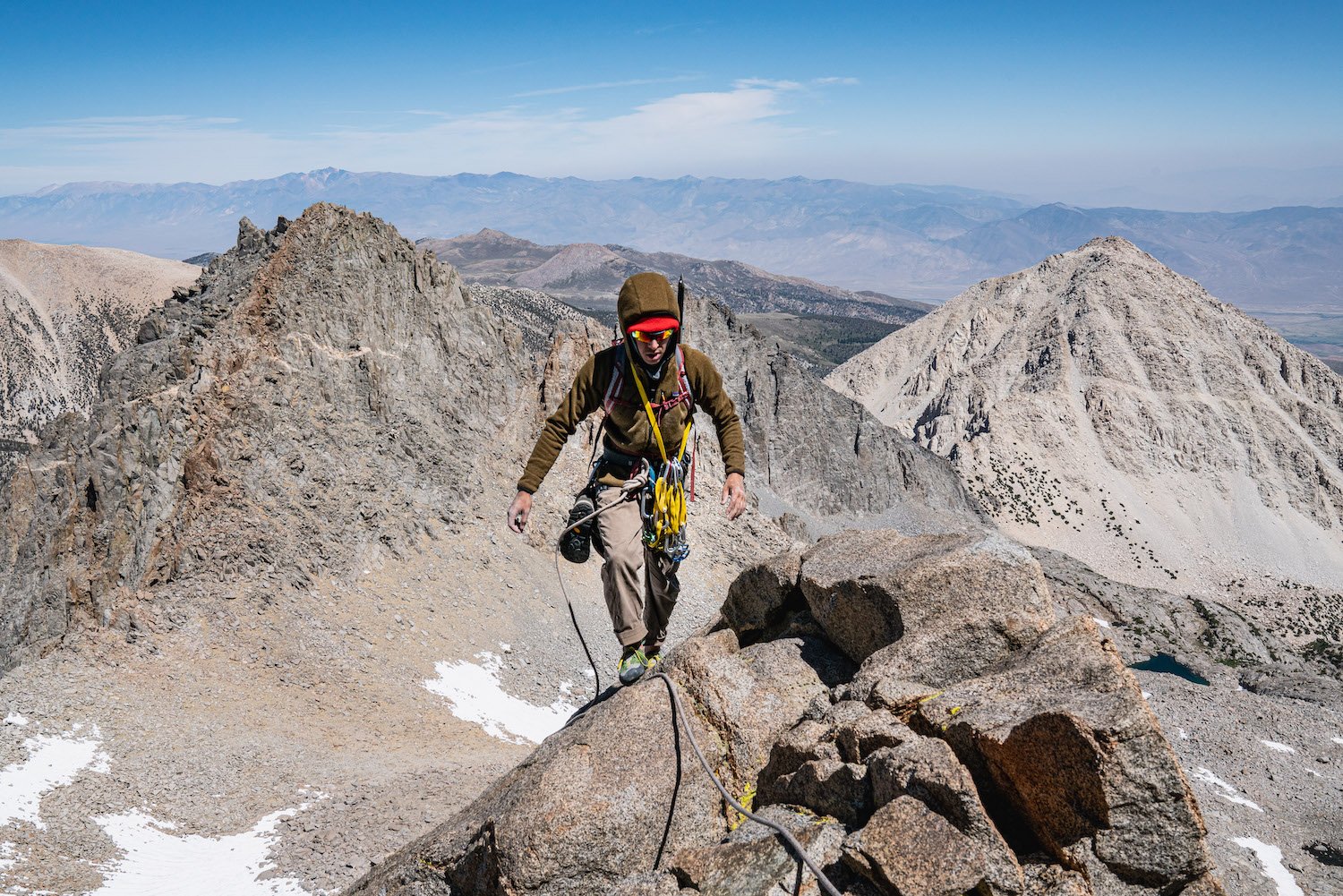
Scott reaching the belay ledge during a multi-pitch alpine rock climb in the High Sierra. Photo by Dalton Johnson
1. Single Pitch Routes
Single pitch routes are ideal for beginners as they are shorter in height, typically ranging from 30 to 100 feet. These routes involve climbing from the ground to an anchor point at the top using a single rope length. Single pitch climbs are often found in climbing areas specifically designed for beginners, offering a controlled environment to practice essential climbing skills such as belaying, tying knots, and using climbing equipment.
2. Multi-Pitch Routes
Multi-pitch routes are longer and more challenging than single pitch routes, requiring climbers to ascend multiple sections or "pitches" to reach the summit. Each pitch is typically around the length of a single rope (about 50-60 meters), and climbers must belay each other from one anchor point to the next. Multi-pitch climbing demands not only climbing skills but also efficient communication and teamwork between climbers.
3. Trad (Traditional) Climbing Routes
Trad climbing involves placing protective gear, such as cams and nuts, into cracks and crevices of the rock to create anchor points as the climber ascends. Unlike sport climbing, where fixed bolts are pre-installed for protection, trad climbers must carry and place their own gear, making route selection and gear placement critical skills. Trad climbing routes often offer a more adventurous and varied climbing experience, with a focus on route finding and gear placement techniques.
4. Sport Climbing Routes
Sport climbing routes are equipped with fixed bolts drilled into the rock for protection, allowing climbers to clip their rope directly into the bolts as they ascend. This type of climbing emphasizes movement and technique rather than gear placement, making it popular among beginners and experienced climbers alike. Sport climbing routes are typically well-marked and graded for difficulty, providing climbers with a clear progression path as they improve their skills.
5. Bouldering
While not technically a "route" in the traditional sense, bouldering involves climbing short, challenging sequences of moves on large boulders or low rock formations without the use of ropes. Bouldering routes, known as "problems," often focus on powerful and dynamic movements, requiring climbers to solve intricate sequences using strength, balance, and technique. Bouldering areas are commonly found in outdoor settings and indoor climbing gyms, offering a social and dynamic climbing experience.
6. Top Rope Routes
Top rope climbing routes are protected by a rope that runs from the climber, up through an anchor at the top of the route, and back down to a belayer at the base. This setup provides a high level of safety for beginners, as the rope is already in place before the climber starts and offers continuous protection throughout the climb. Top rope routes are suitable for practicing climbing techniques, building confidence, and enjoying scenic views from the top.
Bouldering on Sunshine Wall in the Buttermilks of Bishop, CA. Photo by Dalton Johnson
As a beginner rock climber, familiarizing yourself with these different types of outdoor rock climbing routes is the first step towards a rewarding climbing experience. Start with single pitch routes to develop fundamental skills and gradually progress to multi-pitch climbs as your confidence and abilities grow. Whether you prefer the adventure of trad climbing, the precision of sport climbing, or the dynamic challenges of bouldering, each route type offers unique opportunities for exploration and growth in the world of outdoor rock climbing.
Discover more Adventures

How To Find Outdoor Climbing Places Around You
Are you eager to scale new heights and conquer outdoor rock walls? Whether you're a seasoned climber or just starting your climbing journey, finding the right outdoor climbing spots can elevate your experience to new heights. Here's a comprehensive guide to help you discover exciting climbing destinations near you.
Are you eager to scale new heights and conquer outdoor rock walls? Whether you're a seasoned climber or just starting your climbing journey, finding the right outdoor climbing spots can elevate your experience to new heights. Here's a comprehensive guide to help you discover exciting climbing destinations near you.

Victoria pulling hard and cutting feet in Wild Iris. Photo by Dalton Johnson
1. Online Resources and Apps
The digital age has made it easier than ever to explore climbing opportunities. Utilize websites and apps dedicated to outdoor activities and rock climbing. Platforms like Mountain Project, TheCrag, and 27 Crags offer extensive databases of climbing routes, ratings, and user reviews. These resources provide valuable insights into the difficulty level, access information, and local regulations of climbing areas.
2. Local Climbing Gyms and Clubs
Your nearest climbing gym is not just a place to train; it's a hub of climbing enthusiasts with valuable local knowledge. Engage with staff and fellow climbers to learn about nearby outdoor climbing spots. Many gyms also organize outdoor climbing trips or can connect you with local climbing clubs and communities that share information about favorite crags and hidden gems.
3. Guidebooks and Publications
Invest in guidebooks specific to your region or desired climbing destination. These books are treasure troves of detailed route descriptions, access directions, safety tips, and historical background about the area. Popular guidebook publishers like Falcon Guides, Rockfax, and Supertopo cover a wide range of climbing areas worldwide, making them indispensable resources for planning your outdoor adventures.
4. Social Media and Online Forums
Join online climbing forums and social media groups to tap into the collective wisdom of the climbing community. Platforms like Reddit's r/climbing and Facebook groups dedicated to local climbing scenes often feature discussions, trip reports, and recommendations for nearby climbing spots. Engage respectfully, ask questions, and share your own experiences to foster a supportive network of climbers.
5. Local Climbing Festivals and Events
Attend climbing festivals, competitions, and outdoor events in your area or nearby regions. These gatherings not only offer opportunities to connect with fellow climbers but also showcase popular climbing areas through guided tours, workshops, and guest speakers. Take advantage of these events to explore new crags, learn from experienced climbers, and expand your climbing horizons.
6. Partner with Experienced Climbers
If you're new to outdoor climbing or unfamiliar with the local terrain, consider partnering with experienced climbers. Reach out to climbing guides, instructors, or seasoned climbers in your network who can mentor you and introduce you to safe and enjoyable climbing spots. Building relationships with experienced climbers also enhances safety and fosters a culture of mentorship within the climbing community.
7. Respect Local Regulations and Ethics
As you explore outdoor climbing spots, prioritize responsible and ethical climbing practices. Familiarize yourself with access regulations, permits, and conservation guidelines for each area. Respect closures, wildlife habitats, and cultural sensitivities associated with climbing locations. Leave no trace, minimize environmental impact, and contribute positively to preserving climbing access for future generations.
High stepping to the top of a sport climbing route. Photo by Dalton Johnson
Finding climbing spots near you is a thrilling journey that combines exploration, community engagement, and responsible stewardship of natural resources. By leveraging online resources, connecting with local climbing communities, and embracing ethical climbing practices, you can embark on unforgettable outdoor climbing adventures while fostering a deeper appreciation for the sport and the environments it embraces.
Discover more Adventures

10 Adventures Outdoor Enthusiasts Should Do This Summer
Summer is the perfect time for outdoor enthusiasts to indulge in thrilling adventures and explore the natural wonders around them. Whether you're an adrenaline junkie or simply love immersing yourself in nature, here are 10 must-do adventures to add to your summer bucket list.
Summer is the perfect time for outdoor enthusiasts to indulge in thrilling adventures and explore the natural wonders around them. Whether you're an adrenaline junkie or simply love immersing yourself in nature, here are 10 must-do adventures to add to your summer bucket list.
Walking the edge of Mathess Crest in Yosemite National Park. Photo by Dalton Johnson
1) Learn to Rock Climb
Rock climbing is not only a fantastic physical workout but also a mental challenge that rewards with breathtaking views and a sense of accomplishment. Sign up for a beginner's rock climbing course at a local climbing gym or join a guided outdoor climbing experience to learn the ropes and conquer your fear of heights.
2) Surf Anywhere and Everywhere
Catching waves and riding the ocean swells is a quintessential summer adventure. Whether you're a seasoned surfer or a complete beginner, there are surf spots for every skill level. Maybe it’s time for a surfing road trip? Head to iconic surf destinations like Hawaii's North Shore, California's Malibu, the Baja Peninsula, or Australia's Gold Coast for an unforgettable surfing experience.
3) Hike Mount Whitney
As the highest peak in the contiguous United States, hiking Mount Whitney is a challenging yet rewarding adventure. The scenic beauty of the Eastern Sierra Nevada Mountains and the sense of accomplishment at reaching the summit make this a must-do for avid hikers. Be sure to obtain the necessary permits and prepare for the altitude and rugged terrain.
4) Backpacking Expedition
Embark on a multi-day backpacking trip through pristine wilderness areas. Choose a trail that offers a variety of landscapes, from dense forests to alpine meadows and sparkling lakes. Pack light but include essential gear such as a reliable tent, sleeping bag, stove, and plenty of food and water.
5) Climb a Mountain
Summer is the perfect time to challenge yourself by summiting a mountain. Whether it's a local peak or a more renowned summit like Colorado's 14ers or Washington's Mount Rainier, prepare adequately with proper gear, physical conditioning, and knowledge of the route and weather conditions.
6) Try Canyoneering
Explore narrow slot canyons, rappel down waterfalls, and navigate through stunning natural rock formations with canyoneering. This adventure combines hiking, climbing, and rappelling skills, offering a unique and thrilling way to experience the outdoors.
7) Kayak on a Lake
Spend a peaceful day paddling on a serene lake, surrounded by tranquil natural beauty. Kayaking is a great way to connect with nature, observe wildlife, and enjoy the calmness of the water. Rent a kayak or bring your own for a relaxing summer adventure.
8) Explore Caves
Delve into the mysterious world beneath the earth's surface by exploring caves. Join a guided cave tour to learn about stalactites, stalagmites, and other geological wonders. Wear appropriate clothing and gear, including a helmet and sturdy shoes, for a safe and memorable cave exploration.
9) White Water Rafting
Experience the thrill of navigating rapids and cascading waterfalls with white water rafting. Choose a river with varying levels of difficulty to suit your skills and preferences, and embark on an adrenaline-pumping adventure with experienced guides.
10) Go Skydiving
For the ultimate adrenaline rush, consider skydiving from a plane and experiencing the exhilarating freefall before parachuting to the ground. Many skydiving centers offer tandem jumps for first-timers, providing a safe yet thrilling introduction to this extreme sport.
Backpacking in the High Sierra of California. Photo by Dalton Johnson
These 10 adventures offer a diverse range of outdoor experiences, from challenging physical feats to serene nature explorations. Whether you're seeking adrenaline-pumping thrills or peaceful moments in the great outdoors, summer is the perfect time to embark on unforgettable adventures. Remember to prioritize safety, respect nature, and make lasting memories during your outdoor escapades this summer.
Discover more Adventures

The Hiker's Guide to Lake Tahoe's Mount Rose
Nestled majestically within the Lake Tahoe Basin, Mount Rose beckons hikers with its dramatic slopes, stunning wildflower meadows, and panoramic vistas. Whether you're a seasoned adventurer or a casual explorer, Mount Rose offers a variety of trails to suit your skill level and interests. This guide provides essential information to plan your hike, navigate the trails safely, and experience the wonder of Mount Rose.
Nestled majestically within the Lake Tahoe Basin, Mount Rose beckons hikers with its dramatic slopes, stunning wildflower meadows, and panoramic vistas. Whether you're a seasoned adventurer or a casual explorer, Mount Rose offers a variety of trails to suit your skill level and interests. This guide provides essential information to plan your hike, navigate the trails safely, and experience the wonder of Mount Rose.
Sunrise from the top of Mount Rose. Photo by Dalton Johnson
PROS:
Spectacular views: From the summit, you'll be rewarded with panoramic vistas of Lake Tahoe, the Sierra Nevada, and even a glimpse of Mount Shasta on a clear day.
Variety of trails: Mount Rose caters to hikers of all abilities, with options ranging from easy family-friendly walks to challenging climbs.
Relatively accessible: The trailhead for the popular Mount Rose Trail is easily reachable by car and offers ample parking.
Great location: Mount Rose is situated close to Lake Tahoe, making it a convenient stop for those exploring the area.
CONS:
Crowded during peak season: The Mount Rose Trail, particularly the section leading to the waterfall, can get crowded especially during summer weekends.
Limited facilities: Restrooms are only available at the Mount Rose Trailhead. There are no restaurants or stores on the trails.
Exposure to sun and heat: Many sections of the trails, especially at higher elevations, have limited shade. Be prepared for hot temperatures during summer months.
Potential for wildlife encounters: While rare, there is a chance of encountering bears and snakes on the trails. Be aware of proper safety precautions.
Challenging terrain: The upper portion of the Mount Rose Trail is steeper and rockier, requiring good physical fitness and sturdy footwear.
Planning Your Hike
Choosing the right trail is key to a successful and enjoyable outing. Mount Rose boasts trails ranging from easy family-friendly walks to challenging climbs that reward with breathtaking views. Consider your experience level, desired distance, and specific goals (reaching the summit, visiting lakes, enjoying scenic overlooks) when selecting a trail.
The optimal hiking season on Mount Rose typically stretches from May to October. During the summer months, wildflowers paint the mountainside in vibrant colors. Always check the weather forecast before heading out, and be prepared for sudden changes. Avoid hiking during heavy snowfall or extreme heat.
Gear and Supplies
Be sure to pack appropriate clothing for the expected weather conditions. Sturdy hiking boots with good ankle support are essential for navigating uneven terrain. Bring plenty of water (two or three liters minimum) and snacks to stay fueled throughout your hike. Sun protection, including a hat and sunscreen, is crucial year-round. A map, compass, or GPS device will help you stay oriented on the trails. Don't forget a first-aid kit to address any minor injuries that may occur.
Trail Guide
A. Mount Rose Trail (Most Popular Route)
The Mount Rose Trail is the most popular route for hikers of all skill levels. The trailhead is easily accessible and offers ample parking. This moderately challenging hike takes approximately 3-4 hours to complete round trip. The well-maintained trail winds through forests, meadows, and granite outcroppings, offering glimpses of surrounding peaks as you ascend. Towards the top, you will pass treeline, so come prepared with sunscreen and wind layers. The summit rewards you with breathtaking panoramic views of Lake Tahoe and the surrounding Sierra Nevada.
B. Optional Hikes
For a more adventurous experience, consider these alternative trails:
Chimney Beach Trail to Marlette Lake: This moderate hike leads to a scenic lake nestled amidst towering pines.
Tunnel Creek Trail: This challenging trail offers a unique perspective of the Mount Rose ridgeline.
Tahoe Rim Trail Section: Hike a portion of the famed Tahoe Rim Trail for stunning backcountry scenery.
Safety on the Trail
Following Leave No Trace principles is essential for preserving the natural beauty of Mount Rose. Pack out all your trash and avoid disturbing wildlife or vegetation. Stay hydrated and be aware of the sun's impact, especially during midday hikes. While encounters with wildlife are rare, be mindful of bears and snakes, and know how to respond appropriately. Proper navigation is crucial, so always carry a map and know how to use it. Be prepared for sudden changes in weather conditions, and dress in layers accordingly.
Additional Tips
Restroom facilities are available at the Mount Rose Trailhead. Dogs are welcome on most trails, but leash regulations apply. Respect wildlife and minimize your impact on the environment to ensure a sustainable future for Mount Rose.
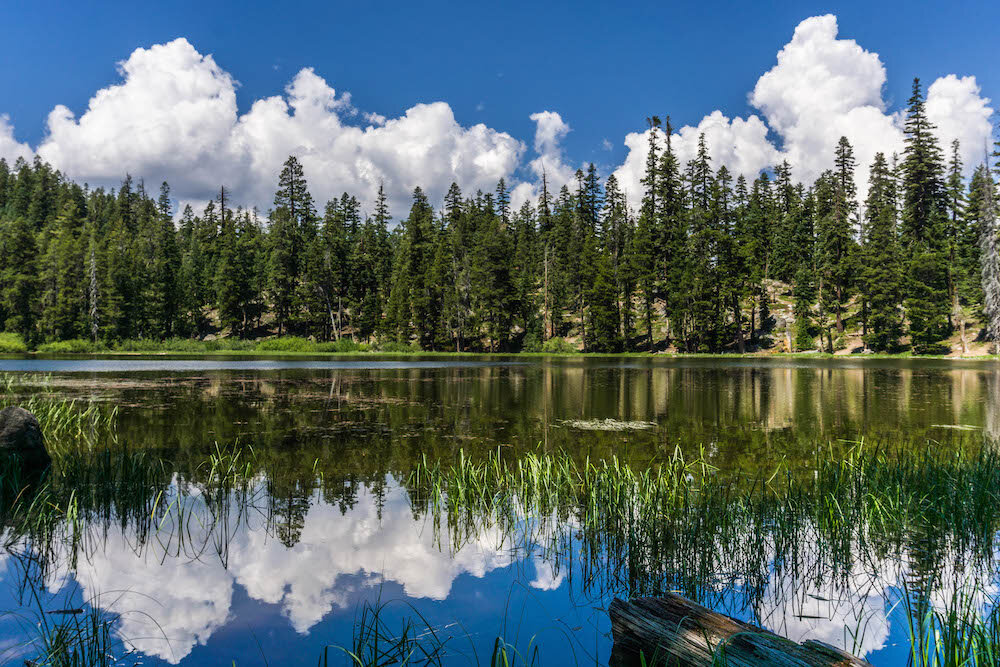
This lake will be your only water source if you hike the Tahoe Rim Trail section that includes Mount Rose. Photo by Dalton Johnson
Mount Rose offers a challenging yet rewarding hiking experience for outdoor enthusiasts of all levels. With breathtaking scenery, diverse trails, and a chance to connect with nature, Mount Rose promises an unforgettable adventure. Remember to hike responsibly, and leave no trace behind to ensure future generations can enjoy this natural treasure.
Discover More Destinations

Establishing a Base Fitness Level for Mountain Adventures
Mountain adventures encompass a wide range of thrilling activities, from alpine climbing and mountaineering to peak bagging, backpacking, and trail running. Whether you're a beginner looking to explore these activities or a seasoned adventurer aiming to enhance your fitness, establishing a solid base level of fitness is crucial. This guide will delve into five essential tips for getting in shape, emphasize the importance of a base fitness level, highlight the role of recovery, and discuss the balance between strength training and cardio.
Mountain adventures encompass a wide range of thrilling activities, from alpine climbing and mountaineering to peak bagging, backpacking, and trail running. Whether you're a beginner looking to explore these activities or a seasoned adventurer aiming to enhance your fitness, establishing a solid base level of fitness is crucial. This guide will delve into five essential tips for getting in shape, emphasize the importance of a base fitness level, highlight the role of recovery, and discuss the balance between strength training and cardio.
Midroute on Mount Sill in the High Sierra of California. Photo by Dalton Johnson
Importance of Base Fitness for Mountain Adventures
Establishing a base fitness level is crucial for mountain adventures due to the unique challenges posed by mountain environments. These challenges include high altitudes, rugged terrains, and unpredictable weather conditions. By being physically prepared, you not only improve your performance but also significantly reduce the risk of injuries. This preparation ensures that you can fully enjoy your mountain experience without being hindered by physical limitations or health concerns.
A solid base fitness level also allows you to navigate the demands of mountain activities more effectively. Whether you're tackling steep climbs, traversing rocky paths, or enduring long treks, having a strong foundation of fitness enables you to move with greater agility, endurance, and confidence. Additionally, being physically prepared enhances your resilience to external factors such as changes in weather or unexpected challenges, ensuring that you can adapt and thrive in various mountain scenarios.
Five Tips To Build A Fitness Foundation
Tip 1: Gradual Progression
Begin your fitness journey with a focus on gradual progression. Start with activities that align with your current fitness level and gradually increase intensity, duration, and complexity. For example, if you're new to hiking, start with shorter, less strenuous trails before tackling more challenging hikes or embarking on multi-day backpacking trips.
Tip 2: Consistency is Key
Consistency is the cornerstone of fitness progress. Set a regular exercise schedule that includes a mix of cardiovascular workouts, strength training, flexibility exercises, and rest days. Consistent training not only builds endurance and strength but also establishes healthy habits that support long-term fitness goals.
Tip 3: Comprehensive Training Approach
A well-rounded training approach is essential for mountain adventures. Incorporate cardiovascular exercises like hiking, running, cycling, or swimming to improve endurance and aerobic capacity. Strength training, focusing on core strength, lower body muscles, and functional movements, enhances stability, power, and resilience on challenging terrain.
Tip 4: Prioritize Recovery
Recovery is as crucial as training itself. Adequate rest, proper nutrition, hydration, and sleep are essential for muscle repair, recovery, and overall well-being. Incorporate stretching, foam rolling, yoga, and relaxation techniques into your routine to prevent injuries, reduce muscle soreness, and improve flexibility.
Tip 5: Listen to Your Body
Listen to your body's signals and adjust your training accordingly. Pay attention to signs of fatigue, overtraining, or injury, and allow sufficient time for recovery. Balance challenging workouts with lighter days or active recovery activities to prevent burnout and maintain motivation.
Balancing Strength Training and Cardio
A balanced approach to fitness includes both strength training and cardio exercises, each playing a crucial role in preparing for mountain adventures.
Strength Training:
Focus on functional exercises that mimic mountain movements such as squats, lunges, step-ups, and core exercises.
Incorporate resistance training with weights, resistance bands, or bodyweight exercises to build muscular strength, endurance, and stability.
Include exercises targeting specific muscle groups used during mountain activities, such as leg strength for hiking and climbing, core stability for balance, and upper body strength for carrying gear.
Cardiovascular Training:
Engage in aerobic activities like hiking, trail running, cycling, or stair climbing to improve cardiovascular fitness and endurance.
Vary intensity and duration of cardio workouts to simulate different challenges encountered in mountain environments, such as steep ascents, long trails, or high-altitude conditions.
Interval training, combining bursts of high-intensity effort with periods of recovery, enhances aerobic capacity, speed, and stamina.
Prioritizing Recovery for Optimal Performance
Recovery plays a pivotal role in achieving optimal performance and preventing injuries during mountain adventures. In this section, we'll delve deeper into the importance of recovery strategies and how they contribute to your overall fitness journey.
1. Rest and Active Recovery
Quality Sleep: Adequate sleep is essential for muscle repair, hormone balance, and mental well-being. Aim for 7-9 hours of quality sleep each night, prioritizing consistency and establishing a bedtime routine.
Rest Days: Incorporate rest days into your training schedule to allow muscles, joints, and the central nervous system to recover. Use rest days for gentle activities like stretching, light walks, or yoga to promote blood flow and relaxation without added stress.
Active Recovery: Engage in active recovery activities such as foam rolling, stretching, or low-intensity workouts on rest days or after intense training sessions. Active recovery aids in reducing muscle soreness, improving flexibility, and enhancing recovery between workouts.
2. Nutrition and Hydration
Proper Nutrition: Fuel your body with a balanced diet rich in nutrients, lean proteins, complex carbohydrates, healthy fats, and hydration. Prioritize post-workout nutrition with a mix of protein and carbohydrates to support muscle recovery and glycogen replenishment.
Hydration: Stay adequately hydrated before, during, and after workouts to maintain performance, regulate body temperature, and support metabolic functions. Monitor fluid intake based on activity level, climate, and individual hydration needs.
3. Recovery Techniques
Foam Rolling and Massage: Incorporate foam rolling, massage therapy, or self-myofascial release techniques to alleviate muscle tension, improve blood circulation, and enhance recovery. Target areas of tightness or soreness to promote relaxation and mobility.
Stretching and Mobility: Include dynamic stretches, static stretches, and mobility exercises in your warm-up and cool-down routines to improve flexibility, range of motion, and joint health. Focus on areas prone to tightness or stiffness during mountain activities.
4. Mental and Emotional Recovery
Mindfulness and Stress Management: Practice mindfulness, meditation, or relaxation techniques to manage stress, improve mental focus, and promote emotional well-being. Incorporate breathing exercises, visualization, or nature immersion to enhance resilience and mental clarity.
Balance and Enjoyment: Maintain a balanced approach to training, leisure activities, and personal life to prevent burnout and sustain motivation. Find joy and fulfillment in outdoor experiences, connecting with nature, and pursuing activities that rejuvenate your mind and spirit.
Headed to 11,000 Camp on Mount Denali. Photo by Dalton Johnson
Establishing a base fitness level for mountain adventures is a journey that combines dedication, consistency, and smart training strategies. By following the tips outlined in this guide, focusing on gradual progression, consistency, comprehensive training, prioritizing recovery, and balancing strength training with cardio, you'll build a strong foundation for tackling diverse mountain challenges. Remember to listen to your body, respect your limits, and enjoy the transformative journey of fitness and exploration in mountain landscapes.
Discover more Adventures

Beginner's Guide To Summit a 14er
Peak bagging, especially tackling 14ers (mountains exceeding 14,000 feet in elevation), is a thrilling endeavor for outdoor enthusiasts. Whether you're drawn to Colorado's iconic peaks, California's majestic summits, or Washington's rugged terrain, the allure of conquering these high-altitude challenges is undeniable. However, before embarking on such an adventure, it's crucial to plan meticulously and prepare comprehensively to ensure a safe and successful ascent. Here's a beginner's guide to help you get started on your peak bagging journey.
Peak bagging, especially tackling 14ers (mountains exceeding 14,000 feet in elevation), is a thrilling endeavor for mountain lovers. Whether you're drawn to Colorado's iconic peaks, California's majestic summits, or Washington's rugged terrain, the allure of conquering these high-altitude challenges is undeniable. However, before embarking on such an adventure, it's crucial to plan meticulously and prepare comprehensively to ensure a safe and successful ascent. Here's a beginner's guide to help you get started on your peak bagging journey.
Dalton on his way to summit a Sawatch 14er. Photo by Dalton Johnson
Pros
Sense of Achievement: Successfully summiting a peak, especially a challenging one, brings a profound sense of accomplishment and pride.
Stunning Views: Many mountain summits offer breathtaking panoramic views, rewarding climbers with awe-inspiring natural beauty.
Physical Fitness: Peak bagging is an excellent way to stay fit and active, combining cardiovascular exercise with strength and endurance training.
Connection with Nature: Climbing mountains allows for a deeper connection with nature, providing opportunities for solitude and reflection in serene wilderness settings.
Adventure and Exploration: Each peak offers a unique adventure, from navigating diverse terrains to discovering hidden gems along the way.
Community and Camaraderie: Joining climbing communities or hiking groups can foster friendships, shared experiences, and a sense of belonging within the outdoor enthusiast community.
Personal Growth: Overcoming challenges, pushing physical limits, and honing outdoor skills contribute to personal growth and self-discovery.
Cons
Physical Demands: Climbing mountains requires a high level of physical fitness and endurance, which can be challenging for beginners or those with health limitations.
Weather and Safety Risks: Mountain weather can be unpredictable, with potential hazards such as lightning, snowstorms, and avalanches, necessitating careful planning and preparedness.
Time and Commitment: Summiting mountains often requires dedicating significant time for planning, travel, and the actual climb, which may not be feasible for everyone.
Environmental Impact: Heavy foot traffic on popular trails can lead to environmental degradation if not managed responsibly, highlighting the importance of Leave No Trace principles.
Costs: Expenses associated with gear, permits, travel, and possibly guides or courses can add up, especially for multiple climbs or expeditions.
Risk of Injury: Mountain terrain can be rugged and challenging, increasing the risk of injuries such as sprains, falls, or altitude-related illnesses if precautions are not taken.
Crowds and Competition: Popular peaks may become crowded during peak seasons, detracting from the sense of solitude and wilderness experience.
Understanding 14ers and Permits
Firstly, familiarize yourself with what constitutes a 14er and the specific regulations in the area you plan to climb. Colorado, for instance, boasts the most 14ers in the contiguous United States, while California and Washington also offer notable peaks. Many of these mountains require permits for climbing, especially during peak seasons. Research the permitting process well in advance and secure any necessary permits to avoid complications on the day of your climb.
How to Prepare Physically
Physical preparation is paramount for tackling a 14er. Start by incorporating cardiovascular exercises such as hiking, running, or cycling into your routine to build endurance. Additionally, focus on strength training, particularly targeting your legs, core, and back muscles, as they play a crucial role in mountain climbing. Gradually increase the intensity and duration of your workouts to prepare your body for the demands of high-altitude hiking.
Want to learn more about how to establish a foundation for summiting 14ers? Read: ESTABLISHING A BASE FITNESS LEVEL FOR MOUNTAIN ADVENTURES
Essential Gear and Clothing
Investing in quality gear and clothing is essential for a safe and comfortable climb. Here's a checklist of items you'll need:
Footwear: Sturdy hiking boots with ankle support and good traction are a must.
Clothing Layers: Dress in moisture-wicking base layers, insulating mid-layers, and a waterproof outer shell to stay warm and dry.
Navigation Tools: Carry a map, compass, and GPS device or app to navigate unfamiliar terrain.
Sun Protection: Pack sunscreen, sunglasses, and a wide-brimmed hat to shield yourself from the sun's harsh rays.
Emergency Essentials: Include a first aid kit, emergency shelter, whistle, and multi-tool in your pack.
Food and Water: Pack high-energy snacks like trail mix, energy bars, and plenty of water or a water filtration system.
Headlamp: You will most likely start or end in the dark, so pack a source of light.
Acclimatization and Altitude Considerations
High-altitude climbing poses unique challenges due to decreased oxygen levels. Plan your ascent gradually, allowing time for acclimatization to prevent altitude sickness. Consider spending a day or two at a moderate elevation before attempting the summit. Stay hydrated, avoid overexertion, and be mindful of symptoms like headaches, nausea, or dizziness, which could indicate altitude-related issues.
Knowing the Route and Weather Conditions
Study your chosen route thoroughly, including trail conditions, elevation gain, and potential hazards such as steep sections or loose rocks. Check weather forecasts leading up to your climb and be prepared for sudden changes in mountain weather. Start early to avoid afternoon thunderstorms common in mountainous regions.
Avoiding Beginner Mistakes
Lastly, be aware of common mistakes that novice climbers often make:
Underestimating the Challenge: 14ers demand respect and preparation; don't underestimate their difficulty.
Ignoring Safety Protocols: Always prioritize safety over summiting; turn back if conditions deteriorate or if you feel unwell.
Overpacking: Carry only essential gear to avoid unnecessary weight.
Not Checking Permits: Ensure you have the required permits and follow all regulations.
Poor Navigation: Stay on marked trails and use navigation tools effectively to avoid getting lost.
Linking several 14ers in a single push is a physical feat to test your endurance and summit several peaks quickly. Photo by Dalton Johnson
By understanding these key aspects and diligently preparing, you'll set yourself up for a rewarding and memorable 14er summit. Remember to respect nature, leave no trace, and enjoy the breathtaking views that peak bagging in the United States has to offer.
Discover more Adventures

4 Skills All Peak Baggers Need to Know
Peak bagging, the pursuit of summiting mountains or peaks, is an exhilarating and challenging adventure that attracts outdoor enthusiasts from all over the world. Whether you're a seasoned mountaineer or a beginner looking to tackle your first peak, there are essential skills that every peak bagger should master. From planning your ascent to staying safe in the wilderness, here are four skills that will enhance your peak bagging experience.
Peak bagging, the pursuit of summiting mountains or peaks, is an exhilarating and challenging adventure that attracts outdoor enthusiasts from all over the world. Whether you're a seasoned mountaineer or a beginner looking to tackle your first peak, there are essential skills that every peak bagger should master. From planning your ascent to staying safe in the wilderness, here are four skills that will enhance your peak bagging experience.
Navigating a block section while attempting the Sill to Thunderbolt traverse. Photo by Dalton Johnson
1. Planning Your Ascent
A successful peak bagging expedition begins long before you hit the trail. Thorough planning is key to a safe and enjoyable journey. Start by researching your chosen peak, including its elevation, terrain, route options, and any technical challenges it may present. Consider factors such as the best time of year to attempt the summit, weather conditions, and accessibility.
Create a detailed itinerary that includes your route, estimated time of ascent and descent, and contingency plans for unexpected circumstances. Check with local authorities or park rangers for any permits or regulations required for your climb. Additionally, inform someone trustworthy of your plans, including your expected return time, in case of emergencies.
YOUR NEXT READ: BEGINNER'S GUIDE TO SUMMIT A 14ER
2. Mastering Route Finding
Route finding is a crucial skill for peak baggers, especially when navigating challenging or unfamiliar terrain. Before setting out, study topographic maps and trail guides to familiarize yourself with the route. Pay attention to landmarks, natural features, and trail markers that will help guide your ascent.
During your climb, constantly assess your surroundings and adjust your route as needed. Look for established trails, cairns, and footprints left by previous climbers. Stay attentive to changes in terrain, such as rock formations, cliffs, and crevasses, and choose the safest and most efficient path to the summit.
Investing in a reliable GPS device or navigation app can also aid in route finding, providing real-time tracking and mapping capabilities even in remote areas.


3. Rescue and Wilderness First Aid Skills
In the wilderness, emergencies can occur unexpectedly, making knowledge of rescue and wilderness first aid essential for peak baggers. Enroll in a wilderness first aid course to learn basic medical skills, including wound care, splinting, and managing environmental emergencies such as hypothermia and altitude sickness.
Carry a well-equipped first aid kit with essential supplies such as bandages, antiseptic wipes, pain relievers, and emergency shelter. Familiarize yourself with emergency communication devices such as satellite phones or personal locator beacons (PLBs) for summoning help in case of emergencies.
Additionally, practice self-rescue techniques and know how to assist others in challenging situations. Being prepared to handle medical emergencies can make a significant difference in the outcome of your peak bagging adventures.
4. Reading Weather in the Field
Weather conditions play a critical role in the success and safety of a peak bagging expedition. Learn to interpret weather forecasts and observations while in the field. Look for signs of impending weather changes, such as darkening skies, increasing wind speed, or sudden drops in temperature.
Be prepared for rapid weather shifts in mountainous environments, including thunderstorms, high winds, and extreme temperature variations. Carry appropriate clothing and gear for varying weather conditions, including waterproof layers, insulation, and sun protection.
If severe weather strikes during your climb, prioritize safety by seeking shelter, avoiding exposed areas, and descending to lower elevations if necessary. Always err on the side of caution when it comes to weather-related risks in the mountains.
Studying the summit from afar during sunrise, any closer and you’ll lose the route. Photo by Dalton Johnson
Peak bagging is a thrilling pursuit that requires a combination of skills, preparation, and sound judgment. By honing your planning, route finding, rescue/wilderness first aid, and weather reading abilities, you'll enhance your safety and enjoyment while summiting spectacular peaks around the world. Embark on your next peak bagging adventure with confidence, knowing you have the skills to conquer new heights responsibly.
Discover more Adventures

How To Avoid The Crowds In Lake Tahoe
Lake Tahoe beckons adventure seekers year-round with its breathtaking landscapes and a plethora of outdoor activities. Whether you find yourself on the North or South shores, this iconic destination is a haven for those craving adrenaline-fueled escapades and serene moments in nature. Yet, amid its undeniable allure, Lake Tahoe grapples with a pressing challenge – overcrowding. The surge of visitors during peak seasons transforms this paradise into a bustling hub, prompting the need for savvy strategies to navigate the crowds and unearth the region's hidden treasures.
Lake Tahoe beckons adventure seekers year-round with its breathtaking landscapes and a plethora of outdoor activities. Whether you find yourself on the North or South shores, this iconic destination is a haven for those craving adrenaline-fueled escapades and serene moments in nature. Yet, amid its undeniable allure, Lake Tahoe grapples with a pressing challenge – overcrowding. The surge of visitors during peak seasons transforms this paradise into a bustling hub, prompting the need for savvy strategies to navigate the crowds and unearth the region's hidden treasures.

Emerald Bay is one of the most crowded spots in all of Lake Tahoe. Photo by Dalton Johnson
Where the Tourism Issue Comes From
Lake Tahoe faces a tourism issue primarily due to its stunning natural beauty and diverse recreational opportunities, which attract millions of visitors each year. The lake's crystal-clear waters, surrounded by picturesque mountains and forests, make it a magnet for outdoor enthusiasts, from hikers and skiers to water sports enthusiasts. This popularity leads to crowded conditions, especially during peak seasons like summer and winter, when tourists flock to the area for activities such as boating, skiing, hiking, and rock climbing.
Additionally, the region's limited infrastructure and delicate ecosystem exacerbate the tourism issue. Lake Tahoe's roads, parking facilities, and public amenities can become overwhelmed during peak times, causing traffic congestion and strain on resources. Furthermore, the influx of visitors puts pressure on the lake's environment, leading to concerns about pollution, habitat degradation, and erosion. Addressing these tourism challenges requires a balanced approach that promotes sustainable tourism practices, conservation efforts, and responsible visitor behavior to preserve Lake Tahoe's natural beauty for future generations.
High and Low Seasons
Summer (High Season)
From late June to early September, Lake Tahoe experiences its high season, attracting a significant influx of visitors. This period coincides with warm weather, making it ideal for outdoor activities like hiking, biking, water sports, and beach outings. The shores of Lake Tahoe come alive with bustling beaches, waterfront activities, and lively towns.
Activities: Visitors can indulge in a wide range of activities such as swimming, kayaking and paddleboarding, jet skiing, and beach volleyball. Hiking trails, including those in the Desolation Wilderness and Emerald Bay State Park, offer breathtaking views and opportunities to explore the natural beauty of the region.
Events: The summer season also hosts various events and festivals, such as the Lake Tahoe Shakespeare Festival, music concerts, art shows, and food and wine tastings. These events add to the vibrant atmosphere of the area, attracting tourists and locals alike.
Accommodations: Due to the high demand, accommodations such as hotels, resorts, cabins, and vacation rentals can book up quickly during this peak season. It's advisable to make reservations well in advance to secure preferred accommodations.
Winter (High Season)
Winter, particularly from December to February, is another high season for Lake Tahoe, drawing crowds of winter sports enthusiasts. The region transforms into a winter wonderland, offering world-class skiing, snowboarding, snowshoeing, and other snow-centric activities.
Ski Resorts: Lake Tahoe is home to renowned ski resorts such as Heavenly, Northstar, Kirkwood, and Squaw Valley. These resorts offer diverse terrain, modern amenities, and a range of accommodations, attracting skiers and snowboarders of all levels.
Activities: Apart from skiing and snowboarding, visitors can enjoy activities like snowmobiling, ice skating, sledding, and snow tubing. Scenic gondola rides provide panoramic views of the snow-covered landscape, adding to the winter experience.
Events: Winter in Lake Tahoe also hosts events like snow sports competitions, holiday celebrations, snow sculpture contests, and après-ski parties. These events contribute to the festive ambiance of the area, making it a popular destination for winter vacations.
Accommodations: Similar to summer, accommodations during winter can fill up quickly, especially around major holidays and peak weekends. Planning ahead and booking accommodations in advance is advisable to ensure a smooth and enjoyable winter getaway.
Understanding the high and low seasons in Lake Tahoe helps travelers plan their trips effectively, whether they seek a bustling summer adventure or a winter escape filled with snow sports and festivities.
Crowds by Activity
Summer Crowded Spots:
Beaches: Sand Harbor State Park and Kings Beach State Recreation Area are magnets for beachgoers. Consider visiting early morning or late afternoon for a quieter experience.
Hiking Trails: Popular trails like Eagle Lake and Mount Tallac can get crowded. Opt for lesser-known trails such as Rubicon Trail or Shirley Canyon for tranquility.
Water Sports: Avoid peak times for paddleboarding, kayaking, and jet skiing. Try quieter spots like Fallen Leaf Lake or Donner Lake for a serene water adventure.
Winter Crowded Spots:
Ski Resorts: Heavenly and Squaw Valley attract large crowds. Consider smaller resorts like Homewood or Diamond Peak for a more relaxed skiing experience.
Snowshoeing and Cross-Country Skiing: Explore less-visited areas like Hope Valley or Spooner Lake for peaceful winter hikes and cross-country skiing.
Towns and Restaurants: Popular towns like Truckee and South Lake Tahoe can be bustling. Try exploring nearby towns like Tahoe City or Incline Village for a quieter dining experience.
How You Can Help with the Issue
As a visitor to Lake Tahoe, there are several ways you can contribute positively to address the tourism issue and minimize its impact on the environment and local communities:
Practice Sustainable Tourism: Follow Leave No Trace principles by packing out your trash, staying on designated trails, and respecting wildlife and natural habitats. Minimize your carbon footprint by using public transportation, carpooling, or opting for eco-friendly transportation options.
Support Local Businesses: Choose to dine at locally-owned restaurants, shop at small businesses, and stay in accommodations that prioritize sustainability and responsible tourism practices. By supporting local businesses, you contribute to the economic well-being of the community and promote a more authentic travel experience.
Volunteer for Conservation Projects: Consider participating in volunteer programs or conservation initiatives focused on preserving Lake Tahoe's environment. Join beach clean-ups, trail maintenance efforts, or educational programs that promote environmental stewardship and conservation awareness.
Educate Yourself and Others: Learn about the challenges facing Lake Tahoe, such as pollution, habitat loss, and overcrowding, and share this knowledge with fellow travelers. Encourage responsible behavior among your peers, such as avoiding sensitive areas, following regulations for watercraft and recreational activities, and respecting wildlife and local cultures.
Support Sustainable Tourism Initiatives: Advocate for sustainable tourism policies and initiatives that promote responsible travel practices, conservation efforts, and community engagement. Stay informed about local environmental issues and support organizations working towards preserving Lake Tahoe's natural beauty and cultural heritage.
Here Are Five Ways To Avoid The Crowds In Lake Tahoe:
To truly experience the serene beauty of Lake Tahoe without being engulfed by crowds, strategic planning and a sense of adventure are your allies. Here are some tried-and-true strategies to help you navigate this popular destination while finding moments of solitude and tranquility:
Choose Off-Peak Times: Timing is everything. Plan your visit during shoulder seasons like late spring or early fall when the crowds thin out, allowing you to immerse yourself in the region's natural wonders without the hustle and bustle of peak tourist seasons.
Explore Lesser-Known Trails: While popular trails offer stunning vistas, they can also attract hoards of visitors. Venture off the beaten path to discover hidden gems like Winnemucca Lake Trail or secluded sections of the Tahoe Rim Trail. These less-traveled routes offer a chance to connect with nature in peace, away from the crowds.
Embrace Early Mornings or Late Evenings: Lake Tahoe reveals its most enchanting side during sunrise and sunset. Plan outdoor activities such as kayaking, paddleboarding, or hiking during these magical hours to enjoy the beauty of the lake with fewer people around.
Discover Secret Beaches: While Sand Harbor and Kings Beach draw crowds, Lake Tahoe is dotted with hidden coves and beaches waiting to be explored. Take a short hike to spots like Chimney Beach or Skunk Harbor, where you can relax by the water in serenity, far from the crowds.
Visit Midweek: Weekends often see an influx of travelers, especially during summer and winter. If your schedule allows, plan your visit for midweek days. This simple shift can make a significant difference, offering you a more relaxed and uncrowded experience throughout the region.
Getting ice cream at Camp Richardson in South Lake Tahoe. Photo by Dalton Johnson
Lake Tahoe's allure as a premier destination for outdoor enthusiasts comes with the responsibility of addressing its tourism challenges effectively. By understanding the high and low seasons, choosing less crowded activities and locations, and practicing sustainable tourism behaviors, visitors can enjoy Lake Tahoe while minimizing negative impacts on the environment and local communities.
It's crucial to support local businesses, participate in conservation efforts, and educate oneself and others about responsible travel practices. By working together to preserve Lake Tahoe's natural beauty and cultural heritage, we can ensure that this iconic destination remains a vibrant and sustainable paradise for generations to come. So, let's embrace the spirit of responsible tourism and make a positive difference in preserving the magic of Lake Tahoe for all to enjoy.
Discover More Destinations
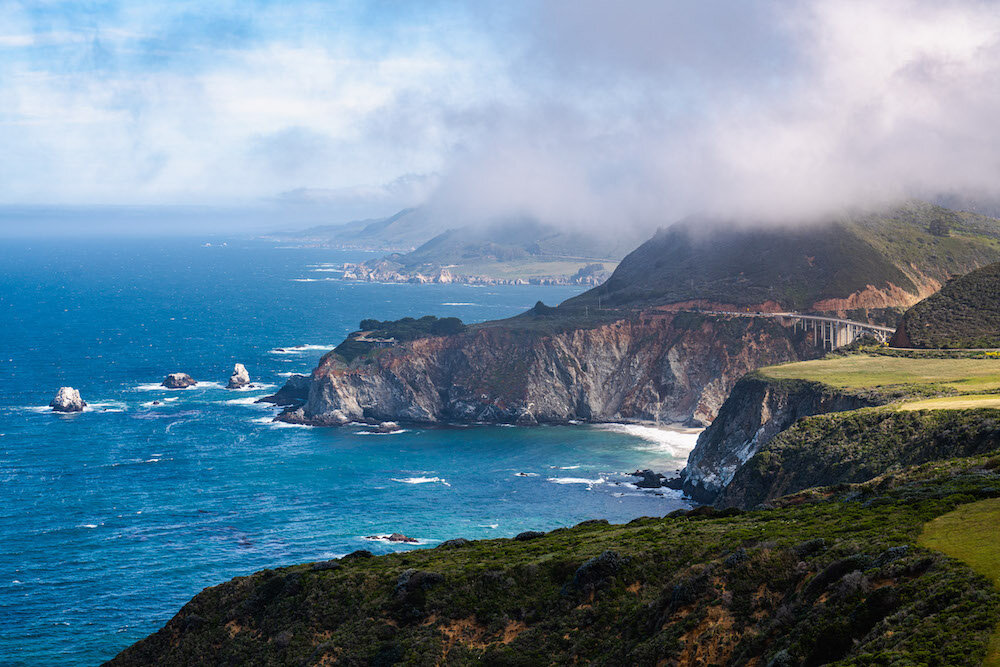
Iconic Coastal Views In Big Sur You'll Regret Missing
Big Sur, with its rugged coastline and dramatic cliffs, is a paradise for nature lovers and photographers alike. Along the iconic Highway One, you'll find a series of breathtaking coastal views that are nothing short of spectacular. Whether you're on a road trip or hiking through this stunning landscape, these iconic views in Big Sur are must-sees that will leave a lasting impression. Let's dive into each location, exploring how to experience these views, why they are iconic, what photo gear to bring, the best time of day to visit, and parking tips to make your journey smooth and memorable.
Big Sur, with its rugged coastline and dramatic cliffs, is a paradise for nature lovers and photographers alike. Along the iconic Highway One, you'll find a series of breathtaking coastal views that are nothing short of spectacular. Whether you're on a road trip or hiking through this stunning landscape, these iconic views in Big Sur are must-sees that will leave a lasting impression. Let's dive into each location, exploring how to experience these views, why they are iconic, what photo gear to bring, the best time of day to visit, and parking tips to make your journey smooth and memorable.

McWay Falls pouring into the ocean at high tide in the early afternoon. Photo by Dalton Johnson
PROS:
Breathtaking Scenery: Big Sur offers some of the most stunning coastal vistas in California, with dramatic cliffs, pristine beaches, and panoramic ocean views.
Iconic Landmarks: Visitors can explore iconic landmarks like McWay Falls, Bixby Creek Bridge, and Julia Pfeiffer Burns State Park, each offering unique perspectives of Big Sur's natural beauty.
Outdoor Activities: Big Sur is a paradise for outdoor enthusiasts, offering hiking trails, beach activities, and opportunities for wildlife viewing and photography.
Scenic Drives: Highway One, also known as the Pacific Coast Highway, offers unforgettable coastal drives with numerous viewpoints and pull-offs for admiring the scenery.
CONS:
Crowds and Traffic: Big Sur can get crowded, especially during peak tourist seasons, leading to traffic congestion and limited parking at popular viewpoints.
Limited Facilities: Due to its rugged terrain, amenities such as restrooms, food, and gas stations may be limited in certain areas of Big Sur, requiring planning ahead.
Weather Variability: The weather in Big Sur can be unpredictable, with foggy conditions, wind, and occasional rain, affecting visibility and outdoor activities.
Environmental Impact: As a sensitive ecological area, visitors are encouraged to practice Leave No Trace principles to minimize their impact on the environment and wildlife.
McWay Falls Overlook:
To witness the majestic McWay Falls cascading onto a pristine beach, head to McWay Falls Overlook, located within Julia Pfeiffer Burns State Park. The overlook is easily accessible via a short hike from the parking area. It's recommended to visit during the morning hours to capture the falls in soft, golden light, enhancing the beauty of the scene.
McWay Falls Overlook is iconic for its unique setting, where a waterfall plunges directly into the ocean, creating a mesmerizing sight. The contrast of the turquoise waters against the rugged coastline and lush vegetation makes it a must-see spot in Big Sur. Visitors can also enjoy the peaceful ambiance and the sound of waves crashing against the shore.
Your Next Read: A LOCAL'S GUIDE TO BIG SUR'S MCWAY FALLS
Bixby Creek Bridge:
For sweeping views of the coastline and a chance to capture the grandeur of Big Sur, stop at Bixby Creek Bridge. The bridge is easily accessible from Highway One, and there are designated viewpoints for photography. The best time to visit is during sunset or sunrise, when the soft light bathes the bridge and surrounding cliffs in warm hues.
Bixby Creek Bridge is iconic for its architectural beauty and dramatic location spanning the rugged terrain of Big Sur. Photographers flock to this spot to capture the bridge against the backdrop of the Pacific Ocean and coastal cliffs. The play of light and shadow during sunrise or sunset adds a magical touch to the scene, making it a favorite among photographers and travelers alike.
Your Next Read: THE LOCAL'S GUIDE TO THE BIXBY BRIDGE
Ragged Point:
For expansive views of the Pacific Ocean and a sense of the vastness of the California coastline, make a stop at Ragged Point. Perched high above the cliffs, Ragged Point offers panoramic vistas that stretch for miles. The viewpoint is accessible from the parking area, and there are trails for those who want to explore further.
Ragged Point is iconic for its sweeping views and rugged beauty. Visitors can see waves crashing against the cliffs below, creating a dynamic and captivating scene. The viewpoint is especially stunning during clear days or sunset, when the colors of the sky and ocean blend seamlessly, creating a picturesque setting.
Julia Pfeiffer Burns State Park:
Explore the trails within Julia Pfeiffer Burns State Park for panoramic coastal views and a chance to see the iconic McWay Falls and turquoise cove below. The park offers various hiking options suitable for all skill levels, allowing visitors to immerse themselves in the beauty of Big Sur's coastal landscapes.
Julia Pfeiffer Burns State Park is iconic for its natural beauty, including the picturesque McWay Falls and the scenic coastal trails. The park's lush forests, rugged cliffs, and stunning vistas make it a must-visit destination in Big Sur. Visitors can experience the magic of the California coast and capture unforgettable moments amidst nature's splendor.
Photo Gear to Bring:
Tripod for stability, especially during low-light conditions
Extra batteries and memory cards for extended shooting sessions
Best Photo Times in Big Sur:
Sunrise and sunset for soft, golden light and dramatic skies
Mid-morning to early afternoon for clear views and vibrant colors
Cloudy days for diffused light and moody atmospheres
Parking Tips:
Arrive early to secure parking at popular viewpoints and trailheads
Consider carpooling or using public transportation to reduce congestion
Check for parking restrictions and fees at state parks and overlooks

Bixby Bridge at sunrise in early spring. Photo by Dalton Johnson
Exploring these iconic views in Big Sur is a journey of discovery and wonder. Whether you're capturing the grandeur of waterfalls, the architectural beauty of bridges, or the raw nature of cliffs and ocean, each location offers a unique perspective of this coastal paradise. Plan your visit wisely, bring the right gear, and immerse yourself in the timeless beauty that defines Big Sur's allure.
Discover More Destinations
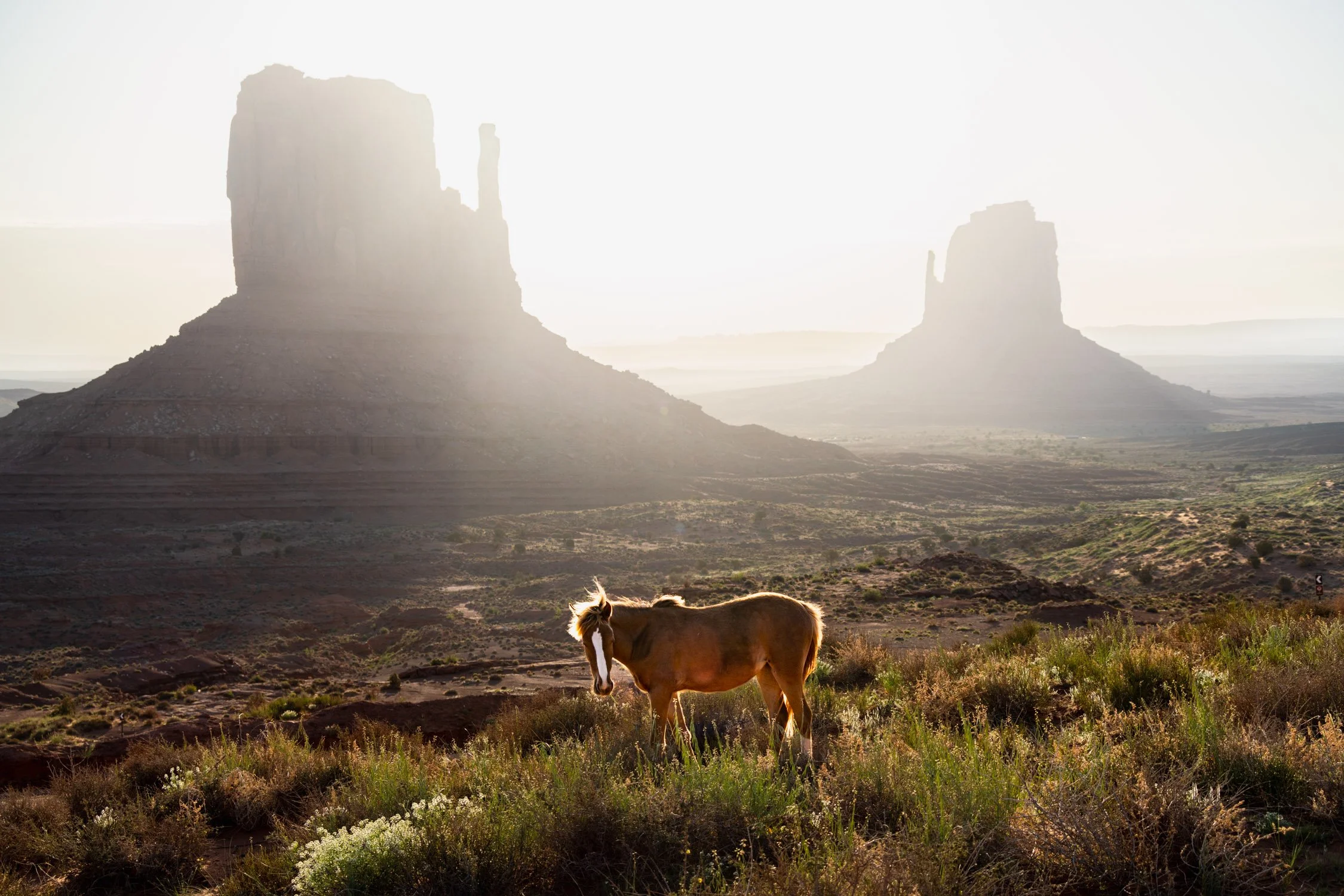
Why Monument Valley Should Be Your Next American Southwest Road Trip Stop
Monument Valley. The very name conjures images of John Wayne striding across a dusty plain, dwarfed by the colossal red rock formations that pierce the endless blue sky. This iconic landscape, straddling the Arizona-Utah border, is far more than just a movie set. It's a place steeped in history, culture, and raw, untamed beauty that beckons travelers seeking an unforgettable American Southwest adventure.
Monument Valley. The very name conjures images of John Wayne striding across a dusty plain, dwarfed by the colossal red rock formations that pierce the endless blue sky. This iconic landscape, straddling the Arizona-Utah border, is far more than just a movie set. It's a place steeped in history, culture, and raw, untamed beauty that beckons travelers seeking an unforgettable American Southwest adventure.
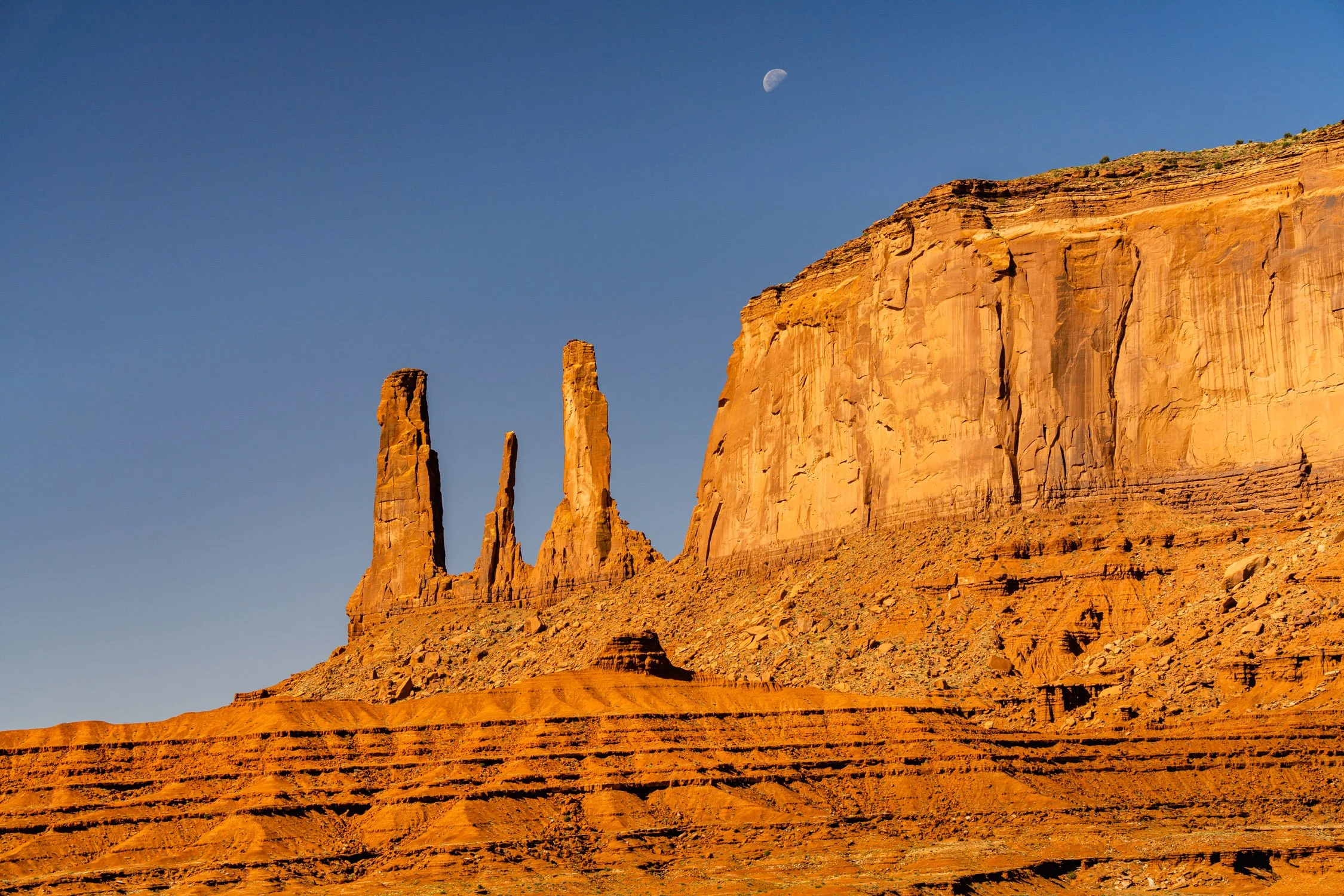
The Three Sisters of Monument Valley. Photo by Dalton Johnson
PROS:
Stunning Scenery: Monument Valley boasts otherworldly landscapes with towering red rock formations that create a truly awe-inspiring experience.
Cultural Significance: Learn about the Navajo Nation's history and traditions, gaining a deeper appreciation for the land and its people.
Prime Stargazing: Witness a magnificent night sky with minimal light pollution.
Road Trip Friendly: Monument Valley is a popular stop on many American Southwest road trips.
Unique Experience: Monument Valley offers a landscape unlike anywhere else on Earth.
CONS:
Remote Location: Monument Valley is located in a remote area, requiring a dedicated trip or inclusion on a longer Southwest adventure.
Limited Amenities: Lodging and dining options are limited within the Monument Valley Tribal Park.
Crowds: Monument Valley can get crowded, especially during peak season.
Cost: Guided tours and park entrance fees can add up.
Limited Accessibility: Some areas of the valley are only accessible by Jeep tours, which may not be suitable for everyone.
Short Stay Potential: Unless you're planning other activities in the area, Monument Valley itself may not warrant a long stay.
A Landscape Sculpted by Time
Over millions of years, wind and water have sculpted the Navajo Nation sandstone into a fantastical realm of towering buttes, mesas, and pinnacles. The iconic Mittens, Merrick Butte, and John Ford's Point stand sentinel, their fiery red hues shifting dramatically with the ever-changing light. As you drive the scenic 17-mile Monument Valley Loop, the vastness of the desert unfolds before you, punctuated by these geological giants.
Beyond the Scenery: A Cultural Tapestry
Monument Valley is not just a natural wonder; it's a sacred land for the Navajo Nation. Their ancestral stories and traditions are woven into the very fabric of this place. Guided tours led by Navajo guides offer a deeper understanding of the cultural significance of the land. You'll learn about Navajo history, their reverence for nature, and how they have adapted and thrived in this unforgiving environment. These insights add a layer of richness to your experience, transforming Monument Valley from a scenic vista to a living, breathing cultural landscape.
Activities for Every Explorer
Monument Valley offers a variety of experiences for visitors of all interests.
Drive the Monument Valley Loop: This scenic, self-guided tour allows you to explore the heart of the valley at your own pace. Pull over at designated viewpoints to capture breathtaking photos of the iconic formations.
Embark on a Jeep Tour: Delve deeper into the valley with a guided Jeep tour. Navajo guides will take you off the beaten path, navigating sandy washes and leading you to hidden gems like the Ear of the Wind and Mystery Valley. These tours offer exceptional photographic opportunities and a chance to see the valley from a different perspective.
Hike the Wildcat Trail: Lace up your boots and explore the valley on foot. The Wildcat Trail is a moderate 3.1-mile loop that takes you around the base of Merrick Butte, offering stunning views of the surrounding landscape.
Stargazing: Light pollution is minimal in Monument Valley, making it a prime location for stargazing. On a clear night, witness a dazzling display of stars blanketing the velvety black sky.
Visit the Monument Valley Visitor Center: Learn more about the history, geology, and culture of Monument Valley at the visitor center. Here, you can find exhibits, purchase Navajo crafts, and get helpful information for planning your visit.
Capturing the Perfect Monument Valley Photo
Monument Valley is a photographer's paradise. Here are some tips to capture stunning photos:
Golden Hour Magic: The best time to photograph the buttes is during sunrise and sunset when the low angle of the sun bathes the rock formations in a warm, golden light.
Play with Perspective: Don't be afraid to experiment with different angles and viewpoints. Get creative! Try incorporating foreground elements like wildflowers or desert shrubs to add depth to your composition.
Use a Tripod: A tripod will help you achieve sharp photos, especially during low-light conditions.
Focus on Details: Zoom in to capture the intricate textures and patterns of the sandstone formations.

The left mitten silhouetted at sunrise in Monument Valley. Photo by Dalton Johnson
A visit to Monument Valley is a chance to step back in time, to experience the untamed beauty of the American Southwest, and to connect with the rich cultural heritage of the Navajo Nation. Whether you're a seasoned road tripper, a photography enthusiast, or simply someone seeking an awe-inspiring escape, Monument Valley has something to offer everyone. So, pack your bags, fuel up your car, and get ready to be transported to a landscape that will leave you breathless.
Discover More Destinations

Spot Polar Bears and Volcanoes on This Arctic Cruise
Volcanoes have been grabbing headlines recently, with awe-inspiring eruptions captured on social media and igniting a travel trend for intrepid explorers. But what if you could witness these powerful forces of nature up close, while also searching for the majestic polar bear in its icy habitat? Abercrombie & Kent's Arctic Cruise Adventure: In Search of the Polar Bear offers a dream trip unlike any other, combining adventure travel, wildlife encounters, and the chance to explore a rarely-visited volcanic island.
Volcanoes have been grabbing headlines recently, with awe-inspiring eruptions captured on social media and igniting a travel trend for intrepid explorers. But what if you could witness these powerful forces of nature up close, while also searching for the majestic polar bear in its icy habitat? Abercrombie & Kent's Arctic Cruise Adventure: In Search of the Polar Bear offers a dream trip unlike any other, combining adventure travel, wildlife encounters, and the chance to explore a rarely-visited volcanic island.
This exclusive 13-night expedition takes place aboard a small ship cruise, ensuring a personalized experience with a maximum of 199 guests. Imagine sailing through the breathtaking Arctic, a landscape sculpted by glaciers and bathed in the ethereal glow of the midnight sun. Your journey encompasses the best of Norway, Iceland, and Greenland, with each day offering exciting discoveries.
One of the highlights of the cruise is a shore expedition to Jan Mayen, a remote island dominated by the colossal Beerenberg Volcano, one of the world's northernmost active volcanoes. Towering an impressive 7,500 feet, Beerenberg is a sight to behold. Subject to special permits and weather conditions, guests will have the rare opportunity to disembark on this island and explore its unique environment.
Aboard the ship, A&K's expert naturalists will lead you on guided hikes and Zodiac excursions, providing insightful commentary on the region's geology, wildlife, and history. You might encounter a majestic polar bear roaming the pack ice, or witness a pod of playful orcas breaching in the icy waters. The chance to witness these incredible creatures in their natural habitat is a truly unforgettable experience.
But the adventure doesn't stop there. Your visit to Jan Mayen will include a visit to the island's meteorological station, offering a glimpse into the vital work conducted in this isolated outpost. Nature lovers will be thrilled by the opportunity to observe colonies of seabirds, including the northern fulmar, little auk, thick-billed guillemot, and black guillemot.
To capture these once-in-a-lifetime moments perfectly, Abercrombie & Kent has you covered. A dedicated photography coach will be onboard throughout the voyage, offering expert guidance and ensuring your photos are Instagram-worthy. With their help, you'll learn the best techniques to capture the raw beauty of the Arctic landscape, the dramatic volcanic peaks, and the wildlife encounters.
This exceptional cruise departs on July 29th and concludes on August 12th. With its focus on small-group exploration, expert-led activities, and wildlife encounters, this Arctic adventure is perfectly suited for travelers seeking a grand adventure beyond the ordinary.

Iceland's recent volcanic activity has sparked a surge in interest for this captivating destination. Abercrombie & Kent's Arctic Cruise Adventure offers the perfect opportunity to experience Iceland's dramatic landscapes firsthand, while also venturing further into the Arctic to explore Norway and Greenland. This is a dream trip for nature lovers, photographers, and anyone seeking an unforgettable adventure.
Discover More Destinations

Here Are Four Ways To Solo Travel Africa With Flash Pack
Africa, the cradle of humanity, is a land of breathtaking landscapes, diverse cultures, and unforgettable experiences. But for solo travelers, venturing into this vast continent can seem daunting. Deciding where to go, navigating unfamiliar territory, and finding companionship can all be potential hurdles.
Africa, the cradle of humanity, is a land of breathtaking landscapes, diverse cultures, and unforgettable experiences. But for solo travelers, venturing into this vast continent can seem daunting. Deciding where to go, navigating unfamiliar territory, and finding companionship can all be potential hurdles.
Flash Pack steps in to bridge that gap, offering unique group adventures designed specifically for solo travelers. With Flash Pack, you can explore the magic of Africa alongside like-minded individuals, all with the support and guidance of experienced local guides.
Here are four incredible Flash Pack itineraries that will take you on an unforgettable journey through the heart of Africa:
1. True Egypt (8 Days)
Ditch the generic tourist traps and delve into the beating heart of Egypt with Flash Pack's True Egypt adventure. This eight-day itinerary promises a captivating immersion into the country's rich history and vibrant culture.
Imagine yourself standing before the awe-inspiring pyramids of Giza, remnants of a glorious civilization that continues to capture our imagination. But True Egypt goes beyond the iconic landmarks. You'll visit an ancient desert monastery, once home to a thousand monks, offering a glimpse into Egypt's fascinating religious heritage.
The adventure doesn't stop there. Flash Pack will take you to connect with a local Nubian family, sharing a meal and conversation, allowing you to experience Egyptian hospitality firsthand.
2. Bucket List South Africa (11 Days):
South Africa is a land of dramatic landscapes, diverse wildlife, and cosmopolitan cities. Flash Pack's Bucket List South Africa is an 11-day adventure designed to push you outside your comfort zone and create memories that will last a lifetime.
Prepare to be awestruck by the underwater world as you snorkel amongst playful octopi in the kelp forests. Feel the thrill of spotting lions, elephants, and other members of the Big Five roaming the vast African plains.
Imagine raising a toast to this incredible wildlife encounter from the infinity pool of your luxurious tented lodge, surrounded by the breathtaking scenery. Bucket List South Africa promises an experience that blends adventure, relaxation, and luxurious touches.
3. Rwanda Gorilla Trekking & Volcanoes (9 Days):
Rwanda, known as the "Land of a Thousand Hills," is a small nation with a big heart. This nine-day Flash Pack adventure takes you into the heart of this stunningly beautiful country, offering the chance to encounter some of Africa's most remarkable primates.
Hike the slopes of the majestic Virunga volcanoes, a UNESCO World Heritage Site, in search of endangered mountain gorillas. Witnessing these gentle giants in their natural habitat is an unforgettable experience that will leave you speechless. But Rwanda has more to offer than just gorillas.
Flash Pack will also guide you through the steamy Nyungwe rainforest, where you might encounter the rare golden monkey with its distinctive golden coat. The adventure doesn't stop there. You'll kayak to uninhabited islands on Lake Kivu, a stunning freshwater lake nestled between Rwanda and the Democratic Republic of Congo.
4. Wild Tanzania (9 Days):
If you dream of an African safari experience unlike any other, Flash Pack's Wild Tanzania is the answer. This award-winning itinerary takes you on a nine-day journey through Tanzania's most iconic landscapes, offering unparalleled wildlife viewing opportunities.
Imagine yourself staying in a luxurious, one-of-a-kind Land Rover camp located right in the heart of the Serengeti. Complete with a private chef, this unique accommodation allows you to experience the magic of the African wilderness in style and comfort.
Spotting the Big Five – lion, leopard, elephant, rhino, and cape buffalo – is a top priority on this adventure. Flash Pack will take you on expertly guided game drives, ensuring you have the best possible chance to witness these magnificent creatures in their natural habitat.
The adventure continues at Little Okavango Camp, where you can take scenic canoe rides on the shores of Lake Victoria, the source of the Nile River. Keep your eyes peeled for hippos and elephants while enjoying the tranquility of this breathtaking environment.
Wild Tanzania culminates with a relaxing stay on the idyllic beaches of Zanzibar, the perfect place to unwind after your exhilarating safari adventure.
Flash Pack understands the appeal of solo travel, the freedom and flexibility it offers. Yet, they also recognize the value of companionship and shared experiences. Their group adventures are specifically designed for solo travelers, ensuring you connect with like-minded individuals who share your passion for exploration.
With Flash Pack, you'll have the support and guidance of experienced local guides throughout your journey. These guides not only possess in-depth knowledge of the destinations but are also passionate
Discover More Destinations
Before You Book Your Summer Vacation Check Out These Three European Destinations
As summer beckons with its promise of adventure and exploration, you might be looking for that ideal destination to travel to this summer. With an entire glob to explore, making a decision could be hard, at least that is what I thought until Europe popped into my mind. For those seeking a blend of luxury, culture, and excitement, Europe stands as a perennial favorite. But, before you book just any old European summer vacation, dig a little deeper and discover three European destinations that promise an unforgettable summer experience, blending opulent accommodations with vibrant local cultures and activities.
As summer beckons with its promise of adventure and exploration, you might be looking for that ideal destination to travel to this summer. With an entire glob to explore, making a decision could be hard, at least that is what I thought until Europe popped into my mind. For those seeking a blend of luxury, culture, and excitement, Europe stands as a perennial favorite. But, before you book just any old European summer vacation, dig a little deeper and discover three European destinations that promise an unforgettable summer experience, blending opulent accommodations with vibrant local cultures and activities.
PROS:
Diverse Destinations: Europe offers a vast array of destinations, from bustling cities like Paris and London to serene coastal towns in Greece and Italy, catering to every traveler's preferences.
Rich History and Culture: Europe is steeped in history and culture, with iconic landmarks such as the Eiffel Tower, Colosseum, and Acropolis, offering a glimpse into centuries of heritage.
Scenic Beauty: From the stunning fjords of Norway to the picturesque vineyards of France and the azure waters of the Mediterranean, Europe boasts breathtaking natural landscapes.
Culinary Delights: Food lovers rejoice in Europe's culinary scene, with delectable dishes ranging from French pastries and Italian pasta to Spanish tapas and Greek mezze.
Adventure Activities: Whether it's hiking in the Swiss Alps, exploring ancient ruins in Rome, or sailing along the Croatian coast, Europe offers a wide range of adventure opportunities.
Cultural Festivals: Summer in Europe is alive with festivals celebrating music, art, food, and traditions, providing immersive experiences for travelers.
CONS:
Crowds: Popular tourist destinations can be crowded during the summer months, leading to long queues at attractions and difficulty finding accommodation.
High Season Prices: Traveling during peak summer can be expensive, with higher prices for flights, accommodations, and tourist activities.
Hot Weather: Some regions of Europe experience sweltering heat during summer, which may be uncomfortable for travelers not accustomed to high temperatures.
Tourist Traps: Touristy areas can be filled with gimmicks and overpriced souvenirs, requiring travelers to research and choose authentic experiences carefully.
Language Barrier: While English is widely spoken, communication can be challenging in rural or less touristy areas where English may not be as prevalent.
Limited Availability: Popular attractions and tours may have limited availability or require advance booking, especially during peak season, leading to potential itinerary constraints.

Broadwick Soho | London, UK
Nestled in the heart of London's lively Soho neighborhood, Broadwick Soho offers a unique blend of artistic flair and contemporary luxury. Since its grand opening last November, this boutique hotel has become a hub for creatives and discerning travelers alike.
Designed by renowned architect Martin Brudnizki, the 57-room property is a feast for the senses, adorned with works by acclaimed artists like Andy Warhol, Francis Bacon, and Bridget Riley. Guests can immerse themselves in the vibrant atmosphere of Soho while enjoying amenities such as the rooftop bar Flute, the elegant Italian restaurant Dear Jackie, and the chic Bar Jackie.
For those looking to explore the neighborhood, Broadwick Soho provides the perfect base, with its proximity to iconic landmarks, theaters, and bustling nightlife. Whether sipping cocktails on the rooftop or discovering hidden gems in Soho's winding streets, this hotel promises an unforgettable summer stay in London.
The Bodrum EDITION | Bodrum, Turkey
Perched along the azure waters of the Aegean Sea, The Bodrum EDITION epitomizes modern luxury against a backdrop of stunning natural beauty. This exquisite resort, set to reopen in May, offers guests a haven of relaxation and indulgence.
From its sleek, white-furnished rooms to the rejuvenating Turkish Hammam in the spa, every aspect of The Bodrum EDITION exudes elegance. The Michelin-star winning Kitchen, now enhanced with Chef Stefano Ciotti's culinary expertise, promises a gastronomic journey blending Italian flavors with local ingredients.
Guests can unwind at the lively Beach Club, enjoy al fresco dining at MORENA, or savor regionally-inspired cuisine at KITCHEN, helmed by renowned Turkish chef Osman Sezener. With private cabanas, a Beach Bar menu, and breathtaking views of the Aegean, this resort offers a quintessential summer escape in Bodrum.

Palazzo Avino | Ravello, Italy
For a taste of old-world glamour on the enchanting Amalfi Coast, Palazzo Avino beckons travelers to its iconic "Pink Palace" in Ravello. Owned by sisters Mariella and Attilia Avino, this luxurious hotel recently reopened for the season with a host of exciting updates.
Palazzo Avino's Michelin-star restaurant Rossellini’s has been renovated to dazzle guests with its culinary delights, complemented by a Deluxe Sea View Suite designed by architect Giuliano Dell’Uva. The hotel's partnership with Palazzo Monti gallery adds an artistic touch, with curated exhibitions at Caffe dell'Arte.
Guests can bask in the sun at the exclusive Beach Club, indulge in bespoke products at The Pink Closet, or simply soak in the breathtaking views of the Amalfi Coast. With a blend of heritage, elegance, and modern luxury, Palazzo Avino promises an unforgettable summer retreat in Italy.
As summer approaches, these three European destinations offer a tantalizing glimpse into the world of luxury travel, adventure, and cultural immersion. Whether exploring London's vibrant streets, lounging on the shores of Bodrum, or indulging in the beauty of Ravello, each property invites travelers to create cherished memories and unforgettable experiences this summer season.
Discover More Destinations

The Photographer's Guide to Arches National Park
Arches National Park is a photographer's paradise, a place where nature's artistry unfolds in a breathtaking display of colors, shapes, and textures. From the iconic arches to the rugged landscapes, every corner of this park offers a wealth of photographic opportunities. In this comprehensive guide, we'll delve into the essential information you need to know about visiting Arches National Park as a photographer, the best spots for sunrise and sunset photography, the most photographed arch, the ideal time of year for photography, and tips for capturing stunning images.
Arches National Park is a photographer's paradise, a place where nature's artistry unfolds in a breathtaking display of colors, shapes, and textures. From the iconic arches to the rugged landscapes, every corner of this park offers a wealth of photographic opportunities. In this comprehensive guide, we'll delve into the essential information you need to know about visiting Arches National Park as a photographer, the best spots for sunrise and sunset photography, the most photographed arch, the ideal time of year for photography, and tips for capturing stunning images.

Milkyway passing through landscape arch in Arches National Park. Photo by Dalton Johnson
PROS:
Iconic Landscapes: Arches National Park is renowned for its iconic natural arches, spires, and rock formations, providing photographers with captivating subjects that are unique to the region.
Variety of Scenes: From desert vistas to rugged canyons and delicate arches, the park offers diverse scenery that caters to a wide range of photography styles and preferences.
Golden Hours: The golden hours of sunrise and sunset bathe the red rock landscapes in warm, soft light, creating a magical atmosphere that enhances your photographs.
Astrophotography Opportunities: With minimal light pollution and dark skies, Arches National Park is an excellent location for astrophotography, allowing you to capture stunning shots of the night sky.
Wildlife Encounters: While photographing the park, you may encounter various wildlife species, adding an element of spontaneity and nature to your photographs.
Accessibility: Many of the iconic arches and viewpoints in the park are easily accessible via short hikes or paved trails, making it convenient for photographers of all skill levels.
CONS:
Crowds: Arches National Park is a popular tourist destination, especially during peak seasons, which can lead to crowded viewpoints and challenges in finding secluded spots for photography.
Weather Variability: The desert climate of the park can be extreme, with hot summers, cold winters, and sudden weather changes, requiring photographers to be prepared for varying conditions.
Limited Light Options: While the golden hours offer ideal lighting conditions, midday sunlight can be harsh and create strong contrasts, requiring careful exposure and composition techniques.
Permit Requirements: Certain areas of the park may require permits for commercial or professional photography, adding logistical considerations for photographers.
Environmental Factors: The delicate desert ecosystem of Arches National Park requires photographers to tread lightly, avoid damaging vegetation, and respect wildlife habitats while capturing photographs.
Limited Facilities: While the park has visitor centers and basic amenities, photographers should be prepared with sufficient water, supplies, and camera gear for extended photography outings.
Essential Information for Photographers Visiting Arches National Park
Park Regulations and Permits: Before embarking on your photography adventure, familiarize yourself with the park's regulations regarding photography permits. Certain areas may require permits for commercial or professional photography.
Weather and Lighting: Arches National Park experiences varying weather conditions throughout the year. Be prepared for hot summers and cold winters. The best lighting for photography is during the golden hours of sunrise and sunset when the soft, warm light enhances the red rock formations.
Equipment: Ensure you have the right photography gear, including a sturdy tripod for long exposures, a wide-angle lens for capturing expansive landscapes, and ND filters to control light intensity during daytime shots.
Safety: Stay on designated trails and paths to protect yourself and the delicate desert ecosystem. Be aware of wildlife and carry sufficient water and supplies, especially during hikes.
Best Time of Year for Photography
The ideal time for photography in Arches National Park depends on the season:
Spring (March-May): The park blooms with wildflowers, adding vibrant colors to your compositions. Mild temperatures make hiking and photography enjoyable.
Summer (June-August): Despite the heat, summer offers clear skies and longer daylight hours for photography. Early mornings and evenings are best for avoiding the midday heat.
Fall (September-November): Fall brings cooler temperatures and golden foliage, enhancing the park's landscapes. The changing colors add depth to your photographs.
Winter (December-February): Winter transforms the park with snow-dusted arches and a serene atmosphere. Snowy landscapes create a unique photography opportunity.
Most Photographed Arch in Arches National Park
The most photographed arch in Arches National Park is undoubtedly Delicate Arch. Its iconic shape against the vast desert backdrop makes it a favorite subject for photographers. Capturing Delicate Arch during sunrise or sunset provides stunning results, with the warm light accentuating its natural beauty.
Sunrise vs. Sunset Photography
Both sunrise and sunset offer unique photographic opportunities in Arches National Park. Here's a comparison to help you choose the best time for your photography:
Sunrise Photography:
Mesa Arch: Witness the spectacle of Mesa Arch as the rising sun paints the La Sal Mountains in the background with warm hues.
Delicate Arch: Capture the ethereal glow of Delicate Arch at sunrise, with the early morning light creating a magical atmosphere.
Balanced Rock: The soft morning light adds depth to Balanced Rock, highlighting its balanced precariousness against the sky.
Sunset Photography:
Windows Area: The Windows provide a captivating scene at sunset, with the rock formations bathed in golden light.
Fiery Furnace Viewpoint: Experience the fiery colors of Fiery Furnace as the sun sets behind the rugged landscape.
Courthouse Towers: Capture the dramatic silhouettes of Courthouse Towers against the colorful sunset sky.


Astrophotography in Arches National Park
Arches National Park is a fantastic location for astrophotography due to its dark skies and minimal light pollution. Here are some recommended spots for capturing the night sky:
Panorama Point: Offers a wide view of the night sky, ideal for capturing star trails and the Milky Way.
Skyline Arch: Framing the Milky Way through Skyline Arch creates a stunning astrophotography composition.
Devil's Garden Campground: Stay overnight at the campground for extended astrophotography sessions and time-lapse photography.
Recommended Gear for Photographing Arches National Park
To capture the stunning beauty of Arches National Park, having the right gear can make a significant difference in the quality of your photographs. Here's a recommended gear list to enhance your photography experience:
Camera Body: A DSLR or mirrorless camera with manual settings allows you to have full control over exposure, aperture, and shutter speed.
Lenses:
Wide-Angle Lens (e.g., 16-35mm): Ideal for capturing expansive landscapes and the vastness of the park's arches.
Telephoto Lens (e.g., 70-200mm): Useful for isolating distant subjects or capturing detailed shots of wildlife and rock formations.
Tripod: A sturdy tripod is essential for long exposures, night photography, and ensuring sharp images, especially in low light conditions.
ND Filters: Neutral density filters help control light intensity, allowing for long exposures during bright daylight or achieving smooth water effects.
Remote Shutter Release: Minimize camera shake and capture sharp images, particularly during long exposures or time-lapse photography.
Lens Cleaning Kit: Keep your lenses free from dust, smudges, and debris to maintain image clarity and quality.
Camera Backpack: A comfortable and durable backpack to carry your camera gear and essentials during hikes and photography outings.
Headlamp or Flashlight: For early morning or night photography sessions, a headlamp or flashlight is handy for navigating and setting up your gear.
Weather Protection: Consider bringing a rain cover or protective gear for your camera and equipment in case of unexpected weather conditions.
Extra Batteries and Memory Cards: Ensure you have sufficient battery power and storage space for extended photography sessions without interruptions.
Lens Hood: Reduce lens flare and enhance contrast in your images, especially when shooting towards the sun or bright light sources.
Polarizing Filter: Enhance colors, reduce glare, and increase contrast in your outdoor photographs, particularly useful for landscape photography.
By having the right gear tailored to your photography style and preferences, you can maximize your creative potential and capture stunning images that showcase the natural wonders of Arches National Park.
Final Tips for Photography in Arches National Park
Golden Hour: Make the most of the golden hours of sunrise and sunset for soft, warm lighting that enhances the park's features.
Composition: Experiment with different compositions, angles, and perspectives to create unique and compelling photographs.
Long Exposures: Use a tripod and ND filters for long exposures, especially for capturing flowing water or star trails.
Patience: Stay patient and wait for the right moment to capture that perfect shot, whether it's the play of light or an animal crossing your frame.
Respect Nature: Leave no trace and respect the park's natural beauty by avoiding disturbing wildlife or damaging fragile ecosystems.
Sunrise light catching one of the many towers in Arches National Park. Photo by Dalton Johnson
Arches National Park beckons photographers with its unparalleled beauty and diverse photographic opportunities. Whether you're capturing the first light of dawn, the vibrant colors of sunset, or the starry night sky, each moment in this enchanting park is a photographic masterpiece waiting to be framed. Plan your visit, pack your gear, and embark on a photography journey that captures the essence of Arches National Park's timeless allure.