

Best Beaches of Baja Sur
Baja California Sur, with its stunning coastline along the Sea of Cortez and the Pacific Ocean, is home to some of Mexico's most beautiful beaches. Whether you're a surfer seeking the perfect wave, a snorkeler eager to explore vibrant marine life, or simply someone looking for a tranquil spot to relax by the sea, Baja Sur has a beach for you. Here are some of the best beaches in Baja Sur that offer a variety of experiences for beach lovers.
Baja California Sur, with its stunning coastline along the Sea of Cortez and the Pacific Ocean, is home to some of Mexico's most beautiful beaches. Whether you're a surfer seeking the perfect wave, a snorkeler eager to explore vibrant marine life, or simply someone looking for a tranquil spot to relax by the sea, Baja Sur has a beach for you. Here are some of the best beaches in Baja Sur that offer a variety of experiences for beach lovers.

Winter swell rolling in at Cerritos Beach. Photo by Dalton Johnson
PROS:
Natural Beauty: Many beaches in Baja Sur offer breathtaking natural beauty with clear turquoise waters, soft white sands, and stunning coastal landscapes.
Diverse Activities: Beachgoers can enjoy a wide range of activities such as swimming, snorkeling, surfing, kayaking, paddleboarding, and beachcombing.
Scenic Views: Some beaches provide panoramic views of the ocean, cliffs, rock formations, and vibrant sunsets, perfect for photography enthusiasts.
Wildlife Encounters: Baja Sur's coastal areas are home to diverse marine life, including tropical fish, sea turtles, dolphins, and whales, offering opportunities for wildlife spotting.
Relaxation: Many beaches offer a tranquil environment away from crowds, making them ideal for relaxation, meditation, and enjoying the sounds of the ocean.
Cultural Experience: Some beaches are located near local communities, providing a chance to experience Baja Sur's culture, cuisine, and hospitality.
Accessibility: Several beaches are easily accessible with amenities such as parking, restrooms, showers, beach rentals, and nearby dining options.
CONS:
Crowds: Popular beaches, especially during peak tourist seasons, can get crowded, affecting the tranquility and serenity of the beach experience.
Weather Conditions: Depending on the season, weather conditions such as strong winds, high waves, and extreme heat may impact beach activities and comfort.
Water Safety: Some beaches may have strong currents, undertows, or rocky areas, requiring caution and awareness, particularly for inexperienced swimmers.
Environmental Impact: Overcrowding and irresponsible behavior can lead to littering, pollution, and damage to marine ecosystems, affecting the natural beauty of beaches.
Accessibility Challenges: Remote or undeveloped beaches may lack facilities such as paved roads, parking areas, restrooms, and emergency services, requiring careful planning and preparation.
Tourist Development: The development of resorts, hotels, and commercial establishments near beaches can alter the natural landscape, impacting the authenticity and charm of the coastal environment.
Seasonal Variations: Beach conditions, water clarity, marine life sightings, and recreational opportunities may vary depending on the season, influencing the overall beach experience.
1. Playa Balandra
Located near La Paz, Playa Balandra is often hailed as one of the most beautiful beaches in Mexico. Its crystal-clear turquoise waters and soft white sands create a picturesque setting that's ideal for swimming and snorkeling. The calm waters of this beach are perfect for families with children, and the iconic mushroom rock formation adds to its charm. Don't miss the opportunity to hike up to the viewpoint for breathtaking panoramic views of the beach and surrounding area.
What to do:
Swim and Snorkel: Enjoy the calm, clear waters for swimming and snorkeling to observe marine life.
Explore Mushroom Rock: Hike up to the viewpoint for panoramic views and photo opportunities of the iconic Mushroom Rock.
Picnic and Relax: Set up a beach picnic and relax on the soft sands while soaking up the scenic beauty.
2. Playa El Médano
For those looking for a lively beach atmosphere, Playa El Médano in Cabo San Lucas is the place to be. This long stretch of golden sand is lined with beachfront restaurants, bars, and shops, making it a hub of activity. It's a popular spot for swimming, jet skiing, and parasailing, and the vibrant beach scene attracts both tourists and locals alike. You can also take a water taxi from here to visit the iconic Arch of Cabo San Lucas.
What to do:
Water Activities: Engage in water sports like swimming, jet skiing, parasailing, and paddleboarding.
Beachfront Dining: Indulge in beachfront dining at the numerous restaurants offering fresh seafood and drinks.
Shopping and Souvenirs: Explore the nearby shops for souvenirs and local crafts.
3. Playa Santa María
Known for its excellent snorkeling opportunities, Playa Santa María is a hidden gem nestled between Cabo San Lucas and San José del Cabo. The calm, clear waters of this protected cove are teeming with colorful fish and coral reefs, making it a paradise for underwater enthusiasts. Bring your snorkeling gear and explore the marine life or simply relax on the soft sands and soak up the sun.
What to do:
Snorkeling: Dive into the clear waters for excellent snorkeling experiences among coral reefs and colorful fish.
Sunbathe and Swim: Relax on the beach, soak up the sun, and take refreshing swims in the tranquil cove.
Wildlife Watching: Keep an eye out for sea turtles, rays, and other marine life.
4. Playa Tecolote
If you're seeking a more secluded beach experience, head to Playa Tecolote near La Paz. This tranquil beach offers a peaceful retreat away from the crowds, with its pristine sands and gentle waves. It's a great spot for swimming and picnicking, and you can also rent kayaks and paddleboards to explore the coastline. Watching the sunset from Playa Tecolote is a magical experience not to be missed.
What to do:
Kayaking and Paddleboarding: Rent kayaks or paddleboards to explore the coastline and enjoy water activities.
Beach Camping: Set up a beach camp for a night under the stars and a peaceful coastal experience.
Sunset Viewing: Watch the spectacular sunset over the Sea of Cortez for a memorable evening.


5. Playa Cerritos
For surf enthusiasts, Playa Cerritos near Todos Santos is a must-visit destination. This beach is renowned for its consistent waves, making it perfect for surfers of all levels. If you're new to surfing, you can take lessons from local instructors or simply relax and watch the skilled surfers ride the waves. Playa Cerritos also has a laid-back vibe, with beachfront restaurants serving up fresh seafood and cold drinks.
What to do:
Surfing: Catch some waves and enjoy surfing sessions at one of Baja Sur's renowned surf beaches.
Lessons and Rentals: Take surf lessons from local instructors or rent surfboards to improve your skills.
Beachfront Relaxation: Lounge on the beach, watch surfers, and savor beachside meals.
6. Playa El Chileno
Another fantastic snorkeling spot is Playa El Chileno, located along the Tourist Corridor between Cabo San Lucas and San José del Cabo. This Blue Flag-certified beach boasts clear waters, coral reefs, and a diverse array of marine life, including tropical fish, rays, and even sea turtles. The calm conditions make it ideal for snorkelers of all skill levels, and the beach facilities, including showers and restrooms, add to the convenience.
What to do:
Snorkeling and Diving: Explore the diverse marine life and coral reefs while snorkeling or diving.
Beach Picnic: Have a beach picnic with family or friends and enjoy the scenic surroundings.
Facilities: Utilize beach facilities such as showers and restrooms for convenience.
7. Playa Los Frailes
For a rugged coastal experience, venture to Playa Los Frailes in Cabo Pulmo National Park. This remote beach is known for its natural beauty and pristine environment, making it a haven for nature lovers and eco-tourists. Explore the nearby hiking trails, go snorkeling or diving in the protected marine area, or simply unwind on the uncrowded beach and listen to the sounds of the waves.
What to do:
Nature Hikes: Take nature hikes along coastal trails for stunning views and wildlife sightings.
Snorkeling and Diving: Discover the underwater world through snorkeling or diving in the protected marine area.
Eco-Tourism: Engage in eco-friendly activities and appreciate the natural beauty of the beach and surroundings.
8. Playa Bahia Concepción
Located on the eastern coast of the Baja Peninsula near Mulegé, Playa Bahia Concepción is a paradise for camping enthusiasts. This remote beach offers stunning views of the Sea of Cortez and is surrounded by desert landscapes and rocky cliffs. Set up camp along the shoreline and enjoy a night under the stars, swim in the azure waters, and soak in the tranquility of this secluded beach.
What to do:
Beach Camping: Set up a beach camp for a rustic camping experience with stunning ocean views.
Swimming and Relaxation: Swim in the azure waters, sunbathe on the beach, and enjoy peaceful moments by the sea.
Stargazing: Experience mesmerizing stargazing nights due to the remote location away from city lights.
Camping on one of the many beaches of Playa Bahia Concepción
Baja California Sur is blessed with a diverse range of beaches, each offering its own unique attractions and experiences. Whether you're seeking adventure, relaxation, or a bit of both, the beaches of Baja Sur have something for everyone. From serene coves for swimming and snorkeling to lively stretches of sand for beachfront fun, explore these top destinations to make the most of your beach vacation in Baja Sur.
Discover More Destinations

The Best Times of Year to Visit Baja Sur
Baja Sur, or Baja California Sur, is a captivating destination renowned for its stunning landscapes, vibrant culture, and diverse outdoor activities. Whether you're seeking sunny beaches, thrilling water sports, or immersive cultural experiences, choosing the right time to visit Baja Sur can significantly enhance your trip. In this article, we'll explore the best times of year to visit Baja Sur, considering seasonal weather patterns, popular events, and crowd levels.
Baja Sur, or Baja California Sur, is a captivating destination renowned for its stunning landscapes, vibrant culture, and diverse outdoor activities. Whether you're seeking sunny beaches, thrilling water sports, or immersive cultural experiences, choosing the right time to visit Baja Sur can significantly enhance your trip. In this article, we'll explore the best times of year to visit Baja Sur, considering seasonal weather patterns, popular events, and crowd levels.
Sunset over the Pacific Ocean in Baja. Photo by Dalton Johnson
Fall (September to November)
Fall is a delightful time to explore Baja Sur, offering pleasant temperatures and fewer crowds compared to peak summer months. September marks the end of the summer heat, transitioning into milder weather ideal for outdoor adventures. You can enjoy activities like snorkeling, kayaking, and beachcombing along the coast without the intense summer sun. The sea is still warm, making it perfect for swimming and water sports.
October brings comfortable temperatures, making it an excellent time for exploring Baja Sur's natural wonders. From the iconic rock formations of Land's End in Cabo San Lucas to the rugged beauty of Sierra de la Laguna, fall allows for enjoyable hiking, sightseeing, and wildlife spotting. The Baja Sur landscape bursts with colors as the desert flora blooms after the summer rains.
November heralds the start of whale-watching season, a highlight of visiting Baja Sur. Gray whales migrate to the waters of Baja Sur's Pacific coast, offering unforgettable opportunities to witness these majestic creatures up close on guided tours. Additionally, November sees the Dia de los Muertos (Day of the Dead) celebrations, providing a glimpse into Mexican culture with vibrant parades, traditional food, and artistic altars honoring departed loved ones.
Winter (December to February)
Winter in Baja Sur is characterized by mild weather, making it a popular time for travelers seeking a warm escape from colder climates. December marks the beginning of the peak tourist season, especially around the holidays. While this period brings higher visitor numbers, it also offers a festive atmosphere with Christmas and New Year's celebrations, beach parties, and cultural events.
January and February continue to attract visitors seeking sunshine and outdoor activities. The Sea of Cortez is known for its clear waters and abundant marine life, making it a paradise for snorkelers and scuba divers during the winter months. Water temperatures remain comfortable for swimming, and coastal towns like La Paz and Loreto offer relaxed beach vibes and charming waterfront promenades.
February is a prime time for whale-watching, as both gray whales and humpback whales can be spotted along the Baja Sur coastline. Guided boat tours provide close encounters with these gentle giants, adding a memorable wildlife experience to your winter getaway.
Spring (March to May)
Spring brings a pleasant transition in Baja Sur's weather, with mild temperatures and blooming landscapes. March is an ideal time for outdoor activities such as hiking, biking, and exploring Baja Sur's national parks and nature reserves. The desert flora is in full bloom, painting the landscape with colorful wildflowers and cacti blooms.
April and May offer comfortable temperatures for exploring Baja Sur's cultural attractions and coastal towns. From the historic charm of Todos Santos to the lively atmosphere of Cabo San Lucas, spring allows visitors to experience the region's rich heritage, art galleries, local cuisine, and traditional festivals.
May marks the end of the peak tourist season, making it a great time to enjoy quieter beaches and nature spots. Outdoor enthusiasts can take advantage of the mild weather for activities like fishing, sailing, and bird-watching along the Baja Sur coast.
Summer (June to August)
Summer in Baja Sur brings warm temperatures and a slower pace, making it an ideal time for travelers seeking a relaxed beach vacation. June and July offer long days of sunshine, perfect for sunbathing, swimming, and water sports. However, it's important to note that summer is also the hottest and most humid time of year in Baja Sur, especially in the southern regions like Los Cabos.
August brings occasional rain showers, which help cool down the temperatures and rejuvenate the desert landscape. Despite the heat, summer is a great time for budget-conscious travelers, as accommodation rates may be lower, and you can find deals on tours and activities.
It's worth considering that hurricane season in the Eastern Pacific runs from May to November, with the highest risk of storms occurring between August and October. While Baja Sur is not as frequently affected by hurricanes as other parts of Mexico's coastline, it's advisable to monitor weather forecasts and travel advisories during this time.

The best waves come during the winter months in Baja. Photo by Dalton Johnson
The best time to visit Baja Sur depends on your preferences for weather, activities, and crowd levels. Fall and spring offer mild temperatures, fewer crowds, and diverse outdoor adventures, making them ideal for active travelers and nature enthusiasts. Winter attracts visitors seeking warmth, festive celebrations, and whale-watching opportunities, while summer is perfect for beach lovers and budget travelers, despite the higher temperatures and occasional rain showers. By choosing the right time to visit Baja Sur based on your interests and priorities, you can enjoy a memorable and rewarding travel experience in this captivating region of Mexico.
Discover More Destinations

The Must-Visit Destinations in Baja Sur
Baja California Sur is a captivating destination known for its stunning landscapes, rich culture, and array of activities that cater to every traveler's taste. Whether you're an adventure seeker, a history buff, or simply seeking relaxation, Baja Sur has something special to offer. Let's delve into the must-visit destinations in this enchanting region of Mexico.
Baja California Sur is a captivating destination known for its stunning landscapes, rich culture, and array of activities that cater to every traveler's taste. Whether you're an adventure seeker, a history buff, or simply seeking relaxation, Baja Sur has something special to offer. Let's delve into the must-visit destinations in this enchanting region of Mexico.
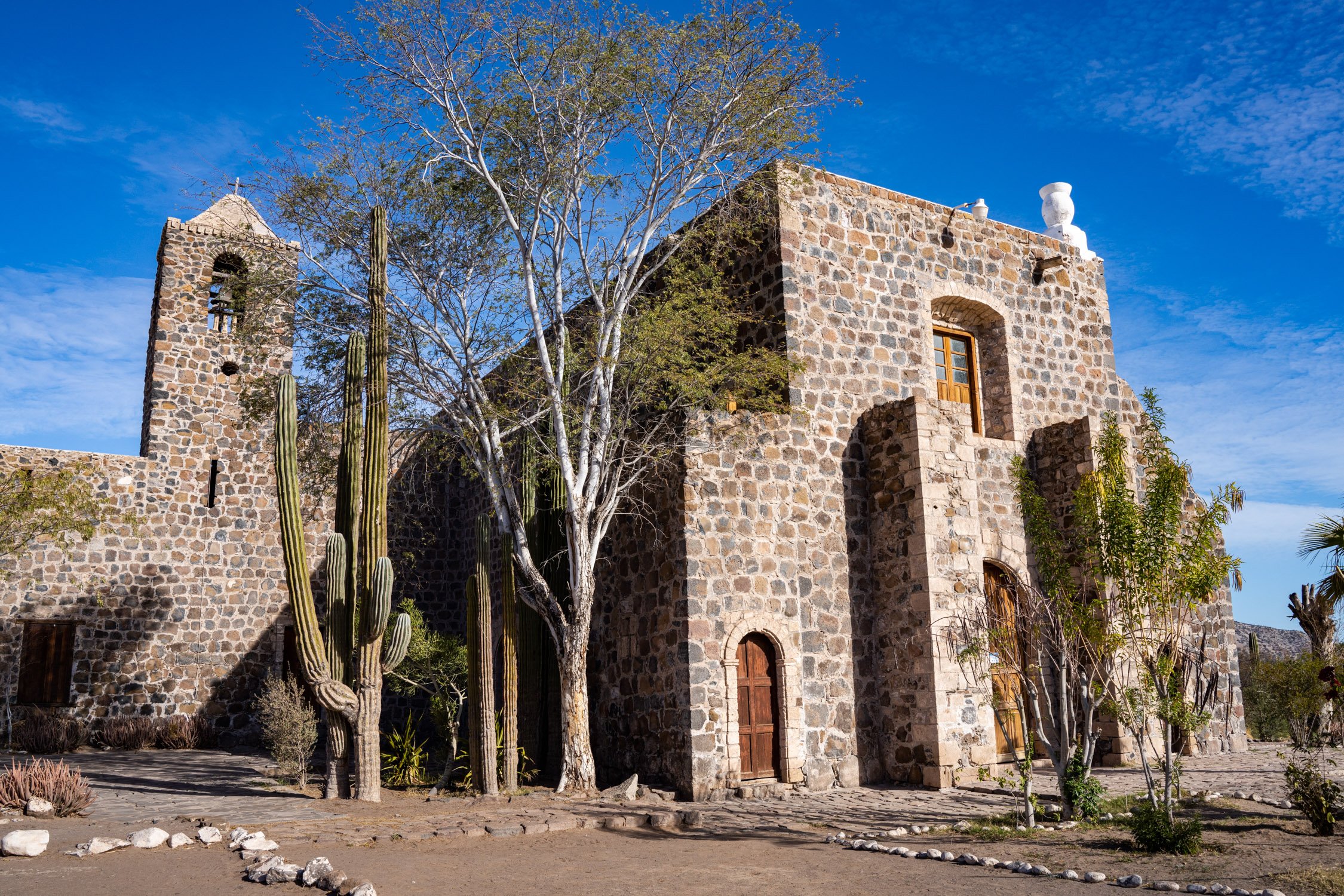
Exploring the mission in Mulege. Photo by Dalton Johnson
PROS:
Stunning Natural Beauty: Baja Sur is blessed with breathtaking landscapes, from pristine beaches to rugged mountains and desert vistas. Nature lovers will appreciate the diversity and beauty of the region.
Rich Cultural Heritage: Explore historical sites, vibrant markets, and colorful festivals that showcase the rich Mexican culture and heritage. The blend of indigenous traditions and Spanish influence adds depth to your travel experience.
Outdoor Activities: Whether you're into water sports like snorkeling, diving, and surfing, or prefer land-based adventures like hiking, biking, and off-roading, Baja Sur offers a plethora of outdoor activities for all ages and interests.
Culinary Delights: Indulge in authentic Mexican cuisine, from street tacos and fresh seafood to traditional dishes like mole and ceviche. Baja Sur is a food lover's paradise with a wide range of dining options to suit every palate.
Affordability: Compared to some touristy destinations, Baja Sur can be more budget-friendly, especially when it comes to accommodations, dining, and activities. You can enjoy a high-quality travel experience without breaking the bank.
Friendly Locals: Experience warm hospitality and friendly interactions with the locals, who are known for their welcoming nature and willingness to share their culture and traditions with visitors.
CONS:
Safety Concerns: While Baja Sur is generally safe for tourists, it's essential to exercise caution, especially in crowded areas and tourist hotspots. Stay informed about local safety guidelines and avoid risky situations.
Language Barrier: While many locals in tourist areas speak English, it's helpful to know basic Spanish phrases to navigate conversations, especially in more remote or less touristy areas.
Limited Infrastructure: In some remote areas, you may encounter limited infrastructure, including internet connectivity, ATMs, and medical facilities. Plan accordingly and carry essential supplies when traveling off the beaten path.
Weather Variability: Baja Sur experiences a desert climate with hot summers and mild winters, but weather patterns can be unpredictable. Be prepared for temperature fluctuations and occasional storms, especially during the rainy season.
Road Conditions: While major highways are well-maintained, some rural roads may be rough and challenging to navigate, especially for inexperienced drivers. Renting a sturdy vehicle suited for off-road travel is advisable for certain destinations.
Tourist Crowds: Popular tourist spots like Cabo San Lucas and La Paz can get crowded during peak seasons, leading to longer wait times, higher prices, and limited availability for accommodations and activities. Plan ahead and book reservations in advance if possible.
1. La Paz
Located on the eastern coast of the Baja California Peninsula, La Paz is a vibrant city with a laid-back atmosphere. It's renowned for its pristine beaches, particularly Playa Balandra and Playa Tecolote, where you can indulge in sunbathing, snorkeling, and kayaking in crystal-clear waters. Don't miss the opportunity to swim with whale sharks in the nearby waters, an unforgettable experience for nature enthusiasts. Stroll along the Malecón, the waterfront promenade, lined with shops, restaurants, and art galleries showcasing local talent.
Top Things To Do:
Snorkeling and Kayaking: Explore the vibrant underwater world of the Sea of Cortez with guided snorkeling and kayaking tours.
Swim with Whale Sharks: Experience the thrill of swimming alongside gentle giants in their natural habitat.
Beach Relaxation: Unwind on the pristine beaches of Playa Balandra and Playa Tecolote, perfect for sunbathing and picnics.
Whale Watching: During the winter months, embark on a whale watching excursion to spot humpback and gray whales migrating through the area.
Island Hopping: Take a boat trip to Espiritu Santo Island and Isla Partida for scenic views, hiking, and wildlife encounters.
2. Cabo San Lucas
Famous for its lively nightlife and picturesque landscapes, Cabo San Lucas is a top destination in Baja Sur. Visit Land's End, where the iconic Arch of Cabo San Lucas stands majestically against the backdrop of the Pacific Ocean. Take a boat tour to explore the surrounding rock formations and encounter sea lions basking in the sun. For adventure seekers, activities like parasailing, jet skiing, and sportfishing are readily available. In the evenings, immerse yourself in the vibrant nightlife of Cabo with beachfront clubs and restaurants offering delicious seafood.
Top Things To Do:
Boat Tour to Land's End: Cruise along the coast to admire the iconic Arch of Cabo San Lucas and rock formations like El Arco and Lover's Beach.
Sportfishing: Enjoy world-class sportfishing for marlin, tuna, and dorado in the deep waters of the Pacific Ocean.
Nightlife: Explore the vibrant nightlife scene with beachfront clubs, live music, and delicious cocktails.
Adventure Activities: Try parasailing, jet skiing, or ATV tours for an adrenaline-packed experience.
Relaxing at Medano Beach: Spend a day at Medano Beach, known for its lively atmosphere, water sports, and beachfront dining options.
3. Todos Santos
Nestled between the Sierra de la Laguna mountains and the Pacific Ocean, Todos Santos is a charming town known for its bohemian vibe and artistic community. Explore the historic streets lined with colorful colonial buildings and art galleries showcasing local and international artists' works. Don't miss the chance to taste traditional Mexican cuisine at quaint cafes and restaurants. Todos Santos is also a haven for surfers, with nearby beaches like Playa Los Cerritos offering excellent waves for surfing and relaxing by the sea.
Top Things To Do:
Art and Culture Tour: Explore art galleries, studios, and workshops showcasing local and international artists' works.
Surfing Lessons: Head to Playa Los Cerritos for surf lessons or catch some waves if you're already experienced.
Historic Walking Tour: Discover the town's history and architecture with a guided walking tour of the historic district.
Culinary Delights: Sample traditional Mexican cuisine at charming cafes and restaurants, including fresh seafood dishes.
Yoga and Wellness Retreats: Join a yoga class or wellness retreat to rejuvenate mind, body, and spirit in the tranquil surroundings.
4. Loreto
For a more tranquil experience, head to Loreto, a coastal town known for its natural beauty and historical significance. Visit the Mission of Our Lady of Loreto, one of the oldest missions in Baja Sur, dating back to the 17th century. Explore the marine life at Loreto Bay National Marine Park, where you can go snorkeling, diving, or kayaking amidst vibrant coral reefs and diverse sea creatures. The town's laid-back ambiance and friendly locals make it a perfect retreat for those seeking relaxation and cultural immersion.
Top Things To Do:
Mission Tour: Visit the Mission of Our Lady of Loreto and learn about the town's colonial history and religious heritage.
Snorkeling and Diving: Explore the underwater wonders of Loreto Bay National Marine Park with guided snorkeling and diving excursions.
Whale Watching Cruises: During the whale migration season, take a boat tour to observe whales and other marine life.
Kayaking and Paddleboarding: Enjoy calm waters for kayaking and paddleboarding along the coast or in secluded coves.
Cultural Events: Check local calendars for festivals, music events, and cultural celebrations showcasing traditional dances and music.


5. San José del Cabo
Adjacent to Cabo San Lucas, San José del Cabo offers a contrast with its colonial architecture, cobblestone streets, and art galleries. Explore the historic district with its colorful buildings and charming plazas, such as Plaza Mijares, where you can shop for local crafts and souvenirs. Visit the Estero San José del Cabo, a protected estuary teeming with birdlife and mangrove forests, perfect for birdwatching and nature walks. Don't miss the Thursday night Art Walk, where galleries open their doors to showcase works by local artists.
Top Things To Do:
Art Walk: Explore art galleries and studios during the Thursday night Art Walk in the historic district.
Estuary Tour: Take a guided tour of Estero San José del Cabo to observe birdlife, mangroves, and native flora and fauna.
Shopping: Browse local markets and shops for handmade crafts, souvenirs, and unique gifts.
Golfing: Play a round of golf at world-class golf courses with stunning ocean views.
Beach Picnics: Pack a picnic and relax on the tranquil beaches of Playa Palmilla and Playa Costa Azul for a day of sun and sea.
6. La Ventana
If you're a water sports enthusiast, La Ventana is the place to be. Situated on the Sea of Cortez, this coastal town is renowned for its ideal wind and water conditions, making it a hotspot for kiteboarding and windsurfing. Join a kiteboarding lesson or rent equipment to experience the thrill of gliding over the waves. The laid-back atmosphere and stunning sunsets add to the charm of La Ventana, making it a favorite among outdoor enthusiasts.
Top Things To Do:
Kiteboarding: Experience world-class kiteboarding conditions with steady winds and flat water ideal for beginners and experienced riders alike.
Windsurfing: Test your skills on the waves with windsurfing lessons or freestyle sessions in the Sea of Cortez.
Beach Yoga: Practice yoga on the beach with panoramic ocean views and gentle sea breezes for a relaxing and rejuvenating experience.
Stand-Up Paddleboarding (SUP): Explore the coastline and calm bays on a stand-up paddleboard, perfect for sightseeing and fitness.
Local Cuisine: Sample fresh seafood, tacos, and traditional Mexican dishes at beachfront eateries and local restaurants in La Ventana.
Additional Activities in Baja Sur:
Cultural Festivals: Attend local festivals and cultural events celebrating music, dance, food, and traditions across Baja Sur's towns and cities.
Hiking and Nature Trails: Discover scenic hiking trails and nature reserves showcasing diverse ecosystems, flora, and fauna.
Baja Wine Tours: Visit vineyards and wineries in Valle de Guadalupe near Ensenada for wine tastings and tours of Mexico's wine country.
Off-Road Adventures: Take off-road excursions or ATV tours to explore rugged desert terrain, sand dunes, and remote landscapes.
Historical Tours: Learn about Baja Sur's history and heritage with guided tours of ancient ruins, missions, and archaeological sites.
Paddleboarding and camping on the beach in Baja Sur. Photo by Dalton Johnson
Baja California Sur offers a diverse range of experiences, from vibrant cities with bustling nightlife to tranquil coastal towns and pristine natural landscapes. Whether you're seeking adventure, relaxation, or cultural immersion, the must-visit destinations in Baja Sur have something to offer every traveler, making it an unforgettable destination for your next getaway.
Discover More Destinations

Hidden Gem Stops When Road Tripping To Alaska
When embarking on a road trip to Alaska, the allure of its majestic landscapes and famous attractions like Denali National Park or the Kenai Fjords often takes center stage. However, the journey itself is filled with hidden gems and lesser-known stops that can enrich your adventure and provide unforgettable experiences. Here are some underrated stops along the Alcan and Cassiar highways that are worth exploring on your Alaska road trip.
When embarking on a road trip to Alaska, the allure of its majestic landscapes and famous attractions like Denali National Park or the Kenai Fjords often takes center stage. However, the journey itself is filled with hidden gems and lesser-known stops that can enrich your adventure and provide unforgettable experiences. Here are some underrated stops along the Alcan and Cassiar highways that are worth exploring on your Alaska road trip.

Taking a walk down by the river while visiting the tiny town of Stewart. Photo by Dalton Johnson
PROS:
Authentic Experiences: Visiting hidden gems and lesser-known attractions allows travelers to experience a more authentic side of Alaska, away from tourist crowds and commercialized areas.
Unique Landscapes: These underrated stops often showcase unique landscapes, from azure lakes to towering glaciers, providing breathtaking views and photo opportunities.
Cultural Insights: Many of these hidden gems offer insights into Alaska's indigenous cultures and heritage, providing a deeper understanding of the region's history and traditions.
Wildlife Encounters: Less-visited areas are often havens for wildlife, offering opportunities for spotting bears, eagles, moose, and other native species in their natural habitats.
Serene Atmosphere: Away from busy tourist routes, these hidden gems provide a quieter and more peaceful atmosphere, ideal for relaxation and reflection.
Adventure Opportunities: Some underrated stops offer unique adventure activities like hot springs soaking, glacier hiking, bear viewing, and kayaking, adding excitement to the journey.
CONS:
Limited Amenities: Some hidden gems may have limited facilities such as accommodations, restaurants, and services, requiring travelers to plan and prepare accordingly.
Remote Locations: Many of these underrated stops are in remote or less-developed areas, which may require longer driving times and careful navigation.
Weather Challenges: Alaska's weather can be unpredictable, especially in remote areas, so travelers should be prepared for changing conditions and potential challenges.
Road Conditions: Some routes to hidden gems may have rough or unpaved sections, requiring vehicles with good clearance and driving skills, particularly in inclement weather.
Less Information Available: Compared to popular tourist destinations, there may be less information available about these hidden gems, requiring travelers to do more research and rely on local knowledge.
Seasonal Limitations: Certain activities or attractions at hidden gems may be seasonal, so travelers should plan their visit accordingly to maximize their experience.
1. Muncho Lake Provincial Park
Nestled in British Columbia along the Alaska Highway, Muncho Lake Provincial Park is a hidden gem renowned for its stunning azure waters, picturesque mountains, and abundant wildlife. Take a break from driving and indulge in activities like fishing for lake trout or hiking along scenic trails that offer panoramic views.
2. Liard River Hot Springs Provincial Park
Located near Muncho Lake, Liard River Hot Springs is a natural oasis where you can soak in warm mineral-rich waters surrounded by lush boreal forest. It's a perfect spot to relax and rejuvenate after hours on the road, and the unique ecosystem around the springs adds to the experience.
3. Kluane National Park and Reserve
As you traverse the Alaska Highway in the Yukon, make a stop at Kluane National Park and Reserve, a UNESCO World Heritage Site. This park boasts towering mountains, vast icefields, and diverse wildlife, offering opportunities for hiking, wildlife viewing, and even flightseeing tours for a bird's-eye view of the majestic landscapes.
4. Stewart-Cassiar Scenic Byway
Venture off the Alaska Highway onto the Stewart-Cassiar Scenic Byway, a lesser-traveled route that rewards with rugged beauty and hidden treasures. Along the way, you'll encounter gems like the Bear Glacier Provincial Park, where you can witness the impressive Bear Glacier and explore its surrounding trails.
5. Salmon Glacier
A detour from the Stewart-Cassiar Byway leads to the breathtaking Salmon Glacier, one of the largest glaciers accessible by road in North America. The panoramic views of the glacier cascading down the mountainside are awe-inspiring and offer a glimpse into the region's glacial history.
6. Hyder, Alaska
For a taste of authentic Alaskan charm, visit the small town of Hyder, known as "The Friendliest Ghost Town in Alaska." Despite its diminutive size, Hyder offers big adventures like bear viewing at Fish Creek during the salmon run season and exploring nearby wilderness areas.
7. Totem Bight State Historical Park
Near Ketchikan, Totem Bight State Historical Park is a cultural gem showcasing intricately carved totem poles that provide insight into Alaska's indigenous heritage. Stroll through the park's forested trails adorned with these artistic marvels and learn about the stories they tell.
8. Wrangell-St. Elias National Park and Preserve
While not exactly a hidden gem, Wrangell-St. Elias is often overshadowed by more popular parks. Yet, it's the largest national park in the United States, offering unparalleled opportunities for wilderness exploration, from glacier hikes to wildlife spotting in a vast and rugged landscape.
9. Haines
Accessible by ferry from Skagway or by road, Haines is a charming town nestled between mountains and the sea. Explore its rich cultural heritage at the Sheldon Museum and Cultural Center, or venture into the Chilkat Bald Eagle Preserve for birdwatching and scenic river views.
10. Kenai Peninsula
While the Kenai Peninsula is a well-known destination, its lesser-explored corners hide gems like the Russian River Falls, where you can witness salmon leaping upstream, or the coastal town of Seward, offering opportunities for kayaking among glaciers and wildlife cruises.
A stunning lake and camping spot near Portage Lake along the Kenai Peninsula in Alaska. Photo by Dalton Johnson
These hidden gems and underrated stops along the Alcan and Cassiar highways add depth and diversity to your road trip to Alaska, allowing you to uncover the lesser-known but equally captivating facets of this awe-inspiring region.
Discover More Destinations

Stops And Detours Worth Your While When Road Tripping To Alaska
Setting out on a road trip to Alaska is a dream come true for countless adventurers, offering boundless wilderness, rugged peaks, and awe-inspiring vistas. As you chart your course along the iconic Alcan Highway or the scenic Cassiar Highway, explore these handpicked scenic routes and detours that guarantee unforgettable moments and hidden marvels throughout your expedition.
Setting out on a road trip to Alaska is a dream come true for countless adventurers, offering boundless wilderness, rugged peaks, and awe-inspiring vistas. As you chart your course along the iconic Alcan Highway or the scenic Cassiar Highway, explore these handpicked scenic routes and detours that guarantee unforgettable moments and hidden marvels throughout your expedition.
Boya lake along the Cassiar Highway. Photo by Dalton Johnson
The Alcan Highway (Alaska Highway)
1. Muncho Lake State Park
Located in British Columbia, Muncho Lake State Park is renowned for its stunning azure waters surrounded by towering mountains. Take a detour here for scenic picnics, hiking trails, and opportunities for wildlife sightings, including bears and moose.
What to see and do:
See: Azure waters of Muncho Lake, surrounded by majestic mountains.
Do: Picnic by the lake, hike the nearby trails for stunning views, and watch for wildlife like bears and moose.
2. Liard River Hot Springs Provincial Park
Indulge in a relaxing break at Liard River Hot Springs, a natural oasis featuring warm pools amidst lush forest. After hours of driving, this detour offers rejuvenation and a chance to soak in the tranquil ambiance of the northern wilderness.
What to see and do:
See: Natural hot springs nestled in a forested setting.
Do: Soak in the warm pools, relax amidst nature, and take short walks in the surrounding trails to spot local flora and fauna.
3. Kluane National Park and Reserve
Crossing into the Yukon Territory, Kluane National Park boasts towering peaks, vast glaciers, and diverse wildlife. Opt for a detour to experience breathtaking views, hiking adventures, and the chance to witness the majestic beauty of Canada's highest peak, Mount Logan.
What to see and do:
See: Glaciers, towering peaks including Mount Logan, and diverse wildlife.
Do: Take scenic drives for panoramic views, go hiking to explore the park's beauty, and join guided tours to learn about the park's ecosystem.
4. Whitehorse, Yukon
As the capital of Yukon, Whitehorse offers a blend of cultural attractions and outdoor adventures. Explore museums, art galleries, and historic sites, or embark on outdoor activities such as fishing, kayaking, and wildlife tours.
What to see and do:
See: Cultural attractions like museums and art galleries, historical sites.
Do: Explore downtown Whitehorse, visit museums to learn about Yukon's history, enjoy outdoor activities like kayaking on the Yukon River, and take wildlife tours.
The Cassiar Highway
1. Stewart and Hyder
Venture off the beaten path to the twin towns of Stewart, British Columbia, and Hyder, Alaska. Discover stunning fjords, glaciers, and wildlife, including the famous Salmon Glacier and the opportunity to view bears catching salmon at Fish Creek.
What to see and do:
See: Fjords, glaciers including Salmon Glacier, and wildlife like bears at Fish Creek.
Do: Take scenic drives for glacier views, watch bears fishing at Fish Creek, explore nearby hiking trails, and visit the Salmon Glacier viewpoint.
2. Meziadin Lake Provincial Park
Pause at Meziadin Lake Provincial Park for panoramic views of the surrounding mountains mirrored in the tranquil waters of the lake. This detour offers camping, fishing, and hiking amidst pristine wilderness.
What to see and do:
See: Meziadin Lake reflecting surrounding mountains.
Do: Camp by the lake, fish for trout, hike nearby trails for scenic views, and enjoy birdwatching.
3. Kitwanga and Gitwangak Battle Hill
Immerse yourself in Indigenous culture by visiting Kitwanga and the nearby Gitwangak Battle Hill Historic Site. Learn about the rich heritage of the Gitxsan people, explore totem poles, and admire traditional artistry.
What to see and do:
See: Totem poles, Indigenous cultural sites, and traditional art.
Do: Visit Kitwanga to explore totem poles and the Gitwangak Battle Hill Historic Site, learn about Gitxsan culture, and appreciate traditional artistry.
4. Terrace and Skeena River
End your journey with a stop in Terrace, British Columbia, overlooking the majestic Skeena River. Experience the beauty of lush forests, cascading waterfalls, and opportunities for fishing, hiking, and wildlife viewing.
What to see and do:
See: Skeena River, lush forests, and waterfalls.
Do: Visit the Heritage Park Museum, hike nearby trails like Terrace Mountain, fish for salmon in the Skeena River, and enjoy scenic drives along the river.
Tips for a Memorable Road Trip to Alaska
Prepare for Remote Travel: Stock up on essentials, including food, water, fuel, and emergency supplies, as services can be limited in remote areas.
Check Road Conditions: Stay informed about road closures, construction zones, and weather advisories to plan your route effectively.
Embrace Wildlife Encounters: Respect wildlife and follow guidelines for safe viewing, especially when encountering bears, moose, and other animals.
Capture Memories: Bring a camera or smartphone to capture the awe-inspiring landscapes, wildlife sightings, and memorable moments of your Alaskan adventure.

Wildlife along the Cassiar Highway is abundant, so keep an eye out at all times. Photo by Dalton Johnson
By incorporating these recommended scenic drives and detours into your road trip itinerary, you'll uncover the diverse beauty and hidden treasures that make a journey to Alaska truly unforgettable. Prepare for an adventure filled with breathtaking views, cultural discoveries, and the freedom of the open road.
Discover More Destinations

How To Prepare Your Vehicle For A Road Trip To Alaska
Preparing your vehicle for a road trip to Alaska requires careful planning and attention to detail. Alaska's rugged terrain, varying weather conditions, and remote areas make vehicle preparation essential for a safe and enjoyable journey. Here's a comprehensive guide on how to prepare your vehicle for an Alaska road trip.
Preparing your vehicle for a road trip to Alaska requires careful planning and attention to detail. Alaska's rugged terrain, varying weather conditions, and remote areas make vehicle preparation essential for a safe and enjoyable journey. Here's a comprehensive guide on how to prepare your vehicle for an Alaska road trip.
Headed back to the van after a hike through sand dunes while driving the Cassiar Highway to Alaska. Photo by Dalton Johnson
1. Mechanical Check-Up
Ensuring your vehicle is mechanically sound is crucial for a road trip to Alaska. The rugged terrain and long distances can put a strain on your vehicle, so checking the engine, brakes, tires, and other essential components helps prevent breakdowns and ensures a smooth journey.
Engine: Check oil levels, filters, belts, and hoses. Consider an engine tune-up if needed.
Battery: Inspect for corrosion and ensure a full charge. Consider carrying jumper cables.
Cooling System: Check coolant levels and radiator condition. Consider flushing and refilling if necessary.
Brakes and Tires: Inspect brake pads, rotors, and tire tread. Replace worn-out parts and ensure proper tire pressure, including the spare.
2. Fluids and Lubrication
Proper fluid levels and lubrication are vital for your vehicle's performance, especially in extreme weather conditions. Adequate oil, transmission fluid, brake fluid, and coolant levels keep your engine running smoothly and prevent overheating or mechanical failures.
Oil: Use the appropriate oil grade for your vehicle and change it if nearing the recommended mileage.
Transmission Fluid: Check levels and condition. Replace if needed.
Brake Fluid, Power Steering Fluid, and Coolant: Ensure proper levels and top-up if necessary.
3. Electrical System
Functional lights, wipers, and heating systems are essential for visibility and comfort during your trip. Alaska's weather can be unpredictable, so having reliable electrical components ensures you can navigate safely and stay comfortable in varying conditions.
Lights: Inspect all exterior lights, including headlights, brake lights, turn signals, and fog lights. Replace any burnt-out bulbs.
Wipers: Check wiper blades for wear and tear. Replace if they streak or leave residue.
Heater and Defroster: Test these systems to ensure they work effectively, especially in cold weather.
4. Safety Equipment
Carrying a first aid kit, emergency supplies, and a tire repair kit is crucial for handling unforeseen situations. Whether it's a minor injury, a flat tire, or a roadside emergency, having the right tools and supplies can make a significant difference in your safety and well-being.
First Aid Kit: Stock a comprehensive kit with bandages, antiseptic wipes, pain relievers, and emergency supplies.
Emergency Kit: Include a flashlight, batteries, reflective triangles, a fire extinguisher, and a multipurpose tool.
Tire Repair Kit: Carry a tire repair kit with a jack, lug wrench, tire gauge, and spare tire.
5. Navigation and Communication
Reliable navigation tools like GPS systems and maps are essential for staying on course, especially in remote areas with limited signage. Additionally, communication devices such as cell phones or satellite phones keep you connected and able to call for help if needed.
GPS and Maps: Use a reliable GPS system and carry paper maps as backups. Be aware that GPS signals can be unreliable in remote areas.
Cellular Coverage: Check your service provider's coverage map for Alaska. Consider a satellite phone or a CB radio for communication in remote areas.
6. Vehicle Modifications
Upgrading your vehicle with modifications like improved suspension, skid plates, and off-road tires enhances its capabilities for tackling rough terrain. These modifications provide better handling, protection, and traction, making your journey safer and more enjoyable.
Suspension: Consider upgrading your vehicle's suspension for better handling on rough terrain.
Skid Plates: Install skid plates to protect the underside of your vehicle from rocks and debris.
Tires: Use all-terrain or mud-terrain tires for better traction on gravel roads and muddy terrain.
7. Fuel and Supplies
Carrying sufficient fuel, food, water, and emergency shelter ensures you're prepared for long stretches between services and unexpected delays. In Alaska's remote regions, having enough supplies can be a lifesaver in case of emergencies or unforeseen circumstances.
Fuel Capacity: Ensure your vehicle has sufficient fuel range for long stretches between gas stations. Carry extra fuel if necessary.
Food and Water: Stock non-perishable food items and plenty of water, especially for remote areas without services.
Emergency Shelter: Carry a tent or emergency shelter in case you need to stay overnight unexpectedly.
8. Documentation and Permits
Keeping your vehicle registration, insurance, permits, and other documents up to date is essential for legal compliance and smooth travel. It also ensures you have access to necessary services and facilities along your route.
Vehicle Registration and Insurance: Ensure your vehicle registration and insurance are up to date.
Permits: Check if you need permits for certain areas or activities along your route, such as national parks or wildlife reserves.
9. Driving Tips
Following speed limits, wildlife awareness protocols, and weather monitoring guidelines are crucial for safe driving in Alaska. Adhering to these tips reduces the risk of accidents, wildlife encounters, and weather-related incidents during your trip.
Speed Limits: Observe speed limits, especially in construction zones and wildlife areas.
Wildlife Awareness: Be cautious of wildlife crossings, especially moose and bears, and follow guidelines for safe wildlife encounters.
Weather Conditions: Monitor weather forecasts and road conditions. Be prepared for sudden changes in weather, especially in mountainous areas.
10. Emergency Plan
Having a well-defined emergency plan with contact information, protocols, and emergency services details is critical for handling unexpected situations. Being prepared and knowing what to do in emergencies can save time, mitigate risks, and ensure your safety on the road.
Contact Information: Keep a list of emergency contacts, including roadside assistance services and local authorities.
Emergency Protocols: Familiarize yourself with emergency protocols for breakdowns, accidents, and wildlife encounters.

Reaching Alaska while road tripping with my Dad. Photo by Dalton Johnson
By following these steps and adequately preparing your vehicle, you can enjoy a safe and memorable road trip to Alaska. Remember to stay flexible and adapt to changing conditions, and always prioritize safety on your journey.
Discover More Destinations

Common Challenges You'll Face When Driving To Alaska
Road tripping to Alaska is a dream adventure for many, offering breathtaking landscapes, wildlife encounters, and the thrill of driving through rugged terrain. However, along with its allure, there are unique challenges that road trippers should be aware of to ensure a safe and enjoyable journey. Let's delve into these challenges and how to overcome them to successfully drive to Alaska.
Road tripping to Alaska is a dream adventure for many, offering breathtaking landscapes, wildlife encounters, and the thrill of driving through rugged terrain. However, along with its allure, there are unique challenges that road trippers should be aware of to ensure a safe and enjoyable journey. Let's delve into these challenges and how to overcome them to successfully drive to Alaska.
A lakeside roadway along the Kenai Peninsula while driving to Alaska. Photo by Dalton Johnson
1. Distance and Remote Areas
One of the first challenges of a road trip to Alaska is the sheer distance and remoteness of the region. The highways leading to Alaska, such as the Alaska Highway (Alcan) and the Cassiar Highway, can span thousands of miles with limited services along the way. This remoteness means you'll need to plan your route carefully, ensuring you have enough fuel, food, and supplies for long stretches without gas stations or amenities.
2. Adverse Weather Conditions
Alaska is known for its unpredictable and sometimes harsh weather conditions. Road trippers may encounter snow, ice, heavy rain, and strong winds, especially during the winter and shoulder seasons. It's crucial to check weather forecasts regularly, carry appropriate clothing and gear for cold weather, and be prepared for sudden changes in road conditions.
3. Wildlife Encounters
Alaska is home to a diverse array of wildlife, including bears, moose, caribou, and wolves. While encountering these animals can be a highlight of your trip, it also poses potential risks. It's essential to practice wildlife safety protocols, such as storing food securely, keeping a safe distance from wildlife, and knowing how to react if you encounter a bear or moose on the road.
4. Limited Services and Gas Stations
In remote areas of Alaska, gas stations and services may be scarce, especially along less-traveled routes. It's essential to plan your refueling stops carefully, keeping in mind the distance between gas stations and filling up whenever you have the opportunity. Carrying extra fuel can also be a wise precaution, especially if you're venturing into more isolated areas.
5. Road Conditions and Construction
Alaskan roads can vary significantly in quality, from well-maintained highways to gravel or dirt roads in rural areas. Construction and maintenance work are common during the summer months, leading to potential delays and detours. Staying updated on road conditions, following traffic advisories, and driving cautiously, especially in construction zones, can help mitigate these challenges.
Tips for a Successful Road Trip to Alaska
Plan Your Route: Research and plan your route in advance, considering the distance, road conditions, and available services along the way.
Check Weather Forecasts: Stay informed about weather conditions along your route and be prepared for changes in weather.
Pack Essential Supplies: Carry emergency supplies, including food, water, blankets, a first-aid kit, and a toolkit for basic vehicle repairs.
Practice Wildlife Safety: Learn how to safely coexist with wildlife, secure your food and garbage, and know how to respond to wildlife encounters.
Fuel Up Regularly: Keep your vehicle fueled up whenever possible, and consider carrying extra fuel for long stretches without gas stations.
Stay Alert and Flexible: Remain vigilant while driving, especially in remote areas, and be prepared to adapt to changing road conditions or unforeseen challenges.
Common Mistakes to Avoid
Underestimating Distance: Failing to account for long stretches between services and gas stations can lead to fuel shortages and inconvenience.
Ignoring Wildlife Safety: Approaching or feeding wildlife, leaving food unsecured, or not knowing how to react to wildlife encounters can be dangerous.
Neglecting Vehicle Maintenance: Ensure your vehicle is in good condition before the trip, including checking tires, brakes, fluids, and carrying spare parts.
Relying Solely on GPS: GPS signals may be unreliable in remote areas, so carry maps, guidebooks, and offline navigation apps as backups.

Always have your eyes peeled for wildlife, these bears popped out of the bushes as we drive along a backroad to see a glacier. Photo by Dalton Johnson
Road tripping to Alaska offers incredible adventures but requires careful planning, preparation, and awareness of the unique challenges you may encounter. By following these tips and avoiding common mistakes, you can have a memorable and successful journey through Alaska's majestic landscapes.
Discover More Destinations

How Long Does It Take To Drive To Alaska
If you've ever dreamed of embarking on an epic road trip to Alaska from the contiguous United States, you're not alone. The allure of rugged landscapes, wildlife encounters, and the sheer thrill of driving through some of North America's most breathtaking scenery is irresistible to many adventurers. However, before you hit the road, it's crucial to understand just how long this journey might take and what factors can influence your travel time.
If you've ever dreamed of embarking on an epic road trip to Alaska from the contiguous United States, you're not alone. The allure of rugged landscapes, wildlife encounters, and the sheer thrill of driving through some of North America's most breathtaking scenery is irresistible to many adventurers. However, before you hit the road, it's crucial to understand just how long this journey might take and what factors can influence your travel time.
Driving along the Matanuska river headed for Anchorage. Photo by Dalton Johnson
PROS:
Scenic Beauty: The drive offers breathtaking views of mountains, forests, lakes, and wildlife, providing an immersive experience of North America's natural beauty.
Flexibility: Driving allows you to set your own pace, make spontaneous stops, and explore off-the-beaten-path destinations that may not be accessible by air or train.
Cost Savings: Depending on your vehicle and travel style, driving can be more cost-effective than flying, especially if you're traveling with a group or carrying camping gear.
Adventure: The journey itself is an adventure, filled with opportunities for hiking, wildlife spotting, camping, and discovering hidden gems along the way.
Cultural Experience: Driving through different regions and communities offers insights into local cultures, traditions, and cuisines, enhancing your overall travel experience.
CONS:
Long Travel Time: The distance and sometimes challenging road conditions can make the journey time-consuming, especially if you prefer a leisurely pace or encounter delays.
Weather Challenges: Northern climates can bring unpredictable weather, including snowstorms, icy roads, and fog, which may require flexibility in your travel plans.
Remote Areas: Some stretches of the route are remote with limited services, requiring careful planning for fuel, supplies, accommodations, and emergency situations.
Border Crossings: International border crossings involve customs checks, which can add time to your journey, especially during peak travel seasons.
Vehicle Wear and Tear: Long-distance driving can put strain on your vehicle, requiring regular maintenance, fuel stops, and potential repairs along the way.
Fatigue: Extended periods of driving can lead to driver fatigue, affecting safety and enjoyment, necessitating breaks and adequate rest during the journey.
Distance and Route
First, let's talk about the distance. Driving to Alaska from the contiguous United States involves traversing a vast expanse of terrain. The most common route takes you through Canada, starting from cities like Seattle, Washington, or Anchorage, Alaska. The approximate distance from Seattle to Anchorage via the Alaska Highway is around 2,200 miles (3,540 kilometers).
Average Travel Time
On average, driving from the contiguous United States to Alaska can take anywhere from 5 to 10 days, depending on your pace, stops along the way, and weather conditions. This estimate includes driving for 8 to 12 hours per day, allowing for breaks, sightseeing, and rest stops.
Fastest Possible Time
If you're wondering about the fastest you can drive to Alaska, some dedicated travelers have completed the journey in as little as 3 to 4 days. However, this requires long hours on the road without many breaks and favorable driving conditions. It's important to note that this fast-paced approach may not allow for much exploration or enjoyment of the journey itself.
Factors Affecting Travel Time
Several factors can influence how long it takes to drive to Alaska:
Road Conditions: The condition of roads, especially in remote areas and mountain passes, can impact your travel speed. Construction zones, gravel stretches, and weather-related hazards like snow and ice can slow you down.
Border Crossings: Crossing international borders at the US-Canada border and again into Alaska involves customs and immigration checks, which can add time to your journey, especially during peak travel seasons.
Driving Speed: Your driving speed and style play a significant role. Faster driving means covering more miles each day, but it also increases fatigue and reduces time for breaks.
Route Choices: Depending on your starting point and preferences, you may choose different routes, each with its own scenic highlights and challenges. Popular routes include the Alaska Highway (Alcan Highway), Cassiar Highway, and the Pacific Coast Highway.
Weather Conditions: Weather can be unpredictable, especially in northern regions. Snowstorms, rain, and fog can slow down travel and may require adjustments to your itinerary.
Recommended Duration
While it's technically possible to complete the drive in a few days, a more relaxed and enjoyable pace is recommended. Plan for at least 7 to 10 days to truly savor the experience, allowing time for sightseeing, wildlife viewing, and exploring charming towns along the way. This timeframe strikes a balance between covering distance and making the journey memorable.
Tips for Driving to Alaska
Here are some tips to make your drive to Alaska smoother and more enjoyable:
Plan Your Route: Research and plan your route in advance, considering attractions, fuel stops, accommodations, and dining options along the way.
Check Border Requirements: Ensure you have the necessary documents for crossing international borders, including passports, vehicle registration, insurance, and any required permits.
Pack Essentials: Pack essentials such as a roadside emergency kit, spare tire, tools, extra fuel, food, water, and clothing suitable for varying weather conditions.
Monitor Weather Updates: Stay informed about weather conditions along your route and be prepared for changes in climate, especially in mountainous areas.
Take Breaks: Avoid fatigue by taking regular breaks, stretching your legs, and getting enough rest each night.
Respect Wildlife: When encountering wildlife, maintain a safe distance and follow guidelines to protect both animals and yourself.
Enjoy the Journey: Remember that the journey itself is an adventure. Take time to appreciate the landscapes, meet locals, and capture memorable moments.
One of the many lakes roadside while road tripping to Alaska. Photo by Dalton Johnson
Driving to Alaska from the contiguous United States is a bucket-list experience for many travelers. While the exact duration of the journey varies depending on several factors, allowing at least 7 to 10 days is recommended for a more relaxed and rewarding trip. Whether you opt for a speedy transit or a leisurely exploration, the allure of Alaska's wilderness and scenic beauty awaits you on this epic road trip.
Discover More Destinations

Best Time Of Year To Road Trip To Alaska
When it comes to embarking on a road trip to Alaska, the best time of year can significantly impact your experience. Alaska is a vast land of stunning landscapes, rugged wilderness, and unique wildlife, making it an enticing destination for road trippers seeking adventure and natural beauty. Let's explore the best time of year to hit the road and discover the wonders of Alaska.
When it comes to embarking on a road trip to Alaska, the best time of year can significantly impact your experience. Alaska is a vast land of stunning landscapes, rugged wilderness, and unique wildlife, making it an enticing destination for road trippers seeking adventure and natural beauty. Let's explore the best time of year to hit the road and discover the wonders of Alaska.

The long road stetches towards Anchorage, AK and seemingly into the mountains. Photo by Dalton Johnson
Summer Splendor: June to August
June: As summer begins, Alaska bursts into life with vibrant greenery, blooming wildflowers, and abundant wildlife. The days are long, with almost 24 hours of daylight in some parts, offering ample time for exploration. June is ideal for witnessing the midnight sun phenomenon, where the sun remains visible throughout the night near the Arctic Circle.
July: Midsummer brings warmer temperatures, making outdoor activities such as hiking, fishing, and wildlife viewing even more enjoyable. The coastal areas are bustling with marine life, including whales and sea lions, while the interior beckons with its pristine lakes and towering mountains.
August: Towards the end of summer, Alaska's landscapes are at their peak beauty. The fall colors begin to appear in certain regions, adding a touch of gold and crimson to the scenery. It's a great time for berry picking and spotting bears as they forage before winter sets in.
Key Takeaways:
Long daylight hours for extended exploration and photography.
Vibrant green landscapes and blooming wildflowers.
Abundant wildlife sightings, including bears, whales, and sea lions.
Mild weather conducive to outdoor activities like hiking and fishing.
Crowded tourist spots and higher prices for accommodations and tours.
Fall Foliage and Wildlife: September to October
September: Fall paints Alaska in a tapestry of red, orange, and yellow hues as the foliage transforms. The air becomes crisp, and the crowds thin out, offering a more serene experience. Wildlife enthusiasts can witness the iconic salmon runs and observe bears feasting along riverbanks.
October: While October marks the onset of winter in Alaska, it's still a favorable time for road tripping, especially in the southern regions where the weather remains relatively mild. The landscape takes on a different charm, with snow-capped mountains contrasting with the autumnal colors below.
Key Takeaways:
Stunning fall foliage with red, orange, and yellow colors.
Wildlife viewing opportunities during salmon runs.
Cooler temperatures and fewer crowds compared to summer.
Ideal for berry picking and observing bears before hibernation.
Variable weather with potential snowfall in higher elevations.
Winter Wonderlands: November to February
November: Winter arrives, blanketing Alaska in snow and creating a magical winter wonderland. While road conditions can be challenging in some areas, particularly in the interior and northern regions, winter road trippers can enjoy activities like snowmobiling, ice fishing, and aurora hunting.
December to February: For those seeking a true Alaskan winter experience, these months offer the chance to witness the mesmerizing Northern Lights (Aurora Borealis). Southern coastal areas like Anchorage and Juneau tend to have milder winter weather, making them accessible for winter road trips.
Key Takeaways:
Magical winter landscapes with snow-covered mountains and frozen lakes.
Opportunity to witness the Northern Lights (Aurora Borealis).
Winter sports activities like snowmobiling, ice fishing, and dog sledding.
Fewer tourists and quieter roads in many areas.
Challenging road conditions and limited daylight hours.
Spring Awakening: March to May
March: As the days grow longer, Alaska begins to emerge from winter's grip. March is a transitional month, with melting snow revealing the first signs of spring. It's a quiet time on the roads, perfect for those who prefer a more peaceful journey.
April to May: Spring brings a sense of renewal to Alaska, with nature coming back to life. Wildlife becomes more active, and birdwatching opportunities abound. While some mountain passes may still have lingering snow, the overall road conditions improve, making it a great time for a scenic drive.
Key Takeaways:
Nature awakening with blooming flowers and active wildlife.
Longer daylight hours and improving road conditions.
Lower tourist numbers and quieter travel experiences.
Potential for early spring skiing and snow activities in some areas.
Variable weather with lingering snow in some regions.
Choosing Your Route and Vehicle
The best route for your Alaska road trip depends on your starting point and interests. The iconic Alaska Highway offers a historic and scenic route from the lower 48 states, while the Coastal Alaska Highway provides coastal views and access to charming towns like Homer and Seward.
For accommodations, options range from campsites and RV parks to cozy lodges and hotels. Van life enthusiasts will find plenty of opportunities for boondocking and immersing themselves in Alaska's untamed wilderness.
The cold spring months can still be frozen while road tripping to Alaska. Photo by Dalton Johnson
Ultimately, the best time of year to road trip to Alaska depends on your preferences and what experiences you seek. Summer offers long daylight hours and vibrant landscapes, while fall showcases colorful foliage and wildlife activity. Winter appeals to aurora hunters and winter sports enthusiasts, while spring heralds the awakening of nature.
No matter when you choose to embark on your Alaska road trip, be prepared for awe-inspiring scenery, wildlife encounters, and unforgettable adventures along the way. Alaska's beauty knows no bounds, making it a road trip destination like no other.
Discover More Destinations
How to Handle Challenges During a Road Trip
Embarking on a road trip is an exhilarating adventure filled with scenic vistas, new experiences, and a sense of freedom. However, the open road can also present unexpected challenges that test your adaptability and problem-solving skills. From vehicle breakdowns to inclement weather and unforeseen detours, handling these hurdles gracefully can turn a potential disaster into a memorable part of your journey. Here's a guide on how to navigate unexpected challenges during a road trip.
Embarking on a road trip is an exhilarating adventure filled with scenic vistas, new experiences, and a sense of freedom. However, the open road can also present unexpected challenges that test your adaptability and problem-solving skills. From vehicle breakdowns to inclement weather and unforeseen detours, handling these hurdles gracefully can turn a potential disaster into a memorable part of your journey. Here's a guide on how to navigate unexpected challenges during a road trip.
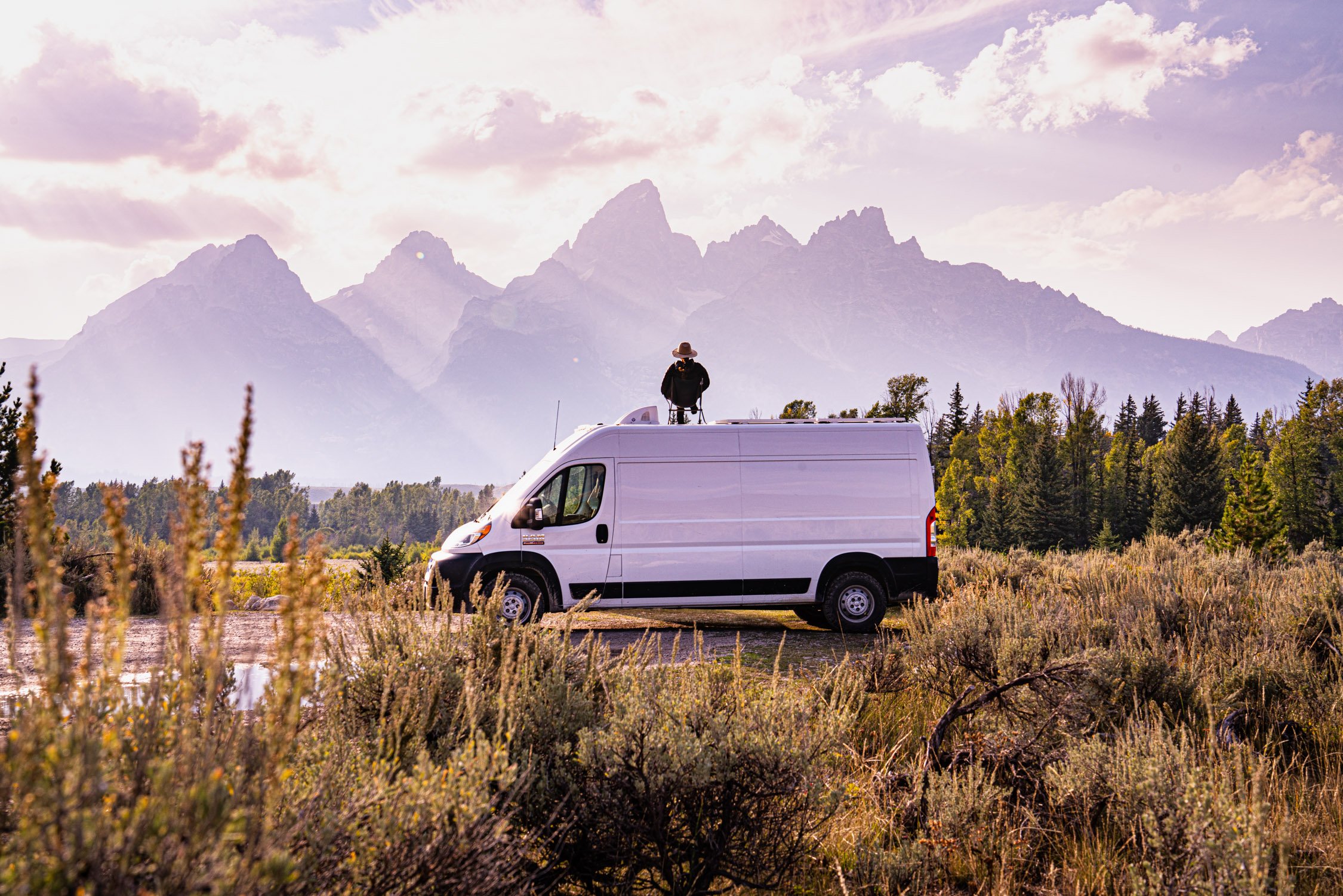
When everything goes right, sit back and enjoy the view. Photo by Dalton Johnson
10 Tips For Handeling Road Trip Challenges
Tip 1 Preparation is Key
The first step in dealing with unexpected challenges is to prepare as much as possible beforehand. Ensure your vehicle is in top condition by scheduling a maintenance check before hitting the road. Pack essential supplies such as a spare tire, jack, jumper cables, flashlight, first-aid kit, and extra water and snacks. Familiarize yourself with basic car maintenance tasks like changing a tire or checking fluid levels.
Tip 2 Stay Calm and Assess the Situation
When faced with a challenge, such as a sudden breakdown or road closure, stay calm and pull over to a safe location. Turn on your hazard lights to alert other drivers. Assess the situation calmly and determine the severity of the issue. If it's a minor problem like a flat tire, you can likely handle it yourself. For more significant issues, contact roadside assistance or a local mechanic for help.
Tip 3 Have a Contingency Plan
It's wise to have a contingency plan in place for various scenarios. Research alternative routes in case of road closures or heavy traffic. Keep a list of nearby repair shops or service stations along your route. If traveling with others, discuss what to do in case of emergencies and designate responsibilities to each person.
Tip 4 Utilize Technology
Modern technology can be a lifesaver during a road trip. Use GPS navigation apps like Google Maps or Waze to navigate around traffic and find detours. Stay updated on weather forecasts to anticipate any adverse conditions. Keep your phone charged and carry a portable charger or power bank for backup.
Tip 5 Stay Flexible with Itinerary
One of the beauties of a road trip is the flexibility it offers. Embrace unexpected detours or delays as part of the adventure. Be willing to adjust your itinerary and explore new places along the way. Sometimes, the unplanned stops turn out to be the most memorable experiences of the trip.
Tip 6 Communicate Effectively
Clear communication is crucial, especially if traveling with companions. Keep everyone informed about the situation and any changes to the plan. Discuss alternative options together and make decisions collaboratively. Maintaining open lines of communication reduces stress and fosters teamwork in overcoming challenges.
Tip 7 Safety First
Prioritize safety above all else. If weather conditions become hazardous, such as heavy rain, snowstorms, or fog, consider pulling over and waiting it out. Don't risk driving in unsafe conditions. Always wear seat belts, follow traffic laws, and adhere to speed limits.
tip 8 Stay Positive and Adapt
A positive attitude can make a significant difference when facing challenges. Instead of dwelling on setbacks, focus on finding solutions and making the best of the situation. Embrace the adventure of problem-solving and view challenges as opportunities to learn and grow.
tip 9 Seek Local Assistance
If you encounter a challenge in an unfamiliar area, don't hesitate to seek help from locals. They often have valuable insights and recommendations for navigating local roads or finding reliable services. Approach locals politely and respectfully, and they'll likely be happy to assist you.
Tip 10 Learn from the Experience
Every challenge during a road trip is a learning opportunity. Take note of what worked well in handling the situation and what could be improved. Reflect on the experience afterward to glean insights that can benefit future road trips.
10 Common Road Trip Challenges With Solutions:
Vehicle Breakdowns
Solution: Before your trip, get a thorough vehicle check-up. Pack essentials like a spare tire, jack, jumper cables, and basic tools. Have roadside assistance contacts handy and know how to perform basic car maintenance tasks.
Heavy Traffic or Road Closures
Solution: Use GPS navigation apps to monitor traffic and find alternative routes. Stay updated on road conditions and have a contingency plan in case of unexpected closures. Plan your trip during off-peak hours if possible.
Weather Challenges (Rain, Snow, Heat)
Solution: Check weather forecasts before and during your trip. Be prepared with appropriate clothing, gear, and driving techniques for different weather conditions. Consider delaying travel if weather becomes hazardous.
Fatigue and Drowsiness
Solution: Take regular breaks every 2-3 hours or as needed. Share driving responsibilities if traveling with others. Get enough rest before the trip and avoid driving during late hours when fatigue is more likely.
Lack of Fuel or Gas Stations
Solution: Plan your route with fuel stops in mind, especially in remote areas. Keep an eye on fuel levels and refuel before reaching low levels. Carry extra fuel containers if traveling through sparsely populated regions.
Navigational Challenges
Solution: Use GPS navigation apps with real-time updates. Keep physical maps as backups. Familiarize yourself with route details before starting and stay alert for road signs and directions.
Mechanical Issues
Solution: Regularly check fluid levels, brakes, lights, and other vital components. Have a toolkit and know how to handle common mechanical issues like battery problems, overheating, or minor engine malfunctions.
Accommodation Availability
Solution: Book accommodations in advance, especially during peak travel seasons. Keep a list of nearby hotels or campgrounds as alternatives in case your planned accommodation is full.
Health Emergencies
Solution: Carry a first-aid kit with essential medications and medical supplies. Know emergency contact numbers for medical assistance. Stay hydrated, eat nutritious meals, and get enough rest to maintain good health during the trip.
Budgeting and Expenses
Solution: Plan your budget for fuel, food, accommodations, activities, and unexpected expenses. Keep track of spending and look for discounts or deals on accommodations and attractions. Be prepared with backup funds for emergencies.
The long and open roads can leave you stranded quickly, so always be prepared. Photo by Dalton Johnson
Unexpected challenges are an inevitable part of any road trip adventure. By preparing adequately, staying calm, maintaining flexibility, and prioritizing safety, you can navigate through challenges with confidence and turn them into memorable stories to share. Embrace the journey, embrace the unexpected.
Discover more Adventures




How to Plan a Road Trip In Any Season
Embarking on a road trip can be an exhilarating experience, offering the freedom to explore new destinations at your own pace. Each season brings its unique charm and challenges, making it essential to plan your road trip accordingly. Whether you're hitting the open road during the balmy days of summer, the crisp months of fall, the snowy landscapes of winter, or the blossoming scenes of spring, strategic planning ensures a smooth and enjoyable journey. Let's delve into how to plan a road trip for every season, from packing essentials to route considerations.
Embarking on a road trip can be an exhilarating experience, offering the freedom to explore new destinations at your own pace. Each season brings its unique charm and challenges, making it essential to plan your road trip accordingly. Whether you're hitting the open road during the balmy days of summer, the crisp months of fall, the snowy landscapes of winter, or the blossoming scenes of spring, strategic planning ensures a smooth and enjoyable journey. Let's delve into how to plan a road trip for every season, from packing essentials to route considerations.

Celebrating the start of a winter road trip to the American Southwest. Photo by Dalton Johnson
Summer Road Trips: Embracing the Sun
Summer is synonymous with road trips, offering long daylight hours and favorable weather conditions. However, the scorching sun and increased tourist traffic necessitate careful planning. Start by creating a flexible itinerary that includes early morning or late evening travel to avoid midday heat and traffic jams. Pack lightweight and breathable clothing, sunscreen, sunglasses, and plenty of water to stay cool and hydrated during pit stops.
Choose destinations that align with summer activities such as beach outings, hiking trails, or outdoor festivals. Research and book accommodations in advance, especially in popular tourist areas, to secure the best deals and availability. Keep in mind that summer road trips often require extra patience due to crowded attractions and busy highways, so remain flexible and open to spontaneous detours.
Key Takeaways for Summer Road Trips:
Plan flexible itineraries to avoid midday heat and traffic.
Pack lightweight clothing, sunscreen, sunglasses, and plenty of water.
Book accommodations in advance, especially in popular tourist areas.
Be patient and open to spontaneous detours due to crowded attractions.
Winter Road Trips: Navigating Snowy Landscapes
Winter road trips offer a unique charm with snow-covered landscapes and festive atmospheres. However, icy roads and limited daylight hours require extra precautions. Before setting off, check weather forecasts and road conditions to anticipate any potential hazards. Equip your vehicle with winter essentials such as snow chains, ice scrapers, blankets, and emergency supplies.
Plan your route along well-maintained roads and prioritize safety by driving at a moderate speed and increasing following distances. Choose destinations that offer winter activities like skiing, snowboarding, or cozying up by a fireplace. Factor in shorter daylight hours for sightseeing and plan indoor activities for evenings.
Key Takeaways for Winter Road Trips:
Check weather forecasts and road conditions before setting off.
Equip your vehicle with winter essentials like snow chains and emergency supplies.
Drive at a moderate speed and increase following distances on icy roads.
Plan activities that embrace winter, such as skiing or cozy indoor experiences.
Spring Road Trips: Embracing Blooming Nature
Spring road trips are marked by blooming flowers, mild temperatures, and rejuvenated landscapes. Take advantage of the vibrant season by visiting botanical gardens, national parks, or scenic drives showcasing spring blooms. Pack layers of clothing to accommodate fluctuating temperatures and unpredictable weather patterns.
Research local events and festivals celebrating springtime themes, such as cherry blossom festivals or tulip festivals, and incorporate them into your itinerary. Be prepared for occasional rain showers by packing waterproof gear and planning indoor activities as backup options. Embrace the spirit of renewal and growth that spring brings, making memories amidst nature's colorful transformation.
Key Takeaways for Spring Road Trips:
Take advantage of blooming nature by visiting botanical gardens or scenic drives.
Pack layers of clothing for fluctuating temperatures and occasional rain showers.
Research local spring events and festivals to incorporate into your itinerary.
Embrace the spirit of renewal and growth amidst nature's colorful transformation.
Fall Road Trips: Chasing Autumn Colors
Fall road trips are a visual feast with nature's palette turning into shades of red, orange, and gold. Plan your route through scenic routes known for their vibrant fall foliage, such as national parks, rural highways, or mountainous regions. Capture the beauty of changing leaves through photography stops and leisurely hikes.
Pack cozy layers for cooler temperatures and indulge in seasonal treats like pumpkin spice lattes or apple cider along the way. Research local harvest festivals, farmers' markets, and pumpkin patches to experience autumnal traditions firsthand. Embrace the slower pace of travel during fall, savoring moments of tranquility amidst breathtaking landscapes.
Key Takeaways for Spring Road Trips:
Take advantage of blooming nature by visiting botanical gardens or scenic drives.
Pack layers of clothing for fluctuating temperatures and occasional rain showers.
Research local spring events and festivals to incorporate into your itinerary.
Embrace the spirit of renewal and growth amidst nature's colorful transformation.
General Tips for Year-Round Road Trips:
Vehicle Maintenance: Regularly service your vehicle and perform pre-trip checks, including tire pressure, fluid levels, brakes, and lights.
Navigation Tools: Use GPS navigation apps or devices to plan routes, locate amenities, and receive real-time traffic updates.
Emergency Preparedness: Carry a roadside emergency kit with essentials such as first aid supplies, flashlight, batteries, and non-perishable snacks.
Accommodation Booking: Reserve accommodations in advance, especially during peak seasons, and consider flexible booking options.
Packing Essentials: Pack essentials based on the season, including clothing layers, toiletries, snacks, entertainment, and chargers for electronic devices.
Roadside views of the Teton mountain range while on a road trip. Photo by Dalton Johnson
By tailoring your road trip plans to each season's nuances and embracing the unique experiences they offer, you can create memorable adventures year-round. Whether you're chasing autumn colors, basking in summer sun, exploring snowy landscapes, or witnessing spring blossoms, strategic planning ensures a safe and enjoyable journey filled with unforgettable moments.
Discover more Adventures

Essential Tips for a Safe Road Trip
Embarking on a road trip is an exhilarating adventure, promising scenic vistas, memorable pit stops, and a sense of freedom on the open road. However, safety should always be a top priority to ensure a smooth and enjoyable journey. Whether you're planning a cross-country expedition or a weekend getaway, here are essential road trip tips to keep you safe and prepared for any situation.
Embarking on a road trip is an exhilarating adventure, promising scenic vistas, memorable pit stops, and a sense of freedom on the open road. However, safety should always be a top priority to ensure a smooth and enjoyable journey. Whether you're planning a cross-country expedition or a weekend getaway, here are essential road trip tips to keep you safe and prepared for any situation.
Route finding in Baja during a surf road trip. Photo by Dalton Johnson
1. Vehicle Maintenance is Key
Before hitting the road, conduct a thorough inspection of your vehicle. Check the tire pressure, tread depth, and overall condition of the tires. Ensure that all fluids (oil, coolant, brake fluid) are at the recommended levels and that the brakes are in good working order. Don't forget to inspect the headlights, brake lights, and turn signals for proper functioning.
2. Pack an Emergency Kit
Prepare an emergency kit that includes essentials such as a first aid kit, flashlight with extra batteries, jumper cables, tire repair kit or spare tire, basic tools (screwdriver, pliers), extra blankets, water, and non-perishable snacks. Having these items on hand can be a lifesaver in unexpected situations.
3. Plan Your Route and Stops
Map out your route in advance and share it with someone trustworthy. Research rest stops, gas stations, and accommodations along the way, especially if you're traveling through remote areas. Plan regular breaks to stretch your legs, rest, and refuel both yourself and your vehicle.
4. Stay Alert and Avoid Fatigue
Driver fatigue is a serious risk on long road trips. Get an adequate amount of rest before starting your journey, and if possible, share driving duties with a companion. Take regular breaks, switch drivers every few hours, and avoid driving late at night when fatigue is more likely to set in.
5. Follow Traffic Laws and Speed Limits
Observe all traffic laws and speed limits to ensure your safety and avoid unnecessary risks. Stay alert for changing road conditions, construction zones, and weather hazards. Be patient and courteous to other drivers, and avoid distractions such as texting or using your phone while driving.
6. Secure Your Belongings
Properly secure luggage, gear, and any items inside your vehicle to prevent them from shifting or becoming projectiles in the event of sudden stops or accidents. Use cargo nets, tie-downs, or storage compartments to keep everything in place.
7. Monitor Weather Conditions
Stay informed about weather forecasts along your route and adjust your plans accordingly. Be prepared for inclement weather by carrying essential items like a windshield scraper, ice melt, and extra warm clothing in case of cold temperatures or snow.
8. Maintain Communication
Keep your phone charged and have a car charger or portable power bank handy. Program important numbers such as roadside assistance, emergency services, and accommodations into your phone. Consider using a GPS or navigation app to stay on track and avoid getting lost.
9. Be Mindful of Wildlife and Road Hazards
When driving through rural or wooded areas, watch out for wildlife crossing the road, especially at dawn and dusk. Reduce your speed and use caution to avoid collisions. Additionally, be aware of road hazards such as potholes, debris, and uneven surfaces that could affect your vehicle's handling.
10. Trust Your Instincts and Stay Flexible
If you encounter unexpected challenges or feel unsafe for any reason, trust your instincts and make necessary adjustments to your plans. It's better to delay your journey or find an alternative route than to risk your safety or the safety of others on the road.
Looking out to the Pacific Ocean while road tripping the Pacific Coast Highway. Photo by Dalton Johnson
By following these road trip safety tips, you can enjoy a smooth and secure journey to your destination. Remember that preparation and awareness are key to a successful road trip experience. Have a fantastic adventure and stay safe on the road!
Discover more Adventures

Exploring the Best Road Trip Destinations Across the USA
Embarking on a road trip is an American tradition that captures the essence of adventure, freedom, and discovery. With a vast and diverse landscape, the United States offers an array of iconic routes that are considered must-do journeys for travelers of all ages. From winding coastal highways to rugged mountain passes and historic trails, here are some of the best road trip destinations in the USA that promise unforgettable experiences.
Embarking on a road trip is an American tradition that captures the essence of adventure, freedom, and discovery. With a vast and diverse landscape, the United States offers an array of iconic routes that are considered must-do journeys for travelers of all ages. From winding coastal highways to rugged mountain passes and historic trails, here are some of the best road trip destinations in the USA that promise unforgettable experiences.
Navigating the snowy wonderland of British Columbia while road tripping to Alaska. Photo by Dalton Johnson
Pacific Coast Highway (California):
Starting from the picturesque town of Monterey and stretching all the way down to San Diego, the Pacific Coast Highway, also known as Highway 1, is a classic road trip route that showcases the beauty of California's coastline. Along the way, travelers can stop at the iconic Bixby Creek Bridge, explore the artistic enclave of Carmel-by-the-Sea, and marvel at the rugged cliffs of Big Sur. The journey continues through charming coastal towns like Santa Barbara and ends with the vibrant beaches of San Diego, making it a quintessential California road trip.
Route 66 (Chicago to Santa Monica):
Known as the "Mother Road," Route 66 is a historic highway that stretches from Chicago, Illinois, to Santa Monica, California. While parts of the original route have been replaced by modern interstates, travelers can still experience the nostalgia of this iconic road trip by following sections of the historic route. Highlights include the quirky attractions of roadside diners, classic motels, and iconic landmarks like the Cadillac Ranch in Texas and the Santa Monica Pier in California.
Blue Ridge Parkway (North Carolina to Virginia):
Winding through the Appalachian Mountains, the Blue Ridge Parkway offers breathtaking views of rolling hills, lush forests, and vibrant autumn foliage. Starting from the Great Smoky Mountains National Park in North Carolina and ending in Shenandoah National Park in Virginia, this scenic drive is best experienced during the fall season when the leaves turn into a stunning tapestry of red, orange, and gold. Along the way, travelers can hike to scenic overlooks, visit charming mountain towns like Asheville, and immerse themselves in the natural beauty of the Blue Ridge Mountains.
Going-to-the-Sun Road (Montana):
Located in Glacier National Park, Going-to-the-Sun Road is a engineering marvel that traverses the rugged terrain of the Rocky Mountains. This scenic drive offers breathtaking views of glacial lakes, towering peaks, and cascading waterfalls. Highlights along the route include the Logan Pass Visitor Center, where visitors can learn about the park's ecosystem, and stops at scenic overlooks like Jackson Glacier Overlook and Wild Goose Island Overlook. The road is typically open from late June to early October, making it a summer road trip destination.
Historic Route 1 (Maine to Florida):
Stretching from the northernmost point of Maine to the sunny beaches of Florida, Historic Route 1 is one of the longest highways in the United States. This road trip spans diverse landscapes, from the rocky coastline of New England to the palm-fringed shores of the Sunshine State. Travelers can sample fresh lobster in Maine, explore historic cities like Boston and Savannah, and relax on the sandy beaches of Miami and Key West. The route offers a glimpse into the cultural heritage and natural beauty of the East Coast.
Great River Road (Mississippi River):
Following the course of the mighty Mississippi River, the Great River Road is a scenic drive that spans 10 states from Minnesota to Louisiana. This road trip is steeped in history, with opportunities to visit historic plantations, Civil War battlefields, and charming river towns along the way. Highlights include the vibrant music scene of New Orleans, the scenic bluffs of Iowa and Wisconsin, and the iconic Gateway Arch in St. Louis. The Great River Road offers a unique perspective on the cultural and geographical diversity of the Mississippi River region.
Alaska Highway (Alaska to British Columbia):
For adventurous road trippers, the Alaska Highway offers a rugged journey through the wilderness of Alaska and northern Canada. Starting from Dawson Creek in British Columbia and ending in Delta Junction, Alaska, this road trip spans over 1,300 miles of pristine landscapes, including mountains, lakes, and glaciers. Travelers can spot wildlife such as bears, moose, and caribou, soak in natural hot springs, and marvel at the northern lights during the winter months. The Alaska Highway is a bucket-list road trip for those seeking an off-the-beaten-path adventure.

Highway One stretching for as far as the eye can see. Photo by Dalton Johnson
The USA boasts a diverse range of road trip destinations that cater to every traveler's interests, whether it's scenic coastal drives, historic routes, or wilderness adventures. These classic road trips offer a chance to explore the country's natural beauty, cultural heritage, and iconic landmarks while creating lasting memories on the open road. Whether you're a seasoned road tripper or embarking on your first journey, these must-do routes are sure to inspire a sense of adventure and discovery.
Discover More Destinations

How To Quickly Plan A Successful Road Trip
Planning a road trip can be an exciting and rewarding experience, offering the freedom to explore new places at your own pace. Whether you're embarking on a cross-country adventure or a weekend getaway, careful planning can make all the difference in creating a memorable and enjoyable trip. Here's a step-by-step guide on how to plan a road trip in the USA.
Planning a road trip can be an exciting and rewarding experience, offering the freedom to explore new places at your own pace. Whether you're embarking on a cross-country adventure or a weekend getaway, careful planning can make all the difference in creating a memorable and enjoyable trip. Here's a step-by-step guide on how to plan a road trip in the USA.

Road tripping the Valley of the Gods. Photo by Dalton Johnson
Pros
Flexibility: Road trips offer the flexibility to customize your itinerary, make spontaneous stops, and explore off-the-beaten-path destinations.
Cost-Effective: Compared to air travel, road trips can be more cost-effective, especially for families or groups traveling together.
Scenic Routes: Road trips allow you to take scenic routes, enjoy breathtaking views, and experience the beauty of diverse landscapes.
Freedom: You have the freedom to travel at your own pace, stop whenever you want, and change plans as needed.
Local Experiences: Road trips provide opportunities to immerse yourself in local culture, try regional cuisines, and interact with locals.
Bonding: Whether with family or friends, road trips can strengthen bonds through shared experiences and adventures.
Spontaneity: Embrace spontaneity by discovering hidden gems, trying new activities, and adapting to unexpected discoveries.
Cons
Time-Consuming: Road trips can be time-consuming, especially for long distances, requiring careful planning and consideration of travel time.
Driving Fatigue: Long hours of driving can lead to fatigue and discomfort, requiring regular breaks and rest stops.
Weather Challenges: Weather conditions can impact road trips, leading to changes in plans, delays, or hazardous driving conditions.
Fuel Costs: Gasoline expenses can add up, particularly for large vehicles or when covering extensive distances.
Accommodation Availability: During peak travel seasons, finding available and affordable accommodation along the route may be challenging.
Vehicle Maintenance: Road trips require a well-maintained vehicle, regular checks, and potential unexpected repairs or issues on the road.
Navigation Challenges: Navigating unfamiliar roads, GPS inaccuracies, and lack of mobile reception in remote areas can pose challenges.
Step 1: Choose Your Destination
The first step in planning a road trip is deciding where you want to go. Consider your interests, the time you have available, and any must-see destinations along the way. Whether you're dreaming of coastal drives, mountain vistas, national parks, or iconic cities, the USA offers a wide range of road trip options to suit every traveler.
Step 2: Plan Your Route
Once you've chosen your destination, it's time to plan your route. Use a map or GPS navigation system to plot your journey, taking into account the distance, driving time, and any attractions or stops you want to include along the way. Consider scenic routes, historic sites, and local gems to make your road trip more enriching and enjoyable.
Step 3: Set a Budget
Determine your budget for the road trip, including fuel, accommodation, food, activities, and any other expenses. Consider factors such as gas prices, accommodation options (camping, hotels, Airbnb), dining preferences (eating out vs. cooking your meals), and admission fees for attractions. Having a clear budget will help you make informed decisions and avoid overspending.
Step 4: Plan Your Accommodation
Decide where you'll stay during your road trip. Options range from hotels and motels to campgrounds and RV parks. Book accommodation in advance, especially during peak travel seasons, to ensure availability and secure the best rates. Consider factors such as location, amenities, and reviews when choosing where to stay.
Step 5: Prepare Your Vehicle
Before hitting the road, ensure your vehicle is road trip-ready. Schedule a maintenance check-up to inspect tires, brakes, fluids, and overall mechanical condition. Pack essential items such as a spare tire, jack, roadside emergency kit, maps or GPS, car charger, and any required documents (driver's license, registration, insurance).
Step 6: Pack Wisely
Pack light and smart for your road trip. Essential items include clothing for various weather conditions, toiletries, medications, snacks, water, travel documents, entertainment (books, music, games), camera or smartphone for capturing memories, and any specific gear or equipment for activities along the way (hiking, biking, swimming).
Step 7: Plan Your Activities
Research and plan activities and attractions along your route. This could include visiting national parks, museums, landmarks, scenic viewpoints, local markets, outdoor adventures, and cultural experiences. Check opening hours, admission prices, and any reservations or permits required for certain activities.
Step 8: Be Flexible
While planning is essential, leave room for flexibility and spontaneity during your road trip. Unexpected discoveries, detours, and local recommendations can add a special charm to your journey. Embrace the freedom of the open road and be open to new experiences along the way.
Step 9: Safety First
Prioritize safety during your road trip. Observe traffic laws, wear seat belts, avoid distracted driving (such as texting or using a phone while driving), and take regular breaks to rest and stretch. Be aware of weather conditions, road closures, and potential hazards, especially in remote areas.
Step 10: Enjoy the Journey
Above all, enjoy the journey and savor the moments during your road trip. Take time to appreciate the scenery, meet locals, try new foods, and create lasting memories. A road trip is not just about reaching your destination but also about the adventures and experiences along the way.
Kartwheeling in the middle of the road that never seems to end. Photo by Dalton Johnson
By following these steps and planning thoughtfully, you can ensure a smooth and enjoyable road trip across the diverse landscapes of the USA. From the rugged coastlines of California to the majestic mountains of Colorado, and from the vibrant cities of New York to the tranquil lakes of Minnesota, the USA offers a rich tapestry of experiences waiting to be explored. Whether you're a solo adventurer seeking solitude in nature, a family looking for bonding moments on the road, or a group of friends chasing adrenaline-fueled adventures, a well-planned road trip can cater to all preferences and create lasting memories.
So pack your bags, fuel up your vehicle, and embark on an unforgettable journey through the heart of America. Let the open road be your guide as you navigate through iconic landmarks, hidden gems, and the warm hospitality of local communities. Embrace the freedom, spontaneity, and sense of discovery that come with road tripping, and may each mile bring you closer to new experiences, friendships, and a deeper appreciation for the beauty of the USA.
Discover more Adventures

The Best Places to Swim Around Lake Tahoe
Lake Tahoe, renowned for its crystal-clear waters and stunning mountainous backdrop, is a paradise for outdoor enthusiasts. One of the questions many visitors have is whether they can swim in Lake Tahoe. The answer is a resounding yes! However, there are some important aspects to consider to ensure a safe and enjoyable swimming experience in this beautiful alpine lake.
Lake Tahoe, renowned for its crystal-clear waters and stunning mountainous backdrop, is a paradise for outdoor enthusiasts. One of the questions many visitors have is whether they can swim in Lake Tahoe. The answer is a resounding yes! However, there are some important aspects to consider to ensure a safe and enjoyable swimming experience in this beautiful alpine lake.

Jumping off Bonsai Rock into the water of Lake Tahoe. Photo by Dalton Johnson
PROS:
Scenic Beauty: Lake Tahoe's crystal-clear waters and mountainous backdrop provide a stunning environment for swimming.
Clean Water: The lake's low nutrient levels contribute to exceptional water clarity, making it ideal for swimming and underwater activities.
Variety of Beaches: Lake Tahoe offers a range of beaches, from sandy shores to pebbly coves, catering to different preferences.
Water Temperature: In the summer, the water temperature in Lake Tahoe can be comfortable for swimming, especially in shallow areas.
Dog-Friendly Options: Some beaches allow dogs, providing opportunities for pet owners to enjoy the lake with their furry friends.
Photogenic Opportunities: The scenic beauty of Lake Tahoe's beaches and clear waters offers fantastic photo opportunities for visitors.
CONS:
Cold Water: Lake Tahoe's water temperature can be quite cold, especially in deeper areas and during colder seasons, which may be uncomfortable for some swimmers.
Parking Challenges: Finding parking near popular beaches can be a challenge, particularly on weekends and holidays.
Environmental Concerns: Overcrowding and improper waste disposal can lead to environmental issues, affecting water quality and ecosystem health.
Weather Conditions: Sudden weather changes, such as thunderstorms, can impact swimming conditions and safety on the lake.
Water Safety: Lake Tahoe's deep waters and underwater currents require swimmers to exercise caution and follow posted safety guidelines.
Sun Protection: The high elevation of Lake Tahoe increases sun exposure, necessitating proper sun protection to avoid sunburn and skin damage.
Limited Amenities: Some remote beaches may have limited amenities such as restrooms and lifeguard services, requiring visitors to come prepared.
The Beauty of Lake Tahoe's Beaches
Firstly, Lake Tahoe boasts several pristine beaches that are perfect for swimming. These beaches are scattered around the lake's perimeter, offering a variety of settings and amenities for swimmers of all preferences. Whether you seek a secluded cove or a lively beach with facilities, Lake Tahoe has it all.
Secluded Coves
For those who prefer a more tranquil and intimate experience, Lake Tahoe offers a number of secluded coves. These hidden gems are ideal for visitors looking to escape the crowds and immerse themselves in nature. Places like Secret Cove and Chimney Beach provide serene environments where you can enjoy the crystal-clear waters in peace. The secluded nature of these beaches often means a short hike to access them, but the reward is a quiet spot to relax, swim, and take in the stunning natural surroundings.
Lively Beaches with Facilities
On the other hand, if you enjoy a more vibrant atmosphere with ample amenities, Lake Tahoe has numerous lively beaches that cater to your needs. Kings Beach and Sand Harbor are popular destinations offering facilities such as picnic areas, restrooms, and concessions. These beaches are perfect for families and groups, providing everything you need for a fun day by the water. Lifeguards on duty, equipment rentals, and nearby eateries add to the convenience, making these beaches a go-to choice for many visitors.
Scenic Beauty
The scenic beauty of Lake Tahoe’s beaches is unparalleled. With the lake's clear blue waters set against the backdrop of towering pine forests and majestic mountains, every beach offers a picturesque view. South Lake Tahoe's Pope Beach, for example, is framed by the breathtaking Sierra Nevada mountains, creating a stunning panorama that enhances the overall beach experience. The combination of sandy shores and lush greenery provides a unique and captivating setting for beachgoers.
Activities Beyond Swimming
While swimming is a major draw, Lake Tahoe's beaches offer a wide range of activities to enjoy. At places like Zephyr Cove, you can rent boats, jet skis, or paddleboards to explore the lake further. Kayaking and stand-up paddleboarding are popular options for those looking to combine relaxation with a bit of adventure. Many beaches also have volleyball courts, hiking trails, and designated picnic areas, ensuring that there’s something for everyone.
Wildlife and Nature
Nature enthusiasts will appreciate the wildlife and natural beauty that can be observed at Lake Tahoe's beaches. Birds, squirrels, and even the occasional bear can be spotted around the lake, especially in the quieter, more secluded areas. The diverse flora and fauna contribute to the unique experience of visiting these beaches, making each trip a chance to connect with the natural world.
Accessibility
Accessibility is another important factor that makes Lake Tahoe's beaches so appealing. Many of the popular beaches, like Baldwin Beach and Nevada Beach, have well-maintained parking areas and are easily reachable by car. Additionally, some beaches are equipped with facilities for visitors with disabilities, ensuring that everyone can enjoy the beauty and recreational opportunities that Lake Tahoe has to offer.
Where to Swim in Lake Tahoe
Sand Harbor Beach: Located on the northeastern shore, Sand Harbor Beach is famous for its soft sandy shores and turquoise waters. It's a great spot for families with its shallow areas and picnic areas.
Kiva Beach: Situated on the southern shore near South Lake Tahoe, Kiva Beach is a dog-friendly beach with calm waters, making it ideal for a relaxed swim.
Kings Beach: On the northern shore, Kings Beach offers a long stretch of sandy beach with designated swimming areas, restrooms, and nearby dining options.
Baldwin Beach: Another gem on the southern shore, Baldwin Beach features both sandy and pebbly sections, perfect for a refreshing dip.
Meeks Bay Beach: Located on the western shore, Meeks Bay Beach is known for its clear waters and scenic views, making it a favorite for swimming and picnicking.


What to Know Before You Swim
Water Temperature: Lake Tahoe's water temperature can vary widely depending on the season. It's coldest in the winter months, ranging from 40°F to 50°F, while in the summer, it can reach a comfortable 65°F to 70°F in shallow areas.
Water Clarity: The clarity of Lake Tahoe's waters is exceptional, with visibility reaching up to 70 feet. This clarity is due to the lake's low nutrient levels, making it a unique and stunning environment for swimming and water activities.
Safety Precautions: While Lake Tahoe is a beautiful place to swim, it's essential to practice water safety. Always swim in designated areas, follow posted guidelines, and be aware of potential hazards such as cold water shock, underwater currents, and sudden drop-offs.
Protecting the Environment: As you enjoy swimming in Lake Tahoe, remember to respect the environment. Avoid using sunscreen containing harmful chemicals that can harm aquatic life, and be sure to pack out any trash to keep the beaches pristine.
What to Bring When Swimming in Lake Tahoe
Swimming in Lake Tahoe can be an incredibly refreshing and enjoyable experience, but to ensure you have the best time, it's important to come prepared. Here’s a list of essentials to bring with you:
Swimwear and Towels
Swimwear: Whether you prefer a one-piece, bikini, or swim trunks, make sure you have comfortable swimwear suitable for Lake Tahoe's clear but often cool waters.
Towels: Bring along a couple of large, absorbent towels. Quick-dry towels are particularly handy as they dry faster and take up less space in your bag.
Sun Protection
Sunscreen: The high altitude of Lake Tahoe means stronger UV rays. Apply a broad-spectrum, water-resistant sunscreen with a high SPF before heading out and reapply regularly, especially after swimming.
Hats and Sunglasses: Protect your face and eyes from the sun with a wide-brimmed hat and UV-protective sunglasses.
Beach Umbrella or Tent: For extended periods at the beach, consider bringing a beach umbrella or tent to provide shade and protect against sunburn.
Hydration and Snacks
Water: Staying hydrated is crucial, especially when spending time in the sun and water. Bring plenty of water in reusable bottles.
Snacks: Pack easy-to-eat, non-perishable snacks like fruit, nuts, granola bars, and sandwiches to keep your energy levels up throughout the day.
Beach Gear
Beach Chairs or Blankets: Comfortable seating is a must. Bring lightweight, foldable beach chairs or a large beach blanket to sit on.
Cooler: If you plan on bringing perishable food or cold drinks, a cooler is essential to keep everything fresh and cool.
Beach Bag: A sturdy, waterproof beach bag will help you carry all your essentials.
Water Shoes: Some areas around Lake Tahoe can be rocky. Water shoes protect your feet and provide better traction.
Entertainment
Books or Magazines: For relaxation between swims, bring along a good book or some magazines.
Beach Games: Consider bringing a frisbee, beach ball, or paddle ball set for some fun activities on the sand.
Snorkeling Gear: If you’re interested in exploring beneath the surface, bring snorkeling gear to enjoy the underwater scenery.
Additional Tips
Change of Clothes: Pack a dry change of clothes for the journey home, so you don't have to sit in wet swimwear.
Trash Bags: Help keep Lake Tahoe pristine by bringing trash bags to collect all your waste and dispose of it properly.
Camera or Smartphone: Capture your memories with photos, but be sure to protect your devices from sand and water with waterproof cases or pouches.

Swimming in Lake Tahoe on a clear and warm summer day. Photo by Dalton Johnson
Swimming in Lake Tahoe is not only possible but highly recommended for anyone visiting this stunning destination. With its clear waters, beautiful beaches, and breathtaking surroundings, Lake Tahoe offers an unforgettable swimming experience. Just remember to prioritize safety, respect the environment, and enjoy all that this remarkable lake has to offer.
Discover More Destinations

Family-Friendly Attractions in South Lake Tahoe
South Lake Tahoe is a paradise for families seeking outdoor adventures, natural beauty, and fun-filled activities. From scenic hikes to thrilling water sports and interactive learning experiences, there's something for everyone. Here are some of the top family-friendly attractions in South Lake Tahoe that guarantee an unforgettable vacation.
South Lake Tahoe is a paradise for families seeking outdoor adventures, natural beauty, and fun-filled activities. From scenic hikes to thrilling water sports and interactive learning experiences, there's something for everyone. Here are some of the top family-friendly attractions in South Lake Tahoe that guarantee an unforgettable vacation.

Walking to a farmer’s market in South Lake Tahoe. Photo by Dalton Johnson
1. Heavenly Mountain Resort
Heavenly Mountain Resort offers year-round excitement for families. In the winter, it's a premier destination for skiing and snowboarding, with slopes suitable for all skill levels. During the summer, the resort transforms into an outdoor playground with activities like scenic gondola rides, hiking trails, zip lines, and a mountain coaster. The Epic Discovery Park provides educational experiences with interpretive hikes and interactive exhibits about the area's ecology.
2. Lake Tahoe Balloons
For a unique perspective of Lake Tahoe's beauty, families can take a hot air balloon ride with Lake Tahoe Balloons. Floating gently over the lake and surrounding mountains, you'll enjoy breathtaking views while creating lasting memories. The experienced pilots offer informative commentary, making it a fun and educational experience for kids and adults alike.
3. Taylor Creek Visitor Center
Taylor Creek Visitor Center is a must-visit for families interested in learning about Lake Tahoe's natural environment. The center features interactive exhibits, educational programs, and guided walks along the Rainbow Trail. Kids can explore the stream profile chamber, where they can see underwater life, and participate in Junior Ranger programs to earn badges.
4. Emerald Bay State Park
Emerald Bay State Park is a stunning destination for family outings. The park's crown jewel is Emerald Bay, known for its crystal-clear waters and Fannette Island with its historic tea house ruins. Families can enjoy picnics by the shore, hike to scenic viewpoints like Eagle Falls, or take a boat tour to learn about the area's history and geology.
5. Tahoe Treetop Adventure Parks
For a thrilling outdoor experience, Tahoe Treetop Adventure Parks offer aerial obstacle courses and zip lines suitable for various age groups and skill levels. Kids can navigate through tree platforms, conquer rope bridges, and zip through the forest canopy, all while safely harnessed. It's a great way to bond as a family while enjoying the beauty of Tahoe's forests.
6. South Lake Tahoe Beaches
South Lake Tahoe boasts several family-friendly beaches where you can soak up the sun and enjoy water activities. El Dorado Beach and Pope Beach offer calm waters and sandy shores, perfect for swimming, building sandcastles, and picnicking. Many beaches also have playgrounds and picnic areas, making them ideal for a day of family fun by the lake.
7. Tahoe Rim Trail
Families looking for outdoor adventures can explore sections of the Tahoe Rim Trail. This scenic trail offers stunning views of Lake Tahoe, meadows filled with wildflowers, and opportunities to spot wildlife. Choose family-friendly hikes like the Van Sickle Bi-State Park Trail or the Spooner Lake Loop for a memorable day in nature.
8. Tahoe Science Center
The Tahoe Science Center provides hands-on learning experiences for curious minds. Interactive exhibits explore Lake Tahoe's unique ecosystem, including its clarity, native species, and environmental challenges. Kids can engage in experiments, view underwater videos, and learn about ongoing research efforts to protect the lake.
9. Tallac Historic Site
History buffs and families interested in the region's past will enjoy visiting the Tallac Historic Site. This area preserves historic estates and buildings from the early 20th century, offering guided tours that delve into Lake Tahoe's cultural heritage. The site also hosts events, art exhibits, and workshops for visitors of all ages.
10. Horseback Riding
Several stables around South Lake Tahoe offer family-friendly horseback riding adventures. Explore scenic trails through forests and meadows while enjoying the company of friendly horses. It's a peaceful and memorable way to experience Tahoe's natural beauty from a different perspective.
Sunset at the beach in South Lake Tahoe. Photo by Dalton Johnson
South Lake Tahoe is a treasure trove of family-friendly attractions that blend outdoor adventures, educational experiences, and natural wonders. Whether you're exploring the lake, hiking in the mountains, or learning about the area's ecology and history, there's no shortage of excitement and discovery for families visiting this enchanting destination.
Discover More Destinations

The Best Beaches of South Lake Tahoe
When thinking of South Lake Tahoe, the mind often conjures images of stunning alpine landscapes, pine-fringed shores, and crystal-clear waters. While the area is primarily known for its winter sports and mountain adventures, it also boasts some exceptional beaches that are perfect for relaxing beach days, picnics, and water activities during the warmer months. Here are some of the best beaches in South Lake Tahoe that offer a delightful blend of natural beauty and recreational opportunities.
When thinking of South Lake Tahoe, the mind often conjures images of stunning alpine landscapes, pine-fringed shores, and crystal-clear waters. While the area is primarily known for its winter sports and mountain adventures, it also boasts some exceptional beaches that are perfect for relaxing beach days, picnics, and water activities during the warmer months. Here are some of the best beaches in South Lake Tahoe that offer a delightful blend of natural beauty and recreational opportunities.
Taking in the final light at Zephyr Cove in South Lake Tahoe. Photo by Dalton Johnson
1) Zephyr Cove Beach:
Nestled along the southeastern shores of Lake Tahoe, Zephyr Cove Beach is a favorite among locals and visitors alike. Its soft, sandy shores stretch for miles, providing ample space for sunbathing, beach volleyball, and building sandcastles. The azure waters of the lake are ideal for swimming and water sports such as kayaking and paddleboarding. Zephyr Cove also offers boat rentals, cruises, and a lakeside restaurant, making it a complete destination for a day of beach fun.
2) Pope Beach:
Located on the southern shore of the lake, Pope Beach is renowned for its wide sandy expanse and shallow waters, making it an excellent choice for families with children. The gradual slope of the beach into the lake allows for safe and enjoyable swimming experiences. Picnic tables, BBQ areas, and restroom facilities are available, making it a convenient spot for a full day of beach activities and relaxation.
3) Baldwin Beach:
For those seeking a more serene and nature-filled beach experience, Baldwin Beach fits the bill perfectly. This expansive beach is divided into two sections: the North Beach and the South Beach. The North Beach is popular for picnics, beach volleyball, and sunbathing, while the South Beach offers a quieter ambiance with picturesque views of the surrounding mountains. Both sections feature soft sand, clear waters, and opportunities for swimming, fishing, and kayaking.
4) Kiva Beach:
Tucked away in a secluded cove near Camp Richardson, Kiva Beach offers a tranquil escape from the bustling crowds. Its shoreline is lined with smooth pebbles, creating a unique beachcombing experience. The shallow waters and gentle waves make it suitable for wading and swimming. Kiva Beach is also pet-friendly, making it a favorite spot for dog owners looking to enjoy the beach with their furry companions.
5) Lester Beach:
Situated near the historic Tallac Site, Lester Beach offers a more rustic and undeveloped beach experience. Surrounded by tall pine trees and with views of Mount Tallac in the distance, this beach is a paradise for nature lovers. The sandy shores are ideal for sunbathing and picnicking, while the clear waters beckon swimmers and paddleboarders. Hiking trails nearby add to the allure of Lester Beach, making it a great starting point for exploring the surrounding wilderness.
6) Regan Beach:
Located in the heart of South Lake Tahoe, Regan Beach is a convenient and popular choice for locals and tourists. Its sandy beachfront is complemented by grassy areas, picnic tables, and BBQ pits, making it a versatile space for beachgoers. The designated swimming area is roped off for safety, and lifeguards are often on duty during the summer months. Regan Beach also hosts events and concerts, adding a festive atmosphere to beach days.
7) Secret Harbor Beach:
As its name suggests, Secret Harbor Beach is a hidden gem nestled along the eastern shores of Lake Tahoe. Accessible via a short hike or boat ride, this secluded beach offers a peaceful retreat away from the crowds. The rocky shoreline gives way to clear waters, perfect for snorkeling and exploring the underwater world. While amenities are limited, the natural beauty and serenity of Secret Harbor Beach make it a cherished spot for those seeking a quieter beach experience.
8) Nevada Beach:
Just across the state line into Nevada, Nevada Beach is a scenic stretch of shoreline with panoramic views of the lake and surrounding mountains. The expansive beach area allows for activities such as sunbathing, beach volleyball, and Frisbee games. The shallow waters are great for swimming, and the beach is also popular for picnics and sunset viewing. Hiking trails nearby offer opportunities for further exploration and scenic overlooks.
A family outing to Kiva Beach in South Lake Tahoe. Photo by Dalton Johnson
These are just a few of the best beaches that South Lake Tahoe has to offer. Each beach has its unique charm and appeal, catering to a range of preferences from family-friendly amenities to secluded natural beauty. Whether you're looking for a lively beach day with water sports and picnics or a peaceful retreat into nature, South Lake Tahoe's beaches have something for everyone to enjoy.
Discover More Destinations

South Lake Tahoe's Best Hiking Spots
If you're planning a trip to South Lake Tahoe and love hiking, you're in for a treat. The region is surrounded by stunning natural beauty and offers a variety of hiking trails suitable for all skill levels. Whether you're looking for an easy stroll through scenic landscapes or a challenging trek with rewarding views, South Lake Tahoe has something for everyone. Let's explore some of the best hiking trails in the area, from easy family-friendly options to more challenging routes for experienced hikers.
If you're planning a trip to South Lake Tahoe and love hiking, you're in for a treat. The region is surrounded by stunning natural beauty and offers a variety of hiking trails suitable for all skill levels. Whether you're looking for an easy stroll through scenic landscapes or a challenging trek with rewarding views, South Lake Tahoe has something for everyone. Let's explore some of the best hiking trails in the area, from easy family-friendly options to more challenging routes for experienced hikers.

Hiking Freel Peak in South Lake Tahoe for sunset. Photo by Dalton Johnson
Easy Hikes Near South Lake Tahoe
Taylor Creek Visitor Center Trail: This easy, flat trail is perfect for families and nature lovers. It meanders along Taylor Creek, offering opportunities to see wildlife and beautiful wildflowers.
Eagle Falls Trail: Beginning at the Eagle Falls Picnic Area, this short but scenic trail leads to stunning views of Eagle Falls and Emerald Bay. It's a great choice for those looking for a quick hike with breathtaking scenery.
Cascade Falls Trail: Located near Emerald Bay, this short hike takes you to the picturesque Cascade Falls. The trail is relatively easy and offers fantastic photo opportunities.
Lam Watah Trail: This easy loop trail near the Tahoe Keys area is ideal for a leisurely stroll. It showcases wetlands, meadows, and scenic views of the surrounding mountains.
Moderate Hikes Near South Lake Tahoe
Mount Tallac Trail: For a more challenging yet rewarding hike, consider tackling the Mount Tallac Trail. This strenuous trek offers panoramic views of Lake Tahoe from the summit but requires good physical condition and preparation.
Glen Alpine Trail to Gilmore Lake: Starting at the Glen Alpine Trailhead, this moderate hike takes you through forests and meadows to Gilmore Lake. It's a great option for those seeking a longer day hike with beautiful alpine scenery.
Horsetail Falls Trail: This moderate trail leads to the stunning Horsetail Falls, especially impressive during the spring snowmelt. Be prepared for some elevation gain and rocky terrain along the way.
Van Sickle Bi-State Park Trail: Offering views of both California and Nevada, this moderate trail is accessible from the heart of South Lake Tahoe. It's a favorite among locals and visitors alike for its diverse scenery.
Challenging Hikes Near South Lake Tahoe
Desolation Wilderness Trails: South Lake Tahoe is a gateway to the renowned Desolation Wilderness, known for its rugged terrain and pristine alpine lakes. Trails like the Pyramid Peak Trail and the Velma Lakes Trail offer challenging but unforgettable experiences for experienced hikers.
Maggie's Peaks: For panoramic views of Lake Tahoe and the surrounding mountains, consider hiking to Maggie's Peaks. This challenging trail rewards hikers with breathtaking vistas but requires good fitness and navigation skills.
Freel Peak: As the highest peak in the Lake Tahoe Basin, Freel Peak offers a challenging ascent and unparalleled views from the summit. It's a full-day adventure that attracts experienced hikers seeking a memorable challenge.
Tips for Hiking in South Lake Tahoe
Check Trail Conditions: Before heading out, check trail conditions and weather forecasts. Some trails may be closed or have restrictions depending on the season.
Pack Essentials: Bring plenty of water, snacks, a map or GPS device, sun protection, and layers of clothing. Weather in the mountains can change quickly.
Respect Nature: Stay on designated trails, pack out your trash, and respect wildlife. Leave no trace to help preserve the natural beauty of the area.
Plan Ahead: Choose a hike that matches your fitness level and experience. Let someone know your itinerary if you're venturing into more remote areas.
Soaking in the rainbow while day hiking in Desolation Wilderness. Photo by Dalton Johnson
With its diverse range of hiking trails, South Lake Tahoe offers outdoor enthusiasts endless opportunities to explore the breathtaking landscapes of the Sierra Nevada. Whether you're seeking a leisurely walk or a challenging adventure, you'll find it amidst the stunning scenery of this iconic destination.