

Expedition Overland Goes to Africa
As Expedition Overland packed their bags and double checked their passports, I had the opportunity to ask them a few key questions about what it takes to set off on an overland expedition. This veteran overlandering family, the Croft's, are headed out for an action packed, two-month long journey through Africa.
Here is what they have to say:
As Expedition Overland packed their bags and double checked their passports, I had the opportunity to ask them a few key questions about what it takes to set off on an overland expedition. This veteran overlandering family, the Croft's, are headed out for an action packed, two-month long journey through Africa.
Here is what they have to say:
Q: Best tips you have for preparing for an overlanding expedition?
First, make a plan for where you want to go and the expectations of your trip, then map and plan accordingly.
Example: If you are going with another person, talk about the kind of adventure you want to have. If one of you wants to hike and one wants a lot of off-roading, talk about doing those activities so you both have a good experience. If it’s just you, ask yourself what would make this trip a ‘win’ for you regarding the location you want to go. At the same time, allow yourself the freedom to change course if and when something comes up that redirects you.
Second, be self sufficient.
Try not to be overwhelmed by all the gear but remember that people have been doing this for years with very little. The more you go, the more refined your systems will be. To start, It can be broken down into a few categories.
Safety - Med kits, fire extinguisher, sat phone or in-reach, paper maps, gps or app like onX Offroad (know how to use all of these before you leave!)
Recovery - Maxtrax (recovery boards), snatch strap, winch (if you have one), gloves, shovel (again, know how to use these items)
Livability - What do you want/need to be able to live in and out of your vehicle?
Q: What are you excited about for Overlanding in Africa?
I am always excited for the new unknowns and challenges that come with exploring a new place. I am excited to immerse myself in a new culture, meet new people, and learn how others live. I am also very excited to watch our boys learn and experience a new place. I know we will all return a bit different then when we left. In a good way ;)
Q: What unknowns are keeping you up at night right now?
Picking up our trucks from the port. Anytime we ship our vehicles to another country, there are always unknowns and things out of our control. You can do your best to have all the paperwork and everything needed, but at the end of the day, you are sometimes at the mercy of one person behind a desk who decides what they want or need from you that day.
Camping and living in a wild place with many animals, big and small, makes me a bit nervous. We only have bears to worry about in Montana. Where we are going in Africa, we have lions, hippos, leopards, buffalo, elephants, snakes, spiders, and scorpions, to name a few.
Follow Expedition Overland as they travel through Africa:
Discover More Destinations
The Best National Parks to Visit in the Winter
These five national parks don't hibernate when winter comes

When the temperature drops and a blanket of snow covers the landscape, America's National Parks take on a new and magical character. Winter is a special time to explore these natural wonders, as the crowds thin, the air becomes crisp, and the scenery transforms into a snowy paradise. Here are five of the best national parks to visit during the winter months, each offering its own unique charm and opportunities for adventure.
[embed]https://www.instagram.com/p/p:CHwTldAluTl[/embed]
1. Yellowstone National Park (Wyoming, Montana, Idaho)
Yellowstone National Park, often regarded as the crown jewel of the national park system, is truly spectacular in the winter. The park's iconic geothermal features, including geysers like Old Faithful, take on an otherworldly appearance when surrounded by snow and ice. Visitors can embark on snowcoach tours to witness the park's unique beauty up close. Yellowstone is also a wildlife enthusiast's dream, with opportunities to spot bison, elk, wolves, and other creatures in their natural habitat. Cross-country skiing and snowshoeing are popular ways to explore the park's pristine wilderness during the winter.
Pros:
Geothermal Wonders: Winter highlights the park's geothermal features, making them even more stunning against the snowy backdrop.
Wildlife Viewing: The park's wildlife, including bison, elk, and wolves, are easier to spot in the quieter winter months.
Winter Activities: Visitors can enjoy snowcoach tours, cross-country skiing, and snowshoeing.
Cons:
Colder Temperatures: Winter temperatures can drop significantly, so be prepared for the cold.
Limited Accessibility: Some areas of the park may be inaccessible due to snow and road closures.
Shorter Days: The days are shorter in winter, so plan your activities accordingly.
2. Yosemite National Park (California)
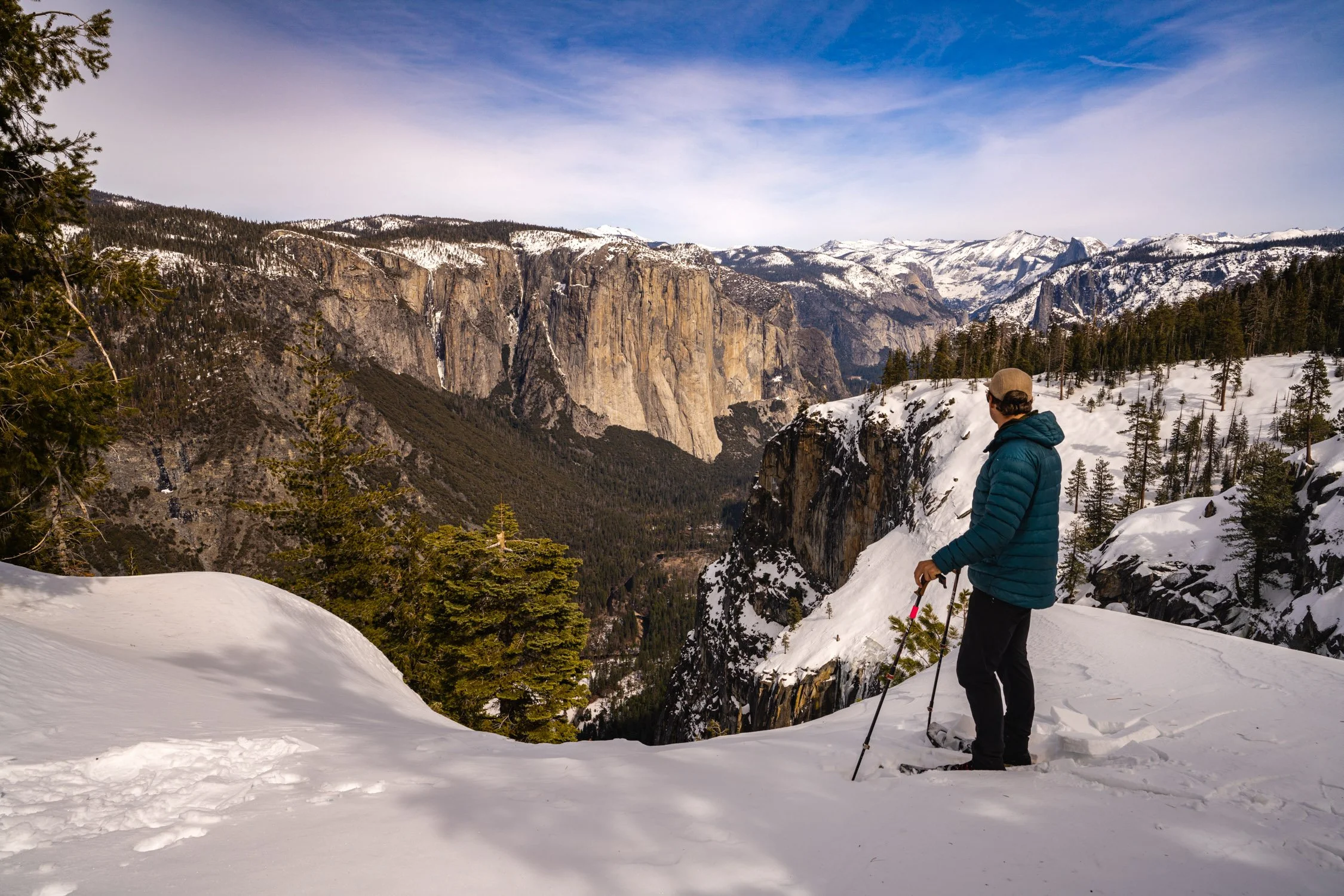
Yosemite's grand granite cliffs and towering waterfalls are a sight to behold in any season, but the park's beauty takes on a serene and awe-inspiring quality in the winter. The iconic landmarks like Half Dome and El Capitan are dusted with snow, making them even more photogenic. Cross-country skiing and snowshoeing opportunities abound, and the park offers a range of winter activities, including ice skating in Curry Village. Winter visitors to Yosemite are treated to a quieter and more contemplative experience.
Pros:
Serenely Beautiful: Yosemite's iconic landmarks look even more beautiful in the snow, with fewer crowds to contend with.
Winter Sports: Cross-country skiing, snowshoeing, and ice skating are popular activities.
Peaceful Atmosphere: The park is less crowded, allowing for a more peaceful experience.
Cons:
Weather Variability: Winter weather can be unpredictable, so check road and trail conditions.
Limited Access: Some roads and facilities may be closed or have restricted hours.
Shorter Days: The park has shorter daylight hours during the winter.
3. Grand Teton National Park (Wyoming)
Grand Teton National Park, with its dramatic mountain scenery, is especially captivating in the winter months. The jagged peaks of the Teton Range are the backdrop for a range of winter activities. Skiing and snowshoeing are popular, and wildlife enthusiasts have the chance to spot moose, elk, and other animals against the pristine snowy landscape. The park's charm lies in its peaceful, uncrowded atmosphere, allowing for a deeper connection with the natural world.
Pros:
Majestic Scenery: The dramatic mountain scenery is at its peak during the winter.
Winter Sports: Skiing and snowshoeing are popular, with opportunities to spot wildlife.
Quiet Tranquility: Experience the park's serene winter atmosphere with fewer visitors.
Cons:
Colder Temperatures: Winter in the Tetons can be extremely cold, so dress appropriately.
Access Limitations: Some areas may be off-limits due to snow and road closures.
Shorter Days: Plan your activities around the shorter daylight hours.
4. Acadia National Park (Maine)
While much of Acadia's landscape is blanketed in snow during the winter, the coastal areas offer a unique and stunning view of the frozen ocean. The rugged beauty of the park's coastline and islands takes on a new dimension, and snowshoeing or cross-country skiing can provide a means to explore the less-traveled paths. Acadia is known for its tranquility during the winter, making it a perfect destination for those seeking solitude and a chance to connect with nature.
Pros:
Coastal Beauty: Enjoy stunning views of the frozen ocean along the park's coastline.
Solitude: Experience the park's quiet, uncrowded ambiance.
Snow-Based Activities: Snowshoeing and cross-country skiing offer unique ways to explore.
Cons:
Limited Accessibility: Many park roads and facilities are closed during the winter.
Challenging Conditions: Weather can be harsh, so be prepared for winter driving and outdoor activities.
Short Days: Plan your adventures with the limited daylight hours in mind.
5. Zion National Park (Utah)
Zion's famous red rock formations provide a striking contrast against the white snow that blankets the park in winter. While some areas may be inaccessible due to snow, the lower elevations offer unique and captivating scenery. Hiking through the canyons and enjoying the quieter trails is a highlight for many visitors. Winter in Zion brings with it a sense of tranquility and the opportunity to explore the park without the usual crowds.
Pros:
Unique Contrasts: Red rock formations against the white snow create stunning scenery.
Quieter Trails: Enjoy the park's tranquility and explore less-visited areas.
Hiking Opportunities: Some lower elevation trails may be accessible for winter hikes.
Cons:
Inaccessible Areas: Some higher elevation trails and areas may be inaccessible due to snow.
Weather Variability: Be prepared for changing weather conditions.
Shorter Days: Plan your activities with the shorter winter days in mind.
[embed]https://www.instagram.com/p/p:Cpl4gYjrgAY[/embed]
Each of these national parks offers a distinct winter experience, from the geothermal wonders of Yellowstone to the dramatic mountain scenery of Grand Teton, the serene beauty of Yosemite, the coastal charm of Acadia, and the unique rock formations of Zion. As you plan your winter getaway, be sure to check the park's official website for the most up-to-date information on park access, road conditions, and winter activities. Embrace the colder months and experience the wonder of these national parks in all their winter glory.
What to Know Before Going Snowshoeing
How to get into snowshoeing this winter

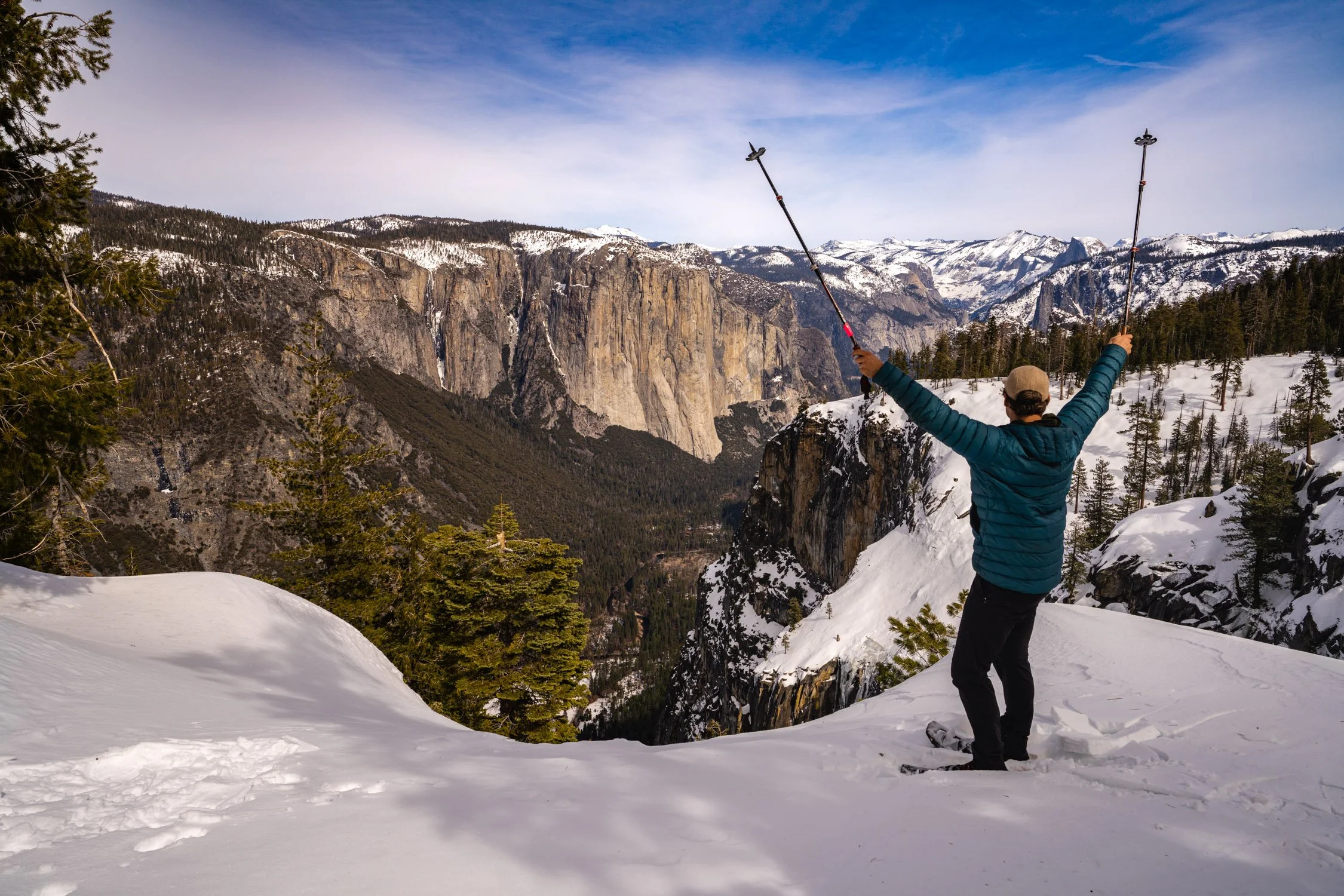
Winter is a season of serene beauty, and for outdoor enthusiasts, it offers a unique opportunity to explore the natural world in a whole new way. One such activity that allows you to immerse yourself in the winter wonderland is snowshoeing.
Snowshoeing is a low-impact, easy-to-learn activity that can be enjoyed by people of all ages and fitness levels. Whether you're a beginner or a seasoned winter adventurer, there are a few essential things to consider before you embark on your snowshoeing adventure.
[embed]https://www.instagram.com/p/p:CqEdxGsjeWF[/embed]
Choosing the Right Snowshoes
The most crucial decision you'll make when planning a snowshoeing adventure is choosing the right snowshoes. These specialized footwear tools are designed to help you stay afloat on the snow, distributing your weight more evenly to prevent you from sinking into the powder. When selecting snowshoes, there are several factors to consider:
- Snowshoe Type: There are different types of snowshoes designed for various terrains and activities. The three primary categories are recreational, backcountry, and running snowshoes. Recreational snowshoes are ideal for beginners and general winter hiking. Backcountry snowshoes are designed for more challenging terrain and steeper slopes. Running snowshoes are lightweight and built for those who want to maintain a faster pace. Choose the type that matches your intended use.
- Size: Snowshoes come in various sizes, and the appropriate size depends on your weight, the weight of your gear, and the snow conditions. The larger the snowshoe, the more weight it can support and the better it will perform in deep snow. Consult the manufacturer's recommendations or ask for expert advice when determining the right size for your needs.
- Bindings: Comfort and ease of use are vital. Make sure the bindings securely fit your boots, as an improper fit can lead to discomfort and instability. Look for quick-adjust or step-in bindings for convenience.
- Traction: Snowshoes often feature crampons or traction spikes to provide grip on icy or steep terrain. Choose a pair of snowshoes with the right level of traction for the conditions you'll be facing.
- Heel Lifts: Some snowshoes have heel lifts, which can be raised to reduce calf strain when ascending steeper slopes. This feature can make a significant difference during a long day on the trails.
- Material and Weight: Snowshoes are typically made of aluminum, plastic, or composite materials. Consider the durability and weight of the snowshoes, as heavier models can be more challenging to maneuver, but they may provide more stability.
Buy vs. Rent
The decision to buy or rent snowshoes depends on your level of commitment to the activity and how frequently you plan to go snowshoeing.
Buying Snowshoes:
Pros:
- Personalization: Owning your own snowshoes allows you to choose the type and size that best suits your needs and body weight.
- Cost-Effective Long-Term: If you plan to go snowshoeing frequently, buying snowshoes can be more cost-effective over time compared to rental fees.
- Convenience: You can go snowshoeing on a whim without needing to worry about rental availability.
Cons:
- Upfront Cost: Snowshoes can be an expensive investment, especially if you opt for high-quality, specialized models.
- Storage: You'll need to find space to store your snowshoes when not in use.
- Maintenance: Regular maintenance, such as cleaning and checking for wear and tear, is required to ensure they remain in good condition.
Renting Snowshoes:
Pros:
- Affordability: Renting snowshoes is a budget-friendly option, particularly for occasional or first-time snowshoers.
- Variety: Rental shops often have a range of snowshoe types and sizes available, allowing you to experiment and find the right fit.
- No Storage or Maintenance: You won't need to worry about storing or maintaining the equipment.
Cons:
- Limited Availability: Rental shops may have limited quantities, and during peak season, it can be challenging to secure a pair.
- Potentially Worn Equipment: Rental snowshoes may not be as well-maintained as a personally owned pair, so their performance may vary.
If you're new to snowshoeing or plan to go infrequently, renting is a practical choice. On the other hand, if you anticipate making snowshoeing a regular part of your winter activities, investing in a pair of snowshoes can provide long-term benefits.
Best Places to Go Snowshoeing
The beauty of snowshoeing lies in the endless possibilities it offers for exploration. Here are some of the best places to go snowshoeing, each offering a unique and memorable experience:
- National Parks: Many national parks in the United States offer excellent snowshoeing opportunities, such as Rocky Mountain National Park in Colorado, Yosemite National Park in California, and Acadia National Park in Maine. These parks provide access to stunning winter landscapes and well-maintained trails.
- State Parks: State parks often provide well-marked snowshoeing trails and are less crowded than national parks. For example, Porcupine Mountains Wilderness State Park in Michigan and Cascade River State Park in Minnesota offer serene winter adventures.
- Mountain Resorts: Ski resorts are not just for downhill skiing. Many have designated snowshoe trails, and some even offer guided snowshoe tours. Destinations like Aspen and Vail in Colorado and Lake Tahoe in California are perfect for both winter sports enthusiasts and snowshoers.
- Backcountry Adventures: For those seeking solitude and the thrill of untouched wilderness, consider exploring the backcountry. Be sure to familiarize yourself with the risks and be prepared with essential safety gear. Areas like the White Mountains in New Hampshire and the Tetons in Wyoming are popular backcountry snowshoeing destinations.
- Local Trails: Don't underestimate the beauty of local trails and parks near your home. These can provide convenient, accessible, and often underrated snowshoeing opportunities.
Before starting on your snowshoeing adventure, it's essential to check the weather and trail conditions, inform someone of your plans, and carry the necessary safety gear, including extra clothing, food, and navigation tools. As with any outdoor activity, safety should always be a top priority.
[embed]https://www.instagram.com/p/p:Ch5otP4j1xw[/embed]
Snowshoeing is a fantastic way to enjoy the serene beauty of winter while staying active. By choosing the right snowshoes, deciding whether to buy or rent, and selecting the best places to go snowshoeing, you'll be well-prepared for a memorable and safe winter adventure. Embrace the magic of the snow-covered landscapes, and let snowshoeing become your winter pastime of choice.
Here's What an Ideal Three Days in Puerto Rico Looks Like
Three days in Puerto Rico isn't enough time, but it is a start

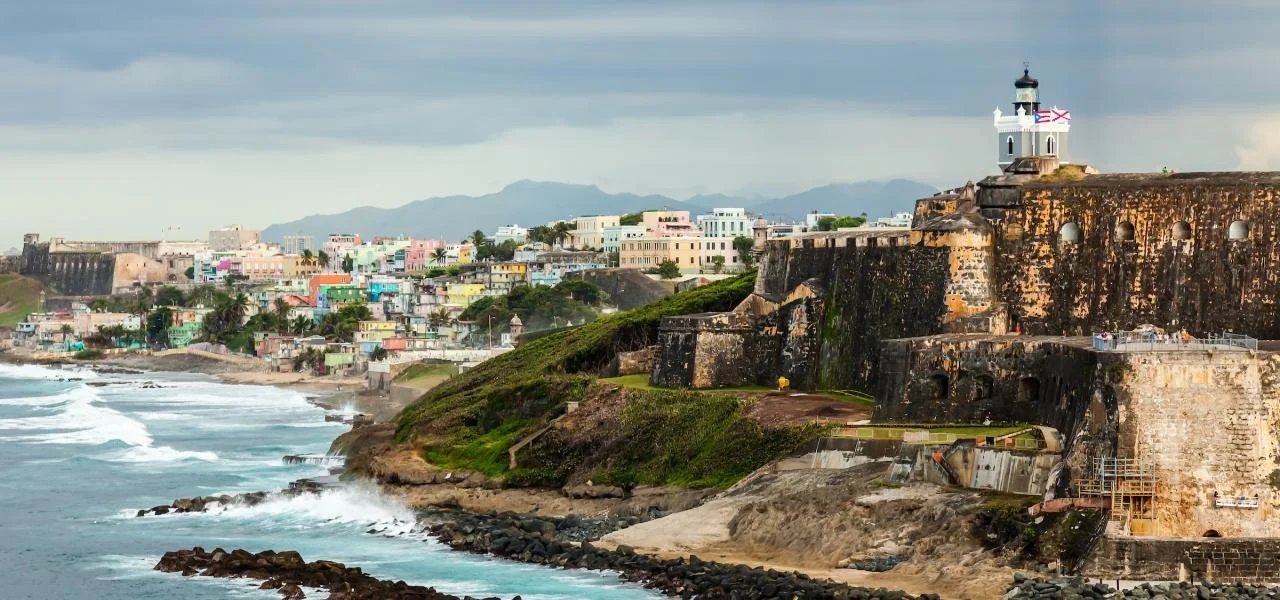
When I hopped on a plane to Puerto Rico for the first time, I had zero expectations or knowledge about this tiny island. However, let me just say that upon my return home, I am already contemplating when to book my next trip back.
What did I discover on my first visit to this tiny yet mighty island? An infectious culture, community, and cornucopia of experiences which combined together to formulate one of the most beautiful, exciting, and compelling vacations I have ever experienced.
About the Island
Puerto Rico is a vibrant Caribbean island and unincorporated U.S. territory with a rich history and culture. This piece of paradise offers visitors a diverse range of experiences, from exploring lush rainforests and pristine beaches, to savoring mouthwatering cuisine and dancing the nights away to local lively music such as bomba and salsa.
No matter the type of traveler you may be, whether you're seeking an adrenaline rush or a relaxing getaway, Puerto Rico has something for everyone, including those his and hers experiences. From zip-lining through the canopy of El Yunque National Forest, to snorkeling in the crystal-clear waters off of the coast of Santa Isabel, there are countless ways to immerse yourself in the island's natural beauty.
Foodies will delight in Puerto Rico's eclectic culinary scene, which showcases a fusion of Spanish, African, and Caribbean influences. From traditional dishes like mofongo, arroz con gandules, and sweet and savory plantains, to innovative fusion cuisine, prepare your stomachs to be completely satisfied but your taste buds will be buzzing for more.
No visit to Puerto Rico is complete without experiencing the island's vibrant nightlife. Between bustling salsa clubs and contemporary cocktail scenes in San Juan, to laid-back beachfront bars, there's a place for everyone to let loose and enjoy the island's infectious energy.
With its stunning scenery, diverse culture, and welcoming people, Puerto Rico is a truly extraordinary destination that offers visitors an unforgettable, Boricua experience.
What You Need to Know
No passport or visa needed to visit Puerto Rico if you are a U.S. citizen.
Spanish is the dominant language spoken by Puerto Ricans but as a visitor you’ll find that most restaurants, bars, hotels, and excursions will be English-friendly.
It doesn’t hurt to download Duolingo and brush up on your Spanish before visiting. I guarantee your efforts to speak in the native tongue will be greatly appreciated.
Puerto Rico is big and diverse, so you may not have time to do everything on your Puerto Rican bucket list.
Book your excursions ahead of the time or check with your concierge for their recommendations on top experiences to do during your trip.
The best time to visit Puerto Rico is during the winter and spring seasons.
A Long Weekend Itinerary
Day One: Check-In, Relish in Caribbean Views, Explore Old San Juan, and Indulge at 1919
On your flight into the San Juan airport, enjoy breathtaking views of the turquoise waters surrounding the island. Check-into Condado Vanderbilt and grab a complimentary glass of bubbly to celebrate your arrival, drop your bags off into your room, soak in the views, and pack a day bag to explore Old San Juan.
Here you’ll find cobblestone streets, rich history and culture decorating the city walls and countless museums, a variety of cuisine options, shops, and an intermingling of both locals and visitors alike.
After getting your steps in and learning a bit about the Puerto Rican history, head back to the hotel to freshen up for dinner. Enjoy a four-course prix fix and wine pairing dining experience at Vanderbilt’s very own 1919 “flavor forward” restaurant. Finish the night off with a post-dinner cigar just a few steps away at the Caribbean’s only resort hotel Cigar Lounge - the Avo Lounge.
Day Two: Swim with Sharks, Zip-line over the Jungle, Enjoy Fresh Cuisine at PyP’s, and Dance the Night Away
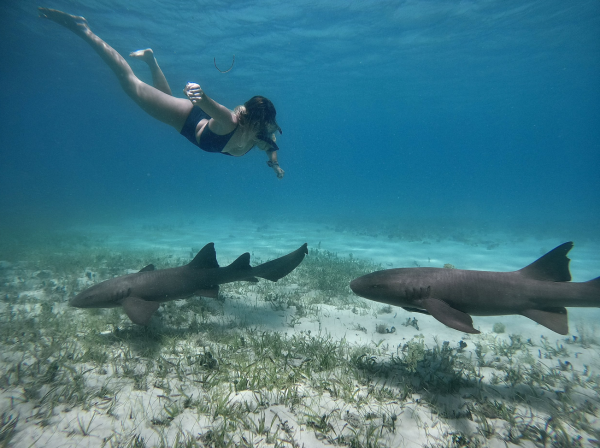
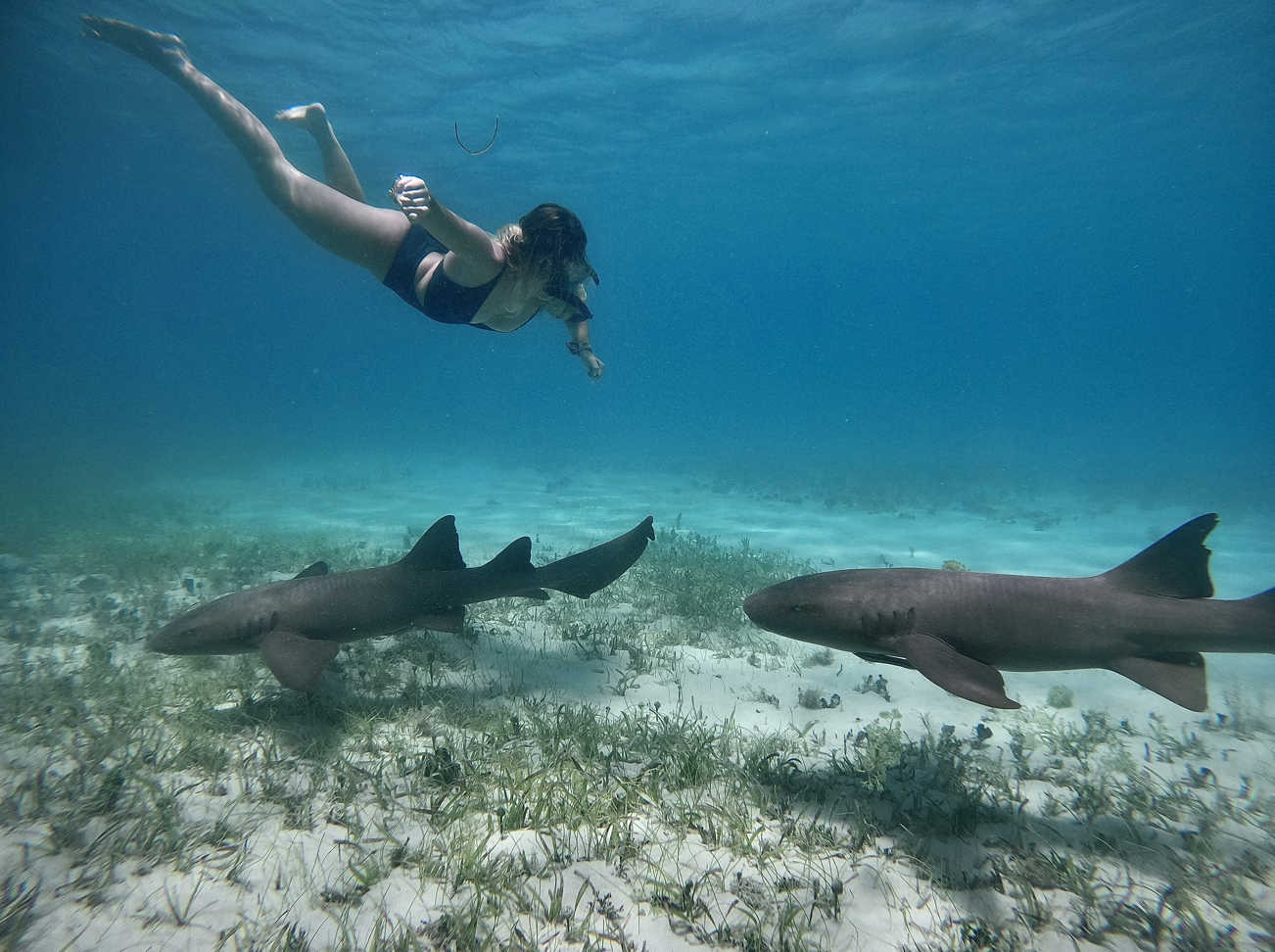
There is no better way to start your morning than with a gorgeous drive south to Santa Isabel, where you will take a catamaran to a very private and pristine snorkeling experience with Blue Kings. The gorgeous views, warm water, and the opportunity to share the Caribbean Sea with sharks, rays, turtles, and tarpon will make for a very memorable morning with you and your travel partners.
After a morning of swimming in the Caribbean, head to the Central Mountains of Puerto Rico for an afternoon zip-line adventure at the Toro Verde Nature Adventure Park. Brave the longest zip-line in America, The Monster, which is 1.5 miles long and reaches speeds of up to 94 miles per hour!
By now, you've probably worked up an appetite. In that case, I'd recommend paying a visit to PyP Restaurant in Caguas, Puerto Rico. Here, you'll delight in a flavorful and fresh menu of local and seasonal dishes, as well as an equally colorful and cozy atmosphere.
A visit to Puerto Rico isn't complete without experiencing its indulgent nightlife. Head back to Old San Juan, where you'll find La Factoria, named the Best Bar in the Caribbean and #24 in the Top 50 Bars in North America. And for good reason…La Factoria is a beautifully restored historic building with a bar for every preference and flavor, from classic cocktail bars to a wine bar, salsa club, and a speakeasy-like experience just to name a few. I'd recommend spending some time in each of the 6 bar options to know exactly where you'll head the next time you come to Puerto Rico for a visit.
Day Three: Fall From the Sky, Savor Flavor at the Farm, and Experience Bio Bay Magic
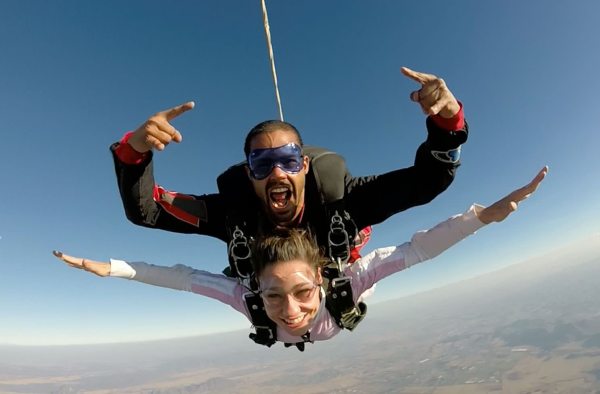
Begin your day with an adrenaline-pumping skydiving adventure at Skydive Puerto Rico. With the option to jump out of a plane at 10,000, 14,000, or 18,000 ft, you’ll be soaring through the skies and taking in breathtaking panoramic views of the island's lush landscape and sparkling coastline from an incredible perspective. With knowledgable, professional, and electrifying instructors to guide you in your tandem or solo jump, you’ll find your sky dive jitters will dissipate with pure excitement taking its place instead.
Next, embark on a Sensorial Farm Tour at Frutos del Guacabo, an agro-ecological farm that showcases sustainable farming practices and plenty of farm-to-table offerings for local bars and restaurants. Engage your senses as you stroll through the vibrant crops and hydroponic rows of greens, savoring the fresh produce and learning about the farm's commitment to environmental stewardship.
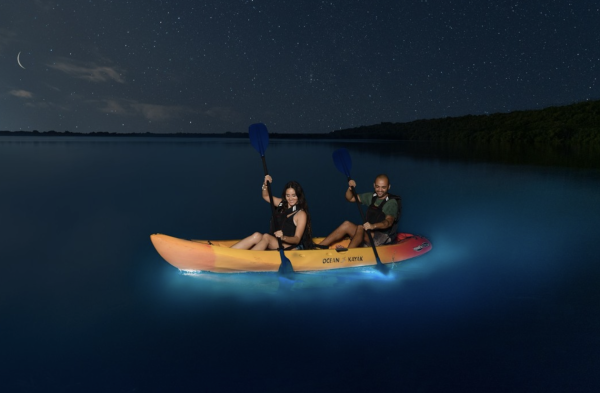
As dusk approaches, embark on a magical Bio Bay tour with Kayaking Puerto Rico. Paddle through the tranquil waters of Laguna Grande, a bioluminescent bay teeming with microscopic organisms that emit an ethereal glow. Witness the mesmerizing spectacle of the water illuminating with every stroke of your paddle and creating an unforgettable experience. I’d recommend booking this experience on either a new moon or cloudy evening to see the bio bay glow in all of its glory.
After your enchanting kayak adventure, head to Kalizo Seafood Bar and Grill for a hearty dinner and refreshing beverages. Indulge in the flavors of authentic Puerto Rican cuisine, savoring dishes like mofongo, arroz mamposteao, and fresh seafood while enjoying the lively atmosphere of this coastal town.
Puerto Rico is a vibrant and diverse island with something to offer everyone. From its stunning scenery and rich culture to its delicious food and exciting nightlife, this Caribbean island is a truly extraordinary destination that offers visitors an unforgettable experience.
Whether you're looking for an adrenaline rush, a relaxing getaway, or a cultural immersion, Puerto Rico is the perfect place to create lasting memories. So what are you waiting for? Book your trip today and discover the magic of Puerto Rico for yourself!
What You Need to Know about Puerto Rico
Useful information to know before traveling to Puerto Rico

Puerto Rico, a tropical paradise in the Caribbean, has been a popular destination for travelers from around the world. Whether you're a seasoned globetrotter or planning your first international trip, here's what you need to know about this enchanting island.
1. Passport and Visa Requirements
For U.S. citizens, the good news is that Puerto Rico is a U.S. territory, so you won't need a passport or visa to visit. You can hop on a plane, fly to San Juan, and begin your Puerto Rican adventure without the hassles of international travel. This makes Puerto Rico an incredibly accessible destination for Americans looking for a taste of the Caribbean.
2. Language
While Spanish is the official language of Puerto Rico, you'll find that English is widely spoken, especially in the tourism industry. Most restaurants, bars, hotels, and excursions are English-friendly, making it easy for English-speaking visitors to navigate the island. However, it's always a good idea to learn some basic Spanish phrases or download language apps like Duolingo to enhance your travel experience and connect with locals. Your efforts to speak the native language will be greatly appreciated by the friendly Puerto Ricans.
3. Diversity of Experiences
Puerto Rico is much more than just a beautiful beach destination. The island offers a wide range of experiences to suit every traveler's interests. From the vibrant urban atmosphere of San Juan to the lush rainforests of El Yunque, the history of Old San Juan, and the tranquil beaches of Vieques and Culebra, you'll find a diverse array of activities to explore. With so much to see and do, it's important to plan your trip wisely and prioritize the experiences that interest you the most.
4. Planning Excursions
To make the most of your visit, consider booking excursions ahead of time. There are numerous tour operators offering adventures like snorkeling, hiking, zip-lining, and exploring the island's rich cultural heritage. Many hotels also have concierge services that can help you arrange activities and recommend top experiences. Planning in advance can save you time and ensure you don't miss out on the things you've been looking forward to the most.
5. Best Time to Visit
The best time to visit Puerto Rico is during the winter and spring seasons, which roughly span from December to April. This is the peak tourist season when the weather is at its most pleasant, with warm temperatures and lower chances of rain. During this time, you can fully enjoy the beaches, outdoor activities, and the lively atmosphere of the island. However, keep in mind that prices may be higher and popular attractions more crowded during this period.
Puerto Rico offers a delightful blend of American familiarity and Caribbean charm. It's a destination that welcomes U.S. citizens with open arms, and it's a place where you can create lasting memories through a variety of experiences. So, whether you're exploring the historic streets of Old San Juan, swimming in bioluminescent bays, or indulging in local cuisine, Puerto Rico has something to offer every traveler. Plan your trip, embrace the culture, and enjoy the beauty of this vibrant island.
Choosing the Best Month to Visit Grand Teton National Park
When to visit Grand Teton National Park

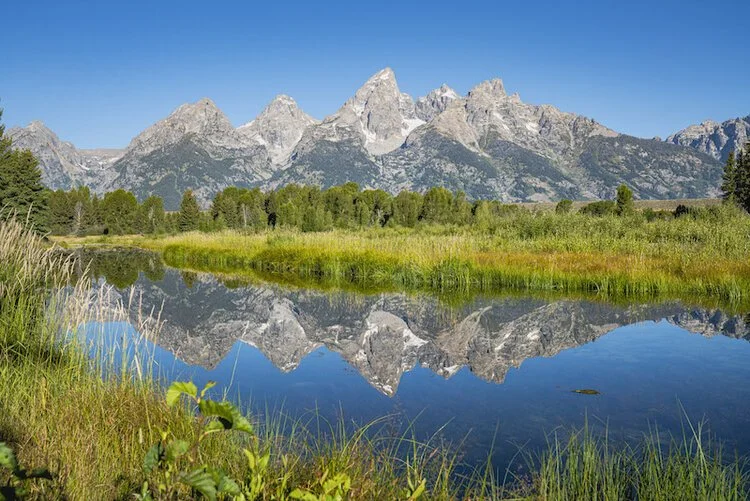
Grand Teton National Park stands as a breathtaking testament to nature's grandeur. With its towering mountain peaks, pristine lakes, and diverse wildlife, it's no wonder that this park draws in visitors year-round.
However, choosing the right time to visit can greatly impact your experience. From the snow-capped splendor of winter to the vibrant blooms of summer, each season offers a unique charm. So, what is the best month to visit Grand Teton National Park?
Let's explore the pros and cons of each season to help you make an informed decision.
[embed]https://www.instagram.com/p/p:CnmWzlZhwKf[/embed]
SPRING (APRIL - MAY):
Spring is a time of renewal in Grand Teton National Park. As the snow begins to melt and temperatures rise, the landscape awakens with the vibrant hues of emerging wildflowers. April and May offer a quieter experience with fewer crowds, making it an excellent time for hikers and photographers seeking serenity. However, some hiking trails and higher elevation areas might still be snow-covered during the early part of spring, limiting accessibility.
Pros:
Wildflower Blooms: Witness the park's stunning transformation as wildflowers blanket the landscape, creating a colorful and picturesque setting.
Serene Atmosphere: Experience a quieter and more peaceful environment with fewer crowds, allowing for a deeper connection with nature.
Milder Weather: Enjoy comfortable temperatures for hiking and outdoor activities, without the intense heat of summer.
Photography Opportunities: Capture unique shots of the snow-capped peaks juxtaposed with vibrant spring colors.
Cons:
Limited Accessibility: Some hiking trails and higher elevation areas might still be covered in snow, restricting access to certain parts of the park.
Unpredictable Weather: Spring weather can be unpredictable, with sudden temperature changes and potential rain showers.
Delayed Park Services: Some visitor services might be limited or not fully operational until later in the season.
SUMMER (JUNE - AUGUST):
Summer is undoubtedly the peak tourist season in Grand Teton National Park, and for good reason. The weather is generally warm and inviting, allowing for a wide range of outdoor activities like hiking, camping, and wildlife spotting. During these months, most of the park's trails and attractions are easily accessible. The iconic Jenny Lake boat shuttle is also in operation, offering stunning views of the Teton Range. However, be prepared for larger crowds, increased traffic, and the need to secure accommodations well in advance.
Pros:
Wide Range of Activities: Engage in various outdoor activities, from hiking and camping to boating and wildlife viewing.
Optimal Accessibility: Most trails and attractions are open and accessible, making it easier to explore the park's diverse landscapes.
Mild Weather: Enjoy warm and pleasant temperatures, making it comfortable for a wide range of activities.
Jenny Lake Boat Shuttle: Experience the scenic boat shuttle across Jenny Lake, providing stunning views of the Tetons.
Cons:
Crowded Conditions: Expect larger crowds during the summer months, resulting in busier trails, parking lots, and popular viewpoints.
Higher Prices: Accommodation and services might be more expensive due to peak tourist season demand.
Limited Availability: Popular accommodations and campsites fill up quickly, requiring advanced reservations.

FALL (SEPTEMBER - OCTOBER):
Fall is a photographer's dream in Grand Teton National Park. As the foliage transitions to brilliant shades of gold and red, the landscape becomes a visual masterpiece. September and October bring cooler temperatures and thinner crowds compared to summer. It's a prime time for wildlife enthusiasts, as animals like elk engage in their mating rituals. The fall season offers a unique blend of mild weather, stunning colors, and opportunities for observing the park's iconic wildlife.
Pros:
Spectacular Foliage: Witness the landscape transform into a vibrant palette of red, orange, and gold as the leaves change color.
Mild Weather: Experience comfortable temperatures during the day, ideal for outdoor activities like hiking and wildlife spotting.
Wildlife Viewing: Witness the annual elk rutting season, offering unique opportunities to observe wildlife behaviors.
Fewer Crowds: Enjoy a quieter atmosphere compared to summer, allowing for a more relaxed experience.
Cons:
Changing Conditions: Weather can be unpredictable in the fall, with temperature variations and potential early snowfall affecting plans.
Limited Services: Some visitor centers, facilities, and services might start to close as the season winds down.
WINTER (NOVEMBER - MARCH):
For those seeking a quieter and more serene experience, winter is an exceptional time to visit Grand Teton National Park. The park's snow-covered peaks and frozen lakes create a magical, otherworldly atmosphere. Cross-country skiing, snowshoeing, and wildlife tracking are popular activities. However, winter visits come with challenges. Some facilities and roads might be closed, and the weather can be unpredictable and harsh. It's crucial to be well-prepared and informed about road closures and safety measures.
Pros:
Serene Winter Wonderland: Experience the park's quiet and magical ambiance as snow blankets the landscape, creating a serene atmosphere.
Unique Activities: Engage in winter-specific activities like cross-country skiing, snowshoeing, and wildlife tracking.
Minimal Crowds: Enjoy a peaceful and secluded experience due to the limited number of visitors during this season.
Photography Opportunities: Capture the park's iconic landmarks in their snow-covered splendor.
Cons:
Limited Accessibility: Many roads, facilities, and services are closed during winter, limiting the areas you can explore.
Harsh Weather: Winter weather can be extremely cold and challenging, requiring proper clothing and preparation.
Shorter Days: With fewer daylight hours, you'll need to plan your activities accordingly.
Variable Conditions: Weather can change rapidly, impacting travel plans and safety considerations.
[embed]https://www.instagram.com/p/p:CktRPPHhRei[/embed]
The best month to visit Grand Teton National Park ultimately depends on your preferences and priorities. If you're drawn to blooming wildflowers and a quieter atmosphere, spring might be your ideal choice. Summer is perfect for outdoor adventurers and families, despite the larger crowds. Fall offers a combination of beautiful foliage and wildlife activity. Meanwhile, winter provides a unique and tranquil experience for those willing to embrace the cold.
Before planning your trip, consider the activities you want to engage in, your tolerance for crowds, and your willingness to adapt to changing weather conditions. Regardless of the season, Grand Teton National Park promises an unforgettable journey into the heart of nature's beauty.
Arc'teryx Drops Winter Footwear, Here's Your Inside Scoop
The inside scoop on Norvan, Aerios, and Vertex collections by Arc'teryx
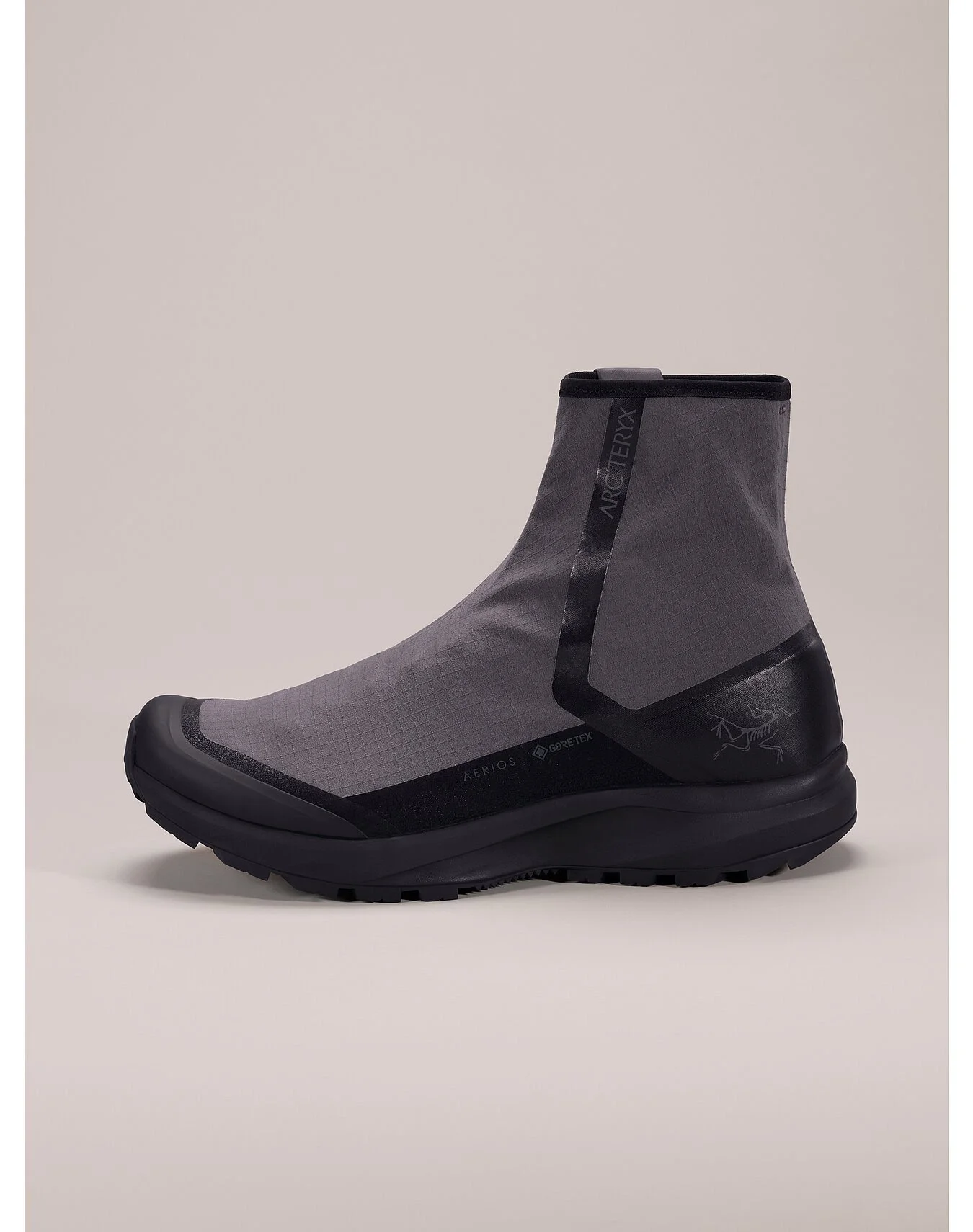
As winter descends with its frosty touch, outdoor enthusiasts are gearing up for cold-weather adventures. Leading the charge in winter-ready footwear, Arc'teryx has launched its Fall/Winter 2023 collection, introducing new styles in the Norvan, Aerios, and Vertex collections. Boasting GORE-TEX protection, substantial support, and integrated gaiters for added defense against the elements, these shoes are designed to keep you moving confidently through snow, water, and debris.
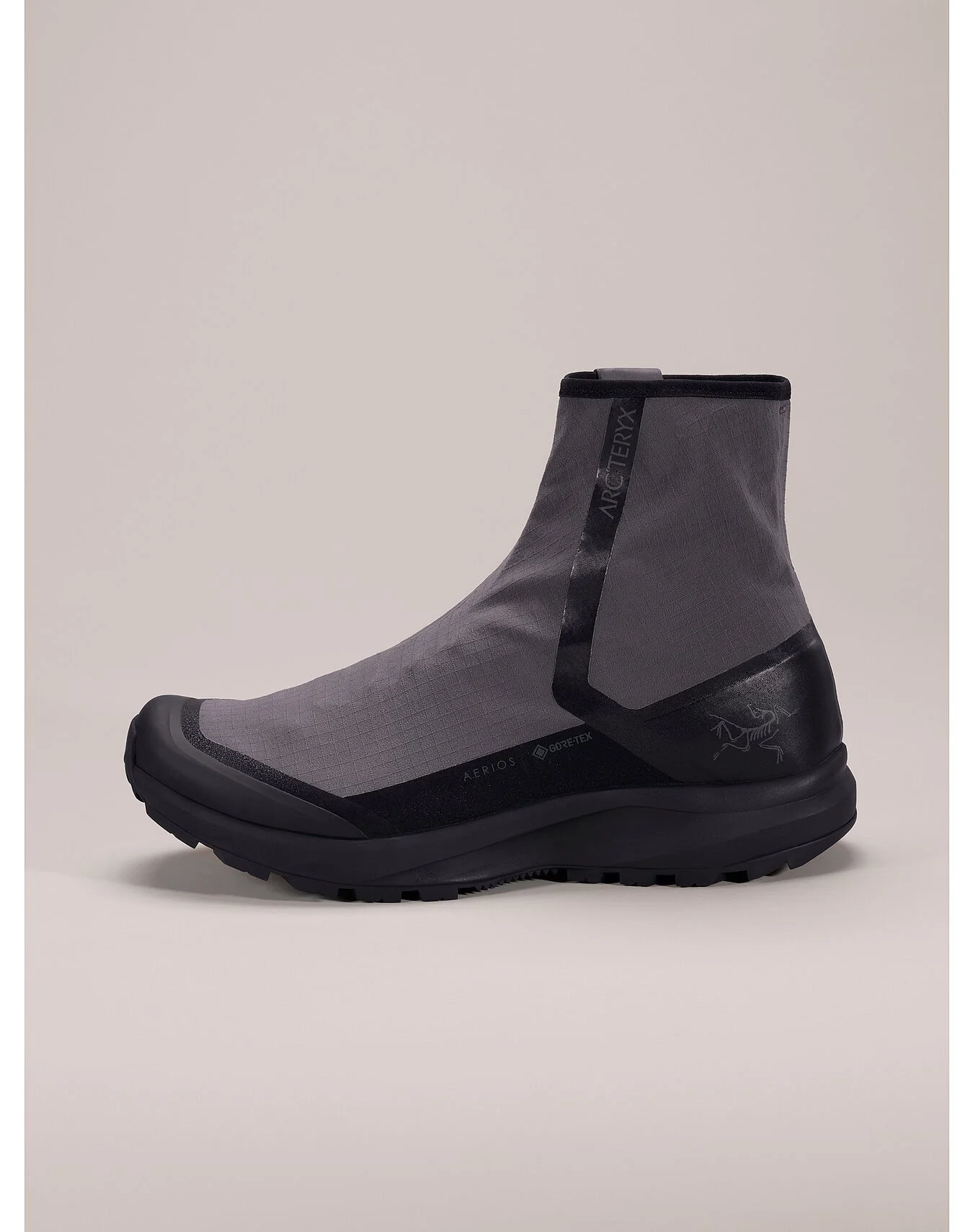
Aerios Nivalis GTX ($230):
For those who crave fast and light hiking in challenging winter conditions, the Aerios Nivalis GTX is a standout choice. Crafted with a durable upper featuring GORE-TEX for waterproof, breathable protection, this shoe is your shield against wet and cold. The water-repellant stretch gaiter goes the extra mile, sealing out moisture and snow. The run-inspired design ensures stability and confidence, while the Vibram XS Trek Evo outsole with Arctic Grip zones provides optimal traction on slippery, icy terrain. The glove-friendly quick-lace system and raised perimeter sidewalls offer practicality and lateral support for your winter adventures.

Norvan Nivalis GTX ($220):
Tailored for alpine running over long distances in wet, cold, wintery conditions, the Norvan Nivalis GTX strikes a perfect balance between weather protection and performance. The durable, flexible upper, lined with a GORE-TEX bootie, ensures waterproof, breathable comfort. A highly breathable water-repellent stretch gaiter, featuring a front zip closure, adds an extra layer of defense against snow, water, and mud. Advanced materials, including the Vibram LITEBASE sole and InFuse midsole, contribute to weight reduction without compromising ride, response, and cushioning. The Vibram Megagrip rubber compound with a 6mm lug pattern delivers a confident grip on winter trails.

Vertex GTX ($210):
Setting the bar high as a pinnacle alpine running shoe built for winter realities, the Vertex GTX combines GORE-TEX protection, underfoot security, and an integrated gaiter extending above the ankle. This design effectively seals out snow, water, and debris, allowing you to conquer challenging terrains with confidence. The Vibram Megagrip outsole, featuring a 5mm lug pattern and forefoot climbing zone, ensures grip and security on variable surfaces. With this shoe, Arc'teryx brings a robust solution to the winter running experience.
Arc'teryx's latest offerings are a testament to their commitment to form and function. The combination of GORE-TEX technology, integrated gaiters, and specialized outsoles demonstrates a keen understanding of the challenges winter enthusiasts face. Whether you're a fast and light hiker, a long-distance alpine runner, or someone seeking a pinnacle winter running shoe, Arc'teryx has delivered a comprehensive solution to keep you moving with confidence and style in the colder months. Step into winter with Arc'teryx – where performance meets protection.
Start Planning Your Cozy Catskills Escape Before It's Fully Booked
Escape to Wylder Windham for a winter wonderland

Embrace Winter's Warmth at Wylder Windham
Nestled in the heart of the Great Northern Catskills, Wylder Windham stands as a charming farmhouse retreat, beckoning travelers for over 140 years. Aptly nicknamed the "Gem of the Catskills," this historic haven has long been a cherished escape for East Coast wanderers. While many may associate Wylder Windham with the vibrant hues of fall, the winter season unveils a unique charm, making it an ideal destination for a cozy getaway.
Winter Wonderland Activities
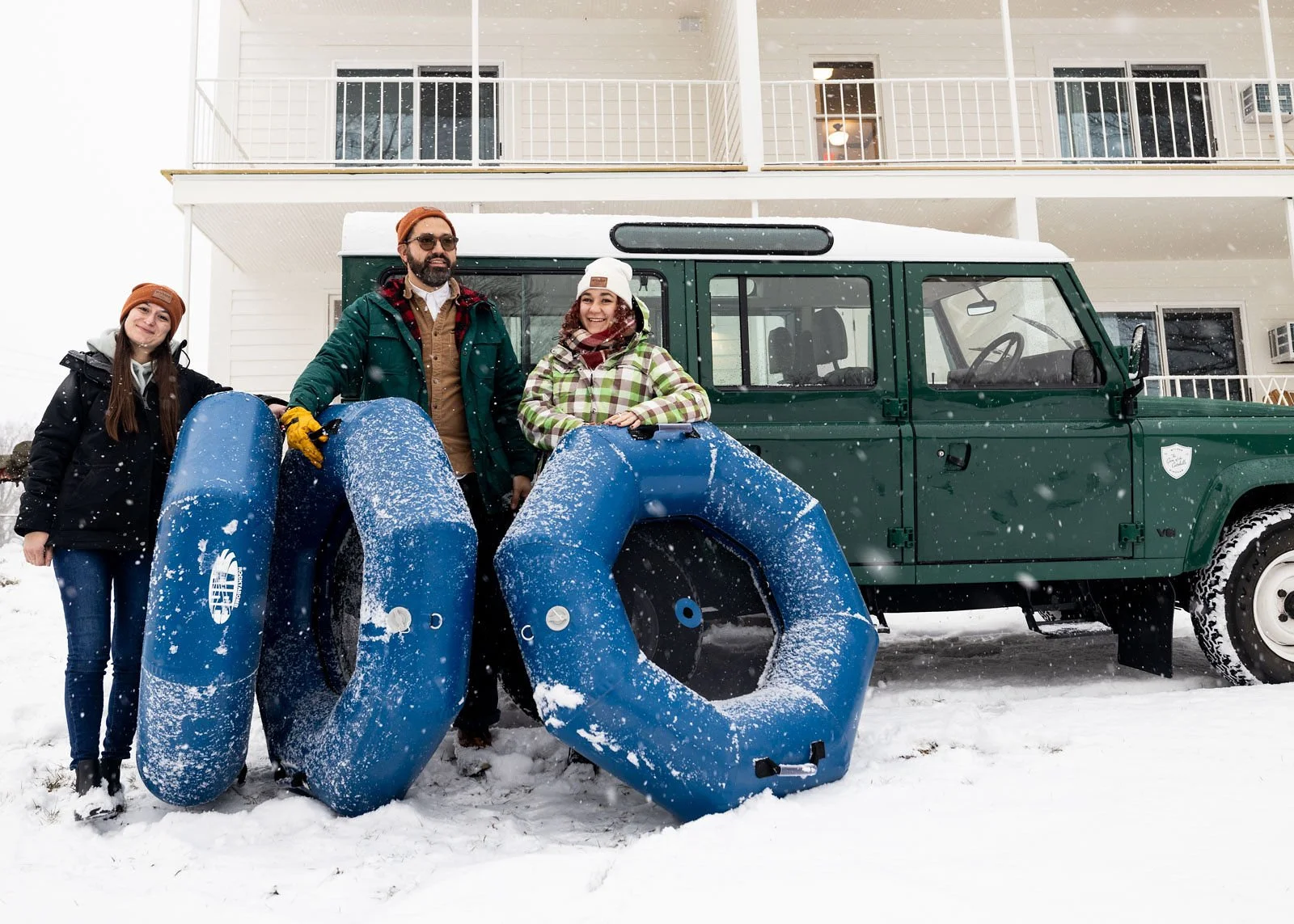
Wylder Windham transforms into a winter wonderland, offering an array of activities that turn the snowy landscape into your playground. Engage in exhilarating sledding adventures down the hills surrounding the farmhouse, or embark on a winter foraging walk and workshop to discover the hidden treasures of the season. Sample unique beverages crafted from the bounty of the Catskills, including acorn cocoa, birch beer, and chaga tea, all prepared during the winter foraging experience.
For those seeking a more relaxed pace, Windham Spa awaits, offering a serene retreat from the winter chill. Meanwhile, the vintage Land Rover Defender 110 Shuttle stands ready to transport you to some of Windham's best frosted hiking trails, ensuring you experience the beauty of the winter landscape.
[embed]https://www.instagram.com/p/p:CpN4E0Uph5R[/embed]
Quaint Accommodations
Step into a world of rustic charm and modern comfort as Wylder Windham's accommodations redefine farmhouse stays. With seven separate lodges and a total of 110 rooms, including two- and three-bedroom suites, the resort ensures a personalized and cozy experience. Imagine waking up to oversized balconies with panoramic views of Windham Mountain and the Batavia Kill, creating the perfect backdrop for a winter escape.
Designed with warmth and style in mind, each room features oak floors, custom furniture, and luxurious bathrooms. Wylder Windham is not just a destination; it's a home away from home, inviting you and your loved ones, including your furry friends, to share in the magic of winter.
Winter Magic in the Catskills
As the Catskills embrace winter's icy embrace, Wylder Windham becomes a haven of tranquility and beauty. Picture snow-capped mountains inviting you to explore their trails, local wineries like The Vineyard at Windham offering a warm respite, and the joyful sound of sledding and tubing along the Batavia Kill. The winter wonderland extends beyond the property, with easy access to Windham Country Club and downtown Windham for those seeking additional adventures.
At the end of your day, Babbler’s, the resort's approachable yet refined restaurant, welcomes you with winter-forward dishes. Indulge in comfort food like Stuffed Winter Acorn Squash and Baked Brie En Croute while enjoying the spirited and familiar atmosphere.
Book Your Escape Now
Five Unforgettable Adventures in Nicaragua
What to do on your next trip to Nicaragua

Central America is an untapped adventure destination that is often left off traveler's list, yet some countries shouldn't be overlooked. Nicaragua is one of those those countries. Nicaragua is still a hidden treasure that is rapidly gaining recognition as an adventure-seeker's paradise. From its pristine Pacific coast to the mysterious depths of Lake Nicaragua, the country offers a myriad of experiences that cater to the intrepid traveler. Here are five must-do adventures that promise to leave indelible memories.
[embed]https://www.instagram.com/p/p:CzxavJBuPmh[/embed]
1. Surfing Along the Pacific Coast:
For the avid surfer or the aspiring wave-rider, Nicaragua's Pacific coast is a dream come true. With its consistent swells and uncrowded beaches, it provides the ideal setting for a surfing adventure. Beginners can take lessons from local experts, while experienced surfers can challenge themselves on the more advanced breaks. Whether you're riding the waves for the first time or chasing the perfect barrel, Nicaragua's Pacific coast promises an unforgettable surfing experience.
2. Discovering Lake Nicaragua and Granada:
Venture inland to the mesmerizing Lake Nicaragua, where a boat tour awaits to unveil the hidden wonders of its waters. Keep an eye out for the playful monkeys that inhabit the surrounding islands – an enchanting encounter that will undoubtedly add a touch of magic to your journey. Following this aquatic escapade, immerse yourself in the colonial charm of Granada, a city with vibrant streets, historic architecture, and a rich cultural tapestry. The juxtaposition of the tranquil lake and the bustling city makes for a perfect blend of relaxation and exploration.
Find a boat tour on Lake Nicaragua that suits your needs
3. Luxuriating at a Resort:
After days filled with adventure, treat yourself to the ultimate in relaxation by staying at a luxurious resort. Nicaragua boasts a range of world-class accommodations, where you can unwind by the pool, sipping on tropical cocktails as the sun dips below the horizon. These resorts provide a perfect balance, allowing you to indulge in the thrill of exploration during the day and bask in the lap of luxury come evening.
I recommend you consider staying at Rancho Santana along the Pacific Coast.
[embed]https://www.instagram.com/p/p:Cz1HKc2uS6S[/embed]
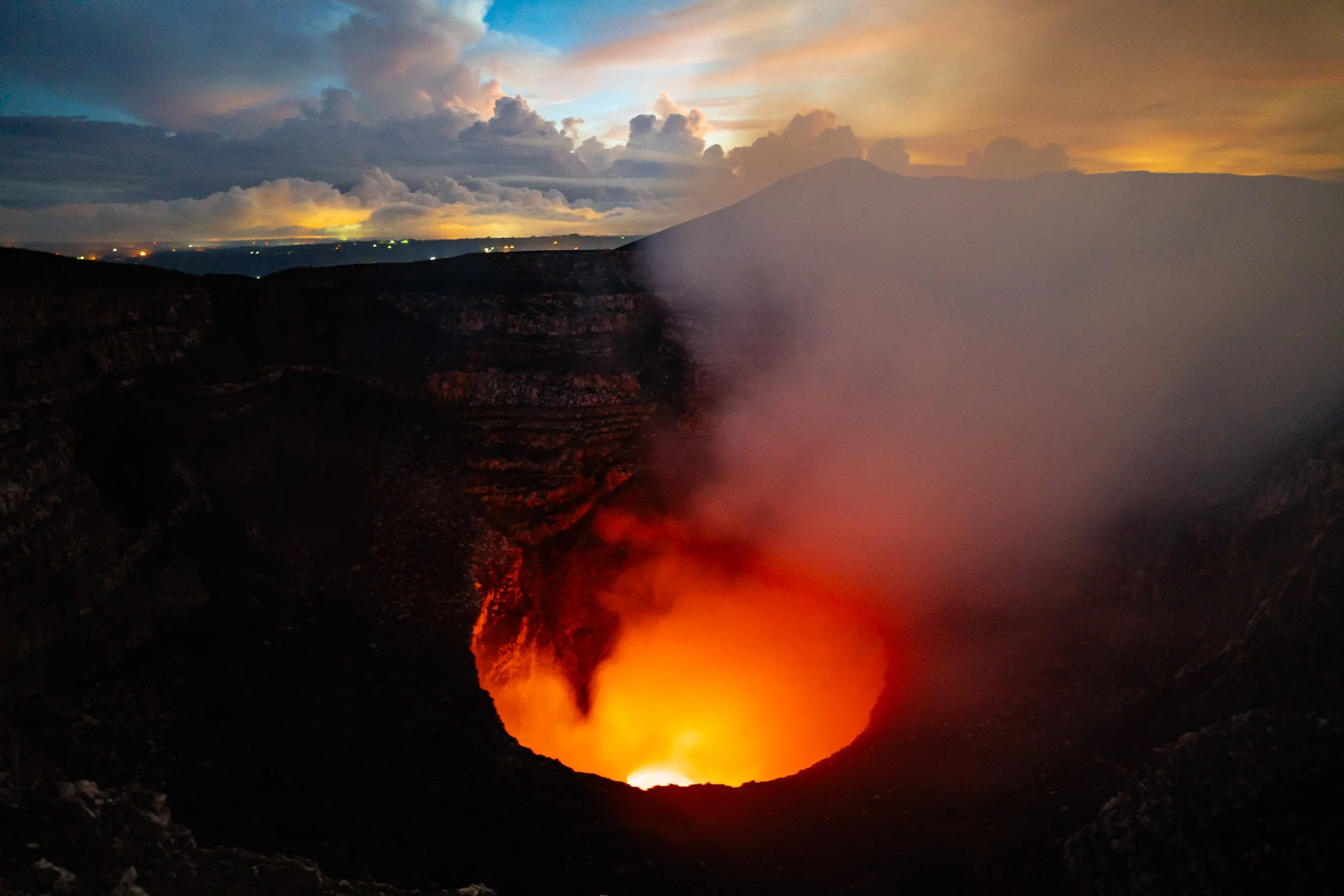
4. Volcano Masaya at Night:
For a truly awe-inspiring experience, make your way to Volcano Masaya at nightfall. As the sun sets, the volcanic landscape transforms into a mesmerizing display of natural pyrotechnics, with the glowing lava casting an otherworldly hue over the surroundings. A guided night tour allows you to witness this breathtaking phenomenon up close, offering a unique perspective on the geological wonders that define Nicaragua's landscape.
Pro Tip: Make sure to reserve your spot for before Volcano Masaya fills up
5. Zip Lining in the Cloud Forest:
Take your sense of adventure to new heights by embarking on a zip-lining journey through the cloud forest surrounding a volcano. This adrenaline-pumping experience not only offers breathtaking views of the lush landscape but also a unique perspective on Nicaragua's diverse ecosystems. To complete this adventure, make sure to savor the local flavors with a cup of freshly brewed Nicaraguan coffee – a perfect way to recharge after an exhilarating day of zip-lining.
Here are zip-lining options in Nicaragua to consider.
Nicaragua beckons those with a spirit of adventure, offering a tapestry of experiences that range from the thrill of surfing along the Pacific coast to the tranquility of a boat tour on Lake Nicaragua. With volcanic landscapes, colonial cities, and luxurious resorts, this Central American gem is a playground for those seeking excitement and relaxation in equal measure. Embrace the thrill, soak up the beauty, and let Nicaragua weave its magic on your next unforgettable journey.

This Isn't A Joke, You Can Drive A Tank!
Smash cars and drive through a house all in a tank

Few things cross my email in a day that makes me stop and say, "What the heck?!" And I have to say, this email is insane! Now, I haven't had the opportunity to chat with the company yet, so I don't know all the details, but here is what I know:
What I Know
Drive a Tank, located in Kasota, Minnesota, has taken adventure travel to a whole new level by offering civilians the chance to commandeer real military tanks. The experience promises more than just a joyride; it's an adrenaline-pumping journey into the realm of military might.
Imagine steering a British Abbot, navigating the colossal 90-ton NATO Forces Chieftain, or operating an ultra-rare WWII Sherman Tank. Drive A Tank's fleet is nothing short of impressive, catering to a diverse range of tastes and providing enthusiasts with a tangible connection to history.
The adventure doesn't end with tank driving. Drive A Tank offers an array of unique experiences, including the opportunity to engage in historic military shooting within a controlled range. Participants can unleash the firepower of these mechanical beasts in an environment designed to evoke the intensity of a military operation.
But that's not all. For those craving a more unconventional thrill, Drive A Tank provides the chance to crush cars beneath the colossal treads of these armored giants. The car-crushing experience is not only a testament to the sheer power of these machines but also a unique way to channel one's inner action hero.
Questions I Still Have
Now, the details remain a bit mysterious. Can you shoot something? Do you actually drive, or is it a ride-along? How much does this cost? How long do you get to drive around? These questions are still unanswered, but once the information lands in my inbox, I'll be sure to fill you in on all the exhilarating details.
For now, let your imagination run wild, akin to a 12-year-old boy playing G.I. Joes in the backyard. Drive A Tank is at the forefront of a new era in adventure travel, where the pursuit of unique and immersive experiences knows no bounds. It's not just an adventure; it's a journey into the extraordinary, offering a chance to step into the shoes of military commanders and experience the raw power of these formidable machines. So, buckle up, gear up, and get ready for an adventure like no other!

Show Up To Thanksgiving In Style
Functional travel clothes ready for any Thanksgiving scenario

As Thanksgiving approaches, you are probably gearing up for holiday travels to reunite with loved ones. While comfort is key during long journeys, looking good is just as important, especially when you're heading straight from the airport to a family gathering, or a festive dinner. To strike the perfect balance between style and comfort, consider these fashion-forward clothing choices for your Thanksgiving travels.

Hollister Long-Sleeve Flannel Shirt
Grab your flannel now [$40]
First on the list is the Long-Sleeve Button-Through Flannel Shirt from Hollister. This classic wardrobe staple offers the perfect blend of style and coziness. The soft, breathable fabric of the flannel shirt ensures you stay comfortable during your journey, while the button-through design adds a touch of sophistication. The versatile plaid pattern makes it easy to pair with jeans or khakis, making it an ideal choice for both travel and family gatherings.

Prana Hillgard Jean
Grab your jeans now [$119]
Speaking of jeans, the Prana Hillgard Jean is a stylish alternative that maintains a polished appearance while on the move. These jeans are designed with a modern slim fit and a hint of stretch for added comfort during long flights or road trips. The classic denim look in a deep indigo color gives them a timeless appeal that can effortlessly transition from travel mode to Thanksgiving dinner.

Patara Nomad Lace Up Shoes
Grab your shoes now [$98]
When it comes to footwear, the Patara Lace Up Shoes strike the perfect balance between style and practicality. These shoes offer a sleek and sophisticated appearance, making them suitable for a family gathering or a night out. The lace-up design ensures a secure fit, while the cushioned insole provides comfort during your travels. Whether you're navigating through airports or strolling through town, these shoes are a versatile choice for any Thanksgiving adventure.
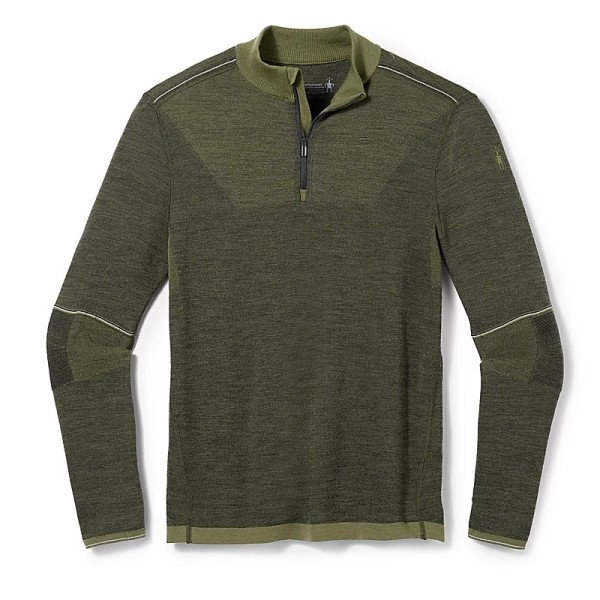
Smartwool's Intraknit Merino Base Layer 1/4 Zip
Grab your 1/4 Zip now [$155]
As the temperatures drop, staying warm becomes a priority. The Intraknit Thermal Max Merino Base Layer 1/4 Zip from Smartwool is a smart addition to your travel ensemble. This base layer not only provides an extra layer of warmth but also boasts a sleek and modern design. The 1/4 zip allows for easy temperature regulation, making it a practical choice for unpredictable weather conditions during your Thanksgiving travels.
Looking good while traveling this Thanksgiving is entirely achievable with the right clothing choices. The Long-Sleeve Button-Through Flannel Shirt, Prana Hillgard Jean, Patara Lace Up Shoes, and Smartwool's Merino Base Layer 1/4 Zip offer a winning combination of style, comfort, and functionality. So, as you embark on your holiday journey, do so with confidence and flair in these fashionable travel essentials.
You Don't Need a Passport to Discover Puerto Rico, So Go!
If a passport wasn't holding you back, here are 7 reasons to visit Puerto Rico ASAP

Puerto Rico, a tropical gem in the Caribbean, invites travelers to explore its enchanting landscapes, rich history, and vibrant culture. The best part? No passport is required for this unforgettable getaway. Here are seven compelling reasons to pack your bags and embark on a passport-free Puerto Rican adventure.
1. Cultural Riches Beyond Compare
Start your journey in Old San Juan, where the fusion of Spanish, African, and Taíno influences creates a vibrant cultural tapestry. Wander through cobblestone streets, visit historic forts like El Morro, and soak in the lively atmosphere of La Placita. Engage with locals, savor traditional dishes, and immerse yourself in the rhythm of salsa music for an authentic Puerto Rican experience.
Tip: Invest in a multi-day pass for the historic forts, take a guided walking tour, and don't miss the vibrant nightlife in La Placita.
2. Natural Wonders Abound
Escape to El Yunque National Forest, the only tropical rainforest in the U.S. National Forest System. Hike through lush trails, discover hidden waterfalls, and breathe in the fresh mountain air. For a magical experience, venture to Mosquito Bay in Vieques during moonless nights to witness the bioluminescent organisms lighting up the water.
Tip: Wear comfortable hiking shoes, hire a guide for insider insights in El Yunque, and book a guided kayak tour for Mosquito Bay.
3. Beautiful Beaches Beckon
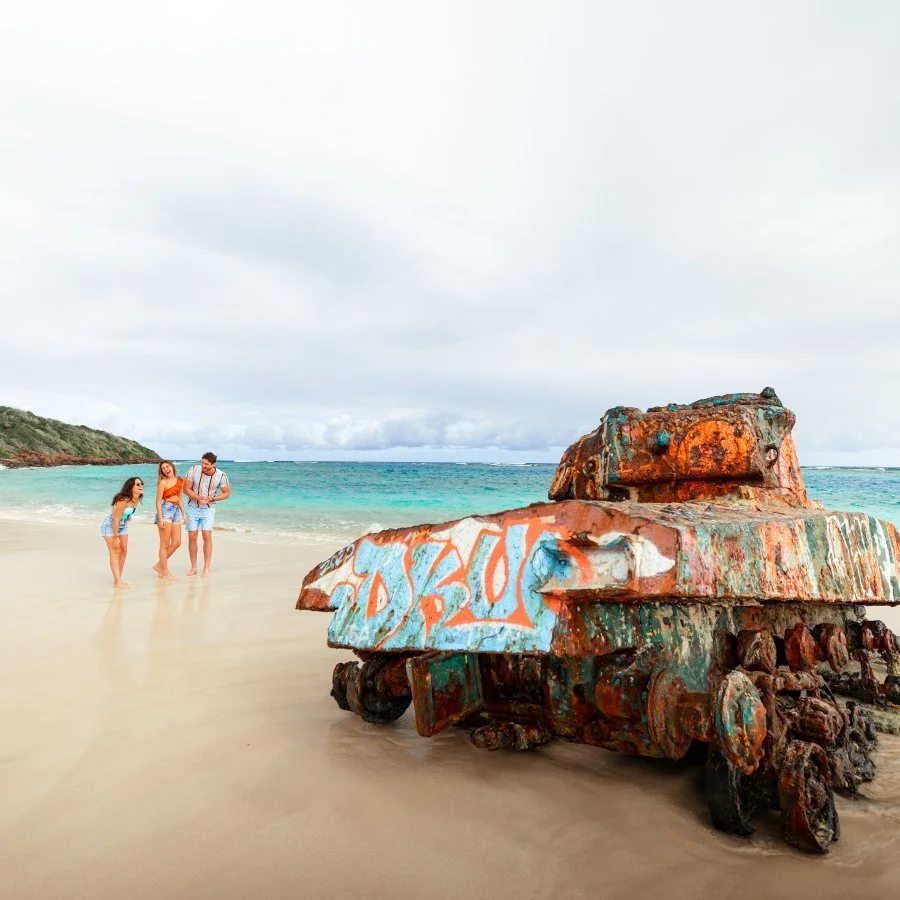
Puerto Rico boasts over 270 miles of coastline, offering a beach for every type of traveler. From the calm waters of Flamenco Beach to the surfing waves of Rincon, the options are endless. Pack sunscreen, a hat, and a beach towel for a day of relaxation, or try snorkeling and surfing for an adventurous seaside experience.
Tip: Explore multiple beaches to find your favorite, and consider a beach-hopping itinerary for a diverse coastal experience.
4. Historic San Juan
Discover the historical charm of Old San Juan, a UNESCO World Heritage Site. Admire the colorful architecture, visit historic forts, and stroll along the city walls for stunning views of the Atlantic Ocean. Don't forget your camera – every corner of this city is a picture-perfect moment waiting to be captured.
Tip: Check the difficulty levels of hiking trails before embarking on your mountain adventure.
5. Adventure Awaits in the Mountains
For the adventure seekers, Puerto Rico's central mountain range offers a playground of outdoor activities. Explore Toro Negro Forest Reserve for hiking trails leading to mountain peaks and waterfalls. Whether zip-lining through the canopy or river rafting in the Río Grande, the mountains promise an adrenaline-filled experience.
Tip: Book adventure activities in advance and follow responsible tourism practices to preserve Puerto Rico's pristine landscapes.
6. Warm and Welcoming Locals
Connect with the heart of Puerto Rico through its warm and welcoming locals, known as Boricuas. Learn a few basic Spanish phrases, attend community events, and consider staying in locally-owned accommodations for a more personalized experience.
Tip: Learn some basic Spanish phrases for enhanced interactions with locals.
7. Easy Travel with U.S. Currency and No Passport Required
Puerto Rico's status as a U.S. territory ensures a seamless travel experience. Use U.S. dollars, speak English, and enjoy the familiarity of American infrastructure. No passport is required, but carry a government-issued photo ID for travel within the island.
Embark on Your Passport-Free Puerto Rican Getaway!
With a tapestry woven from a rich history, vibrant culture, and natural wonders, Puerto Rico beckons travelers with open arms. From the cobblestone streets of Old San Juan to the lush landscapes of El Yunque, each corner of the island offers a unique adventure waiting to be discovered. The warm hospitality of the Boricuas, the rhythm of salsa, and the mouthwatering local cuisine create an unforgettable experience.
What sets Puerto Rico apart is not just its beauty but also the ease of exploration. As a U.S. territory, you can navigate the island seamlessly with U.S. currency, English as the primary language, and the comfort of American infrastructure. The best part? No passport is required, making your getaway hassle-free and leaving you more time to immerse yourself in the magic of Puerto Rico.
So, why wait? Book your ticket, pack your bags, and set forth on a journey filled with cultural riches, natural wonders, and the warm embrace of Puerto Rico – where your passport stays tucked away, and the adventure knows no bounds!

Can You Hike Joffre Lakes in the Winter?
Tips for safely visiting Joffre Lakes in the winter
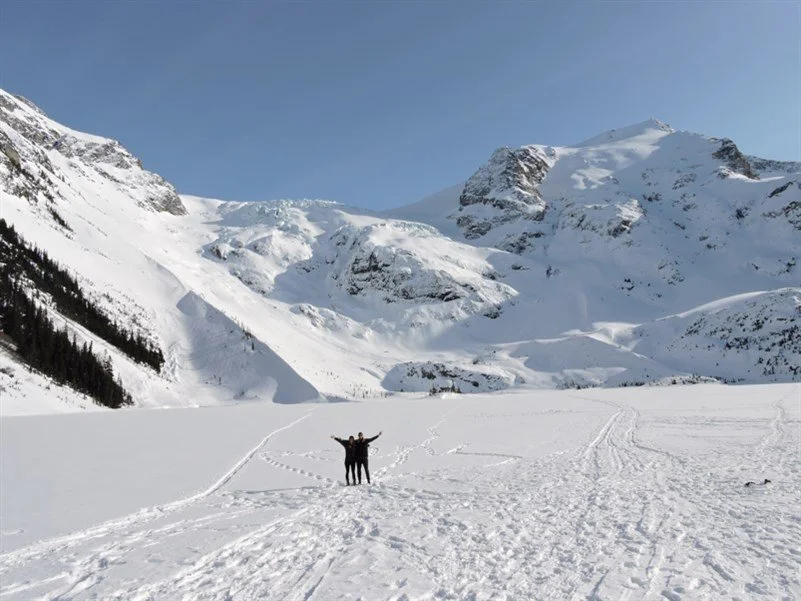
Hiking Joffre Lakes in the winter is possible, but it can be a challenging and potentially hazardous adventure. Here are some important considerations:
Snow and Ice:
During the winter months, the trails at Joffre Lakes are typically covered in snow and ice. This can make hiking conditions treacherous, especially if you don't have the appropriate gear, such as microspikes or crampons, to provide traction on icy surfaces.
Avalanches Happen:
The area around Joffre Lakes is prone to avalanches in the winter. Avalanches can be extremely dangerous, and hikers need to be aware of the avalanche risk and have the necessary knowledge and equipment for avalanche safety if they plan to hike in this season.
Reduced Visibility:
Winter weather in the mountains can change rapidly, leading to reduced visibility due to fog, snowfall, or low clouds. This can make navigation more challenging and increase the risk of getting lost.
[embed]https://www.instagram.com/p/p:BopHGT1gtci[/embed]
The Days Are Shorter:
In the winter, the days are shorter, which means you have less daylight for your hike. It's important to plan accordingly and start early to ensure you have enough time to complete your hike and return safely before darkness falls.
Limited Access:
The road to the trailhead at Joffre Lakes may be closed or difficult to access during the winter due to snow and ice. Be sure to check road conditions and park closures before attempting a winter hike.
Experience and Preparedness:
Winter hiking in the mountains requires a higher level of experience and preparedness. You should be well-equipped with warm clothing, proper winter hiking gear, navigation tools, and knowledge of winter backcountry safety.
If you are an experienced winter hiker and are well-prepared for the challenges and risks associated with hiking in snowy and icy conditions, Joffre Lakes can offer a serene and stunning winter landscape. However, for most people, especially those without experience in winter backcountry travel, it is safer to explore Joffre Lakes during the milder seasons when the trails are more accessible and conditions are less extreme. Always prioritize safety when considering a winter hike in any mountainous area.

Best Road Trip Snacks You Can Buy At REI
REI might be known for outdoor gear, but their snack section is fire

Hitting the open road is an exciting adventure, but without the right snacks, life just isn't the same. When it comes to stocking up on the ultimate snackage for your road trip, REI has a treasure trove of options that cater to both taste buds and nutritional needs. From sweet and energizing dried fruits to savory protein-packed snacks, REI offers a diverse selection to keep you fueled and satisfied throughout your travels.

Solely Mangos: Nature's Sweet Power Pack
Grab your Mangos [$8.95]
First on our list is the delightful and energy-packed Solely Mangos. These aren't just any mangos; they're dried to perfection, creating a chewy and sweet snack that's perfect for a quick pick-me-up during your road trip. Packed with natural sugars, fiber, and vitamins, Solely Mangos provide a healthy alternative to traditional sugary snacks. The convenient packaging makes them easy to stash in your car's glove compartment or backpack, ensuring that you always have a delicious and nutritious snack within arm's reach.
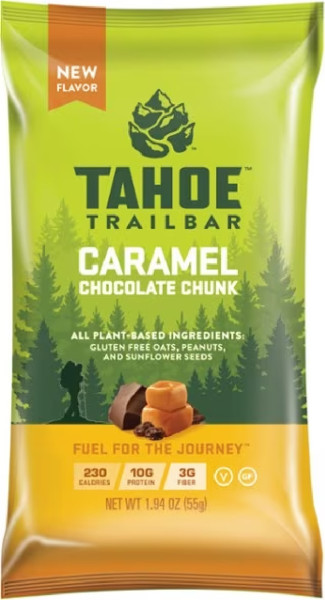
Tahoe Trail Bar: Fueling Your Outdoor Adventure
Grab your Tahoe Trail Bar [$2.75]
If you're a fan of nutrition bars that provide a balanced mix of carbohydrates, protein, and fats, look no further than the Tahoe Trail Bar. Designed with outdoor enthusiasts in mind, these bars are ideal for sustaining your energy levels during long drives or pit stops at scenic locations. With flavors that range from chocolate to nutty goodness, Tahoe Trail Bar offers a variety that caters to different taste preferences. Whether you're hiking a trail or cruising down the highway, these bars are a convenient and tasty option.

Tony's Chocolate: Indulgence with a Purpose
Grab your Chocolate Bar [6.50]
No road trip is complete without a touch of indulgence, and Tony's Chocolate is here to provide just that. Known for its commitment to ethical sourcing, Tony's Chocolonely delivers a guilt-free chocolate experience. The rich and diverse flavors will satisfy any chocolate lover's cravings while the brand's dedication to fair trade and ending child labor in the cocoa industry adds a layer of feel-good indulgence to your snacking. Pack a few bars for those moments when you want to treat yourself to a small luxury on the open road.

Patagonia Provisions Sockeye Salmon: Ethical Salmon On The Go
Grab your Sockeye Salmon now [$14]
For a savory and protein-rich snack, consider the Patagonia Provisions Sockeye Salmon. Sourced sustainably, this high-quality salmon offers a taste of the wild and is perfect for those looking to add a touch of luxury to their road trip menu. Packed with omega-3 fatty acids and protein, this snack is not only delicious but also a nutritious choice. The convenient packaging makes it easy to enjoy on its own or paired with your favorite crackers, adding a touch of sophistication to your on-the-go dining experience.

Fatty Meatstick: A Portable Protein Powerhouse
Grab your Meatsick [16.50]
If you're a fan of savory snacks with a satisfying chew, the Fatty Meatstick is a must-try. Packed with protein, these meat sticks are a convenient and flavorful way to curb hunger during your road trip. Whether you're driving through scenic landscapes or taking a break at a rest area, the Fatty Meatstick provides a hearty and satisfying option that goes beyond traditional snacks. The portability makes it an excellent choice for those who prioritize convenience without compromising on taste.

Verve Instant Coffee: Waking Up Your Senses on the Go
Grab your Instant Coffee [15.95]
No road trip is complete without a good cup of coffee, and Verve Instant Coffee ensures that you can enjoy a quality brew wherever your adventures take you. With the convenience of instant preparation, you can savor the rich and robust flavors of Verve coffee without the need for a coffee maker. Whether you're an early riser hitting the road before sunrise or in need of a mid-afternoon pick-me-up, Verve Instant Coffee has you covered. Just add hot water, and you'll have a steaming cup of coffee to fuel your journey.

Honey Stinger: Nature's Energy Boost
Grab your Honey Stingers [$2]
For a natural and quick source of energy, turn to Honey Stinger. Whether in the form of energy chews or bars, these snacks are made with honey, providing a delicious and efficient way to replenish your energy levels during your road trip. The natural sugars in honey offer a quick energy boost, making Honey Stinger a go-to choice for those moments when you need a burst of vitality. With a range of flavors to choose from, you can find the perfect option to suit your taste preferences.
Planning your road trip snacks is an essential part of ensuring a smooth and enjoyable journey. REI offers a diverse selection of snacks that cater to various tastes and nutritional needs. From the sweet and chewy Solely Mangos to the savory and protein-packed Fatty Meatstick, these snacks provide a perfect balance of convenience, flavor, and nutrition. So, before you hit the road, make a stop at REI to stock up on these delicious and energy-boosting treats that will make your road trip an unforgettable adventure.
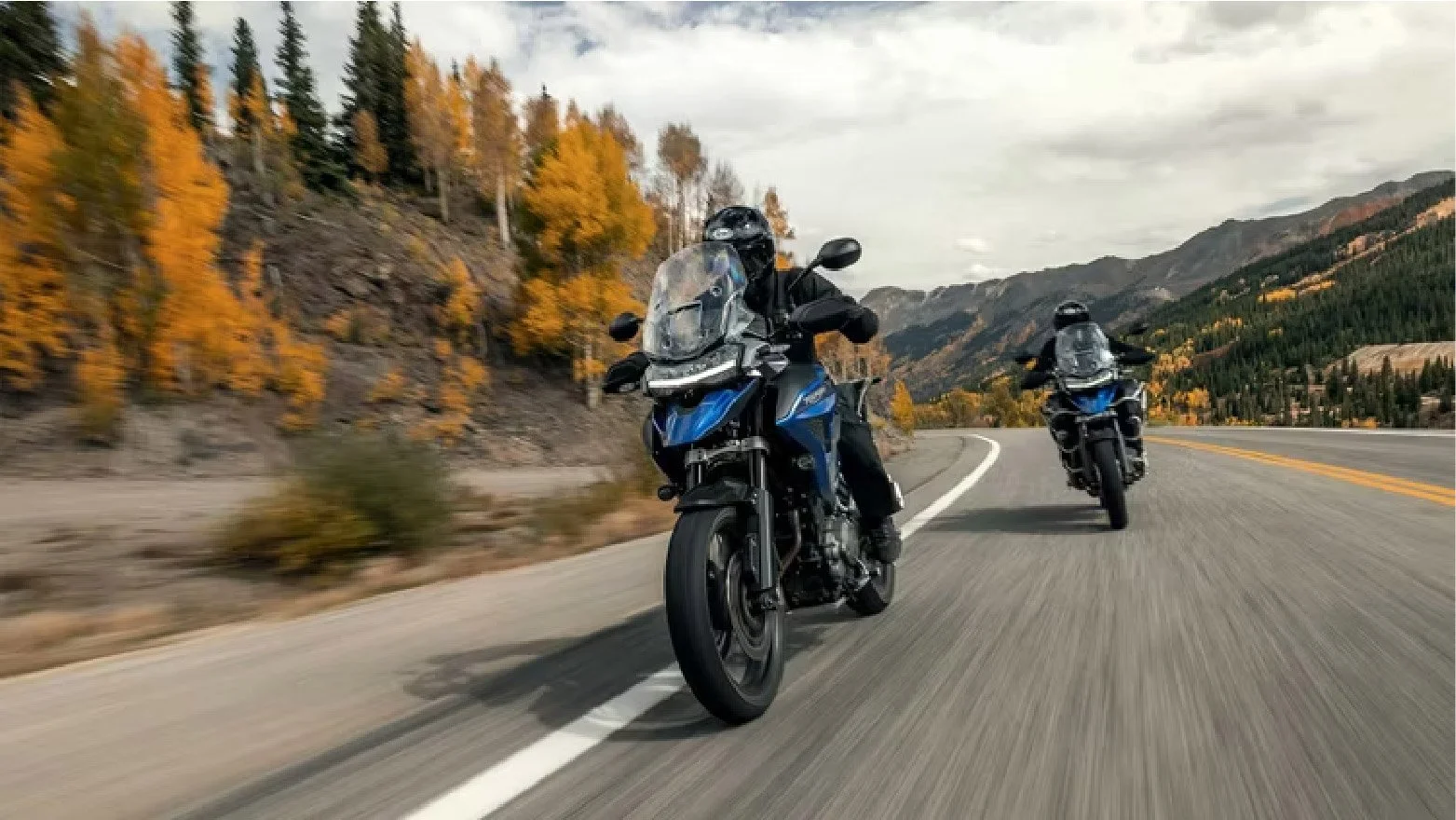
4 Long Distance Bucket List Motorcycle Rides
Four iconic motorcycle touring rides you need to do in this lifetime

A long-distance motorcycle journey is a dream for many riders, and there are a handful of iconic routes around the world that stand out as must-experience adventures. Some are cruisers, while others require you to get muddy. From the vast landscapes of Canada to the historic Silk Route, these four bucket list motorcycle rides offer a blend of breathtaking scenery, cultural richness, and the thrill of the open road.
Trans Canada: A Ride Across the Great White North
Stretching from the Atlantic Ocean to the Pacific, the Trans Canada Highway is a legendary route that traverses the second-largest country in the world. This epic journey takes riders through diverse landscapes, from the rugged shores of Newfoundland to the majestic Rocky Mountains.
The ride offers a glimpse into Canada's rich natural beauty, with opportunities to explore national parks, picturesque lakes, and vibrant cities along the way. Whether cruising through the vast prairies or winding through the coastal rainforests of British Columbia, the Trans Canada ride is an immersive experience in the heart of North America.
- Distance: Approximately 4,860 miles (7,821 kilometers)
- Duration: On average, riders can expect the journey to take around two weeks to a month, depending on the chosen route and the time spent exploring attractions along the way.
- Red Tape: Generally, riding the Trans Canada Highway involves minimal red tape for international travelers. However, it's essential to check visa requirements and any specific regulations for certain provinces.
- Terrain: Primarily paved roads, but riders can explore some scenic offshoots with gravel or dirt surfaces.
Pan American Highway: Connecting Two Continents
For those seeking the ultimate transcontinental adventure, the Pan American Highway is the answer. Spanning from Prudhoe Bay, Alaska, to Ushuaia, Argentina, this route covers a staggering 19,000 miles, making it the longest motorable road in the world. Riders will encounter diverse climates, cultures, and terrains, from the frozen tundra of the Arctic Circle to the arid deserts of the American Southwest and the lush landscapes of Central and South America. The Pan American Highway is a test of endurance and an exploration of the Americas like no other, offering a truly unforgettable motorcycle journey.
- Distance: Approximately 19,000 miles (30,577 kilometers)
- Duration: Riding the entire Pan American Highway may take several months, with riders often tackling specific sections due to logistical challenges. On average, each section may take a few weeks to a month.
- Red Tape: Crossing multiple borders entails different visa and entry requirements. Riders should thoroughly research and plan for border crossings and obtain necessary permits and visas.
- Terrain: A mix of paved roads and some challenging sections with gravel or dirt, especially in remote areas.
Vancouver to Cabo: Coastal Bliss on the Pacific Highway
The journey from Vancouver to Cabo along the Pacific Coast Highway is a ride of coastal bliss. Winding along the western edge of North America, riders are treated to breathtaking ocean views, towering cliffs, and charming seaside towns. From the temperate rainforests of the Pacific Northwest to the sun-soaked beaches of Southern California, this route encapsulates the beauty of the Pacific coastline. With its mild climate, diverse landscapes, and a myriad of cultural experiences along the way, the Vancouver to Cabo ride is a perfect blend of adventure and relaxation.
- Distance: Approximately 1,800 miles (2,897 kilometers)
- Duration: This journey can be completed in around one to two weeks, allowing riders to savor the coastal beauty and explore points of interest.
- Red Tape: Minimal red tape for international travelers, but it's advisable to check entry requirements for the United States and Mexico.
- Terrain: Mostly paved roads with some opportunities to explore off-the-beaten-path areas with dirt or gravel surfaces.
The Silk Route: Tracing Ancient Trade Routes
For riders with a taste for history and a sense of adventure, the Silk Route beckons. This ancient network of trade routes connected the East and West, fostering cultural exchange and commerce for centuries. While the historical Silk Route covers a vast expanse from China to the Mediterranean, the modern motorcycle route often follows a more manageable path, offering riders the chance to explore countries like Turkey, Iran, Turkmenistan, and Uzbekistan. The Silk Route ride is a mesmerizing journey through time, showcasing ancient cities, stunning landscapes, and the hospitality of diverse cultures along the way.
- Distance: The modern Silk Route can vary in distance, but a common section might cover around 5,000 to 7,000 miles (8,047 to 11,265 kilometers).
- Duration: Depending on the specific route and stops, riders may need a few weeks to a couple of months to complete the journey.
- Red Tape: Crossing international borders in Central Asia may involve specific visa requirements and permits. Riders should thoroughly research and plan for these considerations.
- Terrain: A mix of well-paved roads and challenging off-road sections, especially in more remote areas.
These four bucket list motorcycle rides present riders with the opportunity to explore the world on two wheels, immersing themselves in diverse cultures, breathtaking landscapes, and the freedom of the open road. Whether it's the vastness of Canada, the intercontinental adventure of the Pan American Highway, the coastal beauty from Vancouver to Cabo, or the historical richness of the Silk Route, each ride promises a unique and unforgettable experience for motorcycle enthusiasts seeking the thrill of the ultimate road trip.
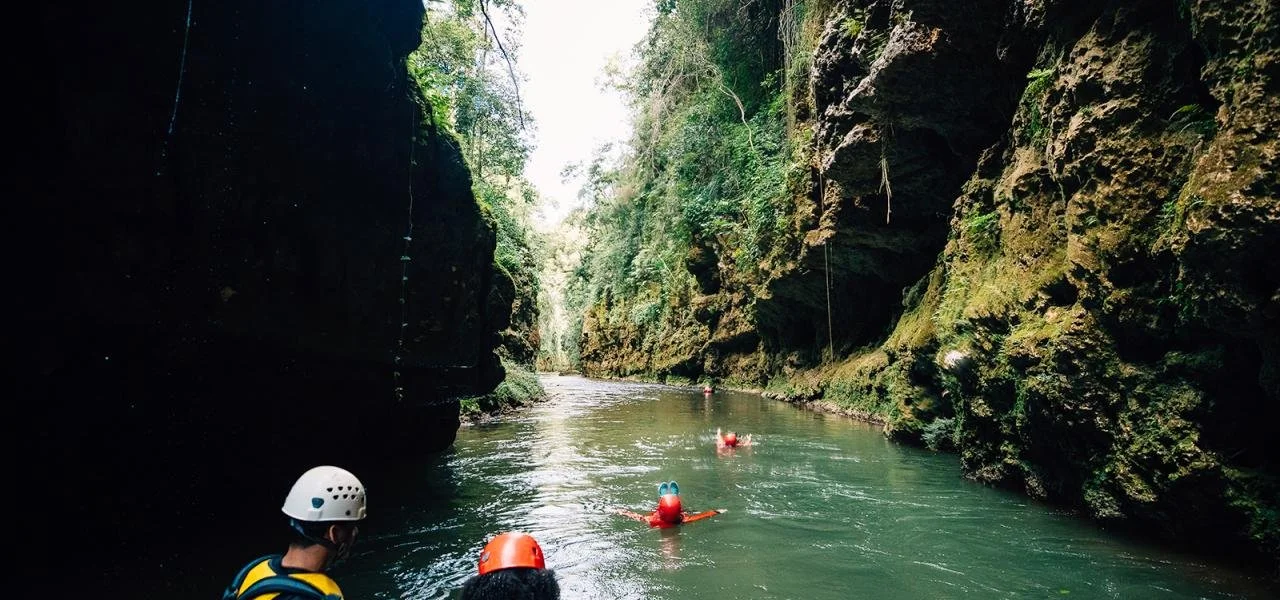
Puerto Rico's 21 Must-See Spots
Beaches, lighthouses, cultural immersions, rum tours, and so much more

Nestled in the heart of the Caribbean, Puerto Rico is a tropical paradise that captivates visitors with its rich history, vibrant culture, and breathtaking landscapes. From pristine beaches to historic forts, this island offers a diverse range of attractions for every type of traveler. Whether you're an adventure seeker, history buff, or nature lover, Puerto Rico has something special to offer. Here are 21 must-see attractions that will make your visit to Puerto Rico an unforgettable experience.
Old San Juan:
Start your journey in the colorful and historic Old San Juan. Wander through cobblestone streets lined with vibrant colonial buildings, visit the iconic San Juan Cathedral, and explore the historic forts of El Morro and Castillo San Cristóbal.
- Location: Old San Juan is located on the northwestern coast of Puerto Rico.
- Cost: Strolling through the charming streets is free, but there is a nominal fee for entrance to El Morro and Castillo San Cristóbal.
- Activities: Explore the historic forts, visit the San Juan Cathedral, shop for local crafts, and savor traditional Puerto Rican cuisine at local restaurants.
El Yunque National Forest:
Immerse yourself in the lush beauty of El Yunque, the only tropical rainforest in the U.S. National Forest System. Hike through verdant trails, swim in crystal-clear waterfalls, and marvel at the diverse flora and fauna.
- Location: El Yunque is on the eastern side of Puerto Rico, near the town of Rio Grande.
- Cost: While entry to the forest is free, some attractions within, like La Mina Falls, may have parking or tour fees.
- Activities: Hike the trails to discover waterfalls, go bird-watching for the endangered Puerto Rican Parrot, and take a refreshing dip in natural pools.
Bioluminescent Bay:
Experience the magical glow of bioluminescent organisms in Mosquito Bay. Take a night kayak tour to witness the water light up with natural fluorescence, creating a mesmerizing spectacle.
- Location: Mosquito Bay, on the island of Vieques, is renowned for its bioluminescent phenomenon.
- Cost: Tours are available with varying costs. Kayak tours are a popular choice to experience the magic.
- Activities: Take a night kayak tour to witness the glowing waters, and learn about the delicate ecosystem from knowledgeable guides.
Culebra and Vieques Islands:
Escape to the pristine beaches of Culebra and Vieques. Flamenco Beach in Culebra is renowned for its white sand and turquoise waters, while Vieques offers the unique experience of Mosquito Bay and the serene Sun Bay.
- Location: Culebra and Vieques are both accessible by ferry or a short flight from the mainland.
- Cost: Ferry and flight costs vary. Some beaches may have entrance fees.
- Activities: Snorkel in Flamenco Beach, visit Mosquito Bay in Vieques, and explore the laid-back charm of both islands.
Camuy River Cave Park:
Explore the mysterious underground world of the third-largest cave system in the world at Camuy River Cave Park. Marvel at the impressive limestone formations and the vast underground river.
- Location: Situated in the northern karst region of Puerto Rico, near the town of Camuy.
- Cost: There is an entrance fee for the cave park.
- Activities: Take a guided tour through the massive cave system, marvel at the underground river, and appreciate the unique geological formations.
La Fortaleza:
Visit the official residence of the Governor of Puerto Rico, La Fortaleza. This historic site is a UNESCO World Heritage Site and showcases Spanish colonial architecture.
- Location: La Fortaleza is in Old San Juan, facing San Juan Bay.
- Cost: Tours may be available for a fee.
- Activities: Admire the colonial architecture, explore the gardens, and learn about the history of this UNESCO World Heritage Site.
Ponce Art Museum:
Discover Puerto Rico's cultural richness at the Ponce Art Museum. This museum boasts an extensive collection of European, African, and Puerto Rican art, spanning from the 14th century to the present.
- Location: Ponce, on the southern coast of Puerto Rico.
- Cost: Admission fees apply.
- Activities: Immerse yourself in European, African, and Puerto Rican art, attend cultural events, and explore the beautifully landscaped surroundings.
Arecibo Observatory:
Uncover the mysteries of the universe at the Arecibo Observatory. This colossal radio telescope has been featured in movies and is renowned for its role in scientific research.
- Location: Near the town of Arecibo on the northern coast.
- Cost: Entrance fees may apply, and guided tours are available.
- Activities: Learn about astronomy, radio astronomy, and the history of the observatory. Take in the breathtaking views from the observation platform.
Condado Beach:
Relax on the sun-soaked shores of Condado Beach, a popular urban beach with a lively atmosphere. Enjoy water sports, beachfront dining, and vibrant nightlife.
- Location: San Juan, in the Condado district.
- Cost: The beach is free, but water sports and equipment rentals may have associated costs.
- Activities: Enjoy sunbathing, swimming, and water sports. Explore the nearby vibrant nightlife and dining options.
Cabo Rojo Lighthouse:
Witness stunning sunsets at the Cabo Rojo Lighthouse. Perched on the dramatic cliffs of Los Morrillos, this historic site offers panoramic views of the Caribbean Sea.
- Location: Cabo Rojo, on the southwestern tip of Puerto Rico.
- Cost: There may be a small fee for access to the lighthouse.
- Activities: Take in panoramic views of the coastline, explore nearby trails, and capture stunning sunset photographs.
Plaza Las Delicias:
Explore the heart of Ponce at Plaza Las Delicias. Admire the historic Parque de Bombas, a vibrant red-and-black striped firehouse turned museum.
- Location: Ponce, in the heart of the city.
- Cost: Free to explore the plaza; some museums may have admission fees.
- Activities: Visit the historic Parque de Bombas, stroll through the plaza, and explore nearby museums and shops.
Gilligan's Island:
Escape to the tropical paradise of Cayo Aurora, also known as Gilligan's Island. This hidden gem features mangrove channels, crystal-clear waters, and pristine beaches.
- Location: Off the coast of Guánica in southwestern Puerto Rico.
- Cost: Boat tours to the island may have fees.
- Activities: Snorkel in the clear waters, relax on pristine beaches, and explore the mangrove channels.
Museo de Arte de Puerto Rico:
Immerse yourself in Puerto Rican art at the Museo de Arte de Puerto Rico. This museum showcases a diverse collection of paintings, sculptures, and decorative arts.
- Location: San Juan, in the Santurce district.
- Cost: Admission fees apply.
- Activities: Explore the diverse art collection, attend cultural events, and participate in educational programs.
Luquillo Beach:
Enjoy the perfect blend of sun and sand at Luquillo Beach. Known for its palm-lined shores and calm waters, it's an ideal spot for swimming, picnicking, and beachside vendors.
- Location: Luquillo, on the northeastern coast of Puerto Rico.
- Cost: The beach is free, but parking fees may apply.
- Activities: Enjoy swimming, sunbathing, and sampling local cuisine from the beachside kiosks.
Casa Bacardi:
Indulge in a tour of Casa Bacardi, the world's largest premium rum distillery. Learn about the history of Bacardi and enjoy a tasting session of their finest rums.
- Location: Cataño, just across the bay from Old San Juan.
- Cost: Tours are available with varying costs.
- Activities: Take a guided tour of the distillery, learn about the rum-making process, and indulge in a tasting session.
Isla de Mona:
For the adventurous souls, explore the remote beauty of Isla de Mona. This nature reserve offers pristine beaches, excellent diving spots, and a chance to connect with nature.
- Location: West of Puerto Rico.
- Cost: Transportation costs and permits may apply.
- Activities: Explore pristine beaches, dive in crystal-clear waters, and discover the island's unique ecosystems.
Rincon Lighthouse:
Experience the laid-back charm of Rincon and visit the Rincon Lighthouse. Perched on a cliff, it offers breathtaking views of the coastline and is a prime whale-watching spot.
- Location: Rincon, on the western coast.
- Cost: There may be a small fee for access to the lighthouse.
- Activities: Enjoy whale watching, take in stunning views of the coastline, and explore the relaxed atmosphere of Rincon.
Caguas Botanical Garden:
Escape the hustle and bustle at the Caguas Botanical Garden. Stroll through lush greenery, admire exotic plants, and connect with nature in this serene oasis.
- Location: Caguas, in the central region of Puerto Rico.
- Cost: Admission fees may apply.
- Activities: Stroll through lush gardens, admire exotic plants, and enjoy a peaceful retreat from urban life.
Escambrón Beach:
Discover the beauty of Escambrón Beach, a tranquil oasis near Old San Juan. Snorkel in clear waters, relax on the golden sand, and enjoy the views of the historic fort.
- Location: Near Old San Juan, in San Juan.
- Cost: The beach is free, and snorkeling gear can be rented.
- Activities: Snorkel in clear waters, relax on the golden sand, and explore nearby historic sites.
Hacienda Buena Vista:
Step back in time at Hacienda Buena Vista, a restored 19th-century coffee plantation. Learn about the island's coffee-making history and explore the beautiful grounds.
- Location: Ponce, in the foothills of the central mountains.
- Cost: Guided tours may have fees.
- Activities: Learn about Puerto Rico's coffee-making history, explore the plantation grounds, and enjoy the scenic surroundings.
Museo de las Américas:
Gain insights into Puerto Rico's diverse heritage at the Museo de las Américas. This museum showcases the history and culture of the Americas, with a focus on Puerto Rican identity.
- Location: San Juan, in the Cuartel de Ballajá.
- Cost: Admission fees apply.
- Activities: Explore exhibitions on the history and culture of the Americas, attend cultural events, and participate in educational programs.
Puerto Rico is a treasure trove of natural wonders, historical landmarks, and cultural gems. Whether you're exploring the historic streets of Old San Juan, hiking through the rainforest, or lounging on pristine beaches, each corner of the island offers a unique and enriching experience. With its warm hospitality and vibrant spirit, Puerto Rico beckons travelers to discover the many facets of this Caribbean paradise.
The Sawatch 14ers of Colorado
The Sawatch Range in Colorado is a paradise for mountaineers and hiking enthusiasts, offering a collection of fifteen majestic peaks soaring above 14,000 feet. If you're an avid adventurer seeking a thrilling challenge, conquering all fifteen of these breathtaking peaks is the ultimate accomplishment.

The Sawatch Range in Colorado is a paradise for mountaineers and hiking enthusiasts, offering a collection of fifteen majestic peaks soaring above 14,000 feet. If you're an avid adventurer seeking a thrilling challenge, conquering all fifteen of these breathtaking peaks is the ultimate accomplishment.
The Sawatch Range in Colorado is home to 15 14,000-foot peaks, making it the range with the highest number of 14ers in the state. Climbing these peaks offers an unparalleled mountaineering experience, surrounded by breathtaking vistas, diverse terrain, and a sense of accomplishment like no other. Conquering all 15 peaks presents a thrilling challenge for adventurers seeking to test their skills, endurance, and appreciation for the stunning beauty of the Colorado Rockies.
Here's an overview to guide you through the adventure of a lifetime:
MOUNT ELBERT - 14,440 FT (4,401 M)
- Standard Route: Northeast Ridge - A well-marked trail that begins from the North Mount Elbert Trailhead, offering a gradual ascent through forests and meadows before reaching the exposed ridge leading to the summit.
- Miles: Approximately 9 miles (14.5 km) round trip.
- Elevation Gain: Around 4,700 feet (1,433 meters).
- Trailhead: North Mount Elbert Trailhead.
- Average Time: 8-12 hours.
MOUNT MASSIVE - 14,421 FT (4,396 M)
- Standard Route: East Slopes - Beginning from the Mount Massive Trailhead, this route takes you through alpine meadows and a well-defined trail leading to the broad summit ridge.
- Miles: Approximately 14.5 miles (23.3 km) round trip.
- Elevation Gain: About 4,600 feet (1,402 meters).
- Trailhead: Mount Massive Trailhead.
- Average Time: 8-11 hours.
MOUNT HARVARD - 14,420 FT (4,395 M)
- Standard Route: South Slopes - Starting from the North Cottonwood Creek Trailhead, this route ascends through pine forests and meadows before reaching the rocky summit slopes.
- Miles: Approximately 14 miles (22.5 km) round trip.
- Elevation Gain: Approximately 4,600 feet (1,402 meters).
- Trailhead: North Cottonwood Creek Trailhead.
- Average Time: 12-13 hours.
LA PLATA PEAK - 14,336 FT (4,377 M)
- Standard Route: Ellingwood Ridge - This challenging route starts from the La Plata Peak Trailhead and follows a steep, rocky ridge leading to the summit, offering exhilarating exposure and stunning views.
- Miles: Approximately 9 miles (14.5 km) round trip.
- Elevation Gain: About 4,500 feet (1,372 meters).
- Trailhead: La Plata Peak Trailhead.
- Average Time: 7-9 hours.
MOUNT ANTERO - 14,269 FT (4,348 M)
- Standard Route: West Slopes - Beginning from the Baldwin Gulch Trailhead, this route follows an old mining road before ascending steeply up the mountain's western slopes.
- Miles: Approximately 16 miles (25.7 km) round trip.
- Elevation Gain: Around 5,400 feet (1,646 meters).
- Trailhead: Baldwin Gulch Trailhead.
- Average Time: 8-12 hours.
MOUNT SHAVANO - 14,229 FT (4,337 M)
- Standard Route: East Slopes - Starting from the Shavano Trailhead, this route follows a well-marked trail up the eastern slopes of the mountain, with a final steep push to the summit.
- Miles: Approximately 9 miles (14.5 km) round trip.
- Elevation Gain: About 4,700 feet (1,433 meters).
- Trailhead: Shavano Trailhead.
- Average Time: 10-12 hours.
TABEGUACHE PEAK - 14,155 FT (4,314 M)
- Standard Route: Connecting Ridge - Tabeguache Peak is often climbed in conjunction with Mount Shavano via a connecting ridge hike, adding a little extra distance and challenge.
- Miles: Approximately 12 miles (19.3 km) round trip (including both peaks).
- Elevation Gain: Approximately 5,300 feet (1,615 meters).
- Trailhead: Shavano Trailhead.
- Average Time: 11-13 hours (including both peaks).
MOUNT PRINCETON - 14,197 FT (4,327 M)
- Standard Route: East Slopes - Beginning from the Mount Princeton Trailhead, this route offers a steady climb up the eastern slopes, with sections of scree near the summit.
- Miles: Approximately 6.5 miles (10.5 km) round trip.
- Elevation Gain: About 3,200 feet (975 meters).
- Trailhead: Mount Princeton Trailhead - From the cell towers.
- Average Time: 7-8 hours.
MOUNT YALE - 14,196 FT (4,327 M)
- Standard Route: Southwest Slopes - Starting from the Denny Creek Trailhead, this route follows a well-marked trail through forests and meadows before ascending the mountain's southwest slopes.
- Miles: Approximately 9 miles (14.5 km) round trip.
- Elevation Gain: Around 4,300 feet (1,311 meters).
- Trailhead: Denny Creek Trailhead.
- Average Time: 10-12 hours.
MOUNT OXFORD - 14,153 FT (4,315 M)
- Standard Route: Connecting Ridge - Mount Oxford is often climbed in conjunction with Mount Belford via a connecting ridge hike, adding a little extra distance and challenge.
- Miles: Approximately 11 miles (17.7 km) round trip (including both peaks).
- Elevation Gain: Approximately 5,300 feet (1,615 meters).
- Trailhead: Missouri Gulch Trailhead (for both peaks).
- Average Time: 12-15 hours (including both peaks).
MOUNT BELFORD - 14,197 FT (4,327 M)
- Standard Route: Northwest Ridge - Starting from the Missouri Gulch Trailhead, this route follows a well-defined trail up the mountain's northwest ridge, offering stunning views throughout the ascent.
- Miles: Approximately 9 miles (14.5 km) round trip (including both peaks).
- Elevation Gain: About 4,600 feet (1,402 meters).
- Trailhead: Missouri Gulch Trailhead.
- Average Time: 12-15 hours.
MOUNT COLUMBIA - 14,073 FT (4,289 M)
- Standard Route: West Slopes - Beginning from the North Cottonwood Creek Trailhead, this route ascends the western slopes of the mountain, crossing a high alpine basin before reaching the summit ridge.
- Miles: Approximately 14 miles (22.5 km) round trip.
- Elevation Gain: Around 5,300 feet (1,615 meters).
- Trailhead: North Cottonwood Creek Trailhead.
- Average Time: 10-12 hours.
MISSOURI MOUNTAIN - 14,067 FT (4,287 M)
- Standard Route: Northwest Ridge - Starting from the Missouri Gulch Trailhead, this route ascends through forests before reaching the exposed northwest ridge leading to the summit.
- Miles: Approximately 10 miles (16.1 km) round trip.
- Elevation Gain: Around 4,800 feet (1,463 meters).
- Trailhead: Missouri Gulch Trailhead.
- Average Time: 8-12 hours.
MOUNT OF THE HOLY CROSS - 14,011 FT (4,271 M)
- Standard Route: North Ridge - Starting from the Halfmoon Trailhead, this route follows the well-defined North Ridge trail, offering breathtaking views and the iconic view of the "Cross Couloir" on the mountain's northeast face.
- Miles: Approximately 12 miles (19.3 km) round trip.
- Elevation Gain: Approximately 5,600 feet (1,707 meters).
- Trailhead: Halfmoon Trailhead.
- Average Time: 12-16 hours.
MOUNT HURON - 14,003 FT (4,268 M)
- Standard Route: Northwest Slopes - Beginning from the Clear Creek Reservoir Trailhead, this route follows a well-marked trail through forests and meadows before ascending the mountain's northwest slopes.
- Miles: Approximately 6.5 miles (10.5 km) round trip.
- Elevation Gain: About 3,700 feet (1,128 meters).
- Trailhead: Clear Creek Reservoir Trailhead.
- Average Time: 8-10 hours.
Completing the ascent of all fifteen 14,000-foot peaks in the Sawatch Range is an extraordinary achievement. As you trek through Colorado's majestic wilderness, each peak will offer unique challenges and rewards, leaving you with memories to cherish for a lifetime. Remember to practice Leave No Trace principles and respect the natural environment as you embark on this incredible climbing journey. Happy climbing!
Did I Pull An April Fools Joke On Myself?
Solo Bikepacking the South Island of New Zealand

I landed on April 1st with a dream, backpacking equipment, and no idea what I was doing. When I say no idea, I mean a man in the airport lobby walked up to me and said, “Son, you’ve been standing there a while, do you know where you are going tonight? It’s going to be dark soon.”
Surprised by his voice and greener than green, I looked at the man and responded, “I’m going to bike around the country.”
His eyes look around me and in the nicest way possible, he musters up the courage to ask, “Did your bike get lost en route?”
I giggled to myself, I truly had no idea what I had just signed up for, “Nope, I was going to buy one here.”
“You know, all of the stores are closed already, right? You’ll have to get a hostel tonight and then tomorrow get your bike.”
“Okay, that sounds great! Do you know any hostels?”
Two days later, I pedaled away from the hostel the man at the airport had suggested. Winding through the city streets of Christchurch, I was eager to make it to the main road that circles New Zealand’s South Island. Upon arriving at the T, I asked myself, “Clockwise or counterclockwise?” For the first time, I had a hunch that I knew what I was doing. Feeling confident, I recall thinking, it’s the second half of summer, I should go south now, so I am in the north for the fall. So, I went right and pedaled along the coast, embracing a freedom that I had never known before.
Flashback a few weeks, I had graduated early from college, with a BS in Mathematics, but I had no direction. As a kid, I dreamed of seeing the world and being a writer, but, somehow, I studied math. Luckily, I had a professor who took me under his wing and shared travel tale after travel tale. His experiences made him a professor of life, more than a math professor. As I packed my bag, my worried parents barraged me with questions that I did not have answers for. These questions were simple, like; “Where do you plan to sleep?” “How much money do you have and is it going to be enough?” “You have never ridden a bike longer than 5 miles, how far do you plan to ride?” All I knew is that I watched a Rocket Power movie about riding bikes in NZ and Professor Klosinski had told me of the natural beauty New Zealand offered.
Armed with a journal, an iPhone (without a data plan), and an overconfident mantra of “I’ll figure it out along the way” I disregarded crazy looks from my family and friends. How hard could riding a bike be? Naïvely, that last question should have been one I asked myself! But, I am glad I didn’t, otherwise, I would not be sharing this story.
Call it beginners luck, but the first two weeks had passed and I had not crashed, nor had I gotten a flat tire. I started to get in the groove and my days, while unplanned, developed a routine. Wake up, eat anything, pack up, ride, eat lunch, talk to myself… A LOT… ride, pitch my tent, read, journal, sleep. Oh yeah, occasionally reference the map that I carried, since I didn’t have GPS. My body was in good shape and to my butt’s surprise, it didn’t get sore! There came a day that I thought to myself, Maybe I have the perfect cycling butt, I never get sore!
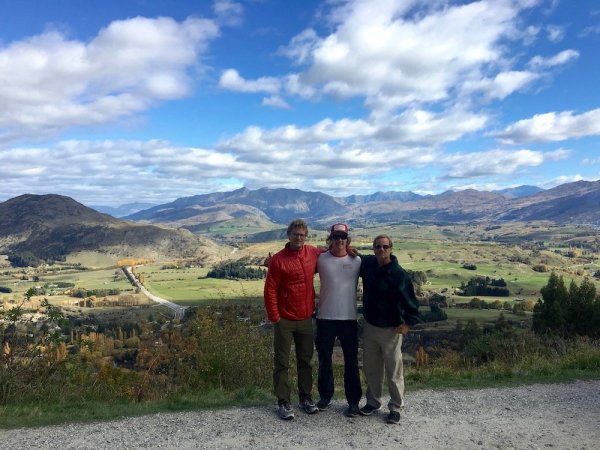
As the summer faded into the fall, my dad and brother visited. We packed my bike, which had earned the name Roam’n, into the van they had rented. We drove around the island for 10 days. My wet and stinky self pissed my dad off from the start. We couldn’t find each other and my sense of time had become non-existent. While a watch was strapped to my wrist, my attachment to social norms had gone out the window. Turns out, I was three hours late. Today, I understand why he was upset, but I was dumbfounded at the moment. As we drove around the island, we created memories. We made many side trips, hiked trails, and, as if I couldn’t get my biking fill, went downhill mountain biking. Ten days go by quickly, but Roam’n and I picked up where we left off.
By this time, I had been away from home for over a month. The white line of the road had replaced the black line of the swimming pool, that I had stared at since I was three years old. I did not listen to music nor podcasts, so, I did the unbearable, I learned to sit with myself. When I started the journey, I did not know… well… anything. I was flying by the seat of my pants, without an agenda, only an idea that I honestly didn’t care if I finished because I had tried.
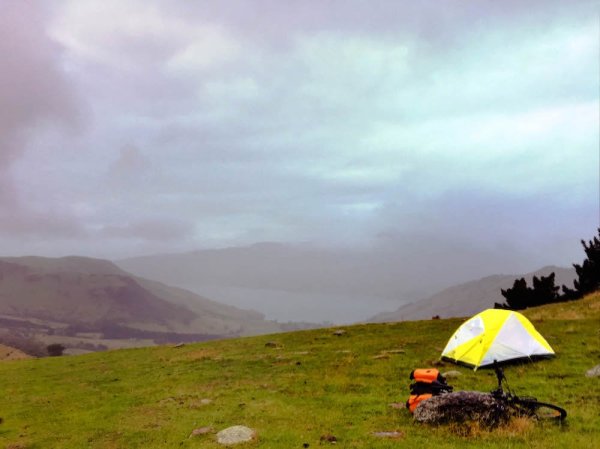
While trying is great, so is finishing, but sometimes you have to ask yourself, Is worth it? Not long after my brother and dad left, things started to break. My back tire had to be completely rebuilt as eleven spokes snapped. I popped two inner-tubes. My panniers were ripping from the constant moisture. The rain became a daily tradition and there was one weekend when I read I sign saying, “Flooding possible, 5 meters of rain expected.” My boots, yes I cycled in mountaineering boots, were sopping wet. I found out the difference between $100 and $600 rain gear is the duration of rain it can repel. I should have sprung for the $600 gear! I got the flu. And to top it all off, I received word from home, that a friend had been diagnosed with cancer and most likely wouldn’t be alive by the time I got home.
Each day and night was different, sleeping next to farms, on beaches, hell, I slept in a sheep shear shed one night! The further I went into the suffer-fest, the greater joy life brought me! People would stop and invite me, sopping wet, into their vans for midday tea and biscuits. I was offered countless hot tubs (but strangely not many couches or showers). Eventually, I made a Dutch friend to cycle with for two days, that was a delight! Ironically, a French couple had hair buzzers and we shaved my shagged head, putting a J and F into the sides to honor my friend and teammate, Julian Fraser. Other amazing acts of kindness included; my rear tire being rebuilt for free, a tip to use rubber gloves to ward off frostbite, about seven meals, and honey, lots of free honey!
[gallery ids="457,458,459"]
As struggle was met with kindness, I continued to pedal. The rain never stopped at the end of the trip, but each night I was greeted with a miraculous thunderstorm. Headwinds turned into tailwinds as I rounded the top of the island for my last week of riding. That final stretch I took slow. So slow, I actually ran out of food the night before making it to Greymouth. With a hungry belly, I pedaled my way to a hostel for my third warm shower in two months. My legs burned in pain and I couldn’t sleep, only stretch. While I waited two days for a bus to take me back to Christchurch, I learned how to make bread from a German couple.
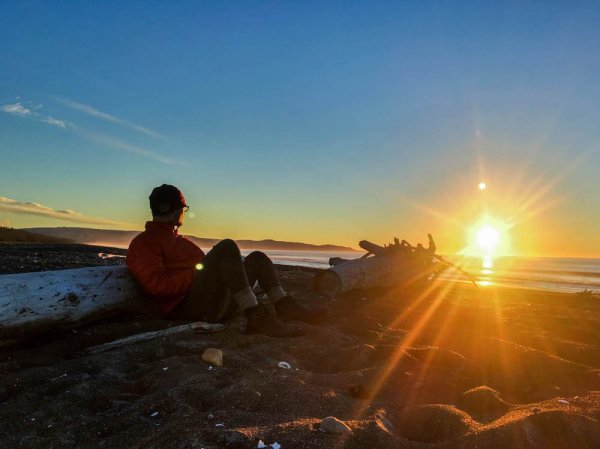
I knew my time in New Zealand had come to an end and it was time for me to return to California. While I had been insistently journaling about what I wanted to do in my life for 62 days, I was coming home with no answer. There was this side of me that wanted to return to the pool and attempt to make the Olympic Trials for swimming. There was a side of me that wanted to return to school and get a master’s degree to become a teacher. There was another side of me, the one that weighed the heaviest, that told me I needed to go home and make money. Regardless of my choice, there was a pull that I could not resist, no matter how hard I tried, for me to continue to explore. But, what would that look like?