

The Pros and Cons of Van Life in Baja
The allure of van life has been growing steadily in recent years, with more and more individuals and families choosing to hit the open road in their DIY rigs. Baja California, the picturesque Mexican peninsula, is a prime destination for van lifers seeking sun, surf, and adventure. However, before you pack your bags and hit the road, it's essential to weigh the pros and cons of van life in Baja to make an informed decision.
The allure of van life has been growing steadily in recent years, with more and more individuals and families choosing to hit the open road in their DIY rigs. Baja California, the picturesque Mexican peninsula, is a prime destination for van lifers seeking sun, surf, and adventure. However, before you pack your bags and hit the road, it's essential to weigh the pros and cons of van life in Baja to make an informed decision.
Pros of Van Life in Baja
Stunning Scenery: One of the most significant advantages of van life in Baja is the stunning natural beauty. From the pristine beaches along the Sea of Cortez to the rugged desert landscapes of the Baja Peninsula, you'll have access to a variety of breathtaking vistas right outside your van door.
Affordable Living: Baja offers a cost-effective lifestyle for van lifers. Campgrounds and beachfront parking spots are often much cheaper than traditional accommodation, and the overall cost of living is relatively low. I typically expect to pay $15-20 a day.
Cultural Experience: Van life in Baja allows you to immerse yourself in Mexican culture. You can explore local markets, enjoy authentic cuisine, and interact with friendly locals, enriching your travel experience.
Endless Adventures: Baja is a paradise for outdoor enthusiasts. Whether you're into surfing, hiking, fishing, or just enjoying the warm weather, there are endless adventures to be had. The diverse terrain caters to a wide range of interests and skill levels.
Flexibility: Van life provides the ultimate freedom to move at your own pace. You can change your location whenever you desire, adapting to your preferences and weather conditions.


Cons of Van Life in Baja
Safety Concerns: While Baja is generally a safe place to travel, there are areas with higher crime rates. It's essential to research your route and stay informed about current safety conditions. Take precautions to ensure your safety and belongings.
Language Barrier: Many locals in Baja may not speak English, which can pose challenges when it comes to communication. It's advisable to learn some basic Spanish phrases to make your journey more manageable.
Limited Amenities: Unlike urban living, van life often means sacrificing some creature comforts. You may have limited access to electricity, showers, and laundry facilities. Prepare to adapt to a simpler lifestyle.
Border Crossings: Traveling to Baja involves crossing the U.S.-Mexico border. While it's generally straightforward, there can be long wait times and sometimes complex entry requirements, which can be intimidating for newcomers.
Environmental Impact: Van life can have an environmental impact due to increased fuel consumption and waste generation. It's essential for responsible van lifers to minimize their footprint by practicing Leave No Trace principles and reducing their carbon footprint.

Van life in Baja offers a unique opportunity to explore a diverse and stunning region. The advantages of breathtaking landscapes, affordability, and cultural immersion make it an appealing lifestyle choice. However, it's vital to be aware of the potential drawbacks, such as safety concerns, language barriers, and limited amenities, as well as taking responsibility for minimizing environmental impact. Ultimately, van life in Baja can be an incredible adventure for those who are well-prepared and willing to embrace the ups and downs of life on the road.
Discover More Destinations

Best Ways To Explore The Amalfi Coast
The Amalfi Coast, a UNESCO World Heritage site located in southern Italy, is renowned for its stunning cliffs, charming villages, and breathtaking coastal views. Stretching about 50 kilometers along the southern edge of the Sorrentine Peninsula, it offers a myriad of ways to explore its beauty. Here are some of the best ways to discover the Amalfi Coast.
The Amalfi Coast is a mosaic of charming towns, each with its unique character and allure. From the pastel-colored houses of Positano cascading down to the sea, to the historic grandeur of Amalfi and the serene gardens of Ravello, every corner of this region invites exploration and wonder. The azure waters of the Mediterranean Sea contrast beautifully with the rugged cliffs, creating a landscape that is both dramatic and serene.
Travelers to the Amalfi Coast can choose from a myriad of ways to experience its splendor. Whether it's winding through the coastal roads by bus or scooter, sailing along the shoreline by ferry, or trekking through its scenic hiking trails, there is an adventure to suit every preference. For those seeking a leisurely pace, the coastal towns offer quaint streets filled with artisanal shops, cafes, and restaurants serving up the region’s delectable cuisine.
In this guide, we delve into the best ways to discover the Amalfi Coast, highlighting the diverse transportation options and unique experiences that await. Whether you're a first-time visitor or returning to savor its beauty once more, this enchanting region of Italy promises an unforgettable journey.
The colorful buildings of Positano glowing in the light along the Amalfi Coast of Italy. Photo by Dalton Johnson
1. Busing the Amalfi Coast
One of the most popular ways to traverse the Amalfi Coast is by bus. The SITA bus service connects the main towns along the coast, such as Positano, Amalfi, and Ravello. Busing allows you to sit back and enjoy the panoramic views without the stress of navigating the narrow, winding roads yourself. The buses are frequent and relatively inexpensive, making them a great option for budget-conscious travelers. However, during peak season, they can be crowded, so it's advisable to plan ahead and be prepared for some waiting.
Pros:
Affordable and budget-friendly.
Regular and frequent service.
Great for enjoying panoramic views without the stress of driving.
Cons:
Can be crowded, especially during peak season.
Limited flexibility with schedules and stops.
Potential for long waits and delays.
2. Scooter the Amalfi Coast
For those seeking a more adventurous and flexible way to explore, renting a scooter is an excellent choice. Scooters allow you to easily navigate through the narrow streets and find hidden gems that larger vehicles cannot access. You'll have the freedom to stop wherever and whenever you want, making it easier to discover secluded beaches or charming roadside cafes. Just remember to wear a helmet and drive carefully, as the coastal roads can be quite challenging.
Pros:
Offers flexibility and freedom to explore at your own pace.
Easier access to narrow streets and hidden spots.
Fun and adventurous way to travel.
Cons:
Requires confident driving skills and caution.
Limited protection from weather conditions.
Potentially dangerous due to winding roads and traffic.
3. Ferry Ride the Amalfi Coast
Taking a ferry is another fantastic way to experience the Amalfi Coast, offering a unique perspective from the water. Ferries connect several key towns along the coast, including Sorrento, Positano, Amalfi, and Salerno. This mode of transportation provides stunning views of the coastline and the Mediterranean Sea, making it a scenic and relaxing way to travel. Additionally, ferries are less crowded than buses during high season and offer a smooth, enjoyable ride.
Pros:
Provides stunning coastal views from the water.
Less crowded than buses during peak season.
Smooth and relaxing travel experience.
Cons:
Limited to specific routes and schedules.
Weather-dependent service.
Can be more expensive than other modes of transportation.
4. Driving the Amalfi Coast
If you prefer having complete control over your itinerary, renting a car is an option. Driving along the Amalfi Coast can be a thrilling experience, but it comes with its challenges. The roads are narrow, winding, and often crowded, requiring confident driving skills. Parking can also be difficult to find and expensive. Despite these challenges, having a car allows you to explore at your own pace and venture off the beaten path to discover lesser-known areas.
Pros:
Complete control over your itinerary.
Ability to explore off-the-beaten-path locations.
Convenient for carrying luggage and personal items.
Cons:
Challenging driving conditions with narrow, winding roads.
Difficult and expensive parking.
Potential for traffic congestion, especially in summer.
5. Hiking the Amalfi Coast
For nature enthusiasts, hiking is one of the best ways to immerse yourself in the natural beauty of the Amalfi Coast. The Path of the Gods (Sentiero degli Dei) is the most famous trail, offering spectacular views of the coastline and the Tyrrhenian Sea. The trail runs between the towns of Bomerano and Nocelle, and is suitable for hikers of various skill levels. Other popular hikes include the Valle delle Ferriere and the coastal trail from Maiori to Minori. Hiking allows you to experience the region's lush landscapes, terraced vineyards, and charming villages up close.
Pros:
Immersive experience in nature and local scenery.
Access to breathtaking viewpoints and less-visited areas.
Healthy and active way to explore.
Cons:
Requires physical fitness and good footwear.
Weather-dependent and can be strenuous.
Limited to specific trails and areas.
6. Exploring by Boat
Chartering a private boat or joining a boat tour is a luxurious and intimate way to explore the Amalfi Coast. This option allows you to visit secluded coves and beaches that are inaccessible by land. You can also enjoy activities such as swimming, snorkeling, and diving in the crystal-clear waters. Many boat tours offer the opportunity to visit nearby islands like Capri and Ischia, adding more variety to your coastal adventure.
Pros:
Luxurious and intimate way to see the coast.
Access to secluded coves and beaches.
Opportunities for swimming, snorkeling, and diving.
Cons:
Expensive, especially for private charters.
Weather-dependent and may be seasonal.
Limited to coastal areas and not inland towns.

Looking east, down the Amalfi Coast of Italy from Vietri Sul Mare. Photo by Dalton Johnson
The Amalfi Coast offers a multitude of ways to explore its breathtaking scenery and charming towns. Whether you choose to bus, scooter, ferry, drive, hike, or explore by boat, each mode of transportation provides a unique perspective and experience. Plan your trip according to your preferences and comfort level to make the most of your visit to this enchanting part of Italy.
So pack your bags, prepare your itinerary, and get ready to discover the unparalleled beauty of the Amalfi Coast. Buon viaggio!
Discover More Destinations

7 Winter Destinations to Consider This Year
We'll introduce you to seven incredible winter destinations that you should consider for your upcoming winter getaway. From the frosty landscapes of Yellowstone National Park to the sunny shores of Baja Sur, each destination offers its own charm and a range of exciting adventures.
Winter is a magical season that transforms landscapes into breathtaking wonderlands. It's the perfect time to embark on new adventures, explore unique destinations, and create lasting memories. Whether you're a fan of snowy escapades, temperate climates, or wildlife encounters, there's a winter destination that suits your preferences.
We'll introduce you to seven incredible winter destinations that you should consider for your upcoming winter getaway. From the frosty landscapes of Yellowstone National Park to the sunny shores of Baja Sur, each destination offers its own charm and a range of exciting adventures.
1. Yellowstone National Park, USA:
Yellowstone National Park, located in the U.S. states of Wyoming, Montana, and Idaho, is a winter wonderland known for its geothermal wonders and abundant wildlife. Blanketed in snow, the park transforms into a serene and picturesque destination.
Must-Do Adventures:
Snowmobiling and Snow Coach Tours: Explore the park's vast winter landscapes by embarking on a thrilling snowmobile adventure or a more comfortable snow coach tour. These tours offer access to the park's iconic features like Old Faithful and the Grand Canyon of the Yellowstone.
Wildlife Watching: Winter is an excellent time to observe Yellowstone's wildlife, including bison, elk, wolves, and bald eagles. Lamar Valley is a hotspot for wildlife enthusiasts, offering opportunities to spot these magnificent creatures in their natural habitat.
Cross-Country Skiing and Snowshoeing: Strap on your cross-country skis or snowshoes and traverse the park's pristine trails. This allows you to experience the tranquility of Yellowstone's winter landscape up close.
Pros and Cons:
Pros:
Unique winter beauty with geysers and hot springs surrounded by snow.
Abundant wildlife sightings.
Wide range of winter activities, including snowmobiling and skiing.
Cons:
Cold temperatures and harsh weather conditions.
Limited accessibility due to road closures.
Crowded during peak holiday periods.
2. Baja Sur, Mexico:
Baja Sur is a region located in the southern part of the Baja California Peninsula in Mexico. It's famous for its pleasant winter climate, beautiful beaches, and vibrant culture.
Must-Do Adventures:
Whale Watching: Witness the incredible spectacle of gray whales migrating to the warm waters of Baja Sur. Book a boat tour from destinations like La Paz or Cabo San Lucas to get up close to these magnificent creatures.
Water Sports: Baja Sur offers a range of water sports, including snorkeling, scuba diving, and kayaking. The Sea of Cortez's clear waters teem with marine life, making it a paradise for aquatic adventures.
Explore Historic Towns: Visit charming towns like Todos Santos and Loreto to explore their rich history, art galleries, and local cuisine.
Pros and Cons:
Pros:
Pleasant winter weather with mild temperatures.
Abundant marine life and opportunities for water sports.
Rich cultural experiences in historic towns.
Cons:
High tourist traffic during peak winter months.
Limited direct flight options to some destinations in Baja Sur.
Some areas may be pricier than other Mexican destinations.
3. Sedona, Arizona, USA:
Sedona, located in the heart of Arizona, is a desert oasis surrounded by red rock formations. While winter here may not bring snow, it offers a unique and serene landscape.
Must-Do Adventures:
Hiking and Jeep Tours: Explore Sedona's stunning red rock formations through hiking trails or guided jeep tours. Popular spots include Cathedral Rock and Devil's Bridge.
Stargazing: Sedona's clear skies and minimal light pollution make it an ideal spot for stargazing. Consider joining a nighttime astronomy tour to learn about the cosmos.
Spa Retreats: Treat yourself to relaxation and rejuvenation at Sedona's world-class spas, offering massages, yoga retreats, and wellness programs.
Pros and Cons:
Pros:
Mild winter temperatures suitable for outdoor activities.
Spectacular desert landscapes.
Unique spiritual and wellness experiences.
Cons:
Limited winter-specific activities.
Can get crowded during weekends and holidays.
Accommodation prices may be higher in peak season.
4. South Africa:
South Africa offers a diverse range of winter experiences, from safaris to exploring vibrant cities and coastal escapes.
Must-Do Adventures:
Safari in Kruger National Park: Witness the "Big Five" and other incredible wildlife on a safari in one of Africa's most renowned national parks.
Cape Town: Explore the vibrant city of Cape Town, visit Table Mountain, and indulge in the city's thriving food and wine scene.
Garden Route: Drive along the picturesque Garden Route, known for its lush landscapes, stunning beaches, and charming towns.
Pros and Cons:
Pros:
Ideal time for wildlife safaris.
Pleasant winter weather in most regions.
Rich cultural experiences and diverse landscapes.
Cons:
Malaria risk in some safari areas.
Crowded during school holidays.
Long flights may be required for some travelers.
5. Jackson Hole, Wyoming, USA:
Jackson Hole, nestled in the Teton Mountains of Wyoming, is a top-notch winter destination for outdoor enthusiasts and ski aficionados.
Must-Do Adventures:
Skiing and Snowboarding: Jackson Hole Mountain Resort is renowned for its challenging slopes and breathtaking vistas. Enjoy some of the best skiing and snowboarding in the United States.
Snowshoeing and Snowmobile Tours: Explore the pristine wilderness around Jackson Hole on snowshoes or snowmobiles. Guided tours are available for all skill levels.
Wildlife Safaris: Join a wildlife safari in nearby Grand Teton National Park to spot bison, elk, moose, and other iconic North American animals.
Pros and Cons:
Pros:
World-class skiing and snowboarding opportunities.
Stunning mountain scenery.
Excellent wildlife viewing in nearby national parks.
Cons:
Cold winter temperatures.
High-end resorts can be expensive.
Popular and can be crowded during peak season.
6. Big Sur, California, USA:
Big Sur, located along California's rugged central coast, offers a different kind of winter getaway. It's known for its dramatic cliffs, redwood forests, and serene coastline.
Must-Do Adventures:
Coastal Hiking: Explore the stunning coastline on foot through the numerous hiking trails that offer breathtaking views of the Pacific Ocean.
McWay Falls: Visit McWay Falls, an iconic waterfall that flows directly onto a pristine beach, creating a postcard-worthy scene.
Bixby Creek Bridge: Photograph the famous Bixby Creek Bridge, one of the tallest single-span concrete bridges in the world, which offers incredible vistas.
Pros and Cons:
Pros:
Mild winter weather along the coast.
Stunning coastal scenery and natural beauty.
Peaceful and tranquil environment.
Cons:
Limited winter-specific activities.
Accommodations may require advance booking.
Some areas may be inaccessible due to winter storms.
7. Costa Rica:
Costa Rica, known for its lush rainforests, abundant wildlife, and stunning beaches, offers a tropical escape for winter travelers.
Must-Do Adventures:
Rainforest Exploration: Hike through Costa Rica's diverse rainforests, visit waterfalls, and spot colorful wildlife such as toucans and sloths.
Zip-Lining and Canopy Tours: Get an adrenaline rush by zip-lining through the treetops or taking a canopy tour.
Beach Relaxation: Unwind on Costa Rica's beautiful beaches, from the Pacific to the Caribbean coast.
Pros and Cons:
Pros:
Pleasant tropical climate during winter.
Abundant wildlife and natural beauty.
Wide range of outdoor activities.
Cons:
Possible rainfall in some regions.
High tourist traffic in popular areas.
Some adventure activities may have age or health restrictions.
This winter, consider one of these incredible destinations for a memorable getaway. Whether you prefer snowy landscapes, tropical beaches, or desert tranquility, there's a destination that suits your preferences and offers a wide range of adventures. Remember to plan ahead and book accommodations in advance. So, pack your bags, embrace the winter spirit, and embark on an adventure of a lifetime.
Discover More Destinations

The Real Price Tag of Van Life
The romantic notion of living in a van can quickly collide with the reality of budgeting and financial planning if you don't get ahead of it. Embracing the freedom of the open road and the allure of a minimalist lifestyle, is intoxicating, but there are bills you need to pay even when breaking from the conventional life of a house. In this article, we'll delve into the nitty-gritty details of how much van life actually costs, covering both monthly expenses and additional costs that might not be immediately apparent.
The romantic notion of living in a van can quickly collide with the reality of budgeting and financial planning if you don't get ahead of it. Embracing the freedom of the open road and the allure of a minimalist lifestyle, is intoxicating, but there are bills you need to pay even when breaking from the conventional life of a house. In this article, we'll delve into the nitty-gritty details of how much van life actually costs, covering both monthly expenses and additional costs that might not be immediately apparent.
NOTE: You will notice I did not put food into this article, I've spoken with several vanlifers about their food costs per month and it ranges from $200-$1500 month. If you have a van, this cost most likely won't change from your current situation, unless you decide to eat out often.

Campfire at sunset while posted up in BLM of California. Photo by Dalton Johnson
Monthly Costs:
Fuel: $400/month
The cost of fuel is a significant factor, varying depending on the distance traveled and the efficiency of the van. I have paid more than $1500 in a single month when I was driving a ton!
Insurance: $75-200/month
Insurance costs fluctuate based on factors such as the type of coverage, location, and the van's value. Also, heading south of the border, you need Mexican insurance, so that feels like a double whammy.
Propane (for heater and cooking): $15/month
For those relying on propane for heating and cooking, budgeting for this necessity is crucial, but propane goes a long ways. Unless it is very cold, I would say I fill my two tanks once every three months, which costs about $45 each time.
Internet (e.g., Starlink): $150/month
Maintaining an internet connection, especially for remote work or entertainment, is a common expense. A double edge sword, but if you don't have this, you'll become a coffee shop worker.
Hotels and/or Campgrounds: $300
While van lifers often aim to park in free or low-cost spots, occasional stays at hotels or campgrounds may be necessary for amenities, a change of pace, and most often a shower.
Van Payment (if you buy a new one): $400-700/month
Financing a new van adds a significant monthly expense. Used van buyers might avoid this cost.
Water: Typically free, but costs may arise (e.g., $20-30/month in Baja)
Total Monthly Costs of Van Life: $1,400 - $2,100
The average costs of living van life month to month is around $1,400-$2,100, but I will say from personal experience you can do this significantly cheaper (the lowest I ever got down to was $435/month including food) and I have heard rumors of $5k-10k a month for those who want to live a lavish life on the road.


Additional Costs:
Oil Changes: $300-400/year
Regular maintenance, including oil changes, is essential to keep the van running smoothly.
Tire Rotations: $0-150/year
Some places offer free tire rotations, but it's wise to budget for this regular maintenance expense.
Registration: California is between $300-500/year
Vehicle registration fees can vary by state, and it's crucial to factor this into the annual budget.
Upgrades: $1000-3000/year
Vanlifers often find themselves making modifications and improvements to enhance comfort and functionality. I know I do this often!
New Batteries: $400-1000 every 5 years
Replacing batteries for your solar is a periodic expense for those relying on them for power needs.
Tires: $1000/18 months
Regular tire replacements are necessary, and costs can vary based on the type and brand of tires.
Total Additional Costs of Van Life For The Year: $3,000 - $5,000
Total Cost of Living Van Life for a Single Year: $19,800 - $30,200 (not including food)
Making time to watch the sunset from the top of the van while on the road. Photo by Dalton Johnson
While the allure of van life is undeniable, it's crucial to approach it with realistic expectations, especially when it comes to finances. The costs outlined above are general estimates, and actual expenses can vary based on personal choices and circumstances. By carefully budgeting and planning for both monthly and additional costs, van lifers can better enjoy the freedom of the open road without the stress of unexpected financial burdens.
Discover more Adventures


Is Van Life Coming To An End?
Is van life overrated? Maybe. Does that mean you shouldn't give it a try? Definitely not! But, why are those committed to van life quitting the movement?
In recent years, the allure of van life has captured the imaginations of many adventure seekers looking to break free from the conventional trappings of stationary living. The idea of hitting the open road, living in a compact mobile space, and experiencing the freedom of the nomadic lifestyle has drawn countless individuals into the world of van life. However, as the trend has gained momentum, a surprising phenomenon has emerged – people are increasingly choosing to abandon van life in favor of more traditional housing options. In this article, we explore the reasons behind this shift and delve into the evolving landscape of van life.
Is van life overrated? Maybe. Does that mean you shouldn't give it a try? Definitely not! But, why are those committed to van life quitting the movement?
In recent years, the allure of van life has captured the imaginations of many adventure seekers looking to break free from the conventional trappings of stationary living. The idea of hitting the open road, living in a compact mobile space, and experiencing the freedom of the nomadic lifestyle has drawn countless individuals into the world of van life. However, as the trend has gained momentum, a surprising phenomenon has emerged – people are increasingly choosing to abandon van life in favor of more traditional housing options. In this article, we explore the reasons behind this shift and delve into the evolving landscape of van life.
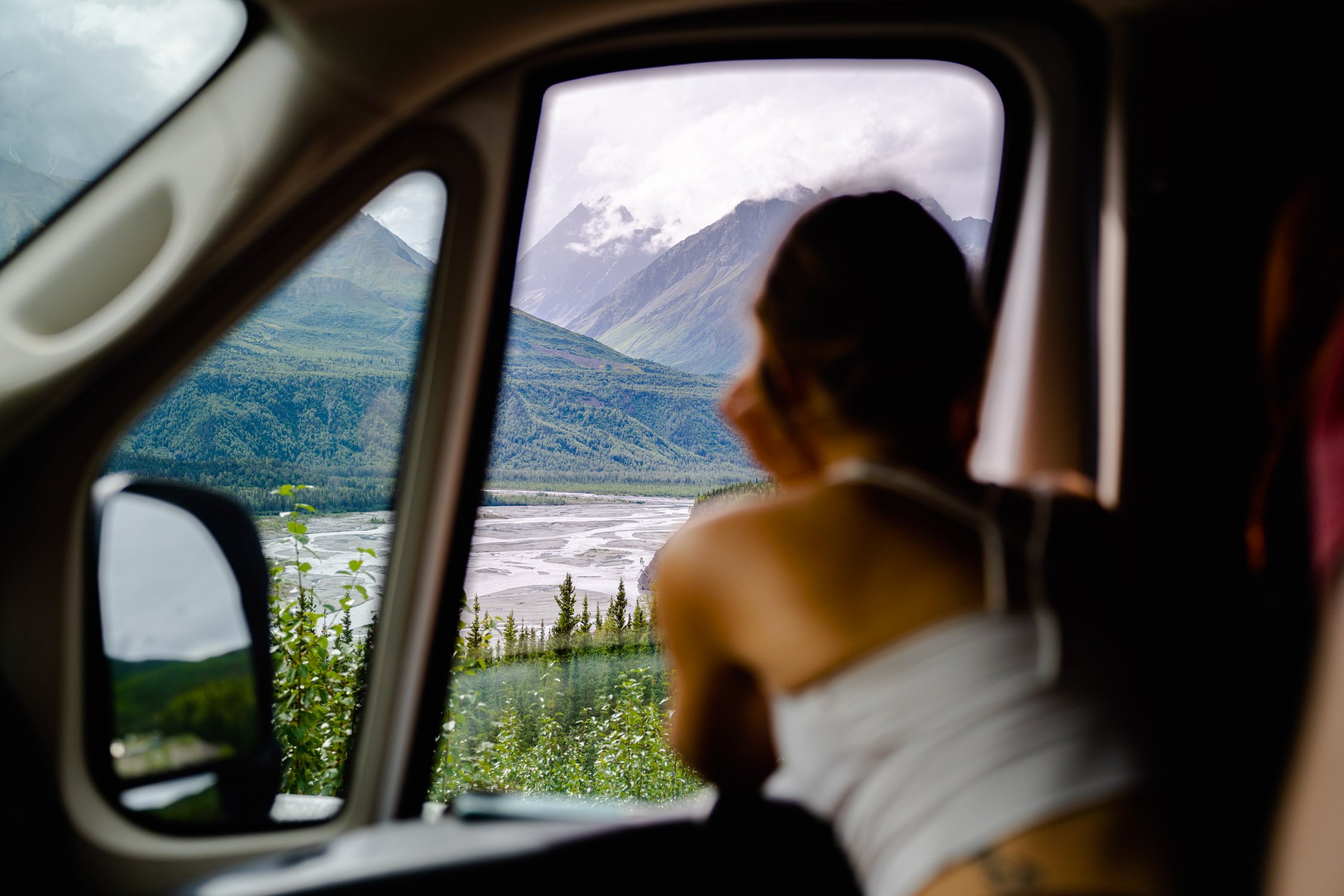
Staring out the van window and the Alaskan landscape. Photo by Dalton Johnson
The Missing Community Connection:
One of the initial draws of van life is the promise of a tight-knit community of like-minded individuals sharing the same nomadic journey. However, some van lifers find themselves feeling isolated on the road. The transient nature of the lifestyle can make it challenging to form lasting connections, leading some to yearn for a sense of belonging that is more readily available in a traditional neighborhood.
Increasing Challenges of Van Life:
While the concept of van life may seem idyllic, the reality can be harsh. Finding suitable places to park, dealing with maintenance issues, and managing the logistical aspects of life on the road can become increasingly challenging. As more people embrace van life, competition for desirable spots intensifies, making it harder for those seeking solitude and tranquility to find it.
Saved Enough to Settle Down:
Contrary to the perpetual wanderlust associated with van life, some individuals eventually realize that they have achieved their financial goals and can afford to establish a more permanent residence. The initial desire for a minimalist, debt-free lifestyle through van living often transforms into a realization that a stable home base provides a foundation for long-term financial security and personal growth.
Decision Fatigue Takes Its Toll:
Living on the road requires constant decision-making – where to park for the night, when to move on, and how to manage limited resources efficiently. The romanticized idea of spontaneous adventure can give way to the exhaustion of perpetual decision fatigue. Some van lifers find solace in the predictability of a routine, leading them to seek the stability that a fixed home can offer.
Rising Costs of Van Life:
Van life was once synonymous with a low-cost lifestyle, but as its popularity has surged, so too have associated expenses. The cost of purchasing and converting a van, fuel prices, insurance, and maintenance can add up quickly. Some van lifers find that the financial benefits they initially sought are eroded, making the prospect of traditional living arrangements more appealing.
The Rise of Van Life Rental Programs:
One of the most significant shifts in the van life landscape is the emergence of rental programs. In the past, van life enthusiasts needed to commit to the lifestyle by investing in their own vehicle. However, the rise of rental programs allows individuals to experience the freedom of van life without the long-term commitment. This shift in accessibility has led some to question the need for full-time van ownership, making it easier for people to dip in and out of the lifestyle as they please.
The open road outside the van window headed north to Alaska for the summer. Photo by Dalton Johnson
The decision to leave van life behind is a deeply personal one, shaped by a combination of individual preferences, changing circumstances, and the evolving nature of the lifestyle itself. While some people may find the sense of community they were seeking, others may realize that the financial security and stability of a traditional home outweigh the allure of the open road. As van life continues to evolve, it remains a dynamic and multifaceted lifestyle, catering to a diverse range of individuals with varying needs and aspirations. Ultimately, the reasons behind the exodus from van life underscore the importance of flexibility in our understanding of housing and lifestyle choices in the modern era.
Discover more Adventures

Van Life vs. Overlanding, What's The Difference?
Both van life and overlanding have boomed in recent years, but what is the difference? Both use a vehicle, both symbolize freedom, both allow you to reconnect with nature, but there are some major differences to explore the open road. While both involve a mobile existence and a love for exploration, they represent distinct approaches to the nomadic lifestyle, each with its own set of advantages and challenges.
Both van life and overlanding have boomed in recent years, but what is the difference? Both use a vehicle, both symbolize freedom, both allow you to reconnect with nature, but there are some major differences to explore the open road. While both involve a mobile existence and a love for exploration, they represent distinct approaches to the nomadic lifestyle, each with its own set of advantages and challenges.

Parking at the beach, watching the sunrise over Conception Bay in Baja. Photo by Dalton Johnson
Van Life:
Van life, as the name suggests, involves converting a van into a cozy, compact home on wheels. It's about minimalism, simplicity, and the freedom to pick up and go whenever the mood strikes. Vanlifers often opt for smaller vans, such as the iconic Volkswagen Transporter or the more spacious Mercedes Sprinter, and transform them into personalized, self-contained living spaces.
One of the key appeals of van life is the ability to bring the comforts of home on the road. Van conversions can include sleeping quarters, a small kitchen, and even a bathroom, providing a level of convenience that is unmatched in many other forms of nomadic living. This makes van life an excellent choice for those who value creature comforts and want the flexibility to explore without sacrificing basic amenities.
Moreover, van life is inherently adaptable. Urban adventures, remote nature escapes, and everything in between become accessible when your home is on wheels. The intimacy of the van also fosters a close connection with the surrounding environment, blurring the lines between indoor and outdoor living. Sunsets become your wallpaper, and the open road your backyard.
However, the compact nature of vans means limited space, which can be a challenge for long-term living or for those traveling with a family. Additionally, the initial cost of converting a van can be significant, and parking restrictions in urban areas may limit the freedom to roam at will. Despite these challenges, van life continues to captivate individuals seeking a taste of the nomadic lifestyle with the added comfort of a mobile home.
Overlanding:
Overlanding, on the other hand, is a broader concept that emphasizes the journey itself rather than the destination. Overlanders typically use purpose-built vehicles, often modified 4x4s or off-road-capable trucks, to tackle a variety of terrains and navigate challenging landscapes. The overlanding community thrives on the spirit of self-sufficiency and the desire to explore remote and less-traveled routes.
The essence of overlanding lies in the rugged adventure of off-road travel. Whether crossing deserts, traversing mountains, or fording rivers, overlanders are equipped to handle a wide range of environments. Overland vehicles are kitted out with essentials like rooftop tents, camping gear, and sometimes even portable showers, ensuring self-sufficiency in the wild.
Overlanding allows for a deeper immersion in nature and a sense of isolation that van life might struggle to achieve. The ability to traverse rough terrains means overlanders can reach truly remote destinations, far from the beaten path, where the journey becomes as important as the end goal. For those who crave the thrill of exploration and the challenge of diverse landscapes, overlanding provides the perfect canvas.
However, overlanding comes with its own set of challenges. The off-road capability of the vehicles often results in a compromise on comfort. Sleeping in a rooftop tent or a ground tent may not provide the same level of comfort as a cozy bed in a van. Additionally, overlanders need to be more self-reliant, as they might find themselves miles away from the nearest town or service station. Vehicle maintenance and repair skills are essential, as breakdowns can happen in remote areas where professional help is scarce.
Choosing Your Path:
In the debate of van life vs. overlanding, the ideal choice depends on individual preferences, priorities, and the type of adventure one seeks. Those who value the comforts of home and desire the freedom to roam urban areas might find van life more appealing. On the other hand, individuals with a thirst for rugged landscapes, off-road challenges, and a deeper immersion in nature may be drawn to the adventurous spirit of overlanding.
Some enthusiasts, however, find a harmonious blend of both lifestyles. Converting a 4x4 van allows for a combination of the comfort of van life with the off-road capabilities of an overlanding vehicle. This hybrid approach provides the best of both worlds, allowing for exploration in urban settings and venturing into the wild.
Andrew and Kicker waking up to sunrise in Baja. Photo by Dalton Johnson
In the end, whether you choose the cozy confines of a converted van or the rugged versatility of an overland vehicle, both lifestyles offer the freedom to write your own story on the open road. The key is to find the balance that aligns with your values, aspirations, and the type of adventure that fuels your wanderlust. After all, the road less traveled is meant to be explored, and whether you do it in a van or an overlanding rig, the journey is yours to define.
Discover more Adventures
How To Realistically Live Van Life
Living in a van is not just a romanticized notion for free-spirited adventurers; it has become a practical lifestyle choice for many seeking financial freedom, flexibility, and a closer connection to nature. However, successfully transitioning to van life requires careful planning, resourcefulness, and a willingness to embrace a minimalist lifestyle. In this comprehensive guide, we will explore the practical aspects of realistically living in a van, from choosing the right vehicle to addressing essential needs.
Living in a van is not just a romanticized notion for free-spirited adventurers; it has become a practical lifestyle choice for many seeking financial freedom, flexibility, and a closer connection to nature. However, successfully transitioning to van life requires careful planning, resourcefulness, and a willingness to embrace a minimalist lifestyle. In this comprehensive guide, we will explore the practical aspects of realistically living in a van, from choosing the right vehicle to addressing essential needs.
Choosing the Right Van:
The first and perhaps most critical step in embarking on a van life journey is selecting the right vehicle. Your choice should align with your lifestyle, budget, and comfort preferences. Consider factors such as size, fuel efficiency, and maintenance costs. Popular choices include camper vans, converted cargo vans, and even school buses, each offering unique advantages and challenges. Prioritize reliability and fuel efficiency to ensure your van serves as a dependable home on wheels.
Customizing Your Van:
Once you've acquired the ideal van, the next step is customization. This step involves transforming the empty shell into a functional living space. Prioritize insulation to regulate temperature, especially in extreme weather conditions. Install a comfortable bed, a basic kitchen setup, and storage solutions to optimize the available space. Many van lifers utilize modular furniture and space-saving designs to make the most of their limited square footage.
Addressing Basic Needs:
Living in a van requires careful consideration of basic needs such as water, food, and hygiene. Install a water system with a sink and storage for fresh and wastewater. Portable stoves and compact kitchen equipment can facilitate meal preparation. Stock up on non-perishable foods and consider a portable refrigerator for perishables. Maintaining personal hygiene is crucial; plan for gym memberships, public restrooms, or invest in a portable camping shower for bathing.
Power and Connectivity:
Powering electronic devices is a common concern for van dwellers. Consider installing solar panels on the roof of your van to harness renewable energy. A secondary power source, such as a portable generator, can serve as a backup during cloudy days. Invest in a reliable power bank for charging devices when away from the van. Additionally, ensure you have a reliable mobile internet connection for work or leisure. Many van dwellers use a combination of mobile hotspots and Wi-Fi boosters to stay connected on the road.
Budgeting and Financial Considerations:
One of the primary attractions of van life is the potential for significant cost savings. However, it's crucial to establish a realistic budget and monitor your expenses. Account for fuel, maintenance, insurance, and occasional campground fees. Plan for emergencies and unexpected repairs by setting aside a financial cushion. Many van lifers also explore remote work opportunities or freelancing to sustain their lifestyle.
Staying Organized and Minimizing Possessions:
Living in a confined space necessitates a minimalist mindset. Prioritize essential items and declutter regularly to maintain a tidy living space. Invest in storage solutions such as bins, organizers, and foldable furniture to optimize space. Embrace the mindset that less is more, and carefully evaluate each possession based on its necessity and practicality.
Navigating Challenges:
While van life offers freedom and adventure, it comes with its share of challenges. Be prepared for inclement weather, breakdowns, and the occasional lack of amenities. Develop problem-solving skills and cultivate a flexible mindset to adapt to unforeseen circumstances. Connect with the van life community for support, advice, and shared experiences.
Community and Social Interaction:
While van life often involves solitude and self-sufficiency, maintaining a sense of community is crucial for mental well-being. Attend van life meetups, join online forums, and engage with fellow travelers. Share stories, tips, and resources to foster a sense of camaraderie. Balancing solitude with social interaction is key to a fulfilling van life experience.
The sunset reward of driving the van to Alaska for the summer. Photo by Dalton Johnson
Realistically living in a van requires a combination of careful planning, resourcefulness, and adaptability. Choosing the right van, customizing the living space, and addressing basic needs are fundamental steps. Embrace a minimalist lifestyle, stay organized, and navigate challenges with a positive mindset. Whether you're seeking financial freedom, a closer connection to nature, or a sense of adventure, van life offers a unique and fulfilling way to experience the world on your own terms.
Discover more Adventures

The Boy Who Rediscovered Hiking
Vaguear lay upside down on the worn-out couch, his head dangling over the edge as he flipped through a book he had found at the local library. Words and stories were his escape from the predictable routines of life in their two-bedroom apartment 37 stories up. The sunlight streamed in through the window, casting a warm, gentle glow that filled the room. He was engrossed in the world of his book when his mother's voice interrupted his reverie.
Vaguear lay upside down on the worn-out couch, his head dangling over the edge as he flipped through a book he had found at the local library. Words and stories were his escape from the predictable routines of life in their two-bedroom apartment 37 stories up. The sunlight streamed in through the window, casting a warm, gentle glow that filled the room. He was engrossed in the world of his book when his mother's voice interrupted his reverie.
"Vaguear, it's time for dinner!" she called from the kitchen.

With a reluctant sigh, Vaguear closed the book and sat up. He joined his mother at the dinner table, his mind still wandering through the pages of his book. While savoring a meal of homemade lasagna, he glanced up at his mother and asked, "Mom, what does 'hiking' mean?"
His mother paused, her eyes meeting his in a moment of consideration. "Hiking," she began, "is an activity where people go on long walks, often in natural settings like forests, mountains, and trails. It's a way to explore and experience the beauty of nature, away from the hustle and bustle of the city."
Vaguear furrowed his brow, his curiosity piqued. "So, it's like taking a long walk in the woods?" he inquired still trying to grasp the concept.
His mother nodded, a smile playing at the corners of her lips. "Yes, it's just like that. You get to be surrounded by trees, breathe in the fresh air, and enjoy the tranquility of nature."
Although the concept of hiking wasn't entirely clear to Vaguear, he felt an undeniable spark of interest. He knew he had to give it a try, but how?
Over the next few weeks, Vaguear's thoughts were consumed by the idea of hiking. He read books of old, scoured the internet for tips and advice, and even planned a route. He felt trapped and confined in the concrete jungle and craved an uncharted world. As his preparations teased his desires, he knew he had to make his dream a reality.
One crisp morning, with his backpack loaded with essentials and boots laced up, Vaguear made a bold decision. He would hop on the wrong bus, ditch school, and be on an adventure he had only dared to dream about.
As the cityscape gave way to rural landscapes, and finally, to the heart of the wilderness, it was Vaguear's moment. The bus stopped, Vaguear's boots landed on dirt, and he re-discovered hiking. A surge of exhilaration filled his mind as all he could see was dirt and trees. The ground beneath his feet was uneven, a stark contrast to the city's concrete sidewalks. The air was crisp and clean, filled with the scents of the forest. The trees towered above him in a haphazard, unscripted arrangement, their branches creating a natural canopy. His senses were overwhelmed.
With each step, Vaguear reconnected to nature. Discovering the thrill of walking over uneven terrain, the joy of listening to the melodious symphony of birds and the rustling leaves, and the peace that settled over him as he breathed in the pure, untamed air. His heart pounded, and he could feel the burn in his muscles as he climbed higher along the trail.
As his feet continued transporting his body, Vaguear reached a breathtaking vista, a place where he could stand at the edge of a precipice, with his lungs on fire from the climb. Before him lay a magnificent view - a sprawling river winding its way through a lush valley, surrounded by a sea of towering trees. The sight was nothing short of a masterpiece of nature, a revelation that extended far beyond his imagination.
For the first time in his life, Vaguear was far from the comforts of his city apartment, and he was soaking in the unadulterated beauty of the natural world.
In that solitary moment, surrounded by the beauty of the wilderness, he realized this was natural, this was his home, this is where he belonged. Hiking wasn't an escape, it was a return home.
Discover more Adventures

Your Guide to the Most Luxurious Ski Destinations This Winter
As the first snowflakes delicately fall and the mountains transform into a pristine white canvas, winter enthusiasts from around the globe eagerly anticipate the enchantment of the season.
But for those who yearn for that perfect blend of thrilling days on the slopes and pampered nights in luxurious lodgings, winter is more than just a season; it's an invitation to embark on a captivating journey to some of the world's most exquisite ski destinations that seamlessly weave adventure and opulence into a single tapestry.
From the rugged mountains of Montana to the charming chalet villages of Switzerland, let's dive into the ski havens that promise the ultimate fusion of skiing and indulgent accommodations this winter.
As the first snowflakes delicately fall and the mountains transform into a pristine white canvas, winter enthusiasts from around the globe eagerly anticipate the enchantment of the season.
But for those who yearn for that perfect blend of thrilling days on the slopes and pampered nights in luxurious lodgings, winter is more than just a season; it's an invitation to embark on a captivating journey to some of the world's most exquisite ski destinations that seamlessly weave adventure and opulence into a single tapestry.
From the rugged mountains of Montana to the charming chalet villages of Switzerland, let's dive into the ski havens that promise the ultimate fusion of skiing and indulgent accommodations this winter.

A field of wildflowers and a tower in Monument Valley during the spring sunrise. Photo by Dalton Johnson
Gstaad Palace, Switzerland
Location: Gstaad, Switzerland
For over a century, Gstaad Palace has welcomed winter lovers from around the world to its charming chalet village in Switzerland. This iconic hotel is a favorite destination for celebrities and travelers looking for a touch of alpine luxury.
New Adventures Await:
The Black Wall: The latest attraction, a new run at Glacier 3000, is one of the steepest in the world. Perfect for daredevils and expert skiers, it features a 265-meter-long tunnel and a heart-pounding 41° section.
The GoldenPass Express: A new train route seamlessly connects Montreux, Gstaad, and Interlaken, offering a journey through the awe-inspiring landscape of the Swiss Alps, complete with onboard champagne and amuse-bouchées.
GreenGo Nightclub: Party the night away at the legendary GreenGo nightclub, frequented by A-listers and international jet-setters.

Montage Big Sky, Montana
Location: Big Sky, Montana
Imagine a place where you can glide through vast expanses of untouched snow, where the mountains are your playground, and the possibilities are endless. Montage Big Sky in Montana is that dream come true. With 5,850 skiable acres, this resort offers an incredible average of more than an acre per skier, ensuring you won't be jostling for space.
This winter, Montage Big Sky invites you to experience something truly special:
Ski with Dan Egan: How about hitting the slopes with ski icon Dan Egan? Feel as though you are in a Warren Miller Film and ski with Dan Egan for a day at Big Sky.
Winter Safari Adventures: If you crave adventure beyond the slopes, Montage's expert guides can take you on exclusive winter safari tours to Yellowstone. Compass Sports, their adventure outfitter, offers a range of exciting activities, including tubing, Nordic skiing, snowshoeing, and more.
Compass Explorers: For the youngest members of your family, the Compass Explorers program offers a seamless experience.
Spa Montage: After an exhilarating day on the slopes, rejuvenate your body at Spa Montage with Hyperice Normatec Recovery Sessions, using air compression therapy to help you recover and unwind.
Culinary Delights: This winter, Backcast, the ultimate setting for Après, transforms into a ramen noodle house, offering a unique twist on this beloved Japanese dish.
Whether you're a seasoned expert or just starting your skiing journey, Montage Big Sky welcomes every type of skier with open arms. Explore wide-open groomers, dynamic glades, and challenging steeps. For the experts, there's even a brand-new triple black trail. Beginners can enjoy Montage's Powder Park, a one-of-a-kind recreation space featuring a 450-foot tubing hill, snow play areas, and more.

Montage Deer Valley, Utah
Location: Park City, Utah
Perched at 8,300 feet above sea level, Montage Deer Valley in Park City, Utah offers unrivaled ski-in/ski-out access to one of America's premier ski resorts. This winter, the resort emerges with a refreshed look after extensive renovations that pay homage to the region's heritage and natural beauty.
Montage Deer Valley partners with Compass Sports, the dedicated mountain outfitter, to offer a range of exciting experiences:
Skiing and Beyond: Compass Sports provides everything you need, from ski rentals and lift tickets to the latest ski accessories. But the adventure doesn't stop there; you can also indulge in Backcountry Snowmobiling, Master Naturalist Hiking, Snowshoeing, and more.
Dining Delights: Montage Deer Valley introduces Slopestream, a converted airstream serving elevated street food, and Yama Sushi, a culinary journey inspired by the majestic peaks and flowing rivers of Japan.
With access to Deer Valley Resort's trails, which cater to skiers of all skill levels, Montage Deer Valley ensures a memorable experience for every visitor.
Sunrise at the Mittens in Monument Valley. Photo by Dalton Johnson
High Road, Arrowhead Village, Colorado
Location: Arrowhead Village, Colorado
If you're looking for a more personalized and luxurious experience, consider High Road, an extraordinary mountain estate located in Arrowhead Village, Colorado. This residential-style accommodation offers ample space and is perfect for multigenerational travelers, large families, or groups seeking a seamless and extravagant retreat.
One of the unique features of staying at High Road is the partnership with Inspirato, a luxury travel subscription company. Inspirato takes care of every detail, offering five-star service and amenities:
Luxury Living: High Road provides upscale accommodations with stunning mountain views, a private hot tub, stone fireplaces, a heated driveway, an outdoor patio with a fire pit, and more.
Inspirato's Care Team: Inspirato's dedicated care team ensures your trip planning is hassle-free. They assist with securing dining reservations, expert trip planning, and a personal Inspirato Destination Concierge who shares local recommendations and more.
Explore Colorado: For those looking to explore other areas in Colorado, Inspirato offers alpine properties in Breckenridge, Vail, Aspen, and beyond.

The Dolder Grand, Zurich
Location: Zurich, Switzerland
A short hop from the snowy slopes, The Dolder Grand stands as Zurich's original grand dame hotel, celebrating 125 years of historical happenings, culinary delights, and an impressive art collection in 2024.
Here's what you can experience at The Dolder Grand:
Blooms Restaurant: Located within the hotel's rooftop garden, this 2-Michelin star restaurant helmed by Chef Heiko Neider offers an al-fresco dining experience. Guests are taken on a culinary journey celebrating sustainable farming practices, sourcing locally, and Swiss agriculture.
Dolder Kunsteisbahn: Glide through Dolder Kunsteisbahn, one of the largest open artificial ice surfaces in Europe, with a vast 6,000 square meters of artificial ice rink, perfect for ice skating and ice hockey.
Dolder Spa: This renowned 43,000-square-foot spa is a true wellness oasis, encouraging guests to take their time and indulge in the art of Swiss spa. The Dolder Grand is renowned for its exceptional spa experience.
These ski destinations promise unforgettable winter adventures, with something for everyone. Whether you're a seasoned pro, an adventurous family, or a luxury traveler seeking a unique experience, these resorts have it all. This winter, make your skiing and snowboarding dreams come true in these extraordinary winter wonderlands. It's time to embark on your snow-filled adventure and create memories that will last a lifetime.
Discover More Destinations
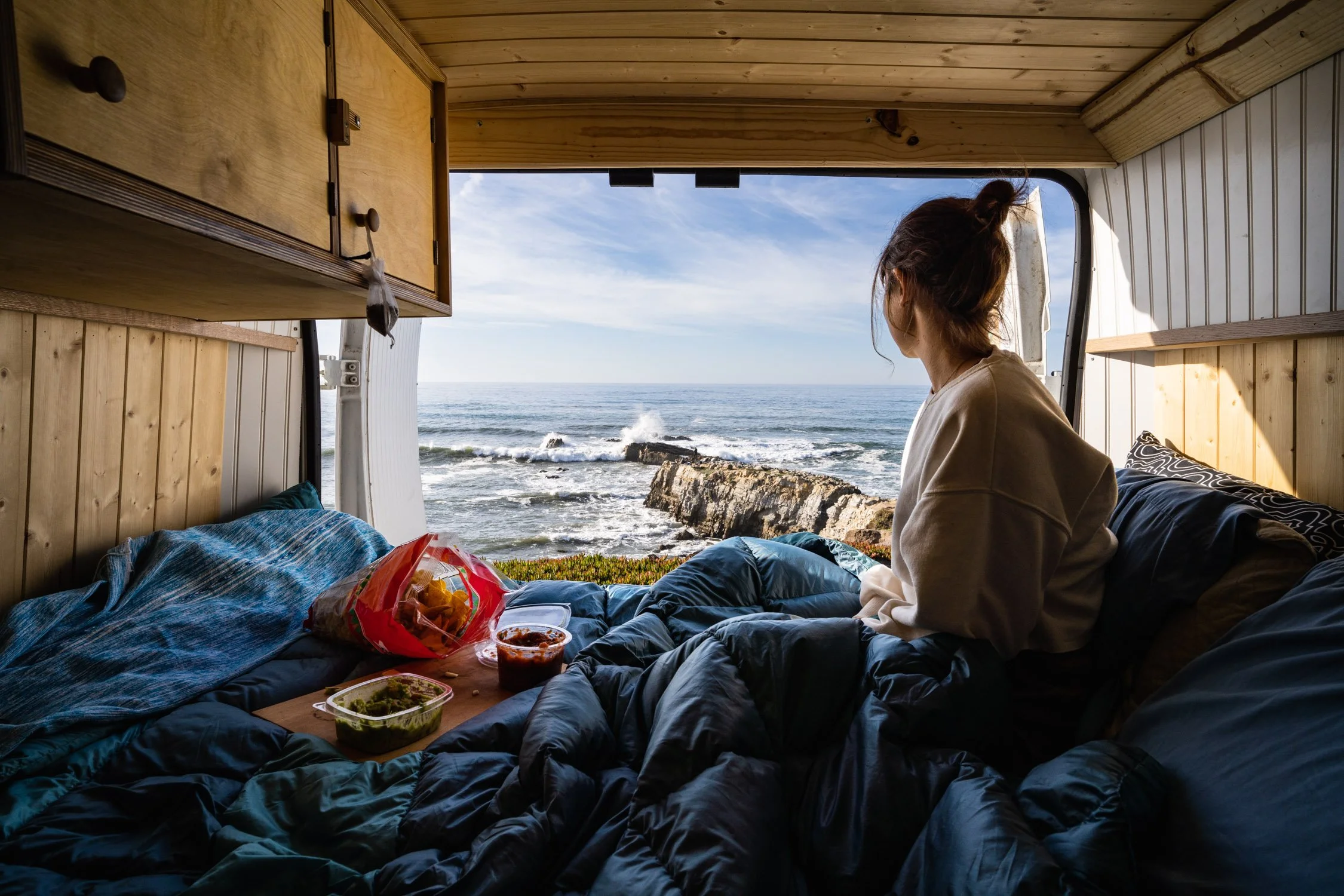
Best Van Life Refrigerators and Freezers
Vanlife has become a popular way to explore the world while maintaining the comforts of home. Whether you're a full-time nomad or enjoy weekend getaways, having a reliable fridge in your van is essential for keeping your food fresh and your beverages cold. In this article, we'll explore the best fridges for vanlife, considering factors like size, power source, energy efficiency, durability, and even a budget-friendly option to help you make an informed decision.
Vanlife has become a popular way to explore the world while maintaining the comforts of home. Whether you're a full-time nomad or enjoy weekend getaways, having a reliable fridge in your van is essential for keeping your food fresh and your beverages cold. In this article, we'll explore the best fridges for vanlife, considering factors like size, power source, energy efficiency, durability, and even a budget-friendly option to help you make an informed decision.
1) Dometic CFX Series
Order your Dometic CFX Series $799.99
The Dometic CFX Series has earned its reputation as a top choice among vanlifers. These fridges come in various sizes, making it easy to find the perfect fit for your van. They are powered by both AC and DC sources, allowing you to run them on your van's battery while driving and switch to shore power when available. Dometic fridges are known for their energy efficiency, ensuring your van's battery life isn't depleted quickly. The CFX models also offer advanced features like digital temperature control and a mobile app for remote monitoring.
2) ARB Elements Series
Order your ARB Elements Series $1649.99
For those looking for ruggedness and durability, the ARB Elements Series is an excellent option. These fridges are built to withstand the harshest conditions, making them ideal for off-road adventures. They come with a robust stainless steel exterior and can operate as a fridge or freezer. ARB fridges are powered by both AC and DC sources and include a low-voltage cut-off to protect your van's battery. While they tend to be pricier, their reliability and longevity make them a worthy investment.
3) Engel MR040
Order your Engel MR040 $999.99
If you're seeking simplicity and reliability, the Engel MR040 is a classic choice. These portable fridges are known for their energy efficiency and durability. The MR040 is renowned for its ability to work efficiently in extreme temperatures, making it suitable for various climates. It can run on both AC and DC power sources and comes with a simple analog temperature control dial. While it lacks some of the modern features found in other fridges, its ruggedness and long-lasting performance make it a popular choice among seasoned vanlifers.
4) Magic Chef Dorm Fridge
Order your Magic Chef Dorm Fridge $399.99
If you're on a tight budget or have limited space in your van, the Magic Chef Dorm Fridge can be a viable option. These compact fridges are designed for small spaces and are usually affordable. While they may lack some of the advanced features and ruggedness of more expensive models, they can still keep your essentials cool. Keep in mind that these fridges are generally best suited for shorter trips or van conversions with limited space.

Selecting the best fridge for your vanlife adventures depends on your specific needs and budget. The Dometic CFX Series, ARB Elements Series, Engel MR040, and the budget-friendly Magic Chef Dorm Fridge all have their unique strengths, catering to a range of preferences.
When making your choice, consider factors like size, power source compatibility, energy efficiency, durability, and budget constraints. Investing in a quality fridge ensures that you can enjoy fresh food and cold beverages on the road, enhancing your vanlife experience. Ultimately, the best fridge for vanlife is the one that suits your lifestyle and allows you to fully embrace the freedom of the open road.
Discover More Gear

White-Knuckling The Steering Wheel While Driving To Bixby Bridge
When I planned the long weekend road trip to Big Sur, my uncle told me he would never do the drive again, "Big Sur is one of the scariest drives I've ever done." I overconfidently laughed as he retold his stories from the winding roads of the Pacific Coast Highway in the Big Sur area. Now, it was payback.
When I planned the long weekend road trip to Big Sur, my uncle told me he would never do the drive again, "Big Sur is one of the scariest drives I've ever done." I overconfidently laughed as he retold his stories from the winding roads of the Pacific Coast Highway in the Big Sur area. Now, it was payback.
Taking in sunrise at Bixby Bridge while sipping tea. Photo by Dalton Johnson
The morning was dark. The visibility was low as the headlights reflected at me in the fog. Twisting and turning our way towards Bixby Bridge, we wanted to beat the crowds.
Coming from the north, headed south, the cliffs were just to our right. Falling what looked like thousands of feet directly into the ocean. Sometimes, there were railings, other times there were not. Driving our self-converted, van life rig, down the Pacific Coast Highway the road felt narrow. Barely keeping the long van between the lines, I was that guy moving slower than the speed limit. The headlights of cars behind us started to line up, but there was nowhere to turn off.
Leaning into the turns, left and right, the entire van rocked. A cabinet, we forgot to lock, swung open. Banging every time we completed an S-turn, adding a little extra white to my knuckles with each slam.
Looking down at my GPS, it read two miles. Phew, I can make that.
Back and forth we swayed, south for those two miles towards Bixby Bridge. The final turn revealed the concrete bridge just as the fog began to lift, as though we were in a movie and we pulled into a parking spot that overlooked the bridge and the ocean.
We made. I'll confess, my uncle's story was true, driving in Big Sur can be scary.
Thankfully, we were here now, boiling water on the van life stove to make some morning tea and coffee, so we could go sit on the cliff and watch the colors change from black to blue to golden.
Discover More adventures
Has Google Maps Destroyed The Art of Road Tripping?
Before digital maps, road tripping was an exploration into the unknown. Unfolding like treasure maps, paper maps embodied the thrill of getting lost an integral part of the adventure. Google Maps, while undoubtedly efficient, has replaced the gut punch of taking that wrong turn, rerouting us away from the unexpected hidden gems. Now, in the era of instant gratification and digital navigation, the once-beloved art of road tripping has undergone a transformation, leaving us to question whether the convenience of Google Maps has inadvertently stripped away the soulful essence of the journey.
Before digital maps, road tripping was an exploration into the unknown. Unfolding like treasure maps, paper maps embodied the thrill of getting lost an integral part of the adventure. Google Maps, while undoubtedly efficient, has replaced the gut punch of taking that wrong turn, rerouting us away from the unexpected hidden gems. Now, in the era of instant gratification and digital navigation, the once-beloved art of road tripping has undergone a transformation, leaving us to question whether the convenience of Google Maps has inadvertently stripped away the soulful essence of the journey.
Before we dive deeper, let me first, just say, I still use Google Maps everyday to get around, but I do recall the times when my Grandpa and Dad road tripped from California to the Midwest and driving to-and-from different swim meets with my Mom that we either had hand drawn maps, printed directions, or nothing at all.
So, what have we lost by using Google Maps?

The open road through the windshield of the van window. Photo by Dalton Johnson
1. Digital Detours vs. Serendipitous Discoveries:
Google Maps' precise navigation can be a double-edged sword. While it efficiently guides us to our destinations, it also eliminates the chance for serendipitous discoveries. The quirky roadside diner, the scenic overlook not marked on the map—these hidden gems are casualties of a journey overly reliant on the guidance of technology.
2. Disconnecting from the Journey:
As the soothing voice of Google Maps directs every turn, there's a risk of disconnecting from the journey itself. The constant focus on the screen can overshadow the scenic landscapes passing by, the stories etched in small towns, and the laughter shared in the confines of a car. The road trip becomes more about reaching the destination efficiently than about savoring the moments along the way.
3. The Erosion of Navigational Skills:
In the days before turn-by-turn directions, road trippers relied on a combination of maps, intuition, and local advice. The art of navigating became a skill, an interactive dance with the landscape. With Google Maps leading the way, there's a concern that the once-common ability to read a map and navigate without technology may be eroding.
4. Overlooking Local Wisdom:
One of the charms of road tripping was engaging with locals for directions and recommendations. Google Maps, while efficient, may bypass the invaluable insights that locals provide. The art of striking up a conversation with a gas station attendant or asking for directions becomes a lost opportunity for cultural exchange and discovering hidden gems known only to those who call the area home.
5. Trading Spontaneity for Predictability:
Road trips were synonymous with spontaneity—taking an unexpected turn, exploring a detour, and embracing the unpredictable. Google Maps, in its quest for efficiency, can inadvertently trade the spontaneity of the open road for the predictability of the prescribed route.
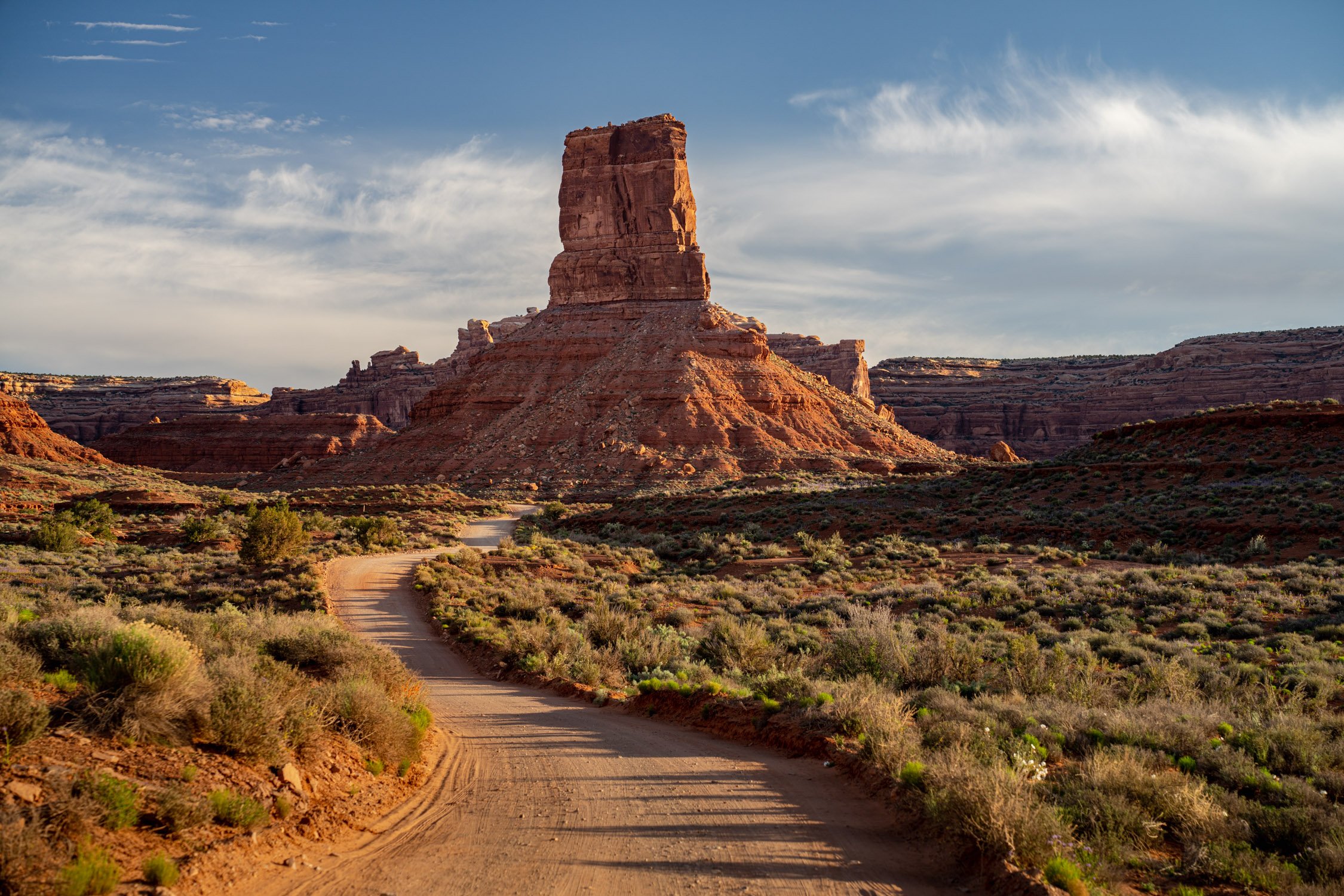
If it wasn’t for a local, we would have driven right past Valley of the Gods. Photo by Dalton Johnson
While Google Maps has undeniably revolutionized the way we navigate and travel, it is essential to acknowledge the potential impact on the art of road tripping. The challenge lies in finding a balance, leveraging technology for efficiency while preserving the essence of the journey—the joy of the unknown, the thrill of exploration, and the unscripted stories waiting to be discovered on the open road.
Discover more Adventures
A Guide to Practicing Mindfulness While Traveling
Traveling offers a unique opportunity to explore new cultures, landscapes, and experiences. However, amidst the excitement, it's easy to get caught up in the whirlwind of activities and overlook the importance of being present in the moment. Practicing mindfulness while traveling can enrich your journey, fostering a deeper connection with your surroundings and enhancing your overall travel experience. There is a balance to be struck, but here are some effective ways to infuse mindfulness into your adventures:
Traveling offers a unique opportunity to explore new cultures, landscapes, and experiences. However, amidst the excitement, it's easy to get caught up in the whirlwind of activities and overlook the importance of being present in the moment. Practicing mindfulness while traveling can enrich your journey, fostering a deeper connection with your surroundings and enhancing your overall travel experience. There is a balance to be struck, but here are some effective ways to infuse mindfulness into your adventures:
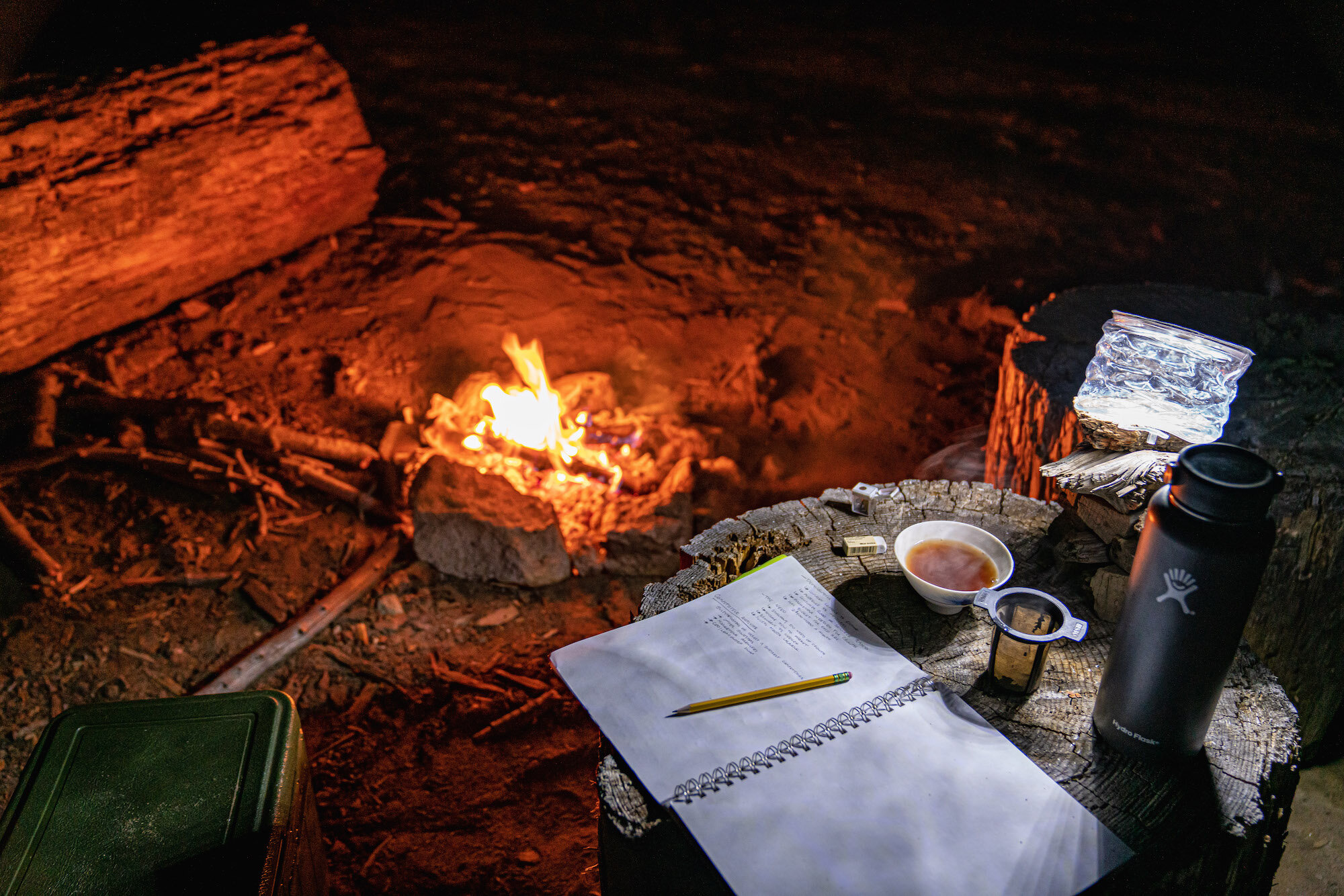
A fireside journal while on a road trip. Photo by Dalton Johnson
Develop or Maintain A Journaling Practice:
One of the most powerful tools for cultivating mindfulness is journaling. Take a few moments each day to reflect on your experiences, thoughts, and emotions. Describe the sights, sounds, and smells that surround you. By putting pen to paper, you not only create a tangible record of your journey but also engage in a mindful practice that encourages self-awareness and reflection.
Journals are a great way to share what you learned along the way with friends and family once you return from a long trip. Sometimes, books and movies come from these mangled words on a page!
Taking Time for Yourself:
Amidst the hustle and bustle of travel, carve out moments for yourself. Whether it's finding a quiet spot in a local park, sitting by the ocean, or even enjoying a cup of tea at a local café, taking time for yourself allows you to recharge and be present in the moment. This intentional pause can help you appreciate the beauty of your surroundings and foster a sense of inner calm.
Mindful Travel Planning:
Consider making your travels centered around mindfulness. Explore opportunities to book a meditation retreat or wellness retreat at your destination. These experiences can provide a structured environment for mindfulness practices, allowing you to immerse yourself fully in the present moment and deepen your connection to the local culture.
Develop Sunrise and Sunset Rituals:
Nature offers some of the most awe-inspiring moments for mindfulness. Set aside time to witness the sunrise or sunset in your destination. Find a scenic spot, sit quietly, and observe the changing colors of the sky. This simple yet profound practice can be a meditative experience, grounding you in the beauty of the present moment.
Reduce Screen Time:
In our digital age, it's easy to become absorbed in our screens, missing out on the richness of our surroundings. Challenge yourself to limit screen time while traveling. Instead of scrolling through social media or checking emails constantly, look up and engage with the world around you. This break from technology allows you to connect with the present moment and fully appreciate the unique aspects of your journey.
Connect with Locals and Fellow Travelers:
Strike up conversations with locals or fellow travelers to gain insights into their daily lives. Ask about their routines, traditions, and favorite places. Engaging in meaningful conversations not only broadens your perspective but also fosters a sense of connection and presence. Listening actively and appreciating the stories of others can be a powerful mindfulness practice.
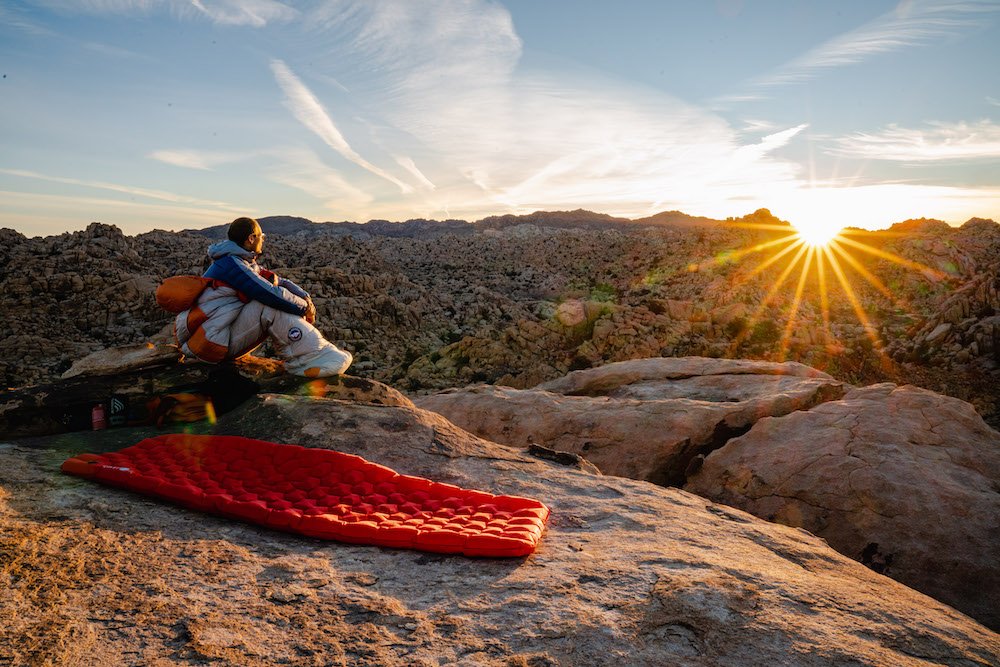
Watching sunrise after a night of cowboy camping to collect your thoughts while traveling. Photo by Dalton Johnson
Traveling mindfully transforms the way we experience the world. By incorporating simple yet intentional practices into your journey, such as journaling, taking time for yourself, planning mindful experiences, embracing nature, reducing screen time, and connecting with others, you can create a travel experience that is not just about the destination but about the mindful moments along the way. So, embark on your next adventure with an open heart and a present mind, and let the journey become a transformative practice in mindfulness.
Discover more Adventures
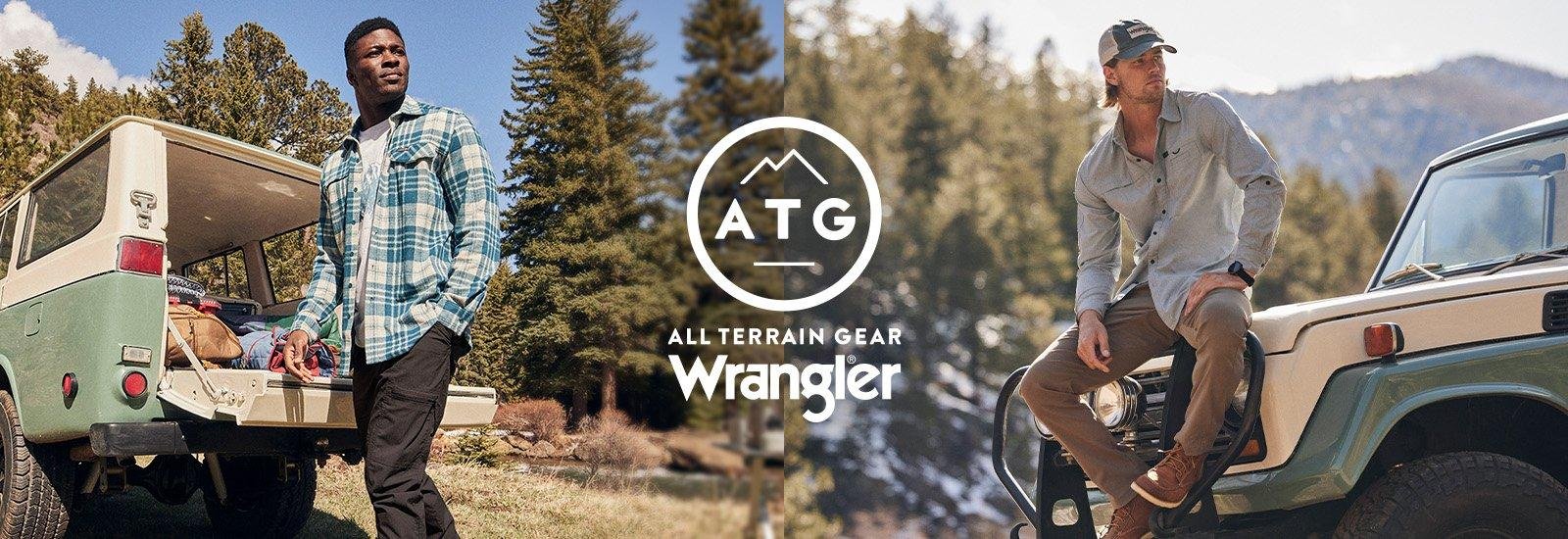
Wrangler's ATG Line the Ideal Wardrobe for Van Life and Overlanding
In the world of overlanding and vanlife, where getting stuck in the mud, digging yourself out of the thick Baja sand, and fipopped tires are a reality, having the right gear you can count on is essential. Wrangler's All-Terrain Gear (ATG) line has been gaining recognition for its durability, functionality, and adaptability. In this article, we'll guide you through the ideal wardrobe suggestions from Wrangler's ATG line for various scenarios that overlanders and vanlifers often encounter, while also weighing the pros and cons of this gear.
In the world of overlanding and vanlife, where getting stuck in the mud, digging yourself out of the thick Baja sand, and fipopped tires are a reality, having the right gear you can count on is essential. Wrangler's All-Terrain Gear (ATG) line has been gaining recognition for its durability, functionality, and adaptability. In this article, we'll guide you through the ideal wardrobe suggestions from Wrangler's ATG line for various scenarios that overlanders and vanlifers often encounter, while also weighing the pros and cons of this gear.
Pros:
Extreme Durability: Wrangler's ATG line excels in durability, designed to withstand the toughest challenges that outdoor enthusiasts face. Reinforced knees, seats, and tough fabrics ensure longevity even in the harshest environments.
Practical Features: These garments offer practical features such as ample storage pockets, moisture-wicking technology, and ergonomic designs. These features make life on the road more convenient, allowing you to carry essentials and stay comfortable during long journeys.
Weather Resistance: The ATG line often includes weather-resistant options, such as waterproof and insulated garments. This ensures that you stay warm and dry when the elements are less than cooperative.
Versatility: The ATG line's versatility is a major plus for overlanders and vanlifers who face a wide range of conditions. These garments are designed to adapt to changing environments, making them suitable for both outdoor activities and daily life in your vehicle.
Cons:
Price Point: Quality gear typically comes with a premium price tag, and while Wrangler's ATG line doesn't break the bank, it isn't Target. For budget-conscious overlanders and vanlifers, this investment might require careful consideration. However, many view it as a worthwhile expense for gear that can withstand years of use.
Limited Styling Options: Wrangler's ATG line focuses primarily on functionality and performance. If you're looking for stylish or fashion-forward outdoor wear, you might find fewer style options in this line. But, let's be real, you don't have the space in your rig for fashion forward unless you are an influencer trying to promote something.
Sizing Challenges: Some users have reported sizing inconsistencies with the ATG line. I did not find this to be true as I tested out the line, but make sure to try on the gear before you buy.
After a Long Day: Unwind in Comfort
After a day filled with outdoor activities, there's nothing better than relaxing in comfortable gear. Here's your ideal after-adventure wardrobe:
Campsite Buttondown Flannel: Slip into the Campsite Buttondown Flannel for that perfect blend of comfort and style. This flannel shirt is designed to keep you warm and cozy as you wind down by the campfire.
Short Sleeve Graphic Tee: For a more relaxed look, go for the Short Sleeve Graphic Tee. It's perfect for those laid-back evenings when you want to stay comfortable without sacrificing style.
FWDS Five Pocket Pant: The FWDS Five Pocket Pant offers the ideal balance between style and comfort. It's versatile enough to wear for a casual evening by the campsite or a visit to a local eatery.
Getting Dirty: Embrace the Rugged Lifestyle
There is nothing worse than something going wrong with your rig in the middle of a trip, especially when you are far from help, making you crawl under the truck or dig yourself out. The good news, you now have a kit that is ready for just about anything.
Utility Pant: The Utility Pant is a must-have when things get down and dirty. Its rugged construction and functional pockets make it perfect for tackling the worst of it all.
Long Sleeve Mixed Material Shirt: Protect yourself from scratches, abrasions, and the elements with the Long Sleeve Mixed Material Shirt. This shirt's durability and practicality make it a go-to choice for hands-on work.
Heading Out on an Adventure: Gear Up for the Unknown
When the mountains are calling and your mountain bike (or hiking shoes) are ready to answer, you know it is time to put your rig in park and get outside. Whether it's a quick hike or an off-road journey, these wardrobe essentials from Wrangler's ATG line are your companions:
Long Sleeve Hike to Fish Shirt: The Long Sleeve Hike to Fish Shirt is tailor-made for adventurers. Its moisture-wicking fabric keeps you dry, while the practical design allows for a full range of motion.
Angler Fishing Short or Pocket Utility Short: Depending on your preference, choose between the Angler Fishing Short or the Pocket Utility Short. Both options are designed for outdoor activities, with plenty of pockets to keep your essentials close at hand.
Wrangler's ATG line is built to handle the demands of outdoor activities, ensuring that you stay comfortable and prepared for whatever comes your way. Whether it's a relaxing evening, a day of getting dirty, or heading out for an exciting journey, the ATG line has you covered. Embrace the rugged lifestyle of overlanding and vanlife with gear that can withstand the test of time and terrain.
Discover More Gear
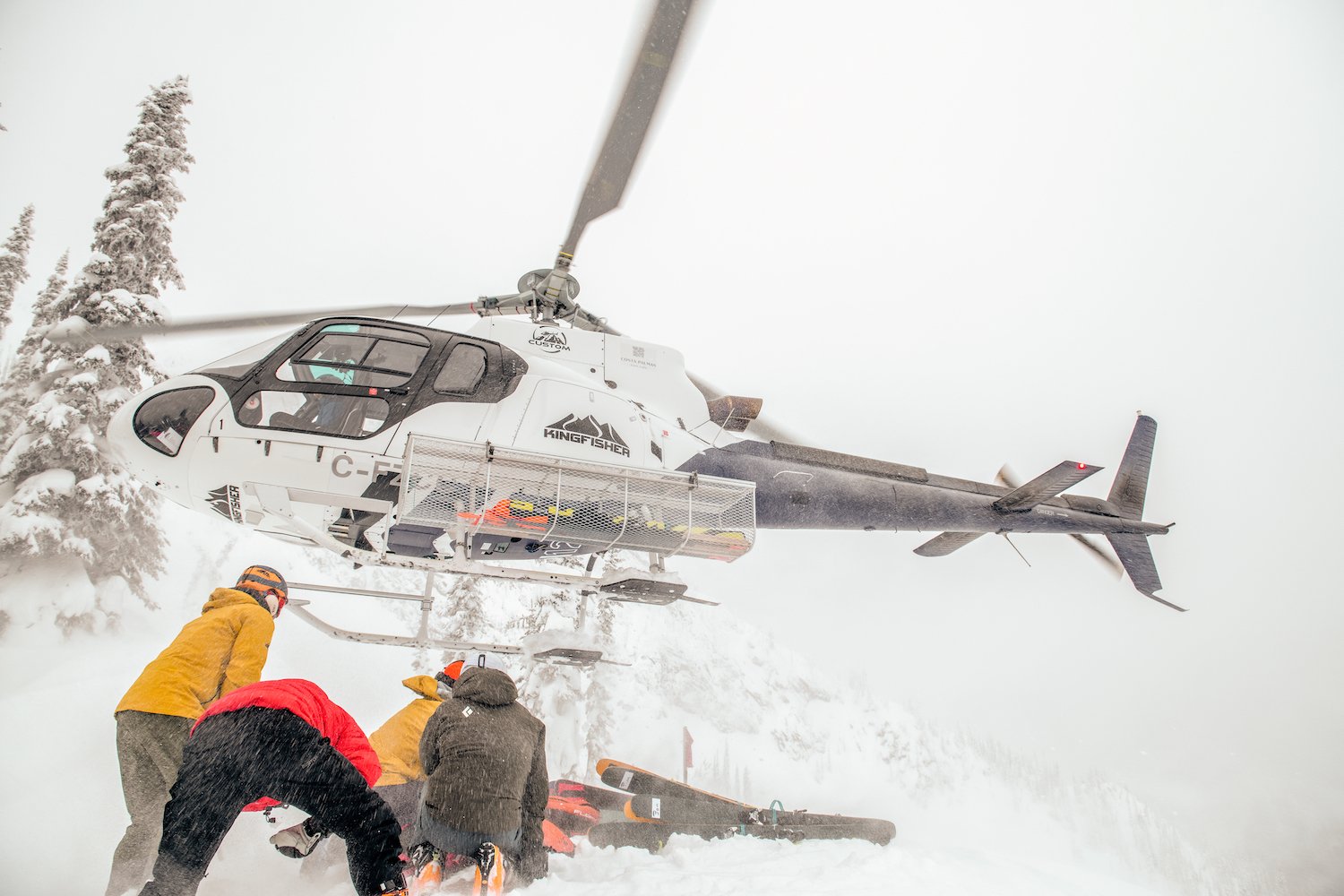
Winter Travel Ideas That Will Get Your Heart Pumping
Winter travel is not just about bundling up and sipping hot cocoa by the fireplace; it can also be an exciting and heart-pounding adventure. If you're looking to break away from the ordinary and experience the thrill of the winter season, we've curated a list of six exhilarating winter travel ideas that will leave you with lasting memories. From heli-skiing in British Columbia to exploring Europe's Christmas markets via rail, surfing in Baja, witnessing the Northern Lights in Iceland, enjoying a private island retreat in Belize, and visiting the winter wonderland of the USA national parks, these heart-pounding experiences will make your winter unforgettable.
Winter travel is not just about bundling up and sipping hot cocoa by the fireplace; it can also be an exciting and heart-pounding adventure. If you're looking to break away from the ordinary and experience the thrill of the winter season, we've curated a list of six exhilarating winter travel ideas that will leave you with lasting memories. From heli-skiing in British Columbia to exploring Europe's Christmas markets via rail, surfing in Baja, witnessing the Northern Lights in Iceland, enjoying a private island retreat in Belize, and visiting the winter wonderland of the USA national parks, these heart-pounding experiences will make your winter unforgettable.

Soaking in the Northern Lights Photo by Dalton Johnson
1. Heli Ski Trip to British Columbia:
As winter blankets British Columbia with its white splendor, adrenaline junkies flock to this Canadian province for a heart-pounding adventure like no other – heli-skiing. Nestled amid the Central Monashees and the awe-inspiring Valhalla Mountains, British Columbia boasts more than 300,000 acres of pristine terrain, renowned for its consistent snowfall and light, low-density powder.
This winter wonderland offers diverse terrain, from open alpine bowls to steep chutes and perfectly spaced old-growth forests. If you book a trip with Eleven you'll be looked after by the highly trained and professional guide team who ensure both safety and an extraordinary adventure. Custom itineraries in a small-group setting allow for a personalized heli-skiing journey tailored to your crew's skill level and preferences. Whether you're an expert skier or a first-timer, British Columbia's heli-skiing promises a heart-pounding ride through untouched powder.
2. Europe Rail Christmas Extravaganza:
As winter's chill sets in, Europe's Christmas markets come to life, offering a magical experience that draws travelers from around the world. For an enchanting journey, consider taking the scenic route to five renowned Christmas markets via Rail Europe, the leading provider of European train tickets and passes. Their extensive rail network seamlessly connects major European cities and Christmas market destinations, allowing you to embrace the spirit of sustainable travel while taking in breathtaking winter landscapes.
Europe's top five Christmas markets, easily accessible via Rail Europe, include:
Strasbourg, France: Known as the Capital of Christmas, Strasbourg's market offers a charming blend of Alsatian traditions and festive delights.
Cologne, Germany: Set against the stunning Cologne Cathedral, Cologne's Christmas market is a treasure trove of handmade crafts and delightful treats.
Vienna, Austria: Transporting visitors to a winter wonderland with classical music, dazzling lights, and exquisite crafts.
Rome, Italy: The Eternal City's Christmas markets are a delightful fusion of ancient traditions and modern festivities, offering Italian delicacies, handicrafts, and seasonal entertainment.
Barcelona, Spain: Barcelona's Christmas market in Plaza de Catalunya captures the city's vibrant spirit with colorful stalls, traditional Catalan products, and joyful celebrations.
Embrace the magic of the season and the picturesque European winter landscapes as you embark on a sustainable and unforgettable journey.
3. Surf Trip to Baja:
For those seeking winter adventure under the sun, Baja California beckons with its stunning coastline and world-class surf breaks. Baja offers a unique blend of rugged beauty and excellent surf conditions, making it an ideal destination for an adrenaline-pumping winter getaway. Whether you're an experienced surfer or a novice, the waves along the Baja coast provide ample opportunities for thrilling rides and exhilarating experiences. The combination of great waves, beautiful beaches, and a vibrant local culture makes Baja the perfect destination for a winter surf trip. Embrace the sun, sand, and surf as you create lasting memories and ride the waves of adventure in Baja.
4. Northern Lights in Iceland:
Iceland, known as the "Land of Fire and Ice," offers a surreal winter spectacle that will leave your heart pounding – the Northern Lights. The natural beauty of Iceland is heightened during the winter months when the night sky comes alive with vibrant, dancing auroras. These awe-inspiring displays of color and light can be witnessed in various parts of the country, creating a magical and unforgettable winter experience.
Whether you choose to explore Reykjavik, venture into the Golden Circle, or journey further into Iceland's wilderness, the Northern Lights will provide a mesmerizing backdrop to your winter adventure. Watching the skies come alive with this celestial dance is a heart-pounding moment that will leave you in awe of the natural world.
5. Visit a Private Island in Belize:
Escape to your own private island paradise off the coast of Belize, where adventure and relaxation meet in perfect harmony, when you stay at Turneffe Island. Located just 30 miles from the world-famous Great Blue Hole, this exclusive resort offers an idyllic setting for those seeking heart-pounding underwater exploration and tranquility.
Dive into the depths of the Caribbean Sea, exploring age-old stalactites and encountering Caribbean Reef Sharks. Belize's unrivaled dives, including the legendary Great Blue Hole with its bottomless abyss, promise an adrenaline rush and a chance to witness the underwater wonders of the deep. Whether you prefer to fly fish, scuba dive, snorkel, or simply relax on pristine beaches, Belize offers a winter getaway that combines adventure and relaxation in a breathtaking tropical paradise.
6. Visit a National Park in the Winter:
When most people think of national parks, they imagine lush green landscapes and wildlife under the summer sun. However, visiting a national park in the winter offers a completely different and captivating experience. The serene beauty of national parks during the colder months is a well-kept secret. Snow-covered peaks, frozen waterfalls, and the absence of crowds make for a serene and heart-pounding winter adventure.
Consider destinations like Yellowstone National Park, where geysers and hot springs create dramatic contrasts against the snowy landscape. The Grand Canyon's South Rim, adorned in snow, offers breathtaking vistas without the summer crowds. Zion National Park in winter boasts tranquil trails, and Bryce Canyon National Park turns its iconic hoodoos into snow-covered sculptures.
For a truly heart-pounding experience, try winter sports like cross-country skiing or snowshoeing through these pristine landscapes. You'll feel the adrenaline rush as you explore the untouched wilderness and witness the beauty of national parks in their winter glory. Just be sure to check the park's accessibility and any necessary permits before embarking on your winter adventure.
Winter travel doesn't have to be mundane or chilly; it can be an opportunity to embark on thrilling and heart-pounding adventures that you'll cherish for years to come. Whether you're a snow enthusiast, a culture seeker, or someone who craves excitement, these winter travel ideas cater to a variety of interests and promise an unforgettable winter escape. So, gear up, embrace the chill, and make this winter one for the books with heart-pounding adventures that will leave you exhilarated and longing for more.
Discover More Destinations

Baja's Best-Kept Adventure Secrets
Baja California, Mexico, is a mesmerizing destination that beckons travelers with its diverse landscapes, vibrant culture, and an abundance of outdoor activities. From the rugged coastline of the Pacific to the serene beaches of the Sea of Cortez, Baja Mexico has something for everyone.
Baja California, Mexico, is a mesmerizing destination that beckons travelers with its diverse landscapes, vibrant culture, and an abundance of outdoor activities. From the rugged coastline of the Pacific to the serene beaches of the Sea of Cortez, Baja Mexico has something for everyone.
In this guide, we'll take you on a journey through some of the best places to stop at in Baja Mexico, showcasing its natural beauty and adventure-filled opportunities.
SUPing at sunset on Conception Bay. Photo by Dalton Johnson
1. San Juanico (Scorpion Bay)
Location: West Coast of Baja California
San Juanico, affectionately known as Scorpion Bay, is a surfer's paradise that draws wave riders from around the world. Located on the west coast of Baja California, this hidden gem boasts some of the longest and most consistent waves in Baja. Whether you're a seasoned pro or a beginner, the thrill of riding these waves is an experience like no other.
What to Do in San Juanico:
Surfing: Scorpion Bay is famous for its multiple surf breaks, offering opportunities for surfers of all levels. The iconic "Five Points" is a must-visit for its long rides and perfect barrels.
Beach Vibes: Aside from surfing, enjoy the stunning coastline by strolling along the pristine beaches, soaking up the sun, or simply relaxing with a good book.
Local Cuisine: Don't miss the chance to savor fresh seafood at local eateries in town. The catch of the day is always a delicious option.
Whale Watching: Depending on the season, you may have the chance to witness majestic whales migrating along the coast. Guided tours are available for a closer look.
What to Bring:
Surfboard and gear if you have them.
Rashguard or wetsuit for sun and cold water protection.
Sunscreen, sunglasses, and a hat for sun protection.
Beach towels, swimsuits, and comfortable beachwear.
A good book (like Swell by Liz Clark) for relaxation between surf sessions.
2. Cuatro Casas
Location: West Coast of Baja California
Cuatro Casas is a secluded coastal haven tucked away on the west coast of Baja California. This tranquil destination is ideal for those seeking solitude and epic surf adventures in a pristine environment.
What to Do in Cuatro Casas:
Surfing: The remote beaches of Cuatro Casas offer excellent surfing opportunities, with waves that cater to both beginners and advanced surfers. The uncrowded breaks are a surfer's dream.
Beachcombing: Explore the untouched beaches, collect seashells, or simply bask in the serenity of the natural surroundings.
Camping: Camp under the starlit Baja sky for a truly immersive experience. Camping facilities are basic but provide an authentic connection to nature.
Wildlife Watching: Keep an eye out for local wildlife, including dolphins and sea lions, which often make appearances in these waters.
What to Bring:
Surfboard and gear.
Camping equipment if you plan to stay overnight on the beach.
Insect repellent for camping.
Binoculars, like Nocs Provisions, for wildlife watching.
A camera to capture the pristine beauty of Cuatro Casas.
3. Cerritos Beach
Location: Pacific Coast of Baja California Sur
Cerritos Beach, located on the Pacific Coast of Baja California Sur, is a popular destination for surfers and beach lovers alike. Its golden sands and gentle waves make it an inviting spot for families and those looking for a laid-back atmosphere.
What to Do at Cerritos Beach:
Surfing: Cerritos Beach is renowned for its consistent waves, making it an excellent spot for both beginner and experienced surfers. Surf schools are available for those new to the sport. Read this article on surfing Cerritos Beach
Beach Activities: Beyond surfing, enjoy beach volleyball, paddleboarding, or simply lounging under the sun.
Beachfront Dining: Savor delicious Baja cuisine at beachfront restaurants and watch the sunset over the Pacific Ocean.
Yoga Retreats: Join a yoga class or retreat to find your inner zen against the backdrop of crashing waves and stunning sunsets.
What to Bring:
Surfboard and gear if you have them.
Beach towels, swimsuits, and sunscreen.
Yoga mat if you plan to participate in yoga classes.
Cash for beachfront dining and activities.
A camera to capture the beautiful sunsets.
4. La Ventana
Location: East Coast of Baja California Sur
La Ventana, situated on the east coast of Baja California Sur, is a mecca for kite-surfing enthusiasts. With consistent winds and crystal-clear waters, this coastal gem offers the perfect playground for water sports adventurers.
What to Do in La Ventana:
Kite-Surfing: If you're a kite-surfing enthusiast or looking to try it for the first time, La Ventana is the place to be. The strong winds and flat water create ideal conditions for this thrilling sport.
Windsurfing: Beyond kite-surfing, windsurfers will also find the conditions here perfect for their sport.
Fishing: Join a fishing excursion and try your luck at catching marlin, dorado, or other prized fish in the waters surrounding La Ventana.
Snorkeling: Explore the underwater world by snorkeling in the clear, warm waters. Encounter colorful marine life and vibrant coral reefs.
What to Bring:
Kite-surfing or windsurfing equipment if you have it.
Snorkeling gear or equipment if you plan to snorkel.
Sunscreen, sunglasses, and a hat for sun protection.
Fishing gear and tackle if you're interested in fishing.
Cash for water sports rentals and tours.
5. San Jose del Cabo
Location: Baja California Sur
San Jose del Cabo, the charming counterpart to the bustling Cabo San Lucas, offers a more relaxed and culturally rich experience. Steeped in history and surrounded by natural beauty, it's a must-visit destination in Baja Mexico.
What to Do in San Jose del Cabo:
Historic District: Stroll through the historic district of San Jose del Cabo, with its cobbled streets, colonial architecture, and vibrant art scene. Be sure to visit the Mission San Jose del Cabo Anuiti.
Art Galleries: Explore numerous art galleries featuring the work of local and international artists. The Thursday night Art Walk is a popular event where you can meet artists and view their creations.
Culinary Delights: Indulge in the local cuisine at charming restaurants and street-side taco stands. Don't miss the chance to try fresh seafood and traditional Mexican dishes.
Estuary and Wildlife: Visit the Estero San Jose, a natural estuary teeming with birdlife and wildlife. Guided tours are available for a closer look at this ecological treasure.
What to Bring:
Comfortable walking shoes for exploring the historic district.
Camera for capture the colonial architecture and art.
Cash for dining and shopping in the art galleries.
Binoculars, like Nocs Provisions, for bird and wildlife watching in the estuary.
A light jacket for cooler evenings.
6. Conception Bay
Location: East Coast of Baja California Sur
Conception Bay is a tranquil oasis known for its pristine beaches, crystal-clear waters, and excellent snorkeling opportunities. If you're seeking a serene coastal retreat, this hidden gem should be on your list.
What to Do in Conception Bay:
Beachcombing: Explore the secluded beaches of Conception Bay, known for their soft sands and stunning vistas. It's a peaceful place to unwind and connect with nature.
Snorkeling: Dive into the clear waters and discover vibrant marine life and coral reefs. Snorkeling gear can often be rented from local operators.
Hiking: Enjoy hiking along the rugged coastline or venture into the nearby mountains for panoramic views of the bay and surrounding landscape.
Camping: Camp under the stars and fall asleep to the soothing sound of ocean waves. There are several camping areas in the bay.
What to Bring:
Snorkeling gear or equipment if you plan to snorkel.
Hiking boots or sturdy shoes for hiking.
Camping equipment if you plan to camp.
Insect repellent for camping.
Binoculars, like Nocs Provisions, for bird and wildlife watching.
7. El Canejo
Location: East Coast of Baja California Sur
El Canejo, a picturesque beach destination on the east coast of Baja California Sur, is a paradise of dazzling white sands and turquoise waters. It offers a perfect setting for sunbathing, swimming, and unwinding in a peaceful, natural environment.
What to Do in El Canejo:
Beach Relaxation: Spend your days lounging on the pristine beach, soaking up the sun, and swimming in the clear waters. The tranquil atmosphere is perfect for unwinding.
Picnicking: Pack a picnic and enjoy a meal with a view. The shaded areas near the beach are great for picnicking and taking in the scenic beauty.
Kayaking: Explore the coastline by renting a kayak and paddling along the shoreline. You might even spot some marine life in the calm waters.
Photography: Capture the beauty of El Canejo with your camera. The vibrant colors and natural splendor make it a photographer's dream.
What to Bring:
Beach towels, swimsuits, and sunscreen.
Picnic supplies if you plan to have a beachside picnic.
Kayaking equipment if you want to explore by kayak.
Camera or smartphone for photography.
Snorkeling gear if you're interested in exploring underwater.

A line of waves wrapping around Cerritos Beach surf point. Photo by Dalton Johnson
Baja Mexico is a treasure trove of diverse experiences, from epic surf adventures to serene coastal escapes and cultural discoveries. Whether you're seeking adrenaline-pumping activities or a tranquil retreat, Baja Mexico has it all.
Each of the destinations mentioned in this guide offers a unique and unforgettable experience, making Baja California a must-visit destination for travelers looking to explore the beauty of Mexico's Baja Peninsula. So, pack your bags, grab your surfboard or snorkel gear, and embark on a journey to discover the hidden gems of Baja Mexico. Your adventure awaits!
Discover More Destinations

Six Life-Changing Adventures to Try This Winter
Winter is a season of magic and wonder, with its pristine blankets of snow, shimmering icicles, and a sense of tranquility that only the cold can bring. It's also a time of year when adventure enthusiasts can find a host of exhilarating experiences to embark upon. From scaling frozen waterfalls to chasing the elusive Northern Lights, winter offers a unique backdrop for unforgettable journeys. In this article, we'll explore six life-changing adventures you should consider trying this winter.
Winter is a season of magic and wonder, with its pristine blankets of snow, shimmering icicles, and a sense of tranquility that only the cold can bring. It's also a time of year when adventure enthusiasts can find a host of exhilarating experiences to embark upon. From scaling frozen waterfalls to chasing the elusive Northern Lights, winter offers a unique backdrop for unforgettable journeys. In this article, we'll explore six life-changing adventures you should consider trying this winter.
1. Ice Climbing
Imagine standing at the base of a colossal frozen waterfall, ice axe in hand, and crampons securely fastened to your boots. This is the exhilarating world of ice climbing, a winter adventure that promises not only adrenaline-pumping action but also a profound sense of accomplishment.
Ice climbing isn't just a sport; it's a dance with nature's frozen sculptures. As you ascend frozen walls, you'll feel the bite of cold air on your face and hear the satisfying, yet awakening, crunch of your crampons gripping the ice. Each swing of your ice axe echoes through the quiet winter landscape, creating a rhythmic connection with the ice.
Whether you're a seasoned climber or a beginner seeking a new challenge, ice climbing offers a unique sense of achievement and a deeper connection to the natural world.
2. Skiing or Snowboarding
For many, winter means hitting the slopes, and it's easy to see why. Skiing and snowboarding provide an incredible sense of freedom as you carve your way down mountainsides covered in pristine powder.
Whether you're gliding gracefully down groomed runs or tackling steep chutes and tree-lined glades, the rush of cold air against your face and the sound of your skis or board slicing through the snow are invigorating. Skiing and snowboarding offer not only exhilaration but also opportunities to connect with friends and family, making winter memories that will last a lifetime.
3. Ice Fishing
While ice fishing might not initially scream "adventure," it offers a unique opportunity to connect with nature and find tranquility in the midst of winter's frozen beauty.
Picture yourself on a frozen lake, bundled up against the cold, with a hole drilled through the ice. As you sit and wait, the world becomes hushed, and the only sounds are the occasional crackle of frozen water and the soft sigh of the wind. When you finally get a nibble on your line, the sense of anticipation and excitement is like no other.
Ice fishing is not just about catching fish; it's about finding solace in the stillness of winter and forging a deep connection with the natural world. It's a reminder that adventure can come in the quietest moments.
4. Seek Out the Northern Lights
The Northern Lights, also known as the Aurora Borealis, are one of the most awe-inspiring natural phenomena on Earth. These dancing curtains of light in the winter night sky are a breathtaking spectacle that should be on every adventurer's bucket list.
To witness the Northern Lights, you'll need to venture to northern latitudes, such as Tromsø in Norway or Fairbanks in Alaska, during the winter months. As you stand beneath the shimmering lights, you'll feel a sense of wonder that is simply indescribable. The ethereal glow of greens, purples, and pinks creates a magical atmosphere that can change your perspective on the world.
Chasing the Northern Lights isn't just an adventure; it's a journey into the heart of the cosmos, a reminder of the beauty and wonder that exists beyond our daily lives.
5. Snowshoeing
Snowshoeing is a fantastic way to explore the winter landscape, and it's accessible to people of all fitness levels. This adventure allows you to go off the beaten path, forging your trails through snowy woods and fields.
As you strap on your snowshoes and venture out, you'll experience the serenity of winter in a way that's impossible to capture any other time of year. The world becomes a monochromatic wonderland, with the only colors being the deep blues and whites of snow and sky. The crunch of snow underfoot and the fresh, crisp air invigorate your senses.
Snowshoeing not only offers physical benefits but also a chance to clear your mind and find inspiration in the tranquility of the winter woods. It's an adventure that allows you to slow down and truly embrace the beauty of the season.
6. Snowmobiling
Snowmobiling is the ultimate winter adventure for those who crave speed and exploration. Picture yourself zooming across open fields, racing through snow-covered forests, and climbing up rugged hills—all atop a powerful snowmobile.
This high-speed winter sport allows you to access remote areas that are otherwise inaccessible during the winter months. Whether you're exploring Yellowstone National Park, the Canadian Rockies, or the vast Lapland region, snowmobiling offers a thrilling way to experience winter's grandeur.
As you navigate snowy trails and feel the rush of cold air against your face, you'll experience a sense of freedom and exhilaration that can be truly life-changing.
Winter is a season of transformation, where the world is coated in a glistening layer of snow, and nature takes on a serene and otherworldly beauty. It's a time when adventure beckons, offering experiences that can change your perspective, challenge your limits, and leave you with lasting memories.
Whether you choose to conquer frozen waterfalls, glide down mountainsides, seek the Northern Lights, or find solace on a frozen lake, these winter adventures will leave a mark on your soul. They remind us that, even in the coldest of seasons, there is magic to be found, and there are experiences that can change our lives.
So, this winter, embrace the magic of the season and embark on one of these life-changing adventures. The cold may be biting, but the memories and experiences you'll gain are well worth the chill.
Discover more Adventures
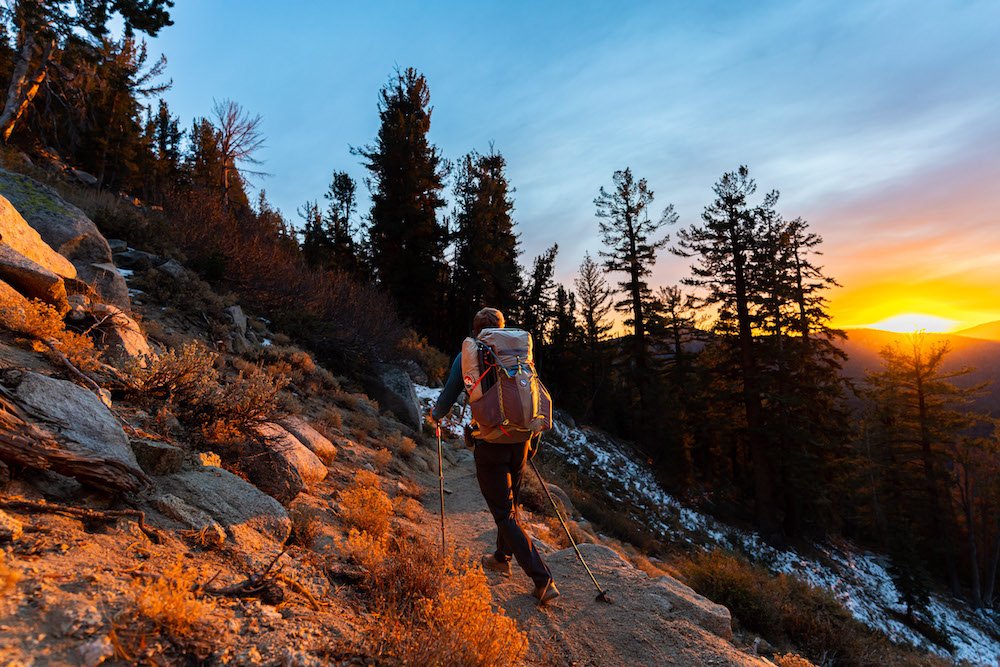
Waking Up with Altitude Sickness in Lake Tahoe
Rushing out of my Big Agnes tent before the sun had risen, I projectile vomited, then again, and again. My hands on my knees, I stand, wipe my mouth, and go back to my sleeping bag for the warmth I didn’t get all night.
My plan was to enjoy a slow morning, capture some content at sunrise, then head down to my bicycle to start the bicycle touring section of the trip.
That didn’t happen.
Rushing out of my Big Agnes tent before the sun had risen, I projectile vomited, then again, and again. My hands on my knees, I stand, wipe my mouth, and go back to my sleeping bag for the warmth I didn’t get all night.
My plan was to enjoy a slow morning, capture some content at sunrise, then head down to my bicycle to start the bicycle touring section of the trip.
That didn’t happen.
Instead, I vomited another time, stuffed my backpack as quickly as possible, and began walking back to the van defeated. Was this trip going to be done before it even started? I thought to myself as I lumbered down from the summit.
“What could be the reason for this sickness?” I asked myself, confused and curious.
Nothing
Three miserable hours later, I was back at the van and met up with Kristin. Coffee, some breakfast, and settling on the idea of altitude sickness, I couldn’t give up. Bike packing from Freel Peak to Mount Whitney was my idea, my vacation, I had turned down jobs to do this, and I wanted to push myself. Sitting there in the van, misable, I continually thought to myself what I could do to make my life better. There was nothing. I just needed to suck it up and get on my way.
Two hours passed while I sat roadside in the van, working up my courage. I packed my bike. Exhausted, I focused on a mental shift and set off into the relative unknown, swooshing down Luther Pass headed towards Monitor Pass.
Five years have passed since my last cycle tour, it was new again. Pavement moved under me as I zipped downhill. Wind froze my hands. Trees and a river whipped passed at 15 miles an hour. Freedom, smiles, energy pumping through my body I have not felt in years. I’m where I am supposed to be.
Quickly, I realized the level of attention I needed to regain as I missed my first turn. Cars passed me and I was getting distracted. All I wanted to do was cycle in the middle of the road without hands and feel the wind in my face, but I needed focus. There wasn’t cellphone service on the road, so I had to read signs. I forgot to download Google maps for offline viewing. Collecting my head, I found the correct turn and met some uphill. My legs were not happy.
The good news about an uphill, the downhill. Clocking in at 35 miles per hour, I passed Markleeville and started to see signs for Monitor Pass, a 3,000 foot climb that I was hoping to tackle today.
Then… my chain fell off my bike.
Not a big deal, but I am sure happy the chain fell off when it did. I came to a quick stop, pulled off, and got the chain back in working order. Nothing was wrong with it, just a slip while shifting. I am not the smoothest shifter. With everything back in working order, I turned legft and befgan my journey of climbing Monitor Pass.
I cursed. I sang. I succeeded in not pushing my bike up the hill. I danced at the summit.
As my body began to bonk from a lack of calories, I scarfed down some food. A sandwich. Then, hopped back on my bike and started the downhill section. Speeding past signs reading “curve ahead 25MPH” I am a daredevil. Leaning into the curves as if I was in a full leather suit on a motorcycle, I took each bend like a champ. Risking my skin to the asphalt. Looking down at my watch, I was zipping past these turns between 35-38mph. I was estatic.
4:30pm hit. Soon, Kristin would pick me up. My watch read 37 miles on the day, I wanted to get to 40. My ego wanted to be able to say I rode 40 miles, my body didn’t. My butt didn’t. But, I pushed on to feed my ego.
4:56pm my phone buzzed, “I’ll be a bit late,” Kristin said. So, I checked her location and my watch, she was roughly 50 minutes away. Could I make 50 miles before she arrived?
Turns out, I made it 52 miles.
Kristin and the sun are insync. She arrived as the light faded from the sky and the darkness set in.
Loading my bike into the van, I moaned and growned; my body hurt. Good thing a hot spring was in my near future :-)