

5 Must-Do Adventures in Moab
Moab, Utah, is a mecca for outdoor enthusiasts and adventure seekers. Nestled in the heart of red rock country, this small town is famous for its stunning landscapes and thrilling activities. From towering sandstone arches to adrenaline-pumping adventures, Moab has something for everyone. Here are five must-do adventures in Moab:
Updated: September 17th, 2024
Moab, Utah, is a mecca for landscape lover’s, rock climbers, and adventure seekers. Nestled in the heart of red rock country, this small town is famous for its stunning landscapes and thrilling activities in and out of the nearby national parks. From towering sandstone arches to adrenaline-pumping adventures, Moab has something for everyone. Here are five must-do adventures in Moab:
1. Explore Arches National Park:
Moab is home to one of the most iconic national parks in the United States - Arches National Park. With over 2,000 natural sandstone arches, towering rock formations, and unique geological features, exploring the park is an adventure in itself. Hike to famous arches like Delicate Arch, Landscape Arch, and Balanced Rock, or take a scenic drive through the park for breathtaking views.
This park gained major notoriety after Edward Abbey published his novel Desert Solitaire which recaps his time as a park ranger in the soon to be Arches National Park. If you haven’t already read this book, I suggest picking up a copy before heading to the park.
Five Tips When Visiting Arches National Park:
1. Arrive Early or Late: Arches National Park is a popular destination, and the parking lots at key viewpoints and trailheads can fill up quickly. To avoid crowds and secure a parking spot, try to arrive early in the morning or later in the afternoon. Early risers can also enjoy cooler temperatures and softer light for photography. The late afternoon or early evening provides beautiful lighting for capturing the park’s iconic arches and rock formations as the sun sets.
2. Stay Hydrated and Be Prepared for Heat: The desert climate of Arches National Park can be extremely hot, especially in the summer months. It’s important to stay hydrated by drinking plenty of water throughout your visit. Carry a refillable water bottle and drink regularly, even if you don’t feel thirsty. Wear lightweight, moisture-wicking clothing, a wide-brimmed hat, and sunscreen to protect yourself from the sun. Be mindful of heat exhaustion and take breaks in the shade if needed.
3. Wear Proper Footwear: The terrain in Arches National Park varies from paved paths to rocky and uneven trails. Wear sturdy, supportive hiking boots or shoes with good traction to navigate the park’s trails safely. Proper footwear will provide better grip and comfort, especially on rugged trails or when scrambling over rocks.
4. Plan Your Itinerary and Trails: Arches National Park has a variety of trails and viewpoints, so it’s helpful to plan your itinerary based on your interests and time available. Popular hikes include Delicate Arch, Landscape Arch, and The Windows Section. For shorter, easier walks, consider the Balanced Rock or Park Avenue trails. Be sure to check the park’s website or visitor center for trail conditions and any alerts. If you’re interested in stargazing, plan to stay late into the evening to enjoy the park’s dark skies.
5. Follow Park Guidelines and Leave No Trace: Respect the park’s guidelines and regulations to help preserve its natural beauty. Stay on designated trails to protect the fragile desert environment and avoid trampling on vegetation. Do not climb on or touch the arches, as this can cause damage to these delicate formations. Pack out all trash, and use the park’s restroom facilities. Following Leave No Trace principles ensures that future visitors can enjoy the park as much as you did.
Related Read: Here's What You Should Do On Your First Visit to Arches National Park
2. Raft the Colorado River:
The Colorado River is a prominent feature of Moab's landscape, meandering through dramatic canyons and creating a stunning backdrop for kayakers and water fanatics. Rafting the Colorado River is a quintessential way to experience the natural beauty and thrilling excitement of this iconic waterway.
Guided Rafting Trips: For those new to rafting or looking to ensure a safe and informative experience, guided trips are an excellent choice. Local outfitters offer a range of options tailored to different skill levels and preferences. Guides provide invaluable insights into the area's geology, ecology, and history while navigating the river’s twists and turns. These trips often include necessary equipment, safety briefings, and tips for a smooth adventure, ensuring that even first-time rafters can enjoy the journey with confidence.
Scenic Float Trips: If you're looking for a more relaxed experience, a scenic float trip might be just what you need. These gentler excursions allow you to take in the awe-inspiring views of the canyon walls, the flora and fauna, and the serene beauty of the river. Float trips are perfect for families, casual adventurers, and those who prefer a more laid-back experience on the water.
White-Water Rapids: For thrill-seekers, the Colorado River offers an exhilarating array of white-water rapids. These trips cater to more adventurous spirits who crave the adrenaline rush of navigating turbulent waters. Rapids range from mild to intense, providing an exciting challenge for those seeking an action-packed adventure. Experienced guides ensure that participants are well-prepared for the excitement and help navigate the rapids safely.

Rock Climbing on Wall Street in Moab, UT. Photo by Dalton Johnson
3. Climb at Wall Street:
Moab is renowned for its exceptional rock climbing opportunities, and Wall Street stands out as one of its premier climbing destinations. Nestled in a picturesque setting, Wall Street offers climbers a blend of accessible routes and thrilling challenges, making it a must-visit for anyone passionate about rock climbing.
Diverse Routes for All Skill Levels: Wall Street’s climbing routes cater to a wide range of abilities. Beginners will find numerous routes that are perfect for honing their skills and building confidence. These routes often feature easier grades and more manageable holds, providing a solid foundation for new climbers. For those with more experience, Wall Street presents an array of challenging climbs with complex moves and steeper grades. Advanced climbers can test their mettle on routes that push their limits, offering an adrenaline-pumping experience amidst Moab’s stunning scenery.
Stunning Sandstone Cliffs: The climbing at Wall Street is set against the backdrop of striking sandstone cliffs, which add a dramatic and picturesque element to the climbing experience. The colorful rock formations and intricate textures of the sandstone create a visually stunning environment. The cliffs are not only visually captivating but also provide excellent grip and variety for climbers seeking different types of routes, from crack climbs to face climbs.
Scenic Surroundings: Beyond the climbing itself, Wall Street’s location offers beautiful surroundings that enhance the overall experience. The area is surrounded by red rock canyons and desert landscapes, creating a breathtaking backdrop as you scale the cliffs. The view from the top of the routes often reveals expansive vistas of Moab’s rugged terrain, making the climb even more rewarding.
Accessibility and Amenities: Wall Street is conveniently located just a short drive from Moab, making it easily accessible for both locals and visitors. The area is well-loved for its accessibility and the variety of climbing routes available, which means you can spend a day or even multiple days exploring different climbs. Many climbers also appreciate the presence of established trails and approach paths that lead to the climbing areas, making it straightforward to reach the routes.
Ten Must Try Routes:
1. The Great White – 5.9: A classic route on Wall Street, The Great White features a series of engaging moves on a stunning white sandstone face. This climb is well-regarded for its enjoyable, moderate difficulty and excellent holds.
2. The Crimson Crux – 5.11a: Known for its challenging moves and striking red rock, The Crimson Crux is a favorite among more experienced climbers. It combines powerful moves with technical footwork, making it a rewarding climb.
3. Orange Sunshine – 5.10b: This climb offers a fun, varied experience with its mix of cracks and face climbing. The vibrant orange hue of the sandstone adds to the aesthetic appeal of this well-loved route.
4. The Snakeskin – 5.8: A fantastic choice for beginners, The Snakeskin features a moderate grade and straightforward climbing. It’s a great route for those looking to build confidence and enjoy the beautiful scenery.
5. Desert Storm – 5.12a: For those seeking a challenge, Desert Storm provides a demanding climb with powerful moves and technical difficulty. The impressive overhangs and dynamic sequences make this route a standout.
6. The Apex – 5.10d: This route offers a mix of technical and physical challenges, with a combination of crack and face climbing. The Apex is known for its engaging moves and striking position on the cliff.
7. Moab Slab – 5.7: A great option for novice climbers, Moab Slab features a gentle, sloping face that provides a solid introduction to climbing. It’s a good choice for those looking to experience climbing in a less intimidating setting.
8. Fallen Angel – 5.11c: Fallen Angel is a well-rounded climb known for its technical demands and rewarding finish. The route offers a combination of cracks and face holds, with a challenging crux section.
9. The White Light – 5.10c: This climb stands out for its clean lines and excellent rock quality. The White Light is a popular choice for climbers looking to test their skills on a classic, moderate route.
10. Redemption – 5.12b: A challenging and rewarding climb, Redemption features powerful moves and a crux section that requires both strength and technique. It’s ideal for experienced climbers looking for a high-quality route.
Related Read: BEST ROCK CLIMBING PLACES AROUND MOAB, UT


4. Go Off-Roading on the Slickrock Trail:
For adventure enthusiasts craving an off-road thrill, the Slickrock Trail in Moab is an iconic destination that promises an exhilarating experience. Renowned for its distinctive terrain and breathtaking views, the Slickrock Trail is a premier location for mountain biking and off-roading.
Unique Terrain: The Slickrock Trail is famed for its striking slickrock sandstone surfaces, which offer a unique and challenging riding experience. Unlike traditional trails with dirt or gravel, the slickrock is a naturally occurring, smooth rock that provides an otherworldly feel. This terrain requires a different set of skills and techniques, as the rock surface offers little traction compared to standard trails. Riders and drivers must adapt to the slippery, uneven surfaces, making each maneuver an exciting challenge.
Mountain Biking: The Slickrock Trail is a dream destination for mountain bikers. It features a variety of technical sections, steep climbs, and thrilling descents. The trail is renowned for its difficulty, with several sections requiring advanced bike handling skills and physical endurance. Riders are rewarded with adrenaline-pumping rides and stunning views that make the effort worthwhile. The trail is divided into several loops, allowing bikers to choose routes based on their skill level and the amount of time they wish to spend on the trail.
ATVs and 4x4 Vehicles: Off-road enthusiasts with ATVs and 4x4 vehicles will also find the Slickrock Trail to be a premier destination. The trail’s rugged terrain provides an ideal setting for testing the capabilities of off-road vehicles. The combination of steep inclines, challenging rock features, and narrow passages offers an exciting driving experience. While the trail is suitable for experienced drivers, it’s essential to have a vehicle equipped for off-road conditions and to be prepared for sudden changes in terrain.
Panoramic Vistas: One of the most rewarding aspects of the Slickrock Trail is the breathtaking panoramic views. As you ascend the trail, you’re treated to expansive vistas of the surrounding Moab landscape. The contrasting colors of the red rock formations and the vast desert scenery create a striking visual experience. The trail’s high points offer excellent vantage points for photography and soaking in the natural beauty of the region.
Trail Tips: The Slickrock Trail is known for its challenging terrain, so it’s important to be well-prepared. Ensure that your bike or vehicle is in good condition and equipped for off-road adventures. Bring plenty of water, wear appropriate safety gear, and consider using a GPS or trail map to navigate. It’s also a good idea to check weather conditions before heading out, as rain can make the slickrock surfaces even more treacherous.
5. Canyoneering in the Slot Canyons:
Moab is renowned for its dramatic slot canyons, which provide an exhilarating and unique adventure known as canyoneering. This outdoor activity involves navigating through narrow, winding canyons carved into the sandstone, offering a mix of rappelling, scrambling, and exploration that is both thrilling and awe-inspiring.
Exploring Slot Canyons: Slot canyons are characterized by their tight, winding passages and towering walls of sandstone that create a sense of adventure and discovery. As you navigate these canyons, you’ll encounter a variety of terrain features, including smooth rock walls, narrow squeezes, and hidden alcoves. The intricate shapes and patterns formed by the erosion of the sandstone create a visually stunning environment, making canyoneering a captivating experience.
Popular Slot Canyons:
Negro Bill Canyon: Also known as the Morning Glory Arch, Negro Bill Canyon is one of Moab’s most popular slot canyons. The canyon features a beautiful arch and offers a relatively accessible canyoneering experience. The hike through Negro Bill Canyon leads to impressive rock formations and picturesque views, making it a favorite among both beginners and seasoned adventurers.
Ephedra's Grotto: Ephedra's Grotto is another well-known slot canyon in the Moab area. This canyon offers a mix of scrambling and rappelling, with a series of fascinating rock features and hidden chambers. The canyon’s narrow passages and unique geological formations make it an exciting destination for those looking to explore the intricate beauty of Moab’s slot canyons.
Rappelling and Scrambling: One of the key aspects of canyoneering is rappelling, which involves descending vertical or near-vertical rock faces using ropes and harnesses. This technique is essential for navigating the various drops and obstacles found in slot canyons. Scrambling, which involves climbing over rock features and navigating uneven terrain, is also a significant part of the experience. Both rappelling and scrambling require skill and careful technique, adding to the adventure and challenge of canyoneering.
Preparing for the Adventure:
Gear and Equipment: Make sure you have appropriate gear for canyoneering, including a sturdy harness, helmet, rappelling devices, and climbing shoes. Many guided tours provide all necessary equipment, but if you’re planning a self-guided adventure, ensure you have the right gear and know how to use it properly.
Physical Readiness: Canyoneering can be physically demanding, involving climbing, hiking, and rappelling. Ensure that you are in good physical condition and prepared for the physical challenges of the canyon.
Weather Considerations: Check the weather conditions before heading out, as heavy rain or flash floods can make slot canyons dangerous. The narrow nature of slot canyons makes them prone to sudden and dangerous flooding, so it’s important to be aware of weather conditions and potential flood risks.
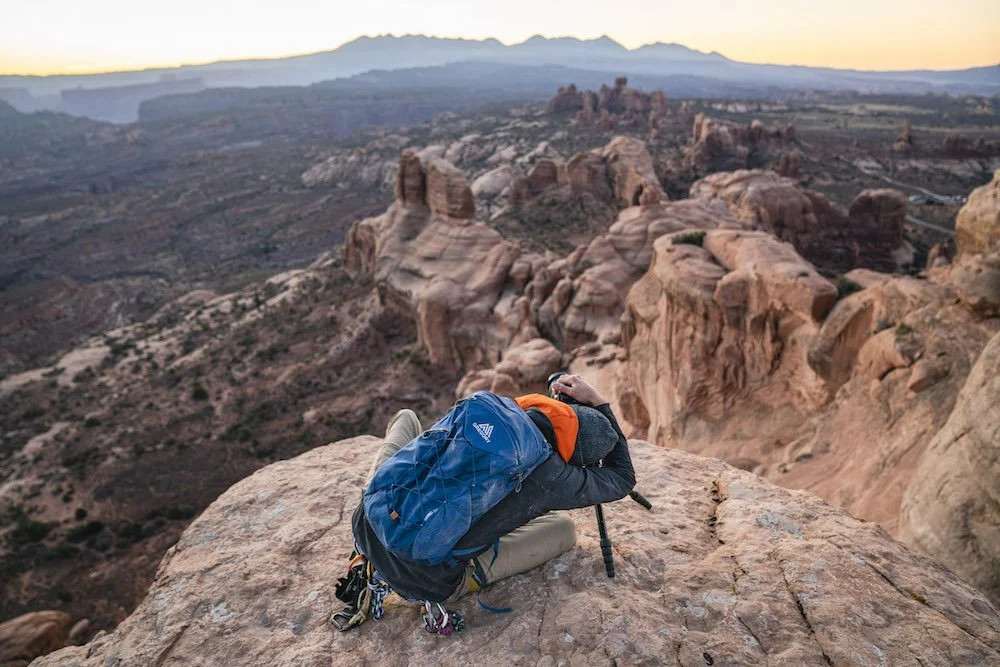
In Moab, adventure is around every corner. Whether you're hiking, biking, rafting, climbing, or canyoneering, you'll be surrounded by the breathtaking landscapes that make Moab a top destination for outdoor enthusiasts. Make the most of your Moab adventure and embark on these five must-do activities for an unforgettable experience in Utah's red rock country.
Discover More Destinations

Three Prettiest Places To Hike In California
Northern California is a haven for nature lovers and outdoor enthusiasts, boasting diverse landscapes that range from rugged coastlines to towering mountains. For those seeking a blend of breathtaking scenery and invigorating hikes, here are three of the prettiest places to explore in this enchanting region.
Updated: Sept. 17th, 2024
Northern California is a haven for photographers and hikers, boasting diverse landscapes that range from rugged coastlines like Big Sur to towering mountains like the Sierra Nevada Mountains. These areas are ripe for the picking when it comes to hiking and they might just be the prettiest places in California to hike. However, knowing where to go is a challenge, at least for me, so I scraped the internet, wore out a few pairs of shoes, and logged as many miles as I could in search of the prettiest places to hike in California. So, here you go:
Sunset hike along the Pacific Ocean at Shark Fin Cove in Davenport. Photo by Dalton Johnson
Shark Fin Cove in Davenport
Along the rugged coastline near the charming town of Davenport, Shark Fin Cove is a hidden gem that captivates visitors with its dramatic cliffs and pristine sandy shores. The main attraction, the iconic Shark Fin rock formation, rises majestically from the turquoise waters, resembling the dorsal fin of a great white shark. This picturesque spot is not only a paradise for photographers but also a fantastic destination for hikers.
The hiking trail leading to Shark Fin Cove offers a moderate trek, allowing hikers to immerse themselves in the coastal beauty of the region. The trail winds through vibrant wildflowers, coastal shrubs, and grassy bluffs, providing panoramic views of the Pacific Ocean. As you approach the cove, the rhythmic sound of crashing waves and the salty sea breeze heighten the sensory experience, making the journey as rewarding as the destination.
At Shark Fin Cove, hikers can explore tide pools teeming with marine life, lounge on the sandy beach, or simply bask in the awe-inspiring views of the rocky cliffs. The cove's secluded nature ensures a serene atmosphere, making it an ideal retreat for those seeking a peaceful escape into Northern California's coastal wonders.
10 Other Hikes in the Area to Consider:
1. Gray Whale Cove Trail:
Location: San Mateo County, near Pacifica (about a 45-minute drive from Davenport)
Distance: 2 miles round-trip
Difficulty: Easy
Highlights: This coastal trail provides stunning ocean views and access to a beautiful cove. It’s a relatively short and easy hike that’s perfect for enjoying the coastal scenery and spotting marine wildlife.
2. Waddell Creek Trail:
Location: Big Basin Redwoods State Park (about a 30-minute drive from Davenport)
Distance: 6.5 miles round-trip
Difficulty: Moderate
Highlights: This trail follows the Waddell Creek through lush redwood forests and offers serene views of the creek and surrounding vegetation. It’s a great option for those looking to experience the beauty of the redwoods without a strenuous hike.
3. Ridge Trail to the Summit of Table Mountain:
Location: Table Mountain Trailhead, Henry Cowell Redwoods State Park (about a 25-minute drive from Davenport)
Distance: 4 miles round-trip
Difficulty: Moderate to strenuous
Highlights: This trail leads to the summit of Table Mountain, offering panoramic views of the Santa Cruz Mountains and Monterey Bay. The hike includes a mix of forested paths and open ridges.
4. Pogonip Open Space Trail:
Location: Santa Cruz (about a 20-minute drive from Davenport)
Distance: 3 miles round-trip
Difficulty: Easy to moderate
Highlights: The Pogonip Open Space offers a network of trails with scenic views, meadows, and interesting rock formations. The trail provides an opportunity to explore diverse habitats and enjoy a leisurely hike.
5. Nojoqui Falls Trail:
Location: Nojoqui Falls County Park (about a 1-hour drive from Davenport)
Distance: 0.8 miles round-trip
Difficulty: Easy
Highlights: This short and easy trail leads to a picturesque waterfall in a lush setting. It’s a great hike for families or those looking for a quick, scenic outing.
6. Zayante Trail:
Location: Zayante Redwoods Park (about a 30-minute drive from Davenport)
Distance: 4 miles round-trip
Difficulty: Moderate
Highlights: The Zayante Trail takes you through a beautiful redwood forest, offering peaceful solitude and impressive old-growth trees. It’s a great trail for those looking to immerse themselves in the natural beauty of the area.
7. Castle Rock Trail:
Location: Castle Rock State Park (about a 40-minute drive from Davenport)
Distance: 5 miles round-trip
Difficulty: Moderate
Highlights: Castle Rock Trail features unique rock formations, including the namesake Castle Rock, and offers sweeping views of the Santa Cruz Mountains. The trail is popular with hikers and rock climbers alike.
8. Loma Prieta Trail:
Location: Loma Prieta County Park (about a 30-minute drive from Davenport)
Distance: 6 miles round-trip
Difficulty: Moderate to strenuous
Highlights: This trail climbs to the summit of Loma Prieta, the highest peak in the Santa Cruz Mountains, providing panoramic views of the Bay Area. The hike includes forested sections and open ridges.
9. Santa Cruz Rail Trail:
Location: Santa Cruz (about a 20-minute drive from Davenport)
Distance: 6 miles one-way
Difficulty: Easy
Highlights: This rail-trail is a flat and easy route that runs along the old rail corridor, offering views of the local landscape and a peaceful walk or bike ride.
10. Berry Creek Falls Trail:
Location: Big Basin Redwoods State Park (about a 30-minute drive from Davenport)
Distance: 10 miles round-trip
Difficulty: Moderate to strenuous
Highlights: This trail leads to the impressive Berry Creek Falls, passing through old-growth redwoods and offering scenic views along the way. It’s a longer hike, but the waterfall and the surrounding scenery make it worthwhile.

Dancing at the edge of Glacier Point in Yosemite Naitonal Park. Photo by Dalton Johnson
Yosemite Valley
No list of Northern California's prettiest hiking destinations would be complete without mentioning Yosemite Valley. Renowned for its towering granite cliffs, cascading waterfalls, and lush meadows, Yosemite National Park is a UNESCO World Heritage Site that beckons adventurers from around the globe.
Yosemite Valley, nestled in the heart of the park, is a hiker's paradise offering an array of trails suitable for various skill levels. One of the most iconic hikes is the Mist Trail, which takes you past two of Yosemite's most famous waterfalls: Vernal Fall and Nevada Fall. The mist from the falls creates rainbows on sunny days, adding a magical touch to the already awe-inspiring scenery.
For a more leisurely stroll, the Valley Loop Trail offers a picturesque route along the valley floor, passing by meadows, meandering streams, and the famous El Capitan and Half Dome rock formations. As you hike, keep an eye out for diverse wildlife, from deer grazing in the meadows to the elusive black bears that call Yosemite home.
Yosemite Valley's grandeur and diversity make it a must-visit destination for hikers seeking an immersive experience in the heart of Northern California's wilderness.
10 Other Hikes in the Area to Consider:
1. Yosemite Falls Trail:
Distance: 7.6 miles round-trip to the top of the Lower Falls, 12.2 miles round-trip to the Upper Falls
Difficulty: Moderate to strenuous
Highlights: This iconic trail leads to the base and top of Yosemite Falls, the tallest waterfall in North America. The hike offers breathtaking views of the falls and the surrounding valley.
2. Mist Trail:
Distance: 5.4 miles round-trip to Vernal Fall, 7.2 miles round-trip to Nevada Fall
Difficulty: Moderate to strenuous
Highlights: This popular trail takes you alongside Vernal Fall and Nevada Fall, providing spectacular views and a refreshing mist from the falls. The trail can be steep and wet, so prepare for a vigorous hike.
3. Mirror Lake Trail:
Distance: 2 miles round-trip (to the lake), 5 miles round-trip (to the end of the trail)
Difficulty: Easy to moderate
Highlights: This relatively easy hike takes you to Mirror Lake, offering stunning reflections of the surrounding cliffs, including Half Dome. It’s a great option for a shorter, scenic outing.
4. Sentinel Dome Trail:
Distance: 2.2 miles round-trip
Difficulty: Moderate
Highlights: This short but steep trail leads to Sentinel Dome, where you’ll find panoramic views of Yosemite Valley, Half Dome, and the High Sierra. The dome’s summit provides a fantastic vantage point.
5. Glacier Point Trail:
Distance: 1 mile round-trip
Difficulty: Easy
Highlights: Glacier Point offers one of the most breathtaking viewpoints in Yosemite. This easy hike takes you to the edge of the cliff with spectacular views of Yosemite Valley, Half Dome, and the High Sierra.
6. Four-Mile Trail:
Distance: 4.8 miles one-way
Difficulty: Strenuous
Highlights: This challenging trail connects Yosemite Valley to Glacier Point. It provides incredible views of Yosemite Falls, El Capitan, and the valley below. The hike is steep, but the reward at Glacier Point is worth the effort.
7. John Muir Trail (Yosemite Valley Section):
Distance: Varies, 211 miles total trail length (Yosemite Valley to Mount Whitney)
Difficulty: Moderate to strenuous
Highlights: The section of the John Muir Trail that runs through Yosemite Valley offers stunning views of the valley, Vernal Fall, and the surrounding wilderness. It’s a great way to experience a portion of this famous long-distance trail.
8. California Fall Trail:
Distance: 3 miles round-trip
Difficulty: Moderate
Highlights: This lesser-known trail takes you to California Fall, offering a more peaceful and less crowded waterfall experience compared to other falls in the valley. The hike provides beautiful views of the surrounding landscape.
9. Bridalveil Fall Trail:
Distance: 1.2 miles round-trip
Difficulty: Easy
Highlights: This short and easy trail leads to the base of Bridalveil Fall. It’s one of the first falls you’ll encounter when entering Yosemite Valley, and the mist from the fall can be quite refreshing.
10. Nevada Fall to Little Yosemite Valley:
Distance: 10 miles round-trip (from the Mist Trail to Little Yosemite Valley)
Difficulty: Strenuous
Highlights: This hike continues from the Mist Trail past Nevada Fall to Little Yosemite Valley. It’s a great way to experience the higher elevations and see more of Yosemite’s backcountry, with views of the falls and surrounding peaks.



Emerald Bay in Lake Tahoe
Lake Tahoe, straddling the border of California and Nevada, is renowned for its crystal-clear waters and majestic mountain scenery. Within this alpine paradise lies Emerald Bay, a pristine inlet that enchants hikers with its blue waters, lush forests, and the historic Vikingsholm castle.
The Rubicon Trail, which skirts the shoreline of Emerald Bay, offers a mesmerizing journey through pine-scented forests and along granite cliffs that plunge into the depths of the lake. Hikers are treated to panoramic views of Lake Tahoe's sapphire waters and the rugged peaks that encircle the basin. A highlight of the trail is the opportunity to visit Vikingsholm, a Scandinavian-inspired mansion nestled on the shores of Emerald Bay. This well-preserved historic site provides a glimpse into the region's past while adding a touch of charm to the hiking experience.
If you are feeling bold, rent a kayak, or a boat, and make your way out to Lake Tahoe’s only island, Fannette Island, to explore the old stone tea house perched atop the granite dome.
Whether you're a seasoned hiker or a casual nature lover, the trails around Emerald Bay offer a perfect blend of natural beauty and cultural intrigue. The changing seasons bring new colors to the landscape, making it a destination that beckons visitors year-round.
10 Other Hikes in the Area to Consider:
1. Eagle Lake Trail:
Distance: 2 miles round-trip
Difficulty: Easy
Highlights: This short and relatively easy hike leads to Eagle Lake, offering beautiful views of the lake surrounded by granite peaks. It’s a great option for a quick outing with a rewarding view.
2. Mount Tallac Trail:
Distance: 10 miles round-trip
Difficulty: Strenuous
Highlights: Mount Tallac offers a challenging hike with breathtaking panoramic views of Lake Tahoe and the surrounding Sierra Nevada. The trail ascends steeply, but the summit views make the effort worthwhile.
3. Granite Lake Trail:
Distance: 6.4 miles round-trip
Difficulty: Moderate
Highlights: This hike takes you to Granite Lake, a scenic and less-visited spot compared to other lakes in the area. The trail provides lovely views of the surrounding granite ridges and forests.
4. Desolation Wilderness - Lake Aloha Trail:
Distance: 12 miles round-trip
Difficulty: Moderate to strenuous
Highlights: This trail leads through the Desolation Wilderness to Lake Aloha, a stunning alpine lake surrounded by granite and rugged terrain. The hike offers incredible views and a chance to experience the wilderness area’s beauty.
5. Rubicon Trail:
Distance: 16 miles round-trip (can be done as a shorter out-and-back)
Difficulty: Moderate to strenuous
Highlights: The Rubicon Trail offers stunning views of Lake Tahoe, including Emerald Bay, and follows the shoreline through forested areas and rocky outcrops. The trail is well-known for its scenic beauty and diverse terrain.
6. Castle Rock Trail:
Distance: 2 miles round-trip
Difficulty: Moderate
Highlights: This trail leads to the summit of Castle Rock, where you can enjoy panoramic views of Emerald Bay and Lake Tahoe. The hike includes some rocky sections and provides a great vantage point for photography.
7. Eagle Rock Trail:
Distance: 1.5 miles round-trip
Difficulty: Easy to moderate
Highlights: Eagle Rock Trail offers a short and rewarding hike with impressive views of Emerald Bay and Lake Tahoe. It’s a good option if you’re looking for a quick hike with great views.
8. Mount Ralston Trail:
Distance: 8 miles round-trip
Difficulty: Strenuous
Highlights: Mount Ralston provides panoramic views of Lake Tahoe and the surrounding wilderness. The trail is steep and challenging but offers rewarding vistas from the summit.
9. South Shore Trail:
Distance: Varies, typically around 8 miles round-trip
Difficulty: Moderate
Highlights: This trail offers scenic views along the southern shore of Lake Tahoe, including views of Emerald Bay. It’s a great way to explore the lake’s shoreline and enjoy diverse landscapes.
10. Dardanelles Lake Trail:
Distance: 6 miles round-trip
Difficulty: Moderate
Highlights: This hike takes you to Dardanelles Lake, a beautiful alpine lake with less traffic compared to other popular lakes in the area. The trail offers serene lake views and a peaceful atmosphere.

Blue hour at Emerald Bay in Lake Tahoe. Photo by Dalton Johnson
Northern California is a treasure trove of stunning hiking destinations, each offering a unique blend of natural wonders. From the rugged cliffs of Shark Fin Cove to the iconic beauty of Yosemite Valley and the alpine magic of Emerald Bay, these three places showcase the diversity and splendor of the region's landscapes. Lace up your hiking boots, pack a camera, and embark on a journey to discover the prettiest corners of Northern California's great outdoors.
Discover More Destinations

Is A California Vacation Overrated?
California, the land of sunshine, celebrities, and diverse landscapes, has long been a go-to destination for travelers seeking a taste of the American dream. From the iconic Hollywood sign to the majestic peaks of Mount Whitney, the Golden State offers a plethora of unique experiences. However, is California truly the ultimate vacation destination, or are there better alternatives that won't break the bank?
California, the land of sunshine, celebrities, and diverse landscapes, has long been a go-to destination for travelers seeking a taste of the American dream. From the iconic Hollywood sign to the majestic peaks of Mount Whitney, the Golden State offers a plethora of unique experiences. However, is California truly the ultimate vacation destination, or are there better alternatives that won't break the bank?
A field of wildflowers and a tower in Monument Valley during the spring sunrise. Photo by Dalton Johnson
Pros:
Diverse Landscapes: California offers a variety of landscapes, from the sun-soaked beaches of Malibu to the snow-capped peaks of the Sierra Nevada.
Cultural Melting Pot: Experience a cultural kaleidoscope with influences from around the world, especially in cities like San Francisco and Los Angeles.
Year-Round Activities: Thanks to its diverse climate, California provides year-round opportunities for outdoor activities.
Cons:
High Cost of Living: California is notorious for its expensive lifestyle, impacting everything from accommodation to dining out.
Crowded Tourist Spots: Popular destinations like Disneyland and the Golden Gate Bridge can be overcrowded, making it challenging to fully enjoy the experience.
Reasons to Visit California
Hollywood Magic
One undeniable draw of California is the allure of Hollywood. If your dream is to snap a photo in front of the iconic Hollywood sign or catch a glimpse of the entertainment industry's glitz and glamour, Los Angeles is the place to be. The bustling city is a hub of creativity, offering a chance to explore the entertainment capital of the world. Visitors can tour famous studios like Warner Bros. and Universal Studios, stroll down the Hollywood Walk of Fame, or attend a live taping of a TV show. The city's vibrant nightlife, star-studded events, and renowned museums like the Hollywood Museum and the Academy Museum of Motion Pictures provide endless entertainment for film enthusiasts and casual tourists alike.
Outdoor Adventures
For the adventurous souls, California boasts the highest summit in the contiguous United States—Mount Whitney. If you have the proper permits and a passion for hiking, conquering this peak is an exclusive experience available only in California. The state's diverse landscapes offer a myriad of outdoor activities. From the rugged coastlines of Big Sur to the towering redwoods in Northern California, nature lovers can explore numerous national parks, such as Yosemite, Joshua Tree, and Sequoia National Park. Surfing enthusiasts flock to the beaches of Santa Cruz and Malibu, while winter sports fans enjoy the slopes of Lake Tahoe. Whether it's rock climbing in Joshua Tree, wine tasting in Napa Valley, or simply enjoying a scenic drive along the Pacific Coast Highway, California's outdoor adventures cater to all interests and skill levels.
Cultural Melting Pot
California is a cultural melting pot, rich with diverse influences from around the globe. Cities like San Francisco, Los Angeles, and San Diego offer a vibrant mix of cultures, reflected in their neighborhoods, festivals, and cuisine. In San Francisco, visitors can explore Chinatown, the oldest and one of the largest in North America, or enjoy authentic Mexican food and mariachi music in Los Angeles' Olvera Street. Annual events such as the San Francisco Pride Parade, the Los Angeles Film Festival, and the San Diego Comic-Con showcase the state's dynamic cultural scene. The multitude of museums, theaters, and music venues further enriches California's cultural landscape, making it a haven for art lovers and cultural enthusiasts.
Iconic Landmarks
California is home to some of the most iconic landmarks in the United States. The Golden Gate Bridge in San Francisco, with its striking orange-red hue and Art Deco design, is a marvel of modern engineering and a must-see for any visitor. Alcatraz Island, once a notorious federal prison, now serves as a popular historical site offering tours and breathtaking views of the San Francisco Bay. In Southern California, Disneyland Resort in Anaheim attracts millions of visitors each year, offering a magical experience for families and Disney fans. The state's rich history is also evident in landmarks such as the Mission San Juan Capistrano and the Hearst Castle, providing glimpses into California's past and architectural heritage.
Culinary Delights
California's culinary scene is as diverse as its population, offering an array of flavors and dining experiences. The state is a leader in the farm-to-table movement, with a focus on fresh, locally sourced ingredients. In Napa and Sonoma valleys, wine enthusiasts can tour world-renowned vineyards and taste some of the best wines in the world. Cities like Los Angeles and San Francisco are known for their innovative and eclectic dining scenes, featuring everything from gourmet food trucks to Michelin-starred restaurants. The coastal regions provide an abundance of seafood, while the fertile Central Valley produces a significant portion of the nation’s fruits and vegetables. Iconic dishes such as the Mission burrito, cioppino, and the famous California roll highlight the state's culinary innovation and multicultural influences.
Technological Hub
California is the heart of the tech world, with Silicon Valley serving as the global center for innovation and technology. Home to major tech giants like Apple, Google, and Facebook, the region attracts entrepreneurs and tech enthusiasts from around the world. Visitors can explore the Computer History Museum in Mountain View, take a tour of the Stanford University campus, or visit the Tech Interactive in San Jose. The state's tech influence extends beyond Silicon Valley, with Los Angeles emerging as a hub for tech startups and digital media companies. This technological prowess not only drives California's economy but also shapes its dynamic and forward-thinking culture.
Perfect Weather
One of the most appealing aspects of California is its nearly perfect weather. With its Mediterranean climate, the state enjoys mild, wet winters and hot, dry summers. Coastal areas benefit from a temperate climate year-round, making it ideal for outdoor activities and beach vacations. Southern California, in particular, is known for its sunny days and warm temperatures, drawing tourists seeking a reprieve from colder climates. This consistent weather allows for year-round enjoyment of California's natural beauty, from beach outings to hiking and outdoor festivals.
California's diverse attractions, cultural richness, and natural beauty make it a top destination for travelers. Whether you're seeking the excitement of Hollywood, the thrill of outdoor adventures, the richness of cultural experiences, or simply a place to relax and enjoy the scenery, California has something to offer everyone.
8 Reasons to Avoid a California Vacation
While California offers numerous attractions and experiences, there are also several factors that might make you reconsider planning a vacation to the Golden State. Here are some reasons to keep in mind:
1. High Costs
One of the most significant deterrents for potential visitors is the high cost of traveling and staying in California. Cities like San Francisco, Los Angeles, and San Diego are known for their expensive accommodations, dining, and entertainment options. Hotel prices, especially in prime locations, can be exorbitant, and dining out often comes with a hefty price tag. Additionally, attractions like Disneyland, guided tours, and concert tickets can quickly add up, making a California vacation a costly endeavor.
2. Crowded Tourist Spots
California's popularity as a tourist destination means that many of its attractions are frequently crowded, particularly during peak travel seasons. Iconic landmarks such as the Golden Gate Bridge, Hollywood Boulevard, and Disneyland can be packed with visitors, leading to long lines and less enjoyable experiences. National parks like Yosemite and Joshua Tree also see large numbers of tourists, which can detract from the serenity and natural beauty that visitors seek.
3. Traffic and Transportation
California is notorious for its traffic congestion, especially in major cities like Los Angeles and San Francisco. Navigating these cities by car can be a frustrating experience due to heavy traffic, limited parking, and complex road systems. Public transportation options, while available, may not be as efficient or convenient as in other metropolitan areas, making it challenging to get around without a car.
4. Environmental Concerns
California faces several environmental challenges that can impact your vacation experience. Wildfires are a significant concern, particularly during the dry summer and fall months. These fires can lead to evacuations, road closures, and poor air quality, disrupting travel plans. Additionally, parts of California are prone to earthquakes, and while major events are rare, they can still pose a risk. Water shortages and drought conditions can also affect certain recreational activities and overall water usage during your stay.
5. Homelessness Issues
Many California cities struggle with visible homelessness, which can be unsettling for some visitors. Areas like downtown Los Angeles and San Francisco have high numbers of homeless individuals, and the sight of encampments and people living on the streets can be distressing. While local governments are working to address this issue, it remains a significant challenge that impacts the overall tourist experience.
6. Weather Extremes
While California is known for its generally pleasant climate, it also experiences weather extremes that can be less than ideal for visitors. The inland areas, particularly in Southern California, can become extremely hot during the summer, with temperatures often exceeding 100 degrees Fahrenheit. Conversely, Northern California and mountainous regions can experience cold, rainy winters, which might not appeal to those seeking a warm-weather getaway.
7. Natural Disasters
In addition to wildfires and earthquakes, California is also prone to other natural disasters such as mudslides and floods, particularly in areas affected by previous fires or heavy rains. These events can lead to sudden road closures, evacuations, and disruptions to travel plans, posing risks to visitors' safety and enjoyment.
8. High Taxes and Fees
California's high taxes and additional fees can be a burden for travelers. Sales tax rates are among the highest in the nation, and many cities impose additional tourist taxes on hotel stays and rental cars. These extra costs can add up quickly, making your vacation more expensive than anticipated.
While California has much to offer, these challenges and drawbacks might lead some travelers to consider alternative destinations. Balancing the state's many attractions with its potential downsides is essential when planning your trip.
Other Beach Solutions
If your dream vacation involves sun, sand, and surf, there are alternative destinations that might better suit your preferences and budget:
1. Hawaii
For a tropical paradise with stunning beaches and a unique Polynesian culture, Hawaii offers a slice of heaven without the hefty California price tag.
2. Florida Keys
Escape to the Florida Keys for crystal-clear waters, vibrant coral reefs, and a laid-back atmosphere. It's a beach lover's paradise with a more relaxed vibe than the bustling Californian coastline.
Other Mountain Solutions
If conquering peaks is your passion, there are mountainous alternatives that rival the beauty of California's Sierra Nevada:
1. Colorado Rockies
Explore the majestic Rocky Mountains in Colorado, offering world-class skiing in winter and breathtaking hiking trails in the summer.
2. Swiss Alps
For an international adventure, the Swiss Alps provide unparalleled beauty and a diverse range of outdoor activities, from skiing to hiking.
What About Central America?
If you're looking for an exotic experience that won't break the bank, Central America is a treasure trove of hidden gems:
1. Costa Rica
Immerse yourself in the lush rainforests and pristine beaches of Costa Rica. With a rich biodiversity and eco-friendly tourism options, it's a paradise for nature enthusiasts.
2. Guatemala
Experience the charm of Guatemala with its ancient Mayan ruins, colorful markets, and stunning landscapes. It's an affordable destination with a unique cultural heritage.
The beaches of California are the obvious attractor to the Golden State. Photo by Dalton Johnson
While California undeniably offers a wealth of experiences, it may not be the ideal destination for everyone. Consider your budget, preferences, and the type of adventure you seek. Whether it's the beaches of Hawaii, the mountains of Colorado, or the cultural richness of Central America, there are plenty of alternatives to explore beyond the borders of the Golden State.
Discover More Destinations

The Best National Parks to Visit in the Winter
When the temperature drops and a blanket of snow covers the landscape, America's National Parks take on a new and magical character. Winter is a special time to explore these natural wonders, as the crowds thin, the air becomes crisp, and the scenery transforms into a snowy paradise. Here are five of the best national parks to visit during the winter months, each offering its own unique charm and opportunities for adventure.
When the temperature drops and a blanket of snow covers the landscape, America's National Parks take on a new and magical character. Winter is a special time to explore these natural wonders, as the crowds thin, the air becomes crisp, and the scenery transforms into a snowy paradise. Here are five of the best national parks to visit during the winter months, each offering its own unique charm and opportunities for adventure.
Soaking in the view of down valley from the rim of Yosemite Valley in the winter.. Photo by Dalton Johnson
1. Yellowstone National Park (Wyoming, Montana, Idaho)
Yellowstone National Park, often regarded as the crown jewel of the national park system, is truly spectacular in the winter. The park's iconic geothermal features, including geysers like Old Faithful, take on an otherworldly appearance when surrounded by snow and ice. Visitors can embark on snowcoach tours to witness the park's unique beauty up close. Yellowstone is also a wildlife enthusiast's dream, with opportunities to spot bison, elk, wolves, and other creatures in their natural habitat. Cross-country skiing and snowshoeing are popular ways to explore the park's pristine wilderness during the winter.
Pros:
Geothermal Wonders: Winter highlights the park's geothermal features, making them even more stunning against the snowy backdrop.
Wildlife Viewing: The park's wildlife, including bison, elk, and wolves, are easier to spot in the quieter winter months.
Winter Activities: Visitors can enjoy snowcoach tours, cross-country skiing, and snowshoeing.
Cons:
Colder Temperatures: Winter temperatures can drop significantly, so be prepared for the cold.
Limited Accessibility: Some areas of the park may be inaccessible due to snow and road closures.
Shorter Days: The days are shorter in winter, so plan your activities accordingly.
2. Yosemite National Park (California)
Yosemite's grand granite cliffs and towering waterfalls are a sight to behold in any season, but the park's beauty takes on a serene and awe-inspiring quality in the winter. The iconic landmarks like Half Dome and El Capitan are dusted with snow, making them even more photogenic. Cross-country skiing and snowshoeing opportunities abound, and the park offers a range of winter activities, including ice skating in Curry Village. Winter visitors to Yosemite are treated to a quieter and more contemplative experience.
Pros:
Serenely Beautiful: Yosemite's iconic landmarks look even more beautiful in the snow, with fewer crowds to contend with.
Winter Sports: Cross-country skiing, snowshoeing, and ice skating are popular activities.
Peaceful Atmosphere: The park is less crowded, allowing for a more peaceful experience.
Cons:
Weather Variability: Winter weather can be unpredictable, so check road and trail conditions.
Limited Access: Some roads and facilities may be closed or have restricted hours.
Shorter Days: The park has shorter daylight hours during the winter.
3. Grand Teton National Park (Wyoming)
Grand Teton National Park, with its dramatic mountain scenery, is especially captivating in the winter months. The jagged peaks of the Teton Range are the backdrop for a range of winter activities. Skiing and snowshoeing are popular, and wildlife enthusiasts have the chance to spot moose, elk, and other animals against the pristine snowy landscape. The park's charm lies in its peaceful, uncrowded atmosphere, allowing for a deeper connection with the natural world.
Pros:
Majestic Scenery: The dramatic mountain scenery is at its peak during the winter.
Winter Sports: Skiing and snowshoeing are popular, with opportunities to spot wildlife.
Quiet Tranquility: Experience the park's serene winter atmosphere with fewer visitors.
Cons:
Colder Temperatures: Winter in the Tetons can be extremely cold, so dress appropriately.
Access Limitations: Some areas may be off-limits due to snow and road closures.
Shorter Days: Plan your activities around the shorter daylight hours.
4. Acadia National Park (Maine)
While much of Acadia's landscape is blanketed in snow during the winter, the coastal areas offer a unique and stunning view of the frozen ocean. The rugged beauty of the park's coastline and islands takes on a new dimension, and snowshoeing or cross-country skiing can provide a means to explore the less-traveled paths. Acadia is known for its tranquility during the winter, making it a perfect destination for those seeking solitude and a chance to connect with nature.
Pros:
Coastal Beauty: Enjoy stunning views of the frozen ocean along the park's coastline.
Solitude: Experience the park's quiet, uncrowded ambiance.
Snow-Based Activities: Snowshoeing and cross-country skiing offer unique ways to explore.
Cons:
Limited Accessibility: Many park roads and facilities are closed during the winter.
Challenging Conditions: Weather can be harsh, so be prepared for winter driving and outdoor activities.
Short Days: Plan your adventures with the limited daylight hours in mind.
5. Zion National Park (Utah)
Zion's famous red rock formations provide a striking contrast against the white snow that blankets the park in winter. While some areas may be inaccessible due to snow, the lower elevations offer unique and captivating scenery. Hiking through the canyons and enjoying the quieter trails is a highlight for many visitors. Winter in Zion brings with it a sense of tranquility and the opportunity to explore the park without the usual crowds.
Pros:
Unique Contrasts: Red rock formations against the white snow create stunning scenery.
Quieter Trails: Enjoy the park's tranquility and explore less-visited areas.
Hiking Opportunities: Some lower elevation trails may be accessible for winter hikes.
Cons:
Inaccessible Areas: Some higher elevation trails and areas may be inaccessible due to snow.
Weather Variability: Be prepared for changing weather conditions.
Shorter Days: Plan your activities with the shorter winter days in mind.

Half Dome with a dusting of snow and sunset alpine glow. Photo by Dalton Johnson
Each of these national parks offers a distinct winter experience, from the geothermal wonders of Yellowstone to the dramatic mountain scenery of Grand Teton, the serene beauty of Yosemite, the coastal charm of Acadia, and the unique rock formations of Zion. As you plan your winter getaway, be sure to check the park's official website for the most up-to-date information on park access, road conditions, and winter activities. Embrace the colder months and experience the wonder of these national parks in all their winter glory.
Discover More Destinations

Why We Should Travel
Traveling is something that has always captivated me. Yet, it's not about seeking grand adventures or specific destinations; instead, it's about embracing the idea of breaking away from routine and welcoming new experiences with open arms. Throughout my travels, I've discovered that the motivations behind hitting the road are universal, and there's something profoundly special about it.
Updated: Sept. 16, 2024
Traveling is something that has always captivated my attention from a young age. Yet, it's not about seeking grand adventures or tick off bucket list destinations like Antarctica; instead, traveling about embracing the breaking away from routine and welcoming new experiences with open arms. Sometimes that is through unforeseen and potentially unavoidable adversity like breaking a cultural norm or getting injured. However, throughout my travels, I've discovered the motivations behind hitting the road are universal, and there's something unifying about it.
Traveling to break free from the mundane that routine creates is paramount. There is no doubt, the daily grind can make life seem predictable and repetitive, but tossing in a curve ball will improve your outlook. Whether it's a weekend getaway to a nearby place or taking on an adventure travel journey down the silk route, the act of traveling provides a break from the everyday. It's a momentary escape from the responsibilities and stresses that come with the comfort of our routines, offering a chance to recharge my spirit, rekindle creativity, and gain a refreshed perspective on life.
One of the most remarkable aspects of travel is the opportunity to learn something new. The world is a vast and diverse place, filled with different cultures, traditions, and landscapes. When I travel, I try to pick locations that expose me to various people, languages, cuisines, and histories. Every place visited is a classroom without walls, and every encounter is a valuable lesson. It's a humbling experience that teaches me about the rich tapestry of humanity, helping me understand the world and its many complexities.
Travel is a way to challenge the status quo within yourself. When I explore different parts of the world and engage with diverse cultures and perspectives, I find myself questioning my own beliefs and biases. It encourages me to reassess my values and priorities, making me more empathetic and open-minded. Through these experiences, I grow as an individual and am better equipped to understand and respect the differences in our global community.
Most importantly, travel allows me to experience something new and exceptional. It could be witnessing the grandeur of nature, the vibrancy of a bustling city, or the serenity of a secluded beach at sunrise. These moments are both breathtaking and humbling, reminding me that life is a collection of these unique experiences, each of which adds a layer to my understanding of the world.
While many of the things I seek through travel, such as novelty, learning, and personal growth, could theoretically be achieved at home, there's something about being on the road that forces me to reflect. The unpredictability, the sense of adventure, and the thrill of the unknown all contribute to the unique allure of travel. It humbles me, reminding me that life's true beauty lies beyond my comfort zones and is waiting to be discovered.
Discover more Adventures




Everything You Need to Know About Van Life
Van life has captured the imaginations of adventure seekers, minimalists, and freedom lovers alike. The idea of hitting the open road with your home on wheels offers unparalleled freedom and a unique way to explore the world. If you're considering diving into the van life lifestyle, here's everything you need to know to get started and thrive on the road.
Van life has captured the imaginations of adventure seekers, minimalists, and freedom lovers alike. The idea of hitting the open road with your home on wheels offers unparalleled freedom and a unique way to explore the world. If you're considering diving into the van life lifestyle, here's everything you need to know to get started and thrive on the road.
Pros
Freedom to travel anywhere
Closer connection to nature
Community of like-minded individuals
Choosing the Right Van for Van Life
Embarking on a van life journey starts with selecting the right van, a decision that will greatly influence your comfort, mobility, and overall experience on the road. There are several popular options to consider, each with its own set of advantages and disadvantages. Here’s a detailed look at some of the most favored vans for van life enthusiasts.
Sprinter Vans
Durability and Space
Sprinter vans, particularly those manufactured by Mercedes-Benz, are a top choice for many van lifers due to their robust build and ample interior space. These vans are known for their durability, making them a reliable option for long-term travel and adventure. The spacious interiors provide plenty of room for customization, allowing you to create a living space tailored to your specific needs.
Customization and Features
Sprinter vans offer a variety of high-roof and extended-length models, providing more headroom and storage capacity. This makes it easier to install essential amenities such as a bed, kitchen, and bathroom facilities. Many models also come equipped with advanced features like all-wheel drive, which enhances their capability to handle rough terrains and adverse weather conditions.
Cost Considerations
However, these benefits come at a higher price point. Sprinter vans are among the more expensive options, both in terms of initial purchase price and maintenance costs. Parts and repairs can be costly, particularly if you choose a model with a lot of advanced features.
Ford Transit
Affordability and Balance
Ford Transits offer a more affordable alternative to Sprinter vans while still providing a good balance of space and reliability. These vans are favored for their ease of maintenance and widespread availability of parts, which can lead to lower repair costs and less downtime if issues arise.
Versatility and Options
Transits come in various sizes and configurations, including low, medium, and high-roof models, as well as different lengths. This flexibility allows for a range of conversion possibilities, from simple builds to more elaborate setups with multiple living areas. The van’s design also supports a variety of layouts, making it easier to install storage solutions and living amenities.
Performance and Driveability
The Ford Transit is known for its smooth ride and good handling, which can make long drives more comfortable. It's also relatively fuel-efficient compared to some other large vans, helping to keep ongoing travel costs lower. However, it may not offer the same level of off-road capability as a Sprinter with all-wheel drive.
Ram ProMaster
Interior Space and Accessibility
The Ram ProMaster is another popular choice for van conversions, largely due to its boxy shape that maximizes interior space. This design provides more vertical walls, which can make installing cabinets, shelves, and other fixtures simpler and more efficient.
Front-Wheel Drive Advantage
One of the unique features of the ProMaster is its front-wheel-drive system. This can offer better traction in snowy or wet conditions, and the absence of a rear driveshaft means the van has a lower floor, increasing interior height and making it easier to enter and exit.
Cost and Maintenance
ProMasters are generally priced competitively and can be a more budget-friendly option than Sprinters. Maintenance and repairs are also typically more affordable, although some owners report that the build quality is not as robust as that of Sprinters or Transits.
Volkswagen Vanagon
Vintage Appeal and Community
For those drawn to the nostalgic charm of vintage vehicles, the Volkswagen Vanagon is a classic choice. This van has a dedicated cult following and offers a unique blend of retro aesthetics and functional design. The Vanagon’s compact size makes it easy to maneuver and park, which can be a significant advantage in urban areas.
Maintenance and Upkeep
However, the Vanagon's age can be both a charm and a challenge. Older vehicles often require more frequent maintenance and repairs, and finding specific parts can sometimes be difficult. Enthusiasts who choose the Vanagon should be prepared for the hands-on care that these vintage vehicles often need.
Lifestyle Fit
Vanagons are best suited for those who appreciate the journey as much as the destination and are willing to embrace the quirks and challenges of owning an older van. The sense of community among Vanagon owners can also provide valuable support and camaraderie.
Choosing the right van for your van life adventure is a critical decision that will shape your experience on the road. Consider your budget, lifestyle needs, and mechanical skills when selecting between options like the durable Sprinter, the versatile Ford Transit, the spacious Ram ProMaster, and the nostalgic Volkswagen Vanagon. Each offers unique benefits and challenges, so weigh your priorities carefully to find the van that best suits your vision for life on the road.
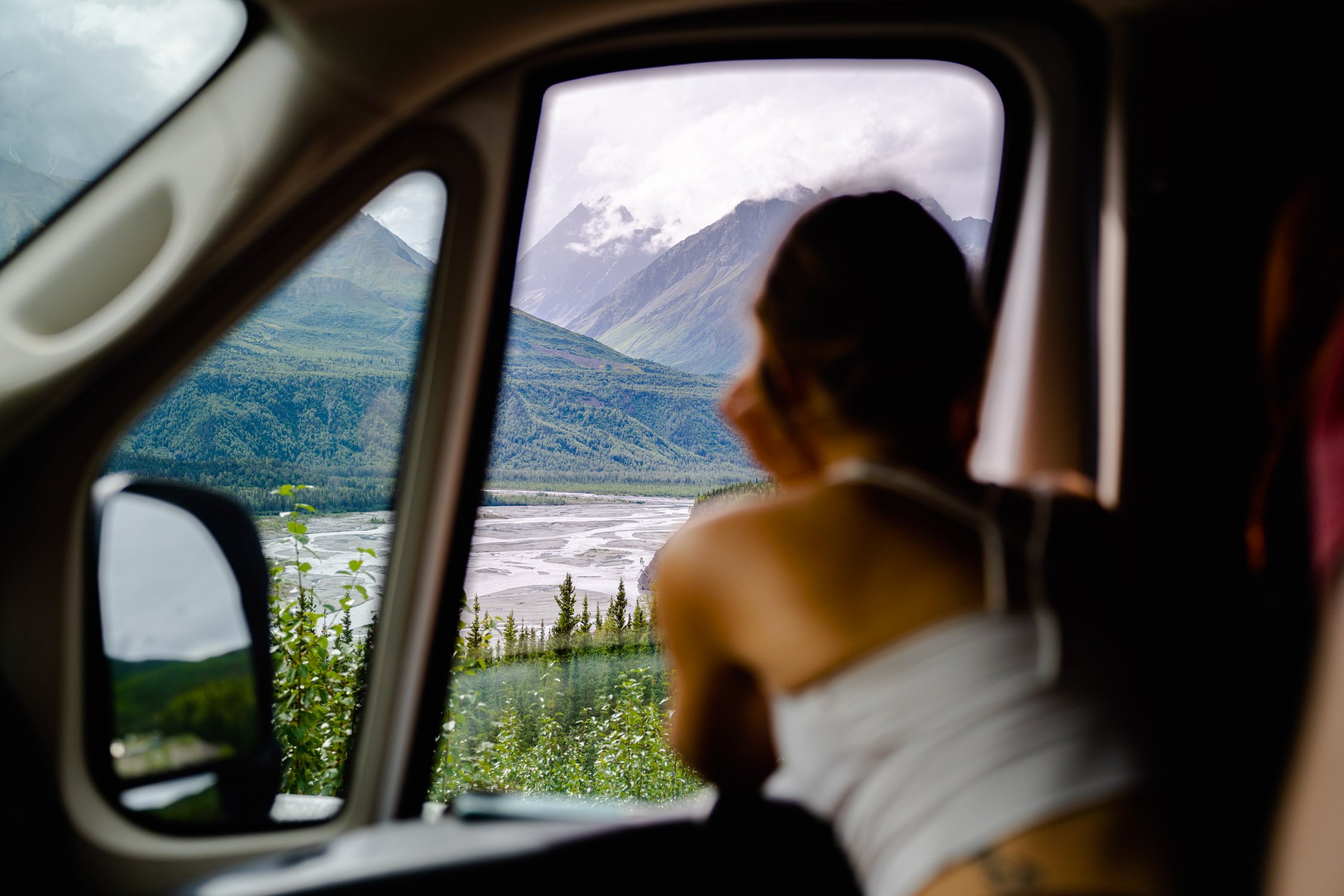
Soaking in the Alaskan landscape on our way home from a van life road trip to Alaska. Photo by Dalton Johnson
Self-Conversion vs. Pre-Converted Vans
The first major decision you'll face is whether to convert a van yourself or purchase a pre-converted van. Both options offer unique advantages and disadvantages that can impact your overall experience, budget, and satisfaction. Understanding these can help you make an informed decision that aligns with your needs and goals.
Self-Conversion:
Pros:
Customization to Fit Your Exact Needs: One of the biggest benefits of converting a van yourself is the ability to tailor every aspect of the build to your specific preferences. Whether you need extra storage for outdoor gear, a spacious kitchen for cooking elaborate meals, or a cozy nook for your pet, a self-conversion allows you to design the layout and features that suit your lifestyle.
Potential Cost Savings: By taking on the conversion yourself, you can potentially save a significant amount of money. Labor costs associated with professional conversions can be quite high, and by doing the work yourself, you can allocate more of your budget toward higher-quality materials and finishes.
Personal Satisfaction: Completing a van conversion with your own hands can be immensely satisfying. The sense of accomplishment and pride that comes with transforming a bare van into a functional and beautiful living space is a reward in itself. This hands-on experience can also give you a deeper understanding of your van’s systems, making maintenance and troubleshooting easier down the road.
Cons:
Time-Consuming: Converting a van yourself is a time-intensive project. Depending on your design complexity and available time, it can take several months to complete. This may delay your plans to hit the road and start your van life adventure.
Requires Tools and Skills: Successful self-conversion requires a variety of tools and a fair amount of DIY skills. If you’re not already handy with carpentry, electrical work, and plumbing, there’s a steep learning curve. Mistakes can be costly and time-consuming to fix.
Potential for Higher Long-Term Costs: If the conversion is not done correctly, it could lead to higher long-term costs. Poor insulation, faulty wiring, or leaks can result in expensive repairs and even pose safety hazards.
Pre-Converted Vans:
Pros:
Ready to Use Immediately: A pre-converted van offers the convenience of being road-ready from day one. There’s no waiting period or extensive project planning; you can start your adventure immediately after purchase.
Professional Build Quality: Pre-converted vans are typically built by professionals who have experience and expertise in van conversions. This often means higher build quality and more reliable systems compared to a novice DIY project. Professional conversions also often come with warranties, adding a layer of financial security.
Less Hassle: Buying a pre-converted van eliminates the hassle and stress of a DIY project. There’s no need to source materials, troubleshoot problems, or spend countless hours on construction. This can be particularly appealing if you’re short on time or prefer not to engage in hands-on work.
Cons:
Higher Upfront Cost: The convenience and professional quality of pre-converted vans come at a price. These vans are generally more expensive upfront compared to purchasing an empty van and converting it yourself. The cost includes not just materials and labor but also the business’s markup.
Limited Customization Options: Pre-converted vans come with a set design and layout, which may not perfectly align with your personal preferences or needs. While some companies offer semi-customizable options, the ability to make significant changes is limited compared to a self-conversion.
Might Not Fit All Personal Preferences: When buying a pre-converted van, you may have to compromise on certain aspects. The layout, materials used, and built-in features might not be exactly what you envisioned for your ideal van life setup.
Choosing between a self-conversion and a pre-converted van is a pivotal decision in your van life journey. A self-conversion offers unparalleled customization and potential cost savings but demands time, tools, and skills. On the other hand, pre-converted vans provide immediate use, professional quality, and convenience at a higher price and with limited customization. Evaluate your priorities, skills, and budget to decide which option aligns best with your vision for van life.
I chose a DIY van life because the cost outweighed the pros, but make this choice for yourself. Photo by Dalton Johnson
DIY Van Life Van:
Converting a van yourself into a livable space can be an exciting and rewarding project. It allows you to customize the van to your exact needs and preferences while potentially saving money compared to purchasing a pre-converted van. Here’s a detailed guide to get you started on your DIY van conversion journey.
Planning
The first step in any successful van conversion is thorough planning and ordering all the material you will need. This process can be a headache and hurt the bank account, but take your time and do this correctly. Here’s how to approach it:
Sketch Your Design: Begin by drawing a rough layout of your van’s interior. Include all the essential areas like the bed, kitchen, storage, and possibly a bathroom. This will help you visualize the space and make adjustments before you start building.
Measure Everything, Twice: Accurate measurements are crucial. Measure the interior dimensions of your van and mark the locations of windows, doors, and wheel wells. This ensures that your design will fit within the available space.
Prioritize Needs: Determine your priorities. If you love cooking, prioritize a spacious kitchen. If you need ample storage for gear, design accordingly. Tailoring the layout to your lifestyle will make the van more functional and enjoyable.
Insulation
Proper insulation is essential for maintaining comfort in various climates:
Materials:
Foam Boards: Rigid foam boards are easy to cut and install, providing excellent thermal insulation.
Spray Foam: Spray foam offers a high R-value and fills gaps effectively, but requires careful application to avoid over-expansion.
Wool: Natural wool is an eco-friendly option that offers good insulation and moisture control.
Installation: Cover all surfaces, including walls, ceiling, and floor. Pay extra attention to sealing gaps and ensuring a continuous insulation layer to prevent thermal bridges.
Electrical System
A reliable electrical system is critical for powering your appliances and staying off-grid. I used Renogy for my solar system, which was simple but more expensive than piecemealing together a system. But, don’t let that hold you back:
Components:
Solar Panels: Install solar panels on the roof to harness renewable energy.
Batteries: Choose deep-cycle batteries (such as AGM or lithium) to store energy.
Inverter: An inverter converts DC power from the batteries to AC power for your appliances.
Wiring: Plan your electrical layout, including outlets, lights, and appliance connections. Use appropriate gauge wires and fuse everything correctly to ensure safety.
Installation: Mount solar panels securely, install batteries in a ventilated compartment, and connect the inverter. Test the system thoroughly to ensure it meets your power needs.
Plumbing
Setting up a functional water system is vital for daily living:
Components:
Water Tank: Choose a size that fits your needs, typically between 10-30 gallons. I personally use three 5 gallon jugs so I can easily fill them up at the tap.
Pump: A 12V water pump will deliver water to your sink and shower.
Sink and Faucet: Install a compact sink and faucet that match your van’s interior design. I suggest a bar sink.
Grey Water Management: Plan for grey water disposal with a separate tank or a direct drain system. Ensure it complies with local regulations.
Shower (Optional): If you plan to include a shower, consider space-saving solutions like a portable shower setup or an outdoor shower system.
Interior Build-Out
Building the interior requires careful planning and execution:
Ventilation: Install roof vents or small fans to improve airflow and reduce condensation. Proper ventilation is crucial for comfort and safety.
Bed Construction: Design a bed that suits your needs, whether it's a fixed bed, a convertible sofa/table bed, or a Murphy bed. My preference is a raised bed with a “garage” underneath. Regardless of style, make sure to use lightweight, durable materials like plywood or aluminum.
Kitchen Setup: Include a compact stove (propane or electric), a small refrigerator, and counter space. Install cabinets and drawers for storage, ensuring they are secure to prevent movement while driving.
Storage Solutions: Utilize every inch of space for storage. Install overhead cabinets, under-bed storage, and wall-mounted organizers. Maximize vertical space to keep the floor area clear. Also, Luno makes a few great vehicle organizers to help with storage on the road.
Finishing Touches
Personalizing your van’s interior will make it feel like home:
Decorations: Add curtains or blinds for privacy and light control. Use cushions, rugs, and bedding to add comfort and style.
Lighting: Install LED lights for energy efficiency. Consider a mix of ambient, task, and accent lighting to create a cozy atmosphere.
Converting a van yourself into a livable space is a detailed process that requires planning, skills, and patience. By carefully considering your design, insulating effectively, setting up a reliable electrical and plumbing system, and crafting the interior with care, you can create a comfortable and personalized mobile home. The effort and attention to detail will pay off, providing you with a unique and functional space to enjoy your van life adventures.

After buying your van, the most expensive part is moving it, so post up and enjoy the sunsets. Photo by Dalton Johnson
Cost of Van Life
The cost of van life can vary significantly based on your individual choices, the type of van you select, the extent of your conversion, and your day-to-day lifestyle. Some people prefer living a low budget van life while others crave that luxury life. Below is a breakdown of the various expenses you may encounter when embarking on a van life journey.
Initial Van Purchase
The cost of your van will be one of the most significant upfront expenses:
Budget Vans ($5,000 - $20,000):
Older models or vans with high mileage can be found in this price range. While more affordable, these vans may require additional maintenance and repairs, which can add to the overall cost.
Mid-Range Vans ($20,000 - $50,000):
Newer used vans or models with lower mileage typically fall into this category. These vans are often more reliable and may have some existing features that reduce conversion costs.
High-End Vans ($50,000+):
New vans or luxury models with advanced features and low mileage are the most expensive options. These vans offer greater reliability and comfort but come with a higher initial investment.
Conversion Costs
The cost of converting your van into a livable space can vary widely:
DIY Conversion ($2,000 - $10,000):
If you have the skills and time to convert the van yourself, you can save a significant amount of money. Basic conversions with essential features like a bed, storage, and a simple kitchen setup can be done on a lower budget. However, more elaborate builds with high-quality materials and advanced systems (solar power, plumbing, etc.) will increase costs.
Professional Conversion ($10,000 - $30,000+):
Hiring professionals to convert your van ensures high-quality workmanship and can include custom designs tailored to your needs. This option is more expensive but offers peace of mind and saves time. High-end conversions with premium materials and intricate designs can exceed $30,000.
Monthly Living Expenses
Once your van is ready, ongoing living expenses will vary based on your lifestyle and travel habits:
Fuel ($150 - $500 per month):
Fuel costs depend on your travel frequency and the fuel efficiency of your van. Long trips and frequent driving will increase expenses, while staying in one place reduces fuel consumption.
Groceries and Supplies ($200 - $600 per month):
Basic living costs, including food and personal items, can vary based on your dietary preferences and shopping habits. Cooking in your van can save money compared to dining out frequently.
Maintenance and Repairs ($50 - $200 per month):
Regular maintenance is essential for keeping your van in good condition. Budget for routine services like oil changes, tire rotations, and unexpected repairs.
Campsite Fees and Parking ($100 - $700 per month):
Depending on where you choose to stay, campsite fees can add up. Some campgrounds offer amenities like electricity and showers, while others are free or low-cost boondocking sites. Urban parking and occasional hotel stays can also contribute to this expense.
Insurance
Insurance is another crucial cost to consider:
Basic Liability Insurance ($500 - $1,000 per year):
This provides coverage for damages you might cause to others. It's the minimum required by law in most places.
Comprehensive and Collision Insurance ($1,000 - $2,000 per year):
These policies offer additional protection for your van against accidents, theft, and damage. Rates vary based on your van’s value, your driving history, and other factors.
Other Potential Costs
There are additional expenses that might arise depending on your specific needs and choices:
Registration and Taxes ($100 - $500 per year):
Vehicle registration fees and taxes vary by state or country and are recurring annual costs.
Internet and Communication ($50 - $150 per month):
Staying connected on the road often requires mobile data plans, satellite internet, or Wi-Fi hotspot services.
Recreation and Activities ($50 - $300 per month):
Budget for activities like national park fees, tours, outdoor gear, and entertainment.
Health Insurance ($100 - $500 per month):
Depending on your situation, health insurance can be a significant ongoing expense. Options range from traditional plans to more flexible travel health insurance.
The cost of van life is highly variable and depends on numerous factors, including the type of van you choose, how you convert it, and your daily living habits. Initial expenses can range from a modest investment for a budget van and DIY conversion to a substantial outlay for a high-end van and professional build. Monthly living costs also vary, influenced by your travel style, lifestyle choices, and necessary insurance. Careful planning and budgeting are essential to ensure a sustainable and enjoyable van life experience.

The easiest way to be successful during van life is to build a community of friends. Photo by Dalton Johnson
Tips for Van Life Success
Embarking on a van life journey requires more than just a well-equipped van and a spirit of adventure. To truly thrive on the road, it’s essential to adopt habits and mindsets that enhance your experience. Here are some detailed tips to ensure your van life journey is successful and enjoyable.
Stay Organized
Maximize Space and Minimize Clutter
Efficient Storage Solutions: Utilize every inch of available space with creative storage solutions. Install overhead cabinets, under-bed storage, and wall-mounted organizers to keep your living area tidy and functional. Use containers and baskets to group similar items together.
Regular Decluttering: Living in a van means space is at a premium. Regularly assess your belongings and get rid of items you don’t need. Adopting a minimalist mindset can help you focus on the essentials and avoid clutter.
Label Everything: Labeling containers and drawers can save time and reduce frustration when searching for items. This is especially useful for kitchen supplies, tools, and other frequently used items.
Use Multi-Functional Items: Opt for items that serve multiple purposes to save space. For example, a foldable table that doubles as a workspace or a bed that converts into seating during the day.
Be Flexible
Adaptability is Key
Embrace Change: Life on the road is unpredictable. Weather conditions, mechanical issues, or changes in travel plans are common. Embrace the uncertainty and be prepared to adapt your plans as needed.
Plan but Be Spontaneous: While it’s good to have a general itinerary, leave room for spontaneous detours and unexpected adventures. Some of the best experiences come from unplanned opportunities.
Stay Positive: Maintain a positive attitude when faced with challenges. Flexibility and a positive mindset can turn setbacks into memorable stories and learning experiences. Make sure to read this article about the “Most Common Van Life Mistakes” so you don’t make them!
Backup Plans: Always have a backup plan for essential aspects like overnight parking, fuel, and food supplies. Knowing your alternatives can alleviate stress when your initial plan falls through.
Related Read: The Hardest Parts of Van Life
Maintain Your Van
Preventive Care for Longevity
Regular Maintenance Checks: Schedule regular maintenance checks for your van, including oil changes, tire rotations, and brake inspections. Keeping up with maintenance can prevent breakdowns and costly repairs.
Carry Essential Tools and Parts: Equip your van with a basic toolkit and essential spare parts like fuses, belts, and light bulbs. Being able to handle minor repairs yourself can save time and money.
Monitor Fluid Levels: Regularly check and maintain fluid levels, including oil, coolant, brake fluid, and windshield washer fluid. Keeping these topped up ensures your van runs smoothly and safely.
Inspect Tires: Check tire pressure and tread regularly. Properly inflated tires improve fuel efficiency and handling, while good tread ensures better traction and safety.
Join the Community
Engage with Fellow Van Lifers
Online Forums and Social Media: Join online communities on platforms like Reddit, Facebook, and Instagram. These communities are valuable resources for tips, advice, and inspiration. Engaging with others can help you feel connected and supported.
Attend Meetups and Events: Participate in van life gatherings, meetups, and festivals. These events are great opportunities to network, make friends, and learn from others’ experiences.
Share Your Journey: Document and share your van life journey through a blog, YouTube channel, or social media. Sharing your experiences not only helps others but also allows you to reflect on your adventures and growth.
Collaborate and Trade: Collaborate with other van lifers on projects, trades, or travel plans. This can lead to unique opportunities and a sense of community while on the road.
Additional Tips for Van Life Success
Health and Safety
Stay Healthy: Prioritize your physical and mental health. Exercise regularly, eat balanced meals, and take time to relax and recharge. Staying healthy ensures you can fully enjoy your travels.
Safety First: Always prioritize safety. Park in well-lit, secure areas, lock your doors, and be aware of your surroundings. Invest in a good first aid kit and emergency supplies.
Read Next: Practical Tips to Maintain Your Mental Health During Van Life
Environmental Responsibility
Leave No Trace: Practice responsible travel by minimizing your environmental impact. Follow Leave No Trace principles, dispose of waste properly, and respect nature and local communities.
Sustainable Practices: Adopt sustainable practices like using solar power, reducing plastic use, and conserving water. These practices help preserve the environment for future generations of travelers.
Success in van life goes beyond having a well-equipped van; it requires organization, flexibility, regular maintenance, and community engagement. By staying organized, being adaptable, maintaining your vehicle, and connecting with fellow van lifers, you can create a fulfilling and enjoyable life on the road. Embrace these tips to ensure your van life adventure is not only successful but also rich with unforgettable experiences and lasting memories.

Overpacking during van life will make you go crazy, embrace minimalism. Photo by Dalton Johnson
Van Life Don'ts
Living the van life is an exciting adventure that offers freedom and flexibility, but it also comes with its own set of challenges and considerations. To ensure a smooth and enjoyable experience, here are some critical “don’ts” to keep in mind:
Don’t Overpack
Avoid Clutter and Maximize Space
Prioritize Essentials: Only bring items that are essential and serve a specific purpose. Limited space means every item should earn its place. Think carefully about what you truly need for daily living and activities.
Adopt a Minimalist Mindset: Embrace minimalism. Reducing your belongings to the bare essentials can significantly improve your quality of life in a confined space. It’s about finding joy in simplicity and practicality.
Regularly Declutter: Periodically review your belongings and remove items that you haven’t used in a while. This practice helps keep your living space organized and prevents the accumulation of unnecessary stuff.
Use Multi-Functional Items: Opt for items that serve multiple purposes. For example, a foldable table that can be used for dining, working, and storage, or a bed that converts into a seating area. This approach maximizes functionality while minimizing the number of items you need to carry.
Don’t Ignore Safety
Ensure Your Safety and Security
Secure Your Van: Invest in good locks for all doors and windows. Consider additional security measures like an alarm system, steering wheel lock, or GPS tracker. Ensuring your van is secure when you are both inside and away can prevent theft and break-ins.
Choose Safe Parking Locations: Always research and choose safe locations to park overnight. Look for well-lit areas with a good reputation. Avoid isolated spots, especially in unfamiliar areas. Apps and online forums can provide valuable information on safe parking spots.
Stay Aware of Your Surroundings: Always be aware of your surroundings. Trust your instincts; if a place doesn’t feel right, move on. Being vigilant about your environment can prevent potential safety issues.
Prepare for Emergencies: Have an emergency plan in place. Carry a first aid kit, a fire extinguisher, and basic tools for emergencies. Know the locations of nearby hospitals, police stations, and service centers.
Don’t Skip Maintenance
Keep Your Van in Top Condition
Routine Checks: Perform regular checks on your van’s vital systems, including the engine, brakes, tires, and lights. Regular maintenance prevents small issues from becoming major problems and ensures your van remains reliable on the road.
Scheduled Servicing: Adhere to the manufacturer’s recommended service schedule for oil changes, filter replacements, and other routine maintenance tasks. Keeping up with scheduled maintenance can prolong the life of your van and reduce the likelihood of breakdowns.
Monitor Fluid Levels: Regularly check and top off fluids such as oil, coolant, brake fluid, and windshield washer fluid. Maintaining proper fluid levels is essential for the smooth operation of your van’s systems.
Inspect Tires Regularly: Check tire pressure and tread regularly. Properly inflated tires with good tread ensure better fuel efficiency, handling, and safety.
Don’t Rush
Enjoy the Journey
Take Your Time: One of the biggest advantages of van life is the freedom to travel at your own pace. Avoid rushing from one destination to another. Take the time to explore and enjoy each location fully.
Avoid Burnout: Traveling constantly can be exhausting. Plan for rest days and take breaks when needed. Enjoying downtime is crucial for maintaining your well-being and preventing burnout.
Savor Experiences: Van life is about the journey as much as the destination. Savor the experiences, meet new people, and immerse yourself in new environments. These moments are what make van life memorable.
Be Flexible with Plans: Allow flexibility in your itinerary. Weather changes, road conditions, or interesting detours can alter your plans. Embrace these changes and see them as part of the adventure rather than obstacles.
The key to a successful van life experience lies in mindful planning and an adaptable mindset. Avoiding common pitfalls such as overpacking, neglecting safety, skipping maintenance, and rushing can make your journey smoother and more enjoyable. By staying organized, vigilant, and flexible, you can maximize the benefits of van life and create unforgettable memories on the road.

If you are not sure if van life is for you, rent one and try it out. Photo by Dalton Johnson
How to Get Started in Van Life
Starting a van life journey can be both exciting and daunting. Proper preparation is key to ensuring a smooth transition and a rewarding experience. Here’s a detailed guide on how to get started in van life:
Research
Learn from Others’ Experiences
Blogs and Websites: Dive into the wealth of information available on blogs and websites dedicated to van life. Many van lifers document their journeys, sharing valuable insights, tips, and lessons learned. These resources can provide you with a realistic understanding of what to expect and how to prepare.
YouTube Channels: YouTube is an excellent platform for visual learners. Watch videos from seasoned van lifers who offer tours of their vans, discuss their daily routines, and share advice on various aspects of van life. Channels like "Kombi Life," "Eamon & Bec," and "Kara and Nate" are great starting points.
Social Media: Join van life communities on social media platforms such as Instagram, Facebook, and Reddit. These communities are active, supportive, and full of real-time advice. Following hashtags like #vanlife, #vanlifediaries, and #vanconversion can also lead you to useful content.
Books and Guides: Consider reading books written by experienced van lifers. Titles like "Van Life: Your Home on the Road" by Foster Huntington and "How to Live in a Van and Travel" by Mike Hudson offer comprehensive overviews and practical advice.
Budget
Plan Your Finances Carefully
Initial Costs:
Van Purchase: Decide on the type of van you want and research the cost. Prices can range from $5,000 for an older model to $50,000+ for a new or high-end van.
Conversion: Whether you choose to do a DIY conversion or hire professionals, estimate the costs. DIY conversions can cost between $2,000 and $10,000, while professional conversions can go from $10,000 to $30,000+.
Ongoing Costs:
Living Expenses: Budget for monthly expenses such as fuel, groceries, maintenance, and campsite fees. These can range from $500 to $2,000 depending on your lifestyle.
Insurance: Factor in insurance costs, which can be $500 to $2,000 per year depending on the coverage.
Miscellaneous: Include costs for health insurance, internet, and recreational activities.
Savings:
It’s wise to have an emergency fund for unexpected expenses such as major repairs or medical emergencies. Aim to save at least a few months’ worth of living expenses before starting your journey.
Test It Out
Rent a Van for a Short Trip
Short-Term Rentals: Rent a campervan or RV for a weekend or week-long trip. Companies like Outdoorsy and Escape Campervans offer rental options across various locations. This trial run helps you experience van life firsthand without a long-term commitment.
Evaluate the Experience: Pay attention to how you feel about living in a small space, the challenges you encounter, and the aspects you enjoy. This experience can help you decide if van life is right for you and what adjustments you might need to make.
Learn Practical Skills: Use this opportunity to learn practical skills such as setting up camp, managing limited resources (water, electricity), and navigating life on the road. These skills will be invaluable once you start your full-time van life journey.
Make a Plan
Decide on Your Van, Conversion, and Travel Plans
Choose Your Van: Based on your research and test run, decide on the type of van that best suits your needs. Consider factors such as size, fuel efficiency, reliability, and cost. Popular options include Sprinter Vans, Ford Transits, and Ram ProMasters.
Conversion Plan:
If you’re doing a DIY conversion, start by sketching out your design. Consider the layout, storage solutions, bed, kitchen, and bathroom needs. Research materials and tools, and create a step-by-step plan for the build.
If hiring professionals, research and contact conversion companies to discuss your requirements, budget, and timeline.
Travel Plans: Plan your initial route and destinations. Consider starting with shorter trips to familiarize yourself with van life before embarking on longer journeys. Use resources like road maps, travel guides, and van life apps to plan your route and find suitable campsites. Make sure to check out this article about “Breathtaking Van Life Spots”.
Legalities and Logistics: Ensure your van is legally compliant with local regulations. This includes registering your van, obtaining the necessary insurance, and understanding parking laws. Also, set up a mailing address and consider how you’ll handle voting, taxes, and other administrative tasks while on the road.
Additional Considerations
Health and Safety: Ensure you have a comprehensive first aid kit and know basic first aid procedures. Plan for health insurance that covers you on the road. Keep emergency contact information handy and always inform someone of your travel plans.
Sustainability: Plan to live sustainably by using solar power, reducing waste, and following Leave No Trace principles. Sustainable practices help preserve the environment and can make your van life more cost-effective.
Networking and Community: Engage with the van life community through social media, meetups, and events. Building a network of fellow van lifers can provide support, advice, and companionship on the road.
Starting a van life journey requires thorough research, careful budgeting, practical experience, and detailed planning. By taking these steps, you can prepare yourself for the unique challenges and rewarding experiences that van life offers. Embrace the adventure with an open mind, and you’ll be well on your way to a fulfilling life on the road.


How to Be Successful at Van Life
Success in van life is not just about having the perfect van or the ideal travel route; it’s about creating a lifestyle that brings you joy and satisfaction. Achieving this balance involves setting realistic expectations, staying connected, prioritizing comfort, and embracing the adventure. Here’s a detailed guide on how to be successful at van life.
Set Realistic Expectations
Understand the Realities of Van Life
Embrace the Challenges: Van life is not always a picturesque adventure. There will be challenges such as finding safe parking spots, dealing with weather extremes, and managing limited resources like water and electricity. Prepare yourself mentally for these hurdles and view them as part of the journey.
Adapt to Small Spaces: Living in a van means adapting to a smaller living space. Understand that it will require a minimalist approach to belongings and a creative mindset to make the most of your space. Learn to appreciate the simplicity and the reduced footprint.
Financial Realities: Be aware of the financial aspects of van life. While it can be more affordable than traditional living, it still involves costs such as fuel, maintenance, insurance, and occasional campsite fees. Budgeting and managing expenses are crucial to sustaining this lifestyle.
Emotional Preparedness: The nomadic lifestyle can sometimes feel isolating. It’s important to be emotionally prepared for periods of solitude and to find ways to stay connected with loved ones and communities.
Stay Connected
Use Technology to Your Advantage
Reliable Internet: Invest in a reliable internet setup, whether it’s a mobile hotspot, satellite internet, or utilizing public Wi-Fi. This is crucial for staying in touch with family and friends, managing work, and accessing important information on the road.
Communication Apps: Utilize communication apps like WhatsApp, Zoom, and FaceTime to maintain regular contact with your social circle. Schedule regular check-ins with family and friends to combat loneliness and keep your support network strong.
Emergency Contacts: Keep a list of emergency contacts and local emergency services accessible. Make sure someone knows your travel plans and check in regularly, especially when venturing into remote areas.
Social Media and Online Communities: Join van life groups on social media platforms. These communities can provide support, advice, and a sense of belonging. Sharing your experiences and connecting with others can enrich your van life journey.
Prioritize Comfort
Invest in Quality Essentials
Good Mattress: A comfortable bed is essential for good sleep and overall well-being. Invest in a high-quality mattress that suits your sleeping preferences. A well-rested body and mind can better handle the demands of van life.
Quality Insulation: Proper insulation is vital for maintaining a comfortable temperature inside your van. Whether you’re in a hot desert or a cold mountain area, good insulation helps regulate the internal climate and reduces energy consumption.
Reliable Appliances: Equip your van with reliable appliances like a fridge, stove, and heater. Quality appliances are not only safer but also more efficient, which is crucial when living off-grid. Ensure they are suited to your needs and the space available in your van.
Ergonomic Seating: Since you’ll spend considerable time inside your van, having ergonomic seating arrangements is important. Comfortable seating can make working, eating, and relaxing much more enjoyable.
Personal Comfort Items: Don’t overlook the small comforts. Bring along your favorite pillows, blankets, and personal items that make your van feel like home. These touches can make a significant difference in your day-to-day happiness.
Explore and Enjoy
Embrace the Adventure
Discover New Places: One of the biggest advantages of van life is the ability to travel and explore new places. Make the most of this by visiting diverse locations—beaches, mountains, forests, and cities. Take the time to explore local attractions and hidden gems.
Meet New People: Van life offers numerous opportunities to meet new people. Engage with fellow travelers, locals, and other van lifers. Building connections can lead to enriching experiences, friendships, and a deeper understanding of different cultures.
Participate in Events: Join van life meetups, festivals, and events. These gatherings are great for networking, learning new tips and tricks, and enjoying the sense of community that comes with shared experiences.
Embrace Spontaneity: Allow room for spontaneity in your travels. Some of the most memorable experiences come from unplanned detours and unexpected discoveries. Be open to changing plans and embracing new adventures as they come.
Document Your Journey: Consider documenting your journey through photos, videos, or a travel blog. Not only does this create lasting memories, but it also allows you to share your experiences with others and inspire potential van lifers.
Success in van life is about finding a balance that works for you. By setting realistic expectations, staying connected with loved ones, prioritizing comfort, and embracing the adventure, you can create a fulfilling and enjoyable van life experience. Remember, the journey is as important as the destination. Embrace the ups and downs, stay adaptable, and make the most of the freedom and opportunities that van life offers.

Finding the right spot to park leads to a evening like this, aka find a good place to stay. Photo by Dalton Johnson
Where to Park in Van Life
Finding suitable places to park your van is essential for a safe and comfortable van life experience. Here are some options and considerations to help you navigate where to park:
Campsites and RV Parks
Comfort with Amenities
Amenities Available: Campsites and RV parks offer amenities such as electricity hookups, potable water, dump stations, and sometimes even showers and laundry facilities. These amenities can make your stay more comfortable, especially when you need to recharge your van’s batteries or refill your water tanks.
Reservations: Some campsites require reservations, especially during peak seasons. Plan ahead and book in advance to secure a spot, particularly in popular tourist destinations or national parks.
Cost: Be prepared to pay a fee for using facilities and services at campsites and RV parks. Costs vary widely depending on location, amenities offered, and the time of year.
Public Lands
Explore Nature Freely
Dispersed Camping: Public lands managed by agencies like the Bureau of Land Management (BLM), national forests, and some state parks allow dispersed camping. This means you can park your van in designated areas away from developed campgrounds, often for free or at minimal cost. Check out this article about the dispersed camping in Sedona, Arizona.
Leave No Trace: When camping on public lands, follow Leave No Trace principles to minimize your impact on the environment. Pack out all trash, avoid damaging vegetation, and respect wildlife habitats.
Regulations and Restrictions: Check specific regulations for each area you plan to visit. Some public lands may have restrictions on camping duration, campfire use, and vehicle access. Respect these rules to ensure the sustainability of van life for future travelers.
Urban Areas
Navigating City Parking
Use Dedicated Apps: Apps like iOverlander, Park4Night, and Campendium are invaluable for finding urban parking spots suitable for vans and RVs. These apps provide user-generated reviews and information on parking availability, safety, and amenities nearby.
Safety Considerations: Choose well-lit, populated areas for urban parking. Avoid parking in secluded or poorly maintained locations where safety may be compromised. Trust your instincts and prioritize your security.
Local Regulations: Research local parking regulations and restrictions. Some cities prohibit overnight parking in certain areas or have time-limited parking zones. Familiarize yourself with these rules to avoid fines or towing.
Private Property
Respect and Permission
Seek Permission: If you plan to park on private property, always seek permission from the landowner or property manager beforehand. This applies to parking overnight or for extended periods. Respect their property and any conditions they may have for parking.
Offer Compensation: In some cases, landowners may appreciate a gesture of goodwill, such as offering a small fee or helping with chores or maintenance tasks. Building a positive relationship can lead to future opportunities for van life parking.
Safety and Comfort: Ensure that the parking spot meets your safety and comfort standards. Consider proximity to amenities, noise levels, and access to essential services like groceries and fuel.
Where Not to Park
Avoid These Locations
Private Property Without Permission: Never park on private property without explicit permission from the owner or tenant. Trespassing can result in legal consequences and damage relationships with local communities.
No Overnight Parking Zones: Respect signs and local ordinances that prohibit overnight parking. Violating these regulations can lead to fines, towing, or unwanted attention from law enforcement.
Unsafe or Restricted Areas: Avoid parking in areas that pose safety risks, such as secluded spots with limited visibility or high crime rates. Prioritize your security and well-being when choosing parking locations.
Choosing where to park in van life requires careful consideration of safety, legality, and comfort. Whether you prefer the amenities of established campsites, the freedom of public lands, the convenience of urban apps, or the hospitality of private property, plan ahead and respect local regulations. By doing so, you can enjoy the freedom and flexibility of van life while minimizing risks and maximizing your experience on the road.

Greeting the epic Teton Mountains for the first time. Photo by Dalton Johnson
Best Places for Van Life
Choosing where to travel in your van is a pivotal part of the van life experience. Whether you seek rugged natural beauty, cultural richness, or diverse landscapes, here are some of the best regions in the United States for van life adventures:
Pacific Northwest
Enchanting Forests and Coastal Views
Oregon Coast: Explore the dramatic coastline of Oregon, dotted with picturesque lighthouses, sandy beaches, and rocky cliffs. Cape Perpetua and Cannon Beach are must-see destinations offering stunning vistas and opportunities for outdoor activities like hiking and beachcombing.
Washington State’s Olympic Peninsula: Venture into the Olympic National Park, where lush rainforests meet rugged coastline. Visit the Hoh Rainforest, hike to Hurricane Ridge for panoramic views of the mountains, and relax in the natural hot springs of Sol Duc Valley.
Cascade Mountains: Drive through the Cascade Range, home to towering peaks, serene alpine lakes, and dense forests. Mount Rainier National Park and North Cascades National Park are ideal for hiking, wildlife viewing, and experiencing the tranquility of nature.
Southwest USA
Desert Landscapes and Iconic National Parks
Arizona’s Grand Canyon: Marvel at the vastness of the Grand Canyon, a UNESCO World Heritage Site and one of the most iconic natural wonders in the world. Camp at the South Rim or venture into lesser-known viewpoints for breathtaking sunsets and stargazing opportunities.
Utah’s Mighty Five National Parks: Discover the otherworldly landscapes of Utah’s national parks—Arches, Bryce Canyon, Canyonlands, Capitol Reef, and Zion. Each park offers unique rock formations, arches, canyons, and opportunities for hiking, rock climbing, and photography.
Nevada’s Great Basin National Park: Experience solitude and starry skies at Great Basin National Park, where you can explore ancient bristlecone pine forests, hike to Wheeler Peak, and tour Lehman Caves. The park’s remote location makes it perfect for escaping the crowds and enjoying pristine wilderness.
Rocky Mountains
Adventure and Scenic Beauty
Colorado’s Rocky Mountain National Park: Drive along the Trail Ridge Road, the highest paved road in North America, for sweeping views of the Rocky Mountains. Hike to alpine lakes, spot wildlife such as elk and bighorn sheep, and camp under the star-filled skies of this iconic national park.
Wyoming’s Grand Teton National Park: Witness the jagged peaks of the Teton Range reflected in pristine lakes, including Jackson Lake and Jenny Lake. Enjoy scenic drives, hike to hidden waterfalls, and photograph the abundant wildlife in this picturesque landscape.
Montana’s Glacier National Park: Explore Glacier National Park, known for its glacier-carved peaks, turquoise lakes, and diverse ecosystems. Drive the Going-to-the-Sun Road for breathtaking views, hike to iconic spots like Grinnell Glacier, and camp in the heart of one of America’s most pristine wilderness areas.
East Coast
Historical Charm and Coastal Beauty
New England’s Fall Foliage: Experience the vibrant colors of autumn in New England, particularly in states like Vermont, New Hampshire, and Maine. Drive along scenic byways, visit quaint towns, and hike through forests ablaze with red, orange, and gold foliage.
Florida Keys: Embark on a road trip along the Overseas Highway to explore the tropical paradise of the Florida Keys. Snorkel in crystal-clear waters, relax on sandy beaches, and indulge in fresh seafood while enjoying breathtaking sunsets over the Gulf of Mexico.
Historic Cities: Discover the rich history and cultural diversity of cities along the East Coast, including Boston, Philadelphia, and Charleston. Wander through cobblestone streets, visit museums and landmarks, and savor regional cuisine in these vibrant urban centers.
Whether you crave the rugged beauty of the Pacific Northwest, the vast deserts of the Southwest, the majestic peaks of the Rocky Mountains, or the historical charm of the East Coast, van life offers endless opportunities for exploration and adventure. Each region boasts unique landscapes, outdoor activities, and cultural experiences that make it a perfect destination for van lifers seeking freedom and inspiration on the road. Plan your route, pack your essentials, and embark on an unforgettable journey through some of the best places the United States has to offer for van life enthusiasts.

My old pup, Baja, letting her ears fly in the wind along the Big Sur coastline. Photo by Dalton Johnson
Van Life with Pets
Traveling with pets adds an extra dimension of joy and companionship to van life. However, it also requires careful planning and consideration to ensure their comfort, safety, and well-being throughout your journey. Here’s how you can enhance your van life experience while traveling with pets:
Comfort
Designated Space: Allocate a comfortable area in your van where your pet can sleep, eat, and relax. Consider using a cozy pet bed or blanket to create a familiar and comforting environment.
Temperature Control: Ensure your van is properly insulated and ventilated to maintain a comfortable temperature for your pet, regardless of external weather conditions. Avoid leaving pets unattended in extreme heat or cold, as this can pose serious health risks.
Safety
Secure Travel: Use a secure pet carrier, harness, or seat belt attachment to restrain your pet while driving. This prevents distractions and ensures their safety in case of sudden stops or accidents.
Pet Identification: Keep identification tags with current contact information on your pet’s collar or harness. Consider microchipping as an additional measure to ensure your pet can be reunited with you if they become lost.
Exercise
Regular Activity: Schedule regular breaks during your travels to allow your pet to stretch their legs, relieve themselves, and engage in physical activity. Plan stops at pet-friendly parks or hiking trails where they can explore and burn off energy.
Playtime: Incorporate interactive toys and games into your daily routine to stimulate your pet mentally and physically. Playtime not only keeps them entertained but also strengthens your bond during your van life adventure.
Health
Veterinary Care: Schedule regular check-ups with a veterinarian to ensure your pet’s health and well-being are maintained. Keep vaccinations up to date and carry a copy of your pet’s medical records, including proof of vaccinations, medications, and any allergies.
Emergency Preparedness: Pack a pet first aid kit that includes essentials such as bandages, antiseptic wipes, tweezers, and any medications your pet may need. Familiarize yourself with basic first aid procedures for pets and know where to find emergency veterinary care along your route.
Van Life with Kids
Embarking on van life with children requires thoughtful planning and preparation to create a safe, nurturing, and enjoyable environment for your family. Here are key considerations to make van life a fulfilling experience for both parents and kids:
Space
Designated Areas: Create separate sleeping and play areas within your van to provide children with their own space. Use foldable beds, storage compartments, and partitions to maximize space and ensure each child has a comfortable and personalized area.
Storage Solutions: Organize belongings efficiently to minimize clutter and maximize available space. Use bins, shelves, and under-bed storage to keep essentials easily accessible and maintain a tidy living environment.
Education
Homeschooling Options: Research homeschooling or remote learning programs that align with your child’s educational needs and your travel schedule. Establish a daily learning routine that includes educational activities, reading, and hands-on experiences tailored to their interests and curriculum requirements.
Learning Opportunities: Take advantage of educational opportunities during your travels, such as visiting museums, national parks, historical sites, and cultural landmarks. Encourage children to document their experiences through journals, photography, or art projects.
Activities
Kid-Friendly Stops: Plan regular stops at kid-friendly destinations, such as playgrounds, beaches, nature reserves, and family-friendly attractions. Allow children to participate in planning activities and choosing stops to foster their enthusiasm and engagement in the journey.
Outdoor Adventures: Engage in outdoor activities that promote physical activity and exploration, such as hiking, biking, swimming, and nature walks. Encourage children to connect with nature, learn about local ecosystems, and appreciate the natural beauty of each destination.
Routine
Consistent Schedule: Maintain a daily routine that provides structure and stability for children during van life. Establish regular mealtimes, bedtime rituals, and designated periods for learning, play, and relaxation to promote a sense of security and familiarity.
Flexibility: Remain flexible and adaptable to accommodate unforeseen changes or spontaneous opportunities for exploration. Embrace the unpredictability of van life as a learning experience and an opportunity for family bonding and growth.
Van life with pets and children enriches your journey with companionship, shared experiences, and the opportunity to explore new horizons together. By prioritizing comfort, safety, education, and creating a nurturing environment, you can create lasting memories and foster strong family bonds while embracing the freedom and adventure of life on the road. Prepare thoroughly, embrace each day’s adventures, and enjoy the journey as a family unit, creating cherished moments that will be treasured for years to come.

Getting out of your tiny space is key to a successful relationship during van life. Photo by Dalton Johnson
Van Life as a Couple
Living in a van as a couple can be a rewarding experience that strengthens your bond and creates lasting memories. However, it also requires careful consideration and communication to navigate the challenges of sharing a small living space. Here’s how van life can enhance your relationship and tips for making it work:
Communication
Clear Communication: In close quarters, open and honest communication is essential. Discuss expectations, preferences, and concerns openly to avoid misunderstandings. Regularly check in with each other to ensure both partners feel heard and respected.
Conflict Resolution: Address conflicts promptly and respectfully. Living in a confined space can amplify tensions, so practice patience and compromise when resolving disagreements. Finding mutually agreeable solutions strengthens your teamwork and fosters a harmonious living environment.
Personal Space
Designate Personal Time: Allocate space and time for individual activities and relaxation. Whether it’s reading a book, taking a walk alone, or pursuing personal hobbies, respecting each other’s need for solitude promotes emotional well-being and prevents feelings of claustrophobia.
Create Privacy: Maximize privacy within the van by using curtains, partitions, or modular furniture. Having designated areas for personal belongings and downtime helps maintain boundaries while sharing a compact living space.
Shared Goals
Plan Together: Collaborate on travel itineraries, destination choices, and daily schedules. Discuss each person’s interests and priorities to create a balanced and enjoyable journey. Working as a team reinforces mutual trust and strengthens your shared sense of adventure.
Van Maintenance: Share responsibilities for van upkeep and maintenance tasks. From routine checks to troubleshooting unexpected issues, dividing tasks according to strengths and interests fosters a sense of partnership and ensures the van operates smoothly during your travels.
Fun Activities
Bond Through Shared Experiences: Embrace the opportunity to explore new places, try adventurous activities, and create memorable experiences together. Whether it’s hiking in national parks, cooking meals over a campfire, or stargazing under clear skies, shared adventures strengthen your connection and provide opportunities for growth.
Celebrate Milestones: Mark milestones and achievements during your van life journey. Whether it’s reaching a significant destination, overcoming challenges, or celebrating anniversaries, acknowledge these moments with gratitude and reflection. Building shared memories reinforces your commitment to each other and the van life lifestyle.
Van life as a couple offers a unique blend of adventure, intimacy, and shared responsibility. By prioritizing clear communication, respecting personal space, collaborating on goals, and enjoying meaningful activities together, you can cultivate a fulfilling and harmonious relationship on the road. Embrace the challenges as opportunities for growth and cherish the shared moments that strengthen your bond as you navigate the joys of van life as a couple.
Taking the backroads of Death Valley with the van, honest 10 out of 10 would recommend! Photo by Dalton Johnson
Is Van Life Right for You?
Deciding whether van life is a suitable lifestyle requires careful consideration of various factors that impact comfort, adaptability, and personal preferences. Here are key factors to help you determine if van life aligns with your lifestyle and goals:
Lifestyle
Love for Travel: Van life is ideal for those who have a passion for travel and exploration. It offers the freedom to roam and discover new destinations without being tied down to a single location. If you crave adventure and new experiences, van life can provide the opportunity to satisfy your wanderlust.
Embrace Minimalism: Living in a van necessitates adopting a minimalist mindset. Space is limited, so you must be willing to prioritize essentials and simplify your possessions. If you appreciate simplicity and are willing to downsize your belongings, van life can offer a liberating lifestyle free from material excess.
Spontaneity and Freedom: Van life encourages spontaneity, allowing you to change plans on a whim and adapt to unforeseen opportunities. If you thrive in flexible environments where each day can bring new adventures and challenges, van life may suit your adventurous spirit.
Flexibility
Adaptability to Change: Van life requires flexibility to adjust to varying weather conditions, road conditions, and logistical challenges. You must be comfortable with uncertainty and capable of problem-solving on the go. Flexibility enables you to embrace the unexpected and turn challenges into opportunities for growth and discovery.
Changing Environments: Living in a van means experiencing different environments, from serene wilderness to bustling urban areas. If you enjoy diversity and can appreciate the beauty of both natural landscapes and cityscapes, van life allows you to immerse yourself in diverse surroundings.
Comfort
Small Living Space: Consider your comfort level in small living quarters. Van life requires efficiently utilizing space for sleeping, cooking, storage, and relaxation. Assess whether you can adapt to the compact living conditions and find ways to make your van feel like a cozy home.
Climate Challenges: Van life exposes you to various weather conditions throughout the year. From scorching summers to freezing winters, you must be prepared to manage temperature extremes and ensure your van is equipped with adequate insulation, heating, and cooling solutions.
Community
Desire for Connection: Engaging with the van life community can enhance your experience on the road. If you seek camaraderie, support, and shared experiences with fellow van lifers, participating in online forums, social media groups, and local meetups can provide valuable connections and insights.
Support Networks: Building relationships with other van lifers can offer practical advice, recommendations for campsites, and companionship during your travels. Whether you prefer occasional interactions or forming lasting friendships, connecting with like-minded individuals can enrich your van life journey.
Van life is a lifestyle choice that appeals to those who value freedom, adventure, and simplicity. By evaluating your preferences for travel, adaptability, comfort in small spaces, and desire for community, you can determine whether van life aligns with your personal aspirations and lifestyle goals. Embrace the challenges and rewards that come with living on the road, and embark on a journey that promises unforgettable experiences and a newfound sense of independence.

Van life in a winter wonderland can be a challenge if you are not prepared, but a delight if you are. Photo by Dalton Johnson
Van Life in All Seasons
Living in a van throughout the year presents unique challenges and opportunities depending on the season. Whether you're braving the winter cold, enjoying the warmth of summer, or navigating the unpredictable weather of spring and fall, preparation is key to ensuring comfort and safety on the road.
Winter
Surviving the Cold
Insulation: Proper insulation is crucial to retain heat inside your van during winter. Use materials like foam boards, spray foam, or wool to insulate walls, ceiling, and floor. Insulated window covers can also help minimize heat loss.
Heating: Invest in a reliable heating system to keep your van warm during cold nights. Options include diesel heaters, propane heaters, or electric heaters powered by a robust battery system. Ensure your heating source is safe for indoor use and follow manufacturer guidelines.
Water Management: Prevent water tanks and pipes from freezing by insulating them and using heating pads or tank heaters. Keep water usage minimal during freezing temperatures and consider using antifreeze in tanks and plumbing lines.
Condensation Control: Manage moisture buildup inside the van to prevent mold and mildew. Use ventilation fans, crack windows slightly to allow airflow, and use moisture-absorbing products like silica gel or desiccants.
Summer
Staying Cool
Ventilation: Ensure proper airflow in your van to regulate temperature and reduce heat buildup. Install roof vents, windows that can be opened, and ventilation fans to circulate air. Maximize airflow by parking in shaded areas or using reflective window covers.
Cooling Options: Use portable fans, evaporative coolers, or air conditioning units (if your van setup allows) to maintain a comfortable temperature inside. Park strategically to minimize direct sunlight exposure during the hottest parts of the day.
Hydration: Stay hydrated by carrying ample water supplies. Consider installing a small sink or water dispenser in your van for easy access to drinking water. Avoid dehydration by drinking water regularly, especially in hot climates.
Spring and Fall
Adapting to Changing Conditions
Weather Readiness: Be prepared for fluctuating temperatures and weather conditions typical of spring and fall. Pack versatile clothing layers and bedding to adjust to temperature changes. Monitor weather forecasts and be ready to adjust your travel plans accordingly.
Maintenance Checks: Conduct regular maintenance checks on your van’s systems before and during transitional seasons. Inspect tires, brakes, fluid levels, and heating/cooling systems to ensure they are in optimal condition for changing weather conditions.
Flexibility: Embrace the unpredictability of spring and fall by staying flexible with your travel plans. Have backup locations or activities in mind in case weather conditions make your initial plans impractical.
Living in a van throughout all seasons requires thoughtful preparation and adaptation to changing environments. Whether you're insulating against winter chill, staying cool in summer heat, or navigating the transitions of spring and fall, maintaining comfort and safety enhances your van life experience. By understanding seasonal challenges and implementing practical solutions, you can enjoy the freedom and flexibility of van life year-round, embracing each season’s unique opportunities for adventure on the road.
Finding a place to get a good night sleep will make for a dreamy van life experience. Photo by Dalton Johnson
Van life offers a unique and rewarding lifestyle for those seeking freedom and adventure. By carefully planning your van, understanding the costs, and preparing for the challenges, you can create a successful and enjoyable van life experience. Whether you're traveling solo, with a partner, pets, or kids, van life can provide endless opportunities for exploration and personal growth.
Discover more Adventures

Outbound Mammoth Might Just Be The Perfect Stay in Mammoth Lakes
Timing is everything they say. We couldn’t have “timed” this outbound trip any better. With summer closing out and snow riding season just around the corner, we took advantage of a long weekend getaway to Mammoth Lakes, California.
We arrived at an unassuming-looking rustic hotel on Old Mammoth Boulevard. Outbound Mammoth, sits at approximately 7,500 feet elevation, conveniently in Mammoth Lakes, CA. As we drove up to the parking lot, a new sign was being hung, this cleverly incorporated the old wooden bears from the former owner. Curious about what we may find, we opened the door to the lobby.
Timing is everything they say. We couldn’t have “timed” this outbound trip any better. With summer closing out and snow riding season just around the corner, we took advantage of a long weekend getaway to Mammoth Lakes, California.
We arrived at an unassuming-looking rustic hotel on Old Mammoth Boulevard. Outbound Mammoth, sits at approximately 7,500 feet elevation, conveniently in Mammoth Lakes, CA. As we drove up to the parking lot, a new sign was being hung, this cleverly incorporated the old wooden bears from the former owner. Curious about what we may find, we opened the door to the lobby.
We were met with craftsmanship, textiles, and friendly faces. The front desk folks were prompt and helpful. Looking to the right, a huge fireplace surrounded by casual seating was center stage, and a lobby bar with an array of cocktails stood at attention, ready to set off the evening.
Greeted by Brent Truax, the General Manager at the resort since 2013, his passion for the property and the town of Mammoth Lakes was infectious. We were led through a brief history of the origination of the property, built by the LA Laker’s owner, Dr. Jerry Buss. Heard tales of celebrities that had stayed at the resort, including a brief story about John Wayne’s spouse who enjoyed her stay there while her husband was filming Westerns in the Eastern Sierra. Apparently, celebrity sightings could occur at any time at Outbound Mammoth, and with the private six-bedroom, six-bath, with a sleeper loft private chalet that has been recently renovated, the property offers a perfect retreat for those avoiding the paparazzi.
The dog-friendly hotel offers other accommodations, including cabins, chalets, and fireplace rooms with king-sized or two queen beds, all available at reasonable rates. Our fireplace room was complete with the usual suspects:
an extremely comfortable king-sized bed
kitchenette
pull-out sofa bed
a unique cowhide oversized chair
Plus two other leather chairs
a kitchen table for four
In the bathroom:
dual sinks
radiant heat floors
a tub
a separate shower
Wait…all that at this price point? Yes! The modern conveniences kept surprising us, too.
The property also has a steam room, a gym, a sauna, a pool, and a spa. We were even lucky to experience a private wine tasting at the Lobby Wine Bar by Chip Ermish, Outbound Mammoth’s Advance Sommelier.
We enjoyed cocktails at Bar Sierra on the property and a delicious dinner of BBQ meats and sides. The talented locals performed on open mic night, and the bar became a sing-along for all to join in. The small-town vibe made you feel like you were on an episode of “Cheers,” where everyone knew your name!
The following day, we ate a superb crepe breakfast from Café Crepe, the food truck on site. Next, we decided to see what Mammoth Lakes offered during the shoulder season. We knew about high season and skiing, but we didn’t realize how populated the area is for biking, climbing, fishing, and hiking, as well as taking in all the beauty the area offers.
Outbound Mammoth partners with Black Tie Adventure Rentals, Mammoth, and they provided us with an e-bike tour. Ben and Collin took five of us on a 25-mile ride up through the beautiful landscape, including the popular climbing area, Crystal Crag. We took a trail that meanders through town past the Volcom Brothers skate park and up through the lakes area.
The vistas were off the charts. The Mammoth Lake Trail System has over one hundred individual trails, something for every skill level.
After our bike ride, we decided to tour Devils Postpile and Rainbow Falls National Monument, which did not disappoint. A five-mile round trip loop took us to a unique rock formation and 101-foot-high Rainbow Falls. Once again, timing was on our side as Red Meadows Road closed for the season the next day.
Returning to Outbound Mammoth Hotel, a little sweaty and dirty from the day's adventures, we embraced the casual vibe that emanates from the hotel with a cold drink from the bar. Families, dogs, and couples were milling around the venue, waiting for the Andrew Bird concert to begin. Pop-up tents filled with vendors and artists lined the streets. Adirondack chairs and solo fireplaces were set up to sit back, relax, and enjoy the sounds of Andrew Bird into the evening.
As we drove out of Mammoth Lakes the following day, we headed to Wild Willy’s to experience the natural hot springs. A short walk from the parking area, we were in swim suits and dipped more than our toes in this warm mineral water. What a treat, but don’t tell anyone, we want to keep this place a secret.
Honestly, it was my first visit to this hidden gem, and now I can’t wait to go back, but first, we are off to visit the another Outbound Hotel recently added to their portfolio, The Virginian Lodge in Jackson Hole, Wyoming.
Discover More Destinations

Exploring the Wonders of Yellowstone National Park in Winter
Yellowstone National Park, a place of awe-inspiring beauty and ecological diversity, has always held a special place in my heart. But there's something magical about visiting Yellowstone during the winter that takes its charm to a whole new level. It's a season of contrasts where the park's geothermal features, abundant wildlife, and pristine snowy landscapes come together to create a unique and mesmerizing experience. In this article, I will take you on a personal journey through the enchanting world of Yellowstone National Park in winter.
Yellowstone National Park, a place of awe-inspiring beauty and ecological diversity, has always held a special place in my heart. But there's something magical about visiting Yellowstone during the winter that takes its charm to a whole new level. It's a season of contrasts where the park's geothermal features, abundant wildlife, and pristine snowy landscapes come together to create a unique and mesmerizing experience. In this article, I will take you on a personal journey through the enchanting world of Yellowstone National Park in winter.
The Magic of Yellowstone in Winter
Yellowstone National Park's geothermal features are an iconic part of its identity. And what makes them even more captivating in the winter is the stark contrast between the snow-covered terrain and the colorful and dramatic geothermal features. There's something surreal about watching the iconic Old Faithful geyser erupt while delicate snowflakes fall gently from the sky. The park's geothermal wonders are a constant reminder of the earth's power and the beauty it can create.
A Winter Wonderland for Outdoor Enthusiasts
As an outdoor enthusiast, Yellowstone in winter offers a plethora of opportunities for adventure. Snowshoeing and cross-country skiing are my preferred ways to explore the park during this season. With over 300 miles of groomed trails, you can embark on peaceful journeys through snow-covered forests, meadows, and along the banks of frozen rivers. These winter adventures immerse you in the tranquility of the park, allowing you to experience its natural beauty at a slower, more contemplative pace.
For those who prefer a little more speed, snowmobiling is a thrilling option. The park has designated routes for snowmobilers, and the vast open spaces allow for incredible rides. However, remember to check the regulations and permitting requirements before you rev up your snowmobile.
The Solitude of Winter
One of the most enchanting aspects of visiting Yellowstone in the winter is the solitude you can experience. In contrast to the summer crowds, winter brings a sense of peaceful isolation. The silence and tranquility allow you to connect with nature on a deeper level, and I found myself truly appreciating the park's pristine beauty in solitude. It's the perfect destination for those seeking a break from the hustle and bustle of daily life.
Unique Wildlife Encounters
One of the most enchanting aspects of Yellowstone in winter is the opportunity to spot its iconic wildlife. While some animals migrate or hibernate during this season, others remain in the park, adapting to the harsh conditions. Bison, elk, and bighorn sheep, with their thick fur and resilience, can be seen against the snow-covered backdrop, creating picturesque moments that I will always cherish.
But the real gem for wildlife enthusiasts is the wolves. Yellowstone is one of the few places in the United States where you can witness wild wolves in their natural habitat. In winter, these magnificent creatures are most active, making it the perfect time to join guided wolf-watching tours and observe them as they roam the snow-covered wilderness.
Of course, everyone hopes to catch a glimpse of the elusive gray wolf, but the park is also home to coyotes, foxes, and other smaller mammals that adapt to the cold in their unique ways. The absence of foliage makes spotting these animals easier, and their tracks in the snow tell stories of their daily lives.
Staying Warm and Cozy
Of course, exploring Yellowstone in the winter comes with the challenge of staying warm and comfortable. Dressing in layers is essential, as temperatures can plummet well below freezing. I made sure to pack insulated clothing, waterproof boots, gloves, and a warm hat to protect against the cold. Hand warmers came in handy for keeping my extremities cozy, and I made sure to stay hydrated and nourished throughout my adventures.
When it comes to accommodations, Yellowstone offers a selection of lodges and cabins that are open during the winter months. Staying in the park allowed me to maximize my time exploring and provided a cozy respite after a day of outdoor activities. I recommend booking your accommodations well in advance, as they tend to fill up quickly during the winter season.
Preparing for Your Yellowstone Winter Adventure
Before embarking on your winter journey to Yellowstone, there are a few essential preparations to consider:
Check Park Regulations: Be sure to understand Yellowstone's winter regulations, including restrictions on snowmobiling and snowcoach access. Make sure to obtain any necessary permits.
Travel and Safety: Be prepared for unpredictable weather conditions, including snowstorms. I carried emergency supplies in my vehicle and checked road and weather conditions before traveling.
Guided Tours: If you want to make the most of your Yellowstone winter experience, consider taking guided tours. Knowledgeable guides can help you spot wildlife and navigate the park safely.
Photography Gear: Don't forget your camera gear, including a sturdy tripod for capturing those stunning winter scenes.
Respect the Park: Always remember that Yellowstone is a protected natural wonder. Follow Leave No Trace principles, respecting the environment and wildlife.
Is Yellowstone Worth Visiting in Winter?
Yellowstone National Park in winter is a hidden gem, a sanctuary for those seeking a unique and serene wilderness adventure. The park's natural wonders, geothermal features, and wildlife, combined with the snowy landscapes, create an enchanting and unforgettable experience. Whether you're a nature enthusiast, a photographer, or someone simply seeking a break from the chaos of modern life, Yellowstone in winter promises a journey into a world of breathtaking beauty and tranquility.
So, bundle up, pack your bags, and get ready to explore Yellowstone National Park's winter wonderland. Embrace the magic of the snowy landscapes, marvel at the geothermal spectacles, and witness the enduring resilience of the park's wildlife. It's a journey that will leave you with memories to last a lifetime.
Discover More Destinations

I Wish I Knew This About Van Life Before I Started 7 Years Ago
Seven years ago I bought my first van for $3500, which didn't last too long. A transmission here, a few electrical issues there, and the costs of repairing the van kept adding up, quickly, putting a damper on my nomadic van life dreams. That's what I get for buying a 16-year-old van with over 100k miles on it, but I was also broke at the time. While the 1998 Dodge Ram 2500 with the Tiara conversion got the job done, I wish I had known a few things before I committed to life on the road and pursuing the idealized van life craze.
Seven years ago I bought my first van for $3500, which didn't last too long. A transmission here, a few electrical issues there, and the costs of repairing the van kept adding up, quickly, putting a damper on my nomadic van life dreams. That's what I get for buying a 16-year-old van with over 100k miles on it, but I was also broke at the time. While the 1998 Dodge Ram 2500 with the Tiara conversion got the job done, I wish I had known a few things before I committed to life on the road and pursuing the idealized van life craze.
Exploring Death Valley’s dirt roads via van. Photo by Dalton Johnson
Things Break, Especially An Old Van
The harsh reality of buying an older vehicle, they break. Vans for van life are no exception. I will go out on a limb to say, van life vans will break down more because they are not made for living. Even if you buy a conversion van off the lot, they are not made to live in full-time. So, the dream of van life, driving around the world with your tiny home on wheels, can and will be interrupted by repairs.
If your van needs to go in the shop, that is understandable, but you'll need a place to stay. When (not if) you break down, if you don't have a place to stay while it is getting fixed, your wallet is not going to be happy. A week, maybe more, of hotel rooms will add up fast.
So, you have two options; rent or buy a newer van. If you rent a van in the beginning, you will be able to test out van life without any of the maintenance obligations. However, if you already know you want to live van life full time, invest in a new van that does not need constant maintenance, saving you money in the long run.
Always Remember Why You Started
Van life can be costly. The most expensive part of van life is going to be moving your van life van around. Each time you pack your home up and start driving, you'll need to fork out more dough. At first, that won't be a big deal, as you will be saving money from not paying rent, however, after a year, or two, your mindset will shift around money and those $400-to-$800 road trips start adding up.
If you let a mental shift around money slow you down from the wanderlust lifestyle that van life can provide, you will start to feel trapped. That trapped feeling, sitting in your gut, isn't good. Trust me, you might start thinking van life is overrated. But, van life isn't. So, figuring out a way to constantly reinvigorate your why behind living van life will be critical longevity. If you lose your original reason for starting van life, you might quit. But, maintaining an understanding behind your van life why, you will stay on the road for several years.
Discover more Adventures

10 Steps to Becoming a Van Lifer
Every curve has a story and each horizon invites new possibilities while living on the road. A journey that beckons the adventurous spirit, the nomad, a simple life. For those contemplating the shift from weekend warrior to full-time van life, this guide serves as a roadmap, blending practical insights with the allure of the nomadic lifestyle.
Every curve has a story and each horizon invites new possibilities while living on the road. A journey that beckons the adventurous spirit, the nomad, a simple life. For those contemplating the shift from weekend warrior to full-time van life, this guide serves as a roadmap, blending practical insights with the allure of the nomadic lifestyle.
Exploring Valley of Fire in Nevada via Van Life. Photo by Dalton Johnson
Defining Your Van Vision:
Selecting the right van marks the inception of your van life adventure. Consider the terrain you plan to traverse – whether smooth highways or rugged off-road trails. Gauge the space needed for your adventure gear and outline a budget covering the van purchase, conversion, and ongoing expenses. The choice between a DIY conversion and seeking professional help is pivotal, influencing the very fabric of your mobile haven. This step lays the foundation for a life where your van becomes not just a vehicle but a vessel for your dreams.
Pro Tip 1: Prioritize Off-Road Capabilities – Opt for a van with sturdy off-road capabilities if your journey leans towards the rugged and less traveled.
Pro Tip 2: Flexibility in Conversion – Plan for flexibility in your conversion design. Consider modular elements that can adapt to different needs on the road.
Financial Freedom for Boundless Exploration:
Crafting a financial roadmap is paramount. Clearly define your budget for the van and ongoing expenses, ensuring that your journey is financially sustainable. Building an emergency fund becomes your safety net, offering peace of mind amidst the unpredictability of the open road. This step is akin to fueling up your adventure tank, ensuring you have the resources to explore every nook and cranny of your nomadic aspirations.
Pro Tip 1: Create a Detailed Budget – Break down your budget into categories, including van purchase, conversion, insurance, and ongoing expenses.
Pro Tip 2: Emergency Fund Size – Aim for an emergency fund that covers at least three months of living expenses.
Crafting Your Mobile Haven:
The art of van conversion is the heartbeat of van life. Whether you opt for a DIY transformation or enlist professionals, the design of your van reflects your personality and needs. It’s about creating a space that transcends the confines of four wheels, becoming a sanctuary for comfort and functionality. In shedding excess possessions, you make room for adventure, adopting a minimalist approach that maximizes both space and freedom.
Pro Tip 1: Plan for Multi-Functionality – Design your space with multi-functional elements. Foldable furniture and collapsible storage maximize space when not in use.
Pro Tip 2: Insulation is Key – Prioritize insulation during the conversion. It regulates temperature, making your van comfortable in various climates.
Life on the Open Road:
Designing a daily routine that harmonizes with the rhythms of the open road is an art. Your van becomes a symphony of routines, where each day is a new movement. Embrace the sunrise and sunset as your daily cues, and ensure reliable connectivity not just for work but for sharing your adventures with a wider audience. This step transforms your van from a mere vehicle into a dynamic, ever-evolving lifestyle.
Pro Tip 1: Sunrise Rituals – Cultivate morning rituals centered around the sunrise. It sets a positive tone for the day and connects you with nature.
Pro Tip 2: Create a Mobile Office – Designate a workspace within your van for remote work.
Prioritizing Well-being in the Wilderness:
Your health and safety become paramount in the wilderness. Plan for regular exercise amidst nature's gym, keeping both body and spirit invigorated. Install safety features in your van, carry a comprehensive first aid kit, and develop emergency protocols. This step ensures that you're not just traversing landscapes but doing so with a robust and resilient mindset.
Pro Tip 1: Fitness Anywhere – Incorporate adaptable workout routines that can be done anywhere. From hiking trails to improvised gym sessions, keeping active is key.
Pro Tip 2: Learn Basic First Aid – Equip yourself with basic first aid skills.
Sustaining the Nomadic Lifestyle:
Crafting a sustainable lifestyle on the road involves aligning your career with the nomadic rhythm. Whether through remote work opportunities or freelancing, this step intertwines the threads of work and adventure, giving you the flexibility to choose your office views and schedule. Building connections with fellow nomads through online communities becomes your support system, fostering camaraderie in the vast landscapes you traverse.
Pro Tip 1: Remote Work Strategies – Optimize your remote work setup for efficiency.
Pro Tip 2: Freelance Toolkit – Cultivate a toolkit for freelancing success.
Eco-Conscious Expedition:
Being an eco-conscious adventurer is a responsibility. Adopt practices that minimize your impact on the environment. Your van becomes a vessel of preservation, and every adventure contributes to the beauty of the untouched landscapes. Develop a waste management plan to ensure you leave no trace, making sustainability an integral part of your journey.
Pro Tip 1: Minimal Impact Camping – Choose campsites with minimal impact on the environment.
Pro Tip 2: Sustainable Practices – Reduce, reuse, and recycle.
Embrace Adaptability:
The essence of adventure lies in embracing change. Adapt to challenges, transforming them into stories that become part of your adventure lore. Every curve in the road becomes an opportunity for growth and discovery. Stay informed about van maintenance, evolving travel regulations, and emerging technologies. Your journey is a continuous evolution, a tapestry of adaptability woven into every mile.
Pro Tip 1: Continuous Learning – Stay curious and keep learning.
Pro Tip 2: Be Prepared for Surprises – Expect the unexpected and embrace spontaneity.
Work and Income on the Move:
Crafting a sustainable lifestyle involves aligning your career with the nomadic rhythm. Explore remote work opportunities or venture into freelancing and entrepreneurship. This step intertwines the threads of work and adventure, giving you the flexibility to choose your office views and schedule.
Pro Tip 1: Remote Work Strategies – Optimize your remote work setup for efficiency.
Pro Tip 2: Freelance Toolkit – Cultivate a toolkit for freelancing success.
Building Connections in the Wilderness:
No adventurer is an island. Connect with fellow nomads through online communities. Share advice, stories, and the thrill of the unknown with like-minded souls. The camaraderie becomes a support system as you navigate the uncharted territories of van life.
Pro Tip 1: Network Virtually – Leverage online communities to network with fellow nomads.
Pro Tip 2: Embrace Flexibility – Embrace the fluidity of nomadic life.
Van life was a conscious choice to spend more time in nature with each other. Photo by Dalton Johnson
Your van life adventure is about to unfold, and with these insights, you're well-equipped for the road ahead. Remember, each step is not just a checkpoint but an opportunity to immerse yourself in the extraordinary. Bon voyage, fellow van lifer. May your odyssey be filled with freedom, discovery, and the joy of the open road.
Discover more Adventures

The Hardest Parts of Van Life
Van life has become a popular lifestyle choice for those seeking adventure, freedom, and a break from the conventional. The romantic allure of the open road, coupled with the idea of living in a compact mobile space, has captivated many individuals. However, behind the Instagram-worthy pictures and the apparent simplicity of van life, there lies a reality that involves overcoming numerous challenges. In this article, we'll delve into the hardest parts of van life, shedding light on the less glamorous aspects of this nomadic lifestyle.
Van life has become a popular lifestyle choice for those seeking adventure, freedom, and a break from the conventional. The romantic allure of the open road, coupled with the idea of living in a compact mobile space, has captivated many individuals. However, behind the Instagram-worthy pictures and the apparent simplicity of van life, there lies a reality that involves overcoming numerous challenges. In this article, we'll delve into the hardest parts of van life, shedding light on the less glamorous aspects of this nomadic lifestyle.
Letting out a little stress with a road side cartwheel in Death Valley. Photo by Dalton Johnson
Weather and Climate Challenges:
Weather extremes pose a significant hurdle for van lifers. From scorching heat to freezing cold, the climate can impact both comfort and safety. Insulating a van properly becomes crucial, and dealing with condensation can be an ongoing issue. The need for heating or cooling solutions adds complexity to the van life experience, requiring thoughtful planning and adaptation to ever-changing weather conditions. While heating during the cold months has a few solutions, portable air conditioning is not quite ready, yet. However, I think practical portable air conditioning solutions are on the rise.
Limited Space and Organization:
One of the most obvious challenges of van life is the limited living space. Living in a van requires ruthless minimalism, forcing individuals to prioritize and downsize their possessions if they are full-time in a van. The lack of space also makes organization a constant struggle. From finding a place for kitchen utensils to storing clothes and gear, maintaining order in such a confined space can be a daily battle.
On a positive note, the space challenge is a good test and reminder of what is actually important in your life. While you are living van life, the constant reminder that you don't have this or that will help you appreciate the convenience items you have in a home.
Bathroom Woes:
The absence of a traditional bathroom is another obstacle van dwellers face. While some choose campgrounds or public facilities, others opt for portable toilets or makeshift solutions within their vans. Finding suitable places to relieve oneself can become a daily concern, and the lack of privacy adds an additional layer of difficulty to an otherwise basic human necessity.
Maintenance and Repairs:
Living on the road means that your home is also your vehicle, and regular maintenance is essential. Van lifers often find themselves faced with unexpected breakdowns, mechanical issues, or the need for repairs. Being equipped with basic mechanical knowledge and having access to tools becomes crucial, as finding a reliable mechanic in remote locations can be a daunting task.
Social Isolation:
Despite the freedom that comes with van life, the lifestyle can be isolating. Constantly on the move, van lifers may find it challenging to establish and maintain social connections when traveling solo. The absence of a consistent community or support system can lead to feelings of loneliness and a sense of detachment from the outside world. This can be a good time for self-reflection.
Financial Strain:
While van life is often perceived as a cost-effective alternative to traditional living, it comes with its financial challenges. The initial investment in a suitable van, along with ongoing expenses for fuel, maintenance, insurance, and occasional campground fees, can add up quickly. Finding sustainable ways to support oneself on the road, whether through remote work or odd jobs, is a constant concern for many van lifers.
Facing Adversity Daily:
Navigating the maze of local regulations and restrictions on overnight parking or camping is an ongoing challenge for van lifers. Some cities and towns have strict rules against sleeping in vehicles, making finding a suitable and legal place to park for the night a constant concern. Adhering to local laws while maintaining a nomadic lifestyle requires a delicate balance and careful research.
Taking a break from the road to soak in the stunning views of Yellowstone. Photo by Dalton Johnson
While van life offers a unique and liberating experience, it is essential to acknowledge the inherent challenges that come with this lifestyle. From the constraints of limited space to the practical difficulties of dealing with weather, bathroom needs, and social isolation, van dwellers must confront a myriad of issues. Despite the hardships, many individuals find the rewards of freedom, adventure, and self-discovery to outweigh the difficulties, making van life a transformative journey for those willing to embrace both its highs and lows.
Discover more Adventures

Jobs You Can (Actually) Do While Traveling And Living Van Life
The allure of van life, with its freedom to roam and explore, has led many individuals to embrace a nomadic lifestyle. However, sustaining van life requires a source of income that accommodates the challenges of life on the road. In this article, we'll explore the various jobs that align with van life, focusing on work-life balance, the choice between fully remote and seasonal jobs, and a comprehensive list of practical employment options.
The allure of van life, with its freedom to roam and explore, has led many individuals to embrace a nomadic lifestyle. However, sustaining van life requires a source of income that accommodates the challenges of life on the road. In this article, we'll explore the various jobs that align with van life, focusing on work-life balance, the choice between fully remote and seasonal jobs, and a comprehensive list of practical employment options.
Snapping sunrise images in Moab to build a landscape portfolio. Photo by Dalton Johnson
Work-Life Balance on the Road
1. Challenges and Solutions
Balancing work and life while on the road presents unique challenges. The transient nature of van life can make it difficult to establish a routine, and the availability of a stable internet connection can be unpredictable. To overcome these challenges, individuals need to cultivate adaptability and leverage technology for seamless remote work.
2. Importance of Flexibility
One of the key aspects of maintaining work-life balance in van life is embracing flexibility. Remote work opportunities that allow for flexible hours and locations are ideal. Freelancing, consulting, and certain tech jobs often offer this flexibility, enabling individuals to work when and where they have a reliable internet connection.
3. Creating a Mobile Office
Investing in tools that facilitate remote work is essential. A reliable laptop, a mobile hotspot, and power solutions such as solar panels or portable generators contribute to creating a functional mobile office. Establishing a routine within the flexibility of van life can enhance productivity and balance.
4. Incorporating Leisure and Exploration
Van life is not just about work; it's about the journey. Incorporating leisure activities, exploration, and downtime into the itinerary is crucial for maintaining mental well-being. Seek jobs that allow for breaks and explore locations where outdoor activities and cultural experiences abound.
Fully Remote vs. Seasonal Jobs
1. The Appeal of Fully Remote Work
Fully remote jobs offer the ultimate flexibility for van lifers. Whether you're a digital nomad, a freelancer, or part of a remote team, these jobs provide the freedom to work from any location with an internet connection. This flexibility aligns perfectly with the spontaneous and dynamic nature of van life.
Pros and Cons of Fully Remote Work
Pros:
Location Independence: You can work from anywhere, be it a scenic mountain spot or a beachside campground.
Consistent Income: Fully remote jobs often provide a stable income, allowing for financial security on the road.
Diverse Opportunities: From writing and graphic design to programming and virtual assistance, the options are vast.
Cons:
Isolation: Remote work can be isolating, lacking the camaraderie of a physical workplace.
Connectivity Challenges: Reliable internet may be hard to find in some remote locations.
2. Seasonal Jobs: Embracing Variety
For those who prefer a mix of work and play, seasonal jobs can be an appealing option. These jobs allow individuals to immerse themselves in a specific location or activity for a defined period, providing a balance between work and leisure.
Pros and Cons of Seasonal Jobs
Pros:
Variety: Seasonal work offers a diverse range of experiences, from working at national parks to participating in festivals.
Community Engagement: Being in one place for a season allows for deeper connections with local communities.
Adventure: Seasonal jobs often involve outdoor activities, contributing to the adventurous spirit of van life.
Cons:
Inconsistency: Seasonal jobs may not provide a steady year-round income.
Limited Flexibility: While immersive, seasonal jobs may require a commitment to a specific location for a set period.
Practical Job Options for Van Life
1. Remote Work Opportunities
Freelancing:
Writing (content creation, copywriting)
Graphic Design
Programming (web development, app development)
Virtual Assistance:
Administrative services (email management, scheduling)
Online Tutoring:
Subjects of expertise (math, language, science)
Remote Tech Jobs:
IT support
Software development
Photography:
Stock photography
Event photography
Digital Marketing:
Social media management
Search engine optimization (SEO)
2. Seasonal Work Opportunities
Tourism-Related Jobs:
Guided tours
Travel consulting services
Outdoor Jobs:
National park jobs
Adventure guide services
E-commerce:
Handmade crafts and vintage item sales
Affiliate Marketing:
Promoting products for commission
Health and Wellness Services:
Online coaching (fitness, nutrition, mental health)
Task-Based Jobs:
Platforms like TaskRabbit or Gigwalk for short-term tasks
3. Hybrid Opportunities
Remote Customer Service:
Providing customer support from anywhere
Remote Sales:
Selling products or services online or over the phone
Language Translation:
Offering translation services online
Creative Arts:
Artistic pursuits (selling art, music, performances)
Consulting:
Offering expertise in management, marketing, or finance
Scott cranking out some remote work before headed climbing. Photo by Dalton Johnson
Van life offers a unique blend of freedom and challenge, and finding the right job is essential for sustaining this lifestyle. Whether opting for fully remote work or seasonal jobs, individuals can strike a balance between work and exploration. The key lies in adaptability, a willingness to embrace new opportunities, and creating a work environment that complements the nomadic nature of van life. By choosing the right job and leveraging technology, van lifers can not only make a living on the road but also create a fulfilling and sustainable lifestyle.
Discover more Adventures

How To Get Started With Van Life
Van life has become a popular lifestyle choice for those seeking adventure, freedom, and a break from the traditional norms of society. As someone who has been intimately connected with the van life experience for over six years, I can attest to the transformative nature of this lifestyle.
Van life has become a popular lifestyle choice for those seeking adventure, freedom, and a break from the traditional norms of society. As someone who has been intimately connected with the van life experience for over six years, I can attest to the transformative nature of this lifestyle.
Whether you're a seasoned road warrior like myself or someone contemplating the idea of trading a stationary existence for a life on the move, getting started with van life requires careful planning and thoughtful considerations. Drawing from my own experiences and those of fellow long-time travelers, here's a practical guide to help you embark on your own van life journey.
Monsoon season in the American Southwest comes highly recommended in a van. Photo by Dalton Johnson
Test the Waters:
Before fully committing to the van life, consider renting different vans to understand what suits your preferences and lifestyle. Experiment with various sizes, layouts, and amenities to determine what best aligns with your needs. This initial exploration allows you to make informed decisions before making a long-term commitment.
Here are some platforms you can use to test van life:
Outdoorsy (I think this is your best resource for true van life rigs)
Escape Campervans (good opportunity, but not totally van life rigs)
Indie Campers (Great way to test the waters, but not totally van life rigs)
RV Rentals (Wide variety, mostly RVs but some van life rigs)
Full Commitment:
Once you've experienced the thrill of van life through rentals and are certain it's the lifestyle for you, it's time to make a full commitment. Begin by saving money and selling unnecessary possessions to fund your van life adventure. This step is crucial as it sets the foundation for building out your van, establishing a community, and planning your journey ahead.
Build Your Own Van:
While there are pre-built vans available in the market, consider building your own. This not only allows you to customize your living space according to your needs but also equips you with in-depth knowledge about your vehicle. Understanding the ins and outs of your van is essential for maintenance and troubleshooting on the road.
Set a Two-Year Plan:
Van life is not just a fleeting adventure; it's a lifestyle that requires thoughtful planning. Create a two-year roadmap outlining your travel destinations, budget considerations, and personal goals. This plan serves as a guide, helping you make informed decisions and providing a sense of direction throughout your journey.
Find Remote Work:
Sustaining a nomadic lifestyle requires a source of income. Explore remote work opportunities that allow you to earn a living while on the road. Whether it's freelancing, consulting, or a full-time remote job, having a steady income stream ensures financial stability during your van life journey.
Evaluate and Decide:
After two years on the road, take stock of your van life experience. Assess whether you want to continue this lifestyle or transition back to a more conventional way of living. Some individuals find that van life is a lifelong commitment, while others may choose to become weekend warriors. The key is to reflect on your experiences and make decisions that align with your evolving priorities.
One of the many long roads you can find while living van life. Photo by Dalton Johnson
Embarking on a van life journey is a transformative experience that offers freedom, flexibility, and a unique perspective on life. By testing the waters, fully committing, building your own van, planning for the future, finding remote work, and evaluating your experience after two years, you can make the most of this unconventional lifestyle. Van life is not just a mode of transportation; it's a way of embracing the journey and finding fulfillment on the open road.
Discover more Adventures
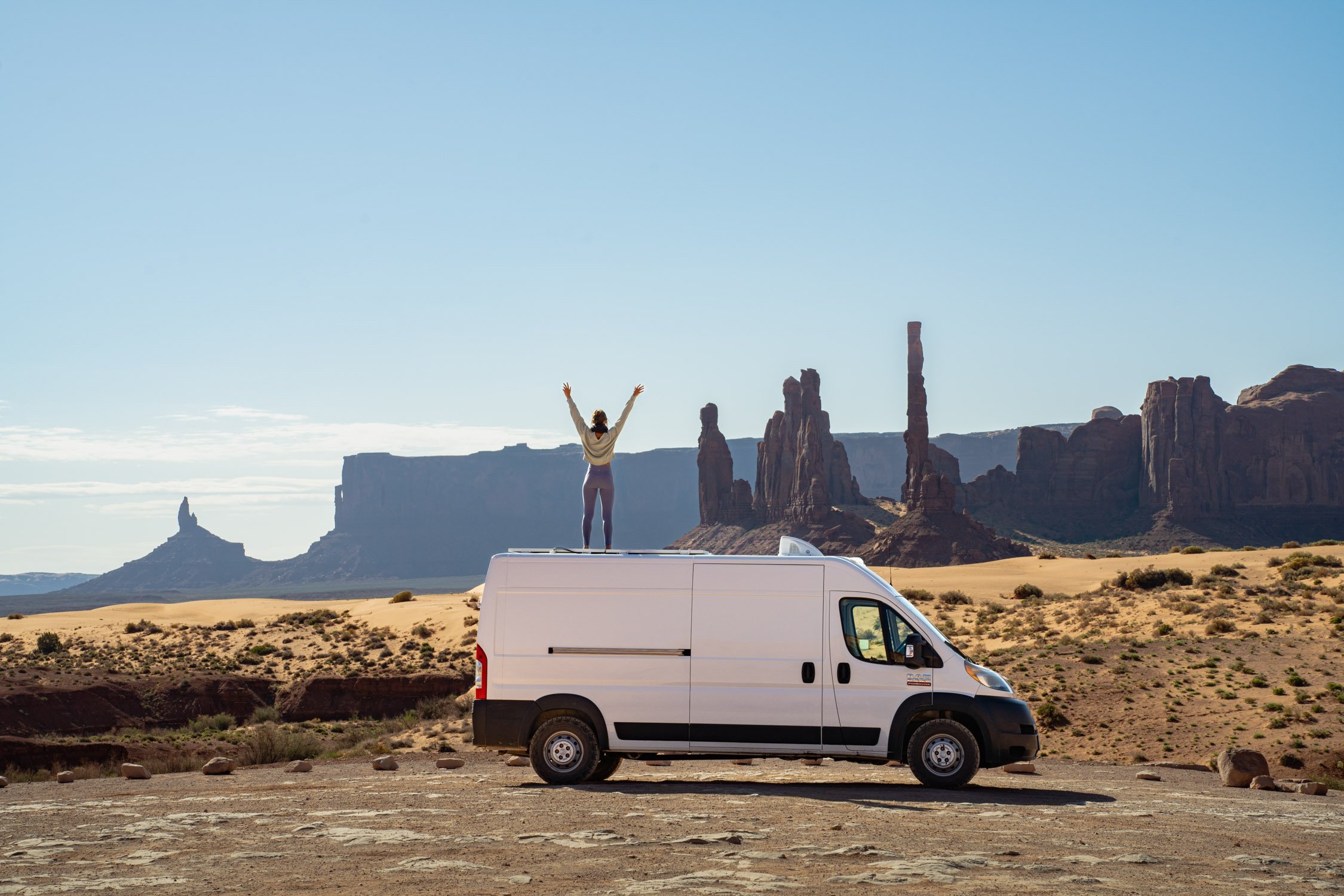
7 Reasons Van Life is Overrated
Van life has gained significant popularity in recent years, with many individuals trading in traditional housing for the freedom of the open road. The allure of living in a compact, mobile space and exploring new destinations has captivated the imaginations of adventure seekers. However, amidst the romanticized images of sunsets and picturesque landscapes, there are aspects of van life that often go overlooked. Actually, the majority of difficulties living van life has are never talked about, so we feel it is time. In this article, we will explore seven reasons why van life may be overrated.
Van life has gained significant popularity in recent years, with many individuals trading in traditional housing for the freedom of the open road. The allure of living in a compact, mobile space and exploring new destinations has captivated the imaginations of adventure seekers. However, amidst the romanticized images of sunsets and picturesque landscapes, there are aspects of van life that often go overlooked. Actually, the majority of difficulties living van life has are never talked about, so we feel it is time. In this article, we will explore seven reasons why van life may be overrated.

Campfire chilling along the coast of Baja during a road trip. Photo by Dalton Johnson
Limited Space:
One of the primary drawbacks of van life is the limited living space. While the idea of simplifying life and downsizing possessions might sound appealing, the reality is that living in a confined space can quickly become claustrophobic, especially when you forget to do a dish or two. Moreover, the lack of room for personal belongings and the absence of dedicated living areas can make day-to-day activities challenging. Imagine, your couch is your bed, your dining room table might be your bed, and your sleeping quarters are your bed. That is a lot of time spent in your bed if you didn't convert you van "correctly".
Financial Realities:
While van life may seem like a cost-effective alternative to traditional living, the financial aspects can be deceptive. The initial investment in a suitable van, ongoing maintenance costs, and the expenses associated with a nomadic lifestyle can add up quickly. Individuals may find themselves spending more than anticipated, without the stability and financial predictability of a traditional living situation.
Maintenance Challenges:
Owning and maintaining a van, especially one that serves as a full-time residence, comes with its fair share of challenges. Regular wear and tear, potential breakdowns, and the constant need for repairs can be both time-consuming and costly. But, these vans are not mean to be lived in, so things break down quicker than normal. The romantic notion of effortlessly cruising into the sunset can be shattered by the harsh reality of mechanical issues and unexpected breakdowns.
Additionally, it's important to know if your van can handle to daily wear and tear of everyday accidents. For example, are your counter tops going to fade, or even shrink in the direct sunlight through your window? Is that bar sink you purchased going to last? What about that dorm fridge that wasn't designed to bounce down a dirt road, every few days.
Lack of Amenities:
The idea of embracing a simpler lifestyle often means sacrificing modern amenities. Van life enthusiasts may find themselves without access to regular showers, proper toilets, and other essential facilities. While some may relish the idea of connecting with nature, the lack of basic amenities can quickly become inconvenient and uncomfortable.
There is nothing worse than getting sick while in a van. I mean, you might have a toilet, but is it ready for you to get montezuma's revenge?
Social Isolation:
Living in a van can lead to social isolation, especially for those who thrive on social interactions. The transient nature of van life often means constantly moving from one location to another, making it challenging to form lasting connections with others. Loneliness and a sense of disconnection from society can dampen the initial enthusiasm for the lifestyle.
Unpredictable Weather:
Weather conditions play a crucial role in the van life experience. Extreme temperatures, heavy rain, or snowstorms can make life on the road uncomfortable and even unsafe. Unlike a traditional home with climate control, vans offer minimal insulation, making it difficult to cope with challenging weather conditions. Even worse, your home starts to leak. This happens and it happens often (especially if you have roof rack), so be ready to break out your tools and do some work.
Parking Challenges:
Finding a suitable and legal parking spot for a van can be a constant struggle. While there is dispersed camping, not everywhere you go has that ideal spot to park. Additionally, many urban areas have restrictions on overnight parking, forcing van lifers to constantly search for safe and legal places to park. This challenge can lead to stress and disrupt the spontaneity that van life enthusiasts often seek.
Monument Valley via van come highly recommended. Photo by Dalton Johnson
While van life undoubtedly offers a unique and adventurous lifestyle, it is essential to acknowledge the less glamorous aspects that often get overshadowed by the romanticized images on social media. For those considering the transition to van life, it's crucial to weigh the pros and cons carefully, understanding that the reality may not always align with the dream.
Discover more Adventures

How to Steer Clear of the Seven Most Common Van Life Mistakes
Outside of getting stuck in sand, because our vans are less capable than we think, van life isn't as straight forward as it seems. Actually, embarking on the van life journey is a thrilling adventure, offering freedom, flexibility, and a unique connection with the world, but, to ensure a smooth ride on this nomadic road, it's crucial to be aware of common pitfalls that many new van lifers encounter. So, that is my goal with this article, filling you in on the common mistakes, and mishaps, most new van lifers make. There really isn't a need to repeat history here, but if you feel inclined, I guess you should just stop reading. Without further ado, here are the seven most common van life mistakes:
Outside of getting stuck in sand, because our vans are less capable than we think, van life isn't as straight forward as it seems. Actually, embarking on the van life journey is a thrilling adventure, offering freedom, flexibility, and a unique connection with the world, but, to ensure a smooth ride on this nomadic road, it's crucial to be aware of common pitfalls that many new van lifers encounter. So, that is my goal with this article, filling you in on the common mistakes, and mishaps, most new van lifers make. There really isn't a need to repeat history here, but if you feel inclined, I guess you should just stop reading. Without further ado, here are the seven most common van life mistakes:
Road tripping the coastline on British Columbia. Photo by Dalton Johnson
1) Underestimating Costs
The allure of the open road can be intoxicating, but underestimating the financial aspects of van life is a common pitfall. From the initial van purchase to daily expenses and unexpected repairs, costs can quickly add up. To avoid financial roadblocks, create a comprehensive budget that includes all potential expenses. Be realistic about your financial situation, account for unexpected costs, and map out your financial route for a worry-free journey.
2) Inadequate Planning
Inadequate planning can turn your van life adventure into a series of challenges. Finding suitable campsites, navigating emergencies, and adapting to life on the road all require careful planning. To ensure a smoother journey, take the time to plan your route, research campsites, and join van life communities for valuable insights. Armed with a well-thought-out plan, you'll be better equipped to handle the twists and turns of your van life adventure.
3) Overpacking Woes, Streamlining for Space and Comfort
Space is a precious commodity in a van, and overpacking is a common pitfall. A cluttered living space not only hinders mobility but also affects fuel efficiency. To optimize your space, adopt a minimalist approach. Prioritize essential items, invest in multi-functional solutions, and regularly reassess your belongings. Streamlining your possessions not only creates a more comfortable living space but also enhances your overall van life experience.
4) Inadequate Climate Preparation
Overlooking the importance of climate preparation is a common oversight for new van lifers. Drastic temperature changes, unexpected storms, and extreme weather conditions can significantly impact your comfort and well-being on the road. To navigate the elements successfully, equip your van with proper insulation for varying climates.
Invest in heating and cooling solutions, such as a reliable ventilation system and portable heaters or fans. Check the weather forecast regularly and plan your route accordingly to avoid extreme conditions. Additionally, pack appropriate clothing for various climates to ensure you're prepared for any weather scenario. By addressing climate concerns, you'll create a more comfortable and adaptable living environment within your mobile sanctuary, making your van life journey all the more enjoyable.
5) Neglecting Maintenance
Neglecting regular vehicle maintenance is a mistake that can lead to breakdowns and unexpected setbacks. Ensure your van remains a reliable companion by prioritizing routine maintenance. Schedule regular check-ups, equip yourself with basic troubleshooting skills, and have a plan for breakdowns. A well-maintained van not only ensures a smoother journey but also extends the life of your nomadic home on wheels.
6) Ignoring Safety Concerns
Safety should be a top priority for every van lifer, yet it's often underestimated. Ignoring safety concerns, such as securing furniture and installing essential safety devices, can pose risks on the road. Invest in quality safety equipment, secure your belongings during travel, and have emergency plans in place. By prioritizing safety, you transform your van into a secure haven that allows you to fully enjoy the van life experience.
7) Don't Isolate Yourself, Build Lasting Connections on the Road
While van life offers solitude and independence, complete isolation can lead to loneliness. Building connections on the road is crucial for a more enriching experience. Connect with fellow van lifers through social media, forums, and local meetups. Share experiences, seek advice, and foster relationships with like-minded individuals. Balancing solitude with social interaction enhances your van life journey and creates lasting memories with a supportive community.
Watching sunset from the van after a full of kayaking. Photo by Dalton Johnson
Armed with these insights, you can confidently navigate the van life odyssey, avoiding common mistakes and transforming your journey into a fulfilling and memorable adventure on the open road. Embrace the freedom, connect with fellow travelers, and enjoy the unique experiences that van life has to offer. Safe travels!
Discover more Adventures

Van Life Without a Toilet, Good Idea or Bad?
The famous last words of any van lifer, "Do you need to go number one, or number two?" Living van life is an alluring prospect for many, offering the freedom to roam and explore with a home on wheels. However, one crucial decision that van dwellers often grapple with is whether to include a toilet in their mobile abode. While some embrace the simplicity of van life without a toilet, others find it to be a challenging compromise. Here, we will delve into the pros and cons of living the van life without a toilet and, ultimately trying to convince you, why having a toilet may be a crucial element for a more comfortable and sustainable lifestyle.
The famous last words of any van lifer, "Do you need to go number one, or number two?" Living van life is an alluring prospect for many, offering the freedom to roam and explore with a home on wheels. However, one crucial decision that van dwellers often grapple with is whether to include a toilet in their mobile abode. While some embrace the simplicity of van life without a toilet, others find it to be a challenging compromise. Here, we will delve into the pros and cons of living the van life without a toilet and, ultimately trying to convince you, why having a toilet may be a crucial element for a more comfortable and sustainable lifestyle.
A night in the van under the Milky Way. Photo by Dalton Johnson
Embracing Simplicity:
One of the primary advantages of opting for van life without a toilet is the simplicity it brings to your mobile living space. Omitting a toilet can streamline your van setup, reducing complexity and making it easier to maintain. For those who value minimalism and prefer a clutter-free environment, the absence of a toilet area allows for a more straightforward and functional living space.
More Space for Essentials:
Another significant benefit is the availability of more space within the van. Without the need for a dedicated toilet area, van dwellers can utilize the extra square footage for other essential amenities or additional storage. This surplus space enhances the overall functionality of the van, allowing for a more versatile and comfortable living environment.
Some quick numbers: a Promaster has 468 cubic feet of usable space and an average size portable toilet and all it's extras will take up roughly 1%.
Weight and Cost Savings:
Adding a toilet to a van conversion can contribute both weight and cost. For those conscious of their budget and looking to improve fuel efficiency, choosing to forgo a toilet can be a practical decision. The weight savings can lead to better fuel economy, while the cost savings can be redirected towards other aspects of the van conversion or used for future travels.
Note: this is if you are installing a toilet that has a holding tank like an RV. Weight is not an issue if you are using a portable toilet.
Flexibility in Parking:
Some locations have restrictions or regulations against camping in vehicles with bathroom facilities. Living without a toilet provides more flexibility in choosing where to park and stay overnight without worrying about violating any rules. This freedom to park in a wider range of places can enhance the spontaneity and adventure of van life.
Outdoor Experience:
Living without a toilet encourages van dwellers to embrace the outdoors and public facilities. Depending on the location, public restrooms, and outdoor spaces can provide a unique and immersive experience. Engaging with local communities and experiencing nature firsthand become integral aspects of the van life journey.
At first this might sound good, but if you are in an area that does not allow wild pooping, you are s#!t out of luck (yes, pun intended). So, if nature is calling and you aren't in a place where you answer the call, what are you going to do?
Inconvenience of No Toilet:
While the advantages are appealing, the drawbacks of living without a toilet should not be overlooked. One of the most significant challenges is the inconvenience of relying on public restrooms, or finding suitable outdoor locations for restroom needs. This inconvenience becomes particularly pronounced during the night or in areas with limited facilities, impacting the overall comfort and ease of van life.
Additionally, what happens if you get sick? A toilet is a nice to have for those just in case moments.
Privacy Concerns:
Privacy is another aspect that warrants consideration. Accessing public restrooms or finding secluded outdoor spots for bathroom activities may raise privacy concerns for some individuals. The desire for a more discreet lifestyle can clash with the reality of relying on public facilities, making this a crucial factor to weigh in the decision-making process.
If you are on BLM land and you have a portable toilet, I suggest moving your toilet out of your van and into an amazing spot with a view! Ideally, you would have a privacy tent as well so you don't bother those around or get stage fright.
Health and Hygiene Challenges:
Maintaining personal hygiene without a dedicated toilet can become a significant challenge. Inadequate access to sanitation facilities poses potential health risks, especially when camping in remote areas. The lack of a proper toilet setup may lead to unsanitary conditions, affecting the overall well-being of van dwellers.
Weather-Dependent Factors:
Weather conditions play a pivotal role in the feasibility of living without a toilet. In harsh weather, finding and using public restrooms or venturing into the outdoors for bathroom needs can be uncomfortable or even unsafe. Having an indoor toilet provides a more consistent and comfortable solution, ensuring that weather conditions do not compromise basic needs.
Watching sunrise from the back of the van in Baja. Photo by Dalton Johnson
While the idea of van life without a toilet may appeal to those seeking simplicity and a closer connection with nature, the overall consensus leans toward it being a suboptimal choice. The inconvenience, privacy concerns, potential health risks, and weather-dependent factors make having a toilet a crucial aspect of a comfortable and sustainable van life experience.
For those embarking on the van life journey, investing in a portable toilet or incorporating a toilet into the van conversion is advisable. The drawbacks of living without a toilet, particularly in terms of health, hygiene, and convenience, outweigh the benefits of simplicity and minimalism. Ultimately, a well-equipped van that includes a toilet ensures a more enjoyable, self-sufficient, and adaptable lifestyle on the road. So, when deciding on the components of your van conversion, consider the long-term challenges and prioritize the comfort and well-being that a toilet can provide in the vast and unpredictable landscape of van life.
Discover more Adventures

Top 10 Tips for Paddleboarding Beginners
Paddleboarding, also known as Stand-Up Paddleboarding (SUP), is a fantastic way to enjoy the water, get some exercise, and explore new places. For beginners, however, getting started can seem daunting. Here are the top 10 tips to help you ease into the sport and enjoy your paddleboarding experience.
Paddleboarding, also known as Stand-Up Paddleboarding (SUP), is a fantastic way to enjoy the water, get some exercise, and explore new places. For beginners, however, getting started can seem daunting. Here are the top 10 tips to help you ease into the sport and enjoy your paddleboarding experience.
Learning how to paddleboard on the clear waters of Lake Tahoe. Photo by Dalton Johnson
1. Choose the Right Equipment
The first step to successful paddleboarding is selecting the right equipment. As a beginner, you'll want to opt for a stable, all-around board that's easy to balance on. Look for a board with a wider and longer design, typically around 10-12 feet long and 30-34 inches wide. An inflatable SUP can be a great choice for beginners due to its durability and portability. Additionally, choose a paddle that is 8-10 inches taller than you for the best control.
2. Learn Basic Safety Tips
Safety should always be your top priority when starting any new water sport. Before heading out, familiarize yourself with the local regulations and weather conditions. Always wear a personal flotation device (PFD) and a leash to keep your board close if you fall off. Understanding basic self-rescue techniques and knowing how to swim are also crucial for your safety.
3. Start on Calm Waters
Beginners should start on calm, flat waters to get a feel for the board and practice their balance. Lakes, bays, and slow-moving rivers are ideal locations for your first paddleboarding adventures. Avoid windy days and areas with heavy boat traffic until you become more confident in your abilities.
4. Practice Proper Paddling Techniques
Learning proper paddling techniques is essential for an efficient and enjoyable experience. Here are a few key points to remember:
Hold the paddle with one hand on the top grip and the other about halfway down the shaft.
Keep your arms straight and use your core muscles to power your strokes.
Reach forward and submerge the paddle blade fully in the water before pulling it back towards your feet.
Alternate sides to maintain a straight course.
5. Master the Stance
Your stance on the board greatly affects your stability and control. Start by kneeling on the board to get a feel for it. Once you're comfortable, stand up one foot at a time, keeping your feet parallel, about hip-width apart. Bend your knees slightly and keep your back straight. Look ahead rather than down at your feet to maintain balance.
6. Take a Lesson or Join a Group
Taking a lesson from a certified instructor can accelerate your learning process. They can provide personalized tips and correct any mistakes you might be making. Additionally, joining a local paddleboarding group or club can be a great way to meet fellow enthusiasts, gain insights, and stay motivated.
7. Be Prepared for Falls
Falling off the board is a natural part of learning and nothing to be ashamed of. When you fall, try to fall away from the board to avoid injury. Practice climbing back onto the board in calm conditions so you'll be prepared if it happens in deeper water. Remember, each fall is a learning opportunity.
8. Dress Appropriately
Wearing the right clothing can make a big difference in your comfort level. In warmer climates, a swimsuit or board shorts with a UV-protective shirt is sufficient. In colder waters, consider wearing a wetsuit or drysuit to keep warm. Don’t forget a hat, sunglasses, and sunscreen to protect yourself from the sun.
9. Understand Wind and Current Effects
Wind and currents can significantly impact your paddleboarding experience. Always start your session paddling into the wind or current, so it’s easier to return to your starting point when you’re tired. Pay attention to the weather forecast and avoid going out in strong winds or stormy conditions.
10. Enjoy the Journey
Paddleboarding is not just about getting from point A to point B; it's about enjoying the journey. Take time to appreciate the natural surroundings, watch for wildlife, and relax on the water. As you become more comfortable, try different styles of paddleboarding such as yoga, fishing, or even surfing small waves.
Paddleboarding at sunset in Baja’s Conception Bay. Photo by Dalton Johnson
Paddleboarding is a rewarding activity that offers both physical and mental benefits. By following these top 10 tips, beginners can start their paddleboarding journey with confidence and enjoyment. Remember to choose the right equipment, prioritize safety, and practice regularly. With time and experience, you'll become more skilled and adventurous in your SUP pursuits.
Discover more Adventures

Adults Only Royal Caribbean Reveals Exclusive Hideaway Beach
When it comes to tropical getaways, nothing quite compares to the allure of the Caribbean, and Royal Caribbean International knows this better than anyone. Their latest venture, Hideaway Beach, an adults-only paradise nestled on Perfect Day at CocoCay in The Bahamas, promises to redefine luxury island retreats. Set to open its doors in January 2024 with the debut of the eagerly awaited Icon of the Seas, Hideaway Beach is bound to be the epitome of relaxation and indulgence.
When it comes to tropical getaways, nothing quite compares to the allure of the Caribbean, and Royal Caribbean International knows this better than anyone. Their latest venture, Hideaway Beach, an adults-only paradise nestled on Perfect Day at CocoCay in The Bahamas, promises to redefine luxury island retreats. Set to open its doors in January 2024 with the debut of the eagerly awaited Icon of the Seas, Hideaway Beach is bound to be the epitome of relaxation and indulgence.
"Hideaway Beach is a completely new vibe and experience that vacationers are looking for on Perfect Day at CocoCay. Everything, from its hidden-like location to the exclusive beach and pools to the private cabanas, is designed for adults who want a day just for them," says Michael Bayley, President and CEO of Royal Caribbean International.
For those seeking the perfect blend of adventure and tranquility, Hideaway Beach is poised to be the ultimate sanctuary. Tucked away on the northwest beach of Perfect Day at CocoCay, this exclusive paradise covers over an acre of pristine Bahamian white sand beaches and offers crystal-clear turquoise waters for adults aged 18 and older to enjoy. Here are some of the highlights that make Hideaway Beach a must-visit destination for adults:
Adulting Beachside or Poolside
Hideaway Beach: From end to end, Hideaway Beach offers guests exclusive access to the finest white sand beaches and inviting turquoise waters. Whether you prefer lounging on the resort-style sunbeds, relaxing under beach umbrellas, swaying in the in-water hammocks, or trying your hand at beach games, the beach has it all. Plus, the live DJ by the pool adds to the vibrant atmosphere.
Hideaway Pool: The party never stops at Hideaway Pool, with all-day tunes from the DJ and a lively swim-up bar at the heart of the action. In-water seating and loungers, coupled with poolside loungers surrounding the heated infinity-edge pool, ensure every spot is the best seat in the house to enjoy picture-perfect views.
Hideaway Cabanas: Just steps away from the excitement, you can elevate your day by booking one of the 10 chic poolside cabanas. These cabanas offer a range of amenities, including a dedicated cabana attendant, a mini-fridge, floating beach mats, and charging outlets.
The Hideout: For those who crave a more VIP, laidback experience, The Hideout is the place to be. Ten Hideout Cabanas offer an exclusive heated infinity plunge pool and perks like cabana attendant service, in-water loungers, an outdoor shower, and plush resort-style seating.
Laidback Bites and Drinks
On the Rocks: With its unbeatable al fresco setting along the rocky shore, On the Rocks is the place to be for live music, sports on TV, games like pool and shuffleboard, and breathtaking ocean views. Sip on refreshing drinks like frozen margaritas and mai tais while taking in the ambiance.
Hideaway Bar: The swim-up bar at Hideaway Pool is where the action is. With two levels, you can enjoy your drinks poolside or without leaving the water, ensuring you maximize every minute of your island time.
Slice of Paradise: This rustic pizza haven with a bar and complimentary food serves fresh-from-the-oven favorites, including island-inspired options like Bahamian guava barbecue chicken.
Snack Shack: A staple at Perfect Day at CocoCay, Snack Shack offers a menu of complimentary items such as chicken sandwiches, burgers, fried mozzarella sticks, fresh salads, and more. You can enjoy your meal in the shaded seating area or at Adirondack chairs and tables right on the sand.
Beach Bars: Two full-service beach bars round out the experience, ensuring a refreshing drink is never far away.
Hideaway Beach is the latest addition to Royal Caribbean's award-winning destination, which underwent a $250 million transformation in 2019. Since then, the cruise line has introduced new experiences, including an elevated beach retreat at Coco Beach Club and the reimagined South Beach in 2020.
With Hideaway Beach, Royal Caribbean is not only upping the ante on vacation experiences but also expanding its lineup of vacations visiting Perfect Day at CocoCay in 2024. With 22 ships sailing from over nine different cities, travelers can choose from a range of itineraries, from three nights on the world's largest weekend cruiser, the Utopia of the Seas, to seven nights on the Icon, a first-of-its-kind combination of the best of every vacation. From thrill to chill, family-friendly activities to the all-new adults-only paradise, Royal Caribbean is redefining what it means to have a perfect vacation. So, mark your calendars for January 2024 and get ready to experience the ultimate tropical getaway at Hideaway Beach on Perfect Day at CocoCay.