
Here's How You Pick The Right Antarctica Cruise
Antarctic cruises typically last between 10 to 24 days. The duration of your cruise depends on several factors, including the specific itinerary, the cruise line, the departure port, and the type of activities you wish to engage in. Understanding these factors can help you choose the Antarctic adventure that best suits your interests and schedule.
Antarctic cruises typically last between 10 to 24 days. The duration of your cruise depends on several factors, including the specific itinerary, the cruise line, the departure port, and the type of activities you wish to engage in. Understanding these factors can help you choose the Antarctic adventure that best suits your interests and schedule.
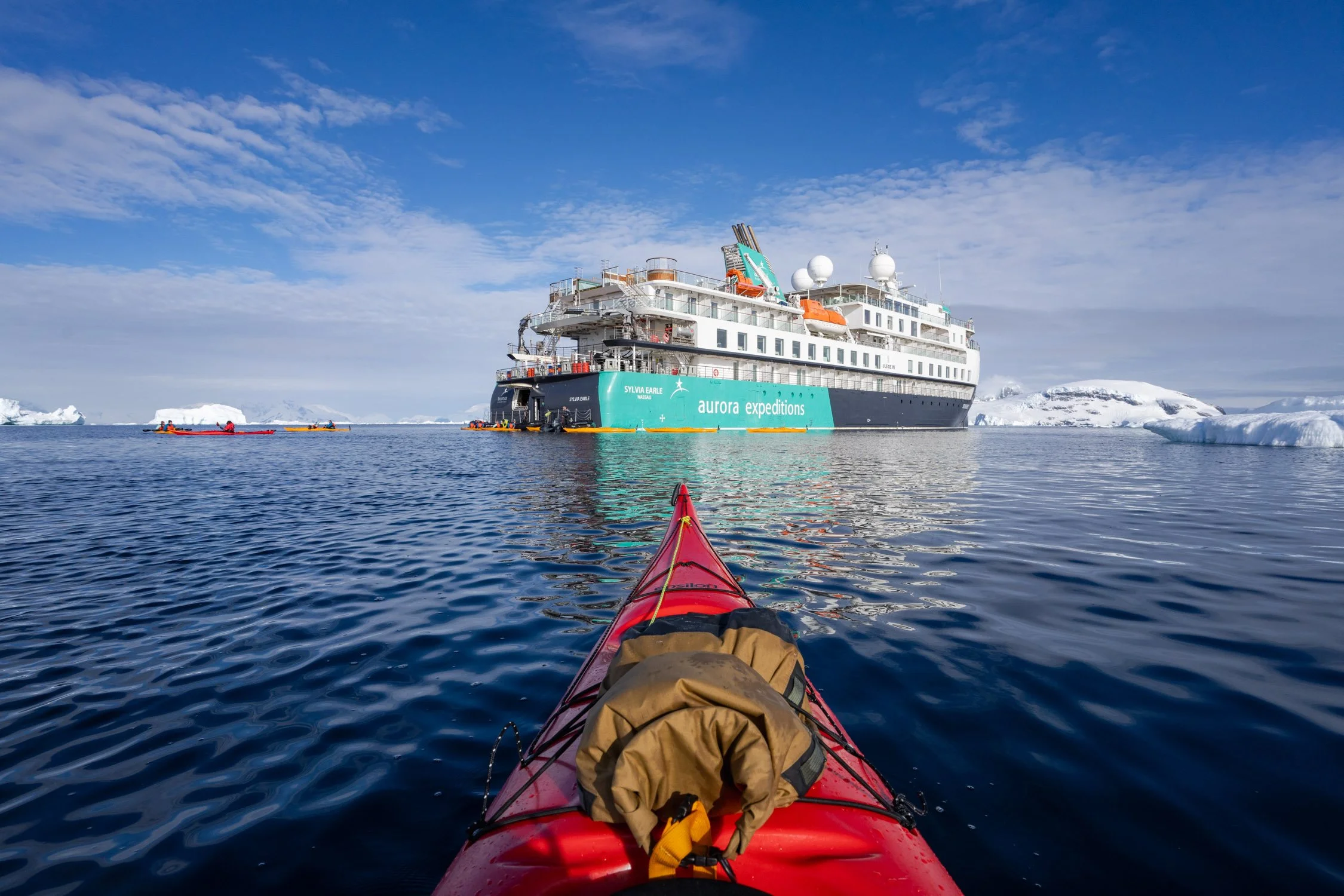
Kayaking back to the ship after paddling around icebergs along the Antarctica Peninsula. Photo by Dalton Johnson
Itinerary and Duration
The length of your Antarctic cruise is primarily determined by the itinerary you select. Standard itineraries that focus solely on the Antarctic Peninsula generally last between 10 to 15 days. These cruises offer a comprehensive experience of the region's stunning landscapes and unique wildlife without requiring an extended time commitment. During these trips, you'll have the opportunity to visit iconic spots such as Paradise Bay, Deception Island, and the Lemaire Channel.
Longer itineraries, which can last up to 24 days or more, often include visits to additional destinations such as the Falkland Islands and South Georgia. These regions are rich in history and wildlife, offering a more in-depth exploration of the Southern Ocean's ecosystems. In South Georgia, for example, you can witness massive King Penguin colonies and explore historic whaling stations, while the Falkland Islands provide opportunities to see a variety of bird species, including the black-browed albatross.
Departure Ports
The departure port also affects the length of Antarctic cruises. The most common starting point for Antarctic cruises is Ushuaia, Argentina. Ushuaia, known as the "Gateway to Antarctica," is the southernmost city in the world. Cruises departing from Ushuaia typically range from 10 to 15 days for standard itineraries. The proximity of Ushuaia to the Antarctic Peninsula minimizes travel time across the often turbulent Drake Passage.
Other departure ports, such as Punta Arenas in Chile or even more distant locations like Buenos Aires, Argentina, or ports in New Zealand and Australia, can add to the cruise duration due to increased travel distances. These cruises may include additional days at sea or stops at other sub-Antarctic islands.
Big Cruise vs. Small Cruise
The type of vessel you choose can significantly influence your Antarctic experience. Large cruise ships and small expedition vessels each offer distinct advantages and cater to different types of travelers.
Large Cruise Ships:
Capacity: Large ships can accommodate several hundred passengers, offering a wider range of amenities such as multiple dining options, entertainment venues, and more extensive onboard facilities.
Stability: Larger vessels tend to be more stable in rough seas, providing a smoother ride across the Drake Passage.
Activities: While large ships may offer fewer opportunities for shore landings due to strict environmental regulations, they often provide a variety of onboard activities and excursions such as scenic cruising, whale watching, and educational lectures.
Small Expedition Vessels:
Capacity: These vessels typically carry fewer than 200 passengers, allowing for a more intimate and personalized experience.
Flexibility: Smaller ships can navigate narrower channels and reach more remote locations, offering more frequent and varied shore landings and zodiac excursions.
Activities: Expedition vessels focus on immersive experiences, including activities such as kayaking, camping, and guided hikes. The smaller group sizes enhance wildlife encounters and provide greater access to expert guides and naturalists.
Related Read: SMALL SHIP VS BIG SHIP CRUISE: DISCOVER YOUR IDEAL CRUISE EXPERIENCE
Wildlife Watching vs. Adventure Activities
Your interests and preferred activities will also influence the duration and type of Antarctic cruise you choose.
Wildlife Watching:
Focus: Cruises focused on wildlife watching emphasize observing and photographing the diverse species that inhabit the Antarctic region, including penguins, seals, whales, and seabirds.
Itineraries: These cruises often include extended time at key wildlife hotspots, such as penguin colonies and seal haul-outs, and may feature expert-led lectures and presentations on Antarctic wildlife.
Duration: Wildlife-focused cruises can range from shorter trips (10-15 days) to longer expeditions (up to 24 days) that include visits to the Falkland Islands and South Georgia, offering a more comprehensive wildlife experience.
Adventure Activities:
Focus: Adventure-oriented cruises offer a range of activities designed to immerse travelers in the Antarctic environment, including kayaking, camping, snowshoeing, and even scuba diving.
Itineraries: These cruises prioritize destinations that offer the best opportunities for outdoor activities and may include extended time in locations known for their dramatic landscapes and adventure potential.
Duration: Depending on the range of activities and destinations included, adventure cruises can also span 10 to 24 days. Longer itineraries may provide more opportunities to engage in multiple activities and explore diverse regions.
Additional Travel Time
When planning your Antarctic cruise, it's essential to factor in additional travel time beyond the cruise duration itself. Travelers should add at least two days of travel to and from their departure point. For most, this means accounting for international flights to South America, typically arriving in Buenos Aires or Santiago, and then taking a connecting flight to Ushuaia or Punta Arenas.
Moreover, it is highly recommended to arrive at your departure city at least one day before your cruise sets sail. This buffer day allows for any unexpected travel delays, such as flight cancellations or missed connections, ensuring you do not miss your cruise departure. This extra day can also be a great opportunity to explore your departure city. In Ushuaia, you can visit the Tierra del Fuego National Park, take a boat tour on the Beagle Channel, or simply enjoy the local cuisine and culture.


FAQ About Cruising to Antarctica
1. What is the best time of year to cruise to Antarctica?
The best time to cruise to Antarctica is during the austral summer, which runs from late October to early March. This period offers the most favorable weather conditions, with temperatures ranging from -2°C to 8°C (28°F to 46°F). The season is divided into three main parts:
Early Season (Late October to November): This is when the ice begins to break up, and you'll witness the pristine, untouched landscapes of Antarctica. It's also a time to see courtship displays among penguins and the return of seabirds. However, temperatures can be colder, and there's more ice to navigate.
Mid-Season (December to January): This is the warmest time of the year in Antarctica, with longer daylight hours (up to 24 hours of daylight) and abundant wildlife activity. It's the best time for penguin chicks hatching and seal pupping. The ice has retreated significantly, allowing ships to reach more remote areas.
Late Season (February to Early March): This is the peak time for whale watching as they gather in the Southern Ocean to feed. Penguin chicks are growing up, and seals are more active. The ice has melted considerably, making it easier to access various locations.
Related Read: BEST TIME TO VISIT ANTARCTICA ON A CRUISE SHIP
2. What wildlife can I expect to see on an Antarctic cruise?
Antarctica is home to a unique and diverse array of wildlife, adapted to the harsh conditions of the continent. Some of the most iconic species you can expect to see include:
Penguins: The most famous residents, including Emperor, Adelie, Chinstrap, Gentoo, and Macaroni penguins. They are often seen in large colonies, and during the breeding season, you can witness their courtship rituals, nesting, and chick-rearing.
Seals: Several species of seals inhabit Antarctica, including Weddell, Crabeater, Leopard, and Elephant seals. You can observe them lounging on ice floes or beaches, hunting for food, and, in the case of Elephant seals, engaging in dramatic battles for territory.
Whales: The Southern Ocean surrounding Antarctica is a rich feeding ground for whales. Common sightings include Humpback, Minke, and Orca (killer) whales. The best time for whale watching is from February to March when they are most active.
Seabirds: Antarctica and the Southern Ocean are teeming with seabirds, including albatrosses, petrels, skuas, and terns. These birds are often seen soaring above the waves or nesting on rocky cliffs.
3. Do I need any special equipment or clothing for an Antarctic cruise?
Yes, preparing for an Antarctic cruise requires specific clothing and equipment to ensure your comfort and safety in the extreme conditions. Here's a list of essentials:
Clothing:
Base Layers: Moisture-wicking thermal tops and bottoms to keep you dry and warm.
Mid Layers: Insulating fleece or down jackets for added warmth.
Outer Layers: Waterproof and windproof jacket and pants to protect against the elements.
Accessories: Warm hat, gloves, neck gaiter or buff, and thermal socks. Consider bringing glove liners for extra warmth and dexterity.
Footwear:
Waterproof Boots: Sturdy, insulated, and waterproof boots are essential for shore excursions. Many cruise operators provide these, but check beforehand.
Comfortable Shoes: For wearing on the ship.
Other Essentials:
Sunglasses: With UV protection to guard against the intense glare from the ice and snow.
Sunscreen: Even in cold weather, the sun's reflection off the ice can cause sunburn.
Binoculars: For wildlife viewing from the ship.
Camera Gear: To capture the breathtaking landscapes and wildlife. Consider bringing extra batteries and memory cards, as the cold can drain battery life quickly.
Dry Bags: To protect your electronics and other valuables from water and moisture during landings.
4. How physically demanding is an Antarctic cruise?
An Antarctic cruise can be physically demanding, depending on the activities you choose to participate in. Most cruises offer a variety of excursions and activities ranging from leisurely to challenging. Here are some of the common activities and their physical demands:
Zodiac Landings: These inflatable boats take you from the ship to shore. While not overly strenuous, getting in and out of the Zodiacs requires some agility and balance. You may also need to walk on uneven, icy, or rocky terrain once ashore.
Hiking: Many cruises offer guided hikes of varying difficulty levels. Some may be short and easy walks, while others could be more strenuous, involving steep climbs and rough terrain.
Kayaking: This activity allows you to explore the Antarctic waters up close and can be moderately to highly demanding, depending on sea conditions and the duration of the kayaking excursion.
Snowshoeing: Available on some cruises, snowshoeing can be a fantastic way to explore the snowy landscapes but requires a good level of fitness.
Camping: Some expeditions offer overnight camping on the continent, which involves setting up and breaking down camp and dealing with potentially cold and windy conditions.
Overall, a reasonable level of fitness is recommended to fully enjoy the activities offered on an Antarctic cruise. However, most cruise operators provide options suitable for a range of physical abilities.
5. What are the environmental regulations for visiting Antarctica?
Antarctica is a pristine and fragile environment, and there are strict regulations in place to protect its ecosystems. These regulations are enforced by the International Association of Antarctica Tour Operators (IAATO) and other governing bodies. Key regulations include:
Visitor Guidelines: Travelers must adhere to guidelines that minimize environmental impact, such as maintaining a safe distance from wildlife, not disturbing natural features, and not leaving any waste behind.
Biosecurity Measures: To prevent the introduction of non-native species, visitors must thoroughly clean their clothing and equipment before and after shore excursions. This includes vacuuming bags, pockets, and Velcro, and ensuring all footwear is free of soil and seeds.
Wildlife Interactions: Maintaining a respectful distance from wildlife is crucial. This means not approaching or touching animals and allowing them to move freely. Specific distance guidelines are provided for different species.
Protected Areas: Some areas of Antarctica are designated as specially protected areas due to their ecological, scientific, or historical value. Access to these areas is highly restricted and often requires special permits.
Waste Management: All waste must be managed responsibly. This includes carrying out all trash and avoiding any contamination of the environment. Human waste is also handled with strict protocols to prevent pollution.
Zodiac Operations: Zodiac operations are conducted with care to avoid disturbing wildlife and minimizing wake and noise pollution.
Related Read: THE DO'S AND DON'TS OF VISITING ANTARCTICA
Getting close to see a hole in an iceberg while on an Antarctica cruise. Photo by Dalton Johnson
Antarctic cruises typically last between 10 to 24 days, with the duration influenced by the chosen itinerary, cruise line, departure port, and the type of activities you wish to engage in. Adding at least two days of travel time and arriving at your departure city one day early is recommended to ensure a smooth start to your adventure. Whether you opt for a large cruise ship with extensive amenities or a small expedition vessel offering immersive activities, an Antarctic cruise promises a once-in-a-lifetime experience filled with breathtaking landscapes, incredible wildlife encounters, and a deeper understanding of this remote and fascinating region. Proper preparation and planning will help ensure that your journey to the White Continent is as memorable and enjoyable as possible.
Discover More Destinations

Getting Lost in the Woods Sucks, Understanding Trail Markers Will Keep You Alive
Hiking is a rewarding adventure that brings you close to nature, offers a great physical workout, and provides a sense of peace and achievement. However, navigating the wilderness requires more than just physical readiness; it demands knowledge and awareness of your surroundings, particularly trail markers. Understanding hiking trail markers is crucial for not only your safety but also for the sustainability of the trails and surrounding environment. This article will guide you through the different types of trail markers, their importance, and tips on how not to get lost while hiking.
Hiking is a rewarding adventure that brings you close to nature, offers a great physical workout, and provides a sense of peace and achievement. However, navigating the wilderness requires more than just physical readiness; it demands knowledge and awareness of your surroundings, particularly trail markers. Understanding hiking trail markers is crucial for not only your safety but also for the sustainability of the trails and surrounding environment. This article will guide you through the different types of trail markers, their importance, and tips on how not to get lost while hiking.

A classic case of trail signage being a little overwhelming. Photo by Dalton Johnson
Why Trail Markers Exist
Trail markers, also known as trail blazes, are signs or indicators placed along hiking trails to guide hikers. They serve several essential purposes:
Navigation: Trail markers help hikers find their way, ensuring they stay on the correct path and reach their destination without getting lost.
Safety: By following trail markers, hikers can avoid dangerous areas, such as steep cliffs, unstable terrain, or sensitive wildlife habitats.
Sustainability: Trail markers help minimize the environmental impact by directing foot traffic to designated paths, protecting vegetation and wildlife from human disturbance.
Emergency Assistance: In case of an emergency, staying on marked trails makes it easier for rescue teams to locate and assist hikers.
Types of Trail Markers
There are various types of trail markers, each serving a specific purpose. Here are some of the most common ones you might encounter:
1. Paint Blazes
Paint blazes are one of the most common trail markers. They are typically painted on trees, rocks, or other natural features along the trail. These blazes come in different shapes and colors, each indicating different information:
Single Blaze: A single blaze usually indicates that you are on the right path.
Double Blaze: Two blazes, one above the other, often indicate a change in direction. The top blaze may be offset to show which direction to turn.
Color Coding: Different colors can represent different trails or levels of difficulty.
2. Cairns
Cairns are stacks of rocks used to mark trails, especially in areas where paint blazes are impractical, such as rocky or alpine terrain. They are often found above the treeline and can vary in size from small piles to large towers. Cairns are built to be easily visible from a distance.
3. Signs
Trail signs provide detailed information about the trail, such as distances, directions, and trail names. They are usually found at trailheads, junctions, and significant points along the trail. Signs can be made of wood, metal, or plastic.
4. Poles and Posts
In open areas where trees are scarce, poles or posts with trail markers attached are used. These markers are often found in deserts, prairies, or tundra environments. They can be painted, have directional arrows, or include trail information.
5. Flagging Tape
Flagging tape is a temporary trail marker often used during trail maintenance or in less frequently traveled areas. It is typically a brightly colored ribbon tied to trees or bushes to indicate the trail.
6. Reflective Markers
Reflective markers are used for trails that are frequently hiked at night or in low-light conditions. These markers are made of reflective material that shines when illuminated by a flashlight or headlamp.
How to Read Trail Markers
Understanding how to read trail markers is essential for effective navigation. Here are some tips to help you decode the markers you encounter:
1. Know the Color Code
Different trails within a park or trail system often have different color codes. Familiarize yourself with the color assigned to your trail before starting your hike. This information is usually available at the trailhead or on park maps.
2. Pay Attention to Changes in Direction
When you see a double blaze or an offset marker, it indicates a change in direction. The top blaze or marker will often point in the direction you need to turn. Be vigilant for these markers, especially at trail junctions.
3. Look for Continuity
Trail markers are typically spaced at regular intervals. If you haven't seen a marker in a while, you might have strayed off the trail. Backtrack to the last marker you saw and reorient yourself.
4. Use Landmarks
In addition to trail markers, use natural landmarks to aid in navigation. Notable features like rivers, mountains, and distinctive rock formations can help you stay on course.
5. Check Your Map
Always carry a map of the area you are hiking. Trail markers complement maps but should not replace them. Use your map to verify your location and progress along the trail.
Importance of Following Trail Markers
Following trail markers is crucial for several reasons:
1. Safety
Staying on marked trails reduces the risk of getting lost or encountering hazardous terrain. Trails are designed to provide a safe path through the wilderness, avoiding dangerous areas.
2. Environmental Protection
Hiking off-trail can cause significant damage to the environment. It can lead to soil erosion, trampled vegetation, and disturbed wildlife habitats. Trail markers guide you along paths that minimize environmental impact.
3. Preservation of Trails
Using marked trails helps prevent the creation of unofficial paths, which can lead to trail degradation. Official trails are maintained to ensure they remain safe and sustainable for future hikers.
4. Cultural and Historical Preservation
Many trails pass through areas of cultural or historical significance. Staying on marked trails helps protect these sites from damage and preserves them for future generations.


When Is It Okay to Ignore Trail Markers?
While following trail markers is generally the best practice, there are rare occasions when you might need to deviate from marked paths:
1. Emergency Situations
In emergencies, such as needing to find shelter, water, or avoid immediate danger, you may need to leave the marked trail. Always prioritize your safety in these situations.
2. Temporary Detours
Sometimes trails may be temporarily closed for maintenance or due to hazards like fallen trees or flooding. In such cases, follow the detours marked by park authorities rather than the original trail markers.
3. Bushwhacking
Experienced hikers with advanced navigation skills sometimes engage in bushwhacking—traveling off-trail through undeveloped terrain. This should only be done in areas where it is permitted and where you have the skills to navigate safely and responsibly.
Tips for Not Getting Lost While Hiking
Here are some practical tips to help you avoid getting lost while hiking:
1. Plan Ahead
Before setting out, research your trail. Know the distance, estimated hiking time, trail conditions, and any potential hazards. Check the weather forecast and prepare accordingly.
2. Carry Navigation Tools
Always carry a map, compass, and, if possible, a GPS device. Familiarize yourself with how to use these tools before your hike. A fully charged phone with offline maps can also be helpful.
3. Stay on Marked Trails
Stick to the marked trails and follow the trail markers closely. If you need to take a break or explore a side path, make sure you can find your way back to the main trail.
4. Hike with a Buddy
Hiking with a partner increases safety and provides an additional set of eyes to help navigate. If you hike alone, inform someone of your plans and expected return time.
5. Keep Track of Time
Pay attention to how long you have been hiking and how much daylight remains. Turn back or find a suitable camping spot well before dark.
6. Use Landmarks
As you hike, take note of prominent landmarks and their positions relative to your trail. This can help you stay oriented and find your way back if needed.
7. Mark Your Path
In areas with few or no trail markers, you can create temporary markers to help you find your way back. Use natural materials like rocks or sticks to mark your path, but ensure you leave no trace.
8. Trust Your Instincts
If you feel you are lost, stop and reassess your situation. Panicking can lead to poor decisions. Use your navigation tools, backtrack if necessary, and try to reorient yourself calmly.
9. Stay Visible
If you realize you are lost, stay in a visible area and try to signal for help. Use a whistle, flashlight, or brightly colored clothing to attract attention.
Hiking between towns along Cinque Terre in Italy isn’t straight forward, but following the correct trail marker will keep you on track. Photo by Dalton Johnson
Understanding and following hiking trail markers is a crucial skill for any adventure traveler. Trail markers are designed to guide you safely through the wilderness, protect the environment, and ensure the sustainability of hiking trails. By learning to read and interpret these markers, you can enjoy your hikes with confidence, knowing you are minimizing your impact on nature and reducing the risk of getting lost.
While there are rare situations where it may be necessary to ignore trail markers, such as emergencies or temporary detours, it is generally best to adhere to the marked paths. By doing so, you contribute to the preservation of natural landscapes and cultural sites, ensuring that future generations can enjoy the same beautiful trails you do.
So, lace up your hiking boots, pack your navigation tools, and hit the trails with the knowledge that you are well-prepared to follow the markers and enjoy a safe, sustainable hiking adventure.
Discover more Adventures



Patagonia's Central Hotel, Las Torres Patagonia, Is Getting a Facelift
For adventure travelers heading to Patagonia, there's exciting news from Torres del Paine National Park. Las Torres Patagonia is unveiling a major transformation of Hotel Las Torres, promising a fresh, contemporary stay amidst the stunning Patagonian landscape. Starting October 1, 2024, guests will experience newly designed accommodations and an enhanced adventure at this historic property.
For adventure travelers heading to Patagonia, there's exciting news from Torres del Paine National Park. Las Torres Patagonia is unveiling a major transformation of Hotel Las Torres, promising a fresh, contemporary stay amidst the stunning Patagonian landscape. Starting October 1, 2024, guests will experience newly designed accommodations and an enhanced adventure at this historic property.

With the season's opening just around the corner, the hotel is undergoing a complete redesign led by renowned architect Pedro Kovacic and interior designer Enrique Concha. Their vision aims to blend elegance and simplicity, ensuring that the interior complements rather than competes with the breathtaking surroundings.
Hotel Las Torres, owned by the Kusanovic family, boasts 74 rooms set against a backdrop of towering mountains, dense forests, and vibrant skies. Kovacic and Concha's design philosophy was inspired by these natural wonders. “We wanted the interior to harmonize with the natural beauty outside,” they explained, striving for a modern yet understated aesthetic.
The redesign features porcelain tiling replacing traditional carpets, reflecting the textures and colors of Torres del Paine. The focal point in each room is the bed, featuring ridged wood slots, linen fabrics that evoke Patagonia’s serenity, and subtle lighting to create a cozy, welcoming atmosphere.
Bathrooms have also been revamped, with modern showers and glass doors replacing the classic bathtubs. The use of porcelain tiles and sleek fixtures provides a timeless look, merging historical elements with contemporary touches.
The redesigned rooms are crafted to offer a peaceful retreat that harmonizes with the raw beauty of Patagonia. Wooden boards in the corridors, naturally weathered by the elements, maintain a rustic charm, while large windows frame spectacular views of Mount Almirante Nieto.
Beyond the rooms, Las Torres Patagonia plans to upgrade Coiron Restaurant, Pioneer Bar, and other public areas over the next year, ensuring a fully refreshed experience for all guests.
What to Do in Patagonia
While staying at Hotel Las Torres, adventure travelers can explore a variety of activities that make Patagonia a bucket-list destination:
Hiking the W Trek: This iconic trek offers some of the most stunning views in Torres del Paine, including the famous Towers of Paine.
Wildlife Watching: Spot guanacos, pumas, and the Andean condor in their natural habitats.
Glacier Tours: Visit the Grey Glacier and enjoy breathtaking boat tours across Lago Grey.
Horseback Riding: Experience the rugged terrain of Patagonia on horseback, guided by local experts.
Kayaking: Paddle through pristine lakes and rivers, surrounded by dramatic landscapes.
FAQs About Visiting Patagonia
Q: When is the best time to visit Patagonia? A: The best time to visit Patagonia is from October to April when the weather is milder and the park's facilities are fully operational.
Q: What should I pack for my trip to Patagonia? A: Pack layers to accommodate varying weather conditions, sturdy hiking boots, waterproof clothing, and a good quality camera to capture the stunning scenery.
Q: Are guided tours available? A: Yes, Las Torres Patagonia offers guided tours ranging from day hikes to multi-day excursions, led by experienced local guides.
Q: How can I get to Torres del Paine National Park? A: The nearest major airport is in Punta Arenas, from which you can take a bus or private transfer to the park. The journey takes approximately 5-6 hours.
Q: What kind of wildlife can I expect to see? A: Patagonia is home to diverse wildlife, including guanacos, pumas, foxes, and a variety of bird species, such as the majestic Andean condor.
Q: Are there any specific entry requirements for the park? A: Visitors need to purchase an entry ticket for Torres del Paine National Park. It's advisable to buy tickets in advance during peak season.
Las Torres Patagonia, with its transformed Hotel Las Torres, offers the perfect blend of comfort and adventure, making it an ideal base for exploring the wonders of Patagonia. Whether you're hiking, wildlife watching, or simply soaking in the majestic views, your stay promises to be an unforgettable experience.
Discover More Destinations
How To Stay Properly Hydrated on the Trail
Hiking, backpacking, and thru-hiking offer unparalleled opportunities to immerse oneself in nature, challenge physical limits, and rejuvenate the mind. However, ensuring proper hydration is crucial to making the most of these adventures. Whether you're a day hiker, a multi-day backpacker, or a dedicated thru-hiker, staying hydrated is key to your health, performance, and enjoyment on the trail.
Hiking, backpacking, and thru-hiking offer unparalleled opportunities to immerse oneself in nature, challenge physical limits, and rejuvenate the mind. However, ensuring proper hydration is crucial to making the most of these adventures. Whether you're a day hiker, a multi-day backpacker, or a dedicated thru-hiker, staying hydrated is key to your health, performance, and enjoyment on the trail.
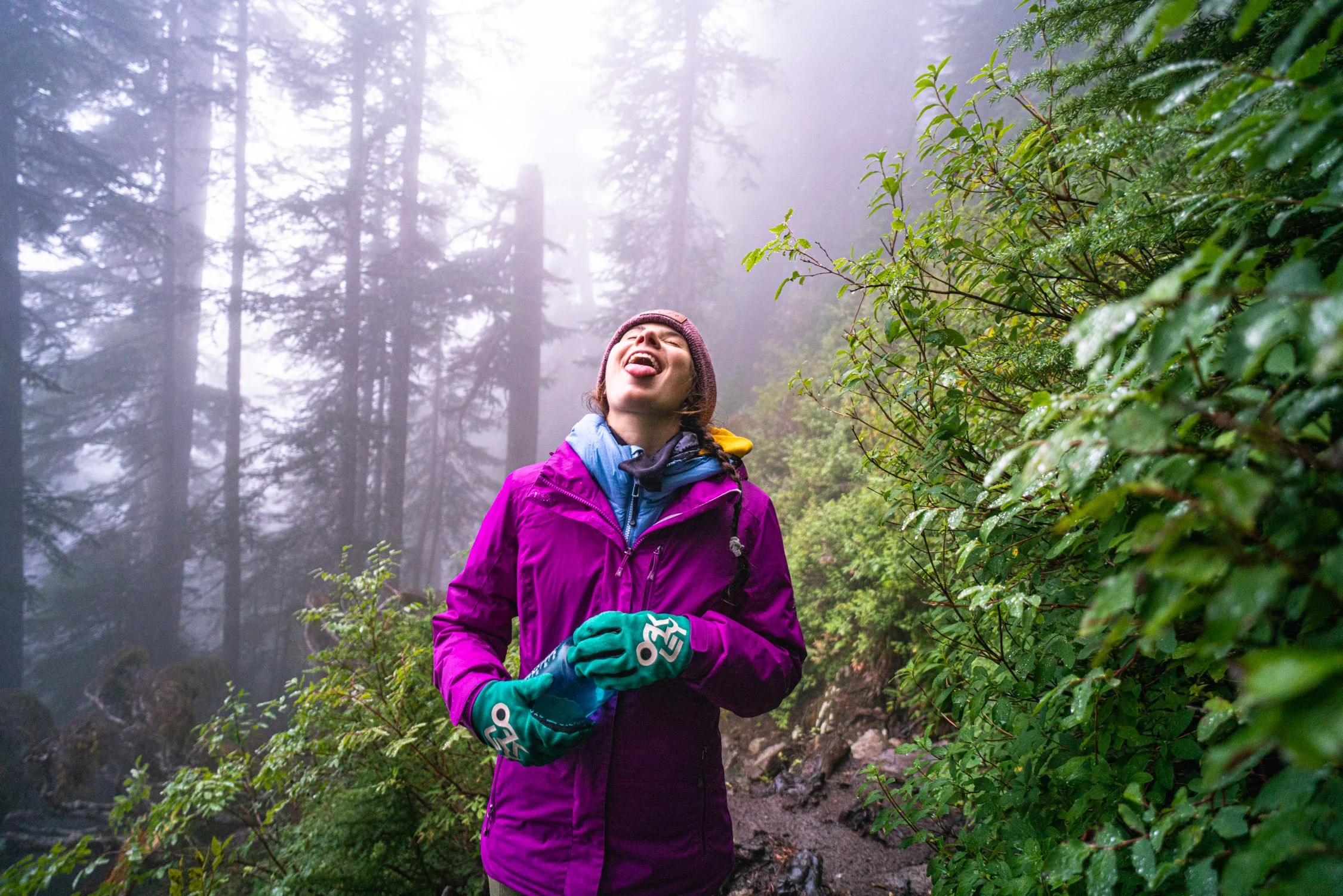
Drinking up some much needed water on a rainy hike in the PNW. Photo by Dalton Johnson
The Importance of Hydration in Hiking
Water plays a vital role in maintaining bodily functions, such as regulating temperature, lubricating joints, and transporting nutrients. Proper hydration enhances your stamina, reduces the risk of injury, and ensures mental clarity. Dehydration can lead to fatigue, disorientation, heat exhaustion, and even heat stroke, potentially turning an enjoyable hike into a dangerous situation.
Signs of Dehydration
Understanding the signs of dehydration can help prevent serious health issues. Common symptoms include:
Dry mouth and throat
Dark yellow urine
Fatigue and dizziness
Headaches
Muscle cramps
Decreased urination frequency
Severe dehydration can cause confusion, rapid heartbeat, and fainting. Recognizing these signs early allows you to take corrective actions before the situation worsens.
How Much Water Should I Drink While Hiking?
The amount of water you need varies depending on factors such as temperature, humidity, elevation, and your physical condition. A general guideline is to drink about half a liter (17 ounces) of water per hour of moderate activity in moderate temperatures. In hot and humid conditions, or at higher elevations, you might need more. Here are some specific recommendations:
Day Hikers: Carry at least 1-2 liters of water for a half-day hike and 2-4 liters for a full day.
Backpackers: Plan for 3-4 liters per day, with the ability to refill along the way.
Thru-Hikers: Assess water sources along the trail and carry enough to reach the next reliable source, plus a buffer for emergencies.
Tips for Staying Hydrated on the Trail
1. Pre-Hydrate
Before you hit the trail, drink plenty of water to ensure you start well-hydrated. A good rule is to drink about half a liter (17 ounces) in the hour before you start your hike.
2. Drink Regularly
Rather than waiting until you're thirsty, drink small amounts of water consistently throughout your hike. Thirst is a late indicator of dehydration.
3. Monitor Your Urine
Clear to light yellow urine indicates proper hydration. Dark yellow or amber urine suggests you need to drink more water.
4. Use Electrolytes
Sweating during a hike not only causes water loss but also the loss of electrolytes like sodium, potassium, and magnesium. Consider using electrolyte powders, tablets, or drinks to maintain electrolyte balance. These can help prevent cramps and fatigue.
5. Eat Hydrating Foods
Fruits and vegetables with high water content, such as oranges, watermelon, and cucumbers, can contribute to your hydration needs. Snacks like trail mix can also provide necessary electrolytes.
6. Plan Water Refills
Know the locations of water sources along your route and plan refills accordingly. Carrying a map or using a GPS app with water source information can be invaluable.
Gear Recommendations for Staying Hydrated
1. Water Bottles and Reservoirs
Hydration packs with reservoirs (such as CamelBaks) allow you to sip water continuously without stopping. Lightweight water bottles are also essential for shorter hikes.
2. Water Filters and Purifiers
For longer hikes and backpacking trips, water filters and purifiers are crucial. Options like the Sawyer Squeeze, LifeStraw, and SteriPEN can help you access safe drinking water from natural sources.
3. Electrolyte Supplements
Products like Nuun tablets, Liquid I.V., and Hammer Endurolytes provide convenient ways to replenish electrolytes lost through sweat. These can be added to your water for an extra boost.
4. Insulated Water Bottles
In hot weather, insulated water bottles keep your water cool, making it more refreshing and encouraging regular drinking.
5. Lightweight Hydration Bladders
Hydration bladders fit into your backpack and come with a hose for easy access to water while on the move. They are ideal for keeping your hands free and maintaining a steady intake of water.
FAQs on Hiking Hydration
Q: How do I know if I’m drinking enough water?
A: Monitor your urine color; it should be light yellow to clear. Drink regularly and adjust your intake based on exertion levels and environmental conditions.
Q: What should I do if I run out of water on the trail?
A: First, ration your remaining water and avoid exertion. Look for natural water sources such as streams or lakes, and use a water filter or purifier before drinking. In emergency situations, contact park authorities if available.
Q: Can I drink too much water?
A: Yes, overhydration can lead to hyponatremia, where sodium levels in your blood become dangerously low. This condition is rare but serious. Balance water intake with electrolyte replenishment and listen to your body's needs.
Q: What are the best times to hydrate during a hike?
A: Drink consistently throughout the hike, starting with pre-hydration. Sip water every 15-20 minutes and drink more when exertion or temperature increases.
Q: Are sports drinks a good option for hydration?
A: Sports drinks can be beneficial for replenishing electrolytes, but they often contain high sugar levels. Opt for electrolyte tablets or powders that offer similar benefits without excess sugar.
Q: How can I ensure safe drinking water on the trail?
A: Use water filters or purifiers to treat natural water sources. Boiling water for at least one minute is also effective. Avoid stagnant water and opt for flowing streams or springs when possible.
Hydration for Different Types of Hikers
Day Hikers
Day hikers can often carry all the water they need for their trip. A hydration pack or a couple of water bottles should suffice. Always check the weather forecast and trail conditions to gauge your water needs accurately.
Backpackers
Backpackers need to plan for multiple days, which involves knowing where to find water sources along the trail. Carry a reliable water filter and an extra water container for dry stretches. Electrolyte supplements can help maintain your energy levels over extended periods.
Thru-Hikers
Thru-hikers face the challenge of staying hydrated over weeks or months. Comprehensive planning and reliable water filters are essential. Invest in lightweight, durable hydration gear and regularly monitor water reports from other hikers. Proper hydration supports not just your physical health but also your mental well-being on such long journeys.
The Beauty of Hiking and Mental Health Benefits
Hiking offers numerous physical and mental health benefits. Regular hikes can improve cardiovascular health, strengthen muscles, and enhance flexibility. Additionally, the mental health benefits are profound:
Stress Reduction: Immersion in nature helps reduce stress and anxiety.
Mental Clarity: The combination of physical activity and natural beauty promotes mental clarity and focus.
Mood Enhancement: Exposure to natural sunlight increases serotonin levels, improving mood and combating depression.
Proper hydration ensures you can enjoy these benefits to the fullest, allowing you to hike longer and more comfortably.
Taking a dip in Upper Joffrey Lakes in British Columbia, Canada. Photo by Dalton Johnson
Proper hydration is fundamental to the enjoyment and safety of any hiking adventure. By understanding your hydration needs, recognizing the signs of dehydration, and utilizing the right gear, you can ensure a successful and enjoyable hike. Whether you're a day hiker, backpacker, or thru-hiker, staying hydrated keeps you healthy, energized, and ready to embrace the beauty of the trail. Always remember to plan ahead, drink regularly, and enjoy the myriad benefits that hiking brings to your body and mind.
Discover more Adventures
Microadventures the Whole Family Can Do
In today's fast-paced world, finding time for lengthy vacations can be challenging. However, families looking to bond and create lasting memories don’t need to travel far or spend a lot of money. Microadventures, short and simple outdoor activities, offer a fantastic way to explore nature, experience new things, and enjoy quality time together. Here are some microadventures the whole family can embark on, blending fun and exploration into your routine.
In today's fast-paced world, finding time for lengthy vacations can be challenging. However, families looking to bond and create lasting memories don’t need to travel far or spend a lot of money. Microadventures, short and simple outdoor activities, offer a fantastic way to explore nature, experience new things, and enjoy quality time together. Here are some microadventures the whole family can embark on, blending fun and exploration into your routine.

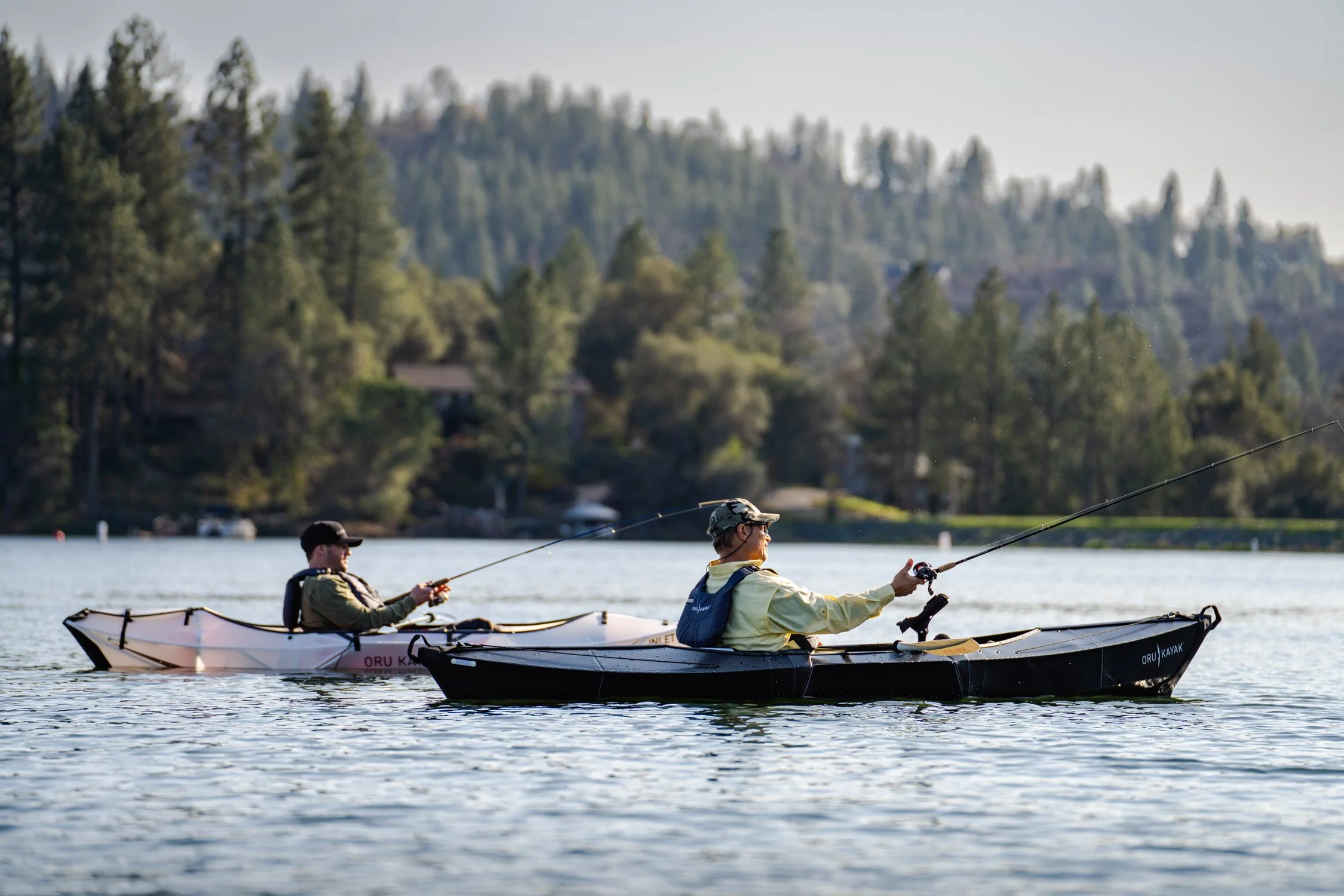
Fishing together from kayaks in the evening. Photo by Dalton Johnson
1. Backyard Camping
One of the easiest and most convenient microadventures is backyard camping. Set up a tent in your yard, bring out sleeping bags, and have a night under the stars. To make it more exciting, you can have a barbecue, tell stories around a campfire, and enjoy some s'mores. This experience can introduce children to the basics of camping without the need for a long trip.
2. Nature Scavenger Hunts
Nature scavenger hunts are excellent for engaging kids and teaching them about the environment. Create a list of items for the family to find, such as specific leaves, rocks, insects, or flowers. You can do this in a local park, nature reserve, or even your backyard. It’s an educational and fun way to explore the outdoors.
3. Geocaching
Geocaching is a modern-day treasure hunt that uses GPS coordinates to find hidden containers or "geocaches." This activity combines technology with outdoor exploration, making it a hit with kids. There are millions of geocaches hidden worldwide, so you're bound to find some near your location. It’s a great way to teach children about navigation and teamwork while having fun.
4. Day Hiking
Hiking is a fantastic way to explore the outdoors and get some exercise. Choose family-friendly trails that suit the youngest member’s abilities. Many parks offer short, easy hikes that are perfect for families. Bring along a picnic to enjoy a meal surrounded by nature. Remember to pack essentials like water, snacks, and a first-aid kit.
Dive Deeper: HERE'S HOW YOU CAN PLAN THE PERFECT DAY HIKE
5. Visit a Local Farm or Orchard
Many farms and orchards offer pick-your-own fruit activities, which can be a delightful and educational experience for the whole family. Depending on the season, you can pick apples, strawberries, pumpkins, and more. It's a wonderful way to teach children about where food comes from while enjoying the fresh air and beautiful scenery.
6. Wildlife Watching
Birdwatching and wildlife spotting can be a fascinating microadventure. Visit a local wildlife reserve, nature park, or even a pond to observe birds, insects, and other animals in their natural habitat. Bring binoculars and a guidebook to identify different species. This activity can spark a lifelong interest in nature and wildlife conservation.
7. Star Gazing
On a clear night, head to a nearby open space away from city lights to gaze at the stars. Bring a telescope if you have one, or simply lay on a blanket and look up at the night sky. Apps like Star Walk or SkyView can help identify stars, constellations, and planets. Stargazing is a calming and awe-inspiring activity that can deepen your family’s appreciation for the universe.
8. Cycling Adventures
Cycling is a great way to explore your local area. Find a scenic bike trail or quiet country roads and enjoy a family bike ride. Many communities have designated bike paths that are safe and enjoyable for all ages. Pack a picnic and make a day of it, stopping along the way to rest and take in the sights.
9. Exploring Local Parks
Local parks often offer a variety of activities, from playgrounds and walking trails to ponds and picnic areas. Spend a day exploring a park you haven't visited before. Many parks also host events, such as nature walks, educational programs, and outdoor concerts, providing even more opportunities for family fun.
10. Water Activities
If you live near a lake, river, or beach, take advantage of water activities like swimming, kayaking, or paddleboarding. These activities are not only fun but also great for building physical fitness and coordination. Always ensure everyone wears appropriate safety gear, and choose calm waters suitable for beginners.
11. DIY Obstacle Course
Create an obstacle course in your backyard using items like ropes, hula hoops, and cones. This activity can be tailored to different age groups and fitness levels, making it inclusive for the whole family. It’s an excellent way to encourage physical activity and friendly competition.
12. Rock Painting and Hiding
Rock painting is a creative activity that can be followed by a little adventure. Paint rocks with colorful designs, messages, or pictures, and then hide them in a local park for others to find. This has become a popular activity in many communities and can be a delightful surprise for those who stumble upon your creations.
13. Visiting Historical Sites
Many local areas have historical sites, landmarks, or museums that offer a glimpse into the past. Spend a day exploring these places and learning about the history of your region. This can be a fun and educational outing that enriches your family’s understanding of their local heritage.
14. Planting a Garden
Gardening can be a rewarding and educational microadventure. Start a small vegetable or flower garden in your backyard. Children can learn about different plants, how they grow, and the importance of caring for the environment. Gardening together can foster a sense of responsibility and pride in nurturing something from seed to bloom.
15. Urban Exploration
If you live in or near a city, urban exploration can be an exciting adventure. Visit different neighborhoods, parks, and attractions. Many cities offer walking tours that highlight historical buildings, street art, and unique local features. This is a great way to get to know your city better and discover hidden gems.
16. Picnic in the Park
A simple picnic in a local park can be a delightful way to spend an afternoon. Pack a basket with your favorite foods, a blanket, and some outdoor games like frisbee or badminton. Enjoying a meal outside in a beautiful setting can be a refreshing change from the usual routine.
17. Volunteering Together
Engaging in community service can be a meaningful microadventure. Look for local volunteer opportunities that are family-friendly, such as park clean-ups, tree planting, or helping at a community garden. Volunteering teaches children the value of giving back and working together for a common cause.
18. Fishing
Fishing is a relaxing and rewarding activity that can be enjoyed by all ages. Find a local pond, lake, or river that permits fishing and spend a day trying to catch fish. Make sure to check local regulations and obtain any necessary permits. It’s a peaceful way to connect with nature and each other.
19. Snow Adventures
In the winter, embrace the cold with snow-related activities. Go sledding, build a snowman, or have a snowball fight. If you're near a ski resort, consider a family ski or snowboarding day. Winter activities can be exhilarating and provide a different kind of outdoor adventure.
20. Adventure Challenges
Create an adventure challenge list for your family with activities like hiking to a new viewpoint, biking a certain distance, or identifying different types of trees. Completing challenges together can be motivating and rewarding, fostering a sense of achievement and teamwork.
Going to the farmer’s market together. Photo by Dalton Johnson
Microadventures provide a fantastic way to enjoy quality time with your family without the need for extensive planning or travel. By embracing these small-scale adventures, you can create lasting memories, teach valuable skills, and instill a love for the outdoors in your children. So, gather your family and start exploring right outside your door!
Discover more Adventures
You Can Do Van Life in California, But You Need To Know This First
Living in a van offers a unique blend of freedom and adventure, especially in a diverse and picturesque state like California. However, navigating the legal landscape of van life can be tricky. While it is generally legal to live in a van in California, there are specific regulations and ordinances that you must follow to avoid fines and legal issues.
Living in a van offers a unique blend of freedom and adventure, especially in a diverse and picturesque state like California. However, navigating the legal landscape of van life can be tricky. While it is generally legal to live in a van in California, there are specific regulations and ordinances that you must follow to avoid fines and legal issues.

BLM along Highway 395 is a great place to post up for stellar mountain scenery. Photo by Dalton Johnson
Pros:
Flexibility and Freedom: Van life allows you to move freely and explore different parts of California at your own pace. You can wake up at a surf beach one day and in the mountains the next.
Access to Diverse Landscapes: California is known for its diverse natural beauty, including beaches, mountains, deserts, and forests. Van life makes it easy to experience these varied landscapes without being tied to one location.
Cost Savings: For some, living in a van can be more affordable than traditional housing. Without rent or mortgage payments, you can save money, especially if you’re strategic about where you park and how you manage your resources.
Minimalist Lifestyle: Van life encourages a minimalist lifestyle, helping you to declutter and focus on what truly matters. Living with less can bring a sense of freedom and reduce the stress associated with maintaining a larger home.
Close to Nature: Van life allows you to stay closer to nature, offering numerous opportunities for outdoor activities such as hiking, surfing, and stargazing. This can enhance your physical and mental well-being.
Community: There’s a strong and supportive van life community. Meeting like-minded people can lead to meaningful connections and shared experiences, making the lifestyle more enjoyable.
Cons:
Parking Challenges: Many cities and counties in California have strict regulations regarding overnight parking. Finding legal and safe places to park can be a constant challenge, especially in urban areas.
Limited Space and Comfort: Living in a van means dealing with limited space and amenities. It can be difficult to manage daily activities like cooking, cleaning, and personal hygiene in a small, confined space.
Access to Facilities: Regular access to facilities such as bathrooms, showers, and laundry can be an issue. While some campgrounds and RV parks offer these amenities, they are not always conveniently located.
Weather Dependence: Van life exposes you to the elements more than traditional housing. Extreme weather conditions, such as heat waves, cold snaps, or heavy rain, can make living in a van uncomfortable and challenging.
Waste Management: Managing waste, including grey water and garbage, can be challenging. Finding appropriate disposal sites and adhering to environmental regulations requires diligence and responsibility.
Overnight Parking Restrictions
One of the main challenges for van dwellers is finding a safe and legal place to park overnight. Many cities and counties in California have ordinances that prohibit overnight parking on public streets. This means you could face fines or even towing if you park in the wrong spot. For instance, cities like San Francisco, Los Angeles, and San Diego have strict rules against overnight street parking to reduce homelessness visibility and ensure public safety.
To avoid these fines, it's crucial to check local regulations before parking your van. Many municipalities have specific areas where overnight parking is permitted, and some even provide designated lots for van lifers. Additionally, apps like iOverlander and AllStays can be incredibly helpful. These apps provide updated information on legal overnight parking spots, including user reviews and tips. They can guide you to spots that other van dwellers have used successfully, ensuring you have a safe place to sleep without breaking any laws.
Campgrounds and RV Parks
A reliable and legal option for overnight parking is staying at designated campgrounds and RV parks. California has an extensive network of these facilities, catering to tourists and long-term travelers alike. Staying at these locations often provides a sense of security and access to amenities that make van life more comfortable.
Most campgrounds and RV parks offer restrooms, showers, and hookups for electricity and water. This can be a significant advantage, especially if your van is not fully equipped with these utilities. Moreover, some campgrounds provide Wi-Fi and laundry facilities, which can be a luxury for those living on the road. While staying at campgrounds and RV parks may come with a fee, the convenience and peace of mind they offer can be well worth the cost.
Related Read: VAN LIFE INTERNET OPTIONS
Public Lands
California's vast areas of public land managed by the Bureau of Land Management (BLM) and the National Forest Service present another excellent option for van lifers. Dispersed camping on these lands is usually allowed for free or a small fee, making them a great option for those looking to save money while enjoying nature.
Dispersed camping means camping outside of designated campgrounds, often in more remote and less developed areas. This can provide a more secluded and serene experience compared to staying in crowded campgrounds. However, it's essential to follow Leave No Trace principles and respect any specific regulations regarding camping duration and location. On BLM lands, you can typically stay for up to 14 days in one spot within a 28-day period before you need to move at least 25 miles away. This helps prevent overuse of any single area and promotes environmental stewardship.
Private Property
If you have permission from the property owner, you can park your van on private property. This can be a convenient and safe option, especially in urban areas where finding legal parking can be more challenging. Whether it's a friend's driveway, a family's backyard, or a rented spot through platforms like Airbnb, having a private place to park can offer security and stability.
Parking on private property also allows for a greater sense of community and support. You might have access to a home’s facilities, such as a bathroom or kitchen, which can make van life more sustainable in the long term. Just ensure that the property owner is fully aware of and agrees to your stay, and be mindful of local zoning laws that might restrict such arrangements.
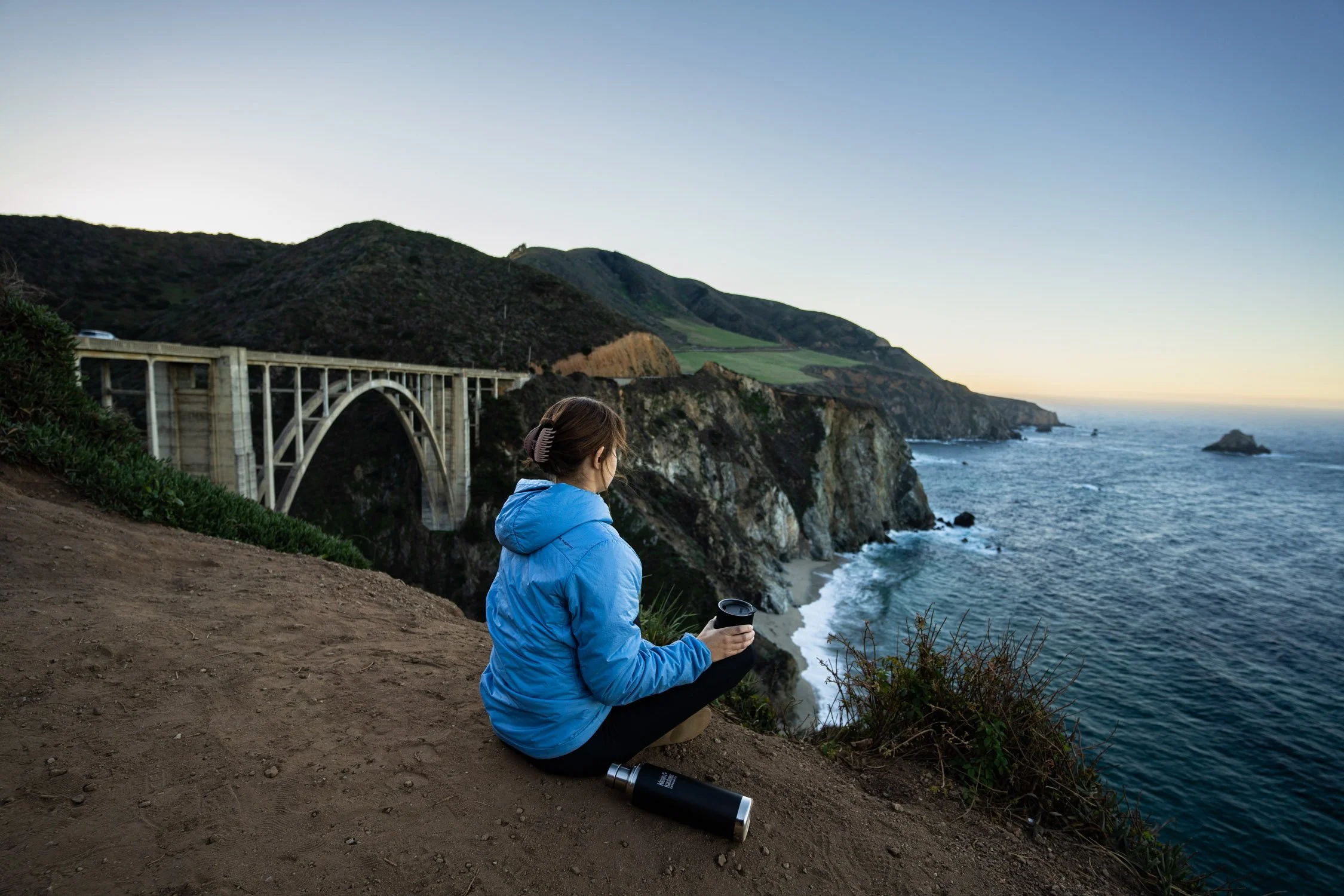
Parking along the coast in CA can be hit or miss, but this morning along Big Sur was a hit. Photo by Dalton Johnson
Living in a van in California is feasible and can be an incredibly rewarding lifestyle, but it requires careful planning and adherence to local regulations. By understanding and respecting overnight parking restrictions, utilizing campgrounds and RV parks, taking advantage of public lands, and securing spots on private property with permission, you can enjoy the freedom of van life without running into legal issues. Remember to stay informed and adaptable, as rules can vary widely from one location to another. With the right approach, van life in California can be a safe, legal, and unforgettable adventure.
Discover More Destinations

How to Pack Light for a Week-Long Adventure Trip
Packing light for a week-long adventure trip can be challenging but rewarding. Traveling light allows for greater mobility, less stress, and a more enjoyable experience. Here are some practical packing tips for adventure travel to help you streamline your packing list and ensure you have everything you need without overburdening yourself.
Packing light for a week-long adventure trip can be challenging but rewarding. Traveling light allows for greater mobility, less stress, and a more enjoyable experience. Here are some practical packing tips for adventure travel to help you streamline your packing list and ensure you have everything you need without overburdening yourself.
Living out of a Ford Bronco for a week surfing is not an easy thing. Photo by Dalton Johnson
Pros
Increased Mobility: Traveling with a lighter load makes it easier to move around, whether you're navigating through airports, boarding public transportation, or hiking to remote destinations.
Less Stress: A smaller, well-organized bag reduces the risk of losing items and makes it easier to find what you need quickly.
Cost Savings: Avoiding checked baggage fees and the potential costs of lost luggage can save money on your trip.
Greater Flexibility: With less to carry, you can change plans more easily and explore destinations without the burden of heavy luggage.
Faster Travel: Carrying only a small bag can speed up your transit through airports, including check-in, security checks, and baggage claim.
Cons
Restricted Gear: You might have to leave behind some equipment or accessories that could enhance your trip, such as specialized gear for specific activities.
Frequent Laundry: With fewer clothes, you may need to do laundry more often, which can be inconvenient and time-consuming.
Potential Discomfort: Minimizing toiletries and comfort items might make your trip less comfortable, especially if you have specific needs or preferences.
Limited Souvenir Space: Packing light leaves less room for souvenirs and gifts, which might be disappointing if you enjoy collecting mementos from your travels.
Lack of Backup Items: If something gets lost or damaged, you have fewer backup options, which can be problematic in remote areas without easy access to replacements.
1. Choose the Right Bag
Packing Tip: Select a versatile, durable, and comfortable bag that meets airline carry-on size restrictions. A 40-45 liter backpack is ideal for most adventure trips.
A good backpack should have multiple compartments to organize your gear, a comfortable harness system, and be water-resistant or come with a rain cover. Some recommended brands include Osprey, Deuter, and Patagonia.
Related Read: How To Pick The Right Backpack For Your Travels
2. Plan Your Outfits
Packing Tip: Opt for versatile clothing that can be layered, mixed, and matched. Stick to a neutral color palette to maximize outfit combinations.
For a week-long trip, consider packing:
3. Choose Multipurpose Items
Packing Tip: Pack items that serve more than one purpose to save space and weight.
Examples of multipurpose items include:
4. Minimize Footwear
Packing Tip: Limit yourself to two pairs of shoes: one sturdy pair for hiking or outdoor activities and one lightweight pair for casual wear or relaxing at the campsite.
Choose footwear that is comfortable, durable, and appropriate for the activities you'll be doing. Consider packing a pair of flip-flops or sandals for showers or beach days.
5. Pack Lightweight Gear
Packing Tip: Opt for lightweight and compact gear designed for adventure travel.
Essential gear might include:
6. Organize with Packing Cubes
Packing Tip: Use packing cubes to keep your bag organized and make it easier to find items quickly.
Packing cubes help compress your clothing and gear, maximizing space and keeping everything in its place. You can also use them to separate clean and dirty clothes.
7. Limit Toiletries
Packing Tip: Stick to the essentials and opt for travel-sized toiletries.
Pack items such as:
Travel-sized shampoo, conditioner, and body wash
Toothbrush and toothpaste
Sunscreen and insect repellent
Any necessary medications
A small first aid kit
Consider solid toiletries like shampoo bars and toothpaste tablets, which take up less space and are easier to transport.
8. Utilize Technology Wisely
Packing Tip: Choose multi-functional devices and essential gadgets to save space.
Consider packing:
A smartphone with offline maps and travel apps
9. Pack Snacks and Water
Packing Tip: Bring high-energy, non-perishable snacks and a reusable water bottle.
Healthy snacks like nuts, dried fruit, energy bars, and jerky can keep you fueled during your adventures. A reusable water bottle with a built-in filter can ensure you stay hydrated without relying on single-use plastic bottles.
10. Wear Bulky Items During Travel
Packing Tip: Wear your bulkiest items, such as hiking boots and a heavy jacket, while traveling to save space in your bag.
This not only frees up space in your backpack but also keeps you warm and comfortable during your journey.
Having the ability to move light and fast will save your behind while traveling. Photo by Dalton Johnson
Packing light for a week-long adventure trip is all about planning and prioritizing. By choosing versatile, lightweight items and minimizing non-essential gear, you can enjoy the freedom and flexibility that come with traveling light. Remember, the key to successful adventure travel is not just in what you pack, but in the experiences and memories you make along the way.
Discover more Adventures
Select the Perfect Adventure Travel Bag
When preparing for an adventure trip, choosing the right bag is crucial. A great bag not only enhances your travel experience but also ensures that you can move freely and efficiently. To pick the correct bag, you need to consider a few key factors: versatility, durability, and comfort. Here’s a comprehensive guide on how to select the ideal bag for your adventure:
When preparing for an adventure trip, choosing the right bag is crucial. A great backpack not only enhances your travel experience but also ensures that you can move freely and efficiently. To pick the correct bag, you need to consider a few key factors: versatility, durability, and comfort. Here’s a comprehensive guide on how to select the ideal bag for your adventure:
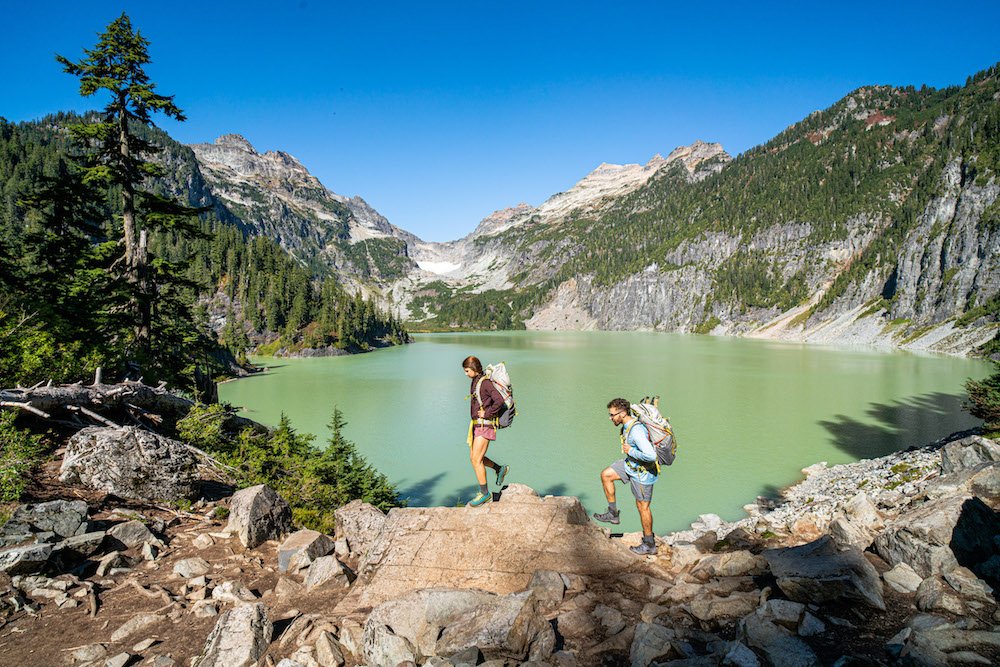
Backpacking to Blanca Lake in Washington. Photo by Dalton Johnson
Versatility
Opt for a bag that can adapt to various situations. Look for features like removable compartments, adjustable straps, and multiple carrying options (such as backpack and duffel configurations). This allows you to use the bag in different scenarios, whether you’re hiking in the mountains, exploring a city, or taking a weekend trip. A versatile bag can transition seamlessly from one activity to another, providing flexibility and convenience.
Durability
Your bag will be exposed to various elements, so it’s essential to choose one made from high-quality, durable materials. Look for bags made from ripstop nylon or polyester, which offer excellent resistance to wear and tear. Reinforced stitching and heavy-duty zippers are also important to ensure your bag can withstand the rigors of adventure travel. Investing in a durable bag means it will last longer and protect your gear, regardless of the conditions you encounter.
Comfort
A comfortable bag makes a significant difference, especially when carrying it for extended periods. Look for a bag with padded shoulder straps, a cushioned back panel, and an adjustable harness system to distribute weight evenly and reduce strain. Additionally, a well-ventilated back panel can help keep you cool during strenuous activities. Comfort features are essential to prevent discomfort and fatigue, enabling you to enjoy your adventure to the fullest.


Size and Capacity
A 40-45 liter backpack is ideal for most adventure trips, providing ample space for all your essentials without being too bulky. This size typically meets airline carry-on size restrictions, allowing you to avoid checked baggage fees and the hassle of waiting at baggage claim. Ensure the bag has multiple compartments to keep your gear organized and easily accessible. A well-sized bag strikes the perfect balance between capacity and convenience, making it an essential piece of gear for any traveler.
Additional Features
Consider bags with features like hydration bladder compatibility, external attachment points for gear, and a built-in rain cover for added protection. These extras can enhance your travel experience and ensure you’re prepared for various conditions. Hydration bladder compatibility is useful for staying hydrated on the go, while external attachment points allow you to carry additional gear like trekking poles or sleeping bags. A built-in rain cover protects your belongings from the elements, ensuring they stay dry.

Headed into the High Sierra for a week of walking. Photo by Dalton Johnson
By selecting a versatile, durable, and comfortable bag that meets airline carry-on size restrictions, you’ll be well-equipped for your week-long adventure trip. A 40-45 liter backpack strikes the perfect balance between capacity and convenience, making it an essential piece of gear for any traveler. With the right bag, you can focus on the excitement and experiences of your adventure, knowing that your gear is secure and you can move freely and efficiently.
Discover More Gear

IcyBreeze Launches the Ultimate Cooler
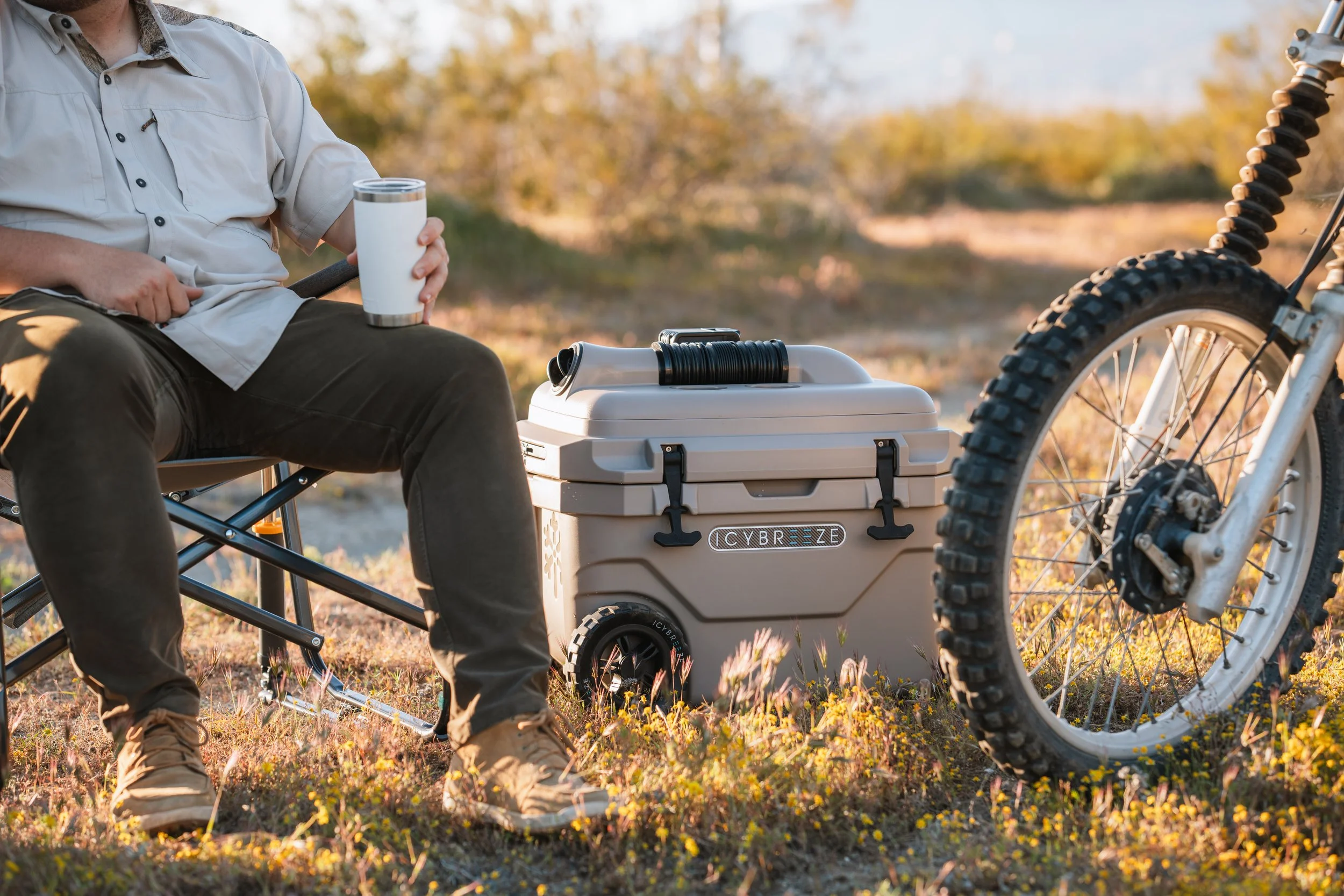
The Ultimate Cooler is more than just an upgrade—it's a game-changer. By incorporating IcyBreeze’s proprietary heat exchange system, it mimics the cooling mechanism of a car’s radiator. The system pumps icy water into coils that actively cool the air, which is then pushed out through a directional tube. This means you can enjoy a refreshing breeze wherever you are, whether it's a remote campsite, a bustling beach, or your van on a cross-country road trip.
IcyBreeze, a trailblazer in innovative cooling solutions, has unveiled the Ultimate Cooler, the first-ever 3-in-1 system that seamlessly integrates a traditional icebox, portable air conditioner, and a three-hour misting function. This groundbreaking product is set to redefine how outdoor enthusiasts stay cool during their adventures this summer.
The Ultimate Cooler is more than just an upgrade—it's a game-changer. By incorporating IcyBreeze’s proprietary heat exchange system, it mimics the cooling mechanism of a car’s radiator. The system pumps icy water into coils that actively cool the air, which is then pushed out through a directional tube. This means you can enjoy a refreshing breeze wherever you are, whether it's a remote campsite, a bustling beach, or your van on a cross-country road trip.
SPECS:
Capacity: 38 qt., holds up to 48 cans
Cooling: 2.5+ hrs. of AC, 3+ hrs. of misting
Features: Metal grab-handle, USB charging port
Unmatched Features for Outdoor Enthusiasts
Designed with the adventurous spirit in mind, the Ultimate Cooler boasts a 38-quart capacity, comfortably stowing up to 48 cans. It seals tightly with a gasket function and double rubber latches, ensuring your drinks and food remain chilled even in the most intense heat. But cooling your beverages is just the beginning.
The Ultimate offers 2.5+ hours of portable air conditioning and over three hours of misting, providing continuous relief from the summer sun. Its durable rotomolded construction guarantees longevity, while the all-terrain wheels and sturdy metal grab handle make transportation effortless. Whether you're navigating rocky paths or sandy shores, the Ultimate Cooler is built to keep up with your adventures.
Perfect for Van Life and Beyond
For the growing van life community, the Ultimate Cooler is an indispensable addition. The blend of a high-capacity cooler and portable AC unit ensures that your mobile home remains a sanctuary of comfort, no matter where the road takes you. The USB charging port adds an extra layer of convenience, allowing you to keep your devices powered while you explore.
A Must-Have for Summer
As summer approaches, the Ultimate Cooler by IcyBreeze stands out as the ultimate solution to beat the heat. It's not just a cooler—it's your portable oasis, ready to provide cold drinks, cool air, and refreshing mist wherever you go. Ideal for camping trips, beach outings, and long drives, the Ultimate Cooler ensures that staying cool is one less thing you have to worry about.
With an MSRP of $499.99, the Ultimate Cooler is a worthy investment for anyone who loves the outdoors. Its versatile functionality, rugged design, and advanced cooling technology make it a standout choice for those who want to enjoy their adventures without the discomfort of the summer heat.
The launch of the Ultimate Cooler marks a significant milestone in outdoor cooling solutions. IcyBreeze has once again proven its commitment to innovation, delivering a product that meets the needs of modern adventurers. Whether you're a weekend camper, a van life enthusiast, or someone who simply enjoys spending time outdoors, the Ultimate Cooler is your key to a cooler, more comfortable summer.
Don't let the heat hold you back—experience the ultimate in portable cooling with IcyBreeze’s Ultimate Cooler. Your next adventure just got a whole lot cooler.
Discover More Gear

California's Best Landscapes To Visit
California, the Golden State, is a treasure trove of breathtaking landscapes that draw visitors from all over the world. From the rugged coastline of Big Sur to the serene beauty of Lake Tahoe, the diverse topography offers something for every nature enthusiast. Whether you're planning a road trip or looking for the best places to visit in California, here are some of the state's most stunning landscapes you won't want to miss.
California is a treasure trove of breathtaking landscapes that draw visitors from all over the world. From the rugged coastline of Big Sur to the serene beauty of Lake Tahoe, the diverse topography offers something for every nature enthusiast. Whether you're planning a California road trip or looking for the best places to visit in California, here are some of the state's most stunning landscapes you won't want to miss.
The hazy cliff line of the Big Sur coast. Photo by Dalton Johnson
Big Sur: The Rugged Coastline
Big Sur is a dramatic stretch of California's central coast, known for its stunning ocean views, rugged cliffs, and scenic drive along Highway One. The iconic Bixby Creek Bridge, McWay Falls, and the Julia Pfeiffer Burns State Park are just a few highlights. Hiking trails, such as the Ewoldsen Trail, offer panoramic views of the coastline and the chance to see diverse wildlife.
Must-See Spots:
Bixby Creek Bridge: An iconic photo spot.
McWay Falls: A picturesque waterfall cascading directly into the ocean.
Julia Pfeiffer Burns State Park: Offers excellent hiking trails and scenic views.

Moments before the sunrises over Emerald Bay in Lake Tahoe. Photo by Dalton Johnson
Lake Tahoe: The Alpine Gem
Lake Tahoe, straddling the border between California and Nevada, is a year-round destination renowned for its clear blue waters and surrounding alpine scenery. During winter, the area transforms into a snowy wonderland perfect for skiing and snowboarding. In summer, visitors can enjoy kayaking, paddleboarding, and some of the world’s best hiking trails.
Must-See Spots:
Emerald Bay State Park: Known for its strikingly beautiful bay and hiking trails.
Bonsai Rock: A popular spot for kayaking and paddleboarding.
Mount Tallac: Offers challenging hikes with rewarding views.

The Palisade Range glowing in sunset light. Photo by Dalton Johnson
Eastern Sierra: A Photographer's Paradise
The Eastern Sierra region, stretching along the eastern edge of the Sierra Nevada mountain range, is a lesser-known but equally stunning part of California. The area is famous for its dramatic landscapes, including the towering, and climbable, peaks of the Sierra Nevada, expansive desertscapes, and alpine lakes.
Must-See Spots:
Mono Lake: Known for its otherworldly tufa towers.
Bishop Creek Canyon: A beautiful area for fall foliage.
Mount Whitney: The highest peak in the contiguous United States.

Mount Shasta and Shastina coated in their summertime snow blanket. Photo by Dalton Johnson
Mount Shasta: The Majestic Volcanic Peak
Mount Shasta, a prominent volcanic peak in Northern California, is a sacred site and a haven for outdoor enthusiasts. The mountain offers numerous hiking trails, hot springs, and scenic vistas. It's also a popular spot for mountaineering and skiing in the winter.
Must-See Spots:
Castle Lake: A beautiful glacial lake perfect for swimming and kayaking.
McCloud Falls: A series of three waterfalls that are great for hiking and photography.
Mount Shasta Summit: For the adventurous, climbing to the summit is a bucket-list experience.

The iconic Hanging Valley View along the Merced River in Yosemite National Park. Photo by Dalton Johnson
Yosemite National Park: The Iconic Wilderness
Yosemite National Park, located in the Sierra Nevada mountains, is one of California's most famous natural landmarks. Known for its stunning granite cliffs, waterfalls, giant sequoias, and diverse ecosystems, Yosemite is a must-visit for anyone looking to experience the grandeur of the great outdoors.
Must-See Spots:
El Capitan: A favorite for rock climbers.
Half Dome: Offers a challenging hike with incredible views, here’s your hiking guide.
Yosemite Falls: One of the tallest waterfalls in North America.
Related Read: LAKE TAHOE VS YOSEMITE FOR VACATION

Cotton candy pinks radiate as the full moon passes between branches of a Joshua Tree. Photo by Dalton Johnson
Joshua Tree National Park: The Desert Oasis
Joshua Tree National Park, located in southeastern California, is renowned for its unique desert landscapes, rock formations, and the iconic Joshua trees. The park offers excellent opportunities for stargazing, rock climbing, and hiking.
Must-See Spots:
Hidden Valley: A popular spot for rock climbing and picnicking.
Cholla Cactus Garden: Features dense clusters of the striking cholla cactus.
Keys View: Offers panoramic views of the Coachella Valley.
From the coastal cliffs of Big Sur to the desert landscapes of Joshua Tree, California's diverse landscapes provide endless opportunities for exploration and adventure. Whether you're seeking alpine beauty in Lake Tahoe, the iconic wilderness of Yosemite, or the majestic peak of Mount Shasta, these natural wonders showcase the best places to visit in California. Pack your bags, hit the road, and discover the Golden State's most stunning vistas.
Discover More Destinations

Should You Van Life in Residential Neighborhoods
Living the van life offers a unique blend of freedom and simplicity. It’s a lifestyle that appeals to those seeking adventure and minimalism. However, when it comes to parking and living in residential neighborhoods, there are several factors to consider. In this article, we will explore the pros and cons of van life in residential neighborhoods, the legal implications, key things to look out for, and the potential benefits and drawbacks of this lifestyle choice.
Van life offers a unique blend of freedom and simplicity. It’s a lifestyle that appeals to those seeking adventure and minimalism. However, when it comes to parking for van life and living in residential neighborhoods, there are several factors to consider. In this article, we will explore the pros and cons of van life in residential neighborhoods, the legal implications, key things to look out for, and the potential benefits and drawbacks of this lifestyle choice.
Road tripping in a van can lead to awkward sleeps, so plan ahead. Photo by Dalton Johnson
Pros
Convenience: Living in a residential neighborhood provides easy access to essential amenities such as grocery stores, laundromats, and healthcare facilities. It also offers proximity to friends and family.
Safety: Residential neighborhoods tend to be safer than more isolated or industrial areas. The presence of local residents and regular police patrols can offer added security.
Community: Being part of a neighborhood allows for social interactions and a sense of community, which can be comforting and enjoyable.
Amenities: Access to local parks, libraries, and public transportation can enhance your van life experience.
Cons
Restrictions and Regulations: Many residential areas have strict parking regulations and ordinances that prohibit overnight parking or living in vehicles. Violating these laws can result in fines or even towing.
Lack of Privacy: Residential neighborhoods are often bustling with activity, which can result in a lack of privacy. Curious neighbors or passersby may take an interest in your van.
Noise: Depending on the neighborhood, noise from traffic, children playing, or other activities can be disruptive.
Limited Parking: Finding a suitable parking spot in a residential area can be challenging, especially in densely populated neighborhoods
Legal vs. Not Legal: Understanding the Rules
The legality of living in a van in residential neighborhoods varies widely depending on local laws and ordinances. In some areas, overnight parking or living in a vehicle is explicitly prohibited, while in others, it may be tolerated or even permitted under certain conditions.
What to Look For:
Local Ordinances: Research local laws regarding overnight parking and vehicle habitation. Some cities have designated areas where van dwellers can park legally.
Signage: Pay attention to street signs indicating parking restrictions or residential permits required.
Community Norms: Observe the neighborhood to understand how residents might react to a van being parked long-term. Some communities are more accepting than others.
Should You Do It?
Whether or not you should live the van life in a residential neighborhood depends on several factors:
Legal Considerations: Ensure you understand and comply with local laws to avoid fines and legal issues.
Personal Preferences: Consider your need for privacy, safety, and convenience. Residential neighborhoods offer many advantages but also come with trade-offs.
Impact on Residents: Be mindful of how your presence might affect the local community. Being respectful and discreet can help maintain good relations with neighbors.
Why Van Lifers Shouldn’t Sleep In Residential Neighborhoods
1. Legal Risks
One of the primary reasons van lifers should avoid sleeping in residential neighborhoods is the significant legal risks involved. Many cities and towns have ordinances that prohibit overnight parking or living in a vehicle within residential areas. Violating these laws can lead to fines, towing, and legal trouble, which can quickly become costly and stressful. The constant need to move and find new parking spots to avoid detection and penalties can disrupt your peace of mind and daily routine, making van life more burdensome than enjoyable.
2. Community Relations
Living in a van in a residential neighborhood can strain relations with local residents and authorities. Negative interactions can arise from noise complaints, perceived encroachments on public or private spaces, and concerns about safety and property values. These conflicts can create a hostile environment, making it difficult to maintain a positive van life experience. Persistent complaints from residents can lead to increased scrutiny and enforcement actions by local authorities, further complicating your living situation and diminishing your enjoyment of van life.
3. Environmental Impact
Parking long-term in one spot within a residential area can lead to environmental degradation. Issues such as litter, waste disposal, and damage to landscaping can arise, negatively impacting the neighborhood's aesthetics and cleanliness. Van lifers may not always have access to proper waste disposal facilities, leading to improper disposal methods that can harm the environment. Additionally, constant movement to avoid legal issues can increase fuel consumption and emissions, counteracting the eco-friendly benefits of a minimalist lifestyle.
4. Privacy Concerns
Residential neighborhoods often lack the privacy that van lifers might seek. The close proximity of homes means that neighbors may take an unwanted interest in your activities, leading to a lack of personal space and privacy. Curious onlookers and the general bustle of neighborhood life can make it difficult to relax and feel secure. This constant exposure can be particularly stressful for those who value their solitude and wish to live quietly.
5. Health and Safety Issues
The health and safety of van lifers can be compromised when staying in residential areas not designed for long-term vehicle habitation. Lack of access to basic amenities like clean water, sanitation, and proper waste disposal can lead to health risks. Additionally, the need to remain discreet and avoid detection may result in parking in unsafe or unsuitable locations, increasing the risk of accidents or criminal activity. The stress of constantly being on the move to avoid legal repercussions can also take a toll on mental health and well-being.
6. Ethical Considerations
There are ethical considerations to take into account when choosing to live in a van in residential neighborhoods. Occupying public parking spaces for extended periods can be seen as taking advantage of resources meant for short-term use by residents and visitors. This can lead to resentment from the local community and contribute to a negative perception of the van life movement. Being mindful of these ethical implications is crucial for maintaining a positive relationship with the communities you inhabit.
Six Benefits of Sleeping in Residential Neighborhoods
1. Cost Savings
One of the most significant advantages of sleeping in residential neighborhoods while living the van life is the cost savings. By avoiding rent or mortgage payments, you can allocate funds to other priorities such as travel, experiences, and savings. This financial flexibility can reduce stress and increase your overall quality of life. The money saved can also be used for essential van maintenance, upgrades, or even building a financial cushion for the future.
2. Flexibility
Van life offers unparalleled flexibility, allowing you to move easily and explore different neighborhoods and cities. This mobility lets you experience various environments, cultures, and communities without the long-term commitment of a lease or mortgage. You can chase the best weather, attend local events, and immerse yourself in diverse urban and suburban landscapes. The ability to relocate quickly also means you can avoid areas that become uncomfortable or unwelcoming.
3. Simplicity
Van life promotes a minimalist lifestyle, which can significantly simplify your day-to-day existence. By reducing your reliance on material possessions, you can focus more on experiences and personal growth. Living with less means you spend less time maintaining and organizing belongings, allowing you more time to pursue passions and hobbies. This simplicity fosters a sense of freedom, as you are not tied down by the physical and financial burdens of owning or renting a traditional home.
4. Community Access
Living in residential neighborhoods provides easy access to community resources and amenities. You can take advantage of local parks, libraries, and community centers, which can enhance your quality of life. These public spaces offer opportunities for social interaction, recreation, and relaxation. Being part of a community also means you can participate in neighborhood events and activities, fostering a sense of belonging and connection.
5. Safety and Security
Residential neighborhoods are typically safer than more isolated or industrial areas. The presence of local residents and regular police patrols can offer added security, making it a more secure option for overnight parking. Well-lit streets and the watchful eyes of neighbors can deter potential theft or vandalism. Additionally, the familiarity of a neighborhood can provide a sense of comfort and peace of mind.
6. Convenience
The convenience of being close to essential amenities cannot be overstated. Residential neighborhoods often have grocery stores, laundromats, healthcare facilities, and other essential services nearby. This proximity means you can easily run errands, restock supplies, and take care of personal needs without having to travel long distances. Access to public transportation and other infrastructure also makes it easier to navigate the area and explore the city.
10 out of 10 I vote to find a van life camping spot outside of residential neighborhoods. Photo by Dalton Johnson
Van life in residential neighborhoods can offer numerous benefits, including convenience, safety, and a sense of community. However, it also comes with significant challenges, such as legal restrictions, lack of privacy, and potential conflicts with residents. By thoroughly researching local laws, being respectful of the community, and weighing the pros and cons, you can determine if this lifestyle is right for you. Ultimately, whether you choose to embrace van life in a residential neighborhood or seek alternative locations, the key is to balance freedom with responsibility, ensuring a positive experience for both yourself and the community around you.
Discover more Adventures

What Not To Miss While Driving Monterey to Big Sur
The drive from Monterey to Big Sur is a breathtaking journey that spans approximately 30 miles along California’s scenic Highway 1. This iconic coastal route, renowned for its dramatic ocean views, rugged cliffs, and serene nature, offers one of the most beautiful drives in the United States. Despite the relatively short distance, the trip is packed with opportunities to stop and explore, making it a memorable adventure rather than just a commute.
The drive from Monterey to Big Sur is a breathtaking journey that spans approximately 30 miles along California’s scenic Highway 1. This iconic coastal route, renowned for its dramatic ocean views, rugged cliffs, and serene nature, offers one of the most beautiful drives in the United States. Despite the relatively short distance, the trip is packed with opportunities to stop and explore, making it a memorable adventure rather than just a commute.
Looking out upon the jagged cliffs of Big Sur. Photo by Dalton Johnson
The Route
Starting in Monterey, you’ll head south on Highway 1, which is also known as the Pacific Coast Highway. As you leave the charming town of Monterey, famous for its historic Cannery Row and the world-class Monterey Bay Aquarium, you’ll soon enter a stretch of road that offers unparalleled coastal scenery. The route winds along the edge of the continent, providing stunning views of the Pacific Ocean to your right and the rugged Santa Lucia Mountains to your left.
Key Stops Along the Way
While the distance between Monterey and Big Sur is only about 30 miles, plan for extra time to fully enjoy the journey. Several key stops along the way are worth exploring:
Point Lobos State Natural Reserve: Just a few miles south of Monterey, Point Lobos is often referred to as the “crown jewel” of the California state park system. Its dramatic seaside cliffs, diverse marine life, and scenic hiking trails make it a must-visit spot.
Garrapata State Park: This lesser-known park offers 2,939 acres of coastal beauty. Enjoy coastal hiking trails, beach access, and stunning views of the rugged coastline.
Bixby Creek Bridge: One of the most photographed bridges in California, the Bixby Creek Bridge is an iconic landmark on Highway 1. The views from this area are truly breathtaking, with the bridge spanning a deep canyon carved by Bixby Creek.
Andrew Molera State Park: Located near the Big Sur River, this park offers miles of trails, beach access, and a more relaxed atmosphere compared to some of the more popular spots along the coast.
Pfeiffer Big Sur State Park: Often called a “mini-Yosemite,” this park is known for its redwood groves, scenic hiking trails, and the beautiful Big Sur River. It’s an ideal place for a picnic or a longer hike.
Driving Considerations
The drive from Monterey to Big Sur, though relatively short, can take longer than expected due to the winding nature of the road and the numerous viewpoints and pullouts where you’ll want to stop and take pictures. Driving conditions can vary, especially in the winter months when fog and rain are more common. Be sure to check the weather and road conditions before embarking on your journey, and always drive cautiously on this narrow, winding road.
The Destination: Big Sur
Upon arriving in Big Sur, you’ll be greeted by an area known for its stunning natural beauty and tranquil atmosphere. Big Sur is not a town, but rather a region spanning about 90 miles of coastline. Highlights include McWay Falls, where a waterfall cascades onto the beach, and the various state parks that offer hiking, camping, and wildlife viewing opportunities. Big Sur’s remote and rugged landscape has inspired artists, writers, and nature enthusiasts for generations.

Make sure to stop along the way, Big Sur has some of the best hikes anyone could ever imagine. Photo by Dalton Johnson
The journey from Monterey to Big Sur is more than just a drive; it’s an experience that showcases some of the most stunning coastal scenery in the world. Whether you’re a local resident or a visitor, taking the time to explore the sights along this route will leave you with memories of a lifetime. From the charming town of Monterey to the rugged beauty of Big Sur, this short 30-mile trip offers a perfect escape into nature’s splendor.
Discover More Destinations

Best Time to Visit Antarctica on a Cruise Ship
Antarctica, the frozen continent, offers an unparalleled adventure for intrepid travelers seeking awe-inspiring landscapes, incredible wildlife, and the thrill of exploring one of the last true wildernesses on Earth. Cruising to Antarctica is a dream come true for many, but timing your journey is crucial to ensure the best possible experience. This article explores the best time to visit Antarctica on a cruise ship, highlighting the optimal periods for wildlife sightings, weather conditions, and overall cruise experience.
Antarctica, the frozen continent, offers an unparalleled adventure for intrepid travelers seeking awe-inspiring landscapes, incredible wildlife, and the thrill of exploring one of the last true wildernesses on Earth. Cruising to Antarctica is a dream come true for many, but timing your journey is crucial to ensure the best possible experience. This article explores the best time to visit Antarctica on a cruise ship, highlighting the optimal periods for wildlife sightings, weather conditions, and overall cruise experience.

A fur seal, iceburgs, and our Aurora Expeditions cruise ship down in Antarctica. Photo by Dalton Johnson
The Antarctic Cruise Season
The Antarctic cruise season runs from late October to early March, during the Southern Hemisphere's summer months. This period is when the sea ice melts enough to allow ships to navigate through the waters, making it possible to reach the continent. Each month within this window offers unique opportunities and experiences, and the best time to visit depends on what you hope to see and do during your expedition.
Late October to November: Early Season
Early season cruises to Antarctica, from late October to November, offer a chance to witness the continent as it awakens from its long winter. The ice is still thick, creating a stunning, pristine landscape of white expanses and towering icebergs. This is also the time when the pack ice starts to break up, allowing ships to reach places that are inaccessible later in the season.
Pros:
Spectacular ice formations and landscapes.
Fewer tourists, offering a more intimate experience.
Early season discounts on some cruises.
Cons:
Colder temperatures, averaging -2°C to 2°C (28°F to 36°F).
Limited access to some landing sites due to ice.
Wildlife Highlights:
Penguins begin their courtship rituals and nest building.
Seals are often seen on the ice floes.
Albatrosses and other seabirds return to the region.
December to January: Peak Season
December and January are considered the peak months for Antarctic cruises. The temperatures are warmer, ranging from 1°C to 5°C (34°F to 41°F), and the days are long, with up to 24 hours of daylight around the summer solstice. This period offers the best weather conditions for exploring and the most opportunities for wildlife encounters.
Pros:
Milder temperatures and calmer seas.
Maximum daylight for excursions and photography.
Excellent wildlife viewing opportunities.
Cons:
Higher demand and prices for cruises.
More tourists, leading to potentially crowded landing sites.
Wildlife Highlights:
Penguin chicks start hatching, providing adorable photo opportunities.
Seal pups are born and can be seen on the beaches.
Whales begin to arrive, with sightings of humpback, minke, and orca whales becoming more common.
February to Early March: Late Season
The late season, from February to early March, marks the end of the Antarctic summer. The temperatures start to drop, but it remains relatively mild, with averages between -2°C to 2°C (28°F to 36°F). This period offers unique experiences that are not available earlier in the season.
Pros:
Whale sightings are at their peak as they feed before migrating north.
Penguin chicks are now active and learning to swim.
The ice has melted enough to allow access to more remote areas.
Cons:
Shorter days with decreasing daylight.
Cooler temperatures compared to the peak season.
Wildlife Highlights:
Abundant whale activity, including breaching and feeding displays.
Penguins and seals are more active, with penguin chicks fledging.
Leopard seals are more commonly seen hunting penguins.
Choosing the Right Cruise
When planning your Antarctic adventure, the type of cruise ship you choose can significantly impact your experience. Here are some options to consider:
Small Ship Cruises:
Small ship cruises to Antarctica offer a uniquely intimate and immersive experience, perfect for adventurous travelers seeking to explore this remote and breathtaking region. These vessels, typically accommodating between 50 to 200 passengers, provide a personalized and close-knit atmosphere, allowing for more interaction with fellow travelers and crew members. The smaller group sizes ensure tailored excursions, enhanced service, and a deeper connection to the surroundings.
One of the key advantages of small ship cruises is their flexibility in itinerary and landing sites. These agile vessels can navigate narrow channels and access remote locations that larger ships cannot reach, offering exclusive opportunities to explore untouched areas and witness extraordinary wildlife. From venturing into secluded bays to observing penguin colonies up close, small ships enable travelers to experience the true essence of Antarctica.
However, small ship cruises often come at a higher cost per passenger and offer fewer onboard amenities. While the cabins are comfortable, they are typically more compact, and the range of facilities is limited compared to larger ships. Despite these trade-offs, the unparalleled experiences and personalized adventures make small ship cruises a top choice for those seeking an extraordinary journey to the frozen continent.
Advantages:
More intimate and personalized experience with fewer passengers.
Greater flexibility in itinerary and landing sites.
Ability to access smaller, more remote locations.
Disadvantages:
Higher cost per passenger.
Smaller cabins and fewer onboard amenities.
Mid-Size Expedition Ships:
Mid-sized expedition ships provide a compelling option for travelers embarking on Antarctic cruises, offering a balanced blend of comfort and adventure. With capacities typically ranging from 200 to 500 passengers, these vessels strike a middle ground between small, intimate ships and larger, more amenity-rich liners. They feature a variety of onboard amenities such as multiple dining venues, spacious lounges, gyms, and educational facilities, enhancing passenger comfort and enjoyment during the journey.
One of the key advantages of mid-sized ships is their ability to offer a diverse range of educational programs and lectures led by onboard experts. These programs delve into Antarctica's wildlife, geology, and history, enriching the expedition experience. While they may accommodate more passengers than smaller ships, mid-sized vessels still prioritize meaningful wildlife encounters and explorations, though excursions may be slightly less intimate. They provide excellent access to many Antarctic destinations, although they may have limitations in reaching extremely remote areas that only smaller ships can navigate. Overall, mid-sized expedition ships offer a well-rounded option for exploring Antarctica, catering to both adventure-seekers and those looking for a comfortable, educational cruise experience.
Advantages:
Balance between comfort and adventure.
More amenities and public spaces than small ships.
Opportunities for educational programs and lectures.
Disadvantages:
More passengers, which can mean less intimate excursions.
Slightly limited access to some remote areas compared to small ships.
Large Cruise Ships:
Large cruise ships provide a luxurious and comfortable way to explore Antarctica, offering extensive onboard amenities such as spas, gyms, multiple dining options, and entertainment venues like theaters and casinos. These ships are often more affordable due to their larger capacity, making Antarctica accessible to a broader range of travelers. Their size also provides stability in rough seas, ensuring a smoother journey across the Drake Passage and beyond.
However, the main drawback of large cruise ships in Antarctica is their limited access to smaller, remote landing sites that are inaccessible to their size. This can impact the diversity of experiences and wildlife encounters available to passengers, as smaller vessels can reach more secluded areas. Additionally, larger groups onboard can detract from the intimacy of wildlife interactions compared to smaller ship expeditions.
Overall, large cruise ships offer a comfortable and well-appointed option for travelers who prioritize onboard amenities and stability, while understanding the trade-offs in terms of access to more remote and intimate Antarctic experiences.
Advantages:
Greater onboard comfort and amenities, including spas, gyms, and multiple dining options.
Often more affordable than smaller ships.
Stable in rough seas, offering a smoother journey.
Disadvantages:
Limited to fewer landing sites due to size.
Less intimate wildlife experiences with larger groups.
Best Time for Wildlife Viewing
For wildlife enthusiasts, the best time to visit Antarctica is crucial for maximizing sightings and encounters. Here’s a quick guide to the best months for specific wildlife experiences:
Penguins:
Early Season (October-November): Penguins arrive and begin courtship and nesting.
Peak Season (December-January): Penguin chicks hatch and are most active.
Late Season (February-March): Penguin chicks start to fledge and learn to swim.
Seals:
Early Season: Seals are often seen on ice floes and beaches.
Peak Season: Seal pups are born, and elephant seals are more active.
Late Season: Leopard seals become more prevalent, often seen hunting penguins.
Whales:
Peak Season: Whale sightings begin, with humpbacks and minkes arriving.
Late Season: Whale activity peaks with numerous sightings of feeding and breaching.
Birds:
Throughout the Season: Seabirds like albatrosses and petrels are present, with peak breeding and feeding activity.
Preparing for Your Antarctic Cruise
To ensure you have the best experience on your Antarctic cruise, consider the following tips:
Book Early: Antarctic cruises are in high demand, so book well in advance to secure your preferred dates and cabin.
Pack Appropriately: Bring warm, waterproof clothing, sturdy boots, and high-quality camera equipment to capture the stunning landscapes and wildlife.
Stay Informed: Attend pre-cruise briefings and onboard lectures to learn about the region’s ecology, history, and conservation efforts.
Respect Wildlife: Follow guidelines for wildlife encounters to ensure the safety and preservation of the animals and their habitats.
Stay Flexible: Weather and ice conditions can change rapidly, affecting itineraries. Embrace the unpredictability and enjoy the adventure.
Exploring a grouping of icebergs via zodiac while on a cruise in Antarctica with AdventureSmith Explorations. Photo by Dalton Johnson
The best time to visit Antarctica on a cruise ship depends on your priorities, whether it’s witnessing incredible wildlife, enjoying milder weather, or exploring pristine landscapes. Each phase of the Antarctic cruise season offers unique experiences, and understanding the benefits of each can help you plan the perfect expedition. No matter when you choose to go, an Antarctic cruise promises to be a once-in-a-lifetime adventure filled with breathtaking moments and unforgettable encounters.
Discover More Destinations

30 Things to Know When Cruising to Antarctica
Cruising to Antarctica is a once-in-a-lifetime adventure that offers breathtaking landscapes, unique wildlife, and unparalleled experiences. If you’re planning to embark on this extraordinary journey, here are 30 things you need to know to make the most of your cruise to Antarctica.
Cruising to Antarctica is a once-in-a-lifetime adventure that offers breathtaking landscapes, unique wildlife, and unparalleled experiences. As the last great wilderness on Earth, Antarctica boasts stunning icebergs, majestic glaciers, and a diverse array of wildlife including penguins, seals, and whales. Whether you're an avid photographer, a wildlife enthusiast, or simply an adventurous traveler, a cruise to Antarctica promises to be an unforgettable journey filled with awe-inspiring sights and experiences.
To help you prepare for this extraordinary trip, we’ve compiled a comprehensive list of 30 essential things to know when cruising to Antarctica. This guide will ensure you make the most of your Antarctic cruise, providing valuable tips on everything from packing essentials to wildlife viewing opportunities, and from environmental regulations to onboard activities. So, if you’re planning to visit Antarctica, keep reading to discover how to make your polar expedition a seamless and enriching experience.
A seal taking a nap on an ice chunk while on an AdventureSmith Exploration cruise to Antarctica. Photo by Dalton Johnson
1. Choosing the Right Cruise Ship
The type of cruise ship you select can significantly affect your experience. Smaller ships (under 200 passengers) can navigate closer to the shore and offer more landings, providing a more intimate encounter with the continent. I went on a cruise to Antartica via AdventureSmith Exploration and loved my time! The small ship and personal connection with the staff was out of this world.
2. Best Time to Cruise
The Antarctic cruise season runs from November to March. Each month offers unique experiences, with November featuring pristine ice and fewer tourists, while January and February are ideal for wildlife viewing.
3. Weather Conditions
Antarctic weather is unpredictable. While summer temperatures range from -2°C to 8°C (28°F to 46°F), be prepared for rapid changes and pack accordingly.
4. Wildlife Watching
Antarctica is a haven for wildlife enthusiasts. You can see penguins, seals, whales, and a variety of seabirds. Peak wildlife viewing occurs from December to February.
5. Zodiac Landings
Most cruises use Zodiac boats for shore landings. These inflatable boats are essential for getting close to wildlife and navigating icy waters.
6. Strict Environmental Regulations
The International Association of Antarctica Tour Operators (IAATO) imposes strict guidelines to protect the pristine environment. Follow all instructions to minimize your impact.
7. Packing Essentials
Pack layers, waterproof gear, sturdy boots, and sun protection. Don’t forget seasickness medication, as the Drake Passage can be rough.
8. Photographic Opportunities
Antarctica offers stunning photographic opportunities. Bring a good camera, extra batteries, and memory cards. A waterproof bag for your gear is also essential.
9. No Internet Connectivity
Expect limited or no internet connectivity. This is a great chance to disconnect and immerse yourself in the natural beauty.
10. Unique Landscapes
Antarctica’s landscapes are surreal, with massive icebergs, towering glaciers, and endless white vistas. Every vista offers a new perspective.
11. Expert Guides
Your cruise will likely include expert guides and naturalists who provide valuable insights into the region’s history, wildlife, and environment.
12. Safety First
Safety is paramount on Antarctic cruises. Pay close attention to briefings and follow all safety protocols during excursions.
13. Polar Plunge
Many cruises offer the chance to take a polar plunge into the icy waters. It’s a thrilling experience but not for the faint-hearted.
14. Respect Wildlife
Always keep a safe distance from wildlife. Penguins and seals are curious but should not be disturbed or fed.
15. Kayaking Adventures
Some cruises offer kayaking excursions, allowing you to paddle among icebergs and get a unique perspective of the icy waters.
16. Camping on the Ice
For a truly immersive experience, some cruises offer the opportunity to camp overnight on the Antarctic ice. It’s an unforgettable adventure.
17. Scientific Stations
Visits to research stations provide insight into the scientific work conducted in Antarctica. It’s an opportunity to learn about climate research and conservation efforts.
18. Whale Watching
January to March is the best time for whale watching. Look out for humpback, minke, and orca whales.
19. Seasickness Precautions
The Drake Passage can be notoriously rough. If you’re prone to seasickness, take preventive measures such as medication or acupressure bands.
20. Cultural Etiquette
Respect the cultural etiquette of your fellow travelers and the international community that resides in Antarctica. Quiet observation and patience are key.
21. Fitness Levels
Most excursions require a moderate level of fitness. Be prepared for walking on uneven terrain and climbing in and out of Zodiac boats.
22. Cruise Itinerary
Check your cruise itinerary carefully. Some cruises offer more shore landings, while others focus on scenic cruising.
23. Photography Workshops
Many cruises offer photography workshops to help you capture the stunning landscapes and wildlife. Take advantage of these opportunities to hone your skills.
24. Breathtaking Sunsets and Sunrises
Antarctica offers some of the most stunning sunsets and sunrises you’ll ever see. Make sure to wake up early and stay out late to witness these spectacular displays.
25. Polar Explorers’ History
Learn about the history of polar explorers such as Ernest Shackleton and Roald Amundsen. Many cruises include lectures and exhibitions on these historical figures.
26. Insect-Free Zone
One unique aspect of Antarctica is the lack of insects. You won’t have to worry about mosquitoes or flies during your visit.
27. Polar Night and Midnight Sun
Depending on the time of year, you may experience the midnight sun (24 hours of daylight) or the polar night (24 hours of darkness). Both phenomena are incredible.
28. Accessible to All Ages
Antarctic cruises are suitable for all ages, from children to seniors. However, check with your cruise operator for age restrictions and suitability.
29. Sustainable Travel
Choose a cruise operator that prioritizes sustainability. Look for companies that follow IAATO guidelines and have eco-friendly practices.
30. Memorable Experience
Above all, a cruise to Antarctica is a memorable experience that will stay with you forever. Take time to savor each moment and appreciate the unparalleled beauty of the White Continent.

Kayaking in Antarctica while on an AdventureSmith Exploration cruise. Photo by Dalton Johnson
Cruising to Antarctica is an adventure like no other. By being well-prepared and informed, you can ensure that your journey is safe, enjoyable, and environmentally responsible. Whether you're captivated by the wildlife, the breathtaking landscapes, or the rich history, Antarctica promises an unforgettable experience that will leave you in awe of this pristine and remote part of the world.
Discover More Destinations

Slow Travel Is The Mindful Approach to Sustainable and Affordable Exploration
In the fast-paced world of modern travel, where jet-setting to multiple destinations in a short period is often the norm, a counter-culture movement has emerged known as "slow travel." This approach to exploration emphasizes savoring each moment, immersing oneself in local culture, and prioritizing sustainability and affordability. Let's delve into what slow travel is all about and why it's gaining popularity among adventurers, digital nomads, and those seeking a more meaningful travel experience.
In the fast-paced world of modern travel, where jet-setting to multiple destinations in a short period is often the norm, a counter-culture movement has emerged known as "slow travel." This approach to exploration emphasizes savoring each moment, immersing oneself in local culture, and prioritizing sustainability and affordability. Let's delve into what slow travel is all about and why it's gaining popularity among adventurers, digital nomads, and those seeking a more meaningful travel experience.
Watching the sunrise over the ocean while camping on the beach. Photo by Dalton Johnson
Pros
Deeper Cultural Immersion: Slow travel allows for a more profound understanding of local cultures, traditions, and lifestyles by spending extended time in one place.
Reduced Environmental Impact: By minimizing frequent flights and adopting sustainable practices, slow travel promotes eco-friendly tourism and reduces carbon footprints.
Less Stressful: Without the pressure to rush from one attraction to another, slow travel offers a more relaxed and enjoyable journey, fostering a sense of well-being.
Personal Growth: Spending time in unfamiliar environments encourages personal growth, resilience, adaptability, and a broader perspective on life.
Cons
Time Commitment: Slow travel requires a significant time commitment, making it less feasible for those with limited vacation days or busy schedules.
Potential Boredom: Extended stays in one place may lead to boredom for some travelers, especially if there are limited activities or attractions in the area.
Social Isolation: Traveling slowly may result in fewer opportunities to meet other travelers or socialize, especially in less populated areas.
Limited Destination Coverage: Slow travel focuses on fewer destinations, so travelers may miss out on experiencing a wide range of places and cultures.
What is Slow Travel?
At its core, slow travel is a mindset that encourages travelers to take their time, stay longer in one place, and deeply engage with the local community and environment. It's about quality over quantity, emphasizing experiences and connections rather than ticking off tourist attractions. Slow travelers often choose to explore a single region or country extensively instead of rushing through multiple destinations in a short period.
Saving Money and Traveling Sustainably
One of the key benefits of slow travel is its affordability. By staying longer in one place, travelers can often negotiate better rates for accommodations, find deals on local transportation, and take advantage of discounts for longer-term stays. Additionally, eating locally and preparing meals in accommodations with kitchen facilities can significantly reduce food costs compared to dining out for every meal.
Moreover, slow travel aligns with sustainable tourism practices. It minimizes the carbon footprint associated with frequent air travel, reduces waste generated from disposable products, and supports local economies by spending money directly with small businesses and artisans. This approach fosters a deeper connection to the places visited and a greater appreciation for environmental conservation.
Traveling as a Lifestyle
For many digital nomads and remote workers, slow travel has become a lifestyle choice. Instead of rushing to see as much as possible in a short vacation window, they opt for extended stays in different destinations, often months at a time. This lifestyle allows for a more balanced work-travel routine, with opportunities to immerse in local cultures, build relationships with residents, and experience day-to-day life in diverse settings.
Slow travel also encourages personal growth and self-discovery. Spending extended periods in unfamiliar environments challenges individuals to adapt, learn new skills, and gain a deeper understanding of themselves and the world around them. It promotes a sense of independence, resilience, and open-mindedness that can enrich life experiences and perspectives.
Tips for Embracing Slow Travel
Choose Your Base Wisely: Select a destination that aligns with your interests and offers a mix of cultural, natural, and recreational activities to explore at a leisurely pace.
Plan for Flexibility: Allow room in your itinerary for spontaneous discoveries and opportunities to connect with locals. Avoid over-scheduling to leave space for relaxation and serendipitous adventures.
Immerse in Local Culture: Participate in community events, try local cuisine, learn basic phrases in the native language, and support small businesses and artisans.
Practice Mindful Exploration: Slow down and take time to appreciate the details—whether it's admiring a sunset, savoring a meal, or engaging in meaningful conversations with locals.
Prioritize Sustainability: Choose eco-friendly accommodations, minimize plastic usage, support responsible tour operators, and respect natural environments and cultural heritage sites.
Taking the backroads while slow traveling to Alaska via vanlife. Photo by Dalton Johnson
In a world where speed and efficiency often dominate, slow travel offers a refreshing alternative—a chance to disconnect from the rush and reconnect with the essence of travel: discovery, curiosity, and human connection. It's not just about reaching a destination; it's about embracing the journey, savoring moments of wonder, and creating lasting memories that go beyond mere sightseeing. Whether you're a seasoned traveler or embarking on your first slow adventure, the beauty of slow travel lies in its ability to transform the way we experience the world, one mindful step at a time.
Discover more Adventures
Four Tips to Becoming a Full-Time Traveler
Are you tired of the 9-to-5 grind, yearning for adventure and the freedom to explore the world on your own terms? If the idea of becoming a full-time traveler is calling to you, you're not alone. More and more people are embracing the nomadic lifestyle, trading cubicles for sunsets, and routines for new horizons. While it may seem like a dream, it's entirely possible with the right approach. Here are four tips to help you on your journey to becoming a full-time traveler.
Are you tired of the 9-to-5 grind, yearning for adventure and the freedom to explore the world on your own terms? If the idea of becoming a full-time traveler is calling to you, you're not alone. More and more people are embracing the nomadic lifestyle, trading cubicles for sunsets, and routines for new horizons. While it may seem like a dream, it's entirely possible with the right approach. Here are four tips to help you on your journey to becoming a full-time traveler.

Enjoying the sunrise while in Belize, traveling and working full-time. Photo by Dalton Johnson
Pros
Freedom: You have the freedom to go wherever you want, whenever you want.
Adventure: Constantly exploring new places and cultures can be thrilling and enriching.
Learning: You'll learn a lot about different cultures, languages, and ways of life.
Flexibility: You can adapt your travel plans based on your interests and preferences.
Networking: Meeting new people from around the world can lead to valuable connections.
Personal Growth: Traveling can push you out of your comfort zone and help you grow as a person.
Memorable Experiences: You'll create unforgettable memories and experiences.
Minimalist Lifestyle: Living out of a backpack or suitcase can teach you to live with less.
Escape from Routine: You can avoid the monotony of everyday life and experience something new each day.
Inspiration: Traveling can inspire creativity and new ideas.
Cons
Financial Costs: Traveling full-time can be expensive, especially if you're not working while traveling.
Uncertainty: Plans can change quickly, leading to uncertainty and stress.
Healthcare: Accessing healthcare services can be more challenging while traveling long-term.
Language Barriers: Communicating in foreign languages may be difficult in some places.
Missing Home: Being away from family and friends for extended periods can be tough.
Safety Concerns: Some destinations may pose safety risks or have unstable political situations.
Work-Life Balance: Balancing work (if you're working remotely) and travel can be challenging.
Environmental Impact: Constant travel can have a significant environmental impact, contributing to carbon emissions.
Find Your Source of Income on the Road
The first and foremost challenge for becoming a full-time traveler is ensuring you have a sustainable source of income. Fortunately, there are various ways to make money while on the road, and your unique skills and passions can be the key to financial independence.
For many travelers, combining their love for photography and writing has proven to be a successful income source. Whether you're a talented photographer or a skilled wordsmith, these creative skills can open doors to opportunities. Consider freelancing as a travel photographer or travel writer, selling your photographs to stock photo websites, or even starting your own blog or vlog to document your adventures and generate income through advertising and sponsorships.
However, it's essential to keep in mind that the journey to financial stability may take time. Be prepared for fluctuations in your income and, during the initial stages, have a backup plan in case things don't go as expected. Also, having some savings before embarking on your full-time travel adventure can provide you with a safety net while you establish your income streams.
Travel Smart: Short Distances and Inexpensive Routes
Traveling full-time does not mean breaking the bank. In fact, the key to sustaining a nomadic lifestyle is to be frugal and resourceful. Opt for short distances and less expensive destinations to manage your finances wisely. This approach allows you to make your travel funds last longer, and you can enjoy more extended adventures without draining your resources.
By traveling shorter distances, you can reduce transportation costs and minimize the wear and tear on your travel gear. Explore budget-friendly countries, regions, or off-the-beaten-path destinations, where the cost of living is lower. Also, consider alternative modes of transportation, like buses or trains, which can be more economical than flying.
Moreover, embrace the concept of slow travel, which involves staying in one place for a more extended period. This not only helps you save money but also allows you to immerse yourself in the local culture, connect with people, and build meaningful experiences.
Build a Network of Clients and Connections
To sustain a full-time traveler lifestyle, it's essential to have a network of clients and connections who appreciate your work and can provide you with opportunities on the road. Networking is crucial for freelancers and entrepreneurs, and building relationships can lead to a steady stream of income and new experiences.
Maintain a professional online presence through websites, social media platforms, and freelance platforms. Showcase your work and engage with potential clients and fellow travelers. Always be on the lookout for new opportunities and collaborations that can help fund your travels. Many travelers find success by reaching out to local businesses or travel agencies in the destinations they visit, offering their services as photographers, writers, or content creators.
Regularly update your network about your travel plans, as clients or collaborators may want to take advantage of your presence in a specific location. Be reliable, deliver quality work, and build a reputation as a professional in your field to ensure repeat business and referrals.
Have a Rig to Live Out Of
As you embark on your journey to become a full-time traveler, having a comfortable rig to live out of is essential. The rig you choose will largely depend on your budget, personal preferences, and travel style. Some travelers start with a simple setup, while others opt for more luxurious accommodations.
If you're starting on a budget, consider a setup like a backpack, a tent, or even a bicycle (that is where I started). These options can be highly cost-effective, allowing you to save on accommodation and transportation expenses. As you gain experience and more income, you can upgrade to a campervan aka van life, a small RV, or even invest in a sailing vessel for a more comfortable and versatile traveling experience.
No matter the rig you choose, make sure it aligns with your comfort and safety needs. Prioritize storage space, basic amenities, and a reliable mode of transportation if you're planning to move frequently. Ultimately, your rig should enable you to live comfortably while you explore new horizons.
Enjoying the sunset vibes while on a sailboat during a photo and writing assignment. Photo by Dalton Johnson
Becoming a full-time traveler is an exciting endeavor that requires careful planning and dedication. By finding a source of income on the road, traveling smartly, building a network of clients and connections, and selecting an appropriate rig, you can transform your dream of full-time travel into a reality. The world is full of wonders waiting to be explored, and with the right approach, you can embark on a life of adventure and discovery while maintaining financial stability.
Discover more Adventures

Strategies for Managing Jet Lag on Solo Trips
Jet lag is an inevitable part of international travel, particularly for solo adventurers who thrive on the thrill of exploring new destinations. Adjusting to a new time zone can be challenging, but with the right strategies, it is possible to minimize its effects and make the most of your adventure travel experiences. Here are some effective tips for overcoming jet lag on solo trips.
Jet lag is an inevitable part of international travel, particularly for solo adventurers who thrive on the thrill of exploring new destinations. Adjusting to a new time zone can be challenging, but with the right strategies, it is possible to minimize its effects and make the most of your adventure travel experiences. Here are some effective tips for overcoming jet lag on solo trips.

One of the rare moments jet lag was helpful was seeing the Northern Lights in Canada. Photo by Dalton Johnson
Understanding Jet Lag
Jet lag occurs when your body's internal clock, or circadian rhythm, is disrupted by crossing multiple time zones. This disruption can lead to a range of symptoms, including fatigue, insomnia, irritability, and difficulty concentrating. While the severity of jet lag varies from person to person, it generally takes about a day for each time zone crossed to fully adjust to the new local time.
Pre-Trip Preparations
1. Gradual Time Adjustment
One of the most effective ways to prepare for a trip across multiple time zones is to gradually adjust your sleep schedule a few days before departure. If you are traveling east, try going to bed and waking up an hour earlier each day. Conversely, if you are traveling west, go to bed and wake up an hour later. This gradual shift can help your body start adjusting to the new time zone even before you leave.
2. Prioritize Rest
Ensure you are well-rested before your trip. Being sleep-deprived can exacerbate the symptoms of jet lag. Aim for a full night's sleep in the days leading up to your departure, so you start your journey feeling refreshed and energized.
3. Stay Hydrated
Hydration is crucial for maintaining overall health and can help mitigate some of the discomfort associated with long flights. Drink plenty of water before and during your flight to stay hydrated and avoid excessive consumption of caffeine and alcohol, which can dehydrate you.
During the Flight
4. Adjust Your Watch
As soon as you board the plane, set your watch to the local time of your destination. This simple step can help mentally prepare you for the new time zone and encourage you to start thinking in terms of your destination’s time.
5. Move Around
Sitting in one place for an extended period can lead to stiffness and discomfort, making it harder to adjust once you arrive. Take regular walks up and down the aisle, do some light stretching exercises, and move your legs and feet to promote circulation.
6. Nap Strategically
If your flight schedule allows, try to nap in alignment with your destination’s nighttime. Avoid long naps that can leave you groggy and disoriented. Short naps of 20-30 minutes can be refreshing and help reduce sleep debt without interfering too much with your new sleep schedule.
Upon Arrival
7. Get Natural Light Exposure
Exposure to natural light is one of the most powerful ways to reset your internal clock. Spend as much time outdoors as possible during daylight hours, particularly in the morning. This exposure can help signal to your body that it is time to be awake and active.
8. Stay Active
Engaging in physical activity can boost your energy levels and help your body adjust to the new time zone. Consider taking a brisk walk, going for a run, or doing some light exercises to help shake off fatigue and reset your internal clock.
9. Avoid Heavy Meals
Eating large, heavy meals can make you feel sluggish and interfere with your sleep. Opt for lighter meals, and try to eat at the local mealtimes to help your body acclimate to the new schedule.
Managing Sleep
10. Create a Sleep-Conducive Environment
When it is time to sleep, create a restful environment to help you fall asleep and stay asleep. Make your room as dark as possible, keep the temperature cool, and eliminate noise. Consider using earplugs, an eye mask, or a white noise machine to block out any disturbances.
11. Use Sleep Aids Sparingly
While it can be tempting to use sleep aids to help you fall asleep, use them sparingly and only as a last resort. Over-reliance on sleep aids can disrupt your natural sleep patterns and prolong your adjustment period. If you do use them, opt for natural options like melatonin, which can help regulate your sleep-wake cycle.
12. Practice Good Sleep Hygiene
Good sleep hygiene is essential for overcoming jet lag. Establish a relaxing bedtime routine, such as reading a book, taking a warm bath, or practicing mindfulness or meditation. Avoid screens and electronic devices before bed, as the blue light can interfere with your ability to fall asleep.
Staying Connected
13. Keep in Touch with Loved Ones
Solo travel can sometimes feel isolating, especially when you are dealing with jet lag. Stay connected with friends and family back home to help lift your spirits and provide a sense of comfort. Sharing your experiences and hearing familiar voices can be a great way to stay motivated and positive.
14. Engage with Locals
Interacting with locals can be a rewarding way to immerse yourself in the new culture and stay active. Ask for recommendations on the best places to visit, eat, and explore. Engaging in conversations can also help keep your mind stimulated and alert.
Mental and Emotional Well-being
15. Stay Positive
Maintaining a positive attitude is crucial when dealing with jet lag. Remind yourself that the symptoms are temporary and that your body will eventually adjust. Focus on the exciting aspects of your trip and the new experiences that await you.
16. Practice Mindfulness
Mindfulness techniques, such as deep breathing exercises and meditation, can help reduce stress and anxiety associated with jet lag. Taking a few moments each day to center yourself can improve your overall well-being and make it easier to handle the challenges of solo travel.
17. Be Patient with Yourself
Adjusting to a new time zone takes time, and it is essential to be patient with yourself. Allow your body the time it needs to acclimate and avoid pushing yourself too hard. Listen to your body’s signals and rest when needed.
Staying active and getting outside into the natural light cycle helps cut down on jet lag. Photo by Dalton Johnson
Jet lag can be a challenging aspect of solo travel, but with the right strategies, it is possible to minimize its effects and make the most of your adventure travel experiences. By preparing in advance, staying active, prioritizing rest, and maintaining a positive mindset, you can overcome jet lag and fully enjoy the excitement and rewards of solo travel. Embrace the journey, stay resilient, and let your adventures take flight.
Discover more Adventures

Let Traveling Be Your Continued Education
Travel is often regarded as a leisure activity, called vacation, that serves as a chance to escape the routines of daily life and experience new destinations. But, what if it didn't? Instead, what if you took it as an opportunity to be your classroom? A dynamic classroom that offers valuable lessons, enriching experiences, and personal growth. With eight years of endless travel under my belt, I wanted to take this opportunity to explore how travel can be a classroom where one gains real life insights into history, culture, geography, and oneself.
Travel is often regarded as a leisure activity, called vacation, that serves as a chance to escape the routines of daily life and experience new destinations. But, what if it didn't? Instead, what if you took it as an opportunity to be your classroom? A dynamic classroom that offers valuable lessons, enriching experiences, and personal growth. With eight years of endless travel under my belt, I wanted to take this opportunity to explore how travel can be a classroom where one gains real life insights into history, culture, geography, and oneself.
A lobster fisherman taking in the sunrise before setting out on the water for the day. Photo by Dalton Johnson
History Lessons Beyond Textbooks
Traveling to different parts of the world is akin to stepping into a living history book. It provides an opportunity to witness, touch, and experience the remnants of the past. Historical sites and landmarks, whether they be the pyramids of Egypt, the Colosseum in Rome, or the Great Wall of China, are portals to bygone eras. They allow travelers to immerse themselves in the rich tapestry of human history. Yet, it doesn't have to be a grand destination to teach you something, as long as you keep your eyes open. Museums are great, but there are better ways to learn.
For example, after blowing up a Ford Bronco while shooting a youtube series for one of their ambassadors, we had nothing to do but surf and hang out on the beaches of San Juanico in Baja Sur. At first, it was a blessing, because the surf was good, but then it went flat. Looking for something to do, we wandered down to the marina (which is just a bunch of boats sitting on the sand) and started hanging with the fisherman who we noticed in the surf line-up. After a short while, they told us to come back the next day to go fishing with them. Which turned into a history lesson about famous locals, Mexican folklore, and so much more!
Geography and Environmental Awareness
Travel can be more than plane flights and bus rides, it's an opportunity to get your feet on the ground and experience a landscape that differs from your home. Offering a unique opportunity to study geography in a practical and engaging way. Unlike studying maps and globes, traveling allows individuals to witness geographical features, ecosystems, and climate variations firsthand. Whether exploring the lush rainforests of Costa Rica, the vast deserts of the Sahara, or the icy tundra of the Arctic, travelers learn about the world's geography in a tangible and memorable manner. Increasing our connection to the planet.
Bringing people closer to nature and the environment fosters an appreciation for the Earth's beauty and the importance of environmental preservation. Experiencing natural wonders such as the Grand Canyon, the Great Barrier Reef, or the Amazon rainforest instills a sense of responsibility toward the planet and encourages sustainable practices. Travel as a classroom, in this sense, can inspire individuals to become more environmentally conscious and advocates for conservation efforts.
Personal Growth and Self-Discovery
While travel can be a classroom for learning about the external world, it is also a powerful arena for self-discovery and personal growth. Stepping out of one's comfort zone and facing the uncertainties of travel can lead to increased self-confidence and resilience. Travelers are often confronted with unforeseen challenges and opportunities, and the ability to adapt and thrive in such situations is a valuable life skill.
Moreover, travel encourages introspection. Being in unfamiliar surroundings and away from the familiar routines of daily life prompts individuals to reflect on their values, goals, and aspirations. Given enough time, traveling can be a catalyst for personal transformation, where travelers reevaluate their priorities, discover hidden talents, and gain a deeper understanding of themselves.
Problem-Solving and Adaptation
It goes without saying, but we should say it. Travel is not without its challenges, and dealing with these challenges becomes a vital part of the educational experience. From navigating foreign transportation systems to overcoming language barriers and adapting to different customs, travelers must constantly problem-solve and adapt to changing situations.
These experiences in unfamiliar environments help develop critical thinking skills and resourcefulness. Travelers learn to approach problems with an open mind and a sense of adventure, which can be applied to various aspects of life. The ability to adapt to new and unexpected situations becomes a valuable asset in the ever-changing landscape of the modern world.
Using the open space, while camping in the wild, to reflect upon travel. Photo by Dalton Johnson
Travel is a classroom like no other, offering an array of educational opportunities. It provides lessons in history, culture, geography, and self-discovery that go beyond the confines of traditional education. Traveling exposes individuals to the world's diversity, fosters cultural understanding, and raises awareness of environmental issues. Moreover, it encourages personal growth, problem-solving skills, and adaptability.
The lessons learned from travel are not just academic but also deeply personal. They help individuals become more empathetic, open-minded, and self-aware. The classroom of travel broadens our horizons, enriches our lives, and equips us to navigate the complex and interconnected global society we live in. Travel, in all its forms, has the power to be a transformative force in our lives, providing education and enlightenment that no textbook or classroom can replicate.