

Get Your Spook on in Reno Tahoe This Halloween Season
Reno Tahoe is transforming into a spooky wonderland this Halloween, offering a wide range of thrilling events, from costume-filled bar crawls to terrifying haunted attractions. Known for its unique mix of eerie fun and family-friendly activities, the region has something to offer for visitors of all ages.
Reno Tahoe is transforming into a spooky wonderland this Halloween, offering a wide range of thrilling events, from costume-filled bar crawls to terrifying haunted attractions. Known for its unique mix of eerie fun and family-friendly activities, the region has something to offer for visitors of all ages.
One of the biggest highlights of the season is the Reno Zombie Crawl, named one of the 10 Best Costumed Halloween Parties in the nation by USA Today. Drawing more than 15,000 participants each year, this event is one of the largest bar crawls in the world. Taking place in Downtown Reno, the crawl features over 40 bars, 150+ drink specials, and a variety of entertainment options, including karaoke and dance parties. Participants, dressed as zombies, take over the city for a night of wild Halloween-themed fun.
For those seeking a more spine-chilling adventure, the Corn Creepers Cornfield at Andelin Family Farm in Sparks offers a haunting journey through vast cornfields filled with lurking zombies. Visitors can also test their navigation skills in the farm's 5-acre corn maze or try zombie paintball. For a less terrifying experience, families can enjoy traditional fall activities like pumpkin picking.


Thrill-seekers can head to the Dark Corner Haunted House at the National Bowling Stadium, where the venue has been transformed into a massive haunted house. With over 32,000 square feet of scares, the haunted house is divided into multiple sections, each offering a unique terror—from plague-infested zones to creepy cults and freakish characters.
Families looking for more traditional Halloween fun can visit some of Reno’s iconic spots for trick-or-treating on Halloween night. Popular destinations include the Governor’s Mansion, the Discovery Museum, and the National Automobile Museum, where kids can collect candy and experience Halloween in a more relaxed setting.
Whether you’re seeking spine-tingling thrills or a fun family day, Reno Tahoe’s Halloween festivities promise an unforgettable experience for all visitors this spooky season.
Discover More Destinations
Your Seasonal Guide for Visit Joshua Tree National Park
Joshua Tree National Park, located in southeastern California just outside of San Diego, is a real life Doctor Seuss landscape calling hikers, rock climbers, photographer, stargazers, movie stars, yogis, and, well, just about everyone. With its otherworldly landscapes, granite rock formations, legends of giants sloths, and a forest of iconic Joshua Trees, this desert oasis offers a breathtaking experience year-round. However, the best time to visit Joshua Tree depends on your preferences and what you hope to experience during your visit. So, we will explore the different seasons and what they offer to help you plan your perfect trip to this remarkable desert oasis.
However, the best time to visit Joshua Tree depends on your preferences and what you hope to experience during your visit. In this seasonal guide, we will explore the different seasons and what they offer to help you plan your perfect trip to this remarkable desert gem.
Joshua Tree National Park, located in southeastern California just outside of San Diego, is a real life Doctor Seuss landscape calling hikers, rock climbers, photographer, stargazers, movie stars, yogis, and, well, just about everyone. With its otherworldly landscapes, granite rock formations, legends of giants sloths, and a forest of iconic Joshua Trees, this desert oasis offers a breathtaking experience year-round. However, the best time to visit Joshua Tree depends on your preferences and what you hope to experience during your visit. So, we will explore the different seasons and what they offer to help you plan your perfect trip to this remarkable desert oasis.
Highlining in Joshua Tree National Park. Photo by Dalton Johnson
Spring: March to May
Spring is arguably the best time to visit Joshua Tree National Park. As the desert awakens from its winter slumber, temperatures become pleasantly mild, making outdoor activities enjoyable. The highlight of this season is the spectacular wildflower bloom, as vibrant colors blanket the park's usually arid landscape. The flora, including iconic Joshua trees, cacti, and ocotillos, come to life with vivid reds, yellows, and purples, creating a stunning contrast against the park’s rugged terrain.
The wildflower bloom varies each year depending on rainfall, but March through May typically offers the best chance to see this natural spectacle. Keep an eye on local reports for bloom updates, and head to prime viewing spots like the Cottonwood Spring Oasis, Pinto Basin, and Hidden Valley.
The moderate spring temperatures also make this season perfect for exploring Joshua Tree’s famous rock formations, hiking trails, and climbing spots. The cooler, crisp air allows you to spend extended hours outdoors without the intense heat of summer.
Best Things to Do in Joshua Tree During Spring:
Wildflower Viewing: Witness the park's desert floor come alive with colorful wildflowers at spots like Cottonwood Spring and Pinto Basin.
Hiking Hidden Valley: This easy 1-mile loop offers fascinating rock formations and a chance to enjoy the spring blooms at a leisurely pace.
Exploring Barker Dam Trail: A moderate 1.3-mile loop that features a historic dam, scenic views, and desert plant life in full bloom.
Rock Climbing at Intersection Rock: Joshua Tree is famous for rock climbing, and spring provides optimal weather for climbers to tackle its renowned granite formations.
Photography: Capture the contrast of blooming flowers against the park's iconic rock formations, especially during golden hour.
Birdwatching at Cottonwood Spring: Spring brings an abundance of birdlife, making this oasis a great spot for birdwatching amidst blooming flora.
Stargazing: With clear skies and mild evening temperatures, spring is ideal for stargazing in one of the darkest skies in Southern California.
Joshua Tree Music Festival (May): This spring festival is a celebration of music and art, perfect for visitors looking to experience the local culture and desert atmosphere.
Summer: June to August
Summer in Joshua Tree brings scorching heat, with daytime temperatures often exceeding 100°F (38°C). Because of the intense heat, it’s generally considered the least desirable season to explore the park, but with proper preparation and planning, you can still have a memorable experience.
If you visit during the summer, safety is paramount. Bring plenty of water (at least 1 gallon per person per day), and wear light, breathable clothing to protect yourself from the sun. Always apply sunscreen, wear a hat, and use sunglasses. Many hiking trails and areas of the park may become dangerous due to the extreme heat, so it's best to plan activities for early mornings or late evenings when temperatures are cooler. Avoid hiking during the hottest part of the day, typically between 10 a.m. and 4 p.m.
To avoid the midday heat, consider visiting the park’s higher elevations, such as Keys View or Ryan Mountain, where temperatures may be slightly cooler. Even so, caution is essential. Be sure to check with the park rangers for any trail closures or restricted access due to heat.
The benefit of visiting Joshua Tree in summer is the lack of crowds. You'll find more solitude on the trails and in the park’s most popular spots, allowing for peaceful, uninterrupted experiences in nature. Additionally, summer nights can be surprisingly beautiful, with clear skies perfect for stargazing. The desert’s minimal light pollution makes it one of the best places to observe the night sky—just be sure to check for new moon phases for optimal star visibility, as a full moon can wash out many of the stars.
Tips for Visiting Joshua Tree in Summer:
Start Early or Stay Late: Plan your hikes or outdoor activities for early morning or late evening to avoid the worst of the heat.
Stay Hydrated: Bring plenty of water and electrolytes—dehydration is a major risk in desert environments.
Seek Shade: Use the limited shaded areas for breaks and wear sun protection, including sunscreen, hats, and sunglasses.
Watch for Wildlife: Animals are more active during dawn and dusk to avoid the heat, so you may spot desert creatures during these cooler hours.


Fall: September to November
Fall is an ideal time to visit Joshua Tree, offering pleasant weather and fewer crowds compared to the busier spring season. As summer’s extreme heat fades, daytime temperatures range from the 70s to 90s°F (20s to 30s°C), creating the perfect conditions for outdoor adventures. Hiking, rock climbing, and exploring the park’s striking rock formations and landscapes are all more enjoyable with the cooler, milder temperatures.
One of the highlights of fall in Joshua Tree is the changing landscape of the Joshua trees themselves. Though not deciduous, the cooler temperatures encourage these iconic trees to display their seasonal charm. The Joshua trees may bloom, producing clusters of creamy white and green flowers that contrast beautifully with the deep blue desert sky. Fall is also a great time to observe the park’s ecosystem, as these blooms attract pollinators like bees, moths, and birds, adding to the magic of the season.
Fall is also a prime season for stargazing. The crisp, cool nights combined with Joshua Tree’s minimal light pollution make it one of the best stargazing destinations in the country. You should try your hand at astrophotography when you visit. The Milky Way becomes visible stretching across the sky, offering breathtaking views of the cosmos. Many visitors choose to participate in ranger-led astronomy programs, which provide insight into constellations, planets, and deep-sky objects visible with the naked eye or through telescopes.
Best Things to Do in Joshua Tree During Fall:
Hiking the Hidden Valley Trail: With cooler temperatures, fall is perfect for exploring this 1-mile loop trail, offering incredible views of rock formations and desert flora.
Exploring Barker Dam: This 1.3-mile loop trail offers scenic views of Joshua Tree’s unique geology, along with opportunities to spot wildlife near the dam.
Visit Keys View for Sunset: Fall sunsets are particularly beautiful from Keys View, where you can take in panoramic views of the Coachella Valley and beyond.
Attend a Ranger-Led Stargazing Program: Enhance your night sky experience by joining a ranger-led stargazing session, where you'll learn more about the constellations and visible celestial bodies.
Drive the Geology Tour Road: Take advantage of the cooler weather and explore the park’s unique geology on this self-guided off-road tour.
Photograph the Blooming Joshua Trees: Capture the beauty of Joshua trees in bloom, set against a stunning desert backdrop.
Explore the Cholla Cactus Garden: Walk through this surreal landscape where the cacti glow golden in the soft light of morning or late afternoon.
Enjoy a Picnic at Cap Rock: With fewer crowds and milder temperatures, Cap Rock is a peaceful spot to relax, have a picnic, and enjoy the desert scenery.
Winter: December to February
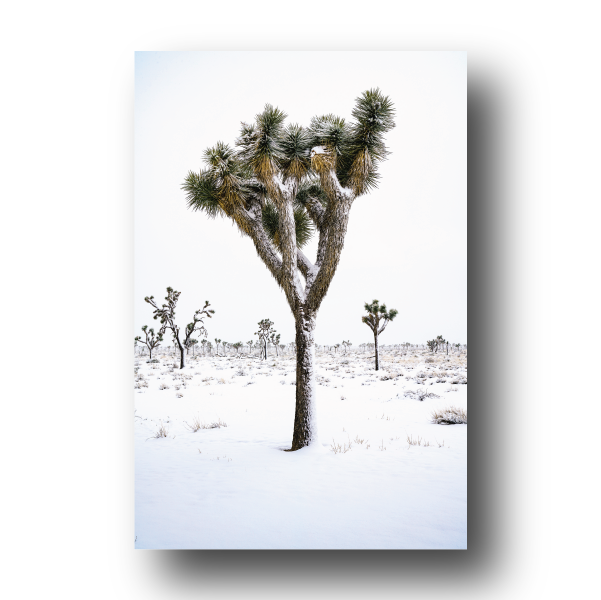
Winter in Joshua Tree brings cooler temperatures, with daytime highs ranging from the 50s to 60s°F (10s to 20s°C). While the days are often mild and comfortable for outdoor activities, nights can be quite cold, frequently dropping below freezing. If you plan to camp or stay overnight, be sure to pack warm clothing and appropriate gear to withstand the chilly desert nights.
The desert's beauty in winter takes on a unique character. The stark, rugged landscape stands in striking contrast to the snow-capped peaks of the nearby San Bernardino Mountains, creating picturesque vistas. Joshua Tree’s clear, crisp air makes for excellent photography, and the cooler weather offers comfortable conditions for hiking and bouldering. However, it’s important to stay aware of weather changes, as winter can bring occasional rain or even snow at higher elevations.
A major advantage of visiting Joshua Tree in winter is the lack of crowds. With fewer visitors, you’ll enjoy a more peaceful and solitary experience, perfect for exploring the park’s iconic attractions like Skull Rock, Keys View, and the Cholla Cactus Garden without the congestion seen during peak seasons. The quiet atmosphere also makes it easier to secure prime camping spots and access the park’s most popular sites without waiting.
Winter is also a great time to spot bighorn sheep, as these elusive animals tend to be more active during the cooler months. Keep your binoculars handy and your eyes peeled while exploring areas like the Barker Dam Trail, where they are often seen.
Best Things to Do in Joshua Tree During Winter:
Explore Skull Rock: Take advantage of fewer visitors and explore the unique rock formations, including the popular Skull Rock, with minimal crowds.
Stargazing: With long, dark winter nights, Joshua Tree remains a prime location for stargazing. The crisp air makes for clear skies, ideal for viewing constellations and the Milky Way.
Camp at Hidden Valley Campground: Enjoy the quiet serenity of winter camping in Joshua Tree, with fewer crowds and cooler weather making it a peaceful experience.
Photography at Cholla Cactus Garden: The soft winter light casts an ethereal glow over the Cholla Cactus Garden, making it a perfect spot for photography.
Look for Bighorn Sheep: Winter is the best time to spot these elusive creatures, especially around the rocky outcrops near Barker Dam and the higher elevations of the park.
Snowshoeing in Nearby Mountains: While Joshua Tree itself doesn’t usually receive heavy snowfall, nearby areas in the San Bernardino Mountains offer opportunities for snowshoeing and winter sports.
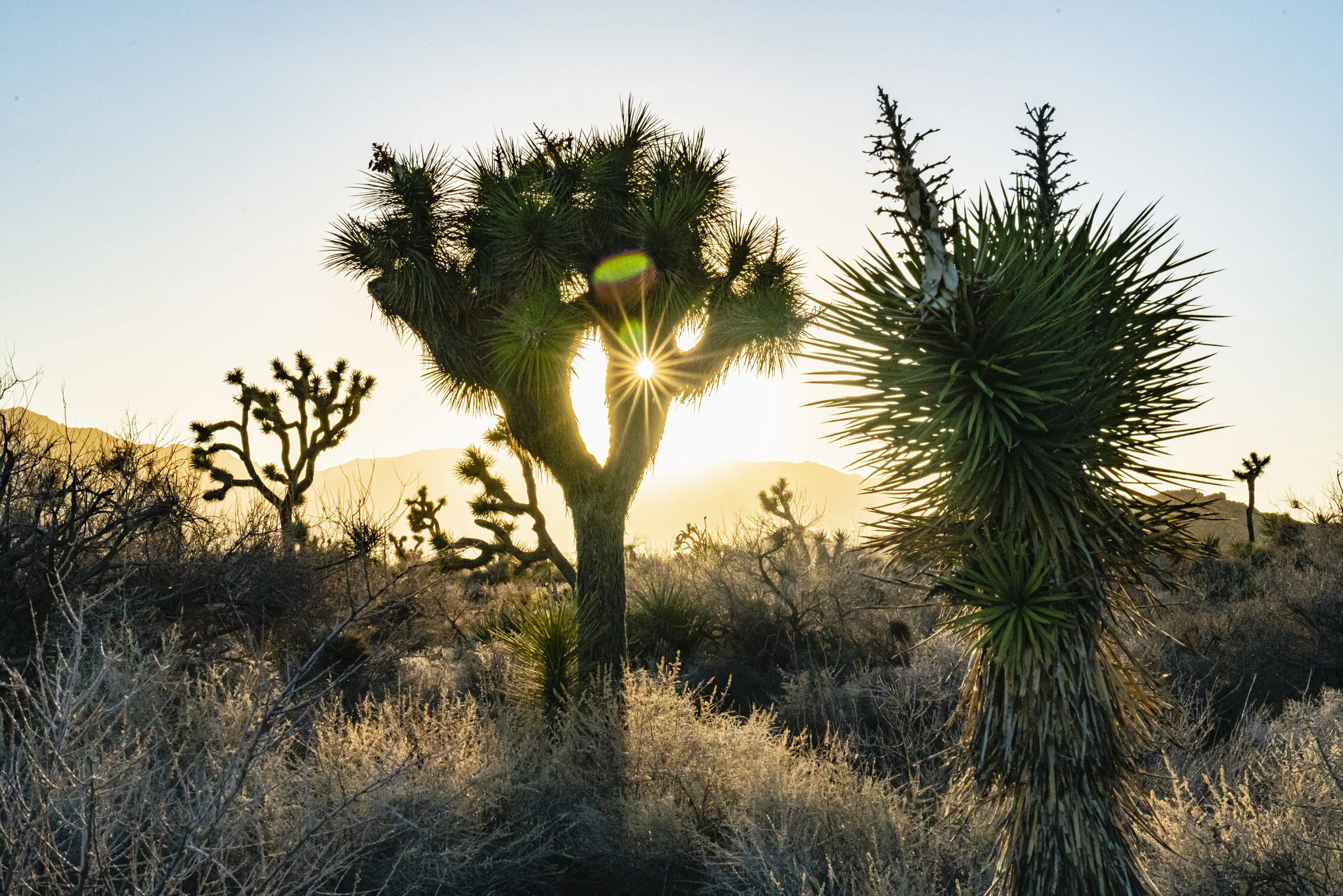
A solar flare poking through a Joshua Tree. Photo by Dalton Johnson
The best time to visit Joshua Tree National Park depends on your preferences and what you want to experience during your trip. Spring and fall are typically the most popular seasons due to their comfortable temperatures, wildflower blooms, and pleasant hiking conditions. However, if you can handle the extreme heat, summer offers fewer crowds and excellent astrophotography opportunities. Winter, while cooler, provides a unique perspective on the desert landscape and a chance to see bighorn sheep. Ultimately, no matter when you choose to visit Joshua Tree National Park, you're in for a memorable adventure in one of America's most iconic national parks. Just remember to plan ahead, stay hydrated, and respect the fragile desert ecosystem to ensure a safe and enjoyable experience.
Discover more of Joshua Tree

Here’s What You Should Do On Your First Visit to Joshua Tree National Park
Joshua Tree National Park is a unique desert wonderland that enchants visitors with its striking landscapes, rugged rock formations, and iconic Joshua Trees. Located at the junction of the Mojave and Colorado deserts in Southern California, this vast and arid park offers a wealth of adventure for those seeking to experience nature in its purest form. Whether you're into hiking, rock climbing, stargazing, or simply soaking up the raw beauty of the desert, Joshua Tree provides a multitude of outdoor activities. This guide will help you make the most of your first visit, with the best adventures and tips to navigate the park.
Joshua Tree National Park is a desert wonderland unlike anything else in the United States with its striking landscapes, rugged rock formations, and iconic Joshua Trees. That’s why this land became a national park. Located at the junction of the Mojave and Colorado deserts in Southern California, this vast and arid park offers a wealth of adventure for those seeking to experience nature in its purest form. Whether you're into hiking, rock climbing, stargazing, or simply soaking up the raw beauty of the desert, Joshua Tree provides a multitude of outdoor activities for everyone. Yet, cutting through the noise can be a challenge, so we made this article tohelp you make the most of your first visit.

Bouldering in Joshua Tree National Park. Photo by Dalton Johnson
Why You Should Visit
A trip to Joshua Tree National Park in any season feels like stepping into another world, where towering rock formations, vast open skies, and a serene desert ambiance await. The park is a haven for outdoor enthusiasts, attracting rock climbers to its world-class climbing routes and hikers to its many trails that wind through surreal desert scenery. Stargazers will find Joshua Tree one of the darkest, clearest night skies in the country, making it an official Dark Sky Park. The diversity of landscapes, including the vast Joshua Tree forests, desert plains, and rocky hills, make it a perfect place for adventure travel.
12 Things You Should Do
1) Hike Hidden Valley Trail
Hidden Valley is one of Joshua Tree's most iconic hikes, offering an accessible 1-mile loop that showcases the park’s unique geology and desert flora. This trail is ideal for first-timers as it winds through massive boulder formations and gives a perfect introduction to the scenery of the park.
Highlights:
Scenic Loop: Easy trail with iconic Joshua Tree views.
Rock Formations: Towering boulders perfect for photos.
Wildlife: Keep an eye out for desert critters like lizards and birds.
Picnic Area: Perfect for a rest stop after the hike.
2) Climb at Intersection Rock
Joshua Tree is a rock climber’s paradise, and Intersection Rock is one of the most popular spots for climbers. It offers routes for various skill levels, from beginner-friendly to challenging climbs. If you’re new to climbing, you can book a guided climb to help navigate the park’s famous routes.
Highlights:
World-Class Climbing: Experience the legendary Joshua Tree granite.
Guided Tours: Options available for beginners and seasoned climbers.
Panoramic Views: Reach the top for stunning desert vistas.
Climbing Community: Meet other climbers from around the world.
3) Catch a Sunrise at Keys View
For breathtaking views of the Coachella Valley, San Andreas Fault, and even Mount San Jacinto on clear days, a visit to Keys View is a must. The best time to go is early morning, when you can watch the sunrise bathe the desert landscape in golden hues.
Highlights:
Panoramic Views: Sweeping vistas of the desert and beyond.
Sunrise Spot: Early risers are rewarded with unforgettable views.
Photography: Capture perfect sunrise shots with unobstructed views.
Easy Access: The viewpoint is accessible via a short walk from the parking area.
4) Stargaze at Sky’s the Limit Observatory
Joshua Tree National Park is one of the best stargazing locations in the United States. Thanks to its minimal light pollution, you can see thousands of stars, the Milky Way, and sometimes even meteor showers. The Sky’s the Limit Observatory offers educational programs and stargazing nights.
Highlights:
Dark Sky Park: Enjoy one of the clearest night skies in the country.
Astronomy Programs: Learn about the stars through ranger-led events.
Milky Way Views: Spot the Milky Way and constellations.
Meteor Showers: Time your visit for an unforgettable meteor show.
5) Explore Barker Dam Trail
This 1.3-mile loop trail leads you through a mix of Joshua Tree's iconic landscapes, from towering rocks to a hidden oasis. Barker Dam itself was built by early cattle ranchers, and when there's water, it's a great spot for birdwatching. The trail also offers a fascinating look at Native American petroglyphs.
Highlights:
Desert Oasis: Explore a small, serene body of water amidst the desert.
Birdwatching: See species like desert quail and other waterbirds.
Petroglyphs: View ancient rock carvings left by Native Americans.
Easy Hike: A relatively short and flat trail, great for all skill levels.



6) Camp at Jumbo Rocks Campground
Camping in Joshua Tree is an essential experience for outdoor enthusiasts. Jumbo Rocks Campground is one of the park’s most popular spots, surrounded by massive boulders that glow orange at sunset. It's a great base for hiking, rock scrambling, and stargazing directly from your campsite.
Highlights:
Stunning Campgrounds: Sleep amidst the park’s iconic rock formations.
Rock Scrambling: Explore the nearby boulders from your campsite.
Starry Nights: Clear skies make for incredible stargazing.
Reservations Needed: Book early, especially during peak season.
7) Visit Cholla Cactus Garden
The Cholla Cactus Garden is a must-see for nature lovers. This unique area features a dense concentration of cholla cacti that seem to glow in the soft desert light, especially at sunrise or sunset. A short, 0.25-mile loop trail allows you to explore the garden up close.
Highlights:
Unique Landscape: Walk among hundreds of cholla cacti.
Golden Hour Magic: Best visited at sunrise or sunset for dramatic lighting.
Easy Walk: A short, flat loop that’s accessible for all visitors.
Desert Flora: Learn about this fascinating plant species and its role in the desert ecosystem.
8) Hike Ryan Mountain Trail
For more experienced hikers, the Ryan Mountain Trail offers a rewarding 3-mile round-trip hike to one of the highest points in the park. From the summit, you’ll have panoramic views of the surrounding desert and distant mountain ranges.
Highlights:
Summit Views: Reach one of the highest viewpoints in Joshua Tree.
Challenging Terrain: A moderately strenuous hike with elevation gain.
360-Degree Vistas: Enjoy sweeping views of the park’s vast desert landscape.
Wildflowers: In spring, the trail is lined with colorful desert blooms.
9) Boulder at Split Rock
If you love scrambling or bouldering, Split Rock is one of the best spots in the park. This area offers various rock formations that are perfect for climbing, whether you’re a beginner or an experienced climber. It’s also a great place for photography, thanks to the uniquely shaped rocks.
Highlights:
Rock Scrambling: Enjoy fun and challenging boulder formations.
Photography: Capture the dramatic shapes and shadows of the rocks.
Climbing Routes: A popular area for beginner climbers.
Short Trail: A 2-mile loop hike surrounds the Split Rock area.
10) Take a Scenic Drive Along Park Boulevard
If you're short on time or want a more relaxed way to explore Joshua Tree, taking a scenic drive along Park Boulevard is a great option. This route offers stunning views of rock formations, Joshua Tree forests, and stops at popular points like Skull Rock and Keys View.
Highlights:
Joshua Tree Forests: Drive through iconic tree-dotted desert landscapes.
Skull Rock: Stop at this quirky rock formation that resembles a skull.
Easy Access: Great for families or those with limited time in the park.
Photo Opportunities: Capture memorable roadside views.
11) Backpack the California Riding and Hiking Trail
For those looking for a multi-day adventure, the California Riding and Hiking Trail offers a 35-mile trek through Joshua Tree’s diverse desert landscapes. The trail traverses some of the park’s most remote areas, offering solitude and stunning vistas.
Highlights:
Multi-Day Trek: Experience a backpacking adventure through Joshua Tree.
Remote Beauty: Hike through lesser-visited areas of the park.
Backcountry Camping: Set up camp under the stars.
Wildlife Sightings: Spot desert creatures like jackrabbits and coyotes.
12) Explore Keys Ranch
For a glimpse into Joshua Tree’s human history, visit Keys Ranch. This historic ranch was once the home of William F. Keys, a colorful local pioneer. Ranger-led tours offer insight into the challenges of desert life and the ingenuity of early settlers.
Highlights:
Historic Tour: Learn about Joshua Tree’s pioneer history.
Preserved Ranch: Explore the original buildings and artifacts.
Ranger-Guided: Join an educational tour led by park rangers.
Unique Insight: A different perspective on Joshua Tree beyond its natural wonders.
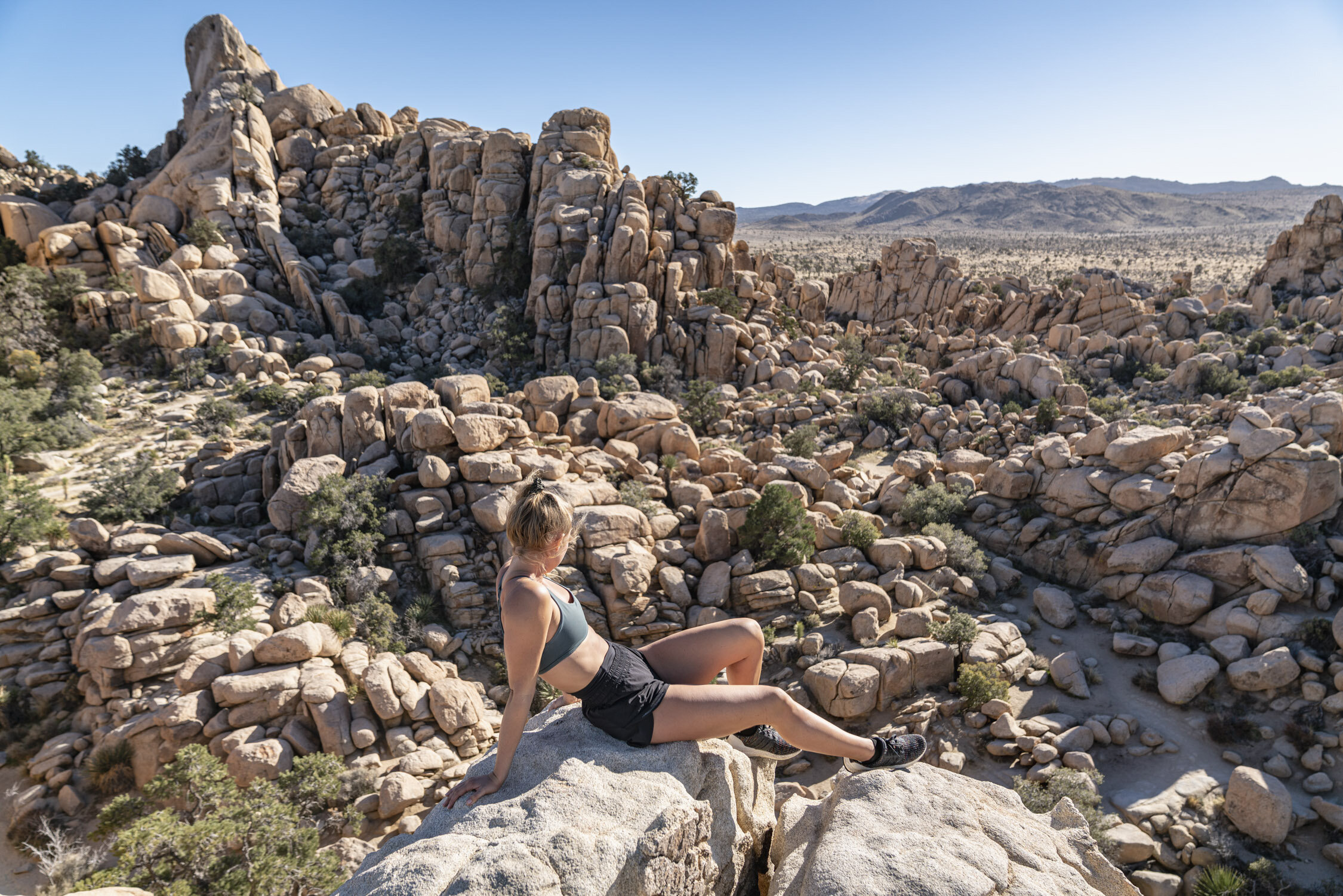
Checking out the rocks of Joshua Tree National Park from above. Photo by Dalton Johnson
Joshua Tree National Park is a haven for photographers, road trippers, and adventurers, offering an unparalleled experience in the heart of the desert. Whether you're captivated by the striking rock formations, eager to conquer challenging climbs, or simply want to immerse yourself in the serene beauty of the desert landscape, this park has something for everyone. From the iconic Hidden Valley and the breathtaking views from Keys View to the starlit nights and the rugged trails of Ryan Mountain, Joshua Tree invites you to explore its diverse wonders. As you embark on your first visit, let this guide lead you through the must-see adventures and hidden gems that will make your journey unforgettable. Embrace the magic of Joshua Tree and create memories that will last a lifetime.
Discover More Destinations

Leatherman and the Malloy Brothers Team Up for Limited-Edition Adventure Knife Release
Leatherman, renowned for its multi-tools and innovative designs, has announced its latest limited-edition tool under the brand's skunkworks-style Garage initiative. The new release, dubbed GARAGE BATCH #007: MALLOY SPECIAL ($300), is inspired by the adventurous lifestyle of the iconic Malloy brothers—Chris, Keith, and Dan—known for their contributions to surf, film, and creative culture.
Leatherman, renowned for its multi-tools and innovative designs, has announced its latest limited-edition tool under the brand's skunkworks-style Garage initiative. The new release, dubbed GARAGE BATCH #007: MALLOY SPECIAL ($300), is inspired by the adventurous lifestyle of the iconic Malloy brothers—Chris, Keith, and Dan—known for their contributions to surf, film, and creative culture.
Specs:
Weight: 3.17 oz. | 90 g.
Length: 6.47 in. | 16.4 cm
Primary Blade Length: 2.7 in. | 6.86 cm.
Overall Thickness: .46 in. | 1.17 cm.
Designed with the Malloys' rugged, always-on-the-move spirit in mind, the Malloy Special is a compact, fixed-blade knife that seamlessly blends form and function. Whether filming in remote locations or engaging in activities like hunting, fishing, and farming, the Malloys’ belief that "a master of many things always wears a good knife" is the driving inspiration behind this tool.
The Malloy Special features a premium MagnaCut® steel blade, known for its unmatched edge retention, durability, and corrosion resistance—perfect for everything from ranch work to waterway adventures. Paired with lightweight and ultra-durable Micarta handles, the knife is as tough as it is easy to carry. The design also includes a lanyard hole and sheath for added convenience.
With its sleek yet functional design and top-tier materials, the Malloy Special promises to be a versatile tool for adventurers, just like the brothers who inspired it. Available in limited quantities, this is a collector's piece for those who value craftsmanship and high performance.
Discover More Gear

Chris Sharma Takes Second Place at North American Cup Series
Chris Sharma, one of the most iconic figures in rock climbing, stunned the climbing community by securing second place at the North American Cup Series. This marks a surprising return to competitive climbing for the 43-year-old legend, who shared the podium with athletes nearly two decades younger, raising the question: Is Chris Sharma making a comeback in the competitive scene?
Chris Sharma, one of the most iconic figures in rock climbing, stunned the climbing community by securing second place at the North American Cup Series. This marks a surprising return to competitive climbing for the 43-year-old legend, who shared the podium with athletes nearly two decades younger, raising the question: Is Chris Sharma making a comeback in the competitive scene?
A Remarkable Return
Sharma’s second-place finish caught the attention of fans and competitors alike. Having been absent from the competition circuit for over a decade, his reappearance was both unexpected and thrilling. Known primarily for pushing the boundaries of outdoor climbing with iconic routes like La Dura Dura and Jumbo Love, Sharma had focused in recent years on outdoor projects, route development, and his climbing gyms.
The North American Cup Series attracted top climbers from across the continent, but Sharma's performance was a standout. Competing against younger athletes who have dominated the competition scene in recent years, his technical prowess and experience shone through, reminding everyone why he’s considered one of the best climbers in history.
Is This a Full Comeback?
While Sharma’s return to the podium was exciting for fans, it’s unclear whether this signals a full-fledged return to competitive climbing. Sharma has largely been focused on other ventures in recent years, including his climbing gym empire and outdoor projects. His participation in the North American Cup Series could be seen as a one-off event, or it could be the start of something more.
Sharma’s legacy in climbing is unmatched. He redefined what was possible in the sport and inspired an entire generation of climbers. His influence is especially strong among younger competitors who grew up watching his groundbreaking feats. With this second-place finish, many are wondering if Sharma plans to test himself further in competition settings or if his focus will remain on outdoor projects.
Sharma's Legacy in the Climbing World
Whether or not Chris Sharma returns to regular competition, his impact on the sport is indelible. His career has spanned over two decades, during which time he has continually pushed the limits of what’s possible in climbing. From establishing some of the hardest routes in the world to opening climbing gyms and mentoring the next generation, Sharma’s influence on the sport is profound.
Sharma’s return to competition has reminded everyone that age is not necessarily a barrier in climbing. His podium finish at the North American Cup Series is not only a testament to his skill and dedication but also a source of inspiration for climbers of all ages.
What’s Next for Sharma?
As of now, it remains to be seen whether Sharma will continue to participate in competitions or focus on his outdoor projects and business ventures. His second-place finish in the North American Cup Series proves that he still has what it takes to compete at the highest levels, but only time will tell if this marks the beginning of a new chapter in his competitive career.
Sharma’s return to the competition scene may be a rare event, but it has already reignited the excitement of fans worldwide. Whether he continues to compete or not, his legacy as one of the greatest climbers in history is secure.
Discover more Adventures




HOKA Skyflow Might Be Your Next Everyday Runner
If you're hunting for a new shoe to elevate your daily miles, the HOKA Skyflow might just be what you’re looking for. This shoe promises a cushy ride with a bit of bounce, making it a strong contender for your next everyday runner. Let’s dive into what makes the Skyflow stand out and see if it’s the right fit for your runs.
If you're hunting for a new shoe to elevate your daily miles, the HOKA Skyflow might just be what you’re looking for. This shoe promises a cushy ride with a bit of bounce, making it a strong contender for your next everyday runner. Let’s dive into what makes the Skyflow stand out and see if it’s the right fit for your runs.
What’s All the Hype About?
The HOKA Skyflow is designed to give you a plush, responsive ride, perfect for those everyday runs. It’s got some cool features that make it worth checking out:
Super-critically foamed EVA midsole: This is where the magic happens. The midsole is super cushy but still responsive, giving you a nice bounce in every stride.
Active Foot Frame™: This feature cradles your heel for added stability without making the shoe feel stiff.
Early stage MetaRocker™: This helps with smooth transitions from heel to toe, making your run feel effortless.
Creel jacquard upper: It’s breathable and fits like a glove.
Dual-gusseted tongue: Keeps the shoe snug without digging into your foot.
Durable outsole: Built to last, it holds up well even on different surfaces.
Cushioning and Ride
If you love a cushioned ride, the Skyflow delivers. The super-critically foamed EVA midsole offers a soft, springy feel that’s perfect for logging those miles. It’s like running on a cloud, but with enough bounce to keep you moving fast. The Active Foot Frame™ adds a layer of stability that keeps your heel secure without making the shoe feel rigid.
And let’s talk about the Early stage MetaRocker™. This feature is all about smooth transitions. When you run, the shoe feels like it’s gliding with you, making each stride feel natural and effortless. Whether you’re cruising on a relaxed jog or pushing through a faster pace, the MetaRocker™ helps keep your run smooth and comfortable.
Versatility for Various Runs
The Skyflow is versatile enough to handle a variety of runs. It’s perfect for your daily jog, but it also performs well on longer runs and even walks. The high-abrasion outsole ensures durability, so you can confidently take it on different surfaces, from city streets to light trails.
At 10.0 oz (M) and 8.6 oz (W), the Skyflow is surprisingly light for a shoe with this much cushioning. You won’t feel weighed down, and the 5mm drop is just right—not too high, not too low.
Fit and Comfort
Comfort is where the Skyflow really shines. The creel jacquard upper conforms to your foot without being restrictive, and the dual-gusseted tongue ensures a snug fit without causing pressure points. The heel collar and padded tongue are soft but structured, providing excellent support without rubbing or chafing.
The asymmetrical midsole tooling adds an extra layer of comfort by enhancing support throughout your run. Whether your feet are wide or narrow, the Skyflow adapts well and keeps you comfortable from start to finish.
Durability
HOKA’s high-abrasion outsole is built to withstand everyday wear and tear. After a few runs, it’s clear that this shoe is made to last. It’s got good grip and doesn’t show much wear, even after hitting the pavement hard.
Who’s the Skyflow For?
Everyday Runners: If you’re someone who puts in miles every week, the Skyflow is a solid choice. It’s cushioned, durable, and comfortable—everything you need for those regular runs.
Walkers: If walking is more your speed, you’ll appreciate the plush cushioning and smooth ride of the Skyflow. It’s great for long walks or casual use.
Versatile Athletes: If your workouts include a mix of running, cross-training, or even light hiking, the Skyflow’s versatility makes it a great all-around shoe.

The HOKA Skyflow is more than just a pretty face. It’s a well-rounded shoe that combines HOKA’s signature cushioning with a responsive ride and durable build. For $160, you’re getting a shoe that can handle everyday miles with ease. Whether you’re running, walking, or mixing up your workouts, the Skyflow has got you covered. If you’re in the market for a new everyday runner, this one’s definitely worth considering.
Discover More Gear

You Can Now Explore the Silk Route with Exodus Adventure Travels
The Silk Route, a network of ancient trade paths that connected the East and West, continues to captivate modern adventurers with its blend of history, culture, and breathtaking landscapes. For those eager to experience the rich legacy of the Silk Route, Exodus Adventure Travels offers an unforgettable journey through Kyrgyzstan, Kazakhstan, and Uzbekistan. This 16-day tour immerses travelers in the region’s diverse history, cultural encounters, and natural beauty, echoing the footsteps of explorers like Marco Polo while enjoying the comforts of modern travel.
The Silk Route, a network of ancient trade paths that connected the East and West, continues to captivate modern adventurers with its blend of history, culture, and breathtaking landscapes. For those eager to experience the rich legacy of the Silk Route, Exodus Adventure Travels offers an unforgettable journey through Kyrgyzstan, Kazakhstan, and Uzbekistan. This 16-day tour immerses travelers in the region’s diverse history, cultural encounters, and natural beauty, echoing the footsteps of explorers like Marco Polo while enjoying the comforts of modern travel.
In this article, we’ll dive into the highlights of this Silk Route adventure, detailing the key experiences, sights, and accommodations that make this trip an exciting opportunity for those looking to connect with Central Asia’s incredible heritage.
Discover the Historic Silk Road
The Silk Route has been a legendary trade path for centuries, connecting East and West through vast deserts, high mountain passes, and bustling cities. Exodus Adventure Travels brings this ancient route to life, providing travelers with guided access to iconic sites, vibrant bazaars, and the untouched beauty of Central Asia's rugged landscapes.
Starting in Bishkek, Kyrgyzstan's capital, travelers will traverse three countries over the course of two weeks. From the bustling markets of Almaty, Kazakhstan, to the ancient cities of Uzbekistan such as Samarkand and Bukhara, the tour combines cultural immersion with awe-inspiring landscapes, including hikes in the picturesque Ala Archa National Park.
A Fast-Paced Adventure with Exodus
This 16-day adventure is not for the faint-hearted. Graded as an Activity Level 3 (Moderate), participants can expect early starts, long days, and the need for a sense of flexibility. The tour involves some trekking, particularly in the scenic regions of Kyrgyzstan, such as the stunning Chon-Kemin and Djety Oguz. Additionally, travelers should be comfortable with long drives, including a six-hour journey from Karakol to Almaty.
Accommodations throughout the trip range from modest guesthouses to traditional yurts, where shared facilities add to the authentic experience. While comforts are sometimes basic, the journey rewards travelers with unforgettable insights into Central Asian life and a chance to explore one of the world’s most beautiful, lesser-known regions.
Train Journeys and Scenic Drives
One of the unique features of the Exodus Silk Route tour is the use of train journeys to cover vast distances. Train travel in Central Asia is both scenic and efficient, allowing travelers to experience the region's expansive landscapes. However, train tickets are in high demand, so it's recommended to book at least 45 days in advance to secure space.
A highlight of the journey includes a long overnight train ride from Almaty to either Shymkent or Tashkent, providing an authentic taste of local travel. For those joining the trip later, Exodus can accommodate last-minute bookings, subject to the availability of train tickets.
The Itinerary
Day 1: Arriving in Bishkek – Where Adventure Begins
Your adventure starts in Bishkek, the capital of Kyrgyzstan. Upon arrival, travelers are given time to check in and settle before embarking on a city tour to explore the rich history and culture of this dynamic city. Visits to landmarks such as Ala Too Square, the Lenin Statue, and the Manas Monument introduce you to the Kyrgyz culture and history that will be a key theme throughout the trip.
Accommodation in Bishkek is in a comfortable hotel, such as Hotel Garden, Hotel Bridges, or Hotel Plaza. These accommodations offer a relaxing base to rest and prepare for the journey ahead.
Day 2: Into the Heart of Kyrgyzstan – Chon-Kemin Gorge and Burana Tower
Leaving the city behind, the journey continues to Chon-Kemin Gorge, a tranquil valley surrounded by mountains and fir forests. On the way, you’ll stop at the Burana Tower, an 11th-century minaret that stands as a reminder of the ancient Karakhanid Empire. A UNESCO World Heritage site, the tower invites travelers to climb its steep and narrow stairs for a panoramic view of the surrounding area.
The day also includes a visit to the Ak Beshim ruins, the remnants of an ancient Silk Route city that includes rock paintings and burial mounds. Afterward, you’ll arrive at a guesthouse in Chon-Kemin National Park, where you can unwind with a pot of tea while taking in the valley’s breathtaking scenery.
Day 3: Discovering Issyk Kul Lake and Djety Oguz Gorge
On Day 3, the journey takes travelers to Issyk Kul Lake, the world’s second-largest salt lake. Nestled between the Tien Shan Mountains, the lake is a picturesque destination, known for its clear waters that never freeze, even in winter. Along the way, you can participate in an optional excursion at Bokonbaev village to witness traditional eagle hunting, an ancient nomadic practice that remains part of the region’s cultural heritage.
From Issyk Kul, the adventure continues to Barskaun Gorge, where a short hike leads to a waterfall, before heading to Djety Oguz Gorge, also known as the Valley of Seven Bulls due to its distinctive red rock formations. The night is spent in a yurt camp, offering an authentic experience of Central Asia’s nomadic lifestyle. Sleeping in traditional yurts, you’ll enjoy a blend of comfort and cultural immersion in this serene location.

Day 4: Walking through Djety Oguz and Exploring Karakol
The next day starts with a two-hour walk through Djety Oguz Gorge, where you can admire the stunning red rock formations and learn about the local legends surrounding the area. For the more adventurous, there’s an optional hike to a waterfall, although caution is advised on slippery terrain.
The group then continues to Karakol, a town on the eastern edge of Issyk Kul Lake, for a sightseeing tour that includes stops at Russian-style houses, a wooden Dungan mosque, and a Russian Orthodox church. In the evening, you’ll enjoy a home-cooked meal with a local Uygur or Dungan family, offering a glimpse into the daily life and traditions of these Central Asian communities.
Day 5: Crossing into Kazakhstan – Charyn Canyon and Almaty
On Day 5, the group crosses the Kyrgyz-Kazakh border and enters Kazakhstan, traveling through the Karkara Valley, known for its lush landscape and beekeeping traditions. The highlight of the day is a visit to Charyn Canyon, a geological wonder often compared to the Grand Canyon. With three hours to explore, you can hike down into the canyon or simply enjoy the panoramic views from the top.
The journey then continues to Almaty, Kazakhstan’s largest city, where the modern skyline contrasts with the surrounding mountain ranges. Accommodation in Almaty is in comfortable hotels like the Plaza Hotel or Kazzhol Hotel, where you can relax after a full day of exploration.
Day 6: Nature and History in Issyk and Turgen Gorge
The day begins with a trip to the Esik Burial Mounds and the Esik State Historical Museum, which houses artifacts from the Saka period, including the Golden Man, a Saka prince whose tomb was discovered in the region. This visit provides a fascinating insight into the ancient civilizations that once thrived along the Silk Route.
The journey continues to Turgen Gorge, famous for its scenic beauty and waterfalls. A short hike to Bear Waterfall offers an opportunity to stretch your legs and take in the peaceful surroundings. The day ends with a picnic lunch near Issyk Lake, an alpine lake surrounded by wildflower meadows and thick forests.
Day 7-16: Exploring Uzbekistan – Samarkand, Bukhara, and Khiva
The second half of the trip shifts focus to Uzbekistan, where the Silk Route truly comes to life with its legendary cities and architectural marvels. Samarkand, Bukhara, and Khiva are names that evoke images of bustling bazaars, intricate mosques, and grand palaces. These cities were once major stops for traders, and today, they remain vibrant hubs of culture and history.
Samarkand: Known for the stunning Registan Square and Shah-i-Zinda necropolis, Samarkand is a must-see for anyone interested in the rich history of Central Asia. The ancient city was a key hub on the Silk Route, and its impressive architecture reflects its historical significance.
Bukhara: This city is known for its well-preserved medieval architecture and cultural landmarks such as the Ark Fortress, the Poi Kalyan minaret, and the Bolo Haouz Mosque. Bukhara has been a center of learning and commerce for centuries, and its old town remains a UNESCO World Heritage site.
Khiva: The walled city of Khiva is a living museum, with its narrow streets and historical monuments seemingly untouched by time. Itchan Kala, the inner town of Khiva, is home to some of the finest examples of Islamic architecture in Central Asia, including the Kalta Minor Minaret and the Kunya Ark fortress.
These days are packed with guided tours, visits to bazaars, and opportunities to explore ancient caravanserais, madrassas, and mosques. The journey through Uzbekistan offers a deep dive into the cultural and historical legacy of the Silk Route.

The Exodus Adventure Travels Silk Route tour is more than just a vacation—it’s a journey through time, retracing the steps of ancient merchants, explorers, and nomads. From the towering mountains of Kyrgyzstan to the vast steppes of Kazakhstan and the architectural wonders of Uzbekistan, this 16-day trip offers a comprehensive exploration of one of the most legendary trade routes in human history.
While modern travelers enjoy the comfort of hotels, the convenience of transportation, and the expertise of local guides, they also have the chance to immerse themselves in the traditional lifestyles and breathtaking landscapes that have defined this region for centuries.
For adventurers looking to explore the Silk Route, this trip offers a perfect blend of cultural discovery, historical insight, and natural beauty. Whether it’s standing atop the Burana Tower, hiking through Charyn Canyon, or marveling at the grandeur of Samarkand, the Exodus Adventure Travels Silk Route journey promises an unforgettable experience in the heart of Central Asia.
Discover More Destinations
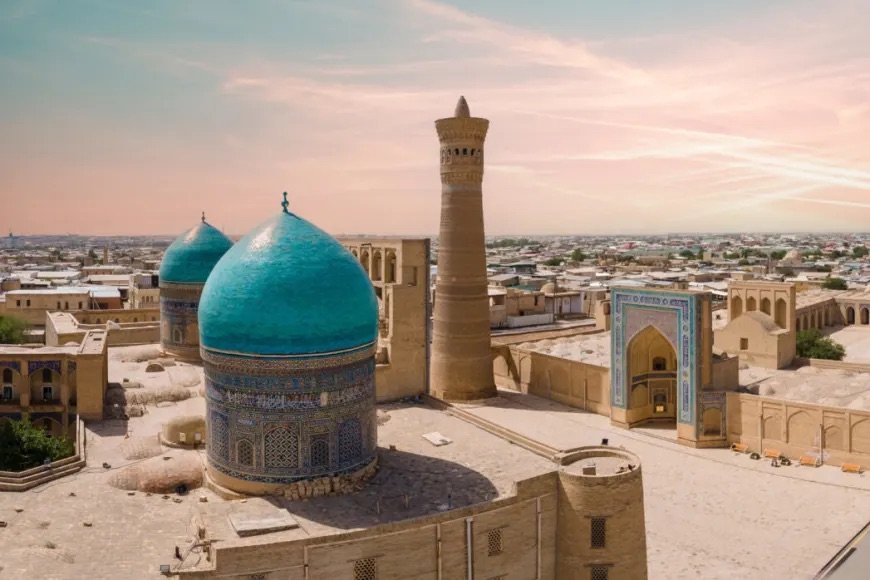
Is The Silk Route The Next Destination For Adventure Travelers
For centuries, the Silk Route was the lifeblood of global trade, connecting civilizations from the Mediterranean to the Far East. Among the many travelers who navigated its vast and treacherous expanse, Marco Polo stands as one of the most famous. His journeys from Venice to China in the late 13th century captured the imagination of his contemporaries and continue to inspire adventure seekers today. As modern explorers retrace parts of this legendary route, particularly with companies like Exodus Adventure Travels, the contrast between today’s adventurers and Marco Polo’s historic travels highlights both the continuity and the evolution of human curiosity and endurance.
For centuries, the Silk Route was the lifeblood of global trade, connecting civilizations from the Mediterranean to the Far East. Among the many travelers who navigated its vast and treacherous expanse, Marco Polo stands as one of the most famous. His journeys from Venice to China in the late 13th century captured the imagination of his contemporaries and continue to inspire adventure seekers today. As modern explorers retrace parts of this legendary route, particularly with companies like Exodus Adventure Travels, the contrast between today’s adventurers and Marco Polo’s historic travels highlights both the continuity and the evolution of human curiosity and endurance.
This article will take a closer look at the ways in which the experiences of modern travelers along the Silk Route mirror and diverge from Marco Polo’s epic journey, particularly focusing on the accessibility of travel today, the purpose of exploration, and the encounters with culture and nature along the way.
Travelers Then and Now: Routes and Accessibility
Marco Polo’s journey was one of monumental scale. Beginning in Venice in 1271, he traveled overland through the Middle East, across Persia, into Central Asia, and eventually to China, where he would spend years in the court of Kublai Khan. His route, fraught with peril, involved traversing deserts, navigating mountain ranges, and crossing vast, uncharted territories, all with the constant threat of illness, banditry, and treacherous terrain. The journey itself could take years, if not decades.
In contrast, today’s adventure travelers, particularly those on guided tours like Exodus Adventure Travels' 16-day Silk Route journey, can explore key sections of this ancient trade route with relative ease and comfort. A flight from any major city can take modern adventurers to Bishkek, the starting point of this particular tour, in mere hours—something Marco Polo couldn’t have dreamed of. Instead of riding horses or camels for weeks on end, travelers today enjoy buses, trains, and even 4x4 vehicles to cover long distances.
However, while the mechanics of travel have changed drastically, the sense of adventure remains intact. The Exodus Adventure Travels tour, for example, begins in the Kyrgyz capital of Bishkek and covers a rich tapestry of history and culture as it winds through Kyrgyzstan, Kazakhstan, and Uzbekistan. Stops at UNESCO World Heritage sites such as Burana Tower or the Charyn Canyon recall Marco Polo’s own experiences encountering new landscapes, yet today’s travelers experience them with the support of knowledgeable guides and well-marked paths.
Where Marco Polo had no maps or guidebooks, today’s adventurers are well-equipped with technology that allows for constant communication, navigation tools like GPS, and even the ability to share their journey with the world in real-time through social media. The landscapes may still be wild and remote in places, but travelers are no longer alone in their expeditions.
Commerce vs. Adventure
Marco Polo’s journey was primarily commercial. He and his family were merchants, venturing eastward in search of trade opportunities, particularly in the lucrative markets of silk, spices, and precious stones. His accounts of Kublai Khan’s court, the marvels of the Mongol Empire, and the wealth of Asia were written to inspire European merchants and adventurers to follow in his footsteps. For him, exploration was driven by profit and political intrigue.
Modern travelers, by contrast, are less likely to be motivated by commerce and more by a desire for adventure, discovery, and personal enrichment. The Exodus Adventure Travels tour offers an Activity Level 3 (Moderate), making it accessible to anyone with a thirst for adventure but without the years-long commitment and risks faced by Marco Polo. The purpose of today’s travels often revolves around cultural immersion, witnessing the natural beauty of remote areas, and gaining a deeper understanding of the history and people of these regions.
Chon-Kemin Gorge, for example, is a stop on this modern tour where travelers can appreciate the region’s serene beauty, framed by mountains and forests. While the Polos may have passed through similar areas in Central Asia with the goal of reaching a distant marketplace, today’s travelers seek out places like Chon-Kemin for their tranquility and scenic vistas, valuing the journey itself rather than any destination or economic exchange.
Foreign Lands, Shared Stories
One of the hallmarks of Marco Polo’s legacy is his detailed descriptions of the people and cultures he encountered along the way. From the grandiose palaces of Kublai Khan to the bazaars of Persia, Marco Polo was fascinated by the diversity of human life. He brought back stories that expanded the European understanding of Asia, painting a picture of vast empires, advanced technologies, and different religious and social customs. His observations were groundbreaking for a Europe that knew little of the East.
Modern travelers, too, are often motivated by the desire to learn about and engage with different cultures. The Exodus Adventure Travels tour provides numerous opportunities for meaningful cultural exchange, such as a visit to Karakol, where travelers can enjoy a home-cooked meal with a local Uygur or Dungan family. This personal connection is a far cry from the political diplomacy Marco Polo was often involved in, but it retains the same spirit of curiosity and respect for the ways of life that are different from one’s own.
At Bokonbaev village, where travelers have the option to witness traditional eagle hunting, they can observe a practice that has been passed down through generations. Marco Polo, too, would have seen many such customs throughout Central Asia, though today’s travelers are more likely to participate in them as honored guests rather than foreign emissaries.
The accommodations have also evolved significantly. Whereas Marco Polo and his family would have stayed in caravansaries or even camped in the wilderness, modern adventurers spend their nights in hotels or even yurt camps, as seen on the Exodus tour in Djety Oguz. Yurt camps, while basic, offer a unique opportunity to experience the nomadic lifestyle that persists in parts of Central Asia to this day, though with modern conveniences such as hot water, flush toilets, and electricity—luxuries that Marco Polo certainly did not enjoy.
Landscapes Unchanged by Time
While much has changed in terms of how we travel and why, the natural beauty of the Silk Route remains as awe-inspiring as it was in Marco Polo’s time. Many of the landscapes he described in his travelogue can still be seen today, relatively unchanged by the passage of time. Modern travelers can look out over the vast Issyk Kul Lake or hike through Djety Oguz Gorge, marveling at the same vistas that would have greeted Marco Polo as he traveled through the Tien Shan mountains.
One particularly striking natural landmark is the Charyn Canyon in Kazakhstan. Though Marco Polo did not specifically describe this canyon in his writings, the dramatic erosion of the Charyn River over millennia creates a landscape that embodies the wild, untamed beauty of Central Asia. Travelers on the Exodus Adventure Travels tour spend hours exploring this canyon, with the option to hike down into its depths or simply take in the view from the rim. For Marco Polo, such landscapes would have been both a challenge and a marvel, signaling the vast distances still to be traveled.
Challenges of the Silk Route:
Although modern adventurers have it much easier than Marco Polo, there are still challenges along the Silk Route that remind travelers of the hardships faced by their predecessors. While today’s travelers have access to vehicles, air conditioning, and reliable roads, there are still long days of driving and the occasional bumpy road to navigate. For instance, on the Exodus tour, the drive from Karakol to Almaty takes nearly six hours, with border crossings and customs procedures adding to the journey time—though nothing compared to the months it would have taken Marco Polo to cover the same distance.
The climate can also be an obstacle. Central Asia’s extreme weather, with hot summers and cold winters, would have posed significant threats to Marco Polo. Today, travelers can avoid the worst of the weather by choosing optimal travel seasons, but even in spring and autumn, conditions can change quickly, especially in the mountains. Modern adventurers might find themselves hiking in cooler weather in Turgen Gorge or bundling up for a night in the yurt camps, while Marco Polo would have had to endure these conditions with far less protection.
Both Marco Polo and modern travelers share a common thread—a deep desire to explore the unknown, to connect with different cultures, and to experience the grandeur of distant lands. While the conditions, motivations, and challenges of travel have evolved over the centuries, the spirit of adventure remains unchanged.
Today’s adventure travelers, particularly those embarking on tours like the Exodus Adventure Travels 16-day Silk Route journey, are the inheritors of Marco Polo’s legacy. They walk in his footsteps, albeit with the benefits of modern comforts, exploring the same regions he once described in awe-inspiring detail. In doing so, they keep alive the enduring human drive to discover the world’s hidden wonders, fostering a connection between the past and the present that transcends time and geography.
Discover More Destinations

What to Expect When Traveling to Baja in the Fall
Baja Mexico in the fall offers adventure travelers the perfect balance of warm weather, fewer crowds, and stunning landscapes. If you’re looking to escape the heat of summer and enjoy outdoor activities in Baja, the fall season is an excellent time to visit. From the crystal-clear waters of the Sea of Cortez to the rugged Sierra de la Laguna mountains, Baja transforms into a paradise for adventurers. Whether you're into snorkeling, hiking, or road tripping along the peninsula, fall in Baja offers something special. Let’s explore why the fall season is a great time for adventure in this beautiful region.
Baja Mexico in the fall offers adventure travelers the perfect balance of warm weather, fewer crowds, and stunning landscapes. If you’re looking to escape the heat of summer and enjoy outdoor activities in Baja, the fall season is an excellent time to visit. From the crystal-clear waters of the Sea of Cortez to the rugged Sierra de la Laguna mountains, Baja transforms into a paradise for adventurers. Whether you're into snorkeling, hiking, surfing, or road tripping along the peninsula, fall in Baja offers something special. Let’s explore why the fall season is a great time for adventure in this beautiful region.
Waves breaking along the Pacific Coast of Baja. Photo by Dalton Johnson
1) The Ideal Weather for Outdoor Activities
One of the main reasons Baja is perfect in the fall is the weather. Temperatures begin to cool down, especially compared to the scorching summer months. In northern Baja, the daytime temperatures hover around the mid-70s to low 80s°F (24-28°C), making it ideal for hiking, biking, and other outdoor pursuits. In southern Baja, places like Cabo San Lucas and La Paz enjoy slightly warmer days, but the humidity begins to drop, making outdoor activities more comfortable.
For water lovers, the fall is also a prime time to visit. The water temperatures in the Sea of Cortez remain warm, perfect for kayaking, snorkeling, and diving. Whether you're exploring coral reefs at Cabo Pulmo or paddling around Isla Espíritu Santo, you’ll find the ocean still inviting for marine adventures.
2) Fewer Crowds Mean More Solitude
Another significant advantage of visiting Baja in the fall is the reduction in crowds. Summer tends to draw more tourists, especially families on vacation, but by fall, the crowds thin out. This means you can enjoy more solitude at Baja’s top destinations without fighting for space.
Popular spots like Todos Santos, Loreto, and Bahia Concepcion, which can be bustling in the summer, are quieter in the fall. You can easily find secluded beaches, less congested hiking trails, and more availability at campsites or accommodations. This makes it a great time for adventurers who prefer a more peaceful experience while still enjoying all the natural beauty Baja has to offer.
Fewer tourists also mean shorter waits at restaurants and local markets, and a more relaxed vibe overall. If you're seeking the charm of Baja without the hustle, fall is the perfect time to visit.


3) Fall Festivals and Local Culture
Fall in Baja also brings some unique cultural experiences and festivals that adventurous travelers won’t want to miss. One of the most famous celebrations during this season is the Día de los Muertos (Day of the Dead), typically celebrated in early November. Many towns, including La Paz and Todos Santos, host vibrant festivals that honor this tradition. Streets come alive with colorful decorations, altars, and parades. It's a wonderful way to immerse yourself in Mexican culture while on your adventure.
In addition, fall is the season for the Baja 1000, a world-famous off-road race that attracts thrill-seekers from all over the globe. Taking place in November, this adrenaline-pumping event runs from Ensenada to La Paz and offers an exciting experience for motorsport enthusiasts or spectators. If you’re up for an adventure, planning your trip around the Baja 1000 could add an extra thrill to your vacation.
4) What Not to Miss
While visiting Baja in the fall, there are a few must-do experiences that adventure travelers shouldn’t skip. First, be sure to explore the Sierra de la Laguna mountains. The cooler fall temperatures make hiking these rugged, scenic trails more enjoyable, offering stunning views of the desert meeting the ocean.
Another highlight is snorkeling or diving at Cabo Pulmo, one of North America's most vibrant coral reefs. Fall is an ideal time for underwater adventures, with clear waters and abundant marine life, including sea turtles, rays, and tropical fish.
Finally, don’t miss out on the magical sunsets along the Pacific Coast, particularly around Todos Santos and La Paz. The golden hour during fall provides perfect conditions for capturing Baja’s beauty, whether you’re relaxing on the beach or taking a scenic drive along Highway 1.

The sun rising while out fishing in the Pacific Ocean off the coast of Baja. Photo by Dalton Johnson
Baja Mexico in the fall is a dream destination for adventure travelers. With cooler weather, fewer crowds, and exciting cultural events, the peninsula offers the perfect backdrop for exploration. Whether you’re kayaking in the Sea of Cortez, hiking in the desert, or enjoying a peaceful beach camping experience, Baja’s diverse landscapes and activities make it a top destination during the fall. So, pack your gear and get ready for an unforgettable adventure as you experience Baja Mexico in one of its best seasons.
Discover More Destinations

Discover Lake Tahoe's Dream Fall Retreat
As the vibrant colors of fall blanket the Sierra Nevada Mountains, Lake Tahoe transforms into an ideal autumn escape, combining crisp air with breathtaking scenery. For those seeking a luxurious getaway amidst nature, the Hyatt Regency Lake Tahoe Resort, Spa and Casino in Incline Village is offering an unforgettable vacation experience with their enhanced beachside amenities and exciting outdoor activities. While many associate Lake Tahoe with summer adventures, this fall is the perfect time to experience the beauty of the region in a more relaxed and serene atmosphere.
As the vibrant colors of fall blanket the Sierra Nevada Mountains, Lake Tahoe transforms into an ideal autumn escape, combining crisp air with breathtaking scenery. For those seeking a luxurious getaway amidst nature, the Hyatt Regency Lake Tahoe Resort, Spa and Casino in Incline Village is offering an unforgettable vacation experience with their enhanced beachside amenities and exciting outdoor activities. While many associate Lake Tahoe with summer adventures, this fall is the perfect time to experience the beauty of the region in a more relaxed and serene atmosphere.
Luxe Lakeside Relaxation
The Hyatt Regency Lake Tahoe is renowned for its stunning location along the shores of Lake Tahoe, and this year, it’s elevating the lakeside experience. The resort’s new premium cabanas provide the ultimate private retreat on its expansive 500-foot private beach. These exclusive cabanas, perfect for families or groups of up to eight, offer plush outdoor seating including a large sofa, comfortable lounge chairs, and multiple beach chairs for sun-soaking or simply enjoying the tranquility of the lake.
Each cabana comes equipped with a beachside amenity kit, ensuring your day by the water is as comfortable as it is relaxing. Guests will find floaties, sun lotion, and flavored waters, adding thoughtful touches for a perfect day on the beach. Fall cabana-goers will also receive a complimentary welcome drink and a $100 dining credit to The Nest Bar & Grill, where they can enjoy gourmet meals and seasonal favorites like poke nachos and burgers with a view of the stunning Tahoe landscape.
Elevated Lakeside Dining at Pier 111 Bar
For those looking to unwind in a truly unique setting, the resort’s Pier 111 Bar offers an upgraded experience. Extending 275 feet out into the lake on a floating pier, this bar provides guests with a one-of-a-kind “on-the-water” dining and cocktail experience. The fall season brings cooler temperatures, making it the perfect time to sip signature cocktails while taking in the calming views of Lake Tahoe’s serene waters. Whether you’re in the mood for a craft cocktail or a glass of wine, the Pier 111 Bar is the ideal spot to enjoy the crisp fall weather while embracing the beauty of the lake.
Outdoor Adventures Await
Fall at Lake Tahoe is all about taking advantage of the outdoors, and Hyatt Regency Lake Tahoe has curated a menu of seasonal activities that highlight the region’s natural beauty. For those seeking relaxation, beachside yoga sessions and meditation in the resort’s pool offer moments of tranquility and peace. More adventurous guests can engage in exciting activities like hatchet throwing and archery, perfect for creating fun and lasting memories. Guided hikes to popular trails around the area provide an excellent opportunity to explore Tahoe’s vibrant fall foliage.
Water sports enthusiasts will love the complimentary kayak and stand-up paddleboard rentals available at the resort, allowing guests to paddle along the calm, crystal-clear waters of Lake Tahoe. For a deeper exploration of the lake, guests can book fishing charters or charter their own boat through the resort’s partnership with Lake Tahoe Luxury Boat Rentals.
Explore Lake Tahoe by Bike
Another great way to experience the beauty of Lake Tahoe in the fall is on two wheels. The resort’s on-site sport shop, in collaboration with Blue Bike Rentals, offers a wide range of mountain bikes, cruisers, and e-bikes for rent. Fall is a great time for biking in the area, as the cool weather and peaceful trails make for ideal conditions. One of the most popular biking routes is the Tahoe East Shore Trail, which offers unparalleled views of the lake as it winds along the shoreline. Guests can embark on self-guided tours, taking in the stunning autumn landscape at their own pace.

Whether you’re looking for a peaceful retreat to unwind or an adventurous escape into nature, Hyatt Regency Lake Tahoe’s private beach, upgraded dining experiences, and seasonal activities offer the perfect setting for a fall vacation. As the trees change colors and the lake sparkles beneath the crisp autumn sky, there’s no better time to experience all that Lake Tahoe has to offer.
For those in search of a fall getaway that combines luxury with outdoor adventure, the Hyatt Regency Lake Tahoe offers a vacation experience like no other.
Discover More Destinations
5 Reasons You Might Not Be Enjoying Hiking and How to Fix It
Hiking can be a detoxifying and peaceful outdoor activity, offering everything from physical exercise to breathtaking views of nature. However, it’s not uncommon for some hikers—both beginners and seasoned adventurers—to feel less than enthusiastic about hitting the trails. If you find yourself not enjoying hiking as much as you’d like, you’re not alone. The good news is that many of the reasons behind your discomfort or lack of excitement are fixable. Here are five common reasons you might not be enjoying hiking and what you can do to turn it around.
Hiking can be a detoxifying and peaceful outdoor activity, offering everything from physical exercise to breathtaking views of nature. However, it’s not uncommon for some hikers—both beginners and seasoned adventurers—to feel less than enthusiastic about hitting the trails. If you find yourself not enjoying hiking as much as you’d like, you’re not alone. The good news is that many of the reasons behind your discomfort or lack of excitement are fixable. Here are five common reasons you might not be enjoying hiking and what you can do to turn it around.
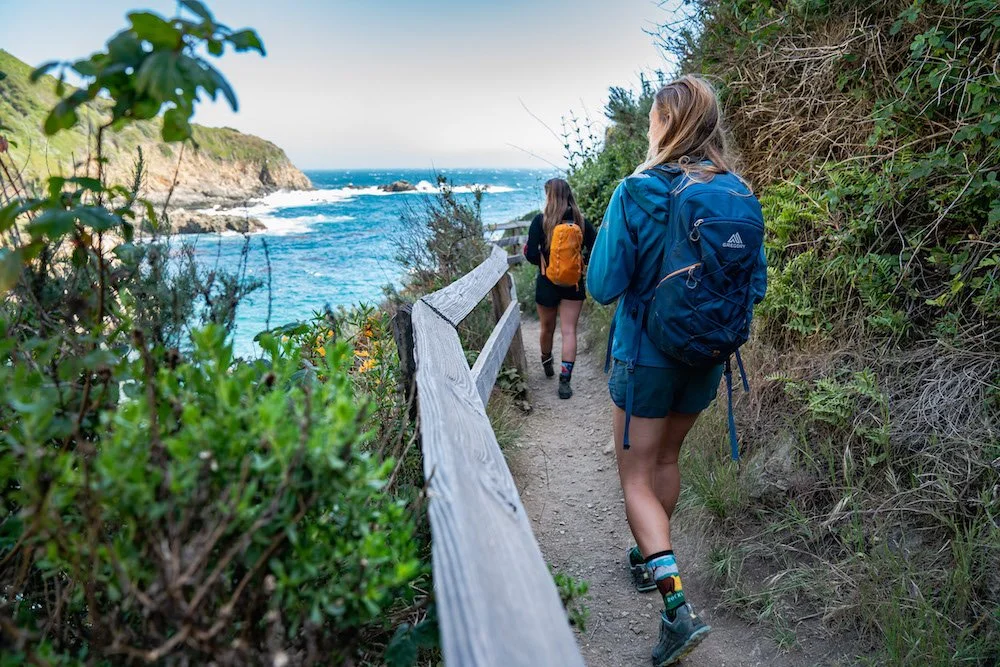
Coastal hiking in Big Sur, CA. Photo by Dalton Johnson
1. You're Wearing the Wrong Gear
Why This Happens:
Wearing improper hiking gear can make the experience uncomfortable, painful, and downright miserable. This includes wearing shoes that aren’t suited for rough terrain, uncomfortable clothing, or not having the right gear to deal with weather changes. Ill-fitting boots can cause blisters, and improper layers can leave you too hot or too cold.
How to Fix It:
The key to enjoying hiking starts with wearing the right gear. Here’s how to ensure you’re properly equipped:
Footwear: Invest in a quality pair of hiking boots or trail shoes with adequate support, grip, and comfort. Make sure they fit well, and always break in new boots before hitting the trails to avoid blisters.
Clothing: Dress in moisture-wicking, quick-drying layers that keep you comfortable in varying conditions. Avoid cotton, as it holds moisture and can leave you feeling cold and damp. Consider lightweight but durable fabrics like merino wool or synthetic blends.
Weather Protection: Be prepared for the elements with rain gear, sun protection, or cold-weather accessories. A lightweight jacket, hat, and sunscreen should always be part of your hiking pack.
By gearing up appropriately, you’ll reduce discomfort, prevent injuries, and feel more comfortable on the trail, improving your overall enjoyment.
2. You're Hiking Above Your Fitness Level
Why This Happens:
Pushing yourself too hard on difficult trails can quickly turn what should be an enjoyable experience into a struggle. If you’re not in the right shape for the terrain or elevation, you might find yourself fatigued, out of breath, and unable to appreciate the scenery around you.
How to Fix It:
Hiking should be fun, not a test of endurance. To avoid overexerting yourself:
Start Slow: If you’re new to hiking or getting back into it, choose shorter, easier trails. Gradually build up your stamina before attempting more challenging routes.
Train for Tougher Hikes: Incorporate regular cardio and strength training into your fitness routine to prepare for steep inclines, uneven terrain, and longer distances.
Know Your Limits: If a trail has steep sections or high altitude and you’re not ready for it, don’t push yourself too far. Know when to turn back or choose an alternate route.
By selecting trails that match your fitness level and gradually improving your endurance, you’ll find hiking more enjoyable and less exhausting.
Related Read: HERE'S HOW YOU CAN PLAN THE PERFECT DAY HIKE
3. You’re Not Enjoying the Scenery
Why This Happens:
One of the main reasons people hike is to enjoy nature, but it’s easy to become so focused on reaching the destination that you forget to appreciate what’s around you. Alternatively, you might be choosing trails that don’t align with your personal preferences—perhaps you prefer coastal views over dense forests, or wide-open vistas over shaded woodland.
How to Fix It:
Hiking is about the journey, not just the destination. Here’s how to get more out of the scenery:
Slow Down: Take the time to pause and look around. Stop at viewpoints, notice the wildlife, and savor the fresh air. Hiking is about immersing yourself in nature, not racing to the finish.
Choose the Right Trails: If you find yourself unimpressed by the surroundings, you may need to explore new types of trails. Research trails with the landscapes that excite you—whether it’s mountain peaks, waterfalls, desert landscapes, or coastal bluffs.
Try Different Seasons: If you’re hiking in the same spots repeatedly, consider visiting them in a different season. Trails can take on a completely different beauty when visited in the fall, winter, or spring.
By adjusting your pace and choosing trails that inspire you, you can reconnect with the joy of experiencing the great outdoors.
4. You’re Hiking With the Wrong Group or Alone
Why This Happens:
Hiking is a social activity for some and a solitary escape for others. If you’re hiking with people who don’t share your pace or interests, it can lead to frustration. Alternatively, if you’re hiking alone and find the solitude overwhelming, it can diminish the experience.
How to Fix It:
Find the right balance of companionship or solitude to suit your preferences:
Choose the Right Company: If you prefer to hike at a slower or faster pace, or you like to stop often to take photos, make sure your hiking companions share your style. If your group doesn’t match your energy, you might find the hike less enjoyable.
Hike Solo If You Enjoy Solitude: Some people thrive in solitude, enjoying the peace and quiet of hiking alone. If this sounds like you, consider solo hikes on well-marked, safe trails. Just be sure to let someone know your itinerary before setting off.
Join a Hiking Group: If you find hiking alone dull or intimidating, consider joining a local hiking club or group. This can be a great way to meet like-minded adventurers who will motivate and support you along the trail.
By finding the right hiking companions or embracing solo hikes, you’ll create an environment that supports your enjoyment of the experience.
5. You’re Unprepared for the Conditions
Why This Happens:
Unexpected weather changes, insufficient supplies, or lack of trail knowledge can make hiking stressful and unenjoyable. If you don’t bring enough water, snacks, or a map, you may find yourself anxious and uncomfortable during the hike.
How to Fix It:
Preparation is key to enjoying a hike. Here’s how to stay ready for any situation:
Plan Ahead: Research the trail before you go, noting the length, difficulty, and terrain. Check the weather forecast to make sure you’re dressed appropriately and pack accordingly.
Bring Essentials: Carry a daypack with plenty of water, snacks, a map or GPS, and a first-aid kit. If you’re going on a longer hike, include extra layers, a headlamp, and a portable charger for your phone.
Know When to Turn Back: If conditions change unexpectedly—such as an incoming storm or extreme heat—it’s okay to turn back. Always prioritize your safety over completing a hike.
By being well-prepared, you’ll reduce the chances of encountering unpleasant surprises, allowing you to focus on the beauty and enjoyment of your hike.
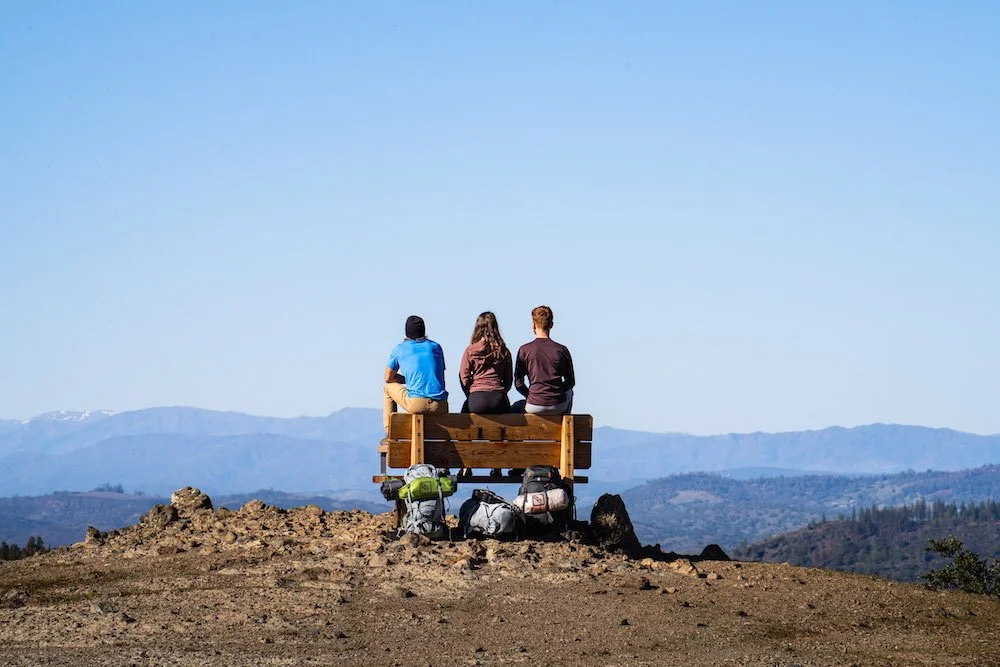
Soaking in the summit views with friends. Photo by Dalton Johnson
Hiking should be an enjoyable and fulfilling experience, but various factors can make it less pleasant if they’re not addressed. Whether it’s wearing the wrong gear, pushing yourself beyond your fitness level, or simply not choosing the right trails, most of these issues can be easily fixed with a little planning and adjustment. By making the right changes, you’ll rediscover the joy of hiking and look forward to each new adventure with excitement.
Discover more Adventures

10 Tips for Visiting Sequoia and Kings Canyon National Parks in a Day
Sequoia and Kings Canyon National Parks, located in California’s southern Sierra Nevada mountains, are home to towering sequoias, dramatic landscapes, and abundant wildlife. While both parks are vast and packed with adventure, it’s possible to see some of their most iconic sights in just one day. To help you make the most of your visit, here are 10 essential tips for visiting Sequoia and Kings Canyon National Parks in a day.
Sequoia and Kings Canyon National Parks, located in California’s southern Sierra Nevada mountains, are home to towering sequoias, dramatic landscapes, and abundant wildlife. While both parks are vast and packed with adventure, it’s possible to see some of their most iconic sights in just one day. To help you make the most of your visit, here are 10 essential tips for visiting Sequoia and Kings Canyon National Parks in a day.
Rae lakes at sunset in Kings Canyon National Park. Photo by Dalton Johnson
1. Start Early
To maximize your time, arrive at the park early. Starting your day around sunrise allows you to enjoy the parks before the crowds gather, especially during peak summer months. With limited time, getting an early start will ensure you experience the top sights without feeling rushed.
2. Prioritize Must-See Sights
With only a day to explore, prioritize the highlights. In Sequoia National Park, the General Sherman Tree, the world’s largest tree by volume, is a must-see. You should also consider hiking Moro Rock for breathtaking panoramic views. In Kings Canyon, don’t miss the scenic drive to Zumwalt Meadow or the towering granite cliffs along Kings Canyon Scenic Byway.
3. Plan Your Route in Advance
The parks are large and spread out, with winding roads and different entrances, so it's crucial to plan your route in advance. The Generals Highway connects the two parks, and driving times between attractions can vary. Use the National Park Service's maps and suggested itineraries to efficiently plan your day and minimize backtracking.
4. Pack a Picnic
Dining options within the parks are limited, and grabbing food at restaurants or visitor centers can eat up valuable time. Packing a picnic lunch allows you to enjoy a meal surrounded by stunning natural beauty, and gives you flexibility on where and when to stop. Popular picnic spots include Crescent Meadow and the Grant Grove area.
5. Wear Comfortable Hiking Shoes
Even if you don’t plan on extensive hiking, comfortable footwear is essential. Many of the parks' most iconic spots, such as the General Sherman Tree or Zumwalt Meadow, require short walks on uneven terrain. Wearing sturdy, supportive shoes ensures you can explore comfortably.
6. Keep an Eye on Time
While it’s tempting to linger at each stop, keep an eye on the clock to ensure you have time for everything on your list. For a day trip, prioritize shorter hikes and easily accessible viewpoints. Set reminders to move on to your next destination after spending a set amount of time at each attraction.
7. Stay Hydrated and Bring Snacks
High elevations and sunny conditions can make dehydration a concern, even in cooler months. Bring plenty of water and snacks to keep your energy up throughout the day. Fill up water bottles at visitor centers or use hydration stations where available.
8. Be Prepared for Varying Weather Conditions
Weather in Sequoia and Kings Canyon National Parks can be unpredictable, especially at higher elevations. It’s not uncommon to experience temperature fluctuations, especially in early spring or late fall. Pack layers, including a waterproof jacket, even if the forecast seems mild. Mornings and evenings can be cool, while midday sun might be intense.
9. Watch for Wildlife
The parks are home to a variety of wildlife, including black bears, mule deer, and numerous bird species. While spotting wildlife can be one of the highlights of your visit, remember to keep a safe distance and never approach or feed the animals. Carry bear spray and practice good food storage by keeping any snacks or meals secure in bear-proof containers or lockers provided in certain areas.
10. Consider Skipping Some Crowded Spots
During peak tourist seasons, popular spots like the General Sherman Tree and Moro Rock can get crowded. If you find yourself short on time or preferring a more tranquil experience, consider visiting less-frequented areas such as Big Stump Basin in Kings Canyon or taking a peaceful stroll through Crescent Meadow, often called the "Gem of the Sierra."
Bonus Tip: Download Offline Maps
Cell phone reception is unreliable in many parts of Sequoia and Kings Canyon. Download maps and any necessary information before entering the park to ensure you don’t lose your way or miss any key attractions. The National Park Service app offers great resources for offline use.

Unsplash
While Sequoia and Kings Canyon National Parks offer endless opportunities for adventure, with a well-thought-out plan and these 10 tips, you can experience the beauty and grandeur of these parks in just one day. From towering trees to stunning vistas, your time here will be nothing short of unforgettable.
Discover More Destinations

The Secret Season of Northern California
Northern California is a region known for its stunning natural beauty, offering everything from rugged coastlines and towering redwoods to serene lakes and scenic mountain trails. But while summer often steals the spotlight, fall is Northern California’s best-kept secret. In the autumn months, the landscape transforms, the crowds thin, and the weather strikes a perfect balance for outdoor adventures. In this guide, we’ll take you on a fall road trip through Northern California, showcasing the best places to visit, what to do, and why this season is a hidden gem.
Northern California is a region known for its stunning natural beauty, offering everything from rugged coastlines and towering redwoods to serene lakes and scenic mountain trails. But while summer often steals the spotlight, fall is Northern California’s best-kept secret. In the autumn months, the landscape transforms, the crowds thin, and the weather strikes a perfect balance for outdoor adventures. In this guide, we’ll take you on a fall road trip through Northern California, showcasing the best places to visit, what to do, and why this season is a hidden gem.
Half Dome glowing in the sunset light of fall. Photo by Dalton Johnson
Why Visit Northern California in the Fall?
Escape the Crowds
One of the most compelling reasons to visit Northern California in the fall is the peace and quiet. Summer’s crowds have dispersed, making popular destinations much more enjoyable. You’ll find quieter trails, uncrowded lakes, and fewer cars on the roads. Even famous attractions, which are often bustling during peak season, are now serene, allowing you to connect more deeply with nature and experience these places without the rush.
Perfect Weather for Adventure
Northern California in the fall boasts mild, comfortable temperatures—ideal for outdoor activities. Whether you’re planning to hike, fish, or rock climb, the cooler weather creates the perfect environment for adventure. With low humidity and clearer skies, the conditions are just right for long days exploring without the sweltering heat of summer.
Stunning Fall Colors
From the Sierra Nevada to the vineyards of Napa Valley, Northern California bursts with vibrant fall colors. The golden hues of aspen and oak trees mixed with the burnt reds of maples create breathtaking scenery. Whether you’re driving through forested regions or hiking among volcanic landscapes, you’ll find countless opportunities to witness the stunning transformation of autumn.
Northern California’s Best Fall Destinations
For this fall adventure, we’ll start in the bustling city of San Francisco and head north. Along the way, we’ll explore the coastline, climb into the mountains, and discover hidden gems ideal for outdoor enthusiasts.
A. Point Reyes National Seashore
Located just north of San Francisco, Point Reyes National Seashore is an ideal first stop. In fall, the cool coastal air is refreshing, and the crowds are minimal. The rugged coastline, windswept cliffs, and golden grasslands make for stunning fall views.
Adventure Ideas:
Hiking: Take the Tomales Point Trail for unparalleled coastal views and the chance to see tule elk.
Fishing: Try your hand at surfcasting along the shoreline, or book a chartered fishing trip to catch halibut, salmon, and rockfish.
Kayaking: Paddle the calm waters of Tomales Bay, where you’ll encounter harbor seals and abundant birdlife.
B. Lake Tahoe
Next, head inland to Lake Tahoe, one of Northern California’s most iconic destinations. The crystal-clear waters are even more breathtaking in fall when the surrounding trees turn shades of gold, red, and orange.
Adventure Ideas:
Hiking: For a challenge, hike Freel Peak in South Lake Tahoe, where you’ll be rewarded with panoramic views of Lake Tahoe and the Sierra Nevada.
Rock Climbing: Lover’s Leap and Eagle Lake offer excellent climbing routes with fewer crowds and cooler temperatures.
Fishing: Cast your line in the Truckee River or try fly fishing in one of Tahoe’s many alpine lakes.
C. Napa Valley
Fall is harvest season in Napa Valley, making it one of the most picturesque times to visit. The rolling hills of vineyards glow in shades of red, yellow, and orange, and the mild weather makes for perfect days spent outdoors.
Adventure Ideas:
Cycling: Bike through the vineyards on a scenic wine tour, stopping to taste at boutique wineries along the way.
Wine Tasting & Scenic Drives: Explore the Silverado Trail, a quieter alternative to the main highways, and enjoy the spectacular views of vine-covered hills and fall foliage.
D. Lassen Volcanic National Park
For those seeking a bit more solitude, Lassen Volcanic National Park is a hidden gem. Known for its geothermal wonders and volcanic landscapes, this park is especially beautiful in the fall, with colorful foliage set against the backdrop of rugged terrain.
Adventure Ideas:
Hiking: Summit Lassen Peak for a challenging but rewarding hike with panoramic views, or explore the geothermal features at Bumpass Hell.
Fishing: Manzanita Lake offers excellent fishing, with snow-capped mountains and fiery autumn leaves in the background.
Camping: Fall camping here offers peaceful nights under starry skies and crisp mountain air.
E. The Lost Coast
The Lost Coast is one of the most remote and dramatic stretches of coastline in Northern California, perfect for adventurers looking to get off the beaten path.
Adventure Ideas:
Backpacking: The Lost Coast Trail offers a challenging yet rewarding trek along secluded beaches and rugged cliffs.
Rock Climbing: Remote coastal crags provide experienced climbers with a unique and peaceful climbing experience.
Fishing: Try your luck fishing in the Mattole River or off the wild, unspoiled beaches of the Lost Coast.
Must-Do Activities: Adventure and Nature in Northern California’s Fall
A. Hiking through the Redwoods
Northern California is home to some of the world’s tallest trees, and hiking through the redwoods in the fall is an unforgettable experience. The forests take on an ethereal glow as sunlight filters through the towering trunks. Explore trails in Redwood National and State Parks, such as the Fern Canyon Loop, where you can walk through a lush, fern-covered canyon.
B. Fishing in Northern California’s Lakes and Rivers
Fall is an excellent time for fishing, with trout, salmon, and bass all in season. Cast a line in Lake Shasta, or fly fish in the clear streams of the Sierra Nevada. For a coastal experience, head to the Sacramento River, where you can catch king salmon during their fall migration.
C. Rock Climbing Adventures
Fall is prime climbing season in Northern California. Places like Yosemite National Park offer a range of routes for all skill levels, with cooler temperatures making climbs more enjoyable. Bishop’s Tableland, known for its world-class bouldering, is another fall favorite for climbers looking to push their limits.
D. Kayaking and SUP Along the Northern California Coast
For those who prefer water adventures, fall is a great time to kayak or paddleboard along the coast. Monterey Bay and Mendocino offer calm waters, abundant wildlife, and fewer crowds. You might even spot migrating whales during your paddle!
Scenic Drives and Photography Hotspots
No road trip through Northern California is complete without taking in the breathtaking views from the car. In fall, scenic drives like the Avenue of the Giants and Highway 1 are at their most beautiful. Be sure to stop for photos of the Pacific Ocean crashing against the cliffs, the rolling vineyards of wine country, and the towering redwoods glowing in autumn light.
For the best photography, aim for sunrise or sunset when the light is soft and golden. Whether you’re capturing the misty coastline or the vibrant colors of the vineyards, you’ll leave Northern California with stunning photos to remember your trip.
Planning Your Northern California Fall Road Trip
To make the most of your fall road trip, plan to visit between late September and early November, when the fall colors are at their peak. Pack layers for the changing temperatures, bring your hiking boots, and don’t forget your camera for the many photo-worthy moments along the way.

Sitting and enjoying a waterfall in the Mount Shasta area of Northern California. Photo by Dalton Johnson
Fall in Northern California is a time of quiet beauty, adventure, and breathtaking scenery. From hiking through redwoods to fishing in pristine lakes and exploring the rugged coast, this secret season offers something for every adventurer. So pack your bags, hit the road, and discover why fall is the perfect time to explore Northern California’s hidden treasures.
Pin Me


Discover More Destinations

Three Pieces of Gear All Adventurer's Should Know About
Welcome to another episode of The Gear Room where we introduce you to a wide variety of outdoor gear that you probably didn't know about. In this episode we go over three pieces of gear; a running vest, a book, and a camera lens. Watch the video and check out the written reviews below:
Welcome to another episode of The Gear Room where we introduce you to a wide variety of outdoor gear that you probably didn't know about. In this episode we go over three pieces of gear; a running vest, a book, and a camera lens. Watch the video and check out the written reviews below:
Nathan Running Vest:
This Nathan Running Vest offers an excellent combination of hydration, comfort, and functionality for outdoor enthusiasts. With a 4-liter storage capacity, it's perfect for race day, featuring two water-resistant pockets and kangaroo-style compartments for easy access to essentials. The vest includes two 20oz soft flasks with ExoSpine support for added stability, long hoses, and mouthpieces, ensuring hydration is seamless. Its lightweight, moisture-wicking materials and chafe-free design make it comfortable for long runs. Unisex sizing and a breathable fit ensure it suits a wide range of body types, offering both performance and comfort.
Two Years on a Bike book:
Two Years on a Bike by Martijn Doolaard is an inspiring travelogue that chronicles his two-year journey from Canada to the southern tip of Argentina. The book captures the spirit of adventure and the joys and challenges of long-distance bike travel through stunning photography and vivid storytelling. Doolaard’s exploration takes him through diverse landscapes, including California's coast, Mexico’s jungles, and the Andes' high passes. Alongside breathtaking visuals, the book delves into minimalism, self-sufficiency, and finding home on the road, making it an excellent read for aspiring bikepackers.
Tamron 70-180 G2 Lens
The Tamron 70-180mm F/2.8 Di III VC VXD G2 for Sony E-Mount is a powerful telephoto zoom lens known for its compact size and lightweight build, making it ideal for travel and handheld shooting. It features VC image stabilization for steadier shots and a significantly improved minimum object distance (MOD) of 11.8 inches at the wide end, allowing for more creative close-up photography. The VXD motor delivers fast, precise autofocus for both stills and video. With scratch-resistant design and moisture resistance, it’s a versatile and durable lens for various shooting conditions.
Discover More Gear

Discover Island Bliss at Grand Hyatt Kauai Resort & Spa
If you're dreaming of an unforgettable island vacation, look no further than the stunning Grand Hyatt Kauai Resort & Spa on the sun-soaked south shore of Kauai, Hawaii. Nestled on 50 acres of oceanfront paradise overlooking the breathtaking Keoneloa Bay, this luxury resort offers everything you need for a dream summer getaway. Whether you're planning a family vacation, a romantic escape, or a multigenerational retreat, Grand Hyatt Kauai promises an experience filled with relaxation, adventure, and cultural enrichment.
If you're dreaming of an unforgettable island vacation, look no further than the stunning Grand Hyatt Kauai Resort & Spa on the sun-soaked south shore of Kauai, Hawaii. Nestled on 50 acres of oceanfront paradise overlooking the breathtaking Keoneloa Bay, this luxury resort offers everything you need for a dream summer getaway. Whether you're planning a family vacation, a romantic escape, or a multigenerational retreat, Grand Hyatt Kauai promises an experience filled with relaxation, adventure, and cultural enrichment.
A Pool Oasis Like No Other
The Grand Hyatt Kauai Resort & Spa features an unparalleled pool oasis that sprawls across the beautifully landscaped grounds. Guests of all ages can find their perfect spot to soak in the sun and enjoy the island’s tranquil beauty. For those seeking peace and quiet, the adults-only pool provides a serene retreat, while a meandering river pool with cascading waterfalls offers relaxation paired with stunning views of Keoneloa Bay.
Families and adventure-seekers will love the resort’s activity pool, complete with a water volleyball net and a thrilling 150-foot waterslide. A saltwater lagoon surrounded by a sandy beach invites guests to enjoy leisurely swims or simply float in blissful contentment. For a soothing soak, multiple whirlpools are scattered throughout the resort, perfect for unwinding after a day of exploration.
In addition to the resort’s pools, guests can venture to the white sand beach just steps away. The crystal-clear waters offer fantastic opportunities for snorkeling, bodyboarding, and wildlife spotting. You might catch a glimpse of colorful tropical fish, Hawaii’s green sea turtles, or even breaching humpback whales and endangered monk seals.
Immerse Yourself in Hawaiian Culture
Grand Hyatt Kauai goes beyond being just a luxury resort; it’s also a place where guests can deepen their understanding of Hawaiian culture. The resort’s cultural center, led by Moani Tolentino, the manager of Hawaiian culture, offers immersive educational activities that provide insight into the island’s rich traditions.
Guests can participate in Hawaiian language classes, learn the art of hula, or enjoy the soothing sounds of a ukulele demonstration. Traditional kukui nut lei-making workshops also offer a hands-on way to experience Hawaiian craftsmanship. These activities not only enrich the vacation experience but also leave visitors with a deeper appreciation for the island's history and customs.
Regenerative Travel with the ‘Enrich’ Program
This year, Grand Hyatt Kauai is celebrating 15 years of promoting regenerative travel through its innovative ‘Enrich’ program. Designed to give back to the local community and environment, the program offers guests the chance to participate in meaningful, hands-on activities that benefit Kauai’s ecosystem and residents.
One of the most popular options is the opportunity to spend the day with a dog from the Kauai Humane Society. Guests can sign up to take a furry friend on a hike or to the beach, giving shelter dogs a fun day out. In some cases, travelers even adopt their canine companion and transport them home through the resort’s convenient pet transfer program.
For eco-conscious travelers, the partnership with the Surfrider Foundation offers a chance to make a direct impact on Kauai’s pristine beaches. Guests can join the weekly beach cleanups or organize their own using the cleanup kits available at the resort. It’s a simple but impactful way to help preserve Kauai’s natural beauty.
Nature lovers can volunteer at the nearby National Tropical Botanical Garden, assisting with planting, weeding, potting, or even crafting for the garden’s gift shop. And for those looking to support the local community, the Habitat for Humanity partnership allows guests to lend a hand in building homes for residents, from landscaping to construction and administrative tasks.

Grand Hyatt Kauai Resort & Spa has something for everyone, making it an ideal destination for family vacations, romantic getaways, or trips with friends. Whether you're lounging by the pool, participating in cultural activities, or giving back through the ‘Enrich’ program, every moment at this stunning resort is an opportunity to connect with the beauty of Kauai.
Plan your dream island vacation today and discover the perfect balance of luxury, adventure, and cultural immersion at Grand Hyatt Kauai Resort & Spa.


Discover More Destinations

Here's What You Should Do On Your First Visit to San Diego
San Diego, California, is a coastal gem known for its year-round pleasant weather, stunning beaches, and vibrant cultural scene. With a perfect blend of outdoor adventures, family-friendly activities, and a laid-back lifestyle, San Diego offers an array of experiences that cater to both thrill-seekers and those looking to relax. Whether you're hiking coastal trails, surfing world-class waves, or exploring local landmarks, this guide will help you make the most of your first visit to San Diego.
San Diego, California, is a coastal gem known for its year-round pleasant weather, stunning beaches, and vibrant cultural scene. With a perfect blend of outdoor adventures, family-friendly activities, and a laid-back lifestyle, San Diego offers an array of experiences that cater to both thrill-seekers and those looking to relax. Whether you're hiking coastal trails, surfing world-class waves, or exploring local landmarks, this guide will help you make the most of your first visit to San Diego.

Taking advantage of beach bonfires during the summer months. Photo by Dalton Johnson
Why You Should Visit
San Diego stands out for its diverse landscape that includes beautiful beaches, rugged coastal cliffs, and lush parks. It offers a wealth of outdoor activities, from surfing and hiking to kayaking and stargazing. Beyond its natural beauty, San Diego boasts a rich cultural tapestry with attractions like the renowned San Diego Zoo, historic sites, and a vibrant culinary scene. For first-time visitors, San Diego provides a perfect mix of adventure, relaxation, and exploration, making it an ideal destination for a memorable getaway.
12 Things You Should Do
1) Surf at La Jolla Shores
La Jolla Shores is a prime location for both beginner and experienced surfers. With its gentle waves and ample surf schools, it’s an ideal spot to catch your first wave or refine your skills. The beach’s picturesque setting also makes it a great place to relax and enjoy the ocean.
Highlights:
Gentle Waves: Perfect for beginners and experienced surfers alike.
Surf Schools: Take a lesson from local experts.
Scenic Beach: Enjoy stunning coastal views while you surf.
Family-Friendly: A safe and enjoyable spot for surfers of all ages.
2) Hike Torrey Pines State Natural Reserve
Torrey Pines State Natural Reserve offers some of the most breathtaking coastal views in San Diego. The park features a variety of trails, including the popular Guy Fleming Trail and the Razor Point Trail, which provide stunning vistas of the Pacific Ocean and rugged cliffs.
Highlights:
Diverse Trails: Explore trails with varying difficulty levels and scenic views.
Coastal Views: Enjoy panoramic ocean vistas from several viewpoints.
Unique Flora: See rare Torrey Pine trees and diverse plant life.
Wildlife Spotting: Look for local wildlife along the trails.
3) Explore Balboa Park
Balboa Park is a cultural hub featuring museums, gardens, and the famous San Diego Zoo. Spend a day wandering through its beautiful gardens, visiting its world-class museums, or simply enjoying the park’s vibrant atmosphere. The park also hosts various cultural events and festivals throughout the year.
Highlights:
Cultural Attractions: Visit museums, gardens, and historic buildings.
San Diego Zoo: Explore one of the world’s most famous zoos.
Events and Festivals: Experience local culture and festivities.
Scenic Walks: Enjoy leisurely strolls through beautiful gardens.
4) Kayak in La Jolla Cove
La Jolla Cove is renowned for its clear waters and marine life, making it an excellent spot for kayaking. Paddle through the protected waters, explore sea caves, and spot diverse marine species, including sea lions and colorful fish.
Highlights:
Clear Waters: Ideal for observing marine life and sea caves.
Guided Tours: Opt for a guided tour to learn more about the area.
Wildlife Viewing: See sea lions, birds, and vibrant fish.
Kayak Rentals: Available for both experienced paddlers and beginners.
5) Visit Coronado Island
Coronado Island offers a charming escape from the city with its beautiful beaches, historic Hotel del Coronado, and quaint shops and restaurants. Spend a day relaxing on Coronado Beach, exploring the island’s history, and enjoying local dining options.
Highlights:
Historic Hotel: Tour the iconic Hotel del Coronado.
Beautiful Beaches: Relax on Coronado’s sandy shores.
Quaint Shops: Browse local boutiques and eateries.
Biking and Walking: Explore the island’s scenic paths and trails.
6) Explore Point Loma and Cabrillo National Monument
Point Loma offers stunning views of the city and ocean from Cabrillo National Monument. Visit the historic lighthouse, explore tide pools, and learn about the area's maritime history. The monument also provides panoramic views of San Diego Bay and the Pacific Ocean.
Highlights:
Historic Lighthouse: Tour the 19th-century Point Loma Lighthouse.
Tide Pools: Explore marine life in the tide pools.
Panoramic Views: Enjoy sweeping views of the bay and ocean.
Educational Exhibits: Learn about maritime history and exploration.
7) Hike Cowles Mountain
Cowles Mountain is the highest point in San Diego, offering a challenging hike with rewarding views. The 3-mile round-trip trail leads to the summit, where you can take in panoramic views of the city, surrounding mountains, and the Pacific Ocean on a clear day.
Highlights:
Challenging Hike: A moderately strenuous trail with great rewards.
Summit Views: Enjoy expansive views from the top.
Popular Trail: A well-loved hike among locals and visitors.
Wildlife: Spot various bird species and local fauna.
8) Enjoy the San Diego Zoo Safari Park
Located in Escondido, the San Diego Zoo Safari Park offers a different experience from the city zoo. Explore expansive habitats, encounter exotic wildlife, and enjoy interactive exhibits. The park provides a more immersive and open-range experience.
Highlights:
Expansive Habitats: See animals in large, naturalistic enclosures.
Interactive Experiences: Participate in animal encounters and tours.
Educational Programs: Learn about wildlife conservation efforts.
Family-Friendly: Suitable for visitors of all ages.
9) Relax at Mission Beach
Mission Beach is a popular destination for sunbathing, beach games, and oceanfront dining. The wide sandy beach is perfect for a day of relaxation, and the boardwalk offers opportunities for biking, rollerblading, and enjoying beachfront cafes and shops.
Highlights:
Wide Beach: Ample space for sunbathing and beach activities.
Boardwalk Fun: Enjoy biking, rollerblading, and seaside dining.
Oceanfront Dining: Explore casual eateries with ocean views.
Beach Games: Perfect spot for volleyball and frisbee.
10) Discover Gaslamp Quarter
The Gaslamp Quarter is San Diego’s historic district, known for its vibrant nightlife, dining, and entertainment. Explore the area’s Victorian architecture, dine at trendy restaurants, and enjoy live music and events. The district is a hub of activity and culture in downtown San Diego.
Highlights:
Historic Architecture: Admire the district’s Victorian-era buildings.
Dining and Nightlife: Explore a range of restaurants and bars.
Cultural Events: Attend local festivals and performances.
Shopping: Browse unique shops and boutiques.
11) Visit the USS Midway Museum
The USS Midway Museum offers an in-depth look at naval history aboard a retired aircraft carrier. Explore the ship’s various decks, view aircraft exhibits, and experience interactive displays that provide insight into life on board a naval carrier.
Highlights:
Historic Ship: Tour the USS Midway and its aircraft exhibits.
Interactive Displays: Experience life aboard a naval carrier.
Educational Experience: Learn about naval history and aviation.
Panoramic Views: Enjoy views of San Diego Bay from the deck.
12) Stargaze at Mount Laguna
Mount Laguna, located just outside of San Diego, offers dark skies and clear views for stargazing. The area provides an excellent opportunity to observe celestial events away from city lights. Bring a telescope or simply enjoy the night sky from a scenic vantage point.
Highlights:
Dark Skies: Ideal for stargazing and celestial observation.
Scenic Views: Enjoy a tranquil setting with expansive views.
Telescopes and Binoculars: Bring equipment for a closer look.
Night Sky Events: Watch meteor showers and other celestial events.
Taking in the final light at La Jolla Shores. Photo by Dalton Johnson
San Diego is a vibrant destination with something for every type of traveler. From its stunning beaches and scenic hikes to its cultural landmarks and outdoor adventures, the city offers a diverse range of activities that make it an ideal choice for a first-time visit. Embrace the mix of relaxation and exploration, and make sure to experience these top highlights to fully enjoy all that San Diego has to offer.
Discover More Destinations

Here's What You Should Do On Your First Visit to Canyonlands National Park
Canyonlands National Park, located in southeastern Utah, is a vast wilderness of canyons, mesas, and buttes carved by the Colorado River and its tributaries. For first-time visitors, this park offers a spectacular array of landscapes and outdoor adventures that capture the essence of the American Southwest. Whether you're seeking breathtaking viewpoints, challenging hikes, or serene moments in nature, Canyonlands is a playground for adventure enthusiasts and nature lovers alike. Here’s what you should do on your first visit to this stunning park.
Canyonlands National Park, located in southeastern Utah, is a vast wilderness of canyons, mesas, and buttes carved by the Colorado River and its tributaries. For first-time visitors, this park offers a spectacular array of landscapes and outdoor adventures that capture the essence of the American Southwest. Whether you're seeking breathtaking viewpoints, challenging hikes, or serene moments in nature, Canyonlands is a playground for adventure enthusiasts and nature lovers alike. Here’s what you should do on your first visit to this stunning park.
Staring out at Island in the Sky in Canyonlands National Park. Photo by Dalton Johnson
Why You Should Visit
Canyonlands National Park is a treasure trove of geological wonders, offering an unparalleled experience of rugged terrain and expansive vistas. The park is divided into four districts—Island in the Sky, The Needles, The Maze, and the rivers—and each offers a unique perspective on its striking landscapes. With its accessible viewpoints, diverse hiking trails, and opportunities for exploration, Canyonlands provides a comprehensive introduction to the diverse beauty of the Colorado Plateau. For adventurers, the park offers a range of activities from challenging off-road trails to serene river floats.
12 Things You Should Do
1) Visit Mesa Arch
Mesa Arch is one of Canyonlands' most iconic landmarks, renowned for its stunning sunrise views. This short, 0.5-mile round-trip hike leads to an arch that frames the dramatic canyon landscape, offering a perfect photo opportunity as the morning light illuminates the arch and surrounding scenery.
Highlights:
Iconic View: Capture the arch framing the canyon below with sunrise lighting.
Short Hike: A quick and accessible trail for all levels.
Best Light: Sunrise is the optimal time for vibrant colors and dramatic shadows.
Photogenic Spot: Ideal for capturing iconic shots of Canyonlands.
2) Explore Island in the Sky
The Island in the Sky district provides panoramic views of the park’s vast canyons and rock formations. Accessible via a scenic drive, this area features several overlooks and short trails that offer stunning vistas of the Colorado River and surrounding terrain.
Highlights:
Scenic Drive: Enjoy a drive with multiple overlooks showcasing expansive views.
Accessible Trails: Short hikes to viewpoints like Grand View Point and Green River Overlook.
Diverse Vistas: See the dramatic contrast of canyons and plateaus.
Family-Friendly: Easy access to spectacular views suitable for all visitors.
3) Hike to the Needles District
The Needles District is known for its colorful rock spires and diverse hiking opportunities. Trails like the Chesler Park Loop offer a combination of rock formations, canyon views, and unique geological features. This area provides a more rugged and immersive hiking experience compared to Island in the Sky.
Highlights:
Rock Formations: See the park’s distinctive spires and formations up close.
Challenging Trails: Enjoy trails with varying difficulty levels.
Scenic Beauty: Experience the park’s diverse and vibrant landscape.
Advanced Hikes: Suitable for those looking for a more strenuous adventure.
4) Discover the Maze District
The Maze District is the most remote part of Canyonlands and offers a true wilderness experience. Known for its maze-like canyons and challenging off-road trails, it’s ideal for experienced adventurers seeking solitude and rugged terrain. Accessing The Maze requires careful planning and is best suited for those with 4WD vehicles or guided tours.
Highlights:
Remote Adventure: Explore a less-visited and rugged part of the park.
Challenging Terrain: Ideal for off-road enthusiasts and experienced explorers.
Isolation: Enjoy the solitude of this remote district.
Permits Required: Plan ahead for permits and access.
5) Float the Colorado River
Floating the Colorado River provides a different perspective on the park’s stunning landscape. Guided rafting trips offer a chance to experience the river’s dramatic canyons and enjoy a relaxing float through the heart of the park. This activity is a great way to see Canyonlands from a unique vantage point.
Highlights:
Unique Perspective: See the park’s landscape from the water.
Guided Trips: Access to guided tours for a safe and informative experience.
Relaxing Float: Enjoy a peaceful and scenic river journey.
Wildlife Viewing: Spot wildlife along the riverbanks.
6) Hike the Syncline Loop
The Syncline Loop is a challenging hike that traverses rugged terrain and offers impressive views of the surrounding canyons. This 8-mile loop trail provides a more strenuous and rewarding experience, showcasing the park’s varied geological features and panoramic vistas.
Highlights:
Strenuous Hike: A demanding trail for experienced hikers.
Scenic Vistas: Enjoy expansive views of canyons and rock formations.
Physical Challenge: Ideal for those seeking a more intense hiking experience.
Remote Beauty: Experience the park’s less-traveled landscapes.
7) Visit the Upheaval Dome
Upheaval Dome is a unique geological formation with a mysterious origin. This area features a crater-like structure that scientists believe may have been formed by an ancient impact or geological processes. The short hike to the viewpoint offers fascinating insights into the park’s geology and impressive views of the dome.
Highlights:
Geological Wonder: Explore a unique and intriguing formation.
Short Hike: A manageable trail with informative viewpoints.
Scientific Interest: Learn about the dome’s possible origins.
Dramatic Views: Enjoy views of the crater and surrounding landscape.
8) Explore the Needles Overlook
The Needles Overlook provides stunning panoramic views of the Needles District and beyond. This easily accessible viewpoint offers a chance to appreciate the park’s diverse landscapes and the expansive beauty of the Colorado Plateau.
Highlights:
Panoramic Views: Enjoy sweeping vistas of the Needles District.
Accessible Viewpoint: Easy access with minimal hiking required.
Scenic Beauty: Ideal for photography and appreciating the park’s grandeur.
Relaxed Experience: Perfect for a brief stop with impressive views.
9) Hike the Devil's Kitchen
The Devil's Kitchen trail offers a fascinating exploration of colorful rock formations and unique geological features. This 3-mile round-trip hike is relatively moderate and leads you through a series of rock formations resembling a "kitchen" of natural wonders.
Highlights:
Colorful Formations: See striking rock colors and unique shapes.
Moderate Hike: A manageable trail with interesting geological features.
Photogenic Scenery: Great for capturing vibrant rock formations.
Family-Friendly: Suitable for visitors of varying hiking abilities.
10) Take a Scenic Drive on the Shafer Trail
The Shafer Trail is a historic and scenic drive that offers incredible views of the canyon landscape. This 4WD road provides access to some of the park’s more remote areas and offers a thrilling drive with spectacular vistas.
Highlights:
Scenic Drive: Enjoy a rugged drive with stunning canyon views.
4WD Required: Suitable for vehicles with off-road capability.
Historic Route: Experience a road with historical significance.
Remote Access: Provides access to less-visited park areas.
11) Hike the Druid Arch Trail
The Druid Arch Trail is a moderately difficult hike that leads to a dramatic arch formation. This 11-mile round-trip trail offers a rewarding experience with striking views and a sense of adventure as you approach the arch.
Highlights:
Dramatic Arch: See a stunning and less-visited arch formation.
Moderate to Difficult: A more challenging hike with great rewards.
Scenic Views: Enjoy impressive vistas along the trail.
Adventurous Hike: Ideal for those seeking a longer and more rewarding hike.
12) Visit the Island in the Sky Visitor Center
The Visitor Center at Island in the Sky provides valuable information about the park’s geology, history, and trails. It’s an excellent starting point for first-time visitors to get oriented and plan their visit.
Highlights:
Informative Exhibits: Learn about the park’s geology and history.
Maps and Guidance: Obtain maps and current trail information.
Park Updates: Get updates on trail conditions and alerts.
Ranger Advice: Speak with park rangers for personalized recommendations.

Checking the cliff height, just making sure it is really really high. Photo by Dalton Johnson
Canyonlands National Park offers an incredible range of experiences for first-time visitors, from iconic viewpoints and challenging hikes to serene river floats and unique geological formations. With its diverse landscapes and abundant outdoor activities, the park provides a comprehensive introduction to the beauty of the Colorado Plateau. Embrace the park’s natural wonders, explore its varied terrains, and make your first visit to Canyonlands an unforgettable adventure.
Discover More Destinations

Here's What You Should Do On Your First Visit to Arches National Park
Arches National Park, renowned for its stunning natural arches and otherworldly landscapes, is a dream destination for first-time visitors. With over 2,000 natural stone arches and a wealth of outdoor activities, the park offers endless opportunities for adventure and exploration. This guide highlights twelve must-do activities to help you make the most of your inaugural visit to Arches National Park.
Arches National Park, renowned for its stunning natural arches and otherworldly landscapes, is a dream destination for first-time visitors. With over 2,000 natural stone arches and a wealth of outdoor activities, the park offers endless opportunities for adventure and exploration. This guide highlights twelve must-do activities to help you make the most of your inaugural visit to Arches National Park.

The Milky Way passes through Landscape Arch in Arches National Park. Photo by Dalton Johnson
Why You Should Visit
Arches National Park, located in southeastern Utah, is famous for its striking red rock formations and unique geological features. With its accessible trails, diverse landscapes, and numerous outdoor activities, the park is an ideal destination for those seeking adventure and natural beauty. Whether you're a seasoned hiker or a casual explorer, Arches offers something for everyone. Its combination of iconic landmarks, challenging hikes, and serene vistas makes it a must-visit for any outdoor enthusiast.
12 Things You Should Do
1) Hike to Delicate Arch
Delicate Arch is perhaps the most iconic landmark in Arches National Park, and hiking to it is a quintessential experience. This 3-mile round-trip trail leads you through stunning desert scenery to a dramatic arch set against a picturesque backdrop. The hike provides a rewarding view of the arch and a sense of accomplishment for those who reach it.
Highlights:
Breathtaking Views: Enjoy panoramic vistas of the surrounding landscape.
Iconic Photo Op: Capture the arch against the expansive desert sky.
Sunrise or Sunset: The arch is particularly stunning during golden hours.
Moderate Challenge: A rewarding hike with some elevation gain.
2) Explore The Windows Section
The Windows Section is home to several impressive arches, including the North Window, South Window, and Turret Arch. This relatively easy 1-mile loop trail allows you to experience these magnificent structures up close and offers fantastic photo opportunities. The area’s accessible trails and stunning vistas make it a must-see for any visitor.
Highlights:
Multiple Arches: See several notable arches in one trail.
Easy Access: Short and manageable hike suitable for all fitness levels.
Scenic Views: Excellent vantage points for photography.
Great for Families: An easy walk for visitors of all ages.
3) Visit Landscape Arch
Landscape Arch is one of the longest natural arches in the world, stretching nearly 300 feet. The 1.6-mile round-trip trail leading to it offers breathtaking views of the surrounding landscape and a close-up look at this engineering marvel. This hike is relatively short but showcases some of the park's most impressive geology.
Highlights:
Giant Arch: Marvel at one of the longest natural arches.
Stunning Scenery: Enjoy views of the surrounding rock formations.
Short Hike: A relatively easy trail with minimal elevation change.
Photo Opportunities: Perfect for capturing the arch’s grandeur.
4) Hike to Fiery Furnace
The Fiery Furnace offers a unique hiking experience with its labyrinthine canyons and narrow passages. Due to its challenging terrain, hiking here requires a permit or a guided tour. The maze-like landscape provides a sense of adventure and exploration that’s different from the park’s other trails.
Highlights:
Adventure: Navigate through a maze of canyons and rock formations.
Permits Required: Secure a permit or join a guided tour for safety.
Unique Terrain: Experience a different side of the park’s geology.
Solitude: Enjoy a less crowded, more immersive experience.
5) Rock Climb at Fisher Towers
Located just outside the park, Fisher Towers is renowned for its world-class rock climbing routes. The towers offer various climbs suitable for different skill levels, with dramatic views of the surrounding desert. Climbing here provides an exhilarating challenge and a chance to experience the park's landscape from above.
Highlights:
World-Class Routes: Access renowned climbing routes with varying difficulties.
Stunning Views: Climb with expansive desert vistas as your backdrop.
Technical Challenge: Ideal for climbers seeking a challenge.
Local Expertise: Hire guides to explore the best routes.
6) Discover the Devil’s Garden
The Devil’s Garden area features a collection of arches, including the Double O Arch. The 7.2-mile loop trail here offers a more extended and diverse hiking experience, with rock formations that range from impressive to whimsical. The area is known for its dramatic scenery and unique rock features.
Highlights:
Variety of Arches: See multiple arches in one hike.
Extended Trail: A longer hike with diverse rock formations.
Scenic Beauty: Enjoy unique and dramatic landscapes.
Advanced Hike: Suitable for those looking for a more challenging trail.
7) Enjoy Stargazing at Arches
Arches National Park's remote location provides some of the best stargazing opportunities in the region. The clear desert skies are perfect for viewing stars, planets, and the Milky Way. The park’s arches also create stunning silhouettes against the night sky.
Highlights:
Clear Skies: Excellent visibility for stargazing.
Arch Silhouettes: Unique photo opportunities with arches against the night sky.
Celestial Viewing: See stars, planets, and the Milky Way clearly.
Peaceful Experience: Enjoy the tranquility of the desert night.
8) Take a Scenic Drive on the Arches Scenic Drive
The 18-mile Arches Scenic Drive provides an overview of the park’s key landmarks and stunning vistas. This drive includes several pullouts where you can stop to take photos and appreciate the views. It’s a great way to see the park’s highlights if you have limited time.
Highlights:
Panoramic Views: See key landmarks from the comfort of your vehicle.
Convenient Stops: Multiple pullouts for photo opportunities and brief walks.
Accessible Exploration: Ideal for visitors with limited time.
Diverse Scenery: Enjoy a range of landscapes and rock formations.
9) Canyoneer in the Park’s Hidden Canyons
For a more adventurous experience, canyoneering in Arches' lesser-known canyons offers a thrilling exploration of narrow passages and unique rock formations. This activity requires technical skills and careful planning but provides an exciting way to experience the park’s hidden gems.
Highlights:
Technical Adventure: Engage in a challenging and exciting activity.
Hidden Gems: Discover less-visited canyons and rock formations.
Permits and Guides: Obtain permits or hire a guide for a safe experience.
Unique Terrain: Experience the park’s diverse geology from a different perspective.
10) Flat Water Kayaking on the Colorado River
Although not directly within the park, the nearby Colorado River provides excellent flat-water kayaking opportunities. Paddling on the river allows you to enjoy the scenic beauty of the desert from a unique perspective and offers a relaxing break from hiking.
Highlights:
Serene Paddling: Enjoy a peaceful and scenic kayaking experience.
Desert Views: Take in unique views of the desert landscape from the water.
Rental Options: Equipment can be rented from local outfitters in Moab.
Relaxing Activity: A great way to unwind and cool off after a hike.
11) Hike the Park Avenue Trail
The Park Avenue Trail is a relatively short hike that takes you through a stunning canyon flanked by towering rock formations. The 2-mile round-trip trail offers dramatic views and a sense of walking through a natural cathedral of stone.
Highlights:
Towering Walls: Experience the grandeur of the canyon’s towering rock formations.
Short and Sweet: A manageable hike with rewarding views.
Photogenic Scenery: Ideal for capturing dramatic landscape photos.
Accessible Trail: Suitable for all levels of hikers.
12) Visit the Arches National Park Visitor Center
The Visitor Center is an excellent starting point for first-time visitors. It provides valuable information about the park’s geology, history, and wildlife, as well as maps and advice on current trail conditions and park updates.
Highlights:
Informative Exhibits: Learn about the park’s history and geology.
Maps and Guidance: Get maps and current trail information.
Park Updates: Receive up-to-date information on trail conditions and alerts.
Ranger Advice: Speak with park rangers for personalized recommendations.
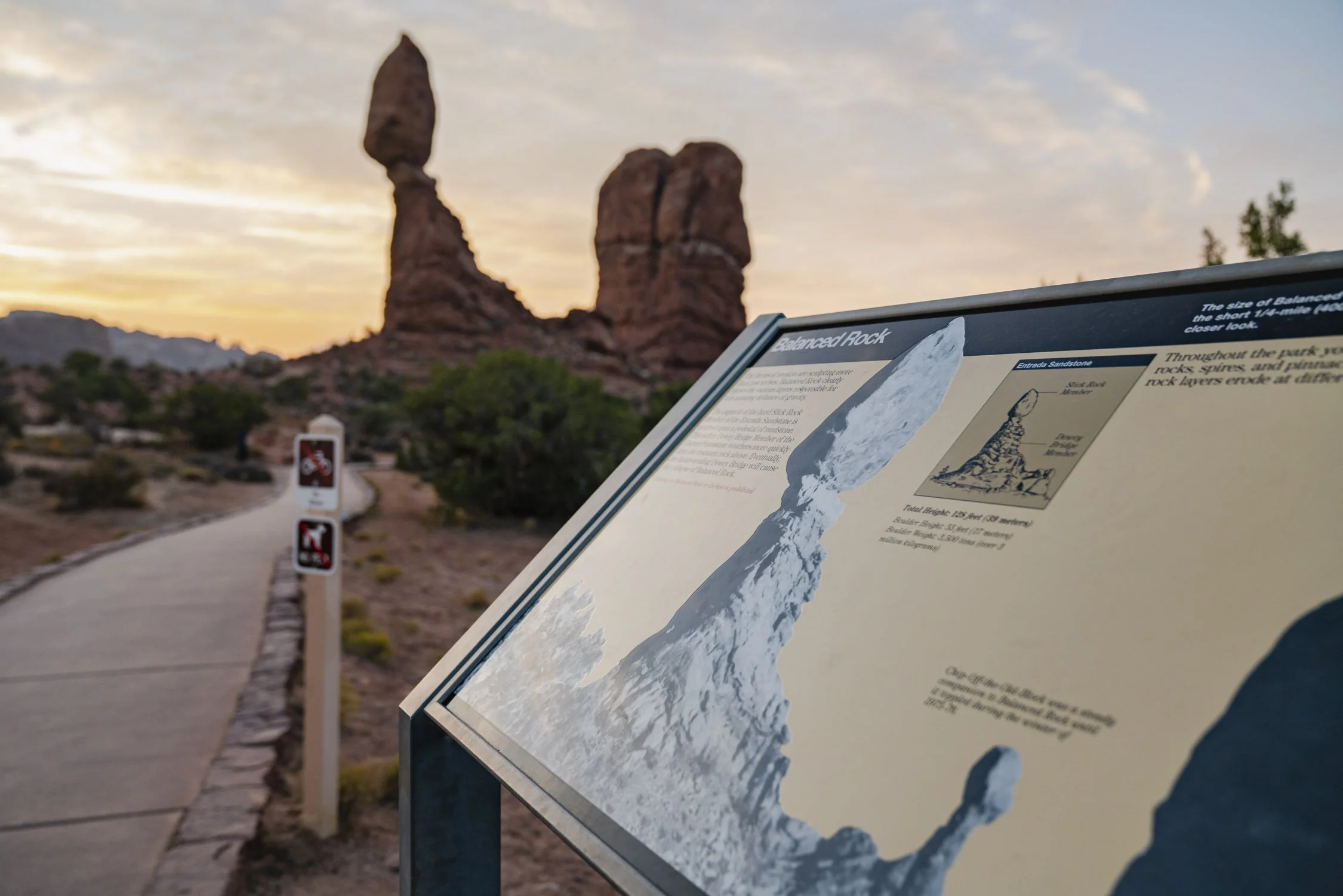
Balanced Rock at sunrise in Arches National Park. Photo by Dalton Johnson
Arches National Park offers an array of experiences that cater to adventurers and nature lovers alike. For first-time visitors, these twelve activities provide a comprehensive introduction to the park’s stunning landscapes and unique features. From iconic hikes and challenging climbs to serene river paddles and captivating stargazing, Arches promises a memorable adventure. Embrace the park’s natural beauty, explore its diverse trails, and let your first visit be an unforgettable journey into one of Utah’s most remarkable outdoor destinations.