
Starting Vanlife is Hard Enough, But Developing a Routine Will Make It Easier
Starting vanlife is an exciting but challenging adventure. Adjusting to life on the road takes time, and developing a routine can help make the transition smoother. While flexibility is key to thriving in vanlife, having a framework for your days ensures you stay grounded and maintain a sense of balance. Here are four practical tips to create a routine that works for your unique vanlife experience.
Starting vanlife is an exciting but challenging adventure. Adjusting to life on the road takes time, and developing a routine can help make the transition smoother. While flexibility is key to thriving in vanlife, having a framework for your days ensures you stay grounded and maintain a sense of balance. Here are four practical tips to create a routine that works for your unique vanlife experience.

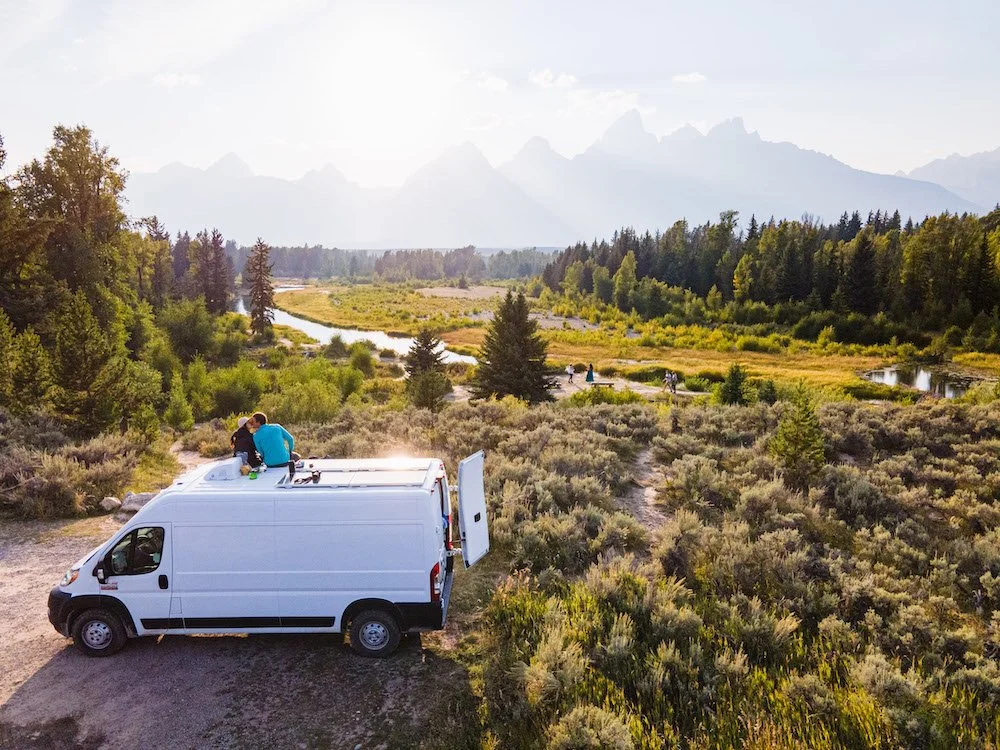
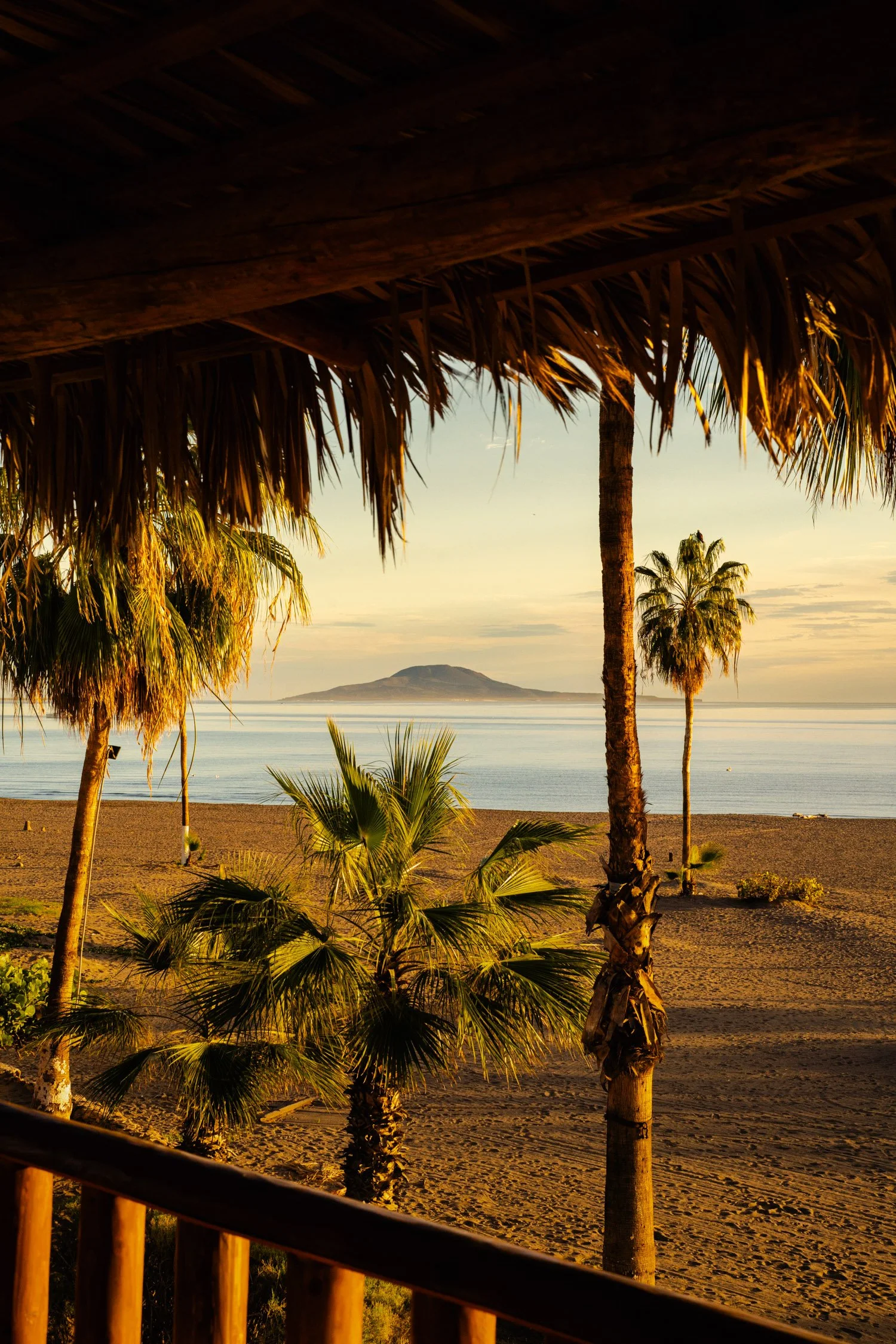
Taking in the sunrise while boondocking in remote Baja on a vanlife trip. Photo by Dalton Johnson
1. Establish a Morning Ritual
One of the biggest adjustments to vanlife is waking up in a new environment almost every day. So, establishing a consistent morning routine helps you start each day with a sense of normalcy and purpose regardless of where you are parked. For me, these are a few of the best ways to start the day:
Set the Tone: Begin your day with small habits that ground you, like making your bed, stretching or working out, or enjoying a cup of coffee while taking in the view outside your van. If coffee isn’t your thing, maybe a warm up of tea or glass of water. Regardless of how you begin the day, setting the tone with a ritual brings normalcy to vanlife that is often hard to find.
Plan Your Day: Use the mornings to set intentions. If you’re traveling, check your route, weather conditions, and stops for the day. If you’re stationary, plan your activities, errands, or rest time. This approach helps you feel in control and minimizes the overwhelming uncertainty that can come with vanlife.
Stay Flexible: Not every morning will look the same, especially if you’re chasing sunrises, packing up quickly, or adjusting to a new campsite. Focus on keeping key elements of your routine intact, even if you have to modify them for the situation.

Taking in the gray skies while living vanlife in Alaska for the summer. Photo by Dalton Johnson
2. Designate Time for Essential Tasks
Living in a van means balancing adventure with responsibilities, like managing water, fuel, work, personal time, chores, and cooking meals. Allocating time for these tasks prevents them from piling up and ensures you can focus on enjoying life on the road.
Meal Prep and Cooking: Cooking in a van can be cramped and time-consuming. Set aside time once or twice a week to prepare meals in bulk, so you’re not scrambling to cook every day. Having pre-made meals or easy-to-assemble ingredients saves time and energy.
Maintenance Checks: Build regular van maintenance into your routine. Check tire pressure, fluid levels, and solar power usage weekly to avoid surprises. Keeping your van in top shape ensures smoother travels and reduces stress.
Restocking Supplies: Schedule time to refill water tanks, stock up on groceries, and dispose of trash responsibly. By making these tasks part of your routine, they’ll feel less like interruptions and more like manageable to-dos.
Related Read: Vanlife Self-Care and Thriving Hacks I Can’t Live Without


3. Prioritize Personal Time
Vanlife often revolves around exploring and meeting new people, but it’s important to make time for yourself. Without a dedicated space to retreat to, personal downtime can be easy to overlook.
Daily Quiet Time: Whether it’s journaling, meditating, reading, or simply enjoying the solitude of nature, carve out time to recharge. These moments help you process your experiences and maintain emotional balance.
Exercise and Wellness: Staying active is key to feeling your best in vanlife. Incorporate daily walks, yoga, or simple workouts that don’t require much space or equipment. Staying physically healthy supports your mental well-being as well. Personally, when I first started vanlife, I was in great shape and even though I surfed or climbed everyday, I still gained weight.
Stay Connected: Balance alone time with reaching out to friends, family, or fellow vanlifers. Regular connection with loved ones or the broader vanlife community can provide support, companionship, and a sense of belonging.

Having a fire under the stars when camping during vanlife is a great way to end the day. Photo by Dalton Johnson
4. Develop a Nighttime Wind-Down Routine
Just like a morning routine helps you get the day started, a solid evening routine can help you relax after a long day, setting you up for restful sleep and preparing you for the next adventure. Here are my favorite ways to end the day:
Organize Your Space: Before settling in for the night, tidy up your living area. A clutter-free space can help you feel more relaxed and at ease in your van. Here are tips to maximize your van’s living and storage space.
Unplug and Reflect: Limit screen time in the evening to reduce overstimulation. Instead, spend time reflecting on your day, journaling, or planning your route for tomorrow.
Create a Relaxing Environment: Use soft lighting, calming music, or even aromatherapy to create a peaceful atmosphere in your van. These small touches can make your space feel more like home.
Stick to a Sleep Schedule: Aim to go to bed and wake up at consistent times, even if your surroundings change. This regularity helps regulate your body’s internal clock and ensures you wake up ready to embrace the day.
Watching the sunset helps your body align with the daily cycles. Photo by Dalton Johnson
Vanlife is a constant learning experience, and your routine will naturally evolve as you discover what works best for you. The key is to start with a basic structure, adapt as needed, and remain flexible. By establishing a morning ritual, setting time for essential tasks, and prioritizing personal wellness, you’ll create a routine that brings stability and ease to life on the road. Once your routine feels natural, vanlife becomes less daunting and more rewarding—a lifestyle that allows you to fully embrace the freedom of the open road.
Discover more Adventures



Driving Big Sur Is Kind of Scary, Here's Why
The breathtaking stretch of California's coastline known as Big Sur is renowned for its dramatic cliffs, crashing waves, and unparalleled natural beauty. While many travelers are drawn to this iconic destination for its stunning landscapes, some may wonder if the experience of driving along its winding roads is as awe-inspiring as it is nerve-wracking. Is it scary driving in Big Sur?
The breathtaking stretch of California's coastline known as Big Sur is renowned for its dramatic cliffs, crashing waves, and unparalleled natural beauty. While many travelers are drawn to this iconic destination for its stunning landscapes, some may wonder if the experience of driving along its winding roads is as awe-inspiring as it is nerve-wracking. Is it scary driving in Big Sur?
The short answer is no, driving in Big Sur is not inherently scary. However, it does come with its fair share of challenges that can make even the most seasoned drivers feel a twinge of excitement. The narrow, winding roads perched on the edge of towering cliffs provide an exhilarating driving experience, but it's essential to stay focused and be prepared for exposure to long cliff drops.

A roadside view in Big Sur. Photo by Dalton Johnson
As you navigate the twists and turns of Highway 1, the iconic roadway that hugs the rugged coastline, the scenery outside your car window is nothing short of spectacular. The Pacific Ocean stretches out endlessly on one side, while on the other, the Santa Lucia Mountains rise dramatically, creating a visual feast that is both mesmerizing and, at times, a bit intimidating.
The key to enjoying the drive without feeling scared is to strike a balance between appreciating the breathtaking views and maintaining a keen awareness of the road ahead. It's easy to be captivated by the sheer beauty of the coastline, but safety should always be the top priority. Keep your eyes on the road, especially when navigating the numerous hairpin turns and sharp curves that characterize the route.
Five tips for staying safe while driving in big sur
Stay Focused on the Road: While the scenic beauty of Big Sur is captivating, it's crucial to keep your eyes on the road. The winding and narrow stretches of Highway 1 demand your full attention, especially with unexpected turns and changes in elevation.
Mind the Speed Limits: Adhere to posted speed limits and drive at a pace that allows you to react to the road's twists and turns. The speed limits are set with the terrain in mind, ensuring a safe and enjoyable journey for all travelers. The speed ranges from 25 mph to 55 mph depending on where you are driving.
Use Turnouts Responsibly: Big Sur provides numerous turnouts for drivers to pull over and take in the breathtaking views. Utilize these opportunities to stop safely, allowing faster-moving traffic to pass. Avoid stopping abruptly on the road, as this can create hazards for yourself and others. Click here to see a list of the most stunning turnout and vista points in Big Sur.
Check Road Conditions: Before embarking on your journey, check the current road conditions. Big Sur's coastal location can make it susceptible to weather changes, so be prepared for potential fog, rain, or wind. Stay informed about any road closures or construction that may impact your route.
Prepare for Limited Services: Big Sur is known for its remote beauty, but this means limited services along the route. Make sure your vehicle is in good condition, and you have sufficient fuel, water, and snacks. Cellular service may be unreliable, so have a map or navigation system and inform someone about your travel plans. Click here to check out our list of our favorite road trip snacks!
Know What You Are Getting Yourself Into To Reduce Any Anxiety
One of the best ways to make the drive through Big Sur more comfortable is to mentally prepare for what lies ahead. Knowing what to expect helps reduce anxiety and boosts your confidence behind the wheel. Big Sur’s scenic route is iconic, but it does come with its challenges. For instance, some sections of the Pacific Coast Highway are narrow, winding, and lack guardrails, which can be intimidating for those not accustomed to mountain roads. Visibility can be limited around tight corners, so it’s important to drive cautiously and avoid speeding, even if the views tempt you to do otherwise.
Take your time to enjoy the drive and stop at pullouts or overlooks if needed. This will allow you to soak in the beauty without feeling rushed or overwhelmed. While the rugged coastline and dramatic cliff drops are breathtaking, they also require full attention on the road. It’s essential to respect the environment by driving responsibly and maintaining focus, especially in areas with limited shoulder space. As awe-inspiring as the views are, the real reward comes from embracing the journey with a sense of calm and responsibility. By planning ahead, staying alert, and driving at a comfortable pace, you can enjoy one of the most beautiful road trips in the world without unnecessary stress.
The view out the front window while driving in Big Sur. Photo by Dalton Johnson
The drive along Big Sur is not for the faint of heart, but it is far from a harrowing experience. With a combination of careful driving, respect for the surroundings, and an appreciation for the stunning vistas, navigating the coastal roads of Big Sur can be an unforgettable adventure that leaves you with a sense of awe and admiration for the wonders of the natural world.
Discover more of California’s Coastline
We Really Just Need To Play
Alarm goes off. Wake up. Do the morning routine. Go to work, because, you know, we have to. Work. Work. Meeting. Pretend to work some more. Work. Head home. Maybe spend time with friends talking about work and the stress it creates, but, you know, you couldn’t live without work.
That is not living. That is a life accepting the indoctrination of a consumeristic life without questioning what is really going on in this world. So, what is living?
Play.
Alarm goes off. Wake up. Do the morning routine. Go to work, because, you know, we have to. Work. Work. Meeting. Pretend to work some more. Work. Head home. Maybe spend time with friends talking about work and the stress it creates, but, you know, you couldn’t live without work.
That is not living. That is a life accepting the indoctrination of a consumeristic life without questioning what is really going on in this world. So, what is living?
Play.
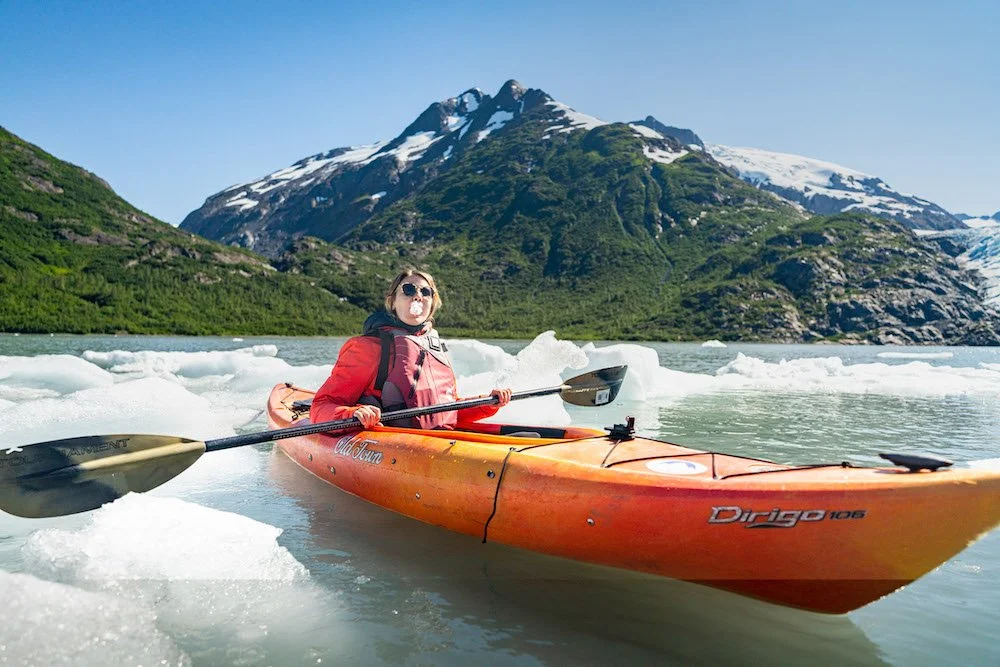
Sucking on a ice chunk from a glacial calving while kayaking in Alaska. Photo by Dalton Johnson
If you just scoffed to yourself and rebutted with excuses, self-deprecating thoughts of being suck, and acceptance that your position won’t change, look inward. For only inside of ourselves can we really find the joy of living and acknowledging we can play as much as our hearts desire. We can be curious and change our living situations. While looking inward, we start to realize all the “things” we need are a convenance that we desire because doing the “hard thing” often takes time and is slow. Very slow. Requiring knowledge.
To give an example, you can learn to plant a garden and grow your own food, but that takes time and care. You have learn about soils and what can grow in which season. How to water and care for plants. What crops can grow together and how to keep pests away. That skill acquisition could free you from the grocery and spending money on processed foods, but it also means limiting your time out with friends getting drinks, or going on vacation. Because, somebody has to water those plants.
Would you consider growing a garden playing? If there was an occasional mud fight with a loved one, maybe, but for the most part, crawling on the ground and plucking weeds sounds more like work than play. But, it is a mindset. Just like if we decide to cut down on our living cost and move into a van, living that social media glorified vanlife, so we can pursue a life of creativity might not be what you initially thought it would be like.

Jumping with joy after finishing a personal challenge to climb all of the Sawatch 14ers in Colorado. Photo by Dalton Johnson
Is the utopia not to work?
No. Working provides humans with a sense of community and belonging that we need as a social beings. However, that work does not and should not be destructive to our lives. Work should improve our lives a small amount each day. You could call it 1% improvements, if you want, but the reality of a linear life is not practical. Sometimes, we may jump up a 10% improvement in life and the next day fall back -8%. That is okay.
What the utopia of life work-life balance should be is a thoughtful development of skills that you want to hone mixed with have to hone. Each skill brings us closer to becoming an autonomous human so we can learn on our own, think on our own, and live on our own. Skill stack into a better human.
Like I said, this is a utopia.
Also, if playing was our only form of work, our perspective would shift and play would become work. Think about that for a few seconds.
Work is only a subject term that implies a lack of fun. Yet, play is synonymous with fun. We have to do hard things to survive, but we should not be dedicating our whole lives to something and still not being able to live. If that is the case, why would you do anything?
A false sense of hope? Maybe.
Lack of knowledge something else exists? Maybe.
So, what would the work utopia be?
You have to take the time to define that for yourself.
For me, that is to travel around the world, telling and sharing stories about the intersection of humans and nature, meanwhile living as close to carbon neutral as possible with the love of my life.
From a 10,000 foot level, that sounds glamorous, but, I can tell you, sitting behind a computer day in and day out constructing stories, editing, marketing, and all that jazz gets tiring and feels like work. Then, I step back, and realize, I am living my dream, just at a smaller scale for the time being.
Typical Over-Commitments That Trap us
There is no way around it, commitments trap us for a duration of time. Even if you are reading this, thinking you are a smarty pants, saying, That’s why I don’t make commitments, that is a commitment to not making a commitment. Still a commitment. Knowing how commitments can effect us is what matters. When we know what a commitment entails, we can decide if it is for us or not. So, when taking on commitments, take some time to think about the little things making up the commitment and ask yourself if that is what you want to be doing.
A few questions to help you understand a commitment better:
Can you get out of the commitement? If so, what does that take?
What is the duration of the commitment?
What are the benefits?
What are the downsides?
How much control do you keep during the commitment?
Come up with scenarios that break the commitment, but are good for the overall.
An extreme example: You promise never to cheat on your partner. One day, they are taken hostage and to free your partner you must break that promise, otherwise the captors will kill your parter. You should break your promise and cheat. Not an ideal situation, but it should be done.
A few over-commitments to look out for:
Large purchases that require you to work in a space does not foster growth
Commitments into perpetuity without renegotiations because you never know what is going to happen 10, 20, 50 years from now
These two types of commitments are hard to recover from and often hold you back from achieving personal autonomy.

It’s not always perfect, but that is a life of learning and growing. Photo by Dalton Johnson
Some Areas Of Play To Try
Play is in all of us, we just have to let down our barriers and open ourselves to the opportunities. Some of my favorites ways of play are listed below:
Rock Climbing: Rock climbing is like a mirror. The rock does not change often so when you approach a climb, it reflects back to you where you are at in life. This reflection comes in both mental and physical abilities. In many ways, I find this reflection to be beautiful.
Surfing: Surfing is the opposite of rock climbing as it is always changing. The art of surfing showcases how you handle adversity at that moment in your life. That is why I love surfing.
Hiking: Hiking is an escape back to your roots. If we are on a trail, or wandering in the woods, a hike cleanses the soul and provides a little bit of exercise.
Photography: Photography is the act of seeing. If you apply an editorial view, aka not curating something, when taking photographs, you learn how to see the world for what it is and how it fits into a single frame. Photography is the act of noticing the little things that make the difference.
Stargazing: Stargazing is an act of awareness, recognizing how small we are in this vast world. When I look to the heavens, it’s almost impossible to not acknowledge how vast this universe is and just how small we are. A humbling endeavor as a human.
A blue-tongued selfie after eating wild blueberries while backpacking in Alaska. Photo by Dalton Johnson
In the end, my goal of writing this article is to bring your awareness to your reality that you can take charge of your life and your path if you are willing to do the hard work of growing. Each skill you add to your tool belt bring you that much closer to becoming an autonomous human who can function by themselves. If you have any questions, or thoughts, shoot me an email: dalton@daltonjohnsonmedia.com
Discover more Adventures
28 Gift Ideas for Runners in Your Life
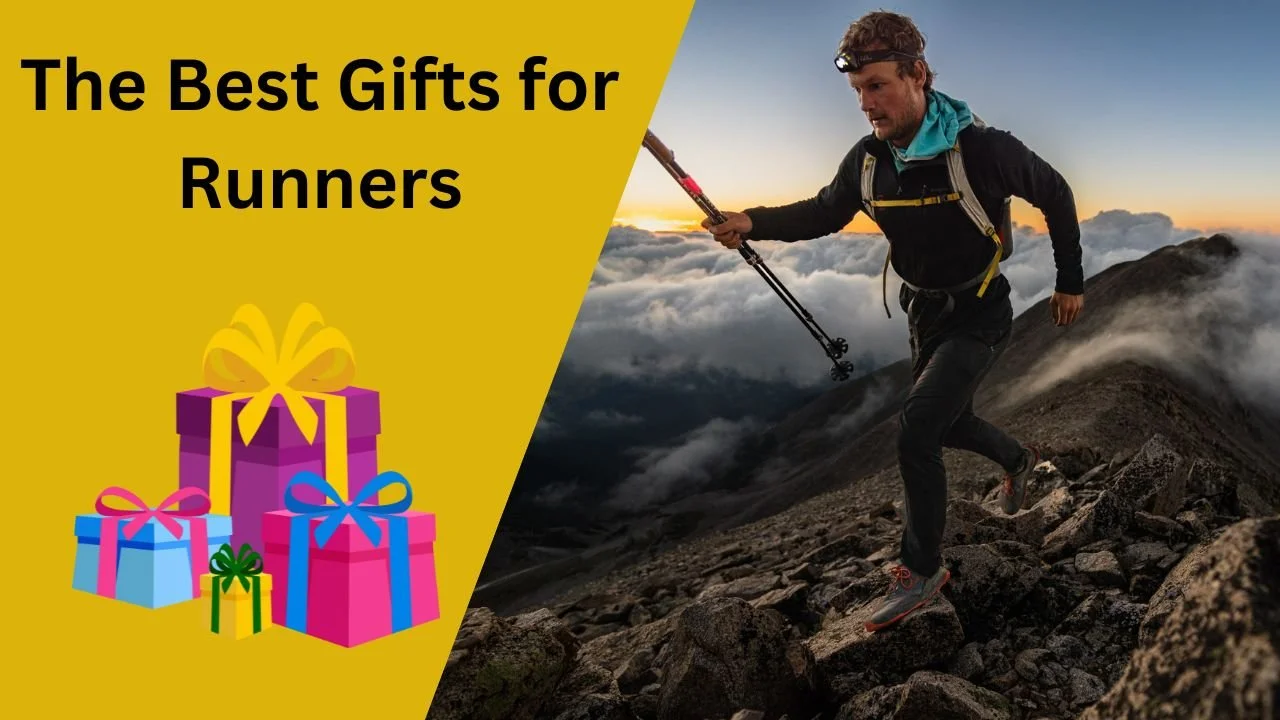
Running is more than a sport; it's a way of life. Whether your loved ones are avid trail enthusiasts or prefer the smooth pavement of the road, finding the perfect gift for runners can elevate their experience and enhance their performance. Let's find the ideal gift for the runners in your life.

Running is more than a sport; it's a way of life. Whether your loved ones are avid trail enthusiasts or prefer the smooth pavement of the road, finding the perfect gift for runners can elevate their experience and enhance their performance. Let's find the ideal gift for the runners in your life.
Clothing
Tops
Patagonia Capilene Cool Daily Shirt
Lightweight and breathable, perfect for all-season running.
Patagonia's commitment to quality ensures durability and sustainability.
Nike Dri-FIT Element Half-Zip Running Top
Balancing warmth and breathability with Dri-FIT technology.
Nike's iconic design meets functionality for a superior running experience.
Hoka Performance Apparel Hoodie
Stylish post-run comfort with Hoka's signature quality.
Designed for both performance and relaxation.
Bottoms
Salomon Agile Long Tights
Unparalleled support and flexibility for trail runners.
AdvancedSkin ActiveDry technology manages moisture effectively.
Nike Running Shorts
Lightweight shorts for ultimate comfort and ventilation.
Nike's technology enhances breathability.
Ibex Joggers
Made of merino wool, ideal for cold trail running adventures.
Moisture-wicking fabric ensures comfort in various conditions.
Jackets
Outdoor Research Helium Wind Hoodie
Lightweight and packable for on-the-go versatility.
Wind-resistant for protection in variable conditions.
Black Diamond First Light Stretch Hoody
Stretchy and breathable for optimal comfort during runs.
Insulated for warmth without sacrificing mobility.
Socks
Swiftwick Aspire Twelve Compression Socks
Compression technology enhances circulation and recovery.
Swiftwick's commitment to quality ensures long-lasting comfort.
Salomon Sense Ride Running Socks
Blister prevention with seamless toe closure.
Ventilated mesh panels for enhanced breathability.
Darn Tough Vertex No Show Tab Ultra-Light Cushion
Merino wool for moisture management and comfort.
Exceptional durability for long-lasting wear.
Shoes
Hoka Clifton 9
Plush cushioning for a comfortable and responsive ride.
Versatile for both road and trail running.
Salomon Speedcross 5 Trail Running Shoes
Aggressive grip for challenging trail conditions.
SensiFit™ technology ensures a secure and customized fit.
Nike Air Zoom Pegasus 38
Well-cushioned and versatile for road running.
Nike React foam provides a responsive and energetic feel.
Accessories
Eyewear
Article One Sunglasses
Stylish and functional sunglasses with polarized lenses.
Perfect for protecting eyes during outdoor runs.
Hats / Headlamp
Nathan RunCool Ice Run Hat
Lightweight and breathable with cooling technology.
Reflective details for enhanced visibility during nighttime runs.
Patagonia Duckbill Cap
Breathable and moisture-wicking design.
Lightweight and packable for on-the-go convenience.
Black Diamond Spot Headlamp
Essential for trail runners in low-light conditions.
Waterproof design and multiple lighting modes for versatility.
Vests
Ultimate Direction Ultra Vest 5.0
Lightweight hydration vest for long runs.
Adjustable fit and ample storage for essentials.
Salomon ADV Skin 5 Set Hydration Vest
Customizable fit with SensiFit™ technology.
Insulated reservoir compartment for temperature control.
Ultimate Direction K9 Vest
Nathan Running Belt
Convenient and comfortable storage for essentials.
Perfect for shorter runs or those who prefer a minimalist approach.
Recovery Tools
Hyperice Normatec 3
Dynamic compression therapy for improved circulation.
Speeds up recovery by reducing muscle soreness and stiffness.
Roll Recovery R8 Massage Roller
Compact design for targeted muscle relief.
Adjustable tension for a personalized massage experience.
BODY Glide
Perfect for pre and post run as a way to prevent chaffing
Snacks and Drinks
Monthly box with a variety of nutrition and snacks.
Tailored for runners' dietary needs for optimal performance.
Drip Drop Hydration Powder
Electrolyte powder for efficient hydration.
Ideal for replenishing electrolytes post-run.
Books
"Born to Run" by Christopher McDougall
An inspiring exploration of the world of ultra-running.
Offers insights into the remarkable Tarahumara tribe's running prowess.
"Let Your Mind Run" by Deena Kastor
A memoir by Olympic marathoner Deena Kastor.
Explores the mental aspects of running and achieving peak performance.
This comprehensive gift guide ensures that every aspect of a runner's experience is covered, from comfortable clothing and quality shoes to essential accessories and recovery tools. Whether they tackle the trails or pound the pavement, these gifts are sure to enhance their running journey. Choose the perfect gift and watch as your favorite runners conquer new milestones in comfort and style.
23 Gifts Every Mountain Lover Will Like
For those who find solace in the majesty of mountain peaks and the thrill of outdoor adventures, choosing the perfect gear and apparel is essential. Whether you're shopping for a friend, a family member, or treating yourself, this gift guide is curated to enhance the experience of mountain lovers across various activities. From clothing to fishing gear, items for your furry companions, and camping essentials, we've got you covered.

For those who find solace in the majesty of mountain peaks and the thrill of outdoor adventures, choosing the perfect gear and apparel is essential. Whether you're shopping for a friend, a family member, or treating yourself, this gift guide is curated to enhance the experience of mountain lovers across various activities. From clothing to fishing gear, items for your furry companions, and camping essentials, we've got you covered.
Clothing:
Filson Tin Cloth Packer: Crafted for durability and water resistance, this packer is a must-have for any mountain explorer, combining style and functionality.
Helly Hansen Odin Jacket and Pants: If you are heading out into the mountains, don’t get caught without this jacket and pant mix. I have been using this for mountaineering and backcountry ski tours. Flawless!
Mountain Khakis: Adventure-ready apparel that seamlessly blends fashion with function, ensuring comfort on the trails.
Ariat Midtown Rambler: Sturdy boots for the rugged mountain terrain, offering both comfort and durability for long hikes.
Coros Watch: A rugged GPS-enabled watch that not only tracks your adventures but also helps you navigate the intricate trails with ease.
Paka Sweater: Stay cozy in sustainable fashion with this environmentally friendly, mountain-chic sweater.
Matador Travel Pack: Compact and lightweight, this pack is designed for those who are always on the move, making it ideal for spontaneous mountain getaways.
686 Puffy Jacket: Keep warm in cold mountain climates with this insulated puffy jacket, perfect for chilly evenings around the campfire.
Manitobah Moc Toe Boot: Handcrafted boots that combine tradition with modern functionality, providing a touch of heritage to your mountain look.
Fishing:
Toadfish Stowaway Series: High-quality fishing rods designed for a superior angling experience in mountain streams and lakes.
Filson Fishing Guide Vest: Stay organized on the water with this functional and durable vest, ensuring all your fishing essentials are within reach.
Patagonia Waders: Navigate mountain streams comfortably with reliable and waterproof waders, a must for any serious angler.
Banjo Sunglasses: Protect your eyes from the mountain sun with these polarized sunglasses, offering both style and functionality.
Case Fishing Knife: Compact and sharp, this knife is an essential tool for preparing the day's fresh catch.
Isle Switch: A versatile and durable fishing rod suitable for various types of angling, ensuring you're prepared for any fishing scenario.
Shimano Sedona 2500HG: Experience smooth and powerful fishing with this high-quality spinning reel, perfect for mountain lake excursions.
For the Dog:
Orvis Dog Bed: Give your furry friend a comfortable place to rest after a day of mountain exploration.
Ultimate Direction Trail Vest: Keep your dog equipped for adventures with this lightweight vest, ideal for carrying essentials during hikes or trail runs.
Greenies: Treat your canine companion to tasty dental treats, ensuring their teeth stay healthy during your mountain escapades together.
Camping:
Sea to Summit 2 Person Tent: Lightweight and durable, this tent is designed for the adventurous couple or duo seeking shelter in the mountains.
Big Agnes Torchelight: Illuminate your campsite with this compact and powerful camping lantern, ensuring you're never left in the dark.
Crazy Creek: Portable and comfortable seating for those moments when you want to relax and take in the mountain views by the campfire.
Sierra Design Down Pillow: Compact and cozy, this pillow provides a touch of luxury for a good night's sleep under the mountain stars.
Redi+ First Aid Kit: Safety first. Equip yourself with a comprehensive first aid kit, tailored for the unexpected challenges of mountain exploration.
This comprehensive gift guide is designed to cater to the diverse needs of mountain lovers. Whether it's comfortable clothing, reliable fishing gear, treats for your four-legged companions, or essential camping equipment, these gifts will enhance the mountain experience for any outdoor enthusiast. Embrace the heights, embark on new adventures, and gift the joy of exploration this season.

An ExPat's Guide To Todos Santos
Todos Santos, a charming town in Baja California Sur, has blossomed from its humble beginnings as a sugar-exporting village into a destination loved by travelers for its art, music, surf, and serene beaches. Located just a short drive from some of the Baja Peninsula's most stunning coastal spots, Todos Santos is a haven of natural beauty, cultural depth, and laidback vibes—a world away from the bustling tourist hubs of Cabo San Lucas and La Paz.
Todos Santos, a charming town in Baja California Sur, has blossomed from its humble beginnings as a sugar-exporting village into a destination loved by travelers for its art, music, surf, and serene beaches. Located just a short drive from some of the Baja Peninsula's most stunning coastal spots, Todos Santos is a haven of natural beauty, cultural depth, and laidback vibes—a world away from the bustling tourist hubs of Cabo San Lucas and La Paz.
Here’s everything you need to know about what to do, where to eat, and why Todos Santos should be at the top of your Baja bucket list.
The golden light of sunset at Cerritos Beach just outside of Todos Santos. Photograph by Dalton Johnson
Why Visit Todos Santos?
Todos Santos combines the best of a small-town atmosphere with a vibrant cultural scene, making it the ideal destination for travelers seeking both adventure and relaxation. You’ll find colorful murals, art galleries, live music, artisanal shops, and restaurants serving up fresh local cuisine. This “Pueblo Mágico” has a unique character that resonates with artists, surfers, and wanderers alike.
Reasons to Visit Todos Santos:
Historic Town Center: The town's cobbled streets, colorful colonial architecture, and historic buildings make it a delight to explore.
The Hotel California: An iconic and somewhat mythical hotel that draws visitors with its unique architecture and intriguing story.
Art Scene: Known as an artist’s haven, Todos Santos is brimming with galleries, murals, and art studios.
Live Music and Local Dining: With a variety of venues featuring local and international musicians, Todos Santos is perfect for anyone who appreciates live music paired with great food.
The Beach: Though technically inland, Todos Santos is a quick drive to several beaches, making it easy to spend the day surfing, swimming, or simply soaking up the sun.
Where Is Todos Santos?
From Los Cabos: The drive to Todos Santos from Cabo San Lucas takes around 90 minutes. Follow Highway 19 north for about 70 kilometers, where the ocean provides a stunning backdrop on your left. Whale sightings along this route are common during migration season, so keep an eye out!
From La Paz: Todos Santos is also about 90 minutes from La Paz via Highway 19, heading south for 80 kilometers. This route is dotted with views of Baja's rugged terrain, making the drive enjoyable for those who appreciate scenic landscapes.
History of Todos Santos
Founded in 1723, Todos Santos began as a mission settlement led by Jesuit missionaries who introduced agriculture to the fertile lands. It soon became known for sugarcane production, which continued to sustain the town’s economy until the 1950s when drought hit, causing the mills to shut down. In 1984, the road from Cabo San Lucas was paved, and this newfound accessibility sparked interest among artists and travelers, drawn to its rustic charm and scenic beauty. In 2006, Todos Santos received the designation of “Pueblo Mágico” for its cultural and historical significance.
Losing my fifth consecutive game of connect four while camping on a beach north of Todos Santos. Photograph by Dalton Johnson
Is Todos Santos Van Life Friendly?
Exploring Todos Santos by van can be a rewarding, albeit somewhat tight, experience. The town’s streets are narrow, with limited parking options, making it challenging to navigate in larger vehicles. However, vanlifers are welcomed by locals and will find plenty of options for overnight stays just outside the main town.
For those seeking solitude, heading north of Todos Santos offers vast beaches, tranquil camp spots, and the chance to experience Baja’s untouched landscapes. To the south, Pescadero and Cerritos Beach are popular but slightly more developed areas that still provide spots for van camping, though the recent housing boom means some areas are more crowded than before.
If you decide to head south to Cerritos Beach, there are several RV parks that now offer a warm shower, a toilet, safe place to park, internet (sometimes), and easy access to the beach and surfing. I would recommend staying in one of these parks because there have been recent break-ins to vans while out surfing if left on the street towards the end of the day.
Related Read: THE PROS AND CONS OF VAN LIFE IN BAJA

Surfing at Cerritos Beach just a few miles south of Todos Santos. Photo by Dalton Johnson
Surfing Near Todos Santos
While Todos Santos itself doesn’t have surf breaks, nearby towns like Cerritos and Pescadero offer some of Baja’s best waves. Cerritos Beach, a popular spot just 15 minutes south of Todos Santos, offers consistent surf breaks suitable for all skill levels. The beach has seen rapid development in recent years, attracting a mix of locals, tourists, and expatriates.
For those new to surfing, Cerritos has several surf schools. CRT Surf School, operated by locals Juan and Carlos, is a fantastic option for lessons and equipment rentals. Just mention "Dalton sent you" for a possible discount. The surf community here is welcoming, and the vibe is relaxed, making it a great spot to hone your skills.
Best Restaurants in Todos Santos
Todos Santos’ culinary scene is surprisingly rich, with options ranging from fresh fish tacos to farm-to-table gourmet dining. Here are some must-try spots:
Barracuda Cantina: Located in Plaza Amigos downtown, Barracuda Cantina is famous for its fresh ceviche, fish tacos, and cocktails. The original location at Cerritos Beach offers a beachside vibe with similar fare.
The Green Room: Situated right on the beach, The Green Room is the perfect spot for sunset cocktails and ocean views. Enjoy a mezcal cocktail with your feet in the sand while surfers catch the last waves of the day.
Hierbabuena: A short drive from town, Hierbabuena is a charming alfresco restaurant nestled in an organic farm. Here, the wood-fired pizzas and salads are prepared with ingredients grown just steps from your table.
Jazamango: Created by chef Javier Plascencia, Jazamango offers a menu that emphasizes Baja's local flavors. From ceviche to wood-fired pizzas, each dish is artfully crafted with fresh, locally sourced ingredients. The outdoor setting is cozy and intimate, surrounded by lush gardens.
Taller 17: Known for the best pastries in Todos Santos, Taller 17 serves up delicious treats like cinnamon buns, lemon meringue pie, and blondies. Their cold brew is also a local favorite—perfect for starting a day of exploring.
Fishing charter with locals in pongas in Todos Santos, BCS. Photo by Dalton Johnson
What Else Can I Do in Todos Santos?
Todos Santos is packed with activities beyond surfing. Here are some ideas for a well-rounded visit:
Whale Watching: Head to Playa Los Tunas to catch a glimpse of migrating gray whales, typically visible from December to April.
Fishing Charters: Book a panga (small fishing boat) for a half-day fishing charter. These can often be arranged near Hotel Cristobal.
Hiking: Explore trails leading to the abandoned sugar mill, an intriguing remnant of Todos Santos’ sugar industry past.
Turtle Releases: If you visit between September and February, participate in sea turtle releases at Playa Los Tortugas.
Off-Roading: Baja is known for its rugged terrain, and Todos Santos is no exception. Head north for miles of dirt tracks perfect for off-roading.
Visit Hotel California: This iconic hotel, with its vibrant exterior and eclectic decor, is one of Todos Santos’ most photographed spots.
Related Read: 9 Must Do Vacation Ideas in Baja Sur
Art, Music, and Shopping in Todos Santos
One of the defining characteristics of Todos Santos is its creative spirit. Here are a few ways to soak up the artsy vibe:
Art Galleries and Studios: The town is home to numerous art galleries showcasing everything from contemporary art to traditional Mexican crafts. The Galeria de Todos Santos and La Sonrisa de la Muerte are among the top galleries to visit.
Live Music: Todos Santos’ live music scene includes everything from small acoustic sets to vibrant Latin jazz performances. Venues like La Morena and Hotel San Cristobal often feature local musicians, creating a lively yet intimate atmosphere.
Shopping: From artisan crafts to boutique clothing, Todos Santos has plenty to offer for shoppers. The local market offers unique Mexican textiles, ceramics, and jewelry, allowing visitors to bring a piece of Todos Santos back home with them.
Tips for Visiting Todos Santos
Pack Light for the Beaches: Todos Santos’ beaches are beautiful but often rustic. Bring essentials like sunblock, plenty of water, and perhaps a beach umbrella.
Cash is King: While many places accept credit cards, cash is often preferred, especially at smaller businesses and roadside stands.
Plan for a Slower Pace: Todos Santos operates at a laid-back pace. Embrace the slower lifestyle, and you’ll find it easier to soak up the town’s charm.
Stay Hydrated: Baja can get very hot, especially in the summer months. Make sure to stay hydrated, especially if you’re spending time outdoors.
The local resident keeping watch on the streets. Photo by Dalton Johnson
Todos Santos is a hidden gem in Baja California Sur that offers a unique blend of cultural charm, natural beauty, and a relaxed vibe. Whether you’re an art enthusiast, a beach lover, a vanlifer, or just looking to escape the hustle, this Pueblo Mágico will captivate you with its welcoming spirit and timeless allure. Plan a trip that includes its beautiful beaches, delicious food, and rich cultural experiences—Todos Santos is sure to leave a lasting impression.
From the scenic drive along Highway 19 to the quiet beaches and eclectic art galleries, Todos Santos is an ideal destination for anyone looking to discover a different side of Baja.
Discover more of Baja Mexico


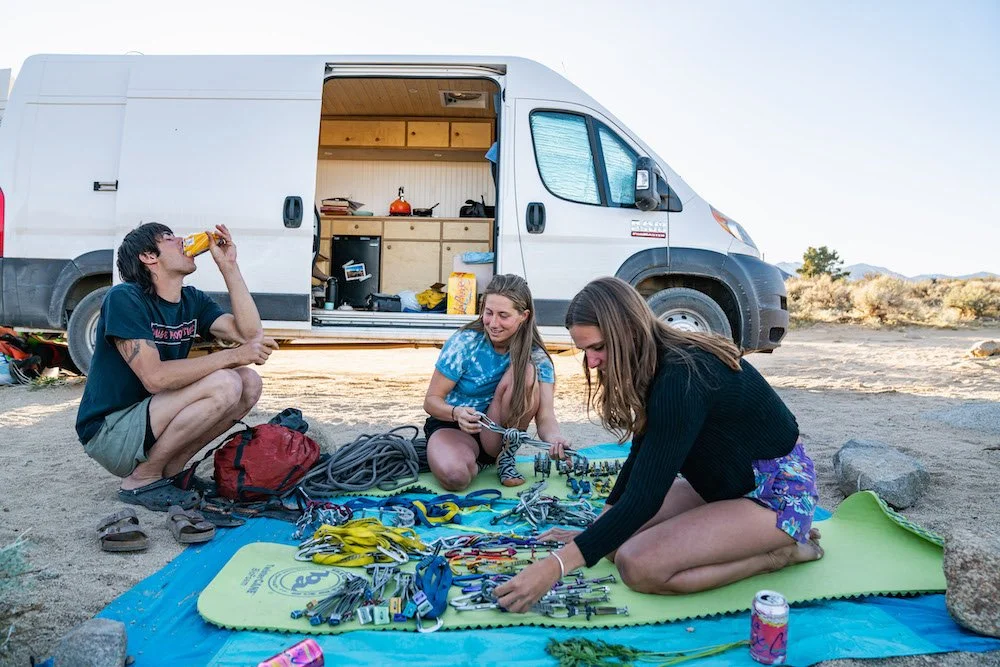
Six Tips To Find Overnight Parking During Van Life
Finding overnight parking for van life takes some time to understand. Every city, county, and state have different laws that you need to understand. If you are moving around from place to place in your van, you will quickly realize the laws are not shown. So, to find places to sleep in your van on your van life journey, you need to understand what your options are for boon-docking. I hope these six options have painted a picture of what your options are for sleeping in your van.
Living van life brings its own set of adventures, and one of the most challenging aspects can be the quest for a safe and peaceful parking spot in unfamiliar territory, especially after sunset. Drawing from my seven years of life on the road, I've accumulated my fair share of tales about unexpected knocks, awkward encounters, and windshield notes. To ease your journey and ensure you have a restful night's sleep, I've compiled a list of six invaluable tips for van-lifers to keep in their back pockets. Whether you're weary, ready to retire for the night, or simply exploring new horizons, these insights will be your trusted companions along the way.
Van life in Baja, Mexico is a blast and there are ample places to park on the beach. Photograph by Dalton Johnson
Pros
Flexibility: Van life parking allows you the freedom to choose your location, giving you the flexibility to wake up to breathtaking views or explore different areas at your own pace.
Cost Savings: Parking in free or low-cost areas can significantly reduce your accommodation expenses, making van life an economical way to travel and live.
Connection to Nature: Many van life spots are situated in beautiful natural settings, providing a unique opportunity to connect with nature and enjoy outdoor activities.
Community: Finding van life parking often leads to interactions with like-minded individuals who share the same lifestyle, fostering a sense of community and camaraderie on the road.
Cons
Limited Amenities: Remote van life spots may lack essential amenities like running water, electricity, and restrooms, requiring you to adapt and plan accordingly.
Security Concerns: Parking in unfamiliar areas can pose security risks, including theft or vandalism. It's essential to take precautions to ensure your safety and that of your belongings.
Regulatory Challenges: Some regions have strict regulations or ordinances against overnight parking, which can lead to fines or forced relocation, creating a legal hassle for vanlifers.
Limited Comfort: Living in a van means limited space and comfort compared to traditional housing. Finding suitable parking spots can be challenging, and it may not always provide the level of comfort you desire.
1) Walmart Parking Lots: The Van life Oasis
When it comes to finding a place to rest for the night, Walmart parking lots often top the list of vanlifers' go-to options. While I personally haven't indulged in this choice, it's widely recognized as a dependable choice across the van life community. Here's a guide to help you navigate the nuances of sleeping in a Walmart parking lot:
High Probability: Your best bet for a hassle-free night's sleep is a standalone Walmart store, one that's not nestled among other retailers. Look for these gems in smaller towns conveniently located near major highways.
Better Probability: If you find a Walmart within a larger shopping complex in a smaller town near a major highway, your odds of a peaceful night's sleep are still quite favorable.
Good Probability: Don't discount your chances even in small towns without immediate highway access. Walmarts in these areas often provide a welcoming haven for van lifers.
55/45 Shot: In medium to large cities, you might still find success at free-standing Walmart locations on the outskirts, close to major highways. Your chances are fairly balanced here.
50/50 Shot: When Walmart is part of a larger shopping center, in a medium to large city on the outskirts near a major highway, it becomes more of a coin toss situation.
Probably Not Allowed: Walmarts situated in the heart of medium to large cities near major highways are less likely to accommodate overnight parking.
You'll Get Kicked Out for Sure: If the Walmart is nestled in the suburbs of a medium to large city, it's a sign that you're better off seeking alternative parking options.
If uncertainty still lingers, Walmart offers a handy tool to determine whether overnight parking is permitted at a specific store, accessible here: Walmart No-Park Locator, It's a valuable resource for van lifers seeking a peaceful night's rest.
RELATED READ: Can Vanlifers Overnight Park At Walmart?
2) Overnight Street Parking in Residential Areas:
Sleeping overnight in residential neighborhoods while living the van life can be a contentious topic, but let's address the elephant in the room. While it may not be universally embraced, I confess to doing this on numerous occasions, primarily for its simplicity and accessibility. Here's why some van lifers choose this option:
Ease of Access: If you spot parked cars lining the street, chances are you can join them for an overnight stop. The key is to be mindful of parking regulations, especially regarding permits. A handy tip: take a short stroll to read the street signs for peace of mind.
Perceived Safety: For myself, there is something about sleeping in a residential neighborhood that makes me feel safer than parking in a public spaces or industrial parking lots. This is only a perception, though, because my van has been broken into the most, while sleeping in it (eek), in residential neighborhoods.
However, when camping in residential areas, discretion is the name of the game. What does that entail?
Stealth Mode: Keep your van's lights off, arrive late, and depart early to minimize disruption to the neighborhood's tranquility.
Respect and Courtesy: Always bear in mind that you're a guest in someone else's neighborhood. Respect their space, privacy, and the sanctity of their homes.
Variety in Location: To avoid drawing attention, consider changing your parking spot within the neighborhood if you plan to stay there more than once.
Legal Awareness: Be cognizant of local housing ordinances; law enforcement may intervene if your presence becomes an issue.
While it's a contentious choice, overnight street parking in residential areas can be a practical solution, provided it's approached with sensitivity and a keen awareness of the surroundings.
RELATED READ: You Shouldn’t Van Life in Residential Neighborhoods, But Here’s How

Camping outside of Sedona, AZ on BLM land during a van road trip around the American Southwest. Photograph by Dalton Johnson
3) BLM Land (aka Free Dispersed Camping)
Camping on Bureau of Land Management (BLM) land is a dream come true for van lifers. It captures the spirit of freedom, offering a journey where each road leads to untouched beauty and a campsite surrounded by nature. This section explores why so many van dwellers are drawn to BLM land—its affordability, stunning landscapes, and the chance to enjoy extended stays in peaceful, wild settings. You’ll also experience the unique community that often forms when van life enthusiasts gather in these pristine, rugged areas. Get ready to uncover the advantages of making BLM land your go-to van life haven.
Cost-Free Camping: Sleeping on BLM land won't dent your wallet unless you opt for a developed campground. It's an economical choice that keeps your budget in check.
Spectacular Natural Views: BLM land typically offers breathtaking, unspoiled vistas that are secluded and in harmony with nature. It's a front-row seat to some of the most stunning scenery.
Extended Stays: Unlike crowded urban areas, you won't be pressured to pack up and move every day when camping on BLM land. It's an opportunity to savor the tranquility and stay longer if you wish.
Communion with Nature: For those who appreciate the great outdoors, BLM land often allows you to immerse yourself in nature fully. And yes, you can answer nature's call surrounded by the wild, although some areas may provide rustic toilets.
Connect with Fellow Van Lifers: BLM land is a hub for like-minded van life enthusiasts. Expect to cross paths with fellow travelers, forging connections, and sharing experiences along the way.
Related Read: 12 Reasons You Should Seek Dispersed Camping During Van Life
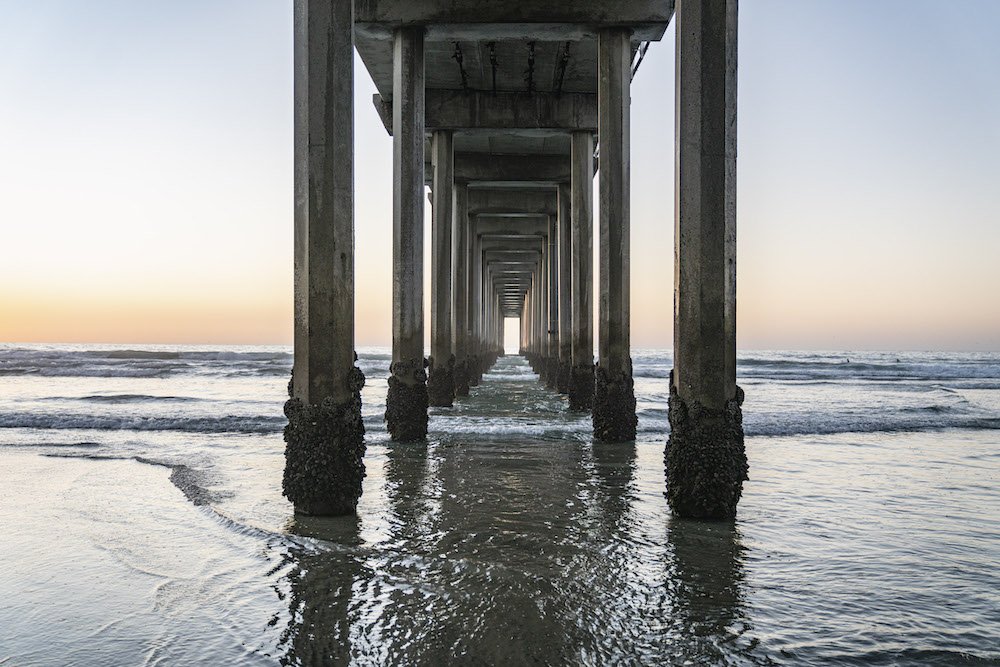


4) Paid Campgrounds are A Luxury Van life Option
While van life celebrates budget-friendly, free-spirited travel, paid campgrounds can sometimes be a valuable option, especially when you need a few added comforts. These stops are perfect for recharging both yourself and your van, with amenities that can elevate your experience, including:
Shower Facilities: After days spent off-grid, there’s nothing like a hot shower to refresh and rejuvenate. Paid campgrounds usually offer clean and reliable shower access, allowing you to unwind and wash off the dust of the road.
Room to Relax: The cozy confines of a van are ideal for many situations, but now and then, a bit of extra space can be a luxury. Paid campgrounds often feature picnic tables, campfire rings, and open green areas, giving you more room to stretch, socialize, and enjoy meals outside.
Laundry Services: When you’re on the road for extended periods, laundry facilities can be a big plus. Many campgrounds have coin-operated laundry rooms, making it easy to freshen up clothes without a lengthy detour into town.
Wi-Fi and Power Access: Staying connected is essential for many van lifers, whether it’s to work remotely, check in with loved ones, or plan the next leg of your journey. Campgrounds often offer Wi-Fi, along with electrical hookups for recharging your devices, which can be a welcome perk in remote areas with limited cell service.
Safety and Security: Paid campgrounds often provide a sense of security that dispersed sites may lack. With staff on-site, defined boundaries, and fellow travelers nearby, these spots can be reassuring, especially if you’re in a new area or just want some peace of mind.
While these amenities can be a delightful treat, the costs of paid campgrounds can add up quickly over time. For this reason, many van lifers consider them an occasional indulgence—a place to recharge, refresh, and reconnect before returning to the open road and the freedom of dispersed camping.
RELATED READ: The Hidden Realities of Van Life

We relied on iOverlander to find overnight parking while driving to Alaska, it worked great! Photograph by Dalton Johnson
5) iOverlander and FreeRoam are my Go-To Van life parking Apps
When you need quick, reliable solutions for van life accommodations, two indispensable apps, iOverlander and FreeRoam, come to the rescue. These user-friendly resources are like trusted companions for vanlifers, providing valuable guidance for every stop along the way—all at no cost:
FreeRoam: A powerhouse for finding hassle-free camping spots, FreeRoam (available at freeroam.app) helps you uncover a world of possibilities. With its intuitive interface, FreeRoam makes it easy to locate dispersed camping, scenic viewpoints, and even Wi-Fi zones. Filter options allow you to narrow down choices by cell service strength, road type, elevation, and more, ensuring that each location meets your unique needs.
iOverlander: A must-have for any vanlifer, iOverlander (accessible at ioverlander.com) boasts a vast, community-driven database of vanlife-friendly spots. From free overnight parking and potable water sources to local amenities and scenic campsites, iOverlander connects you with locations vetted and recommended by other travelers. It's not just for overnight stops; you’ll also find useful info on everything from laundry services to propane refills and meetups with other travelers.
These apps serve as vanlife navigators, bringing a wealth of insights and trusted recommendations straight to your phone. Designed with the nomadic lifestyle in mind, they help you stay informed, save money, and keep your travels stress-free. For savvy vanlifers worldwide, FreeRoam and iOverlander are essential tools that make life on the road simpler and more enjoyable.
6) Grocery Store Parking Lots: A Convenient Van life Overnight Solution
Navigating cityscapes during your van life journey can sometimes leave you in search of the perfect parking spot. While Walmart parking lots have long been a staple for vanlifers, there’s a practical and often overlooked alternative—grocery store parking lots. Here's why these spots can be the ideal haven for overnight stays:
Urban Oasis: As you explore new urban environments, grocery store parking lots offer a convenient and accessible refuge. These lots are typically located in prime areas, making them an easy stop in the midst of city exploration. Whether you're looking for quick access to local shops, restaurants, or other services, grocery store parking lots are often nestled in the heart of neighborhoods, allowing you to stay close to amenities while avoiding the hustle and bustle of traditional tourist spots.
Access to Amenities: One of the most significant advantages of staying in a grocery store parking lot is the availability of bathroom facilities. These are often open during store hours and provide the comfort and convenience you might need on the road. After a day of sightseeing or travel, you can easily freshen up or take a quick break before hitting the road again.
Restocking Supplies: Grocery store parking lots also offer the added bonus of convenience when it comes to restocking your supplies. Whether you're in need of fresh produce, snacks, or even a quick meal, you can easily stock up without straying far from your van. This means less time spent searching for supplies and more time to relax or explore.
Safe and Well-Lit Locations: Many grocery store parking lots are well-lit and regularly patrolled, providing an added sense of security compared to more remote or isolated areas. The constant flow of customers and employees makes these areas feel safer, especially for solo travelers or those seeking a bit more peace of mind when parked overnight in urban settings.
Short-Term Convenience: Grocery store parking lots are typically a short-term solution for vanlifers who need a quick and comfortable place to stay overnight. They provide a practical, no-fuss solution that blends seamlessly into the rhythm of city life, letting you focus on the fun of exploration rather than the stress of finding a place to park.
Incorporating grocery store parking lots into your van life toolkit offers a reliable and efficient option for overnight stays. They combine the best of urban convenience, essential amenities, and safety—ensuring you can rest easy and continue your adventure without the hassle of finding the perfect place to park. Whether you're in a bustling metropolis or a quieter suburban area, these lots offer a flexible solution that’s always close to the action.
A van-lifer enjoying the views of Mount Moran while sleeping in a remote pull out. Photograph by Dalton Johnson
Finding overnight parking for van life takes some time to understand. Every city, county, and state have different laws that you need to understand. If you are moving around from place to place in your van, you will quickly realize the laws are not shown. So, to find places to sleep in your van on your van life journey, you need to understand what your options are for boon-docking. I hope these six options have painted a picture of what your options are for sleeping in your van.
Discover More Van life Tips

Searching For Flatwater To Kayak Along Highway 395
We had a crazy idea, let’s road trip down Highway 395 in our self-converted van (watch the video tour of our dodge promaster 2500) with kayaks and explore as many bodies of water as possible. We only had a week, so how much could we cram into a single outing? We were not sure, but we wanted to try. So, would five bodies of water be too many, ten? Now, I’ll admit neither of us are good at kayaking, heck we can barely get in the kayaks without flipping, but that doesn’t matter. What matters is that we committed to the idea and have loads of fun along the way.
Did we succeed? Kind of.
We had a crazy idea, let’s road trip down Highway 395 in our self-converted van (watch the video tour of our dodge promaster 2500) with kayaks and explore as many bodies of water as possible. We only had a week, so how much could we cram into a single outing? We were not sure, but we wanted to try. So, would five bodies of water be too many, ten? Now, I’ll admit neither of us are good at kayaking, heck we can barely get in the kayaks without flipping, but that doesn’t matter. What matters is that we committed to the idea and have loads of fun along the way.
Did we succeed? Kind of.
Pros
Freedom and Flexibility: Vanlife allows you to have complete freedom and flexibility in your travel plans. You can go wherever you want, whenever you want, and change your itinerary on a whim.
Close to Nature: You'll be able to immerse yourself in nature, as you can often camp in beautiful and remote locations right next to the water, where you'll be kayaking.
Cost-Effective: Living in a van can be more cost-effective than staying in hotels or renting accommodations, especially if you're traveling for an extended period.
Adventure: The sense of adventure and exploration is a major draw. You'll have the opportunity to discover hidden gems and off-the-beaten-path kayaking spots.
Self-Sufficiency: You'll develop self-sufficiency skills, such as cooking and basic vehicle maintenance, which can be empowering.
Cons
Limited Space: Living in a van means limited space for personal belongings and activities, which can be challenging, especially on longer trips. Read this article to perfect your vanlife organization.
Comfort and Amenities: You'll likely have fewer amenities and comforts compared to a traditional home, such as a proper bathroom, kitchen, or a comfortable bed.
Isolation: Depending on your personality, you might experience periods of isolation or loneliness, especially when you're in remote areas without easy access to social interaction.
Hygiene and Cleanliness: Maintaining personal hygiene and cleanliness can be more challenging in a van, especially if you don't have access to showers or laundry facilities. Read this article to learn how to maintain your hygiene on the road in a van.

Kayaking on Lake Tahoe, the starting and ending point for our road trip. Photo by Dalton Johnson
Essential Kayaking Gear for Our Eastern Sierra Road Trip:
To ensure our kayaking adventures along the scenic Eastern Sierra Highway were both safe and enjoyable, we made sure to bring along a carefully curated selection of kayaking gear. This gear not only enabled us to explore the stunning bodies of water in the region but also provided us with the necessary tools to embrace the great outdoors. Here's a list of the kayaking gear we packed for our journey:
Oru Lake Kayak: The heart of our adventure, our trusty Oru Lake kayaks, was the vessel that carried us across the pristine waters of the Eastern Sierra's lakes and rivers. We picked these kayak because they fold up and can be stored easily under the bed in the back of the van.
PFD (Personal Flotation Device) - aka Life Jacket: Safety was a top priority on our road trip. Each of us had a PFD, ensuring that we were well-prepared for any unexpected situations on the water.
Paddle: A reliable paddle was an essential tool for navigating the waterways and propelling our kayaks forward with precision.
Clothes That Can Get Wet: We packed clothing items specifically chosen for their quick-drying and moisture-wicking properties. These clothes kept us comfortable and protected during our kayaking excursions, even when we got splashed or encountered a light drizzle.
Bottom: Surenow running shorts
Wind and Rain Jacket: Marmot jacket (a great all around shell)
Sunscreen: The Eastern Sierra region is known for its abundant sunshine, so sunscreen was a must. We applied it generously to shield ourselves from the high-altitude sun while paddling.
Sandals: Comfortable and water-resistant sandals allowed us to easily transition from land to water without the worry of getting our shoes wet or slipping on rocky shores. My go-to sandals are the Merrell Hydro Moc or the plastic Birkenstock sandals.
With these essential kayaking items in tow, we embarked on our Eastern Sierra road trip fully prepared to make the most of every moment on the water, surrounded by the region's breathtaking natural beauty.

Midnight kayak along Highway 395. Photo by Dalton Johnson
Eastern Sierra Bodies of Water Kayaked:
During our kayaking road trip through the Eastern Sierra Highway, we had the incredible opportunity to paddle on a variety of picturesque bodies of water. Each location offered its own unique charm and breathtaking scenery. Here is a list of the Eastern Sierra bodies of water we explored by kayak:
Emerald Bay: Nestled on the stunning Lake Tahoe, Emerald Bay is renowned for its crystal-clear waters, granite cliffs, and the iconic Fannette Island. Kayaking here allowed us to soak in the unparalleled beauty of this natural wonder.
Zephyr Cove: Located on the southeastern shore of Lake Tahoe, Zephyr Cove is a tranquil and inviting spot for kayakers. We navigated through its serene waters, taking in the peaceful ambiance and enjoying the panoramic views.
Twin Lakes: Tucked away in the heart of the Eastern Sierra, Twin Lakes offers a serene alpine setting. Our kayaking adventure here provided us with a chance to connect with nature and savor the pristine mountain environment. Watch our recap video of kayaking at Twin Lakes
Mammoth Lakes: The Mammoth Lakes basin is a hidden gem in the Sierras, boasting a chain of clear mountain lakes surrounded by rugged terrain. Kayaking on these high-altitude lakes offered a sense of serenity and awe-inspiring vistas, click to read the “Kayaking Mammoth Lakes Guide” article.
Owen's River: As we followed the Owen's River, we embarked on a different kind of kayaking experience. This meandering river provided us with opportunities to observe wildlife and experience a more tranquil, riverine setting, especially at sunset. Watch this sunset kayaking video from the Owen’s River.
Convict Lake: Tucked beneath towering peaks, Convict Lake is a picturesque glacial lake. Our kayaking journey here allowed us to paddle amidst dramatic mountain scenery and take in the tranquility of this hidden gem. Watch this video on kayaking Convict Lake during sunrise


Choosing the Best Time of Day to Kayak in the Eastern Sierra
When it comes to planning your flatwater kayaking adventures in the Eastern Sierra, selecting the right time of day can significantly enhance your experience. While there are various options to consider, the two prime times to paddle in this breathtaking region are during sunrise and sunset. Here's why:
Sunrise Paddling:
Paddling at sunrise is a magical experience that offers a host of unique advantages:
Solitude and Serenity: Rising early to paddle as the sun breaks over the horizon provides you with an unmatched sense of solitude. Most kayakers tend to start later in the day, meaning you'll likely have the entire body of water to yourself. This solitude allows you to connect with nature in a profound and peaceful way. Check out this short sunrise kayaking video from Lake Tahoe
Front-Row Seat to Nature's Show: Watching the Eastern Sierra landscape awaken as the first rays of light touch the water's surface is a mesmerizing spectacle. It's a time when the world comes alive with the songs of birds and the tranquility of the wilderness.
Cozy Comfort: To make the most of your sunrise paddle, consider bringing a warm beverage like coffee or tea and a good book. Settle into the middle of the lake, savor your drink, and immerse yourself in the serenity of the surroundings.

Sunrise kayak on Convict Lake just outside Mammoth Lakes, CA. Photo by Dalton Johnson
Sunset Paddling:
Paddling at sunset is equally enchanting and offers its own set of captivating experiences:
Cooling Temperatures: As the day winds down, the temperatures cool, making for a more comfortable and refreshing kayaking experience.
Wildlife Encounters: Sunset is a prime time for wildlife activity. You might witness fish leaping from the water or observe various creatures visiting the shores, adding an extra layer of excitement to your paddle.
Shared Moments: To enhance your sunset paddle, consider inviting a group of friends. Sharing this beautiful time of day with others, all floating in the middle of the lake, can create lasting memories and a sense of camaraderie.
In the Eastern Sierra, whether you choose the tranquil solitude of a sunrise paddle or the vibrant beauty of a sunset excursion, you're bound to create unforgettable moments and forge a deeper connection with the stunning natural landscapes that define this remarkable region. So, set your alarm early or gather your friends, and prepare for an awe-inspiring kayaking adventure in the Eastern Sierra.
As we reflect on our ambitious road trip down Highway 395, armed with kayaks and an unyielding spirit of adventure, we can't help but smile at the memories we've created. Our initial questions about how many bodies of water we could explore in just a week were met with uncertainty, but one thing was for certain: we were determined to try.
While neither of us could claim to be expert kayakers – in fact, our kayaking skills often left us teetering on the brink of a watery mishap – it was the journey and the sheer joy of exploration that mattered most. We were not striving for perfection but instead, embracing the idea of embracing the unknown.
Did we successfully kayak every body of water we set our sights on? Well, the answer is a bit nuanced. We may not have conquered every lake or river as gracefully as we'd hoped, and we may have encountered a few unexpected challenges along the way, but what truly mattered was the indomitable spirit that drove us to try.
The Eastern Sierra revealed its incredible beauty at every turn, each body of water offering a unique glimpse into the natural wonders of this region. Whether it was the tranquil stillness of a high-mountain lake at sunrise or the breathtaking hues of a sunset paddle, every moment was a testament to the awe-inspiring landscapes we were fortunate to experience.

Kayaking on Owen’s River along Highway 395. Photo by Dalton Johnson
In the end, our kayaking road trip was about more than just ticking items off a checklist; it was about embracing the unknown, celebrating the joy of exploration, and creating cherished memories. It was about the camaraderie forged through shared challenges and the sense of wonder that comes from immersing ourselves in the wild beauty of the Eastern Sierra.
So, did we succeed? Well, we did in ways that exceeded our expectations. We may not have paddled every body of water, but we paddled into the heart of adventure, and that's a journey we'll cherish forever. Our Eastern Sierra kayaking road trip wasn't just about reaching the destination; it was about embracing the exhilarating ride along the way. And in that, we found our true success.
Discover More Road Trip Adventures

Here's The Difference Between Backpacking and Camping
The allure of the great outdoors, with its untamed beauty and serenity, beckons adventure enthusiasts to seek solace beyond the urban hustle. Amidst the vast array of outdoor activities, backpacking and camping stand out as two distinct yet equally captivating choices. Both promise a rendezvous with nature, but their approaches, equipment requirements, and overall experiences set them apart. In this comprehensive guide, we will explore the nuances of backpacking and camping, helping you decipher the ideal outdoor adventure tailored to your preferences.
The great outdoors offers a perfect escape from city life, with backpacking and camping as two popular ways to experience it. While both bring you closer to nature, they each offer different experiences, gear needs, and approaches. This guide breaks down the key differences between backpacking and camping to help you choose the adventure that’s right for you.
Feeling small while backpacking in the High Sierra. Photo by Dalton Johnson
What is Backpacking?
Backpacking is an adventurous way to explore the outdoors by carrying everything you need in a single pack and journeying across remote landscapes. Unlike traditional camping, which often focuses on staying in one location, backpacking is about movement and discovery, challenging you to cover longer distances while relying on minimal gear. This section covers the core aspects of backpacking, from the necessary equipment and fitness requirements to the sense of adventure and skill it demands.
Adventure and Exploration: Backpacking encapsulates the thrill of venturing into the unknown. It involves strapping on a loaded backpack and setting off on a journey through the woods, desert, or mountains. The emphasis is on covering substantial distances (8 to 20 miles a day), embracing a nomadic lifestyle while immersed within nature, and reconnecting oneself in the raw beauty of nature.
Gear and Equipment: "Travel light, travel far" is the mantra of backpacking. Lightweight and compact gear are the staples, carefully chosen to prioritize functionality without compromising mobility. What we look for in backpacking gear is determined by where we are going and the needs of the trip, but a minimalist approach ensures every piece of equipment serves a purpose, facilitating endurance during long treks.
A few pieces of gear we love and use while backpacking:
High Above hip pack; perfect for day hiking around after setting up camp
Big Agnes Flycreek 2p; our favorite tent
Duration of Stay: Characterized by backpacking’s transient nature, backpacking involves continuous movement, covering significant distances over several days or weeks. The journey itself becomes an integral part of the adventure, with each day presenting new landscapes and challenges. Sometimes you hike 5-10 miles a day, other trips you spend 20-30 miles a day. That is your choice.
Skill Level and Fitness Requirements: Backpacking demands a higher level of fitness and outdoor skills than camping. Navigating challenging terrains, unpredictable weather conditions, and carrying a loaded backpack require physical endurance, survival skills, and a certain level of outdoor proficiency.
Comfort and Pace: Emphasizing a faster pace and a nomadic lifestyle, especially when doing a thru-hike like the Tahoe Rim Trail, backpacking encourages adventurers to explore new territories and adapt to the challenges of the trail.

Using a van to camp on BLM in Sedona, AZ. Photo by Dalton Johnson
What is Camping?
Camping is a way to connect with nature at a more relaxed pace, allowing you to set up a base camp and settle into a single area. Unlike backpacking, which involves covering long distances, camping provides the opportunity to enjoy a chosen spot and make it your own, often with more comfortable gear and amenities. This section will cover the essentials of camping, from setting up a cozy campsite to the accessibility and ease it offers for all kinds of outdoor enthusiasts, whether you're a beginner, family camper, or seasoned nature lover.
Adventure and Exploration: While camping also offers adventure, it often provides a more localized experience. Campers can establish a base camp, allowing for day hikes and exploration around a specific area. The focus is on enjoying the immediate surroundings with the option for shorter excursions. Some of the top adventures while camping include surfing, mountain biking, rock climbing, hiking, and photography.
Gear and Equipment: Campers enjoy the luxury of bringing larger and more comfortable gear, as they don't have to carry it over long distances. This includes spacious tents, comfortable sleeping pads, and more elaborate cooking setups, emphasizing a comfortable and enjoyable campsite for an extended stay.
A few pieces of gear we love and use while camping:
High Above hip pack; perfect for day hiking or mountain biking around your campsite
Solo Stove, great for campfires anywhere
DoD camping king; perfect for cooking meals while camping
Duration of Stay: Camping can range from a single overnight stay to an extended period, depending on the type of camping chosen. Campers have the flexibility to decide the duration of their stay, allowing for a more leisurely experience.
Skill Level and Accessibility: While camping also requires basic outdoor skills, it may be more accessible for individuals with varying fitness levels. Car camping, in particular, provides a comfortable experience without the physical demands of backpacking, making it suitable for families and beginners.
Comfort and Pace: Offering a slower pace and a more relaxed environment, camping allows individuals to set up a base camp, providing a comfortable space to unwind, enjoy nature, and engage in various activities without the need for constant movement.

Sleeping in a tent while on a backpacking trip around Lake Tahoe, CA. Photo by Dalton Johnson
What’s The Difference between Backpacking and Camping:
Adventure and Exploration:
Backpacking and camping offer distinct outdoor adventures, each with a unique approach to exploration. Backpacking is ideal for those seeking a more intense, dynamic experience, where the journey involves trekking through challenging, often remote terrains, embracing the thrill of distance and discovery along the way. On the other hand, camping provides a more localized adventure, allowing you to set up a base camp and explore nearby areas through day hikes and shorter outings. While both options offer a chance to connect with nature, backpacking emphasizes covering substantial ground, while camping focuses on enjoying a specific location and its immediate surroundings.
Backpacking: Ideal for the thrill-seekers and those craving the excitement of venturing into the unknown. Backpacking takes you on a journey through challenging terrains, where each step brings new discoveries and unforeseen challenges. The emphasis is on covering substantial distances and immersing yourself in the raw beauty of nature.
Camping: While camping can also offer adventure, it often provides a more localized experience. Camping allows you to establish a base camp, providing the opportunity for day hikes and exploration around a specific area. The focus is on enjoying the immediate surroundings with the option for shorter excursions.
Gear and Equipment:
Backpacking and camping differ greatly in terms of gear and equipment needs. For backpacking, the focus is on minimalism; backpackers select lightweight, compact gear to ensure mobility and endurance on long treks. Every item is chosen for functionality, keeping weight to a minimum while meeting essential needs. In contrast, camping allows for more comfort and convenience, with campers bringing larger, more luxurious items like spacious tents, cushy sleeping pads, and full cooking setups. Without the need to carry everything on their backs, campers can prioritize a comfortable, well-equipped campsite for a relaxed and extended stay.
Backpacking: The mantra here is 'travel light, travel far.' Backpackers carefully select lightweight and compact gear, emphasizing functionality without compromising mobility. A minimalist approach is crucial, ensuring that every piece of equipment serves a purpose while remaining manageable during long treks.
Camping: Campers have the luxury of bringing larger and more comfortable gear since they don't have to carry it over long distances. This includes spacious tents, comfortable sleeping pads, and more elaborate cooking setups. The emphasis is on creating a comfortable and enjoyable campsite for an extended stay.

Car camping at the beach in a roof top tent. Photo by Dalton Johnson
Duration of Stay:
Backpacking and camping offer different approaches to the duration of stay. Backpacking is typically transient, involving continuous movement across various terrains over several days or even weeks, with the journey itself as the main focus. Each day brings fresh landscapes and new challenges, keeping the experience dynamic and varied. Camping, however, is more flexible and can last from a single night to an extended stay, depending on personal preference. Campers can settle in one spot for a weekend or a longer vacation, enjoying a relaxed pace that allows them to fully immerse themselves in a specific location.
Backpacking: Characterized by its transient nature, backpacking involves continuous movement, covering significant distances over several days or weeks. The focus is on the journey itself, with each day bringing new landscapes and challenges.
Camping: Camping can range from a single overnight stay to an extended period, depending on the type of camping chosen. Whether it's a weekend getaway or a more extended vacation, campers have the flexibility to decide the duration of their stay, allowing for a more leisurely experience.
Skill Level and Fitness Requirements:
Backpacking and camping differ significantly in skill and fitness demands. Backpacking requires strong physical fitness and advanced outdoor skills, as it involves navigating challenging terrains, dealing with unpredictable weather, and carrying a heavy pack. These elements demand endurance, survival knowledge, and proficiency in the outdoors. Camping, on the other hand, is generally more accessible to a range of fitness levels and skill sets. Car camping, in particular, eliminates the need to carry gear long distances, offering a comfortable experience suitable for families and beginners, with only basic outdoor skills needed for an enjoyable trip.
Backpacking: Requires a higher level of fitness and outdoor skills. Navigating challenging terrains, unpredictable weather conditions, and carrying a loaded backpack demand physical endurance, survival skills, and a certain level of outdoor proficiency.
Camping: While camping also requires basic outdoor skills, it may be more accessible for individuals with varying fitness levels. Car camping, in particular, provides a comfortable experience without the physical demands of backpacking, making it suitable for families and beginners.
Comfort and Pace:
Backpacking and camping differ in comfort and pace, with each offering a distinct style of outdoor experience. Backpacking emphasizes a faster, more dynamic pace, encouraging a nomadic lifestyle where travelers are constantly moving, exploring new territories, and adapting to the challenges of the trail. In contrast, camping offers a more leisurely and relaxed experience. Campers can set up a base camp, allowing them to unwind, enjoy the surroundings, and engage in activities without the need for continuous movement, creating a comfortable and stable outdoor environment.
Backpacking: Emphasizes a faster pace and a more dynamic, nomadic lifestyle. Backpackers are always on the move, exploring new territories and adapting to the challenges of the trail.
Camping: Offers a slower pace and a more relaxed environment. Campers have the luxury of setting up a base camp, providing a comfortable space to unwind, enjoy nature, and engage in various activities without the need for constant movement.
Car camping near Bishop, CA. Photo by Dalton Johnson
The choice between backpacking and camping boils down to your personal preferences, fitness level, and the type of outdoor experience you seek. If you yearn for adventure, the thrill of exploration, and the challenge of the unknown, backpacking awaits. On the other hand, if you prefer a more relaxed, comfortable pace, and the freedom to savor nature at your own speed, camping beckons. Whichever path you choose, both backpacking and camping promise to deliver unforgettable moments and a deeper connection with the great outdoors.
Discover more Adventures

7 Things You Might Not Think About When Planning Your First Adventure Travel Trip
Planning your first adventure travel trip is exciting! However, amidst the excitement, it’s easy to overlook some essential elements that can make or break your experience. To help you avoid common pitfalls and ensure a smooth trip, here are seven things you might not think about but should consider when planning your first adventure travel journey.
Planning your first adventure travel trip is exciting! However, amidst the excitement, it’s easy to overlook some essential elements that can make, or break, your experience. To help you avoid common pitfalls and ensure a smooth trip, here are seven things you might not think about, but should consider, when planning your first adventure travel journey.
Looking out upon the Yosemite National Park skyline at sunset during the fall.. Photo by Dalton Johnson
1. Allowing for Downtime and Recovery
Adventure travel is thrilling but also physically demanding. While it’s tempting to pack your schedule with activities, be sure to include rest days and time for spontaneity. Downtime allows you to recharge both physically and mentally, preventing burnout and letting you enjoy each experience fully. Plan at least one, or two days to relax, whether it’s unwinding at a local café, enjoying a quiet day at your accommodation, or simply reflecting on the week’s adventures. This balance can keep you energized and reduce the risk of travel fatigue.
2. Choosing Activities for Your Skill Level
It’s easy to get caught up in the excitement of adventure travel and sign up for ambitious activities, but it’s crucial to be realistic about your comfort and fitness levels. For instance, a mountain trek might sound exhilarating, but if you’re new to hiking, a less strenuous route is a safer choice. Choose activities that align with your current skill level, or consider taking a beginner’s course on-site. Starting within your comfort zone allows you to build skills confidently and enjoy the experience without unnecessary stress.
At the risk of contradicting myself, don’t hold yourself back either. If you set a goal, trained for it, and want to push yourself, do it! I have found a common thread while traveling for mountain objective, like climbing the seven summits, and long trail runs along the Italian coastline.

Moving to camp three while climbing Denali, North America’s tallest summit. Photo by Dalton Johnson
3. Considering Weather Variability
In adventure travel, the weather can have a major impact on your plans. Unlike a typical vacation, many adventure activities depend heavily on weather conditions. Research seasonal weather trends for your destination, and be prepared for unexpected changes. Packing layered clothing, waterproof gear, and essential weather apps can make a huge difference. Additionally, having a few indoor activities in mind can give you alternatives if the weather doesn’t cooperate.
4. Prioritizing Travel Insurance
Adventure travel often involves riskier activities than regular travel, so having comprehensive travel insurance is essential. Look for policies that cover adventure sports, high elevation, and medical evacuation if you’re going to remote areas. It might feel like an added expense, but travel insurance can be invaluable if you encounter unexpected health issues or need assistance. Not only does it provide peace of mind, but it also helps you focus on enjoying your adventure, knowing you’re covered if anything goes awry.
A few companies I have used:
5. Packing the Right Gear (But Not Too Much)
When it comes to adventure travel, the right gear can make or break your experience. Focus on high-quality essentials rather than over-packing. Items like sturdy hiking boots, a reliable backpack, weather-resistant clothing, and a first-aid kit should be prioritized. It’s tempting to bring extra gadgets or outfits, but adventure travel often means carrying your belongings over rugged terrain. Packing light but effectively can keep you comfortable, mobile, and ready for any activity.
For a deep dive into all things gear, check out our gear section.
6. Understanding Cultural Norms and Etiquette
Adventure destinations often bring you closer to local communities and customs, which means cultural awareness is essential. Some destinations might have specific dress codes (especially when traveling and visiting religious sites), norms around photography, or unique greeting customs. Spend time researching these details to ensure you’re respectful and can better connect with the local culture. Cultural understanding enriches your experience and can also help you avoid misunderstandings or unintended disrespect in unfamiliar settings.
Additional Reads:

Starting to climb the first pitch of the Grand Teton at sunrise. Photo by Dalton Johnson
7. Planning for Digital Detox and Disconnecting
Adventure travel can take you to remote areas with limited connectivity, which can be a fantastic way to unplug from the digital world. However, if you’re used to being constantly connected, it’s good to plan for a digital detox. Let family or friends know your itinerary and set expectations around communication gaps. There’s nothing worse than your digital detox getting ruined by a nervous friend or family member. Use this time to immerse yourself in nature, local culture, practice journalling, and the overall adventure, embracing a break from social media and emails. You might find it’s one of the most refreshing parts of the experience.
A few stories about digital detox:
Snorkeling the Blue Hole in Belize. Photo by Dalton Johnson
Your first adventure travel trip is an opportunity to immerse yourself in unique experiences and test your comfort zone. With these often-overlooked considerations in mind, you’ll be better prepared to tackle the journey with confidence and ease. There is a fine line to navigate between traveling and adventure, but I know you will be able to find what is right for you. Stay safe and enjoy the journey.
Discover more Adventures

A Beginner’s Guide To Planning Your First Adventure Travel Trip
Your first adventure travel trip is an exciting milestone! Adventure travel is all about immersing yourself in new environments, trying exhilarating activities, and stepping out of your comfort zone. While the thrill of adventure is a big part of the experience, planning a smooth trip requires thoughtful preparation. Here’s a step-by-step guide to help you set off confidently and make the most of your first adventure travel journey.
Your first adventure travel trip is an exciting milestone! Adventure travel is all about immersing yourself in new environments, trying exhilarating activities, and stepping out of your comfort zone. While the thrill of adventure is a big part of the experience, planning a smooth trip requires thoughtful preparation. Here’s a step-by-step guide to help you set off confidently and make the most of your first adventure travel journey.
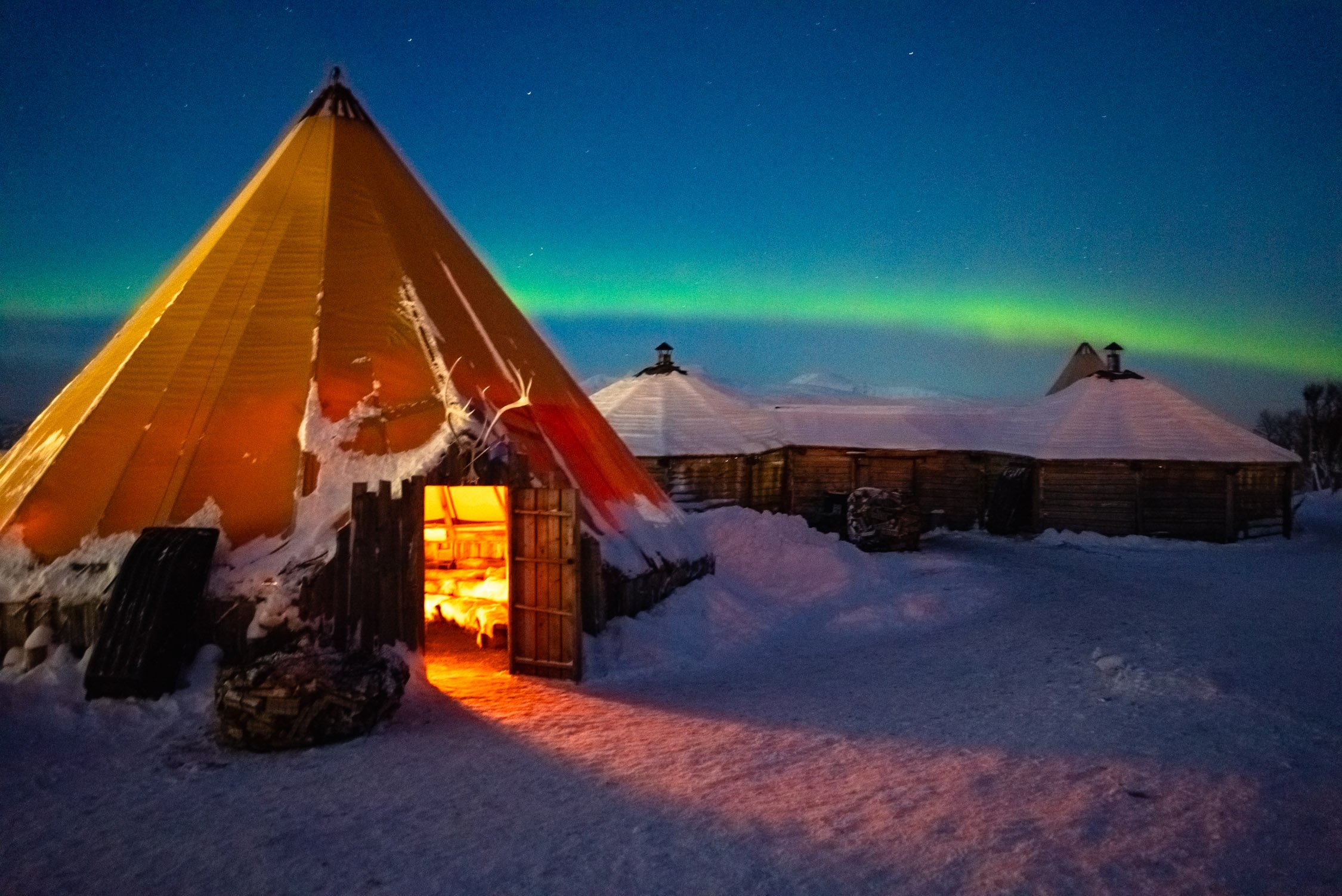
Watching the Northern Lights dance over a Sami residence in Norway. Photo by Dalton Johnson
1. Start with a Plan
Starting with a solid plan is essential for any successful adventure trip, especially if it’s your first. Begin by researching your destination to understand what it has to offer in terms of activities, terrain, and cultural experiences. Knowing the types of activities available will help you decide what to include in your itinerary. Are you looking for mountain hikes, water sports, wildlife safaris, rock climbs, or a mix? Create a realistic schedule that balances activity with rest days, so you have time to relax and process your experiences.
As you plan, keep in mind factors like local weather conditions and safety. Research the best time of year to visit, as weather can affect accessibility to certain areas and the quality of your experiences. Additionally, look up any cultural norms to ensure you’re respectful of local traditions and prepared to navigate social situations.
2. Set Your Budget and Gather the Right Gear
Budgeting is key to adventure travel, as the costs can vary greatly depending on your activities and destination. Break down your budget into major categories: flights, accommodations, meals, activity fees, gear, and a buffer for unexpected expenses. Budgeting in advance also helps you prioritize certain activities and avoid overspending.
Once your budget is set, turn your attention to gear. The type of gear you need will vary depending on the activities you’ve planned. For example, a trekking trip might require durable hiking boots, weather-resistant clothing, and a sturdy backpack, while a snorkeling adventure in Belize calls for swimwear, a snorkel set, and reef-safe sunscreen. Pack light but be thorough, ensuring you have essentials like a first aid kit, reusable water bottle, and any activity-specific equipment. If you’re new to adventure travel, consider renting certain items or purchasing them secondhand to save money.
3. Prioritize Health and Safety
Ensuring your health and safety should be a top priority, especially if you’re traveling solo or to a remote location. Check for any vaccinations or health requirements specific to your destination, and pack any medications or health supplies you may need. Some activities might require additional training or experience, so take a realistic look at your skill level. It’s better to build up gradually than to attempt an activity that feels overwhelming or unsafe.
In terms of safety, keep both your physical and mental well-being in mind. Research local emergency contacts and carry a small first-aid kit with basic items like bandages, antiseptic, and pain relievers. Always let someone know your travel plans, especially if you’re heading to a remote area without cell service. Lastly, consider travel insurance to protect against any unexpected situations, especially if your trip involves activities like climbing, skiing, or scuba diving.

Looking out upon the Amalfi Coast while on an e-bike adventure. Photo by Dalton Johnson
4. Build Flexibility Into Your Itinerary
While a plan provides structure, it’s also essential to stay flexible. One of the best parts of adventure travel is the freedom to embrace the unexpected. Weather, local events, or even a recommendation from a fellow traveler might lead you to change your plans, and that’s okay. Building flexibility into your itinerary lets you explore spontaneous opportunities without feeling stressed about keeping to a rigid schedule.
It’s helpful to leave one, or two days, open in your itinerary to explore areas you discover along the way, relax, or catch up on rest. Remember, you don’t have to see and do everything on your first trip. Adventure travel is about quality experiences and connecting with your surroundings, so savor each moment without rushing.
5. Embrace the Journey, Not Just the Destination
Adventure travel is as much about the journey as it is about reaching specific goals or destinations. Allow yourself to be present and fully engage in each experience rather than focusing solely on your itinerary. Take time to appreciate the landscapes, people, and cultures you encounter. Adventure travel often involves challenges, whether it's an early morning hike or navigating new surroundings, but those moments can lead to the most rewarding experiences.
Kayaking among icebergs in Antarctica. Photo by Dalton Johnson
In the end, your first adventure travel trip is an opportunity to learn, grow, and enjoy the thrill of exploration. With a well-thought-out plan, the right preparation, and an open mind, you’ll be set to make unforgettable memories and come back with stories of a lifetime. So, pack your sense of curiosity and embrace the excitement ahead!
Discover more Adventures
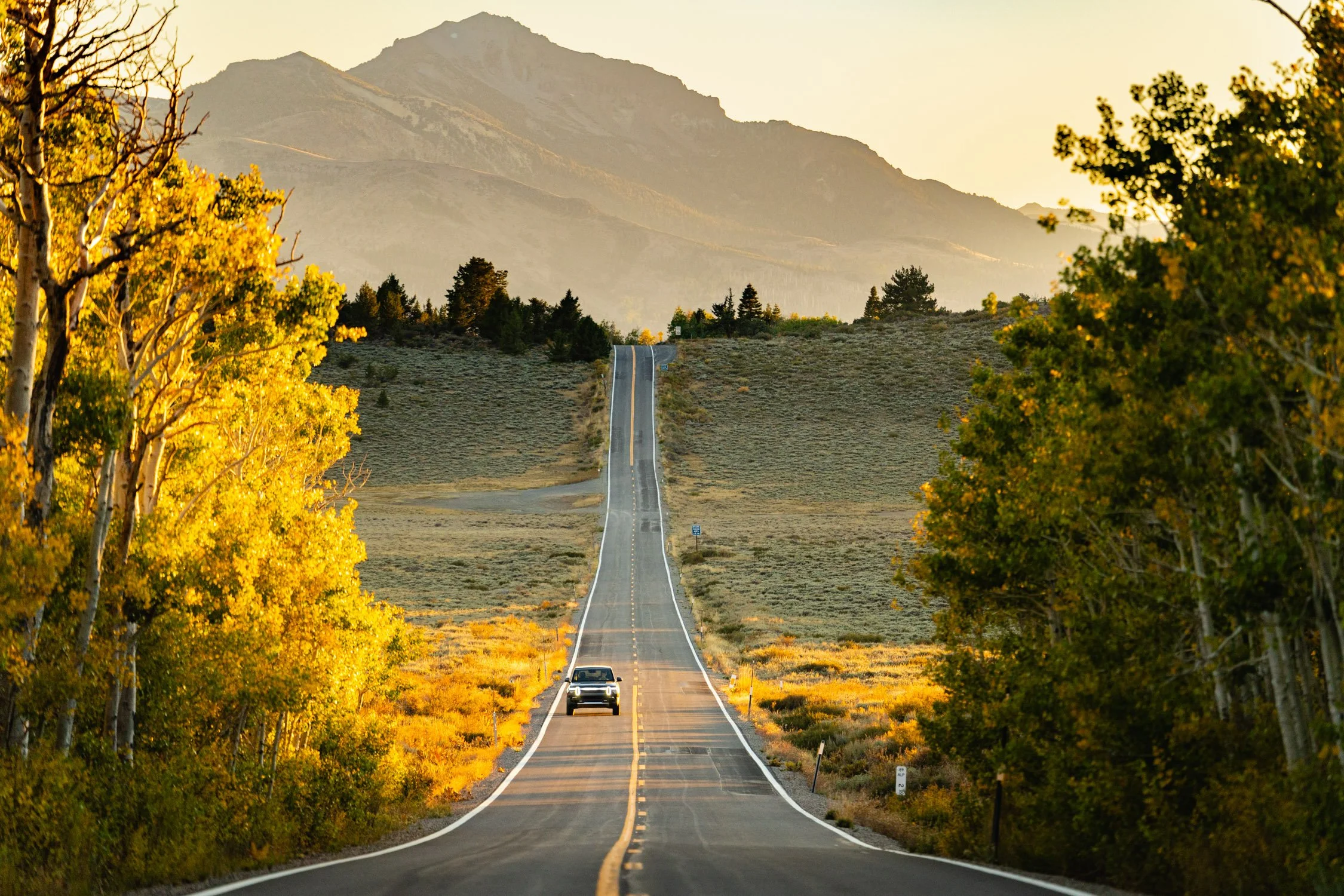
An EV Road Trip in Search of Fall Colors in Northern California
Few road trips start as grand as this one, but our road trip, in search of fall colors, was going to be different.
Starting at Lake Tahoe’s iconic Emerald Bay on a crisp morning, the Rivian R1S had the seats down and was loaded to the brim with camera gear, dog toys, suitcases, snacks, and hiking gear. Kristin, Chestnut (our dog), and myself were in for an adventure of a lifetime. Seeking fall colors throughout Northern California, we had planned a week long road trip looping from Lake Tahoe to Yosemite National Park back to our home in Lake Tahoe via as many backroads as possible.
Few road trips start as grand as this one, but our road trip, in search of fall colors, was going to be different.
Starting at Lake Tahoe’s iconic Emerald Bay on a crisp morning, the Rivian R1S had the seats down and was loaded to the brim with camera gear, dog toys, suitcases, snacks, and hiking gear. Kristin, Chestnut (our dog), and myself were in for an adventure of a lifetime. Seeking fall colors throughout Northern California, we had planned a four-day road trip looping from Lake Tahoe to Yosemite National Park back to our home in Lake Tahoe via as many backroads as possible.
Emerald Bay just before the sunrise on the first morning of our road trip. Photo by Dalton Johnson


The sun poking over the Carson Range and blanketing Lake Tahoe in the much needed warmth marked the beginning of our projected 400 mile road trip. However, we knew our desire to take the roads less traveled to find the color popping foliage meant we would most likely be driving 1200 to 1500 miles. Kinda tricky considering we were in an EV for the first time and worried about how to charge and where to charge. On our list of dream destinations for fall foliage in Northern California we had the following list:
Kirkwood / Hope Valley
Angora Lakes Overlook

Our route in search of fall colors and epic hikes in Northern California. Google Maps
Pros
Using the Rivian, instead of my van, we saved $482 in fuel costs
Utilizing the downloaded maps version of AllTrails allowed me to stay on path while hiking and trail running in Yosemite National park
Pet Mode saved us with Chestnut when we needed to run into a store and leave him in the Rivian
Fall colors on Monitor Pass at sunset blew our minds, we timed that perfectly
Cons
Fall colors were later than expected, so not as grand as previous years
I should have used the AllTrails scenic roads to find more locations for the road trip, but I didn’t know about this feature until the last day
Having Chestnut, our dog, with us prevented us from exploring Yosemite National Park as much as we wanted

Driving through the aspen groves towards the Angora Fire Lookout. Photo by Dalton Johnson
The Night Before Leaving
Like I said before, neither Kristin or myself had ever driven an Electric Vehicle before, so the family hopped in the Rivian and took off with high hopes of finding some fall colors in South Lake Tahoe. We figured our best bet would be around the Angora Lakes area as the winding dirt road has several aspen groves dotting the landscape.
To our surprise, there were only a few groves that had started turning from green to yellow and orange. This year the colors were late.
Weaving up the slopes towards the fire look out, the grove’s started to show signs of color. A pop of yellow here and another pop of color there. Turns out, we just needed to gain some elevation. I’m no scientist, so I have no idea what it takes for the colors to change on aspen trees, but I enjoy watching the yellow leaves dance in the wind. As we drove, Kristin and I were eager about the colors that started to show, especially in the sunset light.
Swapping back and forth, Kristin and I became accustomed to the regenerative braking of an EV. Learning how to drive smooth was a challenge at first and our driving resembled that of 15 year old in driver training as we bobble-headed around the turns of the road. However, after twenty or so minutes of driving, we both were able to understand how to drive with a the single pedal.
Arriving at the lookout just in time, we watched the golden glow of sunset envelop all of the Tahoe Basin.

Kristin and Chestnut soaking in the sunset views from the Angora Fire Lookout overlooking Fallen Leaf Lake and Lake Tahoe from the Rivian Tailgate. Photo by Dalton Johnson

Exploring the dirt roads on the way to Yosemite National Park. Photo by Dalton Johnson
Lake Tahoe to Yosemite National Park:
Leaving Emerald Bay and with myself at the wheel, our journey was underway. Typically, we would drive south to Sacramento, down the Interstate 5, and then head directly to Yosemite Valley, but have you ever set eyes on fall colors along I-5? We haven’t! Instead, we routed a path through the two lane roads of Sierra Nevada Mountains. Often, taking dirt side roads to hidden lakes and mountain towns tucked at the base of cliffs calling out to be climbed. However, we would need to return at a later date for that, for this trip was about fall colors.
The Rivian has roughly 400 miles on a single charge, so we knew we could take as many backroads as our heart’s desired.
Kicking up dust as we made our way south, Chestnut was doing a great job laying in the spacious back seats and would occasionally poke us with his nose, letting us know he needed to use the restroom. As a puppy of 12 weeks, his bladder was small and this was going to be his first big road trip. Luckily, the air conditioner in the back of the Rivian could blow directly on him, keeping him cool on the journey.
After one of the mandatory potty stops for Chestnut, I was feeling ambitious. Our “fuel tank” said we had plenty of energy, so I slammed the pedal to the floorboard to test out how fast we could go. 80, 90, 95, 100, 105, 110, 111…
“That’s enough!” Kristin shouted in a nervous voice next to me as her fingernails dug into my thigh.
“That is crazy! This thing can rip!” I shouted back, wide-eyed with adrenaline.

Recharging at the Rivian Outpost in Groveland, CA. Photo by Dalton Johnson
Stopping in at the flagship Rivian Outpost in Groveland, CA to top off the tank, before heading into Yosemite National Park for the evening, we stretched our legs, grabbed a cup of Jelly Beans (honestly, we did spill them), met a few other Rivian owners, and learned about the new collaboration between Rivian and AllTrails. In the wake of the major overhaul to the AllTrails app, Rivian and AllTrails have teamed up to enable the Rivian community to get outdoors. To do this, stop in at the Rivian Outpost and scan a QR code that will unlock one free month of AllTrails+.
What does AllTrails+ Unlock for you?
Offline Maps: Download maps in advance to ensure you know your location even without cell service, a much needed feature in National Parks. This is by far my favorite feature!
Distance Away: Search for trails based on how far they are from your current location. Whether you have just an hour or an entire day, find trails that match your available time
3D Maps: View an enhanced visualization of trails, including peaks and valleys, to better understand the terrain before heading out. This is my second favorite feature as it allows me to visualize photography spots and scout new routes along the way.
Enhanced Map Details: Access real-time information on air quality, satellite weather, pollen, light pollution, and user heatmaps to plan your trip effectively.
Printed maps: Print customized maps with options for scale, orientation, gridlines, and paper size. Have a backup plan without needing guidebooks.
Wrong-turn alerts: Load a map or trail route into Navigator to get alerts if you veer off course, helping you stay on track and enjoy your surroundings.
Ad-free experience: In other words, you save time while searching and get to spend more time outdoors.


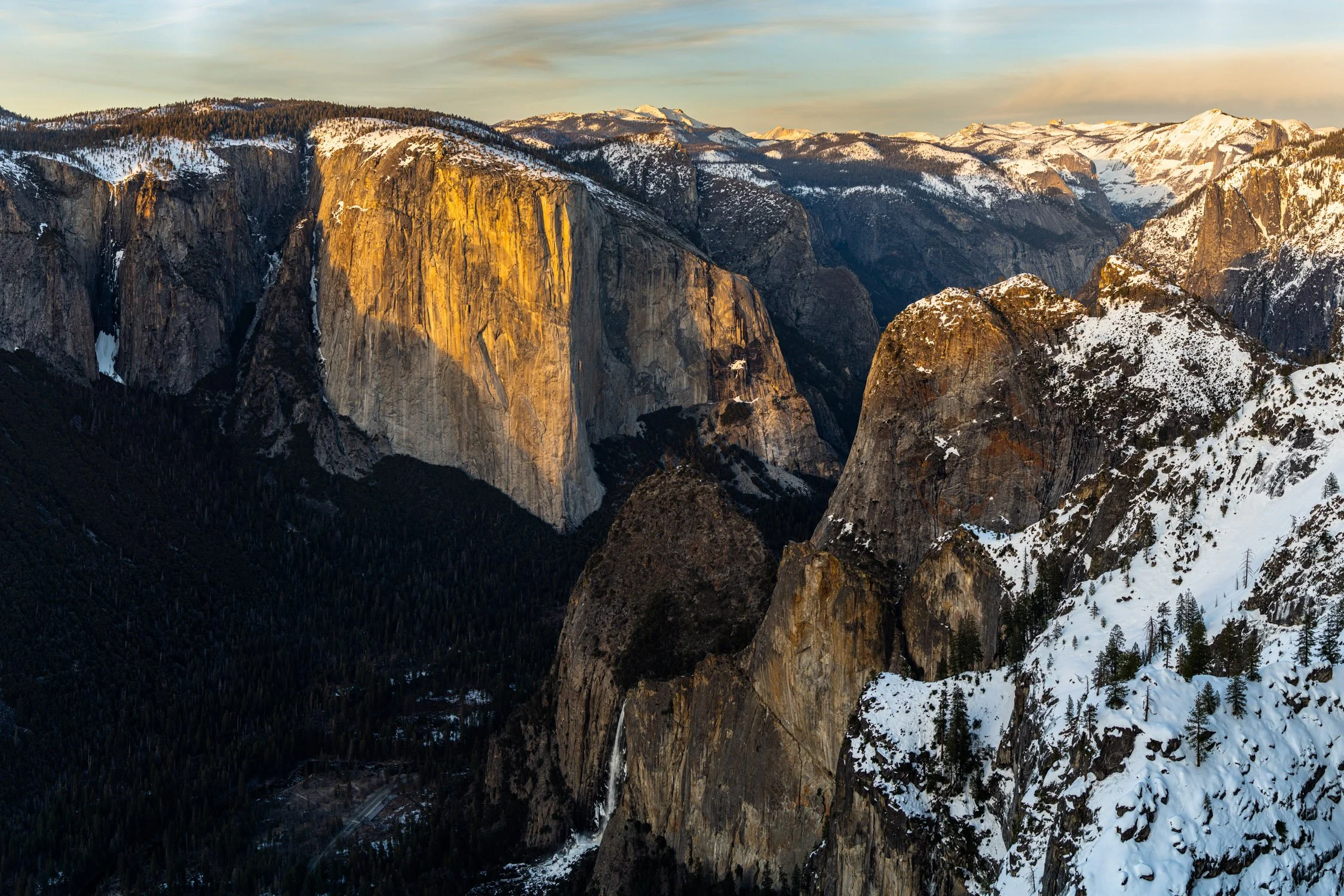

Half Dome glowing in sunset light while parked in the Olmstead Point parking lot. Photo by Dalton Johnson
Yosemite National Park
Without much light left in the day, the gang hopped back in the Rivian and headed into Yosemite National Park, only 24 miles away from the Outpost.
My first thought was to seek out some fall colors in Yosemite Valley, but I figured we wouldn’t have time. So, I took a left at Cane Flat and bolted along Tioga Pass to Olmstead Point for the sunset. To my surprise, we arrived with plenty of time and Kristin pulled out her Kindle to read and look out the window at the transforming skyline. The colors changed from blue to yellow to orange. Yosemite’s most famous rock formation, Half Dome, glowed in the omnipresent golden light and I snapped images while gawking at the stunning view.
When the light was gone, we headed back to our hotel to rest up for the next full day of hiking around Yosemite National Park.
Crocker Point and Breaking my one mile trail personal Best
After a casual morning at the hotel, I took off for Yosemite Valley to meet up with a long time friend while Kristin stayed behind to work and take care of Chestnut. My buddy, Scott, was looking for “a good hike that could be used as a recovery day between climbing days.” Turns out, he had taken the month off to climb in the High Sierra and was conveniently in Yosemite Valley at the same time. So, we met up near Camp 4 where he had been crashing and opened AllTrails to find a hike. The night before, I had downloaded several hikes I thought we might be interested in doing.
“What do you think of this one?” I would say and hand my phone to Scott.
“Nah.”
“This one? It’s got a stunning view.”
“Sure, but I just want to hike it. I don’t think I can trail run that far.” Scott made sure I wasn’t going to sandbag him into running like I typically try to do.
“Sweet! Crocker Point is one of my favorite hikes!”
Off we went. Heading to the rim along Glacier Point Road, my GPS cut out on my phone and we were left to navigate to the trailhead using the AllTrails app. Turns out, the offline mode is a great feature in National Parks.

Utilizing the downloaded map to navigate the trail to Crocker Point. Photo by Dalton Johnson
With our packs over our shoulders, we picked up the trail and started our 10.1 mile hike along the Ponoho Trail to Crocker Point. Wandering through heavy vegetation we lost the trail occasionally, but, the “Wrong Turn” notifications corrected our misguided direction. After a few miles, we started diving into stories about climbing, picking up our friendship right where it was left off when I moved away from Santa Cruz a few years back. Scott and I typically climb together at least once a year, some-where, and this year it was in the Palisade Range of the High Sierra. That was only a few weeks ago, so I was curious to hear how his recent climbing experiences were tallying up.
Overall, he was crushing. Getting in several good leads and it was evident he was feeling strong on this trip.
Time moves quickly when you are hiking with a friend, sharing mutual goals, and planning for the future. So, when we reached the first point, Dewey Point, in what felt like no time, we were a little blown away. Four and half miles went quick. Laughing and joking about being “the best hikers in the world” we continued over to Crocker Point. A place I had only been in the winter, but preached to Scott as being “the best view of the Valley.”
Again, that half mile flew by and we took in the views.
“So, what do you think?” I questioned Scott looking for him to confirm my bias that this was the best view from the valley rim.
“Its stunning. Thanks for bringing me here. Not sure it’s the best, but really nice.” He said with a smirk, knowing I wanted him to confirm Crocker Point was the best view point of Yosemite Valley.
On our way back, Scott asked, “Do you have any goals right now?”


“Not really, but I have been somewhat trying to break my personal best one mile time on a trail.”
“How fast?”
“I need to go faster than 6:24”
“Do you want to try right now?”
“Right now?”
“Yeah, why not? Plus, the next mile is totally down hill, so that should be helpful” Scott claimed.
I laughed and responded, “Sure, let me get some music cued up for us to rip down this hill. You running too?”
“I’m not going to let you run alone.”
“Coming from the guy who said no trail running this morning, I’m a bit surprised.”
“People change their minds.”
So, I cued up some rap music, tied my shoelaces, and cinched down my backpack that was loaded with a camera, journal, a water bottle, some snacks, and a few miscellaneous items. Honestly, I thought this was silly as I didn’t think I could break a personal best with a pack weighing roughly 12 lbs.
“Let’s start with a really short jog to the start of the downhill, then take off like a bat out of hell, to break this thing. Sound good?”
“Let’s go!”
Off we went. Jogging at first and then sprinting down hill. Immediately, we had a to hop over a log and take several quick turns. I thought I might roll my ankle, but I didn’t want to leave any excuses on the table. At a full sprint I did everything I could to break my personal best. Rocks popped out of nowhere and foliage covered the trail. But, I kept sprinting. Scott was no longer in sight when I looked over my shoulder. My lungs were burning and I had that taste of iron in my mouth. Most likely the elevation. Still I sprinted.
“How fast did you go?” Scott asked.
“6:22!”
“Hell yeah!”
We high-fived in celebration and kept hiking out to the car.
Monitor Pass at sunset with a pop of fall colors. Photo by Dalton Johnson
Sunset At Monitor Pass on our journey home
Waking up with a cough after the run, Kristin laughed at my stupidity, “You and Scott always get up to something, don’t you?”
“I can’t deny that.”
This morning was the penultimate for us, so we enjoyed the hotel, packed up the Rivian, and began our journey home. First, we wanted to go for a little trail run in Tuolumne Meadows. So, while we drove through Yosemite National Park keeping an eye out for any fall colors, without much luck, we planned our trail run for the day. Kristin wanted to get in a few miles to break up the drive home and I needed a recovery run from the day prior.
Settling on the Glen Aulin trail, we parked the vehicle, turned on Pet Mode, and hit the trail. Both of us wished we could have had Chestnut run with us, but dogs just aren’t allowed on any trails that are not paved. We felt like bad paw-rents, but with Pet Mode, leaving Chestnut in the car for thirty minutes while we jogged a few miles didn’t seem like the worse thing we could do to him.

Chestnut sitting co-pilot when the Rivian is in Pet Mode.
Arriving back to the Rivian, Chestnut was fast asleep. Waking him up and feeding him lunch, we hit the road north, towards Lake Tahoe.
Driving along Highway 395, there are so many stunning places like Mammoth Lakes, Travertine Hot Springs, and Mono Lake, but we didn’t stop there. We had our eyes set for Monitor Pass at sunset. Which, according to our GPS left us little time for stops along the way, so we powered our way to the left hand turn off HWY 395 onto HWY 89.
Time was ticking and the sun was fading, fast. We drove up, up, up towards the summit. Our fingers were crossed we would make it to the pass just in time because I had heard a rumor from fellow photographers that the colors at the summit were bright yellow and orange. With Kristin at the wheel we sped our way north as I prepared my camera gear.
“Let me out here,” I said to Kristin as we arrived just in the nick of time.
Using walkie talkies, we chatted back and forth to coordinate a photograph that made me happy. ‘Okay, go, go, go.” I spoke into the walkie talkie fearing the light would fade and we would miss the shot.
Cherck, Cherck, Cherck
The camera snapped as Kristin and Chestnut zoomed past in the Rivian.
“I think we got it!” I shouted into the radio excited. “Come on back and pick me up. Let’s go home!”
Discover more Adventures
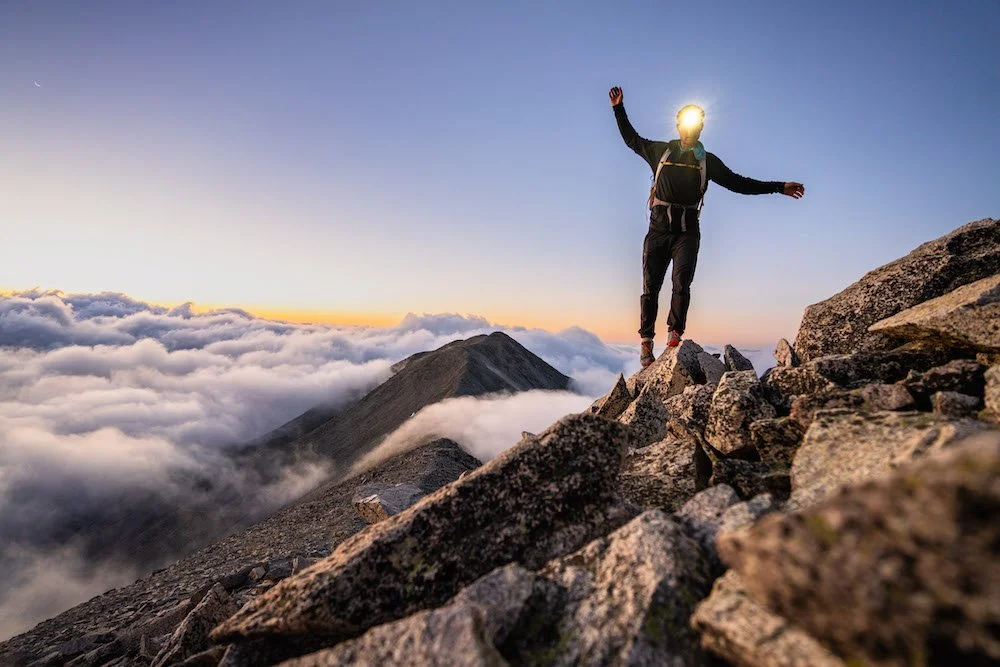
How To Climb All The Sawatch 14ers of Colorado
My legs still burn from the 20 days I spent climbing all of the 14ers in the Sawatch Range of Colorado. Home to fifteen summits poking above 14,000 feet the Sawatch range is a paradise for mountaineers, peak baggers, and hikers, offering a condensed grouping of challenging summits to test your fitness. For me, the goal was to climb all of these peaks in a single season, but for you, it could be to break the FKT or climb one a year, that is up to you.
My legs still burn from the 20 days I spent climbing all of the 14ers in the Sawatch Range of Colorado. Home to fifteen summits poking above 14,000 feet the Sawatch range is a paradise for mountaineers, peak baggers, and hikers, offering a condensed grouping of challenging summits to test your fitness. For me, the goal was to climb all of these peaks in a single season, but for you, it could be to break the FKT or climb one a year, that is up to you. Below is a video series I shot along the way that will give you a visual of what climbing these peaks are actually like so you can figure out which peaks you want to tick off your list.
Before we dive into each peak, below is a quick overview of the Sawatch range and it’s peaks:
The Sawatch Range in Colorado is home to 15, 14,000-foot peaks, making it the range with the highest number of 14ers in the state. Climbing these peaks offers an unparalleled beginner mountaineering experience in the summer, surrounded by breathtaking vistas, diverse terrain, and a sense of accomplishment like no other. Summiting all 15 peaks presents a thrilling challenge for adventurers seeking to test their skills, endurance, and appreciation for the stunning beauty of the Colorado Rockies.
Here's an overview to guide you through your journey to summit all of the Sawatch 14ers in Colorado:
Climbing Mount Princeton in the Sawatch range. Photo by Dalton Johnson
Pros
Breathtaking Scenery: Climbing the Sawatch 14ers rewards you with stunning panoramic views of the Colorado Rockies, including majestic peaks, alpine lakes, and expansive wilderness.
Personal Achievement: Conquering all 15 peaks is a significant accomplishment that showcases your physical endurance, mental resilience, and mountaineering skills.
Adventure and Challenge: Each peak offers a unique climbing experience, ranging from well-marked trails to rugged ridges, providing diverse challenges for mountaineering enthusiasts.
Connection with Nature: The Sawatch Range provides an opportunity to immerse yourself in nature, witnessing wildlife, alpine flora, and awe-inspiring landscapes up close.
Community and Camaraderie: Climbing these popular 14ers attracts like-minded adventurers, fostering a sense of community and camaraderie with fellow climbers on the trails.
Enhanced Physical Fitness: Training for and climbing these peaks improves cardiovascular health, stamina, and overall physical fitness.
Cons
High Altitude Challenges: The elevation of these peaks presents potential risks such as altitude sickness, dehydration, and rapidly changing weather conditions that climbers must be prepared for.
Technical Skills Required: Some routes demand technical mountaineering skills, making them unsuitable for beginners or those without proper training and experience.
Crowded Trails: Due to their popularity, some trails can get crowded, especially during peak climbing seasons, which may impact the sense of solitude and peace in nature.
Risk of Accidents: Climbing any mountain involves inherent risks, including slips, falls, and injuries, making it crucial to exercise caution and safety at all times.
Weather Uncertainty: The weather in the high-altitude Rockies can be unpredictable, with sudden storms and temperature drops, necessitating proper planning and preparation.
Environmental Impact: High foot traffic on popular routes can lead to erosion and impact delicate alpine ecosystems, emphasizing the importance of following Leave No Trace principles.
Mount Elbert - 14,440 ft (4,401 m)
Standard Route: Northeast Ridge - A well-marked trail that begins from the North Mount Elbert Trailhead, offering a gradual ascent through forests and meadows before reaching the exposed ridge leading to the summit.
Miles: Approximately 9 miles (14.5 km) round trip.
Elevation Gain: Around 4,700 feet (1,433 meters).
Trailhead: North Mount Elbert Trailhead.
Average Time: 8-12 hours.
Mount Massive - 14,421 ft (4,396 m)
Standard Route: East Slopes - Beginning from the Mount Massive Trailhead, this route takes you through alpine meadows and a well-defined trail leading to the broad summit ridge.
Miles: Approximately 14.5 miles (23.3 km) round trip.
Elevation Gain: About 4,600 feet (1,402 meters).
Trailhead: Mount Massive Trailhead.
Average Time: 8-11 hours.
Mount Harvard - 14,420 ft (4,395 m)
Standard Route: South Slopes - Starting from the North Cottonwood Creek Trailhead, this route ascends through pine forests and meadows before reaching the rocky summit slopes.
Miles: Approximately 14 miles (22.5 km) round trip.
Elevation Gain: Approximately 4,600 feet (1,402 meters).
Trailhead: North Cottonwood Creek Trailhead.
Average Time: 12-13 hours.
La Plata Peak - 14,336 ft (4,377 m)
Standard Route: Ellingwood Ridge - This challenging route starts from the La Plata Peak Trailhead and follows a steep, rocky ridge leading to the summit, offering exhilarating exposure and stunning views.
Miles: Approximately 9 miles (14.5 km) round trip.
Elevation Gain: About 4,500 feet (1,372 meters).
Trailhead: La Plata Peak Trailhead.
Average Time: 7-9 hours.
Mount Antero - 14,269 ft (4,348 m)
Standard Route: West Slopes - Beginning from the Baldwin Gulch Trailhead, this route follows an old mining road before ascending steeply up the mountain's western slopes.
Miles: Approximately 16 miles (25.7 km) round trip.
Elevation Gain: Around 5,400 feet (1,646 meters).
Trailhead: Baldwin Gulch Trailhead.
Average Time: 8-12 hours.
Mount Shavano - 14,229 ft (4,337 m)
Standard Route: East Slopes - Starting from the Shavano Trailhead, this route follows a well-marked trail up the eastern slopes of the mountain, with a final steep push to the summit.
Miles: Approximately 9 miles (14.5 km) round trip.
Elevation Gain: About 4,700 feet (1,433 meters).
Trailhead: Shavano Trailhead.
Average Time: 10-12 hours.
Tabeguache Peak - 14,155 ft (4,314 m)
Standard Route: Connecting Ridge - Tabeguache Peak is often climbed in conjunction with Mount Shavano via a connecting ridge hike, adding a little extra distance and challenge.
Miles: Approximately 12 miles (19.3 km) round trip (including both peaks).
Elevation Gain: Approximately 5,300 feet (1,615 meters).
Trailhead: Shavano Trailhead.
Average Time: 11-13 hours (including both peaks).
Mount Princeton - 14,197 ft (4,327 m)
Standard Route: East Slopes - Beginning from the Mount Princeton Trailhead, this route offers a steady climb up the eastern slopes, with sections of scree near the summit.
Miles: Approximately 6.5 miles (10.5 km) round trip.
Elevation Gain: About 3,200 feet (975 meters).
Trailhead: Mount Princeton Trailhead - From the cell towers.
Average Time: 7-8 hours.

Mount Yale - 14,196 ft (4,327 m)
Standard Route: Southwest Slopes - Starting from the Denny Creek Trailhead, this route follows a well-marked trail through forests and meadows before ascending the mountain's southwest slopes.
Miles: Approximately 9 miles (14.5 km) round trip.
Elevation Gain: Around 4,300 feet (1,311 meters).
Trailhead: Denny Creek Trailhead.
Average Time: 10-12 hours.
Mount Oxford - 14,153 ft (4,315 m)
Standard Route: Connecting Ridge - Mount Oxford is often climbed in conjunction with Mount Belford via a connecting ridge hike, adding a little extra distance and challenge.
Miles: Approximately 11 miles (17.7 km) round trip (including both peaks).
Elevation Gain: Approximately 5,300 feet (1,615 meters).
Trailhead: Missouri Gulch Trailhead (for both peaks).
Average Time: 12-15 hours (including both peaks).
Mount Belford - 14,197 ft (4,327 m)
Standard Route: Northwest Ridge - Starting from the Missouri Gulch Trailhead, this route follows a well-defined trail up the mountain's northwest ridge, offering stunning views throughout the ascent.
Miles: Approximately 9 miles (14.5 km) round trip (including both peaks).
Elevation Gain: About 4,600 feet (1,402 meters).
Trailhead: Missouri Gulch Trailhead.
Average Time: 12-15 hours.
Mount Columbia - 14,073 ft (4,289 m)
Standard Route: West Slopes - Beginning from the North Cottonwood Creek Trailhead, this route ascends the western slopes of the mountain, crossing a high alpine basin before reaching the summit ridge.
Miles: Approximately 14 miles (22.5 km) round trip.
Elevation Gain: Around 5,300 feet (1,615 meters).
Trailhead: North Cottonwood Creek Trailhead.
Average Time: 10-12 hours.
Missouri Mountain - 14,067 ft (4,287 m)
Standard Route: Northwest Ridge - Starting from the Missouri Gulch Trailhead, this route ascends through forests before reaching the exposed northwest ridge leading to the summit.
Miles: Approximately 10 miles (16.1 km) round trip.
Elevation Gain: Around 4,800 feet (1,463 meters).
Trailhead: Missouri Gulch Trailhead.
Average Time: 8-12 hours.
Mount of the Holy Cross - 14,011 ft (4,271 m)
Standard Route: North Ridge - Starting from the Halfmoon Trailhead, this route follows the well-defined North Ridge trail, offering breathtaking views and the iconic view of the "Cross Couloir" on the mountain's northeast face.
Miles: Approximately 12 miles (19.3 km) round trip.
Elevation Gain: Approximately 5,600 feet (1,707 meters).
Trailhead: Halfmoon Trailhead.
Average Time: 12-16 hours.
Mount Huron - 14,003 ft (4,268 m)
Standard Route: Northwest Slopes - Beginning from the Clear Creek Reservoir Trailhead, this route follows a well-marked trail through forests and meadows before ascending the mountain's northwest slopes.
Miles: Approximately 6.5 miles (10.5 km) round trip.
Elevation Gain: About 3,700 feet (1,128 meters).
Trailhead: Clear Creek Reservoir Trailhead.
Average Time: 8-10 hours.
Climbing finishing ridge of Missouri Mountain in the Sawatch Range. Photo by Dalton Johnson
For myself, completing the ascent of all fifteen 14,000-foot peaks in the Sawatch Range was an extraordinary achievement of endurance and perseverance. I hope you enjoyed the video series and learned which peaks you want to tackle yourself. My suggestion is to start with Huron Peak, Mount Elbert, or Mount Princeton. As you trek through Colorado's wilderness, each peak will offer unique challenges and rewards, leaving you with memories to cherish for a lifetime. Take the time to talk with others on the trail and keep each other safe. Lastly, remember to practice Leave No Trace principles and respect the natural environment as you embark on this incredible climbing journey.
Discover more 14,000 Peaks to Climb

Van Life vs RV Life, Which Lifestyle Is Better
In the ever-changing landscape of adventure travel, where the open road calls and exploration becomes a way of life, you have two options while living on the road: van life or RV life. Growing up as a kid, I spent every holiday in an RV somewhere around the United States or Mexico, but when I graduated college, reality slapped me in the face that living solo in an RV was, well, extra. I didn’t need all that space, so, I built out my own van and lived full-time on the road for seven years. Now, however, I have a committed girlfriend and dog, so van life isn’t ideal anymore.
In the ever-changing landscape of adventure travel, where the open road calls and exploration becomes a way of life, you have two options while living on the road: van life or RV life. Growing up as a kid, I spent every holiday in an RV somewhere around the United States or Mexico, but when I graduated college, reality slapped me in the face that living solo in an RV was, well, extra. I didn’t need all that space, so, I built out my own van and lived full-time on the road for seven years. Now, however, I have a committed girlfriend and dog, so van life isn’t ideal anymore.
As life changes I am constantly asking myself, should I be in a van or an RV? If you are in this same predicament, here’s a break down of my thought process between RV life vs van life for anyone who wants to live a nomadic lifestyle.

Exploring the open roads of British Columbia. Photo by Dalton Johnson
Comparing van life vs RV life:
Before diving into the nitty-griddy of van life vs rv life, I want to lay down some basics so there is no confusion of what I am comparing. Those basics will include my definitions of van life and RV life, lifestyle assumptions, desired activities, and desired community. My overall goal is to compare the lifestyle of both with a few assumptions:
You can work remotely and make roughly $60k a year
You love the outdoors and want to play outside as much as possible
You don’t have to rely on others if something basic breaks on your rig
You will move your rig around based on the seasons
What is Van Life?
Van life is a chosen nomadic lifestyle where your home is a van. This can mean you road trip around the United States, or around the world. The main characteristic of van life is that your home on wheels is a van. It doesn’t matter if you have a fancy Sprinter van converted by Airstream or a janky and, somewhat creepy, rust bucket for a van. While I haven’t lived in a pre-converted van, I will say, I’ve lived at both spectrums of these van life experience and one is just more comfortable than the other.
In terms of wanderlust, van life emerges as the epitome of agility, granting wanderers and road trippers unparalleled freedom to experience journeys both grand and intimate, near and far, within bustling urban jungles and secluded off-the-beaten-path landscapes. For those who crave the thrill of spontaneity and the ability to uncover hidden gems, van life stands as the ultimate solo and small family vehicle.
What is RV Life?
RV life at it’s roots means you live in an RV, by choice, exploring the wherever the roads allow you to go. You have all the basics and a little comfort, like a shower and a kitchen table. Some RVs have full bathrooms and pop-outs that allow you to do yoga in your “living room” while others are still compact, tiny homes on wheels.
RVs redefine adventure back in the 90’s with a focus on comfort and convenience, much like van life has reinvigorated travelers today. RV enthusiasts enjoy long term travel with the luxury of a traditional home. The coziness and comfort often includes spacious kitchens, couches, bedroom, and full bathrooms making life on the road sustainable for families. The biggest downsize, the size of your rig.
What’s the difference between RV Life and Van lIfe?
In a single, defining word; comfort. Comfort defines the difference between RV life and van life when comparing the two at a 10,000 foot level. Both offer the same level of freedom on the road, yet RV life has a couch, shower, full kitchen, a flushing toilet, room to stretch, and so much more. Meanwhile, van life offers more access to remote camping spots, mobility in cities, stealth camping, and a better starting price point.
Now, that we have the basics down, let’s jump into the details that define these two liftestyles.

Driving a van in Monument Valley. Photo by Dalton Johnson
Cost Comparison
Van Life:
Van life tends to be the frugal choice when living on the road because the barrier to entry is lower than RV life. Vans are generally more cost-effective to purchase ($15k - $110k), maintain (roughly $2k-$5k a year), and fuel (roughly $110 per tank). Also, your registration and insurance on a van is often lower than RVs because a van is typically not considered a luxury item. The best part of living in a van is the cost to park it, which should be free! The smaller size and often more capable vehicles allow vans to enjoy BLM land to camp on for 14 days at a time without moving or paying to sleep. This adds up over time!
For a deep dive in to van life costs, here are three helpful articles:
RV Life:
RV life, with its larger size and amenities, can be a more substantial financial investment upfront and to operate. The RV industry is well established at this point, so the consistency is more predictable, but that doesn’t mean the costs are cheaper. Actually, the costs of anything RV related is often more expensive. While the initial costs to buy ($30K - $1.5M) and maintenance expenses ($5K-10K a year) may be higher than van life prices, RV lifers find value in the comfort and convenience that larger rigs offer. The investment in an RV often translates into a mobile haven that enhances the overall travel and leisure experience. The downside of comfort is you pay for parking, typically $30 to $50 a night (aka $900 to $1,500 a month) and the extra fuel costs ranging from $150 to $300 a tank.

Soaking in the gray skies next to the water while vanlifing in Alaska. Photo by Dalton Johnson
Parking Your Rig and Access to the outdoors
Van Life:
For adventure seekers drawn to remote and wild landscapes, van life is the stands out. Some vans come in 4WD and offer high clearance, so you would have plenty of places you could explore if you know how to maneuver your van well. Additionally, vans are equipped with solar panels, portable toilets, and compact heating systems making them self-sufficient and the perfect exploration vehicle. Van dwellers often embrace the challenge of reaching off-the-grid destinations, down wash-board roads that rattle everything, just to post up for a few days in nature, alone.
I can tell you this has always been my favorite outings! If I can pop my backdoors open to the world and enjoy the beauty of nature, maybe even have a climbing destination as my backyard! That would be my ideal camp spot.
RV Life:
RVs may face challenges reaching remote areas because they are so big. When you pick RV life you better be good at backing up because if you go down a road and can’t turn around, you’ll be scooting backwards for a very long time. On the plus side, RV life offers more comforts for longer stays in remote locations. After a long day out, you can kick back on a couch while your partner cooks dinner and your dog lays on the ground. Moreover, you several people can stay in an RV at one time, so RV life is more suitable for families. The additional indoor space allows you to work remotely more comfortable, which means if you can get your rig deep into the woods, you wont need to return to civilization for up to two, sometimes three weeks.
Even better, if you bring e-bikes with you in your RV, you can run your errands using those!
Personalizing Your Rig
Van Life:
Van conversions are a testament to the creativity of the van life community. Yes, vans are starting to come pre-converted, but those builds are not as popular, nor as cost effiecent, as a self converted van. When converting your own space make sure to utilize the space. When using inventive design solutions, transforming vans into livable spaces that reflect the spirit of their owners. Some van life builds go vertical while others focus on layouts that can be altered, like a bed to table. Every modification becomes a statement, a unique expression of the adventurer's personality and lifestyle. You’ll need to pick and choose what you want as a van lifer.
To make sure you build a van you like, take the time to look at other people’s vans when you see them.
RV Life:
RVs may not offer the same level of customization as vans, but they provide a canvas for personalization that most are unwilling to unlock. Interior decor, layout adjustments, and full redesigns are possible if you are willing to do the work. RVs are larger canvas that should be of interest to all those who need more space. Sure, a remodel isn’t the most ideal when dumping a bunch of cash upfront on an RV, but it is possible. The good news, since the RV industry has been around for a longer time period, people have come up with redesigns online that you can follow for almost any RV.

Enjoying a campfire in remote Baja during a van life meet up. Photo by Dalton Johnson
Community and Lifestyle Differences
Van Life:
The van life community exemplifies camaraderie when you are around each other. The challenge, finding other van life friends. Most of the communities around van life have to due with the activities you enjoy doing. For example, mountain bike van lifers will all be hanging out around the popular mountain biking locations. From my seven years of van life this concept holds true for rock climbing communities, photography communities, and surf communities. Sure, you can try connecting through social media, rely on chance encounters on the road, or head to van life gatherings, but your best bet at building a community of van lifers is to go out and do the activity.
Top Activities for Van life:
Photography
RV Life:
RVers, too, build connections on the road and online, however most of the meetings occur while in a campground. Campgrounds and RV parks become hubs of social interaction, where travelers swap tales of adventures and tips for the next great destination. Sometimes this is around a campfire or at the picnic tables. RV parks often have showers and community centers that are perfect for connecting and building a community. One noticeably different way of connecting is the use of Facebook groups for specific RV builds. Several RV builds have cult followings with a Facebook group of other owners to connect. All of these together help foster lasting friendships, turning the nomadic lifestyle into a collective journey.
Top Activities for RV Life:
Snorkeling
SUPing
Mountain Biking or Road Cycling
Photography
Alaska, the land of long roads and braided rivers. Photo by Dalton Johnson
Which is right for you; van life or RV life?
The choice between van life and RV life becomes a pivotal decision, shaping not only the mode of exploration but the very essence of the journey. Van life offers the nimbleness to weave through urban landscapes and conquer off-road challenges, while RV life provides the comfort and versatility to transform the journey into one of comfort. While the open road might be calling your name, ask yourself these quesitons below to know if a van or an RV is right for you:
How many people are you going to travel with?
Do you want to be off the grid more than on the grid?
Do you plan to sleep BLM or in parks?
What is your budget?
Can you work remote?
What activities do you like?
How much “stuff” do you need/want while living nomadically?
Do you want to move your rig often, or stay posted up in a single location for several weeks?
Do you need a full kitchen?
Do you want a flushable toilet?
When you take the time to answer these questions about how you want to travel and live on the road you will know if RV life or van life is better for your situation. I know my stance has been changing. Since pivoting from a solo traveling moving from surf spot to climbing spot to a guy with a dog and in a committed relationship, RV life looks much better than van life. However, five years ago, van life was perfect for me.
Discover more Adventures
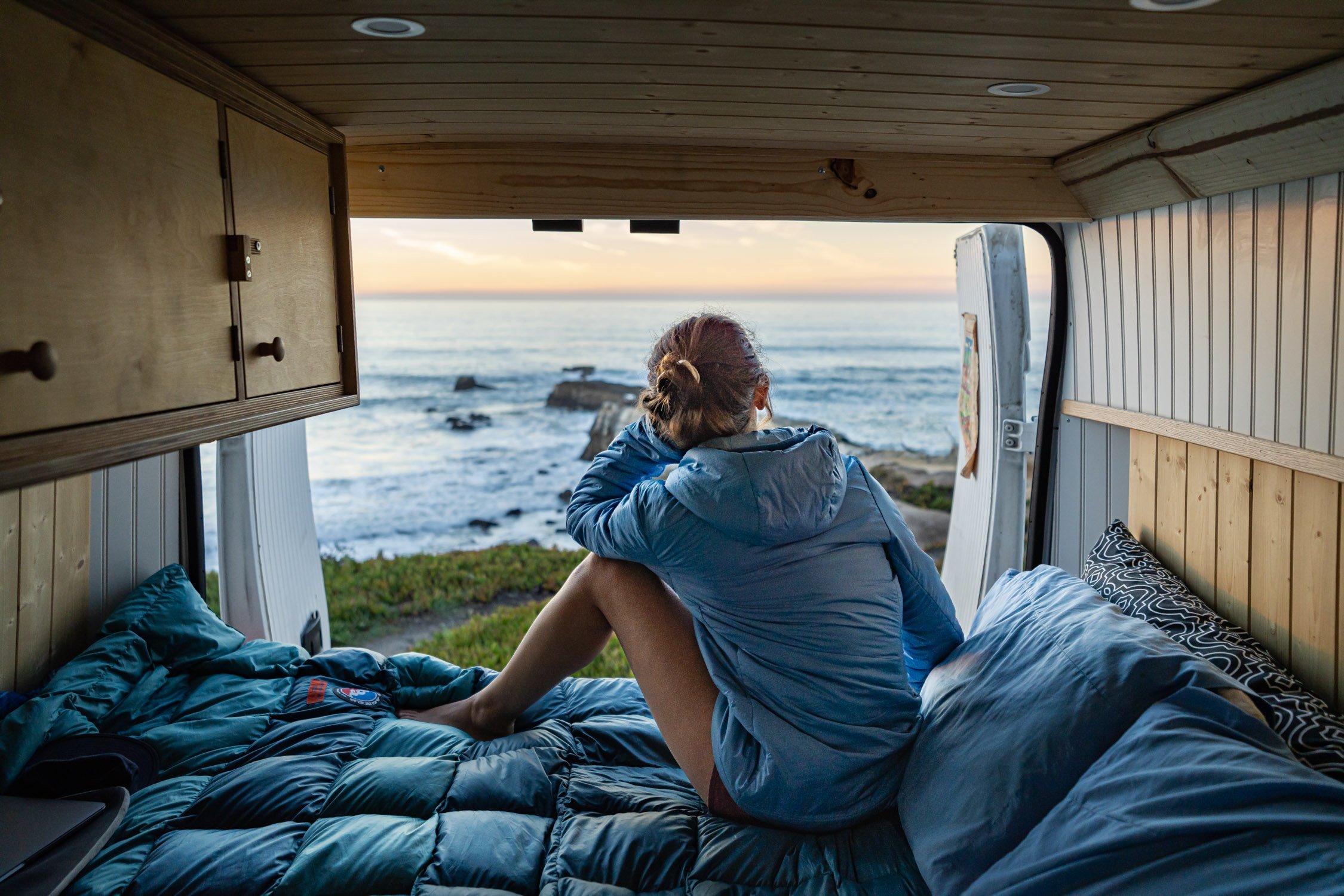
7 Reasons You Should Van Life The Pacific Coast Highway
Stretching from the Mexican to Canadian border, the Pacific Coast Highway spans the entire length of the United States west coast and is one of the great American road trips. With just over 1,650 miles filled with breathtaking coastal views, often glorified in surf media, and some of the cutest towns in America, it’s no wonder this the Pacific Coast Highway is calling the names of all those whom live van life. Yet, who will answer the call? Maybe, not enough. However, for those who road trip along the kinda terrifying, winding, two-lane road of the PCH, memories from a once-in-a-lifetime trip that will leave you reminiscing on the grandeur of this van life road trip. So, click that seat belt and continue reading about why you should drive your van the entire length of Pacific Coast Highway.
Stretching from the Mexican to Canadian border, the Pacific Coast Highway spans the entire length of the United States west coast and is one of the great American road trips. Tallying just over 1,650 miles filled with breathtaking coastal views, often glorified in surf media, and some of the cutest towns in America, it’s no wonder this the Pacific Coast Highway is calling the names of all those whom live van life. Yet, who will answer the call? Maybe, not enough. However, for those who road trip along the kinda terrifying, winding, two-lane road of the PCH, memories from a once-in-a-lifetime trip that will leave you reminiscing on the grandeur of this van life road trip. So, click that seat belt and continue reading about why you should drive your van the entire length of Pacific Coast Highway.
Pros
Breathtaking Scenery: Van life along the Pacific Coast Highway offers unrivaled access to breathtaking coastal scenery, picturesque beaches, majestic cliffs, and charming coastal towns, providing a visually stunning backdrop throughout your journey. If you are interested in photography, here is an article on improving your road trip photography.
Freedom and Flexibility: Van life gives you the freedom to set your own pace and itinerary. You can choose to stay longer at your favorite spots, take spontaneous detours, and explore hidden gems along the way, if you are so lucky to live without being bound by fixed schedules.
Close-to-Nature Experience: Living in a van brings you closer to nature, allowing you to wake up to the sound of crashing waves, sleep under starry skies, and connect with the natural world on a deeper level. This is often overlooked, but if you are sleeping in a secure location, prop your back doors open for glorious night.
Cost-Effective: Van life can be a cost-effective way to travel. By eliminating hotel expenses and opting for campgrounds or free camping spots, you can save money and stretch your travel budget further.
Community and Camaraderie: Van life along the Pacific Coast Highway attracts a vibrant community of like-minded travelers. You'll have the opportunity to meet fellow vanlifers, swap campfire stories, and form meaningful connections with people from all walks of life.
Cons
Limited Space: Living in a van means dealing with limited living space. While the freedom to roam is liberating, it also requires efficient organization and minimalist living to make the most of the available space.
Challenges of Parking and Overnight Stops: Finding suitable and legal places to park overnight can be challenging, especially in popular tourist areas. It's essential to research and plan ahead to ensure you have safe and legal places to rest.
Weather and Seasonal Considerations: Weather conditions along the PCH can vary significantly, and extreme weather, such as heavy rains or coastal storms, may impact travel plans and comfort. However, this can easily be avoided if you go during the summer.
Bathroom and Shower Facilities: Access to bathrooms and showers can be limited during van life on the PCH. You'll need to rely on public restrooms, campsite facilities, or invest in portable solutions. Take a deep dive into van life hygiene with this article.
Maintenance and Repairs: Being on the road for extended periods can lead to wear and tear on your van. It's essential to stay on top of maintenance and be prepared for unforeseen repairs that might arise during your journey. Here’s a guide on van life maintenance.
1) Spectacular Scenery:
The Pacific Coast Highway is renowned for its stunning coastal views, majestic cliffs, and picturesque beaches. From the rugged cliffs of Big Sur to the charming coastal towns, you'll be surrounded by awe-inspiring scenery every day of your journey. Most of the time, trying to decide which of these beaches to visit is the hard part, so below we have a short list that include some of our must see beaches while road tripping the PCH.
Five Stunning Landscapes along the PCH:
Big Sur Coastline, California: Known for its dramatic cliffs, majestic redwood forests, and stunning ocean views, the Big Sur coastline is an iconic and picturesque stretch of the PCH. Click here for the best hikes in Big Sur
Cannon Beach, Oregon: With its iconic Haystack Rock rising from the shoreline, Cannon Beach offers a picturesque setting, complete with sandy shores and breathtaking sunsets.
Olympic National Park Rainforest, Washington: The lush rainforest within Olympic National Park features ancient trees, moss-covered landscapes, and enchanting greenery, creating a magical and ethereal atmosphere.
Glass Beach, Fort Bragg, California: Over the years, the ocean has transformed discarded glass into smooth, colorful pebbles, creating a unique and visually stunning beach.
Ruby Beach, Washington: This rugged beach on the Olympic Peninsula is adorned with sea stacks and driftwood, making it an ideal spot for witnessing stunning sunsets and exploring tide pools.
Related Read: THESE HWY 1 DESTINATIONS WILL TAKE YOUR BREATH AWAY
2) Freedom to Roam:
Van life on the PCH provides unparalleled freedom to explore at your own pace. You can choose to linger at your favorite spots, take spontaneous detours to hidden gems, and wake up to a new view every morning without being tied to a fixed itinerary. This freedom comes at a trade off, but if you have no schedule, why rush? If you drive everyday, the Pacific Coast Highway will take roughly one or two weeks. However, if you have more time, say a month, or two months, there is no need to rush. Allow yourself the freedom to explore hikes, surf spots, cities and towns, coffee shops, record stores, and so many more hidden gems while you road trip the Pacific Coast Highway in a van. If I were to road trip the PCH again, I would look at the trip in four sections:
If I had two months to road trip the PCH in a van, this is how I would do it:
Southern California
While I am not much of a city person, Southern California offers great access to surfing, rock climbing, tacos, and entertainment. My personal take is that most people overweight their time in Southern California during a Pacific Coast Highway road trip, but in a van this area is easy to skip because parking is a challenge. With that said, do your best to find good parking spots and give yourself at least roughly 12 days.
Northern California
I would spend the bulk of my time along the Northern California coastline. This area is the most rugged and easiest for van life stealth parking. The hiking and photography is out of this world along this section of the coast and will leave you with your jaw wide open wishing you had more time. I would give myself 20 days to hike, surf, climb, even backpack along the coastline of Northern California.
Oregon
Oregon has a few gems, but this coastline is the second hardest to find free overnight parking. So, the cost of staying along this coast increases significantly. Also, the water is getting colder, so the casual ocean dips become a little bit harder as you head north. With that said, the moody and very rugged coastline here is well worth exploring. My suggestion is to give yourself 12 to 15 days.
Washington
In the state of Washington, van life parking has been easy, but the weather makes for a challenging time with van life. The Pacific Coast Highway in Washington is stunning. Some of my favorite beaches are in the northern part of the state. Don’t forget to drink some coffee and explore the islands around the Seattle to Bellingham stretch of this coast. These are a true gem you don’t want to miss. Since travel in this area can be time consuming, give yourself at least 15 days.
3) Embrace Nature:
Road tripping the Pacific Coast Highway in a van offers numerous opportunities to park the van and explore the outdoors by hiking, surfing, kayaking, and camping. Since you have your home packed up in a single place, you should have all the gear you need to access the pristine beaches, lush forests, and breathtaking state parks, along the Pacific Coast Highway.
Five Must Do Adventures along the PCH:
Hiking in Big Sur, California: Big Sur is a haven for hikers with its diverse trails that wind through redwood forests, along rugged cliffs, and lead to spectacular ocean vistas. Don't miss the iconic hikes like the McWay Falls Trail and the Ewoldsen Trail for breathtaking views. If you are interested in hiking in Big Sur, here is a blog with 10 of the best hikes.
Surfing in Malibu, California: Malibu is a world-renowned surfing destination with excellent waves and a vibrant surf culture. Whether you're a seasoned surfer or a beginner, catching waves in Malibu will be an exhilarating experience.
Sandboarding in Oregon Dunes National Recreation Area, Oregon: Head to the Oregon Dunes, the largest coastal sand dunes in North America, for an adrenaline-pumping sandboarding adventure. Glide down the steep sandy slopes and enjoy the unique landscape.
Whale Watching in Monterey Bay, California: Monterey Bay is one of the best places for whale watching along the PCH. Take a whale-watching tour from Monterey or Moss Landing to witness majestic humpback whales, blue whales, and dolphins swimming in their natural habitat.
Sea Kayaking in Puget Sound, Washington: Explore the stunning Puget Sound by sea kayak, paddling along the coastlines, and enjoying the tranquil waters. Keep an eye out for marine wildlife like seals, otters, and seabirds during your journey.
4) Community of Like-Minded Travelers:
Van life on the Pacific Coast Highway attracts a vibrant community of young and old travelers. While van life and remote work has leveled the playing field for slow travel, only those dedicated to seeing the world typcially make the full trek. During this trip, you'll have the chance to meet new people while at a campsite or surf spot. Heck, you might even meet a fellow vanlifer while at the grocery store after parking next to each other. There are so many stories of friendships and lasting loves created during a massive road trip like driving the Pacific Coast Highway. There is something about disconnecting from technology and being immersed in nature that unites people. That is one of the most common responses I hear when I chat with fellow van lifers. So, allow yourself to be safe and vulnerable by sharing stories and experiences with strangers to build lasting connections.
5) Unforgettable Sunsets:
You can’t drive the Pacific Coast Highway without realizing the sunsets over the ocean are unlike anything you have ever experienced before. With a van, you can find the perfect spot to watch the sun dip below the horizon, while staying warm and dry, creating unforgettable memories that will stay with you forever. You might even snap some of your best photographs you’ve ever taken.
Five Stunning Places to Watch the Sunset
McWay Falls, Big Sur, California: McWay Falls is an iconic and breathtaking waterfall that cascades directly onto the sandy beach. The sunset here is magical, as the sun's golden rays paint the cliffs and turquoise waters with a warm glow.
Marshall's Beach, San Francisco, California: Located just south of the Golden Gate Bridge, Marshall's Beach offers a unique perspective for sunset viewing. With the bridge as your backdrop, you can watch the sun set over the Pacific Ocean, creating a stunning contrast between nature and engineering.
Butterfly Beach, Santa Barbara, California: This beautiful beach in Santa Barbara offers a serene setting to watch the sunset. As the sun dips below the horizon, you can enjoy the sight of palm trees silhouetted against the colorful sky, making for a truly picturesque experience.
Cannon Beach, Oregon: Known for its iconic Haystack Rock, Cannon Beach offers a dramatic coastal landscape that becomes even more enchanting during sunset. The vibrant colors reflected on the wet sand and the sound of crashing waves create a mesmerizing atmosphere.
Rialto Beach, Washington: Rialto Beach, part of Olympic National Park, is a rugged and wild coastline that provides a fantastic backdrop for watching the sunset. You can witness the sun setting behind sea stacks and explore tide pools as the day comes to a close.
6) Stealth Camping at its finest:
Van life allows you to hop off the road and find a spot with a view that would typically cost hundreds of dollars for free. Falling asleep to the sound of crashing waves and waking up to the sight of the ocean just outside your window, or backdoors, is an unparalleled experience that traditional accommodations cannot match. This is why I advocate for anyone who can to drive their van the entire length of the Pacific Coast Highway. Using apps like iOverland will help you find these magical places to stealth camp for free. If there are sites in the area, look for campsite. They will cost your between $20-$35, but they are well worth it because you will have a toilet, typically a water source, and feel safe to leave your van if you want to go for a hike, or side adventure.
PRO TIP: If you can, pack an e-bike, this will help cut down on the cost of fuel and provide access to so many side adventures you would not do otherwise.
7) Slow Travel and Mindfulness:
Van life encourages a slower pace of travel, allowing you to fully immerse yourself in the journey and practice mindfulness. Taking your time each day allows for greater intentionality and a more curated day to day. Your mindfulness practice could be journaling, or meditating. Regardless of how you reconnect your body and mind, does not matter. What matters is you take the time and the opportunity to stop rushing everywhere and give your body the opportunity to recover while you are on the road. If you constantly overpack your days, you will give yourself travel fatigue, forcing you to slow down and miss out. So, before you hit that point, make time for stillness.
Another way to look at it, when disconnecting from the fast-paced world you can embrace the simple joys of life, making every moment count. This could be acknowledging the light on a ridge, the smell of a flower (maybe the stink of your toilet), or the smile of a stranger. Regardless of how you slow down, giving yourself the opportunity will help you create stronger memories from your time vanlifing along the Pacific Coast Highway.
I hope these seven reasons for van life along the Pacific Coast Highway has encouraged you to start planning your trip, maybe even start packing. For the stunning coastal scenery of Big Sur to the vibrant cityscape of San Francisco are calling your name and summoning your van. Whether you're chasing breathtaking sunsets, seeking unforgettable outdoor adventures, or simply enjoying the camaraderie of fellow travelers, van life on the Pacific Coast Highway promises unforgettable experiences and memories that will stay with you for a lifetime.
Discover more Adventures

iKamper's Raconteur Series Is Ready to Kit Out Your Overland Vehicle
iKamper, known for its innovative rooftop tents and adventure gear, has just redefined overlanding with the launch of its Raconteur Rack Series. Designed to provide a rock-solid foundation for outdoor exploration, the Raconteur racks are overbuilt and optimized for durability, strength, and functionality. If you’re serious about overland adventures, this rack system might be the missing piece for your rig.
iKamper, known for its innovative rooftop tents and adventure gear, has just redefined overlanding with the launch of its Raconteur Rack Series. Designed to provide a rock-solid foundation for outdoor exploration, the Raconteur racks are overbuilt and optimized for durability, strength, and functionality. If you’re serious about overland adventures, this rack system might be the missing piece for your rig.
The Raconteur Rack Series are Built to Last
The Raconteur Series is engineered for toughness, featuring a steel frame, stainless steel hardware, and high-strength aluminum cross bars. Finished with a chip-resistant powder coating, these racks are made to endure even the harshest outdoor conditions. Whether you're mounting a rooftop tent, hauling heavy gear, or loading up for a weekend off-grid, the Raconteur has you covered.
Available for some of overlanding's most popular vehicles—the Toyota Tacoma, Toyota 4Runner, and Jeep Gladiator—the Raconteur Rack Series eliminates the headache of finding a rack compatible with your vehicle. Plus, it’s designed to integrate seamlessly with iKamper rooftop tents and their new adventure-ready accessories.
Raconteur Rack Options and Specs
iKamper’s Raconteur Series offers both roof rack and bed rack configurations, making it easier than ever to customize your vehicle for any adventure.
Raconteur Roof Rack - Toyota Tacoma ($850)
Compatibility: 2005-2023 (2nd & 3rd gen)
Weight: 63 lbs
Dynamic Load Capacity: 400 lbs
Static Load Capacity: 1,000 lbs
Dimensions: 49¼" x 63½" x 5½"
No-drill mounting
Raconteur Roof Rack - Toyota 4Runner ($1,200)
Compatibility: 2010-2024 (5th gen)
Weight: 76 lbs
Dynamic Load Capacity: 400 lbs
Static Load Capacity: 1,000 lbs
Dimensions: 49¼" x 94" x 4¾"
No-drill mounting
Raconteur Bed Rack - Toyota Tacoma
Mid Height ($1,300) / Full Height ($1,400)
Weight: Mid Height - 115 lbs; Full Height - 130 lbs
Dynamic Load Capacity: 440 lbs
Static Load Capacity: 1,213 lbs
No-drill mounting
Raconteur Bed Rack - Jeep Gladiator
Mid Height ($1,400) / Full Height ($1,500)
Compatibility: 2019-current
Weight: Mid Height - 109 lbs; Full Height - 132 lbs
Dynamic Load Capacity: 441 lbs
Static Load Capacity: 1,213 lbs
No-drill mounting
Adventure-Ready Accessories
The Raconteur Rack Series doesn’t stop at just a tough foundation. It’s all about customization, and iKamper offers a variety of accessories to take your setup to the next level.
Raconteur Awning Brackets: Designed to pair with the ExoShell 270 awning, these brackets are available in sizes for both the Tacoma and Gladiator. Simple, bolt-on installation with stainless steel hardware makes setup a breeze.
Bed Rack Accessory Panels: Mount extra gear, traction boards, farm jacks, or Rotopax™ with ease. These panels attach vertically to the MOLLE side panels, providing a customizable storage solution.
Lift Up Brackets: Elevate your rooftop tent setup with Lift Up Brackets, designed to give you extra height for mounting gear securely, especially with larger tents like the BDV.
Rear Window Accessory Panel (Coming October): These panels extend the utility of your 4Runner’s roof rack by attaching to the rear window. Ideal for storing smaller items like Rotopax™ or folding shovels.
Roof Rack Cross Bars & Recovery Track Brackets: Enhance your roof rack’s capability by adding T-channel cross bars for extra gear. Recovery Track Brackets (also arriving in October) make mounting your recovery boards quick and easy.
Wind Deflector Light Bar: Replace your Raconteur wind deflector with this low-profile light bar setup. Pre-cut mounting areas ensure a sleek, protected installation.
Why Choose the Raconteur?
The Raconteur isn’t just a roof rack—it’s a complete overlanding system designed to eliminate the hassles of compatibility and gear organization. Whether you’re a longtime iKamper fan or new to the world of vehicle-based adventure, this rack system offers unparalleled utility and strength.
With the Raconteur Series, iKamper proves once again why they’re at the forefront of overland innovation. The racks are built to handle heavy loads, rough terrain, and endless adventures. If you’re serious about getting off the beaten path, the Raconteur is your one-stop solution for all things overland.

From the backcountry to the open road, iKamper’s Raconteur Rack Series is ready to help you kit out your overland vehicle. Offering superior strength, efficiency, and accessory integration, these racks are purpose-built for adventure. Now available for the Toyota Tacoma, 4Runner, and Jeep Gladiator, with more vehicle options on the way, the Raconteur is the ultimate upgrade for outdoor enthusiasts.
Discover More Gear
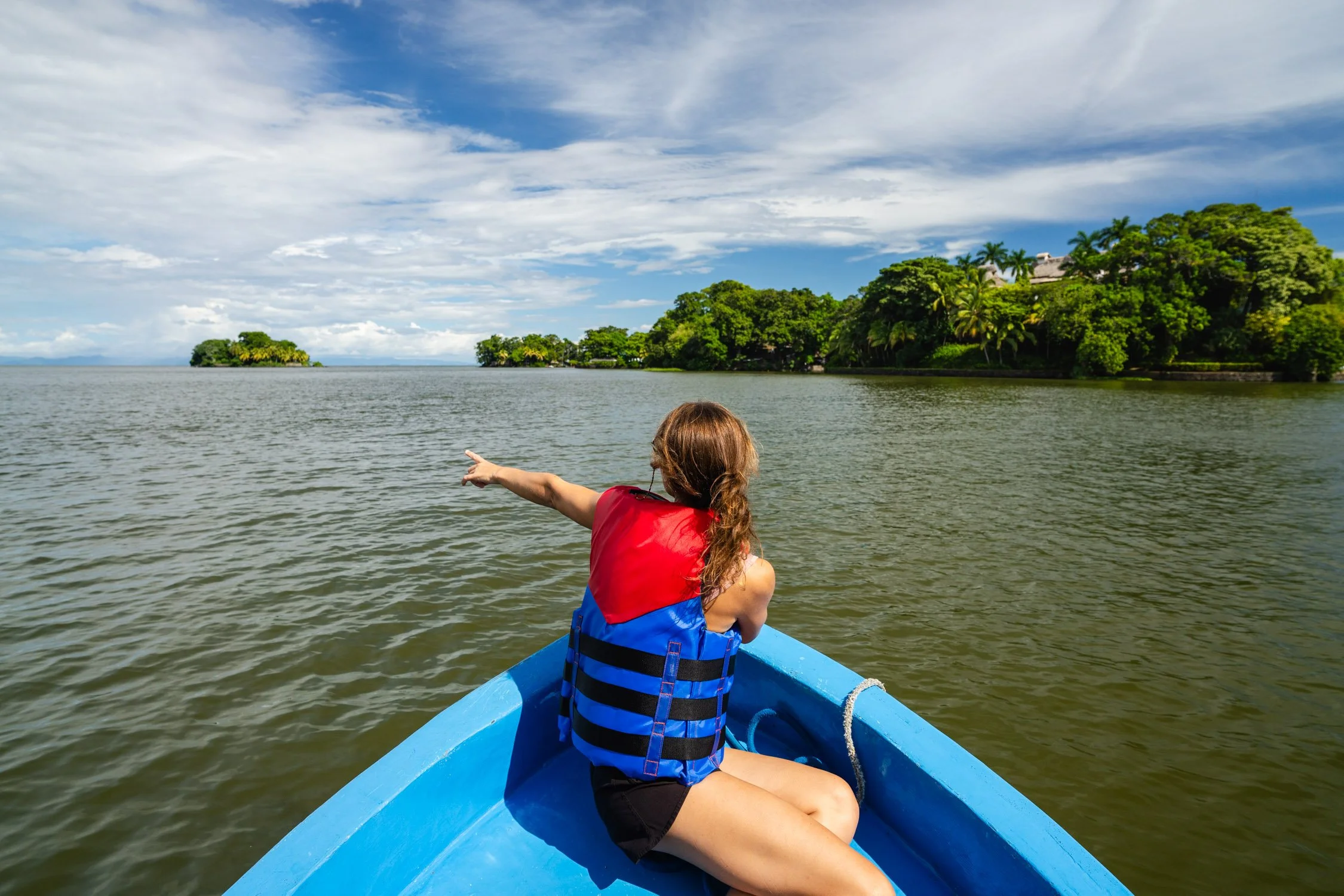
Stop Overplanning Your Vacations, You’re Giving Yourself Travel Fatigue
Travel is meant to be exciting, a way to explore new cultures, sights, and experiences that expand your worldview and create lasting memories. However, the trend of overplanning vacations is leading many travelers down the path of travel fatigue. If you’ve ever come home from a trip feeling more exhausted than when you left, you might be familiar with this. While it’s natural to want to make the most of your time away, packing your schedule too tightly can lead to burnout, overstimulation, and even a sense of dissatisfaction with your experience.
Travel is meant to be exciting, a way to explore new cultures, sights, and experiences that expand your worldview and create lasting memories. However, the trend of overplanning vacations is leading many travelers down the path of travel fatigue. If you’ve ever come home from a trip feeling more exhausted than when you left, you might be familiar with this. While it’s natural to want to make the most of your time away, packing your schedule too tightly can lead to burnout, overstimulation, and even a sense of dissatisfaction with your experience.
Looking for monkey’s around the islands of Lake Nicaragua. Photo by Dalton Johnson
What is Travel Fatigue?
Travel fatigue is that feeling of being mentally and physically drained during or after a vacation, which can come from trying to do too much in too little time. It’s a common phenomenon, especially for those who jam-pack their itineraries with back-to-back activities. While on the surface it seems like the best way to maximize a trip, constantly rushing from one site to another can actually cause you to miss out on the true joy of travel. Instead of savoring the moments, everything becomes a blur, and when you return home, you may struggle to recall the details of what should have been an incredible experience.
Why Overplanning Leads to Travel Fatigue
Overplanning can turn a dream vacation into a series of stressful, rigid tasks. Every moment is scheduled, leaving little room for spontaneity, relaxation, or even appreciating the environment. When you’re constantly on the go, your body and mind don’t have the time to recharge or process what you’re experiencing.
Travel can be overstimulating, especially when you're navigating foreign cities, trying new foods, and meeting new people. When you're on sensory overload day after day, your brain can only take in so much before it starts to blur details together. This can make it harder to remember the experiences you had or feel truly present in the moment.
Avoid Overplanning with These Tips
To truly enjoy your vacation, it's essential to strike a balance between activity and downtime. Here are some practical tips to help you avoid overplanning and reduce the risk of travel fatigue:
1. Plan Downtime
One of the most effective ways to avoid travel fatigue is to schedule rest days into your itinerary. These aren’t just days where you cut back on sightseeing—they are intentional breaks. Whether it's lounging at a café, booking a spa treatment, or simply spending a lazy morning in bed with a good book, giving yourself permission to rest is essential. Rest days offer your mind and body the chance to rejuvenate, leaving you refreshed for your next adventure.
2. Limit the Number of Major Activities Per Day
It’s tempting to want to visit every landmark, museum, and restaurant in a single trip, but this is one of the quickest ways to burn out. Instead, aim to limit your itinerary to one or two major activities per day. This allows you to fully immerse yourself in the experience without rushing through it. You’ll have time to appreciate the details, whether it’s the intricacies of a historic site or the flavor of a local dish.
3. Build in Flexibility
Travel plans don’t always go perfectly, so it’s crucial to leave room for flexibility. Whether it's an unexpected recommendation from a local, a museum that takes longer to explore, or the discovery of a hidden café, having extra time in your schedule lets you adapt and embrace spontaneity. Plus, it gives you a buffer in case plans change or you need extra time to rest.
4. Prioritize Experiences, Not Checklists
Sometimes we feel pressured to check off as many sights as possible, but this can make the experience feel more like a chore. Focus on quality over quantity. Instead of trying to do everything, prioritize experiences that truly resonate with you. This will help create meaningful memories that stand out and give you time to absorb and reflect on what you’ve seen.
5. Travel at a Sustainable Pace
It’s important to travel at a pace that gives you time to process. After an exciting day exploring a new city or hiking in a national park, you need time to decompress and mentally file away those experiences. Moving from one activity to the next without a break can cause you to feel overstimulated and exhausted. Pace your trip in a way that allows for leisurely moments between adventures, so you have time to digest and appreciate the richness of your journey.
Resting Helps You Savor the Experience
When you prioritize downtime, you’re not just preserving your energy—you’re also giving yourself the chance to savor your trip. Quiet moments spent observing a city from a park bench, sipping coffee in a quiet café, or strolling along a beach can offer just as much insight into a destination as a packed itinerary of attractions. In fact, these moments of relaxation often end up being the most memorable.
In the end, the goal of travel isn’t to tick off a checklist of tourist spots but to immerse yourself in the experience—to learn, grow, and create lasting memories. By slowing down and giving yourself time to breathe, you’ll enjoy a richer and more meaningful journey. So, stop overplanning and start enjoying the freedom of a vacation that’s as much about rest as it is about adventure.
The Importance of Rest Days
Rest days are not a sign of laziness; they are an essential part of making the most out of your vacation. By incorporating them into your travel plans, you allow yourself to fully recover from the physical and mental demands of exploring a new place. A well-placed rest day can mean the difference between feeling recharged and ready for the next leg of your journey or feeling too drained to enjoy it.
Incorporating rest doesn’t mean you’re missing out—it’s quite the opposite. It ensures that you’re present for the best moments, rather than running on empty and unable to fully appreciate the experiences. Whether it's a full day of relaxation or just an afternoon of downtime, it’s crucial to give yourself the space to relax and reflect.
The Amalfi Coastline of Italy. Photo by Dalton Johnson
Travel fatigue is a common issue that results from overplanning and overstimulation. The key to avoiding it is to balance your itinerary with periods of activity and rest. Embrace slower travel, limit the number of daily activities, and plan downtime so that you can fully appreciate the experiences and create lasting memories. By taking the time to unwind, you’ll return home not just with souvenirs, but with the energy and mental clarity that a truly fulfilling vacation brings.
Discover more Adventures

Fall is Here in Big Sur And This Ranch Should Be Your Home Base
As the crisp autumn air begins to sweep through California, Big Sur transforms into a breathtaking destination to experience the beauty of fall. With vibrant coastal colors, cooler temperatures, and seasonal festivities, it’s the perfect time to explore this stunning stretch of the Pacific coast. Whether you're here for a quiet retreat or thrilling adventures, Big Sur offers the ultimate fall experience. Here’s why Post Ranch Inn should be your home base, along with must-visit spots and activities to make your trip unforgettable.
As the crisp autumn air begins to sweep through California, Big Sur transforms into a breathtaking destination to sit in awe with the beauty of fall. With vibrant coastal colors, cooler temperatures, and seasonal festivities, it’s the perfect time to explore this stunning stretch of the Pacific coast. Whether you're here for a quiet retreat to retap your calm, or adventures to get your body moving, Big Sur offers the ultimate fall experience for those seeking a coastal vacation. While exploring the rugged coastline, having a central home base allows for deeper exploration of the area and Post Ranch Inn provides just that.
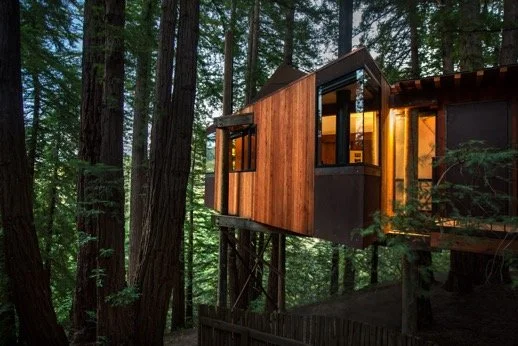
The Treehouse at Post Ranch Inn
Why Stay at Post Ranch Inn
Perched 1,200 feet above the rugged cliffs of Big Sur, Post Ranch Inn offers a serene escape that embraces the essence of fall. With its unique architectural design, the luxury inn seamlessly blends into the natural landscape, providing guests with breathtaking views of the Pacific Ocean. This is the perfect spot to witness the fall whale migration, making your stay even more magical.
The Inn’s 40 accommodations, including tree houses, invite you to cozy up with a cup of coffee while watching the waves crash below, especially a treat during the larger swells of the fall and winter. This bucket-list destination, not only for its scenic beauty but for its commitment to sustainability and wellness. With organic, environmentally-conscious design, Post Ranch Inn boasts a spa program focused on nature-inspired treatments. For a deeper connection with the surrounding environment, try falconry—an immersive experience that lets you interact with birds of prey, including falcons, a Harris hawk, and a great horned owl.
What to Do in Big Sur This Fall
1. Big Sur Jade Festival (Nov 1, 2, and 3rd)
The annual Big Sur Jade Festival is a must for anyone visiting in early November. This local favorite brings together artists, musicians, and jade enthusiasts for a weekend of celebration. The event serves as a fundraiser for the South Coast Community Land Trust and is an excellent way to discover the region’s rich history with jade, which is believed to have healing powers. As a guest at Post Ranch Inn, you can even indulge in spa treatments that incorporate jade for a truly immersive experience.
2. Big Sur Food & Wine Festival (October 31 - November 2)
Fall in Big Sur wouldn’t be complete without the Big Sur Food & Wine Festival, a three-day celebration of some of California’s best wines. The festival showcases renowned wineries and culinary talent, all set against the backdrop of Big Sur’s rugged coastline. It’s a perfect way to enjoy local flavors and seasonal cuisine while taking in the stunning scenery.
3. Spot Monarch Butterflies at Andrew Molera State Park
One of Big Sur’s natural wonders during fall is the annual monarch butterfly migration. Head to Andrew Molera State Park in October, where thousands of monarch butterflies gather in the trees for their winter retreat. Visit in the early morning to see them clustered together or catch them fluttering through the park as the day warms up.
4. Dine at Sierra Mar
For a culinary experience like no other, book a table at Sierra Mar, located atop the cliffs at Post Ranch Inn. This award-winning restaurant offers sweeping views of the Pacific Ocean, creating an unforgettable dining setting. Sierra Mar’s seasonal menus reflect the bounty of Big Sur’s coastal harvest, and the fall menu showcases ethically sourced, hyper-local ingredients. It’s the perfect way to end a day of exploring Big Sur’s dramatic landscape.
Why Post Ranch Inn is Your Ideal Fall Retreat
There’s no better place to experience Big Sur in the fall than Post Ranch Inn. With luxurious accommodations, world-class dining, and access to nature-based wellness experiences, this iconic property offers everything you need for a rejuvenating autumn escape. As you explore the epic coastline, Post Ranch Inn serves as the perfect home base to retreat to after a day of adventure.
Whether you’re attending the Jade Festival, savoring wine at the Big Sur Food & Wine Festival, or spotting monarch butterflies, Big Sur promises a fall getaway like no other. Make this stunning region your next autumn travel destination, with Post Ranch Inn at the heart of your journey.
Must-See Areas of Big Sur Nearby
When staying in Big Sur, there are several iconic spots that are simply too breathtaking to miss. Here are some must-visit areas near Post Ranch Inn that showcase the natural beauty and grandeur of Big Sur’s coastline:
1. McWay Falls
Perhaps the most photographed spot in Big Sur, McWay Falls is an 80-foot waterfall that cascades directly onto the beach below, creating a magical scene. Located in Julia Pfeiffer Burns State Park, it's a quick and easy stop along Highway 1, and the short hike to the viewpoint is worth it for the stunning ocean views.
2. Bixby Creek Bridge
An architectural marvel, Bixby Creek Bridge is one of the most famous landmarks along the Pacific Coast Highway. Built in 1932, this historic bridge offers dramatic views of the rugged coastline and is a popular stop for photographers. Fall is a great time to visit, as the crisp air and golden hues of the season add an extra layer of beauty to the scene.
3. Pfeiffer Beach
Known for its purple sand and striking rock formations, Pfeiffer Beach is a hidden gem worth seeking out. It’s a bit off the beaten path, but the secluded beach is perfect for a quiet stroll. The towering sea stacks and natural rock arch create a picturesque setting, especially at sunset when the light hits the waves just right.
4. Point Lobos State Natural Reserve
Just north of Big Sur, Point Lobos State Natural Reserve is a must-see for nature lovers. The coastal trails wind through cypress groves, and the views of the Pacific are simply breathtaking. It’s also one of the best spots for spotting wildlife, including sea otters, seals, and migrating whales during the fall season.
5. Garrapata State Park
For those seeking a bit more solitude, Garrapata State Park offers uncrowded hiking trails and stunning coastal views. Explore the rugged bluffs, venture through redwood forests, or head down to Garrapata Beach, where you can enjoy sweeping vistas of the coastline. It’s a perfect spot for fall hiking, with cooler temperatures and fewer crowds.
6. Big Sur River Gorge
If you're looking for a hidden gem, the Big Sur River Gorge is a great spot for a bit of adventure. This hike involves a bit of rock hopping and river wading, but it leads to beautiful swimming holes surrounded by the tranquil forest. It’s a perfect spot for a peaceful retreat, especially during the quieter fall months.
These must-see areas of Big Sur are all within easy reach of Post Ranch Inn, making it the ideal base for your fall getaway. Whether you’re taking in the dramatic coastal cliffs, relaxing on a secluded beach, or hiking through towering redwoods, Big Sur promises a truly unforgettable experience this autumn.
Fall in Big Sur offers a perfect blend of natural beauty, adventure, and serenity. From the luxurious retreat at Post Ranch Inn to the iconic landmarks like McWay Falls and Bixby Creek Bridge, this breathtaking region promises an unforgettable autumn escape. Whether you’re attending the vibrant Jade Festival, indulging in local flavors at Sierra Mar, or exploring hidden gems like Garrapata State Park, Big Sur delivers a rejuvenating experience. Make Post Ranch Inn your home base and savor the crisp coastal air, fall colors, and seasonal charm of this iconic California destination.