

We Road Tripped To Alaska, Standing One Foot In Canada, The Other in Alaska
After days of driving, endless highways, and countless moments of awe, we finally reached the Canada-Alaska border. For me, it wasn’t just another milestone on the map. It felt like the culmination of everything the journey had been leading up to. My dad and I pulled over, parked the van, and stepped out to take it all in. That moment—standing there with one foot in Canada and the other in Alaska—became one of my favorite memories of the entire trip.
After days of driving, endless highways, and countless moments of awe, we finally reached the Canada-Alaska border. For me, it wasn’t just another milestone on the map. It felt like the culmination of everything the journey had been leading up to. My dad and I pulled over, parked the van, and stepped out to take it all in. That moment—standing there with one foot in Canada and the other in Alaska—became one of my favorite memories of the entire trip.
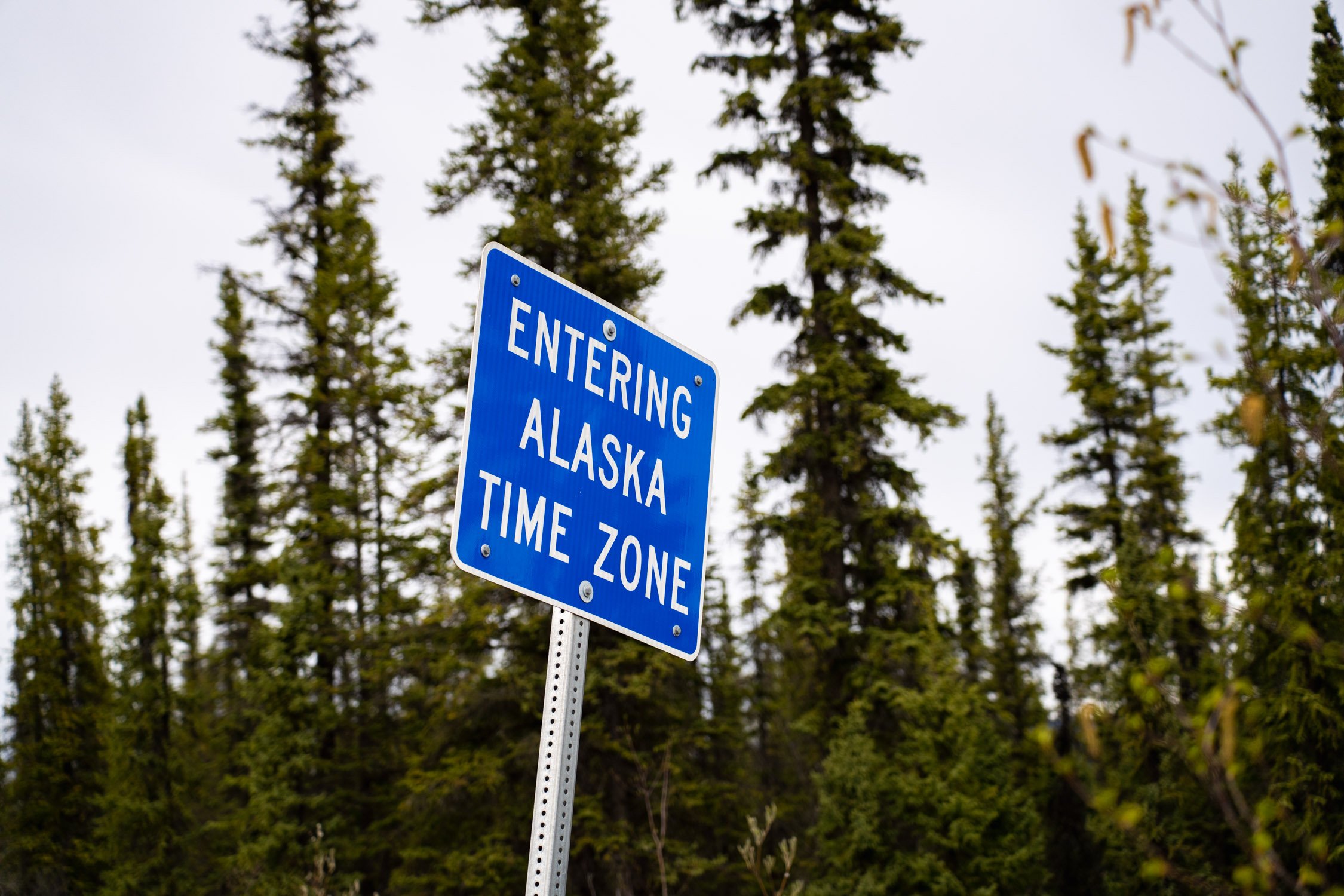
We knew we were getting close the to international border when we saw this sign. Photo by Dalton Johnson
The drive to get there wasn’t easy. The long stretches of road tested us both physically and mentally. We’d spent hours navigating highways framed by towering mountains, forests that seemed endless, and occasional wildlife crossings that brought the van to a halt. Often resulting in me jumping out of the van with my camera, trying to take photos of the bears, moose, or birds. The beauty was overwhelming, but so was the scale of it all. Each mile reminded me of just how far we had come—and how far we still had to go.
One of the things about driving to Alaska is how much time you spend reflecting. There’s something about the endless stretches of wilderness, the quiet hum of the road, and the absence of distractions that make you turn inward. For my dad and me, those hours of driving were about catching up on years of conversations we’d never had. Growing up, we didn’t have a lot of time to spend together. He worked long hours to provide for the family, and while I’ve always appreciated that, it meant we missed out on moments like this. This trip gave us the time and space to reconnect in ways that felt both overdue and deeply meaningful.
One foot in Canada, one foot in Alaska. Photo by Dalton Johnson
When we arrived at the border, it was quiet. No traffic, no other travelers, just us and the line separating two countries. There was something surreal about being there. The air was cool and crisp, carrying a sense of anticipation and accomplishment. My dad grinned as he stepped onto the imaginary line, positioning himself with one leg in Canada and the other in Alaska. “Look at me,” he joked. “I’m in two places at once!”
We laughed, but it was more than a joke. That moment captured the joy and simplicity of the trip. It wasn’t about grand gestures or extravagant destinations. It was about these quiet milestones, shared with someone you care about, that turn an ordinary day into something extraordinary. For my dad, it was pure fun. For me, it was a moment to soak in how far we’d come—not just in distance, but in everything this journey represented.


We stood there for what felt like ages, even though it was probably only ten minutes. The “Welcome to Alaska” sign felt like more than just a marker; it was a symbol of how far we’d come. For me, it was the first time Alaska felt real. Up until that point, it had been an idea, a destination I’d read about or seen in photos. But standing there, on the edge of it, made it tangible. This wasn’t just a place on a map. It was something we had earned by driving every mile to get there.
The border itself was striking in its simplicity. There were no grand monuments or bustling checkpoints. Just the quiet stillness of the wilderness around us. It made me think about how much of this trip had been about embracing the in-between. The moments on the road—seeing a moose by the side of the highway, stopping to fix our makeshift bug nets, or sharing snacks at a random pullout—had been just as impactful as the major stops we planned.
I’ll never forget the way my dad’s face lit up as he joked about being in two places at once. It was one of those moments where everything feels lighter, where the weight of the miles disappears, and you’re just there, fully present. It’s funny how the small moments stick with you the most. They aren’t flashy or dramatic, but they capture the essence of the journey.

We made it to Alaska. Photo by Dalton Johnson
As we stood there, I thought about all the miles ahead. Reaching the border wasn’t the end—it was just the beginning of exploring Alaska. But that moment gave me the energy to keep going. It was a reminder of why we’d chosen to drive instead of fly: to experience the journey, to connect with the places we passed through, and to share these quiet, powerful moments together.
That moment at the border wasn’t flashy or dramatic, but it was perfect. It captured everything the trip was about: the journey, the connection, and the joy of being present. It’s funny how something so small can stick with you, but that’s what makes it special. Standing there with my dad, sharing that quiet milestone, is a memory I’ll carry with me forever.
Discover more Adventures


Road Trip to Alaska, The Drive That Changed Everything
When the opportunity to create a documentary about Mount Denali came my way, I had two choices: fly to Alaska or drive. I chose to drive. That decision transformed what could have been a straightforward work trip into an unforgettable adventure—one that tested my limits, deepened my bond with my dad, and left me with memories I’ll carry for the rest of my life.
When the opportunity to create a documentary about Mount Denali came my way, I had two choices: fly to Alaska or drive. I chose to drive. That decision transformed what could have been a straightforward work trip into an unforgettable adventure—one that tested my limits, deepened my bond with my dad, and left me with memories I’ll carry for the rest of my life.

Dad making dinner, we switched every night, while I walked around snapping images. Photo by Dalton Johnson
At the time, driving to Alaska wasn’t something I’d dreamed about. Sure, the Pan-American Highway was a fantasy of mine, but Alaska? It hadn’t crossed my mind until the documentary project made it a possibility. Flying would have been easier, faster, and probably more convenient, but I wanted to experience the journey. Once I decided to drive, everything began to fall into place—even though I had no idea what to expect.
A Mixture of Excitement and Uncertainty From the Start
The trip began with excitement tinged with doubt. Driving thousands of miles into unfamiliar territory felt overwhelming. Thankfully, my dad decided to join me. He didn’t need much convincing—a couple of weeks before we left, he jumped on board. Having him there meant everything. I wasn’t alone in figuring out the road ahead, and I had someone to share both the challenges and the magic of the journey.
We packed up the van—a converted Ram ProMaster 2500. It was more than just a vehicle; it was our home on wheels. Inside, we had a bed, cabinets, a small kitchen, and even a portable toilet. Solar panels powered the essentials, letting us live off-grid when needed. The van was more than functional—it gave us freedom. We didn’t have to rely on hotels or campgrounds; we could pull over almost anywhere and feel at home.
The first days were a mix of getting into a rhythm and making adjustments. One of the earliest lessons we learned was about the bugs. Alaska’s mosquitoes and biting flies are relentless. Within days, we rigged up makeshift bug nets to keep the van livable. It might seem like a small thing, but those nets made all the difference. They turned the van into a refuge rather than a trap.

A small Dad in a big landscape. Photo by Dalton Johnson
Moments That Took My Breath Away
Every road trip has its highlights, and this one was no exception. One moment I’ll never forget was standing at the border between Canada and Alaska. My dad, grinning ear to ear, straddled the line with one leg in each country. It was such a simple thing, but the joy on his face made it unforgettable. Watching him light up reminded me why this trip was so special—it wasn’t just about the destination; it was about the shared experience.
Then there were the roads themselves. In Alaska, highways stretch endlessly, flanked by towering mountains and endless forests. The sense of scale is hard to describe. Each mile felt like a journey deeper into the wild. Sometimes we’d drive for hours without seeing another car, just the landscape unfolding around us. It was humbling and exhilarating all at once.
And then there was the glacier. It was the first I’d ever seen, and it took my breath away. The icy blue shimmered in the sunlight, and for the first time, Alaska didn’t feel like an abstract idea. It was real, vast, and stunningly beautiful. That glacier made everything—the miles, the uncertainty, the effort—worth it.

That moment you realize you made it. Photo by Dalton Johnson
Lessons Learned on the Road
This trip wasn’t just about getting to Alaska. It was about the journey, the obstacles, and the moments in between. Driving thousands of miles gave me time to reflect and to connect with my dad in ways we hadn’t before. Growing up, we didn’t spend a lot of time together—he was always working, providing for our family. This trip gave us the time and space to talk, to share stories, and to just be.
One of the biggest lessons I learned was adaptability. Whether it was rigging up bug nets, finding places to sleep, or dealing with long stretches of road, we had to adjust constantly. Every challenge became a chance to figure things out together. It also taught me the value of preparation. The van’s setup—the bed, the kitchen, the solar power—made the journey smoother and gave us the freedom to focus on the adventure rather than logistics.
The other big lesson was about the value of companionship. Having my dad there turned what could have been a lonely drive into something transformative. We didn’t just share the road; we shared the experience. Watching the world go by from the van window, cooking meals together, and even sitting in silence—those moments meant as much as the big highlights.
The passenger was always responsible for looking wildlife along the roads while driving to Alaska. Photo by Dalton Johnson
Why This Trip Mattered
When I look back on this road trip, it’s not the glaciers, the mountains, or the endless highways that stand out most. It’s the feeling of connection—to the landscape, to my dad, and to myself. Choosing to drive to Alaska instead of flying turned what could have been a routine work trip into something life-changing.
This journey taught me that the best adventures aren’t always the ones you plan meticulously. Sometimes, they’re the ones that start with a single decision—to take the long way, to embrace the unknown, and to see what happens. The drive to Alaska wasn’t just a trip. It was a turning point, a reminder of the beauty of slowing down and the magic of the open road.
Discover more Adventures

These Walkie Talkies Saved Us While Road Tripping In Baja
When I first considered using walkie-talkies on a road trip, I wasn’t sure they’d make much of a difference. But after experiencing the challenges of driving through Baja’s unpredictable roads with a group of friends in separate vehicles, I’m convinced that Rocky Talkies were an absolute lifesaver. Here’s why these rugged two-way radios became our ultimate communication tool during the trip.
When I first considered using walkie-talkies on a road trip, I wasn’t sure they’d make much of a difference. But after experiencing the challenges of driving through Baja’s unpredictable roads with a group of friends in separate vehicles, I’m convinced that Rocky Talkies were an absolute lifesaver. Here’s why these rugged two-way radios became our ultimate communication tool during the trip.
Exploring the dirt roads of Baja, communication is very sparse and often no cell service. Photo by Dalton Johnson
The Baja Challenge
Road-tripping through the Baja Peninsula is an adventure in itself. The roads are often narrow, full of potholes, and require constant attention. On top of that, cell service is spotty or nonexistent in many remote areas. With several vehicles in our caravan, we needed a way to stay in contact without relying on phones or constantly pulling over.
I had previously used Rocky Talkies while rock climbing, where they excel at connecting belayers and climbers on long routes. They’re compact, tough, and easy to use even in challenging conditions. I’d also tried them on photo shoots to coordinate between teams. This trip, however, was the first time I considered using them for road travel.
How Rocky Talkies Kept Us Connected
Throughout the trip, the Rocky Talkies proved to be incredibly effective. We could quickly and clearly let each other know when to turn, where to stop, and what road hazards lay ahead. The radios were particularly helpful in areas like Conception Bay, where sharp turns and unpredictable road conditions made it tricky to maintain a coordinated caravan.
Their range, up to 25 miles in open areas, allowed us to spread out and still stay connected. Even in more rugged terrain, we were able to communicate without interruption. The radios’ durability also came into play: they easily handled the dust, heat, and occasional drops that are inevitable on a Baja adventure.

Our buddy pulled over in Baja. Photo by Dalton Johnson
Real-World Scenarios
One of the most memorable moments was when a friend got pulled over by local police. As we lost sight of his vehicle, we relied on the radios to figure out what happened. He couldn’t respond right away since he was talking to the officer, but knowing he could hear us and would update us as soon as possible gave us peace of mind. Once the situation was resolved, he quickly let us know, and we regrouped without confusion or further delays.
Another instance involved picking our camping spot. The narrow, winding roads near Conception Bay made it difficult to pull over and discuss options. With the Rocky Talkies, we could relay information about upcoming turns and decide on the fly without risking safety or causing traffic issues.

Camping on the beach in Conception Bay. Photo by Dalton Johnson
Final Thoughts
The Rocky Talkies exceeded my expectations for road-tripping. Their reliability, durability, and range kept our group connected when we needed it most. While they’re marketed primarily for outdoor sports like climbing, their utility extends well beyond the rock. For any group road trip—especially in remote areas like Baja—I can’t recommend these radios enough.
Discover More Gear

8 Tips for First-Time Alaska Road-Trippers
I have driven to Alaska and back. Each way taught me new lessons about timing, route choices, and personal limits. These tips will help you plan your own road trip with a clear mind and a realistic approach. Whether you’re an experienced road-tripper or embarking on your first major journey, Alaska’s vast wilderness offers lessons you’ll carry with you for a lifetime.
I have driven to Alaska and back to the lower 48. Each way taught me new lessons about timing, route choices, and personal limits. These tips will help you plan your own road trip with a clear mind and a realistic approach. Whether you’re an experienced road-tripper or setting off on your first major journey, Alaska’s vast wilderness offers lessons you’ll carry with you for a lifetime.

Driving a dirt road to an epic camping spot on the beach of Kenai Lake. Photo by Dalton Johnson
1. Give Yourself Enough Time
I recommend at least two and a half weeks to drive up and another two and a half weeks to drive back. Alaska is far away, and the journey can feel longer than you expect. The roads have plenty of interesting stops, and each one can eat up hours. If you try to pack it all into a shorter window, you may feel rushed and miss experiences you truly want.
Remember, Alaska’s beauty lies in its vastness. It’s not a place to rush through. Take time to soak in the incredible landscapes, from mountain ranges to shimmering lakes. Each stop can reveal something unforgettable, whether it’s a hidden hiking trail or an unexpected wildlife sighting. Time is your best friend on a journey like this.

My Dad really wanted to see Bear Glacier, so we made the stop despite the winter conditions. Photo by Dalton Johnson
2. Choose Meaningful Stops
Pick activities or sights that matter to you. Maybe you want to see specific wildlife or catch the northern lights. Research their active seasons. If you dream of spotting grizzly bears, aim for the months they are out. If you want a shot at the northern lights, plan for darker skies. The Milepost guidebook is a great resource, but be honest with yourself: you can’t do it all in one trip.
Some highlights that stand out to me include Bear Glacier near Stewart and Hyder, the Exit Glacier hike in Kenai Fjords National Park, and the bore tide near Turnagain Arm. Each of these spots offered unique experiences, from breathtaking views to the chance to try something new—like surfing a tidal wave! Think about what excites you most and prioritize those stops.

My Dad was a great road trip buddy! Photo by Dalton Johnson
3. Road Trip Buddy
Driving with a partner or friend can save you from exhaustion. You can take turns at the wheel, share camping duties, and stay safe if you’re in remote spots. Also, long drives become more fun with another person to chat with. I found that traveling with my dad deepened our bond, and traveling with my girlfriend made the experience more special.
A buddy also adds a layer of safety, especially in more isolated areas. If one of you is tired, the other can take over driving. Plus, sharing experiences like spotting wildlife or witnessing a stunning sunset makes the journey even more memorable. Don’t underestimate the value of good company on the road.
4. Lodging vs. Camping
I love my van because I have a built-in bed. It removes the pressure of finding campsites or hotels every night. If you rely on a car or tent, plan ahead for safe places to sleep. Tired driving is dangerous. Sometimes you can find random pullouts or rest areas, but be sure it’s allowed. Book campgrounds in busy areas if you want guaranteed space.
Camping can also provide some of the most rewarding moments on the trip. Waking up to a quiet forest or lakeside view is hard to beat. However, safety and comfort are key. Make sure you have reliable gear if you’re tent camping, and always check for wildlife activity in the area before settling in for the night. Bears are common in Alaska, and proper food storage is essential.

Storm clouds blocking our view of Bear Glacier, but we didn’t mind. Photo by Dalton Johnson
5. Seasonal Considerations
Alaska changes a lot by season. In early spring, I saw icy roads and had to watch for potholes. In summer, the views were greener and the wildlife more active. Decide what is most important to you. Do you want to see snowy landscapes? Are you aiming for warmer days? Each season has unique rewards and drawbacks. If you choose winter or early spring, check if you need tire chains or special vehicle prep.
Summer offers nearly endless daylight, which is both a blessing and a challenge. It’s perfect for packing in activities but can make it hard to maintain a regular sleep schedule. On the flip side, fall and winter bring shorter days but offer better chances for northern lights viewing. No matter when you go, pack clothing and gear for unpredictable weather.
6. Budgeting and Vehicle Prep
Gas adds up fast. You’ll cover hundreds or even thousands of miles, and fuel can cost more in remote areas. Bring extra funds. Also, do a thorough check on your vehicle before you leave. Fresh oil, good tires, and a spare tire are essential. I like having some basic tools and a small roadside repair kit for peace of mind. My van handled the trip well, but I was ready for the worst-case scenario.
It’s also wise to carry extra water, snacks, and a first aid kit. Breakdowns in remote areas can mean long waits for help. Even if you don’t encounter any issues, being prepared will make you feel more confident throughout the journey. Your vehicle is your lifeline on a trip like this—treat it accordingly.

Kayaking to a glacier was very high on Kristin and I bucketlist, so we rented kayaks and made it happen. Photo by Dalton Johnson
7. Staying Realistic
I encourage you to be honest about your pace and energy levels. Alaska is huge, and the drive can be draining. Don’t force yourself to push too hard each day. Plan for rest days, especially when you reach a spot you want to explore. Trying to cram too much can leave you exhausted and unfocused on the road.
It’s okay to let go of the idea of seeing everything. Focus on quality over quantity. A few well-chosen activities or destinations will be far more meaningful than a rushed checklist of stops. Give yourself the space to truly enjoy each moment.
8. My Personal Take
Each time I head north, I realize how much I still haven’t seen. The size of Alaska and western Canada is overwhelming. I learned that focusing on a few major activities or destinations helped me enjoy them more. I also found that bringing someone along—whether a partner, friend, or family member—turns the long drive into a bonding experience.
One of my favorite moments was standing with my dad at the border between Canada and Alaska. It was a simple thing, but seeing his face light up made it unforgettable. Another highlight was exploring Homer with my girlfriend, kayaking to remote glaciers, and sharing meals with incredible views. These are the memories that stick with you long after the trip ends.
Soaking in the iconic Alaska gray skies with Kristin. Photo by Dalton Johnson
A road trip to Alaska can be life-changing. It’s a long haul, but if you balance your schedule, pick meaningful stops, and prepare your vehicle, you’ll create memories that last forever. Keep these tips in mind and remember: the best trips happen when you allow yourself the space to enjoy the journey. Plan well, stay flexible, and embrace the adventure.
Discover more Adventures

The Tamron 150-500mm Was Always On My Camera While I Drove to Alaska, Here’s Why
When I drove to Alaska with my dad and later returned with my girlfriend Kristin, one thing remained constant: the Tamron 150-500mm lens was always attached to my camera. If there’s one thing you learn quickly on a road trip to Alaska, it’s that wildlife can appear at any moment. Whether it’s a bear lumbering along the roadside, an eagle soaring overhead, or a moose grazing in a meadow, you’re constantly surrounded by incredible opportunities for wildlife photography. Having the Tamron 150-500mm on my camera ensured I was always ready to capture those fleeting moments, no matter when or where they happened.
When I drove to Alaska with my dad and later returned with my girlfriend Kristin, one thing remained constant: the Tamron 150-500mm lens was always attached to my camera. If there’s one thing you learn quickly on a road trip to Alaska, it’s that wildlife can appear at any moment. Whether it’s a bear lumbering along the roadside, an eagle soaring overhead, or a moose grazing in a meadow, you’re constantly surrounded by incredible opportunities for wildlife photography. Having the Tamron 150-500mm on my camera ensured I was always ready to capture those fleeting moments, no matter when or where they happened.

A roadside black bear scurrying across the highway. Photo by Dalton Johnson
The Importance of Being Ready
Driving through places like Alaska or along the Cassiar Highway is like stepping into a nature documentary. Wildlife is everywhere, and you never know when you’ll get a chance to photograph something extraordinary. One moment, you’re cruising down an empty stretch of highway, and the next, you spot a bear munching on grass by the roadside. That’s when the Tamron 150-500mm lens truly shines. With its versatile focal range, it’s the perfect lens for quickly zooming in on wildlife without having to get too close (safety first!).
For me, the Tamron stayed on my camera almost the entire trip. The reason? Simplicity. I didn’t want to waste precious seconds swapping lenses while the perfect shot disappeared. Wildlife doesn’t wait for you to get your gear together. The 150-500mm gave me the reach and flexibility I needed to capture everything from a bald eagle perched high in a tree to a bear crossing the road right in front of us. I’d often find myself pulling over with no warning, grabbing the camera, and stepping out onto the shoulder, heart racing, ready to snap the scene in front of me.
Even when I wasn’t actively looking for wildlife, the Tamron’s versatility meant I could take incredible shots of the landscapes around me. The long highways surrounded by towering peaks, the sweeping valleys, and even the quiet moments of mist rising off a lake in the morning—all were within the range of this lens.

A roadside moose enjoying it’s lunch. Photo by Dalton Johnson
Key Features That Made It Indispensable
Versatile Focal Range: The 150-500mm range is ideal for wildlife photography. It offers the perfect balance between zooming in on distant subjects and maintaining flexibility for closer encounters. Whether the wildlife was 50 feet away or 500 feet away, I felt like I had the reach I needed. It allowed me to photograph everything from tight details to more environmental shots that showed the subject within its natural setting.
Portability: For a lens with such an impressive zoom range, the Tamron 150-500mm is surprisingly compact and lightweight. On long road trips, when every ounce of gear adds up, this was a huge bonus. It was easy to carry, mount, and shoot with for extended periods, even when we were on foot. Carrying it all day while hiking didn’t feel like a chore, which is saying something for a telephoto lens.
Sharpness and Detail: The image quality was outstanding. Even when shooting at the longer end of the focal range, the lens produced sharp, detailed images. This was crucial when capturing textures like the feathers of an eagle or the fur of a bear. The clarity in those shots was something I kept coming back to as I reviewed the photos after the trip.
Fast Autofocus: Wildlife doesn’t stay still for long, and the Tamron’s autofocus kept up beautifully. Whether I was shooting from inside the van or stepping out to frame a shot, the lens locked onto my subjects quickly and accurately. This speed made all the difference when I had only a few seconds to capture a fleeting moment.
Stabilization: Shooting handheld, especially with a telephoto lens, can be tricky, but the Tamron’s built-in stabilization was a lifesaver. It allowed me to get sharp shots even when shooting at longer focal lengths without a tripod, which isn’t always feasible when you’re working quickly.
A bald eagle perched in a tree, this shot would not have been possible without the Tamron 150-500mm. Photo by Dalton Johnson
Real-World Moments
One memory that stands out was when we were driving along a remote stretch of the Cassiar Highway. Out of nowhere, my dad shouted, “Bear!” We pulled over, and there it was—a black bear casually grazing by the roadside. I grabbed my camera, stepped out quietly, and started shooting. The Tamron’s zoom allowed me to get tight, detailed shots without ever feeling like I was invading the bear’s space. The bear looked up at one point, sniffed the air, and then continued eating. That’s the kind of moment you can’t plan for, and having the right lens made all the difference.
Another unforgettable moment was spotting a bald eagle perched high in a tree near Homer. The light was perfect, and the eagle’s silhouette stood out against the blue sky. The Tamron 150-500mm allowed me to fill the frame with the eagle, capturing the sharpness of its talons and the intense focus in its eyes. It’s one of my favorite shots from the trip. Without the lens’s reach, there’s no way I could’ve gotten that level of detail.
Then there were the moments that didn’t involve wildlife but were just as breathtaking. One morning, as we parked at a pullout overlooking a misty lake, I used the Tamron to zoom in on the gentle ripples in the water and the silhouettes of distant trees. The lens brought a level of intimacy to the scene that made it feel even more magical.

A black bear taking a casual stroll across the Cassiar Highway. Photo by Dalton Johnson
Why This Lens Should Be in Your Kit
If you’re planning a trip to Alaska, or anywhere with abundant wildlife, the Tamron 150-500mm is a lens you won’t want to leave behind. Its versatility, portability, and exceptional image quality make it the perfect companion for capturing the unpredictable beauty of the wild. You never know what you’ll encounter, and having a lens like this ensures you’re always ready.
For me, it wasn’t just a piece of gear—it was an essential part of the journey. From black bears to bald eagles and the quiet beauty of Alaska’s landscapes, the Tamron 150-500mm helped me document memories I’ll treasure forever. If you’re heading into the wild, do yourself a favor and bring this lens along. You’ll be glad you did.
Discover More Gear

If You Have The Time, Drive To Alaska Instead Of Flying
If you’re thinking about traveling to Alaska, there’s a choice you’ll have to make: fly or drive. For me, the decision to drive wasn’t just about getting there—it was about everything that happens along the way. Choosing to drive instead of fly let me feel the sheer vastness of Alaska, experience the wild beauty as it unfolded, and share an unforgettable journey with my dad. What could have been a quick flight turned into a trip I’ll never forget.
If you’re thinking about traveling to Alaska, there’s a choice you’ll have to make: fly or drive. For me, the decision to drive wasn’t just about getting there—it was about everything that happens along the way. Choosing to drive instead of fly let me feel the sheer vastness of Alaska, experience the wild beauty as it unfolded, and share an unforgettable journey with my Dad. What could have been a quick flight turned into a trip I’ll never forget.

Understanding the sense of scale in Alaska is hard, but using a drone gives you that edge . Photo by Dalton Johnson
When I was hired to make a documentary about Mount Denali, I had two options. Flying would’ve been faster and way less complicated. But as I thought about it, I realized driving would give me something a flight never could: the chance to see what lies between here and there. I wanted to feel the distance, watch the scenery change mile by mile, and earn the arrival. So I decided to take the long way.
To be honest, I wasn’t sure I’d made the right call at first. Thousands of miles stretched ahead of me, and I’d never driven anything like this before. Thankfully, my Dad decided to come along for the ride. He didn’t need much convincing—he was in almost as soon as I brought it up. Having him with me turned what could have been a solo mission into something much more meaningful.
Dad making us dinner while I went for a photo walk. Photo by Dalton Johnson
Our home for the journey was my converted Ram ProMaster 2500 van. It wasn’t just a vehicle; it was our mobile base camp. Inside, we had a bed, a small kitchen, cabinets for storage, and even a portable toilet. Solar panels powered everything we needed, so we could camp off-grid whenever we wanted. My Dad slept on the floor, while I took the bed. Maybe I should’ve been a better son and swapped with him, but he didn’t seem to mind—he was just happy to be there.
Of course, the road had its challenges. One of the first things we had to figure out was dealing with the bugs. Alaska’s mosquitoes and biting flies are relentless. Within days, we rigged up makeshift bug nets to keep the van livable. Then there was the sun. The never-ending daylight threw off everything, from our sleep schedules to our sense of time. My Dad also got sick at one point, which made the journey tougher. But even with all of that, we kept moving forward.
Most of the drive was spent listening to podcasts, not music. It wasn’t really planned—it just worked out that way. Music came when we felt like talking or sharing stories. Those quiet conversations, set against the backdrop of endless highways, were some of the best moments of the trip.
The drive itself was full of unforgettable experiences. One of my favorite moments happened at the border between Canada and Alaska. My Dad stood there, one leg in each country, grinning like a kid. It was such a simple thing, but it captured what made this trip special: we weren’t rushing to get somewhere. We were taking the time to enjoy the journey, step by step.
A selfie at the Alaska road, we made it! Photo by Dalton Johnson
And then there was Bear Glacier. It was the first glacier either of us had seen in America, and it was massive. The wind whipped around us as we stood across the thermal lake, staring at the ice towering into the clouds. It was cold, and I’ll admit, a little intimidating. But it was also incredible. That moment made the journey real in a way flying never could have. Alaska wasn’t just a destination anymore; it was something we’d earned by driving there.
Driving also gave me time to reconnect—with the landscape, with myself, and with my Dad. Growing up, we didn’t spend much time together. He was always working to support our family, and I get that now. This trip gave us the chance to talk about everything we hadn’t before, to share stories, and to just be. Those memories mean more to me than anything else from the trip.
One of the many endless road we drove. Photo by Dalton Johnson
If you have the time, whether it’s a month, six weeks, or longer, I can’t recommend driving to Alaska enough. The road offers something flying never will: a chance to experience the journey. You’ll see how the world changes as you head north, feel the solitude of remote highways, and discover places you never knew existed. Of course, not everyone has the luxury of time. If your main goal is to maximize your days in Alaska, flying might make more sense. But if you’re looking for an adventure, the drive is absolutely worth it.
Choosing to drive to Alaska wasn’t just a way to get there; it was the heart of the trip. From dealing with bugs and long days to seeing glaciers and sharing quiet conversations with my Dad, the road gave me more than I ever expected. Alaska is incredible, but the journey to get there—that’s what I’ll always remember.
Discover more Adventures

The Sunrises At Conception Bay Are Unforgettable
Without knowing what to expect, we left Mulegé in the afternoon, eager to find a place to camp along the beach. Not driving very far, we dropped into the Conception Bay area and were immediately stunned by the beauty. A massive bay stretched before us, dotted with islands and ripe with camping spots nestled along its shores. The water shimmered under the late afternoon sun, and we instantly knew this was where we wanted to spend the night.
Without knowing what to expect, we left Mulegé in the afternoon, eager to find a place to camp along the beach. Not driving very far, we dropped into the Conception Bay area and were immediately stunned by the beauty. A massive bay stretched before us, dotted with islands and ripe with camping spots nestled along its shores. The water shimmered under the late afternoon sun, and we instantly knew this was where we wanted to spend the night.

The long and empty roads of Baja. Photo by Dalton Johnson
We took our time driving along the road that skirted the bay, scanning for potential campsites. But as the sun dipped lower, we realized we needed to act fast. Using radios to communicate between vehicles, my buddy Andrew, who was driving ahead, called back, "This one looks good, let's see how much they charge."
We pulled into a gated beach that offered camping spots, and the attendant informed us it was $5 per vehicle for the night. The price seemed like a bargain, especially considering the beachfront location and the palapas available for shade. We quickly paid the fee and parked, each of us claiming a spot just steps from the water. By the time we had set up, the sun had already set. The bay was now cloaked in twilight, with only the soft lapping of waves breaking the silence.

The start of sunrise while camping on the beach at Conception Bay. Photo by Dalton Johnson
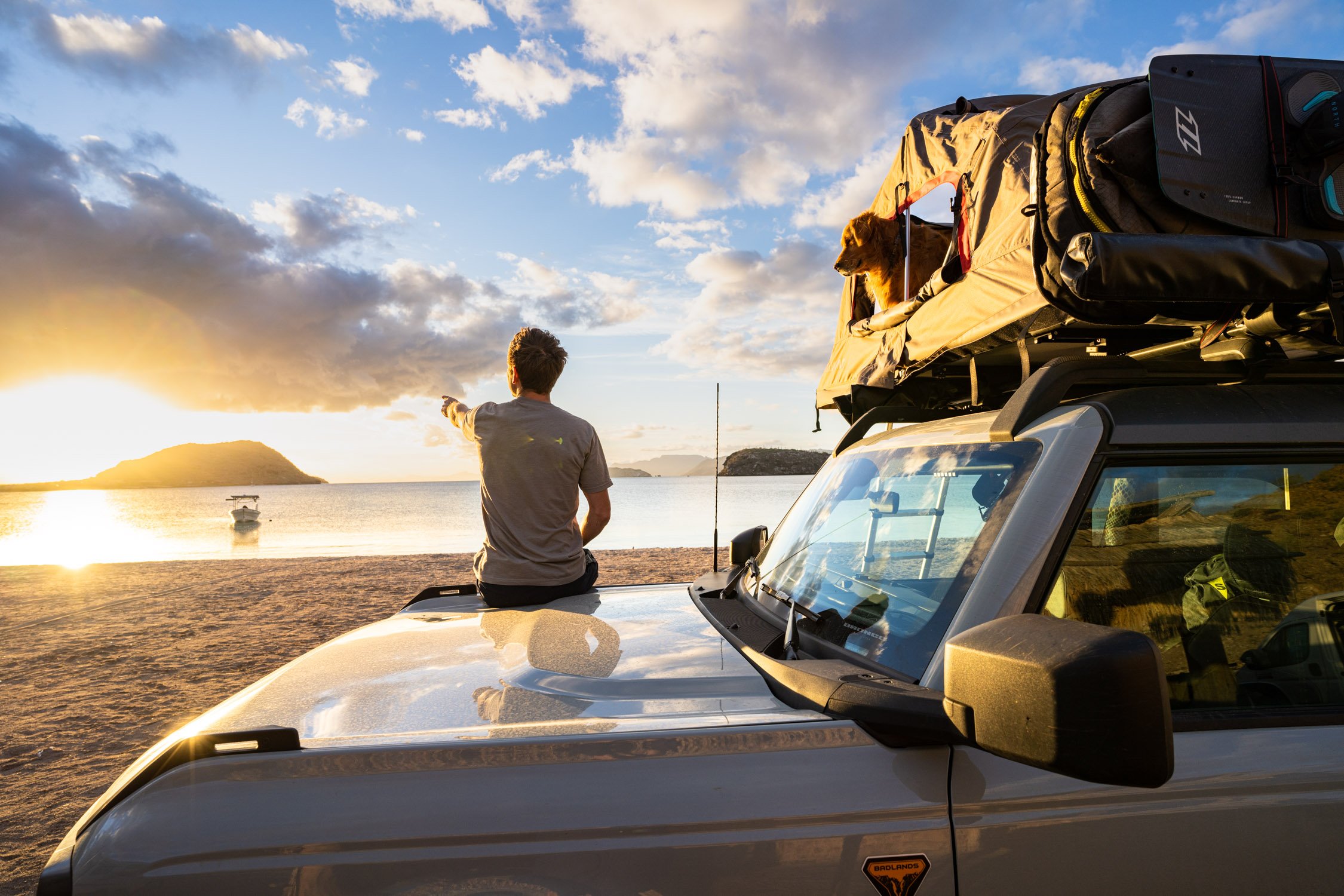
Dinner that evening was quick and simple, prepared in the fading light. My girlfriend Kristin and I were traveling in a converted van, and since the air was warm and humid, we decided to sleep with the back doors wide open, letting us gaze out onto the bay. Andrew, traveling with his dog, set up his rooftop tent on his Ford Bronco. The gentle sound of waves just 20 feet away made it easy for all of us to fall asleep, lulled by the tranquility of the place.
Kristin watching the Conception Bay sunrise from the back of the van. Photo by Dalton Johnson
I woke up early the next morning to find the start of a sunrise unfolding before me. The first light of dawn cast a soft glow over the bay, turning the sky shades of orange, pink, and purple. The water was perfectly still, reflecting the colors like a mirror. It was a moment that felt almost too perfect to be real. As I lay there in bed, taking in the view from the back of the van, I could feel the cool morning breeze and hear the faint rustle of leaves from the nearby palapas.
Realizing that this was a moment worth capturing, I climbed out of the van to check on Andrew. He was already awake, standing near his Bronco with his dog by his side. "We shooting this morning?" he asked, his voice cutting through the quiet.
"Yup, I’m getting ready now," I replied, heading back to grab my camera. Andrew nodded, already grabbing his gear. This was why we were here—to capture moments like these for the marketing projects we were working on.
The next hour was spent transitioning between the van, the beach, and the Bronco. We snapped photos of the sunrise, capturing the way the light danced on the water and highlighted the rugged beauty of the bay. Kristin joined us, taking in the view while we worked. Even as we focused on getting the perfect shots, we made sure to pause and simply enjoy the moment—the warmth of the sun on our faces, the soft sand beneath our feet, and the peacefulness of the bay waking up to a new day.
Andrew and Kicker stoked to see the sun in Conception Bay. Photo by Dalton Johnson
One of my favorite shots from that morning was taken from the back of the van, framing the sunrise through the open doors. It perfectly encapsulated the freedom and beauty of van life, a reminder of why we chose this way of traveling. Andrew, meanwhile, got some incredible angles from the beach, using the rippled sand and gentle waves to add texture and depth to his photos. His dog, always curious, wandered into a few shots, adding an unplanned but welcome touch of personality.
As the morning progressed, the colors of the sunrise gave way to the bright light of day. We packed up our gear, satisfied with the shots we’d captured, and took a moment to sit together by the water. Kristin brewed coffee on our portable stove, and we sipped it slowly, savoring the quiet before the world around us became busier.
That morning in Conception Bay was unforgettable. The combination of warm sunlight, gentle waves, and the sheer tranquility of the place created a memory that I’ll carry with me forever. For a mere $5, we experienced something priceless—a connection to nature, to each other, and to the simple joys of van life. It was one of those rare moments where everything felt just right, and I’m already dreaming of the next time I can wake up to a sunrise like that.
Discover more Adventures
Conception Bay's Camping Fee Is Worth Every Penny
Conception Bay is one of Baja’s crown jewels when it comes to beach camping. With stunning views, serene waters, and an array of activities, it’s a must-visit destination for any road tripper. While many of the camping spots here require a fee, ranging from $5 to $35 depending on the location and amenities, the experience makes it well worth the cost. Here’s what you can expect when camping in Conception Bay and why it’s an unforgettable destination.
Conception Bay is one of Baja’s crown jewels when it comes to beach camping. With stunning views, serene waters, and an array of activities, it’s a must-visit destination for any road tripper. While many of the camping spots here require a fee, ranging from $5 to $35 depending on the location and amenities, the experience makes it well worth the cost. Here’s what you can expect when camping in Conception Bay and why it’s an unforgettable destination.

Sunset at Conception Bay. Photo by Dalton Johnson
The camping fees in Conception Bay vary widely depending on the specific spot you choose, the amenities provided, and even the size of your vehicle. For instance, RVs often incur higher fees than smaller vehicles like vans or cars. Prices typically range from $5 to $20, with some locations charging up to $35. While the fee may fluctuate, most paid sites include access to a basic pit toilet—a welcome convenience for those camping long-term. Despite the costs, the value is undeniable. You’re paying for access to pristine beaches, stunning scenery, and a peaceful atmosphere that’s hard to match.

Andrew and Kicker stoked on the sunrise at Conception Bay. Photo by Dalton Johnson
Conception Bay offers plenty of activities that make camping here a dream for outdoor enthusiasts. The calm, turquoise waters are perfect for kayaking, allowing you to paddle along the coastline and explore the bay’s hidden coves and rocky outcroppings. SUPers will love gliding over the crystal-clear water, with the chance to spot marine life below. For snorkeling, the underwater world in Conception Bay is teeming with fish and vibrant coral. Bring your gear and spend hours exploring the shallows. The bay’s calm conditions make it an ideal playground for water-based activities, whether you’re a beginner or an experienced adventurer. If you’re lucky, you might even spot a pod of dolphins or rays leaping out of the water.
Related Read: Baja's Conception Bay Might Be The Best Place To SUP
While camping in Conception Bay, I experienced one of nature’s most magical phenomena: bioluminescence. During a road trip home, we noticed that the splashing waves glowed red with plankton—a sign of the red tide. We stayed and played in the glowing water all night, amazed at how the waves lit up with every movement. Capturing this phenomenon on camera proved impossible, but the memory is etched in my mind forever. Though bioluminescence isn’t guaranteed, the chance to experience it is another reason to make Conception Bay a priority on your Baja adventure.
Watching sunrise from bed while beach camping at Conception Bay. Photo by Dalton Johnson
One of the highlights of camping in Conception Bay is the sheer beauty of the area. Driving in from Mulegé, you’ll be greeted by breathtaking vistas as the bay comes into view. The turquoise waters and rugged hills create a dramatic contrast that will make you want to pull over just to soak it all in. Once you’ve settled into your campsite, the beauty doesn’t stop. The views from the beach are stunning, and the nearby hikes provide even more opportunities to take in the landscape. It’s incredible to think that such a picturesque location hasn’t been overdeveloped; you can still camp right on the beach and wake up to the sound of gentle waves.
Arriving early during high season is key to securing a palapa (a shaded beach structure), as there is no reservation system. However, if one spot is full, there are several alternative sites to explore. Outside of high season, the beaches are wonderfully quiet, allowing you to fully immerse yourself in the natural surroundings. While paid sites may offer pit toilets, other amenities are limited, so it’s important to come prepared with enough water, food, and gear to make your stay comfortable.
Kristin takes in the last bits of light while camping on the beach in Conception Bay with a van. Photo by Dalton Johnson
Without a doubt, camping in Conception Bay is worth the nominal fee. For as little as $5 to $35 per night, you gain access to pristine beaches, a safe and clean environment, and endless opportunities for adventure. The combination of stunning views, unique experiences like bioluminescence, and water activities makes it a standout destination on any Baja road trip. So, pack your gear and hit the road. Conception Bay is waiting to show you why it’s one of Baja’s best-kept secrets. Trust me, you won’t regret it.
Discover more Adventures

Common Mistakes to Avoid When Climbing Mount Massive
Mount Massive, Colorado’s second-highest peak, is the often overlooked step-sibling to the highest peak in Colorado, Mount Elbert, just across the valley. However, climbing this iconic mountain comes with its challenges, and mistakes can quickly turn an enjoyable trek into a tough lesson. Based on personal experiences, here are the top mistakes to avoid when tackling Mount Massive, so you can have a safer and more rewarding adventure.
Mount Massive, Colorado’s second-highest peak, is the often overlooked step-sibling to the highest peak in Colorado, Mount Elbert, just across the valley. However, climbing this iconic mountain comes with its challenges, and mistakes can quickly turn an enjoyable trek into a tough lesson. Based on personal experiences, here are the top mistakes to avoid when tackling Mount Massive, so you can have a safer and more rewarding adventure.
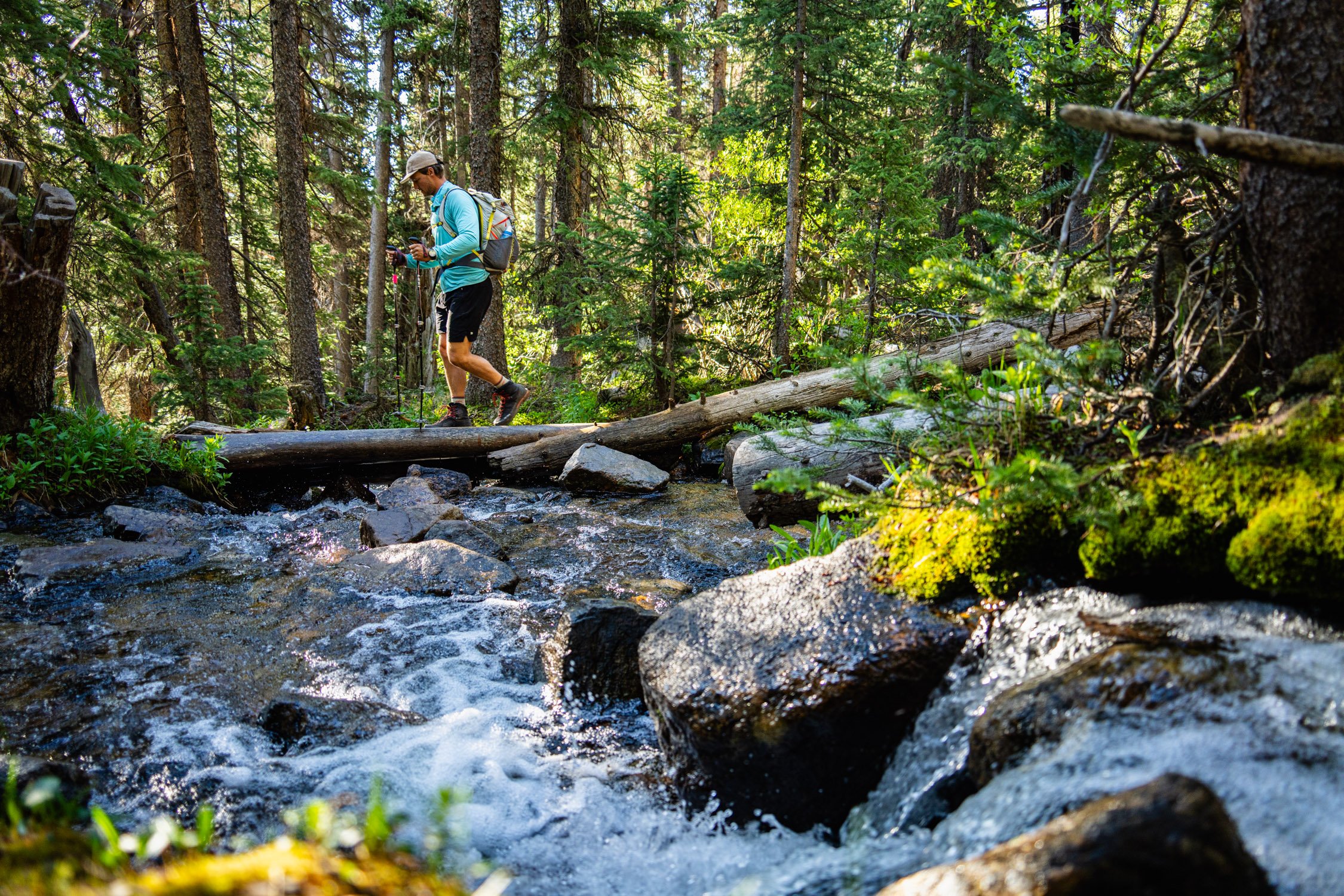
Crossing the first creek of Mount Massive. Photo by Dalton Johnson
1. Starting Too Late
One of the biggest mistakes you can make when climbing Mount Massive is starting too late. Afternoon thunderstorms are a well-known hazard in Colorado’s high country, and lightning strikes above the treeline can be deadly. An early start—ideally around 4:00 or 5:00 a.m.—gives you plenty of time to summit and descend before the storms roll in. On one of my hikes, I started later than planned and spent the entire ascent worrying about the clouds forming in the distance. Don’t let poor timing overshadow your experience.
Late starts also mean dealing with higher temperatures as the day progresses. Even at altitude, the sun’s intensity can be draining, especially on exposed sections of the trail. Early morning climbs offer cooler conditions, making the hike less physically demanding and more enjoyable. Additionally, starting early ensures that you’re not rushing your descent as daylight fades, reducing the risk of hiking in the dark.
For those aiming to beat the crowds, an early start has the added benefit of quieter trails. Mount Massive is popular among hikers, and trailheads can get busy by mid-morning. An early departure gives you a head start on parking and a more peaceful experience on the trail.

Shorts and a sun hoodie might not be the go to on Mount Massive, but that was what I did. Photo by Dalton Johnson
2. Overlooking Proper Layering
Weather on Mount Massive can change rapidly, and improper layering can make or break your hike. On one trip, I packed a thick Gore-Tex jacket and a fleece layer but skipped a lightweight windbreaker. As a result, I was either sweating in my heavy jacket or shivering in the wind when wearing just the fleece.
The key to staying comfortable is using a layering system that includes a moisture-wicking base layer, an insulating mid-layer, and a lightweight windproof or waterproof outer layer. This setup allows you to adjust to varying conditions without carrying unnecessary weight. Remember, it’s better to shed a layer than to not have the right one when you need it.
Another common mistake is neglecting to pack gloves and a warm hat. Even in the summer, temperatures at the summit can be freezing, and exposed skin loses heat quickly in strong winds. Keeping your extremities protected is just as important as layering your core. Take the time to research the weather forecast and pack accordingly to prepare for any sudden changes.

Getting a glimpse of the summit from below while climbing Mount Massive. Photo by Dalton Johnson
3. Forgetting Sunscreen
At high elevations, the sun’s rays are more intense, and forgetting sunscreen can lead to painful burns. The trail to Mount Massive is largely exposed after you leave the treeline, making it essential to protect your skin. On one hike, I forgot to reapply sunscreen and ended up with a sunburn that made the descent miserable.
To avoid this, apply a high-SPF sunscreen before you start your hike and reapply throughout the day, especially on sunny, cloudless mornings. Don’t forget areas like your ears, the back of your neck, and the tops of your hands—these spots are often overlooked. Additionally, wearing a wide-brimmed hat and UV-protective clothing can provide extra protection against the sun’s harmful rays. Sunglasses are also a must, as they reduce glare and protect your eyes from UV exposure at high altitudes.
4. Underestimating the False Summit
Mount Massive is known for its deceptive false summit, which can be a mental challenge for even experienced hikers. After hours of climbing, you’ll crest what appears to be the peak, only to see the true summit looming further ahead. This can be disheartening if you’re not prepared for it.
When I first climbed Mount Massive, the sight of the false summit nearly broke my resolve. But knowing this feature is part of the journey helps you mentally prepare. Keep a steady pace and remember that the extra effort will be worth it once you’re standing on the true summit, taking in the breathtaking views.
One way to avoid disappointment is by studying the route beforehand and setting realistic expectations. Many trail descriptions and maps highlight the false summit, so familiarize yourself with what to expect. Break the hike into manageable segments and celebrate milestones along the way to keep your morale high.

Hiking up the trail on Mount Massive. Photo by Dalton Johnson
5. Failing to Pack the Essentials
While it’s easy to focus on the big items like boots and jackets, neglecting smaller essentials can lead to unnecessary challenges. Always carry plenty of water to stay hydrated—dehydration at high altitudes can creep up quickly. A mix of snacks with carbohydrates and electrolytes will help you maintain your energy levels throughout the hike.
Additionally, a map, compass, or GPS device is critical for navigation. Trails can sometimes be poorly marked, and it’s easy to veer off course, especially in rocky sections. A first-aid kit, emergency blanket, and multi-tool are also valuable additions to your pack in case of unexpected situations. Don’t forget a headlamp, even if you plan to finish in daylight—delays can happen, and having a reliable light source is crucial for safety.
Getting silly just before the summit. Photo by Dalton Johnson
Tips for a Successful Climb
Avoiding these common mistakes will go a long way toward ensuring a safe and enjoyable hike up Mount Massive. Here are a few additional tips to keep in mind:
Acclimate to Altitude: Spend a night at a higher elevation before your hike to minimize the effects of altitude sickness.
Use Trekking Poles: These can provide extra stability on loose rock and reduce strain on your knees during the descent.
Stay Hydrated: Drink water consistently throughout the hike to avoid dehydration.
Monitor Weather Changes: Pay close attention to cloud formations and be prepared to turn back if conditions worsen.
Climbing Mount Massive is an unforgettable experience, but avoiding these common mistakes will make your adventure far more enjoyable. By starting early, dressing in proper layers, protecting yourself from the sun, and preparing for the false summit, you’ll be ready to tackle this incredible 14er with confidence.
Take the time to prepare, embrace the challenge, and savor every step of the journey to one of Colorado’s most iconic peaks. With careful planning and the right mindset, your trek up Mount Massive will be a memory you cherish for years to come.
Discover more Adventures
What You Need to Know About Timing Your 14er Ascent
Climbing a 14er—a peak with an elevation of at least 14,000 feet—is a bucket-list adventure for many hikers. However, timing your ascent is crucial for a safe and successful climb. Starting too late can put you at risk of thunderstorms, heat, and other hazards that can turn an enjoyable hike into a dangerous situation. Here’s what you need to know about timing your 14er adventure.
Climbing a 14er—a peak with an elevation of at least 14,000 feet—is a bucket-list adventure for many hikers. However, timing your ascent is crucial for a safe and successful climb. Starting too late can put you at risk of thunderstorms, heat, and other hazards that can turn an enjoyable hike into a dangerous situation. Here’s what you need to know about timing your 14er adventure.

California 14ers a little bit harder than Colorado’s, here’s some visual proof. Photo by Dalton Johnson
An early start is one of the most essential aspects of a 14er climb. In Colorado and other mountainous regions, weather patterns often bring thunderstorms that develop in the afternoon. Lightning strikes above treeline can be deadly, so most experienced hikers aim to summit and begin descending by late morning. Starting your hike at 4:00 or 5:00 a.m. gives you a significant buffer to reach the summit before storms roll in.
Beyond avoiding storms, an early start helps you beat the heat. Even at high elevations, the sun can be intense, especially in summer. Climbing during the cooler morning hours reduces the physical strain and minimizes the risk of dehydration and heat exhaustion. On a personal hike up Mount Massive, I started later than planned and found myself sweating through exposed sections of the trail as the sun climbed higher in the sky. Trust me, those early hours are worth the effort.

Scouting the route on Mount of the Holy Cross. Photo by Dalton Johnson
Popular 14ers often see a rush of hikers, especially on weekends. Arriving early ensures you secure a parking spot at the trailhead, which can fill up quickly by mid-morning. Late arrivals may have to park further away, adding extra distance to an already demanding hike. Additionally, starting early means you’ll encounter fewer hikers on the trail, creating a more peaceful and enjoyable experience.
When summiting Mount of the Holy Cross, I found myself “in a line” of hikers navigating the final section towards the summit, so I either had to wait or go around off trail. I chose to go around. The congestion slowed my progress and detracted from the solitude I value in the mountains.
Starting late doesn’t just increase the likelihood of encountering thunderstorms—it also limits your time buffer for unexpected delays. Whether it’s a slower pace, route-finding challenges, or dealing with altitude sickness, these delays can extend your hike beyond the safe window for summiting and descending. A late start also increases the risk of hiking back to the trailhead in the dark. While carrying a headlamp is essential, descending in darkness can be disorienting and dangerous, especially on rocky or poorly marked trails. The mental and physical fatigue from a long day adds to the challenge.

Sunrise above the clouds on Mount Princeton. Photo by Dalton Johnson
To ensure a safe and enjoyable hike, plan your start time by working backward from your target summit time. For most 14ers, a goal of reaching the summit by 10:00 or 11:00 a.m. is ideal. Estimate your pace and the time required for the ascent, including breaks, to determine when you need to begin.
For slower hikers or longer routes, this could mean starting as early as 3:00 a.m. Consider the season as well. During peak summer months, daylight hours are longer, providing more flexibility. In late spring or early fall, shorter days and cooler temperatures may require even earlier starts to avoid being caught out after dark.

Running between 14er summits to be down before a storm. Photo by Dalton Johnson
Here are some tips to help you plan an early start:
Prepare the Night Before: Lay out your gear, pack your bag, and set your alarm to avoid a rushed morning. Prepping your breakfast and filling water bottles the night before can save valuable time.
Check the Weather: Review the forecast for your hiking area, paying close attention to the timing of potential thunderstorms.
Acclimate to Altitude: Spend a night or two at a higher elevation before your hike to reduce the risk of altitude sickness, which can slow your progress.
Start in the Dark: Don’t be afraid to begin your hike before sunrise. A headlamp or flashlight will light your way, and you’ll get to experience the magical transition from night to day on the trail.
Pace Yourself: Even with an early start, it’s essential to maintain a steady pace to conserve energy for the descent.
Timing your ascent properly not only ensures safety but also enhances the overall experience. There’s something magical about starting in the quiet predawn hours, watching the first light touch the peaks, and reaching the summit with plenty of time to soak in the views before heading back down. A well-timed 14er climb is about more than just reaching the top—it’s about savoring the journey while prioritizing safety.
Whether you’re tackling your first 14er or your fifteenth, early starts are the key to making the most of your adventure. With the right preparation and timing, you’ll set yourself up for success and create unforgettable memories in the high country.
Discover more Adventures

Which 14er Should You Tackle First; Mount Massive vs. Mount of the Holy Cross
Colorado is home to some of the most iconic 14ers in the United States, and Mount Massive and Mount of the Holy Cross are two standout peaks in the Sawatch Range. If you’re deciding which to climb first, this guide will help you compare the two peaks based on difficulty, scenery, logistics, and the best times to climb.
Colorado is home to some of the most iconic 14ers in the United States, and Mount Massive and Mount of the Holy Cross are two standout peaks in the Sawatch Range. If you’re deciding which to climb first, this guide will help you compare the two peaks based on difficulty, scenery, logistics, and the best times to climb.
When I climbed Mount Massive, I was recovering from sore legs after summiting Mount of the Holy Cross just days earlier. The physical challenge and contrasting experiences of these two peaks gave me a unique perspective on their differences. Mount Massive, the second-tallest peak in Colorado, offers a long but manageable ascent. The standard route from the Mount Massive Trailhead stretches over 13 miles round-trip with about 4,500 feet of elevation gain. The terrain is primarily Class 2, involving rocky trails and loose scree, but little technical difficulty. While the hike is straightforward, the false summit can be a mental challenge as it adds an extra push to reach the true peak. I distinctly remember the heartbreak of cresting what I thought was the summit, only to see the true peak in the distance. It’s a moment that can humble even experienced hikers.
In contrast, Mount of the Holy Cross, though shorter at around 11 miles round-trip via the North Ridge, presents over 5,600 feet of elevation gain. The steep descent into East Cross Creek early in the hike means you’ll face a challenging climb back up on your return. The terrain is also Class 2, but with steeper sections and some route-finding near the summit, it’s slightly more technical than Mount Massive. On my climb, navigating the rocky ridgeline and staying on course required careful attention, especially as the trail faded closer to the summit. The extra effort, however, is worth it for the dramatic views and sense of accomplishment. For beginners, Mount Massive is the easier option due to its gradual incline and fewer technical elements.

Kristin hidden in the gigantic landscape surrounding Mount of the Holy Cross. Photo by Dalton Johnson
When it comes to scenery, Mount Massive and Mount of the Holy Cross offer different but equally stunning experiences. The trail to Mount Massive features expansive views of the Sawatch Range and surrounding valleys. Above the treeline, the ridge provides breathtaking panoramas of nearby peaks, including Mount Elbert. The landscape is vast and open, characterized by alpine tundra and darting marmots. I vividly recall pausing at the saddle to watch these curious creatures scurry about while taking in the sweeping vistas. It’s a serene and almost meditative experience that allows you to appreciate the vastness of Colorado’s high country.
On the other hand, Mount of the Holy Cross is famous for its dramatic cross-shaped snowfield visible on its east face during certain times of the year. The approach includes beautiful forested areas, a crossing at East Cross Creek, and lush meadows. Once above the treeline, the jagged ridgeline and views of the Gore Range create a more dramatic alpine setting. The sight of the cross-shaped snowfield, paired with the rugged beauty of the terrain, made every step worth it. I remember stopping frequently to take in the incredible contrast of the green valleys below and the stark, rocky ridgeline above. For those who prioritize striking and varied scenery, Mount of the Holy Cross is the winner.
The hot and never ending section of hiking Mount Massive. Photo by Dalton Johnson
Logistically, Mount Massive is more accessible. The trailhead, located off Halfmoon Road near Leadville, is easy to reach, with well-maintained roads and plenty of nearby camping options. The trail itself is straightforward, making navigation simpler. This accessibility makes it easier to plan a day hike without significant complications. In contrast, accessing Mount of the Holy Cross requires a longer drive to the Halfmoon Pass Trailhead. The road is more rugged, and overnight logistics at East Cross Creek require additional planning. I camped near the creek to break up the climb, but packing for an overnight added another layer of preparation. Route-finding, especially near the summit, can be tricky and demands familiarity with maps or GPS tools. For first-time 14er climbers, Mount Massive’s simpler logistics make it the better choice.
Dalton making his way over the false summit to the true summit. Photo by Dalton Johnson
The best times to climb both peaks are late June through early September, when trails are mostly snow-free. Thunderstorms are a common afternoon threat in Colorado’s high country, so starting early is crucial. On my Mount Massive hike, I had to push through a late start, meeting descending hikers warning me about potential storms. It’s an important reminder of how unpredictable mountain weather can be. While both mountains share similar climbing windows, Mount Massive’s easier accessibility makes it slightly more convenient to plan around weather and snow conditions. Mount of the Holy Cross, with its creek crossing, is less ideal early in the season when snowmelt can make the water levels treacherous.
Kristin taking her final steps to the summit of Mount of the Holy Cross. Photo by Dalton Johnson
Ultimately, the choice between Mount Massive and Mount of the Holy Cross depends on your experience and what you’re looking for in a climb. If you’re new to climbing 14ers or prefer a longer, less technical hike with straightforward logistics, Mount Massive is the way to go. Its gradual ascent and wide-open views make it a great introduction to Colorado’s high peaks. On the other hand, if you’re seeking a challenge with more dramatic scenery and don’t mind steeper terrain, Mount of the Holy Cross is an unforgettable adventure. Its iconic snowfield and rugged ridgeline make it a bucket-list climb for more experienced hikers.
Whichever peak you choose, both Mount Massive and Mount of the Holy Cross offer incredible adventures and the chance to experience the beauty of Colorado’s Sawatch Range. Whether it’s the vast tundra and marmots of Massive or the jagged ridgeline and iconic snowfield of Holy Cross, these climbs embody the spirit of adventure that draws so many to Colorado’s 14ers. As someone who has stood on the summit of both, I can confidently say that each peak holds its own special reward. Plan well, embrace the challenges, and savor every step of your journey.
Discover more Adventures

Mount Massive’s False Summit Is Heartbreaking
Waking up later than planned, I crawled out of my van with a packed bag, fueled by coffee and laced-up boots. Clicking my Coros watch to start recording my trek, I set off down the trail for a car-to-car push of Mount Massive. As Colorado's second-highest peak, I felt nervous but confident I could summit in good time. My legs were still sore from climbing Mount of the Holy Cross just a few days before, another challenging 14er in Colorado’s Sawatch Range.
Waking up later than planned, I crawled out of my van with a packed bag, fueled by coffee and laced-up boots. Clicking my Coros watch to start recording my trek, I set off down the trail for a car-to-car push of Mount Massive. As Colorado's second-highest peak, I felt nervous but confident I could summit in good time. My legs were still sore from climbing Mount of the Holy Cross just a few days before, another challenging 14er in Colorado’s Sawatch Range.
The initial stretch of trail was forgiving—flat and easy to navigate. However, something about this morning felt different. The usual hum of 14er activity was missing. It was silent.
I paused mid-trail, letting the quiet seep in. I listened to the birds flitting between branches, felt the sun warm my face, and watched the aspen leaves tremble in the breeze. Poetic? Maybe a little. It’s rare to find such a peaceful start on a popular 14er, and I let myself fully enjoy the moment.
Navigating the Trail
The tranquility carried me over the first creek and then the second. At the second river crossing, I almost made a rookie mistake. There's a campsite near the crossing, but don’t turn there. Continue another quarter mile before turning left. That’s where the real climb begins.
The steep ascent out of the trees was brutal, and I made another rookie error—I forgot sunscreen. Finding a wind-sheltered spot, I regrouped with sunscreen, trail mix, and water. With the tree line behind me, I faced the long, exposed climb toward Mount Massive’s summit.
Crossing the first creek on my way to the summit of Mount Massive. Photo by Dalton Johnson
The path transitioned from a packed trail to loose dirt and rock. It’s a stretch where every step demands attention. The exposure to the sun intensified as the morning wore on, and I regretted not starting earlier. I’d made a mental note of the thunderstorm warnings but kept scanning the sky for any signs of trouble. Thankfully, the skies remained a vibrant blue.
No music, just the crunch of my boots and the wind. There’s something therapeutic about that solitude. But as I climbed higher, solitude gave way to the chatter of descending hikers.
They warned me about thunderstorms, but the skies were clear, so I pressed on. Still, their remarks about my late start gnawed at me. My layering system was off, too. Without a proper wind layer, I alternated between overheating in a Gore-Tex jacket and freezing in a fleece. At least my trekking poles were a solid choice—they saved me on more than one slippery patch.
Beginning the long and exposed traverse to the summit of Mount Massive. Photo by Dalton Johnson
The Crux: Mount Massive’s Saddle and Ridgeline
Emerging onto the saddle, the summit finally came into view—or so I thought. First, there was the ridgeline to navigate.
I paused at the saddle, enjoying the antics of marmots darting around in search of snacks. These critters are entertaining but will chew through your pack if given the chance. Watch your gear here! Sitting there, I also took in the sweeping views. The saddle offered a dramatic perspective, with rugged peaks jutting up in every direction and a rolling valley far below. It’s the kind of scenery that makes every step worthwhile.

Marmots ready to eat your gear. Photo by Dalton Johnson
Refreshed, I tackled the ridge. Weaving through loose rock and patches of snow, I met climbers debating whether to continue due to the exposure. For those uneasy with heights, this ridgeline is daunting. But if you’re comfortable on loose terrain and confident in your footing, it’s manageable.
The ridgeline was both exhilarating and nerve-wracking. The exposure on either side made every step deliberate. A misstep here would be costly, but I found the challenge rewarding. With each step, the sense of accomplishment grew.
At last, I crested what I believed was the summit. Relief washed over me—until I looked north. There it was, the true summit, taunting me from across a dip.
Heartbreak and Triumph
The false summit was heartbreaking. Crawling down loose rock, I crossed the dip and scrambled up to the true summit. Relief and accomplishment hit me all at once.
Standing atop Mount Massive, I gazed out toward Leadville. Nearby, a fellow hiker in cowboy boots, a cowboy hat, and leather gloves shared his thoughts on the beauty of doing hard things. His perspective added depth to an already memorable summit experience. I couldn’t help but laugh at the juxtaposition of his gear against the rugged terrain. It’s moments like these—unexpected conversations and shared experiences—that make 14ers so special.
The summit views were breathtaking. The endless ridges of the Sawatch Range stretched in every direction, their jagged peaks dusted with snow. I took a moment to sit and reflect, letting the satisfaction of the climb wash over me. It’s not just the physical effort but the mental persistence that makes summiting so rewarding.
Making the final push to the true summit of Mount Massive. Photo by Dalton Johnson
The Journey Back
Descending was slow, but the views and the sense of achievement made every step worth it. I returned to my van, exhausted but satisfied. Tomorrow, Mount Elbert awaited.
The return trek had its own charm. As the sun began to dip lower in the sky, the golden light bathed the landscape, casting long shadows across the trail. Marmots scampered about, and I passed a few remaining hikers heading down, all exchanging knowing nods of shared effort.
Discover more Adventures

The Best Adventure Travel Gifts Under $50
The best gifts don’t have to break the bank, at least that is what we think here at The Adventure Travel Network. To show this, we put together a list of our favorite gifts for 2025 that are all under fifty bucks. These gifts are perfect for birthdays, stockings, or just anytime gifts. One thing is common between all the gifts, they help you adventure!
The best gifts don’t have to break the bank, at least that is what we think here at The Adventure Travel Network. To show this, we put together a list of our favorite gifts for 2025 that are all under fifty bucks. These gifts are perfect for birthdays, stockings, or just anytime gifts. One thing is common between all the gifts, they help you adventure!
Our standards for testing and reviewing gear at The Adventure Travel Network:
Here at The Adventure Travel Network we have a dedicated group of gear testers who put hands on all the products we recommend below. Our recommendations are not sponsored, unless noted, and speak from the heart about every product. We share both the good and the bad. If you have any questions or comments about the products or reviews, you can write us at editors@the-adventure-travel-network.com

Luno Camping String Lights:
Order Your Camping String Lights [$39.99]
These lightweight and durable string lights are a game-changer for any adventure. Perfect for vanlife or car camping, they add a warm, inviting glow to your space, transforming the outdoors into a cozy retreat. They’re compact enough to toss in your backpack for extra ambiance during a trail-side dinner or overnight trek. Whether you’re lighting up your van, tent, or favorite campsite, these lights make every adventure shine brighter.

No Normal Coffee:
Order your coffee now [$17.00]
Coffee paste might sound unconventional, but one sip will have you hooked! This portable, easy-to-use paste makes a delicious cup of joe wherever your adventures take you. Simply squeeze some onto a spoon, mix it with hot water, and enjoy a flavorful caffeine boost. For those extra-long days when energy levels dip, dab a little on your finger and rub it on your gums for an instant pick-me-up. Perfect for hikers, vanlifers, and caffeine addicts alike, it’s a must-have for staying energized on the go.
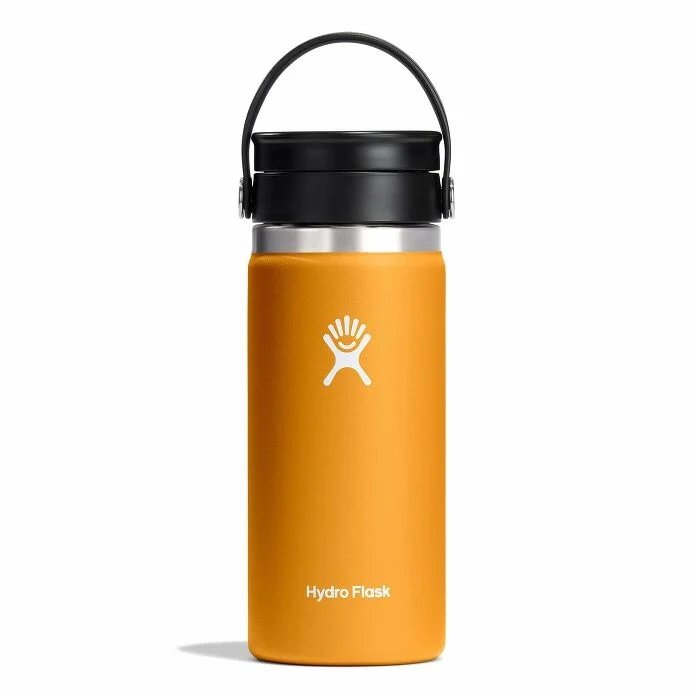
Hydroflask 16 oz Coffee with Flex Sip Lid:
Order your coffee mug today [$32.95]
Say goodbye to burnt tongues and spilled drinks! This insulated bottle is designed specifically for hot beverages like coffee and tea, keeping them warm for hours. The Flex Sip Lid allows for smooth, controlled sips, so you can enjoy your drink at the perfect pace. Whether you’re on the trail, in the car, or at camp, this durable, leak-proof bottle ensures your favorite brew is always ready to fuel your next adventure.

CRumps’ Natural Dog Treats:
Order your dog treats [$12.99]
Adventures are better with your four-legged friend, so why not treat them too? Crumps’ Natural Dog Treats are a healthy and tasty way to reward your pup after a day of exploring. My dog can’t get enough of the Sweet Potato Chews—they’re delicious, nutritious, and perfect for keeping tails wagging. Made with simple, natural ingredients, these treats are a thoughtful gift for any dog-loving adventurer.

Paka Mountain Sock:
Order your mountain socks [$20]
Treat your feet to the comfort they deserve with these ultra-soft alpaca socks. Designed to keep your feet warm, dry, and happy, the Paka Mountain Sock is perfect for everything from lounging at home to conquering a summit. Their moisture-wicking and insulating properties make them ideal for any adventure, while the fun, eye-catching designs add a touch of personality. Your feet will thank you every step of the way!

Jim Bean Winter reserve:
Even if you’re not a big drinker, a few sips of Jim Beam Winter Reserve can bring a touch of adventure to your holiday season. This smooth and warming bourbon is perfect for cozying up after a long day on the slopes or adding a rugged edge to your mountaineering trips. Ideal for parking lot après-ski or as a thoughtful gift for the outdoorsy type, it’s a little bottle of warmth and spirit for any winter adventure.

Alpine sea co mini pocket
Order your mini pocket [$28.00]
The Alpine Sea Co Mini Pocket is the ultimate multi-purpose pouch for all your adventure needs. Currently, it’s my go-to stash for dog treats, but its versatility knows no bounds. I’ve used it as a wallet, pen holder, cool rock collector, battery organizer, snack bag, and even a coin purse. Compact yet durable, this little pouch is perfect for keeping your essentials organized, no matter where your adventures take you. A small but mighty gift for the adventurer who loves practicality and style!
Discover More Gear
We Found A Vortex While Hiking, It Made Us Late For The Best Brunch Spot Sedona, AZ Has To Offer
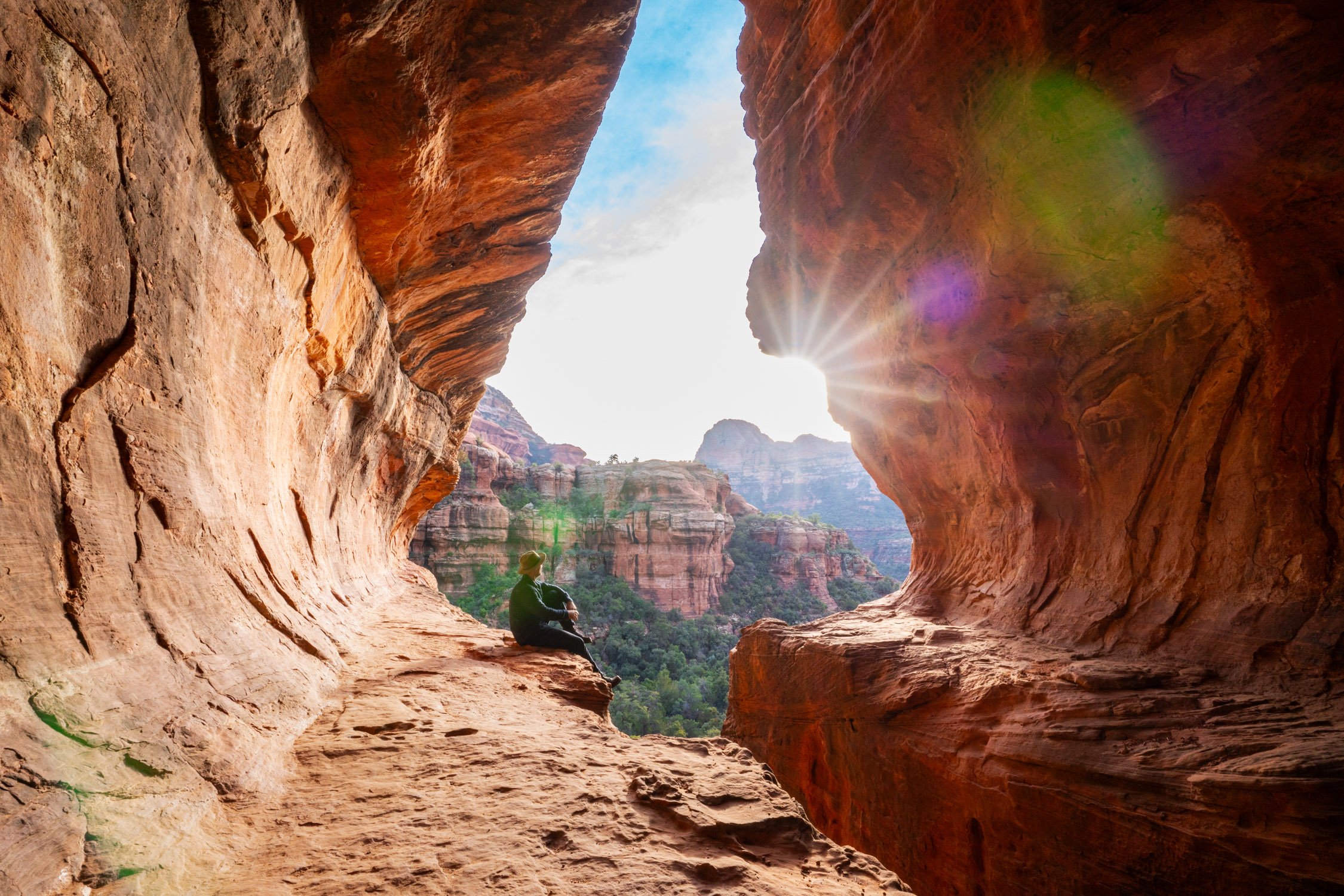
Reds and oranges filled the sky as the sunrise light reflected off the clouds, a welcome sign some warmth was on the way. This morning in Sedona, Arizona was cold as we hiked to find the Subway Cave, which is said to be the home of a vortex. While I am not totally sure what a vortex is, I wanted to find one. So, down the trail we went.
Reds and oranges filled the sky as the sunrise light reflected off the clouds, a welcome sign some warmth was on the way. This morning in Sedona, Arizona was cold as we hiked to find the Subway Cave, which is said to be the home of a vortex. While I am not totally sure what a vortex is, I wanted to find one. So, down the trail we went.
My partner and I wandered down the trail, a left at the first sign, a right at the second, and then we kept our eyes peeled for a “random” turn off on our right that may, or may not, have a large arrow on the ground. This hike felt like a treasure hunt.
In the distance we could hear voices echoing off the cliff, but the trees formed a tunnel of green that we could not see through. Were we on the right path? Not sure. A quarter of a mile past. A half a mile past. Then, on our right, a big arrow, made of sticks, pointed towards the cliff. I guess this is it, I said to myself.
Within a few minutes, we were on our hands and knees scrambling up the cliff, to find the subway tunnel, all to ourselves. Silent, calm, an unfamiliar energy lingered. Maybe that was the vortex? The sun had not popped over the cliffs, but soon it would.
As the sun rose, we took some photos in the iconic locations that are all over Instagram these days. Then, put our cameras away so we could wander around the landscape, explore a few of the indigenous structures that still exist, and sit, together, on the cliff soaking in the red and green landscape.

Before we knew it, swarms of people started flooding in. Competing to stand in “the spot” a line was forming. Some wanted a selfie, others were setting up tripods. Music was blasting from speakers all around us. A different kind of energy was now present. Our morning tranquility was gone, but at the perfect time.
A friend of a friend swore they had eaten at the “best brunch spot in all of Sedona” and we had a reservation at L’Auberge de Sedona rapidly approaching, so it was time to head out.
Discover More Adventure

These Are The 7 Prettiest Beach Camping Spots In Baja
Baja is a paradise for road trippers seeking unforgettable beach camping experiences. From secluded coves to bustling surf towns, the peninsula offers something for everyone—whether you're rolling in a van, RV, or car. Over the years, I’ve explored Baja’s coastline, discovering hidden gems and learning the ins and outs of camping in this beautiful region. The sheer diversity of landscapes and activities makes it a must-visit destination for anyone looking for an adventurous escape. Here are seven beach camping spots you don’t want to miss, along with what makes each one special and the best activities to enjoy in the area.
Baja is a paradise for road trippers seeking unforgettable beach camping experiences. From secluded coves to bustling surf towns, the peninsula offers something for everyone—whether you're rolling in a van, RV, or car. Over the years, I’ve explored Baja’s coastline, discovering hidden gems and learning the ins and outs of camping in this beautiful region. The sheer diversity of landscapes and activities makes it a must-visit destination for anyone looking for an adventurous escape. Here are seven beach camping spots you don’t want to miss, along with what makes each one special and the best activities to enjoy in the area.

A motion blur sunset at El Canejo. Photo by Dalton Johnson
1. El Conejo
If you’re craving solitude, El Conejo is the beach for you. To get there, you drive down a dusty one-lane dirt road that feels like it leads to the edge of the world. The sense of anticipation builds as you navigate the rugged terrain, and eventually, you’ll find a grove of trees that makes for the perfect parking and camping spot. Once you’ve set up, the only things that limit your stay are your food and water supplies.
El Conejo is a haven for surfers and spearfishers. The waves are consistent, and the underwater life is teeming with fish, making it an excellent spot for an afternoon of catching your dinner. In the evenings, the sunsets paint the sky in stunning hues of orange and pink—it’s a view you won’t forget. There’s a primitive pit toilet nearby, but it can be tricky to locate, so keep an eye out. Pro tip: Find a shady spot under the trees to escape the midday heat. During the day, take some time to hike along the surrounding hills for panoramic views of the coastline—the isolation only adds to the magic of this place.
Related Read: Making Homemade Ceviche While Beach Camping At El Conejo
Sunrise while beach camping in La Ventana. Photo by Dalton Johnson
2. La Ventana
La Ventana, located just north of the city, is a hot spot for wind sports enthusiasts. It’s famous for its consistent winds, making it a go-to destination for kiteboarding and windsurfing. But even if you’re not into wind sports, the area offers a ton of free beach camping spots where you can soak in the natural beauty and enjoy a slower pace of life.
While much of the beach is rocky, you’ll still find access points to the water for a refreshing swim. The waves here are gentler than in other parts of Baja, making it ideal for families or those just looking to relax. One of the highlights of camping here is the natural hot spring right on the beach. Make sure to find it and enjoy a soak during low tide—it’s a unique experience you won’t want to miss. When the sun sets, you can sit around a campfire and watch the stars, as La Ventana is known for its clear night skies.
Sleeping with the back doors open on the beach in Conception Bay. Photo by Dalton Johnson
3. Conception Bay
Conception Bay is hands down my favorite place to camp with the back doors of my van wide open. The turquoise water stretches out before you, creating the perfect backdrop for a peaceful retreat. Most camping spots along the bay require a small fee, but it’s worth every penny. The beaches here are postcard-perfect, with soft sand and crystal-clear waters.
This area is ideal for kayaking and stand-up paddleboarding. The calm waters make it easy to spend hours exploring hidden coves and rocky outcroppings. If you’re lucky, you might catch the red tide and witness the breathtaking bioluminescence lighting up the water at night. It’s an almost otherworldly experience that will stay with you forever. For those looking for adventure, snorkeling here reveals an underwater paradise with schools of fish darting between coral formations. Whether you’re paddling around or just relaxing on the beach, Conception Bay is a slice of heaven.

A short walk from our campsite in Cabo Pulmo. Photo by Dalton Johnson
4. Cabo Pulmo
Cabo Pulmo is a marine sanctuary and one of the best spots in Baja for snorkeling and SCUBA diving. Camping here allows you to immerse yourself in the underwater world while enjoying the rugged beauty of the beach. The marine life in this area is incredibly diverse, and the protected coral reefs make it a top destination for eco-tourism.
Spend your days exploring the coral reefs, swimming with vibrant marine life, and soaking up the sunshine. The peaceful atmosphere makes Cabo Pulmo perfect for a multi-day stay. While amenities are limited, the pristine environment and incredible activities more than make up for it. In the evenings, walk along the shoreline to take in the unspoiled beauty of this protected area. Bring your camera—the sunsets here are something special. If you’re up for a short drive, nearby trails offer a chance to explore the desert landscape that surrounds this incredible spot.

Balandra Beach outside of La Paz. Just around the corner there is free beach camping. Photo by Dalton Johnson
5. La Paz
While La Paz itself doesn’t offer much in the way of beach camping, there are some great spots just outside the city. Drive towards Balandra Beach—but keep in mind that camping is not allowed there—and you’ll find beachside parking areas. Some spots are free, while others charge $5-20 per night. The proximity to La Paz makes it an excellent choice for those who want to enjoy the city while still having access to beachside tranquility.
La Paz is an excellent base for exploring nearby attractions. Head into the city for fresh seafood and authentic Mexican cuisine—try the fish tacos, they’re some of the best in Baja. You can also explore the vibrant local markets or take a stroll along the malecón (boardwalk) for stunning views of the bay. If you’re feeling adventurous, book a boat tour to swim with whale sharks or visit Isla Espíritu Santo, a UNESCO World Heritage site. After a day of exploring, retreat to your campsite and enjoy the calm sound of waves as you relax under the stars.

Beach camping just north of Todos Santos and playing games well into the night. Photo by Dalton Johnson
6. Todos Santos
Todos Santos might not have much beach camping right in town, but if you drive 10 minutes north or south, you’ll find quiet, undeveloped beaches perfect for setting up camp. The northern beaches have less surf but stronger undercurrents, while the southern beaches are busier and more suited for socializing. The contrast means you can choose your vibe depending on what you’re looking for.
This artsy town is known for its galleries, boutique shops, and vibrant food scene. Spend the day wandering the charming streets, visiting local artisans, and sampling the delicious cuisine. Don’t miss the chance to try fresh ceviche or a craft beer from one of the local breweries. After a day of exploring, retreat to your beach camp and enjoy the sound of crashing waves under a blanket of stars. It’s the perfect blend of culture and nature. For those interested in surfing, the nearby breaks are legendary, offering consistent waves for all skill levels.

Few things are better than waking up on the cliffs of San Juanico and checking the surf. Photo by Dalton Johnson
7. San Juanico (Scorpion Bay)
San Juanico, also called Scorpion Bay, is a world-renowned surf destination. Depending on the swells, the area can be packed with surfers or blissfully empty. Parking on the cliffs costs about $10 per night, and you’ll pay at the nearby restaurant, which also provides access to toilets and showers.
The waves here are long and peeling, making it a dream for surfers of all levels. Even if you’re not surfing, the vibe is laid-back and welcoming. Spend your evenings watching the surfers or taking in the stunning ocean views from your campsite. If you’re lucky enough to be there during a quiet period, you’ll feel like you’ve stumbled upon a hidden paradise. Beyond surfing, the area offers opportunities for hiking and exploring the rugged cliffs that surround the bay. It’s a must-visit for anyone seeking a true Baja adventure.
Campfire on the beach while drying our wetsuits in La Ventana. Photo by Dalton Johnson
Beach camping in Baja is an adventure like no other. Each spot offers its own unique charm, from the secluded tranquility of El Conejo to the vibrant underwater world of Cabo Pulmo. Whether you’re a surfer, paddler, or someone who just loves waking up to the sound of waves, Baja has something for you.
Pack your gear, load up on supplies, and hit the road. These six camping spots are waiting to show you the magic of Baja’s coastline. Trust me, you won’t regret it. And remember, the journey is just as important as the destination—so take your time and soak in every moment of this unforgettable adventure.
Discover more Adventures
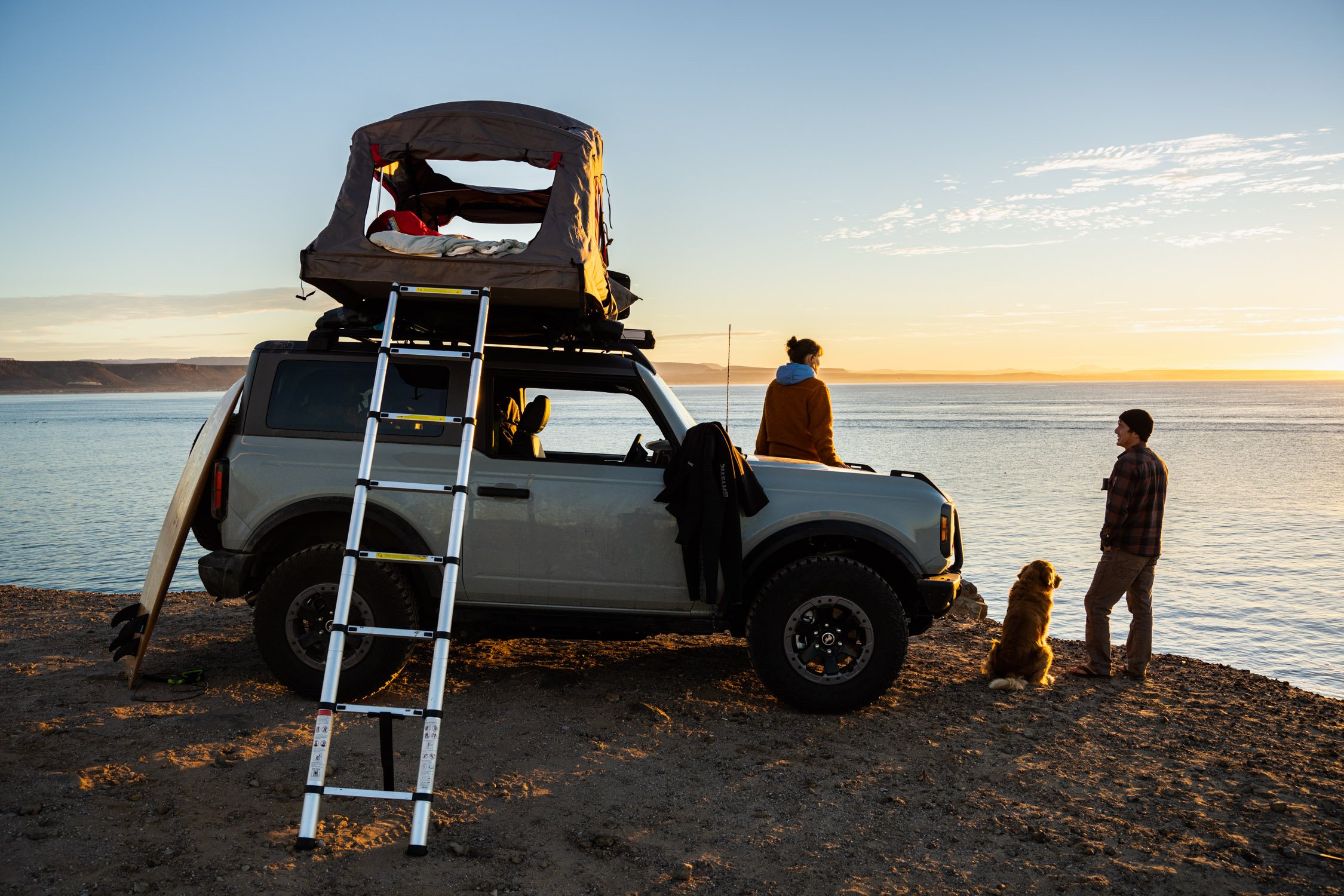
The Complete Guide to Beach Camping in Baja, Mexico
In this comprehensive guide, we'll take you on a virtual tour of Baja's beachside wonders, covering everything you need to know for an unforgettable camping experience. From discovering the best RV and vanlife spots to ride the waves at world-class surfing destinations, ensuring your safety in this enchanting environment, and highlighting the fun-filled activities that shouldn't be missed, we've got you covered.
Picture this: the rhythmic sound of crashing waves, the salty breeze in your hair, and the warm embrace of the sun as it sets over the horizon. Welcome to beach camping in Baja, a dreamy escape that combines the allure of pristine shores with the freedom of the open road. Whether you're a seasoned camper or a novice adventurer, the Baja Peninsula beckons with its stunning coastline, rich surf culture, and an abundance of activities to make your beachside getaway unforgettable.
In this comprehensive guide, we'll take you on a virtual tour of Baja's beachside wonders, covering everything you need to know for an unforgettable camping experience. From discovering the best RV and vanlife spots to ride waves at world-class surfing destinations, ensuring your safety in this enchanting environment, and highlighting the fun-filled activities that shouldn't be missed, we've got you covered.
So, fasten your seatbelts and get ready to get sandy on a journey that will introduce you to the magic of beach camping in Baja. Whether you're seeking solitude, adventure, or simply a taste of the good life by the sea, Baja's beaches have it all. Let's dive in and explore the secrets of this captivating coastline.
Enjoying morning coffee in Baja, Mexico while camping on a beach during a surf trip. Photograph by Dalton Johnson
Pros
Scenic Beauty: Baja's coastline offers stunning, unspoiled natural beauty with pristine beaches, rugged cliffs, and crystal-clear waters that provide a breathtaking backdrop for your camping experience.
Diverse Landscapes: From the Pacific Ocean to the Sea of Cortez, Baja boasts diverse coastal landscapes, providing a range of camping environments to suit different preferences, from tranquil coves to expansive sandy beaches.
Affordability: Many beach camping spots in Baja are budget-friendly or even free, making it an economical option for travelers seeking a cost-effective way to enjoy the oceanfront.
Adventure Opportunities: Baja's beaches are a gateway to a wide array of outdoor activities, including surfing, snorkeling, kayaking, fishing, hiking, and wildlife watching.
Remote Getaways: Baja offers a sense of isolation and tranquility, allowing you to disconnect from the hustle and bustle of daily life and immerse yourself in nature.
Friendly Locals: Baja's residents, known as Bajacalifornianos, are renowned for their warm hospitality and willingness to share their culture and traditions with visitors.
Cons
Limited Amenities: While some beach camping spots offer basic amenities, many are primitive with no facilities. Access to fresh water, electricity, and waste disposal may be limited or non-existent.
Language Barrier: Not all locals speak English, so a basic knowledge of Spanish can be helpful for communication and navigation.
Isolation: Baja's remote beaches can mean limited access to medical facilities and services in case of emergencies. Adequate preparation and a well-stocked first-aid kit are essential.
Environmental Responsibility: Responsible camping and Leave No Trace principles are crucial in preserving Baja's natural beauty. Some travelers may not adhere to these practices, potentially impacting the environment.
Crowds in Popular Spots: During peak seasons, popular beach camping areas can become crowded, reducing the sense of solitude and tranquility.

Campfires are allowed, but finding firewood in Baja is hard. Photograph by Dalton Johnson
Things to Know Before Driving South of the Border
As you prepare for your epic camping adventure in Baja, there are several essential factors to consider before crossing the border into Mexico. While Baja California's breathtaking landscapes and endless coastline await, a successful journey starts with proper planning and awareness of what lies ahead. Here's a rundown of key things to know before embarking on your Baja camping experience:
1. Passport Requirement:
To venture into Mexico and, more importantly, to return to the United States, you'll need a valid passport. Ensure your passport is up-to-date before hitting the road.
2. Mexican Insurance:
Don't forget to acquire Mexican insurance for your vehicle. Mexican law requires all drivers to carry liability insurance from a Mexican insurer. This coverage is vital to protect yourself and others in case of accidents.
3. Length of Stay:
As a tourist, you can spend up to 180 days in Mexico before being required to return by law. Plan your itinerary accordingly, whether it's a shorter stay or an extended winter escape.
4. Embrace Adventure:
Baja camping is tailor-made for adventurous souls who understand that the journey itself is just as exciting as the destination. Embrace the spirit of adventure and be prepared for the unexpected.
5. Safety in Baja:
Contrary to some misconceptions, Baja Mexico is generally safe for travelers. However, like any travel destination, exercise common sense and stay away from situations that could lead to trouble. Most travelers enjoy their time in Baja without any issues.
6. Isolation on the Road:
One of the unique aspects of driving in Baja is the sense of isolation, even on highways. Services can be sparse, so ensure you have essentials like extra water, food, and vehicle maintenance tools in case you encounter unexpected delays.
7. Baja's Two States:
Baja California is divided into two separate Mexican states: Baja California and Baja California Sur. Each offers its own distinct charms and attractions, so be sure to plan your route accordingly based on your interests and desired experiences.
Related Read: Baja California vs Baja California Sur… What’s the difference?
Remember, while Baja camping promises unforgettable moments and natural beauty, preparation is key to ensuring a smooth and enjoyable journey. With the right mindset and awareness of these important factors, you'll be well-prepared to embrace the magic of Baja's coastal paradise.

Enjoying the winter sunset along the Pacific Coast of Baja. Photograph by Dalton Johnson
Choosing the Right Season for Baja Camping
Baja California's allure as a camping destination is timeless, but choosing the right season to begin on your adventure can significantly impact your experience. Whether you're a snowbird seeking warmer climates during the winter or an intrepid traveler looking to explore the peninsula's wonders throughout the year, understanding the seasonal nuances is essential. Below, we'll help you navigate the calendar, taking into account weather conditions, crowds, and the opportunities to witness Baja's magnificent wildlife.
1. Winter:
Best Time for Snowbirds and Sun Seekers
For many North Americans escaping the chill of winter, Baja's warm embrace is a welcome respite. Winter, spanning from December to February, is considered the high season for Baja camping, particularly in the southern regions like Baja California Sur. Here's what you need to know about camping in Baja during the winter months:
Weather: Winter in Baja offers pleasantly mild temperatures, making it ideal for camping, hiking, and outdoor activities. Coastal areas enjoy daytime highs in the 70s and 80s Fahrenheit (20-30°C), while the evenings may require a light jacket.
Crowds: Expect larger crowds, especially around popular tourist destinations like Cabo San Lucas and La Paz. Plan your reservations in advance if you intend to stay in established campgrounds.
Wildlife: Winter is prime whale-watching season, with gray whales migrating to Baja's coastal lagoons to give birth to their calves. Don't miss the chance to witness this awe-inspiring natural spectacle.
2. Spring:
Balancing Mild Weather and Fewer Crowds
As spring unfolds in Baja from March to May, you'll find a near-perfect balance between pleasant weather and fewer visitors. This shoulder season is a favorite among outdoor enthusiasts looking to explore the peninsula's beauty. Here's what you can expect:
Weather: Spring brings comfortable temperatures, with warm days and cooler nights. It's an ideal time for activities like hiking and water sports, as the water is still relatively warm.
Crowds: Crowds start to thin out compared to the winter months, allowing for a more tranquil camping experience. Popular campgrounds may still require reservations.
Wildlife: Spring is a fantastic time for birdwatching as migratory birds return to Baja's lush oases and coastal habitats. Keep an eye out for unique avian species.
3. Summer:
Sun, Surf, and Desert Adventures
Summer, spanning from June to August, beckons adventure seekers and beach enthusiasts with its sunny days and exciting water activities. However, be prepared for warmer temperatures and the occasional rain shower. Here's what to consider:
Weather: Summers in Baja can get hot, especially in the desert regions. Coastal areas offer relief with sea breezes, but inland temperatures can soar. Be sure to stay hydrated and take precautions against sunburn.
Crowds: While not as crowded as the winter months, Baja can still see an influx of visitors during the summer vacation period. Plan accordingly and book campgrounds ahead of time.
Wildlife: Summer is a prime time for marine activities like snorkeling, scuba diving, and swimming with whale sharks in La Paz Bay. It's also when sea turtles come ashore to lay their eggs; some conservation programs offer opportunities to witness this phenomenon.
4. Fall:
Autumnal Tranquility and Mild Temperatures
As the summer heat gradually subsides, fall, from September to November, brings a sense of tranquility to Baja. The weather remains pleasant, unless there is a hurricane, making it an excellent time for camping and exploring the region. Here's what you should know:
Weather: Fall offers comfortable temperatures, making it an ideal season for hiking, mountain biking, and outdoor adventures. Daytime temperatures are warm, and evenings are pleasantly cool.
Crowds: With the summer vacation rush behind, Baja sees fewer tourists in the fall. Campgrounds and beaches are less crowded, allowing for a more peaceful experience.
Wildlife: Fall marks the return of gray whales to Baja as they begin their southward migration. Birdwatching opportunities continue as well, with various species preparing for their winter sojourn.

Sometimes you find those remote campsites that will blow your mind, especially at sunrise. Photograph by Dalton Johnson
Essential Camping Gear: Your Comprehensive Checklist
Packing for a camping trip in Baja, whether you're planning to explore the pristine beaches or the rugged desert, requires careful consideration. Having the right camping gear can make all the difference in your comfort and enjoyment. From the basic essentials to specialized equipment, here's a comprehensive checklist to ensure you're well-prepared for your Baja camping adventure:
Tent Camping Essentials:
Tent: Choose a tent that suits your needs, whether it's a spacious family tent, a compact backpacking tent, or a durable all-season tent.
Ground Tarp or Footprint: Protect your tent's floor from moisture and wear by using a ground tarp or footprint.
Sleeping Bags: Select sleeping bags appropriate for the season and climate. Consider using a liner for added warmth and cleanliness.
Sleeping Pads or Air Mattresses: Provide insulation and cushioning for a good night's sleep.
Pillows: Don't forget pillows or inflatable camping pillows for added comfort.
RV and Vanlife Gear:
RV or Camper: Ensure your RV or camper is in good working order, with all systems functioning correctly.
RV Accessories: Pack necessary RV accessories, such as leveling blocks, wheel chocks, and hoses for water and sewage.

Breakfast burritos anyone? Photograph by Dalton Johnson
Cooking Equipment:
Camp Stove: Bring a portable camp stove for cooking meals. Consider a multi-burner stove for more extensive meal preparation.
Cookware: Pack pots, pans, and utensils suitable for campfire or camp stove cooking.
Cooler: Keep food and beverages fresh with a reliable cooler, and don't forget ice packs.
Food and Cooking Supplies: Plan your meals and bring non-perishable ingredients, condiments, and spices. Don't forget a can opener and a set of reusable plates, cups, and utensils.
Campfire Essentials:
Firewood and Firestarter: Check local regulations regarding campfires and bring firewood or firestarter if permitted.
Fire Extinguisher: Safety first – have a fire extinguisher on hand.
Clothing and Personal Items:
Appropriate Clothing: Pack clothing suitable for the season and expected weather conditions. Don't forget waterproof and windproof layers.
Footwear: Choose comfortable, sturdy shoes or hiking boots for outdoor activities.
Hygiene Essentials: Bring personal hygiene items, including soap, toothbrush, toothpaste, and towels.
First Aid Kit: Assemble a first aid kit with essential supplies, including bandages, antiseptic wipes, and any necessary medications.
Navigation and Lighting:
Maps and Compass/GPS: Ensure you have maps of the area and navigation tools for exploring off the beaten path.
Headlamps and Flashlights: Pack reliable lighting sources with extra batteries.
Miscellaneous Items:
Multi-Tool or Knife: A multi-tool or a sturdy camping knife can be incredibly useful.
Backpacks: If you plan on hiking or day trips, bring backpacks to carry essentials.
Camping Chairs: Portable camping chairs provide comfortable seating around the campfire.
Entertainment: Consider books, board games, or other entertainment options for downtime.
Trash Bags: Practice Leave No Trace principles by packing out all trash and waste.
WHAT TO EXPECT WHEN BEACH CAMPING IN BAJA, MEXICO:
No matter your style, Baja camping is possible in an RV, car, truck, van and even with a tent or hammock. Many formal Baja RV parks are scattered throughout the peninsula, but even the biggest rigs can find a secluded spot for beach camping. This section focuses on the more secluded and off the beaten path expectations:
First come, first served: There are no reservations for most Baja California beach camping – simply show up and pick a spot.
Toilets: DO NOT expect clean, maintained toilets. DO expect dilapidated wooden sheds with a seat above a hole in the ground.
Vendors: Friendly locals arrive in the morning and throughout the day selling food, water, firewood, trinkets and tours.
Bugs: Sand flies (chitres) and regular houseflies haunt the beaches here. Come prepared with fly paper and repellent.
Heat: There is little to no natural shade when Baja camping. Have an awning on your rig or seek out beaches with palapas (see below).
Lack of organization: Baja camping is often free of any real restrictions or oversight.
Crowds: Winter months see plenty of snowbirders in RVs – beach camping in Baja Mexico is VERY popular this time of year.
No hook-ups: Looking for hook-ups for your RV in Baja California? Head to a proper RV campground instead.
Haggling: The price of Baja camping is often negotiable – and always get a receipt after paying.
Litter: Trash barrels are provided but efficient means to dispose of the litter is sorely lacking. Trash barrels are often overflowing.
Additionally, if you are hoping to camp on a beach without any amenities, that is typically fine. Just make sure to follow Leave No Trace ethics and check in with any land owners in the area to see if it okay to camp on the beach.

Sometimes, a dirt road leads to great camping with stellar sunrises. Photograph by Dalton Johnson
RV and Van life Spots: Your Roadmap to Baja's Coastal Paradise
If the freedom of the open road and the allure of beachside camping beckon you, Baja California's RV and vanlife spots are a dream come true. From pristine shores to secluded coves, Baja offers a diverse range of camping options for adventurers seeking to embrace the vanlife or RV lifestyle. In this section, we'll delve into popular spots that cater to road-trippers, complete with amenities, nearby attractions, and the optimal times to visit.
1. Playa La Gringa (Free Camping):
Amenities: Playa La Gringa is a fantastic free camping spot with basic amenities, including pit toilets and trash disposal. Electricity and water hookups are limited, so be prepared for off-grid living.
Nearby Attractions: Explore the charming town of San Felipe nearby, renowned for its fresh seafood and vibrant local culture.
Best Time to Visit: Fall and winter offer pleasant weather and fewer crowds, making it an ideal time to camp at Playa La Gringa.
Leaving the van doors open to enjoy the view at Conception Bay. Photograph by Dalton Johnson
2. Bahía Concepción Beaches (Free to $20 USD/night):
Amenities: The beaches along Bahía Concepción offer a range of camping experiences, from primitive beachfront sites to more developed campgrounds with amenities like showers, restrooms, and restaurants. Prices vary accordingly.
Nearby Attractions: Discover the pristine waters of Bahía Concepción, perfect for kayaking, paddleboarding, and snorkeling. The nearby town of Mulegé is worth a visit for its historic mission and tranquil ambiance.
Best Time to Visit: Fall and spring provide comfortable temperatures, and the beaches are less crowded than during the peak winter season.
Read our full guide to Conception Bay
3. Playa Los Cocos ($10 USD/night):
Amenities: Playa Los Cocos offers a tranquil beachfront camping experience with basic facilities, including restrooms and outdoor showers.
Nearby Attractions: Explore the nearby town of Loreto, known for its rich history, marine life, and opportunities for fishing and diving.
Best Time to Visit: Winter and early spring provide pleasant weather, and you can witness the migration of gray whales along the coast.
4. Playa El Coyote ($5-15 USD/night):
Amenities: Playa El Coyote offers a mix of camping options, from primitive sites to those with more amenities like showers and electricity.
Nearby Attractions: Don't miss the chance to visit the picturesque town of Todos Santos, known for its vibrant arts scene, historic architecture, and excellent surf.
Best Time to Visit: Fall and spring are ideal, as the weather is mild, and you can catch the region's renowned surf breaks.
5. Playa Balandra (Free Camping):
Amenities: Playa Balandra offers free camping with minimal facilities. It's a true escape into nature, so come prepared with all the essentials.
Nearby Attractions: Explore the stunning Playa Balandra, a natural wonder with shallow turquoise waters and a serene atmosphere. La Paz, a short drive away, offers cultural experiences and wildlife encounters.
Best Time to Visit: Year-round camping is possible, but consider avoiding the hottest summer months.

Living large on the beach of San Juanico. Photograph by Dalton Johnson
6. San Juanico ($10 USD/night):
Amenities: San Juanico offers a comfortable RV and vanlife experience with amenities such as restrooms, showers, and a restaurant.
Nearby Attractions: San Juanico, also known as Scorpion Bay, is a surfer's paradise with long, rideable waves. It's a must-visit for surf enthusiasts.
Best Time to Visit: Winter is the peak surf season, but you can enjoy San Juanico's relaxed vibe year-round.
Read our full guide to San Juanico aka Scorpion Bay
These RV and vanlife spots in Baja California are gateways to unforgettable coastal adventures. Whether you're seeking pristine natural beauty, water activities, or cultural experiences, Baja's diverse landscapes and camping options cater to all tastes. Plan your journey, hit the open road, and discover the magic of Baja's coastal paradise.

Cerritos Beach firing on an epic winter swell. Photograph by Dalton Johnson
Surfing Spots: Riding the Waves of Baja's Coastline
Baja California's sun-kissed shores and Pacific swells beckon surf enthusiasts from around the world. Whether you're a seasoned pro or just dipping your toes into the world of surfing, Baja's diverse coastline offers waves suitable for all levels of experience. In this section, we'll dive into an overview of some of Baja's renowned surfing spots and towns, share insights on surfboard rentals, surf schools, and immerse you in the vibrant local surf culture.
1. Playa San Miguel:
Surfer's Paradise: Playa San Miguel is a mecca for surfers, offering consistent and powerful waves that cater to all levels. It's known for its long right-hand point breaks and lefts that peel perfectly.
Surf Schools: Local surf schools provide lessons and board rentals for beginners looking to catch their first wave or improve their skills.
Local Surf Culture: Experience the laid-back and friendly surf culture that characterizes this area. Join surfers from around the world as they chase the perfect wave.
2. Scorpion Bay (San Juanico):
World-Class Waves: San Juanico, also known as Scorpion Bay, is legendary for its long, rideable waves that seemingly go on forever. This spot is ideal for more experienced surfers seeking lengthy rides.
Surf Schools: While San Juanico caters more to experienced surfers, you can still find surf schools and rentals for those looking to conquer these world-class waves.
Local Surf Culture: San Juanico embodies the soul of Baja's surf culture, with a relaxed atmosphere, friendly locals, and an appreciation for the beauty of the waves.
3. Punta San Carlos:
Remote Beauty: Punta San Carlos is an isolated gem offering consistent surf conditions. It's an excellent choice for intermediate and advanced surfers seeking adventure off the beaten path.
Surf Camps: Several surf camps operate in Punta San Carlos, providing all-inclusive surf experiences, including board rentals, lessons, and accommodations.
Local Surf Culture: This remote location exudes a rugged charm that attracts surfers who relish the thrill of discovering untouched waves.
4. Playa Los Cerritos (Todos Santos):
Beginner-Friendly: Playa Los Cerritos is perfect for beginners, thanks to its consistent, mellow waves and sandy bottom. It's an excellent place to take your first surf lesson.
Surf Schools: Numerous surf schools and rental shops cater to novices, offering lessons and equipment for a memorable surfing debut.
Local Surf Culture: Embrace the welcoming atmosphere and camaraderie among surfers, as Playa Los Cerritos fosters a sense of community among beachgoers.
Baja's surf spots are as diverse as its landscapes, making it a surfer's paradise for all skill levels. Whether you're riding the long waves of Scorpion Bay or catching your first break at Playa Los Cerritos, Baja's surf culture and coastal beauty will leave an indelible mark on your surfing journey. So, wax up your board, catch some waves, and become part of the dynamic surf scene in this sun-soaked paradise.

There is safety in numbers, camping alone looks cool but having others around is helpful. Photograph by Dalton Johnson
Safety in Baja:
Contrary to certain misconceptions, Baja Mexico stands as a welcoming and generally safe destination for travelers eager to explore its breathtaking landscapes and vibrant culture. While your Baja camping experience is poised to be an unforgettable adventure, ensuring your safety should always be a top priority. In this section, we'll shed light on the safety landscape in Baja, driving safety, offering valuable insights and tips to help you navigate with confidence.
1. The Reality of Safety in Baja:
Overall Safety: Baja California, both in the northern and southern regions, boasts a reputation for being safe and friendly toward tourists. The vast majority of visitors to Baja enjoy their time without encountering any safety issues.
Friendly Locals: Baja's locals, known as "Bajacalifornianos," are renowned for their warmth and hospitality. You'll likely find the locals to be helpful and welcoming throughout your journey.
2. Common-Sense Safety Tips:
Exercise Caution at Night: Like in many destinations worldwide, it's advisable to exercise caution when venturing out after dark. Stick to well-lit areas and stay in groups if possible.
Keep Valuables Secure: Petty theft can occur in crowded places or tourist areas, so keep your belongings secure. Use lockers if available and avoid displaying expensive items.
Stay Informed: Stay updated on local news and any travel advisories issued by your government. Knowledge is a powerful tool for staying safe.
Use Reputable Services: Whether it's accommodations, tour operators, or transportation, opt for reputable and licensed providers to ensure a safe experience.
Respect Local Customs: Familiarize yourself with local customs and traditions, and show respect for the local way of life. This cultural awareness can enhance your safety and enrich your journey.

Paragliding high above the dunes outside of Scorpion Bay. Photograph by Dalton Johnson
3. Adventures Beyond Your Campsite:
Outdoor Safety: If you're planning outdoor adventures like hikes or water sports, research the specific safety precautions for those activities and follow guidelines diligently. Baja's remote landscapes can pose unique challenges.
Wildlife Encounters: While wildlife sightings are a highlight of Baja, remember to observe animals from a safe distance. Don't feed wildlife, and exercise caution when encountering creatures like snakes or scorpions.
Driving Safety: If you're embarking on a road trip through Baja, ensure your vehicle is in good condition, and follow traffic rules diligently. The roads can vary from well-paved highways to rugged trails, so drive accordingly.
4. Emergency Preparedness:
Communication: Carry a working cell phone and consider purchasing a local SIM card for reliable communication. In remote areas, satellite phones can be invaluable.
First Aid: Pack a comprehensive first aid kit and familiarize yourself with its contents. It's a valuable resource for minor injuries and unexpected situations.
Know Emergency Numbers: Be aware of local emergency numbers and contact information for the nearest medical facilities.

Try to always camp in “established” sites to prevent destruction of an area. Photograph by Dalton Johnson
Sustainability and Leave No Trace: Protecting Baja's Natural Treasure
Camping in Baja's pristine landscapes is not just about enjoying the great outdoors; it's also about preserving the beauty and ecological richness of this unique region for generations to come. Responsible camping and adherence to Leave No Trace principles are essential to ensuring that the natural environment of Baja remains unspoiled. In this section, we provide guidance on how to camp sustainably and minimize your impact on Baja's fragile ecosystems.
1. Campsite Selection:
Stick to Designated Areas: Whenever possible, camp in established campgrounds or designated camping areas to minimize your impact on the environment.
Respect Buffer Zones: Stay away from fragile ecosystems, such as sand dunes, coastal vegetation, and nesting sites. Avoid trampling on sensitive areas.
2. Waste Management:
Pack It In, Pack It Out: Be diligent about collecting and properly disposing of all trash and waste. Bring trash bags and recycling containers with you, and never leave trash behind.
Human Waste: Use established restroom facilities when available. In more remote areas, use a portable toilet or follow Leave No Trace principles for digging a cat hole for waste disposal.
3. Campfire Responsibility:
Follow Fire Regulations: Observe local fire regulations and restrictions. In some areas, campfires may be prohibited due to the risk of wildfires.
Use Established Fire Rings: If campfires are allowed, use established fire rings or fire pans, and keep fires small. Use only dead and downed wood for fuel.

A coyote saying hello while we camped in Baja. Photograph by Dalton Johnson
4. Wildlife Interaction:
Observe from a Distance: Respect wildlife by observing from a distance and not feeding them. Feeding wildlife can disrupt natural behaviors and harm the animals.
Secure Food: Store food and trash securely to prevent wildlife from accessing it. This helps protect both you and the animals.
5. Minimize Noise and Light Pollution:
Keep Noise Levels Down: Be mindful of noise levels, especially during quiet hours. Keep radios and other loud devices at a considerate volume.
Reduce Light Pollution: Use minimal outdoor lighting to preserve the beauty of the night sky and avoid disturbing wildlife.
6. Respect Local Communities:
Cultural Awareness: Learn about the local culture and customs, and show respect for the communities you visit. Support local businesses and artisans.
Community Interaction: Ask for permission before entering private property, and be mindful of local residents and their privacy.
7. Education and Outreach:
Educate Yourself: Familiarize yourself with Leave No Trace principles and other sustainability guidelines before your trip. Share this knowledge with your camping companions.
Lead by Example: Set a positive example for others by practicing responsible camping and respecting the environment.
Kristin and Andrew enjoying the sunrise while camping on the beach in Baja Sur, Mexico. Photograph by Dalton Johnson
Baja California, with its sun-drenched shores, rugged landscapes, and vibrant culture, stands as an alluring canvas for adventurers seeking the ultimate beach camping experience. From the rolling waves of renowned surf spots to the tranquil coves and hidden gems along its coastlines, Baja offers a diverse range of camping environments to suit every traveler's taste.
As we've explored in this guide, embarking on a Baja camping adventure is not just about finding the perfect spot to pitch your tent or park your RV; it's a journey that encompasses responsible camping, respect for the environment, and an appreciation for the local culture.
Whether you're catching world-class waves at Scorpion Bay, gazing at the star-studded skies over Playa Balandra, or simply savoring the warmth of a campfire along the Sea of Cortez, Baja's coastal paradise promises unforgettable moments and lasting memories.
As you venture forth into Baja's natural wonders, remember to tread lightly, leave no trace, and immerse yourself in the warmth of the local culture. In doing so, you not only ensure the preservation of this magnificent region but also contribute to the ongoing legacy of those who have fallen in love with its beauty.
So, pack your bags, wax your surfboard, and hit the open road to discover the magic of Baja's beach camping. Whether you seek adventure, relaxation, or a bit of both, Baja California welcomes you with open arms and endless horizons. Embrace the journey, savor every moment, and let the rhythm of the ocean waves guide your soul in this coastal paradise.
Discover More Baja Adventures

Sunrise or Sunset at Glacier Point in Yosemite, I Prefer Sunrise
Glacier Point in Yosemite National Park is a photographer's paradise, offering breathtaking vistas that beckon camera enthusiasts from around the world. However, the eternal debate among photographers remains: sunrise or sunset at Glacier Point?
Both options have their unique charm, and the choice depends on your photography goals and style. In this blog, we'll explore the merits of both sunrise and sunset photography at Glacier Point to help you make an informed decision.
There’s a timeless debate among Yosemite visitors: Is Glacier Point better at sunrise or sunset? My personal favorite is sunrise, but everyone’s experience will differ. Having visited Glacier Point more than 20 times across different seasons (except winter, which I’m eager to change), I’ve gathered insights to help you decide when to visit. Here are some personal stories, pros, cons, and tips to make the most of your visit.
Skating at sunrise along Glacier Point Road. Photo by Dalton Johnson
Sunrise at Glacier Point: Golden Light and Adventure
If you love the calm of peaceful mornings, where soft, golden light bathes the landscape in warmth, sunrise at Glacier Point is an extraordinary experience. The serenity, paired with the majestic views of Yosemite Valley and Half Dome, makes the early wake-up call worthwhile. Beyond the stunning scenery, sunrise here offers a unique opportunity to connect with nature in a quieter, more personal way. Here’s why I highly recommend making the effort to witness this magical time of day:
1. Quiet Mornings with Unique Adventures
One of my favorite sunrise visits was with a few friends. We brought a skateboard and spent the morning snapping photos as they skated down the winding roads. The soft morning light created a magical backdrop. Afterward, we ventured to the diving board area to capture some fun images of them dancing close to the edge. It was thrilling yet serene—a memory etched in my mind forever.
2. Fewer Crowds and Tranquility
At sunrise, Glacier Point is nearly empty. Most visitors are still asleep, giving you a rare opportunity to enjoy the breathtaking views without interruptions. It’s the perfect time to reflect and fully immerse yourself in the natural beauty of Yosemite.
3. Potential for Hang Gliding Sightings
Occasionally, a group of hang gliders will appear, launching off the cliffs and soaring over Yosemite Valley and Half Dome. The sight of them gliding gracefully adds an unexpected thrill to an already stunning morning. I’ve always wanted to try it myself after watching them.
Dancing at sunrise at the diving board of Glacier Point. Photo by Dalton Johnson
4. Starting Your Day Right
The peaceful atmosphere and golden light make sunrise an energizing way to begin your Yosemite adventure. The distinct shadows and highlights add depth to the landscape, making the experience feel even more special.
5. A Chance for Creative Photos
The soft light of sunrise provides the perfect conditions for capturing unique photos. Whether it’s landscapes, portraits, or action shots like the skateboarding session I enjoyed, the lighting is ideal for experimentation.
Related Read: The Complete Photography Guide to Yosemite's Glacier Point
Cons of Sunrise:
Early Wake-Up Call: You’ll need to wake up very early, often in the dark, to make it to Glacier Point before sunrise. This can be challenging, especially after a long day of hiking or exploring Yosemite. Preparing the night before with all your gear packed can help mitigate the stress.
Cold Morning Temperatures: Early mornings at Glacier Point can be quite chilly, especially in spring or fall. Dressing in layers is essential to stay comfortable while you wait for the sun to rise.
Limited Wildlife Sightings: Wildlife sightings are rare here due to the number of visitors. If you were hoping for a peaceful encounter with Yosemite's animals, sunrise at Glacier Point may not be the best option.
Road Conditions: Depending on the time of year, the drive to Glacier Point can be more challenging in the pre-dawn hours. Fog or icy conditions might require extra caution and preparation.

Sunset alpine glow on Half Dome from Glacier Point. Photo by Dalton Johnson
Sunset at Glacier Point
If you’re drawn to vivid colors, awe-inspiring skies, and the dramatic close of a day, sunset at Glacier Point offers a truly mesmerizing experience. There’s something magical about watching the sky transition from warm hues of gold and orange to deeper purples and blues, all while the landscape reflects these changing tones. Sunset brings an energy and vibrancy that contrasts beautifully with the serenity of sunrise, creating moments that feel both grand and intimate. Here’s what makes it an unmissable experience:
1. Romantic Evenings with Stunning Views
One unforgettable sunset was with my girlfriend. We watched as the alpenglow lit up Half Dome, painting the landscape in rich, warm hues. Later, we stayed to photograph the Milky Way over Half Dome—a perfect blend of romance and awe-inspiring beauty.
2. Dynamic and Dramatic Skies
Sunsets often bring striking cloud formations, creating a dramatic contrast with the serene landscapes below. Depending on the weather, you might even witness colorful alpenglow on the surrounding peaks. It’s the kind of moment that stays with you long after the sun has set.
3. Starry Nights Await
After sunset, stick around for stargazing. Glacier Point’s elevation and minimal light pollution make it one of the best spots in Yosemite to view the Milky Way and constellations. Bring a blanket and some hot cocoa for an unforgettable evening under the stars.
4. A Photographer’s Dream
The changing hues of the sky and the glow on Half Dome create incredible photography opportunities. Whether you’re an amateur or a seasoned pro, you’ll find endless inspiration.
Cons of Sunset:
Crowds and Noise: Sunset tends to draw larger crowds compared to sunrise, especially during the summer and on weekends. The bustling environment can detract from the serene experience many visitors seek.
Finding Parking: With more people visiting at this time, parking can become a significant challenge. Arriving early is critical to secure a spot, especially during peak tourist seasons.
Long Drive Back: After a full day of exploring, the drive back to camp or your lodging can feel exhausting. Navigating the winding roads in the dark also requires extra caution.
Cooler Temperatures After Sunset: While the temperature is usually pleasant during sunset, it drops quickly once the sun goes down. If you stay for stargazing, you’ll need extra layers to stay warm.
Limited Dining Options: If you plan to stay late, note that many of Yosemite’s dining options close early, so having snacks or a packed meal is essential to avoid hunger after sunset.


Hidden Gems and Quiet Spots Around Glacier Point
While sunrise and sunset are magical, Glacier Point offers incredible experiences at other times too. Exploring during different hours can reveal Yosemite’s beauty in new and unexpected ways.
Midday Exploration
Midday light highlights the rugged textures and vibrant colors of Yosemite’s granite cliffs. It’s also an excellent time for a picnic or relaxed sightseeing. This is particularly suited for families or visitors who prefer a more flexible schedule.

Crocker Point with no one else around. Photo by Dalton Johnson
Less Busy Areas to Explore
If Glacier Point feels too crowded, try these quieter spots:
Taft Point: A short drive and hike from Glacier Point, this spot offers stunning views with fewer visitors. It’s my favorite place to watch the sunset.
Crocker Point: Lesser-known but equally beautiful, it’s another great choice for a serene sunset experience.
Sentinel Dome: While some of its views are partially blocked, it’s much quieter and still offers a unique perspective of Yosemite.
Washburn Point: Located just before Glacier Point, this spot provides similar views with a quieter atmosphere.
Stargazing
Glacier Point’s stargazing opportunities are unmatched. Yosemite’s minimal light pollution ensures clear skies, making it a prime spot for viewing the Milky Way and constellations. Check Yosemite’s calendar for ranger-led astronomy programs to enhance your experience.
Seasonal Highlights
Each season brings something special to Glacier Point. Spring offers blooming wildflowers and rushing waterfalls, while fall provides vibrant foliage. Summer skies are often clear for stargazing, and winter, though challenging to access, transforms Yosemite into a snowy wonderland.
Tips for a Memorable Visit TO Glacier Point
Arrive Early: Whether visiting at sunrise or sunset, arrive at least 30 minutes beforehand to secure a good viewing spot.
Pack Essentials: Dress in layers, bring snacks, water, and a flashlight if you plan to stay after dark.
Scout Locations: Familiarize yourself with Glacier Point during the day to find the best spots.
Check Weather Conditions: Weather can greatly influence the experience, so plan accordingly.
Be Respectful: Stay on marked trails and leave no trace to preserve Yosemite’s beauty.
Stay Safe: Be cautious near cliff edges and supervise children in these areas.
Bring Binoculars: For a closer view of Half Dome, wildlife, or hang gliders, binoculars can add to your experience.
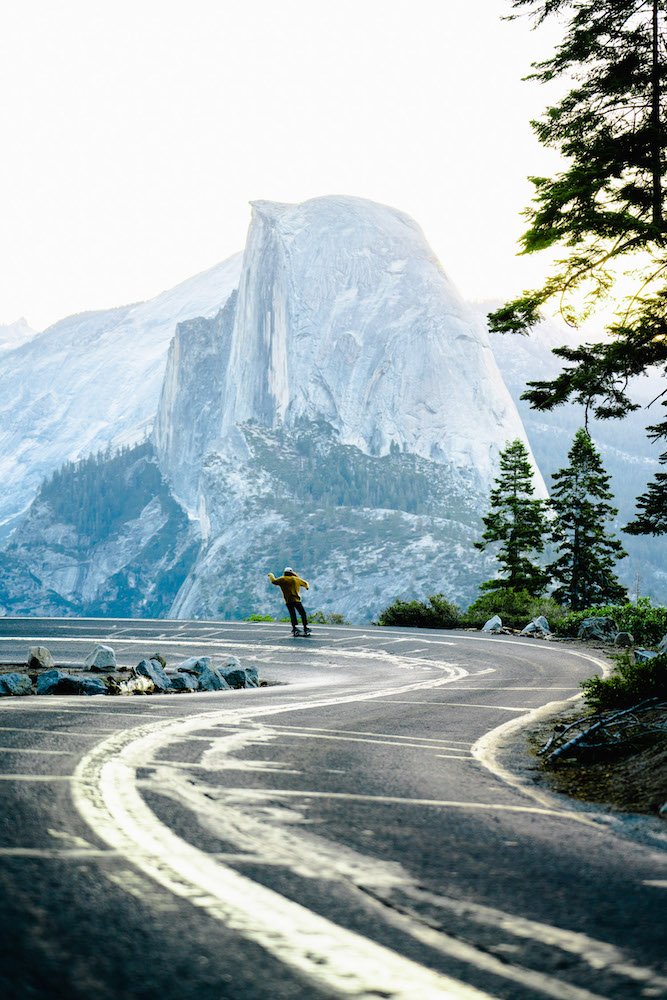
Skating the road to Glacier Point. Photo by Dalton Johnson
Whether you visit at sunrise or sunset, Glacier Point offers unforgettable experiences. Sunrise provides peace, soft light, and tranquil moments, while sunset delivers vibrant colors and dramatic landscapes. Both times have their charm, and you truly can’t go wrong.
Don’t limit yourself to just these golden hours. Explore during midday, embrace the quiet serenity of lesser-known spots, or marvel at the night sky. Each visit to Glacier Point reveals something new, making it a destination you’ll want to return to again and again. With some planning and a sense of adventure, your visit to Glacier Point will leave you with lasting memories of Yosemite’s breathtaking beauty.
Discover more Adventures in Yosemite
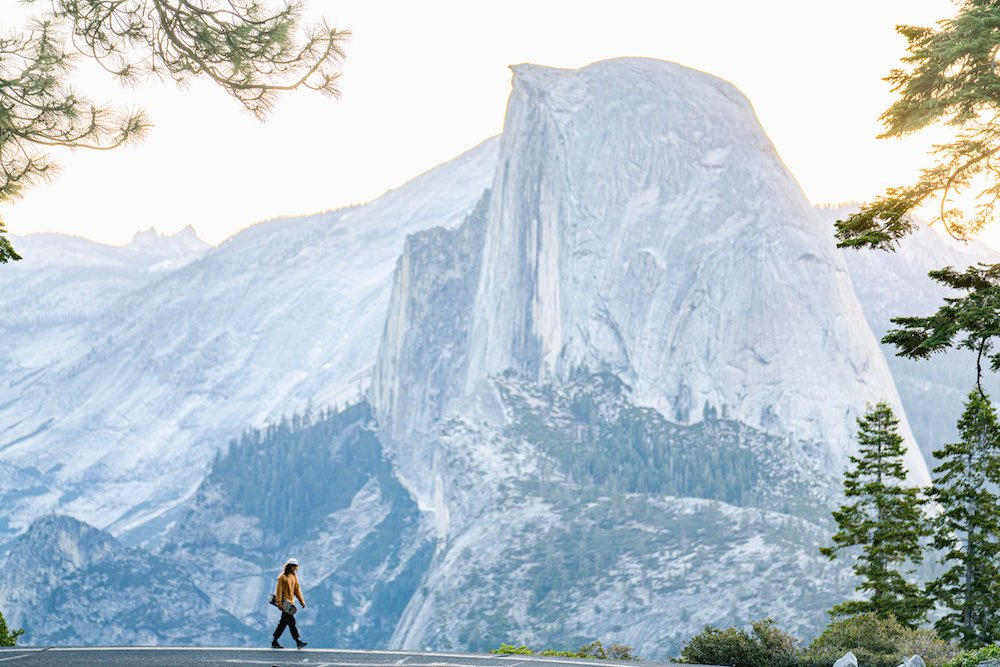
The Complete Photography Guide to Yosemite's Glacier Point
As passionate photography enthusiasts, we had delved into the works of modern greats who had immortalized Yosemite's breathtaking vistas. However, we aimed to add our own unique twist to this iconic location. Surveying our array of gear and props, we hatched an ambitious plan: to capture a skateboarding photograph careening down the serpentine road leading to Glacier Point. Join us on this journey as we blend the adrenaline of skateboarding with the tranquil majesty of Glacier Point's sunrise, creating a photographic masterpiece of our own.
Yosemite National Park, renowned for its world-class rock climbing, drew us in with its promise of granite adventures. Yet, amidst the challenging ascents and vertical escapades, the park's awe-inspiring landscapes beckoned us to explore a different form of expression — photography.
During our well-deserved rest days from conquering the granite cliffs, a close-knit group of friends and I embarked on a quest to discover the most picturesque corners of Yosemite Valley. Among our coveted destinations, one stood out like a beacon — Glacier Point. Why? For the chance to witness the ethereal beauty of a Glacier Point sunrise.
As passionate photography enthusiasts, we dove into the works of modern greats who had immortalized Yosemite's breathtaking vistas. However, we aimed to add our own unique twist to this iconic location. Surveying our array of gear and props, we hatched an ambitious plan: to capture a skateboarding photograph careening down the serpentine road leading to Glacier Point. Join us on this journey as we blend the adrenaline of skateboarding with the tranquil majesty of Glacier Point's sunrise, creating a photographic masterpiece of our own.
Glacier Point is an iconic location to photograph while visiting Yosemite National Park. Photograph by Dalton Johnson
Pros
Stunning Vistas: Glacier Point offers breathtaking panoramic views of Yosemite Valley, Half Dome, and the High Sierra peaks, providing ample opportunities for landscape photography.
Iconic Landmarks: You can capture iconic landmarks like Half Dome and Yosemite Falls from a unique perspective, creating memorable images.
Golden Hours: The location is perfect for sunrise and sunset photography, with soft, warm lighting that enhances the beauty of the landscape.
Seasonal Variety: The park's diverse seasons offer different photography opportunities, from lush greenery in spring to vibrant fall foliage and snow-covered landscapes in winter.
Wildlife: Yosemite is home to diverse wildlife. You might spot animals like mule deer, squirrels, and birds, providing chances for wildlife photography.
Accessibility: Glacier Point is easily accessible by car, making it convenient for photographers of all skill levels.
Astro Photography: The dark skies at Glacier Point are great for astrophotography, allowing you to capture the Milky Way and stars.
Cons
Crowds: Glacier Point is a popular tourist destination, which means it can get crowded during peak seasons. This may limit your ability to set up your equipment or find a quiet spot for photography.
Limited Parking: The parking lot at Glacier Point can fill up quickly, and finding parking during peak hours can be challenging.
Changing Weather: Weather conditions at Glacier Point can be unpredictable, and fog, rain, or high winds can affect your photography plans.
Distance: Depending on where you're staying in the park, Glacier Point may require a significant drive, which could limit your time for photography, especially during sunrise or sunset.
Limited Facilities: There are limited facilities at Glacier Point, including restrooms and food options. Be prepared with essentials for your photography session.
Permit Requirements: If you plan to shoot commercially or use drones, you may need permits, so be sure to check and comply with park regulations.
Photographing Glacier Point Basics
Photographing at Glacier Point in Yosemite National Park is an awe-inspring experience, offering a plethora of composition options for landscape photographers. To simplify your approach and ensure you make the most of your photography expedition, consider these essential considerations:
Composition Exploration: Glacier Point provides numerous vantage points to explore. Take the time to wander around the area to discover the composition that resonates most with your vision. Try different angles, heights, and perspectives to craft a unique shot.
Timing and Weather: Timing and weather are paramount for capturing breathtaking landscape shots. Clouds can add drama and texture to your images, but be mindful of the sunset being obscured by thick cloud cover. Conversely, a completely cloudless sky can result in a less captivating shot. Pay attention to weather forecasts and aim to shoot during the golden hours—shortly after sunrise and before sunset.
Arrival Time: Arriving at Glacier Point well in advance is crucial. It allows you ample time to explore the area, set up your equipment, and scout for your preferred composition while patiently awaiting the perfect lighting conditions during sunset.
Sun Position: Understanding the sun's position throughout the year is key. In the summer months, the sun sets to the left, casting its warm light on the landscape. In late fall, it sets behind you, creating different lighting dynamics. Choose your shooting time according to your desired lighting effect.
Consider Additional Elements: Besides Half Dome, consider whether you want to include Vernal and Nevada Falls, situated to the right of Half Dome, in your shot. Including these elements can add depth and scale to your composition, providing a sense of the vastness of the Yosemite landscape.
In essence, photographing at Glacier Point is an art that combines patience, timing, and a keen eye for composition. Embrace the ever-changing weather, lighting conditions, and seasonal nuances to create your own stunning images of this iconic location. Whether you're a seasoned photographer or a novice, Glacier Point's beauty is sure to inspire your creativity.

Looking over the edge at Glacier Point during sunrise. Photograph by Dalton Johnson
Best Time of Day to Photograph at Glacier Point:
Choosing the best time of day to photograph at Glacier Point depends on your photography goals and the style of shots you want to capture:
Sunrise:
Best for Lifestyle and Instagram Photography: The soft, warm light of sunrise bathes the landscape in a golden glow, creating a magical atmosphere. This lighting is excellent for lifestyle and portrait photography, as it imparts a flattering warmth to your subjects.
Fewer Crowds: Sunrise tends to be less crowded, allowing you to capture the tranquil beauty of Glacier Point without many distractions.
Unique Perspective: The morning light can cast unique shadows and highlights, adding depth and character to your images.
Sunset:
Best for Landscape Photography: Sunset is a prime time for capturing stunning landscape photographs at Glacier Point. The warm, low-angle light enhances the natural beauty of the surroundings, illuminating Half Dome and the valley in breathtaking fashion.
Dramatic Skies: As the day transitions into evening, you're more likely to encounter dramatic cloud formations that can add intrigue and mood to your landscape shots.
Longer Golden Hour: Sunset often provides a longer golden hour compared to sunrise, giving you more time to experiment with different compositions.
While sunrise and sunset offer distinct advantages, don't limit yourself to just these times. Glacier Point's beauty can be appreciated throughout the day, and each moment presents unique opportunities for photography. Consider exploring the location during the day to capture the changing light and explore creative angles. Ultimately, the "best" time to photograph depends on your vision and the story you want to tell through your images.
Related Read: Which Is Better Sunrise or Sunset at Glacier Point

Dancing on the diving board of Glacier Point. Photograph by Dalton Johnson
Photography Equipment for a lifestyle or Elopement shoot at Glacier point:
For a lifestyle or elopement shoot at Glacier Point, your selected photography equipment is well-rounded and suitable for capturing a variety of shots. Here's a gear list that complements your existing setup:
The Zoom Lens Trio: For any lifestyle shoot, I like to bring the trio of zoom lenses by Tamron that give me a range from 17mm to 180mm all at f/2.8.
Tamron 17-28: The Tamron 17-28mm is a versatile wide-angle zoom lens, perfect for capturing expansive landscapes and dramatic vistas at locations like Glacier Point in Yosemite.
Tamron 28-75: The Tamron 28-75mm is a popular standard zoom lens, offering a practical range for various shooting scenarios, from portraits to candid moments during a lifestyle or elopement shoot.
Tarmon 70-180: The Tamron 70-180mm is a compact telephoto zoom lens that allows you to get closer to your subjects, making it suitable for capturing intimate details and candid emotions during lifestyle or elopement photography sessions.
Camera: You can’t go wrong with a mirrorless camera from any of the top brands today, my go-to camera body is the Sony a7rV
External Flash or Speedlight: Even though natural light can be incredible at Glacier Point, having an external flash can be beneficial for filling in shadows during portraits, especially in challenging lighting conditions.
Tripod: Since you'll be doing lifestyle and elopement photography, having a tripod is still essential. It will help you stabilize your camera for group shots or long-exposure images if needed.
Reflector or Diffuser: These tools can help you manipulate and control natural light, which is important for achieving the desired look in your lifestyle shots.
Extra Batteries and Memory Cards: Ensure you have spare batteries and memory cards to avoid running out of power or storage space during your shoot.
Lens Cleaning Kit: Dust and weather conditions can affect your gear. A lens cleaning kit with a microfiber cloth, lens cleaning solution, and a blower will help keep your lenses and camera clean.
Rain Cover: Weather at Glacier Point can be unpredictable. Having a rain cover for your camera can protect it from sudden rain showers.
Reflective Umbrella or Softbox: If you plan to shoot during harsh midday sunlight, using a reflective umbrella or softbox with your external flash can help diffuse and soften the light for flattering portraits.
Remote Shutter Release: This is handy for capturing self-portraits or group shots without needing someone to press the shutter button.
Props and Accessories: Depending on the concept and style of your shoot, consider bringing props or accessories like blankets, flowers, or decorative items that can enhance the visual story of your elopement or lifestyle shoot.
Model Releases: If you plan to use the images for commercial purposes, have model release forms ready for any individuals featured in your photographs.
Permits: Be aware of any permit requirements for commercial photography in the park, especially if your shoot involves clients or models.
With these additional items, you'll have a well-equipped kit to capture beautiful lifestyle and elopement images at Glacier Point. Don't forget to plan ahead and communicate with your subjects to make the most of this stunning location.
Photography Equipment for a Landscape shoot at Glacier point:
For a landscape shoot at Glacier Point, the photography equipment you've listed is a good start, but here are a few additional items that can enhance your photography experience and help you capture stunning images:
Camera: You can’t go wrong with a mirrorless camera from any of the top brands today, my go-to camera body is the Sony a7rV
Wide-angle Lens: The Tamron 17-28 is a great choice, but you might also consider a wider lens for capturing the expansive vistas at Glacier Point.
Filters:
Polarizing Filter: A polarizer can reduce reflections and enhance the colors of the sky and water. It's particularly useful for controlling glare on the granite surfaces.
Neutral Density (ND) Filters: ND filters allow you to use longer shutter speeds, which can be beneficial for smoothing out water or capturing cloud movement during daylight hours.
Remote Shutter Release: A remote shutter release or intervalometer can help you take long-exposure shots without introducing camera shake.
Extra Batteries and Memory Cards: Glacier Point may be cold, and cold weather can drain your camera's battery more quickly. Ensure you have spare batteries and enough memory cards for your shoot.
Lens Cleaning Kit: Dust and mist can be prevalent in outdoor locations. Having a lens cleaning kit can help you keep your lens and camera sensor clean.
Backpack or Camera Bag: A sturdy and comfortable backpack or camera bag can make it easier to carry your equipment and protect it from the elements.
Appropriate Clothing: Be prepared for variable weather conditions. Bring warm clothing, especially if you're shooting at sunrise or sunset when temperatures can be chilly.
Headlamp or Flashlight: If you're shooting during early morning or late evening hours, having a headlamp or flashlight can be helpful for navigating the area and setting up your equipment in low light conditions.
Lens Hood: A lens hood can help reduce lens flare and protect your lens from any stray light.
Laptop and Card Reader: If you plan to review and edit your photos on-site, a laptop and a card reader can be handy.
Photo Apps: Consider having photo apps on your smartphone for planning shots, checking the weather, and determining the position of the sun or moon.
Lastly, bug spray, it's a good idea, especially during the warmer months when mosquitoes and other insects can be prevalent in wooded areas around sunset. Always be prepared with essentials like water, snacks, and first-aid supplies when shooting in the great outdoors.

Typically, you drive this road, but why not skate it if you have one? Photograph by Dalton Johnson
How to Get to Glacier Point
To get to Glacier Point in Yosemite National Park, you have several options, depending on your preferences and the time of year. Here are the primary ways to reach Glacier Point:
1. By Car (Summer and Fall):
During the summer and fall months when Glacier Point Road is open (typically late May to early November, but check the current road conditions), you can drive to Glacier Point.
Enter Yosemite National Park through any of the entrances and make your way to Yosemite Valley.
From Yosemite Valley, take the Wawona Road (Highway 41) to the Glacier Point Road, which is located near Badger Pass Ski Area.
Follow Glacier Point Road to its end at Glacier Point.
2. By Hiking (Summer and Fall):
If you're an avid hiker and want a more immersive experience, you can hike to Glacier Point.
There are several trails that lead to Glacier Point, including the Four-Mile Trail (strenuous), Panorama Trail (moderate to strenuous), and the Pohono Trail (moderate to strenuous). Each offers unique perspectives and challenges.
Ensure you have the appropriate gear, maps, and information, as these hikes vary in length and difficulty.
3. By Tour Bus (Summer Only):
Yosemite Valley Shuttle Tours offer guided bus tours to Glacier Point during the summer season.
These tours provide informative commentary and a convenient way to reach the viewpoint without driving or hiking.
Check with the Yosemite National Park Service or authorized tour operators for availability and schedules.
4. By Cross-Country Skiing or Snowshoeing (Winter):
In the winter, when the road is closed to vehicles, you can access Glacier Point by cross-country skiing or snowshoeing.
Glacier Point Road is groomed for skiing, and rental equipment is available at Badger Pass Ski Area.
Be prepared for winter conditions, and check with the park for trail and road status.
Important Tips:
Always check the current road and trail conditions before heading to Glacier Point, as accessibility can change due to weather and maintenance.
Consider arriving early in the day to secure parking, as it can fill up quickly during peak times.
Bring plenty of water, snacks, and clothing layers, as the weather can vary, even during the summer.
Respect park regulations and Leave No Trace principles to protect the environment.
Keep in mind that Glacier Point offers stunning views, so be prepared to capture the beauty of Yosemite National Park with your camera when you arrive.

Consider other photo locations like Yosemite Falls. Photograph by Dalton Johnson
Other Yosemite Photography Spots to Consider:
Yosemite National Park is a photographer's paradise, offering a multitude of stunning photography spots. In addition to Glacier Point, here are some other must-visit photography locations in Yosemite:
1. Yosemite Falls:
Yosemite Falls is North America's tallest waterfall, offering captivating photo opportunities.
Photograph it from various viewpoints, including the Swinging Bridge and Cook's Meadow, for different perspectives.
2. El Capitan (El Cap):
El Capitan is a massive granite monolith and a favorite subject for landscape photographers.
Capture its imposing presence from viewpoints like El Capitan Meadow and the famous Tunnel View.
3. Tuolumne Meadows:
Located in the high country of Yosemite, Tuolumne Meadows is known for its expansive meadows, alpine lakes, and granite peaks.
The meadows provide excellent opportunities for capturing wildflower displays and stunning reflections in the Tuolumne River.
4. Cathedral Peak:
Cathedral Peak is a striking granite formation in the Tuolumne Meadows area.
Hike or find vantage points to photograph this iconic peak against a backdrop of alpine scenery.
5. Tunnel View:
Tunnel View is one of the most iconic viewpoints in Yosemite National Park.
It offers a breathtaking vista of El Capitan, Bridalveil Fall, and Half Dome in the distance, making it a must-visit spot for photographers.

Firefalls in Yosemite Valley during February. Photograph by Dalton Johnson
6. Fire Falls (Horsetail Falls):
Fire Falls, also known as Horsetail Falls, is famous for its natural "firefall" phenomenon that occurs in late February when the setting sun illuminates the waterfall, creating a fiery effect.
Photographers flock to El Capitan Picnic Area to capture this rare and stunning event.
7. Mariposa Grove of Giant Sequoias:
This grove is home to some of the largest trees in the world, including the famous Grizzly Giant.
Photograph the giant sequoias to capture their immense size and ancient beauty.
8. Mirror Lake:
Mirror Lake offers reflections of the surrounding cliffs and Half Dome in calm waters.
Visit during the spring and early summer when the lake is at its fullest for the best mirror-like reflections.
9. Sunrise and Sunset at Various Locations:
Sunrise and sunset throughout Yosemite National Park offer magical lighting for photography.
Explore different spots like Valley View, Olmsted Point, and Sentinel Dome for sunrise and sunset shots.
Remember to check for seasonal conditions, park regulations, and road access when planning your photography trips to these locations. Yosemite's diverse landscapes provide endless opportunities for photographers to capture the beauty of nature in its various forms.
Sunset glow on Half Dome photographed from Glacier Point in Yosemite National Park. Photograph by Dalton Johnson
Whether your photographic journey at Glacier Point in Yosemite National Park leads you to capture the grandeur of its landscapes or the intimate moments of a lifestyle or elopement shoot, this iconic location offers a canvas of endless possibilities. With the right equipment, creativity, and an understanding of the unique challenges and beauty this destination presents, your photography at Glacier Point is sure to yield breathtaking and memorable images.
From the majesty of Half Dome to the warmth of a sunrise, Glacier Point beckons photographers to explore its diverse and awe-inspiring vistas, reminding us that amidst nature's grandeur, there's always a story to tell and a moment to capture. So, grab your camera and embark on a photographic adventure that will leave you with images to cherish and stories to share for years to come.