Understanding Exclusivity in Photo Licensing As An Adventure Photographer
Exclusivity in photo licensing refers to whether the client has exclusive rights to use the images you create, or if you, as the photographer, can sell or license the same images to other clients. Understanding exclusivity is crucial because it directly affects the value of your work.
Exclusivity in photo licensing refers to whether the client has exclusive rights to use the images you create, or if you, as the photographer, can sell or license the same images to other clients. Understanding exclusivity is crucial because it directly affects the value of your work.
Exclusive Licenses
An exclusive license means the client is the only one allowed to use the images for the agreed-upon purpose, time, and territory. This type of license is more valuable because it restricts the photographer from selling the same images elsewhere. Exclusive rights often come with higher fees because the client is paying for sole access to your work.
For example, a company might request exclusive rights to a campaign image for one year. During that time, you cannot license that photo to another brand or use it for personal sales. Once the term ends, you may be able to license it again, depending on the contract.
Non-Exclusive Licenses
Non-exclusive licenses allow you to sell or license the same images to multiple clients. This gives you more flexibility and the opportunity to earn passive income from the same work. Non-exclusive licenses are often more affordable for clients but still allow you to retain control over your images.
For example, a stock photo or a lifestyle image used in multiple digital campaigns could be licensed non-exclusively to several brands, maximizing its value to you as the photographer.
Why Exclusivity Matters
Knowing whether a license is exclusive or non-exclusive is critical when pricing your work. Exclusive licenses are worth more because they limit your ability to reuse the images. Non-exclusive licenses provide more freedom but typically come at a lower rate. Clear communication about exclusivity protects your work, ensures fair compensation, and prevents disputes down the line.
This lesson comes from The Adventure Photographer’s Playbook, where I cover licensing strategies, pricing, and how to structure agreements for adventure and travel photography projects.
This lesson comes from my ebook "The Adventure Photographer's Playbook" and it costs $10. Why so cheap? The goal is to help as many new to mid level photographers as possible go from nothing to getting booked in 18 months:

Read More From The Photographer’s Playbook

The Three Most Important Parts of Photo Licensing as an Adventure Photographer
Photo licensing can feel overwhelming if you let it, but it doesn’t have to be complicated. In my experience as an adventure photographer, there are three key components that determine the value and scope of any license: usage, duration, and exclusivity.
Photo licensing can feel overwhelming if you let it, but it doesn’t have to be complicated. In my experience as an adventure photographer, there are three key components that determine the value and scope of any license: usage, duration, and exclusivity.
Usage
Usage is about where the images will live. Are they going online, printed in a magazine, used in an ad, or all of the above? Understanding usage allows you to assign the right value to your work. For example, a full digital campaign across a company’s website and social media is worth more than a single newsletter placement.
Duration
Duration refers to how long the client can use the images. Is it a one-time use, a six-month campaign, or a year-long license? Most companies will not use images two years after a project, so time-limited licenses make sense. Avoid open-ended or “in perpetuity” terms whenever possible, because this can limit your ability to monetize the work elsewhere.
Exclusivity
Exclusivity answers the question: can you sell the images to anyone else, or are they exclusive to this client? Exclusive rights are always more valuable because they limit how the photographer can reuse the work. Non-exclusive licenses give you the freedom to sell the images multiple times, creating passive income from a single project.
Understanding these three parts—usage, duration, and exclusivity—makes licensing far easier to manage. It allows you to quote projects clearly, protect your work, and ensure you are paid fairly for the value you create.
This lesson comes from The Adventure Photographer’s Playbook, where I go into detail on pricing, licensing, and structuring your photography business for long-term success.
This lesson comes from my ebook "The Adventure Photographer's Playbook" and it costs $10. Why so cheap? The goal is to help as many new to mid level photographers as possible go from nothing to getting booked in 18 months:
Read More From The Photographer’s Playbook

How to Structure a Photo License For Adventure Photographers
When you’re hired as a photographer and nothing else, day rates are still common, especially in agency work. This means you are given the creative and asked to show up with your camera to bring the concept to life. A day rate typically includes your cost of doing business and travel expenses, but these are becoming less common as licensing has become the standard way to value your work.
When you’re hired as a photographer and nothing else, day rates are still common, especially in agency work. This means you are given the creative and asked to show up with your camera to bring the concept to life. A day rate typically includes your cost of doing business and travel expenses, but these are becoming less common as licensing has become the standard way to value your work.
Photo licensing can feel confusing if you let it, but keeping it simple is key. At its core, licensing is about understanding three things: usage, duration, and exclusivity.
Usage: Where will the images live? Will they be online, in print, or both?
Duration: How long does the client want to use the images? Weeks, months, or years?
Exclusivity: Can you sell the images to anyone else, or are they exclusive to that client?
Some of the most common licensing asks include:
Full digital: This covers every digital marketing use, including newsletters, ebooks, social media, websites, blogs, and internal communications.
Organic and paid social: Restricted to social media use only, including both paid ads and organic posts.
Print: For magazine ads, expo banners, in-store signage, and other physical placements.
One-time use: For example, the cover of a magazine.
Time-limited usage: Common durations are 6, 12, or 24 months. Most companies will not use an image two years later.
A key rule of thumb: avoid granting rights “in perpetuity.” This term means the client can use the images forever, which prevents you from earning passive income from the same images in the future. Setting clear boundaries on usage ensures your work retains value and protects your ability to monetize it further.
Understanding licensing is a crucial part of running a sustainable photography business. Structuring your licenses clearly, in combination with your creative and production fees, ensures clients know exactly what they are paying for and that you get paid fairly for your work.
This lesson comes from The Adventure Photographer’s Playbook.
This lesson comes from my ebook "The Adventure Photographer's Playbook" and it costs $10. Why so cheap? The goal is to help as many new to mid level photographers as possible go from nothing to getting booked in 18 months:
Read More From The Photographer’s Playbook
A Creative Life is Full of Unexpected Twists and Turns
Five years ago, I was homeless by choice hoping to "become a photographer" I was grinding, doing spec work to build a portfolio, living on a few hundred bucks a month, with most of it going to my student loans.
Life is full of unexpected twists and turns as a creative and my photography career is a prime example of that.
Five years ago, I was homeless by choice hoping to "become a photographer"
I was grinding, doing spec work to build a portfolio, living on a few hundred bucks a month, with most of it going to my student loans.
Then, out of the blue, I got a call to shoot a documentary on Denali in Alaska and it was going to pay enough to cover 6 months of living for myself.
Obviously, I said yes.
But, I knew that I wanted to make more out of this opportunity than just flying up, shooting, and coming back to my homelessness with money in my bank. So, I did the only logical thing.
Took my deposit and invested it in gas so I could drive up to Alaska.
I shot the documentary, collected my final payment, and stayed along the Kenai Peninsula for another 2.5 more months with Kristin.
During that time, I hustled to land additional clients. Some paid very little, some paid a few grand, some paid well.
What I learned during those two months have fueled my career for the past few years.
Quoting one of the best movies out there, "if you build it, they will come" is mostly true.
If you put yourself in the right place at the right time, there is a really good chance you can make lemonade.
I have refined this business model over and over again, improving my offer, and figuring out how to be the one in charge of my career as a creative instead of waiting for clients to give me a thumbs up.
In a way, it makes me an influencer, but I like to think of myself as an "amateur adventurer & professional photographer"
The cool part, the documentary I shot ended up airing on PBS, winning a bunch of awards, and proved to me that I can make films as well as photograph.
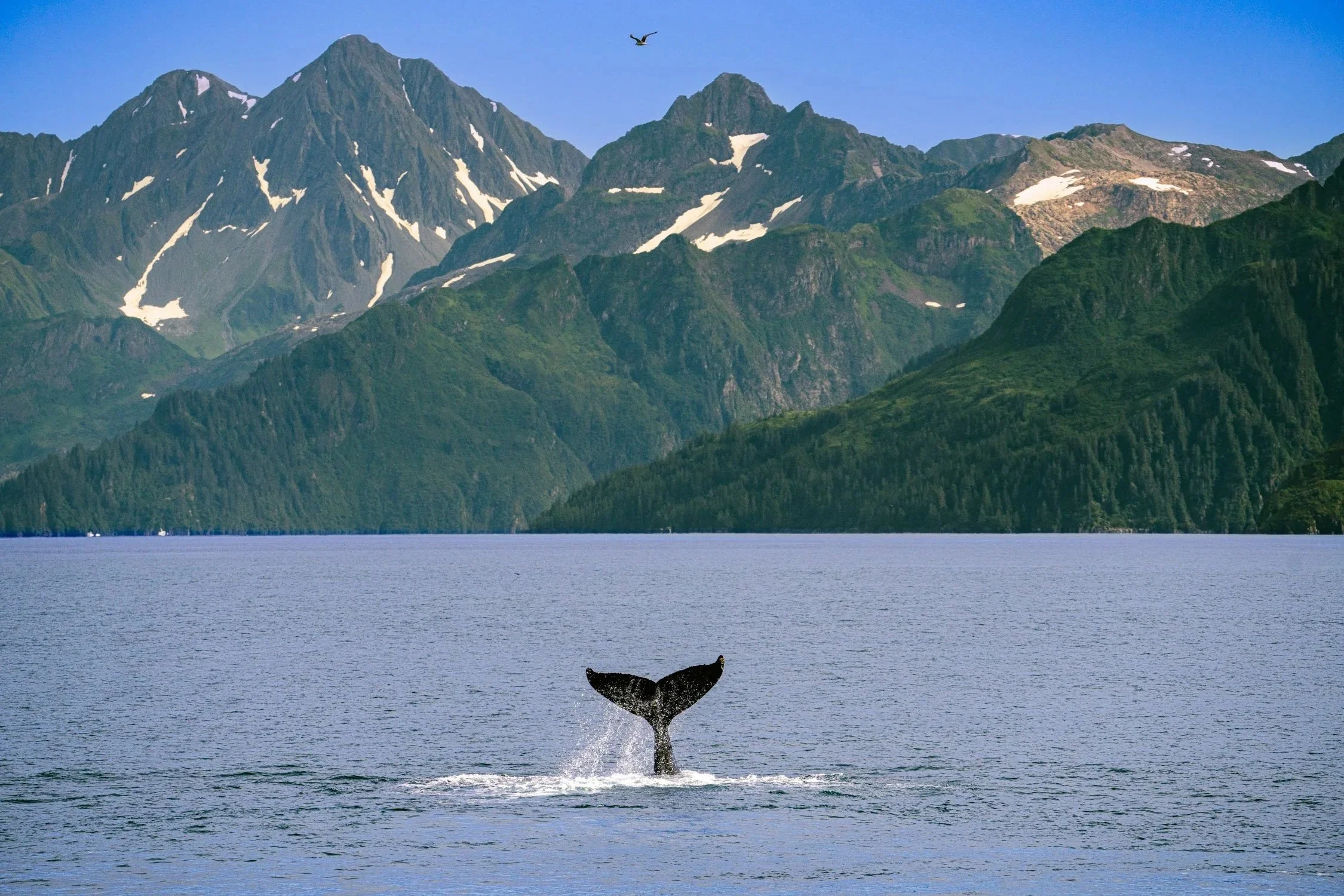
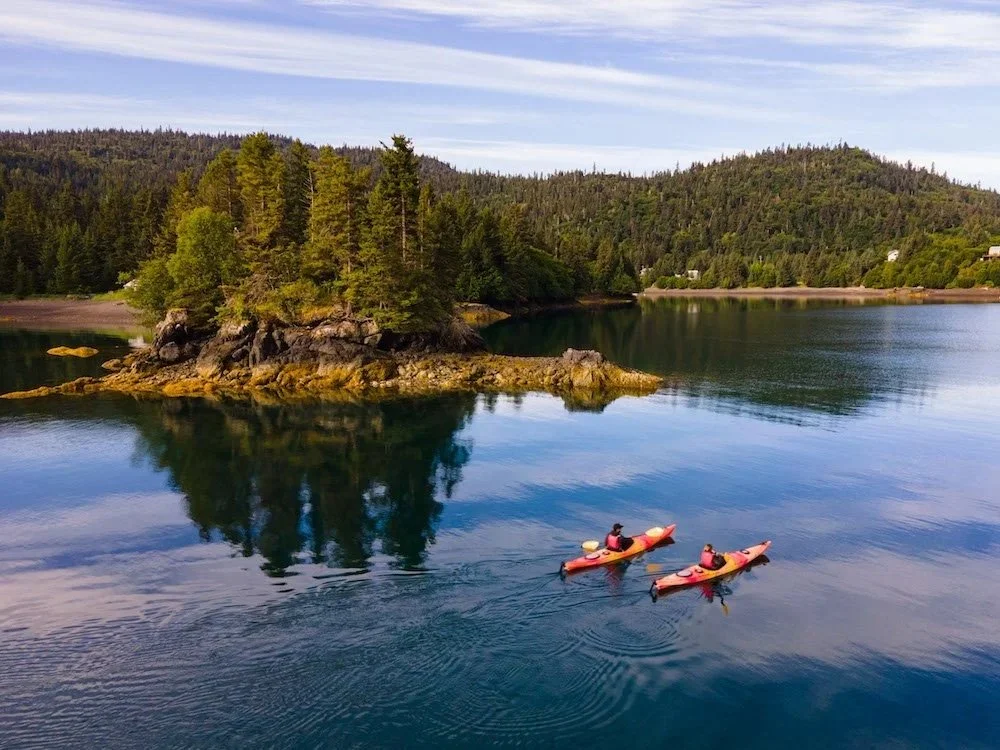
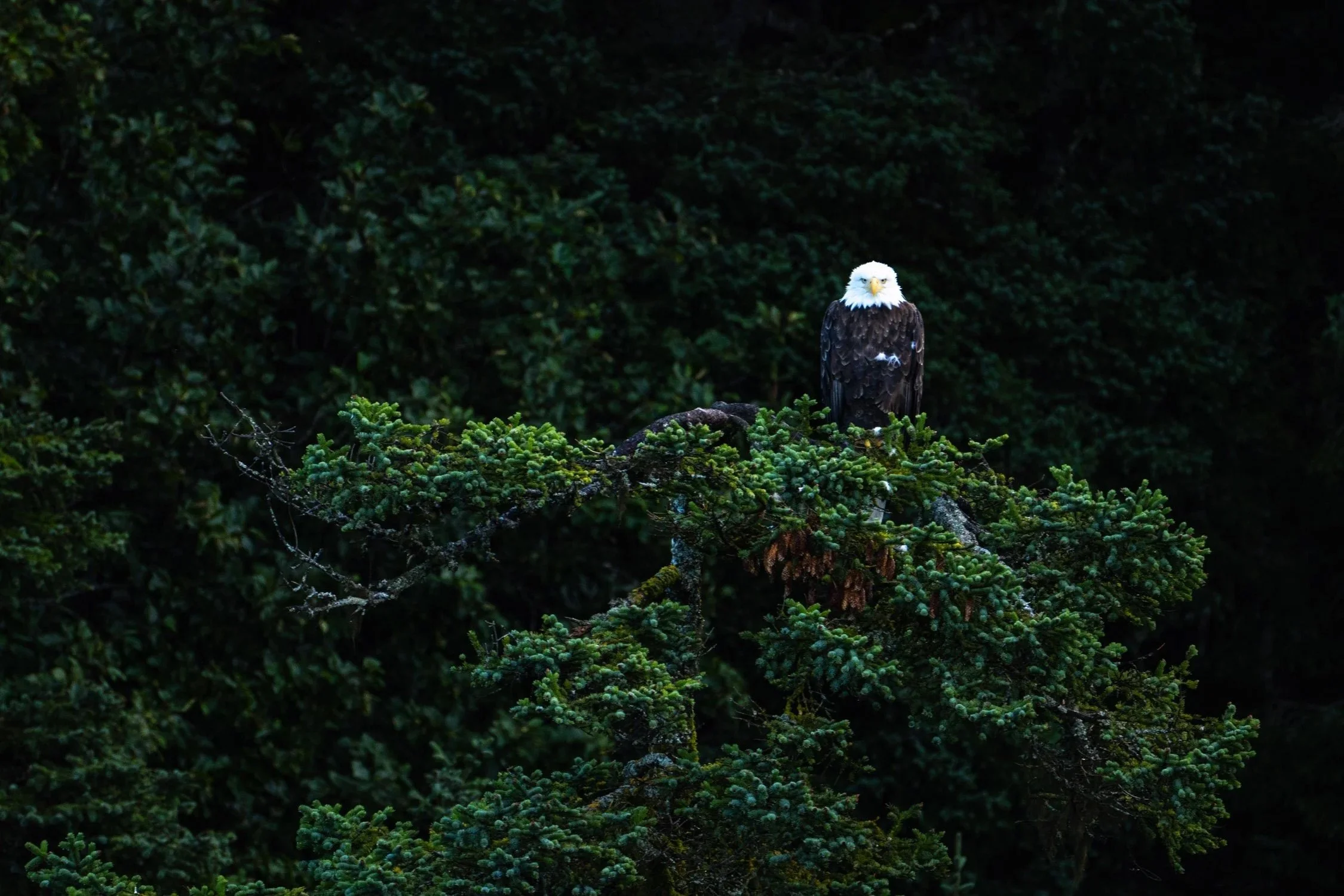
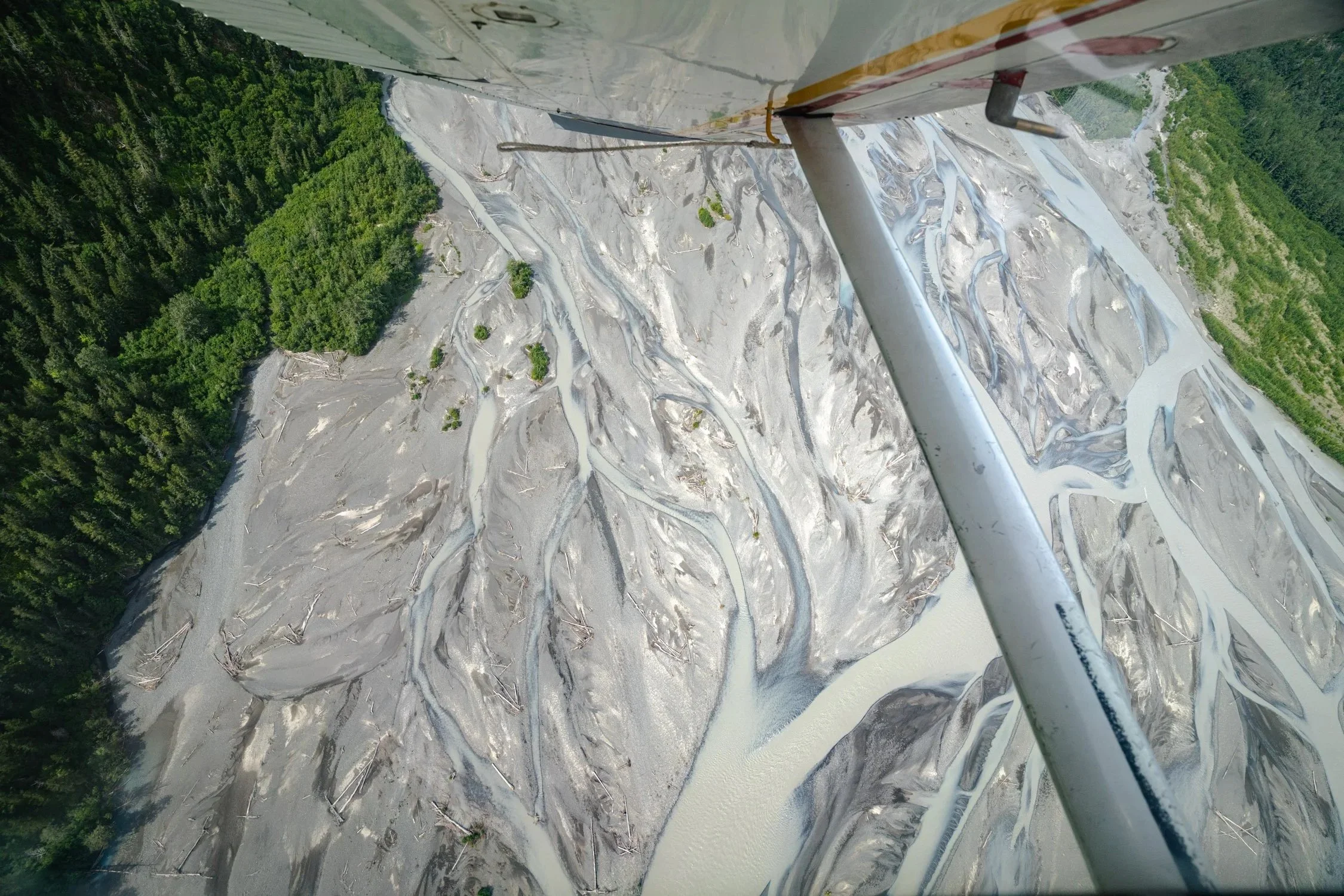

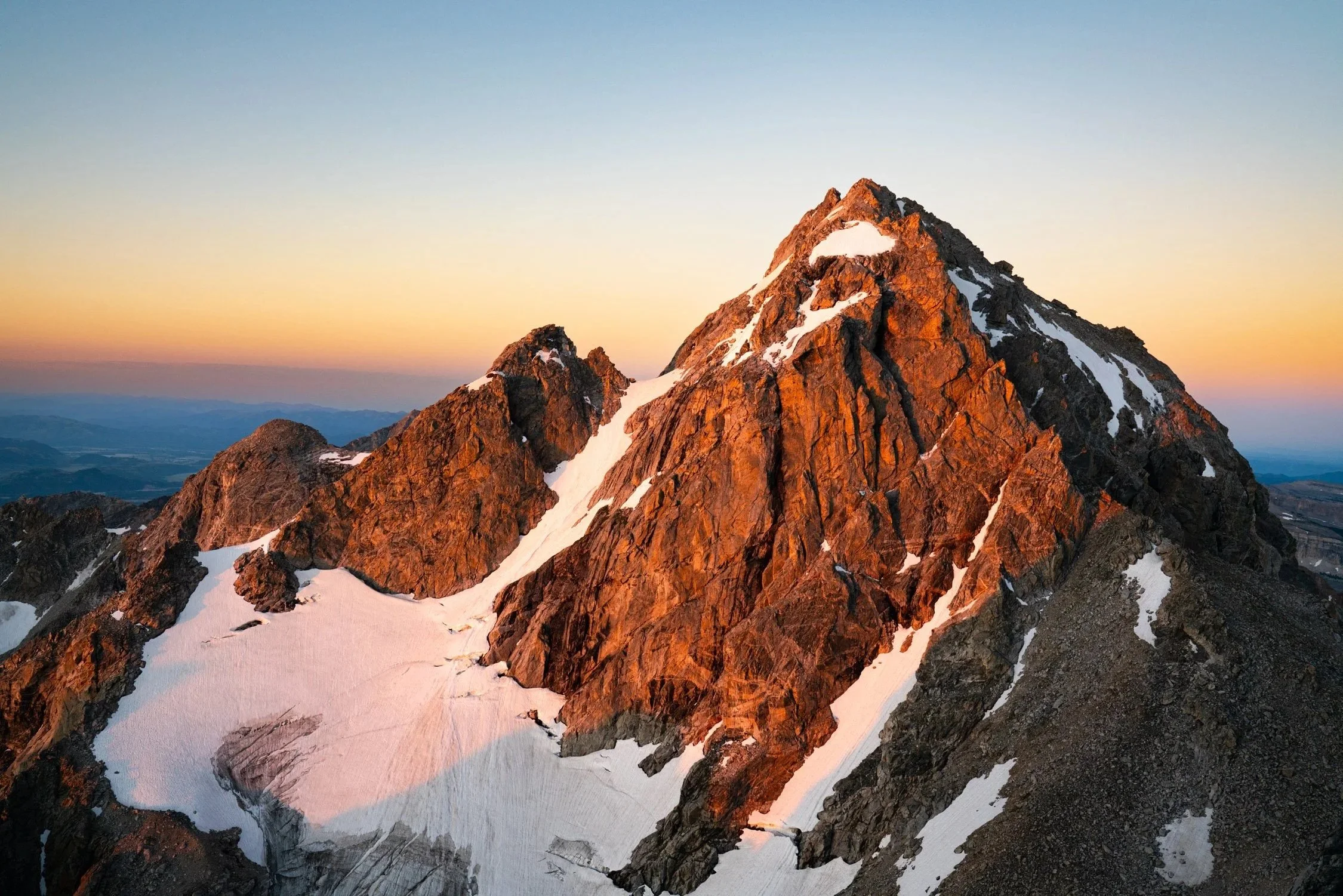
Starting and Failing Is Better Than Never Starting
Maybe it is surviver bias convincing me this, but ever since my first "big" investment into my photography career I've been hooked.
Starting and failing is better than never starting.
At least, that is what I tell myself.
Maybe it is surviver bias convincing me this, but ever since my first "big" investment into my photography career I've been hooked.
A road trip to Wyoming and Colorado mostly to climb, but also build a portfolio I was proud to share.
As it turns out, I'm a better lifestyle photographer than "action sports" mainly because I like to do the thing, which means my camera is often at my side while I climb, hike, etc.
BUT, once the activity is done, I am ready to capture those moments between the action.
Going into that first road trip, I had no idea, but as image after image was snapped, I learned what I enjoyed shooting. The moments between the action.
Turns out, this is what the brands I dreamed of working with were looking for anyways, which meant that first road trip became a proof of concept for me, my business model, and creative career.
Travel, document, share.
A simple model that serves both my clients, my wallet, and my creative juices.
So, if you are holding yourself back because you think you might fail, I say go ahead and give it a shot. Who knows, it might just work out for the best.
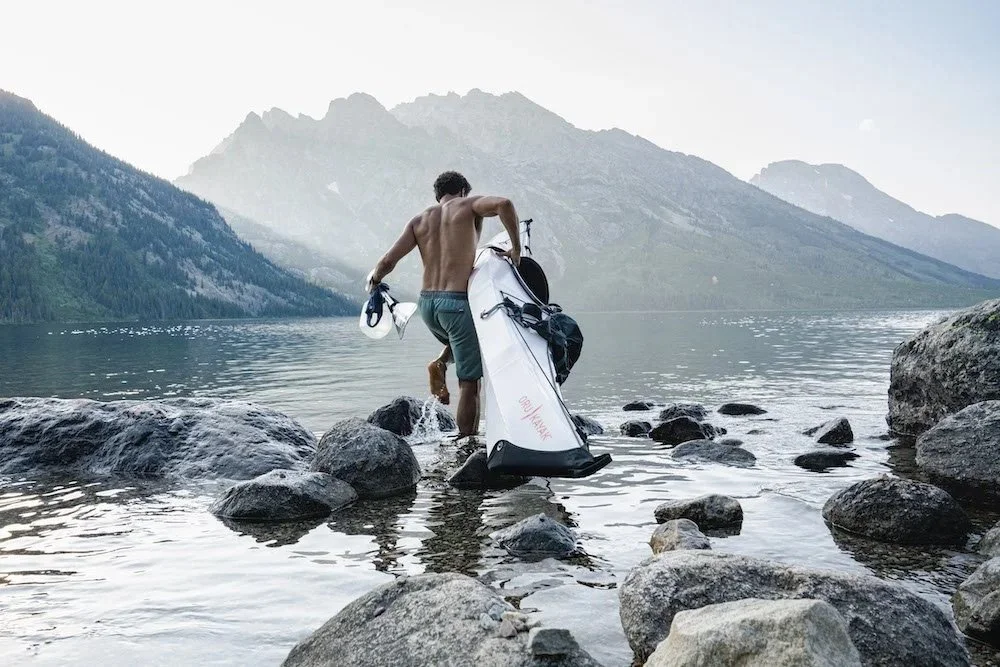
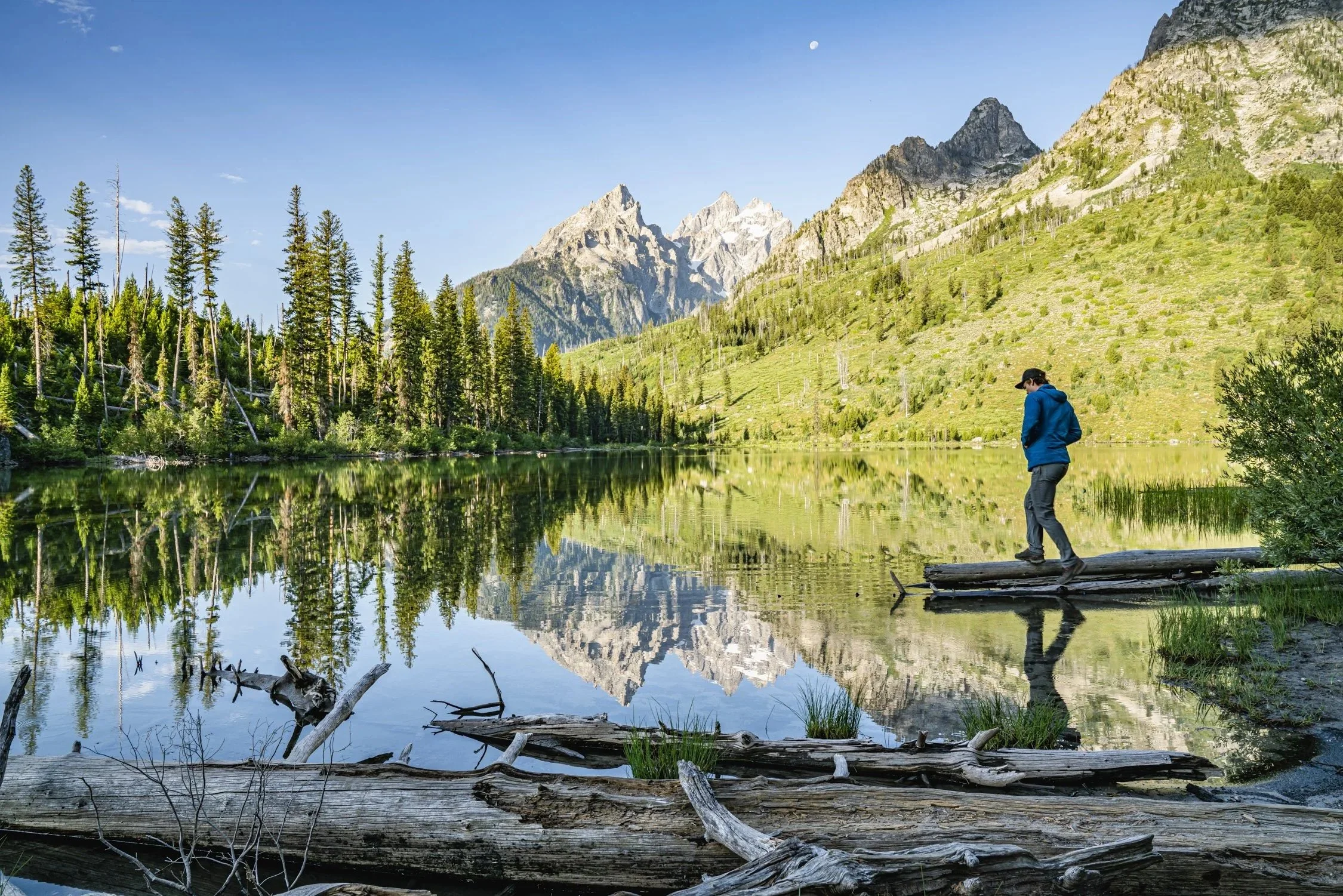
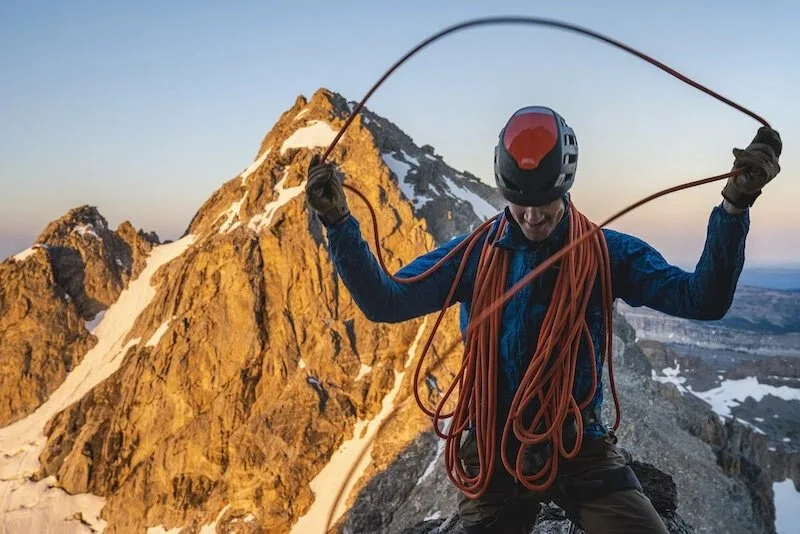



What The Heck Is The Difference Between Freelance Photographer VS Solo-Agency
When you’re building a career in photography, one of the first things you need to understand is whether you are operating as a freelance photographer or as a solo-agency. This distinction affects how you price projects, manage clients, and structure your business.
When you’re building a career in photography, one of the first things you need to understand is whether you are operating as a freelance photographer or as a solo-agency. This distinction affects how you price projects, manage clients, and structure your business.
Freelance Photographer
A freelance photographer typically works independently. You handle the creative work, meet with clients, and deliver images, but your role is primarily focused on shooting and editing. Freelancers usually hire assistants or contractors on a project-by-project basis, rather than maintaining a full team.
The main advantages of freelancing are flexibility and simplicity. You can focus entirely on the creative side, keep overhead low, and manage your own schedule. Freelance photographers also tend to have lower base rates because they are not responsible for covering a team’s salaries or extensive production costs.
Solo-Agency
Operating as a solo-agency is different. Even though it might still be just one person officially running the business, you are managing both creative and production responsibilities. This can include coordinating assistants, stylists, equipment rentals, logistics, and more. You are essentially acting as a one-person company that handles the full scope of a project.
The benefits of being a solo-agency include higher earning potential and greater control over large or complex projects. You can quote higher rates because you are offering a full-service solution. However, it also comes with more responsibility. You need to manage budgets, timelines, client communication, and any collaborators involved in the project.
How This Impacts Pricing
Understanding whether you are a freelancer or a solo-agency directly impacts how you quote projects. Freelancers might focus on a creative fee for their photography and basic production costs. Solo-agencies must account for full production fees, including all resources required to deliver the project from start to finish.
Which Path Should You Choose?
There is no right or wrong answer. Freelancing is great for photographers who want to stay nimble, keep costs low, and focus on their art. Running a solo-agency works well for those who want to scale projects, take on larger clients, and manage more complex productions. Many photographers evolve from freelance to solo-agency as their experience and client base grow.
This lesson comes from The Adventure Photographer’s Playbook, where I cover practical strategies for structuring your business, quoting projects, and knowing your worth in the photography world.
This lesson comes from my ebook "The Adventure Photographer's Playbook" and it costs $10. Why so cheap? The goal is to help as many new to mid level photographers as possible go from nothing to getting booked in 18 months:
Read More From The Photographer’s Playbook
Here's What Goes Into A Production Fee For Adventure Photographers
When clients receive a photography estimate, one line item that often raises questions is the production fee. Unlike the creative fee, which compensates the photographer for their vision, skill, and licensing of images, the production fee accounts for the tangible costs of bringing a project to life. It’s the backbone of any shoot — the logistical and financial structure that ensures everything runs smoothly.
When clients receive a photography estimate, one line item that often raises questions is the production fee. Unlike the creative fee, which compensates the photographer for their vision, skill, and licensing of images, the production fee accounts for the tangible costs of bringing a project to life. It’s the backbone of any shoot — the logistical and financial structure that ensures everything runs smoothly.
What Is a Production Fee?
The production fee covers the actual costs of executing a project. Think of it as the behind-the-scenes support system that makes your creative work possible. These aren’t add-ons or “extras,” but essential elements that transform an idea into reality. Without these resources, a photographer wouldn’t be able to deliver the quality and consistency a client expects.
Common Expenses Within a Production Fee
While the specific needs of each shoot vary, a production fee often includes:
Equipment Rentals – Cameras, lenses, lighting, drones, or specialty gear that may not be part of the photographer’s standard kit.
Assistants & Crew – Additional hands to manage lighting setups, handle equipment, or capture behind-the-scenes work.
Permits & Insurance – Legal permissions to shoot in certain locations, plus liability insurance for protection.
Travel Costs – Transportation, lodging, and meals when a project requires moving outside the studio or local area.
Location Fees – Renting a studio, securing a private property, or paying access fees for unique locations.
Props & Wardrobe – Items that help set the scene or align with the client’s vision.
Stylists & Makeup Artists – Professionals who ensure talent looks their best and the scene is styled appropriately.
Why the Production Fee Matters
A production fee isn’t just about covering expenses; it ensures the client receives the best possible outcome. By budgeting for the right gear, support staff, and locations, a photographer can focus on their creative contribution without being limited by logistics. It also gives clients transparency into where their money goes, building trust and professionalism into the process.
The Balance Between Creative and Production Fees
Together, the creative fee and production fee form the foundation of a fair photography estimate. The creative fee values the photographer’s vision and expertise, while the production fee funds the resources needed to bring that vision to life. Both are essential for delivering high-quality, professional results.
This lesson comes from my ebook "The Adventure Photographer's Playbook" and it costs $10. Why so cheap? The goal is to help as many new to mid level photographers as possible go from nothing to getting booked in 18 months:
Read More From The Photographer’s Playbook
What Goes Into a Creative Fee as an Adventure Photographer
When you’re building a quote for a client, one of the most important pieces to define is your creative fee. This number represents far more than just the time you spend taking photos—it’s the heart of your value as a professional. Understanding what goes into a creative fee not only helps you communicate with clients but also ensures you’re compensated fairly for the work you bring to the table.
When you’re building a quote for a client, one of the most important pieces to define is your creative fee. This number represents far more than just the time you spend taking photos—it’s the heart of your value as a professional. Understanding what goes into a creative fee not only helps you communicate with clients but also ensures you’re compensated fairly for the work you bring to the table.
Time Behind the Camera
At its simplest, the creative fee covers the hours you spend actively shooting. Whether it’s a half-day portrait session, a multi-day commercial campaign, or a fast-paced event, the time you dedicate on set is a clear part of your fee. But this is just the surface layer.
Experience and Skill
Your fee also reflects the years you’ve invested in building your craft. From mastering lighting techniques and composition to developing your personal style, the skills you bring didn’t appear overnight. Clients are paying for your ability to consistently deliver strong images, solve problems quickly, and make creative decisions under pressure.
Creative Direction and Vision
A huge part of your value lies in the ideas you contribute. Clients don’t just hire a photographer to press a shutter button; they rely on you for your creative input, perspective, and direction. Whether it’s conceptualizing how a brand story should be told visually or finding the perfect location to bring a mood to life, your artistry is built into the creative fee.
Licensing and Usage Rights
One of the most important—yet often overlooked—components of the creative fee is licensing. This is where you grant the client rights to use your images, and the scope of that use directly affects your fee. A photo used for a small local flyer carries a different value than one used in a nationwide ad campaign. By including licensing in your creative fee, you ensure you’re compensated fairly based on how your work will be distributed and for how long.
Professionalism and Reliability
Finally, the creative fee acknowledges your role as a professional. Clients pay not just for images, but for peace of mind. This includes your ability to communicate clearly, meet deadlines, coordinate with teams, and deliver consistent results. Your reputation and reliability are part of the package, and that has real value.
Why the Creative Fee Matters
Breaking down what goes into a creative fee helps clients understand that it’s not just an arbitrary number—it’s a reflection of the expertise, vision, and rights you bring to a project. For photographers, setting a thoughtful creative fee is essential for building a sustainable career and ensuring your work is valued appropriately.
This lesson comes from my ebook "The Adventure Photographer's Playbook" and it costs $10. Why so cheap? The goal is to help as many new to mid level photographers as possible go from nothing to getting booked in 18 months:
Read More From The Photographer’s Playbook

The Difference Between Creative Fees and Production Fees in Photography
When you’re starting out as a professional photographer, one of the biggest challenges is figuring out how to price your work. You know you should be paid for your time, talent, and vision — but there are also hard costs that make a project happen. To simplify this, I’ve found one tool that makes pricing far more straightforward: breaking a quote into two clear parts.
When you’re starting out as a professional photographer, one of the biggest challenges is figuring out how to price your work. You know you should be paid for your time, talent, and vision — but there are also hard costs that make a project happen. To simplify this, I’ve found one tool that makes pricing far more straightforward: breaking a quote into two clear parts.
Creative Fee
The creative fee is what you make as a photographer. This includes not just the hours you’re behind the camera, but also your experience, skill, and creative input. Importantly, it also includes licensing — the rights the client has to use your images. Think of the creative fee as your paycheck for bringing the project to life with your perspective and artistry.
Production Fee
The production fee is different. This is the actual cost of producing the project. It covers everything beyond your creative pay: equipment rentals, assistants, permits, travel, location fees, props, stylists, and any other expenses required to make the shoot happen. In short, it’s the logistical and financial backbone that allows your creative work to exist.
Why the Distinction Matters
Breaking your quote into these two parts does more than organize your own thinking — it creates transparency with clients. They’ll understand that one part of your fee is about your craft and licensing, and the other is about tangible costs that bring the project together. It also makes negotiations easier: if a client asks to lower the budget, you can adjust production costs without undervaluing your creative worth.
This lesson comes from The Adventure Photographer’s Playbook, and it’s one that completely changed how I approached client conversations. Once you make this separation, you’ll notice your confidence grow, your pricing feel clearer, and your clients understand exactly what they’re paying for.
This lesson comes from my ebook "The Adventure Photographer's Playbook" and it costs $10. Why so cheap? The goal is to help as many new to mid level photographers as possible go from nothing to getting booked in 18 months:
Read More From The Photographer’s Playbook

As a Photographer, You Need To Know The Client's Budget
When you start the conversation with a potential client, your first goal is to get a feel for their budget. This helps you understand how big of a production you can realistically create. Just as important, you need to know whether you are acting as a photographer or as a solo-agency. That distinction has a major impact on pricing.
When you start the conversation with a potential client, your first goal is to get a feel for their budget. This helps you understand how big of a production you can realistically create. Just as important, you need to know whether you are acting as a photographer or as a solo-agency. That distinction has a major impact on pricing.
If you are asked to take on the production side, remember to pay yourself for those extra days. Your time is valuable, and production work is just as much a part of the job as taking the photos.
Assistants are another factor to consider. A part-time assistant should be compensated for every hour of their involvement. If you work with a full-time assistant, you already know the ongoing costs of having them on projects, but it is worth factoring them into every budget conversation.
Budget flexibility is a big part of this business. If a client’s budget is lower than your usual rate, it is okay to accept the project if the number works for you. There is nothing wrong with adjusting your price as long as you are comfortable with the wage.
Sometimes clients will not fully understand why certain costs exist. In those cases, take the time to explain. Education builds trust and helps them see the value of your work.
One tool I have found helpful is breaking a quote into two clear parts:
Creative fee: what you make as a photographer, including the licensing.
Production fee: the actual cost of the project, which covers everything beyond your creative pay.
This approach simplifies conversations, avoids confusion, and gives clients clarity on where their money is going.
This lesson comes from my ebook "The Adventure Photographer's Playbook" and it costs $10. Why so cheap? The goal is to help as many new to mid level photographers as possible go from nothing to getting booked in 18 months:
Read More From The Photographer’s Playbook
When To Start Pitching Sponsored Projects As A Photographer
If you’re waiting for someone to give you permission to pitch sponsored projects, here it is: you can start today. You don’t need to be a world-famous photographer or have a massive following. What you do need is a strong idea, the ability to communicate that idea, and the willingness to do the work of putting yourself out there.
If you’re waiting for someone to give you permission to pitch sponsored projects, here it is: you can start today.
You don’t need to be a world-famous photographer or have a massive following. What you do need is a strong idea, the ability to communicate that idea, and the willingness to do the work of putting yourself out there.
For me, sponsored projects started as a way to fund personal ideas that I already wanted to create. I’d have a concept I was excited about—maybe a road trip, an expedition, or even just a photo essay about a story unfolding in my own backyard. From there, I’d build a pitch deck that explained what I wanted to make, why it mattered, and how a sponsor could be involved.
Once I have that in place, I start sending it out. On average, my sponsorship success rate is about three percent. That means I’ll get three yeses for every 100 cold emails or messages I send. It’s a low number, but it’s enough. All it takes is one good sponsor to get a project off the ground.
This is a numbers game. But it’s also a timing game. Sometimes, the idea is great, but it just doesn’t land at the right time for a brand. That’s okay. I’ve had projects get picked up months after the initial pitch simply because someone came back around when the time was right.
You don’t need permission, a huge budget, or even previous sponsorships to begin. You just need to believe in the story you want to tell and be willing to pitch it. I break this process down step-by-step in The Adventure Photographer’s Playbook, including tips for cold outreach, deck design, and structuring deliverables.
Offering sponsored projects isn’t reserved for top-tier professionals. It’s a tool anyone can use to build their body of work, tell meaningful stories, and make a living doing what they love. So if you’re asking when you can start, the answer is simple.
Right now.
This lesson comes from my ebook "The Adventure Photographer's Playbook" and it costs $10. Why so cheap? The goal is to help as many new to mid level photographers as possible go from nothing to getting booked in 18 months:
Read More From The Photographer’s Playbook

A BTS Look At Creating Sponsored Photography Projects
Sponsored projects have become one of the most rewarding and challenging parts of my career as an adventure photographer. They are a way to fund personal stories I care deeply about while also building my body of work and, in many cases, earning real money.
Sponsored projects have become one of the most rewarding and challenging parts of my career as an adventure photographer. They are a way to fund personal stories I care deeply about while also building my body of work and, in many cases, earning real money.
The process usually starts with an idea. That idea could be anything from a road trip or expedition to a local story about a friend. Once I know what I want to create, I put together a pitch deck to help communicate the concept clearly to potential sponsors.
Then I start sending it out. My average sponsorship rate is around three percent. That means for every 100 potential clients I contact, about three sign on. It’s a numbers and timing game, and you have to be okay hearing “no” a lot. But if you believe in the project, you keep going.
Sponsored projects can range from massive to modest. I’ve worked on everything from ten-part TV shows and short documentaries to simple photo essays. The key is matching the scope of the project to the story and budget.
Here are the basic steps I follow for each one:
Come up with an idea you are excited to create
Build a pitch deck that tells the story and outlines the vision
Send it to at least 50 potential sponsors
Land one or more sponsors (enough to fund the project fully, ideally)
Go out and create the work
Deliver it to your sponsors
Market the final project
Repeat
It might sound simple, but sponsored projects take a lot of time and effort. They also take a thick skin, solid communication, and the patience to manage moving parts and expectations.
I talk about this entire process in The Adventure Photographer’s Playbook, including how to pitch, structure your deliverables, and turn these kinds of projects into career-defining opportunities.
The truth is, these projects have brought me the most joy, the most frustration, the most growth, and the most income. If you want to take your work to the next level, this is where things get real.
This lesson comes from my ebook "The Adventure Photographer's Playbook" and it costs $10. Why so cheap? The goal is to help as many new to mid level photographers as possible go from nothing to getting booked in 18 months:
Read More From The Photographer’s Playbook

How To Fund and Profit From Personal Projects In Photography
The short answer is yes and no. As an adventure photographer, I’ve landed over $20,000 for a single project from one sponsor, which was a fantastic win. But more often than not, sponsorships mostly help offset the cost of producing the project rather than making a big profit upfront.
The short answer is yes and no. As an adventure photographer, I’ve landed over $20,000 for a single project from one sponsor, which was a fantastic win. But more often than not, sponsorships mostly help offset the cost of producing the project rather than making a big profit upfront.
Sponsored projects often function like fundraising campaigns for your creative work. You’re using sponsors to cover expenses like travel, gear, and production costs. This means that instead of paying yourself a full fee, you’re leveraging partnerships to make the project possible in the first place.
But that doesn’t mean you can’t make money from personal projects. Here’s how I’ve found success in turning sponsored projects into income:
Use sponsorships to fund the cost of the project. This is the baseline. Without sponsorships, many projects would never get off the ground.
Sell a final product. This could be a photo book, limited edition prints, a short film, or even digital downloads. Personal projects have stories that resonate with audiences, so packaging your work for sale is a powerful way to generate revenue.
Host in-person events. Think gallery shows, talks, or workshops that showcase your project. These events can create additional income streams and deepen connections with your audience and potential clients.
Photo licensing. Once the project is complete, licensing your images for editorial, commercial, or stock use can bring in ongoing revenue.
I dive deeper into this in The Adventure Photographer’s Playbook, where I break down how to fund personal work, pitch sponsors, and create opportunities beyond the shoot itself. The key is to think beyond just the sponsorship check. Your project is a platform that can generate multiple income sources if you plan ahead.
This lesson comes from my ebook "The Adventure Photographer's Playbook" and it costs $10. Why so cheap? The goal is to help as many new to mid level photographers as possible go from nothing to getting booked in 18 months:
Read More From The Photographer’s Playbook

How To Talk With Photography Clients Without Mansplaining
In my years as an adventure photographer, one thing is clear: your clients know what they know, and sometimes that knowledge can be more than yours. But often, especially after you have been in the industry for a while, you find that the person hiring you knows less about the creative or technical side than you do. That means you have to recognize this, educate them, and keep moving forward.
In my years as an adventure photographer, one thing is clear: your clients know what they know, and sometimes that knowledge can be more than yours. But often, especially after you have been in the industry for a while, you find that the person hiring you knows less about the creative or technical side than you do. That means you have to recognize this, educate them, and keep moving forward.
Educating your client is not about lecturing or talking down to them. The moment you come across as a know-it-all or start mansplaining, you risk losing the job. Instead, approach every conversation with kindness and curiosity. Ask questions that help your client understand your creative vision or the technical needs of the shoot. This builds trust and makes them feel included and respected.
For example, rather than saying, “You don’t understand lighting,” try asking, “What kind of mood are you hoping to convey with this shot?” or “Have you thought about how natural light at this time of day will affect the final image?” These questions open a dialogue and help clients find the answers themselves. This makes collaboration smoother and the final product stronger.
It is a fine balance. You want to be the expert without alienating the person paying for your work. When you educate with empathy and patience, you build trust and long-term relationships that will benefit your career.
Remember, being a successful adventure photographer means more than capturing epic shots. It means communicating clearly and respectfully with the people who make those opportunities possible.
If you are struggling to find the right words or ways to educate clients without overstepping, I cover this topic in detail in The Adventure Photographer’s Playbook. It is packed with real-world strategies that help you grow your skills, your confidence, and your business.
This lesson comes from my ebook "The Adventure Photographer's Playbook" and it costs $10. Why so cheap? The goal is to help as many new to mid level photographers as possible go from nothing to getting booked in 18 months:
Read More From The Photographer’s Playbook

Know When To Say "No" To A Photography Job
In this industry, your clients usually know what they want — but not always what they need. And after you’ve spent some time in adventure photography, you start to realize that sometimes you actually know more than the people hiring you. That’s where the tricky part begins: educating your clients without coming across as a know-it-all.
In this industry, your clients usually know what they want — but not always what they need. And after you’ve spent some time in adventure photography, you start to realize that sometimes you actually know more than the people hiring you. That’s where the tricky part begins: educating your clients without coming across as a know-it-all.
I’ve learned that how you communicate this education makes all the difference. Instead of mansplaining or lecturing an art buyer, I ask questions. It’s about being kind and unassuming, guiding them toward understanding rather than pushing your expertise down their throat. Because if you mansplain? You’ll probably lose the job.
Let me share a personal story. Would you turn down a “free trip” to Antarctica? I did. If you read The Adventure Photographer’s Playbook, you might remember chapter 1, “Selling Shoots Not Your Soul.” This particular project ticked a lot of boxes on paper, but I just couldn’t say yes.
Sure, a dream trip for my girlfriend and me, no doubt. But the reality? I would have lost nearly $35,000 to make it happen. I sent a counteroffer to the company, but they said no. That was disappointing, but not surprising.
Was it hard to walk away? Honestly, no. I ran the numbers against my Cost of Doing Business. There was no way to make it work financially. The only other option was to turn it into a personal project and find funding, which I chose not to pursue at the time.
The lesson? Know your line in the sand and be willing to walk away from projects that don’t serve you professionally or financially. Stay civil and transparent in conversations — even if it means getting ghosted. Your integrity and long-term sustainability depend on it.
Remember, success as an adventure photographer isn’t about saying yes to everything — it’s about saying yes to the right things.
This comes lesson comes from my ebook "The Adventure Photographer's Playbook" and it costs $10. Why so cheap? The goal of this ebook is to help as many new to mid level photographers go from nothing to getting booked in 18 months as possible:
Read More From The Photographer’s Playbook
To Win In Photography, You Have To Play The Long Game
If you want to make it as an adventure photographer, you have to play the long game. I wish there was a faster route. But after nearly a decade in this industry, I can say this with confidence: every meaningful success I’ve had has been built slowly, layer by layer.
If you want to make it as an adventure photographer, you have to play the long game. I wish there was a faster route. But after nearly a decade in this industry, I can say this with confidence: every meaningful success I’ve had has been built slowly, layer by layer.
When I started in 2016, I thought if I just focused on getting better with a camera, the work would come. But the truth is, developing your craft is only one piece of a much bigger puzzle. You need time to grow your network. Time to learn how to market your work. Time to build a body of images that tells the world who you are and what you stand for. And time to figure out what kind of projects actually matter to you—the kind of work you’d do even if no one paid you.
I still feel like I’m just getting started. Some years are full of momentum; others feel like uphill climbs. But every step has been worth it because each one builds on the last. A shoot I said yes to five years ago led to a referral that turned into a dream assignment. A personal project I started in a dusty notebook now lives in print. None of it was instant.
If you're just starting out and hoping to make a living through travel or outdoor lifestyle photography, you need patience. Be in it for the long haul. Set goals, yes—but more importantly, show up consistently. Keep creating. Keep connecting. Keep refining your voice.
There's no secret formula. No algorithm hack. Just deep, intentional work over time.
Start now. Start small. And don’t stop.
This lesson comes from my ebook "The Adventure Photographer's Playbook" and it costs $10. Why so cheap? The goal is to help as many new to mid level photographers go from nothing to getting booked in 18 months as possible:
Read More Lessons From The Photographer’s Playbook

An Influencer Told BF Goodrich To Hire Me and They Listened, Here's Why
An influencer told BFGoodrich to hire me and they listened.
An influencer told BFGoodrich to hire me and they listened.
Why?
The influencer, Andrew Muse, knew he couldn't shoot the project himself as he needed to be the talent, but not many photographers understand the difference between commercial needs and influencer needs.
So, my name was brought up and I was hired.
Jobs with influencers can be tough because you have to create content that resonates with the influencers audience, in this case dogs & adventure, AND images that will work for commercial clients.
Shoots like this pack a one-two punch of brands, leveraging the influencers audience and the brands at the same time.
So, you can't screw it up and I was worried the morning of this shoot.
We woke up to cloudy skies with no chance of meat balls or clear skies. By call times, it was raining and there was no chance to reschedule.
At first we were bummed and figured this shoot was going to be a flop with the client as they requested clear skies. But, we chatted in the van as we ate some breakfast and just said, "screw it, let's get muddy!"
Embracing the mud and cloudy skies, we headed out into the lake bed and found every puddle we could find.
The good news, the project performed well on the influencers page and the clients was pleased.
It must have been the rainbow we got at the end of the day!
If you are an adventure-focused brand that needs a storyteller to bring marketing ideas to life, I'm your guy. Photo or video, I know how to make it happen in the best and worst of times. Shoot me an email dalton@dalton-johnson.com
Project Gallery


Real Content Wins Over Staged Creative Everytime
Have you ever watched somebody scroll their feed? People move quick and don't give you a second chance if you're a brand putting out sterile content that is staged.
Have you ever watched somebody scroll their feed? People move quick and don't give you a second chance if you're a brand putting out sterile content that is staged.
Consumers will swipe past staged images in .2 of a second.
To succeed in the content game pretty photos only go so far.
To succeed in the content game stunning drone clips only go so far.
To succeed in the content game studio created ads only go so far.
To succeed in the content game, the content needs to be real. authentic. emotional.
That type of content starts by investing in creative that showcases real people doing real things with your product. Think road trips, expeditions, thru-hikes, backpacking trips, etc. The companies who start from the ground and build up, they are winning.
Why is North Face winning?
Why is Yeti winning?
Why is Huckberry winning?
Their content is real! Real athletes, ambassadors, & people doing rad things with their product.
This is the type of content I create for brands in two ways:
1) a brand comes to me with an idea, I produce it, shoot it, and deliver it
2) 4 times a year I embark on content trips with a crew and create content for brands of their products in use
My next trip is coming up in Colorado check it out:
https://dalton-johnson.com/northern-colorado-road-trip
If you are a brand who wants to have a brand story told, send me an email: dalton@dalton-johnson.com