
Five Take Aways From the TREAD Backcountry Summit
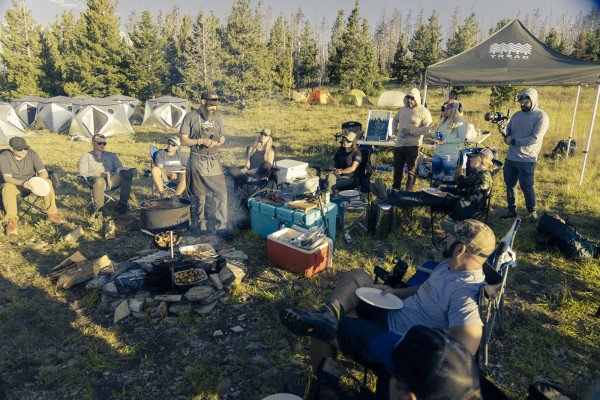
Landing in Bozeman, Montana we loaded up an AWD vehicle and set off for the backcountry. Bouncing down dirt roads for a few hours, we finally arrived at our backcountry summit hosted by TREAD agency.
For the next three days we would learn survival skills from the winner of Alone, Jordan Jonas, discover the wonders of the Montana landscape, get a first look at new gear soon to be released, and eat like kings.
Landing in Bozeman, Montana we loaded up an AWD vehicle and set off for the backcountry. Bouncing down dirt roads for a few hours, we finally arrived at our backcountry summit hosted by TREAD agency.
For the next three days we would learn survival skills from the winner of Alone, Jordan Jonas, discover the wonders of the Montana landscape, get a first look at new gear soon to be released, and eat like kings.
A field of wildflowers and a tower in Monument Valley during the spring sunrise. Photo by Dalton Johnson
The Montana Landscape is Diverse and Mind-bending
Sitting down and talking with the Montana Department of Commerce I was delighted to learn that there was more to Montana than mountains, Yellowstone, and wildlife. Actually, I was impressed to find out there is more recreation in the sprawling lands of Eastern, and Central, Montana than its Western counterpart.
Examples of what Eastern Montana has to offer:
Explore the coastline of Fort Peck Lake Reservoir and Recreation Area which boast 1,520 miles of shoreline, that is longer than the coast of California!
Embark on the Pie a la Road Trip, where you can stop in at 20 different pie shops and decide which is the best.
Hit your limit while hunting and fishing in a landscape ready with a flourishing ecosystem.
Understand the night sky like never before while stargazing in one of the emerging astro-tourism landscapes known as the Trail to the Stars.
Outdoor Gear Innovations Might Be at an All-Time High
Every year innovations happen, but this year seems to hitting us with an all-time high in terms of innovative products. From the travel space to the overlanding world, product innovations are making our lives easier and allowing us to go further. A few of the best innovations I have recently gotten my hands on are:
Loft Gear: Is a brand new company by Caleb Crye that looks to overhaul the luggage world. While we can't say much about Crye's innovation, just be ready to put your gear in the dirt again! Launching this fall, Loft will change the industry with their Station 150 rolling duffle.
Guzzle H2O: There is no doubt in my mind that personal filters are great, but also a pain in the behind for groups. Luckily, Guzzle H2O fixed that with their carbon and LED filtration system that can provided clean, drinkable water for 40 people over 3 days.
Shiftpod: Seemingly from out of this world, a Shiftpod is an easy to use "tent" that reflects heat on hot days and keeps you cool during the winter months. With a variety of sizes, this tent innovation is one to get your hands on.


Food Over a Fire Never Tasted So Good
As the days wound down, we all sat arm-to-arm fireside either waiting on our food to cook over the fire, or drinking a Montucky Cold Snacks, or both. While the days reached into the high 80s, our beers were kept ice cold throughout the day in Canyon Coolers.
Each night we were delighted with stellar meal that took backcountry cooking to a whole new level. What did we eat? Only a menu fit for kings and queens. Below are each night's menu:
Night 1
Whole hog
Baked beans
Mac and cheese
Dinner salad
Corn bread muffins
Night 2
Skewers:
Montana beef heart with flathead cherry glaze
Roly poly coffee rubbed elk
Local bison tongue
Platters:
Local grass-fed beef skirt steak with huckleberry jus
Local bone marrow with fresh herb chimichurri
Fire roasted local honey glazed carrots
Ash roasted potatoes
Dessert:
Amaltheia dairy huckleberry panna cotta
Bear Awareness is No Joke
Growing up in California, we only have curious black bears that scamper away when you yell. That isn't the same when you are in Montana, Canada, the Pacific Northwest, Alaska, or Wyoming. There you have grizzly bears.
Thankfully, we had Amber Kornak from US Fish and Wildlife teach us the details on the difference between black bears and brown bears, how to use bear spray (we actually got to shoot some as well, which was fun), and get hands on with skulls and furs of both types of bears.
TREAD
Tarps Might Be the Best Backcountry Tool
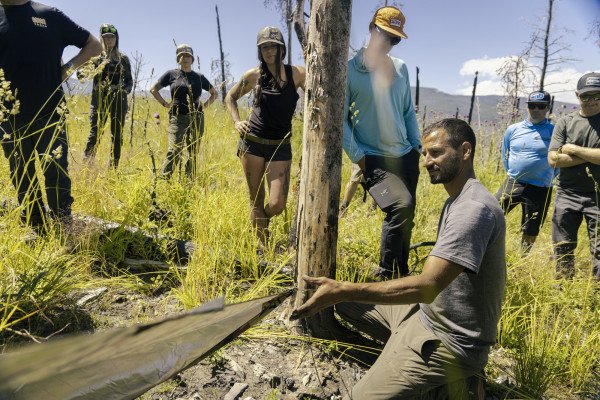
If you watched the History Channels show Alone season six, you might recognize the man in this photo above. His name is Jordan Jonas, aka @hobojordo, and he won season six after spending 77 days in the Arctic. Needless to say, this man knows how to survive in the woods and he taught us about the benefits of a tarp. Here is what he taught us to build:
An A-frame shelter
A bug proof shelter
A canoe (we didn't build one, but he walked us through it)
Needless to say, if you know a few knots and have a tarp, you might just find yourself surviving in the Arctic for 78 days.
Discover More Destinations
The Water Filter for Your Everyday Life
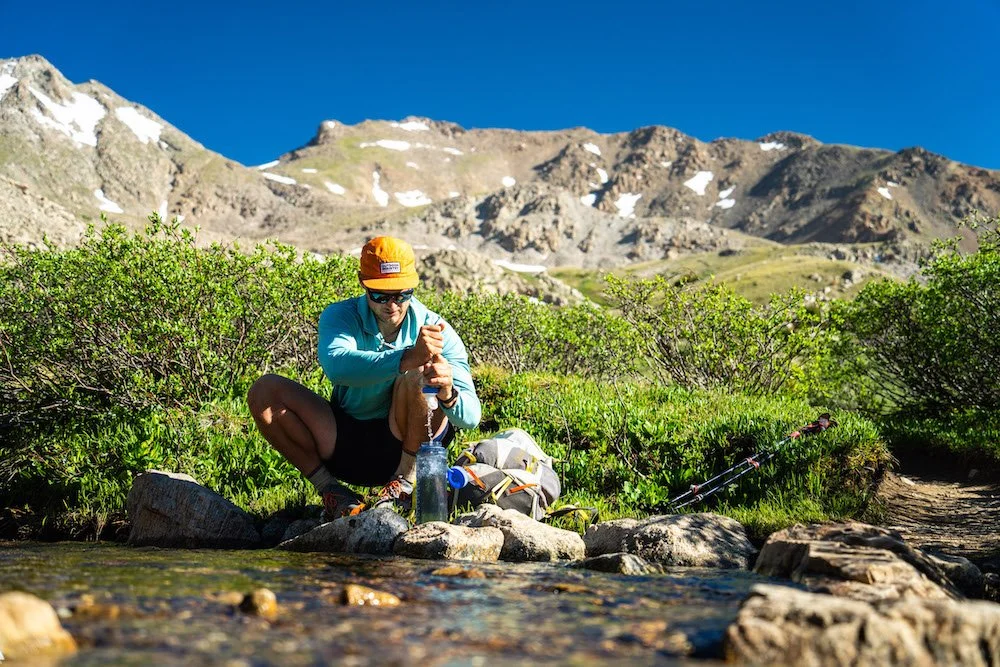
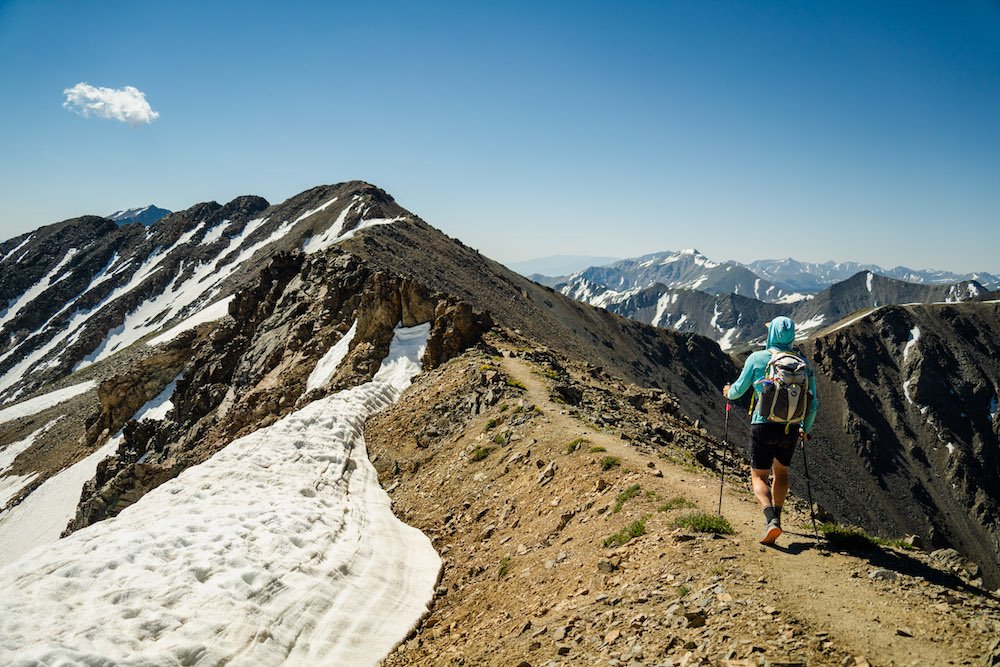
I wish I could say that when I picked up the Katadyn BeFree filter that I wasn't skeptical, but, I was for several reasons and they were all wrong. About two months ago, I was headed out to climb all of the 14,000 foot peaks in the Sawatch Range and needed a light-weight water filter to use on the go, without the worry of drinking bad water.
I wish I could say that when I picked up the Katadyn BeFree filter that I wasn't skeptical, but, I was for several reasons and they were all wrong. About two months ago, I was headed out to climb all of the 14,000 foot peaks in the Sawatch Range and needed a light-weight water filter to use on the go, without the worry of drinking bad water.
I have to admit, most water filters are bulky and hard to use, so I avoid them at all costs, typically opting for iodine tablets or aquamira. But, for this trip, I wanted to try something new, something light, and something convenient, if there was such a thing.
To my surprise, there is; the Katadyn BeFree filter system.
At first glance, I thought to myself, this is not going to work because:
The soft bladder will pop
This small thing can't work, I'm going to get sick
It'll break halfway through the trip
All of these thoughts were wrong. VERY wrong.
While climbing the Sawatch 14ers, over a 17-day span, I religiously used the Katadyn BeFree system to filter all of my drinking water from streams and lakes. Putting the soft bladder to the test, I shoved it in and out of my backpack, dropped it on rocks and in sharp sticks (not on purpose) only to find the bladder in working order. This bladder is tough!
When I say small, I mean, this 1 liter filter is the same size as a Nalgene bottle when filled with water and fits in my pocket when empty. Now, that is convenient! Also, small and mighty. This field cleanable water filter cleans water down to microorganisms using a hollow fiber technology.
Additional size options:
.6 of a liter
1 liter
5 liters
My final worry was that the filter would break from freezing, or getting dirty, or from me beating it up (like I do to most things). Well, I was wrong. The BeFree system is durable and long lasting. In fact, after you have filtered your 1,000 liters (aka one year of drinking 3 liters a day) you can buy a replacement filter.
The best part of the BeFree system, it can be used everyday. Yup, you read that correctly. I now use my BeFree system to drink tap water, travel to foreign countries, daily life at the office, vanlife, everyday! I mean, why not drink good tasting water that is free of mircoorgansims all of the time?!
Discover More Gear
Q&A With Filmmaker of The Backyard Bears
Q: Why did you make The Backyard Bears?
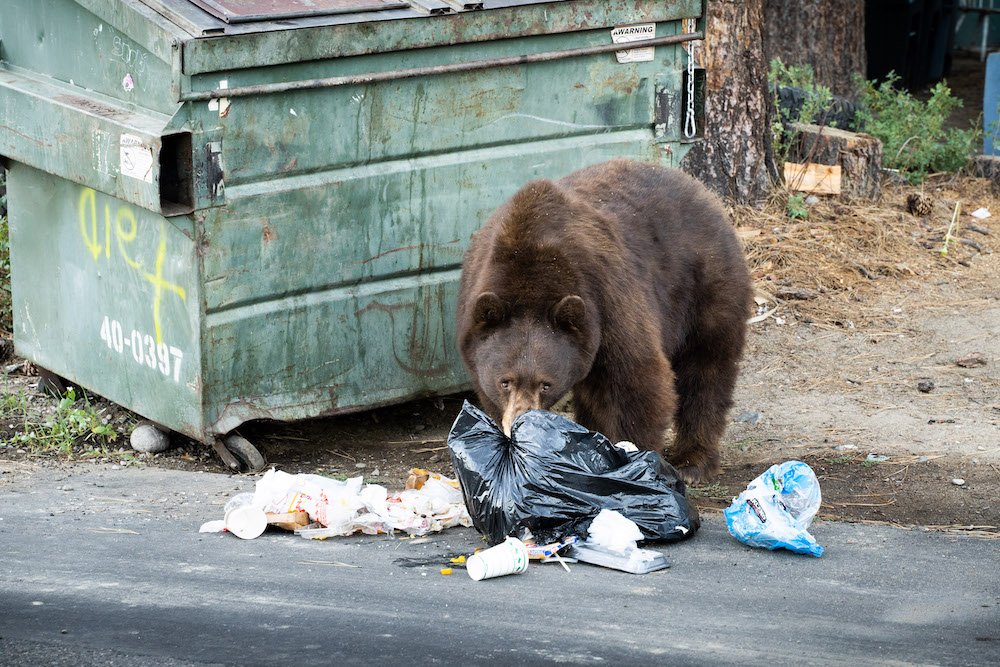
A: I made The Backyard Bears simply because I love bears. Black bears are what kick started my love for documenting wildlife, and when I first saw a bear gorging himself with trash, consuming plastic and other waste that no creature should be trying to digest, I knew I needed to do something and help these bears find their way back to the wild. Documenting these problems and bringing them to the world through this film was the first step for me, and there’s much more coming!
Q: Where can people watch it?
A: The Backyard Bears is available for free to everyone on YouTube!
Q: What camera gear did you shoot on?
A: This film was entirely shot on the Sony A7iv, Sony FX3, and DJI drones. When filming wildlife it’s important to be light and to be able to keep up with the animals in the terrain that they live in. So keeping things light with compact Sony cameras was important!
Q: How long did it take for you to make the film?
A: I spent about 6 months documenting the bears for this specific project. In total it was probably 8 months from start to finish with pre production, editing etc.
Q: Any words of advice for aspiring videographers?
A: Advice is hard, as I still feel that I’m at the very beginning stages of this journey of mine as a wildlife filmmaker. But what I’d say for anyone looking into becoming a filmmaker or photographer, is find something that you are incredibly passionate about.
It took me a while to connect the dots and realize that combining my love for animals and my love for filmmaking was where I needed to be and where I belonged as a creative. Once I found this sweet spot, I knew this is exactly where I needed to be and what I needed to do for the rest of my life.
At that point you just have to do it, you can’t wait for a network or an organization to give you a check to make it happen, you have to do whatever you can to make it happen for yourself and show the world what you can do.
This documentary was entirely a passion project, to tell this important story that needed telling and an outlet for me to show what I can do as a wildlife filmmaker. Putting yourself out there and just doing it is the best thing you can do, in my opinion. This documentary has led to some amazing opportunities that I honestly never thought would come to me.
I can’t say much about these opportunities, now, but you can follow along on my journey to find out!
Discover more Adventures


How I Bulls-eyed 450 YDS the First Time I Shot a Rifle
Growing in a small town, guns were common for hunting, but we mostly bird hunted, so I had never touch a rifle, until now. I was at a conference--the fun kind of conference where we learned about survival survival, new gear, hunting skills, and much more--and getting nervous as the days ticked past because I knew I would be shooting a SCOUTE Precision hunting rifle.
Growing in a small town, guns were common for hunting, but we mostly bird hunted, so I had never touch a rifle, until now. I was at a conference--the fun kind of conference where we learned about survival survival, new gear, hunting skills, and much more--and getting nervous as the days ticked past because I knew I would be shooting a SCOUTE Precision hunting rifle.
These feelings were new for me. As a kid, the thought of loading up my Dad's truck with the shot guns, some clay pigeons, and our dog brought me joy. Yet, those days were well behind me and I had not shot a gun for nearly 12 years, so, I guess that makes sense why I was nervous. But, that didn't matter.
The time was here, our group stood in a circle and Creighton Greene greeted us with his large red beard and friendly smile asking, "Raise your hand if you have not shot rifle before?"
I look to my left, no hands. I look to my right, still no hands. I look to the sky, my hand is raised.
We all chuckle, but my is mostly filled with nerves.
"That is all good, we will have you shooting better than anyone else here in no time." Greene reassures me. "Today, we will go over safety, best practices, and, the best part, shooting."
TREAD Agency
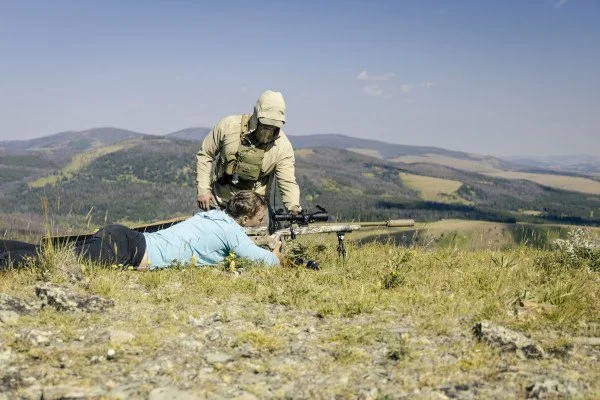
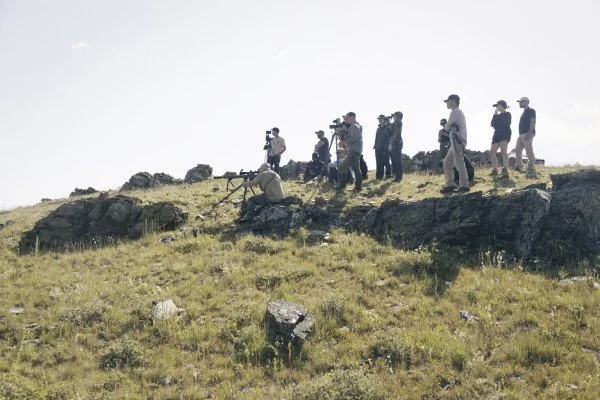
After that, Greene walked the group through the parts of a SCOUTE hunting rifle, a variety of shooting positions, and how to work with a spotter when shooting long distances. It was a lot of information and just the tip of the iceberg that Greene and his business partner, Trent McMurtrey, cover in their Precision Hunter Development course, or appropriately abbreviated PHD course.
While we only had a few hours with Greene and McMurtrey, we digested an appetizer of what we could learn over the three-day PHD course with these two:
Fundamentals of long-range precision
Proper shooting position
Body mechanics
Ballistics
Rifle set up
Elements to effective engagement
How to read wind and quick wind formulas
Proper zero
How to build D.O.P.E. (data on previous engagement)
Shooter - Observer communication/dialogue
Target ID
Unknown distance formulas
Known distance engagements
Multiple target engagements
Overcoming other than ideal shooting positions
Feeling as though I might have bit off more than I can chew, it was my turn to work through the the shooting course. Three station all with several targets. Each station the targets would get farther away. My heart was racing. Why am I so nervous? I thought to myself.
At the first station, laying on the ground, I put my shoulder to the SCOUTE rifle, look into the scope. "I have the target," I said to my spotter. They read me the D.O.P.E. and suggested I hold the right side of the target for a wind adjustment. Dialing it in, I double checked my body position, everything was good. As I put my finger on the trigger, I could feel my heart beat faster, so I took a deep breath and let it out, pulling the trigger once the air had left my lungs.
"Bulls-eye" my spotted said.
My streak of bulls-eyes continued and the nerves dissipated as we moved from station to station. But, as we set up at the final station, they came back.
This time I was set up on a tripod and in a sitting position. My hands shook as I made small adjustments to the rifle. After dialing in the D.O.P.E. I confidently said "I have the target."
"This target is 450 yards with a slight wind coming over the hill, let's try .2 to the right."
I made the adjustments, exhaled, and pulled the trigger.
"Bulls-eye!" my spotter said, "You just nailed 450 yards!"
You can hone in your precision shooting skills at the next PHD course by signing up right here.
Discover more Adventures

Did JOGO Just Change the Coffee Game?
Coffee and adventure go hand-in-hand, but we all can admit there are few ways to brew a good cup of coffee while adventuring, until now. JOGO spun the idea of a South American yerba mate straw, called a bombilla, and redesigned it for coffee.
JOGO
Using a JOGO couldn't be simpler:
add hot water and ground coffee into a cup
insert JOGO straw and swirl
caffeinate
Yup, that is correct, using a JOGO is easier than instant coffee and it tastes better!
Also, drinking coffee with a JOGO means no paper or plastic waste and the straws simplicity means easy clean up, just rinse your cup and JOGO with water.
Where did this idea come from?
Like all great adventure innovations, JOGO was spawned during a 28,000 mile solo-motorcycle journey from Minnesota to Argentina by co-founder, Joey Jones. During the long hours navigating the questionable roads of Central and South America without the proper amount of caffeine, Jones knew there was something that needed to be done, but what?
Once back in the United States, Jones headed out on a canoeing trip with Nick Yehle, his co-founder, teaching teens and adults how to canoe. Again, both were looking for a way to maintain alertness through a good cup of joe. Yet, nothing was working.
Then, like the apple that bonked Sir Issac Newton on the head to discover gravity, Jones and Yehle came up with the idea of drinking coffee through a bombilla. At first, there were a few issues, but these two were determined, so Jones and Yehle worked together to redesign the bombilla and create the JOGO.
When could you use a JOGO?
The best part of a JOGO is you can use it anywhere you would like; your home, office, backpacking, a cross-country motorcycle trip, during van life. The JOGO straw is small and light, making it perfect for anywhere and everywhere. Here are some of the craziest places you can use your JOGO:
Riding in a barrel over Niagara Falls
Highlining in Yosemite National Park 2000 feet above the ground
On a sailboat while crossing the Pacific Ocean
If you have any other cray ideas, let us know. In the meantime, do yourself a favor. Stop making bad coffee on your adventures and order your JOGO now.
Discover More Gear

Expedition Overland Goes to Africa
As Expedition Overland packed their bags and double checked their passports, I had the opportunity to ask them a few key questions about what it takes to set off on an overland expedition. This veteran overlandering family, the Croft's, are headed out for an action packed, two-month long journey through Africa.
Here is what they have to say:
As Expedition Overland packed their bags and double checked their passports, I had the opportunity to ask them a few key questions about what it takes to set off on an overland expedition. This veteran overlandering family, the Croft's, are headed out for an action packed, two-month long journey through Africa.
Here is what they have to say:
Q: Best tips you have for preparing for an overlanding expedition?
First, make a plan for where you want to go and the expectations of your trip, then map and plan accordingly.
Example: If you are going with another person, talk about the kind of adventure you want to have. If one of you wants to hike and one wants a lot of off-roading, talk about doing those activities so you both have a good experience. If it’s just you, ask yourself what would make this trip a ‘win’ for you regarding the location you want to go. At the same time, allow yourself the freedom to change course if and when something comes up that redirects you.
Second, be self sufficient.
Try not to be overwhelmed by all the gear but remember that people have been doing this for years with very little. The more you go, the more refined your systems will be. To start, It can be broken down into a few categories.
Safety - Med kits, fire extinguisher, sat phone or in-reach, paper maps, gps or app like onX Offroad (know how to use all of these before you leave!)
Recovery - Maxtrax (recovery boards), snatch strap, winch (if you have one), gloves, shovel (again, know how to use these items)
Livability - What do you want/need to be able to live in and out of your vehicle?
Q: What are you excited about for Overlanding in Africa?
I am always excited for the new unknowns and challenges that come with exploring a new place. I am excited to immerse myself in a new culture, meet new people, and learn how others live. I am also very excited to watch our boys learn and experience a new place. I know we will all return a bit different then when we left. In a good way ;)
Q: What unknowns are keeping you up at night right now?
Picking up our trucks from the port. Anytime we ship our vehicles to another country, there are always unknowns and things out of our control. You can do your best to have all the paperwork and everything needed, but at the end of the day, you are sometimes at the mercy of one person behind a desk who decides what they want or need from you that day.
Camping and living in a wild place with many animals, big and small, makes me a bit nervous. We only have bears to worry about in Montana. Where we are going in Africa, we have lions, hippos, leopards, buffalo, elephants, snakes, spiders, and scorpions, to name a few.
Follow Expedition Overland as they travel through Africa:
Discover More Destinations

“Open Late Fridays” Are Back By Popular Demand At This Lake Tahoe Ski Resort
Starting Friday, February 23rd, Mount Rose Ski Tahoe is bringing back a Lake Tahoe classic, “Open Late Fridays”. As the winter days fade and spring season is upon us, Mount Rose Ski Tahoe will be open two hours longer every Friday until the end of the ski season. That means you can skip out of the office early on Friday and get a few extra laps as the chairlifts spin, taunting all those stuck behind the screen of a Zoom meeting.
Starting Friday, February 23rd, Mount Rose Ski Tahoe is bringing back a Lake Tahoe classic, “Open Late Fridays”. As the winter days fade and spring season is upon us, Mount Rose Ski Tahoe will be open two hours longer every Friday until the end of the ski season. That means you can skip out of the office early on Friday and get a few extra laps as the chairlifts spin, taunting all those stuck behind the screen of a Zoom meeting.
A field of wildflowers and a tower in Monument Valley during the spring sunrise. Photo by Dalton Johnson
If two extra hours of exploring the winter wonderland isn’t enticing enough for you to take some PTO, maybe the 223 inches of snowfall this season can. With enough snow to cover the mountain, every lift is open at Mount Rose Ski Tahoe, including the legendary Chutes terrain. With the Chutes terrain open, some of the longest continuous vertical in North America are ready for you to make fresh tracks.
Now, if all of this doesn’t excite you, feel free to stay at home and watch Netflix, that just leaves more of the resort’s 1,200 acres of skiing for me. I won’t complain about having a mountain to myself.
In reality, I would be a bit overwhelmed if nobody else was on the mountain, so take advantage of Mount Rose Ski Tahoe's daily specials like the $69 “Ski G.I.F.”, a half-day lift ticket valid after noon on Fridays, to “Two’fer Tuesdays,” Ladies’ Day Thursdays, Local Sundays, and military discounts.
Hopefully, I will see some of you out on the slopes.
Discover More Destinations
The Best National Parks to Visit in the Winter
These five national parks don't hibernate when winter comes

When the temperature drops and a blanket of snow covers the landscape, America's National Parks take on a new and magical character. Winter is a special time to explore these natural wonders, as the crowds thin, the air becomes crisp, and the scenery transforms into a snowy paradise. Here are five of the best national parks to visit during the winter months, each offering its own unique charm and opportunities for adventure.
[embed]https://www.instagram.com/p/p:CHwTldAluTl[/embed]
1. Yellowstone National Park (Wyoming, Montana, Idaho)
Yellowstone National Park, often regarded as the crown jewel of the national park system, is truly spectacular in the winter. The park's iconic geothermal features, including geysers like Old Faithful, take on an otherworldly appearance when surrounded by snow and ice. Visitors can embark on snowcoach tours to witness the park's unique beauty up close. Yellowstone is also a wildlife enthusiast's dream, with opportunities to spot bison, elk, wolves, and other creatures in their natural habitat. Cross-country skiing and snowshoeing are popular ways to explore the park's pristine wilderness during the winter.
Pros:
Geothermal Wonders: Winter highlights the park's geothermal features, making them even more stunning against the snowy backdrop.
Wildlife Viewing: The park's wildlife, including bison, elk, and wolves, are easier to spot in the quieter winter months.
Winter Activities: Visitors can enjoy snowcoach tours, cross-country skiing, and snowshoeing.
Cons:
Colder Temperatures: Winter temperatures can drop significantly, so be prepared for the cold.
Limited Accessibility: Some areas of the park may be inaccessible due to snow and road closures.
Shorter Days: The days are shorter in winter, so plan your activities accordingly.
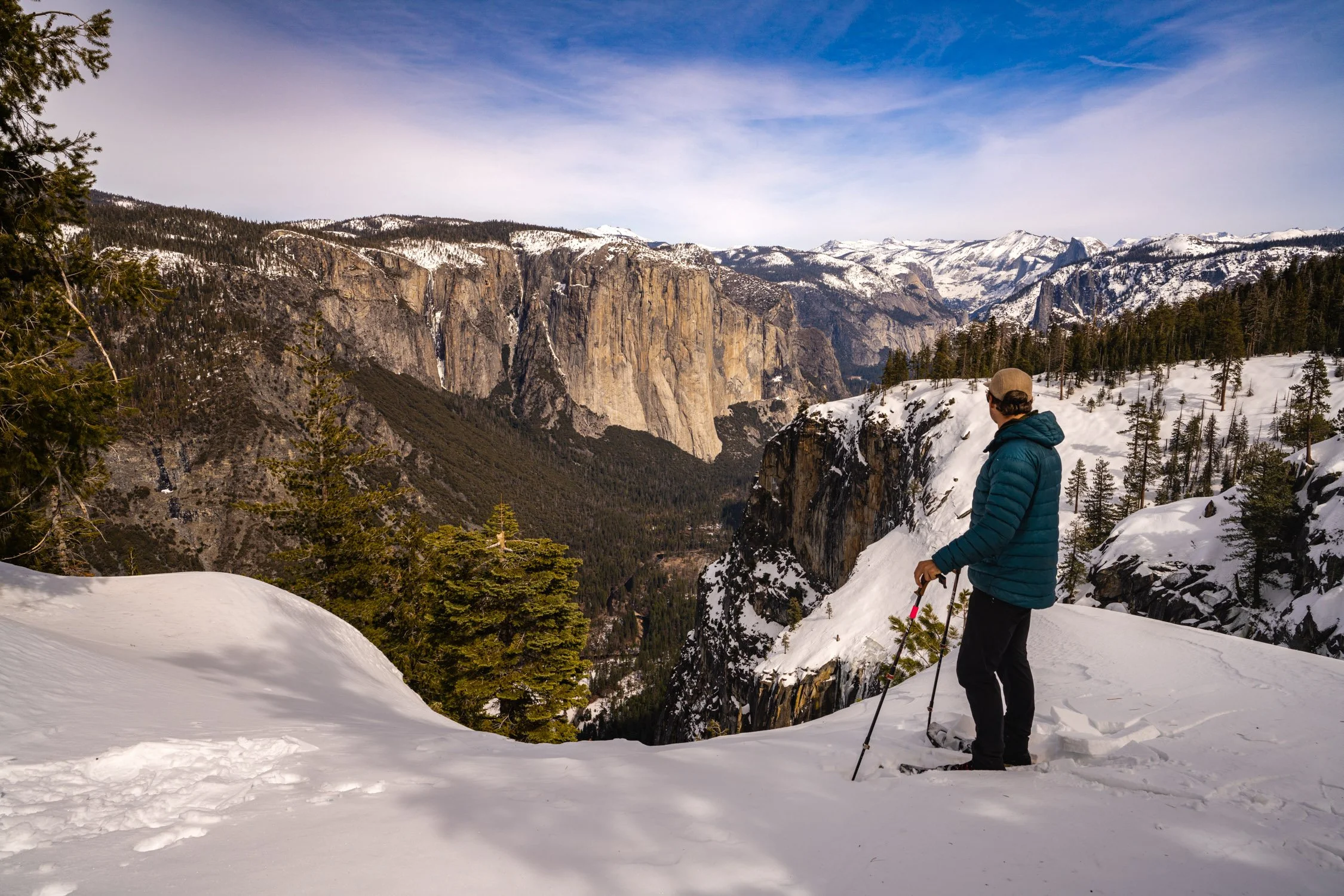
2. Yosemite National Park (California)
Yosemite's grand granite cliffs and towering waterfalls are a sight to behold in any season, but the park's beauty takes on a serene and awe-inspiring quality in the winter. The iconic landmarks like Half Dome and El Capitan are dusted with snow, making them even more photogenic. Cross-country skiing and snowshoeing opportunities abound, and the park offers a range of winter activities, including ice skating in Curry Village. Winter visitors to Yosemite are treated to a quieter and more contemplative experience.
Pros:
Serenely Beautiful: Yosemite's iconic landmarks look even more beautiful in the snow, with fewer crowds to contend with.
Winter Sports: Cross-country skiing, snowshoeing, and ice skating are popular activities.
Peaceful Atmosphere: The park is less crowded, allowing for a more peaceful experience.
Cons:
Weather Variability: Winter weather can be unpredictable, so check road and trail conditions.
Limited Access: Some roads and facilities may be closed or have restricted hours.
Shorter Days: The park has shorter daylight hours during the winter.
3. Grand Teton National Park (Wyoming)
Grand Teton National Park, with its dramatic mountain scenery, is especially captivating in the winter months. The jagged peaks of the Teton Range are the backdrop for a range of winter activities. Skiing and snowshoeing are popular, and wildlife enthusiasts have the chance to spot moose, elk, and other animals against the pristine snowy landscape. The park's charm lies in its peaceful, uncrowded atmosphere, allowing for a deeper connection with the natural world.
Pros:
Majestic Scenery: The dramatic mountain scenery is at its peak during the winter.
Winter Sports: Skiing and snowshoeing are popular, with opportunities to spot wildlife.
Quiet Tranquility: Experience the park's serene winter atmosphere with fewer visitors.
Cons:
Colder Temperatures: Winter in the Tetons can be extremely cold, so dress appropriately.
Access Limitations: Some areas may be off-limits due to snow and road closures.
Shorter Days: Plan your activities around the shorter daylight hours.
4. Acadia National Park (Maine)
While much of Acadia's landscape is blanketed in snow during the winter, the coastal areas offer a unique and stunning view of the frozen ocean. The rugged beauty of the park's coastline and islands takes on a new dimension, and snowshoeing or cross-country skiing can provide a means to explore the less-traveled paths. Acadia is known for its tranquility during the winter, making it a perfect destination for those seeking solitude and a chance to connect with nature.
Pros:
Coastal Beauty: Enjoy stunning views of the frozen ocean along the park's coastline.
Solitude: Experience the park's quiet, uncrowded ambiance.
Snow-Based Activities: Snowshoeing and cross-country skiing offer unique ways to explore.
Cons:
Limited Accessibility: Many park roads and facilities are closed during the winter.
Challenging Conditions: Weather can be harsh, so be prepared for winter driving and outdoor activities.
Short Days: Plan your adventures with the limited daylight hours in mind.
5. Zion National Park (Utah)
Zion's famous red rock formations provide a striking contrast against the white snow that blankets the park in winter. While some areas may be inaccessible due to snow, the lower elevations offer unique and captivating scenery. Hiking through the canyons and enjoying the quieter trails is a highlight for many visitors. Winter in Zion brings with it a sense of tranquility and the opportunity to explore the park without the usual crowds.
Pros:
Unique Contrasts: Red rock formations against the white snow create stunning scenery.
Quieter Trails: Enjoy the park's tranquility and explore less-visited areas.
Hiking Opportunities: Some lower elevation trails may be accessible for winter hikes.
Cons:
Inaccessible Areas: Some higher elevation trails and areas may be inaccessible due to snow.
Weather Variability: Be prepared for changing weather conditions.
Shorter Days: Plan your activities with the shorter winter days in mind.
[embed]https://www.instagram.com/p/p:Cpl4gYjrgAY[/embed]
Each of these national parks offers a distinct winter experience, from the geothermal wonders of Yellowstone to the dramatic mountain scenery of Grand Teton, the serene beauty of Yosemite, the coastal charm of Acadia, and the unique rock formations of Zion. As you plan your winter getaway, be sure to check the park's official website for the most up-to-date information on park access, road conditions, and winter activities. Embrace the colder months and experience the wonder of these national parks in all their winter glory.
Winter Travel Ideas That Will Get Your Heart Pumping

Winter travel is not just about bundling up and sipping hot cocoa by the fireplace; it can also be an exciting and heart-pounding adventure. If you're looking to break away from the ordinary and experience the thrill of the winter season, we've curated a list of six exhilarating winter travel ideas that will leave you with lasting memories. From heli-skiing in British Columbia to exploring Europe's Christmas markets via rail, surfing in Baja, witnessing the Northern Lights in Iceland, enjoying a private island retreat in Belize, and visiting the winter wonderland of the USA national parks, these heart-pounding experiences will make your winter unforgettable.
1. Heli Ski Trip to British Columbia:
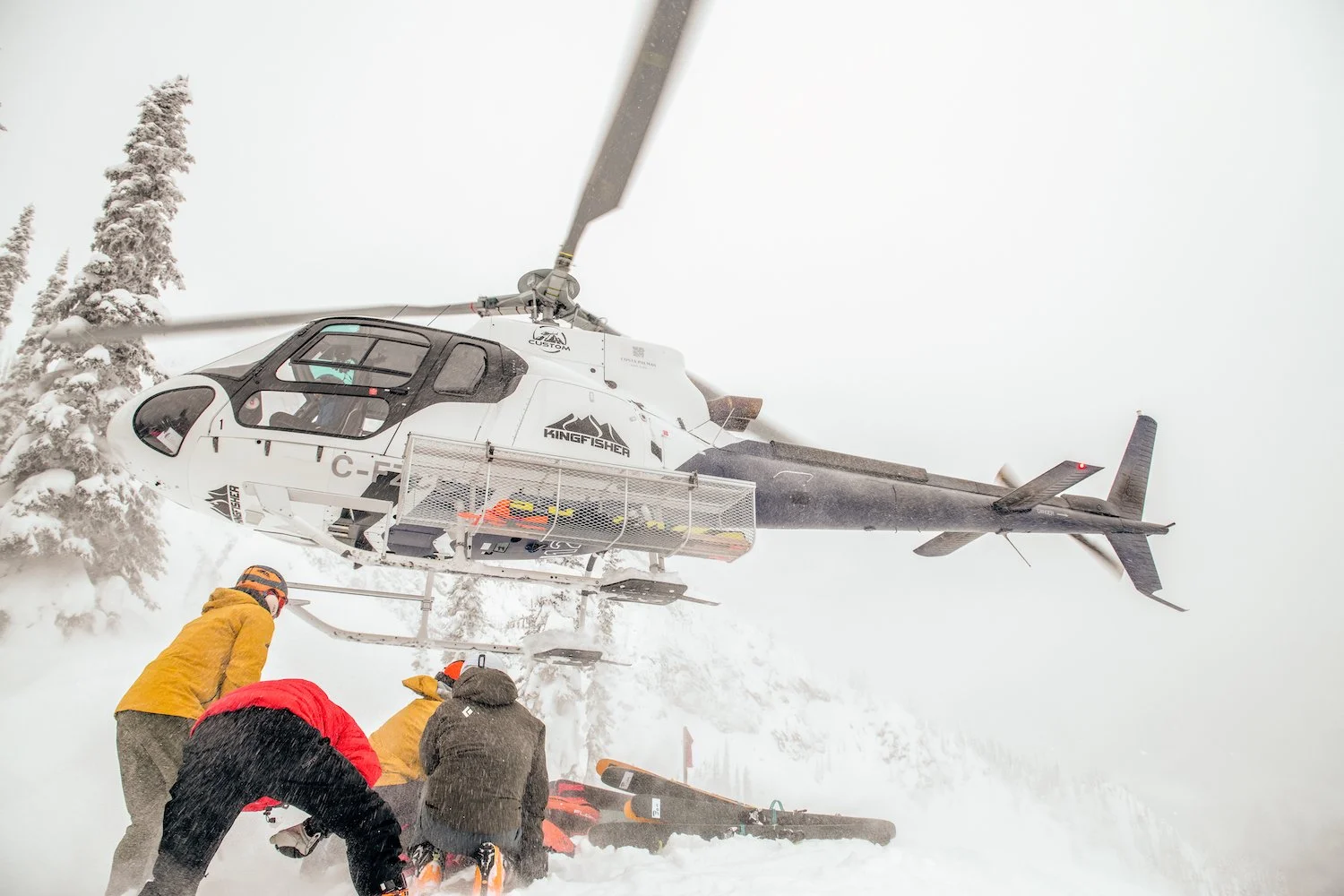
As winter blankets British Columbia with its white splendor, adrenaline junkies flock to this Canadian province for a heart-pounding adventure like no other – heli-skiing. Nestled amid the Central Monashees and the awe-inspiring Valhalla Mountains, British Columbia boasts more than 300,000 acres of pristine terrain, renowned for its consistent snowfall and light, low-density powder.
This winter wonderland offers diverse terrain, from open alpine bowls to steep chutes and perfectly spaced old-growth forests. If you book a trip with Eleven you'll be looked after by the highly trained and professional guide team who ensure both safety and an extraordinary adventure. Custom itineraries in a small-group setting allow for a personalized heli-skiing journey tailored to your crew's skill level and preferences. Whether you're an expert skier or a first-timer, British Columbia's heli-skiing promises a heart-pounding ride through untouched powder.
2. Europe Rail Christmas Extravaganza:
As winter's chill sets in, Europe's Christmas markets come to life, offering a magical experience that draws travelers from around the world. For an enchanting journey, consider taking the scenic route to five renowned Christmas markets via Rail Europe, the leading provider of European train tickets and passes. Their extensive rail network seamlessly connects major European cities and Christmas market destinations, allowing you to embrace the spirit of sustainable travel while taking in breathtaking winter landscapes.
Europe's top five Christmas markets, easily accessible via Rail Europe, include:
Strasbourg, France: Known as the Capital of Christmas, Strasbourg's market offers a charming blend of Alsatian traditions and festive delights.
Cologne, Germany: Set against the stunning Cologne Cathedral, Cologne's Christmas market is a treasure trove of handmade crafts and delightful treats.
Vienna, Austria: Transporting visitors to a winter wonderland with classical music, dazzling lights, and exquisite crafts.
Rome, Italy: The Eternal City's Christmas markets are a delightful fusion of ancient traditions and modern festivities, offering Italian delicacies, handicrafts, and seasonal entertainment.
Barcelona, Spain: Barcelona's Christmas market in Plaza de Catalunya captures the city's vibrant spirit with colorful stalls, traditional Catalan products, and joyful celebrations.
Embrace the magic of the season and the picturesque European winter landscapes as you embark on a sustainable and unforgettable journey.
3. Surf Trip to Baja:
For those seeking winter adventure under the sun, Baja California beckons with its stunning coastline and world-class surf breaks. Baja offers a unique blend of rugged beauty and excellent surf conditions, making it an ideal destination for an adrenaline-pumping winter getaway. Whether you're an experienced surfer or a novice, the waves along the Baja coast provide ample opportunities for thrilling rides and exhilarating experiences. The combination of great waves, beautiful beaches, and a vibrant local culture makes Baja the perfect destination for a winter surf trip. Embrace the sun, sand, and surf as you create lasting memories and ride the waves of adventure in Baja.
4. Northern Lights in Iceland:
Iceland, known as the "Land of Fire and Ice," offers a surreal winter spectacle that will leave your heart pounding – the Northern Lights. The natural beauty of Iceland is heightened during the winter months when the night sky comes alive with vibrant, dancing auroras. These awe-inspiring displays of color and light can be witnessed in various parts of the country, creating a magical and unforgettable winter experience.
Whether you choose to explore Reykjavik, venture into the Golden Circle, or journey further into Iceland's wilderness, the Northern Lights will provide a mesmerizing backdrop to your winter adventure. Watching the skies come alive with this celestial dance is a heart-pounding moment that will leave you in awe of the natural world.
5. Visit a Private Island in Belize:
Escape to your own private island paradise off the coast of Belize, where adventure and relaxation meet in perfect harmony, when you stay at Turneffe Island. Located just 30 miles from the world-famous Great Blue Hole, this exclusive resort offers an idyllic setting for those seeking heart-pounding underwater exploration and tranquility.
Dive into the depths of the Caribbean Sea, exploring age-old stalactites and encountering Caribbean Reef Sharks. Belize's unrivaled dives, including the legendary Great Blue Hole with its bottomless abyss, promise an adrenaline rush and a chance to witness the underwater wonders of the deep. Whether you prefer to fly fish, scuba dive, snorkel, or simply relax on pristine beaches, Belize offers a winter getaway that combines adventure and relaxation in a breathtaking tropical paradise.
6. Visit a National Park in the Winter:
When most people think of national parks, they imagine lush green landscapes and wildlife under the summer sun. However, visiting a national park in the winter offers a completely different and captivating experience. The serene beauty of national parks during the colder months is a well-kept secret. Snow-covered peaks, frozen waterfalls, and the absence of crowds make for a serene and heart-pounding winter adventure.
Consider destinations like Yellowstone National Park, where geysers and hot springs create dramatic contrasts against the snowy landscape. The Grand Canyon's South Rim, adorned in snow, offers breathtaking vistas without the summer crowds. Zion National Park in winter boasts tranquil trails, and Bryce Canyon National Park turns its iconic hoodoos into snow-covered sculptures.
For a truly heart-pounding experience, try winter sports like cross-country skiing or snowshoeing through these pristine landscapes. You'll feel the adrenaline rush as you explore the untouched wilderness and witness the beauty of national parks in their winter glory. Just be sure to check the park's accessibility and any necessary permits before embarking on your winter adventure.
Winter travel doesn't have to be mundane or chilly; it can be an opportunity to embark on thrilling and heart-pounding adventures that you'll cherish for years to come. Whether you're a snow enthusiast, a culture seeker, or someone who craves excitement, these winter travel ideas cater to a variety of interests and promise an unforgettable winter escape. So, gear up, embrace the chill, and make this winter one for the books with heart-pounding adventures that will leave you exhilarated and longing for more.
What to Know Before Going Snowshoeing
How to get into snowshoeing this winter

Winter is a season of serene beauty, and for outdoor enthusiasts, it offers a unique opportunity to explore the natural world in a whole new way. One such activity that allows you to immerse yourself in the winter wonderland is snowshoeing.
Snowshoeing is a low-impact, easy-to-learn activity that can be enjoyed by people of all ages and fitness levels. Whether you're a beginner or a seasoned winter adventurer, there are a few essential things to consider before you embark on your snowshoeing adventure.
[embed]https://www.instagram.com/p/p:CqEdxGsjeWF[/embed]
Choosing the Right Snowshoes
The most crucial decision you'll make when planning a snowshoeing adventure is choosing the right snowshoes. These specialized footwear tools are designed to help you stay afloat on the snow, distributing your weight more evenly to prevent you from sinking into the powder. When selecting snowshoes, there are several factors to consider:
- Snowshoe Type: There are different types of snowshoes designed for various terrains and activities. The three primary categories are recreational, backcountry, and running snowshoes. Recreational snowshoes are ideal for beginners and general winter hiking. Backcountry snowshoes are designed for more challenging terrain and steeper slopes. Running snowshoes are lightweight and built for those who want to maintain a faster pace. Choose the type that matches your intended use.
- Size: Snowshoes come in various sizes, and the appropriate size depends on your weight, the weight of your gear, and the snow conditions. The larger the snowshoe, the more weight it can support and the better it will perform in deep snow. Consult the manufacturer's recommendations or ask for expert advice when determining the right size for your needs.
- Bindings: Comfort and ease of use are vital. Make sure the bindings securely fit your boots, as an improper fit can lead to discomfort and instability. Look for quick-adjust or step-in bindings for convenience.
- Traction: Snowshoes often feature crampons or traction spikes to provide grip on icy or steep terrain. Choose a pair of snowshoes with the right level of traction for the conditions you'll be facing.
- Heel Lifts: Some snowshoes have heel lifts, which can be raised to reduce calf strain when ascending steeper slopes. This feature can make a significant difference during a long day on the trails.
- Material and Weight: Snowshoes are typically made of aluminum, plastic, or composite materials. Consider the durability and weight of the snowshoes, as heavier models can be more challenging to maneuver, but they may provide more stability.
Buy vs. Rent
The decision to buy or rent snowshoes depends on your level of commitment to the activity and how frequently you plan to go snowshoeing.
Buying Snowshoes:
Pros:
- Personalization: Owning your own snowshoes allows you to choose the type and size that best suits your needs and body weight.
- Cost-Effective Long-Term: If you plan to go snowshoeing frequently, buying snowshoes can be more cost-effective over time compared to rental fees.
- Convenience: You can go snowshoeing on a whim without needing to worry about rental availability.
Cons:
- Upfront Cost: Snowshoes can be an expensive investment, especially if you opt for high-quality, specialized models.
- Storage: You'll need to find space to store your snowshoes when not in use.
- Maintenance: Regular maintenance, such as cleaning and checking for wear and tear, is required to ensure they remain in good condition.
Renting Snowshoes:
Pros:
- Affordability: Renting snowshoes is a budget-friendly option, particularly for occasional or first-time snowshoers.
- Variety: Rental shops often have a range of snowshoe types and sizes available, allowing you to experiment and find the right fit.
- No Storage or Maintenance: You won't need to worry about storing or maintaining the equipment.
Cons:
- Limited Availability: Rental shops may have limited quantities, and during peak season, it can be challenging to secure a pair.
- Potentially Worn Equipment: Rental snowshoes may not be as well-maintained as a personally owned pair, so their performance may vary.
If you're new to snowshoeing or plan to go infrequently, renting is a practical choice. On the other hand, if you anticipate making snowshoeing a regular part of your winter activities, investing in a pair of snowshoes can provide long-term benefits.
Best Places to Go Snowshoeing
The beauty of snowshoeing lies in the endless possibilities it offers for exploration. Here are some of the best places to go snowshoeing, each offering a unique and memorable experience:
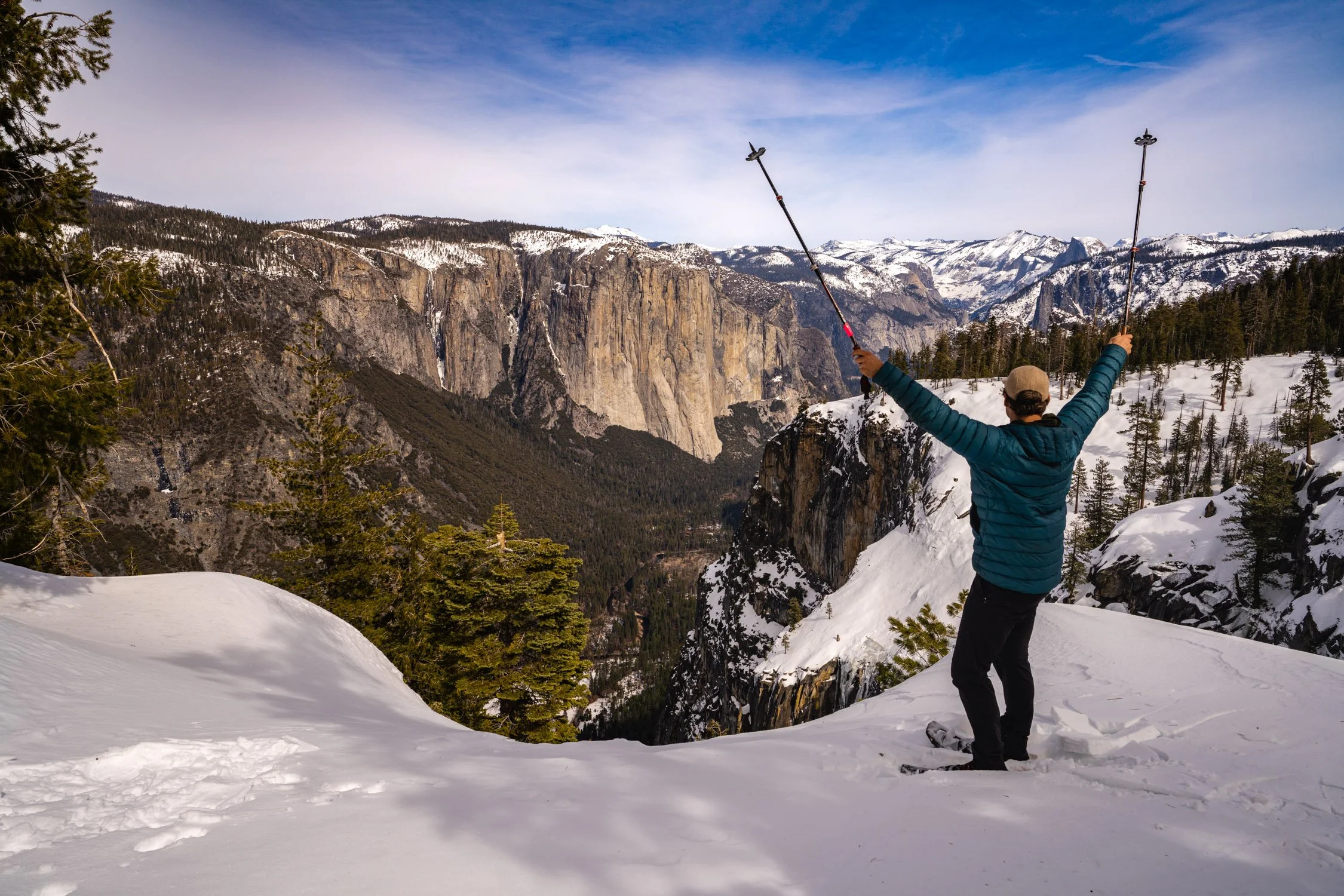
- National Parks: Many national parks in the United States offer excellent snowshoeing opportunities, such as Rocky Mountain National Park in Colorado, Yosemite National Park in California, and Acadia National Park in Maine. These parks provide access to stunning winter landscapes and well-maintained trails.
- State Parks: State parks often provide well-marked snowshoeing trails and are less crowded than national parks. For example, Porcupine Mountains Wilderness State Park in Michigan and Cascade River State Park in Minnesota offer serene winter adventures.
- Mountain Resorts: Ski resorts are not just for downhill skiing. Many have designated snowshoe trails, and some even offer guided snowshoe tours. Destinations like Aspen and Vail in Colorado and Lake Tahoe in California are perfect for both winter sports enthusiasts and snowshoers.
- Backcountry Adventures: For those seeking solitude and the thrill of untouched wilderness, consider exploring the backcountry. Be sure to familiarize yourself with the risks and be prepared with essential safety gear. Areas like the White Mountains in New Hampshire and the Tetons in Wyoming are popular backcountry snowshoeing destinations.
- Local Trails: Don't underestimate the beauty of local trails and parks near your home. These can provide convenient, accessible, and often underrated snowshoeing opportunities.
Before starting on your snowshoeing adventure, it's essential to check the weather and trail conditions, inform someone of your plans, and carry the necessary safety gear, including extra clothing, food, and navigation tools. As with any outdoor activity, safety should always be a top priority.
[embed]https://www.instagram.com/p/p:Ch5otP4j1xw[/embed]
Snowshoeing is a fantastic way to enjoy the serene beauty of winter while staying active. By choosing the right snowshoes, deciding whether to buy or rent, and selecting the best places to go snowshoeing, you'll be well-prepared for a memorable and safe winter adventure. Embrace the magic of the snow-covered landscapes, and let snowshoeing become your winter pastime of choice.
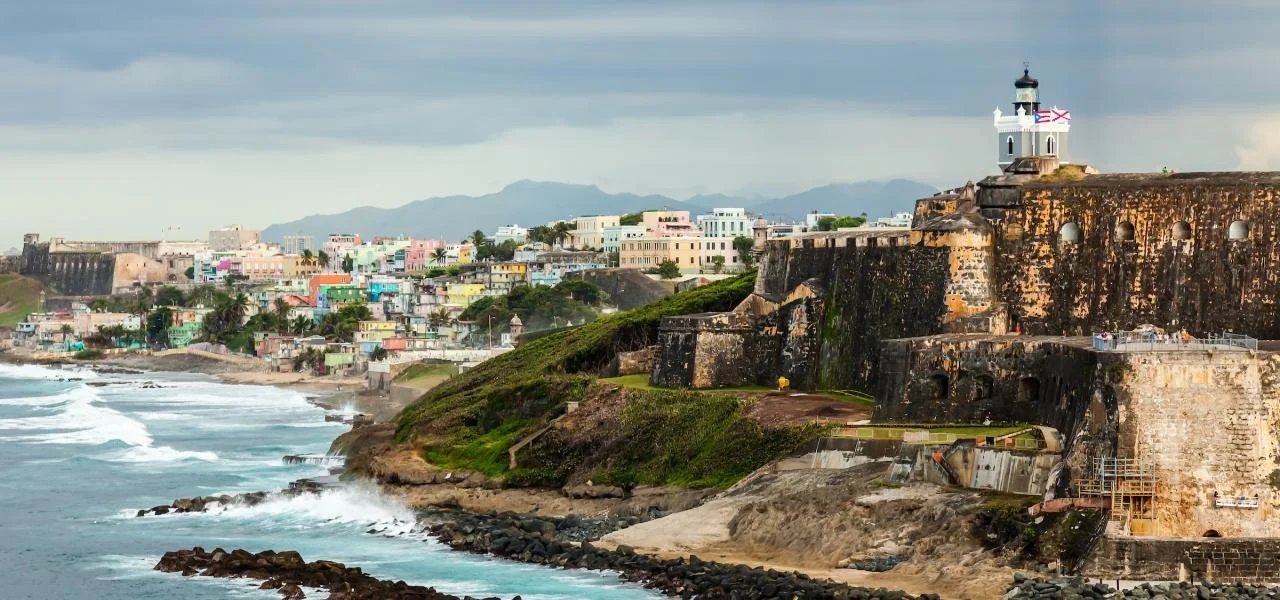
Here's What an Ideal Three Days in Puerto Rico Looks Like
Three days in Puerto Rico isn't enough time, but it is a start

When I hopped on a plane to Puerto Rico for the first time, I had zero expectations or knowledge about this tiny island. However, let me just say that upon my return home, I am already contemplating when to book my next trip back.
What did I discover on my first visit to this tiny yet mighty island? An infectious culture, community, and cornucopia of experiences which combined together to formulate one of the most beautiful, exciting, and compelling vacations I have ever experienced.
About the Island
Puerto Rico is a vibrant Caribbean island and unincorporated U.S. territory with a rich history and culture. This piece of paradise offers visitors a diverse range of experiences, from exploring lush rainforests and pristine beaches, to savoring mouthwatering cuisine and dancing the nights away to local lively music such as bomba and salsa.
No matter the type of traveler you may be, whether you're seeking an adrenaline rush or a relaxing getaway, Puerto Rico has something for everyone, including those his and hers experiences. From zip-lining through the canopy of El Yunque National Forest, to snorkeling in the crystal-clear waters off of the coast of Santa Isabel, there are countless ways to immerse yourself in the island's natural beauty.
Foodies will delight in Puerto Rico's eclectic culinary scene, which showcases a fusion of Spanish, African, and Caribbean influences. From traditional dishes like mofongo, arroz con gandules, and sweet and savory plantains, to innovative fusion cuisine, prepare your stomachs to be completely satisfied but your taste buds will be buzzing for more.
No visit to Puerto Rico is complete without experiencing the island's vibrant nightlife. Between bustling salsa clubs and contemporary cocktail scenes in San Juan, to laid-back beachfront bars, there's a place for everyone to let loose and enjoy the island's infectious energy.
With its stunning scenery, diverse culture, and welcoming people, Puerto Rico is a truly extraordinary destination that offers visitors an unforgettable, Boricua experience.
What You Need to Know
No passport or visa needed to visit Puerto Rico if you are a U.S. citizen.
Spanish is the dominant language spoken by Puerto Ricans but as a visitor you’ll find that most restaurants, bars, hotels, and excursions will be English-friendly.
It doesn’t hurt to download Duolingo and brush up on your Spanish before visiting. I guarantee your efforts to speak in the native tongue will be greatly appreciated.
Puerto Rico is big and diverse, so you may not have time to do everything on your Puerto Rican bucket list.
Book your excursions ahead of the time or check with your concierge for their recommendations on top experiences to do during your trip.
The best time to visit Puerto Rico is during the winter and spring seasons.
A Long Weekend Itinerary
Day One: Check-In, Relish in Caribbean Views, Explore Old San Juan, and Indulge at 1919
On your flight into the San Juan airport, enjoy breathtaking views of the turquoise waters surrounding the island. Check-into Condado Vanderbilt and grab a complimentary glass of bubbly to celebrate your arrival, drop your bags off into your room, soak in the views, and pack a day bag to explore Old San Juan.
Here you’ll find cobblestone streets, rich history and culture decorating the city walls and countless museums, a variety of cuisine options, shops, and an intermingling of both locals and visitors alike.
After getting your steps in and learning a bit about the Puerto Rican history, head back to the hotel to freshen up for dinner. Enjoy a four-course prix fix and wine pairing dining experience at Vanderbilt’s very own 1919 “flavor forward” restaurant. Finish the night off with a post-dinner cigar just a few steps away at the Caribbean’s only resort hotel Cigar Lounge - the Avo Lounge.
Day Two: Swim with Sharks, Zip-line over the Jungle, Enjoy Fresh Cuisine at PyP’s, and Dance the Night Away
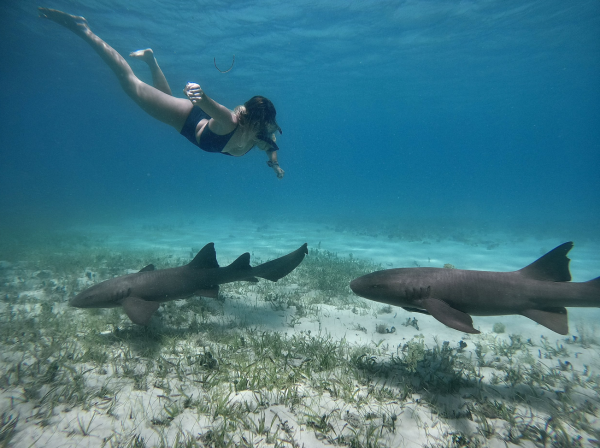
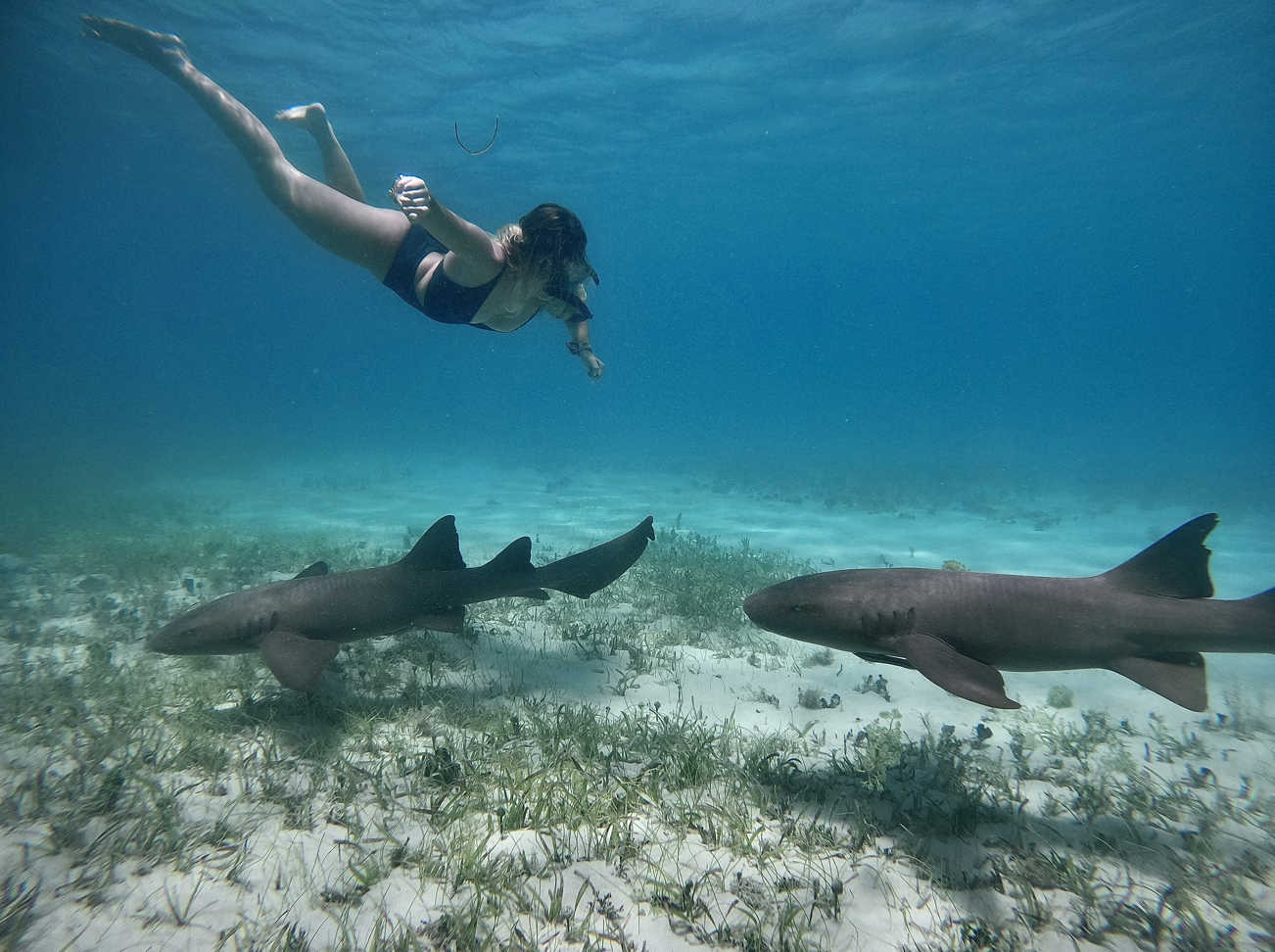
There is no better way to start your morning than with a gorgeous drive south to Santa Isabel, where you will take a catamaran to a very private and pristine snorkeling experience with Blue Kings. The gorgeous views, warm water, and the opportunity to share the Caribbean Sea with sharks, rays, turtles, and tarpon will make for a very memorable morning with you and your travel partners.
After a morning of swimming in the Caribbean, head to the Central Mountains of Puerto Rico for an afternoon zip-line adventure at the Toro Verde Nature Adventure Park. Brave the longest zip-line in America, The Monster, which is 1.5 miles long and reaches speeds of up to 94 miles per hour!
By now, you've probably worked up an appetite. In that case, I'd recommend paying a visit to PyP Restaurant in Caguas, Puerto Rico. Here, you'll delight in a flavorful and fresh menu of local and seasonal dishes, as well as an equally colorful and cozy atmosphere.
A visit to Puerto Rico isn't complete without experiencing its indulgent nightlife. Head back to Old San Juan, where you'll find La Factoria, named the Best Bar in the Caribbean and #24 in the Top 50 Bars in North America. And for good reason…La Factoria is a beautifully restored historic building with a bar for every preference and flavor, from classic cocktail bars to a wine bar, salsa club, and a speakeasy-like experience just to name a few. I'd recommend spending some time in each of the 6 bar options to know exactly where you'll head the next time you come to Puerto Rico for a visit.
Day Three: Fall From the Sky, Savor Flavor at the Farm, and Experience Bio Bay Magic
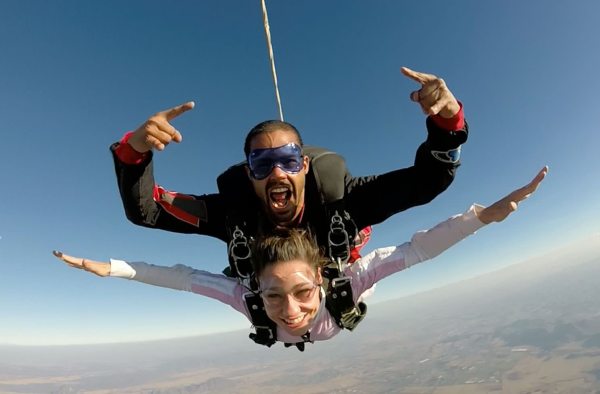
Begin your day with an adrenaline-pumping skydiving adventure at Skydive Puerto Rico. With the option to jump out of a plane at 10,000, 14,000, or 18,000 ft, you’ll be soaring through the skies and taking in breathtaking panoramic views of the island's lush landscape and sparkling coastline from an incredible perspective. With knowledgable, professional, and electrifying instructors to guide you in your tandem or solo jump, you’ll find your sky dive jitters will dissipate with pure excitement taking its place instead.
Next, embark on a Sensorial Farm Tour at Frutos del Guacabo, an agro-ecological farm that showcases sustainable farming practices and plenty of farm-to-table offerings for local bars and restaurants. Engage your senses as you stroll through the vibrant crops and hydroponic rows of greens, savoring the fresh produce and learning about the farm's commitment to environmental stewardship.
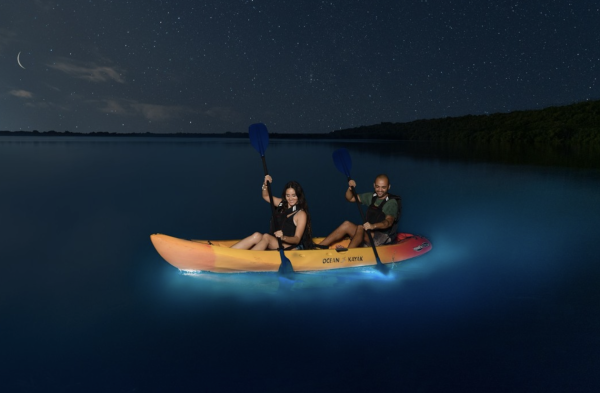
As dusk approaches, embark on a magical Bio Bay tour with Kayaking Puerto Rico. Paddle through the tranquil waters of Laguna Grande, a bioluminescent bay teeming with microscopic organisms that emit an ethereal glow. Witness the mesmerizing spectacle of the water illuminating with every stroke of your paddle and creating an unforgettable experience. I’d recommend booking this experience on either a new moon or cloudy evening to see the bio bay glow in all of its glory.
After your enchanting kayak adventure, head to Kalizo Seafood Bar and Grill for a hearty dinner and refreshing beverages. Indulge in the flavors of authentic Puerto Rican cuisine, savoring dishes like mofongo, arroz mamposteao, and fresh seafood while enjoying the lively atmosphere of this coastal town.
Puerto Rico is a vibrant and diverse island with something to offer everyone. From its stunning scenery and rich culture to its delicious food and exciting nightlife, this Caribbean island is a truly extraordinary destination that offers visitors an unforgettable experience.
Whether you're looking for an adrenaline rush, a relaxing getaway, or a cultural immersion, Puerto Rico is the perfect place to create lasting memories. So what are you waiting for? Book your trip today and discover the magic of Puerto Rico for yourself!
What You Need to Know about Puerto Rico
Useful information to know before traveling to Puerto Rico

Puerto Rico, a tropical paradise in the Caribbean, has been a popular destination for travelers from around the world. Whether you're a seasoned globetrotter or planning your first international trip, here's what you need to know about this enchanting island.
1. Passport and Visa Requirements
For U.S. citizens, the good news is that Puerto Rico is a U.S. territory, so you won't need a passport or visa to visit. You can hop on a plane, fly to San Juan, and begin your Puerto Rican adventure without the hassles of international travel. This makes Puerto Rico an incredibly accessible destination for Americans looking for a taste of the Caribbean.
2. Language
While Spanish is the official language of Puerto Rico, you'll find that English is widely spoken, especially in the tourism industry. Most restaurants, bars, hotels, and excursions are English-friendly, making it easy for English-speaking visitors to navigate the island. However, it's always a good idea to learn some basic Spanish phrases or download language apps like Duolingo to enhance your travel experience and connect with locals. Your efforts to speak the native language will be greatly appreciated by the friendly Puerto Ricans.
3. Diversity of Experiences
Puerto Rico is much more than just a beautiful beach destination. The island offers a wide range of experiences to suit every traveler's interests. From the vibrant urban atmosphere of San Juan to the lush rainforests of El Yunque, the history of Old San Juan, and the tranquil beaches of Vieques and Culebra, you'll find a diverse array of activities to explore. With so much to see and do, it's important to plan your trip wisely and prioritize the experiences that interest you the most.
4. Planning Excursions
To make the most of your visit, consider booking excursions ahead of time. There are numerous tour operators offering adventures like snorkeling, hiking, zip-lining, and exploring the island's rich cultural heritage. Many hotels also have concierge services that can help you arrange activities and recommend top experiences. Planning in advance can save you time and ensure you don't miss out on the things you've been looking forward to the most.
5. Best Time to Visit
The best time to visit Puerto Rico is during the winter and spring seasons, which roughly span from December to April. This is the peak tourist season when the weather is at its most pleasant, with warm temperatures and lower chances of rain. During this time, you can fully enjoy the beaches, outdoor activities, and the lively atmosphere of the island. However, keep in mind that prices may be higher and popular attractions more crowded during this period.
Puerto Rico offers a delightful blend of American familiarity and Caribbean charm. It's a destination that welcomes U.S. citizens with open arms, and it's a place where you can create lasting memories through a variety of experiences. So, whether you're exploring the historic streets of Old San Juan, swimming in bioluminescent bays, or indulging in local cuisine, Puerto Rico has something to offer every traveler. Plan your trip, embrace the culture, and enjoy the beauty of this vibrant island.
Choosing the Best Month to Visit Grand Teton National Park
When to visit Grand Teton National Park

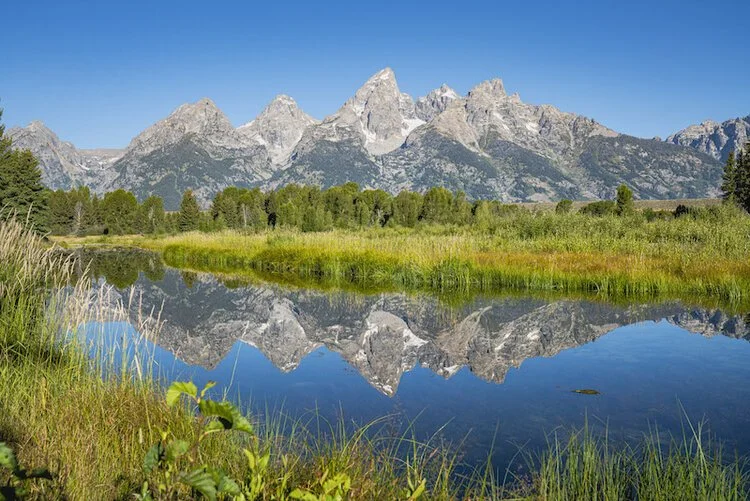
Grand Teton National Park stands as a breathtaking testament to nature's grandeur. With its towering mountain peaks, pristine lakes, and diverse wildlife, it's no wonder that this park draws in visitors year-round.
However, choosing the right time to visit can greatly impact your experience. From the snow-capped splendor of winter to the vibrant blooms of summer, each season offers a unique charm. So, what is the best month to visit Grand Teton National Park?
Let's explore the pros and cons of each season to help you make an informed decision.
[embed]https://www.instagram.com/p/p:CnmWzlZhwKf[/embed]
SPRING (APRIL - MAY):
Spring is a time of renewal in Grand Teton National Park. As the snow begins to melt and temperatures rise, the landscape awakens with the vibrant hues of emerging wildflowers. April and May offer a quieter experience with fewer crowds, making it an excellent time for hikers and photographers seeking serenity. However, some hiking trails and higher elevation areas might still be snow-covered during the early part of spring, limiting accessibility.
Pros:
Wildflower Blooms: Witness the park's stunning transformation as wildflowers blanket the landscape, creating a colorful and picturesque setting.
Serene Atmosphere: Experience a quieter and more peaceful environment with fewer crowds, allowing for a deeper connection with nature.
Milder Weather: Enjoy comfortable temperatures for hiking and outdoor activities, without the intense heat of summer.
Photography Opportunities: Capture unique shots of the snow-capped peaks juxtaposed with vibrant spring colors.
Cons:
Limited Accessibility: Some hiking trails and higher elevation areas might still be covered in snow, restricting access to certain parts of the park.
Unpredictable Weather: Spring weather can be unpredictable, with sudden temperature changes and potential rain showers.
Delayed Park Services: Some visitor services might be limited or not fully operational until later in the season.
SUMMER (JUNE - AUGUST):
Summer is undoubtedly the peak tourist season in Grand Teton National Park, and for good reason. The weather is generally warm and inviting, allowing for a wide range of outdoor activities like hiking, camping, and wildlife spotting. During these months, most of the park's trails and attractions are easily accessible. The iconic Jenny Lake boat shuttle is also in operation, offering stunning views of the Teton Range. However, be prepared for larger crowds, increased traffic, and the need to secure accommodations well in advance.
Pros:
Wide Range of Activities: Engage in various outdoor activities, from hiking and camping to boating and wildlife viewing.
Optimal Accessibility: Most trails and attractions are open and accessible, making it easier to explore the park's diverse landscapes.
Mild Weather: Enjoy warm and pleasant temperatures, making it comfortable for a wide range of activities.
Jenny Lake Boat Shuttle: Experience the scenic boat shuttle across Jenny Lake, providing stunning views of the Tetons.
Cons:
Crowded Conditions: Expect larger crowds during the summer months, resulting in busier trails, parking lots, and popular viewpoints.
Higher Prices: Accommodation and services might be more expensive due to peak tourist season demand.
Limited Availability: Popular accommodations and campsites fill up quickly, requiring advanced reservations.

FALL (SEPTEMBER - OCTOBER):
Fall is a photographer's dream in Grand Teton National Park. As the foliage transitions to brilliant shades of gold and red, the landscape becomes a visual masterpiece. September and October bring cooler temperatures and thinner crowds compared to summer. It's a prime time for wildlife enthusiasts, as animals like elk engage in their mating rituals. The fall season offers a unique blend of mild weather, stunning colors, and opportunities for observing the park's iconic wildlife.
Pros:
Spectacular Foliage: Witness the landscape transform into a vibrant palette of red, orange, and gold as the leaves change color.
Mild Weather: Experience comfortable temperatures during the day, ideal for outdoor activities like hiking and wildlife spotting.
Wildlife Viewing: Witness the annual elk rutting season, offering unique opportunities to observe wildlife behaviors.
Fewer Crowds: Enjoy a quieter atmosphere compared to summer, allowing for a more relaxed experience.
Cons:
Changing Conditions: Weather can be unpredictable in the fall, with temperature variations and potential early snowfall affecting plans.
Limited Services: Some visitor centers, facilities, and services might start to close as the season winds down.
WINTER (NOVEMBER - MARCH):
For those seeking a quieter and more serene experience, winter is an exceptional time to visit Grand Teton National Park. The park's snow-covered peaks and frozen lakes create a magical, otherworldly atmosphere. Cross-country skiing, snowshoeing, and wildlife tracking are popular activities. However, winter visits come with challenges. Some facilities and roads might be closed, and the weather can be unpredictable and harsh. It's crucial to be well-prepared and informed about road closures and safety measures.
Pros:
Serene Winter Wonderland: Experience the park's quiet and magical ambiance as snow blankets the landscape, creating a serene atmosphere.
Unique Activities: Engage in winter-specific activities like cross-country skiing, snowshoeing, and wildlife tracking.
Minimal Crowds: Enjoy a peaceful and secluded experience due to the limited number of visitors during this season.
Photography Opportunities: Capture the park's iconic landmarks in their snow-covered splendor.
Cons:
Limited Accessibility: Many roads, facilities, and services are closed during winter, limiting the areas you can explore.
Harsh Weather: Winter weather can be extremely cold and challenging, requiring proper clothing and preparation.
Shorter Days: With fewer daylight hours, you'll need to plan your activities accordingly.
Variable Conditions: Weather can change rapidly, impacting travel plans and safety considerations.
[embed]https://www.instagram.com/p/p:CktRPPHhRei[/embed]
The best month to visit Grand Teton National Park ultimately depends on your preferences and priorities. If you're drawn to blooming wildflowers and a quieter atmosphere, spring might be your ideal choice. Summer is perfect for outdoor adventurers and families, despite the larger crowds. Fall offers a combination of beautiful foliage and wildlife activity. Meanwhile, winter provides a unique and tranquil experience for those willing to embrace the cold.
Before planning your trip, consider the activities you want to engage in, your tolerance for crowds, and your willingness to adapt to changing weather conditions. Regardless of the season, Grand Teton National Park promises an unforgettable journey into the heart of nature's beauty.
Yellowstone vs. Grand Teton National Park, If You Could Only Choose One
How to choose which park is right for your travels

Are you currently researching the wild wonders of Wyoming's national parks? Maybe coming up a little short and struggling which national park, Yellowstone or the Tetons, you should visit? Fear not – we're here to guide you through the decision-making process. In this article, we'll delve into the historical, activity, wildlife, and size distinctions between these two iconic destinations, ensuring you make an informed choice for an unforgettable experience.
[embed]https://www.instagram.com/p/p:CzUA_zIRGxf[/embed]
Historical Significance:
Yellowstone, a pioneer in the world of national parks since its establishment in 1872, has a historical legacy that predates Grand Teton's 1929 inception. Delve into the roots of conservation and preservation as you explore the unique narratives that have shaped these natural wonders. Yellowstone, a UNESCO World Heritage Site, stands as a testament to the enduring commitment to safeguarding Earth's treasures.
Grand Teton National Park (GTNP):
- Indigenous Peoples:
- The region has a rich history of indigenous peoples, including the Shoshone, Crow, and Bannock, who lived and traversed the area for thousands of years.
- Fur Trading Era:
- The fur trappers of the 19th century, including famous figures like Jim Bridger, played a significant role in exploring and mapping the Teton Range.
- Homesteading and Ranching:
- European settlers established homesteads and ranches in the late 19th and early 20th centuries, leaving a legacy that is still visible in the landscape today.
- Conservation Efforts:
- The creation of Grand Teton National Park involved significant conservation efforts, including the generous donation of private lands by John D. Rockefeller Jr., ensuring the protection of the Teton Range.
- Mountaineering History:
- The Teton Range has a storied mountaineering history, attracting climbers seeking to conquer its challenging peaks. Notably, the first ascent of the Grand Teton took place in 1898.
Yellowstone National Park (YNP):
- First National Park:
- Yellowstone was established in 1872 as the first national park in the world, marking a milestone in the global conservation movement.
- Exploration and Surveys:
- The park's unique geothermal features and diverse landscapes were explored and documented by early expeditions, including the famous Hayden Geological Survey of 1871.
- Native American Presence:
- Native American tribes, including the Shoshone and Bannock, have historical ties to the Yellowstone region, predating the park's establishment.
- Northern Pacific Railroad Influence:
- The arrival of the Northern Pacific Railroad in the late 19th century brought increased accessibility to the park, further popularizing it as a tourist destination.
- Role in Conservation Movement:
- Yellowstone's establishment played a pivotal role in inspiring the conservation movement globally, setting a precedent for the protection of natural wonders.
[embed]https://www.instagram.com/p/p:CQZqSRJnF0j[/embed]
Engaging Activities:
Looking for family-friendly fun? Yellowstone beckons with its famed geothermal features, including the mesmerizing Old Faithful. Ideal for families, it boasts accessible boardwalks and informative visitor centers offering captivating educational programs. In contrast, Grand Teton caters to adventure seekers, with hiking, mountaineering, and water activities on Jackson Lake. The rugged Teton Range provides a thrilling backdrop for those seeking an active, outdoor escape.
Top adventures to consider for both parks:
Grand Teton National Park (GTNP):
- Hiking:
- Explore the vast trail network offering hikes for all levels, with highlights like Cascade Canyon and Paintbrush Divide.
- Climbing:
- For the more adventurous, consider climbing the iconic peaks of the Teton Range, including the Grand Teton itself.
- Rafting:
- Navigate the Snake River on a thrilling rafting adventure, providing stunning views of the Teton Range.
- Wildlife Safaris:
- Join a wildlife safari to increase your chances of spotting moose, bighorn sheep, and other charismatic fauna.
- Photography Tours:
- Capture the stunning landscapes and wildlife with a photography tour, guided by experts familiar with the park's best photo spots.
Yellowstone National Park (YNP):
- Geothermal Exploration:
- Discover the mesmerizing geothermal features, including geysers, hot springs, and mud pots, with a stroll along the boardwalks.
- Backpacking:
- Embark on a backpacking adventure to explore Yellowstone's remote wilderness areas and experience the park's natural diversity.
- Wildlife Watching Expeditions:
- Join guided wildlife watching expeditions, especially in Lamar Valley, where wolves, bison, and bears are frequently spotted.
- Fly Fishing:
- Cast a line into the pristine rivers and lakes for a memorable fly-fishing experience amid the park's stunning scenery.
- Photography Workshops:
- Participate in photography workshops to enhance your skills and capture the unique beauty of Yellowstone, from wildlife to landscapes.
Wildlife Encounters:
Both parks offer incredible wildlife experiences, yet the cast of characters varies. Yellowstone boasts iconic inhabitants like bison, elk, grizzly bears, and the majestic gray wolf, thanks to successful reintroduction efforts. Grand Teton, framed by the Teton Range, showcases charismatic megafauna such as moose, bighorn sheep, and mule deer. Witness the untamed beauty of nature as these creatures roam freely in their natural habitats.
A wildlife check list for each park:
Grand Teton National Park (GTNP):
- Moose:
- GTNP is renowned for moose sightings, especially in areas like the Moose-Wilson Corridor.
- Bighorn Sheep:
- Keep an eye on rocky outcrops for bighorn sheep, particularly near the Teton Range.
- Mule Deer:
- Spot mule deer grazing in meadows and along the park's scenic drives.
- Elk:
- Witness elk, especially during the fall rutting season, when their bugling calls echo through the mountains.
- Bears:
- While less common than in Yellowstone, black bears and grizzly bears inhabit the park. Be bear-aware during hikes.
- Birds:
- Birdwatchers will enjoy spotting raptors, waterfowl, and songbirds in the diverse ecosystems of GTNP.
Yellowstone National Park (YNP):
- Bison:
- Yellowstone is home to the largest population of free-roaming bison in the United States.
- Elk:
- Witness large elk herds, particularly in the Lamar Valley and Mammoth Hot Springs areas.
- Grizzly Bears:
- Yellowstone offers a habitat for both black bears and grizzly bears, with opportunities for sightings.
- Wolves:
- The park is a key location for wolf reintroduction efforts, with the Lamar Valley known as a hotspot for wolf watching.
- Yellowstone Cutthroat Trout:
- In addition to land-based wildlife, Yellowstone's waterways are home to the native Yellowstone Cutthroat Trout.
- Birds:
- With diverse habitats, Yellowstone attracts a variety of bird species, including bald eagles, ospreys, and waterfowl.
Navigating Size:
Yellowstone's expansive 2.2 million acres dwarf Grand Teton's 310,000 acres, offering a broader spectrum of landscapes – from geothermal wonders to lush meadows. The grandeur of Yellowstone lies in its vastness, while Grand Teton's smaller size creates a more intimate, concentrated experience, with the iconic Teton Range dominating the scenery.
Ideas of what to add to your must-see list in both parks:
Grand Teton National Park (GTNP):
- Teton Range:
- Marvel at the awe-inspiring Teton Range, with its rugged peaks and breathtaking vistas.
- Capture iconic photos of the Cathedral Group, including Grand Teton, Middle Teton, and South Teton.
- Jenny Lake:
- Take a boat ride or hike around Jenny Lake for stunning views of the mountains reflected in the crystal-clear waters.
- Explore the hidden waterfalls and enjoy a serene picnic along the lake shores.
- Wildlife Watching:
- Keep an eye out for moose, bighorn sheep, mule deer, and other wildlife that roam freely in the park.
- Visit the Moose-Wilson Corridor for increased chances of spotting moose.
- String Lake:
- Enjoy water activities such as kayaking or paddleboarding on the tranquil String Lake.
- Hike the scenic trail around the lake, surrounded by lush forest and picturesque landscapes.
- Cascade Canyon:
- Embark on a challenging hike through Cascade Canyon for up-close views of waterfalls and towering peaks.
- Experience the diverse ecosystems, from alpine meadows to dense forests.
Yellowstone National Park (YNP):
- Old Faithful:
- Witness the iconic Old Faithful geyser erupt with precision, showcasing Yellowstone's geothermal wonders.
- Explore the nearby Old Faithful Inn, a historic lodge with stunning architecture.
- Grand Canyon of the Yellowstone:
- Admire the vibrant hues of the Grand Canyon of the Yellowstone, carved by the Yellowstone River.
- Visit Artist Point for a panoramic view of the canyon and Lower Falls.
- Grand Prismatic Spring:
- Marvel at the vivid colors of the Grand Prismatic Spring, the largest hot spring in the United States.
- Follow the boardwalk trail to get different perspectives of this natural wonder.
- Wildlife in Lamar Valley:
- Head to Lamar Valley for prime wildlife watching, including bison, elk, wolves, and grizzly bears.
- Join a guided wildlife tour for expert insights into the park's diverse fauna.
- Mammoth Hot Springs:
- Explore the terraces of Mammoth Hot Springs, a surreal landscape created by the flow of hot water over travertine terraces.
- Visit the historic Fort Yellowstone and the Albright Visitor Center.
[embed]https://www.instagram.com/p/p:CKCB2SgnxGn[/embed]
Why Choose? Experience Both:
The proximity of these two gems allows for a seamless transition from the geothermal wonders of Yellowstone to the majestic mountain landscapes of Grand Teton. Venture on the 30-mile scenic drive connecting the parks, embracing the best of both worlds. If time permits, why settle for one when you can bask in the awe-inspiring beauty of both Yellowstone and Grand Teton National Parks?
As you plan your Wyoming adventure, consider your preferences and desires. Whether it's the family-friendly allure of Yellowstone or the adrenaline-pumping activities of Grand Teton, both parks promise an unparalleled connection with nature. Opt for a holistic experience by combining the unique offerings of both destinations, crafting a journey that leaves an indelible mark on your memory. Yellowstone vs. Grand Teton? Embrace the challenge and embark on the ultimate exploration of America's iconic national parks.
Arc'teryx Drops Winter Footwear, Here's Your Inside Scoop
The inside scoop on Norvan, Aerios, and Vertex collections by Arc'teryx
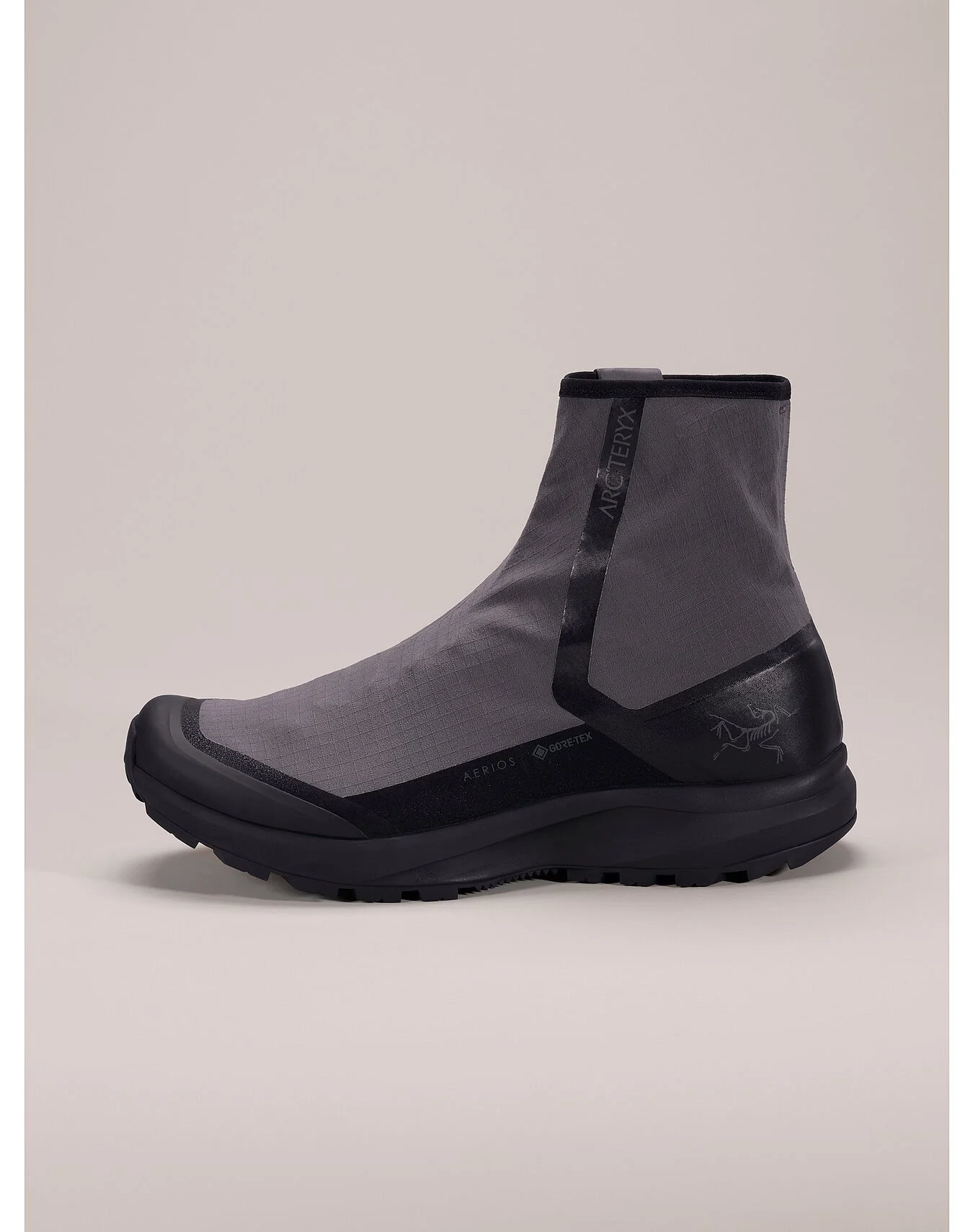
As winter descends with its frosty touch, outdoor enthusiasts are gearing up for cold-weather adventures. Leading the charge in winter-ready footwear, Arc'teryx has launched its Fall/Winter 2023 collection, introducing new styles in the Norvan, Aerios, and Vertex collections. Boasting GORE-TEX protection, substantial support, and integrated gaiters for added defense against the elements, these shoes are designed to keep you moving confidently through snow, water, and debris.
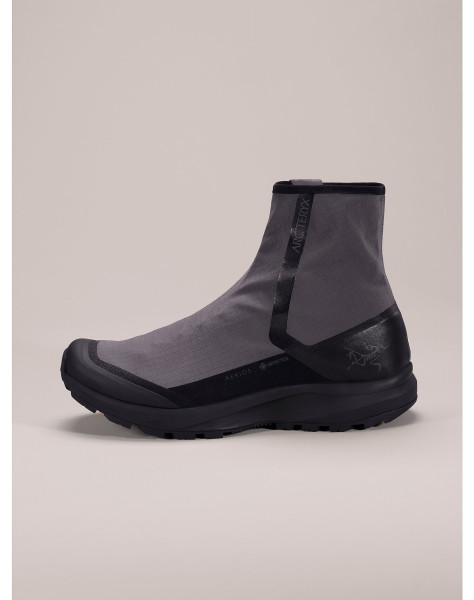
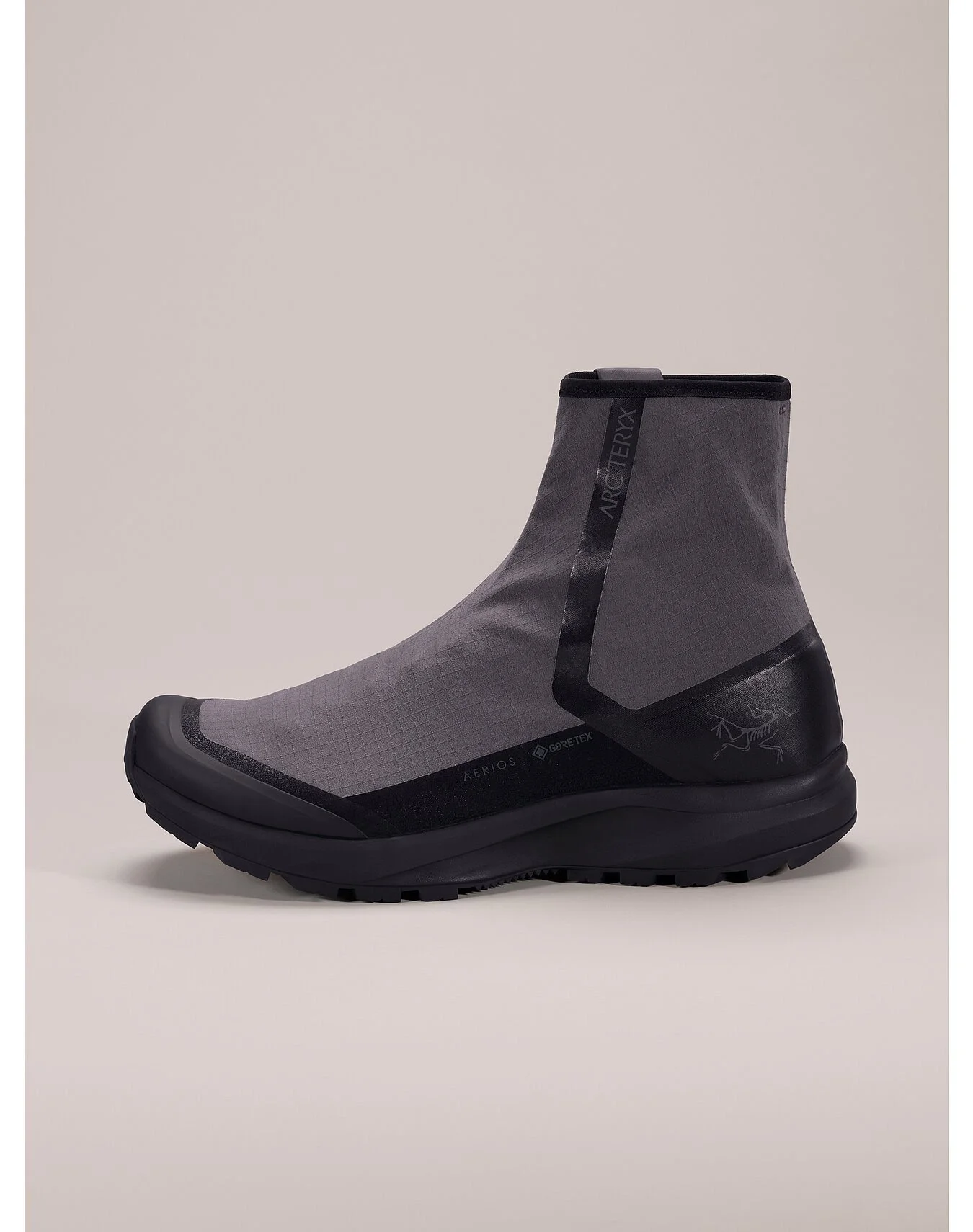
Aerios Nivalis GTX ($230):
For those who crave fast and light hiking in challenging winter conditions, the Aerios Nivalis GTX is a standout choice. Crafted with a durable upper featuring GORE-TEX for waterproof, breathable protection, this shoe is your shield against wet and cold. The water-repellant stretch gaiter goes the extra mile, sealing out moisture and snow. The run-inspired design ensures stability and confidence, while the Vibram XS Trek Evo outsole with Arctic Grip zones provides optimal traction on slippery, icy terrain. The glove-friendly quick-lace system and raised perimeter sidewalls offer practicality and lateral support for your winter adventures.
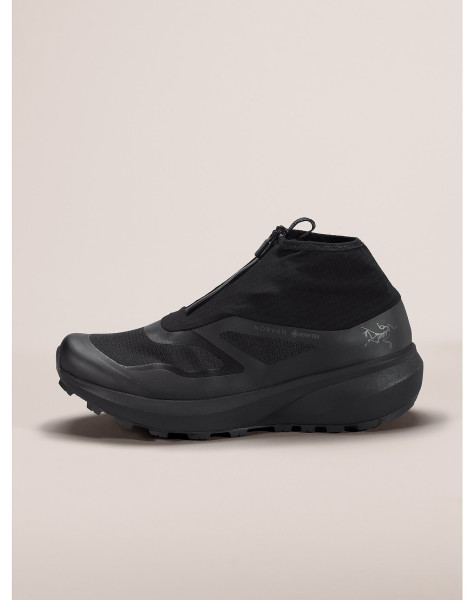
Norvan Nivalis GTX ($220):
Tailored for alpine running over long distances in wet, cold, wintery conditions, the Norvan Nivalis GTX strikes a perfect balance between weather protection and performance. The durable, flexible upper, lined with a GORE-TEX bootie, ensures waterproof, breathable comfort. A highly breathable water-repellent stretch gaiter, featuring a front zip closure, adds an extra layer of defense against snow, water, and mud. Advanced materials, including the Vibram LITEBASE sole and InFuse midsole, contribute to weight reduction without compromising ride, response, and cushioning. The Vibram Megagrip rubber compound with a 6mm lug pattern delivers a confident grip on winter trails.
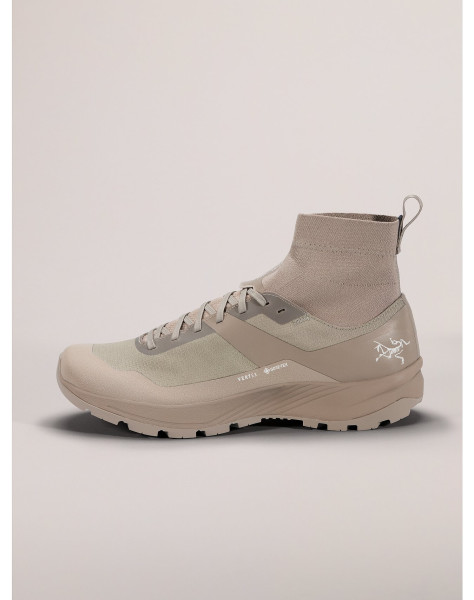
Vertex GTX ($210):
Setting the bar high as a pinnacle alpine running shoe built for winter realities, the Vertex GTX combines GORE-TEX protection, underfoot security, and an integrated gaiter extending above the ankle. This design effectively seals out snow, water, and debris, allowing you to conquer challenging terrains with confidence. The Vibram Megagrip outsole, featuring a 5mm lug pattern and forefoot climbing zone, ensures grip and security on variable surfaces. With this shoe, Arc'teryx brings a robust solution to the winter running experience.
Arc'teryx's latest offerings are a testament to their commitment to form and function. The combination of GORE-TEX technology, integrated gaiters, and specialized outsoles demonstrates a keen understanding of the challenges winter enthusiasts face. Whether you're a fast and light hiker, a long-distance alpine runner, or someone seeking a pinnacle winter running shoe, Arc'teryx has delivered a comprehensive solution to keep you moving with confidence and style in the colder months. Step into winter with Arc'teryx – where performance meets protection.
Start Planning Your Cozy Catskills Escape Before It's Fully Booked
Escape to Wylder Windham for a winter wonderland

Embrace Winter's Warmth at Wylder Windham
Nestled in the heart of the Great Northern Catskills, Wylder Windham stands as a charming farmhouse retreat, beckoning travelers for over 140 years. Aptly nicknamed the "Gem of the Catskills," this historic haven has long been a cherished escape for East Coast wanderers. While many may associate Wylder Windham with the vibrant hues of fall, the winter season unveils a unique charm, making it an ideal destination for a cozy getaway.
Winter Wonderland Activities
Wylder Windham transforms into a winter wonderland, offering an array of activities that turn the snowy landscape into your playground. Engage in exhilarating sledding adventures down the hills surrounding the farmhouse, or embark on a winter foraging walk and workshop to discover the hidden treasures of the season. Sample unique beverages crafted from the bounty of the Catskills, including acorn cocoa, birch beer, and chaga tea, all prepared during the winter foraging experience.
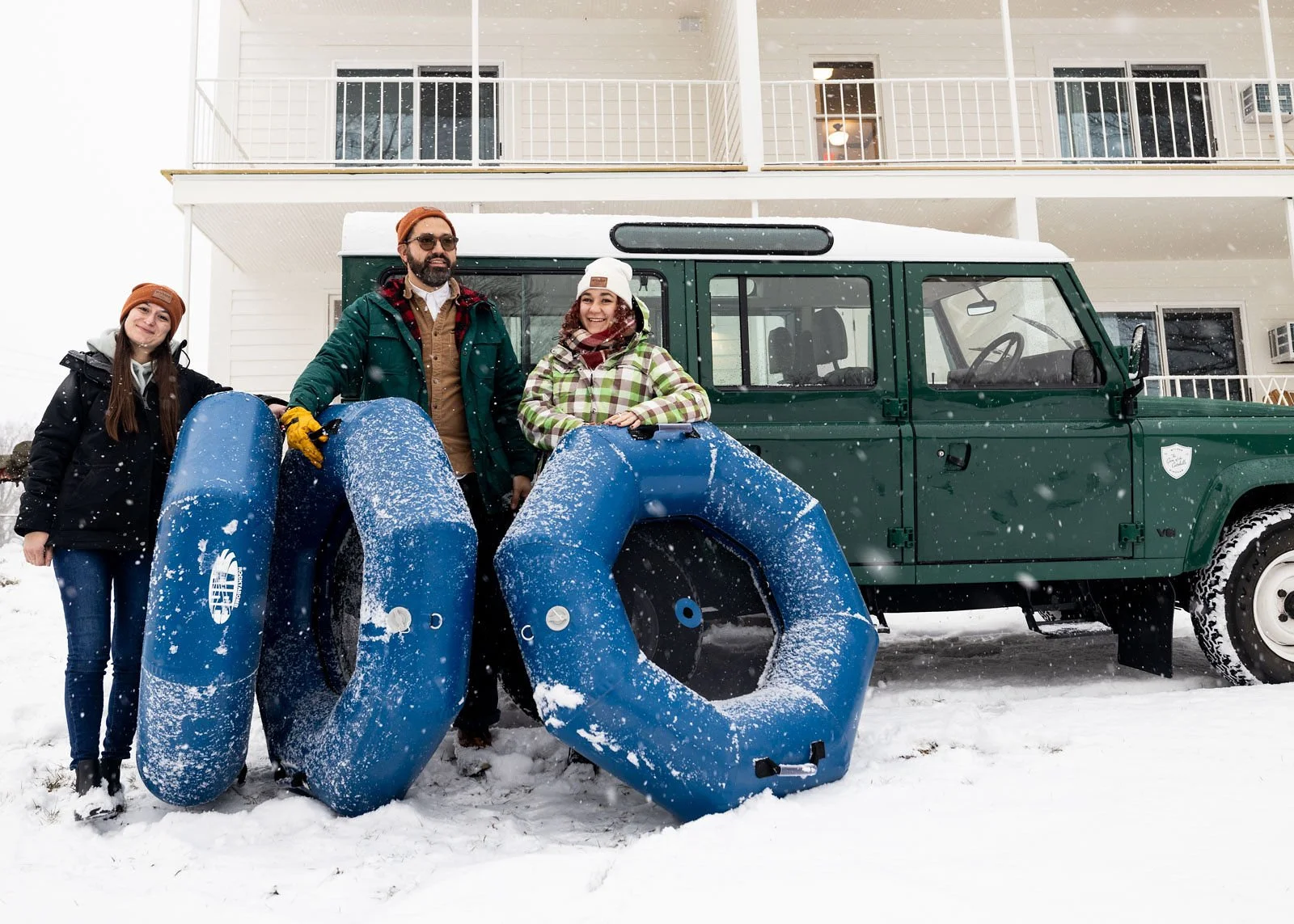
For those seeking a more relaxed pace, Windham Spa awaits, offering a serene retreat from the winter chill. Meanwhile, the vintage Land Rover Defender 110 Shuttle stands ready to transport you to some of Windham's best frosted hiking trails, ensuring you experience the beauty of the winter landscape.
[embed]https://www.instagram.com/p/p:CpN4E0Uph5R[/embed]
Quaint Accommodations
Step into a world of rustic charm and modern comfort as Wylder Windham's accommodations redefine farmhouse stays. With seven separate lodges and a total of 110 rooms, including two- and three-bedroom suites, the resort ensures a personalized and cozy experience. Imagine waking up to oversized balconies with panoramic views of Windham Mountain and the Batavia Kill, creating the perfect backdrop for a winter escape.
Designed with warmth and style in mind, each room features oak floors, custom furniture, and luxurious bathrooms. Wylder Windham is not just a destination; it's a home away from home, inviting you and your loved ones, including your furry friends, to share in the magic of winter.
Winter Magic in the Catskills
As the Catskills embrace winter's icy embrace, Wylder Windham becomes a haven of tranquility and beauty. Picture snow-capped mountains inviting you to explore their trails, local wineries like The Vineyard at Windham offering a warm respite, and the joyful sound of sledding and tubing along the Batavia Kill. The winter wonderland extends beyond the property, with easy access to Windham Country Club and downtown Windham for those seeking additional adventures.
At the end of your day, Babbler’s, the resort's approachable yet refined restaurant, welcomes you with winter-forward dishes. Indulge in comfort food like Stuffed Winter Acorn Squash and Baked Brie En Croute while enjoying the spirited and familiar atmosphere.
Book Your Escape Now
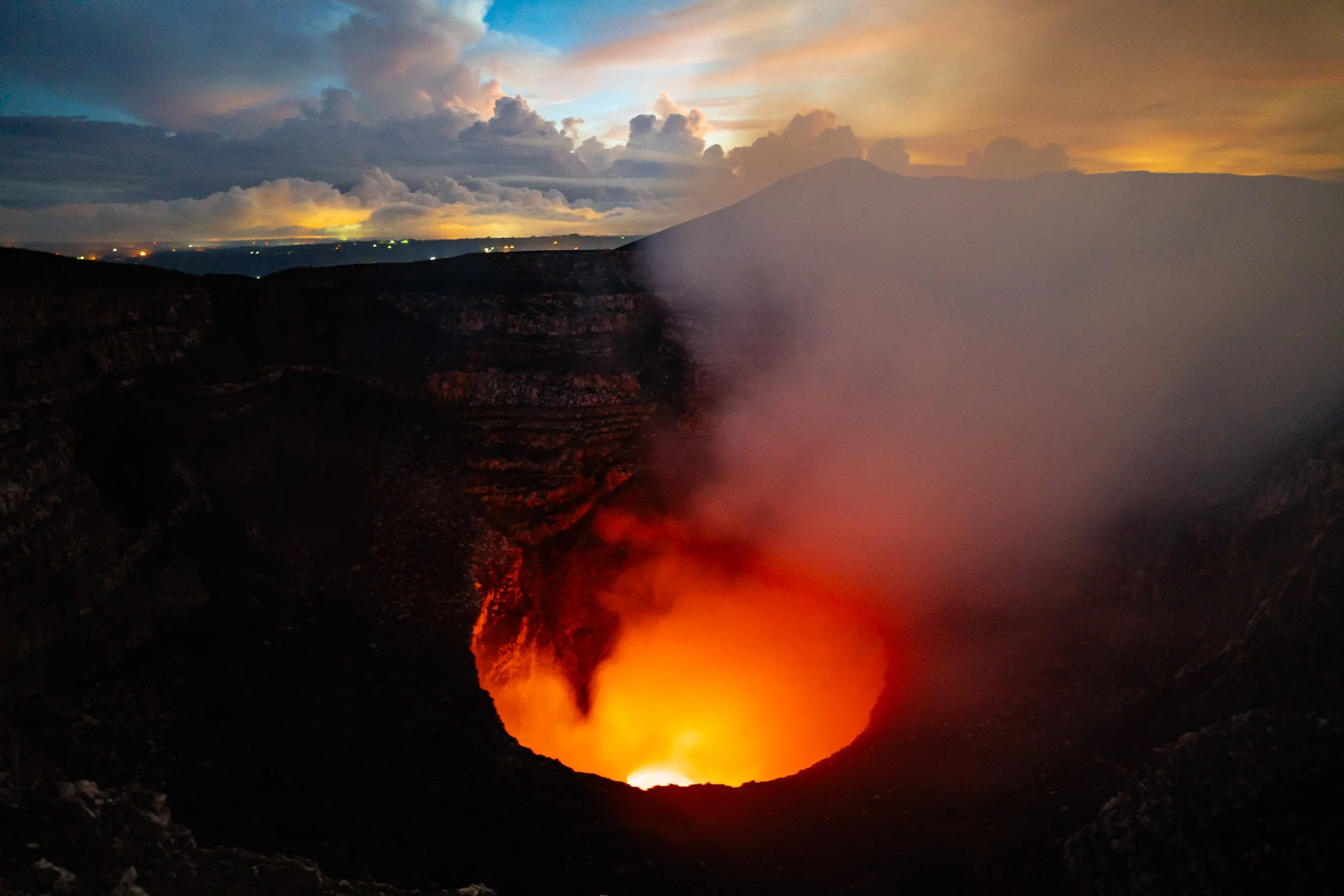
Five Unforgettable Adventures in Nicaragua
What to do on your next trip to Nicaragua

Central America is an untapped adventure destination that is often left off traveler's list, yet some countries shouldn't be overlooked. Nicaragua is one of those those countries. Nicaragua is still a hidden treasure that is rapidly gaining recognition as an adventure-seeker's paradise. From its pristine Pacific coast to the mysterious depths of Lake Nicaragua, the country offers a myriad of experiences that cater to the intrepid traveler. Here are five must-do adventures that promise to leave indelible memories.
[embed]https://www.instagram.com/p/p:CzxavJBuPmh[/embed]
1. Surfing Along the Pacific Coast:
For the avid surfer or the aspiring wave-rider, Nicaragua's Pacific coast is a dream come true. With its consistent swells and uncrowded beaches, it provides the ideal setting for a surfing adventure. Beginners can take lessons from local experts, while experienced surfers can challenge themselves on the more advanced breaks. Whether you're riding the waves for the first time or chasing the perfect barrel, Nicaragua's Pacific coast promises an unforgettable surfing experience.
2. Discovering Lake Nicaragua and Granada:
Venture inland to the mesmerizing Lake Nicaragua, where a boat tour awaits to unveil the hidden wonders of its waters. Keep an eye out for the playful monkeys that inhabit the surrounding islands – an enchanting encounter that will undoubtedly add a touch of magic to your journey. Following this aquatic escapade, immerse yourself in the colonial charm of Granada, a city with vibrant streets, historic architecture, and a rich cultural tapestry. The juxtaposition of the tranquil lake and the bustling city makes for a perfect blend of relaxation and exploration.
Find a boat tour on Lake Nicaragua that suits your needs
3. Luxuriating at a Resort:
After days filled with adventure, treat yourself to the ultimate in relaxation by staying at a luxurious resort. Nicaragua boasts a range of world-class accommodations, where you can unwind by the pool, sipping on tropical cocktails as the sun dips below the horizon. These resorts provide a perfect balance, allowing you to indulge in the thrill of exploration during the day and bask in the lap of luxury come evening.
I recommend you consider staying at Rancho Santana along the Pacific Coast.
[embed]https://www.instagram.com/p/p:Cz1HKc2uS6S[/embed]
4. Volcano Masaya at Night:
For a truly awe-inspiring experience, make your way to Volcano Masaya at nightfall. As the sun sets, the volcanic landscape transforms into a mesmerizing display of natural pyrotechnics, with the glowing lava casting an otherworldly hue over the surroundings. A guided night tour allows you to witness this breathtaking phenomenon up close, offering a unique perspective on the geological wonders that define Nicaragua's landscape.
Pro Tip: Make sure to reserve your spot for before Volcano Masaya fills up
5. Zip Lining in the Cloud Forest:
Take your sense of adventure to new heights by embarking on a zip-lining journey through the cloud forest surrounding a volcano. This adrenaline-pumping experience not only offers breathtaking views of the lush landscape but also a unique perspective on Nicaragua's diverse ecosystems. To complete this adventure, make sure to savor the local flavors with a cup of freshly brewed Nicaraguan coffee – a perfect way to recharge after an exhilarating day of zip-lining.
Here are zip-lining options in Nicaragua to consider.
Nicaragua beckons those with a spirit of adventure, offering a tapestry of experiences that range from the thrill of surfing along the Pacific coast to the tranquility of a boat tour on Lake Nicaragua. With volcanic landscapes, colonial cities, and luxurious resorts, this Central American gem is a playground for those seeking excitement and relaxation in equal measure. Embrace the thrill, soak up the beauty, and let Nicaragua weave its magic on your next unforgettable journey.

Show Up To Thanksgiving In Style
Functional travel clothes ready for any Thanksgiving scenario

As Thanksgiving approaches, you are probably gearing up for holiday travels to reunite with loved ones. While comfort is key during long journeys, looking good is just as important, especially when you're heading straight from the airport to a family gathering, or a festive dinner. To strike the perfect balance between style and comfort, consider these fashion-forward clothing choices for your Thanksgiving travels.

Hollister Long-Sleeve Flannel Shirt
Grab your flannel now [$40]
First on the list is the Long-Sleeve Button-Through Flannel Shirt from Hollister. This classic wardrobe staple offers the perfect blend of style and coziness. The soft, breathable fabric of the flannel shirt ensures you stay comfortable during your journey, while the button-through design adds a touch of sophistication. The versatile plaid pattern makes it easy to pair with jeans or khakis, making it an ideal choice for both travel and family gatherings.

Prana Hillgard Jean
Grab your jeans now [$119]
Speaking of jeans, the Prana Hillgard Jean is a stylish alternative that maintains a polished appearance while on the move. These jeans are designed with a modern slim fit and a hint of stretch for added comfort during long flights or road trips. The classic denim look in a deep indigo color gives them a timeless appeal that can effortlessly transition from travel mode to Thanksgiving dinner.

Patara Nomad Lace Up Shoes
Grab your shoes now [$98]
When it comes to footwear, the Patara Lace Up Shoes strike the perfect balance between style and practicality. These shoes offer a sleek and sophisticated appearance, making them suitable for a family gathering or a night out. The lace-up design ensures a secure fit, while the cushioned insole provides comfort during your travels. Whether you're navigating through airports or strolling through town, these shoes are a versatile choice for any Thanksgiving adventure.
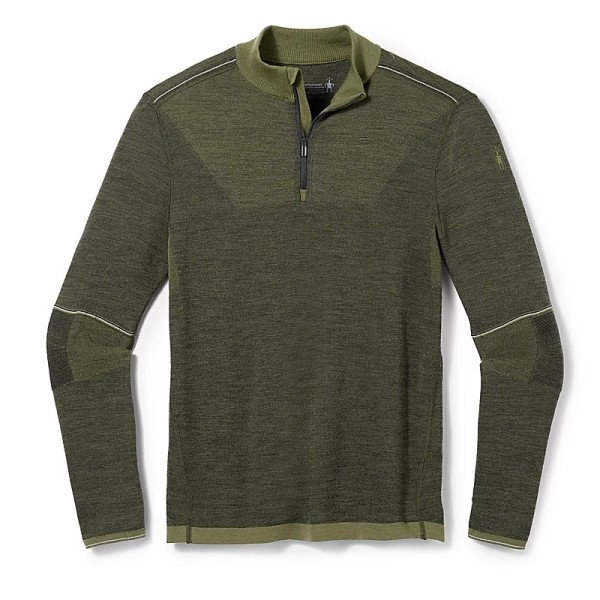
Smartwool's Intraknit Merino Base Layer 1/4 Zip
Grab your 1/4 Zip now [$155]
As the temperatures drop, staying warm becomes a priority. The Intraknit Thermal Max Merino Base Layer 1/4 Zip from Smartwool is a smart addition to your travel ensemble. This base layer not only provides an extra layer of warmth but also boasts a sleek and modern design. The 1/4 zip allows for easy temperature regulation, making it a practical choice for unpredictable weather conditions during your Thanksgiving travels.
Looking good while traveling this Thanksgiving is entirely achievable with the right clothing choices. The Long-Sleeve Button-Through Flannel Shirt, Prana Hillgard Jean, Patara Lace Up Shoes, and Smartwool's Merino Base Layer 1/4 Zip offer a winning combination of style, comfort, and functionality. So, as you embark on your holiday journey, do so with confidence and flair in these fashionable travel essentials.