

VSSL's NEST Collection Just Dropped and It's A Coffee Changer
Adventure and coffee have long been inseparable. A steaming cup of coffee before a dawn patrol surf session, a hunting expedition, or a day on the slopes can set the tone for an epic day. Now, VSSL Gear, known for its innovative outdoor equipment, is poised to elevate the outdoor coffee experience with the introduction of the NEST Collection. This groundbreaking system is designed to bring a barista-level coffee experience to adventurers, and it's set to change the game for coffee lovers on the go.
Adventure and coffee have long been inseparable. A steaming cup of coffee before a dawn patrol surf session, a hunting expedition, or a day on the slopes can set the tone for an epic day. Now, VSSL Gear, known for its innovative outdoor equipment, is poised to elevate the outdoor coffee experience with the introduction of the NEST Collection. This groundbreaking system is designed to bring a barista-level coffee experience to adventurers, and it's set to change the game for coffee lovers on the go.
The NEST Collection by VSSL is the embodiment of a visionary coffee solution for adventurers. Designed to cater to the unique demands of outdoor enthusiasts, this collection promises to redefine the way coffee is enjoyed in the wild.
At the heart of the NEST Collection is a coffee system made from 80 percent recycled stainless steel. It includes a V60 pour-over, two mugs, a BPA-free lid, and grinder storage, all designed with portability and convenience in mind. Its modular structure allows all these components to fit snugly into an 11.5-inch by 3.4-inch package, making it the perfect companion for adventures both near and far.
The two ten-ounce mugs in the NEST Collection are equipped with double-walled, vacuum-insulated technology, ensuring that your coffee remains piping hot for hours. No need to worry about spills either, as the splash-resistant mug lid is designed to keep your coffee securely inside the mug. The pour-over device also incorporates double-walled insulation to minimize heat loss during the brewing process. Additionally, the NEST Pour Over Kit comes with a reusable stainless steel mesh filter and is compatible with size number two and number three disposable filters, making it incredibly versatile and adaptable to different brewing preferences.
The NEST Collection is more than just a coffee system; it's a testament to VSSL's commitment to redefining the outdoor coffee experience. Whether you're a seasoned adventurer or a casual outdoor enthusiast, the NEST Collection offers four distinct configurations to cater to your specific needs, ensuring that a premium coffee experience is always within reach, no matter where your adventure takes you.
Discover More Gear

From Waterfront to Trailhead My Personal Quest To Understand Merrell Shoes
Merrell has always been my radar when shopping for shoes, thanks to its reputation for quality and durability, but for a while I thought they fell behind their competition. For the past 6 weeks, I've had the chance to try out four of their popular shoes: the MTL Skyfire 2, Moab Speed, Hydro Moc, and Agility Peak 5. Here's my personal take on each shoe, based on my experiences using them in various outdoor settings.
Merrell has always been my radar when shopping for shoes, thanks to its reputation for quality and durability, but for a while I thought they fell behind their competition. For the past 6 weeks, I've had the chance to try out four of their popular shoes: the MTL Skyfire 2, Moab Speed, Hydro Moc, and Agility Peak 5. Here's my personal take on each shoe, based on my experiences using them in various outdoor settings.
MTL Skyfire 2
When I laced up the Merrell MTL Skyfire 2, I knew I was in for an adventure. These shoes are built for the wild and rugged trails, and they didn't disappoint. The aggressive traction was my favorite feature, gripping even the slipperiest rocks and muddiest paths. The shoe is incredibly lightweight and breathable, which was perfect for high-intensity runs, but I found it lacked the cushioning needed for long-distance, smoother surface runs. These are my go-to choice when I'm up for a challenging, technical trail adventure.
I was blown away by the breathability of these shoes as well. No joke, the first time I wore them, I thought I had an AC unit on my toes with each step I took!
Pros:
Aggressive traction: The outsole has deep lugs for excellent grip on rocky, uneven surfaces.
Lightweight and breathable: The shoe is designed to keep your feet comfortable during high-intensity runs.
Durable: Constructed with abrasion-resistant materials to withstand tough conditions.
Cons:
Limited cushioning: While the shoe is great for technical trails, it may not be the most comfortable option for long-distance runs on smoother surfaces.
Best for: Trail runners and hikers who tackle challenging, technical terrains.
Moab Speed
The Moab Speed shoes have quickly become my all-terrain companions. Their versatility is unmatched, making them suitable for a range of outdoor activities, from hiking to light trail running. What stood out for me was the exceptional comfort. The cushioning and support make these shoes ideal for all-day wear. While the traction is decent, it's not the most aggressive, so I wouldn't choose them for highly technical trails. But for everything else, they are a comfortable and reliable choice.
Pros:
All-terrain versatility: Suited for a wide range of outdoor activities, including hiking, walking, and light trail running.
Comfortable fit: Provides excellent cushioning and support for all-day wear.
Breathable: Designed to keep your feet cool and dry in various weather conditions.
Cons:
Limited grip: While it has decent traction, it's not as aggressive as some other trail running shoes.
Best for: Outdoor enthusiasts looking for a comfortable, all-purpose shoe for various outdoor activities. Mainly day hiking, but good for everyday use as well.
Hydro Moc
Merrell's Hydro Moc shoes offer a unique twist in outdoor footwear, designed for water enthusiasts and casual wear. I was pleasantly surprised by how quickly these shoes dried after a dip. They are incredibly lightweight and comfortable, which makes them perfect for extended periods of wear. However, they're not the best choice for technical trails or activities requiring substantial foot support. Hydro Moc is my pick for beach trips, water sports, and leisurely strolls.
Pros:
Quick-drying: Designed to shed water and dry rapidly, making it ideal for water activities.
Lightweight and comfortable: Easy to wear for extended periods without discomfort.
Ventilation: Provides ample airflow to prevent moisture buildup.
Cons:
Limited support: Not suitable for technical trails or activities requiring substantial foot support.
Best for: Water enthusiasts, beachgoers, and anyone seeking a comfortable, water-friendly shoe.
Agility Peak 5
The Agility Peak 5 is my secret weapon for conquering challenging, off-road trails. These shoes mean business with their exceptional traction, stability, and protection against debris. They offer fantastic support for serious trail runners. The only downside is that they're not ideal for casual wear due to their rugged design and aggressive tread. When I'm gearing up for a technical, and long, trail run, I know these shoes will have my back.
Pros:
Exceptional traction: Features Vibram outsoles for superior grip on challenging terrains.
Excellent stability: Offers impressive support for off-road running.
Protection: Designed to guard against debris and sharp objects on the trail.
Cons:
Not ideal for casual wear: The rugged design and aggressive tread make it less suitable for everyday use.
Best for: Dedicated trail runners who frequently tackle rough, technical trails.

I'll admit, when I started this 6 week journey I wasn't sure what this article was going to become, but I've learned that the choice of Merrell shoe plays a significant role in the overall experience. Each of the shoes - MTL Skyfire 2, Moab Speed, Hydro Moc, and Agility Peak 5 - serves a unique purpose, and I've come to appreciate their individual strengths.
So, whether I'm tackling a challenging trail, enjoying a casual beach day, or preparing for an intense trail run, I know I can rely on Merrell to provide the perfect footwear for the occasion. My journey with Merrell shoes has been an enjoyable one, and I hope this personal comparison helps you find the right pair to suit your outdoor lifestyle and preferences.
Discover More Gear

Exploring the Wonders of Yellowstone National Park in Winter
Yellowstone National Park, a place of awe-inspiring beauty and ecological diversity, has always held a special place in my heart. But there's something magical about visiting Yellowstone during the winter that takes its charm to a whole new level. It's a season of contrasts where the park's geothermal features, abundant wildlife, and pristine snowy landscapes come together to create a unique and mesmerizing experience. In this article, I will take you on a personal journey through the enchanting world of Yellowstone National Park in winter.
Yellowstone National Park, a place of awe-inspiring beauty and ecological diversity, has always held a special place in my heart. But there's something magical about visiting Yellowstone during the winter that takes its charm to a whole new level. It's a season of contrasts where the park's geothermal features, abundant wildlife, and pristine snowy landscapes come together to create a unique and mesmerizing experience. In this article, I will take you on a personal journey through the enchanting world of Yellowstone National Park in winter.
The Magic of Yellowstone in Winter
Yellowstone National Park's geothermal features are an iconic part of its identity. And what makes them even more captivating in the winter is the stark contrast between the snow-covered terrain and the colorful and dramatic geothermal features. There's something surreal about watching the iconic Old Faithful geyser erupt while delicate snowflakes fall gently from the sky. The park's geothermal wonders are a constant reminder of the earth's power and the beauty it can create.
A Winter Wonderland for Outdoor Enthusiasts
As an outdoor enthusiast, Yellowstone in winter offers a plethora of opportunities for adventure. Snowshoeing and cross-country skiing are my preferred ways to explore the park during this season. With over 300 miles of groomed trails, you can embark on peaceful journeys through snow-covered forests, meadows, and along the banks of frozen rivers. These winter adventures immerse you in the tranquility of the park, allowing you to experience its natural beauty at a slower, more contemplative pace.
For those who prefer a little more speed, snowmobiling is a thrilling option. The park has designated routes for snowmobilers, and the vast open spaces allow for incredible rides. However, remember to check the regulations and permitting requirements before you rev up your snowmobile.



The Solitude of Winter
One of the most enchanting aspects of visiting Yellowstone in the winter is the solitude you can experience. In contrast to the summer crowds, winter brings a sense of peaceful isolation. The silence and tranquility allow you to connect with nature on a deeper level, and I found myself truly appreciating the park's pristine beauty in solitude. It's the perfect destination for those seeking a break from the hustle and bustle of daily life.
Unique Wildlife Encounters
One of the most enchanting aspects of Yellowstone in winter is the opportunity to spot its iconic wildlife. While some animals migrate or hibernate during this season, others remain in the park, adapting to the harsh conditions. Bison, elk, and bighorn sheep, with their thick fur and resilience, can be seen against the snow-covered backdrop, creating picturesque moments that I will always cherish.
But the real gem for wildlife enthusiasts is the wolves. Yellowstone is one of the few places in the United States where you can witness wild wolves in their natural habitat. In winter, these magnificent creatures are most active, making it the perfect time to join guided wolf-watching tours and observe them as they roam the snow-covered wilderness.
Of course, everyone hopes to catch a glimpse of the elusive gray wolf, but the park is also home to coyotes, foxes, and other smaller mammals that adapt to the cold in their unique ways. The absence of foliage makes spotting these animals easier, and their tracks in the snow tell stories of their daily lives.
Staying Warm and Cozy
Of course, exploring Yellowstone in the winter comes with the challenge of staying warm and comfortable. Dressing in layers is essential, as temperatures can plummet well below freezing. I made sure to pack insulated clothing, waterproof boots, gloves, and a warm hat to protect against the cold. Hand warmers came in handy for keeping my extremities cozy, and I made sure to stay hydrated and nourished throughout my adventures.
When it comes to accommodations, Yellowstone offers a selection of lodges and cabins that are open during the winter months. Staying in the park allowed me to maximize my time exploring and provided a cozy respite after a day of outdoor activities. I recommend booking your accommodations well in advance, as they tend to fill up quickly during the winter season.
Preparing for Your Yellowstone Winter Adventure
Before embarking on your winter journey to Yellowstone, there are a few essential preparations to consider:
Check Park Regulations: Be sure to understand Yellowstone's winter regulations, including restrictions on snowmobiling and snowcoach access. Make sure to obtain any necessary permits.
Travel and Safety: Be prepared for unpredictable weather conditions, including snowstorms. I carried emergency supplies in my vehicle and checked road and weather conditions before traveling.
Guided Tours: If you want to make the most of your Yellowstone winter experience, consider taking guided tours. Knowledgeable guides can help you spot wildlife and navigate the park safely.
Photography Gear: Don't forget your camera gear, including a sturdy tripod for capturing those stunning winter scenes.
Respect the Park: Always remember that Yellowstone is a protected natural wonder. Follow Leave No Trace principles, respecting the environment and wildlife.
Is Yellowstone Worth Visiting in Winter?
Yellowstone National Park in winter is a hidden gem, a sanctuary for those seeking a unique and serene wilderness adventure. The park's natural wonders, geothermal features, and wildlife, combined with the snowy landscapes, create an enchanting and unforgettable experience. Whether you're a nature enthusiast, a photographer, or someone simply seeking a break from the chaos of modern life, Yellowstone in winter promises a journey into a world of breathtaking beauty and tranquility.
So, bundle up, pack your bags, and get ready to explore Yellowstone National Park's winter wonderland. Embrace the magic of the snowy landscapes, marvel at the geothermal spectacles, and witness the enduring resilience of the park's wildlife. It's a journey that will leave you with memories to last a lifetime.
Discover More Destinations

I Wish I Knew This About Van Life Before I Started 7 Years Ago
Seven years ago I bought my first van for $3500, which didn't last too long. A transmission here, a few electrical issues there, and the costs of repairing the van kept adding up, quickly, putting a damper on my nomadic van life dreams. That's what I get for buying a 16-year-old van with over 100k miles on it, but I was also broke at the time. While the 1998 Dodge Ram 2500 with the Tiara conversion got the job done, I wish I had known a few things before I committed to life on the road and pursuing the idealized van life craze.
Seven years ago I bought my first van for $3500, which didn't last too long. A transmission here, a few electrical issues there, and the costs of repairing the van kept adding up, quickly, putting a damper on my nomadic van life dreams. That's what I get for buying a 16-year-old van with over 100k miles on it, but I was also broke at the time. While the 1998 Dodge Ram 2500 with the Tiara conversion got the job done, I wish I had known a few things before I committed to life on the road and pursuing the idealized van life craze.
Exploring Death Valley’s dirt roads via van. Photo by Dalton Johnson
Things Break, Especially An Old Van
The harsh reality of buying an older vehicle, they break. Vans for van life are no exception. I will go out on a limb to say, van life vans will break down more because they are not made for living. Even if you buy a conversion van off the lot, they are not made to live in full-time. So, the dream of van life, driving around the world with your tiny home on wheels, can and will be interrupted by repairs.
If your van needs to go in the shop, that is understandable, but you'll need a place to stay. When (not if) you break down, if you don't have a place to stay while it is getting fixed, your wallet is not going to be happy. A week, maybe more, of hotel rooms will add up fast.
So, you have two options; rent or buy a newer van. If you rent a van in the beginning, you will be able to test out van life without any of the maintenance obligations. However, if you already know you want to live van life full time, invest in a new van that does not need constant maintenance, saving you money in the long run.


Always Remember Why You Started
Van life can be costly. The most expensive part of van life is going to be moving your van life van around. Each time you pack your home up and start driving, you'll need to fork out more dough. At first, that won't be a big deal, as you will be saving money from not paying rent, however, after a year, or two, your mindset will shift around money and those $400-to-$800 road trips start adding up.
If you let a mental shift around money slow you down from the wanderlust lifestyle that van life can provide, you will start to feel trapped. That trapped feeling, sitting in your gut, isn't good. Trust me, you might start thinking van life is overrated. But, van life isn't. So, figuring out a way to constantly reinvigorate your why behind living van life will be critical longevity. If you lose your original reason for starting van life, you might quit. But, maintaining an understanding behind your van life why, you will stay on the road for several years.
Discover more Adventures




10 Steps to Becoming a Van Lifer
Every curve has a story and each horizon invites new possibilities while living on the road. A journey that beckons the adventurous spirit, the nomad, a simple life. For those contemplating the shift from weekend warrior to full-time van life, this guide serves as a roadmap, blending practical insights with the allure of the nomadic lifestyle.
Every curve has a story and each horizon invites new possibilities while living on the road. A journey that beckons the adventurous spirit, the nomad, a simple life. For those contemplating the shift from weekend warrior to full-time van life, this guide serves as a roadmap, blending practical insights with the allure of the nomadic lifestyle.
Exploring Valley of Fire in Nevada via Van Life. Photo by Dalton Johnson
Defining Your Van Vision:
Selecting the right van marks the inception of your van life adventure. Consider the terrain you plan to traverse – whether smooth highways or rugged off-road trails. Gauge the space needed for your adventure gear and outline a budget covering the van purchase, conversion, and ongoing expenses. The choice between a DIY conversion and seeking professional help is pivotal, influencing the very fabric of your mobile haven. This step lays the foundation for a life where your van becomes not just a vehicle but a vessel for your dreams.
Pro Tip 1: Prioritize Off-Road Capabilities – Opt for a van with sturdy off-road capabilities if your journey leans towards the rugged and less traveled.
Pro Tip 2: Flexibility in Conversion – Plan for flexibility in your conversion design. Consider modular elements that can adapt to different needs on the road.
Financial Freedom for Boundless Exploration:
Crafting a financial roadmap is paramount. Clearly define your budget for the van and ongoing expenses, ensuring that your journey is financially sustainable. Building an emergency fund becomes your safety net, offering peace of mind amidst the unpredictability of the open road. This step is akin to fueling up your adventure tank, ensuring you have the resources to explore every nook and cranny of your nomadic aspirations.
Pro Tip 1: Create a Detailed Budget – Break down your budget into categories, including van purchase, conversion, insurance, and ongoing expenses.
Pro Tip 2: Emergency Fund Size – Aim for an emergency fund that covers at least three months of living expenses.
Crafting Your Mobile Haven:
The art of van conversion is the heartbeat of van life. Whether you opt for a DIY transformation or enlist professionals, the design of your van reflects your personality and needs. It’s about creating a space that transcends the confines of four wheels, becoming a sanctuary for comfort and functionality. In shedding excess possessions, you make room for adventure, adopting a minimalist approach that maximizes both space and freedom.
Pro Tip 1: Plan for Multi-Functionality – Design your space with multi-functional elements. Foldable furniture and collapsible storage maximize space when not in use.
Pro Tip 2: Insulation is Key – Prioritize insulation during the conversion. It regulates temperature, making your van comfortable in various climates.
Life on the Open Road:
Designing a daily routine that harmonizes with the rhythms of the open road is an art. Your van becomes a symphony of routines, where each day is a new movement. Embrace the sunrise and sunset as your daily cues, and ensure reliable connectivity not just for work but for sharing your adventures with a wider audience. This step transforms your van from a mere vehicle into a dynamic, ever-evolving lifestyle.
Pro Tip 1: Sunrise Rituals – Cultivate morning rituals centered around the sunrise. It sets a positive tone for the day and connects you with nature.
Pro Tip 2: Create a Mobile Office – Designate a workspace within your van for remote work.
Prioritizing Well-being in the Wilderness:
Your health and safety become paramount in the wilderness. Plan for regular exercise amidst nature's gym, keeping both body and spirit invigorated. Install safety features in your van, carry a comprehensive first aid kit, and develop emergency protocols. This step ensures that you're not just traversing landscapes but doing so with a robust and resilient mindset.
Pro Tip 1: Fitness Anywhere – Incorporate adaptable workout routines that can be done anywhere. From hiking trails to improvised gym sessions, keeping active is key.
Pro Tip 2: Learn Basic First Aid – Equip yourself with basic first aid skills.
Sustaining the Nomadic Lifestyle:
Crafting a sustainable lifestyle on the road involves aligning your career with the nomadic rhythm. Whether through remote work opportunities or freelancing, this step intertwines the threads of work and adventure, giving you the flexibility to choose your office views and schedule. Building connections with fellow nomads through online communities becomes your support system, fostering camaraderie in the vast landscapes you traverse.
Pro Tip 1: Remote Work Strategies – Optimize your remote work setup for efficiency.
Pro Tip 2: Freelance Toolkit – Cultivate a toolkit for freelancing success.
Eco-Conscious Expedition:
Being an eco-conscious adventurer is a responsibility. Adopt practices that minimize your impact on the environment. Your van becomes a vessel of preservation, and every adventure contributes to the beauty of the untouched landscapes. Develop a waste management plan to ensure you leave no trace, making sustainability an integral part of your journey.
Pro Tip 1: Minimal Impact Camping – Choose campsites with minimal impact on the environment.
Pro Tip 2: Sustainable Practices – Reduce, reuse, and recycle.
Embrace Adaptability:
The essence of adventure lies in embracing change. Adapt to challenges, transforming them into stories that become part of your adventure lore. Every curve in the road becomes an opportunity for growth and discovery. Stay informed about van maintenance, evolving travel regulations, and emerging technologies. Your journey is a continuous evolution, a tapestry of adaptability woven into every mile.
Pro Tip 1: Continuous Learning – Stay curious and keep learning.
Pro Tip 2: Be Prepared for Surprises – Expect the unexpected and embrace spontaneity.
Work and Income on the Move:
Crafting a sustainable lifestyle involves aligning your career with the nomadic rhythm. Explore remote work opportunities or venture into freelancing and entrepreneurship. This step intertwines the threads of work and adventure, giving you the flexibility to choose your office views and schedule.
Pro Tip 1: Remote Work Strategies – Optimize your remote work setup for efficiency.
Pro Tip 2: Freelance Toolkit – Cultivate a toolkit for freelancing success.
Building Connections in the Wilderness:
No adventurer is an island. Connect with fellow nomads through online communities. Share advice, stories, and the thrill of the unknown with like-minded souls. The camaraderie becomes a support system as you navigate the uncharted territories of van life.
Pro Tip 1: Network Virtually – Leverage online communities to network with fellow nomads.
Pro Tip 2: Embrace Flexibility – Embrace the fluidity of nomadic life.
Van life was a conscious choice to spend more time in nature with each other. Photo by Dalton Johnson
Your van life adventure is about to unfold, and with these insights, you're well-equipped for the road ahead. Remember, each step is not just a checkpoint but an opportunity to immerse yourself in the extraordinary. Bon voyage, fellow van lifer. May your odyssey be filled with freedom, discovery, and the joy of the open road.
Discover more Adventures

The Hardest Parts of Van Life
Van life has become a popular lifestyle choice for those seeking adventure, freedom, and a break from the conventional. The romantic allure of the open road, coupled with the idea of living in a compact mobile space, has captivated many individuals. However, behind the Instagram-worthy pictures and the apparent simplicity of van life, there lies a reality that involves overcoming numerous challenges. In this article, we'll delve into the hardest parts of van life, shedding light on the less glamorous aspects of this nomadic lifestyle.
Van life has become a popular lifestyle choice for those seeking adventure, freedom, and a break from the conventional. The romantic allure of the open road, coupled with the idea of living in a compact mobile space, has captivated many individuals. However, behind the Instagram-worthy pictures and the apparent simplicity of van life, there lies a reality that involves overcoming numerous challenges. In this article, we'll delve into the hardest parts of van life, shedding light on the less glamorous aspects of this nomadic lifestyle.
Letting out a little stress with a road side cartwheel in Death Valley. Photo by Dalton Johnson
Weather and Climate Challenges:
Weather extremes pose a significant hurdle for van lifers. From scorching heat to freezing cold, the climate can impact both comfort and safety. Insulating a van properly becomes crucial, and dealing with condensation can be an ongoing issue. The need for heating or cooling solutions adds complexity to the van life experience, requiring thoughtful planning and adaptation to ever-changing weather conditions. While heating during the cold months has a few solutions, portable air conditioning is not quite ready, yet. However, I think practical portable air conditioning solutions are on the rise.
Limited Space and Organization:
One of the most obvious challenges of van life is the limited living space. Living in a van requires ruthless minimalism, forcing individuals to prioritize and downsize their possessions if they are full-time in a van. The lack of space also makes organization a constant struggle. From finding a place for kitchen utensils to storing clothes and gear, maintaining order in such a confined space can be a daily battle.
On a positive note, the space challenge is a good test and reminder of what is actually important in your life. While you are living van life, the constant reminder that you don't have this or that will help you appreciate the convenience items you have in a home.
Bathroom Woes:
The absence of a traditional bathroom is another obstacle van dwellers face. While some choose campgrounds or public facilities, others opt for portable toilets or makeshift solutions within their vans. Finding suitable places to relieve oneself can become a daily concern, and the lack of privacy adds an additional layer of difficulty to an otherwise basic human necessity.
Maintenance and Repairs:
Living on the road means that your home is also your vehicle, and regular maintenance is essential. Van lifers often find themselves faced with unexpected breakdowns, mechanical issues, or the need for repairs. Being equipped with basic mechanical knowledge and having access to tools becomes crucial, as finding a reliable mechanic in remote locations can be a daunting task.
Social Isolation:
Despite the freedom that comes with van life, the lifestyle can be isolating. Constantly on the move, van lifers may find it challenging to establish and maintain social connections when traveling solo. The absence of a consistent community or support system can lead to feelings of loneliness and a sense of detachment from the outside world. This can be a good time for self-reflection.
Financial Strain:
While van life is often perceived as a cost-effective alternative to traditional living, it comes with its financial challenges. The initial investment in a suitable van, along with ongoing expenses for fuel, maintenance, insurance, and occasional campground fees, can add up quickly. Finding sustainable ways to support oneself on the road, whether through remote work or odd jobs, is a constant concern for many van lifers.
Facing Adversity Daily:
Navigating the maze of local regulations and restrictions on overnight parking or camping is an ongoing challenge for van lifers. Some cities and towns have strict rules against sleeping in vehicles, making finding a suitable and legal place to park for the night a constant concern. Adhering to local laws while maintaining a nomadic lifestyle requires a delicate balance and careful research.
Taking a break from the road to soak in the stunning views of Yellowstone. Photo by Dalton Johnson
While van life offers a unique and liberating experience, it is essential to acknowledge the inherent challenges that come with this lifestyle. From the constraints of limited space to the practical difficulties of dealing with weather, bathroom needs, and social isolation, van dwellers must confront a myriad of issues. Despite the hardships, many individuals find the rewards of freedom, adventure, and self-discovery to outweigh the difficulties, making van life a transformative journey for those willing to embrace both its highs and lows.
Discover more Adventures

Jobs You Can (Actually) Do While Traveling And Living Van Life
The allure of van life, with its freedom to roam and explore, has led many individuals to embrace a nomadic lifestyle. However, sustaining van life requires a source of income that accommodates the challenges of life on the road. In this article, we'll explore the various jobs that align with van life, focusing on work-life balance, the choice between fully remote and seasonal jobs, and a comprehensive list of practical employment options.
The allure of van life, with its freedom to roam and explore, has led many individuals to embrace a nomadic lifestyle. However, sustaining van life requires a source of income that accommodates the challenges of life on the road. In this article, we'll explore the various jobs that align with van life, focusing on work-life balance, the choice between fully remote and seasonal jobs, and a comprehensive list of practical employment options.
Snapping sunrise images in Moab to build a landscape portfolio. Photo by Dalton Johnson
Work-Life Balance on the Road
1. Challenges and Solutions
Balancing work and life while on the road presents unique challenges. The transient nature of van life can make it difficult to establish a routine, and the availability of a stable internet connection can be unpredictable. To overcome these challenges, individuals need to cultivate adaptability and leverage technology for seamless remote work.
2. Importance of Flexibility
One of the key aspects of maintaining work-life balance in van life is embracing flexibility. Remote work opportunities that allow for flexible hours and locations are ideal. Freelancing, consulting, and certain tech jobs often offer this flexibility, enabling individuals to work when and where they have a reliable internet connection.
3. Creating a Mobile Office
Investing in tools that facilitate remote work is essential. A reliable laptop, a mobile hotspot, and power solutions such as solar panels or portable generators contribute to creating a functional mobile office. Establishing a routine within the flexibility of van life can enhance productivity and balance.
4. Incorporating Leisure and Exploration
Van life is not just about work; it's about the journey. Incorporating leisure activities, exploration, and downtime into the itinerary is crucial for maintaining mental well-being. Seek jobs that allow for breaks and explore locations where outdoor activities and cultural experiences abound.
Fully Remote vs. Seasonal Jobs
1. The Appeal of Fully Remote Work
Fully remote jobs offer the ultimate flexibility for van lifers. Whether you're a digital nomad, a freelancer, or part of a remote team, these jobs provide the freedom to work from any location with an internet connection. This flexibility aligns perfectly with the spontaneous and dynamic nature of van life.
Pros and Cons of Fully Remote Work
Pros:
Location Independence: You can work from anywhere, be it a scenic mountain spot or a beachside campground.
Consistent Income: Fully remote jobs often provide a stable income, allowing for financial security on the road.
Diverse Opportunities: From writing and graphic design to programming and virtual assistance, the options are vast.
Cons:
Isolation: Remote work can be isolating, lacking the camaraderie of a physical workplace.
Connectivity Challenges: Reliable internet may be hard to find in some remote locations.
2. Seasonal Jobs: Embracing Variety
For those who prefer a mix of work and play, seasonal jobs can be an appealing option. These jobs allow individuals to immerse themselves in a specific location or activity for a defined period, providing a balance between work and leisure.
Pros and Cons of Seasonal Jobs
Pros:
Variety: Seasonal work offers a diverse range of experiences, from working at national parks to participating in festivals.
Community Engagement: Being in one place for a season allows for deeper connections with local communities.
Adventure: Seasonal jobs often involve outdoor activities, contributing to the adventurous spirit of van life.
Cons:
Inconsistency: Seasonal jobs may not provide a steady year-round income.
Limited Flexibility: While immersive, seasonal jobs may require a commitment to a specific location for a set period.
Practical Job Options for Van Life
1. Remote Work Opportunities
Freelancing:
Writing (content creation, copywriting)
Graphic Design
Programming (web development, app development)
Virtual Assistance:
Administrative services (email management, scheduling)
Online Tutoring:
Subjects of expertise (math, language, science)
Remote Tech Jobs:
IT support
Software development
Photography:
Stock photography
Event photography
Digital Marketing:
Social media management
Search engine optimization (SEO)
2. Seasonal Work Opportunities
Tourism-Related Jobs:
Guided tours
Travel consulting services
Outdoor Jobs:
National park jobs
Adventure guide services
E-commerce:
Handmade crafts and vintage item sales
Affiliate Marketing:
Promoting products for commission
Health and Wellness Services:
Online coaching (fitness, nutrition, mental health)
Task-Based Jobs:
Platforms like TaskRabbit or Gigwalk for short-term tasks
3. Hybrid Opportunities
Remote Customer Service:
Providing customer support from anywhere
Remote Sales:
Selling products or services online or over the phone
Language Translation:
Offering translation services online
Creative Arts:
Artistic pursuits (selling art, music, performances)
Consulting:
Offering expertise in management, marketing, or finance
Scott cranking out some remote work before headed climbing. Photo by Dalton Johnson
Van life offers a unique blend of freedom and challenge, and finding the right job is essential for sustaining this lifestyle. Whether opting for fully remote work or seasonal jobs, individuals can strike a balance between work and exploration. The key lies in adaptability, a willingness to embrace new opportunities, and creating a work environment that complements the nomadic nature of van life. By choosing the right job and leveraging technology, van lifers can not only make a living on the road but also create a fulfilling and sustainable lifestyle.
Discover more Adventures

Blue Bear Is The Ideal Sleep Drink for Van Lifers
Where the road is both your companion and your home, a good night's sleep is a treasure beyond measure, especially during van life. The constant hum of tires on asphalt, the glow of city lights through the van windows – it all conspires to keep you tossing and turning. But fear not, fellow nomads, for there's a sleep elixir that has become our secret weapon on the road – Blue Bear.
Where the road is both your companion and your home, a good night's sleep is a treasure beyond measure, especially during van life. The constant hum of tires on asphalt, the glow of city lights through the van windows – it all conspires to keep you tossing and turning. But fear not, fellow nomads, for there's a sleep elixir that has become our secret weapon on the road – Blue Bear.
Blue Bear isn't just a drink; it's our ticket to a peaceful night's sleep in the cozy confines of our rolling homes. It's not surprising that it has claimed the title of Amazon's #1 best seller in the world of ready-to-drink sleep teas – it's our sleep-time ally, addressing the unique challenges of van life rest.
What makes Blue Bear the perfect companion for us van lifers? It's more than a blend; it's a carefully concocted mix of adaptogens, botanics, and nootropics – a symphony of L-theanine, GABA, ashwagandha, lemon balm, lavender, and passionflower. These ingredients aren't just names on a label; they're the key to unlocking the doors to the land of dreams after a day on the open road.
Imagine this: you've just pulled over at a scenic spot, the stars twinkling above, and you reach into your fridge for a can of Blue Bear. It's not just a beverage; it's a ritual, a signal to your body that it's time to unwind. The familiar hiss as you crack it open, the subtle aroma of lavender – it's the prelude to a restful night, a luxury we often crave in our nomadic lifestyle.
So, dear van lifers, if you find yourself yearning for a restful night amid the hum of your engine, reach for Blue Bear. It's more than a sleep drink; it's a promise of tranquility, a nod to the unique challenges we face on the road, and a reminder that even in the midst of our nomadic adventures, a good night's sleep is within reach.
Discover More Gear

How To Get Started With Van Life
Van life has become a popular lifestyle choice for those seeking adventure, freedom, and a break from the traditional norms of society. As someone who has been intimately connected with the van life experience for over six years, I can attest to the transformative nature of this lifestyle.
Van life has become a popular lifestyle choice for those seeking adventure, freedom, and a break from the traditional norms of society. As someone who has been intimately connected with the van life experience for over six years, I can attest to the transformative nature of this lifestyle.
Whether you're a seasoned road warrior like myself or someone contemplating the idea of trading a stationary existence for a life on the move, getting started with van life requires careful planning and thoughtful considerations. Drawing from my own experiences and those of fellow long-time travelers, here's a practical guide to help you embark on your own van life journey.
Monsoon season in the American Southwest comes highly recommended in a van. Photo by Dalton Johnson
Test the Waters:
Before fully committing to the van life, consider renting different vans to understand what suits your preferences and lifestyle. Experiment with various sizes, layouts, and amenities to determine what best aligns with your needs. This initial exploration allows you to make informed decisions before making a long-term commitment.
Here are some platforms you can use to test van life:
Outdoorsy (I think this is your best resource for true van life rigs)
Escape Campervans (good opportunity, but not totally van life rigs)
Indie Campers (Great way to test the waters, but not totally van life rigs)
RV Rentals (Wide variety, mostly RVs but some van life rigs)
Full Commitment:
Once you've experienced the thrill of van life through rentals and are certain it's the lifestyle for you, it's time to make a full commitment. Begin by saving money and selling unnecessary possessions to fund your van life adventure. This step is crucial as it sets the foundation for building out your van, establishing a community, and planning your journey ahead.
Build Your Own Van:
While there are pre-built vans available in the market, consider building your own. This not only allows you to customize your living space according to your needs but also equips you with in-depth knowledge about your vehicle. Understanding the ins and outs of your van is essential for maintenance and troubleshooting on the road.
Set a Two-Year Plan:
Van life is not just a fleeting adventure; it's a lifestyle that requires thoughtful planning. Create a two-year roadmap outlining your travel destinations, budget considerations, and personal goals. This plan serves as a guide, helping you make informed decisions and providing a sense of direction throughout your journey.
Find Remote Work:
Sustaining a nomadic lifestyle requires a source of income. Explore remote work opportunities that allow you to earn a living while on the road. Whether it's freelancing, consulting, or a full-time remote job, having a steady income stream ensures financial stability during your van life journey.
Evaluate and Decide:
After two years on the road, take stock of your van life experience. Assess whether you want to continue this lifestyle or transition back to a more conventional way of living. Some individuals find that van life is a lifelong commitment, while others may choose to become weekend warriors. The key is to reflect on your experiences and make decisions that align with your evolving priorities.
One of the many long roads you can find while living van life. Photo by Dalton Johnson
Embarking on a van life journey is a transformative experience that offers freedom, flexibility, and a unique perspective on life. By testing the waters, fully committing, building your own van, planning for the future, finding remote work, and evaluating your experience after two years, you can make the most of this unconventional lifestyle. Van life is not just a mode of transportation; it's a way of embracing the journey and finding fulfillment on the open road.
Discover more Adventures
7 Reasons Van Life is Overrated
Van life has gained significant popularity in recent years, with many individuals trading in traditional housing for the freedom of the open road. The allure of living in a compact, mobile space and exploring new destinations has captivated the imaginations of adventure seekers. However, amidst the romanticized images of sunsets and picturesque landscapes, there are aspects of van life that often go overlooked. Actually, the majority of difficulties living van life has are never talked about, so we feel it is time. In this article, we will explore seven reasons why van life may be overrated.
Van life has gained significant popularity in recent years, with many individuals trading in traditional housing for the freedom of the open road. The allure of living in a compact, mobile space and exploring new destinations has captivated the imaginations of adventure seekers. However, amidst the romanticized images of sunsets and picturesque landscapes, there are aspects of van life that often go overlooked. Actually, the majority of difficulties living van life has are never talked about, so we feel it is time. In this article, we will explore seven reasons why van life may be overrated.

Campfire chilling along the coast of Baja during a road trip. Photo by Dalton Johnson
Limited Space:
One of the primary drawbacks of van life is the limited living space. While the idea of simplifying life and downsizing possessions might sound appealing, the reality is that living in a confined space can quickly become claustrophobic, especially when you forget to do a dish or two. Moreover, the lack of room for personal belongings and the absence of dedicated living areas can make day-to-day activities challenging. Imagine, your couch is your bed, your dining room table might be your bed, and your sleeping quarters are your bed. That is a lot of time spent in your bed if you didn't convert you van "correctly".
Financial Realities:
While van life may seem like a cost-effective alternative to traditional living, the financial aspects can be deceptive. The initial investment in a suitable van, ongoing maintenance costs, and the expenses associated with a nomadic lifestyle can add up quickly. Individuals may find themselves spending more than anticipated, without the stability and financial predictability of a traditional living situation.
Maintenance Challenges:
Owning and maintaining a van, especially one that serves as a full-time residence, comes with its fair share of challenges. Regular wear and tear, potential breakdowns, and the constant need for repairs can be both time-consuming and costly. But, these vans are not mean to be lived in, so things break down quicker than normal. The romantic notion of effortlessly cruising into the sunset can be shattered by the harsh reality of mechanical issues and unexpected breakdowns.
Additionally, it's important to know if your van can handle to daily wear and tear of everyday accidents. For example, are your counter tops going to fade, or even shrink in the direct sunlight through your window? Is that bar sink you purchased going to last? What about that dorm fridge that wasn't designed to bounce down a dirt road, every few days.
Lack of Amenities:
The idea of embracing a simpler lifestyle often means sacrificing modern amenities. Van life enthusiasts may find themselves without access to regular showers, proper toilets, and other essential facilities. While some may relish the idea of connecting with nature, the lack of basic amenities can quickly become inconvenient and uncomfortable.
There is nothing worse than getting sick while in a van. I mean, you might have a toilet, but is it ready for you to get montezuma's revenge?
Social Isolation:
Living in a van can lead to social isolation, especially for those who thrive on social interactions. The transient nature of van life often means constantly moving from one location to another, making it challenging to form lasting connections with others. Loneliness and a sense of disconnection from society can dampen the initial enthusiasm for the lifestyle.
Unpredictable Weather:
Weather conditions play a crucial role in the van life experience. Extreme temperatures, heavy rain, or snowstorms can make life on the road uncomfortable and even unsafe. Unlike a traditional home with climate control, vans offer minimal insulation, making it difficult to cope with challenging weather conditions. Even worse, your home starts to leak. This happens and it happens often (especially if you have roof rack), so be ready to break out your tools and do some work.
Parking Challenges:
Finding a suitable and legal parking spot for a van can be a constant struggle. While there is dispersed camping, not everywhere you go has that ideal spot to park. Additionally, many urban areas have restrictions on overnight parking, forcing van lifers to constantly search for safe and legal places to park. This challenge can lead to stress and disrupt the spontaneity that van life enthusiasts often seek.
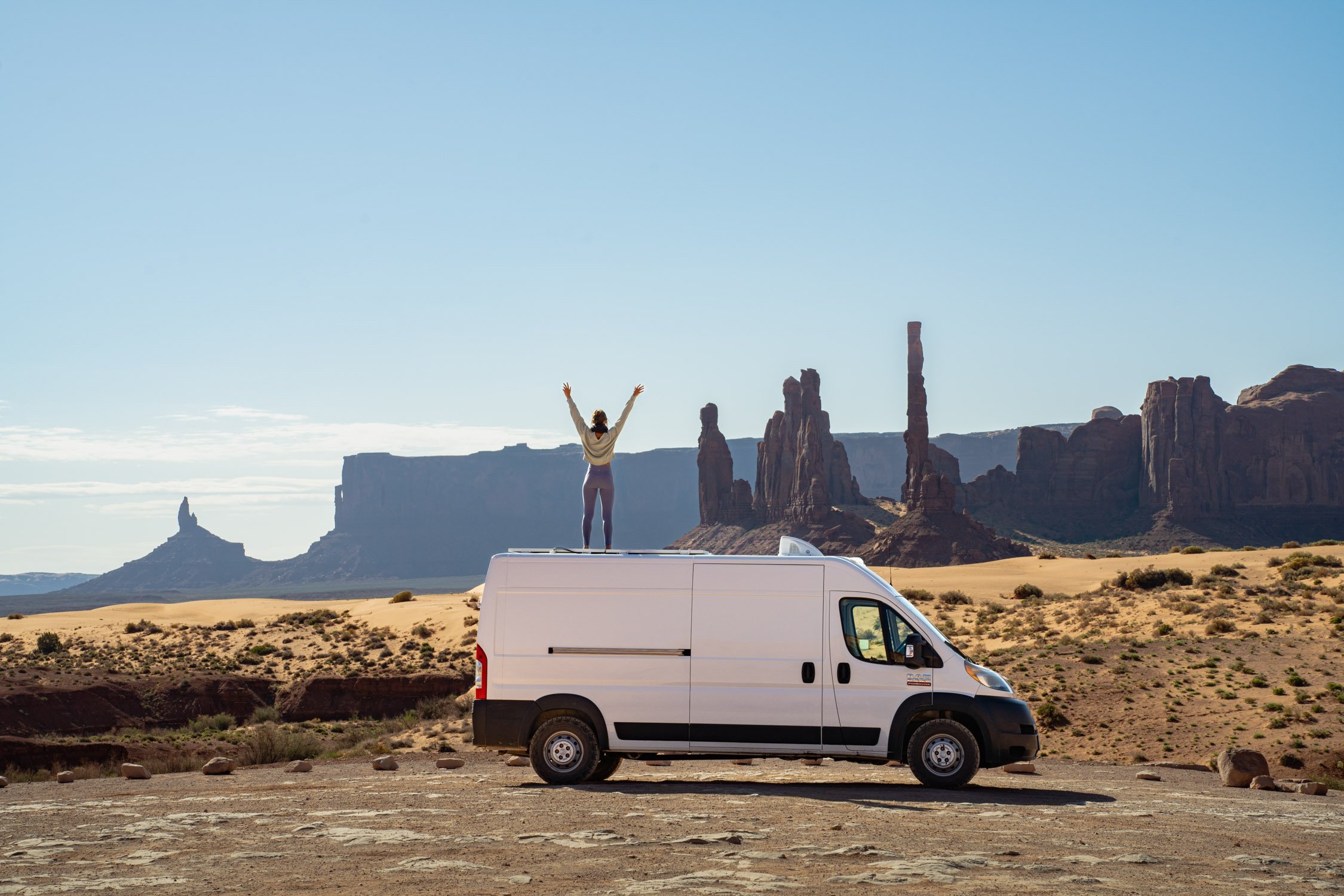
Monument Valley via van come highly recommended. Photo by Dalton Johnson
While van life undoubtedly offers a unique and adventurous lifestyle, it is essential to acknowledge the less glamorous aspects that often get overshadowed by the romanticized images on social media. For those considering the transition to van life, it's crucial to weigh the pros and cons carefully, understanding that the reality may not always align with the dream.
Discover more Adventures

How to Steer Clear of the Seven Most Common Van Life Mistakes
Outside of getting stuck in sand, because our vans are less capable than we think, van life isn't as straight forward as it seems. Actually, embarking on the van life journey is a thrilling adventure, offering freedom, flexibility, and a unique connection with the world, but, to ensure a smooth ride on this nomadic road, it's crucial to be aware of common pitfalls that many new van lifers encounter. So, that is my goal with this article, filling you in on the common mistakes, and mishaps, most new van lifers make. There really isn't a need to repeat history here, but if you feel inclined, I guess you should just stop reading. Without further ado, here are the seven most common van life mistakes:
Outside of getting stuck in sand, because our vans are less capable than we think, van life isn't as straight forward as it seems. Actually, embarking on the van life journey is a thrilling adventure, offering freedom, flexibility, and a unique connection with the world, but, to ensure a smooth ride on this nomadic road, it's crucial to be aware of common pitfalls that many new van lifers encounter. So, that is my goal with this article, filling you in on the common mistakes, and mishaps, most new van lifers make. There really isn't a need to repeat history here, but if you feel inclined, I guess you should just stop reading. Without further ado, here are the seven most common van life mistakes:
Road tripping the coastline on British Columbia. Photo by Dalton Johnson
1) Underestimating Costs
The allure of the open road can be intoxicating, but underestimating the financial aspects of van life is a common pitfall. From the initial van purchase to daily expenses and unexpected repairs, costs can quickly add up. To avoid financial roadblocks, create a comprehensive budget that includes all potential expenses. Be realistic about your financial situation, account for unexpected costs, and map out your financial route for a worry-free journey.
2) Inadequate Planning
Inadequate planning can turn your van life adventure into a series of challenges. Finding suitable campsites, navigating emergencies, and adapting to life on the road all require careful planning. To ensure a smoother journey, take the time to plan your route, research campsites, and join van life communities for valuable insights. Armed with a well-thought-out plan, you'll be better equipped to handle the twists and turns of your van life adventure.
3) Overpacking Woes, Streamlining for Space and Comfort
Space is a precious commodity in a van, and overpacking is a common pitfall. A cluttered living space not only hinders mobility but also affects fuel efficiency. To optimize your space, adopt a minimalist approach. Prioritize essential items, invest in multi-functional solutions, and regularly reassess your belongings. Streamlining your possessions not only creates a more comfortable living space but also enhances your overall van life experience.
4) Inadequate Climate Preparation
Overlooking the importance of climate preparation is a common oversight for new van lifers. Drastic temperature changes, unexpected storms, and extreme weather conditions can significantly impact your comfort and well-being on the road. To navigate the elements successfully, equip your van with proper insulation for varying climates.
Invest in heating and cooling solutions, such as a reliable ventilation system and portable heaters or fans. Check the weather forecast regularly and plan your route accordingly to avoid extreme conditions. Additionally, pack appropriate clothing for various climates to ensure you're prepared for any weather scenario. By addressing climate concerns, you'll create a more comfortable and adaptable living environment within your mobile sanctuary, making your van life journey all the more enjoyable.
5) Neglecting Maintenance
Neglecting regular vehicle maintenance is a mistake that can lead to breakdowns and unexpected setbacks. Ensure your van remains a reliable companion by prioritizing routine maintenance. Schedule regular check-ups, equip yourself with basic troubleshooting skills, and have a plan for breakdowns. A well-maintained van not only ensures a smoother journey but also extends the life of your nomadic home on wheels.
6) Ignoring Safety Concerns
Safety should be a top priority for every van lifer, yet it's often underestimated. Ignoring safety concerns, such as securing furniture and installing essential safety devices, can pose risks on the road. Invest in quality safety equipment, secure your belongings during travel, and have emergency plans in place. By prioritizing safety, you transform your van into a secure haven that allows you to fully enjoy the van life experience.
7) Don't Isolate Yourself, Build Lasting Connections on the Road
While van life offers solitude and independence, complete isolation can lead to loneliness. Building connections on the road is crucial for a more enriching experience. Connect with fellow van lifers through social media, forums, and local meetups. Share experiences, seek advice, and foster relationships with like-minded individuals. Balancing solitude with social interaction enhances your van life journey and creates lasting memories with a supportive community.
Watching sunset from the van after a full of kayaking. Photo by Dalton Johnson
Armed with these insights, you can confidently navigate the van life odyssey, avoiding common mistakes and transforming your journey into a fulfilling and memorable adventure on the open road. Embrace the freedom, connect with fellow travelers, and enjoy the unique experiences that van life has to offer. Safe travels!
Discover more Adventures
Van Life Without a Toilet, Good Idea or Bad?
The famous last words of any van lifer, "Do you need to go number one, or number two?" Living van life is an alluring prospect for many, offering the freedom to roam and explore with a home on wheels. However, one crucial decision that van dwellers often grapple with is whether to include a toilet in their mobile abode. While some embrace the simplicity of van life without a toilet, others find it to be a challenging compromise. Here, we will delve into the pros and cons of living the van life without a toilet and, ultimately trying to convince you, why having a toilet may be a crucial element for a more comfortable and sustainable lifestyle.
The famous last words of any van lifer, "Do you need to go number one, or number two?" Living van life is an alluring prospect for many, offering the freedom to roam and explore with a home on wheels. However, one crucial decision that van dwellers often grapple with is whether to include a toilet in their mobile abode. While some embrace the simplicity of van life without a toilet, others find it to be a challenging compromise. Here, we will delve into the pros and cons of living the van life without a toilet and, ultimately trying to convince you, why having a toilet may be a crucial element for a more comfortable and sustainable lifestyle.
A night in the van under the Milky Way. Photo by Dalton Johnson
Embracing Simplicity:
One of the primary advantages of opting for van life without a toilet is the simplicity it brings to your mobile living space. Omitting a toilet can streamline your van setup, reducing complexity and making it easier to maintain. For those who value minimalism and prefer a clutter-free environment, the absence of a toilet area allows for a more straightforward and functional living space.
More Space for Essentials:
Another significant benefit is the availability of more space within the van. Without the need for a dedicated toilet area, van dwellers can utilize the extra square footage for other essential amenities or additional storage. This surplus space enhances the overall functionality of the van, allowing for a more versatile and comfortable living environment.
Some quick numbers: a Promaster has 468 cubic feet of usable space and an average size portable toilet and all it's extras will take up roughly 1%.
Weight and Cost Savings:
Adding a toilet to a van conversion can contribute both weight and cost. For those conscious of their budget and looking to improve fuel efficiency, choosing to forgo a toilet can be a practical decision. The weight savings can lead to better fuel economy, while the cost savings can be redirected towards other aspects of the van conversion or used for future travels.
Note: this is if you are installing a toilet that has a holding tank like an RV. Weight is not an issue if you are using a portable toilet.
Flexibility in Parking:
Some locations have restrictions or regulations against camping in vehicles with bathroom facilities. Living without a toilet provides more flexibility in choosing where to park and stay overnight without worrying about violating any rules. This freedom to park in a wider range of places can enhance the spontaneity and adventure of van life.
Outdoor Experience:
Living without a toilet encourages van dwellers to embrace the outdoors and public facilities. Depending on the location, public restrooms, and outdoor spaces can provide a unique and immersive experience. Engaging with local communities and experiencing nature firsthand become integral aspects of the van life journey.
At first this might sound good, but if you are in an area that does not allow wild pooping, you are s#!t out of luck (yes, pun intended). So, if nature is calling and you aren't in a place where you answer the call, what are you going to do?
Inconvenience of No Toilet:
While the advantages are appealing, the drawbacks of living without a toilet should not be overlooked. One of the most significant challenges is the inconvenience of relying on public restrooms, or finding suitable outdoor locations for restroom needs. This inconvenience becomes particularly pronounced during the night or in areas with limited facilities, impacting the overall comfort and ease of van life.
Additionally, what happens if you get sick? A toilet is a nice to have for those just in case moments.
Privacy Concerns:
Privacy is another aspect that warrants consideration. Accessing public restrooms or finding secluded outdoor spots for bathroom activities may raise privacy concerns for some individuals. The desire for a more discreet lifestyle can clash with the reality of relying on public facilities, making this a crucial factor to weigh in the decision-making process.
If you are on BLM land and you have a portable toilet, I suggest moving your toilet out of your van and into an amazing spot with a view! Ideally, you would have a privacy tent as well so you don't bother those around or get stage fright.
Health and Hygiene Challenges:
Maintaining personal hygiene without a dedicated toilet can become a significant challenge. Inadequate access to sanitation facilities poses potential health risks, especially when camping in remote areas. The lack of a proper toilet setup may lead to unsanitary conditions, affecting the overall well-being of van dwellers.
Weather-Dependent Factors:
Weather conditions play a pivotal role in the feasibility of living without a toilet. In harsh weather, finding and using public restrooms or venturing into the outdoors for bathroom needs can be uncomfortable or even unsafe. Having an indoor toilet provides a more consistent and comfortable solution, ensuring that weather conditions do not compromise basic needs.
Watching sunrise from the back of the van in Baja. Photo by Dalton Johnson
While the idea of van life without a toilet may appeal to those seeking simplicity and a closer connection with nature, the overall consensus leans toward it being a suboptimal choice. The inconvenience, privacy concerns, potential health risks, and weather-dependent factors make having a toilet a crucial aspect of a comfortable and sustainable van life experience.
For those embarking on the van life journey, investing in a portable toilet or incorporating a toilet into the van conversion is advisable. The drawbacks of living without a toilet, particularly in terms of health, hygiene, and convenience, outweigh the benefits of simplicity and minimalism. Ultimately, a well-equipped van that includes a toilet ensures a more enjoyable, self-sufficient, and adaptable lifestyle on the road. So, when deciding on the components of your van conversion, consider the long-term challenges and prioritize the comfort and well-being that a toilet can provide in the vast and unpredictable landscape of van life.
Discover more Adventures

Top 10 Tips for Paddleboarding Beginners
Paddleboarding, also known as Stand-Up Paddleboarding (SUP), is a fantastic way to enjoy the water, get some exercise, and explore new places. For beginners, however, getting started can seem daunting. Here are the top 10 tips to help you ease into the sport and enjoy your paddleboarding experience.
Paddleboarding, also known as Stand-Up Paddleboarding (SUP), is a fantastic way to enjoy the water, get some exercise, and explore new places. For beginners, however, getting started can seem daunting. Here are the top 10 tips to help you ease into the sport and enjoy your paddleboarding experience.
Learning how to paddleboard on the clear waters of Lake Tahoe. Photo by Dalton Johnson
1. Choose the Right Equipment
The first step to successful paddleboarding is selecting the right equipment. As a beginner, you'll want to opt for a stable, all-around board that's easy to balance on. Look for a board with a wider and longer design, typically around 10-12 feet long and 30-34 inches wide. An inflatable SUP can be a great choice for beginners due to its durability and portability. Additionally, choose a paddle that is 8-10 inches taller than you for the best control.
2. Learn Basic Safety Tips
Safety should always be your top priority when starting any new water sport. Before heading out, familiarize yourself with the local regulations and weather conditions. Always wear a personal flotation device (PFD) and a leash to keep your board close if you fall off. Understanding basic self-rescue techniques and knowing how to swim are also crucial for your safety.
3. Start on Calm Waters
Beginners should start on calm, flat waters to get a feel for the board and practice their balance. Lakes, bays, and slow-moving rivers are ideal locations for your first paddleboarding adventures. Avoid windy days and areas with heavy boat traffic until you become more confident in your abilities.
4. Practice Proper Paddling Techniques
Learning proper paddling techniques is essential for an efficient and enjoyable experience. Here are a few key points to remember:
Hold the paddle with one hand on the top grip and the other about halfway down the shaft.
Keep your arms straight and use your core muscles to power your strokes.
Reach forward and submerge the paddle blade fully in the water before pulling it back towards your feet.
Alternate sides to maintain a straight course.
5. Master the Stance
Your stance on the board greatly affects your stability and control. Start by kneeling on the board to get a feel for it. Once you're comfortable, stand up one foot at a time, keeping your feet parallel, about hip-width apart. Bend your knees slightly and keep your back straight. Look ahead rather than down at your feet to maintain balance.
6. Take a Lesson or Join a Group
Taking a lesson from a certified instructor can accelerate your learning process. They can provide personalized tips and correct any mistakes you might be making. Additionally, joining a local paddleboarding group or club can be a great way to meet fellow enthusiasts, gain insights, and stay motivated.
7. Be Prepared for Falls
Falling off the board is a natural part of learning and nothing to be ashamed of. When you fall, try to fall away from the board to avoid injury. Practice climbing back onto the board in calm conditions so you'll be prepared if it happens in deeper water. Remember, each fall is a learning opportunity.
8. Dress Appropriately
Wearing the right clothing can make a big difference in your comfort level. In warmer climates, a swimsuit or board shorts with a UV-protective shirt is sufficient. In colder waters, consider wearing a wetsuit or drysuit to keep warm. Don’t forget a hat, sunglasses, and sunscreen to protect yourself from the sun.
9. Understand Wind and Current Effects
Wind and currents can significantly impact your paddleboarding experience. Always start your session paddling into the wind or current, so it’s easier to return to your starting point when you’re tired. Pay attention to the weather forecast and avoid going out in strong winds or stormy conditions.
10. Enjoy the Journey
Paddleboarding is not just about getting from point A to point B; it's about enjoying the journey. Take time to appreciate the natural surroundings, watch for wildlife, and relax on the water. As you become more comfortable, try different styles of paddleboarding such as yoga, fishing, or even surfing small waves.
Paddleboarding at sunset in Baja’s Conception Bay. Photo by Dalton Johnson
Paddleboarding is a rewarding activity that offers both physical and mental benefits. By following these top 10 tips, beginners can start their paddleboarding journey with confidence and enjoyment. Remember to choose the right equipment, prioritize safety, and practice regularly. With time and experience, you'll become more skilled and adventurous in your SUP pursuits.
Discover more Adventures

Adults Only Royal Caribbean Reveals Exclusive Hideaway Beach
When it comes to tropical getaways, nothing quite compares to the allure of the Caribbean, and Royal Caribbean International knows this better than anyone. Their latest venture, Hideaway Beach, an adults-only paradise nestled on Perfect Day at CocoCay in The Bahamas, promises to redefine luxury island retreats. Set to open its doors in January 2024 with the debut of the eagerly awaited Icon of the Seas, Hideaway Beach is bound to be the epitome of relaxation and indulgence.
When it comes to tropical getaways, nothing quite compares to the allure of the Caribbean, and Royal Caribbean International knows this better than anyone. Their latest venture, Hideaway Beach, an adults-only paradise nestled on Perfect Day at CocoCay in The Bahamas, promises to redefine luxury island retreats. Set to open its doors in January 2024 with the debut of the eagerly awaited Icon of the Seas, Hideaway Beach is bound to be the epitome of relaxation and indulgence.
"Hideaway Beach is a completely new vibe and experience that vacationers are looking for on Perfect Day at CocoCay. Everything, from its hidden-like location to the exclusive beach and pools to the private cabanas, is designed for adults who want a day just for them," says Michael Bayley, President and CEO of Royal Caribbean International.
For those seeking the perfect blend of adventure and tranquility, Hideaway Beach is poised to be the ultimate sanctuary. Tucked away on the northwest beach of Perfect Day at CocoCay, this exclusive paradise covers over an acre of pristine Bahamian white sand beaches and offers crystal-clear turquoise waters for adults aged 18 and older to enjoy. Here are some of the highlights that make Hideaway Beach a must-visit destination for adults:
Adulting Beachside or Poolside
Hideaway Beach: From end to end, Hideaway Beach offers guests exclusive access to the finest white sand beaches and inviting turquoise waters. Whether you prefer lounging on the resort-style sunbeds, relaxing under beach umbrellas, swaying in the in-water hammocks, or trying your hand at beach games, the beach has it all. Plus, the live DJ by the pool adds to the vibrant atmosphere.
Hideaway Pool: The party never stops at Hideaway Pool, with all-day tunes from the DJ and a lively swim-up bar at the heart of the action. In-water seating and loungers, coupled with poolside loungers surrounding the heated infinity-edge pool, ensure every spot is the best seat in the house to enjoy picture-perfect views.
Hideaway Cabanas: Just steps away from the excitement, you can elevate your day by booking one of the 10 chic poolside cabanas. These cabanas offer a range of amenities, including a dedicated cabana attendant, a mini-fridge, floating beach mats, and charging outlets.
The Hideout: For those who crave a more VIP, laidback experience, The Hideout is the place to be. Ten Hideout Cabanas offer an exclusive heated infinity plunge pool and perks like cabana attendant service, in-water loungers, an outdoor shower, and plush resort-style seating.
Laidback Bites and Drinks
On the Rocks: With its unbeatable al fresco setting along the rocky shore, On the Rocks is the place to be for live music, sports on TV, games like pool and shuffleboard, and breathtaking ocean views. Sip on refreshing drinks like frozen margaritas and mai tais while taking in the ambiance.
Hideaway Bar: The swim-up bar at Hideaway Pool is where the action is. With two levels, you can enjoy your drinks poolside or without leaving the water, ensuring you maximize every minute of your island time.
Slice of Paradise: This rustic pizza haven with a bar and complimentary food serves fresh-from-the-oven favorites, including island-inspired options like Bahamian guava barbecue chicken.
Snack Shack: A staple at Perfect Day at CocoCay, Snack Shack offers a menu of complimentary items such as chicken sandwiches, burgers, fried mozzarella sticks, fresh salads, and more. You can enjoy your meal in the shaded seating area or at Adirondack chairs and tables right on the sand.
Beach Bars: Two full-service beach bars round out the experience, ensuring a refreshing drink is never far away.
Hideaway Beach is the latest addition to Royal Caribbean's award-winning destination, which underwent a $250 million transformation in 2019. Since then, the cruise line has introduced new experiences, including an elevated beach retreat at Coco Beach Club and the reimagined South Beach in 2020.
With Hideaway Beach, Royal Caribbean is not only upping the ante on vacation experiences but also expanding its lineup of vacations visiting Perfect Day at CocoCay in 2024. With 22 ships sailing from over nine different cities, travelers can choose from a range of itineraries, from three nights on the world's largest weekend cruiser, the Utopia of the Seas, to seven nights on the Icon, a first-of-its-kind combination of the best of every vacation. From thrill to chill, family-friendly activities to the all-new adults-only paradise, Royal Caribbean is redefining what it means to have a perfect vacation. So, mark your calendars for January 2024 and get ready to experience the ultimate tropical getaway at Hideaway Beach on Perfect Day at CocoCay.
Discover More Destinations

The Pros and Cons of Van Life in Baja
The allure of van life has been growing steadily in recent years, with more and more individuals and families choosing to hit the open road in their DIY rigs. Baja California, the picturesque Mexican peninsula, is a prime destination for van lifers seeking sun, surf, and adventure. However, before you pack your bags and hit the road, it's essential to weigh the pros and cons of van life in Baja to make an informed decision.
The allure of van life has been growing steadily in recent years, with more and more individuals and families choosing to hit the open road in their DIY rigs. Baja California, the picturesque Mexican peninsula, is a prime destination for van lifers seeking sun, surf, and adventure. However, before you pack your bags and hit the road, it's essential to weigh the pros and cons of van life in Baja to make an informed decision.
Pros of Van Life in Baja
Stunning Scenery: One of the most significant advantages of van life in Baja is the stunning natural beauty. From the pristine beaches along the Sea of Cortez to the rugged desert landscapes of the Baja Peninsula, you'll have access to a variety of breathtaking vistas right outside your van door.
Affordable Living: Baja offers a cost-effective lifestyle for van lifers. Campgrounds and beachfront parking spots are often much cheaper than traditional accommodation, and the overall cost of living is relatively low. I typically expect to pay $15-20 a day.
Cultural Experience: Van life in Baja allows you to immerse yourself in Mexican culture. You can explore local markets, enjoy authentic cuisine, and interact with friendly locals, enriching your travel experience.
Endless Adventures: Baja is a paradise for outdoor enthusiasts. Whether you're into surfing, hiking, fishing, or just enjoying the warm weather, there are endless adventures to be had. The diverse terrain caters to a wide range of interests and skill levels.
Flexibility: Van life provides the ultimate freedom to move at your own pace. You can change your location whenever you desire, adapting to your preferences and weather conditions.
Cons of Van Life in Baja
Safety Concerns: While Baja is generally a safe place to travel, there are areas with higher crime rates. It's essential to research your route and stay informed about current safety conditions. Take precautions to ensure your safety and belongings.
Language Barrier: Many locals in Baja may not speak English, which can pose challenges when it comes to communication. It's advisable to learn some basic Spanish phrases to make your journey more manageable.
Limited Amenities: Unlike urban living, van life often means sacrificing some creature comforts. You may have limited access to electricity, showers, and laundry facilities. Prepare to adapt to a simpler lifestyle.
Border Crossings: Traveling to Baja involves crossing the U.S.-Mexico border. While it's generally straightforward, there can be long wait times and sometimes complex entry requirements, which can be intimidating for newcomers.
Environmental Impact: Van life can have an environmental impact due to increased fuel consumption and waste generation. It's essential for responsible van lifers to minimize their footprint by practicing Leave No Trace principles and reducing their carbon footprint.

Van life in Baja offers a unique opportunity to explore a diverse and stunning region. The advantages of breathtaking landscapes, affordability, and cultural immersion make it an appealing lifestyle choice. However, it's vital to be aware of the potential drawbacks, such as safety concerns, language barriers, and limited amenities, as well as taking responsibility for minimizing environmental impact. Ultimately, van life in Baja can be an incredible adventure for those who are well-prepared and willing to embrace the ups and downs of life on the road.
Discover More Destinations

Best Ways To Explore The Amalfi Coast
The Amalfi Coast, a UNESCO World Heritage site located in southern Italy, is renowned for its stunning cliffs, charming villages, and breathtaking coastal views. Stretching about 50 kilometers along the southern edge of the Sorrentine Peninsula, it offers a myriad of ways to explore its beauty. Here are some of the best ways to discover the Amalfi Coast.
The Amalfi Coast is a mosaic of charming towns, each with its unique character and allure. From the pastel-colored houses of Positano cascading down to the sea, to the historic grandeur of Amalfi and the serene gardens of Ravello, every corner of this region invites exploration and wonder. The azure waters of the Mediterranean Sea contrast beautifully with the rugged cliffs, creating a landscape that is both dramatic and serene.
Travelers to the Amalfi Coast can choose from a myriad of ways to experience its splendor. Whether it's winding through the coastal roads by bus or scooter, sailing along the shoreline by ferry, or trekking through its scenic hiking trails, there is an adventure to suit every preference. For those seeking a leisurely pace, the coastal towns offer quaint streets filled with artisanal shops, cafes, and restaurants serving up the region’s delectable cuisine.
In this guide, we delve into the best ways to discover the Amalfi Coast, highlighting the diverse transportation options and unique experiences that await. Whether you're a first-time visitor or returning to savor its beauty once more, this enchanting region of Italy promises an unforgettable journey.
The colorful buildings of Positano glowing in the light along the Amalfi Coast of Italy. Photo by Dalton Johnson
1. Busing the Amalfi Coast
One of the most popular ways to traverse the Amalfi Coast is by bus. The SITA bus service connects the main towns along the coast, such as Positano, Amalfi, and Ravello. Busing allows you to sit back and enjoy the panoramic views without the stress of navigating the narrow, winding roads yourself. The buses are frequent and relatively inexpensive, making them a great option for budget-conscious travelers. However, during peak season, they can be crowded, so it's advisable to plan ahead and be prepared for some waiting.
Pros:
Affordable and budget-friendly.
Regular and frequent service.
Great for enjoying panoramic views without the stress of driving.
Cons:
Can be crowded, especially during peak season.
Limited flexibility with schedules and stops.
Potential for long waits and delays.
2. Scooter the Amalfi Coast
For those seeking a more adventurous and flexible way to explore, renting a scooter is an excellent choice. Scooters allow you to easily navigate through the narrow streets and find hidden gems that larger vehicles cannot access. You'll have the freedom to stop wherever and whenever you want, making it easier to discover secluded beaches or charming roadside cafes. Just remember to wear a helmet and drive carefully, as the coastal roads can be quite challenging.
Pros:
Offers flexibility and freedom to explore at your own pace.
Easier access to narrow streets and hidden spots.
Fun and adventurous way to travel.
Cons:
Requires confident driving skills and caution.
Limited protection from weather conditions.
Potentially dangerous due to winding roads and traffic.
3. Ferry Ride the Amalfi Coast
Taking a ferry is another fantastic way to experience the Amalfi Coast, offering a unique perspective from the water. Ferries connect several key towns along the coast, including Sorrento, Positano, Amalfi, and Salerno. This mode of transportation provides stunning views of the coastline and the Mediterranean Sea, making it a scenic and relaxing way to travel. Additionally, ferries are less crowded than buses during high season and offer a smooth, enjoyable ride.
Pros:
Provides stunning coastal views from the water.
Less crowded than buses during peak season.
Smooth and relaxing travel experience.
Cons:
Limited to specific routes and schedules.
Weather-dependent service.
Can be more expensive than other modes of transportation.
4. Driving the Amalfi Coast
If you prefer having complete control over your itinerary, renting a car is an option. Driving along the Amalfi Coast can be a thrilling experience, but it comes with its challenges. The roads are narrow, winding, and often crowded, requiring confident driving skills. Parking can also be difficult to find and expensive. Despite these challenges, having a car allows you to explore at your own pace and venture off the beaten path to discover lesser-known areas.
Pros:
Complete control over your itinerary.
Ability to explore off-the-beaten-path locations.
Convenient for carrying luggage and personal items.
Cons:
Challenging driving conditions with narrow, winding roads.
Difficult and expensive parking.
Potential for traffic congestion, especially in summer.
5. Hiking the Amalfi Coast
For nature enthusiasts, hiking is one of the best ways to immerse yourself in the natural beauty of the Amalfi Coast. The Path of the Gods (Sentiero degli Dei) is the most famous trail, offering spectacular views of the coastline and the Tyrrhenian Sea. The trail runs between the towns of Bomerano and Nocelle, and is suitable for hikers of various skill levels. Other popular hikes include the Valle delle Ferriere and the coastal trail from Maiori to Minori. Hiking allows you to experience the region's lush landscapes, terraced vineyards, and charming villages up close.
Pros:
Immersive experience in nature and local scenery.
Access to breathtaking viewpoints and less-visited areas.
Healthy and active way to explore.
Cons:
Requires physical fitness and good footwear.
Weather-dependent and can be strenuous.
Limited to specific trails and areas.
6. Exploring by Boat
Chartering a private boat or joining a boat tour is a luxurious and intimate way to explore the Amalfi Coast. This option allows you to visit secluded coves and beaches that are inaccessible by land. You can also enjoy activities such as swimming, snorkeling, and diving in the crystal-clear waters. Many boat tours offer the opportunity to visit nearby islands like Capri and Ischia, adding more variety to your coastal adventure.
Pros:
Luxurious and intimate way to see the coast.
Access to secluded coves and beaches.
Opportunities for swimming, snorkeling, and diving.
Cons:
Expensive, especially for private charters.
Weather-dependent and may be seasonal.
Limited to coastal areas and not inland towns.

Looking east, down the Amalfi Coast of Italy from Vietri Sul Mare. Photo by Dalton Johnson
The Amalfi Coast offers a multitude of ways to explore its breathtaking scenery and charming towns. Whether you choose to bus, scooter, ferry, drive, hike, or explore by boat, each mode of transportation provides a unique perspective and experience. Plan your trip according to your preferences and comfort level to make the most of your visit to this enchanting part of Italy.
So pack your bags, prepare your itinerary, and get ready to discover the unparalleled beauty of the Amalfi Coast. Buon viaggio!
Discover More Destinations

7 Winter Destinations to Consider This Year
We'll introduce you to seven incredible winter destinations that you should consider for your upcoming winter getaway. From the frosty landscapes of Yellowstone National Park to the sunny shores of Baja Sur, each destination offers its own charm and a range of exciting adventures.
Winter is a magical season that transforms landscapes into breathtaking wonderlands. It's the perfect time to embark on new adventures, explore unique destinations, and create lasting memories. Whether you're a fan of snowy escapades, temperate climates, or wildlife encounters, there's a winter destination that suits your preferences.
We'll introduce you to seven incredible winter destinations that you should consider for your upcoming winter getaway. From the frosty landscapes of Yellowstone National Park to the sunny shores of Baja Sur, each destination offers its own charm and a range of exciting adventures.
1. Yellowstone National Park, USA:
Yellowstone National Park, located in the U.S. states of Wyoming, Montana, and Idaho, is a winter wonderland known for its geothermal wonders and abundant wildlife. Blanketed in snow, the park transforms into a serene and picturesque destination.
Must-Do Adventures:
Snowmobiling and Snow Coach Tours: Explore the park's vast winter landscapes by embarking on a thrilling snowmobile adventure or a more comfortable snow coach tour. These tours offer access to the park's iconic features like Old Faithful and the Grand Canyon of the Yellowstone.
Wildlife Watching: Winter is an excellent time to observe Yellowstone's wildlife, including bison, elk, wolves, and bald eagles. Lamar Valley is a hotspot for wildlife enthusiasts, offering opportunities to spot these magnificent creatures in their natural habitat.
Cross-Country Skiing and Snowshoeing: Strap on your cross-country skis or snowshoes and traverse the park's pristine trails. This allows you to experience the tranquility of Yellowstone's winter landscape up close.
Pros and Cons:
Pros:
Unique winter beauty with geysers and hot springs surrounded by snow.
Abundant wildlife sightings.
Wide range of winter activities, including snowmobiling and skiing.
Cons:
Cold temperatures and harsh weather conditions.
Limited accessibility due to road closures.
Crowded during peak holiday periods.
2. Baja Sur, Mexico:
Baja Sur is a region located in the southern part of the Baja California Peninsula in Mexico. It's famous for its pleasant winter climate, beautiful beaches, and vibrant culture.
Must-Do Adventures:
Whale Watching: Witness the incredible spectacle of gray whales migrating to the warm waters of Baja Sur. Book a boat tour from destinations like La Paz or Cabo San Lucas to get up close to these magnificent creatures.
Water Sports: Baja Sur offers a range of water sports, including snorkeling, scuba diving, and kayaking. The Sea of Cortez's clear waters teem with marine life, making it a paradise for aquatic adventures.
Explore Historic Towns: Visit charming towns like Todos Santos and Loreto to explore their rich history, art galleries, and local cuisine.
Pros and Cons:
Pros:
Pleasant winter weather with mild temperatures.
Abundant marine life and opportunities for water sports.
Rich cultural experiences in historic towns.
Cons:
High tourist traffic during peak winter months.
Limited direct flight options to some destinations in Baja Sur.
Some areas may be pricier than other Mexican destinations.
3. Sedona, Arizona, USA:
Sedona, located in the heart of Arizona, is a desert oasis surrounded by red rock formations. While winter here may not bring snow, it offers a unique and serene landscape.
Must-Do Adventures:
Hiking and Jeep Tours: Explore Sedona's stunning red rock formations through hiking trails or guided jeep tours. Popular spots include Cathedral Rock and Devil's Bridge.
Stargazing: Sedona's clear skies and minimal light pollution make it an ideal spot for stargazing. Consider joining a nighttime astronomy tour to learn about the cosmos.
Spa Retreats: Treat yourself to relaxation and rejuvenation at Sedona's world-class spas, offering massages, yoga retreats, and wellness programs.
Pros and Cons:
Pros:
Mild winter temperatures suitable for outdoor activities.
Spectacular desert landscapes.
Unique spiritual and wellness experiences.
Cons:
Limited winter-specific activities.
Can get crowded during weekends and holidays.
Accommodation prices may be higher in peak season.
4. South Africa:
South Africa offers a diverse range of winter experiences, from safaris to exploring vibrant cities and coastal escapes.
Must-Do Adventures:
Safari in Kruger National Park: Witness the "Big Five" and other incredible wildlife on a safari in one of Africa's most renowned national parks.
Cape Town: Explore the vibrant city of Cape Town, visit Table Mountain, and indulge in the city's thriving food and wine scene.
Garden Route: Drive along the picturesque Garden Route, known for its lush landscapes, stunning beaches, and charming towns.
Pros and Cons:
Pros:
Ideal time for wildlife safaris.
Pleasant winter weather in most regions.
Rich cultural experiences and diverse landscapes.
Cons:
Malaria risk in some safari areas.
Crowded during school holidays.
Long flights may be required for some travelers.
5. Jackson Hole, Wyoming, USA:
Jackson Hole, nestled in the Teton Mountains of Wyoming, is a top-notch winter destination for outdoor enthusiasts and ski aficionados.
Must-Do Adventures:
Skiing and Snowboarding: Jackson Hole Mountain Resort is renowned for its challenging slopes and breathtaking vistas. Enjoy some of the best skiing and snowboarding in the United States.
Snowshoeing and Snowmobile Tours: Explore the pristine wilderness around Jackson Hole on snowshoes or snowmobiles. Guided tours are available for all skill levels.
Wildlife Safaris: Join a wildlife safari in nearby Grand Teton National Park to spot bison, elk, moose, and other iconic North American animals.
Pros and Cons:
Pros:
World-class skiing and snowboarding opportunities.
Stunning mountain scenery.
Excellent wildlife viewing in nearby national parks.
Cons:
Cold winter temperatures.
High-end resorts can be expensive.
Popular and can be crowded during peak season.
6. Big Sur, California, USA:
Big Sur, located along California's rugged central coast, offers a different kind of winter getaway. It's known for its dramatic cliffs, redwood forests, and serene coastline.
Must-Do Adventures:
Coastal Hiking: Explore the stunning coastline on foot through the numerous hiking trails that offer breathtaking views of the Pacific Ocean.
McWay Falls: Visit McWay Falls, an iconic waterfall that flows directly onto a pristine beach, creating a postcard-worthy scene.
Bixby Creek Bridge: Photograph the famous Bixby Creek Bridge, one of the tallest single-span concrete bridges in the world, which offers incredible vistas.
Pros and Cons:
Pros:
Mild winter weather along the coast.
Stunning coastal scenery and natural beauty.
Peaceful and tranquil environment.
Cons:
Limited winter-specific activities.
Accommodations may require advance booking.
Some areas may be inaccessible due to winter storms.
7. Costa Rica:
Costa Rica, known for its lush rainforests, abundant wildlife, and stunning beaches, offers a tropical escape for winter travelers.
Must-Do Adventures:
Rainforest Exploration: Hike through Costa Rica's diverse rainforests, visit waterfalls, and spot colorful wildlife such as toucans and sloths.
Zip-Lining and Canopy Tours: Get an adrenaline rush by zip-lining through the treetops or taking a canopy tour.
Beach Relaxation: Unwind on Costa Rica's beautiful beaches, from the Pacific to the Caribbean coast.
Pros and Cons:
Pros:
Pleasant tropical climate during winter.
Abundant wildlife and natural beauty.
Wide range of outdoor activities.
Cons:
Possible rainfall in some regions.
High tourist traffic in popular areas.
Some adventure activities may have age or health restrictions.
This winter, consider one of these incredible destinations for a memorable getaway. Whether you prefer snowy landscapes, tropical beaches, or desert tranquility, there's a destination that suits your preferences and offers a wide range of adventures. Remember to plan ahead and book accommodations in advance. So, pack your bags, embrace the winter spirit, and embark on an adventure of a lifetime.
Discover More Destinations

The Real Price Tag of Van Life
The romantic notion of living in a van can quickly collide with the reality of budgeting and financial planning if you don't get ahead of it. Embracing the freedom of the open road and the allure of a minimalist lifestyle, is intoxicating, but there are bills you need to pay even when breaking from the conventional life of a house. In this article, we'll delve into the nitty-gritty details of how much van life actually costs, covering both monthly expenses and additional costs that might not be immediately apparent.
The romantic notion of living in a van can quickly collide with the reality of budgeting and financial planning if you don't get ahead of it. Embracing the freedom of the open road and the allure of a minimalist lifestyle, is intoxicating, but there are bills you need to pay even when breaking from the conventional life of a house. In this article, we'll delve into the nitty-gritty details of how much van life actually costs, covering both monthly expenses and additional costs that might not be immediately apparent.
NOTE: You will notice I did not put food into this article, I've spoken with several vanlifers about their food costs per month and it ranges from $200-$1500 month. If you have a van, this cost most likely won't change from your current situation, unless you decide to eat out often.

Campfire at sunset while posted up in BLM of California. Photo by Dalton Johnson
Monthly Costs:
Fuel: $400/month
The cost of fuel is a significant factor, varying depending on the distance traveled and the efficiency of the van. I have paid more than $1500 in a single month when I was driving a ton!
Insurance: $75-200/month
Insurance costs fluctuate based on factors such as the type of coverage, location, and the van's value. Also, heading south of the border, you need Mexican insurance, so that feels like a double whammy.
Propane (for heater and cooking): $15/month
For those relying on propane for heating and cooking, budgeting for this necessity is crucial, but propane goes a long ways. Unless it is very cold, I would say I fill my two tanks once every three months, which costs about $45 each time.
Internet (e.g., Starlink): $150/month
Maintaining an internet connection, especially for remote work or entertainment, is a common expense. A double edge sword, but if you don't have this, you'll become a coffee shop worker.
Hotels and/or Campgrounds: $300
While van lifers often aim to park in free or low-cost spots, occasional stays at hotels or campgrounds may be necessary for amenities, a change of pace, and most often a shower.
Van Payment (if you buy a new one): $400-700/month
Financing a new van adds a significant monthly expense. Used van buyers might avoid this cost.
Water: Typically free, but costs may arise (e.g., $20-30/month in Baja)
Total Monthly Costs of Van Life: $1,400 - $2,100
The average costs of living van life month to month is around $1,400-$2,100, but I will say from personal experience you can do this significantly cheaper (the lowest I ever got down to was $435/month including food) and I have heard rumors of $5k-10k a month for those who want to live a lavish life on the road.
Additional Costs:
Oil Changes: $300-400/year
Regular maintenance, including oil changes, is essential to keep the van running smoothly.
Tire Rotations: $0-150/year
Some places offer free tire rotations, but it's wise to budget for this regular maintenance expense.
Registration: California is between $300-500/year
Vehicle registration fees can vary by state, and it's crucial to factor this into the annual budget.
Upgrades: $1000-3000/year
Vanlifers often find themselves making modifications and improvements to enhance comfort and functionality. I know I do this often!
New Batteries: $400-1000 every 5 years
Replacing batteries for your solar is a periodic expense for those relying on them for power needs.
Tires: $1000/18 months
Regular tire replacements are necessary, and costs can vary based on the type and brand of tires.
Total Additional Costs of Van Life For The Year: $3,000 - $5,000
Total Cost of Living Van Life for a Single Year: $19,800 - $30,200 (not including food)
Making time to watch the sunset from the top of the van while on the road. Photo by Dalton Johnson
While the allure of van life is undeniable, it's crucial to approach it with realistic expectations, especially when it comes to finances. The costs outlined above are general estimates, and actual expenses can vary based on personal choices and circumstances. By carefully budgeting and planning for both monthly and additional costs, van lifers can better enjoy the freedom of the open road without the stress of unexpected financial burdens.