

Patagonia's Central Hotel, Las Torres Patagonia, Is Getting a Facelift
For adventure travelers heading to Patagonia, there's exciting news from Torres del Paine National Park. Las Torres Patagonia is unveiling a major transformation of Hotel Las Torres, promising a fresh, contemporary stay amidst the stunning Patagonian landscape. Starting October 1, 2024, guests will experience newly designed accommodations and an enhanced adventure at this historic property.
For adventure travelers heading to Patagonia, there's exciting news from Torres del Paine National Park. Las Torres Patagonia is unveiling a major transformation of Hotel Las Torres, promising a fresh, contemporary stay amidst the stunning Patagonian landscape. Starting October 1, 2024, guests will experience newly designed accommodations and an enhanced adventure at this historic property.

With the season's opening just around the corner, the hotel is undergoing a complete redesign led by renowned architect Pedro Kovacic and interior designer Enrique Concha. Their vision aims to blend elegance and simplicity, ensuring that the interior complements rather than competes with the breathtaking surroundings.
Hotel Las Torres, owned by the Kusanovic family, boasts 74 rooms set against a backdrop of towering mountains, dense forests, and vibrant skies. Kovacic and Concha's design philosophy was inspired by these natural wonders. “We wanted the interior to harmonize with the natural beauty outside,” they explained, striving for a modern yet understated aesthetic.
The redesign features porcelain tiling replacing traditional carpets, reflecting the textures and colors of Torres del Paine. The focal point in each room is the bed, featuring ridged wood slots, linen fabrics that evoke Patagonia’s serenity, and subtle lighting to create a cozy, welcoming atmosphere.
Bathrooms have also been revamped, with modern showers and glass doors replacing the classic bathtubs. The use of porcelain tiles and sleek fixtures provides a timeless look, merging historical elements with contemporary touches.
The redesigned rooms are crafted to offer a peaceful retreat that harmonizes with the raw beauty of Patagonia. Wooden boards in the corridors, naturally weathered by the elements, maintain a rustic charm, while large windows frame spectacular views of Mount Almirante Nieto.
Beyond the rooms, Las Torres Patagonia plans to upgrade Coiron Restaurant, Pioneer Bar, and other public areas over the next year, ensuring a fully refreshed experience for all guests.


What to Do in Patagonia
While staying at Hotel Las Torres, adventure travelers can explore a variety of activities that make Patagonia a bucket-list destination:
Hiking the W Trek: This iconic trek offers some of the most stunning views in Torres del Paine, including the famous Towers of Paine.
Wildlife Watching: Spot guanacos, pumas, and the Andean condor in their natural habitats.
Glacier Tours: Visit the Grey Glacier and enjoy breathtaking boat tours across Lago Grey.
Horseback Riding: Experience the rugged terrain of Patagonia on horseback, guided by local experts.
Kayaking: Paddle through pristine lakes and rivers, surrounded by dramatic landscapes.
FAQs About Visiting Patagonia
Q: When is the best time to visit Patagonia? A: The best time to visit Patagonia is from October to April when the weather is milder and the park's facilities are fully operational.
Q: What should I pack for my trip to Patagonia? A: Pack layers to accommodate varying weather conditions, sturdy hiking boots, waterproof clothing, and a good quality camera to capture the stunning scenery.
Q: Are guided tours available? A: Yes, Las Torres Patagonia offers guided tours ranging from day hikes to multi-day excursions, led by experienced local guides.
Q: How can I get to Torres del Paine National Park? A: The nearest major airport is in Punta Arenas, from which you can take a bus or private transfer to the park. The journey takes approximately 5-6 hours.
Q: What kind of wildlife can I expect to see? A: Patagonia is home to diverse wildlife, including guanacos, pumas, foxes, and a variety of bird species, such as the majestic Andean condor.
Q: Are there any specific entry requirements for the park? A: Visitors need to purchase an entry ticket for Torres del Paine National Park. It's advisable to buy tickets in advance during peak season.
Las Torres Patagonia, with its transformed Hotel Las Torres, offers the perfect blend of comfort and adventure, making it an ideal base for exploring the wonders of Patagonia. Whether you're hiking, wildlife watching, or simply soaking in the majestic views, your stay promises to be an unforgettable experience.
Discover More Destinations
How To Stay Properly Hydrated on the Trail
Hiking, backpacking, and thru-hiking offer unparalleled opportunities to immerse oneself in nature, challenge physical limits, and rejuvenate the mind. However, ensuring proper hydration is crucial to making the most of these adventures. Whether you're a day hiker, a multi-day backpacker, or a dedicated thru-hiker, staying hydrated is key to your health, performance, and enjoyment on the trail.
Hiking, backpacking, and thru-hiking offer unparalleled opportunities to immerse oneself in nature, challenge physical limits, and rejuvenate the mind. However, ensuring proper hydration is crucial to making the most of these adventures. Whether you're a day hiker, a multi-day backpacker, or a dedicated thru-hiker, staying hydrated is key to your health, performance, and enjoyment on the trail.
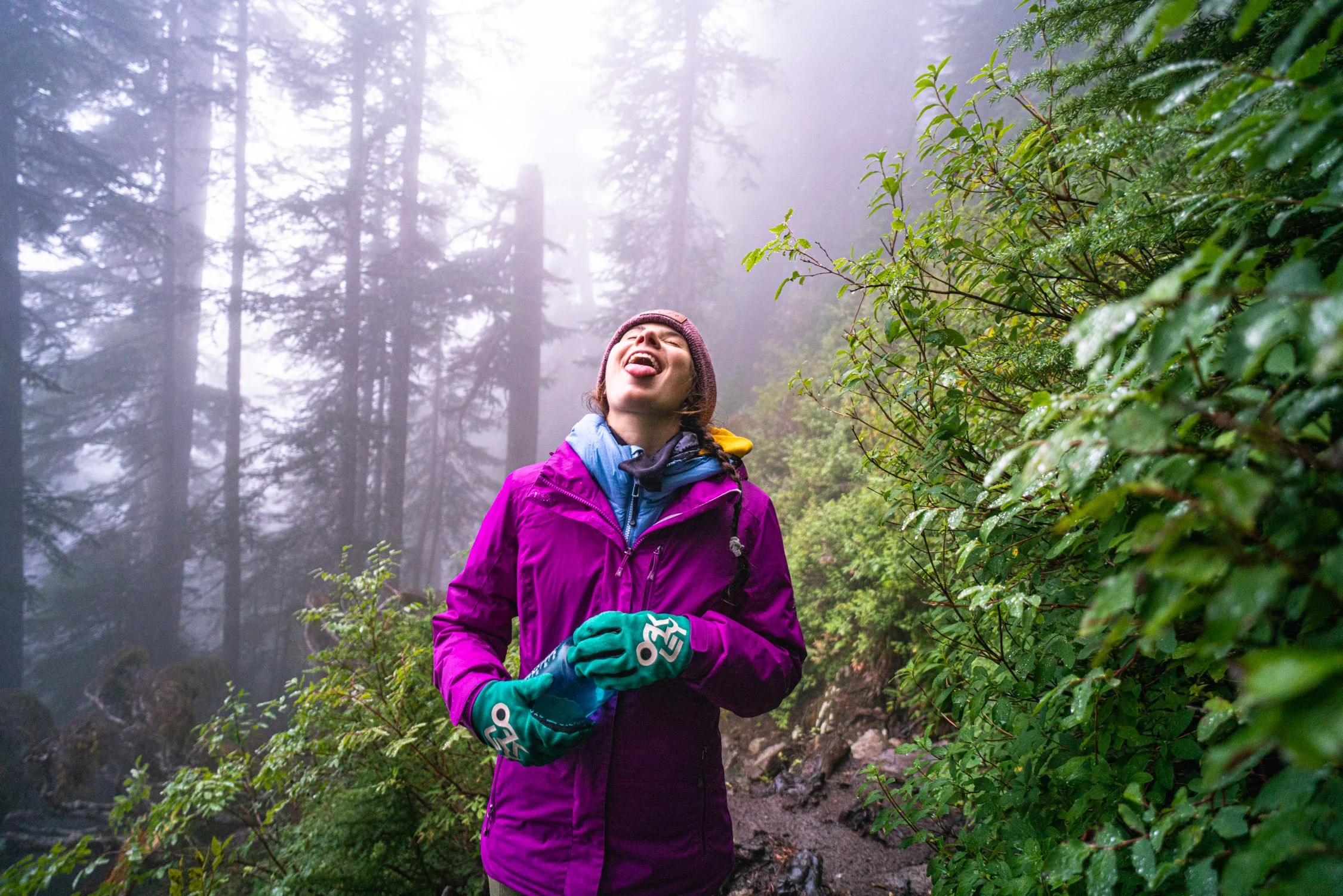
Drinking up some much needed water on a rainy hike in the PNW. Photo by Dalton Johnson
The Importance of Hydration in Hiking
Water plays a vital role in maintaining bodily functions, such as regulating temperature, lubricating joints, and transporting nutrients. Proper hydration enhances your stamina, reduces the risk of injury, and ensures mental clarity. Dehydration can lead to fatigue, disorientation, heat exhaustion, and even heat stroke, potentially turning an enjoyable hike into a dangerous situation.
Signs of Dehydration
Understanding the signs of dehydration can help prevent serious health issues. Common symptoms include:
Dry mouth and throat
Dark yellow urine
Fatigue and dizziness
Headaches
Muscle cramps
Decreased urination frequency
Severe dehydration can cause confusion, rapid heartbeat, and fainting. Recognizing these signs early allows you to take corrective actions before the situation worsens.
How Much Water Should I Drink While Hiking?
The amount of water you need varies depending on factors such as temperature, humidity, elevation, and your physical condition. A general guideline is to drink about half a liter (17 ounces) of water per hour of moderate activity in moderate temperatures. In hot and humid conditions, or at higher elevations, you might need more. Here are some specific recommendations:
Day Hikers: Carry at least 1-2 liters of water for a half-day hike and 2-4 liters for a full day.
Backpackers: Plan for 3-4 liters per day, with the ability to refill along the way.
Thru-Hikers: Assess water sources along the trail and carry enough to reach the next reliable source, plus a buffer for emergencies.
Tips for Staying Hydrated on the Trail
1. Pre-Hydrate
Before you hit the trail, drink plenty of water to ensure you start well-hydrated. A good rule is to drink about half a liter (17 ounces) in the hour before you start your hike.
2. Drink Regularly
Rather than waiting until you're thirsty, drink small amounts of water consistently throughout your hike. Thirst is a late indicator of dehydration.
3. Monitor Your Urine
Clear to light yellow urine indicates proper hydration. Dark yellow or amber urine suggests you need to drink more water.
4. Use Electrolytes
Sweating during a hike not only causes water loss but also the loss of electrolytes like sodium, potassium, and magnesium. Consider using electrolyte powders, tablets, or drinks to maintain electrolyte balance. These can help prevent cramps and fatigue.
5. Eat Hydrating Foods
Fruits and vegetables with high water content, such as oranges, watermelon, and cucumbers, can contribute to your hydration needs. Snacks like trail mix can also provide necessary electrolytes.
6. Plan Water Refills
Know the locations of water sources along your route and plan refills accordingly. Carrying a map or using a GPS app with water source information can be invaluable.


Gear Recommendations for Staying Hydrated
1. Water Bottles and Reservoirs
Hydration packs with reservoirs (such as CamelBaks) allow you to sip water continuously without stopping. Lightweight water bottles are also essential for shorter hikes.
2. Water Filters and Purifiers
For longer hikes and backpacking trips, water filters and purifiers are crucial. Options like the Sawyer Squeeze, LifeStraw, and SteriPEN can help you access safe drinking water from natural sources.
3. Electrolyte Supplements
Products like Nuun tablets, Liquid I.V., and Hammer Endurolytes provide convenient ways to replenish electrolytes lost through sweat. These can be added to your water for an extra boost.
4. Insulated Water Bottles
In hot weather, insulated water bottles keep your water cool, making it more refreshing and encouraging regular drinking.
5. Lightweight Hydration Bladders
Hydration bladders fit into your backpack and come with a hose for easy access to water while on the move. They are ideal for keeping your hands free and maintaining a steady intake of water.
FAQs on Hiking Hydration
Q: How do I know if I’m drinking enough water?
A: Monitor your urine color; it should be light yellow to clear. Drink regularly and adjust your intake based on exertion levels and environmental conditions.
Q: What should I do if I run out of water on the trail?
A: First, ration your remaining water and avoid exertion. Look for natural water sources such as streams or lakes, and use a water filter or purifier before drinking. In emergency situations, contact park authorities if available.
Q: Can I drink too much water?
A: Yes, overhydration can lead to hyponatremia, where sodium levels in your blood become dangerously low. This condition is rare but serious. Balance water intake with electrolyte replenishment and listen to your body's needs.
Q: What are the best times to hydrate during a hike?
A: Drink consistently throughout the hike, starting with pre-hydration. Sip water every 15-20 minutes and drink more when exertion or temperature increases.
Q: Are sports drinks a good option for hydration?
A: Sports drinks can be beneficial for replenishing electrolytes, but they often contain high sugar levels. Opt for electrolyte tablets or powders that offer similar benefits without excess sugar.
Q: How can I ensure safe drinking water on the trail?
A: Use water filters or purifiers to treat natural water sources. Boiling water for at least one minute is also effective. Avoid stagnant water and opt for flowing streams or springs when possible.
Hydration for Different Types of Hikers
Day Hikers
Day hikers can often carry all the water they need for their trip. A hydration pack or a couple of water bottles should suffice. Always check the weather forecast and trail conditions to gauge your water needs accurately.
Backpackers
Backpackers need to plan for multiple days, which involves knowing where to find water sources along the trail. Carry a reliable water filter and an extra water container for dry stretches. Electrolyte supplements can help maintain your energy levels over extended periods.
Thru-Hikers
Thru-hikers face the challenge of staying hydrated over weeks or months. Comprehensive planning and reliable water filters are essential. Invest in lightweight, durable hydration gear and regularly monitor water reports from other hikers. Proper hydration supports not just your physical health but also your mental well-being on such long journeys.
The Beauty of Hiking and Mental Health Benefits
Hiking offers numerous physical and mental health benefits. Regular hikes can improve cardiovascular health, strengthen muscles, and enhance flexibility. Additionally, the mental health benefits are profound:
Stress Reduction: Immersion in nature helps reduce stress and anxiety.
Mental Clarity: The combination of physical activity and natural beauty promotes mental clarity and focus.
Mood Enhancement: Exposure to natural sunlight increases serotonin levels, improving mood and combating depression.
Proper hydration ensures you can enjoy these benefits to the fullest, allowing you to hike longer and more comfortably.
Taking a dip in Upper Joffrey Lakes in British Columbia, Canada. Photo by Dalton Johnson
Proper hydration is fundamental to the enjoyment and safety of any hiking adventure. By understanding your hydration needs, recognizing the signs of dehydration, and utilizing the right gear, you can ensure a successful and enjoyable hike. Whether you're a day hiker, backpacker, or thru-hiker, staying hydrated keeps you healthy, energized, and ready to embrace the beauty of the trail. Always remember to plan ahead, drink regularly, and enjoy the myriad benefits that hiking brings to your body and mind.
Discover more Adventures


Microadventures the Whole Family Can Do
In today's fast-paced world, finding time for lengthy vacations can be challenging. However, families looking to bond and create lasting memories don’t need to travel far or spend a lot of money. Microadventures, short and simple outdoor activities, offer a fantastic way to explore nature, experience new things, and enjoy quality time together. Here are some microadventures the whole family can embark on, blending fun and exploration into your routine.
In today's fast-paced world, finding time for lengthy vacations can be challenging. However, families looking to bond and create lasting memories don’t need to travel far or spend a lot of money. Microadventures, short and simple outdoor activities, offer a fantastic way to explore nature, experience new things, and enjoy quality time together. Here are some microadventures the whole family can embark on, blending fun and exploration into your routine.

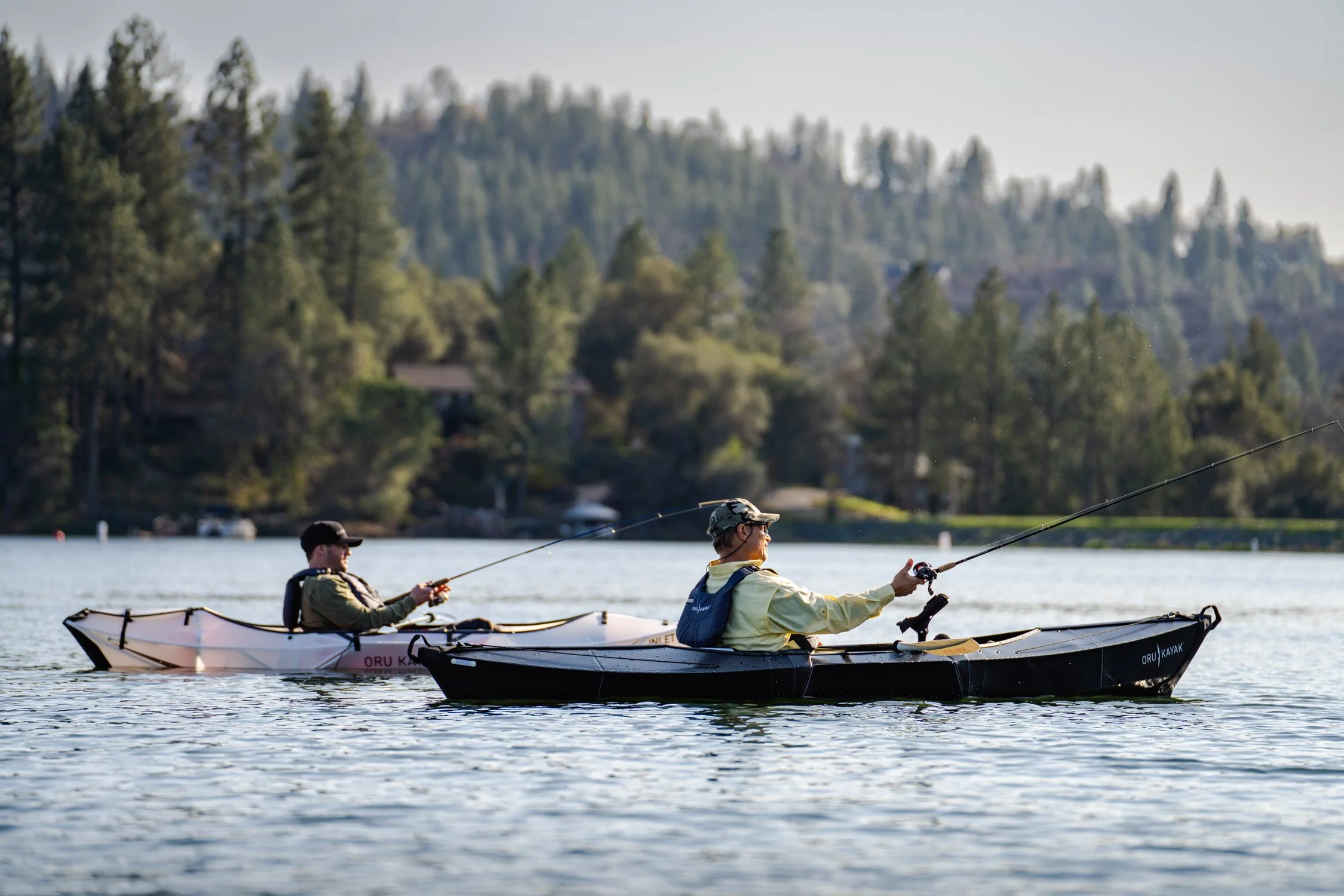
Fishing together from kayaks in the evening. Photo by Dalton Johnson
1. Backyard Camping
One of the easiest and most convenient microadventures is backyard camping. Set up a tent in your yard, bring out sleeping bags, and have a night under the stars. To make it more exciting, you can have a barbecue, tell stories around a campfire, and enjoy some s'mores. This experience can introduce children to the basics of camping without the need for a long trip.
2. Nature Scavenger Hunts
Nature scavenger hunts are excellent for engaging kids and teaching them about the environment. Create a list of items for the family to find, such as specific leaves, rocks, insects, or flowers. You can do this in a local park, nature reserve, or even your backyard. It’s an educational and fun way to explore the outdoors.
3. Geocaching
Geocaching is a modern-day treasure hunt that uses GPS coordinates to find hidden containers or "geocaches." This activity combines technology with outdoor exploration, making it a hit with kids. There are millions of geocaches hidden worldwide, so you're bound to find some near your location. It’s a great way to teach children about navigation and teamwork while having fun.
4. Day Hiking
Hiking is a fantastic way to explore the outdoors and get some exercise. Choose family-friendly trails that suit the youngest member’s abilities. Many parks offer short, easy hikes that are perfect for families. Bring along a picnic to enjoy a meal surrounded by nature. Remember to pack essentials like water, snacks, and a first-aid kit.
Dive Deeper: HERE'S HOW YOU CAN PLAN THE PERFECT DAY HIKE
5. Visit a Local Farm or Orchard
Many farms and orchards offer pick-your-own fruit activities, which can be a delightful and educational experience for the whole family. Depending on the season, you can pick apples, strawberries, pumpkins, and more. It's a wonderful way to teach children about where food comes from while enjoying the fresh air and beautiful scenery.
6. Wildlife Watching
Birdwatching and wildlife spotting can be a fascinating microadventure. Visit a local wildlife reserve, nature park, or even a pond to observe birds, insects, and other animals in their natural habitat. Bring binoculars and a guidebook to identify different species. This activity can spark a lifelong interest in nature and wildlife conservation.
7. Star Gazing
On a clear night, head to a nearby open space away from city lights to gaze at the stars. Bring a telescope if you have one, or simply lay on a blanket and look up at the night sky. Apps like Star Walk or SkyView can help identify stars, constellations, and planets. Stargazing is a calming and awe-inspiring activity that can deepen your family’s appreciation for the universe.
8. Cycling Adventures
Cycling is a great way to explore your local area. Find a scenic bike trail or quiet country roads and enjoy a family bike ride. Many communities have designated bike paths that are safe and enjoyable for all ages. Pack a picnic and make a day of it, stopping along the way to rest and take in the sights.
9. Exploring Local Parks
Local parks often offer a variety of activities, from playgrounds and walking trails to ponds and picnic areas. Spend a day exploring a park you haven't visited before. Many parks also host events, such as nature walks, educational programs, and outdoor concerts, providing even more opportunities for family fun.
10. Water Activities
If you live near a lake, river, or beach, take advantage of water activities like swimming, kayaking, or paddleboarding. These activities are not only fun but also great for building physical fitness and coordination. Always ensure everyone wears appropriate safety gear, and choose calm waters suitable for beginners.
11. DIY Obstacle Course
Create an obstacle course in your backyard using items like ropes, hula hoops, and cones. This activity can be tailored to different age groups and fitness levels, making it inclusive for the whole family. It’s an excellent way to encourage physical activity and friendly competition.
12. Rock Painting and Hiding
Rock painting is a creative activity that can be followed by a little adventure. Paint rocks with colorful designs, messages, or pictures, and then hide them in a local park for others to find. This has become a popular activity in many communities and can be a delightful surprise for those who stumble upon your creations.
13. Visiting Historical Sites
Many local areas have historical sites, landmarks, or museums that offer a glimpse into the past. Spend a day exploring these places and learning about the history of your region. This can be a fun and educational outing that enriches your family’s understanding of their local heritage.
14. Planting a Garden
Gardening can be a rewarding and educational microadventure. Start a small vegetable or flower garden in your backyard. Children can learn about different plants, how they grow, and the importance of caring for the environment. Gardening together can foster a sense of responsibility and pride in nurturing something from seed to bloom.
15. Urban Exploration
If you live in or near a city, urban exploration can be an exciting adventure. Visit different neighborhoods, parks, and attractions. Many cities offer walking tours that highlight historical buildings, street art, and unique local features. This is a great way to get to know your city better and discover hidden gems.
16. Picnic in the Park
A simple picnic in a local park can be a delightful way to spend an afternoon. Pack a basket with your favorite foods, a blanket, and some outdoor games like frisbee or badminton. Enjoying a meal outside in a beautiful setting can be a refreshing change from the usual routine.
17. Volunteering Together
Engaging in community service can be a meaningful microadventure. Look for local volunteer opportunities that are family-friendly, such as park clean-ups, tree planting, or helping at a community garden. Volunteering teaches children the value of giving back and working together for a common cause.
18. Fishing
Fishing is a relaxing and rewarding activity that can be enjoyed by all ages. Find a local pond, lake, or river that permits fishing and spend a day trying to catch fish. Make sure to check local regulations and obtain any necessary permits. It’s a peaceful way to connect with nature and each other.
19. Snow Adventures
In the winter, embrace the cold with snow-related activities. Go sledding, build a snowman, or have a snowball fight. If you're near a ski resort, consider a family ski or snowboarding day. Winter activities can be exhilarating and provide a different kind of outdoor adventure.
20. Adventure Challenges
Create an adventure challenge list for your family with activities like hiking to a new viewpoint, biking a certain distance, or identifying different types of trees. Completing challenges together can be motivating and rewarding, fostering a sense of achievement and teamwork.
Going to the farmer’s market together. Photo by Dalton Johnson
Microadventures provide a fantastic way to enjoy quality time with your family without the need for extensive planning or travel. By embracing these small-scale adventures, you can create lasting memories, teach valuable skills, and instill a love for the outdoors in your children. So, gather your family and start exploring right outside your door!
Discover more Adventures
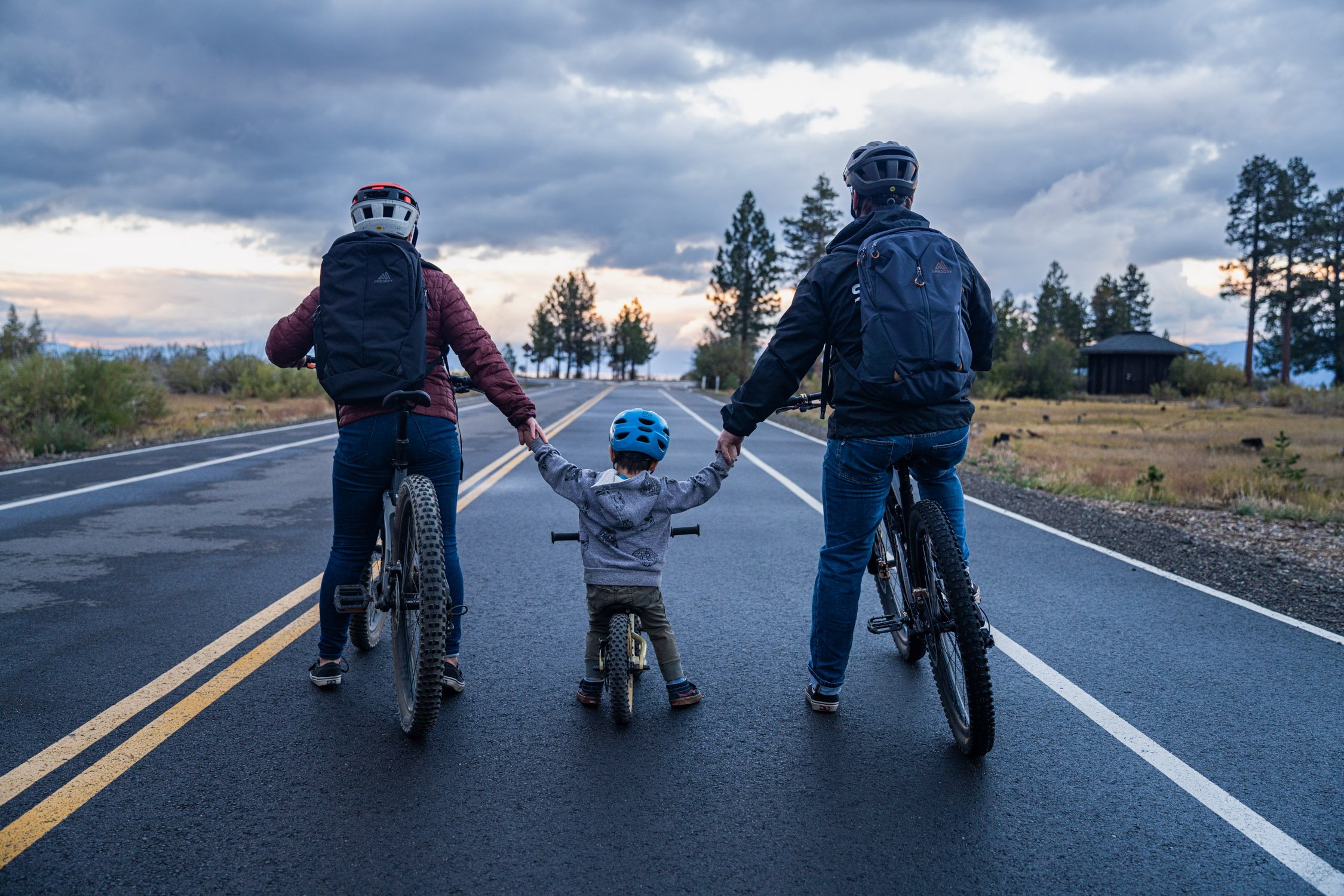
Last Minute Adventures Before School Starts
As summer winds down and the first day of school looms closer, there's still time to squeeze in some last-minute adventures with the family. Whether you're looking to explore nature, embark on a road trip, or find exciting outdoor activities, here are some fantastic family travel ideas to make the most of the remaining summer days.
As summer winds down and the first day of school looms closer, there's still time to squeeze in some last-minute adventures with the family. Whether you're looking to explore nature, embark on a road trip, or find exciting outdoor activities, here are some fantastic family travel ideas to make the most of the remaining summer days.

Few adventures beat beach days in Lake Tahoe during the summer. Photo by Dalton Johnson
1. Hiking in National Parks
National parks offer a wealth of hiking opportunities perfect for family adventures. Consider visiting parks like Yellowstone, Yosemite, or the Great Smoky Mountains. These parks provide trails suitable for all skill levels, from easy walks to more challenging hikes. Pack a picnic and enjoy the beautiful scenery while teaching your kids about the wonders of nature. Don’t forget to bring a camera to capture those unforgettable moments.
Top Pick: Acadia National Park, Maine
Trail: The Ocean Path Trail is a family-friendly hike offering stunning views of the Atlantic Ocean.
Tip: Arrive early to avoid crowds and bring plenty of water and snacks.
2. Biking Adventures
For families who love biking, there are numerous trails across the United States that offer scenic routes and a bit of adventure. Many trails are designed for families, with flat terrains and picturesque views that make the ride enjoyable for everyone.
Top Pick: The Virginia Creeper Trail, Virginia
Trail: This 34-mile trail is mostly downhill and suitable for families.
Tip: Rent bikes locally and consider a shuttle service to the top of the trail to enjoy an easier ride down.
3. Camping Under the Stars
Camping is an excellent way for families to bond while enjoying the great outdoors. Setting up camp, roasting marshmallows, and sharing stories under the stars create memories that last a lifetime. Many campsites are family-friendly and offer amenities such as restrooms, picnic tables, and fire pits.
Top Pick: Great Sand Dunes National Park, Colorado
Activity: Camp in the park’s Piñon Flats Campground and explore the tallest dunes in North America.
Tip: Bring a sled or sandboard to slide down the dunes for added fun.
4. Stargazing in Dark Sky Parks
Introduce your kids to the wonders of the night sky by visiting a designated Dark Sky Park. These parks are protected from light pollution, providing the perfect conditions for stargazing. Lay out a blanket, bring some snacks, and marvel at the constellations, planets, and even the Milky Way.
Top Pick: Big Bend National Park, Texas
Activity: Attend ranger-led astronomy programs for an educational and awe-inspiring experience.
Tip: Bring a telescope or binoculars for a closer look at the celestial wonders.
5. Rock Climbing Adventures
For families with older children seeking an adrenaline rush, rock climbing is a thrilling activity. Many locations across the U.S. offer guided climbs suitable for beginners, ensuring safety while providing an exciting challenge.
Top Pick: Jackson Hole, Wyoming
Activity: Join a family-friendly climbing course to learn the basics in a safe environment with stunning views of the Teton Range.
Tip: Wear comfortable clothing and bring plenty of water.
6. Road Trips to Scenic Destinations
A road trip is a quintessential American family adventure. Choose a scenic route, pack the car, and hit the open road. The journey itself becomes part of the adventure as you explore new places, enjoy roadside attractions, and spend quality time together.
Top Pick: Pacific Coast Highway, California
Route: Drive along the iconic Highway 1 from San Francisco to Los Angeles, stopping at landmarks like Big Sur and Hearst Castle.
Tip: Plan for frequent stops to stretch your legs and take in the breathtaking coastal views.
7. Water Adventures
If your family loves water activities, consider destinations that offer kayaking, paddleboarding, or canoeing. These activities are great for cooling off during the summer heat and provide a fun way to explore rivers, lakes, and coastal areas.
Top Pick: Lake Tahoe, California/Nevada
Activity: Rent kayaks or paddleboards and explore the crystal-clear waters of Lake Tahoe.
Tip: Head out early in the morning to enjoy calm waters and fewer crowds.

Staying up late to see the Milky Way. Photo by Dalton Johnson
With these last-minute adventure ideas, you can make the most of the remaining summer days before school starts. From hiking and biking to camping and stargazing, there are plenty of opportunities to create lasting memories with your family. So pack your bags, hit the road, and embark on an unforgettable family travel experience.
Discover More Destinations

Do YouTubers Encourage You To Travel?
In the age of digital media, the influence of content creators on YouTube has expanded far beyond mere entertainment. Travel YouTubers, in particular, have garnered significant followings by sharing their adventures, tips, and personal experiences with a global audience. Their captivating videos often depict picturesque landscapes, cultural experiences, and the joys of exploration. But the question remains: Do YouTubers encourage you to travel?
In the age of digital media, the influence of content creators on YouTube has expanded far beyond mere entertainment. Travel YouTubers, in particular, have garnered significant followings by sharing their adventures, tips, and personal experiences with a global audience. Their captivating videos often depict picturesque landscapes, cultural experiences, and the joys of exploration. But the question remains: Do YouTubers encourage you to travel?
The Rise of Travel YouTubers
Travel YouTubers have become a prominent fixture in the online landscape, with many individuals and couples turning their passion for travel into a full-time career. Channels like "Kara and Nate," "Lost LeBlanc," and "The Bucket List Family" have amassed millions of subscribers by documenting their journeys around the world. These YouTubers provide a window into diverse destinations, from the solitude of an Antarctica Cruise to the bustling streets of Tokyo to road tripping the California Coast.
The allure of travel content lies in its ability to transport viewers to far-off places, offering a virtual escape from everyday life. High-quality videography, engaging storytelling, and authentic experiences make these videos both entertaining and informative. By sharing their personal adventures, travel YouTubers inspire wanderlust in their audience, often motivating them to embark on their own journeys.
Inspirational Storytelling
One of the primary ways YouTubers encourage travel is through inspirational storytelling. They often highlight not just the beauty of a destination, but also the transformative experiences that come with travel. Personal anecdotes, challenges overcome, and meaningful encounters with locals create a narrative that resonates with viewers. These stories emphasize the enriching aspects of travel, such as personal growth, cultural understanding, and the forging of unforgettable memories.
For example, Drew Binsky, a travel vlogger who has visited every country in the world, shares stories of human connection and cultural discovery. His videos showcase the kindness of strangers, the diversity of traditions, and the universal desire for connection. Such narratives can inspire viewers to seek out similar experiences and broaden their horizons.
Practical Tips and Guides
Beyond inspiration, travel YouTubers provide practical tips and guides that demystify the logistics of travel. From budget travel hacks to destination-specific advice, these videos serve as valuable resources for aspiring travelers. Detailed itineraries, accommodation recommendations, and transportation tips help viewers plan their trips with confidence.
Many YouTubers also address common travel concerns, such as safety, language barriers, and cultural etiquette. By offering solutions and reassurances, they reduce the perceived obstacles to travel. This practical information can empower viewers to take the leap and explore new places, knowing they have a roadmap to guide them.
Showcasing Diverse Destinations
Travel YouTubers play a significant role in showcasing diverse destinations that may not be on the typical tourist radar. By highlighting lesser-known locations, they encourage viewers to venture beyond popular hotspots and discover hidden gems. This broadened perspective on travel can lead to more authentic and enriching experiences.
For instance, Eva zu Beck's channel features off-the-beaten-path destinations and unique cultural experiences. Her videos explore regions like Central Asia and the Middle East, challenging stereotypes and showcasing the beauty and hospitality of these areas. By doing so, she inspires viewers to consider destinations they might have overlooked and promotes a more inclusive view of global travel.
Fostering a Sense of Community
The sense of community fostered by travel YouTubers also contributes to their influence. Many creators actively engage with their audience through comments, live streams, and social media interactions. This direct connection allows viewers to feel a part of the travel journey, even if they are not physically present.
Moreover, some YouTubers organize meetups, group trips, and travel challenges that further strengthen the community. These initiatives create opportunities for like-minded individuals to connect, share experiences, and embark on adventures together. The sense of belonging and shared passion for travel can be a powerful motivator for viewers to explore new destinations.
Encouraging Responsible Travel
While YouTubers undoubtedly inspire travel, many also emphasize the importance of responsible and sustainable tourism. They use their platforms to raise awareness about environmental conservation, cultural sensitivity, and ethical travel practices. By promoting responsible travel, they encourage viewers to be mindful of their impact on the destinations they visit.
Creators like "Travel Beans" and "Hey Nadine" frequently discuss topics such as eco-friendly travel, supporting local communities, and minimizing carbon footprints. This focus on responsible travel aligns with the growing awareness and desire among travelers to make a positive impact on the world.
Cathedral Rocks photographed in Sedona, Arizona, a growing spring and fall destination for influncers. Photo by Dalton Johnson
YouTubers undeniably play a significant role in encouraging people to travel. Through inspirational storytelling, practical advice, showcasing diverse destinations, fostering a sense of community, and promoting responsible travel, they inspire and equip their audience to explore the world. While not everyone may have the means or opportunity to travel as extensively as these creators, the impact of their content is evident in the growing number of individuals embarking on their own adventures. As the digital age continues to evolve, the influence of travel YouTubers will likely remain a powerful force in shaping the way we experience and appreciate the world.
Discover more Adventures
You Can Do Van Life in California, But You Need To Know This First
Living in a van offers a unique blend of freedom and adventure, especially in a diverse and picturesque state like California. However, navigating the legal landscape of van life can be tricky. While it is generally legal to live in a van in California, there are specific regulations and ordinances that you must follow to avoid fines and legal issues.
Living in a van offers a unique blend of freedom and adventure, especially in a diverse and picturesque state like California. However, navigating the legal landscape of van life can be tricky. While it is generally legal to live in a van in California, there are specific regulations and ordinances that you must follow to avoid fines and legal issues.

BLM along Highway 395 is a great place to post up for stellar mountain scenery. Photo by Dalton Johnson
Pros:
Flexibility and Freedom: Van life allows you to move freely and explore different parts of California at your own pace. You can wake up at a surf beach one day and in the mountains the next.
Access to Diverse Landscapes: California is known for its diverse natural beauty, including beaches, mountains, deserts, and forests. Van life makes it easy to experience these varied landscapes without being tied to one location.
Cost Savings: For some, living in a van can be more affordable than traditional housing. Without rent or mortgage payments, you can save money, especially if you’re strategic about where you park and how you manage your resources.
Minimalist Lifestyle: Van life encourages a minimalist lifestyle, helping you to declutter and focus on what truly matters. Living with less can bring a sense of freedom and reduce the stress associated with maintaining a larger home.
Close to Nature: Van life allows you to stay closer to nature, offering numerous opportunities for outdoor activities such as hiking, surfing, and stargazing. This can enhance your physical and mental well-being.
Community: There’s a strong and supportive van life community. Meeting like-minded people can lead to meaningful connections and shared experiences, making the lifestyle more enjoyable.
Cons:
Parking Challenges: Many cities and counties in California have strict regulations regarding overnight parking. Finding legal and safe places to park can be a constant challenge, especially in urban areas.
Limited Space and Comfort: Living in a van means dealing with limited space and amenities. It can be difficult to manage daily activities like cooking, cleaning, and personal hygiene in a small, confined space.
Access to Facilities: Regular access to facilities such as bathrooms, showers, and laundry can be an issue. While some campgrounds and RV parks offer these amenities, they are not always conveniently located.
Weather Dependence: Van life exposes you to the elements more than traditional housing. Extreme weather conditions, such as heat waves, cold snaps, or heavy rain, can make living in a van uncomfortable and challenging.
Waste Management: Managing waste, including grey water and garbage, can be challenging. Finding appropriate disposal sites and adhering to environmental regulations requires diligence and responsibility.
Overnight Parking Restrictions
One of the main challenges for van dwellers is finding a safe and legal place to park overnight. Many cities and counties in California have ordinances that prohibit overnight parking on public streets. This means you could face fines or even towing if you park in the wrong spot. For instance, cities like San Francisco, Los Angeles, and San Diego have strict rules against overnight street parking to reduce homelessness visibility and ensure public safety.
To avoid these fines, it's crucial to check local regulations before parking your van. Many municipalities have specific areas where overnight parking is permitted, and some even provide designated lots for van lifers. Additionally, apps like iOverlander and AllStays can be incredibly helpful. These apps provide updated information on legal overnight parking spots, including user reviews and tips. They can guide you to spots that other van dwellers have used successfully, ensuring you have a safe place to sleep without breaking any laws.
Campgrounds and RV Parks
A reliable and legal option for overnight parking is staying at designated campgrounds and RV parks. California has an extensive network of these facilities, catering to tourists and long-term travelers alike. Staying at these locations often provides a sense of security and access to amenities that make van life more comfortable.
Most campgrounds and RV parks offer restrooms, showers, and hookups for electricity and water. This can be a significant advantage, especially if your van is not fully equipped with these utilities. Moreover, some campgrounds provide Wi-Fi and laundry facilities, which can be a luxury for those living on the road. While staying at campgrounds and RV parks may come with a fee, the convenience and peace of mind they offer can be well worth the cost.
Related Read: VAN LIFE INTERNET OPTIONS
Public Lands
California's vast areas of public land managed by the Bureau of Land Management (BLM) and the National Forest Service present another excellent option for van lifers. Dispersed camping on these lands is usually allowed for free or a small fee, making them a great option for those looking to save money while enjoying nature.
Dispersed camping means camping outside of designated campgrounds, often in more remote and less developed areas. This can provide a more secluded and serene experience compared to staying in crowded campgrounds. However, it's essential to follow Leave No Trace principles and respect any specific regulations regarding camping duration and location. On BLM lands, you can typically stay for up to 14 days in one spot within a 28-day period before you need to move at least 25 miles away. This helps prevent overuse of any single area and promotes environmental stewardship.
Private Property
If you have permission from the property owner, you can park your van on private property. This can be a convenient and safe option, especially in urban areas where finding legal parking can be more challenging. Whether it's a friend's driveway, a family's backyard, or a rented spot through platforms like Airbnb, having a private place to park can offer security and stability.
Parking on private property also allows for a greater sense of community and support. You might have access to a home’s facilities, such as a bathroom or kitchen, which can make van life more sustainable in the long term. Just ensure that the property owner is fully aware of and agrees to your stay, and be mindful of local zoning laws that might restrict such arrangements.
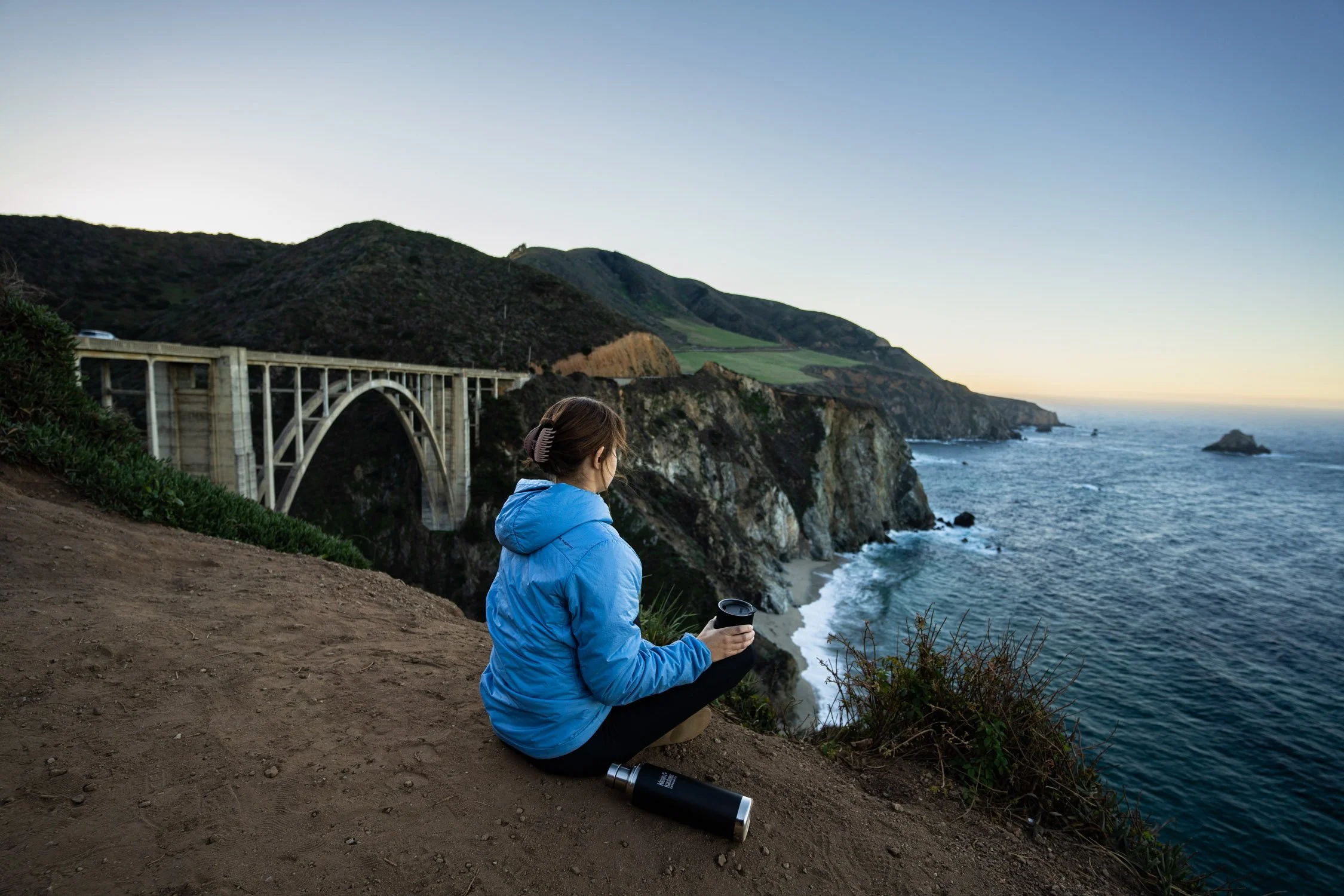
Parking along the coast in CA can be hit or miss, but this morning along Big Sur was a hit. Photo by Dalton Johnson
Living in a van in California is feasible and can be an incredibly rewarding lifestyle, but it requires careful planning and adherence to local regulations. By understanding and respecting overnight parking restrictions, utilizing campgrounds and RV parks, taking advantage of public lands, and securing spots on private property with permission, you can enjoy the freedom of van life without running into legal issues. Remember to stay informed and adaptable, as rules can vary widely from one location to another. With the right approach, van life in California can be a safe, legal, and unforgettable adventure.
Discover More Destinations

How to Pack Light for a Week-Long Adventure Trip
Packing light for a week-long adventure trip can be challenging but rewarding. Traveling light allows for greater mobility, less stress, and a more enjoyable experience. Here are some practical packing tips for adventure travel to help you streamline your packing list and ensure you have everything you need without overburdening yourself.
Packing light for a week-long adventure trip can be challenging but rewarding. Traveling light allows for greater mobility, less stress, and a more enjoyable experience. Here are some practical packing tips for adventure travel to help you streamline your packing list and ensure you have everything you need without overburdening yourself.
Living out of a Ford Bronco for a week surfing is not an easy thing. Photo by Dalton Johnson
Pros
Increased Mobility: Traveling with a lighter load makes it easier to move around, whether you're navigating through airports, boarding public transportation, or hiking to remote destinations.
Less Stress: A smaller, well-organized bag reduces the risk of losing items and makes it easier to find what you need quickly.
Cost Savings: Avoiding checked baggage fees and the potential costs of lost luggage can save money on your trip.
Greater Flexibility: With less to carry, you can change plans more easily and explore destinations without the burden of heavy luggage.
Faster Travel: Carrying only a small bag can speed up your transit through airports, including check-in, security checks, and baggage claim.
Cons
Restricted Gear: You might have to leave behind some equipment or accessories that could enhance your trip, such as specialized gear for specific activities.
Frequent Laundry: With fewer clothes, you may need to do laundry more often, which can be inconvenient and time-consuming.
Potential Discomfort: Minimizing toiletries and comfort items might make your trip less comfortable, especially if you have specific needs or preferences.
Limited Souvenir Space: Packing light leaves less room for souvenirs and gifts, which might be disappointing if you enjoy collecting mementos from your travels.
Lack of Backup Items: If something gets lost or damaged, you have fewer backup options, which can be problematic in remote areas without easy access to replacements.
1. Choose the Right Bag
Packing Tip: Select a versatile, durable, and comfortable bag that meets airline carry-on size restrictions. A 40-45 liter backpack is ideal for most adventure trips.
A good backpack should have multiple compartments to organize your gear, a comfortable harness system, and be water-resistant or come with a rain cover. Some recommended brands include Osprey, Deuter, and Patagonia.
Related Read: How To Pick The Right Backpack For Your Travels
2. Plan Your Outfits
Packing Tip: Opt for versatile clothing that can be layered, mixed, and matched. Stick to a neutral color palette to maximize outfit combinations.
For a week-long trip, consider packing:
3. Choose Multipurpose Items
Packing Tip: Pack items that serve more than one purpose to save space and weight.
Examples of multipurpose items include:
4. Minimize Footwear
Packing Tip: Limit yourself to two pairs of shoes: one sturdy pair for hiking or outdoor activities and one lightweight pair for casual wear or relaxing at the campsite.
Choose footwear that is comfortable, durable, and appropriate for the activities you'll be doing. Consider packing a pair of flip-flops or sandals for showers or beach days.
5. Pack Lightweight Gear
Packing Tip: Opt for lightweight and compact gear designed for adventure travel.
Essential gear might include:
6. Organize with Packing Cubes
Packing Tip: Use packing cubes to keep your bag organized and make it easier to find items quickly.
Packing cubes help compress your clothing and gear, maximizing space and keeping everything in its place. You can also use them to separate clean and dirty clothes.
7. Limit Toiletries
Packing Tip: Stick to the essentials and opt for travel-sized toiletries.
Pack items such as:
Travel-sized shampoo, conditioner, and body wash
Toothbrush and toothpaste
Sunscreen and insect repellent
Any necessary medications
A small first aid kit
Consider solid toiletries like shampoo bars and toothpaste tablets, which take up less space and are easier to transport.
8. Utilize Technology Wisely
Packing Tip: Choose multi-functional devices and essential gadgets to save space.
Consider packing:
A smartphone with offline maps and travel apps
9. Pack Snacks and Water
Packing Tip: Bring high-energy, non-perishable snacks and a reusable water bottle.
Healthy snacks like nuts, dried fruit, energy bars, and jerky can keep you fueled during your adventures. A reusable water bottle with a built-in filter can ensure you stay hydrated without relying on single-use plastic bottles.
10. Wear Bulky Items During Travel
Packing Tip: Wear your bulkiest items, such as hiking boots and a heavy jacket, while traveling to save space in your bag.
This not only frees up space in your backpack but also keeps you warm and comfortable during your journey.
Having the ability to move light and fast will save your behind while traveling. Photo by Dalton Johnson
Packing light for a week-long adventure trip is all about planning and prioritizing. By choosing versatile, lightweight items and minimizing non-essential gear, you can enjoy the freedom and flexibility that come with traveling light. Remember, the key to successful adventure travel is not just in what you pack, but in the experiences and memories you make along the way.
Discover more Adventures
Select the Perfect Adventure Travel Bag
When preparing for an adventure trip, choosing the right bag is crucial. A great bag not only enhances your travel experience but also ensures that you can move freely and efficiently. To pick the correct bag, you need to consider a few key factors: versatility, durability, and comfort. Here’s a comprehensive guide on how to select the ideal bag for your adventure:
When preparing for an adventure trip, choosing the right bag is crucial. A great backpack not only enhances your travel experience but also ensures that you can move freely and efficiently. To pick the correct bag, you need to consider a few key factors: versatility, durability, and comfort. Here’s a comprehensive guide on how to select the ideal bag for your adventure:
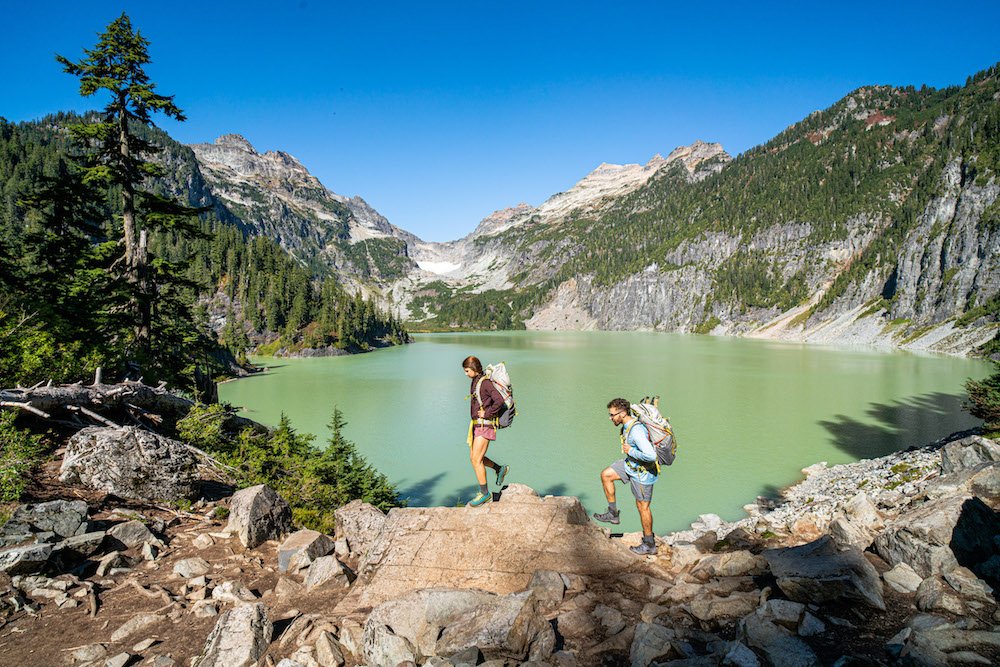
Backpacking to Blanca Lake in Washington. Photo by Dalton Johnson
Versatility
Opt for a bag that can adapt to various situations. Look for features like removable compartments, adjustable straps, and multiple carrying options (such as backpack and duffel configurations). This allows you to use the bag in different scenarios, whether you’re hiking in the mountains, exploring a city, or taking a weekend trip. A versatile bag can transition seamlessly from one activity to another, providing flexibility and convenience.
Durability
Your bag will be exposed to various elements, so it’s essential to choose one made from high-quality, durable materials. Look for bags made from ripstop nylon or polyester, which offer excellent resistance to wear and tear. Reinforced stitching and heavy-duty zippers are also important to ensure your bag can withstand the rigors of adventure travel. Investing in a durable bag means it will last longer and protect your gear, regardless of the conditions you encounter.
Comfort
A comfortable bag makes a significant difference, especially when carrying it for extended periods. Look for a bag with padded shoulder straps, a cushioned back panel, and an adjustable harness system to distribute weight evenly and reduce strain. Additionally, a well-ventilated back panel can help keep you cool during strenuous activities. Comfort features are essential to prevent discomfort and fatigue, enabling you to enjoy your adventure to the fullest.


Size and Capacity
A 40-45 liter backpack is ideal for most adventure trips, providing ample space for all your essentials without being too bulky. This size typically meets airline carry-on size restrictions, allowing you to avoid checked baggage fees and the hassle of waiting at baggage claim. Ensure the bag has multiple compartments to keep your gear organized and easily accessible. A well-sized bag strikes the perfect balance between capacity and convenience, making it an essential piece of gear for any traveler.
Additional Features
Consider bags with features like hydration bladder compatibility, external attachment points for gear, and a built-in rain cover for added protection. These extras can enhance your travel experience and ensure you’re prepared for various conditions. Hydration bladder compatibility is useful for staying hydrated on the go, while external attachment points allow you to carry additional gear like trekking poles or sleeping bags. A built-in rain cover protects your belongings from the elements, ensuring they stay dry.

Headed into the High Sierra for a week of walking. Photo by Dalton Johnson
By selecting a versatile, durable, and comfortable bag that meets airline carry-on size restrictions, you’ll be well-equipped for your week-long adventure trip. A 40-45 liter backpack strikes the perfect balance between capacity and convenience, making it an essential piece of gear for any traveler. With the right bag, you can focus on the excitement and experiences of your adventure, knowing that your gear is secure and you can move freely and efficiently.
Discover More Gear

IcyBreeze Launches the Ultimate Cooler
The Ultimate Cooler is more than just an upgrade—it's a game-changer. By incorporating IcyBreeze’s proprietary heat exchange system, it mimics the cooling mechanism of a car’s radiator. The system pumps icy water into coils that actively cool the air, which is then pushed out through a directional tube. This means you can enjoy a refreshing breeze wherever you are, whether it's a remote campsite, a bustling beach, or your van on a cross-country road trip.
IcyBreeze, a trailblazer in innovative cooling solutions, has unveiled the Ultimate Cooler, the first-ever 3-in-1 system that seamlessly integrates a traditional icebox, portable air conditioner, and a three-hour misting function. This groundbreaking product is set to redefine how outdoor enthusiasts stay cool during their adventures this summer.
The Ultimate Cooler is more than just an upgrade—it's a game-changer. By incorporating IcyBreeze’s proprietary heat exchange system, it mimics the cooling mechanism of a car’s radiator. The system pumps icy water into coils that actively cool the air, which is then pushed out through a directional tube. This means you can enjoy a refreshing breeze wherever you are, whether it's a remote campsite, a bustling beach, or your van on a cross-country road trip.
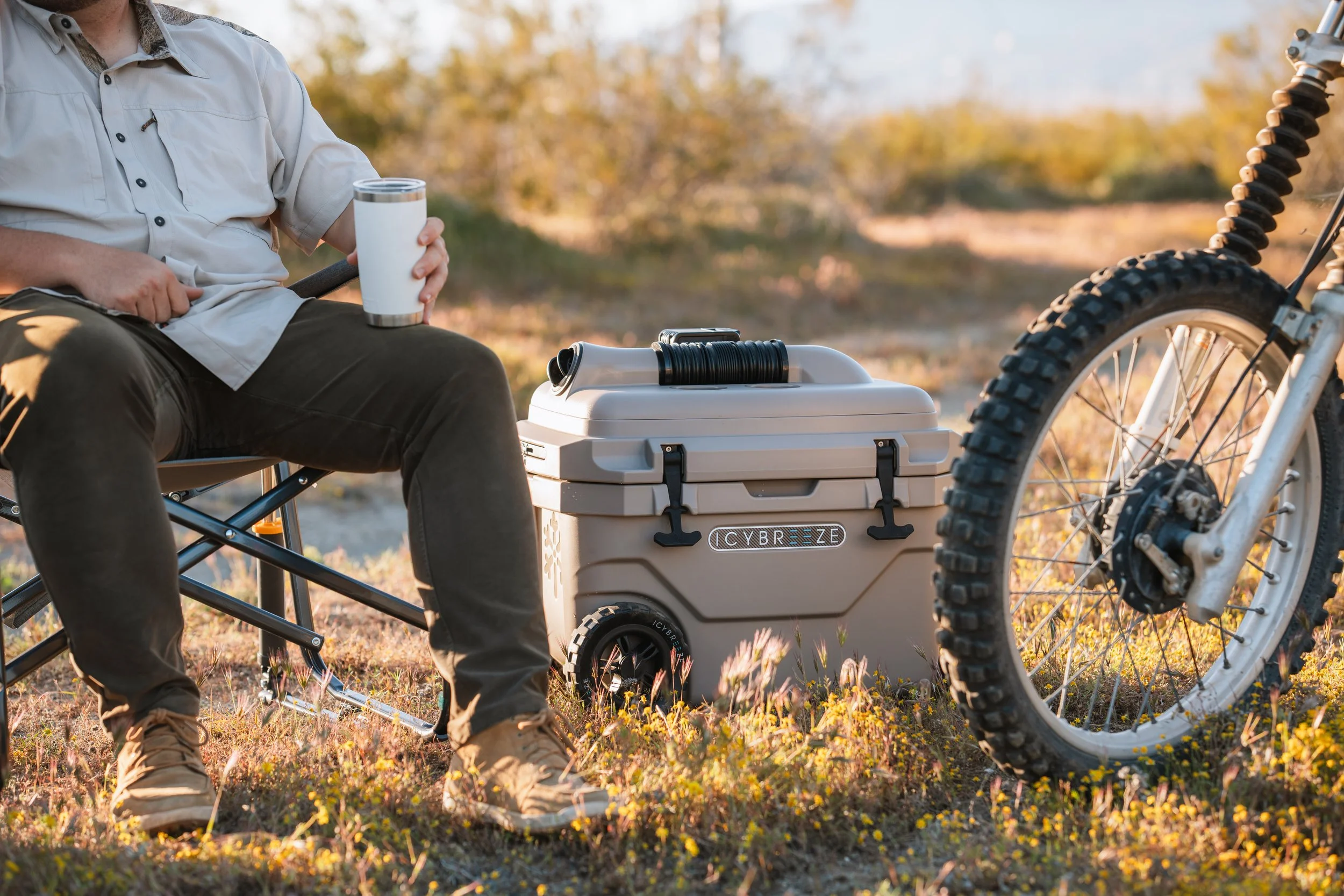
SPECS:
Capacity: 38 qt., holds up to 48 cans
Cooling: 2.5+ hrs. of AC, 3+ hrs. of misting
Features: Metal grab-handle, USB charging port
Unmatched Features for Outdoor Enthusiasts
Designed with the adventurous spirit in mind, the Ultimate Cooler boasts a 38-quart capacity, comfortably stowing up to 48 cans. It seals tightly with a gasket function and double rubber latches, ensuring your drinks and food remain chilled even in the most intense heat. But cooling your beverages is just the beginning.
The Ultimate offers 2.5+ hours of portable air conditioning and over three hours of misting, providing continuous relief from the summer sun. Its durable rotomolded construction guarantees longevity, while the all-terrain wheels and sturdy metal grab handle make transportation effortless. Whether you're navigating rocky paths or sandy shores, the Ultimate Cooler is built to keep up with your adventures.
Perfect for Van Life and Beyond
For the growing van life community, the Ultimate Cooler is an indispensable addition. The blend of a high-capacity cooler and portable AC unit ensures that your mobile home remains a sanctuary of comfort, no matter where the road takes you. The USB charging port adds an extra layer of convenience, allowing you to keep your devices powered while you explore.
A Must-Have for Summer
As summer approaches, the Ultimate Cooler by IcyBreeze stands out as the ultimate solution to beat the heat. It's not just a cooler—it's your portable oasis, ready to provide cold drinks, cool air, and refreshing mist wherever you go. Ideal for camping trips, beach outings, and long drives, the Ultimate Cooler ensures that staying cool is one less thing you have to worry about.
With an MSRP of $499.99, the Ultimate Cooler is a worthy investment for anyone who loves the outdoors. Its versatile functionality, rugged design, and advanced cooling technology make it a standout choice for those who want to enjoy their adventures without the discomfort of the summer heat.
The launch of the Ultimate Cooler marks a significant milestone in outdoor cooling solutions. IcyBreeze has once again proven its commitment to innovation, delivering a product that meets the needs of modern adventurers. Whether you're a weekend camper, a van life enthusiast, or someone who simply enjoys spending time outdoors, the Ultimate Cooler is your key to a cooler, more comfortable summer.
Don't let the heat hold you back—experience the ultimate in portable cooling with IcyBreeze’s Ultimate Cooler. Your next adventure just got a whole lot cooler.
Discover More Gear

California's Best Landscapes To Visit
California, the Golden State, is a treasure trove of breathtaking landscapes that draw visitors from all over the world. From the rugged coastline of Big Sur to the serene beauty of Lake Tahoe, the diverse topography offers something for every nature enthusiast. Whether you're planning a road trip or looking for the best places to visit in California, here are some of the state's most stunning landscapes you won't want to miss.
California is a treasure trove of breathtaking landscapes that draw visitors from all over the world. From the rugged coastline of Big Sur to the serene beauty of Lake Tahoe, the diverse topography offers something for every nature enthusiast. Whether you're planning a California road trip or looking for the best places to visit in California, here are some of the state's most stunning landscapes you won't want to miss.
The hazy cliff line of the Big Sur coast. Photo by Dalton Johnson
Big Sur: The Rugged Coastline
Big Sur is a dramatic stretch of California's central coast, known for its stunning ocean views, rugged cliffs, and scenic drive along Highway One. The iconic Bixby Creek Bridge, McWay Falls, and the Julia Pfeiffer Burns State Park are just a few highlights. Hiking trails, such as the Ewoldsen Trail, offer panoramic views of the coastline and the chance to see diverse wildlife.
Must-See Spots:
Bixby Creek Bridge: An iconic photo spot.
McWay Falls: A picturesque waterfall cascading directly into the ocean.
Julia Pfeiffer Burns State Park: Offers excellent hiking trails and scenic views.

Moments before the sunrises over Emerald Bay in Lake Tahoe. Photo by Dalton Johnson
Lake Tahoe: The Alpine Gem
Lake Tahoe, straddling the border between California and Nevada, is a year-round destination renowned for its clear blue waters and surrounding alpine scenery. During winter, the area transforms into a snowy wonderland perfect for skiing and snowboarding. In summer, visitors can enjoy kayaking, paddleboarding, and some of the world’s best hiking trails.
Must-See Spots:
Emerald Bay State Park: Known for its strikingly beautiful bay and hiking trails.
Bonsai Rock: A popular spot for kayaking and paddleboarding.
Mount Tallac: Offers challenging hikes with rewarding views.

The Palisade Range glowing in sunset light. Photo by Dalton Johnson
Eastern Sierra: A Photographer's Paradise
The Eastern Sierra region, stretching along the eastern edge of the Sierra Nevada mountain range, is a lesser-known but equally stunning part of California. The area is famous for its dramatic landscapes, including the towering, and climbable, peaks of the Sierra Nevada, expansive desertscapes, and alpine lakes.
Must-See Spots:
Mono Lake: Known for its otherworldly tufa towers.
Bishop Creek Canyon: A beautiful area for fall foliage.
Mount Whitney: The highest peak in the contiguous United States.

Mount Shasta and Shastina coated in their summertime snow blanket. Photo by Dalton Johnson
Mount Shasta: The Majestic Volcanic Peak
Mount Shasta, a prominent volcanic peak in Northern California, is a sacred site and a haven for outdoor enthusiasts. The mountain offers numerous hiking trails, hot springs, and scenic vistas. It's also a popular spot for mountaineering and skiing in the winter.
Must-See Spots:
Castle Lake: A beautiful glacial lake perfect for swimming and kayaking.
McCloud Falls: A series of three waterfalls that are great for hiking and photography.
Mount Shasta Summit: For the adventurous, climbing to the summit is a bucket-list experience.

The iconic Hanging Valley View along the Merced River in Yosemite National Park. Photo by Dalton Johnson
Yosemite National Park: The Iconic Wilderness
Yosemite National Park, located in the Sierra Nevada mountains, is one of California's most famous natural landmarks. Known for its stunning granite cliffs, waterfalls, giant sequoias, and diverse ecosystems, Yosemite is a must-visit for anyone looking to experience the grandeur of the great outdoors.
Must-See Spots:
El Capitan: A favorite for rock climbers.
Half Dome: Offers a challenging hike with incredible views, here’s your hiking guide.
Yosemite Falls: One of the tallest waterfalls in North America.
Related Read: LAKE TAHOE VS YOSEMITE FOR VACATION

Cotton candy pinks radiate as the full moon passes between branches of a Joshua Tree. Photo by Dalton Johnson
Joshua Tree National Park: The Desert Oasis
Joshua Tree National Park, located in southeastern California, is renowned for its unique desert landscapes, rock formations, and the iconic Joshua trees. The park offers excellent opportunities for stargazing, rock climbing, and hiking.
Must-See Spots:
Hidden Valley: A popular spot for rock climbing and picnicking.
Cholla Cactus Garden: Features dense clusters of the striking cholla cactus.
Keys View: Offers panoramic views of the Coachella Valley.
From the coastal cliffs of Big Sur to the desert landscapes of Joshua Tree, California's diverse landscapes provide endless opportunities for exploration and adventure. Whether you're seeking alpine beauty in Lake Tahoe, the iconic wilderness of Yosemite, or the majestic peak of Mount Shasta, these natural wonders showcase the best places to visit in California. Pack your bags, hit the road, and discover the Golden State's most stunning vistas.
Discover More Destinations

The Pros and Cons of California Van Life
Van life in California offers a unique blend of adventure, freedom, and challenges. The Golden State's diverse landscapes and outdoor activities make it a popular destination for van lifers. However, there are also notable downsides to consider regardless of full time, or part time, van life. Here's a balanced look at the pros and cons of embracing van life in California.
Van life in California offers a unique blend of adventure, freedom, and challenges. The Golden State's diverse landscapes and outdoor activities make it a popular destination for van lifers. However, there are also notable downsides to consider regardless of full time, or part time, van life. Here's a balanced look at the pros and cons of embracing van life in California.
Surfing van life trips in California might be the best way to explore the coast.. Photo by Dalton Johnson
Pros of California Van Life
Diverse Landscapes
California's varied landscapes provide endless exploration opportunities. From the stunning beaches of the Pacific Coast to the towering redwoods, expansive deserts, and majestic Sierra Nevada mountains, there's something for every nature lover. Whether you're into surfing, hiking, climbing, or simply soaking in breathtaking views, California has it all.
Mild Climate
The state's generally mild and pleasant climate is a significant advantage for van dwellers. Coastal areas and southern regions enjoy moderate temperatures year-round, making it comfortable to live in a van without the need for extensive heating or cooling systems. This climate is particularly appealing during the winter months when other parts of the country are facing harsh weather conditions.
Abundance of Outdoor Activities
California is a haven for outdoor enthusiasts. With numerous national and state parks, the opportunities for hiking, biking, surfing, rock climbing, and other activities are abundant. Iconic parks like Yosemite, Joshua Tree, and Big Sur offer some of the best outdoor experiences in the country.
Scenic Routes
The state is home to some of the most scenic drives in the United States. Highway 1, which runs along the Pacific Coast, offers breathtaking ocean views and picturesque coastal towns. The Sierra Nevada mountain passes and historic routes like Route 66 provide stunning backdrops for your travels.
Van-Friendly Communities
California has a robust van life and RV community. This network provides support, meet-ups, and shared resources, making it easier to navigate the lifestyle. Whether you're looking for advice on the best places to park or need help with van maintenance, you'll find a community willing to assist.
Access to Amenities
Many California cities and towns, especially along the coast, offer easy access to essential amenities. Laundromats, grocery stores, public restrooms, and other facilities are readily available, making day-to-day living more convenient for van lifers.
Cultural Experiences
California's rich cultural diversity adds another layer of appeal. From local festivals and farmers' markets to vibrant arts and music scenes, there's always something interesting to experience. The state's cities are melting pots of different cultures, offering unique culinary experiences and artistic expressions.
Cons of California Van lIfe
High Cost of Living
One of the biggest drawbacks of van life in California is the high cost of living. Fuel, food, and campground fees can be expensive, straining a van life budget. While living in a van can save on rent, the overall cost of living in California remains high.
Crowded Destinations
California's popularity as a travel destination means that popular spots and campgrounds can be crowded, especially during peak seasons. Finding solitude or even a parking spot can be challenging. Advanced planning and flexibility are often required to avoid the crowds.
Related Read: HOW TO AVOID THE CROWDS IN LAKE TAHOE
Strict Regulations
Some cities and areas have strict regulations and laws against overnight parking and van dwelling. This can result in fines or being asked to move frequently. It's essential to research local laws and find legal, safe places to park overnight.
Limited Cell Service
Remote areas and national parks may have limited or no cell service, making communication and navigation difficult. This can be particularly problematic for those who rely on internet connectivity for work or staying in touch with family and friends.
Weather Extremes
While the climate is generally mild, certain areas of California experience extreme weather conditions. The deserts can be intensely hot, and the mountains can see heavy snowfall. These weather extremes can be challenging to navigate and live in, requiring appropriate gear and preparation.
Safety Concerns
As with any place, some areas in California have higher crime rates or may feel unsafe, especially when parking overnight in unfamiliar locations. It's crucial to research and choose safe places to park and stay vigilant about security.
Maintenance and Repairs
Living full-time in a van leads to more wear and tear on the vehicle, resulting in potential maintenance and repair costs. Regular upkeep is necessary to keep the van running smoothly, which can be time-consuming and expensive.
Enjoying a quiet evening while van life living along Highway 395 in California. Photo by Dalton Johnson
Van life in California offers an incredible adventure with its diverse landscapes, mild climate, and abundance of outdoor activities. However, the high cost of living, crowded destinations, and strict regulations can pose significant challenges. Balancing the pros and cons is essential for those considering this lifestyle. With careful planning and preparation, van life in California can be a fulfilling and memorable experience.
Discover More Destinations
The Ultimate Guide to California Van Life
California, the Golden State, offers some of the most diverse and breathtaking landscapes in the United States, making it a prime destination for van lifers. From the sandy beaches of Southern California to the towering redwoods in the north, living the van life in California promises an adventure at every turn. This ultimate guide will cover everything you need to know to make the most of your van life experience in California, including the best places to visit, legal considerations, tips for success, common mistakes to avoid, and the top road trip routes to explore.
California, the Golden State, offers some of the most diverse and breathtaking landscapes in the United States, making it a prime destination for van lifers. From the sandy beaches of Southern California to the towering redwoods in the north, exploring California via van life promises an adventure at every turn. This ultimate guide will cover everything you need to know to make the most of your van life experience in California, including the best places to visit, legal considerations, tips for success, common mistakes to avoid, and the top road trip routes to explore.
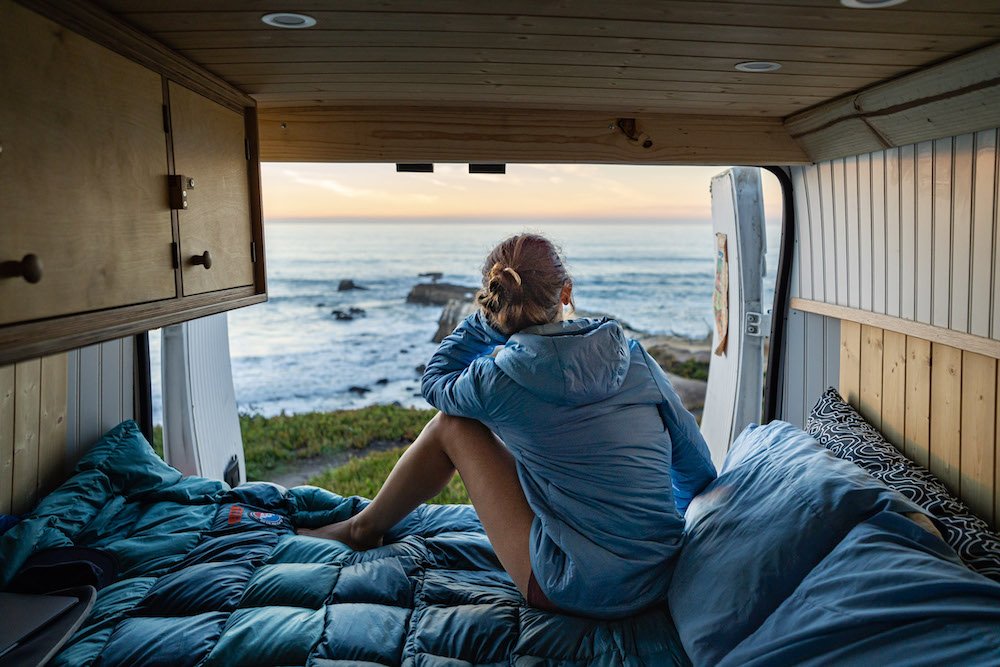
Few sunsets are better than those watched from the van along the Pacific Coast Highway. Photo by Dalton Johnson
Pros:
Diverse Landscapes: California offers a wide variety of landscapes, from beaches and deserts to mountains and forests, providing endless exploration opportunities.
Mild Climate: California's generally mild and pleasant climate makes van life comfortable year-round, especially along the coast and in the southern parts of the state.
Abundance of Outdoor Activities: With numerous national parks, state parks, and outdoor recreation areas, there's no shortage of hiking, biking, surfing, rock climbing, and other activities to enjoy.
Scenic Routes: California is home to some of the most scenic drives in the country, including Highway 1 along the Pacific Coast, the Sierra Nevada mountain passes, and desert routes like Route 66.
Van-Friendly Communities: California has a strong van life and RV community, offering support, meet-ups, and shared resources for fellow travelers.
Access to Amenities: Many areas in California, especially coastal cities and towns, offer access to amenities such as laundromats, grocery stores, and public restrooms.
Cultural Experiences: The state is rich in cultural diversity, offering unique experiences, local festivals, and vibrant arts and music scenes.
Cons:
High Cost of Living: California is known for its high cost of living, including expensive fuel, food, and campgrounds, which can strain a van life budget.
Crowded Destinations: Popular destinations and campgrounds can be crowded, especially during peak seasons, making it challenging to find solitude or even a parking spot.
Strict Regulations: Some cities and areas have strict regulations and laws against overnight parking and van dwelling, resulting in fines or being asked to move frequently.
Limited Cell Service: Remote areas and national parks may have limited or no cell service, making communication and navigation difficult.
Weather Extremes: While the climate is generally mild, certain areas can experience extreme weather, such as intense heat in the deserts or heavy snowfall in the mountains, which can be challenging to navigate and live in.
Safety Concerns: Like any other place, some areas may have higher crime rates or feel unsafe, especially when parking overnight in unfamiliar locations.
Maintenance and Repairs: Living full-time in a van means more wear and tear on your vehicle, leading to potential maintenance and repair costs.
Is It Legal to Live in a Van in California?
Living in a van in California is generally legal, but there are specific regulations and ordinances that you must follow to avoid fines and legal issues. Here are some key points to consider:
1. Overnight Parking Restrictions Many cities and counties in California have ordinances that prohibit overnight parking on public streets. Always check local regulations to avoid fines. Apps like iOverlander and AllStays can help you find legal overnight parking spots.
2. Campgrounds and RV Parks Staying at designated campgrounds and RV parks is a reliable and legal option. These facilities often provide amenities such as restrooms, showers, and hookups for electricity and water.
3. Public Lands California is home to vast areas of public land managed by the Bureau of Land Management (BLM) and the National Forest Service. Dispersed camping on these lands is usually allowed for free or a small fee, making them a great option for van lifers.
4. Private Property If you have permission from the property owner, you can park your van on private property. This can be a convenient and safe option, especially in urban areas.
Dive deeper into the legalities of van life in California: YOU CAN DO VAN LIFE IN CALIFORNIA, BUT YOU NEED TO KNOW THIS FIRST
Best Time to Van Life in California:
Spring (March to May):
Weather: Mild temperatures across most regions, ideal for coastal and desert exploration.
Wildflowers: Witness vibrant blooms in desert regions like Joshua Tree National Park and Anza-Borrego Desert State Park.
Crowds: Avoid peak summer crowds, especially along popular coastal routes and national parks.
Fall (September to November):
Weather: Pleasant temperatures and clear skies, perfect for outdoor activities and scenic drives.
Foliage: Enjoy autumnal colors in the Sierra Nevada and wine country regions.
Festivals: Attend local harvest festivals and cultural events celebrating California's diverse communities.
Worst Time to Van Life in California:
Summer (June to August):
Heat: Intense heatwaves in desert regions like Death Valley and inland valleys, challenging for outdoor activities.
Crowds: High tourist season, leading to crowded campgrounds, beaches, and tourist attractions.
Fire Season: Increased wildfire risks, potential road closures, and air quality issues, especially in forested areas and rural regions.
Winter (December to February):
Weather: Cold temperatures, rain, and occasional snow in mountainous areas and Northern California.
Road Conditions: Potential for icy roads and hazardous driving conditions in higher elevations and mountain passes.
Limited Activities: Reduced outdoor recreation opportunities due to weather conditions and seasonal closures in national parks and campgrounds.
Planning your van life adventure in California around these seasonal considerations can enhance your experience, ensuring optimal weather conditions, fewer crowds, and access to diverse natural landscapes and cultural attractions.
Best Places to Van Life in California
Coastal Regions
1. Big Sur Big Sur is famous for its rugged coastline, dramatic cliffs, and scenic beauty. This stretch of California's Highway 1 offers numerous pullouts and campsites where you can park your van and soak in the breathtaking views of the Pacific Ocean. Key spots to visit include Bixby Creek Bridge, McWay Falls, and Pfeiffer Big Sur State Park.
2. Malibu Malibu is a prime spot for beach lovers. With miles of sandy shores and iconic surf spots, this area is perfect for van lifers who enjoy coastal living. Zuma Beach and Malibu Creek State Park are great places to set up camp and enjoy the natural beauty of the area.
Inland Regions
3. Yosemite National Park Yosemite National Park is a must-visit for any van lifer in California. With its majestic granite cliffs, towering waterfalls, and ancient sequoias, Yosemite Valley and Tuloumne Meadows offers endless opportunities for hiking, rock climbing, and photography. Popular camping spots include North Pines Campground and Upper Pines Campground.
4. Joshua Tree National Park Joshua Tree National Park, with its unique desert landscape and striking Joshua trees, is another fantastic destination. The park is perfect for stargazing, rock climbing, and hiking. There are several campgrounds within the park, such as Hidden Valley and Jumbo Rocks, that accommodate van lifers.
Northern California
5. Redwood National and State Parks Home to some of the tallest trees on Earth, the Redwood National and State Parks are a van lifer's paradise. The towering redwoods, lush ferns, and scenic coastline create a serene environment. Campgrounds like Jedediah Smith Campground and Elk Prairie Campground offer great spots to park your van.
6. Lake Tahoe Lake Tahoe, straddling the border between California and Nevada, is known for its crystal-clear waters and stunning mountain scenery. In the summer, it's perfect for swimming, kayaking, and hiking, while in the winter, it becomes a haven for skiing and snowboarding. Campgrounds such as Emerald Bay State Park and Fallen Leaf Lake are ideal for van lifers.
Places to Avoid
While California is generally van life-friendly, there are a few places where you might want to exercise caution or avoid altogether:
1. Major Cities Cities like Los Angeles, San Francisco, and San Diego can be challenging for van lifers due to strict parking regulations and high crime rates in certain areas. Finding legal and safe overnight parking can be difficult and expensive.
2. Unsafe Neighborhoods Avoid parking in neighborhoods with high crime rates. Research the area beforehand and use apps like CrimeMapping to check crime statistics.
3. Areas with Strict Enforcement Some coastal towns and popular tourist destinations have strict enforcement of overnight parking restrictions. Always check local ordinances and look for signs indicating parking rules.
What Is There to Do?
California offers a plethora of activities for van lifers, ranging from outdoor adventures to cultural experiences. Here are some top activities to consider:
1. Hiking and Exploring National Parks With nine national parks, California is a haven for outdoor enthusiasts. Whether you're hiking in Yosemite, exploring the deserts of Joshua Tree, or marveling at the giant sequoias in Sequoia National Park, there's always something to do.
2. Surfing and Beach Activities California's coastline is perfect for surfing, swimming, and beachcombing. Popular surf spots include Malibu, Santa Cruz, and Huntington Beach.
3. Wine Tasting The state's wine regions, such as Napa Valley and Sonoma County, offer fantastic wine-tasting opportunities. Many wineries have beautiful grounds where you can relax and enjoy the scenery.
4. Cultural Experiences Explore California's rich cultural heritage by visiting museums, historical landmarks, and vibrant cities. San Francisco's Golden Gate Bridge, Los Angeles' Hollywood, and San Diego's Balboa Park are just a few highlights.
5. Festivals and Events California hosts numerous festivals and events throughout the year, from music festivals like Coachella to food and wine festivals. These events provide a great opportunity to experience the local culture and meet new people.
What National Parks Should You Visit?
California is home to some of the most iconic national parks in the United States. Here are the top parks you should visit during your van life journey:
1. Yosemite National Park Yosemite is renowned for its stunning granite cliffs, waterfalls, and giant sequoias. Must-see sights include El Capitan, Half Dome, and Yosemite Falls. The park offers numerous campgrounds suitable for van lifers.
2. Joshua Tree National Park Joshua Tree's unique desert landscape, with its namesake Joshua trees and rugged rock formations, is perfect for stargazing, rock climbing, and hiking. The park has several campgrounds that can accommodate vans.
3. Sequoia and Kings Canyon National Parks These neighboring parks are home to some of the largest trees in the world, including the General Sherman Tree. The parks offer beautiful hiking trails, stunning vistas, and numerous campgrounds.
4. Redwood National and State Parks The towering redwoods of these parks are a sight to behold. Explore the lush forests, scenic coastline, and diverse wildlife. Campgrounds like Jedediah Smith Campground provide great spots for van lifers.
5. Death Valley National Park Death Valley is known for its extreme landscapes, from salt flats to sand dunes. Despite its harsh environment, the park offers unique beauty and opportunities for hiking and stargazing. Furnace Creek Campground is a popular spot for van lifers.
6. Lassen Volcanic National Park Lassen Volcanic offers a diverse range of volcanic features, including boiling springs, fumaroles, and lava beds. The park is perfect for hiking and exploring geothermal wonders. Manzanita Lake Campground is a good option for van camping.
7. Channel Islands National Park Accessible only by boat, the Channel Islands offer a remote and pristine environment. Enjoy kayaking, snorkeling, and hiking on these beautiful islands. While there are no campgrounds for vans, you can camp on the islands and leave your van on the mainland.
Is Northern California or Southern California Better?
The debate over whether Northern or Southern California is better for van life is subjective and depends on your preferences. Here are some factors to consider:
Northern California
1. Scenery Northern California offers diverse landscapes, from the rugged coastline of Big Sur to the towering redwoods and the serene beauty of Lake Tahoe.
2. Climate The climate in Northern California is generally cooler and more temperate, with mild summers and wet winters. This can be a plus if you prefer cooler weather.
3. Outdoor Activities Northern California is perfect for outdoor enthusiasts, with numerous national parks, hiking trails, and scenic drives.
4. Less Crowded Compared to Southern California, the northern part of the state tends to be less crowded, providing a more peaceful van life experience.
Southern California
1. Beaches Southern California is famous for its beautiful beaches and warm weather. If you love surfing and beach activities, this region is ideal.
2. Entertainment Southern California is home to major cities like Los Angeles and San Diego, offering a wide range of cultural and entertainment options.
3. Year-Round Warm Weather The climate in Southern California is warm and sunny year-round, making it perfect for those who enjoy a Mediterranean-like climate.
4. Vibrant Urban Life If you enjoy city life and vibrant urban environments, Southern California offers plenty of options.
Ultimately, the best region for van life in California depends on your personal preferences and the type of experience you're seeking.

If you are a climber, you need to stop in Yosemite Valley for a climbing outing. Photo by Dalton Johnson
Essential Tips for Van Life Success in California:
Weather Preparedness: California's diverse climates require preparation. Pack clothing layers and gear suitable for both coastal breezes and high desert temperatures.
Parking and Overnight Stay Tips: Research designated overnight parking spots, BLM lands, and campgrounds to ensure compliance with local regulations.
Water and Waste Management: Plan for water refills and waste disposal at designated sites. Practice Leave No Trace principles to preserve natural areas.
Safety and Security: Safeguard belongings with secure storage solutions. Familiarize yourself with safe neighborhoods and avoid isolated areas for overnight stays.
Budgeting and Expenses: Plan for varying costs of living across different regions. Budget for fuel, groceries, and occasional campground fees.
Connectivity and Communication: Stay connected with reliable mobile networks. Utilize apps for navigation, weather updates, and locating amenities.
Community and Networking: Engage with local van life communities and online forums for advice, camaraderie, and shared experiences.
Maintenance and Repairs: Equip your van with essential tools and spare parts. Research reputable mechanics and service stations along your route.
Common Van Life Mistakes in California:
Underestimating Travel Distances: Plan realistic travel times and account for traffic congestion, especially in metropolitan areas and during peak tourist seasons.
Ignoring Local Regulations: Research local laws regarding parking, camping, and vehicle dwellings. Respect private property and environmental restrictions.
Overlooking Weather Extremes: Prepare for temperature fluctuations, especially in desert and mountainous regions. Be mindful of wildfire risks and seasonal road closures.
Poor Waste Management Practices: Dispose of waste responsibly and avoid leaving trash behind. Utilize designated dump stations and recycling facilities.
Inadequate Budget Planning: Budget for unforeseen expenses such as vehicle repairs, medical emergencies, and unexpected delays.
Lack of Safety Precautions: Prioritize personal safety and van security. Avoid risky parking areas and maintain situational awareness.
Overpacking or Underpacking: Optimize space with essential gear and clothing. Avoid overloading your van to maximize comfort and mobility.
15 Must Have’s In Your Van For California
Sunshade or Awning: Provides shade during hot days, essential for beach outings or desert camping in Southern California.
Reusable Water Bottles: Stay hydrated with insulated bottles, ideal for hikes in the Sierra Nevada or exploring the coastal trails.
Surfboard or Stand-Up Paddleboard (SUP): Enjoy California's renowned surf spots and paddle-friendly waters like Lake Tahoe or Big Sur's coastal inlets.
Portable Solar Panels: Harness California's abundant sunshine to recharge devices and supplement your van's energy needs, especially in remote areas.
Bear-Proof Food Containers: Protects food from wildlife encounters in national parks like Yosemite or Sequoia and Kings Canyon.
Hiking Boots or Water Shoes: Navigate diverse terrains from the rugged trails of Joshua Tree to the rocky shores of Northern California.
Dustpan and Brush: Keep your van clean from sandy beaches in San Diego or dusty desert roads in Death Valley.
Wetsuit or Rash Guard: Stay comfortable while surfing in colder waters along the Central Coast or Northern California.
Citronella Candles or Mosquito Repellent: Ward off insects during summer nights in Yosemite Valley or along the North Coast.
Folding Chairs and Table: Create a cozy campsite at Big Sur or Lake Tahoe's scenic overlooks, enhancing outdoor dining and relaxation.
Binoculars: Spot wildlife like condors in Pinnacles National Park or dolphins along the Pacific Coast Highway.
Compact Backpack: Ideal for day hikes in Los Padres National Forest or exploring urban trails in San Francisco's Presidio.
Fishing Gear: Cast a line at alpine lakes in the Sierra Nevada or along California's extensive coastline.
California Road Atlas: Navigate scenic routes like Highway 1 or lesser-known backroads in the Mojave Desert with detailed maps.
Reusable Cutlery and Plates: Reduce waste while enjoying farm-to-table dining experiences in Napa Valley or roadside picnics in Sonoma County.
These items cater specifically to the varied climates, activities, and natural wonders that California offers, ensuring you're well-prepared for an enriching van life experience across the Golden State.

Emerald Bay for sunrise is a must stop if you visit Lake Tahoe, CA. Photo by Dalton Johnson
Best Road Trip Routes to Explore California
Pacific Coast Highway (Highway 1):
Route: San Francisco to San Diego
Highlights: Breathtaking coastal views, Big Sur, Monterey, Santa Barbara, Malibu, and iconic beaches.
The Pacific Coast Highway, also known as Highway 1, offers one of the most scenic coastal drives in the world. Starting from San Francisco and winding its way down to San Diego, this route takes you through some of California's most picturesque coastal landscapes. Begin your journey in San Francisco, where you can explore iconic landmarks like the Golden Gate Bridge and Fisherman's Wharf before heading south.
As you venture along Highway 1, don't miss the rugged cliffs and panoramic ocean views of Big Sur. Stop at McWay Falls, Bixby Creek Bridge, and Pfeiffer Beach for spectacular photo opportunities. Further south, explore the charming town of Monterey, known for its historic Cannery Row and world-class Monterey Bay Aquarium.
Continuing southward, Santa Barbara offers a blend of Spanish colonial architecture, beautiful beaches, and a vibrant arts scene. Malibu beckons with its celebrity homes, pristine beaches, and scenic vistas along the Santa Monica Mountains. End your journey in San Diego, where you can enjoy its laid-back vibe, Balboa Park, the San Diego Zoo, and miles of sandy beaches perfect for sunset strolls.
Route 66:
Route: Santa Monica to Needles
Highlights: Historic Route 66 attractions, the Santa Monica Pier, San Bernardino, and desert landscapes.
Route 66 holds a special place in American history as one of the original highways connecting the Midwest to the West Coast. Starting in Santa Monica, California, the route takes you through a nostalgic journey of classic diners, vintage motels, and roadside attractions.
Begin your adventure at the Santa Monica Pier, where Route 66 officially begins (or ends, depending on your direction). From there, head east through the urban sprawl of Los Angeles before reaching the Inland Empire and the city of San Bernardino, known for its historic Route 66 Museum and McDonald's Museum.
As you travel further east, the landscape changes to desert vistas and rugged mountains. Stop at iconic Route 66 landmarks like the Bagdad Café in Newberry Springs and the quirky town of Amboy, home to the famous Roy's Motel and Café. Finally, reach Needles, a gateway to the Colorado River and the Mojave Desert, where you can soak in the stark beauty of the desert landscape.
Highway 395:
Route: Southern California to Northern California
Highlights: Eastern Sierra Nevada, Mammoth Lakes, Mono Lake, and access to Yosemite’s eastern entrance.
Highway 395 offers a journey through the eastern side of California, showcasing the majestic Sierra Nevada mountains and pristine alpine lakes. Starting in Southern California, near the town of Lone Pine, Highway 395 runs northward parallel to the Sierra Nevada range.
Begin your exploration by visiting Lone Pine, a gateway to the Alabama Hills and the backdrop for many Hollywood westerns. Further north, explore the ancient bristlecone pine forests of the White Mountains before reaching Mammoth Lakes, a popular year-round destination for outdoor enthusiasts.
Continue your journey to Mono Lake, renowned for its eerie tufa towers and birdwatching opportunities. Nearby, visit Bodie State Historic Park, a well-preserved ghost town from the Gold Rush era. Finally, Highway 395 provides access to the eastern entrance of Yosemite National Park, where you can marvel at iconic landmarks like Tioga Pass, Tuolumne Meadows, and the granite peaks of the High Sierra.
Redwood Highway (US-101):
Route: Southern Oregon to Northern California
Highlights: Redwood National and State Parks, coastal views, and charming towns like Eureka and Arcata.
The Redwood Highway, also known as US-101, offers a scenic drive through the ancient redwood forests of Northern California and Southern Oregon. Starting in Crescent City, California, the route winds its way southward along the Pacific Coast.
Begin your journey by exploring Redwood National and State Parks, home to some of the tallest trees on Earth. Drive through the Avenue of the Giants, a scenic byway lined with towering redwoods and opportunities for short hikes. Don't miss the chance to visit the Stout Grove and Lady Bird Johnson Grove for awe-inspiring views of these majestic trees.
As you continue south on US-101, stop in the charming towns of Eureka and Arcata, known for their Victorian architecture, arts scene, and local breweries. Enjoy panoramic coastal views as you drive along the rugged coastline, passing through seaside villages and beaches perfect for whale watching and beachcombing.
Highway 49 (Gold Country):
Route: Oakhurst to Vinton
Highlights: Historic Gold Rush towns, scenic byways, and the Sierra Nevada foothills.
Highway 49, also known as the Gold Country Highway, takes you on a journey through California's historic Gold Rush towns and picturesque landscapes. Starting in Oakhurst near Yosemite National Park, the route runs northward through the Sierra Nevada foothills.
Begin your exploration in Mariposa, a gateway to Yosemite, where you can learn about the region's Gold Rush history at the Mariposa Museum and History Center. Continue north on Highway 49, passing through towns like Sonora and Columbia State Historic Park, where you can experience a living Gold Rush town with stagecoach rides and gold panning.
Further north, explore Grass Valley and Nevada City, known for their preserved Victorian architecture, art galleries, and local festivals celebrating California's mining heritage. Along the way, enjoy scenic byways and panoramic views of the Sierra Nevada foothills dotted with vineyards, orchards, and historic bridges.
Lake Tahoe Loop:
Route: Loop around Lake Tahoe
Highlights: Stunning alpine lake views, hiking, and outdoor activities, with stops in South Lake Tahoe and Tahoe City.
The Lake Tahoe Loop offers a scenic drive around one of the largest and most beautiful alpine lakes in North America. Starting in South Lake Tahoe, the route circles the lake clockwise, passing through California and Nevada.
Begin your journey by exploring South Lake Tahoe, where you can enjoy outdoor activities such as hiking, skiing, and water sports. Visit the Heavenly Mountain Resort for panoramic views of the lake and surrounding mountains. Continue driving north along the eastern shore, stopping at Emerald Bay State Park for a hike to Eagle Falls and a visit to Vikingsholm, a Scandinavian-style mansion.
Cross into Nevada briefly before returning to California on the lake's north shore, where you'll find charming towns like Tahoe City and Kings Beach. Explore local shops, galleries, and restaurants while enjoying views of the crystal-clear waters of Lake Tahoe. Complete your loop by driving south along the western shore, passing through the scenic communities of Homewood and Tahoma, with opportunities for lakeside picnics and beach visits.
Death Valley Scenic Byway:
Route: Enter via Highway 190 from Olancha
Highlights: Unique desert landscapes, Badwater Basin, Zabriskie Point, and Mesquite Flat Sand Dunes.
The Death Valley Scenic Byway offers a journey through one of the hottest and driest places on Earth, yet paradoxically one of the most stunning and unique landscapes. Starting near Olancha on Highway 190, the route travels eastward into Death Valley National Park.
Begin your exploration at Furnace Creek Visitor Center, where you can learn about the park's geology, history, and extreme climate. Visit Badwater Basin, the lowest point in North America, and walk out onto the salt flats for a surreal experience. Explore the colorful artist's palette, the towering Mesquite Flat Sand Dunes, and the rugged terrain of Zabriskie Point, known for its panoramic views of the Badlands.
Continue your journey through the park, stopping at Scotty's Castle (currently closed due to flood damage) for a glimpse into the area's history and folklore. Drive through Titus Canyon, a scenic canyon road that offers opportunities for hiking and wildlife viewing. End your adventure with a drive up Dante's View for a breathtaking overlook of Death Valley's vast expanse and salt flats below.
The Grapevine (I-5):
Route: Los Angeles to Central Valley
Highlights: Scenic mountain pass, access to Los Angeles and Bakersfield, and agricultural landscapes.
The Grapevine, part of Interstate 5, offers a scenic drive through the Tejon Pass, connecting Southern California's Los Angeles Basin with the Central Valley. Starting in Los Angeles, the route heads northward through the rugged mountains of the Grapevine before descending into the fertile farmlands of the Central Valley.
Begin your journey by driving through the Tejon Pass, where you'll enjoy panoramic views of the surrounding mountains and valleys. Stop at the Tejon Ranch Commerce Center for shopping and dining options before continuing north toward Bakersfield.
As you travel through the Central Valley, you'll pass through agricultural landscapes dotted with orchards, vineyards, and fields of crops. Take a detour to explore local farms and roadside stands offering fresh produce and local goods. End your drive in Bakersfield, where you can visit museums, galleries, and parks showcasing the region's history and culture.
Highway 1 South:
Route: San Diego to Tijuana Border
Highlights: Coastal cities, beautiful beaches, and the lively atmosphere of Southern California.
Highway 1 South offers a scenic coastal drive through Southern California, beginning in San Diego and ending at the Tijuana border crossing. This route showcases the vibrant culture, beautiful beaches, and iconic landmarks of Southern California.
Start your journey in San Diego, where you can visit Balboa Park, the San Diego Zoo, and the historic Gaslamp Quarter. Drive north along the coast, passing through beach communities like La Jolla, Del Mar, and Encinitas, known for their stunning beaches and upscale boutiques.
Continue your drive through the beach cities of Orange County, including Newport Beach and Laguna Beach, where you can explore art galleries, shops, and seaside cafes. As you approach Los Angeles, take in the views of the Pacific Ocean and iconic landmarks like the Santa Monica Pier and Venice Beach Boardwalk.
End your journey at the Tijuana border crossing, where you can experience the bustling atmosphere of one of the busiest international borders in the world. Explore local markets, street vendors, and cultural attractions before crossing back into California.
Sequoia and Kings Canyon National Parks:
Route: Visalia to Kings Canyon
Highlights: Giant sequoias, deep canyons, and scenic mountain roads.
Sequoia and Kings Canyon National Parks offer a scenic drive through some of California's most spectacular landscapes, including towering sequoia trees, rugged canyons, and alpine vistas. Starting in Visalia, the route winds its way eastward into the heart of the Sierra Nevada mountains.
Begin your exploration in Sequoia National Park, home to the famous General Sherman Tree, the largest tree on Earth by volume. Drive through the Giant Forest, where you can marvel at towering sequoias and explore hiking trails leading to scenic overlooks and waterfalls.
Continue your journey into Kings Canyon National Park, known for its deep granite canyons and pristine wilderness. Visit Cedar Grove for panoramic views of Kings Canyon and hiking opportunities along the Kings River. Drive along the Kings Canyon Scenic Byway, a winding mountain road offering breathtaking vistas of the High Sierra and the Kings River.
As you explore the parks, take time to hike, camp, and explore the natural beauty of the Sierra Nevada. Don't miss the opportunity to drive the Generals Highway, connecting Sequoia and Kings Canyon National Parks, for panoramic views and access to some of the area's most iconic landmarks.
These road trip routes offer a diverse range of experiences, showcasing California’s natural beauty and cultural richness. Whether you prefer coastal drives, mountain adventures, or exploring historic routes, there’s something for every van lifer in the Golden State.
Posted up outside of Bishop, CA along HWY 395. Photo by Dalton Johnson
Setting off on a van life adventure in California opens doors to a world of endless possibilities. From the sun-kissed beaches of Southern California to the majestic peaks of the Sierra Nevada, this diverse state offers van lifers a rich tapestry of experiences. By packing essentials like sunshades, reusable water bottles, and versatile outdoor gear, you can navigate California's varied landscapes with ease and comfort.
Whether you're chasing waves along the Pacific Coast Highway, exploring ancient redwoods in the north, or stargazing in the desert under clear night skies, van life in California promises moments of awe and connection with nature. Remember to respect local regulations, practice Leave No Trace principles, and embrace the spirit of adventure as you traverse scenic highways and hidden gems.
Ultimately, California's allure lies not only in its stunning natural beauty but also in the freedom and flexibility that van life affords. By packing thoughtfully and embracing the journey, you can create memories that will last a lifetime against the backdrop of California's iconic landscapes and vibrant culture. So, fuel up your van, map out your route, and embark on a journey of discovery through the Golden State—where every road leads to new adventures.
Discover More Destinations

Should You Van Life in Residential Neighborhoods
Living the van life offers a unique blend of freedom and simplicity. It’s a lifestyle that appeals to those seeking adventure and minimalism. However, when it comes to parking and living in residential neighborhoods, there are several factors to consider. In this article, we will explore the pros and cons of van life in residential neighborhoods, the legal implications, key things to look out for, and the potential benefits and drawbacks of this lifestyle choice.
Van life offers a unique blend of freedom and simplicity. It’s a lifestyle that appeals to those seeking adventure and minimalism. However, when it comes to parking for van life and living in residential neighborhoods, there are several factors to consider. In this article, we will explore the pros and cons of van life in residential neighborhoods, the legal implications, key things to look out for, and the potential benefits and drawbacks of this lifestyle choice.
Road tripping in a van can lead to awkward sleeps, so plan ahead. Photo by Dalton Johnson
Pros
Convenience: Living in a residential neighborhood provides easy access to essential amenities such as grocery stores, laundromats, and healthcare facilities. It also offers proximity to friends and family.
Safety: Residential neighborhoods tend to be safer than more isolated or industrial areas. The presence of local residents and regular police patrols can offer added security.
Community: Being part of a neighborhood allows for social interactions and a sense of community, which can be comforting and enjoyable.
Amenities: Access to local parks, libraries, and public transportation can enhance your van life experience.
Cons
Restrictions and Regulations: Many residential areas have strict parking regulations and ordinances that prohibit overnight parking or living in vehicles. Violating these laws can result in fines or even towing.
Lack of Privacy: Residential neighborhoods are often bustling with activity, which can result in a lack of privacy. Curious neighbors or passersby may take an interest in your van.
Noise: Depending on the neighborhood, noise from traffic, children playing, or other activities can be disruptive.
Limited Parking: Finding a suitable parking spot in a residential area can be challenging, especially in densely populated neighborhoods
Legal vs. Not Legal: Understanding the Rules
The legality of living in a van in residential neighborhoods varies widely depending on local laws and ordinances. In some areas, overnight parking or living in a vehicle is explicitly prohibited, while in others, it may be tolerated or even permitted under certain conditions.
What to Look For:
Local Ordinances: Research local laws regarding overnight parking and vehicle habitation. Some cities have designated areas where van dwellers can park legally.
Signage: Pay attention to street signs indicating parking restrictions or residential permits required.
Community Norms: Observe the neighborhood to understand how residents might react to a van being parked long-term. Some communities are more accepting than others.
Should You Do It?
Whether or not you should live the van life in a residential neighborhood depends on several factors:
Legal Considerations: Ensure you understand and comply with local laws to avoid fines and legal issues.
Personal Preferences: Consider your need for privacy, safety, and convenience. Residential neighborhoods offer many advantages but also come with trade-offs.
Impact on Residents: Be mindful of how your presence might affect the local community. Being respectful and discreet can help maintain good relations with neighbors.
Why Van Lifers Shouldn’t Sleep In Residential Neighborhoods
1. Legal Risks
One of the primary reasons van lifers should avoid sleeping in residential neighborhoods is the significant legal risks involved. Many cities and towns have ordinances that prohibit overnight parking or living in a vehicle within residential areas. Violating these laws can lead to fines, towing, and legal trouble, which can quickly become costly and stressful. The constant need to move and find new parking spots to avoid detection and penalties can disrupt your peace of mind and daily routine, making van life more burdensome than enjoyable.
2. Community Relations
Living in a van in a residential neighborhood can strain relations with local residents and authorities. Negative interactions can arise from noise complaints, perceived encroachments on public or private spaces, and concerns about safety and property values. These conflicts can create a hostile environment, making it difficult to maintain a positive van life experience. Persistent complaints from residents can lead to increased scrutiny and enforcement actions by local authorities, further complicating your living situation and diminishing your enjoyment of van life.
3. Environmental Impact
Parking long-term in one spot within a residential area can lead to environmental degradation. Issues such as litter, waste disposal, and damage to landscaping can arise, negatively impacting the neighborhood's aesthetics and cleanliness. Van lifers may not always have access to proper waste disposal facilities, leading to improper disposal methods that can harm the environment. Additionally, constant movement to avoid legal issues can increase fuel consumption and emissions, counteracting the eco-friendly benefits of a minimalist lifestyle.
4. Privacy Concerns
Residential neighborhoods often lack the privacy that van lifers might seek. The close proximity of homes means that neighbors may take an unwanted interest in your activities, leading to a lack of personal space and privacy. Curious onlookers and the general bustle of neighborhood life can make it difficult to relax and feel secure. This constant exposure can be particularly stressful for those who value their solitude and wish to live quietly.
5. Health and Safety Issues
The health and safety of van lifers can be compromised when staying in residential areas not designed for long-term vehicle habitation. Lack of access to basic amenities like clean water, sanitation, and proper waste disposal can lead to health risks. Additionally, the need to remain discreet and avoid detection may result in parking in unsafe or unsuitable locations, increasing the risk of accidents or criminal activity. The stress of constantly being on the move to avoid legal repercussions can also take a toll on mental health and well-being.
6. Ethical Considerations
There are ethical considerations to take into account when choosing to live in a van in residential neighborhoods. Occupying public parking spaces for extended periods can be seen as taking advantage of resources meant for short-term use by residents and visitors. This can lead to resentment from the local community and contribute to a negative perception of the van life movement. Being mindful of these ethical implications is crucial for maintaining a positive relationship with the communities you inhabit.
Six Benefits of Sleeping in Residential Neighborhoods
1. Cost Savings
One of the most significant advantages of sleeping in residential neighborhoods while living the van life is the cost savings. By avoiding rent or mortgage payments, you can allocate funds to other priorities such as travel, experiences, and savings. This financial flexibility can reduce stress and increase your overall quality of life. The money saved can also be used for essential van maintenance, upgrades, or even building a financial cushion for the future.
2. Flexibility
Van life offers unparalleled flexibility, allowing you to move easily and explore different neighborhoods and cities. This mobility lets you experience various environments, cultures, and communities without the long-term commitment of a lease or mortgage. You can chase the best weather, attend local events, and immerse yourself in diverse urban and suburban landscapes. The ability to relocate quickly also means you can avoid areas that become uncomfortable or unwelcoming.
3. Simplicity
Van life promotes a minimalist lifestyle, which can significantly simplify your day-to-day existence. By reducing your reliance on material possessions, you can focus more on experiences and personal growth. Living with less means you spend less time maintaining and organizing belongings, allowing you more time to pursue passions and hobbies. This simplicity fosters a sense of freedom, as you are not tied down by the physical and financial burdens of owning or renting a traditional home.
4. Community Access
Living in residential neighborhoods provides easy access to community resources and amenities. You can take advantage of local parks, libraries, and community centers, which can enhance your quality of life. These public spaces offer opportunities for social interaction, recreation, and relaxation. Being part of a community also means you can participate in neighborhood events and activities, fostering a sense of belonging and connection.
5. Safety and Security
Residential neighborhoods are typically safer than more isolated or industrial areas. The presence of local residents and regular police patrols can offer added security, making it a more secure option for overnight parking. Well-lit streets and the watchful eyes of neighbors can deter potential theft or vandalism. Additionally, the familiarity of a neighborhood can provide a sense of comfort and peace of mind.
6. Convenience
The convenience of being close to essential amenities cannot be overstated. Residential neighborhoods often have grocery stores, laundromats, healthcare facilities, and other essential services nearby. This proximity means you can easily run errands, restock supplies, and take care of personal needs without having to travel long distances. Access to public transportation and other infrastructure also makes it easier to navigate the area and explore the city.
10 out of 10 I vote to find a van life camping spot outside of residential neighborhoods. Photo by Dalton Johnson
Van life in residential neighborhoods can offer numerous benefits, including convenience, safety, and a sense of community. However, it also comes with significant challenges, such as legal restrictions, lack of privacy, and potential conflicts with residents. By thoroughly researching local laws, being respectful of the community, and weighing the pros and cons, you can determine if this lifestyle is right for you. Ultimately, whether you choose to embrace van life in a residential neighborhood or seek alternative locations, the key is to balance freedom with responsibility, ensuring a positive experience for both yourself and the community around you.
Discover more Adventures
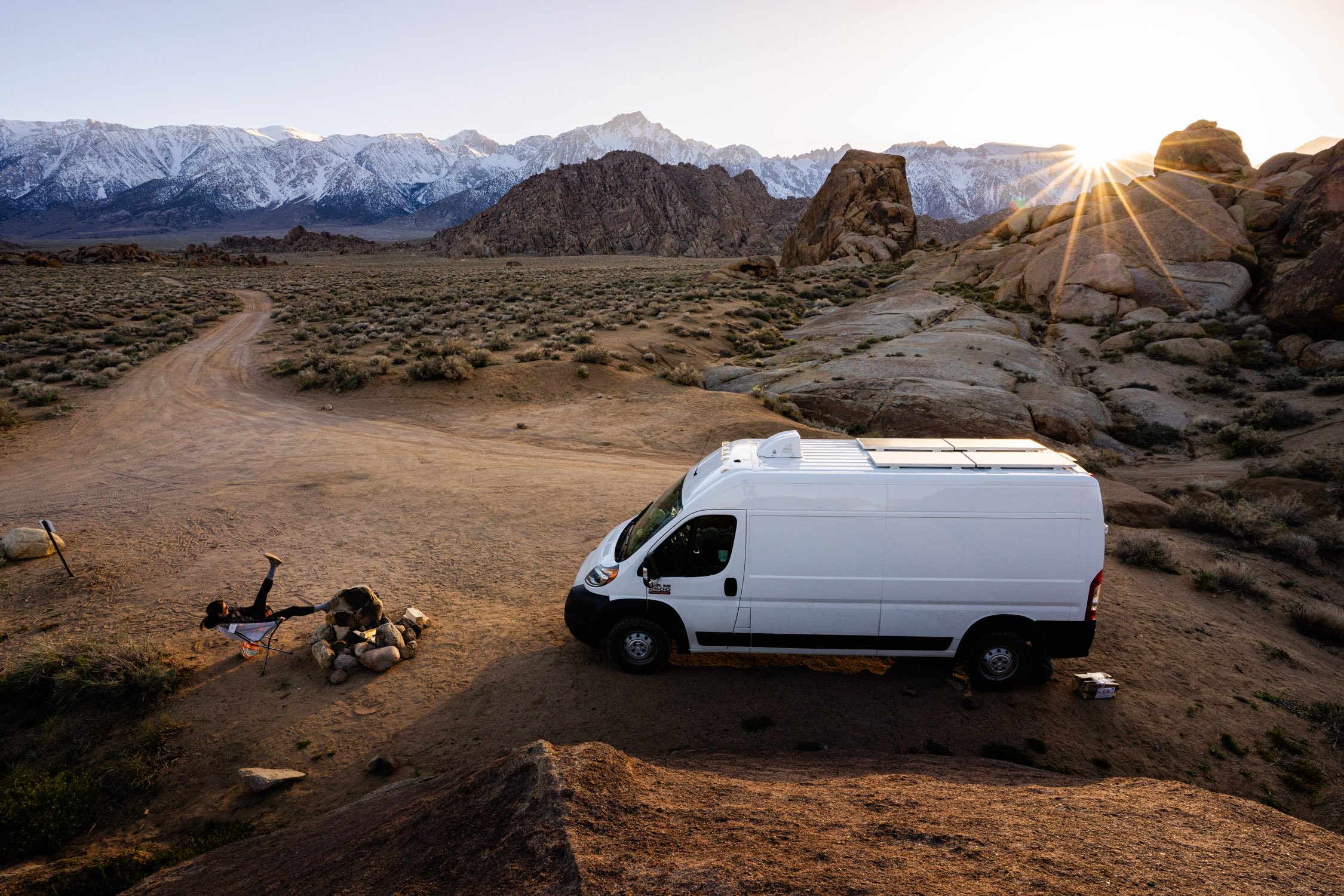
Why Van Life Is Still Growing In Popularity
In recent years, van life has become a cultural phenomenon, captivating the imaginations of many seeking freedom and adventure. The appeal of living on the road, with the ability to travel wherever the heart desires, has led to an explosion of interest in this nomadic lifestyle. But as trends come and go, the question arises: is van life still popular? The answer is a resounding yes, and here’s why.
Van life has become a cultural phenomenon, captivating the imaginations of many seeking freedom and adventure. The appeal of living on the road, with the ability to travel wherever the heart desires, has led to an explosion of interest in this nomadic lifestyle. But as trends come and go, the question arises: is van life still popular? The answer is a resounding yes, and here’s why.

Driving a lonely road in Alaska during van life. Photo by Dalton Johnson
The Allure of Freedom and Flexibility
One of the primary reasons van life remains popular is the unparalleled sense of freedom it offers. Traditional living often comes with the constraints of mortgages, leases, and fixed locations. In contrast, van life allows individuals to escape these limitations, offering the flexibility to move and explore at will. This freedom to change scenery, chase different climates, and discover new destinations keeps the spirit of adventure alive and well.
A Closer Connection to Nature
For many, van life is a gateway to a closer connection with nature. Unlike staying in hotels or rented accommodations, living in a van often means parking in breathtaking locations, from serene beaches to majestic mountains. This constant proximity to nature not only enhances mental well-being but also fosters a deeper appreciation for the environment. Van lifers can wake up to the sound of waves crashing or fall asleep under a canopy of stars, experiences that are hard to replicate in conventional living situations.
The Rise of Remote Work
The pandemic has reshaped how we work, with remote work becoming more prevalent. This shift has significantly contributed to the sustained popularity of van life. Many people now have the flexibility to work from anywhere with an internet connection, making the idea of a mobile office in a van not just feasible, but highly attractive. The ability to blend work and travel seamlessly is a major draw for digital nomads and remote workers seeking a lifestyle that offers both productivity and adventure.
Cost-Effective Living
Van life can also be a more cost-effective way to live, particularly in comparison to the rising costs of rent and home ownership in many areas. While there are initial investments involved in purchasing and converting a van, the ongoing costs can be significantly lower. Expenses such as utilities, property taxes, and rent are replaced with more manageable costs like fuel, campground fees, and maintenance. This financial freedom allows van lifers to save money, reduce debt, or simply live a more minimalist lifestyle.
Community and Social Media Influence
The van life community is another factor contributing to its enduring popularity. Social media platforms like Instagram and YouTube are filled with inspiring stories and beautiful imagery of van life, enticing more people to give it a try. Influencers and content creators have built vibrant online communities where they share tips, experiences, and advice, making the lifestyle more accessible to newcomers. This sense of community and shared passion helps keep the van life movement thriving.
A Sustainable Lifestyle
As environmental consciousness grows, many people are drawn to van life for its potential sustainability. Living in a van often encourages a minimalist approach, reducing consumption and waste. Many van lifers also adopt eco-friendly practices such as using solar panels, composting toilets, and conserving water. This commitment to a smaller ecological footprint aligns with the values of those looking to live more sustainably.
Watching sunset in the Alabama Hills of California. Photo by Dalton Johnson
Van life remains popular for a multitude of reasons, from the allure of freedom and adventure to the practical benefits of cost-effective living and remote work compatibility. The ongoing passion and community support ensure that this lifestyle will continue to captivate and inspire those seeking a different way of living. Whether it’s the call of the open road, the desire for a simpler life, or the quest for unforgettable experiences, van life offers a compelling and enduring appeal.
Discover more Adventures

What Not To Miss While Driving Monterey to Big Sur
The drive from Monterey to Big Sur is a breathtaking journey that spans approximately 30 miles along California’s scenic Highway 1. This iconic coastal route, renowned for its dramatic ocean views, rugged cliffs, and serene nature, offers one of the most beautiful drives in the United States. Despite the relatively short distance, the trip is packed with opportunities to stop and explore, making it a memorable adventure rather than just a commute.
The drive from Monterey to Big Sur is a breathtaking journey that spans approximately 30 miles along California’s scenic Highway 1. This iconic coastal route, renowned for its dramatic ocean views, rugged cliffs, and serene nature, offers one of the most beautiful drives in the United States. Despite the relatively short distance, the trip is packed with opportunities to stop and explore, making it a memorable adventure rather than just a commute.
Looking out upon the jagged cliffs of Big Sur. Photo by Dalton Johnson
The Route
Starting in Monterey, you’ll head south on Highway 1, which is also known as the Pacific Coast Highway. As you leave the charming town of Monterey, famous for its historic Cannery Row and the world-class Monterey Bay Aquarium, you’ll soon enter a stretch of road that offers unparalleled coastal scenery. The route winds along the edge of the continent, providing stunning views of the Pacific Ocean to your right and the rugged Santa Lucia Mountains to your left.
Key Stops Along the Way
While the distance between Monterey and Big Sur is only about 30 miles, plan for extra time to fully enjoy the journey. Several key stops along the way are worth exploring:
Point Lobos State Natural Reserve: Just a few miles south of Monterey, Point Lobos is often referred to as the “crown jewel” of the California state park system. Its dramatic seaside cliffs, diverse marine life, and scenic hiking trails make it a must-visit spot.
Garrapata State Park: This lesser-known park offers 2,939 acres of coastal beauty. Enjoy coastal hiking trails, beach access, and stunning views of the rugged coastline.
Bixby Creek Bridge: One of the most photographed bridges in California, the Bixby Creek Bridge is an iconic landmark on Highway 1. The views from this area are truly breathtaking, with the bridge spanning a deep canyon carved by Bixby Creek.
Andrew Molera State Park: Located near the Big Sur River, this park offers miles of trails, beach access, and a more relaxed atmosphere compared to some of the more popular spots along the coast.
Pfeiffer Big Sur State Park: Often called a “mini-Yosemite,” this park is known for its redwood groves, scenic hiking trails, and the beautiful Big Sur River. It’s an ideal place for a picnic or a longer hike.
Driving Considerations
The drive from Monterey to Big Sur, though relatively short, can take longer than expected due to the winding nature of the road and the numerous viewpoints and pullouts where you’ll want to stop and take pictures. Driving conditions can vary, especially in the winter months when fog and rain are more common. Be sure to check the weather and road conditions before embarking on your journey, and always drive cautiously on this narrow, winding road.
The Destination: Big Sur
Upon arriving in Big Sur, you’ll be greeted by an area known for its stunning natural beauty and tranquil atmosphere. Big Sur is not a town, but rather a region spanning about 90 miles of coastline. Highlights include McWay Falls, where a waterfall cascades onto the beach, and the various state parks that offer hiking, camping, and wildlife viewing opportunities. Big Sur’s remote and rugged landscape has inspired artists, writers, and nature enthusiasts for generations.

Make sure to stop along the way, Big Sur has some of the best hikes anyone could ever imagine. Photo by Dalton Johnson
The journey from Monterey to Big Sur is more than just a drive; it’s an experience that showcases some of the most stunning coastal scenery in the world. Whether you’re a local resident or a visitor, taking the time to explore the sights along this route will leave you with memories of a lifetime. From the charming town of Monterey to the rugged beauty of Big Sur, this short 30-mile trip offers a perfect escape into nature’s splendor.
Discover More Destinations

Best Time to Visit Antarctica on a Cruise Ship
Antarctica, the frozen continent, offers an unparalleled adventure for intrepid travelers seeking awe-inspiring landscapes, incredible wildlife, and the thrill of exploring one of the last true wildernesses on Earth. Cruising to Antarctica is a dream come true for many, but timing your journey is crucial to ensure the best possible experience. This article explores the best time to visit Antarctica on a cruise ship, highlighting the optimal periods for wildlife sightings, weather conditions, and overall cruise experience.
Antarctica, the frozen continent, offers an unparalleled adventure for intrepid travelers seeking awe-inspiring landscapes, incredible wildlife, and the thrill of exploring one of the last true wildernesses on Earth. Cruising to Antarctica is a dream come true for many, but timing your journey is crucial to ensure the best possible experience. This article explores the best time to visit Antarctica on a cruise ship, highlighting the optimal periods for wildlife sightings, weather conditions, and overall cruise experience.

A fur seal, iceburgs, and our Aurora Expeditions cruise ship down in Antarctica. Photo by Dalton Johnson
The Antarctic Cruise Season
The Antarctic cruise season runs from late October to early March, during the Southern Hemisphere's summer months. This period is when the sea ice melts enough to allow ships to navigate through the waters, making it possible to reach the continent. Each month within this window offers unique opportunities and experiences, and the best time to visit depends on what you hope to see and do during your expedition.
Late October to November: Early Season
Early season cruises to Antarctica, from late October to November, offer a chance to witness the continent as it awakens from its long winter. The ice is still thick, creating a stunning, pristine landscape of white expanses and towering icebergs. This is also the time when the pack ice starts to break up, allowing ships to reach places that are inaccessible later in the season.
Pros:
Spectacular ice formations and landscapes.
Fewer tourists, offering a more intimate experience.
Early season discounts on some cruises.
Cons:
Colder temperatures, averaging -2°C to 2°C (28°F to 36°F).
Limited access to some landing sites due to ice.
Wildlife Highlights:
Penguins begin their courtship rituals and nest building.
Seals are often seen on the ice floes.
Albatrosses and other seabirds return to the region.
December to January: Peak Season
December and January are considered the peak months for Antarctic cruises. The temperatures are warmer, ranging from 1°C to 5°C (34°F to 41°F), and the days are long, with up to 24 hours of daylight around the summer solstice. This period offers the best weather conditions for exploring and the most opportunities for wildlife encounters.
Pros:
Milder temperatures and calmer seas.
Maximum daylight for excursions and photography.
Excellent wildlife viewing opportunities.
Cons:
Higher demand and prices for cruises.
More tourists, leading to potentially crowded landing sites.
Wildlife Highlights:
Penguin chicks start hatching, providing adorable photo opportunities.
Seal pups are born and can be seen on the beaches.
Whales begin to arrive, with sightings of humpback, minke, and orca whales becoming more common.
February to Early March: Late Season
The late season, from February to early March, marks the end of the Antarctic summer. The temperatures start to drop, but it remains relatively mild, with averages between -2°C to 2°C (28°F to 36°F). This period offers unique experiences that are not available earlier in the season.
Pros:
Whale sightings are at their peak as they feed before migrating north.
Penguin chicks are now active and learning to swim.
The ice has melted enough to allow access to more remote areas.
Cons:
Shorter days with decreasing daylight.
Cooler temperatures compared to the peak season.
Wildlife Highlights:
Abundant whale activity, including breaching and feeding displays.
Penguins and seals are more active, with penguin chicks fledging.
Leopard seals are more commonly seen hunting penguins.
Choosing the Right Cruise
When planning your Antarctic adventure, the type of cruise ship you choose can significantly impact your experience. Here are some options to consider:
Small Ship Cruises:
Small ship cruises to Antarctica offer a uniquely intimate and immersive experience, perfect for adventurous travelers seeking to explore this remote and breathtaking region. These vessels, typically accommodating between 50 to 200 passengers, provide a personalized and close-knit atmosphere, allowing for more interaction with fellow travelers and crew members. The smaller group sizes ensure tailored excursions, enhanced service, and a deeper connection to the surroundings.
One of the key advantages of small ship cruises is their flexibility in itinerary and landing sites. These agile vessels can navigate narrow channels and access remote locations that larger ships cannot reach, offering exclusive opportunities to explore untouched areas and witness extraordinary wildlife. From venturing into secluded bays to observing penguin colonies up close, small ships enable travelers to experience the true essence of Antarctica.
However, small ship cruises often come at a higher cost per passenger and offer fewer onboard amenities. While the cabins are comfortable, they are typically more compact, and the range of facilities is limited compared to larger ships. Despite these trade-offs, the unparalleled experiences and personalized adventures make small ship cruises a top choice for those seeking an extraordinary journey to the frozen continent.
Advantages:
More intimate and personalized experience with fewer passengers.
Greater flexibility in itinerary and landing sites.
Ability to access smaller, more remote locations.
Disadvantages:
Higher cost per passenger.
Smaller cabins and fewer onboard amenities.
Mid-Size Expedition Ships:
Mid-sized expedition ships provide a compelling option for travelers embarking on Antarctic cruises, offering a balanced blend of comfort and adventure. With capacities typically ranging from 200 to 500 passengers, these vessels strike a middle ground between small, intimate ships and larger, more amenity-rich liners. They feature a variety of onboard amenities such as multiple dining venues, spacious lounges, gyms, and educational facilities, enhancing passenger comfort and enjoyment during the journey.
One of the key advantages of mid-sized ships is their ability to offer a diverse range of educational programs and lectures led by onboard experts. These programs delve into Antarctica's wildlife, geology, and history, enriching the expedition experience. While they may accommodate more passengers than smaller ships, mid-sized vessels still prioritize meaningful wildlife encounters and explorations, though excursions may be slightly less intimate. They provide excellent access to many Antarctic destinations, although they may have limitations in reaching extremely remote areas that only smaller ships can navigate. Overall, mid-sized expedition ships offer a well-rounded option for exploring Antarctica, catering to both adventure-seekers and those looking for a comfortable, educational cruise experience.
Advantages:
Balance between comfort and adventure.
More amenities and public spaces than small ships.
Opportunities for educational programs and lectures.
Disadvantages:
More passengers, which can mean less intimate excursions.
Slightly limited access to some remote areas compared to small ships.
Large Cruise Ships:
Large cruise ships provide a luxurious and comfortable way to explore Antarctica, offering extensive onboard amenities such as spas, gyms, multiple dining options, and entertainment venues like theaters and casinos. These ships are often more affordable due to their larger capacity, making Antarctica accessible to a broader range of travelers. Their size also provides stability in rough seas, ensuring a smoother journey across the Drake Passage and beyond.
However, the main drawback of large cruise ships in Antarctica is their limited access to smaller, remote landing sites that are inaccessible to their size. This can impact the diversity of experiences and wildlife encounters available to passengers, as smaller vessels can reach more secluded areas. Additionally, larger groups onboard can detract from the intimacy of wildlife interactions compared to smaller ship expeditions.
Overall, large cruise ships offer a comfortable and well-appointed option for travelers who prioritize onboard amenities and stability, while understanding the trade-offs in terms of access to more remote and intimate Antarctic experiences.
Advantages:
Greater onboard comfort and amenities, including spas, gyms, and multiple dining options.
Often more affordable than smaller ships.
Stable in rough seas, offering a smoother journey.
Disadvantages:
Limited to fewer landing sites due to size.
Less intimate wildlife experiences with larger groups.
Best Time for Wildlife Viewing
For wildlife enthusiasts, the best time to visit Antarctica is crucial for maximizing sightings and encounters. Here’s a quick guide to the best months for specific wildlife experiences:
Penguins:
Early Season (October-November): Penguins arrive and begin courtship and nesting.
Peak Season (December-January): Penguin chicks hatch and are most active.
Late Season (February-March): Penguin chicks start to fledge and learn to swim.
Seals:
Early Season: Seals are often seen on ice floes and beaches.
Peak Season: Seal pups are born, and elephant seals are more active.
Late Season: Leopard seals become more prevalent, often seen hunting penguins.
Whales:
Peak Season: Whale sightings begin, with humpbacks and minkes arriving.
Late Season: Whale activity peaks with numerous sightings of feeding and breaching.
Birds:
Throughout the Season: Seabirds like albatrosses and petrels are present, with peak breeding and feeding activity.
Preparing for Your Antarctic Cruise
To ensure you have the best experience on your Antarctic cruise, consider the following tips:
Book Early: Antarctic cruises are in high demand, so book well in advance to secure your preferred dates and cabin.
Pack Appropriately: Bring warm, waterproof clothing, sturdy boots, and high-quality camera equipment to capture the stunning landscapes and wildlife.
Stay Informed: Attend pre-cruise briefings and onboard lectures to learn about the region’s ecology, history, and conservation efforts.
Respect Wildlife: Follow guidelines for wildlife encounters to ensure the safety and preservation of the animals and their habitats.
Stay Flexible: Weather and ice conditions can change rapidly, affecting itineraries. Embrace the unpredictability and enjoy the adventure.
Exploring a grouping of icebergs via zodiac while on a cruise in Antarctica with AdventureSmith Explorations. Photo by Dalton Johnson
The best time to visit Antarctica on a cruise ship depends on your priorities, whether it’s witnessing incredible wildlife, enjoying milder weather, or exploring pristine landscapes. Each phase of the Antarctic cruise season offers unique experiences, and understanding the benefits of each can help you plan the perfect expedition. No matter when you choose to go, an Antarctic cruise promises to be a once-in-a-lifetime adventure filled with breathtaking moments and unforgettable encounters.
Discover More Destinations

The Do's and Don'ts of Visiting Antarctica
Antarctica, the southernmost continent, offers a unique and awe-inspiring experience for travelers. Its pristine landscapes, diverse wildlife, and stark beauty are unparalleled. However, visiting Antarctica comes with a responsibility to protect its fragile environment. Here are the essential do's and don'ts to ensure a safe and respectful journey to this remote destination.
Antarctica, the southernmost continent, offers a unique and awe-inspiring experience for travelers. Its pristine landscapes, diverse wildlife, and stark beauty are unparalleled. However, visiting Antarctica via cruise ship comes with a responsibility to protect its fragile environment. Here are the essential do's and don'ts to ensure a safe and respectful journey to this remote destination.

When on a small cruise ship to Antarctica, like AdventureSmith Explorations, you will most likely stop at one of the historical research centers. Photo by Dalton Johnson
The Do’s While visiting Antarctica
1. Do Plan Your Trip Thoroughly
Planning is crucial for a successful Antarctic adventure. Choose a reputable tour operator with experience in polar expeditions. Companies offering cruises to Antarctica, such as AdventureSmith Explorations, Aurora Expeditions, Quark Expeditions, and Lindblad Expeditions, adhere to strict environmental guidelines and provide knowledgeable guides.
2. Do Pack Appropriately
Antarctic weather is unpredictable, and temperatures can drop significantly. Pack layers of clothing, including thermal wear, waterproof jackets, and sturdy boots. Don't forget essentials like gloves, hats, and sunglasses with UV protection to shield against the intense glare from the snow and ice.
3. Do Respect Wildlife
Antarctica is home to incredible wildlife, including penguins, seals, and whales. Always maintain a safe distance from animals to avoid disturbing them. Follow your guide's instructions on how to approach wildlife safely. Remember, you are a visitor in their habitat.
4. Do Follow Environmental Guidelines
Antarctica's environment is incredibly fragile. Adhere to the guidelines set by the International Association of Antarctica Tour Operators (IAATO). These include rules like not littering, avoiding taking anything from the environment (including rocks, plants, and shells), and not disturbing historical sites.
5. Do Participate in Educational Programs
Most Antarctic cruises offer educational lectures and programs about the continent's history, geology, and wildlife. Take advantage of these opportunities to learn more about the environment you are visiting and the importance of conservation efforts.
6. Do Engage in Responsible Photography
Capturing the stunning scenery and wildlife of Antarctica is a must, but always do so responsibly. Avoid using flash when photographing animals, as it can startle them. Respect the natural behavior of wildlife and avoid getting too close for that perfect shot.
7. Do Prepare for Motion Sickness
The Drake Passage, the body of water between South America and Antarctica, is notorious for rough seas. If you are prone to motion sickness, bring appropriate medication and be prepared for potentially turbulent conditions.
8. Do Be Aware of Your Carbon Footprint
Traveling to Antarctica involves a significant carbon footprint. Consider offsetting your emissions by contributing to environmental projects or choosing tour operators that focus on sustainability and carbon offsetting.
The Don'ts While visiting Antarctica
1. Don't Disturb the Wildlife
It's worth repeating: Do not disturb the wildlife. This means no feeding, touching, or approaching animals too closely. Your presence should not alter their natural behavior or habitat.
2. Don't Leave Waste Behind
Antarctica is a pristine environment, and it’s vital to keep it that way. Always take all waste, including food scraps and personal hygiene products, back to the ship for proper disposal.
3. Don't Stray from Designated Paths
When on land, stick to designated paths to minimize your impact on the fragile ecosystem. Walking on moss or lichen can cause long-term damage, as these plants take years to grow.
4. Don't Remove Natural Items
Do not take any natural souvenirs from Antarctica. This includes rocks, shells, or plants. Even seemingly insignificant items play a role in the local ecosystem.
5. Don't Ignore Safety Instructions
Your safety and the safety of the environment depend on following the guidelines and instructions provided by your tour guides. Whether it’s advice on staying safe in icy conditions or how to behave around wildlife, it’s essential to listen and comply.
6. Don't Smoke or Use Open Flames
Smoking and the use of open flames are generally prohibited in Antarctica due to the risk of fire. Fires can spread rapidly in such dry, cold environments and have devastating effects on the local ecosystem.
7. Don't Engage in Unauthorized Activities
Activities such as diving, kayaking, or camping require special permits and expertise. Ensure any activities you participate in are approved and supervised by your tour operator to avoid accidents and environmental damage.
8. Don't Forget Travel Insurance
Antarctica is one of the most remote places on Earth, and medical facilities are limited. Comprehensive travel insurance that includes medical evacuation is a must. Ensure your policy covers the unique challenges of polar travel.
Wildlife Highlights
One of the main attractions of visiting Antarctica is the opportunity to see its unique wildlife. Here are some highlights:
Penguins
Penguins are the iconic inhabitants of Antarctica. Species you may encounter include the Emperor, Adélie, Chinstrap, and Gentoo penguins. Watching their playful antics and hearing their distinctive calls is a highlight of any trip.
Seals
Several species of seals live in Antarctica, including Weddell, Crabeater, Leopard, and Elephant seals. These fascinating creatures can often be seen lounging on ice floes or swimming in the icy waters.
Whales
Antarctic waters are rich feeding grounds for whales. You might spot Humpback, Minke, and Orca whales during your trip. Whale watching is a thrilling experience, especially when they breach or show their flukes.
Birds
Apart from penguins, Antarctica is home to a variety of bird species, including the majestic Albatross, Skua, and Petrel. Birdwatching enthusiasts will enjoy spotting these avian wonders in their natural habitat.
Molting penguins waiting to swim away after mating season. Photo by Dalton Johnson
Visiting Antarctica is a once-in-a-lifetime experience that offers unparalleled natural beauty and unique wildlife encounters. By following the do's and don'ts outlined above, you can ensure that your trip is not only memorable but also respectful and sustainable. Protecting this fragile environment is a shared responsibility, and every traveler plays a part in preserving Antarctica for future generations. Enjoy your adventure while leaving no trace behind.
Discover More Destinations

30 Things to Know When Cruising to Antarctica
Cruising to Antarctica is a once-in-a-lifetime adventure that offers breathtaking landscapes, unique wildlife, and unparalleled experiences. If you’re planning to embark on this extraordinary journey, here are 30 things you need to know to make the most of your cruise to Antarctica.
Cruising to Antarctica is a once-in-a-lifetime adventure that offers breathtaking landscapes, unique wildlife, and unparalleled experiences. As the last great wilderness on Earth, Antarctica boasts stunning icebergs, majestic glaciers, and a diverse array of wildlife including penguins, seals, and whales. Whether you're an avid photographer, a wildlife enthusiast, or simply an adventurous traveler, a cruise to Antarctica promises to be an unforgettable journey filled with awe-inspiring sights and experiences.
To help you prepare for this extraordinary trip, we’ve compiled a comprehensive list of 30 essential things to know when cruising to Antarctica. This guide will ensure you make the most of your Antarctic cruise, providing valuable tips on everything from packing essentials to wildlife viewing opportunities, and from environmental regulations to onboard activities. So, if you’re planning to visit Antarctica, keep reading to discover how to make your polar expedition a seamless and enriching experience.
A seal taking a nap on an ice chunk while on an AdventureSmith Exploration cruise to Antarctica. Photo by Dalton Johnson
1. Choosing the Right Cruise Ship
The type of cruise ship you select can significantly affect your experience. Smaller ships (under 200 passengers) can navigate closer to the shore and offer more landings, providing a more intimate encounter with the continent. I went on a cruise to Antartica via AdventureSmith Exploration and loved my time! The small ship and personal connection with the staff was out of this world.
2. Best Time to Cruise
The Antarctic cruise season runs from November to March. Each month offers unique experiences, with November featuring pristine ice and fewer tourists, while January and February are ideal for wildlife viewing.
3. Weather Conditions
Antarctic weather is unpredictable. While summer temperatures range from -2°C to 8°C (28°F to 46°F), be prepared for rapid changes and pack accordingly.
4. Wildlife Watching
Antarctica is a haven for wildlife enthusiasts. You can see penguins, seals, whales, and a variety of seabirds. Peak wildlife viewing occurs from December to February.
5. Zodiac Landings
Most cruises use Zodiac boats for shore landings. These inflatable boats are essential for getting close to wildlife and navigating icy waters.
6. Strict Environmental Regulations
The International Association of Antarctica Tour Operators (IAATO) imposes strict guidelines to protect the pristine environment. Follow all instructions to minimize your impact.
7. Packing Essentials
Pack layers, waterproof gear, sturdy boots, and sun protection. Don’t forget seasickness medication, as the Drake Passage can be rough.
8. Photographic Opportunities
Antarctica offers stunning photographic opportunities. Bring a good camera, extra batteries, and memory cards. A waterproof bag for your gear is also essential.
9. No Internet Connectivity
Expect limited or no internet connectivity. This is a great chance to disconnect and immerse yourself in the natural beauty.
10. Unique Landscapes
Antarctica’s landscapes are surreal, with massive icebergs, towering glaciers, and endless white vistas. Every vista offers a new perspective.
11. Expert Guides
Your cruise will likely include expert guides and naturalists who provide valuable insights into the region’s history, wildlife, and environment.
12. Safety First
Safety is paramount on Antarctic cruises. Pay close attention to briefings and follow all safety protocols during excursions.
13. Polar Plunge
Many cruises offer the chance to take a polar plunge into the icy waters. It’s a thrilling experience but not for the faint-hearted.
14. Respect Wildlife
Always keep a safe distance from wildlife. Penguins and seals are curious but should not be disturbed or fed.
15. Kayaking Adventures
Some cruises offer kayaking excursions, allowing you to paddle among icebergs and get a unique perspective of the icy waters.
16. Camping on the Ice
For a truly immersive experience, some cruises offer the opportunity to camp overnight on the Antarctic ice. It’s an unforgettable adventure.
17. Scientific Stations
Visits to research stations provide insight into the scientific work conducted in Antarctica. It’s an opportunity to learn about climate research and conservation efforts.
18. Whale Watching
January to March is the best time for whale watching. Look out for humpback, minke, and orca whales.
19. Seasickness Precautions
The Drake Passage can be notoriously rough. If you’re prone to seasickness, take preventive measures such as medication or acupressure bands.
20. Cultural Etiquette
Respect the cultural etiquette of your fellow travelers and the international community that resides in Antarctica. Quiet observation and patience are key.
21. Fitness Levels
Most excursions require a moderate level of fitness. Be prepared for walking on uneven terrain and climbing in and out of Zodiac boats.
22. Cruise Itinerary
Check your cruise itinerary carefully. Some cruises offer more shore landings, while others focus on scenic cruising.
23. Photography Workshops
Many cruises offer photography workshops to help you capture the stunning landscapes and wildlife. Take advantage of these opportunities to hone your skills.
24. Breathtaking Sunsets and Sunrises
Antarctica offers some of the most stunning sunsets and sunrises you’ll ever see. Make sure to wake up early and stay out late to witness these spectacular displays.
25. Polar Explorers’ History
Learn about the history of polar explorers such as Ernest Shackleton and Roald Amundsen. Many cruises include lectures and exhibitions on these historical figures.
26. Insect-Free Zone
One unique aspect of Antarctica is the lack of insects. You won’t have to worry about mosquitoes or flies during your visit.
27. Polar Night and Midnight Sun
Depending on the time of year, you may experience the midnight sun (24 hours of daylight) or the polar night (24 hours of darkness). Both phenomena are incredible.
28. Accessible to All Ages
Antarctic cruises are suitable for all ages, from children to seniors. However, check with your cruise operator for age restrictions and suitability.
29. Sustainable Travel
Choose a cruise operator that prioritizes sustainability. Look for companies that follow IAATO guidelines and have eco-friendly practices.
30. Memorable Experience
Above all, a cruise to Antarctica is a memorable experience that will stay with you forever. Take time to savor each moment and appreciate the unparalleled beauty of the White Continent.

Kayaking in Antarctica while on an AdventureSmith Exploration cruise. Photo by Dalton Johnson
Cruising to Antarctica is an adventure like no other. By being well-prepared and informed, you can ensure that your journey is safe, enjoyable, and environmentally responsible. Whether you're captivated by the wildlife, the breathtaking landscapes, or the rich history, Antarctica promises an unforgettable experience that will leave you in awe of this pristine and remote part of the world.