The Decisive Moment Defines Action Photography
There is a concept in photography that has been around for decades. The decisive moment. The idea that within any sequence of events, there is one specific instant where everything aligns, the light, the movement, the emotion, the composition, and that instant is either captured or it's gone forever.
Henri Cartier-Bresson is usually credited with the idea, who understood that the decisive moment isn't just about reflexes. It's about knowledge. It's about being so familiar with what you're watching that you can see the moment before it happens.
That's the real skill. Not reaction time. Anticipation.
Quick Note: If you find this article helpful, the idea come from The Adventure Photographer's Playbook and it costs $10. Why so cheap? The goal is to help as many new to mid level photographers as possible go from nothing to getting booked in 18 months. If that is you, check it out.
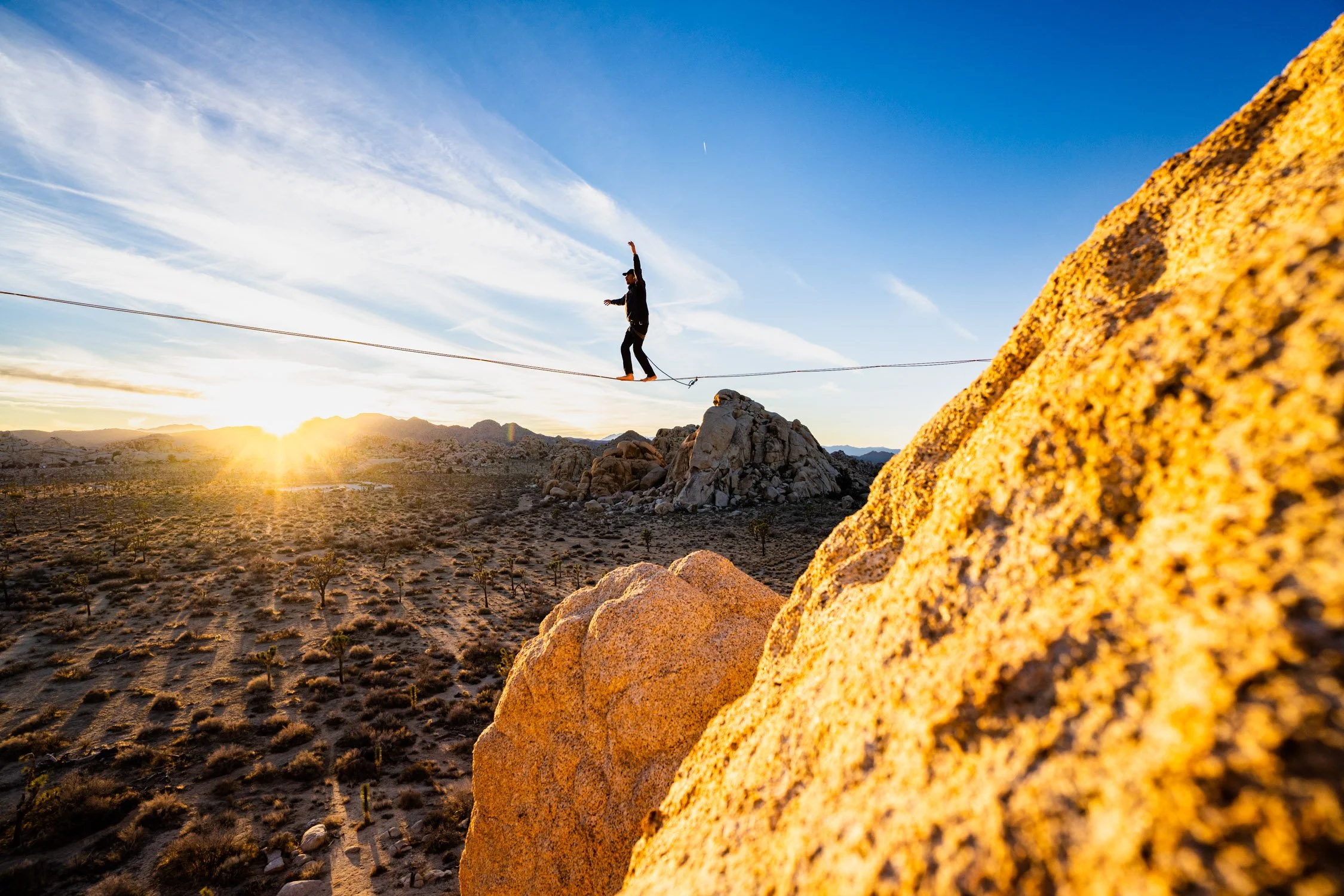
Just moments before this, we almost called the shoot off because the clouds came in, but after waiting almost an hour, the sun broke through just before sunset and gave us this stunning image. Follow Dalton Johnson on your favorite platform: @storiesbydalton
Anticipation Comes From Cultural Knowledge
The most common mistake adventure photographers make when trying to capture action is treating it like a reflex problem. They buy faster cameras, higher frame rates, better autofocus systems. All of that helps at the margins. None of it solves the core issue.
If you don't understand what you're watching, you will always be reacting instead of anticipating. And reacting is always too late.
Surf photography is the clearest example. A photographer who doesn't surf looks at a breaking wave and sees a wall of water. A photographer who surfs looks at the same wave and sees a sequence of events. They know where the lip is going to throw. They know where the surfer is going to be when it does. They know which section of the wave produces the most dramatic moment and they're already positioned there before it happens.
That knowledge doesn't come from photography. It comes from spending time in the water, understanding how swells break on a specific reef or beach, knowing the surfers you're shooting well enough to predict their lines. The camera is the last piece of the equation.
Know the Culture Before You Pick Up the Camera
This applies across every discipline in adventure photography. Before you shoot climbing, understand what makes a hard move hard. Before you shoot skiing, understand what makes a line consequential versus just steep. Before you shoot whitewater, understand how a rapid is read and what the paddler is trying to do at each feature.
When I started shooting climbing work early in my career, I was already a climber. I knew what it felt like to be pumped out of your mind on a crux sequence. I knew what a climber's body looks like when they're fighting to hold on versus when they're in control. That knowledge told me when to press the shutter before the moment arrived, not when it was already happening.
The photographers who build long careers in specific adventure disciplines aren't just technically skilled. They're culturally fluent. They belong to the world they're shooting. That belonging shows up in the work in ways that are hard to articulate but immediately recognizable to anyone inside that community.
Here’s What Lives In My Gear Bag:
Sony a7r4; my work horse
Sony a7s3; mostly for video work like solo-filmmaking documentary
Tamron 16-30; probably my favorite lens right now
Tamron 28-75; I think this is the best all around focal length
Tamron 70-180; I don’t use this a ton, but it’s a great lens
On Funded Shoots, Communication Is the Shortcut
Pure documentary work requires deep cultural knowledge built over time. But a lot of adventure photography happens in a different context: a funded shoot where you're working with athletes or talent on a specific project with specific deliverables.
In that context, you have a shortcut that documentary work doesn't allow. You can ask.
Before the Lassen and Shasta project, I spent time understanding the routes, the conditions, and what the most visually compelling moments were likely to be. On funded shoots with athletes, I go further. I ask the climber where the hardest move on the route is. I ask the skier which line section is going to produce the most committed moment. I ask the paddler where they're going to have to work hardest.
Then I get there first and I wait.
That simple act of communication, finding out where the decisive moment is likely to happen before it happens, changes everything about your hit rate on a shoot. You're no longer hoping to be in the right place. You're choosing to be there in advance.
When You Don't Know, Shoot Volume
Here's the honest truth for photographers who are early in a discipline and don't yet have the cultural knowledge to anticipate moments reliably. Shoot a lot.
Volume compensates for lack of expertise in the early stages of any adventure niche. If you take thousands of frames, some of them will be good. You will start to recognize which ones work and why. Over time that recognition becomes intuition and that intuition becomes anticipation.
I shot tens of thousands of frames before I understood why my best images worked. Looking back at them now, I can see the moments I captured accidentally before I understood how to capture them intentionally. That's part of the process. You can't skip it, but you can move through it faster by shooting more and studying your results more carefully.

Perfection can come in every style, but decisive moments, like this image, can’t be recreated. Follow Dalton Johnson on your favorite platform: @storiesbydalton
Deconstruct the Work You Admire
One of the practices that accelerated my development most as an adventure photographer was something I started doing early in my career. I would find images I loved, images that captured decisive moments in adventure disciplines I was working in, and I would take them apart.
I printed them out. I wrote down where I thought the photographer was standing. What focal length they were likely using. What time of day based on the light. What the subject was doing in the frame and what they were about to do. I visualized being in that position, making that decision, pressing the shutter at that exact instant.
That exercise built a library of decisive moments in my mind before I ever encountered them in the field. When similar moments showed up in my own work, I recognized them faster because I had already seen them.
Reflection Questions
In the adventure disciplines you shoot most, do you have enough cultural knowledge to anticipate moments before they happen, or are you still reacting after the fact?
When did you last have a conversation with an athlete or subject before a shoot to find out where the most compelling moments were likely to occur?
Think about your best action image. Did you capture it because you anticipated it, or because you got lucky and happened to be pointing your camera the right direction?
What would it look like to spend the next six months building cultural knowledge in one discipline before worrying about capturing the decisive moment technically?
This lesson comes from my The Adventure Photographer's Playbook and it costs $10. Why so cheap? The goal is to help as many new to mid level photographers as possible go from nothing to getting booked in 18 months:

The Adventure Photographer’s Playbook is an e-book created by full-time photographer Dalton Johnson to help new photographers go from nothing to booked in the adventure photography space.
This adventure photography e-book goes over the business and what “making it” as a photographer in the outdoor space requires. Covering topics such as pricing, marketing, building a body of work, reflection questions, and everything you need to know to make a career out of adventure photography.
Updated: June 2025
Read More From The Photographer’s Playbook


About Dalton
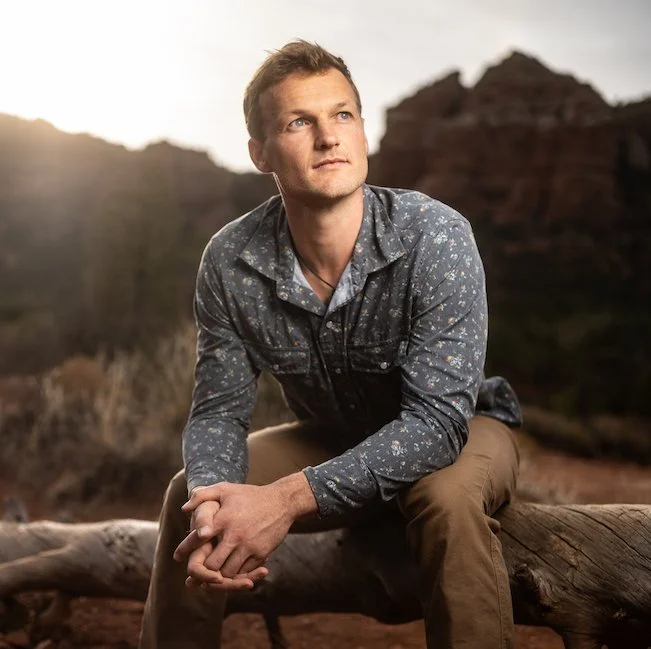
Dalton Johnson is a photographer, director, and writer (award-winning at all three) based in South Lake Tahoe, CA.
Over the last 10 years, Dalton’s creative work has taken him to every continent, above the arctic circle, and below the antarctic circle.