
How Adventure Photography Pricing Actually Works in 2026
Nobody in this industry wants to talk about money. Photographers don't want to seem mercenary. Brands don't want to tip their hand on budgets. Agencies stay deliberately vague because ambiguity benefits them. The result is a market where most photographers are chronically undercharging and most brands have no idea what fair compensation actually looks like.
After a decade of negotiating contracts across every tier of the outdoor industry, from thousand-dollar spec jobs to six-figure campaign budgets, here's how pricing actually works.
Quick Note: If you find this article helpful, the idea come from The Adventure Photographer's Playbookand it costs $10. Why so cheap? The goal is to help as many new to mid level photographers as possible go from nothing to getting booked in 18 months. If that is you, check it out.

The Old Model Is Gone
There was a time when adventure photography had a clean, predictable pricing structure. You negotiated a day rate, delivered a predetermined number of images, and then licensed those images separately based on three variables: duration of use, where the images would appear, and exclusivity. A single image licensed for a national print campaign with exclusivity could generate five to twenty thousand dollars. Sometimes more.
That model is largely dead.
The shift happened gradually and then all at once. Digital media exploded the volume of content brands needed. Social media created daily content demands that didn't exist before. The pace of campaign cycles accelerated to the point where images licensed for two years were out of date in six months. The economics of high-value licensing collapsed because the market conditions that supported it disappeared.
What replaced it is messier and more complicated.

What the Market Actually Looks Like Now
The current market for adventure photography breaks into roughly three tiers, and understanding which tier you're operating in changes everything about how you price your work.
The first tier is standard client work. A brand hires you for a specific project. They want photos, usually video, sometimes writing or social content on top of that. The deliverable package is broad and the rate reflects the full scope. For most adventure photographers working at a professional level, these projects land somewhere between eight hundred and five thousand dollars depending on the scope, the brand's budget, and how much leverage you have in the negotiation.
The second tier is self-produced sponsored projects. You come up with the concept, build the pitch, and go find brands to fund it. Because you're bringing the idea and the distribution, not just the execution, the rates are higher. Projects in this tier typically range from fifteen hundred to ten thousand dollars per brand partner, sometimes more depending on the guaranteed reach you can demonstrate.
The third tier is full campaign work. A brand hires you to create one of their major seasonal campaigns, their catalog, their hero content for the year. These budgets range from twenty to fifty thousand dollars, sometimes significantly more. But here's what most photographers don't understand about campaign budgets: that number is not all yours. It's a production budget. Talent, travel, equipment rental, post-production, and your fee all come out of it. Your actual take-home on a fifty-thousand-dollar campaign budget might be fifteen to twenty thousand after costs.
Here’s What Lives In My Gear Bag:
Sony a7r4; my work horse
Sony a7s3; mostly for video work like solo-filmmaking documentary
Tamron 16-30; probably my favorite lens right now
Tamron 28-75; I think this is the best all around focal length
Tamron 70-180; I don’t use this a ton, but it’s a great lens

Why the Brief Always Asks for Everything Now
One of the most consistent shifts I've seen in the past several years is what brands expect to receive from a single hire. The old model was clean: photographer shoots, delivers images, done. The new model is not clean at all.
Brands now routinely expect photos, video, behind-the-scenes social content, help with posting, cross-promotion, and sometimes written copy from a single engagement. They want the complete package from one person because hiring multiple specialists for each deliverable is expensive and difficult to coordinate. The photographer who can deliver all of it has a significant advantage over the one who can only deliver images.
This is both an opportunity and a trap. An opportunity because photographers who expand their skill sets can charge more and win briefs that pure shooters can't. A trap because brands will sometimes take advantage of that flexibility and ask for everything without adjusting the budget to reflect the expanded scope.
Know what you're delivering before you sign anything. Get the deliverables in writing. Understand that a brief asking for photos, video, and social content is three jobs, not one.
Licensing Still Exists, Just Differently
Image licensing hasn't disappeared entirely. It's changed shape. The default in most outdoor industry contracts now is digital nonexclusive use for one to two years. That's the baseline expectation for most projects and it's often baked into the flat project rate without being called out separately.
Where licensing still has teeth is in the variables. Digital paid versus digital organic use are different licenses and should be priced differently. Perpetual use costs more than a two-year term. Exclusive use costs significantly more than nonexclusive. These distinctions still exist and they still matter, but you have to know to negotiate them because most brands won't raise them voluntarily.
Work for hire is the version to watch out for. When a contract specifies work for hire, you are signing away the copyright to everything you shoot on that project permanently. The brand owns it. You can't license it elsewhere. You can't include it in your portfolio without permission. Work for hire should cost more than licensed work, not less, because you're giving up a perpetual asset. Many photographers sign work for hire agreements at standard rates without understanding what they're actually agreeing to.
The Guarantee Changed My Business
For most of my career I priced work the way most photographers do. Day rate plus deliverables plus licensing. It worked well enough. It kept the business running. But it kept me competing on the same terms as every other photographer pitching the same brands.
The shift that changed my pricing power was adding a guaranteed outcome to my pitches. One million organic views in ninety days, backed by a money-back guarantee. Suddenly I wasn't selling images anymore. I was selling a result. And results price differently than deliverables.
Brands that were politely interested in my photography became genuinely excited about a guaranteed distribution outcome. The conversation moved from what does this cost to what do we get. That's a fundamentally different negotiation and it almost always ends at a higher number.
Reflection Questions
Do you know which pricing tier most of your current work falls into, and is that tier where you want to be building your business?
Have you ever signed a work for hire agreement without fully understanding what you were giving up?
What would change about your pricing conversations if you led with a guaranteed outcome instead of a list of deliverables?
Are you currently negotiating licensing terms separately from your project rate, or are you leaving that money on the table?
This lesson comes from my The Adventure Photographer's Playbook and it costs $10. Why so cheap? The goal is to help as many new to mid level photographers as possible go from nothing to getting booked in 18 months:

The Adventure Photographer’s Playbook is an e-book created by full-time photographer Dalton Johnson to help new photographers go from nothing to booked in the adventure photography space.
This adventure photography e-book goes over the business and what “making it” as a photographer in the outdoor space requires. Covering topics such as pricing, marketing, building a body of work, reflection questions, and everything you need to know to make a career out of adventure photography.
Updated: June 2025
Read More From The Photographer’s Playbook


About the Author
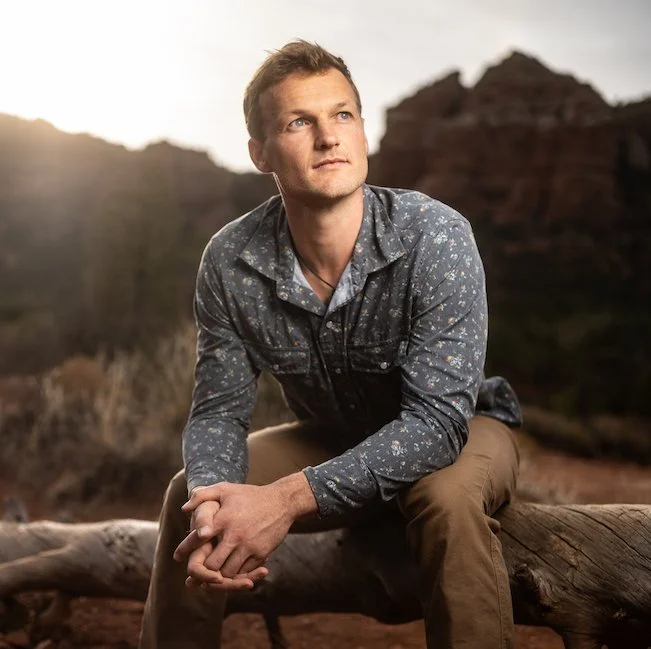
Dalton Johnson is a photographer, director, and writer (award-winning at all three) based in South Lake Tahoe, CA.
Over the last 10 years, Dalton’s creative work has taken him to every continent, above the arctic circle, and below the antarctic circle.
Getting out of the car, today’s walk was going to be short and full. Kristin and Chestnut were joining me for the evening stroll. Yes, it’s day two of my personal challenge to go for a daily photo walk, and this one was a close call. Today was filled with an afternoon of chores; taking Chestnut to the vet, donating stuff to Goodwill, and more boring things like that. The real life of a photographer, am I right?!