
Your Photography Portfolio Should Only Show the Work You Want
Most photographers build their portfolio like a resume. Everything goes in. The landscape work. The portraits. The product shots. The wedding they shot for a friend three years ago because they needed the money. The travel photos from a personal trip that turned out well. All of it, assembled into one place that's supposed to show the world what they can do.
That portfolio is working against you.
After a decade building client relationships with brands like Patagonia, Big Agnes, Arc'teryx, and Ford, the single clearest thing I can tell you about portfolios is this: show only the work you want to get. Everything else is noise that confuses the people you're trying to hire you.
Quick Note: If you find this article helpful, the idea come from The Adventure Photographer's Playbook and it costs $10. Why so cheap? The goal is to help as many new to mid level photographers as possible go from nothing to getting booked in 18 months. If that is you, check it out.

The Portfolio Is a Signal, Not a Record
Most photographers think of their portfolio as documentation. A record of what they've done. Proof that they can shoot in different conditions, different styles, different disciplines. The more range it shows, the more versatile they appear, and versatility feels like a selling point.
Clients don't see it that way.
When a brand or an agency is looking to hire an adventure photographer, they're trying to answer one question as quickly as possible. Has this person done exactly what we need before? They're not interested in potential. They're not impressed by range if that range doesn't include the specific type of work they're trying to execute. They're looking for evidence that you've been in their world, that you understand it, and that you can deliver within it.
A portfolio full of climbing, surfing, and a wedding tells them you're a climbing and surf photographer who also shoots weddings. That's three signals competing with each other and none of them landing cleanly.
Niches Within Niches Matter More Than You Think
Adventure photography is not one category. It's dozens of overlapping sub-categories, each with its own aesthetic, its own community, and its own set of brands competing for the same photographers.
Big wave surf photography looks nothing like longboard lifestyle photography even though both involve surfing. Expedition mountaineering photography looks nothing like sport climbing photography even though both involve ropes and rock. Big mountain ski photography looks nothing like park skiing photography even though both happen on snow.
The brands in each of those niches know the difference immediately. They've been looking at images from their world for years. They can tell in three seconds whether the photographer who shot these images actually belongs to this community or is approximating it from the outside.
If you want to shoot big wave surf, your portfolio needs to show big wave surf. Not surfing generally. Not ocean lifestyle. Big waves specifically. That's the signal that tells the right people you're the right person.
Here’s What Lives In My Gear Bag:
Sony a7r4; my work horse
Sony a7s3; mostly for video work like solo-filmmaking documentary
Tamron 16-30; probably my favorite lens right now
Tamron 28-75; I think this is the best all around focal length
Tamron 70-180; I don’t use this a ton, but it’s a great lens

The Exception Comes After You're Established
Here's the part that trips most photographers up. The rule about showing only one thing applies most critically when you're building. When you're trying to break into a niche or establish yourself with a new category of client, specificity is everything.
Once you're established, the rules loosen. Photographers who have built genuine credibility in a specific discipline can expand their portfolio to show adjacent work without confusing the market. Their reputation does the filtering that the portfolio used to have to do. Clients who already know them understand what they're looking at.
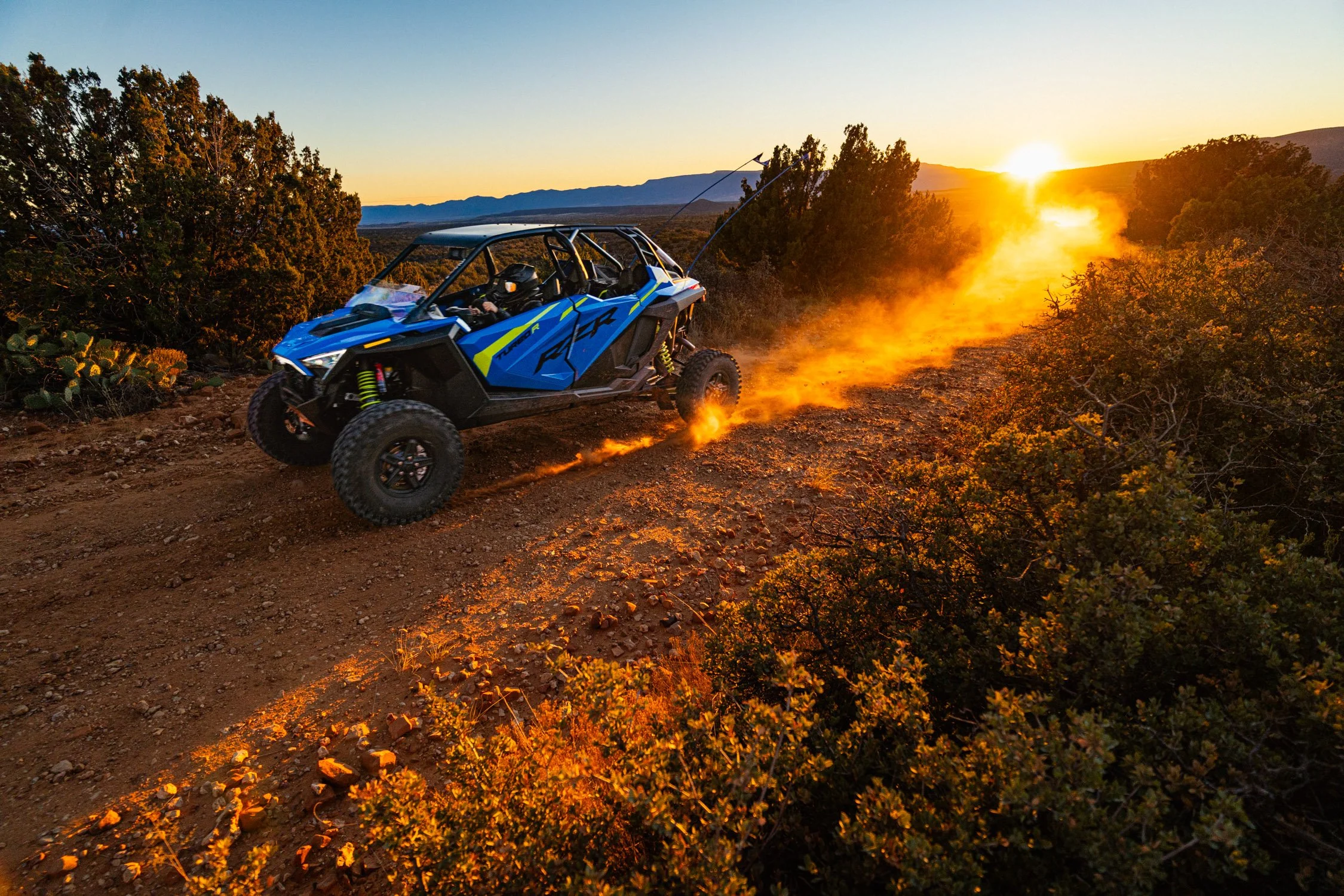
I shoot rock climbing, surfing, automotive work, hotel campaigns, documentary film, and expedition photography. My portfolio reflects all of that now because the relationships and reputation I've built over a decade give clients context for the range. A photographer two years into their career showing the same range looks unfocused. The same work reads completely differently depending on where you are in your trajectory.
Build depth first. Let the range come later when you have the credibility to support it.
Spec Work Is How You Build the Portfolio You Don't Have Yet
Here's the practical problem most photographers face. You want to shoot climbing work for Arc'teryx but your portfolio doesn't have climbing work in it yet. You can't get the climbing jobs without the climbing portfolio and you can't build the climbing portfolio without the climbing jobs. It's the classic entry problem and every photographer hits it in every new niche they try to enter.
The solution is spec work. You go shoot the work you want to get hired for, on your own time and your own budget, as if you already had the client. You buy the gear. You ask your friends who actually climb to be your subjects. You go to the locations that look like the world you want to work in. You make the images that belong in the portfolio you're trying to build.
Then you put those images in the portfolio as if they were client work, because the quality of a spec image is identical to the quality of a paid image if both are executed well. Nobody looks at a great climbing photograph and asks whether the photographer was paid to take it.
This is how I built the outdoor portfolio that led to my first real brand relationships. I went out and made the work before anyone was paying me to make it. The portfolio told the story I wanted to tell and the clients who saw it believed it because the images were real even if the commission wasn't.
What the Portfolio Actually Says About You
Every portfolio makes a claim. The claim is: this is who I am, this is the world I belong to, this is the work you can trust me to deliver. When the portfolio is focused and specific, that claim is clear and believable. When it's scattered across disciplines and styles, the claim becomes muddied and clients move on to someone whose signal is cleaner.
Think about the last time you updated your portfolio and ask yourself honestly what claim it's making. Is it showing the world you want to work in or the world you've been working in? Those are sometimes the same thing. Often they're not.
The portfolio is not a record of your past. It's a pitch for your future. Build it accordingly.
Reflection Questions
If a brand in your dream niche looked at your portfolio today, would they see evidence that you belong in their world specifically?
Are there images in your current portfolio that are diluting your signal by showing work in disciplines you're not actively trying to pursue?
What spec project could you shoot in the next thirty days that would add the most important missing piece to the portfolio you're trying to build?
Is your portfolio making a claim about who you are as a photographer, or is it just showing everything you've done and hoping the right person notices?
This lesson comes from my The Adventure Photographer's Playbook and it costs $10. Why so cheap? The goal is to help as many new to mid level photographers as possible go from nothing to getting booked in 18 months:

The Adventure Photographer’s Playbook is an e-book created by full-time photographer Dalton Johnson to help new photographers go from nothing to booked in the adventure photography space.
This adventure photography e-book goes over the business and what “making it” as a photographer in the outdoor space requires. Covering topics such as pricing, marketing, building a body of work, reflection questions, and everything you need to know to make a career out of adventure photography.
Updated: June 2025
Read More From The Photographer’s Playbook


About The Author
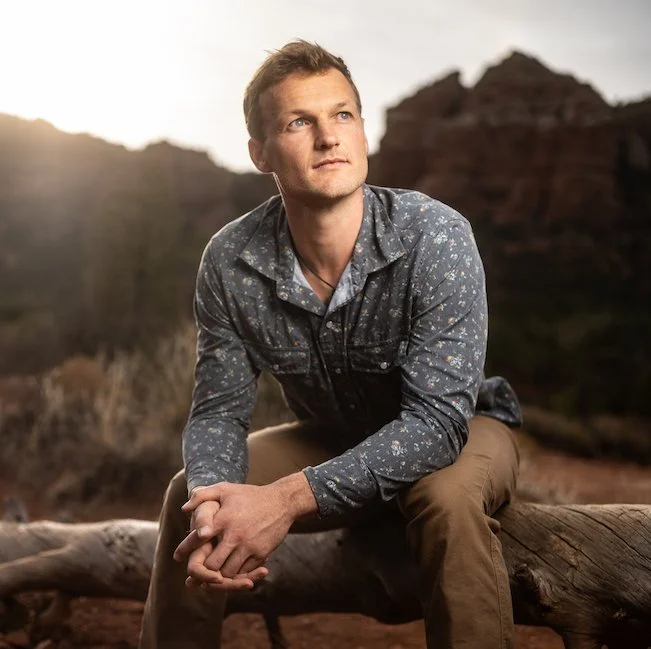
Dalton Johnson is a photographer, director, and writer (award-winning at all three) based in South Lake Tahoe, CA.
Over the last 10 years, Dalton’s creative work has taken him to every continent, above the arctic circle, and below the antarctic circle.
Getting out of the car, today’s walk was going to be short and full. Kristin and Chestnut were joining me for the evening stroll. Yes, it’s day two of my personal challenge to go for a daily photo walk, and this one was a close call. Today was filled with an afternoon of chores; taking Chestnut to the vet, donating stuff to Goodwill, and more boring things like that. The real life of a photographer, am I right?!