
The Cold Outreach Framework That Actually Works For Photographers
Most cold outreach fails for the same reason. The photographer sends a pitch that is really just a request disguised as an introduction. It leads with what they want, buries what they offer, and asks the brand to do all the work of imagining how the two might fit together. Brands get dozens of these every week. They ignore almost all of them.
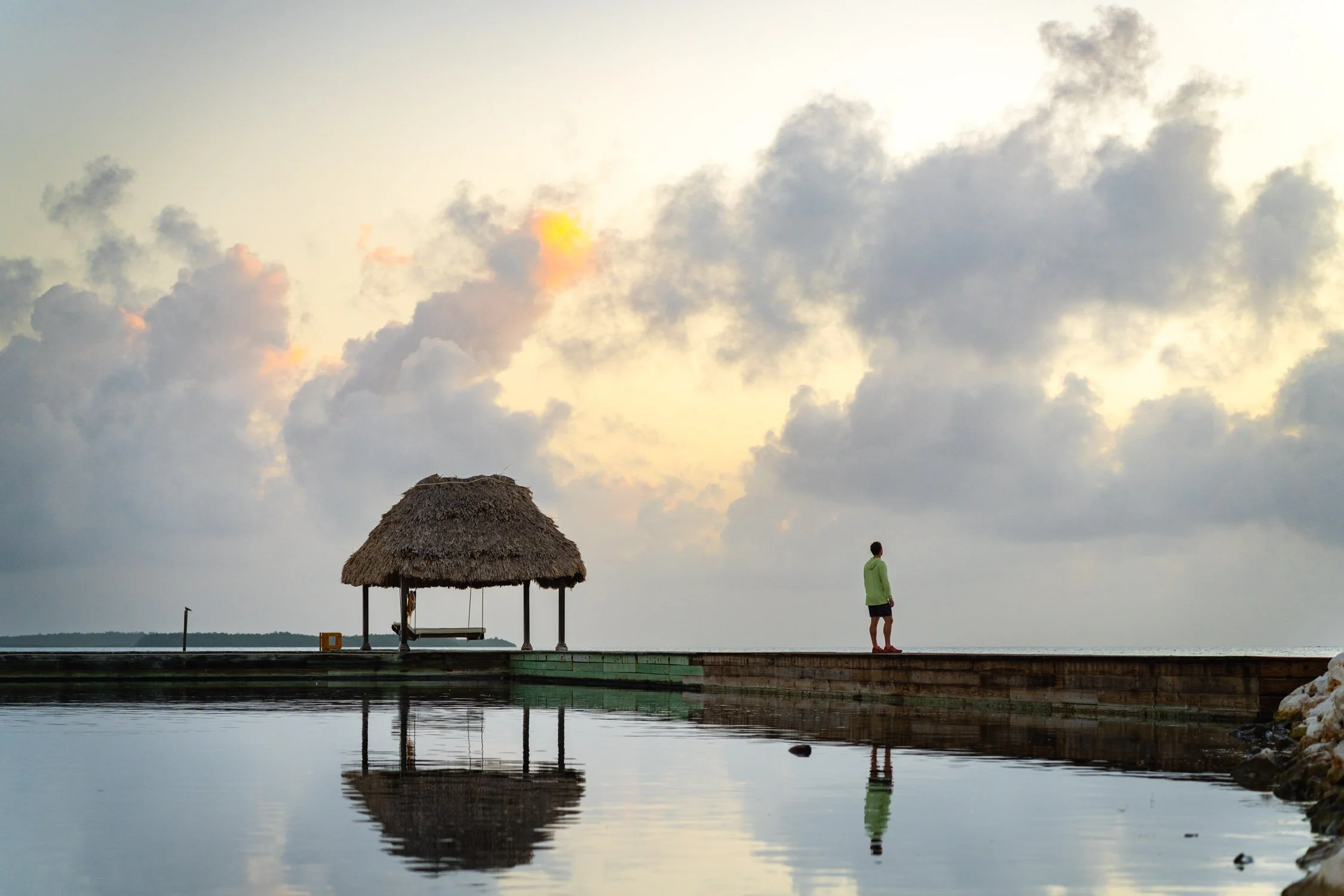
The outreach that actually works looks nothing like that. Here is the framework that has driven the majority of client relationships built over the last decade, including the Oru Kayak campaign that became one of the brand's most successful product launches.
CASE STUDY: Take a deep dive into one of Oru Kayak's most successful launches
Lead With a Specific Creative Angle, Not a General Introduction
The first thing most photographers put in a cold email is an introduction. Who they are, how long they have been shooting, what kind of work they do. That information is fine but it is not what gets a brand to keep reading. What gets them to keep reading is a specific idea about what you could do for them that nobody else is currently doing.
The initial Oru Kayak outreach did not lead with credentials. It led with a creative angle: water housing photography and drone coverage that their existing photographers were not providing. That is a specific capability tied directly to a specific gap in their content. It gives the brand something concrete to respond to instead of a general offer of photography services that sounds identical to every other email in their inbox.
Before you write a single word of outreach, spend time with the brand's existing content. Look at what they are shooting. Look at what is missing. Look for the angles they have not covered, the locations they have not been to, the formats they are not producing. Then lead with exactly that. Not what you do in general but what you could do for them specifically that they are not getting from anyone else right now.

Keep It Short Enough That They Actually Read It
The length of a cold outreach email is inversely related to how likely it is to get a response. Long emails signal that the sender has a lot to prove. Short emails signal that the sender knows exactly what they bring and trusts the work to do the rest of the talking.
The outreach that built the Oru Kayak relationship was not a multipage pitch document. It was a few sentences, a link to relevant work, and a clear creative differentiator. That is the template. Introduce yourself in one sentence. State your specific angle in one or two sentences. Link to work that proves it. Done.
Everything else can wait until they respond. The goal of the first email is not to close a deal. It is to earn a second conversation. You do not need to put every credential, every past client, and every deliverable option into the opening email. You need to give them one clear reason to click the link and one clear reason to reply. Anything beyond that is noise that makes it harder for them to do either.
Quick Note: If you find this article helpful, the idea come from The Adventure Photographer's Playbookand it costs $10. Why so cheap? The goal is to help as many new to mid level photographers as possible go from nothing to getting booked in 18 months. If that is you, check it out.
Here’s What Lives In My Gear Bag:
Sony a7r4; my work horse
Sony a7s3; mostly for video work like solo-filmmaking documentary
Tamron 16-30; probably my favorite lens right now
Tamron 28-75; I think this is the best all around focal length
Tamron 70-180; I don’t use this a ton, but it’s a great lens
Target Multiple Contacts Inside the Same Brand
One of the most consistent mistakes photographers make with cold outreach is sending a single email to a single contact and treating that as having pitched the brand. One email to one person is not a pitch. It is a lottery ticket. The odds are not in your favor.
The brands that eventually become long-term clients almost always have multiple points of contact who know your name before the first project comes together. Marketing managers, creative directors, social media managers, content producers. Each of those people has a different set of priorities and a different lens for evaluating what a photographer brings. Reaching multiple contacts inside the same company means your name is more likely to come up in an internal conversation when a project lands on someone's desk.
The Oru Kayak outreach touched several contacts at the brand across the course of a year. Not simultaneously with a mass email but individually, each with the same consistent message and creative angle. By the time the Lake model project came together, the name was not coming from one person's inbox. It was already part of the brand's internal conversation. That kind of presence does not happen from a single well-crafted pitch to a single contact.
Follow the Work, Not the Logo
The brands worth pitching are not just the ones with the biggest names. They are the ones whose products you actually use, whose audience overlaps with the work you are already making, and whose campaigns would benefit from the specific creative angle you bring. Pitching a brand whose products you have never touched and whose world you do not actually live in produces outreach that reads exactly like that. Generic. Disconnected. Easy to ignore.
The Oru Kayak pitch worked in part because the lifestyle that makes their product relevant, road trips, access to remote water, the kind of adventure that a foldable kayak enables, was already the world the work came from. The creative angle of shooting from the water with a housing was not invented for the pitch. It was already part of how shoots were being approached. That authenticity comes through in outreach even when you cannot see it directly. Brands can tell when a photographer genuinely inhabits their world and when they are just trying to land a client.
Build your outreach list around the brands that already show up in your life. The gear you pack, the vehicles you drive, the places you stay, the food you eat on the road. Those are the brands whose campaigns you will shoot best and whose marketing managers will feel it when they look at your work.

The Takeaway
Cold outreach is not complicated. It is just rare to do it well consistently over a long enough period of time. Lead with a specific creative angle that addresses a real gap in the brand's content. Keep it short. Reach multiple contacts inside each brand. Pitch the brands whose world you actually live in. Then do it every two weeks without stopping until the timing lines up.
The framework is simple. The discipline to execute it month after month is where most photographers fall short. The ones who stick with it long enough find that cold outreach eventually stops feeling cold at all. It becomes a steady drumbeat of presence that makes the yes, when it finally comes, feel almost inevitable.
Reflection Questions
Does your current cold outreach lead with a specific creative angle or a general introduction, and how would a brand tell the difference?
How many contacts are you reaching inside each brand you pitch, and is that enough to ensure your name comes up internally?
Are the brands on your outreach list ones whose products you genuinely use and whose world you actually live in?
What is the one specific gap you could identify in a target brand's current content that your work could fill better than anyone else?
Want to create adventure photography campaigns like this? My The Adventure Photographer's Playbook breaks down everything you need to do and it only costs $10. Why so cheap? The goal is to help as many new to mid level photographers as possible go from nothing to getting booked in 18 months:

The Adventure Photographer’s Playbook is an e-book created by full-time photographer Dalton Johnson to help new photographers go from nothing to booked in the adventure photography space.
This adventure photography e-book goes over the business and what “making it” as a photographer in the outdoor space requires. Covering topics such as pricing, marketing, building a body of work, reflection questions, and everything you need to know to make a career out of adventure photography.
Updated: June 2025
Read More About Adventure Photography


About Dalton
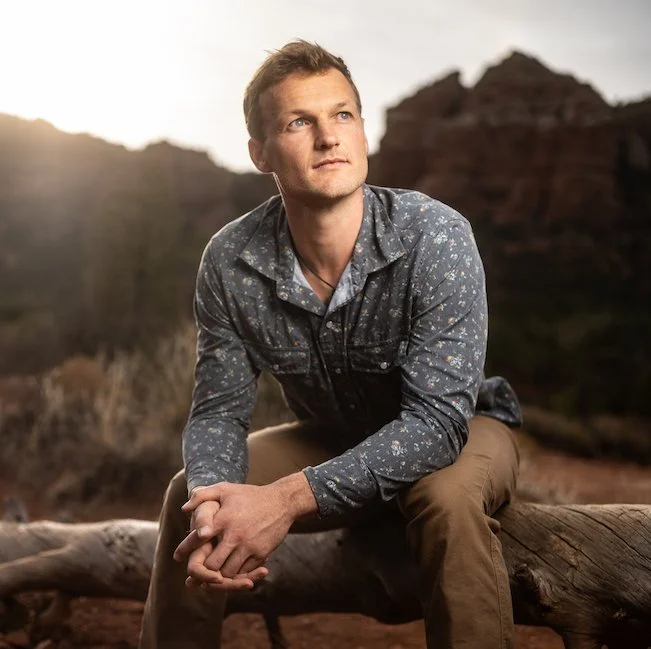
Dalton Johnson is a photographer, director, and writer (award-winning at all three) based in South Lake Tahoe, CA.
Over the last 10 years, Dalton’s creative work has taken him to every continent, above the arctic circle, and below the antarctic circle.
Getting out of the car, today’s walk was going to be short and full. Kristin and Chestnut were joining me for the evening stroll. Yes, it’s day two of my personal challenge to go for a daily photo walk, and this one was a close call. Today was filled with an afternoon of chores; taking Chestnut to the vet, donating stuff to Goodwill, and more boring things like that. The real life of a photographer, am I right?!