
What Happens After You Send the Photography Pitch
Most photographers obsess over the pitch itself. The subject line, the opening sentence, the portfolio link, the closing line. They spend hours on a single email and then have no plan for what comes next. That is where most outreach falls apart. Not in the pitch. In everything that happens after it.
Sending the pitch is the easy part. What you do in the days, weeks, and months that follow is what actually determines whether it turns into a project.
CASE STUDY: Take a deep dive into one of Oru Kayak's most successful launches

Loading the Oru Kayak before taking off for an afternoon of fishing. Follow Dalton Johnson on your favorite platform: @storiesbydalton
The First Thing That Happens Is Usually Nothing
Most pitches go unanswered. Not because the work was bad or the email was wrong. Because the brand is in the middle of something else entirely and your email arrived at a moment when nobody had the bandwidth to evaluate it. That is the default outcome of cold outreach and the sooner you accept it as normal the less energy you will waste interpreting silence as rejection.
The correct response to no response is to follow up in two weeks with something new. Not a nudge asking if they saw your last email. Not an apology for bothering them. Just the next touchpoint in a consistent cadence. A recent project. A relevant idea. A quick note about something happening in their world that connects to what you do. Short, direct, no pressure. Then move on and repeat in two weeks.
The Oru Kayak outreach ran through roughly six months of no response before the first reply came back. Twenty touchpoints across several contacts at the brand. Each one was treated the same way. Send it, move on, come back in two weeks. The silence was not a signal to stop. It was just silence. The photographers who land the most consistent work are the ones who have fully internalized that distinction.
When You Get a Reply That Is Not a Yes
A reply that is not a yes is still a win. It means someone opened the email, read it, and took the time to respond. That puts them in a different category than the majority of your outreach list and it tells you the door is open even if the timing is not right.
The most common non-yes reply in the outdoor industry is some version of we do not have anything right now or our budget is committed for this cycle. Both of those are timing statements. They are telling you where they are in their campaign calendar, not whether they want to work with you. The right response is warm, brief, and pressure-free. Acknowledge the timing, tell them you will stay in touch, and then actually do it. Keep the cadence exactly as it was before. Nothing changes except that you now have confirmation that a real person is on the other end.
Some of the strongest client relationships in a decade of outreach started with a not right now reply. The brand that eventually becomes a long-term partner is often the one who said no first. They just needed a photographer who understood what that actually meant and kept showing up anyway.
Quick Note: If you find this article helpful, the idea come from The Adventure Photographer's Playbookand it costs $10. Why so cheap? The goal is to help as many new to mid level photographers as possible go from nothing to getting booked in 18 months. If that is you, check it out.
Here’s What Lives In My Gear Bag:
Sony a7r4; my work horse
Sony a7s3; mostly for video work like solo-filmmaking documentary
Tamron 16-30; probably my favorite lens right now
Tamron 28-75; I think this is the best all around focal length
Tamron 70-180; I don’t use this a ton, but it’s a great lens
When You Get a Yes
A yes is not the end of the process. It is the beginning of a different and more demanding one. The moment a brand expresses genuine interest in moving forward, the way you handle the next 48 to 72 hours matters enormously. Brands that are finally in their campaign window are almost always working against tight timelines. The photographer who responds quickly, comes prepared, and can move from conversation to proposal without a lot of back and forth has a significant advantage.
Have your rate structure ready before you need it. Know what a day rate looks like for your market. Know what a full campaign package includes and what it costs. Know how long post-production takes for the volume of deliverables you typically produce. None of that should be figured out after the yes arrives. The yes is not the moment to start building the framework. It is the moment to deploy one you already have.
The Oru Kayak project started with a brand that came in with a fixed budget of $5,000 and a question about what was possible within it. Having a clear sense of what that budget could realistically produce made it possible to have a direct, confident conversation about scope instead of a vague back and forth about options. That confidence matters. Brands are not just buying deliverables. They are buying certainty that the photographer they hire knows exactly what they are doing and can execute without hand-holding.
What to Do While You Wait for a Decision
Sometimes a brand expresses interest but takes weeks to move forward. Internal approvals, budget sign-offs, competing priorities. The space between a positive conversation and a confirmed project can stretch longer than expected and it is easy to misread that delay as the deal falling apart.
It is usually not falling apart. It is just moving through a process that has nothing to do with you. The right move during that window is to keep the cadence running the same as always. Stay visible. Share relevant work. Check in once with a brief note a week or two after the initial conversation if you have not heard anything. Not to pressure them but to stay present and signal that you are still available and still interested.
What you should not do is go quiet and wait. Photographers who go dark after an initial positive conversation sometimes lose deals to photographers who stayed in the brand's inbox in the meantime. Out of sight is genuinely out of mind in an industry where marketing managers are juggling multiple projects and vendors at once. Staying visible during the decision window is just as important as staying visible during the outreach phase.
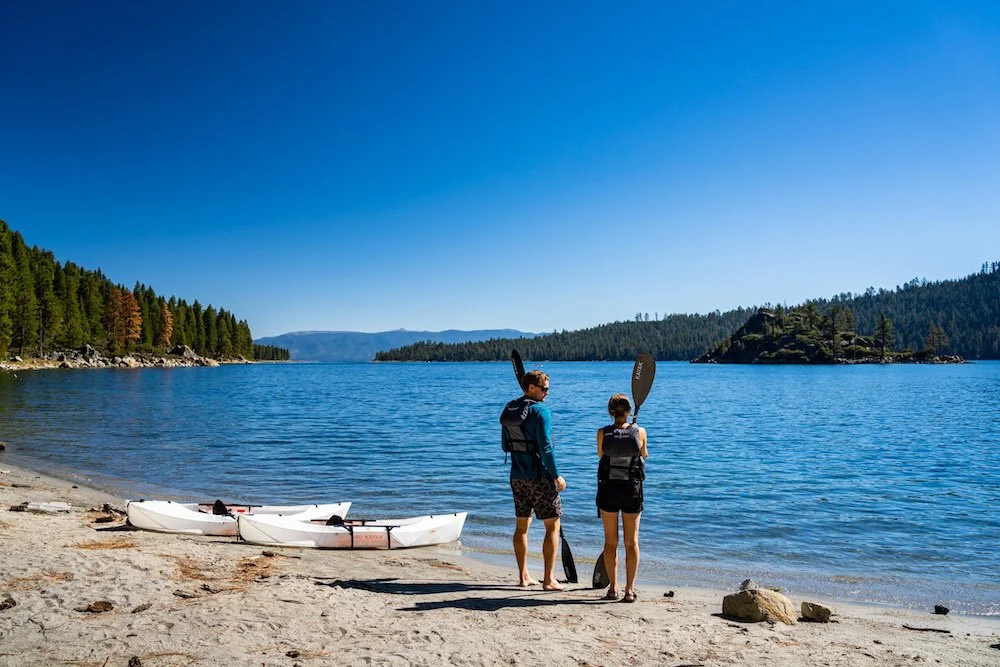
Making a plan before kayaking to Fannette Island in Emerald Bay, CA. Follow Dalton Johnson on your favorite platform: @storiesbydalton
The Takeaway
The pitch is a starting point, not a closing argument. What happens after you send it, the follow up cadence, the response to a soft no, the speed and preparation when a yes arrives, the patience during a slow decision window, is where the real work of building a client base actually happens. Most photographers have a decent pitch. Very few have a disciplined system for everything that comes after it.
Build the system. Trust the cadence. Be ready to move fast when the timing finally lines up. The brands that hire you will not remember the exact email that got their attention. They will remember how you handled everything that came after it.
Reflection Questions
What is your current plan for what happens in the 30 days after you send a cold pitch to a new brand?
How do you currently handle a positive conversation that goes quiet, and does that approach keep the relationship alive?
Do you have a clear rate structure and scope framework ready to deploy the moment a brand says yes, or is that something you figure out after the fact?
Think about a deal you thought you had that never came together. At what point in the post-pitch process did it fall apart and what would you do differently now?
Want to create adventure photography campaigns like this? My The Adventure Photographer's Playbook breaks down everything you need to do and it only costs $10. Why so cheap? The goal is to help as many new to mid level photographers as possible go from nothing to getting booked in 18 months:

The Adventure Photographer’s Playbook is an e-book created by full-time photographer Dalton Johnson to help new photographers go from nothing to booked in the adventure photography space.
This adventure photography e-book goes over the business and what “making it” as a photographer in the outdoor space requires. Covering topics such as pricing, marketing, building a body of work, reflection questions, and everything you need to know to make a career out of adventure photography.
Updated: June 2025
Read More About Adventure Photography


About Dalton
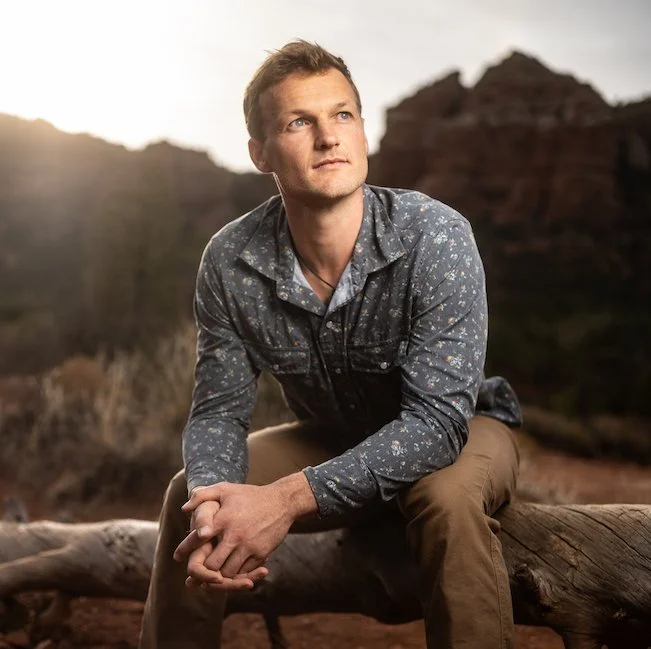
Dalton Johnson is a photographer, director, and writer (award-winning at all three) based in South Lake Tahoe, CA.
Over the last 10 years, Dalton’s creative work has taken him to every continent, above the arctic circle, and below the antarctic circle.
Quisque iaculis facilisis lacinia. Mauris euismod pellentesque tellus sit amet mollis.