
Why Natural Light Is the Real Skill in Adventure Photography
Every photographer starting out wants to know about gear. What camera. What lenses. What lighting setup. It's the wrong question, and I say that as someone who has shot for Patagonia, Arc'teryx, Big Agnes, and Ford across all seven continents. The question that actually determines the quality of your work in adventure photography is simpler and harder at the same time.
Are you in the right place at the right time?
That's it. That's the whole game. And the answer to that question is almost always about light.
Quick Note: If you find this article helpful, the idea come from The Adventure Photographer's Playbookand it costs $10. Why so cheap? The goal is to help as many new to mid level photographers as possible go from nothing to getting booked in 18 months. If that is you, check it out.
Adventure Photography Runs on Natural Light
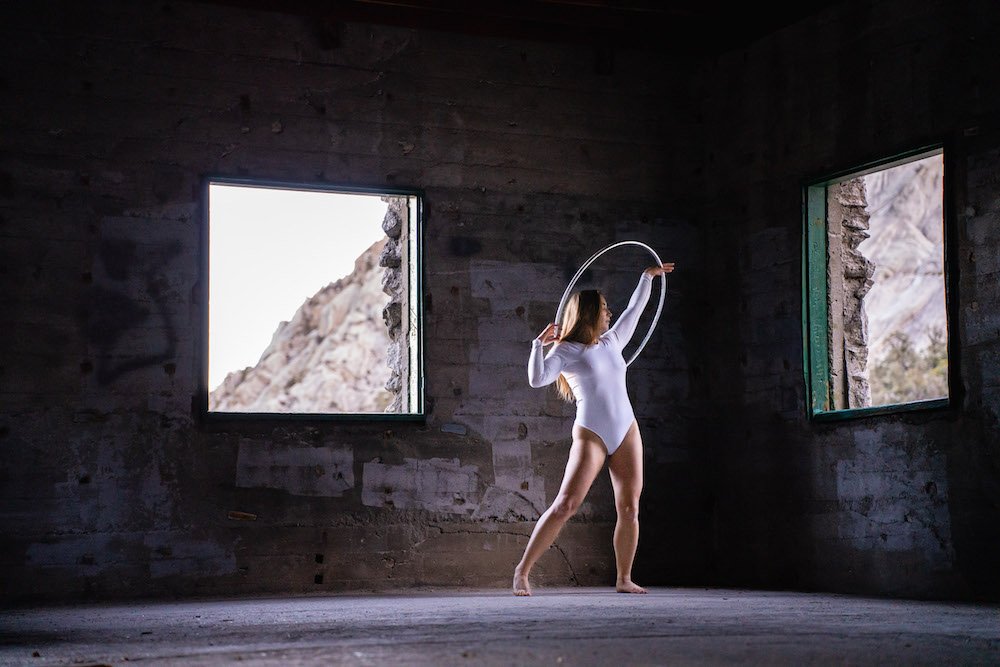
Unlike commercial studio work or even most lifestyle photography, adventure photography operates almost entirely in natural light. You're in the backcountry, on a ridge, in a kayak, on a wall. You don't have a lighting truck. You don't have a grip team. You have whatever the sky is doing at that moment and your ability to position yourself and your subject within it.
This sounds like a limitation. It's actually a liberation once you understand it. Natural light in wild places does things no artificial setup can replicate. The way alpenglow hits a granite face at sunrise. The quality of light filtering through fog over a lake at first light. The way a breaking wave catches the low angle of the sun at golden hour. These are the moments that make adventure photography worth doing, and none of them can be manufactured.
The skill is being there when they happen.
Time Is Your Most Important Resource
In adventure photography, time matters more than almost any other resource. More than gear. More than budget. More than having the best athlete in front of your lens.
This is the lesson that took me longest to fully internalize. On the Lassen and Shasta project earlier this year, I drove to Manzanita Lake in the dark, arriving before four in the morning, because I knew what the light was going to do when the sun hit Lassen Peak across that lake. I had scouted it the day before. I had studied the sun angle. I knew approximately when golden light would touch the summit and how long I had before it moved past the lake surface.
That image, Lassen Peak fully lit with mist sitting just above the water, happened because I was there early enough to find the right composition before the light arrived. If I had shown up thirty minutes later, the moment was gone. No amount of gear or post-processing brings that back.
Here’s What Lives In My Gear Bag:
Sony a7r4; my work horse
Sony a7s3; mostly for video work like solo-filmmaking documentary
Tamron 16-30; probably my favorite lens right now
Tamron 28-75; I think this is the best all around focal length
Tamron 70-180; I don’t use this a ton, but it’s a great lens

Learn to Read Light Before You Need It
The photographers who consistently make great images in natural light aren't lucky. They're prepared. They study the sun angle for a location before they arrive. They understand how long golden hour actually lasts at a given latitude and time of year. They know which direction a face catches morning versus afternoon light and they plan their shoot days around that information.
There are tools that help with this. Sun tracking apps show you exactly where the sun will be at any time of day from any location. Moon tracking apps do the same for night shoots. These tools are how I planned the three AM moonlight shot of my tent on Mount Shasta before I even started the climb. I knew what the sky was going to look like. I set up accordingly and I got the shot.
But tools only help if you understand what you're looking for. The foundational skill is training your eye to see light the way it actually works in the field, not the way it looks in a perfectly exposed image after someone has processed it. Raw natural light is often subtle, directional, and fleeting. Learning to read it takes time in the field, not time reading about it.
Work With Nature, Not Against It
There's a version of adventure photography that tries to force beautiful images regardless of conditions. Artificial lighting rigs in the backcountry. Heavily processed images that don't reflect what the location actually looked like. Shoots scheduled around logistics rather than light. That work is technically competent and emotionally flat.
The version I'm interested in, and the version that tends to resonate most with the brands I work with, is built around working with nature rather than against it. When the light is bad, you rest, scout, or shoot differently. When the light is extraordinary, you drop everything and you shoot. The project shapes itself around what the landscape is actually offering rather than what was planned in a production meeting three weeks earlier.
This is part of why so many commercial campaigns feel manufactured. Not because they're bad photography, but because the light is controlled and the moments are staged and the viewer can sense the absence of actual nature even when the setting is genuinely wild.
When Supplemental Light Actually Helps
Natural light first doesn't mean never use supplemental light. On a funded project where you have the ability to carry it, one or two small flashes or a continuous light source can extend your shooting window and fill shadows in ways that elevate natural light rather than replace it.
The key word is supplement. A small fill flash on a portrait in open shade. A continuous light source that adds warmth to a scene at blue hour without overpowering the ambient. These tools work when they serve the natural light, not when they fight it.
The constraint in adventure photography is always weight and access. On a solo seven day alpine project you're not carrying a lighting kit up a fourteen thousand foot volcano. Everything has to justify its presence in the pack. Which means learning to make beautiful work with what nature provides isn't just a philosophy. It's a practical necessity.
Reflection Questions
When was the last time you planned a shoot specifically around the light rather than around logistics or convenience?
Do you currently use sun and moon tracking tools to plan your shoot days, or are you showing up and hoping conditions cooperate?
Think about your best adventure photograph. How much of what makes it work is about the light specifically?
What would change about your approach if you treated time in the right location as your most valuable resource instead of your gear?
This lesson comes from my The Adventure Photographer's Playbook and it costs $10. Why so cheap? The goal is to help as many new to mid level photographers as possible go from nothing to getting booked in 18 months:

The Adventure Photographer’s Playbook is an e-book created by full-time photographer Dalton Johnson to help new photographers go from nothing to booked in the adventure photography space.
This adventure photography e-book goes over the business and what “making it” as a photographer in the outdoor space requires. Covering topics such as pricing, marketing, building a body of work, reflection questions, and everything you need to know to make a career out of adventure photography.
Updated: June 2025
Read More From The Photographer’s Playbook


About Dalton
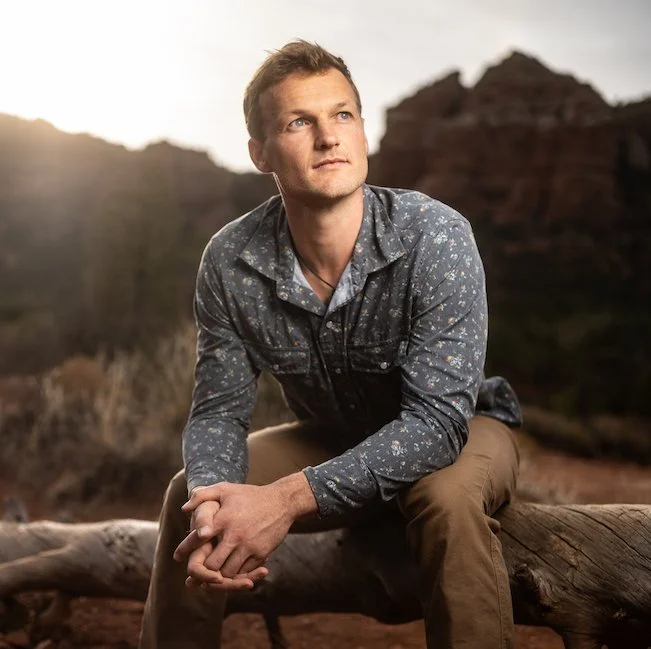
Dalton Johnson is a photographer, director, and writer (award-winning at all three) based in South Lake Tahoe, CA.
Over the last 10 years, Dalton’s creative work has taken him to every continent, above the arctic circle, and below the antarctic circle.
Getting out of the car, today’s walk was going to be short and full. Kristin and Chestnut were joining me for the evening stroll. Yes, it’s day two of my personal challenge to go for a daily photo walk, and this one was a close call. Today was filled with an afternoon of chores; taking Chestnut to the vet, donating stuff to Goodwill, and more boring things like that. The real life of a photographer, am I right?!