

Experience Arches National Park Like a Local Adventurer
Arches National Park, a land sculpted by wind and time, is a natural wonderland that beckons adventurers from around the globe. With over 2,000 natural stone arches, towering pinnacles, and massive rock fins, this iconic park in Utah offers a playground for those who crave the thrill of exploration. Whether you’re navigating the park’s rugged trails, capturing the perfect sunrise shot, or climbing the red rock formations, Arches provides endless opportunities to connect with the raw beauty of the American Southwest. This guide will show you how to experience Arches National Park like a local adventurer, uncovering the top outdoor activities and hidden gems that make this place truly special.
Arches National Park, a land sculpted by wind and time, is a natural wonderland that beckons adventurers from around the globe. With over 2,000 natural stone arches, towering pinnacles, and massive rock fins, this iconic park in Utah offers a playground for those who crave the thrill of exploration. Whether you’re navigating the park’s rugged trails, capturing the perfect sunrise shot, or climbing the red rock formations, Arches provides endless opportunities to connect with the raw beauty of the American Southwest. This guide will show you how to experience Arches National Park like a local adventurer, uncovering the top outdoor activities and hidden gems that make this place truly special.
Canyoneering in Arches National Park. Photo by Dalton Johnson
Why an Adventure Traveler Should Visit Arches National Park
Arches National Park isn’t just about seeing the sights—it’s about immersing yourself in a landscape that feels both ancient and alive. For adventure travelers, this park offers a unique blend of challenge and reward. The park’s natural formations, carved by millions of years of geological activity, create a dramatic backdrop for outdoor pursuits. Whether you’re hiking through desert terrain, scaling sandstone walls, or navigating narrow canyons, Arches offers experiences that push your limits and deepen your appreciation for the natural world.
One of the park’s greatest appeals is its accessibility. While it’s home to some of the most stunning natural features in the U.S., Arches is relatively compact, making it easy to explore multiple areas in a single trip. Adventure travelers will find a variety of trails and activities that cater to all skill levels, from easy walks to challenging climbs. Plus, with its close proximity to Moab—a hub for outdoor enthusiasts—you can easily combine your visit with other adventure-filled activities in the region.
Top Adventures You Don't Want to Miss
Hiking
Delicate Arch: The most famous arch in the park, Delicate Arch is a must-see for any visitor. The 3-mile round-trip hike is moderately strenuous, with a steep uphill section, but the view at the end is worth every step. The arch stands alone on a red rock bluff, framing the distant La Sal Mountains—a perfect spot for sunrise or sunset.
The Devil’s Garden Trail: For those seeking a more challenging adventure, the Devil’s Garden Trail offers a longer hike with the opportunity to see multiple arches, including Landscape Arch, the longest natural arch in North America. The full loop is about 7.8 miles and includes some rock scrambling, making it ideal for experienced hikers looking to explore the park’s more remote areas.
Park Avenue: This easy 2-mile round-trip hike takes you through a canyon flanked by towering rock formations that resemble a city skyline, hence the name “Park Avenue.” It’s a great option for a quick hike with stunning scenery.
Rock Climbing
The Three Penguins: Located near the park entrance, these towering rock formations offer some of the best climbing in Arches. The routes here range from beginner to advanced, providing options for climbers of all levels. The sandstone spires are a classic challenge and offer panoramic views of the surrounding desert.
The Owl: This lesser-known climbing spot offers a more secluded experience. The climb is a bit more technical, but the effort is rewarded with breathtaking views and the satisfaction of conquering one of the park’s unique formations.
Stargazing
Windows Section: Arches National Park is a designated International Dark Sky Park, making it one of the best places in the country for stargazing. The Windows Section, with its expansive views and minimal light pollution, is a prime spot for setting up a telescope or simply lying back and enjoying the night sky. On a clear night, you can see the Milky Way stretching across the horizon.
Panorama Point: Another excellent stargazing location, Panorama Point offers unobstructed views of the sky. It’s also a great place to catch a meteor shower or watch the moon rise over the distant peaks.
Delicate Arch: For a truly unforgettable experience, hike to Delicate Arch after dark. The arch, illuminated by the glow of the stars, creates a surreal and awe-inspiring scene. Just be sure to bring a headlamp for the hike back down!
Camping
Devils Garden Campground: The only campground within Arches National Park, Devils Garden offers 51 sites surrounded by stunning scenery. Staying here allows you to experience the park’s beauty in a more intimate way, with the added bonus of being able to explore the trails early in the morning or late in the evening, when the crowds are thin. The campground is particularly popular, so reservations are highly recommended.
Backcountry Camping: For those seeking solitude, backcountry camping in Arches is an option, though it requires a permit. The park’s rugged backcountry offers a more challenging experience, with opportunities to discover less-visited areas and enjoy the silence of the desert night.
Dispersed Camping Near Moab: If you prefer a more flexible camping experience, there are numerous dispersed camping areas on BLM land near Moab. These spots offer a true wilderness experience, often with fewer amenities but more freedom to choose your perfect campsite.
Canyoneering
Fiery Furnace: Canyoneering in the Fiery Furnace is one of the most unique and exhilarating experiences in Arches National Park. This labyrinth of narrow canyons and towering sandstone fins offers an adventure unlike any other. Navigating through the Fiery Furnace requires a permit or a guided tour, as the maze-like terrain can be challenging. Expect to scramble, squeeze through tight spaces, and explore hidden corners that few visitors ever see.
Lost Spring Canyon: Located in the northern part of the park, Lost Spring Canyon offers a quieter canyoneering experience. The slot canyon features narrow passages, beautiful rock formations, and the chance to see desert wildlife. It’s an off-the-beaten-path adventure that rewards those willing to explore the lesser-known areas of Arches.
Flat Water Kayaking and SUP
Colorado River: While not technically within the park, the Colorado River runs just outside Arches and offers excellent opportunities for flat-water kayaking and stand-up paddleboarding (SUP). Launch from the Moab Boat Ramp and paddle through the stunning scenery of the Moab Valley, with views of towering red cliffs and desert landscapes. This stretch of the river is relatively calm, making it perfect for beginners or those looking for a relaxing adventure on the water.
Ken’s Lake: A bit further afield but still worth the trip, Ken’s Lake provides a tranquil setting for kayaking and SUP. Surrounded by the La Sal Mountains, this lake is a peaceful retreat where you can paddle at your own pace and enjoy the serene environment.
Backpacking
Salt Valley Road to Tower Arch: For an overnight adventure, consider backpacking from Salt Valley Road to Tower Arch. This 7-mile route offers a mix of challenging terrain and stunning vistas, culminating in the impressive Tower Arch, one of the park’s hidden gems. The area around Tower Arch is often less crowded, providing a more solitary experience where you can truly connect with the wilderness.
Klondike Bluffs: Another fantastic backpacking option is the Klondike Bluffs area. This region of the park sees fewer visitors, offering a more remote and wild experience. The trails here wind through rocky bluffs, offering stunning views of the surrounding landscape, and the chance to see dinosaur tracks embedded in the rock.



Other Highlights of the Area
Places to Eat
The Broken Oar: A local favorite, The Broken Oar offers hearty American cuisine perfect for refueling after a day of adventure. Their patio dining area is a great spot to relax and enjoy the evening.
Moab Brewery: For those who enjoy a craft beer after a long day on the trails, Moab Brewery is the place to be. With a range of locally brewed beers and a menu filled with comfort food classics, it’s a great spot to unwind.
Must-See Spots
Dead Horse Point State Park: Just a short drive from Arches, Dead Horse Point offers some of the most breathtaking views in the region. The overlook provides a panoramic view of the Colorado River and the vast canyons below.
Canyonlands National Park: While Arches is known for its arches, nearby Canyonlands National Park offers a different kind of adventure with its vast canyons and mesas. The Island in the Sky district, in particular, is known for its stunning overlooks and challenging hikes.
Photo Locations
Delicate Arch: No trip to Arches is complete without a photo of Delicate Arch. The arch is particularly stunning at sunrise and sunset when the light makes the red rock glow.
The Windows Section: This area of the park is home to several arches that are perfect for photography, including the North and South Window Arches.
Best Sunset Locations
Panorama Point: As the name suggests, Panorama Point offers expansive views of the park, making it an ideal spot for watching the sunset.
Balanced Rock: This iconic formation is another great spot to catch the sunset, as the golden light casts dramatic shadows on the rock.
Cultural Highlights
Moab Museum: To get a deeper understanding of the area’s history, visit the Moab Museum, where you can learn about the region’s Native American heritage, early settlers, and the development of outdoor recreation.

The Milky Way passing through Landscape Arch in Arches National Park. Photo by Dalton Johnson
Arches National Park is more than just a collection of stunning rock formations—it’s a destination that invites you to challenge yourself, explore new terrains, and connect with nature in a profound way. Whether you’re hiking to iconic arches, scaling sandstone walls, or navigating the park’s canyons and trails, every moment in Arches is an adventure waiting to happen. The park’s accessibility, combined with its awe-inspiring beauty, makes it a must-visit for any outdoor enthusiast. Beyond the arches and the red rock landscape, the nearby areas of Moab and Canyonlands offer even more opportunities to extend your adventure, ensuring that your time in this remarkable part of Utah is nothing short of unforgettable.
Discover More Destinations

5 Must-Do Adventures in Moab
Moab, Utah, is a mecca for outdoor enthusiasts and adventure seekers. Nestled in the heart of red rock country, this small town is famous for its stunning landscapes and thrilling activities. From towering sandstone arches to adrenaline-pumping adventures, Moab has something for everyone. Here are five must-do adventures in Moab:
Updated: September 17th, 2024
Moab, Utah, is a mecca for landscape lover’s, rock climbers, and adventure seekers. Nestled in the heart of red rock country, this small town is famous for its stunning landscapes and thrilling activities in and out of the nearby national parks. From towering sandstone arches to adrenaline-pumping adventures, Moab has something for everyone. Here are five must-do adventures in Moab:
1. Explore Arches National Park:
Moab is home to one of the most iconic national parks in the United States - Arches National Park. With over 2,000 natural sandstone arches, towering rock formations, and unique geological features, exploring the park is an adventure in itself. Hike to famous arches like Delicate Arch, Landscape Arch, and Balanced Rock, or take a scenic drive through the park for breathtaking views.
This park gained major notoriety after Edward Abbey published his novel Desert Solitaire which recaps his time as a park ranger in the soon to be Arches National Park. If you haven’t already read this book, I suggest picking up a copy before heading to the park.
Five Tips When Visiting Arches National Park:
1. Arrive Early or Late: Arches National Park is a popular destination, and the parking lots at key viewpoints and trailheads can fill up quickly. To avoid crowds and secure a parking spot, try to arrive early in the morning or later in the afternoon. Early risers can also enjoy cooler temperatures and softer light for photography. The late afternoon or early evening provides beautiful lighting for capturing the park’s iconic arches and rock formations as the sun sets.
2. Stay Hydrated and Be Prepared for Heat: The desert climate of Arches National Park can be extremely hot, especially in the summer months. It’s important to stay hydrated by drinking plenty of water throughout your visit. Carry a refillable water bottle and drink regularly, even if you don’t feel thirsty. Wear lightweight, moisture-wicking clothing, a wide-brimmed hat, and sunscreen to protect yourself from the sun. Be mindful of heat exhaustion and take breaks in the shade if needed.
3. Wear Proper Footwear: The terrain in Arches National Park varies from paved paths to rocky and uneven trails. Wear sturdy, supportive hiking boots or shoes with good traction to navigate the park’s trails safely. Proper footwear will provide better grip and comfort, especially on rugged trails or when scrambling over rocks.
4. Plan Your Itinerary and Trails: Arches National Park has a variety of trails and viewpoints, so it’s helpful to plan your itinerary based on your interests and time available. Popular hikes include Delicate Arch, Landscape Arch, and The Windows Section. For shorter, easier walks, consider the Balanced Rock or Park Avenue trails. Be sure to check the park’s website or visitor center for trail conditions and any alerts. If you’re interested in stargazing, plan to stay late into the evening to enjoy the park’s dark skies.
5. Follow Park Guidelines and Leave No Trace: Respect the park’s guidelines and regulations to help preserve its natural beauty. Stay on designated trails to protect the fragile desert environment and avoid trampling on vegetation. Do not climb on or touch the arches, as this can cause damage to these delicate formations. Pack out all trash, and use the park’s restroom facilities. Following Leave No Trace principles ensures that future visitors can enjoy the park as much as you did.
Related Read: Here's What You Should Do On Your First Visit to Arches National Park
2. Raft the Colorado River:
The Colorado River is a prominent feature of Moab's landscape, meandering through dramatic canyons and creating a stunning backdrop for kayakers and water fanatics. Rafting the Colorado River is a quintessential way to experience the natural beauty and thrilling excitement of this iconic waterway.
Guided Rafting Trips: For those new to rafting or looking to ensure a safe and informative experience, guided trips are an excellent choice. Local outfitters offer a range of options tailored to different skill levels and preferences. Guides provide invaluable insights into the area's geology, ecology, and history while navigating the river’s twists and turns. These trips often include necessary equipment, safety briefings, and tips for a smooth adventure, ensuring that even first-time rafters can enjoy the journey with confidence.
Scenic Float Trips: If you're looking for a more relaxed experience, a scenic float trip might be just what you need. These gentler excursions allow you to take in the awe-inspiring views of the canyon walls, the flora and fauna, and the serene beauty of the river. Float trips are perfect for families, casual adventurers, and those who prefer a more laid-back experience on the water.
White-Water Rapids: For thrill-seekers, the Colorado River offers an exhilarating array of white-water rapids. These trips cater to more adventurous spirits who crave the adrenaline rush of navigating turbulent waters. Rapids range from mild to intense, providing an exciting challenge for those seeking an action-packed adventure. Experienced guides ensure that participants are well-prepared for the excitement and help navigate the rapids safely.

Rock Climbing on Wall Street in Moab, UT. Photo by Dalton Johnson
3. Climb at Wall Street:
Moab is renowned for its exceptional rock climbing opportunities, and Wall Street stands out as one of its premier climbing destinations. Nestled in a picturesque setting, Wall Street offers climbers a blend of accessible routes and thrilling challenges, making it a must-visit for anyone passionate about rock climbing.
Diverse Routes for All Skill Levels: Wall Street’s climbing routes cater to a wide range of abilities. Beginners will find numerous routes that are perfect for honing their skills and building confidence. These routes often feature easier grades and more manageable holds, providing a solid foundation for new climbers. For those with more experience, Wall Street presents an array of challenging climbs with complex moves and steeper grades. Advanced climbers can test their mettle on routes that push their limits, offering an adrenaline-pumping experience amidst Moab’s stunning scenery.
Stunning Sandstone Cliffs: The climbing at Wall Street is set against the backdrop of striking sandstone cliffs, which add a dramatic and picturesque element to the climbing experience. The colorful rock formations and intricate textures of the sandstone create a visually stunning environment. The cliffs are not only visually captivating but also provide excellent grip and variety for climbers seeking different types of routes, from crack climbs to face climbs.
Scenic Surroundings: Beyond the climbing itself, Wall Street’s location offers beautiful surroundings that enhance the overall experience. The area is surrounded by red rock canyons and desert landscapes, creating a breathtaking backdrop as you scale the cliffs. The view from the top of the routes often reveals expansive vistas of Moab’s rugged terrain, making the climb even more rewarding.
Accessibility and Amenities: Wall Street is conveniently located just a short drive from Moab, making it easily accessible for both locals and visitors. The area is well-loved for its accessibility and the variety of climbing routes available, which means you can spend a day or even multiple days exploring different climbs. Many climbers also appreciate the presence of established trails and approach paths that lead to the climbing areas, making it straightforward to reach the routes.
Ten Must Try Routes:
1. The Great White – 5.9: A classic route on Wall Street, The Great White features a series of engaging moves on a stunning white sandstone face. This climb is well-regarded for its enjoyable, moderate difficulty and excellent holds.
2. The Crimson Crux – 5.11a: Known for its challenging moves and striking red rock, The Crimson Crux is a favorite among more experienced climbers. It combines powerful moves with technical footwork, making it a rewarding climb.
3. Orange Sunshine – 5.10b: This climb offers a fun, varied experience with its mix of cracks and face climbing. The vibrant orange hue of the sandstone adds to the aesthetic appeal of this well-loved route.
4. The Snakeskin – 5.8: A fantastic choice for beginners, The Snakeskin features a moderate grade and straightforward climbing. It’s a great route for those looking to build confidence and enjoy the beautiful scenery.
5. Desert Storm – 5.12a: For those seeking a challenge, Desert Storm provides a demanding climb with powerful moves and technical difficulty. The impressive overhangs and dynamic sequences make this route a standout.
6. The Apex – 5.10d: This route offers a mix of technical and physical challenges, with a combination of crack and face climbing. The Apex is known for its engaging moves and striking position on the cliff.
7. Moab Slab – 5.7: A great option for novice climbers, Moab Slab features a gentle, sloping face that provides a solid introduction to climbing. It’s a good choice for those looking to experience climbing in a less intimidating setting.
8. Fallen Angel – 5.11c: Fallen Angel is a well-rounded climb known for its technical demands and rewarding finish. The route offers a combination of cracks and face holds, with a challenging crux section.
9. The White Light – 5.10c: This climb stands out for its clean lines and excellent rock quality. The White Light is a popular choice for climbers looking to test their skills on a classic, moderate route.
10. Redemption – 5.12b: A challenging and rewarding climb, Redemption features powerful moves and a crux section that requires both strength and technique. It’s ideal for experienced climbers looking for a high-quality route.
Related Read: BEST ROCK CLIMBING PLACES AROUND MOAB, UT


4. Go Off-Roading on the Slickrock Trail:
For adventure enthusiasts craving an off-road thrill, the Slickrock Trail in Moab is an iconic destination that promises an exhilarating experience. Renowned for its distinctive terrain and breathtaking views, the Slickrock Trail is a premier location for mountain biking and off-roading.
Unique Terrain: The Slickrock Trail is famed for its striking slickrock sandstone surfaces, which offer a unique and challenging riding experience. Unlike traditional trails with dirt or gravel, the slickrock is a naturally occurring, smooth rock that provides an otherworldly feel. This terrain requires a different set of skills and techniques, as the rock surface offers little traction compared to standard trails. Riders and drivers must adapt to the slippery, uneven surfaces, making each maneuver an exciting challenge.
Mountain Biking: The Slickrock Trail is a dream destination for mountain bikers. It features a variety of technical sections, steep climbs, and thrilling descents. The trail is renowned for its difficulty, with several sections requiring advanced bike handling skills and physical endurance. Riders are rewarded with adrenaline-pumping rides and stunning views that make the effort worthwhile. The trail is divided into several loops, allowing bikers to choose routes based on their skill level and the amount of time they wish to spend on the trail.
ATVs and 4x4 Vehicles: Off-road enthusiasts with ATVs and 4x4 vehicles will also find the Slickrock Trail to be a premier destination. The trail’s rugged terrain provides an ideal setting for testing the capabilities of off-road vehicles. The combination of steep inclines, challenging rock features, and narrow passages offers an exciting driving experience. While the trail is suitable for experienced drivers, it’s essential to have a vehicle equipped for off-road conditions and to be prepared for sudden changes in terrain.
Panoramic Vistas: One of the most rewarding aspects of the Slickrock Trail is the breathtaking panoramic views. As you ascend the trail, you’re treated to expansive vistas of the surrounding Moab landscape. The contrasting colors of the red rock formations and the vast desert scenery create a striking visual experience. The trail’s high points offer excellent vantage points for photography and soaking in the natural beauty of the region.
Trail Tips: The Slickrock Trail is known for its challenging terrain, so it’s important to be well-prepared. Ensure that your bike or vehicle is in good condition and equipped for off-road adventures. Bring plenty of water, wear appropriate safety gear, and consider using a GPS or trail map to navigate. It’s also a good idea to check weather conditions before heading out, as rain can make the slickrock surfaces even more treacherous.
5. Canyoneering in the Slot Canyons:
Moab is renowned for its dramatic slot canyons, which provide an exhilarating and unique adventure known as canyoneering. This outdoor activity involves navigating through narrow, winding canyons carved into the sandstone, offering a mix of rappelling, scrambling, and exploration that is both thrilling and awe-inspiring.
Exploring Slot Canyons: Slot canyons are characterized by their tight, winding passages and towering walls of sandstone that create a sense of adventure and discovery. As you navigate these canyons, you’ll encounter a variety of terrain features, including smooth rock walls, narrow squeezes, and hidden alcoves. The intricate shapes and patterns formed by the erosion of the sandstone create a visually stunning environment, making canyoneering a captivating experience.
Popular Slot Canyons:
Negro Bill Canyon: Also known as the Morning Glory Arch, Negro Bill Canyon is one of Moab’s most popular slot canyons. The canyon features a beautiful arch and offers a relatively accessible canyoneering experience. The hike through Negro Bill Canyon leads to impressive rock formations and picturesque views, making it a favorite among both beginners and seasoned adventurers.
Ephedra's Grotto: Ephedra's Grotto is another well-known slot canyon in the Moab area. This canyon offers a mix of scrambling and rappelling, with a series of fascinating rock features and hidden chambers. The canyon’s narrow passages and unique geological formations make it an exciting destination for those looking to explore the intricate beauty of Moab’s slot canyons.
Rappelling and Scrambling: One of the key aspects of canyoneering is rappelling, which involves descending vertical or near-vertical rock faces using ropes and harnesses. This technique is essential for navigating the various drops and obstacles found in slot canyons. Scrambling, which involves climbing over rock features and navigating uneven terrain, is also a significant part of the experience. Both rappelling and scrambling require skill and careful technique, adding to the adventure and challenge of canyoneering.
Preparing for the Adventure:
Gear and Equipment: Make sure you have appropriate gear for canyoneering, including a sturdy harness, helmet, rappelling devices, and climbing shoes. Many guided tours provide all necessary equipment, but if you’re planning a self-guided adventure, ensure you have the right gear and know how to use it properly.
Physical Readiness: Canyoneering can be physically demanding, involving climbing, hiking, and rappelling. Ensure that you are in good physical condition and prepared for the physical challenges of the canyon.
Weather Considerations: Check the weather conditions before heading out, as heavy rain or flash floods can make slot canyons dangerous. The narrow nature of slot canyons makes them prone to sudden and dangerous flooding, so it’s important to be aware of weather conditions and potential flood risks.
In Moab, adventure is around every corner. Whether you're hiking, biking, rafting, climbing, or canyoneering, you'll be surrounded by the breathtaking landscapes that make Moab a top destination for outdoor enthusiasts. Make the most of your Moab adventure and embark on these five must-do activities for an unforgettable experience in Utah's red rock country.
Discover More Destinations
Canyoneering in Arches National Park
Arches National Park is a geological wonderland, showcasing nature's artistry in the form of iconic rock arches, towering spires, and labyrinthine canyons. While many visitors marvel at these breathtaking formations from viewpoints and trails, there's a thrilling way to experience the park's rugged beauty up close: canyoneering. This adventure sport combines hiking, scrambling, rappelling, and sometimes swimming to navigate through narrow slots and deep gorges, offering a unique and intimate exploration of the park's hidden gems. If you're ready to embark on an adrenaline-pumping journey amidst nature's sculptures, here's everything you need to know about canyoneering in Arches National Park.
Arches National Park is a geological wonderland, showcasing nature's artistry in the form of iconic rock arches, towering spires, and labyrinthine canyons. While many visitors marvel at these breathtaking formations from viewpoints and trails, there's a thrilling way to experience the park's rugged beauty up close: canyoneering. This adventure sport combines hiking, scrambling, rappelling, and sometimes swimming to navigate through narrow slots and deep gorges, offering a unique and intimate exploration of the park's hidden gems. If you're ready to embark on an adrenaline-pumping journey amidst nature's sculptures, here's everything you need to know about canyoneering in Arches National Park.

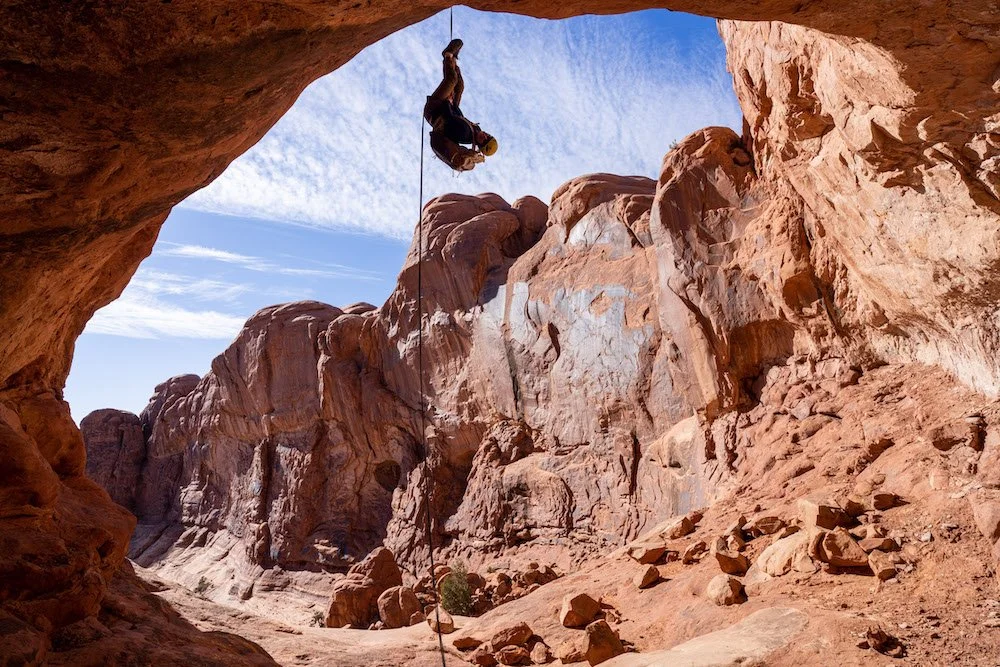
Getting inverted on the last rappel of Elephant Butte canyon. Photo by Dalton Johnson
PROS:
Unique Exploration: Canyoneering allows you to explore hidden areas of Arches National Park that are inaccessible by regular trails, providing a unique and intimate experience of the park's natural beauty.
Adrenaline Rush: Descending through slot canyons and rappelling down rock faces offer thrilling challenges for adventure seekers, adding an adrenaline-pumping element to your outdoor adventure.
Scenic Beauty: The canyons of Arches National Park boast stunning geological formations, intricate rock patterns, and hidden arches, creating picturesque backdrops for your canyoneering journey.
Connection with Nature: Immersing yourself in the rugged terrain of the canyons fosters a deeper connection with nature, allowing you to appreciate the geological processes that shaped the landscape over millions of years.
Skill Development: Canyoneering helps develop outdoor skills such as route finding, rappelling techniques, navigation, and teamwork, making it a rewarding experience for outdoor enthusiasts looking to expand their capabilities.
Guided Options: Hiring a canyoneering guide provides safety, expertise, and access to insider knowledge about the best routes and techniques, enhancing your overall experience and confidence.
CONS:
Technical Challenges: Canyoneering in Arches National Park requires technical skills such as rappelling, scrambling, and navigation, which may pose challenges for beginners or those unfamiliar with the terrain.
Permit Requirements: Some canyoneering routes, like Fiery Furnace, require permits for access, which need to be obtained in advance and may have limited availability, requiring early planning.
Weather Considerations: Weather conditions, especially during summer with high temperatures, can impact the feasibility and safety of canyoneering activities, requiring careful monitoring and preparation.
Physical Demands: Canyoneering involves physical exertion, including hiking, climbing, and rappelling, which may not be suitable for individuals with certain health conditions or fitness levels.
Equipment Needs: Proper canyoneering equipment, such as ropes, harnesses, helmets, and specialized footwear, is essential for safety and performance, adding to the overall cost and logistical considerations.
Environmental Impact: Canyoneering activities must be conducted responsibly to minimize environmental impact, including avoiding damage to delicate desert ecosystems and practicing Leave No Trace principles.
Why Choose Canyoneering in Arches National Park?
Canyoneering in Arches National Park isn't just about adrenaline; it's also about immersing yourself in a landscape that's been sculpted by millions of years of geological processes. As you descend into slot canyons and rappel down sheer rock walls, you'll witness the intricate layers of sandstone that tell the story of this region's ancient past. Every twist and turn in the canyon reveals a new perspective, from hidden alcoves to delicate rock formations shaped by wind and water. It's a journey that's as much about exploration as it is about adventure.
Best Time for Canyoneering
The best time for canyoneering in Arches National Park is during the spring and fall months. Spring (March to May) offers mild temperatures and blooming desert flora, while fall (September to November) brings cooler weather and vibrant foliage. Summer can be scorching hot, making outdoor activities challenging, and winter may bring snow and icy conditions that are not ideal for canyoneering. Always check weather conditions and park regulations before planning your adventure.
Popular Canyoneering Routes
Fiery Furnace: This maze-like area is a favorite among experienced canyoneers. Navigate through narrow sandstone fins, scramble over boulders, and discover hidden arches tucked away in this geological wonderland. Due to its complex terrain, a permit is required to enter Fiery Furnace, and guided tours are recommended for first-time visitors.
Ephedra's Grotto: Known for its breathtaking rappelling opportunities, Ephedra's Grotto offers a mix of technical descents and scenic beauty. Rappel down natural rock faces, explore hidden chambers, and marvel at the play of light and shadow in this enchanting canyon.
U-Turn: Perfect for beginners and those looking for a shorter adventure, U-Turn offers a quick half-day outing with manageable rappels and moderate hiking. It's a great introduction to canyoneering in Arches National Park, ideal for building confidence and honing your skills.
Elephant Butte: For intermediate canyoneers seeking a full-day adventure, Elephant Butte delivers stunning views and challenging descents. Traverse through narrow slots, conquer rappels of varying heights, and soak in the grandeur of this rugged landscape.
Canyoneering Guides and Equipment
While experienced canyoneers may choose to explore independently, hiring a canyoneering guide is highly recommended for beginners and those unfamiliar with the terrain. Guides provide essential safety briefings, equipment rentals, route navigation, and invaluable expertise that enhance your canyoneering experience. They also ensure minimal impact on the fragile desert ecosystem and adhere to Leave No Trace principles.
When it comes to equipment, here are the essentials for a successful canyoneering adventure:
Climbing Harness: Provides safety and support during rappels and descents.
Helmet: Protects against falling rocks and debris.
Ropes and Anchors: Essential for setting up rappels and belays.
Canyoneering Shoes: Designed for traction on slick rock surfaces and water crossings.
Dry Bags: Keep your gear and belongings dry during water sections.
Navigation Tools: Maps, GPS devices, and compass for route finding.
First Aid Kit: Essential for emergencies and minor injuries.
Always check with local outfitters or guides for specific gear recommendations based on the route and conditions.

Squeezing through a tight section while canyoneering in Arches National Park. Photo by Dalton Johnson
Canyoneering in Arches National Park offers a blend of adventure, exploration, and natural beauty that's unmatched. Whether you're a seasoned canyoneer looking for new challenges or a beginner eager to discover hidden wonders, Arches National Park's canyons have something to offer. From the intricate sandstone formations of Fiery Furnace to the adrenaline-pumping rappels of Ephedra's Grotto, each route promises an unforgettable experience amidst nature's grandeur. So pack your gear, hire a guide if needed, and get ready to embark on a canyoneering adventure like no other in one of America's most iconic national parks.
Discover More Destinations

Here's Why You Should Visit Arches National Park When You Road Trip Utah
Arches National Park, nestled in the heart of Utah, stands as a testament to the awe-inspiring power of nature's sculpting hands. This geological wonderland draws visitors from across the globe, offering a myriad of experiences that appeal to geology enthusiasts, photographers, hikers, and nature lovers alike. If you're planning a road trip through the American Southwest, here are compelling reasons why Arches National Park deserves a prominent spot on your itinerary.
Arches National Park, nestled in the heart of Utah near Moab, stands as a testament to the awe-inspiring power of nature's sculpting hands. This geological wonderland draws visitors from across the globe, offering a myriad of experiences that appeal to geology enthusiasts, photographers, hikers, and nature lovers alike. If you're planning a road trip through the American Southwest, here are compelling reasons why Arches National Park deserves a prominent spot on your itinerary.

Sunrise light on the towers of Arches National Park. Photo by Dalton Johnson
PROS:
Stunning Natural Beauty: The park is home to over 2,000 natural stone arches, breathtaking rock formations, and expansive vistas that offer unparalleled scenic beauty.
Outdoor Adventures: Visitors can enjoy a variety of outdoor activities, including hiking, photography, rock climbing, and stargazing, catering to different interests and skill levels.
Rich Geological History: Arches National Park showcases millions of years of geological processes, providing educational opportunities to learn about Earth's natural history.
Wildlife Viewing: Despite the arid environment, the park supports diverse wildlife, such as desert bighorn sheep, coyotes, and a variety of bird species, offering unique wildlife viewing experiences.
Cultural and Historical Sites: Explore ancient rock art panels left by Native American cultures and learn about the area's rich cultural and historical significance, including its role in Western films.
CONS:
Crowds: Arches National Park can get crowded, especially during peak tourist seasons, leading to limited parking, crowded trails, and less solitude in popular areas.
Weather Extremes: The park experiences extreme temperatures, with scorching heat in summer and occasional cold snaps in winter, making outdoor activities challenging during certain times of the year.
Limited Accessibility: Some areas of the park may not be accessible to individuals with mobility issues or limited physical abilities due to rugged terrain and steep trails.
Environmental Impact: Increased visitation can lead to environmental impacts, such as trail erosion, littering, and disturbance of wildlife habitats, requiring responsible visitor behavior.
Permit Requirements: Certain activities, such as backcountry camping and guided tours, may require permits or reservations, which can add complexity to trip planning.
Spectacular Natural Arches and Rock Formations
At the heart of Arches National Park are its iconic natural arches and rock formations, which number over 2,000 in total. These natural wonders, crafted over millennia by the relentless forces of erosion and geology, create a surreal and captivating landscape that begs to be explored and photographed. Among the most famous arches are the Delicate Arch, known for its slender and delicate appearance against the rugged backdrop, the expansive Landscape Arch, and the majestic Double Arch, which towers overhead like a natural cathedral.
A few recommendations:
Start your exploration with iconic arches like Delicate Arch, Landscape Arch, and Double Arch.
Visit during sunrise or sunset for stunning lighting and fewer crowds.
Take guided tours or ranger-led programs to learn about the geological processes shaping the arches.
Bring a wide-angle lens for photography to capture the vastness of the arches against the landscape.
Respect trail closures and guidelines to preserve the fragile ecosystem around the arches.
Unique Geological Features
The park's geological features extend far beyond its arches. Towering sandstone fins, sculpted spires, and gravity-defying balanced rocks showcase nature's incredible artistry and ability to create breathtaking formations. These geological marvels, shaped by millions of years of wind and water erosion, offer a glimpse into the Earth's ancient past while providing endless opportunities for exploration and discovery.
A few recommendations:
Hike along the Fiery Furnace trail to experience the park's labyrinthine sandstone formations up close.
Join a geology-themed tour or program to delve deeper into the park's geological history.
Take time to observe the intricate details of the rock formations, noting the layers and textures shaped by erosion.
Visit viewpoints like Panorama Point and Delicate Arch Viewpoint for panoramic vistas of the park's geological wonders.
Consider exploring lesser-known areas like Tower Arch or The Windows Section for a more secluded experience.
Outdoor Adventures for All
Arches National Park is a haven for outdoor enthusiasts, offering a diverse range of activities and trails suitable for all skill levels. Whether you prefer leisurely strolls or adrenaline-pumping hikes, there's something for everyone. The Devil's Garden Trail, with its challenging terrain and stunning vistas, promises an exhilarating adventure, while the Balanced Rock Trail rewards hikers with panoramic views of the surrounding red rock landscape. Photographers will also find endless inspiration in the park's ever-changing light and shadows, making every corner a potential masterpiece.
A few recommendations:
Choose trails based on your fitness level and interests, such as the easy Windows Loop or the more challenging Devil's Garden Primitive Loop.
Pack essentials like water, snacks, a map or GPS device, and appropriate clothing for hiking.
Check trail conditions and weather forecasts before setting out, especially during hot summer months.
Stay on designated trails to protect fragile desert vegetation and avoid damaging cryptobiotic soil crusts.
Take breaks to rest, hydrate, and appreciate the scenery along the way, especially during longer hikes.
Biodiversity and Wildlife
Despite its arid environment, Arches National Park teems with unexpected biodiversity. From desert-adapted plants like the iconic juniper and prickly pear cactus to elusive desert bighorn sheep and agile coyotes, the park is a living testament to nature's resilience. Birdwatchers will delight in spotting golden eagles, red-tailed hawks, and a variety of songbirds soaring above the red cliffs. Every encounter with wildlife in this unique ecosystem is a reminder of the interconnectedness of all living things.
A few recommendations:
Bring binoculars for wildlife viewing, particularly around dawn and dusk when animals are most active.
Stay quiet and observant to increase your chances of spotting elusive desert species like bighorn sheep and coyotes.
Learn to identify common desert plants and birds to enhance your wildlife encounters.
Keep a respectful distance from wildlife and never feed or approach them for safety and conservation reasons.
Report any sightings of rare or endangered species to park authorities to contribute to conservation efforts.
Cultural and Historical Significance
Beyond its natural wonders, Arches National Park holds a rich cultural and historical legacy. Ancient rock art panels left by Native American cultures offer a window into the past, showcasing their deep connection to the land and reverence for its natural beauty. Additionally, the park's Hollywood connections, serving as a filming location for classic Western movies, add a touch of nostalgia and intrigue for history buffs and film enthusiasts alike.
A few recommendations:
Join ranger-led programs or interpretive tours to learn about the park's cultural heritage and rock art sites.
Respect cultural sites and artifacts by not touching or disturbing them during your visit.
Read up on the history of Native American tribes in the region, such as the Ute, Paiute, and Navajo, to deepen your understanding of their connection to the land.
Visit the visitor center to view exhibits on the park's history and cultural significance, including its role in Western films.
Support initiatives that preserve and protect cultural resources within the park, such as donating to conservation organizations or participating in volunteer programs.
Planning Your Visit
When planning your trip to Arches National Park, consider visiting during the shoulder seasons of spring and fall to avoid the peak summer crowds and extreme temperatures. Be sure to pack plenty of water, sunscreen, and sturdy hiking shoes, as the desert environment can be unforgiving. And don't forget your camera or smartphone to capture the park's stunning vistas and unforgettable moments.
10 Tips For planning a stellar trip to arches:
Plan Ahead: Check the park's website for current information on trail conditions, weather forecasts, and any alerts or closures before your visit.
Arrive Early or Late: To avoid crowds and experience the best lighting for photography, consider arriving at popular viewpoints or trailheads during early morning or late afternoon hours.
Stay Hydrated: The desert environment can be deceptively dry, so always carry plenty of water with you, especially if you plan to hike or explore for an extended period.
Protect Yourself from the Sun: Wear sunscreen, a wide-brimmed hat, and lightweight, breathable clothing to protect yourself from the sun's intense rays.
Respect Wildlife: Observe wildlife from a distance and never approach or feed wild animals. Keep your food securely stored to prevent attracting unwanted attention from critters like squirrels or rodents.
Leave No Trace: Practice Leave No Trace principles by packing out all trash, staying on designated trails, and avoiding touching or disturbing natural features and wildlife.
Use the Shuttle Service: During peak season, consider using the park's shuttle service to access popular areas like Delicate Arch and reduce traffic congestion.
Be Prepared for Varied Terrain: Wear sturdy hiking shoes with good traction, as trails in the park can vary from easy, flat surfaces to rocky and uneven terrain.
Respect Cultural Sites: If visiting rock art panels or other cultural sites, refrain from touching or defacing the rock surfaces and follow any posted guidelines to preserve these important historical resources.
Stay Informed: Take advantage of ranger-led programs, interpretive exhibits, and visitor center resources to enhance your understanding of the park's geology, history, and conservation efforts.
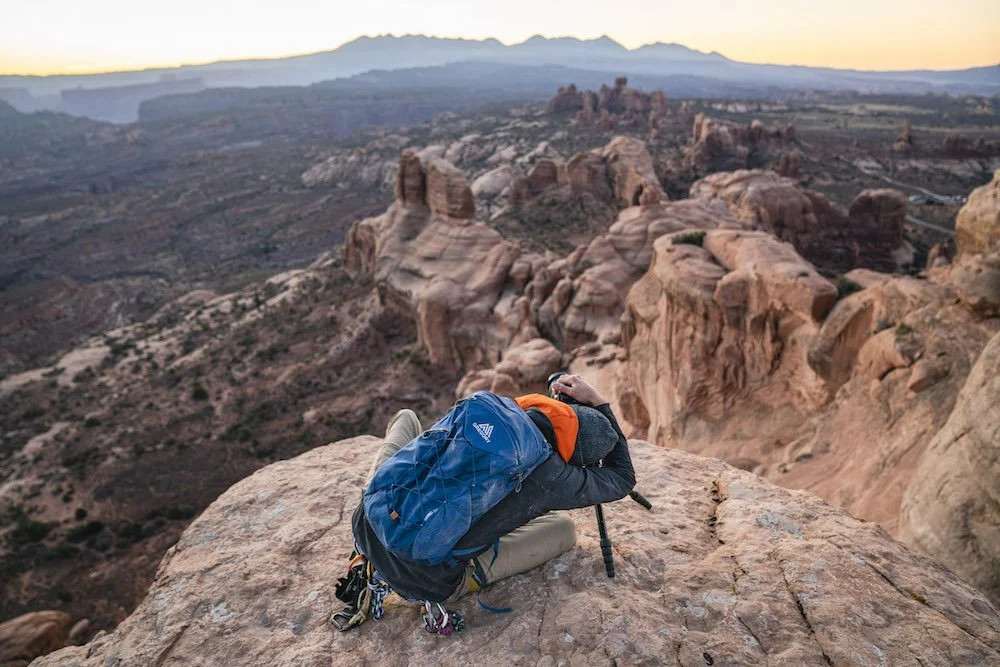
Owl Tower near Elephant Butte is an underrated vista point in Arches National Park to see the La Sal mountains. Photo by Dalton Johnson
Arches National Park stands as a testament to the power and beauty of nature's geological forces. Whether you're drawn to its iconic arches, unique rock formations, outdoor adventures, diverse wildlife, or rich cultural history, a visit to this extraordinary park promises a journey of discovery and wonder. So, lace up your hiking boots, pack your sense of adventure, and embark on an unforgettable experience in one of America's most iconic national parks.
Discover More Destinations
Is Moab The Most Adventurous Place In America?
When it comes to adventure, few places in America rival the excitement and diversity of experiences found in Moab, Utah. Nestled in the heart of red rock country, Moab is a mecca for outdoor enthusiasts seeking adrenaline-pumping activities and breathtaking natural beauty. From rock climbing to river rafting, this desert paradise offers a myriad of adventures that make it a top destination for thrill-seekers. Let's delve into the thrilling experiences that await visitors in Moab, making a strong case for it being the most adventurous place in America.
When it comes to adventure, few places in America rival the excitement and diversity of experiences found in Moab, Utah. Nestled in the heart of red rock country, Moab is a mecca for outdoor enthusiasts seeking adrenaline-pumping activities and breathtaking natural beauty. From rock climbing to river rafting, this desert paradise offers a myriad of adventures that make it a top destination for thrill-seekers. Let's delve into the thrilling experiences that await visitors in Moab, making a strong case for it being the most adventurous place in America.
Repelling the main arch at Hourglass Arch just outside of Moab, UT. Photo by Dalton Johnson
PROS:
Stunning Natural Beauty: Moab is renowned for its breathtaking red rock landscapes, arches, canyons, and desert scenery that attract nature lovers and outdoor enthusiasts.
National Parks: Moab is near two iconic national parks, Arches and Canyonlands, allowing visitors to explore these natural wonders along with the surrounding area's attractions.
Outdoor Recreation Infrastructure: The town of Moab is well-equipped with amenities and services catering to outdoor enthusiasts, including gear rental, guided tours, and outdoor gear shops.
Scenic Drives: The surrounding area offers scenic drives such as the famous Moki Dugway, Shafer Trail, and the La Sal Mountain Loop Road, allowing visitors to appreciate the beauty of the region from the comfort of their vehicles.
CONS:
Limited Accommodation Options: While Moab has a range of accommodations, including hotels, campgrounds, and vacation rentals, availability may be limited during busy times, requiring advanced booking.
High Tourist Season Prices: During peak tourist seasons, prices for accommodations, tours, and activities in Moab can be higher, impacting budget-conscious travelers.
Limited Dining Options: While Moab has a variety of dining options, including restaurants, cafes, and food trucks, choices may be limited compared to larger cities, especially for specific cuisines.
Rock Climbing:
Moab's iconic red rock formations provide an awe-inspiring backdrop for rock climbers of all skill levels. With numerous climbing routes ranging from beginner-friendly to advanced challenges, there's something for everyone here. Imagine clinging to sandstone cliffs, testing your strength and agility as you ascend to panoramic vistas that reward your efforts with sweeping views of the desert landscape. Popular climbing spots like Wall Street, Indian Creek, and Fisher Towers beckon climbers from around the world, solidifying Moab's reputation as a premier rock climbing destination.
Hiking:
For those who prefer to explore on foot, Moab offers an extensive network of hiking trails that showcase the region's natural wonders. From easy strolls to challenging treks, hikers can discover hidden arches, towering mesas, and ancient petroglyphs. Trails like the Delicate Arch Trail in Arches National Park, the Fiery Furnace, and the challenging but rewarding hike to the summit of Mount Tukuhnikivatz provide diverse experiences that immerse hikers in Moab's rugged beauty.
Photography:
Moab's surreal landscapes and vibrant colors make it a paradise for photographers. Whether you're an amateur with a smartphone or a professional with top-of-the-line gear, Moab offers endless opportunities to capture stunning images. From sunrise over the La Sal Mountains to sunset casting a golden glow on the red rocks, every moment in Moab is a photo-worthy masterpiece waiting to be captured and shared.
River Rafting:
For a water-based adventure, look no further than the mighty Colorado River. Guided rafting trips allow visitors to experience the thrill of navigating rapids while surrounded by stunning canyon scenery. From leisurely floats suitable for families to adrenaline-pumping whitewater excursions, the Colorado River offers a variety of rafting experiences that showcase Moab's wild side.
Base Jumping:
For the ultimate adrenaline rush, base jumping in Moab offers an unparalleled experience. The region's towering cliffs and expansive vistas provide a dramatic backdrop for adrenaline junkies looking to leap into the void. While base jumping requires skill and experience, Moab's unique terrain attracts thrill-seekers from around the globe who seek the ultimate adventure.
Canyoneering:
Venture into the depths of Moab's slot canyons for a canyoneering adventure unlike any other. Navigate narrow passages, rappel down towering walls, and discover hidden oases tucked away in the desert landscape. Canyoneering in Moab offers a blend of excitement, challenge, and natural beauty that appeals to adventurers looking to explore off-the-beaten-path destinations.

Taking a moment of silence to soak in the landscape around Moab, UT. Photo by Dalton Johnson
Moab's diverse range of adventures, from rock climbing and hiking to river rafting, base jumping, and canyoneering, make it a standout destination for thrill-seekers and outdoor enthusiasts. The combination of stunning natural landscapes, adrenaline-pumping activities, and unparalleled experiences solidify Moab's reputation as one of the most adventurous places in America. Whether you're seeking heart-pounding excitement or serene exploration, Moab has something to offer every adventurer.