

Here's What You Should Do On Your First Visit to Canyonlands National Park
Canyonlands National Park, located in southeastern Utah, is a vast wilderness of canyons, mesas, and buttes carved by the Colorado River and its tributaries. For first-time visitors, this park offers a spectacular array of landscapes and outdoor adventures that capture the essence of the American Southwest. Whether you're seeking breathtaking viewpoints, challenging hikes, or serene moments in nature, Canyonlands is a playground for adventure enthusiasts and nature lovers alike. Here’s what you should do on your first visit to this stunning park.
Canyonlands National Park, located in southeastern Utah, is a vast wilderness of canyons, mesas, and buttes carved by the Colorado River and its tributaries. For first-time visitors, this park offers a spectacular array of landscapes and outdoor adventures that capture the essence of the American Southwest. Whether you're seeking breathtaking viewpoints, challenging hikes, or serene moments in nature, Canyonlands is a playground for adventure enthusiasts and nature lovers alike. Here’s what you should do on your first visit to this stunning park.
Staring out at Island in the Sky in Canyonlands National Park. Photo by Dalton Johnson
Why You Should Visit
Canyonlands National Park is a treasure trove of geological wonders, offering an unparalleled experience of rugged terrain and expansive vistas. The park is divided into four districts—Island in the Sky, The Needles, The Maze, and the rivers—and each offers a unique perspective on its striking landscapes. With its accessible viewpoints, diverse hiking trails, and opportunities for exploration, Canyonlands provides a comprehensive introduction to the diverse beauty of the Colorado Plateau. For adventurers, the park offers a range of activities from challenging off-road trails to serene river floats.
12 Things You Should Do
1) Visit Mesa Arch
Mesa Arch is one of Canyonlands' most iconic landmarks, renowned for its stunning sunrise views. This short, 0.5-mile round-trip hike leads to an arch that frames the dramatic canyon landscape, offering a perfect photo opportunity as the morning light illuminates the arch and surrounding scenery.
Highlights:
Iconic View: Capture the arch framing the canyon below with sunrise lighting.
Short Hike: A quick and accessible trail for all levels.
Best Light: Sunrise is the optimal time for vibrant colors and dramatic shadows.
Photogenic Spot: Ideal for capturing iconic shots of Canyonlands.
2) Explore Island in the Sky
The Island in the Sky district provides panoramic views of the park’s vast canyons and rock formations. Accessible via a scenic drive, this area features several overlooks and short trails that offer stunning vistas of the Colorado River and surrounding terrain.
Highlights:
Scenic Drive: Enjoy a drive with multiple overlooks showcasing expansive views.
Accessible Trails: Short hikes to viewpoints like Grand View Point and Green River Overlook.
Diverse Vistas: See the dramatic contrast of canyons and plateaus.
Family-Friendly: Easy access to spectacular views suitable for all visitors.
3) Hike to the Needles District
The Needles District is known for its colorful rock spires and diverse hiking opportunities. Trails like the Chesler Park Loop offer a combination of rock formations, canyon views, and unique geological features. This area provides a more rugged and immersive hiking experience compared to Island in the Sky.
Highlights:
Rock Formations: See the park’s distinctive spires and formations up close.
Challenging Trails: Enjoy trails with varying difficulty levels.
Scenic Beauty: Experience the park’s diverse and vibrant landscape.
Advanced Hikes: Suitable for those looking for a more strenuous adventure.
4) Discover the Maze District
The Maze District is the most remote part of Canyonlands and offers a true wilderness experience. Known for its maze-like canyons and challenging off-road trails, it’s ideal for experienced adventurers seeking solitude and rugged terrain. Accessing The Maze requires careful planning and is best suited for those with 4WD vehicles or guided tours.
Highlights:
Remote Adventure: Explore a less-visited and rugged part of the park.
Challenging Terrain: Ideal for off-road enthusiasts and experienced explorers.
Isolation: Enjoy the solitude of this remote district.
Permits Required: Plan ahead for permits and access.
5) Float the Colorado River
Floating the Colorado River provides a different perspective on the park’s stunning landscape. Guided rafting trips offer a chance to experience the river’s dramatic canyons and enjoy a relaxing float through the heart of the park. This activity is a great way to see Canyonlands from a unique vantage point.
Highlights:
Unique Perspective: See the park’s landscape from the water.
Guided Trips: Access to guided tours for a safe and informative experience.
Relaxing Float: Enjoy a peaceful and scenic river journey.
Wildlife Viewing: Spot wildlife along the riverbanks.


6) Hike the Syncline Loop
The Syncline Loop is a challenging hike that traverses rugged terrain and offers impressive views of the surrounding canyons. This 8-mile loop trail provides a more strenuous and rewarding experience, showcasing the park’s varied geological features and panoramic vistas.
Highlights:
Strenuous Hike: A demanding trail for experienced hikers.
Scenic Vistas: Enjoy expansive views of canyons and rock formations.
Physical Challenge: Ideal for those seeking a more intense hiking experience.
Remote Beauty: Experience the park’s less-traveled landscapes.
7) Visit the Upheaval Dome
Upheaval Dome is a unique geological formation with a mysterious origin. This area features a crater-like structure that scientists believe may have been formed by an ancient impact or geological processes. The short hike to the viewpoint offers fascinating insights into the park’s geology and impressive views of the dome.
Highlights:
Geological Wonder: Explore a unique and intriguing formation.
Short Hike: A manageable trail with informative viewpoints.
Scientific Interest: Learn about the dome’s possible origins.
Dramatic Views: Enjoy views of the crater and surrounding landscape.
8) Explore the Needles Overlook
The Needles Overlook provides stunning panoramic views of the Needles District and beyond. This easily accessible viewpoint offers a chance to appreciate the park’s diverse landscapes and the expansive beauty of the Colorado Plateau.
Highlights:
Panoramic Views: Enjoy sweeping vistas of the Needles District.
Accessible Viewpoint: Easy access with minimal hiking required.
Scenic Beauty: Ideal for photography and appreciating the park’s grandeur.
Relaxed Experience: Perfect for a brief stop with impressive views.
9) Hike the Devil's Kitchen
The Devil's Kitchen trail offers a fascinating exploration of colorful rock formations and unique geological features. This 3-mile round-trip hike is relatively moderate and leads you through a series of rock formations resembling a "kitchen" of natural wonders.
Highlights:
Colorful Formations: See striking rock colors and unique shapes.
Moderate Hike: A manageable trail with interesting geological features.
Photogenic Scenery: Great for capturing vibrant rock formations.
Family-Friendly: Suitable for visitors of varying hiking abilities.
10) Take a Scenic Drive on the Shafer Trail
The Shafer Trail is a historic and scenic drive that offers incredible views of the canyon landscape. This 4WD road provides access to some of the park’s more remote areas and offers a thrilling drive with spectacular vistas.
Highlights:
Scenic Drive: Enjoy a rugged drive with stunning canyon views.
4WD Required: Suitable for vehicles with off-road capability.
Historic Route: Experience a road with historical significance.
Remote Access: Provides access to less-visited park areas.
11) Hike the Druid Arch Trail
The Druid Arch Trail is a moderately difficult hike that leads to a dramatic arch formation. This 11-mile round-trip trail offers a rewarding experience with striking views and a sense of adventure as you approach the arch.
Highlights:
Dramatic Arch: See a stunning and less-visited arch formation.
Moderate to Difficult: A more challenging hike with great rewards.
Scenic Views: Enjoy impressive vistas along the trail.
Adventurous Hike: Ideal for those seeking a longer and more rewarding hike.
12) Visit the Island in the Sky Visitor Center
The Visitor Center at Island in the Sky provides valuable information about the park’s geology, history, and trails. It’s an excellent starting point for first-time visitors to get oriented and plan their visit.
Highlights:
Informative Exhibits: Learn about the park’s geology and history.
Maps and Guidance: Obtain maps and current trail information.
Park Updates: Get updates on trail conditions and alerts.
Ranger Advice: Speak with park rangers for personalized recommendations.

Checking the cliff height, just making sure it is really really high. Photo by Dalton Johnson
Canyonlands National Park offers an incredible range of experiences for first-time visitors, from iconic viewpoints and challenging hikes to serene river floats and unique geological formations. With its diverse landscapes and abundant outdoor activities, the park provides a comprehensive introduction to the beauty of the Colorado Plateau. Embrace the park’s natural wonders, explore its varied terrains, and make your first visit to Canyonlands an unforgettable adventure.
Discover More Destinations

Experience Moab Like a Local Adventurer
Moab, Utah, is a desert wonderland that draws adventurers from around the globe. Known for its breathtaking red rock landscapes, Moab is a mecca for thrill-seekers and outdoor enthusiasts. Whether you're scaling towering cliffs, navigating the Colorado River, or exploring the vast desert on foot, Moab offers an unparalleled range of activities that let you immerse yourself in the raw beauty of the American Southwest. This guide is your key to experiencing Moab like a local adventurer, with insider tips and top adventure spots that will make your trip unforgettable.
Moab, Utah, is a desert wonderland that draws adventurers from around the globe. Known for its breathtaking red rock landscapes, Moab is a mecca for thrill-seekers and outdoor enthusiasts. Whether you're scaling towering cliffs, navigating the Colorado River, or exploring the vast desert on foot, Moab offers an unparalleled range of activities that let you immerse yourself in the raw beauty of the American Southwest. This guide is your key to experiencing Moab like a local adventurer, with insider tips and top adventure spots that will make your trip unforgettable.
Rock climbing on Wall Street just outside of Moab, UT. Photo by Dalton Johnson
Why an Adventure Traveler Should Visit Moab
Moab is more than just a gateway to two of Utah's most iconic national parks—Arches and Canyonlands. It's a destination that epitomizes adventure, offering a unique combination of awe-inspiring natural beauty and diverse outdoor activities. The striking red rock formations, expansive desert landscapes, and the powerful Colorado River provide a perfect playground for those looking to push their limits and experience nature's extremes. Whether you're an adrenaline junkie or someone who simply loves the outdoors, Moab's varied terrain and endless adventure possibilities make it a must-visit location.
Top Adventures You Don't Want to Miss
1. Rock Climbing
Moab is famous for its world-class rock climbing, with routes that challenge even the most experienced climbers. The towering sandstone cliffs and unique rock formations make it a climber's paradise.
Where to Do It:
Indian Creek: Known for its splitter cracks and challenging routes, Indian Creek is a bucket-list destination for serious climbers.
Wall Street: Easily accessible and perfect for both beginners and advanced climbers, Wall Street offers a variety of routes along the Colorado River.
The Fisher Towers: For those seeking a real adventure, the Fisher Towers offer some of the most iconic and challenging climbs in Moab.
Insider Tips: Early morning climbs are ideal to avoid the intense midday heat. Make sure to bring plenty of water and check route conditions before heading out.
2. Hiking
From short, scenic walks to challenging backcountry trails, Moab has hiking options for every skill level. The landscape's vivid contrasts—red rock formations, green riverbanks, and clear blue skies—create an unforgettable hiking experience.
Where to Do It:
Delicate Arch Trail: This 3-mile round-trip hike in Arches National Park leads to the iconic Delicate Arch, offering breathtaking views along the way.
Fiery Furnace: A labyrinth of narrow canyons and arches, Fiery Furnace in Arches National Park is best explored with a guide due to its complex terrain.
The Needles District: Located in Canyonlands National Park, this area offers a variety of trails that showcase stunning rock formations and expansive views.
Insider Tips: The desert heat can be intense, so hike early in the morning or late in the afternoon. Permits are required for Fiery Furnace, so plan ahead.
3. Mountain Biking
Moab is one of the world's premier mountain biking destinations, with trails that cater to all skill levels. The combination of slickrock, singletrack, and breathtaking scenery makes for an exhilarating ride.
Where to Do It:
Slickrock Trail: This 10.5-mile loop is one of the most famous mountain biking trails in the world, offering challenging terrain and incredible views.
The Whole Enchilada: An epic, all-day ride that descends over 7,000 feet, taking you from the high alpine down to the desert floor.
Klondike Bluffs: Ideal for intermediate riders, this trail system offers a mix of slickrock and singletrack with stunning views of Arches National Park.
Insider Tips: Make sure your bike is in top condition, as the rugged terrain can be tough on equipment. Spring and fall offer the best riding conditions.
4. Flat Water Kayaking
The Colorado River provides a serene setting for flat water kayaking, with calm stretches that are perfect for taking in the dramatic scenery of the surrounding canyonlands.
Where to Do It:
Colorado River - Moab Daily: This stretch offers gentle rapids and flat water sections, ideal for a relaxing paddle with beautiful views of the red rock cliffs.
Stillwater Canyon: A more remote option, this section of the Colorado River is perfect for multi-day kayaking trips, offering solitude and stunning landscapes.
Green River - Labyrinth Canyon: Known for its towering canyon walls and tranquil waters, Labyrinth Canyon is a peaceful paddling destination.
Insider Tips: Bring plenty of water and sun protection, as the desert sun can be intense. Consider a guided tour if you're unfamiliar with the river's conditions.
5. Backpacking
Moab's vast wilderness offers endless opportunities for backpacking, from desert canyons to high alpine trails. The remote landscapes provide a true escape into nature.
Where to Do It:
Canyonlands National Park - The Needles District: Explore the intricate network of trails and campsites in this remote area, where you can find solitude and stunning vistas.
Arches National Park - Devils Garden Primitive Loop: A challenging but rewarding backpacking route that takes you through the heart of Arches, offering close-up views of its famous formations.
Grandstaff Canyon: A less crowded option, this canyon offers a beautiful overnight hike with plenty of shade and a refreshing creek.
Insider Tips: Permits are required for backcountry camping in the national parks, so plan ahead. Be prepared for limited water sources and pack accordingly.
6. Peak Bagging
For those who love a challenge, Moab offers several peaks that are perfect for bagging, with stunning views awaiting at the top.
Where to Do It:
Mount Peale: The highest peak in the La Sal Mountains, Mount Peale offers a strenuous hike with rewarding views of the surrounding desert and mountains.
Castleton Tower: A challenging climb that combines peak bagging with rock climbing, Castleton Tower is one of Moab's most iconic formations.
Mount Waas: Another peak in the La Sal Mountains, Mount Waas provides a less crowded but equally rewarding hike.
Insider Tips: The La Sal Mountains can experience snow well into the summer, so check conditions before you go. Bring plenty of layers, as temperatures can vary significantly.
7. Stargazing
Moab's remote location and clear desert skies make it a prime spot for stargazing. With minimal light pollution, the stars here shine brighter than almost anywhere else.
Where to Do It:
Dead Horse Point State Park: This park is renowned for its dark skies and offers several designated stargazing areas.
Canyonlands National Park: Known for some of the darkest skies in the U.S., Canyonlands is ideal for observing constellations, planets, and the Milky Way.
Arches National Park: The unique rock formations in Arches provide a stunning foreground for night sky photography.
Insider Tips: Check the moon phase before you go—new moon nights are best for stargazing. Bring a star chart or use a stargazing app to identify constellations.
8. Camping
Moab offers a variety of camping options, from established campgrounds to remote backcountry sites. There's nothing like spending the night under the stars in this rugged landscape.
Where to Do It:
Devils Garden Campground (Arches National Park): A popular spot with stunning views and easy access to some of the park’s best hikes.
Willow Flats Campground (Canyonlands National Park): Offering solitude and panoramic views, this campground is perfect for those looking to escape the crowds.
Goose Island Campground: Located along the Colorado River, this campground offers easy access to both Arches and Moab’s famous rock climbing spots.
Insider Tips: Campsites in national parks can fill up quickly, so book well in advance. If you're camping in the backcountry, practice Leave No Trace principles to preserve the natural environment.
Other Highlights of the Area
Places to Eat
The Broken Oar: A local favorite for its rustic, laid-back atmosphere, The Broken Oar serves up hearty American fare perfect for refueling after a day of adventuring. Try their famous ribs or the Moab burger for a true taste of the Southwest.
Desert Bistro: For a more upscale dining experience, head to Desert Bistro, where you’ll find a menu inspired by regional flavors. The chef’s specials, like the elk tenderloin or the pecan-crusted trout, are not to be missed.
Quesadilla Mobilla: If you’re looking for a quick, delicious bite, this food truck is a Moab staple. Their inventive quesadillas, packed with fresh ingredients and bold flavors, make for the perfect lunch on the go.
Must-See Spots
Dead Horse Point State Park: Just a short drive from Moab, this state park offers some of the most breathtaking views in the region. The overlook provides a panoramic view of the Colorado River winding through towering red cliffs—perfect for sunrise or sunset.
Arches National Park: Home to over 2,000 natural stone arches, this iconic park is a must-visit. Don’t miss Delicate Arch, the park’s most famous formation, and make sure to explore some of the lesser-known trails for a more secluded experience.
Canyonlands National Park: Divided into four districts, this vast park offers diverse landscapes, from towering mesas to deep canyons. The Island in the Sky district is particularly popular for its stunning overlooks and challenging hikes.
Photo Locations
Delicate Arch: As one of the most iconic landmarks in Utah, Delicate Arch is a prime spot for photography, especially during the golden hour when the arch glows in the sunlight.
The Windows Section: Located within Arches National Park, this area features multiple arches, including the North and South Window Arches, which frame the landscape perfectly for dramatic photos.
Corona Arch: Often less crowded than other arches, Corona Arch is a fantastic photo spot. The massive arch offers a striking contrast against the blue sky and red rock landscape.
Best Sunset Locations
Dead Horse Point: This spot is a sunset favorite, offering expansive views of the canyonlands below. The play of light on the red rocks as the sun sets creates a mesmerizing sight.
Mesa Arch: Although popular at sunrise, Mesa Arch also offers incredible sunset views. The arch acts as a natural frame for the canyon below, making it a great location for capturing the setting sun.
The Needles Overlook: Located in the Needles district of Canyonlands National Park, this overlook provides a sweeping view of the area’s unique rock formations, which glow vibrantly at sunset.
Great Places to Swim
Ken’s Lake: Just a short drive from Moab, Ken’s Lake is a popular spot for swimming, fishing, and kayaking. The cool waters offer a refreshing break from the desert heat.
Mill Creek: This local swimming hole is a hidden gem. The trail to the creek winds through a canyon, leading to a series of pools and waterfalls that are perfect for a relaxing swim.
Colorado River: While the river is better known for rafting, there are also calmer sections where you can take a dip. Head to Moab’s Lions Park area for a riverside picnic and a swim in the cool waters.
Cultural Highlights
Moab Museum: Dive into the rich history of the area at the Moab Museum. Exhibits cover everything from the region’s Native American heritage to its uranium mining past and role in the development of outdoor recreation.
Moab Art Walk: Held on select Saturdays throughout the year, the Moab Art Walk is a great way to explore the local art scene. Galleries and shops open their doors to showcase works from local artists, including paintings, sculptures, and photography.
Hole N" the Rock: This quirky attraction is a 5,000-square-foot home carved into a rock, complete with a gift shop and a collection of antique items. It’s a fun stop that adds a bit of offbeat charm to your Moab adventure.
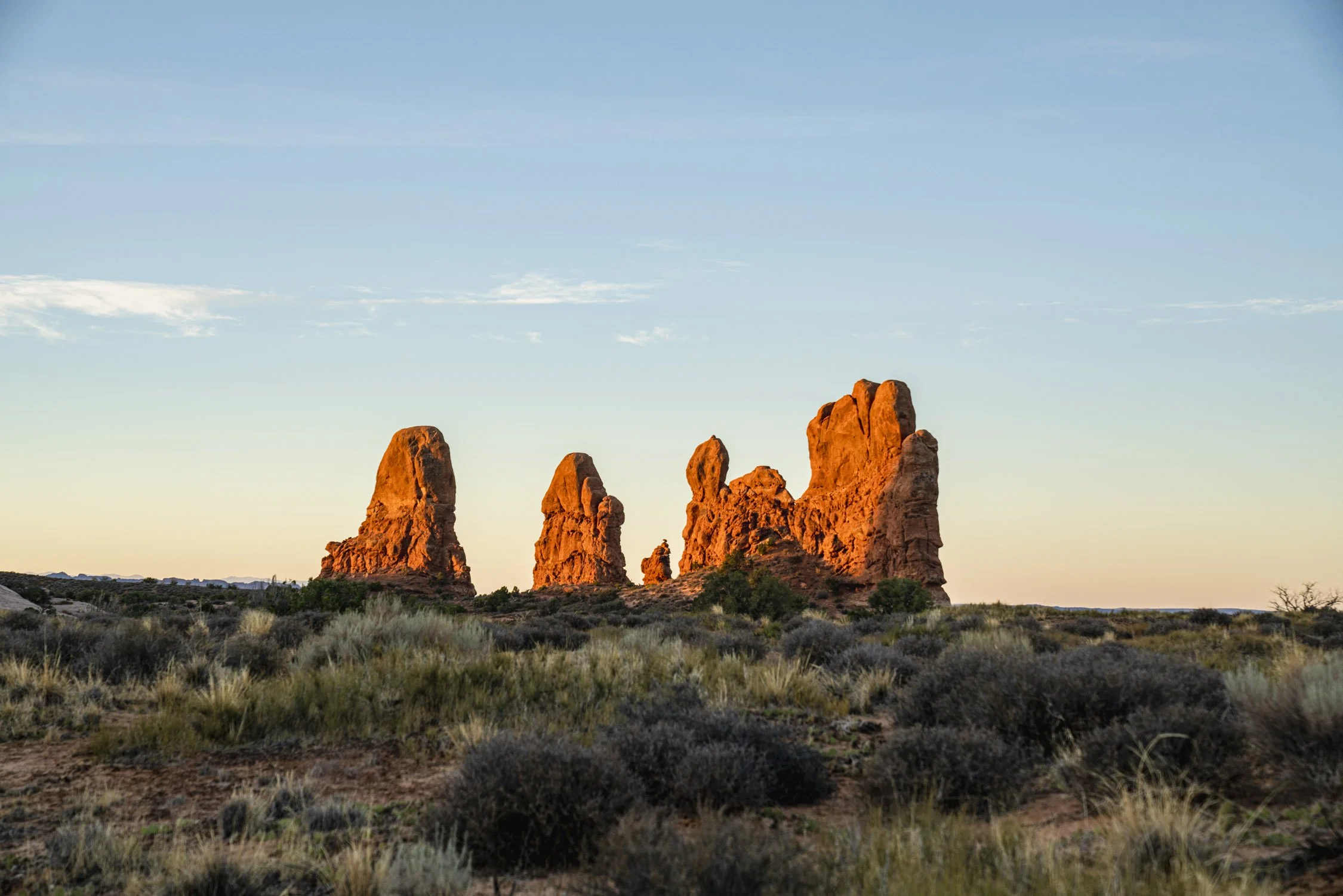
Morning glow upon the structures of Arches National Park. Photo by Dalton Johnson
Moab, Utah, is a destination that truly embodies the spirit of adventure. With its vast, otherworldly landscapes and a wealth of outdoor activities, it’s a playground for those who crave excitement and the great outdoors. Whether you're scaling towering red cliffs, navigating the winding Colorado River, or simply taking in the breathtaking views, Moab offers endless opportunities for exploration and thrill. Beyond the adrenaline-pumping adventures, the area’s unique dining spots, cultural experiences, and stunning natural landmarks add depth to your journey, making every moment in Moab unforgettable. Pack your gear, embrace the wild beauty of the desert, and immerse yourself in the adventures that make Moab one of the most iconic outdoor destinations in the world.
Discover More Destinations
Which National Park Is Better: Arches National Park or Canyonlands National Park
When planning a trip to southeastern Utah, two national parks often vie for the attention of travelers: Arches National Park and Canyonlands National Park. These two natural wonders offer breathtaking landscapes and outdoor adventures, but they each come with their own set of unique features and attractions. To help you decide which one is the right fit for your next adventure, let's explore the pros and cons of visiting Arches and Canyonlands National Parks just outside of Moab, UT.
When planning a road trip to the American Southwest, two national parks often vie for the attention of travelers: Arches National Park and Canyonlands National Park. These two natural wonders offer breathtaking landscapes and outdoor adventures, but they each come with their own set of unique features and attractions. To help you decide which one is the right fit for your next adventure, let's explore the pros and cons of visiting Arches and Canyonlands National Parks just outside of Moab, UT.

A panoramic of Turret Arch and the Window arches in Arches National Park at sunrise. Photo by Dalton Johnson
Arches National Park
Arches National Park is a must-visit destination for adventure travelers exploring the American Southwest. Its surreal landscape of over 2,000 natural sandstone arches, towering spires, and unique rock formations creates an otherworldly experience. For outdoor enthusiasts, hiking through Arches offers an unparalleled opportunity to immerse in nature's artistry and challenge oneself on trails like the iconic Delicate Arch or the adventurous Fiery Furnace. The park's geological wonders, from balanced rocks to massive fins, provide endless exploration and photography opportunities. Whether it's capturing the sunrise casting a golden hue on the red rocks or stargazing under the vast desert sky, Arches National Park promises unforgettable moments that embody the spirit of adventure travel in the Southwest.
Pros:
Iconic Natural Arches: Arches National Park is renowned for its stunning collection of over 2,000 natural stone arches. The park boasts famous formations like Delicate Arch, Landscape Arch, and Double Arch, making it a paradise for those who love natural wonders and unique rock formations.
Scenic Drives: The park features picturesque scenic drives, including the Arches Scenic Drive and the Windows Section, which provide easy access to many of the park's most famous arches. You can capture remarkable photographs and enjoy awe-inspiring vistas right from your vehicle.
Short Hikes: Arches offers a variety of short, family-friendly hikes that lead to fantastic viewpoints and arches. Whether you're an experienced hiker or a novice, these accessible trails provide something for everyone, including those with limited mobility.
Visitor Center: Start your visit at the informative visitor center, where you can learn about the park's geological history, discover the best trails, and get information on ranger-led programs and activities.
Cons:
Crowds and Reservations: Arches National Park can get extremely crowded, particularly during peak seasons. Finding parking can be challenging, and popular trails may be congested. Because of this, the park has started a reservation system. So, consider visiting during the off-peak hours or seasons for a more peaceful experience.
Limited Camping: The park offers limited camping options, and campgrounds tend to fill up rapidly. To secure a spot, it's advisable to make reservations well in advance.
Harsh Summers: Summers in Arches can be sweltering, making outdoor activities uncomfortable during the midday heat. To enjoy your visit, consider traveling during the cooler months.
Canyonlands National Park
Canyonlands National Park is a must-stop for adventure travelers exploring the American Southwest. Its vast and rugged terrain, sculpted by the mighty Colorado River, offers a thrilling playground for outdoor enthusiasts. From the towering cliffs of Island in the Sky to the maze-like canyons of The Needles District and the remote wilderness of The Maze, Canyonlands presents a diverse range of landscapes to explore. Hiking, backpacking, and off-road adventures abound, providing opportunities to witness stunning vistas, ancient rock art, and the raw beauty of desert wilderness. Sunset over the canyons paints a breathtaking panorama of colors, while stargazing reveals a mesmerizing display of the night sky undisturbed by city lights. Canyonlands National Park beckons adventure travelers with its rugged charm, offering a chance to connect deeply with nature and experience the thrill of exploration in one of America's most iconic landscapes.
Pros:
Vast and Diverse: Canyonlands is the largest national park in Utah, featuring a vast and diverse landscape with deep canyons, towering mesas, winding rivers, and striking rock formations. This park is a true wilderness lover's dream.
Remote and Less Crowded: While areas like Island in the Sky can see some visitors, Canyonlands generally receives fewer tourists compared to Arches, making it an ideal choice for those seeking a quieter and more remote experience.
Hiking and Backcountry Opportunities: Canyonlands offers numerous hiking trails, backcountry adventures, and the challenging Maze District. Whether you're into backpacking, river trips, or off-road excursions, this park has it all.
Stargazing: Thanks to its remote location and minimal light pollution, Canyonlands is a fantastic spot for stargazing. You can marvel at the Milky Way and celestial wonders in the pristine night sky.
Cons:
Limited Accessibility: The park's vast size means that some areas are remote and not easily accessible. To reach some popular viewpoints, you might have to embark on longer drives, so be prepared for road trips.
Harsh Summers: Like Arches, summers in Canyonlands can be exceptionally hot. It's essential to plan your outdoor activities wisely, as the midday heat can be quite intense.
Fewer Iconic Arches: While Canyonlands does feature some arches, it is not as renowned for them as Arches National Park. If viewing iconic natural arches is your primary goal, Arches is the place to be.
Embracing the variable weather and exploring Canyonlands National Park. Photo by Dalton Johnson
The choice between Arches and Canyonlands National Parks depends on your interests and what kind of experience you're seeking. If you're captivated by iconic natural arches, accessible trails, and a family-friendly experience, Arches may be the better choice for you. On the other hand, if you crave remote, diverse landscapes, and a wider range of outdoor adventures, Canyonlands could be your ideal destination. Many visitors to the area opt to explore both parks, as they are relatively close to each other, ensuring a well-rounded Utah adventure. Whether you choose one or both, you're in for an unforgettable natural experience in the breathtaking landscapes of southeastern Utah.

