

Climbing For Furley Is Now Streaming On PBS
Climbing for Furley follows Northern California resident, Epic Bill Bradley as he attempts to climb Mount Denali after the loss of his best friend, Furley. Bradley is an ultra-endurance athlete who has held world records and completed several mind-blowing races like Ride Across America, a quadruple Bad Water, double Ironman, and many hundred mile races.
I’m excited to share that my first short documentary, Climbing for Furley, is now streaming on PBS.
This documentary follow Northern California resident, Epic Bill Bradley as he attempts to climb Mount Denali after the loss of his best friend, Furley. Bradley is an ultra-endurance athlete who has held world records and completed several mind-blowing races like Ride Across America, a quadruple Bad Water, double Ironman, and many hundred mile races.

Bill’s motto: Show Up and Suffer!!! Yes, the three exclamation points are part of his trade mark. If you ever text with Bill, you’ll find that out. Is contagious, so it only makes sense that his personality shines though in this short documentary.
Stream Climbing For Furley on PBS:
https://www.pbs.org/show/climbing-for-furley/
Photo Essay from Project


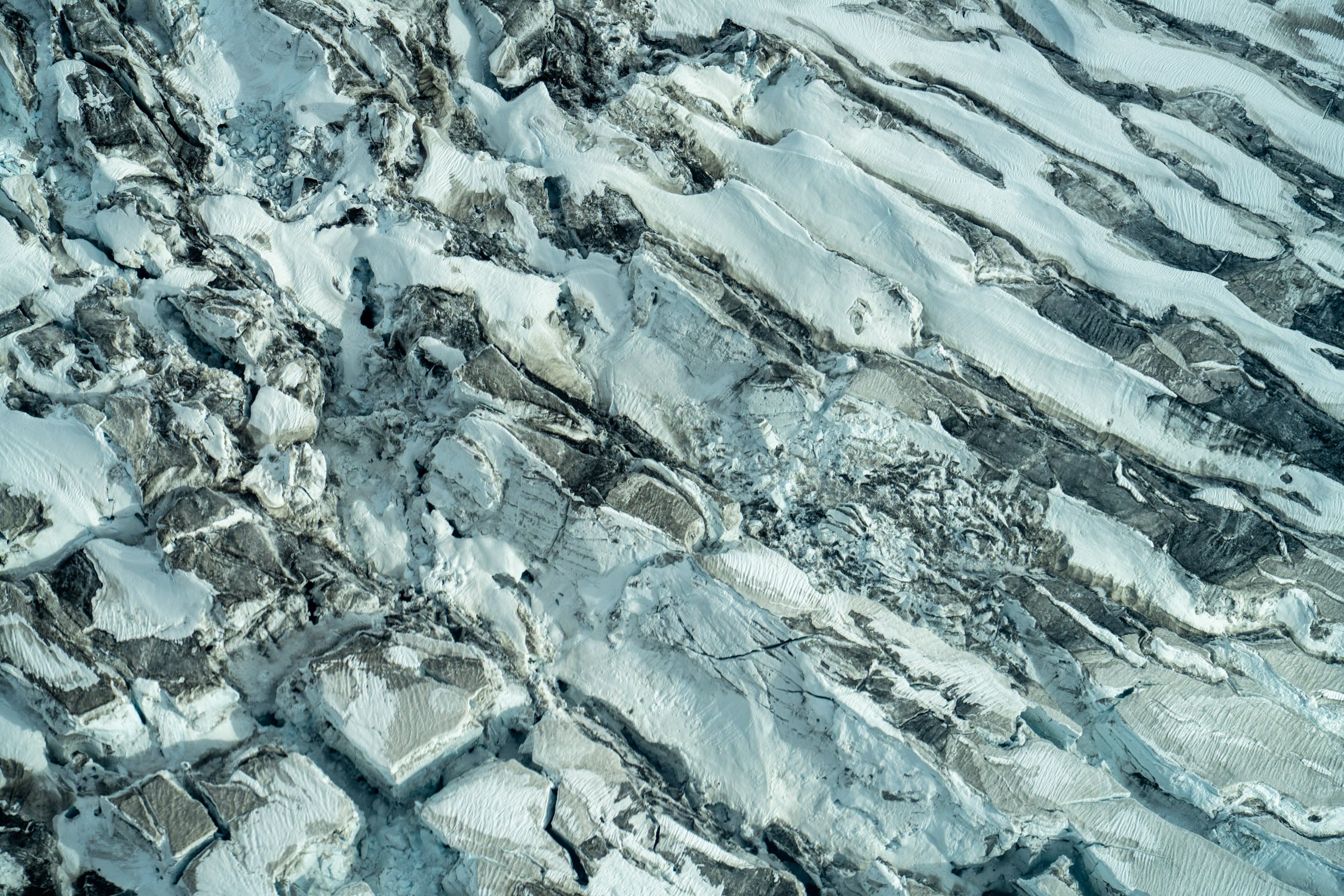


Here's How To Road Trip Alaska's Kenai Peninsula
If you are anything like me, road tripping around Alaska is high on your bucket list, but you just have no idea how to start. Heck, Alaska is so massive, how would you? Well, it is easier than you think. If you start with the Kenai Peninsula, which is bigger than the state of West Virginia, you will be very happy. Now, what should you see and how long should you spend in the Kenai Peninsula?
If you are anything like me, road tripping around Alaska is high on your bucket list, but you just have no idea how to start. Heck, Alaska is so massive, how would you? Well, it is easier than you think. If you start with the Kenai Peninsula, which is bigger than the state of West Virginia, you will be very happy. Now, what should you see and how long should you spend in the Kenai Peninsula?
The Kenai Peninsula in Alaska is a mesmerizing destination that offers breathtaking landscapes, abundant wildlife, and a rich cultural heritage. This remarkable region is often referred to as "Alaska's Playground," and it's the perfect place to kickstart your Alaskan adventure. As you read on, we will provide you with a 10-day itinerary to explore the Kenai Peninsula, leaving you with three more days to visit the iconic Denali National Park.
Driving the van down one of the many dirt roads worth exploring along the Kenai Peninsula, AK. Photo by Dalton Johnson
Day 1: Anchorage - Gateway to the Kenai Peninsula
Your Alaskan adventure begins in Anchorage, the largest city in the state and a major transportation hub. After landing at the Ted Stevens Anchorage International Airport, pick up your rental car and get ready to hit the road. Spend the first day exploring Anchorage, visiting the Anchorage Museum, and enjoying some local cuisine at one of the city's restaurants.
Day 2: Anchorage to Girdwood (40 miles, 1 hour)
On day two, make your way south along the Seward Highway to the charming town of Girdwood. Along the way, you'll be treated to stunning views of the Chugach Mountains, Turnagain Arm, and the Cook Inlet. In Girdwood, take the scenic tramway to the top of Mount Alyeska, where you can enjoy panoramic views of the surrounding mountains and glaciers. Don't forget to explore the Girdwood town center and grab a meal at one of the local eateries.
Day 3: Girdwood to Seward (38 miles, 1 hour)
From Girdwood, drive to the picturesque coastal town of Seward. Seward is a gateway to Kenai Fjords National Park, known for its incredible marine life and tidewater glaciers. Spend the day on a boat tour to explore the park's stunning fjords and the Harding Icefield. Keep your eyes peeled for sea otters, humpback whales, and puffins. In the evening, stroll along the Seward Waterfront Park and enjoy fresh seafood at a local restaurant.
Day 4: Seward to Homer (222 miles, 4.5 hours)
As you leave Seward, you'll embark on a longer drive down the Sterling Highway towards Homer. Along the way, you'll pass through the beautiful Kenai Peninsula, with opportunities to stop and hike or take in the scenic vistas. Once in Homer, explore the Homer Spit, a narrow strip of land extending into Kachemak Bay. Visit the Alaska Islands and Ocean Visitor Center to learn more about the region's marine life and ecosystems.
Day 5: Homer
Spend an entire day in Homer, known for its vibrant arts scene, fishing, and outdoor recreation. Visit the Pratt Museum to discover the history and culture of the Kenai Peninsula. Take a guided bear viewing tour to see Alaska's iconic brown bears in their natural habitat, or opt for a sea kayaking adventure. Homer is a great place to relax, explore, and immerse yourself in the Alaskan lifestyle.
Day 6: Homer to Soldotna (75 miles, 1.5 hours)
Leaving Homer, head north to Soldotna, a hub for fishing enthusiasts. The drive offers scenic views of the Kenai River, which is famous for its salmon runs. In Soldotna, you can take a fishing trip on the Kenai River, visit the Soldotna Historical Society Museum, or simply enjoy the picturesque surroundings. Be sure to try some fresh-caught Alaskan salmon for dinner.
Day 7: Soldotna to Kenai (16 miles, 45 minutes)
Kenai is your next stop on this Alaskan road trip. This city has a rich Native American heritage and offers a glimpse into Alaskan history. Visit the Kenai Visitor & Cultural Center to learn about the indigenous cultures of the region. Spend some time exploring the Kenai Beach and dip your toes in the waters of the Cook Inlet. This is also a great place to experience some local seafood.
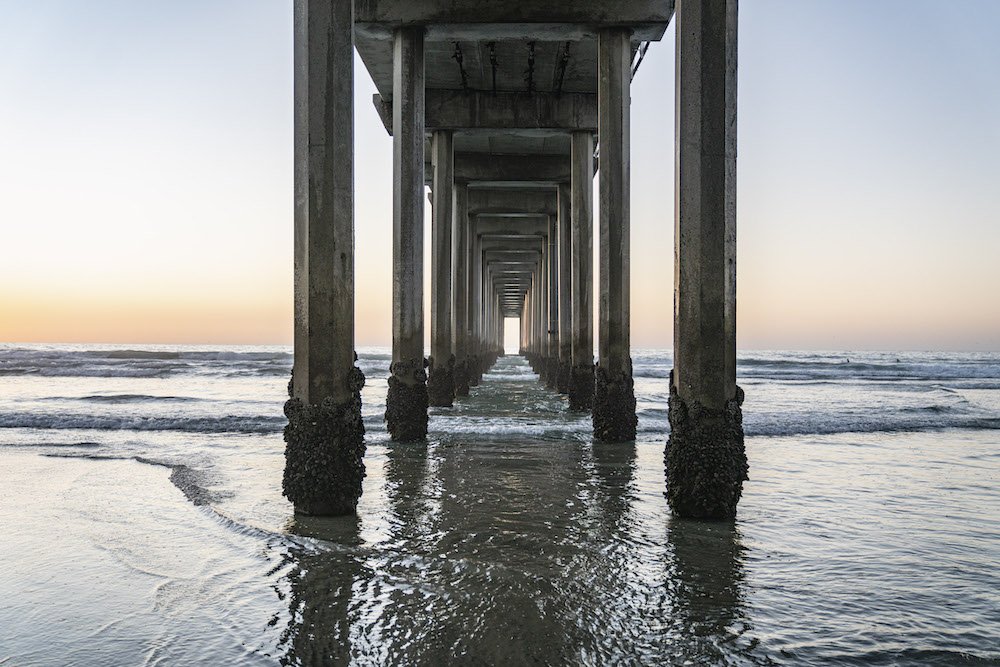


Day 8: Kenai to Cooper Landing (38 miles, 1 hour)
From Kenai, drive to Cooper Landing, a small community nestled in the heart of the Kenai Peninsula. This is a haven for outdoor enthusiasts, as it's surrounded by the Chugach National Forest and is known for its fishing, hiking, and scenic beauty. Consider taking a fishing trip on the Kenai River or go hiking in the Russian River Valley. Cooper Landing is a perfect spot to unwind and reconnect with nature.
Day 9: Cooper Landing to Whittier (47 miles, 3 hours)
Your penultimate stop on the Kenai Peninsula road trip is the unique town of Whittier. Accessible primarily through the Anton Anderson Memorial Tunnel, Whittier is known for its stunning fjords and proximity to Prince William Sound. Take a glacier cruise or kayak tour to explore the pristine waters and see the massive tidewater glaciers up close. You can also visit the Begich, Boggs Visitor Center to learn about the area's geology and wildlife.
Day 10: Whittier to Anchorage (64 miles, 3 hours)
As you make your way back to Anchorage, consider a stop at the Alaska Wildlife Conservation Center. This facility houses injured and orphaned animals native to Alaska, including grizzly bears, bald eagles, and moose. It's a great opportunity to see Alaska's wildlife up close. Once back in Anchorage, explore any sites you may have missed on your first day or simply relax before your journey to Denali.
With your 10 days in the Kenai Peninsula coming to a close, it's time to shift your focus to the crown jewel of Alaska's national parks, Denali National Park. Allocate three more days to fully experience the wonders of Denali's wilderness.

A humpback whale slapping it’s tale in the fjords of the Kenai Peninsula, AK. Photo by Dalton Johnson
Day 11: Anchorage to Denali National Park (238 miles, 6 hours)
Start early in the morning and drive to Denali National Park, a breathtaking wilderness area that encompasses North America's highest peak, Mount Denali. Upon arrival, check into your accommodations near the park entrance. Spend the afternoon exploring the Denali Visitor Center, which provides valuable information about the park's history, wildlife, and geology.
Day 12: Denali National Park
Today, embark on a full-day shuttle or tour bus trip deep into Denali National Park. The park's pristine landscapes are home to diverse wildlife, including grizzly bears, wolves, moose, and caribou. The highlight of your journey is undoubtedly the opportunity to view Mount Denali, weather permitting. Keep your camera ready and savor the awe-inspiring views.
Day 13: Denali National Park
On your final day in Denali, consider taking a guided hike, such as the popular Horseshoe Lake Trail or Savage River Loop. These guided hikes offer insights into the park's ecology and history while exploring some of the most beautiful areas. Alternatively, you can explore on your own, keeping in mind the park's regulations and safety guidelines.
With your three days in Denali National Park complete, you'll have experienced the raw beauty of Alaska's interior. As you return to Anchorage, you can look back on an incredible 13-day journey through the Kenai Peninsula and Denali National Park, with memories and photos to last a lifetime.
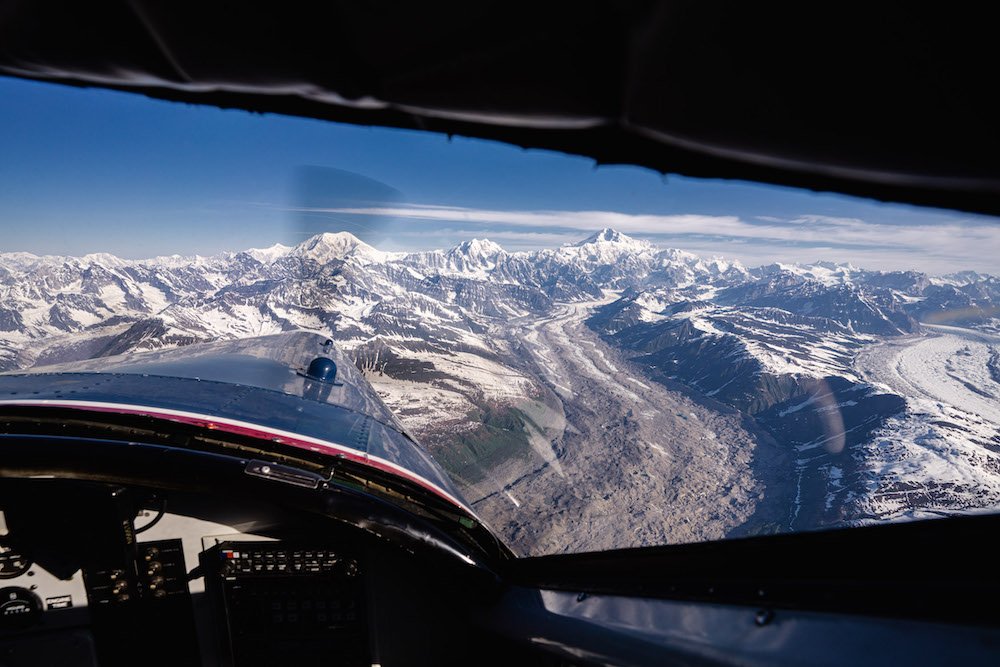
Flightseeing tour over Denali while road tripping around Alaska. Photo by Dalton Johnson
Road tripping the Kenai Peninsula in Alaska is a once-in-a-lifetime adventure that will leave you with a deep appreciation for the state's natural beauty, wildlife, and rich culture. Whether you're a nature lover, adventure seeker, or history buff, this region has something to offer for everyone. So pack your bags, hit the road, and let the Kenai Peninsula and Denali National Park reveal their magic to you.
Discover More Destinations

5 Must Do Adventures in Anchorage, Alaska
Anchorage, Alaska, is not just a city; it's a gateway to a world of thrilling adventures. Surrounded by stunning natural beauty, this urban hub offers an array of adrenaline-pumping activities for adventure seekers. Whether you're a nature enthusiast or an outdoor thrill-seeker, Anchorage has something to satisfy your adventurous spirit. Here are the top five adventures to do in Anchorage, Alaska.
Anchorage, Alaska, is not just a city; it's a gateway to a world of thrilling adventures. Surrounded by stunning natural beauty, this urban hub offers an array of adrenaline-pumping activities for adventure seekers. Whether you're a nature enthusiast or an outdoor thrill-seeker, Anchorage has something to satisfy your adventurous spirit. Here are the top five adventures to do in Anchorage, Alaska.
Flight seeing over Denali in Alaska. Photo by Dalton Johnson
1. Flightseeing Tours Over Denali:
When it comes to breathtaking adventures, it's hard to top a flightseeing tour over Denali, North America's tallest peak. Board a small plane or helicopter and soar above the rugged terrain of Denali National Park. You'll witness the awe-inspiring sight of this majestic mountain and its icy glaciers, as well as sweeping views of the surrounding wilderness.
The experience of flying over Denali is nothing short of awe-inspiring, providing a unique perspective on the vastness of Alaska's wilderness. Keep your camera ready, as you may also spot wildlife roaming below. Flightseeing tours are available year-round, with different options for duration and routes, making it an adventure that you can enjoy in any season.
2. Dog Sledding in the Alaskan Wilderness:
Dog sledding is a quintessential Alaskan adventure, and there's no better place to experience it than Anchorage. You can embark on a dog sledding adventure through the picturesque forests and snowy landscapes, guided by a team of enthusiastic and well-trained sled dogs.
Whether you choose to visit a nearby dog mushing kennel or opt for a more extensive multi-day expedition, dog sledding allows you to immerse yourself in the Alaskan wilderness, learn about the fascinating history of mushing, and experience the thrill of being pulled by a team of huskies through the snow.
The sensation of gliding silently through the wilderness while enjoying the crisp, clean air is an adventure you'll treasure forever.
3. Whitewater Rafting on the Eagle River:
For a wild ride on the water, whitewater rafting on the Eagle River is a heart-pounding adventure not to be missed. Just a short drive from Anchorage, the Eagle River offers thrilling rapids and stunning scenery as it winds through the Chugach Mountains.
Professional guides will provide you with the necessary equipment and expertise to navigate the rapids safely. Whether you're a novice or an experienced rafter, there are tours available for all skill levels, ensuring an exhilarating experience for everyone. This adventure will immerse you in the beauty and power of Alaska's rivers, making it a must-do for those seeking an adrenaline rush.
4. Ice Climbing in Chugach State Park:
Chugach State Park isn't just for hikers and skiers; it's also a playground for ice climbers. During the winter months, the park's frozen waterfalls and ice-covered cliffs become a canvas for ice climbing enthusiasts.
If you're new to ice climbing, you can join guided tours that provide training and equipment. Experienced climbers can set off on their own adventures, exploring the ice formations that grace the park's rugged landscapes. The combination of technical skill and the stunning backdrop of Chugach State Park makes ice climbing in Anchorage a one-of-a-kind adventure.
5. Wildlife Encounters at the Alaska Wildlife Conservation Center:
Alaska's wilderness is not only an adventure for thrill-seekers; it's also a sanctuary for its incredible wildlife. The Alaska Wildlife Conservation Center (AWCC) is a destination that offers thrilling wildlife encounters for visitors of all ages.
The AWCC allows you to observe iconic Alaskan animals, including bears, moose, elk, and bison, in their natural-like habitats. As you explore the center's spacious enclosures, you'll have the chance to get up close and personal with these magnificent creatures. Guided tours provide insights into the animals' stories and the importance of conservation efforts.
The opportunity to see these incredible animals up close, learn about their rehabilitation, and contribute to their conservation is a unique adventure that showcases the splendors of Alaska's wildlife.
Anchorage, Alaska, is a city that caters to adventure enthusiasts. Whether you're soaring above Denali, sledding with huskies, rafting through wild rivers, climbing icy cliffs, or getting close to magnificent wildlife, Anchorage offers a world of exhilarating experiences. These top five adventures in Anchorage, Alaska, will provide memories that will last a lifetime, making your journey to the Last Frontier truly unforgettable.
Discover More Destinations

A Comprehensive Guide to Road Tripping Alaska In A Van
Embarking on a van life road trip to Alaska is a dream for many adventure enthusiasts seeking the ultimate journey into the wild. Whether you're planning to drive from the lower 48 or rent a van upon arrival, the Last Frontier promises a unique and awe-inspiring experience. In this guide, we'll delve into everything you need to know about van life in Alaska, from preparation and must-visit destinations to activities that will make your road trip unforgettable.
Embarking on a van life road trip to Alaska is a dream for many adventure enthusiasts seeking the ultimate journey into the wild. Whether you're planning to drive from the lower 48 or rent a van upon arrival, the Last Frontier promises a unique and awe-inspiring experience. In this guide, we'll delve into everything you need to know about van life in Alaska, from preparation and must-visit destinations to activities that will make your road trip unforgettable.
Admiring the long, open roads while driving to Alaska in a van. Photo by Dalton Johnson
Pros
Unparalleled Scenery: Alaska's van life offers access to some of the world's most stunning landscapes, from towering mountains to pristine lakes, providing an immersive experience in nature.
Wildlife Encounters: Encounter diverse wildlife such as bears, moose, and whales, creating unique opportunities for observation and photography, making the journey a wildlife enthusiast's dream.
Flexibility and Freedom: Van life allows for a flexible itinerary, enabling you to explore remote areas and hidden gems at your own pace, providing a sense of freedom and adventure.
Memorable Outdoor Activities: Engage in a variety of outdoor pursuits, including hiking, fishing, and wildlife viewing, making Alaska an ideal destination for those seeking active and memorable adventures.
Cons
Challenging Weather Conditions: Alaska's weather can be unpredictable, with sudden changes and extreme conditions. Be prepared for rain, snow, and cold temperatures, particularly in the more remote and elevated areas.
Limited Amenities in Remote Areas: Some regions lack modern amenities, requiring self-sufficiency. Access to services like grocery stores and facilities may be limited in more isolated parts of the state.
Potentially Rough Road Conditions: The road network varies, with well-paved highways and gravel roads. Some areas may present challenging driving conditions, including potholes and uneven surfaces, requiring careful navigation.
Wildlife Safety Concerns: While wildlife encounters are a highlight, it's crucial to follow safety guidelines to avoid potential risks. Close proximity to bears or other large animals requires caution and awareness throughout the journey.
Preparing for Your Van Life Adventure
Choosing the Right Vehicle: Before hitting the road, it's crucial to select the right van for your Alaskan adventure. Opt for a sturdy, all-terrain vehicle with sufficient storage space for all your essentials. Make sure your van is equipped for long drives and is ready to handle unpredictable weather conditions.
Essential Gear: Alaska's wilderness demands careful preparation. Pack warm clothing, a reliable sleeping bag, a portable stove, and enough provisions to last the journey. Stock up on essentials like water purification systems, first aid kits, and navigation tools, as some areas may lack modern amenities.
Documentation and Permits: Ensure all your documents are in order before crossing the border into Canada and heading towards Alaska. Check visa requirements, obtain necessary permits, and carry identification and insurance documents for both yourself and your van.
Van Life in Alaska – What to Expect
Road Conditions: The Alaskan roads vary in quality, from well-paved highways to gravel and dirt tracks. Be prepared for bumpy rides and potential road closures, especially in remote areas. Check for real-time updates on road conditions and closures to plan your route effectively.
Wildlife Encounters: Alaska is home to diverse wildlife, including bears, moose, and eagles. Familiarize yourself with safety protocols for encounters with wild animals, such as storing food securely and keeping a safe distance. Respect the natural habitat and wildlife to ensure a harmonious coexistence.
Weather Challenges: Alaska's weather can be unpredictable, ranging from sunny days to sudden rain or snowfall. Stay informed about the weather forecast and be prepared for changing conditions. Pack layers, waterproof gear, and ensure your van is winter-ready if you plan to visit during colder months.
Best Places to Van Life Around Alaska
Denali National Park: Home to North America's highest peak, Denali National Park offers breathtaking landscapes and abundant wildlife. Camp at Teklanika River Campground for an immersive experience, and explore the park's diverse ecosystems through hiking trails and bus tours.
Kenai Peninsula: The Kenai Peninsula is a paradise for outdoor enthusiasts. Visit the charming town of Seward, explore the Kenai Fjords National Park, and camp along the shores of Resurrection Bay. The scenic drive along the Seward Highway is a highlight of this region.
Matanuska-Susitna Valley: Known for its stunning glaciers, the Matanuska-Susitna Valley is a must-visit destination. Camp near the Matanuska Glacier and engage in activities like ice climbing or hiking. The valley also offers opportunities for fishing and wildlife viewing.
What to Do When Van Lifing in Alaska
Hiking and Backpacking: Alaska boasts an extensive network of hiking trails, catering to all skill levels. From the challenging Kesugi Ridge Trail in Denali to the picturesque Exit Glacier Trail in Kenai Fjords, immerse yourself in the breathtaking landscapes on foot.
Wildlife Viewing: Alaska's wildlife is diverse and abundant. Take a wildlife tour in places like Katmai National Park to witness bears catching salmon or embark on a whale-watching excursion in the coastal areas. Remember to maintain a safe distance and observe from a respectful vantage point.
Fishing Adventures: Alaska is a haven for fishing enthusiasts. Whether you're into fly-fishing, deep-sea fishing, or ice fishing, the state offers a variety of experiences. Cast your line in rivers teeming with salmon or try your luck in the pristine lakes scattered throughout the wilderness.
How Long is Needed for a Van Life Road Trip in Alaska?
The duration of your van life road trip in Alaska depends on various factors, including your starting point, the route taken, and the experiences you seek. A comprehensive exploration of Alaska could take anywhere from two weeks to several months. Here's a suggested itinerary:
Two Weeks: For a condensed experience, focus on key highlights like Denali National Park, the Kenai Peninsula, and Matanuska-Susitna Valley. This allows for a taste of Alaska's diverse landscapes and wildlife.
One Month: A month-long journey allows for a more leisurely exploration. Extend your stay in each region, delve deeper into remote areas, and take the time to engage in various outdoor activities.
Extended Exploration: If time permits, consider a more extended exploration, incorporating lesser-known regions, off-the-beaten-path trails, and hidden gems. This allows for a truly immersive experience and the chance to connect with the local culture.
Where Not to Miss During an Alaskan Vacation
Fairbanks: Explore Fairbanks, the gateway to the Arctic, and experience the unique culture of Alaska's interior. Visit the Museum of the North, take a dip in the Chena Hot Springs, and chase the mesmerizing Northern Lights during the winter months.
Homer: Known as the "Halibut Fishing Capital of the World," Homer offers a vibrant arts scene, stunning views of Kachemak Bay, and opportunities for kayaking and wildlife viewing. Don't miss the Homer Spit, a narrow strip of land extending into the bay.
Valdez: Nestled between the Chugach Mountains, Valdez is a picturesque town with a rich history. Explore the Columbia Glacier, go sea kayaking in Prince William Sound, and hike the scenic trails surrounding the town.
Making a short stop to explore some sand dunes while driving a van to Alaska. Photo by Dalton Johnson
Embarking on a van life road trip to Alaska is a once-in-a-lifetime adventure that promises a unique blend of wilderness, wildlife, and unforgettable experiences. Whether you're driving from the lower 48 or renting a van upon arrival, careful preparation, a sense of adventure, and respect for nature will ensure a rewarding journey. From the majestic peaks of Denali to the serene beauty of the Kenai Peninsula, Alaska's landscapes are waiting to be explored on the open road. So, gear up, hit the Alaskan highways, and let the van life adventure unfold amidst the untamed beauty of the Last Frontier.
Discover more of Alaska

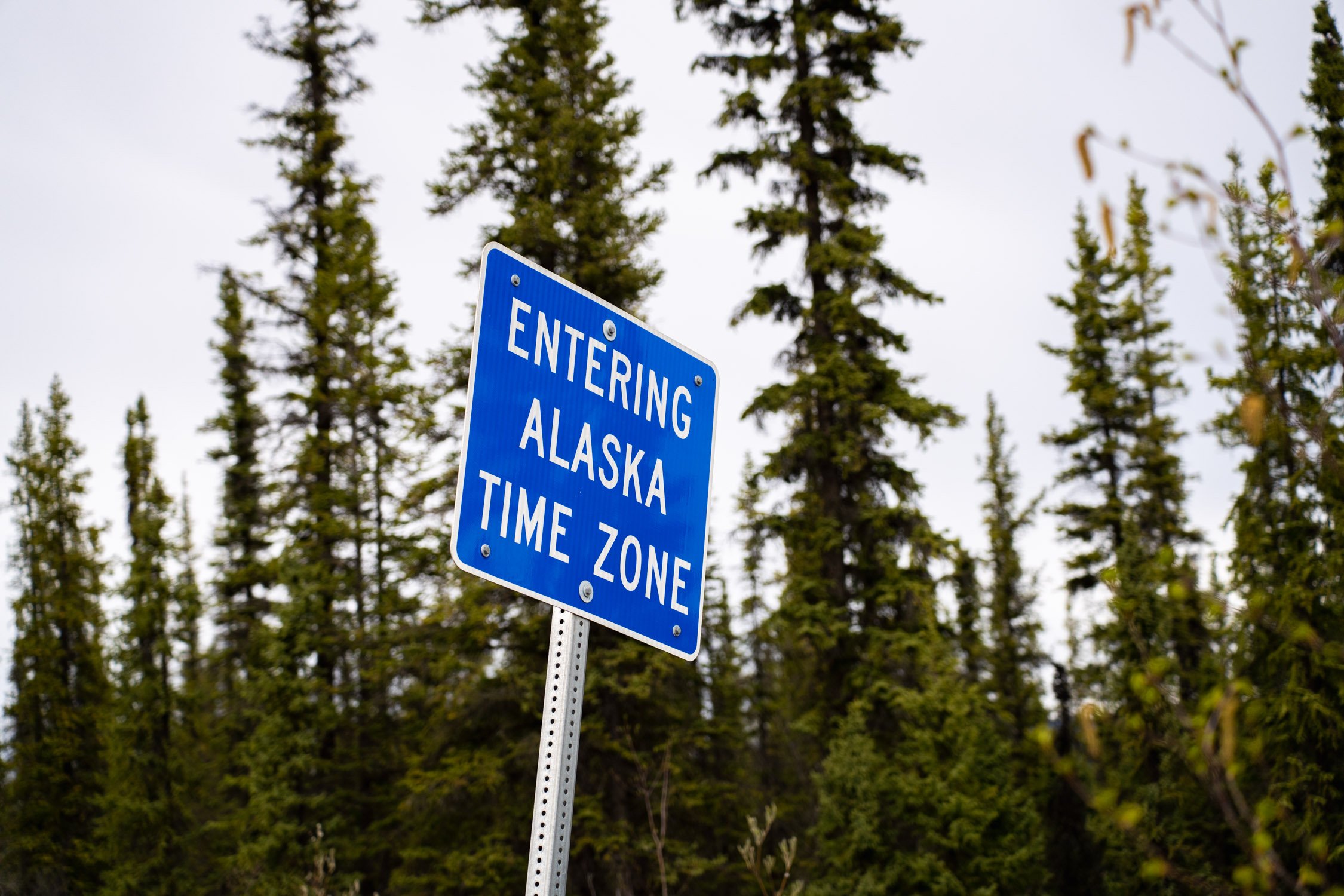


You'll Want to Add These Places to Your Camping Bucket List
Camping is more than just a recreational activity; it's a chance to reconnect with nature, unwind, and create lasting memories with loved ones or on your own. As camping enthusiasts seek new and breathtaking destinations, there are some places that stand out as must-adds to any camping bucket list. In this article, we will explore nine beautiful camping spots that cater to various preferences, whether you're camping with family, flying solo, exploring national parks, or embarking on an international camping adventure.
Camping is more than just a recreational activity; it's a chance to reconnect with nature, unwind, and create lasting memories with loved ones or on your own. As camping enthusiasts seek new and breathtaking destinations, there are some places that stand out as must-adds to any camping bucket list. In this article, we will explore nine beautiful camping spots that cater to various preferences, whether you're camping with family, flying solo, exploring national parks, or embarking on an international camping adventure.

Camping on a glacier in Denali National Park. Photo by Dalton Johnson
Yosemite National Park, USA
Nestled in the heart of California, Yosemite National Park is a haven for nature lovers and camping enthusiasts alike. The park's diverse landscapes feature towering waterfalls, majestic sequoias, and breathtaking valleys. For families, the park offers a range of family-friendly campgrounds like Upper Pines, complete with amenities and proximity to iconic landmarks such as Half Dome and El Capitan. Solo campers can venture into the wilderness with backcountry permits, immersing themselves in the serene beauty of Yosemite's backcountry. With its awe-inspiring views and diverse camping options, Yosemite National Park is a quintessential addition to any camping bucket list.
Banff National Park, Canada
For those who yearn to camp amidst the stunning Canadian Rockies, Banff National Park is a dream destination. Located in Alberta, Banff offers a range of camping experiences for families and solo adventurers alike. Two Jack Lakeside Campground is ideal for families, situated along the shores of Two Jack Lake, offering picturesque views and access to numerous hiking trails. Solo campers can explore the backcountry, with campgrounds like Egypt Lake providing a secluded and immersive experience. Banff National Park is not only a UNESCO World Heritage Site but also a haven for wildlife enthusiasts, providing opportunities to spot bears, elk, and mountain goats.
Great Barrier Reef, Australia
For an unforgettable international camping experience, consider camping near the Great Barrier Reef in Australia. This natural wonder is not only a UNESCO World Heritage Site but also the world's largest coral reef system. Camping on the nearby islands, such as Whitsunday Island, offers a unique opportunity to wake up to the sound of gentle waves and the vibrant colors of the coral reef. Families can enjoy snorkeling and water activities, while solo campers can explore the pristine beaches and hiking trails. Camping near the Great Barrier Reef is a truly magical experience that combines the beauty of nature with the wonders of underwater life.
Denali National Park, USA
Alaska's Denali National Park is a vast and untamed wilderness that beckons adventurers from around the globe. Home to North America's highest peak, Denali, the park offers a diverse range of camping experiences. Families can enjoy the comfort of the Riley Creek Campground, with amenities like showers and a camp store. For solo campers seeking solitude and breathtaking vistas, backcountry camping in Denali is an unparalleled experience. The park's unique ecosystem, featuring grizzly bears, caribou, and wolves, adds an extra layer of excitement to any camping trip. Denali National Park is a must-visit for those yearning to explore the rugged beauty of the Alaskan wilderness.
Lake District, United Kingdom
For camping enthusiasts in Europe, the Lake District in the United Kingdom is a picture-perfect destination. This stunning region is renowned for its serene lakes, rolling hills, and charming villages. Families can choose from a variety of campsites, such as the Great Langdale Campsite, offering a family-friendly atmosphere with easy access to scenic trails and water activities. Solo campers can explore the more remote areas of the Lake District, camping along the shores of Lake Buttermere or in the secluded valleys of Borrowdale. With its tranquil landscapes and diverse camping options, the Lake District is an excellent addition to any European camping bucket list.
Patagonia, Argentina and Chile
For those with a sense of adventure and a desire to explore the southernmost tip of South America, camping in Patagonia is an experience like no other. Straddling Argentina and Chile, this region boasts awe-inspiring landscapes, including glaciers, fjords, and towering mountains. Families can camp near the iconic Torres del Paine National Park, enjoying guided excursions and wildlife spotting. Solo campers can venture into the more remote areas of Patagonia, like the Cerro Fitz Roy region, where the sheer beauty of the landscapes is matched only by the challenge of the terrain. Patagonia offers a unique blend of natural wonders and untamed wilderness for those seeking an international camping adventure.
Zion National Park, USA
Utah's Zion National Park is a paradise for camping enthusiasts who appreciate dramatic red rock landscapes and towering sandstone cliffs. The park offers a range of camping options, with Watchman Campground being a popular choice for families due to its scenic views and proximity to the visitor center. Solo campers can explore the backcountry, with permits allowing access to hidden gems like the Zion Narrows. The park's unique geological formations, including the famous Angel's Landing, provide endless opportunities for exploration and adventure. Zion National Park is a must-visit destination for those seeking a blend of natural beauty and thrilling outdoor activities.
The Dolomites, Italy
If camping amidst the stunning peaks of the Italian Alps is on your bucket list, then the Dolomites are the perfect destination. This UNESCO World Heritage Site in northern Italy is known for its jagged mountain ranges, alpine meadows, and charming villages. Families can choose campgrounds like Camping Olympia, offering a family-friendly atmosphere with access to hiking and biking trails suitable for all ages. Solo campers can embark on more challenging routes, exploring the high-altitude areas around Tre Cime di Lavaredo. The Dolomites provide a unique combination of cultural charm and outdoor adventure for campers looking to experience the beauty of the Italian Alps.
Serengeti National Park, Tanzania
For an unforgettable camping experience amidst Africa's wildlife, Serengeti National Park in Tanzania is a top choice. Known for the annual Great Migration, where millions of wildebeest and zebras traverse the plains, the Serengeti offers a truly immersive camping experience. Family-friendly campsites like Seronera Camp provide comfort and safety while allowing families to witness the wonders of the African savannah. Solo campers can opt for more remote campsites, like those in the Grumeti Reserves, for a more secluded and intimate connection with nature. Camping in the Serengeti is an opportunity to witness the incredible diversity of African wildlife while enjoying the serenity of the vast savannah landscapes.
Sleeping under the stars while backpacking. Photo by Dalton Johnson
Adding these nine spectacular camping destinations to your bucket list ensures a lifetime of outdoor adventures. Whether you're seeking family-friendly campsites, remote and solo experiences, the wonders of national parks, or the thrill of international exploration, these camping spots offer something for every enthusiast. So, pack your gear, embrace the spirit of adventure, and make these stunning locations the backdrop for your next camping escapade. Your bucket list is about to get a whole lot more exciting!
Discover more camping destinations


A Comprehensive Guide to the Seven Summits of the World
The Seven Summits represent a challenge that has captured the imaginations of adventurers and mountaineers for decades. This formidable feat involves conquering the highest peak on each of the seven continents. From the icy heights of Mount Everest in Asia to the remote and perilous Vinson Massif in Antarctica, the Seven Summits offer a thrilling and life-altering adventure.
In this blog, we will delve deep into the world of these awe-inspiring summits, exploring their unique characteristics, the adventurers who have conquered them, and the allure they hold for those seeking the ultimate mountaineering challenge.
The Seven Summits represent a challenge that has captured the imaginations of adventurers and mountaineers for decades. This formidable feat involves conquering the highest peak on each of the seven continents. From the icy heights of Mount Everest in Asia to the remote and perilous Vinson Massif in Antarctica, the Seven Summits offer a thrilling and life-altering adventure.
In this blog, we will delve deep into the world of these awe-inspiring summits, exploring their unique characteristics, the adventurers who have conquered them, and the allure they hold for those seeking the ultimate mountaineering challenge.

Flying into Denali. Photo by Dalton Johnson
Pros
Achievement of a Lifetime: Conquering the Seven Summits is a remarkable lifetime achievement that only a select few can claim. It demonstrates exceptional dedication and resilience.
Global Adventure: This challenge takes you to seven different continents, providing an opportunity to explore diverse cultures, landscapes, and ecosystems.
Physical Fitness: Preparing for and climbing the Seven Summits demands peak physical fitness, promoting a healthier lifestyle.
Mental Toughness: It tests your mental strength, pushing you to overcome fear, adversity, and self-doubt, fostering personal growth.
Skill Development: You'll acquire a wide range of mountaineering skills, from ice climbing to rock climbing, avalanche safety, and high-altitude acclimatization.
International Camaraderie: Joining this exclusive club of Seven Summits climbers connects you with like-minded adventurers from around the world, creating lasting friendships.
Human Connection with Nature: Climbing these iconic peaks allows you to form a deep connection with nature and appreciate the planet's stunning beauty.
Cons
Financial Burden: Pursuing the Seven Summits is expensive. Costs include expedition fees, equipment, travel, permits, and guides, making it financially prohibitive for many.
Physical Risk: High-altitude mountaineering is inherently risky. Climbers face the dangers of avalanches, frostbite, altitude sickness, and even death.
Environmental Impact: Mass tourism to some of these peaks has raised concerns about the environmental impact, such as trash and human waste.
Emotional Toll: The mental strain of climbing challenging peaks can lead to emotional stress, anxiety, and post-traumatic stress disorder (PTSD).
Logistical Challenges: Planning and executing expeditions to remote locations like Antarctica or Papua, Indonesia, can be logistically complex and demanding.
Social Isolation: Climbers often spend extended periods in isolation during expeditions, which can strain relationships and lead to loneliness.
Environmental Uncertainty: Climate change is impacting some of the Seven Summits, affecting route conditions and creating additional challenges.
Mount Everest - Asia
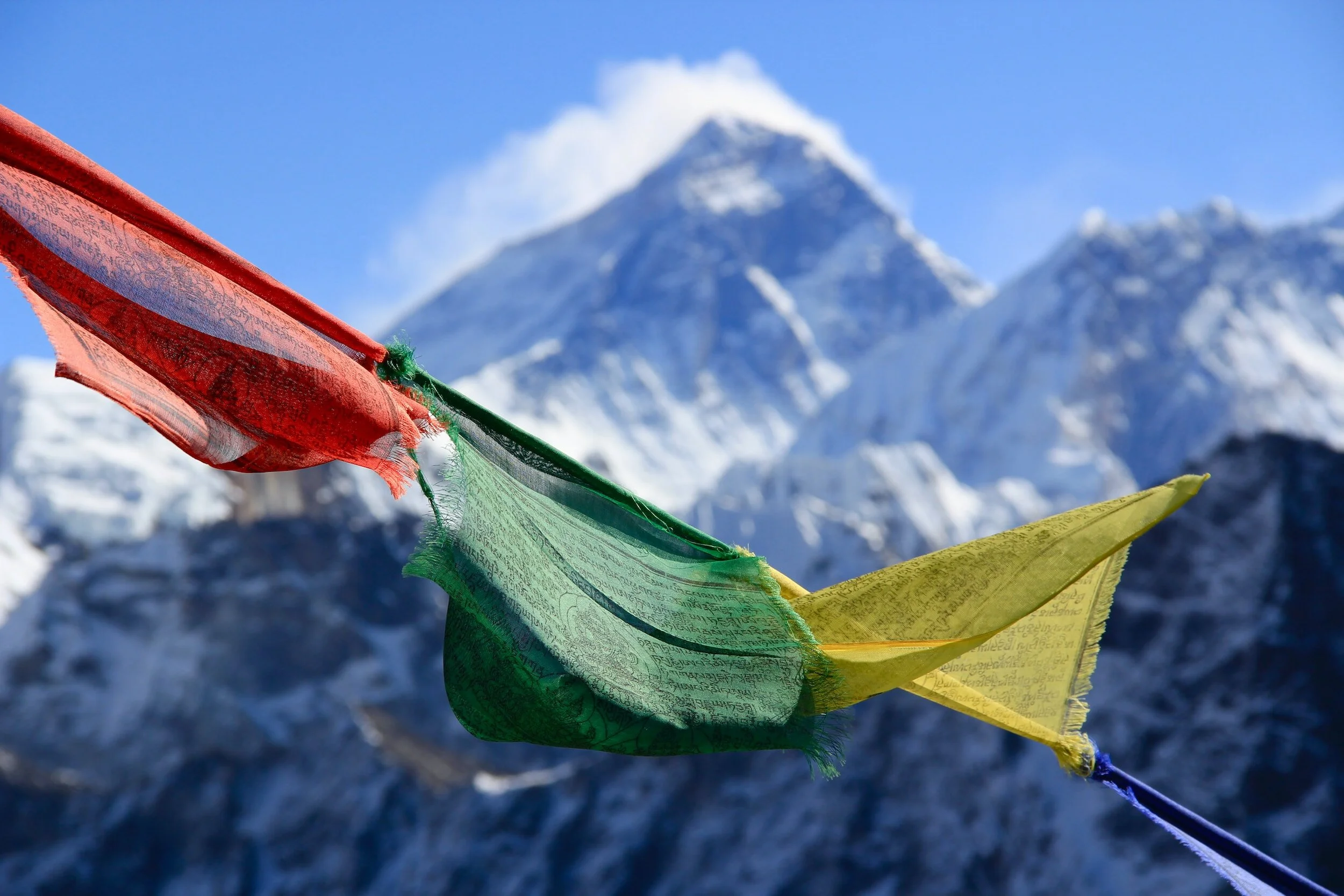
Our journey to the Seven Summits begins with the tallest peak on Earth, Mount Everest. Standing tall at 29,032 feet (8,849 meters) above sea level, Everest is the crown jewel of the Himalayas, straddling the border of Nepal and Tibet. Sir Edmund Hillary and Tenzing Norgay made history in 1953 when they became the first to reach its summit. Since then, Everest has beckoned adventurers from all corners of the globe, each seeking to test their limits against the world's highest peak.
The allure of Everest lies not only in its sheer height but also in the treacherous Khumbu Icefall, unpredictable weather, and the notorious "Death Zone" above 26,247 feet (8,000 meters). Climbing Everest demands rigorous training, mental fortitude, and considerable financial resources, making it a true test of one's dedication to the Seven Summits challenge.
First Ascent:
Sir Edmund Hillary and Tenzing Norgay reached the summit on May 29, 1953, becoming the first people to stand atop Mount Everest.
Timeline of Notable Ascents:
1975: Junko Tabei became the first woman to reach the summit.
1980: Reinhold Messner and Peter Habeler achieved the first ascent without supplemental oxygen.
1996: Tragic events occurred when multiple climbers lost their lives during a storm, as documented in Jon Krakauer's "Into Thin Air."
Aconcagua - South America
From the roof of the world in Asia, we travel to the highest point in South America, Aconcagua. Situated in the Argentine Andes, Aconcagua stands at 22,841 feet (6,961 meters) above sea level. This massive peak is known for its harsh winds, freezing temperatures, and unpredictable weather, making it a formidable challenge for climbers.
Unlike some of the other Seven Summits, Aconcagua does not require technical climbing skills, but it does demand acclimatization and physical endurance. Climbers often use it as a training ground before tackling more technical peaks. Reaching the summit of Aconcagua provides a taste of the Seven Summits adventure and the breathtaking views of the Andes.
First Ascent:
Swiss climber Matthias Zurbriggen completed the first ascent of Aconcagua in 1897.
Timeline of Notable Ascents:
1934: A Polish expedition led by Stanislaw Kuzma made the first winter ascent.
1987: Barbara Washburn, the first woman to ascend North America's Denali, became the first woman to summit Aconcagua at the age of 84.
Denali - North America
The third summit in our journey is Denali, formerly known as Mount McKinley, located in Alaska, North America. Denali stands at 20,310 feet (6,194 meters) above sea level, making it the highest peak in North America. Unlike many of the other Seven Summits, Denali presents a unique set of challenges due to its high latitude and extreme cold.
Denali's remote location, frigid temperatures, and unpredictable weather patterns have earned it the nickname "The Great One" among climbers. Conquering Denali requires technical skills in glacier travel, crevasse rescue, and cold-weather survival. It's a demanding climb that offers a taste of the wild and untamed beauty of Alaska.
First Ascent:
The first successful ascent of Denali was achieved by a team of four climbers—Hudson Stuck, Harry Karstens, Walter Harper, and Robert Tatum—in 1913.
Timeline of Notable Ascents:
1960: The first ascent by a woman, Dee Molenaar, took place.
2019: Carla Perez became the first South American woman to complete the Seven Summits with her ascent of Denali.


Kilimanjaro - Africa
Descending from the icy wilderness of Alaska, we arrive in Africa to conquer Mount Kilimanjaro. Kilimanjaro is not only the highest peak in Africa but also the tallest freestanding mountain in the world. Standing at 19,341 feet (5,895 meters) above sea level, it offers climbers a unique experience as they ascend through lush rainforests, alpine meadows, and arctic-like conditions on the summit.
Kilimanjaro is renowned for its accessibility, making it a popular choice among adventurers pursuing the Seven Summits. It doesn't require technical climbing skills, but acclimatization and physical fitness are essential. The summit, known as Uhuru Peak, provides breathtaking views of the African plains below, making it a rewarding climb for those seeking to conquer this continent's highest point.
First Ascent:
Hans Meyer and Ludwig Purtscheller, a German-Austrian team, were the first to reach the summit of Kilimanjaro in 1889.
Timeline of Notable Ascents:
1927: Tanzania's first ascent by Yohani Kinyala Lauwo.
1987: Frenchman Pierre Mazeaud, who previously climbed Everest, completed Kilimanjaro.
Mount Elbrus - Europe
Continuing our journey, we arrive in Europe to face Mount Elbrus, the highest peak on the continent. Elbrus, part of the Caucasus Mountains in Russia, stands at 18,510 feet (5,642 meters) above sea level. It's known for its dual summits, with the higher western summit being the primary objective for climbers.
Mount Elbrus offers a blend of technical challenges and high-altitude climbing. The ascent requires glacier travel, ice axe and crampon skills, and careful navigation in potentially whiteout conditions. The diverse landscapes, cultural experiences, and the thrill of conquering Europe's highest peak make Elbrus an intriguing addition to the Seven Summits list.
First Ascent:
The first successful ascent of Mount Elbrus was made in 1829 by Kabardian guide Killar Khashirov.
Timeline of Notable Ascents:
1923: A German expedition led by Max Otto Koebel succeeded in reaching the summit.
2010: Jordan Romero, a 13-year-old American, became the youngest person to complete the Seven Summits with his ascent of Mount Elbrus.
Mount Vinson - Antarctica
Antarctica, Earth's frozen wilderness, is home to our sixth summit, Mount Vinson. Standing at 16,050 feet (4,892 meters) above sea level, this remote and icy peak is located in the remote Ellsworth Mountains. Conquering Mount Vinson is not only a test of mountaineering skills but also a logistical challenge, as it requires traveling to one of the most isolated and inhospitable places on Earth.
Mount Vinson's extreme cold, high winds, and unpredictable weather conditions make it a formidable adversary for climbers. The journey to Antarctica and the ascent itself often involve long periods of isolation and extreme cold. Nevertheless, the allure of being one of the few to set foot on this frozen continent and stand atop its highest peak is a dream come true for many Seven Summits aspirants.
First Ascent: Mount Vinson remained unclimbed until 1966 when an American team led by Nicholas Clinch reached the summit.
Timeline of Notable Ascents:
1988: Australian climber Pat Morrow became the first to complete the Seven Summits with his ascent of Mount Vinson.
2014: Jordan Romero, the youngest Seven Summits completer, also achieved this feat on Mount Vinson.
Puncak Jaya (Carstensz Pyramid) - Oceania
Our Seven Summits odyssey concludes in Oceania, with Puncak Jaya, also known as Carstensz Pyramid. Located in Papua, Indonesia, Puncak Jaya stands at 16,024 feet (4,884 meters) above sea level. This peak is unique among the Seven Summits due to its rock climbing and technical nature.
Climbers attempting Puncak Jaya must navigate challenging terrain, including steep rock walls and dense jungle, making it one of the most technically demanding of the Seven Summits. The climb often includes logistical challenges, including obtaining permits and organizing expeditions in remote Papua. Reaching the summit of Puncak Jaya provides climbers with a sense of accomplishment that few other mountains can match.
First Ascent:
In 1962, a team of climbers led by Heinrich Harrer successfully completed the first ascent of Puncak Jaya.
Timeline of Notable Ascents:
1973: Dick Bass, an American businessman, became the first person to coin the term "Seven Summits" and embarked on his journey to complete them.
2019: Colin O'Brady, an American adventurer, set a speed record by completing the Seven Summits challenge, including Puncak Jaya, in 131 days.
The History of the Seven Summits Challenge
The Seven Summits challenge, a mountaineering feat that involves scaling the highest peak on each of the seven continents, is a relatively recent concept in the world of mountaineering. This challenge, which has captured the imagination of adventurers and climbers worldwide, began to take shape in the latter half of the 20th century.
Early Inspirations
Before the formalization of the Seven Summits challenge, individual mountaineers and explorers had already made significant ascents on many of the world's highest peaks. These early pioneers helped lay the foundation for the challenge by inspiring future generations to seek out new adventures.
One notable early ascent was Sir Edmund Hillary and Tenzing Norgay's successful climb of Mount Everest in 1953. This historic achievement marked the first ascent of the world's tallest peak and set the stage for a renewed interest in high-altitude mountaineering. The allure of conquering the tallest peaks on each continent began to take shape.
The Birth of the Challenge
The concept of conquering the tallest peaks on each continent started to gain prominence in the 1970s. One of the key figures in the development of the Seven Summits challenge was Richard Bass, an American businessman and mountaineer. In 1985, he coined the term "Seven Summits" and set out on a mission to climb the highest peak on each continent. His accomplishment in 1985 marked a significant milestone and brought attention to the challenge.
The Seven Summits Defined
As the idea of the Seven Summits challenge gained popularity, climbers and mountaineers around the world began to recognize a specific list of summits. These summits were considered the "official" Seven Summits:
Mount Everest (Asia)
Aconcagua (South America)
Denali (North America)
Kilimanjaro (Africa)
Mount Elbrus (Europe)
Mount Vinson (Antarctica)
Puncak Jaya (Carstensz Pyramid) (Oceania)
This list was not only a reflection of the tallest peaks on each continent but also a nod to the diverse geographical and cultural experiences that climbers would encounter on their journey.
Notable Ascents and Records
Since the challenge's inception, countless climbers have set out to complete the Seven Summits, each with their own unique motivations and experiences. Several notable achievements have marked the history of the challenge:
In 1998, Pat Morrow became the first person to complete the Seven Summits and the Seven Second Summits, which includes the second-highest peak on each continent.
In 2005, the Russian adventurer, Maxim Chaya, set a world record by completing the Seven Summits and reaching the North and South Poles within 11 months and 14 days.
Jordan Romero, an American teenager, became the youngest person to complete the Seven Summits at the age of 15 in 2011.
In 2019, Colin O'Brady, an American adventurer, set a speed record by completing the Seven Summits challenge, including Puncak Jaya, in just 131 days.

The Seven Summits represent an unparalleled challenge for mountaineers, adventurers, and thrill-seekers. From the towering heights of Mount Everest to the rugged terrain of Puncak Jaya, each summit offers a unique set of challenges and rewards. Conquering all seven peaks requires not only physical fitness and technical skills but also determination, resilience, and a passion for exploration.
The Seven Summits challenge isn't just about reaching the highest points on each continent; it's about embarking on an incredible journey, pushing the boundaries of human endurance, and connecting with the natural world in a profound way. Whether you're a seasoned mountaineer or someone looking to embark on their first high-altitude adventure, the Seven Summits beckon, offering the ultimate test of your abilities and the chance to join the elite group of climbers who have conquered these magnificent peaks.
Discover more of X


What is Mountaineering? Conquering Heights and Discovering the Extraordinary
Have you ever gazed at majestic mountain peaks, feeling a sense of awe and wonder? Mountaineering, an exhilarating adventure sport, allows individuals to conquer these towering giants. From scaling breathtaking summits to exploring untouched wilderness, mountaineering encompasses the art and science of ascending mountains. In this blog, we will delve into the world of mountaineering, shedding light on its essence and uncovering various trending topics associated with this remarkable pursuit.
Have you ever gazed at majestic mountain peaks, feeling a sense of awe and wonder? Mountaineering, an exhilarating adventure sport, allows individuals to conquer these towering giants. From scaling breathtaking summits to exploring untouched wilderness, mountaineering encompasses the art and science of ascending mountains. In this blog, we will delve into the world of mountaineering, shedding light on its essence and uncovering various trending topics associated with this remarkable pursuit.
Mountaineering is a thrilling adventure sport that involves climbing mountains, often involving high altitudes, steep slopes, and challenging terrain. It combines physical endurance, technical skills, and mental fortitude to conquer nature's grandest peaks.
Are you ready to embark on a thrilling exploration of mountaineering? Join us on this journey to learn more about mountaineering and its captivating facets.
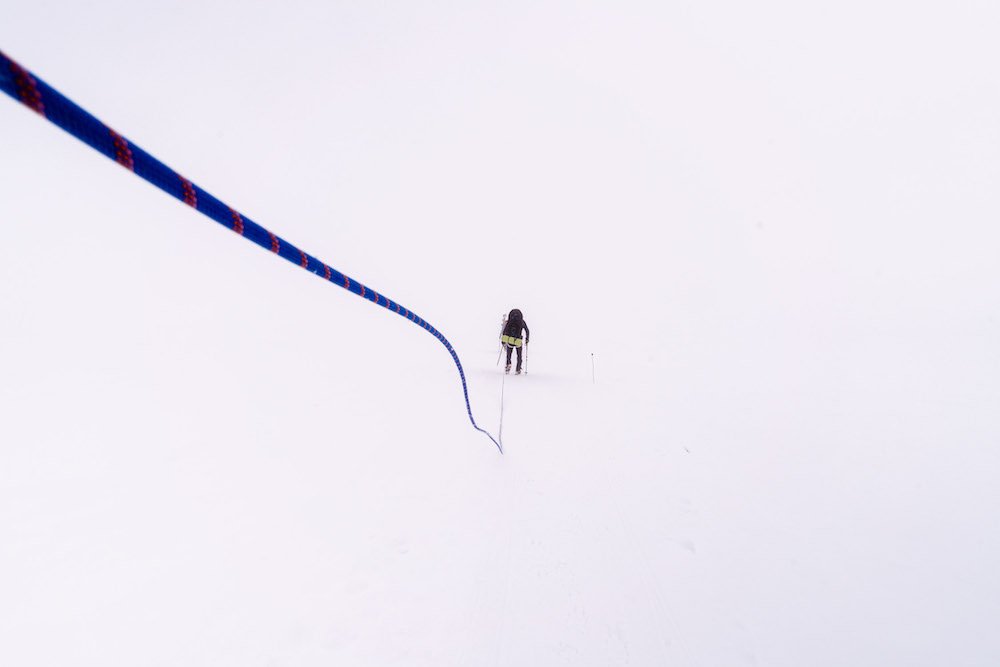
Day one of mountaineering up Denali. Photograph by Dalton Johnson
Alpine Climbing vs Expedition Mountaineering: Understand the differences
Alpine Climbing and Expedition Mountaineering are two distinct disciplines within the world of mountaineering, each with its own unique characteristics and challenges.
Alpine climbing refers to the pursuit of ascending mountains using lightweight equipment and fast-paced techniques. It often involves moving quickly and efficiently through technical terrain, relying on skills such as rock climbing, ice climbing, and route finding. Alpine climbers tend to focus on smaller and more technical peaks, frequently completing multiple ascents in a single day. The emphasis is on self-sufficiency and the ability to make quick decisions and adapt to changing conditions. Alpine climbers prioritize speed, efficiency, and the integration of various skills to navigate challenging alpine environments.
On the other hand, expedition mountaineering involves tackling larger, high-altitude peaks that require extensive planning, logistics, and a longer time commitment. Expeditions typically last for several weeks or even months, allowing climbers to acclimatize to the thin air at high altitudes. This type of mountaineering involves establishing base camps at different elevations and progressively moving higher as climbers make their way to the summit. Expedition mountaineers often face harsh weather conditions, extreme cold, and prolonged exposure to challenging terrain. Success depends on teamwork, physical endurance, mental fortitude, and the ability to withstand prolonged periods of isolation and harsh conditions.
While both Alpine Climbing and Expedition Mountaineering share a common love for the mountains and a passion for pushing personal limits, they offer distinct experiences and challenges. Alpine climbing focuses on speed, technical skill, and efficiency in tackling smaller peaks, while expedition mountaineering involves the meticulous planning, perseverance, and endurance required to conquer the world's highest and most formidable mountains. Both disciplines contribute to the rich tapestry of mountaineering, attracting adventurers with different preferences and aspirations, but united by the shared pursuit of exploring and conquering the vertical world.
A timeline of Mountaineering: Uncover the origins of mountaineering
1786: Jacques Balmat and Michel-Gabriel Paccard successfully ascend Mont Blanc, the highest peak in the Alps, marking the first recorded ascent of a major mountain.
1854: The Alpine Club, the world's first mountaineering club, is established in London, England, laying the foundation for organized mountaineering.
1865: Edward Whymper leads the first successful ascent of the Matterhorn, a challenging peak in the Swiss Alps. The expedition ends tragically with the death of four climbers during the descent.
1897: Annie Smith Peck becomes the first woman to summit the Matterhorn, challenging societal norms and paving the way for women in mountaineering.
1953: Sir Edmund Hillary and Tenzing Norgay reach the summit of Mount Everest, the world's highest peak. This historic achievement captivates the world's attention and marks a significant milestone in mountaineering history.
1954: Italian climbers Achille Compagnoni and Lino Lacedelli successfully conquer K2, the second highest peak in the world. This achievement solidifies K2's reputation as one of the most challenging mountains to climb.
1960: The Seven Summits challenge is proposed by Richard Bass, encouraging climbers to conquer the highest peaks on each continent. This concept sparks a new wave of mountaineering goals and aspirations.
1975: Junko Tabei becomes the first woman to reach the summit of Mount Everest, breaking gender barriers and inspiring future generations of female climbers.
1980: Reinhold Messner and Peter Habeler make history by becoming the first climbers to reach the summit of Mount Everest without supplemental oxygen, pushing the limits of human achievement in high-altitude mountaineering.
2004: Arlene Blum leads the first American women's ascent of Annapurna I, one of the deadliest and most challenging peaks in the world, highlighting the capabilities and determination of women in mountaineering.
2021: Nirmal Purja sets a world record by completing the ascent of all 14 of the world's 8,000-meter peaks in just over six months, a feat previously believed to be impossible.
Famous Mountaineers and Their Achievements: Discover legendary mountaineers who have pushed the boundaries of human achievement
Sir Edmund Hillary (1919-2008): Alongside Tenzing Norgay, he was the first to summit Mount Everest, the highest peak in the world, in 1953.
Junko Tabei (1939-2016): The first woman to reach the summit of Mount Everest in 1975 and the first woman to complete the Seven Summits challenge.
Reinhold Messner (Born 1944): Notable for being the first to summit all 14 of the world's 8,000-meter peaks without the use of supplemental oxygen.
Arlene Blum (Born 1945): Led the first all-female ascent of Annapurna I in 1978 and has been an advocate for women in mountaineering.
Maurice Herzog (1919-2012): Led the successful 1950 French Annapurna expedition, becoming the first to reach the summit of an 8,000-meter peak.
Gerlinde Kaltenbrunner (Born 1970): The first woman to climb all 14 of the world's 8,000-meter peaks without using supplemental oxygen.
Chris Bonington (Born 1934): Led numerous notable ascents, including the first successful ascent of the South Face of Annapurna in 1970.
Nirmal Purja (Born 1983): Holds the world record for the fastest ascent of all 14 of the world's 8,000-meter peaks in just over six months.
Fredrik Ericsson (1975-2010): Attempted to become the first person to ski down the three highest peaks on each continent.
Pasang Lhamu Sherpa (1961-1993): The first Nepalese woman to summit Mount Everest, tragically losing her life during the descent.
George Mallory (1886-1924): A British mountaineer who took part in early Everest expeditions and famously said, "Because it's there," when asked why he wanted to climb Everest.
Silvia Vidal (Born 1976): Known for her bold solo ascents, often spending weeks on challenging and remote walls.
Ed Viesturs (Born 1959): The first American to summit all 14 of the world's 8,000-meter peaks and reach the summit of Everest without using supplemental oxygen.
Anna Czerwińska (Born 1948): The oldest woman to summit Mount Everest at the age of 50 and complete the Seven Summits challenge.
Ueli Steck (1976-2017): Known for his speed climbing achievements and breaking records on multiple peaks, including the Eiger.
Wanda Rutkiewicz (1943-1992): The third woman to reach the summit of Mount Everest and the first woman to climb K2.
Doug Scott (1941-2020): Made numerous groundbreaking ascents, including the first ascent of the southwest face of Everest in 1975.
Alison Hargreaves (1962-1995): The first woman to solo climb Everest without supplemental oxygen and accomplished multiple other notable ascents.
Mountain Conservation and Leave No Trace Principles: Delve into the importance of preserving mountain environments
Mountain conservation and the application of Leave No Trace principles go hand in hand, promoting sustainable and ethical mountaineering practices. It is the responsibility of every mountaineer to educate themselves about the specific conservation needs of the mountains they explore and make a conscious effort to minimize their impact. By preserving the integrity of mountain ecosystems and respecting the delicate balance of nature, mountaineers can contribute to the long-term preservation of these majestic environments, ensuring that they can be enjoyed by generations of adventurers to come.
Mountain Conservation is a crucial aspect of responsible mountaineering that aims to protect and preserve the fragile ecosystems found in mountainous regions. The unique and delicate ecosystems found at high altitudes are often vulnerable to human impact. Conservation efforts in the mountains focus on minimizing human disturbance, preserving biodiversity, and mitigating the ecological footprint of mountaineers. This includes adhering to strict Leave No Trace principles, which are guidelines designed to minimize environmental impact and maintain the pristine beauty of mountain environments.
Leave No Trace (LNT) principles provide a framework for responsible outdoor recreation, emphasizing the importance of minimizing one's impact on the natural environment. These principles include practices such as packing out all trash, minimizing campfire impact, staying on designated trails, and respecting wildlife and vegetation. By following LNT principles, mountaineers can help protect delicate alpine ecosystems, prevent soil erosion, preserve water sources, and maintain the natural habitat for plants and animals. Additionally, practicing Leave No Trace principles also ensures that future generations can enjoy and experience the beauty and serenity of mountains in their pristine state.
High-Altitude Challenges and Acclimatization: Discover the physiological challenges of ascending to high altitudes
High-altitude challenges and acclimatization are integral aspects of mountaineering in the world's tallest peaks.
As climbers ascend to higher elevations, they are exposed to reduced oxygen levels, extreme cold, unpredictable weather conditions, and a variety of physiological and psychological hurdles. These challenges can significantly impact a climber's performance, well-being, and overall safety. The thin air at high altitudes makes it harder for the body to function, leading to symptoms such as fatigue, shortness of breath, nausea, and headaches. Climbers must carefully manage their energy levels, maintain proper hydration and nutrition, and monitor their physical and mental well-being to mitigate the risks associated with high-altitude climbing.
Acclimatization, the process of adapting the body to higher altitudes, plays a crucial role in overcoming high-altitude challenges. It involves gradually exposing the body to increasing elevations, allowing it to adjust to reduced oxygen levels. During acclimatization, climbers spend extended periods of time at intermediate altitudes to give their bodies time to produce additional red blood cells and increase oxygen-carrying capacity. This process enables climbers to tolerate higher altitudes more effectively and reduces the risk of altitude-related illnesses such as acute mountain sickness (AMS), high-altitude pulmonary edema (HAPE), and high-altitude cerebral edema (HACE). Acclimatization often involves climbing in a stepwise manner, ascending and descending multiple times to progressively higher camps, giving the body time to adapt to the changing conditions. Adequate acclimatization is crucial for a climber's safety, allowing them to reach higher summits with reduced risks of altitude-related complications.
Risk Management and Safety: Explore the critical aspects of risk management in mountaineering
Risk management and safety are paramount considerations in the world of mountaineering, where the inherent challenges and unpredictable nature of the mountain environment demand careful planning and preparation. Mountaineers must assess and mitigate risks to ensure their safety and the safety of their team members. Risk management involves identifying potential hazards such as avalanches, rockfall, weather changes, and altitude-related illnesses, and developing strategies to minimize or avoid these risks altogether. It requires a comprehensive understanding of the mountain environment, including terrain, weather patterns, and potential hazards, as well as knowledge of proper equipment usage and rescue techniques.
Safety protocols and practices play a vital role in mitigating risks and ensuring a safe mountaineering experience. This includes using appropriate safety gear, such as helmets, harnesses, and ropes, to protect against falls and other accidents. Climbers must be proficient in technical skills, such as roped travel, anchor building, and self-arrest techniques, to navigate challenging terrain safely. Regular communication and coordination within the team are crucial for effective risk management, as climbers need to be aware of each other's well-being and respond promptly to any signs of distress or danger. Being prepared with first aid knowledge and carrying essential medical supplies can be lifesaving in remote and challenging environments. Additionally, climbers must have a realistic understanding of their own abilities, and knowing when to turn back or make conservative decisions is a critical part of ensuring safety in mountaineering.
Mountaineering Ethics and Responsible Climbing: Discuss the ethical considerations associated with mountaineering
Mountaineering ethics and responsible climbing practices are essential for preserving the integrity of mountain environments and ensuring a sustainable and respectful approach to the sport. Ethical mountaineering involves respecting the natural beauty and cultural significance of the mountains, minimizing human impact, and leaving no trace of one's presence. Climbers should adhere to established rules and regulations, follow designated trails, and avoid damaging vegetation and wildlife habitats. Respecting the local culture, traditions, and sacred sites is also crucial, as mountaineering often takes place in regions with rich cultural heritage. Responsible climbers prioritize conservation, environmental stewardship, and the well-being of local communities, striving to leave the mountains in the same pristine condition as they found them.
In addition to environmental considerations, responsible climbers also prioritize safety and the well-being of themselves and their team members. This includes adequate preparation and training, using appropriate gear and equipment, and making informed decisions based on current conditions and individual abilities. Responsible climbers understand and manage the risks associated with mountaineering, recognizing that personal safety should never be compromised for the sake of reaching a summit. They prioritize teamwork, effective communication, and the welfare of their fellow climbers, offering assistance when needed and fostering a supportive and inclusive climbing community. By practicing responsible climbing, mountaineers not only ensure their own safety but also contribute to the overall positive experience and reputation of the sport.
Mountaineering ethics and responsible climbing are integral to maintaining the beauty, integrity, and safety of mountain environments. By adhering to ethical guidelines, minimizing environmental impact, and prioritizing safety and the well-being of oneself and others, climbers can enjoy the challenges and rewards of mountaineering while preserving the mountains for future generations. Responsible climbers understand that their actions have lasting consequences and strive to leave a positive and sustainable legacy in the mountains, promoting a culture of respect, stewardship, and conservation within the mountaineering community.
The Thrill of Mountaineering: Experience the adrenaline rush and the profound sense of accomplishment that come with conquering a mountain peak
The thrill of mountaineering lies in the unique blend of physical exertion, mental fortitude, and the awe-inspiring beauty of the mountains. The challenge of scaling towering peaks, navigating treacherous terrain, and facing unpredictable weather conditions creates an exhilarating sense of adventure and accomplishment. The physical demands of mountaineering push climbers to their limits, testing their strength, endurance, and resilience. The feeling of reaching a summit, standing atop a majestic peak surrounded by breathtaking vistas, is an indescribable high that rewards the effort and dedication put into the climb.
Beyond the physical aspect, mountaineering also offers a profound mental and emotional experience. The mountains command respect and humility, requiring climbers to stay focused, make critical decisions, and manage risks. Overcoming fear, self-doubt, and pushing through mental barriers fosters personal growth, inner strength, and self-discovery. The solitude and serenity found in the mountains offer a chance to disconnect from the distractions of everyday life and connect with nature on a profound level. The sense of accomplishment, self-reliance, and the camaraderie built among fellow climbers add to the allure of mountaineering, making it an unforgettable and transformative pursuit for those who seek the thrill of the heights.
Passing the Thumb while climbing Mount Shasta in CA. Photograph by Dalton Johnson
Mountaineering is a captivating pursuit that combines physical strength, technical expertise, and mental resilience to conquer nature's majestic peaks. Through this blog, we have scratched the surface of this awe-inspiring sport, covering its history, famous mountaineers, equipment, training, and more. Whether you aspire to stand atop towering summits or simply want to appreciate the courage and determination of those who do, mountaineering is a world that offers a lifetime of exploration and discovery. So, pack your curiosity, lace up your boots, and embark on an incredible journey to new heights.
Discover more About Mountaineering
What To Do in Alaska During Summer
Going to Alaska during the summer is the best time to visit because the weather is great, the wild life is active, and the days are long. One of the first things you will notice when you arrive for summer in Alaska is the length of the days, which are 20-22 hours long. These long summer days give the time needed to explore the largest state. So, what should you do during a summer trip to Alaska?
Going to Alaska during the summer is the best time to visit because the weather is great, the wild life is active, and the days are long. One of the first things you will notice when you arrive for summer in Alaska is the length of the days, which are 20-22 hours long. These long summer days give the time needed to explore the largest state. So, what should you do during a summer trip to Alaska?
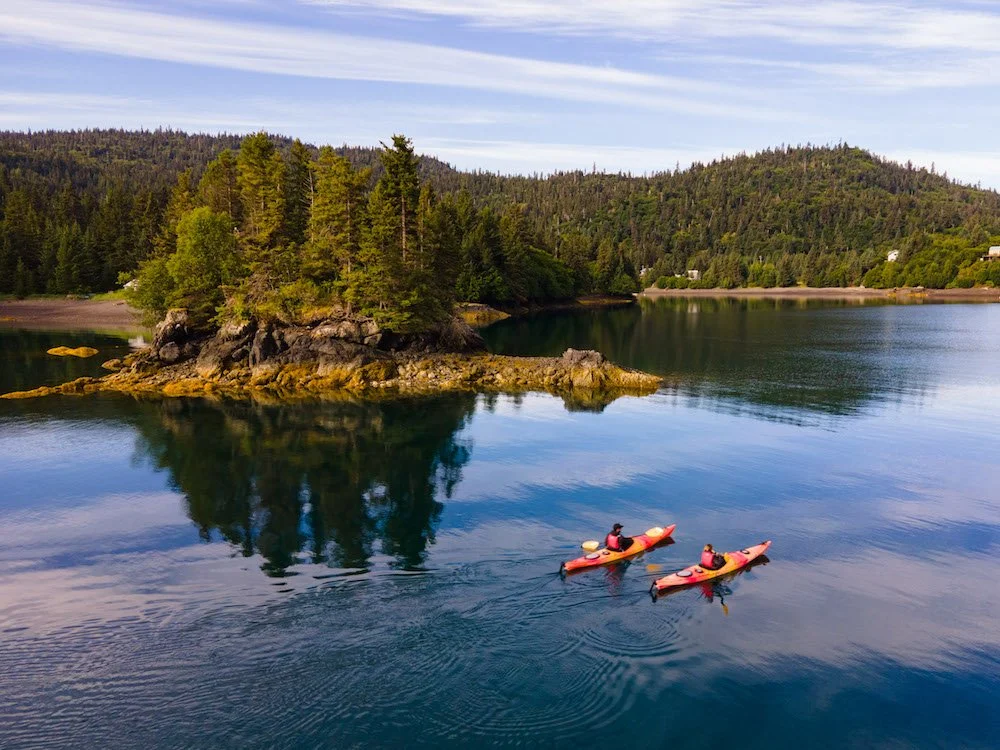
Alaska offers more activities than one can do in a lifetime, so trying several activities will be key to having a great trip to Alaska during the summer. Your options vary drastically based on your fitness level, however there will be something for everyone at all levels of fitness. I suggest you hike, go on wildlife tour, climb a mountain, see a glacier, and go kayaking while visiting Alaska in the summer.
Keep reading this article to discover your hiking option, wildlife viewing opportunities, how to itch your mountain climbing urges, where to see a glacier, and how to go kayaking during the Alaskan summer.
hiking to a swing with a waterfall view on the Kenai Peninsula in Alaska during the summer. Photograph by Dalton Johnson
Hiking During the Alaskan Summer
Alaska's vast and pristine landscapes beckon adventurers to embrace the untamed allure of its wilderness, especially during the enchanting summer months. The remoteness and sparse population of the state contribute to a hiking experience that is truly unparalleled, setting Alaska apart from the more trail-laden terrains found in the lower 48.
In the lower 48, hiking often follows established trail systems, providing convenient paths for enthusiasts to traverse. However, Alaska defies such norms. With its rugged terrains and well-protected lands, the Last Frontier offers a unique freedom to explore the wilderness, allowing hikers to chart their own course. Once the snow retreats in the summer, a vast expanse of open land becomes a canvas for adventure.
Alaska's distinctive hiking culture encourages a primal connection with the environment. There's no need to meticulously plan routes or adhere to designated trails. Instead, visitors are encouraged to tap into their instinctual wanderlust and embark on a journey where the path unfolds with every step. It's a liberating experience that beckons hikers to discover hidden gems and scenic vistas off the beaten track.
For those venturing into the wild for the first time, the prospect of choosing a starting point might seem daunting. The truth is, there's no need to overthink it. Simply step outside, breathe in the crisp Alaskan air, and let the vastness of the landscape guide your exploration. Whether you're on the iconic Kenai Peninsula or amidst the rugged terrains of Denali, each step is an opportunity to discover the untouched beauty that defines Alaska.
However, a word of caution resonates through the wild: be prepared. Alaska's wilderness is as unforgiving as it is captivating. As you set out on your expedition, ensure you carry essentials like bear spray—your steadfast companion in the presence of Alaska's majestic wildlife. While the prospect of wandering into the unknown is exhilarating, safety should always be a priority.
So, embrace the spirit of the Alaskan summer, where every hike is a journey into the heart of true wilderness. Allow the rugged landscapes to guide your footsteps, and let the untamed beauty of Alaska captivate your adventurous spirit. After all, in the Last Frontier, the best hikes are the ones where you simply let the wilderness be your guide.
A whale tail splashing in the Kenai Fjords during the summer in Alaska. Photograph by Dalton Johnson
Viewing Alaskan Wildlife During Summer
As the brief Alaskan summer emerges, it orchestrates a symphony of natural events that beckon both seasoned adventurers and curious travelers. This fleeting season, spanning mid-May to mid-July, becomes a crucial period for wildlife in the Last Frontier. Against the backdrop of blooming berries, surging salmon, and relatively "warm" waters, Alaska's inhabitants engage in a race against time, fervently consuming resources to fortify themselves for the impending winter.
Understanding the urgency of this seasonal feast provides visitors with a unique opportunity to witness Alaska's diverse wildlife in action. The rugged landscapes become a stage for a remarkable display of survival instincts and natural rhythms, making wildlife viewing a quintessential experience during an Alaskan summer sojourn.
With the brevity of the summer season, animals diligently seize the chance to replenish the pounds shed during the harsh winter months. The lush vegetation and teeming waterways become a banquet, attracting a myriad of creatures, from majestic bears to agile otters and playful dolphins.
For those seeking to partake in this extraordinary spectacle, there are two primary avenues: guided tours or independent exploration. Opting for a guided tour ensures not only safety but also insider knowledge from experienced guides who know where to find the best wildlife viewing opportunities. Many reputable services operate in key wildlife hotspots, providing a seamless and enriching experience.
Alternatively, the adventurous spirit may choose to blaze their own trail, armed with research and a keen sense of adventure. While this option allows for a more personalized experience, it comes with the responsibility of ensuring safety in the unpredictable wilderness.
Among the recommended experiences, a sea tour stands out as an immersive way to witness Alaska's marine and coastal wildlife. Aboard these excursions, participants may marvel at the grandeur of breaching whales, the charming antics of sea otters, the acrobatics of dolphins, and the comical flights of puffins. The vastness of the ocean becomes a canvas for nature's spectacle, an experience often difficult to replicate independently, especially for those without access to a boat.
Reflecting on personal experiences, the yearning for a bear viewing tour surfaces, a sentiment shared by many visitors. While glimpsing a grizzly bear from a distance provides a taste of the wild, a dedicated bear viewing tour can offer an intimate encounter with these majestic creatures, allowing for a deeper connection with the untamed beauty of Alaska.
In essence, exploring Alaska's wildlife during the summer is an invitation to witness the dance of nature, a symphony of survival and abundance that paints the Last Frontier in hues of wonder and awe. Whether guided or independent, on land or at sea, the opportunity to observe Alaska's wildlife in their natural habitat is an indelible part of the Alaskan summer narrative, an experience that resonates long after the season fades into the crisp embrace of approaching winter.
Climb a Mountain in Alaska During Summer
Alaska, a realm of towering peaks and untamed wilderness, invites intrepid souls to embark on a summer adventure that transcends the ordinary—the challenging yet exhilarating pursuit of mountain climbing. At the forefront of this lofty endeavor stands Denali, a colossus that proudly claims the title of the highest summit in North America and a member of the esteemed 7 Summits, a collection of the tallest peaks on each continent. Often mentioned in the same breath as Everest, Denali presents an unparalleled mountaineering challenge, and for those seeking the pinnacle of summer mountain objectives, this iconic peak beckons.
Strapping on your boots becomes a symbolic initiation into a realm where the air is thin, the vistas are breathtaking, and the journey unfolds over a span of 15 to 20 intense days. Climbing Denali is not merely a physical feat; it's a profound journey of endurance, resilience, and connection with the raw beauty of the Alaskan wilderness. The ascent requires meticulous planning, skillful navigation through unpredictable weather, and a tenacious spirit to conquer the formidable challenges that Denali presents.
For a glimpse into the realities of scaling Denali, one can delve into personal stories, each narrative woven with triumphs, setbacks, and the indomitable human spirit striving to touch the sky. These tales encapsulate the essence of Alaskan mountaineering and offer a vicarious experience for those who dare to dream of conquering the towering giant.
However, recognizing that Denali's mighty summit may be a goal for the most seasoned climbers, there are alternative summits on the Kenai Peninsula that beckon to those seeking awe-inspiring vistas and a taste of mountaineering glory. The Kenai Peninsula, adorned with climbable mountains, offers a more approachable yet equally gratifying experience. As you ascend these peaks, panoramic views of the Harding Icefield and the vast expanse of the ocean unfold, creating a sensory tapestry that captures the essence of Alaska's untamed beauty.
Here, the mountains become both a challenge and a reward, providing a sense of accomplishment as you stand atop their summits, surrounded by the rugged landscapes that define the Alaskan wilderness. The Kenai Peninsula's climbable peaks serve as gateways to the extraordinary, offering a glimpse into the heart of Alaska's grandeur without the prolonged commitment required for Denali.
In essence, climbing a mountain in Alaska during the summer transcends a mere physical feat—it becomes a transformative journey, an intimate dance with the elements, and an opportunity to touch the sky in a land where mountains stand as timeless sentinels, silently witnessing the bold spirit of those who dare to ascend.
Kayaking to Portage Glacier is a splendid way of seeing a glacier in Alaska. Photograph by Dalton Johnson
How to See a Glacier While in Alaska During the Summer
In the rugged expanse of Alaska's wilderness, where nature's grandeur takes center stage, the allure of glaciers stands as a testament to the Earth's ancient and awe-inspiring legacy. With 664 named glaciers and countless more unnamed, this pristine landscape offers a canvas upon which these frozen giants etch their majestic tales. Experiencing a glacier in Alaska during the summer is not just a sightseeing adventure; it's an encounter with a dynamic force of nature, a frozen river in perpetual motion, forever changing and evolving.
The sheer scale and majesty of Alaska's glaciers redefine one's perspective on the planet. Whether it's your first encounter or you're adding to a repertoire of glacier experiences, each sighting leaves an indelible mark on the soul. Witnessing the monumental ice fields, sometimes referred to as frozen rivers, imparts a profound appreciation for the forces that have sculpted and shaped these colossal formations over millennia.
During the Alaskan summer, a variety of options unfold for those eager to commune with glaciers. One of the most exhilarating choices is glacial flightseeing. Soar above the Alaskan landscape in a small aircraft, and marvel at the expansive sheets of ice beneath you. Glacial flightseeing provides a panoramic perspective that showcases the vastness and intricate details of these frozen wonders, revealing crevasses, seracs, and the timeless beauty of glacial landscapes.
For those who prefer to ground themselves in the midst of this frozen splendor, glacier hiking presents an intimate and immersive experience. The Kenai Peninsula, in particular, offers opportunities to lace up your boots and embark on a journey that leads to the very feet of these ancient ice masses. Guided glacier hikes provide insights into the geology, history, and ecology of the glaciers, transforming each step into a narrative of the Earth's enduring legacy.
Alternatively, the cool embrace of an ocean breeze and the rhythmic dance of the waves set the stage for glacial encounters through ocean cruises. Sail along the Alaskan coastline, where glaciers cascade into the sea, creating a dynamic spectacle that reverberates with the echoes of nature's grandeur. The juxtaposition of icy blue against the ocean's depths is a visual symphony that captivates the senses.
For those seeking a more hands-on approach, kayaking to a glacier offers an intimate connection with the glacial environment. Paddle through serene waters, navigating among icebergs and witnessing the towering glacier face from the unique vantage point of the sea. The rhythmic paddling becomes a harmonious dance with nature, providing an experience that is both invigorating and humbling.
In Alaska's summer, the options to witness glaciers are as diverse as the glaciers themselves. Whether soaring above in a small aircraft, hiking to their icy toes, cruising along the coastline, or paddling through glacial waters, each avenue unveils a unique facet of these frozen wonders. Whichever option you choose, rest assured that the encounter with an Alaskan glacier is not just a visual spectacle; it's an immersion into the timeless beauty of a world shaped by the relentless dance of ice and time.
Go Kayaking During the Summer in Alaska
As summer unfolds its vibrant tapestry across Alaska, a symphony of kayaking opportunities emerges, transforming the Last Frontier into a haven for paddlers seeking diverse and unparalleled experiences. What sets Alaska apart as a kayaking paradise is the harmonious blend of flat-water, ocean, and white-water kayaking, a trifecta rarely found in a single destination. This convergence creates a kayaking utopia, offering enthusiasts a spectrum of aquatic wonders to explore.
Flat-Water Kayaking: Embark on tranquil waters that mirror the surrounding beauty of the Alaskan landscape. Whether gliding through serene lakes or meandering down gentle rivers, flat-water kayaking provides a peaceful immersion into the pristine wilderness. The stillness of the water allows for contemplative moments, where the majestic scenery unfolds at a leisurely pace.
Ocean Kayaking: Alaska's extensive coastline becomes a playground for ocean kayakers, where the rhythmic ebb and flow of the tides accompany each paddle stroke. Explore hidden coves, navigate through archipelagos, and witness the untamed beauty of the open sea. The ocean kayaking experience in Alaska offers encounters with diverse marine life, from playful otters to majestic whales, creating a dynamic and awe-inspiring journey.
White-Water Kayaking: For those seeking an adrenaline-fueled adventure, Alaska's rivers present exhilarating white-water kayaking opportunities. Rushing through narrow canyons and navigating tumultuous rapids, kayakers can feel the pulse of nature's raw energy. The challenge and thrill of white-water kayaking in Alaska add an electrifying dimension to the summer paddling experience.
Glacial Kayaking: A crowning jewel of kayaking in Alaska during the summer lies in the unique access to glaciers. Paddling through pristine waters, kayakers can approach iconic glaciers such as Portage Glacier and Grewingk Glacier. These frozen giants become a backdrop to the kayaking journey, offering an unmatched panorama of icy grandeur. Witnessing the distant calving of a glacier into the water is an awe-inspiring spectacle, a reminder of the ever-changing dynamics of Alaska's glacial landscapes.
The accessibility of glacial kayaking adds a distinctive layer to the Alaskan paddling experience. Navigating through glacial waters, surrounded by towering ice walls and floating icebergs, creates a sense of communion with the forces that shape the wilderness. The juxtaposition of the kayak against the colossal backdrop of a glacier is a visual testament to the indomitable spirit of exploration that defines Alaska's summers.
In essence, kayaking in Alaska during the summer is not merely a recreational activity; it's a voyage into the heart of a pristine wilderness, where every paddle stroke unveils a new facet of nature's grandeur. Whether seeking tranquility on flat waters, embracing the challenges of white-water rapids, or marveling at the majesty of glaciers, the Alaskan kayaking experience transcends the ordinary, offering a liquid pathway to unforgettable adventures.
Roped together we begin our 15 day journey to summit Denali. Photograph by Dalton Johnson
So there you have it! When you visit Alaska this summer you now know where your hiking options are, what kind of wildlife viewing opportunities are out there, how to itch your mountain climbing urges, where to see a glacier (maybe even an ice-cave), and how to go kayaking during the Alaskan summer. Thank you for reading and make sure to leave a comment below with any additional thoughts about what to do during the Alaskan summer.
Discover More of Alaska


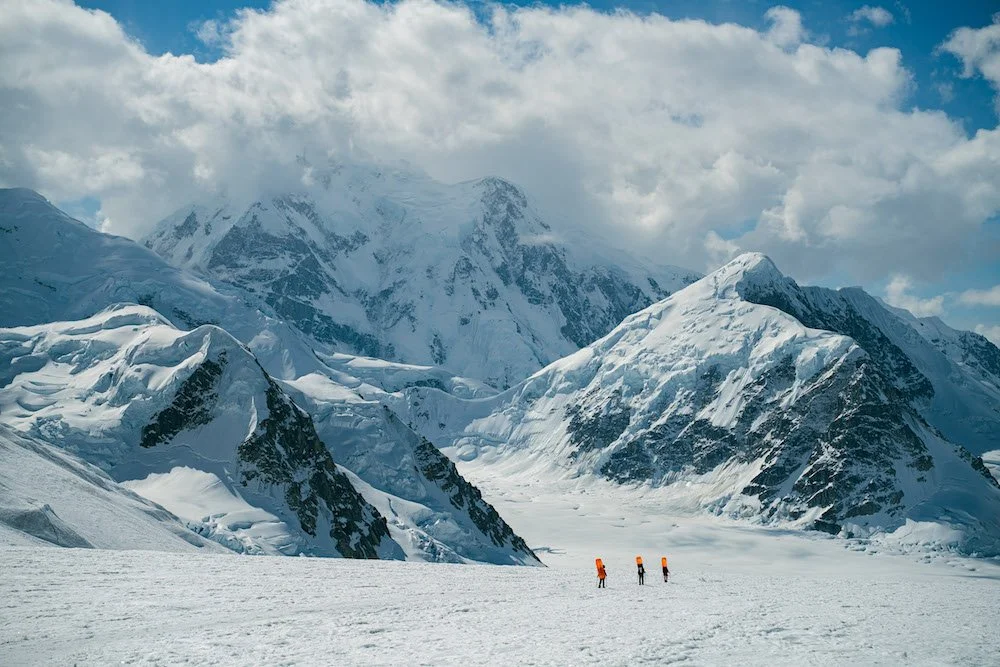
What is a Typical Day While Climbing Mount Denali?
“Good morning,” we hear from the outside of the tent. “The sky is a bit cloudy, but we are going to make the move for the cache today,” Hannah explains at 3am. We had packed our bags and went to bed with the mindset that we would cache, but there was a weather report predicting weather, so we were unsure if moving was going to be possible.
Climbing Denali Day Three
“Good morning,” we hear from the outside of the tent. “The sky is a bit cloudy, but we are going to make the move for the cache today,” Hannah explains at 3am. We had packed our bags and went to bed with the mindset that we would cache, but there was a weather report predicting a low pressure system, so we were unsure if moving was going to be possible.
Eating a quick breakfast, we were on the trail within an hour and a half. A bit slower than we had wanted, but double checking the small details are important. Even though it was 4:30 in the morning, the sky was bright. Thankfully, the clouds kept the heat away as we started up camp one’s exit hill. Pulling our sleds with a half load, my hip flexors thanked me. They were sore from the day before.
Contemplation during a slower than expected morning at Camp 2 on Mount Denali in Alaska. Photograph by Dalton Johnson
Up the hill, step after step, time moved quickly. One hour, a second hour, three hours later and we were still on our way up. Crossing hundreds of creases, the danger became more acute. Some were large and exposed, forcing us to cross snow bridges. Others were small, but boot holes from others punching threw the bridges caught my attention. Looking down into the boot punches as I walked by, there was bottom. Only a blue-black hole stretching towards downward. Gulping, I made my strides count and was grateful we were traveling early in the morning so the snow bridges were frozen solid.
The distance between death and life have become recognizably closer over these last few years in my life. Between big wave surfing, rock climbing, and mountaineering, the ever present reality of life fuels me. In many ways, I wish I chose the safe route, but I also know this course keeps me alive. Without taking many days for granted, I mitigate the risks to my best ability, but realize tomorrow is not a guarantee.
Unpacking the gear we will cache at 10,000 feet on Mount Denali in Alaska. Photograph by Dalton Johnson
After four hours of walking, we reached our cache spot, grabbed some water and food, then begun digging 1.5 meters deep. I’ll be honest, my role is to photograph on this trip, so I did not lift a shovel. Sitting on the sideline is not my favorite endeavor, but I made the most of my time, recording the process from ever angle I could imagine. Even asking one of the guides to toss a shovel full of snow on me, to get a sweet transitional b-roll shot.
“What are we thinking, base layer descent?” Hannah questions.
“Um, I don’t know about that. It could be a bit cold.” I chirped.
“If one us does it, we all need to do it.” Shawn says.
“I’m down, but if I get cold, you’re goin to hear the baby voice coming out of me,” I semi-jokingly respond.
Returning to camp 2 on Mount Denali after caching our gear. Photograph by Dalton Johnson
Stripping down to our base layers, we march down the hill, passing other groups. In the shady spots, I move quicker, hoping to stay warm. In and out of shade for a little over an hour, but the temperature was grate. With our tents off I the distance, we guessed we were roughly an hour away still. Moving quick was nice, but now we were I full sun. Step after step, the heat beat down upon us. Layering in sunscreen was key, but the reflection of heat and light from the glacier was relentless. Sweat dripped from my brow as my toes smashed into the fronts of my boots from my growingly lazy steps. Soon, I would drink fresh snow melt and snack on some lunch.

Carrying 100lbs across the Kahiltna Glacier at Night
Midnight struck, the sun had technically set behind the ridge, but sunscreen and sunglasses were still needed. Crawling out of my sleeping bag, I reached for layers. It was cold. Base layers, socks, boot liner, jacket number one, jacket number two, and gloves… I was now ready to shed the sleeping bag, put my boots on, and start packing my pack. Just as I got started, “Hot water and breakfast is ready,” shouted Hannah. I guess packing will have to wait.
Mount Forker bathing in last night just before we begin our trek across the Kahiltna Glacier. Photo by Dalton Johnson
Climbing Mount Denali Day 2
Getting some sleep was difficult, as I stepped into a new world of snow, light, and the sound of a helicopter thumping overhead for hours. It might be too early to tell, but at first attempt I am not the best at falling asleep at 6:00 pm, knowing I will wake up at midnight.
Watching Mount Forker fade into the night as we pack our sleds for our move to camp one while climbing Mount Denali. Photo by Dalton Johnson
Midnight struck, the sun had technically set behind the ridge, but sunscreen and sunglasses were still needed. Crawling out of my sleeping bag, I reached for layers. It was cold. Base layers, socks, boot liner, jacket number one, jacket number two, and gloves… I was now ready to shed the sleeping bag, put my boots on, and start packing my pack. Just as I got started, “Hot water and breakfast is ready,” shouted Hannah. I guess packing will have to wait.
Stepping out of the tent, the light was breath taking. Last light graced us and a faint alpine glow illuminated Mount Forker. Coffee, a bagel, and some granola for breakfast. Sitting together we took in the views, huddled under our puffy layers, and sat quietly. Maybe it was too early to talk or maybe it was the stoicism of the mountains rubbing off on us.
Just as I finished packing my bags and zippers zipped as if they were about to explode, Shawn walked up with some more gear, “Hey, here is some group gear for you to pack.” Taking a minute to collect my thoughts, I grabbed the gear and began exploding my packs once again to rearrange the chaos.
From waking up to leaving, three hours had passed, but we were on our way. Walking attached by a rope and pulling our sleds, we made our way down the airstrip and passed basecamp. Next up, crossing the Kahiltna glacier for Camp One. The morning was cold and the golden light of the sun was working its way down Mount Forker as we walked. The heat imbalance, from the rising sun, blew a wind that cut through my layers. I wanted us to break so I could add layers, but my watch told me I was going to wait. Step after icy step, we made our way across snow bridges covering crevasses.
Caffeinated and roped up, the team moves onto the Kahiltna Glacier and moves to camp one through the night. Photo by Dalton Johnson
As the heat stirred the wind, avalanches began releasing to our left and right. At first, this worried me, but our flanks were well in the distance and I didn’t want to imagine the size avalanche it would take to cover us.
Halfway to camp one of Mount Denali, the sun began to rise and Mount Forker glowed red during a break. Photo by Dalton Johnson
Thankfully, it was time to break! I put on two jackets and swapped to a thicker pair of gloves. Hoping up and down, I stopped shivering in due time. A few bites of food, some water, and some sunscreen, we were off again. I kept my jackets on. For three more hours we walked past others returning from their attempts on the mountain. Some smiled and said good morning, meanwhile others passed by, sunburnt with a stare that looked to nowhere.
Arriving at Camp One in the sun, we set towards making camp. From here on out, we will begin to double carry to the top of the mountain, so we built our tent knowing we would be staying for three days. Tired from a lack of sleep, our focus was often distracted, but, eventually, we had our home. Crawling inside, Bill fell asleep within minutes. I wanted to, but saw a bank of clouds was rolling in, so now was my time to shoot a couple time lapses.
The view from our tent, at camp one, of Mount Denali in Alaska. Photo by Dalton Johnson
Desiring some sleep, I crawled out of the tent and set up time-lapse panning towards Mount Hunter. Thirty minutes passed, I moved positions and attempted to capture the clouds bumping into Denali’s West Buttress. The latter was unimpressive. Desperate from some sleep, I crawled back into the tent, drank some water, and laid my head down. It was noon.
The next time I opened my eyes it was a little past 3pm. With much of the day ahead of me, I melted into my pad and puffy layers as I imported images and video from the day.

Mount Denali Flight Seeing and Glacier Landing
As we flew, the Alaska Range skyline reviewed itself to us. Transitioning from green to white, we glided over glaciers, jagged peaks, and stared out upon our object. Thirty minutes passed and the descent towards the glacier began. Time had moved faster than ever before.
Seeing Mount Denali out the front windshield of a bush plane on a flight-seeing tour of Mount Denali National Park. Photo by Dalton Johnson
Attempting Mount Denali Day 1 of 15:
Loading our bags into a Talkeetna Air Taxi, we embarked upon one of the most beautiful plane flights I have been on. Creeping towards the mountain, I sat in the co-pilot seat, giving me access the a 180 degree view. At first, I moved around a good amount, “Please stay on your side,” the pilot instructed.
Seeing Mount Denali out the passenger window of a bush plane on a flight-seeing tour of Mount Denali National Park. Photo by Dalton Johnson
“Copy that,” I responded, thinking I was cool and knew the lingo.
As we flew, the Alaska Range skyline reviewed itself to us. Transitioning from green to white, we glided over glaciers, jagged peaks, and stared out upon our object. Thirty minutes passed and the descent towards the glacier began. Time had moved faster than ever before.
My ears popped and the frozen landing strip grew larger and larger. Looking out the front window, I was amazing to see the glacier was uphill. Nerves. Clutching the camera, I did my best to stabilize, but the landing bounced me around. “Okay every, we are here. We will have you unloaded in just a second.” The pilot announced as he hopped out of his door.
As a total newbie, I had no idea what to expect. I had never been flown onto a glacier, heck, I had never been in a bush plane. Unbuckling the seatbelt, I wandered to the ladder in the back. Stepping down onto the glacier, the efficiency of the pilots and guides left me behind. Bags were getting tossed, I was trying to shoot what I could, but everything was new. Bag after bag was getting unloaded and shuffled. The pilot was already talking with his next group, they were getting ready to leave the mountain. They had successfully summited.
Tossing my bag over my shoulder and pulling a sled with two duffle bags off the airstrip, I was still in shock. I needed to stand still. I wanted to remember this moment forever. Being here, on this glacier, was something I could not have imagined. Hell, if you would have asked me six months ago, I would have told you it would be a life-long dream to give it a go. Probably more of a pipe dream than a reality. Yet, here I am.
Saying goodbye to our shrinking plane after getting dropped onto the glacier to climb Mount Denali. Photo by Dalton Johnson
Hannah came over to Bill and I to give us the low down. “For the rest of today, we will rest here. Do you see that peak over there, that is Forker. That one there, that is Hunter…” She went on giving us a lay of the land.
Absorbing the information like a sponge, I snap images, both mentally and physically, before we set begin to set up camp for the day. We could move further as it is only 11:30 am, but we are going to stay put for the night time, so we can cross the glacier when it is frozen, at 2 am. For now, we snack, drink water, and start to take care of ourselves.
Still attempting to retract my jaw and avoiding pinching myself—if this is a dream I don’t want to wake up quite yet—I am inside the tent typing into my computer, importing files, and staring out the window at my life for the next 20 days.
Basecamp views of Mount Hunter while attempting to climb Mount Denali. Photo by Dalton Johnson