
What's The Difference: Day Hike vs. Backpacking vs. Trekking
Embarking on an outdoor adventure is a wonderful way to disconnect from the bustling city life, reconnect with nature, and challenge yourself physically and mentally. When it comes to exploring the great outdoors, day hikes, backpacking trips, and trekking expeditions are popular choices. Each option offers a unique experience, catering to different preferences, skill levels, and time commitments.
When I got into the outdoors I started to hear terms like day hikes, backpacking trips, and trekking. Honestly, I had no idea what people were talking about and found it hard to understand. So, I wrote this article for you all in the same position, wondering, what the heck is the difference between day hikes, backpacking trips, and trekking.
The short answer to the question, “What really is the difference between day hiking, backpacking, and trekking?” Day hiking involves completing a trail within a single day, covering shorter distances and requiring minimal gear. Backpacking, on the other hand, includes spending one or more nights in the wilderness, carrying camping gear and supplies for longer trips. Trekking is a more intense and extended form of hiking, often lasting weeks or months, covering extensive distances, and involving challenging terrains and higher physical demands.
However, there is more to the story, so below you will find the differences between day hikes, backpacking, and trekking.
Backpacking in Washington. Photo by Dalton Johnson
What Really Are the Differences?
While day hiking, backpacking, and trekking all involve outdoor exploration, key differences set these activities apart. Understanding these distinctions can help you choose the adventure that aligns with your goals, preferences, and abilities. Each offers unique challenges and rewards, making them suitable for various fitness levels, time commitments, and personal goals.
Duration and Distance
Day Hiking: Typically completed within a single day, these excursions cover shorter distances ranging from a few miles to a dozen miles. They are ideal for quick getaways or testing your fitness without extensive preparation. Day hikes are great for exploring local trails, enjoying a scenic spot, or introducing beginners to outdoor activities.
Backpacking: This involves spending one or more nights in the wilderness, often covering longer distances that can span multiple days. Backpacking trips can range from a weekend adventure to a week-long journey, depending on the destination and itinerary. Multi-day hikes allow for deeper immersion in nature and the opportunity to explore remote areas that day hikers cannot reach.
Trekking: These are longer and more demanding journeys that can last for weeks or even months. Treks often cover extensive distances, traversing rugged terrains such as mountain ranges, deserts, or jungle trails. Treks like the Appalachian Trail or Everest Base Camp require sustained endurance, planning, and often a deep appreciation for cultural and environmental exploration.

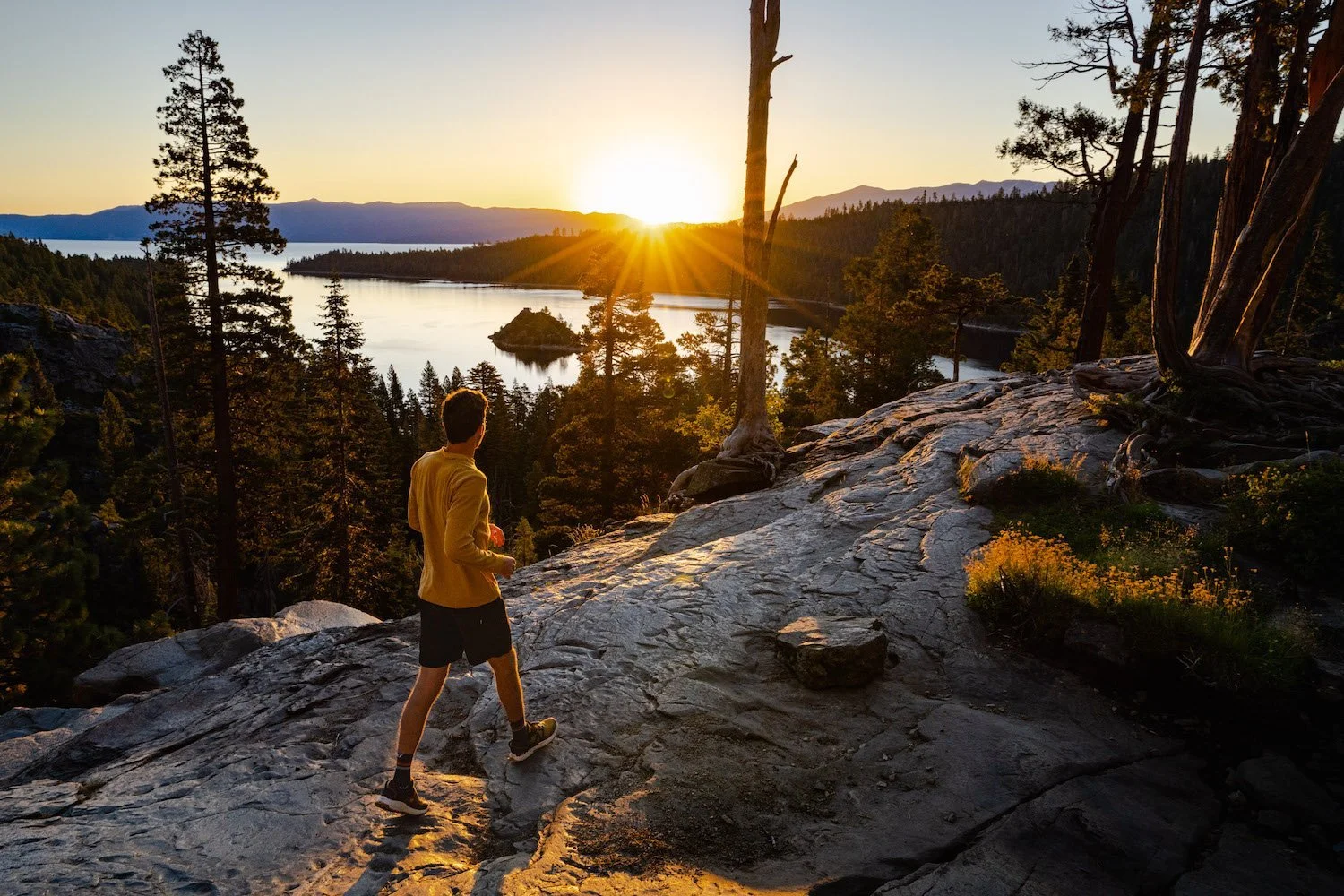
Backpacking in Lake Tahoe, CA. Photo by Dalton Johnson
Self-Sufficiency and Gear
Day Hiking: Requires carrying essential items like water, snacks, a first-aid kit, and extra layers. Day hikers rarely need camping gear or extensive supplies, keeping their packs light and manageable. This simplicity makes day hikes an accessible option for individuals of all experience levels.
Backpacking: Necessitates carrying all the gear required for overnight stays, including a tent, sleeping bag, cooking equipment, and sufficient provisions. Backpackers must also consider weather conditions and prepare accordingly with items such as rain gear, thermal clothing, or navigation tools. A well-packed backpack can make the difference between a comfortable adventure and a challenging one.
Trekking: Similar to backpacking but may involve additional specialized equipment depending on the terrain, altitude, and climate. For example, trekkers in high-altitude areas might need crampons, trekking poles, or portable oxygen systems. Some treks also involve logistical support such as porters or guides, which can influence the type and amount of gear carried.
Accessibility and Location
Day Hiking: Day hikes are often located near populated areas, with accessible trails in local parks, nature reserves, or nearby mountain ranges. These trails are designed to be beginner-friendly and convenient for quick escapes into nature. Some popular day hiking spots even offer well-marked paths and facilities like restrooms and parking.
Backpacking: This activity can take place in a variety of settings, including designated backpacking routes, national parks, or remote wilderness areas. Backpackers often seek trails that provide a balance between challenge and scenic rewards. National parks frequently have dedicated backpacking routes with established campsites, offering both adventure and safety.
Trekking: Treks often occur in remote and less-accessible regions. Locations such as high mountain passes, deep forests, or isolated villages provide unique cultural and natural experiences. Trekkers may need to rely on guides, porters, or pre-arranged logistical support. Iconic trekking destinations often combine challenging routes with opportunities to experience local traditions and breathtaking landscapes.

Day hike in Sedona, AZ to a cave. Photo by Dalton Johnson
Level of Difficulty
Day Hiking: Generally suitable for beginners or individuals with moderate fitness levels. Day hikes are less physically demanding and involve minimal risk, making them accessible for families and casual adventurers. They offer a great way to enjoy nature without significant physical or logistical challenges.
Backpacking: Requires a higher level of physical endurance and strength. Backpackers must be prepared for longer distances, heavier loads, and elevation changes. Conditioning and preparation play a significant role in a successful backpacking trip. Backpacking is often considered a stepping stone to more ambitious outdoor adventures like trekking or mountaineering.
Trekking: Demands exceptional fitness, stamina, and mental resilience. Treks often involve challenging terrains, unpredictable weather, and significant altitude changes, testing both physical and mental limits. Trekkers must be ready to face extended periods of physical exertion, often in remote and harsh environments.
Time Commitment
Day Hiking: A single-day activity, making it perfect for individuals with limited time or busy schedules. Many trails allow hikers to enjoy nature without dedicating extensive time to preparation or travel. This makes day hiking a flexible option for spontaneous adventures.
Backpacking: Involves a commitment of several days or weeks. This makes it ideal for those seeking a more immersive experience during vacations or breaks, allowing for deeper exploration of natural landscapes. Backpacking offers the chance to disconnect from daily life and embrace the solitude of the wilderness.
Trekking: Requires the most time, often spanning several weeks or months. Trekkers need to plan for extended periods away from home and may need to coordinate logistics like visas, permits, and resupply points. Long treks often become transformative journeys, offering both physical challenges and profound personal growth.

Regardless of hike, backpacking, or trekking the natural views are stunning. Photo by Dalton Johnson
Choosing the Right Adventure
Day hiking, backpacking, and trekking offer distinct outdoor experiences, each catering to different preferences, skill levels, and time commitments. Whether you prefer a shorter, accessible day hike, a self-sufficient backpacking journey, or an epic trekking expedition, consider the following factors:
Duration: How much time can you dedicate?
Gear Requirements: Are you equipped for overnight or extended stays?
Difficulty: What is your fitness and experience level?
Accessibility: How far are you willing to travel to reach the trailhead?
Time Commitment: Are you looking for a single-day outing or a long-term adventure?
Ultimately, the most important aspect of any outdoor activity is immersing yourself in nature, challenging your limits, and enjoying the incredible beauty of the outdoors. Each option offers unique rewards, so choose the adventure that best fits your lifestyle and aspirations. Remember that all three activities provide opportunities to reconnect with the natural world, build resilience, and create lasting memories. Whether you're starting small with day hikes or embarking on a life-changing trek, every step taken outdoors is a step toward adventure.



Day hikes can be short, like this one to the cliff at Sharkfin Cove in Santa Cruz, CA. Photo by Dalton Johnson
Day Hiking
A day hike is a perfect choice for beginners, people with limited time, or those seeking a shorter, more manageable outdoor experience. Day hikes involve setting out on a trail and completing it within a single day, returning to your starting point by evening. The distance can range from a few miles to a dozen, depending on trail difficulty and personal preference.
Pros of Day Hiking:
Accessibility: Day hikes are often near populated areas, making them easy to plan in local parks, nature reserves, or nearby mountain ranges.
Lighter Pack: You only need to carry essentials like water, snacks, a map, and extra clothing layers.
Flexibility: You can choose your pace, rest stops, and even alter plans mid-hike if necessary.
Ideal for Beginners: Day hikes allow newcomers to gain experience, build stamina, and enjoy the outdoors without committing to longer trips.
Cons of Day Hiking:
Limited Exploration: Since day hikes are time-constrained, you may not reach deeper, more remote wilderness areas.
Less Immersion: Returning to civilization by evening means missing out on the solitude and night-time ambiance of the wilderness.
Essential Gear for Day Hiking:
Comfortable hiking boots or shoes.
Weather-appropriate clothing.
A small backpack or daypack.
Water, snacks, a map, a compass, and a first aid kit.
Optional trekking poles for stability.
A lightweight rain jacket or windbreaker.

Backpacking in the High Sierra for a week. Photo by Dalton Johnson
Backpacking
Backpacking offers a more immersive outdoor experience by combining hiking with overnight camping. It involves carrying all necessary supplies, including camping gear, food, and water, in a backpack. Backpacking trips often cover longer distances and require careful planning and preparation.
Pros of Backpacking:
Wilderness Immersion: Explore remote areas and escape the crowds.
Extended Time in Nature: Enjoy multiple days and nights outdoors, including breathtaking sunrises, sunsets, and stargazing.
Sense of Accomplishment: Completing multi-day treks fosters self-reliance and provides a sense of achievement.
Cons of Backpacking:
Heavier Load: Carrying camping gear and supplies requires physical endurance and a larger backpack.
Planning and Logistics: Backpacking demands route planning, permits (if needed), and transportation arrangements.
Time Commitment: Multi-day trips require dedicating several consecutive days.
Essential Gear for Backpacking:
A sturdy and comfortable backpack.
Tent or hammock system with a rainfly.
Sleeping bag and sleeping pad.
Cooking equipment and lightweight food.
Water filtration or purification system.
Extra clothing layers for varying weather.
Navigation tools like a map, compass, or GPS.
Headlamp or flashlight.
Personal hygiene items and repair kits.

At a certain point, trekking starts to feel like living on the trail. Photo by Dalton Johnson
Trekking
Trekking is the ultimate outdoor adventure, involving long-distance journeys through challenging terrains. Trekking experiences can range from multi-day trips to expeditions lasting weeks or months. These trips push physical and mental boundaries, often taking place in remote regions with stunning landscapes.
Pros of Trekking:
Epic Adventure: Undertake extended journeys through diverse landscapes, crossing mountain passes and encountering unique cultures.
Stunning Scenery: Trekking routes showcase breathtaking scenery, including high peaks, valleys, and pristine lakes.
Personal Growth: Trekking tests resilience and adaptability, fostering self-discovery and growth.
Cons of Trekking:
Intense Physical Demands: Long distances and challenging weather require high fitness levels.
Extensive Preparation: Planning involves researching routes, selecting gear, and understanding safety measures.
Time and Resource Commitment: Trekking can span weeks or months, demanding significant time and financial investment.
Essential Gear for Trekking:
Durable trekking boots for rough terrains.
Lightweight, moisture-wicking clothing.
Trekking poles for stability.
Crampons and ice axes for icy or snowy conditions.
High-altitude gear for cold temperatures.
Climbing harnesses and ropes for technical sections.
Avalanche safety equipment if trekking in prone areas.
Supplies for altitude sickness prevention and treatment.
Day hiking to the summit of Mount Freel in Lake Tahoe. Photo by Dalton Johnson
Whether you opt for a day hike, backpacking adventure, or trekking expedition, each outdoor experience offers its own rewards and challenges. Consider your fitness level, time constraints, and personal preferences when making a choice. Remember, the journey itself matters as much as the destination, so embrace the opportunity to connect with nature and create lasting memories on your chosen adventure.
Discover more adventures



I Became Addicted to Rock Climbing When I Discovered It
The first time I went rock climbing, it wasn’t love at first sight. My brother and his friend invited me to join them at a slippery limestone quarry. While the day itself was fun—hanging out with my brother and experiencing something new—the climbing itself wasn’t particularly memorable. I remember thinking, “This would be really cool if it weren’t on a broken quarry wall but out in the mountains.”
At that point, I didn’t realize how deeply connected climbing and the mountains truly were. That thought planted a seed that would change my life.
The first time I went rock climbing, it wasn’t love at first sight. My brother and his friend invited me to join them at a slippery limestone quarry. While the day itself was fun—hanging out with my brother and experiencing something new—the climbing itself wasn’t particularly memorable. I remember thinking, “This would be really cool if it weren’t on a broken quarry wall but out in the mountains.”
At that point, I didn’t realize how deeply connected climbing and the mountains truly were. That thought planted a seed that would change my life.
Dalton rock climbing in Yosemite National Park with views of Half Dome. Photo by Dalton Johnson
What Is Rock Climbing?
Rock climbing is the art of ascending vertical or near-vertical rock faces using physical strength, technical skill, and problem-solving ability. For some, it’s a casual hobby. For others, like me, it becomes an obsession.

Rock climbing in Teton National Park with Beau Martino. Photo by Dalton Johnson
How I Fell in Love With Rock Climbing
My real introduction to climbing came later when I attended a NOLS (National Outdoor Leadership School) course. There, I learned the foundational skills of both sport and trad climbing. Trad climbing, short for traditional climbing, involves placing your own gear into the rock to protect against falls. It’s as adventurous as it sounds—and it instantly appealed to me.
Armed with new knowledge and a passion for exploration, I bought my first climbing rack. This gear marked the beginning of a new chapter in my life. I hit the road, living out of my car and chasing rock climbing destinations across the western United States.


I climbed iconic routes in Yosemite, tested my limits on Joshua Tree’s slabs, explored the Tetons, reveled in the granite of the High Sierra, and tackled hidden gems around Lake Tahoe. Every destination brought fresh challenges, incredible views, and a deeper appreciation for the sport.
Rock climbing became more than a pastime—it became my identity. The mountains became my playground, and climbing was my way of connecting with them. Each new summit and harder grade fueled my addiction to the sport.

Bouldering with friends is a great way to get strong and laugh with friends. Photo by Dalton Johnson
Why I Keep Climbing
Today, climbing is as central to my life as it was during those road trip days. I balance time between training in the gym and climbing outdoors, typically four or five days a week. I’d climb more if I could! Life’s responsibilities can get in the way, but even a single day out on the rock leaves me smiling, laughing, and grateful.
The beauty of climbing lies in its endless variety. Each route is a puzzle. Each climb challenges not only your body but also your mind. Whether I’m trying to push my grades or simply enjoying the journey to a summit, climbing never fails to bring me joy.
Kristin soaking in the Alaskan sunset after an afternoon of climbing over the Turnagain Arm. Photo by Dalton Johnson
What Rock Climbing Means to Me
To me, rock climbing is freedom. It’s a way to explore breathtaking landscapes, test my limits, and connect with nature. It’s an activity that brings out the best in me—focus, determination, and a sense of wonder. If you’ve ever thought about trying rock climbing, do it. Whether you’re scaling a gym wall or exploring your first outdoor crag, you might discover something more than a new hobby. You might just find a lifelong passion, as I did.
Discover more Adventures
Single and Ready to Adventure? Here are the Most Adventurous Travel Ideas for Singles
Picture yourself standing on the edge of a majestic cliff, with the wind in your hair and a world of possibilities at your feet. Now imagine doing it all while being single. Traveling solo to stunning destinations unlocks a world of freedom, self-discovery, and unforgettable adventures. Whether you crave the tranquility of a pristine beach, the thrill of conquering rugged mountains, or the allure of vibrant cityscapes, traveling while single opens up a realm of possibilities where you can indulge in the beauty of the world and find the most incredible version of yourself.
Picture yourself standing on the edge of a majestic cliff, with the wind in your hair and a world of possibilities at your feet. Now imagine doing it all while being single. Traveling solo to stunning destinations unlocks a world of freedom, self-discovery, and unforgettable adventures. Whether you crave the tranquility of a pristine beach, the thrill of conquering rugged mountains, or the allure of vibrant cityscapes, traveling while single opens up a realm of possibilities where you can indulge in the beauty of the world and find the most incredible version of yourself.
Embarking on adventure travel while single offers a multitude of benefits and exciting experiences. It allows you to step out of your comfort zone, challenge yourself, and engage in thrilling activities that may not be possible in everyday life. Additionally, adventure travel provides an opportunity to meet new people, forge meaningful connections, and create lasting memories, all while exploring the world and discovering more about yourself.
Read on to discover adventure travel ideas for singles:
Standing on top of a van and taking in the beauty of a rainbow during the monsoon season in Moab.
Pros
Freedom and Flexibility: When traveling solo, you have the freedom to set your own itinerary, make spontaneous decisions, and follow your own interests without having to compromise with a travel companion. You have complete control over where you go, what activities you engage in, and how long you stay at each destination.
Self-Discovery and Personal Growth: Adventure travel while single offers an incredible opportunity for self-discovery and personal growth. It pushes you out of your comfort zone, challenges your limits, and allows you to develop new skills and strengths. You'll gain confidence, independence, and a deeper understanding of yourself as you navigate unfamiliar environments and embrace new experiences.
Meeting New People and Cultural Exchange: Traveling alone opens doors to meaningful connections with people from diverse backgrounds. As a solo traveler, you're more likely to engage with locals, fellow travelers, and other solo adventurers. These interactions can lead to lifelong friendships, cultural exchange, and a deeper understanding of different perspectives and ways of life.
Empowerment and Empathy: Adventure travel while single fosters a sense of empowerment as you navigate through unfamiliar territories and face challenges on your own. It builds resilience, resourcefulness, and adaptability, which can be empowering not only during your travels but also in other areas of life. Additionally, solo travel enhances empathy by exposing you to different cultures, customs, and ways of life, fostering a greater understanding and appreciation for the world's diversity.
Cons
Loneliness and Homesickness: One of the potential downsides of solo travel is the occasional feelings of loneliness and homesickness. Being away from familiar faces and routines can be challenging, especially during quieter moments or when faced with unexpected setbacks. However, these feelings can often be overcome by reaching out to fellow travelers, participating in group activities, or connecting with loved ones back home.
Safety and Security Concerns: Traveling alone can raise safety concerns, particularly in unfamiliar or remote areas. It's important to research your destination, take precautions, and stay vigilant. However, by practicing common sense, staying informed, and following safety guidelines, you can mitigate risks and have a safe and enjoyable adventure.
Higher Costs: Some adventure activities, accommodations, and transportation options may be more expensive for solo travelers, as the costs are not shared with a companion. Single supplements on accommodations, such as solo occupancy fees, can also increase expenses. However, budget-conscious solo travelers can find affordable options by researching budget accommodations, joining group tours, or seeking out solo traveler-friendly deals.
Limited Shared Experiences: While solo travel allows for independence and self-discovery, it may limit shared experiences with others. Without a companion, you might miss out on shared memories, conversations, and shared decision-making moments. However, this can be mitigated by joining group activities, staying in social accommodations like hostels, or participating in organized tours that encourage interaction with fellow travelers.
Group Adventure Tours:
Group adventure tours designed for singles offer an incredible way to explore the world, connect with like-minded individuals, and participate in thrilling activities. These tours are specifically tailored to cater to the interests and preferences of solo travelers, creating an environment that encourages camaraderie, friendship, and shared experiences.
By joining a group adventure tour, you'll have the opportunity to engage in a wide range of exciting activities. From hiking through pristine wilderness to navigating rushing rivers during white-water rafting, soaring through the treetops on a zip-line, or embarking on a thrilling safari adventure, the options are endless. These activities are carefully curated to provide a perfect blend of adrenaline-pumping experiences and awe-inspiring natural beauty.
One of the key advantages of group adventure tours for singles is the chance to connect with fellow travelers who share a passion for exploration and adventure. You'll be surrounded by like-minded individuals from diverse backgrounds, creating a vibrant and dynamic atmosphere. The shared experiences, challenges, and triumphs you encounter together foster a strong sense of camaraderie and often lead to lasting friendships.
Companies such as G Adventures and Intrepid Travel are renowned for their expertise in organizing adventure tours for solo travelers. They offer a wide range of destinations and itineraries, ensuring that you can find the perfect adventure that matches your interests and desired level of intensity. These tour operators take care of the logistics, accommodations, and often provide experienced guides who are knowledgeable about the local culture and environment, allowing you to focus on enjoying the journey.
Group adventure tours for singles provide a fantastic opportunity to explore the world, engage in thrilling activities, and form meaningful connections with fellow adventurers. Whether you're an experienced traveler or new to solo exploration, these tours offer a safe and structured way to embark on your adventure while surrounded by a supportive community. So, pack your bags, join a group adventure tour, and get ready to create unforgettable memories in some of the most beautiful and thrilling destinations on the planet.
Trekking and Hiking:
Trekking and hiking adventures offer a remarkable opportunity for solo travelers to immerse themselves in the natural wonders of the world while challenging their physical and mental limits. These adventures take you to some of the most awe-inspiring locations on the planet, where you can connect with nature, embrace solitude, and experience a profound sense of accomplishment.
Destinations like the Inca Trail in Peru, the Everest Base Camp Trek in Nepal, or the Camino de Santiago in Spain are iconic trails that attract adventurers from around the globe. These trails offer diverse landscapes, breathtaking views, and a chance to witness cultural landmarks and historical sites along the way.
When it comes to trekking and hiking adventures, there are options to suit different preferences and experience levels. For those seeking a structured and guided experience, joining a group trek can be a fantastic choice. Tour operators specializing in adventure travel often organize group treks with experienced guides who provide support, knowledge, and safety throughout the journey. These groups create a sense of camaraderie as you share the challenges and triumphs of the trail with your fellow trekkers.
Alternatively, if you prefer a more independent experience, many popular trekking routes offer the flexibility to explore at your own pace. You can obtain maps, research the trail, and set off on a solo adventure, connecting with nature on a deeper level and enjoying the freedom to chart your own course.
Trekking and hiking adventures while single not only provide a physical challenge but also offer opportunities for introspection, self-reflection, and personal growth. The solitude and serenity of the trails allow you to disconnect from the hustle and bustle of daily life and connect with your inner self. It's a chance to find solace in nature, push your limits, and discover your strength and resilience.
Furthermore, trekking and hiking adventures often bring you in close contact with local communities, providing insights into different cultures, traditions, and ways of life. Interacting with locals along the trail can be incredibly enriching, offering a unique cultural exchange and a deeper understanding of the destinations you visit.
Whether you choose to join a guided group trek or embark on an independent hiking journey, trekking and hiking adventures while single offer an incredible way to experience the beauty of the world, challenge yourself, and forge unforgettable memories. So, lace up your hiking boots, pack your backpack, and get ready to embark on a soul-stirring adventure in some of the most awe-inspiring landscapes on Earth.
Wildlife Safaris:
Embarking on a wildlife safari while single is an extraordinary way to witness the beauty of the natural world and get up close and personal with some of the most magnificent creatures on the planet. Destinations like Kenya, Tanzania, South Africa, and Botswana are renowned for their rich biodiversity and offer exceptional opportunities for wildlife enthusiasts.
When it comes to wildlife safaris, there are various options to consider. Joining a safari group allows you to share the experience with like-minded individuals who have a passion for nature and wildlife. Group safaris often provide the expertise of knowledgeable guides who can navigate the terrain, track animals, and offer insightful information about the flora and fauna. These groups create a vibrant atmosphere where you can connect with fellow travelers, share stories, and bond over your shared love for wildlife.
Alternatively, you can opt for smaller group tours that specifically cater to singles. These tours provide an excellent opportunity to meet other solo adventurers, creating a social and inclusive environment throughout the safari. The shared experiences and thrilling encounters with wildlife can foster new friendships and make the journey even more memorable.
During a wildlife safari, you'll have the chance to explore vast national parks, game reserves, and private conservancies teeming with diverse wildlife. From witnessing the great migration in the Maasai Mara to spotting the "Big Five" (lion, leopard, elephant, rhinoceros, and buffalo) in Kruger National Park, every moment on a safari is filled with awe and wonder.
Game drives in open vehicles allow you to traverse the landscape and search for elusive animals, while guided walks or bush treks provide an opportunity to get closer to nature and experience the thrill of encountering wildlife on foot. Additionally, some safari destinations offer unique experiences like hot air balloon safaris, where you can soar above the savannah and witness breathtaking panoramic views.
Engaging with local communities is also a significant aspect of wildlife safaris. Many safari operators prioritize sustainable tourism and support local initiatives, providing opportunities for cultural exchange and interactions with indigenous communities. This allows you to gain a deeper understanding of the local culture, traditions, and conservation efforts that play a vital role in preserving wildlife habitats.
Embarking on a wildlife safari while single not only allows you to witness the majesty of the animal kingdom but also offers a chance for self-reflection, connection with nature, and a renewed appreciation for the delicate balance of life. So, grab your binoculars, pack your camera, and prepare for an unforgettable adventure where you'll encounter incredible wildlife, breathtaking landscapes, and lifelong memories in some of the world's most iconic safari destinations.
Scuba Diving and Snorkeling:
Diving into the world beneath the waves while single is a gateway to a mesmerizing realm of vibrant coral reefs, fascinating marine creatures, and awe-inspiring underwater landscapes. Destinations like the Great Barrier Reef in Australia, the Maldives, and the Red Sea in Egypt are revered by scuba diving and snorkeling enthusiasts for their exceptional biodiversity and stunning underwater ecosystems.
When it comes to scuba diving and snorkeling, these destinations offer an abundance of options for solo travelers. Many dive resorts and operators understand the unique needs of solo adventurers and cater specifically to their preferences. They provide group dive trips where you can join fellow diving enthusiasts, creating a camaraderie that adds to the excitement of exploring the underwater world together.
The Great Barrier Reef, with its vast expanse of coral formations, is a world-renowned diving destination. Whether you're a certified diver or a beginner looking to earn your diving certification, there are plenty of dive operators and liveaboard trips that offer a range of diving experiences suitable for all skill levels. From encounters with vibrant coral gardens to swimming alongside majestic manta rays and sea turtles, the Great Barrier Reef promises unforgettable underwater encounters.
The Maldives is a tropical paradise known for its crystal-clear waters, diverse marine life, and luxurious dive resorts. Solo travelers can join dive trips and explore the Maldives' atolls, discovering hidden dive sites teeming with colorful fish, sharks, and mesmerizing coral formations. Many resorts offer single-friendly accommodations and dive centers with experienced instructors who can guide you through the incredible underwater landscapes.
The Red Sea in Egypt is another spectacular destination for diving and snorkeling. Resorts like Sharm El Sheikh and Hurghada provide access to some of the most beautiful coral reefs in the world, where you can swim among vibrant schools of fish, encounter dolphins, and explore ancient shipwrecks. Dive centers in the area often organize group dive trips, allowing solo travelers to join and share the excitement of discovering the Red Sea's underwater wonders.
Scuba diving and snorkeling while single not only offer thrilling adventures but also provide a sense of tranquility and serenity as you immerse yourself in the calmness of the underwater world. The experience of weightlessness, the vibrant colors of coral and marine life, and the sense of exploration create a profound connection with nature.
Furthermore, diving and snorkeling trips often foster a welcoming and inclusive atmosphere where you can connect with like-minded individuals who share your passion for the ocean. You'll have the opportunity to meet people from different backgrounds and cultures, creating lasting friendships and a global diving community.
So, grab your fins, mask, and snorkel, and prepare for an unforgettable journey into the depths of the ocean. Whether you're a certified diver or a snorkeling enthusiast, destinations like the Great Barrier Reef, the Maldives, and the Red Sea beckon with their mesmerizing underwater wonders, promising an adventure that will leave you in awe and longing for more.


Cultural Immersion Trips:
Cultural immersion trips offer a unique and enriching experience for solo travelers who seek to delve deeper into the heart and soul of a foreign destination. These adventures go beyond the surface-level tourist attractions, allowing you to connect with the local community, learn about their traditions, and participate in meaningful activities that promote cultural exchange and understanding.
One of the most rewarding aspects of cultural immersion trips is the opportunity to engage with the local community. By volunteering, you can contribute your time and skills to meaningful projects that make a positive impact on the lives of others. This could involve activities such as teaching English, building schools or homes, participating in environmental conservation efforts, or working on community development initiatives. Volunteering not only allows you to give back but also provides a platform for cultural exchange, as you work side by side with locals and gain insights into their daily lives.
Homestays are another popular option for cultural immersion. By staying with a local family, you have the chance to experience their way of life firsthand, share meals together, and engage in conversations that offer a deeper understanding of their culture, traditions, and customs. This immersive experience allows you to form genuine connections, break down cultural barriers, and gain a new perspective on the destination you're visiting.
Cultural exchange programs provide structured opportunities to learn about a destination's culture while engaging in activities that foster mutual understanding. These programs often include language classes, cooking lessons, traditional craft workshops, or guided tours led by local experts who share their knowledge and insights. Such programs encourage interaction between travelers and locals, creating a platform for dialogue, learning, and the exchange of ideas.
Immersing yourself in a foreign culture while traveling solo not only broadens your horizons but also fosters personal growth and empathy. By stepping out of your comfort zone, embracing new experiences, and challenging your preconceived notions, you gain a deeper appreciation for the diversity of the world and develop a more empathetic outlook.
Cultural immersion trips offer a unique perspective on a destination, allowing you to go beyond the superficial tourist experience and forge authentic connections. They provide an opportunity to learn, grow, and create lasting memories as you engage with the local community, share stories, and gain a profound understanding of a culture different from your own.
So, if you're seeking a travel experience that goes beyond sightseeing and offers a profound connection with a foreign culture, consider embarking on a cultural immersion trip while traveling solo. Whether through volunteering, homestays, or cultural exchange programs, these adventures will leave a lasting impact on both you and the communities you engage with, fostering a sense of global citizenship and understanding.
Adventure Cruises:
Adventure cruises provide a unique and captivating way to discover remote and exotic destinations, offering a blend of comfort, exploration, and thrilling activities. These cruises take you to some of the most breathtaking and pristine corners of the world, allowing you to immerse yourself in the beauty of nature while enjoying the convenience and amenities of a cruise ship.
Imagine cruising through the majestic fjords of Norway, surrounded by towering cliffs, cascading waterfalls, and picturesque villages. Adventure cruises in Norway offer opportunities for hiking, wildlife spotting, and even the chance to witness the mesmerizing phenomenon of the Northern Lights. It's a journey that combines the serenity of the Norwegian landscapes with the thrill of adventure activities.
The Galapagos Islands in Ecuador are another popular destination for adventure cruises. This archipelago is renowned for its incredible biodiversity and unique wildlife, including giant tortoises, marine iguanas, and playful sea lions. Adventure cruises in the Galapagos allow you to explore the diverse ecosystems of the islands, snorkel alongside marine creatures, and hike through volcanic landscapes, all while accompanied by expert naturalist guides who provide insights into the region's extraordinary natural history.
For an expedition into the heart of the Amazon Rainforest, adventure cruises along the Amazon River offer an unforgettable experience. Cruising through this mighty river, you'll witness the lush rainforest, encounter rare wildlife like pink dolphins and exotic birds, and have the opportunity to explore local communities to learn about their culture and way of life. Adventure activities such as jungle treks, piranha fishing, and nighttime wildlife spotting add to the excitement and immersion in this extraordinary environment.
Adventure cruises cater to different interests and activity levels, with options ranging from leisurely exploration to more adrenaline-fueled adventures. Whether you're seeking wildlife encounters, outdoor activities, cultural interactions, or simply the chance to relax and enjoy the stunning scenery, there is an adventure cruise itinerary suited to your preferences.
Onboard these cruises, you'll typically find comfortable accommodations, delectable cuisine, and knowledgeable guides who provide educational lectures and insights about the destinations you visit. The ships are designed to navigate through diverse waterways and remote locations, ensuring you have access to some of the world's most pristine and unspoiled environments.
Adventure cruises offer a unique perspective on the destinations you visit, allowing you to experience remote places that may be difficult to reach by land. They provide a seamless and immersive way to explore the natural wonders of the world while enjoying the convenience and amenities of a cruise ship.
So, if you're yearning for an extraordinary adventure that combines the comforts of cruising with the thrill of exploration, consider embarking on an adventure cruise to remote and exotic destinations. From the rugged fjords of Norway to the enchanting Galapagos Islands or the wilds of the Amazon, these cruises offer a remarkable opportunity to create unforgettable memories and connect with the wonders of nature.
Outdoor Sports Retreats:
Outdoor sports retreats offer a thrilling and immersive experience for solo travelers who are passionate about adventure and outdoor activities. These specialized retreats focus on sports like rock climbing, kayaking, surfing, skiing, and more, allowing you to indulge in your favorite sports while connecting with like-minded individuals from around the world.
For rock climbing enthusiasts, retreats provide an opportunity to tackle challenging cliffs, scale breathtaking peaks, and refine your climbing skills. Whether it's bouldering in the mountains of Colorado, tackling limestone crags in Thailand, or exploring the granite walls of Yosemite National Park, these retreats offer guidance from experienced instructors, camaraderie with fellow climbers, and a chance to push your limits in stunning natural settings.
Kayaking retreats cater to those seeking the thrill of navigating through rivers, lakes, and coastal waters. From sea kayaking in remote fjords, exploring hidden caves, or tackling challenging whitewater rapids, these retreats provide expert instruction, the necessary equipment, and a supportive environment to enhance your skills and enjoy unforgettable paddling experiences.
Surfing retreats attract wave riders of all levels, from beginners looking to catch their first wave to experienced surfers seeking the perfect barrel. Destinations such as Bali, Costa Rica, and Hawaii offer world-class surf breaks and experienced instructors who provide lessons, guidance, and an environment that fosters progression and camaraderie among fellow surfers. Surfing retreats allow you to spend your days riding waves and soaking in the sun while connecting with a global surfing community.
For those who love winter sports, ski and snowboarding retreats are a perfect choice. Whether it's carving down the slopes of renowned ski resorts in the Alps, experiencing the deep powder of Japan's ski areas, or exploring the backcountry terrain of Canada, these retreats offer expert instruction, access to the best slopes, and an opportunity to connect with fellow winter sports enthusiasts.
Outdoor sports retreats provide more than just thrilling activities; they offer a chance to connect with like-minded individuals who share your passion for adventure. Whether you're a solo traveler or joining with a group, you'll have the opportunity to form friendships, exchange stories and tips, and create lasting memories with people who understand and appreciate the excitement and challenges of outdoor sports.
These retreats often provide a supportive and inclusive environment, whether you're a beginner or an experienced athlete. They offer the opportunity to learn from knowledgeable instructors, improve your skills, and gain confidence in your chosen sport.
So, if you're seeking an adventure that revolves around your passion for outdoor sports, consider joining a specialized retreat. From rock climbing and kayaking to surfing and skiing, these retreats offer a unique opportunity to connect with like-minded individuals, push your boundaries, and create unforgettable experiences in some of the world's most breathtaking natural settings.
Spearfishing in Baja, Mexico while road tripping through the 1000 mile long peninsula.
In conclusion, adventure travel while single presents a unique and exhilarating opportunity to explore the world on your own terms. Despite a few potential downsides such as occasional loneliness or safety concerns, the benefits far outweigh the cons. The freedom to create your own itinerary, the personal growth and self-discovery that comes with navigating unfamiliar territories, the chance to meet new people and forge lifelong connections, and the empowerment gained from conquering challenges solo are just a few of the many rewards awaiting those who embark on this incredible journey. Adventure travel while single allows you to fully immerse yourself in the beauty of the world, embrace new experiences, and discover a stronger, more confident version of yourself. So, pack your bags, step out of your comfort zone, and embark on an adventure of a lifetime – the world is waiting!
Discover more of adventure travel




Day Hike into a Better You: Rejuvenate Your Mind, Body, and Soul
In our fast-paced and hectic lives, finding moments to reconnect with ourselves and recharge can be challenging. The constant demands of work, technology, and responsibilities can leave us feeling overwhelmed and disconnected from our true selves. However, there is a simple yet powerful solution to this problem: a day hike. Stepping out into nature, breathing in the fresh air, and immersing ourselves in the beauty of the great outdoors can do wonders for our well-being.
In our fast-paced and hectic lives, finding moments to reconnect with ourselves and recharge can be challenging. The constant demands of work, technology, and responsibilities can leave us feeling overwhelmed and disconnected from our true selves. However, there is a simple yet powerful solution to this problem: a day hike. Stepping out into nature, breathing in the fresh air, and immersing ourselves in the beauty of the great outdoors can do wonders for our well-being.
Day hiking offers numerous health benefits, including improved cardiovascular health, increased physical fitness, and reduced stress levels. Regular day hiking can strengthen muscles, boost endurance, and promote weight loss. Additionally, the fresh air and natural surroundings can enhance mental well-being, improve mood, and increase overall happiness.
Join me on a transformative journey as we explore how a day hike can help us become a better version of ourselves.
Talking a sunrise hike in the dunes of Death Valley. Photo by Dalton Johnson
Escape the Everyday Routine:
Day hiking provides a remarkable opportunity to break free from the confines of our everyday routines and immerse ourselves in the wonders of nature. Stepping away from the demands of work, technology, and responsibilities allows us to disconnect from the constant buzz of our modern lives. The serene and unspoiled environment of the hiking trail offers a refreshing change of scenery, stimulating our senses and awakening our innate connection with the natural world.
As we venture into the wilderness, our minds start to unwind, shedding the accumulated stress and worries that accompany our daily grind. The rustling of leaves, the babbling of a nearby stream, and the sweet fragrance of wildflowers create a symphony that drowns out the noise of our busy lives. In this tranquil setting, we find solace and tranquility, allowing us to recharge and rejuvenate our mental state.
The act of walking amidst nature's beauty provides a valuable opportunity for introspection and reflection. As we navigate the trail, our thoughts can wander freely, untethered by the demands and distractions that often consume our minds. We can ponder life's deeper questions, reassess our priorities, and gain a fresh perspective on our goals and aspirations. The simple act of putting one foot in front of the other becomes a metaphor for progress, as each step takes us further away from the mundane and closer to a more profound sense of self.
In this escape from the everyday routine, we become fully present in the moment. The worries and preoccupations that normally weigh us down gradually fade into the background, allowing us to appreciate the beauty and serenity that surrounds us. Our senses become attuned to the smallest details—a delicate flower blooming beside the trail, a bird's melodious song, or the warm touch of sunlight filtering through the trees. By immersing ourselves in the present moment, we cultivate mindfulness and develop a heightened awareness of our surroundings and ourselves.
Day hiking not only offers an escape but also provides an opportunity to prioritize what truly matters. Freed from the distractions of technology and the pressures of productivity, we can focus on the essential elements of our lives—our health, relationships, personal growth, and connection with the natural world. It is during these moments of respite that we can gain clarity, make important decisions, and rediscover our true passions and values.
In essence, a day hike serves as a gateway to liberating ourselves from the confines of our everyday routines. It allows us to reset our minds, find balance, and gain a fresh perspective on life. By escaping into nature, we embark on a journey of self-discovery, reconnection, and renewal. So, lace up your boots, leave behind the stresses of daily life, and let the trail guide you towards a more profound understanding of yourself and the world around you.
Reconnect with Nature:
Modern society has distanced us from the natural world, leading to a disconnection that affects our overall well-being. A day hike serves as a powerful reminder of the beauty and power of nature. The awe-inspiring vistas, majestic mountains, tranquil lakes, and vibrant flora and fauna have a profound impact on our senses, revitalizing our spirit and renewing our appreciation for the Earth's wonders. As we reconnect with nature, we also reconnect with ourselves, rediscovering our place in the larger tapestry of life.
Reconnecting with nature through day hiking opens up a world of immersive experiences and activities that deepen our appreciation for the natural world. Here are some captivating activities that can enhance our connection with nature during a day hike:
Bird Watching:
As we traverse the hiking trails, we enter the domain of various bird species. With binoculars in hand, we can observe and identify a myriad of birds perched on branches, soaring through the sky, or serenading us with their melodic songs. Bird watching not only ignites our curiosity but also cultivates a sense of wonder as we witness the intricate behaviors and captivating beauty of these winged creatures.
Foraging:
Nature's bounty awaits those who venture off the beaten path. Engaging in responsible foraging allows us to connect with the environment in a unique way. Guided by knowledge and respect for the ecosystem, we can seek out wild edible plants, berries, mushrooms, and herbs, appreciating their flavors, textures, and medicinal properties. Foraging nurtures a profound connection with the land while fostering a sustainable and harmonious relationship with nature.
Plant Identifying:
Embarking on a day hike provides an opportunity to sharpen our botanical knowledge and engage in plant identifying. Equipped with field guides or smartphone apps, we can learn to distinguish different species of trees, flowers, and foliage along the trail. This activity not only enriches our understanding of the natural world but also encourages us to notice the intricate details and patterns that make each plant unique. By connecting with the plant kingdom, we develop a deeper appreciation for its essential role in sustaining life on Earth.
Stargazing:
As the day transitions into night, the wilderness unveils a breathtaking celestial display. Far away from light pollution, the night sky emerges in all its glory, sparkling with stars, constellations, and celestial wonders. Taking a moment to lie back, gaze at the vastness of the universe, and contemplate our place within it can be a profoundly humbling and awe-inspiring experience. Stargazing during a day hike allows us to reconnect with the cosmos and find solace in the beauty of the night sky.
Engaging in these activities while day hiking allows us to deepen our connection with nature on multiple levels. We become attuned to the rhythms and cycles of the natural world, fostering a sense of harmony and interdependence. By immersing ourselves in bird watching, foraging, plant identifying, or stargazing, we forge a more intimate relationship with the Earth, recognizing the delicate balance and intrinsic value of every living being and ecosystem.
Reconnecting with nature through these activities awakens our senses, cultivates curiosity, and nourishes our souls. It reminds us of the intricate web of life that we are a part of and encourages us to be better stewards of the environment. So, on your next day hike, be open to the wonders that nature offers and let these activities spark a deeper connection with the natural world.
Nurture Physical Fitness:
Engaging in a day hike offers a multifaceted approach to nurturing physical fitness. The diverse terrain encountered while hiking presents a natural and dynamic workout for our bodies. Ascending steep inclines activates our leg muscles, particularly the quadriceps and glutes, building strength and improving overall lower body endurance. Descending slopes engages different muscle groups, such as the calves and hamstrings, contributing to muscular balance and stability.
The cardiovascular benefits of hiking are equally significant. As we navigate through trails and conquer elevation changes, our heart rate increases, promoting a healthy cardiovascular system. The sustained aerobic exercise of hiking stimulates blood circulation, enhancing the delivery of oxygen and nutrients to our muscles and organs. Over time, consistent hiking can improve cardiovascular endurance, lowering the risk of heart disease and improving overall cardiovascular health.
Beyond the physical aspects, hiking also has a profound impact on our mental well-being. The release of endorphins during physical activity helps alleviate stress, boost mood, and improve overall mental health. The serene environment of nature further contributes to a sense of relaxation and tranquility, allowing us to find solace amidst the natural beauty surrounding us. Engaging in a day hike can be a rejuvenating experience, providing a much-needed break from the demands of daily life and fostering a positive mindset.
Furthermore, hiking offers a versatile range of intensities and durations, accommodating people of various fitness levels. Beginners can start with shorter, less challenging hikes, gradually building stamina and strength. More experienced hikers can take on more demanding trails, conquering greater distances and elevations to continuously challenge themselves. The adaptability of hiking makes it an inclusive and accessible activity for individuals seeking to improve their physical fitness, regardless of their starting point.
Practice Mindfulness:
In our hyperconnected world, we rarely have a moment of true silence and stillness. Hiking offers a sanctuary of peace and tranquility, allowing us to practice mindfulness. As we wander through the wilderness, we can tune into our surroundings, savoring the gentle rustling of leaves, the chirping of birds, and the whisper of the wind. Mindful hiking enables us to be fully present, letting go of distractions and nurturing a sense of inner calm. This practice not only reduces stress and anxiety but also enhances our ability to appreciate the beauty of the world around us.
With each step along the trail, we can consciously shift our focus from the incessant chatter of our minds to the symphony of nature. The gentle rustling of leaves beneath our feet, the melodious songs of birds echoing through the trees, and the soothing rhythm of a flowing stream—all become invitations to be fully present. Engaging our senses, we savor the subtle nuances and details that often go unnoticed in the hustle and bustle of daily life.
Mindful hiking encourages us to release the grip of past and future thoughts, anchoring ourselves in the here and now. By redirecting our attention to the present moment, we detach from the worries and anxieties that often consume our minds. The serenity of nature serves as a backdrop for inner reflection and introspection, allowing us to tap into a sense of inner calm and balance. With each breath of fresh air, we invite a renewed perspective and an opportunity for self-discovery.
Practicing mindfulness while hiking not only reduces stress and anxiety but also opens our hearts to a deeper appreciation for the beauty of the world around us. We become attuned to the intricate interplay of colors, shapes, and textures that make up the natural landscape. The vibrant hues of wildflowers, the majesty of towering trees, and the awe-inspiring vistas that stretch before us all become sources of inspiration and wonder.
Through the lens of mindfulness, a day hike becomes more than just a physical activity; it transforms into a meditative experience. The rhythm of our footsteps merges with the pulse of nature, creating a harmonious symphony that resonates within us. In this state of heightened awareness, we find solace, clarity, and a profound connection with the earth beneath our feet.
So, as you embark on your next day hike, embrace the practice of mindfulness. Let nature be your guide as you slow down, breathe deeply, and tune into the present moment. Allow yourself to be fully present, releasing the burdens of the past and the worries of the future. By engaging in mindful hiking, you cultivate a deep sense of peace, restore balance, and foster a greater appreciation for the simple yet extraordinary wonders that surround us.
Cultivate Self-Reflection:
The solitude of a day hike offers an ideal environment for self-reflection. Away from the noise and demands of everyday life, we can engage in introspection and delve into our inner thoughts and emotions. As we traverse the trail, we may find ourselves pondering life's big questions, setting goals, or contemplating our personal growth. The stillness of nature provides the perfect backdrop for self-discovery and self-improvement. By the time we return from our hike, we often have a clearer vision of who we are and where we want to be.
Here are some tips for cultivating self-reflection during a day hike:
Set an Intention: Before starting your hike, take a moment to set an intention for your journey. It could be to gain clarity on a specific issue, to reconnect with your values, or simply to create space for self-exploration. By setting an intention, you bring focus and purpose to your hike, providing a guiding thread for your reflections along the way.
Find a Quiet Spot: As you hike, be mindful of moments when you feel drawn to a particular spot. It could be a serene overlook, a peaceful meadow, or a secluded stream. Allow yourself to pause and spend some time in this quiet spot, away from the noise of the trail. Find a comfortable spot to sit or stand, and let the stillness of nature envelop you.
Engage in Journaling: Bring a journal and pen with you to capture your thoughts and insights. Take breaks along the trail to jot down reflections, observations, and any significant moments that resonate with you. Writing allows for a deeper exploration of your thoughts and emotions, providing a tangible record of your self-reflection journey.
Practice Active Listening: As you hike, tune in not only to your internal thoughts but also to the sounds of nature. Be present and listen attentively to the rustling leaves, birdsong, and the gentle flow of water. By practicing active listening, you invite a deeper connection with the natural world and open yourself to the wisdom it has to offer.
Embrace Mindful Walking: While hiking, shift your attention to the physical sensations of walking. Feel the earth beneath your feet, notice the rhythm of your steps, and become aware of the muscles engaged in each stride. By fully embodying the act of walking, you create a meditative state that facilitates introspection and self-awareness.
Ask Meaningful Questions: Use your hike as an opportunity to ask yourself thought-provoking questions. Reflect on your values, dreams, and aspirations. Consider what brings you joy, what challenges you, and what changes you want to make in your life. By asking meaningful questions, you encourage deep introspection and invite insights that can guide your personal growth.
Embrace Solitude: Embrace the solitude of the trail and give yourself permission to disconnect from external influences. Use this time to reconnect with your inner self without distractions. Allow your thoughts to flow freely, and be open to the wisdom that emerges when you give yourself space to just be.
By incorporating these tips into your day hike, you create a conducive environment for self-reflection and personal growth. The beauty and stillness of nature serve as catalysts for introspection, enabling you to gain valuable insights, clarify your values, and envision your path forward. As you return from your hike, carry the lessons and revelations with you, nurturing a sense of empowerment and a deeper understanding of yourself.
Day hiking during a gorgeous sunset in Alabama Hills, CA. Photo by Dalton Johnson
Embarking on a day hike is more than just an outdoor adventure; it's a transformative experience that can lead us on a path to becoming a better version of ourselves. From escaping the daily grind to reconnecting with nature, nurturing physical fitness, practicing mindfulness, and fostering self-reflection, a day hike offers numerous benefits for our mind, body, and soul. So, lace up your boots, pack your backpack, and embark on a journey that promises not only scenic beauty but also personal growth. Get ready to hike your way into a better you!
Discover more of Day Hike
What is Mountaineering? Conquering Heights and Discovering the Extraordinary
Have you ever gazed at majestic mountain peaks, feeling a sense of awe and wonder? Mountaineering, an exhilarating adventure sport, allows individuals to conquer these towering giants. From scaling breathtaking summits to exploring untouched wilderness, mountaineering encompasses the art and science of ascending mountains. In this blog, we will delve into the world of mountaineering, shedding light on its essence and uncovering various trending topics associated with this remarkable pursuit.
Have you ever gazed at majestic mountain peaks, feeling a sense of awe and wonder? Mountaineering, an exhilarating adventure sport, allows individuals to conquer these towering giants. From scaling breathtaking summits to exploring untouched wilderness, mountaineering encompasses the art and science of ascending mountains. In this blog, we will delve into the world of mountaineering, shedding light on its essence and uncovering various trending topics associated with this remarkable pursuit.
Mountaineering is a thrilling adventure sport that involves climbing mountains, often involving high altitudes, steep slopes, and challenging terrain. It combines physical endurance, technical skills, and mental fortitude to conquer nature's grandest peaks.
Are you ready to embark on a thrilling exploration of mountaineering? Join us on this journey to learn more about mountaineering and its captivating facets.
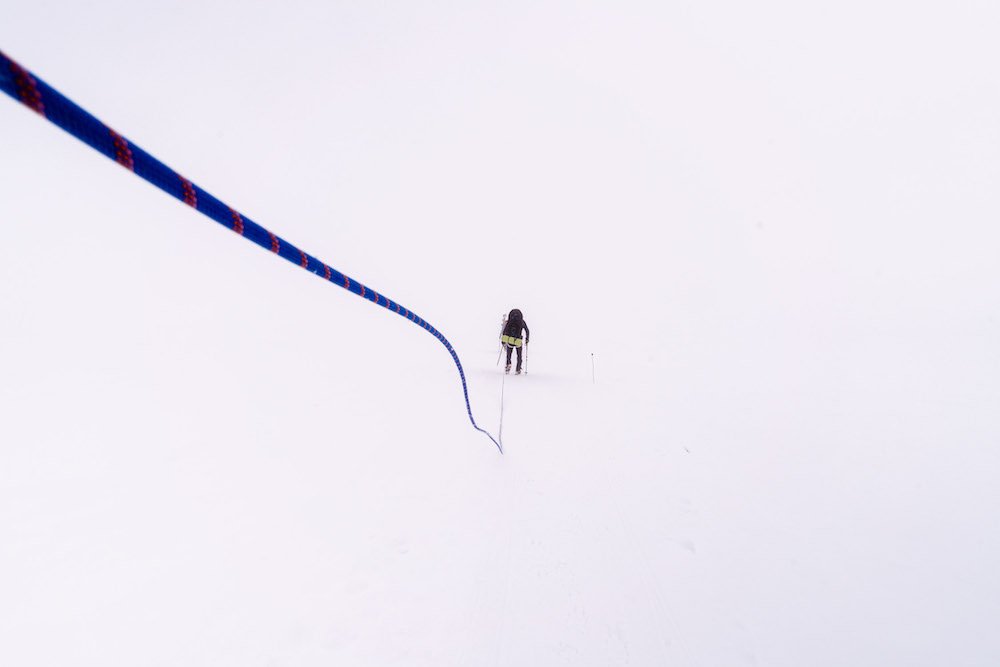
Day one of mountaineering up Denali. Photograph by Dalton Johnson
Alpine Climbing vs Expedition Mountaineering: Understand the differences
Alpine Climbing and Expedition Mountaineering are two distinct disciplines within the world of mountaineering, each with its own unique characteristics and challenges.
Alpine climbing refers to the pursuit of ascending mountains using lightweight equipment and fast-paced techniques. It often involves moving quickly and efficiently through technical terrain, relying on skills such as rock climbing, ice climbing, and route finding. Alpine climbers tend to focus on smaller and more technical peaks, frequently completing multiple ascents in a single day. The emphasis is on self-sufficiency and the ability to make quick decisions and adapt to changing conditions. Alpine climbers prioritize speed, efficiency, and the integration of various skills to navigate challenging alpine environments.
On the other hand, expedition mountaineering involves tackling larger, high-altitude peaks that require extensive planning, logistics, and a longer time commitment. Expeditions typically last for several weeks or even months, allowing climbers to acclimatize to the thin air at high altitudes. This type of mountaineering involves establishing base camps at different elevations and progressively moving higher as climbers make their way to the summit. Expedition mountaineers often face harsh weather conditions, extreme cold, and prolonged exposure to challenging terrain. Success depends on teamwork, physical endurance, mental fortitude, and the ability to withstand prolonged periods of isolation and harsh conditions.
While both Alpine Climbing and Expedition Mountaineering share a common love for the mountains and a passion for pushing personal limits, they offer distinct experiences and challenges. Alpine climbing focuses on speed, technical skill, and efficiency in tackling smaller peaks, while expedition mountaineering involves the meticulous planning, perseverance, and endurance required to conquer the world's highest and most formidable mountains. Both disciplines contribute to the rich tapestry of mountaineering, attracting adventurers with different preferences and aspirations, but united by the shared pursuit of exploring and conquering the vertical world.
A timeline of Mountaineering: Uncover the origins of mountaineering
1786: Jacques Balmat and Michel-Gabriel Paccard successfully ascend Mont Blanc, the highest peak in the Alps, marking the first recorded ascent of a major mountain.
1854: The Alpine Club, the world's first mountaineering club, is established in London, England, laying the foundation for organized mountaineering.
1865: Edward Whymper leads the first successful ascent of the Matterhorn, a challenging peak in the Swiss Alps. The expedition ends tragically with the death of four climbers during the descent.
1897: Annie Smith Peck becomes the first woman to summit the Matterhorn, challenging societal norms and paving the way for women in mountaineering.
1953: Sir Edmund Hillary and Tenzing Norgay reach the summit of Mount Everest, the world's highest peak. This historic achievement captivates the world's attention and marks a significant milestone in mountaineering history.
1954: Italian climbers Achille Compagnoni and Lino Lacedelli successfully conquer K2, the second highest peak in the world. This achievement solidifies K2's reputation as one of the most challenging mountains to climb.
1960: The Seven Summits challenge is proposed by Richard Bass, encouraging climbers to conquer the highest peaks on each continent. This concept sparks a new wave of mountaineering goals and aspirations.
1975: Junko Tabei becomes the first woman to reach the summit of Mount Everest, breaking gender barriers and inspiring future generations of female climbers.
1980: Reinhold Messner and Peter Habeler make history by becoming the first climbers to reach the summit of Mount Everest without supplemental oxygen, pushing the limits of human achievement in high-altitude mountaineering.
2004: Arlene Blum leads the first American women's ascent of Annapurna I, one of the deadliest and most challenging peaks in the world, highlighting the capabilities and determination of women in mountaineering.
2021: Nirmal Purja sets a world record by completing the ascent of all 14 of the world's 8,000-meter peaks in just over six months, a feat previously believed to be impossible.
Famous Mountaineers and Their Achievements: Discover legendary mountaineers who have pushed the boundaries of human achievement
Sir Edmund Hillary (1919-2008): Alongside Tenzing Norgay, he was the first to summit Mount Everest, the highest peak in the world, in 1953.
Junko Tabei (1939-2016): The first woman to reach the summit of Mount Everest in 1975 and the first woman to complete the Seven Summits challenge.
Reinhold Messner (Born 1944): Notable for being the first to summit all 14 of the world's 8,000-meter peaks without the use of supplemental oxygen.
Arlene Blum (Born 1945): Led the first all-female ascent of Annapurna I in 1978 and has been an advocate for women in mountaineering.
Maurice Herzog (1919-2012): Led the successful 1950 French Annapurna expedition, becoming the first to reach the summit of an 8,000-meter peak.
Gerlinde Kaltenbrunner (Born 1970): The first woman to climb all 14 of the world's 8,000-meter peaks without using supplemental oxygen.
Chris Bonington (Born 1934): Led numerous notable ascents, including the first successful ascent of the South Face of Annapurna in 1970.
Nirmal Purja (Born 1983): Holds the world record for the fastest ascent of all 14 of the world's 8,000-meter peaks in just over six months.
Fredrik Ericsson (1975-2010): Attempted to become the first person to ski down the three highest peaks on each continent.
Pasang Lhamu Sherpa (1961-1993): The first Nepalese woman to summit Mount Everest, tragically losing her life during the descent.
George Mallory (1886-1924): A British mountaineer who took part in early Everest expeditions and famously said, "Because it's there," when asked why he wanted to climb Everest.
Silvia Vidal (Born 1976): Known for her bold solo ascents, often spending weeks on challenging and remote walls.
Ed Viesturs (Born 1959): The first American to summit all 14 of the world's 8,000-meter peaks and reach the summit of Everest without using supplemental oxygen.
Anna Czerwińska (Born 1948): The oldest woman to summit Mount Everest at the age of 50 and complete the Seven Summits challenge.
Ueli Steck (1976-2017): Known for his speed climbing achievements and breaking records on multiple peaks, including the Eiger.
Wanda Rutkiewicz (1943-1992): The third woman to reach the summit of Mount Everest and the first woman to climb K2.
Doug Scott (1941-2020): Made numerous groundbreaking ascents, including the first ascent of the southwest face of Everest in 1975.
Alison Hargreaves (1962-1995): The first woman to solo climb Everest without supplemental oxygen and accomplished multiple other notable ascents.
Mountain Conservation and Leave No Trace Principles: Delve into the importance of preserving mountain environments
Mountain conservation and the application of Leave No Trace principles go hand in hand, promoting sustainable and ethical mountaineering practices. It is the responsibility of every mountaineer to educate themselves about the specific conservation needs of the mountains they explore and make a conscious effort to minimize their impact. By preserving the integrity of mountain ecosystems and respecting the delicate balance of nature, mountaineers can contribute to the long-term preservation of these majestic environments, ensuring that they can be enjoyed by generations of adventurers to come.
Mountain Conservation is a crucial aspect of responsible mountaineering that aims to protect and preserve the fragile ecosystems found in mountainous regions. The unique and delicate ecosystems found at high altitudes are often vulnerable to human impact. Conservation efforts in the mountains focus on minimizing human disturbance, preserving biodiversity, and mitigating the ecological footprint of mountaineers. This includes adhering to strict Leave No Trace principles, which are guidelines designed to minimize environmental impact and maintain the pristine beauty of mountain environments.
Leave No Trace (LNT) principles provide a framework for responsible outdoor recreation, emphasizing the importance of minimizing one's impact on the natural environment. These principles include practices such as packing out all trash, minimizing campfire impact, staying on designated trails, and respecting wildlife and vegetation. By following LNT principles, mountaineers can help protect delicate alpine ecosystems, prevent soil erosion, preserve water sources, and maintain the natural habitat for plants and animals. Additionally, practicing Leave No Trace principles also ensures that future generations can enjoy and experience the beauty and serenity of mountains in their pristine state.
High-Altitude Challenges and Acclimatization: Discover the physiological challenges of ascending to high altitudes
High-altitude challenges and acclimatization are integral aspects of mountaineering in the world's tallest peaks.
As climbers ascend to higher elevations, they are exposed to reduced oxygen levels, extreme cold, unpredictable weather conditions, and a variety of physiological and psychological hurdles. These challenges can significantly impact a climber's performance, well-being, and overall safety. The thin air at high altitudes makes it harder for the body to function, leading to symptoms such as fatigue, shortness of breath, nausea, and headaches. Climbers must carefully manage their energy levels, maintain proper hydration and nutrition, and monitor their physical and mental well-being to mitigate the risks associated with high-altitude climbing.
Acclimatization, the process of adapting the body to higher altitudes, plays a crucial role in overcoming high-altitude challenges. It involves gradually exposing the body to increasing elevations, allowing it to adjust to reduced oxygen levels. During acclimatization, climbers spend extended periods of time at intermediate altitudes to give their bodies time to produce additional red blood cells and increase oxygen-carrying capacity. This process enables climbers to tolerate higher altitudes more effectively and reduces the risk of altitude-related illnesses such as acute mountain sickness (AMS), high-altitude pulmonary edema (HAPE), and high-altitude cerebral edema (HACE). Acclimatization often involves climbing in a stepwise manner, ascending and descending multiple times to progressively higher camps, giving the body time to adapt to the changing conditions. Adequate acclimatization is crucial for a climber's safety, allowing them to reach higher summits with reduced risks of altitude-related complications.
Risk Management and Safety: Explore the critical aspects of risk management in mountaineering
Risk management and safety are paramount considerations in the world of mountaineering, where the inherent challenges and unpredictable nature of the mountain environment demand careful planning and preparation. Mountaineers must assess and mitigate risks to ensure their safety and the safety of their team members. Risk management involves identifying potential hazards such as avalanches, rockfall, weather changes, and altitude-related illnesses, and developing strategies to minimize or avoid these risks altogether. It requires a comprehensive understanding of the mountain environment, including terrain, weather patterns, and potential hazards, as well as knowledge of proper equipment usage and rescue techniques.
Safety protocols and practices play a vital role in mitigating risks and ensuring a safe mountaineering experience. This includes using appropriate safety gear, such as helmets, harnesses, and ropes, to protect against falls and other accidents. Climbers must be proficient in technical skills, such as roped travel, anchor building, and self-arrest techniques, to navigate challenging terrain safely. Regular communication and coordination within the team are crucial for effective risk management, as climbers need to be aware of each other's well-being and respond promptly to any signs of distress or danger. Being prepared with first aid knowledge and carrying essential medical supplies can be lifesaving in remote and challenging environments. Additionally, climbers must have a realistic understanding of their own abilities, and knowing when to turn back or make conservative decisions is a critical part of ensuring safety in mountaineering.
Mountaineering Ethics and Responsible Climbing: Discuss the ethical considerations associated with mountaineering
Mountaineering ethics and responsible climbing practices are essential for preserving the integrity of mountain environments and ensuring a sustainable and respectful approach to the sport. Ethical mountaineering involves respecting the natural beauty and cultural significance of the mountains, minimizing human impact, and leaving no trace of one's presence. Climbers should adhere to established rules and regulations, follow designated trails, and avoid damaging vegetation and wildlife habitats. Respecting the local culture, traditions, and sacred sites is also crucial, as mountaineering often takes place in regions with rich cultural heritage. Responsible climbers prioritize conservation, environmental stewardship, and the well-being of local communities, striving to leave the mountains in the same pristine condition as they found them.
In addition to environmental considerations, responsible climbers also prioritize safety and the well-being of themselves and their team members. This includes adequate preparation and training, using appropriate gear and equipment, and making informed decisions based on current conditions and individual abilities. Responsible climbers understand and manage the risks associated with mountaineering, recognizing that personal safety should never be compromised for the sake of reaching a summit. They prioritize teamwork, effective communication, and the welfare of their fellow climbers, offering assistance when needed and fostering a supportive and inclusive climbing community. By practicing responsible climbing, mountaineers not only ensure their own safety but also contribute to the overall positive experience and reputation of the sport.
Mountaineering ethics and responsible climbing are integral to maintaining the beauty, integrity, and safety of mountain environments. By adhering to ethical guidelines, minimizing environmental impact, and prioritizing safety and the well-being of oneself and others, climbers can enjoy the challenges and rewards of mountaineering while preserving the mountains for future generations. Responsible climbers understand that their actions have lasting consequences and strive to leave a positive and sustainable legacy in the mountains, promoting a culture of respect, stewardship, and conservation within the mountaineering community.
The Thrill of Mountaineering: Experience the adrenaline rush and the profound sense of accomplishment that come with conquering a mountain peak
The thrill of mountaineering lies in the unique blend of physical exertion, mental fortitude, and the awe-inspiring beauty of the mountains. The challenge of scaling towering peaks, navigating treacherous terrain, and facing unpredictable weather conditions creates an exhilarating sense of adventure and accomplishment. The physical demands of mountaineering push climbers to their limits, testing their strength, endurance, and resilience. The feeling of reaching a summit, standing atop a majestic peak surrounded by breathtaking vistas, is an indescribable high that rewards the effort and dedication put into the climb.
Beyond the physical aspect, mountaineering also offers a profound mental and emotional experience. The mountains command respect and humility, requiring climbers to stay focused, make critical decisions, and manage risks. Overcoming fear, self-doubt, and pushing through mental barriers fosters personal growth, inner strength, and self-discovery. The solitude and serenity found in the mountains offer a chance to disconnect from the distractions of everyday life and connect with nature on a profound level. The sense of accomplishment, self-reliance, and the camaraderie built among fellow climbers add to the allure of mountaineering, making it an unforgettable and transformative pursuit for those who seek the thrill of the heights.
Passing the Thumb while climbing Mount Shasta in CA. Photograph by Dalton Johnson
Mountaineering is a captivating pursuit that combines physical strength, technical expertise, and mental resilience to conquer nature's majestic peaks. Through this blog, we have scratched the surface of this awe-inspiring sport, covering its history, famous mountaineers, equipment, training, and more. Whether you aspire to stand atop towering summits or simply want to appreciate the courage and determination of those who do, mountaineering is a world that offers a lifetime of exploration and discovery. So, pack your curiosity, lace up your boots, and embark on an incredible journey to new heights.