12 Pro Tips for Beginner Solo Travelers
Solo travel is a liberating and enriching experience that allows you to explore new destinations on your own terms. Whether you're seeking adventure, personal growth, or just a break from your routine, traveling alone offers a unique opportunity to connect with the world in a deeply personal way. However, for first-time solo travelers, the idea of navigating unfamiliar places alone can be daunting. This guide provides 12 essential tips to help beginners embrace the joys of solo travel while staying safe, confident, and well-prepared.
Solo travel is a liberating and enriching experience that allows you to explore new destinations on your own terms. Whether you're seeking adventure, personal growth, or just a break from your routine, traveling alone offers a unique opportunity to connect with the world in a deeply personal way. However, for first-time solo travelers, the idea of navigating unfamiliar places alone can be daunting. This guide provides 12 essential tips to help beginners embrace the joys of solo travel while staying safe, confident, and well-prepared.
Traveling to Churchill, Canada to watch the northern lights. Photo by Dalton Johnson
Background:
Solo travel has become increasingly popular in recent years, especially among young adults eager to explore the world independently. The appeal lies in the freedom to set your own itinerary, the opportunity for self-discovery, and the chance to meet new people without the influence of a travel companion. Historically, solo travel was often associated with adventure-seekers and explorers, but today it’s accessible to anyone willing to step out of their comfort zone. Whether you're planning a weekend getaway or a month-long journey, solo travel can be one of the most rewarding experiences of your life.
12 Pro Tips for Beginner Solo Travelers:
1. Start Small
If you're new to solo travel, consider starting with a short trip close to home. A weekend getaway to a nearby city or a national park can be a great way to test the waters and build your confidence. Starting small allows you to get accustomed to traveling alone without the added stress of navigating a foreign country or a long-haul flight. As you gain experience, you can gradually expand your horizons and tackle more ambitious destinations.
2. Research Your Destination
Thorough research is key to a successful solo trip. Learn as much as you can about your destination before you go, including cultural norms, local customs, and safety concerns. Familiarize yourself with the layout of the city, popular neighborhoods, and transportation options. The more you know about your destination, the more confident you'll feel navigating it on your own. Online travel forums, guidebooks, and travel blogs are excellent resources for gathering information.
3. Plan But Stay Flexible
While it’s important to have a basic plan for your trip, including accommodations and major activities, don’t over-schedule yourself. Leave room for spontaneity and the unexpected. Solo travel is about embracing the freedom to change your plans on a whim, whether that means staying an extra day in a place you love or skipping an activity in favor of something more appealing. A flexible itinerary allows you to fully enjoy the experience and make the most of opportunities that arise.
4. Choose Accommodations Wisely
Your choice of accommodations can significantly impact your solo travel experience. Hostels, guesthouses, and Airbnb rentals are great options for solo travelers because they often provide opportunities to meet other travelers. Look for accommodations with positive reviews, good security, and a social atmosphere. If you're staying in a hostel, opt for a female-only dorm if that makes you feel more comfortable. In more remote or less-traveled destinations, consider staying in reputable hotels for added safety.
5. Trust Your Instincts
When traveling alone, your instincts are your best guide. If something doesn’t feel right, trust your gut and remove yourself from the situation. Whether it’s avoiding a certain area after dark, declining an invitation from a stranger, or choosing a different route, listening to your instincts can help you stay safe. Solo travel requires a heightened sense of awareness, so stay alert and make decisions that prioritize your well-being.


6. Stay Connected
Even though you're traveling alone, it's important to stay connected with family and friends back home. Share your itinerary with someone you trust and check in regularly to let them know you're safe. Modern technology makes it easy to stay in touch via messaging apps, social media, or phone calls. Having a support system in place can provide peace of mind for both you and your loved ones while you're on the road.
7. Embrace Solo Dining
Dining alone can be one of the most challenging aspects of solo travel for beginners. However, it’s also an opportunity to fully immerse yourself in the local culture and cuisine. Choose restaurants with communal seating or sit at the bar, where you're more likely to strike up a conversation with locals or other travelers. Bring a book or journal if you need something to occupy your time, but don’t be afraid to enjoy the solitude and savor the experience of dining alone.
8. Pack Light
When traveling solo, packing light is essential. You’ll need to carry your own luggage, so minimize the load by bringing only the essentials. Choose versatile clothing that can be mixed and matched, and limit yourself to one carry-on bag if possible. Packing light not only makes it easier to move around, but it also gives you more freedom and flexibility during your trip.
9. Learn Basic Phrases in the Local Language
Knowing a few basic phrases in the local language can go a long way when traveling solo. Even if you're visiting a country where English is widely spoken, learning how to say "hello," "please," "thank you," and "excuse me" in the local language shows respect and can help you navigate everyday situations. It also makes it easier to connect with locals and can enhance your overall travel experience.
10. Stay Open to New Experiences
One of the greatest joys of solo travel is the freedom to explore new experiences on your own terms. Stay open to trying new things, whether it's tasting unfamiliar foods, participating in local traditions, or taking a spontaneous detour. Solo travel is about stepping outside of your comfort zone and embracing the unknown. The more open you are to new experiences, the more enriching your journey will be.
11. Make Safety a Priority
While solo travel can be incredibly rewarding, it’s important to prioritize your safety at all times. Avoid risky behaviors, such as walking alone at night in unfamiliar areas or accepting rides from strangers. Keep your valuables secure and be cautious when using ATMs or handling money. If you ever feel unsafe, trust your instincts and seek help from locals or authorities. By taking precautions and staying aware of your surroundings, you can enjoy your solo adventure with confidence.
12. Reflect and Journal Your Experiences
Solo travel offers a unique opportunity for self-reflection and personal growth. Keep a travel journal to document your experiences, thoughts, and feelings throughout your journey. Journaling can help you process your adventures and capture memories that you can look back on for years to come. It's also a great way to unwind at the end of each day and reflect on how you've grown as a traveler and as a person.
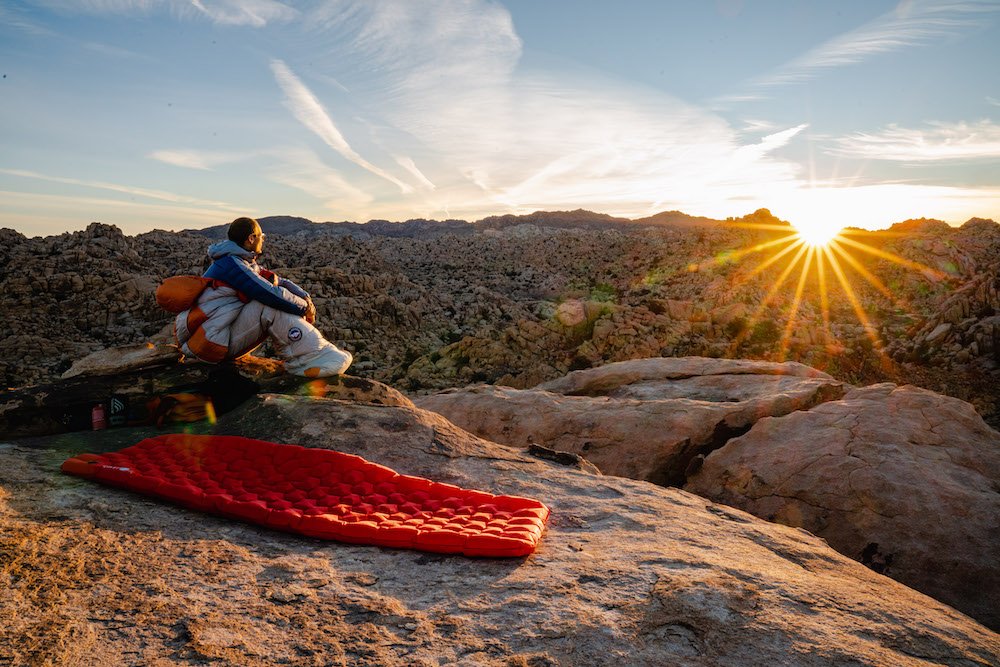
Enjoying a solo night under the stars on top of a mountain. Photo by Dalton Johnson
Solo travel is a journey of self-discovery, empowerment, and adventure. By following these 12 pro tips, beginners can embark on their first solo trip with confidence, ready to explore new places and cultures on their own terms. Whether you're traveling to a bustling city or a remote village, solo travel offers endless opportunities for growth and connection. So, pack your bags, trust your instincts, and get ready to experience the world like never before.
Discover more Adventures


10 Ways To Keep Your Energy Up During Difficult Travel
Traveling solo, especially over extended periods, can be a deeply fulfilling experience. The freedom to explore at your own pace, the joy of discovering new places, and the time to reflect and grow personally are invaluable. However, maintaining energy and enthusiasm during long solo journeys can be challenging. Whether you're a digital nomad, a vagabond, or simply enjoying a prolonged period of slow travel, these tips will help you stay energized and make the most of your travel lifestyle.
Traveling solo, especially over extended periods, can be a deeply fulfilling experience. The freedom to explore at your own pace, the joy of discovering new places, and the time to reflect and grow personally are invaluable. However, maintaining energy and enthusiasm during long solo journeys can be challenging. Whether you're a digital nomad, a vagabond, van lifer, or simply enjoying a prolonged period of slow travel, these tips will help you stay energized and make the most of your travel lifestyle.
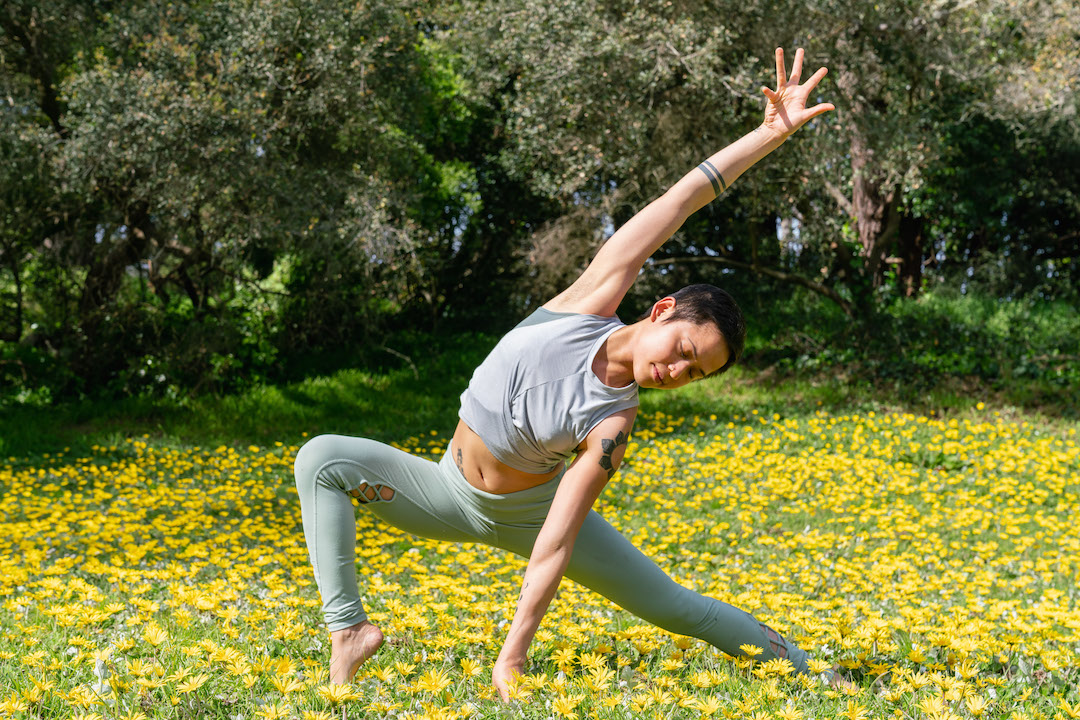
Prioritizing a healthy routine of exercise and stretching, like a yoga practice, will keep you healthy and energized while traveling. Photo by Dalton Johnson
1. Prioritize Your Health
Nutrition
Eating a balanced diet is crucial for maintaining energy levels. While it's tempting to indulge in local delicacies and street food, ensure that your diet includes plenty of fruits, vegetables, whole grains, and lean proteins. Carry healthy snacks like nuts, dried fruits, and granola bars to avoid unhealthy temptations during long travel days.
Hydration
Staying hydrated is essential, especially when you're on the move. Always carry a reusable water bottle and drink water regularly. Avoid excessive consumption of caffeinated beverages and alcohol, which can lead to dehydration and energy crashes.
Sleep
Quality sleep is non-negotiable. Ensure you get 7-9 hours of sleep each night. Invest in a good travel pillow, earplugs, and an eye mask to improve sleep quality, especially when staying in hostels or during overnight journeys. If you're experiencing jet lag, try to adjust to the local time zone as quickly as possible by staying awake until the local bedtime.
2. Maintain a Routine
Exercise
Regular physical activity boosts energy levels and helps combat the fatigue that often accompanies long-term travel. Find ways to incorporate exercise into your routine, whether it's through morning jogs, yoga sessions, or even walking tours of your destination. Many cities offer short-term gym memberships or drop-in classes, so take advantage of these opportunities.
Mental Health
Solo travel can sometimes lead to feelings of loneliness and homesickness. Maintain a mental health routine by setting aside time for meditation, journaling, or practicing mindfulness. These activities can help you stay grounded and mentally refreshed.
3. Stay Connected
Social Interaction
While solo travel offers the freedom of independence, human interaction is essential for maintaining energy and motivation. Stay connected with family and friends through regular video calls, and make an effort to meet new people on your journey. Join local tours, attend meetups, or stay in social accommodations like hostels or co-living spaces to foster new connections.
Digital Communities
Being a part of online communities related to travel, digital nomadism, or your specific interests can provide a sense of belonging and support. Participate in forums, social media groups, or virtual meetups to share experiences and gain valuable advice.
4. Embrace Slow Travel
Take Your Time
Rushing from one destination to another can be exhausting. Embrace the slow travel philosophy by spending more time in each location. This approach allows you to immerse yourself in the local culture, build deeper connections, and reduce the physical and mental strain of constant movement.
Flexible Itinerary
Having a flexible itinerary helps you avoid burnout. Allow yourself the freedom to change plans based on your energy levels and interests. If you find a place particularly enchanting, stay longer. Conversely, if a location doesn’t resonate with you, move on without guilt.
5. Balance Work and Play
Work-Life Integration
For digital nomads, balancing work and travel is crucial. Set realistic work goals and create a schedule that allows for productivity without compromising your travel experience. Designate specific work hours and find conducive environments like coworking spaces or quiet cafes to maintain focus.
Leisure Time
Ensure that your travel lifestyle includes ample time for leisure and exploration. Engage in activities that excite and inspire you, whether it's hiking, visiting museums, or simply relaxing by the beach. Balancing work and play keeps your energy levels high and prevents burnout.
6. Plan and Prepare
Research
Thoroughly research your destinations in advance to avoid unnecessary stress and fatigue. Know the local customs, transportation options, and safety tips. Having a well-thought-out plan makes your journey smoother and more enjoyable.
Emergency Kit
Carry a basic emergency kit with items like medications, a first-aid kit, a portable charger, and travel insurance documents. Being prepared for unexpected situations can save energy and prevent panic in challenging circumstances.
7. Stay Curious and Inspired
Learning
Continually feed your curiosity by learning about the places you visit. Take guided tours, read books, or watch documentaries about the local history and culture. This not only enriches your travel experience but also keeps your mind engaged and energized.
Goals
Set personal goals for your journey, whether it's learning a new language, improving your photography skills, or achieving a fitness milestone. Having clear objectives gives your travel purpose and keeps you motivated.
8. Listen to Your Body
Rest
Don’t ignore signs of fatigue. If you’re feeling tired, take a rest day. Enjoy a lazy day in your accommodation, indulge in a spa treatment, or simply take a nap. Listening to your body ensures long-term sustainability of your travel lifestyle.
Adapt
Be flexible and adapt to the natural rhythm of your body. Some days you might feel energetic and eager to explore, while other days you may need more rest. Trust your instincts and adjust your plans accordingly.
9. Financial Stability
Budget
Financial stress can significantly drain your energy. Create a realistic budget for your journey and stick to it. Monitor your expenses regularly and make adjustments as needed to ensure you have sufficient funds to support your travels.
Income Streams
If you’re a digital nomad, diversify your income streams to maintain financial stability. Having multiple sources of income reduces the pressure and allows you to enjoy your travels without constantly worrying about money.
10. Technology as a Tool
Gadgets
Use technology to your advantage. Equip yourself with reliable gadgets such as a good smartphone, a lightweight laptop, and portable Wi-Fi devices. These tools make it easier to navigate, stay connected, and work efficiently while on the move.
Apps
Take advantage of travel apps that help you plan, book, and manage your journey. Apps for accommodation, transportation, language translation, and local recommendations can save time and energy, allowing you to focus on enjoying your travel experience.
If you decide to rent a vehicle, like a van, consider taking a some time in nature to recharge. Photo by Dalton Johnson
Long solo journeys are a unique and rewarding way to explore the world and yourself. By prioritizing your health, maintaining a routine, staying connected, embracing slow travel, balancing work and play, planning ahead, staying curious, listening to your body, ensuring financial stability, and leveraging technology, you can stay energized and make the most of your travel lifestyle. Solo travel is not just about the destinations you visit, but also about the journey within. Enjoy every moment, stay inspired, and keep exploring!
Discover more Adventures

Slow Travel Is The Mindful Approach to Sustainable and Affordable Exploration
In the fast-paced world of modern travel, where jet-setting to multiple destinations in a short period is often the norm, a counter-culture movement has emerged known as "slow travel." This approach to exploration emphasizes savoring each moment, immersing oneself in local culture, and prioritizing sustainability and affordability. Let's delve into what slow travel is all about and why it's gaining popularity among adventurers, digital nomads, and those seeking a more meaningful travel experience.
In the fast-paced world of modern travel, where jet-setting to multiple destinations in a short period is often the norm, a counter-culture movement has emerged known as "slow travel." This approach to exploration emphasizes savoring each moment, immersing oneself in local culture, and prioritizing sustainability and affordability. Let's delve into what slow travel is all about and why it's gaining popularity among adventurers, digital nomads, and those seeking a more meaningful travel experience.
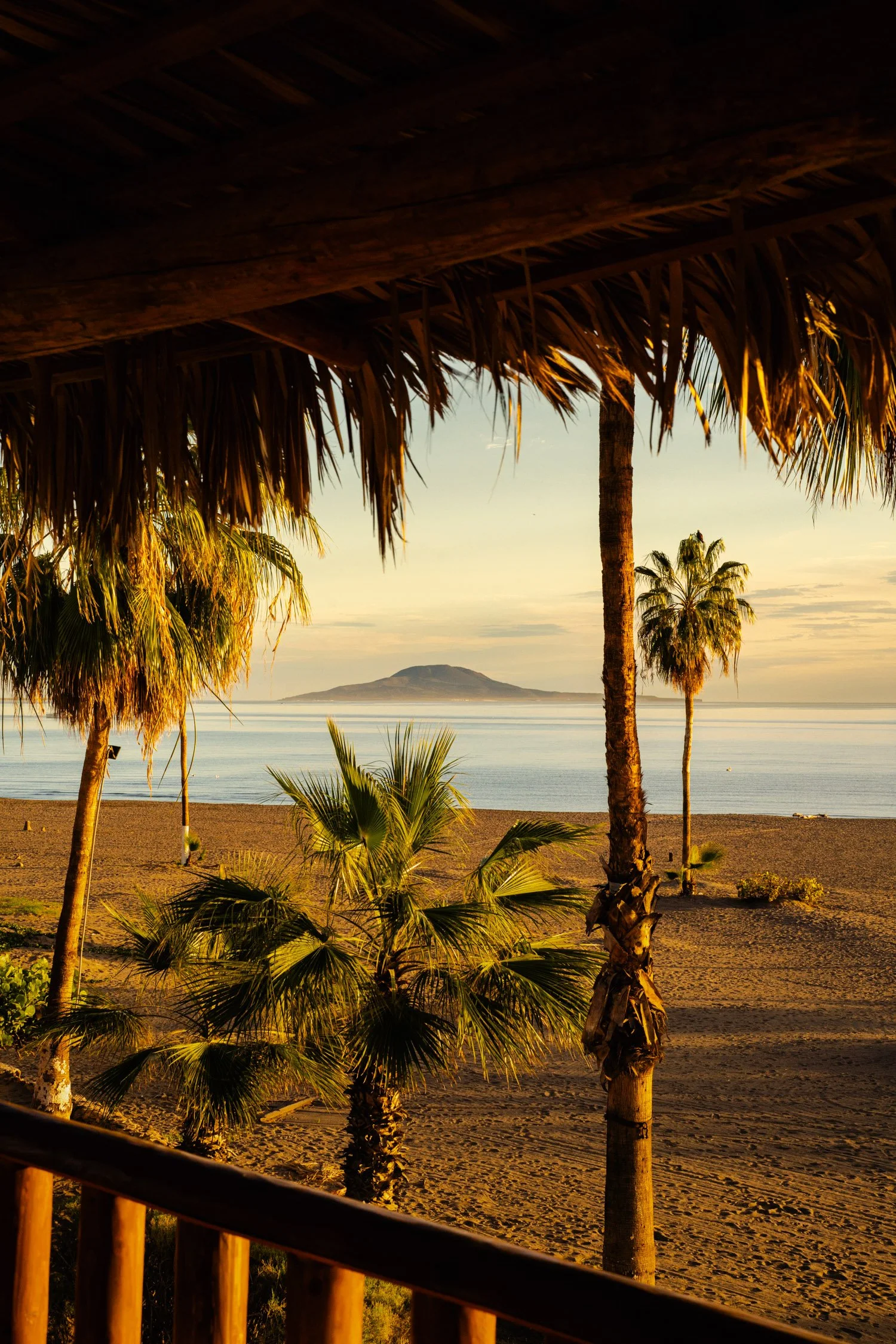
Watching the sunrise over the ocean while camping on the beach. Photo by Dalton Johnson
Pros
Deeper Cultural Immersion: Slow travel allows for a more profound understanding of local cultures, traditions, and lifestyles by spending extended time in one place.
Reduced Environmental Impact: By minimizing frequent flights and adopting sustainable practices, slow travel promotes eco-friendly tourism and reduces carbon footprints.
Less Stressful: Without the pressure to rush from one attraction to another, slow travel offers a more relaxed and enjoyable journey, fostering a sense of well-being.
Personal Growth: Spending time in unfamiliar environments encourages personal growth, resilience, adaptability, and a broader perspective on life.
Cons
Time Commitment: Slow travel requires a significant time commitment, making it less feasible for those with limited vacation days or busy schedules.
Potential Boredom: Extended stays in one place may lead to boredom for some travelers, especially if there are limited activities or attractions in the area.
Social Isolation: Traveling slowly may result in fewer opportunities to meet other travelers or socialize, especially in less populated areas.
Limited Destination Coverage: Slow travel focuses on fewer destinations, so travelers may miss out on experiencing a wide range of places and cultures.
What is Slow Travel?
At its core, slow travel is a mindset that encourages travelers to take their time, stay longer in one place, and deeply engage with the local community and environment. It's about quality over quantity, emphasizing experiences and connections rather than ticking off tourist attractions. Slow travelers often choose to explore a single region or country extensively instead of rushing through multiple destinations in a short period.
Saving Money and Traveling Sustainably
One of the key benefits of slow travel is its affordability. By staying longer in one place, travelers can often negotiate better rates for accommodations, find deals on local transportation, and take advantage of discounts for longer-term stays. Additionally, eating locally and preparing meals in accommodations with kitchen facilities can significantly reduce food costs compared to dining out for every meal.
Moreover, slow travel aligns with sustainable tourism practices. It minimizes the carbon footprint associated with frequent air travel, reduces waste generated from disposable products, and supports local economies by spending money directly with small businesses and artisans. This approach fosters a deeper connection to the places visited and a greater appreciation for environmental conservation.
Traveling as a Lifestyle
For many digital nomads and remote workers, slow travel has become a lifestyle choice. Instead of rushing to see as much as possible in a short vacation window, they opt for extended stays in different destinations, often months at a time. This lifestyle allows for a more balanced work-travel routine, with opportunities to immerse in local cultures, build relationships with residents, and experience day-to-day life in diverse settings.
Slow travel also encourages personal growth and self-discovery. Spending extended periods in unfamiliar environments challenges individuals to adapt, learn new skills, and gain a deeper understanding of themselves and the world around them. It promotes a sense of independence, resilience, and open-mindedness that can enrich life experiences and perspectives.
Tips for Embracing Slow Travel
Choose Your Base Wisely: Select a destination that aligns with your interests and offers a mix of cultural, natural, and recreational activities to explore at a leisurely pace.
Plan for Flexibility: Allow room in your itinerary for spontaneous discoveries and opportunities to connect with locals. Avoid over-scheduling to leave space for relaxation and serendipitous adventures.
Immerse in Local Culture: Participate in community events, try local cuisine, learn basic phrases in the native language, and support small businesses and artisans.
Practice Mindful Exploration: Slow down and take time to appreciate the details—whether it's admiring a sunset, savoring a meal, or engaging in meaningful conversations with locals.
Prioritize Sustainability: Choose eco-friendly accommodations, minimize plastic usage, support responsible tour operators, and respect natural environments and cultural heritage sites.
Taking the backroads while slow traveling to Alaska via vanlife. Photo by Dalton Johnson
In a world where speed and efficiency often dominate, slow travel offers a refreshing alternative—a chance to disconnect from the rush and reconnect with the essence of travel: discovery, curiosity, and human connection. It's not just about reaching a destination; it's about embracing the journey, savoring moments of wonder, and creating lasting memories that go beyond mere sightseeing. Whether you're a seasoned traveler or embarking on your first slow adventure, the beauty of slow travel lies in its ability to transform the way we experience the world, one mindful step at a time.
Discover more Adventures

Strategies for Managing Jet Lag on Solo Trips
Jet lag is an inevitable part of international travel, particularly for solo adventurers who thrive on the thrill of exploring new destinations. Adjusting to a new time zone can be challenging, but with the right strategies, it is possible to minimize its effects and make the most of your adventure travel experiences. Here are some effective tips for overcoming jet lag on solo trips.
Jet lag is an inevitable part of international travel, particularly for solo adventurers who thrive on the thrill of exploring new destinations. Adjusting to a new time zone can be challenging, but with the right strategies, it is possible to minimize its effects and make the most of your adventure travel experiences. Here are some effective tips for overcoming jet lag on solo trips.
One of the rare moments jet lag was helpful was seeing the Northern Lights in Canada. Photo by Dalton Johnson
Understanding Jet Lag
Jet lag occurs when your body's internal clock, or circadian rhythm, is disrupted by crossing multiple time zones. This disruption can lead to a range of symptoms, including fatigue, insomnia, irritability, and difficulty concentrating. While the severity of jet lag varies from person to person, it generally takes about a day for each time zone crossed to fully adjust to the new local time.
Pre-Trip Preparations
1. Gradual Time Adjustment
One of the most effective ways to prepare for a trip across multiple time zones is to gradually adjust your sleep schedule a few days before departure. If you are traveling east, try going to bed and waking up an hour earlier each day. Conversely, if you are traveling west, go to bed and wake up an hour later. This gradual shift can help your body start adjusting to the new time zone even before you leave.
2. Prioritize Rest
Ensure you are well-rested before your trip. Being sleep-deprived can exacerbate the symptoms of jet lag. Aim for a full night's sleep in the days leading up to your departure, so you start your journey feeling refreshed and energized.
3. Stay Hydrated
Hydration is crucial for maintaining overall health and can help mitigate some of the discomfort associated with long flights. Drink plenty of water before and during your flight to stay hydrated and avoid excessive consumption of caffeine and alcohol, which can dehydrate you.
During the Flight
4. Adjust Your Watch
As soon as you board the plane, set your watch to the local time of your destination. This simple step can help mentally prepare you for the new time zone and encourage you to start thinking in terms of your destination’s time.
5. Move Around
Sitting in one place for an extended period can lead to stiffness and discomfort, making it harder to adjust once you arrive. Take regular walks up and down the aisle, do some light stretching exercises, and move your legs and feet to promote circulation.
6. Nap Strategically
If your flight schedule allows, try to nap in alignment with your destination’s nighttime. Avoid long naps that can leave you groggy and disoriented. Short naps of 20-30 minutes can be refreshing and help reduce sleep debt without interfering too much with your new sleep schedule.
Upon Arrival
7. Get Natural Light Exposure
Exposure to natural light is one of the most powerful ways to reset your internal clock. Spend as much time outdoors as possible during daylight hours, particularly in the morning. This exposure can help signal to your body that it is time to be awake and active.
8. Stay Active
Engaging in physical activity can boost your energy levels and help your body adjust to the new time zone. Consider taking a brisk walk, going for a run, or doing some light exercises to help shake off fatigue and reset your internal clock.
9. Avoid Heavy Meals
Eating large, heavy meals can make you feel sluggish and interfere with your sleep. Opt for lighter meals, and try to eat at the local mealtimes to help your body acclimate to the new schedule.
Managing Sleep
10. Create a Sleep-Conducive Environment
When it is time to sleep, create a restful environment to help you fall asleep and stay asleep. Make your room as dark as possible, keep the temperature cool, and eliminate noise. Consider using earplugs, an eye mask, or a white noise machine to block out any disturbances.
11. Use Sleep Aids Sparingly
While it can be tempting to use sleep aids to help you fall asleep, use them sparingly and only as a last resort. Over-reliance on sleep aids can disrupt your natural sleep patterns and prolong your adjustment period. If you do use them, opt for natural options like melatonin, which can help regulate your sleep-wake cycle.
12. Practice Good Sleep Hygiene
Good sleep hygiene is essential for overcoming jet lag. Establish a relaxing bedtime routine, such as reading a book, taking a warm bath, or practicing mindfulness or meditation. Avoid screens and electronic devices before bed, as the blue light can interfere with your ability to fall asleep.
Staying Connected
13. Keep in Touch with Loved Ones
Solo travel can sometimes feel isolating, especially when you are dealing with jet lag. Stay connected with friends and family back home to help lift your spirits and provide a sense of comfort. Sharing your experiences and hearing familiar voices can be a great way to stay motivated and positive.
14. Engage with Locals
Interacting with locals can be a rewarding way to immerse yourself in the new culture and stay active. Ask for recommendations on the best places to visit, eat, and explore. Engaging in conversations can also help keep your mind stimulated and alert.
Mental and Emotional Well-being
15. Stay Positive
Maintaining a positive attitude is crucial when dealing with jet lag. Remind yourself that the symptoms are temporary and that your body will eventually adjust. Focus on the exciting aspects of your trip and the new experiences that await you.
16. Practice Mindfulness
Mindfulness techniques, such as deep breathing exercises and meditation, can help reduce stress and anxiety associated with jet lag. Taking a few moments each day to center yourself can improve your overall well-being and make it easier to handle the challenges of solo travel.
17. Be Patient with Yourself
Adjusting to a new time zone takes time, and it is essential to be patient with yourself. Allow your body the time it needs to acclimate and avoid pushing yourself too hard. Listen to your body’s signals and rest when needed.
Staying active and getting outside into the natural light cycle helps cut down on jet lag. Photo by Dalton Johnson
Jet lag can be a challenging aspect of solo travel, but with the right strategies, it is possible to minimize its effects and make the most of your adventure travel experiences. By preparing in advance, staying active, prioritizing rest, and maintaining a positive mindset, you can overcome jet lag and fully enjoy the excitement and rewards of solo travel. Embrace the journey, stay resilient, and let your adventures take flight.
Discover more Adventures

How to Deal with Travel Fatigue as a Solo Adventure Traveler
Traveling solo on an adventure-filled journey is one of the most rewarding experiences one can have. The freedom to explore new places at your own pace, the thrill of discovering uncharted territories, and the personal growth that comes from navigating the world independently are just a few of the many benefits. However, long-term solo travel also comes with its challenges, one of which is travel fatigue. Understanding what travel fatigue is and knowing effective ways to overcome it can make your adventure much more enjoyable and sustainable.
Traveling solo on an adventure-filled journey is one of the most rewarding experiences one can have. The freedom to explore new places at your own pace, the thrill of discovering uncharted territories, and the personal growth that comes from navigating the world independently are just a few of the many benefits. However, long-term solo travel also comes with its challenges, one of which is travel fatigue. Understanding what travel fatigue is and knowing effective ways to overcome it can make your adventure much more enjoyable and sustainable.
Solo bikepacking New Zealand’s South Island for two months. Photo by Dalton Johnson
What is Travel Fatigue?
Travel fatigue is a state of physical, mental, and emotional exhaustion that occurs after extended periods of travel. The challenge, unlike regular tiredness that can be alleviated with a good night's sleep, travel fatigue is more persistent and can affect your overall well-being. Symptoms include constant tiredness, lack of motivation, irritability, difficulty concentrating, and a general sense of being overwhelmed. For solo travelers, this fatigue can be particularly challenging as there's no one to share the load or provide support.
Causes of Travel Fatigue
Several factors contribute to travel fatigue, including:
Constant Movement: Continuously moving from one place to another without adequate rest can wear you down.
Jet Lag: Crossing multiple time zones disrupts your circadian rhythm, leading to sleep disturbances.
Overplanning: Trying to see and do too much in a short period can leave you feeling exhausted.
Isolation: While solo travel offers freedom, it can also lead to loneliness, which contributes to mental fatigue.
Cultural Adjustment: Adapting to different cultures, languages, and customs can be mentally exhausting.
Ways to Overcome Travel Fatigue
Overcoming travel fatigue requires a combination of practical strategies and mindful practices. Here are some effective ways to manage and reduce travel fatigue:
1) Plan Downtime
Incorporate rest days into your travel itinerary. These are days where you do not have any major activities planned and can focus on relaxation and rejuvenation so you don’t feel burnt out or overplanned. Whether it’s lounging at a café, enjoying a spa day, or simply staying in bed with a good book, giving yourself permission to rest is crucial.
Related Read: Stop Overplanning Your Vacations, You’re Giving Yourself Travel Fatigue
2) Stay Hydrated and Eat Well
Dehydration and poor nutrition can exacerbate fatigue. Make sure to drink plenty of water, especially after flights or long journeys. Eating a balanced diet rich in fruits, vegetables, and proteins will provide your body with the energy it needs to function optimally.
3) Prioritize Sleep
Getting adequate sleep is essential for combating travel fatigue. Create a bedtime routine that helps you wind down, such as reading, listening to calming music, or practicing meditation. Consider bringing a sleep mask, earplugs, or a travel pillow to improve your sleep quality, especially in unfamiliar environments.
4) Exercise Regularly
Physical activity can boost your energy levels and improve your mood. Incorporate light exercises into your daily routine, such as stretching, yoga, or a short walk. If possible, find local gyms, parks, or even participate in outdoor adventure activities to stay active.
5) Mind Your Mental Health
Travel can be mentally taxing, so it's important to take care of your mental well-being. Practice mindfulness or meditation to help manage stress and anxiety. Journaling your experiences can also be therapeutic and help you process your thoughts and feelings.
Related Read: A Guide to Practicing Mindfulness While Traveling
6) Connect with Others
Even though you’re traveling solo, it’s beneficial to connect with other travelers or locals. Social interactions can provide emotional support and reduce feelings of isolation. Join group tours, attend local events, or stay in social accommodations like hostels where you can meet new people.
7) Be Flexible
Allow yourself to be flexible with your travel plans. If you feel overwhelmed, don’t be afraid to alter your itinerary. Sometimes, spending an extra day in one place or skipping a less interesting destination can significantly reduce stress and fatigue.
8) Limit Digital Distractions
Constantly being connected to your phone or computer can be draining. Set aside specific times for checking emails or social media, and use the rest of your day to be present in your surroundings. Digital detoxing can help you feel more refreshed and focused.
9) Engage in Self-Care
Self-care is crucial for maintaining your energy levels and well-being. This can include anything from taking a hot bath, getting a massage, or indulging in a hobby. Make time for activities that bring you joy and relaxation.
10) Seek Professional Help if Needed
If travel fatigue becomes overwhelming and starts affecting your mental health, it might be beneficial to seek professional help. Speaking with a therapist or counselor can provide you with strategies to cope with stress and anxiety during your travels.
Long-Term Strategies for Sustainable Travel
For those engaging in long-term travel, maintaining a balance between exploration and rest is essential. Here are some additional tips to ensure sustainable travel:
1) Travel Slow
Instead of rushing through destinations, spend more time in each place. Slow travel allows you to immerse yourself in the local culture, build routines, and reduce the constant stress of moving.
Related Read: SLOW TRAVEL IS THE MINDFUL APPROACH TO SUSTAINABLE AND AFFORDABLE EXPLORATION
2) Set a Routine
Creating a daily routine can provide a sense of stability and normalcy. Even simple routines like morning coffee rituals, regular meal times, or scheduled workout sessions can help anchor your days.
3) Find a Home Base
Consider finding a temporary home base where you can stay for an extended period. This can give you time to rest, catch up on work, and explore the area more deeply without the pressure of constant movement.
4) Volunteer or Work Abroad
Engaging in volunteer work or taking up temporary jobs can provide structure to your travels and give you a sense of purpose. It also offers opportunities to meet new people and integrate into the community.
5) Listen to Your Body
Pay attention to your body’s signals. If you’re feeling exhausted, take it as a sign to slow down and rest. Ignoring these signals can lead to burnout and more severe health issues.
I’ve always found splashing into a cold body of water will reset your day. Photo by Dalton Johnson
Travel fatigue is a common challenge for solo adventure travelers, but with the right strategies, it can be managed effectively. By prioritizing rest, staying healthy, connecting with others, and being flexible, you can overcome travel fatigue and continue to enjoy the many rewards of solo travel. Remember, the journey is just as important as the destination, so take care of yourself and make the most of your adventure.
Discover more Adventures

Let Traveling Be Your Continued Education
Travel is often regarded as a leisure activity, called vacation, that serves as a chance to escape the routines of daily life and experience new destinations. But, what if it didn't? Instead, what if you took it as an opportunity to be your classroom? A dynamic classroom that offers valuable lessons, enriching experiences, and personal growth. With eight years of endless travel under my belt, I wanted to take this opportunity to explore how travel can be a classroom where one gains real life insights into history, culture, geography, and oneself.
Travel is often regarded as a leisure activity, called vacation, that serves as a chance to escape the routines of daily life and experience new destinations. But, what if it didn't? Instead, what if you took it as an opportunity to be your classroom? A dynamic classroom that offers valuable lessons, enriching experiences, and personal growth. With eight years of endless travel under my belt, I wanted to take this opportunity to explore how travel can be a classroom where one gains real life insights into history, culture, geography, and oneself.
A lobster fisherman taking in the sunrise before setting out on the water for the day. Photo by Dalton Johnson
History Lessons Beyond Textbooks
Traveling to different parts of the world is akin to stepping into a living history book. It provides an opportunity to witness, touch, and experience the remnants of the past. Historical sites and landmarks, whether they be the pyramids of Egypt, the Colosseum in Rome, or the Great Wall of China, are portals to bygone eras. They allow travelers to immerse themselves in the rich tapestry of human history. Yet, it doesn't have to be a grand destination to teach you something, as long as you keep your eyes open. Museums are great, but there are better ways to learn.
For example, after blowing up a Ford Bronco while shooting a youtube series for one of their ambassadors, we had nothing to do but surf and hang out on the beaches of San Juanico in Baja Sur. At first, it was a blessing, because the surf was good, but then it went flat. Looking for something to do, we wandered down to the marina (which is just a bunch of boats sitting on the sand) and started hanging with the fisherman who we noticed in the surf line-up. After a short while, they told us to come back the next day to go fishing with them. Which turned into a history lesson about famous locals, Mexican folklore, and so much more!
Geography and Environmental Awareness
Travel can be more than plane flights and bus rides, it's an opportunity to get your feet on the ground and experience a landscape that differs from your home. Offering a unique opportunity to study geography in a practical and engaging way. Unlike studying maps and globes, traveling allows individuals to witness geographical features, ecosystems, and climate variations firsthand. Whether exploring the lush rainforests of Costa Rica, the vast deserts of the Sahara, or the icy tundra of the Arctic, travelers learn about the world's geography in a tangible and memorable manner. Increasing our connection to the planet.
Bringing people closer to nature and the environment fosters an appreciation for the Earth's beauty and the importance of environmental preservation. Experiencing natural wonders such as the Grand Canyon, the Great Barrier Reef, or the Amazon rainforest instills a sense of responsibility toward the planet and encourages sustainable practices. Travel as a classroom, in this sense, can inspire individuals to become more environmentally conscious and advocates for conservation efforts.
Personal Growth and Self-Discovery
While travel can be a classroom for learning about the external world, it is also a powerful arena for self-discovery and personal growth. Stepping out of one's comfort zone and facing the uncertainties of travel can lead to increased self-confidence and resilience. Travelers are often confronted with unforeseen challenges and opportunities, and the ability to adapt and thrive in such situations is a valuable life skill.
Moreover, travel encourages introspection. Being in unfamiliar surroundings and away from the familiar routines of daily life prompts individuals to reflect on their values, goals, and aspirations. Given enough time, traveling can be a catalyst for personal transformation, where travelers reevaluate their priorities, discover hidden talents, and gain a deeper understanding of themselves.
Problem-Solving and Adaptation
It goes without saying, but we should say it. Travel is not without its challenges, and dealing with these challenges becomes a vital part of the educational experience. From navigating foreign transportation systems to overcoming language barriers and adapting to different customs, travelers must constantly problem-solve and adapt to changing situations.
These experiences in unfamiliar environments help develop critical thinking skills and resourcefulness. Travelers learn to approach problems with an open mind and a sense of adventure, which can be applied to various aspects of life. The ability to adapt to new and unexpected situations becomes a valuable asset in the ever-changing landscape of the modern world.
Using the open space, while camping in the wild, to reflect upon travel. Photo by Dalton Johnson
Travel is a classroom like no other, offering an array of educational opportunities. It provides lessons in history, culture, geography, and self-discovery that go beyond the confines of traditional education. Traveling exposes individuals to the world's diversity, fosters cultural understanding, and raises awareness of environmental issues. Moreover, it encourages personal growth, problem-solving skills, and adaptability.
The lessons learned from travel are not just academic but also deeply personal. They help individuals become more empathetic, open-minded, and self-aware. The classroom of travel broadens our horizons, enriches our lives, and equips us to navigate the complex and interconnected global society we live in. Travel, in all its forms, has the power to be a transformative force in our lives, providing education and enlightenment that no textbook or classroom can replicate.
Discover more Adventures

Why We Should Travel
Traveling is something that has always captivated me. Yet, it's not about seeking grand adventures or specific destinations; instead, it's about embracing the idea of breaking away from routine and welcoming new experiences with open arms. Throughout my travels, I've discovered that the motivations behind hitting the road are universal, and there's something profoundly special about it.
Updated: Sept. 16, 2024
Traveling is something that has always captivated my attention from a young age. Yet, it's not about seeking grand adventures or tick off bucket list destinations like Antarctica; instead, traveling about embracing the breaking away from routine and welcoming new experiences with open arms. Sometimes that is through unforeseen and potentially unavoidable adversity like breaking a cultural norm or getting injured. However, throughout my travels, I've discovered the motivations behind hitting the road are universal, and there's something unifying about it.
Traveling to break free from the mundane that routine creates is paramount. There is no doubt, the daily grind can make life seem predictable and repetitive, but tossing in a curve ball will improve your outlook. Whether it's a weekend getaway to a nearby place or taking on an adventure travel journey down the silk route, the act of traveling provides a break from the everyday. It's a momentary escape from the responsibilities and stresses that come with the comfort of our routines, offering a chance to recharge my spirit, rekindle creativity, and gain a refreshed perspective on life.
One of the most remarkable aspects of travel is the opportunity to learn something new. The world is a vast and diverse place, filled with different cultures, traditions, and landscapes. When I travel, I try to pick locations that expose me to various people, languages, cuisines, and histories. Every place visited is a classroom without walls, and every encounter is a valuable lesson. It's a humbling experience that teaches me about the rich tapestry of humanity, helping me understand the world and its many complexities.


Travel is a way to challenge the status quo within yourself. When I explore different parts of the world and engage with diverse cultures and perspectives, I find myself questioning my own beliefs and biases. It encourages me to reassess my values and priorities, making me more empathetic and open-minded. Through these experiences, I grow as an individual and am better equipped to understand and respect the differences in our global community.
Most importantly, travel allows me to experience something new and exceptional. It could be witnessing the grandeur of nature, the vibrancy of a bustling city, or the serenity of a secluded beach at sunrise. These moments are both breathtaking and humbling, reminding me that life is a collection of these unique experiences, each of which adds a layer to my understanding of the world.
While many of the things I seek through travel, such as novelty, learning, and personal growth, could theoretically be achieved at home, there's something about being on the road that forces me to reflect. The unpredictability, the sense of adventure, and the thrill of the unknown all contribute to the unique allure of travel. It humbles me, reminding me that life's true beauty lies beyond my comfort zones and is waiting to be discovered.
Discover more Adventures

How To Get Started With Van Life
Van life has become a popular lifestyle choice for those seeking adventure, freedom, and a break from the traditional norms of society. As someone who has been intimately connected with the van life experience for over six years, I can attest to the transformative nature of this lifestyle.
Van life has become a popular lifestyle choice for those seeking adventure, freedom, and a break from the traditional norms of society. As someone who has been intimately connected with the van life experience for over six years, I can attest to the transformative nature of this lifestyle.
Whether you're a seasoned road warrior like myself or someone contemplating the idea of trading a stationary existence for a life on the move, getting started with van life requires careful planning and thoughtful considerations. Drawing from my own experiences and those of fellow long-time travelers, here's a practical guide to help you embark on your own van life journey.
Monsoon season in the American Southwest comes highly recommended in a van. Photo by Dalton Johnson
Test the Waters:
Before fully committing to the van life, consider renting different vans to understand what suits your preferences and lifestyle. Experiment with various sizes, layouts, and amenities to determine what best aligns with your needs. This initial exploration allows you to make informed decisions before making a long-term commitment.
Here are some platforms you can use to test van life:
Outdoorsy (I think this is your best resource for true van life rigs)
Escape Campervans (good opportunity, but not totally van life rigs)
Indie Campers (Great way to test the waters, but not totally van life rigs)
RV Rentals (Wide variety, mostly RVs but some van life rigs)
Full Commitment:
Once you've experienced the thrill of van life through rentals and are certain it's the lifestyle for you, it's time to make a full commitment. Begin by saving money and selling unnecessary possessions to fund your van life adventure. This step is crucial as it sets the foundation for building out your van, establishing a community, and planning your journey ahead.
Build Your Own Van:
While there are pre-built vans available in the market, consider building your own. This not only allows you to customize your living space according to your needs but also equips you with in-depth knowledge about your vehicle. Understanding the ins and outs of your van is essential for maintenance and troubleshooting on the road.
Set a Two-Year Plan:
Van life is not just a fleeting adventure; it's a lifestyle that requires thoughtful planning. Create a two-year roadmap outlining your travel destinations, budget considerations, and personal goals. This plan serves as a guide, helping you make informed decisions and providing a sense of direction throughout your journey.
Find Remote Work:
Sustaining a nomadic lifestyle requires a source of income. Explore remote work opportunities that allow you to earn a living while on the road. Whether it's freelancing, consulting, or a full-time remote job, having a steady income stream ensures financial stability during your van life journey.
Evaluate and Decide:
After two years on the road, take stock of your van life experience. Assess whether you want to continue this lifestyle or transition back to a more conventional way of living. Some individuals find that van life is a lifelong commitment, while others may choose to become weekend warriors. The key is to reflect on your experiences and make decisions that align with your evolving priorities.
One of the many long roads you can find while living van life. Photo by Dalton Johnson
Embarking on a van life journey is a transformative experience that offers freedom, flexibility, and a unique perspective on life. By testing the waters, fully committing, building your own van, planning for the future, finding remote work, and evaluating your experience after two years, you can make the most of this unconventional lifestyle. Van life is not just a mode of transportation; it's a way of embracing the journey and finding fulfillment on the open road.
Discover more Adventures
Is Van Life Coming To An End?
Is van life overrated? Maybe. Does that mean you shouldn't give it a try? Definitely not! But, why are those committed to van life quitting the movement?
In recent years, the allure of van life has captured the imaginations of many adventure seekers looking to break free from the conventional trappings of stationary living. The idea of hitting the open road, living in a compact mobile space, and experiencing the freedom of the nomadic lifestyle has drawn countless individuals into the world of van life. However, as the trend has gained momentum, a surprising phenomenon has emerged – people are increasingly choosing to abandon van life in favor of more traditional housing options. In this article, we explore the reasons behind this shift and delve into the evolving landscape of van life.
Is van life overrated? Maybe. Does that mean you shouldn't give it a try? Definitely not! But, why are those committed to van life quitting the movement?
In recent years, the allure of van life has captured the imaginations of many adventure seekers looking to break free from the conventional trappings of stationary living. The idea of hitting the open road, living in a compact mobile space, and experiencing the freedom of the nomadic lifestyle has drawn countless individuals into the world of van life. However, as the trend has gained momentum, a surprising phenomenon has emerged – people are increasingly choosing to abandon van life in favor of more traditional housing options. In this article, we explore the reasons behind this shift and delve into the evolving landscape of van life.
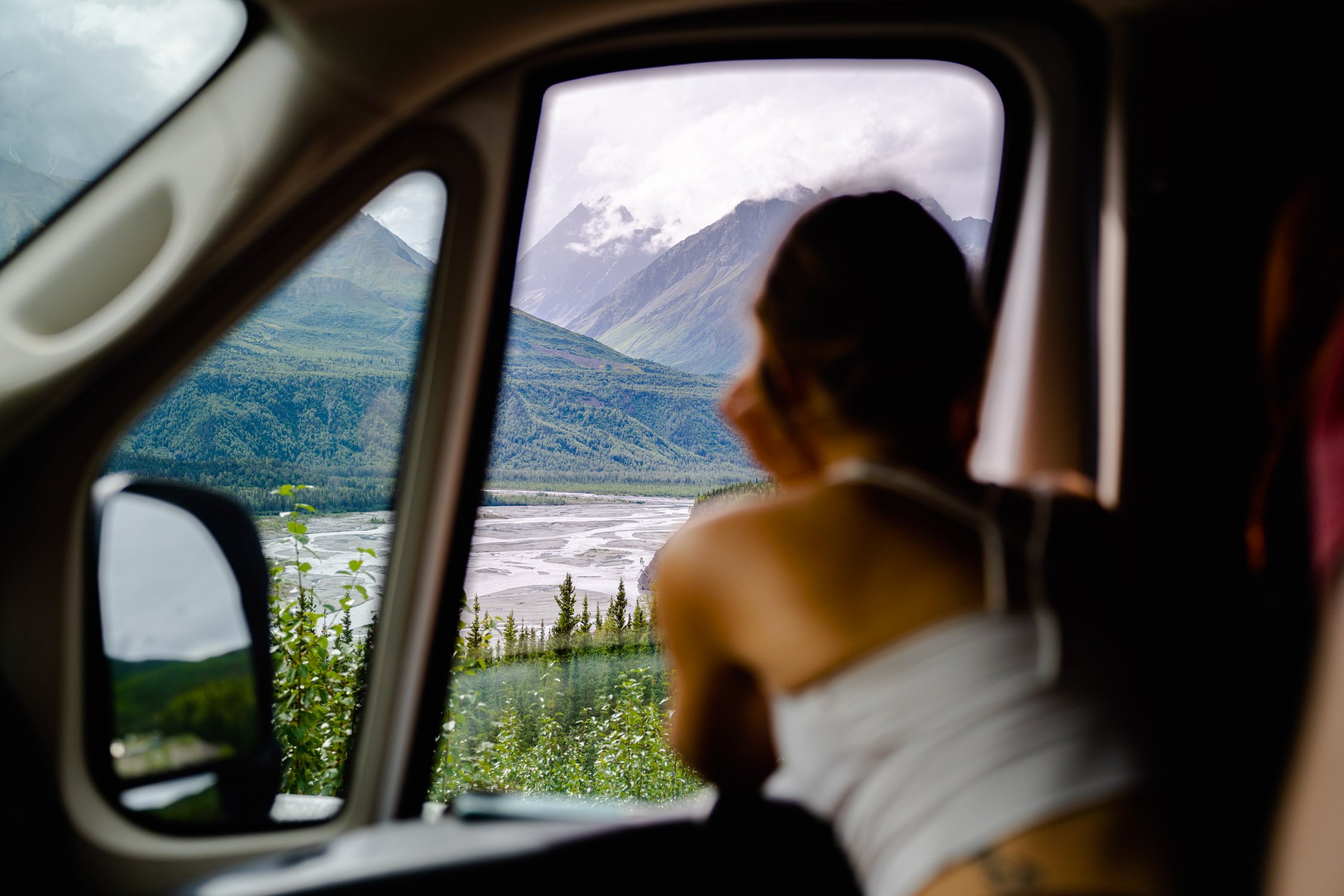
Staring out the van window and the Alaskan landscape. Photo by Dalton Johnson
The Missing Community Connection:
One of the initial draws of van life is the promise of a tight-knit community of like-minded individuals sharing the same nomadic journey. However, some van lifers find themselves feeling isolated on the road. The transient nature of the lifestyle can make it challenging to form lasting connections, leading some to yearn for a sense of belonging that is more readily available in a traditional neighborhood.
Increasing Challenges of Van Life:
While the concept of van life may seem idyllic, the reality can be harsh. Finding suitable places to park, dealing with maintenance issues, and managing the logistical aspects of life on the road can become increasingly challenging. As more people embrace van life, competition for desirable spots intensifies, making it harder for those seeking solitude and tranquility to find it.
Saved Enough to Settle Down:
Contrary to the perpetual wanderlust associated with van life, some individuals eventually realize that they have achieved their financial goals and can afford to establish a more permanent residence. The initial desire for a minimalist, debt-free lifestyle through van living often transforms into a realization that a stable home base provides a foundation for long-term financial security and personal growth.
Decision Fatigue Takes Its Toll:
Living on the road requires constant decision-making – where to park for the night, when to move on, and how to manage limited resources efficiently. The romanticized idea of spontaneous adventure can give way to the exhaustion of perpetual decision fatigue. Some van lifers find solace in the predictability of a routine, leading them to seek the stability that a fixed home can offer.
Rising Costs of Van Life:
Van life was once synonymous with a low-cost lifestyle, but as its popularity has surged, so too have associated expenses. The cost of purchasing and converting a van, fuel prices, insurance, and maintenance can add up quickly. Some van lifers find that the financial benefits they initially sought are eroded, making the prospect of traditional living arrangements more appealing.
The Rise of Van Life Rental Programs:
One of the most significant shifts in the van life landscape is the emergence of rental programs. In the past, van life enthusiasts needed to commit to the lifestyle by investing in their own vehicle. However, the rise of rental programs allows individuals to experience the freedom of van life without the long-term commitment. This shift in accessibility has led some to question the need for full-time van ownership, making it easier for people to dip in and out of the lifestyle as they please.
The open road outside the van window headed north to Alaska for the summer. Photo by Dalton Johnson
The decision to leave van life behind is a deeply personal one, shaped by a combination of individual preferences, changing circumstances, and the evolving nature of the lifestyle itself. While some people may find the sense of community they were seeking, others may realize that the financial security and stability of a traditional home outweigh the allure of the open road. As van life continues to evolve, it remains a dynamic and multifaceted lifestyle, catering to a diverse range of individuals with varying needs and aspirations. Ultimately, the reasons behind the exodus from van life underscore the importance of flexibility in our understanding of housing and lifestyle choices in the modern era.
Discover more Adventures

The Boy Who Rediscovered Hiking
Vaguear lay upside down on the worn-out couch, his head dangling over the edge as he flipped through a book he had found at the local library. Words and stories were his escape from the predictable routines of life in their two-bedroom apartment 37 stories up. The sunlight streamed in through the window, casting a warm, gentle glow that filled the room. He was engrossed in the world of his book when his mother's voice interrupted his reverie.
Vaguear lay upside down on the worn-out couch, his head dangling over the edge as he flipped through a book he had found at the local library. Words and stories were his escape from the predictable routines of life in their two-bedroom apartment 37 stories up. The sunlight streamed in through the window, casting a warm, gentle glow that filled the room. He was engrossed in the world of his book when his mother's voice interrupted his reverie.
"Vaguear, it's time for dinner!" she called from the kitchen.

With a reluctant sigh, Vaguear closed the book and sat up. He joined his mother at the dinner table, his mind still wandering through the pages of his book. While savoring a meal of homemade lasagna, he glanced up at his mother and asked, "Mom, what does 'hiking' mean?"
His mother paused, her eyes meeting his in a moment of consideration. "Hiking," she began, "is an activity where people go on long walks, often in natural settings like forests, mountains, and trails. It's a way to explore and experience the beauty of nature, away from the hustle and bustle of the city."
Vaguear furrowed his brow, his curiosity piqued. "So, it's like taking a long walk in the woods?" he inquired still trying to grasp the concept.
His mother nodded, a smile playing at the corners of her lips. "Yes, it's just like that. You get to be surrounded by trees, breathe in the fresh air, and enjoy the tranquility of nature."
Although the concept of hiking wasn't entirely clear to Vaguear, he felt an undeniable spark of interest. He knew he had to give it a try, but how?
Over the next few weeks, Vaguear's thoughts were consumed by the idea of hiking. He read books of old, scoured the internet for tips and advice, and even planned a route. He felt trapped and confined in the concrete jungle and craved an uncharted world. As his preparations teased his desires, he knew he had to make his dream a reality.
One crisp morning, with his backpack loaded with essentials and boots laced up, Vaguear made a bold decision. He would hop on the wrong bus, ditch school, and be on an adventure he had only dared to dream about.
As the cityscape gave way to rural landscapes, and finally, to the heart of the wilderness, it was Vaguear's moment. The bus stopped, Vaguear's boots landed on dirt, and he re-discovered hiking. A surge of exhilaration filled his mind as all he could see was dirt and trees. The ground beneath his feet was uneven, a stark contrast to the city's concrete sidewalks. The air was crisp and clean, filled with the scents of the forest. The trees towered above him in a haphazard, unscripted arrangement, their branches creating a natural canopy. His senses were overwhelmed.
With each step, Vaguear reconnected to nature. Discovering the thrill of walking over uneven terrain, the joy of listening to the melodious symphony of birds and the rustling leaves, and the peace that settled over him as he breathed in the pure, untamed air. His heart pounded, and he could feel the burn in his muscles as he climbed higher along the trail.
As his feet continued transporting his body, Vaguear reached a breathtaking vista, a place where he could stand at the edge of a precipice, with his lungs on fire from the climb. Before him lay a magnificent view - a sprawling river winding its way through a lush valley, surrounded by a sea of towering trees. The sight was nothing short of a masterpiece of nature, a revelation that extended far beyond his imagination.
For the first time in his life, Vaguear was far from the comforts of his city apartment, and he was soaking in the unadulterated beauty of the natural world.
In that solitary moment, surrounded by the beauty of the wilderness, he realized this was natural, this was his home, this is where he belonged. Hiking wasn't an escape, it was a return home.
Discover more Adventures

The Realities of Long Term Motorcycle Travel
I met Jimbo Tarpey while staring at salmon in a river, waiting for a grizzly bear to come eat, in Hyder, Alaska.
Without cell service, I sat on a wooden bench, staring at these salmon, as if watching paint dry. Then, I saw Jimbo wander up in a full motorcycle kit, high on life. Thinking to myself, I need to know the story behind this guy, I scooted closer to eavesdrop on his conversation.
In a short while, I became a part of the conversation learning about Jimbo's goal of riding a motorcycle from his home in Minnesota to the top of Alaska all the way to the bottom of South America. His story blew my mind and I am honored to share his story with you all through a Q&A below:
I met Jimbo Tarpey while staring at salmon in a river, waiting for a grizzly bear to come eat, in Hyder, Alaska.
Without cell service, I sat on a wooden bench, staring at these salmon, as if watching paint dry. Then, I saw Jimbo wander up in a full motorcycle kit, high on life. Thinking to myself, I need to know the story behind this guy, I scooted closer to eavesdrop on his conversation.
In a short while, I became a part of the conversation learning about Jimbo's goal of riding a motorcycle from his home in Minnesota to the top of Alaska all the way to the bottom of South America. His story blew my mind and I am honored to share his story with you all through a Q&A below:
Jimbo
A Q&A with Jimbo on Long Term Motorcycle Riding, History, and the Pan-Am Highway:
Q: Could you introduce yourself?
A: My name is Jimbo Tarpey, a year ago I quit my job and left everything behind to travel the world. I’m a 33 year-old Minnesotan that makes infotainment videos and blogs on historical places across the Americas that I visit on my motorcycle.
Q: How can we follow your journey?
A: You can find me on YouTube, Instagram, Facebook, and Patreon by looking up “2 Wheels 1 Compass” or 2W1C. I have a website here too.
I release YouTube videos once every month or so that are real labors, and I try to release a blog or 90-second reel on Facebook or Instagram every other day.
90% of my blogs are on Patreon and free to read, but the best stories are saved for those who donate to my cause. On Patreon you can give as little as $1 / month and access those stories.
Q: What are you currently doing?
A: After saving and planning for 7 years, I quit my job, donated my mattress, left my apartment, sold my car, and rode off on my motorcycle to cross the Americas from the top to the bottom. I’ve been traveling for 13 months.
Not only do I travel, I also ride around to historical locations, stay with locals, and report on the history and culture of the places that I visit on social media platforms as an amateur influencer. It’s been a dream of mine and I’ve worked on it for years and I’m currently living it!
Q: What’s your background?
A: I worked in the health insurance industry for about 6 years... I left it all behind for this trip. I have a degree in Anthropology and I speak Spanish, so I’ve been recently using those to dive into the culture of Latin America and report on the interesting, strange, and unique things I see. I’ve been a motorcyclist since I was 25.
Q: What is your route and how did you decide on it?
I always knew I wanted to travel the world but I didn’t know how. One day, the dream actually started with me looking around Google Earth on a rainy day. I was looking at far off and remote places like Greenland or the interior of Australia. I had just got back from a road trip and I was wondering what extreme road trip places existed.
My eyes were drawn to the top of North America. This was around 2014 so there was only 1 road to the Arctic Ocean. As it turns out, there were a few people that had taken that route in their own private vehicles over The Dalton Highway, the treacherous stretch from Fairbanks up to the shores of Earth’s northern ocean.
Then that made me wonder, how far south can I go from there? Then I looked up the farthest south roads go. That brought me to Ushuaia, Argentina.
My coworker at the time was a motorcyclist and talked about all of the advantages I’d have with traveling on a motorcycle such as cost, ease of access, quality of living, economy, and many other things.
I wanted no time limit to see all the things in between. Given there are things such as tourist visas and seasons there’s obviously not unlimited time, but I wanted to be able to see everything I could. There was no set route other than these two points: Deadhorse, Alaska and Ushuaia, Argentina.
Q: What bike did you choose?
A: I have a 2020 Honda Africa Twin 1100. I selected it because it is an adventure bike class, meaning it has the best fuel economy (~60 MPG), good ergonomics for long highway stretches, and it can go off-road and handle the rough stuff when needed.
Q: How did you select your bike? What other bikes did you consider?
A: I needed something that could handle crossing the vast expanses of North America as well as the rough-and-tumble scenic routes of Latin America. I picked Honda over BMW, Triumph, or KTM because of cost, and it would be easier to find parts and dealerships across the hemisphere.
I considered the Kawasaki Versys and Suzuki V-Strom as well, but the immediate post-pandemic availability back in spring of 2021 limited my options. Right now I’m falling in love with the Yamaha Tenere 700 but don’t tell my bike that.
Q: How did you budget for the trip?
A: I should preface this by saying that my biggest priority for this journey was time. I wanted to travel for years. So, I saved a lot for this over the course of my young career. I didn’t want to be hampered by costs and budgeting, so I saved up a large sum of money over the course of several years and I’m slowly chipping away at it as I go.
I don’t look ahead further than maybe 1-2 days in terms of budgeting. I find out how much it’ll cost to operate daily and multiply that by a month. Every month I’ll look back at my expense totals and forecast what I may be down to looking forward as the months go by.
Q: What was the hardest part of starting?
A: All those years I was saving, I had to put many things aside. Many romantic relationships had to have the conversation: “Here’s what I’m doing. Have you ever considered long-term travel?”
I had relationships with an expiration date. My goal was the exact opposite of people looking to have children, buy houses, and settle down. There’s a lot of social pressure to do these things, both internal and external. It’s hard to ignore those pressures.
Also, you need to consider apartment leases and large possessions when you go. I had furniture and a car. I had to sell the car and have friends take what they could if they agreed to it. I also got a storage locker to pack up my life and I paid the maximum 2 year advance for it. When signing for my last apartment, I awkwardly asked for a 20-month lease that was set to expire in July 2022 so I could leave in the summer to the Arctic.
Q: What was the largest barrier-to-entry that almost made you reconsider?
While friends were using their vacation time to visit far off locations around the world, I budgeted my paid time off to go on long-distance motorcycle trips around the US and Canada to practice the camping, packing, and logistics of this ‘big trip.’
I don’t think anything got close to making me reconsider. Once I had told my friends and family I was planning on doing it, and once I’d started to save up the money and make sacrifices for the long-term goal, there was no going back.
It would hurt more to quit than it would to keep going.
Q: How far have you gone? How much is left?
I have gone from Minneapolis, MN to Deadhorse, AK, and I’m writing to you from Costa Rica after being on the road for 13 months.
I have been on the road for 43,902 km or 27,279 miles.
I have no idea how many miles are ahead, but I’m targeting hitting the bottom of South America in January to February of 2025 during the southern hemisphere’s summer. From there, I will head North.
I don’t know what I’ll do after I reach the bottom. That is still TBD. I’ll look at the 4 Bs:
My Bank account
My Bike
My Brain
My Body.
Then I’ll decide what I can handle next. A Trip home? A continuance to another continent? Time will tell.
Q: Thus far, what are 3 to 5 highlights?
A: In no particular order:
The Dalton Highway to Deadhorse Alaska. Reaching that Arctic Ocean shore was a feat I’d been dreaming of for years.
I was invited to dive deep into the Mexican state of Sinaloa to stay with local motorcyclists. Those connections lead to private invites to 2 Mexican motorcycle rallies that even put me on 2 local news outlets. Link 1 Link 2
A therapeutic psychedelic mushroom experience with a shaman as a spotter in the mountains south of Mexico City.
Stowing away on a 12-hour ferry from the Baja Peninsula to the mainland of Mexico by getting past security and sleeping on the floor of their movie theater.
Death Valley’s challenges and reaching a point of total self-sufficiency after about 4 months on the road.
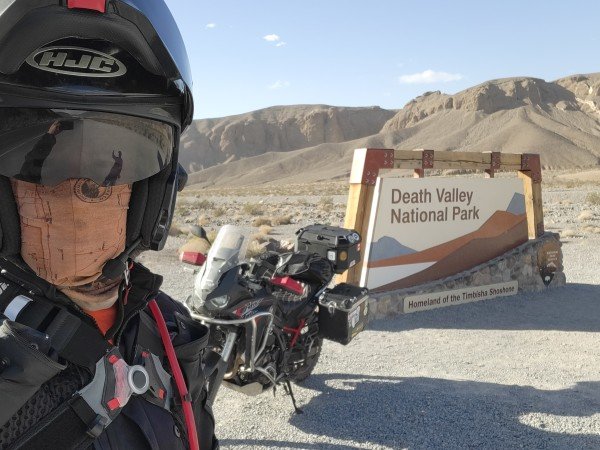
Jimbo
Q: Now, on the flip-side, what are 3-5 lowlights?
Particularly in order, but each of these ‘bad times’ turned into great stories.
5) I hit a bowl of soupy sand and crashed offroading in the Paso de Cortez in Mexico in between Mexico City and Puebla. It broke my pannier off (Box attached to the motorcycle with my gear). The pannier had my emergency can of gas attached. With the help of locals I was able to connect it (imperfectly) and I took it to a welder. He gave me a quote and told me to come back in 3 hours. Upon returning to the welder, he told me the price was going to be 33% more. I argued no, we had a deal. When I attached the pannier, I noticed gasoline had been stolen from my can. They tried to overcharge me after stealing from me.
4) My motorcycle battery died and could not be bump started or jumped (it’s a Lithium Ion Battery) so I hitchhiked with a French-Canadian 255 km (158 mi) one way, then had help from a Canadian motorcyclist to go out and tow it back adding another 2 trips of that same distance.
In total I went 765 km (474 miles) over the course of about 9 hours of travel in 1 day across central British Columbia. It was all done on generosity.
3) I was horribly sick with Montezuma’s Revenge with no appetite for 4 days as I recovered in a Mexican motorcyclist’s spare bedroom on the roof of his house in the Yucatan Peninsula. There was no AC and only a fan. At the hottest time of year, during the hottest part of every day, it loomed around 40C (104 F) for several hours, meaning aiming a fan at me was cooking me like a convection oven as the temperature was above my body temp. It took a few days to work up the gumption to go to a doctor.
2) I finally came down with Covid for the first time in Washington state. I’d tested negative, but as I was coming down with it, I stayed overnight in the garage of a motorcyclist as the cascadian rain came down. As we were getting to know each other, I was held conversationally hostage as he went on a racist tirade against immigrants and addicts. I was in no condition to leave, it was dark and raining, I was getting more sick by the minute, and I was also in the process of eating a dinner he provided me. When he took a second to breathe, I thanked him for the dinner and he changed immediately and it was over. I was confined to the garage because a pit bull was inside the house that he assured me would attack me. Luckily I had a noisy space heater that drowned out the sound of rats fighting in the piles of motorcycle parts of the garage. I left the next morning first thing.
1) At the Calgary Stampede Rodeo, one of the largest gatherings in Canada, I went out to the bar with some locals. After getting separated, we found each other to leave. I climbed into the vehicle of my ride back to the hostel but I didn’t know my driver was drunk. He hooted and hollered, waving his cowboy hat out the window as he began to swerve into oncoming traffic. When I asked him to drive safer, he called me a pussy. I asked to be let out of the vehicle but he refused.
I was then literally in the process of being kidnapped, as he wouldn’t let me out of the vehicle. He ran red lights to prevent us from stopping so I couldn’t get out. Finally after hitting some traffic, I got out. I walked home a sobering 5 hours across Calgary with no water and arrived at 7AM. My card was eaten by an ATM earlier that day and the Stampede was going on, so Uber was not an option.
Q: What is the community like on the road?
A: I feel like there are 3 different circles you run in. There’s the backpackers, the overlanders, and the locals. Each one of them has different things to offer and can be interesting, helpful, and you can learn from each of them in their own way.
Q: Best interaction?
This is impossible to answer.
I’ve traveled alongside wonderful people and stayed in the homes of the best hosts imaginable. I keep in touch with many folks I’ve met along the way, some of them I’ve only seen once or twice. There is so much positivity in people. You really see it come out when you travel.
My world view has grown much more warm because of all of the hospitality, and generosity I’ve witnessed over the last year. Anyone that travels like I do would say the same.
Q: Since you are solo, is it lonely? If so, how to avoid that feeling?
A: Yes, it can be lonely. I try to keep a regular cadence of keeping in touch with friends and family virtually. If I need to get a fix of personal human interaction, I can stay at hostels or go on tours. As a solo traveler, you’re surprisingly more approachable. Sometimes just being lost in a book on a beach, in a park, or in the hostel lobby can make you seem approachable. Opening up a paper map on the side of the road acts as a magnet for people to come to you to help as well.
When I’m very lonely, I write. I write blogs that no one will read. I try to get to the bottom of the loneliness I’m feeling. One thing I cannot fix, however, is that I’m in this for the long run. I fight through those feelings like any other illness, injury, or sunburn. It takes some time.
Q: What do you mostly eat?
A: This is probably my weakest link in travel. Eating well is essential to having a good time and being able to tackle problems efficiently and enjoy the journey.
In countries where the dollar is more powerful, I eat at restaurants a lot to get local flavor and save on time. If I’m in more expensive places like Costa Rica, California, or the Canadian arctic, I cook for myself. I’ve cooked medleys of vegetables with rice or lentils. When you resort to cooking more it’s much harder, because on a motorcycle you have no refrigeration.
Q: Hygiene tips/tricks for long term motorcycle travel?
A: I carry biodegradable soap in case I need to bathe in a body of water like a lake or river, I carry cologne for those sweaty days where I know my odor will offend people in my proximity and I can’t get showered yet. In tropical environments, I sometimes apply deodorant or shower multiple times per day.
Keeping gear clean is also essential to its longevity and your own mental state. I try to keep my boots, riding jacket and pants, and helmet padding washed every so often to keep it in good shape and my smell down.
They no doubt need to be washed more often in hotter climates where I sweat more.
Don’t forget about your camping pillow, sleeping bag, and air mattress! Keeping them clean will keep your skin clean and smell down as well. They typically require handwashing, so it’s good to keep a day budgeted somewhere every month or two to get things really washed depending on climate.
Q: What has bike maintenance been like on the road?
A: I purchased a new motorcycle. There are many reasons for and against this.
When you buy a used motorcycle, it’s not as big of a loss if you need to abandon it in the event of a massive situation like deportation, a pandemic, or crash. When you buy used, however, they may need maintenance for wear and tear that is not-so-typical.
My Africa Twin has only needed routine maintenance such as tires, air and oil filters, brakes, chains, and sprockets. It helps to have an understanding of WHAT wears out and keep a tally of the intervals. I keep a spreadsheet of all regular replacements and at what mile / km they were done at.
You don’t have to be a mechanic to do this life. If you’re not mechanically inclined, you just need to be prepared to spend more time and money when things do go wrong or need to be changed. You can also learn as you go such as I am.
Q: After a days riding is done, describe a “typical” night in a town and in a remote setting?
A: There is no ‘typical’ anything in a life like this, but I try to follow some similar guidelines.
When searching for a hostel, hotel, or other non-camping setup, I ask if there’s a safe place to park my motorcycle indoors. That’s a first. Then, I ask if there’s Wifi, AC, any breakfast included, and cost. If I can avoid AirBnB or Hostelworld getting a cut, I call hostels and hotels directly to make reservations by phone. This helps me save a few bucks and the folks on the other end of the line typically like the personal touch. I’m also able to ask the aforementioned questions in real time.
When it comes to a remote setting, I use iOverlander a lot. It’s an app that requires no internet once you’ve downloaded a region. It has a ton of free sites (and some paid but hard to find) where I’ve ended up running into a lot of travelers on the Overlanding circuit.
Q: Camping set up?
I have a Nemo Galaxy 2 person tent that can fit my gear underneath the rain flaps. It’s free-standing which is SUPER helpful, and I can leave the rain fly off to sleep in much hotter environments.
I have a small cooking stove / burner that takes white gas and butane. It’s the achilles heel to my cooking setup. Gas can be easily found in countries where camping is a bigger hobby but hard everywhere else. Folks who can turn gasoline into a stove have more versatility.
Now that I’m in Latin America I don’t camp as much, as costs are lower. I look for hostels with kitchens when I can.

Jimbo
Q: Worst night sleep?
A: Death Valley turned my tent into a sandbox overnight. Zippers never worked the same, my helmet visors were scratched up, and my air mattress, air pillow, and sleeping bag had a risk of getting holes. I slept with a balaclava over my mouth and nose. When I finally did sleep for a few hours, I woke up to my eyes caked in sand.
I’ve had much worse quality sleep at very hot locations I’ve camped like the Caribbean coast of Guatemala or Pacific Coast of El Salvador, but those don’t sound as interesting. Extreme heat when sleeping can really make your trip rough as poor sleep impacts your entire day.
Q: Close calls, road conditions, have you gone off-road yet?
A: I would consider the entire Dalton Highway, which goes North out of Anchorage up to Deadhorse, as off-roading. It can be in pretty rough shape depending on the weather and conditions that year, or sometimes it just comes down to what stretch you’re on. You need 50/50 onroad / offroad tires and quite a bit of experience to handle it.
I’ve done a lot of off-road riding in the Canadian and American west, as well as getting to some remote Latin American villages. I admit, I’m not the best off-road rider, HOWEVER, I can cut through thick Latin American traffic as well as the moto-delivery locals.
Give me a little coffee, the right fast-paced song playing in my bluetooth helmet, good weather, then drop me in heavy Mexican City traffic. I’ll dart through it like a madman, weaving between lanes and aggressively keeping pace with the rest of them, regardless of the size of my 1100 Motorcycle. All of my focus, both physical and mental, is engaged. For some reason it’s a huge thrill to me. It’s an adrenaline itch that no roller coaster could scratch.
Q: Darien gap with a motorcycle. What’s your plan
A: At the moment, I’m taking a break in Costa Rica. I used to live here, so I’m staying with friends and regrouping.
Eventually I’ll contact a company called Overland Embassy, based out of Panama, which seems to be a great group of people. They do Motorcycles, Vans, even RVs. They do air and sea, even to Europe. The current plan is flying the bike from Panama City to Bogota with them.
Q: Scariest experience thus far?
A: Going out on a limb to trust a stranger with psychedelics in Mexico was quite a stretch. I rode into a very poor and dangerous region of the country and trusted someone I didn’t know with all of my things while I put myself in a very vulnerable situation.
Even getting in contact with them was through a grapevine. It wasn’t exactly advertised. The trip I was on turned paranoid for a while, but it ended up okay. I came out the other side in much better shape than when I went in.
It was totally worth it, I wouldn’t go as far as suggest it to others. There are too many variables to consider. It’s not like finding a place to go ziplining.
Q: License plates… if you care to elaborate/share.
A: When I was a wee lad growing up in Minnesota, a neighbor who had recently moved from South Dakota gave me some of their extra license plates. From there I started collecting them from friends and relatives, many giving me some as presents. I would display them on my walls as a kid.
As I’ve traveled, I’ve started seeking them out at junkyards and gift shops. I’ve never purchased a single one online. I currently have about 18 of them on me, all Mexican states and one Belize plate, and I’m looking to find a way to send them home while I’m in Costa Rica.
They’re fun to display and many of them have some crazy stories.
Q: How has history interwoven into your trip?
I love stories, specifically non-fiction ones. I feel like those “based on a true story” tales are always the best. For that reason, I love history. I had the idea to travel to places to speak to their historical relevance as a way to bring people along for the journey.
For some people, going to a historical place is “just a few old buildings” or “Just a hole in the ground.” but giving it historical context makes it so much more interesting.
History ties people to a land. It’s a part of the culture, identity, and personality of a people. Finding those artifacts and monuments to history helps people relate to one another.
I see it as: Anthony Bourdain used food. I use history.
Q: Parting words/message you want to get out to the world?
A: This is not a vacation, it is a major lifestyle change. It is a lot of work and high risk, but there is also high reward.
Also: there is no wrong way of doing this. There are people that travel the world on scooters and roller skates. The way you do it will determine what’s hard and easy. As long as you keep moving and you’re enjoying things, you’re doing it right.
Discover more Adventures

Maintaining Freedom While Traveling with a Partner
Traveling with a partner can be an incredibly enriching experience. You get to share adventures, create lasting memories, and deepen your bond. However, it's essential to balance togetherness with individual freedom to ensure a harmonious and fulfilling journey. In this article, we'll explore how couples can maintain their independence while traveling together, allowing each person to pursue their interests and passions.
Traveling with a partner can be an incredibly enriching experience. You get to share adventures, create lasting memories, and deepen your bond. However, it's essential to balance togetherness with individual freedom to ensure a harmonious and fulfilling journey. In this article, we'll explore how couples can maintain their independence while traveling together, allowing each person to pursue their interests and passions.
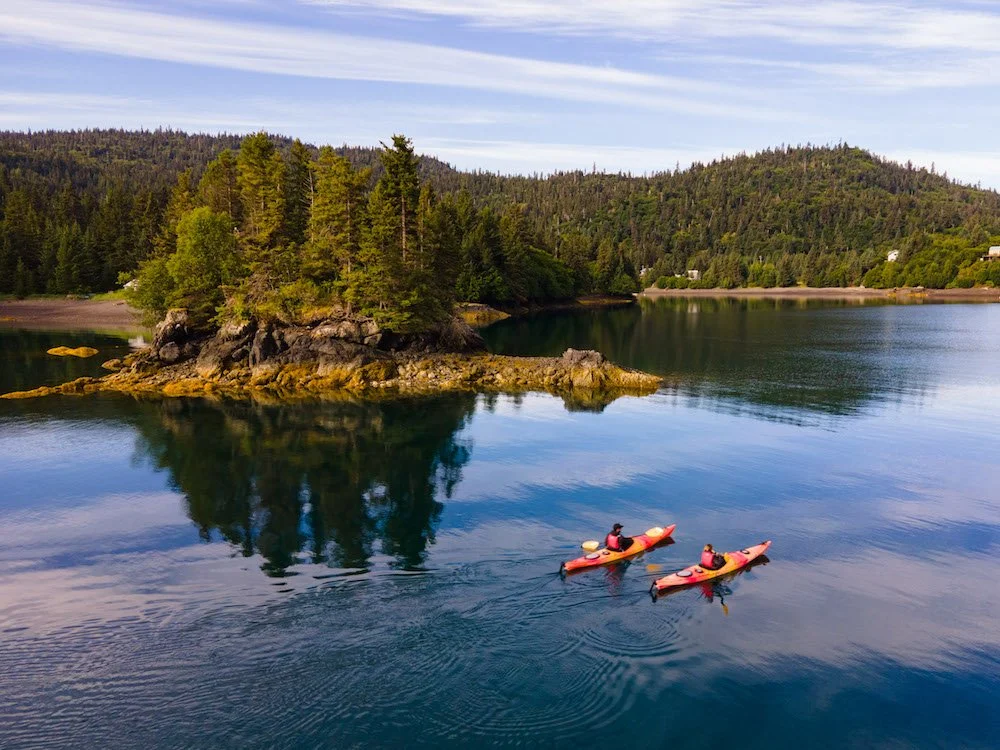
Sharing a kayaking exerience we both dreamed of doing while in Alaska. Photo by Dalton Johnson
Embrace Open Communication
The foundation of successful couple travel lies in open and honest communication. Before embarking on your journey, have a conversation about your travel expectations, interests, and preferences. Discuss how you can support each other's individual pursuits while still enjoying shared experiences. Establishing this understanding from the outset can prevent conflicts and promote a supportive travel dynamic.
Plan Together, Plan Apart
While it's exciting to explore new destinations together, recognize that you don't have to do everything as a pair. Plan activities and excursions that align with both of your interests, but also allow for solo adventures. For example, if one of you wants to hike a scenic trail while the other prefers a leisurely day at a local market, schedule time apart to indulge in these experiences independently.
Prioritize Personal Time
In the midst of immersive travel experiences, it's crucial to prioritize personal time. Allocate moments in your itinerary where each of you can pursue individual interests or simply relax alone. This could mean taking a morning stroll, reading a book in a quiet café, or exploring a museum solo. Allowing for these moments of solitude rejuvenates the mind and enhances appreciation for shared experiences.
Respect Each Other's Boundaries
Respecting each other's boundaries is essential for maintaining harmony during travel. If one person needs space or time alone, honor their request without taking it personally. Similarly, communicate your own boundaries openly and respectfully. This mutual respect fosters a supportive environment where both partners feel valued and understood.
Embrace Flexibility
Travel plans don't always unfold as expected, and that's part of the adventure. Embrace flexibility in your itinerary, allowing room for spontaneous detours or changes based on individual interests. If one of you discovers a hidden gem or unexpected activity, be open to adjusting plans to accommodate new experiences. Flexibility adds an element of excitement and discovery to your journey.
Foster Shared Experiences
While independence is vital, don't overlook the importance of shared experiences. Engage in activities that you both enjoy, whether it's trying local cuisine, embarking on a scenic drive, or attending cultural events. These shared moments create cherished memories and strengthen your bond as a couple.
Utilize Technology Wisely
In today's digital age, technology can be a valuable ally for maintaining independence while traveling together. Use travel apps to explore different activities and attractions based on individual interests. Stay connected with communication tools to coordinate meet-up times or share exciting discoveries. Technology enhances your travel experience without compromising personal freedom.
Practice Compromise
Compromise is a cornerstone of successful couple travel. Be willing to find middle ground and make concessions to ensure both partners feel fulfilled. If conflicting interests arise, seek solutions that accommodate each other's desires. For instance, alternate between activities or explore a hybrid option that combines elements of both preferences.
Celebrate Differences
Embrace the diversity of your interests and celebrate the differences that make your relationship unique. Use travel as an opportunity to learn from each other, discover new passions, and broaden your perspectives. Embracing each other's individuality enriches your travel experience and strengthens your connection as a couple.
Reflect and Reconnect
Throughout your journey, take time to reflect on your experiences and reconnect as a couple. Share stories, insights, and moments of joy from your independent adventures. Use these conversations to deepen your understanding of each other's perspectives and strengthen your bond through shared reflections.
Going for a boat ride on Lake Nicaragua. Photo by Dalton Johnson
Maintaining freedom while traveling with a partner is achievable through open communication, mutual respect, and a balance of shared experiences and personal pursuits. By embracing independence alongside togetherness, young couples can cultivate a fulfilling and harmonious travel experience that enriches their relationship and creates lasting memories.
Discover more Adventures

Digital Nomads Are Seeking These Nine Coveted Jobs
Digital nomads are reshaping the traditional concept of employment. From fully-remote work to coveted freelance gigs, the idealistic lifestyle of digital nomads is rooted in freedom. However, that freedom is dependent upon work opportunities. As work-from-home transitions back-to-office digital nomads are seeking freelance work like never before, but what are those jobs?
Digital nomads are reshaping the traditional concept of employment. From fully-remote work to coveted freelance gigs, the idealistic lifestyle of digital nomads is rooted in freedom. However, that freedom is dependent upon work opportunities. As work-from-home transitions back-to-office digital nomads are seeking freelance work like never before, but what are those jobs?
Working from beautiful places like these make a nomadic lifestyle well worth it. Photo by Dalton Johnson
Understanding Freelancing:
Freelancers are individuals who work on a project basis, often called contractors, offering their skills and services to clients or companies without committing to long-term employment. Unlike traditional employees, freelancers have the flexibility to choose their projects, set their schedules (unless it's a meeting), and work from any location with a strong internet connection. At least that is the idea, but there is more to it than what meets the eye and you can learn more about the reality of digital nomad life here.
The Rise of Digital Nomads:
Digital nomads are a subset of freelancers who take advantage of technology and their skillset to work remotely, untethered from a fixed office location. These professionals leverage digital tools, cloud services, and communication platforms to perform fulfill their contracts, while maintaining their productivity on the road. The allure of a location-independent lifestyle, coupled with the ability to explore new cultures and experiences, has fueled the rise of digital nomadism in recent years.
Nine Freelance Jobs Ideal for Digital Nomads:
Influencer: The most recognizable digital nomad career is building your own audience to leverage for financial gain, aka being an influencer. With zero barrier to entry, many dream of being an influencer, but few make it.
Graphic Designer: Only requiring an iPad or laptop, a graphic designer can be commissioned to bring client ideas to life. While this career is typically meeting heavy, the teams are small and solo-creatives can have a lustrous career while maintaining a life on the road.
Programmer: Freelance and work-from-home, opportunities are the norm for skilled programmers and coders. With a plethora of clients to choose from, think web development to app creation, this field is ideal for digital nomads with a baseline knowledge of programming languages.
Virtual Assistance: With a growing need to manage the influx of emails, schedules, and virtual tasks (think purchasing flights) digital nomads can provide administrative support to clients globally as virtual assistants.
Digital Marketing: Freelancers specializing in digital marketing, aka social media management, search engine optimization, newsletter creation, community engagement, and so much more, can help businesses enhance their online presence anywhere around the globe.
Translator: If you know multiple languages, be on the lookout for translator contracts. For the time being this is an in-demand service as companies look to expand markets beyond a single language.
Online Teaching: Online education is soaring, which means the demand for online educators is increasing as well. While this job is more 9-5, digital nomads can maintain their travel freedom, but will be locked into a time to teach.
Photography and Videography: The second most sought after freelance career is photo and video creation. Depending on how you leverage your skill with a camera, this career can be the optimal digital nomad career to gain access and travel the world. The catch, that most do not think about, is delivering the content. Most cloud services or internet while abroad are not strong enough to transfer files, so freelance photographers and videographers will have to cut their trips short to deliver files.
Consulting: If you are an expert in your field, like marketing, finance, green space, and engineering, freelance consulting could be your outlet to being a digital nomad. Consulting allows digital nomads to leverage their skills and experience to assist clients remotely, just be aware of your internet needs and time zones for meetings.
Why These Jobs Are Ideal for Digital Nomads:
Flexibility: Freelance jobs offer unparalleled flexibility, allowing digital nomads to create their own schedules. This adaptability is crucial for those who desire the freedom to explore new destinations and experience different cultures.
Remote Accessibility: The nature of freelance work enables digital nomads to complete tasks from any location with an internet connection. This remote accessibility aligns seamlessly with the nomadic lifestyle, freeing professionals from the constraints of a traditional office.
Diverse Opportunities: The wide range of freelance jobs available caters to individuals with various skills and interests. Digital nomads can choose projects that align with their passions, ensuring a fulfilling and enjoyable work experience.
Income Potential: Many freelance jobs offer competitive compensation, providing digital nomads with the financial means to sustain their travels. Also, the ability to work on multiple projects simultaneously enhances income potential for those seeking financial independence.
Skill Development: Freelancers constantly encounter new challenges, honing their skills and adapting to evolving industry trends. This continuous learning process appeals to digital nomads who value personal and professional development.
Working remotely from the road opens doors to several opportunities for content creation. Photo by Dalton Johnson
As the global workforce undergoes a transformative shift, the synergy between freelance jobs and the digital nomadic lifestyle has become increasingly evident. The allure of flexibility, remote accessibility, diverse opportunities, income potential, and skill development makes freelancing an ideal choice for those seeking the freedom to work and wander simultaneously. With technology breaking down geographical barriers, the future of work looks promising for digital nomads embracing the endless possibilities of freelance employment.
Discover more Digital Nomad Life

Digital Nomads For Dummies
The digital age has revolutionized the way we work, giving rise to a new breed of professionals known as digital nomads. Embracing a lifestyle that allows them to work remotely, untethered from a traditional office space, but reliant on the internet. While this may sound straight forward at first, the digital nomad life might not be what social media tells us. In this comprehensive guide, we will delve into the world of digital nomads, covering everything from the basics of what it means to be a digital nomad to popular destinations, FAQs, and myth-busting aspects of this unique lifestyle.
The digital age has revolutionized the way we work, giving rise to a new breed of professionals known as digital nomads. Embracing a lifestyle that allows them to work remotely, untethered from a traditional office space, but reliant on the internet. While this may sound straight forward at first, the digital nomad life might not be what social media tells us. In this comprehensive guide, we will delve into the world of digital nomads, covering everything from the basics of what it means to be a digital nomad to popular destinations, FAQs, and myth-busting aspects of this unique lifestyle.
Just another day in the digital nomad office, creating content while running a lap on the Grand Teton, then editing and writing a story as a freelance journalist. Photo by Dalton Johnson
What is a Digital Nomad?
A digital nomad is someone who leverages technology to work remotely, often traveling from one location to another while maintaining their professional responsibilities. This lifestyle enables individuals to break free from the constraints of a fixed location, offering the freedom to choose where they want to live and work. Digital nomads typically rely on a combination of skills, such as programming, writing, design, and digital marketing, to sustain their nomadic lifestyle.
Popular Destinations for Digital Nomads:
Bali, Indonesia: Known for its vibrant culture, affordable cost of living, and stunning landscapes, Bali has become a hotspot for digital nomads. The island's co-working spaces and community events make it an ideal destination for those seeking a balance between work and leisure.
Chiang Mai, Thailand: With its low living costs, reliable internet, and a thriving community of like-minded individuals, Chiang Mai has emerged as a favorite among digital nomads. The city's welcoming atmosphere and diverse cultural experiences make it an attractive choice for remote workers.
Lisbon, Portugal: Combining Old World charm with modern amenities, Lisbon has become a popular European destination for digital nomads. Its mild climate, affordable living costs, and a burgeoning startup scene contribute to its appeal.
Medellin, Colombia: Once known for its tumultuous past, Medellin has transformed into a city of innovation. Digital nomads are drawn to its pleasant climate, low cost of living, and a growing community of entrepreneurs and freelancers.
Tbilisi, Georgia: An emerging destination for digital nomads, Tbilisi offers a unique blend of history and modernity. With its affordable lifestyle, friendly locals, and a growing number of co-working spaces, the capital of Georgia is gaining popularity among remote workers.
Digital Nomad Basics and FAQs:
Remote Work Essentials:
Digital nomads need reliable tools and resources to ensure a seamless workflow. High-speed internet, a good laptop (but not one that is too big either), and communication tools like Slack, Zoom, or Google are essential for staying connected with clients and colleagues.
Financial Management:
Managing finances on the go is crucial for digital nomads. Setting up online banking, using budgeting apps, and understanding tax implications in different countries are vital aspects of financial planning. Conversion rates and international fees can quickly add up.
Time Zone Management:
Dealing with different time zones can be challenging. Digital nomads must develop effective time management skills to coordinate work schedules with clients or team members located in different parts of the world. Sometimes that means waking up at 1:30am and hopping on meetings, not fun long term!
Accommodation Strategies:
Finding suitable accommodation is a key consideration for digital nomads. Platforms like Airbnb, co-living spaces, or house-sitting opportunities are popular choices, offering flexibility and a sense of community. Sometimes these platforms can pose a challenge when the photos are better than reality, so make sure to develop a system that will work for you.
Myth-Busting the Digital Nomad Lifestyle:
Despite the allure of the digital nomad lifestyle, there are common myths that need to be dispelled:
Myth 1: Digital Nomads are Always on Vacation
Reality: While digital nomads enjoy the flexibility to explore new places, their work is still their primary focus. They balance work responsibilities with leisure activities, just like anyone else. As a digital nomad, work can take over and you do miss out on the amazing place you are staying, so make sure to carve out some time to guarantee you enjoy a stay.
Myth 2: Digital Nomads Don't Have Stable Incomes
Reality: Many digital nomads have stable and lucrative incomes, well most of them. Leveraging their skills to secure remote work opportunities is one of the most common ways to be a digital nomad and having a diverse portfolio of clients provides security while on the road. Some digital nomads are full-time employees and others are freelancers.
Myth 3: Digital Nomads Lack Discipline
Reality: Successful digital nomads are disciplined individuals who understand the importance of meeting deadlines and maintaining a professional work ethic. The freedom to choose their workspace doesn't diminish their commitment to their work. Let's just be frank, the digital nomads without discipline don't last very long.
Myth 4: Digital Nomadism is Unsustainable
Reality: With the rise of remote work, digital nomadism is becoming a sustainable and accepted lifestyle for some. Yes, many companies are adapting to this trend, recognizing the benefits of a global and diverse workforce, the overall long terms trend is uncertain as digital nomads age. My guess, some will keep traveling and some will revert back to traditional life.
Creating content is a great way to be a digital nomad and live a thrilling life. Photo by Dalton Johnson
Being a digital nomad is not just a lifestyle; it's a mindset that embraces flexibility, adaptability, and the pursuit of experiences. As technology continues to advance, the digital nomad community will likely grow, offering more individuals the opportunity to explore the world while maintaining a fulfilling professional life. Whether you're considering the digital nomad lifestyle or just curious about this unique way of living, understanding the basics, exploring popular destinations, and debunking myths will provide you with valuable insights into the dynamic world of digital nomadism.
Discover more Digital Nomad hacks

Nine Reasons To Become A Digital Nomad And A Handful Of Reasons Not To Become One
In a world that is becoming increasingly interconnected, the concept of the traditional 9-to-5 job is undergoing a transformation for some. The rise of remote work has paved the way for a new breed of professionals - the digital nomads. While working remote isn't new, how digital nomads live life is inspiring to most. These individuals have chosen a lifestyle that transcends geographical boundaries, allowing them to work from anywhere with an internet connection. For most, this is the dream, but for others, this could be terrible. As you read, we explore nine compelling reasons why more people are choosing to become digital nomads and why some are not.
In a world that is becoming increasingly interconnected, the concept of the traditional 9-to-5 job is undergoing a transformation for some. The rise of remote work has paved the way for a new breed of professionals - the digital nomads. While working remote isn't new, how digital nomads live life is inspiring to most. These individuals have chosen a lifestyle that transcends geographical boundaries, allowing them to work from anywhere with an internet connection. For most, this is the dream, but for others, this could be terrible. As you read, we explore nine compelling reasons why more people are choosing to become digital nomads and why some are not.
Taking a moment to sit and watch the colors change at Lake Mead, NV while on a van life road trip as a digital nomad. Photo by Dalton Johnson
Pros
Flexibility: Digital nomads have the freedom to choose their work environment, allowing them to work from anywhere in the world. This flexibility can lead to a better work-life balance.
Cultural Exposure: Living in different locations provides digital nomads with the opportunity to immerse themselves in diverse cultures, fostering personal growth and a broader perspective on life.
Cost of Living Optimization: Digital nomads can choose to live in locations with a lower cost of living, potentially allowing them to save money or spend it on unique experiences, enriching their lives.
Increased Productivity: Some digital nomads find that working in different environments stimulates creativity and productivity, as new surroundings can break routine and inspire fresh ideas.
Cons
Isolation and Loneliness: Constantly moving from one place to another can lead to feelings of isolation and loneliness, as digital nomads may struggle to establish a stable social network or maintain meaningful relationships.
Unpredictable Income: Digital nomads often rely on freelancing or remote work, which may not guarantee a stable income. The lack of job security can be a significant drawback for those seeking financial stability.
Time Zone Challenges: Coordinating work with clients, teams, or employers in different time zones can be challenging and may lead to irregular working hours, disrupting a traditional work routine.
Limited Benefits: Digital nomads might miss out on certain employment benefits, such as health insurance, retirement plans, and other perks that come with traditional office jobs, potentially impacting their long-term financial well-being.
Flexibility and Freedom:
One of the primary attractions of the digital nomad lifestyle is the unparalleled flexibility it offers. Traditional office jobs often come with rigid schedules and limited vacation days. Digital nomads, on the other hand, have the freedom to set their own work hours and choose where they want to work. This flexibility enables them to strike a better balance between work and personal life.
Global Exploration:
Becoming a digital nomad opens up a world of opportunities for exploration. Instead of being tied to a single location, these professionals can travel the globe while earning a living. This not only allows them to experience diverse cultures but also broadens their perspectives and enriches their lives in ways that a stationary job cannot.
Cost of Living Arbitrage:
Digital nomads often leverage the concept of cost of living arbitrage. They can choose to live in locations with a lower cost of living while earning a salary that is competitive on a global scale. This financial strategy enables them to enjoy a higher quality of life with less financial strain, making their income more impactful in certain regions.
Work-Life Integration:
The digital nomad lifestyle promotes a more integrated approach to work and life. Rather than compartmentalizing work and personal time, digital nomads find ways to blend the two seamlessly. This integration allows for a healthier work-life balance, as they can take breaks to explore their surroundings or spend time with loved ones without sacrificing productivity.
Access to a Global Talent Pool:
From the perspective of employers, embracing remote work and hiring digital nomads provides access to a vast and diverse talent pool. Companies can tap into the expertise of professionals from around the world, fostering innovation and bringing different perspectives to the table. This benefits both employers and digital nomads, creating a mutually beneficial arrangement.
And A Handful Of Reasons Digital Nomad Life Isn't For You:
While the digital nomad lifestyle holds immense appeal for many, it's crucial to recognize that it might not be the right fit for everyone. Before embarking on this journey, individuals should consider the following aspects that may make the digital nomad life less suitable for certain individuals:
Limited Social Stability: Building and maintaining deep, long-term relationships can be challenging for digital nomads. Constantly moving from one place to another can make it difficult to establish a sense of community and social stability. If forming enduring connections is a priority, the nomadic lifestyle might present a hurdle.
Family Commitments: Individuals with significant family commitments, such as raising children or caring for elderly family members, may find the digital nomad lifestyle impractical. The need for stability in a family setting can conflict with the unpredictable nature of frequent travel and changing work environments.
Dependency on a Stable Workspace: Some professions and projects require a stable and dedicated workspace. If your work demands specific equipment, infrastructure, or a reliable physical presence, the digital nomad lifestyle might not align with these requirements.
Healthcare Concerns: Access to healthcare can vary significantly in different parts of the world. Individuals with specific health conditions or those who prioritize consistent, high-quality healthcare may find the digital nomad lifestyle incompatible with their needs.
Financial Instability: While cost of living arbitrage can be an advantage, financial instability is a potential drawback. The lack of a consistent income or the unpredictability of freelancing can create financial stress for individuals who prefer the security of a stable paycheck.
When you work remote, life can look luxurious. Photo by Dalton Johnson
Becoming a digital nomad is a transformative choice that offers a plethora of benefits, from unparalleled freedom and flexibility to global exploration and personal growth. As the world continues to embrace remote work, the allure of the digital nomad lifestyle is likely to grow, shaping the future of work in exciting and dynamic ways.
Discover more About Digital Nomad Life

Adventure vs Travel, Which Do You Prefer
Embarking on a journey often involves a delicate dance between two distinct concepts - adventure and travel. While these terms are often used interchangeably, they encapsulate unique experiences that cater to different aspects of our curiosity and desire for exploration. In this article, we'll delve into the differences between adventure and travel, emphasizing the importance of curiosity, the fusion of both in adventure travel, and the concept of "type two fun."
Embarking on a journey often involves a delicate dance between two distinct concepts - adventure and travel. While these terms are often used interchangeably, they encapsulate unique experiences that cater to different aspects of our curiosity and desire for exploration. In this article, we'll delve into the differences between adventure and travel, emphasizing the importance of curiosity, the fusion of both in adventure travel, and the concept of "type two fun."
Soaking in the sunset view from the balcony in Sedona, AZ. Photo by Dalton Johnson
Adventure vs Travel:
Adventure is about the journey itself. It is an exploration of the uncharted, a foray into the unexpected, and an embrace of the unpredictable. Adventure thrives on spontaneity, requiring individuals to step outside their comfort zones and immerse themselves in the thrill of uncertainty. The emphasis is on the process, the challenges faced, and the personal growth achieved along the way.
Travel, at its core, is about the destination. It revolves around planned itineraries, curated experiences, and a certain level of predictability. The traveler seeks to absorb the cultural nuances, relax in picturesque landscapes, and revel in the comfort of familiarity. The primary objective is often the enjoyment of known pleasures and the creation of lasting memories within established frameworks.
The Importance of Curiosity:
Curiosity serves as the driving force behind both adventure and travel. It is the innate human instinct that compels us to seek new horizons, understand different cultures, and challenge ourselves. Curiosity is the spark that ignites the desire to travel to distant lands and fuels the adventurous spirit to explore uncharted territories.
Adventure Travel:
Adventure travel emerges as the sweet spot where the thrill of adventure and the enriching aspects of travel converge. Adventure travel is not confined to extreme activities like rock climbing or skydiving; rather, it's a mindset that seeks out experiences beyond the conventional tourist path. It involves stepping out of one's comfort zone, embracing the unexpected, and fostering a deeper connection with the environment and local communities.
Type Two Fun:
Adventure travel often introduces the concept of "type two fun." Coined by outdoor enthusiasts, type two fun refers to activities that might be challenging and uncomfortable in the moment but become enjoyable and rewarding in retrospect. It's the journey that leaves lasting memories, a sense of accomplishment, and a realization of personal growth.
Climbing Mount Shasta during an adventure outing with friends. Photo by Dalton Johnson
As travelers, we find ourselves at the intersection of adventure and travel, recognizing that both are integral components of a fulfilling journey. A well-rounded exploration involves not just visiting landmarks but immersing oneself in the unique experiences each destination has to offer. It's about being open to the unexpected, embracing challenges, and fostering a mindset that transforms discomfort into valuable life lessons.
The difference between adventure and travel lies in the intent and approach to exploration. While travel satisfies our cultural curiosity and desire for new surroundings, adventure adds an element of excitement, risk, and personal challenge. Adventure travel, therefore, encapsulates the best of both worlds, creating a harmonious blend that leads to unforgettable experiences and a deeper understanding of ourselves and the world around us.
Discover more Adventure Travel
How To Break Through The Resistance And Start Traveling Solo With Confidence
The idea of embarking on a solo adventure may seem daunting at first, it's a journey that promises self-discovery, independence, and unforgettable memories. At least, it has been for me and many peers, I stay in touch with over the years, say the same thing. In this guide, we'll explore the essential aspects of solo travel for beginners, addressing key questions and providing valuable tips to make your first solo trip a resounding success.
So, you're thinking about going on your first solo travel trip, but not sure where to get started? Well, you are in the right place. I've traveled around the world for the last 7 years, mostly solo, and this article is the bulk of what I wish I knew before I got started.
The idea of embarking on a solo adventure may seem daunting at first, it's a journey that promises self-discovery, independence, and unforgettable memories. At least, it has been for me and many peers, I stay in touch with over the years, say the same thing. In this guide, we'll explore the essential aspects of solo travel for beginners, addressing key questions and providing valuable tips to make your first solo trip a resounding success.
Bikepacking around New Zealand solo for two months. Photo by Dalton Johnson
How To Know If You Should Go Solo
The decision to embark on a solo adventure is deeply personal and requires self-reflection. Consider your personality, interests, and comfort level with solitude. If you find joy in exploring new places at your own pace, relish in self-discovery, and value the freedom to make spontaneous decisions, solo travel might be the perfect fit for you. If you love being with a companion and are not excited about being alone in a different place, you might need a safe and short solo trip to build some confidence. If you have never traveled before, you'll have some learning curves to overcome, but it can be done. But, how do you know if solo travel is for you?
Ask yourself one question: Do I want to experience this even if I can't find somebody to go with?
If the answer to that is yes, embrace the opportunity to connect with locals and fellow travelers without the influence of a companion. Remember, solo travel is not about being alone but about embracing the world with open arms.

Taking a look down the cliff. Photo by Dalton Johnson
10 Tips To Travel Solo For The First Time
Research and Planning: Thoroughly research your destination, accommodation options, and local customs. Having a rough itinerary provides a sense of structure while leaving room for spontaneity.
Stay Connected: Keep your loved ones informed about your travel plans. Share your itinerary and regularly check in to ensure peace of mind for both you and your family.
Pack Wisely: Travel light, and prioritize essentials. Consider the climate of your destination and pack versatile clothing. Don't forget important documents like your passport, travel insurance, and any necessary medications.
Learn Basic Phrases: Familiarize yourself with a few basic phrases in the local language. This effort can go a long way in breaking down language barriers and establishing a connection with locals.
Trust Your Instincts: Intuition is your best ally. If a situation feels uncomfortable or unsafe, trust your instincts and remove yourself from it. Be aware of your surroundings and stay vigilant.
Socialize Safely: Solo travel doesn't mean isolation. Join group tours, attend local events, and stay in social accommodations like hostels to meet fellow travelers. Building connections enhances your experience and provides a safety net.
Photocopies of Important Documents: Make photocopies of your passport, ID, and other essential documents. Keep them separate from the originals in case of loss or theft. I typically carry three versions; the original, a physical copy, and a digital copy.
Use Technology Wisely: Utilize travel apps for navigation, translation, and staying connected. Keep your phone charged, carry a power bank, and have local emergency numbers saved.
Budget Wisely: Establish a budget and stick to it. Solo travel doesn't have to break the bank (but it totally can if you let it), and careful spending ensures you can extend your journey or have extra funds for unexpected expenses.
Embrace Spontaneity: While planning is essential, leave room for spontaneity. Some of the most memorable experiences happen when you go off the beaten path and embrace the unexpected.

Tossing a backflip off a rock in Lake Tahoe. Photo by Dalton Johnson
How Long Should A First Solo Trip Be For?
The duration of your first solo trip depends on various factors, including your comfort level, budget, and the destination. For beginners, a shorter trip of one to two weeks might be ideal. This allows you to test the waters of solo travel without committing to an extended period. As you gain confidence and experience, you can gradually plan longer trips. Keep in mind that quality often trumps quantity, and a well-planned shorter trip can be just as fulfilling as a more extended adventure.
What Not To Do On Your First Solo Travel Trip
Ignoring Safety Precautions: Solo travel requires heightened awareness of your surroundings. Ignoring safety precautions, such as venturing into unsafe areas or disregarding local advice, can compromise your well-being.
Overpacking: Resist the temptation to overpack. A lighter suitcase provides more flexibility and less stress. You can always purchase items locally if needed.
Isolating Yourself: While solitude is part of the solo travel experience, isolating yourself completely can lead to loneliness. Make an effort to socialize with fellow travelers and locals, enriching your journey with diverse perspectives.
Relying Too Heavily on Technology: While technology is a valuable tool, relying too heavily on it can hinder your ability to fully immerse yourself in the travel experience. Balance technology use with moments of unplugged exploration.
Ignoring Local Customs: Respect for local customs and traditions is paramount. Ignorance or disregard for cultural norms can lead to misunderstandings and potentially uncomfortable situations. Take the time to educate yourself about the local culture.
Being Overly Ambitious: It's natural to want to see and do everything, but overloading your itinerary can lead to burnout. Allow for downtime to rest and reflect, ensuring a more enriching travel experience.
Finding a smile while meetings others when traveling solo. Photo by Dalton Johnson
Embarking on your first solo travel adventure is a courageous step towards personal growth and discovery. By considering these key aspects and implementing these tips, you'll be well-equipped to navigate the unknown and create a memorable journey that will stay with you for a lifetime. Solo travel is not just about the destinations; it's about the incredible journey of self-discovery that unfolds along the way.
Discover more solo Travel Tips

Discovering Solo Travel And It's Invigorating Freedom
Solo travel isn't what most think it is. There is a fantasy that solo travel means going alone, deep in the woods to seek a prolific journey into the self. While, yes, you can do that, however, solo travel can also be so much more. Like what, you ask? Solo travel can be any type of travel where you go without a companion. To flesh this out a little more, at the sake of confusing you, solo travel doesn't mean alone. You can go on a group trip as a solo human. You can go to meet ups and make friends. Both of those would still be solo travel. So, what is solo travel? That is the question we tackle throughout this article, so read on:
Solo travel isn't what most think it is. There is a fantasy that solo travel means going alone, deep in the woods to seek a prolific journey into the self. While, yes, you can do that, however, solo travel can also be so much more. Like what, you ask? Solo travel can be any type of travel where you go without a companion. To flesh this out a little more, at the sake of confusing you, solo travel doesn't mean alone. You can go on a group trip as a solo human. You can go to meet ups and make friends. Both of those would still be solo travel. So, what is solo travel? That is the question we tackle throughout this article, so read on:

Watching the sunset alone in Nicaragua. Photo by Dalton Johnson
Pros
Independence: Solo travel fosters self-reliance and the ability to make decisions independently.
Flexibility: Solo travelers can adapt their plans on the fly, embracing spontaneous opportunities.
Self-Discovery: It provides a rare opportunity for introspection and personal growth.
Cultural Immersion: Solo travelers often experience a deeper connection with local cultures.
Cons
Loneliness: Some may find solo travel isolating, especially during downtime.
Safety Concerns: Safety can be a concern, especially in unfamiliar or remote destinations.
Costs: Solo travelers may face higher accommodation and transportation costs.
Lack of Shared Experiences: The absence of companionship means solo travelers miss out on shared memories.
Defining Solo Travel:
At its core, solo travel defies conventional norms, allowing individuals to step into the unknown with only themselves for company. It offers an unparalleled sense of autonomy, empowering solo travelers to make spontaneous choices and forge a deeper connection with the destinations they explore.
Solo vs Non-Solo:
Comparing solo travel to non-solo experiences reveals a key distinction in the degree of independence. Non-solo travel involves shared decision-making and compromises, while solo travel provides an intimate connection with the destination, reflecting the solo traveler's desires and preferences in every decision.
What Solo Travel Isn't:
Contrary to misconceptions, solo travel isn't synonymous with loneliness or isolation. Solo travelers often form meaningful connections with new acquaintances, transcending the boundaries of group dynamics. It is an experience suitable for both extroverted and introverted individuals, offering a unique blend of self-reflection and social interaction.
Who Solo Travel Is For:
Solo travel is for the spirited adventurer, the wanderer seeking the thrill of navigating uncharted territories independently. It caters to the introspective soul yearning for self-discovery amid diverse cultures and landscapes, whether you are a seasoned traveler seeking a new perspective or a novice ready to break free from the familiar.
Benefits of Solo Travel:
The benefits of solo travel are myriad. It fosters independence, resilience, and adaptability, encouraging self-reflection amidst unfamiliar environments. The sense of accomplishment derived from navigating foreign cities or conquering challenging treks alone is unparalleled. Solo travel also facilitates a profound connection with local cultures, offering a unique, unfiltered experience.
Walking through Death Valley for sunrise solo. Photo by Dalton Johnson
Solo travel invites individuals to embark on a personal odyssey that transcends the boundaries of conventional exploration. While it offers unparalleled benefits, acknowledging the potential challenges allows travelers to make informed decisions, ensuring their solo journeys are enriching and fulfilling.