
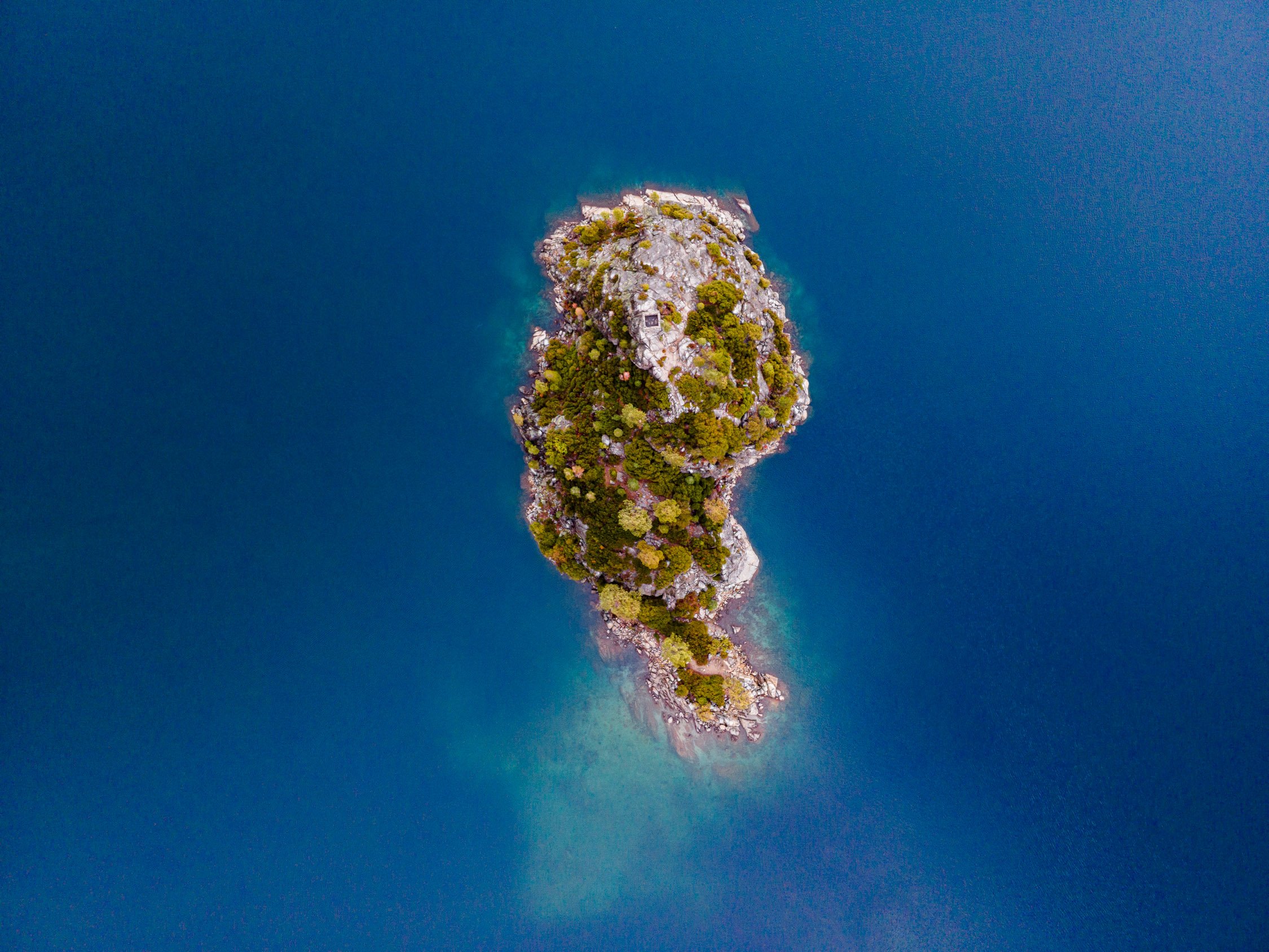
How To Explore Lake Tahoe's Only Island: Fannette Island
Nestled amidst the crystal-clear waters of Lake Tahoe, Fannette Island stands as an enchanting testament to the natural beauty and allure of this iconic alpine lake. With a history rich in Native American lore, stunning surroundings, and adventurous activities like kayaking, stand-up paddleboarding (SUP), boating, and even cliff jumping, Fannette Island offers an unforgettable experience for both nature enthusiasts and thrill-seekers.
Nestled amidst the crystal-clear waters of Lake Tahoe, Fannette Island stands as an enchanting testament to the natural beauty and allure of this iconic alpine lake. With a history rich in Native American lore, stunning surroundings, and adventurous activities like kayaking, stand-up paddleboarding (SUP), boating, and even cliff jumping, Fannette Island offers an unforgettable experience for both nature enthusiasts and thrill-seekers.
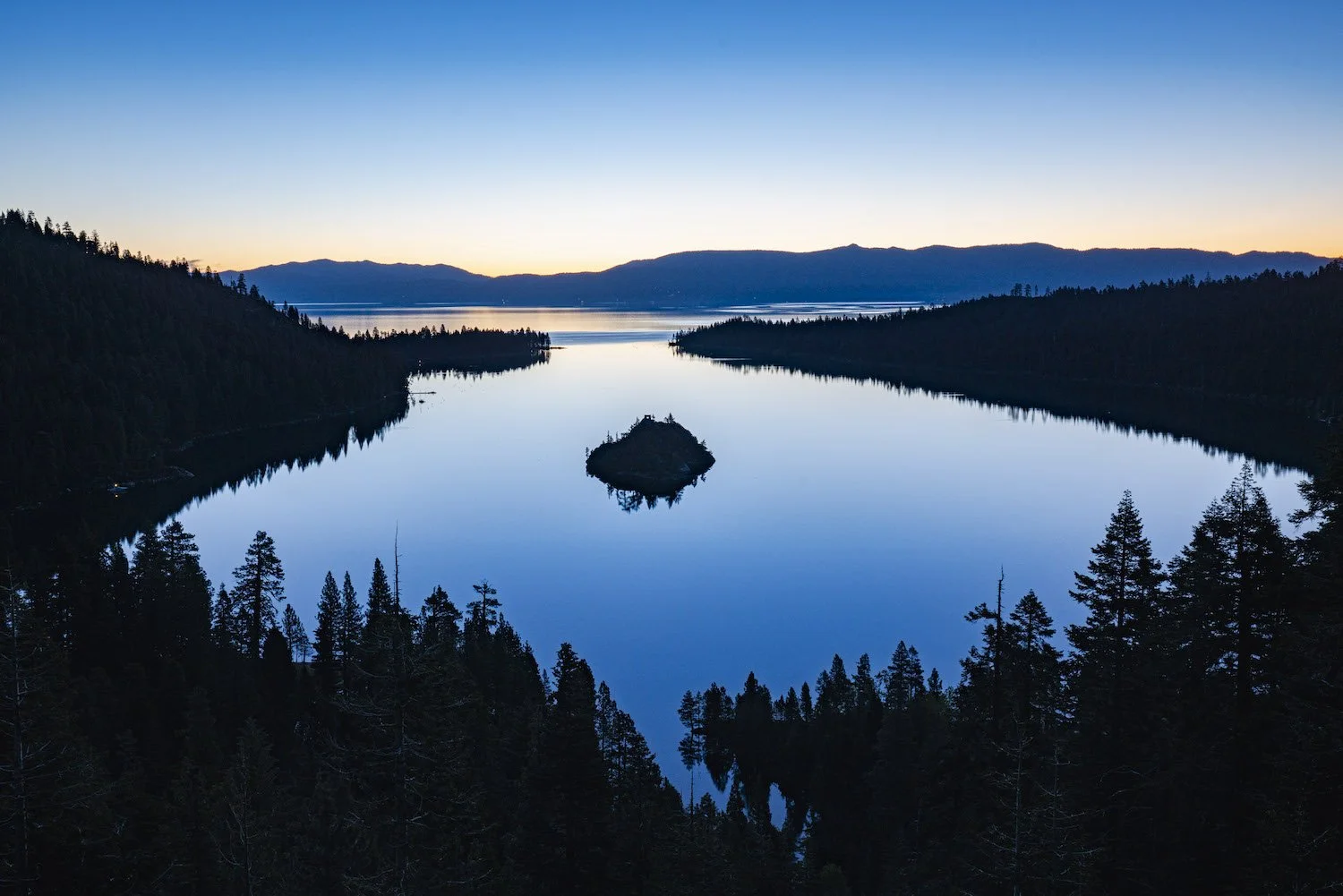
Fannette Island reflecting in the calms waters of Emerald Bay at sunrise. Photo by Dalton Johnson
Pros
Natural Beauty: Fannette Island is situated in the stunning Emerald Bay of Lake Tahoe, offering breathtaking views of the surrounding mountains and crystal-clear waters.
Historical Significance: The island has a rich history, with ties to Native American culture and the Vikingsholm Castle, providing a unique opportunity to explore a blend of natural and cultural heritage.
Adventure Activities: Visitors can engage in a variety of activities such as kayaking, stand-up paddleboarding, boating, and even cliff jumping for an adrenaline rush.
Cons
Crowds: Especially during peak tourist seasons, Fannette Island can attract a high number of visitors, leading to congestion on the water and on the island itself.
Safety Concerns: Cliff jumping can be dangerous if not done with proper caution and understanding of the water's depth and conditions. Visitors must prioritize safety at all times.
Limited Facilities: As a natural island, Fannette Island lacks amenities such as restrooms, food vendors, and shade, requiring visitors to be prepared with their own supplies.
A Glimpse into History
Fannette Island's history dates back centuries, with the Washoe Native American tribe considering Lake Tahoe and its surrounding areas as sacred grounds. The island was a part of their spiritual beliefs and served as a place for reflection and connection with nature.
Later, during the late 19th century, the illustrious Emerald Bay estate was constructed on the shores of Lake Tahoe by the wealthy socialite Mrs. Lora Josephine Knight. The Vikingsholm Castle, a Scandinavian-style mansion, adds a touch of elegance to the landscape and is now a National Historic Landmark.
Location and Access
Fannette Island can be found in the heart of Emerald Bay, one of Lake Tahoe's most breathtaking locations. Emerald Bay itself is located on the west shore of the lake, making it easily accessible from various points around the lake.
Visitors can reach Fannette Island by kayak, SUP, or boat. The island's central location within the bay offers spectacular views of the surrounding mountainous terrain, including the impressive Cascade Falls, which cascade down the granite cliffs into the emerald waters.
Kayaking and Stand-Up Paddleboarding (SUP) Adventure
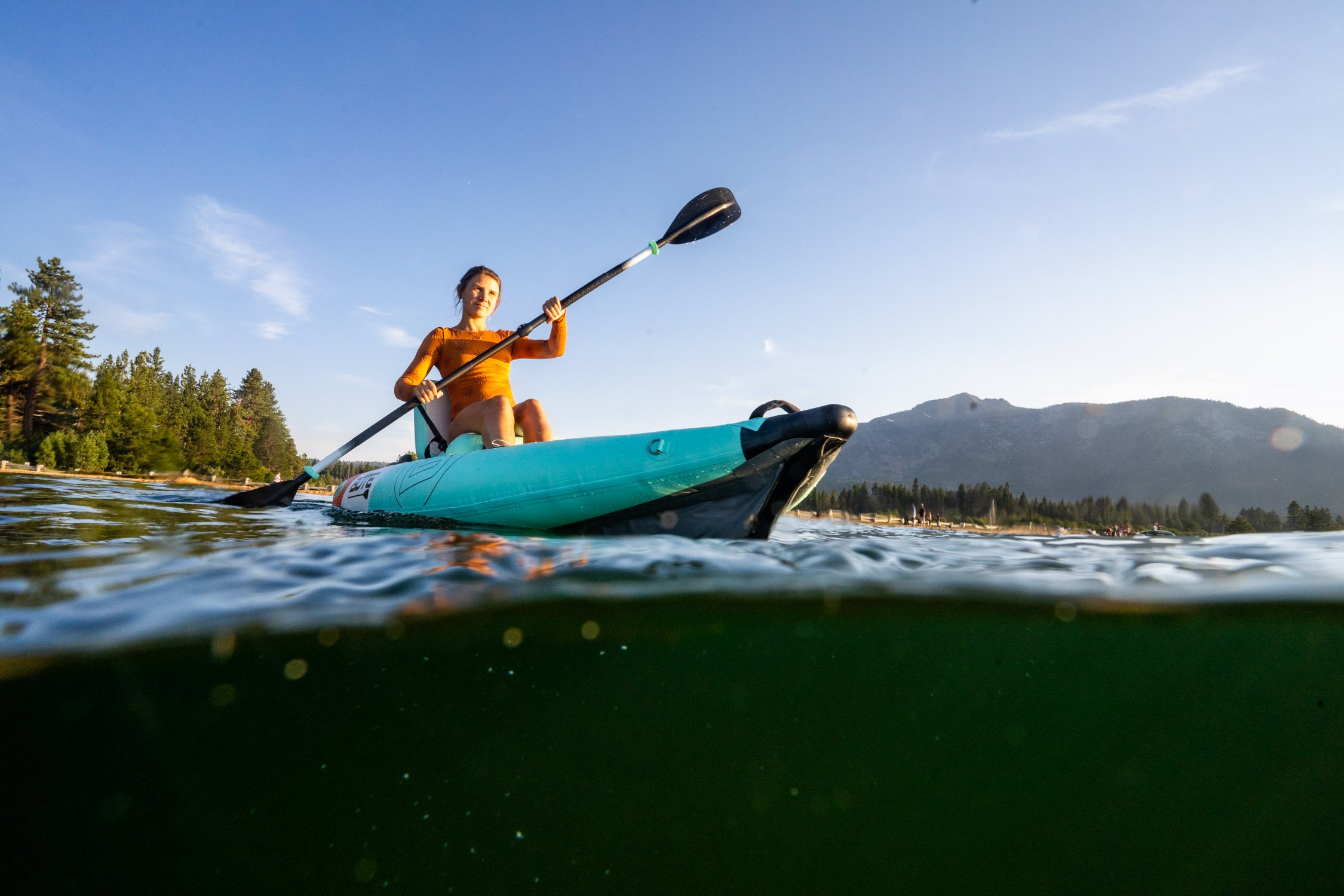
For those seeking a more immersive experience, kayaking and stand-up paddleboarding are perfect options to explore Fannette Island. The calm, clear waters of Lake Tahoe provide an ideal environment for beginners and experienced paddlers alike. The hike down to the water can be a challenge if you have to carry your kayak, so I suggest using an Oru Kayak or an inflatable SUP.
Rental facilities are available around the lake, ensuring that adventurers have access to the necessary equipment for a memorable journey to the island.


Boating Bliss
Boaters can also revel in the splendor of Fannette Island. Cruising the pristine waters of Lake Tahoe provides a different perspective, allowing visitors to marvel at the island's rugged rock formations and lush greenery from the comfort of a boat.
Numerous boat rental services and guided tours offer visitors the chance to customize their experience and create lasting memories.
The Thrill of Cliff Jumping
For the adrenaline junkies, Fannette Island is known for its popular cliff jumping spots. Adventurers can hike to the highest point of the island to reach the renowned "Tea House," an abandoned stone building that was once used as a summer retreat.
Nearby, the island's cliffs beckon daredevils to take the plunge into the refreshing waters below. It's important to exercise caution and adhere to safety guidelines when participating in cliff jumping to ensure a thrilling yet secure experience.
One of the most popular places to jump into the water is near to "typical" boat parking. The cliffs are roughly 15-20 feet and the water is deep.

Hiking down to Emerald Bay to kayak to Fannette Island. Photo by Dalton Johnson
Fannette Island stands as an emblem of the captivating allure that Lake Tahoe holds. Its storied history, stunning location, and diverse range of activities make it an ideal destination for anyone seeking adventure, natural beauty, and a connection with the rich history of the area.
From kayaking and stand-up paddleboarding to boating and the excitement of cliff jumping, Fannette Island offers an unforgettable journey into the heart of Lake Tahoe's enchanting landscape. So, gear up, embrace the spirit of exploration, and immerse yourself in the magic of Fannette Island.
Discover more of Lake Tahoe


Overlooked, yet Amazing, Road Trips in California
When it comes to scenic road trips, California offers an array of well-known routes that take travelers through some of the most iconic landscapes in the world. However, beyond the beaten path lie road trips that are just as spectacular, if not more so and the crowds are minimal.
In this article, we'll explore four such road trips that often don't get the attention they deserve, showcasing the hidden gems of the Golden State.
When it comes to scenic road trips, California offers an array of well-known routes that take travelers through some of the most iconic landscapes in the world. However, beyond the beaten path lie road trips that are just as spectacular, if not more so and the crowds are minimal.
In this article, we'll explore four such road trips that often don't get the attention they deserve, showcasing the hidden gems of the Golden State.
Emerald Bay coated in a blanket of snow. Photo by Dalton Johnson
1. Lake Tahoe Loop: Circumnavigating Tranquility
Distance: Approximately 72 miles
Time Required: About 2-3 hours, excluding stops
Lake Tahoe, with its sapphire-blue waters and surrounding pine-covered mountains, is often revered as a vacation spot. But the Lake Tahoe Loop road trip presents a breathtaking journey that takes you around the entire lake. This overlooked drive offers stunning vistas, serene beaches, and a chance to immerse yourself in the grandeur of the Sierra Nevada.
Three Important Stops:
Emerald Bay State Park: This stop presents a postcard-worthy view of the lake. Hike down to the shoreline or take a boat tour to explore the iconic Fannette Island and its charming Tea House.
Sand Harbor: Known for its white-sand beaches and crystal-clear waters, Sand Harbor offers an ideal spot for relaxation, paddleboarding, and enjoying the beauty of Lake Tahoe.
Hiking Mount Rose: Trade in historical visits for an exhilarating hiking experience up Mount Rose. As the second highest peak in the Lake Tahoe Basin at an elevation of 10,776 feet, Mount Rose offers panoramic views that stretch from the lake to the surrounding mountains.
2. Highway 395: Eastern Sierra Adventure
Distance: Varies depending on route, approximately 250-300 miles
Time Required: About 5-7 days for a comprehensive exploration
Highway 395 runs along the eastern side of the Sierra Nevada mountains, offering a diverse array of landscapes. From the surreal beauty of Mono Lake to the majesty of Mammoth Lakes and the towering peaks of the Eastern Sierra, this road trip showcases nature's grandeur in every direction.
Three Important Stops:
Mono Lake: Witness the bizarre tufa towers rising from the lake's salty waters, a testament to the region's unique geology and ecology. Don't miss the South Tufa Reserve for a closer look.
Bodie State Historic Park: Step back in time at this well-preserved ghost town, capturing the essence of California's Gold Rush era. It's a photographer's dream and a historical delight.
Alabama Hills: Just west of Lone Pine, this unique geological formation offers stunning landscapes and is a popular location for movies and TV shows. Hike the Mobius Arch Loop Trail for incredible views of the Sierras framed by natural arches.


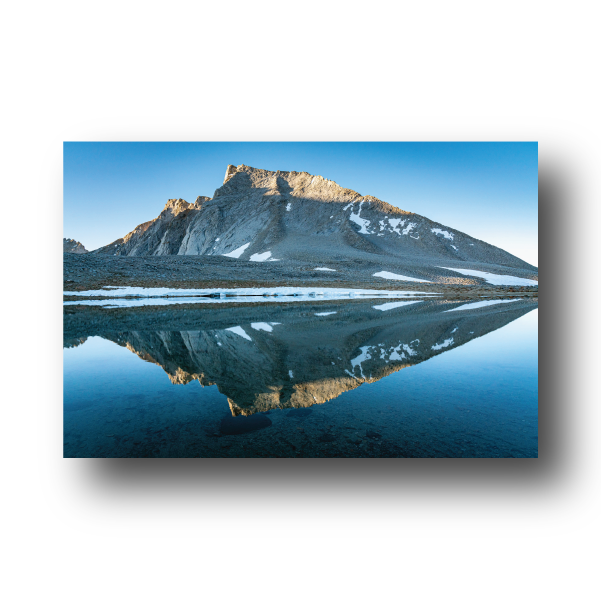
3. Wine Country Loop: A Gourmet Getaway
Distance: Varies based on chosen wineries, approximately 50-100 miles
Time Required: About 2-3 days to fully appreciate the experience
California's wine regions, including Napa Valley and Sonoma County, are celebrated for their world-class wines and picturesque vineyards. The Wine Country Loop road trip takes you through these regions, allowing you to indulge in wine tastings, savor gourmet meals, and soak in the countryside's beauty.
Three Important Stops:
Napa Valley: The crown jewel of California's wine country, Napa Valley offers a plethora of wineries and charming towns. Consider visiting the famous Castello di Amorosa, a medieval-style castle winery.
Sonoma Plaza: Explore historic Sonoma Plaza, home to a variety of tasting rooms, boutique shops, and galleries. Don't miss the Sonoma Mission, the last of the 21 missions built in California.
Russian River Valley: Known for its world-class Pinot Noir and Chardonnay, this region offers a more relaxed and rustic atmosphere. Enjoy a leisurely float down the Russian River or explore local breweries and eateries.
4. Death Valley Scenic Byway: Desert Majesty
Distance: Approximately 146 miles (one way)
Time Required: About 2-3 days, considering exploration time
In the heart of the Mojave Desert lies Death Valley National Park, a place of unparalleled beauty and extremes. The Death Valley Scenic Byway road trip takes you through this unique landscape, showcasing mesmerizing sand dunes, dramatic canyons, and the lowest point in North America.
Three Important Stops:
Badwater Basin: Marvel at the surreal landscape of the salt flats at Badwater Basin, the lowest point in North America at 282 feet below sea level.
Mesquite Flat Sand Dunes: Experience the ethereal beauty of these rolling sand dunes, especially during sunrise or sunset when the colors are most vibrant.
Zabriskie Point: Enjoy panoramic views of the badlands and golden rock formations. This spot is particularly captivating during sunrise, as the early light paints the landscape in hues of orange and red.
Mesquite sand dunes at sunrise. Photo by Dalton Johnson
While California's well-known road trips have rightfully earned their fame, there are hidden road trip treasures that offer equally remarkable experiences.
From the serene shores of Lake Tahoe to the otherworldly landscapes of Death Valley, these overlooked road trips invite you to discover the lesser-known wonders that the state has to offer. So, the next time you're planning a road trip in California, consider these routes for an unforgettable journey off the beaten path.
Discover more of Road Trips


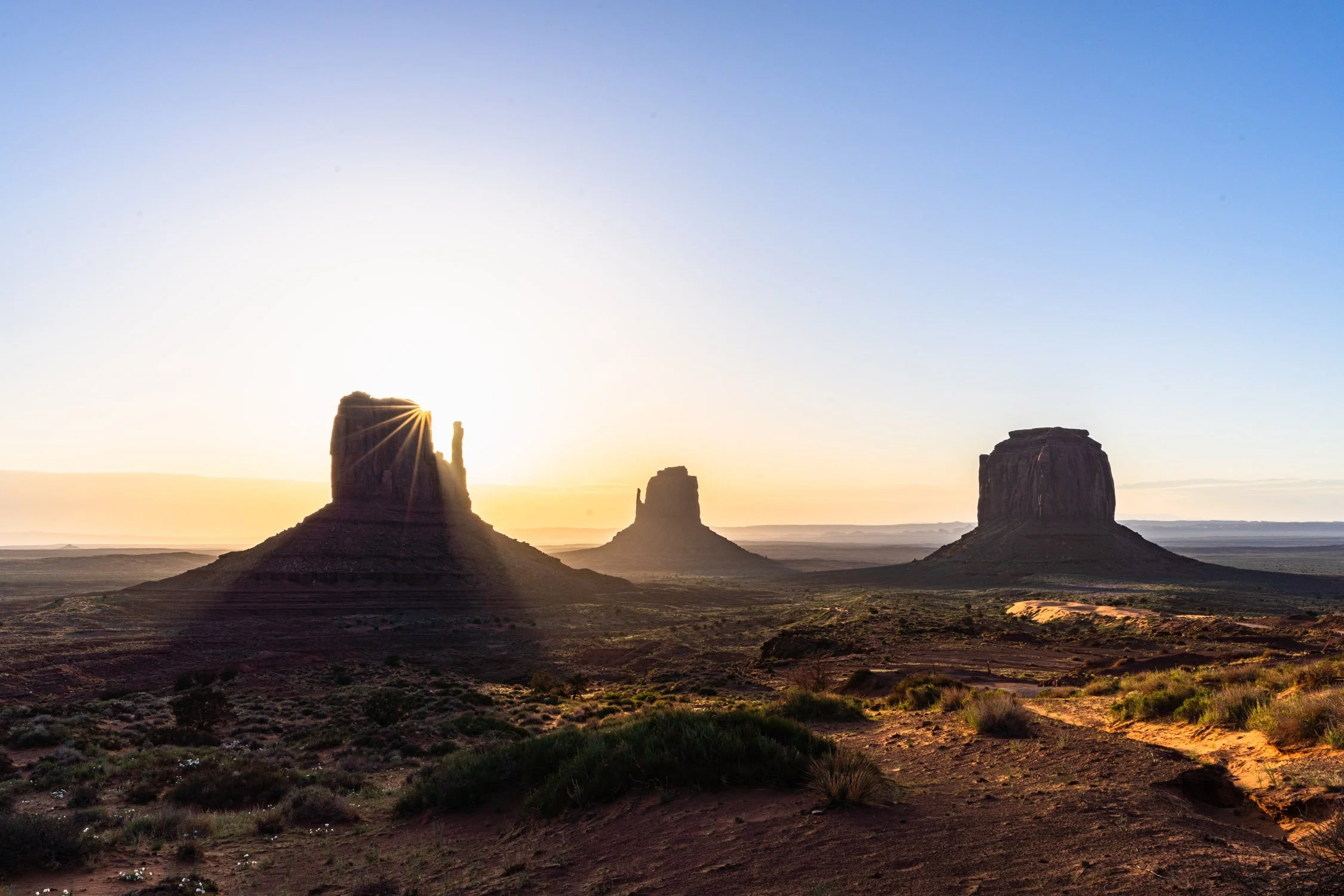
Do You Know Your Big Waves Spots?
When I learned how to surf at 8 years old, I was captivated by the legends of barrels so big they can swallow freighters, wipeouts that surfers never returned from, and the relentless raw power of the ocean. For my landlocked 8-year-old brain, I couldn't fathom this.
Yet, as I write, I know, first hand, all of these can be true.
What my mind still can not comprehend, is how a growing handful of surfers dedicate their lives to finding and surfing these waves. So, let's tip our hats to the big wave surfers and check out the main Big Wave spots sprinkled across the globe.
When I learned how to surf at 8 years old, I was captivated by the legends of barrels so big they can swallow freighters, wipeouts that surfers never returned from, and the relentless raw power of the ocean. For my landlocked 8-year-old brain, I couldn't fathom this.
Yet, as I write, I know, first hand, all of these can be true.
What my mind still can not comprehend, is how a growing handful of surfers dedicate their lives to finding and surfing these waves. So, let's tip our hats to the big wave surfers and check out the main Big Wave spots sprinkled across the globe.

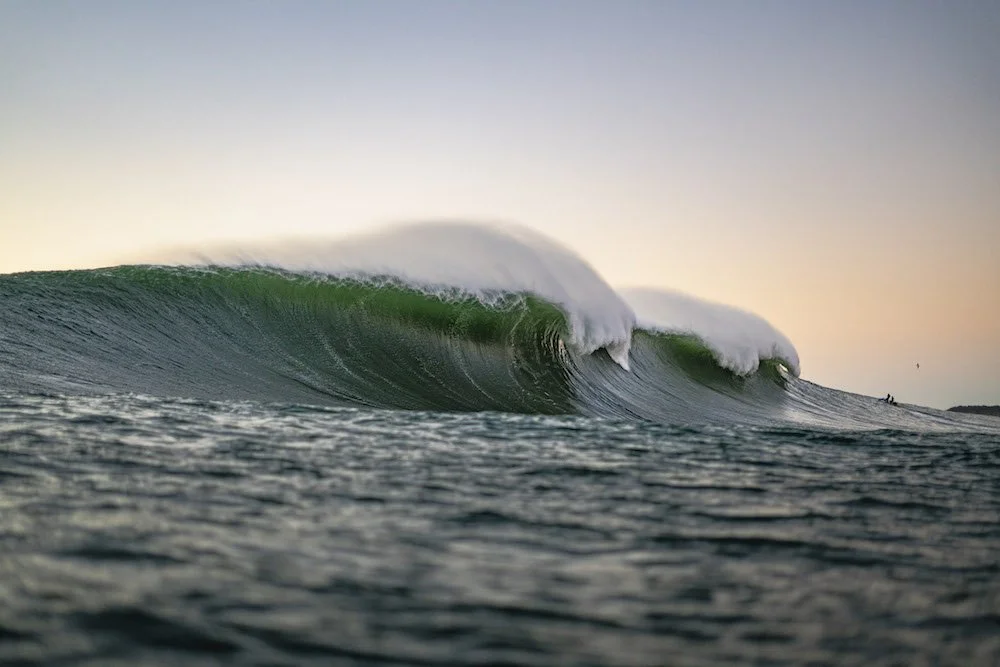
A surfer enjoying the view from the shoulder as a massive Mavericks wave breaks. Photo by Dalton Johnson
Mavericks (Half Moon Bay, California, USA)
Biggest Size Wave: Over 60 feet
Paddle-in or Tow: Paddle-in
Mavericks is a legendary big wave spot characterized by its massive waves that can reach heights of over 60 feet. Located off the coast of Half Moon Bay, it's known for its unpredictable and challenging conditions, making it a destination for fearless surfers seeking an adrenaline rush and a test of their skills.
Pipeline (Oahu, Hawaii, USA)
Biggest Size Wave: Over 20 feet
Paddle-in or Tow: Paddle-in
Pipeline is one of the most iconic and revered waves in the world. Known for its powerful and perfectly cylindrical barrels, it breaks over a shallow reef, creating fast and hollow waves that challenge even the most skilled surfers. The Banzai Pipeline is a proving ground for tube riding and is a highlight of the North Shore's winter surf season.
While most would not put Pipe in the XXL category, it is still a big wave that demands respect.
Nazaré (Nazaré, Portugal)
Biggest Size Wave: Over 70 feet
Paddle-in or Tow: Tow
Nazaré is famous for producing some of the largest waves in the world, with record setting heights of 86 feet. The underwater Nazaré Canyon amplifies the swell, creating monstrous waves that draw big wave surfers and tow teams. It's a unique spot that attracts those looking to ride the biggest waves on the planet.
Jaws (Peahi, Maui, Hawaii, USA)
Biggest Size Wave: Over 60 feet
Paddle-in or Tow: Paddle-in and Tow
Jaws, or Peahi, is a legendary big wave spot on Maui's north shore. It's known for its massive waves that can reach heights of over 60 feet and its challenging paddle-in and tow-in conditions. The powerful waves at Jaws attract top big wave surfers seeking to push their limits and ride some of the most formidable waves in the world.
Teahupo'o (Tahiti, French Polynesia)
Biggest Size Wave: Over 20 feet
Paddle-in or Tow: Paddle-in
Teahupo'o is famous for its heavy and shallow reef break that creates thick, barreling waves. These waves can reach heights of over 20 feet and offer surfers the chance to ride deep and challenging barrels. The break is renowned for its beauty and intensity, making it a must-visit spot for experienced surfers.
Islas de Todos Santos (Ensenada, Baja California, Mexico)
Biggest Size Wave: Over 30 feet
Paddle-in or Tow: Paddle-in
Islas de Todos Santos, also known as Todos Santos Island, is home to a powerful reef break that produces waves exceeding 30 feet. Located off the coast of Baja California, it's a prime spot for big wave surfers looking to challenge themselves on heavy and hollow waves in a stunning natural setting.
Cortes Bank (Off the coast of California, USA)
Biggest Size Wave: Over 100 feet (rumored)
Paddle-in or Tow: Tow
Cortes Bank is an underwater seamount located off the coast of Southern California. When the conditions align, it can produce waves that are rumored to surpass 100 feet, attracting tow-in surfers and adrenaline seekers. The remote location and challenging conditions make it one of the most extreme big wave spots in the world.
Puerto Escondido (Oaxaca, Mexico)
Biggest Size Wave: Over 25 feet
Paddle-in or Tow: Paddle-in
Puerto Escondido is known for its heavy beach break that produces powerful waves, especially during the summer months. These waves can exceed 25 feet and offer surfers the opportunity to ride massive barrels. The Mexican Pipeline, as it's often called, is a favorite among skilled tube riders.
Belharra (Biarritz, France)
Biggest Size Wave: Over 60 feet
Paddle-in or Tow: Paddle-in
Belharra is a reef break located off the coast of Biarritz in France. It's renowned for its colossal waves that can reach heights of over 60 feet during big swells. The challenging paddle-in conditions and heavy waves attract experienced surfers seeking the thrill of riding massive walls of water.
The Right (Western Australia, Australia)
Biggest Size Wave: Over 20 feet
Paddle-in or Tow: Paddle-in
The Right is a unique and powerful slab wave located in Western Australia. It's known for its incredibly hollow and fast barrels that can reach heights of over 20 feet. The wave breaks over a shallow reef and is famous for its intense drop-ins and challenging tube rides.


Shipstern Bluff (Tasmania, Australia)
Biggest Size Wave: Over 20 feet
Paddle-in or Tow: Paddle-in
Shipstern Bluff is a remote and notorious big wave spot in Tasmania. It's known for its heavy and intimidating waves that break over a shallow reef, producing thick barrels and challenging drops. The cold water and rugged coastline add to the raw and adventurous nature of this surf spot.
Punta de Lobos (Pichilemu, Chile)
Biggest Size Wave: Over 30 feet
Paddle-in or Tow: Paddle-in
Punta de Lobos is a picturesque point break in Chile that transforms into a powerful big wave spot during larger swells. Waves here can exceed 30 feet, offering experienced surfers the chance to ride long and fast walls with the iconic Lobos Rock in the background.
Dungeons (Cape Town, South Africa)
Biggest Size Wave: Over 25 feet
Paddle-in or Tow: Paddle-in
Dungeons is a big wave spot off the coast of Cape Town, South Africa. It's known for its heavy and fast-moving waves that can reach heights of over 25 feet. The cold water and challenging conditions make it a demanding spot for big wave surfers.
Nelscott Reef (Lincoln City, Oregon, USA)
Biggest Size Wave: Over 40 feet
Paddle-in or Tow: Paddle-in
Nelscott Reef is located off the coast of Lincoln City in Oregon and is known for producing waves that can exceed 40 feet. The reef break can offer powerful and challenging waves, attracting experienced surfers looking for big wave action in the Pacific Northwest.
Mullaghmore Head (County Sligo, Ireland)
Biggest Size Wave: Over 50 feet
Paddle-in or Tow: Paddle-in
Mullaghmore Head is a big wave spot on the west coast of Ireland. It's renowned for its heavy and cold water waves that can reach heights of over 50 feet. The spot offers a unique blend of rugged beauty and challenging surf conditions, drawing big wave surfers from around the world.
Ghost Trees (Monterey, California, USA)
Biggest Size Wave: Over 30 feet
Paddle-in or Tow: Paddle-in (due to new laws)
Ghost Trees is a big wave spot located off the coast of Monterey, California. The waves here can reach heights of over 30 feet and are known for their fast and powerful nature. The spot was historically know for tow-in surfing due to its distance from the shore and challenging conditions.
Note: This break no longer permits tow-in surfing due to new environmental laws. Surfing this wave is now more dangerous.
Pico Alto (Lima, Peru)
Biggest Size Wave: Over 30 feet
Paddle-in or Tow: Paddle-in
Pico Alto is one of Peru's premier big wave spots, featuring waves that can exceed 30 feet. It's a consistent spot for large swells, and its heavy, hollow waves break over a reef, offering experienced surfers a chance to ride long and intense barrels.
The Box (Western Australia, Australia)
Biggest Size Wave: Over 15 feet
Paddle-in or Tow: Paddle-in
The Box is a powerful and hollow reef break located in Western Australia. The waves here can reach heights of over 15 feet and are known for their intense barrels and challenging drops. It's a favorite spot for skilled tube riders seeking an adrenaline-pumping experience.
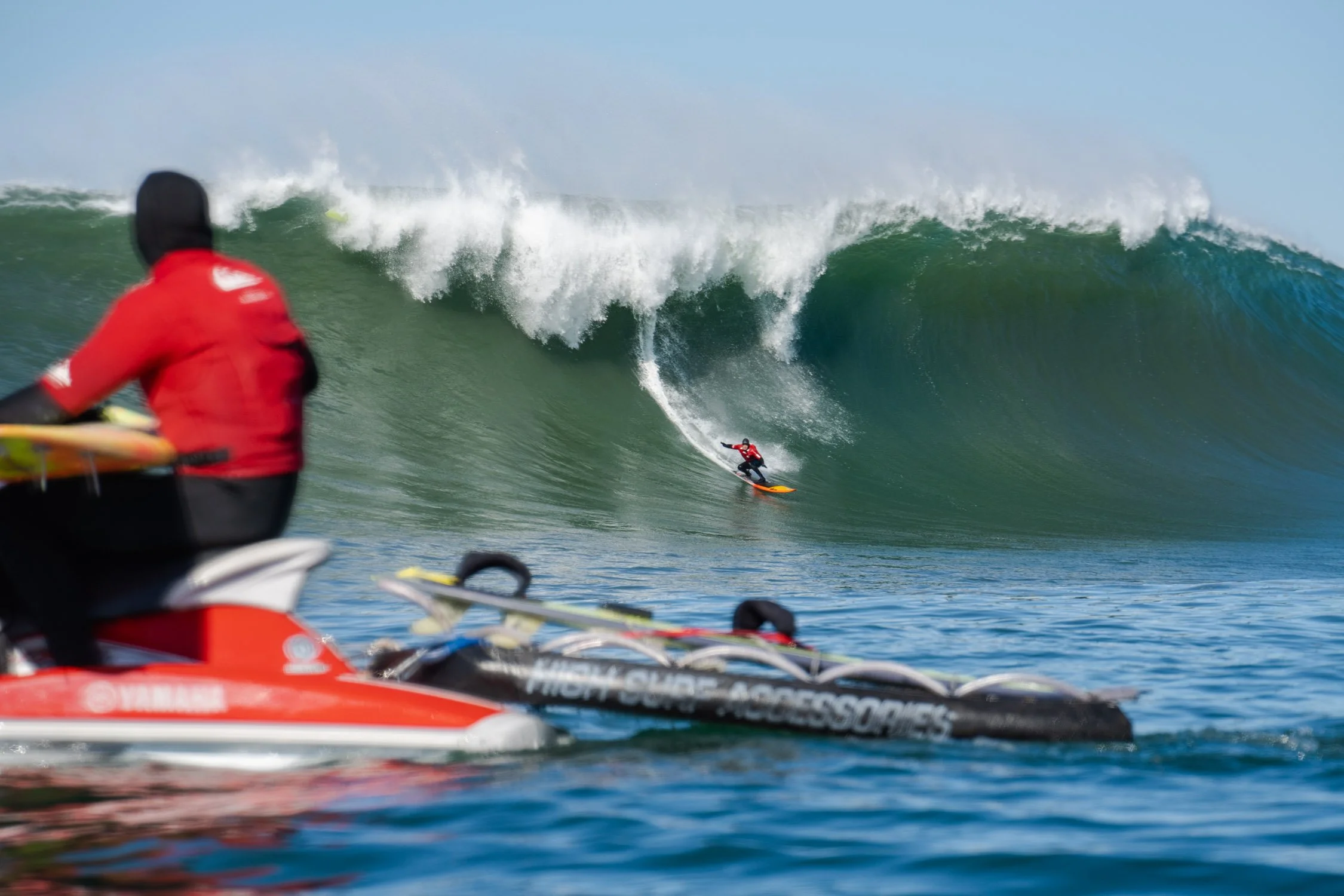
Dropping in on a proper day at Mavericks. Photo by Dalton Johnson
Discover more of Surfing



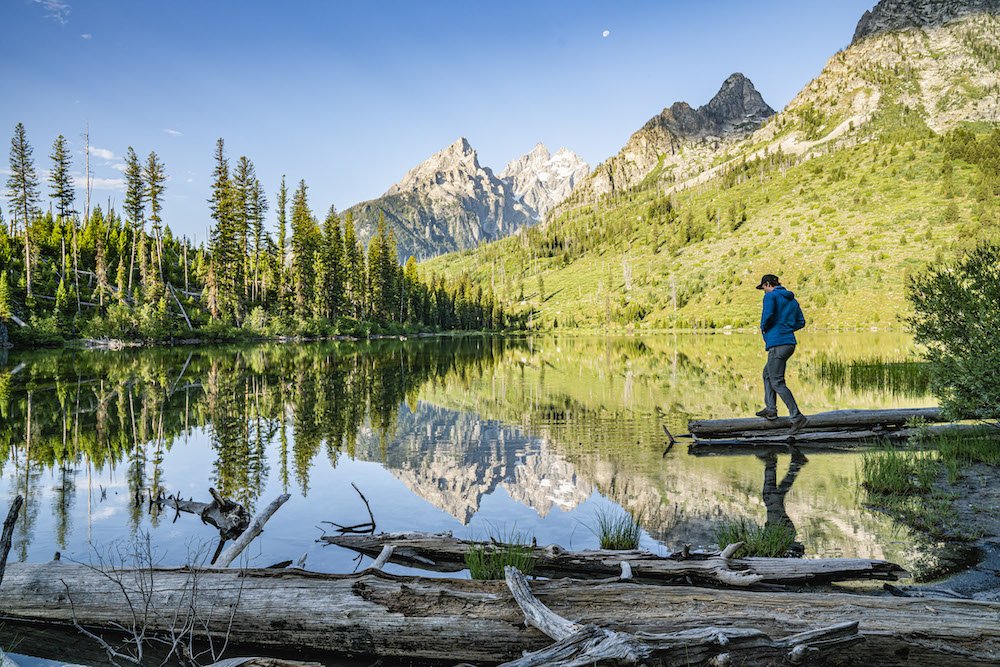
Must-Visit National Parks for Vanlifers and Nature Lovers
There's something undeniably magical about the great outdoors, and what better way to experience it than by embarking on a national park adventure? For vanlifers and nature enthusiasts alike, the United States boasts a plethora of breathtaking national parks that promise awe-inspiring landscapes, diverse wildlife, and unforgettable experiences. Whether you're a seasoned vanlifer or just starting to explore the world of road trips, these must-visit national parks are sure to leave you in awe.
There's something undeniably magical about the great outdoors, and what better way to experience it than by embarking on a national park adventure? For vanlifers and nature enthusiasts alike, the United States boasts a plethora of breathtaking national parks that promise awe-inspiring landscapes, diverse wildlife, and unforgettable experiences. Whether you're a seasoned vanlifer or just starting to explore the world of road trips, these must-visit national parks are sure to leave you in awe.
Discover the best national parks to visit for an unforgettable vanlife adventure. From the geothermal wonders of Yellowstone and the iconic cliffs of Yosemite to the rugged beauty of Grand Teton, these parks offer scenic campgrounds and RV-friendly spots, making them perfect destinations for vanlifers and nature lovers alike. Plan your road trip and explore the wonders of nature in these must-visit national parks.
Read on below for a deep dive into the best national parks for vanlifers.
The view of Grand Prismatic Spring from the overlook. Photo by Dalton Johnson
Pros
Flexibility and Freedom: Vanlife provides the freedom to explore multiple national parks at your own pace. You can stay longer in places you love, change plans spontaneously, and follow your heart wherever it leads.
Cost-Effectiveness: Vanlife can be more cost-effective than traditional travel options. By combining transportation and accommodation, you save money on hotels and restaurants, allowing you to allocate more funds for experiences and activities.
Closer to Nature: Living in a van allows you to be surrounded by nature at all times. Wake up to breathtaking views, sleep under the stars, and be one with the wilderness.
Authentic Experience: Vanlife immerses you in the raw beauty of the parks, offering a more authentic and intimate connection with nature and the wildlife.
Access to Remote Areas: Vans can reach more remote and off-the-beaten-path areas of national parks, providing access to hidden gems and less crowded spots.
Eco-Friendly: Vanlife encourages a more eco-friendly lifestyle, as you minimize your environmental footprint by conserving resources and reducing waste.
Community and Camaraderie: Vanlife enthusiasts form a welcoming community, providing opportunities to connect with like-minded travelers and share experiences and tips.
Cons
Limited Space: Living in a van means dealing with limited space for belongings, which can be challenging for those who enjoy creature comforts and convenience.
Weather Constraints: Extreme weather conditions can pose challenges in a van, especially during cold winters or hot summers, requiring proper insulation and climate control.
Safety and Security: While national parks are generally safe, vanlifers need to be mindful of their surroundings and take precautions against potential risks, such as wildlife encounters or theft.
Limited Amenities: Depending on the van setup, you may have limited access to amenities like showers, toilets, and running water, requiring adaptation and resourcefulness.
Maintenance and Repairs: Vans require regular maintenance and occasional repairs, which can be time-consuming and costly during a long road trip.
Cellular and Internet Coverage: Remote areas may have limited or no cellular and internet coverage, making communication and navigation challenging at times.
Regulations and Park Restrictions: National parks have specific rules and regulations, including restrictions on camping and parking, which vanlifers must adhere to and plan around.
Yellowstone National Park, Wyoming
As the first and oldest national park in the world, Yellowstone has rightfully earned its place as a bucket-list destination for any nature lover. Located predominantly in Wyoming, with sections extending into Montana and Idaho, this expansive wilderness spans over 2.2 million acres. Yellowstone is famous for its geothermal wonders, including the iconic Old Faithful geyser, as well as its vibrant hot springs and bubbling mud pots. For vanlifers, numerous campgrounds and RV-friendly spots make it a perfect destination for an extended stay.
5 Best Hiking Trails:
Grand Prismatic Spring Overlook Trail - A short hike leading to an elevated viewpoint, offering stunning vistas of the colorful Grand Prismatic Spring.
Fairy Falls Trail - A moderate hike leading to the majestic 200-foot Fairy Falls, with the option to continue to the geothermal wonder, Imperial Geyser.
Mount Washburn Trail - A challenging but rewarding hike leading to the summit of Mount Washburn, providing sweeping views of the park's landscape.
Observation Point Trail - A picturesque hike through the Yellowstone Canyon, culminating at Observation Point, offering unparalleled views of the Lower Falls.
Mystic Falls Trail - A pleasant hike through a lush forest, leading to the beautiful Mystic Falls and the captivating Biscuit Basin.
3 Iconic Photograph Spots:
Old Faithful Geyser - Capture the timeless eruption of the world-famous Old Faithful against the backdrop of the surrounding geothermal features.
Grand Canyon of the Yellowstone - Take awe-inspiring photos of the Yellowstone River flowing through the vibrant canyon, accentuated by the Lower Falls.
Mammoth Hot Springs Terraces - Photograph the intricately layered terraces formed by mineral-rich hot springs, creating surreal landscapes.
4 Must-Do Activities:
Wildlife Watching - Observe bison, elk, wolves, and grizzly bears roaming freely in their natural habitat.
Visit the Norris Geyser Basin - Explore one of the hottest and most dynamic geothermal areas in the park, featuring impressive geysers and colorful hot springs.
Boating on Yellowstone Lake - Enjoy a serene experience on the largest high-altitude lake in North America, surrounded by breathtaking mountain scenery.
Ranger-Led Programs - Participate in educational and interactive programs organized by park rangers to learn more about Yellowstone's natural and cultural history.
Yosemite National Park, California
Yosemite's breathtaking beauty has inspired countless artists and photographers, and for good reason. Located in the Sierra Nevada mountains of California, this iconic park is a haven for outdoor enthusiasts. From towering granite cliffs, such as El Capitan and Half Dome, to picturesque waterfalls like Bridalveil Fall and Yosemite Falls, the park is a paradise for hikers and rock climbers alike. Campgrounds nestled amidst the lush wilderness make Yosemite an excellent destination for vanlifers seeking an authentic camping experience.
5 Best Hiking Trails:
Mist Trail - A popular and rewarding hike leading to the towering Vernal and Nevada Falls, offering breathtaking views along the way.
Half Dome Trail - A challenging yet iconic hike that takes you to the summit of Half Dome, providing unparalleled views of the Yosemite Valley.
Upper Yosemite Falls Trail - A strenuous hike leading to the top of North America's tallest waterfall, offering stunning vistas of the valley.
Tuolumne Meadows Loop Trail - An easy and scenic hike through the picturesque Tuolumne Meadows, showcasing alpine scenery and wildflowers.
Mirror Lake Trail - A leisurely hike to the tranquil Mirror Lake, offering stunning reflections of the surrounding granite cliffs and trees.
3 Iconic Photograph Spots:
Tunnel View - Capture the iconic panoramic view of Yosemite Valley, including El Capitan, Half Dome, and Bridalveil Fall.
Glacier Point - Photograph the breathtaking vistas of Yosemite Valley, Half Dome, and Yosemite Falls from this elevated viewpoint.
Valley View - Take postcard-worthy shots of El Capitan and the Merced River framed by lush greenery.
4 Must-Do Activities:
Mariposa Grove of Giant Sequoias - Wander through a grove of ancient giant sequoias, including the famous Grizzly Giant and the Tunnel Tree.
Yosemite Falls Mist Trail - Experience the refreshing spray of Lower Yosemite Falls while hiking along the picturesque Mist Trail.
Climbing at El Capitan - For experienced climbers, take on the challenge of scaling the legendary granite face of El Capitan.
Stargazing at Glacier Point - Witness the mesmerizing night sky, dotted with countless stars, from the popular stargazing spot at Glacier Point.
Acadia National Park, Maine
On the rugged coastline of Maine lies Acadia National Park, a coastal gem known for its dramatic cliffs, rocky shores, and dense forests. With its winding carriage roads and hiking trails, Acadia offers opportunities for all levels of exploration. Witness the first rays of sunrise from the top of Cadillac Mountain, the highest peak along the North Atlantic seaboard, or venture to the iconic Bass Harbor Head Lighthouse for a picture-perfect moment. Vanlifers will appreciate the unique blend of natural wonders and charming coastal towns found in this park.
5 Best Hiking Trails:
Precipice Trail - A thrilling but challenging hike that rewards you with stunning views of the coastline and surrounding mountains.
Jordan Pond Path - An easy and scenic trail offering picturesque views of Jordan Pond and the majestic "Bubbles" mountains.
Cadillac Mountain South Ridge Trail - A moderate hike leading to the summit of Cadillac Mountain, the first place to see the sunrise in the United States.
Beehive Trail - A short but exhilarating hike with iron rungs and ladders, providing panoramic views of Sand Beach and the Atlantic Ocean.
Gorham Mountain Loop Trail - A moderate loop trail that takes you up Gorham Mountain for breathtaking views of the coastline and surrounding islands.
3 Iconic Photograph Spots:
Bass Harbor Head Lighthouse - Capture the charming and picturesque Bass Harbor Head Lighthouse set against the rocky coastline.
Cadillac Mountain Summit - Photograph the sunrise or sunset from the summit, where the dramatic landscape is bathed in warm hues.
Sand Beach - Capture the contrast between the golden sand, blue ocean, and rugged granite cliffs at this popular and photogenic beach.
4 Must-Do Activities:
Park Loop Road Drive - Take a scenic drive along the Park Loop Road to access various viewpoints and attractions within the park.
Carriage Road Biking - Rent a bike and explore the historic carriage roads, which offer scenic routes through the park's interior.
Jordan Pond House - Enjoy a traditional popover with a view at the Jordan Pond House, a historic restaurant near Jordan Pond.
Whale Watching - Embark on a whale-watching tour from nearby Bar Harbor to witness majestic marine mammals in their natural habitat.
Zion National Park, Utah
For those seeking an otherworldly experience, Zion National Park in Utah is an enchanting option. Its towering sandstone cliffs, sculpted by the Virgin River, create a breathtaking landscape that attracts photographers and adventurers alike. With stunning hikes like Angels Landing and The Narrows, Zion offers a chance to challenge yourself and revel in nature's grandeur. The nearby town of Springdale provides cozy accommodations for vanlifers after a day of exploring.
5 Best Hiking Trails:
Angels Landing Trail - A challenging but iconic hike with steep switchbacks leading to a thrilling narrow ridge with panoramic views.
The Narrows - A unique hike through the Virgin River, with towering canyon walls on either side, creating a captivating slot canyon experience.
Observation Point Trail - A less crowded alternative to Angels Landing, offering breathtaking vistas of Zion Canyon from a higher vantage point.
Emerald Pools Trail - A family-friendly hike leading to lush hanging gardens and refreshing waterfalls amidst the desert landscape.
Hidden Canyon Trail - A moderate hike that leads to a hidden canyon, offering adventure seekers a chance to scramble up narrow passages.
3 Iconic Photograph Spots:
The Watchman - Capture the iconic view of The Watchman mountain reflected in the tranquil waters of the Virgin River at sunset.
Zion Canyon Scenic Drive - Photograph the towering sandstone cliffs of Zion Canyon from various viewpoints along the scenic drive.
Canyon Overlook Trail - Hike to the Canyon Overlook for breathtaking views of Zion's rugged landscape, including the famous Pine Creek Canyon.
4 Must-Do Activities:
Riverside Walk - Take an easy stroll along the Virgin River on the Riverside Walk, where you can enjoy the serene beauty of Zion Canyon.
Zion Shuttle Tour - Utilize the park's shuttle system to access trailheads and viewpoints while minimizing traffic and parking hassles.
Canyoneering - For an adventurous experience, embark on a canyoneering tour with a guide to explore the park's slot canyons and rappel down waterfalls.
Starry Night Photography - Capture the mesmerizing night sky and starry vistas of Zion by trying your hand at night photography, especially during new moon phases.


Glacier National Park, Montana
Step into a world of glaciers, alpine meadows, and pristine lakes in Glacier National Park, Montana. Known as the "Crown of the Continent," this park is a haven for wildlife enthusiasts, offering opportunities to spot bears, moose, and bighorn sheep roaming freely in their natural habitat. For vanlifers, the Going-to-the-Sun Road is a must-drive, offering breathtaking views and access to numerous trailheads.
5 Best Hiking Trails:
Grinnell Glacier Trail - A challenging hike leading to stunning views of the rapidly receding Grinnell Glacier and surrounding alpine scenery.
Highline Trail - A scenic and exhilarating hike along the Continental Divide, offering breathtaking views of the Glacier National Park landscape.
Avalanche Lake Trail - A moderate hike through dense forests and alongside waterfalls, culminating at the pristine and picturesque Avalanche Lake.
Iceberg Lake Trail - A rewarding hike that takes you to a glacial lake, often dotted with icebergs, surrounded by rugged peaks.
Hidden Lake Overlook Trail - A family-friendly hike leading to an overlook with sweeping views of Hidden Lake and the surrounding mountains.
3 Iconic Photograph Spots:
Going-to-the-Sun Road - Capture the breathtaking vistas along this iconic road, with highlights like Logan Pass and the Weeping Wall.
Lake McDonald - Photograph the crystal-clear waters of Lake McDonald reflecting the surrounding mountains during sunrise or sunset.
Many Glacier Valley - Capture the stunning landscapes of the Many Glacier area, with majestic peaks and serene glacial lakes.
4 Must-Do Activities:
Red Bus Tour - Experience the historic Red Buses, also known as "Jammers," on a guided tour along the Going-to-the-Sun Road.
Boat Tour on Two Medicine Lake - Take a scenic boat tour to enjoy the views of the towering mountains and unique geological formations.
Grizzly Bear Watching - Join a guided wildlife tour to increase your chances of spotting grizzly bears and other wildlife in their natural habitat.
Waterton-Glacier International Peace Park - Visit the Canadian counterpart of Glacier National Park, Waterton Lakes National Park, accessible through the international peace park, and enjoy its beautiful landscapes.
Grand Teton National Park, Wyoming
Located just south of Yellowstone, Grand Teton National Park is a stunning destination that complements its famous neighbor with its rugged beauty. The majestic Teton Range dominates the skyline, creating a breathtaking backdrop for any outdoor enthusiast. The park offers a myriad of activities, from hiking and mountaineering to wildlife viewing and scenic drives along the Teton Park Road. Jackson Hole, a charming western town, serves as an excellent base for vanlifers to explore the area.
5 Best Hiking Trails:
Cascade Canyon Trail - A popular and picturesque hike that takes you into the heart of the Teton Range, offering breathtaking views.
Inspiration Point - A moderate hike leading to an elevated viewpoint that offers a stunning panorama of Jenny Lake and the surrounding peaks.
Delta Lake Trail - A challenging hike with a rewarding payoff, as it leads to the pristine Delta Lake, nestled beneath the Grand Teton.
Taggart Lake and Bradley Lake Loop - An easy loop trail offering views of two beautiful alpine lakes, surrounded by the Teton Range.
Amphitheater Lake Trail - A strenuous but scenic hike that rewards you with views of Amphitheater Lake and the towering Grand Teton.
3 Iconic Photograph Spots:
Schwabacher's Landing - Capture the iconic reflection of the Teton Range in the beaver ponds at Schwabacher's Landing during sunrise.
Snake River Overlook - Photograph the Snake River winding through the valley with the majestic Teton Range in the background, just like Ansel Adams did.
Mormon Row - Take stunning shots of the historic barns with the Grand Teton as the backdrop, a classic Teton Range composition.
4 Must-Do Activities:
Scenic Float Trip on the Snake River - Enjoy a relaxing float trip on the Snake River, taking in the scenic beauty and potential wildlife sightings.
Jenny Lake Boat Shuttle - Take the boat shuttle across Jenny Lake to access various trailheads and enjoy the view of the Tetons from the water.
Wildlife Viewing - Keep an eye out for iconic wildlife like moose, elk, bison, and bears in their natural habitat throughout the park.
Jackson Lake - Spend some time at Jackson Lake, enjoying activities like kayaking, canoeing, or simply taking in the tranquility of the lake and its surroundings.
Rocky Mountain National Park, Colorado
Nestled in the heart of the Rocky Mountains, this namesake park is a haven for those seeking high-altitude adventures. With over 350 miles of hiking trails, Rocky Mountain National Park is a paradise for hikers, offering alpine lakes, lush meadows, and awe-inspiring peaks. Trail Ridge Road, the highest continuous paved road in the U.S., allows vanlifers to experience the park's diverse landscapes and wildlife without having to venture far from their vehicles.
5 Best Hiking Trails:
Sky Pond Trail - A challenging and rewarding hike that takes you to the pristine Sky Pond, passing by Alberta Falls and The Loch.
Emerald Lake Trail - A family-friendly hike leading to the stunning Emerald Lake, surrounded by snow-capped peaks and verdant forests.
Chasm Lake Trail - A challenging hike that rewards you with panoramic views of Longs Peak and the Diamond face of the mountain.
Bear Lake Loop - An easy and accessible hike around the picturesque Bear Lake, with the option to extend to other nearby lakes.
Mills Lake Trail - A moderate hike through beautiful valleys, leading to the scenic Mills Lake, with views of Longs Peak.
3 Iconic Photograph Spots:
Trail Ridge Road - Capture the breathtaking scenery along Trail Ridge Road, with sweeping vistas of the Rocky Mountains.
Dream Lake - Photograph the stunning reflections of Hallett Peak and Flattop Mountain on the clear waters of Dream Lake during sunrise.
Moraine Park - Capture the vibrant Moraine Park meadow with the Rocky Mountains towering in the background.
4 Must-Do Activities:
Scenic Drive on Trail Ridge Road - Take one of America's most scenic drives, crossing the Continental Divide and reaching elevations above 12,000 feet.
Wildlife Viewing - Keep an eye out for elk, deer, bighorn sheep, and other wildlife roaming freely throughout the park.
Alpine Visitor Center - Visit the Alpine Visitor Center for educational exhibits, stunning views, and information about the park's alpine ecosystem.
Horseshoe Park - Enjoy a picnic in Horseshoe Park while taking in the views of the surrounding mountains and lush meadows.
Olympic National Park, Washington
Diversity is the hallmark of Olympic National Park, where visitors can explore three distinct ecosystems in one place. From the rugged coastline with stunning sea stacks and tide pools to the temperate rainforests of the Hoh and Quinault, and finally, the snow-capped peaks of the Olympic Mountains, this park offers an array of natural wonders. Hiking trails, such as the Hoh River Trail and Hurricane Ridge, provide opportunities for vanlifers to immerse themselves in the park's unique ecosystems.
5 Best Hiking Trails:
Hurricane Hill Trail - A moderate hike leading to Hurricane Ridge, offering panoramic views of the Olympic Mountains and the Strait of Juan de Fuca.
Sol Duc Falls Trail - An easy hike through the lush rainforest, leading to the picturesque Sol Duc Falls.
Rialto Beach Trail - A unique coastal hike with tide pools, sea stacks, and driftwood, offering dramatic views of the Pacific Ocean.
Hoh River Trail - A scenic hike through the enchanting Hoh Rainforest, known for its towering trees and vibrant moss-covered landscape.
Second Beach Trail - A short and relatively easy hike to Second Beach, where you can witness stunning sunsets and explore tidal pools.
3 Iconic Photograph Spots:
Ruby Beach - Photograph the dramatic sea stacks and driftwood on the rugged shoreline, creating a perfect Pacific Northwest coastal scene.
Lake Crescent - Capture the pristine waters of Lake Crescent, surrounded by lush forests and the picturesque Pyramid Peak.
Marymere Falls - Photograph the beautiful Marymere Falls as it cascades down through moss-covered rocks in the heart of the forest.
4 Must-Do Activities:
Hall of Mosses - Take a short and magical stroll through the Hall of Mosses in the Hoh Rainforest, where you'll find an enchanting landscape covered in moss.
Lake Quinault - Explore the charming Lake Quinault area, with scenic drives, easy trails, and the historic Lake Quinault Lodge.
Hurricane Ridge Visitor Center - Visit the Hurricane Ridge Visitor Center for breathtaking views, wildlife sightings, and educational exhibits.
Kalaloch Beach - Spend time at Kalaloch Beach, known for its rugged coastline, driftwood, and the opportunity to spot whales during migration seasons.
The Teton Range under a starry night reflected in a pool of water. Photo by Dalton Johnson
Embarking on a vanlife journey through the remarkable national parks of the United States is a dream come true for nature lovers and adventure seekers alike. From the geothermal wonders of Yellowstone to the rugged cliffs of Acadia, the towering peaks of Grand Teton, the surreal landscapes of Zion, the glacial beauty of Glacier, and the diverse ecosystems of Olympic, each park offers a unique and awe-inspiring experience.
For vanlifers, these national parks present unparalleled opportunities to immerse themselves in the beauty of the natural world. With scenic campgrounds, RV-friendly spots, and an abundance of hiking trails, visitors can reconnect with nature and witness stunning landscapes that will leave an indelible mark on their souls.
Photographers will find a treasure trove of iconic spots, from cascading waterfalls to majestic mountains, offering the chance to capture unforgettable moments and create lasting memories. Wildlife enthusiasts can encounter magnificent creatures in their natural habitat, adding an element of excitement and wonder to their journey.
Moreover, these parks offer a range of activities, from serene boat trips and stargazing to heart-pumping canyoneering and rock climbing. Each experience is a testament to the raw power and beauty of Mother Nature, inspiring a profound sense of respect and awe for our planet.
As you hit the open road and venture into these national treasures, remember to embrace the principles of responsible travel, leaving no trace and preserving these natural wonders for generations to come. Whether you are an experienced vanlifer or a first-time nature lover, these must-visit national parks promise a journey filled with exploration, inspiration, and a deeper connection with the great outdoors.
So, pack your bags, prepare your van, and set out on a road trip like no other. From the iconic peaks of the Rockies to the lush rainforests of the Pacific Northwest, these national parks welcome you with open arms, ready to reveal their secrets and unveil the splendors of nature. Happy vanlife adventuring!
Discover more of Vanlife


Organizing Your Van for a Simpler Life
In a world filled with consumerism and material possessions, many individuals are seeking a simpler, more intentional way of living. Embracing minimalism has become a popular lifestyle choice, emphasizing the importance of living with less and focusing on what truly matters. For those who have chosen to live on the road in their vans, minimalism can be the key to unlocking a more fulfilling and purposeful existence.
In a world filled with consumerism and material possessions, many individuals are seeking a simpler, more intentional way of living. Embracing minimalism has become a popular lifestyle choice, emphasizing the importance of living with less and focusing on what truly matters. For those who have chosen to live on the road in their vans, minimalism can be the key to unlocking a more fulfilling and purposeful existence.
To declutter and organize your van effectively, start by assessing your belongings and categorizing them into essentials and non-essentials. Utilize storage solutions such as collapsible containers and hanging organizers to maximize space. Prioritize essential items for easy access and embrace a regular cleaning routine to maintain tidiness on your van life journey.
In this blog, we will explore the art of decluttering and organizing your van to embrace minimalism and enjoy the freedom of a simpler life.
When life becomes simple, you are capable of enjoying the small moments in life. Photo by Dalton Johnson
Pros
Simplified Living: Embracing minimalism in van life allows you to focus on the essentials and live with fewer distractions. This simplicity can lead to reduced stress, increased mental clarity, and a greater sense of contentment.
Financial Freedom: With fewer material possessions, van dwellers can save money on buying and maintaining unnecessary items. This financial freedom enables them to allocate resources to experiences, travel, and personal growth.
Environmental Impact: Minimalistic van life often goes hand in hand with conscious and sustainable living. By owning fewer belongings and reducing consumption, van lifers can lower their environmental footprint and contribute to a greener planet.
Cons
Limited Space: Living in a van means sacrificing the abundance of space found in traditional homes. This limited space may lead to challenges in storing belongings and finding room for essential amenities.
Comfort and Convenience: While minimalism promotes a simpler lifestyle, some individuals may miss the comforts and conveniences of a traditional home, such as a spacious kitchen, larger bathroom, or dedicated living areas.
Social Connections: Constantly being on the move can make it challenging to establish long-lasting relationships and maintain strong social connections. Van life can sometimes lead to feelings of isolation or loneliness for those who thrive on regular interactions with others.
The Benefits of Minimalism in Van Life
Living in a van already implies a certain level of simplicity, but the additional benefits of adopting a minimalist lifestyle are manifold. By decluttering and organizing your van, you can:
Increase space and mobility: Removing unnecessary possessions frees up valuable space in your van, making it more comfortable to live and travel in. A clutter-free environment also enables easy navigation and access to your essentials.
Reduce stress and anxiety: A cluttered environment can lead to feelings of overwhelm and stress. Minimalism promotes a calming and serene atmosphere, making van life more enjoyable and relaxing.
Save money: Owning fewer possessions means spending less on buying, maintaining, and storing them. With fewer material needs, you can redirect your financial resources toward experiences and adventures.
Improve focus and productivity: A simplified living space can enhance your focus and creativity, allowing you to fully engage in activities you're passionate about, whether it's photography, writing, or exploring nature.
Decluttering Your Van
Before you can fully embrace minimalism, you need to declutter your van effectively. Here are some steps to get you started:
Assess your belongings: Take inventory of everything in your van and categorize items into essentials and non-essentials. Be honest with yourself about what you truly need on a daily basis.
Apply the "one in, one out" rule: For every new item you acquire, remove an equivalent item from your van. This approach helps maintain a clutter-free space over time.
Donate or sell unused items: Let go of items you rarely use but are still in good condition. Donate them to charity or sell them to someone who might benefit from them.
Utilize storage solutions: Invest in collapsible containers, hanging organizers, and multi-functional furniture to maximize storage space and keep your van tidy.
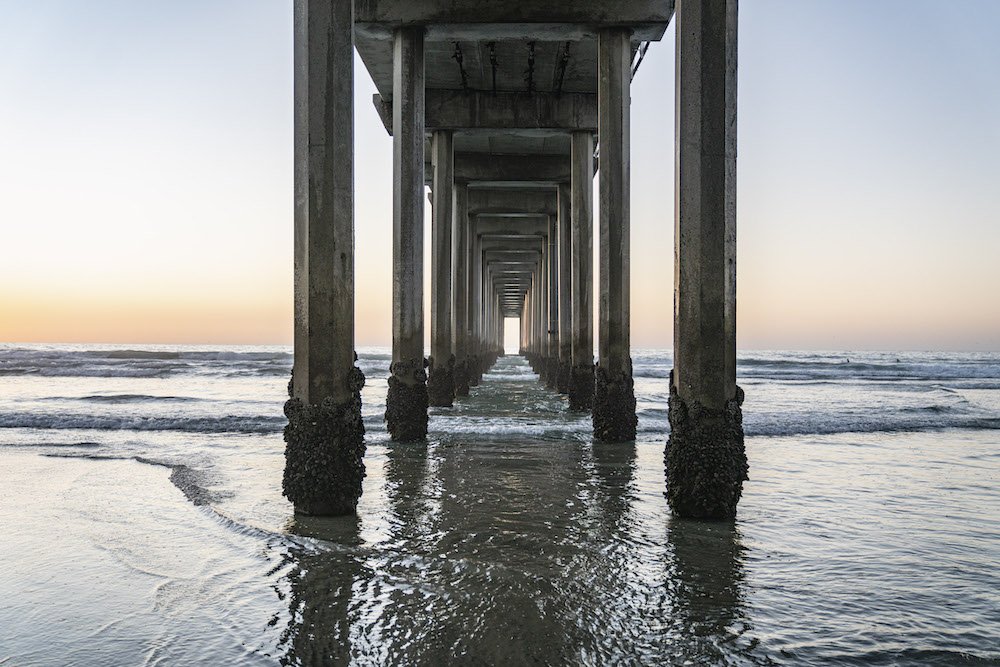


Organizing Your Minimalist Van Life
Once you've decluttered your van, it's time to organize it thoughtfully:
Prioritize essentials: Arrange your essential items in a way that is easily accessible. Keep frequently used items close at hand and store seasonal or occasional items in separate containers.
Adopt a minimalist décor: Choose simple and functional furnishings that enhance your living space without adding unnecessary visual clutter.
Keep a cleaning routine: Embrace a regular cleaning schedule to maintain the simplicity and tidiness of your van. A clean environment contributes to a clearer mind.
Embrace digital storage: Minimize the need for physical documents and opt for digital storage of important files, such as travel documents, insurance papers, and photographs.
15 Helpful products to improve your van’s organization
Keeping a van organized can greatly enhance the van life experience. Here's a list of helpful products to help you stay organized on the road:
Collapsible Storage Bins: These versatile containers are perfect for keeping clothes, kitchen supplies, and other essentials organized while maximizing space when not in use.
Hanging Organizers: Utilize over-the-door or wall-mounted organizers to store small items like toiletries, electronics, and travel documents neatly and within reach. The best spot for this is on the back doors.
Magnetic Spice Jars: Optimize kitchen space with magnetic spice jars that stick to metal surfaces, such as the refrigerator or the side of cabinets, keeping your spices organized and accessible.
Multi-Functional Furniture: Choose furniture pieces that serve multiple purposes, such as a foldable table that doubles as a workspace or a bed with built-in storage compartments or an ottoman that doubles as storage.
Cargo Nets and Bungee Cords: Secure loose items and prevent them from shifting during travel by using cargo nets and bungee cords in the cargo area.
Overhead Storage Bags: Utilize overhead space with hanging storage bags for clothes or lightweight items, freeing up floor and seating areas.
Compact Foldable Chairs and Table: Invest in lightweight, collapsible camping chairs and tables for outdoor relaxation and dining without taking up much space.
Travel Packing Cubes: Keep clothes and accessories organized in packing cubes to minimize clutter and make it easier to find what you need.
Cable Organizers: Manage charging cables, cords, and electronics with cable organizers or Velcro straps to avoid tangling and mess.
Shower Caddy: For those with onboard showers, or stop for showers on the road, a portable shower caddy keeps toiletries organized and within reach during bathroom stops.
Compact Vacuum Cleaner: Opt for a handheld, cordless vacuum to keep the van clean and tidy without taking up too much space.
Foldable Drying Rack: Air-dry your dishes efficiently with a compact drying rack that can be easily stowed away when not in use.
Portable Trash Can: Use a small, collapsible trash can with a lid to keep waste contained and maintain a clean living space.
First Aid Kit: Keep a well-stocked first aid kit on hand for emergencies and minor injuries, ensuring safety and peace of mind on the road.
Rooftop Cargo Carrier: If you need extra storage space, consider installing a rooftop cargo carrier to store bulkier items and outdoor gear.
Soaking in the sunrise views along the Sea of Cortez in Baja Mexico while enjoying the simplicities of vanlife. Photo by Dalton Johnson
Embracing minimalism in your van life journey can lead to a more intentional, meaningful, and fulfilling existence. By decluttering and organizing your living space, you'll create room for new experiences, personal growth, and a deeper connection with the world around you. As you embark on this minimalist path, remember that it's not about sacrificing comfort but rather about focusing on what truly matters and finding contentment in the simplicity of van life. Happy travels on your minimalist adventure!
Discover more of vanlife

Vanlife Maintenance 101: Essential Tips for Keeping Your Vehicle in Top Shape
The allure of van life has captured the hearts of adventurers worldwide. Whether you're a weekend road tripper or a full-time nomad, your van is not only your means of transportation but also your home on wheels. As with any vehicle, regular maintenance is crucial to ensure smooth travels and prevent breakdowns.
The allure of van life has captured the hearts of adventurers worldwide. Whether you're a weekend road tripper or a full-time nomad, your van is not only your means of transportation but also your home on wheels. As with any vehicle, regular maintenance is crucial to ensure smooth travels and prevent breakdowns.
In this blog, we'll explore essential vanlife maintenance tips to help you keep your vehicle in top shape, ensuring that your vanlife journey remains safe, comfortable, and stress-free.
Enjoying the view out the back of the van while road tripping in Alaska. Photo by Dalton Johnson
1. Regular Oil Changes
Estimated Mileage: Every 5,000 to 7,500 miles
Estimated Cost: $30 - $100 (depending on oil type and location)
Estimated Time Needed: 30 minutes
Just like any other vehicle, the engine is the heart of your van. Regular oil changes are the lifeblood that keeps it running smoothly. Depending on your van's make and model, consult the owner's manual for the recommended oil change interval. Adhering to this schedule will not only improve engine performance but also extend its lifespan.
2. Keep an Eye on Fluid Levels
Estimated Mileage: Every 50,000 to 100,000 miles
Estimated Cost: $100 - $300
Estimated Time Needed: 1 - 3 hours
Monitoring fluid levels is another vital aspect of vanlife maintenance. In addition to engine oil, regularly check the coolant, transmission fluid, power steering fluid, and brake fluid. Low fluid levels can lead to overheating, poor shifting, steering issues, and compromised braking performance. Always carry spare fluids with you during your travels to top up if needed.
3. Tire Care and Rotation
Estimated Mileage: Every 5,000 to 7,000 miles
Estimated Cost: $0 (if done at home) - $50 (professional service)
Estimated Time Needed: 30 minutes
Tires are your van's contact with the road, so proper maintenance is essential for safety and fuel efficiency. Regularly inspect your tires for signs of wear, bulges, or cracks. Ensure they are inflated to the manufacturer's recommended pressure, and don't forget to include the spare tire in your inspection routine. Additionally, rotating your tires at regular intervals helps to distribute wear evenly, extending their lifespan.
4. Brake Inspection and Pad Replacement
Estimated Mileage: Every 10,000 to 15,000 miles
Estimated Cost: $150 - $300
Estimated Time Needed: 1 - 2 hours
Brakes are a critical safety component of any vehicle. Listen for any unusual noises, vibrations, or brake pedal resistance. Have your brakes inspected regularly and replace brake pads before they wear down completely. Being proactive with brake maintenance can prevent costly repairs and ensure reliable stopping power.


5. Check the Battery
Estimated Mileage: Every 3 to 5 years
Estimated Cost: $100 - $300
Estimated Time Needed: 30 minutes - 1 hour
Your van's battery is essential for starting the engine and powering various electrical components. Regularly inspect the battery terminals for corrosion and clean them if necessary. Keep an eye on the battery's charge level, especially if you rely heavily on electrical devices in your van. Consider carrying a portable jump starter or a set of jumper cables as a backup precaution.
6. Air Filter Replacement
Estimated Mileage: Every 15,000 to 30,000 miles
Estimated Cost: $10 - $30
Estimated Time Needed: 10 - 15 minutes
The air filter prevents dirt and debris from entering your van's engine, ensuring it runs efficiently. Regularly check and replace the air filter as needed, especially if you travel in dusty or polluted environments. A clean air filter enhances fuel efficiency and protects the engine from damage.
7. Check the Belts and Hoses
Estimated Mileage: Every 60,000 to 100,000 miles
Estimated Cost: $50 - $150
Estimated Time Needed: 1 - 2 hours
Inspect your van's belts and hoses regularly for signs of wear, cracks, or fraying. These components play critical roles in powering various systems, such as the alternator, power steering, and cooling. Replacing worn-out belts and hoses can prevent unexpected breakdowns and save you from more extensive repairs.
8. Address Minor Issues Promptly
Addressing minor issues promptly is a key principle of responsible vanlife maintenance. Procrastinating or neglecting small problems can lead to more significant and costly repairs down the road. Whether it's a minor oil leak, a squeaky belt, or a loose screw, attending to these issues as soon as they arise can prevent them from escalating into major breakdowns during your travels.
Regularly inspecting your van and promptly addressing any minor issues ensures a safe and smooth journey, allowing you to focus on the joys of vanlife without worrying about unexpected and preventable complications. Remember, a stitch in time saves nine, and this proactive approach will ultimately extend the longevity and reliability of your cherished nomadic companion.
Mountain views out the back of the van. Photo by Dalton Johnson
Keeping your van in top shape is essential for a seamless and enjoyable vanlife experience. Regular maintenance not only improves reliability but also extends the life of your vehicle. By following these essential maintenance tips and recommended intervals, you can hit the road with confidence and focus on creating unforgettable memories. Happy vanlife adventures!
Discover more of vanlife

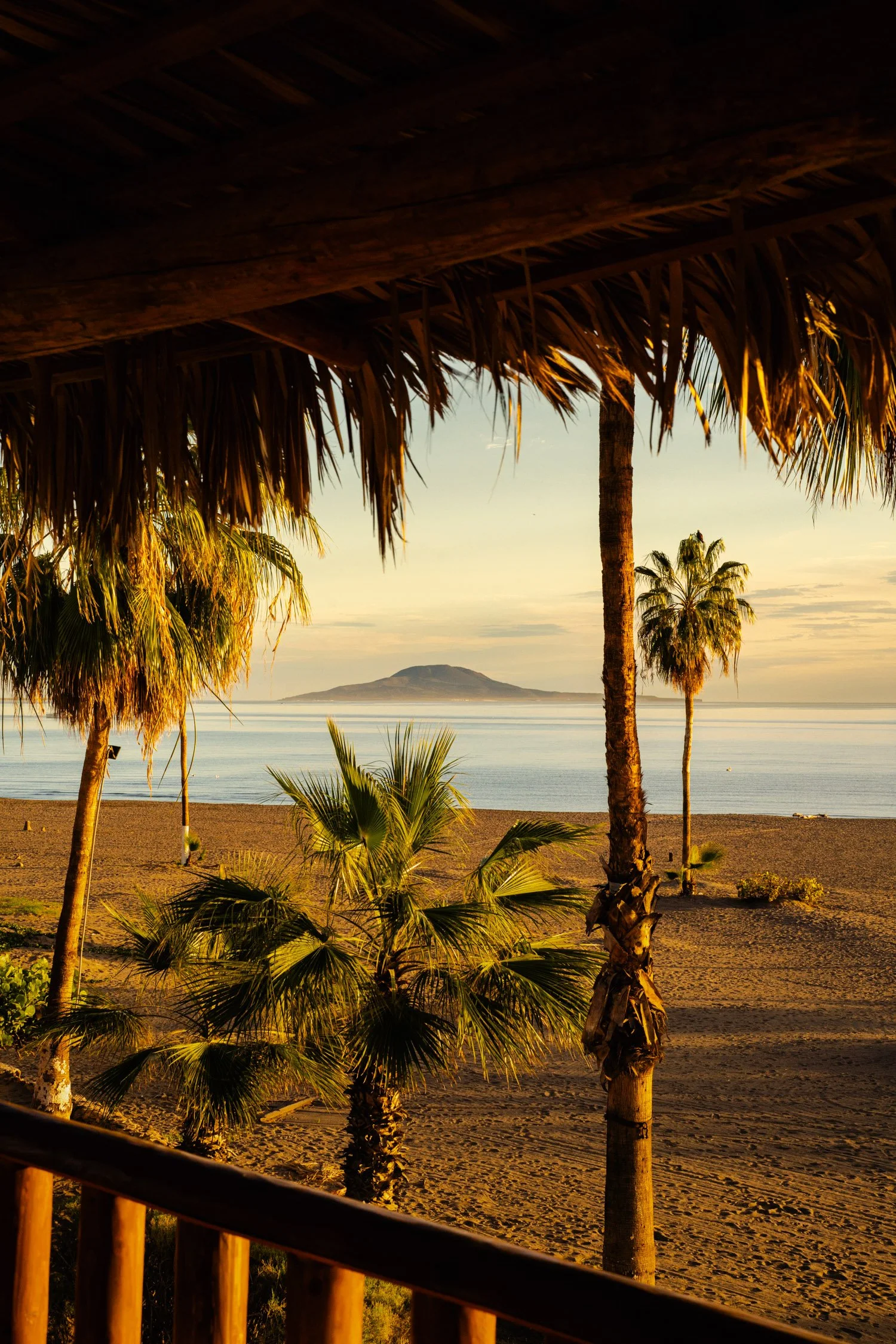


Lake Tahoe Has a Bear Problem
The Lake Tahoe basin is home to roughly 300 bears and it's becoming a problem. As humans and black bear environments collide, the way of life for a black bear is changing. Instead of feasting on their natural cuisine, these cunning black bears are becoming the ultimate dumpster divers. Opting for nutrient dense trash, bears and humans, especially in South Lake Tahoe, are on a crash course.
The Lake Tahoe basin is home to roughly 300 bears and it's becoming a problem. As humans and black bear environments collide, the way of life for a black bear is changing. Instead of feasting on their natural cuisine, these cunning black bears are becoming the ultimate dumpster divers. Opting for nutrient dense trash, bears and humans, especially in South Lake Tahoe, are on a crash course.
Trash that is left outside of residential and commercial building now fills the bellies of these hungry bears.
Thankfully, action is taking place and filmmaker Riley McClaughry is using his skill behind the camera to bring awareness to the topic and create change. You can watch his film, The Backyard Bears, on youtube and read his take on the topic in the Q&A below.
Q&A with filmmaker Riley McClaughry
Q: What is the issue with bears in Lake Tahoe?
A: So the problem that we are running into here in Tahoe is ongoing human wildlife conflicts with black bears. Bears need to eat a lot, especially come fall when they enter what’s called hyperphagia, it’s basically a feeding frenzy where bears are putting on as much weight as possible before winter. This means foraging through the forest all day long.
Black bears are very opportunistic, and will gladly take an easy calorie dense meal if we allow them. Bears getting into trash that’s left unlocked and unattended by residents or local businesses, people directly feeding bears or leaving campsites messy and allowing bears to get an easy food source, residents having bird feeders or fruiting plants and trees, these are all things that “food condition” bears to human food.
In other words it leads to bears associating people with food, and this leads to conflicts which can include home break ins, car break ins, bears approaching people looking for food etc. These are all conflicts that we are seeing here in Tahoe.
Q: Is this happening in all of Lake Tahoe, or just South Lake?
A: This does happen all around the basin, I think Incline village, Tahoe city and the northern regions of the basin are a few steps ahead of south lake though. In North Lake you see a lot more residents with bear proof trash containers, electrified homes and crawl spaces etc. which leads to much less conflict.
Q: Is this happening outside of Lake Tahoe?
A: These conflicts are something that we do see all over the country, and working towards coexistence with bears and not conflict is what we’re striving for. The wildlife is what makes living in a place like Lake Tahoe special, they belong here, and it’s our responsibility to respect that and live alongside them.
It’s cool to see what other communities around the country are doing to better coexist with wildlife as we are encroaching on their habitat. 100% coexistence is such a complicated and hard end goal to wrap your head around, but it’s worth fighting for to keep our wildlife and ourselves happy and safe.
Q: What can we do to correct this behavior? Or, how can we create change?
A: It’s an educational thing for both species. On our end as humans we need to do a better job of locking up attractants and not allowing the bears to get easy rewards for this kind of behavior.
We need to not allow the bears to feel comfortable in our neighborhoods and around people, so hazing bears when we see them in town, and giving them negative reinforcement is important to teaching them that humans aren’t something they want to hang out with.
A one solution answer is hard, and I don’t know if anyone knows what the one solution is, but if we all take steps and do our part in making Tahoe a bear safe community, it will work itself out and the solution will become more clear as that happens.
Discover more of lake Tahoe

How I Bulls-eyed 450 YDS the First Time I Shot a Rifle
Growing in a small town, guns were common for hunting, but we mostly bird hunted, so I had never touch a rifle, until now. I was at a conference--the fun kind of conference where we learned about survival survival, new gear, hunting skills, and much more--and getting nervous as the days ticked past because I knew I would be shooting a SCOUTE Precision hunting rifle.
These feelings were new for me. As a kid, the thought of loading up my Dad's truck with the shot guns, some clay pigeons, and our dog brought me joy. Yet, those days were well behind me and I had not shot a gun for nearly 12 years, so, I guess that makes sense why I was nervous. But, that didn't matter.
Growing in a small town, guns were common for hunting, but we mostly bird hunted, so I had never touch a rifle, until now. I was at a conference--the fun kind of conference where we learned about survival survival, new gear, hunting skills, and much more--and getting nervous as the days ticked past because I knew I would be shooting a SCOUTE Precision hunting rifle.
These feelings were new for me. As a kid, the thought of loading up my Dad's truck with the shot guns, some clay pigeons, and our dog brought me joy. Yet, those days were well behind me and I had not shot a gun for nearly 12 years, so, I guess that makes sense why I was nervous. But, that didn't matter.
The time was here, our group stood in a circle and Creighton Greene greeted us with his large red beard and friendly smile asking, "Raise your hand if you have not shot rifle before?"
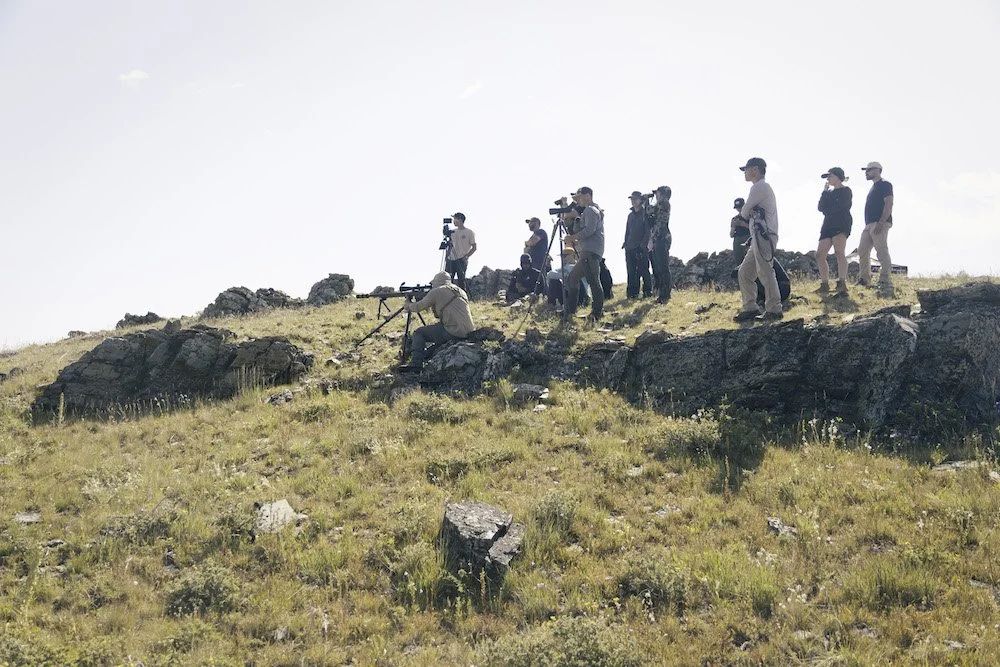
I look to my left, no hands. I look to my right, still no hands. I look to the sky, my hand is raised.
We all chuckle, but my is mostly filled with nerves.
"That is all good, we will have you shooting better than anyone else here in no time." Greene reassures me. "Today, we will go over safety, best practices, and, the best part, shooting."
After that, Greene walks the group through the parts of the gun, a variety of shooting positions, and how to work with a spotter when shooting long distances. It was a lot of information and it was just the tip of the iceberg that Greene and his business partner, Trent McMurtrey, cover in their Precision Hunter Development course, or appropriately abbreviated PHD course.
While we only had a few hours with Greene and McMurtrey, we digested an appetizer of what we would learn over the three day course with these two:
Fundamentals of long-range precision
Proper shooting position
Body mechanics
Ballistics
Rifle set up
Elements to effective engagement
How to read wind and quick wind formulas
Proper zero
How to build D.O.P.E. (data on previous engagement)
Shooter - Observer communication/dialogue
Target ID
Unknown distance formulas
Known distance engagements
Multiple target engagements
Overcoming other than ideal shooting positions
Feeling as though I might have bit off more than I can chew, it was my turn to work through the the shooting course. Three station all with several targets. Each station the targets would get farther away. My heart was racing. Why am I so nervous? I thought to myself.

At the first station, laying on the ground, I put my shoulder to the SCOUTE rifle, look into the scope. "I have the target," I said to my spotter. They read me the D.O.P.E. and suggested I hold the right side of the target for a wind adjustment. Dialing it in, I double checked my body position, everything was good. As I put my finger on the trigger, I could feel my heart beat faster, so I took a deep breath and let it out, pulling the trigger once the air had left my lungs.
"Bulls-eye" my spotted said.
My streak of bulls-eyes continued and the nerves dissipated as we moved from station to station. But, as we set up at the final station, they came back.
This time I was set up on a tripod and in a sitting position. My hands shook as I made small adjustments to the rifle. After dialing in the D.O.P.E. I confidently said "I have the target."
"This target is 450 yards with a slight wind coming over the hill, let's try .2 to the right."
I made the adjustments, exhaled, and pulled the trigger.
"Bulls-eye!" my spotter said, "You just nailed 450 yards!"
You can hone in your precision shooting skills at the next PHD course by signing up right here.
Discover more of GEAR And Experiences
5 Stunning Hikes Along Lake Tahoe's West Shore
If you crave breathtaking scenery, peaceful serenity, and a sense of awe-inspiring adventure, Lake Tahoe's west shore is the place for you. The trails in this region offer a diverse range of landscapes, from towering pine forests to rugged mountain ridges. As you hike along the west shore, you'll witness the crystal-clear waters of Lake Tahoe, explore hidden coves, and discover pristine alpine meadows.
If you crave breathtaking scenery, peaceful serenity, and a sense of awe-inspiring adventure, Lake Tahoe's west shore is the place for you. The trails in this region offer a diverse range of landscapes, from towering pine forests to rugged mountain ridges. As you hike along the west shore, you'll witness the crystal-clear waters of Lake Tahoe, explore hidden coves, and discover pristine alpine meadows.
Whether you're an avid hiker or a casual nature enthusiast, the west shore's trails cater to all skill levels, making it an accessible and rewarding destination for everyone.
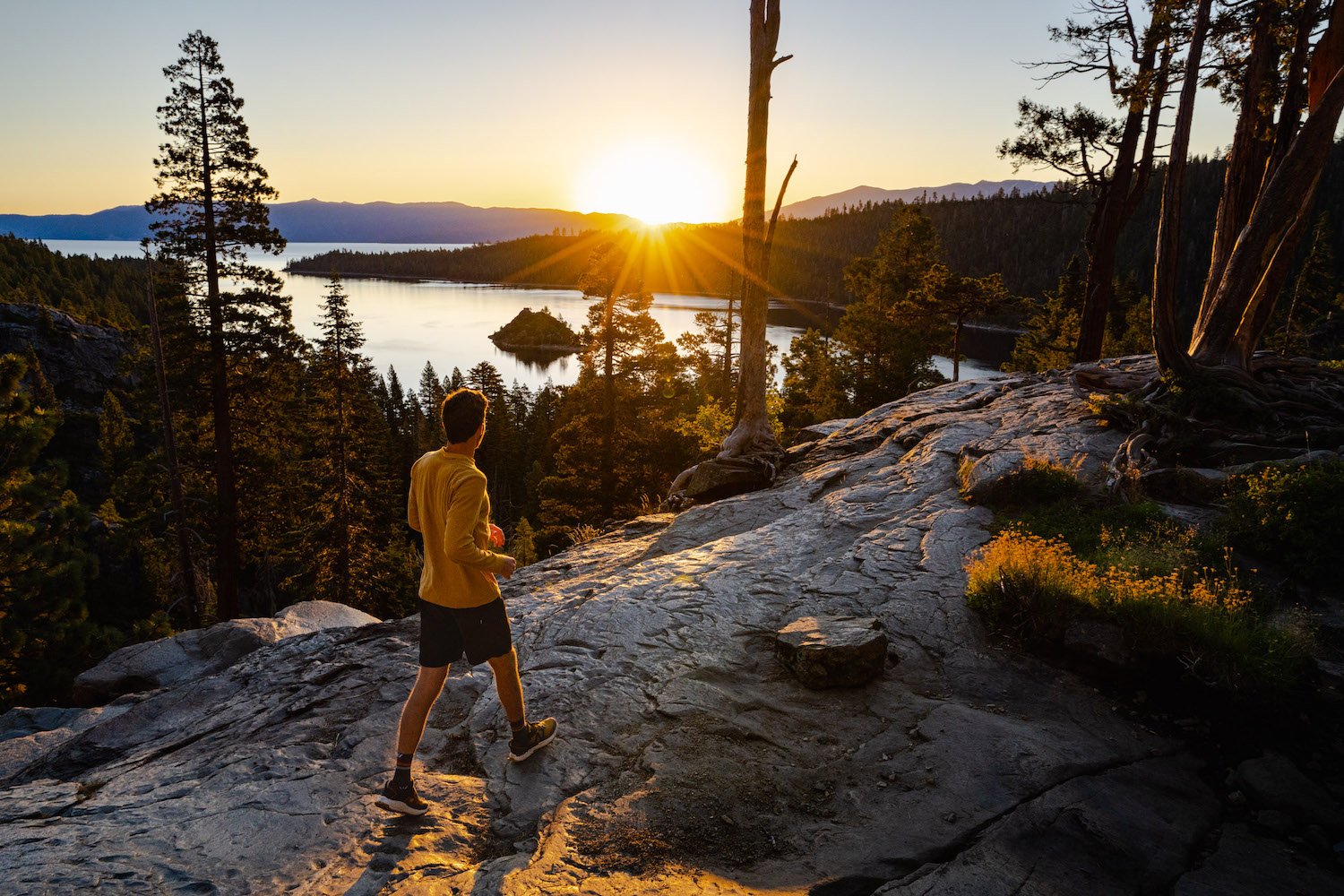
Make sure to sit and enjoy the alpine lake views while you hike along the West Shore of Lake Tahoe. Photo by Dalton Johnson
Pros
Breathtaking Scenery: The west shore of Lake Tahoe is known for its stunning panoramic views of the crystal-clear lake and the surrounding Sierra Nevada mountains. The scenery alone makes the hike worth it.
Varied Trail Options: There are numerous hiking trails to choose from, catering to hikers of all skill levels. Whether you're a beginner or an experienced hiker, you can find a trail that suits your preferences.
Opportunities for Water Activities: Hiking along the west shore also provides easy access to the lake, where you can enjoy water activities like swimming, kayaking, or paddleboarding after your hike.
Wildlife and Flora: The area is abundant in diverse wildlife and flora, offering opportunities to observe birds, small animals, and various plant species along the trails.
Seasonal Beauty: The changing seasons bring unique beauty to the region. From lush greenery in the spring and summer to vibrant fall colors, each season offers a different and stunning landscape.
Photography Opportunities: With such magnificent landscapes and scenic vistas, the west shore of Lake Tahoe provides ample photo opportunities for photography enthusiasts.
Proximity to Amenities: The west shore is relatively close to several towns and resorts, providing access to restaurants, accommodations, and other amenities to enhance your hiking experience.
Cons
Crowds: Due to its popularity, hiking trails along Lake Tahoe's west shore can get crowded, especially during peak seasons and weekends. If you prefer solitude, consider hiking on weekdays or exploring lesser-known trails.
Parking Challenges: Limited parking spaces at popular trailheads can be a challenge, particularly during peak times. Arriving early or utilizing shuttle services can help mitigate this issue.
Trail Conditions: Depending on the time of year, some trails may be affected by snow, mud, or fallen debris. Always check trail conditions before heading out and be prepared for changing weather.
Bugs and Wildlife Encounters: During certain seasons, you may encounter bugs or wildlife on the trails. It's essential to be aware of your surroundings and take precautions to avoid any negative encounters.
Trail Maintenance: With heavy foot traffic, some trails may experience wear and tear, leading to uneven paths or deteriorated sections. Always watch your step and be cautious in potentially hazardous areas.
Rubicon Trail:
The Rubicon Trail is an iconic shoreline trail that winds 15 miles along Lake Tahoe's west shore, offering stunning views at every turn. With options for both short and long hikes, you can explore hidden beaches, admire granite cliffs, and take a dip in the inviting waters of the lake.
Trailhead: The Rubicon Trail can be accessed from various points along the west shore of Lake Tahoe, including D.L. Bliss State Park and Emerald Bay State Park.
Distance: The full Rubicon Trail is approximately 15 miles long as a one-way hike, but shorter sections can be hiked as well.
Elevation Gain: The elevation gain can vary depending on the section of the trail you choose, but it's generally moderate.
Time to Hike: The full 15-mile hike could take around 6 to 8 hours to complete.
What You See: The Rubicon Trail offers stunning views of Lake Tahoe's crystal-clear waters, rocky cliffs, and dense forests.
Eagle Falls Trail:
Beginning at Emerald Bay, the Eagle Falls trail takes you on a journey through a picturesque forest, leading you to the breathtaking Eagle Falls. Continue your adventure to Eagle Lake, a tranquil alpine oasis that rewards hikers with mesmerizing views of the surrounding peaks.
Trailhead: The Eagle Falls Trailhead is located near Emerald Bay State Park on the southwest shore of Lake Tahoe.
Distance: The trail is approximately 2.5 miles round trip.
Elevation Gain: It has an elevation gain of around 600 feet.
Time to Hike: The hike usually takes around 1.5 to 2 hours to complete.
What You See: Eagle Falls Trail takes you to Eagle Lake, offering beautiful views of the waterfall and Lake Tahoe from various vantage points.
Paige Meadows Loop:
Perfect for those seeking a peaceful escape, the Paige Meadows loop trail meanders through expansive meadows dotted with wildflowers. As you wander through the serene landscape, soak in panoramic views of Lake Tahoe and the surrounding mountains.
Trailhead: The Paige Meadows Loop can be accessed from several points, with the main trailhead located near the town of Tahoe City.
Distance: The loop is approximately 6 miles long.
Elevation Gain: It has a relatively gentle elevation gain, making it suitable for most hikers.
Time to Hike: The hike usually takes around 2.5 to 3.5 hours, depending on how much time you spend enjoying the meadows.
What You See: Paige Meadows is known for its picturesque alpine meadows, wildflowers, and beautiful views of the surrounding mountains.
Mount Tallac Trail:
For those seeking a more challenging hike, the Mount Tallac Trail is a must. Starting just outside of South Lake Tahoe at 6,500 feet, ascend to the summit of Mount Tallac, standing at 9,735 feet, and be rewarded with awe-inspiring panoramic views of the entire Lake Tahoe basin.
Trailhead: The Mount Tallac Trailhead is located near the southwestern shore of Lake Tahoe, off Highway 89.
Distance: The round-trip hike to the summit and back is approximately 10 miles.
Elevation Gain: The trail gains around 3,200 feet in elevation.
Time to Hike: The hike can take around 6 to 8 hours to complete.
What You See: The Mount Tallac Trail offers breathtaking panoramic views of Lake Tahoe, Desolation Wilderness, and the surrounding Sierra Nevada mountains.
Ellis Peak Trail:
Offering a less crowded experience, the Ellis Peak Trail rewards hikers with sweeping views of the lake and surrounding peaks. This moderate to challenging trail takes you through fragrant forests and opens up to stunning vistas that make the effort well worth it.
Trailhead: The Ellis Peak Trailhead is usually accessed from Barker Pass, located on the western shore of Lake Tahoe.
Distance: The round-trip hike is around 6 to 7 miles long.
Elevation Gain: It has an elevation gain of approximately 1,500 to 1,800 feet.
Time to Hike: The hike typically takes around 3 to 4 hours to complete.
What You See: From the summit of Ellis Peak, hikers can enjoy stunning vistas of Lake Tahoe and the surrounding mountain ranges.
Hiking to watch the sunrise at Eagle Falls along the West Shore of Lake Tahoe. Photo by Dalton Johnson
Hiking along Lake Tahoe's west shore promises an unforgettable experience for nature enthusiasts and adventurers alike. With its awe-inspiring scenery, diverse trails, and proximity to the stunning lake, this destination offers a perfect blend of outdoor exploration and relaxation. While managing crowds and staying prepared for changing weather are essential, the rewards of witnessing the breathtaking beauty of Lake Tahoe and its surrounding landscapes make every step along the west shore well worth the journey. So, lace up your hiking boots, immerse yourself in the natural wonders, and create lasting memories in this picturesque haven of wilderness and tranquility.
Discover more of Lake Tahoe

The Top 10 Hikes in Big Sur Has To Offer
Venturing into the untamed wilderness of Big Sur is akin to embarking on an otherworldly odyssey, where the forces of nature have converged to create a masterpiece of awe-inspiring landscapes. Nestled along California's iconic Highway 1, this rugged stretch of coastline beckons adventurers with its diverse array of hiking trails, weaving a tapestry of enchantment from coastal marvels to majestic redwood realms. Whether it's the rhythmic symphony of crashing waves against rocky cliffs or the whispering secrets of ancient giants in the heart of a redwood forest, Big Sur promises an expedition that stirs the soul and leaves an indelible mark on the intrepid traveler.
Venturing into the untamed wilderness of Big Sur is akin to embarking on an otherworldly odyssey, where the forces of nature have converged to create a masterpiece of awe-inspiring landscapes. Nestled along California's iconic Highway 1, this rugged stretch of coastline beckons adventurers with its diverse array of hiking trails, weaving a tapestry of enchantment from coastal marvels to majestic redwood realms. Whether it's the rhythmic symphony of crashing waves against rocky cliffs or the whispering secrets of ancient giants in the heart of a redwood forest, Big Sur promises an expedition that stirs the soul and leaves an indelible mark on the intrepid traveler.
Discover the magic of Big Sur's hiking trails, where the beauty of coastal vistas intertwines with the grandeur of ancient redwood groves. Explore breathtaking landscapes along California's Highway 1, from iconic landmarks like McWay Falls to hidden gems like Sykes Hot Springs. Immerse yourself in nature's sanctuary, where serenity and splendor converge for an unforgettable hiking experience.
As you step foot onto the verdant trails of Big Sur, the diversity of its landscapes instantly captivates the senses. The rugged coastline beckons, with trails like the McWay Falls Overlook offering an effortless glimpse of nature's artistry as the waterfall cascades onto a pristine beach. For those craving a deeper communion with nature, the Ewoldsen Trail leads into the heart of ancient redwood forests, where towering trees create a cathedral-like atmosphere of wonder. Such diversity of terrain sets the stage for an epic journey, and with every step, Big Sur unveils a new chapter in its enthralling narrative.
That moment you see an otter while hiking in Big Sur. Photo by Dalton Johnson
Pros
Spectacular Scenery: Big Sur boasts breathtaking coastal views, towering redwood forests, cascading waterfalls, and rugged cliffs, providing hikers with a visual feast at every turn.
Diverse Trails: The region offers a wide variety of hiking trails, catering to different fitness levels and interests, from easy coastal strolls to challenging backcountry treks.
Rich Biodiversity: Big Sur is a haven for wildlife, with opportunities to spot various species of birds, marine life, and occasionally, larger mammals like deer and even condors.
Serenity and Solitude: Hiking in Big Sur allows you to immerse yourself in nature, providing a peaceful escape from the hustle and bustle of everyday life.
Iconic Landmarks: Many trails lead to famous landmarks such as McWay Falls, Bixby Bridge, and Pfeiffer Falls, providing opportunities to witness some of California's most iconic natural treasures.
Mild Climate: The coastal climate in Big Sur is generally pleasant year-round, making it possible to hike in most seasons.
Adventure and Exploration: The rugged terrain and diverse landscapes offer a sense of adventure, encouraging hikers to explore hidden gems and lesser-known trails.
Cons
Crowds: Big Sur's popularity means that some of the more famous trails can get crowded, especially during peak tourist seasons, which may impact the serenity of the experience.
Limited Parking: Parking at popular trailheads can be limited, leading to congestion and potentially long wait times to access the trails.
Weather Variability: While the coastal climate is generally mild, weather conditions can change quickly, leading to unexpected rain or fog that may impact visibility and trail conditions.
Trail Closures: Due to wildfires, landslides, or other natural events, some trails may be closed for safety reasons, limiting hiking options during specific times.
Terrain Challenges: Some trails in Big Sur can be quite steep and rugged, requiring a reasonable level of fitness and proper footwear for safe hiking.
Wildlife Encounters: While wildlife sightings can be thrilling, hikers should be cautious and respectful of animals, especially if they encounter larger creatures like bears or mountain lions.
Limited Facilities: The remote nature of Big Sur means that facilities such as restrooms, drinking water, and cell phone reception may be scarce on some trails.
McWay Falls Overlook Trail:
Nestled within the enchanting Julia Pfeiffer Burns State Park, the McWay Falls Overlook Trail beckons adventurers with its effortless charm and captivating beauty. A mere half-mile round trip unveils the splendid spectacle of McWay Falls, gracefully plunging 80 feet into the azure embrace of a pristine cove. Gaze in awe at the ethereal Bixby Creek Bridge gracefully arching in the distance. This easily accessible hike is a quick immersion into the quintessential Big Sur coastal magic, leaving you spellbound by nature's artistic prowess.
Trailhead: McWay Falls Trailhead, Julia Pfeiffer Burns State Park.
Length: 0.6 miles (round trip).
Elevation Gain: Minimal (mostly flat).
Time to Hike: Approximately 30 minutes.
3 Things You Can See:
McWay Falls cascading onto the sandy beach
the turquoise waters of the cove
the iconic Bixby Creek Bridge in the distance
Ewoldsen Trail:
Embrace the allure of ancient redwood groves and sweeping coastal panoramas on the Ewoldsen Trail, a true gem of Julia Pfeiffer Burns State Park. Wandering through lush forests and ascending to majestic heights, this 4.5-mile loop presents hikers with a multifaceted journey of natural wonder. Admire the colossal redwood sentinels standing tall for centuries and relish breathtaking views of the Pacific Ocean, a dazzling canvas of cerulean hues. A moderate undertaking rewards the intrepid with nature's sublime symphony, harmonizing the grandeur of the forest with the song of the sea.
Trailhead: Ewoldsen Trailhead, Julia Pfeiffer Burns State Park.
Length: 4.5 miles (loop).
Elevation Gain: About 1,300 feet.
Time to Hike: Around 2.5 to 3 hours.
3 Things You Can See:
Towering redwood trees
Coastal vistas with breathtaking ocean views
Glimpses of McWay Falls from a distance
Partington Cove Trail:
A hidden treasure awaiting discovery within Julia Pfeiffer Burns State Park, the Partington Cove Trail offers a brief yet captivating glimpse into California's coastal history and scenic splendor. Venture through a historic tunnel leading to a secluded cove, where rugged cliffs embrace the vast expanse of the Pacific. In a mere mile, this trail unveils fascinating remnants of the past, complemented by awe-inspiring vistas of the untamed sea. Let the whispers of a bygone era and the majesty of the coastline leave an indelible impression on your soul.
Trailhead: Partington Cove Trailhead, Julia Pfeiffer Burns State Park.
Length: 1 mile (round trip).
Elevation Gain: Approximately 100 feet.
Time to Hike: About 45 minutes.
3 Things You Can See:
Historic tunnel leading to Partington Cove
The dramatic coastal cliffs
Views of the sparkling Pacific Ocean
Pfeiffer Falls and Valley View Trail:
Embark on an enchanting sojourn through the heart of Pfeiffer Big Sur State Park on the Pfeiffer Falls and Valley View Trail. A 2.4-mile loop promises a captivating fusion of verdant landscapes and serene river views, allowing travelers to embrace the essence of Big Sur's diverse ecosystem. Behold the grandeur of ancient redwoods, their towering embrace guiding you to the picturesque Pfeiffer Falls, where glistening waters cascade into a tranquil pool. Ascend to the Valley Viewpoint, where the Big Sur River meanders through the lush valley, inviting a moment of serene contemplation amidst nature's symphony.
Trailhead: Pfeiffer Big Sur State Park - Lodgepole Picnic Area.
Length: 2.4 miles (loop).
Elevation Gain: Around 500 feet.
Time to Hike: Approximately 1.5 hours.
3 Things You Can See:
Towering redwoods
The picturesque Pfeiffer Falls
Panoramic views of the Big Sur River Valley
Tanbark Trail to Tin House:
Venture into the untamed beauty of Andrew Molera State Park on the Tanbark Trail to Tin House, a captivating journey for the intrepid explorer. Amidst sprawling coastal meadows, this 5.2-mile out-and-back hike unveils awe-inspiring views of the Pacific Ocean and beckons adventurers to discover a hidden historical gem – the Tin House. Perched on the rugged bluffs, this rustic structure once witnessed the toils of pioneers, and now, it affords a breathtaking vantage point over the vast expanse of the sea. This challenging yet rewarding trail offers an evocative blend of nature and history, creating an unforgettable Big Sur experience.
Trailhead: Andrew Molera State Park - Creamery Meadow.
Length: 5.2 miles (out and back).
Elevation Gain: Approximately 1,300 feet.
Time to Hike: About 3 to 4 hours.
3 Things You Can See:
Coastal meadows and bluffs
The historic Tin House with stunning ocean vistas
Possible wildlife sightings
Sykes Hot Springs Trail:
Venture deep into the untamed wilderness of the Ventana Wilderness on the Sykes Hot Springs Trail, an immersive journey that rewards the intrepid with soothing hot springs amid nature's pristine embrace. Embarking from Big Sur Station, this 10-mile out-and-back hike follows the melodious melody of the Big Sur River, leading to the therapeutic allure of the hot springs. Enveloped by ancient redwoods and serene vistas, the journey tests the mettle of explorers before granting rejuvenating respite in the rejuvenating waters. Surrender to the embrace of the wilderness and let the enchantment of Sykes Hot Springs revive your senses.
Trailhead: Big Sur Station (Ventana Wilderness).
Length: 10 miles (out and back).
Elevation Gain: About 1,000 feet.
Time to Hike: Full-day hike, approximately 6 to 8 hours.
3 Things You Can See:
Majestic redwoods
The picturesque Big Sur River
The soothing natural hot springs
Limekiln State Park Falls Trail:
Delight in the timeless charm of Limekiln State Park on the Falls Trail, a 1.7-mile out-and-back hike through majestic redwood groves to a captivating waterfall. Wander beneath towering trees, accompanied by the soft murmur of Limekiln Creek, as it meanders through the heart of this coastal paradise. Behold the breathtaking sight of Limekiln Falls, a 100-foot cascade gracefully flowing into a rocky pool. With nature's grandeur and the park's historic lime kilns as your companions, this hike weaves an enchanting tapestry of beauty and heritage.
Trailhead: Limekiln State Park - Day Use Area.
Length: 1.7 miles (out and back).
Elevation Gain: Around 250 feet.
Time to Hike: About 1 to 1.5 hours.
3 Things You Can See:
Limekiln Creek flowing through redwood groves
Limekiln Falls
The rugged coastal landscape
Salmon Creek Falls Trail:
Immerse yourself in the rugged allure of the Los Padres National Forest on the Salmon Creek Falls Trail, a 2.5-mile out-and-back journey to a captivating waterfall nestled amidst lush canyons. Setting off from the Salmon Creek Trailhead, this hike offers a moderate adventure through diverse flora, enhancing the journey's charm. Arriving at Salmon Creek Falls, let the rhythmic symphony of water tumbling down the rocks transport you to a serene sanctuary amidst the wilderness. An expedition for nature enthusiasts, this trail promises to leave you mesmerized by its untamed beauty.
Trailhead: Salmon Creek Trailhead, Los Padres National Forest.
Length: 2.5 miles (out and back).
Elevation Gain: Approximately 500 feet.
Time to Hike: Around 1.5 to 2 hours.
3 Things You Can See:
Salmon Creek Falls
Lush canyons with diverse flora
Potential wildlife encounters.
Andrew Molera Loop Trail:
Unveil the multifaceted beauty of Andrew Molera State Park on the Andrew Molera Loop Trail, a 5.2-mile trek that celebrates the coastal splendor and serenity of the Big Sur River. Wander along coastal bluffs adorned with coastal flora and catch glimpses of the boundless ocean's turquoise expanse. Crossing the Big Sur River, the trail offers serene riverside moments before looping back through the meadows. Be serenaded by the soft rustle of grasses and the soothing sound of the river, creating a symphony of tranquility in this nature-lover's haven.
Trailhead: Andrew Molera State Park - Parking Lot.
Length: 5.2 miles (loop).
Elevation Gain: About 200 feet.
Time to Hike: Approximately 2 to 2.5 hours.
3 Things You Can See:
Coastal bluffs with ocean vistas
Big Sur River
Diverse birdlife
Cone Peak Trail:
Ascend to the summit of the majestic Cone Peak, the crowned jewel of the Silver Peak Wilderness and the highest coastal mountain in the contiguous United States. This 5.5-mile out-and-back trek is a challenging yet invigorating endeavor that leads intrepid hikers through diverse terrain, from shaded forests to sun-kissed ridges. Reaching the pinnacle rewards the endeavor with breathtaking panoramic views, showcasing the rugged coastline, Santa Lucia Mountains, and an expansive stretch of the Pacific Ocean. For those seeking an unforgettable adventure, the Cone Peak Trail stands as a testament to Big Sur's untamed allure.
Trailhead: Cone Peak Trailhead, Los Padres National Forest.
Length: 5.5 miles (out and back).
Elevation Gain: Around 1,550 feet.
Time to Hike: Full-day hike, approximately 6 to 8 hours.
3 Things You Can See:
Panoramic views of the rugged coastline and Pacific Ocean
Santa Lucia Mountains
Unique flora and fauna along the trail
Passing through the tunnel headed to a secret cove you can only hike to in Big Sur. Photo by Dalton Johnson
As our trailblazing adventure through the captivating landscapes of Big Sur draws to a close, we are left with an overwhelming sense of wonder and connection to the natural world. From the ethereal coastal vistas that beckon us to the edge of infinity to the ancient redwood realms that stand as timeless sentinels, each step has been a revelation of beauty and grace. Big Sur, with its diverse tapestry of trails and untamed wilderness, has reminded us of the magic that lies within the embrace of nature.
As we bid farewell to this enchanting corner of California, let us carry the memories of our journey, the echoes of crashing waves, the whispers of the wind through redwood boughs, and the sense of peace that can only be found in the wilderness. May the spirit of Big Sur continue to inspire us to seek out new horizons, to tread lightly on this wondrous Earth, and to cherish the sanctuaries of nature that offer solace and serenity. Until we meet again on the trails of another untamed paradise, may the memory of Big Sur's beauty be etched forever in our hearts, calling us back to the wild, where the soul finds its true home.
Discover more of Big SUr


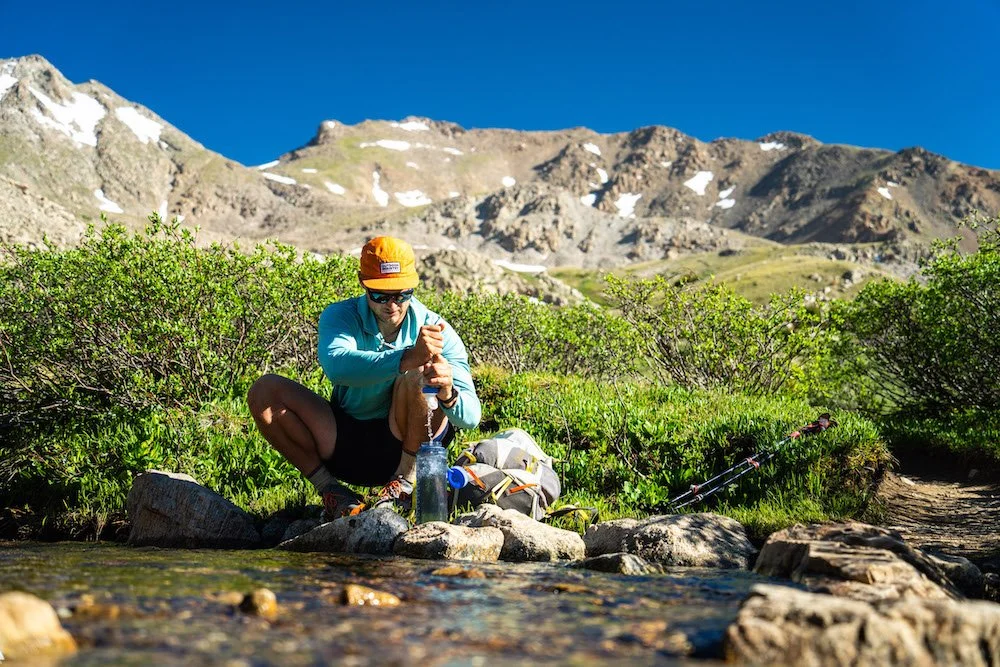
The Water Filter for Your Everyday Life
I wish I could say that when I picked up the Katadyn BeFree filter that I wasn't skeptical, but, I was for several reasons and they were all wrong.
About two months ago, I was headed out to climb all of the 14,000 foot peaks in the Sawatch Range and needed a light-weight water filter to use on the go, without the worry of drinking bad water.
I have to admit, most water filters are bulky and hard to use, so I avoid them at all costs, typically opting for iodine tablets or aquamira. But, for this trip, I wanted to try something new, something light, and something convenient, if there was such a thing.
To my surprise, there is; the Katadyn BeFree filter system.
I wish I could say that when I picked up the Katadyn BeFree filter that I wasn't skeptical, but, I was for several reasons and they were all wrong.
About two months ago, I was headed out to climb all of the 14,000 foot peaks in the Sawatch Range and needed a light-weight water filter to use on the go, without the worry of drinking bad water.
I have to admit, most water filters are bulky and hard to use, so I avoid them at all costs, typically opting for iodine tablets or aquamira. But, for this trip, I wanted to try something new, something light, and something convenient, if there was such a thing.
To my surprise, there is; the Katadyn BeFree filter system.
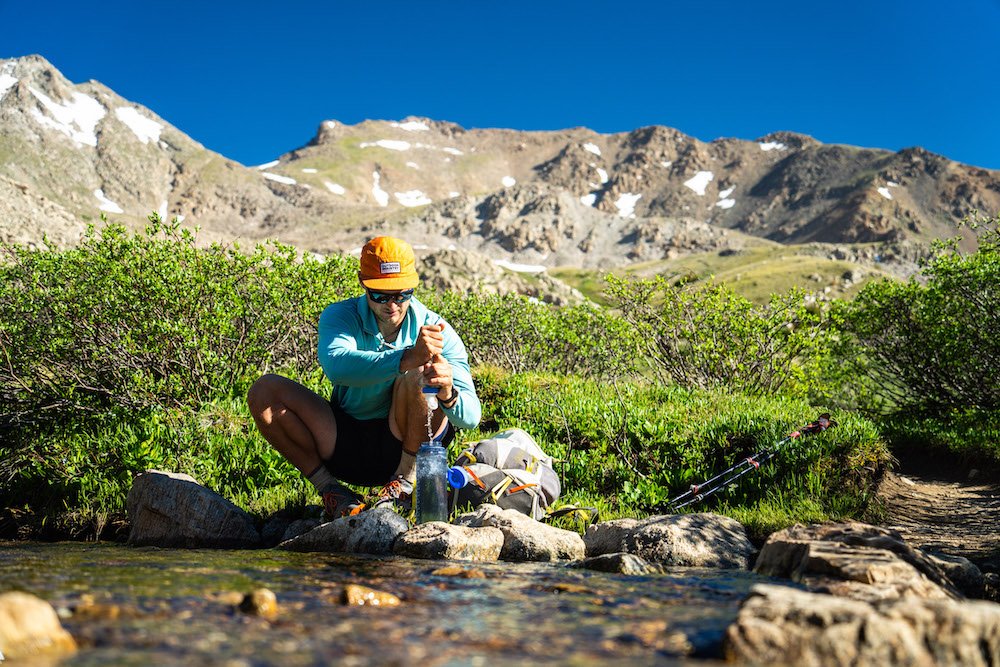
Using the katadyn BeFree system to filter water. Photo by Dalton Johnson
Pros
Compact (fits in my pocket without water)
Easy to use
Field cleanable
Lightweight and high flow rate
Cons
Feels unreliable, but it is
Bladder could pop
Does not treat water
At first glance, I thought to myself, this is not going to work because:
The soft bladder will pop
This small thing can't work, I'm going to get sick
It'll break halfway through the trip
All of these thoughts were wrong. VERY wrong.
While climbing the Sawatch 14ers, over a 17-day span, I religiously used the Katadyn BeFree system to filter all of my drinking water from streams and lakes. Putting the soft bladder to the test, I shoved it in and out of my backpack, dropped it on rocks and in sharp sticks (not on purpose) only to find the bladder in working order. This bladder is tough!
When I say small, I mean, this 1 liter filter is the same size as a Nalgene bottle when filled with water and fits in my pocket when empty. Now, that is convenient! Also, small and mighty. This field cleanable water filter cleans water down to microorganisms using a hollow fiber technology.
Additional size options:
.6 of a liter
1 liter
5 liters
My final worry was that the filter would break from freezing, or getting dirty, or from me beating it up (like I do to most things). Well, I was wrong. The BeFree system is durable and long lasting. In fact, after you have filtered your 1,000 liters (aka one year of drinking 3 liters a day) you can buy a replacement filter.
The best part of the BeFree system, it can be used everyday. Yup, you read that correctly. I now use my BeFree system to drink tap water, travel to foreign countries, daily life at the office, vanlife, everyday! I mean, why not drink good tasting water that is free of mircoorgansims all of the time?!
Order your Katadyn BeFree filter system here.
Discover more Great Gear

Backpacking the North Lake to South Lake Loop in the High Sierra
The High Sierra, a majestic mountain range stretching along the eastern border of California, is a backpacker's paradise. Its rugged terrain, glacial lakes, and breathtaking vistas beckon adventure enthusiasts from all over the world. Among the many iconic trails in the region, the North Lake to South Lake Loop stands out as a challenging yet rewarding journey that showcases the best of the Sierra Nevada.
The High Sierra, a majestic mountain range stretching along the eastern border of California, is a backpacker's paradise. Its rugged terrain, glacial lakes, and breathtaking vistas beckon adventure enthusiasts from all over the world. Among the many iconic trails in the region, the North Lake to South Lake Loop stands out as a challenging yet rewarding journey that showcases the best of the Sierra Nevada.
Backpacking the North Lake to South Lake Loop offers a breathtaking wilderness adventure through the stunning High Sierra landscape. This iconic trail promises awe-inspiring vistas, glacial lakes, and a sense of accomplishment, making it a must-do journey for outdoor enthusiasts seeking an unforgettable experience in nature.
In this blog, we'll embark on a virtual expedition through this extraordinary wilderness experience, discovering the natural wonders and unforgettable moments that await those who dare to venture into the heart of the High Sierra.
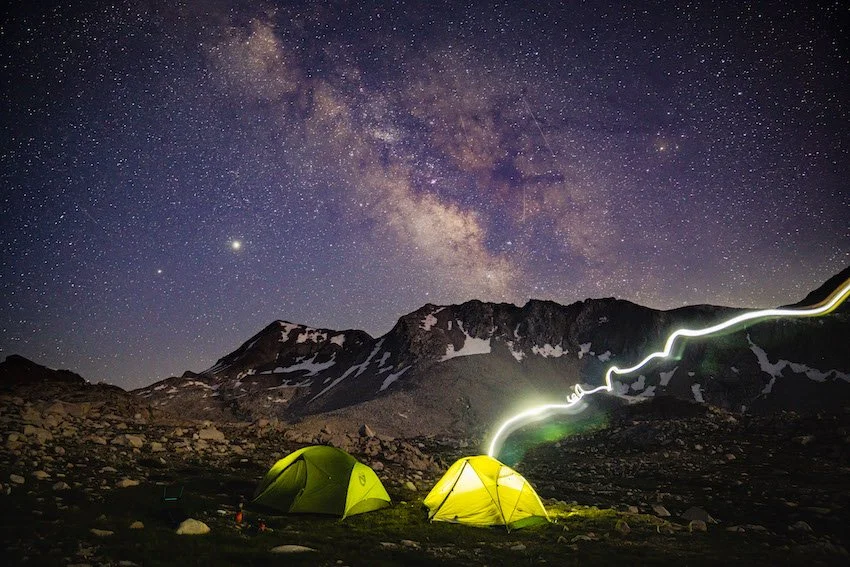
A starry night in the Eastern Sierra while backpacking the North to South Lake Loop. Photo by Dalton Johnson
Pros
Breathtaking Scenery: The High Sierra landscape offers unparalleled beauty, including majestic granite peaks, crystal-clear alpine lakes, and lush meadows adorned with wildflowers, making every step a feast for the eyes.
Iconic High Sierra Experience: The trail takes you through some of the most iconic locations in the Sierra Nevada, such as Dusy Basin, Muir Pass, and Evolution Basin, providing an opportunity to immerse yourself in the rich natural history of the region.
Wilderness Escape: Backpacking this loop allows you to disconnect from the hustle and bustle of everyday life and immerse yourself in the tranquility of the wilderness. It offers a chance to find solitude and serenity amidst the vastness of the High Sierra.
Challenging Adventure: The North Lake to South Lake Loop is a physically demanding trek, presenting a challenge that hikers crave. Conquering high mountain passes and steep ascents provides a sense of accomplishment and personal growth.
Wildlife Encounters: The High Sierra is home to diverse wildlife, including marmots, deer, golden eagles, and even the elusive black bear. Backpackers may have the opportunity to observe these creatures in their natural habitats.
Cons
Physical Demands: The trail's steep ascents and descents, combined with high elevations, can be physically demanding and challenging, especially for those who are not acclimated to higher altitudes.
Weather Variability: The High Sierra weather can be unpredictable, even during the summer months. Backpackers must be prepared for sudden changes in conditions, including thunderstorms, rain, or even snow at higher elevations.
Permits and Regulations: Backpacking in the High Sierra typically requires obtaining wilderness permits, which can be limited in availability during peak seasons. Additionally, visitors must adhere to Leave No Trace principles and follow specific wilderness regulations to protect the fragile ecosystem.
Remote and No Cell Reception: Parts of the trail are remote, and hikers should be prepared for limited or no cell phone reception. This lack of communication can be both a pro and a con, as it enhances the wilderness experience but also requires extra precaution and self-reliance.
Physical Preparedness: The North Lake to South Lake Loop is not recommended for beginners or those with little backpacking experience. Proper physical conditioning and hiking skills are necessary to ensure a safe and enjoyable journey.
Overview of the North Lake to South Lake Loop:
Distance: The North Lake to South Lake Loop is approximately 50 miles long, making it a moderate to strenuous multi-day backpacking trip.
Elevation Gain: The trail involves a total elevation gain of around 8,000 to 9,000 feet, with several steep ascents and descents as it traverses various high mountain passes.
Starting Trailhead: The journey begins at North Lake, a picturesque alpine lake located at an elevation of roughly 9,350 feet. The trailhead can be accessed from the town of Bishop in the Eastern Sierra region of California.
Ending Trailhead: The loop concludes at South Lake, another stunning alpine lake situated at approximately 9,760 feet. South Lake is also accessible from Bishop, creating a looped route.
Days Needed: Completing the North Lake to South Lake Loop typically requires 4 to 7 days, depending on individual hiking
The Starting Point: North Lake
The journey begins at North Lake, a serene alpine gem situated at an elevation of approximately 9,350 feet. To reach this starting point, you may have driven along winding mountain roads, surrounded by pine forests and glimpses of the rugged peaks that lie ahead. As you lace up your hiking boots and hoist your backpack, excitement and anticipation course through your veins.
The Ascent: Bishop Pass Trail
The first leg of the journey takes you along the Bishop Pass Trail, a steady climb that showcases breathtaking views of the surrounding valleys and distant peaks. The trail winds through lush meadows adorned with vibrant wildflowers, adding splashes of color to the otherwise muted landscape. As you gain elevation, the air becomes crisp, and you'll feel the immensity of the Sierra Nevada enveloping you.
Dusy Basin: A High Sierra Gem
Upon reaching the high-altitude Dusy Basin, you'll be greeted by a stunning alpine landscape unlike any other. Towering granite peaks, glacial-carved cirques, and mirror-like lakes form a dramatic backdrop that seems straight out of a postcard. This is the perfect place to pitch your tent, allowing you to witness the sunset and sunrise painting the mountains with a warm glow.
Crossroads: PCT Junction
Continuing on the trail, you'll encounter the junction with the Pacific Crest Trail (PCT). This intersection marks a crucial moment, where you'll meet thru-hikers and fellow adventurers sharing tales of their journeys along the iconic long-distance trail. Take a moment to reflect on the camaraderie of the trail and the interconnectedness of the wilderness community.


The Challenge: Muir Pass
As you venture deeper into the wilderness, the ascent to Muir Pass awaits—a challenging but awe-inspiring section of the hike. Ascending to an elevation of over 11,970 feet, you'll cross the fabled Muir Hut, a historic stone shelter named after renowned naturalist John Muir. The view from the pass reveals a landscape of glaciers, jagged peaks, and alpine lakes, making the arduous climb well worth the effort.
Evolution Basin: Where Time Stands Still
Descending from Muir Pass, the trail leads to the enchanting Evolution Basin. This section of the loop showcases an ecological wonderland, where lush meadows meet towering granite cliffs. The Evolution Creek meanders through the basin, and the sight of its crystal-clear waters flowing with force is a testament to the relentless power of nature.
Descending to South Lake
As the journey nears its conclusion, the trail takes you through scenic alpine forests, tracing the path of South Fork Bishop Creek. The sound of rushing water becomes a constant companion, providing a soothing soundtrack to your trek. Descending to South Lake, you'll encounter picturesque vistas of the glaciated Palisades, a fitting finale to this epic adventure.
Diving into a brisk lake with the Evolution Range in the background while hiking the North to South Lake Loop. Photo by Dalton Johnson
Backpacking the North Lake to South Lake Loop in the High Sierra is a journey of a lifetime. Immersed in the untamed beauty of the wilderness, you'll discover an unbreakable bond with nature and an appreciation for the vastness of the High Sierra. As you bid farewell to the mountains and return to civilization, you'll carry with you cherished memories, a sense of accomplishment, and a newfound respect for the wild places that define our planet.
So, if you're seeking a transformative wilderness adventure, lace up your hiking boots and embark on the unforgettable journey through the North Lake to South Lake Loop in the High Sierra. Your soul will thank you for it. Happy backpacking!
Discover more of Eastern Sierra


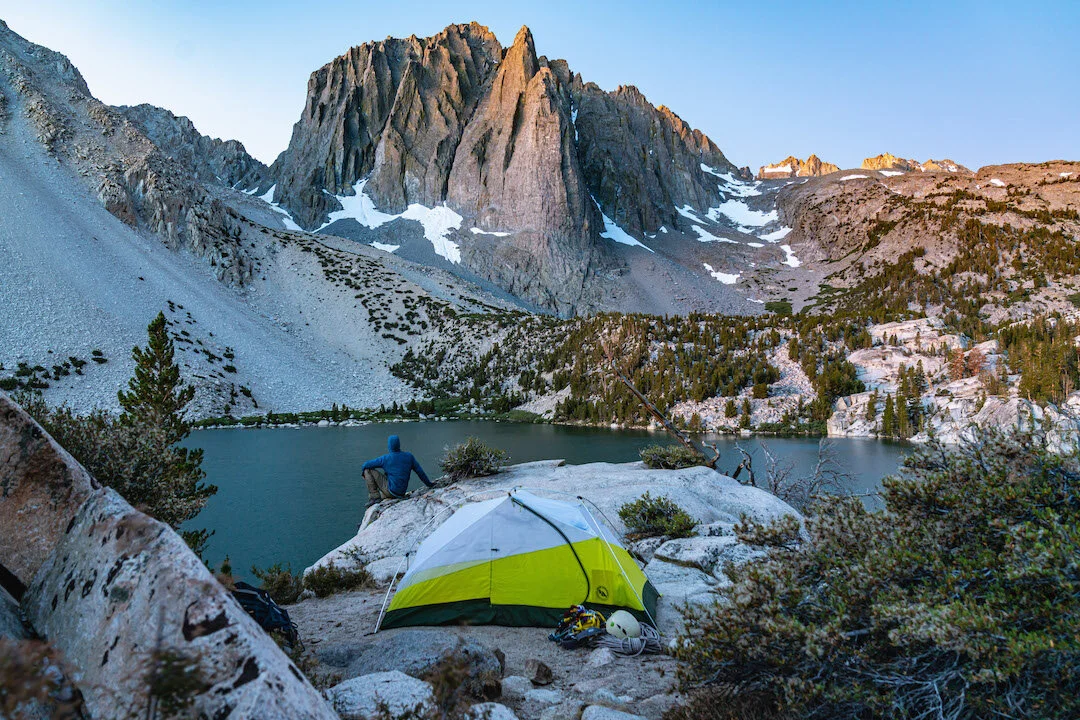

Kayak, Fish, and Unwind: Discover Tranquility at Sabrina Lake
Welcome to the pristine haven of Sabrina Lake, where adventure meets serenity and nature beckons you to unwind. Nestled in the heart of the majestic Eastern Sierra Nevada, this stunning alpine lake offers a retreat for outdoor enthusiasts seeking a blend of exhilarating activities and unparalleled tranquility.
Welcome to the pristine haven of Sabrina Lake, where adventure meets serenity and nature beckons you to unwind. Nestled in the heart of the majestic Eastern Sierra Nevada, this stunning alpine lake offers a retreat for outdoor enthusiasts seeking a blend of exhilarating activities and unparalleled tranquility.
Visit Lake Sabrina to immerse yourself in the serenity of the Eastern Sierra Nevada, where kayaking amidst glacial waters and fishing for abundant trout promise unforgettable outdoor experiences. Also, reconnect with nature's beauty, unwind by the shore, and create lasting memories in this unspoiled gem.
Read on to learn about all that Lake Sabrina has to offer.
Jumping into the chilly waters of Lake Sabrina on a warm summer day. Photo by Dalton Johnson
Pros
Breathtaking Scenery: Lake Sabrina's stunning alpine setting, surrounded by majestic peaks and pristine forests, offers a picturesque backdrop for outdoor enthusiasts and nature lovers.
Kayaking and Fishing Paradise: With calm waters ideal for kayaking and a thriving trout population, the lake provides an excellent opportunity for both kayaking adventures and fishing escapades.
Tranquil Retreat: Escape the hustle and bustle of city life and immerse yourself in the peaceful ambiance of Sabrina Lake. Enjoy quiet moments by the shore, stargazing under the night sky, and the calming sounds of nature.
Hiking Opportunities: The surrounding Eastern Sierra region boasts numerous hiking trails of varying difficulties, allowing visitors to explore the breathtaking wilderness and discover hidden gems.
Campground Experience: Camping near the lake allows you to experience the full wonder of the wilderness, with campfire gatherings and the chance to bond with fellow nature enthusiasts.
Cons
Seasonal Limitations: Access to Lake Sabrina may be limited during winter due to snowfall, and some facilities may be closed during the off-season.
Altitude and Weather: The high elevation of the lake (around 9,000 feet) can be challenging for those not acclimated to such altitudes. Additionally, weather conditions can change rapidly, so visitors must come prepared for potential temperature fluctuations.
Limited Amenities: While Lake Sabrina offers a genuine wilderness experience, the lack of modern amenities and services nearby may be a drawback for some travelers seeking more convenience.
Fishing Regulations: Visitors planning to fish in the lake must ensure they have a valid California fishing license and comply with fishing regulations, which may be restrictive for some anglers.
Crowds During Peak Season: As a popular destination, Lake Sabrina can attract a significant number of visitors during peak season, potentially impacting the sense of seclusion and tranquility.
Kayaking Amidst Nature's Masterpiece
Embark on a kayaking adventure like no other, as Sabrina Lake unveils its awe-inspiring splendor. The glacial waters, crystal clear and shimmering under the sun's embrace, invite you to paddle along its shoreline and explore hidden coves. Glide over the mirror-like surface, embraced by the majestic peaks that encircle the lake, creating an enchanting amphitheater of natural beauty.
Whether you are an experienced kayaker or a novice seeking a peaceful paddle, Sabrina Lake offers something for everyone. The calm waters close to the shore provide a perfect learning ground for beginners, while the more adventurous can venture further, discovering secluded spots and breathtaking vistas.
The Ultimate Fishing Paradise
For anglers, Sabrina Lake is nothing short of a dream destination. As you cast your line, the lake's abundant trout population beckons with the promise of a rewarding catch. Rainbow, brown, and brook trout thrive in these pristine waters, making it an ideal spot for both novice and seasoned fishermen.
Picture yourself sitting on the edge of the boat, the reflection of snow-capped peaks dancing on the water's surface. The gentle breeze carries the scent of pine, and your fishing rod trembles with anticipation. Time seems to slow down as you connect with nature, becoming one with the tranquil environment.


Reconnect with Nature's Rhythms
Beyond the adrenaline-fueled activities, Sabrina Lake invites you to embrace the art of relaxation. As the sun dips below the horizon, paint the sky with hues of crimson and gold, signaling the arrival of the magical twilight hour. Sit by the shore, marvel at the changing colors, and let the stress of the modern world melt away.
Campfire tales under the starlit canopy are a cherished tradition here. Share stories with fellow adventurers, old and new, as the crackling fire warms your soul and the distant calls of nocturnal wildlife serenade you.
Adventures Big and Small from Lake Sabrina:
Popular Day Hikes: Explore the breathtaking Eastern Sierra scenery by embarking on some popular day hikes from Lake Sabrina. The Bishop Pass Trail, which starts near the lake, leads you through alpine meadows and past pristine lakes, culminating in a stunning view of the surrounding peaks. For a shorter hike with rewarding vistas, the Chocolate Lakes Trail offers a delightful experience that's perfect for families and casual hikers.
Mountains to Climb: For the adventurous mountaineers, Lake Sabrina acts as a gateway to conquering some notable peaks in the Sierra Nevada. Mount Darwin and Mount Powell, both towering over 13,000 feet, present challenging yet exhilarating climbs for experienced mountaineers seeking to test their skills and endurance.
Rock Climbing: Lake Sabrina's rugged terrain also offers opportunities for rock climbing enthusiasts. The nearby Cardinal Pinnacle and the Clyde Minaret, known for their striking granite faces, beckon climbers to test their abilities in this stunning alpine environment.
Skiing and Snowboarding: During the winter months, when snow blankets the landscape, Lake Sabrina transforms into a wonderland for skiing and snowboarding aficionados. Nearby ski resorts like Mammoth Mountain and June Mountain provide world-class slopes for all skill levels, ensuring a thrilling snow-filled adventure.
Exploring Other Lakes: Lake Sabrina is part of the High Sierra Lake Loop, making it an excellent starting point to explore other nearby lakes. Take a scenic drive to South Lake, where you can embark on a picturesque hike to Long Lake or treasure some quiet moments by Bishop Lake.
Backpacking Ideas: For backpacking enthusiasts seeking a multi-day adventure, Lake Sabrina serves as a gateway to various wilderness areas. Plan an extended backpacking trip along the John Muir Trail, which takes you through some of the Sierra's most iconic landscapes, including Kings Canyon and Sequoia National Parks. Alternatively, the North Lake to South Lake Loop offers a challenging yet rewarding trek through rugged wilderness, passing by several pristine alpine lakes.
Practical Tips for Your Journey
Season and Weather: Sabrina Lake's peak season runs from late spring through early fall, when the weather is milder and access is more reliable. Keep in mind that temperatures can drop significantly at night, even during summer, so pack accordingly.
Accommodation: Camping grounds around the lake offer a true wilderness experience. Alternatively, nearby Bishop town provides a range of accommodation options for those seeking modern comforts.
Fishing Licenses: Ensure you have a valid California fishing license before casting your line into the lake's sparkling waters.
Leave No Trace: Embrace responsible outdoor practices. Respect the environment and wildlife, and leave no trace of your presence.
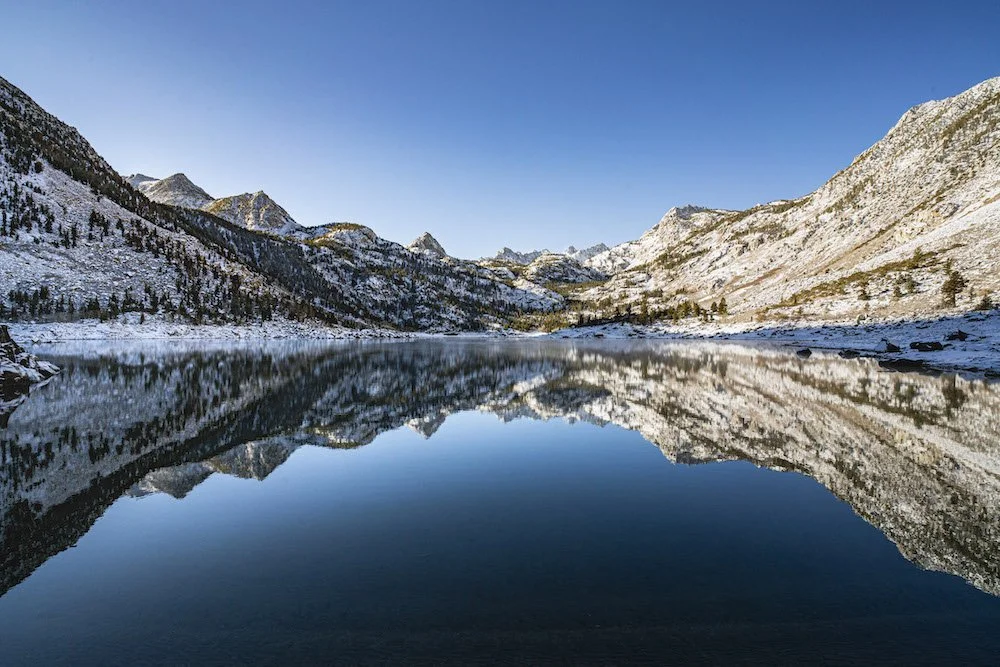
A perfect reflection of the Evolution Range on Lake Sabrina. Photo by Dalton Johnson
Sabrina Lake remains an unspoiled gem nestled within the Eastern Sierra Nevada. Whether you seek exhilarating adventures, peaceful communion with nature, or a chance to reel in the catch of a lifetime, this magical destination promises an unforgettable experience. So, pack your bags, prepare your fishing gear, and embark on a journey to reconnect with nature's rhythm at Sabrina Lake.
Discover more of Eastern Sierra
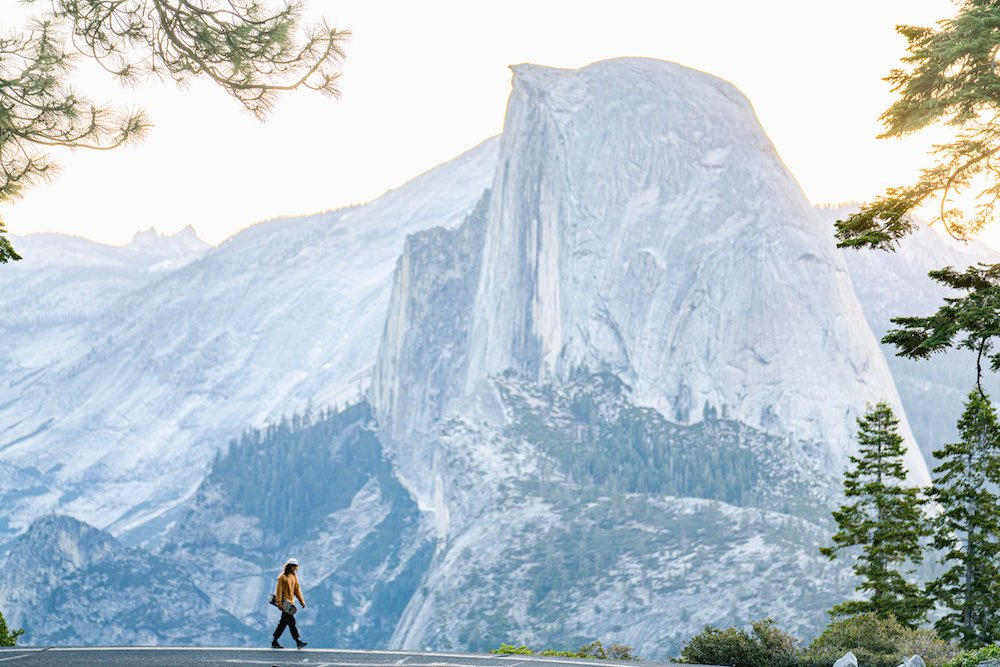
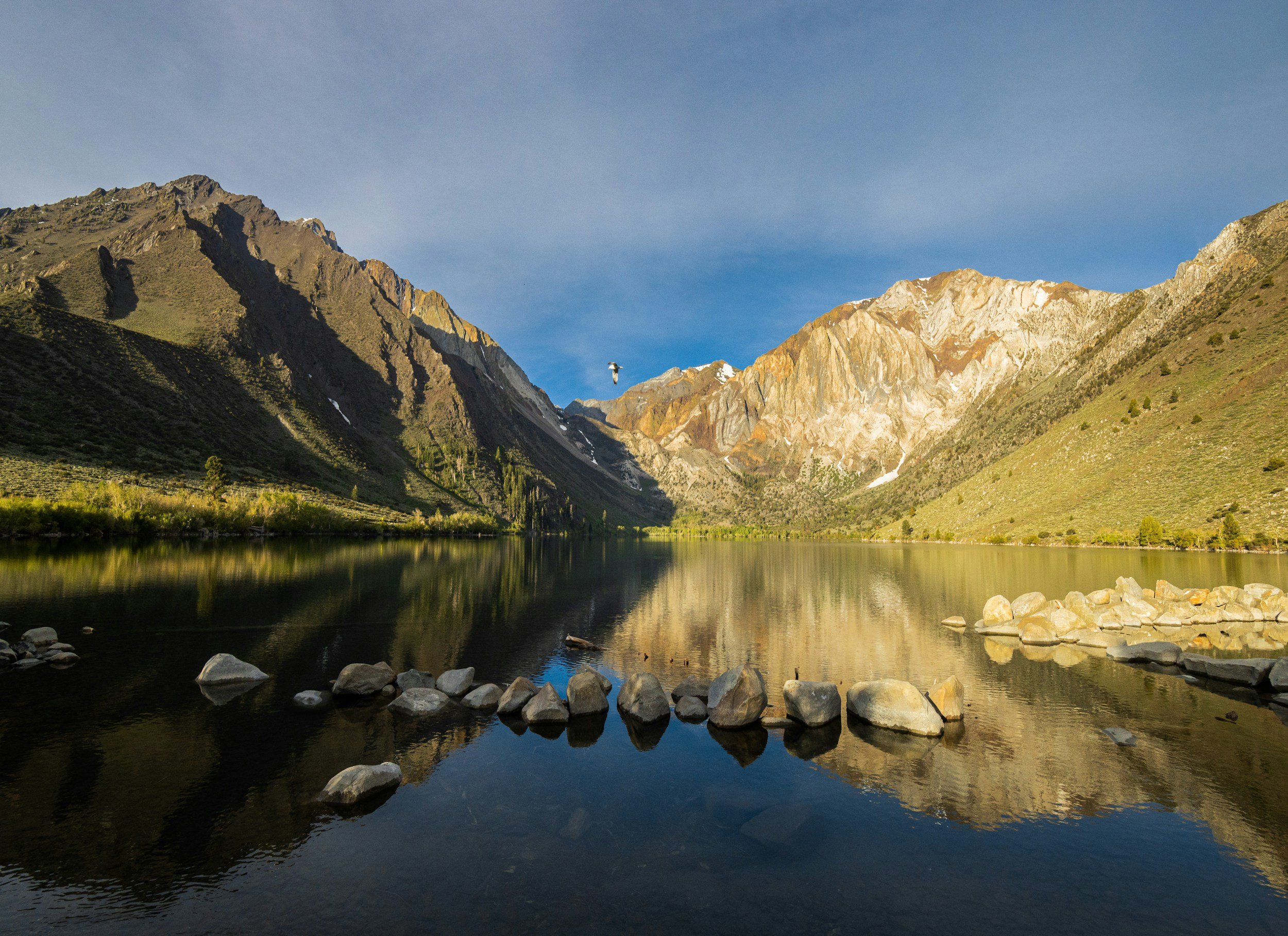

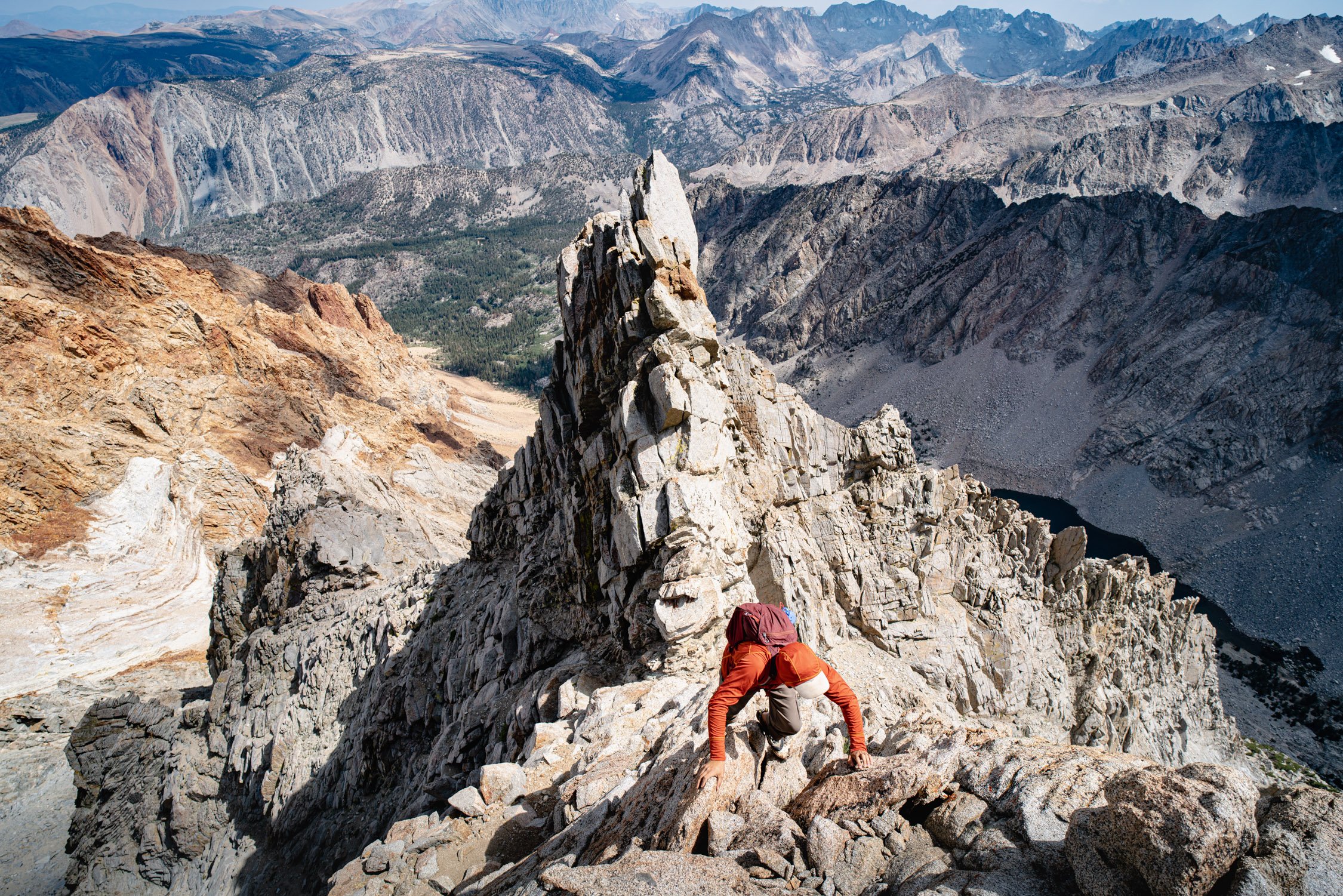
Finding Serenity on the Ridgeline: A Journey up Mount Emerson
When it comes to the High Sierra, adventurers often gravitate towards the more famous peaks like Mount Whitney or Half Dome. However, hidden amidst the rugged beauty of this vast mountain range lies a gem that demands attention: Mount Emerson. Rising majestically to an elevation of 13,204 feet, this formidable peak offers a thrilling challenge for climbers seeking a less-trodden path and a unique connection with the wilderness.
When it comes to the High Sierra, adventurers often gravitate towards the more famous peaks like Mount Whitney or Half Dome. However, hidden amidst the rugged beauty of this vast mountain range lies a gem that demands attention: Mount Emerson. Rising majestically to an elevation of 13,204 feet, this formidable peak offers a thrilling challenge for climbers seeking a less-trodden path and a unique connection with the wilderness.
Climbing Mount Emerson in the High Sierra offers a captivating adventure through the pristine wilderness, where the beauty of the Eastern Sierra's granite peaks awaits. The rugged ridgeline and untouched splendor provide climbers with a unique and awe-inspiring experience, making it an unforgettable journey for those seeking a genuine connection with nature.
Join me as we embark on an unforgettable journey to summit Mount Emerson.
Scott traversing the final ridgeline of Mount Emerson. Photo by Dalton Johnson
Pros
Scenic Beauty: As you ascend Mount Emerson, you'll be treated to breathtaking vistas of the High Sierra's rugged landscapes, alpine lakes, and sprawling valleys, offering a visual feast for nature enthusiasts.
Less Crowded: Compared to more popular peaks in the region, Mount Emerson sees fewer climbers, providing a serene and solitary experience in the wilderness, away from the bustling crowds.
A True Wilderness Challenge: Climbing Mount Emerson demands advanced mountaineering skills and route-finding abilities, making it an ideal expedition for seasoned adventurers seeking a challenging and authentic backcountry experience.
Unique Connection with Nature: The unmarked trails and untamed terrain on Mount Emerson allow you to forge a deeper connection with nature, fostering a sense of appreciation and respect for the wilderness.
Panoramic Summit Views: Reaching the summit rewards climbers with panoramic views of the Eastern Sierra's granite peaks, offering a profound sense of accomplishment and an opportunity for stunning landscape photography.
Cons
Technical Difficulty: Mount Emerson's ascent involves navigating challenging rock faces, steep slopes, and exposed ridgelines, requiring climbers to possess adequate mountaineering experience and gear. Be prepared for some low 5th class and a lot of 4th class.
Route Finding Challenges: The lack of marked trails can make route finding on Mount Emerson difficult, especially for those without prior experience in alpine navigation.
Weather Uncertainties: Like any high-altitude endeavor, the weather on Mount Emerson can be unpredictable and rapidly change, presenting potential hazards and safety concerns.
Remote Location: Situated deep within the John Muir Wilderness, Mount Emerson's remote location can make access more time-consuming and may require multi-day trips.
Physical and Mental Demands: Climbing Mount Emerson is a physically demanding undertaking that necessitates endurance, stamina, and mental resilience to tackle the rugged terrain and elevation gain.
A Wilderness Calling
While some locals boast “Mount Emerson is a great after work jaunt” don’t be fooled. Mount Emerson will take a full day for those who are competent in the mountains. Additionally, for those who yearn for a genuine backcountry experience, Mount Emerson's allure is undeniable. The mountain, named after renowned American writer and philosopher Ralph Waldo Emerson, beckons adventurers with its raw, untouched beauty. Located in the heart of the John Muir Wilderness, the approach to the peak offers a splendid opportunity to immerse oneself in the High Sierra's untamed wilderness.
Preparation: The Path Less Traveled
Unlike the well-beaten trails leading to other popular peaks in the region, summiting Mount Emerson requires a higher level of mountaineering prowess. As an aspirant, be prepared to trade the comfort of established paths for the excitement of navigating unmarked terrain. Serious mountaineering skills, comfort on low-5th class, and climbing gear are essential, as you'll be facing scree fields, easy chimney’s, and a exposed ridgeline.
Climbers should acquaint themselves with the basic principles of alpine climbing and ensure they have proper training and safety equipment. Ropes, harnesses, helmets, and trad-gear should be part of your essential checklist. While some individuals freesolo this route, many rescues occur every year because people get in over their heads, especially on the descent. A clear understanding of route-finding and navigation is crucial, as the path to Mount Emerson is neither straightforward nor well-defined.
The Ascent: Where Adventure Meets Serenity
As the dawn breaks and the alpenglow kisses the Sierra's granite spires, the ascent of Mount Emerson begins. Setting off from the North Lake trailhead, you'll gradually leave the comforts of civilization behind as you venture deeper into the wilderness. This summit outing isn't for the faint-hearted, as you'll need to muster both physical endurance and mental fortitude.
Following the trail, you'll begin to gain elevation steadily, while in the trees. At this time you can’t see the route, nor the mountain, but it is there, waiting for you. As you depart treeline, you’ll notice the dark streak on a mountain to the east. This is your start. From time to time, there is a climbers trail off the end of a switchback, but don’t rely on that. Point your nose towards the streak and begin scrambling over loose tallus. From here, the climb begins.
Vertical Symphony: The Climbing Challenge
Once your reach the base of the dark streak, you’re ready to being. Good and bad news; the start is the crux. From the base, the chimney you are staring up at doesn’t look inviting, but the holds are there, just look around. If you are soloing with several people, make sure to go one at a time up this section.
As your climb continues, the surrounding landscape becomes more evident. The High Sierra's grandeur comes alive as you gaze across the vast wilderness from ever-increasing heights. Mount Emerson’s blend of jagged cliffs and rugged rock faces, keeps you on your toes, demanding respect and focus, but, it’s all 4th class from here. If you chose the easiest way.
I wish I could give you more detailed directions from here, but the honesty is that you just keep going up. Every year these slopes change, so there is no prescription besides go up. Be safe and make good decisions as you climb. If the terrain feels harder than 4th class, look around, there will be an easier route, somewhere.
Summit Triumph: A Reward Beyond Words
After hours of toil and determination, you'll finally reach the crown jewel—the summit ridgeline of Mount Emerson. This knife-edge ridge made me smile as I walked across the top. I couldn’t help myself. The views are incredible and it just feels wrong that you are there. But, we are curious monkeys just climbing to the top to see what is there.
At the summit, the panorama from the top is breathtaking, a visual symphony of alpine lakes, sprawling valleys, and the distant peaks of the High Sierra. With each breath, you feel a profound connection to the world around you, realizing that this is nature at its most powerful and humbling state.
Leave No Trace: Preserving the Wilderness
As seasoned outdoor enthusiasts, it's imperative that we acknowledge our responsibility to preserve the wilderness for future generations. The John Muir Wilderness and Mount Emerson deserve our utmost respect and care. Let's follow the Leave No Trace principles diligently, ensuring that our journey leaves minimal impact on this pristine environment.
Climbing 4th class on Mount Emerson. Photo by Dalton Johnson
Conquering Mount Emerson is a rite of passage for those who seek an unparalleled adventure away from the beaten path. This hidden gem in the High Sierra rewards those with the courage to venture into the unknown, offering a deep connection with nature and the satisfaction of overcoming formidable challenges. Remember, climbing Mount Emerson isn't just about reaching the summit; it's about embracing the journey, immersing yourself in the wilderness, and finding your place among the giants of the High Sierra.
So, are you ready to rise to the occasion and embrace the extraordinary? Pack your gear, gather your courage, and let Mount Emerson show you the way to an unforgettable experience in the heart of the High Sierra.
Discover more of Eastern Sierra

Is Crystal Crag the Best Rock Climbing in Mammoth?
The wilderness of Mammoth, where towering peaks and rugged landscapes beckon climbers from all corners of the globe. Amongst the plethora of climbing spots in this mountainous region, one destination stands out like a sparkling jewel in the rough: Crystal Crag. With its mystical allure and heart-pounding challenges, many climbers wonder if this granite wonderland truly reigns as the best rock climbing spot in Mammoth.
The wilderness of Mammoth, where towering peaks and rugged landscapes beckon climbers from all corners of the globe. Amongst the plethora of climbing spots in this mountainous region, one destination stands out like a sparkling jewel in the rough: Crystal Crag. With its mystical allure and heart-pounding challenges, many climbers wonder if this granite wonderland truly reigns as the best rock climbing spot in Mammoth.
While Crystal Crag in Mammoth offers a diverse range of climbing routes, breathtaking scenery, and a close-knit climbing community, whether it is considered the absolute best rock climbing spot is subjective and depends on individual preferences and experiences. Climbers can expect an exhilarating adventure in this granite wonderland, but other climbing areas in Mammoth also boast their unique charm and challenges.
Join us as we embark on a journey to unravel the enigma of Crystal Crag and discover what makes it an unrivaled paradise for rock climbers.
Climbing the North Arete on Crystal Crag in Mammoth Lakes, CA. Photo by Dalton Johnson
Pros
Diverse Range of Routes: Crystal Crag offers an impressive selection of climbing routes suitable for climbers of all skill levels. Beginners can find moderate routes to gain experience, while advanced climbers can challenge themselves with exhilarating multi-pitch climbs.
Breathtaking Scenery: Climbers at Crystal Crag are treated to awe-inspiring views of the surrounding Sierra Nevada Mountains and the stunning Mammoth Lakes below. The natural beauty adds an extra dimension to the climbing experience.
Sense of Adventure: Crystal Crag's remote location and rugged terrain create a genuine sense of adventure. Exploring the hidden nooks and crannies of the crag offers a feeling of discovery and exploration.
Close-knit Climbing Community: The climbing community at Crystal Crag is welcoming and supportive. Climbers often share route beta and celebrate each other's successes, fostering a sense of camaraderie and friendship.
Spiritual Connection with Nature: Scaling the granite walls of Crystal Crag provides an opportunity to connect with nature on a deeper level. Climbers often experience a sense of awe and respect for the natural world as they ascend the rock faces.
Accessibility: Crystal Crag is relatively accessible compared to other climbing areas in the region. It's a short hike from the parking area, making it convenient for climbers looking for a quick adventure.
Quality Rock: The granite rock of Crystal Crag is renowned for its high quality, offering reliable holds and solid friction for confident climbing.
Cons
Seasonal Limitations: Due to its high elevation, Crystal Crag is subject to seasonal weather changes. It may be inaccessible during winter months due to snow and ice, limiting climbing opportunities to warmer seasons.
Crowds during Peak Season: Crystal Crag's popularity can lead to crowding during peak climbing season. Weekends, in particular, can get busy, resulting in potential wait times for popular routes.
Challenging Approaches: While the main climbing area is relatively accessible, some routes may require challenging approaches involving steep and rocky terrain, which could be daunting for less experienced climbers.
Rockfall Potential: As with any climbing area, there's a risk of rockfall, especially on multi-pitch routes. Climbers should exercise caution and wear helmets to mitigate this hazard.
Limited Amenities: Crystal Crag is a backcountry climbing destination, and there are limited amenities available. Climbers must be prepared with all necessary gear, food, and water for their climbing session.
Wildlife Encounters: The backcountry setting of Crystal Crag means encounters with wildlife are possible. Climbers should be mindful of their surroundings and follow proper wildlife safety protocols.
Variable Route Conditions: Depending on the season and weather, some routes may be affected by runoff or seepage, impacting climbing conditions.
A Landscape Carved by the Gods:
As the first rays of dawn cast a golden glow upon the Sierra Nevada Mountains, Crystal Crag emerges majestically from the shadows. With its granite spires soaring towards the heavens, it becomes evident why this location holds a special place in the hearts of climbers. The geological wonder of the area presents a myriad of climbing routes, catering to climbers of all skill levels, from beginners seeking an introductory experience to seasoned pros yearning for an adrenaline-pumping challenge.
A Playground of Endless Possibilities:
Crystal Crag boasts an astounding diversity of climbing routes, each with its own distinct personality and allure. Novice climbers can hone their skills on moderate routes, such as the classic "North Arete," which offers breathtaking views of the Mammoth Lakes below. Intermediate climbers can test their mettle on the "Crystal Crag Traverse," a thrilling adventure demanding a delicate blend of technique and tenacity. Meanwhile, the more audacious daredevils can brave the daring multi-pitch routes like "Redline" or "Lucky Streaks," promising the ultimate rush of accomplishment upon reaching their summits.
A Spiritual Connection with Nature:
What truly sets Crystal Crag apart from other climbing spots is the sense of spiritual connection it imparts on climbers. Scaling these ancient granite walls, one cannot help but feel a profound reverence for the natural world. The stunning vistas of the Sherwin Range and the surrounding alpine landscape remind us of the privilege and responsibility we have as climbers to protect and preserve these natural wonders for generations to come.
A Community of Like-Minded Adventurers:
As climbers converge on the crag, a palpable sense of camaraderie fills the air. The climbing community at Crystal Crag is a diverse tapestry of adventurers from all walks of life, united by a shared passion for exploration and a deep respect for the wilderness. From swapping route beta to celebrating each other's triumphs, the friendships forged on these sheer walls extend far beyond the climbing experience.
A Word of Caution:
While Crystal Crag undoubtedly offers a magical experience, it is essential to approach this climbing paradise with a sense of responsibility and mindfulness. As we venture into the backcountry, let us always prioritize Leave No Trace principles, respecting the wildlife, flora, and fragile ecosystems that surround us. Additionally, climbers should stay informed about local regulations and weather conditions, ensuring a safe and enjoyable climbing adventure.
History of Rock Climbing at Crystal Crag:
Crystal Crag's storied history as a rock climbing destination traces back to the early 1930s when adventurous climbers began exploring the uncharted granite walls of the Eastern Sierra. The crag's allure and mystical beauty quickly captivated these early pioneers, setting the stage for a legacy of climbing excellence that continues to this day.
Pioneering Explorations:
In 1932, a group of climbers led by Norman Clyde, a legendary mountaineer, and first ascensionist, ventured into the Sierra Nevada Mountains in search of new challenges. Clyde, alongside climbers Jules Eichorn and Glen Dawson, is credited with making some of the earliest recorded ascents on the Crystal Crag's prominent features.
Birth of Classic Routes:
Throughout the 1950s and 1960s, the climbing community witnessed the birth of some of Crystal Crag's most iconic routes. Visionary climbers, inspired by the natural beauty and the thrill of the ascent, established classic lines like "North Arete" and "Crystal Crag Traverse." These routes became benchmarks for the climbing community, attracting enthusiasts from far and wide.
An Era of Exploration:
The 1970s and 1980s marked an era of exploration and innovation at Crystal Crag. Climbers with a taste for adventure set their sights on the crag's untouched faces, forging new routes and pushing the boundaries of climbing difficulty. This period witnessed the rise of multi-pitch routes like "Redline" and "Lucky Streaks," adding to the crag's reputation as a playground for the bold and daring.
Preservation and Stewardship:
As Crystal Crag's popularity grew, so did the need for responsible stewardship. The climbing community recognized the importance of preserving the area's fragile ecosystem and its surrounding wilderness. Climbing organizations worked in collaboration with local land managers to establish sustainable access and promote Leave No Trace principles, ensuring that climbers could enjoy the crag responsibly for generations to come.
A Modern Climbing Destination:
Today, Crystal Crag stands as a modern climbing destination, blending its rich history with contemporary climbing culture. The crag continues to attract climbers of all skill levels, providing a wide array of challenges and experiences for enthusiasts seeking both traditional and sport climbing opportunities.
Honoring the Legacy:
As climbers scale the granite walls of Crystal Crag, they carry on the legacy of those who came before them, paying tribute to the pioneers and visionaries who first explored these majestic peaks. The crag remains a testament to the spirit of adventure, camaraderie, and love for the mountains that have defined the climbing community for decades.
Gear to Bring to Crystal Crag:
Climbing at Crystal Crag offers a unique adventure in the rugged wilderness of the Sierra Nevada Mountains. To ensure a safe and enjoyable climbing experience, it's essential to come well-prepared with the appropriate gear. Here's a comprehensive list of essential items to bring to Crystal Crag:
Climbing Gear:
Climbing Harness: Choose a comfortable and well-fitted harness to ensure safety during your climbs.
Climbing Shoes: Opt for sticky rubber-soled climbing shoes for precise foot placements on the granite walls.
Chalk Bag and Chalk: Keep your hands dry and improve grip with chalk during climbs.
Quickdraws: Pack an assortment of quickdraws (12-15) for sport climbing routes with pre-existing bolts.
Traditional Protection: Bring a double rack of cams, nuts, and slings for traditional climbing on routes that require placing your protection.
Dynamic Climbing Rope: Choose a rope appropriate for the routes you plan to climb, usually 60m or longer.
Rope Bag: Keep your rope clean and tangle-free with a rope bag for easy transportation.
Belay Device: Select a belay device suitable for your preferred belaying style, such as an ATC or GriGri.
Locking Carabiners: Carry a few locking carabiners for belaying and anchoring purposes.
A climbing helmet is essential for protection against potential rockfall and head injuries during climbing.
Backpack: Use a comfortable and appropriately sized backpack to carry your gear and essentials to the climbing site.
Appropriate Clothing:
Weather-Appropriate Clothing: Dress in layers to accommodate changing weather conditions. Pack a rain jacket and extra warm layers for cooler temperatures at higher elevations.
Climbing Pants: Choose durable and flexible climbing pants that allow freedom of movement.
Headlamp:
Carry a headlamp in case your climbing session extends into the evening hours.
Food and Water:
Bring sufficient snacks and water to stay hydrated and energized during your climbs. Consider bringing a refillable water bottle to reduce waste. Note: approach is long for those not used to climbing in the High Sierra
Sun Protection:
Sunscreen: Apply sunscreen to protect your skin from the intense mountain sun.
Sunglasses: Wear UV-protective sunglasses to shield your eyes from harsh glare.
Views from the sky over Mammoth Lakes, Lake Mary to be exact. Crystal Crag is north (left) of this frame. Photo by Dalton Johnson
Is Crystal Crag the best rock climbing spot in Mammoth? While the title of "best" is subjective, there's no denying the allure and enchantment this granite wonderland holds for climbers. With its diverse range of climbing routes, breathtaking vistas, and a tight-knit community of adventurers, Crystal Crag continues to captivate the hearts of those seeking an unforgettable rock climbing experience. So, whether you're a seasoned climber seeking a new challenge or a novice eager to test your skills, Crystal Crag stands ready to embrace you in its rugged embrace, promising an adventure of a lifetime amidst the grandeur of Mammoth's wilderness.
Discover more of Highway 395

Guide to Rock Climbing in South Lake Tahoe
Nestled amidst the awe-inspiring Sierra Nevada Mountains, South Lake Tahoe emerges as a haven for adventurers seeking an adrenaline-fueled escape into the world of rock climbing. As you step foot into this mesmerizing destination, you'll find yourself surrounded by an unparalleled natural beauty that seamlessly blends serene lake views with towering granite cliffs. South Lake Tahoe offers a diverse array of climbing experiences, from tackling classic crack climbs at Lover's Leap to scaling the surreal formations of Phantom Spires and exploring the intimate playground of Luther Spires.
Nestled amidst the awe-inspiring Sierra Nevada Mountains, South Lake Tahoe emerges as a haven for adventurers seeking an adrenaline-fueled escape into the world of rock climbing. As you step foot into this mesmerizing destination, you'll find yourself surrounded by an unparalleled natural beauty that seamlessly blends serene lake views with towering granite cliffs. South Lake Tahoe offers a diverse array of climbing experiences, from tackling classic crack climbs at Lover's Leap to scaling the surreal formations of Phantom Spires and exploring the intimate playground of Luther Spires.
Rock climbing in South Lake Tahoe promises an extraordinary adventure for thrill-seekers and nature enthusiasts alike. With its abundant granite cliffs and diverse range of climbing routes, it caters to climbers of all skill levels, from beginners to seasoned experts. The combination of challenging ascents, breathtaking scenery, and the opportunity to immerse yourself in the stunning wilderness of the region makes South Lake Tahoe a premier destination for rock climbing enthusiasts from around the globe.
So, whether you're a seasoned climber seeking new challenges or a beginner ready to take your first vertical steps, South Lake Tahoe is waiting to offer you an unparalleled rock climbing adventure.
Placing a piece of gear just after the lip on the direct start of Surrealistic Pillar. Photo by Dalton Johnson
Pros
Breathtaking Scenery: The unparalleled natural beauty of South Lake Tahoe sets the stage for an awe-inspiring climbing experience. As you ascend the granite cliffs, you'll be treated to breathtaking views of the crystal-clear lake, majestic mountains, and lush forests, creating an unforgettable backdrop for your climbs.
Diverse Climbing Opportunities: South Lake Tahoe caters to climbers of all levels, making it an ideal destination for both beginners and seasoned climbers. With a wide range of routes, from moderate to challenging, you'll have ample opportunities to test your skills, improve your technique, and push your limits.
Iconic Climbing Areas: The region boasts world-renowned climbing areas such as Lover's Leap, Phantom Spires, and Luther Spires. Each location offers its unique challenges and allure, adding a sense of adventure and exploration to your climbing journey.
Community and Resources: South Lake Tahoe has a vibrant climbing community with experienced climbers, local guides, and climbing schools. Whether you're a beginner seeking guidance or an experienced climber looking for partners, you'll find ample support and resources to enhance your climbing experience.
Year-Round Destination: Thanks to its favorable climate, South Lake Tahoe is a year-round climbing destination. Spring, summer, and fall offer pleasant weather for climbing, while winter provides opportunities for ice climbing and indoor training.
Cons
Seasonal Crowds: South Lake Tahoe can experience higher tourist influxes during peak seasons, leading to crowded climbing areas and limited camping spots. To avoid the crowds, consider planning your climbing trip during less busy times.
Weather Variability: While South Lake Tahoe generally enjoys pleasant weather, it's essential to be prepared for sudden changes. Weather conditions in the mountains can shift rapidly, leading to unexpected rain or storms that may disrupt climbing plans.
Rockfall Hazard: Like any climbing area, there is a risk of rockfall, especially on popular routes. It's crucial to stay vigilant and wear proper safety gear, such as helmets, to minimize the risk of injury.
Limited Indoor Climbing Facilities: While South Lake Tahoe offers abundant outdoor climbing opportunities, the availability of indoor climbing gyms may be limited. If you prefer indoor training during inclement weather or to improve specific techniques, research gym options in advance.
Environmental Impact: As a popular climbing destination, South Lake Tahoe faces challenges with environmental impact and conservation. Climbers must adhere to Leave No Trace principles, respecting the natural environment and ensuring the preservation of these pristine areas.
Lover's Leap: A Climbing Paradise
Located just a short drive from South Lake Tahoe, Lover's Leap is a rock climbing paradise that beckons climbers from far and wide. This iconic climbing area is renowned for its massive granite walls, which soar up to 600 feet in height. Lover's Leap is ideal for both traditional and sport climbers, offering a diverse range of routes to suit various skill levels.
The Main Wall at Lover's Leap boasts classic crack climbs, providing an excellent opportunity for trad climbers to test their crack climbing skills. Experienced climbers will relish the chance to ascend classics like "Corrugation Corner" and "Traveler Buttress," which have become legendary among the climbing community.
For those looking for a more adrenaline-fueled experience, the East Wall delivers a series of thrilling sport climbs. With its steeper faces and well-bolted routes, this area challenges climbers with technical moves and exciting sequences.
Lover's Leap not only offers exceptional climbing opportunities but also treats visitors to breathtaking views of Desolation Wilderness and the Sierra Nevada mountains. So, if you're seeking an unforgettable climbing adventure in a picturesque setting, Lover's Leap is the place to be.
Phantom Spires: Where Fantasy Meets Reality
Prepare to enter a realm where fantasy meets reality at Phantom Spires, a hidden gem nestled in the Eldorado National Forest. This otherworldly climbing destination is characterized by its unique and striking rock formations, resembling something out of a surreal dream.
Phantom Spires is renowned for its high-quality granite and offers a mix of traditional and sport climbing routes. The spires themselves stand like sentinels, and climbers are treated to an exhilarating feeling of scaling these mystical towers. The routes here often require creative climbing techniques and provide a true adventure for those willing to explore.
One of the standout features of Phantom Spires is the "Eagle Lake Buttress," featuring an array of moderate to difficult routes. Climbers can ascend the prominent buttress and be rewarded with sweeping views of nearby Lake Tahoe, adding an extra layer of awe to their climbing experience.
The enchanting ambiance, coupled with the challenging climbs, makes Phantom Spires a favorite among seasoned climbers looking for an extraordinary and magical climbing journey.
Luther Spires: A Climber's Playground
Luther Spires offers an unforgettable climbing playground for those seeking a variety of routes and an intimate climbing experience. Situated near Echo Summit, these beautiful granite spires provide a secluded and serene setting away from the more crowded climbing areas.
Luther Spires caters to climbers of all levels, making it an excellent choice for family outings or mixed groups with varying skills. The lower angles of the spires offer pleasant routes for beginners to practice their technique, while the steeper sections provide more challenging options for seasoned climbers.
The "Central Wall" is a popular section of Luther Spires, offering an array of moderate routes that are perfect for introducing newcomers to the thrill of outdoor climbing. Additionally, the "Hogsback" presents opportunities for more experienced climbers to push their limits on harder lines.
Besides the fantastic climbing opportunities, Luther Spires grants visitors a sense of tranquility and an up-close encounter with nature. Surrounded by tall pines and a peaceful atmosphere, climbers will find a true escape from the hustle and bustle of everyday life.
The Playground of Granite Giants
South Lake Tahoe is blessed with an abundance of magnificent granite cliffs, making it a paradise for rock climbers of all levels. Whether you're a beginner or an experienced climber, you'll find a plethora of routes to challenge your skills and push your limits. Some of the most iconic climbing spots in the area include Lover's Leap, Phantom Spires, and Luther Spires. Each location offers a unique experience, from crack climbs to face climbs, ensuring there's something for everyone.
Climbing for All Skill Levels
One of the most appealing aspects of South Lake Tahoe's climbing scene is its inclusivity. It caters to climbers of all skill levels, making it an ideal destination for families, friends, and solo adventurers. Local climbing guides and schools provide excellent opportunities for beginners to learn the ropes in a safe and supportive environment. If you're a seasoned climber, you'll be delighted by the sheer variety of challenging routes that will put your skills to the test.
Unbeatable Scenery
Imagine climbing to the top of a towering granite cliff and being rewarded with sweeping views of the crystal-clear Lake Tahoe below. The breathtaking beauty of the surroundings enhances the climbing experience, making it even more memorable. South Lake Tahoe boasts a perfect blend of adrenaline-pumping ascents and serene natural beauty, a combination that will leave you in awe at every turn.
Embracing Adventure Responsibly
While rock climbing is an adventure sport, safety should always be the top priority. It's crucial to be aware of your limits, wear appropriate gear, and climb with a partner or in a group whenever possible. Additionally, respecting the environment and following Leave No Trace principles are essential to preserve the pristine beauty of the area for future generations of climbers to enjoy.
Beyond Climbing: Other Activities
South Lake Tahoe is a year-round destination, offering a plethora of activities beyond rock climbing. After a day of conquering granite walls, unwind with a relaxing dip in the lake's clear waters, go hiking in the surrounding trails, or simply enjoy a campfire under the starlit sky. The area's vibrant nightlife and charming restaurants add a perfect touch to your climbing adventure.
Middle spire standing tall as you enter the Phantom Spires area. Photo by Dalton Johnson
Rock climbing in South Lake Tahoe is an unforgettable experience that will leave you with memories to cherish for a lifetime. From the adrenaline rush of scaling granite cliffs to the awe-inspiring beauty of Lake Tahoe's surroundings, this destination has it all. So, pack your climbing gear, bring your adventurous spirit, and get ready to embrace the challenge and beauty that South Lake Tahoe has to offer.
Discover more of Lake Tahoe

Eastern Sierra Road Trip: Lake Tahoe to Mount Whitney
The Eastern Sierra region of California is a hidden gem that offers awe-inspiring landscapes, picturesque vistas, and unforgettable experiences. Spanning from the iconic Lake Tahoe to the majestic Mount Whitney, this road trip promises an unforgettable journey through the heart of nature's grandeur.
The Eastern Sierra region of California is a hidden gem that offers awe-inspiring landscapes, picturesque vistas, and unforgettable experiences. Spanning from the iconic Lake Tahoe to the majestic Mount Whitney, this road trip promises an unforgettable journey through the heart of nature's grandeur.
Road tripping from Lake Tahoe to Mount Whitney tours California's Eastern Sierra region. This scenic journey takes you through stunning landscapes, from the shimmering waters of Lake Tahoe to the towering heights of Mount Whitney, the highest peak in the contiguous United States. Enjoy outdoor adventures, picturesque vistas, and a deep connection with nature on this epic road trip.
Buckle up as we embark on an adventure through the Eastern Sierra, a land of diverse beauty, outdoor thrills, and tranquil serenity.
Playing in Alabama Hills at last light before going heading up to Mount Whitney. Photo by Dalton Johnson
Pros
Diverse Beauty: The road trip from Lake Tahoe to Mount Whitney offers a diverse range of stunning landscapes, from the sparkling waters of Lake Tahoe to the majestic heights of Mount Whitney. Nature lovers and outdoor enthusiasts will be enthralled by the scenic beauty along the journey.
Outdoor Adventures: Throughout the Eastern Sierra, there are numerous opportunities for outdoor adventures, including water sports on Lake Tahoe, skiing and snowboarding in Mammoth Lakes, hiking in the John Muir Wilderness, and even summiting Mount Whitney for the more adventurous souls.
Serenity and Tranquility: The Eastern Sierra region provides a peaceful escape from the hustle and bustle of daily life, allowing travelers to connect with nature and find serenity amidst the breathtaking wilderness.
Rich History: The journey includes places of historical significance, such as the Manzanar National Historic Site, which offers a poignant reminder of the past and the opportunity for reflection.
Photographic Opportunities: From the stunning landscapes of the Alabama Hills to the unique rock formations in the Buttermilks, photographers will find endless opportunities to capture breathtaking shots.
COns
Seasonal Limitations: Certain activities and attractions may be limited by the season. For example, winter weather can restrict access to higher elevations and make some roads impassable, while some hiking trails may be inaccessible due to snow or trail closures.
Permit Requirements: Summiting Mount Whitney requires permits, which can be limited and competitive to obtain, so proper planning and preparation are necessary for those intending to tackle this challenge.
Distance and Travel Time: The road trip covers considerable distances, and driving times between destinations can be substantial. Travelers should be prepared for long hours on the road and plan accordingly to avoid fatigue.
Crowds: During peak tourist seasons, popular spots like Lake Tahoe and Mammoth Lakes can become crowded, potentially detracting from the serenity and tranquility of the journey.
Weather Uncertainty: The Eastern Sierra's mountainous terrain means that weather conditions can change rapidly. Travelers should stay updated on weather forecasts and be prepared for unexpected weather changes, particularly during the winter months.
Lake Tahoe - A Shimmering Gem:
Our journey begins at the stunning Lake Tahoe, renowned for its crystal-clear waters and surrounding snow-capped mountains. Nestled between the border of California and Nevada, Lake Tahoe boasts an abundance of recreational activities year-round. In summer, indulge in water sports like kayaking, paddleboarding, or simply bask in the sun on one of the many pristine beaches. As autumn arrives, the landscape transforms into a breathtaking palette of golden hues, making it a perfect time for scenic hikes and mountain biking along the shoreline.
THree Must-Do Adventures in Lake Tahoe:
Mammoth Lakes - Nature's Playground:
Heading south, we arrive at Mammoth Lakes, an adventurer's paradise. This picturesque mountain town is a gateway to numerous natural wonders, including the Devil's Postpile National Monument and the Rainbow Falls. If you're visiting during winter, Mammoth Mountain offers some of the best skiing and snowboarding in the country. In summer, explore the vast network of hiking trails that lead to alpine lakes, hot springs, and sweeping vistas of the Sierra Nevada. Not to mention a plethora of free hot springs to soak your sore muscles.
THree Must-Do Adventures in Mammoth Lakes:
Bishop - A Haven for Outdoor Enthusiasts:
As we venture further south, we reach Bishop, a small town with a big outdoor spirit. Surrounded by the towering peaks of the Eastern Sierra, Bishop is a favorite among rock climbers, hikers, and fishing enthusiasts. The Buttermilks and the Volcanic Tablelands offer world-class bouldering opportunities, while the nearby John Muir Wilderness beckons hikers to explore its rugged beauty. For anglers, the Owens River and numerous alpine lakes are teeming with trout, making it an angler's dream.
THree Must-Do Adventures in Bishop:
Lone Pine - Gateway to Mount Whitney:
Continuing our journey, we reach Lone Pine, a quaint town that serves as the gateway to Mount Whitney, the highest peak in the contiguous United States. Even if you're not a seasoned mountaineer, you can still enjoy the scenic beauty of the Alabama Hills, famous for its unique rock formations, which have been featured in numerous Hollywood films. Additionally, a trip to the Manzanar National Historic Site offers a poignant reminder of the internment of Japanese Americans during World War II.
THree Must-Do Adventures around Lone Pine:
Mount Whitney - Reaching New Heights:
The pinnacle of our road trip is Mount Whitney itself. Standing at an elevation of 14,505 feet (4,421 meters), conquering this majestic peak requires preparation and permits. Check out this blog on how to climb Mount Whitney in a single day. However, for those who aren't up to the challenge of summiting, there are several less strenuous trails around the base that still offer unparalleled views of this mighty mountain. Remember, safety should always be a priority when exploring the wilderness, so be sure to check for weather conditions and obtain the necessary permits.
Enjoying the sunset along HWY 395 after a long day of driving. Photo by Dalton Johnson
The Eastern Sierra road trip from Lake Tahoe to Mount Whitney is a journey that showcases the diverse beauty of California's wilderness. From the tranquility of Lake Tahoe to the rugged majesty of Mount Whitney, this road trip offers a lifetime's worth of memories and experiences. Whether you're an outdoor enthusiast seeking adventure or a nature lover yearning for serenity, the Eastern Sierra has something to offer for everyone. So, pack your bags, hit the road, and get ready for an unforgettable adventure through this breathtaking region of the United States.
Discover more of Eastern Sierra

10 Tips For Maintaining Hygiene and Sanitation During Vanlife
The freedom of the open road, breathtaking landscapes, and a nomadic lifestyle – vanlife offers a unique and adventurous way to experience the world. Whether you're a digital nomad, an outdoor enthusiast, or simply seeking a break from the traditional routine, living in a van can be an incredible journey. However, with the absence of conventional amenities, ensuring hygiene and sanitation becomes essential for a safe and enjoyable vanlife experience.
The freedom of the open road, breathtaking landscapes, and a nomadic lifestyle – vanlife offers a unique and adventurous way to experience the world. Whether you're a digital nomad, an outdoor enthusiast, or simply seeking a break from the traditional routine, living in a van can be an incredible journey. However, with the absence of conventional amenities, ensuring hygiene and sanitation becomes essential for a safe and enjoyable vanlife experience.
Maintaining hygiene during vanlife requires careful planning and eco-friendly practices. Use biodegradable cleaning supplies, establish a regular cleaning routine, and invest in portable toilets for waste disposal. Prioritize personal hygiene, stay organized in the kitchen, and choose campsites with amenities. Remember to handle waste responsibly and maintain a healthy diet for a safe and enjoyable vanlife experience.
In this blog, we'll explore practical tips and essential practices to maintain cleanliness and sanitation while living on the road.
Snacking and warming up after an ocean dip while on a vanlife trip. Photo by Dalton Johnson
Pros
Health and Well-being: Proper hygiene practices promote good health, reduce the risk of illnesses, and enhance overall well-being during vanlife.
Comfortable Living Space: Regular cleaning and organization create a clean and comfortable environment inside the van, making it a pleasant living space.
Environmental Responsibility: Using biodegradable products and responsible waste disposal minimizes the environmental impact, contributing to sustainable vanlife.
Minimal Pest Problems: Keeping a clean van reduces the likelihood of attracting pests, making your living space more enjoyable and free from unwanted visitors.
Improved Mood and Productivity: A clean and organized space positively affects mental health, leading to better focus, productivity, and a happier vanlife experience.
Cons
Limited Space and Resources: The confined space of a van may pose challenges in storing cleaning supplies and finding water for sanitation.
Time-Consuming: Maintaining hygiene in a small space requires consistent effort and time, taking away from other vanlife activities.
Dependency on Amenities: Relying on campgrounds or public facilities for showers and toilets can limit the freedom of spontaneous travel.
Water Management: Managing water usage becomes crucial, as filling up tanks and finding safe water sources may be challenging in remote locations.
Cost: Some eco-friendly cleaning products can be expensive, adding to the overall cost of vanlife. However, the investment contributes to environmental conservation.
1. Plan for Proper Storage
The limited space inside a van requires thoughtful organization. Invest in storage solutions such as bins, baskets, and hanging organizers to keep your belongings in order. Separate clean clothes from dirty ones to avoid contamination, and keep hygiene products easily accessible.
2. Carry Biodegradable Cleaning Supplies
To minimize your environmental impact, choose biodegradable cleaning products. Stock up on eco-friendly dish soap, laundry detergent, and all-purpose cleaners. These products are not only safer for the environment, but they also help you maintain cleanliness without harming nature.
3. Regular Cleaning Routine
Establish a regular cleaning routine to prevent clutter and dirt buildup. Clean surfaces, wipe down countertops, and sweep the floors daily. This practice will ensure a comfortable living space and prevent pests from making your van their home.
4. Utilize Portable Toilets and Waste Disposal
Invest in a portable toilet or a compact camping toilet for your sanitary needs. Proper waste disposal is crucial during vanlife, as it ensures you leave no trace behind and maintain a good relationship with the environment and other travelers.
5. Mindful Personal Hygiene
Maintaining personal hygiene is essential for your well-being during vanlife. Plan for regular showers, whether at campgrounds, gyms, or with the help of portable shower setups. Carry hand sanitizers, wet wipes, and use them before meals or after outdoor activities.
6. Stay Organized in the Kitchen
The kitchen area can quickly become a breeding ground for bacteria. Practice good kitchen hygiene by washing your hands before cooking, using separate cutting boards for raw and cooked foods, and cleaning dishes promptly after meals.
7. Choose Your Campsites Wisely
Selecting appropriate campsites is vital for your hygiene and sanitation efforts. Opt for designated campgrounds that offer amenities like restrooms and showers. If wild camping, choose locations away from water sources and wildlife habitats to reduce the risk of contamination.
8. Regularly Empty and Clean Water Tanks
Keep your water supply fresh and uncontaminated by regularly emptying and cleaning your water tanks. Carry a water filter to ensure that the water you fill is safe to drink.
9. Handle Waste Responsibly
Dispose of waste responsibly, whether it's trash, recyclables, or hazardous materials. Be conscious of the impact you have on the environment and aim to leave the places you visit cleaner than you found them.
10. Maintain a Healthy Diet
Eating a balanced diet can significantly impact your overall well-being during vanlife. Fresh fruits, vegetables, and proper food storage are essential to avoid foodborne illnesses.
When a river cleaning turns into a water fight. Photo by Dalton Johnson
Embracing the vanlife journey doesn't mean compromising on hygiene and sanitation. With thoughtful planning, eco-friendly practices, and a proactive approach, you can maintain a clean and safe living space while roaming the world in your van. By respecting the environment and prioritizing hygiene, you'll be able to fully immerse yourself in the beauty of nature without leaving a negative trace behind. Happy vanlife adventures!