

You'll Want to Add These Places to Your Camping Bucket List
Camping is more than just a recreational activity; it's a chance to reconnect with nature, unwind, and create lasting memories with loved ones or on your own. As camping enthusiasts seek new and breathtaking destinations, there are some places that stand out as must-adds to any camping bucket list. In this article, we will explore nine beautiful camping spots that cater to various preferences, whether you're camping with family, flying solo, exploring national parks, or embarking on an international camping adventure.
Camping is more than just a recreational activity; it's a chance to reconnect with nature, unwind, and create lasting memories with loved ones or on your own. As camping enthusiasts seek new and breathtaking destinations, there are some places that stand out as must-adds to any camping bucket list. In this article, we will explore nine beautiful camping spots that cater to various preferences, whether you're camping with family, flying solo, exploring national parks, or embarking on an international camping adventure.

Camping on a glacier in Denali National Park. Photo by Dalton Johnson
Yosemite National Park, USA
Nestled in the heart of California, Yosemite National Park is a haven for nature lovers and camping enthusiasts alike. The park's diverse landscapes feature towering waterfalls, majestic sequoias, and breathtaking valleys. For families, the park offers a range of family-friendly campgrounds like Upper Pines, complete with amenities and proximity to iconic landmarks such as Half Dome and El Capitan. Solo campers can venture into the wilderness with backcountry permits, immersing themselves in the serene beauty of Yosemite's backcountry. With its awe-inspiring views and diverse camping options, Yosemite National Park is a quintessential addition to any camping bucket list.
Banff National Park, Canada
For those who yearn to camp amidst the stunning Canadian Rockies, Banff National Park is a dream destination. Located in Alberta, Banff offers a range of camping experiences for families and solo adventurers alike. Two Jack Lakeside Campground is ideal for families, situated along the shores of Two Jack Lake, offering picturesque views and access to numerous hiking trails. Solo campers can explore the backcountry, with campgrounds like Egypt Lake providing a secluded and immersive experience. Banff National Park is not only a UNESCO World Heritage Site but also a haven for wildlife enthusiasts, providing opportunities to spot bears, elk, and mountain goats.
Great Barrier Reef, Australia
For an unforgettable international camping experience, consider camping near the Great Barrier Reef in Australia. This natural wonder is not only a UNESCO World Heritage Site but also the world's largest coral reef system. Camping on the nearby islands, such as Whitsunday Island, offers a unique opportunity to wake up to the sound of gentle waves and the vibrant colors of the coral reef. Families can enjoy snorkeling and water activities, while solo campers can explore the pristine beaches and hiking trails. Camping near the Great Barrier Reef is a truly magical experience that combines the beauty of nature with the wonders of underwater life.
Denali National Park, USA
Alaska's Denali National Park is a vast and untamed wilderness that beckons adventurers from around the globe. Home to North America's highest peak, Denali, the park offers a diverse range of camping experiences. Families can enjoy the comfort of the Riley Creek Campground, with amenities like showers and a camp store. For solo campers seeking solitude and breathtaking vistas, backcountry camping in Denali is an unparalleled experience. The park's unique ecosystem, featuring grizzly bears, caribou, and wolves, adds an extra layer of excitement to any camping trip. Denali National Park is a must-visit for those yearning to explore the rugged beauty of the Alaskan wilderness.
Lake District, United Kingdom
For camping enthusiasts in Europe, the Lake District in the United Kingdom is a picture-perfect destination. This stunning region is renowned for its serene lakes, rolling hills, and charming villages. Families can choose from a variety of campsites, such as the Great Langdale Campsite, offering a family-friendly atmosphere with easy access to scenic trails and water activities. Solo campers can explore the more remote areas of the Lake District, camping along the shores of Lake Buttermere or in the secluded valleys of Borrowdale. With its tranquil landscapes and diverse camping options, the Lake District is an excellent addition to any European camping bucket list.
Patagonia, Argentina and Chile
For those with a sense of adventure and a desire to explore the southernmost tip of South America, camping in Patagonia is an experience like no other. Straddling Argentina and Chile, this region boasts awe-inspiring landscapes, including glaciers, fjords, and towering mountains. Families can camp near the iconic Torres del Paine National Park, enjoying guided excursions and wildlife spotting. Solo campers can venture into the more remote areas of Patagonia, like the Cerro Fitz Roy region, where the sheer beauty of the landscapes is matched only by the challenge of the terrain. Patagonia offers a unique blend of natural wonders and untamed wilderness for those seeking an international camping adventure.
Zion National Park, USA
Utah's Zion National Park is a paradise for camping enthusiasts who appreciate dramatic red rock landscapes and towering sandstone cliffs. The park offers a range of camping options, with Watchman Campground being a popular choice for families due to its scenic views and proximity to the visitor center. Solo campers can explore the backcountry, with permits allowing access to hidden gems like the Zion Narrows. The park's unique geological formations, including the famous Angel's Landing, provide endless opportunities for exploration and adventure. Zion National Park is a must-visit destination for those seeking a blend of natural beauty and thrilling outdoor activities.
The Dolomites, Italy
If camping amidst the stunning peaks of the Italian Alps is on your bucket list, then the Dolomites are the perfect destination. This UNESCO World Heritage Site in northern Italy is known for its jagged mountain ranges, alpine meadows, and charming villages. Families can choose campgrounds like Camping Olympia, offering a family-friendly atmosphere with access to hiking and biking trails suitable for all ages. Solo campers can embark on more challenging routes, exploring the high-altitude areas around Tre Cime di Lavaredo. The Dolomites provide a unique combination of cultural charm and outdoor adventure for campers looking to experience the beauty of the Italian Alps.
Serengeti National Park, Tanzania
For an unforgettable camping experience amidst Africa's wildlife, Serengeti National Park in Tanzania is a top choice. Known for the annual Great Migration, where millions of wildebeest and zebras traverse the plains, the Serengeti offers a truly immersive camping experience. Family-friendly campsites like Seronera Camp provide comfort and safety while allowing families to witness the wonders of the African savannah. Solo campers can opt for more remote campsites, like those in the Grumeti Reserves, for a more secluded and intimate connection with nature. Camping in the Serengeti is an opportunity to witness the incredible diversity of African wildlife while enjoying the serenity of the vast savannah landscapes.
Sleeping under the stars while backpacking. Photo by Dalton Johnson
Adding these nine spectacular camping destinations to your bucket list ensures a lifetime of outdoor adventures. Whether you're seeking family-friendly campsites, remote and solo experiences, the wonders of national parks, or the thrill of international exploration, these camping spots offer something for every enthusiast. So, pack your gear, embrace the spirit of adventure, and make these stunning locations the backdrop for your next camping escapade. Your bucket list is about to get a whole lot more exciting!
Discover more camping destinations

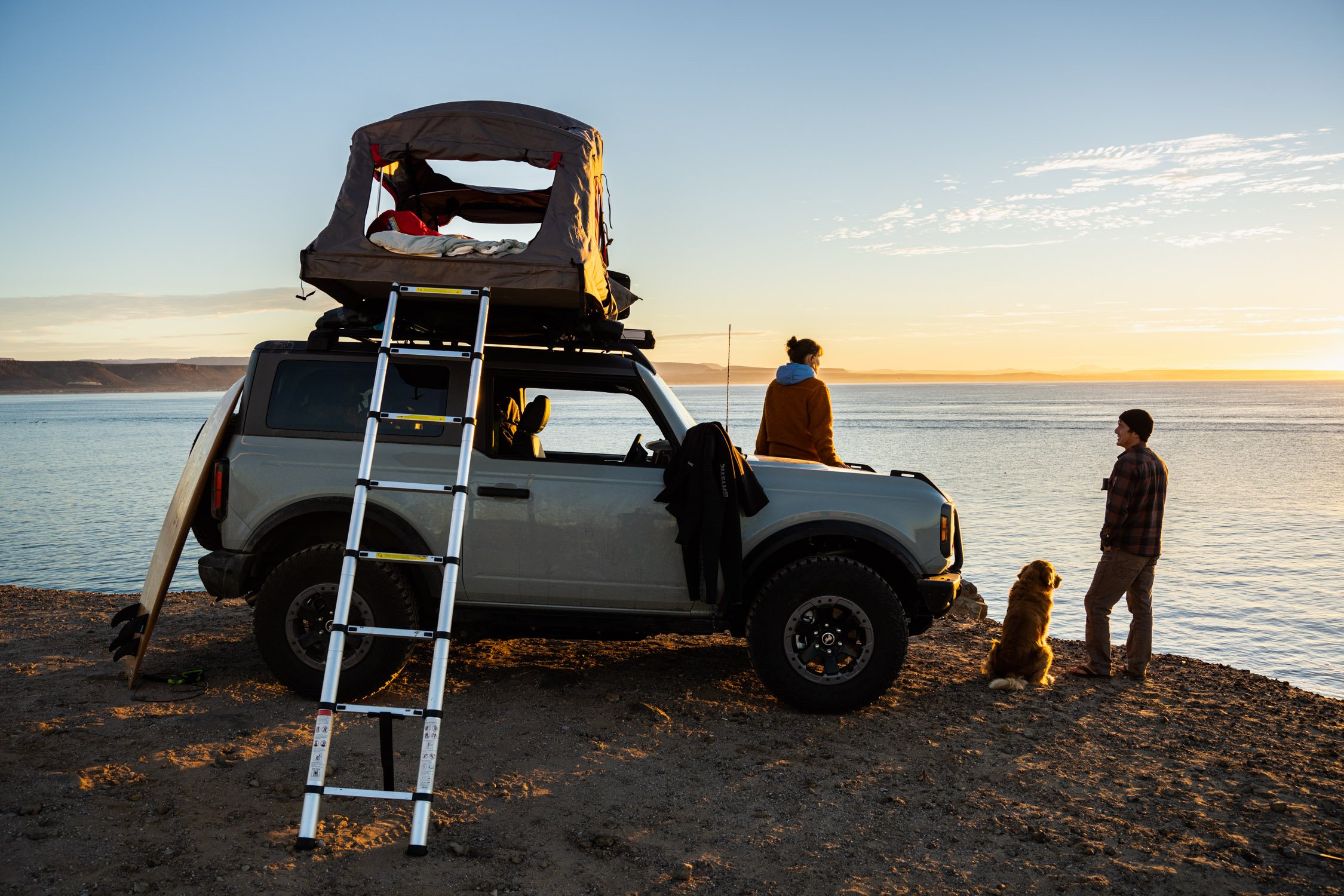

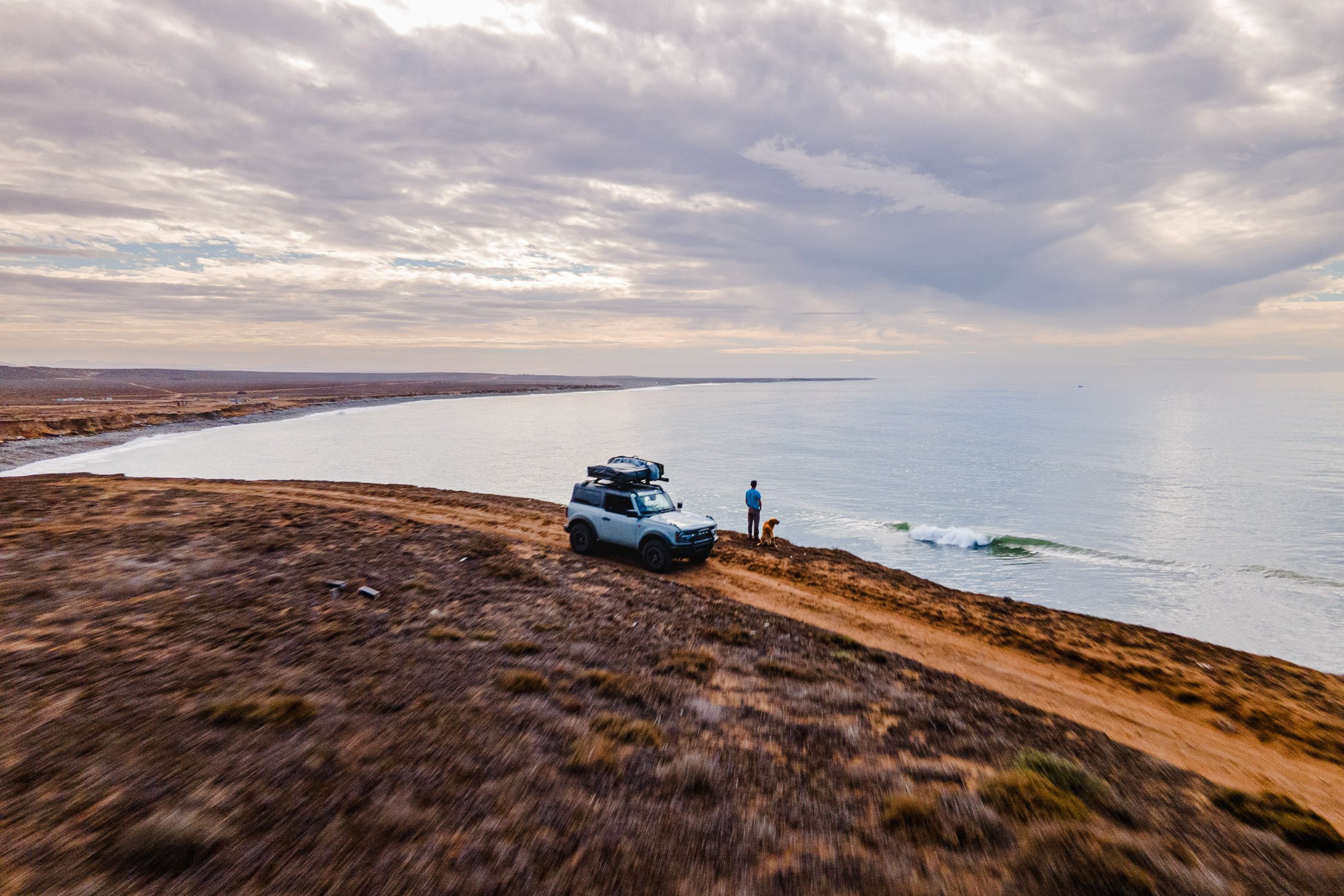
Discover the Charms of Northern Baja California
Welcome to Baja Norte, a treasure trove of diverse experiences within the northern expanse of Baja California. From the rugged terrain and desert-like climate to the vibrant urban centers like Tijuana, this region beckons explorers seeking a rich blend of culture, adventure, and relaxation. Here's your comprehensive guide to unraveling the myriad wonders of Baja Norte:
Welcome to Baja Norte, a treasure trove of diverse experiences within the northern expanse of Baja California. From the rugged terrain and desert-like climate to the vibrant urban centers like Tijuana, this region beckons explorers seeking a rich blend of culture, adventure, and relaxation. Here's your comprehensive guide to unraveling the myriad wonders of Baja Norte:
Wave check at Cuatro Casa. Photo by Dalton Johnson
Pros
Diverse Culinary Scene: Baja Norte is a culinary paradise, blending traditional Mexican flavors with international influences.
Thriving Urban Centers: Tijuana and Ensenada offer modern amenities, cultural experiences, and a lively atmosphere.
Wine Country: Valle de Guadalupe boasts not only exceptional wines but also picturesque vineyards and gourmet dining experiences.
Surfers' Paradise: The Pacific Coast provides ideal conditions for surfers seeking exhilarating waves.
Cons
Desert Climate: Summers can be hot, so plan outdoor activities accordingly.
Border Crossing: Be aware of potential delays when crossing the U.S.-Mexico border, especially during peak travel times.
Urban Congestion: Tijuana, while vibrant, may be crowded and noisy, which might not appeal to everyone.
Things to Do in Baja Norte
Wine Tasting in Valle de Guadalupe: Immerse yourself in the world-class wineries of Valle de Guadalupe. Enjoy tastings amidst rolling vineyards and breathtaking mountain backdrops.
Surfing in Rosarito: The Pacific Coast around Rosarito is a haven for surfers. Whether you're a seasoned pro or a novice, catch some of the best waves Mexico has to offer.
Explore Tijuana: Dive into the heart of Tijuana, a bustling city with a vibrant culinary scene. Indulge in international and local cuisine, explore the Tijuana Cultural Center (CECUT), and stroll down the lively Avenida Revolución.
Hiking in Sierra de San Pedro Mártir: For adventure enthusiasts, Sierra de San Pedro Mártir National Park offers a pristine wilderness. Hike through towering peaks, camp under the stars, and witness the diverse flora and fauna.
Relax in Ensenada: Discover the laid-back charm of Ensenada, offering a blend of coastal beauty and cultural richness. Stroll along the Malecón, visit local markets, and sample fresh seafood.
Dune Buggy Adventures in the Desert: Head to the desert areas for thrilling dune buggy excursions. Navigate through sandy terrains and enjoy panoramic views of the unique landscapes.
Must-See Places in Baja Norte
Valle de Guadalupe: Beyond wine, explore art installations, boutique hotels, and culinary delights in this picturesque valley.
La Bufadora: Experience the natural wonder of La Bufadora, a marine geyser that showcases the power of the ocean in Ensenada.
Sierra de San Pedro Mártir National Park: Dive deep into nature with hiking trails, stargazing opportunities, and encounters with the unique flora and fauna.
Playas de Rosarito: Relax on the sandy beaches of Rosarito, known for its vibrant beach culture and lively atmosphere.
Mexicali's Culinary Delights: Venture into Mexicali for a taste of its distinctive cuisine, blending Mexican and American flavors.
Why Answer The Call To Baja Norte
Embarking on a journey to Baja Norte is an invitation to immerse yourself in a captivating tapestry of experiences that seamlessly blend natural wonders, cultural richness, and exhilarating adventures. Nestled at the northern tip of Baja California, this region enchants visitors with its rugged landscapes, from the sprawling vineyards of Valle de Guadalupe to the golden beaches of Rosarito. One compelling reason to visit Baja Norte is its status as Mexico's premier wine destination. Valle de Guadalupe stands as a testament to the region's viticultural prowess, boasting not only a plethora of world-class wineries but also architectural marvels, art installations, and gourmet dining experiences amidst breathtaking scenery. The unique fusion of Mexican warmth and international sophistication creates an ambiance that elevates wine tasting into a holistic exploration of culture, art, and culinary excellence.
Beyond the vineyards, Baja Norte beckons with its diverse range of activities, catering to every taste and inclination. The thrill-seekers find solace in the Pacific Coast's surf breaks, while urban enthusiasts can lose themselves in the vibrant streets of Tijuana and Ensenada. The allure of Sierra de San Pedro Mártir National Park draws nature lovers with promises of pristine landscapes, stargazing escapades, and the chance to encounter the region's rich biodiversity. Baja Norte, therefore, stands as an all-encompassing destination that not only satisfies the wanderlust of adventure enthusiasts and culture seekers but also invites those in pursuit of tranquility to bask in the serene beauty of its natural wonders. In essence, a visit to Baja Norte is an immersion into a realm where every moment is an opportunity to savor the unique flavors of Mexico's northern jewel.
Navigating Baja Norte: Best Ways to Travel and Explore
Getting There:
Road Trip Adventure: For those seeking the ultimate freedom and flexibility, a road trip to Baja Norte is an adventure in itself. The scenic drive down the Baja Peninsula offers breathtaking views of the coastline and mountains. Starting from the United States, consider crossing the border at San Diego and taking the picturesque Mexican Federal Highway 1 (Carretera Federal 1) that connects the major cities of Baja Norte.
Air Travel: For a quicker arrival, consider flying into Tijuana International Airport (TIJ) or Abelardo L. Rodríguez International Airport (TIJ) in Mexicali. Both airports are well-connected and serve as convenient gateways to the region. From the airport, various transportation options are available to take you to key destinations like Tijuana, Ensenada, and Valle de Guadalupe.
Getting Around:
Rental Cars: Opting for a rental car provides the flexibility to explore Baja Norte at your own pace. Numerous rental agencies operate at airports and major cities, offering a variety of vehicles to suit your needs. This choice is especially advantageous for those planning to venture into the more remote and scenic areas.
Public Transportation: Baja Norte has an efficient and affordable public transportation system, including buses and shuttles that connect major cities and towns. Tijuana and Ensenada, in particular, have well-established bus networks, providing a comfortable way to travel between urban centers.
Guided Tours: Joining guided tours is an excellent option for those who prefer a curated experience. Various companies offer tours that cover the region's highlights, providing insights into the culture, history, and natural beauty of Baja Norte. This option is particularly appealing for travelers who want a hassle-free exploration.
Domestic Flights: Domestic flights within Baja California can be an efficient way to cover longer distances. Regional airlines operate flights between Tijuana and Ensenada or other cities, offering a quick and convenient mode of travel for those with a tighter schedule.
Travel Tips:
Check Border Crossing Times: If traveling by road, be mindful of border crossing times, especially during peak hours. Consider crossing early in the morning or later in the evening to avoid long waits.
Pack Essentials: Given the diverse activities and climates in Baja Norte, pack accordingly. Whether it's beachwear for Rosarito, hiking gear for Sierra de San Pedro Mártir, or wine-tasting attire for Valle de Guadalupe, being prepared ensures a comfortable journey.
Explore Local Cuisine: Don't miss the opportunity to savor the local cuisine. From street tacos in Tijuana to fresh seafood in Ensenada, Baja Norte's culinary scene is a delightful adventure in itself.
A sunset hike in the sand dunes just north of Guerro Nego. Photo by Dalton Johnson
Baja Norte unfolds as a multifaceted destination, where the arid beauty of the desert meets the dynamic energy of urban centers, creating a tapestry of experiences. Whether you seek the thrill of surfing, the sophistication of wine tasting, or the tranquility of nature, Baja Norte invites you to savor every moment of your exploration.
Discover more of Baja


Here's Why You Need To Make The Pilgrimage to Baja California
Baja California, a rugged peninsula stretching along Mexico's western coast, is a dream destination for adventure enthusiasts seeking thrilling experiences amidst breathtaking natural beauty. Whether you're drawn to the allure of road trips, captivated by the idea of surfing on pristine beaches, or eager to explore rugged terrains through hiking, Baja California offers a diverse range of activities to satiate your appetite for adventure. In this comprehensive guide, we'll delve into the must-do adventures, best stops, and essential tips for exploring both Baja Norte and Baja Sur, ensuring an unforgettable experience for every traveler.
Baja California, a rugged peninsula stretching along Mexico's western coast, is a dream destination for adventure enthusiasts seeking thrilling experiences amidst breathtaking natural beauty. Whether you're drawn to the allure of road trips, captivated by the idea of surfing on pristine beaches, or eager to explore rugged terrains through hiking, Baja California offers a diverse range of activities to satiate your appetite for adventure. In this comprehensive guide, we'll delve into the must-do adventures, best stops, and essential tips for exploring both Baja Norte and Baja Sur, ensuring an unforgettable experience for every traveler.

The Baja community of travelers coming together. Photo by Dalton Johnson
Eight Reasons to Visit Baja California
Baja California, with its enchanting blend of vibrant culture, diverse landscapes, and a plethora of thrilling activities, stands as a must-visit destination for adventure seekers and nature enthusiasts alike. Whether you are drawn to the call of the wild, the crashing waves of the Pacific, or the warmth of Mexican hospitality, Baja California offers a unique and unforgettable experience. Here are compelling reasons why you should consider adding this captivating peninsula to your travel bucket list.
1. Diverse Landscapes that Astound
Baja California is a land of contrasts, boasting a rich tapestry of landscapes that will leave you in awe. From the rugged deserts of Valle de los Cirios, adorned with towering cacti, to the pristine beaches along the Pacific Coast, the variety is staggering. The Sierra de la Laguna Biosphere Reserve adds a touch of lush greenery, creating a harmonious blend of desert, mountain, and ocean vistas that provide endless opportunities for exploration and adventure.
2. Adventure Awaits at Every Turn
For the adrenaline junkies and outdoor enthusiasts, Baja California is a playground of possibilities. Surf the Pacific waves at renowned spots like Playa Los Cerritos, challenge yourself with rock climbing in El Gran Trono Blanco, or embark on an off-road odyssey through the captivating Valle de los Cirios. The options for adventure are as diverse as the landscapes themselves, promising an experience that caters to every taste and skill level.
3. Culinary Delights and Authentic Flavors
Baja California is a culinary haven, enticing food lovers with its delectable offerings. Indulge in the world-famous fish tacos of Ensenada's Mercado Negro or savor the exquisite flavors of Valle de Guadalupe's wineries, where farm-to-table dining takes on a whole new meaning. The gastronomic scene in Baja California is a delightful journey through the region's diverse culinary traditions, making it a paradise for those who appreciate the art of good food.
4. Unforgettable Wildlife Encounters
Nature enthusiasts will find Baja California to be a treasure trove of wildlife encounters. Witness the majestic gray whales breaching in Magdalena Bay during the winter migration season, swim with gentle whale sharks in the waters off La Paz, or marvel at the diverse marine life in Loreto Bay National Marine Park. Baja California offers a front-row seat to the wonders of the natural world, making it a destination that fosters a deep connection with the environment.
5. Rich Cultural Tapestry
Beyond its natural wonders, Baja California is steeped in a rich cultural heritage that adds depth to every traveler's experience. Explore the historic missions that dot the landscape, immerse yourself in the vibrant art scene of towns like Todos Santos, and embrace the welcoming spirit of local communities. The fusion of Mexican traditions and Baja's unique identity creates a cultural tapestry that is both captivating and authentic.
6. Tranquil Oases for Relaxation
While Baja California is synonymous with adventure, it also offers tranquil oases for those seeking relaxation. Unwind on the pristine beaches of Balandra Beach or escape to the serene charm of Mulegé. The luxury resorts of Los Cabos provide a perfect blend of comfort and natural beauty, offering a sanctuary for those looking to rejuvenate amid breathtaking surroundings.
7. Accessibility and Warm Hospitality
Baja California's accessibility from the United States, coupled with the warmth and friendliness of its people, makes it an inviting destination for travelers. The welcoming atmosphere, combined with a range of accommodation options from boutique hotels to beachside resorts, ensures that visitors feel at home while exploring the wonders of the peninsula.
8. Breathtaking Stargazing Opportunities
For astronomy enthusiasts or those simply seeking a moment of tranquility under the vast night sky, Baja California's deserts provide an unparalleled stargazing experience. Far removed from city lights, the clear desert skies reveal a celestial display that is nothing short of magical, inviting contemplation and wonder.
Road Trip Through Baja California
A road trip through Baja California is not just a journey; it's an odyssey through a realm of diverse landscapes, from the azure Pacific coastline to the arid expanses of its desert heartland. As you rev up your engine and hit the open road, you'll find yourself immersed in a tapestry of natural wonders and cultural richness. Here's a detailed guide to make your road trip an experience of a lifetime.
Scenic Highways and Coastal Marvels
Highway 1 - The Transpeninsular Highway: Begin your adventure by traversing the iconic Transpeninsular Highway, also known as Highway 1, which spans the entire length of the Baja California peninsula. This scenic route offers mesmerizing views of the Pacific Ocean on one side and the rugged desert on the other. Wind your way through towering cacti and enchanting landscapes, stopping at miradores (lookout points) along the way to capture panoramic snapshots of the coastline.
Baja's Pacific Coast: As you cruise along the Pacific Coast, you'll encounter pristine beaches, inviting surf spots, and charming coastal towns. The rhythmic crashing of waves becomes your road trip soundtrack, and each bend reveals a new vista. Be sure to explore the laid-back charm of Rosarito Beach and the captivating landscapes around Guerrero Negro. Not sure which coast to visit? This guide will help you understand what each coast of Baja has to offer.
Magical Desert Landscapes: Venture inland to witness the stark beauty of Baja's desert landscapes. The Valle de los Cirios, adorned with the towering Cirio trees, offers a surreal experience as you drive through this otherworldly terrain. Take the time to explore, capturing the unique flora and fauna that thrive in this arid environment.
Must-Visit Pit Stops Along the Way
San Quintin: Nestled along the Pacific Coast, San Quintin beckons with its unspoiled beaches and the opportunity to witness local fishing communities in action. Indulge in fresh seafood at one of the beachside shacks for an authentic taste of Baja.
Cataviña: A true oasis in the desert, Cataviña is renowned for its remarkable rock formations, such as the iconic Boojum trees and enormous granite boulders. This is a perfect spot to stretch your legs, explore the unique landscapes, and capture some memorable photographs.
Mulegé: This quaint town along the banks of the Mulegé River provides a refreshing break. Visit the historic mission, enjoy a tranquil boat ride, or simply relax beneath the palms. Mulegé offers a glimpse into Baja's colonial past.
Santa Rosalía: A touch of French influence awaits in Santa Rosalía, where you can marvel at the Eiffel-designed church, a relic from the town's mining heyday. The town's charming atmosphere and unique architecture make it a captivating stop.
Baja Norte vs. Baja Sur: Exploring the Contrasts
Baja California can be broadly divided into two distinct regions: Baja Norte (Northern Baja) and Baja Sur (Southern Baja), each offering unique attractions and landscapes.
Baja Norte: Characterized by its rugged coastline, expansive deserts, and bustling cities like Tijuana and Ensenada, Baja Norte is a paradise for outdoor adventurers and food enthusiasts alike. Explore the Valle de Guadalupe wine region, surf the waves at Rosarito Beach, or embark on off-road adventures in the majestic Sierra de San Pedro Martir mountains.
Baja Sur: In contrast, Baja Sur boasts pristine beaches, picturesque colonial towns, and an abundance of marine life. Discover the vibrant underwater world of Cabo Pulmo National Park, swim with whale sharks in La Paz, or unwind in the luxury resorts of Los Cabos while sipping on margaritas against a backdrop of stunning sunsets.
8 Must-Do Adventures in Baja California
Surfing in Todos Santos: Ride the waves at Playa Los Cerritos, one of Baja's premier surf spots, renowned for its consistent swells and sandy beach breaks suitable for surfers of all levels.
Hiking in Sierra de la Laguna: Lace up your hiking boots and explore the rugged beauty of Sierra de la Laguna Biosphere Reserve, home to diverse ecosystems, lush forests, and cascading waterfalls.
Whale Watching in Magdalena Bay: Witness the awe-inspiring spectacle of gray whales breaching and frolicking in the waters of Magdalena Bay during the annual whale migration season from January to March.
Off-Road Adventure in Valle de los Cirios: Embark on a thrilling off-road journey through Valle de los Cirios, a pristine desert landscape dotted with towering cacti and surreal rock formations, offering unparalleled opportunities for exploration and photography.
Sea Kayaking in Loreto: Paddle through the turquoise waters of Loreto Bay National Marine Park, home to a rich diversity of marine life, including dolphins, sea lions, and colorful coral reefs.
Rock Climbing in El Gran Trono Blanco: Test your climbing skills on the towering limestone cliffs of El Gran Trono Blanco, a world-class rock climbing destination offering breathtaking views of the surrounding desert landscape.
Baja 1000 Adventure: Experience the ultimate adrenaline rush by witnessing or participating in the legendary Baja 1000 off-road race, an iconic event that attracts thrill-seekers and motorsport enthusiasts from around the globe.
Stargazing in the Vast Desert Skies: Escape the city lights and gaze in wonder at the mesmerizing night sky above Baja's vast desert landscapes, where clear skies and minimal light pollution offer an ideal setting for stargazing and astrophotography.
Essential Tips for Exploring Baja California
Travel Documentation: Ensure you have a valid passport and any necessary visas or travel permits required for entry into Mexico.
Driving Safety: Exercise caution when driving in Baja California, especially on rural roads and highways. Stick to designated routes and avoid driving at night in remote areas.
Weather Awareness: Be prepared for varying weather conditions, especially in the desert regions, where temperatures can fluctuate dramatically between day and night.
Health and Safety: Stay hydrated, protect yourself from the sun with sunscreen and appropriate clothing, and be mindful of potential hazards such as venomous wildlife and rough terrain during outdoor activities.
Camping on the beach of Baja California, while road tripping around the peninsula, hanging our wetsuits to dry. Photo by Dalton Johnson
Baja California beckons adventurers with its diverse landscapes, thrilling activities, and warm hospitality. Whether you're embarking on a road trip along its scenic highways, surfing the waves of the Pacific, or exploring its rugged deserts and pristine beaches, this captivating peninsula promises an unforgettable journey filled with exhilarating experiences and cherished memories. So pack your bags, venture off the beaten path, and let Baja California ignite your spirit of adventure like never before.
Discover more of Baja

Nosara, Costa Rica Welcome's Its First-Ever Five-Star Surf Hotel
Nosara, Costa Rica is set to welcome its first-ever five-star surf hotel, Silvestre Nosara. Nestled along the pristine beachfront, this luxury destination is strategically positioned just steps away from one of the world's most consistent surf breaks.
Nosara, Costa Rica is set to welcome its first-ever five-star surf hotel, Silvestre Nosara. Nestled along the pristine beachfront, this luxury destination is strategically positioned just steps away from one of the world's most consistent surf breaks.
Silvestre Nosara distinguishes itself by seamlessly blending the lavishness of a hotel with the privacy, spaciousness, and freedom of a home. The property offers spacious apartment-style accommodations, featuring only nine master residences, including a lavish 4-bedroom rooftop penthouse. Guests can indulge in the tropical rooftop lounge, offering panoramic views and serving signature cocktails and delectable small bites.
Designed to foster authentic connections, recharge weary travelers, and encourage self-discovery, Silvestre boasts an expansive Studio space hosting world-class speakers, curated classes, and extensive wellness programming. Families are catered to with family-friendly amenities, ensuring a memorable stay for all.
Notably, Silvestre Nosara is deeply committed to sustainability and social responsibility. The property strives to minimize its environmental footprint through sustainable design and products. Additionally, Silvestre actively supports the local community and businesses, aligning its values with the rich culture of Nosara.
Each stay at Silvestre comes with a range of complimentary perks, including airport transfers, a choice of performance surfboard, two classes at their Studio event space, and access to electric bikes. For those seeking extra adventures, ecological tours, surf lessons, massages, and shopping experiences are available at an additional charge.
Silvestre Nosara is positioned as the ideal choice for those looking to experience the thrill of surfing in Costa Rica while enjoying the comforts of a five-star retreat. As the first of its kind in the area, Silvestre Nosara is poised to redefine luxury surf living and set a new standard for accommodations in this vibrant coastal town.
Discover more Surf Escapes
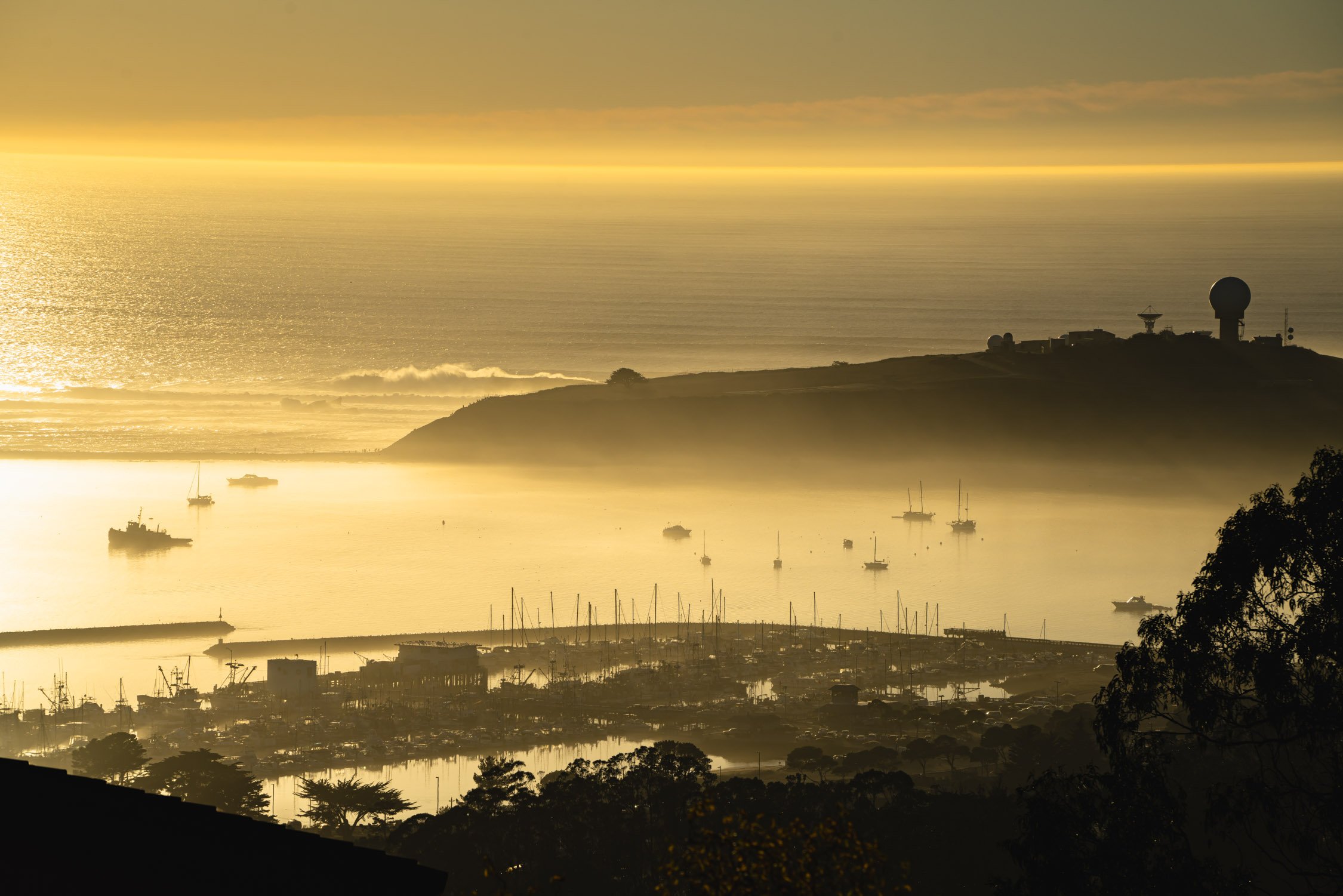



Escape The Crowds Of Cabo And Discover Tranquility At This Baja Hotel
Escape the bustling crowds of Cabo and discover a hidden gem along the serene coast of Todos Santos, Baja California Sur – Hotel San Cristóbal Baja. This 32-room beachfront boutique hotel marks the first international property for the Austin-based Bunkhouse group, offering a tranquil escape just an hour north of Cabo, but a world away in terms of ambiance.
Escape the bustling crowds of Cabo and discover a hidden gem along the serene coast of Todos Santos, Baja California Sur – Hotel San Cristóbal Baja. This 32-room beachfront boutique hotel marks the first international property for the Austin-based Bunkhouse group, offering a tranquil escape just an hour north of Cabo, but a world away in terms of ambiance.
Nestled down a winding dirt road, Hotel San Cristóbal Baja, designed by the acclaimed Texas architecture firm Lake | Flato in collaboration with Bunkhouse, stands as a picturesque haven overlooking the breathtaking Punta Lobos beach and the majestic Sierra de la Laguna Mountains. The property provides an exclusive (adults-only) setting where the elements of sea, desert, and mountains converge harmoniously.
Guests at Hotel San Cristóbal Baja can immerse themselves in an indoor/outdoor experience, with rooms and common areas seamlessly connecting to the surrounding landscape. The Pool Bar and pool overlook the ocean, while the library and chapel offer quiet retreats. The hotel's aesthetic pays homage to the 1970s, incorporating local features like Mexican ceramic and light fittings, along with custom-designed furniture from Guadalajara.
Named after Saint Christopher, the patron of travelers, surfers, and sailors, the hotel embraces local culture and materials. The restaurant Benno serves up a fusion of classic Mexican and Mediterranean cuisine, using locally sourced ingredients. For an even more luxurious stay, fall 2023 will see the debut of oceanfront rooms with private saltwater plunge pools and expanded patios.
Cosecha, a new outdoor restaurant, will also make its debut, offering a farm-to-table experience inspired by the seasonal harvest and ingredients from the hotel's front garden. Hotel San Cristóbal Baja integrates into the local culture by overlooking daily activities of local fishing cooperatives, offering guided hikes, breathwork + cooking classes, mezcal tastings, and a 3-mile bike path connecting to the town of Todos Santos, where art galleries, incredible food, and more await.
Escape the ordinary, embrace the extraordinary – Hotel San Cristóbal Baja is your oasis away from the crowds, where sun and fun collide in the enchanting landscape of Baja California Sur. Visit www.sancristobalbaja.com or follow @hotelsancristobal for an unforgettable experience in this hidden paradise.
Discover more of Baja
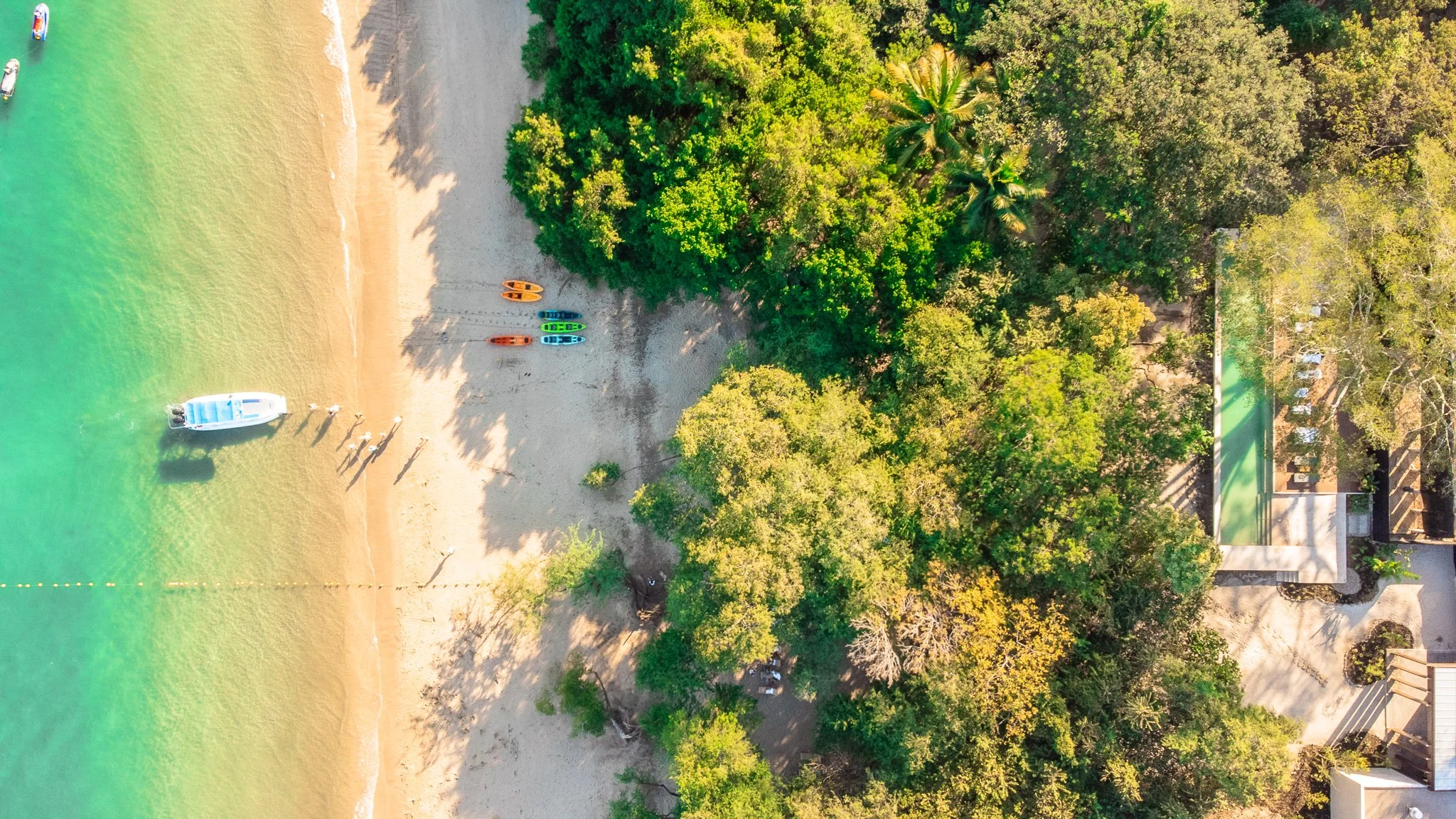
Andaz Costa Rica Unveils 25 New Residential Villas
Nestled within the breathtaking 1,400-acre private resort community of Peninsula Papagayo, the Andaz Costa Rica Resort at Peninsula Papagayo has unveiled a remarkable expansion, featuring 25 brand-new residential villas, a revamped signature restaurant, Ostra, and the recently opened beach club, Casa de Playa. This grand opening signifies a momentous milestone in the resort's journey to redefine luxury and set new standards in hospitality.
Nestled within the breathtaking 1,400-acre private resort community of Peninsula Papagayo, the Andaz Costa Rica Resort at Peninsula Papagayo has unveiled a remarkable expansion, featuring 25 brand-new residential villas, a revamped signature restaurant, Ostra, and the recently opened beach club, Casa de Playa. This grand opening signifies a momentous milestone in the resort's journey to redefine luxury and set new standards in hospitality.
Designed by the acclaimed Costa Rican architect Ronald Zürcher, the exclusive hillside neighborhood offers guests stunning views of Culebra Bay. Zürcher's signature organic style seamlessly integrates the villas with the lush surroundings, showcasing local art and providing a picturesque backdrop. The one and two-bedroom villas feature indoor/outdoor living spaces and private plunge pools, while the two and three-bedroom penthouses boast covered rooftop terraces with open-air living rooms, plunge pools, and daybeds, allowing guests to revel in panoramic views of the Papagayo night skies.
Guests of the villas enjoy privileged access to elevated culinary experiences, including chef-curated market-fresh baskets and complimentary afternoon aperitivos delivered to their doorsteps. Coffee enthusiasts will savor the in-villa coffee program developed by the resort's award-winning Head Barista. Exclusive breakfast at Ostra and priority dinner reservations with renowned Michelin-chef trained Chef Bruno Alves are additional perks. For those seeking cultural immersion, a visit to a nearby village for a community gardening project ensures a personalized chef-prepared dinner with handpicked produce.
Wellness takes center stage with expert-led in-villa experiences like In-Pool Sound Healing. A dedicated Residence Concierge ensures seamless exploration of Peninsula Papagayo's natural wonders, offering priority scheduling for bespoke experiences and access to community amenities.
The newly opened beach club, Casa de Playa, enhances the resort experience with an elevated pool and beachfront setting on Playa Nacascolo. Scheduled to be fully operational in February 2024, the adjacent Meso restaurant promises to further elevate the culinary offerings.
Andaz Costa Rica beckons as a distinctive and immersive escape, inviting guests to embrace the essence of Costa Rica's culture and natural beauty. Rates start at USD$800 per night, with Two Bedroom Villa rates beginning at US$2,800 per night, varying with seasonality. For reservations and further information, visit www.andazpapagayo.com or call +506-2690-1234. Discover a world where luxury meets nature, where every detail is meticulously crafted for an unforgettable experience at Andaz Costa Rica Resort at Peninsula Papagayo.
Discover more Places To Stay
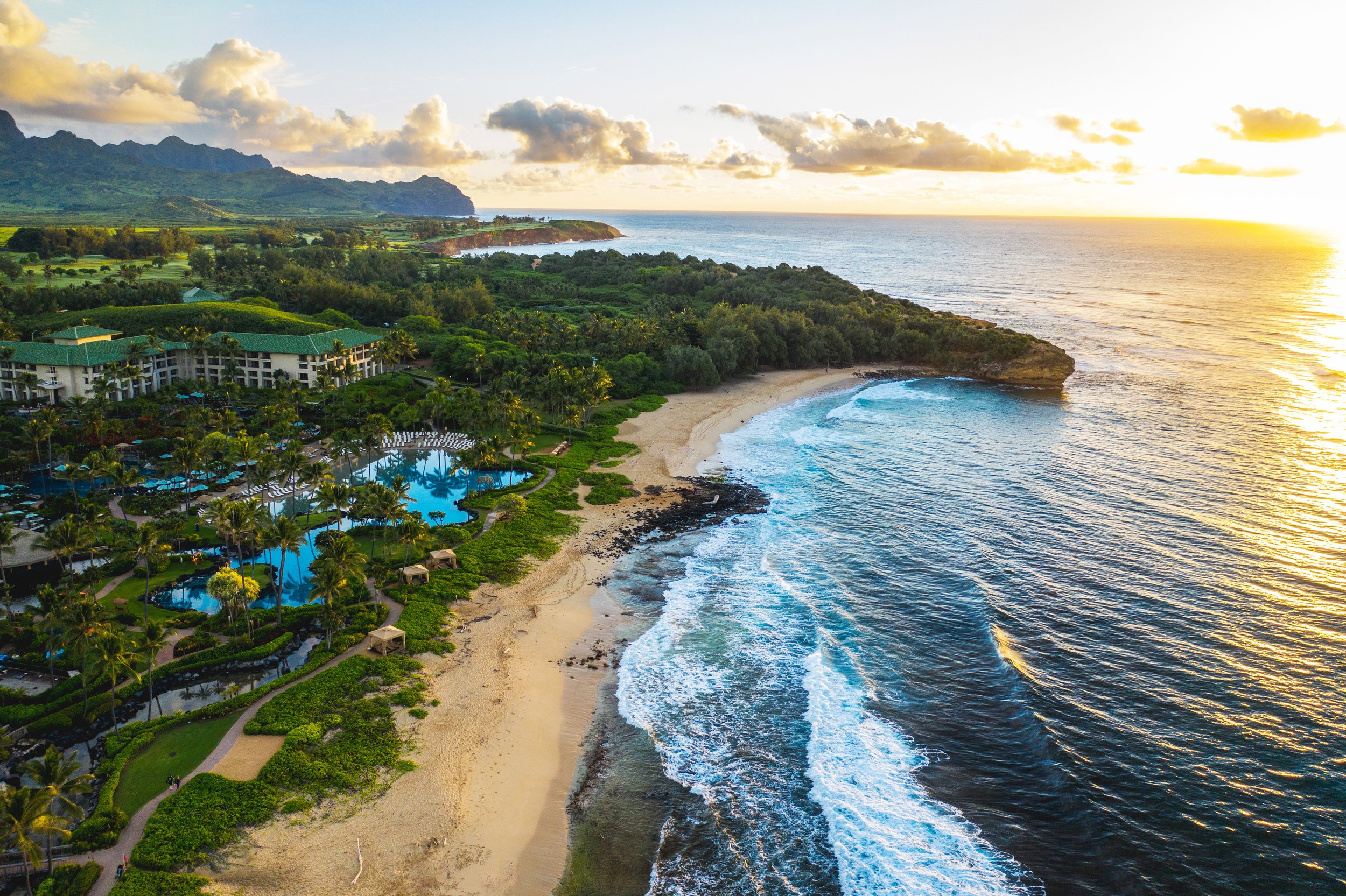

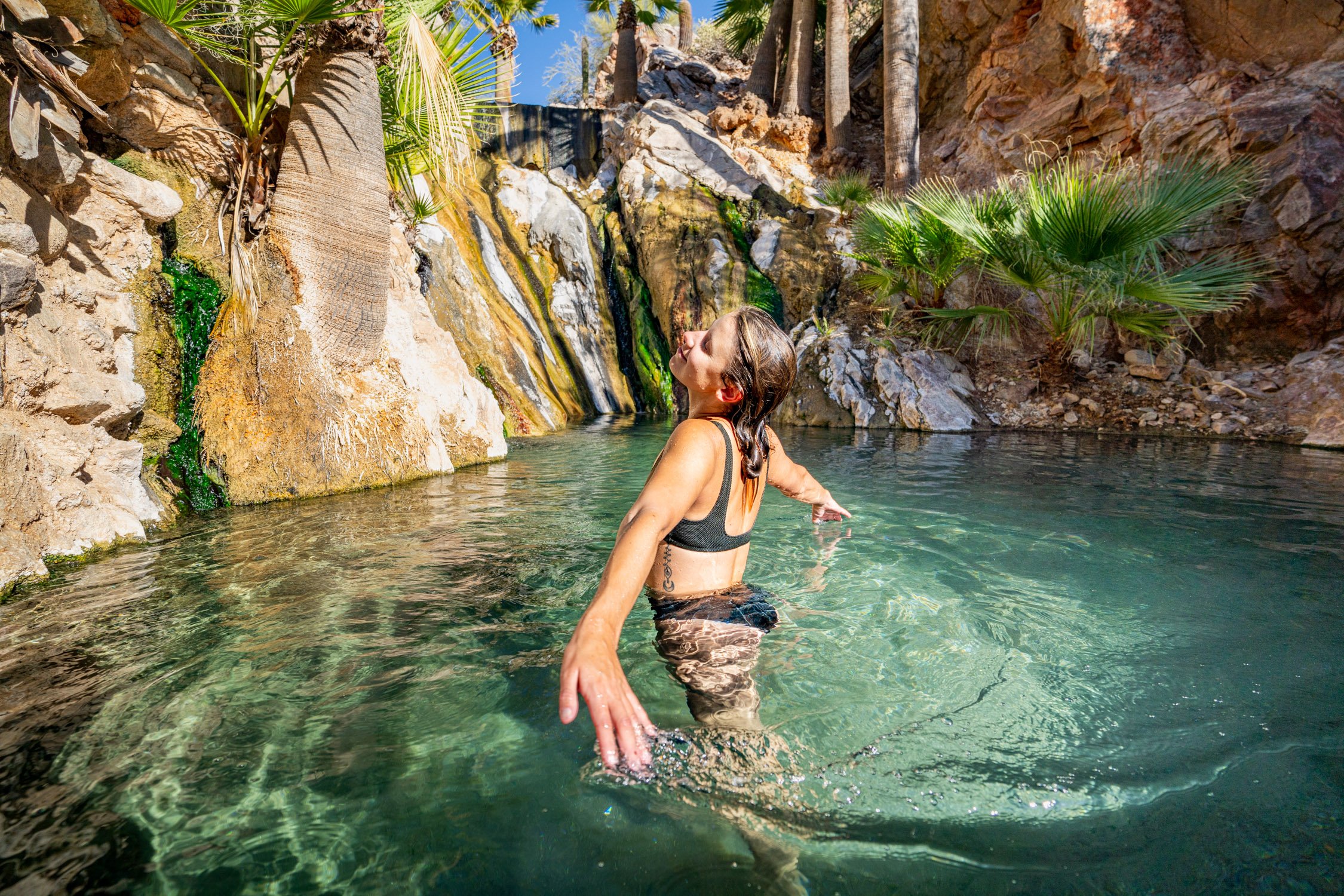

Why Nobody Talks About The East Cape of Baja
Baja California, with its stunning landscapes and vibrant culture, has long been a favorite destination for travelers seeking sun-soaked adventures. While the popular spots like Cabo San Lucas and La Paz often steal the spotlight, there's an unsung hero waiting to be discovered – the East Cape of Baja. Surprisingly, this hidden gem remains overlooked, but those who venture off the beaten path are rewarded with breathtaking scenery, untouched beaches, and a unique blend of tranquility and adventure.
Baja California, with its stunning landscapes and vibrant culture, has long been a favorite destination for travelers seeking sun-soaked adventures. While the popular spots like Cabo San Lucas and La Paz often steal the spotlight, there's an unsung hero waiting to be discovered – the East Cape of Baja. Surprisingly, this hidden gem remains overlooked, but those who venture off the beaten path are rewarded with breathtaking scenery, untouched beaches, and a unique blend of tranquility and adventure.

Greeting the morning sun along the East Cape road. Photo by Dalton Johnson
Pros
Untouched Beauty: The East Cape is home to pristine, untouched beaches with soft golden sands, providing a serene escape from more crowded tourist destinations.
Scenic East Cape Road: The journey to the East Cape along the East Cape Road offers breathtaking coastal views and a sense of adventure for travelers seeking a more immersive experience.
Secluded Retreats: Accommodations on the East Cape range from boutique resorts to charming beachfront villas, offering an exclusive and intimate setting for those looking to unwind in a peaceful environment.
Exceptional Water Activities: The warm waters of the Sea of Cortez provide an ideal setting for snorkeling, scuba diving, kayaking, paddleboarding, and sportfishing, offering a diverse range of water-based adventures.
Cons
Remote Location: The East Cape's remote location can be a challenge for some travelers, requiring a longer journey and potentially limited access to amenities.
Limited Tourist Infrastructure: Compared to more popular destinations in Baja, the East Cape has fewer tourist facilities and services, which may impact convenience for some travelers.
Challenging Road Conditions: The East Cape Road, while scenic, may be less developed than other routes, potentially presenting challenges for those not accustomed to navigating rough or unpaved roads.
Fewer Dining and Entertainment Options: The dining and entertainment options on the East Cape are limited compared to more established tourist hubs, so visitors should be prepared for a quieter experience.
The Road Less Traveled:
One of the main reasons why the East Cape remains a well-kept secret is its remote location and the lack of a bustling tourist infrastructure. The journey to the East Cape involves navigating the East Cape Road, a winding and scenic route that hugs the coastline, providing glimpses of the azure Sea of Cortez on one side and rugged mountains on the other. While the road may be less developed than others in Baja, the journey is part of the adventure, offering an authentic and immersive experience for intrepid travelers.
Pristine Beaches and Secluded Retreats:
The East Cape is home to some of the most pristine and secluded beaches in Baja. With fewer crowds and development, visitors can enjoy stretches of soft, golden sand in near solitude. Chileno Beach and Playa del Sol are among the hidden gems that offer a tranquil escape from the bustling tourist hubs. Accommodations along the East Cape range from boutique resorts to charming beachfront villas, providing an intimate and exclusive retreat for those in search of relaxation.
Exceptional Water Activities:
For water enthusiasts, the East Cape is a paradise waiting to be explored. The warm waters of the Sea of Cortez teem with marine life, making it an ideal destination for snorkeling and scuba diving. The coral reefs around Cabo Pulmo National Park, a short drive from the East Cape, boast an extraordinary diversity of marine species, including colorful coral formations and schools of tropical fish. Kayaking, paddleboarding, and sportfishing are also popular activities, providing a unique perspective on the region's natural beauty.
Rich Cultural Experiences:
While the East Cape may be less developed in terms of tourism infrastructure, it is rich in authentic Mexican culture. Small villages along the coast offer a glimpse into the traditional Baja way of life, where locals welcome visitors with warmth and hospitality. Exploring the East Cape provides an opportunity to connect with the roots of Baja, from enjoying local cuisine to participating in community events and festivals.
When everything is going right on a beach camping trip along the East Cape Road. Photo by Dalton Johnson
The East Cape of Baja may not be on everyone's radar, but for those seeking an off-the-beaten-path adventure, it is a hidden treasure waiting to be uncovered. The East Cape Road, pristine beaches, water activities, and cultural experiences make it a unique and unforgettable destination. As travelers increasingly yearn for authentic and less crowded experiences, the East Cape of Baja stands ready to captivate those who dare to explore its enchanting landscapes. Plan your journey, embrace the road less traveled, and discover the magic of the East Cape on your next trip to Baja, Mexico.
Discover more of Baja

The Best Surf Towns of Baja
A surf trip to Baja is a pilgrimage for all ocean enthusiasts of all levels, offering a blend of pristine beaches, azure waters, and, of course, world-class surf breaks. For surfers seeking the perfect blend of adventure and relaxation, Baja California is a paradise waiting to be explored. Here, we delve into the best surf towns in Baja, particularly highlighting the gems of Baja Sur, providing a roadmap for surfers driving down from the US.
A surf trip to Baja is a pilgrimage for all ocean enthusiasts of all levels, offering a blend of pristine beaches, azure waters, and, of course, world-class surf breaks. For surfers seeking the perfect blend of adventure and relaxation, Baja California is a paradise waiting to be explored. Here, we delve into the best surf towns in Baja, particularly highlighting the gems of Baja Sur, providing a roadmap for surfers driving down from the US.
Waves peeling around the point at Cerritos Beach. Photo by Dalton Johnson
Todos Santos
Nestled on the Pacific coast, Todos Santos is a haven for surfers seeking a perfect blend of artistry and wave-chasing. Known for its vibrant art scene, the town also offers surfers access to renowned breaks like La Pastora and Los Cerritos. The consistent waves and picturesque surroundings make Todos Santos an ideal starting point for any Baja surf adventure.
Surf Breaks:
La Pastora: A powerful point break suitable for intermediate to advanced surfers.
Los Cerritos: A sandy beach break offering both left and right-hand waves, perfect for surfers of all levels.
Things to do when the surf isn't good:
Explore the vibrant art galleries and craft shops in the town center.
Take a scenic hike in the Sierra de la Laguna mountains.
Indulge in the local cuisine at one of Todos Santos' charming restaurants.
Visit the iconic Hotel California, known for its historic charm and rumored connections to the famous Eagles song.
La Paz
While La Paz may not be an immediate surf spot, its hidden gems along the coast make it a worthwhile destination. El Tecolote and Balandra Bay provide tranquil waves, offering a serene escape for surfers looking to avoid crowded lineups in a city known for its rich cultural heritage.
Surf Breaks:
El Tecolote: A peaceful beach break with mellow waves, suitable for surfers of all levels.
Balandra Bay: A secluded spot with gentle waves, perfect for longboarding and beginners.
Things to do when the surf isn't good:
Explore the historic Malecón, a waterfront promenade lined with shops and restaurants.
Snorkel with sea lions in the stunning Espiritu Santo Island.
Visit the Anthropology Museum to learn about the region's indigenous cultures.
Take a boat tour to see the breathtaking landscapes of the Sea of Cortez.
Cabo San Lucas
Cabo San Lucas, synonymous with luxury and nightlife, is also a paradise for surfers. Zippers and Monuments are legendary breaks, attracting surfers seeking a perfect blend of adrenaline-pumping waves and upscale amenities.
Surf Breaks:
Zippers: A world-renowned point break with powerful right-hand waves.
Monuments: A consistent beach break offering a variety of wave options for surfers of different skill levels.
Things to do when the surf isn't good:
Experience the vibrant nightlife in the downtown area.
Take a boat tour to Land's End and the iconic Arch.
Explore the El Arco de Cabo San Lucas natural rock formation.
Relax on the pristine beaches and indulge in water activities like snorkeling and paddleboarding.
Note: Due to the popularity of Cabo San Lucas, surfers should expect crowded lineups during peak seasons.
San Jose del Cabo
Adjacent to Cabo San Lucas, San Jose del Cabo provides a quieter yet equally enticing surf scene. Old Man's and Costa Azul are surf havens, offering a perfect retreat after exploring the town's vibrant art district.
Surf Breaks:
Old Man's: A mellow point break suitable for all skill levels, with a long ride.
Costa Azul: A diverse break with sections suitable for both beginners and advanced surfers.
Things to do when the surf isn't good:
Wander through the historic Art District, filled with galleries and local crafts.
Explore the Estero San José, a natural estuary with abundant birdwatching opportunities.
Indulge in authentic Mexican cuisine at one of the town's charming eateries.
Attend the weekly Art Walk to experience the local art scene and meet artists.
Scorpion Bay
For surfers seeking the thrill of the longest waves in Baja, Scorpion Bay is a must-visit destination. This Pacific gem boasts a series of point breaks, including the legendary 'The Ranch,' providing surfers with the opportunity for extended rides and unforgettable moments.
Surf Breaks:
The Ranch: Renowned for the longest waves in Baja, offering a breathtaking, peeling point break.
Punta Pequena: A challenging and powerful wave suitable for experienced surfers.
Things to do when the surf isn't good:
Explore the surrounding desert landscape and enjoy the natural beauty.
Take a boat tour to see the diverse marine life in the Pacific.
Visit the nearby fishing village of San Juanico to experience local culture.
Relax on the pristine beaches and soak in the laid-back atmosphere.
La Ventana
While globally recognized for kiteboarding, La Ventana's beaches also cater to surf enthusiasts. Playa Central and Baja Joe's provide consistent waves, making La Ventana a unique addition to any Baja surf itinerary.
Surf Breaks:
Playa Central: A sandy beach break with consistent waves, suitable for surfers of all levels.
Baja Joe's: A reef break with both left and right-hand waves, offering variety.
Things to do when the surf isn't good:
Embark on a kiteboarding adventure, taking advantage of La Ventana's kite-friendly conditions.
Explore the local markets for handmade crafts and souvenirs.
Join a yoga class to unwind and rejuvenate.
Experience the local cuisine at beachfront eateries.
Pescadero
Nestled between Todos Santos and La Paz, Pescadero offers a tranquil escape with uncrowded surf breaks. Cerritos Beach is the crown jewel, attracting surfers with its consistent waves and stunning coastal scenery.
Surf Breaks:
Cerritos Beach: A sandy beach break with both left and right-hand waves, suitable for surfers of varying skill levels.
Things to do when the surf isn't good:
Explore the agricultural fields and orchards surrounding Pescadero.
Take a horseback riding tour along the pristine beaches.
Visit the nearby hot springs for a relaxing soak.
Enjoy a beachfront meal at one of the local seafood restaurants.
Mulegé
For the intrepid surf adventurer seeking an off-the-beaten-path experience, Mulegé is a hidden gem. Concepción Bay boasts uncrowded breaks, providing a serene escape and a chance to commune with nature.
Surf Breaks:
Concepción Bay: Uncrowded breaks with various wave options, perfect for those seeking solitude.
Things to do when the surf isn't good:
Explore the historic Mulegé Mission, dating back to the 18th century.
Take a boat tour to explore the nearby islands and marine life.
Camp on the pristine beaches and enjoy the starry night skies.
Visit the local markets to experience Mulegé's authentic culture.
Dropping in on a bigger day at Cerritos Beach. Photo by Dalton Johnson
Embarking on a Baja surf trip promises a tapestry of experiences, from the lively shores of Cabo San Lucas to the untamed beauty of Mulegé. Whether you're a seasoned surfer or a novice seeking the thrill of the waves, Baja's surf towns have something to offer for everyone. So, pack your boards, hit the road, and let the waves of Baja Sur become the backdrop to your surf adventure of a lifetime.
Discover more of Baja

To Bring A Wetsuit Surfing In Baja Or Not, Here Are Our Thoughts
Baja California, with its stunning coastline and powerful waves, is a haven for surfers seeking thrilling experiences in the Pacific. One of the common dilemmas for those planning a surfing adventure in Baja is whether or not a wetsuit is necessary. The answer depends on various factors, including the time of year, water temperature, and personal preferences.
Baja California, with its stunning coastline and powerful waves, is a haven for surfers seeking thrilling experiences in the Pacific. One of the common dilemmas for those planning a surfing adventure in Baja is whether or not a wetsuit is necessary. The answer depends on various factors, including the time of year, water temperature, and personal preferences.

Taking in the sunset while surfing in Baja. Photo by Dalton Johnson
Seasonal Considerations:
Baja California experiences distinct seasons, impacting both air and water temperatures. The winter months, from November to March, bring cooler temperatures, and the Pacific waters can become quite chilly. During this period, a wetsuit is highly recommended to keep surfers warm and protected from the cold. The thickness of the wetsuit will depend on the severity of the conditions, with 4/3mm or 3/2mm being common choices for winter surfing.
In contrast, the summer months from May to October see warmer temperatures, both in the air and water. Surfers might find the ocean more comfortable during this period, making a wetsuit optional. However, it's essential to consider personal tolerance to cold and the specific surf spot's conditions. Even in summer, some surfers prefer a thin wetsuit for added protection against wind and potential early morning or late evening chill.
Water Temperature:
The Pacific Ocean surrounding Baja California can vary significantly in temperature. In the winter, water temperatures may drop to the low 60s Fahrenheit (around 15-18°C), requiring a wetsuit for thermal insulation. In summer, temperatures can rise to the mid-70s Fahrenheit (24-26°C) or higher, making it possible for surfers to forego a wetsuit comfortably. It's crucial to check current water temperatures and forecasts before heading out to ensure the appropriate gear is chosen.
Personal Preference:
Ultimately, the decision to wear a wetsuit in Baja depends on personal preference. Some surfers enjoy the freedom of riding the waves without the constriction of a wetsuit, especially during the warmer months. Others prioritize the added warmth and protection that a wetsuit provides, even in milder conditions. Beginners, in particular, may find a wetsuit beneficial for buoyancy and the sense of security it offers in the water.
Waxing the board and heading for a surf in Baja. Photo by Dalton Johnson
Personally, I always bring a wetsuit and use it when I want it. However, the need for a wetsuit while surfing in Baja depends on the season, water temperature, and individual preferences. During the winter months or in cooler water, a wetsuit is advisable to ensure comfort and safety. In warmer conditions, surfers have the option to go without a wetsuit, but it's essential to consider personal tolerance to cold and the specific circumstances of the surf session. Ultimately, the key is to be informed about the local conditions and choose the appropriate gear for an enjoyable and safe surfing experience in Baja California.
Discover more of Baja

You Should Visit Kenai Lake, Here's Why
Kenai Lake, nestled amidst the breathtaking landscapes of the Kenai Peninsula in Alaska, is a destination that beckons adventurers and nature enthusiasts alike. Spanning approximately 22 miles in length and surrounded by towering mountains, lush forests, and abundant wildlife, Kenai Lake offers a plethora of activities and experiences for visitors seeking to immerse themselves in the pristine beauty of the Alaskan wilderness.
Kenai Lake, nestled amidst the breathtaking landscapes of the Kenai Peninsula in Alaska, is a destination that beckons adventurers and nature enthusiasts alike. Spanning approximately 22 miles in length and surrounded by towering mountains, lush forests, and abundant wildlife, Kenai Lake offers a plethora of activities and experiences for visitors seeking to immerse themselves in the pristine beauty of the Alaskan wilderness.
Pros
Breathtaking Scenery: Kenai Lake boasts unparalleled natural beauty, surrounded by towering mountains and lush forests, providing a picturesque backdrop for outdoor enthusiasts and nature lovers.
Diverse Recreational Activities: From world-class fishing with abundant salmon and trout to hiking trails catering to all skill levels, Kenai Lake offers a range of outdoor activities, ensuring there's something for every adventurer.
Wildlife Encounters: The area around Kenai Lake is rich in wildlife, offering opportunities to spot moose, bears, eagles, and more. Nature enthusiasts will appreciate the chance to observe Alaskan wildlife in their natural habitat.
Cons
Weather Variability: Alaska's weather can be unpredictable, with sudden changes in temperature and precipitation. Visitors should be prepared for varying conditions, especially if engaging in outdoor activities.
Remote Location: While the remote setting adds to the charm, it may pose a challenge for those seeking easy accessibility. Travelers should plan accordingly and be prepared for potentially longer travel times.
Limited Amenities: Some areas around Kenai Lake may have limited amenities, so visitors should be prepared with essentials and provisions, particularly if venturing into more secluded spots.
One of the primary reasons why Kenai Lake is worth visiting is its unparalleled natural beauty. The crystal-clear waters of the lake reflect the stunning scenery that surrounds it, creating a picture-perfect setting for outdoor adventures. Whether you're admiring the rugged peaks of the Kenai Mountains or marveling at the vibrant hues of the sunset casting a golden glow over the water, Kenai Lake never fails to captivate with its scenic splendor.
For outdoor enthusiasts, Kenai Lake offers a wide range of recreational activities. Fishing enthusiasts will find themselves in paradise as the lake is teeming with various species of fish, including salmon, trout, and Dolly Varden. Whether you prefer fly fishing from the shoreline or venturing out onto the water in a boat, Kenai Lake promises an unforgettable angling experience.
Additionally, the surrounding area boasts numerous hiking trails that cater to all skill levels. From leisurely strolls along the lakeshore to challenging treks into the backcountry, there's a hike for everyone to enjoy. Along the way, keep an eye out for wildlife sightings, including moose, bears, eagles, and otters, adding an element of excitement to your outdoor excursions.
Water sports enthusiasts will also find plenty to do at Kenai Lake. Kayaking, canoeing, and paddleboarding are popular activities that allow visitors to explore the lake's pristine waters at their own pace. Whether you're gliding along the glassy surface of the lake early in the morning or admiring the starry sky reflected in the water at night, paddling on Kenai Lake offers a serene and unforgettable experience.
In addition to outdoor activities, Kenai Lake is also steeped in history and culture. The nearby town of Cooper Landing, located at the headwaters of the lake, offers insight into the area's rich heritage, including its significance to the indigenous Dena'ina people. Visitors can explore historical sites, visit local museums, and engage with the vibrant community that calls this region home.
For those seeking a more leisurely experience, simply relaxing by the shores of Kenai Lake is a rewarding endeavor in itself. Pack a picnic and enjoy a tranquil afternoon surrounded by nature's splendor, or simply sit back and soak in the serenity of your surroundings as you watch the sun dip below the horizon, painting the sky with hues of orange and pink.
Kenai Lake is undoubtedly worth visiting for anyone seeking an unforgettable Alaskan adventure. With its stunning natural beauty, abundant recreational opportunities, and rich cultural heritage, Kenai Lake offers something for everyone to enjoy. Whether you're casting a line into its pristine waters, embarking on a scenic hike, or simply basking in the tranquility of its shores, a visit to Kenai Lake is sure to leave a lasting impression and create cherished memories for years to come.
Discover more of Alaska

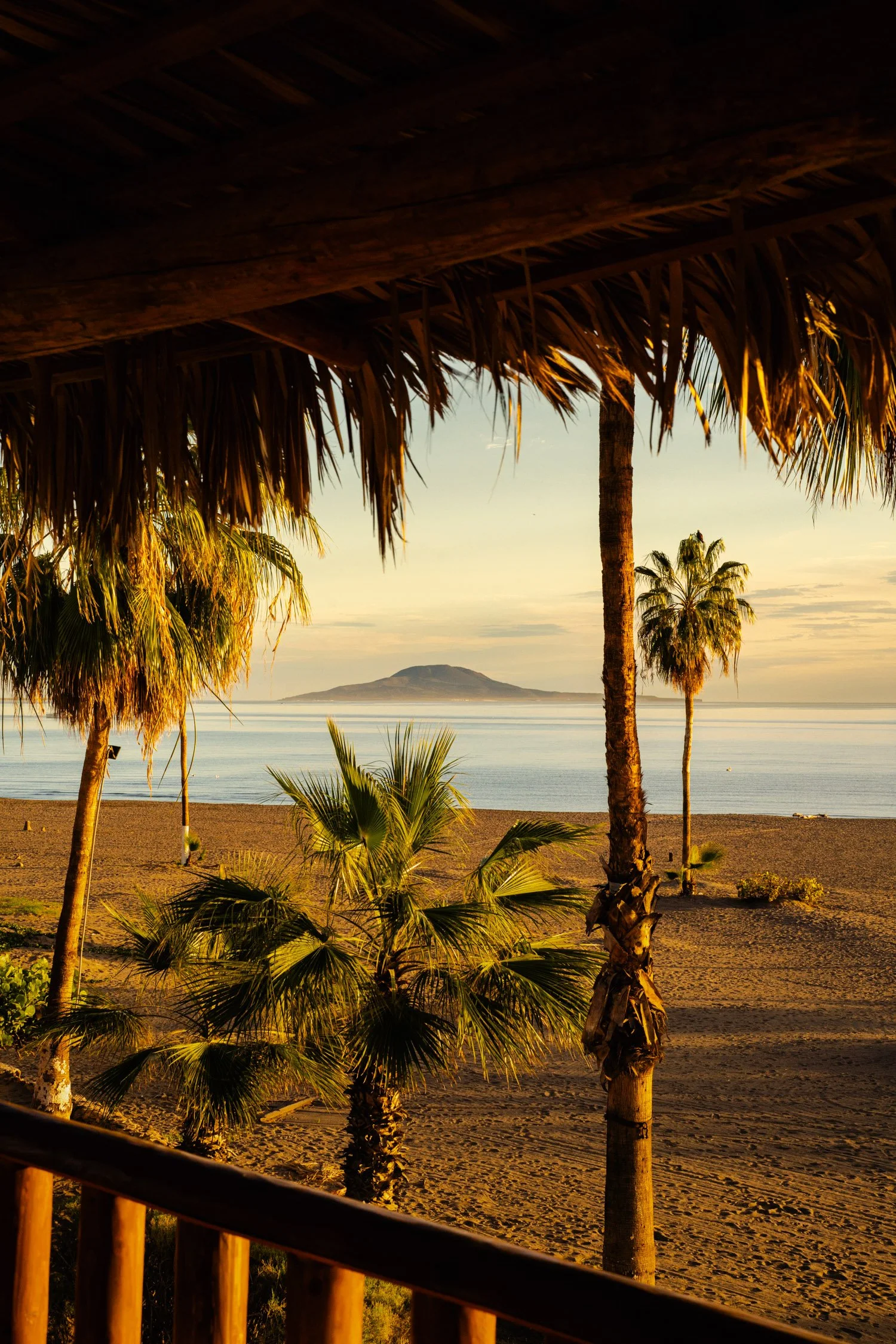


Exploring the Adventures And Charms of Cooper's Landing, AK
Cooper's Landing, AK is a hidden gem that beckons adventure seekers and nature enthusiasts alike. This picturesque destination offers a unique blend of outdoor activities, stunning landscapes, and a warm sense of community. If you find yourself in Cooper's Landing, AK, here's a guide on what to do to make the most of your visit.
Cooper's Landing, AK is a hidden gem that beckons adventure seekers and nature enthusiasts alike. This picturesque destination offers a unique blend of outdoor activities, stunning landscapes, and a warm sense of community. If you find yourself in Cooper's Landing, AK, here's a guide on what to do to make the most of your visit.
Soaking in the moody vibes while beach camping near Cooper’s Landing, AK. Photo by Dalton Johnson
1. Fishing Extravaganza:
Cooper's Landing is renowned for its world-class fishing opportunities. The Kenai River, which flows through the area, is a haven for anglers seeking salmon and trout. Whether you're a seasoned fisherman or a novice looking for a thrilling experience, consider hiring a local guide who can take you to the best spots and share their expertise. The summer months are prime time for salmon fishing, offering a chance to witness the incredible spectacle of salmon runs.
2. Hiking Adventures:
For those with a passion for hiking, Cooper's Landing provides a gateway to some of the most breathtaking trails in Alaska. The Resurrection Pass Trail is a popular choice, offering a multi-day trek through lush forests, mountainous terrain, and pristine alpine meadows. The trail is suitable for various skill levels, with opportunities for day hikes or more extended backpacking adventures. Don't forget to bring your camera to capture the stunning vistas along the way.
3. River Rafting and Kayaking:
The Kenai River isn't just for fishing; it also offers exciting opportunities for river rafting and kayaking. Experience the rush of navigating through the river's twists and turns, surrounded by the stunning Alaskan wilderness. Several local outfitters provide guided tours, ensuring a safe and memorable experience for both beginners and experienced paddlers.
4. Wildlife Watching:
Cooper's Landing is a haven for wildlife enthusiasts. Keep your eyes peeled for bald eagles soaring overhead, moose grazing in the meadows, and bears fishing along the riverbanks. Local wildlife tours can enhance your chances of spotting these majestic creatures while providing valuable insights into their behavior and habitat.
5. Campfire Evenings:
As the day winds down, embrace the tranquility of Cooper's Landing with a campfire evening. Many campgrounds in the area offer designated fire pits where you can gather with friends and family, share stories, and marvel at the star-studded Alaskan sky. Bring along some marshmallows for a classic campfire treat under the northern lights if you're lucky enough to catch them.
6. Cultural Immersion at Kenai Lake:
Kenai Lake, a short drive from Cooper's Landing, provides not only a stunning backdrop for outdoor activities but also a chance to immerse yourself in local culture. Visit the Kenai Lake Artisans, a community of artists showcasing their work inspired by the beauty of Alaska. This is an excellent opportunity to pick up a unique souvenir and connect with the vibrant arts scene in the area.
7. Seasonal Festivals:
Cooper's Landing hosts a variety of seasonal festivals and events throughout the year. From the Kenai River Festival celebrating the local ecosystem to the Cooper Landing Bluegrass Festival for music enthusiasts, there's always something happening. Check the local event calendar to see if your visit coincides with one of these lively gatherings.
8. Photography Expeditions:
For shutterbugs, Cooper's Landing is a paradise waiting to be captured. From the majestic mountains reflecting on the serene lakes to the wildlife that calls this region home, every corner offers a potential masterpiece. Consider joining a photography expedition or workshop to enhance your skills and take home unforgettable memories in the form of captivating photographs.
Sunset over Cooper’s Landing. Photo by Dalton Johnson
Cooper's Landing, AK, is not just a destination; it's an invitation to explore the untamed beauty of Alaska. Whether you're seeking adrenaline-pumping adventures or a peaceful retreat into nature, this charming community has something for everyone. Embrace the spirit of the Last Frontier and create memories that will last a lifetime in Cooper's Landing.
Discover more of Alaska

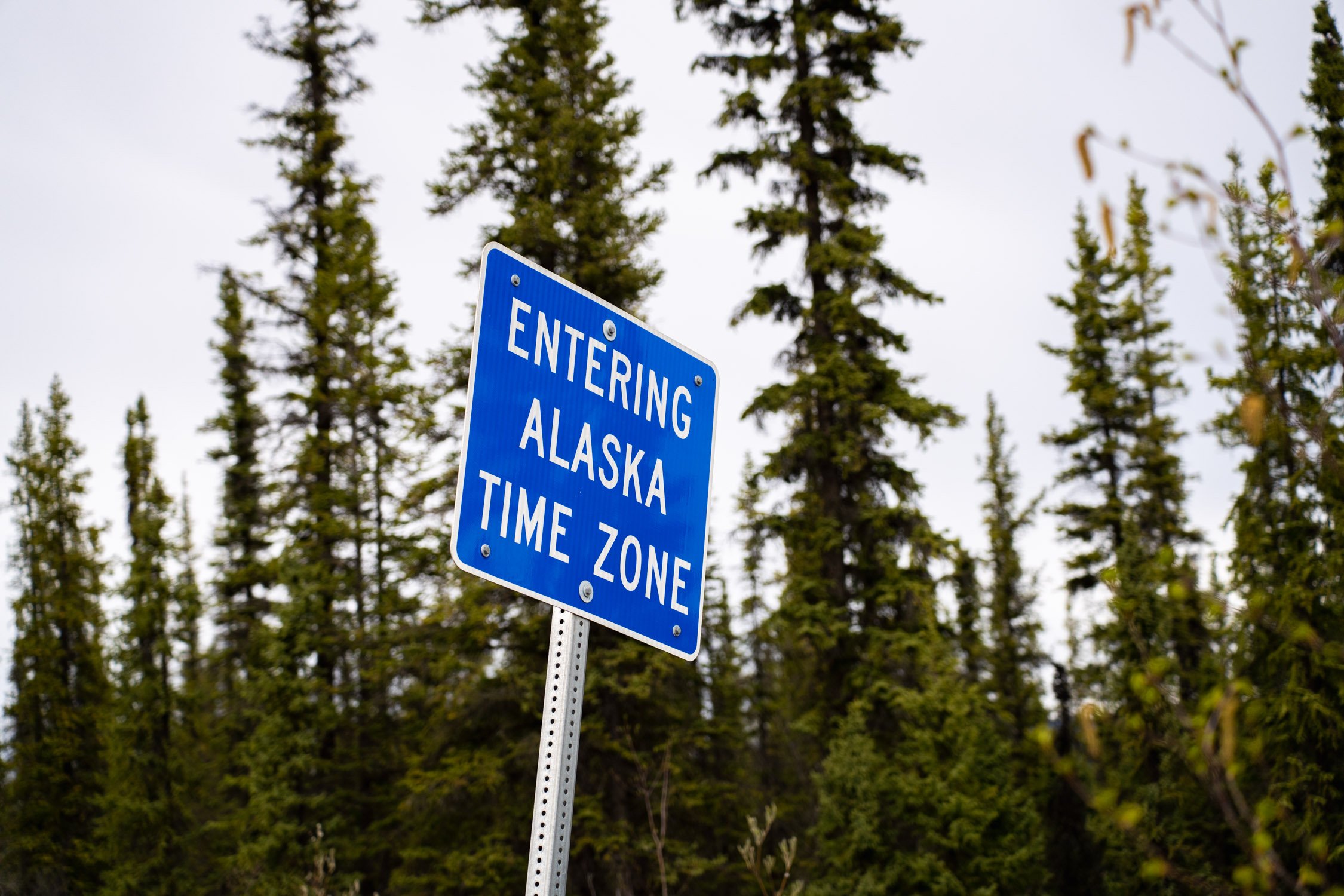


Discover The Places And Adventures That Make Kenai Peninsula Worth Visiting
Nestled in the heart of the Last Frontier, Kenai, Alaska, is a hidden gem that beckons adventurers seeking pristine landscapes, abundant wildlife, and a taste of authentic Alaskan culture. The Kenai Peninsula, surrounded by breathtaking fjords and rugged mountains, offers an unparalleled road trip experience during the summer months. In this article, we will explore the top places to visit and things to do on the Kenai Peninsula, revealing why this Alaskan destination is worth every mile of your summer road trip.
Nestled in the heart of the Last Frontier, Kenai, Alaska, is a hidden gem that beckons adventurers seeking pristine landscapes, abundant wildlife, and a taste of authentic Alaskan culture. The Kenai Peninsula, surrounded by breathtaking fjords and rugged mountains, offers an unparalleled road trip experience during the summer months. In this article, we will explore the top places to visit and things to do on the Kenai Peninsula, revealing why this Alaskan destination is worth every mile of your summer road trip.

Taking a boat tour around Homer, AK. Photo by Dalton Johnson
Pros
Spectacular Scenery: The Kenai Peninsula boasts breathtaking landscapes, from towering glaciers and fjords to pristine lakes and lush forests. Nature enthusiasts and photographers will find unparalleled beauty around every turn, making it a dream destination for those seeking awe-inspiring vistas.
Abundant Wildlife: Wildlife enthusiasts will revel in the opportunity to witness Alaska's diverse fauna in its natural habitat. From majestic moose and bears to bald eagles and marine life, the Kenai Peninsula provides numerous opportunities for memorable wildlife encounters, creating a truly immersive experience.
Outdoor Adventures: With a myriad of outdoor activities, including hiking, fishing, kayaking, and wildlife viewing, the Kenai Peninsula is a paradise for adventure seekers. The region's varied terrain and ecosystems cater to all levels of outdoor enthusiasts, ensuring there's something for everyone to enjoy.
Cultural Exploration: Immerse yourself in Alaska's rich cultural heritage by engaging with local communities and exploring museums and heritage centers. The Kenai Peninsula offers a chance to learn about the state's indigenous peoples, their traditions, and the fascinating history that has shaped this rugged frontier.
Cons
Weather Variability: The weather in Kenai can be unpredictable, even during the summer months. Visitors should be prepared for sudden changes, including rain and cooler temperatures. It's essential to pack layers and rain gear to adapt to the ever-changing Alaskan climate.
Seasonal Crowds: During the peak summer season, especially in popular tourist spots like Seward and Homer, the Kenai Peninsula can attract large crowds. While this brings a lively atmosphere, some travelers may prefer a more secluded experience, making it important to plan excursions strategically.
Limited Infrastructure: While the Kenai Peninsula offers a pristine natural environment, the infrastructure may be limited compared to more urban destinations. Travelers should be prepared for remote areas with fewer amenities, and road conditions may vary, requiring careful planning for a smooth road trip.
Mosquitoes and Bugs: Alaska is known for its robust mosquito population, particularly in the summer months. Visitors should be ready with insect repellent and protective clothing, especially if planning outdoor activities, to minimize the impact of these pesky insects on their overall experience.
Top Places to Visit on the Kenai Peninsula:
Kenai Fjords National Park: Kick off your Kenai adventure with a visit to the stunning Kenai Fjords National Park. Witness towering glaciers calving into the sea, spot diverse marine life, and marvel at the breathtaking coastal landscapes. Boat tours are available for an up-close and personal experience, allowing you to witness the dynamic forces of nature in action.
Homer: Known as the "Halibut Fishing Capital of the World," Homer is a charming coastal town with a vibrant arts scene and stunning views of Kachemak Bay. Stroll along the Homer Spit, visit art galleries, and indulge in fresh seafood from local restaurants. Don't miss the opportunity to try your hand at fishing or embark on a wildlife cruise to encounter sea otters, puffins, and possibly even whales.
Seward: Seward serves as a gateway to Kenai Fjords National Park and is a haven for outdoor enthusiasts. Explore the Alaska SeaLife Center, where you can learn about marine life and rehabilitation efforts. Take a hike to Exit Glacier, an impressive blue-hued glacier accessible by a short trail, providing an awe-inspiring glimpse into the region's glacial wonders.
Kenai River: For fishing enthusiasts, a visit to the Kenai River is a must. Renowned for its world-class salmon fishing, the river offers opportunities for both seasoned anglers and beginners. Whether you're fly fishing or opting for a chartered fishing excursion, the Kenai River promises an unforgettable experience surrounded by pristine wilderness.
Chugach National Forest: The Chugach National Forest, spanning over six million acres, is a playground for outdoor activities. Hiking, camping, and wildlife viewing opportunities abound in this vast wilderness. The breathtaking landscapes of mountains, forests, and glaciers provide a backdrop for unforgettable adventures.
Things to Do on the Kenai Peninsula:
Wildlife Viewing: The Kenai Peninsula is teeming with wildlife, offering ample opportunities for wildlife enthusiasts and photographers. Keep an eye out for moose, bears, bald eagles, and numerous bird species. Several wildlife viewing areas, such as the Russian River, provide a chance to observe these majestic creatures in their natural habitats.
Outdoor Adventures: From hiking and biking to kayaking and rafting, the Kenai Peninsula caters to outdoor enthusiasts of all kinds. Trails like the Resurrection Pass Trail offer scenic hiking routes, while kayaking in Kenai Lake or the Kenai River provides a unique perspective of the region's beauty. Adventure seekers can also explore the Harding Icefield Trail for a challenging but rewarding trek.
Cultural Experiences: Immerse yourself in the rich Alaskan culture by visiting local museums, attending festivals, and engaging with the friendly communities along your road trip. The Alaska Native Heritage Center in Anchorage and the Pratt Museum in Homer are excellent places to learn about the history and traditions of the region.
Scenic Drives: The Kenai Peninsula boasts some of the most scenic drives in the world. The Seward Highway, in particular, offers breathtaking views of mountains, glaciers, and coastal landscapes. Take your time to stop at overlooks, snap photos, and soak in the beauty that surrounds you.
Cannonballing into a cold plunge along the Kenai Peninsula. Photo by Dalton Johnson
A summer road trip around the Kenai Peninsula is a journey into the heart of Alaskan wilderness and culture. The diverse landscapes, abundant wildlife, and outdoor adventures make Kenai, Alaska, a destination worth exploring. Whether you're captivated by the calving glaciers, enticed by the world-class fishing, or drawn to the vibrant local communities, the Kenai Peninsula promises an unforgettable experience for those seeking the road less traveled in the Last Frontier. Pack your bags, hit the road, and let the magic of Kenai unfold before you.
Discover more Alaska

Does Baja Have Good Surf?
Baja California, with its stunning coastline along the western edge of Mexico, has long been a destination for surf enthusiasts seeking the perfect wave. The region's diverse beaches, varying wave conditions, and vibrant surfing culture make it a hotspot for wave riders. While the Baja is a surfer’s destination and escape from the crowds, the real question is: Does Baja have good surf?
Baja California, with its stunning coastline along the western edge of Mexico, has long been a destination for surf enthusiasts seeking the perfect wave. The region's diverse beaches, varying wave conditions, and vibrant surfing culture make it a hotspot for wave riders. While the Baja is a surfer’s destination and escape from the crowds, the real question is: Does Baja have good surf?
Surfing in Baja. Photo by Dalton Johnson
Pros
Diverse Surf Breaks: Baja California boasts a wide variety of surf breaks along both the Pacific Ocean and the Sea of Cortez. From powerful point breaks like Todos Santos to mellow beach breaks like Punta Arena, surfers of all skill levels can find a wave that suits their preferences. The diverse range of breaks makes Baja an ideal destination for surfers seeking different challenges and experiences.
Year-Round Surfing Opportunities: Baja's climate allows for year-round surfing, making it an attractive destination regardless of the season. While certain months may see larger swells, surfers can enjoy consistent wave action throughout the year. This flexibility makes Baja a convenient choice for those looking to escape to the waves without being confined to a specific surf season.
Surfing Culture and Community: Baja California has a vibrant and welcoming surfing culture. The local surf community is known for its hospitality and enthusiasm, making it easy for visiting surfers to connect, share experiences, and even find surfing companions. Whether you're a solo traveler or part of a group, the surf culture in Baja adds a positive and communal dimension to the overall surfing experience.
Stunning Coastal Scenery: Beyond the waves, Baja offers breathtaking coastal landscapes. Surfers can enjoy the beauty of rugged cliffs, pristine beaches, and clear blue waters. The picturesque surroundings contribute to the overall surfing experience, providing a stunning backdrop to sessions both in and out of the water. Exploring Baja's coastline becomes an integral part of the surfing adventure.
Cons
Inconsistent Wave Conditions: While Baja California does offer diverse surf breaks, the wave conditions can be inconsistent, especially in certain areas. Surfers may encounter flat spells or unpredictable swells, impacting the reliability of finding ideal waves. It's essential for surfers to research and plan their trips carefully to align with optimal surf conditions.
Crowded Surf Spots: Popular surf breaks in Baja, particularly those known for their world-class waves, can attract crowds, especially during peak seasons. The influx of surfers may lead to competition for waves, affecting the overall surfing experience. Those seeking a more solitary or relaxed surfing environment may need to explore lesser-known spots or consider off-peak times.
Challenging Access to Some Spots: Access to certain surf spots in Baja may be challenging due to unpaved roads or remote locations. While this isolation contributes to the charm of some breaks, it can be a drawback for surfers without suitable transportation or those seeking easily accessible spots. Adequate planning and local knowledge are crucial to navigate the region's diverse surf offerings.
Variable Water Temperatures: The water temperatures in Baja can vary depending on the location and the time of year. While some surf spots on the Pacific Coast may have cooler waters, those along the Sea of Cortez tend to be warmer. Surfers should be prepared for fluctuating temperatures and may need wetsuits for certain breaks, particularly during winter months when cooler currents prevail.
The Geography of Baja:
Baja California's geography plays a crucial role in shaping its surf scene. The peninsula stretches over 1,000 miles, offering an array of surf spots along both the Pacific Ocean and the Sea of Cortez. This unique positioning exposes surfers to diverse wave patterns and conditions, making it an attractive destination for surfers of all skill levels.
Pacific Coast Gems:
The Pacific Coast of Baja is renowned for its consistent swells and powerful waves, attracting surfers from around the world. Spots like Todos Santos, Scorpion Bay, and San Miguel are well-known for their world-class waves. Todos Santos, in particular, boasts big waves and is a favorite among experienced surfers looking for a challenge. Scorpion Bay, on the other hand, is famous for its long, peeling waves, providing an ideal playground for both intermediate and advanced surfers. San Miguel offers a mix of beach breaks and point breaks, catering to surfers with varying preferences and skill levels.
Sea of Cortez Magic:
The eastern side of the Baja Peninsula along the Sea of Cortez provides a different surfing experience. The Sea of Cortez is characterized by smaller, mellow waves, making it perfect for beginners and those looking for a more relaxed surf session. La Ventana and Punta Arena are popular spots along this coast, offering warm waters and a laid-back atmosphere. Make sure to surf in the mornings on the Sea of Cortez, the wind will blow out the spots by the evening.
Year-Round Surfing:
One of the key attractions of Baja California for surfers is its year-round surfing opportunities. While certain months may see larger swells, the consistent wave action ensures that surfers can enjoy their passion throughout the year. This makes Baja a versatile destination for surfers seeking adventure in any season.
Surfing at Cerritos Beach in Baja. Photo by Dalton Johnson
Baja California undeniably offers good surf. With its diverse geography, a range of surf spots catering to different skill levels, and a year-round surf season, Baja has solidified its place as a surfer's paradise. Whether you're a seasoned pro chasing big waves or a beginner looking to catch your first break, Baja's coastline has something for everyone, making it a must-visit destination for surf enthusiasts worldwide.
Discover more of Baja

What Are California's Eastern Sierra and Where Should I Visit While Road Tripping Highway 395
The Eastern Sierra, a rugged and captivating region in California, offer a mesmerizing landscape that beckons adventurers and nature enthusiasts alike. Stretching along the eastern side of the Sierra Nevada mountain range, this area is a haven for outdoor activities, stunning vistas, and significant landmarks. In this article, we'll delve into what is considered the Eastern Sierras, highlight must-visit locations along the iconic Eastern Sierra Byway (Highway 395), and explore important landmarks that make this mountainous region of California a unique destination.
The Eastern Sierra, a rugged and captivating region in California, offer a mesmerizing landscape that beckons adventurers and nature enthusiasts alike. Stretching along the eastern side of the Sierra Nevada mountain range, this area is a haven for outdoor activities, stunning vistas, and significant landmarks. In this article, we'll delve into what is considered the Eastern Sierras, highlight must-visit locations along the iconic Eastern Sierra Byway (Highway 395), and explore important landmarks that make this mountainous region of California a unique destination.
Lake Sabrina in the Eastern Sierra. Photo by Dalton Johnson
Defining the Eastern Sierras:
The Eastern Sierras encompass a vast and diverse terrain, extending from the southernmost point near Lone Pine to the northern reaches near Lake Tahoe. Nestled between the towering peaks of the Sierra Nevada and the expansive desert landscapes, the region is characterized by its high-altitude mountain scenery, alpine lakes, and charming small towns. Key towns within the Eastern Sierras include Mammoth Lakes, Bishop, Lone Pine, and Bridgeport.
Five Must-Visit Eastern Sierra Locations:
Mammoth Lakes: Nestled in the heart of the Eastern Sierras, Mammoth Lakes is a year-round destination offering unparalleled outdoor recreation. Known for its world-class skiing and snowboarding in the winter, Mammoth transforms into a hiking and mountain biking paradise during the warmer months. The iconic Mammoth Mountain towers over the landscape, providing breathtaking views and a myriad of recreational opportunities.
Bishop: A charming town surrounded by snow-capped peaks, Bishop is a gateway to the Sierra Nevada and a hub for outdoor enthusiasts. The city is renowned for its excellent fishing in the Owens River and nearby lakes, as well as its proximity to the Ancient Bristlecone Pine Forest – home to some of the oldest living trees on Earth. Bishop's picturesque setting and access to outdoor activities make it a must-visit stop on any Eastern Sierra adventure.
Lone Pine: Situated at the southern end of the Eastern Sierras, Lone Pine is a gateway to the stunning Alabama Hills and the towering peaks of Mount Whitney, the highest point in the contiguous United States. The Alabama Hills, with their unique rock formations, have served as the backdrop for numerous Hollywood films. Lone Pine is a haven for hikers, rock climbers, and those seeking a glimpse of the dramatic landscapes that define the region.
June Lake Loop: Tucked away in the mountains, the June Lake Loop is a scenic drive that showcases the pristine beauty of the Eastern Sierras. This loop features a string of alpine lakes – June Lake, Gull Lake, Silver Lake, and Grant Lake – surrounded by lush forests and towering peaks. The area is a haven for fishing, hiking, and photography, offering a peaceful retreat away from the hustle and bustle of city life.
Lake Tahoe: While Lake Tahoe is often associated with the western side of the Sierra Nevada, its northern shores extend into the Eastern Sierras. The lake, renowned for its crystal-clear waters and surrounded by snow-capped peaks, offers a blend of outdoor recreation and scenic beauty. Whether you're into water sports, hiking, or simply enjoying the breathtaking views, Lake Tahoe is a fitting finale to an Eastern Sierra adventure.
Road Tripping the Eastern Sierra Byway (Highway 395):
Embarking on a road trip along the Eastern Sierra Byway, also known as Highway 395, is the perfect way to experience the diverse landscapes and attractions of the region. Stretching over 550 miles, this scenic route takes travelers through the heart of the Eastern Sierras, offering panoramic views of towering peaks, expansive deserts, and charming towns. The highway passes through or near many of the aforementioned must-visit locations, providing easy access to the natural wonders of the Eastern Sierras.
Important Landmarks in the Eastern Sierras:
Ancient Bristlecone Pine Forest: Home to the oldest living trees on Earth, the Ancient Bristlecone Pine Forest is a captivating destination in the Eastern Sierras. The Methuselah Trail allows visitors to witness the awe-inspiring ancient trees, some of which have been standing for over 4,800 years.
Mono Lake: A unique and saline lake, Mono Lake is a critical habitat for migratory birds and a photographer's dream. The iconic tufa towers, formed by the interaction of freshwater springs and alkaline lake water, create a surreal and otherworldly landscape.
Devils Postpile National Monument: A geological wonder, the Devils Postpile is a formation of hexagonal basalt columns created by volcanic activity. Accessible by a short hike, this monument is a testament to the fascinating natural processes that have shaped the Eastern Sierras.
Manzanar National Historic Site: A sobering reminder of a chapter in American history, the Manzanar National Historic Site preserves the site of one of the internment camps where Japanese Americans were forcibly relocated during World War II. The museum and interpretive exhibits provide insight into this dark period.
Bodie State Historic Park: For a trip back in time, Bodie State Historic Park offers a well-preserved ghost town from the late 19th century. This former gold-mining town provides a glimpse into the rugged and challenging life of the Eastern Sierra's early settlers.
Movie Road in the Alabama Hills. Photo by Dalton Johnson
The Eastern Sierras, with its diverse landscapes, charming towns, and iconic landmarks, offer a truly unforgettable experience for those willing to explore its wonders. Whether you embark on a road trip along the Eastern Sierra Byway, visit the quaint towns of Bishop and Lone Pine, or marvel at the ancient trees in the Bristlecone Pine Forest, the Eastern Sierras beckon with a unique blend of natural beauty and outdoor adventure. As you navigate the winding roads and absorb the breathtaking scenery, you'll discover why this region is considered one of California's hidden gems.
Discover more of the Eastern Sierra


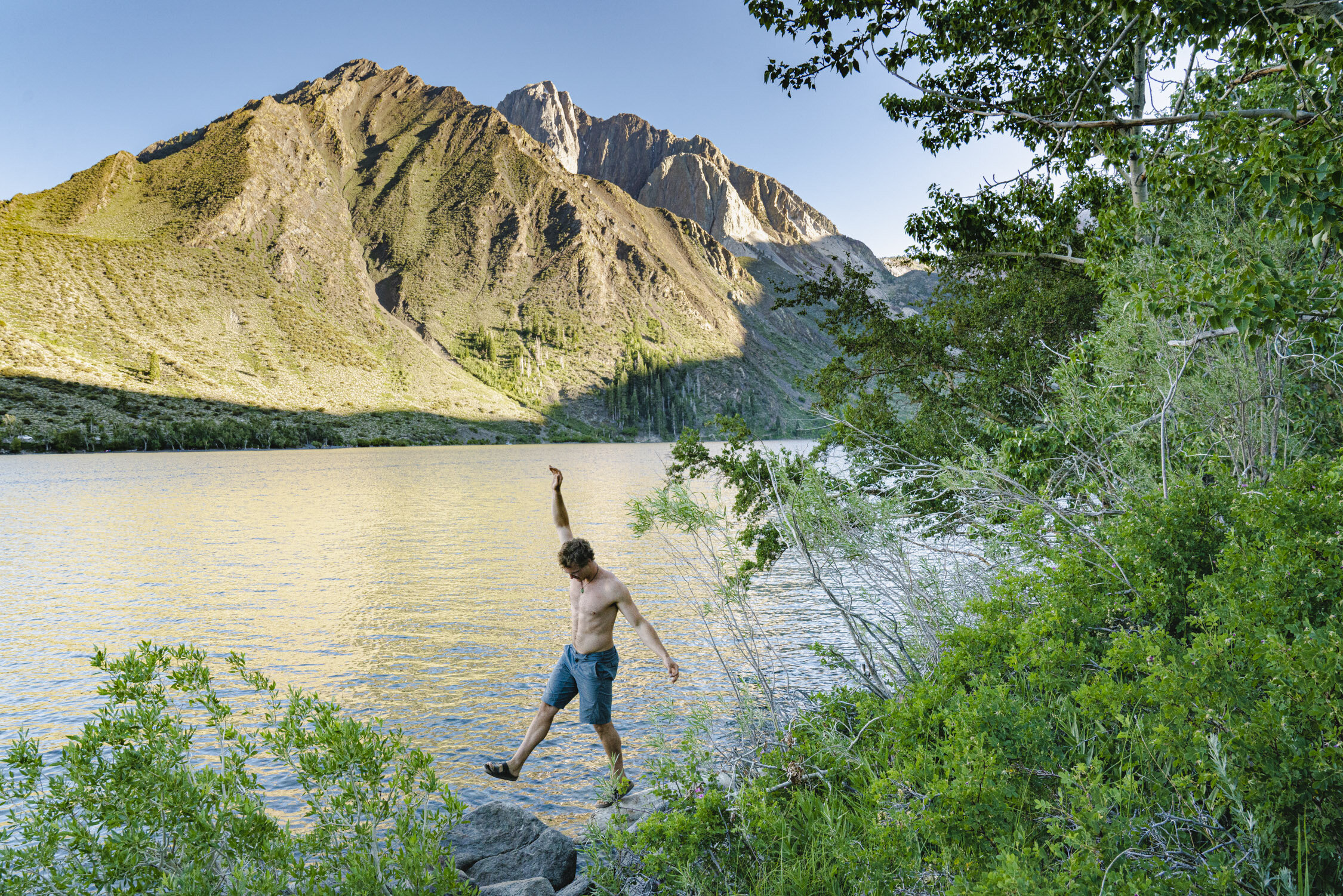

How To Stay Comfortable Living Van Life During Winter
Living van life can be an exhilarating adventure, allowing you to embrace a nomadic lifestyle and explore the beauty of the world on your own terms. However, as winter approaches, vanlifers face a unique set of challenges. From frigid temperatures to snowy roads, winter van life requires careful planning and preparation. Here are some essential tips to ensure a cozy and comfortable van life experience during the colder months.
Updated: Sept. 16th, 2024
Living van life can be an exhilarating adventure, allowing you to embrace a nomadic lifestyle and explore the beauty of the world on your own terms. However, as winter approaches, vanlifers face a unique set of challenges. From frigid temperatures to snowy roads, winter van life requires careful planning and preparation. Here are some essential tips to ensure a cozy and comfortable van life experience during the colder months.
Van life road trip in winter. Photo by Dalton Johnson
Pros
Flexibility and Mobility: Vans provide the ability to chase good weather or escape extreme cold, allowing you to travel to more temperate climates during winter months.
Cost Savings: Compared to traditional housing, van life in winter can be cost-effective, as heating a smaller space requires less energy and resources, potentially reducing utility bills.
Winter Wonderland Exploration: Embracing van life in winter allows you to experience the beauty of snow-covered landscapes, winter sports, and cozy atmospheres in various locations.
Adaptability: Vans can be equipped with winter-specific features like insulation, heaters, and snow tires, making them adaptable to colder climates and enhancing overall comfort during winter travels.
Cons
Temperature Challenges: Vans may struggle to retain heat in extreme winter conditions, leading to discomfort and the need for reliable heating solutions to stay warm.
Limited Space: Living in a confined space becomes more challenging during winter when extra layers, gear, and winter clothing need to be stored, potentially leading to clutter and reduced livability.
Condensation and Moisture: Cold weather can exacerbate issues with condensation inside the van, leading to moisture-related problems such as mold and rust if not properly managed.
Winterization Maintenance: Vans require additional winterization efforts, including insulating windows, checking for drafts, and preparing the vehicle for colder temperatures, which can be time-consuming and may require additional costs.
Prep Your Van for Winter
Before the winter chill sets in, it's crucial to prepare your van for the colder weather. Start by checking your vehicle's insulation. Ensure that there are no drafts or gaps that could let the cold air seep in. Consider adding additional insulation if needed, and don't forget to insulate windows and doors. Window coverings from Luno Life will significantly help insulate your vehicle!
Heating System Maintenance:
Check your heating system for optimal condition.
Clean or replace filters to ensure efficient operation.
Test the heater to guarantee warmth during cold nights.
Vehicle Components Inspection:
Inspect tires, brakes, and battery.
Cold weather can affect these components, so ensure they are in optimal condition.
Replace worn-out tires to maintain traction on icy roads.
Regularly check tire pressure to enhance safety in winter conditions.
You Can Do It Anywhere, But Location, Location, Location
Choosing the right location is crucial for a comfortable winter van life experience. While it's true that you can technically live in a van anywhere, the choice of location becomes even more critical during the winter months. Look for places that offer a balance of scenic beauty and practical amenities. Some of these places are warmer like Baja or Sedona, but if you enjoy skiing you can test your cold tolerance in places like Lake Tahoe, the Tetons, or Colorado.
For an easier experience, consider camping in areas with access to facilities like restrooms, showers, and water sources. One thing to note is that no many campgrounds and RV parks remain open during the winter, so make sure to check what is open and where you can stay if you decide to go this route.
Pro Tip: Research the local climate and weather conditions of the areas you plan to visit. Some regions experience milder winters than others, and avoiding extreme cold can make a significant difference in your comfort level. Coastal areas, for instance, tend to have milder winter temperatures compared to mountainous regions. Maybe consider exploring the Pacific Coast Highway by van.
Grab a Heater (A Mr. Buddy Works Great)
Investing in a reliable heater is one of the best decisions you can make for winter van life. The Mr. Buddy Heater, a popular choice among van dwellers, runs on propane and is highly efficient in heating small spaces. Its portability makes it easy to move around your van as needed, ensuring you stay warm wherever you are.
When using a heater, always prioritize safety. Ensure proper ventilation to prevent the buildup of carbon monoxide, and consider installing a carbon monoxide detector in your van. Keep flammable materials away from the heater, and never leave it unattended while it's running.
Wet is Hard, Try to Stay Dry in a Van
Winter often brings rain, snow, and damp conditions. Staying dry is essential for both your comfort and the preservation of your van. Invest in quality rain gear, including waterproof jackets, pants, and boots, to keep yourself dry when venturing outside. The issue here is now your wet gear is inside. So, to prevent moisture buildup inside your van, dedicate one area to hang your drying gear. Also, use moisture-absorbing products or silica gel packets. Cracking a window to allow for ventilation without compromising warmth can be a good way to cut down on moisture build up, especially when cooking. Lastly, regularly check for and address any leaks or drafts in your van, as moisture can lead to mold and mildew issues.
Toss an Extra Blanket on Your Bed
When the temperature drops, a cozy bed is your refuge from the cold. Invest in a high-quality, cold-weather sleeping quilt, like this one from Featherstone, or add an extra blanket to your bed for added warmth. Layering is key, so consider using thermal blankets or sleeping bag liners to trap body heat and create a snug sleeping environment.
If possible, insulate the floor of your van to prevent the cold from seeping in from below. My go to is a rug, that can be machine washed, to add an extra layer of insulation and provide a warm surface for your feet.
Carry Chains
If your van life adventure takes you through snowy or icy terrain, carrying tire chains is a must. Chains provide additional traction on slippery roads, reducing the risk of accidents and getting stuck in the snow. Before your journey, practice putting on the chains to familiarize yourself with the process and ensure you can do it quickly if needed.
Check local regulations regarding the use of tire chains, as some areas may require them in certain weather conditions. Be prepared for winter driving by keeping an emergency kit in your van, including items like a shovel, ice scraper, and extra winter clothing.
Go South for the Winter (The Final Solution)
For those who want to avoid the harshest winter conditions altogether, heading south is the ultimate solution. Many van lifers choose to migrate to warmer climates during the winter months, enjoying the sun-drenched landscapes of the southern United States, or exploring the beauty of Baja California in Mexico.
Heading south allows van dwellers to escape extreme cold temperatures and enjoy a more comfortable living experience. However, careful planning is still essential, as even southern regions can experience colder-than-expected weather.
Finding a warm destination to live van life during the winter, Sedona is ideal. Photo by Dalton Johnson
Living van life in winter requires thoughtful preparation and a willingness to adapt to changing conditions. By prepping your van, choosing the right locations, investing in heating solutions, staying dry, enhancing your sleeping setup, carrying chains, and considering a southern migration, you can make winter van life not only survivable but truly enjoyable. Embrace the challenges, stay warm, and continue to explore the world from the cozy confines of your mobile home.
Discover more of Van Life


September Is The Best Month To Visit Big Sur
Nestled along the rugged coastline of California, Big Sur is a mesmerizing destination known for its dramatic cliffs, pristine beaches, and breathtaking landscapes. While this coastal haven is a year-round gem, choosing the best month to visit can significantly enhance your experience. Each season brings its own unique charm, but one particular month stands out as the ideal time to explore the wonders of Big Sur – September.
Nestled along the rugged coastline of California, Big Sur is a mesmerizing destination known for its dramatic cliffs, pristine beaches, and breathtaking landscapes. While this coastal haven is a year-round gem, choosing the best month to visit can significantly enhance your experience. Each season brings its own unique charm, but one particular month stands out as the ideal time to explore the wonders of Big Sur – September.
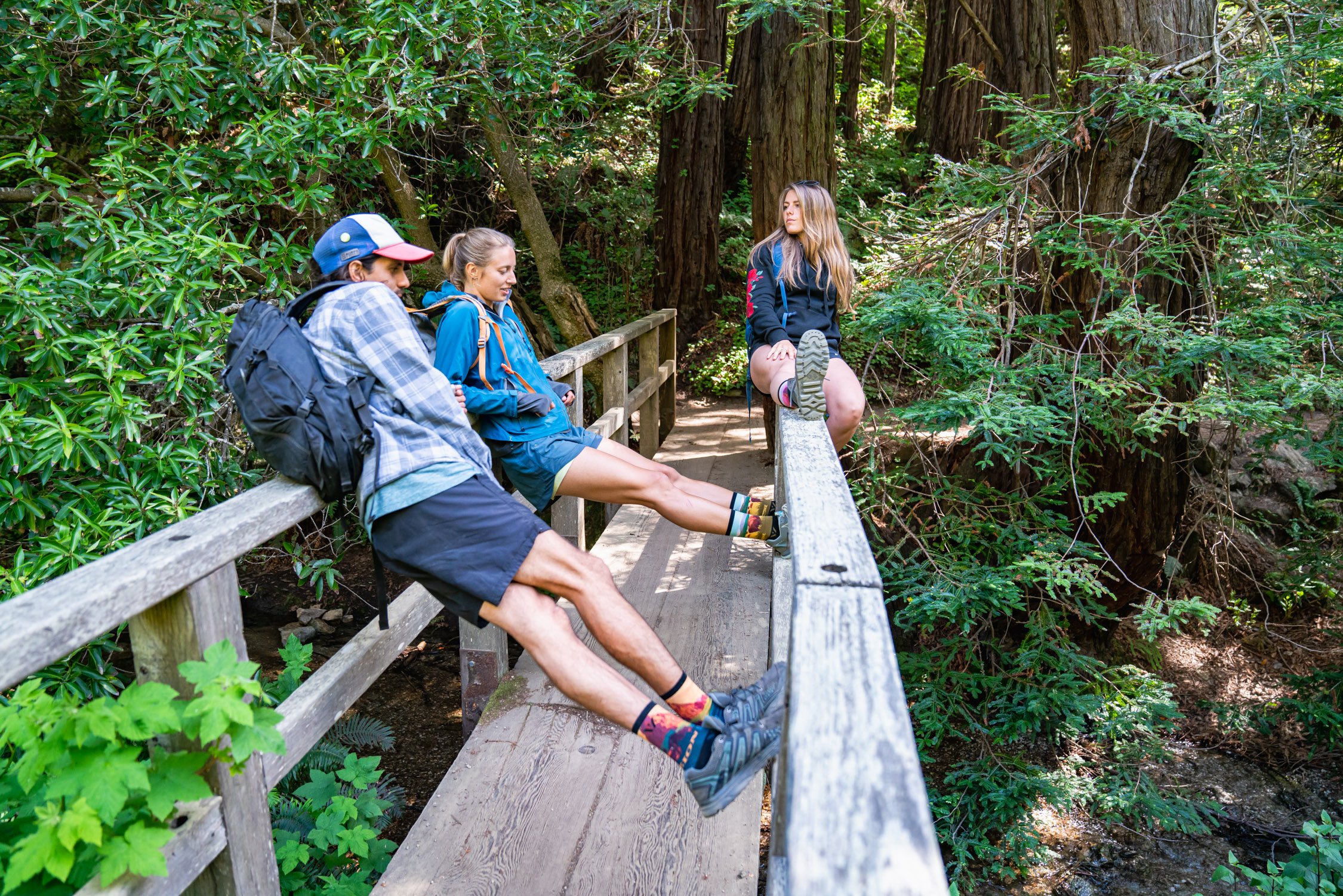
Taking a break in the shade while hiking in Big Sur. Photo by Dalton Johnson
September offers a perfect blend of favorable weather, fewer crowds, and unique natural phenomena that make it the prime month for a Big Sur adventure. The summer crowds have dispersed, creating a more tranquil atmosphere while still benefiting from the lingering warm temperatures. The Pacific Ocean retains its summer warmth, inviting visitors to dip their toes in the refreshing waters or enjoy leisurely beach strolls.
One of the highlights of September in Big Sur is the annual monarch butterfly migration. Thousands of monarch butterflies flock to the area, creating a spectacle that enchants nature enthusiasts and photographers alike. The delicate orange and black wings of these butterflies adorn the trees, turning the landscape into a magical scene straight out of a fairy tale.
Additionally, September marks the beginning of the fall foliage season in Big Sur. While California is not typically known for its vibrant fall colors, the coastal region experiences a subtle yet captivating transformation. The golden hues of the grasses, the deep green of the cypress trees, and the warm tones of the cliffs create a stunning tapestry that complements the natural beauty of the area.
The weather in September is another compelling reason to choose this month for your Big Sur getaway. While the summer temperatures start to mellow, the daytime highs remain pleasant, ranging from the mid-60s to low 70s Fahrenheit (18-23°C). The cooler evenings provide a comfortable atmosphere for campfires and stargazing, enhancing the overall experience of immersing oneself in the serenity of Big Sur.
It's important to note that accommodation prices may still reflect the tail end of the peak season, but with fewer visitors, you'll have more opportunities to secure your preferred lodging and enjoy popular attractions without the usual crowds.
Other Times of Year To Consider Visiting Big Sur
While September may be the prime month to experience the enchantment of Big Sur, there are other times of the year that hold their own allure for different reasons.
Spring Blooms (March to May): Spring brings a burst of wildflowers, transforming the landscape into a vibrant masterpiece. The hillsides are adorned with colorful blooms, and migrating gray whales can often be spotted offshore during their journey north. Spring temperatures are mild, making it an ideal time for hiking and exploring without the summer crowds.
Winter Serenity (December to February): For those seeking a more secluded and tranquil experience, winter in Big Sur has its own charm. While temperatures are cooler, the misty and dramatic atmosphere adds an ethereal quality to the coastal scenery. Winter storms can bring dramatic waves crashing against the cliffs, creating a captivating spectacle for those who appreciate the power of the Pacific Ocean.
Summer Bliss (June to August): Despite being the peak tourist season, summer in Big Sur has its undeniable appeal. Warm temperatures invite outdoor activities like hiking, camping, and beachcombing. While crowds can be a factor, planning midweek visits and exploring lesser-known trails can still provide a more intimate experience during the summer months.
Fall Tranquility (October to November): After the bustling summer season, fall brings a sense of tranquility to Big Sur. The weather remains pleasant, and while the monarch butterflies may have moved on, the fall foliage continues to add a touch of warmth to the landscape. Fall is an excellent time for birdwatching, as migrating birds pass through the region.
Each season in Big Sur has its own distinct character, appealing to different preferences and interests. Whether you prefer the bloom of spring, the serenity of winter, the bliss of summer, or the tranquility of fall, there's a time of year to suit every traveler's taste. Ultimately, the best time to visit Big Sur depends on the experience you seek – whether it's vibrant wildflowers, dramatic winter storms, or the magical monarch butterfly migration, this coastal paradise has something to offer throughout the year.
Clouds cover the to of the mountains near the Bixby Bridge. Photo by Dalton Johnson
While Big Sur is a year-round destination, September stands out as the best month to visit. The combination of mild weather, reduced crowds, the enchanting monarch butterfly migration, and the beginning of fall foliage make it an optimal time to experience the magic of this coastal paradise. Whether you're a nature lover, a photography enthusiast, or simply seeking a peaceful retreat, September in Big Sur promises an unforgettable journey along California's stunning coastline.
Discover more of Big Sur
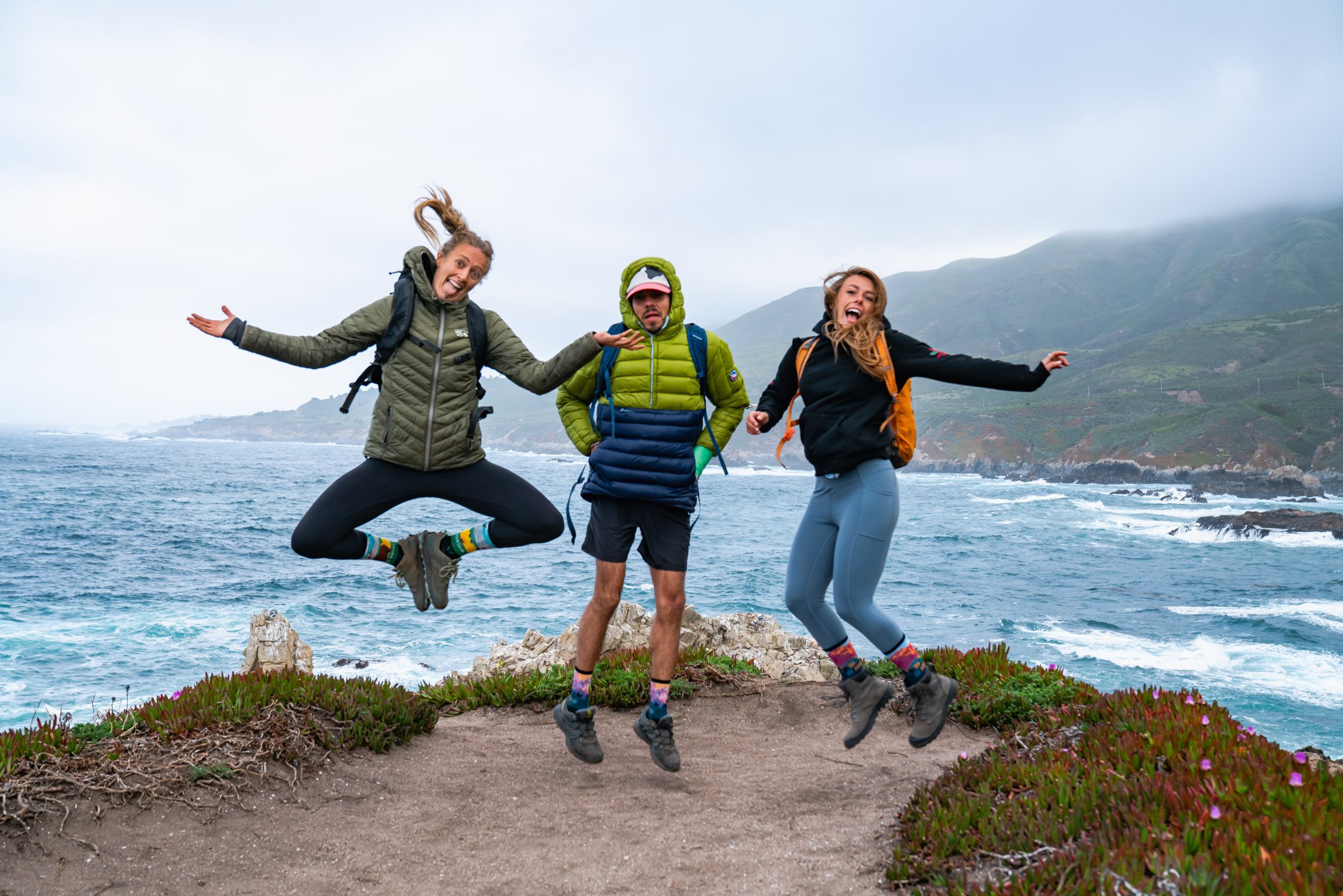
How To Road Trip Big Sur Over A Long Weekend
A Big Sur road trip over a long weekend is a thrilling expedition into the soul of California's coastal wonders. This journey promises an enchanting fusion of rugged landscapes, pristine beaches, and breathtaking vistas. Whether you're an avid hiker, a passionate photographer, or simply craving a rejuvenating weekend escape, Big Sur beckons with its diverse offerings. In this article, we'll guide you through the essential details of a Big Sur road trip, unveiling a carefully crafted itinerary, highlighting the top stops along the route, and addressing common concerns about navigating this iconic stretch of the Pacific Coast Highway.
A Big Sur road trip over a long weekend is a thrilling expedition into the soul of California's coastal wonders. This journey promises an enchanting fusion of rugged landscapes, pristine beaches, and breathtaking vistas. Whether you're an avid hiker, a passionate photographer, or simply craving a rejuvenating weekend escape, Big Sur beckons with its diverse offerings. In this article, we'll guide you through the essential details of a Big Sur road trip, unveiling a carefully crafted itinerary, highlighting the top stops along the route, and addressing common concerns about navigating this iconic stretch of the Pacific Coast Highway.

An early morning hike while road tripping Big Sur. Photo by Dalton Johnson
Pros
Breathtaking Scenery: The short duration of a long weekend doesn't diminish the awe-inspiring beauty of Big Sur. You can still witness the rugged cliffs, dense redwood forests, and pristine beaches, making every moment a picturesque memory.
Quick Getaway: For those with limited time, a long weekend road trip to Big Sur offers a quick escape from the hustle and bustle. The proximity of the route to major cities like San Francisco and Los Angeles makes it an accessible adventure.
Hiking Opportunities: Big Sur boasts numerous hiking trails, and a long weekend provides ample time to explore some of the most iconic paths, such as those in Julia Pfeiffer Burns State Park and Pfeiffer Big Sur State Park.
Photography Paradise: Whether you're a professional photographer or just love capturing stunning landscapes, Big Sur's diverse scenery provides endless opportunities for breathtaking shots, even during a short visit.
Cozy Accommodations: Big Sur offers a range of charming inns, lodges, and campgrounds, ensuring a comfortable stay for your long weekend getaway. Enjoy the rustic charm of coastal accommodations after a day of exploration.
Cons
Limited Exploration Time: The main drawback of a long weekend road trip is the limited time available for exploration. Some travelers may feel rushed, especially considering the multitude of attractions and activities Big Sur has to offer.
Crowded Weekends: Big Sur is a popular destination, and on weekends, it can attract a significant number of visitors. This popularity may lead to crowded trails, limited parking, and a busier overall experience.
Weather Variability: Coastal weather can be unpredictable, even during a weekend trip. Be prepared for sudden changes in temperature, fog, or rain, which might affect your outdoor plans.
Traffic on Pacific Coast Highway: The Pacific Coast Highway, though stunning, can experience heavy traffic, particularly on weekends. Factor in extra time for potential delays, especially if you plan to visit popular viewpoints like Bixby Creek Bridge.
Accommodation Availability: With Big Sur's popularity, accommodations can fill up quickly, especially during weekends. It's advisable to book in advance to secure your preferred lodging for a stress-free trip.
Itinerary for a Long Weekend
For a perfect long weekend getaway, consider the following itinerary for your Big Sur road trip:
Day 1: Start your journey in Monterey
Begin your adventure in the charming seaside town of Monterey, where you can explore the famous Cannery Row, visit the renowned Monterey Bay Aquarium, and indulge in fresh seafood at one of the waterfront restaurants.
Day 2: Head to Big Sur
Drive south on the iconic Pacific Coast Highway (Highway 1) towards Big Sur. Along the way, marvel at the breathtaking coastal views and make stops at McWay Falls and Julia Pfeiffer Burns State Park. In the afternoon, reach Big Sur and explore the pristine beaches or take a hike in Pfeiffer Big Sur State Park.
Day 3: Explore Garrapata State Park and Bixby Creek Bridge
On your third day, venture further south to Garrapata State Park, offering stunning ocean views and excellent hiking trails. Don't miss the iconic Bixby Creek Bridge, a perfect spot for photography. Conclude your day with a relaxing evening at one of the coastal inns or campgrounds.
Day 4: Return journey
As your Big Sur road trip concludes, head back north, stopping at Point Lobos State Natural Reserve for one last taste of coastal beauty. Spend your afternoon exploring the reserve's hiking trails and capturing the picturesque landscapes before heading home.
North to South vs. South to North
The direction you choose for your Big Sur road trip—whether from north to south or south to north—adds an intriguing layer to your journey, shaping the sequence of awe-inspiring vistas and iconic landmarks that unfold before your eyes.
Starting in Monterey and Heading South:
Embarking on your adventure from Monterey and journeying southward is often considered a classic approach. This route provides immediate access to some of Big Sur's most renowned gems, including the ethereal McWay Falls and the enchanting Julia Pfeiffer Burns State Park. Beginning with these iconic landmarks sets the tone for your exploration, offering an immediate immersion into the coastal wonders that define Big Sur.
As you wind your way along the Pacific Coast Highway, the gradual unveiling of the rugged cliffs and panoramic ocean views creates a crescendo of scenic delights. The journey south allows you to ease into the grandeur of Big Sur, making every turn a revelation and ensuring that the coastal beauty builds up, culminating in the mesmerizing landscapes of Pfeiffer Big Sur State Park.
Starting from the South and Heading North:
On the flip side, commencing your road trip from the southern end of Big Sur offers a different but equally captivating perspective. Setting out from the south means encountering the architectural marvel of Bixby Creek Bridge early in your journey. The sweeping views from this iconic bridge and the nearby Garrapata State Park set the stage with their dramatic coastal landscapes, providing a captivating introduction to Big Sur's splendor.
While the allure of Bixby Creek Bridge is undeniable, some argue that the gradual progression of scenery from south to north lacks the immediate impact of starting in Monterey. However, this route offers a dynamic experience, showcasing the diverse coastal topography and the rugged beauty that defines Big Sur.
Personal Preferences and Recommendations:
Ultimately, the decision between north to south or south to north rests on personal preferences and the type of experience you seek. If you value a slow buildup of scenic wonders and prefer saving some of the most iconic landmarks for later in your journey, starting in Monterey and heading south may be your preferred route.
Conversely, if you're eager to be greeted by the grandeur of Bixby Creek Bridge early on and experience the southern charms of Big Sur from the outset, commencing your trip from the south may be the way to go.
Many seasoned travelers recommend starting in Monterey, allowing the journey to unfold gradually, with each mile offering a new perspective. This approach ensures that the most iconic landmarks are strategically placed along your route, creating a sense of anticipation and making every stop a highlight.
In the end, regardless of the direction you choose, both routes guarantee an unforgettable journey through Big Sur's coastal wonders, each turn of the Pacific Coast Highway revealing a new facet of this extraordinary landscape. So, whether you opt for the north-to-south allure or the south-to-north drama, rest assured that your Big Sur road trip will be a symphony of coastal beauty, whichever direction you decide to travel.
Is a Big Sur Road Trip Worthwhile?
Absolutely! A Big Sur road trip is a bucket-list-worthy experience for nature lovers, adventure seekers, and anyone captivated by the beauty of the Pacific coastline. The rugged cliffs, dense redwood forests, and pristine beaches offer an unparalleled setting for hiking, photography, and relaxation. The sheer diversity of landscapes along the route makes it a worthwhile endeavor, providing a perfect blend of outdoor activities and breathtaking views.
Top 5 Stops Along the Route
McWay Falls: A must-see along the route, McWay Falls is a stunning 80-foot waterfall cascading directly onto the beach. The turquoise waters and rocky cove make it an ideal spot for photography and a peaceful break.
Julia Pfeiffer Burns State Park: Home to the iconic McWay Falls, this state park also offers numerous hiking trails through redwood groves, providing a close encounter with the region's rich flora and fauna.
Pfeiffer Big Sur State Park: A haven for hikers, this state park boasts an extensive network of trails, including the popular Buzzard's Roost Trail, offering panoramic views of the Big Sur coastline.
Garrapata State Park: A lesser-known gem, Garrapata State Park features rugged coastal cliffs, hidden coves, and wildflower-covered meadows. Hike the Soberanes Point Trail for breathtaking ocean vistas.
Bixby Creek Bridge: An engineering marvel and a photographer's dream, Bixby Creek Bridge spans a deep canyon, providing sweeping views of the coastline. Stop here for a memorable photo opportunity and soak in the surroundings.
Is Driving Big Sur Scary?
While the allure of Big Sur's dramatic landscapes is undeniable, some travelers may be concerned about the challenges of driving along the narrow and winding Pacific Coast Highway. While the road can be intimidating for some, the key is to take it slow and enjoy the journey. The breathtaking scenery and numerous turnouts along the route allow for safe stops to appreciate the views and capture memorable photos. With caution and respect for the road, a Big Sur road trip can be a thrilling adventure rather than a daunting experience.
Looking over the shoulder to take in every last second of this stunning view of Big Sur. Photo by Dalton Johnson
A Big Sur road trip promises an unforgettable experience, combining the thrill of the open road with the beauty of California's rugged coastline. With a carefully planned itinerary, breathtaking stops, and an assurance that driving Big Sur isn't as scary as it may seem, this journey is a perfect fit for those seeking outdoor adventures, stunning photography opportunities, and the chance to connect with nature. So, pack your bags, hit the road, and let the wonders of Big Sur unfold before you.
Discover more of Big Sur


Is Big Sur, California Worth Visiting?
Nestled along the stunning California coastline, Big Sur is a mesmerizing destination that beckons travelers with its breathtaking landscapes, rugged cliffs, and serene coastal beauty. If you're contemplating a road trip along Highway One, you might be wondering: Is Big Sur worth visiting? The short answer is yes, Big Sur is often the highlight for those road tripping Pacific Coast Highway and is a great stand alone road trip by itself. But, what makes Big Sur special? Read on to find out.
Nestled along the stunning California coastline, Big Sur is a mesmerizing destination that beckons travelers with its breathtaking landscapes, rugged cliffs, and serene coastal beauty. If you're contemplating a road trip along Highway One, you might be wondering: Is Big Sur worth visiting? The short answer is yes, Big Sur is often the highlight for those road tripping Pacific Coast Highway and is a great stand alone road trip by itself. But, what makes Big Sur special? Read on to find out.

Soaking in the sunrise views at Bixby Bridge in Big Sur. Photo by Dalton Johnson
Pros
Scenic Beauty: Big Sur's unrivaled natural beauty, characterized by dramatic cliffs, pristine beaches, and lush forests, creates a picturesque landscape that captivates visitors.
Outdoor Activities: From hiking trails with breathtaking views to kayaking and whale watching along the Pacific Ocean, Big Sur offers a diverse range of outdoor activities for nature enthusiasts and adventure seekers.
Iconic Landmarks: Big Sur is home to several iconic landmarks, such as the Bixby Creek Bridge and the McWay Falls, providing not only stunning photo opportunities but also contributing to the region's unique charm.
Artistic and Cultural Attractions: Big Sur has a rich artistic and cultural history. Explore the Henry Miller Memorial Library, dedicated to the famous writer and artist, or attend local events and festivals that celebrate the region's creativity.
Cons
Crowds: Big Sur's popularity can result in crowded conditions, particularly during peak tourist seasons, potentially detracting from the serene experience sought in a coastal retreat. The good news, you can avoid the crowds if you follow our tips in our article; 8 WAYS TO AVOID THE CROWDS AND A FEW HIDDEN GEMS OF BIG SUR
Weather Variability: The coastal climate's unpredictability, marked by fog and mist, can affect visibility, requiring careful planning around weather to make the most of your visit to Big Sur.
Limited Accommodations: Accommodations in Big Sur can be limited and relatively expensive. Booking in advance is crucial, especially during peak travel times.
No Gas Stations in the Park: Visitors should gas up before entering Big Sur, as there are no gas stations within the park, and running out of fuel can be inconvenient given the limited services in the area.
Reasons to Go to Big Sur:
Breathtaking Coastal Views:
Embark on a mesmerizing journey along Highway One, where every twist and turn reveals breathtaking coastal views of the Pacific Ocean and rugged cliffs. The coastal drive is a visual spectacle, a dream come true for road trippers seeking awe-inspiring landscapes. Capture the essence of Big Sur at these scenic locations:
McWay Falls Overlook: Witness the majestic McWay Falls cascading onto a pristine beach, creating a postcard-worthy scene.
Bixby Creek Bridge: Iconic and grand, the bridge offers sweeping views of the coastline, providing an excellent spot for capturing the beauty of Big Sur.
Ragged Point: Perched high above the cliffs, Ragged Point offers expansive views of the Pacific Ocean, showcasing the vastness of the California coastline.
Julia Pfeiffer Burns State Park: Explore the park's trails for panoramic coastal views, including the iconic McWay Falls and the turquoise waters of the cove below.
Your Next Read: ICONIC COASTAL VIEWS IN BIG SUR YOU'LL REGRET MISSING
Wildlife Watching:
Big Sur is a haven for wildlife enthusiasts, offering encounters with marine and land animals amidst stunning natural settings. Immerse yourself in the wonders of nature at these wildlife-rich locations:
Elephant Seal Rookery: Witness the majesty of Elephant Seals at Piedras Blancas, especially during their birthing and breeding seasons.
Point Lobos State Natural Reserve: Encounter sea otters, harbor seals, and diverse seabirds in this marine reserve, perfect for wildlife observation.
Andrew Molera State Park: Spot migrating gray whales during the season and enjoy the diverse birdlife in this scenic coastal park.
Garrapata State Park: Explore coastal trails with opportunities to observe falcons, eagles, and a variety of shorebirds in their natural habitat.
Hiking Trails:
For adventurers and nature lovers, a motivation for visiting Big Sur is the network of hiking trails that cater to all skill levels. Lace up your boots (sandals aren’t recommended) and explore the diverse landscapes of Big Sur along these captivating trails:
Ewoldsen Trail: Moderate and rewarding, this trail within Julia Pfeiffer Burns State Park provides spectacular views of the coastline, redwood groves, and diverse flora.
Buzzard's Roost Trail: Challenge yourself on this trail in Pfeiffer Big Sur State Park, offering panoramic views of the Santa Lucia Mountains and the Big Sur coastline.
Partington Cove Trail: A relatively easy trail leading to a hidden cove, showcasing a unique blend of coastal and forest scenery.
Tanbark Trail to Tin House: Venture into the Ventana Wilderness for a challenging hike with breathtaking views of the Pacific Ocean and surrounding landscapes.
Your Next Read: THE TOP 10 HIKES IN BIG SUR HAS TO OFFER
Photography Opportunities:
Big Sur's diverse landscapes make it a paradise for photographers seeking to capture the beauty of nature in its purest form. While you don’t need a professional camera to unleash your creativity at these photogenic locations, you’ll want to bring a camera along this road trip to capture the stunning Big Sur locations:
Pfeiffer Beach: With its purple sand and unique rock formations, Pfeiffer Beach is a magical setting for sunrise and sunset photography.
Garrapata State Park Soberanes Point Trail: Capture sweeping coastal views during the golden hours, creating a perfect backdrop for your photographs.
Point Sur State Historic Park: Photograph the iconic Point Sur Lighthouse against the backdrop of the Pacific Ocean for a timeless and dramatic image.
Piedras Blancas Elephant Seal Rookery: Document the raw beauty of nature as Elephant Seals bask on the beach, providing excellent wildlife and coastal photography opportunities.

Hiking in Big Sur with friends. Photo by Dalton Johnson
How To Make Your Trip To Big Sur California Worth While:
Best Month to Visit Big Sur:
Choosing the right time to visit can significantly enhance your Big Sur experience. Optimal months are during the shoulder seasons of spring (April to June) and fall (September to November). During these periods, you'll encounter milder temperatures, reduced crowds, and increased chances of clear skies, creating the perfect conditions for exploration and relaxation.
How Many Days Do I Need in Big Sur?
For a truly immersive experience, allocate a minimum of three to four days, or a long weekened, for your Big Sur adventure. This time frame allows for leisurely drives along the iconic Highway One, unhurried exploration of hiking trails, moments of wildlife watching, and the opportunity to soak in the local culture without feeling rushed. Give yourself the gift of time to savor the beauty that Big Sur has to offer.
Here’s what a jammed packed four day Big Sur itinerary could look like:
Day 1: Coastal Drive and McWay Falls Exploration
Morning: Start Early from Monterey/Carmel
Begin your road trip from Monterey or Carmel-by-the-Sea. Enjoy a hearty breakfast at a local café before hitting the road.
Late Morning: Bixby Creek Bridge and Garrapata State Park
Admire the iconic Bixby Creek Bridge, capturing stunning photos of the coastline. Take a short hike in Garrapata State Park for breathtaking coastal views.
Afternoon: Lunch in Big Sur Village
Head to Big Sur Village for lunch. Explore local eateries or pack a picnic to enjoy at a scenic spot.
Early Afternoon: McWay Falls and Julia Pfeiffer Burns State Park
Visit McWay Falls in Julia Pfeiffer Burns State Park. Hike the Overlook Trail to witness the waterfall cascading onto a pristine beach.
Late Afternoon: Pfeiffer Beach
Head to Pfeiffer Beach for a relaxing evening. Marvel at the unique rock formations and enjoy the sunset over the Pacific Ocean.
Evening: Dinner and Stargazing
Dine at one of the local restaurants or enjoy a picnic dinner. If the skies are clear, take advantage of the minimal light pollution for some stargazing.
Day 2: Hiking and Wildlife Encounters
Morning: Breakfast and Hike - Ewoldsen Trail
Begin your day with breakfast in Big Sur Village. Then, embark on the Ewoldsen Trail for a moderate hike with spectacular views of the coastline and redwood groves.
Late Morning: Point Lobos State Natural Reserve
Head to Point Lobos State Natural Reserve for wildlife watching. Explore the trails to spot sea otters, harbor seals, and diverse seabirds.
Afternoon: Lunch and Relaxation
Enjoy a leisurely lunch at a local café or pack a picnic. Take some time to relax at one of the coastal viewpoints.
Early Afternoon: Andrew Molera State Park
Explore the trails of Andrew Molera State Park. Look out for migrating gray whales during the season and enjoy the diverse birdlife.
Late Afternoon: Sunset at Soberanes Point
Head to Garrapata State Park for the Soberanes Point Trail. Capture the sunset over the rugged coastline for stunning photographs.
Evening: Dinner and Cultural Experience
Choose a local restaurant for dinner. Alternatively, attend a cultural event or visit the Henry Miller Memorial Library for an artistic retreat.
Day 3: Outdoor Adventures and Culinary Delights
Morning: Kayaking Adventure
Start your day with a kayaking adventure along the coastline. Explore sea caves and hidden coves, taking in the beauty of Big Sur from the water.
Late Morning: Pfeiffer Big Sur State Park
Head to Pfeiffer Big Sur State Park for the Buzzard's Roost Trail, a challenging hike offering panoramic views of the Santa Lucia Mountains and the coastline.
Afternoon: Lunch and Relaxation
Enjoy a leisurely lunch at one of the local restaurants or pack a picnic. Spend the afternoon relaxing at your accommodation or exploring the surroundings.
Early Afternoon: Wine Tasting in Carmel Valley
Take a scenic drive to Carmel Valley for an afternoon of wine tasting. Explore the picturesque vineyards and sample local wines.
Evening: Dinner in Carmel-by-the-Sea
Return to Carmel-by-the-Sea for a delightful dinner. Explore the charming streets and find a restaurant that suits your culinary preferences.
Day 4: Coastal Exploration and Departure
Morning: Relaxing Morning
Enjoy a leisurely morning, perhaps with breakfast at a local café or a relaxing stroll on the beach.
Late Morning: Hot Springs Experience
Head to the Esalen Hot Springs for a rejuvenating experience amid natural surroundings. Book a session in advance to enjoy the thermal baths overlooking the ocean.
Afternoon: Coastal Drive and Final Views
Take a final scenic drive along Highway One, stopping at any viewpoints or spots you may have missed. Capture your last glimpses of Big Sur's breathtaking coastline.
Late Afternoon: Departure
Bid farewell to Big Sur and start your journey back. Reflect on the memories made during your enriching road trip along one of the most stunning coastal routes in the world.
How Much Does a Road Trip to Big Sur Cost?
Understanding the potential costs involved in a road trip to Big Sur is crucial for effective budgeting. On average, budget-conscious travelers can expect to spend around $150 to $200 per day. This estimate covers accommodation, meals, fuel, and miscellaneous expenses. Keep in mind that the cost can vary based on your accommodation choices, dining preferences, and selected activities. For those seeking luxury accommodations and fine dining options, it's essential to factor in these choices, which can significantly increase your overall budget. Regardless of your budget, Big Sur offers experiences that can be tailored to meet various financial considerations, ensuring that every traveler can find a worthwhile adventure within their means.
McWay Falls overlook in Big Sur. Photo by Dalton Johnson
Big Sur, California, is undoubtedly worth visiting for those seeking a road trip filled with natural beauty, outdoor adventures, and a touch of artistic inspiration. While there are some cons to consider, the pros far outweigh them, offering a truly unforgettable experience along the iconic Highway One. Plan your visit carefully, choose the best time to go, and savor the magic of Big Sur, where the rugged coastline meets the Pacific in a symphony of awe-inspiring landscapes.