Building a Reputation Agencies Actually Remember
Working closely with agencies over the years has genuinely taught me that a truly strong reputation isn't built through any single impressive project alone, it's built through a cumulative, sustained pattern of reliability and professionalism that makes an agency actually remember you clearly when the next relevant opportunity eventually comes along.
That distinction, between one single impressive moment and a genuinely durable reputation, has shaped how deliberately I now approach every single agency interaction, not just the actual creative work itself. If you're building your own reputation with agencies and larger clients, the Adventure Travel Photographer's Playbook covers how I approach these relationships as part of a complete business strategy.
Why Creative Quality Alone Doesn't Build a Memorable Reputation
Early in my career, I assumed strong creative work alone would be enough to build a genuinely memorable reputation with agencies, that impressive images would naturally lead to repeat bookings and referrals without much additional effort required on my part.
That assumption turned out to be genuinely incomplete, agencies work with many talented photographers, and creative quality alone, while necessary, wasn't actually sufficient to make me stand out clearly in their memory once a project wrapped and the next opportunity arose months later.
Recognizing that creative quality was table stakes rather than a genuine differentiator pushed me to think considerably more deliberately about what actually made an agency remember and specifically request a particular photographer for future projects.
Why Reliability Turned Out to Matter More Than I Initially Expected
What I've learned matters more than I initially expected is genuine reliability, consistently delivering on time, communicating clearly, and handling unexpected complications professionally without creating additional stress for the agency team managing the broader project.
That reliability, unglamorous as it genuinely is compared to creative talent, turned out to be exactly what agencies remembered and valued most when deciding who to recommend for future projects, considerably more than any single standout image from a past shoot.
Understanding this shifted how I approached every project, treating reliability as seriously as creative execution, since I came to realize both were actually necessary for building the kind of reputation that leads to genuine repeat business from agencies.
How I Communicate During a Project to Build This Kind of Reputation
Communication during a project has become one of the more deliberate parts of how I build agency reputation, proactive updates, clear expectations, and honest flagging of any potential issues well before they actually become genuine problems for the broader campaign timeline.
That proactive communication style has distinguished me from photographers who go quiet during a shoot and only resurface once deliverables are finally ready, a pattern that, in my experience, tends to create real anxiety for agency teams managing multiple moving pieces simultaneously.
Agencies have told me directly that this communication style is part of why they keep coming back, a genuine relief to work with someone who keeps them informed rather than someone they have to actively chase down for updates throughout a project.
What Happens After the Project Ends That Actually Builds Long-Term Memory
What happens after a project ends matters just as much as what happens during it, a genuine follow-up, delivering final assets cleanly and on time, and checking in appropriately without being overly pushy about future work opportunities.
That post-project follow-through has become a genuine differentiator, agencies remember photographers who wrap up cleanly and professionally considerably more favorably than ones who let final details drag on or require repeated follow-up to actually deliver what was originally promised.
I've come to see this post-project phase as an extension of the actual reputation-building work, not simply an administrative afterthought to rush through once the creative work itself has genuinely been completed and delivered.
Why I Treat Every Agency Interaction as Part of a Longer Relationship
I've learned to treat every single agency interaction, even a small, seemingly minor project, as part of a considerably longer relationship rather than a one-off transaction, understanding that how I handle a smaller project genuinely shapes whether I'm considered for larger ones later.
That longer-term framing has changed how I approach even modest agency projects, bringing the same genuine professionalism and reliability to a small assignment that I would to a considerably larger, higher-profile one, since agencies genuinely remember both.
This consistency across project sizes has built a considerably more durable reputation than I would have developed by treating smaller projects as less important, an approach I've watched some other photographers mistakenly adopt to their own long-term detriment.
What I'd Tell a Photographer Trying to Build Agency Relationships
If you're trying to build genuine, durable relationships with agencies, I'd encourage you to focus as much on reliability and communication as you do on creative quality, since it's often the unglamorous, less visible parts of a project that agencies actually remember most clearly.
That focus, on the full experience of working with you rather than solely on the final images, will build a considerably more memorable and durable reputation than creative talent alone could accomplish on its own, however genuinely strong that talent might be.
Building this kind of reputation takes real, sustained time and consistency across many projects, but it's produced considerably more repeat business and referrals than I would have gotten from creative quality alone, regardless of how impressive any single project's images actually turned out.
How I Handle Problems Mid-Project in a Way That Builds Rather Than Damages Trust
Problems inevitably arise during projects, weather delays, equipment issues, unexpected location complications, and how I handle these moments has turned out to matter enormously for building genuine agency trust, considerably more than avoiding problems entirely, which is genuinely never fully possible.
My approach has become to flag problems early, propose concrete solutions rather than just presenting the problem itself, and follow through visibly on whatever resolution we actually agree upon together, rather than letting the agency team wonder anxiously whether things are actually under control.
Agencies have told me directly that this problem-handling style, calm, solution-oriented, and transparent, has been just as memorable as any smooth, problem-free project, since it demonstrates genuine professionalism precisely when it's actually being tested under real pressure.
Why I Invest Real Time in Understanding an Agency's Actual Internal Pressures
Beyond the immediate project, I've learned to invest genuine time in understanding the broader internal pressures an agency team is actually operating under, client deadlines, internal approval processes, and budget constraints that shape how they experience working with me on any given project.
That understanding has let me adapt my own approach in genuinely useful ways, anticipating what an agency team will need before they have to ask explicitly, a level of consideration that's clearly distinguished me from photographers who only think about their own specific deliverables in isolation.
Agency contacts have commented directly that this awareness of their broader context makes working with me considerably easier, a genuine differentiator that goes beyond simply delivering good creative work on schedule.
How I Approach the First Project With a New Agency Differently
A first project with a new agency carries genuine extra weight, it's the primary opportunity to establish the reputation that will actually shape whether they consider me for future work, and I've learned to approach these first projects with particular deliberate care.
That extra care shows up in small ways, slightly more frequent updates than I might offer a familiar agency, extra attention to formatting deliverables exactly as requested, and genuine effort to understand their specific working style before assuming my usual default approach will automatically work well.
This deliberate first-project care has paid off considerably in building relationships with new agencies, several of which have become genuinely long-term, recurring sources of work directly traceable back to how carefully I handled that very first initial project together.
What I've Learned From Agency Feedback That Surprised Me
Over the years, I've received agency feedback on what they actually valued that genuinely surprised me, expecting to hear primarily about creative execution but instead hearing considerably more about communication style, ease of collaboration, and how I handled unexpected complications along the way.
That feedback pattern reinforced my growing belief that the less visible parts of a project, the process itself rather than solely the final deliverable, are what agencies actually remember and value most when deciding whether to work with a photographer again.
Taking that feedback seriously has continued shaping how I approach agency relationships, deliberately investing in the process-oriented elements that this direct feedback has consistently confirmed matter more than I would have originally assumed earlier in my career.
How I Keep Track of the Specific Details Each Agency Contact Actually Cares About
Over time, I've started keeping genuine notes on the specific preferences and priorities of individual agency contacts, one values fast turnaround above nearly everything else, another cares most about detailed behind-the-scenes documentation, and remembering these specifics has made each subsequent project feel considerably more tailored and attentive.
That tracking system, simple as it genuinely is, has let me anticipate individual preferences rather than treating every agency contact identically, a level of personalization that's been noticed and specifically commented on by contacts who've worked with me across several different projects over the years.
Building this kind of institutional memory about individual working relationships has become one of the more understated but genuinely valuable practices in how I maintain agency reputation, ensuring that repeat collaborations feel considerably more refined than a first-time interaction would.
Why I Ask for Honest Feedback Even When a Project Goes Well
Beyond the standard post-project wrap-up, I've made a genuine practice of asking for honest feedback even after projects that went smoothly, curious about what specifically worked well and what, even in a successful project, could have gone even better from the agency's actual perspective.
That practice has occasionally surfaced genuinely useful insight I wouldn't have gotten otherwise, small adjustments to communication style or delivery format that agency contacts hadn't felt the need to raise unprompted but were genuinely happy to share when I actively asked for that input directly.
Asking for this feedback consistently, rather than only after a difficult project, has signaled a genuine commitment to continuous improvement that agency contacts have specifically mentioned appreciating, reinforcing the broader reputation for professionalism I've worked deliberately to build over many years.
Why I Stay in Touch With Agency Contacts Even Between Active Projects
Rather than letting relationships go entirely dormant between active projects, I've developed a genuine practice of staying lightly in touch with agency contacts, sharing relevant work updates or simply checking in periodically without any explicit ask attached to the outreach itself.
That ongoing, low-pressure contact has kept me genuinely top of mind when a new relevant opportunity does eventually arise, rather than requiring an agency contact to actively remember and seek me out after months of complete silence between our last collaboration and the next potential one.
Several projects over the years have come directly from this kind of periodic, genuine check-in, opportunities that likely would have gone to a photographer who happened to be more recently top of mind if I hadn't made this deliberate effort to stay lightly connected.
How I Handle It When an Agency Contact Moves to a New Company
Agency contacts change roles and companies fairly frequently in this industry, and I've learned to treat these transitions as genuine opportunities rather than simply losing touch, reaching out with genuine congratulations and interest in how the relationship might actually continue in their new context.
That approach has repeatedly opened doors at entirely new agencies and companies, contacts who valued working with me previously often bring that positive relationship along with them into new roles, effectively multiplying the reach of a single well-built reputation across multiple organizations over time.
Staying genuinely engaged through these professional transitions, rather than treating a contact's departure as the natural end of that particular relationship, has become one of the more valuable, if easily overlooked, aspects of long-term agency reputation building in this specific industry.
What I'd Tell My Younger Self About Building This Kind of Reputation
If I could speak to my younger self, focused almost entirely on creative execution and largely unaware of how much the surrounding process actually shaped agency perception, I'd say plainly that reliability and communication deserve just as much deliberate attention as the actual photography itself.
I'd encourage that earlier version of myself to start tracking agency preferences, staying in touch between projects, and treating post-project follow-through with genuine seriousness considerably sooner, rather than gradually discovering the importance of these practices only after years of somewhat inconsistent effort on that front.
That earlier investment, had I made it sooner, would likely have compounded into an even stronger reputation and referral network by this point in my career, a lesson I now try to pass along directly to newer photographers building their own agency relationships from scratch.
How This Reputation-Building Approach Has Affected My Actual Referral Rate
Tracking my referral rate over several years has given me the clearest, most concrete evidence that this deliberate approach to agency reputation actually works, a genuinely significant portion of new agency work now arrives through direct referral rather than cold outreach or general marketing efforts on my part.
That referral rate has grown steadily as the cumulative reputation built through consistent reliability and communication has compounded across a growing network of agency contacts who've each personally experienced working with me directly and been genuinely willing to vouch for that experience to their own colleagues and peers.
Seeing that concrete referral data has genuinely reinforced my continued investment in these reputation-building practices, confirming clearly that the real, sustained effort required is worthwhile relative to the tangible, measurable business results it has consistently produced over these many years. It has also made me considerably more patient with newer relationships that haven't yet produced a direct referral, trusting that the same underlying pattern will likely hold true given enough consistent time and effort invested into that specific relationship.
Reflection Questions
- How much of your own current agency reputation genuinely depends on creative quality alone versus overall reliability and clear communication?
- Do you genuinely treat smaller agency projects with the exact very same level of professionalism as larger, considerably more high-profile ones?
- What does your own current post-project follow-through actually communicate clearly to the specific agencies you regularly work with?
- How could genuinely more proactive communication during an active project actually change how an agency team remembers the overall experience of working with you specifically?
If you're currently building your own reputation with agencies and larger clients, the Adventure Photographer's Playbook covers how I approach these relationships as part of a complete business strategy.
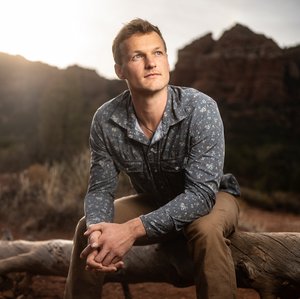
Dalton Johnson is a professional adventure and editorial photographer with over a decade of experience creating images on all seven continents. His client work includes Patagonia, GoPro, Arc'teryx, Four Seasons, Nike, Rivian, Big Agnes, Ford Bronco, and 160+ other brands. He runs Dalton Johnson Media as a full-service studio, from pre-production through post and distribution.