Building an Entire Story Around One Unplanned Moment
Some of my most genuinely memorable projects didn't come from the carefully planned shot list I'd prepared well in advance, they came from a single unplanned moment that happened during the shoot, something I hadn't anticipated but recognized immediately as worth building an entire story around.
Learning to recognize and follow those unplanned moments has become one of the more genuinely valuable skills I've developed over many years of professional work. If you're thinking about how to build stronger, more compelling narratives around unexpected moments in your own work, the Adventure Travel Photographer's Playbook covers how I approach storytelling and narrative structure as part of a complete creative process.
The First Time an Unplanned Moment Became the Actual Story
I remember clearly the first time this happened, a shoot where the planned shot list fell apart due to unexpected weather, but in the process of adapting, a genuinely unplanned moment occurred that ended up becoming far more compelling than anything I'd originally planned to capture that day.
That experience taught me something important, that rigid adherence to a predetermined plan can sometimes cause a photographer to miss the most compelling story actually unfolding right in front of them. Since then, I've held my planning considerably more loosely, staying genuinely open to the unexpected moments that so often turn out to be the most valuable material from any given shoot.
How I've Learned to Recognize a Moment Worth Building Around
Recognizing a genuinely worthwhile unplanned moment in real time is its own skill, one built through repeated experience rather than any formula I could easily teach or fully articulate. There's a certain quality, an authenticity or unexpected emotional resonance, that separates a moment worth pursuing from simple visual noise that doesn't actually add anything meaningful.
I've learned to trust that instinct more over time, recognizing the physical sensation, a kind of heightened attention, that tends to accompany genuinely compelling unplanned moments as they happen. That instinct has been refined through years of paying close attention to which moments actually produced strong final images and which ones, despite feeling exciting in the moment, ultimately didn't hold up as well.
Why Structure Still Matters Even Around an Unplanned Moment
Recognizing a compelling unplanned moment is only the first step, building an actual coherent narrative around it requires real structure, even when the moment itself was entirely spontaneous and unplanned from the outset of the actual shoot.
I've learned to think about narrative structure quickly in the moment, considering what led up to the unplanned moment, what it actually reveals, and how it might resolve, essentially applying storytelling principles in real time to an event that wasn't scripted in advance. That structural thinking is what transforms a single striking image into a genuinely coherent, compelling story rather than an isolated moment without context.
How I Balance Planning With Genuine Openness to the Unexpected
Balancing careful preparation with genuine openness to the unexpected has taken real practice, too much rigid planning risks missing unplanned opportunities entirely, while too little preparation risks producing genuinely unfocused, directionless work without any real narrative thread running through it.
I've settled into a working approach where I plan thoroughly but hold that plan loosely, treating it as a genuine starting point rather than a fixed, rigid script that must be followed regardless of what actually happens on location. That balance has consistently produced my strongest, most memorable work over the years, work that blends real preparation with authentic spontaneity in a way that neither pure planning nor pure improvisation alone can quite achieve.
A Specific Story of an Unplanned Moment That Became a Full Project
One project that stands out clearly involved a carefully planned sunrise shoot that was completely disrupted by unexpected fog, initially seeming like a lost opportunity until I noticed a local guide navigating the fog with genuine, practiced confidence, a moment that ended up becoming the actual heart of the entire finished project.
What began as a fairly straightforward landscape assignment turned into a much richer story about local expertise and genuine adaptation, entirely because I stayed open to what was actually happening right in front of me rather than rigidly pursuing the original, now-impossible plan. That project remains one of my proudest pieces of work, precisely because it emerged from genuine adaptation rather than strict adherence to the original brief.
How Unplanned Moments Change the Editing Process Afterward
Building a story around an unplanned moment changes the editing process quite considerably, requiring me to set aside my original mental narrative and instead build a new one around what actually happened, rather than forcing the unexpected material to awkwardly fit a predetermined structure it was never meant to serve.
I've learned to approach editing with real, genuine flexibility in these situations, letting the unplanned moment itself suggest the actual narrative arc rather than imposing one from outside based on the original, now largely irrelevant shot list. That flexibility during editing has consistently produced considerably stronger final stories than forcing unexpected material into an ill-fitting predetermined structure.
Why Clients Often Respond Strongly to These Unplanned Stories
Interestingly enough, some of my strongest client responses have come specifically from projects built around unplanned moments, likely because the authenticity and genuine spontaneity of these stories comes through clearly in the final work in a way that's genuinely difficult to fully replicate through purely planned, staged content alone.
I've started explaining this specific dynamic directly to clients during the planning process, setting expectations that some of the most compelling material may come from moments we simply can't fully predict or plan for in advance. That framing has helped clients feel considerably more comfortable with the inherent unpredictability of documentary-style adventure work, rather than expecting a fully scripted, entirely predictable outcome from every single project we take on.
What I've Learned About Staying Present Enough to Notice
Recognizing unplanned moments requires a very specific kind of presence, one that's surprisingly easy to lose when you're deeply focused on executing a predetermined shot list rather than genuinely observing everything actually unfolding around you in real time during a shoot.
I've had to consciously develop specific habits that keep me present and attentive throughout a shoot, periodically stepping back from the technical checklist to genuinely observe what's happening around me, rather than becoming so entirely absorbed in execution that I miss a genuinely compelling moment unfolding just outside my immediate technical focus at that particular moment in time.
How I Explain This Approach to Clients Before a Shoot Even Begins
Before a shoot even begins, I now spend real, dedicated time explaining this general approach to clients directly, setting clear expectations that while we'll follow a planned structure, some of the strongest material may ultimately come from moments we genuinely can't fully anticipate or script in advance of arriving on location together.
That upfront conversation has made a genuinely meaningful difference in how clients receive the final work, they arrive already primed to appreciate authentic, unplanned moments rather than solely judging the project against a rigid original shot list that reality didn't ultimately cooperate with in every single specific detail. Setting that expectation early on has consistently reduced friction during the final review and eventual delivery process for nearly every project since.
Why Some of the Best Unplanned Moments Involve Other People
Looking back across many years of these unplanned narrative moments, a striking number of them have involved other people, guides, locals, fellow travelers, rather than purely the landscape or environment itself, suggesting that genuine human moments carry a particular kind of unplanned narrative power that pure environmental unpredictability doesn't always fully match.
I've since become considerably more attentive specifically to the people present during any given shoot, not just the environment or planned subject, recognizing that genuine human interaction and unscripted behavior often produces some of the most compelling unplanned material available on any given assignment or project. That shift in attention has meaningfully changed what I actually notice and pursue during a typical shoot.
What Happens When an Unplanned Moment Doesn't Actually Pan Out
Not every unplanned moment I pursue ends up producing genuinely strong material, some promising moments simply don't translate well once I actually review the footage or images afterward, a real, unavoidable risk that comes with chasing spontaneity rather than sticking purely to a carefully planned, predictable shot list.
I've made real peace with that failure rate as a reasonable cost of staying genuinely open to the unexpected, understanding that pursuing unplanned moments is inherently a numbers game where not every pursued moment will pay off, but the ones that genuinely do pay off tend to be disproportionately valuable relative to the modest additional effort spent chasing the ones that ultimately didn't work out in the end.
How This Mindset Has Changed My Approach to Planning Itself
Paradoxically, learning to genuinely value unplanned moments has actually made me a more thorough planner in other respects, since solid foundational planning frees up genuine mental and creative bandwidth to actually notice and pursue unplanned opportunities when they do arise during an actual shoot.
I've come to see thorough planning and genuine openness to the unexpected as complementary rather than opposing forces, good planning handles the predictable logistics competently, freeing up real attention for the moments that simply can't be predicted or planned for in advance no matter how much preparation goes into a given project overall.
What I'd Tell a Photographer Who Feels Locked Into Their Shot List
If you're a photographer who feels genuinely locked into executing a predetermined shot list regardless of what's actually happening around you, I'd strongly encourage building in deliberate moments during a shoot specifically to step back and simply observe, without any camera in hand, before returning to planned execution.
That brief pause, even just a minute or two, can meaningfully shift your attention away from pure technical execution and toward genuinely noticing the unplanned moments that so often produce the most memorable, genuinely compelling final work available. Building that habit deliberately, rather than simply hoping it happens naturally on its own, has made a real, measurable difference in my own work and output over the years.
How Technology Has Changed My Ability to Capture Unplanned Moments
Advances in camera technology, particularly around low-light performance and autofocus reliability, have meaningfully expanded my ability to actually capture unplanned moments as they genuinely happen, rather than losing them entirely while fumbling with technical settings that weren't originally configured for the specific, unanticipated situation unfolding right in front of me.
I've adjusted my general shooting settings and habits quite specifically to stay ready for the unexpected, keeping equipment configured in a way that allows me to react quickly to an unplanned moment rather than needing significant reconfiguration first before actually being able to shoot. That technical readiness has meaningfully increased how often I'm actually able to successfully capture a compelling unplanned moment rather than simply witnessing it firsthand and missing the actual shot entirely.
Why I Keep a Running Record of Unplanned Moments Across Projects
Over time, I've started keeping a simple, informal record of unplanned moments that worked particularly well across many different projects, reviewing them periodically to look for genuine patterns in what actually made them compelling and successful, well beyond simply relying on vague memory or scattered impressions alone.
That record has become a genuinely useful, ongoing reference, helping me recognize recurring patterns, certain types of light, certain kinds of human interaction, certain environmental conditions, that tend to reliably produce genuinely strong unplanned material worth pursuing. Reviewing it periodically has sharpened my real-time instincts for recognizing a promising unplanned moment considerably faster than relying purely on unaided memory and general, unstructured intuition alone in the field.
What I'd Tell Myself Before My First Attempt at Chasing an Unplanned Story
If I could go back and speak to myself before my very first genuine attempt at building a story around an unplanned moment, nervous about deviating from a carefully prepared plan, I'd tell myself to trust the instinct considerably sooner rather than second-guessing it repeatedly out of fear the client or the final piece wouldn't hold together well.
That early hesitation cost me some genuinely strong material in those first few years, moments I noticed but didn't fully commit to pursuing because I was too anxious about straying from the original plan and disappointing whoever had commissioned the work. Learning to trust that instinct fully, rather than only partially, took real time and a number of missed opportunities before it genuinely clicked for me.
How This Approach Has Shaped the Kind of Photographer I've Become
Looking back over years of pursuing unplanned moments, I can see clearly how this specific practice has shaped not just individual projects but my broader identity as a photographer, someone known for genuine adaptability and authentic storytelling rather than purely technical, predictable execution of a predetermined brief.
That reputation has become a genuine asset in its own right, clients specifically seeking out work with that particular authentic, adaptive quality rather than purely polished, entirely predictable content produced without any real openness to genuine spontaneity along the way. In that sense, this specific creative habit has quietly become one of the defining characteristics of my entire body of work over the years.
Why I Think This Skill Will Only Matter More Going Forward
As more visual content becomes heavily produced, polished, and algorithmically optimized across every platform, I've come to genuinely believe that the ability to recognize and build genuine narratives around authentic, unplanned moments will only become more valuable over time, precisely because it stands out increasingly against a backdrop of content that feels manufactured rather than genuinely lived and honestly experienced.
That belief has made me invest even more deliberately in developing this specific skill, treating it not as a nice occasional bonus but as a genuinely core, central part of what actually distinguishes my work in an increasingly crowded and polished creative marketplace going forward, one where authenticity itself is quietly becoming the scarcer, more valuable resource.
Reflection Questions
- Have you experienced a moment during a shoot that ended up being more compelling than your original planned shots?
- How do you currently distinguish a genuinely worthwhile unplanned moment from simple visual noise in the field?
- Do you hold your shot planning loosely enough to notice and pursue unplanned opportunities as they actually arise?
- What structural thinking do you apply to unplanned moments to turn them into a genuinely coherent story?
If you're thinking about how to build stronger narratives around unexpected moments, the Adventure Photographer's Playbook covers how I approach storytelling and narrative structure as part of a complete creative process.
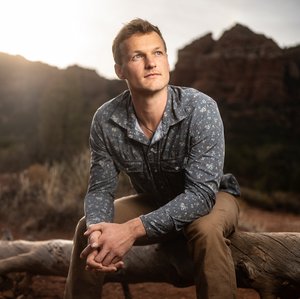
Dalton Johnson is a professional adventure and editorial photographer with well over a decade of experience creating images across all seven continents. His client work includes Patagonia, GoPro, Arc'teryx, Four Seasons, Nike, Rivian, Big Agnes, Ford Bronco, and 160+ other brands. He runs Dalton Johnson Media as a full-service studio, from pre-production through post and distribution.