Gear Survival in Sub-Zero Ice Climbing Conditions
My camera gear failed me twice during my first two sub-zero ice climbing shoots, once when batteries died within minutes of exposure and once when a lens actually seized up entirely, real, expensive lessons that genuinely taught me exactly how demanding sub-zero conditions actually are on standard camera equipment.
I've since genuinely built an entire, considered system specifically for keeping gear functional in temperatures that would otherwise disable it within just a few minutes of real exposure. If you're working to build your own reliable approach to shooting in extreme cold, the Adventure Travel Photographer's Playbook covers how I approach gear and preparation as part of a complete creative practice.
Why Standard Batteries Actually Fail Almost Immediately in Sub-Zero Air
Standard camera batteries genuinely lose the majority of their real capacity within minutes of sustained sub-zero exposure, a chemical reality that caught me off guard early on when a fully charged battery actually died after producing only a small handful of usable frames.
I've learned to actually keep every spare battery warm against my body beneath my outer layers, only inserting a genuinely warmed battery into the camera immediately before shooting rather than letting it sit exposed to the cold air.
That rotation system, warm battery in, cold battery out and back against my body to recover, has genuinely become a constant, active process throughout every sub-zero shoot rather than something I can simply set up once and forget about entirely.
How Condensation Actually Threatens Gear During Temperature Transitions
Moving gear between genuinely cold outdoor air and a warmer vehicle or lodge creates real condensation risk, since moisture can actually form inside a camera body or lens the moment cold equipment meets considerably warmer, more humid indoor air.
I've learned to actually seal gear inside a dedicated bag before bringing it indoors, letting it slowly acclimate to room temperature over an hour or more rather than exposing cold equipment directly to a warm environment all at once.
That deliberate acclimation process has genuinely prevented the internal condensation issues that damaged gear during my early sub-zero shoots, a discipline I now treat as completely non-negotiable regardless of how genuinely inconvenient the wait actually feels in the moment.
Why Lens Lubricants Actually Stiffen and Fail in Extreme Cold
Standard lens lubricants genuinely stiffen considerably in sub-zero temperatures, and I've actually experienced a lens's focus ring seize up almost completely mid-shoot when its internal lubricant simply couldn't function properly at the temperature I was actually shooting in.
I've since learned to actually research and invest in gear specifically rated for extreme cold use, confirming a lens or body's genuine cold-weather performance before ever trusting it on a demanding sub-zero shoot rather than simply assuming standard equipment will hold up fine.
That research has genuinely become a mandatory part of my gear acquisition process now, treating cold-weather performance ratings with the same real seriousness I'd apply to any other core technical specification when actually choosing new equipment for the field.
How I Actually Protect My Own Hands Without Sacrificing Camera Control
Keeping my own hands warm enough to function genuinely conflicts with the fine motor control camera operation actually requires, a real tension I've had to carefully solve through specific glove systems rather than simply choosing warmth or dexterity alone.
I now actually rely on thin liner gloves for active shooting paired with heavier mitts I can quickly pull on during pauses, a layered system that genuinely balances real warmth against the fine control needed to actually operate camera controls precisely.
That glove system took considerable trial and error to actually refine, but it's become genuinely essential to sustaining productive shooting through a full sub-zero day without genuinely risking frostbite or losing the dexterity a demanding shoot actually requires.
Why I Actually Carry Chemical Hand and Battery Warmers on Every Shoot
Beyond simply dressing warmly, I've learned to actually carry disposable chemical hand warmers specifically positioned near battery storage and my own hands, providing genuine supplemental heat that considerably extends both my personal endurance and my gear's functional battery life.
I now actually pack considerably more of these warmers than seems strictly necessary for a given shoot, since running out mid-day in genuinely extreme cold has real, serious consequences for both gear performance and my own physical safety on an extended shoot.
That deliberate over-preparation with warmers has genuinely saved multiple shoots that would have otherwise ended early, giving me real margin against the unpredictable ways sub-zero conditions can actually accelerate both gear failure and personal discomfort over time.
How Moisture From My Own Breath Actually Fogs Viewfinders and Lenses
I've genuinely learned that my own breath actually becomes a real hazard to gear in sub-zero conditions, fogging a viewfinder or lens instantly if I'm not deliberately careful about how I position my face relative to the camera while composing.
I've developed a habit of actually holding my breath briefly or turning my head slightly away during critical framing moments, a small but genuinely important adjustment that prevents the frustrating fogging that plagued my earliest cold-weather shoots.
That awareness of my own breath as a genuine gear hazard has become second nature now, but it's a real, practical lesson that simply doesn't come up in more temperate shooting conditions.
Why Memory Cards and Small Components Actually Become Fragile in Cold
Small components like memory cards and battery door latches genuinely become considerably more brittle and fragile in sub-zero temperatures, and I've actually damaged a memory card door by handling it too roughly with cold-stiffened fingers early in my cold-weather career.
I've learned to actually handle every small component with deliberate, gentle care in extreme cold, recognizing that plastic and small mechanical parts genuinely lose flexibility and become considerably more prone to cracking or breaking under normal handling force.
That gentler handling approach has genuinely become automatic now, a small but real adjustment that's prevented repeat damage to the kind of small components that are easy to overlook until they've actually already failed on you.
How I Actually Structure a Shoot Day Around Gear's Real Cold-Weather Limits
Rather than shooting continuously through a full sub-zero day, I've learned to actually structure shooting in deliberate blocks, giving both gear and myself genuine recovery time indoors or in a warmed vehicle between sustained cold exposure periods.
That block structure genuinely extends both my equipment's functional lifespan for the day and my own personal endurance, rather than pushing straight through until gear or I actually fail simultaneously somewhere in the middle of an extended shoot.
I've found that clients generally understand and support this structured approach once I explain the real technical reasoning, recognizing that a well-paced shoot day actually produces more usable images than one that pushes gear and photographer alike too hard.
What I've Learned From Gear Failures Despite Every Precaution
Despite every precaution, I've genuinely had moments where gear still failed in sub-zero conditions, a battery that died faster than expected, a lens that briefly stiffened, each teaching me something real about where my system's actual weak points genuinely were.
I've learned to actually treat every failure as genuinely valuable information, systematically reviewing what specifically went wrong and actually adjusting my cold-weather protocol so the same specific failure genuinely couldn't happen again on a future sub-zero shoot.
That honest, systematic approach to learning from failure has genuinely made my current cold-weather gear system considerably more reliable than anything I started with, built directly from real mistakes rather than purely theoretical planning alone.
Why I Actually Always Carry a Complete Backup Camera System
I never actually bring only a single camera setup on a sub-zero shoot, since I've genuinely learned that cold-related equipment failure is a real possibility that a fully redundant backup system can actually protect a shoot's outcome against entirely.
That backup system stays genuinely warm and protected separately from my primary working gear, ready to actually substitute immediately if my main setup experiences a cold-related failure partway through a demanding sub-zero shoot day.
I've genuinely found real peace of mind in this redundancy, since knowing a warm, functional backup exists lets me actually push my primary gear's cold-weather limits further without genuinely jeopardizing the entire shoot if something unexpected actually fails on location.
Why I Actually Choose Manual Focus and Exposure More Often in Extreme Cold
Autofocus motors genuinely slow down or become less reliable in extreme cold, and I've learned to actually rely more heavily on manual focus and exposure settings during sub-zero shoots rather than trusting automated systems that can behave unpredictably at low temperatures.
I've genuinely practiced manual focus extensively in controlled conditions beforehand, ensuring I can actually work quickly and confidently without automated assistance when a sub-zero shoot's real conditions demand that manual approach.
That shift toward manual control has genuinely become a core part of my cold-weather shooting technique, treating reduced reliance on automation as a practical adaptation rather than a limitation imposed by the conditions.
How Weatherproofing My Camera Bag Actually Prevents Secondary Gear Damage
Beyond the camera itself, I've learned that a genuinely weatherproof, insulated camera bag actually matters considerably for protecting stored gear from both direct cold exposure and the moisture that snow and ice inevitably introduce throughout a sub-zero shoot day.
I now actually use a bag specifically rated for cold and wet conditions, confirming its seals and insulation genuinely hold up before ever trusting it to protect backup gear during an extended day on an exposed ice route.
That investment in proper bag protection has genuinely prevented secondary damage to gear that wasn't actively in use, reinforcing that cold-weather preparation extends well beyond the camera and lens currently in my hands.
Why I Actually Test Every New Piece of Gear in Controlled Cold First
Before ever trusting new equipment on an actual sub-zero shoot, I've learned to actually test it in a controlled cold environment first, whether a walk-in freezer or a genuinely cold outdoor session, confirming its real performance before real consequences are on the line.
That controlled testing has genuinely revealed weaknesses in gear that manufacturer specifications alone didn't fully capture, information I'd rather actually discover in a low-stakes test than during a demanding, remote shoot with a paying client present.
I've made this testing step completely non-negotiable now, treating it as essential due diligence before any new piece of equipment actually earns a place in my sub-zero shooting kit going forward.
What I've Learned About My Own Body's Cold Tolerance Over Time
Beyond gear, I've genuinely learned to pay closer attention to my own body's actual cold tolerance limits, recognizing early signs of genuine discomfort or numbness before they progress into something that could actually compromise both safety and shoot quality.
I've developed real self-awareness about when to actually call for a warming break versus when I can genuinely push through a bit longer to capture a specific moment, a judgment call that's improved considerably with accumulated experience.
That growing self-awareness has genuinely become just as important to sub-zero shoot success as any piece of technical gear, since even the best-equipped photographer still depends entirely on their own body actually functioning well enough to operate that gear.
How I Actually Communicate Cold-Weather Realities to Clients in Advance
I've learned to actually set clear expectations with clients before a sub-zero shoot, explaining that cold-related pacing and equipment limitations are real, practical factors that will genuinely shape how the day actually unfolds rather than simply proceeding as they might otherwise expect.
That upfront communication has genuinely prevented frustration later in a shoot day, since clients who understand these real constraints in advance don't actually push back when cold-weather realities genuinely affect pacing or specific shot opportunities.
I've found that clients consistently respect this transparency, actually trusting my judgment considerably more once they genuinely understand these decisions come from real professional experience with extreme conditions rather than a lack of preparation.
Why I Actually Keep a Detailed Log of Gear Performance Across Different Temperatures
I've genuinely built a habit of actually logging how specific gear performs at different temperature thresholds across every sub-zero shoot, building a real, personal reference that tells me exactly when a given piece of equipment historically starts struggling.
That accumulated log has genuinely become more valuable than any manufacturer specification sheet, since it reflects my own actual gear's real performance under my specific shooting conditions rather than generalized laboratory testing figures.
I now actually consult this log before planning any new sub-zero shoot, using real historical data to decide which equipment configurations genuinely make sense for the specific temperature range I'm anticipating that day.
How Spare Parts and Field Repairs Have Actually Saved Shoots From Ending Early
Beyond full backup gear, I've learned to actually carry a small kit of spare parts and basic repair tools specifically for the kinds of small failures, a stuck battery door, a loose connection, that cold weather makes considerably more likely to occur.
I've genuinely used this field repair kit more than once to actually fix a minor issue on location rather than losing an entire shoot to a problem that would have otherwise required returning to a warm location for a proper fix.
That small investment in field repair capability has genuinely paid for itself many times over, giving me real self-sufficiency during remote sub-zero shoots where a return trip for repairs simply isn't a practical option.
What I'd Tell a Photographer Preparing for Their First Sub-Zero Shoot
If you're preparing for your first genuinely sub-zero shoot, I'd genuinely encourage you to invest real time researching cold-rated gear and building a battery and warming system before ever trusting standard equipment to survive sustained, extreme cold exposure.
Test your complete cold-weather system in controlled conditions first, actually confirming your glove system, battery rotation, and warming supplies genuinely work well together before you're genuinely relying on them during a demanding, remote sub-zero shoot with real consequences for failure.
Build in genuine redundancy wherever you actually can, a backup camera, extra warmers, more batteries than seems necessary, since sub-zero conditions will eventually and genuinely test every part of your system in ways you honestly can't fully anticipate in advance.
Reflection Questions
- How well would your current gear actually hold up under sustained sub-zero exposure?
- What backup systems do you have in place if primary equipment fails in extreme conditions?
- How do you currently balance personal warmth against the dexterity your work actually requires?
- What structured pacing could help you sustain a full day of shooting in demanding conditions?
If you're working on building a more reliable approach to shooting in extreme cold, the Adventure Photographer's Playbook covers how I approach gear and preparation as part of a complete creative practice.
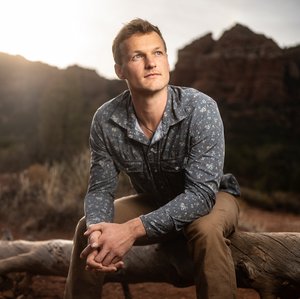
Dalton Johnson is a professional adventure and editorial photographer with over a decade of experience creating images on all seven continents. His client work includes Patagonia, GoPro, Arc'teryx, Four Seasons, Nike, Rivian, Big Agnes, Ford Bronco, and 160+ other brands. He runs Dalton Johnson Media as a full-service studio, from pre-production through post and distribution.