
Why Staying Visible Beats Hard Pitching In Photography
There is a version of outreach that burns people out. Crafting the perfect email. Obsessing over the subject line. Rewriting the pitch for the fifth time before hitting send. Waiting. Refreshing. Nothing. Starting over.
That approach treats every outreach like a transaction. Send the right message, get the job. It does not work that way, especially in the outdoor industry.
CASE STUDY: Take a deep dive into one of Oru Kayak's most successful launches
What Most Photographers Get Wrong About Pitching
The assumption behind most outreach is that the brand is ready to hire right now and just needs the right reason to say yes. So photographers pour energy into perfecting the pitch, personalizing every email, and crafting something clever enough to break through. But most of the time, the brand is not ready. Not because the pitch was not good enough. Because they do not have a campaign on the calendar yet.
Outdoor brands typically run one, two, maybe three product launches a year. Outside of those windows, there is no budget to spend and no decision to make. The most compelling pitch in the world lands in an inbox that has no use for it right now. That is not a pitch problem. That is a timing problem. And until you understand the difference, you will keep burning energy on the wrong thing.
The photographers who figure this out stop trying to force a yes and start playing a longer game. They shift from asking to showing up. That shift changes everything about how outreach feels and how well it works.
Visibility Is the Real Strategy
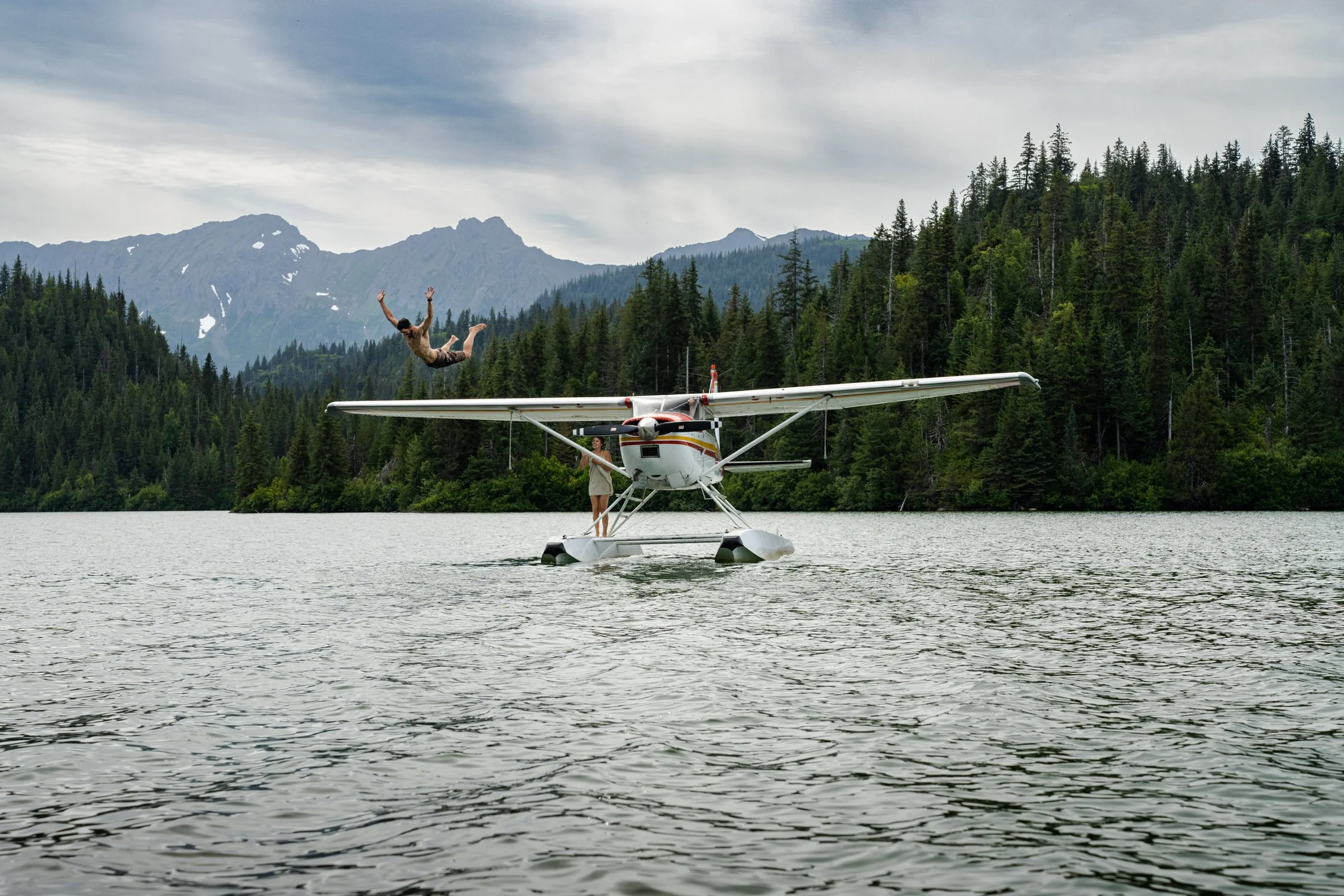
The Oru Kayak relationship did not start with a brilliant pitch. It started with consistent, simple outreach every two weeks for close to a year. The message did not change much. New work, a relevant idea, a quick check-in. Nothing elaborate. The goal was not to convince them on any single touchpoint. The goal was to stay in their world long enough that when a product launch finally came around and budget opened up, the name was already familiar.
That is what visibility does. It removes the cold from the cold call. By the time Oru Kayak was ready to shoot a campaign for the Lake model, reaching out was not starting a conversation. It was continuing one. The trust was already there. The credibility was already established. The only thing left to do was say yes to a project that was already a natural next step.
Most photographers never get to that point because they stop showing up before the timing lines up. The brand was not ignoring them. The calendar just had not caught up yet.
Quick Note: If you find this article helpful, the idea come from The Adventure Photographer's Playbookand it costs $10. Why so cheap? The goal is to help as many new to mid level photographers as possible go from nothing to getting booked in 18 months. If that is you, check it out.
Here’s What Lives In My Gear Bag:
Sony a7r4; my work horse
Sony a7s3; mostly for video work like solo-filmmaking documentary
Tamron 16-30; probably my favorite lens right now
Tamron 28-75; I think this is the best all around focal length
Tamron 70-180; I don’t use this a ton, but it’s a great lens
The Difference Between Pitching and Staying in Touch
Pitching is asking for something. Staying in touch is showing up. Those are different things and they create different dynamics. When you pitch hard, you put pressure on the other person to respond, evaluate, and decide. When you stay in touch, you are sharing what you are working on and keeping the relationship warm. One feels like a sales call. The other feels like a colleague checking in. Brands are far more likely to hire the colleague.
The practical version of this looks like reaching out every two weeks across your full list of potential clients. Not a different elaborate pitch each time. Just consistent presence. Share a recent project. Reference something relevant to their brand. Keep it short. Keep it honest. Then move on and do it again in two weeks. That rhythm, sustained over months, builds something that no single perfect email ever could.
It also takes the pressure off each individual outreach. When you are not betting everything on one pitch, you can relax. You can be direct and natural instead of trying to be impressive. That comes through in the writing and it makes a difference.
What Happens When the Timing Lines Up
After nearly a year of showing up, Oru Kayak responded with something that had nothing to do with the pitch and everything to do with timing. They had a product ready. They needed a campaign. And because the outreach had been consistent, there was already a foundation to build on. The conversation did not start from zero. It picked up from somewhere.
The project started at $5,000 and grew to $13,500. It became one of Oru Kayak's most successful campaigns. It led to two more product launches together. None of that was the result of a perfect pitch. It was the result of not disappearing when the silence stretched on and it would have been easy to move on.
That is the part most photographers miss. The win did not come from saying the right thing at the right moment. It came from still being there when the moment finally arrived.

The Takeaway
You do not need to be louder. You need to be consistent. Pick a cadence you can actually sustain, every two weeks works, and stick to it across every brand you want to work with. Share real work. Have a clear point of view. Do not overthink the message.
The brands that hire you will not always remember the specific email that got their attention. They will remember that you were always there. That is the point. Visibility is not a tactic. It is the strategy. And it works precisely because most photographers are not willing to sustain it long enough to find out.
Reflection Questions
What is the difference between your current outreach and simply staying in touch with the brands you want to work with?
How many brands are on your active outreach list right now, and how consistently are you showing up for each of them?
What would your outreach look like if you stopped trying to convince and started focusing on staying visible?
Can you identify a brand relationship where consistent presence eventually opened a door that a single pitch never would have?
Want to create adventure photography campaigns like this? My The Adventure Photographer's Playbook breaks down everything you need to do and it only costs $10. Why so cheap? The goal is to help as many new to mid level photographers as possible go from nothing to getting booked in 18 months:

The Adventure Photographer’s Playbook is an e-book created by full-time photographer Dalton Johnson to help new photographers go from nothing to booked in the adventure photography space.
This adventure photography e-book goes over the business and what “making it” as a photographer in the outdoor space requires. Covering topics such as pricing, marketing, building a body of work, reflection questions, and everything you need to know to make a career out of adventure photography.
Updated: June 2025
Read More About Adventure Photography


About Dalton
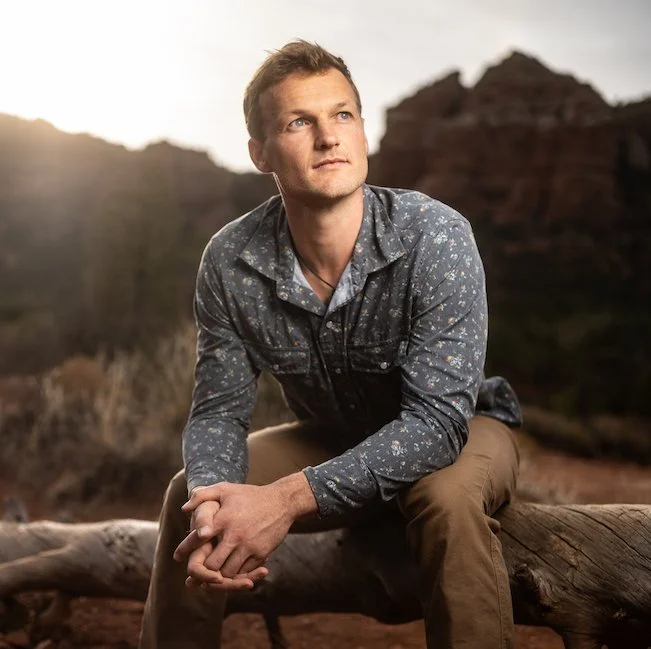
Dalton Johnson is a photographer, director, and writer (award-winning at all three) based in South Lake Tahoe, CA.
Over the last 10 years, Dalton’s creative work has taken him to every continent, above the arctic circle, and below the antarctic circle.
Vivamus pellentesque vitae neque at vestibulum. Donec efficitur mollis dui vel pharetra.