The Napkin Agreement That Handles Scope Creep
A client asks for one more setup halfway through the shoot day. Everyone on set nods like it is nothing. It is not nothing. It is new work that was never priced, and if you do not name it out loud in that exact moment, you end up eating the cost yourself, quietly, every single time.
I wrote a full breakdown of how I structure pricing, contracts, and scope for every project I take on in The Adventure Photographer’s Playbook, a practical guide built from a decade of running this business on the road.

Click the image to check out a case study with recent work I did for Rivian.
Why Scope Creep Feels Impossible to Stop Mid Shoot
I charge per project, not by the hour, and not off a timesheet. That decision alone changes how I think about a shoot day. If we move faster than planned, the price does not drop. If we move slower, the price does not climb. The number was set before anyone showed up on location, based on the deliverables we agreed to.
That system works great until someone on set asks for something that was never in the brief. A new angle. A different location for one more look. A video component nobody scoped out when we signed. In the moment, it feels small. Saying yes feels like good client service. Saying no feels like being difficult over something that will only take twenty more minutes.
Here is the problem with that twenty minutes logic. It is never really twenty minutes. It is the setup time, the extra battery cycle, the edit hours that new footage adds later, and the precedent you just set for every future shoot with that same client. Once you give away one extra look for free, the next ask arrives assuming the same deal.
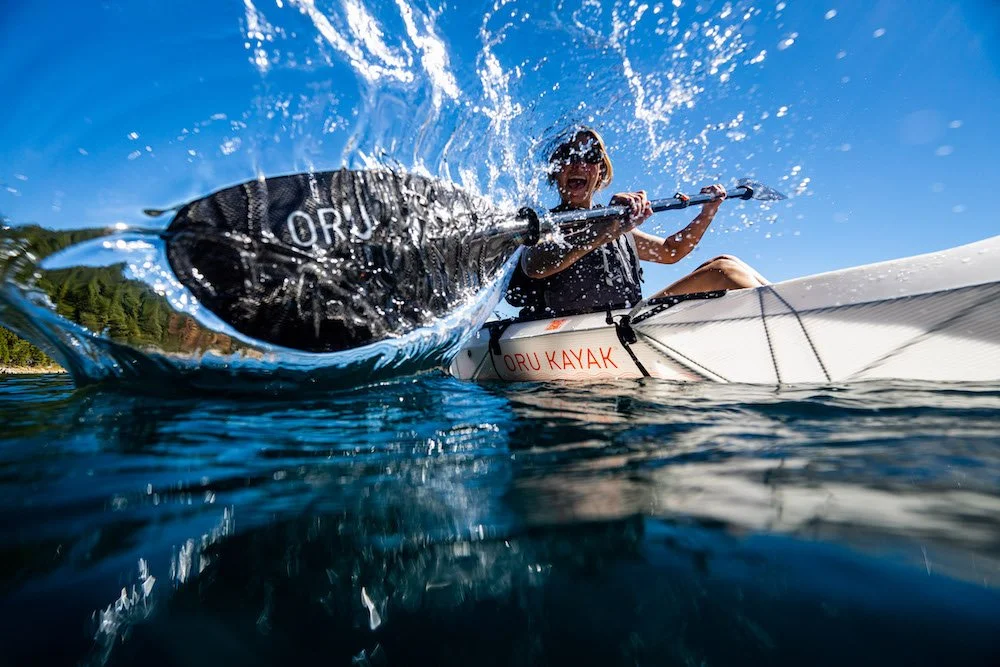
Check out some recent advertisement work created for Oru Kayaks by clicking on the image
The Napkin Agreement
The fix I landed on is simple, and it happens right there on set, not after the fact over email. The moment a client asks for something outside the agreed shot list, I name it out loud as extra work. Not in a confrontational way. Just plainly. Something like, this is a great idea and it is outside what we scoped, so let’s figure out the add on right now before we shoot it.
Then we price it against the rate we already agreed to for a single look or setup, and we write it down. It does not need a formal change order or a lawyer on the phone. A napkin works. A note in your phone works. What matters is that it is in writing, it happens before the extra work gets shot, and both people sign off on it in some form, even if that form is a text message sent right there from set.
I like to frame it with a single question when a client pushes back on paying for the add on: do you get paid if you work overtime? Almost everyone says yes, obviously, because their job pays them for the hours they put in beyond what was scheduled. That answer usually ends the conversation, because it reframes the ask correctly. This is not me nickel and diming a client I like working with. This is the same logic that applies to every job on earth, applied to mine.
The reason this works better than a full contract amendment is speed. A shoot day does not pause for redlines. The napkin agreement gives you a real, enforceable record without breaking the flow of the day. You are not stopping production to loop in legal. You are protecting the number you both already agreed mattered, in the time it takes to jot it down.
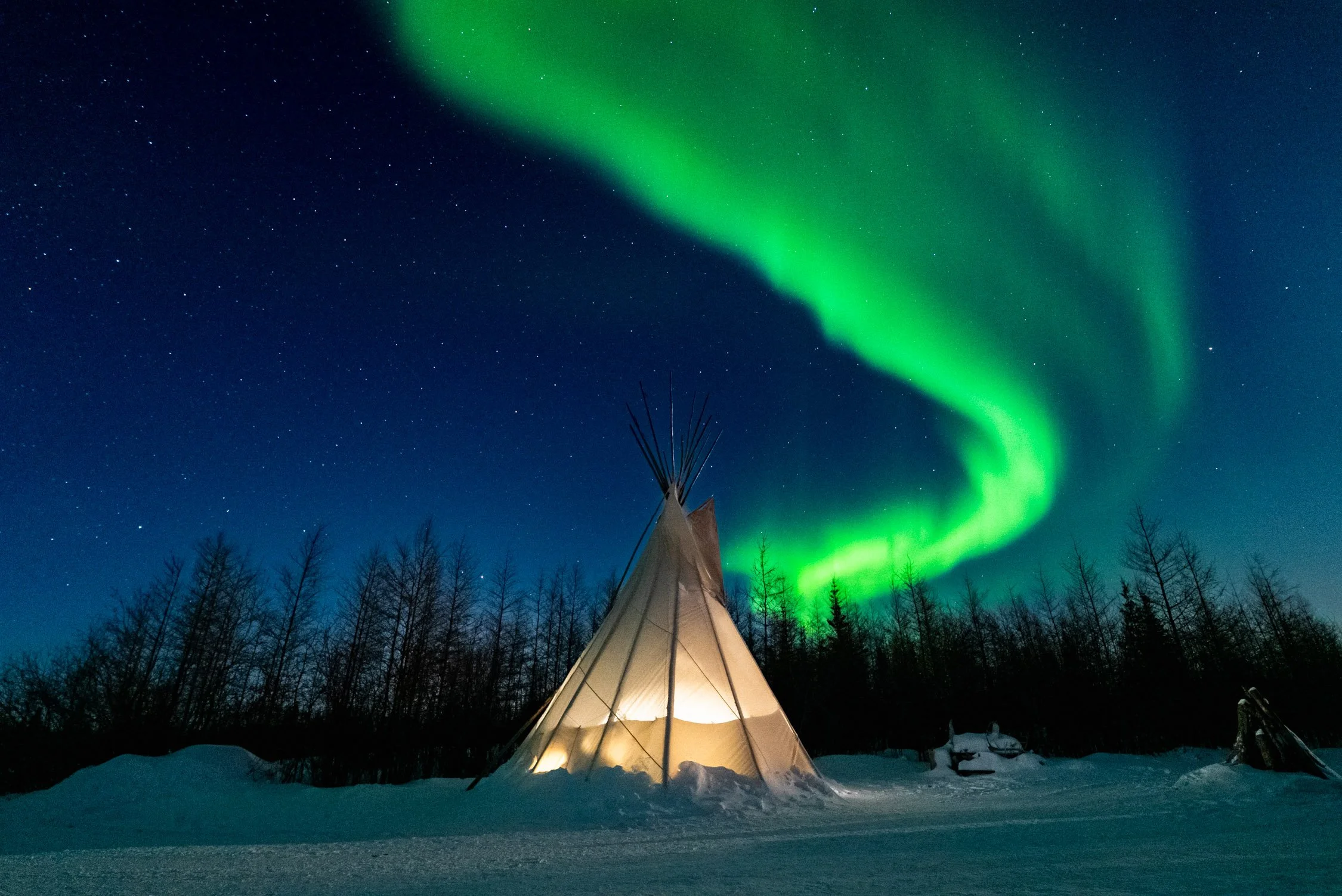
Check out some recent work I did for Travel Manitoba tourism board by clicking the image
What Happens When They Say No
Sometimes a client hears the add on price and decides it is not worth it after all. That is a completely fine outcome. In fact it is a good outcome, because it means the request gets tested against its actual value instead of being assumed as free. If the shot matters enough, they will pay for it. If it does not, we skip it and stay on the schedule we built the day around.
Occasionally someone pushes back harder, arguing the extra work should be covered under the original scope. This is exactly why the original contract matters so much. If the deliverables and shot count are spelled out clearly up front, you can point back to that document and show, plainly, that what is being asked for now sits outside it. The napkin agreement is not a replacement for a real contract. It is what you use in the gap between the contract you signed and the request that just came up that the contract never anticipated.
I have had clients try to reframe an add on as something they assumed was included. That is a normal negotiation move, not a personal attack, and it goes smoother when you are calm and specific rather than defensive. Pull up the shot list. Show what was agreed. Offer the add on at the rate you would charge anyone for that same unit of work. Most of the time, that is the end of it.

Check out the case study for the release campaign of Big Agnes’s new bikepacking tent by clicking this image.
Why This Protects the Client Too
It is tempting to frame this only as a photographer protecting their own time and money, but a clear scope change process protects the client just as much. Nobody wants a surprise invoice that shows up two weeks after delivery with charges for work they do not remember agreeing to. Naming the extra work at the moment it happens, at an agreed price, means there are no surprises on either side of the relationship.
It also protects the relationship itself. Money conversations that happen honestly and immediately do not fester. The alternative, saying yes on set and then either eating the cost or trying to sneak it into a final invoice, breeds resentment on your end and confusion on theirs. Clear, fast, in the moment agreements keep both people focused on the work instead of quietly keeping score.
This same logic scales past single add ons during a shoot day. Once a client understands that scope changes get priced in real time, they start scoping their briefs more carefully up front, because they know a loose brief costs them more later. That is a healthier dynamic for a long term working relationship than either party pretending scope creep is not happening.
The version of this I would tell someone starting out is that the discomfort of naming an add on out loud fades fast, and the alternative, silently absorbing extra work shoot after shoot, does not fade at all. It compounds. Every unpriced extra you agree to becomes the baseline expectation for the next project. Fix it at the source, in the moment, with something as low friction as a napkin and a signature, and the whole problem mostly disappears.
Scope creep is not a client behaving badly. It is a normal, human response to being on a fun shoot with someone talented and wanting to grab one more great frame. Your job is not to shut that impulse down. Your job is to make sure it gets priced like the real work it is, right when it happens, so the day ends with everyone including you getting paid fairly for what actually happened on set.
If you are building your own pricing and contract systems from scratch, I go much deeper on scope, kill fees, deposits, and the exact contract language I use in The Adventure Photographer’s Playbook.
For more on how I run the money side of this business, see:
Reflection Questions
What do you currently do when a client asks for something outside the agreed shot list mid shoot?
How would naming the extra work out loud, in the moment, change the tone of that conversation?
Is your current contract specific enough about deliverables that you could point to it if a scope disagreement came up?
What would it cost you, over a full year, if you are currently giving away one unscoped extra per shoot for free?
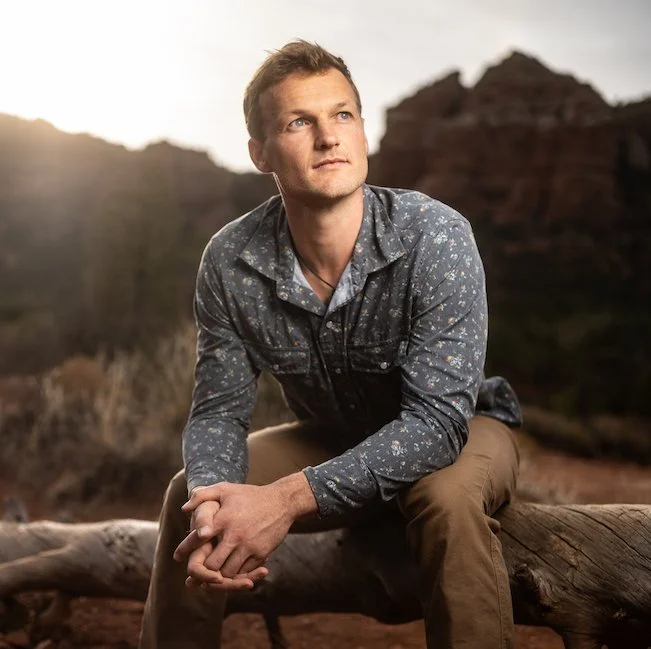
About the Author
Dalton Johnson is an adventure and editorial photographer and director based in South Lake Tahoe, California. He has shot on all seven continents for brands including Patagonia, GoPro, Arc’teryx, Four Seasons, Nike, Rivian, Big Agnes, and Ford Bronco, directed more than fifty commercial spots, and spent eight years living out of a van and a car while building his business from nothing. His documentary work includes a PBS aired film and the self initiated project 72 Miles of Blue. He writes about the real business and craft of adventure photography for other photographers building their own careers.