How to Follow Up Without Being Annoying As A Photographer
Most photographers send one email and wait. A few send two. Almost nobody sends twenty. That gap is where brand relationships actually get built.
Following up is not annoying. Disappearing after one pitch and then reappearing six months later asking for work is annoying. There is a big difference between the two and understanding it will change how you approach every client relationship you have.
CASE STUDY: Take a deep dive into one of Oru Kayak's most successful launches
The Follow Up Is Not a Reminder. It Is a Relationship.
Most photographers treat the follow up as a nudge. A gentle reminder that they exist and would like to be hired. That framing puts you in a weak position from the start. You are essentially asking the brand to do you a favor by responding. Nobody wants to feel like they owe a stranger a reply.
The better frame is simpler. You are not following up on a pitch. You are continuing a conversation. You are sharing what you are working on, staying connected to their world, and making it easy for them to think of you when the timing is right. That is a completely different dynamic. One is transactional. The other is relational. And brands hire people they have relationships with.
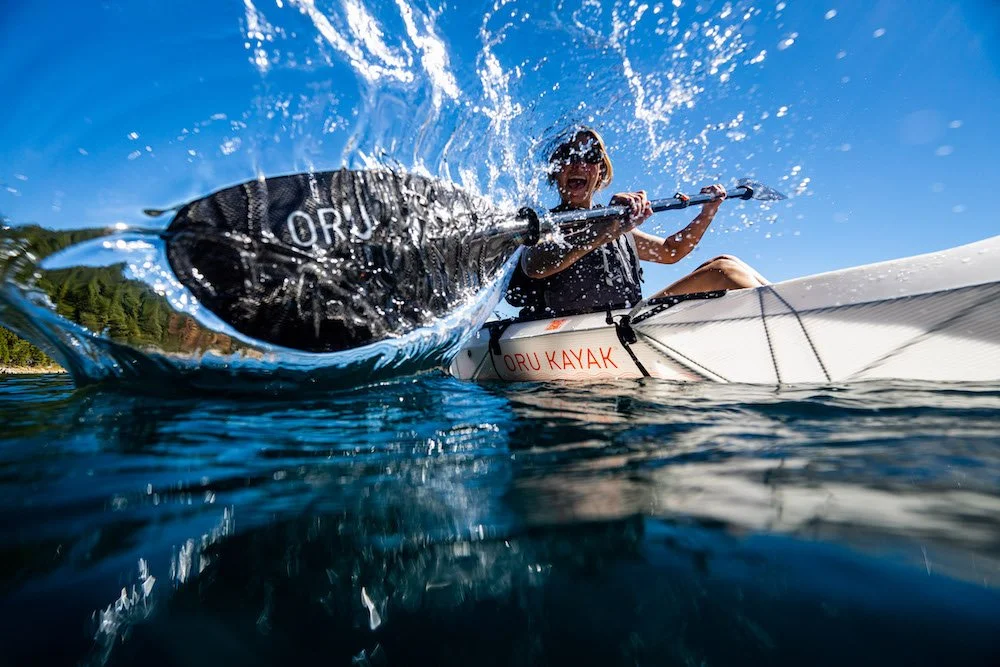
When the outreach to Oru Kayak started, the goal was never to pressure them into a response. It was to stay present. Twenty touchpoints over six months before the first real reply came back. That is not desperation. That is patience with a strategy behind it.
What to Actually Say
The biggest reason photographers do not follow up is that they do not know what to say. They sent the pitch. They made their case. What is left? Quite a bit, as it turns out.
Every follow up is an opportunity to show that you are still working, still growing, and still thinking about how your work could serve their brand. Share a recent project that is relevant to what they make. Reference something happening in their world, a new product, a campaign you saw, a location that connects to their audience. Keep it short. Two or three sentences is enough. The goal is not to re-pitch. The goal is to remind them that you are real, you are active, and you are paying attention.
The outreach that eventually landed the Oru Kayak campaign was not elaborate. It was consistent and clear. Here is what I do. Here is why it is different. Here is what it could look like for your brand. That message, repeated every two weeks with slight variations, built more trust than any single perfectly crafted pitch ever could have.
Quick Note: If you find this article helpful, the idea come from The Adventure Photographer's Playbookand it costs $10. Why so cheap? The goal is to help as many new to mid level photographers as possible go from nothing to getting booked in 18 months. If that is you, check it out.
Here’s What Lives In My Gear Bag:
Sony a7r4; my work horse
Sony a7s3; mostly for video work like solo-filmmaking documentary
Tamron 16-30; probably my favorite lens right now
Tamron 28-75; I think this is the best all around focal length
Tamron 70-180; I don’t use this a ton, but it’s a great lens

Frequency and Cadence
Every two weeks is the right rhythm. Often enough to stay top of mind. Not so often that you become noise. At that pace, you are reaching out roughly 26 times a year per contact. Over the course of a year, that is 26 chances for the timing to line up. Most photographers give a brand two or three chances and move on. That math does not work in your favor.
Spread that cadence across your full list of potential clients and you have a system. Not a series of individual pitches but a ongoing presence in the inboxes of every brand you want to work with. Some will respond quickly. Some will take a year. Some will take longer. The ones who hire you will almost always be the ones who have been hearing from you long enough that reaching out feels natural on both sides.
It also helps to reach out to multiple contacts at the same brand. Marketing managers, creative directors, social media managers, producers. The more people who know your name inside a company, the more likely it is that someone mentions you when a project comes up internally. The Oru Kayak outreach touched a few different people before the right conversation happened.
When You Get a No
A no is not the end of the outreach. It is information. When Oru Kayak replied early on with something along the lines of thanks, we do not have anything right now, that was not a rejection. It was a timing update. The right response is to acknowledge it, thank them for the reply, and keep showing up every two weeks the same as before.
Most photographers treat a soft no as a hard stop. They back off, give the brand space, and eventually disappear. The brand forgets them within a month. Then six months later the photographer reaches back out and it feels cold again. The continuity is gone and you are essentially starting over.
Staying consistent after a no is where most of the real opportunity lives. The brands that eventually become long-term clients are often the ones who said no first. They just needed time and a photographer who did not interpret their no as a reason to stop showing up.

The Takeaway
Following up is not a social violation. It is a professional habit. The photographers who build the best client rosters are not the ones with the best pitch decks. They are the ones who are still in the inbox six months after everyone else gave up.
Keep the cadence. Keep it short. Keep it real. Share work that is relevant to their world and make it easy for them to say yes when the timing finally lines up. That is the whole strategy. It is less complicated than most photographers make it and more effective than almost anything else you can do to build a client base from scratch.
Reflection Questions
What is the longest you have ever sustained a follow up cadence with a brand before giving up?
How do you currently think about a soft no from a potential client, and does that response serve you?
What would you say in a follow up email today that is not just a reminder that you exist?
How many contacts do you typically reach out to inside a single brand, and is that enough?
Want to create adventure photography campaigns like this? My The Adventure Photographer's Playbook breaks down everything you need to do and it only costs $10. Why so cheap? The goal is to help as many new to mid level photographers as possible go from nothing to getting booked in 18 months:

The Adventure Photographer’s Playbook is an e-book created by full-time photographer Dalton Johnson to help new photographers go from nothing to booked in the adventure photography space.
This adventure photography e-book goes over the business and what “making it” as a photographer in the outdoor space requires. Covering topics such as pricing, marketing, building a body of work, reflection questions, and everything you need to know to make a career out of adventure photography.
Updated: June 2025
Read More About Adventure Photography
About Dalton
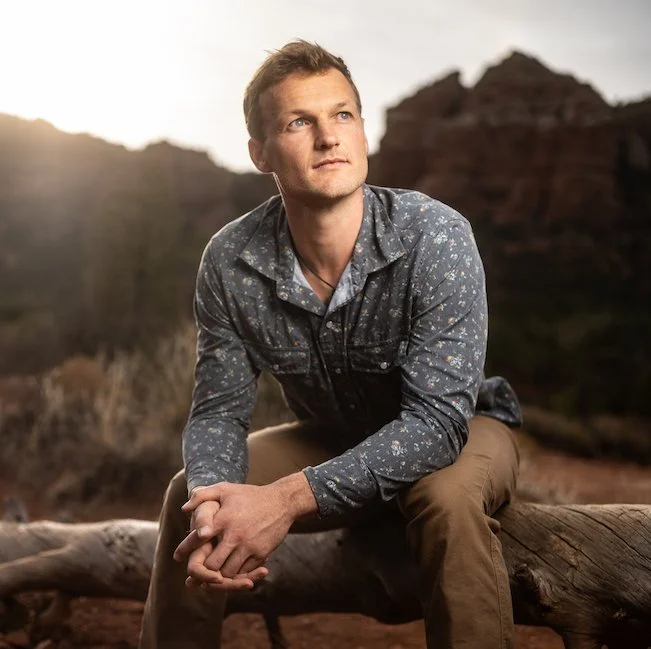
Dalton Johnson is a photographer, director, and writer (award-winning at all three) based in South Lake Tahoe, CA.
Over the last 10 years, Dalton’s creative work has taken him to every continent, above the arctic circle, and below the antarctic circle.