Positioning Yourself Safely on a Mountain Bike Trail
Positioning myself safely on an active mountain bike trail is a genuine, ongoing consideration that runs alongside every single creative and technical decision I actually make during a shoot, since a poorly chosen vantage point can put both me and the rider at real, actual risk in ways that a compelling photo is never genuinely worth accepting.
Over many years of shooting mountain biking in genuinely varied terrain, I've developed a real, disciplined approach to trail safety that lets me get genuinely close enough for compelling images without actually compromising anyone's physical safety or wellbeing. If you're genuinely building your own approach to action sports photography, the Adventure Travel Photographer's Playbook covers how I actually approach risk and technical execution as part of a complete creative practice overall.
Why I Scout Every Trail Feature Before a Rider Ever Approaches
Before any rider actually makes a single pass, I walk the specific trail feature I'll be shooting slowly and deliberately, genuinely identifying exactly where a rider's line will take them and, just as important, where it genuinely could take them if something actually goes wrong during that particular pass.
That scouting process has become a real, non-negotiable part of my pre-shoot routine, since a trail feature that looks genuinely straightforward from a distance can actually reveal hidden risks, loose rock, an unexpected drop, or a blind corner, once I've actually walked the ground myself carefully.
I've genuinely learned to trust this hands-on scouting over any assumptions I might make from simply watching a rider's practice runs from a distance, since my own physical position during the actual shoot needs to account for real risks that aren't always obvious without actually being on the ground.
How I Actually Choose a Position Outside a Rider's Potential Line
My core safety principle is genuinely simple to state but requires real, sustained discipline to actually follow consistently, I position myself entirely outside any path a rider could plausibly end up on, even accounting honestly for a genuine mistake, a skid, or an unexpected loss of control.
That means actually avoiding positions that look genuinely safe under a rider's intended line but would put me directly in harm's way if they actually washed out or overshot a given corner, a distinction that requires real, honest judgment about how much margin a specific feature genuinely demands.
I've developed a genuine habit of actually asking myself, for every single position I actually consider, what happens if this specific rider genuinely loses control right here, and I only actually stay in that position if the honest answer still keeps me clearly out of harm's way entirely.
Why I Communicate Directly With Riders About My Own Position
Beyond my own positioning judgment, I actually make a genuine point of telling each rider exactly where I'll actually be standing before they start a run, since a rider who genuinely knows my position can factor that information into their own line choices and actually avoid surprises for both of us during the run.
That direct communication has genuinely prevented several close calls over the years, moments where a rider might have otherwise adjusted their line in a way that actually brought them considerably closer to my position than either of us genuinely intended at the outset.
I treat this conversation as a real, essential part of my safety process now, never actually assuming a rider already genuinely knows where I actually am simply because I can see them clearly from my own chosen vantage point along the trail.
What I've Learned About Trail Etiquette and Other Users
Mountain bike trails are rarely used exclusively by the single rider I'm actually photographing on a given day, and I've genuinely learned to actually stay aware of other trail users, hikers, other riders, and even wildlife, who might unexpectedly enter the specific area where I'm currently positioned.
That awareness has genuinely become a real, active part of how I actually work on a trail, checking regularly for other trail users and staying prepared to actually reposition quickly if someone genuinely unexpected enters the area near my chosen vantage point during a shoot.
I've also made a genuine habit of using trail flagging or clear verbal communication with my own team to actually keep other users clear of an active shoot area, a practice that genuinely protects everyone involved, not just the rider and myself, throughout the entire shoot.
How I Handle Genuinely Unpredictable Terrain Conditions
Trail conditions genuinely change considerably based on recent weather, actual trail traffic, and simple erosion over time, meaning a position that was genuinely safe on a previous visit can actually become considerably riskier without any obvious visual warning sign at all.
I've genuinely learned to actually re-evaluate trail conditions on every single visit rather than relying purely on my memory of how a specific feature behaved during a previous shoot, since loose soil, new roots, or actual erosion can genuinely change the risk profile of a position I'd previously considered entirely safe.
That ongoing re-evaluation has genuinely become second nature after many years of shooting mountain biking, a real discipline that's helped me avoid positions that looked entirely fine on paper but had actually become considerably more hazardous since my last honest visit to that particular trail.
How I Actually Plan an Escape Route for Every Position I Choose
Beyond simply staying outside a rider's potential line, I've made it a genuine habit to identify an actual escape route from every single position I choose, a real, physical path I could move along quickly if something unexpected happened during a run that I hadn't anticipated.
That escape route planning takes only a moment during my initial scouting, but it's genuinely become one of the more valuable safety habits I've developed, since it forces me to actually think through worst-case scenarios rather than simply trusting that my chosen position will remain fully safe throughout an entire shoot.
I've had to actually use this escape route on rare occasions, moments where a rider's line diverged enough from what we'd discussed that moving quickly was genuinely the right call, and having already identified that path made the real difference between a minor adjustment and a real close call.
This habit has become so ingrained in my own process now that I genuinely can't imagine positioning myself for a shot without first identifying where I'd actually go if things didn't unfold as planned, a discipline that costs almost nothing but adds real, meaningful safety margin.
Why I Actually Carry Basic Safety Equipment on Every Shoot
Beyond positioning myself carefully, I actually carry basic safety equipment on nearly every mountain bike shoot, a genuine first aid kit, a way to actually communicate if cell service is unreliable, and appropriate protective gear for the specific terrain I'll be working in.
That equipment has genuinely proven necessary on more than one occasion, not always for the rider I'm photographing but sometimes for other trail users or even for minor incidents involving my own movement through genuinely technical terrain while carrying camera equipment.
I've learned to actually treat this equipment as a non-negotiable part of my kit rather than something I bring only when a shoot feels genuinely risky, since the shoots that feel routine are often exactly the ones where an unexpected incident actually catches everyone off guard.
Carrying this equipment consistently has become part of how I actually present myself professionally on a shoot, signaling to riders and clients alike that I take genuine safety considerations seriously rather than treating them as an afterthought to the creative work.
How I Actually Assess My Own Physical Limitations on Technical Terrain
Positioning myself safely sometimes means actually acknowledging that a specific vantage point, however compelling the resulting image might be, requires a level of physical movement or exposure that genuinely exceeds my own comfort and skill on a given piece of technical terrain.
I've learned to actually be honest with myself about these limitations rather than pushing into terrain that feels genuinely beyond my own capability just to chase a particular shot, since an injury to myself would end a shoot entirely and potentially put the rider and any other crew at genuine risk as well.
That honest self-assessment has actually saved me from several situations that could have gone considerably worse, moments where I recognized that reaching a specific position would require scrambling across genuinely loose or exposed terrain that wasn't worth the risk for the image I was chasing.
What I've Learned From Watching How Other Crews Handle Trail Safety
Working alongside other photographers and film crews on larger mountain biking productions has genuinely taught me a considerable amount about trail safety practices beyond what I developed entirely on my own, particularly around coordinating multiple people positioned at genuinely different points along a single trail feature.
I've actually adopted several practices from these larger crews into my own solo work, including a genuine habit of establishing clear verbal or radio signals before a rider actually starts a run, ensuring everyone positioned along the trail actually knows when it's genuinely safe to be in their chosen spot.
That cross-pollination of safety practices has considerably strengthened my own approach over the years, a genuine reminder that even after developing a genuinely disciplined personal system, there's real value in actually learning from how other experienced professionals handle the same fundamental safety challenges.
How I Actually Balance Getting Close Enough With Staying Genuinely Safe
There's a genuine, constant tension in action sports photography between positioning myself close enough to a rider's line to actually capture an intimate, dramatic image and staying far enough away to maintain a real, honest safety margin, a balance I've had to actually recalibrate carefully for every single trail feature I shoot.
I've genuinely learned that the images I'm actually most proud of rarely come from the absolute closest position I could theoretically occupy, but instead from a genuinely well-chosen spot that balances real proximity with an honest assessment of what could actually go wrong in that specific location.
That recalibration process has genuinely become considerably more intuitive over many years of shooting, though I still actually pause and consciously question my own judgment on any feature that feels genuinely more technical or unpredictable than what I've shot before, refusing to let experience alone override real caution.
What I've Learned From the Rare Moments Things Actually Went Wrong
Despite many years of genuinely careful positioning, I've had a small number of moments where a rider's line diverged enough from what we'd planned that my chosen position turned out to be considerably closer to actual risk than I'd intended, moments that taught me real, lasting lessons about margin.
Each of those moments has genuinely actually pushed me to build in more conservative margin than I might have otherwise considered necessary, treating my own past close calls as genuine data points rather than simply lucky outcomes that I could reasonably expect to avoid through skill alone next time.
I've genuinely come to actually believe that any photographer who shoots action sports for long enough will eventually experience a moment that reveals a gap in their own safety judgment, and how you actually respond to that moment, by genuinely tightening your standards rather than dismissing it as bad luck, matters enormously for your long-term career.
Why I Actually Trust My Own Instincts Over a Rider's Confidence
Riders are often, understandably, genuinely confident about their own ability to execute a specific line cleanly and safely, but I've learned to actually weigh that confidence against my own independent assessment of the terrain rather than simply deferring entirely to a rider's stated comfort level when choosing my exact position.
That independence genuinely matters because a rider's confidence, however sincere, doesn't actually account for the specific risks my own position exposes me to, risks that can differ considerably from what the rider themselves is actually navigating on the bike itself.
I've genuinely learned to actually hold my own safety standards even when a rider genuinely insists a particular line is completely reliable, since my job during that specific moment is to make an honest, independent judgment about my own position rather than simply trusting someone else's assessment of the shared risk involved.
How I Actually Debrief After Every Shoot to Improve My Own Process
After nearly every single mountain bike shoot, I actually take a few genuine minutes to think back carefully through my own positioning choices for the day, honestly asking myself whether any specific position felt closer to real risk than it should have, even if nothing actually went wrong in the moment.
That debrief habit has genuinely helped me catch small lapses in my own judgment before they actually compound into a real problem on some future shoot, treating each day out on a trail as a genuine opportunity to actually refine my personal safety standards rather than simply moving on once the images are captured.
I've genuinely come to actually believe that this ongoing reflection is just as important to my long-term safety record as any single decision I make in the moment, since it's the accumulated pattern of honest self-assessment that has genuinely kept my own standards from quietly eroding over many years of increasingly familiar terrain.
What I'd Tell a Photographer New to Shooting Action Sports Safely
If you're genuinely new to shooting mountain biking or similar action sports, I'd genuinely encourage you to treat safety scouting as seriously as your actual creative and technical planning, since no image is ever worth compromising your own physical safety or a rider's ability to focus on their run.
That discipline will genuinely slow down your process at first, but the habit of actually walking every feature and communicating clearly with riders will become second nature considerably faster than you might honestly expect, and it will genuinely protect you throughout your entire career.
Developing this safety-first mindset has genuinely become just as central to my own approach to action sports photography as any technical or creative skill, a real foundation that's let me actually get close enough to capture compelling images without ever genuinely risking real harm.
Reflection Questions
- How thoroughly do you currently scout a location before positioning yourself for an action shot?
- Do you communicate your position directly with the athlete or rider before they begin?
- How do you account for genuinely unpredictable trail or terrain conditions changing between visits?
- What safety habits would most improve your own approach to shooting fast-moving action sports?
If you're building your own approach to action sports photography, the Adventure Photographer's Playbook covers how I approach risk and technical execution as part of a complete creative practice.
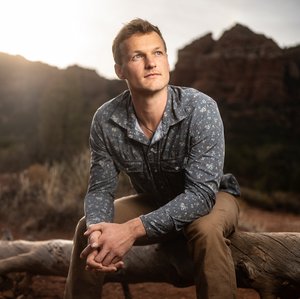
Dalton Johnson is a professional adventure and editorial photographer with over a decade of experience creating images on all seven continents. His client work includes Patagonia, GoPro, Arc'teryx, Four Seasons, Nike, Rivian, Big Agnes, Ford Bronco, and 160+ other brands. He runs Dalton Johnson Media as a full-service studio, from pre-production through post and distribution.