Photography Business Dalton Johnson Photography Business Dalton Johnson

Why Your Hotel's Content Isn't Working (And What Story-Driven Marketing Actually Fixes)

You have great photos. A solid Instagram presence. Maybe even a short brand video that came out well. And yet — bookings aren't where they should be, and you can't quite figure out why your content isn't moving the needle. Here's the honest answer: you probably don't have a content problem. You have a story problem.

Ready to build a content strategy that actually converts? Book a discovery call →

The Ameswell Hotel in Mount View, CA has a free bike rental program for all it's guests.

Most Hotel Marketing Is Built Around the Wrong Question

The question most hotel marketing teams ask is: what do we need to show people? The rooms. The pool. The restaurant. The views. And so the content becomes a catalog — beautiful, polished, and completely forgettable.

The right question is: why would someone choose us over every other hotel within a hundred miles?

For most hotels competing on amenities, that question is almost impossible to answer through photos of a well-made bed. But if you're an experiential hotel — one where the experience you offer is genuinely different from what's down the road — that question is the beginning of a story. And stories are what actually sell.

Stillpoint Lodge is a luxury adventure lodge in Alaska offering daily adventures you can’t do anywhere else in the world, like kayaking with iceburgs.

The Experience Is the Story. Most Hotels Just Aren't Telling It.

Think about what makes your property worth choosing. Maybe it's the guided backcountry ski tours you run in winter. The chef who sources everything within thirty miles and takes guests foraging on Tuesday mornings. The location on a stretch of coastline that only a handful of people in the world actually know how to navigate by sea kayak.

That's not an amenity. That's a story.

The problem is that most hotels treat these experiences as bullet points in a features list rather than narratives worth following. And there's a massive difference between listing an experience and showing someone what it feels like to live it.

Story-driven content starts with the experience itself — not the photography brief, not the shot list, not the social calendar. It starts with: what is actually happening here that is worth documenting? What is the moment, the person, the place that someone would genuinely want to witness?

When you build content from that starting point, something different happens. People don't just see your hotel. They imagine themselves there.

Story-Driven Content Works Because It Moves People Through a Decision

Here's something that most hotel marketing teams don't think about explicitly but feel all the time: content does different jobs at different stages of a guest's decision.

At the very top of the funnel — social media, short-form video, quick imagery — the job is simple. Get someone to stop scrolling and think that looks incredible. This content can be fast, visceral, emotional. It doesn't need to explain anything. It just needs to create a feeling.

The next layer is where the story deepens. Someone has seen your content, followed your account, maybe signed up for your newsletter. Now they want to understand who you are. This is where longer-form content lives — a short film about your guided experiences, a written essay about the place itself, a photo series that follows one guest's journey from arrival to departure. The job here isn't to go viral. It's to build a relationship.

And then there's the moment that actually matters — when someone is sitting at their laptop, comparing you to three other properties, and trying to make a decision. At this stage, the story you've told determines everything. If they've spent the last three weeks encountering your content and it's made them feel something — made them feel like your place is the one that gets them — the decision is already made before they hit book.

That's what story-driven content actually does. It doesn't just fill a content calendar. It builds the kind of familiarity and trust that makes a booking feel inevitable.

Castle Hot Springs literally has a hot spring on property!

The Mistake Most Hotels Make Once They Have Great Content

Even hotels that invest in quality content often leave most of its value on the table. Here's why: a single well-produced shoot generates far more usable material than most teams realize, and if you don't have a strategy for deploying it across every layer of your funnel over time, you're essentially getting a fraction of the return on what you spent.

One shoot — even a single day in the field — can produce short-form social clips, longer YouTube or website videos, newsletter photography, website hero imagery, ad creative, and editorial pieces. But only if the work was captured and edited with distribution in mind from the beginning.

This is what separates a content partner from a photographer. A photographer gives you files. A content partner thinks about where those files are going to live, how they're going to be deployed, and what story they're going to tell across every touchpoint — from the first scroll to the final booking confirmation.

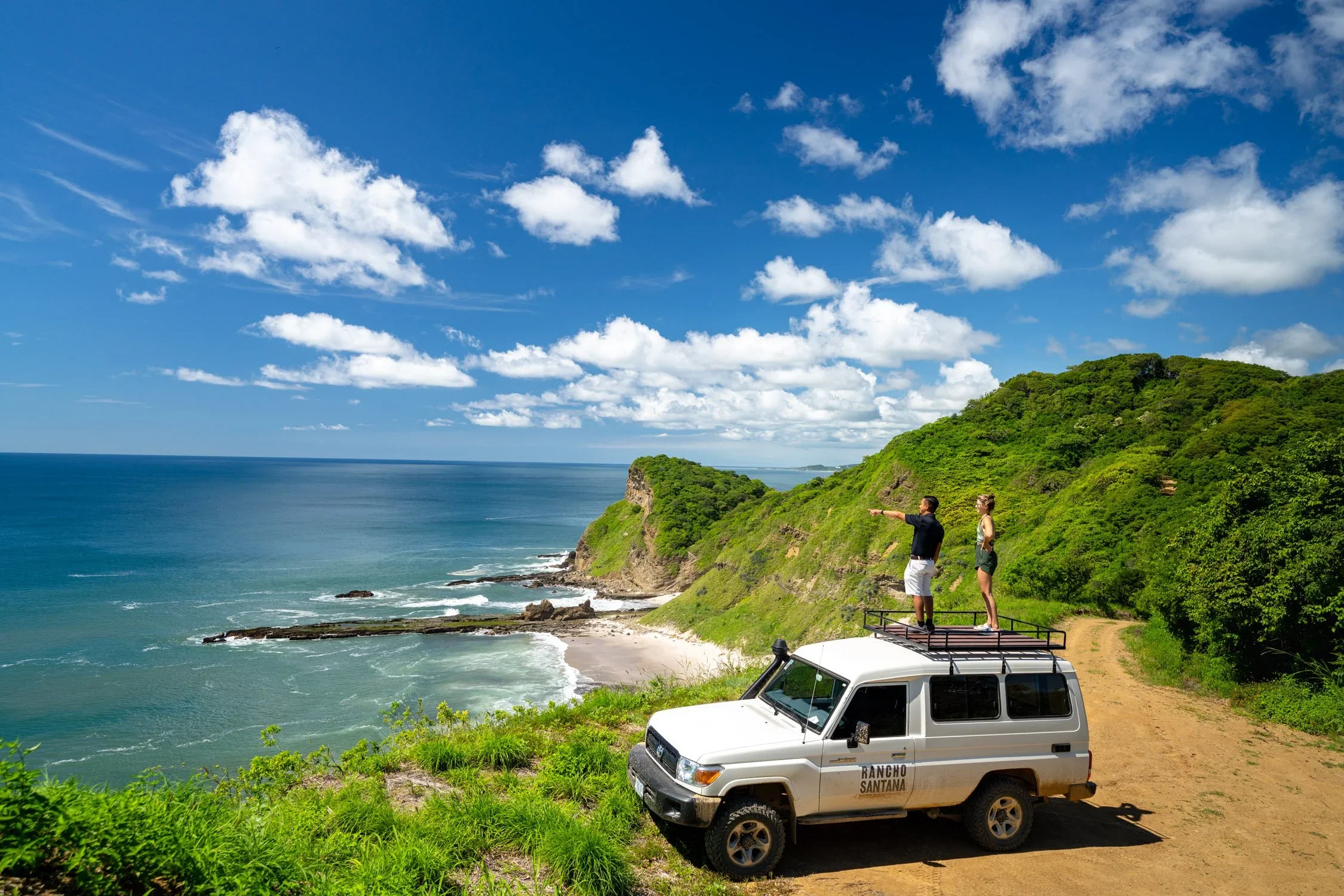
Rancho Santana, a surf retreat, has 7 beaches on property and two of which are iconic surf breaks in Nicaragua.

What This Looks Like in Practice

The hotels I work with best aren't necessarily the ones with the biggest budgets. They're the ones who are willing to start with the story — to sit down and ask honestly: what is the experience we actually offer, and why does it matter to the person we're trying to reach?

From that conversation, everything else follows. The visual language. The narrative arc. The distribution strategy. The content that lives at the top of the funnel and the content that closes the deal.

If you're running a hotel where the experience is genuinely worth documenting — and you suspect your current content isn't doing it justice — that's the exact conversation I want to have.

Book a discovery call and let's talk about your story →

Read More