The Gear Mistake That Ruins Most Mountain Bike Photos
After reviewing thousands of mountain bike photos over the years, my own included, I've genuinely identified one specific gear mistake that quietly ruins more images than any single technical error, dust and grit working its way into moving lens elements and camera bodies during long days spent on genuinely dusty trails, degrading actual sharpness in ways that often aren't obvious until you're reviewing images at full resolution back at your computer well after the shoot has ended.
Learning to actually genuinely prevent this specific problem has changed my mountain bike photography considerably more than any single piece of new equipment I've ever purchased actually did. If you're working on protecting your own gear during demanding outdoor shoots, the Adventure Travel Photographer's Playbook covers how I approach gear care as part of a complete creative practice.
Why Dust Is a Genuinely Insidious Threat to Mountain Bike Photography
Dust on a mountain bike trail is rarely dramatic or obviously threatening in the moment it actually settles, it quietly accumulates into gear over the course of a long shoot day, working its way steadily into zoom mechanisms and camera bodies through seals and gaps that seem sealed but genuinely aren't under the real mechanical stress of active, continuous shooting throughout a demanding day.
I honestly didn't fully appreciate how much this gradual dust accumulation was actually degrading my images until I started carefully comparing sharpness across shoots in genuinely dusty versus wetter conditions, noticing a consistent, measurable difference that had nothing genuinely to do with my technique and everything to do with contaminated glass and internal mechanisms that I hadn't been maintaining properly.
That genuine realization pushed me to actually treat dust as a serious, ongoing threat rather than a minor, easily dismissed annoyance, fundamentally changing how I actually prepare and maintain my gear before and during every single mountain bike shoot I take on now, without exception.
How I Actually Prepare My Gear Before a Dusty Shoot
Before heading out to a genuinely dusty trail, I now actually apply protective measures to my gear that I used to skip entirely, checking and cleaning lens seals carefully, ensuring memory card doors and battery compartments are genuinely secure, and packing gear in cases that actually keep dust out during transport to and from the trailhead. This routine sounds simple written out, but it required a genuine, deliberate shift away from the rushed, casual gear handling habits I'd developed early in my career.
That preparation routine has genuinely become a real, non-negotiable part of my process, taking only a few extra minutes but genuinely reducing how much dust actually reaches sensitive internal components during a long day of shooting in dry, dusty trail conditions.
I've genuinely learned to actually treat this preparation as seriously as checking my batteries or memory cards before heading out, recognizing that a lens compromised by dust can genuinely ruin an entire shoot's worth of images in ways that are difficult or impossible to fully correct in post-production later.
Why I Actually Changed How I Change Lenses in the Field
Changing lenses in the field on a dusty trail used to be something I did fairly casually, without much genuine thought to how much dust was actually entering the camera body during that brief but genuinely vulnerable window when the sensor is directly exposed to the surrounding dusty environment. Looking back, that casual approach cost me more image quality over the years than I realized at the time.
I've genuinely actually changed this habit considerably over time, now minimizing lens changes on dusty shoots wherever genuinely possible and, when a change is truly necessary, actually shielding the camera body with my own body or a jacket to reduce dust exposure during that particularly vulnerable moment of open exposure.
That small but genuinely deliberate behavioral change has genuinely reduced how often I need professional sensor cleaning, a real, measurable improvement that's honestly saved me both real money and, more importantly, considerable lost shooting time during genuinely demanding, tightly scheduled assignments over the years.
How I Actually Clean Gear During a Multi-Day Shoot
On multi-day mountain biking assignments, I've genuinely learned to actually build gear cleaning into my nightly routine without exception, using proper blower tools and genuinely clean lens cloths to actually remove dust that's accumulated during the day before it has a real chance to work its way deeper into moving internal mechanisms overnight.
That nightly cleaning routine has genuinely become essential to maintaining consistent image quality across a multi-day shoot, since dust that isn't actually addressed regularly tends to compound over successive days, creating cumulative degradation that's considerably harder to reverse than simple, consistent daily maintenance would have actually prevented from the start.
I've genuinely made this cleaning routine as automatic as checking my shot list for the next day, honestly recognizing that consistent, disciplined gear maintenance is genuinely just as important to my final image quality as any creative or technical decision I actually make out in the field.
What I've Learned About Weather-Sealed Gear and Its Real Limitations
Weather-sealed camera bodies and lenses genuinely offer real, meaningful protection against dust and moisture, but I've learned through hard-won experience that this sealing has actual, real limitations, particularly around moving zoom and focus mechanisms that genuinely can't be fully sealed while still functioning correctly as intended by the manufacturer.
That understanding has genuinely kept me from becoming overly complacent with weather-sealed gear, since I've actually personally seen dust infiltration on sealed equipment during genuinely extended, dusty shoots, a real reminder that sealing reduces risk considerably but doesn't actually eliminate the genuine need for real, ongoing preventive maintenance regardless of how well-built the equipment is.
I've genuinely come to treat weather sealing as one genuine layer of protection among several distinct layers, rather than a complete solution that lets me skip the other preventive habits that actually keep my gear performing at its genuine best across demanding shoot conditions throughout the year.
Why I Actually Invest in Professional Sensor Cleaning Regularly
Despite my own genuinely careful preventive habits, I've learned through repeated experience that professional sensor cleaning is still a genuinely necessary, regular investment for anyone shooting mountain biking or similar dusty environments consistently over time, since even the most careful preventive measures can't actually eliminate all dust exposure entirely.
That regular investment has genuinely actually paid for itself many times over in image quality, since dust spots on a sensor genuinely show up as consistent, repeating artifacts across every single image from an entire shoot, requiring tedious, time-consuming spot removal in post-production that a genuinely clean sensor would have avoided entirely from the start.
I've genuinely built this professional cleaning into my regular business expenses now, treating it as essential equipment maintenance rather than a purely optional expense, a real mindset shift that's genuinely protected the consistency and quality of my mountain bike photography over many years of demanding, dusty work.
How Humidity and Dust Actually Interact to Create Worse Problems
Dust alone is a genuine problem, but I've learned that dust combined with even slight humidity, morning dew on a trail or a light drizzle midway through a shoot, actually creates a considerably worse problem, since damp dust can genuinely cake onto lens elements and mechanisms in ways that dry dust simply doesn't.
That combination caught me off guard early in my career, when a shoot that started dry and dusty transitioned into light afternoon moisture, and I genuinely didn't realize until reviewing images later how much that combination had actually degraded my lens performance for the rest of the day.
I've learned to actually watch weather conditions closely on multi-hour shoots now, recognizing that a transition from dry dust to damp conditions calls for genuinely more aggressive cleaning and protection than either condition alone would actually require on its own.
Why I Actually Carry Backup Gear on Extended Dusty Shoots
Beyond preventive cleaning, I've genuinely learned to actually carry backup camera bodies and lenses on genuinely extended or particularly dusty mountain biking assignments, recognizing that even the most careful preventive measures can't entirely eliminate the real risk of a piece of gear becoming compromised mid-shoot.
That backup strategy has genuinely actually saved entire shoots on more than one occasion, moments where a primary lens started showing genuine signs of dust-related performance issues and switching quickly to backup gear let me actually continue capturing usable images without significant interruption to the overall shoot.
I've genuinely come to treat this backup gear as genuinely essential insurance for demanding shoots, a real cost that's proven worth it every single time dust or other environmental factors have actually threatened to compromise my primary equipment mid-assignment unexpectedly.
How I Actually Train Assistants to Help Manage Gear Risk
On larger mountain biking productions where I'm actually working with an assistant, I've learned to actually train them specifically on dust management protocols, since having a second set of hands genuinely helps maintain the consistent gear care routine that a single photographer managing everything alone might otherwise let slip.
That training has genuinely become a genuine part of how I onboard assistants now, walking through exactly how I want lens changes handled, when cleaning breaks should actually happen, and how gear should be stored between setups to actually minimize dust exposure throughout a long shoot day.
I've genuinely found that assistants who genuinely understand why these protocols matter, rather than simply following instructions mechanically, actually catch potential problems before they become genuine issues, a real value that's made this training investment consistently worthwhile over time.
What I've Learned From the Few Times I Actually Got This Wrong
Despite my current genuinely disciplined approach, I've had genuine moments early in my career where I actually ignored dust risk almost entirely, moments that resulted in noticeably degraded image quality across entire shoot days that I only fully recognized once reviewing the images at full resolution afterward.
Each of those moments has genuinely actually taught me real, lasting lessons about the cumulative cost of skipping preventive gear care, lessons that genuinely shaped the disciplined routine I now follow on every single mountain biking assignment I take on.
I've genuinely come to actually view those early mistakes as valuable, if uncomfortable, lessons rather than simply bad luck, a reminder that consistent gear discipline is something every photographer working in demanding outdoor conditions genuinely has to learn, often the hard way, before it becomes second nature.
How I Actually Evaluate New Gear for Dust Resistance Before Buying
When I'm actually considering a new lens or camera body purchase now, I've made it a genuine habit to carefully research how well that specific model actually handles dust exposure in real-world reviews, rather than relying purely on manufacturer marketing claims about weather sealing and durability.
That research process has genuinely actually influenced several of my equipment purchasing decisions over the years, leading me to choose models with genuinely better internal sealing and simpler zoom mechanisms over otherwise comparable options that reviews suggested were more vulnerable to dust infiltration during demanding outdoor use.
I've come to treat this dust-resistance research as genuinely as important as evaluating autofocus performance or image quality when actually deciding on new gear, recognizing that a technically excellent lens that fails prematurely in dusty conditions isn't actually serving my professional needs as a working outdoor photographer.
Why I Actually Document Gear Condition Throughout a Long-Term Assignment
On extended mountain biking projects that genuinely span multiple shoot days, I've learned to actually document my gear's condition regularly, testing sharpness and checking for dust spots at consistent intervals rather than waiting until a problem becomes obvious in the final delivered images.
That documentation habit has genuinely helped me catch developing dust issues considerably earlier, before they've actually compounded into a problem serious enough to affect an entire day's worth of images, giving me the real chance to actually clean or swap gear before genuine damage accumulates further.
I've genuinely built this regular gear check into my actual daily workflow now, treating it with the same real seriousness as backing up memory cards, a habit that's genuinely protected the consistency of my image quality across even the longest, dustiest assignments I've ever taken on.
How This Gear Discipline Has Actually Shaped My Broader Professional Reputation
Beyond the direct, measurable impact on image quality, I've noticed that clients and fellow photographers who genuinely see how seriously I treat gear maintenance often extend that same trust to my broader professional judgment, recognizing that meticulous care in one area of my process likely reflects genuine discipline throughout my entire workflow.
That genuine reputation has actually opened doors on demanding, gear-intensive assignments where clients specifically wanted a photographer they could genuinely trust to protect expensive rented or client-owned equipment in punishing outdoor conditions, not just deliver compelling final images.
I've genuinely come to actually see this gear discipline as inseparable from my broader professional identity now, a quiet but genuinely important part of what makes clients confident handing me their most demanding, equipment-intensive mountain biking assignments.
What I'd Tell a Photographer Who Hasn't Considered This Gear Risk
If you're currently shooting mountain biking or similar dusty outdoor activities without a deliberate dust management routine, I'd genuinely encourage you to actually start treating dust as seriously as you'd treat moisture or impact damage, since its effects are real even when they're less immediately obvious.
That shift in mindset will genuinely take some real discipline to develop into a consistent habit, but the resulting improvement in image sharpness and gear longevity will genuinely be worth the small amount of extra time it actually takes to build the routine properly.
Developing this gear discipline has genuinely become just as central to my own professional practice as any creative or technical skill, a real foundation that's protected the consistency and quality of my work across countless demanding mountain bike shoots over many years of shooting in dusty conditions.
I'd also encourage any photographer just starting to take this risk seriously to actually begin with the simplest habits first, minimizing unnecessary lens changes and building a nightly cleaning routine, before investing in more expensive backup gear or professional cleaning services down the road.
Reflection Questions
- How do you currently protect your gear from environmental threats like dust during demanding shoots?
- Do you have a consistent gear maintenance routine during multi-day assignments?
- How well do you understand the actual limitations of weather-sealed equipment you rely on?
- What preventive habits could most improve the long-term quality and reliability of your gear?
If you're working on protecting your own gear during demanding outdoor shoots, the Adventure Photographer's Playbook covers how I approach gear care as part of a complete creative practice.
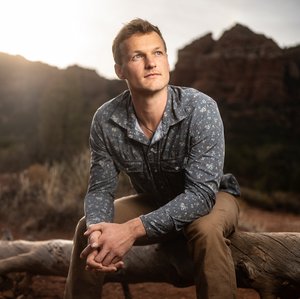
Dalton Johnson is a professional adventure and editorial photographer with over a decade of experience creating images on all seven continents. His client work includes Patagonia, GoPro, Arc'teryx, Four Seasons, Nike, Rivian, Big Agnes, Ford Bronco, and 160+ other brands. He runs Dalton Johnson Media as a full-service studio, from pre-production through post and distribution.