The Mistake That Makes Fishing Photography Boring
Early in my career, I genuinely produced a considerable amount of fly fishing photography that was technically competent yet honestly flat and forgettable, images that showed an angler standing in water without ever actually communicating why that moment mattered to the person experiencing it. It took years of shooting to actually identify the single, specific mistake responsible for nearly all of that dullness.
That mistake was treating fly fishing as a static subject rather than an unfolding narrative, photographing the angler's silhouette against the water and calling the job genuinely finished. If you're working to bring more narrative depth into your own outdoor photography, the Adventure Travel Photographer's Playbook covers how I approach storytelling as part of a complete creative practice.
Why Treating an Angler as Scenery Instead of a Story Kills Interest
The core mistake I genuinely see repeated across so much fishing photography, including plenty of my own early work, is treating the angler as a decorative element within a scenic landscape rather than as the actual subject of a genuine, unfolding human story worth following closely.
When a photographer composes an angler purely as scenery, the resulting image becomes genuinely interchangeable with any other person standing in any other river, stripped of the specific details, tension, and anticipation that actually make a real fishing outing compelling to someone who wasn't there.
I've genuinely learned that correcting this mistake starts with a mental shift, actually asking what this particular angler is thinking, watching, or anticipating in a given moment, rather than simply asking whether the overall scene looks visually pleasing from a technical standpoint.
How Repetitive Wide Shots Actually Drain a Gallery of Energy
A second version of the same core mistake shows up as an overreliance on wide, static shots of an angler standing in a river, a composition that looks genuinely pleasant once but becomes considerably monotonous when it's repeated across dozens of frames in a single gallery.
I've actually caught myself falling into this pattern on early shoots, genuinely relying on the same comfortable wide angle because it consistently produced a technically clean image, without pushing myself to actually vary distance, height, or framing enough to keep a full gallery genuinely engaging from start to finish.
Correcting this now means deliberately forcing variety into every shoot, actually alternating between wide environmental frames, tighter detail shots, and unconventional angles so that no single gallery ever leans on one comfortable, repeatable composition for the bulk of its images.
Why Waiting Only for the Catch Actually Wastes Most of a Session
Many photographers, myself genuinely included in earlier years, make the mistake of treating the moment of a fish being landed as the only real payoff worth photographing, leaving the camera mostly idle through the considerably longer stretches of casting, waiting, and reading water that precede it.
That narrow focus actually wastes the majority of a fishing session's genuine visual potential, since the quiet, focused minutes of an angler reading currents or adjusting a fly often reveal considerably more character and skill than the comparatively brief moment of a fish coming to hand.
I've genuinely retrained myself to treat the entire session as worth documenting continuously, actually keeping the camera active during the quieter stretches so a final gallery honestly reflects the real proportion of patience to payoff that defines the sport.
How Ignoring Water Movement Actually Flattens an Image's Energy
Another version of this same core mistake involves photographing water as a static, uniform backdrop rather than as a genuinely dynamic element with its own texture, movement, and light behavior that can meaningfully add energy to an otherwise still composition.
I've actually learned to pay considerably closer attention to how a river's current, riffles, and surface reflections shift within a single frame, using shutter speed deliberately to either freeze water's texture crisply or let it soften into genuine motion, depending on what a specific image calls for.
That deliberate attention to water as an active compositional element has genuinely transformed images that once felt flat into frames with real visual energy, since the water itself now actually contributes to the story rather than simply occupying empty space in the background.
Why Ignoring an Angler's Hands and Tools Actually Loses Real Detail
A further mistake I've genuinely observed, and made myself early on, is composing almost exclusively at a distance that fails to actually capture the specific, tactile details of an angler's hands tying a fly, adjusting a line, or releasing a fish carefully back into the water.
Those close, detail-oriented frames genuinely add a real layer of craft and authenticity that wide environmental shots simply can't replicate on their own, showing the viewer the actual skill and quiet care involved in fly fishing rather than just the general setting it happens to take place within.
I now genuinely build in deliberate, dedicated time during every single shoot specifically for these detail frames, actually positioning myself close enough to capture hands, tools, and small gestures without disrupting the angler's genuine focus or natural rhythm on the water.
How Skipping Environmental Context Actually Erases a Sense of Place
Some photographers, in an effort to isolate the angler compositionally, actually crop out so much of the surrounding environment that the resulting images could genuinely have been taken on nearly any river anywhere, losing the specific sense of place that actually makes a location worth photographing.
I've genuinely learned to balance close, intimate framing with wider frames that actually establish a location's specific character, whether that's a particular canyon's rock formations, a forest's distinct light, or a coastline's unique texture that no other fishing location genuinely shares.
That balance between intimacy and genuine sense of place has considerably strengthened my galleries, giving viewers both the emotional closeness of the angler's experience and the geographic specificity that actually makes a given location worth documenting in the first place.
Why Overlooking Changing Light Actually Produces a Monotonous Gallery
Fishing sessions often stretch across hours where light shifts considerably, from flat midday sun to genuinely dramatic low-angle morning or evening light, yet many photographers keep shooting with the same settings and framing regardless of how considerably the actual light has changed around them.
I've genuinely made it a habit to actively track how light is shifting throughout a session, adjusting my position, exposure, and even composition to actually take advantage of a passing cloud's softer light or the golden warmth of a low sun crossing the water's surface.
That active attention to changing light has genuinely added considerably more visual variety to my galleries, ensuring a full day's coverage actually reflects the honest range of conditions rather than looking like it was captured in a single flat, unchanging moment.
How Failing to Show Genuine Emotion Actually Leaves a Gallery Feeling Cold
The final version of this core mistake involves photographing an angler's actions without actually capturing their genuine emotional response, the quiet satisfaction of a well-placed cast, the focused tension before a strike, or the honest joy of a successful release back into the water.
I've genuinely learned to watch an angler's face and body language as closely as I watch their technique, actually anticipating the specific moments where real emotion is likely to surface so I can be positioned and ready to capture it authentically rather than staged.
That focus on genuine emotional expression has become one of the more valuable additions to how I actually approach fishing photography now, since these authentic emotional beats consistently produce the images that clients and viewers respond to considerably more than technically clean but emotionally flat frames.
Why Post-Processing Choices Can Actually Reinforce or Correct This Mistake
I've genuinely come to recognize that this same core mistake can actually persist all the way through post-processing, since heavy-handed, uniform editing across an entire gallery can flatten genuine emotional and narrative variety that was actually captured correctly in camera during the shoot itself.
I now actually edit each image individually with its specific narrative role in mind, letting a quiet, contemplative frame retain a genuinely softer tonal treatment while a tense, active moment gets a considerably punchier edit that reinforces its own distinct place within the broader story.
That deliberate, story-aware approach to editing has genuinely become just as important as the actual shooting itself, since even a well-composed, narratively varied gallery can still read as flat and boring if every single image receives an identical, undifferentiated editing treatment afterward.
How Sequencing a Final Gallery Actually Prevents This Mistake From Resurfacing
Even after correcting composition, pacing, and editing individually, I've genuinely learned that the final sequence in which a gallery is actually delivered can still reinforce this same core mistake if similar frames are grouped together rather than arranged to build a genuine narrative rhythm.
I now actually spend deliberate time sequencing every fishing gallery before delivery, alternating wide and close frames, active and quiet moments, so the viewing experience itself genuinely mirrors the same narrative variety I worked to capture during the actual shoot on location.
That final sequencing step has genuinely become one of the more underrated parts of my entire process, since even a gallery full of genuinely strong individual images can still feel boring overall if it's actually delivered in a flat, repetitive, undifferentiated order.
What Correcting This Mistake Has Actually Done for My Client Work
Since actually correcting this core pattern across my own fishing photography, I've genuinely noticed clients responding considerably more strongly to full galleries that mix wide environmental context, close tactile detail, and genuine emotional moments rather than relying on one repeated, comfortable composition throughout.
Clients in the fishing and outdoor industries have specifically told me that these more varied, narrative-driven galleries actually help them tell considerably richer stories across their own marketing and editorial use, since a varied gallery gives them real flexibility for different formats and placements.
That client feedback has genuinely reinforced how much correcting this single core mistake actually mattered, transforming what used to be a considerably weaker part of my broader adventure photography portfolio into one of its genuinely strongest and most requested categories of work.
How Composing for a Complete Story Arc Actually Changes a Shoot
Once I genuinely recognized this core mistake, I started actually planning each fishing shoot around a complete narrative arc rather than a single anticipated highlight, mentally mapping the arrival, the approach to the water, the rhythm of casting, and the eventual resolution before ever raising the camera.
That narrative planning genuinely changes how I actually position myself throughout a session, since I'm no longer simply waiting near the water for a fish to strike, but actively moving between vantage points to actually capture each distinct chapter of the broader story as it genuinely unfolds.
I've found that clients respond considerably more strongly to galleries built around this complete arc, since the images genuinely work together as a cohesive sequence rather than existing as a scattered collection of individually competent but disconnected frames.
Why Comparing Notes With Other Genres Actually Sharpened My Eye
I've genuinely learned a considerable amount about correcting this mistake by actually studying how photographers in other quiet, patience-driven genres, portrait work and documentary photography especially, build genuine narrative and emotional variety into subjects that lack constant, obvious action of their own.
Borrowing techniques from those genres, actually watching for small gestures, quiet transitions, and genuine environmental detail, has considerably expanded my own visual vocabulary for fishing photography well beyond what a purely action-sports mindset alone would have ever produced on its own.
That cross-genre study genuinely continues to shape how I approach every fishing shoot now, since I'm actively drawing on lessons from entirely different disciplines rather than relying solely on conventions specific to outdoor or adventure photography as a narrow category.
How I Actually Train My Eye to Catch This Mistake in Real Time
Rather than only identifying this mistake after the fact during editing, I've genuinely trained myself to actually catch it happening in real time on location, pausing mid-shoot to honestly ask whether I've fallen back into repetitive wide framing or scenic-only composition.
That real-time self-check has become a genuine habit across every session now, a deliberate pause every twenty or thirty minutes to actually review what I've captured so far and consciously correct course before an entire shoot drifts back into the same comfortable, flat pattern.
I've genuinely found this habit to be considerably more effective than relying purely on post-shoot editing to catch the problem, since correcting course in real time actually gives me the chance to capture moments that editing alone can never retroactively create.
What I'd Tell a Photographer Making This Same Mistake Right Now
If you recognize this pattern in your own fishing photography, treating the angler as scenery, relying on repetitive wide shots, or waiting only for the catch, I'd genuinely encourage you to actually slow down on your very next session and consciously build variety into your shooting process.
Start by actually tracking the entire session rather than just the single payoff moment, deliberately alternating between wide, medium, and close compositions, and staying genuinely attentive to how light, water, and the angler's own emotional state are all continuously shifting throughout the time you're actually there shooting.
That deliberate shift in approach won't necessarily feel entirely natural at first, since it genuinely requires actually unlearning some comfortable, long-held habits, but the resulting galleries will genuinely feel considerably more alive, complete, and true to what a real fishing session actually offers a patient, attentive photographer willing to slow down.
I'd also genuinely encourage you to review your own past fishing galleries specifically looking for this pattern, since honestly identifying where you've relied on the same repeated composition is often the fastest, most direct path toward actually building a considerably more varied and engaging visual vocabulary going forward, one session at a time.
None of this genuinely requires expensive new equipment or a dramatically different shooting location, only a real, deliberate shift in attention and intent, and that shift alone has genuinely done more for the overall quality of my fishing photography than any single piece of gear ever actually could on its own.
Reflection Questions
- Where in your own work have you treated a subject as scenery rather than as an unfolding story?
- How could you build more compositional variety into a single shooting session?
- What quieter, non-peak moments in your subject's activity might be worth documenting more closely?
- How attentive are you currently to changing light and environmental conditions during a longer shoot?
If you're working on building more narrative variety into your own outdoor photography, the Adventure Photographer's Playbook covers how I approach storytelling as part of a complete creative practice.
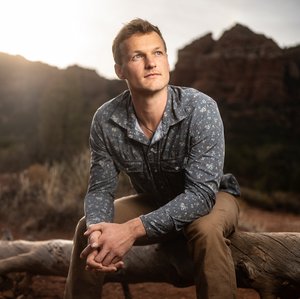
Dalton Johnson is a professional adventure and editorial photographer with over a decade of experience creating images on all seven continents. His client work includes Patagonia, GoPro, Arc'teryx, Four Seasons, Nike, Rivian, Big Agnes, Ford Bronco, and 160+ other brands. He runs Dalton Johnson Media as a full-service studio, from pre-production through post and distribution.