Why I Say Yes to Interviews Even When They're Small
I get a fair, steady number of interview requests these days, some from major, well-known publications and others from tiny newsletters or blogs I've genuinely never heard of before receiving the request itself in my inbox. My general policy has become saying a genuine yes to nearly all of them, regardless of size or reach.
That policy might seem counterintuitive to some observers, prioritizing volume over pure prestige, but it's grounded in real, hard-won experience about where genuine value actually tends to come from over the long run. If you're thinking through your own approach to interview requests and visibility opportunities, the Adventure Travel Photographer's Playbook covers how I approach media requests as part of a complete marketing strategy.
Why I Used to Only Say Yes to the Big Names
Early in my career, I was far more selective, reserving my limited time almost exclusively for interview requests from recognizable, major publications and turning down smaller, less established outlets that didn't seem worth the time investment given their apparently limited reach and visibility.
That selectivity felt entirely reasonable at the time, protecting my limited time for the specific opportunities that seemed most likely to produce meaningful, lasting visibility. Looking back now, though, I can see quite clearly how much genuine opportunity that narrow approach caused me to miss along the way, simply because I was evaluating requests purely by publication size rather than by any other more meaningful, relevant measure.
The Moment That Changed My Thinking About Small Interviews
My thinking genuinely shifted after a small, relatively unknown newsletter interview led directly to a genuinely meaningful client relationship, a connection I never would have made had I turned down the request purely because the publication itself was small and largely unknown to me at the time it reached out.
That single experience made me genuinely reconsider my entire filtering approach, recognizing that publication size alone says very little about the actual quality or relevance of the specific audience actually reading it. A small, highly engaged, well-targeted audience can often produce far more genuine value than a much larger but more passive and less engaged one overall.
What I Actually Look for in an Interview Request Now
Rather than filtering purely by publication size or name recognition alone, I now look primarily at audience relevance and the genuine quality of the specific questions being asked, factors that tell me far more about the actual potential value of a given interview opportunity than raw reach alone ever could.
A thoughtful, well-researched set of questions from a small outlet signals real editorial care and genuine audience engagement, while a generic, boilerplate request from a much larger publication sometimes signals the opposite, a purely transactional approach that's unlikely to produce a genuinely compelling piece worth the time investment either way.
How Small Interviews Compound Into Something Larger Over Time
Individually, a small interview might not move the needle much at all on its own, but collectively, a consistent pattern of saying yes to smaller, relevant opportunities compounds meaningfully over time into a broader body of media presence that's considerably harder for a competitor to easily replicate.
I've come to see each small interview as a brick in a much larger wall, individually modest but collectively building a genuine, cumulative body of credibility and visibility that continues paying real dividends well beyond any single individual piece alone. That compounding view has made me considerably more patient and consistent about saying yes to smaller opportunities that once would have seemed barely worth the time or effort involved.
Why Turning Down Small Requests Sends the Wrong Signal
Beyond the direct visibility benefit, I've also genuinely come to believe that consistently turning down smaller interview requests sends an unintended signal, one of inaccessibility or excessive self-importance that doesn't actually reflect how I genuinely want to be seen and perceived within my broader professional community.
Saying yes to smaller requests, even when the immediate benefit isn't entirely obvious, signals genuine openness and approachability, qualities that matter considerably to potential clients and collaborators who are evaluating not just my work but also what it might genuinely be like to work with me directly on a real project.
What a Typical Small Interview Actually Costs Me in Time
Part of what makes saying yes broadly sustainable is that a typical small interview genuinely doesn't cost much time, usually a short set of written questions or a brief call, nowhere near the preparation and travel burden of a larger speaking engagement or a major feature interview.
I've learned to be realistic about that time cost specifically, keeping most interview responses focused and efficient rather than treating every request as deserving the same exhaustive, time-intensive effort I might put into a major feature piece. That efficiency is precisely what makes saying yes broadly a genuinely sustainable practice rather than something that would otherwise overwhelm my schedule entirely.
How I Handle Requests That Feel Like a Poor Use of Time
Despite my general inclination to say yes, I do decline some requests, specifically ones that feel purely transactional, poorly targeted, or where the outlet seems to have no genuine connection to my actual work or expertise in any meaningful sense.
I've learned to trust a fairly quick gut check when evaluating incoming requests, looking for basic signs of genuine editorial intent rather than a purely automated or mass-distributed request sent to a long list of photographers without much specific thought given to any one of us individually. That quick filter keeps my overall yes policy sustainable without requiring me to accept every single request indiscriminately.
What Small Interviews Have Taught Me About My Own Story
An unexpected benefit of doing so many interviews, including plenty of smaller ones, has been the sheer repetition of articulating my own story and perspective, a process that's gradually sharpened how clearly and effectively I can now communicate what I actually do and why it genuinely matters.
Each interview, however small, has been a small opportunity for genuine practice, refining the language and framing I use to describe my work in ways that resonate more clearly with a wider variety of audiences. That cumulative practice has meaningfully improved how I communicate more broadly, well beyond the interview context itself, in ways I didn't necessarily anticipate when I first adopted this general policy.
Why I Don't Assume I Know Which Interviews Will Matter
One of the clearest lessons from years of saying yes broadly is that I genuinely can't reliably predict in advance which interviews will end up mattering most, the small newsletter piece that led to a meaningful client relationship was a genuine surprise, not something I could have confidently forecast beforehand.
That unpredictability has made me appropriately humble about my own ability to judge opportunity size in advance, reinforcing my general inclination to say yes broadly rather than trying to precisely predict which specific opportunities will prove valuable and which ones genuinely won't be worth the modest time investment required.
How This Policy Has Shaped My Broader Reputation Over Time
Over time, consistently saying yes to a wide range of interview requests has shaped a broader reputation for genuine accessibility and openness, something people in my professional network have specifically commented on and appreciated in ways I hadn't fully anticipated when I first adopted this general approach.
That reputation has produced value well beyond any individual interview itself, making people more comfortable reaching out with other opportunities, referrals, and collaborations, trusting that I'm genuinely open and responsive rather than difficult to access or overly selective about who gets my time and attention.
What I've Learned About the SEO and Search Value of Small Interviews
Beyond the direct relationship value, I've also come to appreciate the cumulative search and discoverability benefit of appearing across a wide range of smaller publications, each one contributing a small but genuine additional touchpoint that makes my name and work easier to find online over time.
A single small interview rarely moves search visibility much on its own, but dozens of them, accumulated steadily over years, create a genuinely meaningful web presence that a potential client researching me is far more likely to encounter, reinforcing credibility through sheer consistent, repeated visibility across many different sources and contexts.
How I Balance This Policy Against Genuine Time Constraints
Saying yes broadly doesn't mean saying yes without any limits at all, I still have to balance this general policy against real time constraints and the ongoing demands of actual client work, which always takes priority over any individual interview request that comes in.
I've developed a simple internal rule, batching interview responses during specific windows of time each week rather than responding to each request immediately as it arrives, which keeps this open policy sustainable without letting it meaningfully disrupt my core client-facing work and daily production schedule.
Why I Treat Every Interview as a Chance to Represent the Broader Industry
Beyond my own personal visibility, I've come to see each interview, however small, as a small opportunity to represent the broader adventure photography industry thoughtfully, especially given how often these pieces are a general audience's first genuine exposure to what this specific kind of work actually involves.
That sense of broader responsibility has made me take even small interviews more seriously than I might otherwise, recognizing that a poorly considered or dismissive response reflects not just on me individually but on the wider perception of this profession as a whole among readers who may have limited other exposure to it.
What I'd Tell a Photographer Who Feels Too Busy to Say Yes
If you're a photographer who feels genuinely too busy to say yes to smaller interview requests, I'd gently suggest reconsidering the actual time cost involved, which is often considerably smaller than it initially appears once you've developed a genuinely efficient process for responding.
Building a simple set of go-to answers for commonly asked questions, updated periodically as your work and perspective evolve, can dramatically reduce the actual time each individual interview request takes, making a broadly open policy considerably more sustainable than it might initially seem for a busy working photographer.
What Happens When a Small Interview Gets Something Wrong
Not every small interview goes smoothly, occasionally a piece gets a small detail wrong or frames something in a way I wouldn't have chosen myself, a genuine risk that comes with saying yes broadly rather than tightly controlling every piece of coverage through only the most careful, well-established outlets available.
I've learned to accept that risk as a reasonable, fair tradeoff for the broader benefit, reaching out politely when a genuine factual error appears, but generally not treating minor framing differences as worth the friction of a lengthy, drawn-out correction request. That tolerance for imperfection has made the overall policy considerably easier and more sustainable to keep up over the years than it would be if I insisted on tightly controlling every last detail of every single piece published about me.
How I Prepare Differently for a Small Interview Versus a Major One
Even within my broadly open policy, I do prepare quite differently depending on the scale and format of a given interview, a quick written response for a small newsletter gets a genuinely efficient, focused reply, while a longer feature interview for a larger outlet gets considerably more thought and careful preparation given the larger audience involved and at stake.
That calibration lets me maintain a broadly open policy without treating every single request identically, matching my actual effort and preparation time to the genuine scale and format of each individual opportunity as it comes in, rather than either underpreparing badly for major pieces or overpreparing needlessly for genuinely minor, low-stakes ones.
What I'd Say to a Photographer Who Only Wants the Big Wins
If you're a photographer holding out purely for the big, prestigious wins, the major magazine feature or the nationally recognized outlet, I'd encourage you to reconsider that narrow filter, since a genuinely broad body of smaller, consistent visibility often produces more reliable, compounding business value than waiting indefinitely for one single, hard-to-land, prestigious placement.
The photographers I know personally who've built the most resilient, durable businesses tend to have a broad, varied base of media presence rather than relying purely on a small handful of major placements accumulated over the years. Building that broader base takes real patience and a genuine willingness to say yes consistently to opportunities that don't feel especially impressive in the moment they're actually offered to you.
Why This Policy Has Made Me More Comfortable With Uncertainty More Broadly
Adopting a broadly open policy toward interviews has had a somewhat unexpected side effect, it's made me generally more comfortable with genuine uncertainty in other areas of the business as well, accepting that I genuinely can't always predict in advance which opportunities, relationships, or decisions will ultimately prove valuable down the road.
That comfort with uncertainty has carried over noticeably into other business decisions as well, making me more willing to take reasonable, calculated chances on opportunities that don't come with guaranteed, obvious returns attached from the outset. In that sense, this specific interview policy has quietly shaped a broader mindset that extends well beyond media requests alone into how I approach the business more generally.
What I'd Change if I Started This Policy Over Today
If I were starting this policy fresh today, knowing everything I now know, I'd probably have adopted it considerably earlier in my career, rather than spending several early years being needlessly selective and missing out on connections and visibility that a more open approach would have captured much sooner.
The main thing I'd do differently is build my efficient response system earlier as well, since much of my early hesitation about saying yes broadly came from a legitimate concern about time, one that a better process would have addressed considerably sooner and made the whole policy easier to sustain from the very start of my career rather than midway through it. Hindsight makes that lesson obvious in a way it genuinely wasn't at the time.
Reflection Questions
- Do you filter interview requests primarily by publication size, or by genuine audience relevance and question quality?
- Has a small, unexpected opportunity ever produced outsized value in your own business, the way it has in mine?
- Are you thinking about media presence as a compounding, long-term asset, or purely as individual, one-off opportunities?
- What unintended signal might consistently turning down smaller requests be sending to your broader professional community?
If you're thinking through your own approach to interview requests, the Adventure Photographer's Playbook covers how I approach media and visibility as part of a complete marketing approach.
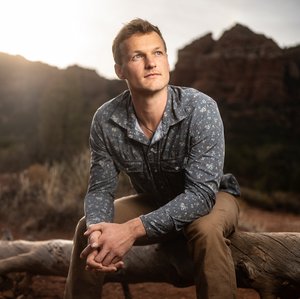
Dalton Johnson is a professional adventure and editorial photographer with over a decade of experience creating images on all seven continents. His client work includes Patagonia, GoPro, Arc'teryx, Four Seasons, Nike, Rivian, Big Agnes, Ford Bronco, and 160+ other brands. He runs Dalton Johnson Media as a full-service studio, from pre-production through post and distribution.