

Consistency VS Frequency, Creatives & Marketers Need To Know The Difference
Consistency is not frequency, yet many creatives think these words are synonymous. Heck, I used to think this was the case until a few years ago, which lead to me leaving all social media platforms for about 2.5 years, but that is a story for another time. To debunk the consistency vs frequency argument, I’m starting with the fundamentals…
Consistency is not frequency, yet many creatives think these words are synonymous. Heck, I used to think this was the case until a few years ago, which lead to me leaving all social media platforms for about 2.5 years, but that is a story for another time. To debunk the consistency vs frequency argument, I’m starting with the fundamentals, their definitions:
Consistency: achievement of a level of performance that does not vary greatly in quality over time
Frequency: how often, or the cadence, you repeat an action
For those of you who think showing up and sharing your work is being consistent, you are right and wrong. That is why you are not growing. So, hear me out, by continuing to read, and I will help you understand the difference between these two and how to apply it to your marketing strategy.
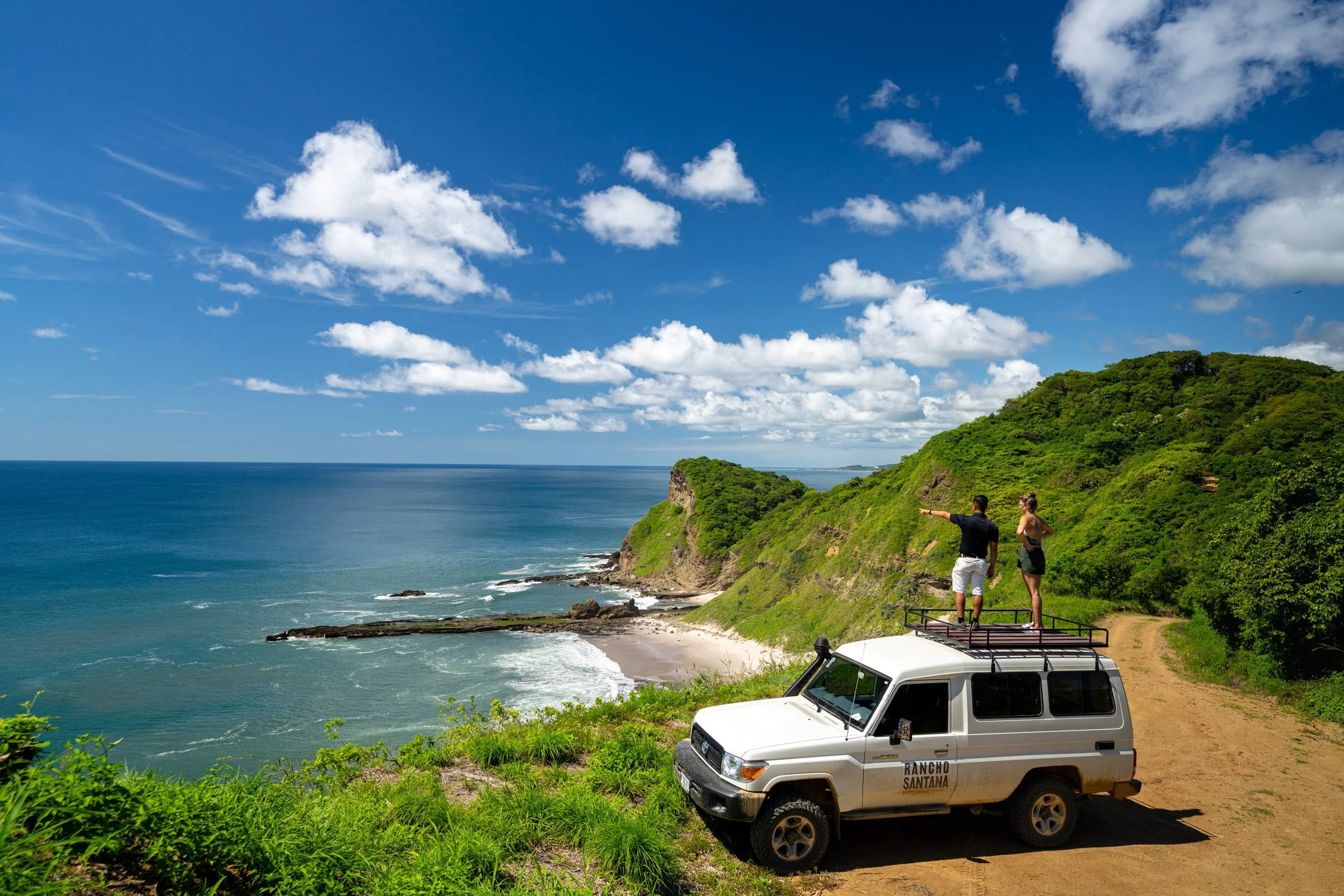
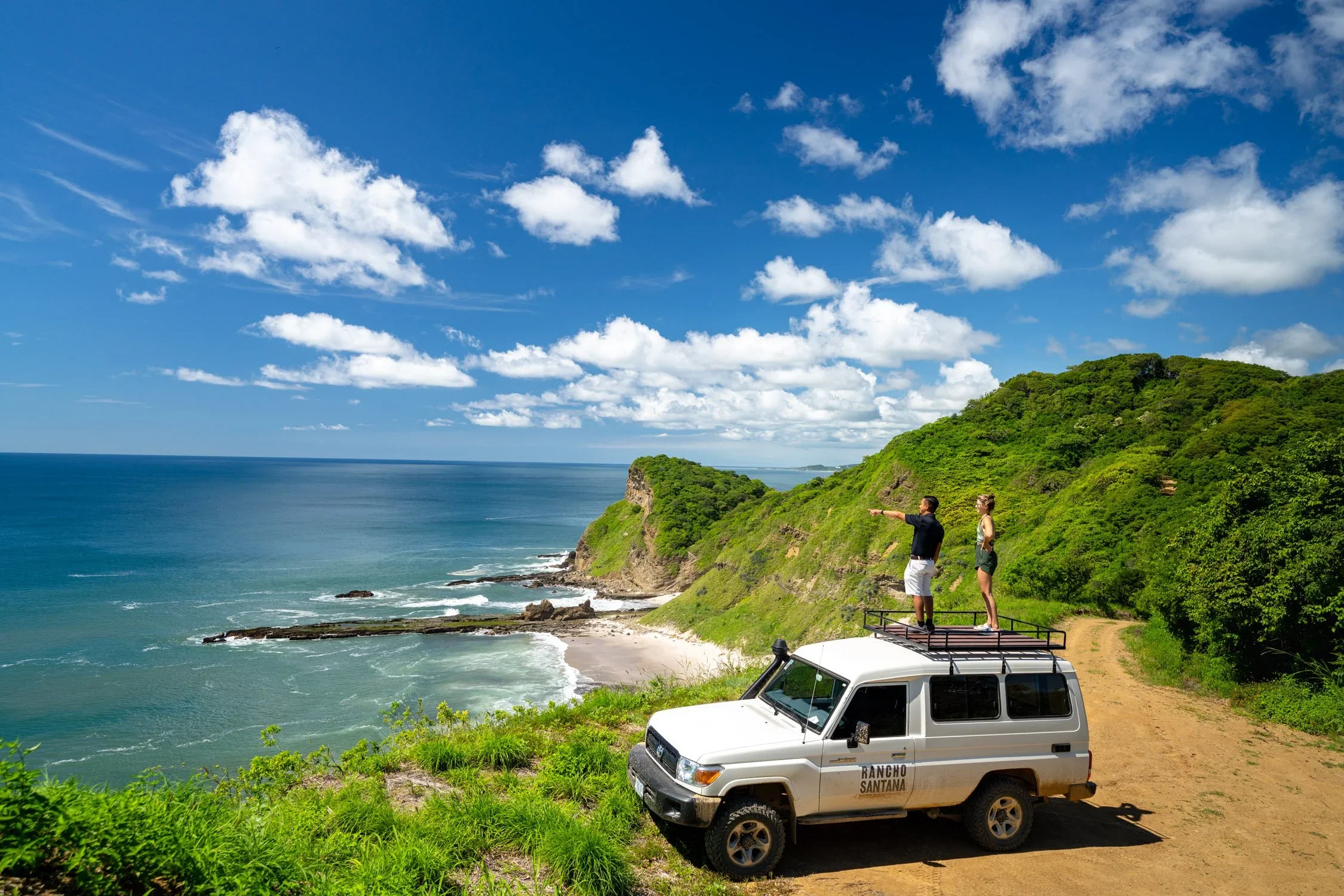
Shot on assignment for luxury surf retreat Rancho Santana of Nicaragua. Photo by Dalton Johnson
The concept, consistency vs frequency, came into my sphere when I was chatting with fellow creatives about three years ago. We had all agreed, consistency is what it takes to “become somebody” in this industry. While most of us in the conversation are photographers or filmmakers the concept applies to anyone making content. Now, I know content is a dirty word, but I am using it as a catch all for anyone making movies, photographs, books, songs, paintings, designs, etc.
While we all agreed it was the key, we all had different ideas as to what consistency meant. For those that were not as successful, they were saying things like, “I don’t really get it. I share daily, but nothing really happens.” Meanwhile, the more successful ones were saying things like, “I share about three times a week, putting a lot of time and effort into each one, and it’s helping me grow.” While we were all chatting about posting to Instagram, this concept is universal.
For a writer, sitting behind the computer putting words to a page every day could mean a manuscript, or it could mean a journal entry. Both have different levels of intention.
For an athlete, practicing daily could result in making it to college, meanwhile, dedicating that same time to practice but with more intention, that could mean going pro.
One last example, for a photographer, taking 10,000 images a day and occasionally getting lucky vs taking 10 photos a day, but focused on creating something stunning. Which photographer is going to make out? My money is on the 10 photos a day.
Prints and Books For Sale


Reeling this back in. You will notice all of these talk about frequency; 10 photos a day, daily practice, writing daily, posting 3 times a week. That is the bare minimum to establish what type of consistency we create.
Remember, consistency is the level of performance, not varying greatly, over time. For those of us who are not a walking dictionary, that means we need to set a frequency that we can share and/or create at a high level. Each individual will define high level for themselves. Maybe that is content that is designed to go viral, today. Maybe that is content that is meant to be enjoyed for years to come. Maybe that is a book made to read next to a fire. That is for you to decide, but the key is to create a frequency at which a high level of performance is achieved. The inverse of this, one hit wonders.
Nobody wants to be a one hit wonder and consistency is the key to that success.
So, how do we insure we are consistent?
Allow time for the content to sit and age
Have a series of people who can look over what you are creating and provide feedback
Be honest with yourself AND be willing to throw things in the garbage
Develop your taste and make it exquisite
Shot on assignment in Antarctica. Photo by Dalton Johnson
So, if you are talking about how often you do something and are wondering why it isn’t working, swap your mindset to ask itself the question, “What am I consistently creating?” Maybe what you are creating isn’t working because you are consistently showing up in a poor manner. Sorry to be the barrier of bad news, but start looking at yourself and your work. If you are getting the results you want, why the heck are you reading this article? But, thank you anyways.
If you have any questions about this, I am happy to chat. Drop a comment below.
Discover more Adventures


16 Tips I Would Tell Myself When I Started Photography In 2016
Here are 16 tips for budding photographers looking for quick advice on getting started in the career of adventure photography. After 10 years in the career, adventure photographer Dalton Johnson shares his experience to becoming the go to content partner for brands with adventurous clients.
I'm 31.
Full-time photographer, filmmaker, and author.
I started my journey in 2016, here are 16 things I would tell myself when starting:
Austin Smith Ford slashing a turn at Ano Nuevo State Park. Photo by Dalton Johnson
1) Your camera and lenses only matter if you know how to make happy accidents
2) You are homeless right now, that's okay, shoot every day and don't worry about money right now
3) Learn how to tell and create a story, that will be the most second important thing in this career
4) Your network will be the most important thing, so make friends
5) Have a website and use social media, but don't let it be your life
6) Sell prints and books, those will keep you afloat during hard times. If you can, show your films in person!
7) Learn marketing and selling, but not for a few years, get good at your craft first
8) You can do everything, just not at the same time. Start with photo, then video, then put it all together with books and films
Prints and Books For Sale


9) Access can be your limitation, figure out how to leverage you camera to access unique things
10) Become a great writer. Being good doesn't get you very far
11) Don't be afraid to self-publish or self-fund projects you can about
12) Pay off all of your debt, it feels great
13) Niches are over-rated, but being known for what you do is critical for inbound messages
14) Pitch solutions, be really good at listening, and figure out how to help people (maybe this should have gone closer to the top)
15) Love and love hard! There is nothing better than loving and being loved
16) Don't give up along the way
That’s me :-) Photo by Jonathan Thorpe
I'm Dalton Johnson and I am the go-to content partner for brands with an adventurous clientele. I have delivered over 160 campaigns for some of the biggest brands in the world, created award winning documentaries, I have published over 1000 articles, and a released a poetry book. Yup a poetry book.
If you are a brand that wants to connect and level up your content game, let's schedule a discovery call. You can do that while checking out my work on my portfolios.
Discover more Adventures

Photographing Olmstead Point In Yosemite At Sunset
Photographing Olmsted Point in Yosemite National Park is an overcrowded tourist experience I pretty much never pass up. While I have been to this spot roughly 20 times, each stop is different, so I always bring my camera. With its sweeping views of Half Dome, Tenaya Lake, and Clouds Rest, this spot is a favorite among landscape photographers. Equipped with a Sony A7R IV and a Tamron 70-180mm f/2.8 lens, you can make the most of this location's photographic potential.
Story Behind The Shot:
After a grueling evening lumbering out of the Eastern Sierra and waking up from the disappointment of failing to climb the Palisade Traverse in a trailhead parking lot, we packed our cars, cooked breakfast, and headed for Yosemite Valley via Tioga Pass. Without any real plans, we took our time along the way. Stopping in the Mammoth Lakes Hot Springs to relax our sore muscles. Then, over the pass, just in time for sunset.
A fine-art print of Half Dome at sunset taken from Olmstead Point in Yosemite National Park.
Additional Information:
Please allow 5-10 days for printing and shipping.
I have the ability to print custom sizes and material (like wood, gatorboard, etc.). If this interests you, please reach out to dj@dalton-johnson.com for a free quote with the size and material you desire.
Halfway along Tioga Pass, just after Tenaya Lake is Olmstead Point. Often a crowded parking lot with tourists gawking at Half Dome for good reason. This vista point is stunning. Today, since the timing was perfect, we stopped as well. I set out with my camera, away from the crowds by walking down the trail about a quarter of a mile, to find a composition I was happy with at this iconic view point.
Snap

From the car, looking out at Half Dome from Olmstead Point. Photo by Dalton Johnson
What To Know When Photographing Olmstead Point In Yosemite National Park
Photographing Olmsted Point in Yosemite National Park is an overcrowded tourist experience I pretty much never pass up. While I have been to this spot roughly 20 times, each stop is different, so I always bring my camera. With its sweeping views of Half Dome, Tenaya Lake, and Clouds Rest, this spot is a favorite among landscape photographers. Equipped with a Sony A7R IV and a Tamron 70-180mm f/2.8 lens, you can make the most of this location's photographic potential.
1. Optimal Timing for Light
Late afternoon approaching sunset is ideal for photography at Olmsted Point. During this time, the light casts warm hues on the granite formations (especially Half Dome) and enhances the textures of the landscape. The fading sunlight illuminates the sheer face of Half Dome, creating a dramatic effect. If you get some clouds, this will make for an epic shot!
2. Exploring Beyond the Parking Area
While the parking area offers impressive views, a short walk down granite steps and a brief hike lead to a granite outcropping with panoramic vistas. This vantage point provides unobstructed views of Half Dome, Tenaya Lake, and Clouds Rest, and is less frequented by visitors. Additionally, this area has several trees that are great to add to the foreground for added depth in the image.
3. Utilizing the Tamron 70-180mm Lens
The Tamron 70-180mm f/2.8 lens complements the high-resolution Sony A7R IV, allowing for sharp, detailed images. Its compact design makes it suitable for hiking to various viewpoints. The lens's focal range is ideal for isolating specific elements of the landscape, such as the contours of Half Dome or the textures of the granite formations. I really like this lens to compress the scene into a single image and making Half Dome pop as the main subject. Shooting wider lenses doesn’t do the sweeping landscape justice.
4. Incorporating Foreground Elements
Including foreground elements like twisted pines or granite boulders can add depth and interest to your compositions. These elements provide a sense of scale and lead the viewer's eye through the image, enhancing the overall impact.
5. Managing Harsh Daylight
During midday, the sunlight can be intense, leading to high contrast scenes. Using a polarizing filter can help reduce glare and enhance the colors of the sky and foliage. Alternatively, waiting for the softer light of late afternoon can yield more balanced exposures. I love sunset at Olmstead Point for photography. Some people tout sunrise, but I don’t think it is very good.
6. Preparing for Variable Conditions
Weather in Yosemite's high country can change rapidly. Bringing layers of clothing and being prepared for sudden shifts in light and temperature will ensure comfort and readiness to capture fleeting moments.
Conclusion
Photographing Olmsted Point requires thoughtful preparation and an appreciation for the nuances of light and landscape. By considering the timing of your visit, exploring various vantage points, and utilizing your equipment effectively, you can create compelling images that reflect the beauty of Yosemite National Park.
Discover More Adventures

Sunrise Just Hits Differently in the North
The warmth of my bed hugged me, saying, "Stay here, forever. I'll keep you warm and comfortable." And, boy, how I wanted to stay under my covers and look out my window at the sunrise, but I was here for an assignment, not vacation.
The warmth of my bed hugged me, saying, "Stay here, forever. I'll keep you warm and comfortable." And, boy, how I wanted to stay under my covers and look out my window at the sunrise, but I was here for an assignment, not vacation.

Blue hour over the snowy Norwegian landscape. Photo by Dalton Johnson
Base layer, normal layer, puffy layer, the shells, and, finally, tucking my gloves into my pockets. I shoulder my camera and left the comforts my cruise ship room behind. It was still dark outside, but the sun would soon shine. I stopped for some much needed caffeine and warmth.
Looking out the frozen window, I knew it would be cold outside. While I am used to working in the cold, overcoming the mental barrier to step away from comfort into the cold is never easy.
After a few sips, I accepted my reality and headed outside.

Looking out the frozen window at the golden glow of sunrise hits the snowy Norwegian mountain. Photo by Dalton Johnson
The door slid open and I walked out on the frozen deck of Havila Voyages ship, gloves on. The wind slugged my chest and my eyes watered, then froze from cold. It wasn't long before the clouds turned from blue to orange, but the cold was seeping through the souls of my shoes.
I focused on the snow covered mountains changing colors with the light in the distance.
Prints and Books For Sale
Pulling my camera to my face, making sure not to push the aluminum body to my skin, giving me frost bite, I searched for different angles and compositions. Snap, walk. Snap, snap, move. Wandering the different levels of the ship, I tried my best to find interesting images I could return home and be proud to share. Frame after frame, the cold never went away. But, I am here to take images. This is my job, after all.
As the ship continued north, a city came into view. We wouldn't dock here, not today. But, I hope in the future I will return on my own schedule to the frozen Norwegian landscape.


By this time, my hands barely closed and pushing the shutter button was painful. Breakfast was waiting for me inside. Warmth was waiting for me inside. Yet, I wasn't ready to put the camera down and leave this landscape or the colors.
Discover more Adventures
L'Auberge De Sedona Is Sedona's Most Luxurious Hotel (Photo Essay)
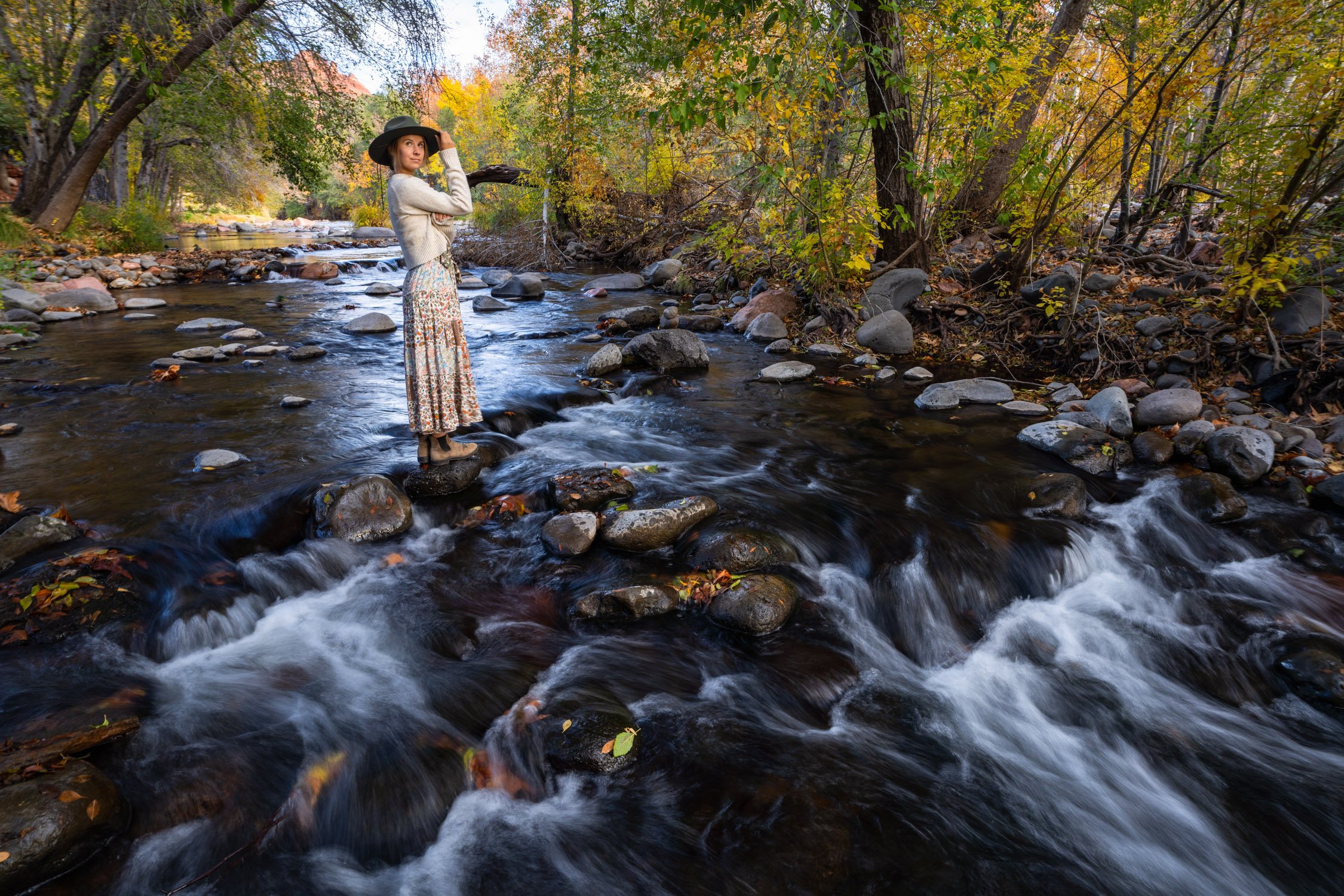
Tucked away along the Oak Creek in Sedona, AZ is L’Auberge de Sedona. This four star resort should be on everyone’s bucket “must-stay” list if you are looking for luxurious stays. If you are a Sunday brunch kind of human, well, they also have the best Sunday brunch in town. But, good luck getting a room, this spot is almost always booked out, so get on your reservations now.
Tucked away along the Oak Creek in Sedona, AZ is L’Auberge de Sedona. This four star resort should be on everyone’s bucket “must-stay” list if you are looking for luxurious stays. If you are a Sunday brunch kind of human, well, they also have the best Sunday brunch in town. But, good luck getting a room, this spot is almost always booked out, so get on your reservations now.


From the start of our two night stay, we knew we were in for a treat. Literally we were given a package for build your own s’mores and enjoy the view at the lobby. On a sugar high, we wandered away from the warmth of the fire pits and headed to our room a top the hill. The view from our living room, bedroom, bathroom, and balcony were jaw-dropping. But, the outdoor shower was the crown jewel of our stay.
However, the best parts of Sedona are not in your room, they are outside in the red dirt. A few of my favorite adventures and places in Sedona:


Looking to make the most of your time in Sedona, here is the itinerary we stuck to for a two night, three day stay:
Day One (Friday):
Arrive and check in
Enjoy a drink and walk the river
Head out for a “night on the town”
Day Two (Saturday):
Rise and shine early to go for a UTV ride
Return for lunch, shower, and unwind
Hike Cathedral or head to Crescent Moon State Park for sunset
Day Three (Sunday):
Go for a sunrise hike, I suggest
Head back to L’Auberge for Sunday Brunch along the river
TRAVEL VICARIOUSLY WITH DALTON

Free Work Is Never Free
From 2016 to 2022, my focus was strictly on adventure content. I chased swells towering 50 feet above my head as I snapped images from the water, dangled from ropes 3,000 feet above Yosemite Valley’s floor, and all the things in between that stroke an adventurer’s ego.
Throughout this article, I will reference stills work taken for Stillpoint Lodge as an example of “free work”. Looking at this recent photo essay I shared will behoove your understanding of the scope of work done and its results: https://dalton-johnson.com/adventure/stillpoint-lodge-review-photo-essay
Quick note: There was also a video element of this project that won’t be shared at this time, but in the near future.
Now, let’s dive into “free work”…

Take A Risk On Yourself
From 2016 to 2022, my focus was strictly on adventure content. I chased swells towering 50 feet above my head as I snapped images from the water, dangled from ropes 3,000 feet above Yosemite Valley’s floor, and all the things in between that stroke an adventurer’s ego.
While the adventure is rad, it isn’t financially sustainable. The line of work requires days of time for a single image that, if sold, yields $50-300. At first, that’s not bad when you know nothing about a camera, but there are no pay increases in the industry. In fact, the wages have only decreased since I started shooting.
So, when I was in Alaska as Field Director and D.P. for a documentary about Epic Bill Bradley climbing Mount Denali —this short doc premiers on PBS next month— I took a risk on myself to expand into an adjacent industry; adventure travel.
Connecting with Stillpoint Lodge, the only two-key Michelin adventure lodge in Alaska, we planned a collaboration for a work exchange.
Free Work Will Cost You, But You Should Still Do It
Let’s get real, free work is never free for anyone involved.
The client, spends their time, resources, and product on the creative to create the “free work”.
The creative, spends their time and often much of their own money to create the “free work”.
In the best collaborations, it’s an exchange. And, I would say, my exchange with Stillpoint Lodge was a great way to for both brands to expand and benefit together through a mutual investment.

Why and how did it work out so well?
I saw the writing on the wall: I needed to expand my market. Otherwise, I would be fighting an uphill battle and the only way up was to increase my volume of work. With only so much time in a day, there is an upper limit to the volume I can handle. So, pairing with Stillpoint Lodge was a chance to start shooting in an industry with bigger budgets. That was my incentive.
For Stillpoint, when you went on their website in 2022, it was obvious they needed an update to their content. Their homepage was old and stale. Their socials were pixilized iPhone snaps.
For a place that charged roughly $1500 per person, per night (now starting at $3,272 per person per night with a 3-night minimum) those images hurt them in booking customers. So, when I reached out to Stillpoint, I was arrogant and called them out. But, I also offered a solution.
“If they would host my girlfriend and me for a handful of nights, I would shoot a brand refresh and a new promo video for you.” At first, they were skeptical. Rightfully so, I had zero, yes, zero images in my portfolio featuring hospitality, and my video work wasn’t shown on my site. But, they needed content, badly.
So, we came up with an agreement and made it happen.
How Much Does “Free Work” Really Cost?
Figuring out the real cost of “free work” can be a challenge because fees are waived and estimations are often assumed. However, hard costs can be used as well as averages. So, below I tossed together my best guesses of the opportunity costs and hard costs for both of us in 2022.
For myself:
5 shoot days, roughly $7,500
10 editing days, roughly $5,000
$500 in transportation to get there and back, Stillpoint is in the middle of nowhere
$1,500 for the video editor
Total opportunity cost: $14,500
Actual cost: $2,000
For Stillpoint:
3 nights in a cabin for two people, roughly $9,000
1 night in VIP cabin for two people, roughly $10,000
Single-day fishing license, roughly $100
Total opportunity cost: $19,100
Actual cost: $100
You might look at that and say somebody got the short end of the stick. If you do, I’m curious who you think it is; me or Stillpoint? I’m truly curious on this front, so shoot me an email and let me know!
My take, neither one of us. But, feel free to disagree with me.
If you say Stillpoint, the rooms were unbooked and would not have been filled, as this isn’t the kind of place you book last minute. You could make the argument Stillpoint’s actual costa were higher because they provided food and had to pay their workers to work. So, let’s say Stillpoint spent $500, or even $1k, that seems pretty damn good for a promo video and photo library! Especially, considering they have leaned on this photo library for the last three years across their website and social.
If you say me, because I dropped $2k of my own money to make this happen, I would ask you to find me a better location to shoot for less? I’m not sure that exists. If this was a test shoot where I had to pay talent fees, location fees, etc. I would estimate the costs in the $10-20k range. Considering, I didn’t have any hospitality work I could share in my portfolio, I poured my heart and soul into this shoot to make it something. My results? I have been able to lean on the images from this shoot to land other paying jobs.

Can “Free Work” Pay Off?
If I speak for Stillpoint Lodge, I would just be making an assumption. However, since they have recommended me to a handful of other adventure lodges, my guess is yes. The investment was most likely worth it for them. For myself, this investment, in myself, has aided in landing clients like:
The Four Seasons
Men’s Journal
Turneffe Island Resort
L’Auberge de Sedona
Castle Hot Springs
Robb Report
Rancho Santana Nicaragua
In total, I can track roughly $60k back to this work with Stillpoint Lodge. For all you number nerds out there—I can say that because I have a B.S. in Mathematics from Santa Clara University—that is an ROI of 2,900% over four years. I want to see you beat that in the stock market, LOL! And, if I were to guess, I would say there is more as well, but that $60k is trackable.
I’d say this “free work” has paid off.
But, “free work” only pays off IF you can market the work. More on that in the coming weeks.

Did You Find This Helpful?
If you found this to be helpful, I would appreciate you sharing it. Maybe to your friend starting in their photography career, a co-worker, an influencer, or a fellow hotel owner looking to level up their content.
Another way to support my work and this newsletter is to follow, like subscribe, etc. to my social channels. Say “What’s up” and I’ll surely respond. I am most active on LinkedIn but am starting out on X and Instagram, right now. All of those are great places to get bite-sized pieces about what it is like as a writer and photographer in the adventure travel space.
Lastly, if you are looking for some new artwork for your home, or office, I sell prints from my travels. You can check out my landscape and wildlife print options here: https://dalton-johnson.com/prints
If you don’t see an image you would like, feel free to send me a message with a screenshot of the image you like and I can get it printed for you.
Connect With Dalton
Discover more Adventures
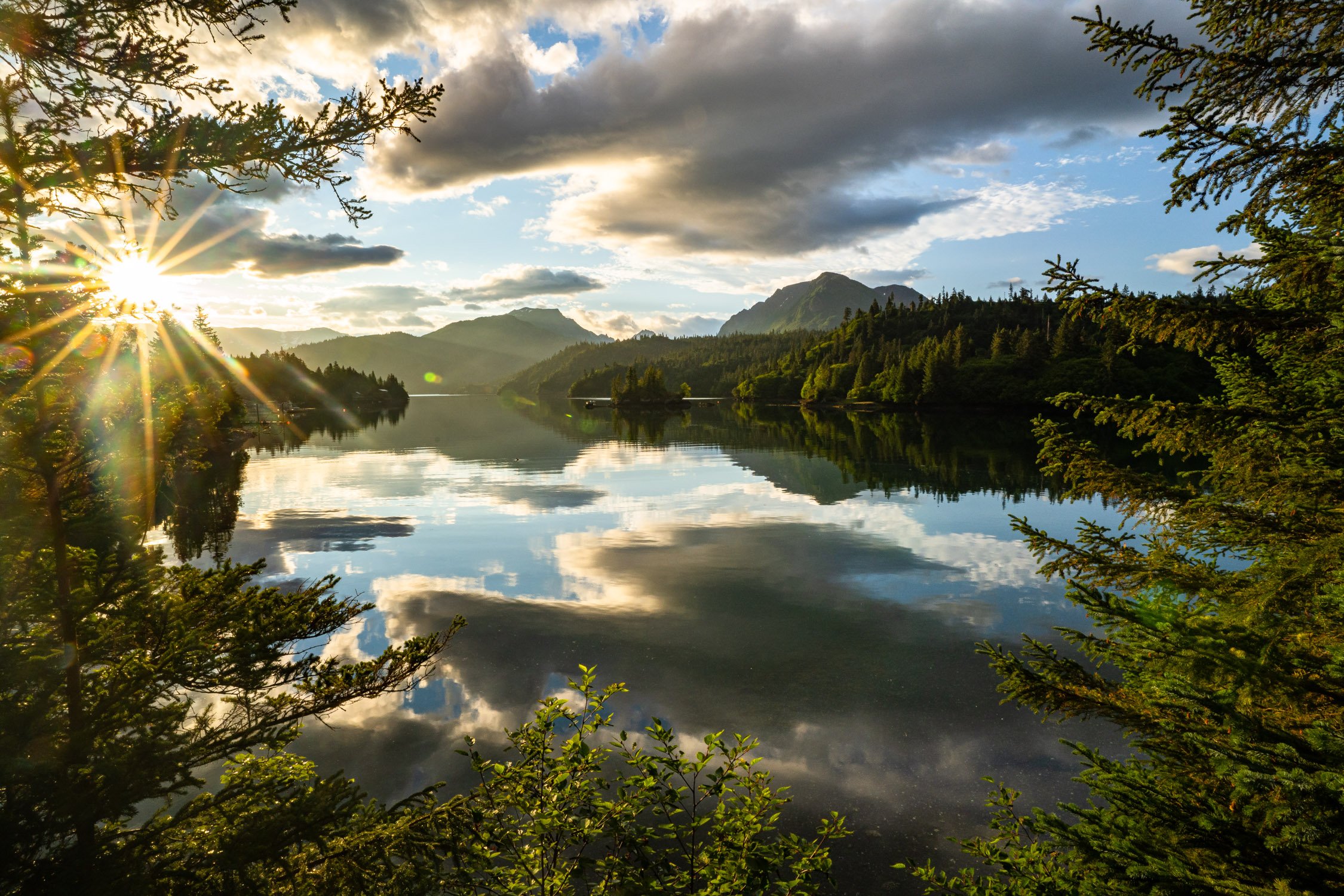
Alaska's Premier Adventure Luxury Destination Stillpoint Lodge (Photo Essay)
Tucked away in Halibut Cove, Alaska is a hidden series of cabins with waterfront views belonging to a two key Michelin adventure lodge; Stillpoint Lodge. Getting there might spike your cortisol levels if you are not keen on boat rides or plane flights, but once you’re standing on your front porch staring out at the water, all your stress will fade away.
Tucked away in Halibut Cove, Alaska is a hidden series of cabins with waterfront views belonging to a two key Michelin adventure lodge; Stillpoint Lodge. Getting there might spike your cortisol levels if you are not keen on boat rides or plane flights, but once you’re standing on your front porch staring out at the water, all your stress will fade away.
Greeted by the staff upon arrival at the docks, you’ll go for a property tour, to get a lay-of-the-land, ending at your cabin. Your first afternoon is for settling in, before the real adventures begin. Alaska isn’t on your bucket list if you don’t have an adventurous bone in your body, so Stillpoint Lodge has curated several itineraries for you, and your family, to fill your adventure appetite. Offering everything from bear viewing to glacial kayaking to salmon and halibut fishing, Stillpoint doesn’t miss a beat. If you are feeling “lazy” maybe you can talk the owner into a scenic plane flight to a secluded lake for lunch on the wing, or go for a swim in the refreshing salt water of Halibut Cove after doing some yoga. My personal favorite was jumping off the wing of the plane into the lake. Just be prepared to come up breathless, as the lake is glacially fed.
Good news for foodies, the chefs at Stillpoint Lodge knows what they are doing. Each day has three meals prepared for you at the stunning main lodge, although you’ll most likely opt in for a bagged lunch so you can play in the great Alaskan wilderness. Inspired by the seasons, the food is as fresh as it comes. The fish was most likely caught that day, the greens came from the garden, and the mushrooms were recently foraged. All of the decorative flowers and berries can be found around the property.
Do not be fooled by the adventure, or the food, for Stillpoint Lodge is full of relaxation and reconnection with what truly matters, stillness. Each morning, you’re greeted by stunning views, perfect to enjoy with a cup of coffee. And at dusk, if you look closely, you can find wildlife wandering the banks for a night-time snack. Soak in the hot tub, or splurge on the VIP suit so you can get your sweat on in the private sauna. Kick back with a drink in hand to watch birds forage, get a massage, or cheers to the good life during happy hour. If you want my two-cents, take a solo walk around the property, wander the labyrinth, and sit on the dock to watch the moon rise over Halibut Cove.

The Best Times of Year to Visit Loreto
Loreto, Baja California Sur, offers visitors an incredible mix of natural beauty, adventure, and cultural charm. Whether you’re drawn to its pristine beaches, rich marine life, or fascinating history, the best time to visit depends on what you want to experience. Some months are perfect for whale watching, while others are ideal for sportfishing, hiking, or simply enjoying the quiet charm of this coastal town. Here’s a detailed guide to help you choose the best time for your trip to Loreto.
Loreto, Baja California Sur, offers visitors an incredible mix of natural beauty, adventure, and cultural charm. Whether you’re drawn to its pristine beaches, rich marine life, or fascinating history, the best time to visit depends on what you want to experience. Some months are perfect for whale watching, while others are ideal for sportfishing, hiking, or simply enjoying the quiet charm of this coastal town. Here’s a detailed guide to help you choose the best time for your trip to Loreto.
Sunrise at the marina of Loreto, BCS. Photo by Dalton Johnson
Winter (December – March): Peak Whale Watching and Ideal Temperatures
Winter is one of the most popular times to visit Loreto, primarily due to the arrival of migratory whales in the Sea of Cortez. From January to March, blue whales—the largest animals on Earth—are frequently spotted near Loreto, making it an excellent time for wildlife enthusiasts. Humpback whales, dolphins, and even the occasional pod of orcas also make appearances. Guided boat tours offer unforgettable encounters with these magnificent creatures in their natural habitat.
The weather during winter is pleasant, with daytime highs averaging in the mid-70s°F (24°C), making it perfect for outdoor exploration. Whether you want to stroll along the Malecón, kayak through Loreto Bay National Marine Park, or explore the rugged trails of Sierra de la Giganta, winter provides a comfortable climate. Nighttime temperatures can be cooler, dipping into the low 60s°F (16°C), so packing a light jacket is recommended.
Spring (April – June): Fewer Crowds, Perfect Water Conditions, and Great Fishing
As the whale watching season winds down, spring brings sunny days and ideal conditions for water activities. April and May are among the best months for snorkeling, diving, and kayaking in the crystal-clear waters of Loreto Bay. The marine park’s biodiversity is at its peak, with vibrant coral reefs, schools of tropical fish, and sea turtles making regular appearances.
Spring is also an excellent time for sportfishing, with dorado, marlin, and yellowtail becoming more active as water temperatures rise. Fewer tourists mean that popular beaches and trails are less crowded, allowing for a more relaxed and intimate experience. Temperatures range from the mid-70s to low 90s°F (24-32°C), with warm days and comfortable evenings.
Summer (July – September): Hot Weather, Epic Fishing, and Vibrant Marine Life
Summer in Loreto is characterized by hot temperatures, often reaching the high 90s°F (37°C), making it less favorable for land-based activities like hiking. However, for those who love sportfishing, this is the peak season. Anglers flock to Loreto to catch dorado, marlin, sailfish, and roosterfish. Deep-sea fishing charters are widely available, offering opportunities for both beginners and experienced anglers.
The Sea of Cortez is warm, creating fantastic conditions for diving and snorkeling. Marine life thrives during this time, with sightings of manta rays, sea lions, and even whale sharks. However, travelers should be mindful of hurricane season, which runs from June through October. While major storms are rare in Loreto, occasional rainfall and humidity can affect travel plans.
Fall (October – November): Comfortable Weather, Outdoor Adventure, and a Relaxed Atmosphere
Fall is an excellent time to visit Loreto, as temperatures begin to cool down, averaging in the mid-80s°F (29°C). This transition period is perfect for travelers looking to enjoy a mix of outdoor activities without the intensity of summer’s heat. The Sierra de la Giganta mountains offer scenic hiking trails, and the town’s historic Mission of Our Lady of Loreto provides a fascinating glimpse into Baja’s colonial past.
Marine life remains abundant in the fall, and snorkeling and kayaking continue to be popular activities. The crowds are still relatively light, making it a great time to experience the local culture, markets, and restaurants at a more leisurely pace. Many consider fall the best time for an overall balanced experience—good weather, active marine life, and fewer tourists.
Mission in Loreto, BCS at sunset. Photo by Dalton Johnson
Choosing the Best Time for Your Trip
For whale watching: January to March offers the best chances to see blue whales and humpback whales.
For fewer crowds and water activities: April to June provides great weather for snorkeling, diving, and kayaking.
For sportfishing enthusiasts: July to September is the peak fishing season for dorado, marlin, and sailfish.
For outdoor adventures and comfortable weather: October to November is ideal for hiking, exploring, and enjoying the local culture.
No matter when you visit, Loreto offers a unique blend of adventure, relaxation, and natural beauty year-round. Whether you're hoping to witness the migration of blue whales, reel in a trophy fish, or explore the charming streets of this historic town, Loreto provides an unforgettable experience in every season.
Discover more Adventures

What to Expect Blue Whale Watching in Loreto, BCS
Blue whale watching in Loreto, Baja California Sur, is a truly unforgettable experience. The journey begins early in the morning, just as the first light of dawn reflects off the Sea of Cortez. Heading down to the marina, you’ll meet your captain and fellow passengers, exchanging introductions and sharing a few laughs before boarding the panga boat. Regardless of which tour operator you choose, mornings all begin the same—full of anticipation, excitement, and the promise of an extraordinary day ahead.
Blue whale watching in Loreto, Baja California Sur, is a truly unforgettable experience. The journey begins early in the morning, just as the first light of dawn reflects off the Sea of Cortez. Heading down to the marina, you’ll meet your captain and fellow passengers, exchanging introductions and sharing a few laughs before boarding the panga boat. Regardless of which tour operator you choose, mornings all begin the same—full of anticipation, excitement, and the promise of an extraordinary day ahead.
Sunrise over the Loreto marina. Photo by Dalton Johnson
Once aboard, the boat gently pulls away from the dock and heads out into the open water. The first leg of the trip is usually spent scanning the horizon, keeping an eye out for any movement that might indicate marine life. It’s common to encounter pods of dolphins leaping through the waves, their playful energy setting the tone for the rest of the excursion. Seabirds glide overhead, diving occasionally into the water in pursuit of fish, adding to the feeling of immersion in a thriving marine ecosystem.
As the boat nears the islands within Loreto Bay National Marine Park, the captain slows the engine and begins searching for blue whales. This protected area is rich in marine life and serves as a feeding ground for the whales, making it one of the best places in the world to observe these majestic creatures. The key to spotting a blue whale often comes down to watching for the telltale signs of a blowhole spout rising above the water’s surface. Even if the whale itself isn’t immediately visible, the deep, resonant sound of its exhale provides an unmistakable clue to its location. The experience transforms into a thrilling waiting game—every pair of eyes on board scanning the water, hoping to catch the first glimpse of a massive blue-gray back breaking the surface.
Once a whale is spotted, the boat cautiously approaches, maintaining a respectful distance in accordance with conservation guidelines. Seeing a blue whale up close is nothing short of awe-inspiring. These giants of the deep can grow up to 80 feet long, their immense size almost incomprehensible as they glide effortlessly through the water. Their movements are slow and graceful, and with each surfacing, the massive body arcs smoothly before disappearing again beneath the waves. The cycle repeats several times, with the whale surfacing every three to five breaths before taking a deep dive for food. These dives can last anywhere from 13 to 20 minutes, depending on how far down the whale must go to reach its prey.

A blue whale taking a deep breath. Photo by Dalton Johnson
If conditions are favorable and there aren’t many other boats around, your captain may stay with the whale for an extended period, allowing you to observe its behavior in detail. The quiet moments between sightings are often filled with a hushed sense of wonder, as passengers eagerly anticipate the next appearance. During peak season, however, regulations require boats to take turns viewing the whales to avoid crowding them, ensuring that all tour groups have an equal opportunity for a memorable experience.
A final breath by a blue whale before diving for food. Photo by Dalton Johnson
Beyond seeing blue whales, a day on the water in Loreto offers plenty of other wildlife encounters. Sea lions can often be spotted lounging on the rocky outcrops of the nearby islands, while frigatebirds, pods of dolphins, and pelicans circle above. In some cases, lucky visitors may even witness a pod of orcas passing through the area, adding another layer of excitement to the adventure.
Dolphins playing. Photo by Dalton Johnson
After several hours on the water, the tour typically concludes around midday, with the boat making its way back to the marina. Stepping onto solid ground again, many visitors choose to take a leisurely walk along the Malecón, soaking in the picturesque waterfront views. A visit to the town square and the historic Mission of Our Lady of Loreto is a perfect way to round off the experience, offering insight into the town’s rich cultural heritage. To complete the day, a stop at a local restaurant for fresh seafood and a cold drink provides the ideal setting to reflect on the unforgettable moments spent among the world’s largest creatures.

Sunset at hotel Oasis. Photo by Dalton Johnson
Whether it’s your first time whale watching or a return visit, the experience of seeing blue whales in Loreto is unparalleled. The combination of breathtaking scenery, diverse marine life, and the sheer wonder of witnessing the ocean’s most magnificent inhabitants makes this an adventure you’ll never forget.
Discover more Adventures

How to Plan a Blue Whale Watching Tour in Loreto
Loreto, Baja California Sur, is one of the world’s premier destinations for witnessing the majestic blue whale, the largest animal on Earth. Each year, from January to March, these gentle giants migrate to the Sea of Cortez, offering visitors a rare opportunity to observe them up close. Here’s how to plan the perfect blue whale watching tour in Loreto.
Loreto, Baja California Sur, is one of the world’s premier destinations for witnessing the majestic blue whale, the largest animal on Earth. Each year, from January to March, these gentle giants migrate to the Sea of Cortez, offering visitors a rare opportunity to observe them up close. Here’s how to plan the perfect blue whale watching tour in Loreto.
1. Choose the Best Time to Visit
Blue whale season in Loreto runs from mid-January to late March, with peak sightings occurring in February. Planning your trip within this window increases your chances of multiple encounters with these marine giants.
2. Book a Reputable Tour Operator
Selecting a responsible and knowledgeable tour operator is essential for an unforgettable experience. Look for companies that prioritize eco-friendly practices and operate small group tours to minimize disturbance to the whales. Some well-rated operators include:
Booking in advance is highly recommended, especially during peak season.
The back of a blue whale. Photo by Dalton Johnson
3. What to Expect on a Tour
Most whale watching tours in Loreto last around 3–4 hours. Departing from the Loreto marina, boats head into the calm waters of the Sea of Cortez, where blue whales are often spotted. These tours typically involve an experienced guide who provides insight into the whales' behavior, biology, and conservation efforts.
As you journey across the water, you may witness breathtaking displays such as whales surfacing for air, tail slaps, and the occasional breach. Blue whales are known for their massive size, reaching between 60-80 feet in length, making their appearances truly awe-inspiring. Sightings are often accompanied by the distinctive sound of their exhalations, which can be heard from a great distance.
Along the way, it’s common to encounter other marine life, including playful dolphins, fin whales, humpback whales, sea lions, and an abundance of seabirds. Some tours even come across pods of orcas hunting in the area. The Sea of Cortez is a rich marine ecosystem, and every trip offers a unique glimpse into its vibrant biodiversity.
Many tours include additional stops at nearby islands such as Isla Coronado or Isla del Carmen, where travelers can disembark for a break. These islands provide opportunities for snorkeling, wildlife spotting, and enjoying pristine beaches. Guides may also share insights about the local ecosystem, from the diverse fish species beneath the waves to the unique flora of the desert islands.
Overall, a whale watching tour in Loreto offers an unforgettable experience, blending adventure, education, and the thrill of witnessing some of the ocean’s most extraordinary creatures in their natural habitat.
4. Pack the Essentials
For a comfortable and enjoyable experience, bring:
Binoculars for better whale spotting
A camera with zoom lens for capturing stunning images
Sunscreen, hat, and sunglasses to protect against the sun
Layers or a windbreaker for cool ocean breezes
Motion sickness medication if you’re prone to seasickness
5. Respect the Whales and Marine Life
Whale watching in Loreto follows strict conservation guidelines to ensure minimal impact on the whales. Boats must maintain a safe distance, and interactions are passive to avoid distressing the animals. Choosing an operator that follows these guidelines helps support sustainable tourism.
The first mission in all of the Californias. Photo by Dalton Johnson
6. Extend Your Stay in Loreto
Beyond whale watching, Loreto offers a variety of activities, from exploring the historic Mission of Our Lady of Loreto to snorkeling in the crystal-clear waters of Loreto Bay National Marine Park. Consider extending your visit to fully experience the town’s charm and natural beauty.
Final Thoughts
Planning a blue whale watching tour in Loreto is a bucket-list experience for wildlife enthusiasts. With careful timing, a reputable tour operator, and the right essentials, you’ll be set for an unforgettable encounter with the ocean’s most magnificent creatures.
Discover more Adventures

Loreto, BCS Might Be Baja's Nature Capital
Few places in the world offer the dramatic contrast of land and sea quite like Loreto. Nestled along the Sea of Cortez and framed by the rugged peaks of the Sierra de la Giganta, this coastal haven remains one of Baja California Sur’s most captivating yet unspoiled destinations. From pristine islands to vibrant marine life, Loreto offers an unparalleled connection to nature.
Few places in the world offer the dramatic contrast of land and sea quite like Loreto. Nestled along the Sea of Cortez and framed by the rugged peaks of the Sierra de la Giganta, this coastal haven remains one of Baja California Sur’s most captivating yet unspoiled destinations. From pristine islands to vibrant marine life, Loreto offers an unparalleled connection to nature.
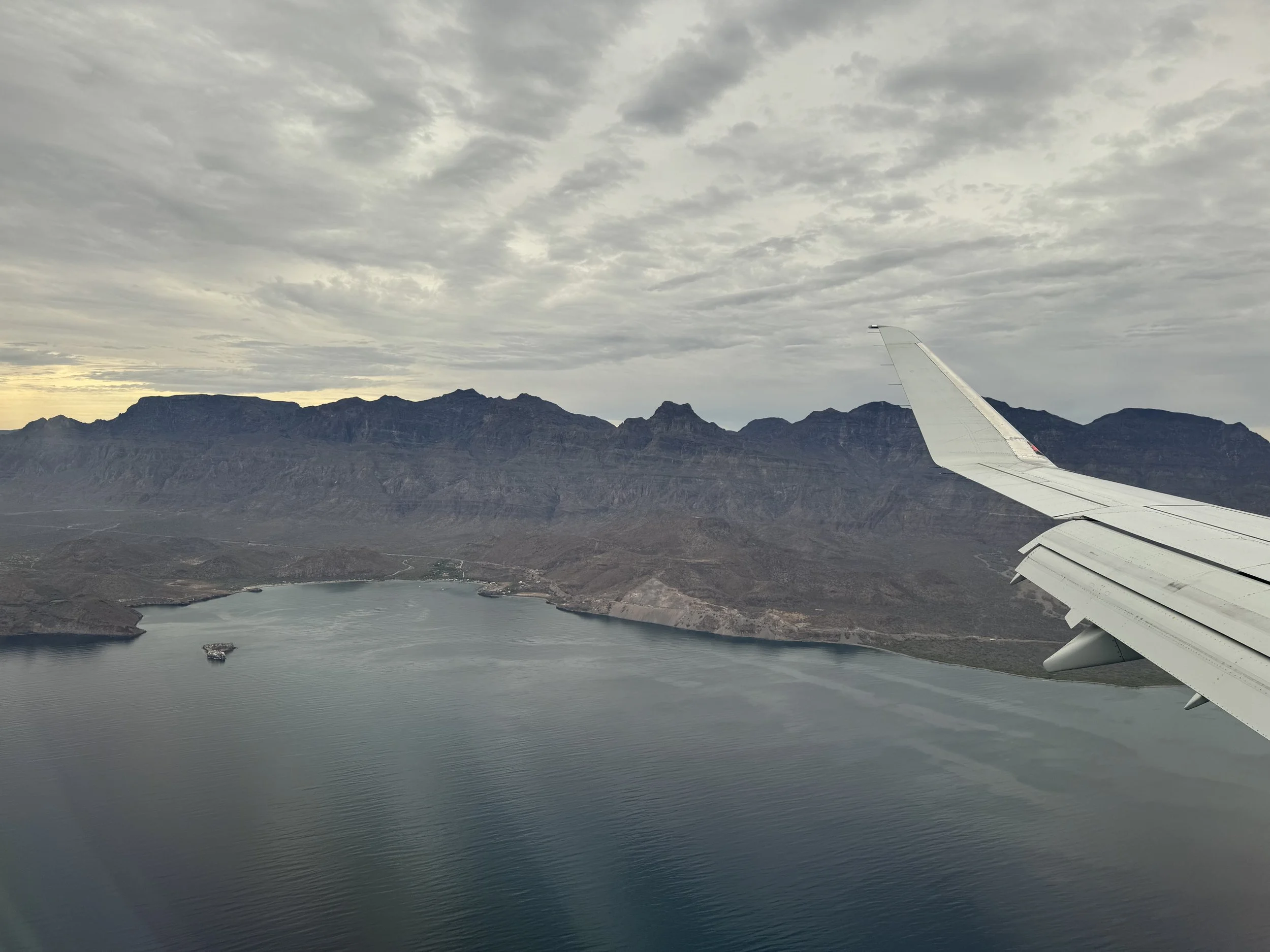
The view from the plane when landing in Loreto, BCS. Photo by Dalton Johnson
A Stunning Coastal Landscape
Loreto’s natural beauty is defined by its harmonious blend of ocean and desert. The calm, turquoise waters stretch endlessly, reflecting the golden hues of Baja’s arid cliffs. The backdrop of the Sierra de la Giganta only adds to the region’s surreal appeal, creating postcard-worthy views at every turn. Whether seen from a boat or a secluded stretch of beach, the scenery is nothing short of breathtaking.
Loreto Bay National Marine Park: A UNESCO World Heritage Site
Just beyond Loreto’s shoreline lies the Loreto Bay National Marine Park, a sanctuary of uninhabited islands and crystalline waters. Recognized as a UNESCO World Heritage Site, the park protects an ecosystem teeming with marine life. Dolphins playfully ride the waves, sea lions bask in the sun, and seasonal whale migrations bring visitors face-to-face with some of the ocean’s most majestic creatures. Conservation efforts ensure that this marine wonderland remains as pristine as ever.
Dolphins swimming off shore of Isla Coronado. Photo by Dalton Johnson
Isla Coronado and Isla del Carmen: Pristine Island Escapes
Among the park’s many islands, Isla Coronado and Isla del Carmen stand out as must-visit destinations. Isla Coronado’s powdery white sand beaches and shallow turquoise waters create the perfect setting for swimming, snorkeling, and spotting exotic seabirds. Nearby, Isla del Carmen offers a more rugged experience, with dramatic rock formations and vibrant coral reefs attracting divers eager to explore its underwater world. Both islands provide an untouched, serene escape for those seeking solitude in nature.
Endless Opportunities for Adventure
Loreto’s coastal paradise is best experienced through its many outdoor activities. Snorkeling and diving reveal colorful reefs teeming with fish, while kayaking allows visitors to glide across crystal-clear waters, exploring hidden coves and remote beaches. For those who prefer to stay above the surface, sailing excursions offer breathtaking views of the islands, often accompanied by playful dolphins or majestic whales breaching in the distance.
Why Loreto Stands Apart
Unlike more developed beach destinations, Loreto remains blissfully tranquil, allowing visitors to fully immerse themselves in its natural splendor. It’s a place where time slows down, where the horizon stretches endlessly, and where the beauty of the land and sea remains untouched. For travelers in search of a true seaside paradise, Loreto is a destination that delivers.
Discover more Adventures

Loreto Is Baja Sur's Best-Kept Travel Secret
Perched on the edge of the Sea of Cortez, Loreto is the kind of place that whispers rather than shouts. It doesn't flaunt its beauty like Los Cabos or demand attention with neon lights and high-end resorts. Instead, it offers a refined escape—one where nature, history, and authenticity blend seamlessly. If you're looking for Baja California Sur's hidden gem, this is it.
Perched on the edge of the Sea of Cortez, Loreto is the kind of place that whispers rather than shouts. It doesn't flaunt its beauty like Los Cabos or demand attention with neon lights and high-end resorts. Instead, it offers a refined escape—one where nature, history, and authenticity blend seamlessly. If you're looking for Baja California Sur's hidden gem, this is it.
Sunrise at the Loreto Marina. Photo by Dalton Johnson
A Seaside Paradise with Untouched Beauty
The scenery in Loreto is nothing short of breathtaking. The deep blue waters of the Sea of Cortez meet the craggy peaks of the Sierra de la Giganta, creating a dramatic contrast few places can match. Just offshore, Loreto Bay National Marine Park—a UNESCO World Heritage Site—beckons with uninhabited islands and crystalline waters. Isla Coronado and Isla del Carmen offer world-class snorkeling, diving, and kayaking in a setting that feels untouched by time.
History Woven into Every Corner
Founded in 1697, Loreto is the birthplace of California’s mission system, and its historic heart beats at the Mission of Our Lady of Loreto. This beautifully preserved church is more than just an architectural landmark—it’s a window into the past. A short stroll down the cobblestone streets reveals intimate cafés, boutique shops selling handwoven textiles, and a central plaza where locals gather as the sun dips below the mountains.
Unforgettable Wildlife Encounters
Nature lovers will find no shortage of marvels here. Between January and March, the waters surrounding Loreto transform into a migration highway for blue whales—the largest animals on the planet. Dolphins, sea lions, and mobula rays frequently make appearances, while sportfishing enthusiasts revel in the chance to reel in marlin and dorado. It’s a rare mix of adventure and tranquility, where the only agenda is what the ocean decides to reveal.
Adventure Without the Crowds
For those who crave the outdoors, Loreto delivers. Hikers can explore the hidden trails of the Sierra de la Giganta, where ancient cave paintings and panoramic views reward those who venture off the beaten path. Kayakers glide through the still waters of the marine park, spotting sea turtles and vibrant fish below. Unlike its more developed neighbors, Loreto offers a rare kind of solitude—one where every experience feels personal, not packaged.
The Art of Slow Travel
Perhaps Loreto’s greatest charm is its pace. There’s no rush here. Days begin with fresh ceviche and locally roasted coffee, stretch into long afternoons of sailing or paddleboarding or whale watching, and end with sunset cocktails overlooking the sea. Whether you’re checking into an intimate boutique hotel or dining on the catch of the day at a family-run eatery, Loreto’s understated elegance is its biggest luxury.
For those seeking the perfect balance of adventure and relaxation, history and modern comfort, Loreto remains a well-kept secret. But not for long.
Discover more Adventures
December To April Is The Best Time To See Whales In Baja
Whale watching in Baja California is one of the most sought-after experiences for adventure travelers. Every year, hundreds of gray whales migrate to Baja’s warm waters to mate and give birth, creating a unique opportunity to see these majestic creatures up close. This annual migration draws visitors from across the globe, eager to witness one of nature’s most remarkable spectacles. But when is the best time to plan your visit?
Whale watching in Baja Mexico is one of the most sought-after experiences for adventure travelers. Every year, hundreds of gray whales migrate to Baja’s warm waters to mate and give birth, creating a unique opportunity to see these majestic creatures up close. This annual migration draws visitors from across the globe, eager to witness one of nature’s most remarkable spectacles. But when is the best time to plan your visit?
The back of a blue whale in Loreto, BCS. Photo by Dalton Johnson
Prime Whale Watching Season
The peak season for whale watching in Baja California runs from late December to early April. This is when gray whales complete their journey from the Arctic to the lagoons of Baja California Sur, making it the ideal time for visitors to witness their behavior in the wild. January and February are particularly popular months, as the whales are most active during this period. During these months, travelers can observe a variety of behaviors, from playful breaches to nurturing interactions between mothers and calves.
It’s worth noting that the timing can vary slightly depending on weather conditions and whale migration patterns. Visitors arriving early in the season might see the whales making their way into the lagoons, while those coming in late March or early April may witness the calves preparing for their return journey north.
Key Locations for Whale Watching
Baja California Sur is home to several key locations that are famous for their whale-watching opportunities:
Laguna Ojo de Liebre: Also known as Scammon’s Lagoon, this area near Guerrero Negro is one of the most famous spots for gray whale sightings. Its calm, shallow waters provide a safe haven for mothers and calves.
Laguna San Ignacio: This UNESCO World Heritage Site offers some of the most intimate encounters with gray whales. Here, visitors often experience up-close interactions, with whales sometimes approaching boats out of curiosity.
Bahía Magdalena: Located along the Pacific coast, this area is a favorite for boat tours and family-friendly excursions. Its expansive waters are a prime location for observing a range of whale behaviors.
Loreto Bay National Marine Park: While gray whales are the primary draw, visitors to Loreto may also spot blue whales, humpbacks, and dolphins, making it a fantastic multi-species destination.
What to Expect During Your Visit
Whale watching tours in Baja offer an unforgettable experience. Visitors can expect to see mother whales and their calves swimming together, breaching, or even approaching boats. These interactions often feel personal, as the whales seem comfortable and curious around humans. Tour operators in the region prioritize safety and environmental conservation, ensuring minimal impact on the whales’ natural habitat.
Beyond the gray whales, many areas also host other marine life, including dolphins, sea lions, and a variety of seabirds. This adds another layer of excitement to your excursion.
Tips for a Memorable Experience
Book Early: Tours during peak season fill up quickly, especially in January and February. Reserving your spot in advance is highly recommended to secure your preferred dates and times.
Dress Appropriately: Even in Baja’s typically mild climate, it can get chilly on the water. Bring layers, including a windbreaker, waterproof gear, and comfortable shoes to stay warm and dry.
Bring a Camera: Capture the magic of your experience with a camera or smartphone. Many boats offer stable platforms for photography, making it easier to snap unforgettable shots.
Choose Reputable Operators: Opt for companies with proper permits and positive reviews to ensure a safe and eco-friendly experience. Look for tour operators who emphasize sustainable practices.
Why Baja’s Whale Watching Stands Out
What makes Baja’s whale watching experience truly unique is the opportunity for close encounters. Gray whales in this region are known for their curious and friendly nature. It’s not uncommon for these gentle giants to approach boats, allowing visitors to observe them up close or even touch them. Few places in the world offer such personal interactions with these majestic creatures.
Additionally, the pristine beauty of Baja’s lagoons and coastlines enhances the overall experience. The surrounding landscapes—from rugged cliffs to serene beaches—provide a stunning backdrop to your whale-watching adventure.
Best Times and Added Experiences
While gray whales are the main attraction, Baja’s marine life offers much more. For visitors interested in seeing other species, such as blue whales or humpbacks, late February and March are ideal. In areas like Loreto, snorkeling, kayaking, and exploring local ecosystems add extra depth to your trip.
For those planning a trip to Baja, timing your visit with the whale-watching season guarantees a once-in-a-lifetime experience. Whether you’re an avid wildlife enthusiast or simply looking for an unforgettable adventure, Baja’s lagoons and bays offer a magical destination filled with natural wonders and incredible memories.
Discover more Adventures

These Are The Travel Documents You Need To Road Trip Baja
Driving to Baja, Mexico, is a popular adventure for travelers seeking stunning beaches, charming towns, and endless outdoor activities. Whether you’re heading out for a weekend getaway or an extended exploration of this breathtaking region, being prepared with the necessary documents is essential. Forgetting even one critical piece of paperwork can lead to delays, fines, or other complications. Here’s a detailed guide to help ensure your journey goes smoothly.
Driving to Baja, Mexico, is a popular adventure for travelers seeking stunning beaches, charming towns, and endless outdoor activities. Whether you’re heading out for a weekend getaway or an extended exploration of this breathtaking region, being prepared with the necessary documents is essential. Forgetting even one critical piece of paperwork can lead to delays, fines, or other complications. Here’s a detailed guide to help ensure your journey goes smoothly.
Off road driving in Baja. Photo by Dalton Johnson
1. Passport:
A valid passport is required to enter Mexico by land. While border officials may not always ask for it when crossing into Baja, you’ll need it to return to the United States. If your passport is close to expiring, renew it before your trip to avoid any issues. Make sure it’s valid for the entire duration of your travels, and keep it in a secure, easily accessible location. For added safety, consider using a waterproof passport holder or a money belt while traveling.
2. FMM Tourist Permit:
An FMM (Forma Migratoria Múltiple) is mandatory for most travelers entering Mexico. This permit serves as an official record of your entry and is required even for short visits. It can be obtained at the border or online before your trip. If you’re staying for seven days or less, the FMM is free. For longer stays, it typically costs around $30. When you get your FMM, be sure to have it stamped by Mexican immigration officials. Failure to do so could result in fines or problems when leaving the country. Keep this document with you at all times during your trip.
3. Driver’s License:
A valid driver’s license from your home country is sufficient to drive in Baja. Unlike some other international destinations, an International Driver’s Permit (IDP) isn’t required for Mexico. However, some travelers carry one for added peace of mind, especially if they plan to rent a vehicle locally. Make sure your license is current and keep it handy in case you’re stopped by local authorities.
4. Mexican Auto Insurance:
U.S. car insurance policies do not cover you in Mexico. Purchase Mexican auto insurance before your trip—it’s required by law and protects you in case of an accident. Without this insurance, you could face hefty fines or be held liable for damages in an accident. Policies can be purchased online, at border crossings, or through insurance companies that specialize in travel to Mexico. Be sure to review the coverage options carefully, including liability limits, roadside assistance, and theft protection.
5. Vehicle Documentation:
If you’re driving your own car, bring your vehicle registration, proof of ownership, and a valid insurance card. Having these documents readily available can save you time during any inspections or checkpoints. If you’re driving a rental car, ensure you have written permission from the rental company to take the vehicle into Mexico. This document is often referred to as a “letter of permission” and may require additional fees. Make sure the vehicle’s registration matches the paperwork to avoid unnecessary delays.
6. Temporary Import Permit (TIP):
For those staying in Baja California only, a TIP is not required. However, if you plan to travel beyond Baja or take a ferry to mainland Mexico, you’ll need a Temporary Import Permit (TIP) for your vehicle. The TIP can be obtained at a Banjercito office near the border or online in advance. To apply, you’ll need your vehicle registration, passport, FMM permit, and a credit card to pay the deposit and fees. The TIP deposit is refundable when you leave the country with your vehicle, provided you return the permit as required.
7. Emergency Contact Information:
While not an official document, having a list of emergency contact numbers is crucial. Include the phone numbers for your auto insurance provider, roadside assistance, and the U.S. Embassy or Consulate in Mexico. Additionally, download offline maps and save emergency contacts in your phone for quick access.
Pro Tips for Document Management:
Photocopies: Make photocopies of all important documents, including your passport, FMM permit, and auto insurance policy. Store them separately from the originals to safeguard against loss or theft. Digital backups can also be helpful.
Organization: Use a travel document organizer to keep everything in one place. This can save time at border crossings or if you’re stopped by authorities.
Language Prep: Consider learning a few basic Spanish phrases, especially ones related to travel and road safety. This can be helpful in emergencies or when dealing with local officials.
With these documents and tips in hand, you’ll be ready for an unforgettable Baja road trip. Whether you’re exploring scenic coastlines, indulging in fresh seafood, or discovering hidden gems, proper preparation ensures your adventure stays stress-free.
Discover more Adventures
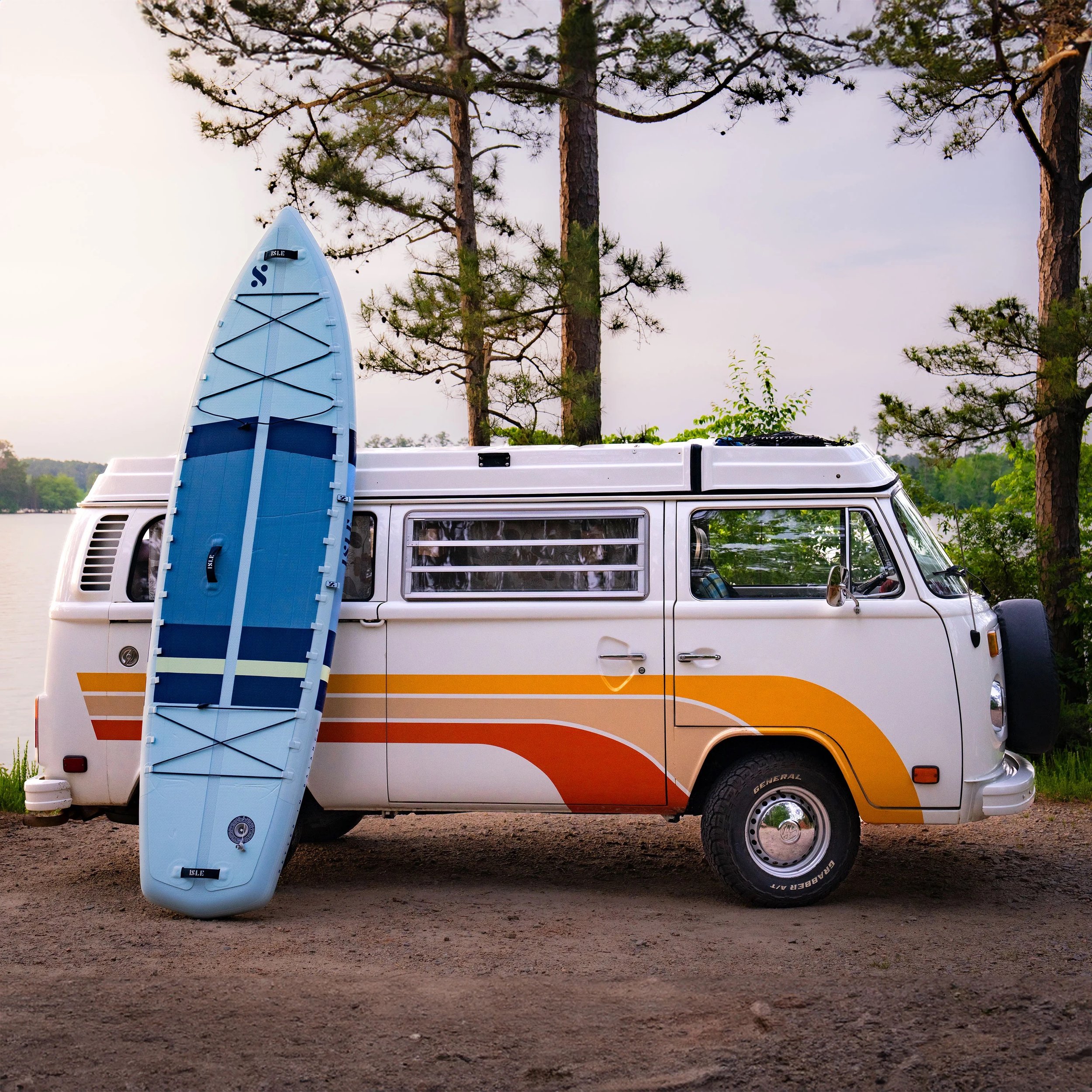
This Isle SUP Is Perfect for Vanlife, Here’s Why!
The ISLE Switch Compact is a stand-up paddleboard (SUP) and kayak hybrid that promises convenience, portability, and versatility for anyone looking to get out on the water with ease. I recently tested it out on Lake Tahoe with my dog, and here's my honest review of this product.
The ISLE Switch Compact is a stand-up paddleboard (SUP) and kayak hybrid that promises convenience, portability, and versatility for anyone looking to get out on the water with ease. I recently tested it out on Lake Tahoe with my dog, and here's my honest review of this product.
PROS:
Extremely portable and easy to store
Durable, pet-friendly materials
Versatile for both paddleboarding and kayaking
Quick and straightforward setup with the included pump
Compact design is perfect for van life or smaller vehicles
Great for casual outings and beginners
CONS:
Smaller size can make balancing tricky at the upper weight limit
May not be ideal for larger paddlers or those with lots of gear
Kayak setup, while functional, isn’t as quick or appealing for shorter outings
The compact design might not offer the same stability as larger boards, especially for heavier users or those with pets onboard
First Impressions
My initial thought when I unpacked the ISLE Switch Compact was, “This is perfect for vanlife.” Its compact size, lightweight design, and included carrying case (which fits the board, pump, and paddle) make it an ideal companion for anyone living on the road. That said, you don’t need a van to enjoy this board. It’s just as suitable for anyone living near a lake or planning casual day trips.
Unpacking the ISLE Switch Compact was straightforward, and everything you need is included. The carrying case is thoughtfully designed with enough space for the board, paddle, pump, and accessories. The lightweight construction means that even those who struggle with heavy equipment can carry it with ease. Its portability immediately stood out as one of the product’s best features. Whether you’re heading out for a weekend camping trip or a spontaneous afternoon adventure, this board fits seamlessly into any outing.
The setup process is simple. The included pump makes inflating the board quick and easy, and within minutes, you're ready to hit the water. This level of portability and ease of use is a game changer for spontaneous outings. I found it perfect for quick, hassle-free setups without the need for complicated instructions or additional equipment.
My Experience with the ISLE Switch Compact
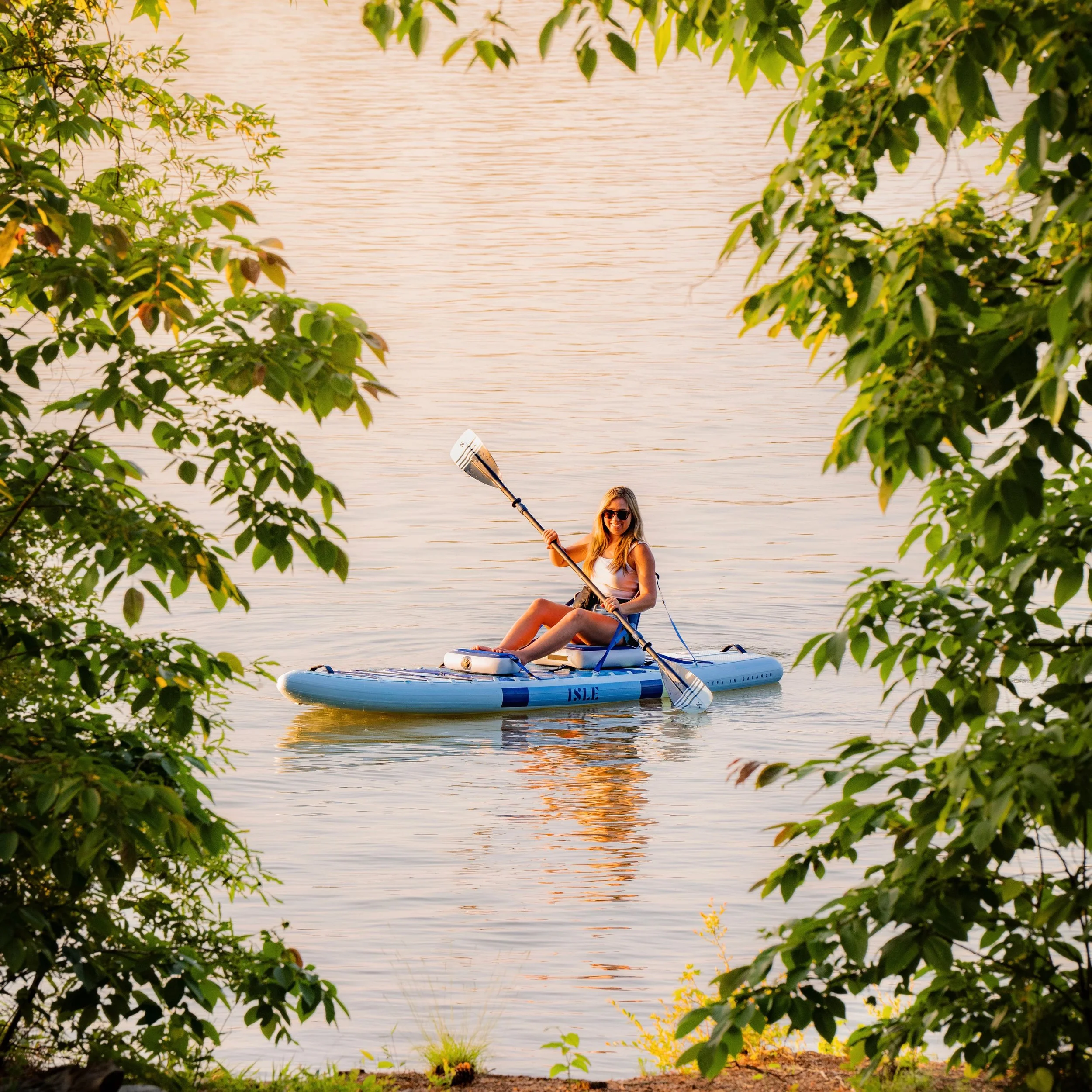
I took the ISLE Switch Compact out on Lake Tahoe, one of my favorite spots for paddleboarding. The board’s hybrid design lets you switch between stand-up paddleboarding and kayaking, but I found myself sticking to the SUP setup most of the time. Paddleboarding is just more fun for me, especially for short trips of about an hour or so.
Despite being compact, the board is durable and feels reliable on the water. I never worried about it getting punctured, even with my dog hopping on and off. The material is sturdy, which adds peace of mind for outdoor adventures. Plus, its portability means it’s always ready to go—mine lives in the back of my van, so I can grab it whenever the mood strikes. Its compact nature also makes it easy to store, even if you’re working with limited space, like in a van or small car trunk.
One thing to note: the board's size does have its limits. At the upper end of the weight capacity, balancing can feel a bit tricky, especially with my dog onboard. If you're heavier or often paddle with a dog or extra gear, you might want to consider a larger model. That said, for solo outings or smaller paddlers, the compact size is a fantastic fit.
Another highlight of my experience was how pet-friendly the board is. My dog felt comfortable moving around on the surface, which stayed stable despite their movements. If you enjoy bringing your furry friend along, the ISLE Switch Compact’s durable build is reassuring.
Although the hybrid kayak setup is a unique selling point, I personally didn’t use it as much as I thought I would. The SUP mode was so convenient and enjoyable that I rarely felt the need to attach the kayak seat. However, for longer outings or for anyone who prefers sitting while paddling, the kayak option adds valuable versatility.
Key Features
Paddleboard & Kayak Hybrid: The dual functionality is a standout feature. While I mainly used it as a paddleboard, the kayak option offers added versatility for those who prefer sitting or paddling longer distances.
Compact Size: The lightweight, inflatable design makes it easy to store and transport. It fits effortlessly into the included carrying case, which is compact enough for small cars or vans.
Durable Build: The materials hold up well against wear and tear, making it a great choice for outdoor use, even with pets.
Beginner-Friendly: The stability and ease of use make this a great choice for beginners. Whether you're new to paddleboarding or kayaking, the ISLE Switch Compact provides a smooth and manageable experience on the water.
Thoughtful Accessories: The package includes a high-quality paddle and a reliable pump, ensuring you have everything you need without additional purchases. The carrying case’s design also helps keep all items organized, which is a big plus when packing for trips.
Tips for Using the ISLE Switch Compact
Practice Balancing: If you’re near the upper weight limit or bringing a dog along, take some time to practice balancing before heading too far out on the water.
Bring a Life Jacket: Safety should always come first, especially if you’re paddling with pets or venturing into deeper waters.
Maximize Storage: Use the carrying case to keep all components organized so you’re always ready for a spontaneous outing.
Keep It Clean: Rinse the board and accessories after each use to maintain their durability, especially if you’re paddling in saltwater environments.
Final Thoughts
The ISLE Switch Compact is a fantastic SUP-kayak hybrid that shines for short outings and adventures near water. Its compact design and ease of use make it especially appealing for van lifers or anyone looking for a lightweight, portable solution.
While the size may be limiting for heavier paddlers or those with pets, it’s still a reliable, well-made board that performs beautifully on calm lakes like Tahoe. The ability to switch between paddleboarding and kayaking gives it an edge over traditional SUPs, even if I personally preferred using it as a paddleboard most of the time.
Whether you’re a beginner or an experienced paddler, the ISLE Switch Compact offers a fun and convenient way to explore the water. If you’re looking for an inflatable board that’s durable, versatile, and easy to bring along on your adventures, the ISLE Switch Compact is worth considering.
Discover More Gear

These Are Lake Tahoe's Best Kayaking Spots
Living near Lake Tahoe has given me the chance to explore its waters countless times, and I can confidently say it’s a kayaker’s paradise. The combination of pristine waters, dramatic alpine scenery, and hidden gems makes every paddle feel like a new adventure. If you’re planning to kayak Tahoe, here are some of my favorite spots to explore.
Living near Lake Tahoe has given me the chance to explore its waters countless times, and I can confidently say it’s a kayaker’s paradise. The combination of pristine waters, dramatic alpine scenery, and hidden gems makes every paddle feel like a new adventure. If you’re planning to kayak Tahoe, here are some of my favorite spots to explore.
1. Emerald Bay
Emerald Bay is easily the most iconic kayaking spot on Lake Tahoe, and I’ll admit, it never gets old. The calm waters in the morning are perfect for paddling out to Fannette Island, the lake’s only island. I love climbing up to the historic teahouse and soaking in the views of the surrounding cliffs and pine trees. If you’re up for it, a sunrise paddle here is magical—it’s the quietest you’ll see this otherwise busy spot.
Highlights: Fannette Island, historic teahouse, stunning sunrise views
Tips: The Vikingsholm trailhead is the main launch point, but it’s a steep hike with gear. For an easier day, rent kayaks from nearby operators.
2. Kings Beach
Kings Beach is where I often go for a laid-back kayaking experience. The wide beach provides plenty of space to launch, and the waters are calm and inviting. Plus, the nearby shops and restaurants make it easy to turn a paddle into a full-day outing.
Highlights: Easy access, beginner-friendly, nearby dining
Tips: Rent kayaks from local vendors if needed. It’s best to visit early to avoid summer crowds.
3. Sand Harbor
Sand Harbor is a local favorite and an all-around great spot for kayaking. The water here is incredibly vibrant, and the sandy beaches make launching super easy. I often bring friends or family here since the calm, shallow waters are perfect for beginners. Exploring the nearby coves is always a treat, especially on sunny summer days.
Highlights: Sandy beaches, beginner-friendly waters, nearby amenities
Tips: Parking fills up fast, especially in summer. Rentals are available onsite if you’re traveling light.
4. Tahoe Keys
If you’re looking for something different, the Tahoe Keys offer a unique kayaking experience. This network of canals provides a laid-back paddle with a completely different perspective of the area. It’s a fun option when I’m in the mood for a more relaxed outing.
Highlights: Calm canals, unique environment, easy paddling
Tips: This area is more developed and less about natural beauty, but it’s a great choice for a change of pace. The downside is you’ll have to know somebody to get in.
5. Meeks Bay
When I’m looking for a calm and family-friendly spot, Meeks Bay is my pick. The gentle waters are great for paddling with kids or beginners, and the sandy beach makes it easy to launch. It’s also a fantastic spot for combining activities, with hiking trails and picnic areas nearby.
Highlights: Calm waters, family-friendly amenities, nearby hiking trails
Tips: Arrive early if you’re visiting in summer, as it can get busy.
6. Crystal Bay
For a quieter, more remote feel, I recommend Crystal Bay on the lake’s north shore. The water is incredibly clear, and the shoreline is dotted with unique rock formations that make for a scenic paddle. It’s less crowded, which adds to its peaceful charm.
Highlights: Remote feel, clear waters, scenic rock formations
Tips: Facilities are limited, so plan ahead and pack what you need.

Sunset SUP and kayak at Bonsai Rock in Lake Tahoe. Photo by Dalton Johnson
7. Bonsai Rock
Bonsai Rock is one of my go-to spots for its underwater beauty. The submerged granite boulders here seem to glow under the lake’s famously clear water. It’s a small area but incredibly photogenic, and I never get tired of paddling around and taking in the turquoise waters. It’s a bit of a workout carrying kayaks down to the launch point, but the experience is always worth it.
Highlights: Submerged boulders, crystal-clear water, quiet ambiance
Tips: Parking can be tough. Arrive early, or consider launching from Sand Harbor and paddling over to Bonsai Rock
8. D.L. Bliss State Park
D.L. Bliss State Park offers some of the most stunning shoreline on the lake. I love paddling along the dramatic granite cliffs and discovering secluded beaches. The water clarity here is unmatched, and it feels like a hidden slice of paradise.
Highlights: Secluded beaches, dramatic cliffs, clear waters
Tips: There’s a small fee to enter the park, but it’s worth it. Bring plenty of water and snacks since amenities are limited.

Sunset kayak at Zephyr Cove. Photo by Dalton Johnson
9. Zephyr Cove
Zephyr Cove has become one of my favorite spots for a peaceful paddle, especially in the evening. There’s nothing like kayaking here at sunset when the sky turns shades of pink and orange over the mountains. It’s a quieter area compared to some of the more tourist-heavy spots, making it ideal for a relaxing end to the day.
Highlights: Sunset views, calm waters, local vibe
Tips: Parking is limited, and the spot isn’t heavily marked, so plan ahead. Bring snacks or a picnic to enjoy post-paddle.
10. Fallen Leaf Lake
Although not technically part of Lake Tahoe, Fallen Leaf Lake is a hidden gem just minutes away. This smaller alpine lake is incredibly peaceful and offers stunning mountain views. I go here when I want to escape the busier spots and enjoy a tranquil paddle.
Highlights: Quiet waters, stunning mountain backdrop, off-the-beaten-path
Tips: Parking is limited, so arrive early. This spot is best visited during off-peak hours.
Walking down to Emerald Bay to kayak on Lake Tahoe. Photo by Dalton Johnson
As a local, I can say that kayaking on Lake Tahoe never gets old. Each spot offers a unique experience, from the iconic Emerald Bay to the serene waters of Fallen Leaf Lake. Whether you’re a first-timer or a seasoned paddler, there’s no shortage of breathtaking places to explore. Pack your gear, start early, and get ready to see the best of Tahoe from the water.
Discover more Adventures

The Coolest Adventures We Found This Week
Adventure comes in all shapes and sizes, yet, we feel it is hard to discover new adventures. So, the editors at The Adventure Travel Network have teamed up to create a space highlighting the best adventures we have heard about each week. Without further adieu, we give you the coolest adventures we found this week:
Adventure comes in all shapes and sizes, yet, we feel it is hard to discover new adventures that are actually worth considering. So, the editors at The Adventure Travel Network have teamed up to create a space highlighting the best adventures we have heard about each week. These can be micro-adventures fit for your backyard to grand-adventures we aspire to achieve years down the road. Without further adieu, we give you the coolest adventures we found this week:
Our standards for testing and reviewing at The Adventure Travel Network:
Here at The Adventure Travel Network we have a dedicated group of testers who are required to live the experiences and adventures to be allowed to recommend them. Our recommendations are not sponsored, unless noted, and speak from the heart about every experience. Our aim is to share both the good and the bad so you understand what the experience would be like if you decide to partake. The only exception to this rule is if it is a news story, but then the writer will interview the person who did the adventure.
If you have any questions or comments about the products or reviews, you can write us at editors@the-adventure-travel-network.com
Week of January 20th, 2025

Photo by Dalton Johnson
Kayaking Lake Tahoe’s Dreamiest Destinations In A Single Day
Kayaking on Lake Tahoe turned out to be one of the most rewarding spontaneous adventures Kristin and I have ever planned. Starting our day at 3:30 a.m., we set out to explore three of the lake’s most iconic spots: Emerald Bay, Bonsai Rock, and Zephyr Cove. We began at Emerald Bay, paddling out to Fannette Island before the crowds arrived. The peaceful water, the historic teahouse, and even a fun cliff-jumping experience made it an unforgettable morning. After a quick hike back to the van, we drove around the lake, stopping for burritos on the way to Bonsai Rock. The crystal-clear water and submerged granite boulders at Bonsai Rock created a dreamlike kayaking experience, leaving us in awe of Tahoe’s natural beauty. By evening, we reached Zephyr Cove just in time for a breathtaking sunset paddle. Watching the sky shift through shades of gold, pink, and purple while gliding across the still waters was the perfect way to end the day.
The trip was ambitious, involving an early start, hours of paddling, and navigating challenging hikes to launch points, but every effort was well worth it. From serene morning waters to the rhythmic strokes of kayaking over submerged boulders, and finally, the tranquility of paddling at sunset, the day captured the magic of Lake Tahoe. Each spot offered its own unique perspective of the lake, and the combination of adventure, natural beauty, and quiet moments with Kristin made the experience unforgettable. For anyone considering a full day of kayaking, Lake Tahoe is the perfect destination to create memories that will last a lifetime.
Week of January 6th, 2025

Watching the alpine glow creep down the mountains surrounding Convict Lake, CA. Photo by Dalton Johnson
Kayak Convict Lake Along Highway 395 in California
The cool morning air wakes us up as we carry the Oru Kayaks to the side of the water. Arriving early to set up these foldable kayaks, Kristin and I hit slid onto the glassy waters of Convict Lake making sure we disturbed the reflection on the lake as little as possible. We are on a road trip down Highway 395 learning how to kayak. Neither of us had done so before this trip and we were slowly falling in love with the added access flatwater kayaking provided us. Very different than hiking and climbing, kayaking allows you to sit in the stillness that flatwater exudes. At least that is what I tell myself as shiver in my kayak, staring at the morning light creep down the mountain side.
Convict Lake is more than just a spot to kayak, the lake is tucked away from Highway 395 and provides great access to the Sierra Nevada mountains for backpacking, hiking, mountain biking, backcountry skiing, and rock climbing. In other words, Convict Lake makes for a great stop when road tripping Highway 395.

Kristin watching the sun set into the Pacific Ocean hoping to see the green flash. Photo by Dalton Johnson
Hike to the abandoned Sugar port in Todos Santos
Rarely do we highlight a single hike, however, when that hike leads to an abandoned sugar port and stunning views of the Pacific Ocean, we think it is worth mentioning here on our “Coolest Adventures of the Week”. Todos Santos, a small town north of Cabo San Lucas on the Pacific Coast, is often overshadowed by Cabo, but in the last five, maybe seven, years this town is starting to gain notice again. After the sugar industry left this area, the town became more of a local town than a tourist area. Right now, it’s still that way. But, Todos Santos offers great hiking, like the abandoned sugar port, which is perfect at sunset.
As someone who has spend over two years exploring Baja, I can confidently say, the cliff above the abandoned sugar port is one of the best places to watch the sunset in all of Baja.
Week of Dec. 30th, 2024
Skiing and Sailing the Antarctic Peninsula
When I first saw Of A Lifetime pop up on my computer screen, I figured I’d give it a quick watch. Five minutes in, I realized this was no ordinary ski video. This was something special. I paused, headed to my TV, and settled in to experience the full 44 minutes on the biggest screen in my house. It was the best decision I made all week.
But this video isn’t just about big lines and even bigger adventures. It’s a story of connection. A father and daughter bond through their shared love of skiing, and their relationship evolves over the course of their Antarctic journey. Watching this dynamic unfold hit me on a deeply personal level. Having spent 18 days in Antarctica with my mom, I know how rare and special it is to share such a life-changing experience with a parent. The way Of A Lifetime highlights that bond is as powerful as the skiing itself.

Andrew searching for some fish to spear. Photo by Dalton Johnson
Spearfishing In Baja
When the cold months rolled in at home in Lake Tahoe, California, we decided to head south in search of adventure, warm waters, and fresh seafood we speared ourselves. Baja's rugged coastline and endless opportunities seemed like the perfect place to spend a winter chasing fish beneath the waves.
Our convoy—a van built for living and a Ford Bronco—was packed to the brim with spearfishing gear, surfboards, and the essentials for beachside camping. With three people and a dog, we were ready for anything the Baja peninsula could throw our way. Every mile south spiked our curiosity, from bustling towns like Guerrero Negro to remote beaches like El Canejo that felt like they belonged to us alone. The freedom of the open road was omnipresent, and the promise of the ocean’s bounty—of fish or waves—kept our spirits high.
We were road tripping the Baja Peninsula in search of the best spearfishing spots.
Week of Dec. 23rd, 2024
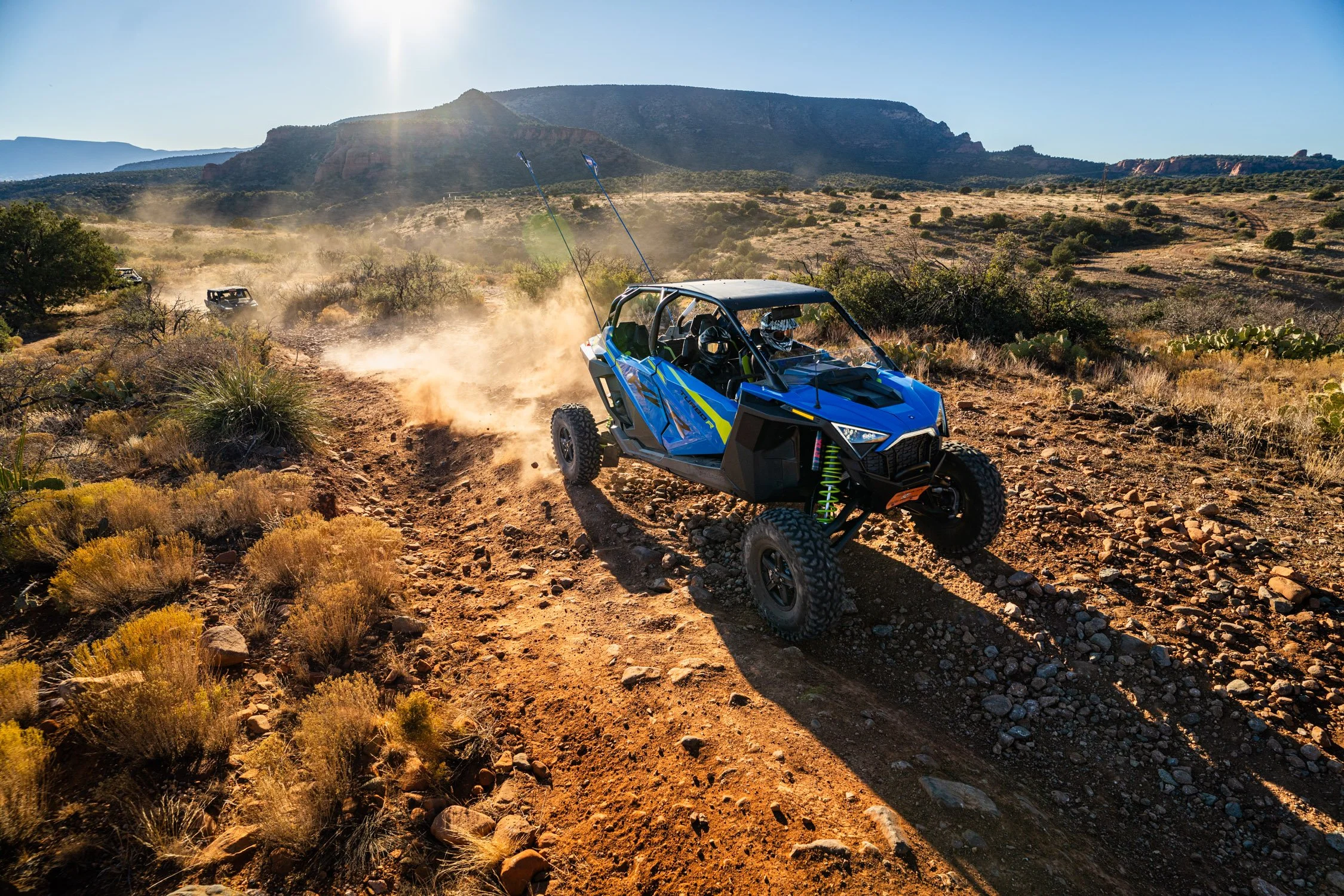
Leaving a trail of dust as we drive on the OHV trails of Sedona, AZ. Photo by Dalton Johnson
Rent a UTV and Rip Around the Desert Trails of Sedona, AZ
Sedona, AZ is one of our favorite places to adventure because it offers almost everything you could ask for; hiking, mountain biking, rock climbing, stunning views, vortexes, great food… the list goes on and on. Yet, this past year we had the opportunity to experience Sedona in a new way, trail riding in a UTV. I have to say, what a treat!
Don’t worry, you don’t have to own a side-by-side to enjoy this adventure, you can rent one from any of the local shops, we rented from Polaris Adventures, as long as you have an American driver’s license. Let me just pause here, being able to rent a side-by-side UTV without any off road experience is going to blow you mind and I really do not know how they allow you to do this!
Once you have made it through the pre-checks and clicked your seat belt, it is time to hit the trail.
For most, a half day of terrorizing the trails of Sedona on your rented UTV will leave your body sore from the thrashing you receive when going fast and your adrenal glands empty. I can say from experience, clocking in at 72 mph on a trail that twists and turns requires laser focus and a quick reaction time. Maybe I should put a disclaimer here saying “don’t try this at home” but I want you all to give this adventure a go.
If I could afford to own one of these adventure mobiles, I would. For now, I’ll stick to renting.
Do you have an adventure worth sharing?
If so, reach out to us and pitch your ideas: Pitch Us
Discover more Adventures
Testing Peak Design's Outdoor Bag Photographing Blue Whales in Loreto, BCS
For two months, the Peak Design Outdoor 45L Pack sat on my shelf. Its design intimidated me: no traditional clips, a roll-top, and an array of dangling cords. I’ve packed hundreds of bags, but I couldn’t figure out where to start with this one. I shelved it for "later," waiting for the right opportunity. That opportunity finally arrived. I was heading to Loreto, Baja California Sur, for a quick trip to photograph whales. Carry-on only, no room for error.
For two months, the Peak Design Outdoor 45L Pack sat on my shelf. Its design intimidated me: no traditional clips, a roll-top, and an array of dangling cords. I’ve packed hundreds of bags, but I couldn’t figure out where to start with this one. I shelved it for "later," waiting for the right opportunity. That opportunity finally arrived. I was heading to Loreto, Baja California Sur, for a quick trip to photograph whales. Carry-on only, no room for error.

Peak Design
Packing the Bag
With my trip ahead, I took the bag off the shelf and started packing. Laptop, camera, small lens, big lens, medium lens, chargers, toiletries, camera cleaning supplies, headphones, batteries, journal, memory cards, jacket, extra pair of shorts (just in case I got hot on the plane)—all of it fit. At first glance, this seemed like an impressive feat for a carry-on bag. However, figuring out how to organize everything in the bag efficiently was another story. The clips and closures weren’t intuitive at first, and the design required a bit of trial and error to master. It’s not the kind of bag you just throw items into; it demands a bit of planning. However, once I got the hang of it, everything clicked, and the bag’s smart design started to make sense.
I appreciated the modularity of the compartments. Adding a camera cube kept my camera gear organized and snug, while the roll-top provided flexibility for last-minute additions. Despite my initial frustration, I began to see the potential for this bag to adapt to various scenarios.
Early Travel Morning
The day started early. I was up at 2:30 a.m., groggy but determined to catch my flight. By 5:30, I was boarding my first plane. The plane was small, but to my relief, the bag fit under the seat without any issues—a major win for carry-on travelers. This was one of those moments when the bag’s compact yet spacious design really shone.
Waiting for my connecting flight, hunger struck. I remembered tossing snacks into the bag’s numerous pockets earlier that morning but couldn’t find them immediately. Scrunching the outside pockets and looking through the pack's main compartment, the snacks disappears. Then it came back to me: the snacks were in one of the front zipper pockets. A small inconvenience, but it highlighted how many compartments the bag has—both a blessing and a curse if you’re not organized.
The two large chest pockets on the shoulder straps also stood out. My phone and passport fit perfectly, keeping them within easy reach. Although I worried about losing my passport in the shuffle, I eventually moved it to an internal zipper pocket for extra security until I needed it again at immigration.
The first mission in the California’s. Photo by Dalton Johnson
Exploring Loreto, BCS
Once in Loreto, I dropped off most of my gear at the hotel and ventured into town with just my camera equipment. This is where the bag really started to shine. Walking through Loreto’s charming streets, I frequently placed the bag on the ground, unzipped the back panel, and pulled out my camera to snap frames. The back panel’s access design made these quick transitions seamless. It was clear that this bag was designed with photographers in mind.
Loreto’s town square was bustling with activity. I admired the historic mission, the first in the Californias, and took in the sights along the malecón. The views of the Sea of Cortez and the nearby islands were stunning. The freedom to pack my camera away between shots allowed me to observe more without the weight of my camera constantly around my neck. This bag provided the perfect balance of accessibility and security for my gear.
Photographing Blue Whales
The next morning, the real adventure began. We headed out early for a panga boat ride to search for whales. After an hour’s drive to the dock, we set off on the water, and the wildlife did not disappoint. Along the way, we encountered:
Dolphins — Pods of them, darting alongside the boat in numbers I have never seen before.
A fin whale — Elusive and quick, it surfaced twice before disappearing into the depths.
A blue whale — The gentle giant of the sea. It was feeding and calm, allowing us to spend two incredible hours watching it surface repeatedly. Our guide summed it up perfectly: “Watching blue whales is like... blowhole, back, back, back, more back, more back, tiny fin, more back, tail.” While we never saw its iconic fluke, the experience of being so close to this water mammal was unforgettable.

Peak Design outdoor bag going for a boat ride. Photo by Dalton Johnson
Throughout the day, the bag continued to perform admirably. The rainfly provided peace of mind against ocean spray, while the internal camera cube kept my gear secure even on the choppy waters. The back-opening design made it easy to switch lenses quickly, a crucial feature for capturing wildlife on the move. While the bag isn’t waterproof, its water-resistant materials handled the conditions well.

While we didn’t see many whales in Mag Bay, we did see lots of birds including this Bald Eagle. Photo by Dalton Johnson
A Windy Day at Magdalena Bay
The following day, we ventured to Magdalena Bay in search of gray whales. Unfortunately, the wind had picked up, and the choppy seas made sightings difficult. We managed to spot a few gray whales, but the experience was brief. Despite the challenging conditions, the bag held up. My gear remained dry and secure, and the bag’s comfortable straps made carrying it all day a non-issue. This was another reminder of the bag’s durability and thoughtful design.
Sunrise at the marina in Loreto, BCS. Photo by Dalton Johnson
Sunrise and Final Impressions
On my last morning in Loreto, I woke up early to watch the sunrise before heading to the airport. As I sat on the malecón, reflecting on the trip, I realized how much I had underestimated this bag. While its design takes time to get used to, the Peak Design Outdoor 45L Pack proved to be a reliable and versatile companion. Its structured compartments, clever organization, and durable materials make it a solid choice for outdoor photographers.
Would I call the Peak Design Outdoor 45L Pack a perfect bag? Not quite. Personally, I prefer simpler designs that require less of a learning curve. However, for casual outdoor photography and travel, it’s an excellent choice. The bag’s adaptability, comfort, and functionality make it a valuable tool for those willing to take the time to learn its quirks. If you’re planning an adventure like photographing blue whales in Loreto, this bag won’t let you down.