
Top Three Spacious Road Trip Vehicles
Road trips are a beloved way to explore the world, create unforgettable memories, and experience the freedom of the open road. Choosing the right vehicle for your road trip is crucial to ensure you and your travel companions have a comfortable and enjoyable journey. In this article, we will explore the top three spacious road trip vehicles that are sure to get you where you want to go: the Subaru Outback, the Mitsubishi Outlander Hybrid, and the Ford F-150.
Road trips are a beloved way to explore the world, create unforgettable memories, and experience the freedom of the open road. Choosing the right vehicle for your road trip down the Pacific Coast Highway, or through the mountains, is crucial to ensure you and your travel companions have a comfortable and enjoyable journey. In this article, we will explore the top three spacious road trip vehicles that are sure to get you where you want to go: the Subaru Outback, the Mitsubishi Outlander Hybrid, and the Ford F-150.
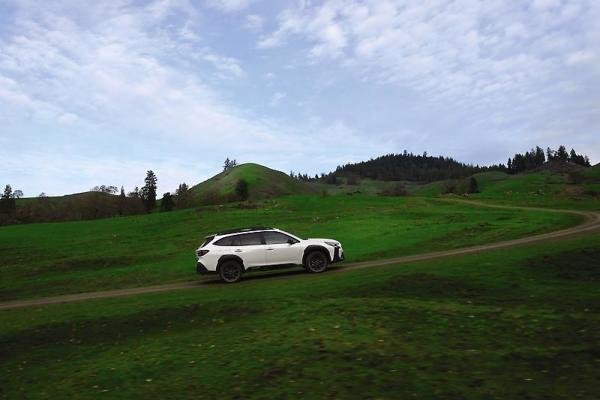
1. Subaru Outback
MSRP $28,895
The Subaru Outback has been a go-to choice for adventurers and road trip enthusiasts for many years. Known for its rugged design, impressive off-road capabilities, and roomy interior, the Outback is a versatile option that can handle diverse terrains and provide ample space for passengers and cargo. Here are some of the key features that make the Subaru Outback an excellent choice for road trips:
Spacious Interior: The Outback offers a spacious cabin with comfortable seating for up to five people. Whether you're traveling with family or friends, everyone will have plenty of room to stretch out and relax during the journey.
All-Wheel Drive: The Outback's symmetrical all-wheel-drive system ensures stability and traction, making it a reliable choice for road trips that involve varying weather conditions and off-road adventures.
Impressive Cargo Space: With the rear seats folded down, the Subaru Outback provides a generous cargo area, perfect for stowing camping gear, luggage, and other essentials needed for an extended road trip.
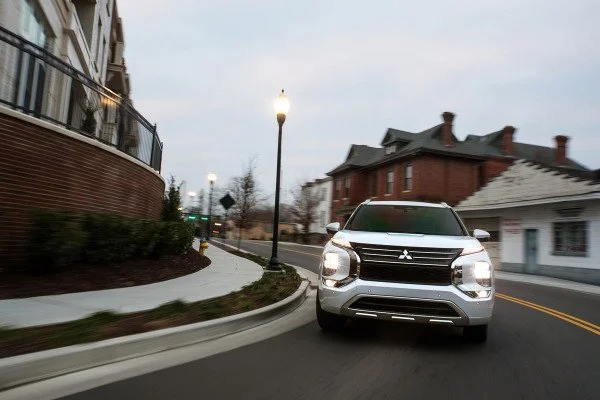
2. Mitsubishi Outlander Plug In Hybrid
MSRP $40,345
For eco-conscious road trippers who are looking for an efficient and spacious vehicle, the Mitsubishi Outlander Plug In Hybrid is an excellent option. This SUV combines the benefits of hybrid technology with a roomy interior, making it perfect for both short getaways and long-distance road trips. Here's why the Outlander Hybrid makes our list:
Fuel Efficiency: The hybrid powertrain of the Outlander Plug In Hybrid offers remarkable fuel efficiency, reducing the number of stops you'll need to make at gas stations along your journey. This is a significant advantage for those planning to cover long distances.
Seating for Seven: With available third-row seating, the Outlander Plug In Hybrid can accommodate up to seven passengers, making it ideal for larger families or groups of friends.
Advanced Safety Features: The Outlander Plug In Hybrid is equipped with advanced safety technologies, such as adaptive cruise control and lane-keeping assist, ensuring a safe and stress-free road trip.

3. Ford F-150
MSRP $36,570
While pickup trucks might not be the first choice for traditional road trips, the Ford F-150 stands out as a remarkable option for those who need both space and towing capacity. If you're planning a road trip that involves hauling a trailer, camper, or other heavy loads, the F-150 is an exceptional choice. Here's why it deserves a place on our list:
a. Ample Towing Capacity: The F-150 boasts impressive towing capacity, making it suitable for road trips that require towing a boat, trailer, or other recreational vehicles. Its powerful engine options provide the muscle needed to tackle challenging terrains.
b. Spacious Crew Cab: The F-150's spacious crew cab offers comfortable seating for up to six passengers, and with the rear seats folded up, there's ample interior storage for your belongings.
c. Innovative Technology: Ford's SYNC infotainment system keeps you connected on the road, and features like adaptive cruise control and blind-spot monitoring enhance safety during your journey.
Embarking on a road trip is an exciting way to explore new destinations, and choosing the right vehicle can significantly enhance your experience. The Subaru Outback, Mitsubishi Outlander Hybrid, and Ford F-150 each offer their unique blend of features, making them top choices for different road trip preferences. Whether you prioritize all-wheel drive, fuel efficiency, or towing capacity, these vehicles are sure to get you where you want to go in comfort and style. So, pack your bags, plan your route, and hit the open road with one of these spacious road trip vehicles. Your adventure awaits!
Discover More Gear
A Winter Trail Running Shoe Showdown
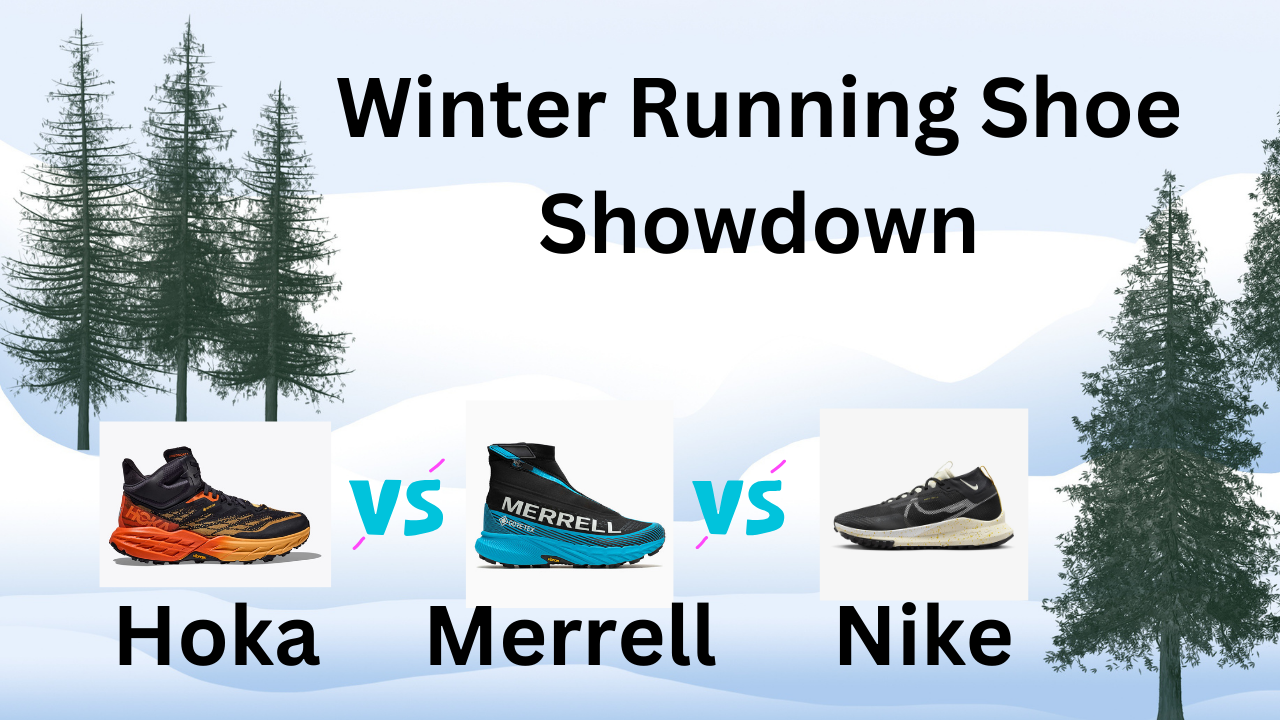
Winter trail running can be a challenging yet exhilarating experience, as you navigate through slippery and muddy terrain while battling the cold and wet conditions. To conquer these elements, choosing the right pair of trail running shoes is crucial. The good news, did the testing for you and we are here to compare three top contenders for your winter trail runs: the Hoka Speedgoat 5 GTX, Nike Pegasus Trail 4 GORE-TEX, and Merrell Agility Peak 5 GORE-TEX.
Winter trail running can be a challenging yet exhilarating experience, as you navigate through slippery and muddy terrain while battling the cold and wet conditions. To conquer these elements, choosing the right pair of trail running shoes is crucial. The good news, did the testing for you and we are here to compare three top contenders for your winter trail runs: the Hoka Speedgoat 5 GTX, Nike Pegasus Trail 4 GORE-TEX, and Merrell Agility Peak 5 GORE-TEX.

Hoka Speedgoat 5 Mid GTX: Conquering Sloppy Conditions
Order your Hoka Speedgoat 5 Mid GTX
The Hoka Speedgoat 5 GTX is a workhorse designed to thrive in sloppy and wet conditions. It boasts several features that make it an excellent choice for winter trail running:
GORE-TEX Waterproofing: The inclusion of a GORE-TEX membrane ensures that your feet stay dry even in the wettest conditions.
Grippy Outsole: The Vibram Megagrip with Traction Lug outsole provides exceptional grip on loose soil and slippery terrain.
Comfort and Support: A foot-cradling heel collar, rubber toe cap, and gusseted tongue keep your feet well-protected, while a molded EVA midsole and late-stage MetaRocker technology offer comfort and stability.
Eco-Friendly Design: The use of recycled materials, including 44% recycled polyester in the double-layer mesh, aligns with eco-conscious values.
Vegan-Friendly: The shoe is vegan, ensuring no animal products are used in its construction.
Lacing with Recycled Materials: The laces are made from 70% recycled nylon and 30% recycled polyester, excluding the aglet.

Nike Pegasus Trail 4 GORE-TEX: A Smooth Transition from Road to Trail
Order your Nike Pegasus Trail 4 Gore-Tex
The Nike Pegasus Trail 4 GORE-TEX is designed to be your reliable running companion during unpredictable weather. Here's what sets it apart:
GORE-TEX Waterproofing: With GORE-TEX technology, this shoe offers waterproof protection while maintaining a comfortable feel.
Smooth Transition: The shoe's design enables a seamless transition from road to trail, making it versatile for various terrains.
React Technology: The full-length React midsole provides stability and a smooth, responsive ride, even on rocky terrain.
Enhanced Durability: The rubber outsole wraps around the front of the shoe, ensuring extra durability. Generative traction patterns provide grip on technical trails and maintain a smooth ride on the road.
Debris Protection: Updated materials around the ankle prevent water and trail debris from entering the shoe.
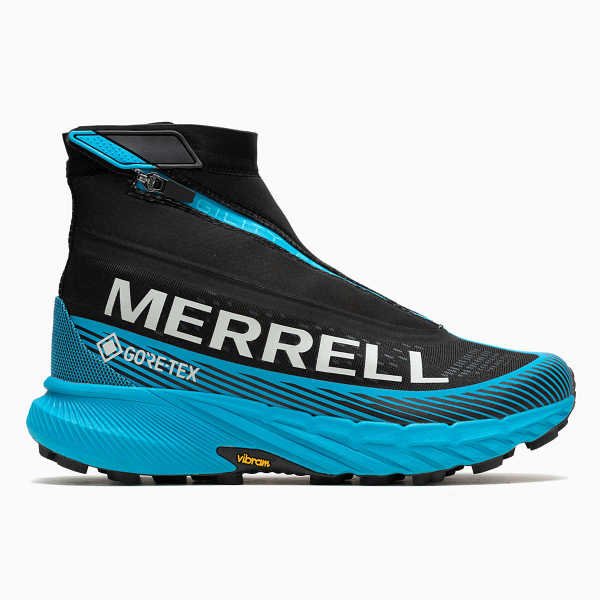
Merrell Agility Peak 5 Zero GORE-TEX: The Winter Runner's Best Friend
Order your Merrell Agility Peak 5 Zero Gore-Tex
The Merrell Agility Peak 5 GORE-TEX is tailor-made for winter running. It combines waterproofing, traction, and comfort to tackle the harshest conditions:
Exceptional Waterproofing: The GORE-TEX waterproof membrane offers outstanding breathability and waterproof performance.
Superior Traction: The Vibram MegaGrip outsole ensures unparalleled grip on both wet and dry surfaces. Special traction lugs enhance traction and shed debris with each step.
Convenience and Comfort: Features like the zipper for easy on and off, an external rear sling for heel support, and a protective toe cap make this shoe user-friendly and highly functional.
Odor Control: The shoe is treated with Cleansport NXT™ for natural odor control, keeping your feet fresh even during long runs.
Eco-Conscious Design: Recycled materials are used throughout the shoe, including the lace, mesh lining, footbed cover, and EVA foam footbed.
When it comes to choosing the best winter trail running shoe, the Hoka Speedgoat 5 GTX, Nike Pegasus Trail 4 GORE-TEX, and Merrell Agility Peak 5 GORE-TEX each offer unique advantages. The Speedgoat 5 GTX excels in wet and sloppy conditions, while the Pegasus Trail 4 GORE-TEX provides a smooth transition between road and trail. The Agility Peak 5 GORE-TEX is designed for the dedicated winter runner, combining waterproofing, traction, and comfort.
Ultimately, the choice depends on your specific needs and preferences. Consider the terrain, weather conditions, and personal comfort factors to determine which of these exceptional winter trail running shoes is the best fit for you.
Discover More Gear

Montana Has a Pie Trail, Here is Everything You Need To Know
We might recognize Montana as the home to Old Faithful, grizzly bears, and a hunters' paradise, but that isn't all it has to offer. Tucked away in Central Montana is a road trip destined to add a few pounds to your waistline, but don't worry, there are enough outdoor activities for you to do along this 727-mile journey to burn off those pie pounds.
We might recognize Montana as the home to Old Faithful, grizzly bears, and a hunters' paradise, but that isn't all it has to offer. Tucked away in Central Montana is a road trip destined to add a few pounds to your waistline, but don't worry, there are enough outdoor activities for you to do along this 727-mile journey to burn off those pie pounds.
With twenty, yes, 20, pie stops along the way, you will certainly become an expert in your pies by the time you finish this loop starting and ending in Chester, MT. Once you land, rent a car, ideally something with good gas mileage, then start your journey clockwise, or counter-clockwise, and uncover your favorite flavor of pie.
A field of wildflowers and a tower in Monument Valley during the spring sunrise. Photo by Dalton Johnson
Will it be the Montana specialty, Huckleberry? Or, will it be the American classic, apple pie? Or, will it be something else? In summer, raspberries, gooseberries, and other seasonal treats grace the pie tins of Central Montana. And traditional favorites like apple, peach, and lemon meringue are always on the menu at the end of a great meal.
Don't forget to add a scoop of ice cream to your pie!
Best of all, these pie stops are all owned and operated locally, so, your greenbacks are directly supporting the community that is feeding you. So, make sure to leave a great tip for your waiter.
The Pie a La Road Stops
Chester - Spud’s Cafe
Choteau - Log Cabin Cafe
Conrad - Home Cafe
Denton - Shade Tree Cafe
Fairfield - Cozy Corner Cafe
Fort Benton - Wake Cup Coffee House
Grass Range - Little Montana Truckstop
Great Falls - 2K’s Kafe
Great Falls - Double Barrel
Great Falls - Family Affair Restaurant
Great Falls - Lippi’s Kitchen
Great Falls - Roadhouse Diner
Havre - The Lunch Box
Havre - Wolfer’s Diner
Hobson - Tall Boys Tavern
Lewistown - Brooks Market and Deli
Loma - Ma’s Cafe
Martinsdale - Crazy Mountain Inn
Shelby - The Griddle Restaurant
White Sulphur Springs - Branding Iron Café
Discover More Destinations
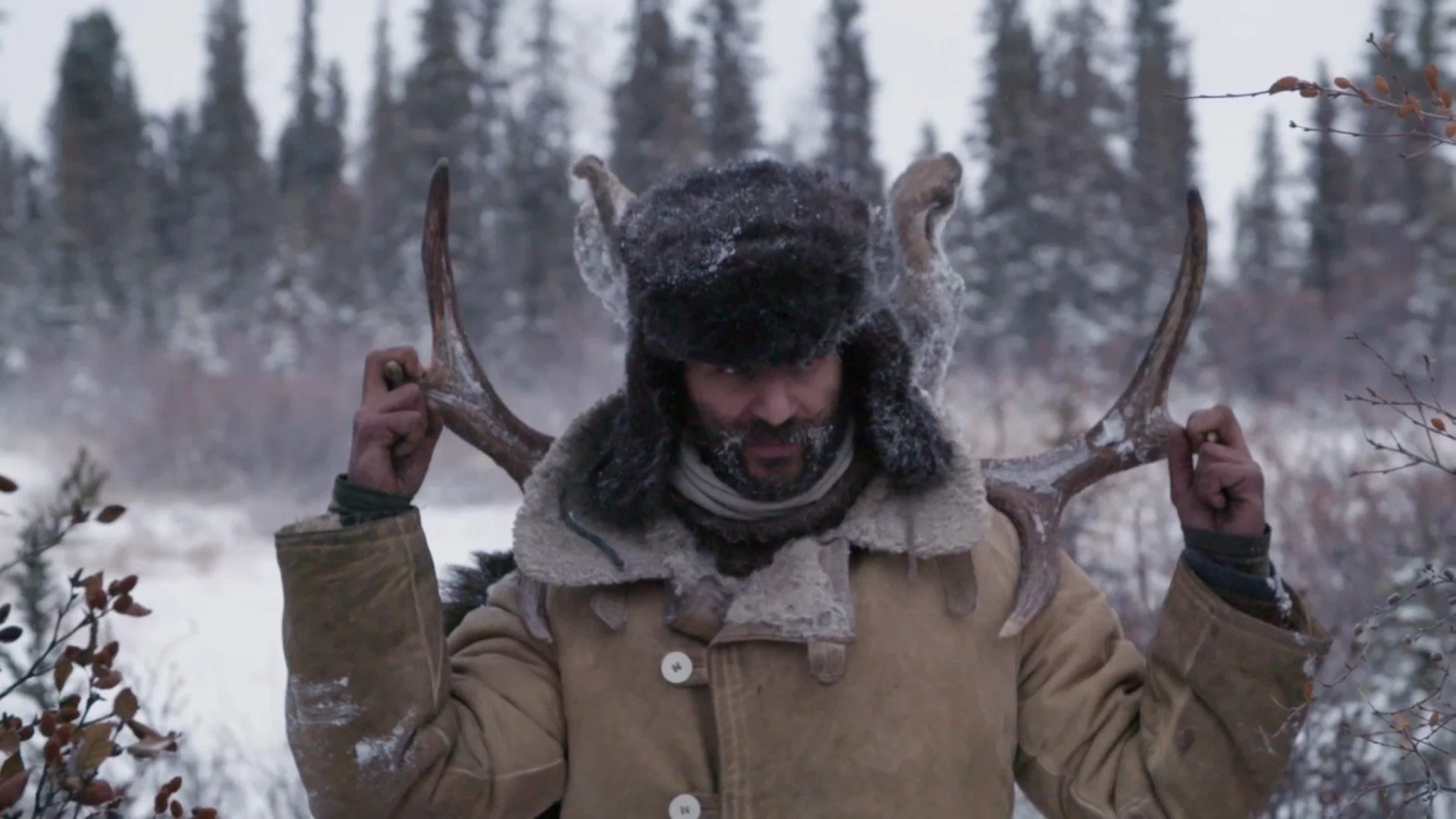
Surviving Alone in the Arctic for 77 Days
Sitting around a campfire, I heard a booming laugh and a story about surviving in the arctic wilderness for 77 days. Of course, this peaked my interest. So, I turned my shoulder and listened to Jordan Jonas tell his story of his time on Alone, season 6
Sitting around a campfire, I heard a booming laugh and a story about surviving in the arctic wilderness for 77 days. Of course, this peaked my interest. So, I turned my shoulder and listened to Jordan Jonas tell his story of his time on Alone, season 6.
While I had heard rumors of the show, I wasn't quite sure what it entailed. Thankfully, that evening around the campfire, I had the pleasure of getting to know Jonas and we kept in touch. After a few messages back and forth, trying to balance the crazy schedule Jonas has, we were able to answer a Q&A's about Alone, wilderness survival, and Siberia.
So, scroll down and learn what it takes to survive in the woods:
Background Information
Q: Who are you?
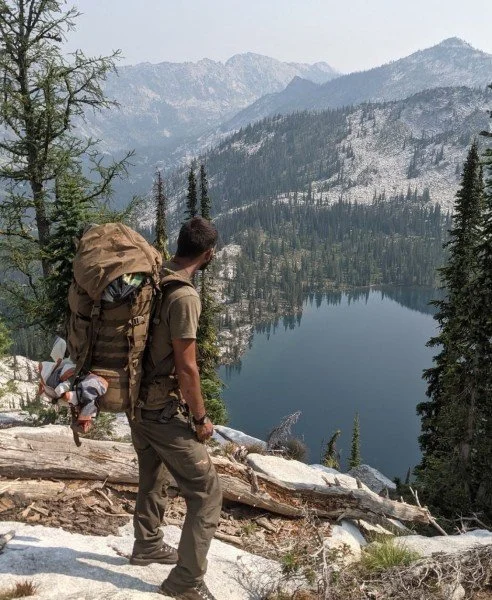
A: My name is Jordan Jonas. I am someone who has had a unique life path and am a product of my family, experience, values, failures, successes etc..
Q: Where are you from?
A: I was born in Idaho and currently live in Montana.
Q: How did you acquire your survival skills?
A: I grew up on a farm in Idaho, and naturally was into the outdoors. However, what really set my path apart from the norm was a combination of traveling around the country on freight trains as a young man, followed by spending much of my 20s in Siberia, Russia; including several years with fur trappers and nomadic reindeer herders.
It was those years in Siberia that really ingrained essential survival skills into me. Setting me a part from my peers.
Q: How would most people know you?
A: Most people know me from my win on season 6 of the Alone show and having been the first person to successfully hunt big game on the show (both a moose and a wolverine).
Q: Where can people follow you and learn about wilderness survival?
A: The best place to follow me is on Instagram @hobojordo. However, I also have a website jordanjonas.com that has a lot of information about myself, expeditions and hunts I offer. Also, some behind the scenes footage from alone amongst other things are on my website.


Spending Your 20s in Siberia
Q: Why did you go to Siberia?
A: I initially went to Siberia when I was 21 to help build an orphanage.
Q: Who did you stay with?
A: I initially lived with an American during the construction of the orphanage, however I quickly moved to a neighboring village where I immersed myself in Russian and bounced between a couple families - helping them with farm chores and village tasks.
Ultimately, I met up with an Evenki fur trapper who invited me North to join him trapping. After a season trapping I lived with his nomadic reindeer herding cousins in the taiga [a sometimes swampy coniferous forest].
That was a way of life I quickly fell in love with.
Q: How long were you there?
A: I spent the majority of my 20’s there: a little over 5 years in total. I would work construction jobs in the US to make money, head to Russia for a year at a time, and come back to the US to work and support my travels.
Q: Tell me a story that brings a smile to your face about your time there?
A: I remember at one point on a cold spring day riding a reindeer alone through a seemingly endless swamp in the middle of the taiga miles from camp. I dismounted the reindeer and hopped from hummock to hummock (tufts of grass that rise above the swamp) as I neared a raging spring river.
I had been the cause of many long laughs in the forest for my uncanny ability to fall off of the reindeer right into the creeks, so as I approached the cold, raging waters all I could think was “don’t fall off, don’t fall off”… the last thing I wanted was to get soaked and swept down a frigid northern river.
I balanced on the last wobbly hummock before the river and pulled my reindeer (Dlinii was his name- “long” in Russian as he was one of the only reindeer that would fit my tall frame) up parallel to myself, and without hesitation just hopped on his back.
Dlinii stumbled forward and splashed into the river but quickly lost his footing and dropped to his knees. I popped my legs up to keep them out of the water and with full concentration maintained my balance as Dlinii struggled to his feet and powered forward while he was pushed downstream by the strong current.
As he stumbled his way across and approached the opposite shore and a deep underwater current I dove off of him and grabbed onto the alder bushes, pulling myself up: meanwhile he lost his footing and nearly got swept away- however I held his reins and pulled him onto the shore next to me.
Dlinii and I sat on the bank and I couldnt help but smile that I wasn’t soaked, at Dlinii’s bulging eyes that expressed perfectly “that was crazy!”, and the ironic fact that no one saw and no one would share in the joy that was that solitary but consequential victory in the middle of that seemingly infinite wilderness.
A small win that somehow sticks out to me amongst the countless other successes and failures that where swallowed up by the vastness of the area and lost to history and consciousness.
Q: Would you go back?
A: I would love to go back, however between Covid and now the war it seems like a distant possibility.
How to Win Alone, the TV Show
Q: Transitioning to Alone, how did you get on the show?
A: I watched the first couple seasons and, struck by the fact that the contestants seemingly weren’t hunting bears, sent in an application with a link to my YouTube videos of living with the Evenki.
It wasn’t until three years later that the casting crew called me and asked me to join season 6!
Q: How did you do?
A: It honestly couldn’t of gone any better.
I was most nervous about my thin frame and fast metabolism so food was of utmost concern. However, in the course of the show I was able to procure 28 rabbits, 37 mice, 6 squirrels, a grouse, 13 large fish (including lake trout, pike, whitefish, and grayling), a wolverine and a moose.
When the show ended, I weighed my normal weight and still had 60lbs of fish, 200lbs of moose, a wolverine, 10 or so rabbits, a pile of mice, and a squirrel. I was set to last a very long time.
Q: Why do you think you won?
A: I think it’s a combination of a couple things:
The mental aspect that was buttressed by experience and an understanding of history that allowed me to put all my suffering and time into perspective
The physical aspect that was enabled by my prior experience and created the foundation for successful living.
Also, on the spot ingenuity that helped create opportunities when confronted with novel problems.
Without both the mental ability to deal with hardship or the physical ability to thrive and “make it happen” any attempt to last out there would end in failure.
Q: Did you watch the season once it aired?
A: I did! It made for a really fun summer with friends and family as they watched my experience unfold and I was able to share with them that aspect of my abilities and life that had previously been unknown, or, at least, only understood through the fog of my stories.
Q: Three reasons you were successful?
A: I will point out three words that came to mind as I realized in real time out there that I was truly thriving; ingenuity, adaptability, and resilience.
Having constantly dwelt outside of my comfort zone in life I was able to face trials and failures without getting flustered. That allowed me to approach problems creatively quickly and is what I consider the “ingenuity”.
I was also able to adapt in real time to unpredictable circumstances as I expected the worst.
Of course I had plans. I had plans to hunt a bear, to catch fish right away, etc.. however, as those opportunities didn’t present themselves, I was able to change my focus and take advantage of opportunities as they arose. Being flexible in my mindset, skill set, and strategy allowed me to flow with the land and be in the “zone”.
Resilience: Knowing my own family history (my grandparents were survivors of the Armenian/Assyrian genocide), watching my own father face death and suffering with joy and purpose, reading history and good literature, not having major skeletons in my closet, and having already endured personal hardship all played a role in putting my suffering on Alone into perspective.
That allowed me to approach the experience in its proper context.
Was it the most isolated I’ve ever been? No.
That was the first year I spent in Russia fully immersed and not knowing the language.
Was it the most hungry I’d been? No.
That was when I dwindled down to 150 lbs working the reindeer fences in Siberia.
Was it a long time? No..
77 days doesn’t even shake a stick at the year long ventures I had embarked on before.
And I knew my family would still be there, I knew my ancestors had dealt with much more both emotionally and physically. I could just view Alone for what it was: an opportunity.
A Guide, an Axe Builder, a Survivalist
Q: What do you do now?
A: I guide people on various mountain adventures: including in the most remote wilderness in the lower 48.
From survival training, expeditions to remote locations, to hardcore backpack hunts: I help share the knowledge and experience that had so enriched my own life with others as they immerse themselves in the beauty and lessons the outdoors has for us all.
Q: Describe what goes on during your guided trips?
A: I typically take people to places I love, and share with them the skills I find most important that enable a person to confidently exist in the wilderness.
My courses focus less on “getting out” and more on how to thrive and make the most of the outdoors.
Q: What would I learn if I came along?
A: From building fires, traps, and much more to how to push yourself to your limits and dwell on the edge of your aptitude.
I also like to share the rhythms of wilderness living that I experienced living with the Evenki and that humans have lived in for almost all of their time on earth, but have recently lost.
They will see how quickly people connect with one another when disconnected from distractions, how at peace they can be when not overly scheduled, and more.
Q: What is the difference between the Wilderness Course and Explore's Expedition?
A: The wilderness courses are a skills focused week in the remote wilderness. Typically less arduous physically than the Explorers Expeditions (though they aren’t without difficulty).
We typically arrive on location by a variety of means (bush plane, hiking, llama/horses packing gear, etc) and stay in camp while we learn various skills and rhythms of the outdoors. These are the courses I have run for years and every time I do one they are unique and fun.
I often bring in other guest teachers to help with specific skills that might enrich the students love of the outdoors (i.e. former Alone contestants to share their knowledge and angle on the experience, Master fly fishermen to help students acquire that skill, etc)
The explorers expeditions are a bit more hard core: the places we go and mountains we cross are places rarely frequented by humans; and for good reason. They are remote and incredibly difficult to get to.
The reward is immense, though, as you finally crest that mountain and see that seemingly untouched lake, or as you discover a mountain meadow or sight never before appreciated by another human. Or as you spark up that large warm fire after a day of rain. We make our way through the woods and at camp learn relevant skills: but the focus is exploration and the requirement is physical fitness and mental toughness.
Q: Three most important things to know how to do in the woods?
Build fire. Without that skill a simple rainstorm can be a disaster. You also need it to boil water and stay warm.
Get sleep. This can be knowing how to create a proper shelter, how to stay warm, get dry, and much more. Even a short outing in the woods can be rough if you don’t sleep, but on a long trip bad sleep will lead to sleep deprivation and mistakes.
Be controlled and careful. I have a natural tendency to rush things, and I have had to learn to slow down with experience. Nothing can take you out faster than an injury: a misplaced step, an uncontrolled axe swing, etc. this also includes controlling your emotions: don’t get too upset when things don’t go as you’d like or expect.
Q: Most important piece of gear?
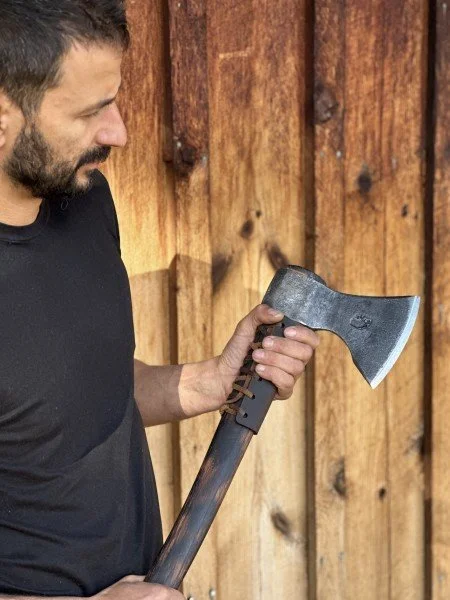
A: Well the Evenki would always say: an axe is the one tool you need to have a chance at survival. With that in mind, I have actually designed what I consider to be the perfect all around wilderness living axe. With Siberian inspiration, Evenki design tweaks, my own modifications, and North American hand forged craftsmanship I don’t think there is a better axe for general forest use!
You can own your own axe at: jordanjonas.com/axe
Q: How can I go on one of your trips?
A: If you go to jordanjonas.com/expeditions and enter your email I will let you know when the 2024 schedule drops - probably in early December!
Discover more Adventures



First Timer's Tips for Rock Climbing in Yosemite Valley
Rock climbing in Yosemite Valley is a dream come true for many adventurers. With its iconic granite walls and stunning natural beauty, it's no wonder that climbers flock to this legendary destination. However, for first-timers, navigating the ins and outs of Yosemite climbing can be a bit daunting. Fear not, as we've compiled a list of essential tips to ensure your climbing experience in Yosemite Valley is both safe and enjoyable.
Rock climbing in Yosemite Valley is a dream come true for many adventurers. With its iconic granite walls and stunning natural beauty, it's no wonder that climbers flock to this legendary destination. However, for first-timers, navigating the ins and outs of Yosemite climbing can be a bit daunting. Fear not, as we've compiled a list of essential tips to ensure your climbing experience in Yosemite Valley is both safe and enjoyable.

The final pitch of Nutcracker (5.9) on Manure Pile. Photo by Dalton Johnson
Warm Up Wisely: While it might be tempting to start with an "easy" climb, be cautious as what's considered easy in Yosemite might surprise you. Sandbagged routes can lead to frustration and long wait times. Instead, choose warm-up routes carefully to avoid unnecessary challenges.
Gear Up Right: Rack your gear properly on your harness. The terrain in Yosemite can be slabby, so using a shoulder sling might hinder your movements. Ensure your gear is secure and won't trip you up during climbs.
Embrace Valley Life: Yosemite Valley offers a unique blend of urban amenities amidst natural beauty. Embrace the experience and take advantage of the facilities available.
Borrow Unusual Gear: Yosemite's routes often require diverse gear types due to piton scars. Don't hesitate to borrow or rent unusual gear like Tricams, hexes, offset cams, and nuts to tackle different challenges.
Be Prepared: Always carry a headlamp, water-purifying tablets, and extra layers. Yosemite's weather can change rapidly, so being prepared is crucial for a safe climb.
Bear Safety: Yosemite is bear country. Keep all food and scented items secure and follow bear regulations diligently to avoid unwanted encounters.
Seek Local Knowledge: Attend Climber Coffee meetings for valuable beta and information. These gatherings can provide insights and tips from experienced climbers.


Respect the Environment: Be mindful of the ecosystem and fellow climbers. Keep gear secure, follow climbing ethics, and respect nature and wildlife.
Shop Outside the Park: Stock up on supplies outside the park to avoid inflated prices. Nearby towns offer convenient shopping options.
Stay Alert: Pay attention to offwidth sections and adopt appropriate techniques. Stay calm and focused while navigating wide cracks.
Hydrate and Refresh: Take breaks and cool off in the Merced River near North Pines Campground on hot days. Staying hydrated is essential for peak performance.
Connect with Fellow Climbers: Enjoy the camaraderie of the climbing community. Be courteous, friendly, and open to sharing experiences with others.
Water Source Tip: Fern Spring provides clean water close to parking areas. Utilize this resource for refills during your climbs.
Relax After Climbing: Visit the Mountain Room Lounge at Yosemite Lodge for a relaxed atmosphere and refreshments after a day of climbing.
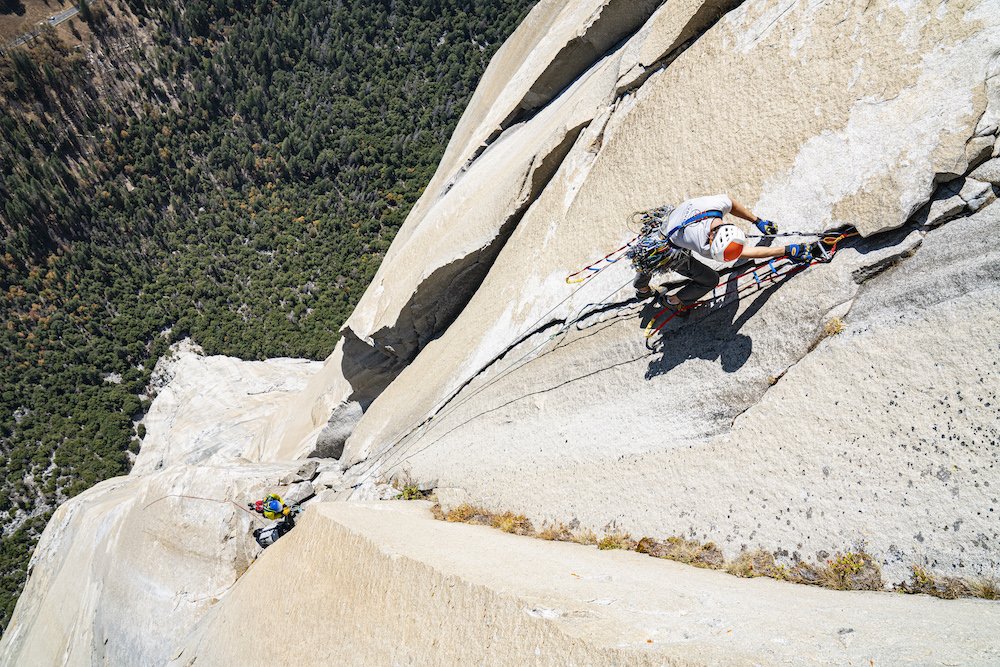
Climbing the final pitches of the Nose on El Cap. Photo by Dalton Johnson
By following these tips, first-time climbers can make the most of their Yosemite Valley experience. From gear preparation to environmental awareness and community engagement, these insights will enhance your rock climbing adventure in one of nature's most spectacular settings.
Discover More Destinations
The Teton Guide Book I Wish I Had 5 Years Ago
I, shamefully, have to admit that I have been lost in the Teton Range more than once. Following an inaccurate topo, I scrounged off Mountain Project, which has led me down the wrong path a few too many times. Squinting at my phone trying to decipher the "obvious block you can't miss" photograph and caption.
I, shamefully, have to admit that I have been lost in the Teton Range more than once. Following an inaccurate topo, I scrounged off Mountain Project, which has led me down the wrong path a few too many times. Squinting at my phone trying to decipher the "obvious block you can't miss" photograph and caption.
Well, I don't have to worry about that anymore. Why?
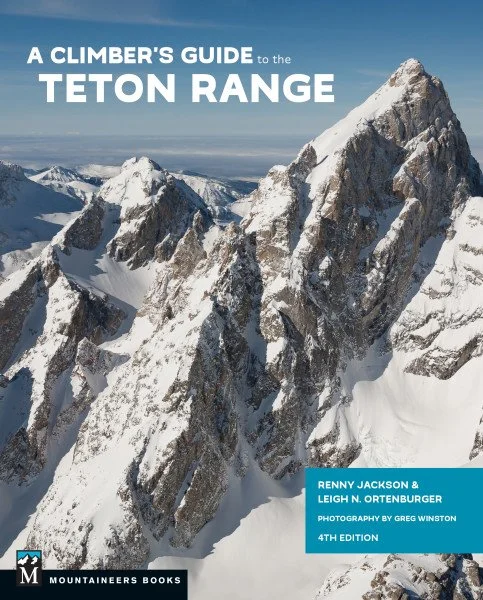
Renny Jackson and Leigh Ortenburger just released A Climber's Guide to the Teton Range packed with more than 900 routes and 235 peaks/canyon walls.
I'll be honest, I didn't even know there were that many peaks, or canyon walls, in the Teton Range.
The first evening I cracked open the 4th edition of A Climber's Guide to the Teton Range I underlined, sticky-noted, and dogeared countless pages with climbs I will return for on my next trip to the range.
Not only is this book perfect for planning upcoming trips, but it has also helped me figure out where I went wrong on previous outings in the Tetons. The topos are easy to follow and route descriptions are stellar. Aka no more staring at my phone hoping I wasn't sandbagged from Mountain Project.
A few soft touches I admire about this book are the FKT standing records and history lessons sprinkled throughout each chapter. Additionally, the incident reports and breakdowns of what could go wrong are incredibly helpful to know what not to do.
About the Authors and Photographer:
A climber with over 50 years of experience, Renny Jackson worked as a climbing ranger for 34 years at Denali and Grand Teton National Parks before retiring in 2010.
Leigh Ortenburger was the original author of A Climber’s Guide to the Teton Range and his work continues to inform the current edition. He passed away in 1991.
Greg Winston’s landscape and nature images are widely published, and he has helped create natural history documentaries broadcast by National Geographic and the BBC.
Discover More Gear

Is Hiking Yosemite Falls Worth The Commitment?
If you find yourself with limited time in Yosemite National Park, you might wonder if hiking to Upper Yosemite Falls is worth the commitment. Yosemite Falls is one of the park's iconic attractions, drawing hikers from around the world. However, the hike to Upper Yosemite Falls is challenging, and it requires a significant time investment. Let's explore whether this adventure is worth your valuable time.
If you find yourself with limited time in Yosemite National Park, you might wonder if hiking to Upper Yosemite Falls is worth the commitment. Yosemite Falls is one of the park's iconic attractions, drawing hikers from around the world. However, the hike to Upper Yosemite Falls is challenging, and it requires a significant time investment. Let's explore whether this adventure is worth your valuable time.
The Challenge
Firstly, it's essential to understand the nature of the hike. The trail to Upper Yosemite Falls is approximately 7.2 miles round trip, with an elevation gain of about 2,700 feet. This makes it a strenuous hike, especially for those who are not accustomed to steep climbs and rocky terrain. The trail is well-maintained but demanding, with sections that can be quite steep and exposed.
The Rewards
Despite the challenge, hiking to Upper Yosemite Falls offers unparalleled rewards. The journey takes you through diverse landscapes, including lush forests, rocky paths, and breathtaking viewpoints. Along the way, you'll encounter cascading streams, vibrant wildflowers (during the right season), and possibly wildlife like deer or birds.
As you ascend, the views become more spectacular. You'll catch glimpses of Yosemite Valley, Half Dome, and the surrounding granite cliffs. The highlight, of course, is reaching the base of Upper Yosemite Falls. Standing before this towering waterfall, feeling the mist on your skin, and hearing the thunderous roar is an experience like no other.
Time Considerations
One of the main concerns for visitors with limited time is the duration of the hike. Depending on your pace and rest breaks, hiking to Upper Yosemite Falls can take anywhere from 6 to 8 hours round trip. This includes time spent enjoying the views and resting at the top. For some, this time commitment may be a deterrent, especially if you have other attractions or activities planned in Yosemite.
Worth the Effort?
So, is it worth it? The answer depends on your priorities and physical condition. If you enjoy challenging hikes and want to immerse yourself in Yosemite's natural beauty, hiking to Upper Yosemite Falls is an unforgettable experience. The sense of accomplishment and the awe-inspiring scenery make it a highlight of many visitors' trips.
However, if you have limited time or physical limitations, there are alternative ways to experience Yosemite's beauty. Consider shorter hikes like the Lower Yosemite Falls Trail or exploring viewpoints accessible by car, such as Glacier Point or Tunnel View. These options provide stunning vistas without the time and effort required for the Upper Yosemite Falls hike.
Lower Yosemite Falls pouring over. Photo by Dalton Johnson
Hiking to Upper Yosemite Falls is a rewarding but demanding adventure. It offers unparalleled views, a connection with nature, and a sense of achievement. However, it requires a significant time commitment and physical effort. Ultimately, the decision to embark on this hike depends on your preferences, fitness level, and available time. Whatever you choose, Yosemite National Park has an abundance of natural wonders to explore and enjoy.
Discover More Destinations
Is the Hike to Upper Yosemite Falls Hard?
The hike to Upper Yosemite Falls is often described as challenging, but it offers rewards that make the effort worthwhile. As you embark on this journey, it's essential to understand the trail's difficulty and how to approach it for a fulfilling experience.
The hike to Upper Yosemite Falls is often described as challenging, but it offers rewards that make the effort worthwhile. As you embark on this journey, it's essential to understand the trail's difficulty and how to approach it for a fulfilling experience.
Understanding the Difficulty
The hike to Upper Yosemite Falls is classified as strenuous, primarily due to its steep ascent and rugged terrain. The trail spans approximately 7.2 miles round trip with an elevation gain of about 2,700 feet to reach the top of the falls. This elevation gain, coupled with the rocky and uneven path, can make the hike physically demanding.
Embracing the Challenge
While the hike presents challenges, it also offers unparalleled views of Yosemite Valley, the surrounding granite cliffs, and, of course, the majestic Upper Yosemite Falls. The key to enjoying this hike is to embrace the challenge while being prepared physically and mentally.
Tips for a Successful Hike
Start Early: Begin your hike early in the day to avoid crowds and to have ample time to complete the trek comfortably.
Hydrate and Fuel: Carry an adequate supply of water and snacks to stay hydrated and energized throughout the hike.
Wear Proper Gear: Opt for sturdy hiking boots with good ankle support, comfortable clothing suitable for the weather, and a lightweight backpack to carry essentials.
Take Breaks: Pace yourself and take regular breaks to rest, especially on the steeper sections of the trail.
Enjoy the Views: Utilize the designated viewpoints along the trail to take in the breathtaking scenery and capture memorable photographs.
Know Your Limits: Listen to your body and be mindful of your fitness level. If you feel exhausted or unwell, it's okay to turn back and enjoy the lower viewpoints.
Safety Precautions
Weather Awareness: Check the weather forecast before your hike and be prepared for sudden changes in conditions, especially during summer thunderstorms.
Wildlife Caution: Yosemite is home to various wildlife, including bears. Follow guidelines for wildlife safety and store food securely.
Trail Etiquette: Respect fellow hikers and follow Leave No Trace principles by packing out all trash and staying on designated trails.
While the hike to Upper Yosemite Falls is considered hard, it offers a rewarding experience for those willing to take on the challenge. With proper preparation, a positive mindset, and a respect for nature, you can enjoy the stunning beauty of Yosemite National Park and the exhilaration of reaching the top of one of its most iconic waterfalls. So, lace up your hiking boots, pack your essentials, and embark on an adventure that will leave you in awe of nature's grandeur.
Discover More Destinations

Hiking to Upper Yosemite Falls
Nestled in the heart of California's Sierra Nevada Mountains, Yosemite National Park stands as a testament to the raw beauty of nature. Within this breathtaking landscape lies Yosemite Valley, a haven for outdoor enthusiasts seeking adventure amidst towering granite cliffs, ancient sequoias, and cascading waterfalls. Among the park's many wonders, the hike to Upper Yosemite Falls stands out as a quintessential experience, offering both challenge and reward to those who dare to venture along its rugged paths.
Nestled in the heart of California's Sierra Nevada Mountains, Yosemite National Park stands as a testament to the raw beauty of nature. Within this breathtaking landscape lies Yosemite Valley, a haven for outdoor enthusiasts seeking adventure amidst towering granite cliffs, ancient sequoias, and cascading waterfalls. Among the park's many wonders, the hike to Upper Yosemite Falls stands out as a quintessential experience, offering both challenge and reward to those who dare to venture along its rugged paths.
Pros:
Spectacular Views: The hike offers stunning panoramic views of Yosemite Valley, granite cliffs, and the towering Upper Yosemite Falls, providing ample opportunities for breathtaking photographs.
Iconic Experience: Hiking to Upper Yosemite Falls is a quintessential Yosemite adventure, allowing hikers to immerse themselves in the natural beauty and grandeur of this renowned national park.
Physical Challenge: The steep ascent and elevation gain provide a challenging workout, making it a rewarding experience for fitness enthusiasts and those seeking a strenuous hike.
Waterfall Experience: Witnessing the powerful cascade of Upper Yosemite Falls up close is a mesmerizing and memorable experience, especially during peak flow seasons.
Trail Diversity: The hike encompasses varied terrain, from shady forests and rocky switchbacks to granite steps near the falls, offering a diverse and engaging trekking experience.
Cons:
Crowded Trail: Due to its popularity, the trail to Upper Yosemite Falls can be crowded during peak seasons, detracting from the sense of solitude and tranquility in nature.
Physical Demands: The steep and strenuous ascent may pose challenges for inexperienced or unfit hikers, requiring adequate preparation and fitness levels.
Weather Considerations: Weather conditions, including heat in summer and icy conditions in winter, can impact trail safety and accessibility, necessitating caution and proper gear.
Limited Services: As a backcountry trail, amenities such as restrooms and water stations are limited along the route, requiring hikers to carry sufficient supplies and plan accordingly.
Trail Maintenance: The trail may experience wear and tear, including loose rocks and slippery sections, necessitating caution and mindfulness while hiking to ensure safety.
The journey to Upper Yosemite Falls begins at the trailhead near Camp 4 in Yosemite Valley. As hikers set foot on the dusty path, they are immediately greeted by the sounds of rushing water and the scent of pine trees, foreshadowing the natural wonders that lie ahead. The trail winds its way through dense forests, providing occasional glimpses of the valley below and the towering granite monoliths that define Yosemite's iconic skyline.
One of the defining features of this hike is the sheer elevation gain. Over the course of roughly 3.5 miles (5.6 kilometers), hikers ascend approximately 2,700 feet (823 meters) to reach the base of Upper Yosemite Falls. This steep incline challenges even the most seasoned hikers but rewards them with panoramic views that are nothing short of awe-inspiring.
Along the way, hikers encounter a series of switchbacks that zigzag up the mountainside, offering intermittent breaks from the relentless ascent. These switchbacks not only provide a physical respite but also showcase different vantage points of the valley, each more breathtaking than the last. As the elevation increases, the air becomes noticeably thinner, adding an extra layer of challenge to the trek.
As hikers approach the halfway point, they are treated to the first glimpse of Upper Yosemite Falls in the distance. The sight of water plunging over 1,400 feet (427 meters) is both humbling and exhilarating, fueling the desire to press onward despite tired muscles and shortness of breath.
The final stretch of the hike presents the most demanding yet rewarding section. A series of steep granite steps lead to the base of the falls, where the full force of the cascading water can be felt and heard. During the spring and early summer months, when snowmelt swells the falls to their peak flow, the experience is nothing short of mesmerizing.
Reaching the base of Upper Yosemite Falls is a triumph of both physical endurance and natural exploration. Hikers are rewarded with a front-row seat to one of nature's most spectacular displays, as water thunders down the granite cliffs, creating rainbows in the mist and nourishing the lush vegetation below.
After taking in the awe-inspiring sight and catching their breath, hikers can choose to continue their adventure by exploring nearby trails, such as the Yosemite Creek Trail or the challenging trek to Yosemite Point for even more expansive views of the valley.
As the day draws to a close and hikers make their descent back to Yosemite Valley, they carry with them not only memories of a challenging hike but also a profound appreciation for the untamed beauty of Yosemite National Park. The hike to Upper Yosemite Falls is not just a physical journey but a soul-stirring experience that leaves a lasting imprint on all who undertake it, making it a must-do for anyone seeking adventure in this iconic wilderness.
Discover More Destinations
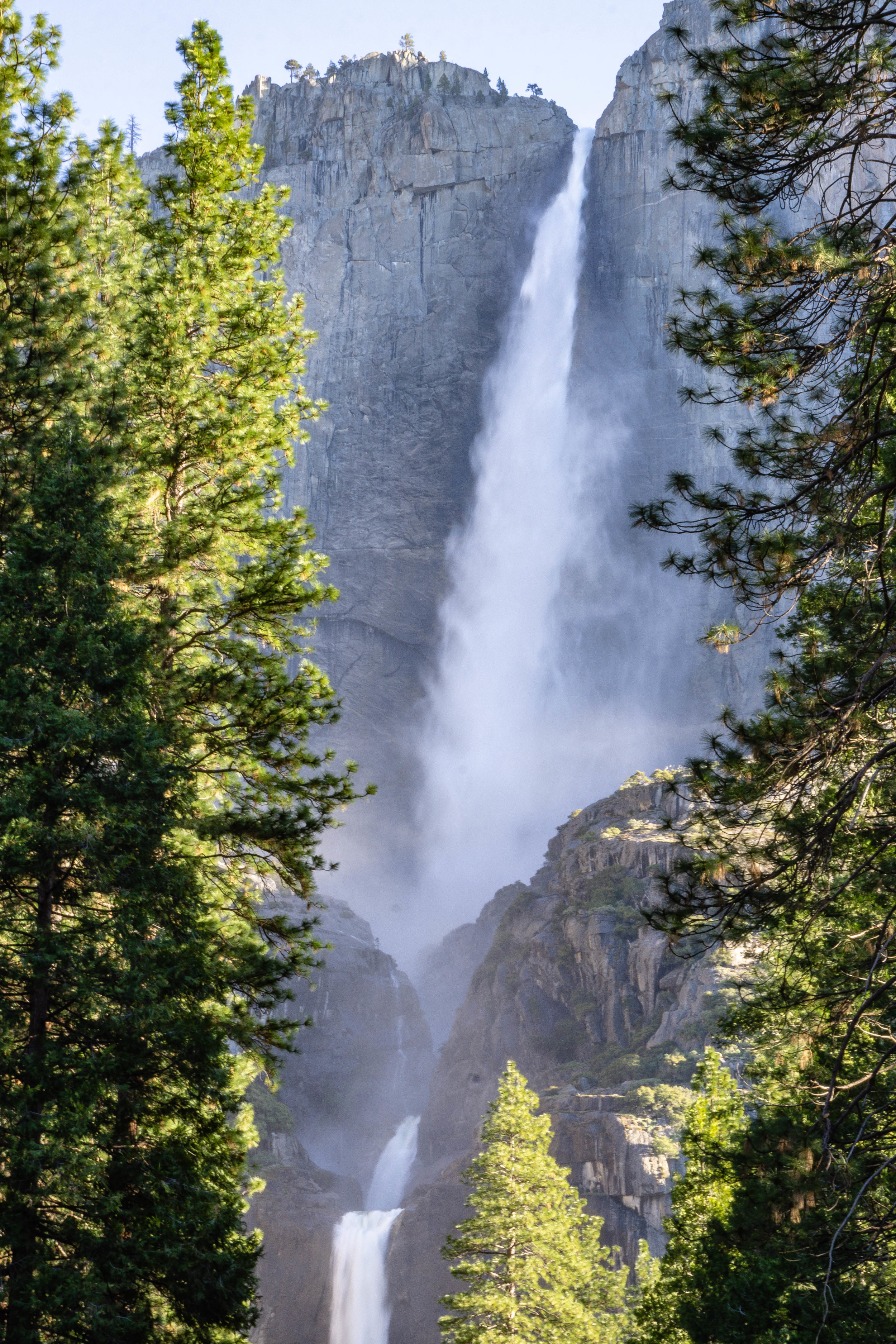
How To Successfully Hike Upper Yosemite Falls
There are a lot of great reasons to hike to the top of Upper Yosemite Falls. From the trail, the views of Yosemite Falls are breath taking and the sound of the thundering flow humbles the soul. Halfway up the climb you get an amazing view of Yosemite Valley, with Half Dome in the distance.
There are a lot of great reasons to hike to the top of Upper Yosemite Falls. The views from Yosemite Falls summit will take your breath away and the sound of the thundering flow humbles the soul. Halfway up the climb you get an amazing view of Yosemite Valley, with Half Dome in the distance. Once at the top, watch as the falls plummet down the side of the mountain and get a greater sense of just how far you hiked. And if you have the energy to continue onto Yosemite Point, your reward is one of the best views of Half Dome in all of Yosemite National Park.
This is not a hike to be underestimated. Getting to the top of Upper Yosemite Falls is challenging, most of the trail is a steady, uphill climb with a relentless number of switchbacks.
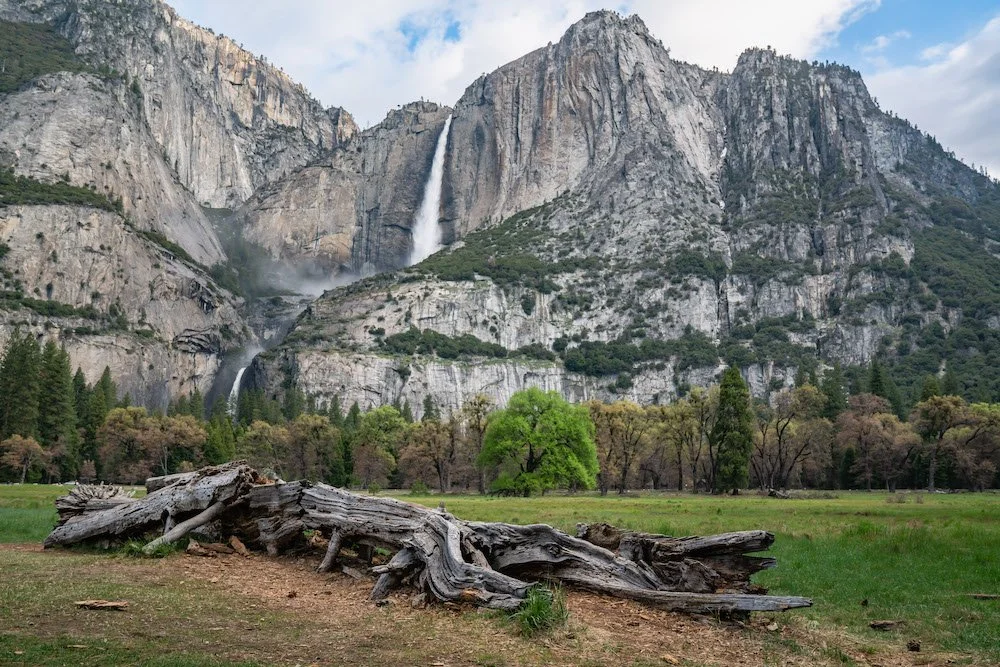
Pros
Breathtaking Scenery: Yosemite Falls offers some of the most stunning natural scenery in the world, with towering waterfalls, lush forests, and iconic rock formations like Half Dome.
Varied Trail Options: Yosemite offers a range of trail options for hikers of all levels, from easy strolls to challenging backcountry routes, ensuring there's a suitable hike for everyone.
Abundant Wildlife: The park is home to diverse wildlife, and you may encounter deer, black bears, and various bird species during your hike, providing unique opportunities for wildlife enthusiasts.
Photography Opportunities: The picturesque landscapes provide endless opportunities for photography, making it a paradise for nature and landscape photographers.
Educational Experience: Yosemite offers numerous interpretive programs and signs along the trails, allowing hikers to learn about the park's geology, history, and ecology as they hike.
Physical and Mental Health: Hiking in Yosemite not only offers physical exercise but also a chance to disconnect from the digital world, reducing stress and promoting mental well-being.
Cons
Crowds: Yosemite is a popular destination, and during peak season, trails can become crowded, detracting from the serenity of the experience.
Weather Variability: Yosemite's weather can be unpredictable, with sudden changes in temperature and the possibility of thunderstorms, which can be dangerous for hikers.
Limited Parking: Parking can be a challenge, especially during peak season, and hikers may need to rely on shuttle services, which can limit flexibility.
Wildlife Encounters: While encountering wildlife can be a pro, it can also pose risks if not handled responsibly. Bears, in particular, can be a concern, and proper food storage is crucial.
Trail Closures: Certain trails may be closed due to maintenance, weather conditions, or safety concerns, potentially limiting your hiking options.
Yosemite Falls Hike Overview
Yes, you can hike to all three waterfalls that make up Yosemite Falls. If you are trying to get to the top, this hike is called Upper Yosemite Falls Hike with the average time to hike to the top takes 5 hours and 35 minutes. Here are all the details on the Upper Yosemite Falls Hike:
Distance (round trip): 7.6 miles to the top of Yosemite Falls; 8.7 miles to Yosemite Point
Elevation gain: 3,218 feet; 3,700 feet to Yosemite Point
Route type: Out and Back
Trailhead: Camp 4
When to go: Spring, summer, or fall. The Yosemite Falls is at its maximum flow in spring and early summer. By the end of summer into autumn, it could be just a trickle or completely dry. During winter, this hike often has snow or ice, but if you want to go, check out this article I wrote on hiking Yosemite Falls during the winter.
Difficulty: Very strenuous
Most people only make the short trip to visit Lower Falls, but Upper Falls is definitely worthy of visiting due to its panoramic views of Yosemite Valley and the opportunity to see this amazing waterfall up close.
Step-by-step guide to enjoying Yosemite Falls Trail
Step 1: Preparation and Early Start
As the sun begins its ascent over the valley, we arise with a sense of anticipation. After grinding your own Verve coffee with a VSSL grinder and a hearty breakfast and packing our daypacks with essentials - water, snacks, a map, and sunscreen - we head to the trailhead. Arriving early not only ensures cooler temperatures but also offers the chance to secure a parking spot in the often crowded Yosemite Valley.
Step 2: Beginning the Ascent
The trailhead greets us with a signpost, and we embark on the first leg of our journey. The initial path is relatively flat, winding through a lush forest with the distant sound of the rushing creek as our companion. The scent of pine trees fills the air, and the early morning light dances through the leaves.
Step 3: Columbia Rock Vista
After about 1 mile, we reach Columbia Rock, our first reward. The vista here provides a captivating glimpse of Half Dome and the valley below. We pause to catch our breath and soak in the breathtaking panorama. Camera in hand, we capture the moment before continuing the ascent.
Step 4: Switchbacks and the Upper Falls Viewpoint
The trail becomes steeper, leading us through a series of switchbacks. As we ascend, the sound of the falls grows louder, teasing our senses. We approach the viewpoint for Upper Yosemite Falls, where the mist from the crashing water refreshes our faces. The view from here is awe-inspiring, as the falls plunge dramatically into the valley below.
Step 5: Lunch at the Yosemite Creek
Around the 2.5-mile mark, we find respite at Yosemite Creek. The cool, babbling creek is an ideal spot to enjoy a packed lunch. We refuel, dipping our feet into the icy water, while the melodious song of birds serenades us.
Step 6: The Final Push to the Summit
Feeling invigorated, we tackle the remaining portion of the trail. The landscape transforms as we ascend, with rugged terrain and wildflowers coloring the path. The rush of the falls serves as a constant companion, its crescendo beckoning us closer to the summit.
Step 7: The Grand Summit
After approximately 3.6 miles, we reach the grand finale – the summit of Yosemite Falls. As we stand at the overlook, we are humbled by the sheer beauty and power of the falls. The cascading waters plunge 2,425 feet, making it one of the tallest waterfalls in North America. The mist kisses our skin, and rainbows emerge in the spray, enchanting our senses.
Step 8: Moments of Reflection
We find a quiet spot to rest and reflect, surrounded by granite cliffs and the serenity of the high country. The vista offers unparalleled views of Half Dome, Sentinel Dome, and the surrounding wilderness, leaving us with a sense of achievement and wonder.
Step 9: The Descent
With the memory of the summit etched in our hearts, we reluctantly begin our descent. The return journey allows us to appreciate the trail from a different perspective, with the granite cliffs towering above and the valley unfolding below.
Step 10: Journey's End and Reflection
As we finally reach the trailhead, the golden hues of the setting sun greet us. The day's adventure has come to an end, but the memories and photographs serve as a testament to our remarkable journey to the top of Yosemite Falls. We leave with a deep appreciation for the natural beauty of Yosemite National Park and the invigorating feeling of conquering one of its most iconic trails.
Gearing Up to Day Hike Yosemite Falls
Preparing for a day hike to Yosemite Falls requires careful consideration of the gear and essentials you'll need to ensure a safe and enjoyable experience. Yosemite's rugged terrain and varying weather conditions make it crucial to be well-equipped. Here's a checklist to help you gear up effectively:
Clothing:
Layered Clothing: Yosemite's weather can change rapidly. Wear moisture-wicking base layers, insulating mid-layers, and a waterproof, breathable outer layer to adapt to temperature fluctuations and potential rain.
Best hiking shirt: BALEAF sun hoodie
Best hiking shorts: Wrangler authentic short
Best hiking pants: Wrangler ATC pants
Best hiking jacket: Columbia light puffy jacket
Hiking Boots: Sturdy, comfortable hiking boots with ankle support are essential for tackling uneven terrain and protecting your feet.
Best trail runners: Merrell Agility Peak 5
Best hiking boot: Timberland hiking boot
Best hiking shoe: Xero hiking shoe
Socks: Choose moisture-wicking, cushioned hiking socks to prevent blisters and maintain foot comfort during the hike.
Best thick sock: Carhartt Arctic
Best performance sock: Swiftwick Pursuit
Longest lasting sock: Darn Tough
Hat and Sunglasses: A wide-brimmed hat and sunglasses with UV protection shield you from the sun, while also reducing glare from snow or water.
Favorite hat: Sprints 5 panel hat
Best hiking sunglasses: Julbo Tahoe Aviators
Gear:
Daypack: Opt for a comfortable daypack to carry your essentials. Ensure it has adjustable straps and a hip belt for even weight distribution.
Best hiking backpack: Deuter Sprint
Best all around backpack: Big Agnes Impassable
Water Reservoir: Hydration is crucial. Carry a water reservoir or multiple water bottles to stay hydrated throughout the hike, especially during warmer months.
Also consider the bottle/filter combo like: Katadyn BeFree
Snacks: Pack energy-boosting snacks like trail mix, granola bars, and fruits to keep your energy levels up.
Map and Compass: Even if you're following established trails, it's wise to have a map and compass or a GPS device for navigation.
First Aid Kit: A basic first aid kit with bandages, antiseptic wipes, pain relievers, and blister treatment can be a lifesaver in emergencies.
Trekking Poles: Trekking poles can provide stability on steep descents and reduce strain on your knees.
Favorite trekking poles: Leki Khumbu
Binoculars: Wildlife enthusiasts may want binoculars to spot birds and animals.
Favorite binoculars: Anything by Nocs
Sunscreen and Lip Balm: Protect your skin from UV rays at higher altitudes, and prevent chapped lips with lip balm.
Favorite sunscreen: Dermatone Sport
Camera or Smartphone: Capture the stunning scenery, but don't forget to enjoy the moment too.
Favorite Beginner Camera: Sony A6400
Favorite Pro Camera: Sony A7r5
Favorite Lenses: Tamron Lenses
Headlamp or Flashlight: Be prepared for the possibility of hiking in low-light conditions. A headlamp or flashlight with extra batteries is essential.
Best headlamp: Nite Ize Rechargeable
Best flashlight: VSSL Flashlight
Seasonal Considerations:
Rain Gear: Pack a waterproof jacket and pants if hiking during the rainy season.
Best rain jacket: Arc’teryx Beta Rain Jacket
Best rain pant: Columbia Rain Pants
Winter Gear: If hiking in winter, add snow gear such as gaiters, crampons, and an ice axe for safety in icy conditions. But, let’s be honest, if you need an ice-axe you are no longer hiking!
Remember that your gear should be tailored to the specific conditions of your hike and the season. Prioritize safety and comfort to ensure an enjoyable day exploring the beauty of Yosemite Falls. Always check the weather forecast before your hike and consult park rangers for any additional recommendations based on current conditions. Happy hiking!
FAQ about Hiking Yosemite Falls
IS THE HIKE TO UPPER YOSEMITE FALLS HARD?
The hike to Upper Yosemite Falls is a strenuous hike that should be respected. With this said, please do not let the idea of a hard hike prevent you from going on this magnificent hike. There are several stopping points along the trail to enjoy the views of the falls. If at the that point the idea of the summit is too much, you can always turn around. Enjoy the hike, enjoy the views, and embrace your own challenge.
Read Next: How Hard is the Hike To Upper Yosemite Falls
How long of a hike is Upper Yosemite Falls?
The hike to Yosemite Falls can vary in length depending on the specific trail you choose to take and ranges from a half-day to a full-day of hiking. The most common route is the Yosemite Falls Trail, which is approximately 7.2 miles (11.6 kilometers) round trip to the Upper Yosemite Falls viewpoint. However, if you decide to continue to the top of Yosemite Falls, the hike becomes much longer, totaling around 13.6 miles (21.9 kilometers) round trip. The duration of the hike can also vary based on your fitness level and the time you spend enjoying the scenic viewpoints along the way, but expect to hike for the whole day if you go to Yosemite Point.
Read Next: Hiking To Upper Yosemite Falls
How Long does it take to hike lower yosemite falls?
The hike to the base of Lower Yosemite Fall is relatively short and easy, making it accessible to most visitors. The round-trip hike typically takes about 1 to 1.5 hours, including time to admire the waterfall and take in the scenery. The trail is approximately 1 mile (1.6 kilometers) in length and is mostly flat and paved, making it suitable for hikers of all skill levels. However, keep in mind that the trail can be crowded, especially during peak tourist seasons, which may affect the time it takes to complete the hike.
Is Yosemite Falls Hike Worth It?
The Yosemite Falls hike is considered by many to be absolutely worth it. It offers breathtaking views of one of the tallest waterfalls in North America and provides an opportunity to immerse yourself in Yosemite National Park's stunning natural beauty. However, whether it's worth it depends on your preferences and physical fitness.
The hike can be challenging due to its steep ascent and can be quite crowded during peak season. Yet, the awe-inspiring vistas and the sense of accomplishment make it a rewarding experience for many outdoor enthusiasts and nature lovers. Ultimately, if you enjoy hiking and appreciate magnificent scenery, the Yosemite Falls hike is likely to be worth your time and effort.
Read Next: Is Hiking Yosemite Falls is Actually Worth It
How Many drops does Yosemite Falls Have?
Yosemite Falls consists of three distinct drops:
Upper Yosemite Fall: This is the uppermost section of Yosemite Falls, with a single plunge of about 1,430 feet (435 meters). It's the tallest of the three drops and the one most visible from many viewpoints in Yosemite Valley.
Middle Cascades: Below the Upper Yosemite Fall, there are several smaller cascades and plunges collectively referred to as the Middle Cascades. While these are not as well-defined as the upper and lower sections, they contribute to the overall beauty of the waterfall.
Lower Yosemite Fall: The Lower Yosemite Fall is the final section and the most accessible. It has a drop of about 320 feet (98 meters) and is a popular destination for visitors. You can easily reach the base of the Lower Yosemite Fall via a short and paved trail.
Together, these three drops create the magnificent and iconic Yosemite Falls, one of the tallest waterfalls in North America.
What is the weather like at Yosemite Falls Each Season
Yosemite Falls, located in Yosemite National Park, experiences distinct weather conditions in each season. Here's an overview of the typical weather you can expect during each season:
Spring (March to May):
Spring is a transitional season in Yosemite Falls.
Temperatures start to warm up, but snowmelt from the winter can cause rivers and waterfalls, including Yosemite Falls, to be at their peak flow.
Expect daytime temperatures ranging from 50°F to 70°F (10°C to 21°C).
Be prepared for occasional rain showers, especially in April and May.
Trails may be wet and muddy due to snowmelt, so appropriate footwear is essential.
Summer (June to August):
Summer is the most popular season to visit Yosemite Falls.
Days are generally warm and dry, with temperatures between 70°F and 90°F (21°C to 32°C) in Yosemite Valley.
The waterfall flow decreases as the summer progresses, but the park's lush greenery and pleasant weather attract large crowds.
You can expect long daylight hours for hiking and exploring.
Make reservations for accommodations and campsites well in advance due to high demand.
Fall (September to November):
Fall brings cooler temperatures and changing foliage to Yosemite Falls.
Days remain comfortable, with temperatures ranging from 50°F to 80°F (10°C to 27°C) in Yosemite Valley.
Crowds begin to thin out, making it a quieter time to visit.
Fall colors are especially beautiful in October, with leaves turning vibrant shades of yellow and orange.
It's a great time for hiking and enjoying the scenery without the summer crowds.
Winter (December to February):
Winter in Yosemite Falls is characterized by cold temperatures and the potential for heavy snowfall.
Daytime temperatures can vary widely, ranging from 30°F to 50°F (-1°C to 10°C) in Yosemite Valley.
The waterfalls, including Yosemite Falls, may be partially or completely frozen, creating a stunning, icy landscape.
Some roads and trails may be closed due to snow and ice, limiting access to certain areas.
Winter is the least crowded season, providing a more peaceful and serene experience for those who don't mind the cold.
Keep in mind that Yosemite's weather can be somewhat unpredictable, so it's a good idea to check the park's official website or contact the park's visitor center for up-to-date weather conditions and any trail closures before your visit.
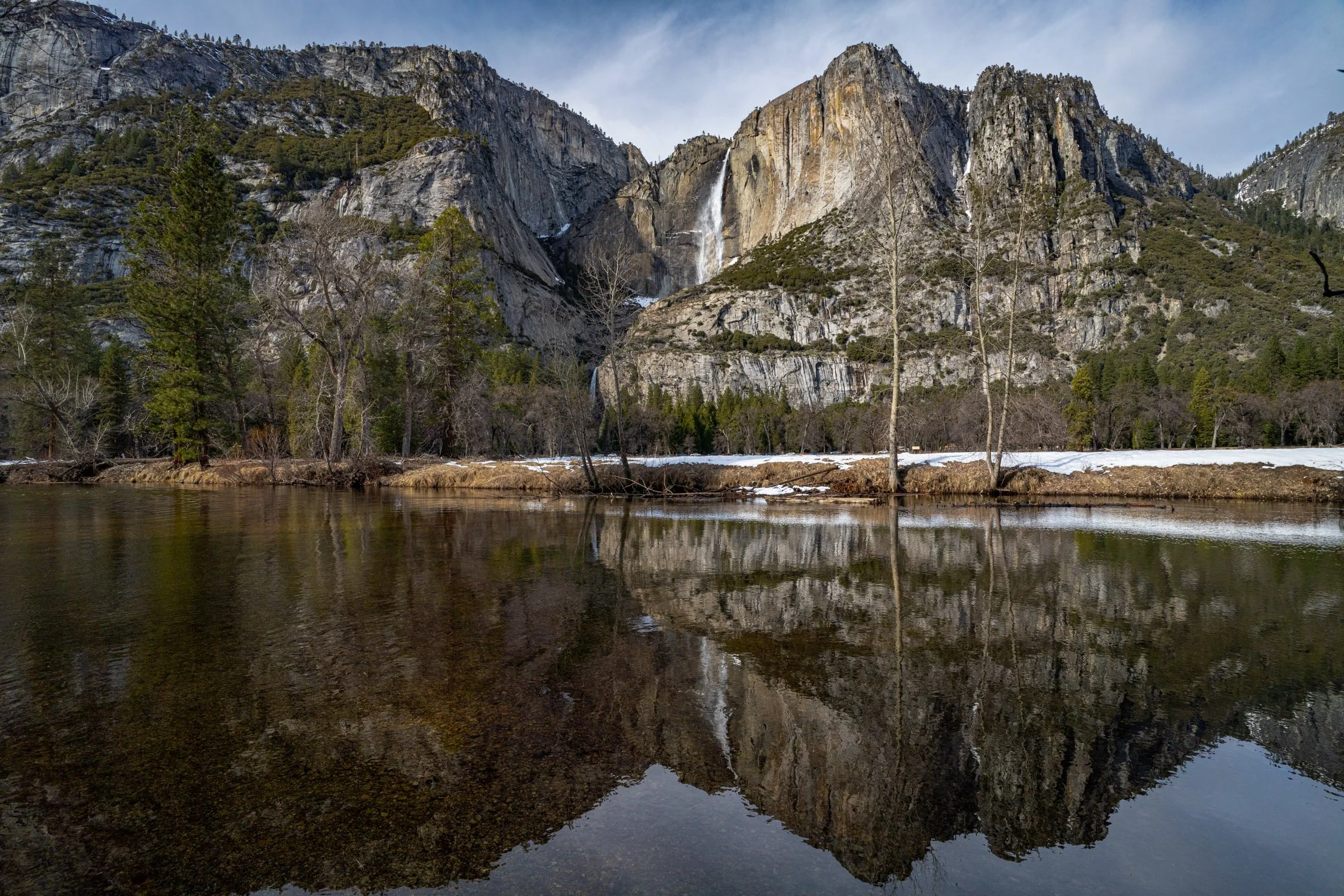
Yosemite Falls reflected in the Merced River. Photo by Dalton Johnson
Hiking Yosemite Falls is an experience that promises not just adventure but a deep connection to the heart of nature itself. This guide has illuminated the path, from understanding the trail's unique challenges to appreciating its awe-inspiring beauty. Whether you choose to take the shorter trek to the base of Lower Yosemite Fall or conquer the arduous climb to the summit, every step in this iconic national park is a testament to the enduring power and majesty of the natural world. As you lace up your hiking boots and set off on this remarkable adventure, remember to cherish each moment, respect the environment, and leave no trace so that this wondrous place may continue to inspire generations to come.
Discover More of Yosemite Valley
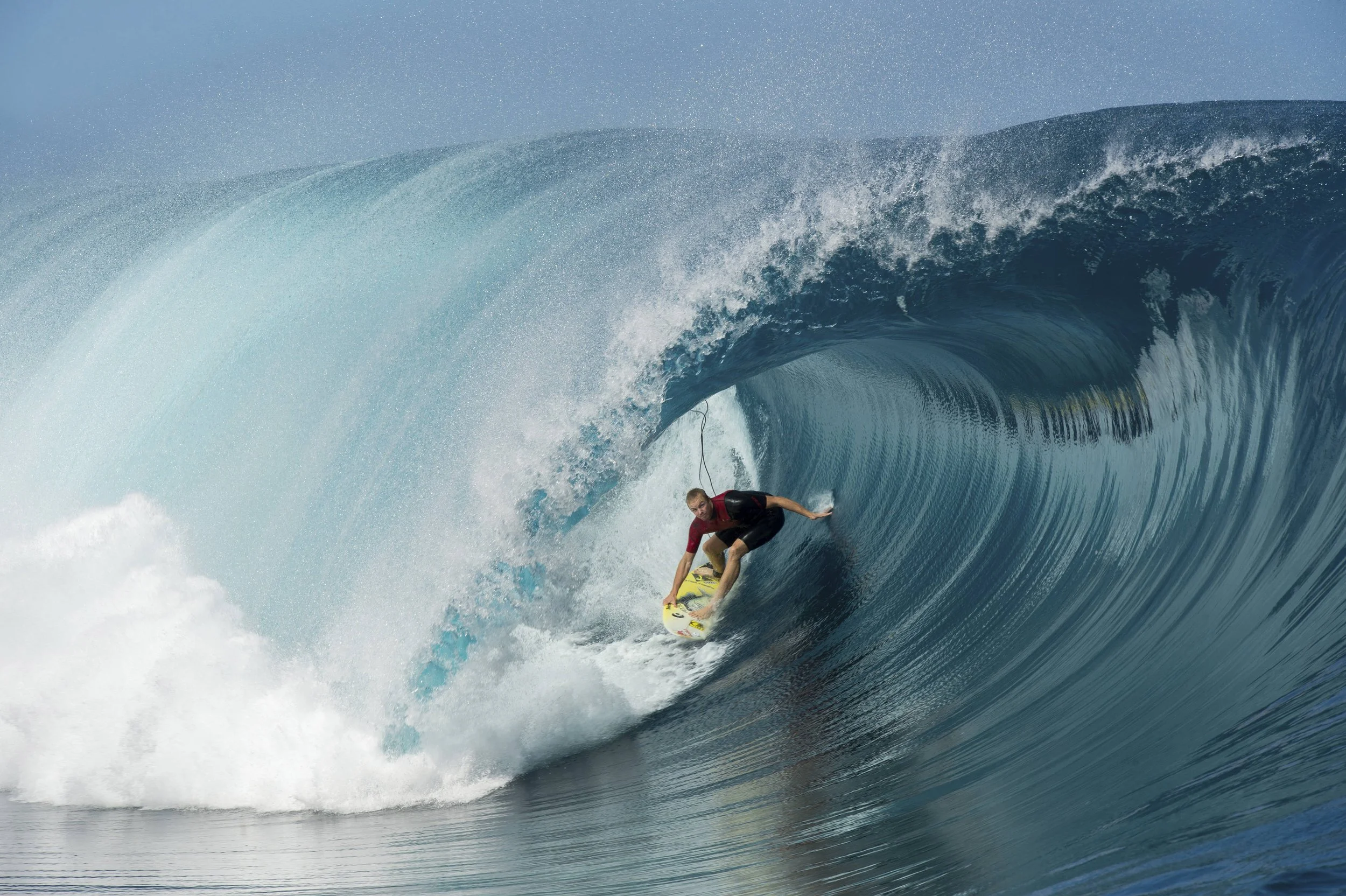
Best Surf Vlogs To Watch In 2024
While there is no question of who is the most decorated surfer out of this grouping of vloggers, the question remains. Which surf vlog is the best? The numbers may showcase who is the most popular, but which of these four surf vloggers inspire you to travel, surf, and explore the opportunities around the world?
While there is no question of who is the most decorated surfer out of this grouping of vloggers, the question remains. Which surf vlog is the best? The numbers may showcase who is the most popular, but which of these four surf vloggers inspire you to travel, surf, and explore the opportunities around the world?
Check them out and let us know what you think in the comments below:
John John Florence
John John Florence might be the second or third most decorated surfer and his surf films are notorious for being the best, but is his vlog the same?
With an iconic, fin-popping top turn and mind-bending airs, JJF is one of my favorite surfers to watch. Yet, many of his vlogs showcase his travels with friends and not the incredible surfing he is known for. With that said, JJF's vlogging volume is quite low, allowing for higher quality videos that take you for a ride through the amazing life of a 2-time world champ.
By the Numbers:
26,267,964 views
179k subscribers
Koa Smith
Koa Smith has made a life as a professional freesurfer, aka not a WSL surfer, and youtube has been his outlet of choice. From big waves to unique waves, Koa gives viewers a behind-the-scenes taste of his life as a freesurfer.
He chases waves, mostly around Hawaii, but also shares a variety of videos from around the world.
Koa has made a few appearances on the pro circuit, but it doesn't appear to be his jam. I respect that! Give Koa's channel a watch.
By the Numbers:
25,272,956 views
152k subscribers
Nathan Florence
Nathan Florence got his start on the pro circuit but now is dedicated to chasing slabs all over the world and publishing vlogs on Youtube about his exploits. Nathan's videos are raw, shaky, and it doesn't matter. Why?
He is the only one getting out there and pushing the limits, in the surf vlog community, that doesn't have a team behind him. While Nathan is a freesurfer for Vans, his videos are a wonderful blend between GoPro videos, tube riding, and long lens shots.
Right now, Nathan is on a world slab tour, where he is showcasing the gnarliest slab waves in the world. Give his channel a watch for some inspo for your next surf trip destination.
By the Numbers:
145,681,108 views
371k subscribers
Jamie O'Brien
Jamie O'Brien embraces those Jackass stunts that go viral on youtube. JOB is by far the heaviest hitter in the surf vlog arena, but his videos are not always about surfing. Heck, they might have a surfboard in the video, but that doesn't mean this foam board lover is going to ride a wave.
If you are looking for something bizarre, give JOB's channel a watch. From river surfing to storm drain surfing to, honestly, who knows what. That is what you can expect from this crazy channel with surfing legend JOB.
By the Numbers:
226,055,278 views
901k subscribers
Discover more Adventures
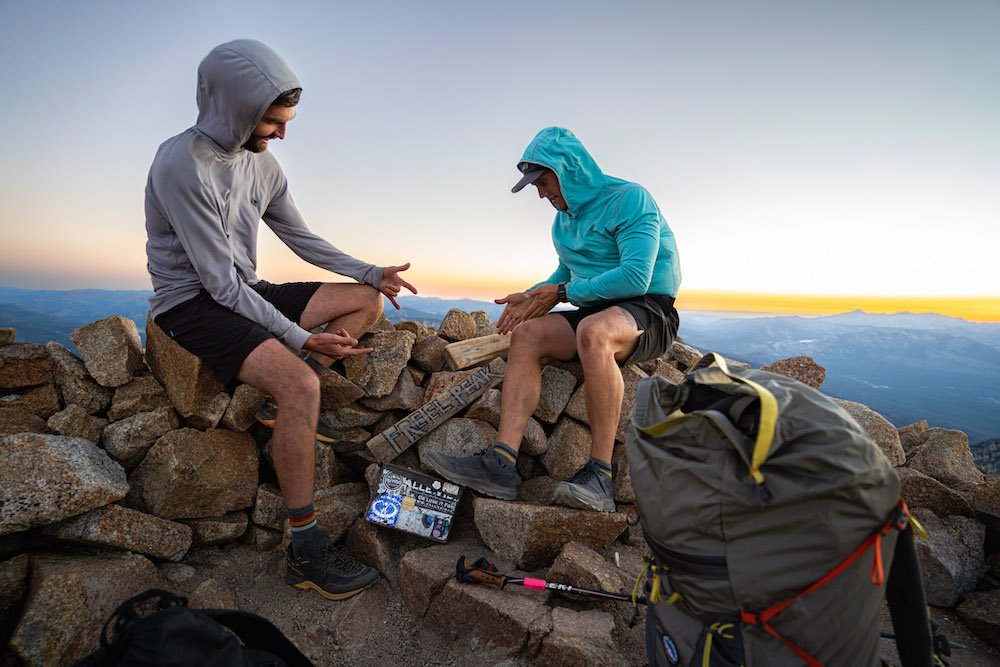
Feel Free to Drink and Drive With These Non-Alcoholic Beers
From summit beers to cracking open a cold one after zooming down that dusty single-track, few things are better than cheersing with friends after a long outing. Yet, there was always that voice in the back of my head saying, "Don't drink and drive."
So, I often didn't part-take with friends. Until now.
As non-alcoholic beers fill the shelves of our super markets, the options are getting pretty good. Some might even say better than alcoholic beer! But, I'll let your tastebuds decide on that.
From summit beers to cracking open a cold one after zooming down that dusty single-track, few things are better than cheersing with friends after a long outing. Yet, there was always that voice in the back of my head saying, "Don't drink and drive."
So, I often didn't part-take with friends. Until now.
As non-alcoholic beers fill the shelves of our super markets, the options are getting pretty good. Some might even say better than alcoholic beer! But, I'll let your tastebuds decide on that.

Athletic Brewing
Athletic Brewing has made a name for itselves in the space and has taken the number one spot on branding for non-alcoholic beers. While a year ago, you couldn't find them on the shelves, now, they are everywhere. And it makes sense.
I have had the opportunity to try almost all of their beers and they hit the spot. The Run Wild IPA is a solid choice that often fills my cooler.
Where to buy: Amazon, BevMo!, most groceries
Price: $30 for a 12 pack

Best Day Brewing
Best Day Brewing is on the rise with a slogan I think we can all get behind, "Best Day Yet." In other words, their beers, especially the Kolsch, allow you to end your day and take a sip recalling memories from the day, which was your best day yet.
Where to buy: Amazon, BevMo!, online
Price: $30 for a 12 pack

Brewdog
Looking for that fruity and hazy flavor to quench your thirst after a long and hot surf in the summer sun? Well, you might have just found your non-alcoholic hazy of choice. BrewDog's hazy is stellar.
They also have a variety of non-alcoholic beers I am excited to get my hands on and try with a few buddies ASAP.
Where to buy: Amazon
Price: $30 for a 12 pack

HOP WTR
While HOP WTR isn't a beer, I have found it to be a nice alternative to the flavors of seltzers and it is packed with all kinds of adaptogens nootropics. While I am not a neuroscientist, drinking nootropics sounds fancy, and I like that.
Overall, I have been enjoying the Mango flavor best, but their other flavors have tickled my fancy as well.
Where to buy: Amazon, BevMo!, some groceries
Price: $35 for a 12 pack
Now, go pick up one of these non-alcoholic beers and give it a try. Heck, give them all a try and let us know which one is the best. Also, if you have any other recommendations, let us know in the comments.
Please, do not drink and drive. The title of this article is made to be catchy. We do not support, nor encourage, drinking alcohol and driving.
Discover More Gear
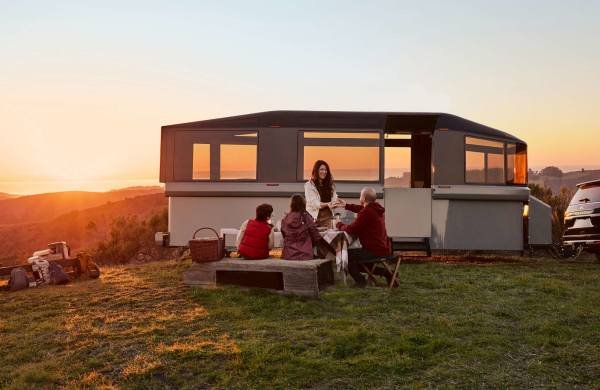
Did Lightship Blast Road Tripping into the Future?
Lightship, an electric travel trailer, might make you feel as though you are about to jump into hyper-speed when you stand inside this futuristic travel trailer. I know that is how I felt when I stood inside for the first time. But, why is that?
Lightship, an electric travel trailer, might make you feel as though you are about to jump into hyper-speed when you stand inside this futuristic travel trailer. I know that is how I felt when I stood inside for the first time. But, why is that?
Clean lines, open space, and big windows are all hallmark looks of the Lightship L1 that surely came from the founders' time at Telsa. But, that isn't why you feel as though you have arrived in the future. No.
You feel as though you are in the future for the subtle and easily overlooked features. Silence. Clean air. Nature. Yup, that is right. Since this travel trailer is electric, your dependency on gas no longer stinks up your natural experience nor does your generator drown out the sounds of birds.
In fact, you can open your windows and feel as though you are tent camping, yet still have a kitchen, shower, toilet, dining room table, bed, and tv. Needless to say, once you add your family, you have everything you need.
Lightship L1 Travel Trailer Specs
Length: 27 ft
Width: 8 ft 6 in
Height: 6 ft 9 in (road mode); 10 ft (camp mode)
Gross Vehicle Weight: 7,500 lbs. (fully loaded)
Sleeping capacity: 4-6 depending on configuration
MSRP: $125,000 or $118,400 after an available tax credit and is available now for a $500 reservation
A hyper-efficient design that is three times more aerodynamic than a traditional travel trailer for longer range and greater efficiency, which means a 300-mile range electric vehicle (EV) used to tow it remains a 300-mile range EV, and a 25-mpg gas truck remains a 25-mpg gas truck.
An electric powertrain with up to 80 kWh of onboard battery capacity allowing the trailer to propel itself and achieve near-zero range or efficiency loss for the tow vehicle.
About the Founders:
Both of the founders, Ben Parker and Toby Kraus, are long-time EV enthusiasts who got their start at Tesla, but conceptualized an EV home on wheels during a road trip, in pandemic times. Yet, the experience with a gas-powered RV wasn't sitting right. Leading Parker to the following conclusions:
“One in 10 American families own an RV, but the RV industry hasn’t experienced innovation for a decade. Inefficient, unreliable product designs and a power experience that relies on smelly, noisy, gas or propane generators fundamentally hinder the amazing experience of traveling in the outdoors.”
Ben Parker is the Co-founder and CEO of Lightship. As a longtime gearhead and EV geek with a passion for sustainable travel, Ben aims to bring the RV industry into the electric age, starting with Lightship’s all-electric L1 travel trailer.
Toby Kraus is the Co-founder and President of Lightship. Toby has devoted his career to working on the electrification of vehicles big and small from the Tesla Model S to commercial vehicles like trucks and school buses. In co-founding Lightship, Toby was inspired to push electrification into a new segment and to new demographics that haven’t been previously served by the electrification movement.
Discover More Gear

Exploring the World of Adventure Travel From Hiking to Volcano Expeditions
Adventure travel is a vibrant realm of exploration that encompasses a wide array of exhilarating activities, offering enthusiasts unforgettable experiences in the great outdoors. From scaling majestic peaks to diving into azure waters, adventure travel caters to individuals seeking adrenaline-pumping escapades and profound connections with nature. Let's dive into the diverse spectrum of activities that define adventure travel.
Adventure travel is a vibrant realm of exploration that encompasses a wide array of exhilarating activities, offering enthusiasts unforgettable experiences in the great outdoors. From scaling majestic peaks to diving into azure waters, adventure travel caters to individuals seeking adrenaline-pumping escapades and profound connections with nature. Let's dive into the diverse spectrum of activities that define adventure travel.
Chasing the northern lights in Churchill, Manitoba. Photo by Dalton Johnson
1. Hiking and Trekking: Trails wind through lush forests, rugged mountains, and serene valleys, beckoning adventurers to lace up their boots and embark on immersive journeys. Whether tackling iconic routes like the Appalachian Trail or venturing into remote wilderness areas, hiking and trekking unveil breathtaking landscapes and test one's endurance and determination.
2. Rock Climbing: Scaling vertical cliffs and granite faces, rock climbers defy gravity and push their physical and mental limits. From traditional climbing on natural rock formations to sport climbing in designated areas, this activity demands focus, strength, and a deep respect for safety protocols.
3. Whitewater Rafting: Rushing down frothy rapids, whitewater rafting thrills participants with heart-pounding excitement and stunning river scenery. Guided by experienced professionals, adventurers navigate challenging waters, fostering teamwork and a sense of accomplishment.
4. Scuba Diving: Beneath the ocean's surface lies a world of wonder, inviting divers to explore vibrant coral reefs, encounter marine life, and delve into underwater caves and shipwrecks. Scuba diving excursions combine adventure with conservation, raising awareness about ocean ecosystems.
5. Kayaking and Canoeing: Paddling across serene lakes, winding rivers, and coastal waters, kayakers and canoeists embrace tranquility and solitude while admiring nature's beauty. These activities offer opportunities for wildlife sightings and intimate connections with aquatic environments.
6. Skiing and Snowboarding: Blanketed in snow, alpine slopes and backcountry terrain attract winter sports enthusiasts seeking adrenaline-charged descents and stunning mountain panoramas. Skiing and snowboarding adventures range from groomed trails at resorts to off-piste exploration in untouched snowscapes.
7. Wildlife Safaris: Embarking on safari expeditions, travelers immerse themselves in the natural habitats of diverse wildlife species, from African savannas teeming with elephants and lions to Arctic tundras home to polar bears and caribou. Safaris foster wildlife conservation awareness and offer unforgettable encounters with wild animals.
8. Mountain Biking: Pedaling along rugged trails and scenic routes, mountain bikers traverse challenging terrain, from rocky paths to forested hillsides. This fast-paced activity combines physical fitness with adrenaline-fueled descents and panoramic vistas.
9. Paragliding and Skydiving: Soaring high above landscapes, paragliders and skydivers experience the thrill of flight, witnessing expansive views and feeling the rush of wind against their skin. These aerial adventures offer a unique perspective on natural wonders and human achievement.
10. Wilderness Backpacking: Carrying essentials on their backs, backpackers venture into remote wilderness areas, embracing self-sufficiency, solitude, and a deep connection with nature. Backpacking expeditions range from multi-day treks to thru-hiking iconic long-distance trails.
11. Cultural Immersion: Adventure travel often intertwines with cultural experiences, allowing travelers to engage with local communities, traditions, and cuisines. Cultural immersion adds depth to adventures, fostering cross-cultural understanding and meaningful exchanges.
12. Expedition Cruises: Navigating remote waterways and coastal regions, expedition cruises offer voyagers access to pristine wilderness areas, wildlife habitats, and historical sites. These small-ship adventures blend exploration with educational insights from expert guides.
13. Cave Exploration: Delving into subterranean worlds, cavers and spelunkers traverse underground passages, marveling at geological formations and hidden chambers. Cave exploration requires specialized equipment and skills, providing adventurers with a sense of discovery and wonder.
14. Desert Adventures: From sand dune treks to desert camping under starlit skies, desert adventures immerse travelers in vast, arid landscapes brimming with natural beauty and cultural heritage. Desert excursions offer unique challenges and rewards, from navigating shifting sands to encountering desert wildlife.
15. Volcano Expeditions: Ascending volcanic peaks and exploring lava fields, volcano enthusiasts engage in geological exploration and witness the raw power of nature. Volcano expeditions blend scientific discovery with outdoor adventure, offering insights into Earth's dynamic processes.
Cave hiking in Sedona, Arizona. Photo by Dalton Johnson
Adventure travel encompasses a rich tapestry of activities that cater to diverse interests and aspirations. Whether seeking physical challenges, cultural immersion, or awe-inspiring natural wonders, adventurers find fulfillment and lifelong memories in the pursuit of thrilling experiences across the globe.
Discover more Adventures

Exploring the Thrilling World of Adventure Travel
Adventure travel is a dynamic and exhilarating way to explore the world, pushing the boundaries of exploration and embracing the unknown. It's a mindset that fuels curiosity, challenges comfort zones, and leads to unforgettable experiences. In this article, we delve into what adventure travel entails, the various types of adventure travel experiences available, and what to expect during an adventure-filled journey.
Adventure travel is a dynamic and exhilarating way to explore the world, pushing the boundaries of exploration and embracing the unknown. It's a mindset that fuels curiosity, challenges comfort zones, and leads to unforgettable experiences. In this article, we delve into what adventure travel entails, the various types of adventure travel experiences available, and what to expect during an adventure-filled journey.

Free soloing in Yosemite National Park. Photo by Dalton Johnson
Pros
Excitement and Thrill: Adventure travel provides an adrenaline rush and a sense of excitement that can be addictive. Activities like rock climbing, whitewater rafting, and skydiving offer unparalleled thrills and memorable experiences.
Physical and Mental Challenges: Engaging in adventurous activities can push your limits, both physically and mentally. Overcoming challenges such as conquering a mountain peak or navigating a challenging trail can boost confidence and resilience.
Unique Experiences: Adventure travel allows you to explore off-the-beaten-path destinations, encounter rare wildlife, and immerse yourself in diverse cultures. These unique experiences create lasting memories and broaden your perspective.
Health Benefits: Many adventure activities involve physical exertion, promoting fitness, and well-being. Hiking, biking, and water sports, for example, offer cardiovascular benefits and an opportunity to connect with nature.
Personal Growth: Stepping out of your comfort zone during adventure travel can lead to personal growth and self-discovery. Overcoming fears, trying new activities, and adapting to unfamiliar environments foster resilience and adaptability.
Connection with Nature: Adventure travel often takes place in natural settings, allowing you to appreciate the beauty of landscapes, wildlife, and ecosystems. This connection with nature can be deeply rewarding and inspiring.
Cons
Risk of Injury: Adventure activities carry inherent risks, including the potential for accidents or injuries. Engaging in activities like rock climbing or extreme sports without proper training or precautions can lead to physical harm.
Cost: Adventure travel can be more expensive than traditional vacations, especially when factoring in equipment rental, guides or instructors' fees, and specialized gear. Budgeting for adventure activities is essential to avoid overspending.
Physical Demands: Some adventure activities require a certain level of fitness and stamina. Engaging in strenuous activities without adequate preparation can lead to fatigue or exhaustion.
Environmental Impact: Adventure travel, particularly in ecologically sensitive areas, can have a negative impact on the environment if not conducted responsibly. Practices such as littering, disturbing wildlife habitats, or damaging natural landmarks should be avoided.
Cultural Sensitivity: Engaging with local communities during adventure travel requires cultural sensitivity and respect for customs and traditions. Misunderstandings or disrespectful behavior can lead to negative interactions and impact local relationships.
Logistical Challenges: Planning adventure travel can involve logistical challenges such as obtaining permits, navigating remote areas, and coordinating transportation and accommodations. Adequate planning and research are essential to ensure a smooth experience.
What is Adventure Travel?
Adventure travel is not just about visiting new places; it's about immersing oneself in thrilling activities that go beyond the ordinary tourist experience. It's about seeking out excitement, adrenaline-pumping challenges, and a deeper connection with nature and culture. Unlike traditional vacations that may focus on relaxation and sightseeing, adventure travel emphasizes active participation and often involves physical exertion and skill development.
Types of Adventure Travel
Outdoor Adventures: This category includes activities like hiking, rock climbing, mountain biking, and camping in remote wilderness areas. It's about conquering natural obstacles, exploring rugged landscapes, and connecting with the raw beauty of the great outdoors.
Water Sports: From whitewater rafting and kayaking in roaring rivers to scuba diving and snorkeling in vibrant coral reefs, water sports offer an adrenaline rush combined with a deep appreciation for marine environments.
Extreme Sports: For thrill-seekers, extreme sports like skydiving, bungee jumping, paragliding, and BASE jumping provide an unmatched sense of exhilaration and freedom, often against breathtaking backdrops.
Cultural Immersion: Adventure travel isn't just about physical activities; it's also about immersing oneself in different cultures. This may involve homestays with local communities, learning traditional crafts or skills, participating in cultural festivals, and tasting authentic cuisine.
Wildlife Encounters: Safari adventures, whale watching tours, and wildlife expeditions take travelers into the heart of natural habitats, providing opportunities to observe and appreciate diverse ecosystems and animal species.
Expedition Travel: Expedition cruises to remote regions like Antarctica, the Arctic, or the Galápagos Islands offer unparalleled opportunities for exploration, scientific discovery, and encounters with unique wildlife.
What to Do During Adventure Travel
Embrace the Unknown: Adventure travel often involves stepping into the unknown, whether it's navigating challenging terrain, encountering unexpected wildlife, or immersing oneself in unfamiliar cultures. Embrace the spirit of adventure and stay open to new experiences.
Challenge Yourself: Push your limits and try activities that test your skills and endurance. Whether it's summiting a mountain peak, tackling a difficult trail, or learning a new water sport, embrace the challenge and celebrate your achievements.
Stay Prepared: Adventure travel requires preparation and the right gear. Research your destination, understand the local climate and terrain, pack essentials like proper clothing, footwear, and safety equipment, and be prepared for unexpected situations.
Respect Nature and Culture: While seeking adventure, always respect the environment and local customs. Follow Leave No Trace principles, minimize your impact on natural areas, support sustainable tourism practices, and engage respectfully with local communities.
Stay Safe: Adventure travel can be thrilling, but safety should always be a priority. Follow safety guidelines, listen to experienced guides or instructors, be aware of potential risks, and make informed decisions to ensure a safe and enjoyable experience.
Embrace the Journey: Adventure travel is not just about reaching a destination; it's about the journey itself. Take time to appreciate the landscapes, wildlife, and cultural richness along the way. Keep an open mind, be flexible, and savor every moment of your adventure-filled journey.
Going for a zodiac ride in Antarctic looking for penguins and a place to land. Photo by Dalton Johnson
Adventure travel is a dynamic and multifaceted experience that combines exploration, physical challenges, cultural immersion, and a deep appreciation for the natural world. Whether you're hiking through rugged mountains, diving into crystal-clear waters, or immersing yourself in local traditions, adventure travel offers a unique and transformative way to discover the world and create lasting memories.
Discover more Adventures

Staying At Rancho Santana In Nicaragua Was Overwhelmingly Spectacular (In The Best Way Possible)
Looking out my plane window, all I saw was green as far as the eye could see. In route for Nicaragua, my brain didn't trust my eyes. "Was this really happening?" I asked myself dreaming about the week ahead with my girlfriend; surfing, catamaran ride, farm-to-table meals, hiking on a volcano, feeding monkeys, massages, horseback riding on the beach, mountain biking... a dream trip.
Looking out my plane window, all I saw was green as far as the eye could see. In route for Nicaragua, my brain didn't trust my eyes. "Was this really happening?" I asked myself dreaming about the week ahead with my girlfriend; surfing, catamaran ride, farm-to-table meals, hiking on a volcano, feeding monkeys, massages, horseback riding on the beach, mountain biking... a dream trip.
As the plane rubber skid across the tarmac, we touched down in Costa Rica (yes, you read that right), collected our bags, and met our prearranged driver who would be taking us to the Nicaraguan border where we would snag our final ride to Rancho Santana, our temporary Nicaraguan home.
Looking over one of the four beaches of Rancho Santana. Photo by Dalton Johnson
Logistical side note, if you are thinking to yourself, "Wow, that travel sounds confusing, why would you do that?" It's quicker and very simple. Rancho Santana is located in the southwest corner of Nicaragua, which doesn't have a close Nicaraguan airport, so Rancho Santana has developed and dialed this transportation across the border. We shaved off roughly four hours of travel by doing this, which equates to four more hours surfing!
The Property of Rancho Santana and Its Endless Opportunity:
Arriving at Rancho Santana, two immediate thoughts came to mind as I stepped out of the car onto the cobblestone drive:
The development team took their time designing Rancho Santana, it's exquisite!
Rancho Santana is massive. 2,700 acres of Nicaragua's vibrant Emerald Coast, to be exact.
Now, take a deep breath and collect your thoughts because we are about to overwhelm you with just a handful of the opportunities you can select from and notable places to bookmark on property before arriving to Rancho Santana:
Five styles of stays to chose from: The Inn, The Residences, Ocean-View Homes, Puerta del Mar Villas, and Garden View Casitas
Four bars
Three pools
A grocery store
An ornate church on the top of a hill
Horse stables
Snorkeling areas
Now, if this list didn't make your internal FOMO vibrate, I don't know what will. The good news, when planning your trip there is help! If you give Rancho Santana a call, they are more than willing to talk you through your options to make sure you satisfy your adventure desires while in Nicaragua.
The Perfect Week In Paradise (At Least In My Opinion)
My girlfriend and I had planned a week-long trip to Rancho Santana and, I might be bias as I share our adventure-packed trip itinerary, but, our trip was amazing! Rancho Santana is a paradise escape, promising a perfect blend of relaxation and adventure, offering an immersive experience that not only tested our physical abilities, but, reminded us of the importance wellness plays in living an intentional life.
Day 1: Arrival, Ocean Time, and a Dinner to Remember
Arriving at Rancho Santana, we had half a day to play. After settling into our room, we booked a room with an ocean-view at The Inn, and slipping into our swim suits, we answered the call of the ocean. Splashing around like two kids seeing the ocean for the first time, we sat waist-deep in the warm, water of the Pacific Ocean. Enjoyed ourselves as we rocked back in forth in with the ebb and flow of the tide. As the fear of sunburns and the growl of our stomachs grew, we headed back to the room for a change of clothes before dinner.
Sitting outside for a delightful dinner at La Finca y El Mar, the fine-dining restaurant located beach side, we relished in the evening warmth and humid air as we indulged in locally sourced seafood, home-made burrata, chicken, and farm-to-table salads—all infused with Nicaraguan flair.
Day 2: Exploring the Beauty of Rancho Santana
Waking up to the sounds of paradise, day two began with a sunrise surf, for me, and relaxing morning for Kristin. Coming back together with a leisurely breakfast at El Café filled with fruit and a delightful smoothie bowl with local pollen and cacoa nibs, the day was off to a great start.
Our main adventure for the day was the Las Cinco Playas Tour, guiding us through Rancho Santana's five breathtaking beaches—Playa Santana, Playa Rosada, Playa Escondida, Playa Los Perros, and Playa Duna. Each beach with its own unique flare, offering visitors something different, it's hard to chose a favorite, but, I think I enjoyed the viewpoint of Playa Duna the most. Stunning!
Grabbing a late lunch to-go at Playa Los Perros restaurant, La Taqueria, we went back to our room for a quick shower and headed to our rejuvenating spa treatment at The Spa in El Bosque. Shocking our bodies in the private hot and cold pools before the massage set the stage for our couple's massage to leave the both of us blissed out. Walking out of the tree-house style massage room, greeted by the sounds of the surrounding forest, my body felt like a noodle.
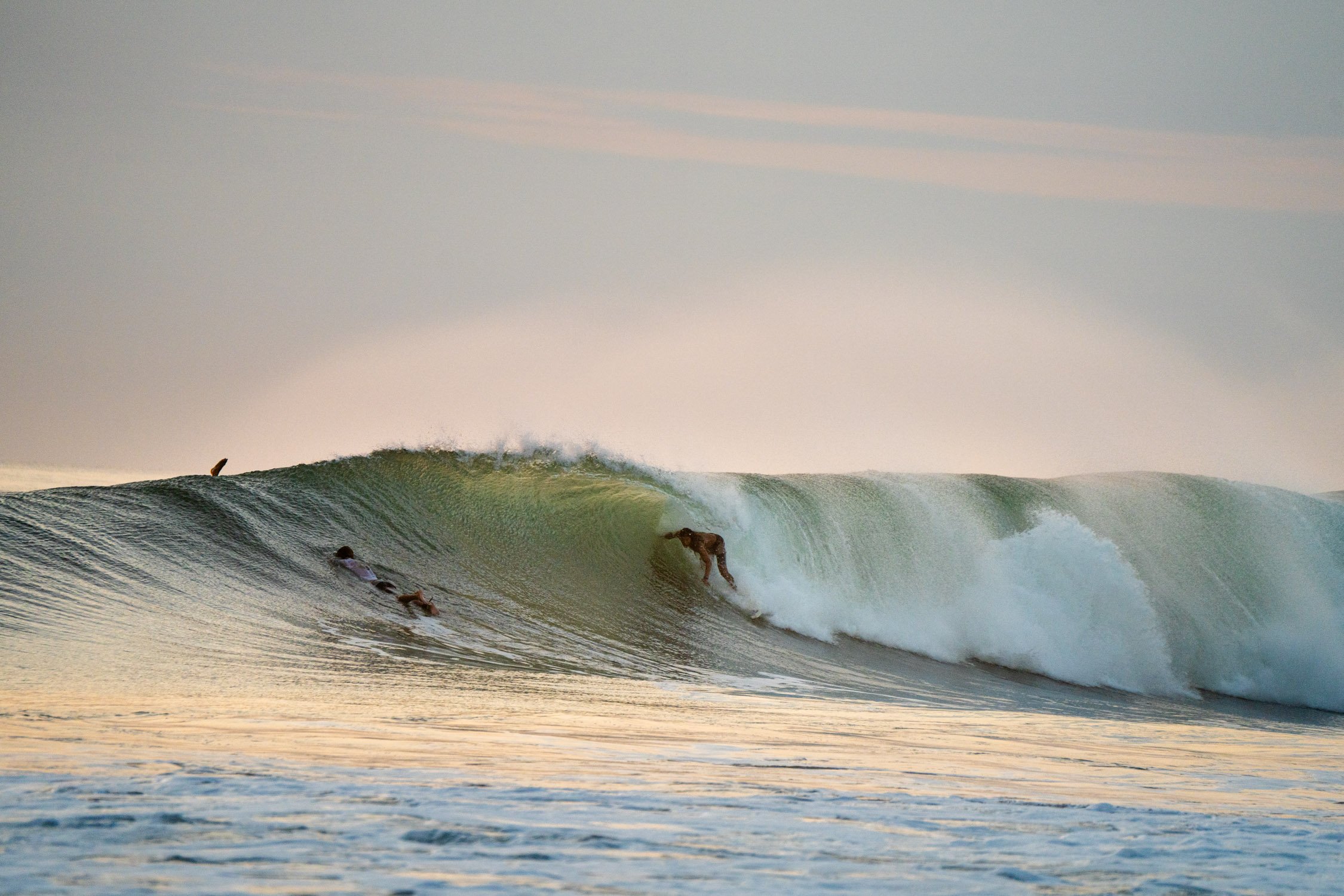
Catching a barrel at the main break right outside the Rancho Santana property. Photo by Dalton Johnson
Day 3: Surfing, Mountain Biking, and Sunset Views
I came to Rancho Santana with the goal of getting barreled while surfing. So, on day three I headed out with a surf instructor to Playa Los Perros for a sunrise surf, looking to achieve that dream. Micro-adjustment after micro-adjustment, my guide had me in the perfect spot, ready to catch my first barrel. Dropping in on my weak backside, I tucked down, grabbed my rail, and was hanging out in the green room, until I got tomahawked by the lip, tossed upside-down, and passed through the washing machine like punishment of learning to surf barrels. Popping up, I was stoked! Now, I just needed to learn how to pump while inside the barrel so my sinus cavities didn't have to be flushed out with every ride.
Another breakfast at El Café with Kristin, we shared stories from our morning. She mostly laughed at me and the water constantly draining from my nose. But, our morning quickly turned to afternoon and a mountain biking ride awaited. Zipping around the miles of trails, we explored the local flora and fauna when catching our breath.
By now, our massages from the day before were out the window, but we unwound with a farm-to-table meal at sunset.
Day 4: Mombacho, Lake Nicaragua, Granada, and Volcano Masaya
By day four, it was time to venture beyond the boundaries of Rancho Santana and see what else Nicaragua had in store for us. With an early morning, we headed off property for a full day adventure. Starting with a thrilling zipline experience at Mombacho. With more than 12 ziplines to cross, this adventure was not only a thrill but an opportunity to learn about coffee. Underneath our feet, we soared above a coffee plantation with each crossing. We even got to snack on the fruit surrounding the coffee bean!
Next was a boat ride around Lake Nicaragua, complete with hand-feeding rescued monkeys and a lunch in Granada City. Our guide took us to his home town to see how traditional Nicaraguan pottery is made by hand. A process I knew nothing about until today. You won't believe to tools they use to craft these pieces of artwork, a true delight to see the process done in-front of your eyes.
Ending the day at the perfect time, just after nightfall, at Volcano Masaya. This active volcano glows bright red at night, as the magma boils below the viewpoint. What a day!
Day 5: Farm Tour and Sunset Horseback Ride
After a casual morning, day five began with a tour of the ethically raised animals on the property through the Santana Farm Tour. Milking a cow, holding baby goats, walking among chickens, and listening to the chaotic snorting noise of pigs left me with a realistic understanding of where the food comes from at Rancho Santana, something I don't understand back in the United States.
My favorite part of the farm tour was understanding the efforts Rancho Santana goes through to to be organic (but without the certification) and zero waste. From what you would expect of making compost to the unexpected like capturing methane to fuel fires around the property.
Back to our room for some lounging and poolside fun, the day moved quickly. Before we knew it, we were a top a horse, trotting down the beach for sunset. These horses are very well trained and specialize in Nicaragua’s unique Stallion Dancing—a spectacle often featured in local parades called hipicas.

The start of a sunset cruise in a catamaran. Photo by Dalton Johnson
Day 6: Catamaran Adventure
Snagging one more sunrise surf, we took day six as a recovery day... for the most part. Snacking poolside and going for beach walks, Kristin and I enjoyed ourselves until I cut my foot open on a rock. I'm accident prone, so what can I say. The good news, the front desk had everything we needed on hand. So, we were back in action in no time.
As the day went on, the anticipation built for the upcoming Catamaran Adventure, a highlight of our trip for me. Departing from the resort, we set sail along the breathtaking Emerald Coast on a private luxury yacht. This several-hour experience is not merely a sailing voyage, but an opportunity to see Nicaragua from a new perspective. Heading south to start, we passed islands and found a snorkeling spot. Diving off the side of the boat (mostly for the fun of it, they had stair going into the water) we plunged below the surface of the water, seeking out the world below the surface. Arriving back to the catamaran, they had ceviche ready for us and offered a wide variety of drinks.
As the day transitioned to dusk, we headed to the from of the catamaran to sit on the nets over the ocean. Sailing back to the bay we started in, Kristin and I cuddled as the sun dipped below the horizon.
Day 7: Departure – Until Next Time!
The bittersweet arrival of the final day marks an early check-out time of 5:30 a.m. marking the end of our perfect week in paradise. But, there was one more surprise in-store for us. After crossing the border back to Costa Rica and seeing we had some time to kill, we asked the driver if he knew of any places to eat. He thought for a second and then got a big smile, "Yes, I know of a great spot!"
After a little bit of time, he turned off the highway into a town for a hole-in-the-wall breakfast spot that looked out upon the canopy of green that met the blue waters of an ocean bay. Eggs, rice, and beans, a simple, yet perfect way to end the trip.

Taking in the Nicaraguan sunset. Photo by Dalton Johnson
Until next time becomes a promise rather than a farewell. Rancho Santana, with its allure and charm, remains etched in our memories, inviting you to return and create new chapters in the book of adventures. As the plane carried us away, I looked out the window, already dreaming of returning to the warm water, catching barrels, and more Nicaraguan experiences. Until next time, Rancho Santana!
Discover More Destinations

This Is Only Way To Fly Home After A European Ski Vacation
My thighs still burned from the previous three days of skiing at Kaya Palazzo Kartalkaya, so walking through the Istanbul airport looking for the Turkish Airlines business lounge with a waddle was done with pride. Craving my last bites of Turkish cuisine and indulging in the surplus of incredible deserts I lazily slumped into a lounge chair. I could certainly fall asleep right now, I thought to myself. Forcing my eyes open, I caught the departure screen. My flight was boarding.
My thighs still burned from the previous three days of skiing at Kaya Palazzo Kartalkaya, so walking through the Istanbul airport looking for the Turkish Airlines business lounge with a waddle was done with pride. Craving my last bites of Turkish cuisine and indulging in the surplus of incredible deserts I lazily slumped into a lounge chair. I could certainly fall asleep right now, I thought to myself. Forcing my eyes open, I caught the departure screen. My flight was boarding.
Pulling myself together, I bid farewell to my ski buddies and headed to the gate. For those of you who haven't been to the Istanbul airport, it's massive. Twenty minutes passed from the lounge to the gate, arriving just in time.
Flying for me has never been about luxury, or convenience, for I am interested in spending more time exploring the destination, but this trip was different. My Turkish Airlines ticket had the black line across the top, subtly flexing to those around me I was business class.
Boarding the Boeing 787 Dreamliner, I flashed my black-lined ticket to the greeter and was ushered left. As though I correctly knocked on a speakeasy door, the curtain opened and I was shown to my seat.
I didn't have to compete for overhead space for my bag and after I settled into my seat I looked up, greeted by a smiling flight attendant asking, "Would you like orange juice, cranberry juice, lemonade, or something else? All the juices are freshly squeezed."
"Orange juice, please."
As I sipped my orange juice and extended my legs fully out, the sound of others still boarding the plane was behind me. Taking a deep breath in, my eyes-closed exhale was slightly audible as that feeling of calm overwhelmed my entire body. Opening my eyes, a plump chef with a large, floppy-white hat rounded the corner and greeted me with a foreign accent, "Hello again, did you take a look at the menu? What do you like for your main tonight?"
Pinching myself, as this felt far too dreamlike, I looked around for the menu then up at the chef asking, "What would you recommend?"
"The swordfish. It's my favorite. We make a great fillet that is big and juicy."
"Let's do that." I nodded.
"Thank you, Mr. Johnson, we will have that for this evening." The chef said as he jotted down my order and moved along to the next passenger, greeting them with the same smile and "Hello again..."
Setting off on our direct flight from Istanbul to San Francisco, I questioned why I would fly so long any other way. The service was that of a hotel and a restaurant. The complimentary wifi was easy to use and the table was sturdy as I typed away at emails and other articles. If my glass of water was running low, they offered more. Often offering other beverages as well like wine, coffee, tea, spirits, juice, the list went on. Snacks were provided as well, but they came on a platter, not just tossed at me by a flight attendant like I'm a catcher at a major league baseball game.
As a few hours past the flight attendants came to lay a tablecloth across my work area. Shutting down my laptop, I had no idea a three-course meal was about to be sprawled out in front of me.
Course one: Soup, salmon tartar, salad, and octopus
Course two: Swordfish with vegetables and Turkish bread
Course three: Bread pudding and an eclair
Throughout the meal, a teacup "candle" flickered throughout in the dimly lit cabin. An ambiance akin to fine dining, only we were soaring 38,000 feet in the sky. This flight, this black-lined ticket experience, was far more than an economical way to get from point A to point B as quickly as possible. No, this was truly an experience and it didn't end there.
"Would you like me to make up your bed?" A flight attendant asked.
Surprised by the request, as I figured the chair would lay flat easily, I sheepishly responded with a high-pitched, "Yes."
A slight chuckle came from the attendant and he motioned for me to stand. Pulling down sheets and a thin mat, he turned my work and dining area into a sleeping quarter. Fluffing my pillow he smiled at me, shook his head, and said, "Your bed is ready."
So, I kicked off my shoes and crawled under the blanket, slid the complimentary eye mask on, and fell into a deep slumber.
Hours passed. The lights turned on. I lifted my mask and fluttered my eyes just enough to see breakfast was being served, but I wasn't hungry. So, I flopped back down, rolled toward the wall, and kept sleeping for a few more hours.
Turkish Airlines
Bah-ding "This is your captain speaking, we will be landing in San Francisco in approximately 35 minutes. The local weather is raining and roughly 50 degrees..."
Sitting up and turning sideways, I stretched for ten minutes. To my surprise, the sore ski legs I waddled around the Istanbul airport with were gone. My demeanor was still calm. Maybe I should fly like this more often, I said to myself as prepared for landing.
Discover More Destinations

The Realities of Long Term Motorcycle Travel
I met Jimbo Tarpey while staring at salmon in a river, waiting for a grizzly bear to come eat, in Hyder, Alaska.
Without cell service, I sat on a wooden bench, staring at these salmon, as if watching paint dry. Then, I saw Jimbo wander up in a full motorcycle kit, high on life. Thinking to myself, I need to know the story behind this guy, I scooted closer to eavesdrop on his conversation.
In a short while, I became a part of the conversation learning about Jimbo's goal of riding a motorcycle from his home in Minnesota to the top of Alaska all the way to the bottom of South America. His story blew my mind and I am honored to share his story with you all through a Q&A below:
I met Jimbo Tarpey while staring at salmon in a river, waiting for a grizzly bear to come eat, in Hyder, Alaska.
Without cell service, I sat on a wooden bench, staring at these salmon, as if watching paint dry. Then, I saw Jimbo wander up in a full motorcycle kit, high on life. Thinking to myself, I need to know the story behind this guy, I scooted closer to eavesdrop on his conversation.
In a short while, I became a part of the conversation learning about Jimbo's goal of riding a motorcycle from his home in Minnesota to the top of Alaska all the way to the bottom of South America. His story blew my mind and I am honored to share his story with you all through a Q&A below:
Jimbo
A Q&A with Jimbo on Long Term Motorcycle Riding, History, and the Pan-Am Highway:
Q: Could you introduce yourself?
A: My name is Jimbo Tarpey, a year ago I quit my job and left everything behind to travel the world. I’m a 33 year-old Minnesotan that makes infotainment videos and blogs on historical places across the Americas that I visit on my motorcycle.
Q: How can we follow your journey?
A: You can find me on YouTube, Instagram, Facebook, and Patreon by looking up “2 Wheels 1 Compass” or 2W1C. I have a website here too.
I release YouTube videos once every month or so that are real labors, and I try to release a blog or 90-second reel on Facebook or Instagram every other day.
90% of my blogs are on Patreon and free to read, but the best stories are saved for those who donate to my cause. On Patreon you can give as little as $1 / month and access those stories.
Q: What are you currently doing?
A: After saving and planning for 7 years, I quit my job, donated my mattress, left my apartment, sold my car, and rode off on my motorcycle to cross the Americas from the top to the bottom. I’ve been traveling for 13 months.
Not only do I travel, I also ride around to historical locations, stay with locals, and report on the history and culture of the places that I visit on social media platforms as an amateur influencer. It’s been a dream of mine and I’ve worked on it for years and I’m currently living it!
Q: What’s your background?
A: I worked in the health insurance industry for about 6 years... I left it all behind for this trip. I have a degree in Anthropology and I speak Spanish, so I’ve been recently using those to dive into the culture of Latin America and report on the interesting, strange, and unique things I see. I’ve been a motorcyclist since I was 25.
Q: What is your route and how did you decide on it?
I always knew I wanted to travel the world but I didn’t know how. One day, the dream actually started with me looking around Google Earth on a rainy day. I was looking at far off and remote places like Greenland or the interior of Australia. I had just got back from a road trip and I was wondering what extreme road trip places existed.
My eyes were drawn to the top of North America. This was around 2014 so there was only 1 road to the Arctic Ocean. As it turns out, there were a few people that had taken that route in their own private vehicles over The Dalton Highway, the treacherous stretch from Fairbanks up to the shores of Earth’s northern ocean.
Then that made me wonder, how far south can I go from there? Then I looked up the farthest south roads go. That brought me to Ushuaia, Argentina.
My coworker at the time was a motorcyclist and talked about all of the advantages I’d have with traveling on a motorcycle such as cost, ease of access, quality of living, economy, and many other things.
I wanted no time limit to see all the things in between. Given there are things such as tourist visas and seasons there’s obviously not unlimited time, but I wanted to be able to see everything I could. There was no set route other than these two points: Deadhorse, Alaska and Ushuaia, Argentina.
Q: What bike did you choose?
A: I have a 2020 Honda Africa Twin 1100. I selected it because it is an adventure bike class, meaning it has the best fuel economy (~60 MPG), good ergonomics for long highway stretches, and it can go off-road and handle the rough stuff when needed.
Q: How did you select your bike? What other bikes did you consider?
A: I needed something that could handle crossing the vast expanses of North America as well as the rough-and-tumble scenic routes of Latin America. I picked Honda over BMW, Triumph, or KTM because of cost, and it would be easier to find parts and dealerships across the hemisphere.
I considered the Kawasaki Versys and Suzuki V-Strom as well, but the immediate post-pandemic availability back in spring of 2021 limited my options. Right now I’m falling in love with the Yamaha Tenere 700 but don’t tell my bike that.
Q: How did you budget for the trip?
A: I should preface this by saying that my biggest priority for this journey was time. I wanted to travel for years. So, I saved a lot for this over the course of my young career. I didn’t want to be hampered by costs and budgeting, so I saved up a large sum of money over the course of several years and I’m slowly chipping away at it as I go.
I don’t look ahead further than maybe 1-2 days in terms of budgeting. I find out how much it’ll cost to operate daily and multiply that by a month. Every month I’ll look back at my expense totals and forecast what I may be down to looking forward as the months go by.
Q: What was the hardest part of starting?
A: All those years I was saving, I had to put many things aside. Many romantic relationships had to have the conversation: “Here’s what I’m doing. Have you ever considered long-term travel?”
I had relationships with an expiration date. My goal was the exact opposite of people looking to have children, buy houses, and settle down. There’s a lot of social pressure to do these things, both internal and external. It’s hard to ignore those pressures.
Also, you need to consider apartment leases and large possessions when you go. I had furniture and a car. I had to sell the car and have friends take what they could if they agreed to it. I also got a storage locker to pack up my life and I paid the maximum 2 year advance for it. When signing for my last apartment, I awkwardly asked for a 20-month lease that was set to expire in July 2022 so I could leave in the summer to the Arctic.
Q: What was the largest barrier-to-entry that almost made you reconsider?
While friends were using their vacation time to visit far off locations around the world, I budgeted my paid time off to go on long-distance motorcycle trips around the US and Canada to practice the camping, packing, and logistics of this ‘big trip.’
I don’t think anything got close to making me reconsider. Once I had told my friends and family I was planning on doing it, and once I’d started to save up the money and make sacrifices for the long-term goal, there was no going back.
It would hurt more to quit than it would to keep going.
Q: How far have you gone? How much is left?
I have gone from Minneapolis, MN to Deadhorse, AK, and I’m writing to you from Costa Rica after being on the road for 13 months.
I have been on the road for 43,902 km or 27,279 miles.
I have no idea how many miles are ahead, but I’m targeting hitting the bottom of South America in January to February of 2025 during the southern hemisphere’s summer. From there, I will head North.
I don’t know what I’ll do after I reach the bottom. That is still TBD. I’ll look at the 4 Bs:
My Bank account
My Bike
My Brain
My Body.
Then I’ll decide what I can handle next. A Trip home? A continuance to another continent? Time will tell.
Q: Thus far, what are 3 to 5 highlights?
A: In no particular order:
The Dalton Highway to Deadhorse Alaska. Reaching that Arctic Ocean shore was a feat I’d been dreaming of for years.
I was invited to dive deep into the Mexican state of Sinaloa to stay with local motorcyclists. Those connections lead to private invites to 2 Mexican motorcycle rallies that even put me on 2 local news outlets. Link 1 Link 2
A therapeutic psychedelic mushroom experience with a shaman as a spotter in the mountains south of Mexico City.
Stowing away on a 12-hour ferry from the Baja Peninsula to the mainland of Mexico by getting past security and sleeping on the floor of their movie theater.
Death Valley’s challenges and reaching a point of total self-sufficiency after about 4 months on the road.
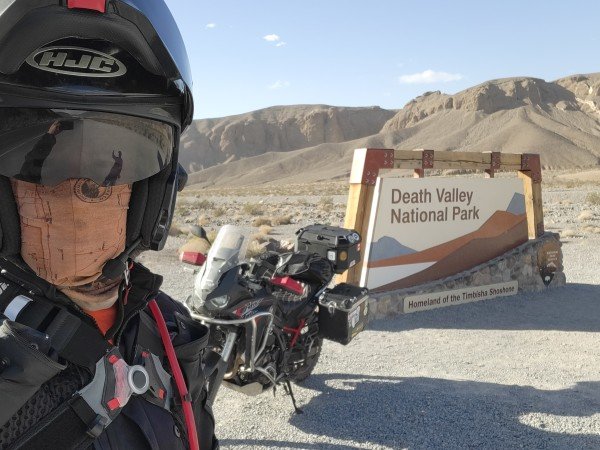
Jimbo
Q: Now, on the flip-side, what are 3-5 lowlights?
Particularly in order, but each of these ‘bad times’ turned into great stories.
5) I hit a bowl of soupy sand and crashed offroading in the Paso de Cortez in Mexico in between Mexico City and Puebla. It broke my pannier off (Box attached to the motorcycle with my gear). The pannier had my emergency can of gas attached. With the help of locals I was able to connect it (imperfectly) and I took it to a welder. He gave me a quote and told me to come back in 3 hours. Upon returning to the welder, he told me the price was going to be 33% more. I argued no, we had a deal. When I attached the pannier, I noticed gasoline had been stolen from my can. They tried to overcharge me after stealing from me.
4) My motorcycle battery died and could not be bump started or jumped (it’s a Lithium Ion Battery) so I hitchhiked with a French-Canadian 255 km (158 mi) one way, then had help from a Canadian motorcyclist to go out and tow it back adding another 2 trips of that same distance.
In total I went 765 km (474 miles) over the course of about 9 hours of travel in 1 day across central British Columbia. It was all done on generosity.
3) I was horribly sick with Montezuma’s Revenge with no appetite for 4 days as I recovered in a Mexican motorcyclist’s spare bedroom on the roof of his house in the Yucatan Peninsula. There was no AC and only a fan. At the hottest time of year, during the hottest part of every day, it loomed around 40C (104 F) for several hours, meaning aiming a fan at me was cooking me like a convection oven as the temperature was above my body temp. It took a few days to work up the gumption to go to a doctor.
2) I finally came down with Covid for the first time in Washington state. I’d tested negative, but as I was coming down with it, I stayed overnight in the garage of a motorcyclist as the cascadian rain came down. As we were getting to know each other, I was held conversationally hostage as he went on a racist tirade against immigrants and addicts. I was in no condition to leave, it was dark and raining, I was getting more sick by the minute, and I was also in the process of eating a dinner he provided me. When he took a second to breathe, I thanked him for the dinner and he changed immediately and it was over. I was confined to the garage because a pit bull was inside the house that he assured me would attack me. Luckily I had a noisy space heater that drowned out the sound of rats fighting in the piles of motorcycle parts of the garage. I left the next morning first thing.
1) At the Calgary Stampede Rodeo, one of the largest gatherings in Canada, I went out to the bar with some locals. After getting separated, we found each other to leave. I climbed into the vehicle of my ride back to the hostel but I didn’t know my driver was drunk. He hooted and hollered, waving his cowboy hat out the window as he began to swerve into oncoming traffic. When I asked him to drive safer, he called me a pussy. I asked to be let out of the vehicle but he refused.
I was then literally in the process of being kidnapped, as he wouldn’t let me out of the vehicle. He ran red lights to prevent us from stopping so I couldn’t get out. Finally after hitting some traffic, I got out. I walked home a sobering 5 hours across Calgary with no water and arrived at 7AM. My card was eaten by an ATM earlier that day and the Stampede was going on, so Uber was not an option.
Q: What is the community like on the road?
A: I feel like there are 3 different circles you run in. There’s the backpackers, the overlanders, and the locals. Each one of them has different things to offer and can be interesting, helpful, and you can learn from each of them in their own way.
Q: Best interaction?
This is impossible to answer.
I’ve traveled alongside wonderful people and stayed in the homes of the best hosts imaginable. I keep in touch with many folks I’ve met along the way, some of them I’ve only seen once or twice. There is so much positivity in people. You really see it come out when you travel.
My world view has grown much more warm because of all of the hospitality, and generosity I’ve witnessed over the last year. Anyone that travels like I do would say the same.
Q: Since you are solo, is it lonely? If so, how to avoid that feeling?
A: Yes, it can be lonely. I try to keep a regular cadence of keeping in touch with friends and family virtually. If I need to get a fix of personal human interaction, I can stay at hostels or go on tours. As a solo traveler, you’re surprisingly more approachable. Sometimes just being lost in a book on a beach, in a park, or in the hostel lobby can make you seem approachable. Opening up a paper map on the side of the road acts as a magnet for people to come to you to help as well.
When I’m very lonely, I write. I write blogs that no one will read. I try to get to the bottom of the loneliness I’m feeling. One thing I cannot fix, however, is that I’m in this for the long run. I fight through those feelings like any other illness, injury, or sunburn. It takes some time.
Q: What do you mostly eat?
A: This is probably my weakest link in travel. Eating well is essential to having a good time and being able to tackle problems efficiently and enjoy the journey.
In countries where the dollar is more powerful, I eat at restaurants a lot to get local flavor and save on time. If I’m in more expensive places like Costa Rica, California, or the Canadian arctic, I cook for myself. I’ve cooked medleys of vegetables with rice or lentils. When you resort to cooking more it’s much harder, because on a motorcycle you have no refrigeration.
Q: Hygiene tips/tricks for long term motorcycle travel?
A: I carry biodegradable soap in case I need to bathe in a body of water like a lake or river, I carry cologne for those sweaty days where I know my odor will offend people in my proximity and I can’t get showered yet. In tropical environments, I sometimes apply deodorant or shower multiple times per day.
Keeping gear clean is also essential to its longevity and your own mental state. I try to keep my boots, riding jacket and pants, and helmet padding washed every so often to keep it in good shape and my smell down.
They no doubt need to be washed more often in hotter climates where I sweat more.
Don’t forget about your camping pillow, sleeping bag, and air mattress! Keeping them clean will keep your skin clean and smell down as well. They typically require handwashing, so it’s good to keep a day budgeted somewhere every month or two to get things really washed depending on climate.
Q: What has bike maintenance been like on the road?
A: I purchased a new motorcycle. There are many reasons for and against this.
When you buy a used motorcycle, it’s not as big of a loss if you need to abandon it in the event of a massive situation like deportation, a pandemic, or crash. When you buy used, however, they may need maintenance for wear and tear that is not-so-typical.
My Africa Twin has only needed routine maintenance such as tires, air and oil filters, brakes, chains, and sprockets. It helps to have an understanding of WHAT wears out and keep a tally of the intervals. I keep a spreadsheet of all regular replacements and at what mile / km they were done at.
You don’t have to be a mechanic to do this life. If you’re not mechanically inclined, you just need to be prepared to spend more time and money when things do go wrong or need to be changed. You can also learn as you go such as I am.
Q: After a days riding is done, describe a “typical” night in a town and in a remote setting?
A: There is no ‘typical’ anything in a life like this, but I try to follow some similar guidelines.
When searching for a hostel, hotel, or other non-camping setup, I ask if there’s a safe place to park my motorcycle indoors. That’s a first. Then, I ask if there’s Wifi, AC, any breakfast included, and cost. If I can avoid AirBnB or Hostelworld getting a cut, I call hostels and hotels directly to make reservations by phone. This helps me save a few bucks and the folks on the other end of the line typically like the personal touch. I’m also able to ask the aforementioned questions in real time.
When it comes to a remote setting, I use iOverlander a lot. It’s an app that requires no internet once you’ve downloaded a region. It has a ton of free sites (and some paid but hard to find) where I’ve ended up running into a lot of travelers on the Overlanding circuit.
Q: Camping set up?
I have a Nemo Galaxy 2 person tent that can fit my gear underneath the rain flaps. It’s free-standing which is SUPER helpful, and I can leave the rain fly off to sleep in much hotter environments.
I have a small cooking stove / burner that takes white gas and butane. It’s the achilles heel to my cooking setup. Gas can be easily found in countries where camping is a bigger hobby but hard everywhere else. Folks who can turn gasoline into a stove have more versatility.
Now that I’m in Latin America I don’t camp as much, as costs are lower. I look for hostels with kitchens when I can.

Jimbo
Q: Worst night sleep?
A: Death Valley turned my tent into a sandbox overnight. Zippers never worked the same, my helmet visors were scratched up, and my air mattress, air pillow, and sleeping bag had a risk of getting holes. I slept with a balaclava over my mouth and nose. When I finally did sleep for a few hours, I woke up to my eyes caked in sand.
I’ve had much worse quality sleep at very hot locations I’ve camped like the Caribbean coast of Guatemala or Pacific Coast of El Salvador, but those don’t sound as interesting. Extreme heat when sleeping can really make your trip rough as poor sleep impacts your entire day.
Q: Close calls, road conditions, have you gone off-road yet?
A: I would consider the entire Dalton Highway, which goes North out of Anchorage up to Deadhorse, as off-roading. It can be in pretty rough shape depending on the weather and conditions that year, or sometimes it just comes down to what stretch you’re on. You need 50/50 onroad / offroad tires and quite a bit of experience to handle it.
I’ve done a lot of off-road riding in the Canadian and American west, as well as getting to some remote Latin American villages. I admit, I’m not the best off-road rider, HOWEVER, I can cut through thick Latin American traffic as well as the moto-delivery locals.
Give me a little coffee, the right fast-paced song playing in my bluetooth helmet, good weather, then drop me in heavy Mexican City traffic. I’ll dart through it like a madman, weaving between lanes and aggressively keeping pace with the rest of them, regardless of the size of my 1100 Motorcycle. All of my focus, both physical and mental, is engaged. For some reason it’s a huge thrill to me. It’s an adrenaline itch that no roller coaster could scratch.
Q: Darien gap with a motorcycle. What’s your plan
A: At the moment, I’m taking a break in Costa Rica. I used to live here, so I’m staying with friends and regrouping.
Eventually I’ll contact a company called Overland Embassy, based out of Panama, which seems to be a great group of people. They do Motorcycles, Vans, even RVs. They do air and sea, even to Europe. The current plan is flying the bike from Panama City to Bogota with them.
Q: Scariest experience thus far?
A: Going out on a limb to trust a stranger with psychedelics in Mexico was quite a stretch. I rode into a very poor and dangerous region of the country and trusted someone I didn’t know with all of my things while I put myself in a very vulnerable situation.
Even getting in contact with them was through a grapevine. It wasn’t exactly advertised. The trip I was on turned paranoid for a while, but it ended up okay. I came out the other side in much better shape than when I went in.
It was totally worth it, I wouldn’t go as far as suggest it to others. There are too many variables to consider. It’s not like finding a place to go ziplining.
Q: License plates… if you care to elaborate/share.
A: When I was a wee lad growing up in Minnesota, a neighbor who had recently moved from South Dakota gave me some of their extra license plates. From there I started collecting them from friends and relatives, many giving me some as presents. I would display them on my walls as a kid.
As I’ve traveled, I’ve started seeking them out at junkyards and gift shops. I’ve never purchased a single one online. I currently have about 18 of them on me, all Mexican states and one Belize plate, and I’m looking to find a way to send them home while I’m in Costa Rica.
They’re fun to display and many of them have some crazy stories.
Q: How has history interwoven into your trip?
I love stories, specifically non-fiction ones. I feel like those “based on a true story” tales are always the best. For that reason, I love history. I had the idea to travel to places to speak to their historical relevance as a way to bring people along for the journey.
For some people, going to a historical place is “just a few old buildings” or “Just a hole in the ground.” but giving it historical context makes it so much more interesting.
History ties people to a land. It’s a part of the culture, identity, and personality of a people. Finding those artifacts and monuments to history helps people relate to one another.
I see it as: Anthony Bourdain used food. I use history.
Q: Parting words/message you want to get out to the world?
A: This is not a vacation, it is a major lifestyle change. It is a lot of work and high risk, but there is also high reward.
Also: there is no wrong way of doing this. There are people that travel the world on scooters and roller skates. The way you do it will determine what’s hard and easy. As long as you keep moving and you’re enjoying things, you’re doing it right.