

How to Properly Layer for Winter Camping
Winter camping offers a unique opportunity to experience the serene beauty of nature in its frozen state. However, to fully enjoy the experience, it's essential to stay warm and comfortable in the chilly conditions. Proper clothing is the key to surviving and thriving during a winter camping trip. The secret to staying warm in the frigid outdoors is layering your clothing effectively. This strategy allows you to regulate your body temperature, manage moisture, and stay comfortable throughout your winter adventure. In this article, we'll guide you on how to properly layer for winter camping.
Winter camping offers a unique opportunity to experience the serene beauty of nature in its frozen state. However, to fully enjoy the experience, it's essential to stay warm and comfortable in the chilly conditions. Proper clothing is the key to surviving and thriving during a winter camping trip. The secret to staying warm in the frigid outdoors is layering your clothing effectively. This strategy allows you to regulate your body temperature, manage moisture, and stay comfortable throughout your winter adventure. In this article, we'll guide you on how to properly layer for winter camping.
The Three-Layer System
The concept of layering is all about creating a balance between warmth and moisture management. In cold weather, you'll want to wear a system of three main layers, each serving a specific purpose. These layers are the base layer, mid-layer, and outer layer.
Base Layer: Moisture-Wicking
The base layer is your first line of defense against the cold. It is in direct contact with your skin and should efficiently wick moisture away from your body to keep you dry and prevent chilling. Your base layer should be made of moisture-wicking and breathable materials such as merino wool or synthetic fabrics like polyester. Avoid cotton as it retains moisture and can leave you feeling damp and cold.
Key points for the base layer:
Choose a snug, but not restrictive, fit to maximize its moisture-wicking capabilities.
Opt for a long-sleeve top and long pants to cover as much skin as possible.
Make sure the base layer is comfortable, as it's the layer closest to your skin.
We suggest a Merino wool layer, and if you can, find a Nuyarn Merino wool layer.
Mid-Layer: Insulating
The mid-layer's primary function is to provide insulation, trapping heat close to your body. Depending on the severity of the cold, you can adjust the thickness and type of mid-layer. For moderate winter conditions, consider fleece or down jackets and pants. In extremely cold weather, use thicker insulating layers or combine several thinner ones. This layer should provide warmth without causing overheating.
Key points for the mid-layer:
Adjust the thickness and number of mid-layers based on the temperature and your activity level.
Look for moisture-wicking mid-layers to ensure that sweat and moisture are effectively transported away from your body.
Outer Layer: Waterproof and Insulated
The outer layer is your shield against the elements. It should be both waterproof and insulated to protect you from wind, rain, or snow. Look for a high-quality winter jacket and pants that can withstand harsh weather conditions while allowing your body to breathe to prevent moisture buildup.
Key points for the outer layer:
Choose an outer layer with a breathable membrane, such as GORE-TEX, for effective moisture management.
Make sure your outer layer has adjustable cuffs, hoods, and ventilation zippers to adapt to changing conditions.

Additional Considerations
Apart from the three primary layers, you should also pay attention to other elements of your winter camping clothing system:
Headgear: A warm hat or beanie is crucial for preventing heat loss through your head. Additionally, consider a balaclava or neck gaiter to protect your face and neck.
Gloves and Mittens: Invest in high-quality insulated gloves or mittens to keep your hands warm and dry. It's a good idea to bring an extra pair in case one gets wet.
Socks: Choose moisture-wicking, thick, and warm socks. Consider wearing a thin liner sock under your primary sock for extra insulation and moisture control.
Footwear: Insulated, waterproof boots with good traction are essential for winter camping. Make sure they are the right size to accommodate your thermal socks comfortably.
Accessories: Sunglasses, goggles, and a good pair of snowshoes or crampons may be necessary depending on your activities and the terrain.
Proper layering is the key to staying warm and comfortable during your winter camping adventures. By implementing the three-layer system, consisting of a moisture-wicking base layer, an insulating mid-layer, and a waterproof and insulated outer layer, you can regulate your body temperature and manage moisture effectively. Don't forget to pay attention to other essential items like headgear, gloves, socks, and footwear. With the right clothing and gear, you can make the most of the winter wonderland and create unforgettable memories while staying warm and cozy in the great outdoors.
Discover More Gear

How to Make the Best Cup of Coffee While Traveling
The quest for the perfect cup of coffee is a journey that coffee enthusiasts know well. It's a journey filled with exploration, discovery, and a lot of trial and error. The notion of the "perfect" cup of coffee can vary from person to person, but there are a few key elements that contribute to achieving that ideal brew, especially when you're on the road. In this article, I'm going to share some insights into different coffee-making options and the importance of selecting high-quality coffee beans. So, whether you're a globetrotting traveler, an outdoor adventurer, or someone who simply enjoys a good cup of coffee away from home, read on to learn how to make the best cup of coffee while you're on the go.
The quest for the perfect cup of coffee is a journey that coffee enthusiasts know well. It's a journey filled with exploration, discovery, and a lot of trial and error. The notion of the "perfect" cup of coffee can vary from person to person, but there are a few key elements that contribute to achieving that ideal brew, especially when you're on the road. In this article, I'm going to share some insights into different coffee-making options and the importance of selecting high-quality coffee beans. So, whether you're a globetrotting traveler, an outdoor adventurer, or someone who simply enjoys a good cup of coffee away from home, read on to learn how to make the best cup of coffee while you're on the go.
Exploring Coffee-Making Options
JoGo Coffee Straw
One of my favorite ways to brew coffee while traveling is with the JoGo Coffee Straw. It's an ingenious and highly portable solution that has some impressive features:
Portability: The JoGo is incredibly compact, roughly the size of a pencil. It slips easily into any pocket or bag, making it the perfect companion for travel.
Flavor and Convenience: Despite its size, it allows you to brew coffee with the rich, robust flavors you'd expect from a French press-style coffee. It's like having the convenience of instant coffee with the quality of a proper brew.
Zero Waste: Sustainability is a priority here. The JoGo simplifies the brewing process, helping you avoid unnecessary waste. That's a win for your coffee and a win for the environment.
Multipurpose: It's not just for coffee; you can also use it to filter other beverages like loose-leaf tea or muddled cocktails. If you prefer a regular reusable straw, just remove the filter.
Teeth-Friendly: The fact that you can drink coffee through a straw means you can bypass your teeth, reducing those pesky coffee stains.
Comfortable Sipping: Thanks to the BPA-free silicone tip, every sip is comfortable, and the temperature diffusion makes the experience even more enjoyable.
Built to Last: It's made from food-grade stainless steel, which means it's durable and built to last.
Ergonomic Design: The JoGo is designed for comfortable sipping from a natural position, so you can enjoy your coffee without straining.
Easy Maintenance: Cleanup is a breeze since it's dishwasher safe and FDA approved.
Aeropress
Buy your Aeropress here [$39.95]
The Aeropress is a versatile and beloved coffee-making device. It's a go-to choice for many travelers, including me, for several reasons:
Versatility: The Aeropress boasts 3-in-1 brew technology, combining immersion, aeration, and pressure. This magic trio results in a rich and flavorful cup of coffee. It allows you to make Americano, cold brew, espresso, and lattes—all in about a minute.
Portability and Durability: The Aeropress is compact, durable, and lightweight, making it an ideal travel companion. It's the perfect solution for coffee lovers who want great coffee wherever they go.
Filtration System: What sets the Aeropress apart is its filtration system. It lets you use finer coffee grinds, which means faster brewing with less acidity, no bitterness, and no grit in your coffee.
Air Pressure Brewing: The unique plunge system employs gentle pressure to push water through the coffee grounds. This aerates and extracts only the purest, freshest flavors, resulting in a cup with a body and finish that's not typical of most coffee.
VSSL Nest Pour Over Kit
Buy your VSSL Nest here [$75.00]
For outdoor adventurers and travelers who want to enjoy a great cup of coffee on the go, the VSSL Nest Pour Over Kit is a fantastic choice:
Durable and Insulated: This kit is constructed with double-walled stainless steel, ensuring it can withstand the rigors of outdoor use. It also keeps your coffee warm.
Portability: Designed for travel and overlanding, this kit is perfect for various outdoor adventures. It assembles into one compact unit or can be disassembled into individual components, adapting to your specific needs and space constraints.
All-In-One: The kit includes two 10oz mugs, a splash-proof lid, a pour-over dripper, and a nesting storage connector. It's a complete coffee solution for travelers who want it all.
Premium Brewing Experience: This holistic coffee brewing system delivers a premium coffee experience no matter where you are.
MiiR Moka Pot
Buy your MiiR Moka Pot here [$59.95]
If you're a fan of espresso-style coffee, the MiiR Moka Pot is a simple and accessible choice that I've come to love:
Affordable and Quick: The MiiR Moka Pot can make approximately 10 ounces of espresso-strength brew, enough for several servings. It's quick and easy, and you don't need any fancy equipment.
Sustainable Materials: This Moka pot is made from durable, non-corrosive stainless steel and features post-consumer recycled components. It's a sustainable choice that aligns with the brand's commitment to responsible production.
Heritage and Quality: The MiiR Moka Pot pays homage to the 90 years of heritage that the Moka pot represents. It's the next step in the evolution of a classic.
Proper Care: After brewing, it's essential to follow the provided instructions for cleaning and maintenance. Proper care ensures a long life and a consistent flavor.


Selecting High-Quality Coffee Beans
Choosing the right coffee beans is an essential step in creating that perfect cup of coffee. I've had the pleasure of exploring beans from three outstanding coffee brands known for their quality and unique characteristics:
Drink Coffee Do Stuff
Buy your Drink Coffee Do Stuff beans here [$18.00]
Ethical Sourcing: Drink Coffee Do Stuff focuses on providing ethically sourced, single-origin coffee beans. They prioritize sustainability and source their beans from regions known for their unique flavor profiles.
Variety: Their selection includes beans from regions such as Ethiopia, Colombia, and Guatemala, each offering distinct flavor notes. This variety allows coffee enthusiasts to explore different taste experiences.
Transparency: The brand often provides detailed information about the origin of the beans, processing methods, and flavor profiles, allowing consumers to make informed choices.
Verve Coffee
Buy your Verve beans here [$34.95]
Direct Trade: Verve Coffee is renowned for its commitment to sourcing and roasting high-quality coffee beans. They work directly with coffee farmers to ensure fair and sustainable practices, resulting in excellent coffee quality.
Single-Origin Beans: Verve offers a variety of single-origin beans, each with its own flavor profile. This allows coffee lovers to explore different taste experiences and appreciate the unique characteristics of each region.
Dedicated Roasting Team: The brand's dedicated team of roasters focuses on bringing out the unique characteristics of each bean, ensuring a consistently exceptional cup of coffee.
Cat and Cloud
Buy your Cat and Cloud beans here [$19.49]
Transparency and Ethics: Cat and Cloud is a specialty coffee brand that emphasizes transparency and ethical sourcing. They prioritize building relationships with coffee producers and engage in direct trade, ensuring fair compensation and sustainable farming practices.
Variety of Beans: Cat and Cloud offers a selection of single-origin and blended beans, catering to a wide range of flavor preferences. Whether you enjoy the unique characteristics of a single-origin bean or the complexity of a blend, they have something for everyone.
Quality: Their dedication to quality is evident in their carefully roasted beans, which aim to bring out the best in each coffee's flavor.
When selecting coffee beans for your travels, consider factors such as your flavor preferences (e.g., fruity, nutty, chocolatey), the roast level (light, medium, dark), and whether you prefer single-origin or blended beans. Exploring beans from brands like Drink Coffee Do Stuff, Verve Coffee, and Cat and Cloud will allow you to discover a variety of flavors and support ethical coffee practices in the process. The beans you choose will greatly influence the taste and aroma of your perfect cup of coffee.

The pursuit of the perfect cup of coffee while traveling is a delightful journey filled with exploration and discovery. It's a journey where the destination is not a place but a flavor, an aroma, and a feeling of satisfaction. Whether you're exploring new destinations, embarking on outdoor adventures, or simply enjoying a relaxing getaway, you can now make the best cup of coffee wherever your journey takes you.
Travel well, savor every sip, and keep exploring new flavors and experiences in the world of coffee. After all, the perfect cup is out there, waiting for you to discover it.
Discover More Gear

Plan Your First Surf Trip to Hawaii
Hawaii, with its idyllic beaches, warm waters, and consistent waves, has always been a surfer's paradise. For surfers around the world, the mere thought of planning a surf trip to the Hawaiian Islands is enough to set their hearts racing. Hawaii is not just a destination; it's a dream come true. Whether you're a seasoned pro or a novice in the water, this article will guide you through the essential steps to ensure that your surf trip to Hawaii is nothing short of epic.
Hawaii, with its idyllic beaches, warm waters, and consistent waves, has always been a surfer's paradise. For surfers around the world, the mere thought of planning a surf trip to the Hawaiian Islands is enough to set their hearts racing. Hawaii is not just a destination; it's a dream come true. Whether you're a seasoned pro or a novice in the water, this article will guide you through the essential steps to ensure that your surf trip to Hawaii is nothing short of epic.
A casual day at Waikiki, HI. Photo by Dalton Johnson
1. Choose the Right Island:
Hawaii is an archipelago of eight major islands, each with its unique character and surf spots. The four most popular islands for surfing are Oahu, Maui, Kauai, and the Big Island (Hawaii). The choice of the island plays a pivotal role in the success of your surf trip.
Oahu: Oahu is often considered the heart of the surfing world, known for its bustling surf towns like Waikiki. Oahu is home to world-famous spots such as Pipeline and Sunset Beach, making it a mecca for surfers. However, these North Shore breaks are reserved for expert surfers who can handle the powerful, barreling waves.
Maui: For a more relaxed vibe and a diverse range of surf breaks, Maui's North Shore is an excellent choice. Maui offers opportunities for surfers of all skill levels, from beginners to advanced. Ho'okipa Beach Park is famous for its windsurfing and kitesurfing, while Honolua Bay offers long rides and a peaceful atmosphere.
Kauai: Kauai, also known as the "Garden Isle," provides a more pristine and less crowded surfing experience. Hanalei Bay is a great spot for beginner and intermediate surfers, while advanced riders can challenge themselves at breaks like Kalihiwai and North Shore Reef.
The Big Island (Hawaii): The Big Island offers a diverse range of surf breaks and an overall more relaxed atmosphere. Honolii Beach Park on the Hilo side is perfect for longboarders and beginners. The west side of the island offers more challenging waves for advanced surfers.
To make an informed choice, research each island's surf conditions, vibe, and culture to see which one aligns best with your preferences.
2. Timing is Everything:
The timing of your surf trip to Hawaii is crucial because the waves vary greatly throughout the year. The best time to go largely depends on the type of waves you want to ride.
Winter (November to February): Hawaii's North Shore, particularly Oahu, is famous for its massive winter swells. If you're an advanced surfer and dream of tackling powerful, barreling waves, this is the season to visit. The Vans Triple Crown of Surfing takes place during this time, featuring some of the most prestigious surf competitions in the world.
Summer (May to September): For smaller, more manageable waves, consider visiting during the summer months. The South Shore and other spots come to life, offering a more suitable environment for beginner and intermediate surfers. While the waves are less colossal, they still provide ample opportunities for fun and progression.
3. Surf Skill Level:
Your level of experience and expertise in surfing will greatly influence your choice of surf destination in Hawaii. Each island has waves suitable for various skill levels.
Oahu's North Shore: This is the mecca for expert surfers. World-famous spots like Pipeline and Sunset Beach offer some of the most challenging waves on the planet. If you're not a seasoned pro, it's best to watch in awe and respect from the shore.
South Shore of Oahu: If you're a beginner or intermediate surfer, the South Shore of Oahu is your haven. Waikiki Beach, in particular, offers gentle, rolling waves that are perfect for learning and practicing your skills.
Other Islands: Each of the Hawaiian Islands has surf breaks catering to surfers of all levels. Be sure to do your research and choose a spot that aligns with your skill level and comfort.
4. Accommodations:
Hawaii offers a diverse range of accommodations to suit all budgets and preferences. Whether you're looking for a luxury resort, a budget-friendly hostel, or a cozy vacation rental, you'll find it in Hawaii. It's advisable to book your accommodations in advance, especially during peak surf seasons when demand is high.
Luxury Resorts: Hawaii boasts a plethora of world-class resorts, offering not only luxurious accommodations but also convenient access to surf spots. Oahu's Turtle Bay Resort, for instance, provides easy access to the North Shore's legendary waves.
Vacation Rentals: Many travelers opt for vacation rentals, which can be a more economical and personalized option. These range from beachfront cottages to charming condos, providing you with a home away from home.
Budget-Friendly Options: If you're on a tight budget, consider hostels or budget hotels. While you may sacrifice some luxuries, you'll still be in close proximity to the ocean and waves.
5. Surfboard and Gear:
Now, let's talk surfboards and gear. Your decision here depends on your personal preferences, your level of commitment to the sport, and the practicality of traveling with surf gear.
Renting Surfboards: Many surf shops in Hawaii offer rental boards and other surf gear. Renting can be a convenient option, particularly if you're flying in from a long distance, as it saves you the hassle and expense of transporting your board. Plus, it allows you to try different boards suited to the local conditions.
Bringing Your Own Board: If you're accustomed to your own board and are planning an extended stay, bringing your own surfboard may be the way to go. Just be aware of the additional travel costs and ensure your board is well-protected during transit.
6. Explore Beyond Surfing:
While surfing is the main attraction, Hawaii offers a wide range of activities and attractions that are worth exploring.
Hiking: Hawaii is known for its stunning hiking trails. Whether it's the Napali Coast Trail in Kauai, the Pipiwai Trail in Maui, or the Diamond Head Crater Hike on Oahu, the islands offer incredible natural beauty and awe-inspiring vistas.
Snorkeling and Diving: Hawaii's crystal-clear waters provide excellent opportunities for snorkeling and diving. Explore vibrant coral reefs, swim alongside sea turtles, and discover the marine wonders of the islands.
Traditional Luaus: Immerse yourself in Hawaiian culture by attending a traditional luau. Enjoy delicious local cuisine, hula dancing, and the spirit of aloha.
Exploring Local Culture: Each island has its own unique culture and history, from the Polynesian heritage to the fusion of traditions from various immigrant groups. Take the time to learn about the local culture and interact with the warm and welcoming Hawaiian people.

Nose riding on at one of the many Waikiki breaks in Hawaii. Photo by Dalton Johnson
A surf trip to Hawaii is a dream come true for many, and by following these steps, you can turn that dream into a reality. The key is to choose the right island, time your trip correctly, consider your skill level, book accommodations in advance, decide on your surf gear options, and explore the incredible attractions that go beyond the waves. Whether you're a seasoned pro seeking the thrill of massive winter swells or a beginner looking
Discover More Destinations

Friends Surf with Friends
Amidst the sun-drenched coastlines and rolling waves of the surfing world, there's an unwritten rule: localism. It's a term deeply entrenched in surf culture, representing the territorial instincts of those who've staked their claim on the ocean's treasures. Shooing away unfamiliar faces, guarding their beloved waves like hidden gems. But, hidden behind this standoffish culture, there's a refreshing counter-narrative that brings the essence of friendship back into the equation. Friends surf with friends.
Amidst the sun-drenched coastlines and rolling waves of the surfing world, there's an unwritten rule: localism. It's a term deeply entrenched in surf culture, representing the territorial instincts of those who've staked their claim on the ocean's treasures. Shooing away unfamiliar faces, guarding their beloved waves like hidden gems. But, hidden behind this standoffish culture, there's a refreshing counter-narrative that brings the essence of friendship back into the equation. Friends surf with friends.
Sam Coffee airing out. Photo by Dalton Johnson
At its heart, surfing is about community. It's about the thrill of riding waves, and more importantly, about sharing that stoke, joy, and the sheer beauty of the ocean with like-minded souls. A growing number of surfers have come to appreciate the importance of camaraderie and inclusivity within the surf community, leading to a quiet revolution against localism. Overcoming territorialism isn't just a platitude; it's a movement to create a more welcoming and harmonious surfing world.
When friends surf with friends, they challenge the norms of localism and transform the waves into a playground where all are welcome. It's a mindset shift that encourages surfers to connect, learn from one another, and respect the ocean. It's a change that ripples through the entire surf community, fostering a sense of belonging and unity.
One of the most enchanting aspects of surfing is its ability to unite people from different corners of the world. When you travel to surf, you embark on a journey that transcends geographical boundaries. From the majestic barrels of Bali to the frigid breaks of Tofino, surfers traverse the globe in search of the perfect wave. This shared wanderlust creates a global network of friends who share a common passion and a love for exploration.
As you explore new surf destinations, you encounter locals who hold the keys to the local breaks. Here, the philosophy of "friends surf with friends" takes on a special significance. By showing respect for local culture and connecting with the community, you can gain access to waves and form lasting friendships. The connections you build enrich the surfing experience, making it about more than just riding waves; it's about connecting with the world.
Sunset surf with friends in Santa Cruz, CA. Photo by Dalton Johnson
Overcoming localism and embracing the idea that friends surf with friends leads to a brighter, more inclusive future for the sport. It encourages respect, camaraderie, and a sense of belonging among surfers, regardless of their backgrounds. It's a shift that celebrates diversity and welcomes newcomers with open arms, leaving a lasting impact on the surfing culture.
Discover more Adventures



Did Nat Geo Deliver on Lost in the Arctic?
Mark and Renan are at it again with the new National Geographic film Lost in the Arctic. A film documenting the trials and tribulations of retracing the footsteps of legendary Arctic explorer John Franklin.
Filmmaker, Renan Ozturk, and writer, Mark Synnott, tried to achieve the impossible again, but this time it was in the ocean.
A few years back, Renan and Mark chased down a lead for National Geographic on Mount Everest. Making the film The Ghost Above, which told the story of an ongoing search to find bodies on Everest that could, and would, change history forever. However, they came up short; no body.
Now, Mark and Renan are at it again with the new National Geographic film Lost in the Arctic. A film documenting the trials and tribulations of retracing the footsteps of legendary Arctic explorer John Franklin.
But, will they find a body this time?
To do this, the crew set sail from the East Coast of the United States and picked up on the last known whereabouts of Franklin's expedition. Exploring, what are now, deserted fishing villages, the crew of explorers wanted to find the answer to the unsolved mystery of, "What happened to John Franklin and his crew?"
Did they achieve it? I'll let you watch the 48-minute film that keeps you on the edge of your seat as this crew gets trapped in the ice, rides ATVs, and uses the latest drone technology to search for the tomb of John Franklin.
Discover more Adventures

My First Week With WHOOP
WHOOP is unavoidable at this point. If you haven't heard an ad on a podcast, seen a friend rock'n their WHOOP, or passed by somebody on a run tracking their life through a WHOOP, you must live under a rock.
I know the peer pressure of sitting at a table and missing out on a conversation as friends talk about their sleep score and their day's strain was foreign to me, yet I was the only one at the table without it. So, I wanted to give it a try, to see if the buzz was worth it.
To do this, I tracked my daily thoughts about my life with a WHOOP.
WHOOP is unavoidable at this point. If you haven't heard an ad on a podcast, seen a friend rock'n their WHOOP, or passed by somebody on a run tracking their life through a WHOOP, you must live under a rock.
I know the peer pressure of sitting at a table and missing out on a conversation as friends talk about their sleep score and their day's strain was foreign to me, yet I was the only one at the table without it. So, I wanted to give it a try, to see if the buzz was worth it.
To do this, I tracked my daily thoughts about my life with a WHOOP.
Day One:
Out of the box and onto my wrist, my initial question is, "Why is this not a watch?" The look is clean, and the strap is nice, but, now, I need to wear two things on my wrist all of the time. Is that going to look weird? I thought to myself at the kitchen table.
But, do I? I already have my phone which is almost always with me, so a watch is mostly a status symbol. I will see what life will be like without a watch.
While still at the table, I quickly set up my account, fit the strap to my wrist (this took me longer than it should have), charged it up a little bit, then headed to bed.
Day Two:
I am first to admit, I do not like to sleep with anything besides the bed sheets. A quick story:
When I was in college (this is never a good way to start a story) I tore my labrum in my shoulder while playing water polo for Santa Clara University and had to be in a sling after having surgery. My body hated it so much, I would take my sling off while sleeping. There was nothing I could do about it. Each morning, for the weeks I needed to be in the sling, my body would take off the sling in the middle of the night.
Fast forward to waking up my first morning, the WHOOP was still on. I was surprised!
After a short while of being up, I got my first sleep score. I now belonged to the club ;-)
That excitement put a smile on my face as I walked around the block in the crisp morning air, without a watch, only my WHOOP.
While sipping coffee, my phone binged, without clicking any tracking info, an activity strain from going for a morning walk was calculated. This is cool! I thought as I started to learn about the features this WHOOP has to offer.
Day Three:
During my lunch break, I looked through the workouts WHOOP has in their database, as well as the hundreds of exercises you can pull from to create your own workout. Since my main goal with WHOOP is to get back in shape and have the data to hold myself accountable, I put together a bodyweight workout that would kick my butt.
To my surprise, stringing together a grouping of familiar workouts was easy. So easy, I made a couple so that I could do three a week. Each workout would be simple, but now I had data to hold myself accountable.
Since it is day three, WHOOP hasn't adjusted to my body yet, so everything I do still has a gray line. Soon, these will unlock and I am excited for that.
Day Four:
I've started to become accustomed to checking my sleep score each morning, the data fascinates me. In addition to the data, there is a journaling feature, called WHOOP journal, that helps me stay accountable.
Within the journal there are simple questions like:
Have any alcoholic drinks?
Spend time stretching?
Consume meat?
Connected with friends and family?
Then, there are more personal questions that caught me off-guard like:
Engage in sexual activity?
Masturbate?
Felt you had control over your life?
Share your bed?
My initial reaction was that these questions overstepped, but then I started to think about it. Why would they ask these questions? How do these contribute to my overall health? Then it clicked as continued to look at the data.
WHOOP isn't just about shedding pounds or lowering your alcohol intake. Until today, I missed the section about stress levels. Turns out, I spend time each day in the high-stress zone. Personally, I did not think this was the case. I am a writer, how stressful can meetings, writing on a computer, working out, and reading really be?
Apparently, it can be high.
In an effort to reduce my stress levels, I laced up my running shoes and headed for a run. This has been the strangest feeling of them all. With only a WHOOP (no tracking watch), vanity metrics are gone. There is no:
Average pace
Best mile
Distance
Elevation gain/loss
Nope, none of the data I have tracked my entire running career (which isn't very long, about 7 years now). I was furious. Why would I not get this data? I thought to myself, I need this data. But, then again, I reflected upon it, do I really need it?
No. My goal is to become a healthier human. I do not race. I do not care how fast I actually run. Besides fireside chats with friends, I don't care to know how many miles a week I run. Really, all I care about is becoming a healthier human. So, do I need the above data? No.
Day Five:
Call me a data-aholic but I don't care. Yes, I was a math nerd in college (yup, that is right, my college degree was in Mathematics because I wasn't a fan of reading and writing... the irony), but having metrics at my fingertips helps me understand what is going on in my life beyond what I can feel, blows me away.
Today is a perfect example:
All day, I have been stressed about a meeting. Yet, I didn't know I was stressed all day until the day was winding down and I looked at my data. Here is what it told me:
Two hours before my big meeting, all of my biometrics went into hyperdrive as I sat behind a computer, planning for the meeting.
As the meeting occurred, my stress level spiked and caused my body a strain level that was on par with doing a short HIIT workout.
After my meeting, my biometrics dropped, but you could see the effects of the strain on my resting heart rate being higher than normal.
This shows me that I should try to do some of the breath work in the WHOOP app when I see my stress levels peaking to keep a collected headspace.
Day Six:
I made a mistake. You know how I said this app has a ton of widgets and gadgets? Well, I laced up my Merrell Skyfire 2 and went for another run, today. Still, watch free and embrace the concept of a minimalist runner.
Ready to strut my stuff loud and proud knowing I wouldn't be collecting vanity metrics, I tossed in my airpods, opened my WHOOP app, and started a new activity; running. Then, on the top right-hand corner, I saw a toggle I could press to track all of the data I had missed on my previous run.
So, what did I do? I caved. I pressed the button. I tracked my vanity metrics for the run.
Day Seven:
As I opened my phone and checked my sleep score from the night before, I got a new notification: "Your Weekly Performance Assessment has been calculated".
What is this? I asked myself as my thumb landed on the notification.
Oh, to my surprise, it was the major data points all wrapped up in a nice report, like a weekly report card, that showed me how I could improve as well as make inferences as to what I didn't that was hurting my daily productivity.
That is why I decided to join the WHOOP club!
What is even more exciting is that for the next 23 days, WHOOP will continue to build a baseline of metrics specific to myself.
If there is one thing that I have learned so far, the data I put in = the more WHOOP can help me live a long life.
Curious about joining the cool kids at the table wearing a WHOOP?
Discover More Gear

Did Patagonia Just Change The Wetsuit Game... Again?
Patagonia just dropped their new Yulex Regulator, a stretchier, softer (even though that's hard to believe), and more durable wetsuit line when compared to its predecessor, the OG Yulex.
Patagonia just dropped their new Yulex Regulator, a stretchier, softer (even though that's hard to believe), and more durable wetsuit line when compared to its predecessor, the OG Yulex.
The Regulator suits were designed with performance, simplicity, repairability, and recyclability as the focus. Wait a second... designed with repairability in mind, how so?
The Wetsuit Forge. If you don't know what that is, this video below tells the story:
There is no doubt that Patagonia is committed to sustainability and constantly making headlines for their innovations, so who is surprised by this set? Nobody, but that doesn't mean it should go unrecognized!
Patagonia's onsite wetsuit repair and design teams compared notes, removed seams from high-tension zones, and modified the most commonly repaired areas. Making the durability of the new Yulex Regulator line at the forefront of design.
Does this mean the suit is harder to get into now? No.
Does this mean you are saving the planet by purchasing this wetsuit? No.
Does this mean you can feel better about what you are wearing? Yes.
Does this mean you can recycle your wetsuit once you can longer repair it? Yes.
Long story short, don't run out and buy this suit if you have a wetsuit that is in good shape and keeps you warm. Wear that one out, then, do yourself a favor and start purchasing wetsuits, like the new Yulex Regulator, that put sustainability, repairability, and durability at the forefront of design.
Discover More Gear

Good To-Go Just Made the Best Road Trip Meal
For the adventurers, road trippers, and vanlife wanderers among us, the pursuit of culinary delight on the open road or remote trails can be quite a challenge. Fast food and convenience store snacks often leave us longing for something more substantial and flavorful. But what if you could enjoy gourmet meals on your vanlife journeys without the hassle of cooking elaborate dishes in your mobile kitchen? That's where Good To-Go's cup meals come in, designed to be the ideal companion for those on the move.
For the adventurers, road trippers, and van life wanderers among us, the pursuit of culinary delight on the open road or remote trails can be quite a challenge. Fast food and convenience store snacks often leave us longing for something more substantial and flavorful. But what if you could enjoy gourmet meals on your vanlife journeys without the hassle of cooking elaborate dishes in your mobile kitchen? That's where Good To-Go's cup meals come in, designed to be the ideal companion for those on the move.

Good To-Go understands the unique needs of adventure-seekers and van life enthusiasts. Their cup meals offer a tantalizing solution for those who want to savor Michelin-starred cuisine while living life on the road. Whether you're cruising down scenic highways or hiking through the wilderness, these meals are perfect for vanlifers who want the convenience of a boil-and-eat dining experience.
With a diverse selection of four mouthwatering flavors, Good To-Go ensures there's something to satisfy every adventurer's craving. Imagine enjoying the exotic flavors of a Cuban Rice bowl while gazing at a breathtaking sunset from your van. Or, savor the comforting goodness of Mushroom Risotto after a day of hiking in the wilderness. The options are as varied as your wanderlust.
But what truly sets Good To-Go apart is its commitment to dietary inclusivity. Whether you follow a vegetarian, vegan, or pescatarian diet, or if you have gluten restrictions, Good To-Go's got you covered. You won't have to compromise your eating preferences while you embrace the nomadic lifestyle. Plus, with the added bonus of no need for a microwave, these meals are the embodiment of convenience and ease, saving you valuable time and precious storage space in your van.
My favorite part, you can read every ingredient!
Behind this culinary innovation is Jennifer Scism, a seasoned professional chef and adventurer herself. Her dedication to creating high-quality trail food stems from her love for backpacking and outdoor explorations. Jennifer's passion for food and her adventurous spirit have collided to form Good To-Go, an ideal companion for those who want to savor gourmet meals while living their vanlife dreams.
So, whether you're traversing mountain trails, cruising along coastal highways, or simply living life on four wheels, Good To-Go's cup meals will elevate your vanlife experience. Jennifer Scism's culinary ingenuity and dedication to the vanlife community have made these meals a go-to choice for those who crave both adventure and gastronomic pleasure on their journey. With Good To-Go, your vanlife adventures just got a whole lot tastier!
Discover More Gear
Road Trip Scottsdale to the Grand Canyon
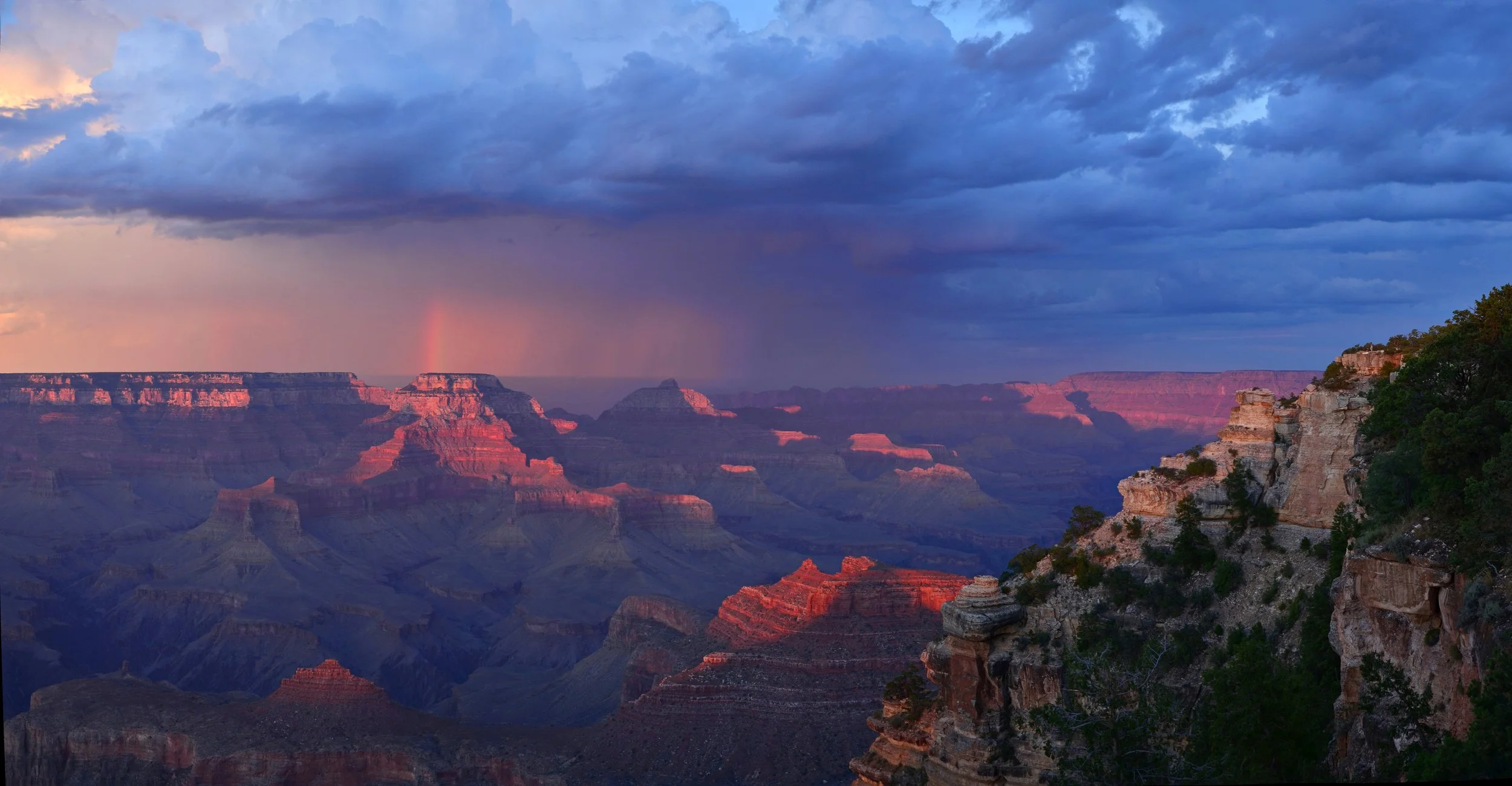
A road trip from Scottsdale to the Grand Canyon is a great way to explore the natural beauty of Arizona. The Grand Canyon is one of the most iconic and awe-inspiring natural wonders in the United States. Here's a suggested itinerary for your road trip:
A road trip from Scottsdale to the Grand Canyon is a great way to explore the natural beauty of Arizona. The Grand Canyon is one of the most iconic and awe-inspiring natural wonders in the United States. Here's a suggested itinerary for your road trip:
Route: Scottsdale to the Grand Canyon (South Rim)
Distance: Approximately 230-240 miles, depending on your specific starting point in Scottsdale.
Duration: The drive alone takes about 3.5 to 4.5 hours without stops. However, plan for at least a 1-2 day trip to fully enjoy the experience.
NPS
Day 1: Scottsdale to Sedona
Start in Scottsdale: Begin your journey in Scottsdale, Arizona.
Drive to Sedona: Take the scenic route through Highway 101 North and then Highway 17 North. This drive to Sedona will take approximately 2 to 2.5 hours, depending on traffic.
Explore Sedona: Spend the day in Sedona, known for its stunning red rock formations. You can go hiking or take a Jeep tour to enjoy the scenery.
Stay in Sedona: There are many accommodations available in Sedona, from luxury resorts to budget-friendly options. Make a reservation for your overnight stay.
Day 2: Sedona to the Grand Canyon
Morning in Sedona: If you have time in the morning, you can explore more of Sedona or take a short hike.
Drive to the Grand Canyon: The drive from Sedona to the Grand Canyon South Rim is approximately 2.5 to 3 hours. Take Highway 89A North, which offers breathtaking views of the countryside.
Arrive at the Grand Canyon: Once you arrive at the Grand Canyon South Rim, pay the park entrance fee, and pick up a map at the visitor center.
Explore the Grand Canyon: Spend the afternoon and evening exploring the Grand Canyon. You can visit popular viewpoints like Mather Point, Yavapai Point, and Hopi Point for incredible vistas.
Lodging: There are several accommodation options within the Grand Canyon National Park, including lodges, campgrounds, and nearby hotels. Make sure to book your accommodation in advance if you plan to stay overnight.
Day 3: Explore the Grand Canyon
Spend the day: Use the entire day to explore the Grand Canyon. You can hike along the rim, take a mule ride, or even embark on a helicopter tour for a unique perspective.
Sunset: Don't miss the opportunity to watch the sunset at one of the canyon's viewpoints. It's a breathtaking sight.
Day 4: Return to Scottsdale
Morning: If you have more time, explore any parts of the Grand Canyon you haven't seen yet in the morning.
Drive back to Scottsdale: Begin your drive back to Scottsdale in the afternoon. The drive should take around 3.5 to 4.5 hours.
This road trip offers a perfect blend of natural beauty, outdoor adventure, and sightseeing. Make sure to check the Grand Canyon's official website for any updates on park hours, road conditions, and entrance fees before your trip. Also, consider the weather and plan your trip accordingly, especially if visiting during the winter months when the park might experience closures or icy road conditions. Enjoy your journey!
Discover More Destinations

Delicate Arch vs. Landscape Arch vs. Balanced Rock
Arches National Park in Utah is a wonderland of sandstone formations, and it's known for hosting some of the most iconic natural arches in the world. Among these captivating structures, three prominent arches stand out: Delicate Arch, Landscape Arch, and Balanced Rock.
Arches National Park in Utah is a wonderland of sandstone formations, and it's known for hosting some of the most iconic natural arches in the world. Among these captivating structures, three prominent arches stand out: Delicate Arch, Landscape Arch, and Balanced Rock.
Each of these formations has its unique character, charm, and hiking experience to offer. In this article, we'll explore what you can expect to see at each arch, the length and difficulty of the hikes, and the pros and cons of visiting each site. So, let's embark on a journey through the mesmerizing world of Arches National Park.
Delicate Arch under the Milky Way Galaxy in Moab, UT. Photo by Dalton Johnson
Landscape Arch: Nature's Masterpiece
What You Will See
Landscape Arch is a different kind of marvel. It is not as immediately eye-catching as Delicate Arch, but its sheer size and elegance make it a true wonder. This arch is the longest natural arch in North America, with a span of 306 feet. Its name is fitting, as it creates an awe-inspiring, natural landscape painting in the sky.
Hiking to Landscape Arch takes you along a relatively flat, easy trail that provides fantastic views of the surrounding landscape. The arch is framed by towering sandstone walls, and the trail offers a glimpse into the park's unique geology.
How Long Is the Landscape Arch Hike?
The hike to Landscape Arch is a leisurely 1.6-mile round trip along the Devil's Garden Trail. The trailhead is located at the Devil's Garden parking area, and it's relatively level for most of the way, making it suitable for all skill levels. It's an excellent choice for families and those looking for a less strenuous hiking experience.
Pros and Cons of Landscape Arch
Pros:
Unique Geological Experience: The trail to Landscape Arch allows visitors to explore and learn about the park's fascinating geological features.
Easy Hike: The relatively flat, well-maintained trail is accessible to a wide range of hikers, including families and those with limited mobility.
Iconic Arch: Landscape Arch's incredible size and delicate appearance are a sight to behold and photograph.
Cons:
Lack of Solitude: While it's not as crowded as Delicate Arch, Landscape Arch still attracts many visitors. To avoid the crowds, consider going early in the morning.
Less Dramatic Lighting: Unlike Delicate Arch, Landscape Arch does not provide the same kind of sunset or sunrise photography opportunities.
Fewer Facilities: The Devil's Garden parking area has limited amenities compared to the larger visitor centers in the park.
Delicate Arch: Nature's Elegance
What You Will See
Delicate Arch is perhaps the most famous and iconic natural arch in the entire park. Its graceful, freestanding design, surrounded by stunning red rock formations, is often featured in brochures, postcards, and films. This arch is renowned for its unique shape and the captivating view it provides as the sun sets behind it, casting an orange glow on the sandstone.
Hiking to Delicate Arch offers visitors a chance to witness the unparalleled beauty of Utah's red rock country. The arch frames the distant La Sal Mountains and creates a mesmerizing contrast between the sharp angles of the arch and the sweeping, open vistas.
How Long Is the Delicate Arch Hike?
The hike to Delicate Arch is not an easy stroll; it's a moderately strenuous 3.2-mile round trip. It's important to note that the park authorities classify it as a difficult hike due to the elevation gain and exposure to the elements. The trailhead is located at the Wolfe Ranch parking lot, where you can view the historical Wolfe cabin. As you hike, you'll ascend a steep, rocky terrain and traverse an open, slickrock bowl. The arch becomes visible as you approach the edge of a narrow sandstone ledge, and the payoff is well worth the effort.
Pros and Cons of Delicate Arch
Pros:
Iconic Beauty: Delicate Arch is one of the most famous natural arches in the world, and witnessing it in person is an unforgettable experience.
Spectacular Sunset Views: Sunset at Delicate Arch is a must-see. The arch frames the setting sun, creating a magical, fiery glow.
Photography Paradise: If you're a photographer, you'll love capturing the arch's beauty in various lighting conditions.
Challenging Hike: For those seeking adventure, the moderate difficulty level of the hike can be a pro, providing a sense of accomplishment.
Cons:
Crowds: Delicate Arch is incredibly popular, and it can get crowded, particularly during sunset. To avoid the crowds, consider going early in the morning.
Weather Concerns: The exposed terrain can be unforgiving in hot weather, so bring plenty of water and sun protection.
Limited Parking: The trailhead parking lot is small, and it fills up quickly, especially during peak season.
Balanced Rock: Nature's Marvel
What You Will See
Balanced Rock is one of the most recognizable features in Arches National Park due to its unusual and precarious-looking formation. It consists of a massive boulder perched on top of a slender pedestal, creating a captivating contrast between the rock's size and the support beneath it. The balance between these two elements is a testament to the forces of erosion that have shaped the park's landscape.
Visitors to Balanced Rock can take a short, easy loop trail that passes close to the formation, providing excellent photo opportunities. The surrounding area also showcases a variety of other interesting rock formations, showcasing the park's rich geology.
How Long Is the Balanced Rock Hike?
The hike to Balanced Rock is a brief and easy 0.3-mile loop. The trailhead is located near the formation, making it a convenient stop for visitors. The short distance and minimal elevation gain make this hike suitable for all ages and fitness levels.
Pros and Cons of Balanced Rock
Pros:
Iconic Formation: Balanced Rock is one of the most famous features in the park, and it's easily accessible for all visitors.
Photography Opportunities: The unique shape of the formation, coupled with the surrounding scenery, offers fantastic photo opportunities.
Family-Friendly: This hike is short and easy, making it a great option for families with children and those with limited time.
Cons:
Limited Hike: The short loop around Balanced Rock may not be as fulfilling for those seeking a more extensive hiking experience.
Limited Shade: The area around Balanced Rock can be scorching during the day, so bring sun protection.
Crowds: Due to its accessibility, Balanced Rock can attract a fair number of visitors, particularly during peak times.
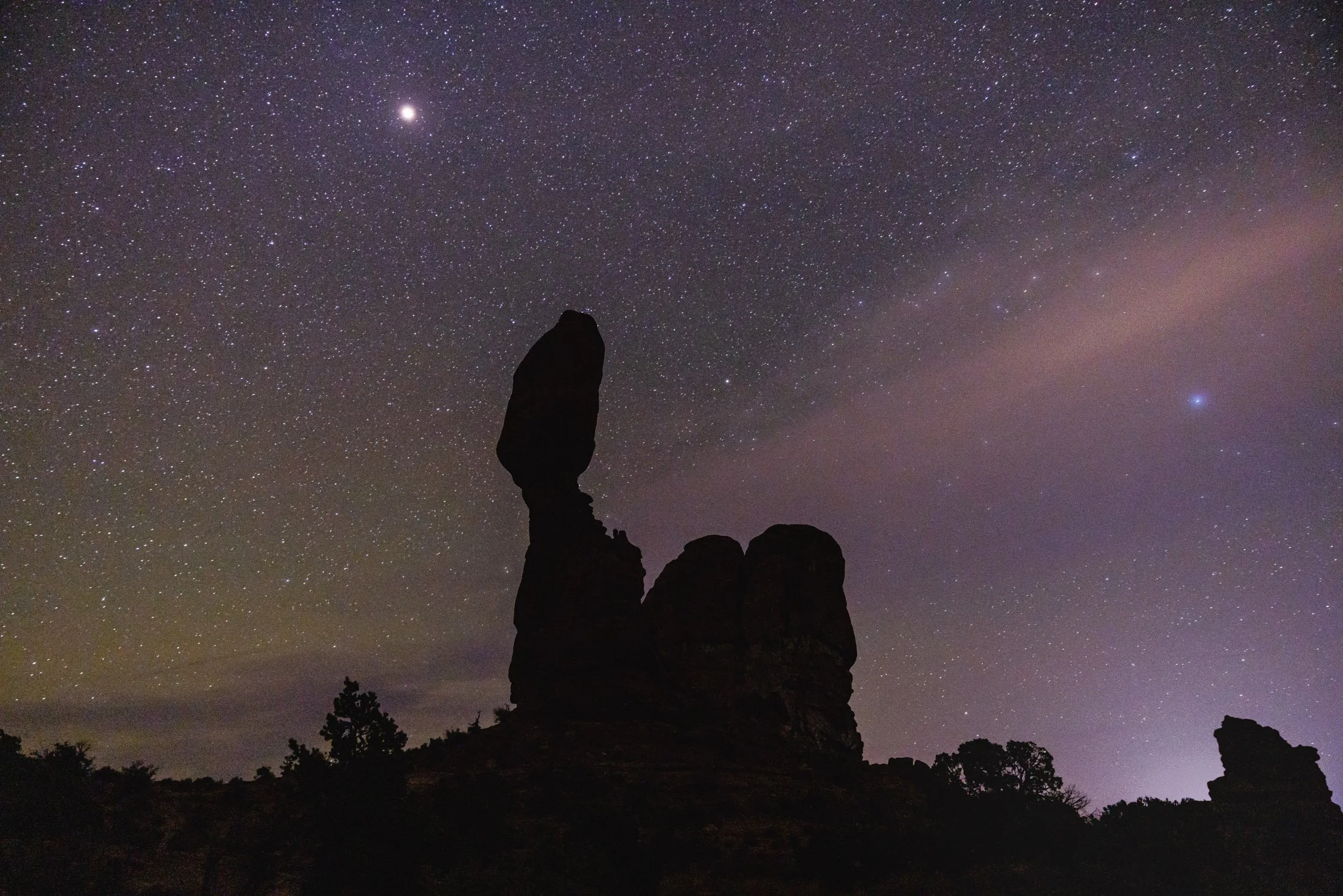
Balanced rock sitting precariously under the night sky. Photo by Dalton Johnson
Arches National Park is a treasure trove of awe-inspiring natural wonders, and each of these arches offers a unique and mesmerizing experience for visitors. Delicate Arch captivates with its iconic beauty and unforgettable sunset views, but the hike can be challenging. Landscape Arch provides an excellent opportunity to explore the park's geology on an easy trail, but it may lack the dramatic lighting and solitude some seek. Balanced Rock stands out as an easily accessible marvel, perfect for a quick visit and family-friendly adventure.
Ultimately, the choice of which arch to visit depends on your preferences, physical abilities, and the kind of experience you desire. No matter which arch you choose, Arches National Park promises to leave you in awe of the extraordinary beauty and geological wonders that Mother Nature has sculpted over millions of years.
Discover More Destinations
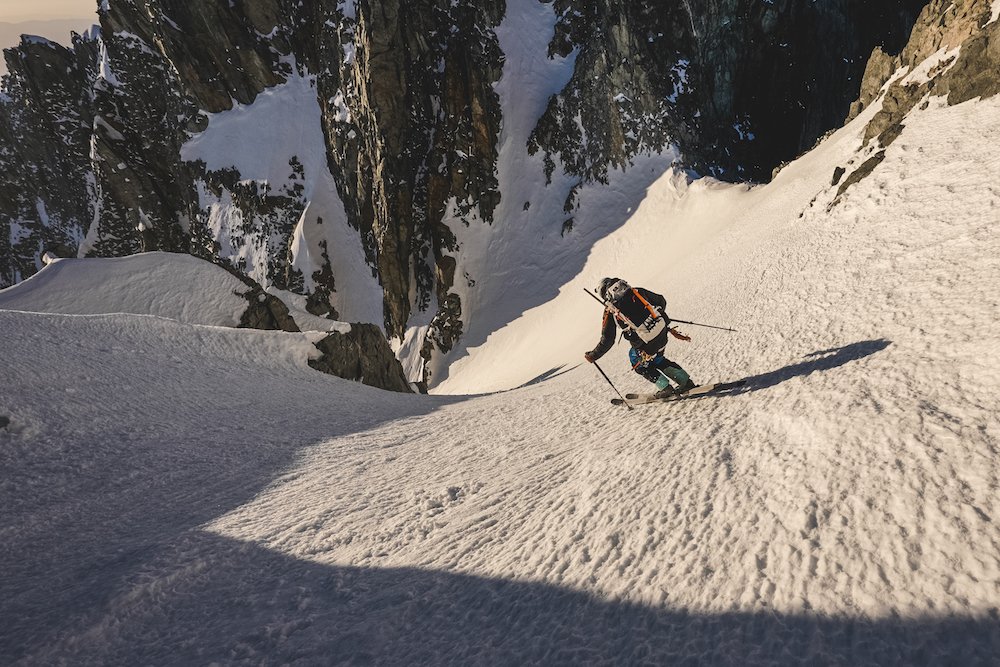
Cody Townsend Ticks Off Split Mountain 44 of 50
Cody Townsend is well on his way to finishing his mission to ski the fifty classic ski descents of North America. Ticking off number 44 of 50, Split Mountain was a line that took patience and perseverance. I don't want to ruin the story for you all, so go pop a bowl of popcorn and load Cody's latest video on Split Mountain. It's a good one!
Cody Townsend is well on his way to finishing his mission to ski the fifty classic ski descents of North America. Ticking off number 44 of 50, Split Mountain was a line that took patience and perseverance. I don't want to ruin the story for you all, so go pop a bowl of popcorn and load Cody's latest video on Split Mountain. It's a good one!
Q&A with Cody Townsend
Q: You had a quote in the film: "It's hard to tell the difference between my gut and nerves," could you elaborate on how to tell the difference?
A: I probably still don’t have a solid answer for that question. But ultimately, when you can distinguish between rational fear and irrational fear, that’s the beginning of being able to understand the difference between the intuition of something being off and the nerves that naturally build up when doing something scary. In that moment on Split, I realized I actually didn’t have much fear, nothing about looking down that couloir actually scared me once we got going. So when it became apparent that something inside me didn’t want to proceed, I asked myself over and over, “Why?” Ultimately coming to the conclusion that we didn’t have enough time for a series of complex rappels along with the margin of error being shrunken by the early sunset, the extreme cold and the hardpack conditions.
Q: Would you have shown up three times in one year for this line if it wasn't for the 50 project? Why/why not?
A: No. Well, unless I really really really wanted that line. But, that’s the good and bad of the FIFTY. I like that it pushes me to test my persistence, my patience and my will. Also, in the process of trying the line over and over, I learned a ton about the Sierra snowpack, weather patterns and knowledge of that area. At the same time, going back to the same place over and over and over for one line takes you away from other opportunities, goes against my philosophy of skiing what the mountains let you ski and drives ya a little crazy. So it’s a yin-yang sort of relationship with a specific objective.
Q: I've found people who spend a lot of time in the mountains reflect deeper than most, would you agree with this?
A: I think the mountains show you who you are. You have to be incredibly self-aware when challenging yourself in the mountains and the process of learning, exploring and surviving gives you insight into your true self like no other medium I’ve found. Plus, humans are meant to be in the wildness. Civilization is a relatively new phenomenon for humans. So, I think just being out there, among nature, listening to its lessons makes you feel natural, alive, a part of this world. It becomes philosophical the more time you’re out there.
Q: How do you process overcoming adversity in the mountains after a climb?
A: Everyone is different but I’m a pretty positive person. So, I take any time spent in the mountains as a blessing. Adversity is almost half the reason we go into the mountains, to challenge ourselves, to learn from the mountains and to overcome obstacles we may not have believed we could overcome.
Q: Do you think Split is safely ski-able without a 300% year?
A: [Split] will be safely skiable even on a snow year not as miraculous as 2023, but it will just require way more rope work, rappelling and time spent in the couloir. Unfortunately it’s a line that isn’t skiable very often anymore. But that just makes it sweeter when it does happen.
Discover more Adventures

Out & Back vs Loop Hikes
Hiking is a cherished activity that allows outdoor enthusiasts to connect with nature, breathe in the fresh air, and discover the beauty of the world. Whether you're a seasoned hiker or a novice looking to embark on your first adventure, understanding the different types of hikes can enhance your outdoor experience. Two common types of hikes are the "Out and Back" and the "Loop" hike, each offering a distinct set of advantages and experiences.
[embed]https://www.instagram.com/p/p:CylTvYgO4eG[/embed]
Hiking is a cherished activity that allows outdoor enthusiasts to connect with nature, breathe in the fresh air, and discover the beauty of the world. Whether you're a seasoned hiker or a novice looking to embark on your first adventure, understanding the different types of hikes can enhance your outdoor experience. Two common types of hikes are the "Out and Back" and the "Loop" hike, each offering a distinct set of advantages and experiences.
Hiking along the Big Sur coastline. Photo by Dalton Johnson
Out and Back Hikes
The "Out and Back" hike, also known as a "there and back" hike, is one of the simplest and most straightforward hiking formats. In this type of hike, you begin at a designated trailhead and travel along the path until you decide to turn around and return to your starting point. Here are some key features of Out and Back hikes:
Simplicity: Out and Back hikes are ideal for beginners and those who prefer a straightforward, no-fuss approach. Since you retrace your steps, navigation is often more straightforward, reducing the chances of getting lost.
Predictable Terrain: Knowing that you'll return on the same trail means you have a good understanding of the terrain. This allows you to plan and pace your hike more accurately.
Scenic Views: Out and Back hikes often lead you to the same stunning viewpoints on your return journey, offering a different perspective of the landscape you've just traversed.
Flexibility: You can customize the length of your hike by choosing how far you want to venture from the trailhead, making it suitable for hikers of all levels.
However, there are limitations to Out and Back hikes. The monotony of retracing your steps can become less engaging for some, and the predictability of the terrain might not provide the variety that loop hikes offer.
Loop Hikes
The "Loop" hike is a more intricate and diverse form of hiking. As the name suggests, in a Loop hike, you start and finish at the same trailhead, but you follow a circuitous route that doesn't require retracing your steps. Here are the characteristics that make Loop hikes appealing:
Variety: Loop hikes offer a rich diversity of scenery, as you traverse different terrains, ecosystems, and vistas. You won't see the same section of the trail twice.
Sense of Accomplishment: Completing a loop hike often feels more satisfying, as you've circumnavigated a specific area and returned to your starting point without repeating any segments of the trail.
Adventure: The element of uncertainty and exploration is more prominent in loop hikes, as you might not know exactly what's around each bend. This adds excitement and a spirit of adventure to the experience.
Efficiency: Loop hikes make efficient use of your time and energy since they don't require doubling back. This can be especially appealing when you have a limited amount of time for your hike.
However, Loop hikes also have their challenges, such as potentially more complex navigation and the need for good trail markers. Some hikers might find the unpredictability of the terrain and the possibility of getting lost a bit daunting.
What’s The Difference?
Both Out and Back and Loop hikes offer their own set of advantages and unique experiences. The choice between them depends on your preferences, hiking goals, and experience level. Out and Back hikes provide a simple, accessible, and predictable hiking experience, making them ideal for beginners and those looking for a relaxed outdoor adventure. On the other hand, Loop hikes offer a dynamic, diverse, and often more adventurous experience, making them a great choice for hikers seeking variety and a sense of accomplishment.
Hiking the out and back of Joffre Lakes in British Columbia. Photo by Dalton Johnson
Ultimately, the type of hike you choose should align with your personal preferences and what you hope to gain from your time in the great outdoors. Whichever you opt for, remember to take proper safety precautions, have the right gear, and, most importantly, cherish the beauty of nature as you explore the world one trail at a time.
Discover more Adventures
Outlander VS Rav 4, It Isn't Obvious
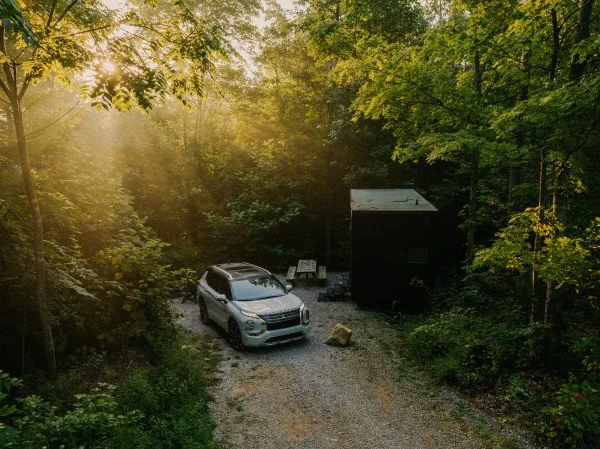
If you were to choose between the Mitsubishi Outlander or the Toyota Rav 4 what would you choose? To be honest, I would have picked the Rav 4 but that is because I had not heard of the Outlander, let alone driven one. Yet, last week I sat my butt in a Mitsubishi Outlander and drove it all around the Nashville area, took it off-roading, and shred some rubber along a race track (no lie).
If you were to choose between the Mitsubishi Outlander or the Toyota Rav 4 what would you choose? To be honest, I would have picked the Rav 4 but that is because I had not heard of the Outlander, let alone driven one. Yet, last week I sat my butt in a Mitsubishi Outlander and drove it all around the Nashville area, took it off-roading, and shred some rubber along a race track (no lie).
Now, why am I writing this? Outside of the absurd feeling of screeching tires around a racetrack as luggage tossed around the trunk behind the third row of seats of this plug-in hybrid, I write this because I feel the need to let you all know that Mitsubishi stepped up to the plate, dotted their I's, crossed their T's, and has arrived on the scene as a contender.
The Ride
There is nothing worse than getting a vehicle you don't think is capable of getting the job done that you want. Can it handle turns? Can it handle mud? Am I going to get stuck? These are all questions you don't want to be asking yourself as you drive.
Well, as I bounced down a steep and loose shale slope, through a grassy field, and across creek beds, I didn't have to worry. Nor did I worry about rolling this plug-in running out of juice while racing around the track from the battery dying because it uses both fuel and electricity.
The balance between resources also gives this vehicle a range of 420 miles.
Family and Friends Oriented
Yes, you can switch between drive modes to engage and disengage features with fancy names like Super All Wheel Drive or MI-Assists, but what caught my eye was the optional third row in the PHEV Outlander.
This third row, while small, gives you that opportunity to help out a friend, by picking up their kids from practice, who is running late from a meeting. Yeah, it might be small, so I wouldn't put my friend who is 6'7'' in the back for a cross-country road trip, but I certainly would encourage my friends to carpool together for a trip around town so we can all laugh, swap stories, and sing along to whatever the co-pilot is playing.

It Has All The Things... Like a Back Massager and an Onboard Generator
From semi-aniline leather seats to a heated steering wheel to a back massager to an onboard generator (that you can barely hear) this PHEV Outlander packs a punch with gadgets and top-of-the-line specs, yet, the highest trim package doesn't break the bank with an MSRP of $49,995.
Did I say back massager? Stress relief at the push of a button. Yup, you read that right, you can have a back massager calming you down as you are sitting in bumper-to-bumper in traffic or help you escape from the chaotic kids kicking and screaming in the backseats.
Did I say onboard generator? Going camping and want coffee, but don't have a camp stove? Do not worry, because, in the trunk of the Outlander, there is an outlet that can make your morning cup of joe, power your fairy lights around your campsite, and charge all of your things in a pinch.

So, do yourself a favor, scratch down the words "Mitsubishi Outlander" on your shopping list, then put your butt in the driver's seat of an Outlander and screech your tires around the corner on your test drive.
Discover More Gear

Would You Commute 563 Miles Via Bike to Offset Your Plane Flight?
When it comes to reducing your carbon footprint and living a more eco-friendly lifestyle, the choices you make in transportation can have a significant impact. Domestic air travel, while convenient, contributes to greenhouse gas emissions that play a role in climate change. If you've ever wondered just how much effort it takes to offset the carbon emissions from a domestic plane flight, the answer below might surprise you!
When it comes to reducing your carbon footprint and living a more eco-friendly lifestyle, the choices you make in transportation can have a significant impact. Domestic air travel, while convenient, contributes to greenhouse gas emissions that play a role in climate change. If you've ever wondered just how much effort it takes to offset the carbon emissions from a domestic plane flight, the answer below might surprise you!
Commuting to a surf session. Photo by Dalton Johnson
What Is Carbon Offsetting?
Before we dive into the numbers, let's talk about carbon offsetting. Carbon offsetting is like a karmic balance for your carbon footprint. It involves investing in projects that reduce or capture an equivalent amount of carbon emissions from the atmosphere. These projects can include reforestation, clean commutes, renewable energy initiatives, and methane capture efforts. So, you can "offset" your emissions by supporting these planet-saving endeavors.
General Guidelines for Carbon Offset Numbers
The good news is you don't have to be a math wizard to understand carbon offsetting. But, here are some general guidelines we will work with:
Every gallon of gasoline burned in a car contributes about 8.89 kilograms of CO2 to the atmosphere.
Every short domestic flight, while a breeze for travelers, is responsible for approximately 200 kilograms of CO2 emissions.
What Is a Short Domestic Flight?
On average, a short domestic flight generates emissions equivalent to about 0.2 metric tons (200 kilograms) of carbon dioxide (CO2). This is a rough estimate for a relatively short flight within your country.
But, what exactly qualifies as a "short domestic flight"? Here are some examples:
Los Angeles to San Francisco
New York City to Boston
London to Paris
Sydney to Melbourne
Crunching the Numbers
Now, the scary math part of the equation that brings us back to the bike. Biking is one of the most environmentally friendly forms of transportation, as it relies on the energy you generate through pedaling.
Assuming you're a relatively efficient biker (don't worry, your butt might hurt from all that riding, but it's worth it), the average fuel efficiency of a car is around 25 miles per gallon. This means that to offset the carbon emissions of a domestic flight, which is equivalent to 22.5 gallons of gasoline emissions, you would need to bike a distance of roughly:
(22.5 gallons) x (25 miles per gallon) = approximately 562.5 miles.
For the curious math nerds like myself (skip this is you don't care about the math):
1 gallon of gasoline emissions ≈ 8.89 kilograms of CO2
Emissions from a domestic flight ≈ 200 kilograms of CO2
So, to offset the emissions of a domestic flight, you would need to bike a distance that would save roughly:
(200 kg of CO2) / (8.89 kg of CO2 per gallon) = approximately 22.5 gallons of gasoline.
Now, let's assume your bike riding generates virtually no emissions (for simplicity), and the average fuel efficiency of a car is around 25 miles per gallon:
22.5 gallons of gasoline × 25 miles per gallon ≈ 562.5 miles.
Let's face it; biking 563 miles to offset a single plane flight might not be everyone's cup of tea. Heck, I am sure your rear end wouldn't like you either! So, what can you do?
Other Options Outside of Riding a Bike
It's essential to recognize that carbon offsetting for flights typically involves more complex calculations and investments in projects that directly reduce carbon emissions. Supporting reforestation initiatives, renewable energy projects, and energy efficiency programs are effective ways to reduce your travel-related carbon footprint.
But here's a more practical solution: think twice about your travel choices. Reducing air travel, carpooling, using public transportation, and supporting carbon offset programs are all steps that can help minimize the impact of your travel on the environment.
Biking to work in San Francisco. Photo by Dalton Johnson
So, the next time you plan a trip, consider not just the destination but also the environmental consequences of your chosen mode of transportation. Being eco-conscious about your travel decisions can make a significant difference in our collective efforts to combat climate change.
Discover more Adventures
Chris Burkard Drops Newest Book "The Oceans"
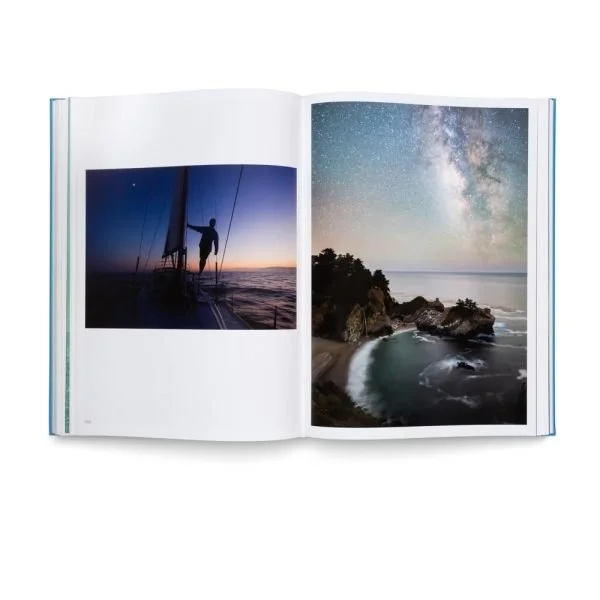
Renowned outdoor photographer Chris Burkard has just unveiled his latest masterpiece, a captivating coffee table book titled The Oceans. This stunning collection of photographs transcends traditional oceanography and ushers us into a realm of awe and reverence for the world's oceans.
Renowned outdoor photographer Chris Burkard has just unveiled his latest masterpiece, a captivating coffee table book titled The Oceans. This stunning collection of photographs transcends traditional oceanography and ushers us into a realm of awe and reverence for the world's oceans.
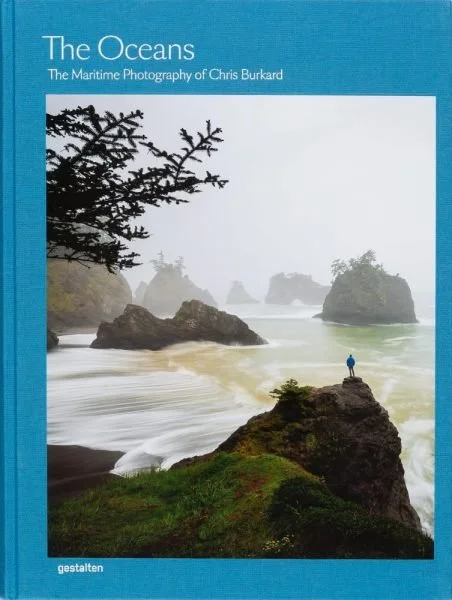
While Burkard is celebrated for his exceptional surf and Icelandic photography, The Oceans remains focused on the world as it meets the water. This collection celebrates the profound diversity and majesty of Earth's aquatic realms as seen from the human experience and interaction with the ocean. Burkard's lens takes us on a global voyage, from the rugged coastlines of the North Atlantic to the serene waters of tropical paradises to the frozen waters of Alaska to the remote Kuril Island's of Russia. Each page of the book unveils a new facet of our planet's lifeblood, inviting readers to immerse themselves in the breathtaking beauty of these vast, dynamic landscapes from the shoreline perspective.
Yet, Burkard's work goes beyond the visual feast that The Oceans provides. It serves as a compelling call to action. The book reminds us of the immediate need to protect and preserve our fragile blue planet. Through his art, Burkard challenges us to view the oceans as more than just a resource to be exploited but as a source of wonder and inspiration that merits our respect and stewardship.
In a world facing environmental challenges like never before, The Oceans serves as a poignant reminder of our interconnectedness with the natural world. Burkard's photographs are a testament to the delicate balance of life in our oceans, reminding us of the myriad species that call these depths home.
As we flip through the pages of The Oceans we are invited to immerse ourselves in the wonder of our planet's deep blue waters from the shoreline perspective. We are encouraged to see the oceans through the lens of conservation, to be inspired to protect these ecosystems for generations to come. Chris Burkard's work, in The Oceans transcends photography; it is a testament to the beauty and fragility of our oceans and the call to safeguard them for our future.
Discover More Gear
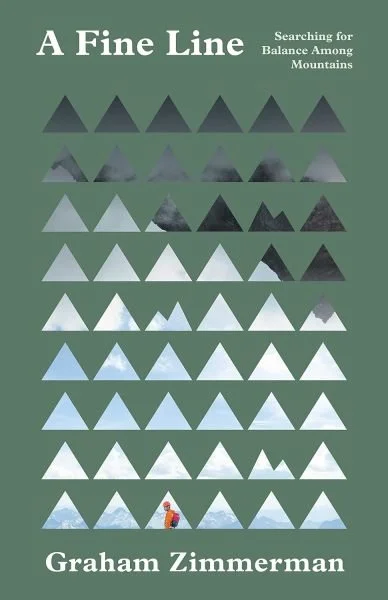
Graham Zimmerman Releases First Book "A Fine Line"
Graham Zimmerman, one of the world's best alpinist, has unveiled his captivating memoir, A Fine Line. In this well-crafted book, Zimmerman candidly shares his remarkable journey from a budding climber to one of the best alpinists in the world. Yet, A Fine Line is more than just a recounting of remarkable expeditions, summit views, and thin air. It's a story of resilience, loss, and the quest for a balanced and meaningful life in the unforgiving realm of high-risk mountain sports.
Graham Zimmerman, one of the world's best alpinist, has unveiled his captivating memoir, A Fine Line. In this well-crafted book, Zimmerman candidly shares his remarkable journey from a budding climber to one of the best alpinists in the world. Yet, A Fine Line is more than just a recounting of remarkable expeditions, summit views, and thin air. It's a story of resilience, loss, and the quest for a balanced and meaningful life in the unforgiving realm of high-risk mountain sports.
Through Zimmerman's introspective narrative, readers gain insight into the challenges and rewards of pursuing a passion for alpinism. His memoir explores the fine line between ambition and responsibility, shedding light on the delicate balance he strives to maintain between his aspirations as an alpinist and his roles as a husband, climate advocate, and community leader.
Zimmerman's experiences are a reflection of the broader alpinist community's journey, which has been marred by tragic losses in the mountains and the stark realities of climate change. The deaths of climbing partners and friends, such as Kyle Dempster, Hayden Kennedy, and Inge Perkins, have left an indelible mark on his generation. Additionally, Zimmerman witnesses the profound impacts of climate change firsthand, with vanishing glaciers and unpredictable weather patterns altering the very landscapes he loves to explore.
In A Fine Line, Zimmerman celebrates the exhilaration of ascending challenging peaks while simultaneously acknowledging the poignant truth that the pursuit of summits at any cost is no longer a viable model. As he reflects on his experiences in the Pacific Northwest, Alaska, and Pakistan, readers are invited to join him on a coming-of-age adventure that delves into the heart of personal reckoning and the complex interplay between the lure of the mountains and the responsibility to protect them.
Pick up your copy today [$19.94]
Discover More Gear

Best Hot Springs and Ski Destination
As the cold winter months approach, many of us yearn for a cozy escape from the frigid temperatures and gray skies. What better way to unwind and rejuvenate than by indulging in the delightful combination of hot springs and cold snow? Picture yourself immersed in warm, mineral-rich waters while delicate snowflakes fall gently around you—a perfect harmony of relaxation and natural beauty. In this blog, we'll explore some exquisite winter getaways that offer the unique blend of hot springs and snowy landscapes.
As the cold winter months approach, many of us yearn for a cozy escape from the frigid temperatures and gray skies. What better way to unwind and rejuvenate than by indulging in the delightful combination of hot springs and cold snow? Picture yourself immersed in warm, mineral-rich waters while delicate snowflakes fall gently around you—a perfect harmony of relaxation and natural beauty. In this blog, we'll explore some exquisite winter getaways that offer the unique blend of hot springs and snowy landscapes.
Soaking in the Mammoth Hot Springs during the winter. Photo by Dalton Johnson
Banff, Alberta, Canada
Nestled in the heart of the Canadian Rockies, Banff is a winter wonderland that promises the ultimate relaxation experience. The Banff Upper Hot Springs, surrounded by snow-covered peaks, offer visitors a chance to soak in naturally heated mineral water while taking in breathtaking views. After your soak, explore the charming town of Banff, go ice skating on Lake Louise, or hit the slopes at one of the nearby world-class ski resorts.
Reykjavik, Iceland
Iceland's geothermal wonders make it a top destination for winter enthusiasts seeking a unique experience. The Blue Lagoon, a renowned geothermal spa, is set against a backdrop of snow-covered lava fields. The milky blue waters are rich in silica, sulfur, and minerals, known for their soothing effects on the skin. After your dip, embark on a tour of the Golden Circle to witness geysers, waterfalls, and the famous Strokkur geyser erupting amidst a snowy landscape.
Hakone, Japan
Hakone, just a short train ride from Tokyo, offers an exquisite blend of Japanese culture and natural beauty. The region is known for its onsens (hot springs), many of which are situated in traditional ryokans. Relax in an open-air onsen while the snow blankets the surrounding mountains. Don't miss the Hakone Open-Air Museum and a cruise on Lake Ashi for stunning winter vistas.
Steamboat Springs, Colorado, USA
Steamboat Springs is not only famous for its world-class skiing but also for its therapeutic hot springs. The Old Town Hot Springs and Strawberry Park Hot Springs are excellent choices for unwinding after a day on the slopes. With abundant champagne powder snow, Steamboat offers excellent skiing conditions and a charming Western-style downtown for apres-ski activities.
Rotorua, New Zealand
New Zealand's North Island is home to the geothermal wonderland of Rotorua. The city is renowned for its bubbling mud pools, steaming geysers, and, of course, relaxing hot springs. Soak in the mineral-rich waters at places like the Polynesian Spa while the cool, crisp winter air surrounds you. Rotorua's Maori culture and stunning natural beauty make it a unique winter escape.
Arosa, Switzerland
Switzerland's Arosa is a picturesque alpine village that transforms into a snowy paradise during the winter months. While Arosa offers traditional winter activities like skiing and snowboarding, it's also famous for its Tschuggen Grand Hotel, which boasts an architectural masterpiece of a glass-walled spa. Soak in the warm waters of the pool or hot tub while gazing out at the snowy landscape, a true luxury experience.
Mammoth Lakes, California, USA
Nestled in the Eastern Sierra region of California, Mammoth Lakes hot springs is a hidden gem for winter enthusiasts. This mountain town offers not only world-class skiing and snowboarding at Mammoth Mountain but also the blissful relaxation of natural hot springs. After a day on the slopes, unwind at places like the Wild Willy's hot spring, where you can soak in naturally heated waters while surrounded by snow-covered wilderness. The scenic beauty and serene atmosphere make Mammoth Lakes a perfect winter retreat.

A winter getaway that combines hot springs with cold snow is a recipe for relaxation and rejuvenation. Whether you prefer the rugged landscapes of Canada, the geothermal wonders of Iceland, the cultural charm of Japan, the Western flair of Colorado, the natural beauty of New Zealand, the luxury of Switzerland, or the hidden gem of Mammoth Lakes, there's a perfect destination waiting for you. So, this winter, treat yourself to a soothing escape that combines the best of both worlds: hot springs and cold snow. It's a recipe for unforgettable memories and ultimate relaxation.
Discover More Destinations

Three Must Have Travel Recovery Tools
Travel can be exhilarating, but it can also be physically taxing. Hours spent cramped in planes or cars, exploring new terrains, and carrying heavy luggage can leave your muscles tense and weary. However, there's no need to let travel-induced fatigue put a damper on your adventures. I want to introduce you to three remarkable recovery tools that have become my travel companions, helping me to reinvigorate my body after long, even short, travel days.
Travel can be exhilarating, but it can also be physically taxing. Hours spent cramped in planes or cars, exploring new terrains, and carrying heavy luggage can leave your muscles tense and weary. However, there's no need to let travel-induced fatigue put a damper on your adventures. I want to introduce you to three remarkable recovery tools that have become my travel companions, helping me to reinvigorate my body after long, even short, travel days.

Brazyn Collapsible Foam Roller
The Brazyn Collapsible Foam Roller, or "The Morph," is your solution for post-travel muscle recovery. It's an all-around foam roller that's just as effective as the ones you use at the gym, but with a unique twist – it collapses. This makes it incredibly easy to carry in your suitcase or carry-on bag, meaning you can take it with you wherever you go.
Why you should travel with this? It's the perfect travel companion. After a long day of travel, unroll it, and target those aching muscles. You'll feel rejuvenated and ready to tackle your next adventure. It's a simple and effective tool that ensures you'll always be in the best shape, no matter where your travels take you.
Order your collapsible foam roller [$69.95]
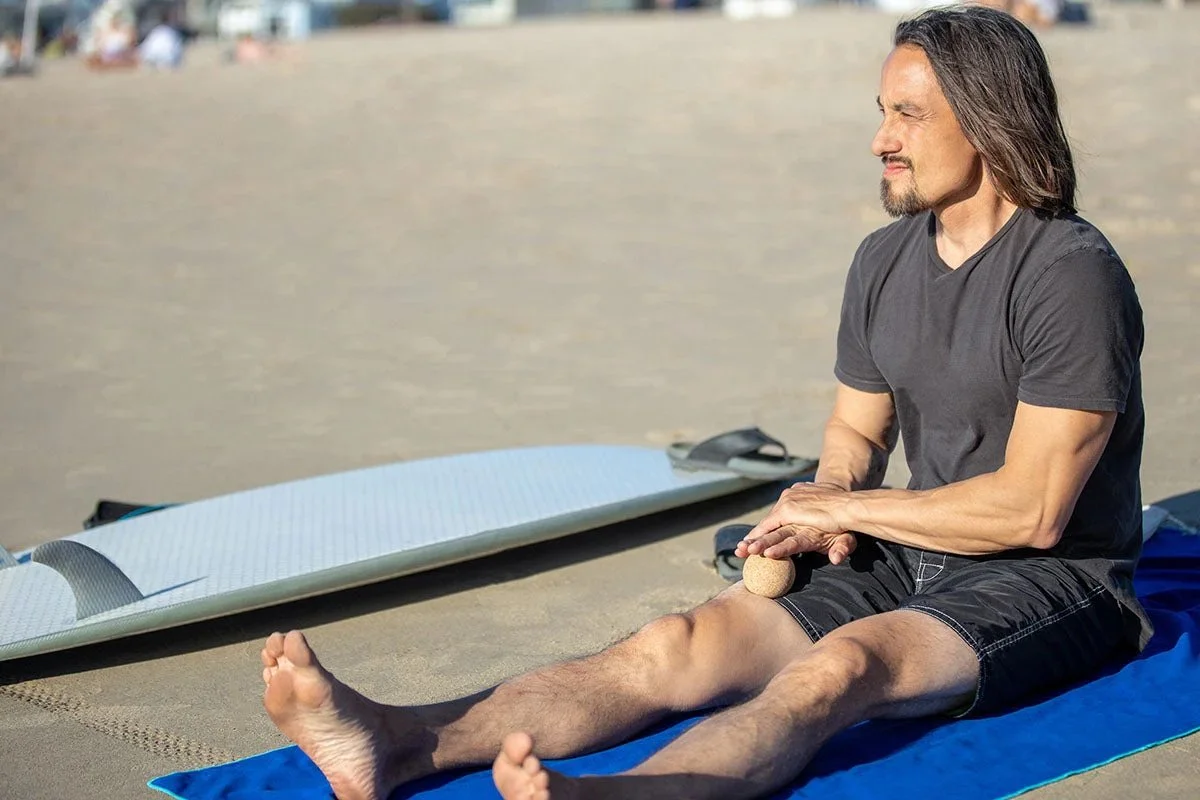
Rawlogy Cork Balls
For hikers and climbers, Rawlogy Cork Balls are a must-have. These small, lightweight massage balls are made from natural cork and are designed to provide targeted relief for sore and tired muscles. What's great is they're compact, making them easy to carry in your backpack for on-the-go relief.
Why you should travel with this? Because they're your ticket to quick muscle relief. After a challenging hike or climb, these cork balls will help ease muscle tension, making you feel more agile and ready for the next adventure. Don't let muscle fatigue hold you back from enjoying the great outdoors; these cork balls are your solution.
Order your Rawlogy Cork Balls [$13.97]
Hypervolt Go 2
For those into trail running and cycling, the Hypervolt Go 2 is a game-changer. This portable percussion massager is designed to soothe muscle tightness and soreness, ensuring you recover faster. It's powerful yet compact, making it an ideal travel companion.
Why invest in it? Because it guarantees your body recovers faster and performs better. After a day of intense physical activity, this tool provides a deep tissue massage, releasing any built-up tension. Don't let sore muscles slow you down – take the Hypervolt Go 2 with you and stay in peak condition for your next adventure.
Order your Hypervolt Go 2 [$129.00]
These three recovery tools – the Brazyn Collapsible Foam Roller, Rawlogy Cork Balls, and the Hypervolt Go 2 – are your secret to enjoying travel without being hindered by muscle fatigue. They are practical, effective, and essential in maintaining your body's well-being on the go. If you're looking to travel with ease and ensure that you're always in the best shape to savor your explorations, these tools are your solution. Get them, and you'll be thanking yourself after every adventure.