

Kite Surfing in La Ventana
Nestled on the eastern coast of Baja California Sur, La Ventana is a haven for kite surfers from around the world. This small, charming town, just an hour’s drive from La Paz, offers perfect conditions for kite surfing, making it one of the top kite surfing destinations globally. In this article, we’ll explore why La Ventana is a must-visit for kite surfing enthusiasts, how to get there on a Baja road trip, and what else you can do in this vibrant town.
Nestled on the eastern coast of Baja California Sur, La Ventana is a haven for kite surfers from around the world. This small, charming town, just an hour’s drive from La Paz, offers perfect conditions for kite surfing, making it one of the top kite surfing destinations globally. In this article, we’ll explore why La Ventana is a must-visit for kite surfing enthusiasts, how to get there on a Baja road trip, and what else you can do in this vibrant town.

Kiting in La Venatana, Baja Sur. Photo by Dalton Johnson
Pros:
Consistent Winds: La Ventana is renowned for its reliable El Norte winds, which blow consistently from November to April, providing excellent conditions for kite surfing almost every day.
Warm Waters: The Sea of Cortez offers warm, inviting waters, making kite surfing comfortable and enjoyable without the need for heavy wetsuits.
Scenic Beauty: The natural beauty of La Ventana, with its stunning coastal views and picturesque sunsets, creates an idyllic backdrop for kite surfing.
Variety of Spots: In addition to the main beach, Playa Central, there are several other great kite surfing spots nearby, such as Hot Springs Beach and El Sargento, providing variety and options for all skill levels.
Community and Events: La Ventana has a vibrant kite surfing community and hosts various kite surfing events and competitions, creating a lively and engaging atmosphere for enthusiasts.
Cons:
Crowds During Peak Season: The popularity of La Ventana as a kite surfing destination means it can get crowded during the peak season, making it challenging to find space on the water and at popular beaches.
Limited Amenities: As a small town, La Ventana has limited amenities and services. While there are a few shops and restaurants, options can be more limited compared to larger tourist destinations.
Wind Variability: Although the winds are generally reliable, there can be occasional days when the winds are either too strong or too light for ideal kite surfing conditions.
Remote Location: La Ventana’s remote location means it requires a bit of travel to get there, whether by a long road trip through Baja or flying into La Paz and then driving. This can be a drawback for those looking for more accessible destinations.
Why La Ventana is a Kite Surfing Paradise
La Ventana is renowned for its consistent winds, making it an ideal spot for kite surfing. From November to April, the El Norte winds blow steadily, creating perfect conditions for kite surfers of all levels. The combination of reliable winds, warm waters, and a stunning natural backdrop makes La Ventana an irresistible destination for this exhilarating sport.
The main kite surfing beach, Playa Central, is the heart of the action. With its wide, sandy shore and shallow waters, it’s a great place for beginners to take lessons or for experienced kite surfers to practice their tricks. Several kite surfing schools and rental shops are scattered along the beach, offering equipment and expert instruction to ensure a safe and enjoyable experience.
Planning Your Baja Road Trip to La Ventana
Reaching La Ventana is an adventure in itself. If you’re embarking on a road trip through Baja, there are a few routes you can take. Starting from the U.S. border, you’ll drive down the scenic Highway 1, also known as the Transpeninsular Highway. This route takes you through diverse landscapes, from deserts to mountains to coastal views, offering plenty of opportunities to stop and explore along the way.
As you travel south, consider stopping in towns like Ensenada, Loreto, and La Paz before reaching La Ventana. Each of these towns has its own unique charm and attractions, making your Baja road trip a rich and varied experience.


Top Kite Surfing Spots in La Ventana
While Playa Central is the main hub, there are other excellent kite surfing spots around La Ventana. Hot Springs Beach is a favorite among locals and visitors alike. As the name suggests, you can find natural hot springs here, perfect for relaxing after a long day on the water. The thermal waters flow into the sea, creating warm pockets where you can unwind and soak.
El Sargento, a neighboring town, also offers fantastic kite surfing conditions. The beaches here are quieter, providing a more serene environment for those looking to escape the crowds. The wind conditions are just as reliable, and the beaches are equally beautiful.
What Else to Do in La Ventana
La Ventana isn’t just about kite surfing. The town and its surrounding areas offer a variety of activities that cater to all kinds of adventurers.
Snorkeling and Diving: The Sea of Cortez, often referred to as the "Aquarium of the World," is teeming with marine life. Join a snorkeling or diving tour to explore the vibrant underwater world. You might encounter colorful fish, sea turtles, and even whale sharks.
Fishing: La Ventana is also a prime spot for sport fishing. Book a fishing charter and try your luck at catching dorado, marlin, and tuna. The local guides are experienced and can take you to the best fishing spots.
Mountain Biking and Hiking: The rugged terrain surrounding La Ventana is perfect for mountain biking and hiking. Trails range from easy to challenging, offering spectacular views of the coastline and the mountains. The nearby Cerralvo Island, also known as Jacques Cousteau Island, is a popular destination for hiking and exploring.
Yoga and Wellness Retreats: For those looking to relax and rejuvenate, La Ventana has several yoga and wellness retreats. These retreats offer a peaceful environment to practice yoga, meditate, and enjoy spa treatments, all with the stunning backdrop of the Sea of Cortez.
Local Cuisine and Culture: Don’t miss the opportunity to experience the local cuisine. Fresh seafood, traditional Mexican dishes, and Baja’s famous fish tacos are all must-tries. The town also hosts various cultural events and festivals throughout the year, giving you a taste of local life and traditions.
Andrew kiting during the winter in La Venatana, Baja Sur. Photo by Dalton Johnson
La Ventana is a true gem in Baja California Sur, offering some of the best kite surfing conditions in the world. Its consistent winds, beautiful beaches, and friendly community make it a top destination for kite surfers of all levels. But beyond the kite surfing, La Ventana offers a plethora of activities and experiences, from snorkeling and diving to hiking and cultural events, ensuring that your trip is filled with adventure and discovery.
Whether you’re embarking on a Baja road trip or flying directly to La Paz, make sure to include La Ventana in your itinerary. This vibrant town promises an unforgettable experience, blending the thrill of kite surfing with the tranquility and beauty of Baja’s coastal charm.
Discover More Destinations

Paragliding in Baja, It's a Thing And Here's How You Do It
Baja California, with its dramatic landscapes and pristine coastlines, offers an unparalleled destination for outdoor enthusiasts. Among the myriad of activities available, paragliding stands out as an exhilarating way to experience the region's breathtaking beauty from a bird's-eye view. Whether you are a seasoned paraglider or a curious beginner, paragliding in Baja promises an unforgettable adventure.
Baja California, with its dramatic landscapes and pristine coastlines, offers an unparalleled destination for outdoor enthusiasts. Among the myriad of activities available, paragliding stands out as an exhilarating way to experience the region's breathtaking beauty from a bird's-eye view. Whether you are a seasoned paraglider or a curious beginner, paragliding in Baja promises an unforgettable adventure.
Paragliding over La Ventana in Baja Sur. Photo by Dalton Johnson
The Appeal of Paragliding in Baja
Paragliding in Baja California presents a unique blend of stunning natural scenery and ideal flying conditions. The peninsula is known for its consistent winds, mild weather, and a variety of launch sites that cater to different skill levels. From the rugged cliffs overlooking the Pacific Ocean to the serene bays of the Sea of Cortez, each flight offers a new perspective on this diverse landscape.
Top Paragliding Spots in Baja
La Bufadora, Ensenada La Bufadora, located just south of Ensenada, is one of Baja's most popular paragliding sites. The launch area is perched atop high cliffs, providing spectacular views of the Pacific Ocean and the famous marine geyser that shoots water up to 100 feet in the air. The consistent sea breezes and smooth thermals make La Bufadora a favorite among both novice and experienced pilots.
San Carlos, Sonora Although technically not in Baja California, San Carlos is a short trip away and a paragliding haven worth mentioning. The Tetakawi Mountain offers an incredible launch site with panoramic views of the Sea of Cortez. The reliable winds and varied terrain make it an excellent spot for paragliding throughout the year.
El Pescadero, Todos Santos El Pescadero, located near the artistic town of Todos Santos, is another fantastic site for paragliding. The coastal cliffs and open beaches create perfect conditions for soaring flights. After your adventure, you can enjoy the bohemian vibe of Todos Santos with its galleries, cafes, and boutique shops.
The Paragliding Experience
For beginners, tandem flights are an excellent way to experience paragliding in Baja. Tandem paragliding involves flying with an experienced pilot who controls the paraglider, allowing you to sit back and enjoy the ride. Several operators in Baja offer tandem flights, providing all necessary equipment and ensuring a safe and memorable experience.
Experienced pilots can take advantage of the numerous launch sites and diverse flying conditions. Baja's varied topography includes coastal cliffs, desert landscapes, and mountain ranges, offering a wide range of flying experiences. Pilots can enjoy ridge soaring along the coastline or thermal flying inland, where the warm air currents provide lift for long, scenic flights.
Best Time to Go
The best time for paragliding in Baja is from October to April when the weather is cooler, and the winds are more predictable. During these months, the region experiences consistent thermal activity, making it ideal for both short and extended flights. However, paragliding is possible year-round, with summer months offering early morning and late afternoon flights to avoid the midday heat.
Safety and Preparation
Safety is paramount when paragliding. It is crucial to fly with certified instructors and reputable paragliding schools. Many operators in Baja offer training courses for beginners, covering essential skills such as launching, flying, and landing techniques. For experienced pilots, it is essential to check weather conditions and consult with local pilots or schools about the best and safest flying sites.
In terms of gear, most paragliding operators provide all necessary equipment for tandem flights and training courses. Experienced pilots bringing their gear should ensure it is in good condition and suitable for the local flying conditions. Additionally, wearing appropriate clothing and sun protection is vital, as flights can last several hours and the sun in Baja can be intense.
Other Activities in Baja
While paragliding is a highlight, Baja California offers a plethora of other outdoor activities to complement your adventure. From surfing and snorkeling to hiking and off-roading, the peninsula is a playground for outdoor enthusiasts. After a day of soaring the skies, you can explore the vibrant marine life of the Sea of Cortez, hike through the desert landscapes, or simply relax on one of the many pristine beaches.

Paragliding over the beaches of San Juanico in Baja Sur. Photo by Dalton Johnson
Paragliding in Baja California is an experience like no other. The combination of stunning landscapes, favorable flying conditions, and the sense of freedom as you glide through the air makes it a must-do activity for adventure seekers. Whether you are looking to try paragliding for the first time or are an experienced pilot seeking new horizons, Baja’s diverse terrain and welcoming community make it an ideal destination. So pack your gear, embrace the thrill, and prepare to soar above one of Mexico’s most beautiful regions.
Discover More Destinations

Exploring the Greek Islands by Sailboat
Sailing the Greek islands offers a unique and enchanting way to experience Greece's rich history, stunning landscapes, and vibrant culture. With a myriad of islands scattered across the Aegean and Ionian Seas, each boasting its own distinct charm, a sailboat vacation provides the flexibility to explore hidden coves, picturesque villages, and ancient ruins at your own pace. Here’s a guide to help you plan the perfect sailing adventure in the Greek islands.
Sailing the Greek islands offers a unique and enchanting way to experience Greece's rich history, stunning landscapes, and vibrant culture. With a myriad of islands scattered across the Aegean and Ionian Seas, each boasting its own distinct charm, a sailboat vacation provides the flexibility to explore hidden coves, picturesque villages, and ancient ruins at your own pace. Here’s a guide to help you plan the perfect sailing adventure in the Greek islands.

Watching the sunrise from the bow of the sailboat in the Aegean Sea while sailin around the Greek Islands. Photo by Dalton Johnson
Pros:
Scenic Beauty: The Greek islands offer breathtaking scenery, from crystal-clear waters and sandy beaches to dramatic cliffs and charming villages. Sailing allows you to witness these landscapes from unique vantage points and discover hidden gems inaccessible by land.
Flexibility and Freedom: Sailing gives you the freedom to create your own itinerary and explore at your own pace. You can visit multiple islands, anchor in secluded bays, and change your plans on the fly, making for a highly personalized and adventurous vacation.
Rich Cultural Experiences: Each Greek island has its own unique history, culture, and traditions. Sailing allows you to immerse yourself in the local way of life, visit ancient ruins, participate in festivals, and enjoy authentic Greek cuisine in picturesque settings.
Ideal Sailing Conditions: The Greek islands boast favorable sailing conditions, particularly from late spring to early autumn. The warm Mediterranean climate, steady winds, and calm seas make for enjoyable and safe sailing experiences, suitable for both novice and experienced sailors.
Variety of Islands: The Greek islands are diverse, with each island group offering distinct experiences. From the cosmopolitan vibe of Mykonos to the tranquil beauty of the Ionian islands, sailing allows you to experience a wide variety of destinations within a single trip.
Cons:
Weather Variability: While the weather is generally favorable, the Meltemi winds in the Aegean Sea can be quite strong during the summer months, which can be challenging for less experienced sailors. Sudden weather changes can also impact sailing plans.
Crowds in Peak Season: Popular islands like Mykonos and Santorini can become very crowded during the peak tourist season (July and August). This can lead to busy harbors, limited docking space, and higher prices for mooring, dining, and attractions.
Logistical Challenges: Sailing requires careful planning and navigation. Ensuring your sailboat is well-equipped, managing provisions, and dealing with technical issues can be challenging, especially for those new to sailing. Chartering a boat can also be expensive.
Limited Onshore Time: While sailing provides flexibility, it also means you might have limited time to explore each island in-depth. Frequent sailing to different destinations can reduce the time available for onshore activities, sightseeing, and relaxation.
Seasickness and Comfort: Seasickness can be an issue for some travelers, potentially affecting the enjoyment of the trip. Additionally, sailboats have limited space and amenities compared to hotels, which might not be as comfortable for everyone, especially on longer voyages.
Why Choose Sailing in the Greek Islands?
The Greek islands are a sailor's paradise. With over 6,000 islands and islets, only 227 of which are inhabited, there are endless opportunities for discovery. Sailing allows you to visit secluded beaches, dive into crystal-clear waters, and dock at charming port towns, all while enjoying the freedom and serenity that comes with being on the open sea.
Moreover, the Mediterranean climate ensures plenty of sunshine and warm temperatures, creating ideal conditions for sailing. The Greek islands also offer a rich tapestry of experiences, from bustling nightlife and gourmet dining to quiet, unspoiled natural beauty and historical landmarks.
When to Visit the Greek Islands
The best time to visit the Greek islands for a sailing trip is from late April to early October. During this period, the weather is warm, the sea is calm, and the winds are favorable for sailing.
Spring (April to June): This is an excellent time for sailing, with mild temperatures, blooming landscapes, and fewer tourists. The winds are generally calm, making it perfect for those who prefer a more relaxed sailing experience.
Summer (July to August): The peak tourist season, characterized by hot temperatures and bustling islands. The Meltemi winds in the Aegean Sea can be strong, providing exhilarating sailing conditions for experienced sailors. However, popular islands can be crowded.
Autumn (September to October): Another ideal time to visit, with warm sea temperatures and fewer crowds. The weather remains pleasant, and the winds are moderate, making it suitable for all sailing skill levels.
Planning Your Sailing Route
The Greek islands are divided into several groups, each offering a distinct experience. Here are some popular routes to consider:
The Cyclades: Known for their iconic white-washed buildings and blue-domed churches, the Cyclades include famous islands like Mykonos, Santorini, and Paros. This group is perfect for those seeking a mix of vibrant nightlife, historic sites, and stunning scenery. The winds can be strong, especially during the Meltemi season, so it's ideal for more experienced sailors.
The Ionian Islands: Located on the western side of Greece, these islands, including Corfu, Zakynthos, and Kefalonia, are known for their lush green landscapes and calm waters. This area is suitable for all sailing levels and is great for family vacations, with plenty of sheltered bays and picturesque harbors.
The Dodecanese: Situated near the Turkish coast, the Dodecanese islands offer a mix of medieval architecture, vibrant culture, and beautiful beaches. Islands like Rhodes, Kos, and Patmos are rich in history and offer a more laid-back atmosphere compared to the bustling Cyclades.
The Saronic Gulf: Close to Athens, this group includes islands like Aegina, Poros, and Hydra. It's an excellent choice for shorter trips or for combining a sailing adventure with a visit to the mainland. The distances between islands are short, making it ideal for less experienced sailors.
Essentials for a Greek Sailing Adventure
Charter Options: You can choose between a bareboat charter (where you sail the boat yourself) or a skippered charter (where a professional skipper handles the sailing). For those new to sailing, a skippered charter is recommended.
Packing Tips: Bring lightweight clothing, swimwear, sun protection (sunscreen, hats, sunglasses), and non-slip shoes. Don’t forget a light jacket for cooler evenings.
Safety First: Ensure your sailboat is equipped with essential safety gear, including life vests, first aid kits, and navigation equipment. Familiarize yourself with local sailing regulations and weather patterns.
Experiencing Greek Island Culture
While sailing the Greek islands, take the time to immerse yourself in the local culture. Visit ancient ruins, explore charming villages, and indulge in delicious Greek cuisine. Each island has its own specialties, from fresh seafood and traditional mezes to local wines and spirits.
Engage with the locals, who are known for their warm hospitality. Participate in local festivals and traditions to get a deeper understanding of the rich cultural heritage that each island holds.

Taking in the view from the windmills on Mykonos Island in Greece. Photo by Dalton Johnson
A sailing trip around the Greek islands promises an unforgettable vacation filled with adventure, relaxation, and cultural enrichment. Whether you're navigating the vibrant Cyclades, the serene Ionian islands, or the historical Dodecanese, the beauty and diversity of the Greek islands will leave you with lasting memories. Plan your voyage, set sail, and let the magic of Greece unfold before you.
Discover More Destinations

Lake Tahoe is a Dreamy Fall Destination Here's Why
As the crisp autumn breeze begins to replace the sweltering summer heat, nature undergoes a breathtaking transformation, turning landscapes into a kaleidoscope of warm, vibrant hues. One place that truly comes alive during the fall season is Lake Tahoe. Nestled high in the Sierra Nevada mountains, Lake Tahoe is renowned for its pristine waters, picturesque vistas, and year-round recreational opportunities. However, it's during the fall months that Lake Tahoe truly shines as a dreamy destination for those seeking a tranquil and colorful getaway.
As the crisp autumn breeze begins to replace the sweltering summer heat, nature undergoes a breathtaking transformation, turning landscapes into a kaleidoscope of warm, vibrant hues. One place that truly comes alive during the fall season is Lake Tahoe. Nestled high in the Sierra Nevada mountains, Lake Tahoe is renowned for its pristine waters, picturesque vistas, and year-round recreational opportunities. However, it's during the fall months that Lake Tahoe truly shines as a dreamy destination for those seeking a tranquil and colorful getaway.

The Colors of Autumn
Lake Tahoe's claim to fame may be its crystal-clear waters, but when autumn arrives, the surrounding forests steal the spotlight. The region's dense forests are home to a variety of tree species, including aspen, maple, and black oak, which all undergo a stunning transformation during the fall. The leaves change from their usual green to vibrant shades of red, orange, and gold, creating a magnificent tapestry of colors that is truly a sight to behold. Take a scenic drive along the lakeshore, hike through the woods, or simply sit by the water's edge to immerse yourself in this breathtaking spectacle of nature.
One of the best places to see these colors change is Eagle Lake.
Mild Weather and Fewer Crowds
Fall is a fantastic time to visit Lake Tahoe, primarily due to its pleasant weather and thinner crowds compared to the summer months. The scorching temperatures of summer give way to milder, more comfortable conditions in the fall. The days are still warm enough to enjoy outdoor activities like hiking, biking, and water sports, while the nights bring a crisp chill that's perfect for cozying up by a fire or stargazing.
Additionally, the decreased number of tourists during the fall means you can explore Lake Tahoe's many attractions without the hustle and bustle that can accompany peak summer season. Whether you're interested in hiking, boating, or simply relaxing by the lake, you'll find that it's much easier to enjoy the serene beauty of the area during the autumn months.
Outdoor Activities Abound
Lake Tahoe offers an array of outdoor activities that are perfect for the fall season. Here are some highlights:
Hiking: The area boasts an extensive network of hiking trails, including the renowned Tahoe Rim Trail. Hiking in the fall allows you to witness the changing leaves up close and enjoy cooler temperatures.
Biking: Mountain biking enthusiasts will find plenty of challenging trails to explore, with the added bonus of stunning fall foliage along the way.
Water Sports: While the water may be cooler than in the summer, it's still warm enough for activities like kayaking, paddleboarding, cliff jumping at Bonsai Rock, and fishing.
Scenic Drives: Take a leisurely drive around the lake to enjoy the breathtaking fall scenery from the comfort of your car. Don't forget to stop at scenic overlooks for photos.
Photography: Lake Tahoe's fall colors provide a perfect backdrop for photographers of all skill levels. Capture the beauty of the changing leaves and the lake's pristine waters.
Culinary Delights
Fall is also an excellent time for food enthusiasts to visit Lake Tahoe. The region's culinary scene comes alive with seasonal flavors, offering a chance to savor fresh, locally-sourced ingredients and hearty dishes. Many restaurants in the area incorporate seasonal produce like apples, pumpkins, and squash into their menus. Additionally, you can warm up on chilly fall evenings with a glass of local wine or craft beer by the fire in one of the area's cozy restaurants or breweries.
Make sure to check out:
South Lake Brewing Company for a beer
West Shore Deli for a breakfast burrito or sandwich before heading out for the day
The Char Pit for a burger
The Soule Domain for a date night
Lake Tahoe in the fall is a true gem for nature lovers, outdoor enthusiasts, and anyone looking for a dreamy autumn escape. The vibrant foliage, mild weather, and abundance of activities make it an ideal destination for a relaxing and memorable fall getaway. Whether you're exploring the scenic trails, admiring the changing leaves, or indulging in delicious cuisine, Lake Tahoe will enchant you with its natural beauty and serene ambiance during this magical season. So, pack your bags and experience the dreaminess of Lake Tahoe in the fall – you won't be disappointed.
Discover More Destinations

Exploring the Top 4 Fly Fishing Destinations Stateside
Imagine standing at the water's edge, the gentle current brushing against your waders as you prepare to make your first cast. The world around you fades away, and all that remains is the rhythmic dance of the fly rod in your hands. In this article, we'll take you on a journey to discover four extraordinary domestic fly fishing destinations that offer this immersive experience.
Imagine standing at the water's edge, the gentle current brushing against your waders as you prepare to make your first cast. The world around you fades away, and all that remains is the rhythmic dance of the fly rod in your hands. In this article, we'll take you on a journey to discover four extraordinary domestic fly fishing destinations that offer this immersive experience.
From the pristine streams of Asheville, North Carolina, to the majestic Colorado River in Arizona, these locations promise not only exceptional angling but also the sheer thrill of getting into the river with your waders on and making that exhilarating first cast.
1. Asheville, North Carolina
Nestled in the heart of the Blue Ridge Mountains, Asheville, North Carolina, is a haven for outdoor enthusiasts and fly fishing aficionados. The region offers a diverse range of fly fishing experiences, from casting your line in pristine mountain streams to navigating the waters of the French Broad River.
The Davidson River: Located in Pisgah National Forest just outside Asheville, the Davidson River is renowned for its crystal-clear waters and abundant trout populations. This river is famous for its year-round trout fishing, with rainbow, brown, and brook trout providing exciting opportunities for fly anglers.
The Catawba River: For those seeking a more challenging adventure, the Catawba River offers excellent smallmouth bass and musky fishing. As you navigate the rocky shoals and swift currents, you'll have the chance to test your fly fishing skills against these formidable opponents.
2. Colorado River, Arizona
While the Colorado River is most famous for its grandeur within the Grand Canyon, there are incredible fly fishing opportunities along its course in Arizona, outside of national park boundaries.
Lee's Ferry: Situated just below Glen Canyon Dam, Lee's Ferry is a world-renowned fly fishing destination. The stunning red rock scenery and deep blue waters provide an unforgettable backdrop for anglers. This stretch of the Colorado River is known for its trophy-sized rainbow trout, making it a must-visit spot for serious fly fishers.
Lees Ferry to Lake Mead: Further downstream, as the Colorado River flows towards Lake Mead, you'll find excellent fishing for striped bass, largemouth bass, and catfish. The river's wide and slow-moving sections make it ideal for both beginner and experienced fly fishers.
3. Bozeman, Montana
Though Bozeman, Montana, doesn't feature any national parks in the immediate vicinity, it's a legendary hub for fly fishing enthusiasts. With its proximity to Yellowstone National Park, you can easily base yourself in Bozeman and venture into the park for incredible fishing experiences.
Yellowstone River: The Yellowstone River, originating in Yellowstone National Park but accessible outside the park, offers some of the most iconic fly fishing in the region. It's home to a variety of trout species, including native cutthroat and feisty rainbow and brown trout.
4. Driftless Area, Wisconsin
For anglers seeking a unique fly fishing experience, the Driftless Area in southwestern Wisconsin is a hidden gem. This region is characterized by its rolling hills, spring-fed creeks, and abundant wildlife.
The Kickapoo River: This meandering river boasts some of the most beautiful scenery in the Midwest. It's known for its wild brown and brook trout, and the technical aspects of fishing these small waters make it a rewarding challenge for fly fishers.
As we wrap up our exploration of these remarkable domestic fly fishing destinations, remember that the beauty of fly fishing lies not only in the abundance of fish but in the moments when you stand in the water, the cool flow embracing your waders, and the anticipation of that first, perfect cast. Whether you find yourself in the tranquil mountain streams of Asheville, North Carolina, or the iconic waters of the Colorado River in Arizona, each of these destinations offers a unique and immersive experience that every fly angler should savor. So, pack your gear, embark on these angling adventures, and let the magic of fly fishing take you on a journey of both skill and serenity.
Discover More Destinations

Surf Nicaragua Without the Fuss
Right now, swells are pulsing through Central America. Which means, if you are reading this article, you are sitting at a desk wishing you could be getting shacked instead of reading this article. Well, don't worry, traveling to Nicaragua for surfing is easier than you think thanks to Rise Up Surf Retreats.
Right now, swells are pulsing through Central America. Which means, if you are reading this article, you are sitting at a desk wishing you could be getting shacked instead of reading this article. Well, don't worry, traveling to Nicaragua for surfing is easier than you think thanks to Rise Up Surf Retreats.
Rise Up Surf Retreats has you covered for all this surfing in Northern Nicaragua. This all-inclusive resort is tucked away in northern Nicaragua and has access to secluded surf breaks that we dream of having here in North America. Let alone be able to surf without a wetsuit holding us back.
A Little Bit About the Surf:
"Surf with backdrops of vivid green palm trees and perfectly blue skies. From small and gentle longboarding waves to fast and barreling A-frames, Nicaragua has waves for every style and every level. Whether you have been surfing for years or have never been on a board before, we will be sure to take you to the right spot for your abilities. The beach directly in front of the resort has a right and left point break, as well as a beach break in the middle."
When you book an all-inclusive surf trip with Rise Up you get:
8 days/7 nights
All meals, drinks, and snacks
Surfboard rental
1 yoga class per day
Surf videos from your week (included in surf photo package – extra cost)
Surf photos (extra cost)
Airport transfers (to and from)
More Than just Surfing
If you are looking for something else to do, outside of surfing, you have options.
Sunset horseback ride on the beach
Daily yoga practices
Learn to make tortillas the Nicaraguan way
Go on a boat trip and wake surf through the estuary
Get involved with our NGO, Rise Up Kids!
What will you be eating:
Every day your meals will be made for you, but what would that look and taste like? At Rise Up, they believe "food should not only taste good, but make you feel good." So, they locally source their ingredients for all of the meals that will fuel you for the week.
Here is an example of a daily menu:
Cold breakfast: Fresh fruit, homemade banana bread and peanut butter, yogurt, almond granola, fresh juice, coffee, and tea.
Hot brunch: Mango-chia chocolate yogurt cup, scrambled eggs, tomato basil salad, roasted veggies, avocado toast, and gallo pinto (a Nica staple!)
Lunch: Veggie burgers with beetroot hummus, yucca chips, cabbage salad, and fried plantains
Appetizer: Local fish ceviche
Dinner: Thai green curry, green mango, and fried rice
Dessert: Roasted banana with rum toffee sauce and a coconut cookie
Sunrise at the Mittens in Monument Valley. Photo by Dalton Johnson
As the swells and spaces fill up during this holiday time, you should start booking your trips ASAP, or you will have to wait until 2024 season, which means a full year of mind surfing. Nobody wants that, so book your trip and start shredding.
Discover More Destinations

Best Rock Climbing Places Around Moab, UT
Moab, Utah, a place renowned for its breathtaking red rock landscapes and outdoor adventures, is a paradise for rock climbers. The dramatic sandstone formations that dominate the region provide an ideal playground for climbers of all levels. From the classic splitters of Indian Creek to the awe-inspiring spires of Fisher Towers and the iconic routes of Wall Street, Moab offers a diverse range of climbing experiences. In this article, we'll explore the world of rock climbing in and around Moab, highlighting some of the top climbing destinations that make this region a must-visit for climbing enthusiasts.
Moab, Utah, a place renowned for its breathtaking red rock landscapes and outdoor adventures, is a paradise for rock climbers. The dramatic sandstone formations that dominate the region provide an ideal playground for climbers of all levels. From the classic splitters of Indian Creek to the awe-inspiring spires of Fisher Towers and the iconic routes of Wall Street, Moab offers a diverse range of climbing experiences. In this article, we'll explore the world of rock climbing in and around Moab, highlighting some of the top climbing destinations that make this region a must-visit for climbing enthusiasts.
Castleton Tower glowing red in sunset light cascading across the desert landscape. Photo by Dalton Johnson
Indian Creek: The Crack Climbing Mecca
Indian Creek is an internationally renowned climbing destination situated just south of Moab. It's often considered the ultimate mecca for crack climbing. What sets Indian Creek apart is its dense concentration of parallel sandstone cracks that vary in width from thin fingers to off-widths. These iconic cracks offer a unique challenge to climbers looking to test their jamming and laybacking skills.
One of the most famous climbs in Indian Creek is Supercrack, a stunning hand and fist crack that lures climbers from all corners of the globe. The splitter cracks of this area are a constant draw, with a wide range of difficulty levels, making it an excellent location for both beginners and seasoned climbers. Whether you're climbing with friends or flying solo, Indian Creek is a must-visit for anyone looking to immerse themselves in the world of crack climbing.
Pros:
Internationally renowned for crack climbing.
Dense concentration of parallel sandstone cracks.
Wide range of crack widths, suitable for all skill levels.
Classic routes like "Supercrack" attract climbers from around the world.
Cons:
Harsh desert conditions can make summer climbing uncomfortable.
Limited shade, so plan climbing trips accordingly.
Wall Street: Belay From Your Bumper
If you're looking for a climbing experience that's just a stone's throw away from the heart of Moab, look no further than Wall Street. This climbing area is a local favorite and provides climbers with a unique urban climbing experience. Nestled along the Colorado River, Wall Street offers diverse climbing opportunities on the iconic sandstone walls that line the road.
Climbers at Wall Street can enjoy the convenience of climbing during the day and savoring Moab's vibrant nightlife afterward. With routes that cater to both beginners and experienced climbers, this area is a fantastic place to spend a few hours or a full day. Whether you're looking to top-rope, lead, or boulder, Wall Street has it all.
Pros:
Conveniently located close to Moab.
Diverse climbing opportunities for all skill levels.
Beautiful riverside setting.
Easy access and proximity to Moab's amenities.
Cons:
Can get crowded, especially during peak tourist seasons.
Limited camping options, so consider alternative accommodations.
Fisher Towers: Spires in the Desert
Venturing deeper into the desert near Moab, you'll discover Fisher Towers, a surreal and captivating climbing destination. Fisher Towers is renowned for its awe-inspiring spires, such as the Titan, the largest free-standing tower in the United States. Climbing these towering monoliths is an experience like no other.
Climbers can test their skills on classic routes like Ancient Art, a spire with a "corkscrew" summit that offers both technical climbing and exposure that will leave your heart pounding. Fisher Towers provides a unique blend of adventure and wilderness, with routes that range from traditional aid climbs to challenging free climbs.
The surreal and otherworldly landscape, combined with the exhilaration of climbing these spires, makes Fisher Towers a top choice for climbers seeking a true desert adventure.
Pros:
Awe-inspiring spires provide a unique climbing experience.
Iconic formations like the Titan.
Surreal and captivating desert landscape.
A blend of adventure and wilderness.
Cons:
More remote and less accessible than other climbing areas.
Requires careful route selection and gear due to the adventurous nature of climbing.
Castle Valley: The Tower of Towers
Just a short drive from Moab, Castle Valley beckons climbers with its impressive and iconic sandstone formations. The valley is home to several renowned climbing destinations, each offering its own set of challenges and unique beauty.
Castleton Tower is perhaps the most famous formation in Castle Valley, featuring routes like the Kor-Ingalls Route and the North Chimney. Climbing Castleton Tower is a rite of passage for many climbers, offering a mix of traditional and sport climbing on its steep and exposed walls.
The Rectory and The Priest are two more captivating formations in Castle Valley, known for their remarkable splitters and challenging cracks. The Rectory, in particular, is a favorite among climbers for its classic route Fine Jade, a majestic finger crack that attracts climbers seeking a thrilling challenge.
Pros:
Home to renowned formations like Castleton Tower, The Rectory, and The Priest.
Iconic routes that attract climbers seeking a challenge.
Beautiful desert scenery and varied climbing opportunities.
Cons:
Routes on Castleton Tower can be crowded.
Be prepared for potentially challenging and exposed climbing conditions.
Climbing Logistics and Tips
When planning a climbing trip to Moab, it's essential to consider the logistics and safety precautions:
Permits and Regulations: Be aware of any climbing permits or regulations in the specific climbing areas you intend to visit. Indian Creek, for example, has camping and climbing regulations to protect the fragile desert environment.
Weather: Moab can experience extreme temperatures, so plan your climbing trips accordingly. Spring and fall are the best seasons for climbing, as summer can be scorching, and winter can bring cold and potentially icy conditions.
Safety: Always prioritize safety. Familiarize yourself with the local climbing conditions, communicate with other climbers, and check your gear before heading out.
Leave No Trace: As with any outdoor activity, respect the environment and practice Leave No Trace principles. Pack out all trash, and be mindful of the impact of chalk and climbing hardware on the rock.
Local Beta: Local climbing shops and guides can provide valuable information about current conditions, route recommendations, and any access issues.

Bryce onsighting Hooker’s and Blow in Indian Creek, Utah. Photo by Dalton Johnson
Moab, Utah, is a climber's dream destination, offering a diverse range of climbing experiences amid stunning desert landscapes. From the iconic splitters of Indian Creek to the towering spires of Fisher Towers and the accessible routes at Wall Street, there's something for climbers of all levels and preferences.
If you're looking for adventure, breathtaking views, and the chance to climb on some of the most unique and challenging rock formations in the world, Moab should be at the top of your climbing bucket list. Just remember to be prepared, follow safety guidelines, and respect the environment, so you can enjoy a memorable climbing experience in this desert paradise.
Discover More Destinations

Kayaking To Portage Glacier In Alaska
Alaska, the Last Frontier, is renowned for its awe-inspiring natural beauty and pristine wilderness. Among its many gems, Portage Glacier stands out as a captivating destination for adventurers and nature enthusiasts alike. While there are several ways to experience this glacial wonder, kayaking to Portage Glacier is a truly immersive and unforgettable journey.
Alaska, the Last Frontier, is renowned for its awe-inspiring natural beauty and pristine wilderness. Among its many gems, Portage Glacier stands out as a captivating destination for adventurers and nature enthusiasts alike. While there are several ways to experience this glacial wonder, kayaking to Portage Glacier is a truly immersive and unforgettable journey.
Portage Glacier is nestled within the Chugach National Forest, a short drive from Anchorage. Its breathtaking expanse of ice, surrounded by towering mountains, draws visitors from around the world. While most people view the glacier from a distance, kayakers have the unique opportunity to get up close and personal with this stunning natural wonder.
The adventure begins at the serene and crystal-clear Portage Lake, which stretches for miles before the glacier's face. Renting a kayak or joining a guided tour is a convenient way to explore the glacier safely, even for those with limited kayaking experience. Guided tours often include all necessary equipment and experienced guides who can provide insights into the area's history, geology, and wildlife.
As you paddle across the pristine waters of Portage Lake, you'll be surrounded by the grandeur of the Chugach Mountains. So, keep an eye out for bald eagles soaring overhead, and if you're lucky, you might even spot a moose or black bear along the shoreline. The journey itself is an opportunity to connect with the natural world in a profound way.
Approaching the glacier, you'll feel a sense of awe as you witness the sheer size and beauty of Portage Glacier. Massive walls of ice rise dramatically from the water, creating a surreal and captivating scene. The glacier's blue hues are nothing short of mesmerizing, as the ice's density scatters light in a way that appears almost otherworldly.
One of the highlights of kayaking to Portage Glacier is the chance to witness "glacial calving." This phenomenon occurs when chunks of ice break off from the glacier's face and crash into the lake with a thunderous roar. It's a breathtaking spectacle that reminds you of the glacier's dynamic nature.
For those who are feeling especially adventurous, you can paddle closer to the glacier's face, but always exercise caution, as falling ice can be hazardous. Maintaining a safe distance while still enjoying the spectacle is essential.
As the sun sets behind the Chugach Mountains, casting a warm glow on the glacier, you'll be filled with a sense of wonder and appreciation for the natural world. Kayaking to Portage Glacier is not just an adventure; it's a profound connection with Alaska's wild and pristine beauty.
Discover More Destinations

Here's How To Road Trip Alaska's Kenai Peninsula
If you are anything like me, road tripping around Alaska is high on your bucket list, but you just have no idea how to start. Heck, Alaska is so massive, how would you? Well, it is easier than you think. If you start with the Kenai Peninsula, which is bigger than the state of West Virginia, you will be very happy. Now, what should you see and how long should you spend in the Kenai Peninsula?
If you are anything like me, road tripping around Alaska is high on your bucket list, but you just have no idea how to start. Heck, Alaska is so massive, how would you? Well, it is easier than you think. If you start with the Kenai Peninsula, which is bigger than the state of West Virginia, you will be very happy. Now, what should you see and how long should you spend in the Kenai Peninsula?
The Kenai Peninsula in Alaska is a mesmerizing destination that offers breathtaking landscapes, abundant wildlife, and a rich cultural heritage. This remarkable region is often referred to as "Alaska's Playground," and it's the perfect place to kickstart your Alaskan adventure. As you read on, we will provide you with a 10-day itinerary to explore the Kenai Peninsula, leaving you with three more days to visit the iconic Denali National Park.
Driving the van down one of the many dirt roads worth exploring along the Kenai Peninsula, AK. Photo by Dalton Johnson
Day 1: Anchorage - Gateway to the Kenai Peninsula
Your Alaskan adventure begins in Anchorage, the largest city in the state and a major transportation hub. After landing at the Ted Stevens Anchorage International Airport, pick up your rental car and get ready to hit the road. Spend the first day exploring Anchorage, visiting the Anchorage Museum, and enjoying some local cuisine at one of the city's restaurants.
Day 2: Anchorage to Girdwood (40 miles, 1 hour)
On day two, make your way south along the Seward Highway to the charming town of Girdwood. Along the way, you'll be treated to stunning views of the Chugach Mountains, Turnagain Arm, and the Cook Inlet. In Girdwood, take the scenic tramway to the top of Mount Alyeska, where you can enjoy panoramic views of the surrounding mountains and glaciers. Don't forget to explore the Girdwood town center and grab a meal at one of the local eateries.
Day 3: Girdwood to Seward (38 miles, 1 hour)
From Girdwood, drive to the picturesque coastal town of Seward. Seward is a gateway to Kenai Fjords National Park, known for its incredible marine life and tidewater glaciers. Spend the day on a boat tour to explore the park's stunning fjords and the Harding Icefield. Keep your eyes peeled for sea otters, humpback whales, and puffins. In the evening, stroll along the Seward Waterfront Park and enjoy fresh seafood at a local restaurant.
Day 4: Seward to Homer (222 miles, 4.5 hours)
As you leave Seward, you'll embark on a longer drive down the Sterling Highway towards Homer. Along the way, you'll pass through the beautiful Kenai Peninsula, with opportunities to stop and hike or take in the scenic vistas. Once in Homer, explore the Homer Spit, a narrow strip of land extending into Kachemak Bay. Visit the Alaska Islands and Ocean Visitor Center to learn more about the region's marine life and ecosystems.
Day 5: Homer
Spend an entire day in Homer, known for its vibrant arts scene, fishing, and outdoor recreation. Visit the Pratt Museum to discover the history and culture of the Kenai Peninsula. Take a guided bear viewing tour to see Alaska's iconic brown bears in their natural habitat, or opt for a sea kayaking adventure. Homer is a great place to relax, explore, and immerse yourself in the Alaskan lifestyle.
Day 6: Homer to Soldotna (75 miles, 1.5 hours)
Leaving Homer, head north to Soldotna, a hub for fishing enthusiasts. The drive offers scenic views of the Kenai River, which is famous for its salmon runs. In Soldotna, you can take a fishing trip on the Kenai River, visit the Soldotna Historical Society Museum, or simply enjoy the picturesque surroundings. Be sure to try some fresh-caught Alaskan salmon for dinner.
Day 7: Soldotna to Kenai (16 miles, 45 minutes)
Kenai is your next stop on this Alaskan road trip. This city has a rich Native American heritage and offers a glimpse into Alaskan history. Visit the Kenai Visitor & Cultural Center to learn about the indigenous cultures of the region. Spend some time exploring the Kenai Beach and dip your toes in the waters of the Cook Inlet. This is also a great place to experience some local seafood.
Day 8: Kenai to Cooper Landing (38 miles, 1 hour)
From Kenai, drive to Cooper Landing, a small community nestled in the heart of the Kenai Peninsula. This is a haven for outdoor enthusiasts, as it's surrounded by the Chugach National Forest and is known for its fishing, hiking, and scenic beauty. Consider taking a fishing trip on the Kenai River or go hiking in the Russian River Valley. Cooper Landing is a perfect spot to unwind and reconnect with nature.
Day 9: Cooper Landing to Whittier (47 miles, 3 hours)
Your penultimate stop on the Kenai Peninsula road trip is the unique town of Whittier. Accessible primarily through the Anton Anderson Memorial Tunnel, Whittier is known for its stunning fjords and proximity to Prince William Sound. Take a glacier cruise or kayak tour to explore the pristine waters and see the massive tidewater glaciers up close. You can also visit the Begich, Boggs Visitor Center to learn about the area's geology and wildlife.
Day 10: Whittier to Anchorage (64 miles, 3 hours)
As you make your way back to Anchorage, consider a stop at the Alaska Wildlife Conservation Center. This facility houses injured and orphaned animals native to Alaska, including grizzly bears, bald eagles, and moose. It's a great opportunity to see Alaska's wildlife up close. Once back in Anchorage, explore any sites you may have missed on your first day or simply relax before your journey to Denali.
With your 10 days in the Kenai Peninsula coming to a close, it's time to shift your focus to the crown jewel of Alaska's national parks, Denali National Park. Allocate three more days to fully experience the wonders of Denali's wilderness.

A humpback whale slapping it’s tale in the fjords of the Kenai Peninsula, AK. Photo by Dalton Johnson
Day 11: Anchorage to Denali National Park (238 miles, 6 hours)
Start early in the morning and drive to Denali National Park, a breathtaking wilderness area that encompasses North America's highest peak, Mount Denali. Upon arrival, check into your accommodations near the park entrance. Spend the afternoon exploring the Denali Visitor Center, which provides valuable information about the park's history, wildlife, and geology.
Day 12: Denali National Park
Today, embark on a full-day shuttle or tour bus trip deep into Denali National Park. The park's pristine landscapes are home to diverse wildlife, including grizzly bears, wolves, moose, and caribou. The highlight of your journey is undoubtedly the opportunity to view Mount Denali, weather permitting. Keep your camera ready and savor the awe-inspiring views.
Day 13: Denali National Park
On your final day in Denali, consider taking a guided hike, such as the popular Horseshoe Lake Trail or Savage River Loop. These guided hikes offer insights into the park's ecology and history while exploring some of the most beautiful areas. Alternatively, you can explore on your own, keeping in mind the park's regulations and safety guidelines.
With your three days in Denali National Park complete, you'll have experienced the raw beauty of Alaska's interior. As you return to Anchorage, you can look back on an incredible 13-day journey through the Kenai Peninsula and Denali National Park, with memories and photos to last a lifetime.
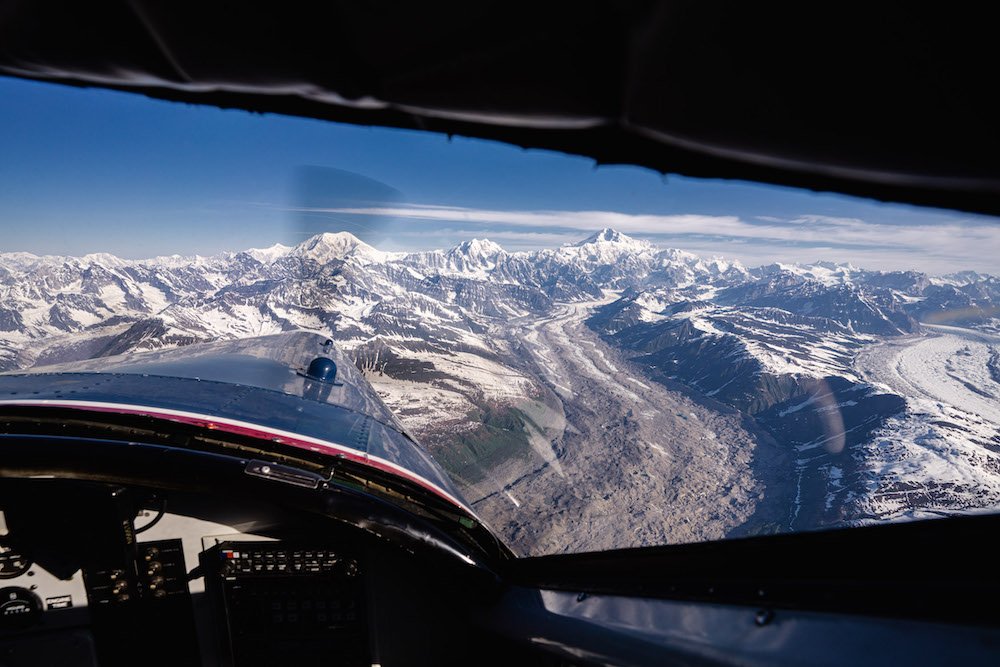
Flightseeing tour over Denali while road tripping around Alaska. Photo by Dalton Johnson
Road tripping the Kenai Peninsula in Alaska is a once-in-a-lifetime adventure that will leave you with a deep appreciation for the state's natural beauty, wildlife, and rich culture. Whether you're a nature lover, adventure seeker, or history buff, this region has something to offer for everyone. So pack your bags, hit the road, and let the Kenai Peninsula and Denali National Park reveal their magic to you.
Discover More Destinations

A Year-Round Visitor's Guide to Girdwood, Alaska
Nestled in the heart of the Chugach Mountains, Girdwood, Alaska, is a hidden gem that offers a unique blend of natural beauty and year-round outdoor adventures. Whether you're seeking the thrill of winter sports, the serenity of a summer hike, or a taste of Alaska's rich history, Girdwood has something for everyone. In this comprehensive guide, we'll explore what each season is like in Girdwood, how to get there, and why you should consider visiting this charming Alaskan destination.
Nestled in the heart of the Chugach Mountains, Girdwood, Alaska, is a hidden gem that offers a unique blend of natural beauty and year-round outdoor adventures. Whether you're seeking the thrill of winter sports, the serenity of a summer hike, or a taste of Alaska's rich history, Girdwood has something for everyone. In this comprehensive guide, we'll explore what each season is like in Girdwood, how to get there, and why you should consider visiting this charming Alaskan destination.
Chutes and Ladders hike in Girdwood, Alaska. Photo by Dalton Johnson
Understanding the Seasons:
Summer (June-August): Girdwood's summers are characterized by endless daylight, with the sun barely setting. The warm weather and extended daylight hours make it the perfect season for hiking, biking, and exploration. Lush landscapes come to life with vibrant wildflowers, and wildlife sightings are at their peak during this season.
Fall (September-November): As the temperatures cool down, Girdwood's foliage transforms into brilliant shades of red and gold. This is the best time to witness the renowned bore tide phenomenon that surfers and photographers flock to capture.
Winter (December-February): Girdwood turns into a snowy wonderland during the winter months, attracting skiers and snowboarders from around the world. Alyeska Resort boasts incredible snow conditions, while the nearby Chugach National Forest becomes a backcountry skiing and snowshoeing paradise.
Spring (March-May): Spring marks a period of transition as the snow begins to melt and the landscape slowly awakens. It's an ideal time for those who prefer quieter hikes and observing the transformation of the environment as the days grow longer.
How to Get to Girdwood:
Getting to Girdwood is relatively straightforward:
Anchorage to Girdwood: Girdwood is a mere 40-minute drive from Anchorage, Alaska's largest city. Travelers can rent a car at Ted Stevens Anchorage International Airport or opt for a shuttle service for a hassle-free journey.
Rail Service: The Alaska Railroad offers scenic rail service from Anchorage to Girdwood. This unique transportation option allows you to savor breathtaking views of the Turnagain Arm, Chugach Mountains, and Portage Glacier during your journey.
Why Visit Girdwood:
Girdwood's allure extends beyond its natural beauty and seasonal activities. Here are several compelling reasons to consider a visit:
Stunning Scenery: Girdwood is enveloped by some of the most awe-inspiring landscapes in Alaska, featuring rugged mountains, pristine glaciers, and lush forests. The surroundings are a constant source of wonder and inspiration.
Outdoor Adventure: Whether you're an adventure-seeker or prefer a more relaxed pace, Girdwood offers a plethora of outdoor activities for all skill levels. From skiing and snowboarding to hiking, biking, and wildlife viewing, there's an adventure for everyone.
Cultural Experiences: Girdwood boasts a thriving arts and music scene, with local festivals and events happening throughout the year. It's an excellent place to immerse yourself in the local culture and get to know the people who call Girdwood home.
Sustainable Tourism: Girdwood is committed to responsible and sustainable tourism. The community is dedicated to preserving the natural beauty of the area and minimizing its impact on the environment.
Relaxation and Serenity: For those seeking a peaceful retreat, Girdwood's cozy cabins and lodges provide the perfect escape from the hustle and bustle of city life. You can unwind in a tranquil setting and enjoy the serenity of the Alaskan wilderness.
Photography: Girdwood is a photographer's dream, with jaw-dropping landscapes, unique wildlife, and ever-changing lighting conditions that make it an excellent place to capture the beauty of Alaska through a lens.
What to Do Around Girdwood, Alaska:
1. Ride the Alyeska Tram to Summit (Year-Round):
Take a scenic ride on the Alyeska Tram to the summit of Mount Alyeska. Enjoy breathtaking views of the Chugach Mountains, Turnagain Arm, and even Denali on a clear day. In the winter, you can go skiing or snowboarding down the slopes, and in the summer, you can hike or mountain bike on the trails.
2. Chutes and Ladders (Summer):
Experience the thrill of mountain biking on the Chutes and Ladders trail system. This network of downhill and cross-country trails offers options for riders of all skill levels. The unique terrain and lush scenery make it a must-visit for outdoor enthusiasts.
3. Hike on the Iditarod Trail (Summer):
Follow in the footsteps of mushers and dog teams by hiking a section of the historic Iditarod Trail. The picturesque trails will lead you through the Alaskan wilderness, providing opportunities to spot wildlife and enjoy the pristine nature.
4. Surf the Bore Tide (Spring and Fall):
Witness the natural wonder of the Turnagain Arm bore tide, one of the largest tidal bores in North America. Experienced surfers and adventurers can try their hand at riding this unique phenomenon, which occurs during specific tidal conditions in the spring and fall.
5. Check Out Wildlife at the Alaska Wildlife Conservation Center (Year-Round):
Visit the Alaska Wildlife Conservation Center to get up close with native Alaskan wildlife. You'll see bears, moose, caribou, and more in a spacious and natural environment. It's an educational and exciting experience for all ages.
6. Check Out Portage Glacier and Portage Lake (Year-Round):
Take a short drive from Girdwood to Portage Glacier and Portage Lake. You can explore the visitor center, take a boat tour to get close to the glacier, or hike around the lake's stunning surroundings. It's a beautiful spot for photography and enjoying the serene landscape.
7. Ski at Alyeska Resort (Winter):
Alyeska Resort offers world-class skiing and snowboarding in the winter. With a variety of slopes catering to all skill levels, it's a fantastic destination for winter sports enthusiasts. The resort also offers equipment rentals and lessons.
8. Backcountry Ski in the Chugach National Forest (Winter):
If you're an experienced backcountry skier, the Chugach National Forest surrounding Girdwood provides an extensive playground. Be sure to have the necessary gear and knowledge, as safety is a top priority in the backcountry.
9. Rock Climb Along Turnagain Arm (Summer):
For rock climbing enthusiasts, Turnagain Arm offers some challenging routes with stunning views. Check out popular climbing areas like the Sunshine Ridge or Goat Wall for an exhilarating adventure.
10. Try Gold Panning (Summer):
Relive the Alaskan gold rush by trying your hand at gold panning in the nearby creeks. This fun and educational activity will connect you with Alaska's rich history and might just lead to a golden discovery.

Jumping into one of the many lakes around Girdwood, Alaska. Photo by Dalton Johnson
Girdwood, Alaska's natural beauty and diverse activities make it a year-round paradise for outdoor enthusiasts and adventure seekers. Whether you're into winter sports, hiking, wildlife viewing, or simply enjoying the breathtaking scenery, Girdwood has something for everyone in every season. With its diverse activities, stunning landscapes, and welcoming community, Girdwood is an enchanting destination waiting to be explored.
Discover More Destinations
Four Ski Films On YouTube You Need To Watch
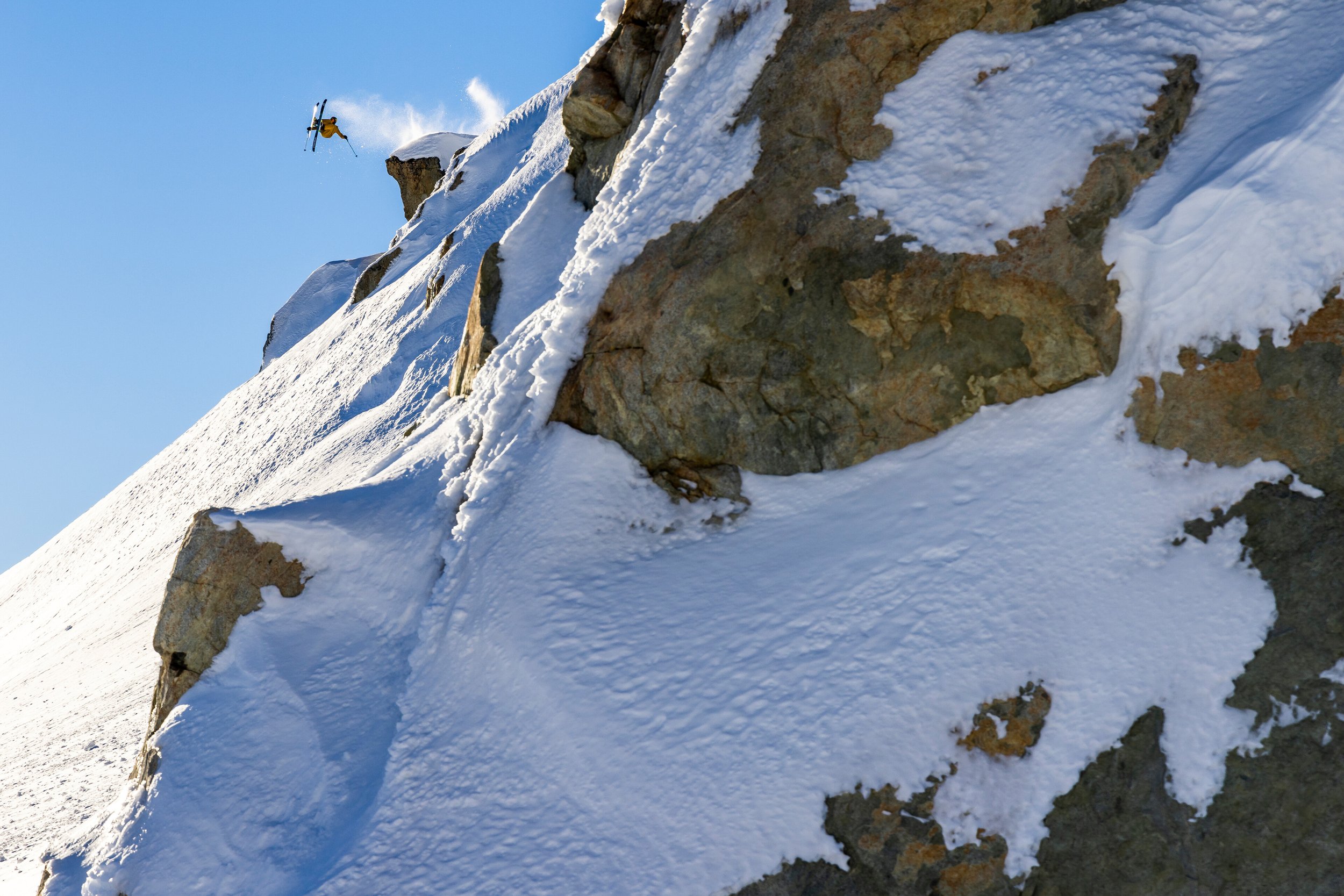
As the winter season is coming, YouTube is getting flooded with incredible ski films that you should watch. The diversity is vast in these films ranging from big and remote landscapes to "in your backyard" kind of videos. All together the excitement after last years incredible 300% snow pack is still paying dividends. Hopefully this year will be similar!
As the winter season is coming, YouTube is getting flooded with incredible ski films that you should watch. The diversity is vast in these films ranging from big and remote landscapes to "in your backyard" kind of videos. All together the excitement after last years incredible 300% snow pack is still paying dividends. Hopefully this year will be similar!
A Colorado Summit Frenzy
A Remote and Philosophical Story
A Bro Session in the Mountains of Idaho
Pushing the Limits in the Eastern Sierra Mountains
Discover more Adventures



5 Must Do Adventures in Anchorage, Alaska
Anchorage, Alaska, is not just a city; it's a gateway to a world of thrilling adventures. Surrounded by stunning natural beauty, this urban hub offers an array of adrenaline-pumping activities for adventure seekers. Whether you're a nature enthusiast or an outdoor thrill-seeker, Anchorage has something to satisfy your adventurous spirit. Here are the top five adventures to do in Anchorage, Alaska.
Anchorage, Alaska, is not just a city; it's a gateway to a world of thrilling adventures. Surrounded by stunning natural beauty, this urban hub offers an array of adrenaline-pumping activities for adventure seekers. Whether you're a nature enthusiast or an outdoor thrill-seeker, Anchorage has something to satisfy your adventurous spirit. Here are the top five adventures to do in Anchorage, Alaska.
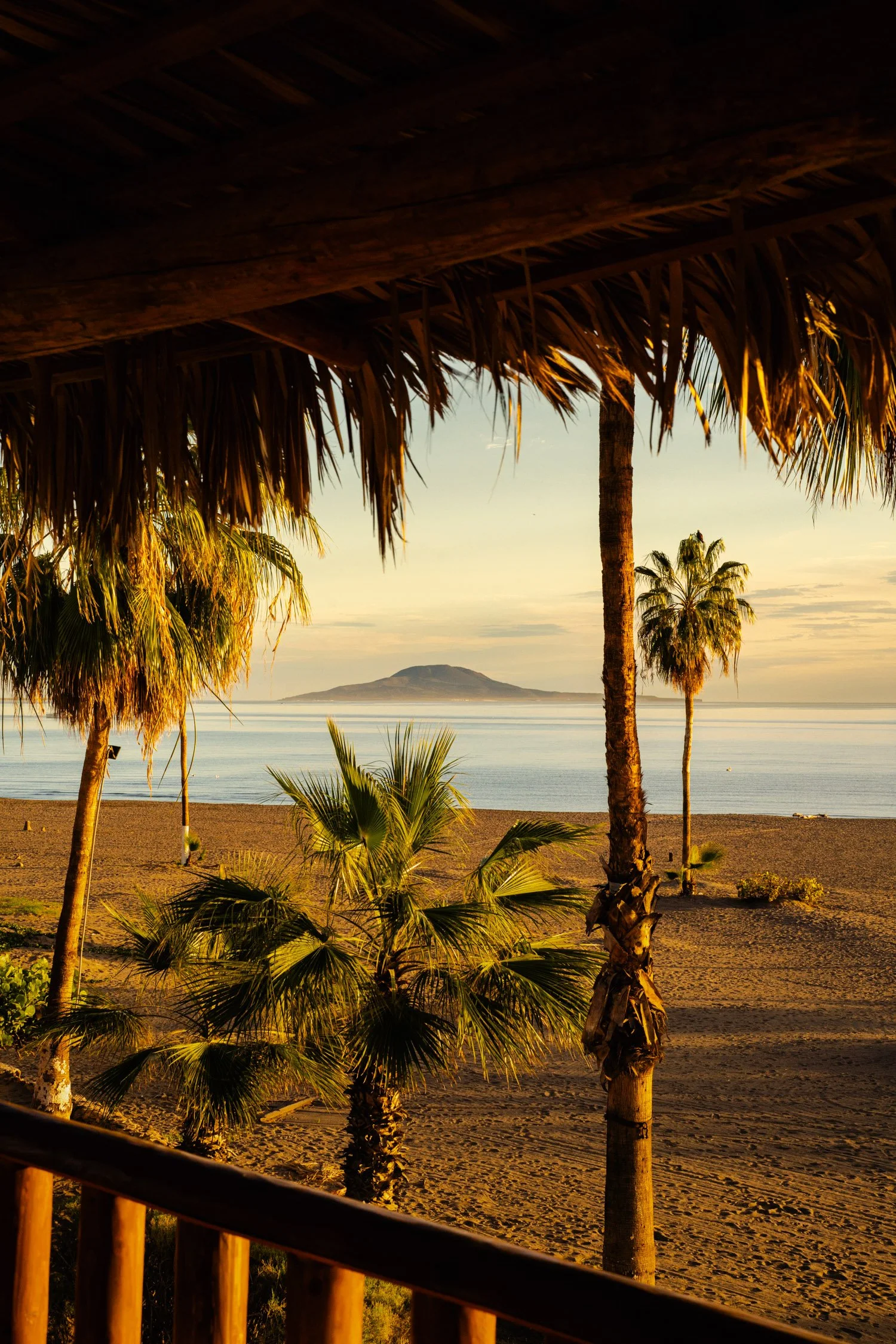
Flight seeing over Denali in Alaska. Photo by Dalton Johnson
1. Flightseeing Tours Over Denali:
When it comes to breathtaking adventures, it's hard to top a flightseeing tour over Denali, North America's tallest peak. Board a small plane or helicopter and soar above the rugged terrain of Denali National Park. You'll witness the awe-inspiring sight of this majestic mountain and its icy glaciers, as well as sweeping views of the surrounding wilderness.
The experience of flying over Denali is nothing short of awe-inspiring, providing a unique perspective on the vastness of Alaska's wilderness. Keep your camera ready, as you may also spot wildlife roaming below. Flightseeing tours are available year-round, with different options for duration and routes, making it an adventure that you can enjoy in any season.
2. Dog Sledding in the Alaskan Wilderness:
Dog sledding is a quintessential Alaskan adventure, and there's no better place to experience it than Anchorage. You can embark on a dog sledding adventure through the picturesque forests and snowy landscapes, guided by a team of enthusiastic and well-trained sled dogs.
Whether you choose to visit a nearby dog mushing kennel or opt for a more extensive multi-day expedition, dog sledding allows you to immerse yourself in the Alaskan wilderness, learn about the fascinating history of mushing, and experience the thrill of being pulled by a team of huskies through the snow.
The sensation of gliding silently through the wilderness while enjoying the crisp, clean air is an adventure you'll treasure forever.
3. Whitewater Rafting on the Eagle River:
For a wild ride on the water, whitewater rafting on the Eagle River is a heart-pounding adventure not to be missed. Just a short drive from Anchorage, the Eagle River offers thrilling rapids and stunning scenery as it winds through the Chugach Mountains.
Professional guides will provide you with the necessary equipment and expertise to navigate the rapids safely. Whether you're a novice or an experienced rafter, there are tours available for all skill levels, ensuring an exhilarating experience for everyone. This adventure will immerse you in the beauty and power of Alaska's rivers, making it a must-do for those seeking an adrenaline rush.
4. Ice Climbing in Chugach State Park:
Chugach State Park isn't just for hikers and skiers; it's also a playground for ice climbers. During the winter months, the park's frozen waterfalls and ice-covered cliffs become a canvas for ice climbing enthusiasts.
If you're new to ice climbing, you can join guided tours that provide training and equipment. Experienced climbers can set off on their own adventures, exploring the ice formations that grace the park's rugged landscapes. The combination of technical skill and the stunning backdrop of Chugach State Park makes ice climbing in Anchorage a one-of-a-kind adventure.
5. Wildlife Encounters at the Alaska Wildlife Conservation Center:
Alaska's wilderness is not only an adventure for thrill-seekers; it's also a sanctuary for its incredible wildlife. The Alaska Wildlife Conservation Center (AWCC) is a destination that offers thrilling wildlife encounters for visitors of all ages.
The AWCC allows you to observe iconic Alaskan animals, including bears, moose, elk, and bison, in their natural-like habitats. As you explore the center's spacious enclosures, you'll have the chance to get up close and personal with these magnificent creatures. Guided tours provide insights into the animals' stories and the importance of conservation efforts.
The opportunity to see these incredible animals up close, learn about their rehabilitation, and contribute to their conservation is a unique adventure that showcases the splendors of Alaska's wildlife.
Anchorage, Alaska, is a city that caters to adventure enthusiasts. Whether you're soaring above Denali, sledding with huskies, rafting through wild rivers, climbing icy cliffs, or getting close to magnificent wildlife, Anchorage offers a world of exhilarating experiences. These top five adventures in Anchorage, Alaska, will provide memories that will last a lifetime, making your journey to the Last Frontier truly unforgettable.
Discover More Destinations
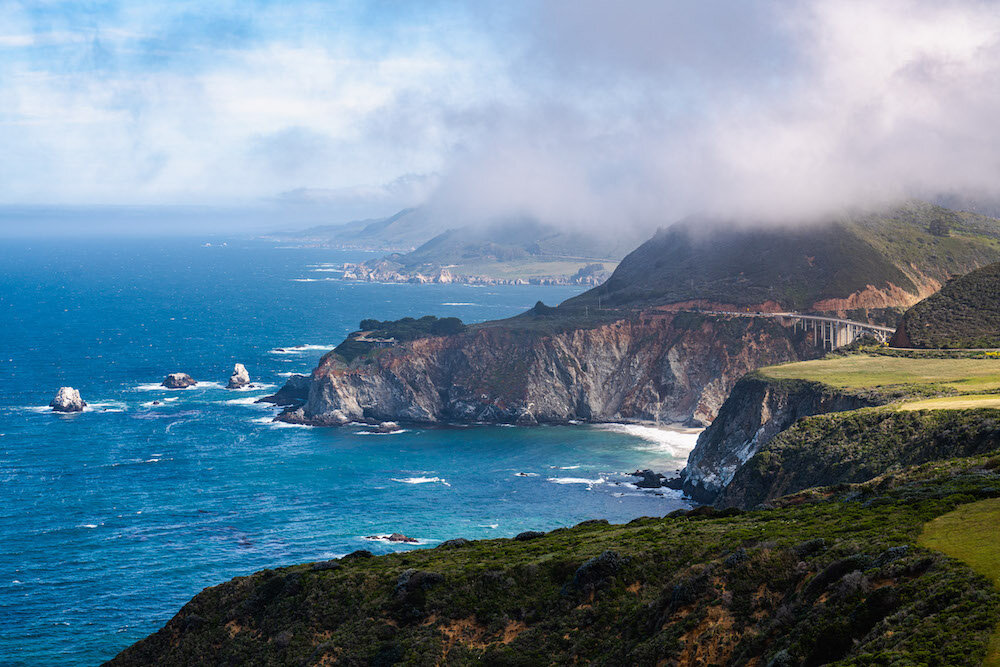
Chasing Nostalgia In Big Sur
It was a sunny morning when I found myself on the edge of the Pacific Coast Highway, the famous Highway 1. The scent of fresh ocean air hung in the breeze, and the road stretched out before me like a ribbon of endless possibilities. I couldn't help but recall the tales of Jack Kerouac and the beatniks, who once traversed these very roads in pursuit of freedom and adventure. Inspired by their spirit, I set out on a road trip to Big Sur, hoping to recapture a bit of that timeless nostalgia.
It was a sunny morning when I found myself on the edge of the Pacific Coast Highway, the famous Highway 1. The scent of fresh ocean air hung in the breeze, and the road stretched out before me like a ribbon of endless possibilities. I couldn't help but recall the tales of Jack Kerouac and the beatniks, who once traversed these very roads in pursuit of freedom and adventure. Inspired by their spirit, I set out on a road trip to Big Sur, hoping to recapture a bit of that timeless nostalgia.

McWay Falls in Big Sur, CA. Photo by Dalton Johnson
As I accelerated along the winding highway, my heart swelled with a sense of freedom that seemed to echo Kerouac's words in On the Road. The open road was my canvas, and I was the artist, painting my story with every mile that passed. The feeling was both cliche and profound, reminding me of the eternal allure of the road, beckoning travelers through generations.
Big Sur's rugged coastline was a sight to behold, reminiscent of the tales I had read about the beatniks' journey to self-discovery. The towering cliffs plunged into the turquoise waters of the Pacific, while ancient redwoods stood like silent witnesses to the passing of time. Waterfalls cascaded from hidden crevices, their thundering sound harmonizing with the rhythm of my heart. The landscape was a portal to a bygone era, and I couldn't help but feel like a time traveler, chasing the same nostalgia that Kerouac and his companions had once embraced.


Wildlife sightings along the way added to the feeling of a living, breathing story unfolding before my eyes. Elephant seals basked in the sun on secluded beaches, their massive bodies heaving with each breath. Sea otters floated serenely in kelp forests, embodying a sense of carefree living that I longed to capture. And then there were the majestic condors soaring high above, a reminder of the wilderness that was as integral to this journey as the road itself.
Amidst the natural wonders of Big Sur, there was a sense of hope and humility, a belief that, for all our mistakes and missteps, we hadn't completely messed up this beautiful planet. It was a feeling of nostalgia for a time when the world seemed more pristine, unspoiled, and full of possibilities. A time when the open road represented freedom, adventure, and the promise of a better future.
As I continued my journey through Big Sur, I couldn't help but reflect on how the road had changed since the drunkard days of Kerouac as he wrote Big Sur. The world had evolved, and progress had left its mark. Yet, the timeless beauty of Big Sur remained, a testament to the enduring allure of nature and the importance of preserving its wonders.
Big Sur landscape looking back at the Bixby Bridge. Photo by Dalton Johnson
In the end, my road trip through Big Sur was a quest to chase nostalgia, to follow in the path of those who sought freedom and adventure on the open road. It was a reminder that the cliché of the open road was more than just words—it was a profound truth that transcended time and connected generations of wanderers.
As I reached the end of my journey, I gazed out at the endless expanse of the Pacific Ocean, feeling both a sense of nostalgia for a simpler time and a renewed hope for the future. Big Sur had captured my heart, and I knew that, like the beatniks before me, I would carry the spirit of the open road with me, always searching for that elusive nostalgia in the next bend, the next adventure, and the next story waiting to be written.
Discover more Adventures

Stay Warm This Winter With These 5 Merino Wool Layers
Winter is upon us, and as the temperatures drop, staying warm and comfortable is a top priority. Merino wool is renowned for its exceptional insulating properties, moisture-wicking abilities, and comfort. It's a natural choice for those seeking to stay cozy and stylish during the winter months. In this article, we'll explore five excellent Merino wool layers that you should consider adding to your winter wardrobe.
Winter is upon us, and as the temperatures drop, staying warm and comfortable is a top priority. Merino wool is renowned for its exceptional insulating properties, moisture-wicking abilities, and comfort. It's a natural choice for those seeking to stay cozy and stylish during the winter months. In this article, we'll explore five excellent Merino wool layers that you should consider adding to your winter wardrobe.
Bill Bradley layered in merino wool during a -30F ultra race. Photo by Dalton Johnson
Ibex Men's Merino 24 Hour Short Sleeve Crew
Buy your Ibex 24 Hour Crew [$88.00]
The Ibex Men's Merino 24 Hour Short Sleeve Crew is an excellent base layer that will keep you warm without causing overheating. Its short sleeves make it ideal for layering under other clothing, and its natural moisture-wicking properties keep you dry. Merino wool is renowned for its softness, and this shirt is no exception. It's perfect for those who prefer the flexibility of short sleeves and want a versatile addition to their winter wardrobe.
Icebreaker's Quantum III Long Sleeve Wool Athletic Full Zip Sweater
Buy your Icebreaker Quantum III [$200.00]
For those who require a more active winter wear option, the Icebreaker Merino Men's Quantum III sweater is an excellent choice. This full-zip sweater is designed for athletic pursuits in cold conditions. It provides warmth, breathability, and mobility, making it a go-to choice for outdoor activities like hiking, skiing, or simply a brisk winter walk. The stylish design ensures you look good while staying comfortable and warm.
Point6's Long Sleeve Base Layer
Buy your Point6 Long Sleeve [$100.00]
When it comes to base layers, Point6's Merino Base Layer is a reliable option. This long-sleeve mid-weight crew neck top offers the perfect balance between warmth and breathability. Whether you're hitting the slopes, going for a run, or simply walking the dog, this base layer provides exceptional moisture management, keeping you dry and cozy. Plus, it's incredibly durable, so it will last you through many winter seasons.
Thermowave's Xtreme Thermal Underwear
Buy your Thermowave Xtreme Long Underwear [$59.36]
To ensure that your lower body stays toasty warm, consider the Thermowave Merino Xtreme thermal underwear pants. These 200 GSM pants are made from high-quality Merino wool, known for its insulating properties. They offer an excellent balance between warmth and breathability, making them perfect for winter outdoor adventures. The natural elasticity of Merino wool ensures a comfortable fit, and the flatlock seams prevent chafing, making them ideal for all-day wear.
Merrell's Merino Wool Work Socks
Buy your Merrell Work Socks [$17.95]
Don't forget about your feet during the winter months! Merrell Men's Merino Wool Work Socks are designed to keep your feet warm and comfortable. Made with a blend of Merino wool, nylon, and spandex, these socks offer cushioning and insulation. They are perfect for wearing with work boots, hiking boots, or even as cozy lounge socks. The Merino wool blend helps regulate temperature and moisture, ensuring your feet stay dry and odor-free.
What is Merino Wool?
Merino wool comes from a specific breed of sheep known as Merino, which is primarily found in Australia and New Zealand. These sheep are prized for their fine, soft, and luxurious wool fibers. Merino wool is renowned for its exceptional quality and is highly regarded in the textile industry.
Merino wool fibers are significantly finer and softer than traditional wool, which makes them comfortable to wear against the skin. The fibers are known for their natural crimp, which provides the wool with excellent insulating properties. Moreover, Merino wool is highly breathable and has moisture-wicking qualities that make it stand out from other natural fibers.
One of the key characteristics of Merino wool is its ability to regulate body temperature. It keeps you warm in cold conditions by trapping air between its fine fibers, providing insulation, and it also wicks moisture away from the body, keeping you dry and comfortable. This temperature-regulating quality makes it a versatile material suitable for a wide range of clothing, from base layers to outerwear.
Why is Merino Wool Good for Clothing?
Exceptional Insulation: Merino wool is highly effective at retaining heat, making it an excellent choice for winter clothing. The natural crimp in the fibers creates air pockets that act as insulation, keeping you warm in cold weather.
Moisture-Wicking: Merino wool is known for its ability to wick moisture away from the body, helping to keep you dry. It can absorb up to 30% of its weight in moisture without feeling wet, making it ideal for intense activities or situations where you may perspire.
Breathability: Merino wool is incredibly breathable, allowing excess heat and moisture to escape. This means it can keep you warm without causing overheating, making it comfortable for extended wear.
Odor Resistance: The natural structure of Merino wool resists the buildup of odor-causing bacteria, allowing you to wear it for longer periods without worrying about unpleasant smells.
Softness and Comfort: Unlike traditional wool, Merino wool is remarkably soft and comfortable against the skin, making it perfect for base layers, socks, and other clothing that comes into direct contact with your body.
Durability: Despite its softness, Merino wool is surprisingly durable. It can withstand wear and tear, and its natural elasticity ensures it retains its shape and doesn't stretch out.
Eco-Friendly: Merino wool is a sustainable choice. Merino sheep thrive in harsh conditions, and their wool can be harvested without harm to the animals. Additionally, it's biodegradable and can be recycled.

Taking in the stunning Yosemite Valley views after a winter day hike. Photo by Dalton Johnson
Staying warm and comfortable during the winter doesn't mean you have to compromise on style or performance. Merino wool is a fantastic choice for winter clothing, thanks to its natural insulation and moisture-wicking properties. The five Merino wool layers mentioned above offer different styles and functionalities, ensuring there's something for everyone. Whether you're looking for a base layer, an athletic sweater, or socks to keep your feet cozy, Merino wool has you covered this winter. Invest in these quality pieces, and you'll be well-prepared to face the chilly months ahead in style and comfort.
Discover More Gear
"Friendly Reminders" Might Be The Best Self-Care Book For Outdoor People
For the few of you who do not follow Scott Tatum on Instagram, you are missing out. But, that is okay, because he just released his first book, Friendly Reminders: Lessons From A Self-Care Savage, which condenses his wisdom from IG into a beautiful book with illustrations of your favorite places, like Yosemite and the American Southwest.
For the few of you who do not follow Scott Tatum on Instagram, you are missing out. But, that is okay, because he just released his first book, Friendly Reminders: Lessons From A Self-Care Savage, which condenses his wisdom from IG into a beautiful book with illustrations of your favorite places, like Yosemite and the American Southwest.
These bite-sized nuggets of wisdom are perfect for the outdoor person beginning the journey of looking inward. Each chapter is different and covers a wide variety of helpful tips to bring trail wisdom to everyday life as you work towards becoming the you, you have always dreamed of being.
Friendly Reminders is helping unlock people who are stuck because Scott is sharing his experience within nature with the world from his heart. He is authentic and honest. Sharing the bad and the good. His book is subtle but can thump you on the head, waking you up. Still not getting what I am saying? Well here is a taste of what the book has to offer:
You don't have to take my word for it, here is what other's are saying about Friendly Reminders:
Leigh Spencer -
"If you’re struggling to prioritize your self care, this is the book for you!There is sentence after sentence of solid practical advice for everyone regardless of where you are in the self care journey.After reading this book you can’t help but feel more empowered to take on the daily acts of improving your mindset and your attitude toward life in general."
Jean-Paul Courville -
"Scott writes about life lessons experienced as his own “Guinea pig” with the applications of self care. His “to the point” approach is a perfect remedy to give yourself that understanding of where you are, where you need to be and want to go in continued personal positivity! Well done Scott and thanks for the inspiration, pass it on!"
Norma Morgan -
"Friendly Reminders by Scott Tatum will become your Self-Care Savage bible....Scott reminds us to be true to yourself and stop putting yourself on the back burner. And as Scott says, "own who you are and strengthen your self-confidence."I guarantee you will love this!!"
Discover More Gear

Pureboost is Amazon's #1 Antioxidant Energy Drink... But is it good?
A variety pack of Pureboost antioxidant energy drinks arrived at the door in one of the unmistakable smiling boxes. I cracked open that smiling box and found my 30-pack with three flavors; acai alert, citrus sunrise, and berry boost.
I have to say, the naming is on point, and a plus point for the alliterations!
A variety pack of Pureboost antioxidant energy drinks arrived at the door in one of the unmistakable smiling boxes. I cracked open that smiling box and found my 30-pack with three flavors; acai alert, citrus sunrise, and berry boost.
I have to say, the naming is on point, and a plus point for the alliterations!
As someone who enjoys drinking water, but enjoys drinking flavored water more, I was ready to spice up my tap water for the afternoon adventure. Tearing open a citrus sunrise I was worried I might get a mouthful of medicine-flavored water, but I was delighted to find this not to be true. Heck, my timid tester sips put a smile on my face.
So, off I went for an afternoon hike.
After two hours of hiking, no crash, no spike, yet I was alert the whole time. A blessing!
I mean, let's be real here. If I had a coffee, my heart would have been jumping out of my chest. But, that wasn't the case. I was calm and collected.
But, that was only one trial. What about the other flavors?
Three days later I tore open the acai alert for an afternoon bump while sitting behind the computer doing some writing. The taste was not as good as the citrus sunrise, but still good. I had a little fuzzy feeling in my mouth, but that is totally okay, right?
No, not really. Unsure why there was such a difference, I added some water. All was better! I had messed up the proportions and, yeah, if you do that, it doesn't taste all that great.
Lastly, I tore the corner off the berry boost and dumped it into my 32 oz bottle. Knowing I didn't want to have the ratio off and the fact that I would be filming rock climbing all day, I tore off the corner to the second package and dumped it in, gave it a shake, and taste tested. Perfection. Then I was off to film and, oh boy did I need it!
12 hours dangling in from a rope in the burning sun can take a toll on anyone, yet, I never crashed and I returned to the ground well hydrated. My footage was pretty good as well.
So, does Pureboost actually taste good? Yes, it tastes great when the proportions are mixed correctly! And the daily boost is much better than an afternoon coffee.
Order your box of Pureboost for $29.69
What's in these things?
Vitamin C, Vitamin E, Thiamine, Riboflavin, Niacin, Vitamin B6, Folate, Vitamin B12, Pantothenic Acid, Calcium, Magnesium, Zinc, Selenium, Copper, Manganese, Chromium, Sodium, Potassium, L-Taurine, Green Tea Extract, Turmeric Root, Ginger Root, Grape Seed Extract
If you are one of those "what are down and dirty details" kind of humans, here you go:
Up to 6 hours, crash free energy. A healthy, antioxidant energy drink mix containing no sugar, no sucralose and no artificial flavors or colors and Non-GMO. Pureboost delivers pure micronutrients, multivitamins and antioxidants to give you an immediate boost any time of day.
Guilt free energy with B12 + natural green tea. Powerful, clean energy fueled by B12 and 100mg of natural green tea caffeine. Never feel those jitters that you have to cope with from other dirty energy sources. That’s the power of Pureboost.
Supercharged Immune Support. Each packet delivers a surge of 25 pH-balanced vitamins, minerals, electrolytes, herbs and amino acids including Turmeric, Ginger, Vitamin C, and Zinc. Plus our energy drink powder has electrolytes for rapid hydration.
30 Powerful Packets: Contains 30 tear-and-pour powder packs that can be mixed with 16-20 oz of water for an immediate, revitalizing, delicious tasting charge of mental and physical energy. All flavors work with keto, low-carb, paleo, gluten-free and vegan diets. No soy. No dairy. Non-GMO.
365 Day Guarantee: If you’re unhappy for any reason, please message us directly to make it right. Because we’re a grocery item, you can’t return directly to Amazon (because…rules.) Contact us directly and we’ll take care of you.
Discover More Gear

12 Essential Tips for Winter Camping
When the world is blanketed in snow and the air turns brisk, some adventurers welcome the opportunity to go winter camping. While the idea of sleeping outdoors in freezing temperatures might sound daunting, with the right knowledge and gear, it can be an incredible and unforgettable experience. In this comprehensive guide, we will explore 12 essential tips to ensure a safe and enjoyable winter camping trip.
When the world is blanketed in snow and the air turns brisk, some adventurers welcome the opportunity to go winter camping. While the idea of sleeping outdoors in freezing temperatures might sound daunting, with the right knowledge and gear, it can be an incredible and unforgettable experience. In this comprehensive guide, we will explore 12 essential tips to ensure a safe and enjoyable winter camping trip.

Headed out in the winter into the PNW for a camping trip on Mount Baker. Photo by Dalton Johnson
1. Layer Up
The key to staying warm in cold weather is layering your clothing. Instead of relying on a single thick garment, wear multiple layers to trap heat and manage moisture effectively. Start with a moisture-wicking base layer that pulls sweat away from your skin. On top of this, add an insulating mid-layer to keep you warm. Finally, don a waterproof and insulated outer layer to protect against wind and moisture. Remember, you can always remove or add layers to regulate your body temperature as needed.
2. Stay Dry
One of the greatest threats in winter camping is moisture. Wet clothing can quickly lead to hypothermia, so it's crucial to stay dry. Ensure that your outer layer is waterproof and breathable, and carry extra waterproof gear like gloves, a rain jacket, and rain pants. Additionally, pay attention to perspiration; avoid overexerting yourself to prevent excessive sweating.
3. Sleep with Your Gear
In extreme cold, your gear can freeze overnight, making it difficult to use in the morning. To prevent this, store essential items like boots, water bottles, and clothing inside your sleeping bag with you. This not only keeps them from freezing but also pre-warms them for when you need to use them in the morning.
4. Plan Your Pee Or Bring a Bottle
Winter nights can be unforgiving, and getting out of your cozy sleeping bag for a bathroom break can be a dreaded ordeal. To maintain your warmth and comfort, plan your bathroom trips. A practical solution is to use a wide-mouth bottle for urination. This prevents the need to brave the frigid outdoors. However, make sure it's a dedicated container for this purpose and is properly sealed to prevent any unwanted spills. This simple tactic not only keeps you warm and comfortable but also preserves the peaceful ambiance of your winter camping experience, allowing you to focus on the breathtaking beauty of your surroundings. So, before you hunker down for the night, have your bottle ready as a valuable ally in your battle against the cold.
5. Choose the Right Sleeping Bag
Your choice of sleeping bag is crucial to staying warm during winter camping. Look for a cold-weather sleeping bag rated for the lowest temperatures you expect to encounter. There are two main types: down-filled and synthetic. Down is lightweight and highly insulating but loses its warmth when wet. Synthetic bags are more water-resistant, making them a safer choice in wet conditions. Choose accordingly based on your destination and expected conditions.
6. Choose Your Campsite Wisely
The location of your campsite can significantly impact your winter camping experience. Look for sheltered areas that are protected from strong winds. Avoid setting up camp in areas prone to avalanches or other hazards. Pay attention to drainage, as you'll want to prevent your tent from flooding due to melting snow.
7. Double Up on Sleeping Pads
The ground in winter can be extremely cold, making it essential to insulate yourself from it. Utilize two sleeping pads for extra insulation. Start with a foam pad to create a barrier between your body and the cold ground. Then, add an inflatable pad on top for added comfort and warmth.
8. Wake Up With a Hot Beverage, Ideally Some Coffee
A steaming cup of coffee in the morning is a comforting ritual for many campers. During winter camping, it serves a dual purpose by helping to warm you up. Use a reliable camp stove to brew coffee, and consider bringing a thermos to keep it hot throughout the day.
9. Check the Weather
Before embarking on a winter camping trip, always check the weather forecast. Winter conditions can change rapidly, and being caught in a sudden storm or temperature drop can be dangerous. Stay informed and be prepared to adjust your plans accordingly.
10. Stay Warm with the Old Hot Water Bottle Trick
Cold nights can be challenging to endure, but there's a simple and effective trick to help keep you warm in your sleeping bag. Fill a heat-resistant water bottle with hot (but not boiling) water, seal it tightly, and place it inside your sleeping bag. The bottle will release heat, creating a cozy and toasty environment to sleep in.
11. Consume Plenty of Calories
In cold weather, your body burns more calories to maintain its temperature. Therefore, it's essential to consume a diet rich in high-calorie foods. Choose energy-dense snacks and meals to keep your energy levels up. Hot meals and beverages are particularly beneficial for maintaining body heat and morale.
A few of our favorite meals on the go:
All-In-One Container: Tippins Foods (their container can be your kindling)
Best Dehydrated: Good To-Go
Highest Protein: Peak Refuel
Best All Around: Heather's Choice
12. Bring the Right Footwear
Your choice of footwear is crucial in winter camping. Insulated, waterproof boots with good traction are a must. Make sure they are adequately insulated to keep your feet warm, and consider using gaiters to prevent snow from entering your boots.
Winter camping in Yosemite National Park. Photo by Dalton Johnson
Winter camping can be an incredible and rewarding adventure if you're well-prepared. Following these 12 essential tips will help you stay safe, warm, and dry while winter camping. Remember to choose the right gear, stay informed about the weather, and practice good campsite selection to make your winter camping experience a memorable one.
Discover more Adventures
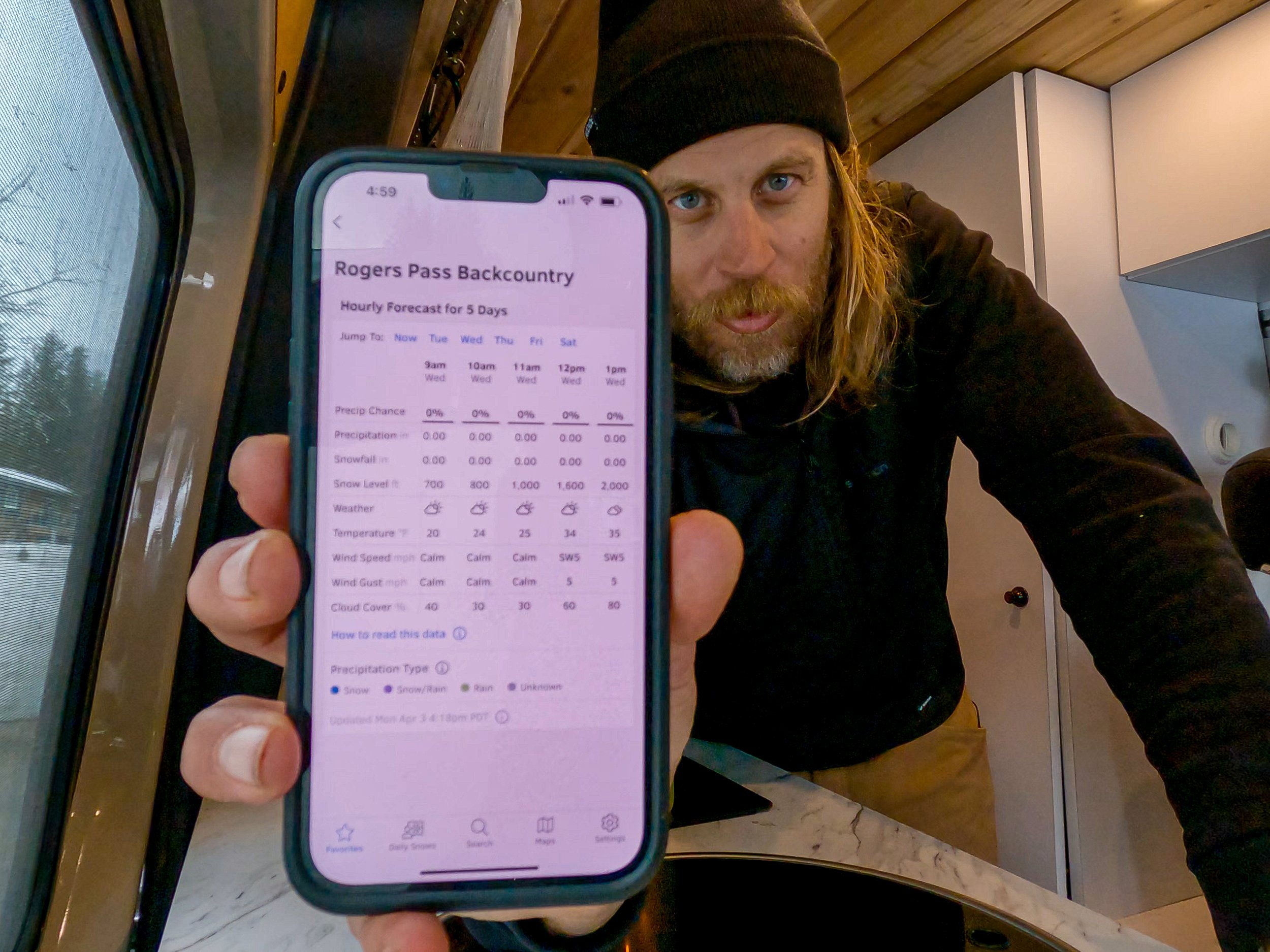
Cody Townsend Dives Into Mountain Philosophies in the Latest Video of the 50 Project
Cody Townsend has a tough choice to make, stay and ski in the Eastern Sierra or drive to British Columbia for a second attempt on Comstock. Inevitably, the decision is made and Townsend returns to Comstock for a second year in a row to attempt a line that few people have skied. Hopes are high and the crew is tosses their heavy packs over their shoulders, will they succeed? Watch the video to find out:
Cody Townsend has a tough choice to make, stay and ski in the Eastern Sierra or drive to British Columbia for a second attempt on Comstock. Inevitably, the decision is made and Townsend returns to Comstock for a second year in a row to attempt a line that few people have skied. Hopes are high and the crew is tosses their heavy packs over their shoulders, will they succeed? Watch the video to find out:
Q&A with Cody Townsend about skiing Comstock
1) How did you choose your partners for Comstock?
Choosing partners is one of the most essential decisions you make on any backcountry day. For me, usually the more gnarly, consequential or complex the line is, the more I’m selective to only go out with people I know, trust and have skied before. For a line like Comstock, it’s quite obvious to be out there with someone like Greg Hill, who is not only responsible for the first descent of the line, but probably knows the Selkirk mountains, snowpack and weather better than any other human. For Mali Noyes, she’s been on an absolute tear and is quickly becoming one of the best ski mountaineers around. She’s super fit, skis impeccably well and is a great hang…three very good qualities in a big line partners.
2) How do you track the weather and commit to a trip?
Tracking the weather is practically a full time job. I’m usually starting with broad, long-term forecasts from OpenSnow, then dialing down looking at patterns, temps, winds, snowfall and avy conditions. For a line that was over a 1000 mile drive away, the commitment is pretty big. So, I also talk to some of the locals to get their read on forecasts. The hardest part though is places like the Selkirks in British Columbia are wildly temperamental with weather and forecasts shift on the daily. So sometimes you just have to go and hope for the best.


3) Could you share three things this project has taught you?
I think the number one thing this project has taught me is how awesome, supportive and tight the ski community is. Traveling all over North America, I’ve received nothing but incredibly support, assistance and stoked along the way. It’s been amazing to see and I’m lucky to be a part of it.
The other two things are that completion of a line doesn’t necessarily equate to how good or bad the day was. Sometimes, just being out there with friends, having a great adventure and laughing along the way makes for a better day than checking a line off the list.
The last thing, is Type II fun is the best fun. Sure it sucks in the moment, but it’s so much more memorable, so much more impactful and so much more life changing when you have to work for it.
4) If somebody wanted to ski a 50 classics line, which one should they start with?
The three I’d recommend are Silver Couloir on Buffalo Mountain in Colorado, Avalanche Gulch on Mt. Shasta and the South Face of Mt. Superior in Utah. Those three lines each have admirable qualities to them, but they’re generally quite straight forward, not too steep and are well trafficked. Silver is the easiest of the bunch as long as the avalanche stability is solid, Shasta is a big mountain but it rewards you with some of the most fun spring skiing on the planet and Superior stares you in the face when your in Little Cottonwood Canyon and is quick and easy to get to.
5) From start until now, the tone of your voice has changed when it comes to the lines you are skiing, where does this come from?
Maybe because I’ve gotten a lot older and grayer. I mean, when I started this project I was pretty green to ski mountaineering. I took this whole project as an excuse to learn along the way. Years later, I’ve learned an absolute ton along the way. I think it’s just been the natural evolution. But the other aspect is not only evolving as a skier, but evolving as a director, storyteller and filmmaker. It’s been a trial by fire of learning how to make episodes, films and movies. Probably just as much growth in how to tell a story on film as there has been as a skier.