

NYAD Breaks The Barriers Of Age and Motivates A Generation Overlooked
NYAD, from directors Elizabeth Chai Vasarhelyi and Jimmy Chin, is a profoundly moving exploration of the human spirit. This film masterfully delves into the depths of emotion, taking viewers on a heartwarming journey through the remarkable life of athlete Diana Nyad.
NYAD, from directors Elizabeth Chai Vasarhelyi and Jimmy Chin, is a profoundly moving exploration of the human spirit. This film masterfully delves into the depths of emotion, taking viewers on a heartwarming journey through the remarkable life of athlete Diana Nyad.
At its core, NYAD is a testament to the enduring power of the human will and the strength of friendship. With a stellar cast led by Annette Bening and Jodie Foster, the movie chronicles Diana's unwavering determination to achieve her lifelong dream – a grueling 110-mile open ocean swim from Cuba to Florida, without the safety of a shark cage.
Vasarhelyi and Chin, celebrated for their documentary work, seamlessly blend breathtaking visuals with a poignant narrative, creating a film that will tug at your heartstrings and inspire you to chase your own dreams.
NYAD is a must-see for those who seek a powerful and emotional cinematic experience that reminds us of the indomitable spirit that resides within each of us. Don't believe me, just watch this trailer and you'll be texting your partner saying, "I know what we are watching tonight!"


Who is Diana Nyad?
Diana Nyad is an American long-distance swimmer and sports journalist who gained international acclaim for her remarkable achievements in open-water swimming. Born on August 22, 1949, in New York City, she is best known for her determined efforts to complete the 110-mile swim from Cuba to Florida without the use of a shark cage, a feat she accomplished in September 2013 at the age of 64. Making her the first person to complete the swim under those conditions.
Nyad's journey to achieve this lifelong dream was marked by multiple attempts and setbacks, including encounters with dangerous jellyfish and extreme fatigue. Her story of perseverance, resilience, and determination captured the imagination of people worldwide.
In addition to her swimming accomplishments, Diana Nyad has had a successful career as a sports journalist, providing commentary and analysis for various sports events. Her life story and achievements have made her a symbol of tenacity and the human spirit's ability to conquer seemingly insurmountable challenges.
What Is Open Water Swimming?
Open water swimming is a discipline of swimming that takes place in natural bodies of water, such as oceans, seas, lakes, rivers, and even reservoirs, as opposed to the controlled environment of swimming pools. It involves swimmers navigating through various outdoor water conditions, which can include challenges like waves, currents, tides, wind, temperature variations, and wildlife encounters.
Open water swimming can encompass various types of events and distances, from relatively short races to ultra-long marathon swims. Some common forms of open water swimming include:
Marathon Swimming: Marathon swims are long-distance open water races, typically ranging from 10 kilometers (6.2 miles) to extreme distances like Diana Nyad's 110-mile swim from Cuba to Florida. These events require endurance, navigation skills, and the ability to adapt to changing conditions.
Triathlons: Many triathlons include an open water swim as the first leg of the race. Swimmers often compete in lakes, rivers, or the ocean before transitioning to cycling and running.
Open Water Competitions: These are organized races or competitions of varying distances in natural bodies of water. Swimmers compete in categories based on age, gender, and skill level.
Recreational Swims: Some people engage in open water swimming purely for recreation and fitness. They may swim for enjoyment, exercise, or to explore the beauty of natural aquatic environments.
Open water swimming presents unique challenges and risks compared to pool swimming, such as water temperature, currents, and the absence of pool walls for turning. Swimmers typically need to be well-prepared and have the appropriate equipment, including wetsuits in cold water and safety measures like support boats for long-distance swims. It's a physically demanding and adventurous form of swimming that appeals to individuals seeking a connection with nature and a different kind of swimming experience.
Discover more Adventures


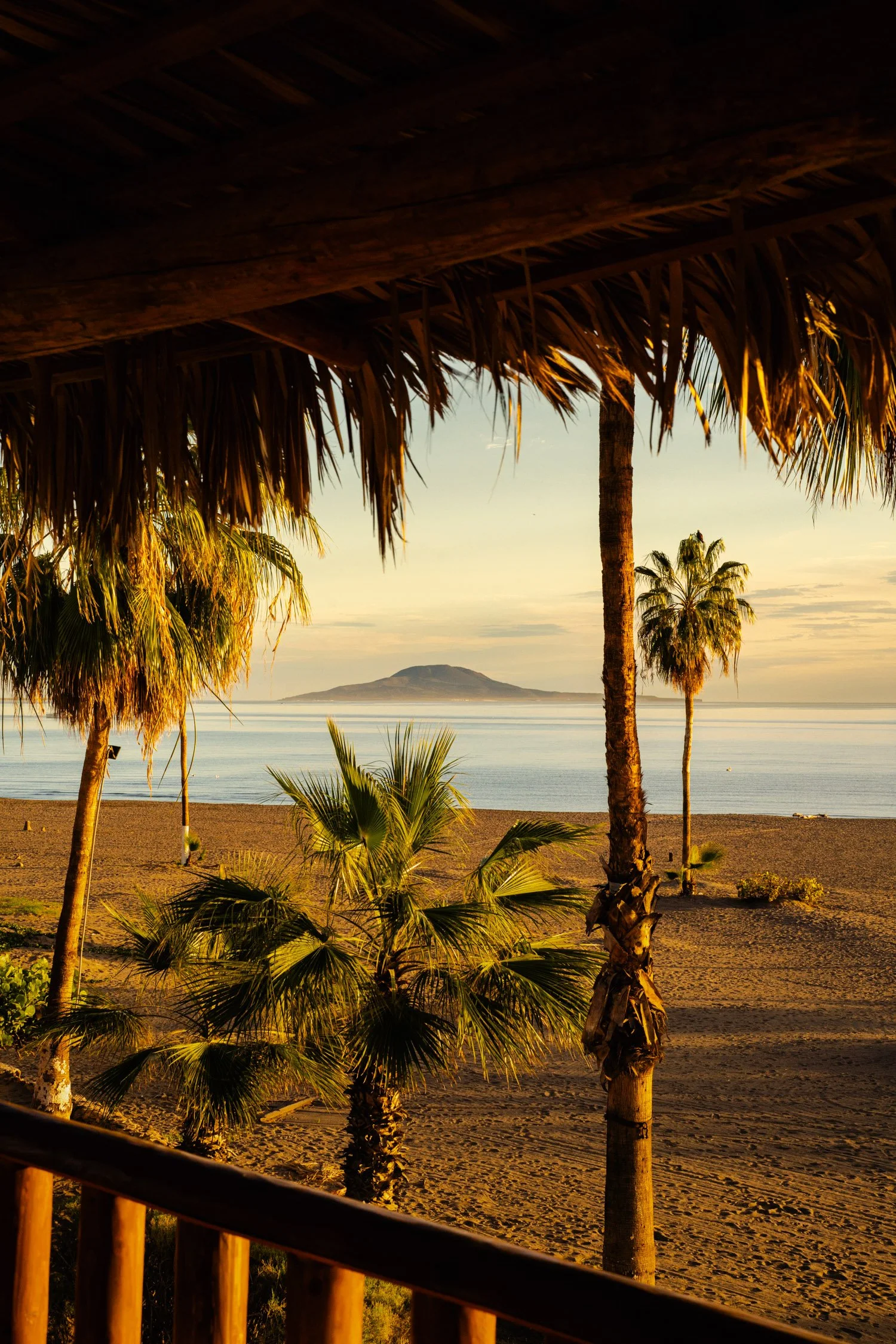

Six Life-Changing Adventures to Try This Winter
Winter is a season of magic and wonder, with its pristine blankets of snow, shimmering icicles, and a sense of tranquility that only the cold can bring. It's also a time of year when adventure enthusiasts can find a host of exhilarating experiences to embark upon. From scaling frozen waterfalls to chasing the elusive Northern Lights, winter offers a unique backdrop for unforgettable journeys. In this article, we'll explore six life-changing adventures you should consider trying this winter.
Winter is a season of magic and wonder, with its pristine blankets of snow, shimmering icicles, and a sense of tranquility that only the cold can bring. It's also a time of year when adventure enthusiasts can find a host of exhilarating experiences to embark upon. From scaling frozen waterfalls to chasing the elusive Northern Lights, winter offers a unique backdrop for unforgettable journeys. In this article, we'll explore six life-changing adventures you should consider trying this winter.
1. Ice Climbing
Imagine standing at the base of a colossal frozen waterfall, ice axe in hand, and crampons securely fastened to your boots. This is the exhilarating world of ice climbing, a winter adventure that promises not only adrenaline-pumping action but also a profound sense of accomplishment.
Ice climbing isn't just a sport; it's a dance with nature's frozen sculptures. As you ascend frozen walls, you'll feel the bite of cold air on your face and hear the satisfying, yet awakening, crunch of your crampons gripping the ice. Each swing of your ice axe echoes through the quiet winter landscape, creating a rhythmic connection with the ice.
Whether you're a seasoned climber or a beginner seeking a new challenge, ice climbing offers a unique sense of achievement and a deeper connection to the natural world.
2. Skiing or Snowboarding
For many, winter means hitting the slopes, and it's easy to see why. Skiing and snowboarding provide an incredible sense of freedom as you carve your way down mountainsides covered in pristine powder.
Whether you're gliding gracefully down groomed runs or tackling steep chutes and tree-lined glades, the rush of cold air against your face and the sound of your skis or board slicing through the snow are invigorating. Skiing and snowboarding offer not only exhilaration but also opportunities to connect with friends and family, making winter memories that will last a lifetime.
3. Ice Fishing
While ice fishing might not initially scream "adventure," it offers a unique opportunity to connect with nature and find tranquility in the midst of winter's frozen beauty.
Picture yourself on a frozen lake, bundled up against the cold, with a hole drilled through the ice. As you sit and wait, the world becomes hushed, and the only sounds are the occasional crackle of frozen water and the soft sigh of the wind. When you finally get a nibble on your line, the sense of anticipation and excitement is like no other.
Ice fishing is not just about catching fish; it's about finding solace in the stillness of winter and forging a deep connection with the natural world. It's a reminder that adventure can come in the quietest moments.
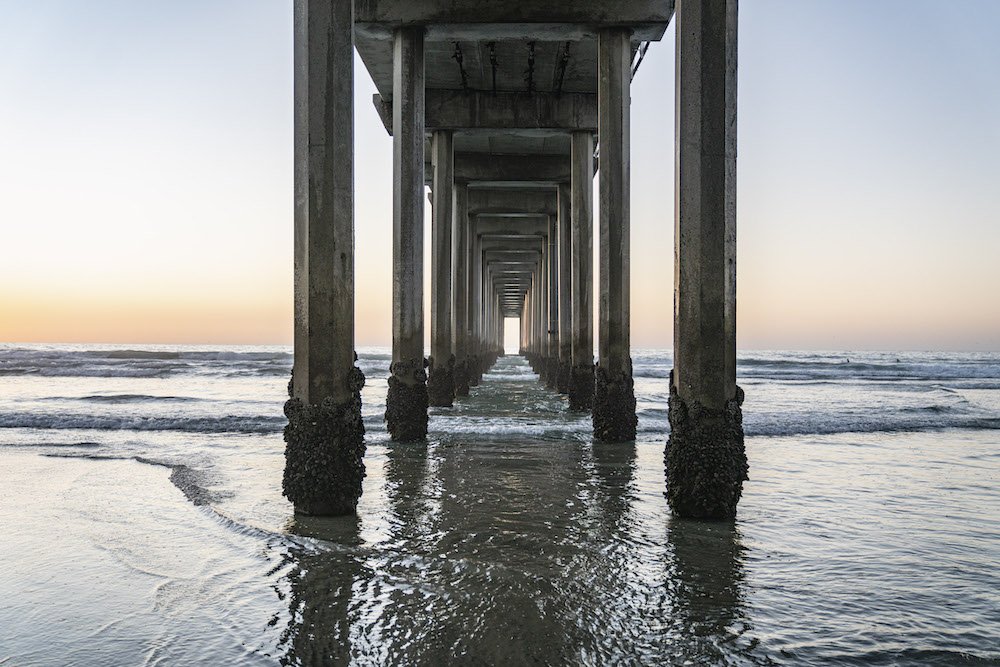


4. Seek Out the Northern Lights
The Northern Lights, also known as the Aurora Borealis, are one of the most awe-inspiring natural phenomena on Earth. These dancing curtains of light in the winter night sky are a breathtaking spectacle that should be on every adventurer's bucket list.
To witness the Northern Lights, you'll need to venture to northern latitudes, such as Tromsø in Norway or Fairbanks in Alaska, during the winter months. As you stand beneath the shimmering lights, you'll feel a sense of wonder that is simply indescribable. The ethereal glow of greens, purples, and pinks creates a magical atmosphere that can change your perspective on the world.
Chasing the Northern Lights isn't just an adventure; it's a journey into the heart of the cosmos, a reminder of the beauty and wonder that exists beyond our daily lives.
5. Snowshoeing
Snowshoeing is a fantastic way to explore the winter landscape, and it's accessible to people of all fitness levels. This adventure allows you to go off the beaten path, forging your trails through snowy woods and fields.
As you strap on your snowshoes and venture out, you'll experience the serenity of winter in a way that's impossible to capture any other time of year. The world becomes a monochromatic wonderland, with the only colors being the deep blues and whites of snow and sky. The crunch of snow underfoot and the fresh, crisp air invigorate your senses.
Snowshoeing not only offers physical benefits but also a chance to clear your mind and find inspiration in the tranquility of the winter woods. It's an adventure that allows you to slow down and truly embrace the beauty of the season.
6. Snowmobiling
Snowmobiling is the ultimate winter adventure for those who crave speed and exploration. Picture yourself zooming across open fields, racing through snow-covered forests, and climbing up rugged hills—all atop a powerful snowmobile.
This high-speed winter sport allows you to access remote areas that are otherwise inaccessible during the winter months. Whether you're exploring Yellowstone National Park, the Canadian Rockies, or the vast Lapland region, snowmobiling offers a thrilling way to experience winter's grandeur.
As you navigate snowy trails and feel the rush of cold air against your face, you'll experience a sense of freedom and exhilaration that can be truly life-changing.
Winter is a season of transformation, where the world is coated in a glistening layer of snow, and nature takes on a serene and otherworldly beauty. It's a time when adventure beckons, offering experiences that can change your perspective, challenge your limits, and leave you with lasting memories.
Whether you choose to conquer frozen waterfalls, glide down mountainsides, seek the Northern Lights, or find solace on a frozen lake, these winter adventures will leave a mark on your soul. They remind us that, even in the coldest of seasons, there is magic to be found, and there are experiences that can change our lives.
So, this winter, embrace the magic of the season and embark on one of these life-changing adventures. The cold may be biting, but the memories and experiences you'll gain are well worth the chill.
Discover more Adventures
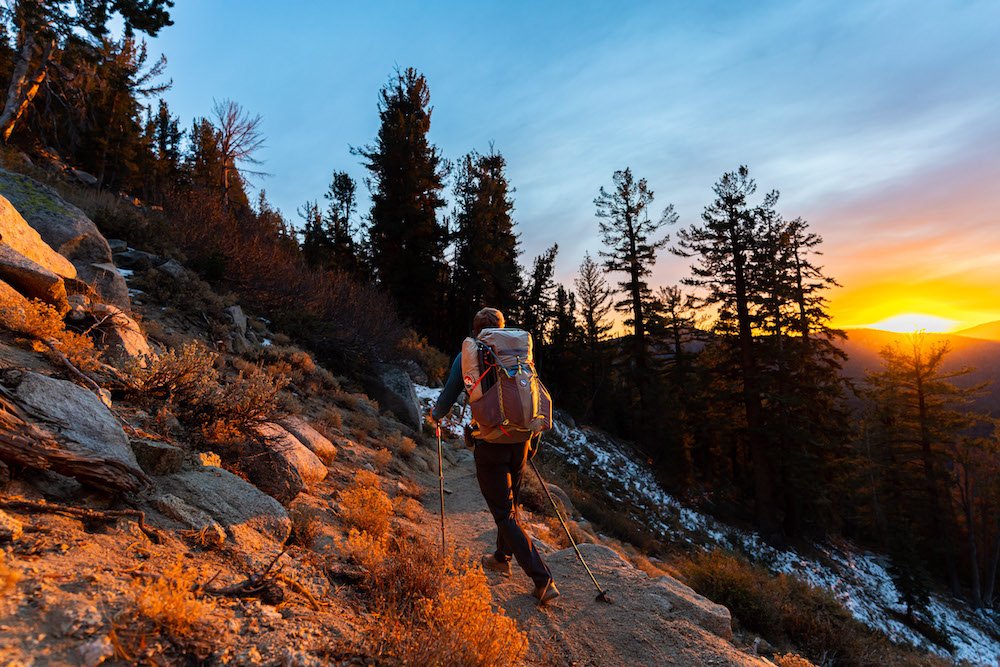
Waking Up with Altitude Sickness in Lake Tahoe
Rushing out of my Big Agnes tent before the sun had risen, I projectile vomited, then again, and again. My hands on my knees, I stand, wipe my mouth, and go back to my sleeping bag for the warmth I didn’t get all night.
My plan was to enjoy a slow morning, capture some content at sunrise, then head down to my bicycle to start the bicycle touring section of the trip.
That didn’t happen.
Rushing out of my Big Agnes tent before the sun had risen, I projectile vomited, then again, and again. My hands on my knees, I stand, wipe my mouth, and go back to my sleeping bag for the warmth I didn’t get all night.
My plan was to enjoy a slow morning, capture some content at sunrise, then head down to my bicycle to start the bicycle touring section of the trip.
That didn’t happen.
Instead, I vomited another time, stuffed my backpack as quickly as possible, and began walking back to the van defeated. Was this trip going to be done before it even started? I thought to myself as I lumbered down from the summit.
“What could be the reason for this sickness?” I asked myself, confused and curious.
Nothing
Three miserable hours later, I was back at the van and met up with Kristin. Coffee, some breakfast, and settling on the idea of altitude sickness, I couldn’t give up. Bike packing from Freel Peak to Mount Whitney was my idea, my vacation, I had turned down jobs to do this, and I wanted to push myself. Sitting there in the van, misable, I continually thought to myself what I could do to make my life better. There was nothing. I just needed to suck it up and get on my way.
Two hours passed while I sat roadside in the van, working up my courage. I packed my bike. Exhausted, I focused on a mental shift and set off into the relative unknown, swooshing down Luther Pass headed towards Monitor Pass.
Five years have passed since my last cycle tour, it was new again. Pavement moved under me as I zipped downhill. Wind froze my hands. Trees and a river whipped passed at 15 miles an hour. Freedom, smiles, energy pumping through my body I have not felt in years. I’m where I am supposed to be.
Quickly, I realized the level of attention I needed to regain as I missed my first turn. Cars passed me and I was getting distracted. All I wanted to do was cycle in the middle of the road without hands and feel the wind in my face, but I needed focus. There wasn’t cellphone service on the road, so I had to read signs. I forgot to download Google maps for offline viewing. Collecting my head, I found the correct turn and met some uphill. My legs were not happy.
The good news about an uphill, the downhill. Clocking in at 35 miles per hour, I passed Markleeville and started to see signs for Monitor Pass, a 3,000 foot climb that I was hoping to tackle today.
Then… my chain fell off my bike.
Not a big deal, but I am sure happy the chain fell off when it did. I came to a quick stop, pulled off, and got the chain back in working order. Nothing was wrong with it, just a slip while shifting. I am not the smoothest shifter. With everything back in working order, I turned legft and befgan my journey of climbing Monitor Pass.
I cursed. I sang. I succeeded in not pushing my bike up the hill. I danced at the summit.
As my body began to bonk from a lack of calories, I scarfed down some food. A sandwich. Then, hopped back on my bike and started the downhill section. Speeding past signs reading “curve ahead 25MPH” I am a daredevil. Leaning into the curves as if I was in a full leather suit on a motorcycle, I took each bend like a champ. Risking my skin to the asphalt. Looking down at my watch, I was zipping past these turns between 35-38mph. I was estatic.
4:30pm hit. Soon, Kristin would pick me up. My watch read 37 miles on the day, I wanted to get to 40. My ego wanted to be able to say I rode 40 miles, my body didn’t. My butt didn’t. But, I pushed on to feed my ego.
4:56pm my phone buzzed, “I’ll be a bit late,” Kristin said. So, I checked her location and my watch, she was roughly 50 minutes away. Could I make 50 miles before she arrived?
Turns out, I made it 52 miles.
Kristin and the sun are insync. She arrived as the light faded from the sky and the darkness set in.
Loading my bike into the van, I moaned and growned; my body hurt. Good thing a hot spring was in my near future :-)
Discover More Destinations

Can Vanlifers Overnight Park At Walmart?
When it comes to finding a safe and convenient place to spend the night on the road, Walmart parking lots have become a go-to option for many vanlifers. While I personally haven't experienced this choice firsthand, it's widely acknowledged as a reliable choice within the vanlife community. Here's a comprehensive guide to help you navigate the nuances of sleeping in a Walmart parking lot:
When it comes to finding a safe and convenient place to spend the night on the road, Walmart parking lots have become a go-to option for many vanlifers. While I personally haven't experienced this choice firsthand, it's widely acknowledged as a reliable choice within the vanlife community. Here's a comprehensive guide to help you navigate the nuances of sleeping in a Walmart parking lot:
High Probability: Your best chance for a hassle-free night's sleep can often be found at standalone Walmart stores, those not surrounded by other retailers. Keep an eye out for these hidden gems in smaller towns that are conveniently located near major highways.
Better Probability: If you stumble upon a Walmart located within a larger shopping complex in a smaller town near a major highway, your odds of enjoying a peaceful night's rest are still quite favorable.
Good Probability: Even in small towns without immediate highway access, don't underestimate your chances. Walmarts in these areas often provide a welcoming haven for vanlifers seeking a quiet place to park overnight.
55/45 Shot: In medium to large cities, you might still find success at free-standing Walmart locations on the outskirts, close to major highways. Your chances here are reasonably balanced.
50/50 Shot: When Walmart is part of a larger shopping center, in a medium to large city on the outskirts near a major highway, it becomes more of a coin toss situation. Be prepared for potential variability.
Probably Not Allowed: Walmarts situated in the heart of medium to large cities near major highways are less likely to accommodate overnight parking. It's best to seek alternatives in such urban settings.
You'll Get Kicked Out for Sure: If you spot a Walmart nestled in the suburbs of a medium to large city, it's a clear sign that you're better off seeking alternative parking options to avoid unwanted disruptions.
If uncertainty still lingers, Walmart offers a handy tool to determine whether overnight parking is permitted at a specific store. You can access this valuable resource through the Walmart No-Park Locator. It's an indispensable tool for vanlifers in search of a peaceful night's rest on their journey.
Discover more Adventures

Three Hiking Gloves Perfect for Cold Days
When the crisp, cold air calls you to the great outdoors for a hike, having the right gear can make all the difference in your comfort and enjoyment. One essential piece of gear for cold-weather hiking is a good pair of gloves. Hiking gloves not only keep your hands warm but also provide protection and dexterity for handling various tasks on the trail. In this blog, we'll explore three hiking gloves that are perfect for cold days: the Arc'teryx Venta, Icebreaker Merino, and Mountain Hardwear WindLab.
When the crisp, cold air calls you to the great outdoors for a hike, having the right gear can make all the difference in your comfort and enjoyment. One essential piece of gear for cold-weather hiking is a good pair of gloves. Hiking gloves not only keep your hands warm but also provide protection and dexterity for handling various tasks on the trail. In this blog, we'll explore three hiking gloves that are perfect for cold days: the Arc'teryx Venta, Icebreaker Merino, and Mountain Hardwear WindLab.
Arc'teryx Venta
Arc'teryx is known for its high-quality outdoor gear, and the Venta gloves are no exception. These gloves are designed to provide warmth and protection in cold and windy conditions, making them an excellent choice for winter hikes.
Key Features:
Windstopper fabric: The Venta gloves feature GORE-TEX Windstopper fabric, which is windproof and highly breathable. This technology prevents cold air from penetrating the gloves while allowing moisture to escape, keeping your hands dry and warm.
Durable construction: Arc'teryx is known for its attention to detail and craftsmanship. The Venta gloves are built to last, ensuring that they'll be a reliable companion on many cold-weather adventures.
Touchscreen compatibility: These gloves are touchscreen compatible, so you can still use your smartphone or GPS device without removing them, which is a significant convenience on the trail.

Icebreaker Merino
For those who prefer natural materials and the benefits of merino wool, Icebreaker Merino gloves are an excellent choice. Merino wool is known for its warmth, moisture-wicking properties, and natural odor resistance.
Key Features:
Merino wool blend: These gloves are made from a blend of merino wool, nylon, and LYCRA for added stretch. The merino wool provides exceptional warmth and breathability, while the nylon and LYCRA add durability and flexibility.
Moisture management: Merino wool has natural moisture-wicking properties, which means it can wick sweat away from your skin, keeping your hands dry and comfortable during strenuous hikes.
Odor resistance: One of the standout features of merino wool is its natural odor resistance. This means your gloves will stay fresh even after extended use.

Mountain Hardwear WindLab
Mountain Hardwear is a brand known for creating rugged outdoor gear, and the WindLab gloves are no exception. These gloves are designed to provide protection against harsh winter conditions while maintaining dexterity.
Key Features:
Windproof and water-resistant: The WindLab gloves feature a windproof and water-resistant softshell fabric that shields your hands from the elements. They are perfect for windy and damp conditions commonly encountered during cold-weather hikes.
Thermal.Q Elite insulation: These gloves are insulated with Thermal.Q Elite, a synthetic insulation that offers excellent warmth without bulk. It's lightweight and maintains warmth even when wet, which is crucial for hiking in wet and cold conditions.
Pre-curved construction: The gloves are pre-curved to follow the natural shape of your hand, allowing for better dexterity and a comfortable fit.
Order your Mountain Hardwear Windlab gloves
When it comes to cold-weather hiking, having the right gloves can significantly enhance your outdoor experience. The Arc'teryx Venta, Icebreaker Merino, and Mountain Hardwear WindLab gloves all offer unique features and advantages to keep your hands warm, dry, and protected during winter hikes. Whether you prioritize windproofing, natural materials, or rugged construction, there's a perfect pair of gloves on this list for you. So, gear up, embrace the cold, and enjoy your winter hikes with confidence and comfort.
Discover More Gear

Yosemite's Tunnel View Visitor's Guide
As the anticipation of your trip to Yosemite National Park builds, planning out your visit is going to be key for a success trip. Regardless if you have a month, 5-days, a weekend trip, or a single day, visiting Tunnel View is a must see stop! Why?
From the vista you will enjoy the vast valley landscape, which features dense forests along the bottom banked by sheer granite cliffs on either side. To the left of the valley, you’ll spot the 3,000-foot (900-meter) southern face of El Capitan and to the right the tumbling waters of Bridalveil Falls. Miles beyond the pass, the hefty Half Dome strikes an imposing figure.
As the anticipation of your trip to Yosemite National Park builds, planning out your visit is going to be key for a success trip. Regardless if you have a month, 5-days, a weekend trip, or a single day, visiting Tunnel View is a must see stop! Why?
From the vista you will enjoy the vast valley landscape, which features dense forests along the bottom banked by sheer granite cliffs on either side. To the left of the valley, you’ll spot the 3,000-foot (900-meter) southern face of El Capitan and to the right the tumbling waters of Bridalveil Falls. Miles beyond the pass, the hefty Half Dome strikes an imposing figure.
Come to Tunnel View at sunrise, or sunsest, for the best photographs of the scene. However, to see this view without crowds, take the winding trail to Inspiration Point, which starts nearby. This overgrown, relatively easy walkway has gone mostly unused since it was made obsolete by the construction of Wawona Tunnel. From the top, enjoy sweeping vistas of Yosemite from several unobstructed viewpoints.
In this article you will discover everything you need to know about visiting Tunnel View in Yosemite National Park.

Tunnel View during the winter. Photograph by Dalton Johnson
Pros
Breathtaking Views: Tunnel View offers some of the most iconic and awe-inspiring views of Yosemite Valley and its famous granite formations, making it a must-visit for nature enthusiasts and photographers.
Accessibility: The viewpoint is easily accessible by car, with a parking lot just off the Wawona Road (California State Route 41). This makes it accessible to a wide range of visitors, including those with limited mobility.
All-Weather Attraction: Tunnel View is open year-round, providing visitors with the opportunity to witness the park's beauty in different seasons, from the lush spring to the snowy winter.
Photography Opportunities: Photographers flock to Tunnel View to capture the incredible scenery, especially during sunrise and sunset when the lighting is optimal. The viewpoint provides numerous angles and compositions for stunning photos.
Educational Signage: There are informational signs at the viewpoint that provide insights into the geological history and natural features of the area, enhancing the educational aspect of the visit.
Cons
Crowds: Due to its accessibility and popularity, Tunnel View can get extremely crowded, especially during peak tourist seasons. This can make it challenging to find parking and enjoy the view without large crowds.
Limited Amenities: While there is a parking lot, there are limited amenities at Tunnel View. There are no restrooms or food vendors on-site, so visitors should plan accordingly.
Road Conditions: The drive to Tunnel View involves a winding mountain road, and in winter, it can be subject to icy or snowy conditions. Visitors need to exercise caution and may need tire chains during winter visits.
Viewing Restrictions: The viewpoint is relatively small, and visitors may have to jockey for a prime spot to get unobstructed views, especially during peak times.
Environmental Impact: The high visitation can lead to environmental degradation if visitors do not follow Leave No Trace principles. It's essential to stay on designated paths and pack out all trash.
How do I get to Tunnel View?
Tunnel View is conveniently accessible via the Wawona Road (California State Route 41) in Yosemite National Park. Here are the steps to reach Tunnel View:
From Yosemite Valley: If you're already in Yosemite Valley, head south on Southside Drive.
Approach the Tunnel: As you drive south, you'll enter a tunnel known as the Wawona Tunnel. The view emerges as you exit the tunnel.
Arrival at Tunnel View: Just after exiting the tunnel, you'll find the Tunnel View parking area on both the north and south sides of the road.
Please note that the road to Tunnel View can be curvy and subject to changing weather conditions, so exercise caution while driving, especially during winter.
What will I see at Tunnel View?
When you visit Tunnel View on a clear day, you'll be treated to a spectacular panoramic view of Yosemite Valley that encompasses some of the park's most famous natural wonders. As you scan from left (north) to right (south), here's what you can expect to see:
El Capitan:This massive granite monolith, beloved by rock climbers worldwide, stands proudly on the left side of the valley, its sheer rock face a sight to behold.
Clouds Rest: Rising majestically behind Half Dome, Clouds Rest is known for its distinctive shape and offers a picturesque backdrop to the valley.
Half Dome: Perhaps Yosemite's most iconic feature, Half Dome's distinctive, sheer granite face rises dramatically above the surrounding landscape.
Sentinel Dome: This prominent dome offers stunning 360-degree views and is a popular hiking destination in the park.
Cathedral Rocks: A series of towering granite spires, Cathedral Rocks adds to the park's dramatic skyline.
Glacier Point: While not visible from Tunnel View itself, Glacier Point is often pointed out as a reference point. It's another famous viewpoint in Yosemite, offering its own breathtaking vistas of the valley.
Bridalveil Fall: On the right side of the valley, Bridalveil Fall plunges gracefully, often creating a delicate mist that catches the sunlight, creating rainbows when conditions are just right.
All of these landmarks are set against the backdrop of a lush pine-carpeted valley, which is crisscrossed by the serene Merced River. The juxtaposition of rugged cliffs, verdant forests, and the tranquil river creates a breathtaking sight that captures the essence of Yosemite's natural beauty. Whether you're an avid photographer, a nature enthusiast, or simply someone seeking awe-inspiring vistas, Tunnel View offers an unforgettable glimpse into the heart of Yosemite National Park.
Why should I visit Tunnel View?
Visiting Tunnel View is a must for anyone exploring Yosemite National Park for several compelling reasons:
Iconic View: Tunnel View offers one of the most iconic and breathtaking views in the park. It's the quintessential Yosemite vista, providing a stunning panorama of the valley and its famous landmarks, including El Capitan, Half Dome, and Bridalveil Fall.
Park's Fame: This viewpoint has played a significant role in making Yosemite National Park famous. It's the view that many people associate with Yosemite and has been featured in countless photographs, films, and artworks.
People-Watching: Tunnel View is a place where you can truly appreciate the diversity of visitors who come to Yosemite National Park. It's a hub of activity, and you'll encounter people from all walks of life, creating a unique and dynamic atmosphere.
Picnic Opportunity: As you enjoy the view, Tunnel View also provides a great spot for a picnic. Bringing some food and drinks to savor in the midst of this stunning natural setting can enhance your experience.
Overall, Tunnel View offers a convenient and awe-inspiring introduction to the beauty of Yosemite Valley. It's a place to capture incredible photos, appreciate the park's cultural significance, and connect with fellow travelers while enjoying the scenic splendor of Yosemite National Park.
How do I access Tunnel View in Yosemite?
Tunnel View is easily accessible by various means of transportation:
By Car: You can drive to Tunnel View via the Wawona Road (California State Route 41). Simply follow the directions mentioned above.
By Bus: Tour buses often include Tunnel View as part of their itineraries, providing a convenient way to reach the viewpoint.
By Bicycle: For the more adventurous, you can cycle to Tunnel View. Be cautious of road conditions and traffic while cycling.
Is there parking at Tunnel View in Yosemite National Park?
Yes, there is parking available at Tunnel View. There are two parking areas located outside of the Wawona Tunnel: one on the north side of the road and a smaller one on the south side. During peak visitation times, the parking lots may fill up quickly, so be prepared to wait for a parking space. To avoid the crowds, consider visiting during the fall or winter and arriving early in the day to secure a parking spot and enjoy the view with fewer people around.
What is the best season to visit Tunnel View?
The best season to visit Tunnel View is undoubtedly in the spring. Here's why:
Spring: In the spring, Yosemite's natural beauty truly comes to life. As the snow from the winter months melts, Yosemite Valley experiences a spectacular transformation. The key reasons why spring is the ideal season to visit Tunnel View are:
Peak Waterfalls: Spring is when Yosemite's waterfalls are at their most dramatic. The melting snow and increased water flow create powerful cascades, and Bridalveil Fall, in particular, is at its peak flow, offering a stunning sight.
Lush Greenery: The valley's flora begins to bloom, covering the landscape in vibrant shades of green. The combination of lush pine forests and the valley's granite formations is especially captivating during this time.
Mild Weather: Spring offers pleasant weather with mild temperatures, making it comfortable for outdoor activities (like day hiking and rock climbing) and taking in the view.
Sunrise Beauty: Regardless of the season, sunrise is a popular time to experience Tunnel View. In spring, the rising sun illuminates the valley, enhancing the already breathtaking scenery.
What is the best month to visit Tunnel View?
While each month offers a unique perspective and experience at Tunnel View, two distinct periods stand out:
March, April, and May: These months are exceptional for witnessing Tunnel View's beauty. Bridalveil Fall is at its peak flow, creating a mesmerizing spectacle. The valley's vegetation is vibrant, and the weather is generally mild, making it a delightful time to visit.
November, December, and January: The winter months are equally captivating, with the granite domes draped in snow and mist. The snow-covered scenes are dramatic, and the park takes on a serene and tranquil ambiance.
Ultimately, the best time to visit Tunnel View depends on your preferences. Whether you prefer the rush of powerful waterfalls in spring or the serene, snow-covered landscape in winter, Tunnel View offers breathtaking vistas year-round, making any visit memorable.
What is the best time of day to visit Tunnel View?
The best time of day to visit Tunnel View largely depends on your personal preferences and what kind of experience you're looking for. Here are some considerations for different times of day:
Sunrise: Many visitors consider sunrise as the best time to experience Tunnel View. During sunrise, the first light of day gradually illuminates the valley, casting a warm and soft glow on the iconic landmarks. This time of day provides excellent opportunities for photography, as the changing light creates stunning contrasts and colors. However, sunrise can also be a popular time, so arriving early is essential to secure a good viewing spot.
Early Morning: Shortly after sunrise, the morning light continues to enhance the view, and the park is often less crowded than during the middle of the day. It's an excellent time to enjoy the tranquility and take in the scenery.
Mid-Morning to Afternoon: While it may be less crowded earlier in the day, Tunnel View can get busier as the morning progresses into the afternoon. This is a good time to visit if you prefer a more relaxed pace and don't mind sharing the view with more people. The lighting is still good for photography, especially on clear days.
Sunset: Similar to sunrise, sunset at Tunnel View offers magical lighting and breathtaking vistas. As the sun sets behind you, the valley takes on warm, golden hues, and the iconic landmarks are bathed in soft, glowing light. Sunset is also a popular time, so arriving early is advisable to secure a prime spot.
Evening: After sunset, the view remains stunning, and the valley gradually transitions into twilight. This can be a quieter and more peaceful time to enjoy the view.
Ultimately, the best time to visit Tunnel View depends on your preferences for lighting, crowd levels, and the kind of atmosphere you want to experience. Sunrise and sunset are particularly favored for their photographic opportunities and the enchanting ambiance they create, but any time of day offers a chance to witness the beauty of Yosemite Valley from this iconic viewpoint.


How long is the hike to Tunnel View?
The hike to the vista point at Tunnel View from the parking lot is extremely short, taking less than a minute for most visitors. The path is handicap accessible, making it easy for people of all mobility levels to access the viewpoint.
It's important to note that Tunnel View is primarily a roadside attraction, and the primary view is right by the parking area. However, if you're looking for a slightly different perspective or a quieter spot, you can explore the area by taking a short walk on the trail. A 5-10 minute walk along the trail can lead you to different viewing areas and provide unique vantage points.
What to wear when visiting Tunnel View in Yosemite?
When visiting Tunnel View in Yosemite, it's essential to be prepared for a range of weather conditions, as the Sierra Nevadas can be quite unpredictable. Here are some clothing and footwear recommendations to ensure a comfortable and safe visit:
Clothing:
Layering: Dress in layers to adapt to changing temperatures throughout the day. Start with a moisture-wicking base layer to keep sweat away from your skin, add an insulating layer for warmth, and top it off with a waterproof and windproof jacket. If you start with a sunhoodie, you will be quite happy, then have a puffy jacket for when it gets cold.
Water-Resistant Jacket: Carry a water-resistant or waterproof jacket with you, even if the weather seems fine when you arrive. Yosemite's weather can change rapidly, and a sudden rain shower or snowfall is not uncommon. I suggest the North Face Antora jacket because it can double as a wind jacket as well.
Comfortable Pants: Wear comfortable, weather-appropriate pants. Jeans may not be ideal if they get wet, as they can become uncomfortable and heavy. I suggest the Columbia rapid rivers pants for hiking around Yosemite Valley.
Hat and Gloves: Bring a hat to protect yourself from the sun, and consider carrying gloves, especially during colder months.
Sun Protection: Don't forget to wear sunscreen and sunglasses to protect yourself from the sun's rays, which can be quite strong at high elevations.
Footwear:
Hiking Shoes or Boots: If you plan to explore beyond the parking and viewing areas, especially if you intend to walk to Artist or Inspiration Point, it's advisable to wear comfortable hiking shoes or boots with good traction. Trails in Yosemite can be uneven and rocky. I suggest the Merrell Moab for day hikes or the Columbia Newton Ridge for longer hikes and overnight trips.
Socks: Wear moisture-wicking socks to keep your feet dry and comfortable. My favorite are Swiftwick FLITE XT or Darn Tough socks.
Additional Tips:
Always check the weather forecast for Yosemite before your visit to get a sense of the conditions you might encounter.
Even in the summer, it can get chilly at higher elevations, so bring a light jacket or sweater even during the warmer months.
If you plan to visit Tunnel View during the winter, be prepared for snowy and icy conditions. Snow boots or shoes with good traction are essential, and you may want to consider bringing traction devices for added safety.
By dressing in layers and being prepared for changing weather, you can enjoy your visit to Tunnel View comfortably and make the most of the stunning views without being hindered by the elements.
Best Time of Day for Photography at Tunnel View:
For photography at Tunnel View, the best times are late afternoon through sunset. However, the photography doesn't necessarily end as soon as the sun dips below the horizon. Often, the soft and colorful light that follows in the 20-30 minutes after sunset can yield stunning results. This period, known as "blue hour," can provide a unique and enchanting quality to your photographs.
Sunrise Photography at Tunnel View:
Capturing a sunrise photograph at Tunnel View can be challenging due to the position of the sun. Here are some tips:
Be prepared for the sun to shine directly into your camera, which can lead to lens flare. Using a high f-stop, like f/16-22, can enhance the effect, creating a solar flare. While this can be a unique addition to your photograph, it's essential to expect that the foreground will likely be a silhouette.
The quality of your sunrise shot can greatly depend on the presence of clouds in the sky. Clouds can catch the colors of the rising sun and add depth and drama to your image. Without clouds, you may find yourself shooting into a bright sky, resulting in shaded subjects.
Sunset Photography at Tunnel View:
If you plan to capture a sunset photograph at Tunnel View, consider the following:
Arrive early to secure a good spot, as crowds tend to gather during sunset, potentially obstructing your lens.
Some photographers find that the best time to capture images of Tunnel View is on a cloudy day just after the sun has set. Clouds can create beautiful colors in the sky, enhancing your photos. Alternatively, a misty day just after sunset can also provide unique and atmospheric photo opportunities.
What Camera Gear to bring to Tunnel View:
Yosemite's Tunnel View is one of the most photographed scenes globally, so having the right camera gear is essential for capturing stunning images. Here's a list of recommended gear:
Camera: A good quality mirrorless camera (like the Sony a7 IV) is ideal for capturing the detail and color in the landscape.
Tripod: A sturdy tripod is essential for long-exposure shots, especially during low-light conditions like sunrise and sunset. My favorite tripod is the carbon fiber travel tripod from Peak Design.
Lens: A wide-angle lens in the 17-28mm range is recommended to capture the vastness of the landscape effectively, but I also love the Tamron 50-400mm which allows for panos to be taken of the full landscape as well as zooming in for detail shots within the landscape.
ND/CP Filter: A neutral density (ND) filter can help control exposure in bright conditions, allowing you to use longer shutter speeds for creative effects and circular polarizers (CP) are fantastic to make the clouds pop.
With the right camera gear and timing, you can capture stunning and iconic photographs of Tunnel View, preserving the beauty of this renowned Yosemite vista.
The History of Tunnel View
The history of Tunnel View in Yosemite National Park is closely tied to the construction of the Wawona Tunnel, and it has become an iconic and celebrated viewpoint in the park. Here's a more detailed history:
Wawona Tunnel Construction:
The Wawona Tunnel, the namesake for Tunnel View, was completed in April of 1933 and formally dedicated on June 10 of the same year.
This tunnel serves as a crucial passage for park visitors traveling from the South Entrance into Yosemite Valley.
The tunnel is a remarkable engineering achievement, boasting a length of 4,233 feet, making it the longest highway tunnel in California.
The construction of the Wawona Tunnel was a significant undertaking, taking nearly two years to complete. It involved the arduous task of boring a road through solid granite.
The formal dedication ceremony for the tunnel was an event of great significance, celebrated as a "Pageant of Progress." It featured a parade, historical reenactments, speeches from park staff, and drew hundreds of spectators.
Tunnel View Scenic Overlook:
Tunnel View is a historic site located adjacent to Wawona Road. It provides visitors with expansive and awe-inspiring views of Yosemite Valley, including iconic landmarks such as El Capitan, Bridalveil Fall, and Half Dome.
The construction of the Tunnel View scenic overlook took place during a period that marked a significant boom in design and development within the National Park Service (NPS). It played a part in initiating what is now known as the National Park Service's "rustic design style."
In recognition of its historical and architectural significance, both Wawona Tunnel and Tunnel View were determined eligible for listing on the National Register of Historic Places in 1986. This designation underscores their exemplary design and their role in the history of Yosemite National Park.
Today, Tunnel View remains a must-visit destination for park visitors, offering a timeless and breathtaking perspective of Yosemite Valley's natural wonders. It stands as a testament to the engineering feats and the enduring beauty of this iconic national park.
In the heart of Yosemite National Park, nestled at the east end of the awe-inspiring Wawona Tunnel along the scenic Wawona Road (Highway 41), awaits a grand finale of natural splendor: Tunnel View. As we've explored the rich history and captivating beauty of this iconic vista, it becomes evident why Tunnel View is regarded as one of the park's most celebrated viewpoints.
This breathtaking vantage point offers a veritable feast for the eyes, showcasing a panorama that encompasses many of Yosemite's crown jewels. Gaze upon the sheer majesty of El Capitan, the delicate grace of Bridalveil Fall, and the imposing grandeur of Half Dome, all set against the backdrop of Yosemite Valley's timeless beauty.
The journey to Tunnel View is an experience in itself, with a scenic 30-minute drive south from Yosemite Village that serves as an appetizer for the visual feast that awaits. Whether you're a seasoned park enthusiast or a first-time visitor, Tunnel View is a must-see destination, encapsulating the essence of Yosemite's natural wonders.
As you stand at this historic overlook, you become a part of the park's storied past, present, and future. The legacy of the Wawona Tunnel, its dedication ceremony, and the rustic charm of Tunnel View itself are testaments to the enduring allure of Yosemite National Park.
So, when planning your visit to Yosemite, remember to save the best for last. Tunnel View, with its unparalleled views and rich history, is a fitting climax to any exploration of this iconic national treasure. It's a reminder of the grandeur of nature and the indelible mark that Yosemite leaves on the hearts of all who are fortunate enough to behold its beauty.
Explore More about Yosemite National Park

5 Must-Do Activities in Yosemite National Park
Yosemite National Park is a natural wonderland that draws millions of visitors each year. With its towering granite cliffs, cascading waterfalls, lush forests, and diverse wildlife, Yosemite offers a wide range of outdoor activities for adventurers and nature enthusiasts alike. But, what should you do? We'll explore five must-do activities that allow you to experience the park's beauty and adventure to the fullest.
Yosemite National Park is a natural wonderland that draws millions of visitors each year. With its towering granite cliffs, cascading waterfalls, lush forests, and diverse wildlife, Yosemite offers a wide range of outdoor activities for adventurers and nature enthusiasts alike. But, what should you do? We'll explore five must-do activities that allow you to experience the park's beauty and adventure to the fullest.

1) Climb Half Dome:
Climbing Half Dome is perhaps one of the most iconic and thrilling experiences in Yosemite National Park. This granite monolith rises nearly 5,000 feet above the valley floor and is known for its distinctive shape. The hike up Half Dome is challenging but incredibly rewarding. It takes you through stunning landscapes, including Vernal and Nevada Falls, before reaching the infamous cables section. Ascending these cables with the help of gloves and a harness is a heart-pounding adventure that culminates in breathtaking panoramic views of Yosemite Valley.
2) Watch Firefalls:
Yosemite's natural Firefalls are a phenomenon that occurs in late February when the setting sun illuminates Horsetail Fall, creating a fiery spectacle that resembles molten lava. To witness this awe-inspiring event, you'll need to time your visit just right, as the conditions have to be perfect. It's an extraordinary display of nature's beauty and a rare sight that photographers and nature enthusiasts flock to see.
3) Go Backpacking:
Yosemite National Park offers an extensive network of backcountry trails that lead to pristine wilderness areas. Backpacking is the perfect way to immerse yourself in the park's natural beauty, escape the crowds, and experience the serenity of the wilderness. Whether you're looking for a short overnight trip or an extended adventure, Yosemite's backcountry has something to offer for hikers of all skill levels.
4) Rock Climb in Yosemite Valley:
Yosemite Valley is a world-renowned rock climbing destination, attracting climbers from around the globe. The park's sheer granite cliffs, including El Capitan and Cathedral Peak, offer a diverse range of climbing experiences, from multi-pitch routes to challenging bouldering problems. If you're a beginner, consider taking a climbing class or hiring a guide to explore this thrilling activity safely.
5) Explore Tuolumne High Country:
While Yosemite Valley is the park's most famous area, the Tuolumne Meadows region offers a different, equally stunning experience. Located at a higher elevation, Tuolumne Meadows is known for its lush meadows, pristine lakes, and rugged peaks. Hiking, camping, and stargazing in this less-visited part of the park provide a peaceful escape and an opportunity to connect with nature in a more remote setting.

Yosemite National Park's natural wonders and outdoor activities are boundless, offering something for everyone, from adrenaline junkies to those seeking serenity in the wilderness. Whether you're scaling iconic cliffs, witnessing the breathtaking Firefalls, backpacking in the backcountry, or exploring the high country, Yosemite promises unforgettable experiences and a deeper connection to the natural world. So, plan your visit to this extraordinary park and embark on your own adventure in one of America's most cherished wilderness areas.
Discover More Destinations

Enjoy An Endless Summer of Yachting (without needing to know how to sail)
Picture embarking on a voyage that defies the boundaries of seasons, where cerulean waters, unspoiled beaches, and captivating landscapes become your everyday companions. Now, envision achieving all this without the need for a mastery of the intricate art of sailing. This is the irresistible promise that beckons as we set sail towards the paradisiacal realms of Seychelles, Belize, and Tahiti, under the expert guidance of Dream Yacht Worldwide.
Picture embarking on a voyage that defies the boundaries of seasons, where cerulean waters, unspoiled beaches, and captivating landscapes become your everyday companions. Now, envision achieving all this without the need for a mastery of the intricate art of sailing. This is the irresistible promise that beckons as we set sail towards the paradisiacal realms of Seychelles, Belize, and Tahiti, under the expert guidance of Dream Yacht Worldwide.
Endless Summer in Seychelles
Seychelles, a veritable paradise on Earth, beckons with some of the world's most enchanting sailing grounds. Here, you'll discover a captivating tapestry of picture-perfect tropical islands, powdery beaches, and majestic granite rocks sculpted by the ceaseless embrace of the Indian Ocean's waves. The climate is a constant embrace of warmth, with average temperatures dancing between 79ºF and 82ºF throughout the year. However, for those seeking the pinnacle of Seychelles' splendor, the sweet spot lies during the transitional seasons of April/May and October/November. During these months, water visibility extends to a remarkable 98 feet, a perfect canvas for aquatic adventures like swimming, snorkeling, and diving.
It's no coincidence that Dream Yacht Worldwide chose Seychelles as the starting point for their yacht charters. This place is nothing short of awe-inspiring, boasting 41 of the world's oldest granite islands, accompanied by 74 low-lying reef islands that epitomize the concept of a 'tropical paradise.'
On a Seychelles yacht charter, your journey might lead you to snorkeling amidst treelike corals around Coco Island or the breathtaking beauty of St. Pierre islet, where rugged granite formations seamlessly blend with lush tropical greenery.
However, the crowning jewel of any Seychelles yacht charter is an excursion to the fragrant vanilla plantations at Union Estate on La Digue, an island that can only be described as a slice of heaven. For the ardent lovers of nature, there's bird watching on Aride Island and the chance to encounter the magnificent Aldabra tortoises on Curieuse, a protected sanctuary where you can marvel at these gentle giants in their natural habitat. In Seychelles, every moment is an opportunity to be entranced by the wonders of nature in all its splendid glory.
Blue Skies in Belize
Embark on an unforgettable voyage in Belize, where tranquility reigns over the waters, favorable trade winds guide your way, and a network of 450 secluded cayes beckons amidst the tropical embrace of the Caribbean Sea. To savor Belize at its finest, set your course between late November and mid-April, a window blessed by the dry season's grace. During this period, you'll bask in the warmth of sun-kissed days, azure skies, and seamless access to the region's premier attractions.
As a traveler, your Belizean adventure wouldn't be complete without a rendezvous with the remnants of ancient civilizations—the awe-inspiring Mayan ruins that whisper tales of a bygone era. Furthermore, be prepared to dive into the depths of exploration, quite literally, as Belize boasts the world's second longest unbroken barrier reef. This underwater Eden, with its rich tapestry of marine life, is a hallowed sanctuary for snorkeling and scuba enthusiasts alike.
In your sailing odyssey through Belize, consider making a pilgrimage to the enigmatic Blue Hole Natural Monument or charting a course towards Glover's Reef, Lighthouse Reef, and Turneffe—three alluring atolls that promise an immersion in a world teeming with over 500 species of fish, 100 varieties of coral, and the enchanting presence of rays and dolphins. While navigating these open waters on your Belize yacht charter, it's advisable to enlist the guidance of a local skipper, ensuring a safe and unforgettable journey into the heart of this aquatic paradise.
Take it all in in Tahiti
The allure of Tahiti and the enchanting islands of French Polynesia in the South Pacific is akin to discovering paradise on Earth. Nestled within the Society Islands, Tahiti, in particular, is a sensory masterpiece, teeming with vibrant marine life, emerald volcanic peaks, and a tapestry of exotic flowers that paint the landscape in vivid hues—an ideal destination for an unforgettable yacht charter experience.
For those seeking the pinnacle of Tahitian perfection, the best time to set sail is during the serene seasons of April/May through September/October when nature unveils its finest treasures.
Tahiti unveils an awe-inspiring gallery of landscapes that rank among the world's most spectacular. On your Tahiti yacht charter, you'll traverse emerald-crowned mountains, stroll along pristine white sand beaches, glide across serene aquamarine seas, and embrace the tranquility of sheltered turquoise lagoons—a symphony of natural wonders awaiting your exploration.
Begin your Dream Yacht adventure in Tahiti on the idyllic island of Raiatea, where ancient archaeological remnants and a magnificent lagoon beckon, then set sail towards Motu To'opua, nestled beneath the iconic peaks of Bora Bora—a perfect sanctuary for indulging in swimming and snorkeling adventures.
As your voyage continues through the Tahitian islands, make a sojourn to Huahine, a place that warmly welcomes visitors with the charm of the small village of Fare. Here, you'll find a genuine Polynesian embrace, alongside quaint boutiques and delectable dining options.
No matter which path you choose to chart, a sailing vacation in Tahiti promises unparalleled beauty, sun-drenched skies, pristine beaches, and the warm smiles of the local inhabitants. It's a journey where nature's splendor dances in harmony with the sea, where every moment becomes a cherished memory bathed in the radiant glow of Tahiti's enchantment.
Discover more Adventures

Lake Tahoe's Best Coves
Lake Tahoe, the largest alpine lake in North America, is a gem that straddles the California-Nevada border, offering a plethora of stunning coves perfect for swimming, kayaking, and stand-up paddleboarding (SUP). Whether you’re in South Lake Tahoe or North Lake Tahoe, the lake's pristine waters and scenic beauty provide the ideal setting for a memorable outdoor adventure. Here’s a guide to some of the best coves around Lake Tahoe.
Lake Tahoe, the largest alpine lake in North America, is a gem that straddles the California-Nevada border, offering a plethora of stunning coves perfect for swimming, kayaking, and stand-up paddleboarding (SUP). Whether you’re in South Lake Tahoe or North Lake Tahoe, the lake's pristine waters and scenic beauty provide the ideal setting for a memorable outdoor adventure. Here’s a guide to some of the best coves around Lake Tahoe.
SUPing at Bonsai Rock on the Nevada side of Lake Tahoe. Photo by Dalton Johnson
Pros:
Stunning Scenery: The coves of Lake Tahoe offer breathtaking views of crystal-clear waters, sandy beaches, and majestic granite boulders.
Variety of Activities: These coves are ideal for swimming, kayaking, stand-up paddleboarding (SUP), and picnicking, catering to a wide range of interests.
Secluded Spots: Many coves, like Secret Cove and Skunk Harbor, provide a peaceful and less crowded experience, perfect for those seeking tranquility.
Photographic Opportunities: The natural beauty of places like Bonsai Rock and Emerald Bay makes them prime spots for photography, especially at sunrise or sunset.
Cons:
Limited Accessibility: Some coves, like Secret Cove and Skunk Harbor, require a hike to access, which may not be convenient for everyone.
Parking Challenges: Limited parking spaces at popular coves can be an issue, requiring early arrival to secure a spot.
Cold Water: The water in Lake Tahoe can be quite cold, even during summer months, which might be uncomfortable for some swimmers.
1. Emerald Bay
Location: South Lake Tahoe, California
Emerald Bay is arguably the most famous and picturesque cove in Lake Tahoe. Nestled in South Lake Tahoe, it’s known for its striking emerald-green waters and the historic Vikingsholm Castle. Emerald Bay is a fantastic spot for swimming, kayaking, and SUP. The bay is sheltered, making the water calm and perfect for these activities. You can rent kayaks or paddleboards from local vendors and explore the bay, including the small island at its center, Fannette Island.
2. Sand Harbor
Location: North Lake Tahoe, Nevada
Sand Harbor is a popular destination located on the Nevada side of North Lake Tahoe. This cove is renowned for its sandy beaches, crystal-clear waters, and large granite boulders that rise from the lake. Sand Harbor is ideal for swimming and paddleboarding, with its calm, shallow waters near the shore. The Sand Harbor State Park also offers facilities such as picnic areas, restrooms, and kayak rentals, making it a convenient spot for a day trip.
3. Secret Cove
Location: East Shore, Nevada
Secret Cove is a lesser-known but stunning spot on the east shore of Lake Tahoe. This clothing-optional beach is a hidden gem, known for its clear, turquoise waters and serene atmosphere. Accessible via a short hike, Secret Cove is an excellent choice for those seeking a more secluded and peaceful swimming experience. Kayaking and paddleboarding here offer a sense of tranquility and exclusivity, far from the more crowded beaches.
4. Bonsai Rock
Location: Incline Village, Nevada
Bonsai Rock, located near Incline Village, is a small cove named after the iconic rock with bonsai-like trees growing on it. The crystal-clear waters around Bonsai Rock are perfect for swimming, kayaking, and SUP. This spot is particularly popular among photographers, especially during sunset. The rocky shoreline and underwater visibility make it a unique and picturesque location for exploring Lake Tahoe’s aquatic beauty.
5. DL Bliss State Park
Location: West Shore, California
DL Bliss State Park on the west shore of Lake Tahoe offers several beautiful coves, including Lester Beach and Calawee Cove. These coves are known for their white sandy beaches and clear blue waters, making them ideal for swimming and water activities. The park also features hiking trails with stunning views of the lake, adding to the appeal of this destination. Kayak rentals are available, allowing you to explore the shoreline and discover hidden spots along the way.
6. Skunk Harbor
Location: East Shore, Nevada
Skunk Harbor is another secluded cove on the east shore, accessible via a moderate hike. This hidden gem features clear waters and a small sandy beach, perfect for a quiet swim or a relaxing day by the lake. The hike to Skunk Harbor adds an element of adventure, and the reward is a peaceful, scenic cove where you can enjoy kayaking or paddleboarding away from the crowds.
7. Meeks Bay
Location: West Shore, California
Meeks Bay is a family-friendly cove on the west shore, offering a wide sandy beach and calm, shallow waters. It’s an ideal spot for swimming, picnicking, and water sports. The bay’s facilities include picnic tables, restrooms, and a marina with kayak and paddleboard rentals. Meeks Bay is perfect for a relaxed day out, with plenty of space for children to play and adults to unwind.

Soaking in the sunset views at Zephyr Cove along the eastern shores of Lake Tahoe. Photo by Dalton Johnson
Lake Tahoe's coves offer some of the best spots for swimming, kayaking, and SUP in a stunning natural setting. Whether you're seeking the bustling activity of Sand Harbor or the serene seclusion of Secret Cove, there's a perfect spot for everyone. Exploring these coves allows you to experience the diverse beauty of Lake Tahoe, from its sandy beaches to its rocky shores and crystal-clear waters. So, grab your swim gear, rent a kayak or paddleboard, and discover the magic of Lake Tahoe’s best coves.
Discover More Destinations

How to Sleep Warm While Winter Camping
Winter camping can be a thrilling and beautiful experience, but the bitter cold can make getting a good night's sleep a real challenge. However, with the right strategies and gear, you can stay warm and comfortable even in sub-zero temperatures. In this article, we'll explore six tips to help you sleep warm and cozy during your winter camping adventures.
Winter camping can be a thrilling and beautiful experience, but the bitter cold can make getting a good night's sleep a real challenge. However, with the right strategies and gear, you can stay warm and comfortable even in sub-zero temperatures. In this article, we'll explore six tips to help you sleep warm and cozy during your winter camping adventures.

Sleeping warm on Denali in Alaska. Photo by Dalton Johnson
Tip 1: Use Two Pads
One of the most effective ways to insulate yourself from the cold ground is to use two sleeping pads. Start with a closed-cell foam pad for its excellent insulation and durability. Place an inflatable pad on top for added comfort. The combination of these two pads will create an extra layer of insulation, preventing the cold from seeping into your sleeping bag. Make sure your pads are long enough to cover your entire body.
Tip 2: Get a Sleeping Bag With a Comfort Rating Colder Than Expected Temps
Choosing the right sleeping bag is crucial for staying warm during winter camping. Opt for a sleeping bag with a comfort rating that is lower than the expected temperatures you'll encounter. This ensures you have a buffer to keep you cozy even when the mercury drops unexpectedly. Also, consider a mummy-style sleeping bag for its snug fit, which minimizes cold air pockets inside.
Tip 3: Use a Pee Bottle
Getting out of your warm sleeping bag to brave the frigid night air for a bathroom break can be unpleasant. To avoid this, keep a designated pee bottle within reach. Make sure it's well-sealed and easy to access in the dark. Using a pee bottle not only keeps you warm but also saves precious body heat that might be lost during multiple trips outside.
Tip 4: Sleep Naked, But Stuff Your Clothes Around You
While it may sound counterintuitive, sleeping naked can actually help you stay warmer during the night. Your body heat warms the air within your sleeping bag more efficiently without the insulating barrier of clothing. However, keep your warm clothing readily accessible. If you get cold, you can quickly layer up with these clothes, creating an extra insulation layer between your body and the cold air.
Tip 5: Go to Bed Full
Eating a hearty meal before bedtime is a great way to generate internal heat and keep you warm during the night. Choose calorie-dense foods that release energy slowly, such as nuts, cheese, and complex carbohydrates. Avoid consuming excessive caffeine or alcohol, as they can disrupt your sleep patterns and hinder your body's ability to maintain warmth.
Tip 6: Put a Hot Water Bottle in Your Bag (but don't burn yourself)
A hot water bottle can be a fantastic source of warmth during winter camping. Before bed, fill a sturdy, leak-proof water bottle with hot (but not boiling) water and place it inside your sleeping bag. Make sure it's adequately sealed to prevent any unfortunate leaks. This will provide a consistent source of radiant heat, helping you stay warm throughout the night. Just be cautious not to overheat the water, as you don't want to risk burns or damage to your gear.
Winter camping in Yosemite Nationa Park. Photo by Dalton Johnson
Winter camping can be a rewarding experience, but ensuring a warm and comfortable night's sleep is essential for your safety and enjoyment. By following these tips, you can insulate yourself from the cold ground, choose the right gear, and create a cozy sleep environment that allows you to embrace the beauty of winter camping without the chill. Remember to plan and prepare meticulously, and always prioritize safety and comfort when heading into the winter wilderness.
Discover more Adventures

7 Best Adventures Around Incline Village, Nevada
Nestled on the northern shores of the stunning Lake Tahoe, Incline Village, Nevada, is a hidden gem for adventure seekers. Surrounded by the majestic Sierra Nevada Mountains, this charming town offers a plethora of outdoor activities year-round. Whether you're into hiking, skiing, water sports, or simply enjoying the beauty of nature, Incline Village has something for everyone. In this blog, we'll explore seven of the best adventures you can embark on in this remarkable destination.
Nestled on the northern shores of the stunning Lake Tahoe, Incline Village, Nevada, is a hidden gem for adventure seekers. Surrounded by the majestic Sierra Nevada Mountains, this charming town offers a plethora of outdoor activities year-round. Whether you're into hiking, skiing, water sports, or simply enjoying the beauty of nature, Incline Village has something for everyone. In this article, we'll explore seven of the best adventures you can embark on in this remarkable destination.
Sunset paddle-boarding around Bonsai Rock in Lake Tahoe. Photo by Dalton Johnson
1. Hike to Hidden Beach:
Start your Incline Village adventure with a hike to Hidden Beach. Located just a short distance from the heart of town, this picturesque spot offers a tranquil escape from the hustle and bustle of everyday life. The trail takes you through the scenic forest, eventually revealing a hidden cove with crystal-clear waters and stunning views of Lake Tahoe.
2. Skiing and Snowboarding at Diamond Peak:
Incline Village is a winter wonderland, with Diamond Peak Ski Resort as its crown jewel. This family-friendly resort boasts over 30 ski runs, breathtaking panoramic views, and well-groomed slopes for skiers and snowboarders of all levels. Whether you're a seasoned pro or a first-timer, Diamond Peak offers a fantastic alpine experience.
3. Mountain Biking in the Flume Trail:
For mountain biking enthusiasts, the Flume Trail is a must-do adventure. This world-famous trail offers breathtaking views of Lake Tahoe and the surrounding mountains. You can rent a bike in Incline Village and shuttle up to the trailhead for a thrilling ride through the high desert terrain.
4. Kayaking and Paddleboarding on Lake Tahoe:
Lake Tahoe's crystal-clear waters are perfect for kayaking and paddleboarding. Rent equipment from one of the local outfitters and set out to explore hidden coves, pristine beaches, and the incredible clarity of this alpine lake. The calm mornings and evenings are ideal for a peaceful paddle.
5. Golfing at the Championship Golf Course:
Incline Village boasts two world-class golf courses, with the Championship Golf Course being a standout. This 18-hole masterpiece offers a challenging round of golf in a serene mountain setting. The greens are immaculate, and the fairways wind through the pine trees, making it a golf lover's paradise.
6. Sunset Cruise on Lake Tahoe:
Experience the magic of Lake Tahoe at sunset with a scenic boat cruise. Several tour operators in Incline Village offer evening cruises that allow you to witness the breathtaking colors of the setting sun while sipping on a glass of wine or enjoying a delicious meal on board.
7. Explore Sand Harbor State Park and Bonsai Rock:
Sand Harbor State Park is a natural wonderland with its sandy beaches, crystal-clear waters, and unique rock formations. Spend a day exploring the park's beauty, and don't forget to visit the iconic Bonsai Rock, a stunning photo spot and a marvel of nature's artistry. It's a unique and awe-inspiring adventure you won't want to miss.

Skiing at Mount Rose Ski Resort.
Incline Village, Nevada, is a year-round outdoor paradise with a wide range of adventures to offer. From hiking and skiing to water sports and golfing, there's something for every adventurer here. Whether you're seeking tranquility or adrenaline-pumping activities, Incline Village has it all, making it a must-visit destination for nature lovers and outdoor enthusiasts. Plan your trip and get ready to embark on these seven incredible adventures in this charming lakeside town.
Discover More Destinations

10 Tips For a Successful Surf Trip In Baja
Planning a surf trip to Baja California, Mexico? Whether you're a seasoned pro or a beginner, Baja offers epic waves, stunning scenery, and a laid-back atmosphere perfect for surfing. To make your surf trip successful and memorable, check out these ten essential tips. From finding the best surf spots to packing the right gear, our guide has everything you need for an unforgettable surfing adventure in Baja.
Planning a surf trip to Baja California, Mexico? Whether you're a seasoned pro or a beginner, Baja offers epic waves, stunning scenery, and a laid-back atmosphere perfect for surfing. To make your surf trip successful and memorable, check out these ten essential tips. From finding the best surf spots to packing the right gear, our guide has everything you need for an unforgettable surfing adventure in Baja.

Surfing Cerritos Beach on a big winter swell. Photo by Dalton Johnson
1. Choose the Right Season:
Baja experiences different surf conditions throughout the year. The winter months, particularly from November to March, offer the most consistent swell and are ideal for more experienced surfers. However, if you're a beginner or prefer smaller waves, consider visiting during the spring or fall when conditions are milder.
>> Read this full article on the best season to head south and catch waves
2. Research the Best Surf Spots:
Baja boasts a variety of surf breaks, each with its own unique character. Research the surf spots that align with your skill level and preferences. Some renowned surf spots in Baja include Scorpion Bay, K-38, Cerritos Beach, and San Miguel.
>> Read this blog on the best surf spots in Baja Norte and Sur
3. Bring the Right Gear:
Ensure you have the appropriate surfboard and wetsuit for the conditions you'll encounter. Baja waters can be chilly, especially in the winter, so a good-quality wetsuit is essential. If you don't want to travel with your gear, you can often rent boards and wetsuits locally.
Shortboard, ideally something sustainably built like a Timber Surfboard, for the daily waves
A Big Wave board (we can’t say “6un” on this page LOL) if you plan on hitting Isla Todos Santos or K-38
Drybag to carry all of your stuff back and forth to the beach is nice, I like the Chums roll-top bag
4. Secure Accommodations:
Popular surf destinations in Baja can get crowded during peak seasons, so it's wise to book accommodations in advance. You can choose from beachfront surf camps, budget-friendly hostels, or even camping sites, depending on your preferences and budget. Typically Airbnb is a great place to find accommodations while on the road, but also remember you can camp on the beaches in Mexico.
5. Plan for Road Tripping:
Baja's surf breaks are often spread out, so you may need to embark on a road trip to access different spots. Ensure your vehicle is well-maintained and suitable for potentially rough terrain. Carry extra water, fuel, and a basic tool kit for emergencies.
6. Respect Local Surf Culture:
Embrace the local surf culture and show respect for fellow surfers. Wait your turn, follow the lineup etiquette, and be mindful of local customs. Baja's surf community is welcoming, but respecting local norms is crucial.
7. Be Eco-Friendly:
Baja's pristine natural environment is part of its charm. Practice Leave No Trace principles by cleaning up after yourself and disposing of trash responsibly. Be conscious of your environmental impact and protect the beauty of the region.
8. Stay Safe:
Prioritize safety during your surf trip. Always surf within your skill level and be aware of your surroundings. Check surf reports and weather forecasts regularly, and familiarize yourself with local beach conditions and potential hazards.
9. Learn Some Basic Spanish:
While you can get by with English in tourist areas, knowing some basic Spanish phrases can enhance your experience and help you communicate with locals. It's a sign of respect and can lead to more meaningful interactions.
10. Embrace the Adventure:
Baja is more than just surfing; it's an adventure. Be open to exploring beyond the surf breaks. Discover local cuisine, hike in the desert, or immerse yourself in the vibrant culture. Flexibility and an adventurous spirit will make your surf trip even more memorable.

Soaking in the sunset while surfing solo in Baja. Photo by Dalton Johnson
A surf trip to Baja can be a life-changing experience, filled with incredible waves, breathtaking scenery, and the chance to connect with fellow surfers and locals. By following these ten tips, you can ensure a successful and rewarding surf adventure in Baja California. Whether you're riding the waves or soaking in the sun on the beach, Baja's surf culture and natural beauty are sure to leave a lasting impression.
Discover More Destinations

Where Should You Go Homer, AK or Seward, AK?
Alaska, often called "The Last Frontier," is a land of natural beauty and adventure. Whether you're a nature enthusiast, an outdoor adventurer, or simply looking for a peaceful escape from the hustle and bustle of city life, Alaska has much to offer. Two of its most picturesque and charming destinations are Homer and Seward, located on opposite ends of the Kenai Peninsula. In this article, we'll compare these two Alaskan gems, helping you decide which one is the perfect destination for your next getaway.
Alaska, often called "The Last Frontier," is a land of natural beauty and adventure. Whether you're a nature enthusiast, an outdoor adventurer, or simply looking for a peaceful escape from the hustle and bustle of city life, Alaska has much to offer. Two of its most picturesque and charming destinations are Homer and Seward, located on opposite ends of the Kenai Peninsula. In this article, we'll compare these two Alaskan gems, helping you decide which one is the perfect destination for your next getaway.

Discovering hidden gems around Homer, AK. Photo by Dalton Johnson
Homer, Alaska: A Taste of Paradise
Homer, often referred to as the "Halibut Fishing Capital of the World," is located on the stunning Kenai Peninsula. This charming seaside town is known for its breathtaking natural beauty, thriving art scene, and vibrant community. If you're looking for a relaxed and artistic atmosphere, Homer might be your ideal destination.
One of the most iconic features of Homer is the Homer Spit, a narrow strip of land that stretches out into Kachemak Bay, offering unparalleled views of the surrounding wilderness. It's the perfect place to wander, enjoy fresh seafood, or try your hand at fishing. The spit is also home to a variety of shops, galleries, and restaurants, providing a delightful blend of local flavor and culture.
The Arts and Culture Scene
Homer boasts a lively arts and culture scene. It is home to numerous galleries, museums, and theaters, reflecting the creative spirit of the community. The Pratt Museum, for example, showcases the natural history and culture of the region, allowing visitors to gain a deeper understanding of Alaska's unique ecosystem and heritage. For art enthusiasts, the Bunnell Street Arts Center and Ptarmigan Arts showcase the work of local and regional artists.
Outdoor Adventures
Homer offers a variety of outdoor activities, making it a paradise for nature lovers. The nearby Kachemak Bay State Park offers excellent opportunities for hiking, kayaking, and wildlife watching. The surrounding waters are a playground for those who love fishing, especially for halibut. In addition to fishing, you can embark on boat tours and explore the bay, where you might spot whales, sea otters, and various bird species.
Seward, Alaska: A Gateway to Adventure
Seward, on the other hand, is often dubbed "The Gateway to Kenai Fjords National Park." Located about 120 miles south of Anchorage, Seward offers a more rugged and adventurous experience for those who seek the beauty of untamed wilderness and glaciers.
Kenai Fjords National Park
The crown jewel of Seward is undoubtedly Kenai Fjords National Park. This park, with its dramatic fjords, tidewater glaciers, and abundant marine life, is a must-visit for anyone looking to immerse themselves in the wonders of the Alaskan wilderness. The park offers a range of activities, from glacier cruises to hiking and wildlife viewing.
Fishing and Boating
Seward is not to be outdone when it comes to fishing. The town is famous for its annual Silver Salmon Derby and offers excellent opportunities for anglers of all levels. If you're passionate about fishing, you'll find plenty of charter operators eager to take you out to the open waters of Resurrection Bay or the Gulf of Alaska.
Outdoor Adventures
Seward's proximity to both the national park and the Chugach National Forest means there are numerous opportunities for outdoor adventures. Hikers can explore the numerous trails and admire the stunning landscapes, including Exit Glacier, which is easily accessible from the town. Wildlife enthusiasts can spot sea lions, sea otters, whales, and numerous bird species.
A humpback whale slapping its tail on a tour with Major Marine out of Seward, AK. Photo by Dalton Johnson
Making Your Choice
Choosing between Homer and Seward ultimately depends on your preferences and the type of experience you're seeking. If you're looking for a more relaxed and artsy atmosphere, Homer is the way to go. The charming town, beautiful spit, and thriving arts scene make it a wonderful destination for a quieter getaway.
On the other hand, if you're an adventure seeker and want to immerse yourself in the wild beauty of Alaska, Seward is your destination. The proximity to Kenai Fjords National Park and abundant outdoor activities make it a paradise for nature lovers.
Consider your interests, whether they lean more toward fishing, hiking, wildlife watching, or art appreciation. Both towns offer unique and captivating experiences that will leave you with unforgettable memories of the Last Frontier.
In the end, the choice between Homer and Seward depends on what kind of adventure you seek, and you can't go wrong with either option. No matter which town you choose, Alaska's unparalleled natural beauty and friendly communities will ensure an extraordinary experience you won't soon forget. So, pack your bags and get ready to explore the wonders of the Kenai Peninsula.
Discover More Destinations

Sailing Terms to Know Before Hitting the High Seas
Sailing is a thrilling and adventurous endeavor that allows you to explore the vastness of the open sea, but it comes with its own unique language. If you're a new sailor about to embark on your maiden voyage, understanding sailing terminology is essential for safety, effective communication, and, of course, looking like a seasoned sailor. In this article, we'll introduce you to some fundamental sailing terms that will help you navigate the high seas with confidence.
Sailing is a thrilling and adventurous endeavor that allows you to explore the vastness of the open sea, but it comes with its own unique language. If you're a new sailor about to embark on your maiden voyage, understanding sailing terminology is essential for safety, effective communication, and, of course, looking like a seasoned sailor. In this article, we'll introduce you to some fundamental sailing terms that will help you navigate the high seas with confidence.
Exloring the fjords of Alaska via sailboat. Photo by Dalton Johnson
Port and Starboard
When aboard a ship, the terms "port" and "starboard" are used to specify the left and right sides of the vessel, respectively. "Port" and "left" both have four letters, which can help you remember the corresponding sides.
Bow and Stern
The "bow" refers to the front of the ship, while the "stern" is the rear. These terms are crucial when discussing directions and navigation, particularly when making adjustments to the ship's course.
Aft and Forward
When moving around the vessel, you may hear crew members referring to directions as "aft" (towards the stern) and "forward" (towards the bow). Knowing these terms will help you follow instructions and find your way around the ship.
Windward and Leeward
Understanding the wind's direction is vital for sailing. The side of the ship facing the wind is called the "windward" side, while the side sheltered from the wind is referred to as the "leeward" side. Sailors adjust the sails and their course based on these wind directions to achieve optimal speed and stability.
Tack and Jibe
Sailing often involves changing the direction of the boat to navigate around obstacles or to make the best use of the wind. "Tacking" is when the boat turns into the wind, while "jibing" involves turning away from the wind. Knowing when and how to tack or jibe is essential for effective sailing.
Sheets and Lines
"Sheets" are ropes or lines used to control the sails. The "mainsheet" controls the main sail, while the "jib sheet" manages the jib. Learning how to handle these sheets and adjust them according to the wind conditions is crucial for sail control.
Boom
The "boom" is a horizontal spar that extends from the bottom of the main mast and holds the bottom edge of the mainsail. Understanding the boom's operation and safety measures, such as "watch your head" when it swings, is important to prevent accidents.
Helm and Rudder
The "helm" is the steering mechanism used to control the direction of the ship. The "rudder" is the underwater component that responds to the helm's movement, directing the vessel's course. Learning how to steer the ship accurately is a fundamental skill for any sailor.
Knots
Sailors use various knots to secure lines and sails. Essential knots include the bowline, clove hitch, and square knot. Mastering these knots ensures the safety of your crew and equipment.
Heeling
When the boat tilts to one side due to the force of the wind on the sails, it's referred to as "heeling." Understanding how to counteract heeling and maintain balance is crucial for safety and comfort while sailing.
Soaking up the sun in Nicaragua on a catamaran. Photo by Dalton Johnson
Sailing is a rich and rewarding experience, but mastering the language of the sea is essential for safety and effective communication. These basic sailing terms are just the beginning of your nautical education, but they will provide you with a solid foundation as you embark on your seafaring adventures. Remember that practice, experience, and the guidance of experienced sailors will help you become a proficient and confident sailor as you navigate the high seas. Bon voyage!
Discover more Adventures

17 Solo Hiking Tips You Need to Know Before Going
Solo hiking can be an incredibly rewarding and enriching experience, allowing you to connect with nature on a deeper level and discover your inner strength. However, it also comes with its own set of challenges and responsibilities. Before setting out on a solo hiking adventure, it's essential to be well-prepared and informed.
Solo hiking can be an incredibly rewarding and enriching experience, allowing you to connect with nature on a deeper level and discover your inner strength. However, it also comes with its own set of challenges and responsibilities. Before setting out on a solo hiking adventure, it's essential to be well-prepared and informed.
In this article, we'll explore 17 solo hiking tips that will help you stay safe and make the most of your solitary trek into the great outdoors.

1) Plan Your Route Thoroughly
Before embarking on a solo hike, research your chosen trail extensively. Know the distance, elevation gain, and potential hazards. Ensure that the trail is within your skill and fitness level.
2) Share Your Itinerary
Let someone you trust know your hiking plans, including your intended start and end times, as well as the route you'll be taking. This information is crucial in case of emergencies.
3) Check the Weather Forecast
Weather conditions can change rapidly, so check the forecast for your hiking area and be prepared for any unexpected changes.
4) Pack Essentials
Carry the Ten Essentials:
navigation tools (map and compass or GPS)
headlamp
extra food
extra clothing
a first-aid kit
fire-starting materials
a multi-tool or knife
shelter (like a space blanket)
sun protection
a whistle
5) Hike During Daylight Hours
It's safer to hike during daylight hours to avoid getting caught in the dark. Plan your hike so that you have plenty of time to complete it before sunset.
6) Stay Hydrated and Nourished
Bring enough water and snacks to keep you fueled throughout the hike. Dehydration and low energy levels can lead to poor decision-making and increased risk. As a general rule of thumb, aim to consume at least half a liter to a liter of water per hour, adjusting based on the factors mentioned.
7) Know Your Limits
Be honest with yourself about your fitness and hiking abilities. Don't push yourself too hard, especially when you're alone. It's okay to turn back if you encounter difficulties.
8) Stay on Marked Trails
While solo hiking can be an opportunity for exploration, it's safest to stick to established and well-marked trails, especially if you're new to the area.
9) Wildlife Awareness
Research the wildlife in the area you're hiking and learn how to respond to encounters with animals. Carry bear spray or other appropriate deterrents if needed.
10) Carry a Fully Charged Phone
Ensure your phone is fully charged and keep it in a waterproof case or bag. Use it sparingly to preserve battery life for emergencies.
11) Navigation Skills
Know how to use a map and compass or a GPS device. A basic understanding of navigation can be a lifesaver when you're hiking alone.
12) Emergency Signaling
Carry a whistle, mirror, or other signaling devices that can help rescuers locate you in case of an emergency.
13) Enjoy the Solitude
Solo hiking can be a meditative and introspective experience. Take the time to appreciate the beauty of nature and the opportunity for self-discovery.
14) Stay Calm in Emergencies
If you find yourself in a difficult situation, stay calm and think logically. Use your resources, such as your map and communication device, to call for help if necessary.
15) Listen to Your Intuition
Trust your gut instincts. If something doesn't feel right or safe, it's okay to change your plans or turn back.
16) Basic First Aid Knowledge
Carry a first-aid kit and know how to use it. Basic first-aid skills can be invaluable in treating minor injuries.
17) Leave No Trace
Practice Leave No Trace principles by packing out all trash and minimizing your impact on the environment. Leave nature as you found it for future generations.
Solo hiking can be an incredible adventure, but it requires careful planning and preparation. By following these 17 tips, you can minimize risks and make the most of your solitary journey into the wilderness. Remember that safety should always be your top priority, allowing you to fully enjoy the beauty and serenity of the great outdoors while hiking alone.
Discover more Adventures

Lake Tahoe vs Yosemite For Vacation
When it comes to iconic natural beauty and outdoor adventures, few places rival the allure of Lake Tahoe and Yosemite National Park in California. Both destinations offer breathtaking landscapes, thrilling activities, and a deep connection with nature, making them top choices for outdoor enthusiasts. If you're torn between these two magnificent locations, let's delve into the details to help you decide which one suits your adventure style and preferences.
When it comes to iconic natural beauty and outdoor adventures, few places rival the allure of Lake Tahoe and Yosemite National Park in California. Both destinations offer breathtaking landscapes, thrilling activities, and a deep connection with nature, making them top choices for outdoor enthusiasts. If you're torn between these two magnificent locations, let's delve into the details to help you decide which one suits your adventure style and preferences.
Paddleboarding in Lake Tahoe. Photo by Dalton Johnson
Geographical Charms
Lake Tahoe sits in the Sierra Nevada mountain range, straddling the California-Nevada border. Its claim to fame includes stunning azure waters, surrounded by snow-capped peaks, dense forests, and charming lakeside communities. On the other hand, Yosemite National Park, about a 4-hour drive from Lake Tahoe, showcases awe-inspiring granite cliffs, lush valleys, towering waterfalls, and ancient sequoia groves. Yosemite Valley, with its iconic landmarks like El Capitan and Half Dome, is a testament to nature's grandeur.
Outdoor Activities
Both Lake Tahoe and Yosemite offer a plethora of outdoor activities for adventurers of all types. At Lake Tahoe, you can indulge in water sports like kayaking, paddleboarding, and sailing on the lake's pristine waters. Hiking enthusiasts will relish exploring scenic trails like the Tahoe Rim Trail or scaling peaks like Mount Tallac for panoramic views. In winter, Lake Tahoe transforms into a snowy wonderland, perfect for skiing, snowboarding, and snowshoeing.
Yosemite, on the other hand, is a paradise for hikers and climbers. The park boasts an extensive network of trails ranging from easy strolls to challenging treks like the Half Dome hike. Rock climbers flock to Yosemite's legendary granite walls, testing their skills on routes like the El Capitan's Dawn Wall. Photographers also find Yosemite irresistible, capturing breathtaking vistas, wildlife, and stunning sunsets.
Natural Wonders
Both destinations are renowned for their natural wonders that leave visitors in awe. Lake Tahoe's claim to fame includes its clear waters, often cited as one of the clearest lakes in the world. Emerald Bay, with its picturesque island and historic Vikingsholm Castle, is a must-visit spot. Visitors also enjoy scenic drives along the lake's perimeter, offering postcard-worthy views at every turn.
Yosemite's crown jewels are its majestic waterfalls, including Yosemite Falls, the tallest waterfall in North America. The park's diverse ecosystems support an array of wildlife, from black bears and mule deer to elusive mountain lions and bighorn sheep. Yosemite's ancient giant sequoias, such as the Mariposa Grove, stand as towering sentinels, inviting visitors to marvel at nature's resilience and beauty.
Crowds and Accessibility
One consideration when choosing between Lake Tahoe and Yosemite is the crowds and accessibility, especially during peak seasons. Yosemite, being a national park of international renown, attracts millions of visitors annually, leading to crowded trails and limited accommodation availability. Planning ahead and visiting during shoulder seasons can help mitigate these challenges.
Lake Tahoe, while popular, offers more varied accommodation options, from luxury resorts to rustic cabins and campgrounds. Its vast shoreline and numerous access points provide ample opportunities to explore without feeling overcrowded, especially if you venture to lesser-known spots away from the main tourist hubs.
Seasonal Highlights
Each destination has seasonal highlights that add to their allure. In summer, Lake Tahoe dazzles with water activities, hiking, and beach days. Fall brings a kaleidoscope of colors as the surrounding forests don their autumnal hues. Winter transforms Lake Tahoe into a snowy paradise, perfect for skiing, snowmobiling, and cozying up by the fire.
Yosemite's springtime blooms paint the valleys with wildflowers, while summer invites hikers and climbers to explore its high country. Fall in Yosemite showcases a symphony of gold and red as the leaves change, creating a stunning backdrop for outdoor adventures and photography.
What is the Biggest Difference?
The key differences between Lake Tahoe and Yosemite lie in their geographical features, activities offered, crowd levels, and seasonal highlights. Lake Tahoe's allure stems from its pristine lake waters, diverse outdoor activities including water sports and skiing, and a more varied range of accommodation options. Yosemite, on the other hand, captivates visitors with its iconic granite cliffs, world-class hiking and climbing opportunities, unparalleled waterfalls, and ancient giant sequoias. However, Yosemite tends to be more crowded, especially during peak seasons, while Lake Tahoe offers a bit more seclusion and accessibility to a wider range of visitors.

Yosemite Falls pouring strong. Photo by Dalton Johnson
Ultimately, choosing between Lake Tahoe and Yosemite depends on your preferences, the type of adventure you seek, and the experience you wish to have. If you crave a mix of water sports, mountain activities, and a vibrant lakeside atmosphere, Lake Tahoe offers a diverse range of experiences. On the other hand, if you're drawn to awe-inspiring landscapes, iconic landmarks, and world-class hiking and climbing, Yosemite's natural splendor will captivate your senses.
Whichever destination you choose, both Lake Tahoe and Yosemite promise unforgettable outdoor adventures, making them bucket-list-worthy destinations for nature lovers and adventure seekers alike.
Discover More Destinations

Top Adventure Travel Ideas For Lake Tahoe Summer
Lake Tahoe, with its crystal-clear waters, majestic mountains, and endless outdoor opportunities, is a paradise for adventure seekers, especially during the vibrant summer months. From thrilling water sports to scenic hikes and everything in between, Lake Tahoe offers a plethora of adventure travel ideas for those looking to make the most of their summer getaway. Let's dive into some of the top adventure travel experiences to explore in Lake Tahoe this summer.
Lake Tahoe, with its crystal-clear waters, majestic mountains, and endless outdoor opportunities, is a paradise for adventure seekers, especially during the vibrant summer months. From thrilling water sports to scenic hikes and everything in between, Lake Tahoe offers a plethora of adventure travel ideas for those looking to make the most of their summer getaway. Let's dive into some of the top adventure travel experiences to explore in Lake Tahoe this summer.
Stand Up Paddle Boarding in Lake Tahoe. Photo by Dalton Johnson
Pros:
Scenic Beauty: Lake Tahoe boasts stunning natural landscapes, including crystal-clear waters, majestic mountains, and lush forests, providing a picturesque backdrop for adventure activities.
Diverse Activities: From water sports like kayaking and paddleboarding to hiking, mountain biking, rock climbing, and fishing, Lake Tahoe offers a wide range of adventure options for all interests and skill levels.
Year-Round Destination: While summer is popular for outdoor adventures, Lake Tahoe is also great for winter activities like skiing and snowboarding, making it a year-round adventure destination.
Outdoor Infrastructure: The region has well-maintained trails, rental shops, guided tour operators, and amenities like campgrounds and picnic areas, making it convenient for adventure travelers.
Family-Friendly: Many adventure activities in Lake Tahoe are suitable for families, providing opportunities for bonding and creating memorable experiences for all ages.
Cons:
Crowds During Peak Seasons: Summer and winter are peak seasons in Lake Tahoe, leading to crowded trails, waterways, and tourist attractions, which can detract from the serene outdoor experience.
Weather Variability: Weather in the mountains can change rapidly, with sudden storms or temperature drops, requiring visitors to be prepared with appropriate gear and plans.
High Cost: Adventure activities, equipment rentals, and accommodations in Lake Tahoe can be relatively expensive, especially during peak seasons, impacting travel budgets.
Parking Challenges: Popular trailheads and beach access points may have limited parking, leading to potential challenges in finding parking spaces during busy times.
Environmental Impact: Increased tourist traffic can have environmental impacts on fragile ecosystems, necessitating responsible outdoor practices like Leave No Trace principles.
Water Sports Extravaganza:
Start your adventure by diving into the refreshing waters of Lake Tahoe. Try your hand at paddleboarding, kayaking, or canoeing along the tranquil shores of the lake. For an adrenaline rush, opt for jet skiing or wakeboarding and feel the wind in your hair as you glide across the water's surface.
Scenic Hiking Trails:
Lace up your hiking boots and embark on a journey through Lake Tahoe's breathtaking landscapes. Explore iconic trails like the Rubicon Trail for stunning views of the lake or challenge yourself with the Mount Tallac hike for panoramic vistas from the summit. Don't forget to pack a picnic and enjoy a scenic lunch amidst nature's beauty.
Mountain Biking Adventures:
Thrill-seekers and biking enthusiasts will find paradise in Lake Tahoe's mountain biking trails. Ride through pine-scented forests and rugged terrain on trails like the Flume Trail or tackle the adrenaline-pumping descents of the Tahoe Rim Trail. Bike rental shops abound, ensuring you're geared up for an unforgettable ride.
Rock Climbing Escapades:
For those with a passion for climbing, Lake Tahoe offers a variety of rock climbing opportunities. Head to Lover's Leap for traditional climbing routes or challenge yourself on the granite walls of Eagle Lake Cliff. Whether you're a beginner or an experienced climber, Lake Tahoe's climbing scene has something for everyone.
Fishing Excursions:
Cast your line into Lake Tahoe's pristine waters and reel in a memorable fishing experience. The lake is teeming with trout, salmon, and bass, making it a haven for anglers of all levels. Charter a fishing boat or find a quiet spot along the shore for a relaxing day of fishing and soaking in the serene surroundings.
Scenic Drives and Road Trips:
Discover the beauty of Lake Tahoe and its surrounding areas with scenic drives and road trips. Cruise along the picturesque shores of the lake on Highway 89 or venture further to explore nearby attractions like Emerald Bay State Park, Squaw Valley, or Truckee. Pack a picnic, bring your camera, and embark on a road trip to remember.
Adventures in the Sky:
Take your adventure to new heights with activities like parasailing or hot air balloon rides. Soar above Lake Tahoe and marvel at its stunning vistas from a bird's-eye view. For the ultimate thrill, consider a tandem skydiving experience for an adrenaline rush unlike any other.
Camping Under the Stars:
Extend your adventure with a camping trip under the starry skies of Lake Tahoe. Choose from a variety of campgrounds offering scenic views, serene settings, and access to hiking trails and water activities. Roast marshmallows around a campfire, share stories with fellow campers, and immerse yourself in the beauty of nature.
Golfing in Paradise:
Tee off at world-class golf courses nestled amidst Lake Tahoe's stunning landscapes. Enjoy a round of golf with panoramic views of the lake or challenge yourself on championship courses designed to test your skills. With pristine greens and mountain backdrops, golfing in Lake Tahoe is a golfer's dream come true.
Relaxation and Wellness Retreats:
After all the adventure, treat yourself to some well-deserved relaxation at one of Lake Tahoe's wellness retreats. Unwind with yoga sessions overlooking the lake, indulge in spa treatments, or simply bask in the natural beauty that surrounds you. Rejuvenate your mind, body, and soul in this idyllic mountain retreat.

Hiking Freel for a sunset view over Lake Tahoe. Photo by Dalton Johnson
Lake Tahoe's summer adventure travel scene offers a diverse range of activities to suit every taste and thrill level. Whether you're seeking adrenaline-pumping water sports, scenic hikes, rock climbing challenges, or simply a peaceful retreat in nature, Lake Tahoe has it all. Plan your summer adventure in Lake Tahoe and create memories that will last a lifetime.
Discover More Destinations

Unleash Your Inner Trailblazer with Nike Trail Running Shoes
In the world of running, few brands are as iconic and revered as Nike. Known for their innovation, style, and performance, Nike has consistently delivered top-notch athletic footwear. But, what about their trail running shoes? Well, when it comes to trail running, Nike is no exception, offering a range of trail running shoes that cater to both beginners and seasoned trailblazers.
In the world of running, few brands are as iconic and revered as Nike. Known for their innovation, style, and performance, Nike has consistently delivered top-notch athletic footwear. But, what about their trail running shoes? Well, when it comes to trail running, Nike is no exception, offering a range of trail running shoes that cater to both beginners and seasoned trailblazers.
Nike
Performance and Protection:
Nike trail running shoes are designed to tackle rugged terrains with ease. They come equipped with durable outsoles that provide excellent traction on a variety of surfaces, from rocky trails to muddy paths. The advanced cushioning systems, such as Nike React foam and Zoom Air units, offer exceptional comfort and responsiveness, ensuring a smooth ride over uneven terrain. Moreover, many Nike trail running shoes feature reinforced toe caps and sturdy uppers to protect your feet from debris and rocks, allowing you to focus on your run without worrying about potential injuries.
Adaptive Fit:
Nike is renowned for its attention to detail when it comes to fit, and their trail running shoes are no exception. Many models feature Flyknit or mesh uppers that conform to your foot's shape, providing a snug yet flexible fit. This ensures that your feet remain comfortable and secure, even during long runs on challenging trails. Additionally, the inclusion of padded collars and cushioned insoles enhances overall comfort, preventing discomfort and blisters.
Versatility and Style:
Nike understands that trail runners often transition between different terrains. That's why their trail running shoe lineup offers versatility. Whether you prefer a lightweight shoe for speed or a more cushioned one for endurance, Nike has options to suit your preferences. Plus, Nike's commitment to style means you won't have to compromise on aesthetics while conquering the trails. Their shoes feature sleek designs and a wide range of color choices, allowing you to express your personal style as you explore the great outdoors.
Innovation:
Nike is constantly pushing the boundaries of innovation, and this extends to their trail running shoes. From the incorporation of eco-friendly materials to cutting-edge technologies like Nike ACG (All Conditions Gear) for superior water resistance, Nike ensures that their trail running shoes are at the forefront of performance and sustainability.
Hiking Boot Companionship:
While Nike's trail running shoes excel at helping you conquer the rugged trails, the brand also offers a range of hiking boots that are perfect for those who want to take their outdoor adventures to the next level. Nike's hiking boots combine the same commitment to performance and style that you find in their trail running shoes. These boots feature sturdy construction, rugged outsoles for superior grip, and waterproof materials to keep your feet dry during wet and muddy hikes. Whether you're trekking through dense forests or scaling rocky peaks, Nike hiking boots provide the support and protection you need to explore with confidence.
Relaxing at Camp with the Moc:
After a challenging day on the trails or a strenuous hike, it's essential to unwind and recharge. Nike's Moc collection is the perfect solution for post-adventure relaxation at camp. These slip-on shoes offer unbeatable comfort and ease of wear. With a soft and plush interior, they provide a cozy haven for your feet, allowing them to recover from the day's exertion. The Moc's lightweight design makes them easy to pack for any outdoor excursion, and their durable outsoles mean you can wear them around the campfire or to grab essentials from your tent without worrying about wear and tear.
Nike trail running shoes are a testament to the brand's commitment to excellence. Whether you're a novice looking to explore the trails for the first time or a seasoned trail runner seeking the latest advancements in footwear technology, Nike has something to offer. With their combination of performance, protection, fit, style, and innovation, Nike trail running shoes are your trusted companion for every off-road adventure. So, lace up a pair of Nike trail runners and embark on your next trailblazing journey with confidence and style.