

"What I Lie About" a Poem by Dalton Johnson
"What I Lie About" is a poem by Dalton Johnson published in his first book 51 Poems For Humankind To Think About. This article also has a video of Dalton reading aloud his poem. You can purchase this book on Dalton Johnson's website or on Amazon.
WHAT I LIE ABOUT
I lie to myself that: Iamokay, Iamhappy,
I am content,
I am impressed.
For I live in a haze
of lies, which clutter my mind so that I am able to
trudge the streets.
Don’t get me wrong,
I am truthful with others but, I might not be completely.
For I have lied to myself
for years, just to protect
me from the things which
I have not wanted to think about.
Things like:
sex, booze, friends,
family, my future, my present, my life choices.
For I have chosen a life which is hard to live; filled with hardship, loneliness, prosperity, and a lack of self-reflection.
Order Your Copy Today: Buy on Amazon
Order Your Signed Copy Today:
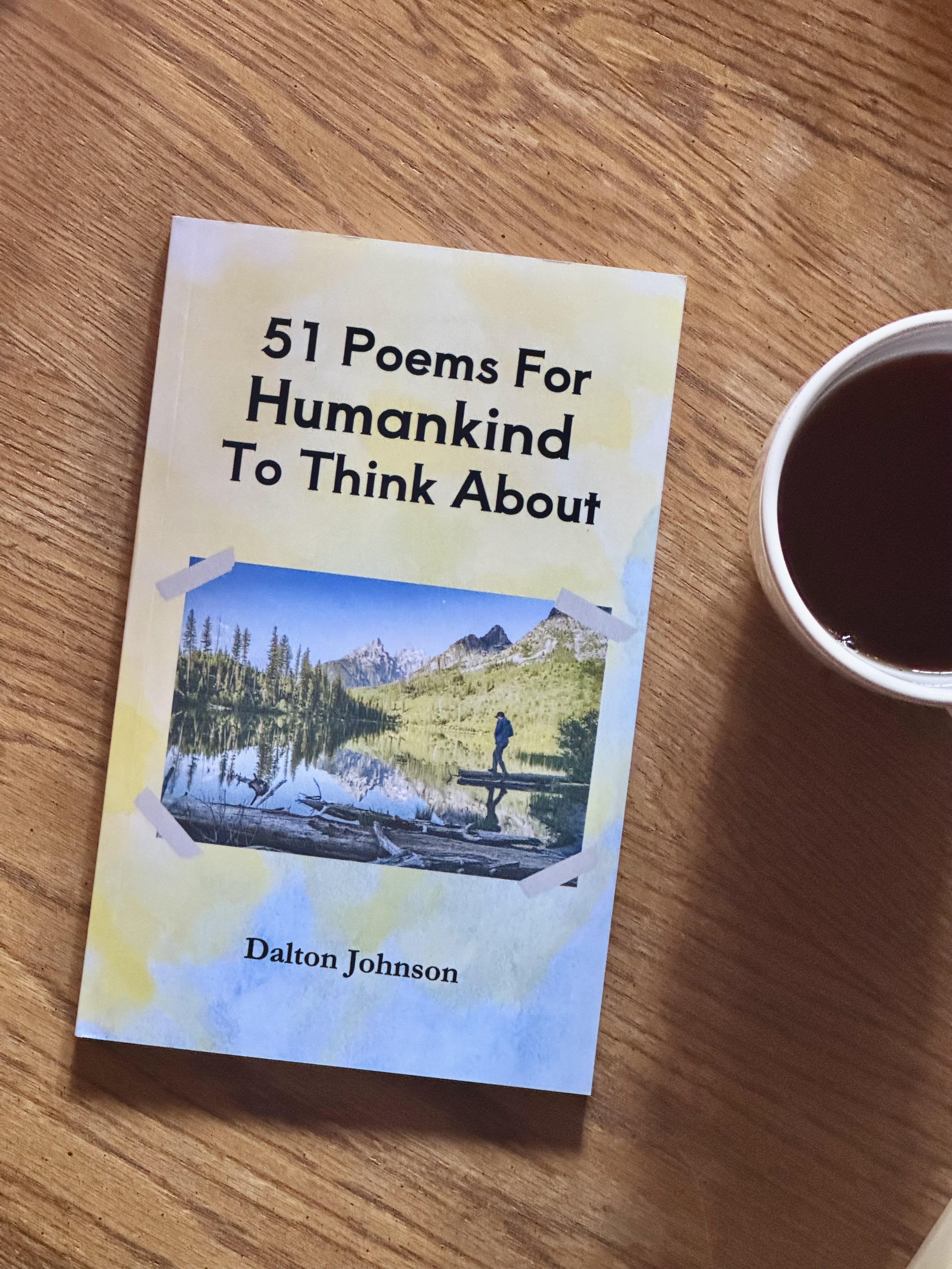
Get your signed copy of 51 Poems For Humankind To Think About. Dalton Johnson's first book of poetry. These 51 poems are his critique of American hustle culture told from the perspective of a young man returning to the world after years of living off the grid on less than $500 a month.
These poems capture the internal battle of consumerism, American greed, humans loss of connection with the natural world, and pokes fun at some of the absurd cultural norms of adulting. Each poem touches on different parts of American's superficial society in hopes of promoting the change from group thought to individuality. For it is at the individual level Johnson belives you unlock your true self.
As you read these poems take some time to think about what stirs inside of yourself to find where you can change and grow into the human you want to be today and tomorrow.
Please Note: Signed paperback will be shipping the middle of April, 2025 and should arrive by the end of April
"Finding My Home" a Poem by Dalton Johnson
"Finding My Home" is a poem by Dalton Johnson published in his first book 51 Poems For Humankind To Think About. This article also has a video of Dalton reading aloud his poem. You can purchase this book on Dalton Johnson's website or on Amazon.
FINDING MY HOME
You have always told me,
that I will never find a place, as beautiful, as this; your home.
Here all the seasons come and go,
the ponds freeze then melt which feed the roaring rivers. Flowers bloom and bask in sunlight,
while the birds flutter through the clean air.
Yet, I have never found, your home, to be beautiful.
Yes, there is natural beauty,
which surrounds you,
where-ever you wander.
But, this beauty does not suit me.
I have disliked living here, and growing up here.
The people are unmotivated, unhappy, and full of complaints.
Life here, is nonexistent.
The ones who live here, merely survive,
nothing is living.
There are only the ones who have lived and those who want to live. But there is no life, here, in your home.
This is why, I need to go, like the fluttering birds, and search for my home.
A home which I can find, beautiful.
Where I can settle and tell my kids, what you have always told me, about your home, only
it will be mine.
Order Your Copy Today: Buy on Amazon
Order Your Signed Copy Today:
Get your signed copy of 51 Poems For Humankind To Think About. Dalton Johnson's first book of poetry. These 51 poems are his critique of American hustle culture told from the perspective of a young man returning to the world after years of living off the grid on less than $500 a month.
These poems capture the internal battle of consumerism, American greed, humans loss of connection with the natural world, and pokes fun at some of the absurd cultural norms of adulting. Each poem touches on different parts of American's superficial society in hopes of promoting the change from group thought to individuality. For it is at the individual level Johnson belives you unlock your true self.
As you read these poems take some time to think about what stirs inside of yourself to find where you can change and grow into the human you want to be today and tomorrow.
Please Note: Signed paperback will be shipping the middle of April, 2025 and should arrive by the end of April
"Crowded Places" a Poem by Dalton Johnson
"Crowded Places" is a poem by Dalton Johnson published in his first book 51 Poems For Humankind To Think About. This article also has a video of Dalton reading aloud his poem. You can purchase this book on Dalton Johnson's website or on Amazon.
CROWDED PLACES
Together among a crowd seemingly meaningless, all people:
chat,
exchange stories,
become friends, and fall in love,
sometimes.
Order Your Copy Today: Buy on Amazon
Order Your Signed Copy Today:
Get your signed copy of 51 Poems For Humankind To Think About. Dalton Johnson's first book of poetry. These 51 poems are his critique of American hustle culture told from the perspective of a young man returning to the world after years of living off the grid on less than $500 a month.
These poems capture the internal battle of consumerism, American greed, humans loss of connection with the natural world, and pokes fun at some of the absurd cultural norms of adulting. Each poem touches on different parts of American's superficial society in hopes of promoting the change from group thought to individuality. For it is at the individual level Johnson belives you unlock your true self.
As you read these poems take some time to think about what stirs inside of yourself to find where you can change and grow into the human you want to be today and tomorrow.
Please Note: Signed paperback will be shipping the middle of April, 2025 and should arrive by the end of April

Building Sustainable Client Roster as an Adventure Photographer
For most adventure photographers, one-off shoots are the natural entry point into the business. A single project might cover an expedition, a branded social media campaign, or a weeklong assignment with an outdoor company. These opportunities are exciting, often highly creative, and a great way to get your foot in the door.
For most adventure photographers, one-off shoots are the natural entry point into the business. A single project might cover an expedition, a branded social media campaign, or a weeklong assignment with an outdoor company. These opportunities are exciting, often highly creative, and a great way to get your foot in the door.
The challenge? Once the shoot is done, so is the paycheck. Chasing the next gig can quickly become a cycle of feast and famine.
That’s where retainer clients change everything. A retainer is an agreement where a brand, outfitter, or publication pays you consistently—monthly or quarterly—in exchange for a set amount of work. Instead of starting from zero every month, you build predictable income and a long-term partnership.
For adventure photographers, retainers are powerful because they:
Create stability in an unpredictable industry.
Build trust and efficiency with clients who know your style and workflow.
Allow you to focus on storytelling, rather than constantly pitching new work.
Free up creative space to pursue passion projects, knowing your base income is covered.
One-off shoots are still valuable—they can expand your portfolio, introduce you to new brands, and lead to bigger opportunities. But if you want to turn adventure photography into a sustainable business, adding a few retainer clients to your roster is one of the smartest moves you can make.
This lesson comes from my ebook "The Adventure Photographer's Playbook" and it costs $10. Why so cheap? The goal is to help as many new to mid level photographers as possible go from nothing to getting booked in 18 months:

Read More From The Photographer’s Playbook

Building a Sustainable Business Requires Multiple Revenue Streams for Adventure Photographers
Adventure photography is exciting, creative, and deeply rewarding — but it’s also a business. One of the best ways to keep your photography career sustainable is to create multiple revenue streams. Not everything will be “hot” all the time, so having different income sources gives you balance, consistency, and room to grow.
Adventure photography is exciting, creative, and deeply rewarding — but it’s also a business. One of the best ways to keep your photography career sustainable is to create multiple revenue streams. Not everything will be “hot” all the time, so having different income sources gives you balance, consistency, and room to grow.
Here’s how I personally break down my income streams:
1. Passive Income (low effort, long-term returns)
These are the revenue streams that keep working in the background with little ongoing effort. For adventure photographers, passive income might look like:
Selling prints of your best adventure shots
Publishing photography books or e-guides
Creating online courses or workshops
Long-term investing
The goal: put in work once, and let the sales continue while you focus on other projects.
2. Semi-Passive Income (some effort required)
Semi-passive income takes a bit more maintenance but can scale well. Examples include:
Image licensing (brands or publications buying rights to your photos)
Contracted side work (like video editing for past clients or partners)
Gear rentals (renting camera or outdoor equipment you already own)
Social media collaborations and sponsorships
These streams are flexible and often bring in steady income when bigger jobs slow down.
3. Working Income (active, hands-on work)
This is the income that requires your full energy and attention. For many adventure photographers, it’s the core of their career:
Commissioned photography projects
Creative development for brands or expeditions
Marketing or content consulting
Speaking engagements or guided adventure workshops
Working income is often the most rewarding — but it’s also the most time-intensive.
Balancing Business and Creativity
When you become a photographer, you also become an entrepreneur. That means thinking like a business of one:
Track profit vs. loss
Stay updated on market trends
Do your taxes correctly (or hire a pro)
Market yourself consistently
Outsource when needed
Regularly audit your business health
And here’s the key: work ON your business as much as you work IN your business.
On = CEO, COO, CFO tasks — planning strategy, marketing, finances, and growth.
In = Creative employee tasks — editing, updating your website, designing newsletters, producing photos.
Making time for both ensures you’re not just creating, but also building a foundation for long-term success.
This lesson comes from my ebook "The Adventure Photographer's Playbook" and it costs $10. Why so cheap? The goal is to help as many new to mid level photographers as possible go from nothing to getting booked in 18 months:
Read More From The Photographer’s Playbook
"Useless Knowledge" a Poem by Dalton Johnson
"Useless Knowledge" is a poem by Dalton Johnson published in his first book 51 Poems For Humankind To Think About. This article also has a video of Dalton reading aloud his poem. You can purchase this book on Dalton Johnson's website or on Amazon.
USELESS KNOWLEDGE
As I sit, I see rows.
Rows of knowledge, line the room.
In these rows, you can learn, anything, your heart desires.
Endless possibilities, line this room. All you have to do, is sit and learn.
As I sit, from my comfy chair, I indulge, in the endless rows.
You could say, I want to learn. But truly, I want to burn.
Personally, I don’t want to burn, but, I want to burn,
the endless rows, that teach me nothing.
Order Your Copy Today: Buy on Amazon
Order Your Signed Copy Today:
Get your signed copy of 51 Poems For Humankind To Think About. Dalton Johnson's first book of poetry. These 51 poems are his critique of American hustle culture told from the perspective of a young man returning to the world after years of living off the grid on less than $500 a month.
These poems capture the internal battle of consumerism, American greed, humans loss of connection with the natural world, and pokes fun at some of the absurd cultural norms of adulting. Each poem touches on different parts of American's superficial society in hopes of promoting the change from group thought to individuality. For it is at the individual level Johnson belives you unlock your true self.
As you read these poems take some time to think about what stirs inside of yourself to find where you can change and grow into the human you want to be today and tomorrow.
Please Note: Signed paperback will be shipping the middle of April, 2025 and should arrive by the end of April

Working On Your Business vs Working In Your Business as an Adventure Photographer
When you step into the world of adventure photography, you’re not just a creative—you’re also a business owner. That means your success depends not only on how well you shoot, but also on how well you run your business. Many photographers fall into the trap of spending all their time “in” their business—editing, emailing, and shooting—while neglecting the bigger picture of working “on” their business. To build something sustainable, you need both.
When you step into the world of adventure photography, you’re not just a creative—you’re also a business owner. That means your success depends not only on how well you shoot, but also on how well you run your business. Many photographers fall into the trap of spending all their time “in” their business—editing, emailing, and shooting—while neglecting the bigger picture of working “on” their business. To build something sustainable, you need both.
Why You’re More Than a Photographer
The moment you choose to make photography your career, you also become an entrepreneur. Think of your business as a one-person startup—you’re the CEO, CFO, and creative all rolled into one. To thrive, you have to balance the creative work with the behind-the-scenes operations that make growth possible.
Understanding Revenue Streams
Adventure photography can be unpredictable—work flows in waves depending on seasons, clients, and trends. That’s why diversifying your revenue is key. Here’s a breakdown of income streams to consider:
Passive Income – Products that keep selling without much ongoing effort, like books, photo prints, courses, or even investments.
Semi-Passive Income – Revenue that requires some maintenance, such as licensing images, offering gear rentals, or ongoing contracted editing work.
Working Income – The most hands-on income, like shooting assignments, creating custom campaigns, or consulting.
Relying on just one type leaves you vulnerable. Spreading your efforts across all three gives you stability and flexibility.
Working In Your Business
This is the hands-on side of being a photographer. It includes:
Editing photos
Shooting assignments
Writing blog posts or newsletters
Designing products
Managing client communications
It’s the day-to-day grind that keeps things moving—but if this is all you focus on, you’ll stay stuck in survival mode.
Working On Your Business
This is the high-level, strategic work that sets you up for growth. Think of it as stepping into the role of CEO:
Reviewing profit and loss statements
Marketing and positioning yourself in the adventure space
Building new revenue streams
Networking and hiring contractors when needed
Auditing workflows and tools to improve efficiency
Without this CEO mindset, your photography business won’t have direction or long-term stability.
Finding the Balance
Adventure photography requires you to wear both hats each week. Schedule time for both:
On your business: one or two focused blocks each week for strategy, finances, and planning.
In your business: the creative and production time that brings in your revenue.
This balance ensures that while you’re busy capturing the world’s most beautiful landscapes and stories, you’re also building a business strong enough to keep you out there doing what you love.
This lesson comes from my ebook "The Adventure Photographer's Playbook" and it costs $10. Why so cheap? The goal is to help as many new to mid level photographers as possible go from nothing to getting booked in 18 months:
Read More From The Photographer’s Playbook

Here's Why Photographer's Should Always Include Photo Licensing in Your Contract
One of the most important lessons I’ve learned as an adventure photographer is that photo licensing belongs in every contract. It protects your work, ensures you get paid fairly, and prevents misunderstandings with clients. Without clear licensing terms, you’re leaving the value of your images up to interpretation, which can lead to disputes or lost income.
One of the most important lessons I’ve learned as an adventure photographer is that photo licensing belongs in every contract. It protects your work, ensures you get paid fairly, and prevents misunderstandings with clients. Without clear licensing terms, you’re leaving the value of your images up to interpretation, which can lead to disputes or lost income.
Protect Your Work
When you include licensing in your contract, you clearly define how your images can be used, for how long, and whether they are exclusive. This gives you legal protection if a client tries to use your images outside of the agreed-upon scope. It’s not just about contracts—it’s about safeguarding the creative work you’ve poured time, skill, and money into producing.
Ensure Fair Compensation
Licensing lets you price your work according to its value. A single-use social media post has a different value than a nationwide advertising campaign or a full print run. By clearly spelling out usage, duration, and exclusivity in your contract, clients understand exactly what they are paying for, and you are paid fairly for the rights to your images.
Avoid Confusion and Disputes
Clients don’t always understand the nuances of photo licensing, and that’s okay. But if licensing isn’t addressed in the contract, assumptions can lead to misunderstandings. By laying it all out in writing, everyone is on the same page. You protect yourself, and you give your client confidence that the project is professional and organized.
Maintain Long-Term Value
Including licensing in your contract ensures that you retain control over your images. Time-limited or non-exclusive licenses allow you to reuse images in the future, sell them to other clients, or include them in personal projects. Avoiding vague terms like “in perpetuity” protects your ability to generate income from the same work multiple times.
This lesson comes from The Adventure Photographer’s Playbook, where I cover licensing, pricing strategies, and how to structure your contracts to protect both your creative vision and your financial sustainability.
This lesson comes from my ebook "The Adventure Photographer's Playbook" and it costs $10. Why so cheap? The goal is to help as many new to mid level photographers as possible go from nothing to getting booked in 18 months:
Read More From The Photographer’s Playbook

Understanding Usage in a Photo License as an Adventure Photographer
In photo licensing, usage refers to where and how a client is allowed to use your images. It is one of the three key elements of licensing, along with duration and exclusivity, and it directly affects the value of your work. Understanding usage helps you price your projects fairly and protects your ability to monetize your images in the future.
In photo licensing, usage refers to where and how a client is allowed to use your images. It is one of the three key elements of licensing, along with duration and exclusivity, and it directly affects the value of your work. Understanding usage helps you price your projects fairly and protects your ability to monetize your images in the future.
Types of Usage
Usage can vary widely depending on the client and the project. Some of the most common categories include:
Digital: Websites, email campaigns, newsletters, blogs, and internal communications. This can include paid and organic social media content.
Print: Magazines, brochures, posters, expo banners, in-store signage, or other physical advertisements.
One-Time or Limited Use: For specific campaigns, such as a magazine cover, a short-term ad, or an event promotion.
Full Marketing or Multi-Platform: Covers multiple channels, combining digital, print, and social media usage across campaigns.
Why Usage Matters
Knowing the usage of your images allows you to assign value accurately. A single-use social media post is worth far less than a national advertising campaign running across print, web, and digital platforms. Clear communication about usage ensures clients understand the scope of the license and helps prevent misunderstandings or misuse.
By defining usage upfront, you also protect your ability to sell or license your images elsewhere. Combined with clear terms for duration and exclusivity, usage helps you structure a professional, fair, and sustainable licensing agreement.
This lesson comes from The Adventure Photographer’s Playbook, where I cover practical strategies for licensing, pricing, and protecting your images in the adventure and travel photography world.
This lesson comes from my ebook "The Adventure Photographer's Playbook" and it costs $10. Why so cheap? The goal is to help as many new to mid level photographers as possible go from nothing to getting booked in 18 months:
Read More From The Photographer’s Playbook
"A Force" a Poem by Dalton Johnson
"A Force" is a poem by Dalton Johnson published in his first book 51 Poems For Humankind To Think About. This article also has a video of Dalton reading aloud his poem. You can purchase this book on Dalton Johnson's website or on Amazon.
A FORCE
It is a force, to read: book after book, page after page, paragraph after paragraph, line after line,
word after word.
It is a force, to ask: for composition, regurgitation, explanation.
Teachers, you ask this of us,
yet, you know we don’t care.
You know, we are forced here, to learn what we do not care.
It is a force!
It is a force, to express: ourselves,
our hearts,
our soul.
It is a force, to demonstrate: how much we care, how much you mean, how important you are.
Order Your Copy Today: Buy on Amazon
Order Your Signed Copy Today:
Get your signed copy of 51 Poems For Humankind To Think About. Dalton Johnson's first book of poetry. These 51 poems are his critique of American hustle culture told from the perspective of a young man returning to the world after years of living off the grid on less than $500 a month.
These poems capture the internal battle of consumerism, American greed, humans loss of connection with the natural world, and pokes fun at some of the absurd cultural norms of adulting. Each poem touches on different parts of American's superficial society in hopes of promoting the change from group thought to individuality. For it is at the individual level Johnson belives you unlock your true self.
As you read these poems take some time to think about what stirs inside of yourself to find where you can change and grow into the human you want to be today and tomorrow.
Please Note: Signed paperback will be shipping the middle of April, 2025 and should arrive by the end of April

Understanding Duration in Photo Licensing for Adventure Photographer
In photo licensing, duration refers to how long a client is allowed to use your images. It is one of the three key components of licensing, along with usage and exclusivity, and it directly impacts the value of your work and how you structure your pricing.
In photo licensing, duration refers to how long a client is allowed to use your images. It is one of the three key components of licensing, along with usage and exclusivity, and it directly impacts the value of your work and how you structure your pricing.
Time-Limited Licenses
A time-limited license gives a client the right to use your images for a specific period, such as 6, 12, or 24 months. After the agreed-upon duration ends, the client must stop using the images unless they renew the license. Most companies will not use images beyond two years, so time-limited licenses make sense for both the client and the photographer.
Time-limited licenses allow you to retain control over your images and create opportunities for additional income. Once the license expires, you can license the same images to other clients or include them in personal projects.
One-Time or Per-Use Licenses
Some licenses are even shorter, granting usage for a single campaign, publication, or event. Examples include a magazine cover, a single social media campaign, or a limited-run print advertisement. One-time licenses are valuable when clients need short-term access but do not require ongoing rights.
Avoiding Perpetual Licenses
A license in perpetuity grants the client unlimited use of your images forever. This can significantly reduce your potential for future income from the same work. Whenever possible, avoid perpetual licenses unless you are being compensated at a very high rate. Limiting the duration ensures your images maintain long-term value and flexibility.
Understanding duration helps you quote projects accurately, protect your work, and maintain the ability to monetize your images multiple times. By combining clear terms for usage, duration, and exclusivity, you can create fair, professional licensing agreements that benefit both you and your clients.
This lesson comes from The Adventure Photographer’s Playbook, where I cover licensing, pricing, and strategies for sustainable photography business growth.
This lesson comes from my ebook "The Adventure Photographer's Playbook" and it costs $10. Why so cheap? The goal is to help as many new to mid level photographers as possible go from nothing to getting booked in 18 months:
Read More From The Photographer’s Playbook

Understanding Exclusivity in Photo Licensing As An Adventure Photographer
Exclusivity in photo licensing refers to whether the client has exclusive rights to use the images you create, or if you, as the photographer, can sell or license the same images to other clients. Understanding exclusivity is crucial because it directly affects the value of your work.
Exclusivity in photo licensing refers to whether the client has exclusive rights to use the images you create, or if you, as the photographer, can sell or license the same images to other clients. Understanding exclusivity is crucial because it directly affects the value of your work.
Exclusive Licenses
An exclusive license means the client is the only one allowed to use the images for the agreed-upon purpose, time, and territory. This type of license is more valuable because it restricts the photographer from selling the same images elsewhere. Exclusive rights often come with higher fees because the client is paying for sole access to your work.
For example, a company might request exclusive rights to a campaign image for one year. During that time, you cannot license that photo to another brand or use it for personal sales. Once the term ends, you may be able to license it again, depending on the contract.
Non-Exclusive Licenses
Non-exclusive licenses allow you to sell or license the same images to multiple clients. This gives you more flexibility and the opportunity to earn passive income from the same work. Non-exclusive licenses are often more affordable for clients but still allow you to retain control over your images.
For example, a stock photo or a lifestyle image used in multiple digital campaigns could be licensed non-exclusively to several brands, maximizing its value to you as the photographer.
Why Exclusivity Matters
Knowing whether a license is exclusive or non-exclusive is critical when pricing your work. Exclusive licenses are worth more because they limit your ability to reuse the images. Non-exclusive licenses provide more freedom but typically come at a lower rate. Clear communication about exclusivity protects your work, ensures fair compensation, and prevents disputes down the line.
This lesson comes from The Adventure Photographer’s Playbook, where I cover licensing strategies, pricing, and how to structure agreements for adventure and travel photography projects.
This lesson comes from my ebook "The Adventure Photographer's Playbook" and it costs $10. Why so cheap? The goal is to help as many new to mid level photographers as possible go from nothing to getting booked in 18 months:
Read More From The Photographer’s Playbook
"After All Have Gone To Bed" a Poem by Dalton Johnson
"After All Have Gone To Bed" is a poem by Dalton Johnson published in his first book 51 Poems For Humankind To Think About. This article also has a video of Dalton reading aloud his poem. You can purchase this book on Dalton Johnson's website or on Amazon.
AFTER ALL HAVE GONE TO BED
I
Where does your mind wander,
after all have gone to bed?
Are you counting sheep,
along with those asleep? Or,
are you thinking about love, pursuit of happiness, prosperity?
Do you sit in a chair
to reflect the days deeds,
asking yourself if you were good,
or bad? Or,
do you drown your sorrows away with the last fluid ounces residing in your whiskey jar?
II
For my young mind, still driven by my hearts-desires, ponders preposterous questions unanswerable to all except time.
Only Time knows what will happen, who I will love, who I will marry, what I will
do, what I will make.
Time understands that the Present is the main character, who will receive the credit for Time’s work.
For Time is the one calling the shots, figuring out the
angles and settings.
Time just hopes Present will do a good job concealing the plot. Because what movie is worth watching if both the journey and conclusion are revealed?
None!
However, my young, foolish mind
still ponders these preposterous thoughts because I am still
learning:
how to live in the present.
how not to worry about uncontrollable matters.
how to live without fear of myself. how to live without fear of failure.
how to live dedicating my body, mind, soul to the life I want to live.
III
Now, what about you? Where does you mind wander
after all have gone to bed?
Does your mind follow
your heart? Ask itself preposterous questions, as I do myself? Or, do you
count sheep in your dreams
along with those resting atop their
beds and below their covers?
Or, are you unable to sleep because you lay on cold ground every night, under the night sky dying a slow death of hunger and hypothermia?
Order Your Copy Today: Buy on Amazon
Order Your Signed Copy Today:
Get your signed copy of 51 Poems For Humankind To Think About. Dalton Johnson's first book of poetry. These 51 poems are his critique of American hustle culture told from the perspective of a young man returning to the world after years of living off the grid on less than $500 a month.
These poems capture the internal battle of consumerism, American greed, humans loss of connection with the natural world, and pokes fun at some of the absurd cultural norms of adulting. Each poem touches on different parts of American's superficial society in hopes of promoting the change from group thought to individuality. For it is at the individual level Johnson belives you unlock your true self.
As you read these poems take some time to think about what stirs inside of yourself to find where you can change and grow into the human you want to be today and tomorrow.
Please Note: Signed paperback will be shipping the middle of April, 2025 and should arrive by the end of April

The Three Most Important Parts of Photo Licensing as an Adventure Photographer
Photo licensing can feel overwhelming if you let it, but it doesn’t have to be complicated. In my experience as an adventure photographer, there are three key components that determine the value and scope of any license: usage, duration, and exclusivity.
Photo licensing can feel overwhelming if you let it, but it doesn’t have to be complicated. In my experience as an adventure photographer, there are three key components that determine the value and scope of any license: usage, duration, and exclusivity.
Usage
Usage is about where the images will live. Are they going online, printed in a magazine, used in an ad, or all of the above? Understanding usage allows you to assign the right value to your work. For example, a full digital campaign across a company’s website and social media is worth more than a single newsletter placement.
Duration
Duration refers to how long the client can use the images. Is it a one-time use, a six-month campaign, or a year-long license? Most companies will not use images two years after a project, so time-limited licenses make sense. Avoid open-ended or “in perpetuity” terms whenever possible, because this can limit your ability to monetize the work elsewhere.
Exclusivity
Exclusivity answers the question: can you sell the images to anyone else, or are they exclusive to this client? Exclusive rights are always more valuable because they limit how the photographer can reuse the work. Non-exclusive licenses give you the freedom to sell the images multiple times, creating passive income from a single project.
Understanding these three parts—usage, duration, and exclusivity—makes licensing far easier to manage. It allows you to quote projects clearly, protect your work, and ensure you are paid fairly for the value you create.
This lesson comes from The Adventure Photographer’s Playbook, where I go into detail on pricing, licensing, and structuring your photography business for long-term success.
This lesson comes from my ebook "The Adventure Photographer's Playbook" and it costs $10. Why so cheap? The goal is to help as many new to mid level photographers as possible go from nothing to getting booked in 18 months:
Read More From The Photographer’s Playbook

How to Structure a Photo License For Adventure Photographers
When you’re hired as a photographer and nothing else, day rates are still common, especially in agency work. This means you are given the creative and asked to show up with your camera to bring the concept to life. A day rate typically includes your cost of doing business and travel expenses, but these are becoming less common as licensing has become the standard way to value your work.
When you’re hired as a photographer and nothing else, day rates are still common, especially in agency work. This means you are given the creative and asked to show up with your camera to bring the concept to life. A day rate typically includes your cost of doing business and travel expenses, but these are becoming less common as licensing has become the standard way to value your work.
Photo licensing can feel confusing if you let it, but keeping it simple is key. At its core, licensing is about understanding three things: usage, duration, and exclusivity.
Usage: Where will the images live? Will they be online, in print, or both?
Duration: How long does the client want to use the images? Weeks, months, or years?
Exclusivity: Can you sell the images to anyone else, or are they exclusive to that client?
Some of the most common licensing asks include:
Full digital: This covers every digital marketing use, including newsletters, ebooks, social media, websites, blogs, and internal communications.
Organic and paid social: Restricted to social media use only, including both paid ads and organic posts.
Print: For magazine ads, expo banners, in-store signage, and other physical placements.
One-time use: For example, the cover of a magazine.
Time-limited usage: Common durations are 6, 12, or 24 months. Most companies will not use an image two years later.
A key rule of thumb: avoid granting rights “in perpetuity.” This term means the client can use the images forever, which prevents you from earning passive income from the same images in the future. Setting clear boundaries on usage ensures your work retains value and protects your ability to monetize it further.
Understanding licensing is a crucial part of running a sustainable photography business. Structuring your licenses clearly, in combination with your creative and production fees, ensures clients know exactly what they are paying for and that you get paid fairly for your work.
This lesson comes from The Adventure Photographer’s Playbook.
This lesson comes from my ebook "The Adventure Photographer's Playbook" and it costs $10. Why so cheap? The goal is to help as many new to mid level photographers as possible go from nothing to getting booked in 18 months:
Read More From The Photographer’s Playbook
A Creative Life is Full of Unexpected Twists and Turns
Five years ago, I was homeless by choice hoping to "become a photographer" I was grinding, doing spec work to build a portfolio, living on a few hundred bucks a month, with most of it going to my student loans.
Life is full of unexpected twists and turns as a creative and my photography career is a prime example of that.
Five years ago, I was homeless by choice hoping to "become a photographer"
I was grinding, doing spec work to build a portfolio, living on a few hundred bucks a month, with most of it going to my student loans.
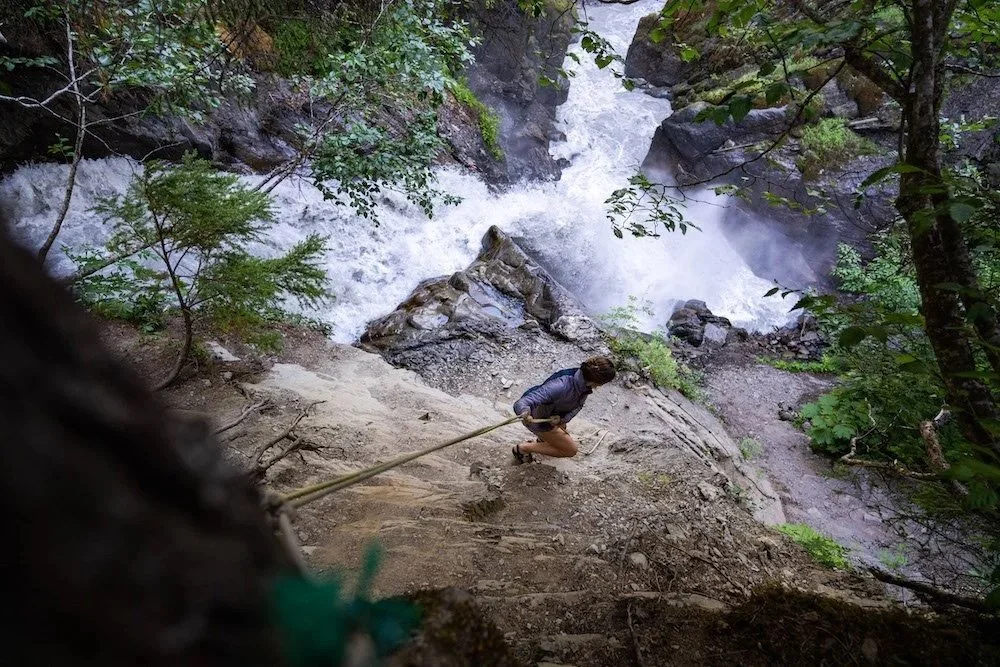
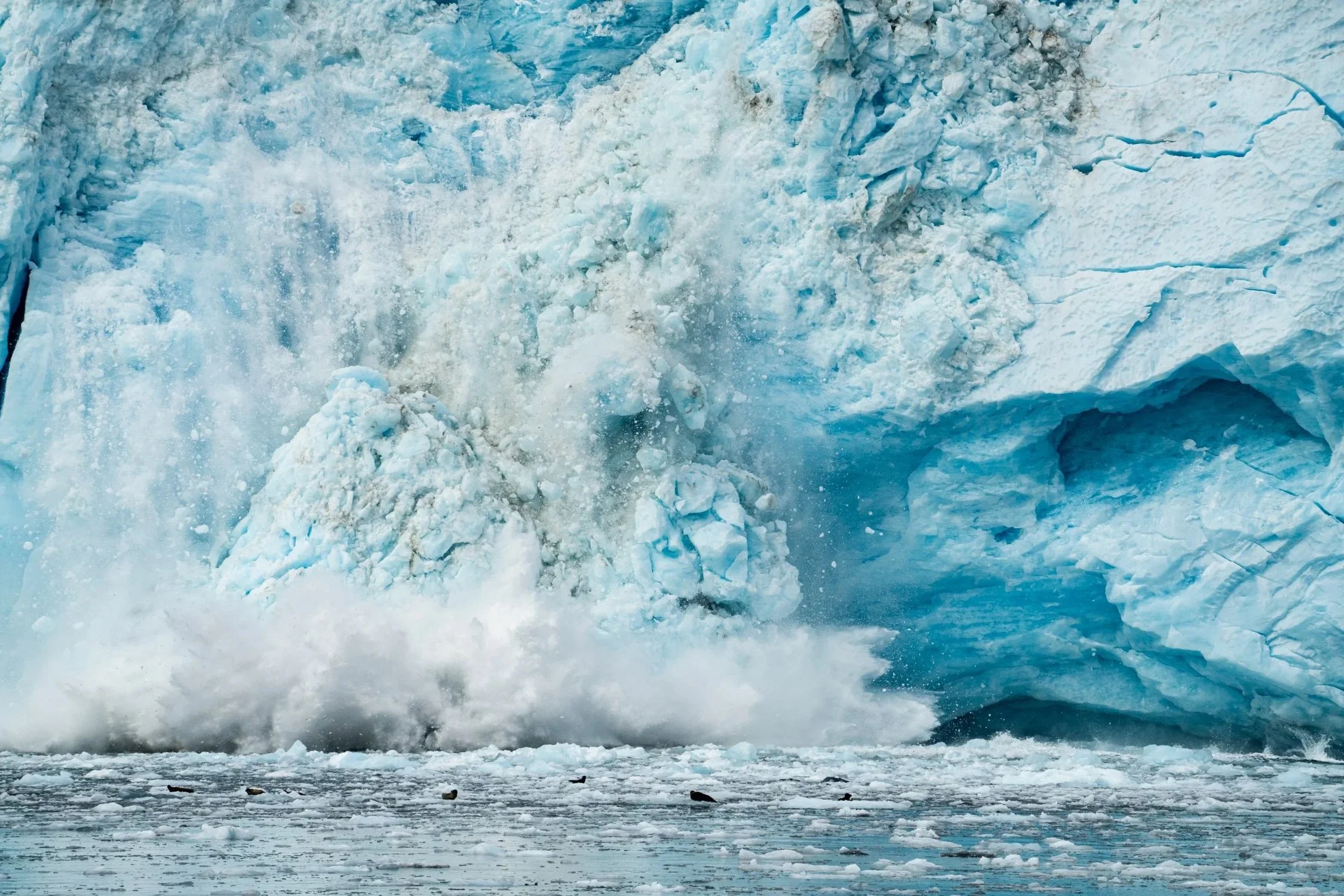
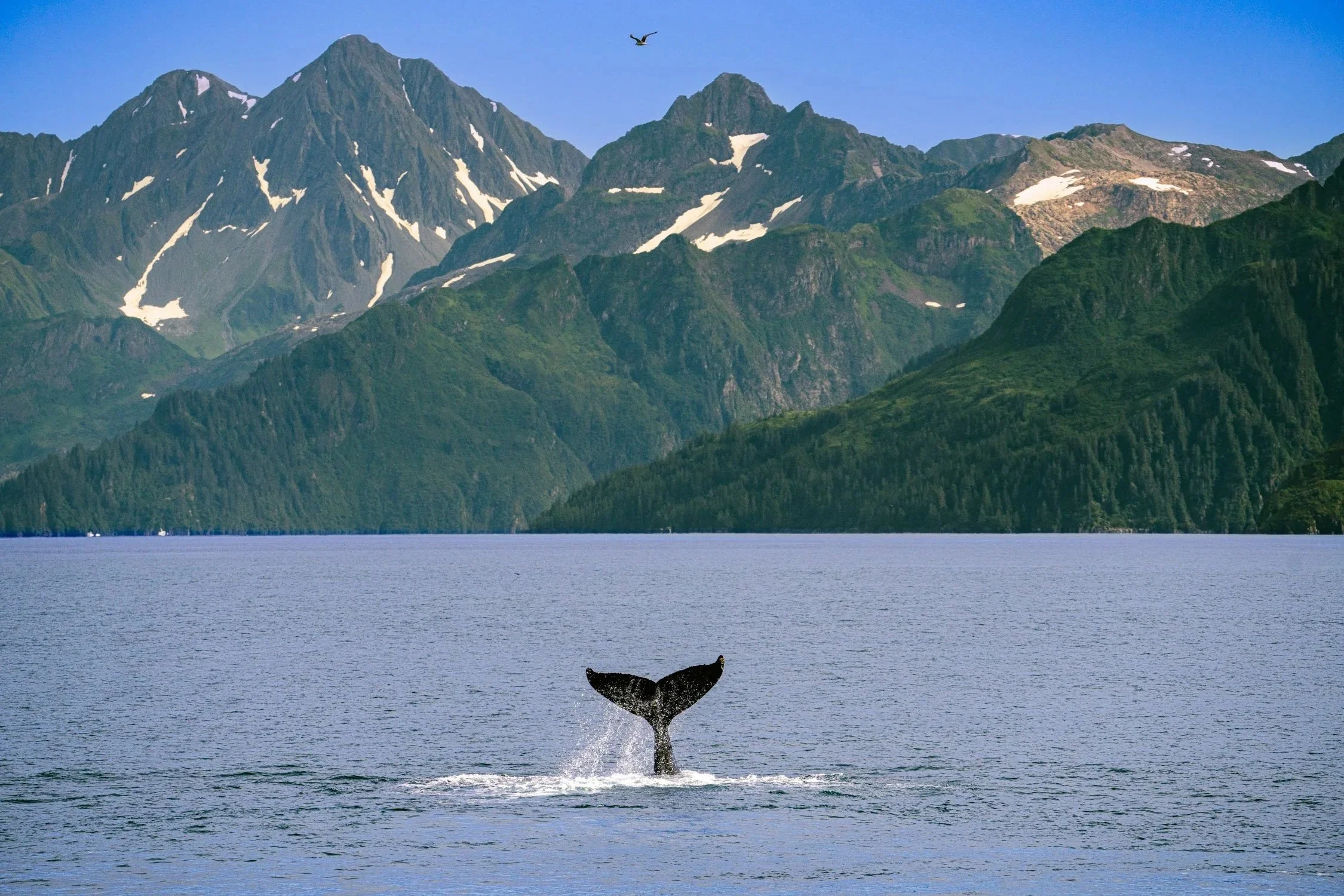
Then, out of the blue, I got a call to shoot a documentary on Denali in Alaska and it was going to pay enough to cover 6 months of living for myself.
Obviously, I said yes.
But, I knew that I wanted to make more out of this opportunity than just flying up, shooting, and coming back to my homelessness with money in my bank. So, I did the only logical thing.
Took my deposit and invested it in gas so I could drive up to Alaska.
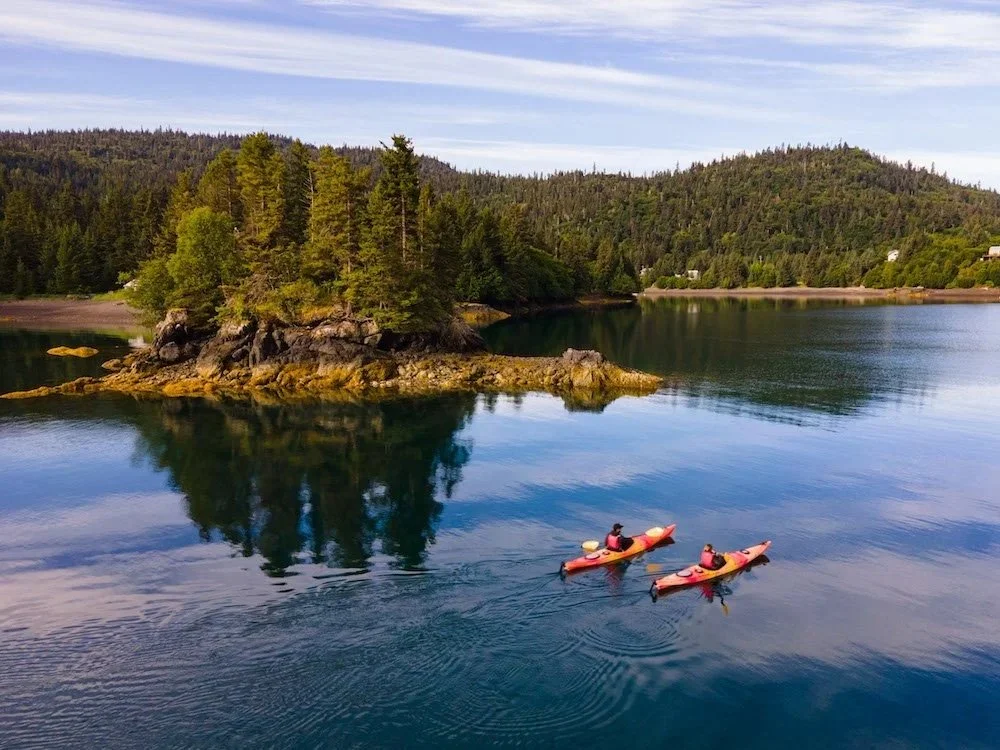
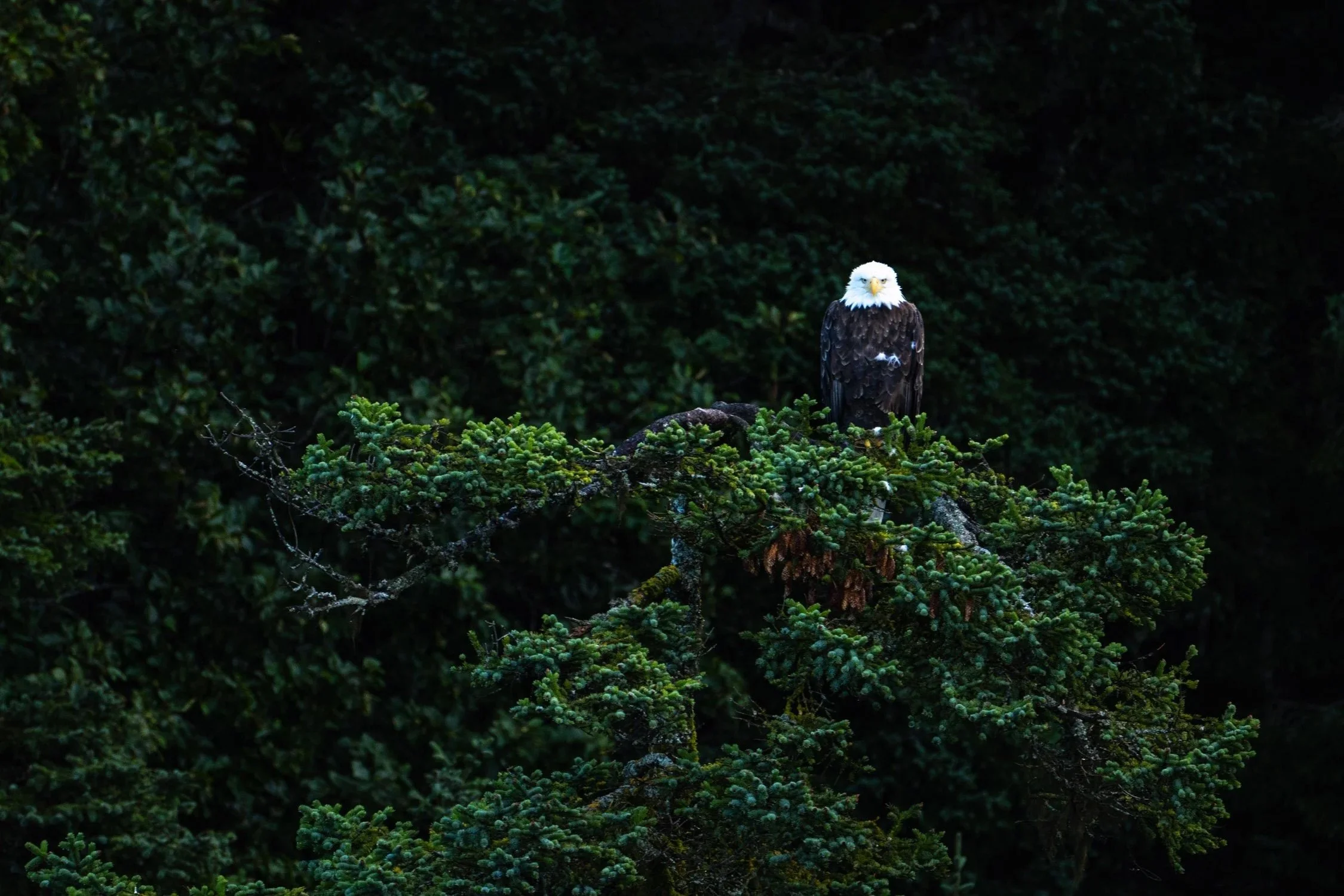
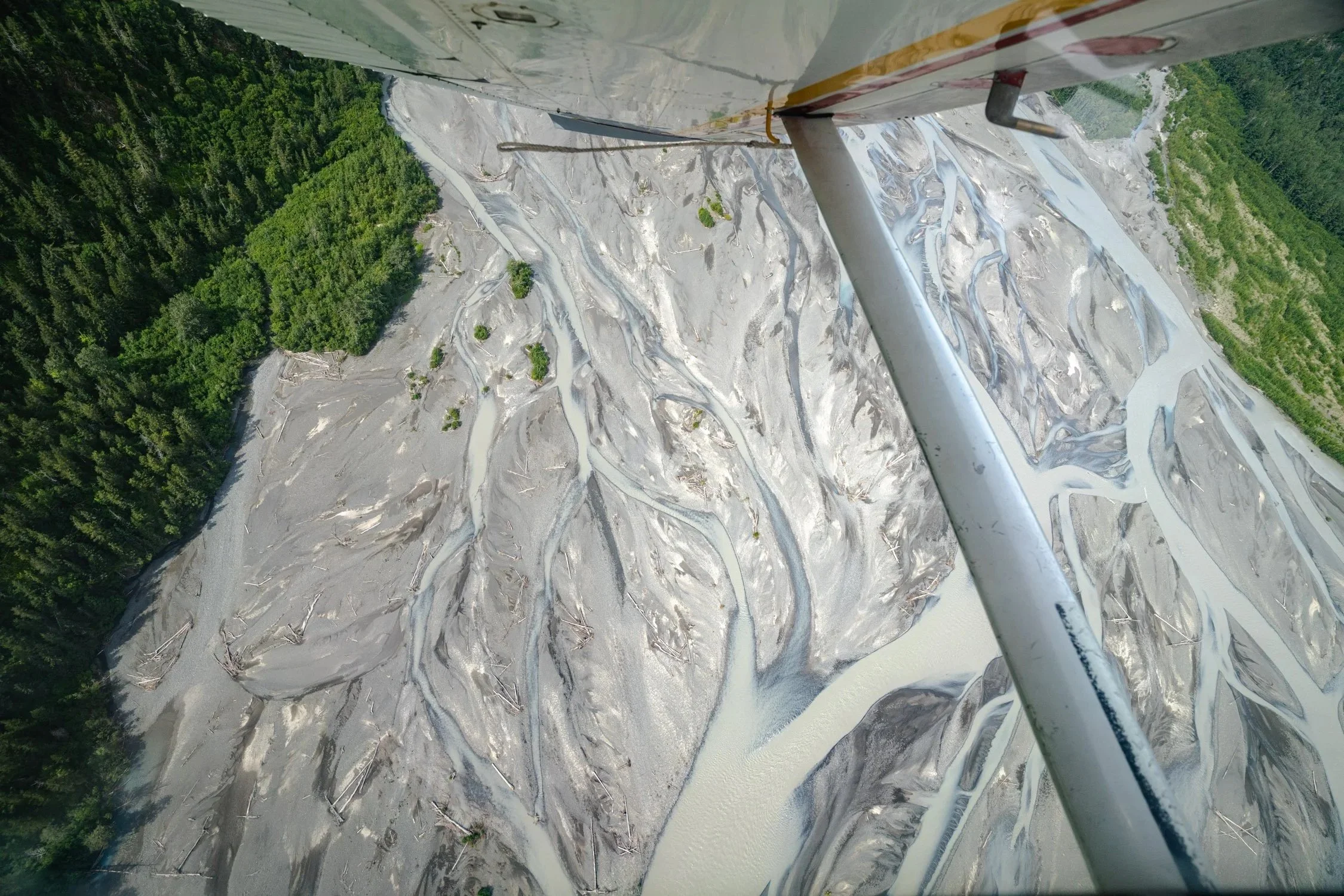
I shot the documentary, collected my final payment, and stayed along the Kenai Peninsula for another 2.5 more months with Kristin.
During that time, I hustled to land additional clients. Some paid very little, some paid a few grand, some paid well.
What I learned during those two months have fueled my career for the past few years.
Quoting one of the best movies out there, "if you build it, they will come" is mostly true.
If you put yourself in the right place at the right time, there is a really good chance you can make lemonade.
I have refined this business model over and over again, improving my offer, and figuring out how to be the one in charge of my career as a creative instead of waiting for clients to give me a thumbs up.
In a way, it makes me an influencer, but I like to think of myself as an "amateur adventurer & professional photographer"
The cool part, the documentary I shot ended up airing on PBS, winning a bunch of awards, and proved to me that I can make films as well as photograph.

Starting and Failing Is Better Than Never Starting
Maybe it is surviver bias convincing me this, but ever since my first "big" investment into my photography career I've been hooked.
Starting and failing is better than never starting.
At least, that is what I tell myself.
Maybe it is surviver bias convincing me this, but ever since my first "big" investment into my photography career I've been hooked.
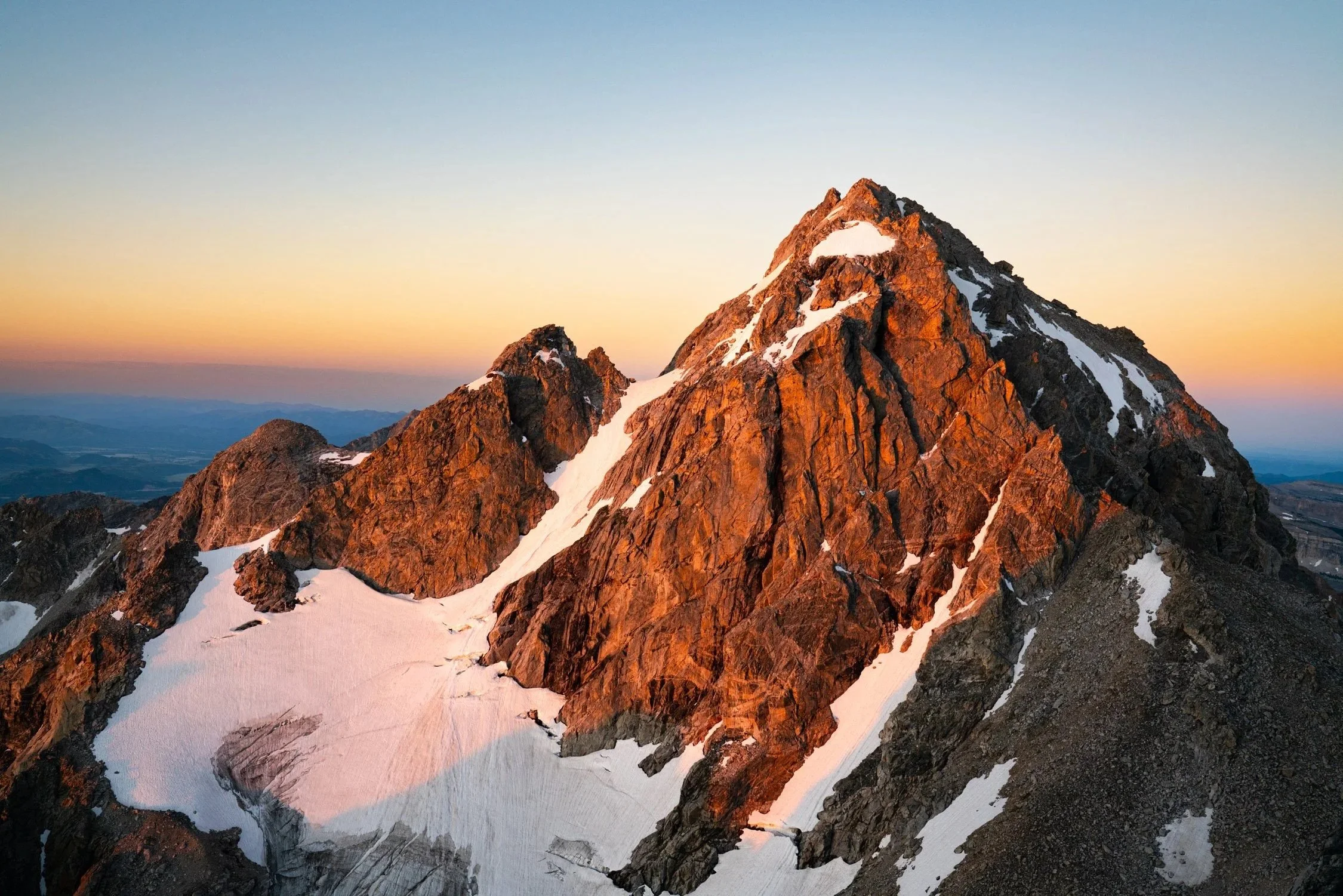
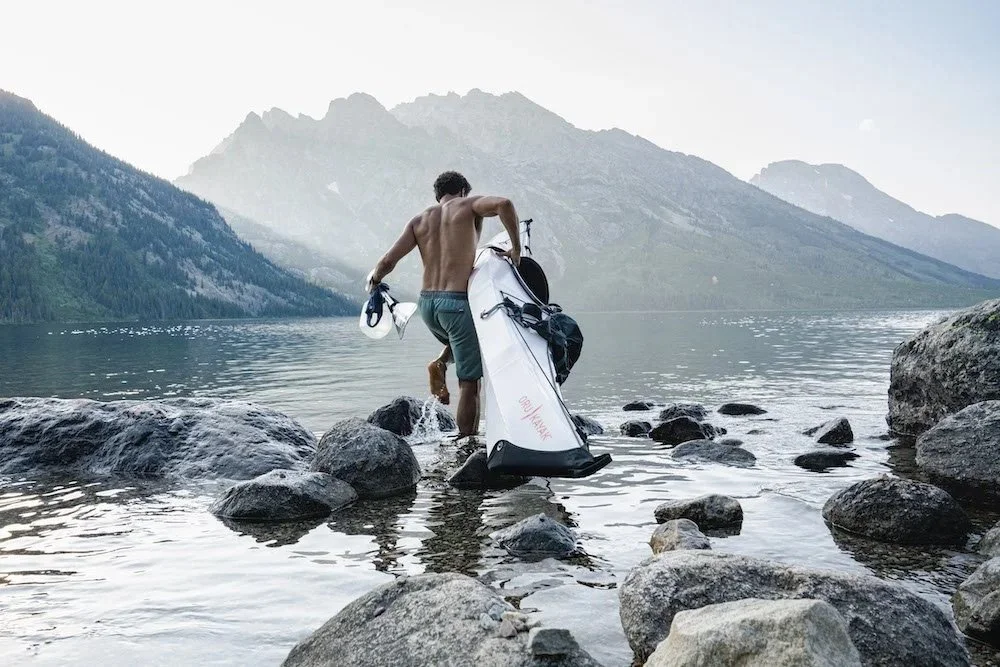
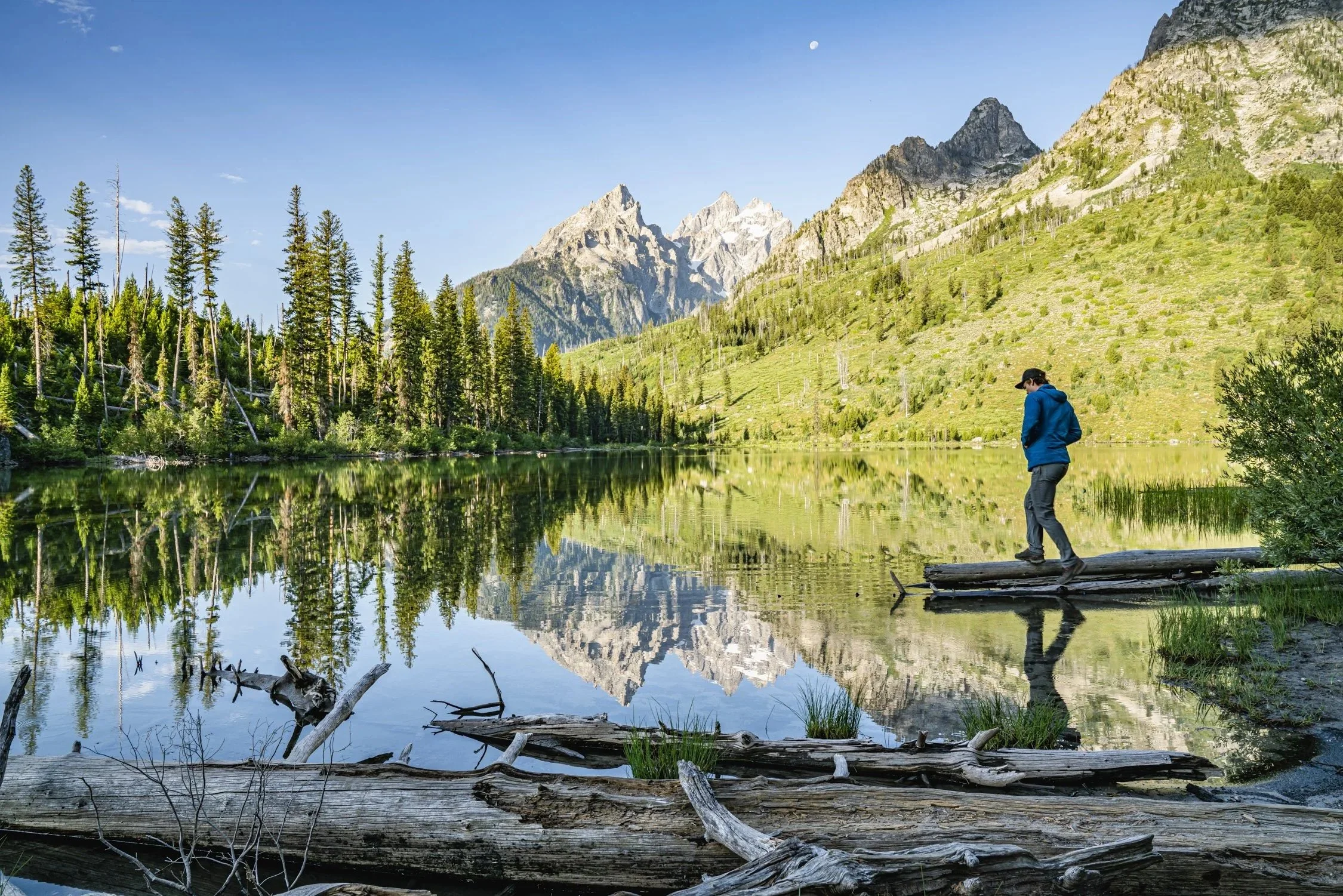
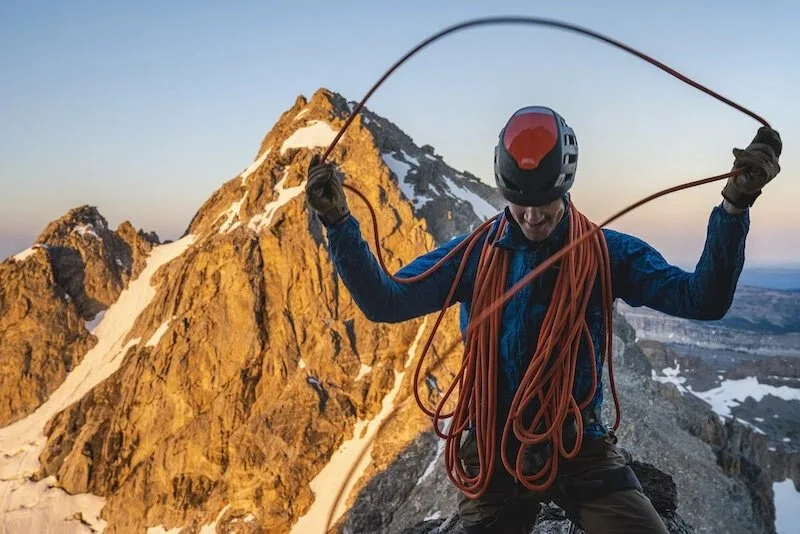
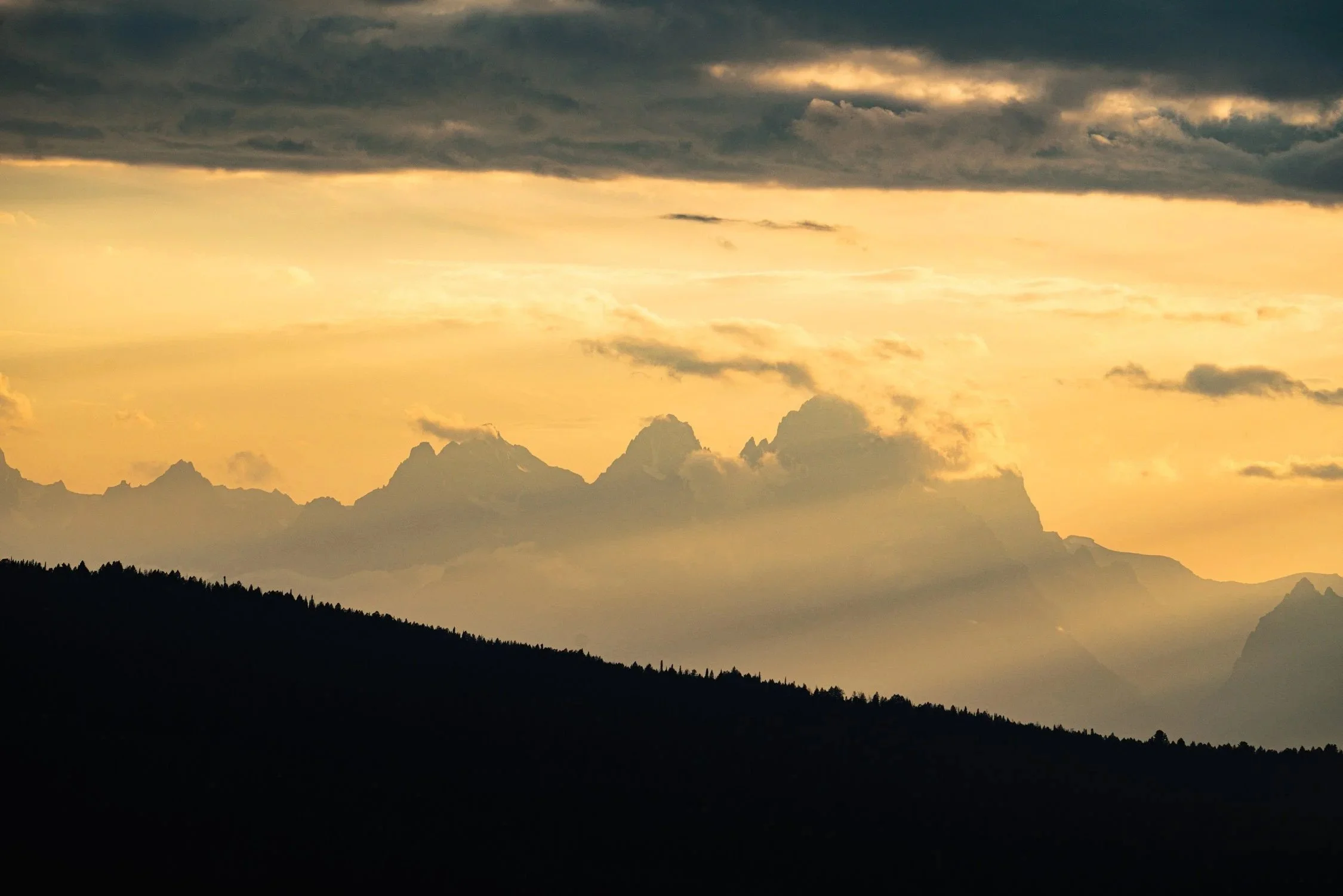
A road trip to Wyoming and Colorado mostly to climb, but also build a portfolio I was proud to share.
As it turns out, I'm a better lifestyle photographer than "action sports" mainly because I like to do the thing, which means my camera is often at my side while I climb, hike, etc.
BUT, once the activity is done, I am ready to capture those moments between the action.
Going into that first road trip, I had no idea, but as image after image was snapped, I learned what I enjoyed shooting. The moments between the action.
Turns out, this is what the brands I dreamed of working with were looking for anyways, which meant that first road trip became a proof of concept for me, my business model, and creative career.
Travel, document, share.
A simple model that serves both my clients, my wallet, and my creative juices.
So, if you are holding yourself back because you think you might fail, I say go ahead and give it a shot. Who knows, it might just work out for the best.



"Lionhearted Souls" a Poem by Dalton Johnson
"Lionhearted Souls" is a poem by Dalton Johnson published in his first book 51 Poems For Humankind To Think About. This article also has a video of Dalton reading aloud his poem. You can purchase this book on Dalton Johnson's website or on Amazon.
LIONHEARTED SOULS
Organically creating timeless traditions By the heart of a righteous soul.
Fighting war with peace,
Saving millions by out-speaking The spoken absurdities, challenging The unchallenged normalities.
Fearless women and men Hand-selected by their Followers.
These lionhearted souls
Cursed to travel the arduous Mountain pass,
Forsaking society, and Spreading their words
Of change, creating cyclicly new Traditions.
Order Your Copy Today: Buy on Amazon
Order Your Signed Copy Today:
Get your signed copy of 51 Poems For Humankind To Think About. Dalton Johnson's first book of poetry. These 51 poems are his critique of American hustle culture told from the perspective of a young man returning to the world after years of living off the grid on less than $500 a month.
These poems capture the internal battle of consumerism, American greed, humans loss of connection with the natural world, and pokes fun at some of the absurd cultural norms of adulting. Each poem touches on different parts of American's superficial society in hopes of promoting the change from group thought to individuality. For it is at the individual level Johnson belives you unlock your true self.
As you read these poems take some time to think about what stirs inside of yourself to find where you can change and grow into the human you want to be today and tomorrow.
Please Note: Signed paperback will be shipping the middle of April, 2025 and should arrive by the end of April