
The One Piece of Gear I Never Leave Behind
Most gear reviews come from one trip. This one doesn't, because the Crazy Creek isn't tied to a single adventure. It's tied to almost all of them. I keep two of them in my car at all times, and at this point I genuinely can't remember the last trip I went on where one wasn't somewhere in my kit.
The reason might surprise you. It's not really about the chair function, even though that's the obvious use. It's about everything else you can do with it. Backpacking, mountaineering, stand up paddleboarding, or just wanting to sit outside and read a book, the Crazy Creek shows up for all of it. You don't even need to unfold it into a chair to get value out of it. Flat, it works as a butt pad on cold or wet ground. Fold it differently and it's a knee pad. Get a flat tire on a dirt road with no bench in sight, and it's suddenly the most useful thing in your trunk. Open it all the way and you've got a place to lay down and relax.

Using my Crazy Creek as a sled because why not?! Photo by Dalton Johnson
Pros
Extremely versatile. Works as a chair, butt pad, knee pad, roadside seat, and lay-flat lounger, useful on backpacking trips, mountaineering, paddleboarding, or just sitting outside.
Nearly indestructible with a strong warranty. The basic version essentially doesn't pop, and Crazy Creek will replace it if it somehow does break.
Affordable. Typically runs between fifty and a hundred dollars, easy to justify owning more than one.
The Hex version packs down small, rolling up compact enough to fit in most backpacks like a water bottle.
Cons
No single version does everything. The Hex packs small but isn't suited for sledding, while the standard version sleds well but is bulkier to carry.
The standard version is bulky and doesn't compress down well compared to the Hex.
Ground-level seating is a real barrier for anyone with mobility issues, though regular use can help build that mobility over time.
Getting full versatility likely means owning more than one version, since no single model covers packability, sledding, and sleeping pad use all at once.
That kind of everyday usefulness is why it lives in my car full time, not just in a pack for planned trips. It's the gear equivalent of a multitool. You don't always know when you'll need it, but when you do, you're glad it's there.
There are a few different versions, and the differences actually matter. The basic model and the Hex model are the two I'd point most people toward. There's also an inflatable version that doubles as a sleeping pad, which I've used a handful of times. Honestly, I've gotten more mileage out of using that inflatable version as a sled in the snow than as an actual sleeping pad. That's a genuine pro tip: if you're looking for a cheap, packable sled for a snow day, this works. Just know it only works with the standard or inflatable versions. The Hex model has too much friction on snow to slide.
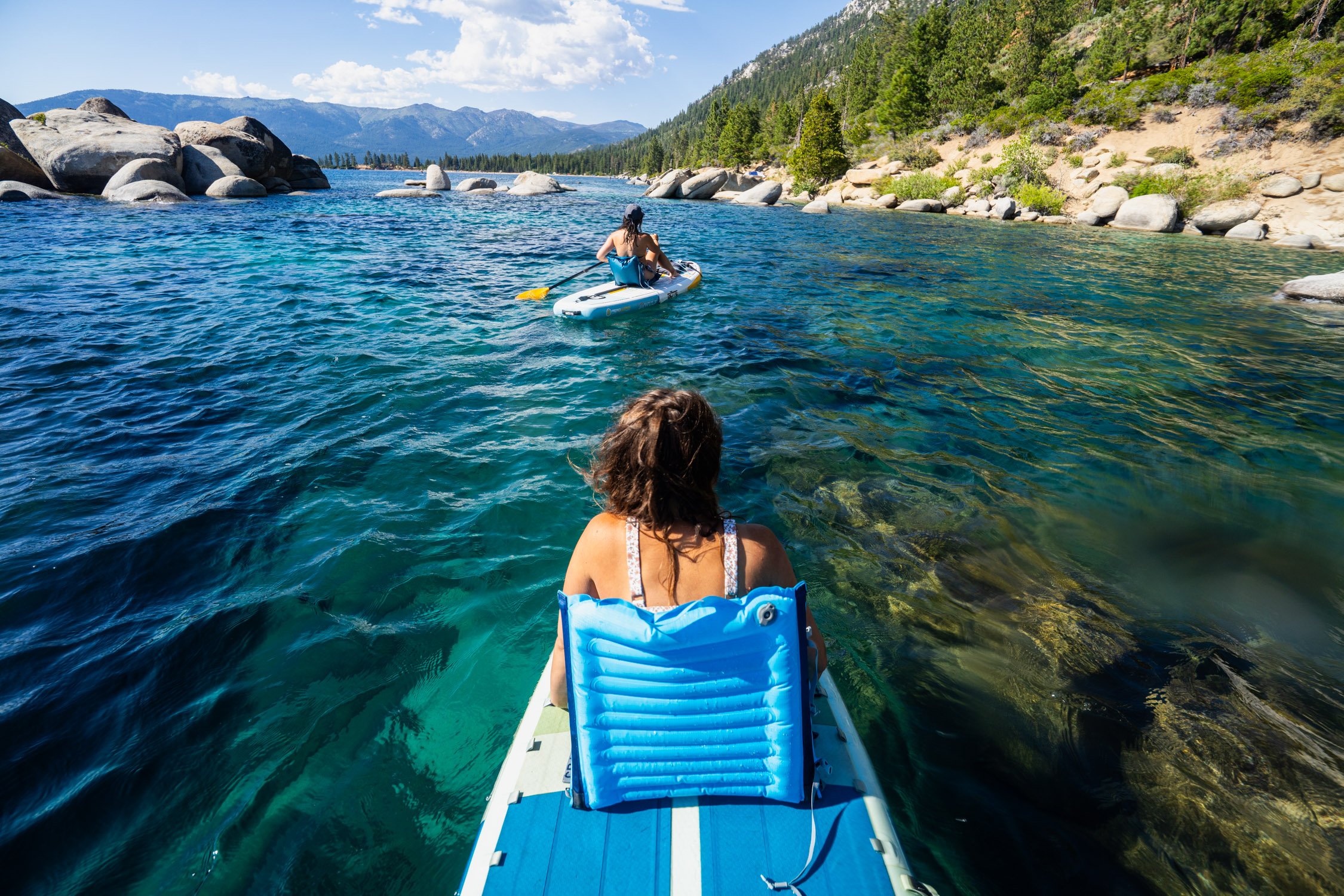
There is a Crazy Creek that is great for on water activities as well. Photo by Dalton Johnson
That friction tradeoff is the flip side of what makes the Hex version great for backpacking. It rolls down small, almost like it collapses to the size of a water bottle, and slides easily into most packs. The standard version doesn't roll up nearly as well. It's more bulky, which matters if you're trying to keep your pack light and compact. So you're choosing between packability and sled functionality, and no single version does both.
On durability, I have close to nothing bad to say. The basic version essentially doesn't pop. I've never managed to break one, and I've put mine through a lot. If you somehow do damage one, Crazy Creek backs it with a strong warranty and will replace it. Combined with a price point that usually lands between fifty and a hundred dollars, it's an easy piece of gear to justify owning, and owning more than one of.
The real downside is the obvious one: you're sitting on the ground. If you have mobility issues, getting down into it and back up can be a real challenge, and that's worth being honest about. The upside, if you use it regularly, is that the motion of getting down and back up can actually help build and maintain that mobility over time. But it's not nothing, and it's the main reason this isn't a universal recommendation for every body type or ability level.
The other honest downside is that no single version covers every use case. Want something that packs down small for backpacking? Get the Hex. Want something that doubles as a sled or sleeping pad? Get the standard or inflatable version. If you want the full range of what this product can do, you end up owning more than one, which is exactly why I have two in my car.
If you are feeling bold, use the Crazy Creek as a swing! Photo by Dalton Johnson
Bottom line, having a Crazy Creek is one of the most versatile, most durable, and most quietly essential pieces of gear I own. It's not the exciting pick, but it's the one I'd be most annoyed to be without.

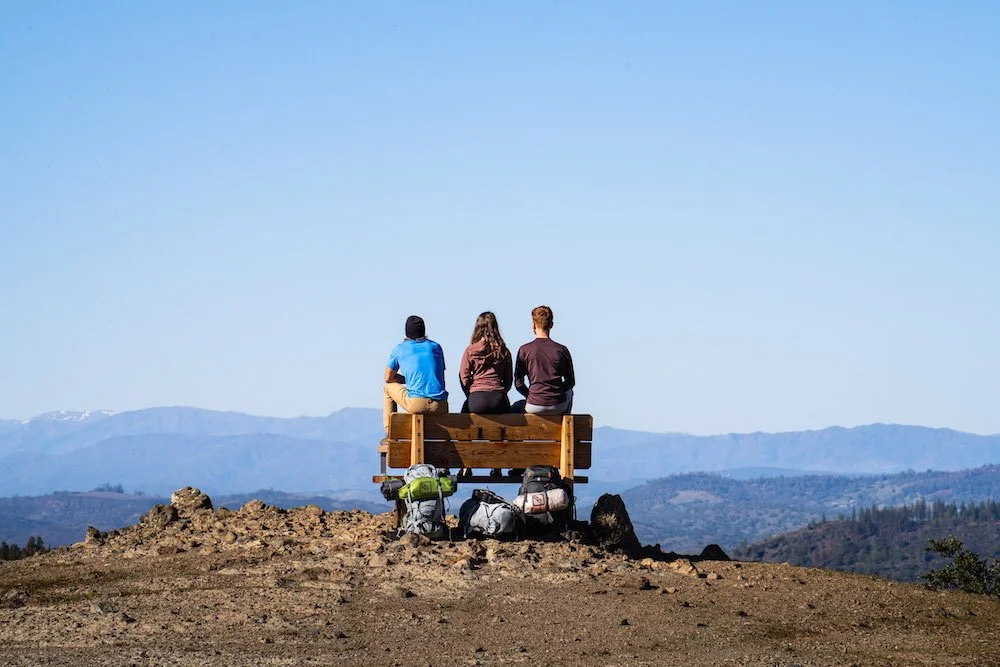

The ISLE Switch Compact is a stand-up paddleboard (SUP) and kayak hybrid that promises convenience, portability, and versatility for anyone looking to get out on the water with ease. I recently tested it out on Lake Tahoe with my dog, and here's my honest review of this product.