How to Know When a Brand Is Ready to Hire You As A Photographer
Most photographers spend their energy trying to craft the perfect pitch. The better investment is learning to read when a brand is actually in a position to say yes. Those are two completely different skills and the second one is worth a lot more.
A brand that is not ready to hire you will not hire you no matter how good the pitch is. A brand that is ready will hire you even if the pitch is imperfect. Understanding what ready looks like is what separates photographers who land consistent work from photographers who wonder why their outreach never seems to convert.
CASE STUDY: Take a deep dive into one of Oru Kayak's most successful launches

Readiness Is About Their Calendar, Not Your Pitch
The single biggest driver of whether a brand is ready to hire you has nothing to do with you. It has to do with where they are in their product and campaign cycle. Outdoor brands run one, two, maybe three campaigns a year. Those campaigns are almost always tied to product launches. When a launch is coming, budget gets allocated, timelines get set, and creative decisions get made. Outside of that window, none of those things are happening.
This is the most important thing to understand about outreach timing. The brands that go quiet for months and then suddenly respond with real interest are not responding to something you did differently. They are responding to something that changed on their end. A product finally cleared manufacturing. A launch date got confirmed. Budget got approved. The window opened and you happened to still be in their inbox when it did.
The Oru Kayak campaign is a straightforward example of this. Close to a year of outreach, mostly silence, a handful of polite not right now replies, and then a genuine response when the Lake model was ready to launch. Nothing about the pitch changed in that final touchpoint. What changed was that Oru Kayak finally had a product, a timeline, and a budget. The readiness was entirely on their end. The only thing that mattered was still being present when it arrived.

Signals That a Brand Is Moving Toward a Campaign
While you cannot know exactly when a brand's internal calendar is about to open up, there are signals worth paying attention to. New product teasers showing up on their social channels often precede a campaign window by four to eight weeks. Hiring activity on LinkedIn for marketing or content roles can signal that a brand is gearing up for a busier production period. A sudden increase in the volume or quality of their content output sometimes indicates that a launch is approaching and existing assets are being deployed ahead of it.
None of these signals are definitive on their own. But paying attention to the brands on your outreach list as living businesses rather than static logos gives you a meaningful advantage. When you notice a brand starting to tease a new product or expanding their content team, that is the moment to make sure your outreach is sharp and your most relevant work is front and center. You are not changing the pitch. You are making sure the pitch lands at the moment when someone on the other end is actually looking for what you offer.
Following brands on social media, subscribing to their newsletters, and checking in on their LinkedIn activity periodically takes very little time. It turns your outreach list from a spreadsheet into a living map of where each brand is in their cycle and helps you show up with better timing than photographers who are sending the same email on the same schedule regardless of what is happening on the brand's end.
Quick Note: If you find this article helpful, the idea come from The Adventure Photographer's Playbookand it costs $10. Why so cheap? The goal is to help as many new to mid level photographers as possible go from nothing to getting booked in 18 months. If that is you, check it out.
Here’s What Lives In My Gear Bag:
Sony a7r4; my work horse
Sony a7s3; mostly for video work like solo-filmmaking documentary
Tamron 16-30; probably my favorite lens right now
Tamron 28-75; I think this is the best all around focal length
Tamron 70-180; I don’t use this a ton, but it’s a great lens
What a Ready Brand Looks and Feels Like
When a brand is ready to hire, the conversation changes texture immediately. Replies come faster. Questions get specific. They want to know about availability, timelines, and deliverables rather than asking you to send more examples of your work. The energy shifts from evaluating to planning. You can feel the difference between a brand that is keeping you warm for a future conversation and a brand that is starting to move toward an actual project.
The Oru Kayak response that eventually led to the campaign did not feel like the previous polite replies. It was direct. They had a product. They wanted to talk about what a campaign could look like. The conversation moved from introduction to scope within the first exchange. That shift in tone and pace is what a ready brand feels like compared to one that is still in a holding pattern.
Learning to recognize that shift helps you prioritize your energy correctly. When a brand starts responding with that kind of specificity, everything else on your plate moves down a level. That is the moment to be responsive, prepared, and ready to move fast. Brands that are finally in their campaign window are often working against tight timelines and the photographer who can move quickly and confidently in that moment has a significant advantage over one who needs weeks to put together a proposal.

Patience Is the Competitive Advantage
The uncomfortable truth about knowing when a brand is ready to hire you is that you mostly cannot know in advance. You can watch for signals. You can time your outreach thoughtfully. But mostly you are playing a probability game across a large enough list that when windows open, you are already present in enough inboxes for some of them to convert.
That requires patience that most photographers do not have. The ones who build real client rosters are not the ones who cracked the code on perfect timing. They are the ones who stayed consistent long enough that timing eventually worked in their favor across enough relationships to build something sustainable. Of the roughly 300 contacts who receive outreach every two weeks, about 20 have converted to paying clients over five years. That seven percent conversion rate only exists because the outreach never stopped running.
The photographers who are not landing work are often not doing anything wrong with their pitch. They are just not staying in the game long enough for the math to work. Readiness lives on the brand's timeline, not yours. Your job is to still be there when it arrives.

The Takeaway
Stop trying to force readiness with a better pitch. Start building a system that keeps you present across enough brand relationships that when windows open, you are already there. Watch for signals that a campaign is approaching. Pay attention to how the texture of a conversation changes when a brand shifts from evaluating to planning. And when that shift happens, move fast.
The brands that hire you will almost always be ready before you know they are. The ones that do not hire you are often brands you walked away from just before their window opened. Staying in the game longer than feels comfortable is the single most reliable way to be in the right inbox at the right time.
Reflection Questions
Are you currently paying attention to the brands on your outreach list as living businesses, or are you treating them as static names on a spreadsheet?
Can you identify any signals in the last month from brands you are pitching that might indicate a campaign window is approaching?
Think about a brand relationship that eventually converted to paid work. How long did you stay consistent before the timing lined up?
What would you do differently in the first 48 hours after a brand shifts from a polite holding reply to a specific conversation about a project?
Want to create adventure photography campaigns like this? My The Adventure Photographer's Playbook breaks down everything you need to do and it only costs $10. Why so cheap? The goal is to help as many new to mid level photographers as possible go from nothing to getting booked in 18 months:

The Adventure Photographer’s Playbook is an e-book created by full-time photographer Dalton Johnson to help new photographers go from nothing to booked in the adventure photography space.
This adventure photography e-book goes over the business and what “making it” as a photographer in the outdoor space requires. Covering topics such as pricing, marketing, building a body of work, reflection questions, and everything you need to know to make a career out of adventure photography.
Updated: June 2025
Read More About Adventure Photography
About Dalton
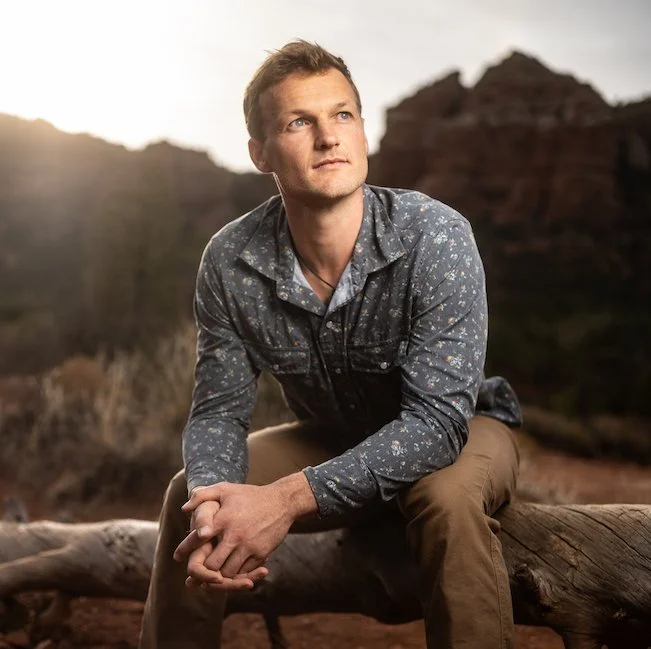
Dalton Johnson is a photographer, director, and writer (award-winning at all three) based in South Lake Tahoe, CA.
Over the last 10 years, Dalton’s creative work has taken him to every continent, above the arctic circle, and below the antarctic circle.