
How to Capture Adventure Photography in Extreme Heat
Of all the extreme conditions I've shot in over a decade of adventure photography, extreme heat is the hardest. Not the most dangerous. Not the most technically demanding in terms of gear complexity. But the hardest to manage consistently, because once things go wrong in the heat, your options for fixing them are limited.
Extreme cold has predictable problems with predictable solutions. Extreme heat is different. When your camera overheats, there's not a lot you can do except wait. And waiting costs you light, moments, and sometimes the shoot itself.
Quick Note: If you find this article helpful, the idea come from The Adventure Photographer's Playbookand it costs $10. Why so cheap? The goal is to help as many new to mid level photographers as possible go from nothing to getting booked in 18 months. If that is you, check it out.
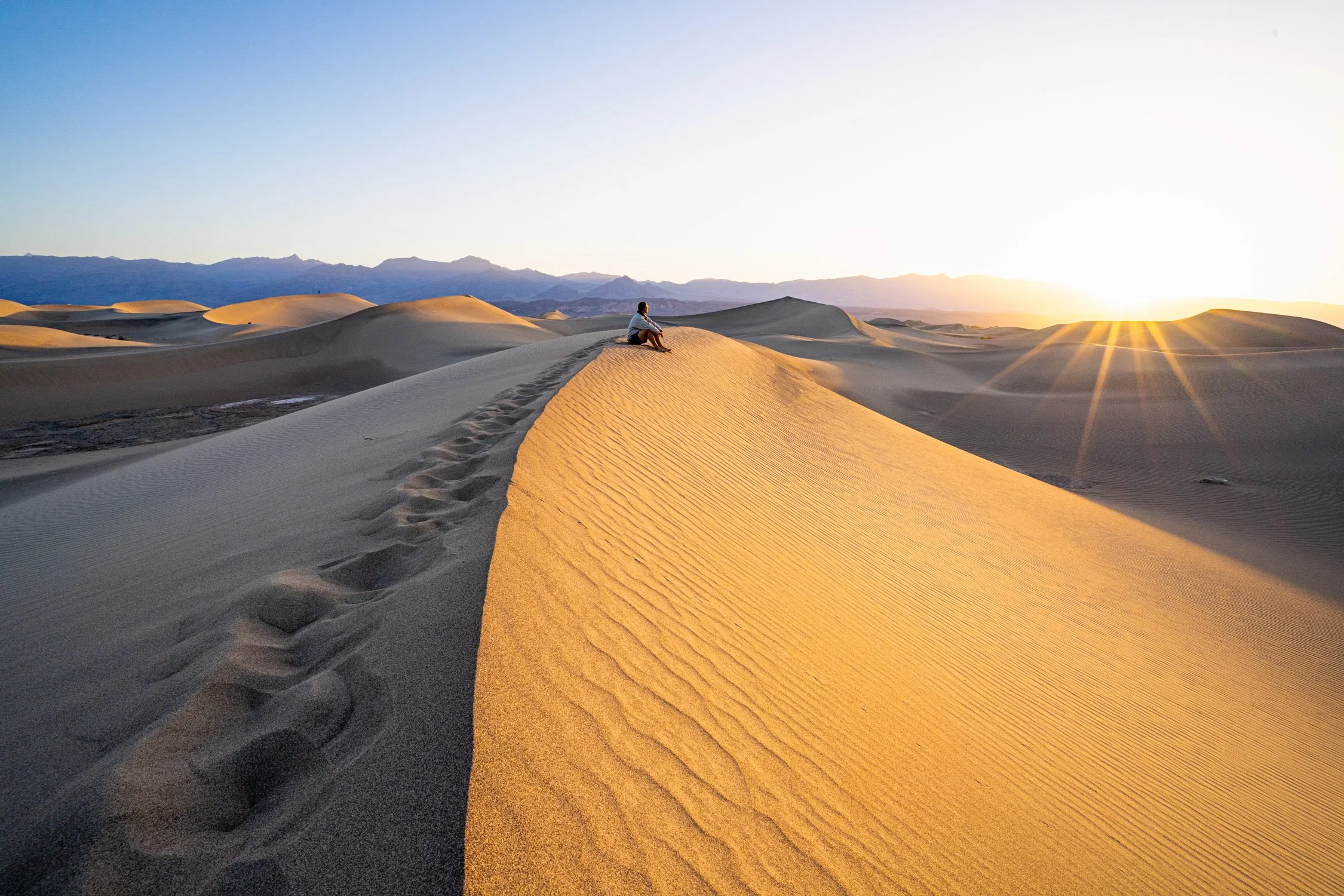
Photo by Dalton Johnson
Heat Is the Hardest Extreme Because You Can't Undo It
In cold environments, your camera is actually quite resilient. The problems are manageable and mostly preventable. Heat works differently. Modern mirrorless cameras generate their own internal heat just by running, and when you add ambient temperatures of ninety, a hundred, a hundred and ten degrees on top of that, you're pushing the thermal limits of the hardware faster than most people realize.
Video is where this becomes critical. Recording video generates significantly more heat than shooting stills. If you're running long video clips in extreme heat, your camera's internal temperature climbs fast. Most cameras have thermal protection built in and will shut down recording automatically when they hit a threshold. That shutdown happens whether you're in the middle of a critical moment or not.
For stills, the risk is lower but still real. A camera left in direct sunlight on a hot day can overheat before you've taken a single frame. That's not an exaggeration.
Keep Your Camera Out of Direct Sunlight
This is the single most important rule for shooting in extreme heat. Direct sunlight on a camera body is the fastest path to an overheated, non-functional piece of equipment. Keep it in the shade whenever you're not actively shooting. In a bag. Under a jacket. In the shadow of your vehicle. Anywhere but sitting in the sun on a rock or a seat while you take a break.
It sounds obvious until you're exhausted and distracted and you set your camera down on a hot surface without thinking. In the heat, you have to build this habit so deeply that it becomes automatic. Your camera never sits in direct sunlight. Not for two minutes. Not for thirty seconds. Never.
Here’s What Lives In My Gear Bag:
Sony a7r4; my work horse
Sony a7s3; mostly for video work like solo-filmmaking documentary
Tamron 16-30; probably my favorite lens right now
Tamron 28-75; I think this is the best all around focal length
Tamron 70-180; I don’t use this a ton, but it’s a great lens
Manage How Hard You're Pushing the Camera
In extreme heat, the way you shoot matters as much as where you keep your camera between shots. Burst mode generates heat fast. Reviewing images on the LCD generates heat. Running live view continuously generates heat. Every function that keeps the processor and sensor active is adding thermal load to a system that's already working harder than it wants to.
This doesn't mean you stop shooting. It means you shoot with intention rather than spraying frames hoping something lands. Use burst mode when you genuinely need it, for fast action, for unpredictable moments, for sequences you can't afford to miss. Then stop. Put the camera down. Let it breathe.
Between setups, turn the camera off entirely if you're not shooting. A camera in standby still generates heat. An off camera doesn't. Small habits like this across a full shoot day add up to meaningful thermal management.
Desert Shooting Requires a Different Pace
Most extreme heat shoots happen in desert environments. The Baja project. Red rock country. The backcountry of the American Southwest. These environments have their own rhythm and it's slower than most photographers expect.
You learn to work in the early morning and late afternoon when the heat is manageable and the light is actually good. The middle of the day in a desert is often both the hottest and the least interesting photographically. Flat overhead light, brutal temperatures, and a camera that's fighting to stay functional. That's not when you're making your best images anyway.
Use the midday hours for editing, gear maintenance, rest, and logistics. Build your shoot days around the temperature curve, not just the light. In the heat, pacing yourself is as important as any technical skill.

Photo by Dalton Johnson
Stay Cool So You Can Think Clearly
Here's the part that doesn't get talked about enough. Extreme heat affects your decision making before it affects your gear. A photographer who is overheated, dehydrated, and exhausted makes bad compositional choices, misses moments, and takes risks they wouldn't normally take.
Shade for yourself matters as much as shade for your camera. Water intake matters. Rest matters. I've been on shoots in extreme heat where the gear was fine and the photographer was the thing that failed, making sloppy decisions and missing opportunities because they pushed too hard in conditions that required a more measured approach.
Know your own limits in the heat the same way you know your camera's limits. Both have a threshold. Both perform better when you manage them intelligently.
Reflection Questions
Have you ever had a camera overheat in the field and lost a shot or a shoot because of it?
Do you have a system for managing how hard you push your camera during video work in warm conditions?
Are you building your shoot days around the temperature curve in hot environments, or are you trying to shoot through the middle of the day and paying for it?
When was the last time the heat affected your decision making on a shoot before it affected your gear?
This lesson comes from my The Adventure Photographer's Playbook and it costs $10. Why so cheap? The goal is to help as many new to mid level photographers as possible go from nothing to getting booked in 18 months:

The Adventure Photographer’s Playbook is an e-book created by full-time photographer Dalton Johnson to help new photographers go from nothing to booked in the adventure photography space.
This adventure photography e-book goes over the business and what “making it” as a photographer in the outdoor space requires. Covering topics such as pricing, marketing, building a body of work, reflection questions, and everything you need to know to make a career out of adventure photography.
Updated: June 2025
Read More From The Photographer’s Playbook


About Dalton
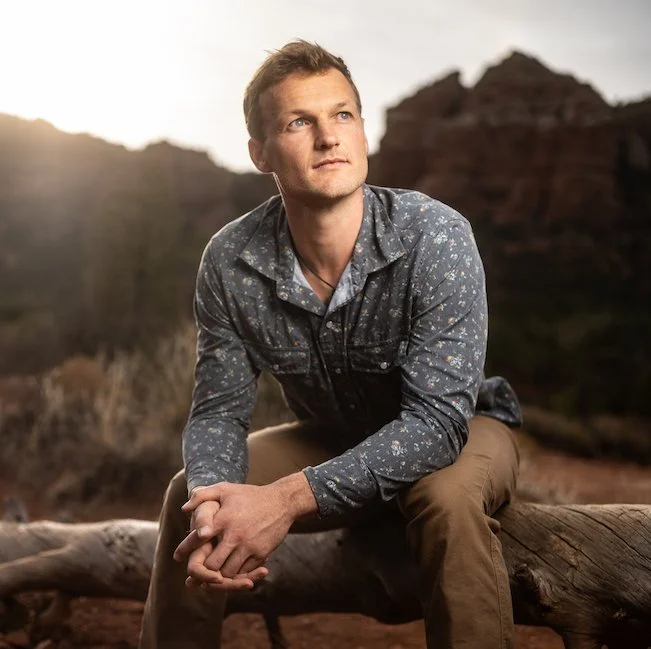
Dalton Johnson is a photographer, director, and writer (award-winning at all three) based in South Lake Tahoe, CA.
Over the last 10 years, Dalton’s creative work has taken him to every continent, above the arctic circle, and below the antarctic circle.
Getting out of the car, today’s walk was going to be short and full. Kristin and Chestnut were joining me for the evening stroll. Yes, it’s day two of my personal challenge to go for a daily photo walk, and this one was a close call. Today was filled with an afternoon of chores; taking Chestnut to the vet, donating stuff to Goodwill, and more boring things like that. The real life of a photographer, am I right?!